EP3869111A1 - Method for controlling power-on or power-off of air conditioner - Google Patents
Method for controlling power-on or power-off of air conditioner Download PDFInfo
- Publication number
- EP3869111A1 EP3869111A1 EP18937413.5A EP18937413A EP3869111A1 EP 3869111 A1 EP3869111 A1 EP 3869111A1 EP 18937413 A EP18937413 A EP 18937413A EP 3869111 A1 EP3869111 A1 EP 3869111A1
- Authority
- EP
- European Patent Office
- Prior art keywords
- variable capacity
- air conditioner
- capacity compressor
- operation state
- cylinder operation
- Prior art date
- Legal status (The legal status is an assumption and is not a legal conclusion. Google has not performed a legal analysis and makes no representation as to the accuracy of the status listed.)
- Pending
Links
Images
Classifications
-
- F—MECHANICAL ENGINEERING; LIGHTING; HEATING; WEAPONS; BLASTING
- F24—HEATING; RANGES; VENTILATING
- F24F—AIR-CONDITIONING; AIR-HUMIDIFICATION; VENTILATION; USE OF AIR CURRENTS FOR SCREENING
- F24F11/00—Control or safety arrangements
- F24F11/62—Control or safety arrangements characterised by the type of control or by internal processing, e.g. using fuzzy logic, adaptive control or estimation of values
- F24F11/63—Electronic processing
- F24F11/65—Electronic processing for selecting an operating mode
-
- F—MECHANICAL ENGINEERING; LIGHTING; HEATING; WEAPONS; BLASTING
- F24—HEATING; RANGES; VENTILATING
- F24F—AIR-CONDITIONING; AIR-HUMIDIFICATION; VENTILATION; USE OF AIR CURRENTS FOR SCREENING
- F24F11/00—Control or safety arrangements
- F24F11/30—Control or safety arrangements for purposes related to the operation of the system, e.g. for safety or monitoring
-
- F—MECHANICAL ENGINEERING; LIGHTING; HEATING; WEAPONS; BLASTING
- F24—HEATING; RANGES; VENTILATING
- F24F—AIR-CONDITIONING; AIR-HUMIDIFICATION; VENTILATION; USE OF AIR CURRENTS FOR SCREENING
- F24F11/00—Control or safety arrangements
- F24F11/62—Control or safety arrangements characterised by the type of control or by internal processing, e.g. using fuzzy logic, adaptive control or estimation of values
- F24F11/63—Electronic processing
- F24F11/64—Electronic processing using pre-stored data
-
- F—MECHANICAL ENGINEERING; LIGHTING; HEATING; WEAPONS; BLASTING
- F24—HEATING; RANGES; VENTILATING
- F24F—AIR-CONDITIONING; AIR-HUMIDIFICATION; VENTILATION; USE OF AIR CURRENTS FOR SCREENING
- F24F11/00—Control or safety arrangements
- F24F11/70—Control systems characterised by their outputs; Constructional details thereof
- F24F11/80—Control systems characterised by their outputs; Constructional details thereof for controlling the temperature of the supplied air
- F24F11/86—Control systems characterised by their outputs; Constructional details thereof for controlling the temperature of the supplied air by controlling compressors within refrigeration or heat pump circuits
-
- F—MECHANICAL ENGINEERING; LIGHTING; HEATING; WEAPONS; BLASTING
- F25—REFRIGERATION OR COOLING; COMBINED HEATING AND REFRIGERATION SYSTEMS; HEAT PUMP SYSTEMS; MANUFACTURE OR STORAGE OF ICE; LIQUEFACTION SOLIDIFICATION OF GASES
- F25B—REFRIGERATION MACHINES, PLANTS OR SYSTEMS; COMBINED HEATING AND REFRIGERATION SYSTEMS; HEAT PUMP SYSTEMS
- F25B1/00—Compression machines, plants or systems with non-reversible cycle
- F25B1/10—Compression machines, plants or systems with non-reversible cycle with multi-stage compression
-
- F—MECHANICAL ENGINEERING; LIGHTING; HEATING; WEAPONS; BLASTING
- F25—REFRIGERATION OR COOLING; COMBINED HEATING AND REFRIGERATION SYSTEMS; HEAT PUMP SYSTEMS; MANUFACTURE OR STORAGE OF ICE; LIQUEFACTION SOLIDIFICATION OF GASES
- F25B—REFRIGERATION MACHINES, PLANTS OR SYSTEMS; COMBINED HEATING AND REFRIGERATION SYSTEMS; HEAT PUMP SYSTEMS
- F25B13/00—Compression machines, plants or systems, with reversible cycle
-
- F—MECHANICAL ENGINEERING; LIGHTING; HEATING; WEAPONS; BLASTING
- F25—REFRIGERATION OR COOLING; COMBINED HEATING AND REFRIGERATION SYSTEMS; HEAT PUMP SYSTEMS; MANUFACTURE OR STORAGE OF ICE; LIQUEFACTION SOLIDIFICATION OF GASES
- F25B—REFRIGERATION MACHINES, PLANTS OR SYSTEMS; COMBINED HEATING AND REFRIGERATION SYSTEMS; HEAT PUMP SYSTEMS
- F25B41/00—Fluid-circulation arrangements
- F25B41/20—Disposition of valves, e.g. of on-off valves or flow control valves
-
- F—MECHANICAL ENGINEERING; LIGHTING; HEATING; WEAPONS; BLASTING
- F25—REFRIGERATION OR COOLING; COMBINED HEATING AND REFRIGERATION SYSTEMS; HEAT PUMP SYSTEMS; MANUFACTURE OR STORAGE OF ICE; LIQUEFACTION SOLIDIFICATION OF GASES
- F25B—REFRIGERATION MACHINES, PLANTS OR SYSTEMS; COMBINED HEATING AND REFRIGERATION SYSTEMS; HEAT PUMP SYSTEMS
- F25B49/00—Arrangement or mounting of control or safety devices
- F25B49/005—Arrangement or mounting of control or safety devices of safety devices
-
- F—MECHANICAL ENGINEERING; LIGHTING; HEATING; WEAPONS; BLASTING
- F25—REFRIGERATION OR COOLING; COMBINED HEATING AND REFRIGERATION SYSTEMS; HEAT PUMP SYSTEMS; MANUFACTURE OR STORAGE OF ICE; LIQUEFACTION SOLIDIFICATION OF GASES
- F25B—REFRIGERATION MACHINES, PLANTS OR SYSTEMS; COMBINED HEATING AND REFRIGERATION SYSTEMS; HEAT PUMP SYSTEMS
- F25B2313/00—Compression machines, plants or systems with reversible cycle not otherwise provided for
- F25B2313/023—Compression machines, plants or systems with reversible cycle not otherwise provided for using multiple indoor units
- F25B2313/0233—Compression machines, plants or systems with reversible cycle not otherwise provided for using multiple indoor units in parallel arrangements
-
- F—MECHANICAL ENGINEERING; LIGHTING; HEATING; WEAPONS; BLASTING
- F25—REFRIGERATION OR COOLING; COMBINED HEATING AND REFRIGERATION SYSTEMS; HEAT PUMP SYSTEMS; MANUFACTURE OR STORAGE OF ICE; LIQUEFACTION SOLIDIFICATION OF GASES
- F25B—REFRIGERATION MACHINES, PLANTS OR SYSTEMS; COMBINED HEATING AND REFRIGERATION SYSTEMS; HEAT PUMP SYSTEMS
- F25B2400/00—Component parts or details not otherwise provided for in this subclass
- F25B2400/07—Details of compressors or related parts
- F25B2400/074—Details of compressors or related parts with multiple cylinders
-
- F—MECHANICAL ENGINEERING; LIGHTING; HEATING; WEAPONS; BLASTING
- F25—REFRIGERATION OR COOLING; COMBINED HEATING AND REFRIGERATION SYSTEMS; HEAT PUMP SYSTEMS; MANUFACTURE OR STORAGE OF ICE; LIQUEFACTION SOLIDIFICATION OF GASES
- F25B—REFRIGERATION MACHINES, PLANTS OR SYSTEMS; COMBINED HEATING AND REFRIGERATION SYSTEMS; HEAT PUMP SYSTEMS
- F25B2500/00—Problems to be solved
- F25B2500/02—Increasing the heating capacity of a reversible cycle during cold outdoor conditions
-
- F—MECHANICAL ENGINEERING; LIGHTING; HEATING; WEAPONS; BLASTING
- F25—REFRIGERATION OR COOLING; COMBINED HEATING AND REFRIGERATION SYSTEMS; HEAT PUMP SYSTEMS; MANUFACTURE OR STORAGE OF ICE; LIQUEFACTION SOLIDIFICATION OF GASES
- F25B—REFRIGERATION MACHINES, PLANTS OR SYSTEMS; COMBINED HEATING AND REFRIGERATION SYSTEMS; HEAT PUMP SYSTEMS
- F25B2500/00—Problems to be solved
- F25B2500/26—Problems to be solved characterised by the startup of the refrigeration cycle
-
- F—MECHANICAL ENGINEERING; LIGHTING; HEATING; WEAPONS; BLASTING
- F25—REFRIGERATION OR COOLING; COMBINED HEATING AND REFRIGERATION SYSTEMS; HEAT PUMP SYSTEMS; MANUFACTURE OR STORAGE OF ICE; LIQUEFACTION SOLIDIFICATION OF GASES
- F25B—REFRIGERATION MACHINES, PLANTS OR SYSTEMS; COMBINED HEATING AND REFRIGERATION SYSTEMS; HEAT PUMP SYSTEMS
- F25B2500/00—Problems to be solved
- F25B2500/27—Problems to be solved characterised by the stop of the refrigeration cycle
-
- F—MECHANICAL ENGINEERING; LIGHTING; HEATING; WEAPONS; BLASTING
- F25—REFRIGERATION OR COOLING; COMBINED HEATING AND REFRIGERATION SYSTEMS; HEAT PUMP SYSTEMS; MANUFACTURE OR STORAGE OF ICE; LIQUEFACTION SOLIDIFICATION OF GASES
- F25B—REFRIGERATION MACHINES, PLANTS OR SYSTEMS; COMBINED HEATING AND REFRIGERATION SYSTEMS; HEAT PUMP SYSTEMS
- F25B2600/00—Control issues
- F25B2600/02—Compressor control
- F25B2600/024—Compressor control by controlling the electric parameters, e.g. current or voltage
-
- F—MECHANICAL ENGINEERING; LIGHTING; HEATING; WEAPONS; BLASTING
- F25—REFRIGERATION OR COOLING; COMBINED HEATING AND REFRIGERATION SYSTEMS; HEAT PUMP SYSTEMS; MANUFACTURE OR STORAGE OF ICE; LIQUEFACTION SOLIDIFICATION OF GASES
- F25B—REFRIGERATION MACHINES, PLANTS OR SYSTEMS; COMBINED HEATING AND REFRIGERATION SYSTEMS; HEAT PUMP SYSTEMS
- F25B2600/00—Control issues
- F25B2600/02—Compressor control
- F25B2600/025—Compressor control by controlling speed
- F25B2600/0251—Compressor control by controlling speed with on-off operation
-
- F—MECHANICAL ENGINEERING; LIGHTING; HEATING; WEAPONS; BLASTING
- F25—REFRIGERATION OR COOLING; COMBINED HEATING AND REFRIGERATION SYSTEMS; HEAT PUMP SYSTEMS; MANUFACTURE OR STORAGE OF ICE; LIQUEFACTION SOLIDIFICATION OF GASES
- F25B—REFRIGERATION MACHINES, PLANTS OR SYSTEMS; COMBINED HEATING AND REFRIGERATION SYSTEMS; HEAT PUMP SYSTEMS
- F25B2600/00—Control issues
- F25B2600/02—Compressor control
- F25B2600/025—Compressor control by controlling speed
- F25B2600/0253—Compressor control by controlling speed with variable speed
-
- F—MECHANICAL ENGINEERING; LIGHTING; HEATING; WEAPONS; BLASTING
- F25—REFRIGERATION OR COOLING; COMBINED HEATING AND REFRIGERATION SYSTEMS; HEAT PUMP SYSTEMS; MANUFACTURE OR STORAGE OF ICE; LIQUEFACTION SOLIDIFICATION OF GASES
- F25B—REFRIGERATION MACHINES, PLANTS OR SYSTEMS; COMBINED HEATING AND REFRIGERATION SYSTEMS; HEAT PUMP SYSTEMS
- F25B2600/00—Control issues
- F25B2600/02—Compressor control
- F25B2600/027—Compressor control by controlling pressure
-
- F—MECHANICAL ENGINEERING; LIGHTING; HEATING; WEAPONS; BLASTING
- F25—REFRIGERATION OR COOLING; COMBINED HEATING AND REFRIGERATION SYSTEMS; HEAT PUMP SYSTEMS; MANUFACTURE OR STORAGE OF ICE; LIQUEFACTION SOLIDIFICATION OF GASES
- F25B—REFRIGERATION MACHINES, PLANTS OR SYSTEMS; COMBINED HEATING AND REFRIGERATION SYSTEMS; HEAT PUMP SYSTEMS
- F25B2600/00—Control issues
- F25B2600/25—Control of valves
- F25B2600/2519—On-off valves
-
- Y—GENERAL TAGGING OF NEW TECHNOLOGICAL DEVELOPMENTS; GENERAL TAGGING OF CROSS-SECTIONAL TECHNOLOGIES SPANNING OVER SEVERAL SECTIONS OF THE IPC; TECHNICAL SUBJECTS COVERED BY FORMER USPC CROSS-REFERENCE ART COLLECTIONS [XRACs] AND DIGESTS
- Y02—TECHNOLOGIES OR APPLICATIONS FOR MITIGATION OR ADAPTATION AGAINST CLIMATE CHANGE
- Y02B—CLIMATE CHANGE MITIGATION TECHNOLOGIES RELATED TO BUILDINGS, e.g. HOUSING, HOUSE APPLIANCES OR RELATED END-USER APPLICATIONS
- Y02B30/00—Energy efficient heating, ventilation or air conditioning [HVAC]
- Y02B30/70—Efficient control or regulation technologies, e.g. for control of refrigerant flow, motor or heating
Definitions
- the present application relates to the field of air conditioners, and more particularly, to a method for controlling the power-on or power-off of an air conditioner.
- the frequency conversion split air conditioner based on volume switching of large and small cylinders, has its compressor adopting the design of large and small cylinders, and the large cylinder can be unloaded. Under medium and high loads, both cylinders of the compressor operate, and under low loads, only a single cylinder of the compressor operates.
- the pressure at the variable capacity port of the compressor is changed by the high-pressure and low-pressure solenoid valves to switch between single-cylinder and dual-cylinder operation states.
- the high-pressure solenoid valve When the high-pressure solenoid valve is opened, high-pressure gas is introduced into the variable capacity port, and the compressor operates in dual cylinders; when the low-pressure solenoid valve is opened, low-pressure gas is introduced into the variable capacity port, and the compressor operates in a single cylinder.
- the present disclosure provides a method for controlling the power-on or power-off of an air conditioner, configured for optimizing the control method of the air conditioner and increasing the reliability of unit startup.
- the present disclosure provides a method for controlling the power-on or power-off of an air conditioner, including the following steps:
- the following steps are adopted to determine whether the variable capacity compressor is in a standby single-cylinder operation state: determining whether a last shutdown of the air conditioner is due to a receipt of a turn-off signal; and if so, determining that the variable capacity compressor of the air conditioner is in the standby single-cylinder operation state.
- the method further includes the following steps:
- the following steps are adopted to switch the variable capacity compressor to the standby single-cylinder operation state: closing a second solenoid valve on a branch between the variable capacity port of the variable capacity compressor and an exhaust port of the variable capacity compressor, and opening a first solenoid valve on a branch between the variable capacity port of the variable capacity compressor and the air intake port of the variable capacity compressor.
- said switching the variable capacity compressor of the air conditioner to the standby single-cylinder operation state, so that the pressure at a variable capacity port of the variable capacity compressor is equal to the pressure at an air intake port of the variable capacity compressor, and then starting the air conditioner includes the following steps:
- the first preset period is 0 to 3 minutes.
- said if the variable capacity compressor being in the dual-cylinder operation state, turning off the air conditioner, and then switching the variable capacity compressor to a standby single-cylinder operation state, so that the pressure at the variable capacity port of the variable capacity compressor is equal to the pressure at the air intake port of the variable capacity compressor includes the following steps:
- the second preset period is 0 to 3 minutes.
- the air conditioner includes a frequency conversion split air conditioner.
- said switching the variable capacity compressor to the standby single-cylinder operation state, and then starting the air conditioner includes:
- variable capacity compressor switching the variable capacity compressor to the standby single-cylinder operation state, so that the pressure at the variable capacity port of the variable capacity compressor is equal to the pressure at the air intake port of the variable capacity compressor, and then starting the air conditioner.
- An embodiment of the present disclosure provides a method for controlling the power-on or power-off of an air conditioner, configured for realizing the startup and shutdown control of the frequency conversion split air conditioner.
- An air conditioner structure on which the control method is based is described below.
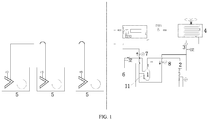
- the air conditioner includes a variable capacity compressor 1, an oil separator 2, a four-way valve 3, a first heat exchanger 4, one or more second heat exchangers 5, and a gas-liquid separator 6.
- Two control branches are disposed at a variable capacity port 11 of the variable capacity compressor 1 for switching between single and dual cylinders of the variable capacity compressor 1.
- a first solenoid valve 7 is disposed on the branch between the variable capacity port of the variable capacity compressor 1 and an outlet of the gas-liquid separator 6.
- a second solenoid valve 8 is disposed on the branch between an outlet of the oil separator 2 and the variable capacity port 11 of the variable capacity compressor 1.
- the first heat exchanger 4 is used as an outdoor heat exchanger
- the second heat exchanger 5 is used as an indoor heat exchanger.
- variable capacity compressor 1 is in a single-cylinder mode. If the second solenoid valve 8 is in an ON state and the first solenoid valve 7 is in an OFF state, the variable capacity compressor 1 is in a dual-cylinder mode.
- the pressure at the variable capacity port 11 of the variable capacity compressor 1 is controlled by the first solenoid valve 7 and the second solenoid valve 8 to switch between single and dual cylinders.
- the first solenoid valve 7 is opened, the variable capacity port 11 is connected to a low pressure, and the variable capacity compressor 1 is in a single-cylinder operation state.
- the second solenoid valve 8 is opened, the variable capacity port 11 is connected to a high pressure, and the variable capacity compressor 1 is in a dual-cylinder operation state.
- the gas pressure at the variable capacity port 11 is changed for switching between single and dual cylinders of the variable capacity compressor 1.
- the on/off state of the solenoid valves connected to the variable capacity port 11 is determined to determine the single-cylinder and dual-cylinder states of the variable capacity compressor 1 during next startup.
- other means may also be used for switching between single and dual cylinders of the variable capacity compressor 1, and when other means are used, corresponding parameters need to be used to determine the state of the variable capacity compressor 1.
- an embodiment of the present disclosure provides a method for controlling the power-on or power-off of an air conditioner, including the following steps: Step S10: determining whether the variable capacity compressor 1 of the air conditioner is in a standby single-cylinder operation state before starting the air conditioner.
- the variable capacity compressor 1 is configured to be switchable between a single-cylinder operation state and a dual-cylinder operation state;
- the single-cylinder operation state and the dual-cylinder operation state are based on a fact that the unit is in an operation state.
- the standby single-cylinder operation state is static, which means that the unit has not been started at this moment, but the piping connections and valve positions meet the requirements of single-cylinder operation.
- step S30 is directly performed; if the variable capacity compressor 1 is not in the standby single-cylinder operation state, step S20 is performed.
- a way to determine whether the variable capacity compressor 1 is in a single-cylinder operation state or a dual-cylinder operation state in a subsequent startup is to determine whether the air source connected to the variable capacity port 11 of the variable capacity compressor 1 is high pressure or low pressure.
- the high pressure here means that the variable capacity port 11 is connected to an exhaust port of the variable capacity compressor 1 or an outlet of the oil separator 2.
- the low pressure here means that the variable capacity port 11 is connected to the air intake port of the variable capacity compressor 1. The low pressure is approximately equal to the suction pressure of the variable capacity compressor 1.
- Another way to determine whether the variable capacity compressor 1 is in a standby single-cylinder operation state is based on the reason of the last shutdown of the air conditioner. Specific steps are as follows: First, obtaining the reason for the last shutdown of the air conditioner. The reasons for the shutdown include receiving a turn-off signal and power failure shutdown.
- variable capacity compressor 1 determines whether the variable capacity compressor 1 is in a standby single-cylinder operation state according to the obtained shutdown reason. If the reason for the shutdown is receiving a turn-off signal, the variable capacity compressor 1 of the air conditioner is in a standby single-cylinder operation state. If the reason for the shutdown is power failure shutdown, it is considered that the variable capacity compressor 1 of the air conditioner is not in a standby single-cylinder operation state.
- Step S20 if the variable capacity compressor 1 is in a standby single-cylinder operation state, directly starting the air conditioner; and if not, switching the variable capacity compressor of the air conditioner to the standby single-cylinder operation state, and then starting the air conditioner.
- step S20 specifically, the position of the sliding vane of the variable capacity compressor 1 is adjusted by changing the pressure at the variable capacity port 11, so that the variable capacity compressor 1 is in a standby single-cylinder operation state. That is, the variable capacity port 11 is connected to the air intake port of the variable capacity compressor 1.
- step S20 firstly the variable capacity compressor of the air conditioner is switched to a standby single-cylinder operation state, so that the pressure at the variable capacity port of the variable capacity compressor is equal to the pressure at the air intake port of the variable capacity compressor, then the air conditioner is started.
- the pressure at the variable capacity port of the variable capacity compressor being equal to the pressure at the air intake port of the variable capacity compressor means that the pressure values are approximately equal, and the pressure values of the two are allowed to have a certain deviation.
- step S20 if the variable capacity compressor 1 is not in a standby single-cylinder operation state, performing the following steps: First, switching the variable capacity compressor 1 to the standby single-cylinder operation state;
- the variable capacity compressor 1 in the standby single-cylinder operation state for a first preset period.
- the first preset period is 0 to 3 minutes.
- the following steps are used to determine whether the variable capacity compressor 1 is in a standby single-cylinder operation state: determining whether a last shutdown of the air conditioner is due to a receipt of a turn-off signal, and if so, determining that the variable capacity compressor 1 of the air conditioner is in the standby single-cylinder operation state.
- the state of the variable capacity compressor 1 of the air conditioner is uncertain, and before the power supply is cut off, the air conditioner may be in a single-cylinder operation state or in a dual-cylinder operation state. These cases are uniformly identified as that the variable capacity compressor 1 is not in a standby single-cylinder operation state. Therefore, in this way, there is no need to distinguish whether the air conditioner, before the power supply being cut off, is in a single-cylinder operation state or in a dual-cylinder operation state, and before starting the air conditioner, the variable capacity port 11 is connected with low-pressure gas, so that the pressure at the variable capacity port 11 of the variable capacity compressor 1 is equal to the pressure at the air intake port of the variable capacity compressor 1, and then step S30 is performed.
- step S20 before the air conditioner starts, the pressure at the variable capacity port 11 of the variable capacity compressor 1 can be made equal to the pressure at the air intake port, thus there will be no abnormal vibration phenomenon when startup, making the startup reliable.
- the pipeline of the air conditioner will be adjusted to a standby single-cylinder operation state after the shutdown, so that the pressure at the variable capacity port of the variable capacity compressor is equal to the pressure at the air intake port the compressor, and the air conditioner will not have abnormal vibration during the next startup. If the air conditioner is in a single-cylinder operation mode before the shutdown, it will be shut down normally.
- variable capacity compressor of the unit is adjusted to a standby single-cylinder operation mode before the next startup, so that the pressure at the variable capacity port of the variable capacity compressor is equal to the pressure at the air intake port of the compressor, and then the air conditioner is started.
- the method for controlling the power-on or power-off of the air conditioner further includes the following steps:
- step S50 with a normal shutdown, the state of the air conditioner remains unchanged, the air conditioner can be shut down in a single-cylinder operation state or in a dual-cylinder operation state.
- the variable capacity compressor 1 is switched to a standby single-cylinder operation state, so that the pressure at the variable capacity port 11 of the variable capacity compressor 1 is equal to the pressure at the air intake port of the variable capacity compressor 1.
- step S50 if the variable capacity compressor 1 is in a dual-cylinder operation state, specifically, the following steps are performed:
- the above-said equal pressure means that the pressure values are approximately equal, or in other words, the two pressures compared are allowed to have a certain deviation.
- orientation or positional relationship indicated by the terms of “central”, “longitudinal”, “transverse”, “front”, “rear”, “left”, “right”, “vertical”, “horizontal”, “top”, “bottom”, “inner”, “outer”, etc. is based on the orientation or positional relationship shown in the drawings, only for the convenience of describing the present disclosure and simplifying the description, rather than indicating or implying that the referred device or element must have a specific orientation, or be constructed and operated in a specific orientation, therefore it cannot be understood as a limitation to the protection scope of the present disclosure.
Landscapes
- Engineering & Computer Science (AREA)
- Mechanical Engineering (AREA)
- General Engineering & Computer Science (AREA)
- Physics & Mathematics (AREA)
- Chemical & Material Sciences (AREA)
- Combustion & Propulsion (AREA)
- Signal Processing (AREA)
- Thermal Sciences (AREA)
- Fuzzy Systems (AREA)
- Mathematical Physics (AREA)
- Control Of Positive-Displacement Pumps (AREA)
- Air Conditioning Control Device (AREA)
Abstract
Description
- This application is based on and claims priority to a
Chinese application No. 201811219703.8 filed on October 19, 2018 - The present application relates to the field of air conditioners, and more particularly, to a method for controlling the power-on or power-off of an air conditioner.
- Compared with the ordinary multi-split air conditioner, the frequency conversion split air conditioner, based on volume switching of large and small cylinders, has its compressor adopting the design of large and small cylinders, and the large cylinder can be unloaded. Under medium and high loads, both cylinders of the compressor operate, and under low loads, only a single cylinder of the compressor operates.
- The pressure at the variable capacity port of the compressor is changed by the high-pressure and low-pressure solenoid valves to switch between single-cylinder and dual-cylinder operation states. When the high-pressure solenoid valve is opened, high-pressure gas is introduced into the variable capacity port, and the compressor operates in dual cylinders; when the low-pressure solenoid valve is opened, low-pressure gas is introduced into the variable capacity port, and the compressor operates in a single cylinder.
- The inventor found that there are at least the following problems in the related art: due to a fact that the compressor may be in a dual-cylinder operation state or in a single-cylinder operation state when the frequency conversion variable capacity split air conditioner is shut down, during the next startup, the cylinder status of the compressor cannot be confirmed, and the vibration of the compressor cannot be controlled, causing the stress and strain of the pipeline to be affected.
- According to some embodiments of the present disclosure, the present disclosure provides a method for controlling the power-on or power-off of an air conditioner, configured for optimizing the control method of the air conditioner and increasing the reliability of unit startup.
- According to some embodiments of the present disclosure, the present disclosure provides a method for controlling the power-on or power-off of an air conditioner, including the following steps:
- determining whether a variable capacity compressor of the air conditioner is in a standby single-cylinder operation state before starting the air conditioner, where the variable capacity compressor is configured to be switchable between a single-cylinder operation state and a dual-cylinder operation state; and
- if so, starting the air conditioner; and if not, switching the variable capacity compressor of the air conditioner to the standby single-cylinder operation state, and then starting the air conditioner.
- In some embodiments, the following steps are adopted to determine whether the variable capacity compressor is in a standby single-cylinder operation state:
determining whether a last shutdown of the air conditioner is due to a receipt of a turn-off signal; and if so, determining that the variable capacity compressor of the air conditioner is in the standby single-cylinder operation state. - In some embodiments, after starting the air conditioner, the method further includes the following steps:
- operating the air conditioner;
- determining whether the variable capacity compressor is currently in a single-cylinder operation state or a dual-cylinder operation state after the air conditioner receiving a turn-off signal; and
- if the variable capacity compressor being in the dual-cylinder operation state, turning off the air conditioner, and then switching the variable capacity compressor to a standby single-cylinder operation state, so that the pressure at the variable capacity port of the variable capacity compressor is equal to the pressure at the air intake port of the variable capacity compressor; and if the variable capacity compressor being in the single-cylinder operation state, turning off the air conditioner.
- In some embodiments, the following steps are adopted to switch the variable capacity compressor to the standby single-cylinder operation state:
closing a second solenoid valve on a branch between the variable capacity port of the variable capacity compressor and an exhaust port of the variable capacity compressor, and opening a first solenoid valve on a branch between the variable capacity port of the variable capacity compressor and the air intake port of the variable capacity compressor. - In some embodiments, said switching the variable capacity compressor of the air conditioner to the standby single-cylinder operation state, so that the pressure at a variable capacity port of the variable capacity compressor is equal to the pressure at an air intake port of the variable capacity compressor, and then starting the air conditioner includes the following steps:
- switching the variable capacity compressor to the standby single-cylinder operation state;
- maintaining the variable capacity compressor in the standby single-cylinder operation state for a first preset period; and
- starting the air conditioner.
- In some embodiments, the first preset period is 0 to 3 minutes.
- In some embodiments, said if the variable capacity compressor being in the dual-cylinder operation state, turning off the air conditioner, and then switching the variable capacity compressor to a standby single-cylinder operation state, so that the pressure at the variable capacity port of the variable capacity compressor is equal to the pressure at the air intake port of the variable capacity compressor includes the following steps:
- turning off the air conditioner;
- switching the variable capacity compressor to a standby single-cylinder operation state; and
- maintaining the variable capacity compressor in the standby single-cylinder operation state for a second preset period.
- In some embodiments, the second preset period is 0 to 3 minutes.
- In some embodiments, the air conditioner includes a frequency conversion split air conditioner.
- In some embodiments, said switching the variable capacity compressor to the standby single-cylinder operation state, and then starting the air conditioner includes:
- switching the variable capacity compressor to the standby single-cylinder operation state, so that the pressure at the variable capacity port of the variable capacity compressor is equal to the pressure at the air intake port of the variable capacity compressor, and then starting the air conditioner.
- In the above solutions, regardless of whether the air conditioner is shut down because the power supply of the unit is cut off or because a turn-off signal is received, finally, before the next startup, the pressure at the variable capacity port of the variable capacity compressor is made substantially equal to the pressure at the air intake port of the compressor. Therefore, during the subsequent startup, the operation state of the cylinder of the air conditioner is always determined, and there will be no abnormal vibration caused by the high-pressure gas sealed by the variable capacity port.
-
-
FIG. 1 is a schematic view showing the principle of an air conditioner according to an embodiment of the present disclosure; and -
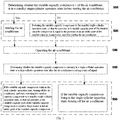
FIG. 2 is a schematic flowchart showing a method for controlling the power-on or power-off of an air conditioner according to an embodiment of the present disclosure. - The technical solutions provided by the present disclosure will be described in more detail below with reference to
FIGS. 1-2 . - An embodiment of the present disclosure provides a method for controlling the power-on or power-off of an air conditioner, configured for realizing the startup and shutdown control of the frequency conversion split air conditioner. An air conditioner structure on which the control method is based is described below.
- Referring to 1, the air conditioner includes a
variable capacity compressor 1, anoil separator 2, a four-way valve 3, afirst heat exchanger 4, one or moresecond heat exchangers 5, and a gas-liquid separator 6. Two control branches are disposed at avariable capacity port 11 of thevariable capacity compressor 1 for switching between single and dual cylinders of thevariable capacity compressor 1. Afirst solenoid valve 7 is disposed on the branch between the variable capacity port of thevariable capacity compressor 1 and an outlet of the gas-liquid separator 6. Asecond solenoid valve 8 is disposed on the branch between an outlet of theoil separator 2 and thevariable capacity port 11 of thevariable capacity compressor 1. Here, for example, thefirst heat exchanger 4 is used as an outdoor heat exchanger, and thesecond heat exchanger 5 is used as an indoor heat exchanger. - If the
first solenoid valve 7 is in an ON state and thesecond solenoid valve 8 is in an OFF state, thevariable capacity compressor 1 is in a single-cylinder mode. If thesecond solenoid valve 8 is in an ON state and thefirst solenoid valve 7 is in an OFF state, thevariable capacity compressor 1 is in a dual-cylinder mode. The pressure at thevariable capacity port 11 of thevariable capacity compressor 1 is controlled by thefirst solenoid valve 7 and thesecond solenoid valve 8 to switch between single and dual cylinders. When thefirst solenoid valve 7 is opened, thevariable capacity port 11 is connected to a low pressure, and thevariable capacity compressor 1 is in a single-cylinder operation state. When thesecond solenoid valve 8 is opened, thevariable capacity port 11 is connected to a high pressure, and thevariable capacity compressor 1 is in a dual-cylinder operation state. - In this embodiment, the gas pressure at the
variable capacity port 11 is changed for switching between single and dual cylinders of thevariable capacity compressor 1. In this way, the on/off state of the solenoid valves connected to thevariable capacity port 11 is determined to determine the single-cylinder and dual-cylinder states of thevariable capacity compressor 1 during next startup. Of course, other means may also be used for switching between single and dual cylinders of thevariable capacity compressor 1, and when other means are used, corresponding parameters need to be used to determine the state of thevariable capacity compressor 1. - Referring to
FIG. 2 , an embodiment of the present disclosure provides a method for controlling the power-on or power-off of an air conditioner, including the following steps:
Step S10: determining whether thevariable capacity compressor 1 of the air conditioner is in a standby single-cylinder operation state before starting the air conditioner. Thevariable capacity compressor 1 is configured to be switchable between a single-cylinder operation state and a dual-cylinder operation state; - The single-cylinder operation state and the dual-cylinder operation state are based on a fact that the unit is in an operation state. The standby single-cylinder operation state is static, which means that the unit has not been started at this moment, but the piping connections and valve positions meet the requirements of single-cylinder operation.
- If the
variable capacity compressor 1 is in the standby single-cylinder operation state, step S30 is directly performed; if thevariable capacity compressor 1 is not in the standby single-cylinder operation state, step S20 is performed. - A way to determine whether the
variable capacity compressor 1 is in a single-cylinder operation state or a dual-cylinder operation state in a subsequent startup is to determine whether the air source connected to thevariable capacity port 11 of thevariable capacity compressor 1 is high pressure or low pressure. The high pressure here means that thevariable capacity port 11 is connected to an exhaust port of thevariable capacity compressor 1 or an outlet of theoil separator 2. The low pressure here means that thevariable capacity port 11 is connected to the air intake port of thevariable capacity compressor 1. The low pressure is approximately equal to the suction pressure of thevariable capacity compressor 1. - Another way to determine whether the
variable capacity compressor 1 is in a standby single-cylinder operation state is based on the reason of the last shutdown of the air conditioner. Specific steps are as follows:
First, obtaining the reason for the last shutdown of the air conditioner. The reasons for the shutdown include receiving a turn-off signal and power failure shutdown. - Secondly, determining whether the
variable capacity compressor 1 is in a standby single-cylinder operation state according to the obtained shutdown reason. If the reason for the shutdown is receiving a turn-off signal, thevariable capacity compressor 1 of the air conditioner is in a standby single-cylinder operation state. If the reason for the shutdown is power failure shutdown, it is considered that thevariable capacity compressor 1 of the air conditioner is not in a standby single-cylinder operation state. - Step S20: if the
variable capacity compressor 1 is in a standby single-cylinder operation state, directly starting the air conditioner; and if not, switching the variable capacity compressor of the air conditioner to the standby single-cylinder operation state, and then starting the air conditioner. - In the above step S20, specifically, the position of the sliding vane of the
variable capacity compressor 1 is adjusted by changing the pressure at thevariable capacity port 11, so that thevariable capacity compressor 1 is in a standby single-cylinder operation state. That is, thevariable capacity port 11 is connected to the air intake port of thevariable capacity compressor 1. - Optionally, in step S20, firstly the variable capacity compressor of the air conditioner is switched to a standby single-cylinder operation state, so that the pressure at the variable capacity port of the variable capacity compressor is equal to the pressure at the air intake port of the variable capacity compressor, then the air conditioner is started. The pressure at the variable capacity port of the variable capacity compressor being equal to the pressure at the air intake port of the variable capacity compressor means that the pressure values are approximately equal, and the pressure values of the two are allowed to have a certain deviation.
- In the above step S20, if the
variable capacity compressor 1 is not in a standby single-cylinder operation state, performing the following steps:
First, switching thevariable capacity compressor 1 to the standby single-cylinder operation state; - Secondly, maintaining the
variable capacity compressor 1 in the standby single-cylinder operation state for a first preset period. In some embodiments, the first preset period is 0 to 3 minutes. - Finally, starting the air conditioner.
- In some embodiments, the following steps are used to determine whether the
variable capacity compressor 1 is in a standby single-cylinder operation state: determining whether a last shutdown of the air conditioner is due to a receipt of a turn-off signal, and if so, determining that thevariable capacity compressor 1 of the air conditioner is in the standby single-cylinder operation state. - If the last shutdown of the air conditioner is due to power failure shutdown, the state of the
variable capacity compressor 1 of the air conditioner is uncertain, and before the power supply is cut off, the air conditioner may be in a single-cylinder operation state or in a dual-cylinder operation state. These cases are uniformly identified as that thevariable capacity compressor 1 is not in a standby single-cylinder operation state. Therefore, in this way, there is no need to distinguish whether the air conditioner, before the power supply being cut off, is in a single-cylinder operation state or in a dual-cylinder operation state, and before starting the air conditioner, thevariable capacity port 11 is connected with low-pressure gas, so that the pressure at thevariable capacity port 11 of thevariable capacity compressor 1 is equal to the pressure at the air intake port of thevariable capacity compressor 1, and then step S30 is performed. - With the above step S20, before the air conditioner starts, the pressure at the
variable capacity port 11 of thevariable capacity compressor 1 can be made equal to the pressure at the air intake port, thus there will be no abnormal vibration phenomenon when startup, making the startup reliable. - In the above solutions, when the air conditioner is shut down normally, if the air conditioner is operating in a dual-cylinder operation mode before the shutdown, the pipeline of the air conditioner will be adjusted to a standby single-cylinder operation state after the shutdown, so that the pressure at the variable capacity port of the variable capacity compressor is equal to the pressure at the air intake port the compressor, and the air conditioner will not have abnormal vibration during the next startup. If the air conditioner is in a single-cylinder operation mode before the shutdown, it will be shut down normally. If the shutdown of the unit is not due to receiving a turn-off signal, for example, the unit is shut down due to power failure, the variable capacity compressor of the unit is adjusted to a standby single-cylinder operation mode before the next startup, so that the pressure at the variable capacity port of the variable capacity compressor is equal to the pressure at the air intake port of the compressor, and then the air conditioner is started.
- In some embodiments, the method for controlling the power-on or power-off of the air conditioner further includes the following steps:
- Step S30: operating the air conditioner.
- Step S40: determining whether the
variable capacity compressor 1 is currently in a single-cylinder operation state or a dual-cylinder operation state after the air conditioner receiving a turn-off signal. - Step S50: if the
variable capacity compressor 1 being in the dual-cylinder operation state, turning off the air conditioner, and then switching thevariable capacity compressor 1 to a standby single-cylinder operation state, so that the pressure at thevariable capacity port 11 of thevariable capacity compressor 1 is equal to the pressure at the air intake port of thevariable capacity compressor 1; and if thevariable capacity compressor 1 being in the single-cylinder operation state, turning off the air conditioner. - In the above step S50, with a normal shutdown, the state of the air conditioner remains unchanged, the air conditioner can be shut down in a single-cylinder operation state or in a dual-cylinder operation state. However, when in the dual-cylinder operation state, after the air conditioner being shut down, the
variable capacity compressor 1 is switched to a standby single-cylinder operation state, so that the pressure at thevariable capacity port 11 of thevariable capacity compressor 1 is equal to the pressure at the air intake port of thevariable capacity compressor 1. - In the above step S50, if the
variable capacity compressor 1 is in a dual-cylinder operation state, specifically, the following steps are performed: - first, turning off the air conditioner;
- secondly, switching the
variable capacity compressor 1 to a standby single-cylinder operation state; and - finally, maintaining the
variable capacity compressor 1 in the standby single-cylinder operation state for a second preset period. In some embodiments, the second preset period is 0 to 3 minutes, such that, with this period, the pressure at thevariable capacity port 11 of thevariable capacity compressor 1 can be equal to the pressure at the air intake port of thevariable capacity compressor 1. - It should be noted that the above-said equal pressure means that the pressure values are approximately equal, or in other words, the two pressures compared are allowed to have a certain deviation.
- In the description of the present disclosure, it should be understood that orientation or positional relationship indicated by the terms of "central", "longitudinal", "transverse", "front", "rear", "left", "right", "vertical", "horizontal", "top", "bottom", "inner", "outer", etc., is based on the orientation or positional relationship shown in the drawings, only for the convenience of describing the present disclosure and simplifying the description, rather than indicating or implying that the referred device or element must have a specific orientation, or be constructed and operated in a specific orientation, therefore it cannot be understood as a limitation to the protection scope of the present disclosure.
- Finally, it should be noted that the above embodiments are only used to illustrate the technical solutions of the present disclosure and are not intended to limit the present disclosure. Although the present disclosure has been described in detail with reference to the preferred embodiments, is should be understood by those of ordinary skill in the art should understand that the disclosed specific embodiments can still be modified or some of the technical features can be equivalently replaced without departing from the spirit of the technical solutions of the present disclosure, these modification and equivalent replacement should all be included in the scope of the technical solutions claimed by the present disclosure.
Claims (10)
- A method for controlling the power-on or power-off of an air conditioner, comprising the following steps:determining whether a variable capacity compressor of the air conditioner is in a standby single-cylinder operation state before starting the air conditioner, wherein the variable capacity compressor is configured to be switchable between a single-cylinder operation state and a dual-cylinder operation state; andif so, starting the air conditioner; and if not, switching the variable capacity compressor to the standby single-cylinder operation state, and then starting the air conditioner.
- The method according to claim 1, wherein the following steps are adopted to determine whether the variable capacity compressor is in a standby single-cylinder operation state:determining whether a last shutdown of the air conditioner is due to a receipt of a turn-off signal; andif so, determining that the variable capacity compressor of the air conditioner is in the standby single-cylinder operation state.
- The method according to claim 1, wherein after starting the air conditioner, the method further comprises the following steps:operating the air conditioner;determining whether the variable capacity compressor is currently in a single-cylinder operation state or a dual-cylinder operation state after the air conditioner receiving a turn-off signal; andif the variable capacity compressor being in the dual-cylinder operation state, turning off the air conditioner, and then switching the variable capacity compressor to a standby single-cylinder operation state, so that the pressure at the variable capacity port of the variable capacity compressor is equal to the pressure at the air intake port of the variable capacity compressor; and if the variable capacity compressor being in the single-cylinder operation state, turning off the air conditioner.
- The method according to claim 1, wherein the following steps are adopted to switch the variable capacity compressor to the standby single-cylinder operation state:
closing a second solenoid valve on a branch between the variable capacity port of the variable capacity compressor and an exhaust port of the variable capacity compressor, and opening a first solenoid valve on a branch between the variable capacity port of the variable capacity compressor and the air intake port of the variable capacity compressor. - The method according to claim 1, wherein said switching the variable capacity compressor of the air conditioner to the standby single-cylinder operation state, so that the pressure at a variable capacity port of the variable capacity compressor is equal to the pressure at an air intake port of the variable capacity compressor, and then starting the air conditioner comprises the following steps:switching the variable capacity compressor to the standby single-cylinder operation state;maintaining the variable capacity compressor in the standby single-cylinder operation state for a first preset period; andstarting the air conditioner.
- The method according to claim 5, wherein the first preset period is 0 to 3 minutes.
- The method according to claim 3, wherein said if the variable capacity compressor being in the dual-cylinder operation state, turning off the air conditioner, and then switching the variable capacity compressor to a standby single-cylinder operation state, so that the pressure at the variable capacity port of the variable capacity compressor is equal to the pressure at the air intake port of the variable capacity compressor comprises the following steps:turning off the air conditioner;switching the variable capacity compressor to a standby single-cylinder operation state; andmaintaining the variable capacity compressor in the standby single-cylinder operation state for a second preset period.
- The method according to claim 7, wherein the second preset period is 0 to 3 minutes.
- The method according to claim 1, wherein the air conditioner comprises a frequency conversion split air conditioner.
- The method according to claim 1, wherein said switching the variable capacity compressor to the standby single-cylinder operation state, and then starting the air conditioner comprises:
switching the variable capacity compressor to the standby single-cylinder operation state, so that the pressure at the variable capacity port of the variable capacity compressor is equal to the pressure at the air intake port of the variable capacity compressor, and then starting the air conditioner.
Applications Claiming Priority (2)
| Application Number | Priority Date | Filing Date | Title |
|---|---|---|---|
| CN201811219703.8A CN109357355B (en) | 2018-10-19 | 2018-10-19 | Air conditioner on-off control method |
| PCT/CN2018/120622 WO2020077779A1 (en) | 2018-10-19 | 2018-12-12 | Method for controlling power-on or power-off of air conditioner |
Publications (2)
| Publication Number | Publication Date |
|---|---|
| EP3869111A1 true EP3869111A1 (en) | 2021-08-25 |
| EP3869111A4 EP3869111A4 (en) | 2022-07-06 |
Family
ID=65345868
Family Applications (1)
| Application Number | Title | Priority Date | Filing Date |
|---|---|---|---|
| EP18937413.5A Pending EP3869111A4 (en) | 2018-10-19 | 2018-12-12 | AIR CONDITIONER ON OR OFF CONTROL METHOD |
Country Status (4)
| Country | Link |
|---|---|
| US (1) | US11841150B2 (en) |
| EP (1) | EP3869111A4 (en) |
| CN (1) | CN109357355B (en) |
| WO (1) | WO2020077779A1 (en) |
Families Citing this family (1)
| Publication number | Priority date | Publication date | Assignee | Title |
|---|---|---|---|---|
| CN111720979B (en) * | 2020-06-16 | 2021-11-05 | 海信(山东)空调有限公司 | Air conditioner and energy-saving control method thereof |
Family Cites Families (7)
| Publication number | Priority date | Publication date | Assignee | Title |
|---|---|---|---|---|
| JP3932921B2 (en) * | 2002-02-08 | 2007-06-20 | 株式会社デンソー | Engine driven refrigeration cycle apparatus and air conditioner |
| CN101995110B (en) * | 2010-10-29 | 2013-03-27 | 广东美的电器股份有限公司 | Control method of double-cylinder variable-capacity compressor air conditioning system |
| CN203375701U (en) * | 2013-06-26 | 2014-01-01 | 广东美的暖通设备有限公司 | Heat-pump water heater |
| CN103940051B (en) * | 2014-05-13 | 2017-02-22 | 珠海格力电器股份有限公司 | Control method and control system for mode conversion of air conditioner |
| CN105180372B (en) * | 2015-09-29 | 2018-07-31 | Tcl空调器(中山)有限公司 | Air conditioner control method and device |
| CN206281240U (en) * | 2016-11-25 | 2017-06-27 | 广东美的制冷设备有限公司 | A kind of twin-tub transfiguration air-conditioning system |
| CN109538457B (en) * | 2018-10-10 | 2020-05-22 | 珠海格力电器股份有限公司 | Method and device for controlling cylinder cutting of compressor, unit and air conditioning system |
-
2018
- 2018-10-19 CN CN201811219703.8A patent/CN109357355B/en active Active
- 2018-12-12 EP EP18937413.5A patent/EP3869111A4/en active Pending
- 2018-12-12 US US17/284,100 patent/US11841150B2/en active Active
- 2018-12-12 WO PCT/CN2018/120622 patent/WO2020077779A1/en not_active Ceased
Also Published As
| Publication number | Publication date |
|---|---|
| CN109357355B (en) | 2020-01-03 |
| US20210348785A1 (en) | 2021-11-11 |
| US11841150B2 (en) | 2023-12-12 |
| CN109357355A (en) | 2019-02-19 |
| WO2020077779A1 (en) | 2020-04-23 |
| EP3869111A4 (en) | 2022-07-06 |
Similar Documents
| Publication | Publication Date | Title |
|---|---|---|
| CN101191686B (en) | An air conditioner that realizes pressure balance on the high and low pressure sides | |
| US10247449B2 (en) | Variable-capacity compressor, two-stage compression system and control method thereof | |
| CN101504236B (en) | Four-way valve control method | |
| US12352484B2 (en) | Heat source unit and refrigeration device | |
| EP3805656B1 (en) | Method and device for controlling compressor cylinder switching, unit and air conditioning system | |
| WO2020192087A1 (en) | Multi-split air conditioner and control method therefor | |
| CN106152414B (en) | Air conditioner with surplus indoor unit control method and device | |
| US20210262713A1 (en) | Method and Apparatus for Controlling Compressor to Switch Cylinder Mode, Unit, and Air Conditioner System | |
| CN105180372B (en) | Air conditioner control method and device | |
| CN104848479A (en) | Air conditioner, method and device for refrigerant pipeline pressure monitor and system control thereof | |
| WO2020073488A1 (en) | Method, device, unit and air conditioning system for controlling cylinder cutting of compressor | |
| US11841150B2 (en) | Method for controlling power-on or power-off of air conditioner | |
| JP2007178026A (en) | Air conditioning apparatus and control method thereof | |
| WO2022249437A1 (en) | Heat pump device and hot water supply device | |
| CN114087738A (en) | Control method and device of air conditioner, storage medium and air conditioner | |
| EP3992551A1 (en) | Control circuit, air conditioner, and control method | |
| JP6881503B2 (en) | Air conditioning system | |
| CN205330940U (en) | Variable capacity compressor control system and air conditioner | |
| CN106642777A (en) | Double-cylinder compressor air conditioner and refrigeration method thereof | |
| KR100643687B1 (en) | Air Conditioning Unit Using Multiple Compressors | |
| CN107940796B (en) | Multi-split air conditioner system and starting control method of outdoor unit thereof | |
| CN107576104A (en) | Refrigerant regulating system and air conditioner for air conditioner | |
| CN116734428B (en) | Start control method of air conditioner | |
| CN116642256A (en) | Air conditioning system and control method thereof | |
| CN107975989A (en) | The defrosting control method of multi-online air-conditioning system |
Legal Events
| Date | Code | Title | Description |
|---|---|---|---|
| STAA | Information on the status of an ep patent application or granted ep patent |
Free format text: STATUS: THE INTERNATIONAL PUBLICATION HAS BEEN MADE |
|
| PUAI | Public reference made under article 153(3) epc to a published international application that has entered the european phase |
Free format text: ORIGINAL CODE: 0009012 |
|
| STAA | Information on the status of an ep patent application or granted ep patent |
Free format text: STATUS: REQUEST FOR EXAMINATION WAS MADE |
|
| 17P | Request for examination filed |
Effective date: 20210507 |
|
| AK | Designated contracting states |
Kind code of ref document: A1 Designated state(s): AL AT BE BG CH CY CZ DE DK EE ES FI FR GB GR HR HU IE IS IT LI LT LU LV MC MK MT NL NO PL PT RO RS SE SI SK SM TR |
|
| DAV | Request for validation of the european patent (deleted) | ||
| DAX | Request for extension of the european patent (deleted) | ||
| A4 | Supplementary search report drawn up and despatched |
Effective date: 20220608 |
|
| RIC1 | Information provided on ipc code assigned before grant |
Ipc: F25B 13/00 20060101ALI20220601BHEP Ipc: F24F 11/00 20180101AFI20220601BHEP |
|
| P01 | Opt-out of the competence of the unified patent court (upc) registered |
Effective date: 20230530 |
|
| STAA | Information on the status of an ep patent application or granted ep patent |
Free format text: STATUS: EXAMINATION IS IN PROGRESS |
|
| 17Q | First examination report despatched |
Effective date: 20260302 |