EP3868443A1 - Pharmaceutical composition for preventing or treating eye disease including tisochrysis lutea as active ingredient - Google Patents
Pharmaceutical composition for preventing or treating eye disease including tisochrysis lutea as active ingredient Download PDFInfo
- Publication number
- EP3868443A1 EP3868443A1 EP20195631.5A EP20195631A EP3868443A1 EP 3868443 A1 EP3868443 A1 EP 3868443A1 EP 20195631 A EP20195631 A EP 20195631A EP 3868443 A1 EP3868443 A1 EP 3868443A1
- Authority
- EP
- European Patent Office
- Prior art keywords
- preventing
- eye disease
- treating
- pharmaceutical composition
- eye
- Prior art date
- Legal status (The legal status is an assumption and is not a legal conclusion. Google has not performed a legal analysis and makes no representation as to the accuracy of the status listed.)
- Granted
Links
Images
Classifications
-
- A—HUMAN NECESSITIES
- A61—MEDICAL OR VETERINARY SCIENCE; HYGIENE
- A61K—PREPARATIONS FOR MEDICAL, DENTAL OR TOILETRY PURPOSES
- A61K36/00—Medicinal preparations of undetermined constitution containing material from algae, lichens, fungi or plants, or derivatives thereof, e.g. traditional herbal medicines
- A61K36/02—Algae
- A61K36/03—Phaeophycota or phaeophyta (brown algae), e.g. Fucus
-
- A—HUMAN NECESSITIES
- A23—FOODS OR FOODSTUFFS; TREATMENT THEREOF, NOT COVERED BY OTHER CLASSES
- A23L—FOODS, FOODSTUFFS OR NON-ALCOHOLIC BEVERAGES, NOT OTHERWISE PROVIDED FOR; PREPARATION OR TREATMENT THEREOF
- A23L33/00—Modifying nutritive qualities of foods; Dietetic products; Preparation or treatment thereof
- A23L33/10—Modifying nutritive qualities of foods; Dietetic products; Preparation or treatment thereof using additives
- A23L33/105—Plant extracts, their artificial duplicates or their derivatives
-
- A—HUMAN NECESSITIES
- A61—MEDICAL OR VETERINARY SCIENCE; HYGIENE
- A61K—PREPARATIONS FOR MEDICAL, DENTAL OR TOILETRY PURPOSES
- A61K9/00—Medicinal preparations characterised by special physical form
- A61K9/0012—Galenical forms characterised by the site of application
- A61K9/0048—Eye, e.g. artificial tears
-
- A—HUMAN NECESSITIES
- A61—MEDICAL OR VETERINARY SCIENCE; HYGIENE
- A61K—PREPARATIONS FOR MEDICAL, DENTAL OR TOILETRY PURPOSES
- A61K9/00—Medicinal preparations characterised by special physical form
- A61K9/0012—Galenical forms characterised by the site of application
- A61K9/0053—Mouth and digestive tract, i.e. intraoral and peroral administration
-
- A—HUMAN NECESSITIES
- A61—MEDICAL OR VETERINARY SCIENCE; HYGIENE
- A61P—SPECIFIC THERAPEUTIC ACTIVITY OF CHEMICAL COMPOUNDS OR MEDICINAL PREPARATIONS
- A61P27/00—Drugs for disorders of the senses
- A61P27/02—Ophthalmic agents
-
- A—HUMAN NECESSITIES
- A61—MEDICAL OR VETERINARY SCIENCE; HYGIENE
- A61P—SPECIFIC THERAPEUTIC ACTIVITY OF CHEMICAL COMPOUNDS OR MEDICINAL PREPARATIONS
- A61P27/00—Drugs for disorders of the senses
- A61P27/02—Ophthalmic agents
- A61P27/04—Artificial tears; Irrigation solutions
-
- A—HUMAN NECESSITIES
- A23—FOODS OR FOODSTUFFS; TREATMENT THEREOF, NOT COVERED BY OTHER CLASSES
- A23V—INDEXING SCHEME RELATING TO FOODS, FOODSTUFFS OR NON-ALCOHOLIC BEVERAGES AND LACTIC OR PROPIONIC ACID BACTERIA USED IN FOODSTUFFS OR FOOD PREPARATION
- A23V2002/00—Food compositions, function of food ingredients or processes for food or foodstuffs
-
- A—HUMAN NECESSITIES
- A23—FOODS OR FOODSTUFFS; TREATMENT THEREOF, NOT COVERED BY OTHER CLASSES
- A23V—INDEXING SCHEME RELATING TO FOODS, FOODSTUFFS OR NON-ALCOHOLIC BEVERAGES AND LACTIC OR PROPIONIC ACID BACTERIA USED IN FOODSTUFFS OR FOOD PREPARATION
- A23V2250/00—Food ingredients
- A23V2250/20—Natural extracts
- A23V2250/202—Algae extracts
Definitions
- the present disclosure relates to a pharmaceutical composition and a health functional food composition, each including Tisochrysis lutea as an active ingredient, for preventing or treating an eye disease.
- Dry eye syndrome is a disease that includes damage to the eyeball surface due to an improper balance of tear components resulting from a lack of tears or excessive evaporation of tears, and is accompanied by symptoms including eye irritation such as foreign body sensation and sensation of dryness, as well as a deterioration of eyesight.
- This dry eye syndrome affects quality of life by reducing visual function and making it difficult to perform everyday activities such as driving, reading, watching television, etc.
- corneal/conjunctival disorders are caused by abnormalities in one of the oily layer, the aqueous layer, and the mucous layer, which make up the tear film.
- abnormality of the mucous layer causes serious corneal disorders.
- Dry eye syndrome increases fluorescein permeability of corneal epithelial cells, conjunctival transformation, and loss of goblet cells, leading to pathological changes in epithelial cells of the corneal surface.
- corneal epithelial disorders or corneal epithelial erosion as well as corneal ulceration and eye infections may occur, and in some cases, corneal transplantation is needed.
- Patent Document 1 Korean Patent No. KR10-2040810
- An aspect provides a pharmaceutical composition for preventing or treating an eye disease, the pharmaceutical composition including Tisochrysis lutea as an active ingredient.
- Another aspect provides a method of treating an eye disease in an individual, the method including administering, to the individual, the pharmaceutical composition in an effective amount for preventing or treating the eye disease.
- Still another aspect provides a health functional food composition for preventing or improving an eye disease or for improving eye function, the health functional food composition including Tisochrysis lutea as an active ingredient.
- An aspect provides a pharmaceutical composition for preventing or treating an eye disease, the pharmaceutical composition including Tisochrysis lutea as an active ingredient.
- the Tisochrysis lutea is an algae that commonly inhabits in the aquatic environment. Further, the Tisochrysis lutea is a protist that has a photosynthetic pigment and has an autotrophic lifestyle.
- eye disease refers to a disease, disorder, or illness that affects or is associated with eyes, a part of eyes, or a region of eyes.
- the eye in a broad sense, includes eyeball and tissues and fluids that make up the eyeball, muscles around the eye (oblique muscle and rectus muscle), and optic nerves within or adjacent to the eyeball.
- the Tisochrysis lutea may be included in an amount of 0.0001% by weight to 99.0% by weight, for example, 0.01% by weight to 60% by weight, 0.01% by weight to 40% by weight, 0.01% by weight to 30% by weight, 0.01% by weight to 20% by weight, 0.01% by weight to 10% by weight, 0.01% by weight to 5% by weight, 0.05% by weight to 60% by weight, 0.05% by weight to 40% by weight, 0.05% by weight to 30% by weight, 0.05% by weight to 20% by weight, 0.05% by weight to 10% by weight, 0.05% by weight to 5% by weight, 0.1% by weight to 60% by weight, 0.1% by weight to 40% by weight, 0.1% by weight to 30% by weight, 0.1% by weight to 20% by weight, 0.1% by weight to 10% by weight, or 0.1% by weight to 5% by weight, based on the total weight of the composition.
- the eye disease may be one or more selected from the group consisting of dry eye syndrome, blepharitis, keratitis, uveitis, retinitis, optic neuritis, meibomian gland dysfunction, atopic keratoconjunctivitis, and macular degeneration.
- the dry eye syndrome may be caused by one or more selected from the group consisting of alacrima, corneal xerosis, Sjogren's syndrome, keratoconjunctivitis sicca, Stevens-Johnson syndrome, ocular pemphigoid, dry eye syndrome after ophthalmic surgery, dry eye syndrome accompanied by allergic conjunctivitis, tear reduction in visual display terminal (VDT) workers, dry environment, and wearing of contact lenses.
- VDT visual display terminal
- the dry eye syndrome may include a disorder of the tear film due to tear deficiency or excessive evaporation, and may also include symptoms of ocular discomfort which causes damage to the interpalpebral ocular surface. Further, the dry eye syndrome is a multifactorial disease of tears and ocular surface that results in symptoms of discomfort, visual disturbance, and tear film instability with potential damage to the ocular surface. It is accompanied by increased osmolarity of the tear film and inflammation of the ocular surface. Further, the dry eye syndrome involves aqueous tear-deficient dry eye syndrome and evaporative dry eye syndrome. The aqueous tear-deficient dry eye syndrome may include diseases caused by a failure of lacrimal tear secretion. Further, the evaporative dry eye syndrome may include diseases caused by excessive water loss from the exposed ocular surface in the presence of normal lacrimal secretory function.
- the composition may increase tear secretion or may restore corneal injury.
- the corneal injury means that the thickness of the corneal surface becomes thinner, as compared with a normal control, due to excessive tear drying, which may be improved by the composition of the present disclosure.
- the composition may be used after being formulated into various preparations according to a common method.
- the composition may be an oral preparation.
- the oral preparation may be one or more selected from the group consisting of a tablet, granules, a pill, a capsule, a liquid formulation, and a jelly.
- the composition may further include a pharmaceutically acceptable carrier, excipient, or diluent.
- the pharmaceutically acceptable carrier, excipient, or diluent may include any one or more selected from the group consisting of lactose, dextrose, sucrose, calcium silicate, cellulose, methylcellulose, microcrystalline cellulose, polyvinylpyrrolidone, water, methylhydroxy benzoate, propylhydroxy benzoate, talc, magnesium stearate, and mineral oil, but is not limited thereto.
- Administration of the pharmaceutical composition according to the present disclosure may be performed once daily or in a few divided doses. Therefore, the above administration dose does not limit the scope of the present disclosure in any aspect.
- the administration dose of the pharmaceutical composition may be 1 mg/kg/day to 1,000 mg/kg/day.
- active ingredient or “effective amount” may mean any amount of the composition sufficient to alleviate, inhibit, or prevent a disease, a disorder, or a disease condition, or one or more symptoms thereof.
- the term "preventing” refers to all actions of approaching a normal control by restraining or retarding symptoms of the eye disease by administering the composition according to the present disclosure.
- treating means all actions by which symptoms of the eye disease become equal to those of a normal control, have taken a turn for the better or been modified favorably by administering the composition according to the present disclosure.
- composition refers to those prepared for preventing or treating a disease.
- Another aspect provides a method of treating an eye disease in an individual, the method including administering, to the individual, the pharmaceutical composition in an effective amount for preventing or treating the eye disease.
- administering may be used interchangeably with “introducing”, and “transplanting”, and refers to placement of the composition according to a specific embodiment into an individual by a method or route which results in at least partial localization of the composition according to a specific embodiment at a desired site.
- An extract of the composition according to a specific embodiment or at least portion of the extract component may be administered via any appropriate route which results in delivery to a desired site in the individual that survives.
- Administration may be performed by a method known in the art.
- the composition may be directly administered to an individual by any means via a route such as intravenous, intramuscular, oral, transdermal, mucosal, intranasal, intratracheal, or subcutaneous administration.
- the administration may be performed systemically or locally.
- the individual may be a mammal.
- the mammal may be a human, a dog, a cat, a cow, a goat, or a pig.
- the administration may be performed by any general route as long as it may reach a target tissue.
- it may be administered via a route such as eye drop administration, intraperitoneal administration, intravenous administration, intramuscular administration, subcutaneous administration, intradermal administration, transdermal patch administration, oral administration, etc., and specifically, via the route of eye drop administration, as needed.
- Still another aspect provides a health functional food composition for preventing or improving the eye disease or for improving eye function, the health functional food composition including Tisochrysis lutea as an active ingredient.
- the algae, active ingredient, eye disease, and preventing are as described above.
- the phrase “improving the eye disease” may mean alleviating symptoms of the eye disease that have already occurred.
- the phrase "improving eye function” may mean reducing or alleviating the degree of negative symptoms, such as eye discomfort when recognizing the presence or shape of an object.
- the health functional food composition includes drinks, meats, sausages, breads, biscuits, rice cakes, chocolates, candies, snacks, confectionery, pizzas, ramen noodles, other noodles, gums, dairy products such as ice-creams, various soups, beverages, alcoholic beverages, and vitamin complexes.
- the health functional food includes all commonly accepted health functional foods.
- the active ingredient of the present disclosure may be added to a food as it is or may be used with other foods or food ingredients, and may be appropriately used according to a common method.
- a mixing amount of the active ingredient may be appropriately determined according to its purpose of use (for prevention or improvement).
- the active ingredient in the health functional food may be added in an amount of 0.1 part by weight to 90 parts by weight, based on the total weight of the food.
- the amount may be less than the above range.
- the active ingredient may be used in an amount exceeding the above range.
- the health functional beverage composition of the present disclosure has no particular limitation on other ingredients, except that the active ingredient is included at a predetermined ratio as an essential ingredient. It may include various flavoring agents, natural carbohydrates, etc. as additional ingredients, as in common beverages.
- natural carbohydrates include common sugars such as monosaccharides, for example, glucose, fructose, etc.; disaccharides, for example, maltose, sucrose, etc.; and polysaccharides, for example, dextrin, cyclodextrin, etc., and sugar alcohols such as xylitol, sorbitol, erythritol, etc.
- natural flavoring agents thaumatin, stevia extract (e.g., rebaudioside A, glycyrrhizin, etc.)
- synthetic flavoring agents e.g., saccharin, aspartame, etc.
- a proportion of the natural carbohydrate may be about 1 g to 20 g, or about 5 g to 12 g per 100 ml of the composition of the present disclosure.
- the active ingredient of the present disclosure may include various nutrients, vitamins, minerals (electrolytes), flavors such as synthetic flavors, natural flavors, etc., coloring agents, enhancers (cheese, chocolate, etc.), pectic acid and salts thereof, alginic acid and salts thereof, organic acids, protective colloidal thickeners, pH regulators, stabilizers, antiseptics, glycerin, alcohols, and carbonating agents used in carbonated drinks, etc.
- the active ingredient of the present disclosure may include natural fruit juice and fruit flesh for preparation of fruit beverages and vegetable beverages. These ingredients may be used alone or in combination thereof. A proportion of these additives is, for example, selected from the range of about 0.1 parts by weight to about 20 parts by weight, based on 100 parts by weight of the active ingredient of the present disclosure.
- Tisochrysis lutea included in a composition of the present disclosure was purchased from Komipharm.
- mice 7-week-old female BALB/c mice were purchased and acclimated to an air-controlled animal facility with a temperature of 24 ⁇ 2°C, humidity of 50 ⁇ 10%, and 12 hr light/12 hr dark cycle. Food and water were provided ad libitum. After a week of domestication, 200 ⁇ l of 2.5 mg/mL scopolamine was subcutaneously injected twice a day for 2 weeks.
- mice of Section 2.1 were used. Five mouse individuals randomly assigned to each experimental group were constructed as follows: a non-treated normal control group (NTC), a disease group with scopolamine-induced dry eye syndrome by a method of Section 2.1 (DE), and a Tisochrysis lutea-administered group with scopolamine-induced dry eye syndrome (I), i.e., one normal control group, one disease group, and three administered groups. Tisochrysis lutea was orally administered to each mouse once a day at a concentration of 300 mg/kg.
- NTC non-treated normal control group
- DE disease group with scopolamine-induced dry eye syndrome by a method of Section 2.1
- I scopolamine-induced dry eye syndrome
- Tisochrysis lutea was orally administered to each mouse once a day at a concentration of 300 mg/kg.
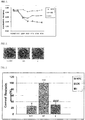
- FIG. 1 is a graph showing results of measuring tear production of mice over time (week) by using the Schirmer test method (NTC represents the non-treated normal control group, DE represents the disease group with scopolamine-induced dry eye syndrome, and I represents the Tisochrysis lutea-treated group with scopolamine-induced dry eye syndrome).
- the degree of corneal injury of the mice was examined by performing the fluorescence staining for the eyes of five mice each group.
- One drop (about 15 ⁇ l to about 20 ⁇ l) of fluorescein was applied to the corneal surface of each mouse to coat the tear film, followed by visualizing the cornea with blue light.
- the injured corneal surface was stained with fluorescein, it appears green under blue light.
- the corneal surface was photographed, and a percentage of the green-stained injured cornea area to the entire area of the cornea was calculated using Image J to determine the degree of injury.
- FIG. 2 shows photographs showing the degree of corneal injury in mice, determined by using a fluorescence staining method.
- NTC represents a non-treated normal control group
- DE represents a disease group with scopolamine-induced dry eye syndrome
- I represents a Tisochrysis lutea-treated group with scopolamine-induced dry eye syndrome
- *** represents p ⁇ 0.001
- ### represents P ⁇ 0.001
- the Tisochrysis lutea-treated group (I) showed about 60% increase in the tear production, as compared with the DE group ( FIG. 1 ), and showed repair of corneal injury in a similar level to the normal control group, as compared with the DE group ( FIGS. 2 and 3 ).
- one eye and tear gland of the sacrificed mouse were prepared in paraffin blocks, and then paraffin blocks were cut to 3 ⁇ m, and paraffin was removed for 3 minutes three times using a xylene solution.
- Ethanol, acetic acid, and glycerol were added to a 10 (v/v)% ammonium solution to prepare a hematoxylin solution, which was used to stain for 10 minutes the tissue slides from which paraffin had been removed.
- the stained slides were washed for 1 minute with distilled water, and then immersed in 1 (v/v)% HCI-70 (v/v)% ethanol for 5 seconds, and then immersed in distilled water for 5 minutes.
- the slides were treated with a 0.3% ammonia solution for 2 minutes and washed with distilled water.
- the washed tissues were subjected to eosin staining for 2 minutes using an eosin staining solution which was prepared by using 1 (v/v)% eosin, ethanol, and acetic acid, and then washed once with 50%, 70%, 90%, 95%, 100% ethanol, xylene solution (2 minutes/time), respectively.
- Canadian balsam was dropped on each washed slide, and the slide was covered with a cover slide to harden it, changes in the cornea and tear gland were measured using an inverted microscope (TE-2000U, Nikon, Tokyo, Japan).
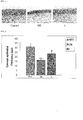
- FIG. 4 shows photographs which show the corneal thicknesses of mice, determined by an H&E staining method.
- FIG. 5 is a graph showing results of measuring corneal thickness of mice (NTC represents a non-treated normal control group, DE represents a disease group with scopolamine-induced dry eye syndrome, and I represents a Tisochrysis lutea -treated group with scopolamine-induced dry eye syndrome, and # represents P ⁇ 0.05, and *** represents p ⁇ 0.001).
- tear production may be increased or corneal injury may be repaired, and thus the compositions may be usefully applied to preventing, treating, or improving eye diseases.
Landscapes
- Health & Medical Sciences (AREA)
- Life Sciences & Earth Sciences (AREA)
- Engineering & Computer Science (AREA)
- Chemical & Material Sciences (AREA)
- General Health & Medical Sciences (AREA)
- Veterinary Medicine (AREA)
- Public Health (AREA)
- Animal Behavior & Ethology (AREA)
- Pharmacology & Pharmacy (AREA)
- Medicinal Chemistry (AREA)
- Biotechnology (AREA)
- Natural Medicines & Medicinal Plants (AREA)
- Epidemiology (AREA)
- Ophthalmology & Optometry (AREA)
- Nuclear Medicine, Radiotherapy & Molecular Imaging (AREA)
- Mycology (AREA)
- Organic Chemistry (AREA)
- Botany (AREA)
- General Chemical & Material Sciences (AREA)
- Bioinformatics & Cheminformatics (AREA)
- Chemical Kinetics & Catalysis (AREA)
- Nutrition Science (AREA)
- Microbiology (AREA)
- Medical Informatics (AREA)
- Alternative & Traditional Medicine (AREA)
- Food Science & Technology (AREA)
- Polymers & Plastics (AREA)
- Physiology (AREA)
- Acyclic And Carbocyclic Compounds In Medicinal Compositions (AREA)
- Medicines Containing Plant Substances (AREA)
- Coloring Foods And Improving Nutritive Qualities (AREA)
- Pharmaceuticals Containing Other Organic And Inorganic Compounds (AREA)
Abstract
Description
- This application claims the benefit of Korean Patent Application No.
10-2020-0021760, filed on February 21, 2020 - The present disclosure relates to a pharmaceutical composition and a health functional food composition, each including Tisochrysis lutea as an active ingredient, for preventing or treating an eye disease.
- As modern society is said to be a multimedia era and a visual era, modern society's dependence on vision is increasing, and use of eyes in smartphones, TVs, computers, electronic games, and workplaces is increasing. For examinees, excessive study and excessive use of computers have increased eye fatigue. In particular, the use of smartphones, development of computers, and long-term use of eyes by examinees are causes of eye strain, and the eyes are the primary organs in the body that may become easily fatigued. One of the most common causes of eye strain is stress. Stress, which is always mentioned in all common senses about health, makes eyes more fatigued. Most young people have such experiences. The number of people complaining of eye fatigue and headaches with dry eye syndrome is increasing exponentially, since eyes are being overworked due to the excessive use of computers and smartphones.
- Dry eye syndrome is a disease that includes damage to the eyeball surface due to an improper balance of tear components resulting from a lack of tears or excessive evaporation of tears, and is accompanied by symptoms including eye irritation such as foreign body sensation and sensation of dryness, as well as a deterioration of eyesight. This dry eye syndrome affects quality of life by reducing visual function and making it difficult to perform everyday activities such as driving, reading, watching television, etc.
- In most cases of dry eye syndrome, corneal/conjunctival disorders are caused by abnormalities in one of the oily layer, the aqueous layer, and the mucous layer, which make up the tear film. Among them, abnormality of the mucous layer causes serious corneal disorders. Dry eye syndrome increases fluorescein permeability of corneal epithelial cells, conjunctival transformation, and loss of goblet cells, leading to pathological changes in epithelial cells of the corneal surface. As a result, corneal epithelial disorders or corneal epithelial erosion as well as corneal ulceration and eye infections may occur, and in some cases, corneal transplantation is needed.
- Even though the number of patients with dry eye syndrome continues to increase due to the use of electronic devices such as computers and smartphones, as well as increased use of contact lenses and increases in fine dust, there are no specific therapeutic agents or functional foods.
- (Patent Document 1) Korean Patent No.
KR10-2040810 - An aspect provides a pharmaceutical composition for preventing or treating an eye disease, the pharmaceutical composition including Tisochrysis lutea as an active ingredient.
- Another aspect provides a method of treating an eye disease in an individual, the method including administering, to the individual, the pharmaceutical composition in an effective amount for preventing or treating the eye disease.
- Still another aspect provides a health functional food composition for preventing or improving an eye disease or for improving eye function, the health functional food composition including Tisochrysis lutea as an active ingredient.
- Additional aspects will be set forth in part in the description which follows and, in part, will be apparent from the description, or may be learned by practice of the presented embodiments of the disclosure.
- An aspect provides a pharmaceutical composition for preventing or treating an eye disease, the pharmaceutical composition including Tisochrysis lutea as an active ingredient.
- The Tisochrysis lutea is an algae that commonly inhabits in the aquatic environment. Further, the Tisochrysis lutea is a protist that has a photosynthetic pigment and has an autotrophic lifestyle.
- As used herein, the term "eye disease" refers to a disease, disorder, or illness that affects or is associated with eyes, a part of eyes, or a region of eyes. The eye, in a broad sense, includes eyeball and tissues and fluids that make up the eyeball, muscles around the eye (oblique muscle and rectus muscle), and optic nerves within or adjacent to the eyeball.
- The Tisochrysis lutea may be included in an amount of 0.0001% by weight to 99.0% by weight, for example, 0.01% by weight to 60% by weight, 0.01% by weight to 40% by weight, 0.01% by weight to 30% by weight, 0.01% by weight to 20% by weight, 0.01% by weight to 10% by weight, 0.01% by weight to 5% by weight, 0.05% by weight to 60% by weight, 0.05% by weight to 40% by weight, 0.05% by weight to 30% by weight, 0.05% by weight to 20% by weight, 0.05% by weight to 10% by weight, 0.05% by weight to 5% by weight, 0.1% by weight to 60% by weight, 0.1% by weight to 40% by weight, 0.1% by weight to 30% by weight, 0.1% by weight to 20% by weight, 0.1% by weight to 10% by weight, or 0.1% by weight to 5% by weight, based on the total weight of the composition.
- The eye disease may be one or more selected from the group consisting of dry eye syndrome, blepharitis, keratitis, uveitis, retinitis, optic neuritis, meibomian gland dysfunction, atopic keratoconjunctivitis, and macular degeneration. Here, the dry eye syndrome may be caused by one or more selected from the group consisting of alacrima, corneal xerosis, Sjogren's syndrome, keratoconjunctivitis sicca, Stevens-Johnson syndrome, ocular pemphigoid, dry eye syndrome after ophthalmic surgery, dry eye syndrome accompanied by allergic conjunctivitis, tear reduction in visual display terminal (VDT) workers, dry environment, and wearing of contact lenses. The dry eye syndrome may include a disorder of the tear film due to tear deficiency or excessive evaporation, and may also include symptoms of ocular discomfort which causes damage to the interpalpebral ocular surface. Further, the dry eye syndrome is a multifactorial disease of tears and ocular surface that results in symptoms of discomfort, visual disturbance, and tear film instability with potential damage to the ocular surface. It is accompanied by increased osmolarity of the tear film and inflammation of the ocular surface. Further, the dry eye syndrome involves aqueous tear-deficient dry eye syndrome and evaporative dry eye syndrome. The aqueous tear-deficient dry eye syndrome may include diseases caused by a failure of lacrimal tear secretion. Further, the evaporative dry eye syndrome may include diseases caused by excessive water loss from the exposed ocular surface in the presence of normal lacrimal secretory function.
- In a specific embodiment, the composition may increase tear secretion or may restore corneal injury. The corneal injury means that the thickness of the corneal surface becomes thinner, as compared with a normal control, due to excessive tear drying, which may be improved by the composition of the present disclosure.
- The composition may be used after being formulated into various preparations according to a common method. For example, the composition may be an oral preparation. The oral preparation may be one or more selected from the group consisting of a tablet, granules, a pill, a capsule, a liquid formulation, and a jelly.
- The composition may further include a pharmaceutically acceptable carrier, excipient, or diluent. The pharmaceutically acceptable carrier, excipient, or diluent may include any one or more selected from the group consisting of lactose, dextrose, sucrose, calcium silicate, cellulose, methylcellulose, microcrystalline cellulose, polyvinylpyrrolidone, water, methylhydroxy benzoate, propylhydroxy benzoate, talc, magnesium stearate, and mineral oil, but is not limited thereto.
- Those skilled in the art may readily determine and prescribe an administration dose which is effective for the treatment. Administration of the pharmaceutical composition according to the present disclosure may be performed once daily or in a few divided doses. Therefore, the above administration dose does not limit the scope of the present disclosure in any aspect. The administration dose of the pharmaceutical composition may be 1 mg/kg/day to 1,000 mg/kg/day.
- As used herein, the term "active ingredient" or "effective amount" may mean any amount of the composition sufficient to alleviate, inhibit, or prevent a disease, a disorder, or a disease condition, or one or more symptoms thereof.
- As used herein, the term "preventing" refers to all actions of approaching a normal control by restraining or retarding symptoms of the eye disease by administering the composition according to the present disclosure.
- As used herein, the term "treating" means all actions by which symptoms of the eye disease become equal to those of a normal control, have taken a turn for the better or been modified favorably by administering the composition according to the present disclosure.
- As used herein, the term "pharmaceutical composition" refers to those prepared for preventing or treating a disease.
- Another aspect provides a method of treating an eye disease in an individual, the method including administering, to the individual, the pharmaceutical composition in an effective amount for preventing or treating the eye disease.
- As used herein, the term "administering" may be used interchangeably with "introducing", and "transplanting", and refers to placement of the composition according to a specific embodiment into an individual by a method or route which results in at least partial localization of the composition according to a specific embodiment at a desired site. An extract of the composition according to a specific embodiment or at least portion of the extract component may be administered via any appropriate route which results in delivery to a desired site in the individual that survives.
- Administration may be performed by a method known in the art. For example, the composition may be directly administered to an individual by any means via a route such as intravenous, intramuscular, oral, transdermal, mucosal, intranasal, intratracheal, or subcutaneous administration. The administration may be performed systemically or locally.
- The individual may be a mammal. The mammal may be a human, a dog, a cat, a cow, a goat, or a pig.
- The administration may be performed by any general route as long as it may reach a target tissue. For example, it may be administered via a route such as eye drop administration, intraperitoneal administration, intravenous administration, intramuscular administration, subcutaneous administration, intradermal administration, transdermal patch administration, oral administration, etc., and specifically, via the route of eye drop administration, as needed.
- It is understood that those mentioned for the description of the composition, among the terms or elements mentioned in the treatment method, are the same as in those mentioned in the above description of the composition.
- Still another aspect provides a health functional food composition for preventing or improving the eye disease or for improving eye function, the health functional food composition including Tisochrysis lutea as an active ingredient.
- The algae, active ingredient, eye disease, and preventing are as described above.
- As used herein, the phrase "improving the eye disease" may mean alleviating symptoms of the eye disease that have already occurred.
- As used herein, the phrase "improving eye function" may mean reducing or alleviating the degree of negative symptoms, such as eye discomfort when recognizing the presence or shape of an object.
- The health functional food composition includes drinks, meats, sausages, breads, biscuits, rice cakes, chocolates, candies, snacks, confectionery, pizzas, ramen noodles, other noodles, gums, dairy products such as ice-creams, various soups, beverages, alcoholic beverages, and vitamin complexes. The health functional food includes all commonly accepted health functional foods.
- The active ingredient of the present disclosure may be added to a food as it is or may be used with other foods or food ingredients, and may be appropriately used according to a common method. A mixing amount of the active ingredient may be appropriately determined according to its purpose of use (for prevention or improvement). In general, the active ingredient in the health functional food may be added in an amount of 0.1 part by weight to 90 parts by weight, based on the total weight of the food. However, in the case of long-term intake for health and hygiene or for controlling health conditions, the amount may be less than the above range. The active ingredient may be used in an amount exceeding the above range.
- The health functional beverage composition of the present disclosure has no particular limitation on other ingredients, except that the active ingredient is included at a predetermined ratio as an essential ingredient. It may include various flavoring agents, natural carbohydrates, etc. as additional ingredients, as in common beverages. Examples of the above-described natural carbohydrates include common sugars such as monosaccharides, for example, glucose, fructose, etc.; disaccharides, for example, maltose, sucrose, etc.; and polysaccharides, for example, dextrin, cyclodextrin, etc., and sugar alcohols such as xylitol, sorbitol, erythritol, etc. In addition to those described above, natural flavoring agents (thaumatin, stevia extract (e.g., rebaudioside A, glycyrrhizin, etc.)) and synthetic flavoring agents (e.g., saccharin, aspartame, etc.) may be used as the flavoring agents. A proportion of the natural carbohydrate may be about 1 g to 20 g, or about 5 g to 12 g per 100 ml of the composition of the present disclosure.
- In addition to those described above, the active ingredient of the present disclosure may include various nutrients, vitamins, minerals (electrolytes), flavors such as synthetic flavors, natural flavors, etc., coloring agents, enhancers (cheese, chocolate, etc.), pectic acid and salts thereof, alginic acid and salts thereof, organic acids, protective colloidal thickeners, pH regulators, stabilizers, antiseptics, glycerin, alcohols, and carbonating agents used in carbonated drinks, etc. In addition, the active ingredient of the present disclosure may include natural fruit juice and fruit flesh for preparation of fruit beverages and vegetable beverages. These ingredients may be used alone or in combination thereof. A proportion of these additives is, for example, selected from the range of about 0.1 parts by weight to about 20 parts by weight, based on 100 parts by weight of the active ingredient of the present disclosure.
- The above and other aspects, features, and advantages of certain embodiments of the disclosure will be more apparent from the following description taken in conjunction with the accompanying drawings, in which:
-
FIG. 1 is a graph showing results of measuring tear production of mice over time (week) by using a Schirmer test method (NTC represents a non-treated normal control group, DE represents a disease group with scopolamine-induced dry eye syndrome, and I represents a Tisochrysis lutea-treated group with scopolamine-induced dry eye syndrome); -
FIG. 2 shows photographs showing the degree of corneal injury in mice, determined by using a fluorescence staining method; -
FIG. 3 is a graph showing results of determining corneal injury in mice by using a fluorescence staining method (NTC represents a non-treated normal control group, DE represents a disease group with scopolamine-induced dry eye syndrome, and I represents a Tisochrysis /utea-treated group with scopolamine-induced dry eye syndrome, and *** represents p<0.001, and ### represents P<0.001); -
FIG. 4 shows photographs which show the corneal thicknesses of mice, determined by an H&E staining method; and -
FIG. 5 is a graph showing results of measuring the corneal thicknesses of mice (NTC represents a non-treated normal control group, DE represents a disease group with scopolamine-induced dry eye syndrome, and I represents a Tisochrysis lutea-treated group with scopolamine-induced dry eye syndrome, and # represents P<0.05, and *** represents p<0.001). - Reference will now be made in detail to embodiments, examples of which are illustrated in the accompanying drawings, wherein like reference numerals refer to like elements throughout. In this regard, the present embodiments may have different forms and should not be construed as being limited to the descriptions set forth herein. Accordingly, the embodiments are merely described below, by referring to the figures, to explain aspects of the present description. As used herein, the term "and/or" includes any and all combinations of one or more of the associated listed items. Expressions such as "at least one of," when preceding a list of elements, modify the entire list of elements and do not modify the individual elements of the list.
- Tisochrysis lutea included in a composition of the present disclosure was purchased from Komipharm.
- 7-week-old female BALB/c mice were purchased and acclimated to an air-controlled animal facility with a temperature of 24±2°C, humidity of 50±10%, and 12 hr light/12 hr dark cycle. Food and water were provided ad libitum. After a week of domestication, 200 µl of 2.5 mg/mL scopolamine was subcutaneously injected twice a day for 2 weeks.
- To examine an effect of an algae extract on scopolamine-induced dry eye syndrome, experimental animals of Section 2.1 were used. Five mouse individuals randomly assigned to each experimental group were constructed as follows: a non-treated normal control group (NTC), a disease group with scopolamine-induced dry eye syndrome by a method of Section 2.1 (DE), and a Tisochrysis lutea-administered group with scopolamine-induced dry eye syndrome (I), i.e., one normal control group, one disease group, and three administered groups. Tisochrysis lutea was orally administered to each mouse once a day at a concentration of 300 mg/kg.
- Effects of the algae extract on tear production and corneal injury in scopolamine-induced dry eye syndrome were examined. At 0 week, 1 week, 2 weeks, 3 weeks, 4 weeks, 5 weeks, and 6 weeks after drug administration, the design of animal test of Section 1.2.1 was used to measure tear production by a Schirmer test. Before sacrificing the mice, corneal injury in the eyes of the mice was examined by a fluorescence staining method.
- In detail, tear production was measured for five mice each group seven times by the Schirmer test: a sterile standardized phenol red thread (ZONE-QUICK, Japan) was placed in the lateral canthus of each mouse for 15 seconds, and then the wet portion was measured.
FIG. 1 is a graph showing results of measuring tear production of mice over time (week) by using the Schirmer test method (NTC represents the non-treated normal control group, DE represents the disease group with scopolamine-induced dry eye syndrome, and I represents the Tisochrysis lutea-treated group with scopolamine-induced dry eye syndrome). - The degree of corneal injury of the mice was examined by performing the fluorescence staining for the eyes of five mice each group. One drop (about 15 µl to about 20 µl) of fluorescein was applied to the corneal surface of each mouse to coat the tear film, followed by visualizing the cornea with blue light. When the injured corneal surface was stained with fluorescein, it appears green under blue light. The corneal surface was photographed, and a percentage of the green-stained injured cornea area to the entire area of the cornea was calculated using Image J to determine the degree of injury.
FIG. 2 shows photographs showing the degree of corneal injury in mice, determined by using a fluorescence staining method.FIG. 3 is a graph showing results of determining corneal injury in mice by using a fluorescence staining method (NTC represents a non-treated normal control group, DE represents a disease group with scopolamine-induced dry eye syndrome, and I represents a Tisochrysis lutea-treated group with scopolamine-induced dry eye syndrome, and *** represents p<0.001, and ### represents P<0.001). - As a result, the Tisochrysis lutea-treated group (I) showed about 60% increase in the tear production, as compared with the DE group (
FIG. 1 ), and showed repair of corneal injury in a similar level to the normal control group, as compared with the DE group (FIGS. 2 and 3 ). - These results indicate that Tisochrysis lutea increased tear production and prevented corneal injury, thereby exhibiting prophylactic or therapeutic effects on dry eye syndrome.
- Effects of Tisochrysis lutea on changes in corneal thickness in scopolamine-induced dry eye syndrome were examined. In detail, the design of animal test of Section 1.2.1 was used to stain the eye ball and tear gland tissues by an H&E staining method.
- In detail, to measure changes in the corneal epithelial tissues and tear glands, one eye and tear gland of the sacrificed mouse were prepared in paraffin blocks, and then paraffin blocks were cut to 3 µm, and paraffin was removed for 3 minutes three times using a xylene solution. Ethanol, acetic acid, and glycerol were added to a 10 (v/v)% ammonium solution to prepare a hematoxylin solution, which was used to stain for 10 minutes the tissue slides from which paraffin had been removed. The stained slides were washed for 1 minute with distilled water, and then immersed in 1 (v/v)% HCI-70 (v/v)% ethanol for 5 seconds, and then immersed in distilled water for 5 minutes. Then, the slides were treated with a 0.3% ammonia solution for 2 minutes and washed with distilled water. The washed tissues were subjected to eosin staining for 2 minutes using an eosin staining solution which was prepared by using 1 (v/v)% eosin, ethanol, and acetic acid, and then washed once with 50%, 70%, 90%, 95%, 100% ethanol, xylene solution (2 minutes/time), respectively. After Canadian balsam was dropped on each washed slide, and the slide was covered with a cover slide to harden it, changes in the cornea and tear gland were measured using an inverted microscope (TE-2000U, Nikon, Tokyo, Japan). Five randomly selected regions of the cornea were photographed, and the thickness of the epithelial layer was measured as a mean value using Image J program.
FIG. 4 shows photographs which show the corneal thicknesses of mice, determined by an H&E staining method.FIG. 5 is a graph showing results of measuring corneal thickness of mice (NTC represents a non-treated normal control group, DE represents a disease group with scopolamine-induced dry eye syndrome, and I represents a Tisochrysis lutea-treated group with scopolamine-induced dry eye syndrome, and # represents P<0.05, and *** represents p<0.001). - As a result, it was confirmed that the corneal thickness in the Tisochrysis lutea-treated group (I) was increased, as compared with the DE group (
FIGS. 4 and 5 ). - These results indicate that Tisochrysis lutea repaired the corneal thickness, thereby exhibiting prophylactic or therapeutic effects on dry eye syndrome.
- According to a pharmaceutical composition and a health functional food composition according to an aspect, tear production may be increased or corneal injury may be repaired, and thus the compositions may be usefully applied to preventing, treating, or improving eye diseases.
- It should be understood that embodiments described herein should be considered in a descriptive sense only and not for purposes of limitation. Descriptions of features or aspects within each embodiment should typically be considered as available for other similar features or aspects in other embodiments. While one or more embodiments have been described with reference to the figures, it will be understood by those of ordinary skill in the art that various changes in form and details may be made therein without departing from the spirit and scope of the disclosure as defined by the following claims.
Claims (10)
- A pharmaceutical composition for preventing or treating an eye disease, the pharmaceutical composition comprising Tisochrysis lutea as an active ingredient.
- The pharmaceutical composition for preventing or treating an eye disease of claim 1, wherein the Tisochrysis lutea is comprised in an amount of 0.001% by weight to 90.0% by weight with respect to the total weight of the composition.
- The pharmaceutical composition for preventing or treating an eye disease of claim 1 or 2, wherein the eye disease is one or more selected from the group consisting of dry eye syndrome, blepharitis, keratitis, uveitis, retinitis, optic neuritis, meibomian gland dysfunction, atopic keratoconjunctivitis, and macular degeneration.
- The pharmaceutical composition for preventing or treating an eye disease of claim 3, wherein the dry eye syndrome is caused by one or more selected from the group consisting of alacrima, corneal xerosis, Sjogren's syndrome, keratoconjunctivitis sicca, Stevens-Johnson syndrome, ocular pemphigoid, dry eye syndrome after ophthalmic surgery, dry eye syndrome accompanied by allergic conjunctivitis, tear reduction in visual display terminal (VDT) workers, dry environment, and wearing of contact lenses.
- The pharmaceutical composition for preventing or treating an eye disease of any of claims 1 to 4, wherein the composition increases tear production or repairs corneal injury.
- The pharmaceutical composition for preventing or treating an eye disease of any of claims 1 to 5, wherein the composition is in the form of an oral or eye drop formulation.
- A health functional food composition for preventing or improving an eye disease or for improving eye function, the health functional food composition comprising Tisochrysis lutea as an active ingredient.
- The health functional food composition of claim 7, wherein the eye disease is dry eye syndrome.
- A method of treating an eye disease in an individual, the method comprising administering, to the individual, the pharmaceutical composition of any one of claims 1 to 6 in an effective amount for preventing or treating the eye disease.
- Use of Tisochrysis lutea or a pharmaceutically acceptable salt thereof in preparing a composition for preventing or treating an eye disease.
Applications Claiming Priority (1)
| Application Number | Priority Date | Filing Date | Title |
|---|---|---|---|
| KR1020200021760A KR102397252B1 (en) | 2020-02-21 | 2020-02-21 | Pharmaceutical composition for the prevention or treatment of eye diseases using Tisochrysis lutea as an active ingredient |
Publications (2)
| Publication Number | Publication Date |
|---|---|
| EP3868443A1 true EP3868443A1 (en) | 2021-08-25 |
| EP3868443B1 EP3868443B1 (en) | 2023-11-15 |
Family
ID=72473410
Family Applications (1)
| Application Number | Title | Priority Date | Filing Date |
|---|---|---|---|
| EP20195631.5A Active EP3868443B1 (en) | 2020-02-21 | 2020-09-11 | Composition comprising tisochrysis lutea for use in preventing or treating dry eye syndrome |
Country Status (2)
| Country | Link |
|---|---|
| EP (1) | EP3868443B1 (en) |
| KR (1) | KR102397252B1 (en) |
Families Citing this family (2)
| Publication number | Priority date | Publication date | Assignee | Title |
|---|---|---|---|---|
| KR102764850B1 (en) * | 2021-12-06 | 2025-02-12 | 주식회사 마이크로알지에스크어스 | Animal feed composition for prevention of obesity, diabetes and eye disease comprising microalgae |
| KR102764865B1 (en) * | 2021-12-06 | 2025-02-13 | 주식회사 마이크로알지에스크어스 | Preparation method of oil extracts of microalgae tisochrysis lutea having activity of antiobesity, antidiabetes, and preventing eye disease |
Citations (2)
| Publication number | Priority date | Publication date | Assignee | Title |
|---|---|---|---|---|
| EP2918278A1 (en) * | 2014-03-14 | 2015-09-16 | Greenaltech S.L. | Algal extracts comprising fucoxanthin and fucoxanthinol |
| KR102040810B1 (en) | 2018-01-31 | 2019-11-05 | 인제대학교 산학협력단 | Compositions for Preventing or Treating Dry Eye Syndrome Comprising Alpha-humulene |
Family Cites Families (1)
| Publication number | Priority date | Publication date | Assignee | Title |
|---|---|---|---|---|
| JP6978325B2 (en) * | 2016-02-05 | 2021-12-08 | 参天製薬株式会社 | Composition containing xanthophyll and processed products of Trapa japonica |
-
2020
- 2020-02-21 KR KR1020200021760A patent/KR102397252B1/en active Active
- 2020-09-11 EP EP20195631.5A patent/EP3868443B1/en active Active
Patent Citations (2)
| Publication number | Priority date | Publication date | Assignee | Title |
|---|---|---|---|---|
| EP2918278A1 (en) * | 2014-03-14 | 2015-09-16 | Greenaltech S.L. | Algal extracts comprising fucoxanthin and fucoxanthinol |
| KR102040810B1 (en) | 2018-01-31 | 2019-11-05 | 인제대학교 산학협력단 | Compositions for Preventing or Treating Dry Eye Syndrome Comprising Alpha-humulene |
Non-Patent Citations (4)
| Title |
|---|
| CHEN SHIU-JAU ET AL: "Protective Effects of Fucoxanthin on Ultraviolet B-Induced Corneal Denervation and Inflammatory Pain in a Rat Model", MARINE DRUGS, vol. 17, no. 3, 5 March 2019 (2019-03-05), pages 152, XP055777968, Retrieved from the Internet <URL:https://www.ncbi.nlm.nih.gov/pmc/articles/PMC6471339/pdf/marinedrugs-17-00152.pdf> DOI: 10.3390/md17030152 * |
| MOHAMADNIA SONIA ET AL: "Production of fucoxanthin by the microalga Tisochrysis lutea: A review of recent developments", AQUACULTURE, vol. 516, 1 February 2020 (2020-02-01), Amsterdam, NL, pages 734637, XP055777943, ISSN: 0044-8486, DOI: 10.1016/j.aquaculture.2019.734637 * |
| SANG MIN KIM ET AL: "Fucoxanthin as a major carotenoid in Isochrysis aff. galbana: Characterization of extraction for commercial application", JOURNAL OF THE KOREAN SOCIETY FOR APPLIED BIOLOGICAL CHEMISTRY, vol. 55, no. 4, 1 August 2012 (2012-08-01), pages 477 - 483, XP055049996, ISSN: 1738-2203, DOI: 10.1007/s13765-012-2108-3 * |
| YIXIANG LIU ET AL: "Protective Effect of Fucoxanthin Isolated from Laminaria japonica against Visible Light-Induced Retinal Damage Both in Vitro and in Vivo", JOURNAL OF AGRICULTURAL AND FOOD CHEMISTRY, vol. 64, no. 2, 4 January 2016 (2016-01-04), US, pages 416 - 424, XP055615464, ISSN: 0021-8561, DOI: 10.1021/acs.jafc.5b05436 * |
Also Published As
| Publication number | Publication date |
|---|---|
| EP3868443B1 (en) | 2023-11-15 |
| KR102397252B1 (en) | 2022-05-13 |
| KR20210106795A (en) | 2021-08-31 |
Similar Documents
| Publication | Publication Date | Title |
|---|---|---|
| US11033566B2 (en) | Method of improving lacrimal secretion for dry eye treatment using maqui berry extract | |
| EP3868443B1 (en) | Composition comprising tisochrysis lutea for use in preventing or treating dry eye syndrome | |
| US11938162B2 (en) | Composition for preventing or treating dry eye syndrome, containing Aucuba japonica extract | |
| US20210038533A1 (en) | Composition for preveinting or treating dry eye syndrome containing alpha-humulene as active ingredient | |
| US20210268059A1 (en) | Composition for preventing, alleviating, or treating allergic skin disease comprising as active ingredient extract of gardenia fruit from which pigment is removed | |
| KR101978624B1 (en) | Composition for treatment and prevention of dry eye syndrome comprising aucubin | |
| KR102442039B1 (en) | Pharmaceutical composition for preventing or treating eye diseases comprising Paeodactylum tricornutum as an active ingredient | |
| KR102571939B1 (en) | A composition for improving dry eye syndrome comprising Tetraselmis chuii | |
| CN105054004A (en) | Composite soft dendrobium huoshanense capsule and preparation method thereof | |
| CN117257877B (en) | Traditional Chinese medicine composition for treating xerophthalmia and ophthalmic fumigation lotion | |
| KR102442037B1 (en) | A pharmaceutical composition for preventing or treating eye diseases comprising Cyclotella meneziniana as an active ingredient | |
| KR102056926B1 (en) | Composition for preventing, ameliorating or treating anterior eye disease comprising Adenophorae Radix extract as effective component | |
| KR102442038B1 (en) | Pharmaceutical composition for the prevention or treatment of eye diseases using Nannochloropsis sp. as an active ingredient | |
| CN109789182A (en) | How to treat dry eye syndrome | |
| KR102045044B1 (en) | A Composition for Preventing or Treating Retinal Disease Comprising Gypenoside Compound | |
| KR102087271B1 (en) | Novel dihydro-2'H,3H-spiro[furan-2,3'-furo[3,2-b]furan]-2',5(3a'H,4H,5'H)-dione derivative and composition for prevention or treatment of inflammatory eye disease comprising the same | |
| US20250161340A1 (en) | Composition for preventing, alleviating or treating dry eye syndrome or meibomian gland dysfunction | |
| KR20240083162A (en) | Composition for preventing, ameliorating or treating anterior eye disease comprising Aloe plant extract as effective component | |
| US20190328808A1 (en) | Pharmaceutical composition comprising maple leaf extract for preventing or treating retinal disease | |
| WO2019093262A1 (en) | Inhibition of myopia by controlling intestinal environment | |
| US20250134852A1 (en) | Quercetin-based compositions for the treatment and prevention of ocular affections | |
| KR102916496B1 (en) | Composition for preventing, ameliorating or treating anterior eye disease comprising ecdysterone as effective component | |
| KR101835227B1 (en) | Composition for preveting or treating ocular disease containing rhynchosia nulubilis | |
| KR20250038315A (en) | Composition for preventing, ameliorating or treating anterior eye disease comprising Astragalus membranaceus extract as effective component | |
| KR102937960B1 (en) | Composition for preventing eye damage comprising extracts of dendropanax morbiferus |
Legal Events
| Date | Code | Title | Description |
|---|---|---|---|
| PUAI | Public reference made under article 153(3) epc to a published international application that has entered the european phase |
Free format text: ORIGINAL CODE: 0009012 |
|
| STAA | Information on the status of an ep patent application or granted ep patent |
Free format text: STATUS: REQUEST FOR EXAMINATION WAS MADE |
|
| 17P | Request for examination filed |
Effective date: 20200928 |
|
| AK | Designated contracting states |
Kind code of ref document: A1 Designated state(s): AL AT BE BG CH CY CZ DE DK EE ES FI FR GB GR HR HU IE IS IT LI LT LU LV MC MK MT NL NO PL PT RO RS SE SI SK SM TR |
|
| REG | Reference to a national code |
Ref country code: DE Ref legal event code: R079 Free format text: PREVIOUS MAIN CLASS: A61P0027020000 Ref country code: DE Ref legal event code: R079 Ref document number: 602020020996 Country of ref document: DE Free format text: PREVIOUS MAIN CLASS: A61P0027020000 Ipc: A61K0036030000 |
|
| GRAP | Despatch of communication of intention to grant a patent |
Free format text: ORIGINAL CODE: EPIDOSNIGR1 |
|
| STAA | Information on the status of an ep patent application or granted ep patent |
Free format text: STATUS: GRANT OF PATENT IS INTENDED |
|
| INTG | Intention to grant announced |
Effective date: 20230623 |
|
| RIC1 | Information provided on ipc code assigned before grant |
Ipc: A61P 27/02 20060101ALI20230613BHEP Ipc: A61K 36/03 20060101AFI20230613BHEP |
|
| GRAS | Grant fee paid |
Free format text: ORIGINAL CODE: EPIDOSNIGR3 |
|
| GRAA | (expected) grant |
Free format text: ORIGINAL CODE: 0009210 |
|
| STAA | Information on the status of an ep patent application or granted ep patent |
Free format text: STATUS: THE PATENT HAS BEEN GRANTED |
|
| AK | Designated contracting states |
Kind code of ref document: B1 Designated state(s): AL AT BE BG CH CY CZ DE DK EE ES FI FR GB GR HR HU IE IS IT LI LT LU LV MC MK MT NL NO PL PT RO RS SE SI SK SM TR |
|
| REG | Reference to a national code |
Ref country code: CH Ref legal event code: EP Ref country code: GB Ref legal event code: FG4D |
|
| REG | Reference to a national code |
Ref country code: DE Ref legal event code: R096 Ref document number: 602020020996 Country of ref document: DE |
|
| REG | Reference to a national code |
Ref country code: IE Ref legal event code: FG4D |
|
| REG | Reference to a national code |
Ref country code: LT Ref legal event code: MG9D |
|
| REG | Reference to a national code |
Ref country code: NL Ref legal event code: MP Effective date: 20231115 |
|
| PG25 | Lapsed in a contracting state [announced via postgrant information from national office to epo] |
Ref country code: GR Free format text: LAPSE BECAUSE OF FAILURE TO SUBMIT A TRANSLATION OF THE DESCRIPTION OR TO PAY THE FEE WITHIN THE PRESCRIBED TIME-LIMIT Effective date: 20240216 |
|
| PG25 | Lapsed in a contracting state [announced via postgrant information from national office to epo] |
Ref country code: IS Free format text: LAPSE BECAUSE OF FAILURE TO SUBMIT A TRANSLATION OF THE DESCRIPTION OR TO PAY THE FEE WITHIN THE PRESCRIBED TIME-LIMIT Effective date: 20240315 |
|
| PG25 | Lapsed in a contracting state [announced via postgrant information from national office to epo] |
Ref country code: LT Free format text: LAPSE BECAUSE OF FAILURE TO SUBMIT A TRANSLATION OF THE DESCRIPTION OR TO PAY THE FEE WITHIN THE PRESCRIBED TIME-LIMIT Effective date: 20231115 |
|
| REG | Reference to a national code |
Ref country code: AT Ref legal event code: MK05 Ref document number: 1631173 Country of ref document: AT Kind code of ref document: T Effective date: 20231115 |
|
| PG25 | Lapsed in a contracting state [announced via postgrant information from national office to epo] |
Ref country code: NL Free format text: LAPSE BECAUSE OF FAILURE TO SUBMIT A TRANSLATION OF THE DESCRIPTION OR TO PAY THE FEE WITHIN THE PRESCRIBED TIME-LIMIT Effective date: 20231115 |
|
| PG25 | Lapsed in a contracting state [announced via postgrant information from national office to epo] |
Ref country code: AT Free format text: LAPSE BECAUSE OF FAILURE TO SUBMIT A TRANSLATION OF THE DESCRIPTION OR TO PAY THE FEE WITHIN THE PRESCRIBED TIME-LIMIT Effective date: 20231115 |
|
| PG25 | Lapsed in a contracting state [announced via postgrant information from national office to epo] |
Ref country code: ES Free format text: LAPSE BECAUSE OF FAILURE TO SUBMIT A TRANSLATION OF THE DESCRIPTION OR TO PAY THE FEE WITHIN THE PRESCRIBED TIME-LIMIT Effective date: 20231115 |
|
| PG25 | Lapsed in a contracting state [announced via postgrant information from national office to epo] |
Ref country code: NL Free format text: LAPSE BECAUSE OF FAILURE TO SUBMIT A TRANSLATION OF THE DESCRIPTION OR TO PAY THE FEE WITHIN THE PRESCRIBED TIME-LIMIT Effective date: 20231115 Ref country code: LT Free format text: LAPSE BECAUSE OF FAILURE TO SUBMIT A TRANSLATION OF THE DESCRIPTION OR TO PAY THE FEE WITHIN THE PRESCRIBED TIME-LIMIT Effective date: 20231115 Ref country code: IS Free format text: LAPSE BECAUSE OF FAILURE TO SUBMIT A TRANSLATION OF THE DESCRIPTION OR TO PAY THE FEE WITHIN THE PRESCRIBED TIME-LIMIT Effective date: 20240315 Ref country code: GR Free format text: LAPSE BECAUSE OF FAILURE TO SUBMIT A TRANSLATION OF THE DESCRIPTION OR TO PAY THE FEE WITHIN THE PRESCRIBED TIME-LIMIT Effective date: 20240216 Ref country code: ES Free format text: LAPSE BECAUSE OF FAILURE TO SUBMIT A TRANSLATION OF THE DESCRIPTION OR TO PAY THE FEE WITHIN THE PRESCRIBED TIME-LIMIT Effective date: 20231115 Ref country code: BG Free format text: LAPSE BECAUSE OF FAILURE TO SUBMIT A TRANSLATION OF THE DESCRIPTION OR TO PAY THE FEE WITHIN THE PRESCRIBED TIME-LIMIT Effective date: 20240215 Ref country code: AT Free format text: LAPSE BECAUSE OF FAILURE TO SUBMIT A TRANSLATION OF THE DESCRIPTION OR TO PAY THE FEE WITHIN THE PRESCRIBED TIME-LIMIT Effective date: 20231115 Ref country code: PT Free format text: LAPSE BECAUSE OF FAILURE TO SUBMIT A TRANSLATION OF THE DESCRIPTION OR TO PAY THE FEE WITHIN THE PRESCRIBED TIME-LIMIT Effective date: 20240315 |
|
| PG25 | Lapsed in a contracting state [announced via postgrant information from national office to epo] |
Ref country code: SE Free format text: LAPSE BECAUSE OF FAILURE TO SUBMIT A TRANSLATION OF THE DESCRIPTION OR TO PAY THE FEE WITHIN THE PRESCRIBED TIME-LIMIT Effective date: 20231115 Ref country code: RS Free format text: LAPSE BECAUSE OF FAILURE TO SUBMIT A TRANSLATION OF THE DESCRIPTION OR TO PAY THE FEE WITHIN THE PRESCRIBED TIME-LIMIT Effective date: 20231115 Ref country code: PL Free format text: LAPSE BECAUSE OF FAILURE TO SUBMIT A TRANSLATION OF THE DESCRIPTION OR TO PAY THE FEE WITHIN THE PRESCRIBED TIME-LIMIT Effective date: 20231115 Ref country code: NO Free format text: LAPSE BECAUSE OF FAILURE TO SUBMIT A TRANSLATION OF THE DESCRIPTION OR TO PAY THE FEE WITHIN THE PRESCRIBED TIME-LIMIT Effective date: 20240215 Ref country code: LV Free format text: LAPSE BECAUSE OF FAILURE TO SUBMIT A TRANSLATION OF THE DESCRIPTION OR TO PAY THE FEE WITHIN THE PRESCRIBED TIME-LIMIT Effective date: 20231115 Ref country code: HR Free format text: LAPSE BECAUSE OF FAILURE TO SUBMIT A TRANSLATION OF THE DESCRIPTION OR TO PAY THE FEE WITHIN THE PRESCRIBED TIME-LIMIT Effective date: 20231115 |
|
| PG25 | Lapsed in a contracting state [announced via postgrant information from national office to epo] |
Ref country code: DK Free format text: LAPSE BECAUSE OF FAILURE TO SUBMIT A TRANSLATION OF THE DESCRIPTION OR TO PAY THE FEE WITHIN THE PRESCRIBED TIME-LIMIT Effective date: 20231115 |
|
| PG25 | Lapsed in a contracting state [announced via postgrant information from national office to epo] |
Ref country code: CZ Free format text: LAPSE BECAUSE OF FAILURE TO SUBMIT A TRANSLATION OF THE DESCRIPTION OR TO PAY THE FEE WITHIN THE PRESCRIBED TIME-LIMIT Effective date: 20231115 |
|
| PG25 | Lapsed in a contracting state [announced via postgrant information from national office to epo] |
Ref country code: SK Free format text: LAPSE BECAUSE OF FAILURE TO SUBMIT A TRANSLATION OF THE DESCRIPTION OR TO PAY THE FEE WITHIN THE PRESCRIBED TIME-LIMIT Effective date: 20231115 |
|
| PG25 | Lapsed in a contracting state [announced via postgrant information from national office to epo] |
Ref country code: SM Free format text: LAPSE BECAUSE OF FAILURE TO SUBMIT A TRANSLATION OF THE DESCRIPTION OR TO PAY THE FEE WITHIN THE PRESCRIBED TIME-LIMIT Effective date: 20231115 Ref country code: SK Free format text: LAPSE BECAUSE OF FAILURE TO SUBMIT A TRANSLATION OF THE DESCRIPTION OR TO PAY THE FEE WITHIN THE PRESCRIBED TIME-LIMIT Effective date: 20231115 Ref country code: RO Free format text: LAPSE BECAUSE OF FAILURE TO SUBMIT A TRANSLATION OF THE DESCRIPTION OR TO PAY THE FEE WITHIN THE PRESCRIBED TIME-LIMIT Effective date: 20231115 Ref country code: IT Free format text: LAPSE BECAUSE OF FAILURE TO SUBMIT A TRANSLATION OF THE DESCRIPTION OR TO PAY THE FEE WITHIN THE PRESCRIBED TIME-LIMIT Effective date: 20231115 Ref country code: EE Free format text: LAPSE BECAUSE OF FAILURE TO SUBMIT A TRANSLATION OF THE DESCRIPTION OR TO PAY THE FEE WITHIN THE PRESCRIBED TIME-LIMIT Effective date: 20231115 Ref country code: DK Free format text: LAPSE BECAUSE OF FAILURE TO SUBMIT A TRANSLATION OF THE DESCRIPTION OR TO PAY THE FEE WITHIN THE PRESCRIBED TIME-LIMIT Effective date: 20231115 Ref country code: CZ Free format text: LAPSE BECAUSE OF FAILURE TO SUBMIT A TRANSLATION OF THE DESCRIPTION OR TO PAY THE FEE WITHIN THE PRESCRIBED TIME-LIMIT Effective date: 20231115 |
|
| REG | Reference to a national code |
Ref country code: DE Ref legal event code: R097 Ref document number: 602020020996 Country of ref document: DE |
|
| PLBE | No opposition filed within time limit |
Free format text: ORIGINAL CODE: 0009261 |
|
| STAA | Information on the status of an ep patent application or granted ep patent |
Free format text: STATUS: NO OPPOSITION FILED WITHIN TIME LIMIT |
|
| 26N | No opposition filed |
Effective date: 20240819 |
|
| PG25 | Lapsed in a contracting state [announced via postgrant information from national office to epo] |
Ref country code: SI Free format text: LAPSE BECAUSE OF FAILURE TO SUBMIT A TRANSLATION OF THE DESCRIPTION OR TO PAY THE FEE WITHIN THE PRESCRIBED TIME-LIMIT Effective date: 20231115 |
|
| PG25 | Lapsed in a contracting state [announced via postgrant information from national office to epo] |
Ref country code: SI Free format text: LAPSE BECAUSE OF FAILURE TO SUBMIT A TRANSLATION OF THE DESCRIPTION OR TO PAY THE FEE WITHIN THE PRESCRIBED TIME-LIMIT Effective date: 20231115 |
|
| PG25 | Lapsed in a contracting state [announced via postgrant information from national office to epo] |
Ref country code: MC Free format text: LAPSE BECAUSE OF FAILURE TO SUBMIT A TRANSLATION OF THE DESCRIPTION OR TO PAY THE FEE WITHIN THE PRESCRIBED TIME-LIMIT Effective date: 20231115 |
|
| REG | Reference to a national code |
Ref country code: CH Ref legal event code: PL |
|
| PG25 | Lapsed in a contracting state [announced via postgrant information from national office to epo] |
Ref country code: LU Free format text: LAPSE BECAUSE OF NON-PAYMENT OF DUE FEES Effective date: 20240911 |
|
| REG | Reference to a national code |
Ref country code: BE Ref legal event code: MM Effective date: 20240930 |
|
| PG25 | Lapsed in a contracting state [announced via postgrant information from national office to epo] |
Ref country code: BE Free format text: LAPSE BECAUSE OF NON-PAYMENT OF DUE FEES Effective date: 20240930 |
|
| PG25 | Lapsed in a contracting state [announced via postgrant information from national office to epo] |
Ref country code: CH Free format text: LAPSE BECAUSE OF NON-PAYMENT OF DUE FEES Effective date: 20240930 |
|
| PG25 | Lapsed in a contracting state [announced via postgrant information from national office to epo] |
Ref country code: IE Free format text: LAPSE BECAUSE OF NON-PAYMENT OF DUE FEES Effective date: 20240911 |
|
| PG25 | Lapsed in a contracting state [announced via postgrant information from national office to epo] |
Ref country code: FI Free format text: LAPSE BECAUSE OF FAILURE TO SUBMIT A TRANSLATION OF THE DESCRIPTION OR TO PAY THE FEE WITHIN THE PRESCRIBED TIME-LIMIT Effective date: 20231115 |
|
| PGFP | Annual fee paid to national office [announced via postgrant information from national office to epo] |
Ref country code: DE Payment date: 20250820 Year of fee payment: 6 |
|
| PGFP | Annual fee paid to national office [announced via postgrant information from national office to epo] |
Ref country code: GB Payment date: 20250820 Year of fee payment: 6 |
|
| PGFP | Annual fee paid to national office [announced via postgrant information from national office to epo] |
Ref country code: FR Payment date: 20250821 Year of fee payment: 6 |
|
| PG25 | Lapsed in a contracting state [announced via postgrant information from national office to epo] |
Ref country code: CY Free format text: LAPSE BECAUSE OF FAILURE TO SUBMIT A TRANSLATION OF THE DESCRIPTION OR TO PAY THE FEE WITHIN THE PRESCRIBED TIME-LIMIT; INVALID AB INITIO Effective date: 20200911 |
|
| PG25 | Lapsed in a contracting state [announced via postgrant information from national office to epo] |
Ref country code: HU Free format text: LAPSE BECAUSE OF FAILURE TO SUBMIT A TRANSLATION OF THE DESCRIPTION OR TO PAY THE FEE WITHIN THE PRESCRIBED TIME-LIMIT; INVALID AB INITIO Effective date: 20200911 |