EP3866481A1 - Audio/video switching method and apparatus, and computer device and readable storage medium - Google Patents
Audio/video switching method and apparatus, and computer device and readable storage medium Download PDFInfo
- Publication number
- EP3866481A1 EP3866481A1 EP19912378.7A EP19912378A EP3866481A1 EP 3866481 A1 EP3866481 A1 EP 3866481A1 EP 19912378 A EP19912378 A EP 19912378A EP 3866481 A1 EP3866481 A1 EP 3866481A1
- Authority
- EP
- European Patent Office
- Prior art keywords
- audio
- video
- data files
- content
- streaming media
- Prior art date
- Legal status (The legal status is an assumption and is not a legal conclusion. Google has not performed a legal analysis and makes no representation as to the accuracy of the status listed.)
- Pending
Links
Images


Classifications
-
- H—ELECTRICITY
- H04—ELECTRIC COMMUNICATION TECHNIQUE
- H04N—PICTORIAL COMMUNICATION, e.g. TELEVISION
- H04N21/00—Selective content distribution, e.g. interactive television or video on demand [VOD]
- H04N21/40—Client devices specifically adapted for the reception of or interaction with content, e.g. set-top-box [STB]; Operations thereof
- H04N21/43—Processing of content or additional data, e.g. demultiplexing additional data from a digital video stream; Elementary client operations, e.g. monitoring of home network or synchronising decoder's clock; Client middleware
- H04N21/4302—Content synchronisation processes, e.g. decoder synchronisation
- H04N21/4307—Synchronising the rendering of multiple content streams or additional data on devices, e.g. synchronisation of audio on a mobile phone with the video output on the TV screen
-
- H—ELECTRICITY
- H04—ELECTRIC COMMUNICATION TECHNIQUE
- H04N—PICTORIAL COMMUNICATION, e.g. TELEVISION
- H04N21/00—Selective content distribution, e.g. interactive television or video on demand [VOD]
- H04N21/80—Generation or processing of content or additional data by content creator independently of the distribution process; Content per se
- H04N21/85—Assembly of content; Generation of multimedia applications
- H04N21/854—Content authoring
- H04N21/8547—Content authoring involving timestamps for synchronizing content
-
- H—ELECTRICITY
- H04—ELECTRIC COMMUNICATION TECHNIQUE
- H04N—PICTORIAL COMMUNICATION, e.g. TELEVISION
- H04N21/00—Selective content distribution, e.g. interactive television or video on demand [VOD]
- H04N21/20—Servers specifically adapted for the distribution of content, e.g. VOD servers; Operations thereof
- H04N21/25—Management operations performed by the server for facilitating the content distribution or administrating data related to end-users or client devices, e.g. end-user or client device authentication, learning user preferences for recommending movies
- H04N21/266—Channel or content management, e.g. generation and management of keys and entitlement messages in a conditional access system, merging a VOD unicast channel into a multicast channel
- H04N21/2662—Controlling the complexity of the video stream, e.g. by scaling the resolution or bitrate of the video stream based on the client capabilities
-
- H—ELECTRICITY
- H04—ELECTRIC COMMUNICATION TECHNIQUE
- H04N—PICTORIAL COMMUNICATION, e.g. TELEVISION
- H04N21/00—Selective content distribution, e.g. interactive television or video on demand [VOD]
- H04N21/40—Client devices specifically adapted for the reception of or interaction with content, e.g. set-top-box [STB]; Operations thereof
- H04N21/43—Processing of content or additional data, e.g. demultiplexing additional data from a digital video stream; Elementary client operations, e.g. monitoring of home network or synchronising decoder's clock; Client middleware
- H04N21/439—Processing of audio elementary streams
-
- H—ELECTRICITY
- H04—ELECTRIC COMMUNICATION TECHNIQUE
- H04N—PICTORIAL COMMUNICATION, e.g. TELEVISION
- H04N21/00—Selective content distribution, e.g. interactive television or video on demand [VOD]
- H04N21/40—Client devices specifically adapted for the reception of or interaction with content, e.g. set-top-box [STB]; Operations thereof
- H04N21/43—Processing of content or additional data, e.g. demultiplexing additional data from a digital video stream; Elementary client operations, e.g. monitoring of home network or synchronising decoder's clock; Client middleware
- H04N21/44—Processing of video elementary streams, e.g. splicing a video clip retrieved from local storage with an incoming video stream or rendering scenes according to encoded video stream scene graphs
-
- H—ELECTRICITY
- H04—ELECTRIC COMMUNICATION TECHNIQUE
- H04N—PICTORIAL COMMUNICATION, e.g. TELEVISION
- H04N21/00—Selective content distribution, e.g. interactive television or video on demand [VOD]
- H04N21/40—Client devices specifically adapted for the reception of or interaction with content, e.g. set-top-box [STB]; Operations thereof
- H04N21/45—Management operations performed by the client for facilitating the reception of or the interaction with the content or administrating data related to the end-user or to the client device itself, e.g. learning user preferences for recommending movies, resolving scheduling conflicts
- H04N21/462—Content or additional data management, e.g. creating a master electronic program guide from data received from the Internet and a Head-end, controlling the complexity of a video stream by scaling the resolution or bit-rate based on the client capabilities
-
- H—ELECTRICITY
- H04—ELECTRIC COMMUNICATION TECHNIQUE
- H04N—PICTORIAL COMMUNICATION, e.g. TELEVISION
- H04N21/00—Selective content distribution, e.g. interactive television or video on demand [VOD]
- H04N21/40—Client devices specifically adapted for the reception of or interaction with content, e.g. set-top-box [STB]; Operations thereof
- H04N21/47—End-user applications
- H04N21/472—End-user interface for requesting content, additional data or services; End-user interface for interacting with content, e.g. for content reservation or setting reminders, for requesting event notification, for manipulating displayed content
-
- H—ELECTRICITY
- H04—ELECTRIC COMMUNICATION TECHNIQUE
- H04N—PICTORIAL COMMUNICATION, e.g. TELEVISION
- H04N21/00—Selective content distribution, e.g. interactive television or video on demand [VOD]
- H04N21/40—Client devices specifically adapted for the reception of or interaction with content, e.g. set-top-box [STB]; Operations thereof
- H04N21/47—End-user applications
- H04N21/472—End-user interface for requesting content, additional data or services; End-user interface for interacting with content, e.g. for content reservation or setting reminders, for requesting event notification, for manipulating displayed content
- H04N21/47202—End-user interface for requesting content, additional data or services; End-user interface for interacting with content, e.g. for content reservation or setting reminders, for requesting event notification, for manipulating displayed content for requesting content on demand, e.g. video on demand
-
- H—ELECTRICITY
- H04—ELECTRIC COMMUNICATION TECHNIQUE
- H04N—PICTORIAL COMMUNICATION, e.g. TELEVISION
- H04N21/00—Selective content distribution, e.g. interactive television or video on demand [VOD]
- H04N21/80—Generation or processing of content or additional data by content creator independently of the distribution process; Content per se
- H04N21/81—Monomedia components thereof
- H04N21/8106—Monomedia components thereof involving special audio data, e.g. different tracks for different languages
-
- H—ELECTRICITY
- H04—ELECTRIC COMMUNICATION TECHNIQUE
- H04N—PICTORIAL COMMUNICATION, e.g. TELEVISION
- H04N21/00—Selective content distribution, e.g. interactive television or video on demand [VOD]
- H04N21/80—Generation or processing of content or additional data by content creator independently of the distribution process; Content per se
- H04N21/83—Generation or processing of protective or descriptive data associated with content; Content structuring
- H04N21/845—Structuring of content, e.g. decomposing content into time segments
- H04N21/8456—Structuring of content, e.g. decomposing content into time segments by decomposing the content in the time domain, e.g. in time segments
-
- H—ELECTRICITY
- H04—ELECTRIC COMMUNICATION TECHNIQUE
- H04N—PICTORIAL COMMUNICATION, e.g. TELEVISION
- H04N21/00—Selective content distribution, e.g. interactive television or video on demand [VOD]
- H04N21/80—Generation or processing of content or additional data by content creator independently of the distribution process; Content per se
- H04N21/85—Assembly of content; Generation of multimedia applications
- H04N21/854—Content authoring
- H04N21/85406—Content authoring involving a specific file format, e.g. MP4 format
Definitions
- the present application relates to a technical field of audio and video playing, and more particularly to a method and device of switching audio and video, a computing device, and a readable storage medium.
- an audio-video play mode cannot be switched to an audio-only play mode.
- users play audio and video like music or cross-talk, it is not able to only play audio content without playing video content.
- the inventors realized that a reason for not being able to perform audio-only playing is: video content and audio content are stored in one streaming media file, and users can only obtain the streaming media file, not the audio content only. How to play audio only has become a technical problem that needs to be solved urgently.
- the object of the present application is to provide a method and device of switching audio and video, a computing device, and a readable storage medium, which are able to perform audio-only playing for streaming media content, to reduce users' usage of network flow, and to improve user's experience.
- One aspect of the present application provides a method of switching audio and video, including the steps of:
- the method further includes:
- sending, upon receipt of an audio and video synchronous playing instruction, a request of obtaining the audio data files and the video data files of the streaming media content to the server includes:
- parsing out the audio content according to the audio data files includes: decapsulating the audio data files to obtain audio stream compression encoded data, and decoding the audio stream compression encoded data to obtain the audio content.
- parsing out video content according to the video data files includes: decapsulating the video data files to obtain video stream compression encoded data, and decoding the video stream compression encoded data to obtain the video content.
- the method further includes: obtaining, upon receipt of an audio language switching instruction in a process of audio-only playing, audio data files associated with a corresponding language from the server, and playing the audio content associated with the corresponding language according to the audio data files.
- the present application also provides a device of switching audio and video, which includes the following components:
- the present application also provides a computing device, which includes a memory, a processor, and computer-readable instructions stored in the memory and executable on the processor, wherein the processor, when executing the computer-readable instructions, implements the steps of:
- the present application also provides a computer-readable storage medium, which stores computer-readable instructions that upon execution by a processor cause the processor to implement the steps of:
- the method and device of switching audio and video, a computing device, and a readable storage medium provided by the present application can automatically switch to audio-only play mode according to a user instruction or a play status in a process of playing streaming media content, so that only audio content is played while video content is not played, which reduces the users' traffic usage, still meets users' requirements of listening to audio content and improves user's experience.
- Fig. 1 illustrates an optional flowchart of a method of switching audio and video of the present application, and the method is applied to a client, as shown in Fig.1 , the method includes the steps of: Step S101, sending, upon receipt of an audio-only playing instruction in a process of synchronously playing audio and video of streaming media content using DASH, a request of obtaining audio data files of the streaming media content to a server.
- the DASH Dynamic Adaptive Streaming over HTTP
- DASH Dynamic Adaptive Streaming over HTTP
- traditional audio and video playing technology audio content and video content are contained in one streaming media file
- the client obtains the streaming media file from the server and performs audio and video playing through parsing the streaming media file.
- the server compresses and encapsulates the video content of the streaming media content to form video data files, and compresses and encapsulates the audio content of the streaming media content to form the audio data files.
- the client needs to obtain the video data files and the audio data files separately from the server, and perform audio and video playing through parsing the video data files and the audio data.
- the video data files formed according to the video content of content to be played and the audio data file formed according to the audio content of the content to be played are stored in the server.
- using a characteristic of separating audio content from video content in DASH only a request of obtaining the audio data files to the server but not a request of obtaining the video data files to the server is sent when the audio-only playing is required.
- the audio-only playing instruction is triggered by a user by clicking a preset button.
- the audio-only playing instruction is triggered when a play interface is minimized.
- the audio-only playing instruction is triggered when a play software is switched to run in the background.
- the first case is applicable to both WEB terminals (e.g., a PC) and mobile terminals (e.g., a smartphone), that is, upon receipt of the audio-only playing instruction triggered by the user, the play mode is automatically switched to an audio-only play mode, and only the audio content is played but the video content is not played.
- the second case is applicable to the WEB side, that is, when the play interface playing streaming media content is minimized by the user, the play mode is automatically switched to the audio-only play mode.
- the third case is applicable to the mobile terminals, that is, when the application software used to play media content is switched to run in the background by the user, the play mode is automatically switched to the audio-only play mode.
- whether the play mode is to be switched to the audio-only play mode is determined according to whether the audio-only playing instruction triggered by the user is received or whether the play software is switched to run from foreground to background.
- whether the play mode is to be switched to the audio-only play mode is determined according to whether the audio-only playing instruction triggered by the user is received or whether the play interface is minimized by the user.
- the embodiment provides several determination methods for switching to the audio-only play mode, which can simplify user operations and improve user experience.
- the streaming media content is divided into multiple segments, with each segment corresponding to a certain time length of play content (e.g., 10 seconds) and each segment corresponding to an audio data file and a video data file.
- the client obtains the audio data file and video data file of the segment from the server, parses the audio data file to obtain audio content and caches the audio content in the audio buffer area, and parses the video data file to obtain the video content and caches the video content in the video buffer area.
- the step S101 includes: Step A1, upon receipt of an audio-only playing instruction, stopping obtaining the video content from the video buffer area, obtaining the audio content only from the audio buffer area, and performing the audio-only playing for a current segment according to the audio content.
- Step A2 sending a request of obtaining an audio data file of a next segment to the server.
- the client Starting from the next segment, the client only sends a request of obtaining the audio data files of the streaming media content to the server, and no longer sends a request of obtaining the video data files of the streaming media content.
- audio-only playing is performed on a current segment, then starting from the next segment, only the audio data files are obtained from the server, until switching to play audio and video synchronously.
- Step 102 receiving the audio data files of the streaming media content from the server, and parsing out the audio content according to the audio data files.
- the parsing out audio content according to the audio data files includes: decapsulating the audio data files to obtain audio stream compression encoded data, and decoding the audio stream compression encoded data to obtain audio content.
- decapsulation also known as demultiplexing
- demultiplexing is to separate data of an input packaging format (e.g., AVI format, PM4 format, FLV format) into audio stream compression encoded data and video stream compression encoded data.
- an input packaging format e.g., AVI format, PM4 format, FLV format
- some basic information of the streaming media file can be obtained in a process of the decapsulation.
- Decoding is a process of restoring compressed data to audio and video signals by a decoder.
- Step 103 performing audio-only playing for the streaming media content according to the audio content.
- the step 103 includes: sending the decoded audio content to a corresponding sound card in the client for playing.
- the embodiment also provides a method of switching audio-only playing to audio and video synchronously playing, and the method includes the steps of: Step 201, sending, upon receipt of an audio and video synchronous playing instruction in a process of audio-only playing, a request of obtaining audio data files and video data files of streaming media content to the server.
- the audio and video synchronously playing instruction is triggered by a user by clicking a preset button.
- the audio and video synchronously playing instruction is triggered in response to a detection that a minimization of the play interface is canceled.
- the audio and video synchronously playing instruction is triggered in response to a detection that the play software is switched from running in the background to running in the foreground.
- the first case is applicable to both WEB terminals (e.g., a PC) and mobile terminals (e.g., a smartphone), that is, upon receipt of the audio-only playing instruction triggered by the user, the play mode is automatically switched to the audio and video synchronously play mode, and the audio content and the video content are played synchronously.
- the second case is applicable to the WEB side, that is, when the minimization of the play interface is canceled by the user, the play mode is automatically switched to the audio and video synchronously play mode.
- the third case is applicable to the mobile terminals, that is, when the application software used to play media content is switched from running in the background to running in the foreground by the user, the play mode is automatically switched to the audio and video synchronously play mode.
- whether the play mode is to be switched to the audio and video synchronously play mode is determined according to whether an audio and video switching instruction triggered by the user is received or whether the play software is switched from running in the background to running in the foreground.
- whether the play mode is to be switched to the audio and video synchronously play mode is determined according to whether the audio and video switching instruction triggered by the user is received or whether the play interface is reverted from minimization.
- sending a request of obtaining audio data files and video data files of streaming media content to the server includes:
- the audio content and the video content of the current segment are obtained again from the server to perform the audio and video synchronously playing for the current segment according to audio content currently being played.
- Step 202 receiving the audio data files and the video data files of the streaming media content from the server, parsing out the audio content according to the audio data files, and parsing out video content according to the video data files.
- the step 202 includes:
- Step 203 performing synchronous playing of audio and video on the streaming media content according to the audio content and the video content.
- the method further includes: obtaining, upon receipt of an audio language switching instruction in a process of audio-only playing, the audio data files corresponding to a language from the server, and playing audio content corresponding to the language according to the audio data files.
- content to be played is an American movie, and the movie is available in two languages: English original sound and Chinese dubbing.
- English original sound or Chinese dubbing can be chosen to listen to according to the user's choice in the process of audio-only playing.
- the embodiment provides a device of switching audio and video.
- Fig. 3 illustrates an optional block diagram of the device of switching audio and video
- the device of switching audio and video may be divided into one or more program modules, which are stored in a medium, and executed by one or more processors to complete the present application.
- the program module referred to in the present application refers to a series of computer program instruction segments capable of accomplishing specific functions. The following description will specifically describe the functions of each program module of the embodiment.
- the device of switching audio and video applied to clients includes the following components:
- the requesting module 301 is further configured to: send, upon receipt of an audio and video synchronous playing instruction in a process of audio-only playing, a request of obtaining the audio data files and the video data files of the streaming media content to the server.
- the parsing module 302 is further configured to: receive the audio data files and the video data files of the streaming media content from the server, and parsing out the audio content according to the audio data files, and parsing out the video content according to the video data files.
- the playing module 303 is further configured to: perform audio and video synchronously playing for the streaming media content according to the audio content and the video content.
- the requesting module 301 is specifically configured to:
- the parsing module 302 is specifically configured to:
- the device further includes: a switching module, configured to obtain, upon receipt of an audio language switching instruction in a process of audio-only playing, audio data files associated with a corresponding language from the server, and playing the audio content associated with the corresponding language according to the audio data files.
- a switching module configured to obtain, upon receipt of an audio language switching instruction in a process of audio-only playing, audio data files associated with a corresponding language from the server, and playing the audio content associated with the corresponding language according to the audio data files.
- the embodiment also provides a computing device, such as a smartphone, tablet, laptop, desktop computer, rack server, blade server, tower server, or cabinet server (including stand-alone servers, or a cluster of multiple servers), and so on that can execute programs.
- the computing device 40 in the embodiment includes, but is not limited to, a memory 401 and a processor 520 that can communicate with each other through a system bus. It is noted that Fig. 4 shows only a computing device 40 having components 401 and 402, but it is understood that it is not required to implement all of the shown components and that more or fewer parts can be implemented in lieu thereof.
- the memory 401 includes flash memory, hard disk, multimedia card, card type memory (e.g., SD or DX memory, etc.), random access memory (RAM), static random access memory (SRAM), read-only memory (ROM), electrically erasable programmable read-only memory (EEPROM), programmable read-only memory (PROM), magnetic memory, magnetic disk, optical disk, etc.
- the memory 401 may be an internal storage module of the computing device 40 such as a hard disk or memory of the computing device 40.
- the memory 510 may also be an external storage device of the computing device 40, such as a plugged hard disk provided on the computing device 40, a smart media card (SMC), secure digital (SD) card, a flash memory card, and the like.
- the memory 401 may also include both an internal storage module and an external storage device of the computing device 40.
- the memory 401 is generally used to store an operating system and various types of application software installed in the computing device 40 such as program codes of the device of switching audio and video of the second embodiment and the like.
- the memory 401 may also be used to temporarily store various types of data that have been or will be outputted.
- the processor 402 may be a central processing unit (CPU), a controller, a microprocessor, or other data processing chip.
- the processor 402 is generally used to control the overall operation of the computing device 40.
- the processor 402 is used to run programs of a method of switching audio and video stored in the processor 402, when the programs of the method of switching audio and video is executed, the following steps are implemented:
- the embodiment also provides a computer-readable storage medium (volatile/non-volatile), such as a flash memory, hard disk, multimedia card, card type memory (e.g., SD or DX memory, etc.), random access memory (RAM), static random access memory (SRAM), read-only memory (ROM), electrically erasable programmable read-only memory (EEPROM), programmable read-only memory (PROM), magnetic memory, magnetic disk, optical disk, server, App store, etc., which stores computer-readable instructions that upon execution by a processor cause the processor to implement the steps of:
- a computer-readable storage medium such as a flash memory, hard disk, multimedia card, card type memory (e.g., SD or DX memory, etc.), random access memory (RAM), static random access memory (SRAM), read-only memory (ROM), electrically erasable programmable read-only memory (EEPROM), programmable read-only memory (PROM), magnetic memory, magnetic disk, optical disk, server, App store, etc., which stores computer-readable instructions
Landscapes
- Engineering & Computer Science (AREA)
- Multimedia (AREA)
- Signal Processing (AREA)
- Databases & Information Systems (AREA)
- Computer Security & Cryptography (AREA)
- Human Computer Interaction (AREA)
- Information Transfer Between Computers (AREA)
- Two-Way Televisions, Distribution Of Moving Picture Or The Like (AREA)
Abstract
Description
- The present application claims priority to
Chinese patent application No.201910092875.1, filed on January 30, 2019 - The present application relates to a technical field of audio and video playing, and more particularly to a method and device of switching audio and video, a computing device, and a readable storage medium.
- With the continuous development of the internet and smart terminals, more and more users choose to use smart terminals (e.g., mobile phones, computers) to play audio, video, and other streaming media; users can obtain video content and audio content from network servers through smart terminals and play them on the smart terminals. However, in the prior art, an audio-video play mode cannot be switched to an audio-only play mode. For example, when users play audio and video like music or cross-talk, it is not able to only play audio content without playing video content. The inventors realized that a reason for not being able to perform audio-only playing is: video content and audio content are stored in one streaming media file, and users can only obtain the streaming media file, not the audio content only. How to play audio only has become a technical problem that needs to be solved urgently.
- The object of the present application is to provide a method and device of switching audio and video, a computing device, and a readable storage medium, which are able to perform audio-only playing for streaming media content, to reduce users' usage of network flow, and to improve user's experience.
- One aspect of the present application provides a method of switching audio and video, including the steps of:
- sending, upon receipt of an audio-only playing instruction in a process of synchronously playing audio and video of streaming media content using DASH, a request of obtaining audio data files of the streaming media content to a server, wherein video data files formed according to video content of the streaming media content and the audio data files formed according to audio content of the streaming media content are stored in the server;
- receiving the audio data files of the streaming media content from the server, and parsing out the audio content according to the audio data files;
- performing audio-only playing for the streaming media content according to the audio content.
- Optionally, the method further includes:
- sending, upon receipt of an audio and video synchronous playing instruction in a process of audio-only playing, a request of obtaining the audio data files and the video data files of the streaming media content to the server;
- receiving the audio data files and the video data files of the streaming media content from the server, and parsing out the audio content according to the audio data files, and parsing out the video content according to the video data files;
- performing synchronous playing of audio and video for the streaming media content according to the audio content and the video content.
- Optionally, sending, upon receipt of an audio and video synchronous playing instruction, a request of obtaining the audio data files and the video data files of the streaming media content to the server includes:
- obtaining a timestamp of audio content currently being played, and determining a segment index of the audio content currently being played according to the timestamp;
- sending a request of obtaining an audio data file and a video data file corresponding to the segment index to the server,
- wherein the streaming media content is divided into multiple segments, each segment corresponds to a segment index, and each segment index corresponds to an audio data file and a video data file.
- Optionally, parsing out the audio content according to the audio data files includes:
decapsulating the audio data files to obtain audio stream compression encoded data, and decoding the audio stream compression encoded data to obtain the audio content. - Optionally, parsing out video content according to the video data files includes:
decapsulating the video data files to obtain video stream compression encoded data, and decoding the video stream compression encoded data to obtain the video content. - Optionally, the method further includes:
obtaining, upon receipt of an audio language switching instruction in a process of audio-only playing, audio data files associated with a corresponding language from the server, and playing the audio content associated with the corresponding language according to the audio data files. - To achieve the above purpose, the present application also provides a device of switching audio and video, which includes the following components:
- a requesting module for sending, upon receipt of an audio-only playing instruction in a process of synchronously playing audio and video of streaming media content using DASH, a request of obtaining audio data files of the streaming media content, wherein video data files formed according to video content of the streaming media content and the audio data files formed according to audio content of the streaming media content are stored in the server;
- a parsing module for receiving the audio data files of the streaming media content from the server, and parsing out the audio content according to the audio data files;
- a playing module for performing audio-only playing for the streaming media content according to the audio content.
- To achieve the above purpose, the present application also provides a computing device, which includes a memory, a processor, and computer-readable instructions stored in the memory and executable on the processor, wherein the processor, when executing the computer-readable instructions, implements the steps of:
- sending, upon receipt of an audio-only playing instruction in a process of synchronously playing audio and video of streaming media content using DASH, a request of obtaining audio data files of the streaming media content to a server, wherein video data files formed according to video content of the streaming media content and the audio data files formed according to audio content of the streaming media content are stored in the server;
- receiving the audio data files of the streaming media content from the server, and parsing out the audio content according to the audio data files;
- performing audio-only playing for the streaming media content according to the audio content.
- To achieve the above purpose, the present application also provides a computer-readable storage medium, which stores computer-readable instructions that upon execution by a processor cause the processor to implement the steps of:
- sending, upon receipt of an audio-only playing instruction in a process of synchronously playing audio and video of streaming media content using DASH, a request of obtaining audio data files of the streaming media content to a server, wherein video data files formed according to video content of the streaming media content and the audio data files formed according to audio content of the streaming media content are stored in the server;
- receiving the audio data files of the streaming media content from the server, and parsing out the audio content according to the audio data files;
- performing audio-only playing for the streaming media content according to the audio content.
- The method and device of switching audio and video, a computing device, and a readable storage medium provided by the present application can automatically switch to audio-only play mode according to a user instruction or a play status in a process of playing streaming media content, so that only audio content is played while video content is not played, which reduces the users' traffic usage, still meets users' requirements of listening to audio content and improves user's experience.
- Various other advantages and benefits will become apparent to those of ordinary skill in the art upon reading the detailed description of the preferred embodiments below. The drawings are only for the purpose of illustrating preferred embodiments and are not to be considered as limiting the present application. Moreover, the same reference numerals are used throughout the drawings to refer to the same parts. In the drawings:
-
Fig. 1 is an optional flowchart of a method of switching audio and video provided by a first embodiment; -
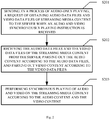
Fig. 2 is a flowchart of a method of switching audio-only playing to audio-video synchronously playing provided by a first embodiment; -
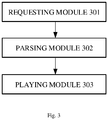
Fig. 3 is an optional block diagram of a device of switching audio and video provided by the second embodiment; -
Fig. 4 is an optional diagram of hardware architecture of a computing device provided by a third embodiment. - To make the objectives, technical solutions, and advantages of the present application more comprehensible, the present application is described in further detail below with reference to embodiments and the accompanying drawings. It should be understood that the specific embodiments described herein are merely used for explaining the present application, and are not intended to limit the present application. All other embodiments obtained by those skilled in the art based on the embodiments of the present application without creative efforts shall fall within the protection scope of the present application.
- A method of switching audio and video provided in the present application will be described with reference to drawings as follows.
-
Fig. 1 illustrates an optional flowchart of a method of switching audio and video of the present application, and the method is applied to a client, as shown inFig.1 , the method includes the steps of:
Step S101, sending, upon receipt of an audio-only playing instruction in a process of synchronously playing audio and video of streaming media content using DASH, a request of obtaining audio data files of the streaming media content to a server. - Wherein, the DASH (Dynamic Adaptive Streaming over HTTP) is an adaptive bit-rate streaming technology that enables high-quality streaming media to be delivered over the internet through traditional HTTP web servers. In traditional audio and video playing technology, audio content and video content are contained in one streaming media file, and the client obtains the streaming media file from the server and performs audio and video playing through parsing the streaming media file. However, in DASH technology, the server compresses and encapsulates the video content of the streaming media content to form video data files, and compresses and encapsulates the audio content of the streaming media content to form the audio data files. The client needs to obtain the video data files and the audio data files separately from the server, and perform audio and video playing through parsing the video data files and the audio data.
- In the embodiment, the video data files formed according to the video content of content to be played and the audio data file formed according to the audio content of the content to be played are stored in the server. In the embodiment, using a characteristic of separating audio content from video content in DASH, only a request of obtaining the audio data files to the server but not a request of obtaining the video data files to the server is sent when the audio-only playing is required.
- Specifically, there are three ways to trigger the audio-only playing instruction as follows.
- Firstly, the audio-only playing instruction is triggered by a user by clicking a preset button.
- Secondly, the audio-only playing instruction is triggered when a play interface is minimized.
- Thirdly, the audio-only playing instruction is triggered when a play software is switched to run in the background.
- It should be noted that the first case is applicable to both WEB terminals (e.g., a PC) and mobile terminals (e.g., a smartphone), that is, upon receipt of the audio-only playing instruction triggered by the user, the play mode is automatically switched to an audio-only play mode, and only the audio content is played but the video content is not played. The second case is applicable to the WEB side, that is, when the play interface playing streaming media content is minimized by the user, the play mode is automatically switched to the audio-only play mode. The third case is applicable to the mobile terminals, that is, when the application software used to play media content is switched to run in the background by the user, the play mode is automatically switched to the audio-only play mode.
- In the embodiment, regarding playing streaming media content through the application software on the mobile terminals, whether the play mode is to be switched to the audio-only play mode is determined according to whether the audio-only playing instruction triggered by the user is received or whether the play software is switched to run from foreground to background. Regarding playing the streaming media content through a webpage on the WEB side, whether the play mode is to be switched to the audio-only play mode is determined according to whether the audio-only playing instruction triggered by the user is received or whether the play interface is minimized by the user. The embodiment provides several determination methods for switching to the audio-only play mode, which can simplify user operations and improve user experience.
- In addition, in DASH technology, the streaming media content is divided into multiple segments, with each segment corresponding to a certain time length of play content (e.g., 10 seconds) and each segment corresponding to an audio data file and a video data file. Before playing a segment, the client obtains the audio data file and video data file of the segment from the server, parses the audio data file to obtain audio content and caches the audio content in the audio buffer area, and parses the video data file to obtain the video content and caches the video content in the video buffer area.
- Based on segmentation characteristics of DASH, the step S101 includes:
Step A1, upon receipt of an audio-only playing instruction, stopping obtaining the video content from the video buffer area, obtaining the audio content only from the audio buffer area, and performing the audio-only playing for a current segment according to the audio content. - In the embodiment, during a process of playing a segment of the streaming media content, when it is determined that it is necessary to switch to audio-only playing, a link of a video stream is stopped, and only a link of an audio stream is retained, then only the audio content is continued to play.
- Step A2, sending a request of obtaining an audio data file of a next segment to the server.
- Starting from the next segment, the client only sends a request of obtaining the audio data files of the streaming media content to the server, and no longer sends a request of obtaining the video data files of the streaming media content.
- In the embodiment, when it is necessary to switch to the audio-only play mode, audio-only playing is performed on a current segment, then starting from the next segment, only the audio data files are obtained from the server, until switching to play audio and video synchronously.
- Step 102: receiving the audio data files of the streaming media content from the server, and parsing out the audio content according to the audio data files.
- Specifically, the parsing out audio content according to the audio data files includes:
decapsulating the audio data files to obtain audio stream compression encoded data, and decoding the audio stream compression encoded data to obtain audio content. - Wherein, decapsulation, also known as demultiplexing, is to separate data of an input packaging format (e.g., AVI format, PM4 format, FLV format) into audio stream compression encoded data and video stream compression encoded data. In addition, some basic information of the streaming media file can be obtained in a process of the decapsulation.
- Decoding is a process of restoring compressed data to audio and video signals by a decoder.
- Step 103: performing audio-only playing for the streaming media content according to the audio content.
- Specifically, the
step 103 includes:
sending the decoded audio content to a corresponding sound card in the client for playing. - In addition, as shown in
FIG. 2 , the embodiment also provides a method of switching audio-only playing to audio and video synchronously playing, and the method includes the steps of:
Step 201, sending, upon receipt of an audio and video synchronous playing instruction in a process of audio-only playing, a request of obtaining audio data files and video data files of streaming media content to the server. - Specifically, there are three ways to trigger the audio and video synchronously playing instruction as follows.
- Firstly, the audio and video synchronously playing instruction is triggered by a user by clicking a preset button.
- Secondly, the audio and video synchronously playing instruction is triggered in response to a detection that a minimization of the play interface is canceled.
- Thirdly, the audio and video synchronously playing instruction is triggered in response to a detection that the play software is switched from running in the background to running in the foreground.
- It should be noted that the first case is applicable to both WEB terminals (e.g., a PC) and mobile terminals (e.g., a smartphone), that is, upon receipt of the audio-only playing instruction triggered by the user, the play mode is automatically switched to the audio and video synchronously play mode, and the audio content and the video content are played synchronously. The second case is applicable to the WEB side, that is, when the minimization of the play interface is canceled by the user, the play mode is automatically switched to the audio and video synchronously play mode. The third case is applicable to the mobile terminals, that is, when the application software used to play media content is switched from running in the background to running in the foreground by the user, the play mode is automatically switched to the audio and video synchronously play mode.
- In the embodiment, regarding playing streaming media content through the application software on the mobile terminals, whether the play mode is to be switched to the audio and video synchronously play mode is determined according to whether an audio and video switching instruction triggered by the user is received or whether the play software is switched from running in the background to running in the foreground. Regarding playing the streaming media content through a webpage on the WEB side, whether the play mode is to be switched to the audio and video synchronously play mode is determined according to whether the audio and video switching instruction triggered by the user is received or whether the play interface is reverted from minimization.
- Further, sending a request of obtaining audio data files and video data files of streaming media content to the server includes:
- obtaining a timestamp of audio content currently being played, and determining a segment index of audio content currently being played according to the timestamp;
- sending a request of obtaining an audio data file and a video data file corresponding to the segment index to the server,
- wherein the streaming media content is divided into multiple segments, each segment corresponds to a segment index, and each segment index corresponds to an audio data file and a video data file.
- In the embodiment, during performing the audio-only playing for the streaming media content, when recovery from the audio-only playing to audio and video synchronously playing is required, the audio content and the video content of the current segment are obtained again from the server to perform the audio and video synchronously playing for the current segment according to audio content currently being played.
-
Step 202, receiving the audio data files and the video data files of the streaming media content from the server, parsing out the audio content according to the audio data files, and parsing out video content according to the video data files. - Specifically, the
step 202 includes: - decapsulating the audio data files to obtain audio stream compression encoded data, and decoding the audio stream compression encoded data to obtain audio content; and
- decapsulating the video data files to obtain video stream compression encoded data, and decoding the video stream compression encoded data to obtain video content.
-
Step 203, performing synchronous playing of audio and video on the streaming media content according to the audio content and the video content. - Furthermore, the method further includes:
obtaining, upon receipt of an audio language switching instruction in a process of audio-only playing, the audio data files corresponding to a language from the server, and playing audio content corresponding to the language according to the audio data files. - For example, content to be played is an American movie, and the movie is available in two languages: English original sound and Chinese dubbing. English original sound or Chinese dubbing can be chosen to listen to according to the user's choice in the process of audio-only playing.
- Based on the method of switching audio and video provided in the first embodiment, the embodiment provides a device of switching audio and video. Specifically,
Fig. 3 illustrates an optional block diagram of the device of switching audio and video, the device of switching audio and video may be divided into one or more program modules, which are stored in a medium, and executed by one or more processors to complete the present application. The program module referred to in the present application refers to a series of computer program instruction segments capable of accomplishing specific functions. The following description will specifically describe the functions of each program module of the embodiment. - As shown in
FIG. 3 , the device of switching audio and video applied to clients includes the following components: - a requesting
module 301 for sending, upon receipt of an audio-only playing instruction in a process of synchronously playing audio and video of streaming media content using DASH, a request of obtaining audio data files of the streaming media content, wherein video data files formed according to video content of the streaming media content and the audio data files formed according to audio content of the streaming media content are stored in the server; - a
parsing module 302 for receiving the audio data files of the streaming media content from the server, and parsing out the audio content according to the audio data files; - a
playing module 303 for performing audio-only playing for the streaming media content according to the audio content. - In addition, in an audio-only play mode, the requesting
module 301 is further configured to:
send, upon receipt of an audio and video synchronous playing instruction in a process of audio-only playing, a request of obtaining the audio data files and the video data files of the streaming media content to the server. - In addition, in the audio-only play mode, the
parsing module 302 is further configured to:
receive the audio data files and the video data files of the streaming media content from the server, and parsing out the audio content according to the audio data files, and parsing out the video content according to the video data files. - In addition, in the audio-only play mode, the
playing module 303 is further configured to:
perform audio and video synchronously playing for the streaming media content according to the audio content and the video content. - Specifically, in the audio-only play mode, the requesting
module 301 is specifically configured to: - obtain a timestamp of audio content currently being played, and determining a segment index of the audio content currently being played according to the timestamp;
- send a request of obtaining an audio data file and a video data file corresponding to the segment index to the server;
- wherein the streaming media content is divided into multiple segments, and each segment corresponds to a segment index, and each segment index corresponds to an audio data file and a video data file.
- The
parsing module 302 is specifically configured to: - decapsulate the audio data files to obtain audio stream compression encoded data, and decoding the audio stream compression encoded data to obtain the audio content; and,
- decapsulate the video data files to obtain video stream compression encoded data, and decoding the video stream compression encoded data to obtain the video content.
- In addition, the device further includes:
a switching module, configured to obtain, upon receipt of an audio language switching instruction in a process of audio-only playing, audio data files associated with a corresponding language from the server, and playing the audio content associated with the corresponding language according to the audio data files. - The embodiment also provides a computing device, such as a smartphone, tablet, laptop, desktop computer, rack server, blade server, tower server, or cabinet server (including stand-alone servers, or a cluster of multiple servers), and so on that can execute programs. As shown in
Fig. 4 , thecomputing device 40 in the embodiment includes, but is not limited to, amemory 401 and a processor 520 that can communicate with each other through a system bus. It is noted thatFig. 4 shows only acomputing device 40 havingcomponents - In the embodiment, the memory 401(i.e., readable storage medium) includes flash memory, hard disk, multimedia card, card type memory (e.g., SD or DX memory, etc.), random access memory (RAM), static random access memory (SRAM), read-only memory (ROM), electrically erasable programmable read-only memory (EEPROM), programmable read-only memory (PROM), magnetic memory, magnetic disk, optical disk, etc. In some embodiments, the
memory 401 may be an internal storage module of thecomputing device 40 such as a hard disk or memory of thecomputing device 40. In other embodiments, the memory 510 may also be an external storage device of thecomputing device 40, such as a plugged hard disk provided on thecomputing device 40, a smart media card (SMC), secure digital (SD) card, a flash memory card, and the like. Of course, thememory 401 may also include both an internal storage module and an external storage device of thecomputing device 40. In the embodiment, thememory 401 is generally used to store an operating system and various types of application software installed in thecomputing device 40 such as program codes of the device of switching audio and video of the second embodiment and the like. In addition, thememory 401 may also be used to temporarily store various types of data that have been or will be outputted. - The
processor 402, in some embodiments, may be a central processing unit (CPU), a controller, a microprocessor, or other data processing chip. Theprocessor 402 is generally used to control the overall operation of thecomputing device 40. - Specifically, in the embodiment, the
processor 402 is used to run programs of a method of switching audio and video stored in theprocessor 402, when the programs of the method of switching audio and video is executed, the following steps are implemented: - sending, upon receipt of an audio-only playing instruction in a process of synchronously playing audio and video of streaming media content using DASH, a request of obtaining audio data files of the streaming media content to a server, wherein video data files formed according to video content of the streaming media content and the audio data files formed according to audio content of the streaming media content are stored in the server;
- receiving the audio data files of the streaming media content from the server, and parsing out the audio content according to the audio data files;
- performing audio-only playing for the streaming media content according to the audio content.
- The specific embodiment process of the above method steps can be referred to the first embodiment, which is not repeatedly described in this embodiment.
- The embodiment also provides a computer-readable storage medium (volatile/non-volatile), such as a flash memory, hard disk, multimedia card, card type memory (e.g., SD or DX memory, etc.), random access memory (RAM), static random access memory (SRAM), read-only memory (ROM), electrically erasable programmable read-only memory (EEPROM), programmable read-only memory (PROM), magnetic memory, magnetic disk, optical disk, server, App store, etc., which stores computer-readable instructions that upon execution by a processor cause the processor to implement the steps of:
- sending, upon receipt of an audio-only playing instruction in a process of synchronously playing audio and video of streaming media content using DASH, a request of obtaining audio data files of the streaming media content to a server, wherein video data files formed according to video content of the streaming media content and the audio data files formed according to audio content of the streaming media content are stored in the server;
- receiving the audio data files of the streaming media content from the server, and parsing out the audio content according to the audio data files;
- performing audio-only playing for the streaming media content according to the audio content.
- The specific embodiment process of the above method steps can be referred to the first embodiment, which is not repeatedly described in this embodiment.
- It should be noted that, in this article, the terms "including", "having" or any other variants thereof are intended to cover non-exclusive inclusion, so that a process, method, article or device including a series of elements includes not only those elements, but also includes other elements not explicitly listed, or elements inherent to such a process, method, article, or device. Without more restrictions, an element limited by the sentence "including a ..." does not exclude that there are other identical elements in the process, method, article, or device that includes the element.
- The above-mentioned serial numbers of the embodiments of the present application are merely for description and do not represent the superiority or inferiority of the embodiments.
- From the above description of the implementation method, it is clear to those skilled in the art that the above implementation method can be implemented by means of software plus the necessary general hardware platform, or of course by means of hardware, but in many cases, the former is usually a better implementation method.
- The embodiments described above are just preferred embodiments of the present application and thus do not limit the patent scope of the present application. Any equivalent structure or equivalent process transformation made according to the contents of the description and the drawings of the present application, or any direct or indirect application thereof to other related arts shall be also included in the patent protection scope of the present application.
Claims (20)
- A method of switching audio and video, comprising:sending, upon receipt of an audio-only playing instruction in a process of synchronously playing audio and video of streaming media content using DASH, a request of obtaining audio data files of the streaming media content to a server, wherein video data files formed according to video content of the streaming media content and the audio data files formed according to audio content of the streaming media content are stored in the server;receiving the audio data files of the streaming media content from the server, and parsing out the audio content according to the audio data files;performing audio-only playing for the streaming media content according to the audio content.
- The method of switching audio and video according to claim 1, further comprising:sending, upon receipt of an audio and video synchronous playing instruction in a process of audio-only playing, a request of obtaining the audio data files and the video data files of the streaming media content to the server;receiving the audio data files and the video data files of the streaming media content from the server, parsing out the audio content according to the audio data files, and parsing out the video content according to the video data files;performing synchronous playing of audio and video for the streaming media content according to the audio content and the video content.
- The method of switching audio and video according to claim 1, wherein parsing out the audio content according to the audio data files comprises:
decapsulating the audio data files to obtain audio stream compression encoded data, and decoding the audio stream compression encoded data to obtain the audio content. - The method of switching audio and video according to claim 2, wherein sending, upon receipt of an audio and video synchronous playing instruction, a request of obtaining the audio data files and the video data files of the streaming media content to the server comprises:obtaining a timestamp of audio content currently being played, and determining a segment index of the audio content currently being played according to the timestamp;sending a request of obtaining an audio data file and a video data file corresponding to the segment index to the server,wherein the streaming media content is divided into multiple segments, each segment corresponds to a segment index, and each segment index corresponds to an audio data file and a video data file.
- The method of switching audio and video according to claim 2, wherein parsing out the video content according to the video data files comprises:
decapsulating the video data files to obtain video stream compression encoded data, and decoding the video stream compression encoded data to obtain the video content. - The method of switching audio and video according to claim 1, further comprising:
obtaining, upon receipt of an audio language switching instruction in a process of audio-only playing, audio data files associated with a corresponding language from the server, and playing the audio content associated with the corresponding language according to the audio data files. - A device of switching audio and video, comprising:a requesting module for sending, upon receipt of an audio-only playing instruction in a process of synchronously playing audio and video of streaming media content using DASH, a request of obtaining audio data files of the streaming media content to a server, wherein video data files formed according to video content of the streaming media content and the audio data files formed according to audio content of the streaming media content are stored in the server;a parsing module for receiving the audio data files of the streaming media content from the server, and parsing out the audio content according to the audio data files;a playing module for performing audio-only playing for the streaming media content according to the audio content.
- The device of switching audio and video according to claim 7, wherein the requesting module is further to:send, upon receipt of an audio and video synchronous playing instruction in a process of audio-only playing, a request of obtaining the audio data files and the video data files of the streaming media content to the server;wherein the parsing module is further to:receive the audio data files and the video data files of the streaming media content from the server, and parse out the audio content according to the audio data files, and parsing out the video content according to the video data files;wherein the playing module is further to:
perform synchronous playing of audio and video for the streaming media content according to the audio content and the video content. - A computing device, comprising a memory, a processor, and computer-readable instructions stored in the memory and executable on the processor, wherein the processor, when executing the computer-readable instructions, implements the steps of:sending, upon receipt of an audio-only playing instruction in a process of synchronously playing audio and video of streaming media content using DASH, a request of obtaining audio data files of the streaming media content to a server, wherein video data files formed according to video content of the streaming media content and the audio data files formed according to audio content of the streaming media content are stored in the server;receiving the audio data files of the streaming media content from the server, and parsing out the audio content according to the audio data files;performing audio-only playing for the streaming media content according to the audio content.
- The computing device according to claim 9, further comprising:sending, upon receipt of an audio and video synchronous playing instruction in a process of audio-only playing, a request of obtaining the audio data files and the video data files of the streaming media content to the server;receiving the audio data files and the video data files of the streaming media content from the server, and parsing out the audio content according to the audio data files, and parsing out the video content according to the video data files;performing synchronous playing of audio and video for the streaming media content according to the audio content and the video content.
- The computing device according to claim 10, wherein sending, upon receipt of an audio and video synchronous playing instruction, a request of obtaining the audio data files and the video data files of the streaming media content to the server comprises:obtaining a timestamp of audio content currently being played, and determining a segment index of the audio content currently being played according to the timestamp;sending a request of obtaining an audio data file and a video data file corresponding to the segment index to the server,wherein the streaming media content is divided into multiple segments, each segment corresponds to a segment index, and each segment index corresponds to an audio data file and a video data file.
- The computing device according to claim 10, wherein parsing out the audio content according to the audio data files comprises:
decapsulating the audio data files to obtain audio stream compression encoded data, and decoding the audio stream compression encoded data to obtain the audio content. - The computing device according to claim 10, wherein parsing out the video content according to the video data files comprises:
decapsulating the video data files to obtain video stream compression encoded data, and decoding the video stream compression encoded data to obtain the video content. - The computing device according to claim 9, further comprising:
obtaining, upon receipt of an audio language switching instruction in a process of audio-only playing, audio data files associated with a corresponding language from the server, and playing the audio content associated with the corresponding language according to the audio data files. - A computer-readable storage medium storing computer-readable instructions that upon execution by a processor cause the processor to implement the steps of:sending, upon receipt of an audio-only playing instruction in a process of synchronously playing audio and video of streaming media content using DASH, a request of obtaining audio data files of the streaming media content to a server, wherein video data files formed according to video content of the streaming media content and the audio data files formed according to audio content of the streaming media content are stored in the server;receiving the audio data files of the streaming media content from the server, and parsing out the audio content according to the audio data files;performing audio-only playing for the streaming media content according to the audio content.
- The computer-readable storage medium according to claim 15, further comprising:sending, upon receipt of an audio and video synchronous playing instruction in a process of audio-only playing, a request of obtaining the audio data files and the video data files of the streaming media content to the server;receiving the audio data files and the video data files of the streaming media content from the server, and parsing out the audio content according to the audio data files, and parsing out the video content according to the video data files;performing synchronous playing of audio and video for the streaming media content according to the audio content and the video content.
- The computer-readable storage medium according to claim 16, wherein sending, upon receipt of an audio and video synchronous playing instruction, a request of obtaining the audio data files and the video data files of the streaming media content to the server comprises:obtaining a timestamp of audio content currently being played, and determining a segment index of the audio content currently being played according to the timestamp;sending a request of obtaining an audio data file and a video data file corresponding to the segment index to the server,wherein the streaming media content is divided into multiple segments, and each segment corresponds to a segment index, and each segment index corresponds to an audio data file and a video data file.
- The computer-readable storage medium according to claim 16, wherein parsing out the audio content according to the audio data files comprises:
decapsulating the audio data files to obtain audio stream compression encoded data, and decoding the audio stream compression encoded data to obtain the audio content. - The computer-readable storage medium according to claim 16, wherein parsing out the video content according to the video data files comprises:
decapsulating the video data files to obtain video stream compression encoded data, and decoding the video stream compression encoded data to obtain the video content. - The computer-readable storage medium according to claim 15, further comprising:
obtaining, upon receipt of an audio language switching instruction in a process of audio-only playing, audio data files associated with a corresponding language from the server, and playing the audio content associated with the corresponding language according to the audio data files.
Applications Claiming Priority (2)
| Application Number | Priority Date | Filing Date | Title |
|---|---|---|---|
| CN201910092875.1A CN111510756A (en) | 2019-01-30 | 2019-01-30 | Audio and video switching method and device, computer equipment and readable storage medium |
| PCT/CN2019/128458 WO2020155964A1 (en) | 2019-01-30 | 2019-12-25 | Audio/video switching method and apparatus, and computer device and readable storage medium |
Publications (2)
| Publication Number | Publication Date |
|---|---|
| EP3866481A1 true EP3866481A1 (en) | 2021-08-18 |
| EP3866481A4 EP3866481A4 (en) | 2022-06-29 |
Family
ID=71840239
Family Applications (1)
| Application Number | Title | Priority Date | Filing Date |
|---|---|---|---|
| EP19912378.7A Pending EP3866481A4 (en) | 2019-01-30 | 2019-12-25 | Audio/video switching method and apparatus, and computer device and readable storage medium |
Country Status (4)
| Country | Link |
|---|---|
| US (1) | US11490173B2 (en) |
| EP (1) | EP3866481A4 (en) |
| CN (1) | CN111510756A (en) |
| WO (1) | WO2020155964A1 (en) |
Families Citing this family (9)
| Publication number | Priority date | Publication date | Assignee | Title |
|---|---|---|---|---|
| CN115086282B (en) * | 2021-03-16 | 2025-07-15 | 深圳市迅雷网络技术有限公司 | Video playback method, device and storage medium |
| CN113038193B (en) * | 2021-03-24 | 2023-08-11 | Vidaa美国公司 | A method and display device for automatically repairing out-of-sync audio and video |
| US12075115B2 (en) * | 2021-06-04 | 2024-08-27 | Rovi Guides, Inc. | Supplemental audio generation system in an audio-only mode |
| CN113676777B (en) * | 2021-08-18 | 2024-03-08 | 上海哔哩哔哩科技有限公司 | Data processing method and device |
| CN114339308B (en) * | 2022-01-04 | 2024-12-20 | 腾讯音乐娱乐科技(深圳)有限公司 | Video stream loading method, electronic device and storage medium |
| CN114786063B (en) * | 2022-03-11 | 2023-12-05 | 北京字跳网络技术有限公司 | Audio and video processing method, device, equipment and storage medium |
| CN115190368B (en) * | 2022-07-07 | 2025-02-11 | 北京字跳网络技术有限公司 | Playback control method, device, electronic device and storage medium |
| CN115484490B (en) * | 2022-09-15 | 2024-06-11 | 北京字跳网络技术有限公司 | Video processing method, device, equipment and storage medium |
| CN116634189B (en) * | 2023-07-20 | 2023-10-03 | 天津星耀九洲科技有限公司 | Interactive live data display method, device and electronic equipment |
Family Cites Families (19)
| Publication number | Priority date | Publication date | Assignee | Title |
|---|---|---|---|---|
| CN101873447A (en) * | 2009-04-21 | 2010-10-27 | 深圳富泰宏精密工业有限公司 | Electronic device and power-saving method thereof of watching television |
| US8640181B1 (en) * | 2010-09-15 | 2014-01-28 | Mlb Advanced Media, L.P. | Synchronous and multi-sourced audio and video broadcast |
| CN102625150A (en) * | 2012-03-16 | 2012-08-01 | 中国科学院计算技术研究所 | System and method for playing media |
| US9769512B2 (en) * | 2012-11-08 | 2017-09-19 | Time Warner Cable Enterprises Llc | System and method for delivering media based on viewer behavior |
| CN103024490A (en) * | 2012-12-26 | 2013-04-03 | 北京奇艺世纪科技有限公司 | Method and device supporting independent playing of audio and video |
| US9270721B2 (en) * | 2013-10-08 | 2016-02-23 | Qualcomm Incorporated | Switching between adaptation sets during media streaming |
| CN104581320A (en) * | 2013-10-16 | 2015-04-29 | 中兴通讯股份有限公司 | Method, device and terminal for switching play modes |
| US9558787B2 (en) * | 2014-01-29 | 2017-01-31 | Google Inc. | Media application backgrounding |
| US10667004B2 (en) * | 2014-12-22 | 2020-05-26 | Lg Electronics Inc. | Broadcasting signal reception device, and broadcasting signal reception method based on pull mode |
| KR101801595B1 (en) * | 2015-01-21 | 2017-11-27 | 엘지전자 주식회사 | Broadcast signal transmission device, broadcast signal reception device, broadcast signal transmission method, and broadcast signal reception method |
| KR102034593B1 (en) * | 2015-01-29 | 2019-10-21 | 엘지전자 주식회사 | Broadcast signal transmitting apparatus, broadcast signal receiving apparatus, broadcast signal transmitting method, and broadcast signal receiving method |
| WO2016149928A1 (en) * | 2015-03-26 | 2016-09-29 | 华为技术有限公司 | Video playing mode switching method, apparatus and terminal |
| US10693936B2 (en) * | 2015-08-25 | 2020-06-23 | Qualcomm Incorporated | Transporting coded audio data |
| US9854375B2 (en) * | 2015-12-01 | 2017-12-26 | Qualcomm Incorporated | Selection of coded next generation audio data for transport |
| CN105979060A (en) * | 2015-12-03 | 2016-09-28 | 乐视致新电子科技(天津)有限公司 | Play method and device |
| CN106792075A (en) * | 2017-01-04 | 2017-05-31 | 合网络技术(北京)有限公司 | Video broadcasting method and device |
| US10887645B2 (en) * | 2017-07-13 | 2021-01-05 | Qualcomm Incorporated | Processing media data using file tracks for web content |
| US10958948B2 (en) * | 2017-08-29 | 2021-03-23 | Charter Communications Operating, Llc | Apparatus and methods for latency reduction in digital content switching operations |
| CN111512634A (en) * | 2017-12-28 | 2020-08-07 | 索尼公司 | Information processing apparatus, information processing method, and program |
-
2019
- 2019-01-30 CN CN201910092875.1A patent/CN111510756A/en active Pending
- 2019-12-25 EP EP19912378.7A patent/EP3866481A4/en active Pending
- 2019-12-25 WO PCT/CN2019/128458 patent/WO2020155964A1/en not_active Ceased
-
2021
- 2021-05-25 US US17/330,226 patent/US11490173B2/en active Active
Also Published As
| Publication number | Publication date |
|---|---|
| US11490173B2 (en) | 2022-11-01 |
| WO2020155964A1 (en) | 2020-08-06 |
| EP3866481A4 (en) | 2022-06-29 |
| US20210281929A1 (en) | 2021-09-09 |
| CN111510756A (en) | 2020-08-07 |
Similar Documents
| Publication | Publication Date | Title |
|---|---|---|
| US11490173B2 (en) | Switch of audio and video | |
| US11336953B2 (en) | Video processing method, electronic device, and computer-readable medium | |
| CN111510755A (en) | Audio and video switching method and device, computer equipment and readable storage medium | |
| CN112653700B (en) | Website video communication method based on WEBRTC | |
| CN111556353B (en) | Video playing method, video playing management device and terminal equipment | |
| US20170111414A1 (en) | Video playing method and device | |
| US11706498B2 (en) | Playback method, system, device and readable storage medium of live broadcast content | |
| EP3142381B1 (en) | Network video playing method and device | |
| US10305964B2 (en) | Generating content fragments for content distribution | |
| US11463494B2 (en) | Balance of initial frame and limitation of traffic | |
| EP3902266A1 (en) | Processing method for dragging video data and proxy server | |
| WO2024245234A1 (en) | Media file preloading method and apparatus, electronic device, and storage medium | |
| US12210558B2 (en) | Multimedia file storage and access method | |
| WO2024230425A1 (en) | Video processing method and system, device, and storage medium | |
| CN114040245A (en) | Video playing method and device, computer storage medium and electronic equipment | |
| CN113691886B (en) | Method and device for downloading streaming media files | |
| WO2026007585A1 (en) | Media file switching method and apparatus | |
| CN113542764A (en) | Method, apparatus, electronic device, and computer-readable medium for quick start of video | |
| CN113079386A (en) | Video online playing method and device, electronic equipment and storage medium | |
| CN116017040B (en) | Multimedia content playing method and device, electronic equipment and storage medium | |
| CN105847990A (en) | Media file playing method and apparatus | |
| US20100076944A1 (en) | Multiprocessor systems for processing multimedia data and methods thereof | |
| CN114666514B (en) | Data processing method, device, electronic equipment and storage medium | |
| US20250379893A1 (en) | Computer implemented method for processing streaming requests and responses | |
| HK40075363A (en) | Audio information processing method, audio information presentation method and device |
Legal Events
| Date | Code | Title | Description |
|---|---|---|---|
| STAA | Information on the status of an ep patent application or granted ep patent |
Free format text: STATUS: THE INTERNATIONAL PUBLICATION HAS BEEN MADE |
|
| PUAI | Public reference made under article 153(3) epc to a published international application that has entered the european phase |
Free format text: ORIGINAL CODE: 0009012 |
|
| STAA | Information on the status of an ep patent application or granted ep patent |
Free format text: STATUS: REQUEST FOR EXAMINATION WAS MADE |
|
| 17P | Request for examination filed |
Effective date: 20210512 |
|
| AK | Designated contracting states |
Kind code of ref document: A1 Designated state(s): AL AT BE BG CH CY CZ DE DK EE ES FI FR GB GR HR HU IE IS IT LI LT LU LV MC MK MT NL NO PL PT RO RS SE SI SK SM TR |
|
| DAV | Request for validation of the european patent (deleted) | ||
| DAX | Request for extension of the european patent (deleted) | ||
| REG | Reference to a national code |
Ref country code: DE Ref legal event code: R079 Free format text: PREVIOUS MAIN CLASS: H04N0021472000 Ipc: H04N0021439000 |
|
| A4 | Supplementary search report drawn up and despatched |
Effective date: 20220531 |
|
| RIC1 | Information provided on ipc code assigned before grant |
Ipc: H04N 21/854 20110101ALI20220524BHEP Ipc: H04N 21/845 20110101ALI20220524BHEP Ipc: H04N 21/81 20110101ALI20220524BHEP Ipc: H04N 21/472 20110101ALI20220524BHEP Ipc: H04N 21/439 20110101AFI20220524BHEP |
|
| STAA | Information on the status of an ep patent application or granted ep patent |
Free format text: STATUS: EXAMINATION IS IN PROGRESS |
|
| 17Q | First examination report despatched |
Effective date: 20230803 |