EP3865116A1 - Composition for inhibiting cortisone reductase - Google Patents
Composition for inhibiting cortisone reductase Download PDFInfo
- Publication number
- EP3865116A1 EP3865116A1 EP19871298.6A EP19871298A EP3865116A1 EP 3865116 A1 EP3865116 A1 EP 3865116A1 EP 19871298 A EP19871298 A EP 19871298A EP 3865116 A1 EP3865116 A1 EP 3865116A1
- Authority
- EP
- European Patent Office
- Prior art keywords
- composition
- coumestrol
- inhibiting
- beans
- cortisone reductase
- Prior art date
- Legal status (The legal status is an assumption and is not a legal conclusion. Google has not performed a legal analysis and makes no representation as to the accuracy of the status listed.)
- Pending
Links
Images

Classifications
-
- A—HUMAN NECESSITIES
- A61—MEDICAL OR VETERINARY SCIENCE; HYGIENE
- A61K—PREPARATIONS FOR MEDICAL, DENTAL OR TOILETRY PURPOSES
- A61K8/00—Cosmetics or similar toiletry preparations
- A61K8/18—Cosmetics or similar toiletry preparations characterised by the composition
- A61K8/30—Cosmetics or similar toiletry preparations characterised by the composition containing organic compounds
- A61K8/49—Cosmetics or similar toiletry preparations characterised by the composition containing organic compounds containing heterocyclic compounds
- A61K8/4973—Cosmetics or similar toiletry preparations characterised by the composition containing organic compounds containing heterocyclic compounds with oxygen as the only hetero atom
- A61K8/498—Cosmetics or similar toiletry preparations characterised by the composition containing organic compounds containing heterocyclic compounds with oxygen as the only hetero atom having 6-membered rings or their condensed derivatives, e.g. coumarin
-
- A—HUMAN NECESSITIES
- A61—MEDICAL OR VETERINARY SCIENCE; HYGIENE
- A61Q—SPECIFIC USE OF COSMETICS OR SIMILAR TOILETRY PREPARATIONS
- A61Q19/00—Preparations for care of the skin
-
- A—HUMAN NECESSITIES
- A23—FOODS OR FOODSTUFFS; TREATMENT THEREOF, NOT COVERED BY OTHER CLASSES
- A23L—FOODS, FOODSTUFFS OR NON-ALCOHOLIC BEVERAGES, NOT OTHERWISE PROVIDED FOR; PREPARATION OR TREATMENT THEREOF
- A23L33/00—Modifying nutritive qualities of foods; Dietetic products; Preparation or treatment thereof
- A23L33/10—Modifying nutritive qualities of foods; Dietetic products; Preparation or treatment thereof using additives
-
- A—HUMAN NECESSITIES
- A23—FOODS OR FOODSTUFFS; TREATMENT THEREOF, NOT COVERED BY OTHER CLASSES
- A23V—INDEXING SCHEME RELATING TO FOODS, FOODSTUFFS OR NON-ALCOHOLIC BEVERAGES AND LACTIC OR PROPIONIC ACID BACTERIA USED IN FOODSTUFFS OR FOOD PREPARATION
- A23V2002/00—Food compositions, function of food ingredients or processes for food or foodstuffs
-
- A—HUMAN NECESSITIES
- A23—FOODS OR FOODSTUFFS; TREATMENT THEREOF, NOT COVERED BY OTHER CLASSES
- A23V—INDEXING SCHEME RELATING TO FOODS, FOODSTUFFS OR NON-ALCOHOLIC BEVERAGES AND LACTIC OR PROPIONIC ACID BACTERIA USED IN FOODSTUFFS OR FOOD PREPARATION
- A23V2200/00—Function of food ingredients
- A23V2200/30—Foods, ingredients or supplements having a functional effect on health
- A23V2200/318—Foods, ingredients or supplements having a functional effect on health having an effect on skin health and hair or coat
-
- A—HUMAN NECESSITIES
- A23—FOODS OR FOODSTUFFS; TREATMENT THEREOF, NOT COVERED BY OTHER CLASSES
- A23V—INDEXING SCHEME RELATING TO FOODS, FOODSTUFFS OR NON-ALCOHOLIC BEVERAGES AND LACTIC OR PROPIONIC ACID BACTERIA USED IN FOODSTUFFS OR FOOD PREPARATION
- A23V2250/00—Food ingredients
- A23V2250/30—Other Organic compounds
-
- A—HUMAN NECESSITIES
- A61—MEDICAL OR VETERINARY SCIENCE; HYGIENE
- A61K—PREPARATIONS FOR MEDICAL, DENTAL OR TOILETRY PURPOSES
- A61K2800/00—Properties of cosmetic compositions or active ingredients thereof or formulation aids used therein and process related aspects
- A61K2800/74—Biological properties of particular ingredients
- A61K2800/78—Enzyme modulators, e.g. Enzyme agonists
- A61K2800/782—Enzyme inhibitors; Enzyme antagonists
Definitions
- This disclosure relates to a composition for inhibiting cortisone reductase.
- anxiety disorder is treated by drug treatment along with a long-term psychotherapy in a clinic, and in the case of drug treatment, benzodiazepine-based anti-anxiety drugs such as diazepam, lorazepam, clonazepam, and alprazolam are mainly used, and azapirone-based buspirone is used as a drug for selectively acting on a serotonin receptor to selectively mitigate anxiety symptoms.
- stress controlling materials derived from natural materials capable of compensating side effects of these drugs have been actively performed.
- the present inventors continuously researched substances derived from natural products capable of preventing or treating mental stress-related diseases and have confirmed that in a mental stress situation, 11 ⁇ -hydroxysteroid dehydrogenase type 1, cortisone reductase of keratinocytes present in the epidermis, is activated, increasing a concentration of cortisol in the epidermis (increasing a reduction degree from cortisone to cortisol), and in addition, skin barrier function deterioration phenomenon due to the activation of the 11 ⁇ -hydroxysteroid dehydrogenase type 1 shows a completely different mechanism from that caused by other causes (e.g. physical injury or aging, etc.) not by the mental stress. Furthermore, it has been confirmed that coumestrol extracted from soybean specifically inhibits the activity of the 11 ⁇ -hydroxysteroid dehydrogenase type 1, thereby completing the present invention.
- the coumestrol is a substance mainly found in seeds, roots, and leaves of leguminosae and compositae plants and generally is classified into a coumestan-based compound as a type of isoflavonoid.
- the coumestrol is an ingredient that is little or no in general soybeans and is produced only when soybeans are germinated ( Food Sci. Biotechnol., 12(3), 278-284, 2003 ), and in addition, as the initial germination date increases, a content of the coumestrol is known to increase ( J Agric Food Chem., 48(6), 2167-2172, 2000 ).
- coumestrol is known to promote the production of connective tissues such as collagen and the like in skin and organs, even though the exact mechanism is not known, and thus is estimated to have an effect of inhibiting aging or wrinkles in terms of histology ( Bickoff, E. M., et al., J. Anim. Sic., 19, 4 (1960 )).
- Japanese Patent Pyeung No. 5-286865 discloses a formulation composition reducing a blood fat concentration of cholesterol and triglycerides, which are the most important risk factors for cardiovascular diseases and myocardial infraction, by using an Alfalfa forsythia extract containing coumestrol
- Korean Patent No. 10-2002-0000980 discloses skin cosmetics containing 3,9-diferulyl coumestrol having strong antioxidant activity and also promoting revitalization of skin connective tissues and thus exhibiting anti-aging and skin whitening effects by synthesizing coumestrol and then, ester-linking the synthesized coumestrol with ferulic acid to synthesize the 3,9-diferulyl coumestrol.
- the coumestrol is not completely known to prevent or treat the deterioration of the skin barrier function by inhibiting the activity of the cortisone reductase (11 ⁇ -hydroxysteroid dehydrogenase 1) caused by the mental stress.
- a (cosmetic) composition capable of shortening the time of recovering a barrier function of the stratum corneum is provided by inhibiting the activity of 11 ⁇ -hydroxysteroid dehydrogenase type 1, which is a factor in reducing skin barrier function due to mental stress and thus, by reducing the concentration of cortisol caused by mental stress.
- a composition for inhibiting cortisone reductase includes coumestrol extracted from soybeans as an active ingredient.
- the cortisone reductase may be 11 ⁇ -hydroxysteroid dehydrogenase type 1.
- the coumestrol may be included in a concentration range of 0.001 ⁇ M to 1,000 ⁇ M.
- the soybeans may include beans selected from soybean peas and mung beans, germinated beans germinated from the beans, or a combination thereof.
- the composition may be a cosmetic composition.
- the time of recovering a barrier function of the stratum corneum may be shortened by inhibiting the activity of 11 ⁇ -hydroxysteroid dehydrogenase type 1, which is a factor in decreasing skin barrier function due to mental stress, and thus by reducing the concentration of cortisol caused by mental stress. That is, it is possible to specifically prevent and treat the phenomenon of decreasing skin barrier function caused by mental stress among various causes of decreasing skin barrier function.
- the improvement of skin barrier function means reducing a concentration of cortisol by inhibiting the activity of 11 ⁇ -hydroxysteroid dehydrogenase type 1 present in the damaged skin area due to mental stress, which is irrelevant in suppressing an oxidation stress or maintaining skin homeostasis and the like caused by physical damage or aging or the like. This is because the suppressing oxidation stress or the maintaining skin homeostasis, and the like are not caused by mental stress, so the mechanism is totally different.
- the mental stress does not mean a neurosis as referred to in a medical field, which means a maladapted status since a patient cannot adaptively adjust to psychological stress, but means a status of well adjusting to psychological stress but activating cortisone reductase (11 ⁇ -hydroxysteroid dehydrogenase type 1) of keratinocytes in the epidermis regardless of the will of the parts concerned.
- copolymerization means block copolymerization or random copolymerization
- copolymer means block copolymer or random copolymer.
- a composition for inhibiting cortisone reductase according to an embodiment includes coumestrol extracted from soybeans as an active ingredient.
- the composition according to an embodiment may prevent deterioration of a skin barrier function even under the mental stress situation or rapidly improve the skin barrier function that is weakened by mental stress.
- the metal stress activates an HPA (hypothalamus pituitary adrenal) axis to increase secretion of glucocorticoids (GC) in the blood through, and the glucocorticoids (GC) binds to GC receptors (GR) present in the epidermis and dermis, which are peripheral tissues, resulting in deteriorating the skin barrier function.
- HPA hypothalamus pituitary adrenal
- the other mechanism is as follows; the mental stress activates cortisone reductase (11 ⁇ -hydroxysteroid dehydrogenase 1) of keratinocytes in the epidermis, thereby increasing a concentration of cortisol (an activated GC form) and resulting in deteriorating the skin barrier function.
- the composition according to an embodiment may prevent the deterioration of the skin barrier function by inhibiting the activation of the cortisone reductase (11 ⁇ -hydroxysteroid dehydrogenase 1) according to the second mechanism.
- the cortisone reductase may be 11 ⁇ -hydroxysteroid dehydrogenase type 1.
- the coumestrol extracted from soybeans and included in the composition according to an embodiment as an active ingredient may specifically act on the 11 ⁇ -hydroxysteroid dehydrogenase type 1 and thus inhibit the activation of the cortisone reductase.
- an embodiment provides a composition for inhibiting cortisone reductase including coumestrol extracted from soybeans as an active ingredient and specifically, a composition for inhibiting activation of 11 ⁇ -hydroxysteroid dehydrogenase type 1, which may include a pharmaceutically effective amount of the coumestrol alone or along with at least one pharmaceutically acceptable carrier, excipient, or diluent.
- the soybeans may include beans selected from soybean peas and mung beans, germinated beans germinated from the beans, or a combination thereof.
- the composition for inhibiting cortisone reductase according to an embodiment may include coumestrol or a natural product containing the coumestrol and its extract as an active ingredient, and the coumestrol or the natural product containing and its extract may be obtained from beans such as soybeans, peas, and mung beans, germinated beans germinated from the beans, or a combination thereof.
- the extract of the natural product containing the coumestrol may be obtained by collecting an extract through cold precipitation at room temperature or warm precipitation of the natural product containing the coumestrol with 70% ethanol, completely concentrating it, dispersing it again in water, and fractionally collecting it again with at least one or two solvents selected from hexane, dichloromethane, chloroform, ethylacetate, butanol, ethanol, methanol, and water in the same amount.
- the extraction method is not limited thereto but may include all extraction methods of containing the coumestrol in a final product.
- the cumestrol may be included in a concentration range of 0.001 ⁇ M to 1,000 ⁇ M, for example, 0.001 ⁇ M to 100 ⁇ M.
- concentration range of 0.001 ⁇ M to 1,000 ⁇ M for example, 0.001 ⁇ M to 100 ⁇ M.
- the coumestrol is used at a concentration of less than 0.001 ⁇ M, there may be insignificant effects of proliferating epidermal keratinocytes and improving the skin battier function, but when the coumestrol is used at a concentration of greater than 1,000 ⁇ M, cytotoxicity may appear and thus harm the human body, which is not desirable.
- pharmaceutically effective amount refers to an amount sufficient to allow the physiologically active ingredient to be administered to an animal or human to exhibit desired physiological or pharmacological activity.
- the effective amount of the pharmaceutical may vary according to the degrees of symptoms, ages, weights, health status, sexes, administration routes, and duration of treatment.
- pharmaceutically acceptable refers to physiologically acceptable when administered to humans, and usually does not cause allergic reactions or similar reactions, such as gastrointestinal disorders or dizziness.
- the carrier, excipient, and diluent may include lactose, dextrose, sucrose, sorbitol, mannitol, xylitol, erythritol, maltitol, starch, acacia rubber, alginate, gelatin, calcium phosphate, calcium silicate, cellulose, methyl cellulose, polyvinylpyrrolidone, water, methylhydroxybenzoate, propylhydroxybenzoate, talc, magnesium stearate, and mineral oils.
- it may further include fillers, anti-coagulants, lubricants, wetting agents, fragrances, emulsifiers, and antiseptics.
- the composition may be a cosmetic composition.
- cosmetic may refer to any material that may have a medical function in addition to the cosmetic function.
- the formulation of the cosmetic composition is not particularly limited and may be appropriately selected as desired.
- the cosmetic composition may be formulated into formulations such as solutions, suspension liquids, emulsions, pastes, gels, creams, lotions, powders, soaps, surfactant-containing cleansings, oils, powder foundations, emulsion foundations, wax foundations, and sprays, but is not limited thereto. More specifically, it may be formulated into cosmetic compositions such as detergents, tonics, hair dressings, nourishing lotions, essences, serums, treatments, conditioners, shampoos, lotions, wools, or hair dyes, and the like, and may be formulated into basic cosmetics such as an oil-in-water (O/W) type, a water-in-oil (O/W), and the like.
- formulations such as solutions, suspension liquids, emulsions, pastes, gels, creams, lotions, powders, soaps, surfactant-containing cleansings, oils, powder foundations, emulsion foundations, wax foundations, and sprays, but is not limited thereto. More specifically, it
- composition in addition to the above-mentioned essential components in each formulation, other components may be appropriately selected and formulated without difficulty by a person of ordinary skill in the art according to types or use purposes of other external preparations.
- other components may be appropriately selected and formulated without difficulty by a person of ordinary skill in the art according to types or use purposes of other external preparations.
- ultraviolet blocking agents, hair conditioning agents, fragrances, and the like may be further included.
- the cosmetic composition may include a cosmetically acceptable medium or base. These are all formulations suitable for topical applications.
- the cosmetic composition may be provided in the form of emulsions obtained by dispersing an oil phase in an aqueous phase, suspensions, microemulsions, microcapsules, microgranules, or ion-type (liposome) and/or non-ionized vesicle dispersing agents, or in the form of creams, skins, lotions, powders, ointments, sprays, or conceal sticks. These compositions may be prepared according to conventional methods in the art.
- a solvent, a solubilizer, or an emulsifier may be used as carrier components.
- a solvent, a solubilizer, or an emulsifier may be used as carrier components.
- water, ethanol, isopropanol, ethyl carbonate, ethyl acetate, benzyl alcohol, benzyl benzoate, propylene glycol, 1,3-butylglycol oil, glycerol aliphatic ester, polyethylene glycol, or fatty acid ester of sorbitan may be used.
- the carrier component may be a diluent of a liquid such as water, ethanol, or propylene glycol, a suspending agent such as ethoxylated isostearyl alcohol, polyoxyethylene sorbitol ester, and polyoxyethylene sorbitan ester, microcrystalline cellulose, aluminum metahydroxide, bentonite, agar, tragacanth, and the like.
- a suspending agent such as ethoxylated isostearyl alcohol, polyoxyethylene sorbitol ester, and polyoxyethylene sorbitan ester, microcrystalline cellulose, aluminum metahydroxide, bentonite, agar, tragacanth, and the like.
- the carrier component may be animal oil, vegetable oil, wax, paraffin, starch, tragacanth, cellulose derivatives, polyethylene glycol, silicone, bentonite, silica, talc, or zinc oxide.
- the carrier component may be lactose, talc, silica, aluminum hydroxide, calcium silicate, or polyamide powders.
- a propellant such as a chlorofluorohydrocarbon, propane/butane, or dimethyl ether may be additionally included.
- the cosmetic composition may include thickeners.
- the thickeners included in the cosmetic composition of the present invention may be methyl cellulose, carboxyl methyl cellulose, carboxyl methyl hydroxy guanine, hydroxy methyl cellulose, hydroxyethyl cellulose, a carboxyl vinyl polymer, polyquaternium, cetearyl alcohol, stearic acid, and carrageenan, and preferably one or more of carboxyl methyl cellulose, a carboxyl vinyl polymer, and polyquaternium may be used, and more preferably a carboxyl vinyl polymer may be used.
- the cosmetic composition may include a variety of suitable bases and additives as needed, and the types and amounts of these components may be easily selected by the inventor. If necessary, it may include an acceptable additive, and may further include, for example, conventional ingredients such as antiseptics, pigments, additives, and the like.
- the antiseptics may specifically be phenoxyethanol or 1,2-hexanediol, and the fragrances may be artificial fragrances.
- the cosmetic composition may include a composition selected from a water-soluble vitamin, an oil-soluble vitamin, a polymeric peptide, a polymeric polysaccharide, a sphingolipid, and a seaweed extract.
- Other ingredients that may be added include fats and oils, humectants, emollients, surfactants, organic and inorganic pigments, organic powders, ultraviolet absorbers, antiseptics, fungicides, antioxidants, plant extracts, pH adjusters, alcohols, pigments, fragrances, blood circulation accelerators, coolants, anhidrotics, purified water, and the like.
- any component may be blended in the range which does not damage the purpose and effect of the invention.
- the cosmetic composition according to an embodiment may be used not only as a pharmaceutical composition as described above, but also as a dietary supplement.
- it may be easily used as main ingredients, auxiliary ingredients, food ingredients, food additives, functional foods, or beverages.
- the "food” means a natural or processed product including one or more nutrients, and preferably means that it is ready to be eaten directly after a certain amount of processing. It includes all foods, food additives, functional foods, and beverages.
- the foods to which the food composition can be added may include, for example, various foods, beverages, gums, teas, vitamin composites, and functional foods.
- the foods may include special nutritional products (e.g., formulas, baby food, etc.), processed meat products, fish products, tofu, jellies, noodles (e.g. ramen noodles, etc.), breads, dietary supplements, seasoned foods (e.g., soy sauce, soybean paste, red pepper paste, mixed soy sauce, etc.), sauces, sweets (e.g. snacks), candy, chocolate, gum, ice cream, dairy products (e.g.
- fermented milk, cheese, etc. other processed foods
- kimchi, pickles variant kimchi, pickles, etc.
- beverages e.g., fruit beverages, vegetable beverages, soy milk, fermented beverages, etc.
- natural seasonings e.g., ramen soup, etc.
- the foods, beverages, or food additives may be prepared by conventional manufacturing methods.
- functional foods or “health functional foods” refers to a food group that has added values to foods by using physical, biochemical, or biotechnological techniques to act and express functions of foods for specific purposes, or foods that are processed and designed to fully express the body's regulatory functions, such as defense rhythm control of food compositions, disease prevention, and recovery of living bodies. It may specifically be a health functional food.
- the functional food may include acceptable food auxiliary additives, and may further include suitable carriers, excipients, and diluents commonly used in the manufacture of functional foods.
- dietary supplements are not limited thereto, but may be in a form of powders, granules, tablets, capsules, or beverages.
- Human keratinocytes normal human epidermal keratinocytes, NHEK
- NHEK normal human epidermal keratinocytes
- the normal human epidermal keratinocytes were cultured by replacing it with phosphote-buffered saline (PBS) after 24 hours to irradiate UVB (25 mJ/cm 2 ) and then, adding cortisone (10 ⁇ M) to NHEK culture media having no hydrocortisone. Subsequently, the cell culture solution was collected to measure a cortisol concentration in an ELISA method, and the results are shown in FIG. 1 . Referring to FIG.
- a cortisol concentration was significantly increased in a well where cortisone was added after the ultraviolet (UV) irradiation (UVB 25 mJ/cm 2 ), compared with before the ultraviolet (UV) irradiation (CON; CONTROL), but in wells where coumestrol (1 ⁇ M, 5 ⁇ M, 10 ⁇ M) was included, the cortisol concentration was not significantly increased.
- a composition including the coumestrol as an active ingredient turned out to inhibit activity of 11 ⁇ -hydroxysteroid dehydrogenase type 1, a cortisone reductase
- the gene expression of the keratinocyte differentiation markers inhibited by the ultraviolet (UVB) rays in the keratinocytes was restored by the coumestrol, and accordingly, the coumestrol inhibited activity of the cortisone reductase and reduced the cortisol concentration, eventually restoring the gene expression of the keratinocyte differentiation markers.
- UVB ultraviolet
Landscapes
- Health & Medical Sciences (AREA)
- Life Sciences & Earth Sciences (AREA)
- Veterinary Medicine (AREA)
- Public Health (AREA)
- General Health & Medical Sciences (AREA)
- Animal Behavior & Ethology (AREA)
- Dermatology (AREA)
- Birds (AREA)
- Epidemiology (AREA)
- Polymers & Plastics (AREA)
- Food Science & Technology (AREA)
- Engineering & Computer Science (AREA)
- Chemical & Material Sciences (AREA)
- Nutrition Science (AREA)
- Mycology (AREA)
- Medicines Containing Plant Substances (AREA)
- Pharmaceuticals Containing Other Organic And Inorganic Compounds (AREA)
- Cosmetics (AREA)
- Coloring Foods And Improving Nutritive Qualities (AREA)
Abstract
Description
- This disclosure relates to a composition for inhibiting cortisone reductase.
- Stress has been called a root of all illnesses since ancient times, and particularly in modern society, stress has excessively occurred because of various reasons such as social factors of study, work, marriage, parenting, and the like, and environmental factors such as weather, traffic, and the like for anyone regardless of sex or age, so it is recognized as a very serious social problem.
- As our society has rapidly developed and diversified, roles required of modern people are increased, so that people suffering generalized anxiety disorders and mental disorders caused by many types of stress have increased. According to "A Study on Epidemiology of Mental Illness in 2006" published by the Ministry of Health and Welfare, "a one-year prevalence of metal illness" which refers to a percentage of people that experienced at least one type of mental illness for the year of 2006 was found to be 17.1 %. This is around one person per 6 adults from greater than or equal to 18 years old to less than or equal to 64 years old, and 'a lifetime prevalence of metal illness' which is a percentage of people who experienced at least one type of mental illness for a whole life at the moment in 2006 was found to be 30 %, which is one person per 3 adults. Considering the tendency toward increasing mental illness of adolescents caused by excessive academic enthusiasm or many types of stress, the prevalence for the entire population may be considered higher than the above.
- Nowadays, anxiety disorder is treated by drug treatment along with a long-term psychotherapy in a clinic, and in the case of drug treatment, benzodiazepine-based anti-anxiety drugs such as diazepam, lorazepam, clonazepam, and alprazolam are mainly used, and azapirone-based buspirone is used as a drug for selectively acting on a serotonin receptor to selectively mitigate anxiety symptoms. In addition, recently, researches on stress controlling materials derived from natural materials capable of compensating side effects of these drugs have been actively performed.
- The present inventors continuously researched substances derived from natural products capable of preventing or treating mental stress-related diseases and have confirmed that in a mental stress situation, 11β-
hydroxysteroid dehydrogenase type 1, cortisone reductase of keratinocytes present in the epidermis, is activated, increasing a concentration of cortisol in the epidermis (increasing a reduction degree from cortisone to cortisol), and in addition, skin barrier function deterioration phenomenon due to the activation of the 11β-hydroxysteroid dehydrogenase type 1 shows a completely different mechanism from that caused by other causes (e.g. physical injury or aging, etc.) not by the mental stress. Furthermore, it has been confirmed that coumestrol extracted from soybean specifically inhibits the activity of the 11β-hydroxysteroid dehydrogenase type 1, thereby completing the present invention. - On the other hand, the coumestrol is a substance mainly found in seeds, roots, and leaves of leguminosae and compositae plants and generally is classified into a coumestan-based compound as a type of isoflavonoid. The coumestrol is an ingredient that is little or no in general soybeans and is produced only when soybeans are germinated (Food Sci. Biotechnol., 12(3), 278-284, 2003), and in addition, as the initial germination date increases, a content of the coumestrol is known to increase (J Agric Food Chem., 48(6), 2167-2172, 2000). In addition, the coumestrol is known to promote the production of connective tissues such as collagen and the like in skin and organs, even though the exact mechanism is not known, and thus is estimated to have an effect of inhibiting aging or wrinkles in terms of histology (Bickoff, E. M., et al., J. Anim. Sic., 19, 4 (1960)).
- Furthermore,
Japanese Patent Pyeung No. 5-286865 Korean Patent No. 10-2002-0000980 - However, in the aforementioned conventional inventions, the coumestrol is not completely known to prevent or treat the deterioration of the skin barrier function by inhibiting the activity of the cortisone reductase (11β-hydroxysteroid dehydrogenase 1) caused by the mental stress.
- In an embodiment, a (cosmetic) composition capable of shortening the time of recovering a barrier function of the stratum corneum is provided by inhibiting the activity of 11β-
hydroxysteroid dehydrogenase type 1, which is a factor in reducing skin barrier function due to mental stress and thus, by reducing the concentration of cortisol caused by mental stress. - According to an embodiment, a composition for inhibiting cortisone reductase includes coumestrol extracted from soybeans as an active ingredient.
- The cortisone reductase may be 11β-
hydroxysteroid dehydrogenase type 1. - The coumestrol may be included in a concentration range of 0.001 µM to 1,000 µM.
- The soybeans may include beans selected from soybean peas and mung beans, germinated beans germinated from the beans, or a combination thereof.
- The composition may be a cosmetic composition.
- According to an embodiment, the time of recovering a barrier function of the stratum corneum may be shortened by inhibiting the activity of 11β-
hydroxysteroid dehydrogenase type 1, which is a factor in decreasing skin barrier function due to mental stress, and thus by reducing the concentration of cortisol caused by mental stress. That is, it is possible to specifically prevent and treat the phenomenon of decreasing skin barrier function caused by mental stress among various causes of decreasing skin barrier function. -
-
FIG. 1 is a result of measuring the concentration of cortisol in a cell culture solution using an ELISA method. -
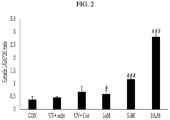
FIG. 2 is a western blotting photograph to confirm the protein expression ofkeratin 1, which is a keratinocyte differentiation marker. -
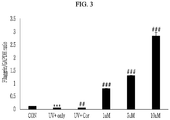
FIG. 3 is a western blotting photograph to confirm the protein expression of filaggrin, which is a marker for keratinocyte differentiation. - Hereinafter, embodiments of the present invention are described in detail so that those of ordinary skill in the art can easily implement the present invention. However, this disclosure may be embodied in many different forms and is not construed as limited to the example embodiments set forth herein.
- In the present specification, the improvement of skin barrier function means reducing a concentration of cortisol by inhibiting the activity of 11β-
hydroxysteroid dehydrogenase type 1 present in the damaged skin area due to mental stress, which is irrelevant in suppressing an oxidation stress or maintaining skin homeostasis and the like caused by physical damage or aging or the like. This is because the suppressing oxidation stress or the maintaining skin homeostasis, and the like are not caused by mental stress, so the mechanism is totally different. - In addition, in the present specification, the mental stress does not mean a neurosis as referred to in a medical field, which means a maladapted status since a patient cannot adaptively adjust to psychological stress, but means a status of well adjusting to psychological stress but activating cortisone reductase (11β-hydroxysteroid dehydrogenase type 1) of keratinocytes in the epidermis regardless of the will of the parts concerned.
- In the present specification, it will be understood that when an element such as a layer, film, region, or substrate is referred to as being "on" another element, it may be directly on the other element or intervening elements may also be present. In contrast, when an element is referred to as being "directly on" another element, there are no intervening elements present.
- As used herein, when a definition is not otherwise provided, the term "combination" refers to mixing or copolymerization. In addition, "copolymerization" means block copolymerization or random copolymerization, and "copolymer" means block copolymer or random copolymer.
- Hereinafter, a composition for inhibiting cortisone reductase according to an embodiment is described.
- A composition for inhibiting cortisone reductase according to an embodiment includes coumestrol extracted from soybeans as an active ingredient.
- Since the coumestrol extracted from soybeans specifically inhibits the activity of cortisone reductase present in keratinocytes in the epidermis under a mental stress situation, the composition according to an embodiment may prevent deterioration of a skin barrier function even under the mental stress situation or rapidly improve the skin barrier function that is weakened by mental stress.
- Specifically, under mental stress, since wound healing is delayed, and the skin barrier function is deteriorated, the firmness of the stratum corneum is also deteriorated, or recovery of the skin barrier function after the damage is delayed, which may be explained by two mechanisms. One mechanism is as follows; the metal stress activates an HPA (hypothalamus pituitary adrenal) axis to increase secretion of glucocorticoids (GC) in the blood through, and the glucocorticoids (GC) binds to GC receptors (GR) present in the epidermis and dermis, which are peripheral tissues, resulting in deteriorating the skin barrier function. The other mechanism is as follows; the mental stress activates cortisone reductase (11β-hydroxysteroid dehydrogenase 1) of keratinocytes in the epidermis, thereby increasing a concentration of cortisol (an activated GC form) and resulting in deteriorating the skin barrier function. The composition according to an embodiment may prevent the deterioration of the skin barrier function by inhibiting the activation of the cortisone reductase (11β-hydroxysteroid dehydrogenase 1) according to the second mechanism.
- The cortisone reductase may be 11β-
hydroxysteroid dehydrogenase type 1. The coumestrol extracted from soybeans and included in the composition according to an embodiment as an active ingredient may specifically act on the 11β-hydroxysteroid dehydrogenase type 1 and thus inhibit the activation of the cortisone reductase. - Accordingly, an embodiment provides a composition for inhibiting cortisone reductase including coumestrol extracted from soybeans as an active ingredient and specifically, a composition for inhibiting activation of 11β-
hydroxysteroid dehydrogenase type 1, which may include a pharmaceutically effective amount of the coumestrol alone or along with at least one pharmaceutically acceptable carrier, excipient, or diluent. - The soybeans may include beans selected from soybean peas and mung beans, germinated beans germinated from the beans, or a combination thereof. Specifically, the composition for inhibiting cortisone reductase according to an embodiment may include coumestrol or a natural product containing the coumestrol and its extract as an active ingredient, and the coumestrol or the natural product containing and its extract may be obtained from beans such as soybeans, peas, and mung beans, germinated beans germinated from the beans, or a combination thereof. In addition, the extract of the natural product containing the coumestrol may be obtained by collecting an extract through cold precipitation at room temperature or warm precipitation of the natural product containing the coumestrol with 70% ethanol, completely concentrating it, dispersing it again in water, and fractionally collecting it again with at least one or two solvents selected from hexane, dichloromethane, chloroform, ethylacetate, butanol, ethanol, methanol, and water in the same amount. However, the extraction method is not limited thereto but may include all extraction methods of containing the coumestrol in a final product.
- In the composition, the cumestrol may be included in a concentration range of 0.001 µM to 1,000 µM, for example, 0.001 µM to 100 µM. When the coumestrol is used at a concentration of less than 0.001 µM, there may be insignificant effects of proliferating epidermal keratinocytes and improving the skin battier function, but when the coumestrol is used at a concentration of greater than 1,000 µM, cytotoxicity may appear and thus harm the human body, which is not desirable.
- In the above, "pharmaceutically effective amount" refers to an amount sufficient to allow the physiologically active ingredient to be administered to an animal or human to exhibit desired physiological or pharmacological activity. However, the effective amount of the pharmaceutical may vary according to the degrees of symptoms, ages, weights, health status, sexes, administration routes, and duration of treatment.
- In addition, "pharmaceutically acceptable" refers to physiologically acceptable when administered to humans, and usually does not cause allergic reactions or similar reactions, such as gastrointestinal disorders or dizziness. Examples of the carrier, excipient, and diluent may include lactose, dextrose, sucrose, sorbitol, mannitol, xylitol, erythritol, maltitol, starch, acacia rubber, alginate, gelatin, calcium phosphate, calcium silicate, cellulose, methyl cellulose, polyvinylpyrrolidone, water, methylhydroxybenzoate, propylhydroxybenzoate, talc, magnesium stearate, and mineral oils. In addition, it may further include fillers, anti-coagulants, lubricants, wetting agents, fragrances, emulsifiers, and antiseptics.
- For example, the composition may be a cosmetic composition.
- In the present specification "cosmetic" may refer to any material that may have a medical function in addition to the cosmetic function.
- The formulation of the cosmetic composition is not particularly limited and may be appropriately selected as desired.
- For example, the cosmetic composition may be formulated into formulations such as solutions, suspension liquids, emulsions, pastes, gels, creams, lotions, powders, soaps, surfactant-containing cleansings, oils, powder foundations, emulsion foundations, wax foundations, and sprays, but is not limited thereto. More specifically, it may be formulated into cosmetic compositions such as detergents, tonics, hair dressings, nourishing lotions, essences, serums, treatments, conditioners, shampoos, lotions, wools, or hair dyes, and the like, and may be formulated into basic cosmetics such as an oil-in-water (O/W) type, a water-in-oil (O/W), and the like. In addition, in the composition, in addition to the above-mentioned essential components in each formulation, other components may be appropriately selected and formulated without difficulty by a person of ordinary skill in the art according to types or use purposes of other external preparations. For example, ultraviolet blocking agents, hair conditioning agents, fragrances, and the like may be further included.
- The cosmetic composition may include a cosmetically acceptable medium or base. These are all formulations suitable for topical applications. The cosmetic composition may be provided in the form of emulsions obtained by dispersing an oil phase in an aqueous phase, suspensions, microemulsions, microcapsules, microgranules, or ion-type (liposome) and/or non-ionized vesicle dispersing agents, or in the form of creams, skins, lotions, powders, ointments, sprays, or conceal sticks. These compositions may be prepared according to conventional methods in the art.
- When the formulation of the present invention is a solution or emulsion, a solvent, a solubilizer, or an emulsifier may be used as carrier components. For example, water, ethanol, isopropanol, ethyl carbonate, ethyl acetate, benzyl alcohol, benzyl benzoate, propylene glycol, 1,3-butylglycol oil, glycerol aliphatic ester, polyethylene glycol, or fatty acid ester of sorbitan may be used.
- If the formulation of the present invention is a suspension, the carrier component may be a diluent of a liquid such as water, ethanol, or propylene glycol, a suspending agent such as ethoxylated isostearyl alcohol, polyoxyethylene sorbitol ester, and polyoxyethylene sorbitan ester, microcrystalline cellulose, aluminum metahydroxide, bentonite, agar, tragacanth, and the like.
- If the formulation of the present invention is pastes, creams, or gels, the carrier component may be animal oil, vegetable oil, wax, paraffin, starch, tragacanth, cellulose derivatives, polyethylene glycol, silicone, bentonite, silica, talc, or zinc oxide.
- If the formulation of the present invention is powders or sprays, the carrier component may be lactose, talc, silica, aluminum hydroxide, calcium silicate, or polyamide powders. Particularly, in the case of sprays, a propellant such as a chlorofluorohydrocarbon, propane/butane, or dimethyl ether may be additionally included.
- In an embodiment of the present invention, the cosmetic composition may include thickeners. The thickeners included in the cosmetic composition of the present invention may be methyl cellulose, carboxyl methyl cellulose, carboxyl methyl hydroxy guanine, hydroxy methyl cellulose, hydroxyethyl cellulose, a carboxyl vinyl polymer, polyquaternium, cetearyl alcohol, stearic acid, and carrageenan, and preferably one or more of carboxyl methyl cellulose, a carboxyl vinyl polymer, and polyquaternium may be used, and more preferably a carboxyl vinyl polymer may be used.
- In an embodiment of the present invention, the cosmetic composition may include a variety of suitable bases and additives as needed, and the types and amounts of these components may be easily selected by the inventor. If necessary, it may include an acceptable additive, and may further include, for example, conventional ingredients such as antiseptics, pigments, additives, and the like.
- The antiseptics may specifically be phenoxyethanol or 1,2-hexanediol, and the fragrances may be artificial fragrances.
- In an embodiment of the present invention, the cosmetic composition may include a composition selected from a water-soluble vitamin, an oil-soluble vitamin, a polymeric peptide, a polymeric polysaccharide, a sphingolipid, and a seaweed extract. Other ingredients that may be added include fats and oils, humectants, emollients, surfactants, organic and inorganic pigments, organic powders, ultraviolet absorbers, antiseptics, fungicides, antioxidants, plant extracts, pH adjusters, alcohols, pigments, fragrances, blood circulation accelerators, coolants, anhidrotics, purified water, and the like.
- In addition, the compounding components which may be added other than these are not limited thereto. Moreover, any component may be blended in the range which does not damage the purpose and effect of the invention.
- Furthermore, the cosmetic composition according to an embodiment may be used not only as a pharmaceutical composition as described above, but also as a dietary supplement. For example, it may be easily used as main ingredients, auxiliary ingredients, food ingredients, food additives, functional foods, or beverages.
- The "food" means a natural or processed product including one or more nutrients, and preferably means that it is ready to be eaten directly after a certain amount of processing. It includes all foods, food additives, functional foods, and beverages.
- The foods to which the food composition can be added may include, for example, various foods, beverages, gums, teas, vitamin composites, and functional foods. In addition, the foods may include special nutritional products (e.g., formulas, baby food, etc.), processed meat products, fish products, tofu, jellies, noodles (e.g. ramen noodles, etc.), breads, dietary supplements, seasoned foods (e.g., soy sauce, soybean paste, red pepper paste, mixed soy sauce, etc.), sauces, sweets (e.g. snacks), candy, chocolate, gum, ice cream, dairy products (e.g. fermented milk, cheese, etc.), other processed foods, kimchi, pickles (various kimchi, pickles, etc.), beverages (e.g., fruit beverages, vegetable beverages, soy milk, fermented beverages, etc.), and natural seasonings (e.g., ramen soup, etc.), but are not limited thereto. The foods, beverages, or food additives may be prepared by conventional manufacturing methods.
- In addition, "functional foods" or "health functional foods" refers to a food group that has added values to foods by using physical, biochemical, or biotechnological techniques to act and express functions of foods for specific purposes, or foods that are processed and designed to fully express the body's regulatory functions, such as defense rhythm control of food compositions, disease prevention, and recovery of living bodies. It may specifically be a health functional food. The functional food may include acceptable food auxiliary additives, and may further include suitable carriers, excipients, and diluents commonly used in the manufacture of functional foods.
- The types of dietary supplements are not limited thereto, but may be in a form of powders, granules, tablets, capsules, or beverages.
- Advantages and features of the present invention and methods for achieving them will be apparent with reference to the examples described in detail below. The present invention will be described in detail with reference to examples. However, these examples are specifically provided for describing the present invention, and the range of the present invention is not limited to these examples.
- Human keratinocytes (normal human epidermal keratinocytes, NHEK) were cultured in a 6-well plate incubator. Specifically, the normal human epidermal keratinocytes were cultured by replacing it with phosphote-buffered saline (PBS) after 24 hours to irradiate UVB (25 mJ/cm2) and then, adding cortisone (10 µM) to NHEK culture media having no hydrocortisone. Subsequently, the cell culture solution was collected to measure a cortisol concentration in an ELISA method, and the results are shown in
FIG. 1 . Referring toFIG. 1 , a cortisol concentration was significantly increased in a well where cortisone was added after the ultraviolet (UV) irradiation (UVB 25 mJ/cm2), compared with before the ultraviolet (UV) irradiation (CON; CONTROL), but in wells where coumestrol (1 µM, 5 µM, 10 µM) was included, the cortisol concentration was not significantly increased. Accordingly, a composition including the coumestrol as an active ingredient according to an embodiment turned out to inhibit activity of 11β-hydroxysteroid dehydrogenase type 1, a cortisone reductase - In addition, after separating proteins from the human keratinocytes using a RIPA lysis buffer, protein expression of keratinocyte differentiation markers (KRT1, Filaggrin) was confirmed through western blotting, and the results are shown in
FIGS. 2 and3 . Referring toFIGS. 2 and3 , in the wells containing the coumestrol (1 µM, 5 µM, 10 µM), gene expression of the keratinocyte differentiation markers (KRT1, Filaggrin) inhibited by the ultraviolet (UVB) rays was increased in the keratinocytes. In other words, the gene expression of the keratinocyte differentiation markers inhibited by the ultraviolet (UVB) rays in the keratinocytes was restored by the coumestrol, and accordingly, the coumestrol inhibited activity of the cortisone reductase and reduced the cortisol concentration, eventually restoring the gene expression of the keratinocyte differentiation markers. - Although the preferred embodiments of the present invention have been described in detail, the scope of the present invention is not limited thereto, and various modifications and improvements by those skilled in the art using the basic concept of the present invention defined in the following claims are also within the scope of the invention.
Claims (5)
- A composition for inhibiting cortisone reductase, comprising coumestrol extracted from soybeans as an active ingredient.
- The composition of claim 1, wherein the cortisone reductase is 11β-hydroxysteroid dehydrogenase type 1.
- The composition of claim 1, wherein the coumestrol is included in a concentration range of 0.001 µM to 1,000 µM.
- The composition of claim 1, wherein the soybeans comprise beans selected from soybean peas and mung beans, germinated beans germinated from the beans, or a combination thereof.
- The composition of claim 1, wherein the composition is a cosmetic composition.
Applications Claiming Priority (2)
| Application Number | Priority Date | Filing Date | Title |
|---|---|---|---|
| KR1020180120692A KR20200040583A (en) | 2018-10-10 | 2018-10-10 | Composition for cortisone reductase inhibition |
| PCT/KR2019/013309 WO2020076104A1 (en) | 2018-10-10 | 2019-10-10 | Composition for inhibiting cortisone reductase |
Publications (2)
| Publication Number | Publication Date |
|---|---|
| EP3865116A1 true EP3865116A1 (en) | 2021-08-18 |
| EP3865116A4 EP3865116A4 (en) | 2022-07-20 |
Family
ID=70164060
Family Applications (1)
| Application Number | Title | Priority Date | Filing Date |
|---|---|---|---|
| EP19871298.6A Pending EP3865116A4 (en) | 2018-10-10 | 2019-10-10 | COMPOSITION FOR THE INHIBITION OF CORTISONE REDUCTASE |
Country Status (6)
| Country | Link |
|---|---|
| US (1) | US12569422B2 (en) |
| EP (1) | EP3865116A4 (en) |
| JP (2) | JP7713881B2 (en) |
| KR (2) | KR20200040583A (en) |
| CN (1) | CN112839628A (en) |
| WO (1) | WO2020076104A1 (en) |
Families Citing this family (1)
| Publication number | Priority date | Publication date | Assignee | Title |
|---|---|---|---|---|
| CN116270281B (en) * | 2023-04-14 | 2025-02-14 | 太和康美(北京)中医研究院有限公司 | Composition for inhibiting oil secretion, preparation method and application thereof |
Family Cites Families (17)
| Publication number | Priority date | Publication date | Assignee | Title |
|---|---|---|---|---|
| HU208256B (en) | 1991-12-12 | 1993-09-28 | Mate Hidvegi | Process for producing pharmaceutical compositions suitable for the selective reduction of lipoid level of blood |
| JPH06321763A (en) | 1993-05-17 | 1994-11-22 | Kao Corp | Skin beautifying agent |
| US6334998B1 (en) | 1999-12-07 | 2002-01-01 | Parker Hughes Institute | Estrogens for treating ALS |
| KR100338654B1 (en) | 2000-06-23 | 2002-05-30 | 임병철 | Ferulic ester derivative, 3,9-diferulylcoumestrol and cosmetic product containing the same |
| FR2863886B1 (en) | 2003-12-22 | 2007-05-04 | Oreal | USE OF A STEREID OR NON-STEROIDAL LIGAND OF ECR RECEPTOR IN COSMETIC OR DERMATOLOGICAL PREPARATION TO MAINTAIN SKIN HOMEOSTASIS. |
| KR100706279B1 (en) * | 2005-11-11 | 2007-04-12 | (주)아모레퍼시픽 | Composition for improving and preventing obesity containing cumestrol |
| JP2008120729A (en) * | 2006-11-13 | 2008-05-29 | Kao Corp | FXR activator |
| US20100331320A1 (en) | 2009-04-30 | 2010-12-30 | Vitae Pharmaceuticals, Inc. | Cyclic inhibitors of 11beta-hydroxysteroid dehydrogenase 1 |
| CN104906177A (en) * | 2010-03-31 | 2015-09-16 | 株式会社爱茉莉太平洋 | Composition comprising coumestrol or bean extract containing coumestrol |
| US9265707B2 (en) * | 2010-03-31 | 2016-02-23 | Amorepacific Corporation | Cosmetic composition comprising coumestrol or a bean extract containing coumestrol for skin care |
| WO2011122879A2 (en) * | 2010-03-31 | 2011-10-06 | (주)아모레퍼시픽 | Composition comprising coumestrol or a bean extract containing coumestrol |
| JP2012219014A (en) * | 2011-04-04 | 2012-11-12 | Up Well:Kk | Anti-saccharification agent including soybean extract |
| KR102063686B1 (en) * | 2012-01-02 | 2020-02-11 | (주)아모레퍼시픽 | Skin external composition containing extract of soybean root |
| EP2941421A4 (en) | 2013-01-07 | 2016-09-21 | Bg Negev Technologies & Applic Ltd | Coumestan, coumestrol, coumestan derivatives and processes of making the same and uses of same |
| KR102200014B1 (en) * | 2013-05-06 | 2021-01-08 | (주)아모레퍼시픽 | Composition for preventing and treating climacteric symptoms comprising extract of bean containing coumestrol |
| KR102004593B1 (en) * | 2016-12-20 | 2019-07-26 | 고려대학교 산학협력단 | Pharmaceutical Composition for Preventing or Treating Epithelial Ovarian Cancer Comprising Coumestrol |
| KR101897896B1 (en) * | 2017-02-03 | 2018-09-12 | 고려대학교 산학협력단 | Composition comprising Coumestrol for improving pregnancy |
-
2018
- 2018-10-10 KR KR1020180120692A patent/KR20200040583A/en not_active Ceased
-
2019
- 2019-10-10 JP JP2021518704A patent/JP7713881B2/en active Active
- 2019-10-10 US US17/284,643 patent/US12569422B2/en active Active
- 2019-10-10 WO PCT/KR2019/013309 patent/WO2020076104A1/en not_active Ceased
- 2019-10-10 CN CN201980067014.6A patent/CN112839628A/en active Pending
- 2019-10-10 EP EP19871298.6A patent/EP3865116A4/en active Pending
-
2023
- 2023-05-16 JP JP2023080777A patent/JP2023103376A/en not_active Withdrawn
-
2024
- 2024-12-24 KR KR1020240196245A patent/KR20250009941A/en active Pending
Also Published As
| Publication number | Publication date |
|---|---|
| KR20250009941A (en) | 2025-01-20 |
| JP2022509002A (en) | 2022-01-20 |
| JP2023103376A (en) | 2023-07-26 |
| JP7713881B2 (en) | 2025-07-28 |
| CN112839628A (en) | 2021-05-25 |
| US20210393496A1 (en) | 2021-12-23 |
| EP3865116A4 (en) | 2022-07-20 |
| KR20200040583A (en) | 2020-04-20 |
| WO2020076104A1 (en) | 2020-04-16 |
| US12569422B2 (en) | 2026-03-10 |
Similar Documents
| Publication | Publication Date | Title |
|---|---|---|
| JPH10120583A (en) | Anti-allergic agent, chemical mediator release inhibitor and anti-allergic cosmetic, pharmaceutical and food containing the same | |
| KR20250009941A (en) | Composition for cortisone reductase inhibition | |
| EP3868359B1 (en) | Composition for strengthening skin barrier | |
| US12447117B2 (en) | Composition and method of enhancing skin barrier using the same | |
| KR102681802B1 (en) | Composition for cortisone reductase inhibition | |
| EP3868360B1 (en) | Composition for inhibiting activation of mineralcorticoid receptor | |
| KR102299417B1 (en) | Composition for inducing alteration of surrounding environment of a aged cell | |
| EP4088712B1 (en) | Composition for stimulating and inducing changes in environment around aging skin cells | |
| US11564875B2 (en) | Cosmetic composition for skin regeneration | |
| KR102371680B1 (en) | Composition for inducing alteration of surrounding environment of a aged cell and mask sheet using the same | |
| KR102673271B1 (en) | Composition for mineralocorticoid receptor activation inhibition | |
| JP2011032176A (en) | Melanin production promoter | |
| KR20180010084A (en) | Composition for moisturing skin comprising trans-3-O-galloyl-3,3',5,5',7- pentahydroxyflavan | |
| JP2017088539A (en) | Ceramide production promoter |
Legal Events
| Date | Code | Title | Description |
|---|---|---|---|
| STAA | Information on the status of an ep patent application or granted ep patent |
Free format text: STATUS: THE INTERNATIONAL PUBLICATION HAS BEEN MADE |
|
| PUAI | Public reference made under article 153(3) epc to a published international application that has entered the european phase |
Free format text: ORIGINAL CODE: 0009012 |
|
| STAA | Information on the status of an ep patent application or granted ep patent |
Free format text: STATUS: REQUEST FOR EXAMINATION WAS MADE |
|
| 17P | Request for examination filed |
Effective date: 20210413 |
|
| AK | Designated contracting states |
Kind code of ref document: A1 Designated state(s): AL AT BE BG CH CY CZ DE DK EE ES FI FR GB GR HR HU IE IS IT LI LT LU LV MC MK MT NL NO PL PT RO RS SE SI SK SM TR |
|
| DAV | Request for validation of the european patent (deleted) | ||
| DAX | Request for extension of the european patent (deleted) | ||
| A4 | Supplementary search report drawn up and despatched |
Effective date: 20220621 |
|
| RIC1 | Information provided on ipc code assigned before grant |
Ipc: A61Q 19/00 20060101ALI20220614BHEP Ipc: A61K 8/49 20060101AFI20220614BHEP |
|
| STAA | Information on the status of an ep patent application or granted ep patent |
Free format text: STATUS: EXAMINATION IS IN PROGRESS |
|
| 17Q | First examination report despatched |
Effective date: 20231206 |