EP3855594B1 - Valve tower reinforcing structure and reinforcing method - Google Patents
Valve tower reinforcing structure and reinforcing method Download PDFInfo
- Publication number
- EP3855594B1 EP3855594B1 EP20809182.7A EP20809182A EP3855594B1 EP 3855594 B1 EP3855594 B1 EP 3855594B1 EP 20809182 A EP20809182 A EP 20809182A EP 3855594 B1 EP3855594 B1 EP 3855594B1
- Authority
- EP
- European Patent Office
- Prior art keywords
- valve
- towers
- layer
- adjacent
- connecting flanges
- Prior art date
- Legal status (The legal status is an assumption and is not a legal conclusion. Google has not performed a legal analysis and makes no representation as to the accuracy of the status listed.)
- Active
Links
Images

Classifications
-
- H—ELECTRICITY
- H05—ELECTRIC TECHNIQUES NOT OTHERWISE PROVIDED FOR
- H05K—PRINTED CIRCUITS; CASINGS OR CONSTRUCTIONAL DETAILS OF ELECTRIC APPARATUS; MANUFACTURE OF ASSEMBLAGES OF ELECTRICAL COMPONENTS
- H05K7/00—Constructional details common to different types of electric apparatus
- H05K7/14—Mounting supporting structure in casing or on frame or rack
- H05K7/1422—Printed circuit boards receptacles, e.g. stacked structures, electronic circuit modules or box like frames
- H05K7/1427—Housings
- H05K7/1432—Housings specially adapted for power drive units or power converters
- H05K7/14339—Housings specially adapted for power drive units or power converters specially adapted for high voltage operation
-
- E—FIXED CONSTRUCTIONS
- E04—BUILDING
- E04H—BUILDINGS OR LIKE STRUCTURES FOR PARTICULAR PURPOSES; SWIMMING OR SPLASH BATHS OR POOLS; MASTS; FENCING; TENTS OR CANOPIES, IN GENERAL
- E04H12/00—Towers; Masts or poles; Chimney stacks; Water-towers; Methods of erecting such structures
- E04H12/02—Structures made of specified materials
- E04H12/08—Structures made of specified materials of metal
- E04H12/10—Truss-like structures
-
- E—FIXED CONSTRUCTIONS
- E04—BUILDING
- E04H—BUILDINGS OR LIKE STRUCTURES FOR PARTICULAR PURPOSES; SWIMMING OR SPLASH BATHS OR POOLS; MASTS; FENCING; TENTS OR CANOPIES, IN GENERAL
- E04H12/00—Towers; Masts or poles; Chimney stacks; Water-towers; Methods of erecting such structures
- E04H12/34—Arrangements for erecting or lowering towers, masts, poles, chimney stacks, or the like
-
- H—ELECTRICITY
- H02—GENERATION; CONVERSION OR DISTRIBUTION OF ELECTRIC POWER
- H02J—ELECTRIC POWER NETWORKS; CIRCUIT ARRANGEMENTS OR SYSTEMS FOR SUPPLYING OR DISTRIBUTING ELECTRIC POWER; SYSTEMS FOR STORING ELECTRIC ENERGY
- H02J3/00—Circuit arrangements for AC mains or AC distribution networks
- H02J3/36—Arrangements for transfer of electric power between AC networks via high-voltage DC [HVDC] links; Arrangements for transfer of electric power between generators and networks via HVDC links
-
- H—ELECTRICITY
- H02—GENERATION; CONVERSION OR DISTRIBUTION OF ELECTRIC POWER
- H02M—APPARATUS FOR CONVERSION BETWEEN AC AND AC, BETWEEN AC AND DC, OR BETWEEN DC AND DC, AND FOR USE WITH MAINS OR SIMILAR POWER SUPPLY SYSTEMS; CONVERSION OF DC OR AC INPUT POWER INTO SURGE OUTPUT POWER; CONTROL OR REGULATION THEREOF
- H02M7/00—Conversion of AC power input into DC power output; Conversion of DC power input into AC power output
- H02M7/003—Constructional details, e.g. physical layout, assembly, wiring or busbar connections
-
- Y—GENERAL TAGGING OF NEW TECHNOLOGICAL DEVELOPMENTS; GENERAL TAGGING OF CROSS-SECTIONAL TECHNOLOGIES SPANNING OVER SEVERAL SECTIONS OF THE IPC; TECHNICAL SUBJECTS COVERED BY FORMER USPC CROSS-REFERENCE ART COLLECTIONS [XRACs] AND DIGESTS
- Y02—TECHNOLOGIES OR APPLICATIONS FOR MITIGATION OR ADAPTATION AGAINST CLIMATE CHANGE
- Y02E—REDUCTION OF GREENHOUSE GAS [GHG] EMISSIONS, RELATED TO ENERGY GENERATION, TRANSMISSION OR DISTRIBUTION
- Y02E60/00—Enabling technologies; Technologies with a potential or indirect contribution to GHG emissions mitigation
- Y02E60/60—Arrangements for transfer of electric power between AC networks or generators via a high voltage DC link [HVCD]
Definitions
- the present invention belongs to the technical field of power equipment platform reinforcing, and particularly relates to a reinforcing structure and method for reinforcing valve towers.
- Flexible DC transmission technology is developing towards high voltage, large capacitance and multi-terminal interconnection, and has been widely applied to distributed new energy access, power grid interconnection, urban power supply, offshore platforms and island power supply, etc.
- new requirements are put forward for the structural design of flexible DC valve towers.
- General flexible DC valve towers have four to five floors, can be a dozen meters high and weigh dozens of tons.
- the flexible DC valve towers may encounter complex working conditions, such as wind loads, wave loads, current loads and ice loads, even earthquakes.
- reinforcing is necessary, so that the influence of the natural environment on the strength of power equipment can be controlled, and the service life of platform structures can be prolonged.
- CN105207498A provides a high-voltage DC transmission converter valve single-row valve tower which comprises a top shielding cover, a bottom shielding cover and a converter valve arranged between the top shielding cover and the bottom shielding cover, wherein the top shielding cover and the bottom shielding cover are arranged horizontally.
- the converter valve is connected with the top shielding cover and the bottom shielding cover through suspension insulators.
- the converter valve is formed by connecting converter valve modules, forming an inclination angle with the horizontal direction, in series in sequence in the vertical direction in the form of a zigzag rule.
- the high-voltage DC transmission converter valve single-row valve tower is more compact in overall structure and more reasonable in layout, and meanwhile, better solves the problems of high-frequency oscillation due to cooling water circuit insulation and connecting busbar inductance, reduces operational risks, and meets the design requirement for higher voltage and current level of the (ultra) high-voltage DC transmission converter valve.
- valve towers it is necessary to develop a new reinforcing structure for valve towers, to provide various reinforcing solutions for complex situations such as wind loads, wave loads, and transportation vibrations that the valve towers may encounter during transportation and operation.
- the technical problem to be solved by the present invention is to provide a reinforcing structure for a valve tower, which makes the connection and reinforcement between adjacent valve towers simple, effective and highly reliable through the cooperation of connecting flanges and connecting rods, so as to enhance the stability and safety of the valve towers during transportation and operation.
- a reinforcing structure for a valve tower comprises a plurality of layers of valve sections.
- the reinforcing structure comprises:
- the horizontal connection means that the connecting flanges at corresponding heights of the corresponding layers of valve sections of the adjacent valve towers are connected to each other, either on the same side or on different sides, and each of the connecting rod is horizontal.
- the interleaving connection means that for each two adjacent valve towers, the two connecting flanges at the bottom of one side of one layer of valve section on one of said two adjacent valve towers are connected with two connecting flanges at the top of a corresponding side of a next layer of valve section on the other of said two adjacent valve towers.
- the cross-layer connection means that for each two adjacent valve towers, two connecting flanges at the bottom of one side of one layer of valve section on one of said two adjacent valve towers are connected with two connecting flanges at the top of the corresponding side of the one below a next layer of valve section on the other of said two adjacent valve towers.
- the corresponding connecting flanges at the top of the uppermost layer of valve section of a valve tower are connected with corresponding connecting flanges at the bottom of the lowermost layer of valve section of the adjacent valve towerby the horizontal connection.
- the connecting flanges at the top of the uppermost layer of valve section of a valve tower are connected with corresponding connecting flanges at the bottom of the lowermost layer of valve section of the adjacent valve tower by the horizontal connection, and the connecting flanges without corresponding connecting points across the layers are connected by the horizontal connection.
- the valve towers are two rows of valve towers arranged in a back-to-back mirror symmetry manner.
- the connecting rods are compressive or tensile.
- a method for reinforcing a valve towers comprises a plurality of layers of valve sections.
- the method comprises:
- the invention has the beneficial effects that the adjacent valve towers are rigidly connected through the connecting flanges and the connecting rods, and a plurality of reinforcing connection modes which can be flexibly adopted according to different working conditions are provided for the valve towers in the environment with strong turbulence or vibrations.
- the reinforcing structure and method are simple, effective, high in reliability and operability, the reinforcing structure is easy to disassemble, and the stability and safety of the valve towers during transportation or under complex working conditions are enhanced.
- a reinforcing structure for a valve tower comprises a plurality of layers of valve sections.
- the reinforcing structure comprises:
- Connecting flanges 102, 103, 104 and 105 are arranged at four corners of one side of each layer of valve section 101 of the valve tower, wherein connecting flanges 102 and 105 are at the bottom of the layer of valve section, connecting flanges 103 and 104 are at the top of the layer of valve section, and the connecting flanges at the top corners of the side faces of each layer of valve sections are arranged at the same position.
- adjacent valve towers are connected by the connecting flanges and the connecting rods in different specific connecting modes comprising horizontal connection, interleaving connection and cross-layer connection.
- Figs. 3 , 4 and 5 are diagrams of horizontal connection, interleaving connection and cross-layer connection of a three-layer valve tower, a four-layer valve tower and a five-layer valve tower, respectively.
- Fig. 3 (1, 4), Fig. 4 (1, 4) and Fig. 5 (1, 4) are diagrams of horizontal connection of the three-layer valve tower, the four-layer valve tower and the five-layer valve tower respectively.
- the horizontal connection means that the connecting flanges at corresponding heights of corresponding layers of valve sections of adjacent valve towers are connected to each other, and each of the connecting rod is horizontal.
- the connecting flanges at corresponding heights of the corresponding layers of valve sections of adjacent valve towers can be located on the same side or on different sides.
- Fig. 3 (2, 5), Fig. 4 (2, 5) and Fig. 5 (2, 5) are diagrams of interleaving connection of the three-layer valve tower, the four-layer valve tower and the five-layer valve tower respectively.
- the interleaving connection means that for each two adjacent valve towers, two connecting flanges at the bottom of one side of one layer of valve section on one of the two adjacent valve towers are connected with two connecting flanges at the top of the corresponding side of a next layer of valve section on the other valve tower.
- the connecting flanges at the top of the uppermost layer of valve section of a valve tower are connected with corresponding connecting flanges at the bottom of the lowermost layer of valve section of an adjacent valve tower by horizontal connection, either on the same side or on different sides.
- Fig. 3 (3, 6), Fig. 4 (3, 6) and Fig. 5 (3, 6) are diagrams of cross-layer connection of the three-layer valve tower, the four-layer valve tower and the five-layer valve tower respectively.
- the cross-layer connection means that for each two adjacent valve towers, two connecting flanges at the bottom of one side of one layer of valve section on one of said two adjacent valve towers are connected with two connecting flanges at the top of the corresponding side of the one below a next layer of valve section on the other of said two adjacent valve towers.
- the connecting flanges at the top of the uppermost layer of valve section of a valve tower are connected with corresponding connecting flanges at the bottom of the lowermost layer of valve section of an adjacent valve tower, and the connecting flanges without corresponding connecting points across the layers are connected by horizontal connection, either on the same side or on different sides.
- the situation that no corresponding connecting points can be found across layers refers to the situation that when adjacent valve towers with more than three layers of valve sections are connected, the second layer counted from top to bottom is connected across layers upwards or the second layer counted from bottom to top is connected across layers downwards.
- Fig. 6 is a top view of lateral connection of adjacent back-to-back double-row valve towers.
- the thick line frames are the valve towers, the back sides of the back-to-back double-row valve towers are connected by copper bars, and the dotted lines are the connecting rods.
- the present embodiment is a lateral connection reinforcing structure of the adjacent back-to-back double-row valve towers, wherein the inner connecting flanges are horizontally cross-connected by the connecting rods, that is, the inner connecting flange on the right side of the left back-to-back valve tower is connected with the inner connecting flange on the left side of the right back-to-back valve tower, and the connecting rods cross horizontally, which is equivalent to the different-side connection between the topmost and bottommost connecting flanges of single-row valve towers.
- the outer connecting flanges are connected horizontally on the same side through the connecting rods, that is, the outer connecting flange on the right side of the left back-to-back valve tower is connected with the corresponding outer connecting flange on the left side of the right back-to-back valve tower.
- left side, right side, inner side and outer side are only for a convenient description, and is not a limitation on the technical solution of the present invention.
- connection reinforcing of the adjacent valve towers can also be carried out in the front-back direction if necessary, i.e., the longitudinal direction, which is not limited by the present invention.
Landscapes
- Engineering & Computer Science (AREA)
- Architecture (AREA)
- Civil Engineering (AREA)
- Structural Engineering (AREA)
- Power Engineering (AREA)
- Microelectronics & Electronic Packaging (AREA)
- Wood Science & Technology (AREA)
- Life Sciences & Earth Sciences (AREA)
- Materials Engineering (AREA)
- Chemical & Material Sciences (AREA)
- Separation By Low-Temperature Treatments (AREA)
- Bridges Or Land Bridges (AREA)
- Lift Valve (AREA)
- Wind Motors (AREA)
- Working Measures On Existing Buildindgs (AREA)
- Electric Cable Installation (AREA)
Description
- The present invention belongs to the technical field of power equipment platform reinforcing, and particularly relates to a reinforcing structure and method for reinforcing valve towers.
- With the continuous development of flexible DC technology and the gradual application of flexible DC technology in distribution networks in recent years, more and more flexible DC projects are emerging. Flexible DC transmission technology is developing towards high voltage, large capacitance and multi-terminal interconnection, and has been widely applied to distributed new energy access, power grid interconnection, urban power supply, offshore platforms and island power supply, etc. At the same time, new requirements are put forward for the structural design of flexible DC valve towers. General flexible DC valve towers have four to five floors, can be a dozen meters high and weigh dozens of tons. During transportation and operation, the flexible DC valve towers may encounter complex working conditions, such as wind loads, wave loads, current loads and ice loads, even earthquakes. In order to ensure the safety and reliability of large-scale power equipment during transportation or operation, reinforcing is necessary, so that the influence of the natural environment on the strength of power equipment can be controlled, and the service life of platform structures can be prolonged.
-
CN105207498A provides a high-voltage DC transmission converter valve single-row valve tower which comprises a top shielding cover, a bottom shielding cover and a converter valve arranged between the top shielding cover and the bottom shielding cover, wherein the top shielding cover and the bottom shielding cover are arranged horizontally. The converter valve is connected with the top shielding cover and the bottom shielding cover through suspension insulators. The converter valve is formed by connecting converter valve modules, forming an inclination angle with the horizontal direction, in series in sequence in the vertical direction in the form of a zigzag rule. The high-voltage DC transmission converter valve single-row valve tower is more compact in overall structure and more reasonable in layout, and meanwhile, better solves the problems of high-frequency oscillation due to cooling water circuit insulation and connecting busbar inductance, reduces operational risks, and meets the design requirement for higher voltage and current level of the (ultra) high-voltage DC transmission converter valve. - Therefore, it is necessary to develop a new reinforcing structure for valve towers, to provide various reinforcing solutions for complex situations such as wind loads, wave loads, and transportation vibrations that the valve towers may encounter during transportation and operation.
- The contents of the background art are only the technology known by the inventor, and do not necessarily represent the prior art in the art.
- In view of this, the technical problem to be solved by the present invention is to provide a reinforcing structure for a valve tower, which makes the connection and reinforcement between adjacent valve towers simple, effective and highly reliable through the cooperation of connecting flanges and connecting rods, so as to enhance the stability and safety of the valve towers during transportation and operation.
- To some extent, any aspect or feature described herein can be used together with any or all of other aspects and features described herein.
- According to one aspect of the invention, a reinforcing structure for a valve tower is provided. The valve tower comprises a plurality of layers of valve sections. The reinforcing structure comprises:
- a plurality of connecting flanges being arranged at top corners of the layers of valve sections, respectively; and
- connecting rods, two ends of each connecting rod being connected to the connecting flanges on the adjacent valve towers respectively, so as to reinforce the adjacent valve towers.
- the connecting modes of the adjacent valve towers comprise horizontal connection, interleaving connection and cross-layer connection.
- According to one aspect of the invention, the horizontal connection means that the connecting flanges at corresponding heights of the corresponding layers of valve sections of the adjacent valve towers are connected to each other, either on the same side or on different sides, and each of the connecting rod is horizontal.
- According to one aspect of the invention, the interleaving connection means that for each two adjacent valve towers, the two connecting flanges at the bottom of one side of one layer of valve section on one of said two adjacent valve towers are connected with two connecting flanges at the top of a corresponding side of a next layer of valve section on the other of said two adjacent valve towers.
- According to one aspect of the invention, the cross-layer connection means that for each two adjacent valve towers, two connecting flanges at the bottom of one side of one layer of valve section on one of said two adjacent valve towers are connected with two connecting flanges at the top of the corresponding side of the one below a next layer of valve section on the other of said two adjacent valve towers.
- According to one aspect of the invention, in the interleaving connection mode, the corresponding connecting flanges at the top of the uppermost layer of valve section of a valve tower are connected with corresponding connecting flanges at the bottom of the lowermost layer of valve section of the adjacent valve towerby the horizontal connection.
- According to one aspect of the invention, in the cross-layer connection mode, the connecting flanges at the top of the uppermost layer of valve section of a valve tower are connected with corresponding connecting flanges at the bottom of the lowermost layer of valve section of the adjacent valve tower by the horizontal connection, and the connecting flanges without corresponding connecting points across the layers are connected by the horizontal connection.
- According to one aspect of the invention, the valve towers are two rows of valve towers arranged in a back-to-back mirror symmetry manner.
- According to one aspect of the invention, the connecting rods are compressive or tensile.
- According to one aspect of the invention, a method for reinforcing a valve towers is provided. Each of the valve towers comprises a plurality of layers of valve sections. The method comprises:
- arranging connecting flanges at top corners of each layer of valve section of the valve tower; and
- connecting the connecting flanges through connecting rods, wherein the connection modes include horizontal connection, interleaving connection and cross-layer connection; wherein the connecting modes of the adjacent valve towers comprise horizontal connection, interleaving connection and cross-layer connection.
- The invention has the beneficial effects that the adjacent valve towers are rigidly connected through the connecting flanges and the connecting rods, and a plurality of reinforcing connection modes which can be flexibly adopted according to different working conditions are provided for the valve towers in the environment with strong turbulence or vibrations. The reinforcing structure and method are simple, effective, high in reliability and operability, the reinforcing structure is easy to disassemble, and the stability and safety of the valve towers during transportation or under complex working conditions are enhanced.
-
-
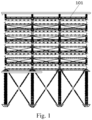
Fig. 1 is a front view of a valve tower according to the present invention; -
Fig. 2 is a side view of a valve tower according to the present invention; -
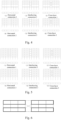
Fig. 3 is a diagram of reinforcing connection of a three-layer valve tower according to the present invention, in which the dotted lines are connecting rods; -
Fig. 4 is a diagram of reinforcing connection of a four-layer valve tower according to the present invention, in which the dotted lines are connecting rods; -
Fig. 5 is a diagram of reinforcing connection of a five-layer valve tower according to the present invention, in which the dotted lines are connecting rods; and -
Fig. 6 is a top view of connection of back-to-back valve towers according to the present invention, in which the dotted lines are connecting rods. - In order to make the object, technical solution and advantages of the present invention clearer, the present invention will be further explained in detail below according to the drawings and embodiments. It should be understood that the specific embodiments described here are only for explaining the present invention, and do not limit the present invention. The invention is defined by the appended claims.
- Many different implementations and embodiments disclosed below are used for a reinforcing structure and method for a valve tower of the present invention in different working conditions. In order to simplify the disclosure of the present invention, only specific implementations or examples will be described hereinafter. Therefore, they are only examples, and the description thereof is not intended to limit the present invention. In addition, any aspect or feature of any implementation or embodiment described below can be used together with any other implementation or embodiment if necessary.
- As shown in
Figs. 1-6 , a reinforcing structure for a valve tower is provided. The valve tower comprises a plurality of layers of valve sections. The reinforcing structure comprises: - a plurality of connecting flanges which are arranged at top corners of each layer of valve section respectively; and
- connecting rods, two ends of each connecting rod being connected to the connecting flanges on adjacent valve towers respectively to reinforce the adjacent valve towers.
- As shown in
Figs. 1 and2 , taking a single-row valve tower as an example, the embodiment mainly describes the reinforcing connection solution of one side of the valve tower, and the other side adopts the same solution and will not be described any more. Connectingflanges valve section 101 of the valve tower, wherein connectingflanges flanges - According to different requirements of working conditions, adjacent valve towers are connected by the connecting flanges and the connecting rods in different specific connecting modes comprising horizontal connection, interleaving connection and cross-layer connection.
-
Figs. 3 ,4 and 5 are diagrams of horizontal connection, interleaving connection and cross-layer connection of a three-layer valve tower, a four-layer valve tower and a five-layer valve tower, respectively. -
Fig. 3 (1, 4),Fig. 4 (1, 4) andFig. 5 (1, 4) are diagrams of horizontal connection of the three-layer valve tower, the four-layer valve tower and the five-layer valve tower respectively. - The horizontal connection means that the connecting flanges at corresponding heights of corresponding layers of valve sections of adjacent valve towers are connected to each other, and each of the connecting rod is horizontal.
- As shown in the top views at the lower parts of
Fig. 3 (1, 4),Fig. 4 (1, 4) andFig. 5 (1, 4), in the horizontal connection mode, the connecting flanges at corresponding heights of the corresponding layers of valve sections of adjacent valve towers can be located on the same side or on different sides. -
Fig. 3 (2, 5),Fig. 4 (2, 5) andFig. 5 (2, 5) are diagrams of interleaving connection of the three-layer valve tower, the four-layer valve tower and the five-layer valve tower respectively. - The interleaving connection means that for each two adjacent valve towers, two connecting flanges at the bottom of one side of one layer of valve section on one of the two adjacent valve towers are connected with two connecting flanges at the top of the corresponding side of a next layer of valve section on the other valve tower.
- As shown in the top views at the lower parts of
Fig. 3 (2, 5),Fig. 4 (2, 5) andFig. 5 (2, 5), in the interleaving connection mode, the connecting flanges at the top of the uppermost layer of valve section of a valve tower are connected with corresponding connecting flanges at the bottom of the lowermost layer of valve section of an adjacent valve tower by horizontal connection, either on the same side or on different sides. -
Fig. 3 (3, 6),Fig. 4 (3, 6) andFig. 5 (3, 6) are diagrams of cross-layer connection of the three-layer valve tower, the four-layer valve tower and the five-layer valve tower respectively. - The cross-layer connection means that for each two adjacent valve towers, two connecting flanges at the bottom of one side of one layer of valve section on one of said two adjacent valve towers are connected with two connecting flanges at the top of the corresponding side of the one below a next layer of valve section on the other of said two adjacent valve towers.
- As shown in the top views at the lower parts of
Fig. 3 (3, 6),Fig. 4 (3, 6) andFig. 5 (3, 6), in the cross-layer connection mode, the connecting flanges at the top of the uppermost layer of valve section of a valve tower are connected with corresponding connecting flanges at the bottom of the lowermost layer of valve section of an adjacent valve tower, and the connecting flanges without corresponding connecting points across the layers are connected by horizontal connection, either on the same side or on different sides. - In Embodiment 1.3, the situation that no corresponding connecting points can be found across layers refers to the situation that when adjacent valve towers with more than three layers of valve sections are connected, the second layer counted from top to bottom is connected across layers upwards or the second layer counted from bottom to top is connected across layers downwards.
-
Fig. 6 is a top view of lateral connection of adjacent back-to-back double-row valve towers. - In the figure, the thick line frames are the valve towers, the back sides of the back-to-back double-row valve towers are connected by copper bars, and the dotted lines are the connecting rods.
- The present embodiment is a lateral connection reinforcing structure of the adjacent back-to-back double-row valve towers, wherein the inner connecting flanges are horizontally cross-connected by the connecting rods, that is, the inner connecting flange on the right side of the left back-to-back valve tower is connected with the inner connecting flange on the left side of the right back-to-back valve tower, and the connecting rods cross horizontally, which is equivalent to the different-side connection between the topmost and bottommost connecting flanges of single-row valve towers. The outer connecting flanges are connected horizontally on the same side through the connecting rods, that is, the outer connecting flange on the right side of the left back-to-back valve tower is connected with the corresponding outer connecting flange on the left side of the right back-to-back valve tower.
- In the present embodiment, the usage of left side, right side, inner side and outer side are only for a convenient description, and is not a limitation on the technical solution of the present invention.
- The above embodiments mainly describe lateral connection reinforcing in terms of the connection between adjacent valve towers, but in actual transportation or under special working conditions, the connection reinforcing of the adjacent valve towers can also be carried out in the front-back direction if necessary, i.e., the longitudinal direction, which is not limited by the present invention.
- The above embodiments are only preferred ones of the present invention, and are not intended to limit the scope of protection of the present invention.
Claims (10)
- A reinforcing structure for a valve tower, the valve tower comprising a plurality of layers of valve sections (101), the reinforcing structure comprising:a plurality of connecting flanges (102, 103, 104, 105) being arranged at top corners of the layers of valve sections (101), respectively; andconnecting rods, two ends of each said connecting rod being connected to the connecting flanges (102, 103, 104, 105) on adjacent valve towers respectively, so as to reinforce the adjacent valve towers; characterised in that the connecting modes of the adjacent valve towers comprise horizontal connection, interleaving connection and cross-layer connection.
- The reinforcing structure for the valve tower according to claim 1, wherein the horizontal connection means that the connecting flanges (102, 103, 104, 105) at corresponding heights of corresponding layers of valve sections (101) of the adjacent valve towers are connected to each other and each of the connecting rod is horizontal.
- The reinforcing structure for the valve tower according to claim 2, wherein the horizontal connection comprises connection between connecting flanges (102, 103, 104, 105) on a same side and/or connection between connecting flanges (102, 103, 104, 105) on different sides.
- The reinforcing structure for the valve tower according to claim 2, wherein the interleaving connection means that for each two adjacent said valve towers, two said connecting flanges (102, 103, 104, 105) at a bottom of one side of one layer of valve section (101) on one of said two adjacent valve towers are connected with two said connecting flanges (102, 103, 104, 105) at a top of a corresponding side of a next layer of valve section (101) on the other of said two adjacent valve towers.
- The reinforcing structure for the valve tower according to claim 4, wherein the connecting flanges (102, 103, 104, 105) at a top of an uppermost layer of valve section (101) of a valve tower are connected with corresponding connecting flanges (102, 103, 104, 105) at a bottom of a lowermost layer of valve section (101) of an adjacent valve tower by the horizontal connection.
- The reinforcing structure for the valve tower according to claim 2, wherein the cross-layer connection means that for each two adjacent said valve towers, two said connecting flanges (102, 103, 104, 105) at a bottom of one side of one layer of valve section (101) on one of said two adjacent valve towers are connected with two said connecting flanges (102, 103, 104, 105) at a top of a corresponding side of the one below a next layer of valve section (101) on the other of said two adjacent valve towers.
- The reinforcing structure for the valve tower according to claim 6, wherein the connecting flanges (102, 103, 104, 105) at a top of an uppermost layer of valve section (101) of a valve tower are connected with corresponding connecting flanges (102, 103, 104, 105) at a bottom of a lowermost layer of valve section (101) of an adjacent valve tower, and the connecting flanges (102, 103, 104, 105) without corresponding connecting points across the layers are connected by the horizontal connection.
- The reinforcing structure for the valve tower according to any one of claims 1-7, wherein the valve towers are two rows of valve towers arranged in a back-to-back mirror symmetry manner.
- The reinforcing structure for the valve tower according to any one of claims 1-7, wherein the connecting rods are compressive or tensile.
- A method for reinforcing valve towers, each of the valve towers comprising a plurality of layers of valve sections (101), and the method comprising:arranging connecting flanges (102, 103, 104, 105) at top corners of each layer of valve sections (101) of adjacent valve towers; andconnecting the connecting flanges (102, 103, 104, 105) on the adjacent valve towers through connecting rods; characterised in that the connecting modes of the adjacent valve towers comprise horizontal connection, interleaving connection and cross-layer connection.
Applications Claiming Priority (2)
| Application Number | Priority Date | Filing Date | Title |
|---|---|---|---|
| CN201910419183.3A CN111969634A (en) | 2019-05-20 | 2019-05-20 | Valve tower reinforced structure |
| PCT/CN2020/076821 WO2020233183A1 (en) | 2019-05-20 | 2020-02-26 | Valve tower reinforcing structure and reinforcing method |
Publications (3)
| Publication Number | Publication Date |
|---|---|
| EP3855594A1 EP3855594A1 (en) | 2021-07-28 |
| EP3855594A4 EP3855594A4 (en) | 2022-01-19 |
| EP3855594B1 true EP3855594B1 (en) | 2025-05-14 |
Family
ID=73358167
Family Applications (1)
| Application Number | Title | Priority Date | Filing Date |
|---|---|---|---|
| EP20809182.7A Active EP3855594B1 (en) | 2019-05-20 | 2020-02-26 | Valve tower reinforcing structure and reinforcing method |
Country Status (6)
| Country | Link |
|---|---|
| US (1) | US11753843B2 (en) |
| EP (1) | EP3855594B1 (en) |
| CN (1) | CN111969634A (en) |
| AU (3) | AU2020278531A1 (en) |
| MX (1) | MX2021007587A (en) |
| WO (1) | WO2020233183A1 (en) |
Families Citing this family (2)
| Publication number | Priority date | Publication date | Assignee | Title |
|---|---|---|---|---|
| CN113300382B (en) * | 2021-04-22 | 2022-09-27 | 国网浙江省电力有限公司湖州供电公司 | Outdoor distributed series compensator valve tower |
| CN116111629B (en) * | 2023-01-31 | 2024-07-12 | 中国华能集团清洁能源技术研究院有限公司 | An offshore flexible bridge arm valve tower and AC busbar same-hall arrangement structure and method |
Family Cites Families (15)
| Publication number | Priority date | Publication date | Assignee | Title |
|---|---|---|---|---|
| US4710850A (en) * | 1986-02-19 | 1987-12-01 | Siemens Aktiengesellschaft | Tower design for high-voltage systems |
| US5028357A (en) * | 1989-08-14 | 1991-07-02 | Ceramic Cooling Tower Company | Lightweight cooling tower with cruciform columns |
| JPH08266055A (en) * | 1995-03-22 | 1996-10-11 | Kansai Electric Power Co Inc:The | Thyristor valve |
| US6739099B2 (en) * | 2001-06-06 | 2004-05-25 | Nippon Steel Corporation | Column-and-beam join structure |
| KR101758417B1 (en) * | 2013-04-30 | 2017-07-17 | 엘에스산전 주식회사 | Hvdc valve tower |
| CN203645559U (en) * | 2014-01-02 | 2014-06-11 | 常州博瑞电力自动化设备有限公司 | Flexible dc power-transmission converter valve tower based on voltage-source current transformers |
| CN104953858A (en) | 2015-06-26 | 2015-09-30 | 许继电气股份有限公司 | Converter valve tower |
| CN105207498B (en) | 2015-09-02 | 2018-11-16 | 全球能源互联网研究院 | A kind of single-row valve tower of high voltage direct current transmission converter valve |
| CN106998130A (en) * | 2017-04-28 | 2017-08-01 | 荣信汇科电气技术有限责任公司 | A kind of stability against earthquake structure of brace type converter valve tower |
| CN107900960B (en) | 2017-10-12 | 2019-09-20 | 许继电气股份有限公司 | A capacitor bank replacement device |
| CN207588444U (en) * | 2017-12-22 | 2018-07-06 | 清华四川能源互联网研究院 | A kind of superhigh voltage DC breaker power electronics bypass valve tower structure |
| CN108266055B (en) | 2018-04-04 | 2023-12-26 | 东莞市缙优实业有限公司 | A multifunctional lock |
| CN108667060B (en) * | 2018-04-18 | 2021-06-08 | 中国电力工程顾问集团西南电力设计院有限公司 | Method for improving operation reliability of converter valve tower in converter station |
| CN208433759U (en) | 2018-04-18 | 2019-01-25 | 中国电力工程顾问集团西南电力设计院有限公司 | Connecting structure for electrical equipment between a kind of change of current change and change of current valve tower |
| CN108923345B (en) * | 2018-06-26 | 2020-04-28 | 西安西电电力系统有限公司 | Extra-high voltage flexible direct current transmission supporting type valve tower |
-
2019
- 2019-05-20 CN CN201910419183.3A patent/CN111969634A/en active Pending
-
2020
- 2020-02-26 US US17/293,333 patent/US11753843B2/en active Active
- 2020-02-26 WO PCT/CN2020/076821 patent/WO2020233183A1/en not_active Ceased
- 2020-02-26 MX MX2021007587A patent/MX2021007587A/en unknown
- 2020-02-26 AU AU2020278531A patent/AU2020278531A1/en not_active Abandoned
- 2020-02-26 EP EP20809182.7A patent/EP3855594B1/en active Active
-
2022
- 2022-06-10 AU AU2022204069A patent/AU2022204069A1/en not_active Abandoned
-
2023
- 2023-06-27 AU AU2023204100A patent/AU2023204100B2/en active Active
Also Published As
| Publication number | Publication date |
|---|---|
| AU2020278531A1 (en) | 2021-06-24 |
| US11753843B2 (en) | 2023-09-12 |
| CN111969634A (en) | 2020-11-20 |
| EP3855594A1 (en) | 2021-07-28 |
| AU2022204069A1 (en) | 2022-06-30 |
| AU2023204100B2 (en) | 2025-01-30 |
| WO2020233183A1 (en) | 2020-11-26 |
| EP3855594A4 (en) | 2022-01-19 |
| AU2023204100A1 (en) | 2023-07-13 |
| MX2021007587A (en) | 2021-08-05 |
| BR112021011763A2 (en) | 2022-02-08 |
| US20220010576A1 (en) | 2022-01-13 |
Similar Documents
| Publication | Publication Date | Title |
|---|---|---|
| CN110380624B (en) | A converter valve tower | |
| US10122292B2 (en) | Converter valve | |
| EP3855594B1 (en) | Valve tower reinforcing structure and reinforcing method | |
| CN105099222B (en) | A kind of thyristor converter valve tower for D.C. high voltage transmission | |
| CN112688221B (en) | Double-layer offshore booster station | |
| CN104652864B (en) | Offshore platform for offshore wind power flexible direct current connecting-in system | |
| CN103354425A (en) | Valve tower for thyristor converter valves | |
| CN107911032B (en) | ±800kV/5000MW Flexible DC Converter Valve Pillar Valve Tower Structure | |
| CN105024563A (en) | Direct current converter valve with linear valve layer arrangement | |
| CN106223668A (en) | A kind of offshore boosting station being applicable to floating expelling pathogens by strengthening vital QI installation | |
| CN114604376A (en) | Novel floating type fan foundation with box type heave plates | |
| CN108923345A (en) | Extra-high voltage flexible DC transmission brace type valve tower | |
| CN204859000U (en) | Direct current change of current valve that a style of calligraphy valve layer was arranged | |
| CN104901559B (en) | A kind of direct-current transmission converter valve and its interlayer inspection platform | |
| CN203608094U (en) | Valve tower for thyristor converter valves | |
| CN205840458U (en) | 330kV double-circuit line enters electric substation's bilayer door frame new model terminal tower | |
| CN210685518U (en) | Main plant of power plant | |
| CN112922785B (en) | Truss type tower and wind generating set | |
| CN115800355A (en) | High-capacity offshore converter station | |
| CN108900010A (en) | Combined type energy-storage system | |
| CN214116553U (en) | Hanging basket type upper module block for offshore booster station | |
| CN212506191U (en) | Compact offshore converter station installed by floating-in-place method | |
| CN205224799U (en) | High -altitude area 330kV exchanges three return circuit transmission line commutation towers | |
| CN207732654U (en) | ±800kV/5000MW Flexible Direct Converter Valve Pillar Valve Tower Structure | |
| CN216133767U (en) | High-capacity high-shock-resistance capacitor device |
Legal Events
| Date | Code | Title | Description |
|---|---|---|---|
| STAA | Information on the status of an ep patent application or granted ep patent |
Free format text: STATUS: THE INTERNATIONAL PUBLICATION HAS BEEN MADE |
|
| PUAI | Public reference made under article 153(3) epc to a published international application that has entered the european phase |
Free format text: ORIGINAL CODE: 0009012 |
|
| STAA | Information on the status of an ep patent application or granted ep patent |
Free format text: STATUS: REQUEST FOR EXAMINATION WAS MADE |
|
| 17P | Request for examination filed |
Effective date: 20210419 |
|
| AK | Designated contracting states |
Kind code of ref document: A1 Designated state(s): AL AT BE BG CH CY CZ DE DK EE ES FI FR GB GR HR HU IE IS IT LI LT LU LV MC MK MT NL NO PL PT RO RS SE SI SK SM TR |
|
| A4 | Supplementary search report drawn up and despatched |
Effective date: 20211221 |
|
| RIC1 | Information provided on ipc code assigned before grant |
Ipc: H02M 7/00 20060101ALI20211215BHEP Ipc: H05K 7/14 20060101ALI20211215BHEP Ipc: H02J 3/36 20060101AFI20211215BHEP |
|
| DAV | Request for validation of the european patent (deleted) | ||
| DAX | Request for extension of the european patent (deleted) | ||
| GRAP | Despatch of communication of intention to grant a patent |
Free format text: ORIGINAL CODE: EPIDOSNIGR1 |
|
| STAA | Information on the status of an ep patent application or granted ep patent |
Free format text: STATUS: GRANT OF PATENT IS INTENDED |
|
| GRAS | Grant fee paid |
Free format text: ORIGINAL CODE: EPIDOSNIGR3 |
|
| GRAA | (expected) grant |
Free format text: ORIGINAL CODE: 0009210 |
|
| STAA | Information on the status of an ep patent application or granted ep patent |
Free format text: STATUS: THE PATENT HAS BEEN GRANTED |
|
| INTG | Intention to grant announced |
Effective date: 20250325 |
|
| AK | Designated contracting states |
Kind code of ref document: B1 Designated state(s): AL AT BE BG CH CY CZ DE DK EE ES FI FR GB GR HR HU IE IS IT LI LT LU LV MC MK MT NL NO PL PT RO RS SE SI SK SM TR |
|
| REG | Reference to a national code |
Ref country code: GB Ref legal event code: FG4D |
|
| REG | Reference to a national code |
Ref country code: CH Ref legal event code: EP |
|
| P01 | Opt-out of the competence of the unified patent court (upc) registered |
Free format text: CASE NUMBER: APP_20431/2025 Effective date: 20250429 |
|
| REG | Reference to a national code |
Ref country code: IE Ref legal event code: FG4D |
|
| REG | Reference to a national code |
Ref country code: DE Ref legal event code: R096 Ref document number: 602020051335 Country of ref document: DE |
|
| REG | Reference to a national code |
Ref country code: NL Ref legal event code: FP |
|
| PG25 | Lapsed in a contracting state [announced via postgrant information from national office to epo] |
Ref country code: PT Free format text: LAPSE BECAUSE OF FAILURE TO SUBMIT A TRANSLATION OF THE DESCRIPTION OR TO PAY THE FEE WITHIN THE PRESCRIBED TIME-LIMIT Effective date: 20250915 Ref country code: FI Free format text: LAPSE BECAUSE OF FAILURE TO SUBMIT A TRANSLATION OF THE DESCRIPTION OR TO PAY THE FEE WITHIN THE PRESCRIBED TIME-LIMIT Effective date: 20250514 Ref country code: ES Free format text: LAPSE BECAUSE OF FAILURE TO SUBMIT A TRANSLATION OF THE DESCRIPTION OR TO PAY THE FEE WITHIN THE PRESCRIBED TIME-LIMIT Effective date: 20250514 |
|
| REG | Reference to a national code |
Ref country code: LT Ref legal event code: MG9D |
|
| PG25 | Lapsed in a contracting state [announced via postgrant information from national office to epo] |
Ref country code: NO Free format text: LAPSE BECAUSE OF FAILURE TO SUBMIT A TRANSLATION OF THE DESCRIPTION OR TO PAY THE FEE WITHIN THE PRESCRIBED TIME-LIMIT Effective date: 20250814 Ref country code: GR Free format text: LAPSE BECAUSE OF FAILURE TO SUBMIT A TRANSLATION OF THE DESCRIPTION OR TO PAY THE FEE WITHIN THE PRESCRIBED TIME-LIMIT Effective date: 20250815 |
|
| PG25 | Lapsed in a contracting state [announced via postgrant information from national office to epo] |
Ref country code: PL Free format text: LAPSE BECAUSE OF FAILURE TO SUBMIT A TRANSLATION OF THE DESCRIPTION OR TO PAY THE FEE WITHIN THE PRESCRIBED TIME-LIMIT Effective date: 20250514 |
|
| REG | Reference to a national code |
Ref country code: AT Ref legal event code: MK05 Ref document number: 1795658 Country of ref document: AT Kind code of ref document: T Effective date: 20250514 |
|
| PG25 | Lapsed in a contracting state [announced via postgrant information from national office to epo] |
Ref country code: BG Free format text: LAPSE BECAUSE OF FAILURE TO SUBMIT A TRANSLATION OF THE DESCRIPTION OR TO PAY THE FEE WITHIN THE PRESCRIBED TIME-LIMIT Effective date: 20250514 |
|
| PG25 | Lapsed in a contracting state [announced via postgrant information from national office to epo] |
Ref country code: HR Free format text: LAPSE BECAUSE OF FAILURE TO SUBMIT A TRANSLATION OF THE DESCRIPTION OR TO PAY THE FEE WITHIN THE PRESCRIBED TIME-LIMIT Effective date: 20250514 |
|
| PG25 | Lapsed in a contracting state [announced via postgrant information from national office to epo] |
Ref country code: AT Free format text: LAPSE BECAUSE OF FAILURE TO SUBMIT A TRANSLATION OF THE DESCRIPTION OR TO PAY THE FEE WITHIN THE PRESCRIBED TIME-LIMIT Effective date: 20250514 |
|
| PG25 | Lapsed in a contracting state [announced via postgrant information from national office to epo] |
Ref country code: RS Free format text: LAPSE BECAUSE OF FAILURE TO SUBMIT A TRANSLATION OF THE DESCRIPTION OR TO PAY THE FEE WITHIN THE PRESCRIBED TIME-LIMIT Effective date: 20250814 |
|
| PG25 | Lapsed in a contracting state [announced via postgrant information from national office to epo] |
Ref country code: IS Free format text: LAPSE BECAUSE OF FAILURE TO SUBMIT A TRANSLATION OF THE DESCRIPTION OR TO PAY THE FEE WITHIN THE PRESCRIBED TIME-LIMIT Effective date: 20250914 |
|
| PG25 | Lapsed in a contracting state [announced via postgrant information from national office to epo] |
Ref country code: LV Free format text: LAPSE BECAUSE OF FAILURE TO SUBMIT A TRANSLATION OF THE DESCRIPTION OR TO PAY THE FEE WITHIN THE PRESCRIBED TIME-LIMIT Effective date: 20250514 |
|
| PG25 | Lapsed in a contracting state [announced via postgrant information from national office to epo] |
Ref country code: DK Free format text: LAPSE BECAUSE OF FAILURE TO SUBMIT A TRANSLATION OF THE DESCRIPTION OR TO PAY THE FEE WITHIN THE PRESCRIBED TIME-LIMIT Effective date: 20250514 Ref country code: SM Free format text: LAPSE BECAUSE OF FAILURE TO SUBMIT A TRANSLATION OF THE DESCRIPTION OR TO PAY THE FEE WITHIN THE PRESCRIBED TIME-LIMIT Effective date: 20250514 |
|
| PG25 | Lapsed in a contracting state [announced via postgrant information from national office to epo] |
Ref country code: CZ Free format text: LAPSE BECAUSE OF FAILURE TO SUBMIT A TRANSLATION OF THE DESCRIPTION OR TO PAY THE FEE WITHIN THE PRESCRIBED TIME-LIMIT Effective date: 20250514 |
|
| PG25 | Lapsed in a contracting state [announced via postgrant information from national office to epo] |
Ref country code: EE Free format text: LAPSE BECAUSE OF FAILURE TO SUBMIT A TRANSLATION OF THE DESCRIPTION OR TO PAY THE FEE WITHIN THE PRESCRIBED TIME-LIMIT Effective date: 20250514 |
|
| PG25 | Lapsed in a contracting state [announced via postgrant information from national office to epo] |
Ref country code: SK Free format text: LAPSE BECAUSE OF FAILURE TO SUBMIT A TRANSLATION OF THE DESCRIPTION OR TO PAY THE FEE WITHIN THE PRESCRIBED TIME-LIMIT Effective date: 20250514 Ref country code: RO Free format text: LAPSE BECAUSE OF FAILURE TO SUBMIT A TRANSLATION OF THE DESCRIPTION OR TO PAY THE FEE WITHIN THE PRESCRIBED TIME-LIMIT Effective date: 20250514 |
|
| PG25 | Lapsed in a contracting state [announced via postgrant information from national office to epo] |
Ref country code: IT Free format text: LAPSE BECAUSE OF FAILURE TO SUBMIT A TRANSLATION OF THE DESCRIPTION OR TO PAY THE FEE WITHIN THE PRESCRIBED TIME-LIMIT Effective date: 20250514 |
|
| REG | Reference to a national code |
Ref country code: DE Ref legal event code: R097 Ref document number: 602020051335 Country of ref document: DE |
|
| PGFP | Annual fee paid to national office [announced via postgrant information from national office to epo] |
Ref country code: NL Payment date: 20260228 Year of fee payment: 7 |
|
| PLBE | No opposition filed within time limit |
Free format text: ORIGINAL CODE: 0009261 |
|
| STAA | Information on the status of an ep patent application or granted ep patent |
Free format text: STATUS: NO OPPOSITION FILED WITHIN TIME LIMIT |
|
| REG | Reference to a national code |
Ref country code: CH Ref legal event code: L10 Free format text: ST27 STATUS EVENT CODE: U-0-0-L10-L00 (AS PROVIDED BY THE NATIONAL OFFICE) Effective date: 20260325 |
|
| PGFP | Annual fee paid to national office [announced via postgrant information from national office to epo] |
Ref country code: GB Payment date: 20260226 Year of fee payment: 7 |
|
| PGFP | Annual fee paid to national office [announced via postgrant information from national office to epo] |
Ref country code: DE Payment date: 20260303 Year of fee payment: 7 |
|
| 26N | No opposition filed |
Effective date: 20260217 |