EP3852410A1 - Parameter configuration method, terminal device and storage medium - Google Patents
Parameter configuration method, terminal device and storage medium Download PDFInfo
- Publication number
- EP3852410A1 EP3852410A1 EP19873694.4A EP19873694A EP3852410A1 EP 3852410 A1 EP3852410 A1 EP 3852410A1 EP 19873694 A EP19873694 A EP 19873694A EP 3852410 A1 EP3852410 A1 EP 3852410A1
- Authority
- EP
- European Patent Office
- Prior art keywords
- terminal device
- parameter combination
- message
- parameter
- sending
- Prior art date
- Legal status (The legal status is an assumption and is not a legal conclusion. Google has not performed a legal analysis and makes no representation as to the accuracy of the status listed.)
- Granted
Links
Images


Classifications
-
- H—ELECTRICITY
- H04—ELECTRIC COMMUNICATION TECHNIQUE
- H04L—TRANSMISSION OF DIGITAL INFORMATION, e.g. TELEGRAPHIC COMMUNICATION
- H04L41/00—Arrangements for maintenance, administration or management of data switching networks, e.g. of packet switching networks
- H04L41/08—Configuration management of networks or network elements
- H04L41/0803—Configuration setting
-
- H—ELECTRICITY
- H04—ELECTRIC COMMUNICATION TECHNIQUE
- H04W—WIRELESS COMMUNICATION NETWORKS
- H04W8/00—Network data management
- H04W8/22—Processing or transfer of terminal data, e.g. status or physical capabilities
-
- H—ELECTRICITY
- H04—ELECTRIC COMMUNICATION TECHNIQUE
- H04W—WIRELESS COMMUNICATION NETWORKS
- H04W4/00—Services specially adapted for wireless communication networks; Facilities therefor
- H04W4/70—Services for machine-to-machine communication [M2M] or machine type communication [MTC]
-
- H—ELECTRICITY
- H04—ELECTRIC COMMUNICATION TECHNIQUE
- H04L—TRANSMISSION OF DIGITAL INFORMATION, e.g. TELEGRAPHIC COMMUNICATION
- H04L41/00—Arrangements for maintenance, administration or management of data switching networks, e.g. of packet switching networks
- H04L41/50—Network service management, e.g. ensuring proper service fulfilment according to agreements
- H04L41/5003—Managing SLA; Interaction between SLA and QoS
-
- H—ELECTRICITY
- H04—ELECTRIC COMMUNICATION TECHNIQUE
- H04L—TRANSMISSION OF DIGITAL INFORMATION, e.g. TELEGRAPHIC COMMUNICATION
- H04L41/00—Arrangements for maintenance, administration or management of data switching networks, e.g. of packet switching networks
- H04L41/50—Network service management, e.g. ensuring proper service fulfilment according to agreements
- H04L41/5041—Network service management, e.g. ensuring proper service fulfilment according to agreements characterised by the time relationship between creation and deployment of a service
-
- H—ELECTRICITY
- H04—ELECTRIC COMMUNICATION TECHNIQUE
- H04W—WIRELESS COMMUNICATION NETWORKS
- H04W72/00—Local resource management
- H04W72/02—Selection of wireless resources by user or terminal
-
- H—ELECTRICITY
- H04—ELECTRIC COMMUNICATION TECHNIQUE
- H04W—WIRELESS COMMUNICATION NETWORKS
- H04W72/00—Local resource management
- H04W72/12—Wireless traffic scheduling
- H04W72/1263—Mapping of traffic onto schedule, e.g. scheduled allocation or multiplexing of flows
-
- H—ELECTRICITY
- H04—ELECTRIC COMMUNICATION TECHNIQUE
- H04W—WIRELESS COMMUNICATION NETWORKS
- H04W72/00—Local resource management
- H04W72/20—Control channels or signalling for resource management
-
- H—ELECTRICITY
- H04—ELECTRIC COMMUNICATION TECHNIQUE
- H04W—WIRELESS COMMUNICATION NETWORKS
- H04W76/00—Connection management
- H04W76/10—Connection setup
- H04W76/14—Direct-mode setup
-
- H—ELECTRICITY
- H04—ELECTRIC COMMUNICATION TECHNIQUE
- H04W—WIRELESS COMMUNICATION NETWORKS
- H04W8/00—Network data management
- H04W8/02—Processing of mobility data, e.g. registration information at HLR [Home Location Register] or VLR [Visitor Location Register]; Transfer of mobility data, e.g. between HLR, VLR or external networks
- H04W8/08—Mobility data transfer
- H04W8/14—Mobility data transfer between corresponding nodes
-
- H—ELECTRICITY
- H04—ELECTRIC COMMUNICATION TECHNIQUE
- H04W—WIRELESS COMMUNICATION NETWORKS
- H04W8/00—Network data management
- H04W8/18—Processing of user or subscriber data, e.g. subscribed services, user preferences or user profiles; Transfer of user or subscriber data
-
- H—ELECTRICITY
- H04—ELECTRIC COMMUNICATION TECHNIQUE
- H04W—WIRELESS COMMUNICATION NETWORKS
- H04W8/00—Network data management
- H04W8/18—Processing of user or subscriber data, e.g. subscribed services, user preferences or user profiles; Transfer of user or subscriber data
- H04W8/20—Transfer of user or subscriber data
-
- H—ELECTRICITY
- H04—ELECTRIC COMMUNICATION TECHNIQUE
- H04W—WIRELESS COMMUNICATION NETWORKS
- H04W92/00—Interfaces specially adapted for wireless communication networks
- H04W92/16—Interfaces between hierarchically similar devices
- H04W92/18—Interfaces between hierarchically similar devices between terminal devices
-
- H—ELECTRICITY
- H04—ELECTRIC COMMUNICATION TECHNIQUE
- H04W—WIRELESS COMMUNICATION NETWORKS
- H04W4/00—Services specially adapted for wireless communication networks; Facilities therefor
- H04W4/30—Services specially adapted for particular environments, situations or purposes
- H04W4/40—Services specially adapted for particular environments, situations or purposes for vehicles, e.g. vehicle-to-pedestrians [V2P]
-
- H—ELECTRICITY
- H04—ELECTRIC COMMUNICATION TECHNIQUE
- H04W—WIRELESS COMMUNICATION NETWORKS
- H04W4/00—Services specially adapted for wireless communication networks; Facilities therefor
- H04W4/30—Services specially adapted for particular environments, situations or purposes
- H04W4/40—Services specially adapted for particular environments, situations or purposes for vehicles, e.g. vehicle-to-pedestrians [V2P]
- H04W4/46—Services specially adapted for particular environments, situations or purposes for vehicles, e.g. vehicle-to-pedestrians [V2P] for vehicle-to-vehicle communication [V2V]
Definitions
- the invention relates to a technical field of wireless communication, in particular to a parameter configuration method, a terminal device and a storage medium.
- V2X Vehicle to Everything
- 5G fifth generation
- NR New Radio
- embodiments of the present invention provide a parameter configuration method, a terminal device and a storage medium, which may implement control of a terminal device to a terminal device.
- an embodiment of the present invention provides a parameter configuration method, including: sending, by a second terminal device, a first parameter combination to a first terminal device, wherein the first parameter combination is used for indicating sidelink data transmitting parameters of the second terminal device and/or sidelink data receiving parameters of the second terminal device.
- an embodiment of the present invention provides a parameter configuration method, including: sending, by a first terminal device, a second parameter combination to a second terminal device, wherein the second parameter combination is used for indicating sidelink data transmitting parameters of the second terminal device and/or sidelink data receiving parameters of the second terminal device.
- an embodiment of the present invention provides a second terminal device, which includes: a first sending unit, configured to send a first parameter combination to a first terminal device, wherein the first parameter combination is used for indicating sidelink data transmitting parameters of the second terminal device and/or sidelink data receiving parameters of the second terminal device.
- an embodiment of the present invention provides a first terminal device, which includes: a second sending unit, configured to send a second parameter combination to a second terminal device, wherein the second parameter combination is used for indicating sidelink data transmitting parameters of the second terminal device and/or sidelink data receiving parameters of the second terminal device.
- an embodiment of the present invention provides a terminal device, including: a processor and a memory used for storing a computer program that is capable of being run on the processor; wherein the processor is used for running the computer program to perform acts of the above parameter configuration method .
- an embodiment of the present invention provides a storage medium in which an executable program is stored, wherein when the executable program is executed by a processor, the above parameter configuration method is implemented.
- a first parameter combination is sent to a first terminal device through a second terminal device, or a second parameter combination is sent to the second terminal device through the first terminal device, wherein both the first parameter combination and the second parameter combination are used for indicating sidelink data transmitting parameters and/or sidelink data receiving parameters of the second terminal device.
- both the first terminal device and the second terminal device know the data transmitting parameters of the second terminal device and/or the data receiving parameters of the second terminal device, thus achieving control of a terminal device to a terminal device.
- a V2X system is a Sidelink (SL) transmission technology based on Device-to-Device (D2D) communication.
- SL Sidelink
- D2D Device-to-Device
- V2X is standardized, and two transmission modes are defined: mode 3 and mode 4.
- a procedure of data transmission is as shown in FIG. 1 .
- Sidelink transmission resource of a vehicle-mounted terminal is allocated by a base station.
- the vehicle-mounted terminal sends data on a sidelink according to the resource allocated by the base station.
- the base station may allocate, to the terminal, a resource for a single transmission or a resource for a semi-static transmission.
- a vehicle-mounted terminal adopts a transmission mode of sensing and reservation.
- the vehicle-mounted terminal acquires a set of available transmission resources in a resource pool by sensing, and the terminal randomly selects a resource from the set to perform a sidelink data transmission. Since services in the V2X system have a periodic character, the terminal usually adopts a semi-static transmission mode, that is, after selecting a transmission resource, the terminal will persistently use the resource in a plurality of transmission periods, thus reducing probabilities of a resource re-selection and a resource conflict.
- the terminal will carry information of a resource reserved for next transmission in control information of a current transmission, so that other terminals may determine whether the resource is reserved and used by a user by detecting control information of the user, thus achieving a purpose of reducing resource conflicts.
- UE-UE control is introduced into NR-V2X.
- UE-UE control is introduced into NR-V2X.
- UE-UE control is introduced into NR-V2X.
- UE-UE control is introduced into NR-V2X.
- there is no effective solution regarding how to achieve UE-UE control such as how to trigger capability interaction and mutual control of UE-UE, in what granularity to perform interaction control, how to decide a controlling end and a controlled end, and how to deal with abnormal situations.
- a method for instructing to stop a transmission is provided by the present application.
- the methods for instructing to stop a transmission of embodiments of the present application may be applied to various communication systems, such as a Global System of Mobile communication (GSM) system, a Code Division Multiple Access (CDMA) system, a Wideband Code Division Multiple Access (WCDMA) system, a General Packet Radio Service (GPRS), a Long Term Evolution (LTE) system, a LTE Frequency Division Duplex (FDD) system, a LTE Time Division Duplex (TDD) system, a Universal Mobile Telecommunication System (UMTS), a Worldwide Interoperability for Microwave Access (WiMAX) communication system, or a 5G system, etc.
- GSM Global System of Mobile communication
- CDMA Code Division Multiple Access
- WCDMA Wideband Code Division Multiple Access
- GPRS General Packet Radio Service
- LTE Long Term Evolution
- FDD Frequency Division Duplex
- TDD Time Division Duplex
- UMTS Universal Mobile T
- the communication system 100 may include a network device 110, and the network device 110 may be a device that communicates with a terminal device 120 (or referred to as a communication terminal, or a terminal).
- the network device 110 may provide communication coverage for a specific geographical area, and may communicate with terminal devices located within the coverage area.
- the network device 110 may be a Base Transceiver Station (BTS) in a GSM system or CDMA system, a NodeB (NB) in a WCDMA system, an Evolutional Node B (eNB or eNodeB) in a LTE system, or a radio controller in a Cloud Radio Access Network (CRAN), or the network device may be a network side device in a mobile switch center, a relay station, an access point, a vehicle-mounted device, a wearable device, a hub, a switch, a bridge, a router, or a 5G network, or a network device in a future evolved Public Land Mobile Network (PLMN), etc.
- BTS Base Transceiver Station
- NB NodeB
- eNB or eNodeB Evolutional Node B
- CRAN Cloud Radio Access Network
- PLMN Public Land Mobile Network
- the communication system 100 also includes at least one terminal device 120 located within the coverage area of the network device 110.
- terminal device includes, but not limited to, a device configured to receive/send a communication signal via a wired circuit, for example, via a Public Switched Telephone Network (PSTN), a Digital Subscriber Line (DSL), a digital cable, a direct cable; and/or another data connection/network; and/or via a wireless interface, for instance, for a cellular network, a Wireless Local Area Network (WLAN), a digital television network such as a Digital Video Broadcasting-Handheld (DVB-H) network, a satellite network, and an AM-FM broadcast transmitter; and/or another communication terminal; and/or an Internet of Things (IoT) device.
- PSTN Public Switched Telephone Network
- DSL Digital Subscriber Line
- WLAN Wireless Local Area Network
- DVD-H Digital Video Broadcasting-Handheld
- satellite network a satellite network
- AM-FM broadcast transmitter AM-FM broadcast transmitter
- IoT Internet
- a terminal device configured to communicate via a wireless interface may be referred to as a "wireless communication terminal", a “wireless terminal” or a “mobile terminal”.
- the mobile terminal include, but not limited to, a satellite or cellular telephone, a Personal Communication System (PCS) terminal that can be combined with a cellular wireless telephone and data processing, faxing, and data communication abilities, a Personal Digital Assistant (PDA) that may include a radio telephone, a pager, an internet/intranet access, a Web browser, a memo pad, a calendar, and/or a Global Positioning System (GPS) receiver, and a conventional laptop and/or palmtop receiver or another electronic apparatus including a radio telephone transceiver.
- PCS Personal Communication System
- GPS Global Positioning System
- the terminal device may be referred to as an access terminal, a User Equipment (UE), a subscriber unit, a subscriber station, a mobile station, a mobile platform, a remote station, a remote terminal, a mobile device, a user terminal, a terminal, a wireless communication device, a user agent, or a user apparatus.
- UE User Equipment
- the access terminal may be a cellular phone, a cordless phone, a Session Initiation Protocol (SIP) phone, a Wireless Local Loop (WLL) station, a Personal Digital Assistant (PDA), a handheld device with a wireless communication function, a computing device, or another processing device connected to a wireless modem, a vehicle-mounted device, a wearable device, a terminal device in a 5G network, or a terminal device in a future evolved Public Land Mobile Network (PLMN), or the like.
- SIP Session Initiation Protocol
- WLL Wireless Local Loop
- PDA Personal Digital Assistant
- PLMN Public Land Mobile Network
- D2D communication may be performed between the terminal devices 120.
- the 5G system or 5G network may be referred to as a New Radio (NR) system or a NR network.
- NR New Radio
- FIG. 3 illustratively shows one network device and two terminal devices as an example.
- the communication system 100 may include a plurality of network devices, and other quantity of terminal devices may be included within a coverage area of each network device, and this is not limited in the embodiments of the present application.
- the communication system 100 may include other network entities such as a network controller, and a mobile management entity, which is not limited in the embodiments of the present application.
- a device with a communication function in a network/system in embodiments of the present application may be referred to as a communication device.
- the communication devices may include a network device 110 and a terminal device 120 which have communication functions.
- the network device 110 and the terminal device 120 may be specific devices described above, which will not be described here again.
- the communication devices may also include other devices in the communication system 100, such as network controllers, mobile management entities, and other network entities, which is not limited in the embodiments of the present application.
- an optional processing flow of a parameter configuration method provided by an embodiment of the present invention includes the following step S201.
- step S201 a second terminal device sends a first parameter combination to a first terminal device.
- the first parameter combination is used for indicating sidelink data transmitting parameters of the second terminal device, or the first parameter combination is used for indicating sidelink data receiving parameters of the second terminal device, or the first parameter combination is used for indicating sidelink data transmitting parameters and sidelink data receiving parameters of the second terminal device.
- the second terminal device and the first terminal device are different terminal devices.
- the second terminal device may send the first parameter combination to the first terminal device by a Physical Sidelink Control Channel (PSCCH), a Physical Sidelink Shared Channel (PSSCH), a sidelink feedback channel, or a Physical Sidelink Discovery Channel (PSDCH), etc.
- PSCCH Physical Sidelink Control Channel
- PSSCH Physical Sidelink Shared Channel
- PSDCH Physical Sidelink Discovery Channel
- the first parameter combination is transmitted through higher layer signaling, that is, the second terminal device sends the first parameter combination to the first terminal device through higher layer signaling.
- the first parameter combination is transmitted by higher layer signaling through a container.
- the first parameter combination is transmitted through Radio Resource Control (RRC) signaling, that is, the second terminal device sends the first parameter combination to the first terminal device through RRC signaling.
- RRC Radio Resource Control
- that the second terminal device sends the first parameter combination to the first terminal device may be triggered by higher layer information of the second terminal device or a first message of the first terminal device.
- the higher layer information is carried within RRC signaling and sent to the first terminal device simultaneously with the first parameter combination.
- the higher layer message includes at least one of the following: a connection establishment request message DIRECT_COMMUNICATION_REQUEST, a security parameter configuration message DIRECT_SECURITY_MODE_COMMAND, a security parameter configuration complete message DIRECT_SECURITY_MODE_COMPLETE, and a connection establishment complete message DIRECT_COMMUNICATION_ACCEPT.
- that the second terminal device sends the first parameter combination to the first terminal device may be triggered by an access layer of the second terminal device.
- the second terminal device triggers the second terminal device to send the first parameter combination to the first terminal device when a sidelink data transmitting capability of the second terminal device and/or a sidelink data receiving capability of the second terminal device changes.
- the higher layer information of the second terminal device triggers the second terminal device to send the first parameter combination to the first terminal device, or a first message sent by the first terminal device triggers the second terminal device to send the first parameter combination to the first terminal device.
- the triggering may be periodic. That is, the higher layer of the second terminal device periodically triggers the second terminal device to send the first parameter combination to the first terminal device. Or the first terminal device periodically sends a first message to trigger the second terminal device to send the first parameter combination to the first terminal device.
- the first message is used for indicating a type of a first parameter in the first parameter combination that the second terminal needs to send.
- the first parameter in the first parameter combination includes different dimensions, such as a QoS attribute, a propagation mode, an identifier of the second terminal device, a target address, a source address, a provider service identifier (PSID), an intelligent transportation system-application identification (ITS-AID), a radio access type (RAT), and parameter configuration information issued by the higher layer of the second terminal device.
- the types of the first parameter in embodiments of the present invention are different dimensions of the first parameters.
- propagation modes include unicast, multicast and broadcast
- RATs include access in a NR system and access in an LTE system.
- the first message is further used for indicating the sidelink data transmitting parameters of the first terminal device and/or the sidelink data receiving parameters of the first terminal device.
- the first message indicates that the sidelink data transmitting parameters that the second terminal needs to transmit are sending parameters compatible with the receiving parameters of the first terminal.
- the first message indicates that the receiving parameters of the sidelink data that the second terminal needs to send are receiving parameters compatible with the sending parameters of the first terminal.
- the first message is a PC5-signaling message, an RRC message, a connection establishment request message, a security parameter configuration message, a security parameter configuration complete confirmation message, or a connection establishment complete confirmation message.
- the method when sending by the second terminal device the first parameter combination to the first terminal device is triggered by the first message sent by the first terminal device, the method further includes: sending, by the second terminal device, a third message to the first terminal device, wherein the third message is used for indicating a type of a third parameter in a third parameter combination that the first terminal device needs to send.
- the third message and the first parameter combination are transmitted using a same RRC message.
- the first parameter is configured according to different situations by the first parameter combination sent by the second terminal device to the first terminal device .
- the first parameter includes a sidelink data transmitting parameter of the second terminal device, a sidelink data receiving parameter of the second terminal device, or a sidelink data transmitting parameter and a receiving parameter of the second terminal device.
- the situations include at least one of the following: Quality of Service (QoS), a propagation mode, an identifier of the second terminal device, a target address, a source address, a Provider Service Identifier (PSID), an intelligent transportation systems application-identifier (ITS-AID), a Radio Access Type (RAT), and parameter configuration information issued by a higher layer of the second terminal device.
- QoS Quality of Service
- PSID Provider Service Identifier
- ITS-AID intelligent transportation systems application-identifier
- RAT Radio Access Type
- the first parameter combination When the first parameter combination includes a QoS attribute, the first parameter combination is used for indicating that the second terminal device requires initiating a service with the QoS attribute. Or, when the first parameter combination includes a Quality of Service (QoS) attribute, the first parameter combination is used for indicating that the second terminal device requires releasing the service with the QoS attribute.
- QoS Quality of Service
- the sidelink data transmitting parameters and/or the sidelink data receiving parameters of the second terminal device are configured.
- the first parameter combination includes at least one of the following: sending resources of the second terminal device, receiving resources of the second terminal device, related information of sending resource pool of the second terminal device, related information of receiving resource pool of the second terminal device, and related information of transmission power of the second terminal device.
- the first parameter combination includes at least one of the following: a QoS attribute, a propagation mode, an identifier of the second terminal device, a target address, a source address, a PSID, an ITS-AID, a Radio Access Type (RAT), and parameter configuration information issued by a higher layer of the second terminal device.
- propagation modes include unicast, multicast and broadcast
- RATs includes access in NR system and access in LTE system.
- the sidelink data receiving parameters of the second terminal device include at least one of the following: a Reference Signal Receiving Power (RSRP) of the sidelink of the second terminal device; a Reference Signal Receiving Quality (RSRQ) of the sidelink of the second terminal device; and a Received Signal Strength Indication (RSSI) of the sidelink of the second terminal device.
- RSRP Reference Signal Receiving Power
- RSRQ Reference Signal Receiving Quality
- RSSI Received Signal Strength Indication
- the sidelink of the second terminal device includes the sidelink between the second terminal device and the first terminal device and/or the sidelink between the second terminal device and the third terminal device.
- the first terminal device is different from the third terminal device.
- the first parameter combination is determined by the second terminal device according to an existing service, or the first parameter combination is determined by the second terminal device according to a newly generated service.
- Another optional processing flow of the parameter configuration method provided by an embodiment of the present invention, as shown in FIG. 5 includes the following step S301.
- step S301 the first terminal device sends a second parameter combination to the second terminal device.
- the second parameter combination is used to indicate the sidelink data transmitting parameters of the second terminal device, or the second parameter combination is used to indicate the sidelink data receiving parameters of the second terminal device, or the second parameter combination is used to indicate the sidelink data transmitting parameters and receiving parameters of the second terminal device.
- the second terminal device and the first terminal device are different terminal devices.
- the first terminal device may send the second parameter combination to the second terminal device through PSCCH, PSSCH, sidelink feedback channel, or PSDCH, etc.
- the second parameter combination is transmitted through higher layer signaling, that is, the first terminal device sends the second parameter combination to the second terminal device through higher layer signaling.
- the second parameter combination is transmitted by higher layer signaling through a container.
- the second parameter combination is transmitted through RRC signaling, that is, the first terminal device sends the second parameter combination to the second terminal device through RRC signaling.
- that the first terminal device sends the second parameter combination to the second terminal device can be triggered by higher layer information of the first terminal device or triggered by a second message of the second terminal device.
- the higher layer message is carried in RRC signaling, and is sent to the second terminal device simultaneously with the second parameter combination.
- the higher layer message includes at least one of the following: a connection establishment request message, a security parameter configuration message, a security parameter configuration complete message and a connection establishment complete message.
- that the first terminal device sends the second parameter combination to the second terminal device can be triggered by the access layer of the first terminal device.
- the first terminal device receives a fifth parameter combination sent by the second terminal device, wherein the fifth parameter combination is used for indicating the sidelink data transmitting parameters of the first terminal device and/or the sidelink data receiving parameters of the second terminal device;
- the first terminal device configures the fifth parameter combination, and triggers the first terminal device to send the second parameter combination to the second terminal device when the first terminal device successfully configures the fifth parameter combination.
- successfully configuring, by the first terminal device, the fifth parameter combination is the triggering, by the access layer of the first terminal device, the first terminal device to send the second parameter combination to the second terminal device.
- the higher layer of the first terminal device triggers the first terminal device to send the second parameter combination to the second terminal device, or the second message of the first terminal device triggers the first terminal device to send the first parameter combination to the second terminal device.
- the sending of the second parameter combination can be triggered periodically. That is, the higher layer of the first terminal device periodically triggers the first terminal device to send the second parameter combination to the second terminal device; or the second terminal device periodically sends the second message to the first terminal device to trigger the first terminal device to send the second parameter combination to the second terminal device.
- the second message is PC5-signaling message, RRC message, connection establishment request message, security parameter configuration message, security parameter configuration confirmation message, or connection establishment complete confirmation message.
- the second parameter is configured according to different situations by the second parameter combination sent by the first terminal device to the second terminal device.
- the second parameter includes a sidelink data transmitting parameter of the second terminal device, or a sidelink data receiving parameter of the second terminal device, or the second parameter includes a sidelink data transmitting parameter and a receiving parameter of the second terminal device.
- the situations include at least one of the following: a QoS attribute, a propagation mode, an identifier of the second terminal device, a target address, a source address, a PSID, an ITS-AID, a RAT, and parameter configuration information issued by a higher layer of the second terminal device.
- the sidelink data transmitting parameters and/or receiving parameters of the second terminal device are configured.
- the second parameter combination includes at least one of the following: sending resources of the second terminal device, receiving resources of the second terminal device, related information of a sending resource pool of the second terminal device, related information of a receiving resource pool of the second terminal device, and related information of a transmission power of the second terminal device.
- the description of the second parameter combination is same as that of the aforementioned first parameter combination, and will not be repeated here.
- the description of the sidelink of the second terminal device is same as that of the sidelink of the second terminal device mentioned in above embodiments of the present invention, and will not be repeated here.
- step S302 is added on a basis of above step S301.
- step S302 the first terminal device receives third information sent by the second terminal device.
- the third information indicates that the second terminal device has completed a configuration of the second parameter combination, or that the second terminal device refuses to configure the second parameter combination, or that the second terminal device fails to configure the second parameter combination.
- the third information indicates that the second terminal device fails to configure the second parameter combination
- the third information indicates a third parameter combination selected by the second terminal device, or a fourth parameter combination being used by the second terminal device.
- the third information is used for indicating that the second terminal device requires reestablishing a sidelink connection with the first terminal device.
- the second terminal device before the second terminal device sends the third information, uses a previous configuration of the second parameter combination. Or before the second terminal device sends the third information, the second terminal device stops at least one radio bearer.
- the third parameter combination selected by the second terminal device refers to a third parameter combination provided by the second terminal device or a third parameter combination suggested by the second terminal device.
- the method further includes: receiving, by the first terminal device, a sixth parameter combination sent by the second terminal device, wherein the sixth parameter combination is used for indicating at least one of the following: sidelink data transmitting parameters of the first terminal device and sidelink data receiving parameters of the first terminal device.
- the sixth parameter combination and the third information are transmitted using a same RRC message.
- information included in the third parameter combination and the fourth parameter combination is the same as information included in aforementioned first parameter combination, which will not be described in detail here.
- An embodiment of the present invention further provides a second terminal device, wherein a schematic diagram of composition structure of the second terminal device 400 is shown in FIG. 6 .
- the second terminal device includes: a first sending unit 401, configured to send a first parameter combination to a first terminal device, wherein the first parameter combination is used for indicating sidelink data transmitting parameters of the second terminal device and/or sidelink data receiving parameters of the second terminal device.
- the first parameter combination is transmitted through higher layer signaling.
- the first parameter combination is transmitted by higher layer signaling through a container.
- the first parameter combination is transmitted through RRC signaling.
- the first sending unit 401 sends the first parameter combination to the first terminal device is triggered by a higher layer of the second terminal device or triggered by a first message of the first terminal device.
- the first message is used for indicating at least one of the following: the sidelink data transmitting parameters of the first terminal device and the sidelink data receiving parameters of the first terminal device.
- that the first sending unit 401 sends the first parameter combination to the first terminal device is implemented by periodic triggering.
- the first message is a PC5-signaling message, an RRC message, a connection establishment request message, a security parameter configuration message, a security parameter configuration complete confirmation message, or a connection establishment complete confirmation message.
- the first parameters include sidelink data transmitting parameters of the second terminal device and/or sidelink data receiving parameters of the second terminal device.
- Situations include at least one of the following: a QoS attribute, a propagation mode, an identifier of the second terminal device, a target address, a source address, a PSID, an ITS-AID, a RAT, and parameter configuration information issued by the higher layer of the second terminal device.
- the first sending unit 401 is further configured to send a third message to the first terminal device, wherein the third message is used for indicating a type of a third parameter in a third parameter combination that the first terminal device needs to send.
- the third message and the first parameter combination are transmitted using a same RRC message.
- An embodiment of the present invention also provides a first terminal device, and a schematic diagram of composition structure of the first terminal device 500 is shown in FIG. 7 .
- the first terminal device includes: a second sending unit 501, configured to send a second parameter combination to a second terminal device, wherein the second parameter combination is used for indicating sidelink data transmitting parameters of the second terminal device and/or sidelink data receiving parameters of the second terminal device.
- the second parameter combination is transmitted through higher layer signaling.
- the second parameter combination is transmitted by higher layer signaling through a container.
- the second parameter combination is transmitted through RRC signaling.
- that the second sending unit 501 sends the second parameter combination to the second terminal device is triggered by a higher layer of the first terminal device.
- the higher layer message is carried in RRC signaling and sent to the second terminal device simultaneously with the second parameter combination.
- the higher layer message includes at least one of following: a connection establishment request message, a security parameter configuration message, a security parameter configuration complete message and a connection establishment complete message.
- that the second sending unit 501 sends the second parameter combination to the second terminal device is triggered by a second message from the second terminal device.
- that the second sending unit 501 sends the second parameter combination to the second terminal device is implemented by a periodic triggering.
- the second message is a PC5-signaling message, an RRC message, a connection establishment request message, a security parameter configuration message, a security parameter configuration complete confirmation message, or a connection establishment complete confirmation message.
- the second parameter combination is used for configuration of the second parameter for different situations.
- the second parameter includes a sidelink data transmitting parameter of the second terminal device and/or a sidelink data receiving parameter of the second terminal device.
- the situations include at least one of the following: a propagation mode, an identifier of the second terminal device, a target address, a source address, a PSID and an ITS-AID.
- that the second sending unit 501 sends the second parameter combination to the second terminal device is triggered by an access layer of the first terminal device.
- the second sending unit 501 When that the second sending unit 501 sends the second parameter combination to the second terminal device is triggered by the access layer of the first terminal device, the second sending unit 501 is configured to receive a fifth parameter combination sent by the second terminal device, wherein the fifth parameter combination is used for indicating sidelink data transmitting parameters of the first terminal device and/or sidelink data receiving parameters of the second terminal device, and that the first terminal device successfully configures the fifth parameter combination.
- the first terminal device further includes a first receiving unit 502, configured to receive third information sent by the second terminal device.
- the third information indicates that the second terminal device completes configuring the second parameter combination, or that the second terminal device refuses to configure the second parameter combination, or that the second terminal device fails to configure the second parameter combination.
- the third information indicates that the second terminal device fails to configure the second parameter combination
- the third information indicates a third parameter combination selected by the second terminal device or a fourth parameter combination being used by the second terminal device.
- the first terminal device further includes: a second receiving unit 503, configured to receive a sixth parameter combination sent by the second terminal device, wherein the sixth parameter combination is used for indicating at least one of following: sidelink data transmitting parameters of the first terminal device; and sidelink data receiving parameters of the first terminal device.
- the sixth parameter combination and the third information are transmitted using a same RRC message.
- An embodiment of the present invention also provides a terminal device, including a processor and a memory configured to store a computer program which is capable of being run on the processor, wherein the processor is configured to execute acts of the above method when running the computer program.
- FIG. 8 is a schematic diagram of hardware composition structure of a terminal device (a first terminal device and a second terminal device) of an embodiment of the present invention.
- the terminal device 700 includes at least one processor 701, a memory 702 and at least one network interface 704.
- Various components in the terminal device 700 are coupled together by a bus system 705. It may be understood that the bus system 705 is used for implementing connection and communication between these components.
- the bus system 705 includes a power bus, a control bus, and a status signal bus. However, for clarity, all kinds of buses are uniformly referred to as a bus system 705 in the FIG. 8 .
- the memory 702 may be a volatile memory or a non-volatile memory, or may include both the volatile memory and the non-volatile memory.
- the non-volatile memory may be a ROM, a Programmable Read-Only Memory (PROM), an Erasable Programmable Read-Only Memory (EPROM), an Electrically Erasable Programmable Read-Only Memory (EEPROM), a ferromagnetic random access memory (FRAM), a Flash Memory, a magnetic surface memory, a compact disk, or a Compact Disc Read-Only Memory (CD-ROM).
- the magnetic surface memory may be a magnetic disk memory or a magnetic tape memory.
- the volatile memory may be a Random Access Memory (RAM) which serves as an external cache.
- RAMs such as a Static Random Access Memory (SRAM), a Synchronous Static Random Access Memory (SSRAM), a Dynamic Random Access Memory (DRAM), a Synchronous Dynamic Random Access Memory (SDRAM), a Double Data Rate Synchronous Dynamic Random Access Memory (DDRSDRAM), an Enhanced Synchronous Dynamic Random Access Memory (ESDRAM), a SyncLink Dynamic Random Access Memory (SLDRAM), a Direct Rambus Random Access Memory (DRRAM).
- SRAM Static Random Access Memory
- SSRAM Synchronous Static Random Access Memory
- DRAM Dynamic Random Access Memory
- SDRAM Synchronous Dynamic Random Access Memory
- DDRSDRAM Double Data Rate Synchronous Dynamic Random Access Memory
- ESDRAM Enhanced Synchronous Dynamic Random Access Memory
- SLDRAM SyncLink Dynamic Random Access Memory
- DRRAM Direct Rambus Random Access Memory
- the memory 702 in embodiments of the present invention is configured to store various types of data to support operations of the terminal device 700.
- Examples of such data include any computer program for operating on the terminal device 700, such as an application program 7022.
- a program for implementing the method of embodiments of the present invention may be included in the application program 7022.
- the processor 701 may be an integrated circuit chip with a signal processing capability. In an implementation process, the acts of the methods described above may be accomplished by integrated logic circuits of hardware in the processor 701 or instructions in a form of software.
- the above-mentioned processor 701 may be a general-purpose processor, a Digital Signal Processor (DSP), or other programmable logic devices, discrete gate or transistor logic devices, discrete hardware components, etc.
- DSP Digital Signal Processor
- the processor 701 may implement or execute the disclosed methods, acts and logical block diagrams in the embodiments of the present invention.
- the general purpose processor may be a microprocessor or any conventional processor or the like.
- Acts of the methods disclosed in combination with the embodiments of the present invention may be directly embodied as being executed and accomplished by a hardware decoding processor or by a combination of hardware and software modules in a decoding processor.
- the software module may be located in a storage medium, and the storage medium is located in the memory 702.
- the processor 701 reads information in the memory 702 and accomplishes the acts of the aforementioned methods in combination with hardware thereof.
- the terminal device 700 may be implemented by one or more Application Specific Integrated Circuits (ASICs), DSPs, Programmable Logic Devices (PLDs), Complex Programmable Logic Devices (CPLDs), FPGAs, general-purpose processors, controllers, MCUs, MPUs or other electronic components, for executing the aforementioned methods.
- ASICs Application Specific Integrated Circuits
- DSPs Digital Signal processors
- PLDs Programmable Logic Devices
- CPLDs Complex Programmable Logic Devices
- FPGAs general-purpose processors
- controllers MCUs, MPUs or other electronic components, for executing the aforementioned methods.
- An embodiment of the present application further provides a storage medium configured to store a computer program.
- the storage medium may be applied to the terminal device in the embodiment of the present application, and the computer program enables the computer to execute corresponding flow in each method in the embodiment of the present application, which will not be repeated here for brevity.
- each flow and/or block in the flowchart and/or block diagram, and combinations of flows and/or blocks in the flowchart and/or block diagram may be implemented by computer program instructions.
- These computer program instructions may be provided to a processor of a general purpose computer, a special purpose computer, an embedded processor or other programmable data processing apparatus to produce a machine, such that the instructions which are executed by the processor of the computer or other programmable data processing apparatus produce means for implementing functions specified in one or more flows in the flow charts and/or one or more blocks in the block diagrams.
- These computer program instructions may alternatively be stored in a computer-readable memory that may direct a computer or other programmable data processing apparatus to operate in a specific manner, such that the instructions stored in the computer-readable memory produce an article of manufacture including instruction means that implement the functions specified in one or more flows of the flowchart and/or one or more blocks of the block diagram.
- These computer program instructions may alternatively be loaded onto a computer or other programmable data processing apparatus, such that a series of operational steps are performed on the computer or other programmable device to produce a computer-implemented process, such that the instructions executed on the computer or other programmable apparatus provide steps for implementing the functions specified in one or more flows of the flowchart and/or one or more blocks of the block diagram.
Landscapes
- Engineering & Computer Science (AREA)
- Computer Networks & Wireless Communication (AREA)
- Signal Processing (AREA)
- Databases & Information Systems (AREA)
- Mobile Radio Communication Systems (AREA)
Abstract
Description
- The invention relates to a technical field of wireless communication, in particular to a parameter configuration method, a terminal device and a storage medium.
- In Vehicle to Everything (V2X) of a fifth generation (5G) New Radio (NR) system, control of a User Equipment (UE) to a UE is introduced. However, there is no effective solution regarding how to achieve UE-UE control.
- To solve above technical problems, embodiments of the present invention provide a parameter configuration method, a terminal device and a storage medium, which may implement control of a terminal device to a terminal device.
- In a first aspect, an embodiment of the present invention provides a parameter configuration method, including: sending, by a second terminal device, a first parameter combination to a first terminal device, wherein the first parameter combination is used for indicating sidelink data transmitting parameters of the second terminal device and/or sidelink data receiving parameters of the second terminal device.
- In a second aspect, an embodiment of the present invention provides a parameter configuration method, including: sending, by a first terminal device, a second parameter combination to a second terminal device, wherein the second parameter combination is used for indicating sidelink data transmitting parameters of the second terminal device and/or sidelink data receiving parameters of the second terminal device.
- In a third aspect, an embodiment of the present invention provides a second terminal device, which includes: a first sending unit, configured to send a first parameter combination to a first terminal device, wherein the first parameter combination is used for indicating sidelink data transmitting parameters of the second terminal device and/or sidelink data receiving parameters of the second terminal device.
- In a fourth aspect, an embodiment of the present invention provides a first terminal device, which includes: a second sending unit, configured to send a second parameter combination to a second terminal device, wherein the second parameter combination is used for indicating sidelink data transmitting parameters of the second terminal device and/or sidelink data receiving parameters of the second terminal device.
- In a fifth aspect, an embodiment of the present invention provides a terminal device, including: a processor and a memory used for storing a computer program that is capable of being run on the processor; wherein the processor is used for running the computer program to perform acts of the above parameter configuration method .
- In a sixth aspect, an embodiment of the present invention provides a storage medium in which an executable program is stored, wherein when the executable program is executed by a processor, the above parameter configuration method is implemented.
- According to a parameter configuration method provided by embodiments of the present invention, a first parameter combination is sent to a first terminal device through a second terminal device, or a second parameter combination is sent to the second terminal device through the first terminal device, wherein both the first parameter combination and the second parameter combination are used for indicating sidelink data transmitting parameters and/or sidelink data receiving parameters of the second terminal device. As such, both the first terminal device and the second terminal device know the data transmitting parameters of the second terminal device and/or the data receiving parameters of the second terminal device, thus achieving control of a terminal device to a terminal device.
-
-
FIG. 1 is a schematic diagram of a processing flow of data transmission corresponding tomode 3 according to the present invention. -
FIG. 2 is a schematic diagram of a processing flow of data transmission corresponding tomode 4 according to the present invention. -
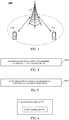
FIG. 3 is a schematic diagram of composition structure of a communication system according to an embodiment of the present invention. -
FIG. 4 is a schematic diagram of an optional processing flow of a parameter configuration method according to an embodiment of the present invention. -
FIG. 5 is a schematic diagram of another optional processing flow of a parameter configuration method according to an embodiment of the present invention. -
FIG. 6 is a schematic diagram of composition structure of a second terminal device according to an embodiment of the present invention. -
FIG. 7 is a schematic diagram of composition structure of a first terminal device according to an embodiment of the present invention. -
FIG. 8 is a schematic diagram of hardware composition structure of a terminal device according to an embodiment of the present invention. - To understand features and technical contents of embodiments of the present invention in more detail, implementations of the embodiments of the present invention will be described in detail below with reference to accompanying drawings. The accompanying drawings are used for reference only and are not intended to limit embodiments of the present invention.
- Before describing embodiments of the present invention in detail, a V2X system will be briefly explained.
- A V2X system is a Sidelink (SL) transmission technology based on Device-to-Device (D2D) communication. Different from a way in which communication data is received or sent through a base station in a conventional LTE system, communication data in the V2X system is directly communicated from a terminal to a terminal, thus having a higher spectrum efficiency and a lower transmission latency.
- In Release 14 (Rel-14) of 3GPP, V2X is standardized, and two transmission modes are defined:
mode 3 andmode 4. - As for
mode 3, a procedure of data transmission is as shown inFIG. 1 . Sidelink transmission resource of a vehicle-mounted terminal is allocated by a base station. The vehicle-mounted terminal sends data on a sidelink according to the resource allocated by the base station. The base station may allocate, to the terminal, a resource for a single transmission or a resource for a semi-static transmission. - As for
mode 4, a procedure of data transmission is as shown inFIG. 2 . A vehicle-mounted terminal adopts a transmission mode of sensing and reservation. The vehicle-mounted terminal acquires a set of available transmission resources in a resource pool by sensing, and the terminal randomly selects a resource from the set to perform a sidelink data transmission. Since services in the V2X system have a periodic character, the terminal usually adopts a semi-static transmission mode, that is, after selecting a transmission resource, the terminal will persistently use the resource in a plurality of transmission periods, thus reducing probabilities of a resource re-selection and a resource conflict. The terminal will carry information of a resource reserved for next transmission in control information of a current transmission, so that other terminals may determine whether the resource is reserved and used by a user by detecting control information of the user, thus achieving a purpose of reducing resource conflicts. - UE-UE control is introduced into NR-V2X. However, there is no effective solution regarding how to achieve UE-UE control, such as how to trigger capability interaction and mutual control of UE-UE, in what granularity to perform interaction control, how to decide a controlling end and a controlled end, and how to deal with abnormal situations.
- Therefore, a method for instructing to stop a transmission is provided by the present application. The methods for instructing to stop a transmission of embodiments of the present application may be applied to various communication systems, such as a Global System of Mobile communication (GSM) system, a Code Division Multiple Access (CDMA) system, a Wideband Code Division Multiple Access (WCDMA) system, a General Packet Radio Service (GPRS), a Long Term Evolution (LTE) system, a LTE Frequency Division Duplex (FDD) system, a LTE Time Division Duplex (TDD) system, a Universal Mobile Telecommunication System (UMTS), a Worldwide Interoperability for Microwave Access (WiMAX) communication system, or a 5G system, etc.
- Illustratively, a
communication system 100 applied in an embodiment of the present application is as shown inFIG. 3 . Thecommunication system 100 may include anetwork device 110, and thenetwork device 110 may be a device that communicates with a terminal device 120 (or referred to as a communication terminal, or a terminal). Thenetwork device 110 may provide communication coverage for a specific geographical area, and may communicate with terminal devices located within the coverage area. Optionally, thenetwork device 110 may be a Base Transceiver Station (BTS) in a GSM system or CDMA system, a NodeB (NB) in a WCDMA system, an Evolutional Node B (eNB or eNodeB) in a LTE system, or a radio controller in a Cloud Radio Access Network (CRAN), or the network device may be a network side device in a mobile switch center, a relay station, an access point, a vehicle-mounted device, a wearable device, a hub, a switch, a bridge, a router, or a 5G network, or a network device in a future evolved Public Land Mobile Network (PLMN), etc. - The
communication system 100 also includes at least oneterminal device 120 located within the coverage area of thenetwork device 110. As used herein, the term "terminal device" includes, but not limited to, a device configured to receive/send a communication signal via a wired circuit, for example, via a Public Switched Telephone Network (PSTN), a Digital Subscriber Line (DSL), a digital cable, a direct cable; and/or another data connection/network; and/or via a wireless interface, for instance, for a cellular network, a Wireless Local Area Network (WLAN), a digital television network such as a Digital Video Broadcasting-Handheld (DVB-H) network, a satellite network, and an AM-FM broadcast transmitter; and/or another communication terminal; and/or an Internet of Things (IoT) device. A terminal device configured to communicate via a wireless interface may be referred to as a "wireless communication terminal", a "wireless terminal" or a "mobile terminal". Examples of the mobile terminal include, but not limited to, a satellite or cellular telephone, a Personal Communication System (PCS) terminal that can be combined with a cellular wireless telephone and data processing, faxing, and data communication abilities, a Personal Digital Assistant (PDA) that may include a radio telephone, a pager, an internet/intranet access, a Web browser, a memo pad, a calendar, and/or a Global Positioning System (GPS) receiver, and a conventional laptop and/or palmtop receiver or another electronic apparatus including a radio telephone transceiver. The terminal device may be referred to as an access terminal, a User Equipment (UE), a subscriber unit, a subscriber station, a mobile station, a mobile platform, a remote station, a remote terminal, a mobile device, a user terminal, a terminal, a wireless communication device, a user agent, or a user apparatus. The access terminal may be a cellular phone, a cordless phone, a Session Initiation Protocol (SIP) phone, a Wireless Local Loop (WLL) station, a Personal Digital Assistant (PDA), a handheld device with a wireless communication function, a computing device, or another processing device connected to a wireless modem, a vehicle-mounted device, a wearable device, a terminal device in a 5G network, or a terminal device in a future evolved Public Land Mobile Network (PLMN), or the like. - Optionally, Device to Device (D2D) communication may be performed between the
terminal devices 120. - Optionally, the 5G system or 5G network may be referred to as a New Radio (NR) system or a NR network.
-
FIG. 3 illustratively shows one network device and two terminal devices as an example. Optionally, thecommunication system 100 may include a plurality of network devices, and other quantity of terminal devices may be included within a coverage area of each network device, and this is not limited in the embodiments of the present application. - Optionally, the
communication system 100 may include other network entities such as a network controller, and a mobile management entity, which is not limited in the embodiments of the present application. - It should be understood that, a device with a communication function in a network/system in embodiments of the present application may be referred to as a communication device. Taking the
communication system 100 shown inFIG. 3 as an example, the communication devices may include anetwork device 110 and aterminal device 120 which have communication functions. Thenetwork device 110 and theterminal device 120 may be specific devices described above, which will not be described here again. The communication devices may also include other devices in thecommunication system 100, such as network controllers, mobile management entities, and other network entities, which is not limited in the embodiments of the present application. - As shown in
FIG. 4 , an optional processing flow of a parameter configuration method provided by an embodiment of the present invention includes the following step S201. - In step S201, a second terminal device sends a first parameter combination to a first terminal device.
- In an embodiment of the present invention, the first parameter combination is used for indicating sidelink data transmitting parameters of the second terminal device, or the first parameter combination is used for indicating sidelink data receiving parameters of the second terminal device, or the first parameter combination is used for indicating sidelink data transmitting parameters and sidelink data receiving parameters of the second terminal device. The second terminal device and the first terminal device are different terminal devices.
- In some embodiments, the second terminal device may send the first parameter combination to the first terminal device by a Physical Sidelink Control Channel (PSCCH), a Physical Sidelink Shared Channel (PSSCH), a sidelink feedback channel, or a Physical Sidelink Discovery Channel (PSDCH), etc.
- In some embodiments, the first parameter combination is transmitted through higher layer signaling, that is, the second terminal device sends the first parameter combination to the first terminal device through higher layer signaling. Optionally, the first parameter combination is transmitted by higher layer signaling through a container.
- In other embodiments, the first parameter combination is transmitted through Radio Resource Control (RRC) signaling, that is, the second terminal device sends the first parameter combination to the first terminal device through RRC signaling.
- In a specific implementation, that the second terminal device sends the first parameter combination to the first terminal device may be triggered by higher layer information of the second terminal device or a first message of the first terminal device. The higher layer information is carried within RRC signaling and sent to the first terminal device simultaneously with the first parameter combination. The higher layer message includes at least one of the following: a connection establishment request message DIRECT_COMMUNICATION_REQUEST, a security parameter configuration message DIRECT_SECURITY_MODE_COMMAND, a security parameter configuration complete message DIRECT_SECURITY_MODE_COMPLETE, and a connection establishment complete message DIRECT_COMMUNICATION_ACCEPT.
- In a specific implementation, that the second terminal device sends the first parameter combination to the first terminal device may be triggered by an access layer of the second terminal device. As an example, the second terminal device triggers the second terminal device to send the first parameter combination to the first terminal device when a sidelink data transmitting capability of the second terminal device and/or a sidelink data receiving capability of the second terminal device changes.
- It may be understood that the higher layer information of the second terminal device triggers the second terminal device to send the first parameter combination to the first terminal device, or a first message sent by the first terminal device triggers the second terminal device to send the first parameter combination to the first terminal device. Regardless of whether the sending of the first parameter combination is implemented through triggering by the higher layer information of the second terminal device or through triggering by the first message of the first terminal device, the triggering may be periodic. That is, the higher layer of the second terminal device periodically triggers the second terminal device to send the first parameter combination to the first terminal device. Or the first terminal device periodically sends a first message to trigger the second terminal device to send the first parameter combination to the first terminal device.
- Here, the first message is used for indicating a type of a first parameter in the first parameter combination that the second terminal needs to send. For example, the first parameter in the first parameter combination includes different dimensions, such as a QoS attribute, a propagation mode, an identifier of the second terminal device, a target address, a source address, a provider service identifier (PSID), an intelligent transportation system-application identification (ITS-AID), a radio access type (RAT), and parameter configuration information issued by the higher layer of the second terminal device. Optionally, the types of the first parameter in embodiments of the present invention are different dimensions of the first parameters. Herein, propagation modes include unicast, multicast and broadcast, and RATs include access in a NR system and access in an LTE system.
- The first message is further used for indicating the sidelink data transmitting parameters of the first terminal device and/or the sidelink data receiving parameters of the first terminal device. Optionally, the first message indicates that the sidelink data transmitting parameters that the second terminal needs to transmit are sending parameters compatible with the receiving parameters of the first terminal. The first message indicates that the receiving parameters of the sidelink data that the second terminal needs to send are receiving parameters compatible with the sending parameters of the first terminal.
- The first message is a PC5-signaling message, an RRC message, a connection establishment request message, a security parameter configuration message, a security parameter configuration complete confirmation message, or a connection establishment complete confirmation message.
- In some embodiments, when sending by the second terminal device the first parameter combination to the first terminal device is triggered by the first message sent by the first terminal device, the method further includes: sending, by the second terminal device, a third message to the first terminal device, wherein the third message is used for indicating a type of a third parameter in a third parameter combination that the first terminal device needs to send. The third message and the first parameter combination are transmitted using a same RRC message.
- The first parameter is configured according to different situations by the first parameter combination sent by the second terminal device to the first terminal device . The first parameter includes a sidelink data transmitting parameter of the second terminal device, a sidelink data receiving parameter of the second terminal device, or a sidelink data transmitting parameter and a receiving parameter of the second terminal device.
- The situations include at least one of the following: Quality of Service (QoS), a propagation mode, an identifier of the second terminal device, a target address, a source address, a Provider Service Identifier (PSID), an intelligent transportation systems application-identifier (ITS-AID), a Radio Access Type (RAT), and parameter configuration information issued by a higher layer of the second terminal device.
- When the first parameter combination includes a QoS attribute, the first parameter combination is used for indicating that the second terminal device requires initiating a service with the QoS attribute. Or, when the first parameter combination includes a Quality of Service (QoS) attribute, the first parameter combination is used for indicating that the second terminal device requires releasing the service with the QoS attribute.
- Therefore, according to embodiments of the present invention, based on any one or more of a propagation mode, an identifier of the second terminal device, a target address, a source address, PSID and ITS-AID, the sidelink data transmitting parameters and/or the sidelink data receiving parameters of the second terminal device are configured.
- In an embodiment of the present invention, the first parameter combination includes at least one of the following: sending resources of the second terminal device, receiving resources of the second terminal device, related information of sending resource pool of the second terminal device, related information of receiving resource pool of the second terminal device, and related information of transmission power of the second terminal device.
- Optionally, the first parameter combination includes at least one of the following: a QoS attribute, a propagation mode, an identifier of the second terminal device, a target address, a source address, a PSID, an ITS-AID, a Radio Access Type (RAT), and parameter configuration information issued by a higher layer of the second terminal device. Herein, propagation modes include unicast, multicast and broadcast, and RATs includes access in NR system and access in LTE system.
- In some embodiments, the sidelink data receiving parameters of the second terminal device include at least one of the following: a Reference Signal Receiving Power (RSRP) of the sidelink of the second terminal device; a Reference Signal Receiving Quality (RSRQ) of the sidelink of the second terminal device; and a Received Signal Strength Indication (RSSI) of the sidelink of the second terminal device.
- The sidelink of the second terminal device includes the sidelink between the second terminal device and the first terminal device and/or the sidelink between the second terminal device and the third terminal device. The first terminal device is different from the third terminal device.
- In an embodiment of the present invention, the first parameter combination is determined by the second terminal device according to an existing service, or the first parameter combination is determined by the second terminal device according to a newly generated service.
- Another optional processing flow of the parameter configuration method provided by an embodiment of the present invention, as shown in
FIG. 5 , includes the following step S301. - In step S301, the first terminal device sends a second parameter combination to the second terminal device.
- In an embodiment of the present invention, the second parameter combination is used to indicate the sidelink data transmitting parameters of the second terminal device, or the second parameter combination is used to indicate the sidelink data receiving parameters of the second terminal device, or the second parameter combination is used to indicate the sidelink data transmitting parameters and receiving parameters of the second terminal device. The second terminal device and the first terminal device are different terminal devices.
- In some embodiments, the first terminal device may send the second parameter combination to the second terminal device through PSCCH, PSSCH, sidelink feedback channel, or PSDCH, etc.
- In some embodiments, the second parameter combination is transmitted through higher layer signaling, that is, the first terminal device sends the second parameter combination to the second terminal device through higher layer signaling. Optionally, the second parameter combination is transmitted by higher layer signaling through a container.
- In other embodiments, the second parameter combination is transmitted through RRC signaling, that is, the first terminal device sends the second parameter combination to the second terminal device through RRC signaling.
- In specific implementation, that the first terminal device sends the second parameter combination to the second terminal device can be triggered by higher layer information of the first terminal device or triggered by a second message of the second terminal device. The higher layer message is carried in RRC signaling, and is sent to the second terminal device simultaneously with the second parameter combination. The higher layer message includes at least one of the following: a connection establishment request message, a security parameter configuration message, a security parameter configuration complete message and a connection establishment complete message.
- In some embodiments, that the first terminal device sends the second parameter combination to the second terminal device can be triggered by the access layer of the first terminal device.
- In specific implementation, the first terminal device receives a fifth parameter combination sent by the second terminal device, wherein the fifth parameter combination is used for indicating the sidelink data transmitting parameters of the first terminal device and/or the sidelink data receiving parameters of the second terminal device; The first terminal device configures the fifth parameter combination, and triggers the first terminal device to send the second parameter combination to the second terminal device when the first terminal device successfully configures the fifth parameter combination. It can be understood that successfully configuring, by the first terminal device, the fifth parameter combination is the triggering, by the access layer of the first terminal device, the first terminal device to send the second parameter combination to the second terminal device.
- It can be understood that the higher layer of the first terminal device triggers the first terminal device to send the second parameter combination to the second terminal device, or the second message of the first terminal device triggers the first terminal device to send the first parameter combination to the second terminal device. Whether it is triggered by the higher layer of the first terminal device or triggered by the second message of the second terminal device, the sending of the second parameter combination can be triggered periodically. That is, the higher layer of the first terminal device periodically triggers the first terminal device to send the second parameter combination to the second terminal device; or the second terminal device periodically sends the second message to the first terminal device to trigger the first terminal device to send the second parameter combination to the second terminal device.
- Herein, the second message is PC5-signaling message, RRC message, connection establishment request message, security parameter configuration message, security parameter configuration confirmation message, or connection establishment complete confirmation message.
- The second parameter is configured according to different situations by the second parameter combination sent by the first terminal device to the second terminal device. The second parameter includes a sidelink data transmitting parameter of the second terminal device, or a sidelink data receiving parameter of the second terminal device, or the second parameter includes a sidelink data transmitting parameter and a receiving parameter of the second terminal device.
- The situations include at least one of the following: a QoS attribute, a propagation mode, an identifier of the second terminal device, a target address, a source address, a PSID, an ITS-AID, a RAT, and parameter configuration information issued by a higher layer of the second terminal device.
- Therefore, according to the embodiment of the present invention, based on any one or more of a propagation mode, an identifier of the second terminal device, a target address, a source address, a PSID and an ITS-AID, the sidelink data transmitting parameters and/or receiving parameters of the second terminal device are configured.
- In an embodiment of the present invention, the second parameter combination includes at least one of the following: sending resources of the second terminal device, receiving resources of the second terminal device, related information of a sending resource pool of the second terminal device, related information of a receiving resource pool of the second terminal device, and related information of a transmission power of the second terminal device.
- In some embodiments, the description of the second parameter combination is same as that of the aforementioned first parameter combination, and will not be repeated here. The description of the sidelink of the second terminal device is same as that of the sidelink of the second terminal device mentioned in above embodiments of the present invention, and will not be repeated here.
- According to another optional processing flow of a parameter configuration method provided by an embodiment of the present invention, step S302 is added on a basis of above step S301.
- In step S302, the first terminal device receives third information sent by the second terminal device.
- In an embodiment of the present invention, the third information indicates that the second terminal device has completed a configuration of the second parameter combination, or that the second terminal device refuses to configure the second parameter combination, or that the second terminal device fails to configure the second parameter combination.
- When the third information indicates that the second terminal device fails to configure the second parameter combination, the third information indicates a third parameter combination selected by the second terminal device, or a fourth parameter combination being used by the second terminal device. Or the third information is used for indicating that the second terminal device requires reestablishing a sidelink connection with the first terminal device.
- In an optional embodiment, before the second terminal device sends the third information, the second terminal device uses a previous configuration of the second parameter combination. Or before the second terminal device sends the third information, the second terminal device stops at least one radio bearer.
- The third parameter combination selected by the second terminal device refers to a third parameter combination provided by the second terminal device or a third parameter combination suggested by the second terminal device.
- In some embodiments, the method further includes: receiving, by the first terminal device, a sixth parameter combination sent by the second terminal device, wherein the sixth parameter combination is used for indicating at least one of the following: sidelink data transmitting parameters of the first terminal device and sidelink data receiving parameters of the first terminal device.
- The sixth parameter combination and the third information are transmitted using a same RRC message.
- In some embodiments, information included in the third parameter combination and the fourth parameter combination is the same as information included in aforementioned first parameter combination, which will not be described in detail here.
- An embodiment of the present invention further provides a second terminal device, wherein a schematic diagram of composition structure of the second
terminal device 400 is shown inFIG. 6 . The second terminal device includes: afirst sending unit 401, configured to send a first parameter combination to a first terminal device, wherein the first parameter combination is used for indicating sidelink data transmitting parameters of the second terminal device and/or sidelink data receiving parameters of the second terminal device. - In the embodiment of the present invention, the first parameter combination is transmitted through higher layer signaling. Optionally, the first parameter combination is transmitted by higher layer signaling through a container. Or the first parameter combination is transmitted through RRC signaling.
- In the embodiment of the present invention, that the first sending
unit 401 sends the first parameter combination to the first terminal device is triggered by a higher layer of the second terminal device or triggered by a first message of the first terminal device. The first message is used for indicating at least one of the following: the sidelink data transmitting parameters of the first terminal device and the sidelink data receiving parameters of the first terminal device. - In the embodiment of the present invention, that the first sending
unit 401 sends the first parameter combination to the first terminal device is implemented by periodic triggering. - In the embodiment of the present invention, the first message is a PC5-signaling message, an RRC message, a connection establishment request message, a security parameter configuration message, a security parameter configuration complete confirmation message, or a connection establishment complete confirmation message.
- In the embodiment of the present invention, the first parameters include sidelink data transmitting parameters of the second terminal device and/or sidelink data receiving parameters of the second terminal device. Situations include at least one of the following: a QoS attribute, a propagation mode, an identifier of the second terminal device, a target address, a source address, a PSID, an ITS-AID, a RAT, and parameter configuration information issued by the higher layer of the second terminal device.
- In some embodiments, the first sending
unit 401 is further configured to send a third message to the first terminal device, wherein the third message is used for indicating a type of a third parameter in a third parameter combination that the first terminal device needs to send. The third message and the first parameter combination are transmitted using a same RRC message. - Herein, related description of the first parameter combination is same as that of the first parameter combination mentioned in above embodiments of the present invention, and will not be repeated herein. The description of a sidelink of the second terminal device is same as that of a sidelink of the second terminal device mentioned in above embodiments of the present invention, and will not be repeated herein. Related descriptions for a higher layer message and the first message are same as those in the parameter configuration method performed by the second terminal device, and will not be repeated herein.
- An embodiment of the present invention also provides a first terminal device, and a schematic diagram of composition structure of the first
terminal device 500 is shown inFIG. 7 . The first terminal device includes: asecond sending unit 501, configured to send a second parameter combination to a second terminal device, wherein the second parameter combination is used for indicating sidelink data transmitting parameters of the second terminal device and/or sidelink data receiving parameters of the second terminal device. - In the embodiment of the present invention, the second parameter combination is transmitted through higher layer signaling. Optionally, the second parameter combination is transmitted by higher layer signaling through a container.
- In the embodiment of the present invention, the second parameter combination is transmitted through RRC signaling.
- In the embodiment of the present invention, that the
second sending unit 501 sends the second parameter combination to the second terminal device is triggered by a higher layer of the first terminal device. The higher layer message is carried in RRC signaling and sent to the second terminal device simultaneously with the second parameter combination. - In the embodiment of the present invention, the higher layer message includes at least one of following: a connection establishment request message, a security parameter configuration message, a security parameter configuration complete message and a connection establishment complete message.
- In the embodiment of the present invention, that the
second sending unit 501 sends the second parameter combination to the second terminal device is triggered by a second message from the second terminal device. - In the embodiment of the present invention, that the
second sending unit 501 sends the second parameter combination to the second terminal device is implemented by a periodic triggering. - Herein, the second message is a PC5-signaling message, an RRC message, a connection establishment request message, a security parameter configuration message, a security parameter configuration complete confirmation message, or a connection establishment complete confirmation message.
- In the embodiment of the present invention, the second parameter combination is used for configuration of the second parameter for different situations. The second parameter includes a sidelink data transmitting parameter of the second terminal device and/or a sidelink data receiving parameter of the second terminal device. The situations include at least one of the following: a propagation mode, an identifier of the second terminal device, a target address, a source address, a PSID and an ITS-AID.
- In the embodiment of the present invention, that the
second sending unit 501 sends the second parameter combination to the second terminal device is triggered by an access layer of the first terminal device. - When that the
second sending unit 501 sends the second parameter combination to the second terminal device is triggered by the access layer of the first terminal device, thesecond sending unit 501 is configured to receive a fifth parameter combination sent by the second terminal device, wherein the fifth parameter combination is used for indicating sidelink data transmitting parameters of the first terminal device and/or sidelink data receiving parameters of the second terminal device, and that the first terminal device successfully configures the fifth parameter combination. - In some embodiments, the first terminal device further includes a
first receiving unit 502, configured to receive third information sent by the second terminal device. - The third information indicates that the second terminal device completes configuring the second parameter combination, or that the second terminal device refuses to configure the second parameter combination, or that the second terminal device fails to configure the second parameter combination.
- When the third information indicates that the second terminal device fails to configure the second parameter combination, the third information indicates a third parameter combination selected by the second terminal device or a fourth parameter combination being used by the second terminal device.
- In some embodiments, the first terminal device further includes: a second receiving unit 503, configured to receive a sixth parameter combination sent by the second terminal device, wherein the sixth parameter combination is used for indicating at least one of following: sidelink data transmitting parameters of the first terminal device; and sidelink data receiving parameters of the first terminal device.
- The sixth parameter combination and the third information are transmitted using a same RRC message.
- In embodiments of the present invention, related descriptions of the second parameter combination, the third parameter combination and the fourth parameter combination are same as those of second parameter combination, third parameter combination and fourth parameter combination mentioned in above embodiments of the present invention, and will not be repeated herein. The description of a sidelink of the second terminal device in the embodiment of the present invention is same as that of a sidelink of the second terminal device mentioned in above embodiments of the present invention, and will not be repeated here.
- An embodiment of the present invention also provides a terminal device, including a processor and a memory configured to store a computer program which is capable of being run on the processor, wherein the processor is configured to execute acts of the above method when running the computer program.
-
FIG. 8 is a schematic diagram of hardware composition structure of a terminal device (a first terminal device and a second terminal device) of an embodiment of the present invention. Theterminal device 700 includes at least oneprocessor 701, amemory 702 and at least onenetwork interface 704. Various components in theterminal device 700 are coupled together by abus system 705. It may be understood that thebus system 705 is used for implementing connection and communication between these components. In addition to a data bus, thebus system 705 includes a power bus, a control bus, and a status signal bus. However, for clarity, all kinds of buses are uniformly referred to as abus system 705 in theFIG. 8 . - It can be understood that the
memory 702 may be a volatile memory or a non-volatile memory, or may include both the volatile memory and the non-volatile memory. The non-volatile memory may be a ROM, a Programmable Read-Only Memory (PROM), an Erasable Programmable Read-Only Memory (EPROM), an Electrically Erasable Programmable Read-Only Memory (EEPROM), a ferromagnetic random access memory (FRAM), a Flash Memory, a magnetic surface memory, a compact disk, or a Compact Disc Read-Only Memory (CD-ROM). The magnetic surface memory may be a magnetic disk memory or a magnetic tape memory. The volatile memory may be a Random Access Memory (RAM) which serves as an external cache. By way of exemplary but not restrictive illustrations, many forms of RAMs are available, such as a Static Random Access Memory (SRAM), a Synchronous Static Random Access Memory (SSRAM), a Dynamic Random Access Memory (DRAM), a Synchronous Dynamic Random Access Memory (SDRAM), a Double Data Rate Synchronous Dynamic Random Access Memory (DDRSDRAM), an Enhanced Synchronous Dynamic Random Access Memory (ESDRAM), a SyncLink Dynamic Random Access Memory (SLDRAM), a Direct Rambus Random Access Memory (DRRAM). Thememory 702 described in the embodiment of the present invention is intended to include, but is not limited to, these and any other suitable types of memories. - The
memory 702 in embodiments of the present invention is configured to store various types of data to support operations of theterminal device 700. Examples of such data include any computer program for operating on theterminal device 700, such as anapplication program 7022. A program for implementing the method of embodiments of the present invention may be included in theapplication program 7022. - Methods disclosed in above embodiments of the present invention may be applied in the
processor 701 or implemented by theprocessor 701. Theprocessor 701 may be an integrated circuit chip with a signal processing capability. In an implementation process, the acts of the methods described above may be accomplished by integrated logic circuits of hardware in theprocessor 701 or instructions in a form of software. The above-mentionedprocessor 701 may be a general-purpose processor, a Digital Signal Processor (DSP), or other programmable logic devices, discrete gate or transistor logic devices, discrete hardware components, etc. Theprocessor 701 may implement or execute the disclosed methods, acts and logical block diagrams in the embodiments of the present invention. The general purpose processor may be a microprocessor or any conventional processor or the like. Acts of the methods disclosed in combination with the embodiments of the present invention may be directly embodied as being executed and accomplished by a hardware decoding processor or by a combination of hardware and software modules in a decoding processor. The software module may be located in a storage medium, and the storage medium is located in thememory 702. Theprocessor 701 reads information in thememory 702 and accomplishes the acts of the aforementioned methods in combination with hardware thereof. - In an exemplary embodiment, the
terminal device 700 may be implemented by one or more Application Specific Integrated Circuits (ASICs), DSPs, Programmable Logic Devices (PLDs), Complex Programmable Logic Devices (CPLDs), FPGAs, general-purpose processors, controllers, MCUs, MPUs or other electronic components, for executing the aforementioned methods. - An embodiment of the present application further provides a storage medium configured to store a computer program.
- Optionally, the storage medium may be applied to the terminal device in the embodiment of the present application, and the computer program enables the computer to execute corresponding flow in each method in the embodiment of the present application, which will not be repeated here for brevity.
- The present invention is described with reference to flowcharts and/or block diagrams of methods, devices (systems), and computer program products of embodiments of the present invention. It should be understood that each flow and/or block in the flowchart and/or block diagram, and combinations of flows and/or blocks in the flowchart and/or block diagram may be implemented by computer program instructions. These computer program instructions may be provided to a processor of a general purpose computer, a special purpose computer, an embedded processor or other programmable data processing apparatus to produce a machine, such that the instructions which are executed by the processor of the computer or other programmable data processing apparatus produce means for implementing functions specified in one or more flows in the flow charts and/or one or more blocks in the block diagrams.
- These computer program instructions may alternatively be stored in a computer-readable memory that may direct a computer or other programmable data processing apparatus to operate in a specific manner, such that the instructions stored in the computer-readable memory produce an article of manufacture including instruction means that implement the functions specified in one or more flows of the flowchart and/or one or more blocks of the block diagram.
- These computer program instructions may alternatively be loaded onto a computer or other programmable data processing apparatus, such that a series of operational steps are performed on the computer or other programmable device to produce a computer-implemented process, such that the instructions executed on the computer or other programmable apparatus provide steps for implementing the functions specified in one or more flows of the flowchart and/or one or more blocks of the block diagram.
- The above descriptions are only preferred embodiments of the present invention and are not intended to limit a scope of protection of the present invention. Any modification, equivalent substitution, improvement, etc. made within the spirit and principles of the present invention shall be comprised within the scope of protection of the present invention.
Claims (142)
- A parameter configuration method, comprising:
sending, by a second terminal device, a first parameter combination to a first terminal device, wherein the first parameter combination is used for indicating sidelink data transmitting parameters of the second terminal device and/or sidelink data receiving parameters of the second terminal device. - The method of claim 1, wherein the first parameter combination is transmitted by a higher layer signaling.
- The method of claim 2, wherein the first parameter combination is transmitted by the higher layer signaling through a container.
- The method of claim 1, wherein the first parameter combination is transmitted by a radio resource control (RRC) signaling.
- The method of any one of claims 1 to 3, wherein sending, by the second terminal device, the first parameter combination to the first terminal device is triggered by a higher layer of the second terminal device.
- The method of claim 5, wherein that sending, by the second terminal device, the first parameter combination to the first terminal device is triggered by the higher layer of the second terminal device comprises:
sending, by the second terminal device, the first parameter combination to the first terminal device is triggered by at least one of following higher layer messages:a connection establishment request message;a security parameter configuration message;a security parameter configuration complete message; anda connection establishment complete message. - The method of claim 6, wherein a higher layer message is carried in a radio resource control (RRC) signaling and sent to the first terminal device simultaneously with the first parameter combination.
- The method of any one of claims 1 to 3, wherein sending, by the second terminal device, the first parameter combination to the first terminal device is triggered by an access layer of the second terminal device.
- The method of claim 8, wherein sending, by the second terminal device, the first parameter combination to the first terminal device being triggered by the access layer of the second terminal device comprises:
triggering, by the second terminal device, the second terminal device to send the first parameter combination to the first terminal device when a sidelink data transmitting capability and/or a sidelink data receiving capability of the second terminal device change. - The method of any one of claims 1 to 3, wherein sending, by the second terminal device, the first parameter combination to the first terminal device is triggered by a first message of the first terminal device.
- The method of claim 10, wherein the first message is used to indicate a type of a first parameter in the first parameter combination that the second terminal needs to send.
- The method of claim 10, wherein the first message is used for indicating at least one of:sidelink data transmitting parameters of the first terminal device; andsidelink data receiving parameters of the first terminal device.
- The method of any one of claims 1 to 3, wherein sending, by the second terminal device, the first parameter combination to the first terminal device is implemented through a periodic triggering.
- The method of any one of claims 10 to 12, wherein the first message is a PC5-signaling message.
- The method of any one of claims 10 to 12, wherein the first message is a Radio Resource Control (RRC) message.
- The method of any one of claims 10 to 12, wherein the first message is a connection establishment request message.
- The method of any one of claims 10 to 12, wherein the first message is a security parameter configuration message.
- The method of any one of claims 10 to 12, wherein the first message is a security parameter configuration complete confirmation message.
- The method of any one of claims 10 to 12, wherein the first message is a connection establishment complete confirmation message.
- The method of any one of claims 10, 11, 13 to 18, wherein the method further comprises:
sending, by the second terminal device, a third message to the first terminal device, wherein the third message is used for indicating a type of a third parameter in a third parameter combination that the first terminal device needs to send. - The method of claim 20, wherein the third message and the first parameter combination are transmitted using a same RRC message.
- The method of any one of claims 1 to 20, wherein the first parameter combination is used for configuring a first parameter for different situations.
- The method of claim 22, wherein the situations include at least one of following:
a quality of service (QoS) attribute, a propagation mode, an identifier of the second terminal device, a target address, a source address, a provider service identifier (PSID), an intelligent transportation system-application identification (ITS-AID), a radio access type (RAT), and parameter configuration information issued by a higher layer of the second terminal device. - The method of any one of claims 1-23, wherein the first parameter combination comprises at least one of following:sending resources of the second terminal device;receiving resources of the second terminal device;related information of a sending resource pool of the second terminal device;related information of a receiving resource pool of the second terminal device; andsending power related information of the second terminal device.
- The method of any one of claims 1 to 24, wherein the first parameter combination comprises at least one of following:
a quality of service (QoS) attribute, a propagation mode, an identifier of the second terminal device, a target address, a source address, a provider service identifier (PSID), an intelligent transportation system-application identification (ITS-AID), a radio access type (RAT), and parameter configuration information issued by a higher layer of the second terminal device. - The method of claim 25, wherein when the first parameter combination comprises a quality of service (QoS) attribute, the first parameter combination is used for indicating that the second terminal device requires initiating a service with the QoS attribute.
- The method of claim 25, wherein when the first parameter combination comprises a quality of service (QoS) attribute, the first parameter combination is used for indicating that the second terminal device requires releasing a service with the QoS attribute.
- The method of any one of claims 1 to 27, wherein sidelink data receiving parameters of the second terminal device comprise at least one of following:a reference signal receiving power (RSRP) of the sidelink of the second terminal device;a reference signal reception quality (RSRQ) of the sidelink of the second terminal device; anda received signal strength indicator (RSSI) of the sidelink of the second terminal device.
- The method of any one of claims 1 to 28, wherein a sidelink of the second terminal device corresponding to the sidelink data transmitting parameters of the second terminal device or the sidelink data receiving parameters of the second terminal device comprises:
a sidelink between the second terminal device and the first terminal device and/or a sidelink between the second terminal device and a third terminal device; the first terminal device is different from the third terminal device. - The method of any one of claims 1 to 29, wherein the first parameter combination is determined by the second terminal device according to an existing service.
- The method of any one of claims 1 to 29, wherein the first parameter combination is determined by the second terminal device according to a newly generated service.
- A parameter configuration method, comprising:
sending, by a first terminal device, a second parameter combination to a second terminal device, wherein the second parameter combination is used for indicating sidelink data transmitting parameters of the second terminal device and/or sidelink data receiving parameters of the second terminal device. - The method of claim 32, wherein the second parameter combination is transmitted by a higher layer signaling.
- The method of claim 33, wherein the second parameter combination is transmitted by the higher layer signaling through a container.
- The method of claim 32, wherein the second parameter combination is transmitted by a radio resource control (RRC) signaling.
- The method of any one of claims 32 to 34, wherein sending, by the first terminal device, the second parameter combination to the second terminal device is triggered by a higher layer of the first terminal device.
- The method of claim 36, wherein that sending, by the first terminal device, the second parameter combination to the second terminal device is triggered by the higher layer of the first terminal device comprises:
sending, by the first terminal device, the second parameter combination to the second terminal device is triggered by at least one of following higher layer messages:a connection establishment request message;a security parameter configuration message;a security parameter configuration complete message; anda connection establishment complete message. - The method of claim 37, wherein a higher layer message is carried in a radio resource control (RRC) signaling, and is sent to the second terminal device simultaneously with the second parameter combination.
- The method of any one of claims 32 to 34, wherein sending, by the first terminal device, the second parameter combination to the second terminal device is triggered by an access layer of the first terminal device.
- The method of claim 39, wherein sending, by the first terminal device, the second parameter combination to the second terminal device being triggered by the access layer of the first terminal device comprises:receiving, by the first terminal device, a fifth parameter combination sent by the second terminal device, wherein the fifth parameter combination is used for indicating sidelink data transmitting parameters of the first terminal device and/or sidelink data receiving parameters of the second terminal device; andconfiguring, by the first terminal device, the fifth parameter combination successfully.
- The method of any one of claims 32 to 34, wherein sending, by the first terminal device, the second parameter combination to the second terminal device is triggered by a second message of the second terminal device.
- The method of any one of claims 32 to 34, wherein sending, by the first terminal device, the second parameter combination to the second terminal device is implemented by a periodic triggering.
- The method of claim 41, wherein the second message is a PC5-signaling message.
- The method of claim 41, wherein the first message is a Radio Resource Control (RRC) message.
- The method of claim 41, wherein the second message is a connection establishment request message.
- The method of claim 41, wherein the second message is a security parameter configuration message.
- The method of claim 41, wherein the second message is a security parameter configuration complete confirmation message.
- The method of claim 41, wherein the second message is a connection establishment complete confirmation message.
- The method of any one of claims 32 to 48, wherein the second parameter combination is used for configuring a second parameter for different situations;
the second parameter comprises a sidelink data transmitting parameter of the second terminal device and/or a sidelink data receiving parameter of the second terminal device. - The method of claim 49, wherein the situations include at least one of following:
a quality of service (QoS) attribute, a propagation mode, an identifier of the second terminal device, a target address, a source address, a provider service identifier (PSID), an intelligent transportation system-application identification (ITS-AID), a radio access type (RAT), and parameter configuration information issued by a higher layer of second terminal device. - The method of any one of claims 32 to 50, wherein the method further comprises:
receiving, by the first terminal device, third information sent by the second terminal device. - The method of claim 51, wherein the third information indicates that the second terminal device completes configuring the second parameter combination.
- The method of any one of claims 32 to 50, wherein the method further comprises:
receiving, by the first terminal device, a sixth parameter combination sent by the second terminal device, wherein the sixth parameter combination is used for indicating at least one of following:sidelink data transmitting parameters of the first terminal device; andsidelink data receiving parameters of the first terminal device. - The method of claim 51 or 52, wherein the method further comprises:
receiving, by the first terminal device, a sixth parameter combination sent by the second terminal device, wherein the sixth parameter combination is used for indicating at least one of following:sidelink data transmitting parameters of the first terminal device; andsidelink data receiving parameters of the first terminal device. - The method of claim 54, wherein the sixth parameter combination and the third information are transmitted using a same RRC message.
- The method of claim 51 or 55, wherein the third information indicates that the second terminal device refuses to configure the second parameter combination or fails to configure the second parameter combination.
- The method of claim 56, wherein the third information indicates a third parameter combination selected by the second terminal device.
- The method of claim 56, wherein the third information indicates a fourth parameter combination being used by the second terminal device.
- The method of claim 56, wherein the third information is used for indicating that the second terminal device requires reestablishing a sidelink connection with the first terminal device.
- The method of claim 56, wherein before the second terminal device sends the third information, the second terminal device uses a previous configuration of the second parameter combination.
- The method of claim 56, wherein before the second terminal device sends the third information, the second terminal device stops at least one radio bearer.
- The method of any one of claims 32 to 61, wherein the second parameter combination comprises at least one of following:sending resources of the second terminal device;receiving resources of the second terminal device;related information of a sending resource pool of the second terminal device;related information of a receiving resource pool of the second terminal device; andsending power related information of the second terminal device.
- The method of any one of claims 32 to 62, wherein the second parameter combination comprises at least one of following:
a quality of service (QoS) attribute, a propagation mode, an identifier of the second terminal device, a target address, a source address, a provider service identifier (PSID), an intelligent transportation system-application identification (ITS-AID), radio access type (RAT) information, and parameter configuration information issued by a higher layer of second terminal device. - The method of claim 57, wherein the third parameter combination comprises at least one of following:sending resources of the second terminal device;receiving resources of the second terminal device;related information of the sending resource pool of the second terminal device;related information of the receiving resource pool of the second terminal device; andsending power related information of the second terminal device.
- The method of claim 57 or 64, wherein the third parameter combination comprises at least one of following:
a quality of service (QoS) attribute, a propagation mode, an identifier of the second terminal device, a target address, a source address, a provider service identifier (PSID), an intelligent transportation system-application identification (ITS-AID), radio access type (RAT) information, and parameter configuration information issued by a higher layer of second terminal device. - The method of claim 58, wherein the fourth parameter combination comprises at least one of following:sending resources of the second terminal device;receiving resources of the second terminal device;related information of the sending resource pool of the second terminal device;related information of the receiving resource pool of the second terminal device; andsending power related information of the second terminal device.
- The method of claim 58 or 66, wherein the fourth parameter combination comprises at least one of following:
a quality of service (QoS) attribute, a propagation mode, an identifier of the second terminal device, a target address, a source address, a provider service identifier (PSID), an intelligent transportation system-application identification (ITS-AID), radio access type (RAT) information, and parameter configuration information issued by a higher layer of second terminal device. - The method of any one of claims 32 to 67, wherein the sidelink data receiving parameters of the second terminal device comprise at least one of following:a reference signal receiving power (RSRP) of the sidelink of the second terminal device;a reference signal reception quality (RSRQ) of the sidelink of the second terminal device; anda received signal strength indicator (RSSI) of the sidelink of the second terminal device.
- The method of any one of claims 32 to 68, wherein the sidelink of the second terminal device comprises:
a sidelink between the second terminal device and the first terminal device and/or a sidelink between the second terminal device and a third terminal device; and the first terminal device is different from the third terminal device. - A second terminal device, comprising:
a first sending unit, configured to send a first parameter combination to a first terminal device, wherein the first parameter combination is used for indicating sidelink data transmitting parameters of the second terminal device and/or sidelink data receiving parameters of the second terminal device. - The second terminal device of claim 70, wherein the first parameter combination is transmitted by a higher layer signaling.
- The second terminal device of claim 71, wherein the first parameter combination is transmitted by the higher layer signaling through a container.
- The second terminal device of claim 70, wherein the first parameter combination is transmitted by a radio resource control (RRC) signaling.
- The second terminal device of any one of claims 70 to 72, wherein the first sending unit is configured to be triggered by a higher layer of the second terminal device to send the first parameter combination to the first terminal device.
- The second terminal device of claim 74, wherein the first sending unit is configured to be triggered by at least one of following higher layer messages to send the first parameter combination to the first terminal device:a connection establishment request message;a security parameter configuration message;a security parameter configuration complete message; anda connection establishment complete message.
- The second terminal device of claim 75, wherein a higher layer message is carried in a radio resource control (RRC) signaling and sent to the first terminal device simultaneously with the first parameter combination.
- The second terminal device of any one of claims 70 to 72, wherein the first sending unit is triggered by an access layer of the second terminal device to send the first parameter combination to the first terminal device.
- The second terminal device of claim 77, wherein the second terminal device triggers the first sending unit to send the first parameter combination to the first terminal device when a sidelink data transmitting capability of the second terminal device and/or a sidelink data receiving capability of the second terminal device change.
- The second terminal device of any one of claims 70 to 72, wherein the first sending unit is triggered by a first message sent by the first terminal device to send the first parameter combination to the first terminal device.
- The second terminal device of claim 79, wherein the first message is used for indicating a type of a first parameter in the first parameter combination that the second terminal needs to send.
- The second terminal device of claim 79 or 80, wherein the first message is used for indicating at least one of following:sidelink data transmitting parameters of the first terminal device; andsidelink data receiving parameters of the first terminal device.
- The second terminal device of any one of claims 70 to 72, wherein the first sending unit sends the first parameter combination to the first terminal device by a periodic triggering.
- The second terminal device of any one of claims 79 to 81, wherein the first message is a PC5-signaling message.
- The second terminal device of any one of claims 79 to 81, wherein the first message is a radio resource control (RRC) message.
- The second terminal device of any one of claims 79 to 81, wherein the first message is a connection establishment request message.
- The second terminal device of any one of claims 79 to 81, wherein the first message is a security parameter configuration message.
- The second terminal device of any one of claims 79 to 81, wherein the first message is a security parameter configuration complete confirmation message.
- The second terminal device of any one of claims 79 to 81, wherein the first message is a connection establishment complete confirmation message.
- The second terminal device of any one of claims 79, 80, 82 to 87, wherein the first sending unit is further configured to send a third message to the first terminal device, wherein the third message is used for indicating a type of a third parameter in a third parameter combination that the first terminal device needs to send.
- The second terminal device of claim 89, wherein the third message and the first parameter combination are transmitted using a same RRC message.
- The second terminal device of any one of claims 70 to 89, wherein the first parameter combination is used for configuring a first parameter for different situations.
- The second terminal device of claim 91, wherein the situations comprise at least one of following:
a quality of service (QoS) attribute, a propagation mode, an identifier of the second terminal device, a target address, a source address, a provider service identifier (PSID), an intelligent transportation system-application identification (ITS-AID), a radio access type (RAT), and parameter configuration information issued by a higher layer of second terminal device. - The second terminal device of any one of claims 70 to 92, wherein the first parameter combination comprises at least one of following:sending resources of the second terminal device;receiving resources of the second terminal device;related information of a sending resource pool of the second terminal device;related information of a receiving resource pool of the second terminal device; andsending power related information of the second terminal device.
- The second terminal device of any one of claims 70 to 93, wherein the first parameter combination comprises at least one of following:
a quality of service (QoS) attribute, a propagation mode, an identifier of the second terminal device, a target address, a source address, a provider service identifier (PSID), an intelligent transportation system-application identification (ITS-AID), radio access type (RAT) information, and parameter configuration information issued by a higher layer of second terminal device. - The second terminal device of claim 94, wherein when the first parameter combination comprises the quality of service (QoS) attribute, the first parameter combination is used for indicating that the second terminal device requires initiating a service with the QoS attribute.
- The second terminal device of claim 94, wherein when the first parameter combination includes the quality of service (QoS) attribute, the first parameter combination is used for indicating that the second terminal device requires releasing a service with the QoS attribute.
- The second terminal device of any one of claims 70 to 96, wherein the sidelink data receiving parameters of the second terminal device comprise at least one of following:a reference signal receiving power (RSRP) of the sidelink of the second terminal device;a reference signal reception quality (RSRQ) of the sidelink of the second terminal device; anda received signal strength indicator (RSSI) of the sidelink of the second terminal device.
- The second terminal device of any one of claims 70 to 97, wherein a sidelink of the second terminal device corresponding to the sidelink data transmitting parameters or the sidelink data receiving parameters of the second terminal device comprises:
a sidelink between the second terminal device and the first terminal device and/or a sidelink between the second terminal device and a third terminal device; and the first terminal device is different from the third terminal device. - The second terminal device of any one of claims 70 to 98, wherein the first parameter combination is determined by the second terminal device according to an existing service.
- The second terminal device of any one of claims 70 to 98, wherein the first parameter combination is determined by the second terminal device according to a newly generated service.
- A first terminal device, comprising:
a second sending unit, configured to send a second parameter combination to a second terminal device, wherein the second parameter combination is used for indicating sidelink data transmitting parameters of the second terminal device and/or sidelink data receiving parameters of the second terminal device. - The first terminal device of claim 101, wherein the second parameter combination is transmitted by a higher layer signaling.
- The first terminal device of claim 102, wherein the second parameter combination is transmitted by the higher layer signaling through a container.
- The first terminal device of claim 101, wherein the second parameter combination is transmitted by a radio resource control (RRC) signaling.
- The first terminal device of any one of claims 101 to 103, wherein the second sending unit is configured to be triggered by a higher layer of the first terminal device to send the second parameter combination to the second terminal device.
- The first terminal device of claim 105, wherein the second sending unit is configured to be triggered by at least one of following higher layer messages to send the second parameter combination to the second terminal device:a connection establishment request message;a security parameter configuration message;a security parameter configuration complete message; anda connection establishment complete message.
- The first terminal device of claim 106, wherein a higher layer message is carried in a radio resource control (RRC) signaling, and is sent to the second terminal device simultaneously with the second parameter combination.
- The first terminal device of any one of claims 101 to 103, wherein the second sending unit is triggered by an access layer of the first terminal device to send the second parameter combination to the second terminal device.
- The first terminal device of claim 108, wherein the second sending unit is configured to receive a fifth parameter combination sent by the second terminal device, wherein the fifth parameter combination is used for indicating sidelink data transmitting parameters of the first terminal device and/or sidelink data receiving parameters of the second terminal device;
and the first terminal device successfully configures the fifth parameter combination. - The first terminal device of any one of claims 101 to 103, wherein the second sending unit is triggered by a second message sent by the second terminal device to send the second parameter combination to the second terminal device.
- The first terminal device of any one of claims 101 to 103, wherein the second sending unit sends the second parameter combination to the second terminal device through a periodic triggering.
- The first terminal device of claim 110, wherein the second message is a PC5-signaling message.
- The first terminal device of claim 110, wherein the second message is a radio resource control (RRC) message.
- The first terminal device of claim 110, wherein the second message is a connection establishment request message.
- The first terminal device of claim 110, wherein the second message is a security parameter configuration message.
- The first terminal device of claim 110, wherein the second message is a security parameter configuration complete confirmation message.
- The first terminal device of claim 110, wherein the second message is a connection establishment complete confirmation message.
- The first terminal device of any one of claims 101 to 117, wherein the second parameter combination is used for configuring a second parameter for different situations; and
the second parameter comprises a sidelink data transmitting parameter of the second terminal device and/or a sidelink data receiving parameter of the second terminal device. - The first terminal device of claim 118, wherein the situations comprise at least one of following:
a quality of service (QoS) attribute, a propagation mode, an identifier of the second terminal device, a target address, a source address, a provider service identifier (PSID), an intelligent transportation system-application identification (ITS-AID), a radio access type (RAT), and parameter configuration information issued by a higher layer of second terminal device. - The first terminal device of any one of claims 102 to 119, wherein the first terminal device further comprises:
a first receiving unit, configured to receive third information sent by the second terminal device. - The first terminal device of claim 120, wherein the third information indicates that the second terminal device completes configuring the second parameter combination.
- The first terminal device of any one of claims 101 to 119, wherein the first terminal device further comprises:
a second receiving unit, configured to receive a sixth parameter combination sent by the second terminal device, wherein the sixth parameter combination is used for indicating at least one of following:sidelink data transmitting parameters of the first terminal device; andsidelink data receiving parameters of the first terminal device. - The first terminal device of claim 120 or 121, wherein the first terminal device further comprises:
a second receiving unit, configured to receive a sixth parameter combination sent by the second terminal device, wherein the sixth parameter combination is used for indicating at least one of following:sidelink data transmitting parameters of the first terminal device; andsidelink data receiving parameters of the first terminal device. - The first terminal device of claim 123, wherein the sixth parameter combination and the third information are transmitted using a same RRC message.
- The first terminal device of claim 120 or 124, wherein the third information indicates that the second terminal device refuses to configure the second parameter combination or fails to configure the second parameter combination.
- The first terminal device of claim 125, wherein the third information indicates a third parameter combination selected by the second terminal device.
- The first terminal device of claim 125, wherein the third information indicates a fourth parameter combination being used by the second terminal device.
- The first terminal device of claim 125, wherein the third information is used for indicating that the second terminal device requires reestablishing a sidelink connection with the first terminal device.
- The first terminal device of claim 125, wherein before the second terminal device sends the third information, the second terminal device uses a previous configuration of the second parameter combination.
- The first terminal device of claim 125, wherein before the second terminal device sends the third information, the second terminal device stops at least one radio bearer.
- The first terminal device of any one of claims 101 to 130, wherein the second parameter combination comprises at least one of following:sending resources of the second terminal device;receiving resources of the second terminal device;related information of a sending resource pool of the second terminal device;related information of receiving resource pool of the second terminal device; andsending power related information of the second terminal device.
- The first terminal device of any one of claims 101 to 131, wherein the second parameter combination comprises at least one of following:
a quality of service (QoS) attribute, a propagation mode, an identifier of the second terminal device, a target address, a source address, a provider service identifier (PSID), an intelligent transportation system-application identification (ITS-AID), radio access type (RAT) information, and parameter configuration information issued by a higher layer of second terminal device. - The first terminal device of claim 126, wherein the third parameter combination comprises at least one of following:sending resources of the second terminal device;receiving resources of the second terminal device;related information of a sending resource pool of the second terminal device;related information of a receiving resource pool of the second terminal device; andsending power related information of the second terminal device.
- The first terminal device of claim 126 or 133, wherein the third parameter combination comprises at least one of following:
a quality of service (QoS) attribute, a propagation mode, an identifier of the second terminal device, a target address, a source address, a provider service identifier (PSID), an intelligent transportation system-application identification (ITS-AID), radio access type (RAT) information, and parameter configuration information issued by a higher layer of second terminal device. - The first terminal device of claim 127, wherein the fourth parameter combination comprises at least one of following:sending resources of the second terminal device;receiving resources of the second terminal device;related information of a sending resource pool of the second terminal device;related information of a receiving resource pool of the second terminal device; andsending power related information of the second terminal device.
- The first terminal device of claim 127 or 135, wherein the fourth parameter combination comprises at least one of following:
a quality of service (QoS) attribute, a propagation mode, an identifier of the second terminal device, a target address, a source address, a provider service identifier (PSID), an intelligent transportation system-application identification (ITS-AID), radio access type (RAT) information, and parameter configuration information issued by a higher layer of second terminal device. - The first terminal device of any one of claims 101 to 136, wherein the data receiving parameters of the second terminal device comprise at least one of following:a reference signal receiving power (RSRP) of the sidelink of the second terminal device;a reference signal reception quality (RSRQ) of the sidelink of the second terminal device; anda received signal strength indicator (RSSI) of the sidelink of the second terminal device.
- The first terminal device of any one of claims 101 to 136, wherein the sidelink of the second terminal device comprises:
a sidelink between the second terminal device and the first terminal device and/or a sidelink between the second terminal device and a third terminal device; and the first terminal device is different from the third terminal device. - A terminal device, comprising: a processor and a memory configured to store a computer program that is capable of being run on the processor;
wherein the processor is configured to, when running the computer program, perform acts of the method of any one of claims 1 to 31. - A terminal device, comprising: a processor and a memory configured to store a computer program that is capable of being run on the processor;
wherein the processor is configured to, when running the computer program, perform acts of the method of any one of claims 32 to 69. - A storage medium, storing an executable program, wherein when the program is executed by a processor, the parameter configuration method of any one of claims 1 to 31 is implemented.
- A storage medium, storing an executable program, wherein when the program is executed by a processor, the parameter configuration method of any one of claims 32 to 69 is implemented.
Applications Claiming Priority (4)
| Application Number | Priority Date | Filing Date | Title |
|---|---|---|---|
| PCT/CN2018/111106 WO2020077645A1 (en) | 2018-10-19 | 2018-10-19 | Parameter configuration method, terminal device, and storage medium |
| PCT/CN2018/112509 WO2020077669A1 (en) | 2018-10-19 | 2018-10-29 | Parameter configuration method, terminal device and storage medium |
| PCT/CN2018/117315 WO2020077739A1 (en) | 2018-10-19 | 2018-11-23 | Parameter configuration method, terminal device, and storage medium |
| PCT/CN2019/082939 WO2020077966A1 (en) | 2018-10-19 | 2019-04-16 | Parameter configuration method, terminal device and storage medium |
Publications (3)
| Publication Number | Publication Date |
|---|---|
| EP3852410A1 true EP3852410A1 (en) | 2021-07-21 |
| EP3852410A4 EP3852410A4 (en) | 2021-12-08 |
| EP3852410B1 EP3852410B1 (en) | 2023-12-06 |
Family
ID=70283581
Family Applications (1)
| Application Number | Title | Priority Date | Filing Date |
|---|---|---|---|
| EP19873694.4A Active EP3852410B1 (en) | 2018-10-19 | 2019-04-16 | Parameter configuration method and terminal device |
Country Status (7)
| Country | Link |
|---|---|
| US (1) | US11943097B2 (en) |
| EP (1) | EP3852410B1 (en) |
| JP (1) | JP7301961B2 (en) |
| KR (1) | KR20210059767A (en) |
| CN (2) | CN112586011A (en) |
| AU (1) | AU2019362939B2 (en) |
| WO (4) | WO2020077645A1 (en) |
Families Citing this family (4)
| Publication number | Priority date | Publication date | Assignee | Title |
|---|---|---|---|---|
| CN113873600B (en) * | 2021-11-22 | 2024-05-03 | Oppo广东移动通信有限公司 | Method, device, terminal, storage medium and program product for switching side links |
| CN114363387A (en) * | 2021-12-31 | 2022-04-15 | 北京沃东天骏信息技术有限公司 | Application pull-alive method and device, electronic equipment and storage medium |
| WO2023184190A1 (en) * | 2022-03-29 | 2023-10-05 | 北京小米移动软件有限公司 | Parameter configuration method and apparatus, device, and storage medium |
| WO2025137975A1 (en) * | 2023-12-27 | 2025-07-03 | 北京小米移动软件有限公司 | User equipment information acquisition method, communication device, communication system, and storage medium |
Family Cites Families (31)
| Publication number | Priority date | Publication date | Assignee | Title |
|---|---|---|---|---|
| CN105451211B (en) * | 2014-09-25 | 2019-12-27 | 中兴通讯股份有限公司 | Method and apparatus for device-to-device communication |
| WO2016144574A1 (en) * | 2015-03-06 | 2016-09-15 | Interdigital Patent Holdings, Inc. | Methods, apparatus and systems for link adaptation for device-to-device (d2d) unicast communications |
| CN107534828B (en) * | 2015-04-08 | 2023-10-10 | 苹果公司 | Apparatus and method for enhanced device-to-device (D2D) control signaling |
| US9942917B2 (en) * | 2015-05-14 | 2018-04-10 | Blackberry Limited | Allocating resources for a device-to-device transmission |
| DE112015006793B4 (en) * | 2015-08-11 | 2023-08-03 | Apple Inc. | Measurement for a communication from device to device (D2D, device-to-device) |
| EP3352515B1 (en) * | 2015-09-15 | 2020-06-24 | LG Electronics Inc. | Direct communication method between terminals in wireless communication system, and apparatus therefor |
| EP3412043B1 (en) * | 2016-02-05 | 2021-06-02 | Telefonaktiebolaget LM Ericsson (publ) | Allowance of a sidelink communication |
| EP3206452B1 (en) * | 2016-02-10 | 2019-10-16 | Panasonic Intellectual Property Corporation of America | Priority-optimized sidelink data transfer in the case of autonomous resource allocation in lte prose communication |
| WO2017163545A1 (en) * | 2016-03-23 | 2017-09-28 | 日本電気株式会社 | Device and method for controlling device-to-device communication |
| WO2017173072A1 (en) * | 2016-03-30 | 2017-10-05 | Interdigital Patent Holdings, Inc. | Method and wireless unit for v2x communication |
| CN108605250B (en) * | 2016-04-05 | 2021-05-04 | 华为技术有限公司 | QoS generation method, device and system |
| CN107370561A (en) * | 2016-05-13 | 2017-11-21 | 北京三星通信技术研究有限公司 | PSCCH sending method and equipment in a kind of car networking communication |
| EP3454600B1 (en) * | 2016-06-03 | 2021-07-14 | Huawei Technologies Co., Ltd. | V2x message communication method and device |
| WO2017222206A1 (en) * | 2016-06-22 | 2017-12-28 | 엘지전자 주식회사 | Method and terminal for applying on/off power time mask for v2x communication |
| CN107580340B (en) * | 2016-07-05 | 2020-01-17 | 普天信息技术有限公司 | A Resource Scheduling Method in V2X Network |
| KR102781879B1 (en) * | 2016-09-30 | 2025-03-18 | 씨스코 시스템즈, 인코포레이티드 | Method and apparatus for determining resource pool for v2x |
| WO2018086582A1 (en) * | 2016-11-11 | 2018-05-17 | Telefonaktiebolaget Lm Ericsson (Publ) | Methods, user equipment and application managing function node for managing transfer of message over radio interface |
| KR102214558B1 (en) * | 2017-01-09 | 2021-02-09 | 엘지전자 주식회사 | V2X communication device and data communication method thereof |
| CN108401246A (en) * | 2017-02-08 | 2018-08-14 | 财团法人工业技术研究院 | Connection management method of mobile device group |
| US10484517B2 (en) * | 2017-02-10 | 2019-11-19 | Qualcomm Incorporated | Quality of service support for layer 2 based device-to-device relay |
| EP3459308B1 (en) * | 2017-02-20 | 2023-05-10 | Telefonaktiebolaget LM Ericsson (publ) | Method and apparatus for sidelink transmission control |
| CN108923894B (en) * | 2017-03-23 | 2023-04-18 | 中兴通讯股份有限公司 | Information transmission method, user equipment, base station, storage medium and system |
| CN108632919A (en) * | 2017-03-23 | 2018-10-09 | 索尼公司 | Electronic device and wireless communications method for wireless communication |
| CN110100496B (en) * | 2017-03-31 | 2022-09-02 | Lg电子株式会社 | Method for transmitting signal by terminal for V2X communication in wireless communication system and apparatus using the same |
| WO2018186667A1 (en) * | 2017-04-03 | 2018-10-11 | 엘지전자 주식회사 | D2d operation method of terminal in wireless communication system, and terminal using method |
| CA3056318C (en) * | 2017-05-10 | 2024-05-14 | Blackberry Limited | Resource configurations and scheduling of direct transmissions in multi-network environments |
| US10659936B2 (en) * | 2017-06-23 | 2020-05-19 | Qualcomm Incorporated | Enhanced vehicle-to-everything radio access technology migration |
| US11025374B2 (en) * | 2017-08-04 | 2021-06-01 | Samsung Electronics Co., Ltd. | Methods and apparatus for resource allocation and feedback in vehicle to vehicle communication |
| US10785013B2 (en) * | 2017-08-11 | 2020-09-22 | Qualcomm Incorporated | Priority-based carrier selection in distributed wireless networks |
| JP6949205B2 (en) * | 2017-09-14 | 2021-10-13 | エルジー エレクトロニクス インコーポレイティドLg Electronics Inc. | A method for performing V2X communication in a wireless communication system and a device for this purpose. |
| US11818568B2 (en) * | 2018-08-03 | 2023-11-14 | Telefonaktiebolaget Lm Ericsson (Publ) | Reference signal management for sidelink radio transmission |
-
2018
- 2018-10-19 WO PCT/CN2018/111106 patent/WO2020077645A1/en not_active Ceased
- 2018-10-29 WO PCT/CN2018/112509 patent/WO2020077669A1/en not_active Ceased
- 2018-11-23 WO PCT/CN2018/117315 patent/WO2020077739A1/en not_active Ceased
-
2019
- 2019-04-16 JP JP2021520976A patent/JP7301961B2/en active Active
- 2019-04-16 CN CN201980054865.7A patent/CN112586011A/en active Pending
- 2019-04-16 AU AU2019362939A patent/AU2019362939B2/en active Active
- 2019-04-16 KR KR1020217011602A patent/KR20210059767A/en not_active Withdrawn
- 2019-04-16 CN CN202110429105.9A patent/CN113132954B/en active Active
- 2019-04-16 WO PCT/CN2019/082939 patent/WO2020077966A1/en not_active Ceased
- 2019-04-16 EP EP19873694.4A patent/EP3852410B1/en active Active
-
2021
- 2021-03-17 US US17/204,195 patent/US11943097B2/en active Active
Also Published As
| Publication number | Publication date |
|---|---|
| EP3852410A4 (en) | 2021-12-08 |
| US20210203548A1 (en) | 2021-07-01 |
| EP3852410B1 (en) | 2023-12-06 |
| AU2019362939A1 (en) | 2021-05-20 |
| WO2020077669A1 (en) | 2020-04-23 |
| US11943097B2 (en) | 2024-03-26 |
| CN112586011A (en) | 2021-03-30 |
| WO2020077966A1 (en) | 2020-04-23 |
| JP2022502979A (en) | 2022-01-11 |
| JP7301961B2 (en) | 2023-07-03 |
| WO2020077739A1 (en) | 2020-04-23 |
| KR20210059767A (en) | 2021-05-25 |
| CN113132954B (en) | 2022-12-09 |
| AU2019362939B2 (en) | 2022-06-02 |
| WO2020077645A1 (en) | 2020-04-23 |
| CN113132954A (en) | 2021-07-16 |
Similar Documents
| Publication | Publication Date | Title |
|---|---|---|
| US11943097B2 (en) | Parameter configuration method, terminal device and storage medium | |
| US12082270B2 (en) | Information processing method, and first and second terminal devices | |
| EP4075882A1 (en) | Method for processing discontinuous reception parameter, storage medium, and processor | |
| CN112586065B (en) | Data transmission method, terminal equipment and storage medium | |
| US12150197B2 (en) | Radio communication method, terminal device and network device | |
| US12075349B2 (en) | Method and device for communication | |
| CN113329450A (en) | Data processing method, device and storage medium | |
| US12587812B2 (en) | Method for switching transmission mode and core network element | |
| CN113115257A (en) | Connection configuration method, equipment and storage medium | |
| EP3883290B1 (en) | Data channel establishing methods and device | |
| EP4262246B1 (en) | Repeater mode determining method, electronic device, and storage medium |
Legal Events
| Date | Code | Title | Description |
|---|---|---|---|
| STAA | Information on the status of an ep patent application or granted ep patent |
Free format text: STATUS: THE INTERNATIONAL PUBLICATION HAS BEEN MADE |
|
| PUAI | Public reference made under article 153(3) epc to a published international application that has entered the european phase |
Free format text: ORIGINAL CODE: 0009012 |
|
| STAA | Information on the status of an ep patent application or granted ep patent |
Free format text: STATUS: REQUEST FOR EXAMINATION WAS MADE |
|
| 17P | Request for examination filed |
Effective date: 20210416 |
|
| AK | Designated contracting states |
Kind code of ref document: A1 Designated state(s): AL AT BE BG CH CY CZ DE DK EE ES FI FR GB GR HR HU IE IS IT LI LT LU LV MC MK MT NL NO PL PT RO RS SE SI SK SM TR |
|
| A4 | Supplementary search report drawn up and despatched |
Effective date: 20211109 |
|
| RIC1 | Information provided on ipc code assigned before grant |
Ipc: H04W 92/18 20090101ALN20211103BHEP Ipc: H04W 76/14 20180101ALI20211103BHEP Ipc: H04W 72/04 20090101ALI20211103BHEP Ipc: H04W 8/22 20090101AFI20211103BHEP |
|
| DAV | Request for validation of the european patent (deleted) | ||
| DAX | Request for extension of the european patent (deleted) | ||
| STAA | Information on the status of an ep patent application or granted ep patent |
Free format text: STATUS: EXAMINATION IS IN PROGRESS |
|
| 17Q | First examination report despatched |
Effective date: 20220704 |
|
| REG | Reference to a national code |
Ref country code: DE Ref legal event code: R079 Free format text: PREVIOUS MAIN CLASS: H04W0008140000 Ipc: H04W0008220000 Ref country code: DE Ref legal event code: R079 Ref document number: 602019043014 Country of ref document: DE Free format text: PREVIOUS MAIN CLASS: H04W0008140000 Ipc: H04W0008220000 |
|
| GRAP | Despatch of communication of intention to grant a patent |
Free format text: ORIGINAL CODE: EPIDOSNIGR1 |
|
| STAA | Information on the status of an ep patent application or granted ep patent |
Free format text: STATUS: GRANT OF PATENT IS INTENDED |
|
| RIC1 | Information provided on ipc code assigned before grant |
Ipc: H04W 92/18 20090101ALN20230628BHEP Ipc: H04W 76/14 20180101ALI20230628BHEP Ipc: H04W 72/20 20230101ALI20230628BHEP Ipc: H04W 8/22 20090101AFI20230628BHEP |
|
| INTG | Intention to grant announced |
Effective date: 20230714 |
|
| GRAS | Grant fee paid |
Free format text: ORIGINAL CODE: EPIDOSNIGR3 |
|
| GRAA | (expected) grant |
Free format text: ORIGINAL CODE: 0009210 |
|
| STAA | Information on the status of an ep patent application or granted ep patent |
Free format text: STATUS: THE PATENT HAS BEEN GRANTED |
|
| AK | Designated contracting states |
Kind code of ref document: B1 Designated state(s): AL AT BE BG CH CY CZ DE DK EE ES FI FR GB GR HR HU IE IS IT LI LT LU LV MC MK MT NL NO PL PT RO RS SE SI SK SM TR |
|
| REG | Reference to a national code |
Ref country code: GB Ref legal event code: FG4D |
|
| REG | Reference to a national code |
Ref country code: CH Ref legal event code: EP |
|
| REG | Reference to a national code |
Ref country code: DE Ref legal event code: R096 Ref document number: 602019043014 Country of ref document: DE |
|
| REG | Reference to a national code |
Ref country code: IE Ref legal event code: FG4D |
|
| REG | Reference to a national code |
Ref country code: LT Ref legal event code: MG9D |
|
| PG25 | Lapsed in a contracting state [announced via postgrant information from national office to epo] |
Ref country code: GR Free format text: LAPSE BECAUSE OF FAILURE TO SUBMIT A TRANSLATION OF THE DESCRIPTION OR TO PAY THE FEE WITHIN THE PRESCRIBED TIME-LIMIT Effective date: 20240307 |
|
| REG | Reference to a national code |
Ref country code: NL Ref legal event code: MP Effective date: 20231206 |
|
| PG25 | Lapsed in a contracting state [announced via postgrant information from national office to epo] |
Ref country code: LT Free format text: LAPSE BECAUSE OF FAILURE TO SUBMIT A TRANSLATION OF THE DESCRIPTION OR TO PAY THE FEE WITHIN THE PRESCRIBED TIME-LIMIT Effective date: 20231206 |
|
| PG25 | Lapsed in a contracting state [announced via postgrant information from national office to epo] |
Ref country code: ES Free format text: LAPSE BECAUSE OF FAILURE TO SUBMIT A TRANSLATION OF THE DESCRIPTION OR TO PAY THE FEE WITHIN THE PRESCRIBED TIME-LIMIT Effective date: 20231206 |
|
| PG25 | Lapsed in a contracting state [announced via postgrant information from national office to epo] |
Ref country code: LT Free format text: LAPSE BECAUSE OF FAILURE TO SUBMIT A TRANSLATION OF THE DESCRIPTION OR TO PAY THE FEE WITHIN THE PRESCRIBED TIME-LIMIT Effective date: 20231206 Ref country code: GR Free format text: LAPSE BECAUSE OF FAILURE TO SUBMIT A TRANSLATION OF THE DESCRIPTION OR TO PAY THE FEE WITHIN THE PRESCRIBED TIME-LIMIT Effective date: 20240307 Ref country code: ES Free format text: LAPSE BECAUSE OF FAILURE TO SUBMIT A TRANSLATION OF THE DESCRIPTION OR TO PAY THE FEE WITHIN THE PRESCRIBED TIME-LIMIT Effective date: 20231206 Ref country code: BG Free format text: LAPSE BECAUSE OF FAILURE TO SUBMIT A TRANSLATION OF THE DESCRIPTION OR TO PAY THE FEE WITHIN THE PRESCRIBED TIME-LIMIT Effective date: 20240306 |
|
| REG | Reference to a national code |
Ref country code: AT Ref legal event code: MK05 Ref document number: 1639508 Country of ref document: AT Kind code of ref document: T Effective date: 20231206 |
|
| PG25 | Lapsed in a contracting state [announced via postgrant information from national office to epo] |
Ref country code: NL Free format text: LAPSE BECAUSE OF FAILURE TO SUBMIT A TRANSLATION OF THE DESCRIPTION OR TO PAY THE FEE WITHIN THE PRESCRIBED TIME-LIMIT Effective date: 20231206 |
|
| PG25 | Lapsed in a contracting state [announced via postgrant information from national office to epo] |
Ref country code: SE Free format text: LAPSE BECAUSE OF FAILURE TO SUBMIT A TRANSLATION OF THE DESCRIPTION OR TO PAY THE FEE WITHIN THE PRESCRIBED TIME-LIMIT Effective date: 20231206 Ref country code: RS Free format text: LAPSE BECAUSE OF FAILURE TO SUBMIT A TRANSLATION OF THE DESCRIPTION OR TO PAY THE FEE WITHIN THE PRESCRIBED TIME-LIMIT Effective date: 20231206 Ref country code: NO Free format text: LAPSE BECAUSE OF FAILURE TO SUBMIT A TRANSLATION OF THE DESCRIPTION OR TO PAY THE FEE WITHIN THE PRESCRIBED TIME-LIMIT Effective date: 20240306 Ref country code: NL Free format text: LAPSE BECAUSE OF FAILURE TO SUBMIT A TRANSLATION OF THE DESCRIPTION OR TO PAY THE FEE WITHIN THE PRESCRIBED TIME-LIMIT Effective date: 20231206 Ref country code: LV Free format text: LAPSE BECAUSE OF FAILURE TO SUBMIT A TRANSLATION OF THE DESCRIPTION OR TO PAY THE FEE WITHIN THE PRESCRIBED TIME-LIMIT Effective date: 20231206 Ref country code: HR Free format text: LAPSE BECAUSE OF FAILURE TO SUBMIT A TRANSLATION OF THE DESCRIPTION OR TO PAY THE FEE WITHIN THE PRESCRIBED TIME-LIMIT Effective date: 20231206 |
|
| PG25 | Lapsed in a contracting state [announced via postgrant information from national office to epo] |
Ref country code: IS Free format text: LAPSE BECAUSE OF FAILURE TO SUBMIT A TRANSLATION OF THE DESCRIPTION OR TO PAY THE FEE WITHIN THE PRESCRIBED TIME-LIMIT Effective date: 20240406 |
|
| PG25 | Lapsed in a contracting state [announced via postgrant information from national office to epo] |
Ref country code: CZ Free format text: LAPSE BECAUSE OF FAILURE TO SUBMIT A TRANSLATION OF THE DESCRIPTION OR TO PAY THE FEE WITHIN THE PRESCRIBED TIME-LIMIT Effective date: 20231206 Ref country code: AT Free format text: LAPSE BECAUSE OF FAILURE TO SUBMIT A TRANSLATION OF THE DESCRIPTION OR TO PAY THE FEE WITHIN THE PRESCRIBED TIME-LIMIT Effective date: 20231206 |
|
| PG25 | Lapsed in a contracting state [announced via postgrant information from national office to epo] |
Ref country code: SK Free format text: LAPSE BECAUSE OF FAILURE TO SUBMIT A TRANSLATION OF THE DESCRIPTION OR TO PAY THE FEE WITHIN THE PRESCRIBED TIME-LIMIT Effective date: 20231206 |
|
| PG25 | Lapsed in a contracting state [announced via postgrant information from national office to epo] |
Ref country code: SM Free format text: LAPSE BECAUSE OF FAILURE TO SUBMIT A TRANSLATION OF THE DESCRIPTION OR TO PAY THE FEE WITHIN THE PRESCRIBED TIME-LIMIT Effective date: 20231206 Ref country code: SK Free format text: LAPSE BECAUSE OF FAILURE TO SUBMIT A TRANSLATION OF THE DESCRIPTION OR TO PAY THE FEE WITHIN THE PRESCRIBED TIME-LIMIT Effective date: 20231206 Ref country code: RO Free format text: LAPSE BECAUSE OF FAILURE TO SUBMIT A TRANSLATION OF THE DESCRIPTION OR TO PAY THE FEE WITHIN THE PRESCRIBED TIME-LIMIT Effective date: 20231206 Ref country code: IT Free format text: LAPSE BECAUSE OF FAILURE TO SUBMIT A TRANSLATION OF THE DESCRIPTION OR TO PAY THE FEE WITHIN THE PRESCRIBED TIME-LIMIT Effective date: 20231206 Ref country code: IS Free format text: LAPSE BECAUSE OF FAILURE TO SUBMIT A TRANSLATION OF THE DESCRIPTION OR TO PAY THE FEE WITHIN THE PRESCRIBED TIME-LIMIT Effective date: 20240406 Ref country code: EE Free format text: LAPSE BECAUSE OF FAILURE TO SUBMIT A TRANSLATION OF THE DESCRIPTION OR TO PAY THE FEE WITHIN THE PRESCRIBED TIME-LIMIT Effective date: 20231206 Ref country code: CZ Free format text: LAPSE BECAUSE OF FAILURE TO SUBMIT A TRANSLATION OF THE DESCRIPTION OR TO PAY THE FEE WITHIN THE PRESCRIBED TIME-LIMIT Effective date: 20231206 Ref country code: AT Free format text: LAPSE BECAUSE OF FAILURE TO SUBMIT A TRANSLATION OF THE DESCRIPTION OR TO PAY THE FEE WITHIN THE PRESCRIBED TIME-LIMIT Effective date: 20231206 |
|
| PG25 | Lapsed in a contracting state [announced via postgrant information from national office to epo] |
Ref country code: PL Free format text: LAPSE BECAUSE OF FAILURE TO SUBMIT A TRANSLATION OF THE DESCRIPTION OR TO PAY THE FEE WITHIN THE PRESCRIBED TIME-LIMIT Effective date: 20231206 Ref country code: PT Free format text: LAPSE BECAUSE OF FAILURE TO SUBMIT A TRANSLATION OF THE DESCRIPTION OR TO PAY THE FEE WITHIN THE PRESCRIBED TIME-LIMIT Effective date: 20240408 |
|
| PG25 | Lapsed in a contracting state [announced via postgrant information from national office to epo] |
Ref country code: PT Free format text: LAPSE BECAUSE OF FAILURE TO SUBMIT A TRANSLATION OF THE DESCRIPTION OR TO PAY THE FEE WITHIN THE PRESCRIBED TIME-LIMIT Effective date: 20240408 Ref country code: PL Free format text: LAPSE BECAUSE OF FAILURE TO SUBMIT A TRANSLATION OF THE DESCRIPTION OR TO PAY THE FEE WITHIN THE PRESCRIBED TIME-LIMIT Effective date: 20231206 |
|
| REG | Reference to a national code |
Ref country code: DE Ref legal event code: R097 Ref document number: 602019043014 Country of ref document: DE |
|
| PG25 | Lapsed in a contracting state [announced via postgrant information from national office to epo] |
Ref country code: DK Free format text: LAPSE BECAUSE OF FAILURE TO SUBMIT A TRANSLATION OF THE DESCRIPTION OR TO PAY THE FEE WITHIN THE PRESCRIBED TIME-LIMIT Effective date: 20231206 |
|
| PLBE | No opposition filed within time limit |
Free format text: ORIGINAL CODE: 0009261 |
|
| STAA | Information on the status of an ep patent application or granted ep patent |
Free format text: STATUS: NO OPPOSITION FILED WITHIN TIME LIMIT |
|
| PG25 | Lapsed in a contracting state [announced via postgrant information from national office to epo] |
Ref country code: SI Free format text: LAPSE BECAUSE OF FAILURE TO SUBMIT A TRANSLATION OF THE DESCRIPTION OR TO PAY THE FEE WITHIN THE PRESCRIBED TIME-LIMIT Effective date: 20231206 |
|
| PG25 | Lapsed in a contracting state [announced via postgrant information from national office to epo] |
Ref country code: SI Free format text: LAPSE BECAUSE OF FAILURE TO SUBMIT A TRANSLATION OF THE DESCRIPTION OR TO PAY THE FEE WITHIN THE PRESCRIBED TIME-LIMIT Effective date: 20231206 Ref country code: DK Free format text: LAPSE BECAUSE OF FAILURE TO SUBMIT A TRANSLATION OF THE DESCRIPTION OR TO PAY THE FEE WITHIN THE PRESCRIBED TIME-LIMIT Effective date: 20231206 |
|
| 26N | No opposition filed |
Effective date: 20240909 |
|
| PG25 | Lapsed in a contracting state [announced via postgrant information from national office to epo] |
Ref country code: MC Free format text: LAPSE BECAUSE OF FAILURE TO SUBMIT A TRANSLATION OF THE DESCRIPTION OR TO PAY THE FEE WITHIN THE PRESCRIBED TIME-LIMIT Effective date: 20231206 |
|
| PG25 | Lapsed in a contracting state [announced via postgrant information from national office to epo] |
Ref country code: MC Free format text: LAPSE BECAUSE OF FAILURE TO SUBMIT A TRANSLATION OF THE DESCRIPTION OR TO PAY THE FEE WITHIN THE PRESCRIBED TIME-LIMIT Effective date: 20231206 |
|
| REG | Reference to a national code |
Ref country code: CH Ref legal event code: PL |
|
| PG25 | Lapsed in a contracting state [announced via postgrant information from national office to epo] |
Ref country code: LU Free format text: LAPSE BECAUSE OF NON-PAYMENT OF DUE FEES Effective date: 20240416 |
|
| REG | Reference to a national code |
Ref country code: BE Ref legal event code: MM Effective date: 20240430 |
|
| PG25 | Lapsed in a contracting state [announced via postgrant information from national office to epo] |
Ref country code: LU Free format text: LAPSE BECAUSE OF NON-PAYMENT OF DUE FEES Effective date: 20240416 |
|
| PG25 | Lapsed in a contracting state [announced via postgrant information from national office to epo] |
Ref country code: BE Free format text: LAPSE BECAUSE OF NON-PAYMENT OF DUE FEES Effective date: 20240430 |
|
| PG25 | Lapsed in a contracting state [announced via postgrant information from national office to epo] |
Ref country code: BE Free format text: LAPSE BECAUSE OF NON-PAYMENT OF DUE FEES Effective date: 20240430 Ref country code: CH Free format text: LAPSE BECAUSE OF NON-PAYMENT OF DUE FEES Effective date: 20240430 |
|
| PG25 | Lapsed in a contracting state [announced via postgrant information from national office to epo] |
Ref country code: IE Free format text: LAPSE BECAUSE OF NON-PAYMENT OF DUE FEES Effective date: 20240416 |
|
| PGFP | Annual fee paid to national office [announced via postgrant information from national office to epo] |
Ref country code: DE Payment date: 20250417 Year of fee payment: 7 |
|
| PGFP | Annual fee paid to national office [announced via postgrant information from national office to epo] |
Ref country code: FR Payment date: 20250430 Year of fee payment: 7 |
|
| PG25 | Lapsed in a contracting state [announced via postgrant information from national office to epo] |
Ref country code: CY Free format text: LAPSE BECAUSE OF FAILURE TO SUBMIT A TRANSLATION OF THE DESCRIPTION OR TO PAY THE FEE WITHIN THE PRESCRIBED TIME-LIMIT; INVALID AB INITIO Effective date: 20190416 |
|
| PG25 | Lapsed in a contracting state [announced via postgrant information from national office to epo] |
Ref country code: HU Free format text: LAPSE BECAUSE OF FAILURE TO SUBMIT A TRANSLATION OF THE DESCRIPTION OR TO PAY THE FEE WITHIN THE PRESCRIBED TIME-LIMIT; INVALID AB INITIO Effective date: 20190416 |
|
| PG25 | Lapsed in a contracting state [announced via postgrant information from national office to epo] |
Ref country code: FI Free format text: LAPSE BECAUSE OF FAILURE TO SUBMIT A TRANSLATION OF THE DESCRIPTION OR TO PAY THE FEE WITHIN THE PRESCRIBED TIME-LIMIT Effective date: 20231207 |
|
| PGFP | Annual fee paid to national office [announced via postgrant information from national office to epo] |
Ref country code: GB Payment date: 20260327 Year of fee payment: 8 |