EP3851754A1 - Control terminal, vrf control method and device, and storage medium - Google Patents
Control terminal, vrf control method and device, and storage medium Download PDFInfo
- Publication number
- EP3851754A1 EP3851754A1 EP18937451.5A EP18937451A EP3851754A1 EP 3851754 A1 EP3851754 A1 EP 3851754A1 EP 18937451 A EP18937451 A EP 18937451A EP 3851754 A1 EP3851754 A1 EP 3851754A1
- Authority
- EP
- European Patent Office
- Prior art keywords
- room
- target
- indoor
- indoor unit
- temperature
- Prior art date
- Legal status (The legal status is an assumption and is not a legal conclusion. Google has not performed a legal analysis and makes no representation as to the accuracy of the status listed.)
- Granted
Links
Images


Classifications
-
- F—MECHANICAL ENGINEERING; LIGHTING; HEATING; WEAPONS; BLASTING
- F24—HEATING; RANGES; VENTILATING
- F24F—AIR-CONDITIONING; AIR-HUMIDIFICATION; VENTILATION; USE OF AIR CURRENTS FOR SCREENING
- F24F11/00—Control or safety arrangements
- F24F11/62—Control or safety arrangements characterised by the type of control or by internal processing, e.g. using fuzzy logic, adaptive control or estimation of values
- F24F11/63—Electronic processing
- F24F11/65—Electronic processing for selecting an operating mode
- F24F11/67—Switching between heating and cooling modes
-
- F—MECHANICAL ENGINEERING; LIGHTING; HEATING; WEAPONS; BLASTING
- F24—HEATING; RANGES; VENTILATING
- F24F—AIR-CONDITIONING; AIR-HUMIDIFICATION; VENTILATION; USE OF AIR CURRENTS FOR SCREENING
- F24F1/00—Room units for air-conditioning, e.g. separate or self-contained units or units receiving primary air from a central station
- F24F1/0003—Room units for air-conditioning, e.g. separate or self-contained units or units receiving primary air from a central station characterised by a split arrangement, wherein parts of the air-conditioning system, e.g. evaporator and condenser, are in separately located units
-
- F—MECHANICAL ENGINEERING; LIGHTING; HEATING; WEAPONS; BLASTING
- F24—HEATING; RANGES; VENTILATING
- F24F—AIR-CONDITIONING; AIR-HUMIDIFICATION; VENTILATION; USE OF AIR CURRENTS FOR SCREENING
- F24F11/00—Control or safety arrangements
- F24F11/50—Control or safety arrangements characterised by user interfaces or communication
- F24F11/56—Remote control
- F24F11/58—Remote control using Internet communication
-
- F—MECHANICAL ENGINEERING; LIGHTING; HEATING; WEAPONS; BLASTING
- F24—HEATING; RANGES; VENTILATING
- F24F—AIR-CONDITIONING; AIR-HUMIDIFICATION; VENTILATION; USE OF AIR CURRENTS FOR SCREENING
- F24F11/00—Control or safety arrangements
- F24F11/62—Control or safety arrangements characterised by the type of control or by internal processing, e.g. using fuzzy logic, adaptive control or estimation of values
- F24F11/63—Electronic processing
- F24F11/64—Electronic processing using pre-stored data
-
- F—MECHANICAL ENGINEERING; LIGHTING; HEATING; WEAPONS; BLASTING
- F24—HEATING; RANGES; VENTILATING
- F24F—AIR-CONDITIONING; AIR-HUMIDIFICATION; VENTILATION; USE OF AIR CURRENTS FOR SCREENING
- F24F11/00—Control or safety arrangements
- F24F11/70—Control systems characterised by their outputs; Constructional details thereof
- F24F11/72—Control systems characterised by their outputs; Constructional details thereof for controlling the supply of treated air, e.g. its pressure
- F24F11/74—Control systems characterised by their outputs; Constructional details thereof for controlling the supply of treated air, e.g. its pressure for controlling air flow rate or air velocity
- F24F11/77—Control systems characterised by their outputs; Constructional details thereof for controlling the supply of treated air, e.g. its pressure for controlling air flow rate or air velocity by controlling the speed of ventilators
-
- F—MECHANICAL ENGINEERING; LIGHTING; HEATING; WEAPONS; BLASTING
- F24—HEATING; RANGES; VENTILATING
- F24F—AIR-CONDITIONING; AIR-HUMIDIFICATION; VENTILATION; USE OF AIR CURRENTS FOR SCREENING
- F24F11/00—Control or safety arrangements
- F24F11/70—Control systems characterised by their outputs; Constructional details thereof
- F24F11/80—Control systems characterised by their outputs; Constructional details thereof for controlling the temperature of the supplied air
- F24F11/83—Control systems characterised by their outputs; Constructional details thereof for controlling the temperature of the supplied air by controlling the supply of heat-exchange fluids to heat-exchangers
- F24F11/84—Control systems characterised by their outputs; Constructional details thereof for controlling the temperature of the supplied air by controlling the supply of heat-exchange fluids to heat-exchangers using valves
-
- F—MECHANICAL ENGINEERING; LIGHTING; HEATING; WEAPONS; BLASTING
- F24—HEATING; RANGES; VENTILATING
- F24F—AIR-CONDITIONING; AIR-HUMIDIFICATION; VENTILATION; USE OF AIR CURRENTS FOR SCREENING
- F24F2110/00—Control inputs relating to air properties
- F24F2110/10—Temperature
-
- Y—GENERAL TAGGING OF NEW TECHNOLOGICAL DEVELOPMENTS; GENERAL TAGGING OF CROSS-SECTIONAL TECHNOLOGIES SPANNING OVER SEVERAL SECTIONS OF THE IPC; TECHNICAL SUBJECTS COVERED BY FORMER USPC CROSS-REFERENCE ART COLLECTIONS [XRACs] AND DIGESTS
- Y02—TECHNOLOGIES OR APPLICATIONS FOR MITIGATION OR ADAPTATION AGAINST CLIMATE CHANGE
- Y02B—CLIMATE CHANGE MITIGATION TECHNOLOGIES RELATED TO BUILDINGS, e.g. HOUSING, HOUSE APPLIANCES OR RELATED END-USER APPLICATIONS
- Y02B30/00—Energy efficient heating, ventilation or air conditioning [HVAC]
- Y02B30/70—Efficient control or regulation technologies, e.g. for control of refrigerant flow, motor or heating
Definitions
- the present application relates to the technical field of air conditioning, in particular to a control terminal, a multi-split air conditioner, a control method and a control device therefor and a storage medium.
- a multi-split air conditioner has an outdoor unit and a plurality of indoor units.
- each indoor unit of the multi-split air conditioner can be controlled by a cloud server.
- the cloud server controls the multi-split air conditioner, it controls each indoor unit to refrigerate or heat at the same time.
- the cloud server does not detect the temperature of each room where an indoor unit is located in real time, and hence the indoor temperature of a room having a certain indoor unit is set to be too low or too high, causing the user to stay in a low temperature or high temperature environment for a long time, thus threatening the health of the user.
- the main purpose of the present application is to provide a control terminal, a multi-split air conditioner, a control method, a control device therefor, and a storage medium, which aims to solve the problem that the heating or cooling of the multi-split air conditioner threatens health of users.
- control method for a multi-split air conditioner includes following operations:
- the overheating condition includes that in a heating mode, the indoor temperature of the room is greater than a set temperature corresponding to the room, and a first temperature difference between the indoor temperature of the room and the set temperature corresponding to the room is greater than a first preset threshold; the overcooling condition includes that in a cooling mode, the indoor temperature of the room is lower than the set temperature corresponding to the room, and a second temperature difference between the indoor temperature of the room and the set temperature corresponding to the room is greater than a second preset threshold.
- control method after the operation of acquiring an indoor temperature of each room where an indoor unit in a group corresponding to the multi-split air conditioner is located, the control method further includes:
- control method after the operation of switching an operating mode of the target indoor unit, the control method further includes:
- the operation of determining a third temperature difference between a current indoor temperature of the first target room and the set temperature corresponding to the first target room includes:
- the operation of controlling the other indoor units in the group to resume running includes: controlling electronic expansion valves corresponding to the other indoor units in the group to be turned on and controlling indoor fans corresponding to the other indoor units in the group to resume running.
- control method after the operation of switching an operating mode of the target indoor unit, the control method further includes:
- the operation of controlling other indoor units except the target indoor unit in the multi-split air conditioner to be shut down includes: controlling electronic expansion valves corresponding to the other indoor units except the target indoor unit in the multi-split air conditioner to be turned off and controlling the indoor fan corresponding to the other indoor units except the target indoor unit in the multi-split air conditioner to stop running.
- the method before the operation of acquiring an indoor temperature of each room where an indoor unit in a group corresponding to the multi-split air conditioner is located, the method further includes:
- the operation of controlling each indoor unit in the group to run in the group control mode includes:
- the operation of acquiring an indoor temperature of each room where an indoor unit in the group corresponding to the multi-split air conditioner is located includes: acquiring, by a server through polling, the indoor temperature of each room where an indoor unit in the group corresponding to the multi-split air conditioner is located.
- the present application further provides a control device for a multi-split air conditioner, where the control device of the multi-split air conditioner includes:
- the present application further provides a control terminal, the control terminal includes a processor, a memory and a control program for a multi-split air conditioner, the program stored in the memory and operable by the processor, when the control program is executed by the processor, the following operations are realized: acquiring an indoor temperature of each room where an indoor unit in a group corresponding to the multi-split air conditioner is located; when an indoor temperature of a room satisfies an overheating condition or an overcooling condition, acquiring a target indoor unit corresponding to a first target room, the first room satisfying the overheating condition or the overcooling condition; controlling other indoor units except the target indoor unit in the multi-split air conditioner to be shut down; switching an operation mode of the target indoor unit.
- the present application further provides a cloud server
- the cloud server includes a processor, a memory, and a control program for a multi-split air conditioner stored in the memory and executable by the processor. when the control program is executed by the processor, the following operations are realized:
- the present application further provides a storage medium storing a control program for a multi-split air conditioner, the control program, when executed by a processor, realizes the following operations:
- a main solution of the embodiments of the present application is as follows: acquiring an indoor temperature of each room where an indoor unit in a group corresponding to a multi-split air conditioner is located; when an indoor temperature of a room satisfies an overheating condition or an overcooling condition, acquiring a target indoor unit corresponding to a first target room satisfying the overheating condition or the overcooling condition; controlling other indoor units except the target indoor unit in the multi-split air conditioner to be shut down; switching an operation mode of the target indoor unit.
- a mode of an indoor unit in the room is controlled to be changed, so that a temperature of the room can quickly return to a comfortable temperature, and the occurrence of discomfort in a overcooling or overheating environment for a long time is avoided.
- a multi-split air conditioner can be shown in FIG. 1 .
- An embodiment of the present application relates to a multi-split air conditioner, which includes a processor 101, such as a CPU, a memory 102, and a communication bus 103.
- the communication bus 103 is provided to realize connection and communication between those components.
- the memory 102 may be a high-speed RAM memory or a non-volatile memory, such as a magnetic disk memory.
- the memory 103 which is a computer storage medium, can include a control program for a multi-split air conditioner.
- the processor 101 can be configured to invoke the control program for a multi-split air conditioner stored in the memory 102 and perform the following operations:
- the processor 101 can be configured to invoke the control program for a multi-split air conditioner stored in the memory 102 and perform the following operations:
- the processor 101 can be configured to invoke the control program for a multi-split air conditioner stored in the memory 102 and perform the following operations:
- the processor 101 can be configured to invoke the control program for a multi-split air conditioner stored in the memory 102 and perform the following operations:
- the processor 101 can be configured to invoke the control program for a multi-split air conditioner stored in the memory 102 and perform the following operations:
- the processor 101 can be configured to invoke a control program for a multi-split air conditioner stored in the memory 102 and perform the following operations: controlling electronic expansion valves corresponding to other indoor units except the target indoor unit in the multi-split air conditioner to be stopped and indoor fans corresponding to the other indoor units except the target indoor unit in the multi-split air conditioner to stop running.
- the processor 101 can be configured to invoke the control program for a multi-split air conditioner stored in the memory 102 and perform the following operations:
- a target room where a temperature is too high is cooled during heating of the multi-split air conditioner, so that an indoor temperature of the target room is reduced
- a target room where a temperature is too low is heated during cooling of the multi-split air conditioner, so that an indoor temperature of the target room is increased, which solves the problem in the related art that the heating or cooling of the multi-split air conditioner threatens the health of users, and enables the indoor temperature of the target room to quickly return to a temperature set by the user, preventing the user from being uncomfortable caused by being in an overcooled or overheated environment for a long time.
- FIG. 2 is a first embodiment of the control method for the multi-split air conditioner of the present application.
- the control method for the multi-split air conditioner includes the following operations: operation S10, acquiring an indoor temperature of each room where an indoor unit in a group corresponding to the multi-split air conditioner is located;
- an execution subject is a cloud server or a control terminal
- the control terminal is loaded with an APP associated with the cloud server
- the cloud server is a control server of the multi-split air conditioner.
- the cloud server is taken as the execution subject to describe the scheme in detail.
- the multi-split air conditioner includes an outdoor unit and a plurality of indoor units, each indoor unit is provided with a communication module, and the communication module can be a WIFI module. Each indoor unit is connected to a home router through the WIFI module, so that the multi-split air conditioner establishes a connection with the cloud server and communicates with the cloud server.
- a user turns on the multi-split air conditioner for heating or cooling. That is to say, the user sends a start instruction of a control mode to the multi-split air conditioner, and the multi-split air conditioner sends the start instruction of the control mode to the cloud server.
- the cloud server receives the start instruction, it will feed back a prompt information of whether to start a group control mode to the multi-split air conditioner, so that the multi-split air conditioner will display the prompt information.
- the group control mode means that the user controls a plurality of indoor units at the same time.
- a determination instruction is sent to the multi-split air conditioner, at this time, the multi-split air conditioner sends the determination instruction to the cloud server, so that the cloud server feeds back a group setting interface, and so that the user can add indoor units to be controlled in the group setting interface, and set parameters for each indoor unit.
- the parameters for each indoor unit can be a set temperature, a set humidity, a set wind speed, and etc..
- the cloud server determines each indoor unit in the group and the set parameters of each indoor unit according to the group setting interface, thereby controlling each indoor unit in the group to operate the control mode according to the corresponding set parameters, and the control mode is a heating mode or a cooling mode. Therefore, the user can control multiple indoor units to run according to corresponding parameters at one time through the group setting interface, and the user can operate the multi-split air conditioner simply.
- All of the above are based on the user causing the cloud server to control the operation of each indoor unit in the group through the multi-split air conditioner.
- the user can also cause the cloud server to control the operation of each indoor unit through a terminal loaded with a control program for a multi-split air conditioner.
- the cloud server Serving as a control terminal of each indoor unit in the group, the cloud server will not detect the temperature of each room where an indoor unit is located in real time, but will only detect the temperature of each room where an indoor unit is located through polling. In this way, the temperature of each room will greatly exceed the set temperature, resulting in overcooling or overheating.
- the cloud server obtains the indoor temperature of each room where an indoor unit in the group is located during polling.
- Operation S20 when an indoor temperature of a room satisfies an overheating condition or an overcooling condition, acquiring a target indoor unit corresponding to a first target room satisfying the overheating condition or the overcooling condition;
- the overheating condition refers to that: an indoor unit is in the heating mode, an indoor temperature of a room where the indoor unit is located reaches the set temperature, and a first temperature difference between the indoor temperature and the set temperature is greater than a first preset threshold (the first preset threshold can be any suitable value, such as 4°C).
- the overcooling condition means that: the indoor unit is in the cooling mode, the indoor temperature of the room where the indoor unit is located reaches the set temperature, and a second temperature difference between the set temperature and the indoor temperature is greater than a second preset threshold (the second preset threshold can be any suitable value, such as 5°C).
- the room When an indoor temperature of a room satisfies the overcooling condition or the overheating condition, the room is taken as a target room, namely the first target room, an indoor unit corresponding to the first target room is determined, and the indoor unit is the target indoor unit.
- Operation S30 controlling other indoor units except the target indoor unit in the multi-split air conditioner to stop running; operation S40, switching an operation mode of the target indoor unit.
- An outdoor unit of the multi-split air conditioner can only be in one mode, that is, the outdoor unit can only operate either in the heating mode or in the cooling mode.
- the first target room needs to be cooled down at this time. Because the indoor unit cannot operate in the heating mode and the cooling mode at the same time, and rooms where other indoor units are located do not have an overheating phenomenon, that is, the other rooms do not need to be cooled down.
- the other indoor units except the target indoor unit are shut down, and an operation mode of the indoor unit is changed, i.e., the indoor unit is switched from the heating mode to the cooling mode, so that the indoor temperature of the first target room is rapidly reduced, the user is prevented from being in an overheated environment for a long time, and the occurrence of discomfort of the user is prevented.
- the shutdown of other indoor units refers to closing electronic expansion valves corresponding to the other indoor units and shutting down indoor fans corresponding to the other indoor units.
- the operation mode of the other indoor units is not changed, but still the heating mode. Similarly, when that overcooling occurs in the first target room, all other indoor units except the target indoor unit are controlled to stop running, and the target indoor unit is switched from the cooling mode to the heating mode.
- a target room where a temperature is too high is cooled, so that an indoor temperature in the target room is reduced.
- a target room where a temperature is too low is heated, so that the indoor temperature in the target room is increased, which solves the problem in the related art that the cooling or heating of the multi-split air conditioner threatens health of the user, and enables the temperature of the target room to quickly return to the temperature set by the user, preventing the user from feeling uncomfortable caused by being in an overcooled or overheated environment for a long time.
- FIG. 3 is a second embodiment of the control method for the multi-split air conditioner according to the present application. Based on the first embodiment, after operation S 10, the control method further includes:
- FIG. 4 is a third embodiment of the control method for the multi-split air conditioner according to the present application. Based on the first or second embodiment, after operation S30, the control method further includes:
- the indoor temperature of the first target room quickly approaches the set temperature. For example, the first target room is overheated, after the indoor unit switches the mode, the indoor temperature of the room drops rapidly.
- the target indoor unit should stop cooling and start heating. Based on this, the multi-split air conditioner sets the third preset threshold.
- the indoor unit Under the heating condition and when the indoor unit eliminates the overheating phenomenon, if the third temperature difference is smaller than or equal to the third preset threshold (the third temperature difference is obtained by subtracting the set temperature from the current indoor temperature of the first target room and is positive), at this time, the indoor unit needs to be switched again to control the indoor unit to operate in the heating mode. Under the cooling condition and when the indoor unit eliminates the overcooling phenomenon, if the third temperature difference is smaller than or equal to the third preset threshold (the third temperature difference is obtained by subtracting the current indoor temperature from the set temperature of the first target room and is positive), at this time, the indoor unit needs to be switched again to control the indoor unit to operate in the cooling mode. When the mode of the target indoor unit is changed again, the electronic expansion valve of each other indoor unit that has been turned off is turned on, and the indoor fan corresponding to each other indoor unit is controlled to run at the same time, so that each other indoor unit resume running.
- the third preset threshold the third temperature difference is obtained by subtracting the set temperature from the current
- the target indoor unit when a difference between an indoor temperature of a target room corresponding to a target indoor unit which has been changed a mode and a set temperature of the target room is lower than a preset threshold, the target indoor unit is controlled to change the mode again, and each indoor unit is resumed running to avoid excessive temperature change in the target room, so as to ensure that the user in the target room stays in a more comfortable environment.
- FIG. 5 is a fourth embodiment of the control method for a multi-split air conditioner according to the present application. Based on any one of the first to third embodiments, after operation S30, the method further includes:
- the multi-split air conditioner is set with a fourth preset threshold.
- a fourth preset threshold In the case of heating and an indoor unit eliminating the overheating phenomenon, if the fourth temperature difference obtained by subtracting a current temperature of each room where another indoor unit is located from an initial temperature of the room is greater than or equal to a fourth preset threshold, it indicates that the overheating elimination of the target indoor unit affects the feelings of users corresponding to the other indoor units. At this time, it is necessary to resume the running of each other indoor unit and control the target indoor unit to change the mode again.
- the fourth temperature difference obtained by subtracting an initial temperature of each room where another indoor unit is located from the current indoor temperature of the room is greater than or equal to the fourth preset threshold, it indicates that the overcooling elimination of the target indoor unit affects the feelings of users corresponding to the other indoor units.
- the initial temperature refers to an indoor temperature of each room where another indoor unit is located when the target indoor unit performs overheating elimination or overcooling elimination.
- the target indoor unit in response to that a change amount of temperature of the rooms where the other indoor units are located is greater than a set change amount, the target indoor unit is controlled to change the mode again, and each indoor unit is resumed running, so as to avoid excessive temperature changes in other rooms and ensure that the overheating elimination or overcooling elimination of the target indoor unit will not affect the heating experience or cooling experience of the users in the other rooms.
- the present application also provides a control device for a multi-split air conditioner, the control device for the multi-split air conditioner includes:
- the acquisition module is further configured to acquire a second target room that does not satisfy the overheating condition or the overcooling condition when there is no room whose indoor temperature satisfies the overheating condition or the overcooling condition, and judge whether an indoor temperature of the second target room reaches a set temperature corresponding to the second target room;
- the control module is further configured to control an indoor unit corresponding to the second target room which reaches the set temperature to be shut down when the indoor temperature of the second target room reaches the set temperature corresponding to the second target room.
- control device for the multi-split air conditioner also includes:
- control device for the multi-split air conditioner also includes:
- control module is further configured to control electronic expansion valves corresponding to other indoor units except the target indoor unit in the multi-split air conditioner to be turned off and indoor fans corresponding to the other indoor units to stop running.
- control device for a multi-split air conditioner also includes:
- the present application also provides a control terminal, the control terminal includes a processor, a memory, and control program for a multi-split air conditioner stored in the memory and executable on the processor.
- control program for a multi-split air conditioner is executed by the processor, each operation of the control method for a multi-split air conditioner described in the above embodiments is realized.
- the present application also provides a cloud server, the cloud server includes a processor, a memory, and a control program for a multi-split air conditioner stored in the memory and executable on the processor.
- the control program for a multi-split air conditioner is executed by the processor, each operation of the control method for a multi-split air conditioner described in the above embodiments is realized.
- the present application also provides a storage medium storing a control program for a multi-split air conditioner, in response to that the control program for a multi-split air conditioner is executed by a processor, each operation of the control method for a multi-split air conditioner as described in the above embodiments is realized.
- the computer software product is stored in a storage medium (such as a ROM/RAM, a magnetic disk, an optical disk) as described above, and includes several instructions to cause a terminal device (which may be a mobile phone, a computer, a server, an air conditioner, a network device, etc.) to perform the methods described in various embodiments of the present application.
- a storage medium such as a ROM/RAM, a magnetic disk, an optical disk
Landscapes
- Engineering & Computer Science (AREA)
- Chemical & Material Sciences (AREA)
- Combustion & Propulsion (AREA)
- Mechanical Engineering (AREA)
- General Engineering & Computer Science (AREA)
- Signal Processing (AREA)
- Physics & Mathematics (AREA)
- Fuzzy Systems (AREA)
- Mathematical Physics (AREA)
- Human Computer Interaction (AREA)
- Fluid Mechanics (AREA)
- Air Conditioning Control Device (AREA)
Abstract
Description
- This application claims priority to
Chinese patent application No. 201811201686.5, filed on October 15, 2018 - The present application relates to the technical field of air conditioning, in particular to a control terminal, a multi-split air conditioner, a control method and a control device therefor and a storage medium.
- A multi-split air conditioner has an outdoor unit and a plurality of indoor units.
- In the related art, each indoor unit of the multi-split air conditioner can be controlled by a cloud server. When the cloud server controls the multi-split air conditioner, it controls each indoor unit to refrigerate or heat at the same time. The cloud server does not detect the temperature of each room where an indoor unit is located in real time, and hence the indoor temperature of a room having a certain indoor unit is set to be too low or too high, causing the user to stay in a low temperature or high temperature environment for a long time, thus threatening the health of the user.
- The main purpose of the present application is to provide a control terminal, a multi-split air conditioner, a control method, a control device therefor, and a storage medium, which aims to solve the problem that the heating or cooling of the multi-split air conditioner threatens health of users.
- In order to achieve the above purpose, the present application provides a control method for a multi-split air conditioner, where the control method for the multi-split air conditioner includes following operations:
- acquiring an indoor temperature of each room where an indoor unit in a group corresponding to the multi-split air conditioner is located;
- when an indoor temperature of a room satisfies an overheating condition or an overcooling condition, acquiring a target indoor unit corresponding to a first target room, the first target room satisfying the overheating condition or the overcooling condition;
- controlling other indoor units except the target indoor unit in the multi-split air conditioner to be shut down;
- switching an operation mode of the target indoor unit.
- In an embodiment, the overheating condition includes that in a heating mode, the indoor temperature of the room is greater than a set temperature corresponding to the room, and a first temperature difference between the indoor temperature of the room and the set temperature corresponding to the room is greater than a first preset threshold;
the overcooling condition includes that in a cooling mode, the indoor temperature of the room is lower than the set temperature corresponding to the room, and a second temperature difference between the indoor temperature of the room and the set temperature corresponding to the room is greater than a second preset threshold. - In an embodiment, after the operation of acquiring an indoor temperature of each room where an indoor unit in a group corresponding to the multi-split air conditioner is located, the control method further includes:
- when no indoor temperature of a room satisfies the overheating condition or the overcooling condition, acquiring a second target room that does not satisfy the overheating condition or the overcooling condition, and judging whether an indoor temperature of the second target room reaches a set temperature corresponding to the second target room;
- when the indoor temperature of the second target room reaches the set temperature corresponding to the second target room, controlling an indoor unit corresponding to the second target room that reaches the set temperature to be shut down.
- In an embodiment, after the operation of switching an operating mode of the target indoor unit, the control method further includes:
- determining a third temperature difference between a current indoor temperature of the first target room and a set temperature corresponding to the first target room;
- when the third temperature difference is smaller than or equal to a third preset threshold, switching a current operation mode of the target indoor unit and controlling the other indoor units in the group to resume running, where the third preset threshold is smaller than the first preset threshold.
- In an embodiment, the operation of determining a third temperature difference between a current indoor temperature of the first target room and the set temperature corresponding to the first target room includes:
- when the target indoor unit is in a heating mode, subtracting the set temperature corresponding to the first target room from the current indoor temperature of the first target room to obtain the third temperature difference;
- when the target indoor unit is in a cooling mode, subtracting the current indoor temperature of the first target room from the set temperature corresponding to the first target room to obtain the third temperature difference.
- In an embodiment, the operation of controlling the other indoor units in the group to resume running includes:
controlling electronic expansion valves corresponding to the other indoor units in the group to be turned on and controlling indoor fans corresponding to the other indoor units in the group to resume running. - In an embodiment, after the operation of switching an operating mode of the target indoor unit, the control method further includes:
- calculating a fourth temperature difference between a current indoor temperature of each room and an initial temperature corresponding to each room, when the first target room satisfies the overcooling condition or the overheating condition, the indoor temperature of each room in which another indoor unit except the target indoor unit is located is the initial temperature;
- in response to that the fourth temperature difference is greater than or equal to a fourth preset threshold, switching a current operation mode of the target room indoor unit and controlling the other indoor units in the group to resume running.
- In an embodiment, the operation of controlling other indoor units except the target indoor unit in the multi-split air conditioner to be shut down includes:
controlling electronic expansion valves corresponding to the other indoor units except the target indoor unit in the multi-split air conditioner to be turned off and controlling the indoor fan corresponding to the other indoor units except the target indoor unit in the multi-split air conditioner to stop running. - In an embodiment, before the operation of acquiring an indoor temperature of each room where an indoor unit in a group corresponding to the multi-split air conditioner is located, the method further includes:
- when a start instruction of a control mode is received, outputting a prompt information to prompt whether to start a group control mode;
- when a confirmation operation triggered based on the prompt information is detected, outputting a group setting interface of the multi-split air conditioner;
- when a completion operation triggered based on the group setting interface is received, controlling each indoor unit in the group to run in the group control mode, where the control mode is a heating mode or a cooling mode.
- In an embodiment, the operation of controlling each indoor unit in the group to run in the group control mode includes:
- according to the completion operation determining each indoor unit in the group and determining corresponding operation parameters of each indoor unit;
- controlling each indoor unit in the group to run according to the corresponding operation parameters.
- In an embodiment, the operation of acquiring an indoor temperature of each room where an indoor unit in the group corresponding to the multi-split air conditioner is located includes:
acquiring, by a server through polling, the indoor temperature of each room where an indoor unit in the group corresponding to the multi-split air conditioner is located. - In order to realize the above purpose, the present application further provides a control device for a multi-split air conditioner, where the control device of the multi-split air conditioner includes:
- an acquisition module configured to acquire an indoor temperature of each room where an indoor unit in a group corresponding to the multi-split air conditioner is located;
- the acquisition module being further configured to, when an indoor temperature of a room satisfies an overheating condition or an overcooling condition, acquire a target indoor unit corresponding to a first target room, the first room satisfying the overheating condition or the overcooling condition;
- a control module configured to control other indoor units except the target indoor unit in the multi-split air conditioner to be shut down;
- a switching module configured to switch an operation mode of the target indoor unit.
- To achieve the above purpose, the present application further provides a control terminal, the control terminal includes a processor, a memory and a control program for a multi-split air conditioner, the program stored in the memory and operable by the processor, when the control program is executed by the processor, the following operations are realized: acquiring an indoor temperature of each room where an indoor unit in a group corresponding to the multi-split air conditioner is located;
when an indoor temperature of a room satisfies an overheating condition or an overcooling condition, acquiring a target indoor unit corresponding to a first target room, the first room satisfying the overheating condition or the overcooling condition;
controlling other indoor units except the target indoor unit in the multi-split air conditioner to be shut down;
switching an operation mode of the target indoor unit. - To achieve the above purpose, the present application further provides a cloud server, the cloud server includes a processor, a memory, and a control program for a multi-split air conditioner stored in the memory and executable by the processor. when the control program is executed by the processor, the following operations are realized:
- acquiring an indoor temperature of each room where an indoor unit in a group corresponding to the multi-split air conditioner is located;
- when an indoor temperature of a room satisfies an overheating condition or an overcooling condition, acquiring a target indoor unit corresponding to a first target room satisfying an overheating condition or the overcooling condition;
- controlling other indoor units except the target indoor unit in the multi-split air conditioner to be shut down;
- switching an operation mode of the target indoor unit.
- To achieve the above purpose, the present application further provides a storage medium storing a control program for a multi-split air conditioner, the control program, when executed by a processor, realizes the following operations:
- acquiring an indoor temperature of each room where an indoor unit in a group corresponding to the multi-split air conditioner is located;
- when an indoor temperature of a room satisfies an overheating condition or an overcooling condition, acquiring a target indoor unit corresponding to a first target room satisfying the overheating condition or the overcooling condition;
- controlling other indoor units except the target indoor unit in the multi-split air conditioner to be shut down;
- switching an operation mode of the target indoor unit.
- One or more technical solutions provided in the embodiments of the present application have at least the following technical effects or advantages:
- 1. In response to that the multi-split air conditioner is heating, cooling a target room where a temperature is too high, so that an indoor temperature in the target room is reduced, and in response to that the multi-split air conditioner is cooling, heating a target room where a temperature is too low, so that an indoor temperature in the target room is increased, it solves the problem that the heating or cooling of the multi-split air conditioner threatens health of users in the related art, enables the temperature of a target room to quickly return to an temperature set by the users, and prevents the users from feeling uncomfortable caused by being in an overcooled or overheated environment for a long time.
- 2. In response to that no room satisfies the overheating condition or the overcooling condition, whether an indoor temperature of each room reaches a corresponding set temperature is judged, and if so, an indoor unit corresponding to a room that reaches the corresponding set temperature is controlled to stop, so as to avoid the phenomenon of overcooling or overheating in the room.
- 3. In response to that a difference between the indoor temperature of the target room corresponding to the target indoor unit that has switched a mode and the corresponding set temperature is lower than a preset threshold, the target indoor unit is controlled to switch the mode again, and the operation of each indoor unit is restored to avoid excessive temperature change in the target room, so as to ensure that users in the target room are in a more comfortable environment.
- 4. In response to that a temperature variation of each other room where another indoor unit is located is greater than a corresponding set variation, the mode of the target indoor unit is controlled to switch again, and the operation of each indoor unit is resumed, so as to avoid excessive temperature changes in other rooms and ensure that the overheating elimination or the overcooling elimination of the target indoor unit will not affect the heating experience or cooling experience of users corresponding to the other rooms.
- 5. The users set each indoor unit in the group on a group setting interface to prevent the users from setting the parameters of the indoor units to be operated one by one. The user's control operation on the multi-split air conditioner is simple and convenient.
-
-
FIG. 1 is a schematic diagram of a hardware structure of a household appliance according to an embodiment of the present application; -
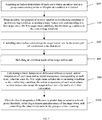
FIG. 2 is a schematic flow diagram of a first embodiment of a control method for a multi-split air conditioner of the present application; -
FIG. 3 is a schematic flow diagram of a second embodiment of the control method for the multi-split air conditioner of the present application; -
FIG. 4 is a schematic flow diagram of a third embodiment of the control method for the multi-split air conditioner of the present application; -
FIG. 5 is a schematic flow diagram of a fourth embodiment of the control method for the multi-split air conditioner of the present application. - The realization of the purposes, functional features and advantages of the present application will be further explained with reference to the accompanying drawings in connection with the embodiments.
- It should be understood that the specific embodiments described herein are for illustration purposes only and are not set to limit the present application.
- A main solution of the embodiments of the present application is as follows: acquiring an indoor temperature of each room where an indoor unit in a group corresponding to a multi-split air conditioner is located; when an indoor temperature of a room satisfies an overheating condition or an overcooling condition, acquiring a target indoor unit corresponding to a first target room satisfying the overheating condition or the overcooling condition; controlling other indoor units except the target indoor unit in the multi-split air conditioner to be shut down; switching an operation mode of the target indoor unit.
- In response to that the phenomenon of overcooling or overheating occurs in a room, a mode of an indoor unit in the room is controlled to be changed, so that a temperature of the room can quickly return to a comfortable temperature, and the occurrence of discomfort in a overcooling or overheating environment for a long time is avoided.
- As one implementation scheme, a multi-split air conditioner can be shown in
FIG. 1 . - An embodiment of the present application relates to a multi-split air conditioner, which includes a
processor 101, such as a CPU, amemory 102, and acommunication bus 103. Thecommunication bus 103 is provided to realize connection and communication between those components. - The
memory 102 may be a high-speed RAM memory or a non-volatile memory, such as a magnetic disk memory. As shown inFIG. 1 , thememory 103, which is a computer storage medium, can include a control program for a multi-split air conditioner. Theprocessor 101 can be configured to invoke the control program for a multi-split air conditioner stored in thememory 102 and perform the following operations: - acquiring an indoor temperature of each room where each indoor unit in a group corresponding to a multi-split air conditioner is located;
- when an indoor temperature of a room satisfies an overheating condition or an overcooling condition, acquiring a target indoor unit corresponding to a first target room satisfying the overheating condition or the overcooling condition;
- controlling other indoor units except the target indoor unit in the multi-split air conditioner to be shut down;
- switching an operation mode of the target indoor unit.
- In one embodiment, the
processor 101 can be configured to invoke the control program for a multi-split air conditioner stored in thememory 102 and perform the following operations: - the overheating condition including that in a heating mode, the indoor temperature of the room is greater than a set temperature corresponding to the room, and a first temperature difference between the indoor temperature of the room and the set temperature corresponding to the room is greater than a first preset threshold;
- the overcooling condition including that in a cooling mode, the indoor temperature of the room is lower than the set temperature corresponding to the room, and a second temperature difference between the indoor temperature of the room and the set temperature corresponding to the room is greater than a second preset threshold.
- In one embodiment, the
processor 101 can be configured to invoke the control program for a multi-split air conditioner stored in thememory 102 and perform the following operations: - when no indoor temperature of a room satisfies the overheating condition or the overcooling condition, acquiring a second target room that does not satisfy the overheating condition or the overcooling condition, and judging whether the indoor temperature of the second target room reaches a set temperature corresponding to the second target room;
- when the indoor temperature of the second target room reaches the set temperature corresponding to the second target room, controlling an indoor unit corresponding to the second target room that reaches the set temperature to be shut down.
- In one embodiment, the
processor 101 can be configured to invoke the control program for a multi-split air conditioner stored in thememory 102 and perform the following operations: - determining a third temperature difference between a current room temperature of the first target room and a set temperature corresponding to the first target room;
- when the third temperature difference is smaller than or equal to a third preset threshold, switching a current operation mode of the target indoor unit and controlling the other indoor units in the group to resume running, where the third preset threshold is smaller than the first preset threshold.
- In one embodiment, the
processor 101 can be configured to invoke the control program for a multi-split air conditioner stored in thememory 102 and perform the following operations: - when the first target room satisfies the overcooling condition or the overheating condition, calculating a fourth temperature difference between a current indoor temperature of each room and an initial temperature corresponding to each room, the indoor temperature of each room where an indoor unit other than the target indoor unit is located is the initial temperature;
- when the fourth temperature difference is greater than or equal to a fourth preset threshold, switching the current operation mode of the target room and controlling each other indoor unit in the group to resume running.
- In one embodiment, the
processor 101 can be configured to invoke a control program for a multi-split air conditioner stored in thememory 102 and perform the following operations:
controlling electronic expansion valves corresponding to other indoor units except the target indoor unit in the multi-split air conditioner to be stopped and indoor fans corresponding to the other indoor units except the target indoor unit in the multi-split air conditioner to stop running. - In one embodiment, the
processor 101 can be configured to invoke the control program for a multi-split air conditioner stored in thememory 102 and perform the following operations: - when a start instruction of a control mode is received, outputting a prompt information to prompt whether to start a group control mode;
- when a confirmation operation triggered based on the prompt information is detected, outputting a group setting interface of the multi-split air conditioner;
- when a completion operation triggered based on the group setting interface is received, controlling each indoor unit in the group to run in the group control mode, where the control mode is the heating mode or the cooling mode.
- According to the above scheme of this embodiment, a target room where a temperature is too high is cooled during heating of the multi-split air conditioner, so that an indoor temperature of the target room is reduced, a target room where a temperature is too low is heated during cooling of the multi-split air conditioner, so that an indoor temperature of the target room is increased, which solves the problem in the related art that the heating or cooling of the multi-split air conditioner threatens the health of users, and enables the indoor temperature of the target room to quickly return to a temperature set by the user, preventing the user from being uncomfortable caused by being in an overcooled or overheated environment for a long time.
- Based on the hardware architecture of the household appliances and the control terminal, embodiments of a control method for a multi-split air conditioner of the present application are proposed.
- Referring to
FIG. 2, FIG. 2 is a first embodiment of the control method for the multi-split air conditioner of the present application. The control method for the multi-split air conditioner includes the following operations:
operation S10, acquiring an indoor temperature of each room where an indoor unit in a group corresponding to the multi-split air conditioner is located; - In the present application, an execution subject is a cloud server or a control terminal, the control terminal is loaded with an APP associated with the cloud server, and the cloud server is a control server of the multi-split air conditioner. For convenience of description, the cloud server is taken as the execution subject to describe the scheme in detail.
- The multi-split air conditioner includes an outdoor unit and a plurality of indoor units, each indoor unit is provided with a communication module, and the communication module can be a WIFI module. Each indoor unit is connected to a home router through the WIFI module, so that the multi-split air conditioner establishes a connection with the cloud server and communicates with the cloud server.
- In response to that a user turns on the multi-split air conditioner for heating or cooling. That is to say, the user sends a start instruction of a control mode to the multi-split air conditioner, and the multi-split air conditioner sends the start instruction of the control mode to the cloud server. When the cloud server receives the start instruction, it will feed back a prompt information of whether to start a group control mode to the multi-split air conditioner, so that the multi-split air conditioner will display the prompt information. The group control mode means that the user controls a plurality of indoor units at the same time. If the user needs to turn on the group control mode, a determination instruction is sent to the multi-split air conditioner, at this time, the multi-split air conditioner sends the determination instruction to the cloud server, so that the cloud server feeds back a group setting interface, and so that the user can add indoor units to be controlled in the group setting interface, and set parameters for each indoor unit. The parameters for each indoor unit can be a set temperature, a set humidity, a set wind speed, and etc.. In response to that the user clicks the group setting interface to trigger a completion operation, that is, in response to that the user clicks to complete the setting, the cloud server determines each indoor unit in the group and the set parameters of each indoor unit according to the group setting interface, thereby controlling each indoor unit in the group to operate the control mode according to the corresponding set parameters, and the control mode is a heating mode or a cooling mode. Therefore, the user can control multiple indoor units to run according to corresponding parameters at one time through the group setting interface, and the user can operate the multi-split air conditioner simply.
- All of the above are based on the user causing the cloud server to control the operation of each indoor unit in the group through the multi-split air conditioner. The user can also cause the cloud server to control the operation of each indoor unit through a terminal loaded with a control program for a multi-split air conditioner.
- Serving as a control terminal of each indoor unit in the group, the cloud server will not detect the temperature of each room where an indoor unit is located in real time, but will only detect the temperature of each room where an indoor unit is located through polling. In this way, the temperature of each room will greatly exceed the set temperature, resulting in overcooling or overheating.
- In this regard, the cloud server obtains the indoor temperature of each room where an indoor unit in the group is located during polling.
- Operation S20, when an indoor temperature of a room satisfies an overheating condition or an overcooling condition, acquiring a target indoor unit corresponding to a first target room satisfying the overheating condition or the overcooling condition;
in the present application, the overheating condition refers to that: an indoor unit is in the heating mode, an indoor temperature of a room where the indoor unit is located reaches the set temperature, and a first temperature difference between the indoor temperature and the set temperature is greater than a first preset threshold (the first preset threshold can be any suitable value, such as 4°C). - The overcooling condition means that: the indoor unit is in the cooling mode, the indoor temperature of the room where the indoor unit is located reaches the set temperature, and a second temperature difference between the set temperature and the indoor temperature is greater than a second preset threshold (the second preset threshold can be any suitable value, such as 5°C).
- When an indoor temperature of a room satisfies the overcooling condition or the overheating condition, the room is taken as a target room, namely the first target room, an indoor unit corresponding to the first target room is determined, and the indoor unit is the target indoor unit.
- Operation S30, controlling other indoor units except the target indoor unit in the multi-split air conditioner to stop running;
operation S40, switching an operation mode of the target indoor unit. - An outdoor unit of the multi-split air conditioner can only be in one mode, that is, the outdoor unit can only operate either in the heating mode or in the cooling mode. However, when the first target room is overheated, the first target room needs to be cooled down at this time. Because the indoor unit cannot operate in the heating mode and the cooling mode at the same time, and rooms where other indoor units are located do not have an overheating phenomenon, that is, the other rooms do not need to be cooled down. Therefore, the other indoor units except the target indoor unit are shut down, and an operation mode of the indoor unit is changed, i.e., the indoor unit is switched from the heating mode to the cooling mode, so that the indoor temperature of the first target room is rapidly reduced, the user is prevented from being in an overheated environment for a long time, and the occurrence of discomfort of the user is prevented. It should be noted that, the shutdown of other indoor units refers to closing electronic expansion valves corresponding to the other indoor units and shutting down indoor fans corresponding to the other indoor units. The operation mode of the other indoor units is not changed, but still the heating mode. Similarly, when that overcooling occurs in the first target room, all other indoor units except the target indoor unit are controlled to stop running, and the target indoor unit is switched from the cooling mode to the heating mode.
- In the technical scheme provided in this embodiment, when heating with the multi-split air conditioner, a target room where a temperature is too high is cooled, so that an indoor temperature in the target room is reduced. when cooling with the multi-split air conditioner, a target room where a temperature is too low is heated, so that the indoor temperature in the target room is increased, which solves the problem in the related art that the cooling or heating of the multi-split air conditioner threatens health of the user, and enables the temperature of the target room to quickly return to the temperature set by the user, preventing the user from feeling uncomfortable caused by being in an overcooled or overheated environment for a long time.
- Referring to
FIG. 3, FIG. 3 is a second embodiment of the control method for the multi-split air conditioner according to the present application. Based on the first embodiment, afteroperation S 10, the control method further includes: - operation S50, when there is no room whose indoor temperature satisfies the overheating condition or the overcooling condition, acquiring a second target room that does not satisfy the overheating condition or the overcooling condition, and judging whether an indoor temperature of the second target room reaches a set temperature corresponding to the second target room;
- operation S60, when the indoor temperature of the second target room reaches the set temperature corresponding to the second target room, controlling an indoor unit corresponding to the second target room that reaches the set temperature to stop running;
- in this embodiment, when no room satisfies the overcooling or overheating condition, and each indoor unit is in normal operation, indoor temperatures of some rooms may have reached the set temperature. If indoor units that have reached the set temperature are not controlled this time, the rooms where these indoor units are located will be supercooled or overheated before the next polling by the cloud server. In this regard, when that no room satisfies the overcooling condition or the overheating condition, the cloud server takes each room as a second target room, and judge whether the temperature of each second target room reaches the set temperature. If the temperature of each second target room reaches the set temperature, controlling the indoor units corresponding to those rooms to stop running (i.e. controlling electronic expansion valve corresponding to the indoor units to be turned off and the indoor unit fans corresponding to the indoor units to stop running), thereby avoiding the phenomenon of overheating or overcooling in those second target rooms.
- In the technical scheme provided in this embodiment, when that no room satisfies the overheating condition or the overcooling condition, it is judged whether an indoor temperature of each room reaches a corresponding set temperature, if so, the indoor unit corresponding to the room that reaches the set temperature is controlled to stop running, thereby avoiding the phenomenon of overcooling or overheating in the room.
- Referring to
FIG. 4, FIG. 4 is a third embodiment of the control method for the multi-split air conditioner according to the present application. Based on the first or second embodiment, after operation S30, the control method further includes: - operation S70, determining a third temperature difference between a current indoor temperature of the first target room and a set temperature corresponding to the first target room;
- operation S80, when the third temperature difference is smaller than or equal to a third preset threshold, switching a current operation mode of the target indoor unit and controlling each other indoor unit in the group to resume running, where the third preset threshold is smaller than the first preset threshold.
- After the target indoor unit changes the mode, the indoor temperature of the first target room quickly approaches the set temperature. For example, the first target room is overheated, after the indoor unit switches the mode, the indoor temperature of the room drops rapidly. When the third temperature difference between the indoor temperature and the set temperature is small, the overheating of the first target room has been eliminated. In order to ensure that the user stays at the desired ambient temperature, the target indoor unit should stop cooling and start heating. Based on this, the multi-split air conditioner sets the third preset threshold. Under the heating condition and when the indoor unit eliminates the overheating phenomenon, if the third temperature difference is smaller than or equal to the third preset threshold (the third temperature difference is obtained by subtracting the set temperature from the current indoor temperature of the first target room and is positive), at this time, the indoor unit needs to be switched again to control the indoor unit to operate in the heating mode. Under the cooling condition and when the indoor unit eliminates the overcooling phenomenon, if the third temperature difference is smaller than or equal to the third preset threshold (the third temperature difference is obtained by subtracting the current indoor temperature from the set temperature of the first target room and is positive), at this time, the indoor unit needs to be switched again to control the indoor unit to operate in the cooling mode. When the mode of the target indoor unit is changed again, the electronic expansion valve of each other indoor unit that has been turned off is turned on, and the indoor fan corresponding to each other indoor unit is controlled to run at the same time, so that each other indoor unit resume running.
- In the technical scheme provided in this embodiment, when a difference between an indoor temperature of a target room corresponding to a target indoor unit which has been changed a mode and a set temperature of the target room is lower than a preset threshold, the target indoor unit is controlled to change the mode again, and each indoor unit is resumed running to avoid excessive temperature change in the target room, so as to ensure that the user in the target room stays in a more comfortable environment.
- Referring to
FIG. 5, FIG. 5 is a fourth embodiment of the control method for a multi-split air conditioner according to the present application. Based on any one of the first to third embodiments, after operation S30, the method further includes: - operation S90, calculating a fourth temperature difference between a current indoor temperature of each room and an initial temperature corresponding to each room, when the first target room satisfies the overcooling condition or the overheating condition, the indoor temperature of each room in which another indoor unit except the target indoor unit is located is the initial temperature;
-
operation S 100, when the fourth temperature difference is greater than or equal to a fourth preset threshold, switching a current operation mode of the target room and controlling each other indoor unit in the group to resume running; - after the mode of the indoor unit corresponding to the first target room is changed, each other indoor unit is in a shutdown state. That is, an indoor temperature of each room where another indoor unit is located gradually decreases (each other indoor unit is in the heating mode, and the indoor temperature gradually decreases) or gradually increases (each other indoor unit is in the cooling mode, and the indoor temperature gradually increases). If the change of the indoor temperature is large, the user in the rooms where the other indoor units are located will inevitably feel hotter (the other indoor units are in the cooling mode) or colder (the other indoor units are in the heating mode).
- In order to ensure that the users of the other rooms stay in a relatively comfortable environment, the multi-split air conditioner is set with a fourth preset threshold. In the case of heating and an indoor unit eliminating the overheating phenomenon, if the fourth temperature difference obtained by subtracting a current temperature of each room where another indoor unit is located from an initial temperature of the room is greater than or equal to a fourth preset threshold, it indicates that the overheating elimination of the target indoor unit affects the feelings of users corresponding to the other indoor units. At this time, it is necessary to resume the running of each other indoor unit and control the target indoor unit to change the mode again.
- Similarly, in the case of cooling and an indoor unit eliminating the overcooling phenomenon, if the fourth temperature difference obtained by subtracting an initial temperature of each room where another indoor unit is located from the current indoor temperature of the room is greater than or equal to the fourth preset threshold, it indicates that the overcooling elimination of the target indoor unit affects the feelings of users corresponding to the other indoor units. At this time, it is necessary to resume the running of each other indoor unit and control the target indoor unit to change the mode again. It should be noted that the initial temperature refers to an indoor temperature of each room where another indoor unit is located when the target indoor unit performs overheating elimination or overcooling elimination.
- In the technical scheme provided in this embodiment, in response to that a change amount of temperature of the rooms where the other indoor units are located is greater than a set change amount, the target indoor unit is controlled to change the mode again, and each indoor unit is resumed running, so as to avoid excessive temperature changes in other rooms and ensure that the overheating elimination or overcooling elimination of the target indoor unit will not affect the heating experience or cooling experience of the users in the other rooms.
- The present application also provides a control device for a multi-split air conditioner, the control device for the multi-split air conditioner includes:
- an acquisition module, configured to acquire an indoor temperature of each room where an indoor unit in a group corresponding to the multi-split air conditioner is located;
- the acquisition module being further configured to, when an indoor temperature of a room satisfies an overheating condition or an overcooling condition, acquire a target indoor unit corresponding to a first target room satisfying the overheating condition or the overcooling condition;
- a control module configured to control other indoor units except the target indoor unit in the multi-split air conditioner to be shut down;
- a switching module configured to switch an operation mode of the target indoor unit.
- Further, the acquisition module is further configured to acquire a second target room that does not satisfy the overheating condition or the overcooling condition when there is no room whose indoor temperature satisfies the overheating condition or the overcooling condition, and judge whether an indoor temperature of the second target room reaches a set temperature corresponding to the second target room;
the control module is further configured to control an indoor unit corresponding to the second target room which reaches the set temperature to be shut down when the indoor temperature of the second target room reaches the set temperature corresponding to the second target room. - Further, the control device for the multi-split air conditioner also includes:
- a determination module configured to determine a third temperature difference between a current indoor temperature of the first target room and a set temperature corresponding to the first target room;
- the switching module is further configured to switch a current operation mode of the target indoor unit and control each other indoor unit in the group to resume running when the third temperature difference is smaller than or equal to a third preset threshold, the third preset threshold being smaller than the first preset threshold.
- Further, the control device for the multi-split air conditioner also includes:
- a calculation module configured to calculate a fourth temperature difference between a current indoor temperature of each room and an initial temperature corresponding to the room, when the first target room satisfies the overcooling or overheating condition, the indoor temperature of each room in which each other indoor unit except the target indoor unit is located is the initial temperature;
- the switching module is further configured to switch a current operation mode of the target room indoor unit when the fourth temperature difference is greater than or equal to a fourth preset threshold, and control each other indoor unit in the group to resume running.
- Furthermore, the control module is further configured to control electronic expansion valves corresponding to other indoor units except the target indoor unit in the multi-split air conditioner to be turned off and indoor fans corresponding to the other indoor units to stop running.
- Further, the control device for a multi-split air conditioner also includes:
- an output module configured to output a prompt information to prompt whether to start a group control mode when a start instruction of a control mode is received;
- the output module is further configured to output a group setting interface of the multi-split air conditioner when a confirmation operation triggered based on the prompt information is detected;
- the control module is further configured to control each indoor unit in the group to operate in the group control mode when a completion operation triggered based on the group setting interface is received, the control mode is a heating mode or a cooling mode.
- The present application also provides a control terminal, the control terminal includes a processor, a memory, and control program for a multi-split air conditioner stored in the memory and executable on the processor. In response to that the control program for a multi-split air conditioner is executed by the processor, each operation of the control method for a multi-split air conditioner described in the above embodiments is realized.
- The present application also provides a cloud server, the cloud server includes a processor, a memory, and a control program for a multi-split air conditioner stored in the memory and executable on the processor. In response to that the control program for a multi-split air conditioner is executed by the processor, each operation of the control method for a multi-split air conditioner described in the above embodiments is realized.
- The present application also provides a storage medium storing a control program for a multi-split air conditioner, in response to that the control program for a multi-split air conditioner is executed by a processor, each operation of the control method for a multi-split air conditioner as described in the above embodiments is realized.
- The above-mentioned numbering of the embodiments of the present application is for description only and does not represent the advantages and disadvantages of the embodiments.
- It should be noted that, in this article, the terms "comprise", "include" or any other variant thereof are intended to encompass non-exclusive inclusion such that a process, method, article, or apparatus that includes a series of elements includes not only those elements, but also other elements not explicitly listed, or elements inherent to such process, method, article, or apparatus. Without further limitation, an element defined by a statement "includes a ..." does not exclude the existence of another identical element in the process, method, article or device including the element.
- From the above description of embodiments, it will be apparent to those skilled in the art that the method of the above embodiments can be implemented by means of software plus a necessary general hardware platform, of course can also be implemented by means of hardware, but in many cases the former is better. Based on this understanding, the technical solutions of the present application can be embodied in the form of software products in essence or parts that contribute to the related art. The computer software product is stored in a storage medium (such as a ROM/RAM, a magnetic disk, an optical disk) as described above, and includes several instructions to cause a terminal device (which may be a mobile phone, a computer, a server, an air conditioner, a network device, etc.) to perform the methods described in various embodiments of the present application.
- The above are only optional embodiments of the present application, and are not intended to limit the scope of the present application. Any equivalent structure or equivalent process transformation made by using the contents of the specification and drawings of the present application, or direct or indirect application in other related technical fields, is included in the claimed scope of the present application.
Claims (15)
- A control method for a multi-split air conditioner, characterized by comprising following operations:acquiring an indoor temperature of each room where an indoor unit in a group corresponding to the multi-split air conditioner is located;when an indoor temperature of a room satisfies an overheating condition or an overcooling condition, acquiring a target indoor unit corresponding to a first target room, the first target room satisfying the overheating condition or the overcooling condition;controlling other indoor units except the target indoor unit in the multi-split air conditioner to be shut down;switching an operation mode of the target indoor unit.
- The control method of claim 1, characterized in that,
the overheating condition comprises that in a heating mode, the indoor temperature of the room is greater than a set temperature corresponding to the room, and a first temperature difference between the indoor temperature of the room and the set temperature corresponding to the room is greater than a first preset threshold;
the overcooling condition comprises that in a cooling mode, the indoor temperature of the room is lower than the set temperature corresponding to the room, and a second temperature difference between the indoor temperature of the room and the set temperature corresponding to the room is greater than a second preset threshold. - The control method of claim 1, characterized in that after the operation of acquiring an indoor temperature of each room where an indoor unit in a group corresponding to the multi-split air conditioner is located, the control method further comprises:when no indoor temperature of a room satisfies the overheating condition or the overcooling condition, acquiring a second target room that does not satisfy the overheating condition or the overcooling condition, and judging whether an indoor temperature of the second target room reaches a set temperature corresponding to the second target room;when the indoor temperature of the second target room reaches the set temperature corresponding to the second target room, controlling an indoor unit corresponding to the second target room that reaches the set temperature to be shut down.
- The control method of claim 1, characterized in that after the operation of switching an operating mode of the target indoor unit, the control method further comprises:determining a third temperature difference between a current indoor temperature of the first target room and the set temperature corresponding to the first target room; andwhen the third temperature difference is smaller than or equal to a third preset threshold, switching a current operation mode of the target indoor unit, and controlling the other indoor units in the group to resume running, wherein the third preset threshold is smaller than the first preset threshold.
- The control method of claim 4, characterized in that the operation of determining a third temperature difference between a current indoor temperature of the first target room and the set temperature corresponding to the first target room comprises:when the target indoor unit is in a heating mode, subtracting the set temperature corresponding to the first target room from the current indoor temperature of the first target room to obtain the third temperature difference;when the target indoor unit is in a cooling mode, subtracting the current indoor temperature of the first target room from the set temperature corresponding to the first target room to obtain the third temperature difference.
- The control method of claim 4, characterized in that the operation of controlling the other indoor units in the group to resume running comprises:
controlling electronic expansion valves corresponding to the other indoor units in the group to be turned on and controlling indoor fans corresponding to the other indoor units in the group to resume running. - The control method of claim 1, characterized in that after the operation of switching an operating mode of the target indoor unit, the control method further comprises:calculating a fourth temperature difference between a current indoor temperature of each room and an initial temperature corresponding to each room, wherein when the first target room satisfies the overcooling condition or the overheating condition, the indoor temperature of each room where another indoor unit except the target indoor unit is located is the initial temperature;when the fourth temperature difference is greater than or equal to a fourth preset threshold, switching a current operation mode of the target room indoor unit, and controlling the other indoor units in the group to resume running.
- The control method of claim 1, characterized in that the operation of controlling other indoor units except the target indoor unit in the multi-split air conditioner to be shut down comprises:
controlling electronic expansion valves corresponding to the other indoor units except the target indoor unit in the multi-split air conditioner to be turned off and controlling the indoor fan corresponding to the other indoor units except the target indoor unit in the multi-split air conditioner to stop running. - The control method of claim 1, characterized in that, before the operation of acquiring an indoor temperature of each room where an indoor unit in a group corresponding to the multi-split air conditioner is located, the method further comprises:when a start instruction of a control mode is received, outputting a prompt information to prompt whether to start a group control mode;when a confirmation operation triggered based on the prompt information is detected, outputting a group setting interface of the multi-split air conditioner;when a completion operation triggered based on the group setting interface is received, controlling each indoor unit in the group to run in the group control mode, wherein the control mode is a heating mode or a cooling mode.
- The control method of claim 1, characterized in that the operation of controlling each indoor unit in the group to run in the group control mode comprises:according to the completion operation determining each indoor unit in the group and determining corresponding operation parameters of each indoor unit;controlling each indoor unit in the group to run according to the corresponding operation parameters.
- The control method of claim 1, characterized in that the operation of acquiring an indoor temperature of each room where an indoor unit in the group corresponding to the multi-split air conditioner is located comprises:
acquiring, by a server through polling, the indoor temperature of each room where an indoor unit in the group corresponding to the multi-split air conditioner is located. - A control device for a multi-split air conditioner, characterized by comprising:an acquisition module configured to acquire an indoor temperature of each room where an indoor unit in a group corresponding to the multi-split air conditioner is located;the acquisition module being further configured to, when an indoor temperature of a room satisfies an overheating condition or an overcooling condition, acquire a target indoor unit corresponding to a first target room, the first target room satisfying the overheating condition or the overcooling condition;a control module configured to control other indoor units except the target indoor unit in the multi-split air conditioner to be shut down;a switching module configured to switch an operation mode of the target indoor unit.
- A control terminal comprising a processor, a memory, and a control program for a multi-split air conditioner, the program stored in the memory and executable by the processor, characterized in that, the control program, when executed by the processor, realizes following operations:acquiring an indoor temperature of each room where an indoor unit in a group corresponding to the multi-split air conditioner is located;when an indoor temperature of a room satisfies an overheating condition or an overcooling condition, acquiring a target indoor unit corresponding to a first target room, the first target room satisfying the overheating condition or the overcooling condition;controlling other indoor units except the target indoor unit in the multi-split air conditioner to be shut down;switching an operation mode of the target indoor unit.
- A cloud server comprising a processor, a memory, and a control program for a multi-split air conditioner, the control program stored in the memory and executable by the processor, characterized in that, the control program, when executed by the processor, realizes following operations:acquiring an indoor temperature of each room where an indoor unit in a group corresponding to the multi-split air conditioner is located;when an indoor temperature of a room satisfies an overheating condition or an overcooling condition, acquiring a target indoor unit corresponding to a first target room, the first target room satisfying the overheating condition or the overcooling condition;controlling other indoor units except the target indoor unit in the multi-split air conditioner to be shut down;switching an operation mode of the target indoor unit.
- A storage medium storing a control program for a multi-split air conditioner, characterized in that the control program, when executed by a processor, realizes following operations for a control method for the multi-split air:acquiring an indoor temperature of each room where an indoor unit in a group corresponding to the multi-split air conditioner is located;when an indoor temperature of a room satisfies an overheating condition or an overcooling condition, acquiring a target indoor unit corresponding to a first target room, the first target room satisfying the overheating condition or the overcooling condition;controlling other indoor units except the target indoor unit in the multi-split air conditioner to be shut down; andswitching an operation mode of the target indoor unit.
Applications Claiming Priority (2)
| Application Number | Priority Date | Filing Date | Title |
|---|---|---|---|
| CN201811201686.5A CN109114759B (en) | 2018-10-15 | 2018-10-15 | Control terminal, control method, device and storage medium for one-to-many air conditioners |
| PCT/CN2018/118159 WO2020077753A1 (en) | 2018-10-15 | 2018-11-29 | Control terminal, vrf control method and device, and storage medium |
Publications (4)
| Publication Number | Publication Date |
|---|---|
| EP3851754A1 true EP3851754A1 (en) | 2021-07-21 |
| EP3851754A4 EP3851754A4 (en) | 2021-12-08 |
| EP3851754B1 EP3851754B1 (en) | 2025-05-28 |
| EP3851754C0 EP3851754C0 (en) | 2025-05-28 |
Family
ID=64854678
Family Applications (1)
| Application Number | Title | Priority Date | Filing Date |
|---|---|---|---|
| EP18937451.5A Active EP3851754B1 (en) | 2018-10-15 | 2018-11-29 | Control terminal, vrf control method and device, and storage medium |
Country Status (4)
| Country | Link |
|---|---|
| US (1) | US11821644B2 (en) |
| EP (1) | EP3851754B1 (en) |
| CN (1) | CN109114759B (en) |
| WO (1) | WO2020077753A1 (en) |
Families Citing this family (12)
| Publication number | Priority date | Publication date | Assignee | Title |
|---|---|---|---|---|
| JP6949235B2 (en) * | 2018-08-16 | 2021-10-13 | 三菱電機株式会社 | Air conditioner interface |
| CN109945459B (en) * | 2019-03-21 | 2021-07-16 | 广东美的制冷设备有限公司 | Control terminal, air conditioner system, control method, and readable storage medium |
| CN112229037B (en) * | 2019-06-30 | 2022-09-09 | 广东美的制冷设备有限公司 | Air conditioner control method, terminal, air conditioner and storage medium |
| CN110486907B (en) * | 2019-08-28 | 2021-01-26 | 广东美的制冷设备有限公司 | Multi-split air conditioning system, control method and device thereof and readable storage medium |
| CN112443947B (en) * | 2019-08-30 | 2021-11-26 | 青岛海尔空调电子有限公司 | Control method of simultaneous cooling and heating multi-split air conditioning system |
| CN113834197B (en) * | 2020-06-08 | 2022-09-13 | 广东美的制冷设备有限公司 | Control method of air conditioner, terminal equipment and storage medium |
| CN113465135B (en) * | 2021-04-25 | 2023-02-17 | 青岛海尔空调器有限总公司 | Method, device and smart air conditioner for controlling air conditioner |
| KR20230050105A (en) * | 2021-10-07 | 2023-04-14 | 엘지전자 주식회사 | Controll Method of Air Conditioner |
| CN114322263B (en) * | 2021-12-24 | 2024-06-18 | 青岛海尔空调器有限总公司 | Control method, control device, air conditioner and storage medium for air conditioner |
| CN114779911B (en) * | 2022-04-29 | 2023-12-29 | 浪潮(山东)计算机科技有限公司 | Method, device, equipment and storage medium for cooling heating element |
| CN115077008A (en) * | 2022-05-17 | 2022-09-20 | 青岛海尔空调器有限总公司 | Control method and device of air conditioner and air conditioner |
| CN115076984A (en) * | 2022-05-23 | 2022-09-20 | 青岛海尔空调器有限总公司 | Air conditioner control method and device |
Family Cites Families (25)
| Publication number | Priority date | Publication date | Assignee | Title |
|---|---|---|---|---|
| KR0161217B1 (en) * | 1996-05-06 | 1999-01-15 | 구자홍 | A controlling method of multi-airconditioner |
| KR100640851B1 (en) * | 2004-12-09 | 2006-11-02 | 엘지전자 주식회사 | Apparatus and method for monitoring status of multi-air conditioner |
| JP2007139265A (en) * | 2005-11-16 | 2007-06-07 | Mitsubishi Heavy Ind Ltd | Operation control method and program for multi-type air conditioner |
| CN100588881C (en) * | 2005-12-22 | 2010-02-10 | 乐金电子(天津)电器有限公司 | Air-conditioning system capable of group control and its operation method |
| KR20080012516A (en) * | 2006-08-03 | 2008-02-12 | 엘지전자 주식회사 | Control method of multi type air conditioning system |
| JP2009115359A (en) * | 2007-11-05 | 2009-05-28 | Daikin Ind Ltd | Air conditioning control device, air conditioner, and air conditioning control method |
| KR101270621B1 (en) * | 2007-12-21 | 2013-06-03 | 엘지전자 주식회사 | Air conditioning system |
| JP2009204174A (en) * | 2008-02-26 | 2009-09-10 | Panasonic Corp | Multiple chamber air conditioner |
| JP5316335B2 (en) * | 2008-10-09 | 2013-10-16 | ダイキン工業株式会社 | Energy saving support device |
| JP5479133B2 (en) * | 2010-01-29 | 2014-04-23 | 三洋電機株式会社 | Air conditioning controller |
| JP5404487B2 (en) * | 2010-03-23 | 2014-01-29 | 三菱電機株式会社 | Multi-room air conditioner |
| US8290628B2 (en) * | 2010-07-23 | 2012-10-16 | Lg Electronics Inc. | Air conditioner and method for controlling the same |
| CN104006445B (en) * | 2013-02-26 | 2017-04-12 | 珠海格力电器股份有限公司 | Multi-connected air conditioner and control method thereof |
| CN103486691B (en) | 2013-09-17 | 2015-09-30 | 青岛海信日立空调系统有限公司 | The method for controlling flow of refrigerant of multi-online air-conditioning system and device |
| JP6391977B2 (en) * | 2014-04-24 | 2018-09-19 | 三菱重工サーマルシステムズ株式会社 | Multi-type air conditioner control device, multi-type air conditioner system including the same, multi-type air conditioner control method, and control program |
| CN105091204B (en) * | 2014-05-20 | 2019-03-12 | 广东美的暖通设备有限公司 | The control method of multi-line system |
| CN104214893B (en) * | 2014-08-20 | 2017-02-15 | 芜湖美智空调设备有限公司 | Control method and control device of constant frequency multi-split air conditioner |
| JP5831661B1 (en) * | 2014-09-30 | 2015-12-09 | ダイキン工業株式会社 | air conditioner |
| JP6375923B2 (en) * | 2014-12-12 | 2018-08-22 | オムロン株式会社 | Control device, control method, control system, program, and recording medium |
| CN105928059B (en) * | 2016-04-25 | 2018-11-20 | 广东美的暖通设备有限公司 | Multi-line system and its control method for heating restricting element |
| WO2018167961A1 (en) * | 2017-03-17 | 2018-09-20 | 三菱電機株式会社 | Air conditioner |
| CN107560092B (en) * | 2017-09-25 | 2019-10-22 | 珠海格力电器股份有限公司 | Multi-split air conditioner running state control method and system and heat pump multi-split air conditioner |
| CN107676938B (en) * | 2017-10-25 | 2020-06-23 | 广东美的制冷设备有限公司 | Air conditioner control method and device, electronic equipment and computer readable storage medium |
| CN108050657B (en) * | 2017-11-30 | 2020-03-31 | 广东美的暖通设备有限公司 | Control method and device for automatic mode of air conditioner and air conditioner |
| CN108644968B (en) * | 2018-05-09 | 2021-01-05 | 青岛海尔空调电子有限公司 | Control method for air conditioning system |
-
2018
- 2018-10-15 CN CN201811201686.5A patent/CN109114759B/en active Active
- 2018-11-29 US US17/284,914 patent/US11821644B2/en active Active
- 2018-11-29 EP EP18937451.5A patent/EP3851754B1/en active Active
- 2018-11-29 WO PCT/CN2018/118159 patent/WO2020077753A1/en not_active Ceased
Also Published As
| Publication number | Publication date |
|---|---|
| CN109114759B (en) | 2020-05-22 |
| EP3851754B1 (en) | 2025-05-28 |
| US11821644B2 (en) | 2023-11-21 |
| EP3851754C0 (en) | 2025-05-28 |
| US20210381714A1 (en) | 2021-12-09 |
| CN109114759A (en) | 2019-01-01 |
| EP3851754A4 (en) | 2021-12-08 |
| WO2020077753A1 (en) | 2020-04-23 |
Similar Documents
| Publication | Publication Date | Title |
|---|---|---|
| EP3851754B1 (en) | Control terminal, vrf control method and device, and storage medium | |
| US11168908B2 (en) | Air conditioner, and control method and apparatus therefor | |
| EP4354038A1 (en) | Control method for multi-split air conditioner, and multi-split air conditioner and storage medium | |
| US11680725B2 (en) | Multi-split air conditioner, control method and device thereof, and computer readable storage medium | |
| CN114704949B (en) | Air conditioner control method, air conditioner and storage medium | |
| CN109780673B (en) | Control method of multi-split air conditioner, multi-split air conditioner and storage medium | |
| CN108759002B (en) | Air conditioner control method, air conditioner, and computer-readable storage medium | |
| EP4220028A1 (en) | Multi-split air conditioner and control method therefor, and computer storage medium | |
| WO2021073034A1 (en) | Vrf defrost method, device, vrf system, and readable storage medium | |
| CN110207336A (en) | Control method, control device and the readable storage medium storing program for executing of multi-connected machine | |
| CN114517973B (en) | Control method, control system, electronic equipment and storage medium for air conditioner split flow | |
| CN111023485A (en) | Air conditioner control method and device, air conditioner and storage medium | |
| CN114811854B (en) | Method, device and system for controlling multi-split air conditioning system and storage medium | |
| CN114623587B (en) | Air conditioner control method and device, air conditioner and storage medium | |
| CN107655172A (en) | Control method, air-conditioning and the computer-readable recording medium of air-conditioning | |
| WO2025030944A1 (en) | Heat recovery air conditioner control method and apparatus, heat recovery air conditioner, and storage medium | |
| CN114440414A (en) | Multi-split air conditioner, control method thereof and computer storage medium | |
| CN109827303A (en) | A kind of temperature control method, device and server | |
| CN114383303A (en) | Dehumidification control method and device, air conditioner and storage medium | |
| EP4567341A1 (en) | Control method for environmental conditioning device, environmental conditioning device, and storage medium | |
| CN115076979A (en) | Method for heating and dehumidifying air conditioner, control system, electronic equipment and storage medium | |
| CN114992822A (en) | Compressor frequency adjusting method, computer readable storage medium and air conditioner | |
| JP4950725B2 (en) | Air conditioning control system | |
| CN113834197B (en) | Control method of air conditioner, terminal equipment and storage medium | |
| CN111256318A (en) | Air conditioner control method, control device, and readable storage medium |
Legal Events
| Date | Code | Title | Description |
|---|---|---|---|
| STAA | Information on the status of an ep patent application or granted ep patent |
Free format text: STATUS: THE INTERNATIONAL PUBLICATION HAS BEEN MADE |
|
| PUAI | Public reference made under article 153(3) epc to a published international application that has entered the european phase |
Free format text: ORIGINAL CODE: 0009012 |
|
| STAA | Information on the status of an ep patent application or granted ep patent |
Free format text: STATUS: REQUEST FOR EXAMINATION WAS MADE |
|
| 17P | Request for examination filed |
Effective date: 20210413 |
|
| AK | Designated contracting states |
Kind code of ref document: A1 Designated state(s): AL AT BE BG CH CY CZ DE DK EE ES FI FR GB GR HR HU IE IS IT LI LT LU LV MC MK MT NL NO PL PT RO RS SE SI SK SM TR |
|
| A4 | Supplementary search report drawn up and despatched |
Effective date: 20211108 |
|
| RIC1 | Information provided on ipc code assigned before grant |
Ipc: F24F 11/58 20180101ALI20211102BHEP Ipc: F24F 110/10 20180101ALI20211102BHEP Ipc: F24F 11/67 20180101ALI20211102BHEP Ipc: F24F 11/64 20180101AFI20211102BHEP |
|
| DAV | Request for validation of the european patent (deleted) | ||
| DAX | Request for extension of the european patent (deleted) | ||
| STAA | Information on the status of an ep patent application or granted ep patent |
Free format text: STATUS: EXAMINATION IS IN PROGRESS |
|
| 17Q | First examination report despatched |
Effective date: 20230322 |
|
| GRAP | Despatch of communication of intention to grant a patent |
Free format text: ORIGINAL CODE: EPIDOSNIGR1 |
|
| STAA | Information on the status of an ep patent application or granted ep patent |
Free format text: STATUS: GRANT OF PATENT IS INTENDED |
|
| INTG | Intention to grant announced |
Effective date: 20250317 |
|
| GRAS | Grant fee paid |
Free format text: ORIGINAL CODE: EPIDOSNIGR3 |
|
| GRAA | (expected) grant |
Free format text: ORIGINAL CODE: 0009210 |
|
| STAA | Information on the status of an ep patent application or granted ep patent |
Free format text: STATUS: THE PATENT HAS BEEN GRANTED |
|
| AK | Designated contracting states |
Kind code of ref document: B1 Designated state(s): AL AT BE BG CH CY CZ DE DK EE ES FI FR GB GR HR HU IE IS IT LI LT LU LV MC MK MT NL NO PL PT RO RS SE SI SK SM TR |
|
| REG | Reference to a national code |
Ref country code: GB Ref legal event code: FG4D |
|
| REG | Reference to a national code |
Ref country code: CH Ref legal event code: EP |
|
| REG | Reference to a national code |
Ref country code: IE Ref legal event code: FG4D Ref country code: DE Ref legal event code: R096 Ref document number: 602018082332 Country of ref document: DE |
|
| U01 | Request for unitary effect filed |
Effective date: 20250618 |
|
| U07 | Unitary effect registered |
Designated state(s): AT BE BG DE DK EE FI FR IT LT LU LV MT NL PT RO SE SI Effective date: 20250627 |
|
| PG25 | Lapsed in a contracting state [announced via postgrant information from national office to epo] |
Ref country code: ES Free format text: LAPSE BECAUSE OF FAILURE TO SUBMIT A TRANSLATION OF THE DESCRIPTION OR TO PAY THE FEE WITHIN THE PRESCRIBED TIME-LIMIT Effective date: 20250528 |
|
| PG25 | Lapsed in a contracting state [announced via postgrant information from national office to epo] |
Ref country code: NO Free format text: LAPSE BECAUSE OF FAILURE TO SUBMIT A TRANSLATION OF THE DESCRIPTION OR TO PAY THE FEE WITHIN THE PRESCRIBED TIME-LIMIT Effective date: 20250828 Ref country code: GR Free format text: LAPSE BECAUSE OF FAILURE TO SUBMIT A TRANSLATION OF THE DESCRIPTION OR TO PAY THE FEE WITHIN THE PRESCRIBED TIME-LIMIT Effective date: 20250829 |
|
| PG25 | Lapsed in a contracting state [announced via postgrant information from national office to epo] |
Ref country code: PL Free format text: LAPSE BECAUSE OF FAILURE TO SUBMIT A TRANSLATION OF THE DESCRIPTION OR TO PAY THE FEE WITHIN THE PRESCRIBED TIME-LIMIT Effective date: 20250528 |
|
| PG25 | Lapsed in a contracting state [announced via postgrant information from national office to epo] |
Ref country code: HR Free format text: LAPSE BECAUSE OF FAILURE TO SUBMIT A TRANSLATION OF THE DESCRIPTION OR TO PAY THE FEE WITHIN THE PRESCRIBED TIME-LIMIT Effective date: 20250528 |
|
| PG25 | Lapsed in a contracting state [announced via postgrant information from national office to epo] |
Ref country code: RS Free format text: LAPSE BECAUSE OF FAILURE TO SUBMIT A TRANSLATION OF THE DESCRIPTION OR TO PAY THE FEE WITHIN THE PRESCRIBED TIME-LIMIT Effective date: 20250828 |
|
| PG25 | Lapsed in a contracting state [announced via postgrant information from national office to epo] |
Ref country code: IS Free format text: LAPSE BECAUSE OF FAILURE TO SUBMIT A TRANSLATION OF THE DESCRIPTION OR TO PAY THE FEE WITHIN THE PRESCRIBED TIME-LIMIT Effective date: 20250928 |
|
| U20 | Renewal fee for the european patent with unitary effect paid |
Year of fee payment: 8 Effective date: 20251127 |
|
| PG25 | Lapsed in a contracting state [announced via postgrant information from national office to epo] |
Ref country code: SM Free format text: LAPSE BECAUSE OF FAILURE TO SUBMIT A TRANSLATION OF THE DESCRIPTION OR TO PAY THE FEE WITHIN THE PRESCRIBED TIME-LIMIT Effective date: 20250528 |
|
| PG25 | Lapsed in a contracting state [announced via postgrant information from national office to epo] |
Ref country code: CZ Free format text: LAPSE BECAUSE OF FAILURE TO SUBMIT A TRANSLATION OF THE DESCRIPTION OR TO PAY THE FEE WITHIN THE PRESCRIBED TIME-LIMIT Effective date: 20250528 |
|
| PG25 | Lapsed in a contracting state [announced via postgrant information from national office to epo] |
Ref country code: SK Free format text: LAPSE BECAUSE OF FAILURE TO SUBMIT A TRANSLATION OF THE DESCRIPTION OR TO PAY THE FEE WITHIN THE PRESCRIBED TIME-LIMIT Effective date: 20250528 |
|
| PLBE | No opposition filed within time limit |
Free format text: ORIGINAL CODE: 0009261 |
|
| STAA | Information on the status of an ep patent application or granted ep patent |
Free format text: STATUS: NO OPPOSITION FILED WITHIN TIME LIMIT |
|
| REG | Reference to a national code |
Ref country code: CH Ref legal event code: L10 Free format text: ST27 STATUS EVENT CODE: U-0-0-L10-L00 (AS PROVIDED BY THE NATIONAL OFFICE) Effective date: 20260409 |