EP3848449A1 - Organoid culture system and method for sterilising an organoid culture system - Google Patents
Organoid culture system and method for sterilising an organoid culture system Download PDFInfo
- Publication number
- EP3848449A1 EP3848449A1 EP19857333.9A EP19857333A EP3848449A1 EP 3848449 A1 EP3848449 A1 EP 3848449A1 EP 19857333 A EP19857333 A EP 19857333A EP 3848449 A1 EP3848449 A1 EP 3848449A1
- Authority
- EP
- European Patent Office
- Prior art keywords
- module
- culture
- growth
- stirring
- organoid
- Prior art date
- Legal status (The legal status is an assumption and is not a legal conclusion. Google has not performed a legal analysis and makes no representation as to the accuracy of the status listed.)
- Pending
Links
- 210000002220 organoid Anatomy 0.000 title claims abstract description 45
- 230000001954 sterilising effect Effects 0.000 title claims abstract description 13
- 238000000034 method Methods 0.000 title claims abstract description 11
- 230000012010 growth Effects 0.000 claims abstract description 44
- 238000003756 stirring Methods 0.000 claims abstract description 29
- 238000012544 monitoring process Methods 0.000 claims abstract description 24
- 230000000007 visual effect Effects 0.000 claims description 11
- 238000005516 engineering process Methods 0.000 claims description 7
- 230000010261 cell growth Effects 0.000 claims description 6
- 238000002474 experimental method Methods 0.000 claims description 6
- 238000011002 quantification Methods 0.000 claims description 6
- 238000004659 sterilization and disinfection Methods 0.000 claims description 5
- MHAJPDPJQMAIIY-UHFFFAOYSA-N Hydrogen peroxide Chemical compound OO MHAJPDPJQMAIIY-UHFFFAOYSA-N 0.000 claims description 4
- 230000001105 regulatory effect Effects 0.000 claims description 4
- 238000012546 transfer Methods 0.000 claims description 4
- 239000007789 gas Substances 0.000 claims description 3
- 230000007246 mechanism Effects 0.000 claims description 3
- 238000003908 quality control method Methods 0.000 claims description 3
- 238000005070 sampling Methods 0.000 claims description 3
- 239000012855 volatile organic compound Substances 0.000 claims description 3
- 238000005273 aeration Methods 0.000 claims description 2
- 238000004364 calculation method Methods 0.000 claims description 2
- 238000007599 discharging Methods 0.000 claims description 2
- 230000007613 environmental effect Effects 0.000 claims description 2
- 230000010354 integration Effects 0.000 claims description 2
- 230000005865 ionizing radiation Effects 0.000 claims description 2
- 230000007774 longterm Effects 0.000 claims description 2
- 230000007257 malfunction Effects 0.000 claims description 2
- 238000003860 storage Methods 0.000 claims description 2
- 239000001963 growth medium Substances 0.000 description 8
- 210000004027 cell Anatomy 0.000 description 7
- 239000006144 Dulbecco’s modified Eagle's medium Substances 0.000 description 6
- 239000002609 medium Substances 0.000 description 5
- HJCMDXDYPOUFDY-WHFBIAKZSA-N Ala-Gln Chemical compound C[C@H](N)C(=O)N[C@H](C(O)=O)CCC(N)=O HJCMDXDYPOUFDY-WHFBIAKZSA-N 0.000 description 4
- 239000000463 material Substances 0.000 description 4
- 210000001519 tissue Anatomy 0.000 description 4
- 238000010586 diagram Methods 0.000 description 3
- LOKCTEFSRHRXRJ-UHFFFAOYSA-I dipotassium trisodium dihydrogen phosphate hydrogen phosphate dichloride Chemical compound P(=O)(O)(O)[O-].[K+].P(=O)(O)([O-])[O-].[Na+].[Na+].[Cl-].[K+].[Cl-].[Na+] LOKCTEFSRHRXRJ-UHFFFAOYSA-I 0.000 description 3
- 239000002953 phosphate buffered saline Substances 0.000 description 3
- FPIPGXGPPPQFEQ-UHFFFAOYSA-N 13-cis retinol Natural products OCC=C(C)C=CC=C(C)C=CC1=C(C)CCCC1(C)C FPIPGXGPPPQFEQ-UHFFFAOYSA-N 0.000 description 2
- 108091003079 Bovine Serum Albumin Proteins 0.000 description 2
- 102000003974 Fibroblast growth factor 2 Human genes 0.000 description 2
- 108090000379 Fibroblast growth factor 2 Proteins 0.000 description 2
- 101500025419 Homo sapiens Epidermal growth factor Proteins 0.000 description 2
- FPIPGXGPPPQFEQ-BOOMUCAASA-N Vitamin A Natural products OC/C=C(/C)\C=C\C=C(\C)/C=C/C1=C(C)CCCC1(C)C FPIPGXGPPPQFEQ-BOOMUCAASA-N 0.000 description 2
- FPIPGXGPPPQFEQ-OVSJKPMPSA-N all-trans-retinol Chemical compound OC\C=C(/C)\C=C\C=C(/C)\C=C\C1=C(C)CCCC1(C)C FPIPGXGPPPQFEQ-OVSJKPMPSA-N 0.000 description 2
- 230000000747 cardiac effect Effects 0.000 description 2
- 238000004113 cell culture Methods 0.000 description 2
- 238000005119 centrifugation Methods 0.000 description 2
- 238000001514 detection method Methods 0.000 description 2
- 238000011161 development Methods 0.000 description 2
- 230000004069 differentiation Effects 0.000 description 2
- 239000012091 fetal bovine serum Substances 0.000 description 2
- 229940116978 human epidermal growth factor Drugs 0.000 description 2
- 210000004263 induced pluripotent stem cell Anatomy 0.000 description 2
- NOESYZHRGYRDHS-UHFFFAOYSA-N insulin Chemical compound N1C(=O)C(NC(=O)C(CCC(N)=O)NC(=O)C(CCC(O)=O)NC(=O)C(C(C)C)NC(=O)C(NC(=O)CN)C(C)CC)CSSCC(C(NC(CO)C(=O)NC(CC(C)C)C(=O)NC(CC=2C=CC(O)=CC=2)C(=O)NC(CCC(N)=O)C(=O)NC(CC(C)C)C(=O)NC(CCC(O)=O)C(=O)NC(CC(N)=O)C(=O)NC(CC=2C=CC(O)=CC=2)C(=O)NC(CSSCC(NC(=O)C(C(C)C)NC(=O)C(CC(C)C)NC(=O)C(CC=2C=CC(O)=CC=2)NC(=O)C(CC(C)C)NC(=O)C(C)NC(=O)C(CCC(O)=O)NC(=O)C(C(C)C)NC(=O)C(CC(C)C)NC(=O)C(CC=2NC=NC=2)NC(=O)C(CO)NC(=O)CNC2=O)C(=O)NCC(=O)NC(CCC(O)=O)C(=O)NC(CCCNC(N)=N)C(=O)NCC(=O)NC(CC=3C=CC=CC=3)C(=O)NC(CC=3C=CC=CC=3)C(=O)NC(CC=3C=CC(O)=CC=3)C(=O)NC(C(C)O)C(=O)N3C(CCC3)C(=O)NC(CCCCN)C(=O)NC(C)C(O)=O)C(=O)NC(CC(N)=O)C(O)=O)=O)NC(=O)C(C(C)CC)NC(=O)C(CO)NC(=O)C(C(C)O)NC(=O)C1CSSCC2NC(=O)C(CC(C)C)NC(=O)C(NC(=O)C(CCC(N)=O)NC(=O)C(CC(N)=O)NC(=O)C(NC(=O)C(N)CC=1C=CC=CC=1)C(C)C)CC1=CN=CN1 NOESYZHRGYRDHS-UHFFFAOYSA-N 0.000 description 2
- 108010082117 matrigel Proteins 0.000 description 2
- 239000011159 matrix material Substances 0.000 description 2
- 239000000203 mixture Substances 0.000 description 2
- GVUGOAYIVIDWIO-UFWWTJHBSA-N nepidermin Chemical compound C([C@@H](C(=O)N[C@@H]([C@@H](C)CC)C(=O)NCC(=O)N[C@@H](CCC(O)=O)C(=O)N[C@@H](CCCNC(N)=N)C(=O)N[C@@H](CS)C(=O)N[C@@H](CCC(N)=O)C(=O)N[C@@H](CC=1C=CC(O)=CC=1)C(=O)N[C@@H](CCCNC(N)=N)C(=O)N[C@@H](CC(O)=O)C(=O)N[C@@H](CC(C)C)C(=O)N[C@@H](CCCCN)C(=O)N[C@@H](CC=1C2=CC=CC=C2NC=1)C(=O)N[C@@H](CC=1C2=CC=CC=C2NC=1)C(=O)N[C@@H](CCC(O)=O)C(=O)N[C@@H](CC(C)C)C(=O)N[C@@H](CCCNC(N)=N)C(O)=O)NC(=O)CNC(=O)[C@@H](NC(=O)[C@@H](NC(=O)[C@H](CS)NC(=O)[C@H](CC(N)=O)NC(=O)[C@H](CS)NC(=O)[C@H](C)NC(=O)[C@H](CC=1C=CC(O)=CC=1)NC(=O)[C@H](CCCCN)NC(=O)[C@H](CC(O)=O)NC(=O)[C@H](CC(C)C)NC(=O)[C@H](C)NC(=O)[C@H](CCC(O)=O)NC(=O)[C@@H](NC(=O)[C@H](CC=1C=CC(O)=CC=1)NC(=O)[C@H](CCSC)NC(=O)[C@H](CS)NC(=O)[C@@H](NC(=O)CNC(=O)[C@H](CC(O)=O)NC(=O)[C@H](CC=1NC=NC=1)NC(=O)[C@H](CC(C)C)NC(=O)[C@H](CS)NC(=O)[C@H](CC=1C=CC(O)=CC=1)NC(=O)CNC(=O)[C@H](CC(O)=O)NC(=O)[C@H](CC=1NC=NC=1)NC(=O)[C@H](CO)NC(=O)[C@H](CC(C)C)NC(=O)[C@H]1N(CCC1)C(=O)[C@H](CS)NC(=O)[C@H](CCC(O)=O)NC(=O)[C@H](CO)NC(=O)[C@H](CC(O)=O)NC(=O)[C@H](CO)NC(=O)[C@@H](N)CC(N)=O)C(C)C)[C@@H](C)CC)C(C)C)C(C)C)C1=CC=C(O)C=C1 GVUGOAYIVIDWIO-UFWWTJHBSA-N 0.000 description 2
- 239000000243 solution Substances 0.000 description 2
- 235000019155 vitamin A Nutrition 0.000 description 2
- 239000011719 vitamin A Substances 0.000 description 2
- 229940045997 vitamin a Drugs 0.000 description 2
- DGVVWUTYPXICAM-UHFFFAOYSA-N β‐Mercaptoethanol Chemical compound OCCS DGVVWUTYPXICAM-UHFFFAOYSA-N 0.000 description 2
- FHVDTGUDJYJELY-UHFFFAOYSA-N 6-{[2-carboxy-4,5-dihydroxy-6-(phosphanyloxy)oxan-3-yl]oxy}-4,5-dihydroxy-3-phosphanyloxane-2-carboxylic acid Chemical compound O1C(C(O)=O)C(P)C(O)C(O)C1OC1C(C(O)=O)OC(OP)C(O)C1O FHVDTGUDJYJELY-UHFFFAOYSA-N 0.000 description 1
- 102000009024 Epidermal Growth Factor Human genes 0.000 description 1
- HTTJABKRGRZYRN-UHFFFAOYSA-N Heparin Chemical compound OC1C(NC(=O)C)C(O)OC(COS(O)(=O)=O)C1OC1C(OS(O)(=O)=O)C(O)C(OC2C(C(OS(O)(=O)=O)C(OC3C(C(O)C(O)C(O3)C(O)=O)OS(O)(=O)=O)C(CO)O2)NS(O)(=O)=O)C(C(O)=O)O1 HTTJABKRGRZYRN-UHFFFAOYSA-N 0.000 description 1
- 102000004877 Insulin Human genes 0.000 description 1
- 108090001061 Insulin Proteins 0.000 description 1
- 206010028980 Neoplasm Diseases 0.000 description 1
- 238000011579 SCID mouse model Methods 0.000 description 1
- 229940072056 alginate Drugs 0.000 description 1
- 235000010443 alginic acid Nutrition 0.000 description 1
- 229920000615 alginic acid Polymers 0.000 description 1
- 230000004075 alteration Effects 0.000 description 1
- 238000004458 analytical method Methods 0.000 description 1
- 210000001130 astrocyte Anatomy 0.000 description 1
- 239000011324 bead Substances 0.000 description 1
- 230000015572 biosynthetic process Effects 0.000 description 1
- 210000000988 bone and bone Anatomy 0.000 description 1
- 210000004556 brain Anatomy 0.000 description 1
- 230000005587 bubbling Effects 0.000 description 1
- 210000000845 cartilage Anatomy 0.000 description 1
- 230000001054 cortical effect Effects 0.000 description 1
- 230000008878 coupling Effects 0.000 description 1
- 238000010168 coupling process Methods 0.000 description 1
- 238000005859 coupling reaction Methods 0.000 description 1
- 238000010790 dilution Methods 0.000 description 1
- 239000012895 dilution Substances 0.000 description 1
- 229940079593 drug Drugs 0.000 description 1
- 239000003814 drug Substances 0.000 description 1
- 238000001035 drying Methods 0.000 description 1
- 235000020776 essential amino acid Nutrition 0.000 description 1
- 239000003797 essential amino acid Substances 0.000 description 1
- 210000002950 fibroblast Anatomy 0.000 description 1
- 230000014509 gene expression Effects 0.000 description 1
- 239000011521 glass Substances 0.000 description 1
- 239000003102 growth factor Substances 0.000 description 1
- 229960002897 heparin Drugs 0.000 description 1
- 229920000669 heparin Polymers 0.000 description 1
- 230000006698 induction Effects 0.000 description 1
- 229940125396 insulin Drugs 0.000 description 1
- 239000010410 layer Substances 0.000 description 1
- 210000004072 lung Anatomy 0.000 description 1
- 238000004519 manufacturing process Methods 0.000 description 1
- 238000005259 measurement Methods 0.000 description 1
- 238000004264 monolayer culture Methods 0.000 description 1
- 230000001537 neural effect Effects 0.000 description 1
- 230000004766 neurogenesis Effects 0.000 description 1
- 210000004498 neuroglial cell Anatomy 0.000 description 1
- 235000015097 nutrients Nutrition 0.000 description 1
- 230000008520 organization Effects 0.000 description 1
- 230000008569 process Effects 0.000 description 1
- 230000000284 resting effect Effects 0.000 description 1
- 238000009987 spinning Methods 0.000 description 1
- 210000000130 stem cell Anatomy 0.000 description 1
- 229960005322 streptomycin Drugs 0.000 description 1
- 239000000758 substrate Substances 0.000 description 1
- 210000004881 tumor cell Anatomy 0.000 description 1
Images




Classifications
-
- C—CHEMISTRY; METALLURGY
- C12—BIOCHEMISTRY; BEER; SPIRITS; WINE; VINEGAR; MICROBIOLOGY; ENZYMOLOGY; MUTATION OR GENETIC ENGINEERING
- C12M—APPARATUS FOR ENZYMOLOGY OR MICROBIOLOGY; APPARATUS FOR CULTURING MICROORGANISMS FOR PRODUCING BIOMASS, FOR GROWING CELLS OR FOR OBTAINING FERMENTATION OR METABOLIC PRODUCTS, i.e. BIOREACTORS OR FERMENTERS
- C12M37/00—Means for sterilizing, maintaining sterile conditions or avoiding chemical or biological contamination
-
- C—CHEMISTRY; METALLURGY
- C12—BIOCHEMISTRY; BEER; SPIRITS; WINE; VINEGAR; MICROBIOLOGY; ENZYMOLOGY; MUTATION OR GENETIC ENGINEERING
- C12M—APPARATUS FOR ENZYMOLOGY OR MICROBIOLOGY; APPARATUS FOR CULTURING MICROORGANISMS FOR PRODUCING BIOMASS, FOR GROWING CELLS OR FOR OBTAINING FERMENTATION OR METABOLIC PRODUCTS, i.e. BIOREACTORS OR FERMENTERS
- C12M3/00—Tissue, human, animal or plant cell, or virus culture apparatus
-
- B—PERFORMING OPERATIONS; TRANSPORTING
- B01—PHYSICAL OR CHEMICAL PROCESSES OR APPARATUS IN GENERAL
- B01F—MIXING, e.g. DISSOLVING, EMULSIFYING OR DISPERSING
- B01F27/00—Mixers with rotary stirring devices in fixed receptacles; Kneaders
- B01F27/21—Mixers with rotary stirring devices in fixed receptacles; Kneaders characterised by their rotating shafts
- B01F27/213—Mixers with rotary stirring devices in fixed receptacles; Kneaders characterised by their rotating shafts characterised by the connection with the drive
-
- B—PERFORMING OPERATIONS; TRANSPORTING
- B01—PHYSICAL OR CHEMICAL PROCESSES OR APPARATUS IN GENERAL
- B01F—MIXING, e.g. DISSOLVING, EMULSIFYING OR DISPERSING
- B01F33/00—Other mixers; Mixing plants; Combinations of mixers
- B01F33/40—Mixers using gas or liquid agitation, e.g. with air supply tubes
- B01F33/406—Mixers using gas or liquid agitation, e.g. with air supply tubes in receptacles with gas supply only at the bottom
- B01F33/4062—Mixers using gas or liquid agitation, e.g. with air supply tubes in receptacles with gas supply only at the bottom with means for modifying the gas pressure or for supplying gas at different pressures or in different volumes at different parts of the bottom
-
- B—PERFORMING OPERATIONS; TRANSPORTING
- B01—PHYSICAL OR CHEMICAL PROCESSES OR APPARATUS IN GENERAL
- B01F—MIXING, e.g. DISSOLVING, EMULSIFYING OR DISPERSING
- B01F33/00—Other mixers; Mixing plants; Combinations of mixers
- B01F33/45—Magnetic mixers; Mixers with magnetically driven stirrers
-
- B—PERFORMING OPERATIONS; TRANSPORTING
- B01—PHYSICAL OR CHEMICAL PROCESSES OR APPARATUS IN GENERAL
- B01F—MIXING, e.g. DISSOLVING, EMULSIFYING OR DISPERSING
- B01F33/00—Other mixers; Mixing plants; Combinations of mixers
- B01F33/80—Mixing plants; Combinations of mixers
- B01F33/81—Combinations of similar mixers, e.g. with rotary stirring devices in two or more receptacles
- B01F33/813—Combinations of similar mixers, e.g. with rotary stirring devices in two or more receptacles mixing simultaneously in two or more mixing receptacles
-
- B—PERFORMING OPERATIONS; TRANSPORTING
- B01—PHYSICAL OR CHEMICAL PROCESSES OR APPARATUS IN GENERAL
- B01F—MIXING, e.g. DISSOLVING, EMULSIFYING OR DISPERSING
- B01F35/00—Accessories for mixers; Auxiliary operations or auxiliary devices; Parts or details of general application
- B01F35/20—Measuring; Control or regulation
-
- B—PERFORMING OPERATIONS; TRANSPORTING
- B01—PHYSICAL OR CHEMICAL PROCESSES OR APPARATUS IN GENERAL
- B01F—MIXING, e.g. DISSOLVING, EMULSIFYING OR DISPERSING
- B01F35/00—Accessories for mixers; Auxiliary operations or auxiliary devices; Parts or details of general application
- B01F35/30—Driving arrangements; Transmissions; Couplings; Brakes
- B01F35/31—Couplings
-
- B—PERFORMING OPERATIONS; TRANSPORTING
- B01—PHYSICAL OR CHEMICAL PROCESSES OR APPARATUS IN GENERAL
- B01F—MIXING, e.g. DISSOLVING, EMULSIFYING OR DISPERSING
- B01F35/00—Accessories for mixers; Auxiliary operations or auxiliary devices; Parts or details of general application
- B01F35/30—Driving arrangements; Transmissions; Couplings; Brakes
- B01F35/33—Transmissions; Means for modifying the speed or direction of rotation
-
- C—CHEMISTRY; METALLURGY
- C12—BIOCHEMISTRY; BEER; SPIRITS; WINE; VINEGAR; MICROBIOLOGY; ENZYMOLOGY; MUTATION OR GENETIC ENGINEERING
- C12M—APPARATUS FOR ENZYMOLOGY OR MICROBIOLOGY; APPARATUS FOR CULTURING MICROORGANISMS FOR PRODUCING BIOMASS, FOR GROWING CELLS OR FOR OBTAINING FERMENTATION OR METABOLIC PRODUCTS, i.e. BIOREACTORS OR FERMENTERS
- C12M1/00—Apparatus for enzymology or microbiology
- C12M1/34—Measuring or testing with condition measuring or sensing means, e.g. colony counters
-
- C—CHEMISTRY; METALLURGY
- C12—BIOCHEMISTRY; BEER; SPIRITS; WINE; VINEGAR; MICROBIOLOGY; ENZYMOLOGY; MUTATION OR GENETIC ENGINEERING
- C12M—APPARATUS FOR ENZYMOLOGY OR MICROBIOLOGY; APPARATUS FOR CULTURING MICROORGANISMS FOR PRODUCING BIOMASS, FOR GROWING CELLS OR FOR OBTAINING FERMENTATION OR METABOLIC PRODUCTS, i.e. BIOREACTORS OR FERMENTERS
- C12M23/00—Constructional details, e.g. recesses, hinges
- C12M23/02—Form or structure of the vessel
- C12M23/12—Well or multiwell plates
-
- C—CHEMISTRY; METALLURGY
- C12—BIOCHEMISTRY; BEER; SPIRITS; WINE; VINEGAR; MICROBIOLOGY; ENZYMOLOGY; MUTATION OR GENETIC ENGINEERING
- C12M—APPARATUS FOR ENZYMOLOGY OR MICROBIOLOGY; APPARATUS FOR CULTURING MICROORGANISMS FOR PRODUCING BIOMASS, FOR GROWING CELLS OR FOR OBTAINING FERMENTATION OR METABOLIC PRODUCTS, i.e. BIOREACTORS OR FERMENTERS
- C12M23/00—Constructional details, e.g. recesses, hinges
- C12M23/44—Multiple separable units; Modules
-
- C—CHEMISTRY; METALLURGY
- C12—BIOCHEMISTRY; BEER; SPIRITS; WINE; VINEGAR; MICROBIOLOGY; ENZYMOLOGY; MUTATION OR GENETIC ENGINEERING
- C12M—APPARATUS FOR ENZYMOLOGY OR MICROBIOLOGY; APPARATUS FOR CULTURING MICROORGANISMS FOR PRODUCING BIOMASS, FOR GROWING CELLS OR FOR OBTAINING FERMENTATION OR METABOLIC PRODUCTS, i.e. BIOREACTORS OR FERMENTERS
- C12M27/00—Means for mixing, agitating or circulating fluids in the vessel
- C12M27/02—Stirrer or mobile mixing elements
-
- C—CHEMISTRY; METALLURGY
- C12—BIOCHEMISTRY; BEER; SPIRITS; WINE; VINEGAR; MICROBIOLOGY; ENZYMOLOGY; MUTATION OR GENETIC ENGINEERING
- C12M—APPARATUS FOR ENZYMOLOGY OR MICROBIOLOGY; APPARATUS FOR CULTURING MICROORGANISMS FOR PRODUCING BIOMASS, FOR GROWING CELLS OR FOR OBTAINING FERMENTATION OR METABOLIC PRODUCTS, i.e. BIOREACTORS OR FERMENTERS
- C12M27/00—Means for mixing, agitating or circulating fluids in the vessel
- C12M27/02—Stirrer or mobile mixing elements
- C12M27/04—Stirrer or mobile mixing elements with introduction of gas through the stirrer or mixing element
-
- C—CHEMISTRY; METALLURGY
- C12—BIOCHEMISTRY; BEER; SPIRITS; WINE; VINEGAR; MICROBIOLOGY; ENZYMOLOGY; MUTATION OR GENETIC ENGINEERING
- C12M—APPARATUS FOR ENZYMOLOGY OR MICROBIOLOGY; APPARATUS FOR CULTURING MICROORGANISMS FOR PRODUCING BIOMASS, FOR GROWING CELLS OR FOR OBTAINING FERMENTATION OR METABOLIC PRODUCTS, i.e. BIOREACTORS OR FERMENTERS
- C12M39/00—Means for cleaning the apparatus or avoiding unwanted deposits of microorganisms
-
- C—CHEMISTRY; METALLURGY
- C12—BIOCHEMISTRY; BEER; SPIRITS; WINE; VINEGAR; MICROBIOLOGY; ENZYMOLOGY; MUTATION OR GENETIC ENGINEERING
- C12M—APPARATUS FOR ENZYMOLOGY OR MICROBIOLOGY; APPARATUS FOR CULTURING MICROORGANISMS FOR PRODUCING BIOMASS, FOR GROWING CELLS OR FOR OBTAINING FERMENTATION OR METABOLIC PRODUCTS, i.e. BIOREACTORS OR FERMENTERS
- C12M41/00—Means for regulation, monitoring, measurement or control, e.g. flow regulation
- C12M41/12—Means for regulation, monitoring, measurement or control, e.g. flow regulation of temperature
-
- C—CHEMISTRY; METALLURGY
- C12—BIOCHEMISTRY; BEER; SPIRITS; WINE; VINEGAR; MICROBIOLOGY; ENZYMOLOGY; MUTATION OR GENETIC ENGINEERING
- C12M—APPARATUS FOR ENZYMOLOGY OR MICROBIOLOGY; APPARATUS FOR CULTURING MICROORGANISMS FOR PRODUCING BIOMASS, FOR GROWING CELLS OR FOR OBTAINING FERMENTATION OR METABOLIC PRODUCTS, i.e. BIOREACTORS OR FERMENTERS
- C12M41/00—Means for regulation, monitoring, measurement or control, e.g. flow regulation
- C12M41/26—Means for regulation, monitoring, measurement or control, e.g. flow regulation of pH
-
- C—CHEMISTRY; METALLURGY
- C12—BIOCHEMISTRY; BEER; SPIRITS; WINE; VINEGAR; MICROBIOLOGY; ENZYMOLOGY; MUTATION OR GENETIC ENGINEERING
- C12M—APPARATUS FOR ENZYMOLOGY OR MICROBIOLOGY; APPARATUS FOR CULTURING MICROORGANISMS FOR PRODUCING BIOMASS, FOR GROWING CELLS OR FOR OBTAINING FERMENTATION OR METABOLIC PRODUCTS, i.e. BIOREACTORS OR FERMENTERS
- C12M41/00—Means for regulation, monitoring, measurement or control, e.g. flow regulation
- C12M41/30—Means for regulation, monitoring, measurement or control, e.g. flow regulation of concentration
- C12M41/34—Means for regulation, monitoring, measurement or control, e.g. flow regulation of concentration of gas
-
- C—CHEMISTRY; METALLURGY
- C12—BIOCHEMISTRY; BEER; SPIRITS; WINE; VINEGAR; MICROBIOLOGY; ENZYMOLOGY; MUTATION OR GENETIC ENGINEERING
- C12M—APPARATUS FOR ENZYMOLOGY OR MICROBIOLOGY; APPARATUS FOR CULTURING MICROORGANISMS FOR PRODUCING BIOMASS, FOR GROWING CELLS OR FOR OBTAINING FERMENTATION OR METABOLIC PRODUCTS, i.e. BIOREACTORS OR FERMENTERS
- C12M41/00—Means for regulation, monitoring, measurement or control, e.g. flow regulation
- C12M41/40—Means for regulation, monitoring, measurement or control, e.g. flow regulation of pressure
Definitions
- the present invention describes an organoid culture system. Furthermore, the present invention also describes a method for sterilizing a culture system.
- organoid culture systems also known as three-dimensional culture systems, have been described in the state of the art, in contrast to the traditional two-dimensional monolayer culture.
- iPSCs human induced pluripotent stem cells
- the bioreactor was called SpinZ and fits into a standard 12-well tissue culture plate, drastically reducing media consumption and incubator space.
- the bioreactor also had a stackable version driven by one common motor, which allowed for comparisons of a large number of conditions in parallel (for protocol optimisation) and reducing the incubator space required.
- the system is not modular nor is it a fully sterilizable system.
- SpinZ does not incorporate sensors that allow important parameters, such as cell growth, pH, CO 2 and O 2 concentration, and temperature, to be measured in real time.
- the system is not modular either, and although it allows organoid growth to be characterized with the camera that it incorporates, it does not allow this data to be automatically stored or other physiochemical parameters of interest, such as pH, CO 2 and O 2 concentration and the temperature, to be monitored and stored.
- Patent application WO2015/184273 A1 discloses a bioreactor system for preparing a cardiac organoid.
- the bioreactor system includes a first vessel having a hollow interior and an open top, in addition to a cannula having a lumen, a porous ring coupled to the cannula, and a balloon catheter.
- This invention presents a problem of applicability, since the requirement of a balloon catheter limits organoid production to a single cardiac type.
- it is not a modular bioreactor nor does it allow for simultaneous culture of different tissues and/or different conditions.
- This bioreactor also does not incorporate the possibility of using standard culture material.
- it does not allow the organoid growth to be monitored in real time or the data related to the culture's physiochemical parameters of interest to be monitored and stored.
- Patent application WO2012/104437 A1 discloses a bioreactor for cell culture on a three-dimensional substrate. It is made up of a conical-shaped culture chamber.
- the bioreactor is used in tissue engineering for producing tissue grafts, in particular a bone or cartilage graft. This bioreactor does not allow for simultaneous multiple culture or the use of standard culture material. Moreover, the bioreactor of said invention does not allow the organoid growth to be monitored in real time or the data related to physiochemical parameters of interest to be monitored and stored.
- an organoid culture system that is modular and sterilizable, and which allows for simultaneous multiple culture and allows cell growth to be monitored in real time, as well as relevant physiochemical parameters, such as pH, CO 2 and O 2 concentration and temperature, to be monitored and stored.
- an organoid culture system is described that includes the foregoing features, thus significantly improving the existing systems in the state of the art.
- the present invention describes an organoid culture system that allows for simultaneous multiple culture (high-throughput), the reuse of standard culture material and equipment, and real-time monitoring of organoid growth and relevant physiochemical parameters. Moreover, the system is modular and one module can be sterilized independently of another.
- One aspect of the present invention relates to a sterilizable organoid culture system comprising:
- the present invention describes a system that has numerous advantages over other organoid culture bioreactors described in the state of the art.
- the bioreactor of the present invention allows for multiple simultaneous culture, which allows experiments with different conditions to be conducted in parallel.
- the present invention comprises a modular system, whereby different modules of the system can be coupled and decoupled. Therefore, firstly, it enables the culture module to be sterilized in its entirety, without the need to sterilize the parts of the culture module separately, this being very convenient for keeping the entire culture sterile.
- the culture module which comprises one or more sample wells, can be removed as a block, without the need to disassemble the components thereof.
- the present invention also describes a method for sterilizing an organoid culture system comprising:
- the present invention describes an organoid culture system and a method for sterilizing an organoid culture system.
- the present invention is a sterilizable organoid culture system comprising:
- the basis of the culture module (2) is the stirring of the culture by air bubbles, which also help to facilitate the gas exchange with the culture medium.
- the controller (84) is configured so that the pressure reading provided by the pressure sensor (83) corresponds to the pressure transfer/time curve selected for each experiment.
- the stirring module (8) comprises: a cover (5) comprising discharge means (51, 52) for discharging air from each sample well (4).
- the outlet of air from the sample wells (4) is carried out through perforations (51) made in the cover (5) over each of the sample wells (4), and it is led to the outside through an air chamber (52) built on the cover (5), to avoid contaminating the culture.
- the stirring module (8) comprises an air filter (85) between each nozzle (82) and the air compressor system (80).
- the air filter (85) is a HEPA filter.
- the air compressor system (80) collects the air from the incubator where the system of the invention is located and drives it towards the nozzles (82), previously passing through the filter (85), that avoids contaminating the culture medium.
- the air nozzles (82) remain introduced in the culture medium.
- the air compressor system (80) generates a constant air flow, which produces bubbling in each of the sample wells (4).
- the system has a pressure sensor (83) that is used to regulate the speed of the flow control means (81), which can be a compressor, ensuring a constant air flow to the sample wells (4) through the air nozzles (82).
- the controller (84) is configured to detect a malfunction corresponding to a clogged nozzle (82), a dirty air filter (81), and both.
- the control system has an air pump control algorithm that, based on the compressor speed data and the pressure read in the chamber prior to the filter (85), allows clogged nozzles (82) or a dirty filter (85) to be detected.
- the sample wells (4) are arranged on support means (10).
- the support means (10) allows for the comprehensive manipulation of all the samples wells (4) used for the organoid culture.
- the system described in the present invention can be used in combination with a standard culture plate (104).
- a standard culture plate (104) the support means (10) and the sample wells (4) form a single unit.
- standard culture plates can be used in the organoid culture system described in the present invention, such that the bioreactor is widely applicable and the use thereof will not require special devices for organoid culture, unlike other systems described in the state of the art.
- the use of standard culture plates allows for simultaneous multiple culture, thus allowing for cell culture under different physiochemical conditions on the same plate, in the same experiment.
- the system comprises:
- the one or more sensors (41) are configured to measure the culture-related parameters in real time.
- system of the invention allows new sensors to be incorporated to record new information in real time that may be relevant.
- the system comprises: a growth monitoring module (50) comprising: a vision system based on individual images of each sample well (4).
- the organoid growth is monitored in real time by means of a computer vision system, which obtains individual images of each sample well (4) and processes them to calculate the size thereof.
- the vision system comprises image capturing means (51) selected from means comprising a fixed focus lens, adjustable focus lens, light field technology and multi-camera technology.
- the image capturing means (51) are adjusted to the resting plane of the organoids, in order to perform a growth estimation based on a 2D projection of the culture.
- the image capturing means (51) allow several images of each sample well to be captured, corresponding to different planes of the culture, improving the growth estimation, since it allows for a 3D reconstruction of the organoid.
- the image capturing means (51) allow the growth to be seen in different planes without an adjustable lens, since light field technology allows the focal plane of the capture to be modified without the need for adjustable focus lenses.
- the image capturing means (51) comprise several cameras that focus on the culture from different angles, allowing for the 3D reconstruction of the same.
- the growth monitoring module (50) comprises a motorized system (52) for positioning the vision system in each of the sample wells (4).
- the motorized system (52) is configured to allow the vision system (511) to be positioned three-dimensionally, in other words, at a point in space determined by three coordinates.
- the motorized system (52) comprises a system selected from:
- the motorized system (52) comprises calibrating means for calibrating the positioning of the vision system by means of visual guides (53) attached to a culture plate (104) selected from geometric shapes and visual codes.
- the visual guides (53) are located at the corners of the culture plate (104), to allow a camera of the vision system to be automatically aligned, adapting to variations in location.
- Visual codes can be one-dimensional or two-dimensional.
- the visual guides (53) are encoded and selected from two-dimensional codes and two-dimensional markers (fiducial markers).
- the two-dimensional codes such as QR, allow any type of alphanumeric information to be stored, encoded as points forming a two-dimensional matrix.
- the two-dimensional markers are also made up of a two-dimensional matrix of points, but unlike two-dimensional codes, the information stored is predefined and usually corresponds to a sequence number for each unique code in a predetermined dictionary. For example, in the case of AprilTag codes, the 36H11 family allows for 518 different codes.
- the two-dimensional markers are often used as indices for automatic positioning or detection of predefined elements.
- Figure 8 shows a possible embodiment for the placement of these codes on a culture plate (104).
- the different codes are placed on the corners of the culture plate (104), so that they do not obstruct the view of the cuvettes so as not to interfere with the visual identification of the growth of the culture.
- a two-dimensional free identification code such as QR (532)
- QR is used to encode the culture support code and be able to associate it with a specific experiment.
- the two-dimensional markers (533) are placed, which allow the corners of the culture plate (104) and the features thereof to be defined.
- the growth monitoring module comprises diffuse lighting means (54).
- the diffuse lighting means (54) can be located at the edges of the filter holder (55).
- control module (3) comprising:
- the control module (3) can be connected via wired or wireless connection.
- connection modes are supported, among others:
- the control module (3) according to the invention may further comprise a system that provides real-time information on the aforementioned physical parameters: cell growth, CO 2 concentration, O 2 concentration, pH and temperature.
- the culture module (2) and the growth monitoring module (50) are separated by a transparent base (15).
- the number of sample wells (4) is an even number.
- the number of sample wells (4) is 6, 8, 12, 24, 48 or 96.
- the number of sample wells corresponds to the number of sample wells of a standard culture plate (104).
- the system is adapted to be in an operating configuration and a stand-by configuration, wherein in the operating configuration the stirring module (8) is coupled to the culture module (2) and the culture module (2) is coupled to the growth monitoring module (50); and wherein in the stand-by configuration the culture module (2) is decoupled from the growth monitoring module (50) and from the stirring module (8), allowing the complete culture module (2) to be separated.
- the sterilization to which the culture module (2) is subjected is autoclaving, treatment with hydrogen peroxide or treatment with ionizing radiation.
- a container (1) comprises the culture module (2) and the growth monitoring module (50).
- the real-time measurement of the aforementioned parameters are very advantageous for determining the correct growth of the organoid under suitable conditions.
- the sample wells (4) are separated from the growth monitoring module (50) by a transparent base (15).
- This transparent base (15) allows the growth monitoring module (50) to be isolated in the event of a spill of culture medium and/or sample contained in the sample wells (4).
- the transparent base (15) is made of glass.
- All the information collected from the control module (3) can be accessed at any time that the system is operating, but it can also be stored for subsequent analysis and/or quality control.
- the information can be stored locally, preferably on a memory card, and/or remotely, on the cloud using any standard network connection.
- the system also preferably includes an alarm protocol that constantly alerts in the event of a system failure or an unexpected alteration of the physical parameters measured by the control module (3).
- the culture module (2) is coupled/decoupled from the growth monitoring module (50) as shown in Figs. 1 and 3 .
- the culture module (2) was sterilized as follows:
- the organoids were developed from two tumor cell lines previously obtained from primary RbloxP/loxP HRasV12 (T653) and cRb-/- HRasV12 (T731) astrocytes in SCID mice. These cells were cultured in DMEM (Dulbecco's Modified Eagle's Medium) supplemented with 10 % fetal bovine serum (FBS) at 37°C and 5% COD.
- DMEM Dulbecco's Modified Eagle's Medium
- FBS fetal bovine serum
- the T653 and T731 cells were washed in phosphate-buffered saline (PBS) solution, trypsinized and recovered by centrifugation in PBS at 1000 rpm for 5 minutes.
- the cells were resuspended in the DMEM/F-12, GlutaMAX nutrient mix supplemented with 1X B-27 (50X) and 0.02 ⁇ g/ml EGF (Human Epidermal Growth Factor) and 0.02 ⁇ g/ml bFGF (basic fibroblast growth factor) growth factors.
- the cells were seeded in 60 mm plates and cultured at 37 °C and 5 % CO 2 .
- the cells were kept in a humidified incubator for 48 h, and after this time they were recovered by centrifugation at 1000 rpm for 5 min, resuspended in neural induction medium (DMEM/F-12 + GlutaMAX supplemented with 1 % N2 (100X), 1 % MEM-NEAA (MEM 100X non-essential amino acid solution) and 1 ⁇ g/ml heparin, seeded in 60 mm plates and kept in this culture medium for 48 hours at 37 °C and 5 % CO 2 .
- DMEM/F-12 + GlutaMAX supplemented with 1 % N2 (100X), 1 % MEM-NEAA (MEM 100X non-essential amino acid solution) and 1 ⁇ g/ml heparin
- the cells were cultured in Matrigel in 60 mm plates and in the presence of a differentiation culture medium.
- the composition of this medium was 50 % DMEM/F-12 + GlutaMAX and 50 % neurobasal medium (1X), supplemented with 0.5 % N2, 0.025 % Insulin, 0.5 % MEM-NEAA and 1 % penicillin-streptomycin, 0.035 % of 2- Mercaptoethanol (1: 1000 dilution) in DMEM/F-12 + GlutaMAX and 1 % B27 without vitamin A.
- the neurospheres were kept in Matrigel for 72 h before being transferred to the bioreactor.
- the neurospheres were kept in the bioreactor in the presence of a differentiation medium supplemented with B27 with vitamin A (Lancaster MA et al., 2014). The medium was changed every 72 h.
Landscapes
- Chemical & Material Sciences (AREA)
- Health & Medical Sciences (AREA)
- Life Sciences & Earth Sciences (AREA)
- Engineering & Computer Science (AREA)
- Bioinformatics & Cheminformatics (AREA)
- Organic Chemistry (AREA)
- Wood Science & Technology (AREA)
- Zoology (AREA)
- Biomedical Technology (AREA)
- Biotechnology (AREA)
- General Engineering & Computer Science (AREA)
- Sustainable Development (AREA)
- General Health & Medical Sciences (AREA)
- Genetics & Genomics (AREA)
- Microbiology (AREA)
- Biochemistry (AREA)
- Chemical Kinetics & Catalysis (AREA)
- Analytical Chemistry (AREA)
- Clinical Laboratory Science (AREA)
- Cell Biology (AREA)
- Medicinal Chemistry (AREA)
- Molecular Biology (AREA)
- Virology (AREA)
- Physics & Mathematics (AREA)
- Thermal Sciences (AREA)
- Apparatus Associated With Microorganisms And Enzymes (AREA)
Abstract
Description
- The present invention describes an organoid culture system. Furthermore, the present invention also describes a method for sterilizing a culture system.
- Various organoid culture systems, also known as three-dimensional culture systems, have been described in the state of the art, in contrast to the traditional two-dimensional monolayer culture.
- Qian, X., et al. described in a scientific article (Cell, 165, 1238-1254) in 2016, the development of a miniaturized spinning bioreactor to generate brain-specific organoids from human induced pluripotent stem cells (iPSCs). These organoids incorporated key features of human cortical development, including progenitor zone organization, neurogenesis, gene expression and a human-specific outer radial glia cell layer. The bioreactor was called SpinZ and fits into a standard 12-well tissue culture plate, drastically reducing media consumption and incubator space. The bioreactor also had a stackable version driven by one common motor, which allowed for comparisons of a large number of conditions in parallel (for protocol optimisation) and reducing the incubator space required. However, the system is not modular nor is it a fully sterilizable system. In addition, SpinZ does not incorporate sensors that allow important parameters, such as cell growth, pH, CO2 and O2 concentration, and temperature, to be measured in real time.
- In a scientific article (Stem Cells Translational Medicine (2017), 6, 622-633), Wilkinson, et al. described a scalable method for the generation of self-assembled human lung organoids. The generation of said organoids was achieved by combining collagen-functionalized alginate beads and human fibroblasts in a 4 ml high □ aspect ratio vessel (HARV) rotational bioreactor. Moreover, the authors also disclose that a GoPro camera can be mounted onto the HARV to characterize the kinetics of organoid formation. However, said invention does not allow standard culture material to be used, nor does it allow for multiple simultaneous culture. The system is not modular either, and although it allows organoid growth to be characterized with the camera that it incorporates, it does not allow this data to be automatically stored or other physiochemical parameters of interest, such as pH, CO2 and O2 concentration and the temperature, to be monitored and stored.
-
Patent application WO2015/184273 A1 discloses a bioreactor system for preparing a cardiac organoid. The bioreactor system includes a first vessel having a hollow interior and an open top, in addition to a cannula having a lumen, a porous ring coupled to the cannula, and a balloon catheter. This invention presents a problem of applicability, since the requirement of a balloon catheter limits organoid production to a single cardiac type. Furthermore, it is not a modular bioreactor nor does it allow for simultaneous culture of different tissues and/or different conditions. This bioreactor also does not incorporate the possibility of using standard culture material. Moreover, it does not allow the organoid growth to be monitored in real time or the data related to the culture's physiochemical parameters of interest to be monitored and stored. -
Patent application WO2012/104437 A1 discloses a bioreactor for cell culture on a three-dimensional substrate. It is made up of a conical-shaped culture chamber. The bioreactor is used in tissue engineering for producing tissue grafts, in particular a bone or cartilage graft. This bioreactor does not allow for simultaneous multiple culture or the use of standard culture material. Moreover, the bioreactor of said invention does not allow the organoid growth to be monitored in real time or the data related to physiochemical parameters of interest to be monitored and stored. - In view of the aforementioned cited documents, there is evidently a need for an organoid culture system that is modular and sterilizable, and which allows for simultaneous multiple culture and allows cell growth to be monitored in real time, as well as relevant physiochemical parameters, such as pH, CO2 and O2 concentration and temperature, to be monitored and stored. In the present invention, an organoid culture system is described that includes the foregoing features, thus significantly improving the existing systems in the state of the art.
- The present invention describes an organoid culture system that allows for simultaneous multiple culture (high-throughput), the reuse of standard culture material and equipment, and real-time monitoring of organoid growth and relevant physiochemical parameters. Moreover, the system is modular and one module can be sterilized independently of another.
- One aspect of the present invention relates to a sterilizable organoid culture system comprising:
- a culture module comprising:
one or more sample wells; - an stirring module comprising stirring means for each sample well;
- characterized in that:
the stirring module comprises:- an air compressor system comprising flow control means configured to supply a pressurized air flow at a given pressure;
- a nozzle for each sample well, configured to channel the pressurized air flow to each sample well;
- a pressure sensor and a controller, the controller being configured to act on the flow control means by varying supply power of the flow control means based on a pressure reading provided by the pressure sensor.
- Therefore, the present invention describes a system that has numerous advantages over other organoid culture bioreactors described in the state of the art. The bioreactor of the present invention allows for multiple simultaneous culture, which allows experiments with different conditions to be conducted in parallel. Moreover, the present invention comprises a modular system, whereby different modules of the system can be coupled and decoupled. Therefore, firstly, it enables the culture module to be sterilized in its entirety, without the need to sterilize the parts of the culture module separately, this being very convenient for keeping the entire culture sterile. In other words, the culture module, which comprises one or more sample wells, can be removed as a block, without the need to disassemble the components thereof.
- The present invention also describes a method for sterilizing an organoid culture system comprising:
- providing a system like the one defined above in a stand-by configuration such that the stirring module and the control module are decoupled from the culture module;
- removing the culture module;
- and subjecting the culture module to sterilization.
-
-
Figure 1 shows an exemplary embodiment of the present invention, wherein the organoid culture system comprises
a culture module (2) comprising:
one or more sample wells (4);
an stirring module (8) comprising stirring means for each sample well (4); characterized in that:
the stirring module (8) comprises:- an air compressor system comprising flow control means (81) configured to supply a pressurized air flow at a given pressure;
- a nozzle (82) for each sample well (4), configured to channel the pressurized air flow to each sample well (4);
- a pressure sensor (83) and a controller (84), the controller (84) being configured to act on the flow control means (81) by varying supply power of the flow control means (81) based on a pressure reading provided by the pressure sensor (83).
-
Figure 2 shows an embodiment of a cover (5) that is placed over the sample wells (4).Figure 2 shows that the cover (5) comprises perforations (51) over each of the sample wells (4) to convey discharge air from each sample well (4) to the outside. The discharge air passes through the perforations (51) to an air chamber (52).Figure 2 also shows the nozzles (82). -
Figure 3 shows an embodiment wherein the culture module (2) and the growth monitoring module (50) are comprised in a container (1). -
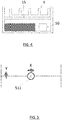
Figure 4 shows an embodiment of the growth monitoring module (50) and the coupling thereof to the sample wells (4) comprised in the culture module (2). In the embodiment illustrated inFig. 4 , the growth monitoring module (50) and culture module (2) are separated by a transparent base (15). -
Figure 5 shows a diagram of a motorized system (52) to allow the vision system (511) to be positioned by means of a Cartesian system with two motorized axes, X - Y. -
Figures 6A and 6B show a diagram of a motorized system (52) to allow the vision system (511) to be positioned by means of a Delta system with 3 motorized arms. -
Figure 7 shows a diagram of a motorized system (52) to allow the vision system (511) to be positioned by means of an articulated arm with at least two joints. -
Figure 8 shows a possible embodiment for the placement of visual codes (532, 533) that form part of visual guides (53) on a culture plate (104).Figure 8 shows a two-dimensional free identification code, such as QR (532), and two-dimensional markers (533), which allow the corners of the culture plate (104) and the features thereof to be defined. -
Figure 9 shows an embodiment of the invention wherein the growth monitoring module (50) comprises diffuse lighting means (54) located at the edges of the filter holder (55). - The present invention describes an organoid culture system and a method for sterilizing an organoid culture system.
- With reference to
Fig. 1 , in a particular embodiment, the present invention is a sterilizable organoid culture system comprising: - a culture module (2) comprising:
one or more sample wells (4); - an stirring module (8) comprising stirring means for each sample well (4);
- characterized in that:
the stirring module (8) comprises:- an air compressor system (80) comprising flow control means (81) configured to supply a pressurized air flow at a given pressure;
- a nozzle (82) for each sample well (4), configured to channel the pressurized air flow to each sample well (4);
- a pressure sensor (83) and a controller (84), the controller (84) being configured to act on the flow control means (81) by varying supply power of the flow control means (81) based on a pressure reading provided by the pressure sensor (83).
- The basis of the culture module (2) is the stirring of the culture by air bubbles, which also help to facilitate the gas exchange with the culture medium.
- In an embodiment of the invention, the controller (84) is configured so that the pressure reading provided by the pressure sensor (83) corresponds to the pressure transfer/time curve selected for each experiment.
- In an embodiment of the invention illustrated in
Fig. 2 , the stirring module (8) comprises:
a cover (5) comprising discharge means (51, 52) for discharging air from each sample well (4). The outlet of air from the sample wells (4) is carried out through perforations (51) made in the cover (5) over each of the sample wells (4), and it is led to the outside through an air chamber (52) built on the cover (5), to avoid contaminating the culture. - In an embodiment of the invention illustrated in
Fig. 1 , the stirring module (8) comprises an air filter (85) between each nozzle (82) and the air compressor system (80). According to an embodiment of the invention, the air filter (85) is a HEPA filter. - According to an embodiment of the invention, the air compressor system (80) collects the air from the incubator where the system of the invention is located and drives it towards the nozzles (82), previously passing through the filter (85), that avoids contaminating the culture medium.
- As illustrated in
Fig. 3 , during the growth of the organoid, the air nozzles (82) remain introduced in the culture medium. The air compressor system (80) generates a constant air flow, which produces bubbling in each of the sample wells (4). The system has a pressure sensor (83) that is used to regulate the speed of the flow control means (81), which can be a compressor, ensuring a constant air flow to the sample wells (4) through the air nozzles (82). - In an embodiment of the invention, the controller (84) is configured to detect a malfunction corresponding to a clogged nozzle (82), a dirty air filter (81), and both. The control system has an air pump control algorithm that, based on the compressor speed data and the pressure read in the chamber prior to the filter (85), allows clogged nozzles (82) or a dirty filter (85) to be detected.
- In an embodiment of the invention illustrated in
Fig. 1 , the sample wells (4) are arranged on support means (10). - The support means (10) allows for the comprehensive manipulation of all the samples wells (4) used for the organoid culture. Preferably, the system described in the present invention can be used in combination with a standard culture plate (104). In a standard culture plate (104), the support means (10) and the sample wells (4) form a single unit.
- Thus, in a preferred embodiment, standard culture plates can be used in the organoid culture system described in the present invention, such that the bioreactor is widely applicable and the use thereof will not require special devices for organoid culture, unlike other systems described in the state of the art. Furthermore, the use of standard culture plates allows for simultaneous multiple culture, thus allowing for cell culture under different physiochemical conditions on the same plate, in the same experiment.
- In an embodiment of the invention illustrated in
Fig. 1 , the system comprises: - an environmental sensorization module (43) comprising one or more sensors (41);
- wherein said one or more sensors (41) are configured to measure culture-related parameters selected from cell growth, CO2 concentration, O2 concentration, pH, temperature, humidity and volatile organic compounds.
- According to an embodiment of the invention, the one or more sensors (41) are configured to measure the culture-related parameters in real time.
- In addition, the system of the invention allows new sensors to be incorporated to record new information in real time that may be relevant.
- In an embodiment of the invention illustrated in
Fig. 1 , the system comprises:
a growth monitoring module (50) comprising:
a vision system based on individual images of each sample well (4). - The organoid growth is monitored in real time by means of a computer vision system, which obtains individual images of each sample well (4) and processes them to calculate the size thereof.
- In an embodiment of the invention illustrated in
Fig. 1 , the vision system comprises image capturing means (51) selected from means comprising a fixed focus lens, adjustable focus lens, light field technology and multi-camera technology. - With the fixed focus lens, the image capturing means (51) are adjusted to the resting plane of the organoids, in order to perform a growth estimation based on a 2D projection of the culture.
- With the adjustable focus lens, the image capturing means (51) allow several images of each sample well to be captured, corresponding to different planes of the culture, improving the growth estimation, since it allows for a 3D reconstruction of the organoid.
- With light field technology, the image capturing means (51) allow the growth to be seen in different planes without an adjustable lens, since light field technology allows the focal plane of the capture to be modified without the need for adjustable focus lenses.
- With multi-camera technology, the image capturing means (51) comprise several cameras that focus on the culture from different angles, allowing for the 3D reconstruction of the same.
- In an embodiment of the invention illustrated in
Fig. 1 , the growth monitoring module (50) comprises a motorized system (52) for positioning the vision system in each of the sample wells (4). The motorized system (52) is configured to allow the vision system (511) to be positioned three-dimensionally, in other words, at a point in space determined by three coordinates. - According to different embodiments of the invention, the motorized system (52) comprises a system selected from:
- a Cartesian system with two motorized axes, X - Y, as illustrated in
Fig. 5 , wherein:- the vision system (511) is installed on a sliding axis (X), which can be driven by means of a gear and motor mechanism;
- the sliding axis (X) is in turn installed on a perpendicular moving carriage (Y), driven by a mechanism, which can be gears and motor, independent of the X axis;
- a Delta system with 3 motorized arms wherein:
- the vision system (511) is installed on a support that is connected by three telescopic segments (521) to three carriages (522) configured to slide vertically on respective vertical axes (523), the vertical axes (523) being arranged on the vertices of an equilateral triangle, seen on a horizontal plane;
- the vision system is moved horizontally and vertically by a coordinated movement of the 3 carriages (522) along the vertical axes (523);
- an articulated arm with at least two joints (52A, 52B) wherein the vision system (511) is located at a free end of the arm that has at least two rotating joints (52A, 52B), the coordinated movement of which allow the vision system to be positioned. In an embodiment, the articulated arm has a first joint (52A) configured for positioning in a horizontal plane, and a second joint (52B) configured for positioning in a vertical plane.
- In addition, in accordance with an embodiment of the invention illustrated in
Fig. 1 , the motorized system (52) comprises calibrating means for calibrating the positioning of the vision system by means of visual guides (53) attached to a culture plate (104) selected from geometric shapes and visual codes. In an embodiment of the invention, the visual guides (53) are located at the corners of the culture plate (104), to allow a camera of the vision system to be automatically aligned, adapting to variations in location. Visual codes can be one-dimensional or two-dimensional. - According to an embodiment of the invention, the visual guides (53) are encoded and selected from two-dimensional codes and two-dimensional markers (fiducial markers).
- The two-dimensional codes, such as QR, allow any type of alphanumeric information to be stored, encoded as points forming a two-dimensional matrix.
- The two-dimensional markers (fiducial markers) are also made up of a two-dimensional matrix of points, but unlike two-dimensional codes, the information stored is predefined and usually corresponds to a sequence number for each unique code in a predetermined dictionary. For example, in the case of AprilTag codes, the 36H11 family allows for 518 different codes.
- The two-dimensional markers are often used as indices for automatic positioning or detection of predefined elements.
- In an embodiment of the invention, a combination of both types of codes is used:
- Two-dimensional codes, such as QR, for uniquely identifying the culture medium assigned to a specific experiment;
- Two-dimensional markers, for calibrating and adjusting the exact position of the culture medium on the vision system, as well as for encoding other specific data of the culture plate (104) (format, number of sample wells, etc.).
-
Figure 8 shows a possible embodiment for the placement of these codes on a culture plate (104). The different codes are placed on the corners of the culture plate (104), so that they do not obstruct the view of the cuvettes so as not to interfere with the visual identification of the growth of the culture. On the one hand, a two-dimensional free identification code, such as QR (532), is used to encode the culture support code and be able to associate it with a specific experiment. On the other hand, the two-dimensional markers (533) are placed, which allow the corners of the culture plate (104) and the features thereof to be defined. - In each particular embodiment, different types and combinations of codes can be used, placed in different positions on the culture plates (104).
- In addition, in accordance with an embodiment of the invention illustrated in
Fig. 9 , the growth monitoring module comprises diffuse lighting means (54). The diffuse lighting means (54) can be located at the edges of the filter holder (55). - In another embodiment of the invention illustrated in
Fig. 1 , the system comprises:
a control module (3) comprising: - aeration control means (31):
- comprising PID (proportional-integral-derivative) regulating means configured to maintain a given pressure in the air stirring module (8), the pressure being defined by a pressure transfer curve with respect to time, reading data from the pressure sensor (83) and acting on a speed of the flow control means (81), which can be a compressor;
- wherein the pressure regulating means comprise calculation means that allow problems in the air stirring system (8) to be detected, such as the detection of clogged ducts or a dirty filter;
- air quality control means (32):
- comprising the integration of electronic sensors for detecting gases, such as CO2 concentration, O2 concentration, volatile organic compounds, etc.;
- These sensors are connected to the control module (3) by standardized interfaces (analogue ports, 12C port, SPI port);
- organoid growth quantification means (33) configured to establish:
- growth of each of the organoids from the images obtained by the vision system, images that can be 2D images;
- different growth estimation algorithms, which can be adapted to different types of cultures by:
- growth estimation by quantification of the maximum two-dimensional contour of different focal planes;
- growth estimation by volumetric quantification on a 3D reconstruction of the organoid obtained from several 2D images captured in different focal planes;
- real-time data capturing means (34) configured for:
- periodically sampling a reading of the value detected by the sensors connected to obtain captured data;
- saving the captured data on a long-term storage device, such as a flash memory;
The sampling interval can be independently defined for each of the connected sensors; - sending means for sending captured data to information systems (35):
The captured data will be sent to the information systems through standard protocols, compatible with remote connection means. In case of using an ethernet or WiFi wireless network connection, data can be transmitted through standard TCP/IP protocols; - remote connection means (36).
- The control module (3) can be connected via wired or wireless connection. The following connection modes are supported, among others:
- Ethernet wired network
- WiFi wireless network (802.11)
- Bluetooth wireless connection
- Wired RS-232 serial connection
- Wired RS-485 serial connection
- Wired I2C serial connection
- Wired SPI serial connection
- The control module (3) according to the invention may further comprise a system that provides real-time information on the aforementioned physical parameters: cell growth, CO2 concentration, O2 concentration, pH and temperature.
- In an embodiment of the invention illustrated in
Fig. 4 , the culture module (2) and the growth monitoring module (50) are separated by a transparent base (15). - In another preferred embodiment, the number of sample wells (4) is an even number.
- In another preferred embodiment, the number of sample wells (4) is 6, 8, 12, 24, 48 or 96. Preferably, the number of sample wells corresponds to the number of sample wells of a standard culture plate (104).
- According to an embodiment of the invention, the system is adapted to be in an operating configuration and a stand-by configuration,
wherein in the operating configuration the stirring module (8) is coupled to the culture module (2) and the culture module (2) is coupled to the growth monitoring module (50);
and wherein in the stand-by configuration the culture module (2) is decoupled from the growth monitoring module (50) and from the stirring module (8), allowing the complete culture module (2) to be separated. - Another embodiment of the invention relates to a method for sterilizing an organoid culture system comprising:
- providing a system like the one defined above in a stand-by configuration, such that the stirring module (8) and the growth monitoring module (50) are decoupled from the culture module (2);
- removing the culture module (2);
- and subjecting the culture module (2) to sterilization.
- In an embodiment of the method of the invention, the sterilization to which the culture module (2) is subjected is autoclaving, treatment with hydrogen peroxide or treatment with ionizing radiation.
- In another embodiment of the invention illustrated in
Fig. 3 , a container (1) comprises the culture module (2) and the growth monitoring module (50). - The real-time measurement of the aforementioned parameters, such as cell growth, CO2 concentration, O2 concentration, pH and temperature, are very advantageous for determining the correct growth of the organoid under suitable conditions.
- With reference to
Fig. 4 , in a particular embodiment, the sample wells (4) are separated from the growth monitoring module (50) by a transparent base (15). This transparent base (15) allows the growth monitoring module (50) to be isolated in the event of a spill of culture medium and/or sample contained in the sample wells (4). In a preferred embodiment, the transparent base (15) is made of glass. - All the information collected from the control module (3) can be accessed at any time that the system is operating, but it can also be stored for subsequent analysis and/or quality control. The information can be stored locally, preferably on a memory card, and/or remotely, on the cloud using any standard network connection.
- The system also preferably includes an alarm protocol that constantly alerts in the event of a system failure or an unexpected alteration of the physical parameters measured by the control module (3).
- The culture module (2) is coupled/decoupled from the growth monitoring module (50) as shown in
Figs. 1 and3 . - The culture module (2) was sterilized as follows:
- 1. Autoclaved in a STERIVAP 669 - 1 ED (BMT) autoclave at 134 °C for 7 minutes.
- 2. 4 intensive drying phases of 3 minutes each.
- The organoids were developed from two tumor cell lines previously obtained from primary RbloxP/loxP HRasV12 (T653) and cRb-/- HRasV12 (T731) astrocytes in SCID mice. These cells were cultured in DMEM (Dulbecco's Modified Eagle's Medium) supplemented with 10 % fetal bovine serum (FBS) at 37°C and 5% COD.
- To establish the neurosphere culture derived from the primary tumor culture, the T653 and T731 cells were washed in phosphate-buffered saline (PBS) solution, trypsinized and recovered by centrifugation in PBS at 1000 rpm for 5 minutes. The cells were resuspended in the DMEM/F-12, GlutaMAX nutrient mix supplemented with 1X B-27 (50X) and 0.02 µg/ml EGF (Human Epidermal Growth Factor) and 0.02 µg/ml bFGF (basic fibroblast growth factor) growth factors. The cells were seeded in 60 mm plates and cultured at 37 °C and 5 % CO2.
- The cells were kept in a humidified incubator for 48 h, and after this time they were recovered by centrifugation at 1000 rpm for 5 min, resuspended in neural induction medium (DMEM/F-12 + GlutaMAX supplemented with 1 % N2 (100X), 1 % MEM-NEAA (MEM 100X non-essential amino acid solution) and 1 µg/ml heparin, seeded in 60 mm plates and kept in this culture medium for 48 hours at 37 °C and 5 % CO2.
- After this, the cells were cultured in Matrigel in 60 mm plates and in the presence of a differentiation culture medium. The composition of this medium was 50 % DMEM/F-12 + GlutaMAX and 50 % neurobasal medium (1X), supplemented with 0.5 % N2, 0.025 % Insulin, 0.5 % MEM-NEAA and 1 % penicillin-streptomycin, 0.035 % of 2- Mercaptoethanol (1: 1000 dilution) in DMEM/F-12 + GlutaMAX and 1 % B27 without vitamin A. The neurospheres were kept in Matrigel for 72 h before being transferred to the bioreactor.
- The neurospheres were kept in the bioreactor in the presence of a differentiation medium supplemented with B27 with vitamin A (Lancaster MA et al., 2014). The medium was changed every 72 h.
Claims (21)
- A sterilizable organoid culture system comprising:a culture module (2) comprising:
one or more sample wells (4);an stirring module (8) comprising stirring means for each sample well (4);characterized in that:
the stirring module (8) comprises:an air compressor system comprising flow control means (81) configured to supply a pressurized air flow at a given pressure;a nozzle (82) for each sample well (4), configured to channel the pressurized air flow to each sample well (4);a pressure sensor (83) and a controller (84), the controller (84) being configured to act on the flow control means (81) by varying a supply power of the flow control means (81) based on a pressure reading provided by the pressure sensor (83). - A system according to claim 1, wherein the controller (84) is configured so that the pressure reading provided by the pressure sensor (83) corresponds to the pressure transfer/time curve selected for each experiment.
- A system according to any of claims 1-2, wherein the stirring module (8) comprises:
a cover (5) comprising discharge means (51, 52) for discharging air from each sample well (4). - A system according to any of claims 1-3, wherein the stirring module (8) comprises:
an air filter (81) between each nozzle (82) and the air compressor system. - A system according to claim 4, wherein the air filter (81) is a HEPA filter.
- A system according to any of claims 4-5, wherein the controller (84) is configured to detect a malfunction corresponding to a clogged nozzle (82), a dirty air filter (81), and both.
- A system according to any of the preceding claims, wherein the sample wells (4) are arranged on support means (10).
- A system according to any of the preceding claims, wherein the system comprises:an environmental sensorization module (43) comprising one or more sensors (41);wherein said one or more sensors (41) are configured to measure culture-related parameters selected from cell growth, CO2 concentration, O2 concentration, pH, temperature, humidity, and volatile organic compounds.
- A system according to claim 8, wherein the one or more sensors (41) are configured to measure the culture-related parameters in real time.
- A system according to any of claims 1-9, wherein the system comprises:
a growth monitoring module (50) comprising:
a vision system (511) based on individual images of each sample well (4). - A system according to claim 10, wherein the vision system (511) comprises image capturing means (51) selected from means comprising a fixed focus lens, adjustable focus lens, light field technology, and multi-camera technology.
- A system according to any of claims 10-11, wherein the growth monitoring module (50) comprises a motorized system (52) for positioning the vision system (511) in each of the sample wells (4).
- A system according to claim 12, wherein the motorized system (52) comprises a system selected from:a Cartesian system with two motorized axes, X - Y, wherein:the vision system (511) is installed on a sliding axis (X);
the sliding axis (X) is in turn installed on a perpendicular moving carriage (Y), driven by a mechanism independent of the X axis;a Delta system with 3 motorized arms wherein:the vision system (511) is installed on a support that is connected by three telescopic segments (521) to three carriages (522) configured to slide vertically on respective vertical axes (523), the vertical axes (523) being arranged on the vertices of an equilateral triangle seen on a horizontal plane;the vision system is moved horizontally and vertically by a coordinated movement of the 3 carriages (522) along the vertical axes (523);an articulated arm with at least two joints (52A, 52B) wherein the vision system (511) is located at a free end of the arm that has at least two rotating joints (52A, 52B), the coordinated movement of which allows the vision system to be positioned. - A system according to any of claims 12-13, wherein the motorized system (52) comprises calibrating means for calibrating the positioning of the vision system by means of visual guides (53) attached to a culture plate (104) selected from geometric shapes and visual codes.
- A system according to claim 14, wherein the visual guides (53) are encoded and selected from two-dimensional codes and two-dimensional markers (fiducial markers).
- A system according to any of claims 1-15, wherein the growth monitoring module comprises diffuse lighting means (54).
- A system according to any of claims 10-16, wherein the system comprises:
a control module (3) comprising:aeration control means (31):comprising PID (proportional-integral-derivative) pressure regulating means configured to maintain a given pressure in the air stirring module (8), the pressure being defined by a pressure transfer curve with respect to time, reading data from the pressure sensor (83) and acting on a speed of the flow control means (81);wherein the pressure regulating means comprise calculation means that allow problems in the air stirring module (8) to be detected;air quality control means (32):comprising the integration of electronic sensors for detecting gases, the sensors being connected to the control module (3) by standardized interfaces;organoid growth quantification means (33) configured to establish:growth of each of the organoids from images obtained by the vision system;different growth estimation algorithms, which can be adapted to different types of cultures by:- growth estimation by quantification of the maximum two-dimensional contour of different focal planes;- growth estimation by volumetric quantification on a 3D reconstruction of the organoid obtained from several 2D images captured in different focal planes;real-time data capturing means (34) configured for:periodically sampling a reading of the value detected by the sensors connected to obtain captured data;saving the captured data on a long-term storage device;sending means for sending captured data to information systems (35) through standard protocols, compatible with remote connection means (36);remote connection means (36) selected from wired and wireless connection, wherein the remote connection means (36) support at least one of the connection modes selected from ethernet wired network, WiFi wireless network (802.11), Bluetooth wireless connection, wired RS-232 serial connection, wired RS-485 serial connection, wired 12C serial connection, wired SPI serial connection, and combinations thereof. - The system according to any of claims 10-17, wherein the culture module (2) and the growth monitoring module (50) are separated by a transparent base (15).
- The system according to any of the preceding claims, wherein the system is adapted to be in an operating configuration and a stand-by configuration,
wherein in the operating configuration the stirring module (8) is coupled to the culture module (2) and the culture module (2) is coupled to the growth monitoring module (50);
and wherein in the stand-by configuration the culture module (2) is decoupled from the growth monitoring module (50) and from the stirring module (8), allowing the complete culture module (2) to be separated. - A method for sterilizing an organoid culture system comprising:providing a system like the one defined in claim 20 in a stand-by configuration, such that the stirring module (8) and the growth monitoring module (50) are decoupled from the culture module (2);removing the culture module (2);and subjecting the culture module (2) to sterilization.
- The method according to claim 20, wherein the sterilization to which the culture module (2) is subjected is autoclaving, treatment with hydrogen peroxide or treatment with ionizing radiation.
Applications Claiming Priority (2)
| Application Number | Priority Date | Filing Date | Title |
|---|---|---|---|
| ES201830866A ES2746033A1 (en) | 2018-09-04 | 2018-09-04 | Organoid culture system |
| PCT/ES2019/070589 WO2020049206A1 (en) | 2018-09-04 | 2019-09-04 | Organoid culture system and method for sterilising an organoid culture system |
Publications (2)
| Publication Number | Publication Date |
|---|---|
| EP3848449A1 true EP3848449A1 (en) | 2021-07-14 |
| EP3848449A4 EP3848449A4 (en) | 2022-06-15 |
Family
ID=69647291
Family Applications (1)
| Application Number | Title | Priority Date | Filing Date |
|---|---|---|---|
| EP19857333.9A Pending EP3848449A4 (en) | 2018-09-04 | 2019-09-04 | ORGANOID CULTURE SYSTEM AND METHOD OF STERILIZING AN ORGANOID CULTURE SYSTEM |
Country Status (4)
| Country | Link |
|---|---|
| US (1) | US20210222108A1 (en) |
| EP (1) | EP3848449A4 (en) |
| ES (1) | ES2746033A1 (en) |
| WO (1) | WO2020049206A1 (en) |
Families Citing this family (1)
| Publication number | Priority date | Publication date | Assignee | Title |
|---|---|---|---|---|
| TWI834527B (en) * | 2023-02-02 | 2024-03-01 | 新原生細胞製備股份有限公司 | Three-dimensional culture device and biological culture instrument |
Family Cites Families (19)
| Publication number | Priority date | Publication date | Assignee | Title |
|---|---|---|---|---|
| RU1405296C (en) * | 1986-03-20 | 1995-07-09 | Бондаренко Алексей Фомич | Apparatus for suspension growing of cell cultures |
| US5061448A (en) * | 1988-04-29 | 1991-10-29 | Barnstead Thermolyne Corporation | Incubator |
| US6096532A (en) * | 1995-06-07 | 2000-08-01 | Aastrom Biosciences, Inc. | Processor apparatus for use in a system for maintaining and growing biological cells |
| CA2372488C (en) * | 1999-05-06 | 2009-01-27 | Universite Laval | Scalable bioreactor culture process and system for the maturation of conifer somatic embryos |
| US7008788B2 (en) * | 2001-07-30 | 2006-03-07 | Agilent Technologies, Inc. | Containers for supports comprising biopolymers |
| DE10304855A1 (en) * | 2003-02-06 | 2004-08-26 | Hte Ag The High Throughput Experimentation Company | Device and method for the simultaneous agitation of reaction mixtures |
| CA2550745A1 (en) * | 2003-11-18 | 2005-06-02 | Nestec S.A. | Cell culture system |
| JP2006075088A (en) * | 2004-09-09 | 2006-03-23 | Nippon Ika Kikai Seisakusho:Kk | Culturing or growing unit |
| GB2450337B (en) * | 2007-06-19 | 2009-06-17 | Cellexus Biosystems Plc | Cell culture and mixing vessel |
| JP5317672B2 (en) * | 2008-12-19 | 2013-10-16 | 三洋電機株式会社 | Observation unit |
| WO2010086465A1 (en) * | 2009-01-30 | 2010-08-05 | Emilio Mateu Sentamans | Method and modular equipment for the processing and storage of cell cultures |
| EP3287517B1 (en) * | 2009-07-01 | 2020-09-02 | The Automation Partnership (Cambridge) Limited | Bioreactor systems and associated methods of processing bioreactor vessels |
| WO2011103359A2 (en) * | 2010-02-17 | 2011-08-25 | Inq Biosciences Corporation | Culture systems, apparatus, and related methods and articles |
| FR2971255B1 (en) | 2011-02-04 | 2015-03-27 | Centre Nat Rech Scient | BIOREACTOR FOR CELL CULTURE ON THREE DIMENSIONAL SUBSTRATE |
| US9249387B2 (en) * | 2013-01-29 | 2016-02-02 | The Charles Stark Draper Laboratory, Inc. | Modular platform for multi-tissue integrated cell culture |
| JP5920375B2 (en) * | 2013-09-11 | 2016-05-18 | 大日本印刷株式会社 | Cell culture vessel |
| AR097782A1 (en) * | 2013-09-30 | 2016-04-13 | Weyerhaeuser Nr Co | GAS CONTROL IN AUTOMATED BIORREACTOR SYSTEM |
| US10683476B2 (en) | 2014-05-29 | 2020-06-16 | Icahn School Of Medicine At Mount Sinai | Method and apparatus to prepare cardiac organoids in a bioreactor system |
| US10597623B2 (en) * | 2015-11-13 | 2020-03-24 | The Johns Hopkins University | Multiwell cell culture system having rotating shafts for mixing culture media and method of use thereof |
-
2018
- 2018-09-04 ES ES201830866A patent/ES2746033A1/en not_active Withdrawn
-
2019
- 2019-09-04 WO PCT/ES2019/070589 patent/WO2020049206A1/en not_active Ceased
- 2019-09-04 US US17/273,248 patent/US20210222108A1/en not_active Abandoned
- 2019-09-04 EP EP19857333.9A patent/EP3848449A4/en active Pending
Also Published As
| Publication number | Publication date |
|---|---|
| ES2746033A1 (en) | 2020-03-04 |
| US20210222108A1 (en) | 2021-07-22 |
| WO2020049206A1 (en) | 2020-03-12 |
| EP3848449A4 (en) | 2022-06-15 |
Similar Documents
| Publication | Publication Date | Title |
|---|---|---|
| US11879120B2 (en) | Cell maintainer for autologous cell therapy production | |
| US12297411B2 (en) | Automated cell culture incubators comprising selectively permeable cell culture vessel storage compartments | |
| US12036549B2 (en) | System for the production of cells and/or cell products | |
| US9550970B2 (en) | Culture systems, apparatus, and related methods and articles | |
| US11891597B2 (en) | Device and method for automatic processing of culture plates for microbiological samples | |
| KR102714539B1 (en) | Production system and method for biomolecules such as virus vaccines | |
| US20240409873A1 (en) | Cell culture incubators with integrated imaging systems | |
| CN102174395B (en) | Automation augmentation and culture system of induced pluripotent stem cells | |
| US20150072401A1 (en) | Culture vessel and automated culture apparatus | |
| US20200182774A1 (en) | Systems and methods for cell dissociation | |
| KR20080072022A (en) | Cell culture apparatus, cell culture method, cell culture program, and cell culture system | |
| US20210222108A1 (en) | Organoid culture system and method for sterilising an organoid culture system | |
| KR20230037659A (en) | Bioreactor-Based Process Systems for Clean Meat Production | |
| EP4722334A1 (en) | Automatic culture device and automatic culture system | |
| CN208346188U (en) | It is able to achieve energy ground-wire monitoring and the cell culture system remotely monitored in real time | |
| KR20220125519A (en) | Animal cell culture and analysis system | |
| US20240399364A1 (en) | System for the production of cells and/or cell products | |
| US20230024281A1 (en) | Bioreactor, end plate for a bioreactor and data communication unit for an end plate |
Legal Events
| Date | Code | Title | Description |
|---|---|---|---|
| STAA | Information on the status of an ep patent application or granted ep patent |
Free format text: STATUS: THE INTERNATIONAL PUBLICATION HAS BEEN MADE |
|
| PUAI | Public reference made under article 153(3) epc to a published international application that has entered the european phase |
Free format text: ORIGINAL CODE: 0009012 |
|
| STAA | Information on the status of an ep patent application or granted ep patent |
Free format text: STATUS: REQUEST FOR EXAMINATION WAS MADE |
|
| 17P | Request for examination filed |
Effective date: 20210401 |
|
| AK | Designated contracting states |
Kind code of ref document: A1 Designated state(s): AL AT BE BG CH CY CZ DE DK EE ES FI FR GB GR HR HU IE IS IT LI LT LU LV MC MK MT NL NO PL PT RO RS SE SI SK SM TR |
|
| DAV | Request for validation of the european patent (deleted) | ||
| DAX | Request for extension of the european patent (deleted) | ||
| A4 | Supplementary search report drawn up and despatched |
Effective date: 20220512 |
|
| RIC1 | Information provided on ipc code assigned before grant |
Ipc: B01F 33/81 20220101ALI20220506BHEP Ipc: B01F 33/40 20220101ALI20220506BHEP Ipc: C12M 3/00 20060101AFI20220506BHEP |
|
| STAA | Information on the status of an ep patent application or granted ep patent |
Free format text: STATUS: EXAMINATION IS IN PROGRESS |
|
| 17Q | First examination report despatched |
Effective date: 20231102 |