EP3847053B1 - Light weight metal back with extra living space - Google Patents
Light weight metal back with extra living space Download PDFInfo
- Publication number
- EP3847053B1 EP3847053B1 EP18778703.1A EP18778703A EP3847053B1 EP 3847053 B1 EP3847053 B1 EP 3847053B1 EP 18778703 A EP18778703 A EP 18778703A EP 3847053 B1 EP3847053 B1 EP 3847053B1
- Authority
- EP
- European Patent Office
- Prior art keywords
- frame
- seat
- seat back
- upper portion
- passenger
- Prior art date
- Legal status (The legal status is an assumption and is not a legal conclusion. Google has not performed a legal analysis and makes no representation as to the accuracy of the status listed.)
- Active
Links
Images


Classifications
-
- B—PERFORMING OPERATIONS; TRANSPORTING
- B60—VEHICLES IN GENERAL
- B60N—SEATS SPECIALLY ADAPTED FOR VEHICLES; VEHICLE PASSENGER ACCOMMODATION NOT OTHERWISE PROVIDED FOR
- B60N2/00—Seats specially adapted for vehicles; Arrangement or mounting of seats in vehicles
- B60N2/68—Seat frames
- B60N2/686—Panel like structures
-
- B—PERFORMING OPERATIONS; TRANSPORTING
- B60—VEHICLES IN GENERAL
- B60N—SEATS SPECIALLY ADAPTED FOR VEHICLES; VEHICLE PASSENGER ACCOMMODATION NOT OTHERWISE PROVIDED FOR
- B60N2/00—Seats specially adapted for vehicles; Arrangement or mounting of seats in vehicles
- B60N2/68—Seat frames
-
- B—PERFORMING OPERATIONS; TRANSPORTING
- B60—VEHICLES IN GENERAL
- B60N—SEATS SPECIALLY ADAPTED FOR VEHICLES; VEHICLE PASSENGER ACCOMMODATION NOT OTHERWISE PROVIDED FOR
- B60N2/00—Seats specially adapted for vehicles; Arrangement or mounting of seats in vehicles
- B60N2/68—Seat frames
- B60N2/682—Joining means
Definitions
- the field of the invention relates to passenger seats, and, more particularly, to passenger seats with extra living space.
- Passenger vehicles such as aircraft, buses, trains, ships, and automobiles, include passenger seats for passengers to sit in and utilize during travel.
- Each passenger seat has a living space, or an area that a passenger can utilize while seated within the passenger seat.
- the living space of a particular passenger seat is at least partially defined by a seat back of a forward passenger seat.
- Most seat backs are metal, and while the constant cross section of the seat back are necessary to provide stiffness and strength, it also limits the passenger living space. In view of the limitations of existing seat backs, there is a need for a passenger seat that provides improved living space.
- WO2010088384 describes a seat structure installed in a seat assembly.
- the seat structure comprises plurality of tube members forming a substantially closed structure.
- the seat back frame includes a pair of side supports each including a cross member which nestingly interfit with one another.
- WO2010088384 describes a seat structure installed in a seat assembly.
- the seat structure comprises plurality of tube members forming a substantially closed structure.
- the seat back frame includes a pair of side supports each including a cross member which nestingly interfit with one another.
- Document EP2789499 describes a vehicle seat comprising a load-bearing structure and a first and a second shaped panel carried by the load-bearing structure and forming the seat base and the backrest of the seat, respectively.
- the composite seat back cover includes at least one composite layer, that includes a layer of reinforcing fibers and a thermoplastic layer surrounding the reinforcing fibers.
- Document DE 102016208467 describes a vehicle seat comprising a seat frame made of metal and a reinforcement member locally fixed to a portion where stress concentration occurs in the seat frame.
- WO0192051 describes a seating system including a seat back assembly that is fabricated to include a seat back with first and second wall portions, and which may include an integrated reinforcement structure.
- Document EP3144179 describes an object providing a seat structure having high strength.
- a reinforcing structure in a substantially rectangular frame shape is set in an area where cushion-part side frames and back-part side frames are coupled to each other via reclining mechanism parts.
- Document EP2789499 describes a vehicle seat comprising a load-bearing structure and a first and a second shaped panel carried by the load-bearing structure and forming the seat base and the backrest of the seat, respectively.
- the composite seat back cover includes at least one composite layer, that includes a layer of reinforcing fibers and a thermoplastic layer surrounding the reinforcing fibers.
- Document DE102016208467 describes a vehicle seat comprising a seat frame made of metal and a reinforcement member locally fixed to a portion where stress concentration occurs in the seat frame.
- WO0192051 describes a seating system including a seat back assembly that is fabricated to include a seat back with first and second wall portions, and which may include an integrated reinforcement structure.
- Document EP3144179 describes an object providing a seat structure having high strength.
- a reinforcing structure in a substantially rectangular frame shape is set in an area where cushion-part side frames and back-part side frames are coupled to each other via reclining mechanism parts.
- Document WO2018009201 describes a composite component including a fill material sandwiched between a first shell and a second shell.
- the first shell can include a cavity for receiving the fill material.
- the second shell can include a recessed portion extending into the cavity. The recessed portion can be configured to receive a separate component of a passenger seat.
- a seat back for a passenger seat includes the features of claim 1.
- the frame is tubular and defines a central cavity.
- the frame supports a back sheet, and the back sheet defines a housing area in an aft side of the seat back.
- the upper portion of the frame extends vertically at a non-zero angle relative to the lower portion of the frame.
- the seat back further includes a reinforcing member reinforcing at least a portion of the upper portion of the frame.
- the reinforcing member includes at least one of a doubler and a stiffener joined to the upper portion of the frame.
- the frame includes a metal material.
- a passenger seat includes a seat back having a tubular frame.
- the tubular frame includes a forward side, an aft side, an upper portion, and a lower portion.
- a distance from the forward side to the aft side is a thickness of the tubular frame, and the thickness of the upper portion of the tubular frame is less than the thickness of the lower portion of the tubular frame.
- the passenger seat further includes a seat base, and the seat back is joined to the seat base.
- the passenger seat further includes a reinforcing member joined to at least a portion of the upper portion of the tubular frame, and the reinforcing member includes at least one of a doubler and a stiffener.
- the reinforcing member defines a mounting location for a shroud mount or a video mount.
- the reinforcing member is joined to the portion of the upper portion of the tubular frame through at least one of a mechanical fastener, welding, and an adhesive.
- the upper portion of the tubular frame extends vertically at a non-zero angle relative to the lower portion of the tubular frame such that the upper portion of the tubular frame extends forward relative to the lower portion of the tubular frame.
- the tubular frame supports a back sheet, and the sheet defines a housing area in an aft side of the seat back.
- the tubular frame includes a metal material.
- a seat back for a passenger seat includes a seat back frame, and the seat back frame includes a lower portion and an upper portion.
- the lower portion is adapted to pivotally join with a seat base and includes a lower portion thickness.
- the upper portion extends at a non-zero angle relative to the lower portion and includes an upper portion thickness that is less than the lower portion thickness.
- the seat back further includes a reinforcing member joined to at least a portion of the upper portion of the seat back frame.
- the reinforcing member includes at least one of a doubler and a stiffener.
- the seat back frame is a tubular frame and defines a central cavity
- the seat back further includes a back sheet supported by the seat back frame
- the seat back frame and the back sheet define a housing area in an aft side of the seat back.
- the seat back frame includes a metal material.
- the upper portion of the seat back frame extends forward relative to the lower portion of the seat back frame.
- a passenger seat includes a seat back having a hollow frame.
- the hollow frame includes a forward side, an aft side, and a central cavity defined within the hollow frame.
- a distance from the forward side to the aft side is a thickness of the hollow frame.
- at least a portion of the aft side of the hollow frame defines an aperture providing access to the central cavity.
- the passenger seat further includes a seat base, and the seat back is joined to the seat base.
- the thickness of the hollow frame is from about 2.0 mm to about 25.0 mm.
- the passenger seat further includes a reinforcing member, and the reinforcing member is positionable in the aperture and is joined to the hollow frame.
- the hollow frame further includes an upper portion and a lower portion, the upper portion defines a top end of the seat back, and the thickness of the upper portion of the hollow frame is less than the thickness of the lower portion of the hollow frame.
- the upper portion defines the aperture providing access to the central cavity.
- the entire aft side of the hollow frame defines the aperture providing access to the central cavity.
- the described embodiments of the invention provide seat backs for passenger seats with increased living space. While the seat backs are discussed for use with aircraft seats, they are by no means so limited. Rather, embodiments of the seat backs may be used in passenger seats or other seats of any type or otherwise as desired.
- a passenger seat assembly 100 includes at least one seat base 102 and at least one seat back 104.
- the number of seat bases 102 and/or seat backs 104 should not be considered limiting on the current disclosure.
- the number of seat backs 104 correspond with the number of passengers that the passenger seat is capable of carrying.
- the passenger seat assembly 100 is capable of carrying one passenger, and accordingly has one seat back 104.
- the passenger seat assembly 100 may be capable of carrying any desired number of passengers, such as one passenger, two passengers, three passengers, four passengers, or any other desired number of passengers.
- the passenger seat assembly 100 can likewise have any desired number of corresponding seat backs 104.
- the seat base 102 of the passenger seat assembly 100 generally includes a support frame 106 and a leg assembly 108.
- the seat base 102 further includes at least one base frame tube 110, at least one seat pan 112, a tray table 116, and/or at least one armrest 114.
- the tray table 116 and/or armrest 114 may be pivotably connected to the passenger seat assembly 100.
- various cushioning and/or covering material may be provided to cover the various portions of the seat base 102 and/or the seat back 104.
- the seat back 104 is connected to the seat base 102, and is often pivotable relative to the seat base 102 such that the seat back 104 can be positioned in various positions such as a taxi-takeoff-landing (TTL) position, a reclined position, etc.
- the seat back 104 includes a frame 118 and a back sheet 138.
- the frame 118 includes a forward side 120, an aft side 122, an upper portion 124, and a lower portion 126.
- the frame 118 and/or back sheet 138 may be constructed from various suitable materials including, but not limited to aluminum, stainless steel, other metallic materials, composite materials, and/or other suitable materials.
- the frame 118 supports the back sheet 138.
- the back sheet 138 is supported at the forward side 120 of the frame 118, although it need not be.
- the back sheet 138 is joined to the frame 118 through various suitable mechanisms including, but not limited to, welding, adhesives, mechanical fasteners, and/or various other suitable mechanisms or combination of mechanisms.
- the back sheet 138 may be attached to both the forward side 120 and the lower portion 126.
- the back sheet 138 may only be attached to the forward side 120, the lower portion 126, and/or various other locations or combinations of locations on the frame 118 as desired.
- a passenger may rest his or her back against the back sheet 138.
- the back sheet 138 is joined to the frame 118 such that a housing area 140 is defined in the aft side of the seat back 104.
- the housing area 140 includes a housing area surface that is recessed within the seat back 104 relative to the aft side 122 of the frame 118.
- the housing area 140 is used to house and/or support various other components that are included with the passenger seat assembly 100, including an In-Flight Entertainment (IFE) system, a literature or storage pocket, and/or various other components as desired.
- IFE In-Flight Entertainment
- the tray table 116 may optionally be at least partially positioned within the housing area 140 when the tray table 116 is stowed.
- the frame 118 is tubular or hollow, meaning that the frame 118 defines a central cavity 132.
- the frame 118 may be a continuous or single component.
- the frame 118 may include one or more frame segments that are joined together through various suitable techniques to form the frame 118.
- a plurality of hollow frame segments may be cut and joined together by sliding into each other to form the overall frame 118.
- Various other configurations or joining techniques may be used to form the frame 118.
- the upper portion 124 defines a top end 128 of the seat back 104, and, in some aspects, the lower portion 126 connects the seat back 104 with the seat base 102. As best illustrated in Figure 2 , in some optional examples, the upper portion 124 may be at a non-zero angle 130 relative to the lower portion 126. In such examples, the upper portion 124 may extend forward relative to the lower portion 126. However, in other examples, the upper portion 124 may not be angled relative to the lower portion 126 (e.g., the upper portion 124 may be coplanar with the lower portion 126).
- a thickness 134 of the frame 118 is a distance from the forward side 120 to the aft side 122. In various examples, at least a portion of the frame 118 has a reduced thickness 134A, which is a thickness of from about 0.0 mm to about 25.4 mm.
- the reduced thickness may be about 0.0 mm, about 1.0 mm, about 2.0 mm, about 3.0 mm, about 4.0 mm, about 5.0 mm, about 6.0 mm, about 7.0 mm, about 8.0 mm, about 9.0 mm, about 10.0 mm, about 11.0 mm, about 12.0 mm, about 13.0 mm, about 14.0 mm, about 15.0 mm, about 16.0 mm, about 17.0 mm, about 18.0 mm, about 19.0 mm, about 20.0 mm, about 21.0 mm, about 22.0 mm, about 23.0 mm, about 24.0 mm, about 25.0 mm, and/or about 25.4 mm.
- the back sheet 138 may be used as reinforcement and/or connection between components. It will be appreciated that in other examples, the reduced thickness of the frame may be greater than about 25.4 mm. For example, in other non-limiting cases, the reduced thickness may be up to about 70.0 mm.
- the entire frame 118 has the reduced thickness 134A. In other examples, less than the entire frame 118 has the reduced thickness.
- the upper portion 124 has the reduced thickness 134A and the lower portion 126 has an unreduced thickness 134B, which is greater than the reduced thickness 134B.
- the lower portion 126 has the reduced thickness 134A and the upper portion 124 has the unreduced thickness 134B
- a sub-portion of the lower portion 126 has the unreduced thickness 134B and the remainder of the frame 118 has the reduced thickness 134A
- various other portions, sub-portions, or combinations of the frame 118 may have the reduced thickness 134A and/or unreduced thickness 134B.
- the reduced thickness 134A may increase the living space of an aft passenger seat assembly 100.
- the frame 118 is initially formed with at least a portion of the frame having the reduced thickness 134A prior to shaping and forming into the shape for the seat back 104.
- the thickness of the frame 118 is reduced such that at least a portion of the frame 118 has the reduced thickness 134A after the frame 118 is shaped and formed into the shape for the seat back 104.
- at least a portion of the frame 118 may be machined to reduce the thickness to the reduced thickness 134A, although various other techniques or combination of techniques may be utilized in other examples.
- other techniques or processes may include cutting techniques such as water jet cutting, machining or tubular forming techniques such as hydro-forming, and/or various other suitable processes or techniques.
- At least one opening 136 is defined in the aft side 122 of the frame 118.
- the at least one opening 136 provides access to the central cavity 132 of the frame 118 from the aft side 122.
- the portions of the frame with the reduced thickness 134A define the opening 136.
- the upper portion 124 may define the opening 136 in the aft side 122.
- the entire aft side 122 of the frame may define the opening 136 providing access to the central cavity 132.
- the entire portion of the frame 118 with the reduced thickness 134A need not define the opening 136.
- portions of the frame with the unreduced thickness 134B may also define the opening 136.
- one or more reinforcing members 144 may be selectively joined to the frame 118 in the opening 136 to provide selective reinforcement and strengthening of the frame 118.
- the reinforcing members 144 may be at least partially positioned within the opening 136, and may be joined to the frame 118 through various suitable mechanisms including, but not limited to, welding, adhesives, mechanical fasteners, and/or various other suitable mechanisms or combination of mechanisms.
- the reinforcing members 144 are joined to the frame 118 after the frame 118 has been shaped into the shape for the seat back 104.
- the reinforcing members 144 may be provided to strengthen particular portions of the frame 118. As some non-limiting examples, the reinforcing members may be provided at bends in the frame 118, attachment locations where the frame 118 is joined with other components, etc.
- the reinforcing members 144 may be various suitable components for providing improved structural integrity, including, but not limited to, torque tubes, doublers, inserts, stiffeners, reinforcing bars, and/or various other suitable components.
- the reinforcing members 144 include two inserts 148 and a stiffener 150. According to the invention, the reinforcing members 144 define attachment or connection points for various other components including IFE equipment, a shroud mount, a video mount, the tray table 116, etc.
- Figures 8 and 9 illustrate an example of a passenger seat assembly 800 with a seat back 804 that is substantially similar to the passenger seat assembly 100 with the seat back 104 except that the entire frame 118 of the seat back 804 has the reduced thickness 134A, and the entire aft side 122 of the frame 118 defines the opening 136.
- the passenger seat assembly 100 or 800 has a seat back 104 that is both lightweight and improves the living space of an aft passenger seat assembly.
- the seat back 104 is lightweight because the frame 118 includes the central cavity 132, and at least a portion of the frame 118 has the reduced thickness 134A. Because the frame 118 has the central cavity and the reduced thickness 134A, less material is included with the seat back 104.
- the reinforcing members 144 may be provided at selective locations on the frame 118 that may need additional strengthening while other portions of the frame 118 can remain lightweight (e.g., because the reinforcing members 144 are not attached at those locations)
- the seat back 104 also improves the living space of the aft passenger seat assembly because at least the portion of the frame 118 has the reduced thickness.
- the space occupied by the material that is removed from the frame 118 is gained by the living space due to the reduced thickness 134A.
- the upper portion 124 of the frame initially has a thickness of about 30.0 mm, and the thickness is reduced to a reduced thickness of about 2.0 mm, the material removed or omitted from the frame 118 to produce the reduced thickness (in this example, about 28.0 mm) is gained as additional living space for the passenger in an aft passenger seat assembly.
- the seat back 104 provides more living space for the passenger in the aft passenger seat to utilize.
- the seat back 104 also provides weight reduction to the overall seat, as less material is used to form the seat back 104. Such weight reduction may provide cost savings, as well as allow the weight to be utilized for other components of the seat and/or within the passenger vehicle.
- Different arrangements of the components depicted in the drawings or described above, as well as components and steps not shown or described are possible. Similarly, some features and subcombinations are useful and may be employed without reference to other features and subcombinations.
- Embodiments of the invention have been described for illustrative and not restrictive purposes, and alternative embodiments will become apparent to readers of this patent. Accordingly, the present invention is not limited to the embodiments described above or depicted in the drawings, and various embodiments and modifications may be made without departing from the scope of the claims below.
Landscapes
- Engineering & Computer Science (AREA)
- Aviation & Aerospace Engineering (AREA)
- Transportation (AREA)
- Mechanical Engineering (AREA)
- Chair Legs, Seat Parts, And Backrests (AREA)
- Seats For Vehicles (AREA)
Description
- The field of the invention relates to passenger seats, and, more particularly, to passenger seats with extra living space.
- Passenger vehicles, such as aircraft, buses, trains, ships, and automobiles, include passenger seats for passengers to sit in and utilize during travel. Each passenger seat has a living space, or an area that a passenger can utilize while seated within the passenger seat. The living space of a particular passenger seat is at least partially defined by a seat back of a forward passenger seat. Most seat backs are metal, and while the constant cross section of the seat back are necessary to provide stiffness and strength, it also limits the passenger living space. In view of the limitations of existing seat backs, there is a need for a passenger seat that provides improved living space.
- Document
WO2009149177 describes a frame for a vehicle seat assembly including a tubular member having a plurality of tubular segments coupled together. - Document
WO2010088384 describes a seat structure installed in a seat assembly. The seat structure comprises plurality of tube members forming a substantially closed structure. - Document
US5749135 describes a method for producing a U-shaped seat back frame from a single extruded blank. - Document
US5671976 describes a modular automotive seat frame enabling a variety of seat frames to be fabricated of modular components. The seat back frame includes a pair of side supports each including a cross member which nestingly interfit with one another. - Document
WO2009149177 describes a frame for a vehicle seat assembly including a tubular member having a plurality of tubular segments coupled together. - Document
WO2010088384 describes a seat structure installed in a seat assembly. The seat structure comprises plurality of tube members forming a substantially closed structure. - Document
US5749135 describes a method for producing a U shaped seat back frame from a single extruded blank. - Document
US5671976 describes a modular automotive seat frame enabling a variety of seat frames to be fabricated of modular components. The seat back frame includes a pair of side supports each including a cross member which nestingly interfit with one another. - Document
EP2789499 describes a vehicle seat comprising a load-bearing structure and a first and a second shaped panel carried by the load-bearing structure and forming the seat base and the backrest of the seat, respectively. - Document
US2015314501 describes a seat back assembly including a composite seat back cover. The composite seat back cover includes at least one composite layer, that includes a layer of reinforcing fibers and a thermoplastic layer surrounding the reinforcing fibers. - Document
DE 102016208467 describes a vehicle seat comprising a seat frame made of metal and a reinforcement member locally fixed to a portion where stress concentration occurs in the seat frame. - Document
WO0192051 - Document
US5165756 describes a seat back frame which includes a tube member bent to form a generally rectangular frame member having first and second upright sides with generally parallel top and bottom ends with the ends being shorter in length than the upright sides. - Document
EP3144179 describes an object providing a seat structure having high strength. A reinforcing structure in a substantially rectangular frame shape is set in an area where cushion-part side frames and back-part side frames are coupled to each other via reclining mechanism parts. - Document
EP2789499 describes a vehicle seat comprising a load-bearing structure and a first and a second shaped panel carried by the load-bearing structure and forming the seat base and the backrest of the seat, respectively. - Document
US2015314501 describes a seat back assembly including a composite seat back cover. The composite seat back cover includes at least one composite layer, that includes a layer of reinforcing fibers and a thermoplastic layer surrounding the reinforcing fibers. - Document
DE102016208467 describes a vehicle seat comprising a seat frame made of metal and a reinforcement member locally fixed to a portion where stress concentration occurs in the seat frame. - Document
WO0192051 - Document
US5165756 describes a seat back frame which includes a tube member bent to form a generally rectangular frame member having first and second upright sides with generally parallel top and bottom ends with the ends being shorter in length than the upright sides. - Document
EP3144179 describes an object providing a seat structure having high strength. A reinforcing structure in a substantially rectangular frame shape is set in an area where cushion-part side frames and back-part side frames are coupled to each other via reclining mechanism parts. - Document
WO2018009201 describes a composite component including a fill material sandwiched between a first shell and a second shell. The first shell can include a cavity for receiving the fill material. The second shell can include a recessed portion extending into the cavity. The recessed portion can be configured to receive a separate component of a passenger seat. - According to certain embodiments of the present invention, a seat back for a passenger seat includes the features of claim 1.
- According to the invention, the frame is tubular and defines a central cavity. According to the invention, the frame supports a back sheet, and the back sheet defines a housing area in an aft side of the seat back. In certain examples, the upper portion of the frame extends vertically at a non-zero angle relative to the lower portion of the frame. According to the invention, the seat back further includes a reinforcing member reinforcing at least a portion of the upper portion of the frame. In certain cases, the reinforcing member includes at least one of a doubler and a stiffener joined to the upper portion of the frame. In some aspects, the frame includes a metal material.
- According to certain embodiments of the present invention, a passenger seat includes a seat back having a tubular frame. The tubular frame includes a forward side, an aft side, an upper portion, and a lower portion. A distance from the forward side to the aft side is a thickness of the tubular frame, and the thickness of the upper portion of the tubular frame is less than the thickness of the lower portion of the tubular frame.
- In some examples, the passenger seat further includes a seat base, and the seat back is joined to the seat base. In some aspects, the passenger seat further includes a reinforcing member joined to at least a portion of the upper portion of the tubular frame, and the reinforcing member includes at least one of a doubler and a stiffener. In certain examples, the reinforcing member defines a mounting location for a shroud mount or a video mount. In some aspects, the reinforcing member is joined to the portion of the upper portion of the tubular frame through at least one of a mechanical fastener, welding, and an adhesive. In various cases, the upper portion of the tubular frame extends vertically at a non-zero angle relative to the lower portion of the tubular frame such that the upper portion of the tubular frame extends forward relative to the lower portion of the tubular frame. In some examples, the tubular frame supports a back sheet, and the sheet defines a housing area in an aft side of the seat back. In various aspects, the tubular frame includes a metal material.
- According to certain embodiments of the present invention, a seat back for a passenger seat includes a seat back frame, and the seat back frame includes a lower portion and an upper portion. The lower portion is adapted to pivotally join with a seat base and includes a lower portion thickness. The upper portion extends at a non-zero angle relative to the lower portion and includes an upper portion thickness that is less than the lower portion thickness.
- According to the invention, the seat back further includes a reinforcing member joined to at least a portion of the upper portion of the seat back frame. In various aspects, the reinforcing member includes at least one of a doubler and a stiffener. In some examples, the seat back frame is a tubular frame and defines a central cavity, the seat back further includes a back sheet supported by the seat back frame, and the seat back frame and the back sheet define a housing area in an aft side of the seat back. In certain examples, the seat back frame includes a metal material. In various cases, the upper portion of the seat back frame extends forward relative to the lower portion of the seat back frame.
- According to certain embodiments not part of the present invention, a passenger seat includes a seat back having a hollow frame. The hollow frame includes a forward side, an aft side, and a central cavity defined within the hollow frame. In certain aspects, a distance from the forward side to the aft side is a thickness of the hollow frame. In some aspects, at least a portion of the aft side of the hollow frame defines an aperture providing access to the central cavity.
- In some examples, the passenger seat further includes a seat base, and the seat back is joined to the seat base. In various aspects, the thickness of the hollow frame is from about 2.0 mm to about 25.0 mm. In certain examples, the passenger seat further includes a reinforcing member, and the reinforcing member is positionable in the aperture and is joined to the hollow frame. In various examples, the hollow frame further includes an upper portion and a lower portion, the upper portion defines a top end of the seat back, and the thickness of the upper portion of the hollow frame is less than the thickness of the lower portion of the hollow frame. In some cases, the upper portion defines the aperture providing access to the central cavity. In some aspects, the entire aft side of the hollow frame defines the aperture providing access to the central cavity.
-
-
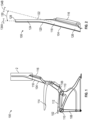
Figure 1 is a side view of a passenger seat with a seat back according to certain embodiments of the present invention. -
Figure 2 is a side view of the passenger seat ofFigure 1 taken fromdetail circle 2 inFigure 1 . -
Figure 3 is a perspective view of the seat back of the passenger seat ofFigure 1 . -
Figure 4 is a perspective view of a portion of a frame of the seat back ofFigure 1 according to certain embodiments of the present invention. -
Figure 5 is a back view of the passenger seat ofFigure 1 . -
Figure 6 is a side view of a portion of the passenger seat ofFigure 1 . -
Figure 7 is a perspective view a portion of the seat back ofFigure 1 with reinforcing members. -
Figure 8 is a side view of a passenger seat with a seat back according to certain embodiments of the present disclosure. -
Figure 9 is a perspective view of the seat back ofFigure 8 . - The subject matter of embodiments of the present invention is described here with specificity to meet statutory requirements, but this description is not necessarily intended to limit the scope of the claims. The claimed subject matter may be embodied in other ways, may include different elements or steps, and may be used in conjunction with other existing or future technologies. This description should not be interpreted as implying any particular order or arrangement among or between various steps or elements except when the order of individual steps or arrangement of elements is explicitly described.
- The described embodiments of the invention provide seat backs for passenger seats with increased living space. While the seat backs are discussed for use with aircraft seats, they are by no means so limited. Rather, embodiments of the seat backs may be used in passenger seats or other seats of any type or otherwise as desired.
- According to certain embodiments of the present invention, as shown in
Figures 1-7 , apassenger seat assembly 100 includes at least oneseat base 102 and at least one seat back 104. The number ofseat bases 102 and/or seat backs 104 should not be considered limiting on the current disclosure. In various examples, the number of seat backs 104 correspond with the number of passengers that the passenger seat is capable of carrying. In the example ofFigures 1-7 , thepassenger seat assembly 100 is capable of carrying one passenger, and accordingly has one seat back 104. However, in other examples, thepassenger seat assembly 100 may be capable of carrying any desired number of passengers, such as one passenger, two passengers, three passengers, four passengers, or any other desired number of passengers. In these examples, thepassenger seat assembly 100 can likewise have any desired number of corresponding seat backs 104. - As best illustrated in
Figures 1 and5 , theseat base 102 of thepassenger seat assembly 100 generally includes asupport frame 106 and aleg assembly 108. Optionally, theseat base 102 further includes at least onebase frame tube 110, at least oneseat pan 112, a tray table 116, and/or at least onearmrest 114. When provided with thepassenger seat assembly 100, the tray table 116 and/orarmrest 114 may be pivotably connected to thepassenger seat assembly 100. Although not illustrated, various cushioning and/or covering material may be provided to cover the various portions of theseat base 102 and/or the seat back 104. - The seat back 104 is connected to the
seat base 102, and is often pivotable relative to theseat base 102 such that the seat back 104 can be positioned in various positions such as a taxi-takeoff-landing (TTL) position, a reclined position, etc. The seat back 104 includes aframe 118 and aback sheet 138. Theframe 118 includes aforward side 120, anaft side 122, anupper portion 124, and alower portion 126. Theframe 118 and/or backsheet 138 may be constructed from various suitable materials including, but not limited to aluminum, stainless steel, other metallic materials, composite materials, and/or other suitable materials. - In various aspects, the
frame 118 supports theback sheet 138. Optionally, theback sheet 138 is supported at theforward side 120 of theframe 118, although it need not be. According to the invention, theback sheet 138 is joined to theframe 118 through various suitable mechanisms including, but not limited to, welding, adhesives, mechanical fasteners, and/or various other suitable mechanisms or combination of mechanisms. In some examples, theback sheet 138 may be attached to both theforward side 120 and thelower portion 126. However, in other examples, theback sheet 138 may only be attached to theforward side 120, thelower portion 126, and/or various other locations or combinations of locations on theframe 118 as desired. When used by the passenger, a passenger may rest his or her back against theback sheet 138. - As illustrated in
Figures 3 and5 , in various examples, theback sheet 138 is joined to theframe 118 such that ahousing area 140 is defined in the aft side of the seat back 104. In certain aspects, thehousing area 140 includes a housing area surface that is recessed within the seat back 104 relative to theaft side 122 of theframe 118. Thehousing area 140 is used to house and/or support various other components that are included with thepassenger seat assembly 100, including an In-Flight Entertainment (IFE) system, a literature or storage pocket, and/or various other components as desired. In some cases, the tray table 116 may optionally be at least partially positioned within thehousing area 140 when the tray table 116 is stowed. - As best illustrated in
Figure 4 , in various examples, theframe 118 is tubular or hollow, meaning that theframe 118 defines acentral cavity 132. In various examples, theframe 118 may be a continuous or single component. However, in other examples, theframe 118 may include one or more frame segments that are joined together through various suitable techniques to form theframe 118. As one non-limiting example, a plurality of hollow frame segments may be cut and joined together by sliding into each other to form theoverall frame 118. Various other configurations or joining techniques may be used to form theframe 118. - The
upper portion 124 defines atop end 128 of the seat back 104, and, in some aspects, thelower portion 126 connects the seat back 104 with theseat base 102. As best illustrated inFigure 2 , in some optional examples, theupper portion 124 may be at anon-zero angle 130 relative to thelower portion 126. In such examples, theupper portion 124 may extend forward relative to thelower portion 126. However, in other examples, theupper portion 124 may not be angled relative to the lower portion 126 (e.g., theupper portion 124 may be coplanar with the lower portion 126). - A
thickness 134 of theframe 118 is a distance from theforward side 120 to theaft side 122. In various examples, at least a portion of theframe 118 has a reducedthickness 134A, which is a thickness of from about 0.0 mm to about 25.4 mm. For example, in various cases, the reduced thickness may be about 0.0 mm, about 1.0 mm, about 2.0 mm, about 3.0 mm, about 4.0 mm, about 5.0 mm, about 6.0 mm, about 7.0 mm, about 8.0 mm, about 9.0 mm, about 10.0 mm, about 11.0 mm, about 12.0 mm, about 13.0 mm, about 14.0 mm, about 15.0 mm, about 16.0 mm, about 17.0 mm, about 18.0 mm, about 19.0 mm, about 20.0 mm, about 21.0 mm, about 22.0 mm, about 23.0 mm, about 24.0 mm, about 25.0 mm, and/or about 25.4 mm. In examples where the reducedthickness 134A is 0.0 mm, theback sheet 138 may be used as reinforcement and/or connection between components. It will be appreciated that in other examples, the reduced thickness of the frame may be greater than about 25.4 mm. For example, in other non-limiting cases, the reduced thickness may be up to about 70.0 mm. - In some examples, the
entire frame 118 has the reducedthickness 134A. In other examples, less than theentire frame 118 has the reduced thickness. For example, as best illustrated inFigures 1, 2 , and6 , in some non-limiting cases, theupper portion 124 has the reducedthickness 134A and thelower portion 126 has anunreduced thickness 134B, which is greater than the reducedthickness 134B. In other non-limiting examples, thelower portion 126 has the reducedthickness 134A and theupper portion 124 has theunreduced thickness 134B, a sub-portion of thelower portion 126 has theunreduced thickness 134B and the remainder of theframe 118 has the reducedthickness 134A, and/or various other portions, sub-portions, or combinations of theframe 118 may have the reducedthickness 134A and/orunreduced thickness 134B. As explained in detail below, in certain aspects, the reducedthickness 134A may increase the living space of an aftpassenger seat assembly 100. - In various examples, the
frame 118 is initially formed with at least a portion of the frame having the reducedthickness 134A prior to shaping and forming into the shape for the seat back 104. In other examples, the thickness of theframe 118 is reduced such that at least a portion of theframe 118 has the reducedthickness 134A after theframe 118 is shaped and formed into the shape for the seat back 104. As one non-limiting example, at least a portion of theframe 118 may be machined to reduce the thickness to the reducedthickness 134A, although various other techniques or combination of techniques may be utilized in other examples. As some non-limiting examples, other techniques or processes may include cutting techniques such as water jet cutting, machining or tubular forming techniques such as hydro-forming, and/or various other suitable processes or techniques. - As best illustrated in
Figure 3 , according to the invention, at least oneopening 136 is defined in theaft side 122 of theframe 118. The at least oneopening 136 provides access to thecentral cavity 132 of theframe 118 from theaft side 122. In some examples, the portions of the frame with the reducedthickness 134A define theopening 136. As one non-limiting case, in the example ofFigures 1-7 where theupper portion 124 has the reducedthickness 134A and thelower portion 126 has theunreduced thickness 134B, theupper portion 124 may define theopening 136 in theaft side 122. As another non-limiting case, in an example where the entire frame has the reducedthickness 134A, the entireaft side 122 of the frame may define theopening 136 providing access to thecentral cavity 132. In some cases, the entire portion of theframe 118 with the reducedthickness 134A need not define theopening 136. Moreover, in various examples, portions of the frame with theunreduced thickness 134B may also define theopening 136. - Referring to
Figure 7 , according to the invention, one or more reinforcingmembers 144 may be selectively joined to theframe 118 in theopening 136 to provide selective reinforcement and strengthening of theframe 118. In some cases, the reinforcingmembers 144 may be at least partially positioned within theopening 136, and may be joined to theframe 118 through various suitable mechanisms including, but not limited to, welding, adhesives, mechanical fasteners, and/or various other suitable mechanisms or combination of mechanisms. In certain examples, the reinforcingmembers 144 are joined to theframe 118 after theframe 118 has been shaped into the shape for the seat back 104. - As mentioned, the reinforcing
members 144 may be provided to strengthen particular portions of theframe 118. As some non-limiting examples, the reinforcing members may be provided at bends in theframe 118, attachment locations where theframe 118 is joined with other components, etc. The reinforcingmembers 144 may be various suitable components for providing improved structural integrity, including, but not limited to, torque tubes, doublers, inserts, stiffeners, reinforcing bars, and/or various other suitable components. In the example ofFigure 7 , the reinforcingmembers 144 include twoinserts 148 and astiffener 150. According to the invention, the reinforcingmembers 144 define attachment or connection points for various other components including IFE equipment, a shroud mount, a video mount, the tray table 116, etc. -
Figures 8 and 9 illustrate an example of apassenger seat assembly 800 with a seat back 804 that is substantially similar to thepassenger seat assembly 100 with the seat back 104 except that theentire frame 118 of the seat back 804 has the reducedthickness 134A, and the entireaft side 122 of theframe 118 defines theopening 136. - Through the
frame 118, thepassenger seat assembly frame 118 includes thecentral cavity 132, and at least a portion of theframe 118 has the reducedthickness 134A. Because theframe 118 has the central cavity and the reducedthickness 134A, less material is included with the seat back 104. Moreover, through the at least oneopening 136, the reinforcingmembers 144 may be provided at selective locations on theframe 118 that may need additional strengthening while other portions of theframe 118 can remain lightweight (e.g., because the reinforcingmembers 144 are not attached at those locations) - The seat back 104 also improves the living space of the aft passenger seat assembly because at least the portion of the
frame 118 has the reduced thickness. In other words, the space occupied by the material that is removed from theframe 118 is gained by the living space due to the reducedthickness 134A. As one non-limiting example, if theupper portion 124 of the frame initially has a thickness of about 30.0 mm, and the thickness is reduced to a reduced thickness of about 2.0 mm, the material removed or omitted from theframe 118 to produce the reduced thickness (in this example, about 28.0 mm) is gained as additional living space for the passenger in an aft passenger seat assembly. As such, with the reducedthickness 134A, the seat back 104 provides more living space for the passenger in the aft passenger seat to utilize. The seat back 104 also provides weight reduction to the overall seat, as less material is used to form the seat back 104. Such weight reduction may provide cost savings, as well as allow the weight to be utilized for other components of the seat and/or within the passenger vehicle.
Different arrangements of the components depicted in the drawings or described above, as well as components and steps not shown or described are possible. Similarly, some features and subcombinations are useful and may be employed without reference to other features and subcombinations. Embodiments of the invention have been described for illustrative and not restrictive purposes, and alternative embodiments will become apparent to readers of this patent. Accordingly, the present invention is not limited to the embodiments described above or depicted in the drawings, and various embodiments and modifications may be made without departing from the scope of the claims below.
Claims (8)
- A seat back (104) for a passenger seat, the seat back (104) comprising a frame (118), the frame (118) comprising:a forward side (120) and an aft side (122),an upper portion (124) comprising a top end (128) of the seat back (104); anda lower portion (126) adjacent to the upper portion (124),wherein a thickness of the upper portion (124) of the frame (118) is less than a thickness of the lower portion (126) of the frame (118),wherein the frame (118) is tubular and defines a central cavity (132),characterized in that the frame (118) supports a back sheet (138),the back sheet (138) being supported at the forward side (120) of the frame (118) so that the back sheet (138) defines a housing area (140) in an aft side of the seat back (104), the housing area (140) including a housing area surface that is recessed within the seat back (104) relative to the aft side (122) of the frame (118), the housing area (140) being adapted for housing an In-Flight Entertainment (IFE) system, a literature or storage pocket,and in that said seat back (104) further comprises a reinforcing member (144) reinforcing at least a portion of the upper portion (124) of the frame (118),wherein at least one opening (136) is defined in the aft side (122) of the frame (118) such that the at least one opening (136) provides access to the central cavity (132) of the frame (118) from the aft side (122), andthe reinforcing member (144) is joined to the frame (118) in the opening (136) to provide selective reinforcement and strengthening of the frame (118),said reinforcing member (144) defining attachment or connection points for IFE equipment, a shroud mount, a video mount, or a tray table.
- The seat back of claim 1, characterized in that the upper portion (124) of the frame (118) extends vertically at a non-zero angle relative to the lower portion (126) of the frame (118).
- The seat back of claim 1 or 2, characterized in that the frame (118) comprises a metal material.
- A passenger seat comprising a seat back (104) as defined in any of the preceding claims.
- The passenger seat of claim 4, characterized in that it further comprises a seat base (102), and wherein the seat back (104) is joined to the seat base (102).
- The passenger seat of claim 4 or 5, characterized in that it further comprises a reinforcing member (144) joined to at least a portion of the upper portion (124) of the tubular frame (118), and wherein the reinforcing member (144) comprises at least one of a doubler and a stiffener (150).
- The passenger seat of claim 6, characterized in that the reinforcing member (144) is joined to the portion of the upper portion (124) of the tubular frame (118) through at least one of a mechanical fastener, welding, and an adhesive.
- The passenger seat of any of the claims 4 to 7, characterized in that the upper portion (124) of the tubular frame (118) extends vertically at a non-zero angle relative to the lower portion (126) of the tubular frame (118) such that the upper portion (124) of the tubular frame (118) extends forward relative to the lower portion (126) of the tubular frame (118).
Applications Claiming Priority (1)
| Application Number | Priority Date | Filing Date | Title |
|---|---|---|---|
| PCT/US2018/049361 WO2020050818A1 (en) | 2018-09-04 | 2018-09-04 | Light weight metal back with extra living space |
Publications (2)
| Publication Number | Publication Date |
|---|---|
| EP3847053A1 EP3847053A1 (en) | 2021-07-14 |
| EP3847053B1 true EP3847053B1 (en) | 2023-10-25 |
Family
ID=63684536
Family Applications (1)
| Application Number | Title | Priority Date | Filing Date |
|---|---|---|---|
| EP18778703.1A Active EP3847053B1 (en) | 2018-09-04 | 2018-09-04 | Light weight metal back with extra living space |
Country Status (3)
| Country | Link |
|---|---|
| US (1) | US11518281B2 (en) |
| EP (1) | EP3847053B1 (en) |
| WO (1) | WO2020050818A1 (en) |
Families Citing this family (4)
| Publication number | Priority date | Publication date | Assignee | Title |
|---|---|---|---|---|
| EP4200212B1 (en) * | 2020-08-19 | 2025-01-29 | Safran Seats USA LLC | Structural shroud assembly for passenger seat |
| GB202014141D0 (en) * | 2020-09-09 | 2020-10-21 | Ifpl Group Ltd | Contactless reader |
| US11975639B2 (en) * | 2021-12-20 | 2024-05-07 | Lear Corporation | Seat back frame for impact deformation |
| DE202022104164U1 (en) * | 2022-07-22 | 2022-07-28 | Bruns Holding Gmbh & Co. Kg | Frame for a vehicle seat and vehicle seat with the same |
Citations (1)
| Publication number | Priority date | Publication date | Assignee | Title |
|---|---|---|---|---|
| WO2018009201A1 (en) * | 2016-07-07 | 2018-01-11 | Zodiac Seats Us Llc | Composite seating components |
Family Cites Families (29)
| Publication number | Priority date | Publication date | Assignee | Title |
|---|---|---|---|---|
| DE3515631A1 (en) * | 1984-05-25 | 1985-11-28 | Volkswagenwerk Ag, 3180 Wolfsburg | Backrest for a motor vehicle seat |
| US5165756A (en) | 1991-11-13 | 1992-11-24 | Hoover Universal, Inc. | Tubular seat back frame with U-shaped closed section reinforcement weld plate |
| US5547259A (en) * | 1994-05-09 | 1996-08-20 | Mitchell Corporation Of Owosso, Inc. | Modular automotive seat frame |
| US5749135A (en) | 1997-03-19 | 1998-05-12 | General Motors Corporation | Method for extruding integral seat back frame |
| US6491346B1 (en) | 2000-06-01 | 2002-12-10 | Dow Global Technologies, Inc. | Seating system and method for making the same |
| DE20109666U1 (en) * | 2001-06-12 | 2002-10-24 | Grammer Ag, 92224 Amberg | Passenger seat for a passenger transportation vehicle |
| JP2005000194A (en) * | 2003-06-09 | 2005-01-06 | Mitsubishi Rayon Co Ltd | Backrest skeleton material and method of manufacturing the same |
| WO2009149177A1 (en) * | 2008-06-03 | 2009-12-10 | Johnson Controls Technology Company | Seat frame - tailored tubes |
| US8814273B2 (en) * | 2009-01-30 | 2014-08-26 | Johnson Controls Technology Company | Seat structures and processes to create seat structures |
| US8827362B2 (en) * | 2009-06-29 | 2014-09-09 | Honda Motor Co., Ltd. | Seat back frame for vehicle seat |
| JP5054155B2 (en) * | 2010-06-04 | 2012-10-24 | 本田技研工業株式会社 | Seat back frame |
| KR101220803B1 (en) * | 2010-12-28 | 2013-01-11 | 주식회사 포스코 | Seat Structure For Vehicle |
| WO2013142773A1 (en) * | 2012-03-23 | 2013-09-26 | Cutting Dynamics, Inc. | Composite structural component |
| US20150044402A1 (en) * | 2012-03-23 | 2015-02-12 | Cutting Dynamics, Inc. | Snap together structural component |
| US20150352982A1 (en) * | 2012-12-28 | 2015-12-10 | Ts Tech Co., Ltd. | Seat device |
| ITTO20130290A1 (en) * | 2013-04-10 | 2014-10-11 | Ruspa Officine S P A | SEAT FOR VEHICLE |
| CN104760526A (en) * | 2014-01-08 | 2015-07-08 | 郑州翎羽新材料有限公司 | Seat backrest skeleton of intercity bus |
| MA39944A (en) * | 2014-05-02 | 2017-03-08 | Reliant Worldwide Plastics Llc | Method and system for homogenous thermoplastic seat back assembly |
| EP3144179B1 (en) * | 2014-05-12 | 2020-01-29 | Delta Tooling Co., Ltd. | Seat structure |
| JP6387258B2 (en) * | 2014-07-10 | 2018-09-05 | 日本発條株式会社 | Seat back frame and vehicle seat |
| JP6624058B2 (en) * | 2014-08-06 | 2019-12-25 | テイ・エス テック株式会社 | Seat frame |
| JP6468070B2 (en) * | 2015-05-22 | 2019-02-13 | トヨタ紡織株式会社 | Vehicle seat |
| US20170217347A1 (en) * | 2016-01-29 | 2017-08-03 | B/E Aerospace, Inc. | Passenger seatback assembly with thermoplastic elements |
| JP2017210084A (en) * | 2016-05-25 | 2017-11-30 | トヨタ紡織株式会社 | Back frame structure of vehicular seat |
| JP6683038B2 (en) * | 2016-06-30 | 2020-04-15 | トヨタ紡織株式会社 | Vehicle seat |
| JP6871506B2 (en) * | 2017-02-08 | 2021-05-12 | テイ・エス テック株式会社 | Vehicle seats with center-folded seatbacks and center-folded seatbacks |
| CN108284775B (en) * | 2018-01-30 | 2023-08-29 | 重庆博奥镁铝金属制造有限公司 | Automobile seat backrest framework structure |
| DE102018128353A1 (en) * | 2018-11-13 | 2020-05-14 | Johann Borgers GmbH | Support structure of a backrest of a vehicle seat of a motor vehicle and method for its production |
| CN109606223A (en) * | 2018-12-03 | 2019-04-12 | 广汽零部件有限公司 | A kind of lightweight not uniform thickness and easily molded automobile chair frame leans on dorsal plate and its manufacturing method |
-
2018
- 2018-09-04 EP EP18778703.1A patent/EP3847053B1/en active Active
- 2018-09-04 US US17/271,114 patent/US11518281B2/en active Active
- 2018-09-04 WO PCT/US2018/049361 patent/WO2020050818A1/en not_active Ceased
Patent Citations (1)
| Publication number | Priority date | Publication date | Assignee | Title |
|---|---|---|---|---|
| WO2018009201A1 (en) * | 2016-07-07 | 2018-01-11 | Zodiac Seats Us Llc | Composite seating components |
Also Published As
| Publication number | Publication date |
|---|---|
| EP3847053A1 (en) | 2021-07-14 |
| WO2020050818A1 (en) | 2020-03-12 |
| US11518281B2 (en) | 2022-12-06 |
| US20210331609A1 (en) | 2021-10-28 |
Similar Documents
| Publication | Publication Date | Title |
|---|---|---|
| EP3847053B1 (en) | Light weight metal back with extra living space | |
| EP2550200B1 (en) | Passenger seat assembly with associated floor panel and aircraft sidewall attachment, and method | |
| US10730628B2 (en) | Aircraft seat back with non-tubular perimeter flange | |
| EP2240367B1 (en) | Class divider for aircraft cabin | |
| US12280698B2 (en) | Structural shroud assembly for passenger seat | |
| EP4396081B1 (en) | Modular leg assembly for passenger seat | |
| US6802568B1 (en) | Segmented beam aircraft passenger seat | |
| EP3873805B1 (en) | Bent tube seat structure | |
| EP3887254B1 (en) | Business class seats for a passenger vehicle | |
| US7399037B2 (en) | Double-spar chassis for aircraft passenger seat | |
| CN112429242A (en) | Configurable cabin crew seat | |
| US11975842B2 (en) | Bottom pan torque bearing attachment | |
| US11760491B1 (en) | Two-piece machine leg assembly for passenger seats | |
| US20230322390A1 (en) | Integrated partition wall arrangement having a cabin attendant seat, carrier structure and methods for producing and designing a carrier structure or a partition wall arrangement | |
| EP4144646B1 (en) | Spreader with open slot for passenger seat | |
| EP3976473B1 (en) | Frame component with variable wall thickness | |
| EP3546339B1 (en) | Bulkhead partition design and corresponding seating arrangement | |
| CN110636970A (en) | Variable section table for seats | |
| WO2020038580A1 (en) | A structural pillar in a vehicle body structure |
Legal Events
| Date | Code | Title | Description |
|---|---|---|---|
| STAA | Information on the status of an ep patent application or granted ep patent |
Free format text: STATUS: UNKNOWN |
|
| STAA | Information on the status of an ep patent application or granted ep patent |
Free format text: STATUS: THE INTERNATIONAL PUBLICATION HAS BEEN MADE |
|
| PUAI | Public reference made under article 153(3) epc to a published international application that has entered the european phase |
Free format text: ORIGINAL CODE: 0009012 |
|
| STAA | Information on the status of an ep patent application or granted ep patent |
Free format text: STATUS: REQUEST FOR EXAMINATION WAS MADE |
|
| 17P | Request for examination filed |
Effective date: 20210316 |
|
| AK | Designated contracting states |
Kind code of ref document: A1 Designated state(s): AL AT BE BG CH CY CZ DE DK EE ES FI FR GB GR HR HU IE IS IT LI LT LU LV MC MK MT NL NO PL PT RO RS SE SI SK SM TR |
|
| DAV | Request for validation of the european patent (deleted) | ||
| DAX | Request for extension of the european patent (deleted) | ||
| STAA | Information on the status of an ep patent application or granted ep patent |
Free format text: STATUS: EXAMINATION IS IN PROGRESS |
|
| 17Q | First examination report despatched |
Effective date: 20220405 |
|
| GRAP | Despatch of communication of intention to grant a patent |
Free format text: ORIGINAL CODE: EPIDOSNIGR1 |
|
| STAA | Information on the status of an ep patent application or granted ep patent |
Free format text: STATUS: GRANT OF PATENT IS INTENDED |
|
| INTG | Intention to grant announced |
Effective date: 20230516 |
|
| GRAS | Grant fee paid |
Free format text: ORIGINAL CODE: EPIDOSNIGR3 |
|
| GRAA | (expected) grant |
Free format text: ORIGINAL CODE: 0009210 |
|
| STAA | Information on the status of an ep patent application or granted ep patent |
Free format text: STATUS: THE PATENT HAS BEEN GRANTED |
|
| AK | Designated contracting states |
Kind code of ref document: B1 Designated state(s): AL AT BE BG CH CY CZ DE DK EE ES FI FR GB GR HR HU IE IS IT LI LT LU LV MC MK MT NL NO PL PT RO RS SE SI SK SM TR |
|
| REG | Reference to a national code |
Ref country code: GB Ref legal event code: FG4D |
|
| REG | Reference to a national code |
Ref country code: CH Ref legal event code: EP |
|
| REG | Reference to a national code |
Ref country code: DE Ref legal event code: R096 Ref document number: 602018060021 Country of ref document: DE |
|
| REG | Reference to a national code |
Ref country code: IE Ref legal event code: FG4D |
|
| REG | Reference to a national code |
Ref country code: LT Ref legal event code: MG9D |
|
| REG | Reference to a national code |
Ref country code: NL Ref legal event code: MP Effective date: 20231025 |
|
| REG | Reference to a national code |
Ref country code: AT Ref legal event code: MK05 Ref document number: 1624356 Country of ref document: AT Kind code of ref document: T Effective date: 20231025 |
|
| PG25 | Lapsed in a contracting state [announced via postgrant information from national office to epo] |
Ref country code: NL Free format text: LAPSE BECAUSE OF FAILURE TO SUBMIT A TRANSLATION OF THE DESCRIPTION OR TO PAY THE FEE WITHIN THE PRESCRIBED TIME-LIMIT Effective date: 20231025 |
|
| PG25 | Lapsed in a contracting state [announced via postgrant information from national office to epo] |
Ref country code: GR Free format text: LAPSE BECAUSE OF FAILURE TO SUBMIT A TRANSLATION OF THE DESCRIPTION OR TO PAY THE FEE WITHIN THE PRESCRIBED TIME-LIMIT Effective date: 20240126 |
|
| PG25 | Lapsed in a contracting state [announced via postgrant information from national office to epo] |
Ref country code: IS Free format text: LAPSE BECAUSE OF FAILURE TO SUBMIT A TRANSLATION OF THE DESCRIPTION OR TO PAY THE FEE WITHIN THE PRESCRIBED TIME-LIMIT Effective date: 20240225 |
|
| PG25 | Lapsed in a contracting state [announced via postgrant information from national office to epo] |
Ref country code: LT Free format text: LAPSE BECAUSE OF FAILURE TO SUBMIT A TRANSLATION OF THE DESCRIPTION OR TO PAY THE FEE WITHIN THE PRESCRIBED TIME-LIMIT Effective date: 20231025 |
|
| PG25 | Lapsed in a contracting state [announced via postgrant information from national office to epo] |
Ref country code: AT Free format text: LAPSE BECAUSE OF FAILURE TO SUBMIT A TRANSLATION OF THE DESCRIPTION OR TO PAY THE FEE WITHIN THE PRESCRIBED TIME-LIMIT Effective date: 20231025 |
|
| PG25 | Lapsed in a contracting state [announced via postgrant information from national office to epo] |
Ref country code: ES Free format text: LAPSE BECAUSE OF FAILURE TO SUBMIT A TRANSLATION OF THE DESCRIPTION OR TO PAY THE FEE WITHIN THE PRESCRIBED TIME-LIMIT Effective date: 20231025 |
|
| PG25 | Lapsed in a contracting state [announced via postgrant information from national office to epo] |
Ref country code: LT Free format text: LAPSE BECAUSE OF FAILURE TO SUBMIT A TRANSLATION OF THE DESCRIPTION OR TO PAY THE FEE WITHIN THE PRESCRIBED TIME-LIMIT Effective date: 20231025 Ref country code: IS Free format text: LAPSE BECAUSE OF FAILURE TO SUBMIT A TRANSLATION OF THE DESCRIPTION OR TO PAY THE FEE WITHIN THE PRESCRIBED TIME-LIMIT Effective date: 20240225 Ref country code: GR Free format text: LAPSE BECAUSE OF FAILURE TO SUBMIT A TRANSLATION OF THE DESCRIPTION OR TO PAY THE FEE WITHIN THE PRESCRIBED TIME-LIMIT Effective date: 20240126 Ref country code: ES Free format text: LAPSE BECAUSE OF FAILURE TO SUBMIT A TRANSLATION OF THE DESCRIPTION OR TO PAY THE FEE WITHIN THE PRESCRIBED TIME-LIMIT Effective date: 20231025 Ref country code: BG Free format text: LAPSE BECAUSE OF FAILURE TO SUBMIT A TRANSLATION OF THE DESCRIPTION OR TO PAY THE FEE WITHIN THE PRESCRIBED TIME-LIMIT Effective date: 20240125 Ref country code: AT Free format text: LAPSE BECAUSE OF FAILURE TO SUBMIT A TRANSLATION OF THE DESCRIPTION OR TO PAY THE FEE WITHIN THE PRESCRIBED TIME-LIMIT Effective date: 20231025 Ref country code: PT Free format text: LAPSE BECAUSE OF FAILURE TO SUBMIT A TRANSLATION OF THE DESCRIPTION OR TO PAY THE FEE WITHIN THE PRESCRIBED TIME-LIMIT Effective date: 20240226 |
|
| PG25 | Lapsed in a contracting state [announced via postgrant information from national office to epo] |
Ref country code: SE Free format text: LAPSE BECAUSE OF FAILURE TO SUBMIT A TRANSLATION OF THE DESCRIPTION OR TO PAY THE FEE WITHIN THE PRESCRIBED TIME-LIMIT Effective date: 20231025 Ref country code: RS Free format text: LAPSE BECAUSE OF FAILURE TO SUBMIT A TRANSLATION OF THE DESCRIPTION OR TO PAY THE FEE WITHIN THE PRESCRIBED TIME-LIMIT Effective date: 20231025 Ref country code: PL Free format text: LAPSE BECAUSE OF FAILURE TO SUBMIT A TRANSLATION OF THE DESCRIPTION OR TO PAY THE FEE WITHIN THE PRESCRIBED TIME-LIMIT Effective date: 20231025 Ref country code: NO Free format text: LAPSE BECAUSE OF FAILURE TO SUBMIT A TRANSLATION OF THE DESCRIPTION OR TO PAY THE FEE WITHIN THE PRESCRIBED TIME-LIMIT Effective date: 20240125 Ref country code: LV Free format text: LAPSE BECAUSE OF FAILURE TO SUBMIT A TRANSLATION OF THE DESCRIPTION OR TO PAY THE FEE WITHIN THE PRESCRIBED TIME-LIMIT Effective date: 20231025 Ref country code: HR Free format text: LAPSE BECAUSE OF FAILURE TO SUBMIT A TRANSLATION OF THE DESCRIPTION OR TO PAY THE FEE WITHIN THE PRESCRIBED TIME-LIMIT Effective date: 20231025 |
|
| PG25 | Lapsed in a contracting state [announced via postgrant information from national office to epo] |
Ref country code: DK Free format text: LAPSE BECAUSE OF FAILURE TO SUBMIT A TRANSLATION OF THE DESCRIPTION OR TO PAY THE FEE WITHIN THE PRESCRIBED TIME-LIMIT Effective date: 20231025 |
|
| PG25 | Lapsed in a contracting state [announced via postgrant information from national office to epo] |
Ref country code: CZ Free format text: LAPSE BECAUSE OF FAILURE TO SUBMIT A TRANSLATION OF THE DESCRIPTION OR TO PAY THE FEE WITHIN THE PRESCRIBED TIME-LIMIT Effective date: 20231025 |
|
| REG | Reference to a national code |
Ref country code: DE Ref legal event code: R097 Ref document number: 602018060021 Country of ref document: DE |
|
| PG25 | Lapsed in a contracting state [announced via postgrant information from national office to epo] |
Ref country code: SK Free format text: LAPSE BECAUSE OF FAILURE TO SUBMIT A TRANSLATION OF THE DESCRIPTION OR TO PAY THE FEE WITHIN THE PRESCRIBED TIME-LIMIT Effective date: 20231025 |
|
| PG25 | Lapsed in a contracting state [announced via postgrant information from national office to epo] |
Ref country code: SM Free format text: LAPSE BECAUSE OF FAILURE TO SUBMIT A TRANSLATION OF THE DESCRIPTION OR TO PAY THE FEE WITHIN THE PRESCRIBED TIME-LIMIT Effective date: 20231025 Ref country code: SK Free format text: LAPSE BECAUSE OF FAILURE TO SUBMIT A TRANSLATION OF THE DESCRIPTION OR TO PAY THE FEE WITHIN THE PRESCRIBED TIME-LIMIT Effective date: 20231025 Ref country code: RO Free format text: LAPSE BECAUSE OF FAILURE TO SUBMIT A TRANSLATION OF THE DESCRIPTION OR TO PAY THE FEE WITHIN THE PRESCRIBED TIME-LIMIT Effective date: 20231025 Ref country code: IT Free format text: LAPSE BECAUSE OF FAILURE TO SUBMIT A TRANSLATION OF THE DESCRIPTION OR TO PAY THE FEE WITHIN THE PRESCRIBED TIME-LIMIT Effective date: 20231025 Ref country code: EE Free format text: LAPSE BECAUSE OF FAILURE TO SUBMIT A TRANSLATION OF THE DESCRIPTION OR TO PAY THE FEE WITHIN THE PRESCRIBED TIME-LIMIT Effective date: 20231025 Ref country code: DK Free format text: LAPSE BECAUSE OF FAILURE TO SUBMIT A TRANSLATION OF THE DESCRIPTION OR TO PAY THE FEE WITHIN THE PRESCRIBED TIME-LIMIT Effective date: 20231025 Ref country code: CZ Free format text: LAPSE BECAUSE OF FAILURE TO SUBMIT A TRANSLATION OF THE DESCRIPTION OR TO PAY THE FEE WITHIN THE PRESCRIBED TIME-LIMIT Effective date: 20231025 |
|
| PLBE | No opposition filed within time limit |
Free format text: ORIGINAL CODE: 0009261 |
|
| STAA | Information on the status of an ep patent application or granted ep patent |
Free format text: STATUS: NO OPPOSITION FILED WITHIN TIME LIMIT |
|
| 26N | No opposition filed |
Effective date: 20240726 |
|
| PG25 | Lapsed in a contracting state [announced via postgrant information from national office to epo] |
Ref country code: SI Free format text: LAPSE BECAUSE OF FAILURE TO SUBMIT A TRANSLATION OF THE DESCRIPTION OR TO PAY THE FEE WITHIN THE PRESCRIBED TIME-LIMIT Effective date: 20231025 |
|
| PG25 | Lapsed in a contracting state [announced via postgrant information from national office to epo] |
Ref country code: SI Free format text: LAPSE BECAUSE OF FAILURE TO SUBMIT A TRANSLATION OF THE DESCRIPTION OR TO PAY THE FEE WITHIN THE PRESCRIBED TIME-LIMIT Effective date: 20231025 |
|
| PG25 | Lapsed in a contracting state [announced via postgrant information from national office to epo] |
Ref country code: MC Free format text: LAPSE BECAUSE OF FAILURE TO SUBMIT A TRANSLATION OF THE DESCRIPTION OR TO PAY THE FEE WITHIN THE PRESCRIBED TIME-LIMIT Effective date: 20231025 |
|
| REG | Reference to a national code |
Ref country code: CH Ref legal event code: PL |
|
| PG25 | Lapsed in a contracting state [announced via postgrant information from national office to epo] |
Ref country code: LU Free format text: LAPSE BECAUSE OF NON-PAYMENT OF DUE FEES Effective date: 20240904 |
|
| REG | Reference to a national code |
Ref country code: BE Ref legal event code: MM Effective date: 20240930 |
|
| PG25 | Lapsed in a contracting state [announced via postgrant information from national office to epo] |
Ref country code: BE Free format text: LAPSE BECAUSE OF NON-PAYMENT OF DUE FEES Effective date: 20240930 |
|
| PG25 | Lapsed in a contracting state [announced via postgrant information from national office to epo] |
Ref country code: CH Free format text: LAPSE BECAUSE OF NON-PAYMENT OF DUE FEES Effective date: 20240930 |
|
| PG25 | Lapsed in a contracting state [announced via postgrant information from national office to epo] |
Ref country code: IE Free format text: LAPSE BECAUSE OF NON-PAYMENT OF DUE FEES Effective date: 20240904 |
|
| PG25 | Lapsed in a contracting state [announced via postgrant information from national office to epo] |
Ref country code: FI Free format text: LAPSE BECAUSE OF FAILURE TO SUBMIT A TRANSLATION OF THE DESCRIPTION OR TO PAY THE FEE WITHIN THE PRESCRIBED TIME-LIMIT Effective date: 20231025 |
|
| PGFP | Annual fee paid to national office [announced via postgrant information from national office to epo] |
Ref country code: DE Payment date: 20250919 Year of fee payment: 8 |
|
| PGFP | Annual fee paid to national office [announced via postgrant information from national office to epo] |
Ref country code: GB Payment date: 20250923 Year of fee payment: 8 |
|
| PGFP | Annual fee paid to national office [announced via postgrant information from national office to epo] |
Ref country code: FR Payment date: 20250924 Year of fee payment: 8 |
|
| PG25 | Lapsed in a contracting state [announced via postgrant information from national office to epo] |
Ref country code: CY Free format text: LAPSE BECAUSE OF FAILURE TO SUBMIT A TRANSLATION OF THE DESCRIPTION OR TO PAY THE FEE WITHIN THE PRESCRIBED TIME-LIMIT; INVALID AB INITIO Effective date: 20180904 |
|
| PG25 | Lapsed in a contracting state [announced via postgrant information from national office to epo] |
Ref country code: HU Free format text: LAPSE BECAUSE OF FAILURE TO SUBMIT A TRANSLATION OF THE DESCRIPTION OR TO PAY THE FEE WITHIN THE PRESCRIBED TIME-LIMIT; INVALID AB INITIO Effective date: 20180904 |