EP3845681A1 - Hot dip plated steel sheet having excellent corrosion resistance and workability, and manufacturing method therefor - Google Patents
Hot dip plated steel sheet having excellent corrosion resistance and workability, and manufacturing method therefor Download PDFInfo
- Publication number
- EP3845681A1 EP3845681A1 EP18931872.8A EP18931872A EP3845681A1 EP 3845681 A1 EP3845681 A1 EP 3845681A1 EP 18931872 A EP18931872 A EP 18931872A EP 3845681 A1 EP3845681 A1 EP 3845681A1
- Authority
- EP
- European Patent Office
- Prior art keywords
- steel sheet
- corrosion resistance
- workability
- plating layer
- alloy plating
- Prior art date
- Legal status (The legal status is an assumption and is not a legal conclusion. Google has not performed a legal analysis and makes no representation as to the accuracy of the status listed.)
- Pending
Links
- 229910000831 Steel Inorganic materials 0.000 title claims abstract description 47
- 239000010959 steel Substances 0.000 title claims abstract description 47
- 230000007797 corrosion Effects 0.000 title claims abstract description 37
- 238000005260 corrosion Methods 0.000 title claims abstract description 37
- 238000004519 manufacturing process Methods 0.000 title claims abstract description 13
- 238000007747 plating Methods 0.000 claims description 110
- 229910045601 alloy Inorganic materials 0.000 claims description 73
- 239000000956 alloy Substances 0.000 claims description 73
- 239000010410 layer Substances 0.000 claims description 56
- 229910018134 Al-Mg Inorganic materials 0.000 claims description 28
- 229910018467 Al—Mg Inorganic materials 0.000 claims description 28
- 239000011777 magnesium Substances 0.000 claims description 26
- 238000001816 cooling Methods 0.000 claims description 22
- 229910001335 Galvanized steel Inorganic materials 0.000 claims description 20
- 239000008397 galvanized steel Substances 0.000 claims description 20
- 229910052782 aluminium Inorganic materials 0.000 claims description 13
- 239000007789 gas Substances 0.000 claims description 13
- 229910052749 magnesium Inorganic materials 0.000 claims description 12
- 229910017708 MgZn2 Inorganic materials 0.000 claims description 11
- FYYHWMGAXLPEAU-UHFFFAOYSA-N Magnesium Chemical compound [Mg] FYYHWMGAXLPEAU-UHFFFAOYSA-N 0.000 claims description 10
- XAGFODPZIPBFFR-UHFFFAOYSA-N aluminium Chemical compound [Al] XAGFODPZIPBFFR-UHFFFAOYSA-N 0.000 claims description 10
- 238000000137 annealing Methods 0.000 claims description 9
- 238000010438 heat treatment Methods 0.000 claims description 9
- 239000000463 material Substances 0.000 claims description 8
- 229910000838 Al alloy Inorganic materials 0.000 claims description 6
- IJGRMHOSHXDMSA-UHFFFAOYSA-N Atomic nitrogen Chemical compound N#N IJGRMHOSHXDMSA-UHFFFAOYSA-N 0.000 claims description 6
- 229910007570 Zn-Al Inorganic materials 0.000 claims description 6
- 239000012535 impurity Substances 0.000 claims description 6
- 239000002344 surface layer Substances 0.000 claims description 5
- 238000005238 degreasing Methods 0.000 claims description 2
- 239000001257 hydrogen Substances 0.000 claims description 2
- 229910052739 hydrogen Inorganic materials 0.000 claims description 2
- 125000004435 hydrogen atom Chemical class [H]* 0.000 claims description 2
- 239000004035 construction material Substances 0.000 abstract description 2
- 239000011701 zinc Substances 0.000 description 15
- 239000000203 mixture Substances 0.000 description 10
- 238000000034 method Methods 0.000 description 9
- 230000000052 comparative effect Effects 0.000 description 8
- 230000003647 oxidation Effects 0.000 description 6
- 238000007254 oxidation reaction Methods 0.000 description 6
- 238000007711 solidification Methods 0.000 description 6
- 230000008023 solidification Effects 0.000 description 6
- 229910052725 zinc Inorganic materials 0.000 description 5
- 229910001209 Low-carbon steel Inorganic materials 0.000 description 4
- HCHKCACWOHOZIP-UHFFFAOYSA-N Zinc Chemical compound [Zn] HCHKCACWOHOZIP-UHFFFAOYSA-N 0.000 description 4
- 238000005452 bending Methods 0.000 description 4
- 230000007547 defect Effects 0.000 description 4
- 230000000694 effects Effects 0.000 description 4
- -1 zinc-aluminum-magnesium Chemical compound 0.000 description 4
- JEIPFZHSYJVQDO-UHFFFAOYSA-N iron(III) oxide Inorganic materials O=[Fe]O[Fe]=O JEIPFZHSYJVQDO-UHFFFAOYSA-N 0.000 description 3
- 150000003839 salts Chemical class 0.000 description 3
- 239000007921 spray Substances 0.000 description 3
- 229910000975 Carbon steel Inorganic materials 0.000 description 2
- 229910000861 Mg alloy Inorganic materials 0.000 description 2
- 239000010962 carbon steel Substances 0.000 description 2
- 230000005496 eutectics Effects 0.000 description 2
- 238000005246 galvanizing Methods 0.000 description 2
- 229910052757 nitrogen Inorganic materials 0.000 description 2
- 229910000905 alloy phase Inorganic materials 0.000 description 1
- 238000006243 chemical reaction Methods 0.000 description 1
- 239000007795 chemical reaction product Substances 0.000 description 1
- 238000004140 cleaning Methods 0.000 description 1
- 238000010276 construction Methods 0.000 description 1
- 238000005520 cutting process Methods 0.000 description 1
- 238000002845 discoloration Methods 0.000 description 1
- 238000009713 electroplating Methods 0.000 description 1
- 238000005516 engineering process Methods 0.000 description 1
- 230000003628 erosive effect Effects 0.000 description 1
- 239000012467 final product Substances 0.000 description 1
- 230000000977 initiatory effect Effects 0.000 description 1
- 229910000765 intermetallic Inorganic materials 0.000 description 1
- 238000002844 melting Methods 0.000 description 1
- 230000008018 melting Effects 0.000 description 1
- 238000002156 mixing Methods 0.000 description 1
- 238000000059 patterning Methods 0.000 description 1
- 230000002250 progressing effect Effects 0.000 description 1
- 239000002994 raw material Substances 0.000 description 1
- 239000010731 rolling oil Substances 0.000 description 1
- 238000007086 side reaction Methods 0.000 description 1
- 239000010935 stainless steel Substances 0.000 description 1
- 229910001220 stainless steel Inorganic materials 0.000 description 1
Images

Classifications
-
- B—PERFORMING OPERATIONS; TRANSPORTING
- B32—LAYERED PRODUCTS
- B32B—LAYERED PRODUCTS, i.e. PRODUCTS BUILT-UP OF STRATA OF FLAT OR NON-FLAT, e.g. CELLULAR OR HONEYCOMB, FORM
- B32B15/00—Layered products comprising a layer of metal
- B32B15/01—Layered products comprising a layer of metal all layers being exclusively metallic
-
- B—PERFORMING OPERATIONS; TRANSPORTING
- B32—LAYERED PRODUCTS
- B32B—LAYERED PRODUCTS, i.e. PRODUCTS BUILT-UP OF STRATA OF FLAT OR NON-FLAT, e.g. CELLULAR OR HONEYCOMB, FORM
- B32B15/00—Layered products comprising a layer of metal
- B32B15/01—Layered products comprising a layer of metal all layers being exclusively metallic
- B32B15/012—Layered products comprising a layer of metal all layers being exclusively metallic one layer being formed of an iron alloy or steel, another layer being formed of aluminium or an aluminium alloy
-
- B—PERFORMING OPERATIONS; TRANSPORTING
- B32—LAYERED PRODUCTS
- B32B—LAYERED PRODUCTS, i.e. PRODUCTS BUILT-UP OF STRATA OF FLAT OR NON-FLAT, e.g. CELLULAR OR HONEYCOMB, FORM
- B32B15/00—Layered products comprising a layer of metal
- B32B15/01—Layered products comprising a layer of metal all layers being exclusively metallic
- B32B15/013—Layered products comprising a layer of metal all layers being exclusively metallic one layer being formed of an iron alloy or steel, another layer being formed of a metal other than iron or aluminium
-
- B—PERFORMING OPERATIONS; TRANSPORTING
- B32—LAYERED PRODUCTS
- B32B—LAYERED PRODUCTS, i.e. PRODUCTS BUILT-UP OF STRATA OF FLAT OR NON-FLAT, e.g. CELLULAR OR HONEYCOMB, FORM
- B32B15/00—Layered products comprising a layer of metal
- B32B15/04—Layered products comprising a layer of metal comprising metal as the main or only constituent of a layer, which is next to another layer of the same or of a different material
-
- B—PERFORMING OPERATIONS; TRANSPORTING
- B32—LAYERED PRODUCTS
- B32B—LAYERED PRODUCTS, i.e. PRODUCTS BUILT-UP OF STRATA OF FLAT OR NON-FLAT, e.g. CELLULAR OR HONEYCOMB, FORM
- B32B15/00—Layered products comprising a layer of metal
- B32B15/04—Layered products comprising a layer of metal comprising metal as the main or only constituent of a layer, which is next to another layer of the same or of a different material
- B32B15/043—Layered products comprising a layer of metal comprising metal as the main or only constituent of a layer, which is next to another layer of the same or of a different material of metal
-
- B—PERFORMING OPERATIONS; TRANSPORTING
- B32—LAYERED PRODUCTS
- B32B—LAYERED PRODUCTS, i.e. PRODUCTS BUILT-UP OF STRATA OF FLAT OR NON-FLAT, e.g. CELLULAR OR HONEYCOMB, FORM
- B32B15/00—Layered products comprising a layer of metal
- B32B15/18—Layered products comprising a layer of metal comprising iron or steel
-
- B—PERFORMING OPERATIONS; TRANSPORTING
- B32—LAYERED PRODUCTS
- B32B—LAYERED PRODUCTS, i.e. PRODUCTS BUILT-UP OF STRATA OF FLAT OR NON-FLAT, e.g. CELLULAR OR HONEYCOMB, FORM
- B32B15/00—Layered products comprising a layer of metal
- B32B15/20—Layered products comprising a layer of metal comprising aluminium or copper
-
- C—CHEMISTRY; METALLURGY
- C22—METALLURGY; FERROUS OR NON-FERROUS ALLOYS; TREATMENT OF ALLOYS OR NON-FERROUS METALS
- C22C—ALLOYS
- C22C18/00—Alloys based on zinc
- C22C18/04—Alloys based on zinc with aluminium as the next major constituent
-
- C—CHEMISTRY; METALLURGY
- C22—METALLURGY; FERROUS OR NON-FERROUS ALLOYS; TREATMENT OF ALLOYS OR NON-FERROUS METALS
- C22C—ALLOYS
- C22C38/00—Ferrous alloys, e.g. steel alloys
-
- C—CHEMISTRY; METALLURGY
- C22—METALLURGY; FERROUS OR NON-FERROUS ALLOYS; TREATMENT OF ALLOYS OR NON-FERROUS METALS
- C22C—ALLOYS
- C22C38/00—Ferrous alloys, e.g. steel alloys
- C22C38/04—Ferrous alloys, e.g. steel alloys containing manganese
-
- C—CHEMISTRY; METALLURGY
- C23—COATING METALLIC MATERIAL; COATING MATERIAL WITH METALLIC MATERIAL; CHEMICAL SURFACE TREATMENT; DIFFUSION TREATMENT OF METALLIC MATERIAL; COATING BY VACUUM EVAPORATION, BY SPUTTERING, BY ION IMPLANTATION OR BY CHEMICAL VAPOUR DEPOSITION, IN GENERAL; INHIBITING CORROSION OF METALLIC MATERIAL OR INCRUSTATION IN GENERAL
- C23C—COATING METALLIC MATERIAL; COATING MATERIAL WITH METALLIC MATERIAL; SURFACE TREATMENT OF METALLIC MATERIAL BY DIFFUSION INTO THE SURFACE, BY CHEMICAL CONVERSION OR SUBSTITUTION; COATING BY VACUUM EVAPORATION, BY SPUTTERING, BY ION IMPLANTATION OR BY CHEMICAL VAPOUR DEPOSITION, IN GENERAL
- C23C2/00—Hot-dipping or immersion processes for applying the coating material in the molten state without affecting the shape; Apparatus therefor
- C23C2/04—Hot-dipping or immersion processes for applying the coating material in the molten state without affecting the shape; Apparatus therefor characterised by the coating material
- C23C2/06—Zinc or cadmium or alloys based thereon
-
- C—CHEMISTRY; METALLURGY
- C23—COATING METALLIC MATERIAL; COATING MATERIAL WITH METALLIC MATERIAL; CHEMICAL SURFACE TREATMENT; DIFFUSION TREATMENT OF METALLIC MATERIAL; COATING BY VACUUM EVAPORATION, BY SPUTTERING, BY ION IMPLANTATION OR BY CHEMICAL VAPOUR DEPOSITION, IN GENERAL; INHIBITING CORROSION OF METALLIC MATERIAL OR INCRUSTATION IN GENERAL
- C23C—COATING METALLIC MATERIAL; COATING MATERIAL WITH METALLIC MATERIAL; SURFACE TREATMENT OF METALLIC MATERIAL BY DIFFUSION INTO THE SURFACE, BY CHEMICAL CONVERSION OR SUBSTITUTION; COATING BY VACUUM EVAPORATION, BY SPUTTERING, BY ION IMPLANTATION OR BY CHEMICAL VAPOUR DEPOSITION, IN GENERAL
- C23C2/00—Hot-dipping or immersion processes for applying the coating material in the molten state without affecting the shape; Apparatus therefor
- C23C2/04—Hot-dipping or immersion processes for applying the coating material in the molten state without affecting the shape; Apparatus therefor characterised by the coating material
- C23C2/12—Aluminium or alloys based thereon
-
- C—CHEMISTRY; METALLURGY
- C23—COATING METALLIC MATERIAL; COATING MATERIAL WITH METALLIC MATERIAL; CHEMICAL SURFACE TREATMENT; DIFFUSION TREATMENT OF METALLIC MATERIAL; COATING BY VACUUM EVAPORATION, BY SPUTTERING, BY ION IMPLANTATION OR BY CHEMICAL VAPOUR DEPOSITION, IN GENERAL; INHIBITING CORROSION OF METALLIC MATERIAL OR INCRUSTATION IN GENERAL
- C23C—COATING METALLIC MATERIAL; COATING MATERIAL WITH METALLIC MATERIAL; SURFACE TREATMENT OF METALLIC MATERIAL BY DIFFUSION INTO THE SURFACE, BY CHEMICAL CONVERSION OR SUBSTITUTION; COATING BY VACUUM EVAPORATION, BY SPUTTERING, BY ION IMPLANTATION OR BY CHEMICAL VAPOUR DEPOSITION, IN GENERAL
- C23C2/00—Hot-dipping or immersion processes for applying the coating material in the molten state without affecting the shape; Apparatus therefor
- C23C2/14—Removing excess of molten coatings; Controlling or regulating the coating thickness
- C23C2/16—Removing excess of molten coatings; Controlling or regulating the coating thickness using fluids under pressure, e.g. air knives
- C23C2/18—Removing excess of molten coatings from elongated material
- C23C2/20—Strips; Plates
-
- C—CHEMISTRY; METALLURGY
- C23—COATING METALLIC MATERIAL; COATING MATERIAL WITH METALLIC MATERIAL; CHEMICAL SURFACE TREATMENT; DIFFUSION TREATMENT OF METALLIC MATERIAL; COATING BY VACUUM EVAPORATION, BY SPUTTERING, BY ION IMPLANTATION OR BY CHEMICAL VAPOUR DEPOSITION, IN GENERAL; INHIBITING CORROSION OF METALLIC MATERIAL OR INCRUSTATION IN GENERAL
- C23C—COATING METALLIC MATERIAL; COATING MATERIAL WITH METALLIC MATERIAL; SURFACE TREATMENT OF METALLIC MATERIAL BY DIFFUSION INTO THE SURFACE, BY CHEMICAL CONVERSION OR SUBSTITUTION; COATING BY VACUUM EVAPORATION, BY SPUTTERING, BY ION IMPLANTATION OR BY CHEMICAL VAPOUR DEPOSITION, IN GENERAL
- C23C2/00—Hot-dipping or immersion processes for applying the coating material in the molten state without affecting the shape; Apparatus therefor
- C23C2/26—After-treatment
-
- C—CHEMISTRY; METALLURGY
- C23—COATING METALLIC MATERIAL; COATING MATERIAL WITH METALLIC MATERIAL; CHEMICAL SURFACE TREATMENT; DIFFUSION TREATMENT OF METALLIC MATERIAL; COATING BY VACUUM EVAPORATION, BY SPUTTERING, BY ION IMPLANTATION OR BY CHEMICAL VAPOUR DEPOSITION, IN GENERAL; INHIBITING CORROSION OF METALLIC MATERIAL OR INCRUSTATION IN GENERAL
- C23C—COATING METALLIC MATERIAL; COATING MATERIAL WITH METALLIC MATERIAL; SURFACE TREATMENT OF METALLIC MATERIAL BY DIFFUSION INTO THE SURFACE, BY CHEMICAL CONVERSION OR SUBSTITUTION; COATING BY VACUUM EVAPORATION, BY SPUTTERING, BY ION IMPLANTATION OR BY CHEMICAL VAPOUR DEPOSITION, IN GENERAL
- C23C2/00—Hot-dipping or immersion processes for applying the coating material in the molten state without affecting the shape; Apparatus therefor
- C23C2/26—After-treatment
- C23C2/261—After-treatment in a gas atmosphere, e.g. inert or reducing atmosphere
-
- C—CHEMISTRY; METALLURGY
- C23—COATING METALLIC MATERIAL; COATING MATERIAL WITH METALLIC MATERIAL; CHEMICAL SURFACE TREATMENT; DIFFUSION TREATMENT OF METALLIC MATERIAL; COATING BY VACUUM EVAPORATION, BY SPUTTERING, BY ION IMPLANTATION OR BY CHEMICAL VAPOUR DEPOSITION, IN GENERAL; INHIBITING CORROSION OF METALLIC MATERIAL OR INCRUSTATION IN GENERAL
- C23C—COATING METALLIC MATERIAL; COATING MATERIAL WITH METALLIC MATERIAL; SURFACE TREATMENT OF METALLIC MATERIAL BY DIFFUSION INTO THE SURFACE, BY CHEMICAL CONVERSION OR SUBSTITUTION; COATING BY VACUUM EVAPORATION, BY SPUTTERING, BY ION IMPLANTATION OR BY CHEMICAL VAPOUR DEPOSITION, IN GENERAL
- C23C2/00—Hot-dipping or immersion processes for applying the coating material in the molten state without affecting the shape; Apparatus therefor
- C23C2/26—After-treatment
- C23C2/28—Thermal after-treatment, e.g. treatment in oil bath
- C23C2/285—Thermal after-treatment, e.g. treatment in oil bath for remelting the coating
-
- C—CHEMISTRY; METALLURGY
- C23—COATING METALLIC MATERIAL; COATING MATERIAL WITH METALLIC MATERIAL; CHEMICAL SURFACE TREATMENT; DIFFUSION TREATMENT OF METALLIC MATERIAL; COATING BY VACUUM EVAPORATION, BY SPUTTERING, BY ION IMPLANTATION OR BY CHEMICAL VAPOUR DEPOSITION, IN GENERAL; INHIBITING CORROSION OF METALLIC MATERIAL OR INCRUSTATION IN GENERAL
- C23C—COATING METALLIC MATERIAL; COATING MATERIAL WITH METALLIC MATERIAL; SURFACE TREATMENT OF METALLIC MATERIAL BY DIFFUSION INTO THE SURFACE, BY CHEMICAL CONVERSION OR SUBSTITUTION; COATING BY VACUUM EVAPORATION, BY SPUTTERING, BY ION IMPLANTATION OR BY CHEMICAL VAPOUR DEPOSITION, IN GENERAL
- C23C2/00—Hot-dipping or immersion processes for applying the coating material in the molten state without affecting the shape; Apparatus therefor
- C23C2/26—After-treatment
- C23C2/28—Thermal after-treatment, e.g. treatment in oil bath
- C23C2/29—Cooling or quenching
-
- C—CHEMISTRY; METALLURGY
- C23—COATING METALLIC MATERIAL; COATING MATERIAL WITH METALLIC MATERIAL; CHEMICAL SURFACE TREATMENT; DIFFUSION TREATMENT OF METALLIC MATERIAL; COATING BY VACUUM EVAPORATION, BY SPUTTERING, BY ION IMPLANTATION OR BY CHEMICAL VAPOUR DEPOSITION, IN GENERAL; INHIBITING CORROSION OF METALLIC MATERIAL OR INCRUSTATION IN GENERAL
- C23C—COATING METALLIC MATERIAL; COATING MATERIAL WITH METALLIC MATERIAL; SURFACE TREATMENT OF METALLIC MATERIAL BY DIFFUSION INTO THE SURFACE, BY CHEMICAL CONVERSION OR SUBSTITUTION; COATING BY VACUUM EVAPORATION, BY SPUTTERING, BY ION IMPLANTATION OR BY CHEMICAL VAPOUR DEPOSITION, IN GENERAL
- C23C2/00—Hot-dipping or immersion processes for applying the coating material in the molten state without affecting the shape; Apparatus therefor
- C23C2/34—Hot-dipping or immersion processes for applying the coating material in the molten state without affecting the shape; Apparatus therefor characterised by the shape of the material to be treated
- C23C2/36—Elongated material
- C23C2/40—Plates; Strips
-
- C—CHEMISTRY; METALLURGY
- C23—COATING METALLIC MATERIAL; COATING MATERIAL WITH METALLIC MATERIAL; CHEMICAL SURFACE TREATMENT; DIFFUSION TREATMENT OF METALLIC MATERIAL; COATING BY VACUUM EVAPORATION, BY SPUTTERING, BY ION IMPLANTATION OR BY CHEMICAL VAPOUR DEPOSITION, IN GENERAL; INHIBITING CORROSION OF METALLIC MATERIAL OR INCRUSTATION IN GENERAL
- C23C—COATING METALLIC MATERIAL; COATING MATERIAL WITH METALLIC MATERIAL; SURFACE TREATMENT OF METALLIC MATERIAL BY DIFFUSION INTO THE SURFACE, BY CHEMICAL CONVERSION OR SUBSTITUTION; COATING BY VACUUM EVAPORATION, BY SPUTTERING, BY ION IMPLANTATION OR BY CHEMICAL VAPOUR DEPOSITION, IN GENERAL
- C23C30/00—Coating with metallic material characterised only by the composition of the metallic material, i.e. not characterised by the coating process
-
- C—CHEMISTRY; METALLURGY
- C23—COATING METALLIC MATERIAL; COATING MATERIAL WITH METALLIC MATERIAL; CHEMICAL SURFACE TREATMENT; DIFFUSION TREATMENT OF METALLIC MATERIAL; COATING BY VACUUM EVAPORATION, BY SPUTTERING, BY ION IMPLANTATION OR BY CHEMICAL VAPOUR DEPOSITION, IN GENERAL; INHIBITING CORROSION OF METALLIC MATERIAL OR INCRUSTATION IN GENERAL
- C23C—COATING METALLIC MATERIAL; COATING MATERIAL WITH METALLIC MATERIAL; SURFACE TREATMENT OF METALLIC MATERIAL BY DIFFUSION INTO THE SURFACE, BY CHEMICAL CONVERSION OR SUBSTITUTION; COATING BY VACUUM EVAPORATION, BY SPUTTERING, BY ION IMPLANTATION OR BY CHEMICAL VAPOUR DEPOSITION, IN GENERAL
- C23C30/00—Coating with metallic material characterised only by the composition of the metallic material, i.e. not characterised by the coating process
- C23C30/005—Coating with metallic material characterised only by the composition of the metallic material, i.e. not characterised by the coating process on hard metal substrates
-
- C—CHEMISTRY; METALLURGY
- C22—METALLURGY; FERROUS OR NON-FERROUS ALLOYS; TREATMENT OF ALLOYS OR NON-FERROUS METALS
- C22C—ALLOYS
- C22C38/00—Ferrous alloys, e.g. steel alloys
- C22C38/004—Very low carbon steels, i.e. having a carbon content of less than 0,01%
-
- Y—GENERAL TAGGING OF NEW TECHNOLOGICAL DEVELOPMENTS; GENERAL TAGGING OF CROSS-SECTIONAL TECHNOLOGIES SPANNING OVER SEVERAL SECTIONS OF THE IPC; TECHNICAL SUBJECTS COVERED BY FORMER USPC CROSS-REFERENCE ART COLLECTIONS [XRACs] AND DIGESTS
- Y10—TECHNICAL SUBJECTS COVERED BY FORMER USPC
- Y10T—TECHNICAL SUBJECTS COVERED BY FORMER US CLASSIFICATION
- Y10T428/00—Stock material or miscellaneous articles
- Y10T428/12—All metal or with adjacent metals
- Y10T428/12493—Composite; i.e., plural, adjacent, spatially distinct metal components [e.g., layers, joint, etc.]
- Y10T428/12771—Transition metal-base component
- Y10T428/12785—Group IIB metal-base component
- Y10T428/12792—Zn-base component
- Y10T428/12799—Next to Fe-base component [e.g., galvanized]
-
- Y—GENERAL TAGGING OF NEW TECHNOLOGICAL DEVELOPMENTS; GENERAL TAGGING OF CROSS-SECTIONAL TECHNOLOGIES SPANNING OVER SEVERAL SECTIONS OF THE IPC; TECHNICAL SUBJECTS COVERED BY FORMER USPC CROSS-REFERENCE ART COLLECTIONS [XRACs] AND DIGESTS
- Y10—TECHNICAL SUBJECTS COVERED BY FORMER USPC
- Y10T—TECHNICAL SUBJECTS COVERED BY FORMER US CLASSIFICATION
- Y10T428/00—Stock material or miscellaneous articles
- Y10T428/12—All metal or with adjacent metals
- Y10T428/12493—Composite; i.e., plural, adjacent, spatially distinct metal components [e.g., layers, joint, etc.]
- Y10T428/12771—Transition metal-base component
- Y10T428/12861—Group VIII or IB metal-base component
- Y10T428/12951—Fe-base component
-
- Y—GENERAL TAGGING OF NEW TECHNOLOGICAL DEVELOPMENTS; GENERAL TAGGING OF CROSS-SECTIONAL TECHNOLOGIES SPANNING OVER SEVERAL SECTIONS OF THE IPC; TECHNICAL SUBJECTS COVERED BY FORMER USPC CROSS-REFERENCE ART COLLECTIONS [XRACs] AND DIGESTS
- Y10—TECHNICAL SUBJECTS COVERED BY FORMER USPC
- Y10T—TECHNICAL SUBJECTS COVERED BY FORMER US CLASSIFICATION
- Y10T428/00—Stock material or miscellaneous articles
- Y10T428/12—All metal or with adjacent metals
- Y10T428/12493—Composite; i.e., plural, adjacent, spatially distinct metal components [e.g., layers, joint, etc.]
- Y10T428/12771—Transition metal-base component
- Y10T428/12861—Group VIII or IB metal-base component
- Y10T428/12951—Fe-base component
- Y10T428/12958—Next to Fe-base component
-
- Y—GENERAL TAGGING OF NEW TECHNOLOGICAL DEVELOPMENTS; GENERAL TAGGING OF CROSS-SECTIONAL TECHNOLOGIES SPANNING OVER SEVERAL SECTIONS OF THE IPC; TECHNICAL SUBJECTS COVERED BY FORMER USPC CROSS-REFERENCE ART COLLECTIONS [XRACs] AND DIGESTS
- Y10—TECHNICAL SUBJECTS COVERED BY FORMER USPC
- Y10T—TECHNICAL SUBJECTS COVERED BY FORMER US CLASSIFICATION
- Y10T428/00—Stock material or miscellaneous articles
- Y10T428/12—All metal or with adjacent metals
- Y10T428/12493—Composite; i.e., plural, adjacent, spatially distinct metal components [e.g., layers, joint, etc.]
- Y10T428/12771—Transition metal-base component
- Y10T428/12861—Group VIII or IB metal-base component
- Y10T428/12951—Fe-base component
- Y10T428/12972—Containing 0.01-1.7% carbon [i.e., steel]
-
- Y—GENERAL TAGGING OF NEW TECHNOLOGICAL DEVELOPMENTS; GENERAL TAGGING OF CROSS-SECTIONAL TECHNOLOGIES SPANNING OVER SEVERAL SECTIONS OF THE IPC; TECHNICAL SUBJECTS COVERED BY FORMER USPC CROSS-REFERENCE ART COLLECTIONS [XRACs] AND DIGESTS
- Y10—TECHNICAL SUBJECTS COVERED BY FORMER USPC
- Y10T—TECHNICAL SUBJECTS COVERED BY FORMER US CLASSIFICATION
- Y10T428/00—Stock material or miscellaneous articles
- Y10T428/12—All metal or with adjacent metals
- Y10T428/12493—Composite; i.e., plural, adjacent, spatially distinct metal components [e.g., layers, joint, etc.]
- Y10T428/12771—Transition metal-base component
- Y10T428/12861—Group VIII or IB metal-base component
- Y10T428/12951—Fe-base component
- Y10T428/12972—Containing 0.01-1.7% carbon [i.e., steel]
- Y10T428/12979—Containing more than 10% nonferrous elements [e.g., high alloy, stainless]
-
- Y—GENERAL TAGGING OF NEW TECHNOLOGICAL DEVELOPMENTS; GENERAL TAGGING OF CROSS-SECTIONAL TECHNOLOGIES SPANNING OVER SEVERAL SECTIONS OF THE IPC; TECHNICAL SUBJECTS COVERED BY FORMER USPC CROSS-REFERENCE ART COLLECTIONS [XRACs] AND DIGESTS
- Y10—TECHNICAL SUBJECTS COVERED BY FORMER USPC
- Y10T—TECHNICAL SUBJECTS COVERED BY FORMER US CLASSIFICATION
- Y10T428/00—Stock material or miscellaneous articles
- Y10T428/24—Structurally defined web or sheet [e.g., overall dimension, etc.]
- Y10T428/24942—Structurally defined web or sheet [e.g., overall dimension, etc.] including components having same physical characteristic in differing degree
- Y10T428/2495—Thickness [relative or absolute]
-
- Y—GENERAL TAGGING OF NEW TECHNOLOGICAL DEVELOPMENTS; GENERAL TAGGING OF CROSS-SECTIONAL TECHNOLOGIES SPANNING OVER SEVERAL SECTIONS OF THE IPC; TECHNICAL SUBJECTS COVERED BY FORMER USPC CROSS-REFERENCE ART COLLECTIONS [XRACs] AND DIGESTS
- Y10—TECHNICAL SUBJECTS COVERED BY FORMER USPC
- Y10T—TECHNICAL SUBJECTS COVERED BY FORMER US CLASSIFICATION
- Y10T428/00—Stock material or miscellaneous articles
- Y10T428/24—Structurally defined web or sheet [e.g., overall dimension, etc.]
- Y10T428/24942—Structurally defined web or sheet [e.g., overall dimension, etc.] including components having same physical characteristic in differing degree
- Y10T428/2495—Thickness [relative or absolute]
- Y10T428/24967—Absolute thicknesses specified
-
- Y—GENERAL TAGGING OF NEW TECHNOLOGICAL DEVELOPMENTS; GENERAL TAGGING OF CROSS-SECTIONAL TECHNOLOGIES SPANNING OVER SEVERAL SECTIONS OF THE IPC; TECHNICAL SUBJECTS COVERED BY FORMER USPC CROSS-REFERENCE ART COLLECTIONS [XRACs] AND DIGESTS
- Y10—TECHNICAL SUBJECTS COVERED BY FORMER USPC
- Y10T—TECHNICAL SUBJECTS COVERED BY FORMER US CLASSIFICATION
- Y10T428/00—Stock material or miscellaneous articles
- Y10T428/26—Web or sheet containing structurally defined element or component, the element or component having a specified physical dimension
-
- Y—GENERAL TAGGING OF NEW TECHNOLOGICAL DEVELOPMENTS; GENERAL TAGGING OF CROSS-SECTIONAL TECHNOLOGIES SPANNING OVER SEVERAL SECTIONS OF THE IPC; TECHNICAL SUBJECTS COVERED BY FORMER USPC CROSS-REFERENCE ART COLLECTIONS [XRACs] AND DIGESTS
- Y10—TECHNICAL SUBJECTS COVERED BY FORMER USPC
- Y10T—TECHNICAL SUBJECTS COVERED BY FORMER US CLASSIFICATION
- Y10T428/00—Stock material or miscellaneous articles
- Y10T428/26—Web or sheet containing structurally defined element or component, the element or component having a specified physical dimension
- Y10T428/263—Coating layer not in excess of 5 mils thick or equivalent
-
- Y—GENERAL TAGGING OF NEW TECHNOLOGICAL DEVELOPMENTS; GENERAL TAGGING OF CROSS-SECTIONAL TECHNOLOGIES SPANNING OVER SEVERAL SECTIONS OF THE IPC; TECHNICAL SUBJECTS COVERED BY FORMER USPC CROSS-REFERENCE ART COLLECTIONS [XRACs] AND DIGESTS
- Y10—TECHNICAL SUBJECTS COVERED BY FORMER USPC
- Y10T—TECHNICAL SUBJECTS COVERED BY FORMER US CLASSIFICATION
- Y10T428/00—Stock material or miscellaneous articles
- Y10T428/26—Web or sheet containing structurally defined element or component, the element or component having a specified physical dimension
- Y10T428/263—Coating layer not in excess of 5 mils thick or equivalent
- Y10T428/264—Up to 3 mils
-
- Y—GENERAL TAGGING OF NEW TECHNOLOGICAL DEVELOPMENTS; GENERAL TAGGING OF CROSS-SECTIONAL TECHNOLOGIES SPANNING OVER SEVERAL SECTIONS OF THE IPC; TECHNICAL SUBJECTS COVERED BY FORMER USPC CROSS-REFERENCE ART COLLECTIONS [XRACs] AND DIGESTS
- Y10—TECHNICAL SUBJECTS COVERED BY FORMER USPC
- Y10T—TECHNICAL SUBJECTS COVERED BY FORMER US CLASSIFICATION
- Y10T428/00—Stock material or miscellaneous articles
- Y10T428/26—Web or sheet containing structurally defined element or component, the element or component having a specified physical dimension
- Y10T428/263—Coating layer not in excess of 5 mils thick or equivalent
- Y10T428/264—Up to 3 mils
- Y10T428/265—1 mil or less
Definitions
- the present invention relates to a plated steel sheet applicable for various purposes in construction materials, household electric appliances, automobiles, etc, and, more particularly, to a hot-dip galvanized steel sheet having excellent corrosion resistance and workability and a manufacturing method thereof.
- a process of plating a steel sheet in a continuous hot-dip galvanizing process can not only lower manufacturing costs compared to processes such as electroplating, dry plating, and the like, but also can ensure excellent quality, such that a scope of use thereof as a material for construction, ships, home appliances, automobile interior and exterior panels, and the like is expanding.
- a zinc-aluminum-magnesium-based plating bath has lower wettability with steel sheets and wider solidification zones than a zinc-based plating, such that a technology for controlling cooling after plating is important.
- Patent Documents 1 and 2 a zinc-aluminum-magnesium-based alloy-plated steel sheet (Patent Documents 1 and 2), developed mainly in Japan is subjected to discoloration due to nonuniform oxidation, such that the surface darkens over time, significantly reducing the surface quality.
- Patent Documents 1 and 2 a zinc-aluminum-magnesium-based alloy-plated steel sheet
- there is a method of adding a high-quality alloy element to a plating bath but there are disadvantages that cause problems such as an increase in costs and an increase in side reaction products of the plating bath.
- Patent Document 3 A zinc-aluminum-magnesium alloy plated steel sheet (Patent Document 3), which is recently developed mainly in Europe, is set as a final target for application to automobiles, and there is a problem that a total amount of aluminum and magnesium added is less than that of a zinc-aluminum-magnesium alloy plated steel sheet developed in Japan, so that sufficient corrosion resistance may not be secured.
- An aspect of the present disclosure is to provide a hot- dip galvanized steel sheet having a good surface appearance and excellent workability, as well as having high corrosion resistance, by optimizing the composition of an alloy plating system, and by optimizing a cooling process of the plated steel material, and a manufacturing method thereof.
- a hot- dip galvanized steel sheet having excellent corrosion resistance and workability, includes: a base steel sheet; and a Zn-Al-Mg-based alloy plating layer on at least one surface of the base steel sheet, wherein the Zn-Al-Mg-based alloy plating layer includes, by wt%, 20 to 30% of aluminum (Al), 3 to 5% of magnesium (Mg), and a balance of Zn and other inevitable impurities, wherein a surface structure of the Zn-Al-Mg-based alloy plating layer is comprised of a Zn phase, a Zn-Al phase, a MgZn 2 phase, and a Zn-Al- MgZn 2 phase, and an internal structure includes an Fe-Al alloy phase.
- a manufacturing method of a hot-dip galvanized steel sheet having excellent corrosion resistance and workability includes operations of: preparing an alloy plating bath including, by weight %, 20 to 30% of aluminum (Al), 3 to 5% of magnesium (Mg), a balance of Zn and other inevitable impurities; immersing a base steel sheet in the alloy plating bath, and preparing a plated steel sheet by performing plating; and cooling the plated steel sheet at a cooling rate of 8 to 30°C/s, wherein the plating is performed by adjusting a plating bath immersing temperature to 500 to 550 °C and a plating bath temperature to 480 to 550 °C to pass through the plating bath.
- corrosion resistance may be improved by improving adhesion of the alloy plating layer by forming a fine and uniform cross-sectional structure of the alloy plating layer, and an alloy plated steel sheet having good surface qualities and excellent workability may be provided.
- a structure of the alloy plating layer may be controlled by optimizing a cooling process as well as the alloy composition of the Zn-Al-Mg alloy plating system.
- a hot- dip galvanized steel sheet may include: a base steel sheet; and a Zn-Al-Mg-based alloy plating layer on at least one surface of the base steel sheet, wherein the Zn-Al-Mg-based alloy plating layer may include, by wt%, 20 to 30% of aluminum (Al), 3 to 5% of magnesium (Mg), a balance of Zn and other inevitable impurities.
- the Zn-Al-Mg-based alloy plating layer may be formed from an alloy plating bath containing Al, Mg, and Zn having the alloy composition as described above.
- Al in the alloy plating bath is a major element in securing high corrosion resistance of the hot-dip galvanized steel sheet, and if the content thereof is less than 20%, it is difficult to secure sufficient corrosion resistance of the Zn-Al-Mg-based alloy plating layer. On the other hand, if the content thereof exceeds 30%, dross generation in the plating bath increases, resulting in poor surface quality of a final product.
- Mg in the alloy plating bath is an element added to improve the corrosion resistance of the alloy plating layer and a cutting surface of the plating layer, and if the content thereof is less than 3%, the effect of improving corrosion resistance is insignificant, whereas if the content thereof exceeds 5%, there may be a problem that dross generation due to oxidation of the plating bath greatly increases.
- Both Al and Mg are elements improving the corrosion resistance of the plating layer, and as a sum of these elements increases, the corrosion resistance may be further improved, and thus the sum of the contents of Al and Mg may be limited to 25% or more in the present disclosure.
- composition in the alloy plating bath is substantially the same as the composition in the alloy plating layer.
- the Zn-Al-Mg-based alloy plating layer having the above-described alloy composition may have a fine and uniform structure, and specifically, it is preferable that a surface layer structure of the Zn-Al-Mg-based alloy plating layer is comprised of a Zn phase, a Zn-Al phase, a MgZn 2 phase, and a Zn-Al-MgZn 2 phase, and an internal structure includes an Fe-Al alloy phase.
- a fine Zn-Al phase, a MgZn 2 phase, and a Zn-Al-MgZn 2 phase may be formed on the surface (surface layer) of the alloy plating layer, thereby improving corrosion resistance.
- an Fe-Al intermetallic compound (Fe-Al alloy phase) formed at an interface of the existing Zn-Al-Mg-based alloy plated steel sheet (interface between the base steel sheet and the plating layer) may be uniformly generated inside the alloy plating layer (internal structure), such that there is an effect of ensuring a surface appearance satisfactory.
- the Zn-Al-Mg-based alloy plating layer may have a thickness of 3 to 40 ⁇ m, and a surface structure within the Zn-Al-Mg-based alloy plating layer may correspond to a region from the surface of the alloy plating layer to 1/3t to 1/2t in a thickness direction (where t is the thickness ( ⁇ m) of the alloy plating layer).
- the remainder, except for the surface structure corresponding to the above-described area may be referred to as an internal structure.
- the surface structure and the internal structure of the Zn-Al-Mg-based alloy plating layer may be formed differently, and in this case, as the surface structure is formed as described above, the hot dip galvanized steel sheet has advantages of having superior corrosion resistance, and having an attractive surface appearance, as compared to the existing hot-dip galvanized steel sheet.
- a method of manufacturing a hot-dip galvanized steel sheet having excellent corrosion resistance and workability may include operations of: preparing an alloy plating bath having the above-described alloy composition; immersing a base steel sheet in the alloy plating bath, and preparing a plated steel sheet by performing plating; and cooling the plated steel sheet.
- a plating bath immersing temperature 500 to 550°C
- a plating bath temperature to 480 to 550°C to pass through a plating bath.
- the immersing temperature of the plating bath is less than 500°C, non-plated portions may occur on the surface of the formed alloy plating layer or adhesion of the plating layer is deteriorated, whereas if it exceeds 550°C, there is a problem that the adhesion of the plating layer is deteriorated.
- the cooling is preferably performed to 300°C or lower at a cooling rate of 8 to 30°C/s.
- the cooling rate is less than 8°C/s, the plating layer cannot be uniformly solidified. On the other hand, when the cooling rate exceeds 30°C/s, there is a problem that flow streak defects may occur on the surface of the plating layer.
- the cooling may be performed in a gas atmosphere comprised of 4 vol% or less (including 0%) of hydrogen (H 2 ) and residual nitrogen (N 2 ), and may be performed using, for example, an air get cooler.
- an primary Zn phase and a Zn-Al phase are first may be generated on a surface of the alloy plating layer, and a fine Zn- Al phase, and MgZn 2 phase and Zn-Al-MgZn 2 phase can be formed in a region below the surface (meaning a region between the surface and an internal alloy layer (internal structure)).
- the corrosion resistance of a plane portion may be greatly improved, and in particular, it is possible to obtain an effect of improving sacrificial corrosion resistance of a cross-sectional portion by the Zn phase and the MgZn 2 phase.
- an operation of gas wiping treatment may further be included, and an amount of plating adhesion may be adjusted from the gas wiping treatment.
- air or nitrogen may be used, of which nitrogen is more preferably used. This is because, when air is used, Mg oxidation preferentially occurs on the surface of the plating layer, thereby causing surface defects of the plating layer.
- the base steel sheet may be a cold-rolled material such as general carbon steel (including low carbon steel), stainless steel, and the like, and is not particularly limited thereto.
- the cold-rolled material may be subjected to a degreasing process for cleaning rolling oil on the surface of the rolled steel sheet, and then an annealing heat treatment to recover a rolled structure and secure a material.
- the annealing heat treatment may be performed in a temperature range of 700 to 850°C, but generally, an annealing heat treatment may be performed in a temperature range of 700 to 800°C for low carbon steel, and an annealing heat treatment may be performed in a temperature range of 800 to 850°C for ultra-low carbon steel or high strength steel.
- the cold-rolled material may have a thickness of 0.3 to 1 mm, but is not limited thereto.
- a gas atmosphere in a furnace was controlled to 4 to 20% of the H 2 - balance of N 2 as a reducing gas atmosphere, and a dew point temperature was -40°C or lower.
- alloy melting plating was performed on the specimen under the conditions shown in Table 1 below.
- an alloy plating bath (0.027% of Fe) having a composition of 22.77% of Al, 3.6% of Mg, and a balance of Zn by weight% was used.
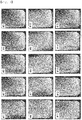
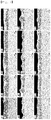
- FIG. 1 results of observing a plating appearance for each plated steel sheet on which plating has been completed were shown in FIG. 1 , and an image of a cross-section of an alloy plating layer observed by SEM is shown in FIG. 2 .
- specimens of Comparative Examples 1 to 13 are formed by mixing an Fe-Al alloy phase with a Zn phase and a Zn-Al phase.
- FIG. 3 is a photograph of the structure of the alloy plating layer of Comparative Example 1 and Inventive Example 2 observed by SEM.
- Example 2 The same specimen as in Example 1, that is, a cold-rolled carbon steel specimen (thickness of 0.7 mm) was degreased and then subjected to an annealing heat treatment at 750°C. During the annealing heat treatment, the gas atmosphere in the furnace was controlled to 4 to 20% of H2-balance of N 2 as a reducing gas atmosphere, and a dew point temperature was -40°C or lower.
Landscapes
- Chemical & Material Sciences (AREA)
- Engineering & Computer Science (AREA)
- Materials Engineering (AREA)
- Mechanical Engineering (AREA)
- Metallurgy (AREA)
- Organic Chemistry (AREA)
- Chemical Kinetics & Catalysis (AREA)
- Physics & Mathematics (AREA)
- Oil, Petroleum & Natural Gas (AREA)
- Thermal Sciences (AREA)
- Coating With Molten Metal (AREA)
- Heat Treatment Of Sheet Steel (AREA)
Abstract
Description
- The present invention relates to a plated steel sheet applicable for various purposes in construction materials, household electric appliances, automobiles, etc, and, more particularly, to a hot-dip galvanized steel sheet having excellent corrosion resistance and workability and a manufacturing method thereof.
- A process of plating a steel sheet in a continuous hot-dip galvanizing process can not only lower manufacturing costs compared to processes such as electroplating, dry plating, and the like, but also can ensure excellent quality, such that a scope of use thereof as a material for construction, ships, home appliances, automobile interior and exterior panels, and the like is expanding.
- Meanwhile, in recent years, due to a rapid increase in the price of raw materials containing zinc, to replace an existing zinc plated steel sheet, a development of a new plating system having a small amount of plating but excellent corrosion resistance is actively progressing.
- In this regard, an alloy plated steel sheet having excellent corrosion resistance even with a small amount of adhesion by adding aluminum and magnesium to the existing zinc-based plating has been emerging.
- A zinc-aluminum-magnesium-based plating bath has lower wettability with steel sheets and wider solidification zones than a zinc-based plating, such that a technology for controlling cooling after plating is important.
- Conventionally, when aluminum and magnesium structure that are susceptible to oxidation develop on a surface of the steel sheet, a zinc-aluminum-magnesium-based alloy-plated steel sheet (
Patent Documents 1 and 2), developed mainly in Japan is subjected to discoloration due to nonuniform oxidation, such that the surface darkens over time, significantly reducing the surface quality. In order to improve this problem, there is a method of adding a high-quality alloy element to a plating bath, but there are disadvantages that cause problems such as an increase in costs and an increase in side reaction products of the plating bath. - A zinc-aluminum-magnesium alloy plated steel sheet (Patent Document 3), which is recently developed mainly in Europe, is set as a final target for application to automobiles, and there is a problem that a total amount of aluminum and magnesium added is less than that of a zinc-aluminum-magnesium alloy plated steel sheet developed in Japan, so that sufficient corrosion resistance may not be secured.
- (Patent Document 1)
Japanese Laid-Open Publication No. 1999-140615 - (Patent Document 2)
Japanese Laid-Open Publication No. 2000-104154 - (Patent Document 3)
European Patent Publication 1621645 A1 - An aspect of the present disclosure is to provide a hot- dip galvanized steel sheet having a good surface appearance and excellent workability, as well as having high corrosion resistance, by optimizing the composition of an alloy plating system, and by optimizing a cooling process of the plated steel material, and a manufacturing method thereof.
- The subject of the present invention is not limited to the above. Additional problems of the present invention are described in the overall contents of the specification, and those of ordinary skill in the art to which the present invention pertains will not have any difficulty in understanding the additional problems of the present invention from the contents described in the specification of the present invention.
- According to an aspect of the present disclosure, a hot- dip galvanized steel sheet, having excellent corrosion resistance and workability, includes: a base steel sheet; and a Zn-Al-Mg-based alloy plating layer on at least one surface of the base steel sheet, wherein the Zn-Al-Mg-based alloy plating layer includes, by wt%, 20 to 30% of aluminum (Al), 3 to 5% of magnesium (Mg), and a balance of Zn and other inevitable impurities, wherein a surface structure of the Zn-Al-Mg-based alloy plating layer is comprised of a Zn phase, a Zn-Al phase, a MgZn2 phase, and a Zn-Al- MgZn2 phase, and an internal structure includes an Fe-Al alloy phase.
- According to another aspect of the present disclosure, a manufacturing method of a hot-dip galvanized steel sheet having excellent corrosion resistance and workability, includes operations of: preparing an alloy plating bath including, by weight %, 20 to 30% of aluminum (Al), 3 to 5% of magnesium (Mg), a balance of Zn and other inevitable impurities; immersing a base steel sheet in the alloy plating bath, and preparing a plated steel sheet by performing plating; and cooling the plated steel sheet at a cooling rate of 8 to 30°C/s, wherein the plating is performed by adjusting a plating bath immersing temperature to 500 to 550 °C and a plating bath temperature to 480 to 550 °C to pass through the plating bath.
- According to an embodiment in the present disclosure, corrosion resistance may be improved by improving adhesion of the alloy plating layer by forming a fine and uniform cross-sectional structure of the alloy plating layer, and an alloy plated steel sheet having good surface qualities and excellent workability may be provided.
-
-
FIG. 1 is a photograph illustrating an appearance of a plated steel sheet according to an embodiment of the present disclosure. -
FIG. 2 is a photograph of a cross-section of an alloy plating layer of the plated steel sheets ofFIG. 1 observed by SEM. -
FIG. 3 is a photograph of a structure in the alloy plating layer of Comparative Example 1 (left) and Inventive Example 2 (right) according to an embodiment of the present disclosure observed by SEM. - In order to obtain a Zn-Al-Mg-based alloy plated steel sheet, when a Zn-Al-Mg alloy is plated, an initiation of solidification of the alloy plating layer is determined by the content of aluminum and magnesium, and at the end of solidification, as an eutectic phase finally containing Zn-Al-Mg is solidified, a solidification reaction of the plating layer is terminated. However, until the solidification of a Zn-Al-Mg ternary eutectic structure is terminated, flow patterning surface defects due to the strong oxidation of Mg are likely to occur, so there are restrictions on the use of Mg.
- Nevertheless, in order to improve the corrosion resistance of Zn-Al-Mg alloy plated steel sheet, it is necessary to add Mg in a certain content or more, and as the content of Mg increases, a problem in which flow pattern defects due to oxidation increase may be confirmed. The present inventors have studied in depth a method to ensure good surface quality while securing corrosion resistance by a certain amount of Mg.
- Specifically, in the case of Zn-Al-Mg-based alloy plating, it was confirmed that an erosion property was strong in the plating bath and the solidification zone was wide, and a structure of the alloy plating layer may be controlled by optimizing a cooling process as well as the alloy composition of the Zn-Al-Mg alloy plating system.
- As a result, it was confirmed that it was possible to provide a Zn-Al-Mg-based alloy plated steel sheet having excellent workability with good surface qualities as well as excellent corrosion resistance, thereby resulting in completion of the present disclosure.
- Hereinafter, the present disclosure will be described in detail.
- According to an aspect of the present disclosure, a hot- dip galvanized steel sheet may include: a base steel sheet; and a Zn-Al-Mg-based alloy plating layer on at least one surface of the base steel sheet, wherein the Zn-Al-Mg-based alloy plating layer may include, by wt%, 20 to 30% of aluminum (Al), 3 to 5% of magnesium (Mg), a balance of Zn and other inevitable impurities.
- The Zn-Al-Mg-based alloy plating layer may be formed from an alloy plating bath containing Al, Mg, and Zn having the alloy composition as described above.
- Specifically, Al in the alloy plating bath is a major element in securing high corrosion resistance of the hot-dip galvanized steel sheet, and if the content thereof is less than 20%, it is difficult to secure sufficient corrosion resistance of the Zn-Al-Mg-based alloy plating layer. On the other hand, if the content thereof exceeds 30%, dross generation in the plating bath increases, resulting in poor surface quality of a final product.
- Mg in the alloy plating bath is an element added to improve the corrosion resistance of the alloy plating layer and a cutting surface of the plating layer, and if the content thereof is less than 3%, the effect of improving corrosion resistance is insignificant, whereas if the content thereof exceeds 5%, there may be a problem that dross generation due to oxidation of the plating bath greatly increases.
- Both Al and Mg are elements improving the corrosion resistance of the plating layer, and as a sum of these elements increases, the corrosion resistance may be further improved, and thus the sum of the contents of Al and Mg may be limited to 25% or more in the present disclosure.
- Meanwhile, the composition in the alloy plating bath is substantially the same as the composition in the alloy plating layer.
- The Zn-Al-Mg-based alloy plating layer having the above-described alloy composition may have a fine and uniform structure, and specifically, it is preferable that a surface layer structure of the Zn-Al-Mg-based alloy plating layer is comprised of a Zn phase, a Zn-Al phase, a MgZn2 phase, and a Zn-Al-MgZn2 phase, and an internal structure includes an Fe-Al alloy phase.
- In the present disclosure, as a plating structure of the Zn-Al-Mg-based alloy plating layer, a fine Zn-Al phase, a MgZn2 phase, and a Zn-Al-MgZn2 phase may be formed on the surface (surface layer) of the alloy plating layer, thereby improving corrosion resistance.
- In addition, in the present disclosure, an Fe-Al intermetallic compound (Fe-Al alloy phase) formed at an interface of the existing Zn-Al-Mg-based alloy plated steel sheet (interface between the base steel sheet and the plating layer) may be uniformly generated inside the alloy plating layer (internal structure), such that there is an effect of ensuring a surface appearance satisfactory.
- Meanwhile, the Zn-Al-Mg-based alloy plating layer may have a thickness of 3 to 40 µm, and a surface structure within the Zn-Al-Mg-based alloy plating layer may correspond to a region from the surface of the alloy plating layer to 1/3t to 1/2t in a thickness direction (where t is the thickness (µm) of the alloy plating layer). The remainder, except for the surface structure corresponding to the above-described area may be referred to as an internal structure.
- In the hot-dip galvanized steel sheet of the present disclosure, the surface structure and the internal structure of the Zn-Al-Mg-based alloy plating layer may be formed differently, and in this case, as the surface structure is formed as described above, the hot dip galvanized steel sheet has advantages of having superior corrosion resistance, and having an attractive surface appearance, as compared to the existing hot-dip galvanized steel sheet.
- Hereinafter, a method of manufacturing a hot-dip galvanized steel sheet having excellent corrosion resistance and workability, another aspect of the present disclosure, will be described in detail.
- A method of manufacturing a hot-dip galvanized steel sheet having excellent corrosion resistance and workability may include operations of: preparing an alloy plating bath having the above-described alloy composition; immersing a base steel sheet in the alloy plating bath, and preparing a plated steel sheet by performing plating; and cooling the plated steel sheet.
- In performing plating by immersing the base steel sheet in an alloy plating bath satisfying the alloy composition proposed in the present disclosure, it is preferable to adjust a plating bath immersing temperature to 500 to 550°C, and a plating bath temperature to 480 to 550°C to pass through a plating bath.
- If the immersing temperature of the plating bath is less than 500°C, non-plated portions may occur on the surface of the formed alloy plating layer or adhesion of the plating layer is deteriorated, whereas if it exceeds 550°C, there is a problem that the adhesion of the plating layer is deteriorated.
- It is preferable to cool the plated steel sheet obtained by plating according to the above, and the cooling is preferably performed to 300°C or lower at a cooling rate of 8 to 30°C/s.
- When the cooling rate is less than 8°C/s, the plating layer cannot be uniformly solidified. On the other hand, when the cooling rate exceeds 30°C/s, there is a problem that flow streak defects may occur on the surface of the plating layer.
- In addition, the cooling may be performed in a gas atmosphere comprised of 4 vol% or less (including 0%) of hydrogen (H2) and residual nitrogen (N2), and may be performed using, for example, an air get cooler.
- By controlling the cooling process as described above, an primary Zn phase and a Zn-Al phase are first may be generated on a surface of the alloy plating layer, and a fine Zn- Al phase, and MgZn2 phase and Zn-Al-MgZn2 phase can be formed in a region below the surface (meaning a region between the surface and an internal alloy layer (internal structure)).
- Finally, by generating a uniform structure on a surface layer of the alloy plating layer, the corrosion resistance of a plane portion may be greatly improved, and in particular, it is possible to obtain an effect of improving sacrificial corrosion resistance of a cross-sectional portion by the Zn phase and the MgZn2 phase.
- Prior to cooling the plated steel sheet, an operation of gas wiping treatment may further be included, and an amount of plating adhesion may be adjusted from the gas wiping treatment.
- As the gas used in the gas wiping treatment, air or nitrogen may be used, of which nitrogen is more preferably used. This is because, when air is used, Mg oxidation preferentially occurs on the surface of the plating layer, thereby causing surface defects of the plating layer.
- Meanwhile, the base steel sheet may be a cold-rolled material such as general carbon steel (including low carbon steel), stainless steel, and the like, and is not particularly limited thereto.
- The cold-rolled material may be subjected to a degreasing process for cleaning rolling oil on the surface of the rolled steel sheet, and then an annealing heat treatment to recover a rolled structure and secure a material.
- The annealing heat treatment may be performed in a temperature range of 700 to 850°C, but generally, an annealing heat treatment may be performed in a temperature range of 700 to 800°C for low carbon steel, and an annealing heat treatment may be performed in a temperature range of 800 to 850°C for ultra-low carbon steel or high strength steel.
- The cold-rolled material may have a thickness of 0.3 to 1 mm, but is not limited thereto.
- Hereinafter, the present disclosure will be described in more detail through examples. However, it is necessary to note that the following examples are only intended to illustrate the present disclosure in more detail and are not intended to limit the scope of the present disclosure. This is because the scope of the present disclosure is determined by matters described in the claims and able to be reasonably inferred therefrom.
- A cold-rolled low-carbon steel (0.003%C-0.15%Mn-a balance of Fe and other unavoidable impurities) specimen (a thickness of 0.7mm) was degreased and then subjected to an annealing heat treatment at 780°C. During the annealing heat treatment, a gas atmosphere in a furnace was controlled to 4 to 20% of the H2- balance of N2 as a reducing gas atmosphere, and a dew point temperature was -40°C or lower.
- Thereafter, alloy melting plating was performed on the specimen under the conditions shown in Table 1 below. In this case, an alloy plating bath (0.027% of Fe) having a composition of 22.77% of Al, 3.6% of Mg, and a balance of Zn by weight% was used.
[Table 1] Specimens Immersing temperature (°C) Immersing time (sec.) Plating bath temperature (°C) Gas for cooling (ℓ/min) Cooling rate (°C /s) Thickness of alloy plating layer (µm) Classifications 1 520 5 510 200/200 4.4 4.4 CE 12 520 5 510 400/400 6.2 6.0 CE 23 520 5 510 600/600 6.9 5.9 CE 34 520 5 510 700/700 8.1 6.0 IE 15 520 5 510 700/700 8.3 5.9 IE 26 540 5 530 200/200 4.3 4.5 CE 47 540 5 530 400/400 6.0 6.6 CE 58 540 5 530 600/600 6.8 5.2 CE 69 540 5 530 700/700 8.2 5.0 CE 710 540 5 530 700/700 8.1 6.6 CE 811 560 5 550 200/200 4.5 5.7 CE 912 560 5 550 400/400 6.1 5.5 CE 1013 560 5 550 600/600 6.8 5.7 CE 1114 560 5 550 700/700 8.0 5.4 CE 1215 560 5 550 700/700 8.2 5.7 CE 13*IE: Inventive example / CE: Comparative example - As described above, results of observing a plating appearance for each plated steel sheet on which plating has been completed were shown in
FIG. 1 , and an image of a cross-section of an alloy plating layer observed by SEM is shown inFIG. 2 . - As shown in
FIG. 2 , it can be confirmed that a surface layer structure and an internal structure are separated and formed uniformly only inspecimens - On the other hand, it can be seen that specimens of Comparative Examples 1 to 13 are formed by mixing an Fe-Al alloy phase with a Zn phase and a Zn-Al phase.
- In addition,
FIG. 3 is a photograph of the structure of the alloy plating layer of Comparative Example 1 and Inventive Example 2 observed by SEM. - As shown in
Fig. 3 , it can be seen that, in the case of Comparative Example 1, an alloy plating layer having the plating structure intended in the present disclosure is not uniformly formed on a surface of the plated steel sheet, whereas in Inventive Example 2, an Fe-Al alloy layer is formed inside the alloy plating layer, and a plating structure is formed uniformly above the alloy layer. - The same specimen as in Example 1, that is, a cold-rolled carbon steel specimen (thickness of 0.7 mm) was degreased and then subjected to an annealing heat treatment at 750°C. During the annealing heat treatment, the gas atmosphere in the furnace was controlled to 4 to 20% of H2-balance of N2 as a reducing gas atmosphere, and a dew point temperature was -40°C or lower.
- Thereafter, alloy hot-dip galvanizing was performed on the specimen under each condition shown in Table 2 below.
[Table 2] Specimens Composition of plating bath (balance of Zn, %) Immersing temperature (°C) Immersing time (Sec.) Plating bath temperature (°C) Gas for cooling (ℓ/min) Cooling rate (°C/s) Classifications Al Mg 1 23 3.6 520 5 510 200/200 4.4 CE A 2 23 3.6 520 5 510 700/700 8.3 IE A *CE: Comparative example/ *IE: Inventive example - In order to evaluate corrosion resistance of a plated steel sheet, in which plating has been completed according to each condition, after performing a corrosion promotion test with a salt spray test (salt spray standard test in accordance with KS-C-0223), an elapsed time was measured until a red rust generation area on a surface of the plating layer became 5%.
- In addition, in order to evaluate plating adhesion, a 180-degree bending test was performed, and then a bending surface was visually observed to confirm occurrence of cracks.
- Each result was shown in Table 3 below. As shown in Table 3 below, it can be seen that Inventive Example A has superior corrosion resistance, compared to Comparative Example A, and no non-plated portion phenomenon is observed. In particular, bending adhesion of Inventive Example A was at the same level as that of a hot-dip galvanized material.
[Table 3] Classifications Salt spray test Crack occurrence of bending surface Comparative Example A Red rust generation after 7 to 8 weeks × Inventive Example A Red rust generation after 11 to 12 weeks ×
Claims (9)
- A hot-dip galvanized steel sheet having excellent corrosion resistance and workability, comprising:a base steel sheet; anda Zn-Al-Mg-based alloy plating layer on at least one surface of the base steel sheet,wherein the Zn-Al-Mg-based alloy plating layer comprises, by wt%, 20 to 30% of aluminum (Al), 3 to 5% of magnesium (Mg), and a balance of Zn and other inevitable impurities,wherein a surface structure of the Zn-Al-Mg-based alloy plating layer is comprised of a Zn phase, a Zn-Al phase, a MgZn2 phase, and a Zn-Al-MgZn2 phase, and an internal structure comprises an Fe-Al alloy phase.
- The hot-dip galvanized steel sheet having excellent corrosion resistance and workability of claim 1, wherein the Zn-Al-Mg-based alloy plating layer comprises 25% by weight or more of aluminum (Al) and magnesium (Mg) as a sum of the elements described above.
- The hot-dip galvanized steel sheet having excellent corrosion resistance and workability of claim 1, wherein the Zn-Al-Mg-based alloy plating layer has a thickness of 3 to 40 µm.
- The hot-dip galvanized steel sheet having excellent corrosion resistance and workability of claim 1, wherein a surface layer structure of the Zn-Al-Mg-based alloy plating layer is a region from a surface of the alloy plating layer to 1/3t to 1/2t in a thickness direction (where t is the thickness of the alloy plating layer (µm)).
- A manufacturing method of a hot-dip galvanized steel sheet having excellent corrosion resistance and workability, comprising operations of:preparing an alloy plating bath including, by wt%, 20 to 30% of aluminum (Al), 3 to 5% of magnesium (Mg), a balance of Zn and other inevitable impurities;immersing a base steel sheet in the alloy plating bath and preparing a plated steel sheet by performing plating; andcooling the plated steel sheet at a cooling rate of 8 to 30°C/s,wherein the plating is performed by adjusting a plating bath immersing temperature to 500 to 550°C and a plating bath temperature to 480 to 550°C to pass through the plating bath.
- The manufacturing method of a hot-dip galvanized steel sheet having excellent corrosion resistance and workability of claim 5, wherein the cooling is performed at 300°C or lower.
- The manufacturing method of a hot-dip galvanized steel sheet having excellent corrosion resistance and workability of claim 5, wherein the cooling is performed in a gas atmosphere consisting of 4% by volume or less (including 0%) of hydrogen (H2) and a balance of nitrogen (N2).
- The manufacturing method of a hot-dip galvanized steel sheet having excellent corrosion resistance and workability of claim 5, further comprising an operation of performing a gas wiping treatment of the plated steel sheet before the cooling.
- The manufacturing method of a hot-dip galvanized steel sheet having excellent corrosion resistance and workability of claim 5, wherein the base steel sheet is a cold-rolled material obtained by degreasing and performing an annealing heat treatment in a temperature range of 700 to 850°C.
Applications Claiming Priority (2)
| Application Number | Priority Date | Filing Date | Title |
|---|---|---|---|
| KR1020180103881A KR102142766B1 (en) | 2018-08-31 | 2018-08-31 | Hot-dip galvanized steel sheet having excellent corrosion resistance and workability and method for manufacturing thereof |
| PCT/KR2018/015602 WO2020045754A1 (en) | 2018-08-31 | 2018-12-10 | Hot dip plated steel sheet having excellent corrosion resistance and workability, and manufacturing method therefor |
Publications (2)
| Publication Number | Publication Date |
|---|---|
| EP3845681A1 true EP3845681A1 (en) | 2021-07-07 |
| EP3845681A4 EP3845681A4 (en) | 2021-10-13 |
Family
ID=69645194
Family Applications (1)
| Application Number | Title | Priority Date | Filing Date |
|---|---|---|---|
| EP18931872.8A Pending EP3845681A4 (en) | 2018-08-31 | 2018-12-10 | Hot dip plated steel sheet having excellent corrosion resistance and workability, and manufacturing method therefor |
Country Status (6)
| Country | Link |
|---|---|
| US (1) | US11541637B2 (en) |
| EP (1) | EP3845681A4 (en) |
| JP (2) | JP7497339B2 (en) |
| KR (1) | KR102142766B1 (en) |
| CN (1) | CN112639153A (en) |
| WO (1) | WO2020045754A1 (en) |
Families Citing this family (6)
| Publication number | Priority date | Publication date | Assignee | Title |
|---|---|---|---|---|
| KR102529740B1 (en) * | 2021-06-18 | 2023-05-08 | 주식회사 포스코 | Plated steel sheet having excellent corrosion resistance and surface property and method for manufacturing the same |
| KR102513355B1 (en) * | 2021-09-30 | 2023-03-23 | 주식회사 포스코 | Plated steel sheet having excellent corrosion resistance and surface appearance and method for manufacturing the same |
| KR102513354B1 (en) * | 2021-09-30 | 2023-03-23 | 주식회사 포스코 | Plated steel sheet having excellent corrosion resistance and bendability and method for manufacturing the same |
| EP4538409A1 (en) * | 2022-06-10 | 2025-04-16 | Nippon Steel Corporation | Zn-Al-Mg-BASED HOT-DIPPED STEEL SHEET |
| JP2026500353A (en) * | 2022-12-19 | 2026-01-06 | ポスコ カンパニー リミテッド | Plated steel sheet with excellent corrosion resistance and manufacturing method thereof |
| CN121137497B (en) * | 2025-11-14 | 2026-02-27 | 四川英智翔机电有限公司 | A tin plating apparatus for microwave circuit board processing |
Family Cites Families (26)
| Publication number | Priority date | Publication date | Assignee | Title |
|---|---|---|---|---|
| KR960000868Y1 (en) * | 1993-08-09 | 1996-02-02 | 포항종합제철 주식회사 | Cooling device of continuous hot-dipping tester |
| KR960010552Y1 (en) | 1994-06-02 | 1996-12-20 | 김성복 | Non-skid device temporarily attachable to resilient tire |
| JP3357471B2 (en) | 1994-08-22 | 2002-12-16 | 川崎製鉄株式会社 | Zn-Mg-Al-based hot-dip galvanized steel excellent in corrosion resistance and method for producing the same |
| JP3201469B2 (en) | 1997-11-04 | 2001-08-20 | 日新製鋼株式会社 | Mg-containing hot-dip Zn-base plated steel sheet |
| CN1193113C (en) | 1996-12-13 | 2005-03-16 | 日新制钢株式会社 | Molten Zn-Al-Mg electroplated steel sheet with good corrosion resistance and surface appearance and its preparation method |
| JP3179446B2 (en) | 1998-07-02 | 2001-06-25 | 新日本製鐵株式会社 | Coated steel sheet and coated steel sheet excellent in corrosion resistance and method for producing the same |
| JP2002275611A (en) * | 2001-03-15 | 2002-09-25 | Nippon Steel Corp | Zinc alloy plated column material, method for producing the same, and flux used in the method |
| JP2002371345A (en) * | 2001-06-13 | 2002-12-26 | Sumitomo Metal Ind Ltd | Manufacturing method of hot-dip Zn-Al-Mg alloy plated steel sheet |
| KR100590723B1 (en) * | 2004-05-03 | 2006-06-19 | 주식회사 포스코 | Manufacturing method of high strength hot dip galvanized steel sheet |
| EP1621645A1 (en) | 2004-07-28 | 2006-02-01 | Corus Staal BV | Steel sheet with hot dip galvanized zinc alloy coating |
| JP4584179B2 (en) * | 2006-04-13 | 2010-11-17 | Jfe鋼板株式会社 | Method for producing hot-dip Zn-Al alloy-plated steel sheet with excellent corrosion resistance and workability |
| JP5043234B2 (en) * | 2009-06-30 | 2012-10-10 | 新日本製鐵株式会社 | Zn-Al-Mg hot-dip steel sheet and method for producing the same |
| CN103228813B (en) | 2010-11-26 | 2016-08-10 | 杰富意钢铁株式会社 | Hot-dip Al-Zn steel plate |
| KR20120075235A (en) | 2010-12-28 | 2012-07-06 | 주식회사 포스코 | Hot dip zn alloy plated steel sheet having excellent anti-corrosion and method for manufacturing the steel sheet using the same |
| ES2712631T3 (en) | 2011-02-28 | 2019-05-14 | Nisshin Steel Co Ltd | Steel sheet coated by hot dip with a Zn-Al-Mg based system and the same manufacturing process |
| JP5672178B2 (en) * | 2011-06-30 | 2015-02-18 | 新日鐵住金株式会社 | High corrosion resistance hot-dip galvanized steel sheet with excellent appearance uniformity |
| CN103361588B (en) | 2012-03-30 | 2016-04-06 | 鞍钢股份有限公司 | Production method of low-aluminum low-magnesium zinc-aluminum-magnesium coated steel plate and coated steel plate thereof |
| JP5097305B1 (en) | 2012-04-25 | 2012-12-12 | 日新製鋼株式会社 | Black plated steel plate |
| CN103507324B (en) * | 2012-06-20 | 2015-06-03 | 鞍钢股份有限公司 | Alloyed zinc-aluminum-magnesium coated steel plate and production method thereof |
| KR101417304B1 (en) | 2012-07-23 | 2014-07-08 | 주식회사 포스코 | HOT DIP Zn ALLOY PLATED STEEL SHEET HAVING EXCELLENT ANTI-CORROSION AND SURFACE APPEARANCE AND METHOD FOR MANUFACTURING THE STEEL SHEET USING THE SAME |
| EP2703515A1 (en) | 2012-09-03 | 2014-03-05 | voestalpine Stahl GmbH | Method for applying a protective cover to a flat steel product and flat steel product with such a protective cover |
| BR112015018780B1 (en) | 2013-02-06 | 2021-04-27 | Arcelormittal | METALLIC PLATE AND PROCESS OF MAKING A METALLIC PLATE |
| KR101376381B1 (en) | 2013-08-07 | 2014-03-20 | 동부제철 주식회사 | Plating steel sheet having excellent corrosion resistance, high formability and good appearance and method for production thereof |
| EP3282040B1 (en) | 2015-03-31 | 2019-12-18 | Nippon Steel Nisshin Co., Ltd. | Use of a plated steel sheet as heat-absorbing and radiating steel sheet |
| CN110234780B (en) | 2017-01-27 | 2021-09-07 | 日本制铁株式会社 | plated steel |
| JP6350780B1 (en) * | 2017-12-28 | 2018-07-04 | 新日鐵住金株式会社 | Hot-dip Zn-plated steel sheet with excellent corrosion resistance after painting |
-
2018
- 2018-08-31 KR KR1020180103881A patent/KR102142766B1/en active Active
- 2018-12-10 US US17/271,343 patent/US11541637B2/en active Active
- 2018-12-10 WO PCT/KR2018/015602 patent/WO2020045754A1/en not_active Ceased
- 2018-12-10 JP JP2021510207A patent/JP7497339B2/en active Active
- 2018-12-10 CN CN201880097006.1A patent/CN112639153A/en active Pending
- 2018-12-10 EP EP18931872.8A patent/EP3845681A4/en active Pending
-
2023
- 2023-09-06 JP JP2023144601A patent/JP2023182581A/en active Pending
Also Published As
| Publication number | Publication date |
|---|---|
| US20210178727A1 (en) | 2021-06-17 |
| WO2020045754A1 (en) | 2020-03-05 |
| JP2021534329A (en) | 2021-12-09 |
| KR20200025897A (en) | 2020-03-10 |
| KR102142766B1 (en) | 2020-08-07 |
| US11541637B2 (en) | 2023-01-03 |
| JP7497339B2 (en) | 2024-06-10 |
| CN112639153A (en) | 2021-04-09 |
| JP2023182581A (en) | 2023-12-26 |
| EP3845681A4 (en) | 2021-10-13 |
Similar Documents
| Publication | Publication Date | Title |
|---|---|---|
| US11541637B2 (en) | Hot dip plated steel sheet having excellent corrosion resistance and workability | |
| EP2312005B1 (en) | Aluminum plated steel sheet for rapid heating hot-stamping, production method of the same and rapid heating hot-stamping method by using this steel sheet | |
| EP2684985B1 (en) | Process for producing hot-pressed member steel sheet | |
| EP2794950B1 (en) | Hot-dip galvanized steel sheet having excellent adhesiveness at ultra-low temperatures and method of manufacturing the same | |
| JP5672849B2 (en) | Steel sheet for hot pressing, method for manufacturing the same, and method for manufacturing hot pressed members using the same | |
| JP7719187B2 (en) | Plated steel sheet with excellent sealer adhesion and manufacturing method thereof | |
| EP2808417A1 (en) | Steel sheet for hot pressing, manufacturing process therefor, and process for producing hot-pressed member using same | |
| KR101647229B1 (en) | HOT DIP Zn ALLOY PLATED STEEL WIRE HAVING EXCELLENT ANTI-CORROSION AND METHOD FOR MANUFACTURING THE STEEL WIRE USING THE SAME | |
| KR20210144804A (en) | Method for manufacturing steel strip with improved bonding in hot dip plating | |
| JP4506128B2 (en) | Hot press-formed product and method for producing the same | |
| KR102305748B1 (en) | Hot dip alloy coated steel material having excellent anti-corrosion properties and method of manufacturing the same | |
| KR20150070841A (en) | High-anticorosive coated steel sheet and method for manufacturing the same | |
| KR20190078330A (en) | Plated steel wire and manufacturing method for the same | |
| KR101506681B1 (en) | Magnesium plate and method for manufacturing the same | |
| JP7265217B2 (en) | Galvanized steel sheet for hot stamping | |
| KR20120041619A (en) | Galvanizing steel sheet having good galvanizabilty and adhesion and method for manufacturing the same | |
| JPH09209109A (en) | Micro spangled Zn-Al alloy plated steel sheet and its manufacturing method | |
| JP5533730B2 (en) | Method for producing galvannealed steel sheet | |
| JP2024539571A (en) | Coated steel sheet with excellent corrosion resistance and surface appearance and its manufacturing method | |
| KR101612240B1 (en) | High-anticorosive coated steel sheet and method for manufacturing the same | |
| JP2727598B2 (en) | Alloyed hot-dip galvanized steel sheet excellent in workability and paintability and method for producing the same | |
| EP4474516A1 (en) | Plated steel sheet for hot press forming having excellent surface properties and method for manufacturing same | |
| JP4855290B2 (en) | Hot-dip galvanized steel sheet and method for producing alloyed hot-dip galvanized steel sheet | |
| JPH05156416A (en) | Hot-dip galvanizing method for Si-containing steel sheet | |
| KR20110018701A (en) | Hot-dip galvanized steel sheet with excellent plating adhesion and spot weldability and its manufacturing method |
Legal Events
| Date | Code | Title | Description |
|---|---|---|---|
| STAA | Information on the status of an ep patent application or granted ep patent |
Free format text: STATUS: THE INTERNATIONAL PUBLICATION HAS BEEN MADE |
|
| STAA | Information on the status of an ep patent application or granted ep patent |
Free format text: STATUS: REQUEST FOR EXAMINATION WAS MADE |
|
| PUAI | Public reference made under article 153(3) epc to a published international application that has entered the european phase |
Free format text: ORIGINAL CODE: 0009012 |
|
| 17P | Request for examination filed |
Effective date: 20210308 |
|
| AK | Designated contracting states |
Kind code of ref document: A1 Designated state(s): AL AT BE BG CH CY CZ DE DK EE ES FI FR GB GR HR HU IE IS IT LI LT LU LV MC MK MT NL NO PL PT RO RS SE SI SK SM TR |
|
| A4 | Supplementary search report drawn up and despatched |
Effective date: 20210915 |
|
| RIC1 | Information provided on ipc code assigned before grant |
Ipc: C22C 38/00 20060101ALN20210909BHEP Ipc: C23C 30/00 20060101ALI20210909BHEP Ipc: B32B 15/01 20060101ALI20210909BHEP Ipc: C22C 18/04 20060101ALI20210909BHEP Ipc: C23C 2/20 20060101ALI20210909BHEP Ipc: C23C 2/26 20060101ALI20210909BHEP Ipc: C23C 2/06 20060101AFI20210909BHEP |
|
| DAV | Request for validation of the european patent (deleted) | ||
| DAX | Request for extension of the european patent (deleted) | ||
| RAP3 | Party data changed (applicant data changed or rights of an application transferred) |
Owner name: POSCO HOLDINGS INC. |
|
| TPAC | Observations filed by third parties |
Free format text: ORIGINAL CODE: EPIDOSNTIPA |
|
| RAP1 | Party data changed (applicant data changed or rights of an application transferred) |
Owner name: POSCO CO., LTD |
|
| STAA | Information on the status of an ep patent application or granted ep patent |
Free format text: STATUS: EXAMINATION IS IN PROGRESS |
|
| 17Q | First examination report despatched |
Effective date: 20240918 |