EP3838632B1 - Encapsulated embedded tire sensor unit - Google Patents
Encapsulated embedded tire sensor unit Download PDFInfo
- Publication number
- EP3838632B1 EP3838632B1 EP20214109.9A EP20214109A EP3838632B1 EP 3838632 B1 EP3838632 B1 EP 3838632B1 EP 20214109 A EP20214109 A EP 20214109A EP 3838632 B1 EP3838632 B1 EP 3838632B1
- Authority
- EP
- European Patent Office
- Prior art keywords
- tire
- sensor unit
- encapsulated
- encapsulated sensor
- disposed
- Prior art date
- Legal status (The legal status is an assumption and is not a legal conclusion. Google has not performed a legal analysis and makes no representation as to the accuracy of the status listed.)
- Active
Links
Images




Classifications
-
- B—PERFORMING OPERATIONS; TRANSPORTING
- B60—VEHICLES IN GENERAL
- B60C—VEHICLE TYRES; TYRE INFLATION; TYRE CHANGING; CONNECTING VALVES TO INFLATABLE ELASTIC BODIES IN GENERAL; DEVICES OR ARRANGEMENTS RELATED TO TYRES
- B60C23/00—Devices for measuring, signalling, controlling, or distributing tyre pressure or temperature, specially adapted for mounting on vehicles; Arrangement of tyre inflating devices on vehicles, e.g. of pumps or of tanks; Tyre cooling arrangements
- B60C23/20—Devices for measuring or signalling tyre temperature only
-
- B—PERFORMING OPERATIONS; TRANSPORTING
- B60—VEHICLES IN GENERAL
- B60C—VEHICLE TYRES; TYRE INFLATION; TYRE CHANGING; CONNECTING VALVES TO INFLATABLE ELASTIC BODIES IN GENERAL; DEVICES OR ARRANGEMENTS RELATED TO TYRES
- B60C23/00—Devices for measuring, signalling, controlling, or distributing tyre pressure or temperature, specially adapted for mounting on vehicles; Arrangement of tyre inflating devices on vehicles, e.g. of pumps or of tanks; Tyre cooling arrangements
- B60C23/02—Signalling devices actuated by tyre pressure
- B60C23/04—Signalling devices actuated by tyre pressure mounted on the wheel or tyre
- B60C23/0491—Constructional details of means for attaching the control device
- B60C23/0493—Constructional details of means for attaching the control device for attachment on the tyre
-
- B—PERFORMING OPERATIONS; TRANSPORTING
- B60—VEHICLES IN GENERAL
- B60C—VEHICLE TYRES; TYRE INFLATION; TYRE CHANGING; CONNECTING VALVES TO INFLATABLE ELASTIC BODIES IN GENERAL; DEVICES OR ARRANGEMENTS RELATED TO TYRES
- B60C23/00—Devices for measuring, signalling, controlling, or distributing tyre pressure or temperature, specially adapted for mounting on vehicles; Arrangement of tyre inflating devices on vehicles, e.g. of pumps or of tanks; Tyre cooling arrangements
- B60C23/02—Signalling devices actuated by tyre pressure
- B60C23/04—Signalling devices actuated by tyre pressure mounted on the wheel or tyre
- B60C23/0408—Signalling devices actuated by tyre pressure mounted on the wheel or tyre transmitting the signals by non-mechanical means from the wheel or tyre to a vehicle body mounted receiver
- B60C23/0422—Signalling devices actuated by tyre pressure mounted on the wheel or tyre transmitting the signals by non-mechanical means from the wheel or tyre to a vehicle body mounted receiver characterised by the type of signal transmission means
- B60C23/0433—Radio signals
- B60C23/0447—Wheel or tyre mounted circuits
- B60C23/0452—Antenna structure, control or arrangement
Definitions
- Tires experience many conditions that are beneficial to monitor. Such tires include pneumatic tires, non-pneumatic tires, automotive tires, passenger tires, truck tires, commercial tires, off-the-road tires, aircraft tires, spacecraft tires, and the like. Reference herein is made generally to a tire by way of example, with the understanding that the invention applies to any type of tire.
- Prior art embedded sensor units have experienced disadvantages, particularly with such increased component size requirements. More particularly, prior art sensor units have not been able to withstand tire curing conditions or tire operating conditions. For example, prior art sensor units have undesirably experienced detachment or cracking of components and/or the substrate during curing or operation of the tire, which shortens the life of the sensor unit.
- US 2006/038665 A1 shows a sensor unit in accordance with the preamble of claim 1.
- EP 0 505 905 A1 shows an integrated circuit transponder with a coil antenna in a pneumatic tire.
- US 2007/0107824 discloses a rubber formulation with an adhesive-compatible surface for securing a monitoring device to a tire innerliner.
- EP 1 224 056 A2 describes a transponder embedded in the bead area of a pneumatic tire.
- the third encapsulation layer 116 is disposed about the exterior surface 114 of the second encapsulation layer 112.
- the third encapsulation layer 116 thus encapsulates both the sensor portion 102 and the antenna portion 104.
- the third encapsulation layer 116 is of a soft gum rubber.
- the third encapsulation layer 116 acts as a cushion to protect the electronic components on the sensor portion 102 and the antenna 52 on the antenna portion 104 from high stresses.
- the soft rubber of the third encapsulation layer 116 enables the encapsulated sensor unit 100 to bond with the rubber components of the tire structure during curing of the tire.
Landscapes
- Engineering & Computer Science (AREA)
- Mechanical Engineering (AREA)
- Tires In General (AREA)
- Arrangements For Transmission Of Measured Signals (AREA)
Description
- The invention relates to tires and monitoring systems for tires. More particularly, the invention relates to electronic sensors that sense various conditions within tires. Specifically, the invention is directed to a sensor unit that is encapsulated for embedding in a tire structure.
- Tires experience many conditions that are beneficial to monitor. Such tires include pneumatic tires, non-pneumatic tires, automotive tires, passenger tires, truck tires, commercial tires, off-the-road tires, aircraft tires, spacecraft tires, and the like. Reference herein is made generally to a tire by way of example, with the understanding that the invention applies to any type of tire.
- In the manufacture of a pneumatic tire, the tire is typically built on the drum of a tire-building machine, which is known in the art as a tire building drum. Numerous tire components are wrapped about and/or applied to the drum in sequence, forming a cylindrical-shaped tire carcass. The tire carcass is then expanded into a toroidal shape for receipt of the remaining components of the tire, such as a belt package and a rubber tread. The completed toroidally-shaped unvulcanized tire carcass, which is known in the art at that stage as a green tire, is then inserted into a mold or press for forming of the tread pattern and curing or vulcanization.
- For many modern tires, it is often desirable to mount electronic sensor units to the tires either before or after curing. Such sensor units enable temperature, pressure and/or other parameters or conditions of the tire to be continuously monitored during vehicle operation. The sensor units typically include an integrated circuit that processes and stores information. One or more sensors are integrated with or are electronically connected to the integrated circuit. An antenna for receiving and transmitting a signal to an external reader is also electronically connected to the integrated circuit, and may be carried on a substrate with the integrated circuit. Other electronic components, including power means such as a battery or energy harvesting structure, signal converters, and the like, are also typically integrated with the integrated circuit.
- In the prior art, such electronic sensor units have often been attached to the inside surface of a pneumatic tire, which defines the cavity containing the inflation gas. Such a location has enabled the sensor unit to continuously sense parameters such as the temperature and pressure inside the tire cavity, while not interfering with the structure of the tire.
- While such prior art sensor units are acceptable for many uses, it is desirable to monitor the actual temperature and other parameters at specific locations inside the tire structure during use on a vehicle, which cavity-based sensors cannot do. For example, monitoring the actual temperature at the edge of the belts in the belt package would be advantageous in predicting ongoing tire performance and potential tire replacement, as well as in providing immediate information to a driver or dispatcher to adjust the speed of a vehicle before potential thermal damage to the tire may occur. However, accurate measurement of the actual temperature at such a location requires the sensor unit to be permanently embedded into the tire structure.
- In addition, as the demand for monitoring data increases, the size of the components of the sensor unit has often increased. For example, the sensor size has often increased in order to collect more data and/or monitor parameters with a greater sensitivity, power-related component size has increased due to increased power requirements for increased monitoring and transmission, and input/output component size has increased due to increased transmission timing and/or range.
- Prior art embedded sensor units have experienced disadvantages, particularly with such increased component size requirements. More particularly, prior art sensor units have not been able to withstand tire curing conditions or tire operating conditions. For example, prior art sensor units have undesirably experienced detachment or cracking of components and/or the substrate during curing or operation of the tire, which shortens the life of the sensor unit.
- As a result, it is desirable to develop a sensor unit with a structure that enables the unit to be embedded in a tire structure, which maintains durability of the tire and the life of the sensor unit.
-
US 2006/038665 A1 shows a sensor unit in accordance with the preamble of claim 1. -
EP 0 505 905 A1 shows an integrated circuit transponder with a coil antenna in a pneumatic tire. -
US 2007/0107824 discloses a rubber formulation with an adhesive-compatible surface for securing a monitoring device to a tire innerliner. -
EP 1 224 056 A2 describes a transponder embedded in the bead area of a pneumatic tire. - The invention relates to a senor unit in accordance with claim 1, to a tire in accordance with
claim 10 and to a method in accordance with claim 15. - Dependent claims refer to preferred embodiments of the invention.
- According to an aspect of an exemplary embodiment of the invention, an encapsulated sensor unit for embedding in a tire includes a sensor portion and an antenna portion. A first encapsulating layer is disposed about the sensor portion, and a second encapsulating layer is disposed about the first encapsulating layer and the antenna portion. A third encapsulating layer is disposed about the second encapsulating layer.
- According to another aspect of an exemplary embodiment of the invention, a tire includes an encapsulated sensor unit. The tire and encapsulated sensor unit combination includes a tire, which in turn includes a pair of bead areas, a sidewall extending from each respective bead area to a tread, a carcass extending toroidally between each of the bead areas, and a belt reinforcement package disposed between the tread and the carcass. An encapsulated sensor unit is embedded in the tire. The encapsulated sensor unit includes a sensor portion and an antenna portion. A first encapsulating layer is disposed about the sensor portion, and a second encapsulating layer is disposed about the first encapsulating layer and the antenna portion. A third encapsulating layer is disposed about the second encapsulating layer.
- "Axial" and "axially" mean lines or directions that are parallel to the axis of rotation of the tire.
- "Circumferential" means lines or directions extending along the perimeter of the surface of the annular tread perpendicular to the axial direction.
- "Equatorial plane (EP)" means the plane perpendicular to the tire's axis of rotation and passing through the center of its tread.
- "Inner" means toward the inside of the tire.
- "Lateral" and "laterally" are used to indicate axial directions across the tread of the tire.
- "Radial" and "radially" mean lines or directions that are perpendicular to the axis of rotation of the tire.
- "Radially inward" and "radially inwardly" refer to a radial direction that is toward the central axis of rotation of the tire.
- The invention will be described by way of example and with reference to the accompanying drawings, in which:
-
Figure 1 is a perspective view of a tire, partially in section, with a cavity-mounted sensor unit of the prior art; -
Figure 2 is a partial cross-sectional view of the construction of the tire shown inFigure 1 ; -
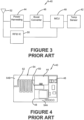
Figure 3 is a block diagram of components of an integrated sensor unit; -
Figure 4 is a plan view of the integrated sensor unit shown inFigure 3 ; -
Figure 5 is a cross-sectional view of an exemplary embodiment of a sensor unit for a tire of the present invention with a first encapsulation layer; -
Figure 6 is a schematic cross-sectional view of an exemplary embodiment of a sensor unit for a tire of the present invention with first and second encapsulation layers; -
Figure 7 is a schematic cross-sectional view of an exemplary embodiment of a sensor unit for a tire of the present invention with first, second and third encapsulation layers; and -
Figure 8 is a schematic partial cross-sectional view of the construction of a tire with the encapsulated sensor unit shown inFigure 7 embedded in the tire structure. - Similar numerals refer to similar parts throughout the drawings.
- By way of introduction of the encapsulated sensor unit for a tire of the present invention,
Figures 1 through 4 show a sensor construction of the prior art and a tire. Turning toFigure 1 , atire 10 includes a pair of bead areas 12 (only one shown) and abead core 14 embedded in each bead area. Each one of a pair ofsidewalls 16 extends radially outward from arespective bead area 12 to a ground-contacting or ground-engagingtread 18. Thetire 10 is reinforced by acarcass 20 that toroidally extends from onebead area 12 to the other bead area. Thecarcass 20 includes at least oneply 22 that preferably winds around eachbead core 14. Aninnerliner 24 is formed on the inner or inside surface of thecarcass 20. Thetire 10 is mounted on the flange of a wheel orrim 26, as known in the art. - When the
tire 10 is mounted on thewheel 26, acavity 28 is formed and is filled with a pressurized fluid, such as air. An integrated sensor, such as a tire pressure monitoring system (TPMS)sensor unit 30, may be mounted on theinnerliner 24 to measure the pressure and/or temperature in thecavity 28. - As shown in
Figure 2 , abelt reinforcement package 32 is disposed between thecarcass 20 and thetread 18. Thebelt reinforcement package 32 may employ specific configurations as desired. For example, thebelt reinforcement package 32 may include at least one of a radiallyouter belt structure 34 and a radiallyinner belt structure 36, and anintermediate belt structure 38 disposed between the radially outer belt structure and the radially inner belt structure. - As mentioned above, in the prior art, the integrated
TPMS sensor unit 30 has been attached to theinnerliner 24, which enables the sensor to continuously sense parameters such as the temperature and pressure inside thetire cavity 28, while not interfering with the structure of thetire 10. However, theTPMS sensor unit 30 cannot monitor the actual temperature and other parameters at specific structural locations inside thetire 10 during use on a vehicle, such as at the edge of thebelt structures belt package 32. - With reference to
Figures 3 and 4 , a priorart sensor unit 40 that may be embedded in the structure of the tire 10 (Figure 2 ) is shown. The priorart sensor unit 40 has been disposed between thebelt package 32 and thetread 18, between the belt package and thecarcass 20, or betweenbelts art sensor unit 40 includes asubstrate 54 on which electronically interconnected components are formed. - For example, the prior
art sensor unit 40 includes atemperature sensor 42 and apower source 44, such as an energy or power harvesting unit. Aboost converter 46, which is a power converter that adjusts voltage and/or current between thepower source 44 and thetemperature sensor 42 and other powered components, is also included. A microcontroller unit (MCU) 48 receives the data from thetemperature sensor 42 and processes it for transmission. A radio frequency identification (RFID) integratedcircuit 50 includes information to identify thesensor unit 40. - An
antenna 52 transmits data from thesensor unit 40 to an external reader and/or processor, as known to those skilled in the art. Theantenna 52 may also receive signals to actuate thesensor unit 40 and may receive a radio frequency power signal for thepower source 44. - The
temperature sensor 42, thepower source 44, theboost converter 46, themicrocontroller unit 48 and the RFID integrated circuit typically are mounted on afirst portion 54A of thesubstrate 54. Theantenna 52 is mounted on asecond portion 54B of thesubstrate 54 which is separate from and adjacent thefirst portion 54A of the substrate. - As mentioned above, the prior
art sensor unit 40 has experienced disadvantages when embedded in the structure of thetire 10 prior to curing of the tire. Such priorart sensor units 40 often undesirably experience detachment or cracking of components and/or thesubstrate 54 during curing or operation of thetire 10 which shortens the life of the sensor unit. - Turning to
Figures 5 through 8 an exemplary embodiment of an encapsulatedsensor unit 100 for atire 120 of the present invention. The encapsulatedsensor unit 100 may include the same components as the above-described sensor unit 40 (Figure 4 ). More particularly, the encapsulatedsensor unit 100 preferably includes thetemperature sensor 42, thepower source 44, theboost converter 46, themicrocontroller unit 48 and the RFID integratedcircuit 50, which are mounted on thefirst portion 54A of thesubstrate 54 and shall be referred to as asensor portion 102 of the encapsulated sensor unit. The encapsulatedsensor unit 100 preferably also includes theantenna 52, which is mounted on thesecond portion 54B of thesubstrate 54 and shall be referred to as anantenna portion 104 of the encapsulated sensor unit. - As shown in
Figure 5 , afirst encapsulation layer 106 is disposed about thesensor portion 102 of the encapsulatedsensor unit 100. Thefirst encapsulation layer 106 surrounds thesensor portion 102 and terminates at a joint 108 between the sensor portion and theantenna portion 104. Thefirst encapsulation layer 106 includes anexterior surface 110. Preferably, thefirst encapsulation layer 106 is of a thermosetting polymer, such as an epoxy resin. A thermosetting polymer enables thefirst encapsulation layer 106 to be poured and thus easily formed about thesensor portion 102, while hardening to form a strong layer that is still somewhat resilient. In this manner, thefirst encapsulating layer 106 protects and maintains the position of components such as thetemperature sensor 42, thepower source 44, theboost converter 46, themicrocontroller unit 48 and the RFID integratedcircuit 50. - As mentioned above, the
first encapsulation layer 106 terminates at the joint 108, and thus does not encapsulate theantenna portion 104. Because theantenna 52 is disposed in theantenna portion 104, radio signals must be transmitted to and from the antenna portion of the encapsulatedsensor unit 100. The thermosetting polymer used to form thefirst encapsulation layer 106 may interfere with such transmission, and so does not encapsulate theantenna portion 104. In addition, theantenna 52 withstands greater flexing than the components mounted on thesensor portion 102, eliminating the need for encapsulation of theantenna portion 104 with a thermosetting polymer. - Turning to
Figure 6 , disposed about theexterior surface 110 of thefirst encapsulating layer 106 and about theantenna portion 104 is asecond encapsulating layer 112. Thesecond encapsulation layer 112 thus surrounds thesensor portion 102 and theantenna portion 104, and includes anexterior surface 114. Preferably, thesecond encapsulation layer 112 is of a vulcanizing adhesive, which provides a strong bond with rubber. By way of example, one such vulcanizing adhesive is distributed under the name Chemlok, which is a registered trademark of Lord Corporation. By surrounding thefirst encapsulating layer 106, which is disposed about thesensor portion 102, and theantenna portion 104, the second encapsulating layer provides improved adhesion with athird encapsulating layer 116. - As shown in
Figure 7 , thethird encapsulation layer 116 is disposed about theexterior surface 114 of thesecond encapsulation layer 112. Thethird encapsulation layer 116 thus encapsulates both thesensor portion 102 and theantenna portion 104. Preferably, thethird encapsulation layer 116 is of a soft gum rubber. By being formed of a soft rubber, thethird encapsulation layer 116 acts as a cushion to protect the electronic components on thesensor portion 102 and theantenna 52 on theantenna portion 104 from high stresses. In addition, the soft rubber of thethird encapsulation layer 116 enables the encapsulatedsensor unit 100 to bond with the rubber components of the tire structure during curing of the tire. - Moreover, the soft rubber of the
third encapsulation layer 116 preferably is of a type that allows radio frequency signals and/or wireless power signals to pass through it, which enables efficient signal and/or energy transmission to and from theantenna 52 disposed in theantenna portion 104 of the encapsulatedsensor unit 100. Such signal transmission enables the encapsulatedsensor unit 100 to be a passive radio frequency unit that is actuated by an external reader. For example, themicrocontroller unit 48, the RFID integratedcircuit 50, and other components may remain in a passive state until an external reader is in proximity with thesensor unit 100. Due to such proximity, radio frequency signals pass through the soft rubber of thethird encapsulation layer 116, enabling theantenna 52 to receive a signal from the reader, which actuates themicrocontroller unit 48, the RFID integratedcircuit 50 and other components. Likewise, data from the sensor components in thesensor portion 102 may be transmitted wirelessly through radio frequency by theantenna 52 through thethird encapsulation layer 116 to the external reader. - With particular reference now to
Figure 8 , the above-described structure of the encapsulatedsensor unit 100 enables the unit to be inserted into a specific structural location in atire 120 before curing. As with thetire 10 shown inFigure 1 , thetire 120 includes a pair of bead areas 12 (Figure 1 ), abead core 14 embedded in each bead area, and sidewalls 16 extending radially outward from each respective bead area to a ground-engagingtread 18. Thetire 120 is reinforced by acarcass 20, which toroidally extends from onebead area 12 to the other bead area, and abelt reinforcement package 32 is disposed between the carcass and thetread 18. Thebelt reinforcement package 32 may a radiallyouter belt structure 34 and a radiallyinner belt structure 36, and anintermediate belt structure 38 disposed between the radially outer belt structure and the radially inner belt structure. - When the encapsulated
sensor unit 100 is inserted into thetire 120 before curing, thesensor unit 100 may be employed to detect temperature profiles within the tire during curing. In such a case, the encapsulatedsensor unit 100 may be disposed in the last part of thetire 120 to cure, which is referred to as the point of least cure. By being located at the point of least cure in thetire 120, thesensor unit 100 may measure the actual integrated time and temperature history during the curing of the tire, which may be used to control the cycle time of the curing press. Such a measurement of actual temperature at the point of least cure of thetire 120 by thesensor unit 100 may be more reliable than prediction techniques. In addition, because prediction techniques often add more curing time as a precautionary factor, measurement of actual temperature with thesensor unit 100 may reduce the curing time that is required for thetire 120, thereby increasing the efficiency of the curing process. - Once the
tire 120 is cured, the encapsulatedsensor unit 100, and particularly the third encapsulation layer 116 (Figure 7 ), bonds with the rubber compounds of thecarcass 20, thebelt reinforcement package 32 and/or thetread 18, depending on the specific placement or disposition of the sensor unit in the tire structure. In this manner, the encapsulatedsensor unit 100 is permanently disposed at its selected location inside thetire 120. The encapsulated construction of thesensor unit 100, including thesensor portion 102 encapsulated by the first, second and third encapsulation layers 106, 112 and 116, and theantenna portion 104 encapsulated by the second and third encapsulation layers, enables bonding of the sensor unit to the structure of thetire 120 without damage to the tire. - The encapsulated
sensor unit 100 may also be employed to detect temperature within thetire 120 during its use on a vehicle. For example, thesensor unit 100 may be disposed at the edge of thebelt reinforcement package 32 to measure the belt edge temperature. Belt edge temperature is often an indicator of performance and/or life issues for thetire 120, and by detecting temperature in the structure at the edge of thebelt reinforcement package 32, the encapsulatedsensor unit 100 provides data indicating when tire replacement is recommended. The encapsulatedsensor unit 100 may also track a temperature versus time history at a specific location, such as the belt edge or a belt splice, in order to provide data to predict when tire replacement should occur. Moreover, the encapsulatedsensor unit 100 may be disposed in other structural areas of thetire 120 to monitor temperatures at those locations. - In this manner, the encapsulated
sensor unit 100 provides a structure that may be embedded in atire 120, and maintains durability of the tire and the life of the sensor unit. The encapsulated construction of thesensor unit 100 also bonds with the components of thetire 120 and thereby prevents structural issues within the tire. - The present invention also includes a method of forming a
tire 120 with an encapsulatedsensor unit 100. The method includes steps in accordance with the description that is presented above and shown inFigures 5 through 8 . - It is to be understood that the structure of the above-described encapsulated
sensor unit 100 and/or thetire 120 in which the sensor unit is embedded may be altered or rearranged, or components or steps known to those skilled in the art omitted or added, without affecting the overall concept or operation of the invention. For example, the encapsulatedsensor unit 100 may be disposed in any location in thetire 120, more than one encapsulated sensor unit may be disposed in the tire, and electronic structures and/or types of sensors other than those described above may be connected to or integrated into the encapsulated sensor unit. In addition, the invention applies to any type of tires, including pneumatic tires, non-pneumatic tires, automotive tires, passenger tires, truck tires, commercial tires, off-the-road tires, aircraft tires, and spacecraft tires.
Claims (15)
- An encapsulated sensor unit for embedding in a tire (120), the encapsulated sensor unit (100 comprising:a sensor portion (102);an antenna portion (104);a first encapsulating layer (106) disposed about the sensor portion (102);a second encapsulating layer (112) disposed about the first encapsulating layer (106) and the antenna portion (104); anda third encapsulating layer (116) disposed about the second encapsulating layer (112); characterized in thatthe first encapsulation layer (106) surrounds the sensor portion (102) and terminates at a joint (108) between the sensor portion (102) and the antenna portion (104) and thus does not encapsulate the antenna portion (104).
- The encapsulated sensor unit of claim 1, wherein the first encapsulating layer (106) is not disposed about the antenna portion (104).
- The encapsulated sensor unit of claim 1 or 2, wherein the first encapsulation layer (106) is of a thermosetting polymer, the thermosetting polymer preferably including an epoxy resin.
- The encapsulated sensor unit of at least one of the previous claims, wherein the second encapsulation layer (112) is of a vulcanizing adhesive.
- The encapsulated sensor unit of at least one of the previous claims, wherein the third encapsulation layer (116) is of a rubber, preferably a relatively soft gum rubber.
- The encapsulated sensor unit of at least one of the previous claims, wherein the sensor portion (102) includes at least one or all of a radio frequency identification integrated circuit (50), a microcontroller unit (48), a power source (44), and a boost converter (46).
- The encapsulated sensor unit of at least one of the previous claims, wherein the sensor portion includes at least one sensor (42), preferably a temperature sensor (42).
- The encapsulated sensor unit of at least one of the previous claims, wherein the antenna portion (104) includes an antenna (52) for transmitting and receiving radio frequency signals.
- The encapsulated sensor unit of at least one of the previous claims, wherein the antenna (52) is configured to receive a radio frequency power signal.
- A tire including an encapsulated sensor unit in accordance with at least one of the previous claims.
- The tire of claim 10 wherein the tire (120) comprises a pair of bead areas (12), a sidewall (16) extending from each respective bead area to a tread (18), a carcass (20) extending toroidally between each of the bead areas (12), and a belt reinforcement package (32) disposed between the tread (18) and the carcass (20), wherein the encapsulated sensor unit (100) is embedded in the tire (120).
- The tire of claim 11, wherein the encapsulated sensor unit (100) is embedded between the tread (18) and the belt reinforcement package (32) or between the carcass (20) and the belt reinforcement package (32).
- The tire of claim 11 or 12, wherein the encapsulated sensor unit (100) is disposed at an edge of the belt reinforcement package (32).
- The tire of at least one the claims 11 to 13, wherein the encapsulated sensor unit (100) is embedded between layers (34, 36, 38) of the belt reinforcement package (32).
- A method of manufacturing a tire in accordance with at least one of the claims 12 to 14 wherein the encapsulated sensor unit (100) is inserted into the tire (100) before curing of the tire.
Applications Claiming Priority (1)
| Application Number | Priority Date | Filing Date | Title |
|---|---|---|---|
| US16/716,931 US10836223B1 (en) | 2019-12-17 | 2019-12-17 | Encapsulated embedded tire sensor unit |
Publications (2)
| Publication Number | Publication Date |
|---|---|
| EP3838632A1 EP3838632A1 (en) | 2021-06-23 |
| EP3838632B1 true EP3838632B1 (en) | 2024-07-03 |
Family
ID=73263928
Family Applications (1)
| Application Number | Title | Priority Date | Filing Date |
|---|---|---|---|
| EP20214109.9A Active EP3838632B1 (en) | 2019-12-17 | 2020-12-15 | Encapsulated embedded tire sensor unit |
Country Status (3)
| Country | Link |
|---|---|
| US (1) | US10836223B1 (en) |
| EP (1) | EP3838632B1 (en) |
| JP (1) | JP7666917B2 (en) |
Families Citing this family (5)
| Publication number | Priority date | Publication date | Assignee | Title |
|---|---|---|---|---|
| FR3120014B1 (en) | 2021-02-25 | 2024-05-24 | Michelin & Cie | System for measuring the internal temperature of a tire while rolling |
| JP7703407B2 (en) * | 2021-09-13 | 2025-07-07 | 株式会社ブリヂストン | Pneumatic tires |
| US12233874B2 (en) * | 2022-10-06 | 2025-02-25 | Ford Global Technologies, Llc | Drive mode adaptation systems and methods using wheel sensor data |
| US12565066B2 (en) | 2023-10-02 | 2026-03-03 | The Goodyear Tire & Rubber Company | PCB impedance tuning to achieve wideband and high acceptance of coil antenna length variation |
| DE102024204924A1 (en) * | 2024-05-28 | 2025-12-04 | Robert Bosch Gesellschaft mit beschränkter Haftung | Tire pressure sensor, antenna device for tire pressure sensor and tire pressure sensor assembly |
Family Cites Families (39)
| Publication number | Priority date | Publication date | Assignee | Title |
|---|---|---|---|---|
| US5181975A (en) * | 1991-03-27 | 1993-01-26 | The Goodyear Tire & Rubber Company | Integrated circuit transponder with coil antenna in a pneumatic tire for use in tire identification |
| US5500065A (en) | 1994-06-03 | 1996-03-19 | Bridgestone/Firestone, Inc. | Method for embedding a monitoring device within a tire during manufacture |
| US6534711B1 (en) | 1998-04-14 | 2003-03-18 | The Goodyear Tire & Rubber Company | Encapsulation package and method of packaging an electronic circuit module |
| US6868717B2 (en) | 1998-10-16 | 2005-03-22 | Bridgestone/Firestone North America Tire, Llc | Method and device to encapsulate tire tag |
| US6309494B1 (en) | 1998-12-04 | 2001-10-30 | Bridgestone/Firestone Research, Inc. | Method of attaching sensitive electronic equipment to the inner surface of a tire |
| US6919799B2 (en) | 1999-04-29 | 2005-07-19 | Bridgestone/Firestone North American Tire, Llc | Monitoring device and tire combination |
| US6255940B1 (en) | 1999-10-01 | 2001-07-03 | The Goodyear Tire & Rubber Company | Apparatus for monitoring a condition of a tire |
| US6885291B1 (en) | 1999-11-15 | 2005-04-26 | The Goodyear Tire & Rubber Company | Mouting transponders and antennas in pneumatic tires |
| ES2381940T3 (en) | 2000-07-26 | 2012-06-01 | Bridgestone Americas Tire Operations, Llc | Electronic tire management system |
| US7161476B2 (en) | 2000-07-26 | 2007-01-09 | Bridgestone Firestone North American Tire, Llc | Electronic tire management system |
| US6951143B1 (en) | 2000-11-28 | 2005-10-04 | Michelin Recherche Et Technique S.A. | Three-axis sensor assembly for use in an elastomeric material |
| JP4501097B2 (en) * | 2001-01-12 | 2010-07-14 | 横浜ゴム株式会社 | Transponder for mounting tire and method for manufacturing tire mounted with transponder |
| EP1279526B1 (en) * | 2001-07-24 | 2008-10-08 | TÜV Automotive GmbH Unternehmensgruppe TÜV Süddeutschland | Method and system for monitoring the functionning of a vehicle tyre, vehicle tyre |
| CA2828019C (en) | 2002-02-18 | 2015-05-19 | Bridgestone Firestone North American Tire, Llc | Attachment method for tire tag |
| US6807853B2 (en) | 2002-05-10 | 2004-10-26 | Michelin Recherche Et Technique S.A. | System and method for generating electric power from a rotating tire's mechanical energy using piezoelectric fiber composites |
| US7050017B2 (en) * | 2002-08-14 | 2006-05-23 | King Patrick F | RFID tire belt antenna system and method |
| US6732590B1 (en) | 2002-11-20 | 2004-05-11 | Infineon Technologies Ag | Pressure sensor and process for producing the pressure sensor |
| US20040263324A1 (en) * | 2003-06-24 | 2004-12-30 | Sanchez Ramon A. | Tire pressure sensor body and installation method |
| WO2005036694A2 (en) | 2003-10-02 | 2005-04-21 | Emag Technologies, Inc. | Antenna system embedded in a support structure for interrogating a tire sensor transponder |
| JP4066929B2 (en) * | 2003-10-08 | 2008-03-26 | 株式会社日立製作所 | Electronic device and manufacturing method thereof |
| FR2866985B1 (en) | 2004-02-27 | 2006-06-16 | Michelin Soc Tech | TRANSMITTING AND / OR RECEIVING DEVICE FOR MOUNTING ON A VEHICLE WHEEL, HOUSING OF SUCH A DEVICE |
| US7040154B2 (en) | 2004-04-19 | 2006-05-09 | Freescale Semiconductor, Inc. | Motion sensing for tire pressure monitoring |
| KR101091895B1 (en) * | 2004-08-21 | 2011-12-08 | 삼성테크윈 주식회사 | RFID tag for mounting vehicle tire |
| US7343787B2 (en) | 2005-05-19 | 2008-03-18 | Oguzhan Oflaz | Piezoelectric tire sensor and method |
| US20070107824A1 (en) * | 2005-11-16 | 2007-05-17 | Hahn Bruce R | Rubber formulation with adhesive-compatible surface |
| US7598877B2 (en) | 2006-05-30 | 2009-10-06 | The Goodyear Tire & Rubber Company | Transponder carrier for a tire |
| JP5219829B2 (en) | 2006-11-14 | 2013-06-26 | 株式会社ブリヂストン | Tire with sensor |
| FR2922487B1 (en) | 2007-10-23 | 2009-12-11 | Michelin Soc Tech | SUPPORTING MEMBER FOR A DEVICE AND PNEUMATIC COMPRISING SUCH AN ORGAN |
| US8373551B2 (en) | 2009-07-29 | 2013-02-12 | Rimex Supply Ltd. | Tire pressure sensor |
| FR2952856B1 (en) | 2009-11-20 | 2012-01-06 | Continental Automotive France | ELECTRONIC UNIT ADAPTED TO BE POSITIONED ON THE INTERNAL SIDE OF A TIRE TREAD OF A PNEUMATIC |
| US8365590B2 (en) | 2011-03-04 | 2013-02-05 | Cub Elecparts Inc. | Terminal encapsulated tire monitoring device |
| US8907752B2 (en) * | 2011-09-12 | 2014-12-09 | Justin Richard Wodrich | Integrated inductive charging in protective cover |
| US8686550B2 (en) | 2012-02-13 | 2014-04-01 | Freescale Semiconductor, Inc. | Method and apparatus for high pressure sensor device |
| US9146170B2 (en) | 2012-07-31 | 2015-09-29 | Freescale Semiconductor, Inc. | Capacitive pressure sensor in an overmolded package |
| WO2014113323A1 (en) | 2013-01-15 | 2014-07-24 | Basf Se | A method of encapsulating an electronic component |
| BR112017013646A2 (en) * | 2014-12-31 | 2018-03-06 | Bridgestone Americas Tire Operations Llc | Radar wear detection for tire applications |
| JP5993505B2 (en) * | 2015-08-27 | 2016-09-14 | トッパン・フォームズ株式会社 | Non-contact data transmitter / receiver |
| US10390759B2 (en) * | 2016-02-25 | 2019-08-27 | Welch Allyn, Inc. | Physical assessment parameter measuring device |
| FR3059606A1 (en) * | 2016-12-05 | 2018-06-08 | Compagnie Generale Des Etablissements Michelin | RADIO FREQUENCY COMMUNICATION MODULE FOR TIRES |
-
2019
- 2019-12-17 US US16/716,931 patent/US10836223B1/en active Active
-
2020
- 2020-12-14 JP JP2020206533A patent/JP7666917B2/en active Active
- 2020-12-15 EP EP20214109.9A patent/EP3838632B1/en active Active
Also Published As
| Publication number | Publication date |
|---|---|
| JP7666917B2 (en) | 2025-04-22 |
| EP3838632A1 (en) | 2021-06-23 |
| JP2021095127A (en) | 2021-06-24 |
| US10836223B1 (en) | 2020-11-17 |
Similar Documents
| Publication | Publication Date | Title |
|---|---|---|
| EP3838631B1 (en) | Flexible tire sensor unit and tire | |
| EP3838632A1 (en) | Encapsulated embedded tire sensor unit | |
| EP3505336B1 (en) | Article with electronic component inclusion and method of manufacturing | |
| US10935466B2 (en) | Integrated tire sensor and reader system | |
| US6581657B1 (en) | Disposition of transponder coupling elements in tires | |
| US5218861A (en) | Pneumatic tire having an integrated circuit transponder and pressure transducer | |
| US20210016614A1 (en) | Tire with an integrated rfid and tpms sensor | |
| EP3632666A1 (en) | Tire manufacturing method | |
| EP3628479B1 (en) | Tire with printed strain sensors | |
| JP2025103032A (en) | tire | |
| US20250367985A1 (en) | Antenna connection for integrated rfid tag and tpms sensor | |
| EP1210234A1 (en) | Disposition of transponder coupling elements in tires | |
| CN110978897A (en) | tire | |
| JP2001525283A (en) | Tire pressure sensor and method related thereto | |
| CN110709263A (en) | vehicle tires | |
| JP4559837B2 (en) | Apparatus and method for incorporating annular antenna and electronic component into tire | |
| EP4197823A1 (en) | Tire with cellular member and sensor | |
| EP4015256A1 (en) | Tire sensor container system | |
| US11117429B2 (en) | Tire with sensor attachment reservoir and method of attaching sensor | |
| JP4959575B2 (en) | Use of vehicle ground contact components, tires and measuring devices | |
| EP3663110B1 (en) | Integrated tire sensor and reader system | |
| US11938762B2 (en) | Tire sensor attachment structure | |
| US20260061784A1 (en) | Systems and methods for integrating sensors into rim flange transition area of a tire during process of manufacture | |
| WO2025099664A1 (en) | Pneumatic tyre equipped with an electronic device and corresponding production method | |
| WO2025099652A1 (en) | Pneumatic tyre equipped with an electronic device |
Legal Events
| Date | Code | Title | Description |
|---|---|---|---|
| PUAI | Public reference made under article 153(3) epc to a published international application that has entered the european phase |
Free format text: ORIGINAL CODE: 0009012 |
|
| STAA | Information on the status of an ep patent application or granted ep patent |
Free format text: STATUS: THE APPLICATION HAS BEEN PUBLISHED |
|
| AK | Designated contracting states |
Kind code of ref document: A1 Designated state(s): AL AT BE BG CH CY CZ DE DK EE ES FI FR GB GR HR HU IE IS IT LI LT LU LV MC MK MT NL NO PL PT RO RS SE SI SK SM TR |
|
| STAA | Information on the status of an ep patent application or granted ep patent |
Free format text: STATUS: REQUEST FOR EXAMINATION WAS MADE |
|
| 17P | Request for examination filed |
Effective date: 20211223 |
|
| RBV | Designated contracting states (corrected) |
Designated state(s): AL AT BE BG CH CY CZ DE DK EE ES FI FR GB GR HR HU IE IS IT LI LT LU LV MC MK MT NL NO PL PT RO RS SE SI SK SM TR |
|
| RIC1 | Information provided on ipc code assigned before grant |
Ipc: B60C 23/04 20060101ALI20231213BHEP Ipc: B60C 23/20 20060101AFI20231213BHEP |
|
| GRAP | Despatch of communication of intention to grant a patent |
Free format text: ORIGINAL CODE: EPIDOSNIGR1 |
|
| STAA | Information on the status of an ep patent application or granted ep patent |
Free format text: STATUS: GRANT OF PATENT IS INTENDED |
|
| INTG | Intention to grant announced |
Effective date: 20240130 |
|
| RIN1 | Information on inventor provided before grant (corrected) |
Inventor name: YANG, XIAOPING Inventor name: PULFORD, CARL TREVOR ROSS Inventor name: GARN, BENJAMIN ISAIAH Inventor name: SCHMIDT, RYAN MICHAEL Inventor name: IVERSON, BENJAMIN JOHN Inventor name: SPENCER, TODD JAMES Inventor name: SCHESSLER, GREGORY ALAN |
|
| GRAS | Grant fee paid |
Free format text: ORIGINAL CODE: EPIDOSNIGR3 |
|
| GRAA | (expected) grant |
Free format text: ORIGINAL CODE: 0009210 |
|
| STAA | Information on the status of an ep patent application or granted ep patent |
Free format text: STATUS: THE PATENT HAS BEEN GRANTED |
|
| AK | Designated contracting states |
Kind code of ref document: B1 Designated state(s): AL AT BE BG CH CY CZ DE DK EE ES FI FR GB GR HR HU IE IS IT LI LT LU LV MC MK MT NL NO PL PT RO RS SE SI SK SM TR |
|
| REG | Reference to a national code |
Ref country code: CH Ref legal event code: EP |
|
| REG | Reference to a national code |
Ref country code: DE Ref legal event code: R096 Ref document number: 602020033251 Country of ref document: DE |
|
| REG | Reference to a national code |
Ref country code: LT Ref legal event code: MG9D |
|
| REG | Reference to a national code |
Ref country code: NL Ref legal event code: MP Effective date: 20240703 |
|
| PG25 | Lapsed in a contracting state [announced via postgrant information from national office to epo] |
Ref country code: PT Free format text: LAPSE BECAUSE OF FAILURE TO SUBMIT A TRANSLATION OF THE DESCRIPTION OR TO PAY THE FEE WITHIN THE PRESCRIBED TIME-LIMIT Effective date: 20241104 |
|
| REG | Reference to a national code |
Ref country code: AT Ref legal event code: MK05 Ref document number: 1699477 Country of ref document: AT Kind code of ref document: T Effective date: 20240703 |
|
| PG25 | Lapsed in a contracting state [announced via postgrant information from national office to epo] |
Ref country code: NL Free format text: LAPSE BECAUSE OF FAILURE TO SUBMIT A TRANSLATION OF THE DESCRIPTION OR TO PAY THE FEE WITHIN THE PRESCRIBED TIME-LIMIT Effective date: 20240703 |
|
| PG25 | Lapsed in a contracting state [announced via postgrant information from national office to epo] |
Ref country code: PT Free format text: LAPSE BECAUSE OF FAILURE TO SUBMIT A TRANSLATION OF THE DESCRIPTION OR TO PAY THE FEE WITHIN THE PRESCRIBED TIME-LIMIT Effective date: 20241104 Ref country code: NL Free format text: LAPSE BECAUSE OF FAILURE TO SUBMIT A TRANSLATION OF THE DESCRIPTION OR TO PAY THE FEE WITHIN THE PRESCRIBED TIME-LIMIT Effective date: 20240703 |
|
| PG25 | Lapsed in a contracting state [announced via postgrant information from national office to epo] |
Ref country code: NO Free format text: LAPSE BECAUSE OF FAILURE TO SUBMIT A TRANSLATION OF THE DESCRIPTION OR TO PAY THE FEE WITHIN THE PRESCRIBED TIME-LIMIT Effective date: 20241003 |
|
| PG25 | Lapsed in a contracting state [announced via postgrant information from national office to epo] |
Ref country code: FI Free format text: LAPSE BECAUSE OF FAILURE TO SUBMIT A TRANSLATION OF THE DESCRIPTION OR TO PAY THE FEE WITHIN THE PRESCRIBED TIME-LIMIT Effective date: 20240703 Ref country code: GR Free format text: LAPSE BECAUSE OF FAILURE TO SUBMIT A TRANSLATION OF THE DESCRIPTION OR TO PAY THE FEE WITHIN THE PRESCRIBED TIME-LIMIT Effective date: 20241004 Ref country code: PL Free format text: LAPSE BECAUSE OF FAILURE TO SUBMIT A TRANSLATION OF THE DESCRIPTION OR TO PAY THE FEE WITHIN THE PRESCRIBED TIME-LIMIT Effective date: 20240703 |
|
| PG25 | Lapsed in a contracting state [announced via postgrant information from national office to epo] |
Ref country code: BG Free format text: LAPSE BECAUSE OF FAILURE TO SUBMIT A TRANSLATION OF THE DESCRIPTION OR TO PAY THE FEE WITHIN THE PRESCRIBED TIME-LIMIT Effective date: 20240703 |
|
| PG25 | Lapsed in a contracting state [announced via postgrant information from national office to epo] |
Ref country code: LV Free format text: LAPSE BECAUSE OF FAILURE TO SUBMIT A TRANSLATION OF THE DESCRIPTION OR TO PAY THE FEE WITHIN THE PRESCRIBED TIME-LIMIT Effective date: 20240703 |
|
| PG25 | Lapsed in a contracting state [announced via postgrant information from national office to epo] |
Ref country code: IS Free format text: LAPSE BECAUSE OF FAILURE TO SUBMIT A TRANSLATION OF THE DESCRIPTION OR TO PAY THE FEE WITHIN THE PRESCRIBED TIME-LIMIT Effective date: 20241103 Ref country code: AT Free format text: LAPSE BECAUSE OF FAILURE TO SUBMIT A TRANSLATION OF THE DESCRIPTION OR TO PAY THE FEE WITHIN THE PRESCRIBED TIME-LIMIT Effective date: 20240703 |
|
| PG25 | Lapsed in a contracting state [announced via postgrant information from national office to epo] |
Ref country code: HR Free format text: LAPSE BECAUSE OF FAILURE TO SUBMIT A TRANSLATION OF THE DESCRIPTION OR TO PAY THE FEE WITHIN THE PRESCRIBED TIME-LIMIT Effective date: 20240703 Ref country code: CZ Free format text: LAPSE BECAUSE OF FAILURE TO SUBMIT A TRANSLATION OF THE DESCRIPTION OR TO PAY THE FEE WITHIN THE PRESCRIBED TIME-LIMIT Effective date: 20240703 |
|
| PG25 | Lapsed in a contracting state [announced via postgrant information from national office to epo] |
Ref country code: RS Free format text: LAPSE BECAUSE OF FAILURE TO SUBMIT A TRANSLATION OF THE DESCRIPTION OR TO PAY THE FEE WITHIN THE PRESCRIBED TIME-LIMIT Effective date: 20241003 Ref country code: ES Free format text: LAPSE BECAUSE OF FAILURE TO SUBMIT A TRANSLATION OF THE DESCRIPTION OR TO PAY THE FEE WITHIN THE PRESCRIBED TIME-LIMIT Effective date: 20240703 |
|
| PG25 | Lapsed in a contracting state [announced via postgrant information from national office to epo] |
Ref country code: RS Free format text: LAPSE BECAUSE OF FAILURE TO SUBMIT A TRANSLATION OF THE DESCRIPTION OR TO PAY THE FEE WITHIN THE PRESCRIBED TIME-LIMIT Effective date: 20241003 Ref country code: PL Free format text: LAPSE BECAUSE OF FAILURE TO SUBMIT A TRANSLATION OF THE DESCRIPTION OR TO PAY THE FEE WITHIN THE PRESCRIBED TIME-LIMIT Effective date: 20240703 Ref country code: NO Free format text: LAPSE BECAUSE OF FAILURE TO SUBMIT A TRANSLATION OF THE DESCRIPTION OR TO PAY THE FEE WITHIN THE PRESCRIBED TIME-LIMIT Effective date: 20241003 Ref country code: LV Free format text: LAPSE BECAUSE OF FAILURE TO SUBMIT A TRANSLATION OF THE DESCRIPTION OR TO PAY THE FEE WITHIN THE PRESCRIBED TIME-LIMIT Effective date: 20240703 Ref country code: IS Free format text: LAPSE BECAUSE OF FAILURE TO SUBMIT A TRANSLATION OF THE DESCRIPTION OR TO PAY THE FEE WITHIN THE PRESCRIBED TIME-LIMIT Effective date: 20241103 Ref country code: HR Free format text: LAPSE BECAUSE OF FAILURE TO SUBMIT A TRANSLATION OF THE DESCRIPTION OR TO PAY THE FEE WITHIN THE PRESCRIBED TIME-LIMIT Effective date: 20240703 Ref country code: GR Free format text: LAPSE BECAUSE OF FAILURE TO SUBMIT A TRANSLATION OF THE DESCRIPTION OR TO PAY THE FEE WITHIN THE PRESCRIBED TIME-LIMIT Effective date: 20241004 Ref country code: FI Free format text: LAPSE BECAUSE OF FAILURE TO SUBMIT A TRANSLATION OF THE DESCRIPTION OR TO PAY THE FEE WITHIN THE PRESCRIBED TIME-LIMIT Effective date: 20240703 Ref country code: ES Free format text: LAPSE BECAUSE OF FAILURE TO SUBMIT A TRANSLATION OF THE DESCRIPTION OR TO PAY THE FEE WITHIN THE PRESCRIBED TIME-LIMIT Effective date: 20240703 Ref country code: CZ Free format text: LAPSE BECAUSE OF FAILURE TO SUBMIT A TRANSLATION OF THE DESCRIPTION OR TO PAY THE FEE WITHIN THE PRESCRIBED TIME-LIMIT Effective date: 20240703 Ref country code: BG Free format text: LAPSE BECAUSE OF FAILURE TO SUBMIT A TRANSLATION OF THE DESCRIPTION OR TO PAY THE FEE WITHIN THE PRESCRIBED TIME-LIMIT Effective date: 20240703 Ref country code: AT Free format text: LAPSE BECAUSE OF FAILURE TO SUBMIT A TRANSLATION OF THE DESCRIPTION OR TO PAY THE FEE WITHIN THE PRESCRIBED TIME-LIMIT Effective date: 20240703 |
|
| REG | Reference to a national code |
Ref country code: DE Ref legal event code: R097 Ref document number: 602020033251 Country of ref document: DE |
|
| PG25 | Lapsed in a contracting state [announced via postgrant information from national office to epo] |
Ref country code: DK Free format text: LAPSE BECAUSE OF FAILURE TO SUBMIT A TRANSLATION OF THE DESCRIPTION OR TO PAY THE FEE WITHIN THE PRESCRIBED TIME-LIMIT Effective date: 20240703 Ref country code: RO Free format text: LAPSE BECAUSE OF FAILURE TO SUBMIT A TRANSLATION OF THE DESCRIPTION OR TO PAY THE FEE WITHIN THE PRESCRIBED TIME-LIMIT Effective date: 20240703 Ref country code: SM Free format text: LAPSE BECAUSE OF FAILURE TO SUBMIT A TRANSLATION OF THE DESCRIPTION OR TO PAY THE FEE WITHIN THE PRESCRIBED TIME-LIMIT Effective date: 20240703 |
|
| PG25 | Lapsed in a contracting state [announced via postgrant information from national office to epo] |
Ref country code: EE Free format text: LAPSE BECAUSE OF FAILURE TO SUBMIT A TRANSLATION OF THE DESCRIPTION OR TO PAY THE FEE WITHIN THE PRESCRIBED TIME-LIMIT Effective date: 20240703 |
|
| PG25 | Lapsed in a contracting state [announced via postgrant information from national office to epo] |
Ref country code: SK Free format text: LAPSE BECAUSE OF FAILURE TO SUBMIT A TRANSLATION OF THE DESCRIPTION OR TO PAY THE FEE WITHIN THE PRESCRIBED TIME-LIMIT Effective date: 20240703 |
|
| PLBE | No opposition filed within time limit |
Free format text: ORIGINAL CODE: 0009261 |
|
| STAA | Information on the status of an ep patent application or granted ep patent |
Free format text: STATUS: NO OPPOSITION FILED WITHIN TIME LIMIT |
|
| 26N | No opposition filed |
Effective date: 20250404 |
|
| PG25 | Lapsed in a contracting state [announced via postgrant information from national office to epo] |
Ref country code: MC Free format text: LAPSE BECAUSE OF FAILURE TO SUBMIT A TRANSLATION OF THE DESCRIPTION OR TO PAY THE FEE WITHIN THE PRESCRIBED TIME-LIMIT Effective date: 20240703 |
|
| REG | Reference to a national code |
Ref country code: CH Ref legal event code: PL |
|
| PG25 | Lapsed in a contracting state [announced via postgrant information from national office to epo] |
Ref country code: LU Free format text: LAPSE BECAUSE OF NON-PAYMENT OF DUE FEES Effective date: 20241215 |
|
| PG25 | Lapsed in a contracting state [announced via postgrant information from national office to epo] |
Ref country code: SE Free format text: LAPSE BECAUSE OF FAILURE TO SUBMIT A TRANSLATION OF THE DESCRIPTION OR TO PAY THE FEE WITHIN THE PRESCRIBED TIME-LIMIT Effective date: 20240703 |
|
| REG | Reference to a national code |
Ref country code: BE Ref legal event code: MM Effective date: 20241231 |
|
| PG25 | Lapsed in a contracting state [announced via postgrant information from national office to epo] |
Ref country code: BE Free format text: LAPSE BECAUSE OF NON-PAYMENT OF DUE FEES Effective date: 20241231 |
|
| PG25 | Lapsed in a contracting state [announced via postgrant information from national office to epo] |
Ref country code: CH Free format text: LAPSE BECAUSE OF NON-PAYMENT OF DUE FEES Effective date: 20241231 |
|
| PG25 | Lapsed in a contracting state [announced via postgrant information from national office to epo] |
Ref country code: IE Free format text: LAPSE BECAUSE OF NON-PAYMENT OF DUE FEES Effective date: 20241215 |
|
| PGFP | Annual fee paid to national office [announced via postgrant information from national office to epo] |
Ref country code: DE Payment date: 20251126 Year of fee payment: 6 |
|
| PGFP | Annual fee paid to national office [announced via postgrant information from national office to epo] |
Ref country code: GB Payment date: 20251120 Year of fee payment: 6 |
|
| PGFP | Annual fee paid to national office [announced via postgrant information from national office to epo] |
Ref country code: IT Payment date: 20251119 Year of fee payment: 6 |
|
| PGFP | Annual fee paid to national office [announced via postgrant information from national office to epo] |
Ref country code: FR Payment date: 20251120 Year of fee payment: 6 |
|
| PG25 | Lapsed in a contracting state [announced via postgrant information from national office to epo] |
Ref country code: CY Free format text: LAPSE BECAUSE OF FAILURE TO SUBMIT A TRANSLATION OF THE DESCRIPTION OR TO PAY THE FEE WITHIN THE PRESCRIBED TIME-LIMIT Effective date: 20240703 |