EP3836342B1 - Verfahren zur bestimmung einer restladezeit eines batteriesystems mit wenigstens einem batteriemodul sowie ein batteriesystem zum ausführen eines solchen verfahrens - Google Patents
Verfahren zur bestimmung einer restladezeit eines batteriesystems mit wenigstens einem batteriemodul sowie ein batteriesystem zum ausführen eines solchen verfahrens Download PDFInfo
- Publication number
- EP3836342B1 EP3836342B1 EP20209814.1A EP20209814A EP3836342B1 EP 3836342 B1 EP3836342 B1 EP 3836342B1 EP 20209814 A EP20209814 A EP 20209814A EP 3836342 B1 EP3836342 B1 EP 3836342B1
- Authority
- EP
- European Patent Office
- Prior art keywords
- battery
- battery system
- time
- charging
- determined
- Prior art date
- Legal status (The legal status is an assumption and is not a legal conclusion. Google has not performed a legal analysis and makes no representation as to the accuracy of the status listed.)
- Active
Links
Images
Classifications
-
- H—ELECTRICITY
- H02—GENERATION; CONVERSION OR DISTRIBUTION OF ELECTRIC POWER
- H02J—ELECTRIC POWER NETWORKS; CIRCUIT ARRANGEMENTS OR SYSTEMS FOR SUPPLYING OR DISTRIBUTING ELECTRIC POWER; SYSTEMS FOR STORING ELECTRIC ENERGY
- H02J7/00—Circuit arrangements for charging or discharging batteries or for supplying loads from batteries
- H02J7/80—Circuit arrangements for charging or discharging batteries or for supplying loads from batteries including monitoring or indicating arrangements
- H02J7/82—Control of state of charge [SOC]
Definitions
- the invention is based on a method for determining a remaining charging time of a battery system with at least one battery module. Typically, the current battery charging current and the current capacity of the battery system are used to determine the remaining charging time.
- the document EN 10 2018 127 472 A1 discloses a method for preparing a charging process of a battery.
- the document EN 10 2012 217 812 A1 discloses a work machine comprising a charging time estimation unit.
- the estimation unit estimates a first charging time required to restore a capacity of a first battery from a first estimated remaining capacity to a target capacity value of the first battery and a second charging time required to restore a second battery from a second estimated remaining capacity to a target capacity value of the second battery.
- the invention according to claim 1 relates to a method for determining a remaining charging time of a battery system with at least one battery module.
- the remaining charging time is determined starting from a first point in time of a charging process by forming a quotient from a delta capacity of the battery system at the first point in time as a dividend and a first product of a battery charging current at the first point in time and a first factor as a divisor, the first factor being determined depending on a state of charge of the at least one battery module.
- the remaining charging time is the amount of time that the battery system is expected to need to be fully charged from the initial point in time.
- the first point in time is any point in time during a charging process from which the remaining charging time is to be determined.
- the duration of the current charging process can also be read from the first point in time.
- a charging process represents the period of time during which the battery system is connected to a charger with at least one charger and is being charged by it.
- the battery system comprises at least one battery module, but it is also conceivable that the battery system has several battery modules connected to one another.
- the battery module can in particular be designed as an electrochemical accumulator.
- the battery system is intended in particular for an electric vehicle or a hybrid vehicle.
- Delta capacity is the difference between the maximum capacity of the battery system and the current capacity of the battery system.
- the maximum capacity of the battery system can, for example, be stored or determined when fully charged.
- the delta capacity therefore represents the capacity of the battery module that is still required to fully charge the battery module from its current state.
- the current capacity is the capacity of the battery system at the first point in time.
- the battery charging current also corresponds to the current that is used to charge the battery system. This can be measured using a simple ammeter, for example.
- the battery charging current is typically not constant over a charging process. This can advantageously be taken into account by the method according to the invention.
- the state of charge is the percentage distribution of the current capacity to the maximum capacity of the battery system. If the state of charge is 100%, the battery system is fully charged, for example, and at 50% it is only half charged.
- the state of charge or the current capacity of the battery system can be determined using a multimeter via the rest voltage or by current integration. In this case, attention must also be paid to temperature influences.
- the first factor can be determined using a characteristic curve or a characteristic map, for example, whereby the value of the first factor depends on the state of charge of the battery module.
- T t 1 Q Max ⁇ Q t 1 I t 1 ⁇ e 1
- T is the remaining charging time
- t 1 is the first time
- Q max is the maximum capacity of the battery system
- Q(t 1 ) is the capacity of the battery system at the first time
- I(t 1 ) is the battery charging current at the first time
- f 1 is the first factor.
- the advantage here is that the remaining charging time can be determined more precisely than with the state of the art, since additional effects such as the state of charge of the battery system are taken into account when determining this.
- the effect that results from the fact that the charging process switches from constant current to constant voltage at a certain state of charge can also be taken into account, which typically reduces the charging current.
- a cooling time value is additionally added to the quotient, wherein the cooling time value is determined as a function of properties of the battery system, in particular as a function of a number of battery modules of the battery system and/or chargers for the battery system.
- Properties of the battery system include, for example, the temperature of the battery system or the ambient conditions of the battery modules or the battery system.
- the cooling time value can also be stored as a characteristic curve or characteristic map, for example, which was determined in field tests when operating an identical battery system.
- the characteristic curve or characteristic map then takes into account, for example, the number of battery modules and chargers and how these affect the remaining charging time.
- T ab is the cooling time value.
- the advantage here is that further conditions are taken into account when determining the remaining charging time in order to further improve the accuracy of the result.
- the quotient is additionally multiplied by a correction value, wherein the correction value is determined as a function of battery effects depending on an aging of the at least one battery module.
- Battery effects refer to the aging of the battery system. Aging, in turn, refers to a change in the state of the battery system due to the service life of the battery system or the number of charging processes that the battery system has undergone.
- the aging of the battery system for example, affects the maximum charging capacity of the battery system, which typically decreases over time.
- the battery effect can also be understood as the temperature of the respective battery module.
- the charging current decreases as the temperature of the battery module increases.
- the correction value can be stored again as a characteristic curve or as a characteristic map, which was previously determined in tests, for example, whereby the correction value is plotted over the service life of the battery system in the characteristic curve or the characteristic map.
- K is the correction value
- the advantage here is that further conditions are taken into account when determining the remaining charging time in order to further improve the accuracy of the result.
- a second product of an integrated battery charging current over a predetermined period of time and a second factor is additionally added to the first product, wherein the second factor is determined in particular as a function of the state of charge of the at least one battery module, wherein the sum of the factors is one, and wherein the period of time is in particular the duration of the current charging process of the battery system.
- T t 1 Q Max ⁇ Q t 1 I t 1 ⁇ e 1 + ⁇ 0 Cycle t 1 I t 1 ⁇ e 2
- 0 cyc is the temporal starting point of the current charging process and f 2 is the second factor.
- the advantage here is that the second product can also be used to include medium-term measurements of the battery charging current in determining the remaining charging time, which means that the remaining charging time of the battery system can be determined even more precisely.
- the second product represents the battery charging current averaged over the charging process.
- a further product of an integrated battery charging current over a predetermined further period of time and a further factor is added to the first product, wherein the further factor is determined depending on the state of charge of the at least one battery module, wherein the further period of time is in particular the duration of all previous charging processes of the battery system.
- the advantage here is that the additional product can also be used to include long-term measurements of the battery charging current in determining the remaining charging time, which means that the remaining charging time of the battery system can be determined even more precisely.
- the additional product represents the battery charging current averaged over all previous charging processes.
- T t 1 Q Max ⁇ Q t 1 I t 1 ⁇ e 1 + ⁇ 0 total t 1 I t 1 ⁇ e 3
- 0 ges is the starting point of the first charging process of the battery system and f 3 is the further factor.
- the factors are weighted depending on the first point in time and/or the state of charge of the at least one battery module. It is advantageous here that the weighting of the individual products of the divisor can be weighted differently depending on the point in time in the charging process in order to optimize the determination of the remaining charging time.
- the other product can be weighted the most because the long-term values are included here, whereas at the end of the charging process the first product can be weighted more heavily because the battery-typical properties affect the battery charging current and consequently this has the greatest effect on the remaining charging time.
- the second product can be weighted the most heavily in the middle of the charging process, for example, because the integrated current values of the current charging process are included here.
- the weighting of the factors can, for example, already be taken into account in the individual characteristic curves or characteristic fields of the factors or can also be stored as separate characteristic curves or characteristic fields and then incorporated into the factors in the process.
- T t 1 Q Max ⁇ Q t 1 I t 1 ⁇ e 1 + ⁇ 0 Cycle t 1 I t 1 ⁇ e 2 + ⁇ 0 total t 1 I t 1 ⁇ e 3 ⁇ K + T away
- the invention also relates to a battery system with at least one battery module and a processing unit, wherein the processing unit is configured to carry out a method according to the invention.
- the processing unit can, for example, be a microcontroller.
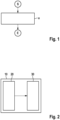
- Fig.1 shows an embodiment of a method according to the invention for determining a remaining charging time of a battery system.
- the method has a method step a in which the remaining charging time is determined starting from a first point in time of a charging process by forming a quotient of a delta capacity of the battery system 10 at the first point in time as a dividend and a first product of a battery charging current at the first point in time and a first factor as a divisor.
- the first factor is determined depending on a state of charge of the at least one battery module 20.
- the first factor is determined from a stored first characteristic curve or a first characteristic map.
- a cooling time value is additionally added to the quotient, wherein the cooling time value is determined depending on properties of the battery system 10, in particular depending on a number of battery modules 20 of the battery system 10 and/or chargers for the battery system 10.
- the quotient is additionally multiplied by a correction value, wherein the correction value is determined as a function of battery effects depending on an aging of the at least one battery module 20.
- a second product of an integrated battery charging current over a predetermined period of time and a second factor can be added to the first product in the divisor, wherein the second factor is determined in particular as a function of the state of charge of the at least one battery module 20, wherein the sum of the factors is one, and wherein the period of time is in particular the duration of the current charging process of the battery system 10.
- a further product of an integrated battery charging current over a predetermined further period of time and a further factor can be added to the first product in the divisor, wherein the further factor is determined as a function of the state of charge of the at least one battery module 20, wherein the further period of time is in particular the duration of all previous charging processes of the battery system 10.
- the factors can be weighted depending on the first point in time and/or the state of charge of the at least one battery module 20.
- Fig. 2 shows an embodiment of a battery system according to the invention.
- a battery system 10 is shown.
- the battery system 10 has a battery module 20.
- the battery system 10 has a processing unit 30.
- the processing unit 30 can, for example, be a microcontroller.
- the processing unit 30 is designed to carry out a method according to the invention as described, for example, in the Fig.1
- the processing unit 30 can, for example, have a storage unit (not shown) or access a storage unit (not shown) of the battery system 10, wherein the processing unit 30 can, for example, be set up to access characteristic curves or characteristic maps stored in the storage unit for determining the remaining charging time.
- the processing unit 30 is configured to detect a charging capacity and a current battery charging current, wherein the battery system 10 is designed accordingly for this purpose, for example by means of an ammeter (not shown in the picture) for detecting the battery charging current.
Landscapes
- Engineering & Computer Science (AREA)
- Power Engineering (AREA)
- Secondary Cells (AREA)
- Charge And Discharge Circuits For Batteries Or The Like (AREA)
Description
- Die Erfindung geht aus von einem Verfahren zur Bestimmung einer Restladezeit eines Batteriesystems mit wenigstens einem Batteriemodul. Typischerweise werden der aktuelle Batterieladestrom und die aktuelle Kapazität des Batteriesystems zur Bestimmung der Restladezeit herangezogen.
- Problematisch ist hierbei jedoch, dass auf gewisse variable Bedingungen nicht richtig oder überhaupt nicht eingegangen wird, wodurch die Restladezeit möglicherweise nicht korrekt bestimmt werden kann.
- Das Dokument
DE 10 2018 127 472 A1 offenbart ein Verfahren zum Vorbereiten eines Ladevorganges einer Batterie. - Das Dokument
DE 10 2012 217 812 A1 offenbart eine Arbeitsmaschine umfassend eine Ladezeit-Schätzeinheit. Die Schätzeinheit schätzt eine erste Ladezeit, die zum Wiederherstellen einer Kapazität einer ersten Batterie von einer ersten geschätzten Restkapazität auf einen Sollkapazitätswert der ersten Batterie erforderlich ist, und eine zweite Ladezeit, die zum Wiederherstellen einer zweiten Batterie von einer zweiten geschätzten Restkapazität auf einen Sollkapazitätswert der zweiten Batterie erforderlich ist. - Die Erfindung gemäss Anspruch 1 betrifft ein Verfahren zur Bestimmung einer Restladezeit eines Batteriesystems mit wenigstens einem Batteriemodul. Hierbei wird die Restladezeit ausgehend von einem ersten Zeitpunkt eines Ladevorgangs bestimmt, indem ein Quotient aus einer Delta-Kapazität des Batteriesystems zum ersten Zeitpunkt als Dividend und einem ersten Produkt aus einem Batterieladestrom zum ersten Zeitpunkt und einem ersten Faktor als Divisor gebildet wird, wobei der erste Faktor in Abhängigkeit von einem Ladezustand des wenigstens einen Batteriemoduls bestimmt wird.
- Unter Restladezeit ist hierbei die Zeitdauer zu verstehen, welche das Batteriesystem voraussichtlich noch benötigt um ausgehend vom ersten Zeitpunkt aus vollständig aufgeladen zu werden.
- Der erste Zeitpunkt ist hierbei ein beliebiger Zeitpunkt während eines Ladevorgangs, ab welchem die Restladezeit bestimmt werden soll. Anhand des ersten Zeitpunkts kann zudem die Dauer des aktuellen Ladevorgangs abgelesen werden. Ein Ladevorgang stellt hierbei die Zeitdauer dar, während welcher das Batteriesystem an einem Ladegerät mit mindestens einem Lader angeschlossen ist und von diesem aufgeladen wird.
- Das Batteriesystem umfasst wenigstens ein Batteriemodul, es ist jedoch auch denkbar, dass das Batteriesystem mehrere miteinander verschaltete Batteriemodule aufweist. Das Batteriemodul kann hierbei insbesondere als elektrochemischer Akkumulator ausgestaltet sein. Das Batteriesystem ist insbesondere für ein Elektrofahrzeug oder auch ein Hybridfahrzeug vorgesehen.
- Unter Delta-Kapazität ist die Differenz aus der maximalen Kapazität des Batteriesystems und der aktuellen Kapazität des Batteriesystems zu verstehen. Die maximale Kapazität des Batteriesystems kann beispielsweise hinterlegt sein oder im vollaufgeladenen Zustand bestimmt werden. Die Delta-Kapazität stellt folglich die Kapazität des Batteriemoduls dar, welche noch benötigt wird, um das Batteriemodul vom aktuellen Zustand heraus vollständig aufzuladen. Die aktuelle Kapazität ist hierbei die Kapazität des Batteriesystems zum ersten Zeitpunkt. Der Batterieladestrom entspricht des Weiteren dem Strom, welcher dazu benutzt wird, das Batteriesystem aufzuladen. Dieser kann beispielsweise mittels eines einfachen Amperemeters erfasst werden. Der Batterieladestrom ist typischerweise über einen Ladevorgang nicht konstant. Dies kann vorteilhafterweise durch das erfindungsgemäße Verfahren berücksichtigt werden.
- Unter Ladezustand ist die prozentuale Verteilung von aktueller Kapazität zu maximaler Kapazität des Batteriesystems zu verstehen. Ist der Ladezustand 100%, ist das Batteriesystem beispielsweise vollständig und bei 50% nur halb aufgeladen. Der Ladezustand oder auch die aktuelle Kapazität des Batteriesystems kann beispielweise mittels eines Multimeters über die Ruhespannung oder auch durch Stromintegration bestimmt werden. Hierbei ist zusätzlich gegebenenfalls auf entsprechende Temperatureinflüsse zu achten. Der erste Faktor kann beispielsweise über eine Kennlinie oder auch ein Kennfeld ermittelt werden, wobei der Wert des ersten Faktors abhängig vom Ladezustand des Batteriemoduls ist.
- Erfindungsgemäß wird folglich folgende Formel abgebildet:

- Hierbei ist T die Restladezeit, t1 der erste Zeitpunkt, Qmax die maximale Kapazität des Batteriesystems, Q(t1) die Kapazität des Batteriesystems zum ersten Zeitpunkt, I(t1) der Batterieladestrom zum ersten Zeitpunkt und f1 der erste Faktor.
- Vorteilhaft ist hierbei, dass die Restladezeit im Vergleich zum Stand der Technik genauer bestimmt werden kann, da bei der Bestimmung zusätzliche Effekte, wie beispielsweise der Ladezustand des Batteriesystems berücksichtigt werden. Zudem kann hierbei auch der Effekt berücksichtigt werden, welcher sich dadurch ergibt, dass sich beim Ladevorgang ab einem gewissen Ladezustand von Constant-Current auf Constant-Voltage umgeschaltet wird, wodurch sich typischerweise der Ladestrom reduziert.
- In einer Ausgestaltung des erfindungsgemäßen Verfahrens ist vorgesehen, dass zusätzlich ein Abkühlzeitwert zum Quotienten hinzuaddiert wird, wobei der Abkühlzeitwert in Abhängigkeit von Eigenschaften des Batteriesystems bestimmt wird, insbesondere in Abhängigkeit von einer Anzahl an Batteriemodulen des Batteriesystems und/oder Ladern für das Batteriesystem.
- Unter Eigenschaften des Batteriesystems sind beispielweise die Temperatur des Batteriesystems oder auch Umgebungsbedingungen der Batteriemodule bzw. des Batteriesystems zu verstehen.
- So erhöht sich beispielsweise bei mehreren Batteriemodulen und mehreren Ladern die Gefahr, dass einzelne Batteriemodule überhitzen und zeitweise nicht mehr geladen werden können bis sie wieder abgekühlt sind.
- Zudem kann es auch vorkommen, dass das Batteriesystem nach einer Fahrt des Fahrzeugs nicht direkt geladen werden kann. Dies liegt darin begründet, dass die Grenztemperatur für das Batteriesystem währen der Fahrt typischerweise höher ist als die Grenztemperatur für das Batteriesystem währen des Ladevorgangs.
- Diese gewisse Dauer, in welcher das jeweilige Batteriemodul nicht geladen werden kann, erhöht entsprechend die Restladezeit des kompletten Batteriesystems, wobei dies durch den Abkühlzeitwert berücksichtigt werden kann. Der Abkühlzeitwert kann beispielsweise ebenfalls als Kennlinie oder Kennfeld hinterlegt sein, welche in Feldversuchen beim Betrieb eines identischen Batteriesystems ermittelt wurde. In der Kennlinie bzw. dem Kennfeld fließen dann beispielsweise die Anzahl der Batteriemodule und Lader mit ein und wie sich diese auf die Restladezeit auswirken.
- Ausgehend von der Formel (1) gelangt man folglich zu folgender Formel:

- Hierbei ist Tab der Abkühlzeitwert.
- Vorteilhaft ist hierbei, dass weitere Bedingungen in die Bestimmung der Restladezeit mit einfließen, um die Genauigkeit des Ergebnisses weiter zu verbessern.
- Erfindungsgemäss wird der Quotient zusätzlich mit einem Korrekturwert multipliziert, wobei der Korrekturwert in Abhängigkeit von Batterieeffekten in Abhängigkeit von einer Alterung des wenigstens einen Batteriemoduls bestimmt wird.
- Unter Batterieeffekten ist die Alterung des Batteriesystems zu verstehen. Unter Alterung ist wiederum eine Zustandsänderung des Batteriesystems aufgrund der Lebensdauer des Batteriesystems oder auch aufgrund der Anzahl an Ladevorgänge, welche das Batteriesystem durchlaufen hat, zu verstehen. Die Alterung des Batteriesystems hat beispielsweise Auswirkungen auf die maximale Ladekapazität des Batteriesystems, welche im Laufe der Zeit typischerweise abnimmt.
- Des Weiteren kann unter Batterieeffekt beispielsweise auch die Temperatur des jeweiligen Batteriemoduls verstanden werden. So nimmt beispielsweise der Ladestrom mit einer Zunahme der Temperatur des Batteriemoduls ab.
- Der Korrekturwert kann hierbei erneut als Kennlinie oder auch als Kennfeld hinterlegt sein, welche beispielsweise in Versuchen zuvor ermittelt wurde, wobei in der Kennlinie bzw. dem Kennfeld beispielsweise der Korrekturwert über die Lebensdauer des Batteriesystems aufgetragen ist.
- Ausgehend von der Formel (1) gelangt man folglich zu folgender Formel:

- Hierbei ist K der Korrekturwert.
- Vorteilhaft ist hierbei, dass weitere Bedingungen in die Bestimmung der Restladezeit mit einfließen, um die Genauigkeit des Ergebnisses weiter zu verbessern.
- Gemäß einer Ausgestaltung des erfindungsgemäßen Verfahrens ist vorgesehen, dass im Divisor zusätzlich ein zweites Produkt aus einem integrierten Batterieladestrom über einen vorgegebenen Zeitraum und einem zweiten Faktor zum ersten Produkt addiert wird, wobei der zweite Faktor insbesondere in Abhängigkeit vom Ladezustand des wenigstens einen Batteriemoduls bestimmt wird, wobei die Summe der Faktoren eins ergibt, und wobei der Zeitraum insbesondere die Zeitdauer des aktuellen Ladevorgangs des Batteriesystems ist.
- Ausgehend von der Formel (1) gelangt man folglich zu folgender Formel:

- Hierbei ist 0Zyk der zeitliche Startpunkt des aktuellen Ladevorgangs und f2 der zweite Faktor.
- Vorteilhaft ist hierbei, dass mittels des zweiten Produkts zusätzlich mittelfristige Messwerte des Batterieladestroms mit in die Bestimmung der Restladezeit mit einfließen können, wodurch die zu bestimmende Restladezeit des Batteriesystems noch exakter bestimmt werden kann. Das zweite Produkt stellt hierbei den über den Ladevorgang gemittelten Batterieladestrom dar.
- Gemäß einer Ausgestaltung des erfindungsgemäßen Verfahrens ist vorgesehen, dass im Divisor zusätzlich ein weiteres Produkt aus einem integrierten Batterieladestrom über einen vorgegebenen weiteren Zeitraum und einem weiteren Faktor zum ersten Produkt addiert wird, wobei der weitere Faktor in Abhängigkeit vom Ladezustand des wenigstens einen Batteriemoduls bestimmt wird, wobei der weitere Zeitraum insbesondere die Zeitdauer aller bisherigen Ladevorgänge des Batteriesystems ist.
- Vorteilhaft ist hierbei, dass mittels des weiteren Produkts zusätzlich langfristige Messwerte des Batterieladestroms mit in die Bestimmung der Restladezeit mit einfließen können, wodurch die zu bestimmende Restladezeit des Batteriesystems noch exakter bestimmt werden kann. Das weitere Produkt stellt hierbei den über alle bisherigen Ladevorgänge gemittelten Batterieladestrom dar.
- Ausgehend von der Formel (1) gelangt man folglich zu folgender Formel:

- Hierbei ist 0ges der zeitliche Startpunkt des ersten Ladevorgangs des Batteriesystems und f3 der weitere Faktor.
- Gemäß einer Ausgestaltung des erfindungsgemäßen Verfahrens ist vorgesehen, dass die Faktoren in Abhängigkeit vom ersten Zeitpunkt und/oder vom Ladezustand des wenigstens einen Batteriemoduls gewichtet werden. Vorteilhaft ist hierbei, dass je nach Zeitpunkt im Ladevorgang die Gewichtung der einzelnen Produkte des Divisors unterschiedlich gewichtet werden können, um die Bestimmung der Restladezeit zu optimieren. So kann zu Beginn des Ladevorgangs das weitere Produkt am stärksten gewichtet werden, da hier die Langzeitwerte mit einfließen, wohingegen am Ende des Ladevorgangs das erste Produkt stärker gewichtet werden kann, da hier die batterietypischen Eigenschaften sich auf den Batterieladestrom auswirken und folglich dies die stärkste Auswirkung auf die Restladezeit hat. Des Weiteren kann beispielsweise in der Mitte des Ladevorgangs das zweite Produkt am stärksten gewichtet werden, da hier die integrierten Stromwerte des aktuellen Ladevorgangs mit einfließen.
- Zudem kann berücksichtigt werden, wenn beispielsweise der Ladevorgang schon entsprechend andauert, der Ladezustand aber unterdurchschnittlich für diese Zeitdauer des Ladevorgangs ist. Hierdurch kann angenommen werden, dass die Eigenschaften oder auch die Umgebungsbedingungen des Batteriesystems eine schnellere Aufladung nicht zulassen, wodurch sich die Restladezeit entsprechend verlängern könnte.
- Die Gewichtung der Faktoren kann beispielsweise in den einzelnen Kennlinien oder Kennfeldern der Faktoren bereits berücksichtigt sein oder auch als separate Kennlinien bzw. Kennfelder hinterlegt sein und dann im Verfahren in die Faktoren miteinfließen.
- Zudem ist es denkbar, dass man die zuvor genannten Ausgestaltungen des erfindungsgemäßen Verfahrens beliebig miteinander kombiniert.
- Die Kombination der Formeln (1), (2), (3), (4) und (5) ergibt beispielsweise folgende Formel:

- Die Erfindung betrifft zudem ein Batteriesystem mit wenigstens einem Batteriemodul und einer Verarbeitungseinheit, wobei die Verarbeitungseinheit dazu eingerichtet ist, ein erfindungsgemäßes Verfahren durchzuführen.
- Die Verarbeitungseinheit kann beispielsweise ein Mikrocontroller sein.
- Zeichnungen
-
Fig. 1 zeigt ein Ausführungsbeispiel eines erfindungsgemäßen Verfahrens zum Bestimmung einer Restladezeit eines Batteriesystems. -
Fig. 2 zeigt ein Ausführungsbeispiel eines erfindungsgemäßen Batteriesystems. -
Fig. 1 zeigt ein Ausführungsbeispiel eines erfindungsgemäßen Verfahrens zum Bestimmung einer Restladezeit eines Batteriesystems. - Das Verfahren weist hierbei einen Verfahrensschritt a auf, in welchem die Restladezeit ausgehend von einem ersten Zeitpunkt eines Ladevorgangs bestimmt wird, indem ein Quotient aus einer Delta-Kapazität des Batteriesystems 10 zum ersten Zeitpunkt als Dividend und einem ersten Produkt aus einem Batterieladestrom zum ersten Zeitpunkt und einem ersten Faktor als Divisor gebildet wird. Hierbei wird der erste Faktor in Abhängigkeit von einem Ladezustand des wenigstens einen Batteriemoduls 20 bestimmt. Der erste Faktor wird aus einer abgespeicherten ersten Kennlinie bzw. einem ersten Kennfeld ermittelt.
- Optional wird im Verfahrensschritt a zusätzlich ein Abkühlzeitwert zum Quotienten hinzuaddiert, wobei der Abkühlzeitwert in Abhängigkeit von Eigenschaften des Batteriesystems 10 bestimmt wird, insbesondere in Abhängigkeit von einer Anzahl an Batteriemodulen 20 des Batteriesystems 10 und/oder Ladern für das Batteriesystem 10.
- Des Weiteren wird im Verfahrensschritt a der Quotient zusätzlich mit einem Korrekturwert multipliziert, wobei der Korrekturwert in Abhängigkeit von Batterieeffekten in Abhängigkeit von einer Alterung des wenigstens einen Batteriemoduls 20 bestimmt wird.
- Zudem kann im Verfahrensschritt a im Divisor zusätzlich ein zweites Produkt aus einem integrierten Batterieladestrom über einen vorgegebenen Zeitraum und einem zweiten Faktor zum ersten Produkt addiert werden, wobei der zweite Faktor insbesondere in Abhängigkeit vom Ladezustand des wenigstens einen Batteriemoduls 20 bestimmt wird, wobei die Summe der Faktoren eins ergibt, und wobei der Zeitraum insbesondere die Zeitdauer des aktuellen Ladevorgangs des Batteriesystems 10 ist.
- Alternativ oder zusätzlich kann im Verfahrensschritt a im Divisor zusätzlich ein weiteres Produkt aus einem integrierten Batterieladestrom über einen vorgegebenen weiteren Zeitraum und einem weiteren Faktor zum ersten Produkt addiert wird, wobei der weitere Faktor in Abhängigkeit vom Ladezustand des wenigstens einen Batteriemoduls 20 bestimmt wird, wobei der weitere Zeitraum insbesondere die Zeitdauer aller bisherigen Ladevorgänge des Batteriesystems 10 ist.
- Insbesondere können die Faktoren in Abhängigkeit vom ersten Zeitpunkt und/oder vom Ladezustand des wenigstens einen Batteriemoduls 20 gewichtet werden.
-
Fig. 2 zeigt ein Ausführungsbeispiel eines erfindungsgemäßen Batteriesystems. - Dargestellt ist ein Batteriesystem 10. Das Batteriesystem 10 weist ein Batteriemodul 20 auf.
- Zudem weist das Batteriesystem 10 eine Verarbeitungseinheit 30 auf.
- Die Verarbeitungseinheit 30 kann beispielsweise ein Mikrocontroller sein.
- Die Verarbeitungseinheit 30 ist dazu eingerichtet, ein erfindungsgemäßes Verfahren durchzuführen wie es beispielsweise in der
Fig. 1 beschrieben ist. Hierfür kann die Verarbeitungseinheit 30 beispielsweise eine nicht dargestellte Speichereinheit aufweisen oder auf eine nicht dargestellte Speichereinheit des Batteriesystems 10 zugreifen, wobei die Verarbeitungseinheit 30 beispielsweise dazu eingerichtet sein kann, für die Bestimmung der Restladezeit auf in der Speichereinheit hinterlegte Kennlinien oder Kennfeld zuzugreifen. - Des Weiteren ist die Verarbeitungseinheit 30 dazu eingerichtet, eine Ladekapazität und einen aktuellen Batterieladestrom zu erfassen, wobei das Batteriesystem 10 hierfür entsprechend ausgestaltet ist, beispielsweise mittels eines bildlich nicht dargestellten Amperemeters zur Erfassung des Batterieladestroms.
Claims (6)
- Verfahren zur Bestimmung einer Restladezeit eines Batteriesystems (10) mit wenigstens einem Batteriemodul (20), wobei die Restladezeit ausgehend von einem ersten Zeitpunkt eines Ladevorgangs bestimmt wird, indem ein Quotient aus einer Delta-Kapazität des Batteriesystems (10), wobei die Delta-Kapazität eine Differenz aus der maximalen Kapazität des Batteriesystems (10) und der aktuellen Kapazität des Batteriesystems (10) repräsentiert, zum ersten Zeitpunkt als Dividend und einem ersten Produkt aus einem Batterieladestrom zum ersten Zeitpunkt und einem ersten Faktor als Divisor gebildet wird, wobei der erste Faktor in Abhängigkeit von einem Ladezustand des wenigstens einen Batteriemoduls (20) aus einer abgespeicherten ersten Kennlinie bzw. einem ersten Kennfeld, bestimmt wird, wobei der Quotient zusätzlich mit einem Korrekturwert multipliziert wird, wobei der Korrekturwert in Abhängigkeit von Batterieeffekten in Abhängigkeit von einer Alterung des wenigstens einen Batteriemoduls (20) bestimmt wird, wobei die Alterung wiederum eine Zustandsänderung des Batteriesystems aufgrund der Lebensdauer des Batteriesystems oder aufgrund der Anzahl an Ladevorgängen, welche das Batteriesystem durchlaufen hat, ist.
- Verfahren nach Anspruch 1, dadurch gekennzeichnet, dass zusätzlich ein Abkühlzeitwert zum Quotienten hinzuaddiert wird, wobei der Abkühlzeitwert in Abhängigkeit von Eigenschaften des Batteriesystems (10) bestimmt wird, insbesondere in Abhängigkeit von einer Anzahl an Batteriemodulen (20) des Batteriesystems (10) und/oder Ladern für das Batteriesystem (10).
- Verfahren nach einem der vorherhergehenden Ansprüche, dadurch gekennzeichnet, dass im Divisor zusätzlich ein zweites Produkt aus einem integrierten Batterieladestrom über einen vorgegebenen Zeitraum und einem zweiten Faktor zum ersten Produkt addiert wird, wobei der zweite Faktor insbesondere in Abhängigkeit vom Ladezustand des wenigstens einen Batteriemoduls (20) bestimmt wird, wobei die Summe der Faktoren eins ergibt, und wobei der Zeitraum insbesondere die Zeitdauer des aktuellen Ladevorgangs des Batteriesystems (10) ist.
- Verfahren nach einem der vorherhergehenden Ansprüche, dadurch gekennzeichnet, dass im Divisor zusätzlich ein weiteres Produkt aus einem integrierten Batterieladestrom über einen vorgegebenen weiteren Zeitraum und einem weiteren Faktor zum ersten Produkt addiert wird, wobei der weitere Faktor in Abhängigkeit vom Ladezustand des wenigstens einen Batteriemoduls (20) bestimmt wird, wobei der weitere Zeitraum insbesondere die Zeitdauer aller bisherigen Ladevorgänge des Batteriesystems (10) ist.
- Verfahren nach Anspruch 3 oder 4, dadurch gekennzeichnet, dass die Faktoren in Abhängigkeit vom ersten Zeitpunkt und/oder vom Ladezustand des wenigstens einen Batteriemoduls (20) gewichtet werden.
- Batteriesystem (10) mit wenigstens einem Batteriemodul (20) und einer Verarbeitungseinheit (30), wobei die Verarbeitungseinheit (30) dazu eingerichtet ist, ein Verfahren nach einem der vorhergehenden Ansprüche durchzuführen.
Applications Claiming Priority (1)
| Application Number | Priority Date | Filing Date | Title |
|---|---|---|---|
| DE102019219502.4A DE102019219502A1 (de) | 2019-12-12 | 2019-12-12 | Verfahren zur Bestimmung einer Restladezeit eines Batteriesystems mit wenigstens einem Batteriemodul sowie ein Batteriesystem zum Ausführen eines solchen Verfahrens |
Publications (2)
| Publication Number | Publication Date |
|---|---|
| EP3836342A1 EP3836342A1 (de) | 2021-06-16 |
| EP3836342B1 true EP3836342B1 (de) | 2024-08-07 |
Family
ID=73597944
Family Applications (1)
| Application Number | Title | Priority Date | Filing Date |
|---|---|---|---|
| EP20209814.1A Active EP3836342B1 (de) | 2019-12-12 | 2020-11-25 | Verfahren zur bestimmung einer restladezeit eines batteriesystems mit wenigstens einem batteriemodul sowie ein batteriesystem zum ausführen eines solchen verfahrens |
Country Status (3)
| Country | Link |
|---|---|
| EP (1) | EP3836342B1 (de) |
| DE (1) | DE102019219502A1 (de) |
| TW (1) | TW202137621A (de) |
Family Cites Families (6)
| Publication number | Priority date | Publication date | Assignee | Title |
|---|---|---|---|---|
| DK25391D0 (da) * | 1991-02-14 | 1991-02-14 | Pan Europ Holding S A | Fremgangsmaade og apparat til opladning af et genopladeligt batteri |
| DE4344368C1 (de) * | 1993-12-24 | 1995-05-11 | Daimler Benz Ag | Ladeinformationssystem für ein Elektro- oder Hybridfahrzeug |
| DE19960761C1 (de) * | 1999-12-16 | 2001-05-23 | Daimler Chrysler Ag | Verfahren zur Überwachung der Restladung und der Leistungsfähigkeit einer Batterie |
| JP5022521B2 (ja) * | 2009-03-03 | 2012-09-12 | アール・ヴェー・エー アクチェンゲゼルシャフト | 電気自動車の充電方法および充電装置 |
| JP5375917B2 (ja) * | 2011-09-29 | 2013-12-25 | コベルコクレーン株式会社 | 作業機械のバッテリ充放電制御装置 |
| DE102018127472A1 (de) * | 2018-11-05 | 2020-05-07 | Volkswagen Aktiengesellschaft | Verfahren zum Vorbereiten eines Ladevorganges einer Batterie |
-
2019
- 2019-12-12 DE DE102019219502.4A patent/DE102019219502A1/de not_active Withdrawn
-
2020
- 2020-11-25 EP EP20209814.1A patent/EP3836342B1/de active Active
- 2020-12-10 TW TW109143636A patent/TW202137621A/zh unknown
Also Published As
| Publication number | Publication date |
|---|---|
| TW202137621A (zh) | 2021-10-01 |
| DE102019219502A1 (de) | 2021-06-17 |
| EP3836342A1 (de) | 2021-06-16 |
Similar Documents
| Publication | Publication Date | Title |
|---|---|---|
| EP2488885B1 (de) | Verfahren zur bestimmung und/oder vorhersage der maximalen leistungsfähigkeit einer batterie | |
| EP2442125B1 (de) | Verfahren und Vorrichtung zum Überwachen der maximal verfügbaren Kapazität einer Batterie | |
| EP2831608B1 (de) | Verfahren zum verschalten von batteriezellen in einer batterie, batterie und überwachungseinrichtung | |
| EP3095153B1 (de) | Verfahren zum ladezustandsausgleich einer batterie | |
| DE102012002279A1 (de) | Schätzen des ladezustands einer kraftfahrzeugbatterie auf der grundlage eines spannungsabfalls | |
| DE102010006965A1 (de) | Vorrichtung und Verfahren zur Bestimmung eines Bereichs einer Batteriekennlinie | |
| DE102020212293A1 (de) | Verfahren und Vorrichtung zur Ladezustandsbestimmung einer Batterie in einer batteriebetriebenen Maschine | |
| DE102015114652A1 (de) | Systeme und Verfahren zum Schätzen der Energiekapazität eines Batteriesystems | |
| DE102017200548B4 (de) | Verfahren zur Ermittlung einer aktuellen Kennlinie für einen ein Kraftfahrzeug versorgenden elektrochemischen Energiespeicher, Kraftfahrzeug und Server | |
| DE102014220914B4 (de) | Verfahren und Vorrichtung zur Bestimmung eines betriebspunktabhängigen Widerstandsänderungsfaktors und Fahrzeug | |
| DE102014221388B4 (de) | Ladezustands-Berechungsvorrichtung | |
| DE102014220913A1 (de) | Verfahren und Vorrichtung zur Bestimmung einer Widerstandsänderung einer Energiespeichereinrichtung und Fahrzeug | |
| DE102011012818A1 (de) | Verfahren und Vorrichtung zum Betreiben einer Batterie für ein Fahrzeug und entsprechendes Fahrzeug | |
| EP3836342B1 (de) | Verfahren zur bestimmung einer restladezeit eines batteriesystems mit wenigstens einem batteriemodul sowie ein batteriesystem zum ausführen eines solchen verfahrens | |
| DE102012022458A1 (de) | Verfahren und System zum Überwachen eines Energiespeichers sowie ein elektrisch angetriebenes Kraftfahrzeug mit einer derartigen Energiespeicherüberwachung | |
| DE102020111016A1 (de) | Systeme und verfahren zum laden einer batterie | |
| DE102017102877A1 (de) | Verfahren und Vorrichtung zur Regelung eines Batteriesystems | |
| DE102018115284A1 (de) | Verfahren zum abschätzen eines zustandes eines elektrischen energiespeichersystems sowie system zum ermitteln einer verbleibenden kapazität eines elektrischen energiespeichersystems | |
| DE102018207055A1 (de) | Verfahren zur Ermittlung einer aktuellen Energiespeicherkapazität | |
| DE102020109210A1 (de) | Verfahren zum Ermitteln einer Kapazität von Batteriezellen, Kapazitätsermittlungsvorrichtung und Kraftfahrzeug mit einer Kapazitätsermittlungsvorrichtung | |
| DE102009054547B4 (de) | Ermittlung des Innenwiderstands einer Batteriezelle einer Traktionsbatterie | |
| DE102018206030A1 (de) | Verfahren zum Laden einer elektrischen Energiespeichereinheit | |
| DE102017208394A1 (de) | Verfahren zur Bestimmung der Kapazität einer Fahrzeugbatterie sowie Fahrzeugbatteriemanagementsystem | |
| DE102005031254A1 (de) | Verfahren zur Erkennung vorgebbarer Größen eines elektrischen Speichers | |
| DE102017200209B4 (de) | Verfahren zur Ermittlung einer eine momentane Gesamtkapazität eines ein Kraftfahrzeug versorgenden elektrochemischen Energiespeichers beschreibenden Kapazitätsinformation, Kraftfahrzeug und Server |
Legal Events
| Date | Code | Title | Description |
|---|---|---|---|
| PUAI | Public reference made under article 153(3) epc to a published international application that has entered the european phase |
Free format text: ORIGINAL CODE: 0009012 |
|
| STAA | Information on the status of an ep patent application or granted ep patent |
Free format text: STATUS: THE APPLICATION HAS BEEN PUBLISHED |
|
| AK | Designated contracting states |
Kind code of ref document: A1 Designated state(s): AL AT BE BG CH CY CZ DE DK EE ES FI FR GB GR HR HU IE IS IT LI LT LU LV MC MK MT NL NO PL PT RO RS SE SI SK SM TR |
|
| STAA | Information on the status of an ep patent application or granted ep patent |
Free format text: STATUS: REQUEST FOR EXAMINATION WAS MADE |
|
| 17P | Request for examination filed |
Effective date: 20211216 |
|
| RBV | Designated contracting states (corrected) |
Designated state(s): AL AT BE BG CH CY CZ DE DK EE ES FI FR GB GR HR HU IE IS IT LI LT LU LV MC MK MT NL NO PL PT RO RS SE SI SK SM TR |
|
| STAA | Information on the status of an ep patent application or granted ep patent |
Free format text: STATUS: EXAMINATION IS IN PROGRESS |
|
| 17Q | First examination report despatched |
Effective date: 20230711 |
|
| GRAP | Despatch of communication of intention to grant a patent |
Free format text: ORIGINAL CODE: EPIDOSNIGR1 |
|
| STAA | Information on the status of an ep patent application or granted ep patent |
Free format text: STATUS: GRANT OF PATENT IS INTENDED |
|
| INTG | Intention to grant announced |
Effective date: 20240326 |
|
| GRAS | Grant fee paid |
Free format text: ORIGINAL CODE: EPIDOSNIGR3 |
|
| GRAA | (expected) grant |
Free format text: ORIGINAL CODE: 0009210 |
|
| STAA | Information on the status of an ep patent application or granted ep patent |
Free format text: STATUS: THE PATENT HAS BEEN GRANTED |
|
| AK | Designated contracting states |
Kind code of ref document: B1 Designated state(s): AL AT BE BG CH CY CZ DE DK EE ES FI FR GB GR HR HU IE IS IT LI LT LU LV MC MK MT NL NO PL PT RO RS SE SI SK SM TR |
|
| REG | Reference to a national code |
Ref country code: GB Ref legal event code: FG4D Free format text: NOT ENGLISH |
|
| REG | Reference to a national code |
Ref country code: CH Ref legal event code: EP |
|
| REG | Reference to a national code |
Ref country code: IE Ref legal event code: FG4D Free format text: LANGUAGE OF EP DOCUMENT: GERMAN |
|
| REG | Reference to a national code |
Ref country code: DE Ref legal event code: R096 Ref document number: 502020008791 Country of ref document: DE |
|
| REG | Reference to a national code |
Ref country code: LT Ref legal event code: MG9D |
|
| REG | Reference to a national code |
Ref country code: NL Ref legal event code: MP Effective date: 20240807 |
|
| PG25 | Lapsed in a contracting state [announced via postgrant information from national office to epo] |
Ref country code: NO Free format text: LAPSE BECAUSE OF FAILURE TO SUBMIT A TRANSLATION OF THE DESCRIPTION OR TO PAY THE FEE WITHIN THE PRESCRIBED TIME-LIMIT Effective date: 20241107 |
|
| PG25 | Lapsed in a contracting state [announced via postgrant information from national office to epo] |
Ref country code: NL Free format text: LAPSE BECAUSE OF FAILURE TO SUBMIT A TRANSLATION OF THE DESCRIPTION OR TO PAY THE FEE WITHIN THE PRESCRIBED TIME-LIMIT Effective date: 20240807 Ref country code: GR Free format text: LAPSE BECAUSE OF FAILURE TO SUBMIT A TRANSLATION OF THE DESCRIPTION OR TO PAY THE FEE WITHIN THE PRESCRIBED TIME-LIMIT Effective date: 20241108 Ref country code: FI Free format text: LAPSE BECAUSE OF FAILURE TO SUBMIT A TRANSLATION OF THE DESCRIPTION OR TO PAY THE FEE WITHIN THE PRESCRIBED TIME-LIMIT Effective date: 20240807 Ref country code: PL Free format text: LAPSE BECAUSE OF FAILURE TO SUBMIT A TRANSLATION OF THE DESCRIPTION OR TO PAY THE FEE WITHIN THE PRESCRIBED TIME-LIMIT Effective date: 20240807 Ref country code: PT Free format text: LAPSE BECAUSE OF FAILURE TO SUBMIT A TRANSLATION OF THE DESCRIPTION OR TO PAY THE FEE WITHIN THE PRESCRIBED TIME-LIMIT Effective date: 20241209 |
|
| PG25 | Lapsed in a contracting state [announced via postgrant information from national office to epo] |
Ref country code: BG Free format text: LAPSE BECAUSE OF FAILURE TO SUBMIT A TRANSLATION OF THE DESCRIPTION OR TO PAY THE FEE WITHIN THE PRESCRIBED TIME-LIMIT Effective date: 20240807 |
|
| PG25 | Lapsed in a contracting state [announced via postgrant information from national office to epo] |
Ref country code: LV Free format text: LAPSE BECAUSE OF FAILURE TO SUBMIT A TRANSLATION OF THE DESCRIPTION OR TO PAY THE FEE WITHIN THE PRESCRIBED TIME-LIMIT Effective date: 20240807 |
|
| PG25 | Lapsed in a contracting state [announced via postgrant information from national office to epo] |
Ref country code: IS Free format text: LAPSE BECAUSE OF FAILURE TO SUBMIT A TRANSLATION OF THE DESCRIPTION OR TO PAY THE FEE WITHIN THE PRESCRIBED TIME-LIMIT Effective date: 20241207 |
|
| PG25 | Lapsed in a contracting state [announced via postgrant information from national office to epo] |
Ref country code: HR Free format text: LAPSE BECAUSE OF FAILURE TO SUBMIT A TRANSLATION OF THE DESCRIPTION OR TO PAY THE FEE WITHIN THE PRESCRIBED TIME-LIMIT Effective date: 20240807 |
|
| PG25 | Lapsed in a contracting state [announced via postgrant information from national office to epo] |
Ref country code: ES Free format text: LAPSE BECAUSE OF FAILURE TO SUBMIT A TRANSLATION OF THE DESCRIPTION OR TO PAY THE FEE WITHIN THE PRESCRIBED TIME-LIMIT Effective date: 20240807 Ref country code: RS Free format text: LAPSE BECAUSE OF FAILURE TO SUBMIT A TRANSLATION OF THE DESCRIPTION OR TO PAY THE FEE WITHIN THE PRESCRIBED TIME-LIMIT Effective date: 20241107 |
|
| PG25 | Lapsed in a contracting state [announced via postgrant information from national office to epo] |
Ref country code: RS Free format text: LAPSE BECAUSE OF FAILURE TO SUBMIT A TRANSLATION OF THE DESCRIPTION OR TO PAY THE FEE WITHIN THE PRESCRIBED TIME-LIMIT Effective date: 20241107 Ref country code: PT Free format text: LAPSE BECAUSE OF FAILURE TO SUBMIT A TRANSLATION OF THE DESCRIPTION OR TO PAY THE FEE WITHIN THE PRESCRIBED TIME-LIMIT Effective date: 20241209 Ref country code: PL Free format text: LAPSE BECAUSE OF FAILURE TO SUBMIT A TRANSLATION OF THE DESCRIPTION OR TO PAY THE FEE WITHIN THE PRESCRIBED TIME-LIMIT Effective date: 20240807 Ref country code: NO Free format text: LAPSE BECAUSE OF FAILURE TO SUBMIT A TRANSLATION OF THE DESCRIPTION OR TO PAY THE FEE WITHIN THE PRESCRIBED TIME-LIMIT Effective date: 20241107 Ref country code: NL Free format text: LAPSE BECAUSE OF FAILURE TO SUBMIT A TRANSLATION OF THE DESCRIPTION OR TO PAY THE FEE WITHIN THE PRESCRIBED TIME-LIMIT Effective date: 20240807 Ref country code: LV Free format text: LAPSE BECAUSE OF FAILURE TO SUBMIT A TRANSLATION OF THE DESCRIPTION OR TO PAY THE FEE WITHIN THE PRESCRIBED TIME-LIMIT Effective date: 20240807 Ref country code: IS Free format text: LAPSE BECAUSE OF FAILURE TO SUBMIT A TRANSLATION OF THE DESCRIPTION OR TO PAY THE FEE WITHIN THE PRESCRIBED TIME-LIMIT Effective date: 20241207 Ref country code: HR Free format text: LAPSE BECAUSE OF FAILURE TO SUBMIT A TRANSLATION OF THE DESCRIPTION OR TO PAY THE FEE WITHIN THE PRESCRIBED TIME-LIMIT Effective date: 20240807 Ref country code: GR Free format text: LAPSE BECAUSE OF FAILURE TO SUBMIT A TRANSLATION OF THE DESCRIPTION OR TO PAY THE FEE WITHIN THE PRESCRIBED TIME-LIMIT Effective date: 20241108 Ref country code: FI Free format text: LAPSE BECAUSE OF FAILURE TO SUBMIT A TRANSLATION OF THE DESCRIPTION OR TO PAY THE FEE WITHIN THE PRESCRIBED TIME-LIMIT Effective date: 20240807 Ref country code: ES Free format text: LAPSE BECAUSE OF FAILURE TO SUBMIT A TRANSLATION OF THE DESCRIPTION OR TO PAY THE FEE WITHIN THE PRESCRIBED TIME-LIMIT Effective date: 20240807 Ref country code: BG Free format text: LAPSE BECAUSE OF FAILURE TO SUBMIT A TRANSLATION OF THE DESCRIPTION OR TO PAY THE FEE WITHIN THE PRESCRIBED TIME-LIMIT Effective date: 20240807 |
|
| PG25 | Lapsed in a contracting state [announced via postgrant information from national office to epo] |
Ref country code: DK Free format text: LAPSE BECAUSE OF FAILURE TO SUBMIT A TRANSLATION OF THE DESCRIPTION OR TO PAY THE FEE WITHIN THE PRESCRIBED TIME-LIMIT Effective date: 20240807 Ref country code: SM Free format text: LAPSE BECAUSE OF FAILURE TO SUBMIT A TRANSLATION OF THE DESCRIPTION OR TO PAY THE FEE WITHIN THE PRESCRIBED TIME-LIMIT Effective date: 20240807 |
|
| PG25 | Lapsed in a contracting state [announced via postgrant information from national office to epo] |
Ref country code: EE Free format text: LAPSE BECAUSE OF FAILURE TO SUBMIT A TRANSLATION OF THE DESCRIPTION OR TO PAY THE FEE WITHIN THE PRESCRIBED TIME-LIMIT Effective date: 20240807 |
|
| PG25 | Lapsed in a contracting state [announced via postgrant information from national office to epo] |
Ref country code: CZ Free format text: LAPSE BECAUSE OF FAILURE TO SUBMIT A TRANSLATION OF THE DESCRIPTION OR TO PAY THE FEE WITHIN THE PRESCRIBED TIME-LIMIT Effective date: 20240807 |
|
| PG25 | Lapsed in a contracting state [announced via postgrant information from national office to epo] |
Ref country code: SK Free format text: LAPSE BECAUSE OF FAILURE TO SUBMIT A TRANSLATION OF THE DESCRIPTION OR TO PAY THE FEE WITHIN THE PRESCRIBED TIME-LIMIT Effective date: 20240807 |
|
| REG | Reference to a national code |
Ref country code: DE Ref legal event code: R097 Ref document number: 502020008791 Country of ref document: DE |
|
| PLBE | No opposition filed within time limit |
Free format text: ORIGINAL CODE: 0009261 |
|
| STAA | Information on the status of an ep patent application or granted ep patent |
Free format text: STATUS: NO OPPOSITION FILED WITHIN TIME LIMIT |
|
| REG | Reference to a national code |
Ref country code: CH Ref legal event code: PL |
|
| PG25 | Lapsed in a contracting state [announced via postgrant information from national office to epo] |
Ref country code: MC Free format text: LAPSE BECAUSE OF FAILURE TO SUBMIT A TRANSLATION OF THE DESCRIPTION OR TO PAY THE FEE WITHIN THE PRESCRIBED TIME-LIMIT Effective date: 20240807 |
|
| PG25 | Lapsed in a contracting state [announced via postgrant information from national office to epo] |
Ref country code: LU Free format text: LAPSE BECAUSE OF NON-PAYMENT OF DUE FEES Effective date: 20241125 |
|
| REG | Reference to a national code |
Ref country code: CH Ref legal event code: PL |
|
| 26N | No opposition filed |
Effective date: 20250508 |
|
| GBPC | Gb: european patent ceased through non-payment of renewal fee |
Effective date: 20241125 |
|
| PG25 | Lapsed in a contracting state [announced via postgrant information from national office to epo] |
Ref country code: CH Free format text: LAPSE BECAUSE OF NON-PAYMENT OF DUE FEES Effective date: 20241130 |
|
| REG | Reference to a national code |
Ref country code: BE Ref legal event code: MM Effective date: 20241130 |
|
| PG25 | Lapsed in a contracting state [announced via postgrant information from national office to epo] |
Ref country code: SE Free format text: LAPSE BECAUSE OF FAILURE TO SUBMIT A TRANSLATION OF THE DESCRIPTION OR TO PAY THE FEE WITHIN THE PRESCRIBED TIME-LIMIT Effective date: 20240807 |
|
| PG25 | Lapsed in a contracting state [announced via postgrant information from national office to epo] |
Ref country code: GB Free format text: LAPSE BECAUSE OF NON-PAYMENT OF DUE FEES Effective date: 20241125 Ref country code: BE Free format text: LAPSE BECAUSE OF NON-PAYMENT OF DUE FEES Effective date: 20241130 |
|
| PG25 | Lapsed in a contracting state [announced via postgrant information from national office to epo] |
Ref country code: FR Free format text: LAPSE BECAUSE OF NON-PAYMENT OF DUE FEES Effective date: 20241130 |
|
| PG25 | Lapsed in a contracting state [announced via postgrant information from national office to epo] |
Ref country code: IE Free format text: LAPSE BECAUSE OF NON-PAYMENT OF DUE FEES Effective date: 20241125 |
|
| PG25 | Lapsed in a contracting state [announced via postgrant information from national office to epo] |
Ref country code: RO Free format text: LAPSE BECAUSE OF FAILURE TO SUBMIT A TRANSLATION OF THE DESCRIPTION OR TO PAY THE FEE WITHIN THE PRESCRIBED TIME-LIMIT Effective date: 20240807 |
|
| PGFP | Annual fee paid to national office [announced via postgrant information from national office to epo] |
Ref country code: AT Payment date: 20260113 Year of fee payment: 5 |
|
| PG25 | Lapsed in a contracting state [announced via postgrant information from national office to epo] |
Ref country code: IT Free format text: LAPSE BECAUSE OF FAILURE TO SUBMIT A TRANSLATION OF THE DESCRIPTION OR TO PAY THE FEE WITHIN THE PRESCRIBED TIME-LIMIT Effective date: 20240807 |
|
| PG25 | Lapsed in a contracting state [announced via postgrant information from national office to epo] |
Ref country code: HU Free format text: LAPSE BECAUSE OF FAILURE TO SUBMIT A TRANSLATION OF THE DESCRIPTION OR TO PAY THE FEE WITHIN THE PRESCRIBED TIME-LIMIT; INVALID AB INITIO Effective date: 20201125 |
|
| PG25 | Lapsed in a contracting state [announced via postgrant information from national office to epo] |
Ref country code: CY Free format text: LAPSE BECAUSE OF FAILURE TO SUBMIT A TRANSLATION OF THE DESCRIPTION OR TO PAY THE FEE WITHIN THE PRESCRIBED TIME-LIMIT; INVALID AB INITIO Effective date: 20201125 |
|
| PGFP | Annual fee paid to national office [announced via postgrant information from national office to epo] |
Ref country code: DE Payment date: 20260126 Year of fee payment: 6 |