EP3836252B1 - Pressure jig apparatus for bringing electrode lead into close contact with bus bar and battery module manufacturing system including same - Google Patents
Pressure jig apparatus for bringing electrode lead into close contact with bus bar and battery module manufacturing system including same Download PDFInfo
- Publication number
- EP3836252B1 EP3836252B1 EP19900601.6A EP19900601A EP3836252B1 EP 3836252 B1 EP3836252 B1 EP 3836252B1 EP 19900601 A EP19900601 A EP 19900601A EP 3836252 B1 EP3836252 B1 EP 3836252B1
- Authority
- EP
- European Patent Office
- Prior art keywords
- frame
- bus bar
- lead
- pressing
- jig apparatus
- Prior art date
- Legal status (The legal status is an assumption and is not a legal conclusion. Google has not performed a legal analysis and makes no representation as to the accuracy of the status listed.)
- Active
Links
Images




Classifications
-
- H—ELECTRICITY
- H01—ELECTRIC ELEMENTS
- H01M—PROCESSES OR MEANS, e.g. BATTERIES, FOR THE DIRECT CONVERSION OF CHEMICAL ENERGY INTO ELECTRICAL ENERGY
- H01M10/00—Secondary cells; Manufacture thereof
- H01M10/04—Construction or manufacture in general
- H01M10/0404—Machines for assembling batteries
-
- H—ELECTRICITY
- H01—ELECTRIC ELEMENTS
- H01M—PROCESSES OR MEANS, e.g. BATTERIES, FOR THE DIRECT CONVERSION OF CHEMICAL ENERGY INTO ELECTRICAL ENERGY
- H01M50/00—Constructional details or processes of manufacture of the non-active parts of electrochemical cells other than fuel cells, e.g. hybrid cells
- H01M50/50—Current conducting connections for cells or batteries
- H01M50/502—Interconnectors for connecting terminals of adjacent batteries; Interconnectors for connecting cells outside a battery casing
- H01M50/505—Interconnectors for connecting terminals of adjacent batteries; Interconnectors for connecting cells outside a battery casing comprising a single busbar
-
- H—ELECTRICITY
- H01—ELECTRIC ELEMENTS
- H01M—PROCESSES OR MEANS, e.g. BATTERIES, FOR THE DIRECT CONVERSION OF CHEMICAL ENERGY INTO ELECTRICAL ENERGY
- H01M50/00—Constructional details or processes of manufacture of the non-active parts of electrochemical cells other than fuel cells, e.g. hybrid cells
- H01M50/50—Current conducting connections for cells or batteries
- H01M50/502—Interconnectors for connecting terminals of adjacent batteries; Interconnectors for connecting cells outside a battery casing
-
- B—PERFORMING OPERATIONS; TRANSPORTING
- B23—MACHINE TOOLS; METAL-WORKING NOT OTHERWISE PROVIDED FOR
- B23K—SOLDERING OR UNSOLDERING; WELDING; CLADDING OR PLATING BY SOLDERING OR WELDING; CUTTING BY APPLYING HEAT LOCALLY, e.g. FLAME CUTTING; WORKING BY LASER BEAM
- B23K37/00—Auxiliary devices or processes, not specially adapted for a procedure covered by only one of the other main groups of this subclass
- B23K37/04—Auxiliary devices or processes, not specially adapted for a procedure covered by only one of the other main groups of this subclass for holding or positioning work
- B23K37/0426—Fixtures for other work
- B23K37/0435—Clamps
- B23K37/0443—Jigs
-
- H—ELECTRICITY
- H01—ELECTRIC ELEMENTS
- H01M—PROCESSES OR MEANS, e.g. BATTERIES, FOR THE DIRECT CONVERSION OF CHEMICAL ENERGY INTO ELECTRICAL ENERGY
- H01M50/00—Constructional details or processes of manufacture of the non-active parts of electrochemical cells other than fuel cells, e.g. hybrid cells
- H01M50/10—Primary casings; Jackets or wrappings
- H01M50/102—Primary casings; Jackets or wrappings characterised by their shape or physical structure
- H01M50/105—Pouches or flexible bags
-
- H—ELECTRICITY
- H01—ELECTRIC ELEMENTS
- H01M—PROCESSES OR MEANS, e.g. BATTERIES, FOR THE DIRECT CONVERSION OF CHEMICAL ENERGY INTO ELECTRICAL ENERGY
- H01M50/00—Constructional details or processes of manufacture of the non-active parts of electrochemical cells other than fuel cells, e.g. hybrid cells
- H01M50/10—Primary casings; Jackets or wrappings
- H01M50/172—Arrangements of electric connectors penetrating the casing
- H01M50/174—Arrangements of electric connectors penetrating the casing adapted for the shape of the cells
- H01M50/178—Arrangements of electric connectors penetrating the casing adapted for the shape of the cells for pouch or flexible bag cells
-
- H—ELECTRICITY
- H01—ELECTRIC ELEMENTS
- H01M—PROCESSES OR MEANS, e.g. BATTERIES, FOR THE DIRECT CONVERSION OF CHEMICAL ENERGY INTO ELECTRICAL ENERGY
- H01M50/00—Constructional details or processes of manufacture of the non-active parts of electrochemical cells other than fuel cells, e.g. hybrid cells
- H01M50/20—Mountings; Secondary casings or frames; Racks, modules or packs; Suspension devices; Shock absorbers; Transport or carrying devices; Holders
- H01M50/204—Racks, modules or packs for multiple batteries or multiple cells
- H01M50/207—Racks, modules or packs for multiple batteries or multiple cells characterised by their shape
- H01M50/209—Racks, modules or packs for multiple batteries or multiple cells characterised by their shape adapted for prismatic or rectangular cells
-
- H—ELECTRICITY
- H01—ELECTRIC ELEMENTS
- H01M—PROCESSES OR MEANS, e.g. BATTERIES, FOR THE DIRECT CONVERSION OF CHEMICAL ENERGY INTO ELECTRICAL ENERGY
- H01M50/00—Constructional details or processes of manufacture of the non-active parts of electrochemical cells other than fuel cells, e.g. hybrid cells
- H01M50/50—Current conducting connections for cells or batteries
-
- H—ELECTRICITY
- H01—ELECTRIC ELEMENTS
- H01M—PROCESSES OR MEANS, e.g. BATTERIES, FOR THE DIRECT CONVERSION OF CHEMICAL ENERGY INTO ELECTRICAL ENERGY
- H01M50/00—Constructional details or processes of manufacture of the non-active parts of electrochemical cells other than fuel cells, e.g. hybrid cells
- H01M50/50—Current conducting connections for cells or batteries
- H01M50/502—Interconnectors for connecting terminals of adjacent batteries; Interconnectors for connecting cells outside a battery casing
- H01M50/503—Interconnectors for connecting terminals of adjacent batteries; Interconnectors for connecting cells outside a battery casing characterised by the shape of the interconnectors
-
- H—ELECTRICITY
- H01—ELECTRIC ELEMENTS
- H01M—PROCESSES OR MEANS, e.g. BATTERIES, FOR THE DIRECT CONVERSION OF CHEMICAL ENERGY INTO ELECTRICAL ENERGY
- H01M50/00—Constructional details or processes of manufacture of the non-active parts of electrochemical cells other than fuel cells, e.g. hybrid cells
- H01M50/50—Current conducting connections for cells or batteries
- H01M50/502—Interconnectors for connecting terminals of adjacent batteries; Interconnectors for connecting cells outside a battery casing
- H01M50/514—Methods for interconnecting adjacent batteries or cells
- H01M50/516—Methods for interconnecting adjacent batteries or cells by welding, soldering or brazing
-
- H—ELECTRICITY
- H01—ELECTRIC ELEMENTS
- H01M—PROCESSES OR MEANS, e.g. BATTERIES, FOR THE DIRECT CONVERSION OF CHEMICAL ENERGY INTO ELECTRICAL ENERGY
- H01M50/00—Constructional details or processes of manufacture of the non-active parts of electrochemical cells other than fuel cells, e.g. hybrid cells
- H01M50/50—Current conducting connections for cells or batteries
- H01M50/531—Electrode connections inside a battery casing
-
- H—ELECTRICITY
- H01—ELECTRIC ELEMENTS
- H01M—PROCESSES OR MEANS, e.g. BATTERIES, FOR THE DIRECT CONVERSION OF CHEMICAL ENERGY INTO ELECTRICAL ENERGY
- H01M50/00—Constructional details or processes of manufacture of the non-active parts of electrochemical cells other than fuel cells, e.g. hybrid cells
- H01M50/50—Current conducting connections for cells or batteries
- H01M50/531—Electrode connections inside a battery casing
- H01M50/536—Electrode connections inside a battery casing characterised by the method of fixing the leads to the electrodes, e.g. by welding
-
- H—ELECTRICITY
- H01—ELECTRIC ELEMENTS
- H01M—PROCESSES OR MEANS, e.g. BATTERIES, FOR THE DIRECT CONVERSION OF CHEMICAL ENERGY INTO ELECTRICAL ENERGY
- H01M50/00—Constructional details or processes of manufacture of the non-active parts of electrochemical cells other than fuel cells, e.g. hybrid cells
- H01M50/50—Current conducting connections for cells or batteries
- H01M50/543—Terminals
- H01M50/547—Terminals characterised by the disposition of the terminals on the cells
- H01M50/55—Terminals characterised by the disposition of the terminals on the cells on the same side of the cell
-
- H—ELECTRICITY
- H01—ELECTRIC ELEMENTS
- H01M—PROCESSES OR MEANS, e.g. BATTERIES, FOR THE DIRECT CONVERSION OF CHEMICAL ENERGY INTO ELECTRICAL ENERGY
- H01M50/00—Constructional details or processes of manufacture of the non-active parts of electrochemical cells other than fuel cells, e.g. hybrid cells
- H01M50/50—Current conducting connections for cells or batteries
- H01M50/543—Terminals
- H01M50/552—Terminals characterised by their shape
- H01M50/553—Terminals adapted for prismatic, pouch or rectangular cells
-
- H—ELECTRICITY
- H01—ELECTRIC ELEMENTS
- H01M—PROCESSES OR MEANS, e.g. BATTERIES, FOR THE DIRECT CONVERSION OF CHEMICAL ENERGY INTO ELECTRICAL ENERGY
- H01M6/00—Primary cells; Manufacture thereof
- H01M6/005—Devices for making primary cells
-
- B—PERFORMING OPERATIONS; TRANSPORTING
- B23—MACHINE TOOLS; METAL-WORKING NOT OTHERWISE PROVIDED FOR
- B23K—SOLDERING OR UNSOLDERING; WELDING; CLADDING OR PLATING BY SOLDERING OR WELDING; CUTTING BY APPLYING HEAT LOCALLY, e.g. FLAME CUTTING; WORKING BY LASER BEAM
- B23K2101/00—Articles made by soldering, welding or cutting
- B23K2101/36—Electric or electronic devices
-
- Y—GENERAL TAGGING OF NEW TECHNOLOGICAL DEVELOPMENTS; GENERAL TAGGING OF CROSS-SECTIONAL TECHNOLOGIES SPANNING OVER SEVERAL SECTIONS OF THE IPC; TECHNICAL SUBJECTS COVERED BY FORMER USPC CROSS-REFERENCE ART COLLECTIONS [XRACs] AND DIGESTS
- Y02—TECHNOLOGIES OR APPLICATIONS FOR MITIGATION OR ADAPTATION AGAINST CLIMATE CHANGE
- Y02E—REDUCTION OF GREENHOUSE GAS [GHG] EMISSIONS, RELATED TO ENERGY GENERATION, TRANSMISSION OR DISTRIBUTION
- Y02E60/00—Enabling technologies; Technologies with a potential or indirect contribution to GHG emissions mitigation
- Y02E60/10—Energy storage using batteries
-
- Y—GENERAL TAGGING OF NEW TECHNOLOGICAL DEVELOPMENTS; GENERAL TAGGING OF CROSS-SECTIONAL TECHNOLOGIES SPANNING OVER SEVERAL SECTIONS OF THE IPC; TECHNICAL SUBJECTS COVERED BY FORMER USPC CROSS-REFERENCE ART COLLECTIONS [XRACs] AND DIGESTS
- Y02—TECHNOLOGIES OR APPLICATIONS FOR MITIGATION OR ADAPTATION AGAINST CLIMATE CHANGE
- Y02P—CLIMATE CHANGE MITIGATION TECHNOLOGIES IN THE PRODUCTION OR PROCESSING OF GOODS
- Y02P70/00—Climate change mitigation technologies in the production process for final industrial or consumer products
- Y02P70/50—Manufacturing or production processes characterised by the final manufactured product
Definitions
- the present disclosure relates to a pressing jig apparatus closely contacting an electrode lead to a bus bar and a battery module manufacturing system including the pressing jig apparatus, and more particularly, to a pressing jig apparatus used to closely contact electrode lead groups of a plurality of battery cell stack groups to a bus bar simultaneously and a battery module manufacturing system including the pressing jig apparatus.
- a bus bar is used for electrically connecting stacked battery cells to each other, and a plurality of electrode leads respectively drawn out from the plurality of battery cells are bent and positioned on the bus bar, followed by welding.
- the electrode lead is pressed toward the bus bar by using a jig so that the electrode lead is in close contact with the bus bar, and then laser is irradiated onto the electrode lead to perform welding thereto.
- FIGS. 1 and 2 there is shown a conventional battery module in which a plurality of pouch-type battery cells are electrically connected by a bus bar.
- the conventional battery module is manufactured by inserting each electrode lead 2 drawn from a plurality of pouch-type battery cells 1 into a lead slit 4 of a bus bar 3 as shown in FIG. 1 , and then bending the inserted electrode lead 2 to be in close contact with the bus bar 3 and then performing welding thereto as shown in FIG. 2 .
- the electrode lead is also manufactured to have a shorter length. If the electrode lead is shortened as above, the bonding area between the electrode lead and the bus bar is also reduced to lower the bonding strength, thereby increasing the possibility of product failure.
- the present disclosure is designed to solve the problems of the related art, and therefore the present disclosure is directed to providing a pressing jig apparatus for welding, which is configured to closely contact an electrode lead group to a bus bar so that the bus bar is welded to an electrode lead in close contact with each other, in manufacturing a battery module in which the electrode lead is coupled to the bus bar by welding without being bent for the coupling with the bus bar.
- the present disclosure is directed to preventing a weld pool generated during a welding process between the electrode lead group and the bus bar from adhering to the pressing jig apparatus by changing the contact position of the pressing tip and the electrode lead group of the pressing jig apparatus and the shape of the pressing tip.
- the first pressing tip and the second pressing tip may press the lead group at positions corresponding to a region below vertical centers of one side surface and the other side surface of the bus bar.
- the first pressing tip and the second pressing tip may be shaped such that surfaces thereof facing the lead group have chamfered upper portions.
- the pressing jig apparatus may include an elastic member connected between the first frame and the second frame to apply a force so that the first frame and the second frame move closer to each other.
- the pressing jig apparatus may include a lead protrusion-preventing unit fixed between the first frame and the second frame to press the electrode lead downward so that the electrode lead does not protrude upward further to an upper surface of the bus bar.
- the lead protrusion-preventing unit may include a pair of horizontal bars spaced apart from each other and configured to extend side by side; and a barrier configured to connect centers of the pair of horizontal bars, wherein the horizontal bars may press the electrode lead downward.
- a pressing jig apparatus for welding which is installed at one side of a battery module having a cell stack formed by stacking a plurality of battery cells and presses an electrode lead so that the electrode lead is welded in close contact with both sides of a bus bar provided to the battery module, the pressing jig apparatus comprising: a first frame; and a second frame coupled to face the first frame and to be rotatable relative to the first frame, based on a rotary shaft (230) fastened to one longitudinal end thereof,
- first frame includes a first pressing tip provided at on longitudinal end thereof and configured to press a lead group of a first unit cell stack provided in the cell stack so that the lead group comes into close contact with one side of the bus bar
- second frame includes a second pressing tip provided at one longitudinal end thereof to face the first pressing tip and configured to press a lead group of a second unit cell stack provided in the cell stack so that the lead group comes into close contact with the other side of the bus bar
- the electrode lead may be coupled to with the bus bar by welding in an unbent state, so that the electrode lead is not exposed above the bus bar, thereby reducing the risk of breakage of the weld area between the electrode lead and the bus bar.
- a battery module manufacturing system may be implemented to include a battery module 100, a pressing jig apparatus 200 and a fixing frame 300.
- the battery module 100 includes a cell stack 110, a module case 120 for accommodating the cell stack 110, and a bus bar frame 130 for covering an opening at one side of the module case 120.
- the cell stack 110 includes a first unit cell stack 110A and a second unit cell stack 110B located adjacent thereto.
- first unit cell stack 110A and a second unit cell stack 110B located adjacent thereto.
- the present disclosure is not limited to the number of unit cell stacks, and the number of unit cell stacks may be selected as being two or more without limitation.
- the present disclosure shows only one case in which one unit cell stack has three battery cells 111.
- the number of battery cells 111 included in one unit cell stack is not limited thereto, and the cell stack may have two battery cells or four or more battery cells.
- Each of the unit cell stacks 110A, 110B is formed by stacking a plurality of battery cells 111 to face each other, and each of the battery cells 111 stacked to form one unit cell stack has an electrode lead 111a.
- the electrode leads 111a provided in the battery cells 111 of any one unit cell stack 110A, 110B are collected into one group, thereby forming one lead group T.
- An lead group T formed by collecting the electrode leads 111a drawn from the same unit cell stack is exposed to an upper surface of the bus bar frame 130 (a surface parallel to the X-Z plane of FIG. 3 ) through a lead slit (not shown) or a lead penetration hole (not shown) formed in the bus bar frame 130.
- the lead group T exposed as above comes into close contact with the bus bar 131 fixed to the upper surface of the bus bar frame 130.
- the lead group T provided in the first unit cell stack 110A is in close contact with one side surface of the bus bar 131
- the lead group T provided in the second unit cell stack 110B is in close contact with the other side surface of the bus bar 131.
- the close contact of the lead group T is made by pressing of the jig apparatus 200, and the lead group T is welded in close contact with the bus bar 131 and thus bonded to the bus bar 131.
- the lead groups T of neighboring unit cell stacks 110A, 110B may be electrically connected to each other by means of one bus bar 131.
- the pressing jig apparatus 200 is disposed at one side of the battery module 100 to press the lead groups T of the neighboring unit cell stacks 110A, 110B so that the lead groups T are in close contact with one side surface and the other side surface of the bus bar 131, respectively.
- the pressing jig apparatus 200 may be implemented to include a first frame 210, a second frame 220, a rotary shaft 230, an elastic member 240, and a lead protrusion-preventing unit 250.
- the first frame 210 and the second frame 220 are coupled to be rotatable relative to each other by means of the rotary shaft 230 fastened through one end thereof in the longitudinal direction (a direction parallel to the Y-axis of FIG. 4 )
- the first frame 210 and the second frame 220 are rotated about one longitudinal end so that the other ends thereof become closer to or farther from each other.
- One rotary shaft 230 may be provided to each of both side ends in the width direction (a direction parallel to the Z-axis of FIG. 5 ) for stable operation of the pressing jig apparatus 200.
- the first frame 210 includes a first pressing tip 211 and a first sub frame 212.
- the first pressing tip 211 is provided at the other longitudinal end of the first frame 210, namely at a side opposite to the coupling portion of the first frame 210 and the second frame 220.
- the first pressing tip 211 moves toward the second frame 220 by the relative rotation between the first frame 210 and the second frame 220 to press the lead group T provided to the first unit cell stack 110A so that the lead group T comes into close contact with one side surface of the bus bar 131.
- the first sub frame 212 is provided between one longitudinal end and the other longitudinal end of the first frame 210 and extends in a direction (parallel to the X-axis of FIG.4 ) substantially perpendicular to the longitudinal direction of the first frame 210.
- the first sub frame 212 is shaped such that its end is bent upwardly or downwardly (in a direction parallel to the Y-axis of FIG.4 ).
- the bent end of the first sub frame 212 serves as a support surface for supporting the elastic member 240.
- One first sub frame 212 may be formed at each of both side ends of the pressing jig apparatus 200 in the width direction (a direction parallel to the Y-axis of Fig. 4 ).
- the second frame 220 includes a second pressing tip 221 and a second sub frame 222.
- the second pressing tip 221 is provided at the other longitudinal end of the second frame 220, namely at a side opposite to the coupling portion of the first frame 210 and the second frame 220.
- the second pressing tip 221 is moved toward the first frame 220 by the relative rotation of the first frame 210 and the second frame 220 to press the lead group T provided to the second unit cell stack 110B so that the lead group T comes into close contact with the other side surface of the bus bar 131.
- the second sub frame 222 is provided between one longitudinal end and the other longitudinal end of the second frame 220 and extends in a direction (parallel to the X-axis of FIG.4 ) substantially perpendicular to the longitudinal direction of the second frame 220.
- the second sub frame 222 is shaped such that its end is bent downward or upward (in a direction parallel to the Y-axis of FIG. 4 ), but in a direction opposite to the end of the first sub frame 212.
- the bent end of the second sub frame 222 serves as a support surface for supporting the elastic member 240. That is, the support surface formed by the end of the first sub frame 212 and the support surface formed by the end of the second sub frame 222 are arranged side by side, and the elastic member 240 is interposed therebetween.
- One second sub frame 222 may be formed at each of both side ends of the pressing jig apparatus 200 in the width direction (a direction parallel to the Y-axis of FIG. 4 ).
- the elastic member 240 may be, for example, a spring.
- One side of the elastic member 240 in the longitudinal direction (the X-axis direction of FIG. 4 ) is coupled on the support surface formed by the end of the second sub frame 222, and the other side thereof is coupled on the support surface formed by the end of the first sub frame 212.
- the elastic member 240 has a length shorter than a distance between the end of the first sub frame 212 and the end of the second sub frame 222 without an external force applied. Due to the length of the elastic member 240, the elastic member 240 is coupled between the pair of sub frames 212, 222 in a state where the length of the elastic member 240 is elongated, and thus the elastic restoring force of the elastic member 240 is applied so that the first frame 210 and second frame 220 move closer to each other.
- a user of the pressing jig apparatus 200 may apply a force in a direction in which the first pressing tip 211 and the second pressing tip 221 move away from each other so that the bus bar 231 and the lead group T are located between the first pressing tip 211 and the second pressing tip 221, and then removes the applied force so that the lead group T is brought into close contact with the bus bar 231. That is, the magnitude of the pressing force applied by the first pressing tip 211 and the second pressing tip 221 to the lead group T is proportional to the elastic restoring force of the elastic member 240.
- the first pressing tip 211 and the second pressing tip 221 press the pair of lead groups T provided to the unit cell stacks 110A, 110B adjacent to each other so that the pair of lead groups T come into close contact with both side surfaces of the bus bar 131.
- the first pressing tip 211 and the second pressing tip 221 may perform the pressing at positions corresponding to a region below vertical centers of one side surface and the other side surface of the bus bar 131. This is to prevent a weld pool of the electrode lead 111a, formed when the lead group T is welded in close contact with the bus bar 131, from adhering to the pressing tips 211, 221.
- surfaces of the first pressing tip 211 and the second pressing tip 221 facing the lead group T may have chamfered upper portions. This is also to prevent the weld pool from adhering to the pressing tips 211, 221.
- the pressing jig apparatus 200 is intended to solve this problem by improving the pressing positions of the pressing tips 211, 221 and the shape of the pressing tips 211, 221.
- the lead protrusion-preventing unit 250 is fixed between the first frame 210 and the second frame 220 by a coupling rod C to press the lead group T downward so that the lead group T does not protrude upward further to the upper surface of the bus bar 131.
- a pair of horizontal bars B spaced apart from each other and extending side by side and a barrier W connecting the centers of the pair of horizontal bars B to each other are provided at the end of the lead protrusion-preventing unit 250.
- the horizontal bar B and the barrier W extend substantially perpendicular to each other, so that the end of the lead protrusion-preventing unit 250 has an H beam shape.
- the horizontal bar B contacts the lead group T and presses the lead group T directly so that the lead group T does not protrude above the upper surface of the bus bar 131.
- a distance D1 between outer edge portions of the pair of horizontal bars B is equal to or shorter than a width D2 of the lead group T. This allows the horizontal bar B to contact the lead group T when the lead protrusion-preventing unit 250 moves downward toward the bus bar 131.
- the longitudinal ends the pair of horizontal bars B respectively press both ends of the lead group T in the width direction.
- the lead group T and the bus bar 131 may be welded to each other by irradiating a laser or approaching a welding rod through openings formed at both sides of the barrier W.
- the openings formed at both sides of the barrier W are in communication with the openings formed at the upper portion of the pressing jig apparatus 200, thereby providing a space where a welding rod or a laser beam approaches along a direction toward the lead group T (a direction parallel to the Y-axis of FIG. 4 ) from the upper portion of the pressing jig apparatus 200.
- the fixing frame 300 is coupled to one side of the battery module 100 so that the bus bar frame 130 is exposed to the outside.
- the fixing frame 300 functions as a support to which the pressing jig apparatus 200 is fixed.
Landscapes
- Chemical & Material Sciences (AREA)
- Chemical Kinetics & Catalysis (AREA)
- Electrochemistry (AREA)
- General Chemical & Material Sciences (AREA)
- Engineering & Computer Science (AREA)
- Physics & Mathematics (AREA)
- Optics & Photonics (AREA)
- Mechanical Engineering (AREA)
- Manufacturing & Machinery (AREA)
- Connection Of Batteries Or Terminals (AREA)
- Battery Mounting, Suspending (AREA)
Description
- The present disclosure relates to a pressing jig apparatus closely contacting an electrode lead to a bus bar and a battery module manufacturing system including the pressing jig apparatus, and more particularly, to a pressing jig apparatus used to closely contact electrode lead groups of a plurality of battery cell stack groups to a bus bar simultaneously and a battery module manufacturing system including the pressing jig apparatus.
- The present application claims priority to
Korean Patent Application No. 10-2018-0167940 filed on December 21, 2018 - In a conventional battery module, a bus bar is used for electrically connecting stacked battery cells to each other, and a plurality of electrode leads respectively drawn out from the plurality of battery cells are bent and positioned on the bus bar, followed by welding.
- Such an arrangement is for example disclosed in
EP 3 367 471 - If the battery module is manufactured in this way, in a state where the bent electrode lead is positioned on the bus bar, the electrode lead is pressed toward the bus bar by using a jig so that the electrode lead is in close contact with the bus bar, and then laser is irradiated onto the electrode lead to perform welding thereto.
- Referring to
FIGS. 1 and2 , there is shown a conventional battery module in which a plurality of pouch-type battery cells are electrically connected by a bus bar. - The conventional battery module is manufactured by inserting each
electrode lead 2 drawn from a plurality of pouch-type battery cells 1 into alead slit 4 of abus bar 3 as shown inFIG. 1 , and then bending the insertedelectrode lead 2 to be in close contact with thebus bar 3 and then performing welding thereto as shown inFIG. 2 . - However, in the conventional battery module as described above, in addition to the process of inserting the
electrode lead 2 into thelead slit 4 of thebus bar 3 and the process of welding theelectrode lead 2 to thebus bar 3, the process of bending theelectrode lead 2 is additionally required, which makes the process complicated. - In addition, if the cell applied to the battery module is a pouch-type cell, as the cell has a smaller thickness, the electrode lead is also manufactured to have a shorter length. If the electrode lead is shortened as above, the bonding area between the electrode lead and the bus bar is also reduced to lower the bonding strength, thereby increasing the possibility of product failure.
- Thus, it is required to develop a battery module structure in which the electrode lead bending process may be omitted, and accordingly, a new pressing jig for welding, which is suitable for the bonding structure of the electrode lead and the bus bar is also required.
- The present disclosure is designed to solve the problems of the related art, and therefore the present disclosure is directed to providing a pressing jig apparatus for welding, which is configured to closely contact an electrode lead group to a bus bar so that the bus bar is welded to an electrode lead in close contact with each other, in manufacturing a battery module in which the electrode lead is coupled to the bus bar by welding without being bent for the coupling with the bus bar.
- In addition, the present disclosure is directed to preventing a weld pool generated during a welding process between the electrode lead group and the bus bar from adhering to the pressing jig apparatus by changing the contact position of the pressing tip and the electrode lead group of the pressing jig apparatus and the shape of the pressing tip.
- However, the technical problem to be solved by the present disclosure is not limited to the above, and other objects not mentioned herein will be clearly understood by those skilled in the art from the following description.
- In one aspect of the present disclosure, there is provided a battery module manufacturing system according to
claim 1. - The first pressing tip and the second pressing tip may press the lead group at positions corresponding to a region below vertical centers of one side surface and the other side surface of the bus bar.
- The first pressing tip and the second pressing tip may be shaped such that surfaces thereof facing the lead group have chamfered upper portions.
- The pressing jig apparatus may include an elastic member connected between the first frame and the second frame to apply a force so that the first frame and the second frame move closer to each other.
- The pressing jig apparatus may include a lead protrusion-preventing unit fixed between the first frame and the second frame to press the electrode lead downward so that the electrode lead does not protrude upward further to an upper surface of the bus bar.
- The lead protrusion-preventing unit may include a pair of horizontal bars spaced apart from each other and configured to extend side by side; and a barrier configured to connect centers of the pair of horizontal bars, wherein the horizontal bars may press the electrode lead downward.
- Meanwhile, in another aspect of the present disclosure, there is also provided a pressing jig apparatus for welding, which is installed at one side of a battery module having a cell stack formed by stacking a plurality of battery cells and presses an electrode lead so that the electrode lead is welded in close contact with both sides of a bus bar provided to the battery module, the pressing jig apparatus comprising: a first frame; and a second frame coupled to face the first frame and to be rotatable relative to the first frame, based on a rotary shaft (230) fastened to one longitudinal end thereof,
- wherein the first frame includes a first pressing tip provided at on longitudinal end thereof and configured to press a lead group of a first unit cell stack provided in the cell stack so that the lead group comes into close contact with one side of the bus bar, and wherein the second frame includes a second pressing tip provided at one longitudinal end thereof to face the first pressing tip and configured to press a lead group of a second unit cell stack provided in the cell stack so that the lead group comes into close contact with the other side of the bus bar.
- According to an embodiment of the present disclosure, the electrode lead may be coupled to with the bus bar by welding in an unbent state, so that the electrode lead is not exposed above the bus bar, thereby reducing the risk of breakage of the weld area between the electrode lead and the bus bar.
- In addition, according to another embodiment of the present disclosure, it is possible to prevent that the pressing jig apparatus is contaminated since the weld pool of the electrode lead group adheres to the pressing tip of the pressing jig apparatus during welding for bonding the electrode lead group and the bus bar.
-
-
FIGS. 1 and2 are diagrams for illustrating a process of coupling an electrode lead and a bus bar in a conventional battery module manufacturing system. -
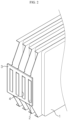
FIG. 3 is a perspective view showing a battery module manufacturing system according to an embodiment of the present disclosure. -
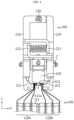
FIG. 4 is a diagram showing a state where the pressing jig apparatus according to an embodiment of the present disclosure presses a lead group to be in close contact with a bus bar. -
FIG. 5 is a perspective view showing a pressing jig apparatus according to an embodiment of the present disclosure. -
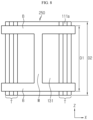
FIG. 6 is a top view showing one surface of the pressing jig apparatus according to an embodiment of the present disclosure. -
FIG. 7 is a diagram specifically showing the position relationship among a pressing tip, a lead group and a bus bar provided to the pressing jig apparatus according to an embodiment of the present disclosure and the shape of the pressing tip. -
FIG. 8 is a diagram showing that the lead group does not protrude upward further to an upper surface of the bus bar by means of a lead protrusion-preventing unit, in the pressing jig apparatus according to an embodiment of the present disclosure. - Hereinafter, preferred embodiments of the present disclosure will be described in detail with reference to the accompanying drawings. Prior to the description, it should be understood that the terms used in the specification and the appended claims should not be construed as limited to general and dictionary meanings, but interpreted based on the meanings and concepts corresponding to technical aspects of the present disclosure on the basis of the principle that the inventor is allowed to define terms appropriately for the best explanation. Therefore, the description proposed herein is just a preferable example for the purpose of illustrations only.
- First, referring to
FIG. 3 , a battery module manufacturing system according to an embodiment of the present disclosure may be implemented to include abattery module 100, apressing jig apparatus 200 and afixing frame 300. - Referring to
FIGS. 3 and4 , thebattery module 100 includes a cell stack 110, amodule case 120 for accommodating the cell stack 110, and abus bar frame 130 for covering an opening at one side of themodule case 120. - The cell stack 110 includes a first
unit cell stack 110A and a secondunit cell stack 110B located adjacent thereto. In the figures of the present disclosure, only two unit cell stacks are shown. However, the present disclosure is not limited to the number of unit cell stacks, and the number of unit cell stacks may be selected as being two or more without limitation. In addition, the present disclosure shows only one case in which one unit cell stack has threebattery cells 111. However, the number ofbattery cells 111 included in one unit cell stack is not limited thereto, and the cell stack may have two battery cells or four or more battery cells. - Each of the
unit cell stacks battery cells 111 to face each other, and each of thebattery cells 111 stacked to form one unit cell stack has anelectrode lead 111a. - The electrode leads 111a provided in the
battery cells 111 of any oneunit cell stack - An lead group T formed by collecting the electrode leads 111a drawn from the same unit cell stack is exposed to an upper surface of the bus bar frame 130 (a surface parallel to the X-Z plane of
FIG. 3 ) through a lead slit (not shown) or a lead penetration hole (not shown) formed in thebus bar frame 130. The lead group T exposed as above comes into close contact with thebus bar 131 fixed to the upper surface of thebus bar frame 130. - More specifically, the lead group T provided in the first
unit cell stack 110A is in close contact with one side surface of thebus bar 131, and the lead group T provided in the secondunit cell stack 110B is in close contact with the other side surface of thebus bar 131. The close contact of the lead group T is made by pressing of thejig apparatus 200, and the lead group T is welded in close contact with thebus bar 131 and thus bonded to thebus bar 131. - The lead groups T of neighboring unit cell stacks 110A, 110B may be electrically connected to each other by means of one
bus bar 131. - Referring to
FIGS. 3 and4 , thepressing jig apparatus 200 is disposed at one side of thebattery module 100 to press the lead groups T of the neighboringunit cell stacks bus bar 131, respectively. Referring toFIGS. 4 to 6 , thepressing jig apparatus 200 may be implemented to include afirst frame 210, asecond frame 220, arotary shaft 230, anelastic member 240, and a lead protrusion-preventingunit 250. - The
first frame 210 and thesecond frame 220 are coupled to be rotatable relative to each other by means of therotary shaft 230 fastened through one end thereof in the longitudinal direction (a direction parallel to the Y-axis ofFIG. 4 ) Thefirst frame 210 and thesecond frame 220 are rotated about one longitudinal end so that the other ends thereof become closer to or farther from each other. Onerotary shaft 230 may be provided to each of both side ends in the width direction (a direction parallel to the Z-axis ofFIG. 5 ) for stable operation of thepressing jig apparatus 200. - The
first frame 210 includes a firstpressing tip 211 and afirst sub frame 212. The firstpressing tip 211 is provided at the other longitudinal end of thefirst frame 210, namely at a side opposite to the coupling portion of thefirst frame 210 and thesecond frame 220. - The first
pressing tip 211 moves toward thesecond frame 220 by the relative rotation between thefirst frame 210 and thesecond frame 220 to press the lead group T provided to the firstunit cell stack 110A so that the lead group T comes into close contact with one side surface of thebus bar 131. - The
first sub frame 212 is provided between one longitudinal end and the other longitudinal end of thefirst frame 210 and extends in a direction (parallel to the X-axis ofFIG.4 ) substantially perpendicular to the longitudinal direction of thefirst frame 210. In addition, thefirst sub frame 212 is shaped such that its end is bent upwardly or downwardly (in a direction parallel to the Y-axis ofFIG.4 ). The bent end of thefirst sub frame 212 serves as a support surface for supporting theelastic member 240. Onefirst sub frame 212 may be formed at each of both side ends of thepressing jig apparatus 200 in the width direction (a direction parallel to the Y-axis ofFig. 4 ). - Similar to the
first frame 210, thesecond frame 220 includes a secondpressing tip 221 and asecond sub frame 222. The secondpressing tip 221 is provided at the other longitudinal end of thesecond frame 220, namely at a side opposite to the coupling portion of thefirst frame 210 and thesecond frame 220. - The second
pressing tip 221 is moved toward thefirst frame 220 by the relative rotation of thefirst frame 210 and thesecond frame 220 to press the lead group T provided to the secondunit cell stack 110B so that the lead group T comes into close contact with the other side surface of thebus bar 131. - The
second sub frame 222 is provided between one longitudinal end and the other longitudinal end of thesecond frame 220 and extends in a direction (parallel to the X-axis ofFIG.4 ) substantially perpendicular to the longitudinal direction of thesecond frame 220. In addition, thesecond sub frame 222 is shaped such that its end is bent downward or upward (in a direction parallel to the Y-axis ofFIG. 4 ), but in a direction opposite to the end of thefirst sub frame 212. - The bent end of the
second sub frame 222 serves as a support surface for supporting theelastic member 240. That is, the support surface formed by the end of thefirst sub frame 212 and the support surface formed by the end of thesecond sub frame 222 are arranged side by side, and theelastic member 240 is interposed therebetween. Onesecond sub frame 222 may be formed at each of both side ends of thepressing jig apparatus 200 in the width direction (a direction parallel to the Y-axis ofFIG. 4 ). - The
elastic member 240 may be, for example, a spring. One side of theelastic member 240 in the longitudinal direction (the X-axis direction ofFIG. 4 ) is coupled on the support surface formed by the end of thesecond sub frame 222, and the other side thereof is coupled on the support surface formed by the end of thefirst sub frame 212. - In addition, the
elastic member 240 has a length shorter than a distance between the end of thefirst sub frame 212 and the end of thesecond sub frame 222 without an external force applied. Due to the length of theelastic member 240, theelastic member 240 is coupled between the pair of sub frames 212, 222 in a state where the length of theelastic member 240 is elongated, and thus the elastic restoring force of theelastic member 240 is applied so that thefirst frame 210 andsecond frame 220 move closer to each other. - Thus, a user of the
pressing jig apparatus 200 may apply a force in a direction in which the firstpressing tip 211 and the secondpressing tip 221 move away from each other so that the bus bar 231 and the lead group T are located between the firstpressing tip 211 and the secondpressing tip 221, and then removes the applied force so that the lead group T is brought into close contact with the bus bar 231. That is, the magnitude of the pressing force applied by the firstpressing tip 211 and the secondpressing tip 221 to the lead group T is proportional to the elastic restoring force of theelastic member 240. - Referring to
FIG. 7 , the firstpressing tip 211 and the secondpressing tip 221 press the pair of lead groups T provided to the unit cell stacks 110A, 110B adjacent to each other so that the pair of lead groups T come into close contact with both side surfaces of thebus bar 131. Here, the firstpressing tip 211 and the secondpressing tip 221 may perform the pressing at positions corresponding to a region below vertical centers of one side surface and the other side surface of thebus bar 131. This is to prevent a weld pool of theelectrode lead 111a, formed when the lead group T is welded in close contact with thebus bar 131, from adhering to thepressing tips - In addition, surfaces of the first
pressing tip 211 and the secondpressing tip 221 facing the lead group T may have chamfered upper portions. This is also to prevent the weld pool from adhering to thepressing tips - If the weld pool adheres to the
pressing tips pressing tips bus bar 131. In addition, after a certain number of welding processes are be performed, a process of removing the adhered weld pool should be additionally performed. Thus, thepressing jig apparatus 200 according to the present disclosure is intended to solve this problem by improving the pressing positions of thepressing tips pressing tips - Referring to
FIGS. 4 to 7 , the lead protrusion-preventingunit 250 is fixed between thefirst frame 210 and thesecond frame 220 by a coupling rod C to press the lead group T downward so that the lead group T does not protrude upward further to the upper surface of thebus bar 131. - A pair of horizontal bars B spaced apart from each other and extending side by side and a barrier W connecting the centers of the pair of horizontal bars B to each other are provided at the end of the lead protrusion-preventing
unit 250. The horizontal bar B and the barrier W extend substantially perpendicular to each other, so that the end of the lead protrusion-preventingunit 250 has an H beam shape. - The horizontal bar B contacts the lead group T and presses the lead group T directly so that the lead group T does not protrude above the upper surface of the
bus bar 131. A distance D1 between outer edge portions of the pair of horizontal bars B is equal to or shorter than a width D2 of the lead group T. This allows the horizontal bar B to contact the lead group T when the lead protrusion-preventingunit 250 moves downward toward thebus bar 131. - The longitudinal ends the pair of horizontal bars B respectively press both ends of the lead group T in the width direction.
- In a state where the horizontal bar B presses the lead group T from the top so that the lead group T does not protrude further above the upper surface of the
bus bar 131 as described above, the lead group T and thebus bar 131 may be welded to each other by irradiating a laser or approaching a welding rod through openings formed at both sides of the barrier W. - That is, the openings formed at both sides of the barrier W are in communication with the openings formed at the upper portion of the
pressing jig apparatus 200, thereby providing a space where a welding rod or a laser beam approaches along a direction toward the lead group T (a direction parallel to the Y-axis ofFIG. 4 ) from the upper portion of thepressing jig apparatus 200. - Meanwhile, referring to
FIG. 3 again, the fixingframe 300 is coupled to one side of thebattery module 100 so that thebus bar frame 130 is exposed to the outside. The fixingframe 300 functions as a support to which thepressing jig apparatus 200 is fixed. - The present disclosure has been described in detail. However, it should be understood that the detailed description and specific examples, while indicating preferred embodiments of the disclosure, are given by way of illustration only, since various changes and modifications within the scope of the disclosure will become apparent to those skilled in the art from this detailed description.
Claims (12)
- A battery module manufacturing system, comprising:a battery module (100) having a cell stack (110) formed by stacking a plurality of battery cells (111), a module case (120) configured to accommodate the cell stack (110) and a bus bar frame (130) configured to cover an opening at one side of the module case (120);a fixing frame (300) coupled to one side of the battery module (100) so that the bus bar frame (130) is exposed to the outside; andat least one pressing jig apparatus (200) coupled onto the fixing frame (300),wherein the pressing jig apparatus (200) includes a first frame (210) and a second frame (220),wherein the first frame (210) and the second frame (220) are coupled to be rotatable relative to each other based on a rotary shaft (230) fastened to one longitudinal end thereof.wherein the first frame (210) includes a first pressing tip (211) provided at the other longitudinal end thereof and configured to press a lead group (T) of a first unit cell stack (110A) provided in the cell stack (110) so that the lead group (T) comes into close contact with one side of the bus bar (131), andwherein the second frame (220) includes a second pressing tip (221) provided at the other longitudinal end thereof to face the first pressing tip (211) and configured to press a lead group (T) of a second unit cell stack (110B) provided in the cell stack (110) so that the lead group (T) comes into close contact with the other side of the bus bar (131).
- The battery module manufacturing system according to claim 1,
wherein the first pressing tip (211) and the second pressing tip (221) respectively press the lead groups (T) at positions corresponding to a region below vertical centers of one side surface and the other side surface of the bus bar (131). - The battery module manufacturing system according to claim 2,
wherein the first pressing tip (211) and the second pressing tip (221) are shaped such that surfaces thereof facing the lead group have chamfered upper portions. - The battery module manufacturing system according to claim 1,
wherein the pressing jig apparatus (200) includes an elastic member (240) connected between the first frame (210) and the second frame (220) to apply a force so that the first frame (210) and the second frame (220) move closer to each other. - The battery module manufacturing system according to claim 1,
wherein the pressing jig apparatus (200) includes a lead protrusion-preventing unit (250) fixed between the first frame (210) and the second frame (220) to press the electrode lead (111a) downward so that the electrode lead (111a) does not protrude upward further to an upper surface of the bus bar (131). - The battery module manufacturing system according to claim 5,
wherein the lead protrusion-preventing unit (250) includes:a pair of horizontal bars (B) spaced apart from each other and configured to extend side by side; anda barrier (W) configured to connect centers of the pair of horizontal bars (B),wherein the horizontal bars (B) press the electrode lead (111a) downward. - A pressing jig apparatus (200) for welding, which is adapted to be installed at one side of a battery module (100) having a cell stack (110) formed by stacking a plurality of battery cells (111), the pressing jig apparatus (200) comprising:a first frame (210); anda second frame (220) coupled to face the first frame (210) and to be rotatable relative to the first frame (210) based on a rotary shaft (230) fastened to one longitudinal end thereof,wherein the first frame (210) includes a first pressing tip (211) provided at the other longitudinal end thereof and configured to press a lead group (T) of a first unit cell stack (110A) provided in the cell stack (110) so that the lead group comes into close contact with one side of the bus bar (131), andwherein the second frame (220) includes a second pressing tip (221) provided at the other longitudinal end thereof to face the first pressing tip (211) and configured to press a lead group (T) of a second unit cell stack (110B) provided in the cell stack (110) so that the lead group (T) comes into close contact with the other side of the bus bar (131).
- The pressing jig apparatus (200) according to claim 7,
wherein the first pressing tip (211) and the second pressing tip (221) respectively press the lead groups (T) at positions corresponding to a region below vertical centers of one side surface and the other side surface of the bus bar (131). - The pressing jig apparatus (200) according to claim 8,
wherein the first pressing tip (211) and the second pressing tip (221) are shaped such that surfaces thereof facing the lead group have chamfered upper portions. - The pressing jig apparatus (200) according to claim 7, further comprising:
an elastic member (240) connected between the first frame (210) and the second frame (220) to apply a force so that the first frame (210) and the second frame move (220) closer to each other. - The pressing jig apparatus (200) according to claim 7, further comprising:
a lead protrusion-preventing unit (250) fixed between the first frame (210) and the second frame (220) to press the electrode lead (111a) downward so that the electrode lead (111a) does not protrude upward further to an upper surface of the bus bar (131). - The pressing jig apparatus (200) according to claim 11,
wherein the lead protrusion-preventing unit (250) includes:a pair of horizontal bars (B) spaced apart from each other to extend side by side; anda barrier (W) configured to connect centers of the pair of horizontal bars (B),wherein the horizontal bars (B) press the electrode lead (111a) downward.
Applications Claiming Priority (2)
| Application Number | Priority Date | Filing Date | Title |
|---|---|---|---|
| KR1020180167940A KR102324264B1 (en) | 2018-12-21 | 2018-12-21 | A pressing jig apparatus that closely contacts electrode lead with bus bar and a battery module manufacturing system comprising the same |
| PCT/KR2019/016507 WO2020130399A1 (en) | 2018-12-21 | 2019-11-27 | Pressure jig apparatus for bringing electrode lead into close contact with bus bar and battery module manufacturing system including same |
Publications (3)
| Publication Number | Publication Date |
|---|---|
| EP3836252A1 EP3836252A1 (en) | 2021-06-16 |
| EP3836252A4 EP3836252A4 (en) | 2021-10-13 |
| EP3836252B1 true EP3836252B1 (en) | 2024-04-10 |
Family
ID=71101811
Family Applications (1)
| Application Number | Title | Priority Date | Filing Date |
|---|---|---|---|
| EP19900601.6A Active EP3836252B1 (en) | 2018-12-21 | 2019-11-27 | Pressure jig apparatus for bringing electrode lead into close contact with bus bar and battery module manufacturing system including same |
Country Status (9)
| Country | Link |
|---|---|
| US (2) | US12068503B2 (en) |
| EP (1) | EP3836252B1 (en) |
| JP (1) | JP7147052B2 (en) |
| KR (1) | KR102324264B1 (en) |
| CN (2) | CN111354969B (en) |
| ES (1) | ES2977735T3 (en) |
| HU (1) | HUE067068T2 (en) |
| PL (1) | PL3836252T3 (en) |
| WO (1) | WO2020130399A1 (en) |
Families Citing this family (11)
| Publication number | Priority date | Publication date | Assignee | Title |
|---|---|---|---|---|
| KR102324264B1 (en) * | 2018-12-21 | 2021-11-08 | 주식회사 엘지에너지솔루션 | A pressing jig apparatus that closely contacts electrode lead with bus bar and a battery module manufacturing system comprising the same |
| KR102836078B1 (en) * | 2019-10-18 | 2025-07-17 | 주식회사 엘지에너지솔루션 | Welding jig |
| US11450877B2 (en) * | 2020-03-16 | 2022-09-20 | GM Global Technology Operations LLC | Tooling and method for alignment and assembly of battery module |
| CN112670369B (en) * | 2020-12-15 | 2022-08-30 | 凯盛光伏材料有限公司 | Manufacturing method of copper indium gallium selenide thin-film solar cell and welding device of bus bar |
| JP7594919B2 (en) * | 2021-01-15 | 2024-12-05 | 株式会社Aescジャパン | Battery module and manufacturing method thereof |
| KR20220115390A (en) * | 2021-02-10 | 2022-08-17 | 주식회사 엘지에너지솔루션 | Battery Module, Battery Pack, and Vehicle |
| CN113399910B (en) * | 2021-06-08 | 2024-08-16 | 力神(青岛)新能源有限公司 | General battery module welding frock clamp plate |
| CN114583400A (en) * | 2022-03-09 | 2022-06-03 | 华霆(合肥)动力技术有限公司 | Protection tool, battery module and installation method |
| US11742553B1 (en) * | 2022-11-18 | 2023-08-29 | Rivian Ip Holdings, Llc | Battery cell welding mask |
| US11904408B1 (en) * | 2023-06-30 | 2024-02-20 | Rivian Ip Holdings, Llc | Laser welding mask |
| KR20250056587A (en) | 2023-10-19 | 2025-04-28 | 조경일 | Title type laser on slide wildeing jig |
Family Cites Families (19)
| Publication number | Priority date | Publication date | Assignee | Title |
|---|---|---|---|---|
| JP2000067843A (en) * | 1998-08-24 | 2000-03-03 | Toyota Motor Corp | Collective battery |
| JP3971324B2 (en) * | 2003-02-25 | 2007-09-05 | 日本碍子株式会社 | Energizing terminal gripper and gripper drive hand |
| WO2006090511A1 (en) | 2005-02-22 | 2006-08-31 | Nec Corporation | Manufacturing method of electrical device assembly |
| KR101023184B1 (en) * | 2010-11-01 | 2011-03-18 | 쓰리피시스템(주) | Welding system and method of battery module |
| WO2012148100A2 (en) | 2011-04-26 | 2012-11-01 | 주식회사 엘지화학 | Bus bar having a novel structure, and battery module including same |
| JP2013101860A (en) | 2011-11-09 | 2013-05-23 | Toyota Motor Corp | Battery |
| JP6090473B2 (en) | 2012-12-28 | 2017-03-08 | エルジー・ケム・リミテッド | Pouch case sealing device and sealing method for secondary battery |
| JP6011876B2 (en) | 2013-09-13 | 2016-10-19 | 株式会社オートネットワーク技術研究所 | Power storage module |
| KR101750597B1 (en) * | 2014-04-30 | 2017-06-23 | 주식회사 엘지화학 | Laser welding apparatus |
| KR101693790B1 (en) * | 2015-01-13 | 2017-01-23 | 두산중공업 주식회사 | Jig for handling work piece |
| JP6582579B2 (en) | 2015-06-12 | 2019-10-02 | 株式会社豊田自動織機 | Welding apparatus and welding method |
| KR101698780B1 (en) | 2015-07-28 | 2017-01-23 | 현대엘리베이터 주식회사 | Landing leveal correction completion system of chain driving type double deck elevator and the method thereof |
| WO2017068707A1 (en) * | 2015-10-22 | 2017-04-27 | 日産自動車株式会社 | Production method and production device for battery pack |
| KR102094210B1 (en) | 2016-02-12 | 2020-03-27 | 주식회사 엘지화학 | Battery Cell Having Electrode Tabs and Electrode Lead Laser-welded to Each Other |
| KR102090787B1 (en) | 2017-01-11 | 2020-03-18 | 주식회사 엘지화학 | Jig assembly for laser welding |
| KR102258817B1 (en) * | 2017-04-25 | 2021-06-07 | 주식회사 엘지에너지솔루션 | Battery module, battery pack comprising the battery module and vehicle comprising the battery pack |
| CN107009026B (en) | 2017-05-17 | 2019-03-12 | 中国第一汽车股份有限公司 | A kind of welding technique and device of power battery monomer |
| KR102105665B1 (en) | 2018-04-04 | 2020-05-29 | 주식회사 엘지화학 | A pressing jig for pressing a bus bar and a battery module manufacturing system comprising the same |
| KR102324264B1 (en) * | 2018-12-21 | 2021-11-08 | 주식회사 엘지에너지솔루션 | A pressing jig apparatus that closely contacts electrode lead with bus bar and a battery module manufacturing system comprising the same |
-
2018
- 2018-12-21 KR KR1020180167940A patent/KR102324264B1/en active Active
-
2019
- 2019-11-27 EP EP19900601.6A patent/EP3836252B1/en active Active
- 2019-11-27 PL PL19900601.6T patent/PL3836252T3/en unknown
- 2019-11-27 ES ES19900601T patent/ES2977735T3/en active Active
- 2019-11-27 HU HUE19900601A patent/HUE067068T2/en unknown
- 2019-11-27 US US17/270,241 patent/US12068503B2/en active Active
- 2019-11-27 JP JP2021514081A patent/JP7147052B2/en active Active
- 2019-11-27 WO PCT/KR2019/016507 patent/WO2020130399A1/en not_active Ceased
- 2019-12-18 CN CN201911308136.8A patent/CN111354969B/en active Active
- 2019-12-18 CN CN201922288161.6U patent/CN211578893U/en active Active
-
2024
- 2024-07-15 US US18/773,335 patent/US12555873B2/en active Active
Also Published As
| Publication number | Publication date |
|---|---|
| CN211578893U (en) | 2020-09-25 |
| US20240372225A1 (en) | 2024-11-07 |
| PL3836252T3 (en) | 2024-06-10 |
| EP3836252A1 (en) | 2021-06-16 |
| CN111354969B (en) | 2021-09-14 |
| KR20200078237A (en) | 2020-07-01 |
| KR102324264B1 (en) | 2021-11-08 |
| WO2020130399A1 (en) | 2020-06-25 |
| US12555873B2 (en) | 2026-02-17 |
| JP2021536115A (en) | 2021-12-23 |
| ES2977735T3 (en) | 2024-08-29 |
| HUE067068T2 (en) | 2024-09-28 |
| EP3836252A4 (en) | 2021-10-13 |
| US12068503B2 (en) | 2024-08-20 |
| US20210344083A1 (en) | 2021-11-04 |
| JP7147052B2 (en) | 2022-10-04 |
| CN111354969A (en) | 2020-06-30 |
Similar Documents
| Publication | Publication Date | Title |
|---|---|---|
| EP3836252B1 (en) | Pressure jig apparatus for bringing electrode lead into close contact with bus bar and battery module manufacturing system including same | |
| EP3836248B1 (en) | Battery module including foldable side plate and method for manufacturing same | |
| EP3698914B1 (en) | Pressurization jig for pressurizing bus bar and battery module manufacturing system comprising same | |
| EP3723162B1 (en) | Auto-pressing jig apparatus for pressing electrode lead to busbar | |
| EP3690987B1 (en) | Unit module including busbar frame structure which can facilitate welding, and battery module including same | |
| EP2874205B1 (en) | Electrical device with a busbar assembly having a frame providing access for laser welding | |
| US10862095B2 (en) | Battery module with improved coupling structure between electrode lead and bus bar and method for manufacturing the same | |
| KR101750597B1 (en) | Laser welding apparatus | |
| CN108370017A (en) | Busbar and power storage module | |
| KR102750490B1 (en) | Battery module and manufacturing method thereof | |
| CN109148802B (en) | Bus bar and connection module provided with same | |
| KR20220129277A (en) | Battery module assembly device and assembly method | |
| JP7632203B2 (en) | Battery pack and manufacturing method thereof | |
| CN114730969B (en) | Battery module with improved electrode lead connection structure, battery pack and vehicle including the same | |
| KR101996444B1 (en) | Busbar assembly | |
| US10608228B2 (en) | Busbar module and busbar | |
| CN114144915B (en) | Battery pack and bonding method | |
| EP4717637A1 (en) | Gripper and method for manufacturing battery pack by using same | |
| JP2018032556A (en) | Clamping device |
Legal Events
| Date | Code | Title | Description |
|---|---|---|---|
| STAA | Information on the status of an ep patent application or granted ep patent |
Free format text: STATUS: THE INTERNATIONAL PUBLICATION HAS BEEN MADE |
|
| PUAI | Public reference made under article 153(3) epc to a published international application that has entered the european phase |
Free format text: ORIGINAL CODE: 0009012 |
|
| STAA | Information on the status of an ep patent application or granted ep patent |
Free format text: STATUS: REQUEST FOR EXAMINATION WAS MADE |
|
| 17P | Request for examination filed |
Effective date: 20210308 |
|
| AK | Designated contracting states |
Kind code of ref document: A1 Designated state(s): AL AT BE BG CH CY CZ DE DK EE ES FI FR GB GR HR HU IE IS IT LI LT LU LV MC MK MT NL NO PL PT RO RS SE SI SK SM TR |
|
| REG | Reference to a national code |
Ref legal event code: R079 Ipc: H01M0010040000 Ref country code: DE Ref legal event code: R079 Ref document number: 602019050256 Country of ref document: DE Free format text: PREVIOUS MAIN CLASS: H01M0002200000 Ipc: H01M0010040000 |
|
| A4 | Supplementary search report drawn up and despatched |
Effective date: 20210915 |
|
| RIC1 | Information provided on ipc code assigned before grant |
Ipc: H01M 50/543 20210101ALI20210909BHEP Ipc: H01M 50/50 20210101ALI20210909BHEP Ipc: B23K 101/36 20060101ALI20210909BHEP Ipc: B23K 37/04 20060101ALI20210909BHEP Ipc: H01M 10/04 20060101AFI20210909BHEP |
|
| RAP1 | Party data changed (applicant data changed or rights of an application transferred) |
Owner name: LG ENERGY SOLUTION LTD. |
|
| DAV | Request for validation of the european patent (deleted) | ||
| DAX | Request for extension of the european patent (deleted) | ||
| RAP3 | Party data changed (applicant data changed or rights of an application transferred) |
Owner name: LG ENERGY SOLUTION, LTD. |
|
| GRAP | Despatch of communication of intention to grant a patent |
Free format text: ORIGINAL CODE: EPIDOSNIGR1 |
|
| STAA | Information on the status of an ep patent application or granted ep patent |
Free format text: STATUS: GRANT OF PATENT IS INTENDED |
|
| INTG | Intention to grant announced |
Effective date: 20231011 |
|
| P01 | Opt-out of the competence of the unified patent court (upc) registered |
Effective date: 20231030 |
|
| GRAJ | Information related to disapproval of communication of intention to grant by the applicant or resumption of examination proceedings by the epo deleted |
Free format text: ORIGINAL CODE: EPIDOSDIGR1 |
|
| STAA | Information on the status of an ep patent application or granted ep patent |
Free format text: STATUS: REQUEST FOR EXAMINATION WAS MADE |
|
| GRAP | Despatch of communication of intention to grant a patent |
Free format text: ORIGINAL CODE: EPIDOSNIGR1 |
|
| STAA | Information on the status of an ep patent application or granted ep patent |
Free format text: STATUS: GRANT OF PATENT IS INTENDED |
|
| GRAS | Grant fee paid |
Free format text: ORIGINAL CODE: EPIDOSNIGR3 |
|
| INTC | Intention to grant announced (deleted) | ||
| GRAA | (expected) grant |
Free format text: ORIGINAL CODE: 0009210 |
|
| STAA | Information on the status of an ep patent application or granted ep patent |
Free format text: STATUS: THE PATENT HAS BEEN GRANTED |
|
| INTG | Intention to grant announced |
Effective date: 20240229 |
|
| AK | Designated contracting states |
Kind code of ref document: B1 Designated state(s): AL AT BE BG CH CY CZ DE DK EE ES FI FR GB GR HR HU IE IS IT LI LT LU LV MC MK MT NL NO PL PT RO RS SE SI SK SM TR |
|
| REG | Reference to a national code |
Ref country code: GB Ref legal event code: FG4D |
|
| REG | Reference to a national code |
Ref country code: CH Ref legal event code: EP |
|
| REG | Reference to a national code |
Ref country code: DE Ref legal event code: R096 Ref document number: 602019050256 Country of ref document: DE |
|
| REG | Reference to a national code |
Ref country code: IE Ref legal event code: FG4D |
|
| REG | Reference to a national code |
Ref country code: SE Ref legal event code: TRGR |
|
| REG | Reference to a national code |
Ref country code: NL Ref legal event code: FP |
|
| REG | Reference to a national code |
Ref country code: LT Ref legal event code: MG9D |
|
| REG | Reference to a national code |
Ref country code: ES Ref legal event code: FG2A Ref document number: 2977735 Country of ref document: ES Kind code of ref document: T3 Effective date: 20240829 |
|
| REG | Reference to a national code |
Ref country code: AT Ref legal event code: MK05 Ref document number: 1675855 Country of ref document: AT Kind code of ref document: T Effective date: 20240410 |
|
| REG | Reference to a national code |
Ref country code: HU Ref legal event code: AG4A Ref document number: E067068 Country of ref document: HU |
|
| PG25 | Lapsed in a contracting state [announced via postgrant information from national office to epo] |
Ref country code: IS Free format text: LAPSE BECAUSE OF FAILURE TO SUBMIT A TRANSLATION OF THE DESCRIPTION OR TO PAY THE FEE WITHIN THE PRESCRIBED TIME-LIMIT Effective date: 20240810 |
|
| PG25 | Lapsed in a contracting state [announced via postgrant information from national office to epo] |
Ref country code: BG Free format text: LAPSE BECAUSE OF FAILURE TO SUBMIT A TRANSLATION OF THE DESCRIPTION OR TO PAY THE FEE WITHIN THE PRESCRIBED TIME-LIMIT Effective date: 20240410 |
|
| PG25 | Lapsed in a contracting state [announced via postgrant information from national office to epo] |
Ref country code: HR Free format text: LAPSE BECAUSE OF FAILURE TO SUBMIT A TRANSLATION OF THE DESCRIPTION OR TO PAY THE FEE WITHIN THE PRESCRIBED TIME-LIMIT Effective date: 20240410 Ref country code: FI Free format text: LAPSE BECAUSE OF FAILURE TO SUBMIT A TRANSLATION OF THE DESCRIPTION OR TO PAY THE FEE WITHIN THE PRESCRIBED TIME-LIMIT Effective date: 20240410 |
|
| PG25 | Lapsed in a contracting state [announced via postgrant information from national office to epo] |
Ref country code: GR Free format text: LAPSE BECAUSE OF FAILURE TO SUBMIT A TRANSLATION OF THE DESCRIPTION OR TO PAY THE FEE WITHIN THE PRESCRIBED TIME-LIMIT Effective date: 20240711 |
|
| PG25 | Lapsed in a contracting state [announced via postgrant information from national office to epo] |
Ref country code: PT Free format text: LAPSE BECAUSE OF FAILURE TO SUBMIT A TRANSLATION OF THE DESCRIPTION OR TO PAY THE FEE WITHIN THE PRESCRIBED TIME-LIMIT Effective date: 20240812 |
|
| PG25 | Lapsed in a contracting state [announced via postgrant information from national office to epo] |
Ref country code: AT Free format text: LAPSE BECAUSE OF FAILURE TO SUBMIT A TRANSLATION OF THE DESCRIPTION OR TO PAY THE FEE WITHIN THE PRESCRIBED TIME-LIMIT Effective date: 20240410 |
|
| PG25 | Lapsed in a contracting state [announced via postgrant information from national office to epo] |
Ref country code: LV Free format text: LAPSE BECAUSE OF FAILURE TO SUBMIT A TRANSLATION OF THE DESCRIPTION OR TO PAY THE FEE WITHIN THE PRESCRIBED TIME-LIMIT Effective date: 20240410 |
|
| PG25 | Lapsed in a contracting state [announced via postgrant information from national office to epo] |
Ref country code: PT Free format text: LAPSE BECAUSE OF FAILURE TO SUBMIT A TRANSLATION OF THE DESCRIPTION OR TO PAY THE FEE WITHIN THE PRESCRIBED TIME-LIMIT Effective date: 20240812 Ref country code: NO Free format text: LAPSE BECAUSE OF FAILURE TO SUBMIT A TRANSLATION OF THE DESCRIPTION OR TO PAY THE FEE WITHIN THE PRESCRIBED TIME-LIMIT Effective date: 20240710 Ref country code: LV Free format text: LAPSE BECAUSE OF FAILURE TO SUBMIT A TRANSLATION OF THE DESCRIPTION OR TO PAY THE FEE WITHIN THE PRESCRIBED TIME-LIMIT Effective date: 20240410 Ref country code: IS Free format text: LAPSE BECAUSE OF FAILURE TO SUBMIT A TRANSLATION OF THE DESCRIPTION OR TO PAY THE FEE WITHIN THE PRESCRIBED TIME-LIMIT Effective date: 20240810 Ref country code: HR Free format text: LAPSE BECAUSE OF FAILURE TO SUBMIT A TRANSLATION OF THE DESCRIPTION OR TO PAY THE FEE WITHIN THE PRESCRIBED TIME-LIMIT Effective date: 20240410 Ref country code: GR Free format text: LAPSE BECAUSE OF FAILURE TO SUBMIT A TRANSLATION OF THE DESCRIPTION OR TO PAY THE FEE WITHIN THE PRESCRIBED TIME-LIMIT Effective date: 20240711 Ref country code: FI Free format text: LAPSE BECAUSE OF FAILURE TO SUBMIT A TRANSLATION OF THE DESCRIPTION OR TO PAY THE FEE WITHIN THE PRESCRIBED TIME-LIMIT Effective date: 20240410 Ref country code: BG Free format text: LAPSE BECAUSE OF FAILURE TO SUBMIT A TRANSLATION OF THE DESCRIPTION OR TO PAY THE FEE WITHIN THE PRESCRIBED TIME-LIMIT Effective date: 20240410 Ref country code: AT Free format text: LAPSE BECAUSE OF FAILURE TO SUBMIT A TRANSLATION OF THE DESCRIPTION OR TO PAY THE FEE WITHIN THE PRESCRIBED TIME-LIMIT Effective date: 20240410 Ref country code: RS Free format text: LAPSE BECAUSE OF FAILURE TO SUBMIT A TRANSLATION OF THE DESCRIPTION OR TO PAY THE FEE WITHIN THE PRESCRIBED TIME-LIMIT Effective date: 20240710 |
|
| REG | Reference to a national code |
Ref country code: DE Ref legal event code: R097 Ref document number: 602019050256 Country of ref document: DE |
|
| PG25 | Lapsed in a contracting state [announced via postgrant information from national office to epo] |
Ref country code: DK Free format text: LAPSE BECAUSE OF FAILURE TO SUBMIT A TRANSLATION OF THE DESCRIPTION OR TO PAY THE FEE WITHIN THE PRESCRIBED TIME-LIMIT Effective date: 20240410 |
|
| PG25 | Lapsed in a contracting state [announced via postgrant information from national office to epo] |
Ref country code: EE Free format text: LAPSE BECAUSE OF FAILURE TO SUBMIT A TRANSLATION OF THE DESCRIPTION OR TO PAY THE FEE WITHIN THE PRESCRIBED TIME-LIMIT Effective date: 20240410 |
|
| PG25 | Lapsed in a contracting state [announced via postgrant information from national office to epo] |
Ref country code: CZ Free format text: LAPSE BECAUSE OF FAILURE TO SUBMIT A TRANSLATION OF THE DESCRIPTION OR TO PAY THE FEE WITHIN THE PRESCRIBED TIME-LIMIT Effective date: 20240410 |
|
| PG25 | Lapsed in a contracting state [announced via postgrant information from national office to epo] |
Ref country code: RO Free format text: LAPSE BECAUSE OF FAILURE TO SUBMIT A TRANSLATION OF THE DESCRIPTION OR TO PAY THE FEE WITHIN THE PRESCRIBED TIME-LIMIT Effective date: 20240410 Ref country code: SK Free format text: LAPSE BECAUSE OF FAILURE TO SUBMIT A TRANSLATION OF THE DESCRIPTION OR TO PAY THE FEE WITHIN THE PRESCRIBED TIME-LIMIT Effective date: 20240410 |
|
| PG25 | Lapsed in a contracting state [announced via postgrant information from national office to epo] |
Ref country code: SM Free format text: LAPSE BECAUSE OF FAILURE TO SUBMIT A TRANSLATION OF THE DESCRIPTION OR TO PAY THE FEE WITHIN THE PRESCRIBED TIME-LIMIT Effective date: 20240410 |
|
| PG25 | Lapsed in a contracting state [announced via postgrant information from national office to epo] |
Ref country code: SM Free format text: LAPSE BECAUSE OF FAILURE TO SUBMIT A TRANSLATION OF THE DESCRIPTION OR TO PAY THE FEE WITHIN THE PRESCRIBED TIME-LIMIT Effective date: 20240410 Ref country code: SK Free format text: LAPSE BECAUSE OF FAILURE TO SUBMIT A TRANSLATION OF THE DESCRIPTION OR TO PAY THE FEE WITHIN THE PRESCRIBED TIME-LIMIT Effective date: 20240410 Ref country code: RO Free format text: LAPSE BECAUSE OF FAILURE TO SUBMIT A TRANSLATION OF THE DESCRIPTION OR TO PAY THE FEE WITHIN THE PRESCRIBED TIME-LIMIT Effective date: 20240410 Ref country code: EE Free format text: LAPSE BECAUSE OF FAILURE TO SUBMIT A TRANSLATION OF THE DESCRIPTION OR TO PAY THE FEE WITHIN THE PRESCRIBED TIME-LIMIT Effective date: 20240410 Ref country code: DK Free format text: LAPSE BECAUSE OF FAILURE TO SUBMIT A TRANSLATION OF THE DESCRIPTION OR TO PAY THE FEE WITHIN THE PRESCRIBED TIME-LIMIT Effective date: 20240410 Ref country code: CZ Free format text: LAPSE BECAUSE OF FAILURE TO SUBMIT A TRANSLATION OF THE DESCRIPTION OR TO PAY THE FEE WITHIN THE PRESCRIBED TIME-LIMIT Effective date: 20240410 |
|
| PLBE | No opposition filed within time limit |
Free format text: ORIGINAL CODE: 0009261 |
|
| STAA | Information on the status of an ep patent application or granted ep patent |
Free format text: STATUS: NO OPPOSITION FILED WITHIN TIME LIMIT |
|
| 26N | No opposition filed |
Effective date: 20250113 |
|
| PG25 | Lapsed in a contracting state [announced via postgrant information from national office to epo] |
Ref country code: SI Free format text: LAPSE BECAUSE OF FAILURE TO SUBMIT A TRANSLATION OF THE DESCRIPTION OR TO PAY THE FEE WITHIN THE PRESCRIBED TIME-LIMIT Effective date: 20240410 |
|
| REG | Reference to a national code |
Ref country code: CH Ref legal event code: PL |
|
| PG25 | Lapsed in a contracting state [announced via postgrant information from national office to epo] |
Ref country code: MC Free format text: LAPSE BECAUSE OF FAILURE TO SUBMIT A TRANSLATION OF THE DESCRIPTION OR TO PAY THE FEE WITHIN THE PRESCRIBED TIME-LIMIT Effective date: 20240410 |
|
| PG25 | Lapsed in a contracting state [announced via postgrant information from national office to epo] |
Ref country code: LU Free format text: LAPSE BECAUSE OF NON-PAYMENT OF DUE FEES Effective date: 20241127 |
|
| REG | Reference to a national code |
Ref country code: CH Ref legal event code: PL |
|
| PG25 | Lapsed in a contracting state [announced via postgrant information from national office to epo] |
Ref country code: CH Free format text: LAPSE BECAUSE OF NON-PAYMENT OF DUE FEES Effective date: 20241130 |
|
| PG25 | Lapsed in a contracting state [announced via postgrant information from national office to epo] |
Ref country code: IE Free format text: LAPSE BECAUSE OF NON-PAYMENT OF DUE FEES Effective date: 20241127 |
|
| PGFP | Annual fee paid to national office [announced via postgrant information from national office to epo] |
Ref country code: NL Payment date: 20251020 Year of fee payment: 7 |
|
| PGFP | Annual fee paid to national office [announced via postgrant information from national office to epo] |
Ref country code: HU Payment date: 20251127 Year of fee payment: 7 |
|
| PGFP | Annual fee paid to national office [announced via postgrant information from national office to epo] |
Ref country code: DE Payment date: 20251020 Year of fee payment: 7 |
|
| PGFP | Annual fee paid to national office [announced via postgrant information from national office to epo] |
Ref country code: GB Payment date: 20251023 Year of fee payment: 7 |
|
| PGFP | Annual fee paid to national office [announced via postgrant information from national office to epo] |
Ref country code: IT Payment date: 20251021 Year of fee payment: 7 |
|
| PGFP | Annual fee paid to national office [announced via postgrant information from national office to epo] |
Ref country code: FR Payment date: 20251021 Year of fee payment: 7 |
|
| PGFP | Annual fee paid to national office [announced via postgrant information from national office to epo] |
Ref country code: TR Payment date: 20251022 Year of fee payment: 7 Ref country code: BE Payment date: 20251020 Year of fee payment: 7 |
|
| PGFP | Annual fee paid to national office [announced via postgrant information from national office to epo] |
Ref country code: SE Payment date: 20251021 Year of fee payment: 7 |
|
| PGFP | Annual fee paid to national office [announced via postgrant information from national office to epo] |
Ref country code: PL Payment date: 20251020 Year of fee payment: 7 |
|
| PGFP | Annual fee paid to national office [announced via postgrant information from national office to epo] |
Ref country code: ES Payment date: 20251215 Year of fee payment: 7 |
|
| PG25 | Lapsed in a contracting state [announced via postgrant information from national office to epo] |
Ref country code: CY Free format text: LAPSE BECAUSE OF FAILURE TO SUBMIT A TRANSLATION OF THE DESCRIPTION OR TO PAY THE FEE WITHIN THE PRESCRIBED TIME-LIMIT; INVALID AB INITIO Effective date: 20191127 |