EP3830293B1 - Tetrahydrobiopterin als biomarker für thorakale aortenaneurysmen - Google Patents
Tetrahydrobiopterin als biomarker für thorakale aortenaneurysmen Download PDFInfo
- Publication number
- EP3830293B1 EP3830293B1 EP19840602.7A EP19840602A EP3830293B1 EP 3830293 B1 EP3830293 B1 EP 3830293B1 EP 19840602 A EP19840602 A EP 19840602A EP 3830293 B1 EP3830293 B1 EP 3830293B1
- Authority
- EP
- European Patent Office
- Prior art keywords
- taa
- test sample
- fbn1
- amount
- mice
- Prior art date
- Legal status (The legal status is an assumption and is not a legal conclusion. Google has not performed a legal analysis and makes no representation as to the accuracy of the status listed.)
- Active
Links
Images






Classifications
-
- G—PHYSICS
- G01—MEASURING; TESTING
- G01N—INVESTIGATING OR ANALYSING MATERIALS BY DETERMINING THEIR CHEMICAL OR PHYSICAL PROPERTIES
- G01N33/00—Investigating or analysing materials by specific methods not covered by groups G01N1/00 - G01N31/00
- G01N33/48—Biological material, e.g. blood, urine; Haemocytometers
- G01N33/50—Chemical analysis of biological material, e.g. blood, urine; Testing involving biospecific ligand binding methods; Immunological testing
- G01N33/68—Chemical analysis of biological material, e.g. blood, urine; Testing involving biospecific ligand binding methods; Immunological testing involving proteins, peptides or amino acids
- G01N33/6893—Chemical analysis of biological material, e.g. blood, urine; Testing involving biospecific ligand binding methods; Immunological testing involving proteins, peptides or amino acids related to diseases not provided for elsewhere
-
- A—HUMAN NECESSITIES
- A61—MEDICAL OR VETERINARY SCIENCE; HYGIENE
- A61K—PREPARATIONS FOR MEDICAL, DENTAL OR TOILETRY PURPOSES
- A61K31/00—Medicinal preparations containing organic active ingredients
- A61K31/33—Heterocyclic compounds
- A61K31/395—Heterocyclic compounds having nitrogen as a ring hetero atom, e.g. guanethidine or rifamycins
- A61K31/495—Heterocyclic compounds having nitrogen as a ring hetero atom, e.g. guanethidine or rifamycins having six-membered rings with two or more nitrogen atoms as the only ring heteroatoms, e.g. piperazine or tetrazines
- A61K31/505—Pyrimidines; Hydrogenated pyrimidines, e.g. trimethoprim
- A61K31/519—Pyrimidines; Hydrogenated pyrimidines, e.g. trimethoprim ortho- or peri-condensed with heterocyclic rings
-
- A—HUMAN NECESSITIES
- A61—MEDICAL OR VETERINARY SCIENCE; HYGIENE
- A61P—SPECIFIC THERAPEUTIC ACTIVITY OF CHEMICAL COMPOUNDS OR MEDICINAL PREPARATIONS
- A61P9/00—Drugs for disorders of the cardiovascular system
-
- G—PHYSICS
- G01—MEASURING; TESTING
- G01N—INVESTIGATING OR ANALYSING MATERIALS BY DETERMINING THEIR CHEMICAL OR PHYSICAL PROPERTIES
- G01N2800/00—Detection or diagnosis of diseases
- G01N2800/32—Cardiovascular disorders
- G01N2800/329—Diseases of the aorta or its branches, e.g. aneurysms, aortic dissection
-
- G—PHYSICS
- G01—MEASURING; TESTING
- G01N—INVESTIGATING OR ANALYSING MATERIALS BY DETERMINING THEIR CHEMICAL OR PHYSICAL PROPERTIES
- G01N2800/00—Detection or diagnosis of diseases
- G01N2800/52—Predicting or monitoring the response to treatment, e.g. for selection of therapy based on assay results in personalised medicine; Prognosis
Definitions
- the present invention relates generally to a novel biomarker for thoracic aortic aneurysm and methods of using this biomarker for the diagnosis, risk detection, and monitoring of disease progression and response to treatment for aneurysm.
- Thoracic aortic aneurysm is a prevalent human disease that affects 4.2% of the general population ( Booher AM et al. Am Heart J. 2011 ).
- WO2013/055954 discloses the use of tetrahydrobiopterin to detect abdominal aortic aneurysms (AAA), but does not refer to thoracic aortic aneurysms (TAA).
- ISSELBACHER ERIC M "Thoracic and abdominal aorticaneurysms", CIRCULATION, AMERICAN HEART ASSOCIATION, INC, US, vol. 111, no. 6 15 February 2005 (2005-02-15), pages 816-828 discloses various diagnosis options for TAA, such as x-ray films or CT scans. Further, D2 mentions treatment options for TAA, i. e. surgical treatment or medical treatment. Despite surgical corrections, there have not been effective oral treatment or biomarkers for early detection, nor for monitoring of treatment efficacy and recidivism post-surgery.
- biomarkers for TAA there remains a need for biomarkers for TAA.
- biomarkers that can be used for screening, detecting and monitoring of TAA, as well as identifying those predisposed to developing TAA.
- the invention provides a method for detecting thoracic aortic aneurysm (TAA) or predisposition to TAA in a subject.
- the method comprises (a) measuring the amount of tetrahydrobiopterin (H 4 B) present in the test sample; and (b) comparing a measured amount of H 4 B present in the test sample to a standard amount of H 4 B.
- the method comprises (a) contacting a test sample from the subject with an assay device capable of measuring the amount of tetrahydrobiopterin (H 4 B) present in the test sample; and (b) comparing a measured amount of H 4 B present in the test sample to a standard amount of H 4 B.
- the sample comprises serum, plasma or whole blood.
- a decreased amount of H 4 B present in the test sample compared to the standard is indicative of TAA or predisposition to TAA.
- a statistically significant decrease in the amount of H 4 B present in the test sample compared to the standard is indicative of TAA or predisposition to TAA.
- the decrease in H 4 B is at least about a 10% decrease compared to the standard, or at least a 20%, 30%, 40%, 50% or 60%, 70%, 80% or 90% decrease. Smaller decreases are generally indicative of a predisposition to TAA, while larger decreases are more likely to indicate the presence of TAA.
- the subject may be referred for further testing or monitoring for TAA, such as by ultrasound or by repeated testing for H 4 B after one or more designated intervals or for treatment for TAA to the subject whose H 4 B is decreased compared to the standard.
- the treatment comprise folic acid therapy, and/or DHFR (dihydrofolate reductase) therapy, including gene therapy. Referral and treatment are not part of the claimed invention.
- the invention additionally provides a method for evaluating the severity of thoracic aortic aneurysm (TAA) or risk of TAA in a subject.
- the method comprises (a) optionally, contacting a test sample from the subject with an assay device capable of measuring the amount of H 4 B present in the test sample; (b) measuring the amount of H 4 B present in the test sample; and (c) comparing the measured amount of H 4 B present in the test sample to a measured amount of H 4 B present in a standard.
- the extent of decrease in the amount of H 4 B present in the test sample compared to the standard is indicative of the severity or risk of TAA in the subject.
- a statistically significant decrease in the amount of H 4 B present in the test sample compared to the standard is indicative of TAA or predisposition to TAA.
- the decrease in H 4 B is at least about a 10% decrease compared to the standard, or at least a 20%, 30%, 40%, 50% or 60%, 70%, 80% or 90% decrease. Smaller decreases are generally indicative of a predisposition to, or a milder case of TAA, while larger decreases are more likely to indicate the presence of TAA, or a more severe case of TAA.
- the subject may be monitored or treated as described herein.
- the invention additionally provides folic acid for use in a method for treating thoracic aortic aneurysm (TAA) or predisposition to TAA in a subject, the method comprising: (a) measuring, in a test sample of serum, plasma or whole blood from the subject, the amount of tetrahydrobiopterin (H 4 B) present in the test sample; wherein a 20% decrease is detected in the measured amount of H 4 B present in the test sample relative to a standard amount of H 4 B; and (b) treating the subject with oral administration of folic acid therapy for TAA if a 20% decrease is detected in the measured amount of H 4 B present in the test sample relative to a standard amount of H 4 B.
- TAA thoracic aortic aneurysm
- the assay device comprises a high performance liquid chromatography (HPLC) column, or an immunoassay kit, such as an enzyme-linked immunosorbent assay (ELISA) kit, a chemiluminescence assay kit, or other conventional assay kit.
- HPLC high performance liquid chromatography
- immunoassay kit such as an enzyme-linked immunosorbent assay (ELISA) kit, a chemiluminescence assay kit, or other conventional assay kit.
- ELISA enzyme-linked immunosorbent assay
- kit comprising reagents and/or an assay device for use in detection of H 4 B.
- tetrahydro-biopterin H 4 B
- TAA tetrahydro-biopterin
- FA folic acid
- H 4 B circulating tetrahydrobiopterin
- AAA abdominal aortic aneurysm
- folic acid leads to recoupling of eNOS and consequent reduction in oxidative stress and improvement in nitric oxide bioavailability, which in turn prevents vascular remodeling that precedes TAA.
- DHFR dihydrofolate reductase
- subjects identified via H 4 B testing in accordance with the invention can be treated with folic acid or other therapies that promote DHFR, such as DHFR gene therapy. This early detection can reduce or eliminate the need for surgical repair and the risk of rupture.
- an "assay device” refers to an analytic instrument or apparatus customarily used to analyze, measure and/or detect the presence of a chemical substance.
- a typical example of such an instrument is a high performance liquid chromatography (HPLC) column.
- HPLC high performance liquid chromatography
- Other chromatography instruments can be used, as well as an immunoassay, chemiluminescence assay, or other conventional detection assay.
- a typical example of an immunoassay is an ELISA.
- a sample obtained from a subject may be brought into contact with an analytic instrument either directly, or after first being brought into contact with a solvent or other preparatory medium.
- control sample is typically one obtained from one or more normal, healthy subjects, or where appropriate, from the same subject but at a time when the subject was known to be in a healthy condition. Also suitable as a control for comparison is an accepted normal level of the referenced analyte, referred to herein as a "standard".
- pharmaceutically acceptable carrier includes any material which, when combined with an active ingredient, allows the ingredient to retain biological activity and is non-reactive with the subject's immune system.
- examples include, but are not limited to, any of the standard pharmaceutical carriers such as a phosphate buffered saline solution, water, emulsions such as oil/water emulsion, and various types of wetting agents.
- Compositions comprising such carriers are formulated by well-known methods (see, for example, Remington's Pharmaceutical Sciences, 18th edition, A. Gennaro, ed., Mack Publishing Co., Easton, PA, 1990 ).
- to "prevent” or “protect against” a condition or disease means to hinder, reduce or delay the onset or progression of the condition or disease.
- the invention provides a method for detecting thoracic aortic aneurysm (TAA) or predisposition to TAA in a subject.
- the method comprises (a) measuring the amount of tetrahydrobiopterin (H 4 B) present in the test sample; and (b) comparing a measured amount of H 4 B present in the test sample to a standard amount of H 4 B.
- the method comprises (a) contacting a test sample from the subject with an assay device capable of measuring the amount of tetrahydrobiopterin (H 4 B) present in the test sample; and (b) comparing a measured amount of H 4 B present in the test sample to a standard amount of H 4 B.
- the method comprises detecting a decrease in the amount of H 4 B present in the test sample compared to a standard, control, or reference value.
- the sample comprises serum, plasma or whole blood.
- a decreased amount of H 4 B present in the test sample compared to the standard is indicative of TAA or predisposition to TAA.
- a statistically significant decrease in the amount of H 4 B present in the test sample compared to the standard is indicative of TAA or predisposition to TAA.
- Differences in circulating H 4 B levels in the range of 0.1 to 0.4 pmol/ ⁇ g can be detected in humans with or without TAA.
- a decrease in H 4 B levels to about 0.20-0.15 pmol/ ⁇ g is indicative of TAA, and levels below ⁇ 0.15-0.10 pmol/ ⁇ g are indicative of severe TAA.
- the decrease in H 4 B is at least about a 10% decrease compared to the standard, or at least a 20%, 30%, 40%, 50% or 60%, 70%, 80% or 90% decrease. Smaller decreases, such as to the range of about 0.20 pmol/ ⁇ g, are generally indicative of a predisposition to TAA, while larger decreases, such as to less than about 0.15 pmol/ ⁇ g, are more likely to indicate the presence of TAA.
- the amount of circulating H 4 B correlates with the size of the aneurysm.
- the standard amount of H 4 B used for reference is adopted from a level accepted by those skilled in the art as normal for healthy subjects free of TAA this would vary depending on age and gender.
- the standard used for comparison in the method is a sample obtained from normal, healthy control subjects.
- the standard used for comparison is a test sample taken previously from the same subject at a time when the subject was known to be free of disease. Additional useful sources of reference levels for comparison include aneurismal and adjacent tissues routinely collected during open TAA repair surgery, as well as blood, plasma, serum, or other body fluid samples collected prior to surgery.
- the level of H 4 B in the test sample obtained from the subject is compared to both normal standard levels of H 4 B and known abnormal levels obtained from TAA samples.
- the method can further comprise identifying a subject as a candidate for further testing or monitoring for TAA, such as by ultrasound or by repeated testing for H 4 B after one or more designated intervals. For example, subjects with more severe cases may be monitored monthly, while those with mild cases may be monitored every three months. The treating physician will be able to adjust this schedule based on the needs and risks for an individual patient.
- the method can be repeated and the measured amount of H 4 B can be compared either to the standard or to a previous measurement from the same subject.
- Initial monitoring may comprise repeat testing for H 4 B, and the subject can be referred for treatment and/or ultrasound evaluation after H 4 B testing indicates significant progression toward TAA. Measuring changes in H 4 B levels can detect TAA before it can be detected via ultrasound.
- TAA TAA
- Early detection of TAA allows for less aggressive treatment and avoidance of surgery. For example, if a subject exhibits an initial 5-10% reduction, is later observed to show a 15% reduction after a follow-up period, the subject needs to be monitored more frequently than those who do not show any reduction or a steady level of small reduction of ⁇ 10% over time.
- the invention additionally provides a method for evaluating the severity of thoracic aortic aneurysm (TAA) or risk of TAA in a subject.
- the method comprises (a) optionally, contacting a test sample from the subject with an assay device capable of measuring the amount of H 4 B present in the test sample; (b) measuring the amount of H 4 B present in the test sample; and (c) comparing the measured amount of H 4 B present in the test sample to a measured amount of H 4 B present in a standard.
- the extent of decrease in the amount of H 4 B present in the test sample compared to the standard is indicative of the severity or risk of TAA in the subject.
- a statistically significant decrease in the amount of H 4 B present in the test sample compared to the standard is indicative of TAA or predisposition to TAA.
- the decrease in H 4 B is at least about a 10% decrease compared to the standard, or at least a 20%, 30%, 40%, 50% or 60%, 70%, 80% or 90% decrease. Smaller decreases are generally indicative of a predisposition to, or a milder case of TAA, while larger decreases are more likely to indicate the presence of TAA, or a more severe case of TAA.
- the subject may be monitored or treated as described herein.
- the sample comprises serum, plasma, or whole blood, but it can be any body fluid.
- 2 ml of whole blood is drawn from the subject, although less than about 0.5 ml can be sufficient.
- the sample can be collected in a variety of conditions, including with or without spin down at the time of collection. Samples can be processed using, for example, a variety of collection tubes including supplement free, EDTA-containing, Heparin containing, and other conditions known in the art.
- samples can be collected and stored under a variety of conditions, including, for example, by snap-freezing in liquid nitrogen and then transferred to -70 °C or -80 °C; or freezing at -70 °C or -80 °C and storing samples from there.
- the assay device comprises a high performance liquid chromatography (HPLC) column, or an immunoassay kit, such as an enzyme-linked immunosorbent assay (ELISA) kit, a chemiluminescence assay kit, or other conventional assay kit.
- HPLC high performance liquid chromatography
- the HPLC is equipped with a fluorescent or electrochemical detector and a C-18 column.
- kits are also within the scope of the invention.
- kits can comprise a carrier, package or container that is compartmentalized to receive one or more containers such as vials, tubes, and the like, each of the container(s) comprising one of the separate elements to be used in the method.
- the container(s) can comprise one or more reagents for use in detecting H 4 B that is, optionally, detectably labeled.
- the kit can also include one or more containers for a reporter-means, such as a biotin-binding protein, e.g., avidin or streptavidin, bound to a detectable label, e.g., an enzymatic, florescent, or radioisotope label for use in detecting H 4 B.
- a reporter-means such as a biotin-binding protein, e.g., avidin or streptavidin
- a detectable label e.g., an enzymatic, florescent, or radioisotope label for use in detecting H 4 B.
- the kit of the invention will typically comprise the container described above and one or more other containers comprising materials desirable from a commercial and user standpoint, including buffers, diluents, filters, needles, syringes, and package inserts with instructions for use.
- a label can be provided on the container to indicate that the composition is used for a specific application, and can also indicate directions for use. Directions and or other information can also be included on an insert which is included with the kit.
- compositions are administered in any suitable manner, often with pharmaceutically acceptable carriers, excipients, or in the form of a pharmaceutically acceptable salt.
- suitable methods of administering treatment in the context of the present invention to a subject are available, and, although more than one route can be used to administer a particular composition, a particular route can often provide a more immediate and more effective reaction than another route.
- the dose administered to a patient should be sufficient to effect a beneficial therapeutic response in the patient over time, or to inhibit disease progression.
- the composition is administered to a subject in an amount sufficient to elicit an effective response and/or to alleviate, reduce, cure or at least partially arrest symptoms and/or complications from the disease.
- An amount adequate to accomplish this is defined as a "therapeutically effective dose.”
- the amount present in a dose ranges from about 1 to about 100 mg per kg of body weight of the subject, and higher. Representative amounts include, but are not limited to, 1, 5, 15, 30, 100 or higher mg/kg body weight. Suitable amounts will vary with the size of the patient, but will typically range from about 1-20 mg/tablet or 0.1 mL to about 5 mL.
- the pharmaceutical compositions may be administered orally, or by injection (e.g., intracutaneous, intramuscular, intravenous or subcutaneous), intranasally (e.g., by aspiration).
- injection e.g., intracutaneous, intramuscular, intravenous or subcutaneous
- intranasally e.g., by aspiration
- at least 1 to 10 doses may be administered over a 52 week period.
- 6 doses are administered, at intervals of 1 month, and additional supplements may be given periodically thereafter.
- additional supplements may be given periodically thereafter.
- Alternate protocols may be appropriate for individual patients.
- 2 or more oral supplements are administered 10 days apart.
- When treating with folic acid it is typically best taken daily, particularly for patients with TAA. Less frequent administration can be sufficient for subjects at risk of TAA, who have not yet developed TAA.
- an appropriate dosage and treatment regimen provides the active agent(s) in an amount sufficient to provide therapeutic and/or prophylactic benefit.
- Such a response can be monitored by establishing an improved clinical outcome in treated patients as compared to non-treated patients, including by monitoring biomarker values during the periods of the treatment.
- Treatment includes prophylaxis and therapy.
- Prophylaxis or therapy can be accomplished by a single administration at a single time point or multiple time points to a single or multiple sites.
- the administration is oral.
- Administration can also be nearly simultaneous to multiple sites.
- Patients or subjects include mammals, such as human, bovine, equine, canine, feline, porcine, and ovine animals.
- the subject is preferably a human.
- Fbn1 C1039G / + Marfan Syndrome mice This example demonstrates that folic acid (FA) administration can be used to treat and prevent TAA formation.
- FA folic acid
- Diameters of aortic roots and abdominal aortas were measured using echocardiography, while aortic superoxide and nitric oxide (NO) levels were determined by electron spin resonance.
- Aortic and circulating levels of tetrahydrobiopterin (H 4 B) were determined using HPLC. Protein expression of NOX4, and inactive/active forms of TGF ⁇ , were assayed by Western blotting.
- Aortic aneurysms are associated with significant morbidity and mortality, accounting for 1-2% of all deaths in industrialized countries 1 , contributing to more than 16,450 deaths annually in the United States 2 .
- Aneurysmal disease in humans has strong hereditary influence, particularly for thoracic aortic aneurysm (TAA) compared to abdominal aortic aneurysm (AAA) 3 .
- Hereditary thoracic aortic aneurysm and dissection (HTAAD) includes Marfan syndrome (MFS), Loeys-Dietz syndrome (LDS), vascular Ehlers-Danlos syndrome (vEDS) and other HTAAD conditions 3-6 .
- Fibrillin-1 is the principal constituent of 10-nm microfibrils and functions as a skeleton for the deposition of tropoelastin, providing both load-bearing and anchoring functions within the arterial wall 9 .
- Manifestations of MFS involve multiple organ systems including the aorta, heart and valves, skeleton, eye, lungs, and dura 10 .
- Dr. McKusick first described cardiovascular features of MFS 11 .
- the primary cardiovascular abnormality is an aneurysm of the aortic root, which often extends into the proximal portion of the tubular ascending thoracic aorta to create pear-shaped aortic dilatation 3 .
- Aortic aneurysm and dissection are the most life-threatening MFS manifestations 4,12
- TGF ⁇ The role of the TGF ⁇ in TAA among different animal models is different or controversial 5,12,13 .
- MFS mice with non-dissecting TAA Fbn1 C1039G / + mice
- Fbn1 C1039G / + mice developed aneurysm as a result of overstimulation of TGF ⁇ production and signaling by improper activity of the AT1R 5,14 .
- noncanonical (smad-independent) TGF ⁇ signaling is found to be a prominent driver of aortic disease in Fbn1 C1039G / + mice 15 .
- MFS mice with a more severe phenotype Fbn1 mgR / mgR mice
- a critical role of oxidative stress has been demonstrated in the pathogenesis ofAAA 17-22 .
- TAA evidence indicates a correlation between oxidative stress andTAA in humans 23 .
- In situ production of ROS and expression of NADPH oxidase subunit p22phox were markedly increased in human TAA tissues, and the formation of aneurysms could be inhibited by Statins and AT1R blocker (ARB) via suppression of p22phox 23 .
- NOX4 expression was increased in the tunica media of human Marfan aorta, and was transcriptionally upregulated in VSMC 24 .
- Fbn1 C1039G / + -NOX4 - / - double mutant mice displayed a reduction in fragmented elastic fibers in aortas, which was accompanied by an amelioration of the Marfan-associated enlargement of the aortic root 24 .
- NOX4 deletion in Marfan mice aggravated middle cerebral artery (MCA) wall thickening, accompanied by increased collagen deposition 25 .
- Fbn1 C1039G / + mice were treated with FA diet or TGF ⁇ neutralizing antibody (anti-TGF ⁇ ). Diameters of aortic roots and abdominal aortas were age-dependently increased in Fbn1 C1039G / + mice, which were substantially attenuated by FA administration.
- TGF ⁇ /NOX4/eNOS uncoupling axis represents a novel molecular pathway of TAA formation in Fbn1 C1039G / + mice, targeting of which may facilitate development of novel therapeutics for Marfan aneurysms and other types of TAA.
- FA folic acid
- standard chow was replaced with in-house customized food tablets containing FA (15mg/kg/day) that have been shown to recouple eNOS via restoration of dihydrofolate reductase (DHFR) function to improve tetrahydrobiopterin bioavailability 21,22,26 .
- FA treatment started at 4 weeks of age, and lasted through the entire study period of 8 weeks till harvest.
- Aortic superoxide was measured by ESR as previously described 19-22,26-33 . Briefly, freshly isolated aortas were homogenized on icein lysis buffer containing 1:100 protease inhibitor cocktail, and centrifuged at 12,000g for 15 min.
- Protein content of the supernatant was determined using a protein assay kit (Bio-Rad, #500-0113, #500-0114, #500-0115).Five ⁇ g of protein was mixed with ice-cold and nitrogen bubbled Krebs/HEPES buffer containing diethyldithiocarbamic acid (5 ⁇ mol/L), deferoxamine (25 ⁇ mol/L), and the superoxide specific spin trapmethoxycarbonyl-2,2,5,5-tetramethylpyrrolidine (CMH, 500 ⁇ mol/L, Axxora, San Diego, CA, USA).
- CSH superoxide specific spin trapmethoxycarbonyl-2,2,5,5-tetramethylpyrrolidine
- the mixture was then loaded into a glass capillary (Kimble, Dover, OH, USA), and assayed using the ESR spectrometer (eScan, Bruker, Billerica, MA, USA) for superoxide production.
- a second measurement was taken with the addition ofPEG-SOD (100 U/mL) for the determination of background.
- eNOS uncoupling a third measurement was made with the addition of L-NAME (100 ⁇ mol/L).
- ESR settings used were: Center field, 3480; Sweep width, 9 G; microwave frequency, 9.78 GHz; microwave power, 21.02 mW; modulation amplitude, 2.47 G; 512 points of resolution; receiver gain, 1000.
- Aortic NO production was also measured using ESR as previousdescribed 19-22,26-29,32-34 . Briefly, freshly isolated aortas were cut into2 mm rings, and then incubated in freshly prepared NO specific spin trap Fe 2+ (DETC) 2 (0.5 mmol/L) in nitrogen bubbled, modified Krebs/HEPES buffer (as described above) at 37°C for 60 min, in the presence of calcium ionophore A23187 (10 ⁇ mol/L). The aortic rings were then snap frozen in liquid nitrogen and loaded into a finger Dewarfor measurement with ESR. The instrument settings were as the following: Center field, 3440; Sweep width, 100 G; microwave frequency,9.796 GHz; microwave power 13.26 mW; modulation amplitude,9.82 G; 512 points of resolution; and receiver gain 356.
- Aortic H 4 B and plasma H 4 B were measured using HPLC as previously described 19-22,26,27,32,33,35-37 .
- H 4 B lysis buffer 0.1 M phosphoric acid, 1 mM EDTA, 10 mM dl-dithiothreitol
- plasma equal volumes of plasma and H 4 B lysis buffer were mixed and incubated on ice for 20 min in the dark and then centrifuged at 12,000 g for 3 min at 4°C in the dark.
- the supernatant for both the aorta and plasma was subjected to oxidation in acidic (0.2 M trichloroacetic acid with 2.5% I2 and 10% KI) and alkalytic solutions (0.1 M NaOH with 0.9% I2 and 1.5% KI). After centrifugation, 10 ⁇ l of the supernatant was injected into a HPLC system equipped with a fluorescent detector (SHIMADZU AMERICA INC, Carlsbad, CA, USA). Excitation and emission wavelengths of 350 nm and 450 nm were used to detect H 4 B and its oxidized species. H 4 B concentration was calculated as previously described 38,39 .
- Western blotting was performed following standard protocols, using 12.5% SDS/PAGE gel and nitrocellulose membranes.
- Primary antibodies and their dilutions used were: DHFR (1:500, Novus Biologicals, H00001719-M01), ⁇ -actin (1:3000, Sigma-Aldrich, A2066), eNOS (1:2000, BD Transduction Laboratories, 610297), TGF ⁇ (1:500, Abcam, ab92486),NOX4 (1:300, Novus Biologicals, NB110-58849SS), and GTPCH I (1:500, Abbiotec, 250680).
- DHFR activity was measured from isolated EC or denuded aorticring lysates as previously described 19,22,26 . Briefly, lysates were incubated in a DHFR assay buffer (0.1 mol/L potassium phosphate dibasic, 1 mmol/L DTT, 0.5 mmol/L KCI, 1 mmol/L EDTA, and20 mmol/L sodium ascorbate at pH 7.4) with NADPH (200 ⁇ mol//L)and the substrate dihydrofolate (50 ⁇ mol/L) at 37°C for 20 min in the dark.
- a DHFR assay buffer 0.1 mol/L potassium phosphate dibasic, 1 mmol/L DTT, 0.5 mmol/L KCI, 1 mmol/L EDTA, and20 mmol/L sodium ascorbate at pH 7.4
- NADPH 200 ⁇ mol//L
- substrate dihydrofolate 50 ⁇ mol/L
- THF tetrahydrofolate
- HPLC system SHIMADZU AMERICA INC, Carlsbad, CA, USA
- C-18 column Alltech, Deerfield, MA, USA
- the signal was detected using a fluorescent detector at 295 nm excitation and 365 nm emission.
- the THF content was calculated against a standard curve prepared using THF solutions in assay buffer. Data are presented as nmol production of THF per min per mg protein.
- Folic acid reduced superoxide production, improved NO bioavailability and recoupled eNOS in Fbn1 C1039G / + mice.
- ESR was used to measure the aortic superoxide production with or without L-NAME, an inhibitor for NOS. If eNOS is functional and coupled, its inhibition by L-NAME will increase the measured superoxide due to lack of scavenging effects of NO on superoxide. However, if eNOS is dysfunctional and uncoupled, it produces superoxide and the inhibition with L-NAME will reduce measured superoxide. Hence, the difference between the superoxide values measured with and without L-NAME reflects the coupling/uncoupling status of eNOS.
- H 4 B bioavailability was determined by HPLC from the aortic and plasma samples of the Fbn1 + / + and Fbn1 C1039G / + animals at the age of 4, 8 and 12 weeks.
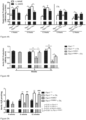
- the results in Figs. 5A &5B indicate that the H 4 B levels in the aortas and plasma of Fbn1 C1039G / + mice were significantly reduced compared to that of Fbn1 + / + mice at the age of 4 weeks.
- circulating H 4 B could be used as a novel biomarker for AAA 35 .
- circulating levels of H 4 B were also detected in the plasma from Fbn1 C1039G / + mice with or without FA treatment.
- the change of H 4 B levels in plasma was consistent with that in the aortas ( Fig. 5A ).
- Linear correlation between tissue and plasma H 4 B was calculated for the above data.
- Fig. 5C showed that circulating H 4 B levels correlated well with tissue H 4 B levels.
- Reduced H 4 B levels correlated well with bigger aortic root diameters in Fbn1 C1039G / + animals ( Figs. 5D &5E).
- H 4 B deficiency was involved in the eNOS uncoupling-dependent development of aneurysms, which was reversed by FA diet.
- circulating H 4 B levels may be used clinically as a powerful biomarker for the development and treatment response of TAA.
- Oral folic acid treatment preserved DHFR expression and activity in aortas of Fbn1 C1039G / + mice.
- Endothelial cells were isolated from freshly prepared aortas, Western blot was used to detect DHFR expression in aortic ECs and HPLC was performed to assess DHFR activity in the isolated ECs and the denuded aortas of the Fbn1 + / + and Fbn1 C1039G / + animals.
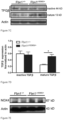
- Fig. 6A shows the representative Western blots for eNOS (144 kD), ⁇ -actin control (42 kD), and DHFR (21 kD).
- the expression of DHFR ( Fig. 6B ) rather than eNOS ( Fig.
- DHFR activity in the isolated ECs and the denuded aortas of Fbn1 C1039G / + and Fbn1 + / + mice were substantially increased by oral FA treatment.
- DHFR expression ( FIGs. 6A &6B) was not changed at baseline despite a reduction in H 4 B levels ( FIGs. 5A &5B) in Fbn1 C1039G / + mice compared to Fbn1 + / + mice.
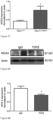
- Expression levels of the rate limiting H 4 B synthetic enzyme GTPCHI (Figs. 7A &7B) were examined in these animals and markedly reduced GTPCHI expression was found in Fbn1 C1039G / + mice at baseline. Therefore, this regulation seems underlie reduced H 4 B levels at baseline, while the beneficial effects of FA in improving H 4 B bioavailability to recouple eNOS is mediated by substantial restoration of DHFR expression and activity.
- Anti-TGF ⁇ attenuates aortic root expansion by downregulation of NOX4 and recoupling of eNOS in Fbn1 C1039G / + animals
- TGF ⁇ signaling was found to play a crucial role in the development and maintenance of vasculature; mutations in TGF ⁇ signaling pathway-related genes cause MFS 4 .
- Treatment with anti-TGF ⁇ has been reported to prevent aortic aneurysm in the mouse model of MFS by modulating canonical TGF ⁇ signaling pathway 14 .
- Noncanonical TGF ⁇ signaling was also found to participate in aortic aneurysm progression in MFS mice 15 .
- NOX4 was found strongly induced by TGF ⁇ during aneurysm formation and progression in Fbn1 MFS mice 24 .
- TGF ⁇ also increased NOX4 expression and ROS production in primary culture of rat VSMCs in vitro 44 .
- NOX4 induces eNOS uncoupling in ECs under the conditions of AAA 19 , cardiac ischemia/reperfusion (I/R) injury 45 and aging 46 . It is thus hypothesized that the Fbn1/TGF ⁇ /NOX4 axis lies upstream of uncoupled eNOS in inducing TAA formation in MFS mice.
- anti-TGF ⁇ antibody decreased NOX4 expression compared to IgG injection in Fbn1 C1039G / + mice ( Figs. 8A &8B).
- the aortic root diameter was reduced after injection of anti-TGF ⁇ antibody for 3 and 4 weeks in Fbn1 C1039G / + mice ( Fig. 8C ), while there was yet significant difference in abdominal aorta diameter between anti-TGF ⁇ injection group and IgG injection group ( Fig. 8D ).
- the latter may be related to the relatively slower progression of AAA in Fbn1 C1039G / + mice.
- eNOS uncoupling activity was determined after anti-TGF ⁇ antibody injection in Fbn1 C1039G / + mice.
- anti-TGF ⁇ antibody treatment in vivo completely recoupled eNOS in Fbn1 C1039G / + .
- Circulating H 4 B is accurately reflective of aortic H 4 B levels, and that aortic and circulating H 4 B levels are negatively correlated with the diameters of aortic roots and abdominal aorta.
- the expression of mature TGF ⁇ and its downstream effector NOX4 were elevated in Fbn1 C1039G / + mice, while in vivo treatment with anti-TGF ⁇ antibody decreased NOX4 expression, recoupled eNOS and attenuated the diameters of aortic roots ( Fig.9 ). Therefore, oral FA treatment and anti-TGF ⁇ that directed at recoupling eNOS may represent novel strategies for the treatment of TAA in Fbn1 C1039G / + mice and other types of TAA.
- Oxidative stress has been proven to play a vital role in the pathogenesis of aortic aneurysms, particularly for AAA 17-22,47 .
- Previous work has elucidated that FA completely or largely attenuated AAA formation via recoupling of eNOS 21,22 .
- This example examined whether oxidative stress and uncoupled eNOS are responsible for TAA formation in Fbn1 C1039G / + mice, and makes a thorough inquiry if FA could be used a potential oral medicine for TAA treatment in Fbn1 C1039G / + mice.
- Previous studies reveal that there are positive correlations between oxidative stress and severity of TAA 23,48-50 .
- the present study found that aortic and circulating H 4 B levels were substantially reduced in Fbn1 C1039G / + ( Figs. 5A & 5B ), which was accompanied by eNOS uncoupling activity.
- oral administration of FA restores H 4 B bioavailability both in the tissues and plasma ( Figs. 5A & 5B ), which was associated with abrogated eNOS uncoupling activity and prevention of TAA formation in Fbn1 C1039G / + mice.
- aortic and plasma H 4 B levels were quantitatively correlated with sizes of aortic roots, with lower H 4 B levels corresponding to bigger aortic root dimension. Therefore, the present data for the first time demonstrate a biomarker role of circulating H 4 B for the formation of TAA in Fbn1 C1039G / + mice.
- H 4 B salvage enzyme DHFR in regulating H 4 B bioavailability, eNOS coupling/uncoupling activity and vascular pathogenesis when deficient 19,22,26,28,29,36,55,56 .
- DHFR deficiency induces a reduction in H 4 B bioavailability and consequent eNOS uncoupling to result in development of cardiovascular diseases, including hypertension, aortic aneurysms, diabetic vascular complications, I/R injury and heart failure 19-22,26,30,32,33,36,57 .
- NOX4 is also significantly upregulated by homocysteine (Hcy)-aggravated AAA formation in ApoE -/- mice, and NOX4 siRNA diminished Hcy-induced adventitial fibroblasts activation 61 . Knockout of NOX4reduces incidence of AAA in Ang II-treated hph-1 mice via recoupling of eNOS 19 . In cardiac ischemia/reperfusion (I/R) injured mice, NOX4 RNAi decreased infarct size via recoupling of eNOS 45 . NOX4 was also found to mediate eNOS uncoupling in vitro. In ECs, NOX4 primarily contributes to eNOS uncoupling during the aging process 46 .
- Hcy homocysteine
Landscapes
- Health & Medical Sciences (AREA)
- Life Sciences & Earth Sciences (AREA)
- Chemical & Material Sciences (AREA)
- Engineering & Computer Science (AREA)
- Medicinal Chemistry (AREA)
- General Health & Medical Sciences (AREA)
- Animal Behavior & Ethology (AREA)
- Urology & Nephrology (AREA)
- Public Health (AREA)
- Veterinary Medicine (AREA)
- Pharmacology & Pharmacy (AREA)
- Molecular Biology (AREA)
- Immunology (AREA)
- Hematology (AREA)
- Biomedical Technology (AREA)
- Nuclear Medicine, Radiotherapy & Molecular Imaging (AREA)
- Microbiology (AREA)
- Organic Chemistry (AREA)
- Proteomics, Peptides & Aminoacids (AREA)
- Chemical Kinetics & Catalysis (AREA)
- Biotechnology (AREA)
- Cell Biology (AREA)
- Heart & Thoracic Surgery (AREA)
- Cardiology (AREA)
- General Chemical & Material Sciences (AREA)
- Bioinformatics & Cheminformatics (AREA)
- Epidemiology (AREA)
- Food Science & Technology (AREA)
- Physics & Mathematics (AREA)
- Analytical Chemistry (AREA)
- Biochemistry (AREA)
- General Physics & Mathematics (AREA)
- Pathology (AREA)
- Investigating Or Analysing Biological Materials (AREA)
Claims (10)
- Verfahren zum Detektieren von thorakalem Aortenaneurysma (thoracic aortic aneurysm, TAA) oder Prädisposition für TAA in einer von einem Subjekt erlangten Testprobe, wobei das Verfahren Folgendes umfasst:(a) Messen der Menge an Tetrahydrobiopterin (H4B), die in der Testprobe vorhanden ist; und(b) Vergleichen einer gemessenen Menge an H4B, die in der Testprobe vorhanden ist, mit einer Standardmenge an H4B;wobei eine verringerte Menge an H4B, die in der Testprobe im Vergleich zum Standard vorhanden ist, TAA oder eine Prädisposition für TAA angibt.
- Verfahren nach Anspruch 1, wobei das Messen Kontaktieren der Testprobe mit einer Prüfvorrichtung umfasst.
- Verfahren nach Anspruch 1, wobei eine 20 %ige Verringerung in der Menge an H4B, die in der Testprobe im Vergleich zum Standard vorhanden ist, TAA oder eine Prädisposition für TAA angibt, oder
wobei eine 50 %ige Verringerung in der Menge an H4B, die in der Testprobe im Vergleich zum Standard vorhanden ist, TAA oder eine Prädisposition für TAA angibt. - Verfahren nach Anspruch 1, wobei die Probe Plasma, Serum oder Vollblut umfasst.
- Verfahren zum Bewerten des Schweregrads von thorakalem Aortenaneurysma (TAA) oder Risiko von TAA in einem Subjekt, wobei das Verfahren Folgendes umfasst:(a) Kontaktieren einer Testprobe von dem Subjekt mit einer Prüfvorrichtung, die in der Lage ist, die Menge an Tetrahydrobiopterin (H4B) zu messen, die in der Testprobe vorhanden ist; und(b) Messen der Menge an Tetrahydrobiopterin (H4B), die in der Testprobe vorhanden ist;(c) Vergleichen der gemessenen Menge an H4B, die in der Testprobe vorhanden ist, mit einer gemessenen Menge an H4B, die in einem Standard vorhanden ist;wobei das Ausmaß von Verringerung in der Menge von H4B, die in der Testprobe im Vergleich zum Standard vorhanden ist, den Schweregrad oder das Risiko von TAA in dem Subjekt angibt.
- Verfahren nach einem der Ansprüche 2 oder 5, wobei die Prüfvorrichtung eine Hochleistungsflüssigkeitschromatographie (high performance liquid chromatography, HPLC)-Säule umfasst.
- Verfahren nach einem der Ansprüche 2 oder 5, wobei die Prüfvorrichtung ein Immunoassay-Kit oder ein Chemilumineszenz-Assay-Kit umfasst.
- Verfahren nach Anspruch 5, wobei die Probe Serum oder Vollblut umfasst.
- Folsäure zur Verwendung in einem Verfahren zum Behandeln von thorakalem Aortenaneurysma (TAA) oder Prädisposition für TAA in einem Subjekt, wobei das Verfahren Folgendes umfasst:(a) Messen der Menge an Tetrahydrobiopterin (H4B), die in der Testprobe vorhanden ist, in einer Testprobe aus Serum, Plasma oder Vollblut von dem Subjekt; wobei eine 20%ige Verringerung in der gemessenen Menge an H4B, die in der Testprobe vorhanden ist, relativ zu einer Standardmenge an H4B detektiert wird; und(b) Behandeln des Subjekts mit einer oralen Verabreichung von Folsäurentherapie für TAA, wenn eine 20%ige Verringerung in der gemessenen Menge von H4B, die in der Testprobe vorhanden ist, relativ zu einer Standardmenge von H4B detektiert wird.
- Folsäure zur Verwendung nach Anspruch 9, wobei die Verringerung eine 30 %ige Verringerung in der Menge an H4B ist, die sich in der Testprobe im Vergleich zum Standard befindet; oderwobei die Verringerung eine 40 %ige Verringerung in der Menge an H4B ist, die sich in der Testprobe im Vergleich zum Standard befindet; oderwobei die Verringerung eine 50 %ige Verringerung in der Menge an H4B ist, die sich in der Testprobe im Vergleich zum Standard befindet.
Applications Claiming Priority (2)
| Application Number | Priority Date | Filing Date | Title |
|---|---|---|---|
| US201862711348P | 2018-07-27 | 2018-07-27 | |
| PCT/US2019/043761 WO2020023922A1 (en) | 2018-07-27 | 2019-07-26 | Biomarker for thoracic aortic aneurysm |
Publications (3)
| Publication Number | Publication Date |
|---|---|
| EP3830293A1 EP3830293A1 (de) | 2021-06-09 |
| EP3830293A4 EP3830293A4 (de) | 2022-05-04 |
| EP3830293B1 true EP3830293B1 (de) | 2025-01-15 |
Family
ID=69181959
Family Applications (1)
| Application Number | Title | Priority Date | Filing Date |
|---|---|---|---|
| EP19840602.7A Active EP3830293B1 (de) | 2018-07-27 | 2019-07-26 | Tetrahydrobiopterin als biomarker für thorakale aortenaneurysmen |
Country Status (4)
| Country | Link |
|---|---|
| US (1) | US12313635B2 (de) |
| EP (1) | EP3830293B1 (de) |
| CN (1) | CN112752851B (de) |
| WO (1) | WO2020023922A1 (de) |
Families Citing this family (1)
| Publication number | Priority date | Publication date | Assignee | Title |
|---|---|---|---|---|
| EP4605079A1 (de) * | 2022-10-18 | 2025-08-27 | QRgenetics Ltd. | Behandlung von gefässerkrankungen im zusammenhang mit genetischen variationen in acta2 |
Family Cites Families (11)
| Publication number | Priority date | Publication date | Assignee | Title |
|---|---|---|---|---|
| US6544994B2 (en) | 2000-06-07 | 2003-04-08 | Eprov Ag | Pharmaceutical preparation for treating or preventing cardiovascular or neurological disorders by modulating of the activity of nitric oxide synthase |
| EP1922069A2 (de) | 2005-08-08 | 2008-05-21 | Nitromed, Inc. | Stickoxidverstärkende antagonistische angiotensin-ii-verbindungen, zusammensetzungen und verwendungsverfahren |
| WO2008070296A2 (en) | 2006-10-17 | 2008-06-12 | The Research Foundation For Mental Hygiene, Inc. | System and method for diagnosis and treatment of neuropsychiatric disorders |
| US20100273267A1 (en) | 2007-10-08 | 2010-10-28 | Hageman Gregory S | Diagnosis of abdominal aortic aneurysm using biomarkers |
| WO2010080452A2 (en) | 2008-12-18 | 2010-07-15 | Quark Pharmaceuticals, Inc. | siRNA COMPOUNDS AND METHODS OF USE THEREOF |
| CA2756272A1 (en) | 2009-04-09 | 2010-10-14 | Baylor Research Institute | Use of tetrahydrobiopterin as a marker and a therapeutic agent for fabry disease |
| WO2013055954A1 (en) * | 2011-10-11 | 2013-04-18 | The Regents Of The University Of California | Biomarker for abdominal aortic aneurysm |
| KR102304113B1 (ko) | 2014-02-10 | 2021-09-24 | 프레드 헛친슨 켄서 리서치 센터 | 심장마비 및 허혈성 손상의 할로겐 치료 |
| US20190032079A1 (en) * | 2015-08-03 | 2019-01-31 | Myodopa Limited | Systemic synthesis and regulation of l-dopa |
| AU2016396401B2 (en) | 2016-03-07 | 2023-07-13 | Centro Nacional De Investigaciones Cardiovasculares Carlos Iii (F.S.P.) | In vitro method for identifying thoracic aortic aneurysms (TAA) in a subject |
| CN110214183A (zh) | 2016-08-03 | 2019-09-06 | 哈佛大学的校长及成员们 | 腺苷核碱基编辑器及其用途 |
-
2019
- 2019-07-26 US US17/263,762 patent/US12313635B2/en active Active
- 2019-07-26 CN CN201980063571.0A patent/CN112752851B/zh active Active
- 2019-07-26 EP EP19840602.7A patent/EP3830293B1/de active Active
- 2019-07-26 WO PCT/US2019/043761 patent/WO2020023922A1/en not_active Ceased
Also Published As
| Publication number | Publication date |
|---|---|
| WO2020023922A9 (en) | 2020-04-23 |
| WO2020023922A1 (en) | 2020-01-30 |
| CN112752851B (zh) | 2025-06-17 |
| EP3830293A1 (de) | 2021-06-09 |
| US20210302438A1 (en) | 2021-09-30 |
| US12313635B2 (en) | 2025-05-27 |
| EP3830293A4 (de) | 2022-05-04 |
| CN112752851A (zh) | 2021-05-04 |
Similar Documents
| Publication | Publication Date | Title |
|---|---|---|
| Bohnert et al. | Aprotinin prevents proteolytic epithelial sodium channel (ENaC) activation and volume retention in nephrotic syndrome | |
| Sierra-Ramirez et al. | Transient metabolic improvement in obese mice treated with navitoclax or dasatinib/quercetin | |
| Beleznai et al. | Arginase 1 contributes to diminished coronary arteriolar dilation in patients with diabetes | |
| Huang et al. | Targeting feed-forward signaling of TGFβ/NOX4/DHFR/eNOS uncoupling/TGFβ axis with anti-TGFβ and folic acid attenuates formation of aortic aneurysms: Novel mechanisms and therapeutics | |
| Saygili et al. | The angiotensin–calcineurin–NFAT pathway mediates stretch-induced up-regulation of matrix metalloproteinases-2/-9 in atrial myocytes | |
| Gonçalves et al. | Clenbuterol suppresses proteasomal and lysosomal proteolysis and atrophy-related genes in denervated rat soleus muscles independently of Akt | |
| US10047386B2 (en) | Biomarker for abdominal aortic aneurysm | |
| US20110171193A1 (en) | Compositions and methods for treating pulmonary hypertension | |
| Mise et al. | Shaping up mitochondria in diabetic nephropathy | |
| Xue et al. | Protective actions of estrogen on angiotensin II-induced hypertension: role of central nitric oxide | |
| Steed et al. | Functional consequences of the collagen/elastin switch in vascular remodeling in hyperhomocysteinemic wild-type, eNOS−/−, and iNOS−/− mice | |
| Gu et al. | Administration of USP7 inhibitor P22077 inhibited cardiac hypertrophy and remodeling in Ang II-induced hypertensive mice | |
| JP2018513961A (ja) | 妊娠高血圧腎症のための診断アッセイ及び治療 | |
| Kolluru et al. | Methamphetamine causes cardiovascular dysfunction via cystathionine gamma lyase and hydrogen sulfide depletion | |
| Nowak et al. | Mineralocorticoid antagonism and vascular function in early autosomal dominant polycystic kidney disease: a randomized controlled trial | |
| Sosa et al. | Impact of hyperuricemia and urate-lowering agents on cardiovascular diseases | |
| US20190298811A1 (en) | Compounds, compositions and methods for preventing and/or treating inflammation and/or organ dysfunction after pediatric cardiovascular surgery | |
| CN118903215A (zh) | 试剂在制备治疗或改善心力衰竭的药物中的用途及药物筛选方法 | |
| Fakih et al. | Activated factor X stimulates atrial endothelial cells and tissues to promote remodelling responses through AT1R/NADPH oxidases/SGLT1/2 | |
| Xie et al. | NADPH oxidase 4 contributes to TRPV4-mediated endothelium-dependent vasodilation in human arterioles by regulating protein phosphorylation of TRPV4 channels | |
| Sanarica et al. | Proof-of-concept validation of the mechanism of action of Src tyrosine kinase inhibitors in dystrophic mdx mouse muscle: In vivo and in vitro studies | |
| DeMarco et al. | Rosuvastatin ameliorates the development of pulmonary arterial hypertension in the transgenic (mRen2) 27 rat | |
| EP3830293B1 (de) | Tetrahydrobiopterin als biomarker für thorakale aortenaneurysmen | |
| Kasuno et al. | Urinary thioredoxin as a biomarker of renal redox dysregulation and a companion diagnostic to identify responders to redox-modulating therapeutics | |
| Yoshihara et al. | Angiotensin 1‐7 protects against ventilator‐induced diaphragm dysfunction |
Legal Events
| Date | Code | Title | Description |
|---|---|---|---|
| STAA | Information on the status of an ep patent application or granted ep patent |
Free format text: STATUS: THE INTERNATIONAL PUBLICATION HAS BEEN MADE |
|
| PUAI | Public reference made under article 153(3) epc to a published international application that has entered the european phase |
Free format text: ORIGINAL CODE: 0009012 |
|
| STAA | Information on the status of an ep patent application or granted ep patent |
Free format text: STATUS: REQUEST FOR EXAMINATION WAS MADE |
|
| 17P | Request for examination filed |
Effective date: 20210217 |
|
| AK | Designated contracting states |
Kind code of ref document: A1 Designated state(s): AL AT BE BG CH CY CZ DE DK EE ES FI FR GB GR HR HU IE IS IT LI LT LU LV MC MK MT NL NO PL PT RO RS SE SI SK SM TR |
|
| DAV | Request for validation of the european patent (deleted) | ||
| DAX | Request for extension of the european patent (deleted) | ||
| A4 | Supplementary search report drawn up and despatched |
Effective date: 20220331 |
|
| RIC1 | Information provided on ipc code assigned before grant |
Ipc: A61P 9/00 20060101ALI20220325BHEP Ipc: A61K 31/519 20060101ALI20220325BHEP Ipc: C12Q 1/6858 20180101AFI20220325BHEP |
|
| STAA | Information on the status of an ep patent application or granted ep patent |
Free format text: STATUS: EXAMINATION IS IN PROGRESS |
|
| 17Q | First examination report despatched |
Effective date: 20240108 |
|
| REG | Reference to a national code |
Ref country code: DE Ref legal event code: R079 Free format text: PREVIOUS MAIN CLASS: C12Q0001685800 Ipc: A61K0031519000 Ref document number: 602019064951 Country of ref document: DE |
|
| GRAP | Despatch of communication of intention to grant a patent |
Free format text: ORIGINAL CODE: EPIDOSNIGR1 |
|
| STAA | Information on the status of an ep patent application or granted ep patent |
Free format text: STATUS: GRANT OF PATENT IS INTENDED |
|
| RIC1 | Information provided on ipc code assigned before grant |
Ipc: G01N 33/68 20060101ALI20240917BHEP Ipc: A61P 9/00 20060101ALI20240917BHEP Ipc: A61K 31/519 20060101AFI20240917BHEP |
|
| INTG | Intention to grant announced |
Effective date: 20240926 |
|
| GRAS | Grant fee paid |
Free format text: ORIGINAL CODE: EPIDOSNIGR3 |
|
| GRAA | (expected) grant |
Free format text: ORIGINAL CODE: 0009210 |
|
| STAA | Information on the status of an ep patent application or granted ep patent |
Free format text: STATUS: THE PATENT HAS BEEN GRANTED |
|
| AK | Designated contracting states |
Kind code of ref document: B1 Designated state(s): AL AT BE BG CH CY CZ DE DK EE ES FI FR GB GR HR HU IE IS IT LI LT LU LV MC MK MT NL NO PL PT RO RS SE SI SK SM TR |
|
| REG | Reference to a national code |
Ref country code: CH Ref legal event code: EP Ref country code: GB Ref legal event code: FG4D |
|
| REG | Reference to a national code |
Ref country code: DE Ref legal event code: R096 Ref document number: 602019064951 Country of ref document: DE |
|
| REG | Reference to a national code |
Ref country code: IE Ref legal event code: FG4D |
|
| REG | Reference to a national code |
Ref country code: NL Ref legal event code: MP Effective date: 20250115 |
|
| PG25 | Lapsed in a contracting state [announced via postgrant information from national office to epo] |
Ref country code: NL Free format text: LAPSE BECAUSE OF FAILURE TO SUBMIT A TRANSLATION OF THE DESCRIPTION OR TO PAY THE FEE WITHIN THE PRESCRIBED TIME-LIMIT Effective date: 20250115 |
|
| PG25 | Lapsed in a contracting state [announced via postgrant information from national office to epo] |
Ref country code: RS Free format text: LAPSE BECAUSE OF FAILURE TO SUBMIT A TRANSLATION OF THE DESCRIPTION OR TO PAY THE FEE WITHIN THE PRESCRIBED TIME-LIMIT Effective date: 20250415 |
|
| PG25 | Lapsed in a contracting state [announced via postgrant information from national office to epo] |
Ref country code: FI Free format text: LAPSE BECAUSE OF FAILURE TO SUBMIT A TRANSLATION OF THE DESCRIPTION OR TO PAY THE FEE WITHIN THE PRESCRIBED TIME-LIMIT Effective date: 20250115 |
|
| PG25 | Lapsed in a contracting state [announced via postgrant information from national office to epo] |
Ref country code: PL Free format text: LAPSE BECAUSE OF FAILURE TO SUBMIT A TRANSLATION OF THE DESCRIPTION OR TO PAY THE FEE WITHIN THE PRESCRIBED TIME-LIMIT Effective date: 20250115 |
|
| PG25 | Lapsed in a contracting state [announced via postgrant information from national office to epo] |
Ref country code: ES Free format text: LAPSE BECAUSE OF FAILURE TO SUBMIT A TRANSLATION OF THE DESCRIPTION OR TO PAY THE FEE WITHIN THE PRESCRIBED TIME-LIMIT Effective date: 20250115 |
|
| REG | Reference to a national code |
Ref country code: LT Ref legal event code: MG9D |
|
| PG25 | Lapsed in a contracting state [announced via postgrant information from national office to epo] |
Ref country code: IS Free format text: LAPSE BECAUSE OF FAILURE TO SUBMIT A TRANSLATION OF THE DESCRIPTION OR TO PAY THE FEE WITHIN THE PRESCRIBED TIME-LIMIT Effective date: 20250515 Ref country code: NO Free format text: LAPSE BECAUSE OF FAILURE TO SUBMIT A TRANSLATION OF THE DESCRIPTION OR TO PAY THE FEE WITHIN THE PRESCRIBED TIME-LIMIT Effective date: 20250415 |
|
| REG | Reference to a national code |
Ref country code: AT Ref legal event code: MK05 Ref document number: 1759407 Country of ref document: AT Kind code of ref document: T Effective date: 20250115 |
|
| PG25 | Lapsed in a contracting state [announced via postgrant information from national office to epo] |
Ref country code: HR Free format text: LAPSE BECAUSE OF FAILURE TO SUBMIT A TRANSLATION OF THE DESCRIPTION OR TO PAY THE FEE WITHIN THE PRESCRIBED TIME-LIMIT Effective date: 20250115 |
|
| PG25 | Lapsed in a contracting state [announced via postgrant information from national office to epo] |
Ref country code: LV Free format text: LAPSE BECAUSE OF FAILURE TO SUBMIT A TRANSLATION OF THE DESCRIPTION OR TO PAY THE FEE WITHIN THE PRESCRIBED TIME-LIMIT Effective date: 20250115 Ref country code: PT Free format text: LAPSE BECAUSE OF FAILURE TO SUBMIT A TRANSLATION OF THE DESCRIPTION OR TO PAY THE FEE WITHIN THE PRESCRIBED TIME-LIMIT Effective date: 20250515 |
|
| PG25 | Lapsed in a contracting state [announced via postgrant information from national office to epo] |
Ref country code: BG Free format text: LAPSE BECAUSE OF FAILURE TO SUBMIT A TRANSLATION OF THE DESCRIPTION OR TO PAY THE FEE WITHIN THE PRESCRIBED TIME-LIMIT Effective date: 20250115 Ref country code: GR Free format text: LAPSE BECAUSE OF FAILURE TO SUBMIT A TRANSLATION OF THE DESCRIPTION OR TO PAY THE FEE WITHIN THE PRESCRIBED TIME-LIMIT Effective date: 20250416 |
|
| PG25 | Lapsed in a contracting state [announced via postgrant information from national office to epo] |
Ref country code: AT Free format text: LAPSE BECAUSE OF FAILURE TO SUBMIT A TRANSLATION OF THE DESCRIPTION OR TO PAY THE FEE WITHIN THE PRESCRIBED TIME-LIMIT Effective date: 20250115 |
|
| PG25 | Lapsed in a contracting state [announced via postgrant information from national office to epo] |
Ref country code: SE Free format text: LAPSE BECAUSE OF FAILURE TO SUBMIT A TRANSLATION OF THE DESCRIPTION OR TO PAY THE FEE WITHIN THE PRESCRIBED TIME-LIMIT Effective date: 20250115 |
|
| PG25 | Lapsed in a contracting state [announced via postgrant information from national office to epo] |
Ref country code: SM Free format text: LAPSE BECAUSE OF FAILURE TO SUBMIT A TRANSLATION OF THE DESCRIPTION OR TO PAY THE FEE WITHIN THE PRESCRIBED TIME-LIMIT Effective date: 20250115 |
|
| PG25 | Lapsed in a contracting state [announced via postgrant information from national office to epo] |
Ref country code: DK Free format text: LAPSE BECAUSE OF FAILURE TO SUBMIT A TRANSLATION OF THE DESCRIPTION OR TO PAY THE FEE WITHIN THE PRESCRIBED TIME-LIMIT Effective date: 20250115 |
|
| PGFP | Annual fee paid to national office [announced via postgrant information from national office to epo] |
Ref country code: DE Payment date: 20250729 Year of fee payment: 7 |
|
| PG25 | Lapsed in a contracting state [announced via postgrant information from national office to epo] |
Ref country code: IT Free format text: LAPSE BECAUSE OF FAILURE TO SUBMIT A TRANSLATION OF THE DESCRIPTION OR TO PAY THE FEE WITHIN THE PRESCRIBED TIME-LIMIT Effective date: 20250115 |
|
| PGFP | Annual fee paid to national office [announced via postgrant information from national office to epo] |
Ref country code: GB Payment date: 20250728 Year of fee payment: 7 |
|
| REG | Reference to a national code |
Ref country code: DE Ref legal event code: R097 Ref document number: 602019064951 Country of ref document: DE |
|
| PGFP | Annual fee paid to national office [announced via postgrant information from national office to epo] |
Ref country code: FR Payment date: 20250728 Year of fee payment: 7 |
|
| PG25 | Lapsed in a contracting state [announced via postgrant information from national office to epo] |
Ref country code: CZ Free format text: LAPSE BECAUSE OF FAILURE TO SUBMIT A TRANSLATION OF THE DESCRIPTION OR TO PAY THE FEE WITHIN THE PRESCRIBED TIME-LIMIT Effective date: 20250115 Ref country code: EE Free format text: LAPSE BECAUSE OF FAILURE TO SUBMIT A TRANSLATION OF THE DESCRIPTION OR TO PAY THE FEE WITHIN THE PRESCRIBED TIME-LIMIT Effective date: 20250115 |
|
| PG25 | Lapsed in a contracting state [announced via postgrant information from national office to epo] |
Ref country code: RO Free format text: LAPSE BECAUSE OF FAILURE TO SUBMIT A TRANSLATION OF THE DESCRIPTION OR TO PAY THE FEE WITHIN THE PRESCRIBED TIME-LIMIT Effective date: 20250115 |
|
| PG25 | Lapsed in a contracting state [announced via postgrant information from national office to epo] |
Ref country code: SK Free format text: LAPSE BECAUSE OF FAILURE TO SUBMIT A TRANSLATION OF THE DESCRIPTION OR TO PAY THE FEE WITHIN THE PRESCRIBED TIME-LIMIT Effective date: 20250115 |
|
| PLBE | No opposition filed within time limit |
Free format text: ORIGINAL CODE: 0009261 |
|
| STAA | Information on the status of an ep patent application or granted ep patent |
Free format text: STATUS: NO OPPOSITION FILED WITHIN TIME LIMIT |
|
| REG | Reference to a national code |
Ref country code: CH Ref legal event code: L10 Free format text: ST27 STATUS EVENT CODE: U-0-0-L10-L00 (AS PROVIDED BY THE NATIONAL OFFICE) Effective date: 20251126 |
|
| 26N | No opposition filed |
Effective date: 20251016 |
|
| REG | Reference to a national code |
Ref country code: CH Ref legal event code: H13 Free format text: ST27 STATUS EVENT CODE: U-0-0-H10-H13 (AS PROVIDED BY THE NATIONAL OFFICE) Effective date: 20260224 |
|
| PG25 | Lapsed in a contracting state [announced via postgrant information from national office to epo] |
Ref country code: LU Free format text: LAPSE BECAUSE OF NON-PAYMENT OF DUE FEES Effective date: 20250726 |
|
| REG | Reference to a national code |
Ref country code: BE Ref legal event code: MM Effective date: 20250731 |
|
| PG25 | Lapsed in a contracting state [announced via postgrant information from national office to epo] |
Ref country code: BE Free format text: LAPSE BECAUSE OF NON-PAYMENT OF DUE FEES Effective date: 20250731 |
|
| PG25 | Lapsed in a contracting state [announced via postgrant information from national office to epo] |
Ref country code: CH Free format text: LAPSE BECAUSE OF NON-PAYMENT OF DUE FEES Effective date: 20250731 |