EP3825676A1 - Travel control device, travel control system, travel control method, tire testing device, and tire testing method - Google Patents
Travel control device, travel control system, travel control method, tire testing device, and tire testing method Download PDFInfo
- Publication number
- EP3825676A1 EP3825676A1 EP19838053.7A EP19838053A EP3825676A1 EP 3825676 A1 EP3825676 A1 EP 3825676A1 EP 19838053 A EP19838053 A EP 19838053A EP 3825676 A1 EP3825676 A1 EP 3825676A1
- Authority
- EP
- European Patent Office
- Prior art keywords
- vehicle
- testing
- tire
- travel
- travel control
- Prior art date
- Legal status (The legal status is an assumption and is not a legal conclusion. Google has not performed a legal analysis and makes no representation as to the accuracy of the status listed.)
- Pending
Links
Images


Classifications
-
- G—PHYSICS
- G07—CHECKING-DEVICES
- G07C—TIME OR ATTENDANCE REGISTERS; REGISTERING OR INDICATING THE WORKING OF MACHINES; GENERATING RANDOM NUMBERS; VOTING OR LOTTERY APPARATUS; ARRANGEMENTS, SYSTEMS OR APPARATUS FOR CHECKING NOT PROVIDED FOR ELSEWHERE
- G07C5/00—Registering or indicating the working of vehicles
- G07C5/08—Registering or indicating performance data other than driving, working, idle, or waiting time, with or without registering driving, working, idle or waiting time
- G07C5/0816—Indicating performance data, e.g. occurrence of a malfunction
-
- G—PHYSICS
- G01—MEASURING; TESTING
- G01M—TESTING STATIC OR DYNAMIC BALANCE OF MACHINES OR STRUCTURES; TESTING OF STRUCTURES OR APPARATUS, NOT OTHERWISE PROVIDED FOR
- G01M17/00—Testing of vehicles
- G01M17/007—Wheeled or endless-tracked vehicles
- G01M17/02—Tyres
-
- B—PERFORMING OPERATIONS; TRANSPORTING
- B60—VEHICLES IN GENERAL
- B60W—CONJOINT CONTROL OF VEHICLE SUB-UNITS OF DIFFERENT TYPE OR DIFFERENT FUNCTION; CONTROL SYSTEMS SPECIALLY ADAPTED FOR HYBRID VEHICLES; ROAD VEHICLE DRIVE CONTROL SYSTEMS FOR PURPOSES NOT RELATED TO THE CONTROL OF A PARTICULAR SUB-UNIT
- B60W50/00—Details of control systems for road vehicle drive control not related to the control of a particular sub-unit, e.g. process diagnostic or vehicle driver interfaces
- B60W50/08—Interaction between the driver and the control system
- B60W50/14—Means for informing the driver, warning the driver or prompting a driver intervention
-
- B—PERFORMING OPERATIONS; TRANSPORTING
- B60—VEHICLES IN GENERAL
- B60W—CONJOINT CONTROL OF VEHICLE SUB-UNITS OF DIFFERENT TYPE OR DIFFERENT FUNCTION; CONTROL SYSTEMS SPECIALLY ADAPTED FOR HYBRID VEHICLES; ROAD VEHICLE DRIVE CONTROL SYSTEMS FOR PURPOSES NOT RELATED TO THE CONTROL OF A PARTICULAR SUB-UNIT
- B60W60/00—Drive control systems specially adapted for autonomous road vehicles
-
- F—MECHANICAL ENGINEERING; LIGHTING; HEATING; WEAPONS; BLASTING
- F02—COMBUSTION ENGINES; HOT-GAS OR COMBUSTION-PRODUCT ENGINE PLANTS
- F02D—CONTROLLING COMBUSTION ENGINES
- F02D29/00—Controlling engines, such controlling being peculiar to the devices driven thereby, the devices being other than parts or accessories essential to engine operation, e.g. controlling of engines by signals external thereto
- F02D29/02—Controlling engines, such controlling being peculiar to the devices driven thereby, the devices being other than parts or accessories essential to engine operation, e.g. controlling of engines by signals external thereto peculiar to engines driving vehicles; peculiar to engines driving variable pitch propellers
-
- G—PHYSICS
- G07—CHECKING-DEVICES
- G07C—TIME OR ATTENDANCE REGISTERS; REGISTERING OR INDICATING THE WORKING OF MACHINES; GENERATING RANDOM NUMBERS; VOTING OR LOTTERY APPARATUS; ARRANGEMENTS, SYSTEMS OR APPARATUS FOR CHECKING NOT PROVIDED FOR ELSEWHERE
- G07C5/00—Registering or indicating the working of vehicles
- G07C5/008—Registering or indicating the working of vehicles communicating information to a remotely located station
-
- B—PERFORMING OPERATIONS; TRANSPORTING
- B60—VEHICLES IN GENERAL
- B60W—CONJOINT CONTROL OF VEHICLE SUB-UNITS OF DIFFERENT TYPE OR DIFFERENT FUNCTION; CONTROL SYSTEMS SPECIALLY ADAPTED FOR HYBRID VEHICLES; ROAD VEHICLE DRIVE CONTROL SYSTEMS FOR PURPOSES NOT RELATED TO THE CONTROL OF A PARTICULAR SUB-UNIT
- B60W50/00—Details of control systems for road vehicle drive control not related to the control of a particular sub-unit, e.g. process diagnostic or vehicle driver interfaces
- B60W50/08—Interaction between the driver and the control system
- B60W50/14—Means for informing the driver, warning the driver or prompting a driver intervention
- B60W2050/143—Alarm means
-
- F—MECHANICAL ENGINEERING; LIGHTING; HEATING; WEAPONS; BLASTING
- F02—COMBUSTION ENGINES; HOT-GAS OR COMBUSTION-PRODUCT ENGINE PLANTS
- F02D—CONTROLLING COMBUSTION ENGINES
- F02D2200/00—Input parameters for engine control
- F02D2200/70—Input parameters for engine control said parameters being related to the vehicle exterior
- F02D2200/701—Information about vehicle position, e.g. from navigation system or GPS signal
Definitions
- the present invention relates to a travel control device, a travel control system, a travel control method, a tire testing device, and a tire testing method.
- Patent Literature 1 a configuration in which warning guidance is provided according to type of tire fitted to a vehicle is known (for example., Patent Literature 1 and the like).
- a performance test of tire may be performed by traveling a vehicle fitted with various tires based on a prescribed standard for testing the tire. Efficiency improvement of the performance test of tire is required.
- An objective of the present invention conceived in view of above-mentioned problems is to provide a travel control device for efficiently traveling a vehicle fitted with various tires based on a prescribed standard, a travel control system and a travel control method.
- a travel control device comprises a controller for controlling travel of a vehicle fitted with tires, using automated driving, wherein the vehicle travels on a course including a testing section for testing the tire, and the controller controls travel of the vehicle so that the vehicle travels on the testing section based on a prescribed standard for testing of the tire.
- a travel control system comprises a travel control device for controlling travel of a vehicle fitted with tires, using automated driving, and a sensor for detecting information for the vehicle, wherein the vehicle travels on a course including a testing section for testing the tire, and the travel control device controls travel of the vehicle so that the vehicle travels on the testing section based on a prescribed standard for testing of the tire.
- a travel control method includes steps of: detecting information for a vehicle traveling on a course including a testing section for testing the fitted tires; and controlling travel of the vehicle using automated driving based on the information for the vehicle so that the vehicle travels on the testing section based on a prescribed standard for testing of the tire.
- a tire testing device comprises a controller for controlling travel of a vehicle fitted with tires, using automated driving, wherein the vehicle travels on a course including a testing section for testing the tire, and the controller causes the vehicle to travel on the testing section based on a prescribed standard for testing of the tire and to acquire test data of the tire in the testing section.
- a tire testing method includes steps of: controlling a vehicle fitted with tires, that is traveling on a course including a testing section for testing the tire, using automated driving; and causing the vehicle to travel on the testing section based on a prescribed standard for testing of the tire and to acquire test data for the tires in the testing section.
- a travel control device a travel control system, a travel control method, ae tire testing device, and a tire testing method according to an embodiment of the present invention
- vehicles fitted with various tires can be efficiently travelled based on a prescribed standard.
- a vehicle 100 comprises a travel control system 1, an engine 2, a motive force transmission device 3, a braking device 4, a steering device 5, a tire 6, and the first battery 7.
- the motive force transmission device 3 comprises transmissions or the like.
- the braking device 4 comprises brakes or the like.
- the steering device 5 comprises steering or the like.
- the vehicle 100 may be provided with a motor instead of the engine 2 as a power source, or may comprise both the engine 2 and the motor.
- the vehicle 100 is assumed to be automatedly driven by the travel control system 1.
- the level of the automated driving may be levels 3 to 5 as defined by SAE (Society of Automotive Engineers).
- the vehicle 100 uses power of the first battery 7 to start the engine 2.
- the vehicle 100 may comprise a variety of electrical or electronic equipment or the like.
- the vehicle 100 may operate electrical or electronic equipment or the like using power of the first battery 7 or power of an alternator generated by power of the engine 2.
- the first battery 7 may be a secondary battery, such as a lead storage battery or a lithium-ion battery.
- the vehicle 100 launches or accelerates by transmitting power generated by the engine 2 to the tire 6 via the motive force transmission device 3.
- the vehicle 100 decelerates or stops by the braking device 4 controlling the tire 6.
- the vehicle 100 controls traveling direction by the steering device 5 controlling the tire 6.
- the travel control system 1 comprises a travel control device 10 and a sensor 20.
- the travel control device 10 controls travel of the vehicle 100, using automated driving, by controlling the engine 2, the motive force transmission device 3, the braking device 4, and the steering device 5.
- the travel control device 10 comprises the controller 12.
- the controller 12 may comprise an arithmetic unit such as a CPU (Central Processing Unit) or the like.
- the controller 12 may comprise a storage device such as a memory or the like.
- the travel control device 10, apart from the controller 12, may comprise a storage unit.
- the sensor 20 detects information for the vehicle 100.
- the information for the vehicle 100 may include information for the state of the vehicle 100, such as position, speed or the like of the vehicle 100.
- the information for the vehicle 100 may include information for situation around the vehicle 100.
- the sensor 20 may acquire information from various meters, such as a speed meter, a tachometer, a fuel meter, or an odometer, provided in the vehicle 100.
- the sensor 20 may comprise a position sensor for detecting its own position using a positioning system such as GPS (Global Positioning System).
- the sensor 20 may comprise a GPS speed sensor utilizing GPS to detect speed of the vehicle 100.
- the sensor 20 may comprise a camera for capturing surroundings of the vehicle 100.
- the sensor 20 may comprise an infrared sensor or a millimeter wave sensor or the like for detecting objects located around the vehicle 100.
- the travel control system 1 may further comprise a communication device 30.
- the communication device 30 may comprise, for example, a communication interface such as a LAN (Local Area Network) or the like.
- the communication device 30 may wirelessly communicate with other devices via the communication interface.
- the travel control system 1 may further comprise the second battery 40.
- the second battery 40 may be a primary battery or a secondary battery.
- the second battery 40 may supply power to each component of the travel control system 1.
- the travel control system 1 may be powered from the first battery 7 mounted on the vehicle 100 when the travel control system 1 does not comprise the second battery 40.
- the vehicle 100 travels on a course 200.
- the course 200 has a testing section 210 for testing the tire 6 of the vehicle 100.
- the testing of the tire 6 is assumed to be a passing noise test.
- the passing noise test is also referred to as PBN (Pass By Noise) tests.
- the passing noise test is carried out based on a prescribed standard for the testing of the tire 6.
- the prescribed standard may be, for example, a ECE R117-02 that is an international standard according to tire unit noise restrictions.
- a road surface in the testing section 210 may be a road surface based on ISO10844 standard.
- Test data in the passing noise test includes noise level of running noise generated by friction between the tire 6 and a road surface when the vehicle 100, fitted with the tire 6, travels.
- test data is acquired so that the running noise of the vehicle 100 does not include driving sound of the engine 2 or the motor of the vehicle 100.
- the travel control system 1 or the travel control device 10 controls travel of the vehicle 100 so that the vehicle 100 passes through the testing section 210 with the engine 2 or the motor stopped. Traveling in a state where the engine 2 or the motor is stopped while the vehicle 100 is traveling is also referred to as coasting.
- Test data based on ECE R117-02 include noise level of running noise acquired by causing the vehicle 100 to travel at eight or more test speeds of approximately equal spacing in a range of ⁇ 10km/h relative to the reference speed.
- a break-in run of the vehicle 100 is carried out by the time starting the testing of the tire 6.
- the break-in run is to cause the vehicle 100 to travel for a predetermined distance. Travel distance for the break-in run is determined by a prescribed standard.
- the testing of the tire 6 is not limited to PBN tests and may be other test.
- two microphones 212 are provided in the testing section 210.
- the vehicle 100 travels on a route indicated by dashed arrow.
- the microphone 212 is located on the left and right as seen from the vehicle 100 and is equidistant from the route on which the vehicle 100 will travel.
- the travel control system 1 controls travel of the vehicle 100 so that the vehicle 100 passes through the center of the position where the two microphones 212 are provided side by side.
- the microphone 212 detects the noise level of the running noise of the vehicle 100 while the vehicle 100 is passing through the testing section 210 and acquires the noise level as test data for the tire 6.
- the microphone 212 is also referred to as a testing device.
- the testing section 210 may be provided with a speedometer for measuring the speed at which the vehicle 100 passes between the microphones 212.
- the speedometer may be in various forms, such as a laser speedometer.
- Test data detected by the two microphones 212 located on the left and right as seen from the vehicle 100 is determined whether it is normal data based on a prescribed standard. For example, when difference in noise levels detected by each of the left and right microphones 212 is equal to or greater than a prescribed value, the test data is determined not to be normal. When difference between speed of the vehicle 100 in detecting test data and test speed is equal to or greater than a prescribed value, the test data is determined not to be normal.
- the travel control system 1 mounted on the vehicle 100 may be communicatively connected to the server 300.
- the server 300 is also referred to as an external device.
- the server 300 may be connected to the travel control system 1 via the communication device 30.
- the server 300 is communicatively connected to the microphone 212 provided in the testing section 210 and acquires test data from the microphone 212.
- a number of the travel control system 1 to be connected to the server 300 may be 1 or 2 or more.
- the server 300 shall manage test data of the tire 6.
- the server 300 transmits traveling conditions of the vehicle 100 for the testing of the tire 6 to the travel control system 1 of the vehicle 100 fitted with the tire 6 to be tested.
- the traveling conditions of the vehicle 100 for the testing of the tire 6 are also referred to as test conditions.
- Test conditions may include information for a prescribed standard.
- the test conditions may include a reference speed of the vehicle 100 in acquiring test data.
- Test conditions may include a number of test data to be acquired.
- Test conditions may include standard for determining whether acquired test data is normal.
- the travel control device 10 causes the vehicle 100 to travel based on the test conditions, thereby the test data of the tire 6 that the vehicle 100 is fitted with is acquired by the microphone 212.
- the travel control device 10 acquires test data from the server 300, based on the test conditions, may determine whether the test data is normal.
- the travel control device 10 may cause the vehicle 100 to travel so as to reacquire only the test data that was not normal, or may cause the vehicle 100 to travel so as to reacquire all the test data included in the test conditions.
- the travel control device 10 when determining the test data to be normal, may terminate the travel control of the vehicle 100 based on the test conditions.
- the travel control device 10 terminates the control based on the determination result of the test data, thereby possibility of retesting the tire 6 is reduced. As a result, the efficiency of the testing of the tire 6 is increased.
- the server 300 may determine whether the acquired test data is normal.
- the travel control device 10 may acquire a determination result of whether the test data is normal from the server 300.
- the travel control device 10, from the server 300 when acquiring a determination result representing that the test data is not normal, may cause the vehicle 100 to travel on the testing section 210 so as to reacquire the test data.
- the travel control device 10 may terminate the travel control of the vehicle 100 based on the test conditions when the determination result representing that the test data is normal is acquired from the server 300.
- the server 300 when determining the acquired test data is normal, may transmit an instruction to the travel control device 10 to terminate the travel control of the vehicle 100 based on the test conditions.
- the travel control device 10 may terminate the travel control of the vehicle 100 based on the test conditions according to an instruction from the server 300. In this way, the efficiency of the testing of the tire 6 is increased.
- the controller 12 of the travel control device 10 may control travel of the vehicle 100 so that the server 300 can acquire test data for the tire 6 according to the procedure of the flowchart exemplified in FIG. 5 .
- the controller 12 causes the vehicle 100 to travel on the testing section 210 so that the microphone 212 can acquire test data based on the test conditions (step S1).
- the microphone 212 transmits test data to the server 300.
- the controller 12 is assumed to proceed to step S4 after carrying out travel for acquiring all the test data included in the test conditions.
- the controller 12 determines whether the test data is normal (step S2).
- the controller 12 acquires test data from the server 300, and may determine whether the test data is normal based on the test conditions.
- the controller 12 may acquire a result that the server 300 determines whether the test data is normal based on the test conditions from the server 300.
- the controller 12, in step S1, may proceed to step S2 after carrying out travel for acquiring one test data.
- the vehicle 100 travels on the course 200 mixed with the other vehicle 110.
- the other vehicle 110 are also referred to as the other vehicle.
- the other vehicle 110 may travel by operation by drivers.
- the other vehicle 110 by being provided with the travel control system 1, similarly to the vehicle 100, may travel regardless of the operation by drivers.
- the vehicle 100 and the other vehicle 110 may each travel on the course 200 according to prescribed rules.
- the prescribed rules may include the same content in the vehicle 100 controlled by the travel control device 10 and the other vehicle 110 that are driven manually by drivers, or may include different content.
- the travel control device 10 may acquire information for position of the other vehicle from the sensor 20 and control travel of the vehicle 100 based on the information for position of the other vehicle. In this way, the vehicle 100 can share the course 200 with the other vehicle 110.
- the utilization efficiency of the testing section 210 for testing the tire 6 is improved. That is, efficiency of the testing of the tire 6 is improved.
- prescribed rules may include content that controls travel of the vehicle 100 so that the vehicle 100 does not overtake the other vehicle 110. In this way, the vehicle 100 can be travelled safely even if the situation further ahead than the other vehicle 110 is blocked by the other vehicle 110 in view of the sensor 20 and is not detected by the sensor 20.
- the prescribed rule shall include content that controls travel of the vehicle 100 so that the vehicle 100 does not enter the testing section 210 while the other vehicle 110 is traveling on the testing section 210.
- the travel control device 10 may acquire information for position or speed of the other vehicle based on detection result of the sensor 20.
- the travel control device 10 may control travel of the vehicle 100 based on information for position or speed of the other vehicle.
- the course 200 may have a standby section 230 in addition to the testing section 210.
- the travel control device 10 while the other vehicle 110 is traveling on the testing section 210, if the vehicle 100 possibly enters the testing section 210, stops the vehicle 100 in the standby section 230.
- the course 200 may have an acceleration section 240 between the standby section 230 and the testing section 210.
- the travel control device 10 controls speed of the vehicle 100 in the acceleration section 240, causes the vehicle 100 to pass between the microphones 212 at the test speed when the vehicle 100 coasts in the testing section 210.
- the course 200 may include a determination section 220 before the standby section 230.
- the travel control device 10, when not determining the vehicle 100 may travel on the testing section 210, may control travel of the vehicle 100 so that the vehicle 100 does not enter the acceleration section 240. In other words, the travel control device 10 may control travel of the vehicle 100 so that after the vehicle 100 enters the acceleration section 240, the vehicle 100 travels on the testing section 210 without stopping.
- the course 200 may include a detection device 280 that detects presence of the other vehicle.
- the detection device 280 may be located beside road surface of the course 200 or on the road surface of the course 200.
- the detection device 280 may include a detection device, such as, for example, an infrared sensor, or may include an imaging device, such as a camera.
- the detection device 280 includes a communication device in communication with the travel control system 1 and may transmit a detection result to the travel control system 1.
- the detection device 280 may detect position or speed of the other vehicle traveling on the course 200.
- the detection device 280 includes a communication device for communicating with the other vehicle and may detect position or speed of the other vehicle by communication.
- the travel control device 10 acquires information for the other vehicle from the detection device 280 and may control travel of the vehicle 100 based on the information.
- the information for the other vehicle includes presence of the other vehicle, position, speed, or the like. In this way, the accuracy of the travel control based on the relationship with the other vehicle is improved.
- the travel control device 10 may control travel of the vehicle 100 based on the detection result of at least one of the sensor 20 and the detection device 280 while the vehicle 100 is traveling on the determination section 220.
- the travel control device 10 may detect the presence of the other vehicle in the acceleration section 240 and the testing section 210 based on the detection results of at least one of the sensor 20 and the detection device 280.
- the travel control device 10 may detect position or speed of the other vehicle in the acceleration section 240 and the testing section 210 based on the detection result of at least one of the sensor 20 and the detection device 280.
- the travel control device 10, based on information for the other vehicle in the acceleration section 240 and the testing section 210 may determine whether the vehicle 100 may travel on the testing section 210.
- Travel control device 10 By the travel control device 10 determining whether the vehicle 100 may travel on the testing section 210 based on information for the other vehicle, safety in the case where the vehicle 100 travels on the course 200 mixed with the other vehicle is improved. Travel control device 10, based on the positions and speed of the other vehicle traveling on the acceleration section 240 and the testing section 210, may calculate the time for the other vehicle passing through the testing section 210, and determine, based on the time, whether the vehicle 100 may enter the acceleration section 240.
- the course 200 may have markers so that the vehicle 100 can recognize the position of its own vehicle.
- the markers may be displayed by white lines or the like, for example, on the road surface of the course 200.
- the vehicle 100 may read the marker by the sensor 20 and recognize the position of its own vehicle.
- the markers may be readable by communication, such as RFID (Radio Frequency Identification) tags, for example.
- the vehicle 100 may recognize the position of its own vehicle by communicating with the markers by the sensor 20 and reading the positional information of the markers.
- the course 200 may comprise a gate system that restricts the entry of the vehicle 100.
- the gate system may be included in the standby section 230.
- the gate system may comprise a gate for informing the vehicle 100 of whether the entry is acceptable.
- the gate system may close the gate to prevent the other vehicle 110 from entering the acceleration section 240, for example, when the vehicle 100 is traveling on the testing section 210. That is, the gate system may control the opening and closing of the gate based on the positional information of the vehicle 100 and the other vehicle 110 in the course 200.
- the gate may be a visual representation of the availability of an entry, such as a traffic light, or may be an obstacle, such as a bar.
- the travel control device 10 may detect the state of the signal or bar by the sensor 20 and determine whether to let the vehicle 100 enter.
- the gate may transmit information to the vehicle 100 indicating an availability of entry by communication.
- the travel control device 10 according to the availability of entry included in the received information, may determine whether to allow the vehicle 100 to enter.
- the travel control device 10 before the vehicle 100 enters the acceleration section 240, based on the detection result of at least one of the sensor 20 and the detection device 280, determines whether the vehicle 100 may enter the acceleration section 240. If the travel control device 10 does not determine that the vehicle 100 may enter the acceleration section 240, the travel control device 10 stops the vehicle 100 in the standby section 230. If the travel control device 10 determines that the vehicle 100 may enter the acceleration section 240, the travel control device 10 controls travel of the vehicle 100 so that the vehicle 100 launches from the standby section 230, or passes through the standby section 230.
- the travel control device 10 after launching the vehicle 100 from the standby section 230, accelerates the vehicle 100 to a speed faster than the test speed so that the vehicle 100 decelerates in the acceleration section 240 while coasting in the testing section 210 and travels at the test speed between the microphones 212.
- the travel control device 10 coasts vehicle 100 in testing section 210 so that microphone 212 can acquire test data for the tire 6.
- the course 200 may include a cruising section 250 after testing section 210.
- the travel control device 10, after the vehicle 100 passes through the testing section 210, causes the vehicle 100 to travel on the cruising section 250, and to return to the determination section 220.
- the controller 12 of the travel control device 10 may control travel of the vehicle 100 on the course 200 according to the procedure of the flowchart shown in FIG. 6 .
- the controller 12 stops the vehicle 100 in the standby section 230 (step S11).
- the controller 12 determines whether to launch the vehicle 100 (step S12).
- the controller 12 even if launching the vehicle 100, when the vehicle 100 does not enter the testing section 210 while the other vehicle 110 is traveling on the testing section 210, may determine to launch the vehicle 100.
- the controller 12 when determining not to launch the vehicle 100 (step S12:No), returns to step S11, and continues to keep the vehicle 100 in the standby section 230.
- the controller 12 controls the speed of the vehicle 100 so that the vehicle 100 can pass between the microphones 212 at the test speed in the acceleration section 240.
- the controller 12 causes the vehicle 100 to enter the testing section 210 (step S14).
- the controller 12 stops the engine 2 or the motor of the vehicle 100 and coasts the vehicle 100. While the vehicle 100 is passing through the testing section 210, the microphone 212 is detecting test data for the tire 6 fitted to the vehicle 100.
- the controller 12 causes the vehicle 100 to enter the cruising section 250 (step S15).
- the controller 12 controls travel of the vehicle 100 based on prescribed rules, and causes the vehicle 100 to travel to the determination section 220.
- the controller 12 causes the vehicle 100 to enter the determination section 220 (step S16).
- the other vehicle 110 is fitted with the tire 6 to be tested, at least one driver who has mastered the skills to be able to drive the other vehicle 110 based on the prescribed standard for the testing of the tire 6 is required. It takes time and money for drivers to master the skills to drive the other vehicle 110 based on the prescribed standard for the testing of the tire 6.
- the vehicle 100 by provided with the travel control device 10, travels using automated driving.
- the vehicle 100 travels using automated driving and acquires the test data of the tire 6.
- the vehicle 100 may be driven unattended, or may be driven with a driver who has not mastered the skills to drive based on the prescribed standard for testing of the tire 6. That is, when the vehicle 100 travels using automated driving, the driver, who has mastered the skills to drive based on the prescribed standard for testing of the tire 6, is not required. As a result, time and cost of having drivers master the skills is reduced. Further, the test data of the tire 6 is collected on the server 300.
- one operator can confirm the status of test data acquisition in a plurality of vehicles 100 in parallel by confirming the server 300.
- the vehicle 100 fitted with various tire 6s can be travelled efficiently based on the prescribed standard.
- An operator who confirms the server 300 may or may not master the driving skills. As a result, the time and cost of having the driver master the skills is reduced.
- the travel control device 10 to control the travel of the vehicle 100 using automated driving, the acquisition of the test data for the tire 6 is streamlined.
- the travel control device 10 may notify an alarm indicating that the test data is not normal.
- the recipient of the alarm may be the operator who checks the server 300, or the driver of the vehicle 100. By notifying the alarm, reacquisition of the tire 6 test data is facilitated. As the result, the acquisition of test data for the tire 6 is streamlined.
- the travel control system 1 and the travel control device 10 according to the present disclosure are not limited to the specific configuration shown in the above-described embodiments, but can be variously modified and changed as long as it does not depart from the scope of the claims.
- the travel control system 1 or the travel control device 10 according to the present disclosure may be used as a tire testing device to acquire test data for the tire 6.
- the travel control system 1 or the travel control device 10 according to the present disclosure can carry out the tire testing method for the acquisition of test data for the tire 6.
- Travel control system 2: engine, 3: motive force transmission device, 4: braking device, 5: steering device, 6: tire, 7: first battery, 10: travel control device, 12: controller, 20: sensor, 30: communication device, 40: second battery, 100: vehicle, 110: the other vehicle, 200: course, 210: testing section, 212: microphone, 220: determination section, 230: standby section, 240: acceleration section, 250: cruising section, 280: detection device, 300: server
Landscapes
- Engineering & Computer Science (AREA)
- Physics & Mathematics (AREA)
- General Physics & Mathematics (AREA)
- Automation & Control Theory (AREA)
- Mechanical Engineering (AREA)
- Transportation (AREA)
- Human Computer Interaction (AREA)
- Chemical & Material Sciences (AREA)
- Combustion & Propulsion (AREA)
- General Engineering & Computer Science (AREA)
- Control Of Driving Devices And Active Controlling Of Vehicle (AREA)
- Traffic Control Systems (AREA)
- Tires In General (AREA)
- Control Of Vehicle Engines Or Engines For Specific Uses (AREA)
Abstract
Description
- This application claims the benefit of the priority of Japanese Patent Application No.
2018-134563, filed July 17, 2018 - The present invention relates to a travel control device, a travel control system, a travel control method, a tire testing device, and a tire testing method.
- Conventionally, a configuration in which warning guidance is provided according to type of tire fitted to a vehicle is known (for example.,
Patent Literature 1 and the like). - PTL 1:
JP 2010-15496 A - A performance test of tire may be performed by traveling a vehicle fitted with various tires based on a prescribed standard for testing the tire. Efficiency improvement of the performance test of tire is required.
- An objective of the present invention, conceived in view of above-mentioned problems is to provide a travel control device for efficiently traveling a vehicle fitted with various tires based on a prescribed standard, a travel control system and a travel control method.
- A travel control device according to an embodiment of the present invention comprises a controller for controlling travel of a vehicle fitted with tires, using automated driving, wherein the vehicle travels on a course including a testing section for testing the tire, and the controller controls travel of the vehicle so that the vehicle travels on the testing section based on a prescribed standard for testing of the tire.
- A travel control system according to an embodiment of the present invention comprises a travel control device for controlling travel of a vehicle fitted with tires, using automated driving, and a sensor for detecting information for the vehicle, wherein the vehicle travels on a course including a testing section for testing the tire, and the travel control device controls travel of the vehicle so that the vehicle travels on the testing section based on a prescribed standard for testing of the tire.
- A travel control method according to an embodiment of the present invention includes steps of: detecting information for a vehicle traveling on a course including a testing section for testing the fitted tires; and controlling travel of the vehicle using automated driving based on the information for the vehicle so that the vehicle travels on the testing section based on a prescribed standard for testing of the tire.
- A tire testing device according to an embodiment of the present invention comprises a controller for controlling travel of a vehicle fitted with tires, using automated driving, wherein the vehicle travels on a course including a testing section for testing the tire, and the controller causes the vehicle to travel on the testing section based on a prescribed standard for testing of the tire and to acquire test data of the tire in the testing section.
- A tire testing method according to an embodiment of the present invention includes steps of: controlling a vehicle fitted with tires, that is traveling on a course including a testing section for testing the tire, using automated driving; and causing the vehicle to travel on the testing section based on a prescribed standard for testing of the tire and to acquire test data for the tires in the testing section.
- According to a travel control device, a travel control system, a travel control method, ae tire testing device, and a tire testing method according to an embodiment of the present invention, vehicles fitted with various tires can be efficiently travelled based on a prescribed standard.
- In the accompanying drawings:
-
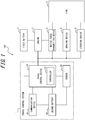
FIG. 1 is a block diagram showing a configuration example of a vehicle comprising a travel control system according to an embodiment. -
FIG. 2 is a plan view showing an example of a course on which the vehicle travels. -
FIG. 3 is a plan view showing an example of a testing section. -
FIG. 4 is a block diagram showing a configuration example of a server for managing a plurality of travel control systems. -
FIG. 5 is a flowchart showing an example of a procedure for controlling travel of vehicles based on test conditions. -
FIG. 6 is a flowchart showing an example of a procedure for controlling travel of vehicles that go around a course. - As shown in
FIG. 1 , avehicle 100 according to an embodiment comprises atravel control system 1, anengine 2, a motiveforce transmission device 3, a braking device 4, asteering device 5, atire 6, and the first battery 7. The motiveforce transmission device 3 comprises transmissions or the like. The braking device 4 comprises brakes or the like. Thesteering device 5 comprises steering or the like. Thevehicle 100 may be provided with a motor instead of theengine 2 as a power source, or may comprise both theengine 2 and the motor. - The
vehicle 100 is assumed to be automatedly driven by thetravel control system 1. The level of the automated driving may belevels 3 to 5 as defined by SAE (Society of Automotive Engineers). - The
vehicle 100 uses power of the first battery 7 to start theengine 2. Thevehicle 100 may comprise a variety of electrical or electronic equipment or the like. Thevehicle 100 may operate electrical or electronic equipment or the like using power of the first battery 7 or power of an alternator generated by power of theengine 2. The first battery 7 may be a secondary battery, such as a lead storage battery or a lithium-ion battery. - The
vehicle 100 launches or accelerates by transmitting power generated by theengine 2 to thetire 6 via the motiveforce transmission device 3. Thevehicle 100 decelerates or stops by the braking device 4 controlling thetire 6. Thevehicle 100 controls traveling direction by thesteering device 5 controlling thetire 6. - The
travel control system 1 according to an embodiment comprises atravel control device 10 and asensor 20. Thetravel control device 10 controls travel of thevehicle 100, using automated driving, by controlling theengine 2, the motiveforce transmission device 3, the braking device 4, and thesteering device 5. Thetravel control device 10 comprises thecontroller 12. Thecontroller 12 may comprise an arithmetic unit such as a CPU (Central Processing Unit) or the like. Thecontroller 12 may comprise a storage device such as a memory or the like. Thetravel control device 10, apart from thecontroller 12, may comprise a storage unit. - The
sensor 20 detects information for thevehicle 100. The information for thevehicle 100 may include information for the state of thevehicle 100, such as position, speed or the like of thevehicle 100. The information for thevehicle 100 may include information for situation around thevehicle 100. Thesensor 20 may acquire information from various meters, such as a speed meter, a tachometer, a fuel meter, or an odometer, provided in thevehicle 100. Thesensor 20 may comprise a position sensor for detecting its own position using a positioning system such as GPS (Global Positioning System). Thesensor 20 may comprise a GPS speed sensor utilizing GPS to detect speed of thevehicle 100. Thesensor 20 may comprise a camera for capturing surroundings of thevehicle 100. Thesensor 20 may comprise an infrared sensor or a millimeter wave sensor or the like for detecting objects located around thevehicle 100. - The
travel control system 1 may further comprise acommunication device 30. Thecommunication device 30 may comprise, for example, a communication interface such as a LAN (Local Area Network) or the like. Thecommunication device 30 may wirelessly communicate with other devices via the communication interface. - The
travel control system 1 may further comprise thesecond battery 40. Thesecond battery 40 may be a primary battery or a secondary battery. Thesecond battery 40 may supply power to each component of thetravel control system 1. Thetravel control system 1 may be powered from the first battery 7 mounted on thevehicle 100 when thetravel control system 1 does not comprise thesecond battery 40. - As shown in
FIG. 2 , thevehicle 100 travels on acourse 200. Thecourse 200 has atesting section 210 for testing thetire 6 of thevehicle 100. In this embodiment, the testing of thetire 6 is assumed to be a passing noise test. The passing noise test is also referred to as PBN (Pass By Noise) tests. The passing noise test is carried out based on a prescribed standard for the testing of thetire 6. The prescribed standard may be, for example, a ECE R117-02 that is an international standard according to tire unit noise restrictions. A road surface in thetesting section 210 may be a road surface based on ISO10844 standard. Test data in the passing noise test includes noise level of running noise generated by friction between thetire 6 and a road surface when thevehicle 100, fitted with thetire 6, travels. In the passing noise test, test data is acquired so that the running noise of thevehicle 100 does not include driving sound of theengine 2 or the motor of thevehicle 100. To do so, thetravel control system 1 or thetravel control device 10 controls travel of thevehicle 100 so that thevehicle 100 passes through thetesting section 210 with theengine 2 or the motor stopped. Traveling in a state where theengine 2 or the motor is stopped while thevehicle 100 is traveling is also referred to as coasting. Test data based on ECE R117-02 include noise level of running noise acquired by causing thevehicle 100 to travel at eight or more test speeds of approximately equal spacing in a range of ±10km/h relative to the reference speed. After thevehicle 100 is fitted with anew tire 6, a break-in run of thevehicle 100 is carried out by the time starting the testing of thetire 6. The break-in run is to cause thevehicle 100 to travel for a predetermined distance. Travel distance for the break-in run is determined by a prescribed standard. The testing of thetire 6 is not limited to PBN tests and may be other test. - As shown in
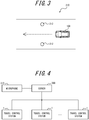
FIG. 3 , twomicrophones 212 are provided in thetesting section 210. In thetesting section 210, thevehicle 100 travels on a route indicated by dashed arrow. Themicrophone 212 is located on the left and right as seen from thevehicle 100 and is equidistant from the route on which thevehicle 100 will travel. In other words, thetravel control system 1 controls travel of thevehicle 100 so that thevehicle 100 passes through the center of the position where the twomicrophones 212 are provided side by side. Themicrophone 212 detects the noise level of the running noise of thevehicle 100 while thevehicle 100 is passing through thetesting section 210 and acquires the noise level as test data for thetire 6. Themicrophone 212 is also referred to as a testing device. Thetesting section 210 may be provided with a speedometer for measuring the speed at which thevehicle 100 passes between themicrophones 212. The speedometer may be in various forms, such as a laser speedometer. - Test data detected by the two
microphones 212 located on the left and right as seen from thevehicle 100 is determined whether it is normal data based on a prescribed standard. For example, when difference in noise levels detected by each of the left andright microphones 212 is equal to or greater than a prescribed value, the test data is determined not to be normal. When difference between speed of thevehicle 100 in detecting test data and test speed is equal to or greater than a prescribed value, the test data is determined not to be normal. - As shown in
FIG. 4 , thetravel control system 1 mounted on thevehicle 100 may be communicatively connected to theserver 300. Theserver 300 is also referred to as an external device. Theserver 300 may be connected to thetravel control system 1 via thecommunication device 30. Theserver 300 is communicatively connected to themicrophone 212 provided in thetesting section 210 and acquires test data from themicrophone 212. A number of thetravel control system 1 to be connected to theserver 300 may be 1 or 2 or more. - The
server 300 shall manage test data of thetire 6. Theserver 300 transmits traveling conditions of thevehicle 100 for the testing of thetire 6 to thetravel control system 1 of thevehicle 100 fitted with thetire 6 to be tested. The traveling conditions of thevehicle 100 for the testing of thetire 6 are also referred to as test conditions. Test conditions may include information for a prescribed standard. The test conditions may include a reference speed of thevehicle 100 in acquiring test data. Test conditions may include a number of test data to be acquired. Test conditions may include standard for determining whether acquired test data is normal. Thetravel control device 10 causes thevehicle 100 to travel based on the test conditions, thereby the test data of thetire 6 that thevehicle 100 is fitted with is acquired by themicrophone 212. - The
travel control device 10 acquires test data from theserver 300, based on the test conditions, may determine whether the test data is normal. Thetravel control device 10, when determining the test data not to be normal, may cause thevehicle 100 to travel on thetesting section 210 so as to reacquire the test data. Thetravel control device 10 may cause thevehicle 100 to travel so as to reacquire only the test data that was not normal, or may cause thevehicle 100 to travel so as to reacquire all the test data included in the test conditions. Thetravel control device 10, when determining the test data to be normal, may terminate the travel control of thevehicle 100 based on the test conditions. Thetravel control device 10 terminates the control based on the determination result of the test data, thereby possibility of retesting thetire 6 is reduced. As a result, the efficiency of the testing of thetire 6 is increased. - The
server 300 may determine whether the acquired test data is normal. Thetravel control device 10 may acquire a determination result of whether the test data is normal from theserver 300. Thetravel control device 10, from theserver 300, when acquiring a determination result representing that the test data is not normal, may cause thevehicle 100 to travel on thetesting section 210 so as to reacquire the test data. Thetravel control device 10 may terminate the travel control of thevehicle 100 based on the test conditions when the determination result representing that the test data is normal is acquired from theserver 300. Theserver 300, when determining the acquired test data is normal, may transmit an instruction to thetravel control device 10 to terminate the travel control of thevehicle 100 based on the test conditions. Thetravel control device 10 may terminate the travel control of thevehicle 100 based on the test conditions according to an instruction from theserver 300. In this way, the efficiency of the testing of thetire 6 is increased. - The
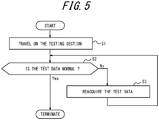
controller 12 of thetravel control device 10 may control travel of thevehicle 100 so that theserver 300 can acquire test data for thetire 6 according to the procedure of the flowchart exemplified inFIG. 5 . - The
controller 12 causes thevehicle 100 to travel on thetesting section 210 so that themicrophone 212 can acquire test data based on the test conditions (step S1). Themicrophone 212 transmits test data to theserver 300. Thecontroller 12 is assumed to proceed to step S4 after carrying out travel for acquiring all the test data included in the test conditions. - The
controller 12 determines whether the test data is normal (step S2). Thecontroller 12 acquires test data from theserver 300, and may determine whether the test data is normal based on the test conditions. Thecontroller 12 may acquire a result that theserver 300 determines whether the test data is normal based on the test conditions from theserver 300. - The
controller 12, when the test data is normal (step S2:Yes), terminates the procedure of the flowchart inFIG. 5 . Thecontroller 12, when the test data is not normal (step S2:No), causes thevehicle 100 to travel on thetesting section 210 so that themicrophone 212 can reacquire the test data (step S3). Thecontroller 12, after step S3, returns to the procedure of determination in step S2. - The
controller 12, in step S1, may proceed to step S2 after carrying out travel for acquiring one test data. In this case, thecontroller 12, when determining that the test data is normal in the procedure of determination in step S2, returns to step S1 and carries out travel for acquiring other test data. - As shown in
FIG. 2 , not only thevehicle 100 but also theother vehicle 110 travel on thecourse 200. That is, thevehicle 100 travels on thecourse 200 mixed with the other vehicle
110. Theother vehicle 110 are also referred to as the other vehicle. Theother vehicle 110 may travel by operation by drivers. Theother vehicle 110, by being provided with thetravel control system 1, similarly to thevehicle 100, may travel regardless of the operation by drivers. - In the
course 200, when thevehicle 100 travels mixed with theother vehicle 110, thevehicle 100 and theother vehicle 110 may each travel on thecourse 200 according to prescribed rules. The prescribed rules may include the same content in thevehicle 100 controlled by thetravel control device 10 and theother vehicle 110 that are driven manually by drivers, or may include different content. Thetravel control device 10 may acquire information for position of the other vehicle from thesensor 20 and control travel of thevehicle 100 based on the information for position of the other vehicle. In this way, thevehicle 100 can share thecourse 200 with theother vehicle 110. As a result, the utilization efficiency of thetesting section 210 for testing thetire 6 is improved. That is, efficiency of the testing of thetire 6 is improved. - For example, prescribed rules may include content that controls travel of the
vehicle 100 so that thevehicle 100 does not overtake theother vehicle 110. In this way, thevehicle 100 can be travelled safely even if the situation further ahead than theother vehicle 110 is blocked by theother vehicle 110 in view of thesensor 20 and is not detected by thesensor 20. - While the
other vehicle 110 are traveling on thetesting section 210, if thevehicle 100 enters thetesting section 210, the running noise of theother vehicle 110 overlaps the test data of thevehicle 100. In this case, themicrophone 212 cannot normally acquire test data for thetire 6 that thevehicle 100 is fitted with. Thus, when thecourse 200 includes thetesting section 210, the prescribed rule shall include content that controls travel of thevehicle 100 so that thevehicle 100 does not enter thetesting section 210 while theother vehicle 110 is traveling on thetesting section 210. Thetravel control device 10 may acquire information for position or speed of the other vehicle based on detection result of thesensor 20. Thetravel control device 10 may control travel of thevehicle 100 based on information for position or speed of the other vehicle. - As shown in
FIG. 2 , thecourse 200 may have astandby section 230 in addition to thetesting section 210. Thetravel control device 10, while theother vehicle 110 is traveling on thetesting section 210, if thevehicle 100 possibly enters thetesting section 210, stops thevehicle 100 in thestandby section 230. - The
course 200 may have anacceleration section 240 between thestandby section 230 and thetesting section 210. Thetravel control device 10 controls speed of thevehicle 100 in theacceleration section 240, causes thevehicle 100 to pass between themicrophones 212 at the test speed when thevehicle 100 coasts in thetesting section 210. Thecourse 200 may include adetermination section 220 before thestandby section 230. Thetravel control device 10, while thevehicle 100 is traveling on thedetermination section 220, determines whether thevehicle 100 may travel on thetesting section 210. Thetravel control device 10, when not determining thevehicle 100 may travel on thetesting section 210, may control travel of thevehicle 100 so that thevehicle 100 does not enter theacceleration section 240. In other words, thetravel control device 10 may control travel of thevehicle 100 so that after thevehicle 100 enters theacceleration section 240, thevehicle 100 travels on thetesting section 210 without stopping. - The
course 200 may include adetection device 280 that detects presence of the other vehicle. Thedetection device 280 may be located beside road surface of thecourse 200 or on the road surface of thecourse 200. Thedetection device 280 may include a detection device, such as, for example, an infrared sensor, or may include an imaging device, such as a camera. Thedetection device 280 includes a communication device in communication with thetravel control system 1 and may transmit a detection result to thetravel control system 1. Thedetection device 280 may detect position or speed of the other vehicle traveling on thecourse 200. Thedetection device 280 includes a communication device for communicating with the other vehicle and may detect position or speed of the other vehicle by communication. - The
travel control device 10 acquires information for the other vehicle from thedetection device 280 and may control travel of thevehicle 100 based on the information. The information for the other vehicle includes presence of the other vehicle, position, speed, or the like. In this way, the accuracy of the travel control based on the relationship with the other vehicle is improved. - The
travel control device 10 may control travel of thevehicle 100 based on the detection result of at least one of thesensor 20 and thedetection device 280 while thevehicle 100 is traveling on thedetermination section 220. Thetravel control device 10 may detect the presence of the other vehicle in theacceleration section 240 and thetesting section 210 based on the detection results of at least one of thesensor 20 and thedetection device 280. Thetravel control device 10 may detect position or speed of the other vehicle in theacceleration section 240 and thetesting section 210 based on the detection result of at least one of thesensor 20 and thedetection device 280. Thetravel control device 10, based on information for the other vehicle in theacceleration section 240 and thetesting section 210, may determine whether thevehicle 100 may travel on thetesting section 210. By thetravel control device 10 determining whether thevehicle 100 may travel on thetesting section 210 based on information for the other vehicle, safety in the case where thevehicle 100 travels on thecourse 200 mixed with the other vehicle is improved.Travel control device 10, based on the positions and speed of the other vehicle traveling on theacceleration section 240 and thetesting section 210, may calculate the time for the other vehicle passing through thetesting section 210, and determine, based on the time, whether thevehicle 100 may enter theacceleration section 240. - The
course 200 may have markers so that thevehicle 100 can recognize the position of its own vehicle. The markers may be displayed by white lines or the like, for example, on the road surface of thecourse 200. In this case, thevehicle 100 may read the marker by thesensor 20 and recognize the position of its own vehicle. The markers may be readable by communication, such as RFID (Radio Frequency Identification) tags, for example. In this case, thevehicle 100 may recognize the position of its own vehicle by communicating with the markers by thesensor 20 and reading the positional information of the markers. - The
course 200 may comprise a gate system that restricts the entry of thevehicle 100. The gate system may be included in thestandby section 230. The gate system may comprise a gate for informing thevehicle 100 of whether the entry is acceptable. The gate system may close the gate to prevent theother vehicle 110 from entering theacceleration section 240, for example, when thevehicle 100 is traveling on thetesting section 210. That is, the gate system may control the opening and closing of the gate based on the positional information of thevehicle 100 and theother vehicle 110 in thecourse 200. The gate may be a visual representation of the availability of an entry, such as a traffic light, or may be an obstacle, such as a bar. In this case, thetravel control device 10 may detect the state of the signal or bar by thesensor 20 and determine whether to let thevehicle 100 enter. The gate may transmit information to thevehicle 100 indicating an availability of entry by communication. In this case, thetravel control device 10, according to the availability of entry included in the received information, may determine whether to allow thevehicle 100 to enter. - The
travel control device 10, before thevehicle 100 enters theacceleration section 240, based on the detection result of at least one of thesensor 20 and thedetection device 280, determines whether thevehicle 100 may enter theacceleration section 240. If thetravel control device 10 does not determine that thevehicle 100 may enter theacceleration section 240, thetravel control device 10 stops thevehicle 100 in thestandby section 230. If thetravel control device 10 determines that thevehicle 100 may enter theacceleration section 240, thetravel control device 10 controls travel of thevehicle 100 so that thevehicle 100 launches from thestandby section 230, or passes through thestandby section 230. - The
travel control device 10, after launching thevehicle 100 from thestandby section 230, accelerates thevehicle 100 to a speed faster than the test speed so that thevehicle 100 decelerates in theacceleration section 240 while coasting in thetesting section 210 and travels at the test speed between themicrophones 212. Thetravel control device 10coasts vehicle 100 intesting section 210 so thatmicrophone 212 can acquire test data for thetire 6. Thecourse 200 may include acruising section 250 after testingsection 210. Thetravel control device 10, after thevehicle 100 passes through thetesting section 210, causes thevehicle 100 to travel on thecruising section 250, and to return to thedetermination section 220. - The
controller 12 of thetravel control device 10 may control travel of thevehicle 100 on thecourse 200 according to the procedure of the flowchart shown inFIG. 6 . - The
controller 12 stops thevehicle 100 in the standby section 230 (step S11). - The
controller 12 determines whether to launch the vehicle 100 (step S12). Thecontroller 12, even if launching thevehicle 100, when thevehicle 100 does not enter thetesting section 210 while theother vehicle 110 is traveling on thetesting section 210, may determine to launch thevehicle 100. Thecontroller 12, based on information from thedetection device 280, may determine whether to launch thevehicle 100. - The
controller 12, when determining not to launch the vehicle 100 (step S12:No), returns to step S11, and continues to keep thevehicle 100 in thestandby section 230. Thecontroller 12, when determining to launch the vehicle 100 (step S12:Yes), causes thevehicle 100 to launch, and to enter the acceleration section 240 (step S13). Thecontroller 12 controls the speed of thevehicle 100 so that thevehicle 100 can pass between themicrophones 212 at the test speed in theacceleration section 240. - The
controller 12 causes thevehicle 100 to enter the testing section 210 (step S14). Thecontroller 12 stops theengine 2 or the motor of thevehicle 100 and coasts thevehicle 100. While thevehicle 100 is passing through thetesting section 210, themicrophone 212 is detecting test data for thetire 6 fitted to thevehicle 100. - The
controller 12 causes thevehicle 100 to enter the cruising section 250 (step S15). Thecontroller 12 controls travel of thevehicle 100 based on prescribed rules, and causes thevehicle 100 to travel to thedetermination section 220. - The
controller 12 causes thevehicle 100 to enter the determination section 220 (step S16). - The
controller 12, while thevehicle 100 is traveling on thedetermination section 220, determines whether to allow thevehicle 100 to enter the acceleration section 240 (step S17). That is, thecontroller 12, while thevehicle 100 is traveling on thedetermination section 220, determines whether to cause thevehicle 100 to pass through thestandby section 230 or to stop thevehicle 100 in thestandby section 230. Thecontroller 12, when determining to allow thevehicle 100 to enter the acceleration section 240 (step S17:Yes), proceeds to the procedure of step S13 and causes thevehicle 100 to enter theacceleration section 240. Thecontroller 12, when determining not to allow thevehicle 100 to enter the acceleration section 240 (step S17:No), proceeds to the procedure of step S11 and stops thevehicle 100 in thestandby section 230. - As a comparative example, if the
other vehicle 110 is fitted with thetire 6 to be tested, at least one driver who has mastered the skills to be able to drive theother vehicle 110 based on the prescribed standard for the testing of thetire 6 is required. It takes time and money for drivers to master the skills to drive theother vehicle 110 based on the prescribed standard for the testing of thetire 6. - On the other hand, the
vehicle 100 according to the present embodiment, by provided with thetravel control device 10, travels using automated driving. When thetire 6 to be tested is fitted with thevehicle 100, thevehicle 100 travels using automated driving and acquires the test data of thetire 6. When thevehicle 100 travels using automated driving, thevehicle 100 may be driven unattended, or may be driven with a driver who has not mastered the skills to drive based on the prescribed standard for testing of thetire 6. That is, when thevehicle 100 travels using automated driving, the driver, who has mastered the skills to drive based on the prescribed standard for testing of thetire 6, is not required. As a result, time and cost of having drivers master the skills is reduced. Further, the test data of thetire 6 is collected on theserver 300.
In this case, one operator can confirm the status of test data acquisition in a plurality ofvehicles 100 in parallel by confirming theserver 300. As a result, it is possible to efficiently cause thevehicle 100 fitted withvarious tires 6 to travel based on the predetermined standard. As a result, thevehicle 100 fitted with various tire 6s can be travelled efficiently based on the prescribed standard. An operator who confirms theserver 300 may or may not master the driving skills. As a result, the time and cost of having the driver master the skills is reduced. As described above, by allowing thetravel control device 10 to control the travel of thevehicle 100 using automated driving, the acquisition of the test data for thetire 6 is streamlined. - When determining that the test data is not normal, the
travel control device 10 may notify an alarm indicating that the test data is not normal. The recipient of the alarm may be the operator who checks theserver 300, or the driver of thevehicle 100. By notifying the alarm, reacquisition of thetire 6 test data is facilitated. As the result, the acquisition of test data for thetire 6 is streamlined. - The
travel control system 1 and thetravel control device 10 according to the present disclosure are not limited to the specific configuration shown in the above-described embodiments, but can be variously modified and changed as long as it does not depart from the scope of the claims. - The
travel control system 1 or thetravel control device 10 according to the present disclosure may be used as a tire testing device to acquire test data for thetire 6. Thetravel control system 1 or thetravel control device 10 according to the present disclosure can carry out the tire testing method for the acquisition of test data for thetire 6. - 1: Travel control system, 2: engine, 3: motive force transmission device, 4: braking device, 5: steering device, 6: tire, 7: first battery, 10: travel control device, 12: controller, 20: sensor, 30: communication device, 40: second battery, 100: vehicle, 110: the other vehicle, 200: course, 210: testing section, 212: microphone, 220: determination section, 230: standby section, 240: acceleration section, 250: cruising section, 280: detection device, 300: server
Claims (11)
- A travel control device, comprising a controller for controlling travel of a vehicle fitted with tires, using automated driving,
wherein the vehicle travels on a course including a testing section for testing the tire, and
the controller controls travel of the vehicle so that the vehicle travels on the testing section based on a prescribed standard for testing of the tire. - The travel control device, according to claim 1,
wherein the vehicle travels on the course mixed with the other vehicle, and
the controller controls travel of the vehicle based on information about position of the other vehicle. - The travel control device, according to claim 2,
wherein the course comprises a detection device that detects presence of the other vehicle, and
the controller controls travel of the vehicle based on detection result of the other vehicle by the detection device. - The travel control device, according to claim 3,
wherein the course comprises a determination section, and
the controller, while the vehicle is traveling on the determination section, determines whether the vehicle may travel on the testing section based on the detection result of the other vehicle by the detection device. - The travel control device, according to any one of claims 1 to 4,
wherein the controller acquires test data of the tire, and determine whether the test data of the tire is normal. - The travel control device, according to claim 5,
wherein the controller, when the test data of the tire is not normal, controls travel of the vehicle so that the vehicle travels on the testing section based on the prescribed standard. - The travel control device, according to claim 5 or 6, wherein the controller, when the test data of the tire is not normal, notifies an alarm.
- A travel control system, comprising a travel control device for controlling travel of a vehicle fitted with tires, using automated driving, and
a sensor for detecting information for the vehicle,
wherein the vehicle travels on a course including a testing section for testing the tire, and
the travel control device controls travel of the vehicle so that the vehicle travels on the testing section based on a prescribed standard for testing of the tire. - A travel control method, including steps of:detecting information for a vehicle traveling on a course including a testing section for testing fitted tires; andcontrolling travel of the vehicle using automated driving based on the information for the vehicle so that the vehicle travels on the testing section based on a prescribed standard for testing of the tire.
- A tire testing device, comprising a controller for controlling travel of a vehicle fitted with tires, using automated driving,
wherein the vehicle travels on a course including a testing section for testing the tire, and
the controller causes the vehicle to travel on the testing section based on a prescribed standard for testing of the tire and to acquire test data of the tire in the testing section. - A tire testing method, including steps of:controlling a vehicle fitted with tires, that is traveling on a course including a testing section for testing the tire, using automated driving; andcausing the vehicle to travel on the testing section based on a prescribed standard for testing of the tire and to acquire test data for the tires in the testing section.
Applications Claiming Priority (2)
| Application Number | Priority Date | Filing Date | Title |
|---|---|---|---|
| JP2018134563A JP7189525B2 (en) | 2018-07-17 | 2018-07-17 | Driving control device, driving control system, driving control method, tire testing device, and tire testing method |
| PCT/JP2019/027968 WO2020017510A1 (en) | 2018-07-17 | 2019-07-16 | Travel control device, travel control system, travel control method, tire testing device, and tire testing method |
Publications (2)
| Publication Number | Publication Date |
|---|---|
| EP3825676A1 true EP3825676A1 (en) | 2021-05-26 |
| EP3825676A4 EP3825676A4 (en) | 2022-03-23 |
Family
ID=69164438
Family Applications (1)
| Application Number | Title | Priority Date | Filing Date |
|---|---|---|---|
| EP19838053.7A Pending EP3825676A4 (en) | 2018-07-17 | 2019-07-16 | TRAVEL CONTROL DEVICE, TRAVEL CONTROL SYSTEM, TRAVEL CONTROL METHOD, TIRE TEST DEVICE AND TIRE TEST METHOD |
Country Status (5)
| Country | Link |
|---|---|
| US (1) | US11538292B2 (en) |
| EP (1) | EP3825676A4 (en) |
| JP (1) | JP7189525B2 (en) |
| CN (1) | CN112654848B (en) |
| WO (1) | WO2020017510A1 (en) |
Families Citing this family (9)
| Publication number | Priority date | Publication date | Assignee | Title |
|---|---|---|---|---|
| JP7365802B2 (en) | 2019-07-22 | 2023-10-20 | 株式会社ブリヂストン | Control method, control device, control system and tire testing method |
| JP7329381B2 (en) * | 2019-07-22 | 2023-08-18 | 株式会社ブリヂストン | Control method, control device, control system and tire test method |
| JP7365803B2 (en) * | 2019-07-22 | 2023-10-20 | 株式会社ブリヂストン | Control method, control device, control system and tire testing method |
| JP7456809B2 (en) * | 2020-03-11 | 2024-03-27 | 株式会社小野測器 | Vehicle testing equipment |
| JP7466440B2 (en) * | 2020-12-28 | 2024-04-12 | 株式会社ブリヂストン | Vehicle control system and vehicle control method |
| JP7598759B2 (en) * | 2020-12-28 | 2024-12-12 | 株式会社ブリヂストン | Vehicle control device, vehicle control method, and tire testing system |
| US20230401908A1 (en) * | 2021-06-09 | 2023-12-14 | Johnny Bohmer Proving Grounds, LLC | System and method for centralized control of vehicle testing |
| CN114000952B (en) * | 2021-10-29 | 2024-05-03 | 重庆长安汽车股份有限公司 | Throttle control method and system in vehicle test process |
| JP7726769B2 (en) * | 2021-12-13 | 2025-08-20 | 株式会社ブリヂストン | Tire evaluation method and tire evaluation device |
Family Cites Families (19)
| Publication number | Priority date | Publication date | Assignee | Title |
|---|---|---|---|---|
| JP2658616B2 (en) * | 1991-04-08 | 1997-09-30 | 三菱自動車工業株式会社 | In-vehicle control unit function confirmation system for unmanned vehicles |
| JPH0836691A (en) | 1994-07-22 | 1996-02-06 | Toyota Motor Corp | Control system for automated vehicles |
| JP2000019071A (en) | 1998-06-30 | 2000-01-21 | Nissan Motor Co Ltd | Automatic vehicle driving system |
| US6580980B1 (en) | 2002-03-05 | 2003-06-17 | Michelin Recherche Et Technique S.A. | System and method for testing deflated tire handling |
| GB2386951A (en) * | 2002-03-27 | 2003-10-01 | Mitutoyo Corp | Wheel data measuring and processing system and method |
| EP1460409A1 (en) * | 2003-03-11 | 2004-09-22 | Société de Technologie Michelin | System and method for testing deflated tyre handling |
| DE102004003099B4 (en) | 2004-01-21 | 2005-12-15 | TÜV Automotive GmbH | System for the driverless carrying out of endurance tests of motor vehicles |
| JP4513909B2 (en) | 2008-07-07 | 2010-07-28 | 株式会社デンソー | Vehicle travel support device |
| DE102010050634A1 (en) | 2010-11-05 | 2012-05-10 | Wabco Gmbh | A control system for a vehicle control system and method for determining tire conditions of vehicle tires |
| JP5829482B2 (en) | 2011-10-26 | 2015-12-09 | 株式会社ブリヂストン | Measurement method for passing noise of automobiles |
| JP5391262B2 (en) * | 2011-12-29 | 2014-01-15 | 住友ゴム工業株式会社 | Pneumatic tire |
| WO2016147622A1 (en) * | 2015-03-18 | 2016-09-22 | 日本電気株式会社 | Driving control device, driving control method, and vehicle-to-vehicle communication system |
| CN106468592B (en) * | 2015-08-17 | 2019-04-30 | 上汽通用汽车有限公司 | Pass through the method and apparatus of noise testing |
| JP6388013B2 (en) | 2016-10-26 | 2018-09-12 | 横浜ゴム株式会社 | Pneumatic tire |
| JP6825327B2 (en) * | 2016-11-22 | 2021-02-03 | 住友ゴム工業株式会社 | Pneumatic tires |
| JP2018132502A (en) * | 2017-02-17 | 2018-08-23 | 住友ゴム工業株式会社 | Tire testing method |
| CN108225790B (en) * | 2018-01-03 | 2020-07-17 | 鄂尔多斯市普渡科技有限公司 | Unmanned vehicle brake performance detection platform and detection method |
| EP3819609B1 (en) | 2018-07-03 | 2024-05-29 | Bridgestone Corporation | Tire noise testing method, vehicle, and control device |
| JP7242208B2 (en) | 2018-07-03 | 2023-03-20 | 株式会社ブリヂストン | Control method and control device |
-
2018
- 2018-07-17 JP JP2018134563A patent/JP7189525B2/en active Active
-
2019
- 2019-07-16 EP EP19838053.7A patent/EP3825676A4/en active Pending
- 2019-07-16 US US17/260,554 patent/US11538292B2/en active Active
- 2019-07-16 WO PCT/JP2019/027968 patent/WO2020017510A1/en not_active Ceased
- 2019-07-16 CN CN201980047738.4A patent/CN112654848B/en active Active
Also Published As
| Publication number | Publication date |
|---|---|
| US20210272398A1 (en) | 2021-09-02 |
| JP7189525B2 (en) | 2022-12-14 |
| JP2020012711A (en) | 2020-01-23 |
| WO2020017510A1 (en) | 2020-01-23 |
| CN112654848A (en) | 2021-04-13 |
| CN112654848B (en) | 2023-03-28 |
| EP3825676A4 (en) | 2022-03-23 |
| US11538292B2 (en) | 2022-12-27 |
Similar Documents
| Publication | Publication Date | Title |
|---|---|---|
| US11538292B2 (en) | Travel control device, travel control system, travel control method, and tire testing device | |
| US9902398B2 (en) | Driving control device | |
| US20190130198A1 (en) | Traveling control device | |
| CN111731295B (en) | Travel control device, travel control method, and storage medium storing program | |
| EP3045868A1 (en) | Automatic driving device | |
| EP3121076A2 (en) | Vehicle control device | |
| US11755022B2 (en) | Vehicle control device | |
| US9168929B2 (en) | System and method for providing vehicle driving information | |
| KR20150068426A (en) | Method for assessing the risk of collision at an intersection | |
| US10875544B2 (en) | Information transfer device, electronic control device, information transmission device, and electronic control system | |
| EP3002556A2 (en) | Vehicle information-processing device | |
| KR20190068037A (en) | Driving assistance apparatus and method for vehicle | |
| KR102667225B1 (en) | Automated valet parking system, control method of automated valet parking system, and autonomous driving vehicle | |
| US10967859B2 (en) | Vehicle control apparatus and vehicle control method | |
| US20210284135A1 (en) | Vehicle and control device of the same | |
| JP4983542B2 (en) | Vehicle travel control device | |
| US11807163B2 (en) | Siren control method, information processing apparatus, and non-transitory computer readable medium | |
| CN111724617B (en) | Operation control device and vehicle | |
| JP2009211265A (en) | Inter-vehicle distance control device | |
| CN115035707B (en) | Automatic parking system and control method of automatic parking system | |
| JP2022126350A (en) | Recognition device, moving body, recognition method, and program | |
| EP4005827A1 (en) | Control method, control device, control system, and tire testing method | |
| EP4238845A1 (en) | Methods and systems for building knowledge base for normalcy mode driving activities | |
| EP4005831B1 (en) | Control method, control device, control system, and tire testing method | |
| JP2021170180A (en) | Automobile |
Legal Events
| Date | Code | Title | Description |
|---|---|---|---|
| STAA | Information on the status of an ep patent application or granted ep patent |
Free format text: STATUS: THE INTERNATIONAL PUBLICATION HAS BEEN MADE |
|
| PUAI | Public reference made under article 153(3) epc to a published international application that has entered the european phase |
Free format text: ORIGINAL CODE: 0009012 |
|
| STAA | Information on the status of an ep patent application or granted ep patent |
Free format text: STATUS: REQUEST FOR EXAMINATION WAS MADE |
|
| 17P | Request for examination filed |
Effective date: 20210114 |
|
| AK | Designated contracting states |
Kind code of ref document: A1 Designated state(s): AL AT BE BG CH CY CZ DE DK EE ES FI FR GB GR HR HU IE IS IT LI LT LU LV MC MK MT NL NO PL PT RO RS SE SI SK SM TR |
|
| DAV | Request for validation of the european patent (deleted) | ||
| DAX | Request for extension of the european patent (deleted) | ||
| RAP3 | Party data changed (applicant data changed or rights of an application transferred) |
Owner name: BRIDGESTONE CORPORATION |
|
| RIN1 | Information on inventor provided before grant (corrected) |
Inventor name: SHIOBARA, TSUTOMU Inventor name: LU, JIAJUN Inventor name: KIM, SAMBA Inventor name: KAMIHIRA, RINTARO Inventor name: ABOULELAA, ALAAELDEEN MOHAMMAD, ABDALRAHMAN Inventor name: SEGAWA, MASAKI Inventor name: MORI, RYOSUKE |
|
| A4 | Supplementary search report drawn up and despatched |
Effective date: 20220217 |
|
| RIC1 | Information provided on ipc code assigned before grant |
Ipc: G08G 1/16 20060101ALI20220211BHEP Ipc: G01M 17/007 20060101ALI20220211BHEP Ipc: F02D 29/02 20060101ALI20220211BHEP Ipc: B60W 30/00 20060101ALI20220211BHEP Ipc: G01M 17/02 20060101AFI20220211BHEP |
|
| STAA | Information on the status of an ep patent application or granted ep patent |
Free format text: STATUS: EXAMINATION IS IN PROGRESS |
|
| 17Q | First examination report despatched |
Effective date: 20240125 |