EP3815706A1 - Agent for enhancing phagocytosis ability of neutrophils - Google Patents
Agent for enhancing phagocytosis ability of neutrophils Download PDFInfo
- Publication number
- EP3815706A1 EP3815706A1 EP19825945.9A EP19825945A EP3815706A1 EP 3815706 A1 EP3815706 A1 EP 3815706A1 EP 19825945 A EP19825945 A EP 19825945A EP 3815706 A1 EP3815706 A1 EP 3815706A1
- Authority
- EP
- European Patent Office
- Prior art keywords
- hrg
- neutrophils
- agent
- phagocytosis ability
- infectious disease
- Prior art date
- Legal status (The legal status is an assumption and is not a legal conclusion. Google has not performed a legal analysis and makes no representation as to the accuracy of the status listed.)
- Withdrawn
Links
Images







Classifications
-
- A—HUMAN NECESSITIES
- A61—MEDICAL OR VETERINARY SCIENCE; HYGIENE
- A61K—PREPARATIONS FOR MEDICAL, DENTAL OR TOILETRY PURPOSES
- A61K38/00—Medicinal preparations containing peptides
- A61K38/16—Peptides having more than 20 amino acids; Gastrins; Somatostatins; Melanotropins; Derivatives thereof
- A61K38/17—Peptides having more than 20 amino acids; Gastrins; Somatostatins; Melanotropins; Derivatives thereof from animals; from humans
- A61K38/1703—Peptides having more than 20 amino acids; Gastrins; Somatostatins; Melanotropins; Derivatives thereof from animals; from humans from vertebrates
- A61K38/1709—Peptides having more than 20 amino acids; Gastrins; Somatostatins; Melanotropins; Derivatives thereof from animals; from humans from vertebrates from mammals
-
- A—HUMAN NECESSITIES
- A61—MEDICAL OR VETERINARY SCIENCE; HYGIENE
- A61K—PREPARATIONS FOR MEDICAL, DENTAL OR TOILETRY PURPOSES
- A61K47/00—Medicinal preparations characterised by the non-active ingredients used, e.g. carriers or inert additives; Targeting or modifying agents chemically bound to the active ingredient
- A61K47/50—Medicinal preparations characterised by the non-active ingredients used, e.g. carriers or inert additives; Targeting or modifying agents chemically bound to the active ingredient the non-active ingredient being chemically bound to the active ingredient, e.g. polymer-drug conjugates
- A61K47/51—Medicinal preparations characterised by the non-active ingredients used, e.g. carriers or inert additives; Targeting or modifying agents chemically bound to the active ingredient the non-active ingredient being chemically bound to the active ingredient, e.g. polymer-drug conjugates the non-active ingredient being a modifying agent
- A61K47/68—Medicinal preparations characterised by the non-active ingredients used, e.g. carriers or inert additives; Targeting or modifying agents chemically bound to the active ingredient the non-active ingredient being chemically bound to the active ingredient, e.g. polymer-drug conjugates the non-active ingredient being a modifying agent the modifying agent being an antibody, an immunoglobulin or a fragment thereof, e.g. an Fc-fragment
-
- A—HUMAN NECESSITIES
- A61—MEDICAL OR VETERINARY SCIENCE; HYGIENE
- A61K—PREPARATIONS FOR MEDICAL, DENTAL OR TOILETRY PURPOSES
- A61K47/00—Medicinal preparations characterised by the non-active ingredients used, e.g. carriers or inert additives; Targeting or modifying agents chemically bound to the active ingredient
- A61K47/50—Medicinal preparations characterised by the non-active ingredients used, e.g. carriers or inert additives; Targeting or modifying agents chemically bound to the active ingredient the non-active ingredient being chemically bound to the active ingredient, e.g. polymer-drug conjugates
- A61K47/51—Medicinal preparations characterised by the non-active ingredients used, e.g. carriers or inert additives; Targeting or modifying agents chemically bound to the active ingredient the non-active ingredient being chemically bound to the active ingredient, e.g. polymer-drug conjugates the non-active ingredient being a modifying agent
- A61K47/68—Medicinal preparations characterised by the non-active ingredients used, e.g. carriers or inert additives; Targeting or modifying agents chemically bound to the active ingredient the non-active ingredient being chemically bound to the active ingredient, e.g. polymer-drug conjugates the non-active ingredient being a modifying agent the modifying agent being an antibody, an immunoglobulin or a fragment thereof, e.g. an Fc-fragment
- A61K47/6801—Drug-antibody or immunoglobulin conjugates defined by the pharmacologically or therapeutically active agent
- A61K47/6803—Drugs conjugated to an antibody or immunoglobulin, e.g. cisplatin-antibody conjugates
- A61K47/6811—Drugs conjugated to an antibody or immunoglobulin, e.g. cisplatin-antibody conjugates the drug being a protein or peptide, e.g. transferrin or bleomycin
-
- A—HUMAN NECESSITIES
- A61—MEDICAL OR VETERINARY SCIENCE; HYGIENE
- A61P—SPECIFIC THERAPEUTIC ACTIVITY OF CHEMICAL COMPOUNDS OR MEDICINAL PREPARATIONS
- A61P31/00—Antiinfectives, i.e. antibiotics, antiseptics, chemotherapeutics
-
- A—HUMAN NECESSITIES
- A61—MEDICAL OR VETERINARY SCIENCE; HYGIENE
- A61P—SPECIFIC THERAPEUTIC ACTIVITY OF CHEMICAL COMPOUNDS OR MEDICINAL PREPARATIONS
- A61P31/00—Antiinfectives, i.e. antibiotics, antiseptics, chemotherapeutics
- A61P31/04—Antibacterial agents
-
- A—HUMAN NECESSITIES
- A61—MEDICAL OR VETERINARY SCIENCE; HYGIENE
- A61P—SPECIFIC THERAPEUTIC ACTIVITY OF CHEMICAL COMPOUNDS OR MEDICINAL PREPARATIONS
- A61P31/00—Antiinfectives, i.e. antibiotics, antiseptics, chemotherapeutics
- A61P31/10—Antimycotics
-
- A—HUMAN NECESSITIES
- A61—MEDICAL OR VETERINARY SCIENCE; HYGIENE
- A61P—SPECIFIC THERAPEUTIC ACTIVITY OF CHEMICAL COMPOUNDS OR MEDICINAL PREPARATIONS
- A61P31/00—Antiinfectives, i.e. antibiotics, antiseptics, chemotherapeutics
- A61P31/12—Antivirals
-
- A—HUMAN NECESSITIES
- A61—MEDICAL OR VETERINARY SCIENCE; HYGIENE
- A61P—SPECIFIC THERAPEUTIC ACTIVITY OF CHEMICAL COMPOUNDS OR MEDICINAL PREPARATIONS
- A61P33/00—Antiparasitic agents
-
- A—HUMAN NECESSITIES
- A61—MEDICAL OR VETERINARY SCIENCE; HYGIENE
- A61P—SPECIFIC THERAPEUTIC ACTIVITY OF CHEMICAL COMPOUNDS OR MEDICINAL PREPARATIONS
- A61P43/00—Drugs for specific purposes, not provided for in groups A61P1/00-A61P41/00
Definitions
- the present invention relates to an agent for enhancing phagocytosis ability of neutrophils, and more particularly, to an agent for enhancing phagocytosis ability of neutrophils including a histidine-rich glycoprotein as an active ingredient.
- Neutrophils have migration, phagocytosis, and microbicidal functions. Phagocytosis ability (phagocytosis) is the first barrier of living bodies against microbe invasion, and is regarded as important as a fundamental function of immune systems.
- the main role of neutrophils is a biological defense function: phagocytosing foreign matter, typically pathogenic microbes invading living bodies; and killing the microbes with reactive oxygen species generated therefrom.
- Neutrophils have non-specific immune ability to eliminate substances that invade living bodies. When immunoglobulins, complements, or the like bind to foreign matter to cause opsonization (Op), neutrophils recognize and phagocytose the foreign matter.
- Op opsonization
- no therapeutic agent for enhancing bacterium phagocytosis activity has been known. There has been demanded a method for ameliorating a bacterium clearance disorder due to lowered bacterium phagocytosis ability of neutrophils.
- Histidine-rich glycoprotein is a plasma protein having a molecular weight of about 80 kDa, which was identified by Heimburger et al. (1972).
- HRG is a histidine-rich protein formed of a total of 507 amino acids including 66 histidines, is mainly synthesized in the liver, and is present in human plasma at a concentration of from about 100 ⁇ g/mL to about 150 ⁇ g/mL, which is regarded as extremely high. It is known that HRG is involved in regulation of coagulation and fibrinolytic systems and regulation of angiogenesis (Non Patent Literature 1).
- Patent Literature 1 there are disclosures of: methods for the inhibition of angiogenesis by administering an HRG polypeptide; and pharmaceutical compositions and articles of manufacture including HRG polypeptides, antibodies and receptors that bind to an HRG polypeptide, HRG-depleted plasma and polynucleotides, vectors and host cells that encode HRG polypeptides.
- Patent Literature 2 there is a disclosure relating to the field of angiogenesis, and more particularly to the use of a substantially pure consecutive polypeptide having anti-angiogenic activity, including subfragments derived from a central region of HRG.
- Patent Literature 3 there is also a disclosure of a depressant agent for neutrophil-vascular endothelial cell adhesion, containing HRG as an active ingredient.
- Patent Literature 3 there is a disclosure of a regulatory action on neutrophil activation including HRG as an active ingredient.
- bacterium phagocytosis activity of neutrophils and the like has not been reported.
- Patent Literature 4 there is a description that cells capable of stably and highly producing the protein of interest are obtained through use of the gene expression cassette, and as examples of the generated protein, HRG, an HRG-Fc fusion protein, and the like are described in Examples. Fusion products of an Fc domain of IgG with specific substances, such as proteins classified into receptors, cytokines, peptides, and enzymes, are known, which have artificially been designed expecting a prolonged half-life in blood. However, the action of an HRG-Fc fusion protein has not been reported yet.
- the present invention is directed to an agent for enhancing phagocytosis ability of neutrophils, including HRG as an active ingredient.
- HRG an agent for enhancing phagocytosis ability of neutrophils
- the inventors of the present invention have focused attention on HRG having a regulatory function of neutrophil activities, and as the result of extensive investigations, have newly found that HRG exhibits an enhancing effect of phagocytosis ability against pathogens or foreign matter caused by bacteria, viruses, fungi, parasites, and the like among the neutrophil activities, thus completing the present invention.
- the present invention includes the following.
- the agent for enhancing phagocytosis ability of neutrophils including HRG as an active ingredient according to the present invention has an action of effectively enhancing phagocytosis ability of neutrophils against foreign matter, such as a bacterium, upon having been caused to act on neutrophils in a normal condition.
- the present invention relates to an agent for enhancing phagocytosis ability of neutrophils, including HRG as an active ingredient.
- neutrophils The main role of neutrophils is a biological defense function: phagocytosing foreign matter, typically pathogenic microbes invading living bodies; and killing the microbes with reactive oxygen species generated therefrom.
- Neutrophils have non-specific immune ability to eliminate substances that invade living bodies.
- immunoglobulins, complements, or the like bind to foreign matter to cause opsonization (Op), neutrophils recognize and phagocytose the foreign matter.
- Op opsonization
- neutrophils recognize and phagocytose the foreign matter.
- no therapeutic agent for enhancing a bacterium phagocytosis activity of neutrophils has been known.
- the HRG included as the active ingredient in the "agent for enhancing phagocytosis ability of neutrophils" of the present invention, can be prepared by a method for isolation or purification from a biological component, a method for preparation using a recombination technology, or synthesis; and the purity thereof is not particularly limited to the maximum purity.
- the HRG can be subjected to, for example, purification and/or isolation from a biological component such as: blood, for example, plasma or serum; spinal fluid; or lymphatic fluid.
- the biological component is suitably a blood component, such as plasma or serum.
- a method known per se or any method to be developed in the future may be applied as the method for the isolation/purification from a biological component.
- the HRG may be prepared by passing plasma through an affinity column prepared using a nickel-nitrilotriacetic acid (Ni-NTA) agarose resin.
- Ni-NTA nickel-nitrilotriacetic acid
- a method known per se or any method to be developed in the future may be applied as the method for the preparation of HRG using a recombination technology.
- the preparation can be performed by cloning the full-length cDNA encoding HRG or a cDNA encoding a part having the activity of HRG into an expression vector.
- a protein biosynthesized from the whole or a part of the nucleotide defined by GenBank Accession No. NM000412 can be used.
- the preparation can be performed by cloning the full-length cDNA encoding the amino acid sequence of mature HRG (SEQ ID NO: 1) or a cDNA encoding a part thereof into an expression vector.
- the HRG included as the active ingredient in the "agent for enhancing phagocytosis ability of neutrophils" of the present invention can optionally be an HRG protein itself, or a part of a protein or peptide having the activity of HRG.
- the HRG can be with or without a carbohydrate chain.
- the mature HRG, following truncation of its signal peptide by a proteinase, includes four principal regions: (1) cystatin-like region 1, (2) cystatin-like region 2, (3) a His/Pro region, and (4) a C-terminal region.
- the His/Pro region is extremely rich in proline residues and histidine residues, and can be defined by the amino acid sequence shown as amino acids 330 to 389 of the amino acid sequence set forth in SEQ ID NO: 1.
- a method described in Patent Literature 4 can be applied as a method of generating HRG through use of a recombination technology.
- a full-length cDNA encoding HRG, or cDNA encoding a part having the activity of HRG such as a full-length cDNA encoding the amino acid sequence (SEQ ID NO: 1) of the mature HRG, or a cDNA encoding a part thereof, is cloned into an expression vector to prepare a desired HRG expression vector.
- the HRG protein can be prepared by, for example, using an HRG-carrying construct illustrated in FIG. 1 .
- an HRG-Fc fusion protein it is suitable to bind a cDNA encoding Fc to a portion encoding the C'-terminal region of HRG.
- An HRG protein included in the HRG-Fc fusion protein of the present invention can be the whole mature HRG, or those with or without a carbohydrate chain, as well as a part of a protein or peptide having the activity of HRG out of the mature HRG.
- the Fc included in the HRG-Fc fusion protein can be any polypeptide defining an Fc region of an antibody.
- the antibody includes polypeptides called a heavy chain (H chain) and a light chain (L chain).
- the H chain includes a variable region (VH) and a constant region (CH) from its N-terminus
- the L chain includes a variable region (VL) and a constant region (CL) from its N-terminus.
- the CH includes domains CH1, hinge, CH2, and CH3 from its N-terminus.
- the region including both CH2 and CH3 is called an Fc region.
- classes of the antibody include IgG, IgA, IgE, and IgM.
- subclasses of the IgG examples include IgG 1 , IgG 2 , IgG 3 , and IgG 4 .
- the Fc region used for the HRG-Fc fusion protein of the present invention can be derived from any of the subclasses IgG 1 , IgG 2 , IgG 3 , and IgG 4 , particularly suitably IgG 2 .
- the use of the Fc region of IgG 2 can lead to be low complement activity, ameliorating a side effect inflammatory reaction.
- the amino acid sequence of the Fc region of human IgG 2 is set forth in SEQ ID NO: 2.
- Proteins, peptides, and the like which are generally believed to be less stable and less efficient in living bodies, may be fused with an Fc region, achieving improved stability and efficacy in a formulation.
- the use of the Fc region of human IgG 2 allows a pharmaceutical formulation having a lower complement activity and an ameliorated side effect inflammatory reaction.
- the "agent for enhancing phagocytosis ability of neutrophils" of the present invention can enhance the bacterium phagocytosis activity of neutrophils and the like.
- the above-mentioned “agent for enhancing phagocytosis ability of neutrophils” of the present invention may include HRG as an active ingredient, and may include, for example, HRG per se and/or an HRG-Fc fusion protein as well as a pharmacologically acceptable carrier.
- Examples of the pharmacologically acceptable carrier may include excipients, disintegrants or disintegration aids, binders, lubricating agents, coating agents, dyes, diluents, bases, solubilizing agents or dissolution aids, tonicity agents, pH adjusters, stabilizers, propellants, and pressure-sensitive adhesives.
- the "agent for enhancing phagocytosis ability of neutrophils” of the present invention can enhance phagocytosis ability of neutrophils against a pathogen or foreign matter derived from bacteria, viruses, fungi, or parasites.
- the "agent for enhancing phagocytosis ability of neutrophils” can be used for a therapeutic agent or therapeutic adjunct for a bacterial infectious disease, a viral infectious disease, a fungal infectious disease, a parasitic infectious disease, and mixed infectious diseases thereof.
- infectious diseases applicable to the present invention may include the above-mentioned various infectious diseases, and may also include a respiratory infectious disease, a urinary tract infectious disease, a biliary tract infectious disease, a gastrointestinal infectious disease, and a central nervous system infectious disease.
- the present invention encompasses a therapeutic agent and therapeutic adjunct for such diseases.
- the present invention also encompasses a method of enhancing phagocytosis ability of neutrophils using HRG as an active ingredient of an agent for enhancing phagocytosis ability of neutrophils.
- the present invention also encompasses a therapeutic method of an infectious disease or an adjunctive therapeutic method for an infectious disease using HRG as an active ingredient of an agent for enhancing phagocytosis ability of neutrophils.
- the "agent for enhancing phagocytosis ability of neutrophils" of the present invention when used as a therapeutic agent or therapeutic adjunct for the above-mentioned diseases, may topically or systemically be administered.
- Dosage forms for therapeutic and/or preventive agents may include enteral administration formulations and parenteral administration formulations.
- parenteral administration formulations may include external preparations for transdermal administration, such as a lotion, an ointment, a tape, and a plaster, as well as those in the form suitable for topical administration by injection and the like, intravenous injection administration, and transluminal administration.
- the parenteral administration formulations may include a sterilized aqueous or nonaqueous solution, suspension, or emulsion.
- nonaqueous diluents examples include propylene glycol, polyethylene glycol, plant oils, such as olive oil, and organic ester compositions, such as ethyl oleate, which are suitable for injection.
- Aqueous carriers may include water, alcoholic/aqueous solutions, emulsions, suspensions, saline, and buffered media.
- Parenteral carriers may include sodium chloride solution, Ringer's dextrose, dextrose and sodium chloride, lactated Ringer's, and fixed oils.
- Parenteral administration formulations in the form suitable for topical administration by injection or the like, intravenous injection administration, or intraluminal administration may include fillers for liquid, nutrients (including monosaccharides, oligosaccharides, polysaccharides, starches, or partial starch hydrolyzates) or electrolytes (e.g., those based on Ringer dextrose) as carriers.
- the "agent for enhancing phagocytosis ability of neutrophils" of the present invention may include a preservative and other additives, for example, an antimicrobial compound, an antioxidant, a chelating agent, and an inert gas.
- the "agent for enhancing phagocytosis ability of neutrophils" of the present invention can be administered in combination with any other pharmaceutical formulation.
- the other pharmaceutical formulation that can be used in combination should not be particularly limited, and may generally be any already commercially available therapeutic agent or preventive agent, or any therapeutic agent or preventive agent to be developed in the future.
- the other pharmaceutical formulation is suitably a pharmaceutical formulation having an action mechanism different from that of the "agent for enhancing phagocytosis ability of neutrophils" of the present invention.
- the "agent for enhancing phagocytosis ability of neutrophils" of the present invention can be used before, during or after use of a therapeutic agent and/or a preventive agent for an infectious disease known per se, including, for example, antibiotic agents, antimicrobial agents, and viral agents.
- the "agent for enhancing phagocytosis ability of neutrophils" of the present invention can be used in combination with any other pharmaceutical formulation to lower the dose of the other pharmaceutical formulation.
- the combined use with the "agent for enhancing phagocytosis ability of neutrophils" of the present invention can reduce the dose/administration frequency of the other pharmaceutical formulation, achieving a practical advantage of reducing the side effect of the other pharmaceutical formulation.
- Each ingredient other than HRG as an active ingredient may be blended in any appropriate amounts that do not impair an intended purpose of the present invention.
- Human plasma was used as a starting raw material.
- Human plasma-derived HRG (hereinafter referred to as "hHRG") was purified using Ni-NTA affinity chromatography and high performance liquid chromatography (anion exchange column (monodisperse hydrophilic polymer beads: Mono Q)).
- a purified hHRG sample was obtained in the molecular weight fraction of about 80 kDa.
- hHRG of this Example was generated by a method described in Example 1 of Patent Literature 3 ( WO 2013/183494 A1 ).
- hHRG samples having various concentrations were generated through dilution with Hanks' solution (Hanks' Balanced Salt Solution: HBSS).
- Recombinant human HRG (hereinafter referred to as "rHRG") of this Example was generated by a method described in Example 3 of Patent Literature 4 ( WO 2017/061354 A1 ).
- rHRG Recombinant human HRG
- CHO cells Chinese Hamster Ovary cells (CHO cells) cultured in 10% FCS-containing GIBCO ( TM ) Dulbecco's Modified Eagle Medium/ Nutrient Mixture F-12 (DMEM/F12), an HRG expression vector, a transposase expression vector, and a drug-resistant gene expression vector (see FIG. 1 ) were co-transfected.
- rHRG-containing culture supernatant was recovered.
- a QIAGEN ( TM ) Ni-NTA agarose gel prewashed with 30 mL of PBS(-) (a gel in which Ni-NTA was bound to Sepharose CL-6B support) was added, and the resulting culture was subjected to rotation incubation at 4°C for 2 hours, allowing the rHRG to bind to the QIAGEN ( TM ) Ni-NTA agarose gel.
- HRG-Fc a fusion protein of HRG + Fc of human IgG 2
- HRG-Fc a fusion protein of HRG + Fc of human IgG 2
- a DNA base sequence encoding an HRG-coding region (EcoR1-HRG-Xho1) is set forth in SEQ ID NO: 3 ( FIG. 2 ), and the base sequence encoding the Fc region of human IgG 2 (XhoI-GPG-hIgG 2 Fc-Xba1) is set forth in SEQ ID NO: 4 ( FIG. 3 ).
- Pharmaceutical candidate proteins are all conceived to improve the stability of protein formulations through fusion to partial antibodies, human IgG Fc regions, allowing pharmaceuticals having lowered complement activity and ameliorated side effect inflammatory reaction by using additionally the human IgG 2 Fc regions.
- Phagocytosis ability of neutrophils against Escherichia coli (a gram-negative bacterium) or Staphylococcus aureus (a gram-positive bacterium) was measured with a pHrodoTM indicator. Phagosomes within neutrophils can be fluorescence-stained with a pHrodoTM staining reagent to measure their phagocytosis ability. Human neutrophils were separated from the whole blood using a hemocyte separation solution PolymorphprepTM, and the cell solution was washed with PBS to perform suspension.
- the numbers of cells were adjusted, and the cells were stained with Hoechst33342 (nucleus staining: blue) and calcein-AM (cytoplasm: green) by incubation under CO 2 at 37°C for 15 min. Neutrophil solutions were resuspended in HBSS, and the numbers of cells were adjusted (2 ⁇ 10 6 cells/mL).
- hHRG solutions were added, and the mixtures were dispensed to a 96-well plate, allowing incubation under CO 2 at 37°C for 30 min. Then, Escherichia coli (pHrodoTM Escherichia coli) or Staphylococcus aureus (pHrodoTM Staphylococcus aureus) was added to the 96-well plate, and incubated under CO 2 at 37°C.
- the final concentration of the cell liquids was 2 ⁇ 10 4 cells/well (2 ⁇ 10 5 cells/mL), the final concentrations of HRG were from 0.01 ⁇ M to 3.0 ⁇ M, and the final concentration of pHrodoTM Escherichia coli or pHrodoTM Staphylococcus aureus was 25 ⁇ g/well (250 ⁇ g/mL).
- the incubation of Escherichia coli was for 60 min, and that of Staphylococcus aureus was for 120 min.
- HRG enhanced phagocytosis ability of neutrophils against Escherichia coli and Staphylococcus aureus.
- HRG is generally contained at about 1 ⁇ M in blood, and the phagocytosis ability with HRG in this Example reached a plateau at 0.3 ⁇ M, suggesting that bacterium phagocytosis ability of neutrophils in normal individuals' blood is constantly maintained and that such phagocytosis ability is lowered in conditions with lowered HRG, such as sepsis.
- each solution of hHRG, rHRG, or HRG-Fc was added to observe the phagocytosis ability of neutrophils against Escherichia coli or Staphylococcus aureus by the same procedure as Experimental Example 1 (HRG final concentrations of from 0.1 ⁇ M to 3.0 ⁇ M).
- HRG final concentrations of from 0.1 ⁇ M to 3.0 ⁇ M As an observation experiment, phagocytosis ability of neutrophils against Escherichia coli or Staphylococcus aureus was observed, when each of different anti-HRG antibodies or control antibodies was added.
- the amounts of red-colored pHrodo by neutrophils ' uptake can be imaged and quantified to observe the phagocytosis ability of neutrophils.
- FIG. 5 and FIG. 6 show results of image analysis of phagocytosis ability of neutrophils against Escherichia coli
- FIG. 7 shows the change in phagocytosis ability at different concentrations and the results of analysis
- FIG. 8 and FIG. 9 show results of image analysis of phagocytosis ability of neutrophils against Staphylococcus aureus
- FIG. 10 shows the change in phagocytosis ability at different HRG concentrations and the results of analysis.
- Phagocytosis ability of neutrophils against Escherichia coli or Staphylococcus aureus was observed, when 1.0 ⁇ M of hHRG was added to neutrophil solutions at the cell concentration (2 ⁇ 10 6 cells/mL) by the same procedure as Example 1 or when each of 1.0 ⁇ M of IL-8, fMLP, and C5a or 10 ⁇ M of LPS was added as Comparative Example.
- the results of image analysis are shown in FIG. 11 and FIG. 12 .
- Phagocytosis ability of neutrophils against Escherichia coli or Staphylococcus aureus was observed, when 1.0 ⁇ M of hHRG was added to neutrophil solutions at the cell concentration (2 ⁇ 10 6 cells/mL) by the same procedure as Example 1 or when each of 10 ⁇ M of different anti-HRG antibodies or control antibodies was added as an observation experiment.
- the results of analysis are shown in FIG. 13 .
- HRG enhanced the phagocytosis ability of neutrophils against Escherichia coli or Staphylococcus aureus, whereas the addition of each anti-HRG antibody suppressed phagocytosis ability.
- the addition of the control antibodies maintained the phagocytosis ability of neutrophils against Escherichia coli or Staphylococcus aureus. This reveals that HRG has an action of enhancing the phagocytosis ability of neutrophils.
- the effect of HRG on opsonization (Op) was observed using serum containing HRG or no HRG. Healthy human serum was used for opsonization (Op).
- the "serum containing HRG” refers to untreated, healthy human serum.
- the "serum containing no HRG” refers to human serum in which a Ni-NTA agarose gel is added to human serum to adsorb HRG in the serum, and then the Ni-NTA agarose gel is removed by centrifugation. A Western blotting revealed that no HRG was detected in the serum containing no HRG.
- Zymosan (pHrodoTM Red Zymosan, manufactured by Thermo Fisher Scientific Inc.) was blended with serum containing HRG or no HRG at 4°C, and then the mixture was stirred well by ultrasonic homogenization. After the stirring, centrifugation was performed at 4°C and 15,000 rpm for 15 min. The supernatant was discarded and the sediment was suspended in HBSS. This washing procedure was repeated twice, and then Zymosan was suspended in HBSS. The concentration of Zymosan at this time of point was 1.0 mg/mL.
- Escherichia coli (pHrodoTM Escherichia coli ) or Staphylococcus aureus (pHrdoTM Staphylococcus aureus) was pre-incubated with human serum albumin (HSA, 1.0 ⁇ M), hHRG (1.0 ⁇ M), or 5-fold-diluted human serum (1/5 Serum) at 37°C for 15 min, and then Escherichia coli or Staphylococcus aureus was washed twice with HBSS. Then, an opsonin (Op)-enhancing effect of HRG against Escherichia coli or Staphylococcus aureus was observed by the same procedure as Example 1.
- HSA human serum albumin
- hHRG 1.0 ⁇ M
- 5-fold-diluted human serum (1/5 Serum 5-fold-diluted human serum (1/5 Serum
- a hHRG solution was added to a neutrophil solution.
- the mixture was dispensed to a 96-well plate and incubated under CO 2 at 37°C for 30 min.
- the Escherichia coli or Staphylococcus aureus pretreated with the above-mentioned HSA or HRG solution, or 5-fold-diluted human serum was added, and the resulting mixture was dispensed to the 96-well plate and incubated under CO 2 at 37°C for 120 min.
- the final concentration of the cell liquid at this time was 2 ⁇ 10 4 cells/well (2 ⁇ 10 5 cells/mL), the final concentration of HSA or HRG was 1.0 ⁇ M, and the final concentration of Zymosan was 25 ⁇ g/well (250 ⁇ g/mL).
- InCell Analyzer GE Healthcare
- the amounts of red-colored pHrodo by neutrophils' uptake were analyzed by image analysis and quantification to observe the phagocytosis ability of neutrophils.
- FIG. 15A and FIG. 15B show results of analysis of the phagocytosis ability of neutrophils with HRG against each of the pretreated Escherichia coli and Staphylococcus aureus.
- FIG. 16A and FIG. 16B show results of analysis of phagocytosis ability of neutrophils against Escherichia coli and Staphylococcus aureus pretreated with the 5-fold-diluted human serum.
- the HRG pretreatment did not exhibit an opsonin (Op)-enhancing effect against Escherichia coli or Staphylococcus aureus.
- the treatment with the 5-fold-diluted human serum exhibited a strong opsonin (Op) enhancement effect against Escherichia coli and Staphylococcus aureus.
- the HRG-pretreated bacterial cells did not enhance the phagocytosis ability of neutrophils, implying that HRG affects neutrophils rather than bacterial cells to enhance their phagocytosis ability.
- the phagocytosis ability of neutrophils of the bacterial cells opsonized (Op) with the human sera was highly enhanced by the addition of HRG as compared to un-opsonized (UnOp) bacterial cells, suggesting that phagocytosis actions of neutrophils against the opsonized (Op) bacterial cells in living bodies are further enhanced in the presence of HRG.
- the "agent for enhancing phagocytosis ability of neutrophils" of the present invention can enhance phagocytosis ability of neutrophils, and thus would be used as a therapeutic agent or therapeutic adjunct for various bacterial infectious diseases, viral infectious diseases, fungal infectious diseases, parasitic infectious diseases, and mixed infectious diseases thereof.
- the "agent for enhancing phagocytosis ability of neutrophils" of the present invention would be used with any other pharmaceutical formulation, for example, a therapeutic agent already put on the market or a therapeutic agent to be developed in the future, allowing the reduction in dose/administration frequency of the other pharmaceutical formulation.
- the other pharmaceutical formulation has a side effect, the combined use of the other pharmaceutical formulation and the "agent for enhancing phagocytosis ability of neutrophils" of the present invention can reduce the dose/administration frequency of the other pharmaceutical formulation, which is useful.
Landscapes
- Health & Medical Sciences (AREA)
- Life Sciences & Earth Sciences (AREA)
- Veterinary Medicine (AREA)
- Animal Behavior & Ethology (AREA)
- Chemical & Material Sciences (AREA)
- Medicinal Chemistry (AREA)
- Pharmacology & Pharmacy (AREA)
- General Health & Medical Sciences (AREA)
- Public Health (AREA)
- Engineering & Computer Science (AREA)
- Bioinformatics & Cheminformatics (AREA)
- Chemical Kinetics & Catalysis (AREA)
- Nuclear Medicine, Radiotherapy & Molecular Imaging (AREA)
- General Chemical & Material Sciences (AREA)
- Organic Chemistry (AREA)
- Communicable Diseases (AREA)
- Oncology (AREA)
- Epidemiology (AREA)
- Immunology (AREA)
- Proteomics, Peptides & Aminoacids (AREA)
- Gastroenterology & Hepatology (AREA)
- Zoology (AREA)
- Marine Sciences & Fisheries (AREA)
- Molecular Biology (AREA)
- Tropical Medicine & Parasitology (AREA)
- Virology (AREA)
- Medicines That Contain Protein Lipid Enzymes And Other Medicines (AREA)
- Medicinal Preparation (AREA)
- Medicines Containing Antibodies Or Antigens For Use As Internal Diagnostic Agents (AREA)
- Peptides Or Proteins (AREA)
Abstract
Description
- The present invention relates to an agent for enhancing phagocytosis ability of neutrophils, and more particularly, to an agent for enhancing phagocytosis ability of neutrophils including a histidine-rich glycoprotein as an active ingredient.
- The present application claims priority from Japanese Patent Application No.
2018-123626 - Neutrophils have migration, phagocytosis, and microbicidal functions. Phagocytosis ability (phagocytosis) is the first barrier of living bodies against microbe invasion, and is regarded as important as a fundamental function of immune systems. The main role of neutrophils is a biological defense function: phagocytosing foreign matter, typically pathogenic microbes invading living bodies; and killing the microbes with reactive oxygen species generated therefrom. Neutrophils have non-specific immune ability to eliminate substances that invade living bodies. When immunoglobulins, complements, or the like bind to foreign matter to cause opsonization (Op), neutrophils recognize and phagocytose the foreign matter. However, no therapeutic agent for enhancing bacterium phagocytosis activity has been known. There has been demanded a method for ameliorating a bacterium clearance disorder due to lowered bacterium phagocytosis ability of neutrophils.
- Histidine-rich glycoprotein (HRG) is a plasma protein having a molecular weight of about 80 kDa, which was identified by Heimburger et al. (1972). HRG is a histidine-rich protein formed of a total of 507 amino acids including 66 histidines, is mainly synthesized in the liver, and is present in human plasma at a concentration of from about 100 µg/mL to about 150 µg/mL, which is regarded as extremely high. It is known that HRG is involved in regulation of coagulation and fibrinolytic systems and regulation of angiogenesis (Non Patent Literature 1). Further, there are disclosures of: methods for the inhibition of angiogenesis by administering an HRG polypeptide; and pharmaceutical compositions and articles of manufacture including HRG polypeptides, antibodies and receptors that bind to an HRG polypeptide, HRG-depleted plasma and polynucleotides, vectors and host cells that encode HRG polypeptides (Patent Literature 1). In addition, there is a disclosure relating to the field of angiogenesis, and more particularly to the use of a substantially pure consecutive polypeptide having anti-angiogenic activity, including subfragments derived from a central region of HRG (Patent Literature 2). Further, there is also a disclosure of a depressant agent for neutrophil-vascular endothelial cell adhesion, containing HRG as an active ingredient (Patent Literature 3). In
Patent Literature 3, there is a disclosure of a regulatory action on neutrophil activation including HRG as an active ingredient. However, bacterium phagocytosis activity of neutrophils and the like has not been reported. - There is a disclosure that a protein of interest was generated using a gene expression cassette of a special structure (PatentLiterature4). In
Patent Literature 4, there is a description that cells capable of stably and highly producing the protein of interest are obtained through use of the gene expression cassette, and as examples of the generated protein, HRG, an HRG-Fc fusion protein, and the like are described in Examples. Fusion products of an Fc domain of IgG with specific substances, such as proteins classified into receptors, cytokines, peptides, and enzymes, are known, which have artificially been designed expecting a prolonged half-life in blood. However, the action of an HRG-Fc fusion protein has not been reported yet. - [NPL 1] Blood, Vol. 117, No. 7, 2093-2101 (2011)
-
- [PTL 1]
JP 2004-527242 A - [PTL 2]
JP 2007-528710 A - [PTL 3]
JP 5807937 B2 WO 2013/183494 A1 ) - [PTL 4]
WO 2017/061354 A1 - An object of the present invention is to provide an agent for enhancing phagocytosis ability of neutrophils. Another object of the present invention is to provide an agent for enhancing phagocytosis ability of neutrophils as a therapeutic agent or therapeutic adjunct for various bacterial infectious diseases, viral infectious diseases, fungal infectious diseases, parasitic infectious diseases, and mixed infectious diseases thereof.
- The present invention is directed to an agent for enhancing phagocytosis ability of neutrophils, including HRG as an active ingredient. To solve the above-mentioned objects, the inventors of the present invention have focused attention on HRG having a regulatory function of neutrophil activities, and as the result of extensive investigations, have newly found that HRG exhibits an enhancing effect of phagocytosis ability against pathogens or foreign matter caused by bacteria, viruses, fungi, parasites, and the like among the neutrophil activities, thus completing the present invention.
- That is, the present invention includes the following.
- 1. An agent for enhancing phagocytosis ability of neutrophils, including a histidine-rich glycoprotein as an active ingredient.
- 2. The agent for enhancing phagocytosis ability of neutrophils according to the above-mentioned
item 1, wherein the histidine-rich glycoprotein, which is the active ingredient, is present in the form of an Fc-fusion protein including the histidine-rich glycoprotein fused with an Fc region of an antibody. - 3. The agent for enhancing phagocytosis ability of neutrophils according to the above-mentioned item 2, wherein the Fc region of an antibody is an Fc region derived from IgG2.
- 4. The agent for enhancing phagocytosis ability of neutrophils according to any one of the above-mentioned
items 1 to 3, wherein the agent serves as a therapeutic agent for an infectious disease or a therapeutic adjunct for an infectious disease. - 5. The agent for enhancing phagocytosis ability of neutrophils according to the above-mentioned
item 4, wherein the infectious disease is an infectious disease caused by a pathogen derived from one or a plurality of species selected from bacteria, viruses, fungi, and parasites. - 6. The agent for enhancing phagocytosis ability of neutrophils according to the above-mentioned
item 4 or 5, wherein the infectious disease is any one of infectious diseases selected from a respiratory infectious disease, a urinary tract infectious disease, a biliary tract infectious disease, a gastrointestinal infectious disease, and a central nervous system infectious disease.- A. A method of enhancing phagocytosis ability of neutrophils using HRG as an active ingredient of an agent for enhancing phagocytosis ability of neutrophils.
- B. A therapeutic method for an infectious disease or an adjunctive therapeutic method for an infectious disease using HRG as an active ingredient of an agent for enhancing phagocytosis ability of neutrophils.
- C. The method of enhancing phagocytosis ability of neutrophils according to the above-mentioned item A, or the therapeutic method for an infectious disease or the adjunctive therapeutic method for an infectious disease according to the above-mentioned item B, wherein the HRG, which is the active ingredient, is in the form of an Fc-fusion protein including the HRG fused with an Fc region of an antibody.
- D. The method of enhancing phagocytosis ability of neutrophils, or the therapeutic method for an infectious disease or the adjunctive therapeutic method for an infectious disease according to the above-mentioned item C, wherein the Fc region of an antibody is an Fc region derived from IgG2.
- E. The therapeutic method for an infectious disease or the adjunctive therapeutic method for an infectious disease according to the above-mentioned item D, wherein the infectious disease is an infectious disease caused by a pathogen derived from one or a plurality of species selected from bacteria, viruses, fungi, and parasites.
- F. The therapeutic method for an infectious disease or the adjunctive therapeutic method for an infectious disease according to the above-mentioned item D or E, wherein the infectious disease is any one of infectious diseases selected from a respiratory infectious disease, a urinary tract infectious disease, a biliary tract infectious disease, a gastrointestinal infectious disease, and a central nervous system infectious disease.
- The agent for enhancing phagocytosis ability of neutrophils including HRG as an active ingredient according to the present invention (hereinafter sometimes abbreviated as "agent for enhancing phagocytosis ability of neutrophils" of the present invention) has an action of effectively enhancing phagocytosis ability of neutrophils against foreign matter, such as a bacterium, upon having been caused to act on neutrophils in a normal condition.
-
-
FIG. 1 is a view for illustrating a structure of an HRG-carrying construct required for producing recombinant human HRG. (Example 2) -
FIG. 2 is a view for illustrating a DNA base sequence encoding an HRG-coding region required for producing recombinant human HRG or an HRG-Fc fusion protein (EcoR1-HRG-Xho1: SEQ ID NO: 3). (Example 2) -
FIG. 3 is a view for illustrating a base sequence encoding an FC region of human IgG2 required for producing an HRG-Fc fusion protein (XhoI-GPG-hIgG2 Fc-Xba1: SEQ ID NO: 4). (Example 3) -
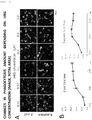
FIGS. 4 are photographs and graphs showing results of analysis of phagocytosis ability of neutrophils at different concentrations of HRG against Escherichia coli and Staphylococcus aureus. (Experimental Example 1) -
FIG. 5 includes photographs showing results of image analysis of phagocytosis ability of neutrophils at different concentrations of hHRG, rHRG, or HRG-Fc in phagocytosis of neutrophils against Escherichia coli. (Experimental Example 2) -
FIG. 6 includes photographs showing results of image analysis of phagocytosis ability of neutrophils by hHRG, rHRG, or HRG-Fc or a control, such as HBSS or HSA, in phagocytosis of neutrophils against Escherichia coli. (Experimental Example 2) -
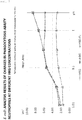
FIG. 7 is a graph showing results of analysis of phagocytosis ability of neutrophils by hHRG, rHRG, or HRG-Fc in phagocytosis of neutrophils against Escherichia coli. (Experimental Example 2) -
FIG. 8 includes photographs showing results of image analysis of phagocytosis ability of neutrophils by hHRG, rHRG, or HRG-Fc at different concentrations in phagocytosis of neutrophils against Staphylococcus aureus. (Experimental Example 2) -
FIG. 9 includes photographs showing results of image analysis of phagocytosis ability of neutrophils by hHRG, rHRG, or HRG-Fc or a control, such as HBSS or HSA, in phagocytosis of neutrophils against Staphylococcus aureus. (Experimental Example 2) -
FIG. 10 is a graph showing results of analysis of phagocytosis ability of neutrophils by hHRG, rHRG, or HRG-Fc in phagocytosis ability of neutrophils against Staphylococcus aureus. (Experimental Example 2) -
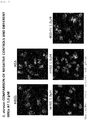
FIG. 11 includes photographs showing results of analysis of phagocytosis ability of neutrophils by IL-8, fMLP, LPS, C5a, or the like in phagocytosis ability of neutrophils against Escherichia coli. (Comparative Example 1) -
FIG. 12 includes photographs showing results of analysis of phagocytosis ability of neutrophils by IL-8, fMLP, LPS, C5a, or the like in phagocytosis ability of neutrophils against Staphylococcus aureus. (Comparative Example 1) -
FIG. 13 includes graphs and photographs showing results of tests observing the enhancing action of HRG stimuli on phagocytosis ability of neutrophils.FIG. 13 includes graphs and photographs showing results observing the action of HRG using anti-HRG antibodies in phagocytosis ability of neutrophils against Escherichia coli or Staphylococcus aureus. (Experimental Example 3) -
FIG. 14 is a graph showing a result observing an effect of HRG on opsonization (Op), where neutrophils phagocytose opsonized (Op) Zymosan by using serum containing HRG or containing no HRG. (Experimental Example 4) -
FIG. 15 illustrates graphs showing results observing the difference of phagocytosis ability of neutrophils against Escherichia coli or Staphylococcus aureus depending on the presence and absence of HRG, the neutrophils having been pretreated with HRG or 5-fold-diluted human sera (opsonized (Op) when human sera are used).FIG. 15A shows phagocytosis actions of neutrophils against Escherichia coli, andFIG. 15B shows phagocytosis actions of neutrophils against Staphylococcus aureus. (Experimental Example 5) -
FIG. 16 illustrates photographs showing phagocytosis actions of neutrophils against Escherichia coli or Staphylococcus aureus pretreated with 5-fold-diluted human serum. (Experimental Example 5) - The present invention relates to an agent for enhancing phagocytosis ability of neutrophils, including HRG as an active ingredient.
- The main role of neutrophils is a biological defense function: phagocytosing foreign matter, typically pathogenic microbes invading living bodies; and killing the microbes with reactive oxygen species generated therefrom. Neutrophils have non-specific immune ability to eliminate substances that invade living bodies. When immunoglobulins, complements, or the like bind to foreign matter to cause opsonization (Op), neutrophils recognize and phagocytose the foreign matter. However, no therapeutic agent for enhancing a bacterium phagocytosis activity of neutrophils has been known. There has been demanded a method for ameliorating a bacterium clearance disorder due to lowered bacterium phagocytosis ability of neutrophils.
- The HRG, included as the active ingredient in the "agent for enhancing phagocytosis ability of neutrophils" of the present invention, can be prepared by a method for isolation or purification from a biological component, a method for preparation using a recombination technology, or synthesis; and the purity thereof is not particularly limited to the maximum purity. The HRG can be subjected to, for example, purification and/or isolation from a biological component such as: blood, for example, plasma or serum; spinal fluid; or lymphatic fluid. The biological component is suitably a blood component, such as plasma or serum. A method known per se or any method to be developed in the future may be applied as the method for the isolation/purification from a biological component. For example, the HRG may be prepared by passing plasma through an affinity column prepared using a nickel-nitrilotriacetic acid (Ni-NTA) agarose resin.
- A method known per se or any method to be developed in the future may be applied as the method for the preparation of HRG using a recombination technology. For example, the preparation can be performed by cloning the full-length cDNA encoding HRG or a cDNA encoding a part having the activity of HRG into an expression vector. For example, a protein biosynthesized from the whole or a part of the nucleotide defined by GenBank Accession No. NM000412 can be used. For example, the preparation can be performed by cloning the full-length cDNA encoding the amino acid sequence of mature HRG (SEQ ID NO: 1) or a cDNA encoding a part thereof into an expression vector. The HRG included as the active ingredient in the "agent for enhancing phagocytosis ability of neutrophils" of the present invention can optionally be an HRG protein itself, or a part of a protein or peptide having the activity of HRG. The HRG can be with or without a carbohydrate chain. The mature HRG, following truncation of its signal peptide by a proteinase, includes four principal regions: (1) cystatin-
like region 1, (2) cystatin-like region 2, (3) a His/Pro region, and (4) a C-terminal region. The His/Pro region is extremely rich in proline residues and histidine residues, and can be defined by the amino acid sequence shown as amino acids 330 to 389 of the amino acid sequence set forth in SEQ ID NO: 1. - Amino Acid Sequence of Mature HRG (SEQ ID NO: 1)

- Specifically, a method described in
Patent Literature 4 can be applied as a method of generating HRG through use of a recombination technology. For example, a full-length cDNA encoding HRG, or cDNA encoding a part having the activity of HRG, such as a full-length cDNA encoding the amino acid sequence (SEQ ID NO: 1) of the mature HRG, or a cDNA encoding a part thereof, is cloned into an expression vector to prepare a desired HRG expression vector. The HRG protein can be prepared by, for example, using an HRG-carrying construct illustrated inFIG. 1 . - To prepare an HRG-Fc fusion protein, it is suitable to bind a cDNA encoding Fc to a portion encoding the C'-terminal region of HRG. An HRG protein included in the HRG-Fc fusion protein of the present invention can be the whole mature HRG, or those with or without a carbohydrate chain, as well as a part of a protein or peptide having the activity of HRG out of the mature HRG.
- The Fc included in the HRG-Fc fusion protein can be any polypeptide defining an Fc region of an antibody. The antibody includes polypeptides called a heavy chain (H chain) and a light chain (L chain). The H chain includes a variable region (VH) and a constant region (CH) from its N-terminus, and the L chain includes a variable region (VL) and a constant region (CL) from its N-terminus. The CH includes domains CH1, hinge, CH2, and CH3 from its N-terminus. The region including both CH2 and CH3 is called an Fc region. Examples of classes of the antibody include IgG, IgA, IgE, and IgM. Examples of subclasses of the IgG include IgG1, IgG2, IgG3, and IgG4. The Fc region used for the HRG-Fc fusion protein of the present invention can be derived from any of the subclasses IgG1, IgG2, IgG3, and IgG4, particularly suitably IgG2. The use of the Fc region of IgG2 can lead to be low complement activity, ameliorating a side effect inflammatory reaction. The amino acid sequence of the Fc region of human IgG2 is set forth in SEQ ID NO: 2.
- Amino Acid Sequence of Fc Region of Human IgG2 (SEQ ID NO: 2)

- Proteins, peptides, and the like, which are generally believed to be less stable and less efficient in living bodies, may be fused with an Fc region, achieving improved stability and efficacy in a formulation. The use of the Fc region of human IgG2 allows a pharmaceutical formulation having a lower complement activity and an ameliorated side effect inflammatory reaction.
- The "agent for enhancing phagocytosis ability of neutrophils" of the present invention can enhance the bacterium phagocytosis activity of neutrophils and the like. The above-mentioned "agent for enhancing phagocytosis ability of neutrophils" of the present invention may include HRG as an active ingredient, and may include, for example, HRG per se and/or an HRG-Fc fusion protein as well as a pharmacologically acceptable carrier. Examples of the pharmacologically acceptable carrier may include excipients, disintegrants or disintegration aids, binders, lubricating agents, coating agents, dyes, diluents, bases, solubilizing agents or dissolution aids, tonicity agents, pH adjusters, stabilizers, propellants, and pressure-sensitive adhesives.
- The "agent for enhancing phagocytosis ability of neutrophils" of the present invention can enhance phagocytosis ability of neutrophils against a pathogen or foreign matter derived from bacteria, viruses, fungi, or parasites. Thus, the "agent for enhancing phagocytosis ability of neutrophils" can be used for a therapeutic agent or therapeutic adjunct for a bacterial infectious disease, a viral infectious disease, a fungal infectious disease, a parasitic infectious disease, and mixed infectious diseases thereof. Examples of the infectious diseases applicable to the present invention may include the above-mentioned various infectious diseases, and may also include a respiratory infectious disease, a urinary tract infectious disease, a biliary tract infectious disease, a gastrointestinal infectious disease, and a central nervous system infectious disease. The present invention encompasses a therapeutic agent and therapeutic adjunct for such diseases.
- The present invention also encompasses a method of enhancing phagocytosis ability of neutrophils using HRG as an active ingredient of an agent for enhancing phagocytosis ability of neutrophils. The present invention also encompasses a therapeutic method of an infectious disease or an adjunctive therapeutic method for an infectious disease using HRG as an active ingredient of an agent for enhancing phagocytosis ability of neutrophils.
- The "agent for enhancing phagocytosis ability of neutrophils" of the present invention, when used as a therapeutic agent or therapeutic adjunct for the above-mentioned diseases, may topically or systemically be administered. Dosage forms for therapeutic and/or preventive agents may include enteral administration formulations and parenteral administration formulations. Examples of the parenteral administration formulations may include external preparations for transdermal administration, such as a lotion, an ointment, a tape, and a plaster, as well as those in the form suitable for topical administration by injection and the like, intravenous injection administration, and transluminal administration. The parenteral administration formulations may include a sterilized aqueous or nonaqueous solution, suspension, or emulsion. Examples of nonaqueous diluents are propylene glycol, polyethylene glycol, plant oils, such as olive oil, and organic ester compositions, such as ethyl oleate, which are suitable for injection. Aqueous carriers may include water, alcoholic/aqueous solutions, emulsions, suspensions, saline, and buffered media. Parenteral carriers may include sodium chloride solution, Ringer's dextrose, dextrose and sodium chloride, lactated Ringer's, and fixed oils. Parenteral administration formulations in the form suitable for topical administration by injection or the like, intravenous injection administration, or intraluminal administration may include fillers for liquid, nutrients (including monosaccharides, oligosaccharides, polysaccharides, starches, or partial starch hydrolyzates) or electrolytes (e.g., those based on Ringer dextrose) as carriers. The "agent for enhancing phagocytosis ability of neutrophils" of the present invention may include a preservative and other additives, for example, an antimicrobial compound, an antioxidant, a chelating agent, and an inert gas.
- When used as the therapeutic agent or therapeutic adjunct for the diseases described above, the "agent for enhancing phagocytosis ability of neutrophils" of the present invention can be administered in combination with any other pharmaceutical formulation. The other pharmaceutical formulation that can be used in combination should not be particularly limited, and may generally be any already commercially available therapeutic agent or preventive agent, or any therapeutic agent or preventive agent to be developed in the future. The other pharmaceutical formulation is suitably a pharmaceutical formulation having an action mechanism different from that of the "agent for enhancing phagocytosis ability of neutrophils" of the present invention. The "agent for enhancing phagocytosis ability of neutrophils" of the present invention can be used before, during or after use of a therapeutic agent and/or a preventive agent for an infectious disease known per se, including, for example, antibiotic agents, antimicrobial agents, and viral agents. The "agent for enhancing phagocytosis ability of neutrophils" of the present invention can be used in combination with any other pharmaceutical formulation to lower the dose of the other pharmaceutical formulation. When the other pharmaceutical formulation has a side effect, the combined use with the "agent for enhancing phagocytosis ability of neutrophils" of the present invention can reduce the dose/administration frequency of the other pharmaceutical formulation, achieving a practical advantage of reducing the side effect of the other pharmaceutical formulation. Each ingredient other than HRG as an active ingredient may be blended in any appropriate amounts that do not impair an intended purpose of the present invention.
- The present invention is specifically described by way of the following Examples, experimental examples, and comparative examples, but it goes without saying that the present invention is not limited by these Examples and the like.
- Human plasma was used as a starting raw material. Human plasma-derived HRG (hereinafter referred to as "hHRG") was purified using Ni-NTA affinity chromatography and high performance liquid chromatography (anion exchange column (monodisperse hydrophilic polymer beads: Mono Q)). A purified hHRG sample was obtained in the molecular weight fraction of about 80 kDa. hHRG of this Example was generated by a method described in Example 1 of Patent Literature 3 (
WO 2013/183494 A1 ). hHRG samples having various concentrations were generated through dilution with Hanks' solution (Hanks' Balanced Salt Solution: HBSS). - Recombinant human HRG (hereinafter referred to as "rHRG") of this Example was generated by a method described in Example 3 of Patent Literature 4 (
WO 2017/061354 A1 ). Into Chinese Hamster Ovary cells (CHO cells) cultured in 10% FCS-containing GIBCO(™) Dulbecco's Modified Eagle Medium/ Nutrient Mixture F-12 (DMEM/F12), an HRG expression vector, a transposase expression vector, and a drug-resistant gene expression vector (seeFIG. 1 ) were co-transfected. After the transfection, 10 µg/mL of Puromycin (an antibiotic) was added to the culture after 48 hours culturing to perform drug selection culture for 3 weeks while exchanging the medium once every three days. A DNA base sequence encoding the HRG-coding region (EcoR1-HRG-Xho1) required for generation of recombinant human HRG is set forth in SEQ ID NO: 3 (FIG. 2 ). - After the selection culture, rHRG-containing culture supernatant was recovered. To the culture supernatant, a QIAGEN(™) Ni-NTA agarose gel prewashed with 30 mL of PBS(-) (a gel in which Ni-NTA was bound to Sepharose CL-6B support) was added, and the resulting culture was subjected to rotation incubation at 4°C for 2 hours, allowing the rHRG to bind to the QIAGEN(™) Ni-NTA agarose gel. After the QIAGEN(™) Ni-NTA agarose gel was transferred to a column for purification, the column was sequentially washed with washing liquid 1 (30 mM imidazole-containing PBS(-) (pH 7.4)), washing liquid 2 (1 M NaCl + 10 mM PBS (pH 7.4)), and washing liquid 3 (PBS(-) (pH 7.4)). The rHRG was eluted with 500 mM imidazole-containing PBS(-) (pH 7.4) at 4°C. rHRG samples having different concentrations were prepared by dilution with HBSS.
- In this Example, a fusion protein of HRG + Fc of human IgG2 (hereinafter referred to as "HRG-Fc") was generated. To a nucleic acid including the base sequence defined by the DNA encoding an HRG-coding region (GenBank Accession No. BC069574 (NCBI)), a nucleic acid including the base sequence encoding an Fc region of human IgG2 was bound to generate the HRG-Fc by a method described in Example 12 of Patent Literature 4 (
WO 2017/061354A1 ). HRG-Fc samples having different concentrations were prepared by dilution using HBSS. In the same manner as in Example 2, a DNA base sequence encoding an HRG-coding region (EcoR1-HRG-Xho1) is set forth in SEQ ID NO: 3 (FIG. 2 ), and the base sequence encoding the Fc region of human IgG2 (XhoI-GPG-hIgG2 Fc-Xba1) is set forth in SEQ ID NO: 4 (FIG. 3 ). Pharmaceutical candidate proteins are all conceived to improve the stability of protein formulations through fusion to partial antibodies, human IgG Fc regions, allowing pharmaceuticals having lowered complement activity and ameliorated side effect inflammatory reaction by using additionally the human IgG2 Fc regions. - Phagocytosis ability of neutrophils against Escherichia coli (a gram-negative bacterium) or Staphylococcus aureus (a gram-positive bacterium) was measured with a pHrodo™ indicator. Phagosomes within neutrophils can be fluorescence-stained with a pHrodo™ staining reagent to measure their phagocytosis ability. Human neutrophils were separated from the whole blood using a hemocyte separation solution Polymorphprep™, and the cell solution was washed with PBS to perform suspension. The numbers of cells were adjusted, and the cells were stained with Hoechst33342 (nucleus staining: blue) and calcein-AM (cytoplasm: green) by incubation under CO2 at 37°C for 15 min. Neutrophil solutions were resuspended in HBSS, and the numbers of cells were adjusted (2×10⁶ cells/mL).
- To the neutrophil liquids at the cell concentration, hHRG solutions were added, and the mixtures were dispensed to a 96-well plate, allowing incubation under CO2 at 37°C for 30 min. Then, Escherichia coli (pHrodo™ Escherichia coli) or Staphylococcus aureus (pHrodo™ Staphylococcus aureus) was added to the 96-well plate, and incubated under CO2 at 37°C. In this Example, the final concentration of the cell liquids was 2×10⁴ cells/well (2×10⁵ cells/mL), the final concentrations of HRG were from 0.01 µM to 3.0 µM, and the final concentration of pHrodo™ Escherichia coli or pHrodo™ Staphylococcus aureus was 25 µg/well (250 µg/mL). The incubation of Escherichia coli was for 60 min, and that of Staphylococcus aureus was for 120 min.
- Through use of InCell Analyzer (GE Healthcare), the amounts of red-colored pHrodo by neutrophils' uptake were analyzed by image analysis and quantification to observe the phagocytosis ability of neutrophils. The analysis results of phagocytosis ability of neutrophils against Escherichia coli and Staphylococcus aureus are shown in
FIG. 4A and FIG. 4B . - The results reveal that HRG enhanced phagocytosis ability of neutrophils against Escherichia coli and Staphylococcus aureus. HRG is generally contained at about 1 µM in blood, and the phagocytosis ability with HRG in this Example reached a plateau at 0.3 µM, suggesting that bacterium phagocytosis ability of neutrophils in normal individuals' blood is constantly maintained and that such phagocytosis ability is lowered in conditions with lowered HRG, such as sepsis.
- To the neutrophil liquids at the cell concentration (2×10⁶ cells/mL), each solution of hHRG, rHRG, or HRG-Fc was added to observe the phagocytosis ability of neutrophils against Escherichia coli or Staphylococcus aureus by the same procedure as Experimental Example 1 (HRG final concentrations of from 0.1 µM to 3.0 µM). As an observation experiment, phagocytosis ability of neutrophils against Escherichia coli or Staphylococcus aureus was observed, when each of different anti-HRG antibodies or control antibodies was added. The amounts of red-colored pHrodo by neutrophils ' uptake can be imaged and quantified to observe the phagocytosis ability of neutrophils.
-
FIG. 5 andFIG. 6 show results of image analysis of phagocytosis ability of neutrophils against Escherichia coli, andFIG. 7 shows the change in phagocytosis ability at different concentrations and the results of analysis. Similarly,FIG. 8 andFIG. 9 show results of image analysis of phagocytosis ability of neutrophils against Staphylococcus aureus, andFIG. 10 shows the change in phagocytosis ability at different HRG concentrations and the results of analysis. - The results reveal that rHRG enhances phagocytosis of neutrophils against Escherichia coli or Staphylococcus aureus to the same extent as hHRG, whereas HRG-Fc is weak in phagocytosis-enhancing ability.
- Phagocytosis ability of neutrophils against Escherichia coli or Staphylococcus aureus was observed, when 1.0 µM of hHRG was added to neutrophil solutions at the cell concentration (2×10⁶ cells/mL) by the same procedure as Example 1 or when each of 1.0 µM of IL-8, fMLP, and C5a or 10 µM of LPS was added as Comparative Example. The results of image analysis are shown in
FIG. 11 andFIG. 12 . - Phagocytosis ability of neutrophils against Escherichia coli or Staphylococcus aureus was observed, when 1.0 µM of hHRG was added to neutrophil solutions at the cell concentration (2×10⁶ cells/mL) by the same procedure as Example 1 or when each of 10 µM of different anti-HRG antibodies or control antibodies was added as an observation experiment. The results of analysis are shown in
FIG. 13 . - HRG enhanced the phagocytosis ability of neutrophils against Escherichia coli or Staphylococcus aureus, whereas the addition of each anti-HRG antibody suppressed phagocytosis ability. In contrast, the addition of the control antibodies maintained the phagocytosis ability of neutrophils against Escherichia coli or Staphylococcus aureus. This reveals that HRG has an action of enhancing the phagocytosis ability of neutrophils.
- In this Experimental Example, the effect of HRG on opsonization (Op) was observed using serum containing HRG or no HRG. Healthy human serum was used for opsonization (Op). In this Experimental Example, the "serum containing HRG" refers to untreated, healthy human serum. In this Experimental Example, the "serum containing no HRG" refers to human serum in which a Ni-NTA agarose gel is added to human serum to adsorb HRG in the serum, and then the Ni-NTA agarose gel is removed by centrifugation. A Western blotting revealed that no HRG was detected in the serum containing no HRG.
- Zymosan (pHrodo™ Red Zymosan, manufactured by Thermo Fisher Scientific Inc.) was blended with serum containing HRG or no HRG at 4°C, and then the mixture was stirred well by ultrasonic homogenization. After the stirring, centrifugation was performed at 4°C and 15,000 rpm for 15 min. The supernatant was discarded and the sediment was suspended in HBSS. This washing procedure was repeated twice, and then Zymosan was suspended in HBSS. The concentration of Zymosan at this time of point was 1.0 mg/mL.
- To the neutrophil liquids, hHRG solutions were added, and the mixtures were dispensed to a 96-well plate, allowing incubation under CO2 at 37°C for 30 min. Then, the Zymosan solution was added to the 96-well plate, which was then incubated under CO2 at 37°C for 120 min. The final concentration of the cell liquids at this time was 2×10⁴ cells/well (2×10⁵ cells/mL), the final concentration of HRG was 1.0 µM, and the final concentration of Zymosan was 50 µg/well (500 µg/mL). Through use of InCell Analyzer (GE Healthcare), the amounts of red-colored pHrodo by neutrophils' uptake were analyzed by image analysis and quantification to observe the phagocytosis ability of neutrophils.
- The result is shown in
FIG. 14 . When Zymosan was treated with the serum containing HRG or no HRG, the amount of phagocytosis by neutrophils when Zymosan was treated with the serum containing HRG was larger than that when Zymosan was treated with the serum containing no HRG, recognizing an opsonin (Op)-enhancing effect of HRG. - Escherichia coli (pHrodo™ Escherichia coli) or Staphylococcus aureus (pHrdo™ Staphylococcus aureus) was pre-incubated with human serum albumin (HSA, 1.0 µM), hHRG (1.0 µM), or 5-fold-diluted human serum (1/5 Serum) at 37°C for 15 min, and then Escherichia coli or Staphylococcus aureus was washed twice with HBSS. Then, an opsonin (Op)-enhancing effect of HRG against Escherichia coli or Staphylococcus aureus was observed by the same procedure as Example 1.
- A hHRG solution was added to a neutrophil solution. The mixture was dispensed to a 96-well plate and incubated under CO2 at 37°C for 30 min. Then, the Escherichia coli or Staphylococcus aureus pretreated with the above-mentioned HSA or HRG solution, or 5-fold-diluted human serum was added, and the resulting mixture was dispensed to the 96-well plate and incubated under CO2 at 37°C for 120 min. The final concentration of the cell liquid at this time was 2×10⁴ cells/well (2×10⁵ cells/mL), the final concentration of HSA or HRG was 1.0 µM, and the final concentration of Zymosan was 25 µg/well (250 µg/mL). Through use of InCell Analyzer (GE Healthcare), the amounts of red-colored pHrodo by neutrophils' uptake were analyzed by image analysis and quantification to observe the phagocytosis ability of neutrophils.
-
FIG. 15A and FIG. 15B show results of analysis of the phagocytosis ability of neutrophils with HRG against each of the pretreated Escherichia coli and Staphylococcus aureus.FIG. 16A and FIG. 16B show results of analysis of phagocytosis ability of neutrophils against Escherichia coli and Staphylococcus aureus pretreated with the 5-fold-diluted human serum. - In the results of this Experimental Example, the HRG pretreatment did not exhibit an opsonin (Op)-enhancing effect against Escherichia coli or Staphylococcus aureus. In contrast, the treatment with the 5-fold-diluted human serum exhibited a strong opsonin (Op) enhancement effect against Escherichia coli and Staphylococcus aureus. The HRG-pretreated bacterial cells did not enhance the phagocytosis ability of neutrophils, implying that HRG affects neutrophils rather than bacterial cells to enhance their phagocytosis ability. The phagocytosis ability of neutrophils of the bacterial cells opsonized (Op) with the human sera was highly enhanced by the addition of HRG as compared to un-opsonized (UnOp) bacterial cells, suggesting that phagocytosis actions of neutrophils against the opsonized (Op) bacterial cells in living bodies are further enhanced in the presence of HRG.
- As described above in detail, the "agent for enhancing phagocytosis ability of neutrophils" of the present invention can enhance phagocytosis ability of neutrophils, and thus would be used as a therapeutic agent or therapeutic adjunct for various bacterial infectious diseases, viral infectious diseases, fungal infectious diseases, parasitic infectious diseases, and mixed infectious diseases thereof. The "agent for enhancing phagocytosis ability of neutrophils" of the present invention would be used with any other pharmaceutical formulation, for example, a therapeutic agent already put on the market or a therapeutic agent to be developed in the future, allowing the reduction in dose/administration frequency of the other pharmaceutical formulation. When the other pharmaceutical formulation has a side effect, the combined use of the other pharmaceutical formulation and the "agent for enhancing phagocytosis ability of neutrophils" of the present invention can reduce the dose/administration frequency of the other pharmaceutical formulation, which is useful.


Claims (6)
- An agent for enhancing phagocytosis ability of neutrophils, comprising a histidine-rich glycoprotein as an active ingredient.
- The agent for enhancing phagocytosis ability of neutrophils according to claim 1, wherein the histidine-rich glycoprotein, which is the active ingredient, is present in the form of an Fc-fusion protein comprising the histidine-rich glycoprotein fused with an Fc region of an antibody.
- The agent for enhancing phagocytosis ability of neutrophils according to claim 2, wherein the Fc region of an antibody is an Fc region derived from IgG2.
- The agent for enhancing phagocytosis ability of neutrophils according to any one of claims 1 to 3, wherein the agent serves as a therapeutic agent for an infectious disease or a therapeutic adjunct for an infectious disease.
- The agent for enhancing phagocytosis ability of neutrophils according to claim 4, wherein the infectious disease is an infectious disease caused by a pathogen derived from one or a plurality of species selected from bacteria, viruses, fungi, and parasites.
- The agent for enhancing phagocytosis ability of neutrophils according to claim 4 or 5, wherein the infectious disease is any one of infectious diseases selected from a respiratory infectious disease, a urinary tract infectious disease, a biliary tract infectious disease, a gastrointestinal infectious disease, and a central nervous system infectious disease.
Applications Claiming Priority (2)
| Application Number | Priority Date | Filing Date | Title |
|---|---|---|---|
| JP2018123626 | 2018-06-28 | ||
| PCT/JP2019/022812 WO2020003978A1 (en) | 2018-06-28 | 2019-06-07 | Agent for enhancing phagocytosis ability of neutrophils |
Publications (2)
| Publication Number | Publication Date |
|---|---|
| EP3815706A1 true EP3815706A1 (en) | 2021-05-05 |
| EP3815706A4 EP3815706A4 (en) | 2022-03-16 |
Family
ID=68986297
Family Applications (1)
| Application Number | Title | Priority Date | Filing Date |
|---|---|---|---|
| EP19825945.9A Withdrawn EP3815706A4 (en) | 2018-06-28 | 2019-06-07 | AGENT FOR IMPROVING THE PHAGOCYTOTIC ABILITY OF NEUTROPHILS |
Country Status (5)
| Country | Link |
|---|---|
| US (2) | US20210196787A1 (en) |
| EP (1) | EP3815706A4 (en) |
| JP (1) | JP7340862B2 (en) |
| CN (1) | CN112512547A (en) |
| WO (1) | WO2020003978A1 (en) |
Family Cites Families (11)
| Publication number | Priority date | Publication date | Assignee | Title |
|---|---|---|---|---|
| US4033171A (en) | 1975-02-14 | 1977-07-05 | The Foxboro Company | Pneumatic detector for chromatographic analyzer |
| US5116964A (en) * | 1989-02-23 | 1992-05-26 | Genentech, Inc. | Hybrid immunoglobulins |
| WO2002076486A2 (en) | 2001-02-05 | 2002-10-03 | Innoventus Project Ab | Histidine-rich glycoprotein |
| SE0301988D0 (en) | 2003-07-07 | 2003-07-07 | Innoventus Project Ab | Active subfragment of an endogenous peptide |
| GB0916578D0 (en) * | 2009-09-22 | 2009-10-28 | Malmsten Nils M | Polypeptides and uses thereof |
| WO2013183494A1 (en) | 2012-06-06 | 2013-12-12 | 国立大学法人 岡山大学 | Therapeutic agent, treatment method and test method for diseases associated with activation of neutrophils |
| WO2016104436A1 (en) * | 2014-12-22 | 2016-06-30 | 国立大学法人 岡山大学 | Cytokine storm inhibitor |
| US20180265894A1 (en) | 2015-10-06 | 2018-09-20 | National University Corporation Okayama University | Gene Expression Cassette And Product Thereof |
| JP6871679B2 (en) * | 2016-03-23 | 2021-05-12 | 国立大学法人 岡山大学 | Gene expression cassette and its products |
| JP6885740B2 (en) | 2017-02-02 | 2021-06-16 | 日鉄建材株式会社 | Frame structure of translucent sound insulation panel |
| CN107722111B (en) * | 2017-09-28 | 2020-07-07 | 中国科学院微生物研究所 | Macrophage phagocytosis ability promoter |
-
2019
- 2019-06-07 CN CN201980050238.6A patent/CN112512547A/en active Pending
- 2019-06-07 WO PCT/JP2019/022812 patent/WO2020003978A1/en not_active Ceased
- 2019-06-07 US US16/973,441 patent/US20210196787A1/en not_active Abandoned
- 2019-06-07 EP EP19825945.9A patent/EP3815706A4/en not_active Withdrawn
- 2019-06-07 JP JP2020527352A patent/JP7340862B2/en active Active
-
2024
- 2024-03-05 US US18/595,513 patent/US20240252589A1/en active Pending
Also Published As
| Publication number | Publication date |
|---|---|
| CN112512547A (en) | 2021-03-16 |
| JPWO2020003978A1 (en) | 2021-07-08 |
| JP7340862B2 (en) | 2023-09-08 |
| EP3815706A4 (en) | 2022-03-16 |
| WO2020003978A1 (en) | 2020-01-02 |
| US20210196787A1 (en) | 2021-07-01 |
| US20240252589A1 (en) | 2024-08-01 |
Similar Documents
| Publication | Publication Date | Title |
|---|---|---|
| US12344658B2 (en) | Nanoparticle formulations | |
| DK2421901T3 (en) | Compositions comprising HC-HA complex, and methods of use thereof | |
| JP2002543837A (en) | Recombinant setomannan binding lectin | |
| Le et al. | Tolloid cleavage activates latent GDF8 by priming the pro‐complex for dissociation | |
| JP2018528218A (en) | Recombinant glycosylated eculizumab and eculizumab variants | |
| KR20220124208A (en) | Programmed cell death receptor 1 antibody preparations and uses thereof | |
| JP2020523402A (en) | Pharmaceutical composition comprising glutathione disulfide and glutathione disulfide S-oxide | |
| WO2013183494A1 (en) | Therapeutic agent, treatment method and test method for diseases associated with activation of neutrophils | |
| Bassuk et al. | Induction of TGF-β1 by the matricellular protein SPARC in a rat model of glomerulonephritis | |
| WO2021085518A1 (en) | Aqueous pharmaceutical composition containing fusion protein of serum albumin and growth hormone | |
| EP3266797A1 (en) | Trail membrane-penetrating peptide-like mutant mur6, preparation method therefor, and application thereof | |
| JP2009062372A (en) | Production of high molecular mass lectin | |
| van Gent et al. | C-terminal PEGylation improves SAAP-148 peptide’s immunomodulatory activities | |
| Sule et al. | Assessing the impact of charge variants on stability and viscosity of a high concentration antibody formulation | |
| KR20240122572A (en) | Hemopexin formulations | |
| US20240252589A1 (en) | Agent for enhancing phagocytosis ability of neutrophils | |
| EP4643871A1 (en) | A composition comprising aflibercept and a variant thereof and related methods and uses | |
| Morimoto et al. | Anti-influenza virus activity of high-mannose binding lectins derived from genus Pseudomonas | |
| Lee et al. | DMTMM-Mediated Intramolecular Cyclization of Acidic Residues in Peptides/Proteins | |
| EP3266796A1 (en) | Trail membrane-penetrating peptide-like mutant mur5, preparation method therefor, and application thereof | |
| Jang et al. | Antimicrobial effect of halocidin-derived peptide in a mouse model of Listeria infection | |
| Wu et al. | The second N-terminal aromatic residue of the fungal defensin, blapersin, of Blastomyces percursus is essential for its antibacterial activity | |
| Ashare et al. | Pseudomonas aeruginosa delays Kupffer cell death via stabilization of the X-chromosome-linked inhibitor of apoptosis protein | |
| Bausch | Impact of filling processes on protein solutions | |
| Batman et al. | Recombinant expression and functional characterization of defensin-like peptide TEWP and its analogs in Pichia pastoris |
Legal Events
| Date | Code | Title | Description |
|---|---|---|---|
| STAA | Information on the status of an ep patent application or granted ep patent |
Free format text: STATUS: THE INTERNATIONAL PUBLICATION HAS BEEN MADE |
|
| PUAI | Public reference made under article 153(3) epc to a published international application that has entered the european phase |
Free format text: ORIGINAL CODE: 0009012 |
|
| STAA | Information on the status of an ep patent application or granted ep patent |
Free format text: STATUS: REQUEST FOR EXAMINATION WAS MADE |
|
| 17P | Request for examination filed |
Effective date: 20210119 |
|
| AK | Designated contracting states |
Kind code of ref document: A1 Designated state(s): AL AT BE BG CH CY CZ DE DK EE ES FI FR GB GR HR HU IE IS IT LI LT LU LV MC MK MT NL NO PL PT RO RS SE SI SK SM TR |
|
| DAV | Request for validation of the european patent (deleted) | ||
| DAX | Request for extension of the european patent (deleted) | ||
| A4 | Supplementary search report drawn up and despatched |
Effective date: 20220211 |
|
| RIC1 | Information provided on ipc code assigned before grant |
Ipc: A61P 43/00 20060101ALI20220207BHEP Ipc: A61P 33/00 20060101ALI20220207BHEP Ipc: A61P 31/12 20060101ALI20220207BHEP Ipc: A61P 31/10 20060101ALI20220207BHEP Ipc: A61P 31/04 20060101ALI20220207BHEP Ipc: A61P 31/00 20060101ALI20220207BHEP Ipc: A61K 47/68 20170101ALI20220207BHEP Ipc: A61K 38/14 20060101AFI20220207BHEP |
|
| STAA | Information on the status of an ep patent application or granted ep patent |
Free format text: STATUS: THE APPLICATION IS DEEMED TO BE WITHDRAWN |
|
| 18D | Application deemed to be withdrawn |
Effective date: 20220913 |