EP3811058B1 - Optical rain sensor with dynamic optical configuration control - Google Patents
Optical rain sensor with dynamic optical configuration control Download PDFInfo
- Publication number
- EP3811058B1 EP3811058B1 EP19824479.0A EP19824479A EP3811058B1 EP 3811058 B1 EP3811058 B1 EP 3811058B1 EP 19824479 A EP19824479 A EP 19824479A EP 3811058 B1 EP3811058 B1 EP 3811058B1
- Authority
- EP
- European Patent Office
- Prior art keywords
- photo
- photo elements
- elements
- rain sensor
- mode
- Prior art date
- Legal status (The legal status is an assumption and is not a legal conclusion. Google has not performed a legal analysis and makes no representation as to the accuracy of the status listed.)
- Active
Links
Images


Classifications
-
- B—PERFORMING OPERATIONS; TRANSPORTING
- B60—VEHICLES IN GENERAL
- B60S—SERVICING, CLEANING, REPAIRING, SUPPORTING, LIFTING, OR MANOEUVRING OF VEHICLES, NOT OTHERWISE PROVIDED FOR
- B60S1/00—Cleaning of vehicles
- B60S1/02—Cleaning windscreens, windows or optical devices
- B60S1/04—Wipers or the like, e.g. scrapers
- B60S1/06—Wipers or the like, e.g. scrapers characterised by the drive
- B60S1/08—Wipers or the like, e.g. scrapers characterised by the drive electrically driven
- B60S1/0818—Wipers or the like, e.g. scrapers characterised by the drive electrically driven including control systems responsive to external conditions, e.g. by detection of moisture, dirt or the like
- B60S1/0822—Wipers or the like, e.g. scrapers characterised by the drive electrically driven including control systems responsive to external conditions, e.g. by detection of moisture, dirt or the like characterized by the arrangement or type of detection means
- B60S1/0833—Optical rain sensor
- B60S1/0837—Optical rain sensor with a particular arrangement of the optical elements
-
- G—PHYSICS
- G01—MEASURING; TESTING
- G01N—INVESTIGATING OR ANALYSING MATERIALS BY DETERMINING THEIR CHEMICAL OR PHYSICAL PROPERTIES
- G01N21/00—Investigating or analysing materials by the use of optical means, i.e. using sub-millimetre waves, infrared, visible or ultraviolet light
- G01N21/17—Systems in which incident light is modified in accordance with the properties of the material investigated
- G01N21/55—Specular reflectivity
- G01N21/552—Attenuated total reflection
Definitions
- This disclosure relates generally to the field of sensors, and more particularly to an optical rain sensor configured to detect rainfall on a transparent substrate such as an automobile windshield.
- Modern automobiles are commonly equipped with rain sensors that are configured to detect rainfall on an automobile's windshield. Information gathered from such sensors can be used to automatically activate and vary the speed of an automobile's windshield wipers and/or to control various other systems in an automobile (e.g., a traction control system).
- a traction control system e.g., a traction control system
- the rain sensor 10 a schematic diagram illustrating a top view of a conventional optical rain sensor 10 (hereinafter “the rain sensor 10") is shown.
- the rain sensor 10 is mounted to an underside (i.e., interior side) of a transparent substrate such as an automobile windshield.
- the rain sensor 10 includes light emitting elements 12a-f (e.g., light emitting diodes) disposed about a periphery of the rain sensor 10, collimating lenses 14a-f adapted to collimate light emitted by the light emitting elements 12a-f and to direct the collimated light toward respective sensing areas 15a-f on the windshield, focusing lenses 16a-f adapted to receive the collimated light that is reflected off of the windshield and to focus the light, and a light detecting element 17 (e.g., a photodiode) located at the center of the rain sensor 10 that is adapted to receive the focused light from the focusing lenses 16a-f and to convert the received light into an electrical output signal that is transmitted to a controller 18.
- light emitting elements 12a-f e.g., light emitting diodes
- the amount of collimated light that is reflected off of the sensing area of the windshield and received by the light detecting element is generally attenuated relative to when the sensing area of the windshield is dry.
- the controller 18 alternatingly activates and deactivates two groups A and B of the light emitting elements 12a-f and simultaneously monitors output from the light detecting element 17. That is, when the light emitting elements 12a-c are activated the light emitting elements 12d-f are deactivated, and vice versa.
- the output produced by the light detecting element 17 when group A of the light emitting elements 12a-f is activated will be substantially similar to the output produced by the light detecting element 17 when group B of the light emitting elements 12a-f is activated.
- water may be present at one or more of the sensing areas 15a-f on the windshield.
- the controller 18 may determine that the windshield is wet and may influence the operation of other automobile systems (e.g., windshield wipers) accordingly.
- the distance d10 between each of the light emitting elements 12a-f and the light detecting element 17 of the rain sensor 10 is therefore relatively short, and, as shown in FIG. 1B , the angle of incidence ⁇ i of collimated light on the exterior surface of a windshield 26 is relatively small.
- the angle of incidence ⁇ i of the collimated light rays on the windshield 26 is typically smaller than an angle of incidence beyond which the collimated light rays are no longer refracted but are totally reflected, commonly referred to as "the critical angle" ( ⁇ c ).
- optical rain sensor in accordance with the present disclosure will now be described more fully with reference to the accompanying drawings, in which a preferred embodiment of the optical rain sensor is presented.
- the optical rain sensor may be embodied in many different forms and should not be construed as being limited to the embodiments set forth herein. Rather, these embodiments are provided so that this disclosure will convey certain exemplary aspects of the optical rain sensor to those skilled in the art.
- the rain sensor 110 may generally include a plurality of photo elements 112a-f, a plurality of collimating lenses 114a-f, and a plurality of focusing lenses 116a-f disposed within a housing 122.
- the collimating lenses 114c, 114d, and 114e and the focusing lenses 116c, 116d, 116e are omitted from FIG.
- the photo elements 112a-f may be operatively mounted on a printed circuit board (PCB) 120 in electrical communication with a controller 118 (e.g., a microcontroller, application specific integrated circuit (ASIC), etc.) configured to provide electrical power to, dictate the operation of, and/or gather data from, the photo elements 112a-f.
- a controller 118 e.g., a microcontroller, application specific integrated circuit (ASIC), etc.
- the collimating lenses 114a-f and the focusing lenses 116a-f may be disposed intermediate the photo elements 112a-f (as further described below) and may be mounted or affixed to the housing 122 (e.g., to a transparent cover of the housing, not shown).
- the housing 122 may adapted for installation on or adjacent a transparent substrate.
- the housing 122 may be mounted on an interior surface of an automobile windshield in a manner that will be familiar to those of ordinary skill in the art.
- the controller 118 may be disposed within the housing 122 and mounted on the PCB 120.
- the controller 118 may be located outside of the housing 122, remote from the PCB 120.
- the photo elements 112a-f of the rain sensor 100 may be light emitting diodes (LEDs) configured to selectively emit or receive light.
- each of the photo elements 112a-f may be configured to emit light when activated by the controller 118 (i.e., when electrical power is applied thereto by the controller 118), and to receive light and to output a corresponding electrical signal to the controller 18 when deactivated by the controller 118 (i.e., when electrical power is not applied thereto by the controller 118).
- each of the photo elements 112a-f may be selectively and independently implemented as either a photo emitter or a photosensor as further described below.
- the photo elements 112a-f may be arranged in a "hexagram configuration" on the PCB 120, with each photo element 112a-f disposed at a respective corner of an imaginary hexagram and equidistant from a center point q of such imaginary hexagram. While the figures depict six photo elements 112a-f, it is contemplated that the number of photo elements in the rain sensor 110 may be varied without departing from the scope of the present disclosure.
- Each of the photo elements 112a-f may be configured (e.g., oriented) to emit one or more light beams toward one or more other of the photo elements 112a-f as further described below.
- Each of the collimating lenses 114a-f may be configured (e.g., positioned and oriented) to receive and to collimate a light beam emitted by a nearest one of the photo elements 112a-f and to direct the collimated light beam toward a respective sensing area 124a-f on a transparent substrate 126 ( see FIG. 2C ) at an oblique angle, where at least a portion of the collimated light beam is reflected off of the transparent substrate 126 as further described below.
- Each of the focusing lenses 116a-f may be configured (e.g., positioned and oriented) to receive light that is reflected off of the transparent substrate 126 and to focus the received light onto a respective, nearest one of the photo elements 112a-f as further described below.
- the rain sensor 110 may be configured to rapidly and continuously alternate between two modes of operation that are depicted in FIGS. 2A and 2B , respectively.
- the controller 118 may activate the photo elements 112a and 112f and may deactivate the photo elements 112b-e, wherein the photo element 112a is configured to emit light beams 128a1 and 128a2 toward photo elements 112c and 112e, respectively, and wherein the photo element 112f is configured to emit a light beam 128f toward photo element 112b.
- the light beams 128a1, 128a2, and 128f may be collimated by the collimating lenses 114a, 114b, and 114f, reflected at the sensing areas 124a, 124b, and 124f, and focused by the focusing lenses 116a, 116b, and 116f in the manner described above, and the resultant light received by the photo elements 112c, 112b, and 112e may be converted into respective electrical signals that are transmitted to the controller 118.
- the electrical signals received by the controller 118 may therefore correspond to an amount of lighted reflected at the sensing areas 124a, 124b, and 124f of the transparent substrate 126.
- the controller 118 may activate the photo elements 112c and 112d and may deactivate the photo elements 112a, 112b, 112e, and 112f, wherein the photo element 112c is configured to emit a light beam 128c toward photo element 112e, and wherein the photo element 112d is configured to emit light beams 128d1 and 128d2 toward photo elements 112b and 112f, respectively.
- the light beams 128c, 128d1, and 128d2 may be collimated by the collimating lenses 114c, 114d, and 114e, reflected at the sensing areas 124c, 124d, and 124e, and focused by the focusing lenses 116c, 116d, and 116e in the manner described above, and the resultant light received by the photo elements 112b, 112e, and 112f may be converted into respective electrical signals that are transmitted to the controller 118.
- the electrical signals received by the controller 118 may therefore correspond to an amount of lighted reflected at the sensing areas 124c, 124d, and 124e of the transparent substrate 126.
- the output produced by the photo elements 112c, 112b, and 112e in the first mode of operation may be substantially equal to the output produced by the photo elements 112b, 112e, and 112f in the second mode of operation.
- water may be present at one or more of the sensing areas 124a-f on the transparent substrate 126.
- the controller 118 may determine that the transparent substrate 126 is wet and may influence the operation of other automobile systems (e.g., windshield wipers) accordingly.
- a distance d 110 between the activated, light emitting photo elements and the respective, deactivated, light receiving photo elements is greater than the distance d 10 between each of the light emitting elements 12a-f and the light receiving element 17 in the conventional rain sensor 10 shown in FIG. 1A .
- the distance d 100 may be greater than the distance d 10 shown in FIG. 1A
- the footprint or outer dimensions of the rain sensor 100 may be the same as or similar to those of the conventional rain sensor 10. Owning to this increase in distance between light emitting and light receiving photo elements in the rain sensor 100 relative to conventional rain sensors, the angle of incidence of collimated light rays on a transparent substrate may be relatively large. Particularly, referring to FIG.
- the angle of incidence ⁇ i of light rays produced by the rain sensor 100 on a sensing area (exemplified by sensing area 124a described above) of the transparent substrate 126 may be greater than an angle of incidence beyond which the collimated light rays are no longer refracted but are totally reflected, commonly referred to as "the critical angle" ( ⁇ c ).
- the critical angle ⁇ c
- TIR total internal reflection
- the relatively large angle of incidence ⁇ i facilitated by the configuration of the rain sensor 100 results in relatively large sensing areas (exemplified by sensing area 124a in FIG. 2C ) on the transparent substrate 126, which provides the rain sensor 100 with greater sensitivity and accuracy relative to conventional rain sensors.
Landscapes
- Engineering & Computer Science (AREA)
- Automation & Control Theory (AREA)
- Mechanical Engineering (AREA)
- Physics & Mathematics (AREA)
- Health & Medical Sciences (AREA)
- Life Sciences & Earth Sciences (AREA)
- Chemical & Material Sciences (AREA)
- Analytical Chemistry (AREA)
- Biochemistry (AREA)
- General Health & Medical Sciences (AREA)
- General Physics & Mathematics (AREA)
- Immunology (AREA)
- Pathology (AREA)
- Investigating Or Analysing Materials By Optical Means (AREA)
Description
- This application claims the benefit of
U.S. Non-Provisional Patent Application No. 16/451,778, filed June 25, 2019 62/689,509, filed June 25, 2018 - This disclosure relates generally to the field of sensors, and more particularly to an optical rain sensor configured to detect rainfall on a transparent substrate such as an automobile windshield.
- Modern automobiles are commonly equipped with rain sensors that are configured to detect rainfall on an automobile's windshield. Information gathered from such sensors can be used to automatically activate and vary the speed of an automobile's windshield wipers and/or to control various other systems in an automobile (e.g., a traction control system).
- The abstract of
US 2018/128942 A1 refers to: 'An integrated rain and solar radiation sensing module including at least two light emitting elements, a plurality of input lenses, wherein at least two of the plurality of input lenses are configured to receive and collimate light emitted by each of the light emitting elements, a plurality of output lenses numbering at least twice as many as the plurality of input lenses, wherein each output lens is configured to receive and focus light that is collimated by at least one of the plurality of input lenses and reflected off of a transparent substrate, and a plurality of light receiving elements, wherein each light receiving element configured to receive focused light from at least one of the output lenses and to convert the received light into an electrical output signal proportional to the received light.' - Referring to
FIG. 1 , a schematic diagram illustrating a top view of a conventional optical rain sensor 10 (hereinafter "therain sensor 10") is shown. In a typical application, therain sensor 10 is mounted to an underside (i.e., interior side) of a transparent substrate such as an automobile windshield. Therain sensor 10 includeslight emitting elements 12a-f (e.g., light emitting diodes) disposed about a periphery of therain sensor 10, collimatinglenses 14a-f adapted to collimate light emitted by thelight emitting elements 12a-f and to direct the collimated light towardrespective sensing areas 15a-f on the windshield, focusinglenses 16a-f adapted to receive the collimated light that is reflected off of the windshield and to focus the light, and a light detecting element 17 (e.g., a photodiode) located at the center of therain sensor 10 that is adapted to receive the focused light from the focusinglenses 16a-f and to convert the received light into an electrical output signal that is transmitted to acontroller 18. If water (e.g., rain) is present at one of thesensing areas 15a-f on the exterior of the windshield, a portion of collimated light that strikes the sensing area will be refracted into the water instead of being reflected to a respective focusing lens. Thus, the amount of collimated light that is reflected off of the sensing area of the windshield and received by the light detecting element is generally attenuated relative to when the sensing area of the windshield is dry. - During operation of the
rain sensor 10, thecontroller 18 alternatingly activates and deactivates two groups A and B of thelight emitting elements 12a-f and simultaneously monitors output from thelight detecting element 17. That is, when thelight emitting elements 12a-c are activated thelight emitting elements 12d-f are deactivated, and vice versa. When the windshield is dry, the output produced by thelight detecting element 17 when group A of thelight emitting elements 12a-f is activated will be substantially similar to the output produced by thelight detecting element 17 when group B of thelight emitting elements 12a-f is activated. However, when the windshield is wet, water may be present at one or more of thesensing areas 15a-f on the windshield. Thus, since some amount of light emitted by one or more of thelight emitting elements 12a-f will be refracted at the wet sensing area(s) instead of being reflected to the light detecting element, there will be an imbalance between the output produced by thelight detecting element 17 when group A of thelight emitting elements 12a-f is activated and the output produced by thelight detecting element 17 when group B of thelight emitting elements 12a-f is activated. Upon the detection of such an imbalance, thecontroller 18 may determine that the windshield is wet and may influence the operation of other automobile systems (e.g., windshield wipers) accordingly. - Due to size constraints, optical rain sensors in automobiles typically must be implemented in relatively small form factors. The distance d10 between each of the
light emitting elements 12a-f and thelight detecting element 17 of therain sensor 10 is therefore relatively short, and, as shown inFIG. 1B , the angle of incidence Θi of collimated light on the exterior surface of awindshield 26 is relatively small. Particularly, the angle of incidence Θi of the collimated light rays on thewindshield 26 is typically smaller than an angle of incidence beyond which the collimated light rays are no longer refracted but are totally reflected, commonly referred to as "the critical angle" (Θc ). Thus, even when thewindshield 26 is dry, an amount of collimated light that strikes the exterior surface of thewindshield 26 will be refracted into the exterior air and will not be reflected to thelight detecting element 17. This is detrimental to both the efficiency and the sensitivity of therain sensor 10. Moreover, the relatively small angle of incidence Θi results in a relatively small sensing area (exemplified bysensing area 15a inFIG. 1B ) on thewindshield 26, which is detrimental to the sensitivity and accuracy of therain sensor 10. - It is with respect to these and other considerations that the present improvements may be useful.
- The invention is set out in the appended set of claims.
-
-
FIG. 1A is schematic diagram illustrating a top view of a conventional rain sensor consistent with the prior art; -
FIG. 1B is schematic diagram illustrating a cross-section of a transparent substrate with light rays emitted by a light emitting element of the rain sensor shown inFIG. 1A incident upon the transparent substrate; -
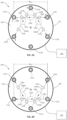
FIG. 2A is schematic diagram illustrating a top view of a rain sensor in accordance with an exemplary embodiment of the present disclosure in a first mode of operation; -
FIG. 2B is schematic diagram illustrating a top view of the rain sensor shown inFIG. 2A in a second mode of operation; -
FIG. 2C is schematic diagram illustrating a cross-section of a transparent substrate with light rays emitted by a light emitting element of the rain sensor shown inFIG. 2A incident upon the transparent substrate. - An optical rain sensor in accordance with the present disclosure will now be described more fully with reference to the accompanying drawings, in which a preferred embodiment of the optical rain sensor is presented. The optical rain sensor, however, may be embodied in many different forms and should not be construed as being limited to the embodiments set forth herein. Rather, these embodiments are provided so that this disclosure will convey certain exemplary aspects of the optical rain sensor to those skilled in the art.
- Referring to
FIGS. 2A and 2B , schematic diagrams illustrating top views of an optical rain sensor (hereinafter "therain sensor 110") in accordance with an exemplary embodiment of the present disclosure are shown. In the depicted, non-limiting embodiment, therain sensor 110 may generally include a plurality ofphoto elements 112a-f, a plurality of collimatinglenses 114a-f, and a plurality of focusinglenses 116a-f disposed within ahousing 122. For the sake of clarity, thecollimating lenses lenses FIG. 2A , and thecollimating lenses lenses FIG. 2B . Thephoto elements 112a-f may be operatively mounted on a printed circuit board (PCB) 120 in electrical communication with a controller 118 (e.g., a microcontroller, application specific integrated circuit (ASIC), etc.) configured to provide electrical power to, dictate the operation of, and/or gather data from, thephoto elements 112a-f. Thecollimating lenses 114a-f and the focusinglenses 116a-f may be disposed intermediate thephoto elements 112a-f (as further described below) and may be mounted or affixed to the housing 122 (e.g., to a transparent cover of the housing, not shown). - The
housing 122 may adapted for installation on or adjacent a transparent substrate. For example, thehousing 122 may be mounted on an interior surface of an automobile windshield in a manner that will be familiar to those of ordinary skill in the art. In some embodiments, thecontroller 118 may be disposed within thehousing 122 and mounted on thePCB 120. Alternatively, thecontroller 118 may be located outside of thehousing 122, remote from the PCB 120. - The
photo elements 112a-f of the rain sensor 100 may be light emitting diodes (LEDs) configured to selectively emit or receive light. For example, each of thephoto elements 112a-f may be configured to emit light when activated by the controller 118 (i.e., when electrical power is applied thereto by the controller 118), and to receive light and to output a corresponding electrical signal to thecontroller 18 when deactivated by the controller 118 (i.e., when electrical power is not applied thereto by the controller 118). Thus, each of thephoto elements 112a-f may be selectively and independently implemented as either a photo emitter or a photosensor as further described below. - The
photo elements 112a-f may be arranged in a "hexagram configuration" on thePCB 120, with eachphoto element 112a-f disposed at a respective corner of an imaginary hexagram and equidistant from a center point q of such imaginary hexagram. While the figures depict sixphoto elements 112a-f, it is contemplated that the number of photo elements in therain sensor 110 may be varied without departing from the scope of the present disclosure. - Each of the
photo elements 112a-f may be configured (e.g., oriented) to emit one or more light beams toward one or more other of thephoto elements 112a-f as further described below. Each of thecollimating lenses 114a-f may be configured (e.g., positioned and oriented) to receive and to collimate a light beam emitted by a nearest one of thephoto elements 112a-f and to direct the collimated light beam toward arespective sensing area 124a-f on a transparent substrate 126 (seeFIG. 2C ) at an oblique angle, where at least a portion of the collimated light beam is reflected off of thetransparent substrate 126 as further described below. Each of the focusinglenses 116a-f may be configured (e.g., positioned and oriented) to receive light that is reflected off of thetransparent substrate 126 and to focus the received light onto a respective, nearest one of thephoto elements 112a-f as further described below. - During use, the
rain sensor 110 may be configured to rapidly and continuously alternate between two modes of operation that are depicted inFIGS. 2A and 2B , respectively. In the first mode of operation shown inFIG. 2A , thecontroller 118 may activate thephoto elements photo elements 112b-e, wherein thephoto element 112a is configured to emit light beams 128a1 and 128a2 towardphoto elements photo element 112f is configured to emit alight beam 128f towardphoto element 112b. The light beams 128a1, 128a2, and 128f may be collimated by thecollimating lenses sensing areas lenses photo elements controller 118. The electrical signals received by thecontroller 118 may therefore correspond to an amount of lighted reflected at thesensing areas transparent substrate 126. - In the second mode of operation shown in
FIG. 2B , thecontroller 118 may activate thephoto elements photo elements photo element 112c is configured to emit alight beam 128c towardphoto element 112e, and wherein thephoto element 112d is configured to emit light beams 128d1 and 128d2 towardphoto elements collimating lenses sensing areas lenses photo elements controller 118. The electrical signals received by thecontroller 118 may therefore correspond to an amount of lighted reflected at thesensing areas transparent substrate 126. - When the
transparent substrate 126 is dry, the output produced by thephoto elements photo elements transparent substrate 126 is wet, water may be present at one or more of thesensing areas 124a-f on thetransparent substrate 126. Thus, since some amount of light emitted by one or more of the activated photo elements will be refracted at the wet sensing area(s) instead of being reflected to the respective deactivated photo elements, there will be an imbalance between the output produced by thephoto elements photo elements controller 118 may determine that thetransparent substrate 126 is wet and may influence the operation of other automobile systems (e.g., windshield wipers) accordingly. - In both of the first and second modes of operation described above, a distance d110 between the activated, light emitting photo elements and the respective, deactivated, light receiving photo elements is greater than the distance d10 between each of the
light emitting elements 12a-f and thelight receiving element 17 in theconventional rain sensor 10 shown inFIG. 1A . Thus, the distance d100 may be greater than the distance d10 shown inFIG. 1A , while the footprint or outer dimensions of the rain sensor 100 may be the same as or similar to those of theconventional rain sensor 10. Owning to this increase in distance between light emitting and light receiving photo elements in the rain sensor 100 relative to conventional rain sensors, the angle of incidence of collimated light rays on a transparent substrate may be relatively large. Particularly, referring toFIG. 2C , the angle of incidence Θi of light rays produced by the rain sensor 100 on a sensing area (exemplified by sensingarea 124a described above) of thetransparent substrate 126 may be greater than an angle of incidence beyond which the collimated light rays are no longer refracted but are totally reflected, commonly referred to as "the critical angle" (Θc ). Thus, total internal reflection (TIR) may be achieved, and when thesensing area 124a of thetransparent substrate 126 is substantially dry all of the collimated light that strikes the exterior surface of thetransparent substrate 126 will be reflected to a respective photo element of the rain sensor 100. The efficiency and the sensitivity of the rain sensor 100 are therefore improved relative to conventional rain sensors. Moreover, the relatively large angle of incidence Θi facilitated by the configuration of the rain sensor 100 results in relatively large sensing areas (exemplified by sensingarea 124a inFIG. 2C ) on thetransparent substrate 126, which provides the rain sensor 100 with greater sensitivity and accuracy relative to conventional rain sensors.
Claims (15)
- An optical rain sensor (110) comprising:a plurality of photo elements (112a-f), each photo element capable of being selectively activated to emit light and deactivated to receive light; anda controller (118) operatively connected to the plurality of photo elements (112a-f) and configured to alternatingly drive the plurality of photo elements (112a-f) between a first mode of operation and a second mode of operation, wherein, in the first mode of operation, at least a first photo element is activated and at least a second photo element is deactivated, and wherein, in the second mode of operation, at least the second photo element is activated and at least the first photo element is deactivated.
- The optical rain sensor of claim 1, wherein, in the first mode of operation, at least one of the plurality of photo elements is adapted to receive light emitted by the first photo element and to output a corresponding first electrical signal to the controller, and wherein, in the second mode of operation, at least one of the plurality of photo elements is configured to receive light emitted by the second photo element and to output a corresponding second electrical signal to the controller, preferably wherein the controller is adapted to compare the first electrical signal to the second electrical signal.
- The optical rain sensor of claims 1 or 2, wherein at least one of the photo elements is configured to project a light ray onto a transparent substrate, wherein an angle of incidence of the light ray striking the transparent substrate is greater than a corresponding critical angle.
- The optical rain sensor of any of the preceding claims further comprising a collimating lens and a focusing lens disposed along a path extending between two of the photo elements.
- The optical rain sensor of any of the preceding claims, wherein the plurality of photo elements comprises six photo elements arranged in a hexagram configuration.
- The optical rain sensor of claim 5, wherein, in the first mode of operation, a first of the photo elements is configured to project light rays toward a second and a third of the photo elements, and a fourth of the photo elements is configured to project a light ray toward a fifth of the photo elements.
- The optical rain sensor of claim 6, wherein, in the second mode of operation, the second photo element is configured to project a light ray toward the third photo element and a sixth of the photo elements is configured to project light rays toward the fourth and fifth photo elements.
- The optical rain sensor of claim 7, further comprising a first collimating lens and a first focusing lens disposed along a path extending between the first and second photo elements, a second collimating lens and a second focusing lens disposed along a path extending between the first and third photo elements, a third collimating lens and a third focusing lens disposed along a path extending between the fourth and fifth photo elements, a fourth collimating lens and a fourth focusing lens disposed along a path extending between the second and third photo elements, a fifth collimating lens and a fifth focusing lens disposed along a path extending between the sixth and fifth photo elements, and a sixth collimating lens and a sixth focusing lens disposed along a path extending between the sixth and fourth photo elements.
- An optical rain sensor (110) for detecting rainfall on a transparent substrate, the optical rain sensor (110) comprising:a housing (122) disposed on a surface of the transparent substrate:a plurality of photo elements (112a-f) disposed within the housing (122), each photo element capable of being selectively activated to emit light and deactivated to receive light; anda controller (118) operatively connected to the plurality of photo elements (112a-f) and configured to alternatingly drive the plurality of photo elements (112a-f) between a first mode of operation and a second mode of operation, wherein, in the first mode of operation, at least a first photo element is activated and at least a second photo element is deactivated and, in the second mode of operation, at least the second photo element is activated and at least the first photo element is deactivated.
- The optical rain sensor of claim 9, wherein, in the first mode of operation, at least one of the plurality of photo elements is adapted to receive light emitted by the first photo element and reflected off of the transparent substrate and to output a corresponding first electrical signal to the controller, and wherein, in the second mode of operation, at least one of the plurality of photo elements is configured to receive light emitted by the second photo element and reflected off of the transparent substrate and to output a corresponding second electrical signal to the controller.
- The optical rain sensor of claim 10, wherein the controller is adapted to compare the first electrical signal to the second electrical signal, preferably wherein an angle of incidence of light projected onto the transparent substrate by the first photo element is greater than a corresponding critical angle such that all of the light projected onto the transparent substrate by the first photo element is reflected off of the transparent substrate.
- The optical rain sensor of any of the claims 9 to 11, further comprising a collimating lens and a focusing lens disposed along a path extending between two of the photo elements and
wherein the plurality of photo elements comprises six photo elements disposed on a printed circuit board in a hexagram configuration. - The optical rain sensor of claim 12, wherein, in the first mode of operation, a first of the photo elements is configured to project light rays toward a second and a third of the photo elements, and a fourth of the photo elements is configured to project a light ray toward a fifth of the photo elements.
- The optical rain sensor of claim 13, wherein, in the second mode of operation, the second photo element is configured to project a light ray toward the third photo element and a sixth of the photo elements is configured to project light rays toward the fourth and fifth photo elements.
- The optical rain sensor of claim 14, further comprising a first collimating lens and a first focusing lens disposed along a path extending between the first and second photo elements, a second collimating lens and a second focusing lens disposed along a path extending between the first and third photo elements, a third collimating lens and a third focusing lens disposed along a path extending between the fourth and fifth photo elements, a fourth collimating lens and a fourth focusing lens disposed along a path extending between the second and third photo elements, a fifth collimating lens and a fifth focusing lens disposed along a path extending between the sixth and fifth photo elements, and a sixth collimating lens and a sixth focusing lens disposed along a path extending between the sixth and fourth photo elements.
Applications Claiming Priority (2)
| Application Number | Priority Date | Filing Date | Title |
|---|---|---|---|
| US201862689509P | 2018-06-25 | 2018-06-25 | |
| PCT/US2019/039015 WO2020005962A1 (en) | 2018-06-25 | 2019-06-25 | Optical rain sensor with dynamic optical configuration control |
Publications (3)
| Publication Number | Publication Date |
|---|---|
| EP3811058A1 EP3811058A1 (en) | 2021-04-28 |
| EP3811058A4 EP3811058A4 (en) | 2021-08-04 |
| EP3811058B1 true EP3811058B1 (en) | 2023-08-30 |
Family
ID=68980464
Family Applications (1)
| Application Number | Title | Priority Date | Filing Date |
|---|---|---|---|
| EP19824479.0A Active EP3811058B1 (en) | 2018-06-25 | 2019-06-25 | Optical rain sensor with dynamic optical configuration control |
Country Status (5)
| Country | Link |
|---|---|
| US (1) | US11084463B2 (en) |
| EP (1) | EP3811058B1 (en) |
| JP (1) | JP7127238B2 (en) |
| CN (1) | CN112313500B (en) |
| WO (1) | WO2020005962A1 (en) |
Families Citing this family (1)
| Publication number | Priority date | Publication date | Assignee | Title |
|---|---|---|---|---|
| US11623613B2 (en) * | 2019-03-20 | 2023-04-11 | Littelfuse, Inc. | Optical rain sensor |
Family Cites Families (24)
| Publication number | Priority date | Publication date | Assignee | Title |
|---|---|---|---|---|
| JPS60248067A (en) * | 1984-05-23 | 1985-12-07 | Nippon Kogaku Kk <Nikon> | Original reading device that also serves as an illumination light source |
| FR2648096B1 (en) * | 1989-06-12 | 1991-08-23 | Valeo Systemes Dessuyage | WINDSHIELD WIPER SYSTEM WITH RAIN SENSOR |
| KR100302088B1 (en) * | 1993-07-02 | 2001-12-28 | 게르트 라이메 | Fluctuation detection device of back radiation element |
| US5408092A (en) * | 1993-12-09 | 1995-04-18 | Simmonds Precision Products, Inc. | Multiple optic sensor system |
| JP3768280B2 (en) * | 1996-01-30 | 2006-04-19 | グローリー工業株式会社 | Optical data collection device for paper |
| US5661303A (en) * | 1996-05-24 | 1997-08-26 | Libbey-Owens-Ford Co. | Compact moisture sensor with collimator lenses and prismatic coupler |
| JPH1137927A (en) | 1997-07-22 | 1999-02-12 | Nippon Sheet Glass Co Ltd | Transparent substrate with rain sensor |
| DE19815746C1 (en) * | 1998-04-08 | 1999-11-04 | Bosch Gmbh Robert | Sensor device for detecting wetting on a pane |
| WO2000078582A1 (en) * | 1999-06-18 | 2000-12-28 | Valeo Auto-Electric Wischer Und Motoren Gmbh | Rain sensor for detecting humidity drops |
| DE19933641A1 (en) * | 1999-07-17 | 2001-03-08 | Bosch Gmbh Robert | Sensor device for detecting wetting on a pane |
| JP4059620B2 (en) * | 2000-09-20 | 2008-03-12 | 株式会社リコー | Coordinate detection method, coordinate input / detection device, and storage medium |
| US6806485B2 (en) * | 2000-12-28 | 2004-10-19 | Valeo Electrical Systems, Inc. | Ambient light detector for off-the-glass rain sensor |
| US7008795B2 (en) * | 2002-09-20 | 2006-03-07 | Mitsubishi Electric Research Labs, Inc. | Multi-way LED-based chemochromic sensor |
| CN100524381C (en) * | 2003-01-14 | 2009-08-05 | 皇家飞利浦电子股份有限公司 | Circuit arrangements and methods for a remote control receiver having a photodiode |
| JP4241553B2 (en) * | 2004-09-02 | 2009-03-18 | 株式会社デンソー | Raindrop detector |
| JP2007071564A (en) * | 2005-09-05 | 2007-03-22 | Institute Of Physical & Chemical Research | Optical tactile proximity sensor |
| WO2008016590A2 (en) * | 2006-07-31 | 2008-02-07 | Visualant, Inc. | System and method of evaluating an object using electromagnetic energy |
| US7847255B2 (en) * | 2006-11-16 | 2010-12-07 | Pilkington North America, Inc. | Multi-mode rain sensor |
| KR20080061260A (en) * | 2007-11-21 | 2008-07-02 | 한국생산기술연구원 | Raindrop detection device using standard light receiving device |
| EP2277751A2 (en) * | 2008-04-21 | 2011-01-26 | Fsc Co., Ltd. | Raindrop sensor |
| TWM388441U (en) | 2010-04-02 | 2010-09-11 | E-Pin Optical Industry Co Ltd | Rain sensor |
| US9348462B2 (en) * | 2012-06-13 | 2016-05-24 | Maxim Integrated Products, Inc. | Gesture detection and recognition based upon measurement and tracking of light intensity ratios within an array of photodetectors |
| CN204650000U (en) * | 2015-04-20 | 2015-09-16 | 上海信耀电子有限公司 | The vehicles of a kind of rainfall monitor and application thereof |
| CN110073201B (en) | 2016-11-07 | 2022-03-01 | 力特保险丝公司 | Integrated Rain and Solar Radiation Sensing Module |
-
2019
- 2019-06-25 CN CN201980042742.1A patent/CN112313500B/en active Active
- 2019-06-25 EP EP19824479.0A patent/EP3811058B1/en active Active
- 2019-06-25 WO PCT/US2019/039015 patent/WO2020005962A1/en not_active Ceased
- 2019-06-25 JP JP2020568417A patent/JP7127238B2/en active Active
- 2019-06-25 US US16/451,778 patent/US11084463B2/en active Active
Also Published As
| Publication number | Publication date |
|---|---|
| CN112313500A (en) | 2021-02-02 |
| CN112313500B (en) | 2024-07-16 |
| US11084463B2 (en) | 2021-08-10 |
| WO2020005962A1 (en) | 2020-01-02 |
| EP3811058A1 (en) | 2021-04-28 |
| JP7127238B2 (en) | 2022-08-30 |
| JP2021529299A (en) | 2021-10-28 |
| EP3811058A4 (en) | 2021-08-04 |
| US20190389431A1 (en) | 2019-12-26 |
Similar Documents
| Publication | Publication Date | Title |
|---|---|---|
| EP3712597B1 (en) | Optical rain sensor | |
| US11609327B2 (en) | Target detecting device | |
| US7309873B2 (en) | Raindrop sensor | |
| US8082783B2 (en) | Optical sensor device | |
| US7385178B2 (en) | Reflective encoders with various emitter-detector configurations | |
| US7182258B2 (en) | Enhanced reflective optical encoder | |
| US20180128942A1 (en) | Integrated rain and solar radiation sensing module | |
| US12152932B2 (en) | Optical sensor device | |
| EP3811058B1 (en) | Optical rain sensor with dynamic optical configuration control | |
| US20240027191A1 (en) | Optical Triangulation Sensor | |
| US20110242540A1 (en) | Rain sensor | |
| JP4637907B2 (en) | Photoelectric sensor device for automobile | |
| WO2020031685A1 (en) | Sensor system | |
| US9234983B2 (en) | Rain sensor | |
| KR102181862B1 (en) | A lidar having a structure in which a light emitting axis and a light receiving axis coincide | |
| KR100434819B1 (en) | Reflection type sensor | |
| KR101916590B1 (en) | Rain sensor including an aspheric lens | |
| KR20200031746A (en) | A lidar having a structure for blocking internal reflection | |
| KR101942499B1 (en) | Rain sensor including device-integrated light blocking module | |
| JP2008277488A (en) | Light emitting / receiving module | |
| JP2020013482A (en) | Vehicle detector | |
| JP2026047448A (en) | Photoelectric sensor | |
| JPH10122953A (en) | Reflection type photosensor | |
| EP3604050B1 (en) | Optical moisture sensor for automotive applications | |
| KR20050032150A (en) | The formation of infrared sensor which persives reflexibility from diverse reflectors |
Legal Events
| Date | Code | Title | Description |
|---|---|---|---|
| STAA | Information on the status of an ep patent application or granted ep patent |
Free format text: STATUS: THE INTERNATIONAL PUBLICATION HAS BEEN MADE |
|
| PUAI | Public reference made under article 153(3) epc to a published international application that has entered the european phase |
Free format text: ORIGINAL CODE: 0009012 |
|
| STAA | Information on the status of an ep patent application or granted ep patent |
Free format text: STATUS: REQUEST FOR EXAMINATION WAS MADE |
|
| 17P | Request for examination filed |
Effective date: 20201231 |
|
| AK | Designated contracting states |
Kind code of ref document: A1 Designated state(s): AL AT BE BG CH CY CZ DE DK EE ES FI FR GB GR HR HU IE IS IT LI LT LU LV MC MK MT NL NO PL PT RO RS SE SI SK SM TR |
|
| AX | Request for extension of the european patent |
Extension state: BA ME |
|
| A4 | Supplementary search report drawn up and despatched |
Effective date: 20210707 |
|
| RIC1 | Information provided on ipc code assigned before grant |
Ipc: G01N 21/47 20060101AFI20210701BHEP Ipc: G01N 21/00 20060101ALI20210701BHEP Ipc: G01N 21/01 20060101ALI20210701BHEP Ipc: G01N 21/17 20060101ALI20210701BHEP Ipc: G01N 21/81 20060101ALI20210701BHEP Ipc: G01N 21/84 20060101ALI20210701BHEP |
|
| DAV | Request for validation of the european patent (deleted) | ||
| DAX | Request for extension of the european patent (deleted) | ||
| STAA | Information on the status of an ep patent application or granted ep patent |
Free format text: STATUS: EXAMINATION IS IN PROGRESS |
|
| 17Q | First examination report despatched |
Effective date: 20220502 |
|
| GRAP | Despatch of communication of intention to grant a patent |
Free format text: ORIGINAL CODE: EPIDOSNIGR1 |
|
| STAA | Information on the status of an ep patent application or granted ep patent |
Free format text: STATUS: GRANT OF PATENT IS INTENDED |
|
| INTG | Intention to grant announced |
Effective date: 20230320 |
|
| GRAS | Grant fee paid |
Free format text: ORIGINAL CODE: EPIDOSNIGR3 |
|
| GRAA | (expected) grant |
Free format text: ORIGINAL CODE: 0009210 |
|
| STAA | Information on the status of an ep patent application or granted ep patent |
Free format text: STATUS: THE PATENT HAS BEEN GRANTED |
|
| AK | Designated contracting states |
Kind code of ref document: B1 Designated state(s): AL AT BE BG CH CY CZ DE DK EE ES FI FR GB GR HR HU IE IS IT LI LT LU LV MC MK MT NL NO PL PT RO RS SE SI SK SM TR |
|
| REG | Reference to a national code |
Ref country code: GB Ref legal event code: FG4D |
|
| REG | Reference to a national code |
Ref country code: CH Ref legal event code: EP |
|
| P01 | Opt-out of the competence of the unified patent court (upc) registered |
Effective date: 20230811 |
|
| REG | Reference to a national code |
Ref country code: DE Ref legal event code: R096 Ref document number: 602019036349 Country of ref document: DE |
|
| REG | Reference to a national code |
Ref country code: IE Ref legal event code: FG4D |
|
| REG | Reference to a national code |
Ref country code: LT Ref legal event code: MG9D |
|
| REG | Reference to a national code |
Ref country code: NL Ref legal event code: MP Effective date: 20230830 |
|
| REG | Reference to a national code |
Ref country code: AT Ref legal event code: MK05 Ref document number: 1606052 Country of ref document: AT Kind code of ref document: T Effective date: 20230830 |
|
| PG25 | Lapsed in a contracting state [announced via postgrant information from national office to epo] |
Ref country code: GR Free format text: LAPSE BECAUSE OF FAILURE TO SUBMIT A TRANSLATION OF THE DESCRIPTION OR TO PAY THE FEE WITHIN THE PRESCRIBED TIME-LIMIT Effective date: 20231201 |
|
| PG25 | Lapsed in a contracting state [announced via postgrant information from national office to epo] |
Ref country code: IS Free format text: LAPSE BECAUSE OF FAILURE TO SUBMIT A TRANSLATION OF THE DESCRIPTION OR TO PAY THE FEE WITHIN THE PRESCRIBED TIME-LIMIT Effective date: 20231230 |
|
| PG25 | Lapsed in a contracting state [announced via postgrant information from national office to epo] |
Ref country code: SE Free format text: LAPSE BECAUSE OF FAILURE TO SUBMIT A TRANSLATION OF THE DESCRIPTION OR TO PAY THE FEE WITHIN THE PRESCRIBED TIME-LIMIT Effective date: 20230830 Ref country code: RS Free format text: LAPSE BECAUSE OF FAILURE TO SUBMIT A TRANSLATION OF THE DESCRIPTION OR TO PAY THE FEE WITHIN THE PRESCRIBED TIME-LIMIT Effective date: 20230830 Ref country code: NO Free format text: LAPSE BECAUSE OF FAILURE TO SUBMIT A TRANSLATION OF THE DESCRIPTION OR TO PAY THE FEE WITHIN THE PRESCRIBED TIME-LIMIT Effective date: 20231130 Ref country code: LV Free format text: LAPSE BECAUSE OF FAILURE TO SUBMIT A TRANSLATION OF THE DESCRIPTION OR TO PAY THE FEE WITHIN THE PRESCRIBED TIME-LIMIT Effective date: 20230830 Ref country code: LT Free format text: LAPSE BECAUSE OF FAILURE TO SUBMIT A TRANSLATION OF THE DESCRIPTION OR TO PAY THE FEE WITHIN THE PRESCRIBED TIME-LIMIT Effective date: 20230830 Ref country code: IS Free format text: LAPSE BECAUSE OF FAILURE TO SUBMIT A TRANSLATION OF THE DESCRIPTION OR TO PAY THE FEE WITHIN THE PRESCRIBED TIME-LIMIT Effective date: 20231230 Ref country code: HR Free format text: LAPSE BECAUSE OF FAILURE TO SUBMIT A TRANSLATION OF THE DESCRIPTION OR TO PAY THE FEE WITHIN THE PRESCRIBED TIME-LIMIT Effective date: 20230830 Ref country code: GR Free format text: LAPSE BECAUSE OF FAILURE TO SUBMIT A TRANSLATION OF THE DESCRIPTION OR TO PAY THE FEE WITHIN THE PRESCRIBED TIME-LIMIT Effective date: 20231201 Ref country code: FI Free format text: LAPSE BECAUSE OF FAILURE TO SUBMIT A TRANSLATION OF THE DESCRIPTION OR TO PAY THE FEE WITHIN THE PRESCRIBED TIME-LIMIT Effective date: 20230830 Ref country code: AT Free format text: LAPSE BECAUSE OF FAILURE TO SUBMIT A TRANSLATION OF THE DESCRIPTION OR TO PAY THE FEE WITHIN THE PRESCRIBED TIME-LIMIT Effective date: 20230830 |
|
| PG25 | Lapsed in a contracting state [announced via postgrant information from national office to epo] |
Ref country code: PL Free format text: LAPSE BECAUSE OF FAILURE TO SUBMIT A TRANSLATION OF THE DESCRIPTION OR TO PAY THE FEE WITHIN THE PRESCRIBED TIME-LIMIT Effective date: 20230830 Ref country code: NL Free format text: LAPSE BECAUSE OF FAILURE TO SUBMIT A TRANSLATION OF THE DESCRIPTION OR TO PAY THE FEE WITHIN THE PRESCRIBED TIME-LIMIT Effective date: 20230830 |
|
| PG25 | Lapsed in a contracting state [announced via postgrant information from national office to epo] |
Ref country code: ES Free format text: LAPSE BECAUSE OF FAILURE TO SUBMIT A TRANSLATION OF THE DESCRIPTION OR TO PAY THE FEE WITHIN THE PRESCRIBED TIME-LIMIT Effective date: 20230830 |
|
| PG25 | Lapsed in a contracting state [announced via postgrant information from national office to epo] |
Ref country code: SM Free format text: LAPSE BECAUSE OF FAILURE TO SUBMIT A TRANSLATION OF THE DESCRIPTION OR TO PAY THE FEE WITHIN THE PRESCRIBED TIME-LIMIT Effective date: 20230830 Ref country code: RO Free format text: LAPSE BECAUSE OF FAILURE TO SUBMIT A TRANSLATION OF THE DESCRIPTION OR TO PAY THE FEE WITHIN THE PRESCRIBED TIME-LIMIT Effective date: 20230830 Ref country code: ES Free format text: LAPSE BECAUSE OF FAILURE TO SUBMIT A TRANSLATION OF THE DESCRIPTION OR TO PAY THE FEE WITHIN THE PRESCRIBED TIME-LIMIT Effective date: 20230830 Ref country code: EE Free format text: LAPSE BECAUSE OF FAILURE TO SUBMIT A TRANSLATION OF THE DESCRIPTION OR TO PAY THE FEE WITHIN THE PRESCRIBED TIME-LIMIT Effective date: 20230830 Ref country code: DK Free format text: LAPSE BECAUSE OF FAILURE TO SUBMIT A TRANSLATION OF THE DESCRIPTION OR TO PAY THE FEE WITHIN THE PRESCRIBED TIME-LIMIT Effective date: 20230830 Ref country code: CZ Free format text: LAPSE BECAUSE OF FAILURE TO SUBMIT A TRANSLATION OF THE DESCRIPTION OR TO PAY THE FEE WITHIN THE PRESCRIBED TIME-LIMIT Effective date: 20230830 Ref country code: PT Free format text: LAPSE BECAUSE OF FAILURE TO SUBMIT A TRANSLATION OF THE DESCRIPTION OR TO PAY THE FEE WITHIN THE PRESCRIBED TIME-LIMIT Effective date: 20240102 Ref country code: SK Free format text: LAPSE BECAUSE OF FAILURE TO SUBMIT A TRANSLATION OF THE DESCRIPTION OR TO PAY THE FEE WITHIN THE PRESCRIBED TIME-LIMIT Effective date: 20230830 |
|
| PG25 | Lapsed in a contracting state [announced via postgrant information from national office to epo] |
Ref country code: IT Free format text: LAPSE BECAUSE OF FAILURE TO SUBMIT A TRANSLATION OF THE DESCRIPTION OR TO PAY THE FEE WITHIN THE PRESCRIBED TIME-LIMIT Effective date: 20230830 |
|
| REG | Reference to a national code |
Ref country code: DE Ref legal event code: R097 Ref document number: 602019036349 Country of ref document: DE |
|
| PLBE | No opposition filed within time limit |
Free format text: ORIGINAL CODE: 0009261 |
|
| STAA | Information on the status of an ep patent application or granted ep patent |
Free format text: STATUS: NO OPPOSITION FILED WITHIN TIME LIMIT |
|
| PG25 | Lapsed in a contracting state [announced via postgrant information from national office to epo] |
Ref country code: SI Free format text: LAPSE BECAUSE OF FAILURE TO SUBMIT A TRANSLATION OF THE DESCRIPTION OR TO PAY THE FEE WITHIN THE PRESCRIBED TIME-LIMIT Effective date: 20230830 |
|
| 26N | No opposition filed |
Effective date: 20240603 |
|
| PG25 | Lapsed in a contracting state [announced via postgrant information from national office to epo] |
Ref country code: BG Free format text: LAPSE BECAUSE OF FAILURE TO SUBMIT A TRANSLATION OF THE DESCRIPTION OR TO PAY THE FEE WITHIN THE PRESCRIBED TIME-LIMIT Effective date: 20230830 |
|
| PG25 | Lapsed in a contracting state [announced via postgrant information from national office to epo] |
Ref country code: BG Free format text: LAPSE BECAUSE OF FAILURE TO SUBMIT A TRANSLATION OF THE DESCRIPTION OR TO PAY THE FEE WITHIN THE PRESCRIBED TIME-LIMIT Effective date: 20230830 |
|
| PG25 | Lapsed in a contracting state [announced via postgrant information from national office to epo] |
Ref country code: MC Free format text: LAPSE BECAUSE OF FAILURE TO SUBMIT A TRANSLATION OF THE DESCRIPTION OR TO PAY THE FEE WITHIN THE PRESCRIBED TIME-LIMIT Effective date: 20230830 |
|
| REG | Reference to a national code |
Ref country code: CH Ref legal event code: PL |
|
| PG25 | Lapsed in a contracting state [announced via postgrant information from national office to epo] |
Ref country code: LU Free format text: LAPSE BECAUSE OF NON-PAYMENT OF DUE FEES Effective date: 20240625 |
|
| PG25 | Lapsed in a contracting state [announced via postgrant information from national office to epo] |
Ref country code: IE Free format text: LAPSE BECAUSE OF NON-PAYMENT OF DUE FEES Effective date: 20240625 |
|
| PG25 | Lapsed in a contracting state [announced via postgrant information from national office to epo] |
Ref country code: BE Free format text: LAPSE BECAUSE OF NON-PAYMENT OF DUE FEES Effective date: 20240630 Ref country code: CH Free format text: LAPSE BECAUSE OF NON-PAYMENT OF DUE FEES Effective date: 20240630 |
|
| REG | Reference to a national code |
Ref country code: BE Ref legal event code: MM Effective date: 20240630 |
|
| PGFP | Annual fee paid to national office [announced via postgrant information from national office to epo] |
Ref country code: DE Payment date: 20250402 Year of fee payment: 7 |
|
| PGFP | Annual fee paid to national office [announced via postgrant information from national office to epo] |
Ref country code: GB Payment date: 20250401 Year of fee payment: 7 |
|
| PGFP | Annual fee paid to national office [announced via postgrant information from national office to epo] |
Ref country code: FR Payment date: 20250508 Year of fee payment: 7 |
|
| PG25 | Lapsed in a contracting state [announced via postgrant information from national office to epo] |
Ref country code: CY Free format text: LAPSE BECAUSE OF FAILURE TO SUBMIT A TRANSLATION OF THE DESCRIPTION OR TO PAY THE FEE WITHIN THE PRESCRIBED TIME-LIMIT; INVALID AB INITIO Effective date: 20190625 |
|
| PG25 | Lapsed in a contracting state [announced via postgrant information from national office to epo] |
Ref country code: HU Free format text: LAPSE BECAUSE OF FAILURE TO SUBMIT A TRANSLATION OF THE DESCRIPTION OR TO PAY THE FEE WITHIN THE PRESCRIBED TIME-LIMIT; INVALID AB INITIO Effective date: 20190625 |