EP3798218A1 - Fused-cyclic pyrazolone formamide compound and preparation method therefor, pharmaceutical composition and use thereof - Google Patents
Fused-cyclic pyrazolone formamide compound and preparation method therefor, pharmaceutical composition and use thereof Download PDFInfo
- Publication number
- EP3798218A1 EP3798218A1 EP19806732.4A EP19806732A EP3798218A1 EP 3798218 A1 EP3798218 A1 EP 3798218A1 EP 19806732 A EP19806732 A EP 19806732A EP 3798218 A1 EP3798218 A1 EP 3798218A1
- Authority
- EP
- European Patent Office
- Prior art keywords
- substituted
- unsubstituted
- replaced
- pyridine
- group
- Prior art date
- Legal status (The legal status is an assumption and is not a legal conclusion. Google has not performed a legal analysis and makes no representation as to the accuracy of the status listed.)
- Pending
Links
- 0 C=*(C(C12)*=C*=C1Oc1ccc(*C(C(C3=O)=C(CCCC4)*4*3C3=CC(C4)C4C=C3)=O)cc1I)C=C2c1ccccc1 Chemical compound C=*(C(C12)*=C*=C1Oc1ccc(*C(C(C3=O)=C(CCCC4)*4*3C3=CC(C4)C4C=C3)=O)cc1I)C=C2c1ccccc1 0.000 description 4
- LLQLJUWZJNKQER-UHFFFAOYSA-N CC(c(cccc1)c1N1N(CCCC2)C2=C(C(Nc(cc2)ncc2Oc2c(cc(c(OC)c3)OC)c3ncn2)=O)C1=O)=C Chemical compound CC(c(cccc1)c1N1N(CCCC2)C2=C(C(Nc(cc2)ncc2Oc2c(cc(c(OC)c3)OC)c3ncn2)=O)C1=O)=C LLQLJUWZJNKQER-UHFFFAOYSA-N 0.000 description 1
- OGCSSIXLZGSSTF-UHFFFAOYSA-N COCCOc(c(OCCOC)cc1ncn2)cc1c2Oc(cc1)cc(F)c1NC(C(C1=O)=C(CCCC2)N2N1c1ccccc1)=O Chemical compound COCCOc(c(OCCOC)cc1ncn2)cc1c2Oc(cc1)cc(F)c1NC(C(C1=O)=C(CCCC2)N2N1c1ccccc1)=O OGCSSIXLZGSSTF-UHFFFAOYSA-N 0.000 description 1
- JUTYWHVPHVZLFX-UHFFFAOYSA-N COCCOc(c(OCCOC)cc1ncn2)cc1c2Oc(cc1)ccc1NC(C(C1=O)=C(CCCC2)N2N1c1cc(F)ccc1F)=O Chemical compound COCCOc(c(OCCOC)cc1ncn2)cc1c2Oc(cc1)ccc1NC(C(C1=O)=C(CCCC2)N2N1c1cc(F)ccc1F)=O JUTYWHVPHVZLFX-UHFFFAOYSA-N 0.000 description 1
- GAEYEGILYQIPBX-UHFFFAOYSA-N COCCOc(c(OCCOC)cc1ncn2)cc1c2Oc(cc1)cnc1NC(C(C1=O)=C(CCCC2)N2N1c1cc(F)ccc1F)=O Chemical compound COCCOc(c(OCCOC)cc1ncn2)cc1c2Oc(cc1)cnc1NC(C(C1=O)=C(CCCC2)N2N1c1cc(F)ccc1F)=O GAEYEGILYQIPBX-UHFFFAOYSA-N 0.000 description 1
- UNMLNTNURKAXSK-UHFFFAOYSA-N COCCOc1cc2ncnc(Oc(ccc(NC(C(C3=O)=C(CCCC4)N4N3c3ccccc3)=O)c3)c3F)c2cc1/[O]=C/COC Chemical compound COCCOc1cc2ncnc(Oc(ccc(NC(C(C3=O)=C(CCCC4)N4N3c3ccccc3)=O)c3)c3F)c2cc1/[O]=C/COC UNMLNTNURKAXSK-UHFFFAOYSA-N 0.000 description 1
- KYRRHAPIOYKZCD-UHFFFAOYSA-N COc(c(OC)cc1ncc2)cc1c2Oc(ccc(NC(C(C1=O)=C(CCCC2)N2N1c1ccccc1)=O)c1)c1F Chemical compound COc(c(OC)cc1ncc2)cc1c2Oc(ccc(NC(C(C1=O)=C(CCCC2)N2N1c1ccccc1)=O)c1)c1F KYRRHAPIOYKZCD-UHFFFAOYSA-N 0.000 description 1
- VNPHZGWCRVRQEI-UHFFFAOYSA-N COc(c(OC)cc1ncn2)cc1c2Oc(cc1)c(C(F)(F)F)cc1NC(C(C1=O)=C(CCCC2)N2N1c1ccccc1)=O Chemical compound COc(c(OC)cc1ncn2)cc1c2Oc(cc1)c(C(F)(F)F)cc1NC(C(C1=O)=C(CCCC2)N2N1c1ccccc1)=O VNPHZGWCRVRQEI-UHFFFAOYSA-N 0.000 description 1
- PZPVHMIOGNTFBK-UHFFFAOYSA-N COc(c(OC)cc1ncn2)cc1c2Oc(cc1)c(cccc2)c2c1NC(C(C(N1c2ccccc2)=O)=C2C1=CCCCC2)=O Chemical compound COc(c(OC)cc1ncn2)cc1c2Oc(cc1)c(cccc2)c2c1NC(C(C(N1c2ccccc2)=O)=C2C1=CCCCC2)=O PZPVHMIOGNTFBK-UHFFFAOYSA-N 0.000 description 1
- RWRIHQPRVJRAGL-UHFFFAOYSA-N COc(c(OC)cc1ncn2)cc1c2Oc(cc1F)ccc1NC(C(C1=O)=C(CCCC2)N2N1c1ccccc1F)=O Chemical compound COc(c(OC)cc1ncn2)cc1c2Oc(cc1F)ccc1NC(C(C1=O)=C(CCCC2)N2N1c1ccccc1F)=O RWRIHQPRVJRAGL-UHFFFAOYSA-N 0.000 description 1
- XLSNWHDROBBUOL-UHFFFAOYSA-N COc(c(OC)cc1ncn2)cc1c2Oc(ccc(NC(C(C1=O)=C(CCCC2)N2N1c1ccccc1)=O)c1)c1Cl Chemical compound COc(c(OC)cc1ncn2)cc1c2Oc(ccc(NC(C(C1=O)=C(CCCC2)N2N1c1ccccc1)=O)c1)c1Cl XLSNWHDROBBUOL-UHFFFAOYSA-N 0.000 description 1
- AZUOKFKXMMKGFO-UHFFFAOYSA-N COc(c(OCc1ccccc1)cc1ncn2)cc1c2Oc(ccc(NC(C(C1=O)=C(CCCC2)N2N1c1cc(F)ccc1F)=O)c1)c1F Chemical compound COc(c(OCc1ccccc1)cc1ncn2)cc1c2Oc(ccc(NC(C(C1=O)=C(CCCC2)N2N1c1cc(F)ccc1F)=O)c1)c1F AZUOKFKXMMKGFO-UHFFFAOYSA-N 0.000 description 1
- UZHIJSDNTLONNS-UHFFFAOYSA-N Cc1nccc(Oc(cc2)ccc2NC(C(C2=O)=C(CCCC3)N3N2c2ccccc2)=O)n1 Chemical compound Cc1nccc(Oc(cc2)ccc2NC(C(C2=O)=C(CCCC3)N3N2c2ccccc2)=O)n1 UZHIJSDNTLONNS-UHFFFAOYSA-N 0.000 description 1
- KLBPTOHYDODMFN-UHFFFAOYSA-N O=C(C(C1=O)=C(CCCC2)N2N1c1ccccc1)Nc(cc1)cc(F)c1Oc1ccnc2ccccc12 Chemical compound O=C(C(C1=O)=C(CCCC2)N2N1c1ccccc1)Nc(cc1)cc(F)c1Oc1ccnc2ccccc12 KLBPTOHYDODMFN-UHFFFAOYSA-N 0.000 description 1
Images

Classifications
-
- C—CHEMISTRY; METALLURGY
- C07—ORGANIC CHEMISTRY
- C07D—HETEROCYCLIC COMPOUNDS
- C07D471/00—Heterocyclic compounds containing nitrogen atoms as the only ring hetero atoms in the condensed system, at least one ring being a six-membered ring with one nitrogen atom, not provided for by groups C07D451/00 - C07D463/00
- C07D471/02—Heterocyclic compounds containing nitrogen atoms as the only ring hetero atoms in the condensed system, at least one ring being a six-membered ring with one nitrogen atom, not provided for by groups C07D451/00 - C07D463/00 in which the condensed system contains two hetero rings
- C07D471/04—Ortho-condensed systems
-
- A—HUMAN NECESSITIES
- A61—MEDICAL OR VETERINARY SCIENCE; HYGIENE
- A61P—SPECIFIC THERAPEUTIC ACTIVITY OF CHEMICAL COMPOUNDS OR MEDICINAL PREPARATIONS
- A61P35/00—Antineoplastic agents
-
- A—HUMAN NECESSITIES
- A61—MEDICAL OR VETERINARY SCIENCE; HYGIENE
- A61K—PREPARATIONS FOR MEDICAL, DENTAL OR TOILETRY PURPOSES
- A61K31/00—Medicinal preparations containing organic active ingredients
- A61K31/33—Heterocyclic compounds
- A61K31/395—Heterocyclic compounds having nitrogen as a ring hetero atom, e.g. guanethidine or rifamycins
- A61K31/435—Heterocyclic compounds having nitrogen as a ring hetero atom, e.g. guanethidine or rifamycins having six-membered rings with one nitrogen as the only ring hetero atom
- A61K31/44—Non condensed pyridines; Hydrogenated derivatives thereof
- A61K31/4427—Non condensed pyridines; Hydrogenated derivatives thereof containing further heterocyclic ring systems
- A61K31/444—Non condensed pyridines; Hydrogenated derivatives thereof containing further heterocyclic ring systems containing a six-membered ring with nitrogen as a ring heteroatom, e.g. amrinone
-
- A—HUMAN NECESSITIES
- A61—MEDICAL OR VETERINARY SCIENCE; HYGIENE
- A61K—PREPARATIONS FOR MEDICAL, DENTAL OR TOILETRY PURPOSES
- A61K31/00—Medicinal preparations containing organic active ingredients
- A61K31/33—Heterocyclic compounds
- A61K31/395—Heterocyclic compounds having nitrogen as a ring hetero atom, e.g. guanethidine or rifamycins
- A61K31/495—Heterocyclic compounds having nitrogen as a ring hetero atom, e.g. guanethidine or rifamycins having six-membered rings with two or more nitrogen atoms as the only ring heteroatoms, e.g. piperazine or tetrazines
- A61K31/505—Pyrimidines; Hydrogenated pyrimidines, e.g. trimethoprim
- A61K31/517—Pyrimidines; Hydrogenated pyrimidines, e.g. trimethoprim ortho- or peri-condensed with carbocyclic ring systems, e.g. quinazoline, perimidine
-
- A—HUMAN NECESSITIES
- A61—MEDICAL OR VETERINARY SCIENCE; HYGIENE
- A61K—PREPARATIONS FOR MEDICAL, DENTAL OR TOILETRY PURPOSES
- A61K31/00—Medicinal preparations containing organic active ingredients
- A61K31/33—Heterocyclic compounds
- A61K31/395—Heterocyclic compounds having nitrogen as a ring hetero atom, e.g. guanethidine or rifamycins
- A61K31/495—Heterocyclic compounds having nitrogen as a ring hetero atom, e.g. guanethidine or rifamycins having six-membered rings with two or more nitrogen atoms as the only ring heteroatoms, e.g. piperazine or tetrazines
- A61K31/505—Pyrimidines; Hydrogenated pyrimidines, e.g. trimethoprim
- A61K31/519—Pyrimidines; Hydrogenated pyrimidines, e.g. trimethoprim ortho- or peri-condensed with heterocyclic rings
-
- C—CHEMISTRY; METALLURGY
- C07—ORGANIC CHEMISTRY
- C07D—HETEROCYCLIC COMPOUNDS
- C07D487/00—Heterocyclic compounds containing nitrogen atoms as the only ring hetero atoms in the condensed system, not provided for by groups C07D451/00 - C07D477/00
- C07D487/02—Heterocyclic compounds containing nitrogen atoms as the only ring hetero atoms in the condensed system, not provided for by groups C07D451/00 - C07D477/00 in which the condensed system contains two hetero rings
- C07D487/04—Ortho-condensed systems
-
- C—CHEMISTRY; METALLURGY
- C07—ORGANIC CHEMISTRY
- C07D—HETEROCYCLIC COMPOUNDS
- C07D491/00—Heterocyclic compounds containing in the condensed ring system both one or more rings having oxygen atoms as the only ring hetero atoms and one or more rings having nitrogen atoms as the only ring hetero atoms, not provided for by groups C07D451/00 - C07D459/00, C07D463/00, C07D477/00 or C07D489/00
- C07D491/02—Heterocyclic compounds containing in the condensed ring system both one or more rings having oxygen atoms as the only ring hetero atoms and one or more rings having nitrogen atoms as the only ring hetero atoms, not provided for by groups C07D451/00 - C07D459/00, C07D463/00, C07D477/00 or C07D489/00 in which the condensed system contains two hetero rings
- C07D491/04—Ortho-condensed systems
- C07D491/056—Ortho-condensed systems with two or more oxygen atoms as ring hetero atoms in the oxygen-containing ring
-
- C—CHEMISTRY; METALLURGY
- C07—ORGANIC CHEMISTRY
- C07D—HETEROCYCLIC COMPOUNDS
- C07D519/00—Heterocyclic compounds containing more than one system of two or more relevant hetero rings condensed among themselves or condensed with a common carbocyclic ring system not provided for in groups C07D453/00 or C07D455/00
Definitions
- the present invention relates to the field of medicinal chemistry and pharmacotherapy, in particular to a class of fused-cyclic pyrazolone formamide compound, preparation method thereof, pharmaceutical composition containing such compounds, and use as an AXL inhibitor, especially preparation for treatment of tumor drug thereof.
- RTK Receptor tyrosine kinase
- AXL receptor is a member of the receptor tyrosine kinase subfamily, which was first discovered in human chronic myeloid leukemia. It forms receptor Tyrosine kinase subfamily (TAM family) together with Tyro3 (Etk2 or Tif) and Mer (also known as Nyk, Eyk or Tyro12).
- AXL leads to the activation of the kinase superfamily by binding to its ligand Gas6, and plays an important regulatory role in regulating the body's inflammatory immune response, maintaining the steady state of phagocytosis, and regulating the differentiation and maturation of NK cells.
- high expression of AXL has been found in a variety of solid tumors, including lung cancer, breast cancer, liver cancer, pancreatic cancer, prostate cancer, etc., which are closely related to tumor recurrence and poor prognosis.
- the abnormal expression of AXL activates and antagonizes tumor cell apoptosis, promotes tumor cell invasion and metastasis, and promotes tumor angiogenesis, which promotes the occurrence and development of tumors in multiple links.
- AXL may mediate the acquired resistance of EGFR.
- Clinical studies have shown that up to 20% of EGFR resistant patients have high expression of AXL; preclinical studies on the combination administration of AXL inhibitors can effectively overcome EGFR inhibitor resistance.
- the abnormal activation of AXL overexpression is also closely related to the resistance of other targeted inhibitors and chemotherapeutics, suggesting that AXL may have a wide range of applications for combination administration.
- AXL is highly expressed in macrophages and dendritic cells in the tumor microenvironment, and can synergistically promote tumor progression through interaction with tumor cells and other stromal cells. Therefore, in recent years, the research and development of targeted AXL inhibitors has become the frontier and hot spot of anti-tumor drug research.
- BGB324 developed by BergenBio is the only Axl kinase inhibitor reported to have high selectivity, however, it also shows strong inhibition effects on members of the same family, such as Mer and Tyro-3, and ABL, InsR, EGFR, HER-2 and PDGFR ⁇ .
- the results of preclinical studies have shown that BGB324 has good pharmacokinetic and toxicological properties. In two metastatic mouse models of breast cancer, it can prevent breast cancer metastasis and prolong survival time; in tumor cells and tumor stromal cells, AXL signals can regulate the metastasis of breast cancer at multiple levels, and it has now entered clinical II research.
- the purpose of the present invention is to provide a class of small molecule inhibitors that selectively target to AXL kinase.
- the first aspect of the present invention provides a fused-cyclic pyrazolone formamide compound having the structure of formula I, or its racemate, R-isomer, S-isomer, pharmaceutically acceptable salt or the mixture thereof: wherein:
- the halogen is F, Cl, Br or I.
- R 1 and R 2 are each independently selected from group consisting of hydrogen, deuterium, tritium, halogen, substituted or unsubstituted C 1 -C 6 alkyl, substituted or unsubstituted C 1 -C 6 alkoxy, cyano, hydroxyl, carboxyl; wherein, the "substituted” refers to one or more hydrogen atoms replaced by a substituent selected from group consisting of halogen, C 1 -C 6 alkyl, C 1 -C 6 alkoxy, C 1 -C 6 alkoxycarbonyl, cyano, amino, hydroxyl, hydroxymethyl, carboxyl; or two R 1 and their adjacent carbon atoms together form a group selected from the group consisting of benzene ring, 5-8 membered heteroaromatic ring;
- the R 1 and R 2 are each independently 1 to 3 substituents selected from the group consisting of hydrogen, halogen, C 1 -C 6 alkyl, C 1 -C 6 haloalkyl, C 1 -C 6 alkoxy, cyano, hydroxy; or two R 1 and their connected atoms can together form a group selected from the group consisting of benzene ring, 5-8 membered heteroaromatic ring.
- each of the R 1 is independently 1 to 3 substituents selected from the group consisting of fluoro, chloro, bromo, iodo, methoxy, trifluoromethyl, or two R 1 and their adjacent carbon atoms together form a benzene ring.
- the R 2 is each independently 1 to 3 fluoro.
- the ring is selected from the group consisting of
- Ar is substituted or unsubstituted C 6 -C 12 aryl.
- the fused-cyclic pyrazolone formamide compound is any compound of DC621001-DC621108 in the embodiment.
- a preparation method of compound of the first aspect of the present invention comprises the following steps: in an inert solvent, reacting formula 1-8 compound and formula 2-4 compound to provide formula I compound.
- the compound of formula 1-8 is prepared by the following method:
- a pharmaceutical composition comprising: therapeutically effective amount of Formula I compound of the first aspect of the invention, or the pharmaceutically acceptable salt, racemate, R-isomer, S-isomer thereof or the mixture thereof, and optionally pharmaceutically acceptable carriers, excipients, adjuvants, accessories, and/or diluting agent.
- a kinase inhibitor comprising: one or more of therapeutically effective amount of formula I compound of the first aspect of the invention, or the pharmaceutically acceptable salt, racemate, R-isomer, S-isomer thereof or the mixture thereof, and optionally pharmaceutically acceptable carriers, excipients, adjuvants, accessories, and/or diluting agent; and the kinase is selected from the group consisting of AXL, c-Met, or combination thereof.
- a use of the compound of formula I of the first aspect of the present invention is provided, wherein one or more uses selected from the group consisting of (i) treatment or prevention of diseases which relates to the activity or expression level of kinase; (ii) inhibiting the activity of kinase, or reducing the expression of kinase; (iii) preparing pharmaceutical composition for treating or preventing diseases related to kinase activity; (iv) preparing kinase inhibitor; wherein the kinase is selected from the group consisting of AXL, c-Met, or combination thereof.
- the disease is tumor, preferably the tumor selected from the group consisting of lung cancer, stomach cancer, liver cancer, kidney cancer, breast cancer, pancreatic cancer, colorectal cancer, ovarian cancer, prostate cancer, thyroid cancer, esophageal cancer, head and neck cancer, melanoma, glioma, acute myeloid leukemia, etc.
- Figure 1 shows the zymogram selectivity of compound DC621044.
- the inventors designed and prepared a class of fused-cyclic pyrazolone formamide compound with novel structures.
- the compound can selectively inhibit kinases such as AXL, c-Met, and the like.
- the present invention is completed on this basis.
- An object of the present invention is to provide a fused-cyclic pyrazolone formamide compound having the structure of formula I, or its pharmaceutically acceptable salt, racemate, R-isomer, S-isomer, or the mixture thereof.
- Another object of the present invention is to provide a method for preparing the fused-cyclic pyrazolone formamide compound represented by the general formula I.
- Another object of the present invention is to provide a pharmaceutical composition which comprises one or more of fused-cyclic pyrazolone formamide compound of the structure of formula I, or its pharmaceutically acceptable salt, racemate, R-isomer, S-isomer, or the mixture thereof.
- Another object of the present invention is to provide an AXL inhibitor, which comprises one or more of fused-cyclic pyrazolone formamide compound represented by the general formula I, its pharmaceutically acceptable salt, racemate, R-isomer, S-isomer, or mixture thereof.
- Another object of the present invention is to provide use of above fused-cyclic pyrazolone formamide compound having the structure of formula I, or its pharmaceutically acceptable salt, racemate, R-isomer, S-isomer, or the mixture thereof in treating malignant tumor diseases.
- C 1 -C 6 alkyl refers to linear or branched alkyl with 1 to 6 carbon atoms, including but not limited to methyl, ethyl, propyl, isopropyl, butyl, isobutyl, sec-butyl, tert-butyl, pentyl and hexyl, or the like; preferably ethyl, propyl, isopropyl, butyl, isobutyl, sec-butyl and tert-butyl, etc.
- C 1 -C 6 alkoxy refers to a straight or branched chain alkoxy group having 1 to 6 carbon atoms, including but not limited to methoxy, ethoxy, propoxy, isopropoxy, butoxy, iso-butoxy, butoxy, etc..
- C 2 -C 6 alkenyl refers to a straight or branched alkenyl group having 2to 6 carbon atoms containing a double bond, including but not limited to vinyl, propenyl, butenyl, isobutenyl, pentenyl and hexenyl, etc..
- C 2 -C 6 alkynyl refers to a straight or branched alkynyl group having 2 to 6 carbon atoms containing a triple bond, including but not limited to ethynyl, propynyl, butynyl, isobutynyl, pentynyl and hexynyl, etc.
- C 3 -C 8 cycloalkyl refers to a cyclic alkyl having 3 to 8 carbon atoms on the ring, including but not limited to cyclopropyl, cyclobutyl, cyclopentyl, cyclohexyl, cycloheptyl, cyclooctyl and cyclodecyl, etc.
- Other "cycloalkyl” terms have similar meaning.
- C 6 -C 10 aryl refers to aryl groups having 6 to 10 carbon atoms which do not comprise heteroatoms on the ring, such as phenyl, naphthyl, etc.
- C 6 -C 12 aryl has a similar meaning.
- the present invention provides a fused-cyclic pyrazolone formamide compound having the structure of formula I, or its racemate, R-isomer, S-isomer, pharmaceutically acceptable salt or mixture thereof:
- the compounds of general formula I of the present invention are preferably specific compounds as follows: No. Name Structure
- DC621001 N-(4-((6,7-dimethoxyquinoline-4-yl)oxy)-3-fluorophenyl)-2-oxo-1-phenyl-1,2,4,5,6,7-hexahydropyrazolo[1,5-a]pyridine-3-formamide
- DC621002 N-(6-((6,7-dimethoxyquinoline-4-yl)oxy)pyridine-3-yl)-2-oxo-1-phenyl-1,2,4,5,6,7-hexahydropyrazolo[1,5-a]pyridine-3-formamide
- DC621004 N-(4-((6,7-dimethoxyquinazoline-4-yl)oxy)phenyl)-2-oxo-1-phenyl-1,2,4,5,6,7-hexahydropyrazolo[1,5-a]pyridine-3-formamide
- DC621004
- the present invention provides a pharmaceutically acceptable salt of the compound of formula I, in particular the compound of formula I, with an inorganic or organic acid to form a conventional pharmaceutically acceptable salt.
- conventional pharmaceutically acceptable salts may be prepared by reacting a compound of formula I with an inorganic or organic acids, the inorganic acids include hydrochloric acid, hydrobromic acid, sulfuric acid, nitric acid, aminosulfonic acid and phosphoric acid, and the like, and organic acids include citric acid, tartaric acid, lactic acid, pyruvic acid, acetic acid, benzenesulfonic acid, p-toluenesulfonic acid, methanesulfonic acid, naphthalenesulfonic acid, ethanesulfonic acid, naphthalene disulfonic acid, maleic acid, malic acid, malonic acid, fumaric acid, succinic acid, propionic acid, oxalic acid, trifluoroacetic acid, ste
- Another aspect of the present invention provides a process for the preparation of a compound of formula I, which is according to the following scheme 1, scheme 2 or scheme 3: wherein, R 1 , R 2 , X, Y, Z and n are defined as in the above general formula I.
- Another aspect of the present invention provides a pharmaceutical composition
- a pharmaceutical composition comprising a therapeutically effective amount of a compound selected from the above general formula (I), pharmaceutically acceptable salt, enantiomer diastereomer or racemate thereof, and optionally one or more pharmaceutically acceptable carriers, excipients, adjuvants, accessories and/or diluting agent.
- the accessories are, for example, odorants, flavoring agents, sweeteners, and the like.
- the pharmaceutical composition provided by the present invention preferably contains active ingredients in a weight ratio of 1-99%, the preferred ratio is that the compound of general formula I as the active ingredient accounts for 65wt% to 99wt% of the total weight, and the rest is pharmaceutically acceptable carriers, diluents, solution or salt solution.
- the compound and pharmaceutical composition provided by the present invention may be in various forms, such as tablets, capsules, powders, syrups, solutions, suspensions, aerosols, etc., and may be present in suitable solid or liquid carriers or diluents, and in disinfectors suitable for injection or instillation.
- the unit dose of the formulation usually contains 0.05-400 mg of the compound of formula I, preferably, the unit dose of the formulation contains 1 mg-300 mg of the compound of general formula I.
- the compounds and pharmaceutical compositions of the present invention can be used clinically in mammals, including humans and animals, and can be administered via mouth, nose, skin, lung or gastrointestinal tract. Most preferably via mouth.
- the most preferred daily dose is 0.01-400 mg/kg body weight, taken once, or 0.01-200 mg/kg body weight in divided doses. Regardless of the method of administration, the individual's optimal dose should be based on the specific treatment. Usually, it starts with a small dose, and gradually increase the dose until the most suitable dose is found.
- the present invention also provides an AXL kinase inhibitor, which comprises one or more of a compound selected from the above formula I, its pharmaceutically acceptable salt, racemate, R-isomer, S-isomer, or mixture thereof, and optionally one or more pharmaceutically acceptable carriers, excipients, adjuvants, accessories and/or diluting agent.
- the compounds and compositions of the present invention are used for the treatment and prevention of malignant tumors related to the AXL kinase pathway.
- another aspect of the present invention provides the compound represented by the above general formula I, its pharmaceutically acceptable salt, racemate, R-isomer, S-isomer or mixture thereof for the preparation of medication for treatment of malignant tumor related to the AXL kinase pathway.
- Example 61 1-(2,5-difluorophenyl)-N-(3-fluoro-4-((7,8,10,11,13,14-hexahydro-[1,4,7,10] tetraoxacyclododecane[2,3-g]quinazolin-4-yl)oxy)phenyl) -2-oxo-1,2,4,5,6,7-hexahydropyrazolo[1,5-a]pyridine-3-formamide(DC621063)
- Example 62 1-(2,5-difluorophenyl)-N-(3-chloro-4-((7,8,10,11,13,14-hexahydro-[1,4,7,10] tetraoxacyclododecane [2,3-g]quinazolin-4-yl)oxy)phenyl) -2-oxo-1,2,4,5,6,7-hexahydropyrazolo[1,5-a]pyr6idine-3-formamide(DC621064)
- Example 65 N-(3-fluoro-4-((7,8,10,11,13,14-hexahydro-[1,4,7,10] tetraoxacyclododecane [2,3-g]quinazolin-4-yl)oxy)phenyl)-1-(4-fluorophenyl)-2-oxo-1,2,4,5,6,7-hexahydropyrazolo[1,5-a]pyridine-3-formamide(DC621067)
- Example 80 1-(2,5-difluorophenyl)-N-(4-((6,7-bis(2-methoxyethoxy)quinazolin-4-yl)oxy)-3-trifluoromethylphenyl)-2-oxo-1,2,4,5,6,7-hexahydropyrazolo[1,5-a]pyridine-3-formamide(DC621082)
- the IC 50 values were obtained by four-parameter regression analysis using the software supplied with the microplate reader. Table 1. Inhibitory rate of compound on receptor tyrosine kinase AXL enzyme activity (%) Compound AXL activity 1000 (nM) 100(nM) 10(nM) 1(nM) IC 50 (nM) Inhibitory rate(%) DC621001 / 100 80.0 32.2 2.5 ⁇ 0.3 DC621004 100 95.2 35.2 / / DC621011 / 100 66.6 17.0 8.1 ⁇ 0.2 DC621022 / 100 66.5 13.5 9.1 ⁇ 0.2 DC621023 / 100 80.2 37.5 5.5 ⁇ 1.6 DC621024 / 100 72.5 29.9 8.7 ⁇ 1.0 DC621034 / 89.4 70.1 14.2 9.4 ⁇ 3.2 DC621043 100 98.5 49.1 / 7.8 ⁇ 1.1 DC621044 / 80.7 61.2 20.7 7.6 ⁇ 0.3 DC621051 / 100 54.2 8.
- the compound DC621044 has good selectivity for AXL kinase.
- the compound DC621044 only shows certain inhibitory effect to MER and TYRO3 (kinases of the same family of AXL), and c-Met (kinase with high homology), while having basically no inhibitory effect on other kinases, which shows good kinase profile selectivity.
- DC621044 have better selectivity than reported AXL inhibitors in the field (R428 and Cabozantinib), which provides optimistic basis for the development of selective AXL inhibitors.
Landscapes
- Chemical & Material Sciences (AREA)
- Organic Chemistry (AREA)
- Health & Medical Sciences (AREA)
- Life Sciences & Earth Sciences (AREA)
- General Health & Medical Sciences (AREA)
- Veterinary Medicine (AREA)
- Public Health (AREA)
- Pharmacology & Pharmacy (AREA)
- Medicinal Chemistry (AREA)
- Animal Behavior & Ethology (AREA)
- Epidemiology (AREA)
- Chemical Kinetics & Catalysis (AREA)
- General Chemical & Material Sciences (AREA)
- Nuclear Medicine, Radiotherapy & Molecular Imaging (AREA)
- Pharmaceuticals Containing Other Organic And Inorganic Compounds (AREA)
- Nitrogen Condensed Heterocyclic Rings (AREA)
- Nitrogen And Oxygen Or Sulfur-Condensed Heterocyclic Ring Systems (AREA)
Abstract
Description
- The present invention relates to the field of medicinal chemistry and pharmacotherapy, in particular to a class of fused-cyclic pyrazolone formamide compound, preparation method thereof, pharmaceutical composition containing such compounds, and use as an AXL inhibitor, especially preparation for treatment of tumor drug thereof.
- Malignant tumors have become one of the major diseases which seriously threaten human health. The World Cancer Report 2014 pointed out that the global cancer burden is increasing rapidly, while the new cancer cases increased in China have ranked first in the world. Among them, there were approximately 3.06 million new cases in 2012 and approximately 2.2 million deaths, accounting for approximately 20% of the global total and 25% of deaths. At present, tumor has surpassed cardiovascular disease, and has gradually become the leading cause of death, which causing tremendous physical and psychological pain to patients, and bringing huge economic burden to patients' families and the country. Although there are many anti-tumor drugs on the market, malignant tumors are still a major disease that is difficult to overcome, especially the emergence of drug resistance.
- Compared with traditional cytotoxic chemotherapeutics, small-molecule anti-tumor drugs targeting tyrosine kinases are characterized by their excellent specificity and effectiveness, better patient tolerance, and relatively few side effects, which has become a hot spot in the research of anti-tumor drugs. Receptor tyrosine kinase (RTK) is a type of cell surface transmembrane protein receptor with endogenous RTK activity, of which the structure includes extracellular ligand binding domain, transmembrane domain and intracellular kinase domain. The signals were transmitted from environment to the cytoplasm and nucleus, thus regulating normal cell processes, including survival, growth, differentiation, adhesion and movement. At present, 58 receptor tyrosine kinases have been discovered, which can be divided into 20 subfamilies according to the homology of the amino acid sequence of the kinase domain and the similarity of the extracellular structure. Among them, the AXL receptor is a member of the receptor tyrosine kinase subfamily, which was first discovered in human chronic myeloid leukemia. It forms receptor Tyrosine kinase subfamily (TAM family) together with Tyro3 (Etk2 or Tif) and Mer (also known as Nyk, Eyk or Tyro12). AXL leads to the activation of the kinase superfamily by binding to its ligand Gas6, and plays an important regulatory role in regulating the body's inflammatory immune response, maintaining the steady state of phagocytosis, and regulating the differentiation and maturation of NK cells. At present, high expression of AXL has been found in a variety of solid tumors, including lung cancer, breast cancer, liver cancer, pancreatic cancer, prostate cancer, etc., which are closely related to tumor recurrence and poor prognosis. The abnormal expression of AXL activates and antagonizes tumor cell apoptosis, promotes tumor cell invasion and metastasis, and promotes tumor angiogenesis, which promotes the occurrence and development of tumors in multiple links. Of particular concern is that recent studies have shown that the high expression of AXL may mediate the acquired resistance of EGFR. Clinical studies have shown that up to 20% of EGFR resistant patients have high expression of AXL; preclinical studies on the combination administration of AXL inhibitors can effectively overcome EGFR inhibitor resistance. In addition, the abnormal activation of AXL overexpression is also closely related to the resistance of other targeted inhibitors and chemotherapeutics, suggesting that AXL may have a wide range of applications for combination administration. Different from other kinases, AXL is highly expressed in macrophages and dendritic cells in the tumor microenvironment, and can synergistically promote tumor progression through interaction with tumor cells and other stromal cells. Therefore, in recent years, the research and development of targeted AXL inhibitors has become the frontier and hot spot of anti-tumor drug research.
- Currently, there are 32 AXL inhibitors under research, of which 25 are small molecule inhibitors. Currently, the compound BGB324 developed by BergenBio is the only Axl kinase inhibitor reported to have high selectivity, however, it also shows strong inhibition effects on members of the same family, such as Mer and Tyro-3, and ABL, InsR, EGFR, HER-2 and PDGFRβ. The results of preclinical studies have shown that BGB324 has good pharmacokinetic and toxicological properties. In two metastatic mouse models of breast cancer, it can prevent breast cancer metastasis and prolong survival time; in tumor cells and tumor stromal cells, AXL signals can regulate the metastasis of breast cancer at multiple levels, and it has now entered clinical II research. Although other clinically researched or marketed compounds have a strong inhibitory effect on AXL (such as Cabozantinib, BMS777607, Ningetinib, etc.), they are all small molecule receptor tyrosine kinase inhibitors targeting other targets. Those multiple targeting non-selective kinase inhibitors have poor selectivity to AXL.
- In summary, there is still a lack of small molecule inhibitors that selectively target AXL kinase in the art.
- The purpose of the present invention is to provide a class of small molecule inhibitors that selectively target to AXL kinase.
- The first aspect of the present invention provides a fused-cyclic pyrazolone formamide compound having the structure of formula I, or its racemate, R-isomer, S-isomer, pharmaceutically acceptable salt or the mixture thereof:

- n is an integer of 0-2, preferably 0 or 1;
- X, Y and Z are CH or N;
- R1 and R2 are each independently selected from the group consisting of hydrogen, deuterium, tritium, halogen, substituted or unsubstituted C1-C6 alkyl, substituted or unsubstituted C1-C6 alkoxy, substituted or unsubstituted C3-C8 cycloalkyl, C2-C6 alkenyl, cyano, nitro, amino, hydroxy, hydroxymethyl, carboxy, and -O[(CH2)qO]rR3; wherein the "substituted" refers to one or more hydrogen atoms on the group replaced by a substituent selected from the group consisting of halogen, C1-C6 alkyl, halogen-substituted C1-C6 alkyl, C1-C6 alkoxy, halogen-substituted C1-C6 alkoxy, C1-C6 alkoxycarbonyl, C3-C8 cycloalkyl, halogen-substituted C3-C8 cycloalkyl, cyano, nitro, amino, hydroxyl, hydroxymethyl, carboxyl, mercapto, sulfonyl, C6-C10 aryl and 3-12 membered heterocyclic group;
- R3 is selected from hydrogen, C1-C6 alkyl, halogen-substituted C1-C6 alkyl, and hydroxymethyl;
- q is 1, 2, 3, or 4;
- r is 0, 1, 2, 3 or 4;
- or two R1 and their adjacent carbon atoms together form a group selected from the group consisting of benzene ring, 5-8 membered heteroaromatic ring;
- or two R2 and their adjacent carbon atoms together form a group selected from the group consisting of benzene ring, 5-8 membered heteroaromatic ring;ring is selected from the group consisting of substituted or unsubstituted 7-20 membered polycyclic heterocyclic ring, substituted or unsubstituted 7-20 membered polycyclic aromatic ring, substituted or unsubstituted 7-20 membered polycyclic aromatic heterocyclic ring, wherein the "substituted" refers to the hydrogen atom on the group is replaced by 1, 2, 3 or 4 substituents selected from the group consisting of deuterium (D), tritium (T), halogen, substituted or unsubstituted C1-C6 alkyl, substituted or unsubstituted C1-C6 alkoxy, -O[(CH2)qO]rR3, -NH[(CH2)qO]rR3, -NH(C=O)[(CH2)qO]rR3 - NH(SO2)[(CH2)qO]rR3, -O(CH2)sAr, substituted or unsubstituted C3-C8 cycloalkoxy, substituted or unsubstituted C3-C8 cycloalkylamino, substituted or unsubstituted C3-C8 epoxy alkyl, substituted or unsubstituted C3-C8 cycloaminoalkyl, cyano, nitro, amino, amino (preferably C1-C6 amino), hydroxyl, hydroxymethyl, carboxyl, C6-C10 aryl, C6-C10 aryloxy, substituted or unsubstituted 3-12 membered heterocyclic group, substituted or unsubstituted 3-12 membered heterocyclyloxy and substituted or unsubstituted 3-12 membered heterocyclylamino; wherein, the aromatic heterocyclic group, heterocyclic group each independently contains 1 to 4 heteroatoms selected from oxygen, sulfur and nitrogen; or two adjacent substituents and their connected atoms can form a structure selected from substituted or unsubstituted 6-20 membered heterocycle, while the heterocycle may optionally include 1, 2, 3 or 4 heteroatoms selected from N, O or S;

- s is selected from the group consisting of 0, 1, 2, 3 and 4;
- Ar is selected from the group consisting of substituted or unsubstituted C6-C12 aryl, substituted or unsubstituted 5-12 membered heteroaryl;
- unless otherwise specified, the "substituted" refers to one or more hydrogen atoms on the group replaced by a substituent selected from the group consisting of halogen, C1-C6 alkyl, halogen-substituted C1-C6 alkyl, C1-C6 alkoxy, C1-C6 alkoxycarbonyl, halogen-substituted C1-C6 alkoxy, C3-C8 cycloalkyl, cyano, nitro, amino, hydroxyl, hydroxymethyl, carboxyl.
- In another preferred embodiment, in the present invention, the halogen is F, Cl, Br or I.
- In another preferred embodiment, R1 and R2 are each independently selected from group consisting of hydrogen, deuterium, tritium, halogen, substituted or unsubstituted C1-C6 alkyl, substituted or unsubstituted C1-C6 alkoxy, cyano, hydroxyl, carboxyl; wherein, the "substituted" refers to one or more hydrogen atoms replaced by a substituent selected from group consisting of halogen, C1-C6 alkyl, C1-C6 alkoxy, C1-C6 alkoxycarbonyl, cyano, amino, hydroxyl, hydroxymethyl, carboxyl; or two R1 and their adjacent carbon atoms together form a group selected from the group consisting of benzene ring, 5-8 membered heteroaromatic ring;
- In another preferred embodiment, thering is selected from the group consisting of


- In another preferred embodiment, the R1 and R2 are each independently 1 to 3 substituents selected from the group consisting of hydrogen, halogen, C1-C6 alkyl, C1-C6 haloalkyl, C1-C6 alkoxy, cyano, hydroxy; or two R1 and their connected atoms can together form a group selected from the group consisting of benzene ring, 5-8 membered heteroaromatic ring.
- In another preferred embodiment, each of the R1 is independently 1 to 3 substituents selected from the group consisting of fluoro, chloro, bromo, iodo, methoxy, trifluoromethyl, or two R1 and their adjacent carbon atoms together form a benzene ring.
- In another preferred embodiment, the R2 is each independently 1 to 3 fluoro.
- In another preferred embodiment, thering is selected from the group consisting of

- In another preferred embodiment, R4 and R5 are respectively 1-4 substituents selected from the group consisting of substituted or unsubstituted C1-C6 alkoxy, -O[(CH2)qO]rR3, - NH[(CH2)qO]rR3, -NH(C=O)[(CH2)qO]rR3, -NH(SO2)[(CH2)qO]rR3, -O(CH2)sAr, substituted or unsubstituted 3-12 membered heterocyclyloxy and substituted or unsubstituted 3-12 membered heterocyclylamino; or two adjacent groups mentioned above and their connected atoms can form a structure selected from the group consisting of substituted or unsubstituted 6-20 membered heterocycle, the heterocycle may optionally include 1, 2, 3, or 4 heteroatoms selected from N, O or S.
- In another preferred embodiment, Ar is substituted or unsubstituted C6-C12 aryl.
- In another preferred embodiment, the fused-cyclic pyrazolone formamide compound is any compound of DC621001-DC621108 in the embodiment.
- In the second aspect of the present invention, a preparation method of compound of the first aspect of the present invention is provided, which comprises the following steps:

- In a preferred embodiment, the compound of formula 1-8 is prepared by the following method:

- (b1) in an inert solvent, reacting formula 1-5 compound so as to provide formula 1-6 compound;

- (b2) in an inert solvent, reacting formula 1-6 compound so as to provide formula 1-7 compound;

- (b3) in an inert solvent, reacting formula 1-7 compound so as to provide formula 1-8 compound;
- In the third aspect of the present invention, a pharmaceutical composition is provided, wherein the pharmaceutical composition comprising: therapeutically effective amount of Formula I compound of the first aspect of the invention, or the pharmaceutically acceptable salt, racemate, R-isomer, S-isomer thereof or the mixture thereof, and optionally pharmaceutically acceptable carriers, excipients, adjuvants, accessories, and/or diluting agent.
- In the fourth aspect of the present invention, a kinase inhibitor is provided, wherein the inhibitor comprising: one or more of therapeutically effective amount of formula I compound of the first aspect of the invention, or the pharmaceutically acceptable salt, racemate, R-isomer, S-isomer thereof or the mixture thereof, and optionally pharmaceutically acceptable carriers, excipients, adjuvants, accessories, and/or diluting agent; and the kinase is selected from the group consisting of AXL, c-Met, or combination thereof.
- In the fifth aspect of the present invention, a use of the compound of formula I of the first aspect of the present invention is provided, wherein one or more uses selected from the group consisting of (i) treatment or prevention of diseases which relates to the activity or expression level of kinase; (ii) inhibiting the activity of kinase, or reducing the expression of kinase; (iii) preparing pharmaceutical composition for treating or preventing diseases related to kinase activity; (iv) preparing kinase inhibitor;
wherein the kinase is selected from the group consisting of AXL, c-Met, or combination thereof. - In another preferred embodiment, the disease is tumor, preferably the tumor selected from the group consisting of lung cancer, stomach cancer, liver cancer, kidney cancer, breast cancer, pancreatic cancer, colorectal cancer, ovarian cancer, prostate cancer, thyroid cancer, esophageal cancer, head and neck cancer, melanoma, glioma, acute myeloid leukemia, etc.
- It should be understood that, in the present invention, each of the technical features specifically described above and below (such as those in the Examples) can be combined with each other, thereby constituting new or preferred technical solutions which need not be specified again herein.
-
Figure 1 shows the zymogram selectivity of compound DC621044. - After long-term and in-depth research, the inventors designed and prepared a class of fused-cyclic pyrazolone formamide compound with novel structures. The compound can selectively inhibit kinases such as AXL, c-Met, and the like. The present invention is completed on this basis.
- An object of the present invention is to provide a fused-cyclic pyrazolone formamide compound having the structure of formula I, or its pharmaceutically acceptable salt, racemate, R-isomer, S-isomer, or the mixture thereof.
- Another object of the present invention is to provide a method for preparing the fused-cyclic pyrazolone formamide compound represented by the general formula I.
- Another object of the present invention is to provide a pharmaceutical composition which comprises one or more of fused-cyclic pyrazolone formamide compound of the structure of formula I, or its pharmaceutically acceptable salt, racemate, R-isomer, S-isomer, or the mixture thereof.
- Another object of the present invention is to provide an AXL inhibitor, which comprises one or more of fused-cyclic pyrazolone formamide compound represented by the general formula I, its pharmaceutically acceptable salt, racemate, R-isomer, S-isomer, or mixture thereof.
- Another object of the present invention is to provide use of above fused-cyclic pyrazolone formamide compound having the structure of formula I, or its pharmaceutically acceptable salt, racemate, R-isomer, S-isomer, or the mixture thereof in treating malignant tumor diseases.
- In the present invention, unless otherwise specified, the terms used have the general meaning known by those skilled in the art.
- In the present invention, the term "C1-C6 alkyl" refers to linear or branched alkyl with 1 to 6 carbon atoms, including but not limited to methyl, ethyl, propyl, isopropyl, butyl, isobutyl, sec-butyl, tert-butyl, pentyl and hexyl, or the like; preferably ethyl, propyl, isopropyl, butyl, isobutyl, sec-butyl and tert-butyl, etc..
- In the present invention, the term "C1-C6 alkoxy" refers to a straight or branched chain alkoxy group having 1 to 6 carbon atoms, including but not limited to methoxy, ethoxy, propoxy, isopropoxy, butoxy, iso-butoxy, butoxy, etc..
- In the present invention, the term "C2-C6 alkenyl" refers to a straight or branched alkenyl group having 2to 6 carbon atoms containing a double bond, including but not limited to vinyl, propenyl, butenyl, isobutenyl, pentenyl and hexenyl, etc..
- In the present invention, the term " C2-C6 alkynyl" refers to a straight or branched alkynyl group having 2 to 6 carbon atoms containing a triple bond, including but not limited to ethynyl, propynyl, butynyl, isobutynyl, pentynyl and hexynyl, etc.In the present invention, the term "C3-C8 cycloalkyl" refers to a cyclic alkyl having 3 to 8 carbon atoms on the ring, including but not limited to cyclopropyl, cyclobutyl, cyclopentyl, cyclohexyl, cycloheptyl, cyclooctyl and cyclodecyl, etc.. Other "cycloalkyl" terms have similar meaning.
- In the present invention, the term "C6-C10 aryl" refers to aryl groups having 6 to 10 carbon atoms which do not comprise heteroatoms on the ring, such as phenyl, naphthyl, etc.. The term "C6-C12 aryl" has a similar meaning.
- The present invention provides a fused-cyclic pyrazolone formamide compound having the structure of formula I, or its racemate, R-isomer, S-isomer, pharmaceutically acceptable salt or mixture thereof:

- In a more preferred embodiment of the present invention, the compounds of general formula I of the present invention are preferably specific compounds as follows:
No. Name Structure DC621001 N-(4-((6,7-dimethoxyquinoline-4-yl)oxy)-3-fluorophenyl)-2-oxo-1-phenyl-1,2,4,5,6,7-hexahydropyrazolo[1,5-a]pyridine-3-formamide 
DC621002 N-(6-((6,7-dimethoxyquinoline-4-yl)oxy)pyridine-3-yl)-2-oxo-1-phenyl-1,2,4,5,6,7-hexahydropyrazolo[1,5-a]pyridine-3-formamide 
DC621004 N-(4-((6,7-dimethoxyquinazoline-4-yl)oxy)phenyl)-2-oxo-1-phenyl-1,2,4,5,6,7-hexahydropyrazolo[1,5-a]pyridine-3-formamide 
DC621006 N-(4-(imidazo[1,2-a]pyrazine-8-yloxy)phenyl)-2-oxo-1-phenyl-1,2,4,5,6,7-hexahydropyrazolo[1,5-a]pyridine-3 - formamide 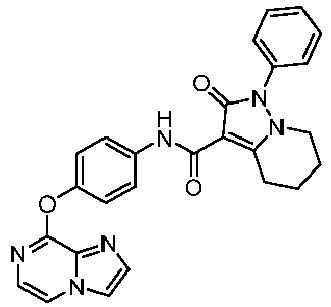
DC621007 N-(4-([1,2,4]triazolo[4,3-b]pyridazine-6-yloxy)phenyl)-2-oxo-1-phenyl-1,2,4,5,6,7-hexahydropyrazolo[1,5-a]pyridine-3 - formamide 
DC621008 2-oxo-1-phenyl-N-(4-(pyrazolo[1,5 - a]pyrimidine-5-yloxy)phenyl)-1,2,4,5,6,7-hexahydropyrazolo[1,5-a]pyridine-3 - formamide 
DC621009 N-(3-fluoro-4-(imidazo[1,2-a]pyridine-8-yloxy)phenyl)-2-oxo-1-phenyl-1,2,4,5,6,7-hexahydropyrazolo[1,5-a]pyridine-3 - formamide 
DC621010 N-(6-(imidazo[1,2-a]pyridine-8-yloxy)pyridine-3-yl)-2-oxo-1-phenyl-1,2,4,5,6,7-hexahydropyrazolo[1,5-a]pyridine-3-formamide 
DC621011 N-(4-((6,7-dimethoxyquinazoline-4-yl)oxy)-3-fluorophenyl)-2-oxo-1-phenyl-1,2,4,5,6,7-hexahydropyrazolo[1,5-a]pyridine-3 - formamide 
DC621012 N-(4-((6,7-bis(2-methoxyethoxy)quinazolin-4-yl)oxy)-3-fluorophenyl)-2-oxo-1-phenyl-1,2,4,5,6,7-hexahydropyrazolo[1,5-a]pyridine-3-formamide 
DC621013 N-(4-((6,7-bis(2-methoxyethoxy)quinazolin-4-yl)oxy)phenyl)-2-oxo-1-phenyl-1,2,4,5,6,7-hexahydropyrazolo[1,5-a]pyridine-3-formamide 
DC621014 N-(4-((7-benzyloxy-6-methoxyquinazolin-4-yl)oxy)-3-fluorophenyl)-2-oxo-1-phenyl-1,2,4,5,6,7-hexahydropyrazolo[1,5-a]pyridine-3-formamide 
DC621015 N-(4-((7-benzyloxy-6-methoxyquinazolin-4-yl)oxy)phenyl)-2-oxo-1-phenyl-1,2,4,5,6,7-hexahydropyrazolo[1,5-a]pyridine-3 - formamide 
DC621016 N-(3 -fluoro-4-(quinolin-4-yloxy)phenyl) -2-oxo-1-phenyl-1,2,4,5,6,7-hexahydropyrazolo[1,5-a]pyridine-3 - formamide 
DC621017 N-(4-((6,7-dimethoxyquinazoline-4-yl)oxy)-3-methoxyphenyl)-2-oxo-1-phenyl-1,2,4,5,6,7-hexahydropyrazolo[1,5-a]pyridine-3-formamide 
DC621018 N-(4-((6,7-bis(2-methoxyethoxy)quinazolin-4-yl)oxy)-3-methoxyphenyl)-2-oxo-1-phenyl-1,2,4,5,6,7-hexahydropyrazolo[1,5-a]pyridine-3-formamide 
DC621019 N-(4-((6,7-dimethoxyquinazoline-4-yl)oxy)-3-methylphenyl)-2-oxo-1-phenyl-1,2,4,5,6,7-hexahydropyrazolo[1,5-a]pyridine-3 - formamide 
DC621020 N-(4-((6,7-bis(2-methoxyethoxy)quinazolin-4-yl)oxy)-3-methylphenyl)-2-oxo-1-phenyl-1,2,4,5,6,7-hexahydropyrazolo[1,5-a]pyridine-3-formamide 
DC621021 N-(4-((6,7-dimethoxyquinazoline-4-yl)oxy)-2-fluorophenyl)-2-oxo-1-phenyl-1,2,4,5,6,7-hexahydropyrazolo[1,5-a]pyridine-3 - formamide 
DC621022 1-(2,5-difluorophenyl)-N-(4-((6,7-dimethoxyquinazoline-4-yl)oxy)phenyl) -2-oxo-1,2,4,5,6,7-hexahydropyrazolo[1,5-a]pyridine-3-formamide 
DC621023 1-(2,5-difluorophenyl)-N-(4-((6,7-dimethoxyquinazoline-4-yl)oxy)-3-fluorophenyl)-2-oxo-1,2,4,5,6,7-hexahydropyrazolo[ 1,5-a]pyridine-3-formamide 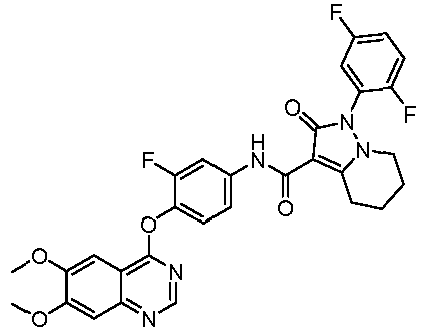
DC621024 1-(2,5-difluorophenyl)-N-(4-((6,7-bis(2-methoxyethoxy)quinazolin-4-yl)oxy)-3-fluorophenyl)-2-oxo-1,2,4,5,6,7-hexahydropyrazolo[1,5-a]pyridine-3-formamide 
DC621025 1-(2,5-difluorophenyl)-N-(4-((6,7-bis(2-methoxyethoxy)quinazolin-4-yl)oxy)phenyl)-2-oxo-1 ,2,4,5,6,7-hexahydropyrazolo[1,5-a]pyridine-3-formamide 
DC621026 1-(2,5-difluorophenyl)-N-(4-((7-benzyloxy-6-methoxyquinazolin-4-yl)oxy)-3-fluorophenyl)-2-oxo-1,2,4,5,6,7-hexahydropyrazolo[1,5-a]pyridine-3 - formamide 
DC621027 1-(2,5-difluorophenyl)-N-(4-((7-benzyloxy-6-methoxyquinazolin-4-yl)oxy)phenyl)-2-oxo-1,2,4,5,6,7-hexahydropyrazolo[1,5-a]pyridine-3-formamide 
DC621028 1-(2,5-difluorophenyl)-N-(3-fluoro-4-(quinolin-4-yloxy)phenyl)-2-oxo-1,2,4,5,6,7-hexahydropyrazolo[1,5-a]pyridine-3-formamide 
DC621029 1-(2,5-difluorophenyl)-N-(4-((6,7-dimethoxyquinazoline-4-yl)oxy)-3-methoxyphenyl)-2-oxo-1,2,4,5,6,7-hexahydropyrazolo[1,5-a]pyridine-3 - formamide 
DC621030 1-(2,5-difluorophenyl)-N-(4-((6,7-bis(2-methoxyethoxy)quinazolin-4-yl)oxy)-3-methoxyphenyl)-2-oxo-1,2,4,5,6,7-hexahydropyrazolo[1,5-a]pyridine-3-formamide 
DC621031 1-(2,5-difluorophenyl)-N-(4-((6,7-dimethoxyquinazoline-4-yl)oxy)-3-methylphenyl)-2-oxo-1 ,2,4,5,6,7-hexahydropyrazolo[1,5-a]pyridine-3-formamide 
DC621032 1-(2,5-difluorophenyl)-N-(4-((6,7-bis(2-methoxyethoxy)quinazolin-4-yl)oxy)-3-methylphenyl)-2-oxo-1,2,4,5,6,7-hexahydropyrazolo[1,5-a]pyridine-3 - formamide 
DC621033 N-(4-((6,7-dimethoxyquinazoline-4-yl)oxy)phenyl)-1-(2-fluorophenyl)-2-oxo-1,2,4,5,6,7-hexahydropyrazolo[1,5-a]pyridine-3-formamide 
DC621034 N-(4-((6,7-dimethoxyquinazoline-4-yl)oxy)-3-fluorophenyl)-1-(2-fluorophenyl)-2-oxo-1,2,4,5,6,7-hexahydropyrazolo[1,5-a]pyridine-3-formamide 
DC621035 N-(4-((6,7-bis(2-methoxyethoxy)quinazolin-4-yl)oxy)-3-fluorophenyl)-1-(2-fluorophenyl)-2-oxo-1,2,4,5,6,7-hexahydropyrazolo[1,5-a]pyridine-3-formamide 
DC621036 N-(4-((6,7-bis(2-methoxyethoxy)quinazolin-4-yl)oxy)phenyl)-1-(2-fluorophenyl)-2-oxo-1,2,4,5,6,7-hexahydropyrazolo[1,5-a]pyridine-3-formamide 
DC621037 N-(4-((7-benzyloxy-6-methoxyquinazolin-4-yl)oxy)-3 -fluorophenyl)-1-(2-fluorophenyl)-2-oxo-1,2,4,5,6,7-hexahydropyrazolo[1,5-a]pyridine-3-formamide 
DC621038 N-(3 -fluoro-4-(quinolin-4-yloxy)phenyl)-1-(2-fluorophenyl)-2-oxo-1,2,4,5,6,7-hexahydropyrazolo[1,5-a]pyridine-3-formamide 
DC621039 N-(4-((6,7-dimethoxyquinazoline-4-yl)oxy)-3-methoxyphenyl)-1-(2-fluorophenyl)-2-oxo-1,2,4,5,6,7-hexahydropyrazolo[1,5-a]pyridine-3-formamide 
DC621040 N-(4-((6,7-bis(2-methoxyethoxy)quinazolin-4-yl)oxy)-3-methoxyphenyl)-1-(2-fluorophenyl)-2-oxo-1,2,4,5,6,7-hexahydropyrazolo[1,5-a]pyridine-3 - formamide 
DC621041 N-(4-((6,7-dimethoxyquinazoline-4-yl)oxy)-3-methylphenyl)-1-(2-fluorophenyl)-2-oxo-1,2,4,5,6,7-hexahydropyrazolo[1,5-a]pyridine-3-formamide 
DC621042 N-(4-((6,7-bis(2-methoxyethoxy)quinazolin-4-yl)oxy)-3 -methylphenyl)-1-(2-fluorophenyl)-2-oxo-1,2,4,5,6,7-hexahydropyrazolo[1,5-a]pyridine-3-formamide 
DC621043 N-(4-((6,7-dimethoxyquinazoline-4-yl)oxy)-3-fluorophenyl)-1-(4-fluorophenyl)-2-oxo-1,2,4,5,6,7-hexahydropyrazolo[1,5-a]pyridine-3-formamide 
DC621044 N-(4-((6,7-bis(2-methoxyethoxy)quinazolin-4-yl)oxy)-3-fluorophenyl)-1-(4-fluorophenyl)-2-oxo-1,2,4,5,6,7-hexahydropyrazolo[1,5-a]pyridine-3-formamide 
DC621045 N-(4-((6,7-bis(2-methoxyethoxy)quinazolin-4-yl)oxy)phenyl)-1-(4-fluorophenyl)-2-oxo-1,2,4,5,6,7-hexahydropyrazolo[1,5-a]pyridine-3-formamide 
DC621046 N-(4-((7-benzyloxy-6-methoxyquinazolin-4-yl)oxy)-3-fluorophenyl)-1-(4-fluorophenyl)-2-oxo-1,2,4,5,6,7-hexahydropyrazolo[1,5-a]pyridine-3-formamide 
DC621047 N-(4-((6,7-dimethoxyquinazoline-4-yl)oxy)-3-methoxyphenyl)-1-(4-fluorophenyl)-2-oxo-1,2,4,5,6,7-hexahydropyrazolo[1,5-a]pyridine-3-formamide 
DC621048 N-(4-((6,7-bis(2-methoxyethoxy)quinazolin-4-yl)oxy)-3-methoxyphenyl)-1-(4-fluorophenyl)-2-oxo-1,2,4,5,6,7-hexahydropyrazolo[1,5-a]pyridine-3 - formamide 
DC621049 N-(4-((6,7-dimethoxyquinazoline-4-yl)oxy)-3-methylphenyl)-1-(4-fluorophenyl)-2-oxo-1,2,4,5,6,7-hexahydropyrazolo[1,5-a]pyridine-3-formamide 
DC621050 N-(4-((6,7-bis(2-methoxyethoxy)quinazolin-4-yl)oxy)-3-methylphenyl)-1-(4-fluorophenyl)-2-oxo-1,2,4,5,6,7-hexahydropyrazolo[1,5-a]pyridine-3-formamide 
DC621051 N-(4-((6,7-bis(2-methoxyethoxy)quinazolin-4-yl)oxy)-2-fluorophenyl)-2-oxo-1-phenyl-1,2,4,5,6,7-hexahydropyrazolo[1,5-a]pyridine-3-formamide 
DC621052 N-(3-fluoro-4-((5-phenyl-7H-pyrrolo[2,3-d]pyrimidin-4-yl)oxy)phenyl)-2-oxo-1-phenyl-1,2,4,5,6,7-hexahydropyrazolo[1,5-a]pyridine-3-formamide 
DC621053 1-(2,5-difluorophenyl)-N-(4-((6,7-dimethoxyquinazoline-4-yl)oxy)-2-fluorophenyl)-2-oxo-1,2,4,5,6,7-hexahydropyrazolo[1,5-a]pyridine-3-formamide 
DC621054 1-(2,5-difluorophenyl)-N-(4-((6,7-bis(2-methoxyethoxy)quinazolin-4-yl)oxy)-2-fluorophenyl)-2-oxo-1,2,4,5,6,7-hexahydropyrazolo[1,5-a]pyridine-3 - formamide 
DC621055 1-(2,5-difluorophenyl)-N-(3-fluoro-4-((5-phenyl-7H-pyrrolo[2,3-d]pyrimidin-4-yl)oxy)phenyl)-2-oxo-1,2,4,5,6,7-hexahydropyrazolo[1,5-a]pyridine-3-formamide 
DC621056 N-(4-((6,7-dimethoxyquinazoline-4-yl)oxy)-2-fluorophenyl)-1-(2-fluorophenyl)-2-oxo-1,2,4,5,6,7-hexahydropyrazolo[1,5-a]pyridine-3-formamide 
DC621057 N-(4-((6,7-bis(2-methoxyethoxy)quinazolin-4-yl)oxy)-2-fluorophenyl)-1-(2-fluorophenyl)-2-oxo-1,2,4,5,6,7-hexahydropyrazolo[1,5-a]pyridine-3 - formamide 
DC621058 N-(3-fluoro-4-((5-phenyl-7H-pyrrolo[2,3-d]pyrimidin-4-yl)oxy)phenyl)-1-(2-fluorophenyl)-2-oxo-1,2,4,5,6,7-hexahydropyrazolo[1,5-a]pyridine-3-formamide 
DC621059 N-(4-((6,7-dimethoxyquinazoline-4-yl)oxy)-2-fluorophenyl)-1-(4-fluorophenyl)-2-oxo-1,2,4,5,6,7-hexahydropyrazolo[1,5-a]pyridine-3-formamide 
DC621060 N-(4-((6,7-bis(2-methoxyethoxy)quinazolin-4-yl)oxy)-2-fluorophenyl)-1-(4-fluorophenyl)-2-oxo-1,2,4,5,6,7-hexahydropyrazolo[1,5-a]pyridine-3 - formamide 
DC621061 N-(3-fluoro-4-((7,8,10,11,13,14 hexahydro-[1,4,7,10] tetraoxacyclododecane [2,3-g]quinazolin-4-yl)oxy)phenyl) -2-oxo-1-phenyl-1,2,4,5,6,7-hexahydropyrazolo[1,5-a]pyridine-3-formamide 
DC621062 N-(3-chloro-4-((7,8,10,11,13,14 hexahydro-[1,4,7,10] tetraoxacyclododecane [2,3-g]quinazolin-4-yl)oxy)phenyl) -2-oxo-1-phenyl-1,2,4,5,6,7-hexahydropyrazolo[1,5-a]pyridine-3-formamide 
DC621063 1-(2,5-difluorophenyl)-N-(3-fluoro-4-((7,8,10,11,13,14hexahydro-[1,4,7,10] tetraoxacyclododecane [2,3-g]quinazolin-4-yl)oxy)phenyl) -2-oxo-1,2,4,5,6,7-hexahydropyrazolo[1,5-a]pyridine-3-formamide 
DC621064 1-(2,5-difluorophenyl)-N-(3-chloro-4-((7,8,10,11,13,14hexahydro-[1,4,7,10] tetraoxacyclododecane [2,3-g]quinazolin-4-yl)oxy)phenyl) -2-oxo-1,2,4,5,6,7-hexahydropyrazolo[1,5-a]pyridine-3-formamide 
DC621065 N-(3-fluoro-4-((7,8,10,11,13,14 hexahydro-[1,4,7,10] tetraoxacyclododecane [2,3-g]quinazolin-4-yl)oxy)phenyl)-1-(2-fluorophenyl)-2-oxo-1,2,4,5,6,7-hexahydropyrazolo[1,5-a]pyridine-3 - formamide 
DC621066 N-(3-chloro-4-((7,8,10,11,13,14 hexahydro-[1,4,7,10] tetraoxacyclododecane [2,3-g]quinazolin-4-yl)oxy)phenyl)-1-(2-fluorophenyl)-2-oxo-1,2,4,5,6,7-hexahydropyrazolo[1,5-a]pyridine-3 - formamide 
DC621067 N-(3-fluoro-4-((7,8,10,11,13,14 hexahydro-[1,4,7,10] tetraoxacyclododecane [2,3-g]quinazolin-4-yl)oxy)phenyl)-1-(4-fluorophenyl)-2-oxo-1,2,4,5,6,7-hexahydropyrazolo[1,5-a]pyridine-3 - formamide 
DC621068 N-(3-chloro-4-((7,8,10,11,13,14 hexahydro-[1,4,7,10] tetraoxacyclododecane [2,3-g] quinazolin -4-yl)oxy)phenyl)-1-(4-fluorophenyl)-2-oxo-1,2,4,5,6,7-hexahydropyrazolo[1,5-a]pyridine-3-formamide 
DC621069 N-(4-((6,7-dimethoxyquinazoline-4-yl)oxy)-3-chlorophenyl)-2-oxo-1-phenyl-1,2,4,5,6,7-hexahydropyrazolo[1,5-a]pyridine-3-formamide 
DC621070 N-(4-((6,7-bis(2-methoxyethoxy)quinazolin-4-yl)oxy)-3-chlorophenyl)-2-oxo-1-phenyl-1,2,4,5,6,7-hexahydropyrazolo[1,5-a]pyridine-3-formamide 
DC621071 N-(4-((6,7-dimethoxyquinazoline-4-yl)oxy)-3-trifluoromethylphenyl)-2-oxo-1-phenyl-1,2,4,5,6,7-hexahydropyrazolo[1,5-a]pyridine-3-formamide 
DC621072 N-(4-((6,7-bis(2-methoxyethoxy)quinazolin-4-yl)oxy)-3-trifluoromethylphenyl)-2-oxo-1-phenyl-1,2,4,5,6,7-hexahydropyrazolo[1,5-a]pyridine-3-formamide 
DC621073 N-(4-((6,7-dimethoxyquinazoline-4-yl)oxy)naphthalene-1-yl)-2-oxo-1-phenyl-1,2,4,5,6,7-hexahydropyrazolo[1,5-a]pyridine-3-formamide 
DC621074 N-(4-((6,7-bis(2-methoxyethoxy)quinazolin-4-yl)oxy)naphthalene-1-yl)-2-oxo-1-phenyl-1,2,4,5,6,7-hexahydropyrazolo[1,5-a]pyridine-3-formamide 
DC621075 N-(5-(6,7-dimethoxyquinazoline-4-yl)oxy)pyridine-2-yl)-2-oxo-1-phenyl-1,2,4,5,6,7-hexahydropyrazolo[1,5-a]pyridine-3-formamide 
DC621076 N-(5-(6,7-bis(2-methoxyethoxy)quinazolin-4-yl)pyridine-2-yl)-2-oxo-1-phenyl-1,2,4,5,6,7-hexahydropyrazolo[1,5-a]pyridine-3-formamide 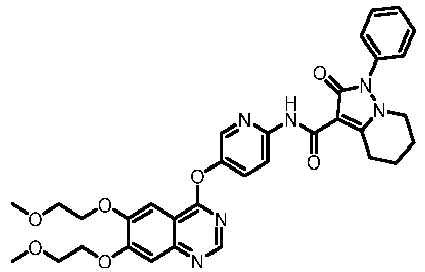
DC621077 (R)-N-(3 -fluoro-4-((6-methoxy-7-((tetrahydrofuran-3-yl)oxy)quinazolin-4-yl)oxy)phenyl)-2-oxo-1-phenyl-1,2,4,5,6,7-hexahydropyrazolo[1,5-a]pyridine-3-formamide 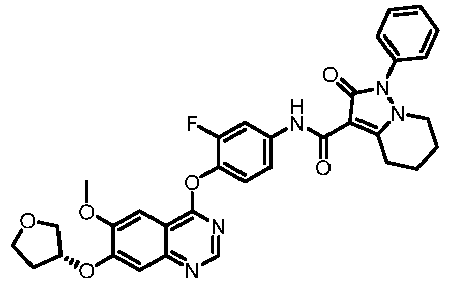
DC621078 (S)-N-(3-fluoro-4-((6-methoxy-7-((tetrahydrofuran-3-yl)oxy)quinazolin-4-yl)oxy)phenyl)-2-oxo-1-phenyl-1,2,4,5,6,7-hexahydropyrazolo[1,5-a]pyridine-3-formamide 
DC621079 1-(2,5-difluorophenyl)-N-(4-((6,7-dimethoxyquinazoline-4-yl)oxy)-3-chlorophenyl)-2-oxo-1,2,4,5,6,7-hexahydropyrazolo[1,5-a]pyridine-3 - formamide 
DC621080 1-(2,5-difluorophenyl)-N-(4-((6,7-bis(2-methoxyethoxy)quinazolin-4-yl)oxy)-3-chlorophenyl)-2-oxo-1,2,4,5,6,7-hexahydropyrazolo[1,5-a]pyridine-3 - formamide 
DC621081 1-(2,5-difluorophenyl)-N-(4-((6,7-dimethoxyquinazoline-4-yl)oxy)-3-trifluoromethylphenyl)-2-oxo-1,2,4,5,6,7-hexahydropyrazolo[1,5-a]pyridine-3 - formamide 
DC621082 1-(2,5-difluorophenyl)-N-(4-((6,7-bis(2-methoxyethoxy)quinazolin-4-yl)oxy)-3-trifluoromethylphenyl)-2-oxo-1,2,4,5,6,7-hexahydropyrazolo[1,5-a]pyridine-3 - formamide 
DC621083 1-(2,5-difluorophenyl)-N-(4-((6,7-dimethoxyquinazoline-4-yl)oxy)naphthalene-1-yl)-2-oxo-1,2,4,5,6,7-hexahydropyrazolo[1,5-a]pyridine-3-formamide 
DC621084 1-(2,5-difluorophenyl)-N-(4-((6,7-bis(2-methoxyethoxy)quinazolin-4-yl)oxy)naphthalene-1-yl)-2-oxo-1,2,4,5,6,7-hexahydropyrazolo[1,5-a]pyridine-3-formamide 
DC621085 1-(2,5-difluorophenyl)-N-(5-(6,7-dimethoxyquinazoline-4-yl)oxy)pyridine- 2-yl)-2-oxo-1,2,4,5,6,7-hexahydropyrazolo[1,5-a]pyridine-3 - formamide 
DC621086 1-(2,5-difluorophenyl)-N-(5-(6,7-bis(2-methoxyethoxy)quinazolin-4-yl)pyridine-2-yl)-2-oxo-1,2,4,5,6,7-hexahydropyrazolo[1,5-a]pyridine-3 - formamide 
DC621087 (R)-1-(2,5-difluorophenyl)-N-(3-fluoro-4-((6-methoxy-7-((tetrahydrofuran-3-yl)oxy)quinazolin-4-yl)oxy)phenyl)-2-oxo-1,2,4,5,6,7-hexahydropyrazolo[1,5-a]pyridine-3-formamide 
DC621088 (S)-1-(2,5-difluorophenyl)-N-(3-fluoro-4-((6-methoxy-7-((tetrahydrofuran-3-yl)oxy)quinazolin-4-yl)oxy)phenyl)-2-oxo-1,2,4,5,6,7-hexahydropyrazolo[1,5-a]pyridine-3-formamide 
DC621089 N-(4-((6,7-dimethoxyquinazoline-4-yl)oxy)-3-chlorophenyl)-1-(2-fluorophenyl)-2-oxo-1,2,4,5,6,7-hexahydropyrazolo[1,5-a]pyridine-3-formamide 
DC621090 N-(4-((6,7-bis(2-methoxyethoxy)quinazolin-4-yl)oxy)-3-chlorophenyl)-1-(2-fluorophenyl)-2-oxo-1,2,4,5,6,7-hexahydropyrazolo[1,5-a]pyridine-3-formamide 
DC621091 N-(4-((6,7-dimethoxyquinazoline-4-yl)oxy)-3-trifluoromethylphenyl)-1-(2-fluorophenyl)-2-oxo-1,2,4,5,6,7-hexahydropyrazolo[1,5-a]pyridine-3-formamide 
DC621092 N-(4-((6,7-bis(2-methoxyethoxy)quinazolin-4-yl)oxy)-3-trifluoromethylphenyl)-1-(2-fluorophenyl)-2-oxo-1,2,4,5,6,7-hexahydropyrazolo[1,5-a]pyridine-3-formamide 
DC621093 N-(4-((6,7-dimethoxyquinazoline-4-yl)oxy)naphthalene-1-yl)-1-(2-fluorophenyl)-2-oxo-1,2,4,5,6,7-hexahydropyrazolo[1,5-a]pyridine-3-formamide 
DC621094 N-(4-((6,7-bis(2-methoxyethoxy)quinazolin-4-yl)oxy)naphthalene-1-yl)-1-(2-fluorophenyl)-2-oxo-1,2,4,5,6,7-hexahydropyrazolo[1,5-a]pyridine-3 - formamide 
DC621095 N-(5-(6,7-dimethoxyquinazoline-4-yl)oxy)pyridine-2-yl)-1-(2-fluorophenyl)-2-oxo-1,2,4,5,6,7-hexahydropyrazolo[1,5-a]pyridine-3-formamide 
DC621096 N-(5-(6,7-bis(2-methoxyethoxy)quinazolin-4-yl)pyridine-2-yl)-1-(2-fluorophenyl)-2-oxo-1,2,4,5,6,7-hexahydropyrazolo[1,5-a]pyridine-3-formamide 
DC621097 (R)-N-(3 -fluoro-4-((6-methoxy-7-((tetrahydrofuran-3-yl)oxy)quinazolin-4-yl)oxy)phenyl)-1-(2-fluorophenyl)-2-oxo-1,2,4,5,6,7-hexahydropyrazolo[1,5-a]pyridine-3-formamide 
DC621098 (S)-N-(3-fluoro-4-((6-methoxy-7-((tetrahydrofuran-3-yl)oxy)quinazolin-4-yl)oxy)phenyl)-1-(2-fluorophenyl)-2-oxo-1,2,4,5,6,7-hexahydropyrazolo[1,5-a]pyridine-3-formamide 
DC621099 N-(4-((6,7-dimethoxyquinazoline-4-yl)oxy)-3-chlorophenyl)-1-(4-fluorophenyl)-2-oxo-1,2,4,5,6,7-hexahydropyrazolo[1,5-a]pyridine-3-formamide 
DC621100 N-(4-((6,7-bis(2-methoxyethoxy)quinazolin-4-yl)oxy)-3-chlorophenyl)- 1-(4-fluorophenyl)-2-oxo-1,2,4,5,6,7-hexahydropyrazolo[1,5-a]pyridine-3-formamide 
DC621101 N-(4-((6,7-dimethoxyquinazoline-4-yl)oxy)-3-trifluoromethylphenyl)-1-(4-fluorophenyl)-2-oxo-1,2,4,5,6,7-hexahydropyrazolo[1,5-a]pyridine-3-formamide 
DC621102 N-(4-((6,7-bis(2-methoxyethoxy)quinazolin-4-yl)oxy)-3-trifluoromethylphenyl)-1-(4-fluorophenyl)-2-oxo-1,2,4,5,6,7-hexahydropyrazolo[1,5-a]pyridine-3-formamide 
DC621103 N-(4-((6,7-dimethoxyquinazoline-4-yl)oxy)naphthalene-1-yl)-1-(4-fluorophenyl)-2-oxo-1,2,4,5,6,7-hexahydropyrazolo[1,5-a]pyridine-3-formamide 
DC621104 N-(4-((6,7-bis(2-methoxyethoxy)quinazolin-4-yl)oxy)naphthalene-1-yl)-1-(4-fluorophenyl)-2-oxo-1,2,4,5,6,7-hexahydropyrazolo[1,5-a]pyridine-3-formamide 
DC621105 N-(5-(6,7-dimethoxyquinazoline-4-yl)oxy)pyridine-2-yl)-1-(4-fluorophenyl)-2-oxo-1,2,4,5,6,7-hexahydropyrazolo[1,5-a]pyridine-3-formamide 
DC621106 N-(5-(6,7-bis(2-methoxyethoxy)quinazolin-4-yl)pyridine-2-yl)-1-(4-fluorophenyl)-2-oxo-1,2,4,5,6,7-hexahydropyrazolo[1,5-a]pyridine-3-formamide 
DC621107 (R)-N-(3 -fluoro-4-((6-methoxy-7-((tetrahydrofuran-3-yl)oxy)quinazolin-4-yl)oxy)phenyl)-1-(4-fluorophenyl)- 2-oxo-1,2,4,5,6,7-hexahydropyrazolo[1,5-a]pyridine-3-formamide 
DC621108 (S)-N-(3-fluoro-4-((6-methoxy-7-((tetrahydrofuran-3-yl)oxy)quinazolin-4-yl)oxy)phenyl)-1-(4-fluorophenyl)-2-oxo-1,2,4,5,6,7-hexahydropyrazolo[1,5-a]pyridine-3-formamide 
- The present invention provides a pharmaceutically acceptable salt of the compound of formula I, in particular the compound of formula I, with an inorganic or organic acid to form a conventional pharmaceutically acceptable salt. For example, conventional pharmaceutically acceptable salts may be prepared by reacting a compound of formula I with an inorganic or organic acids, the inorganic acids include hydrochloric acid, hydrobromic acid, sulfuric acid, nitric acid, aminosulfonic acid and phosphoric acid, and the like, and organic acids include citric acid, tartaric acid, lactic acid, pyruvic acid, acetic acid, benzenesulfonic acid, p-toluenesulfonic acid, methanesulfonic acid, naphthalenesulfonic acid, ethanesulfonic acid, naphthalene disulfonic acid, maleic acid, malic acid, malonic acid, fumaric acid, succinic acid, propionic acid, oxalic acid, trifluoroacetic acid, stearic acid, pamoic acid, hydroxymaleic acid, phenylacetic acid, benzoic acid, salicylic acid, glutamic acid, ascorbic acid, p-anilinesulfonic acid, 2-acetoxybenzoic acid and isethionic acid; or sodium, potassium, calcium, aluminum or ammonium salts of the compound of formula I with an inorganic base; or a salt formed by compound of formula I with an organic base, such as methanamine salt, ethylamine salt or ethanolamine salt.
- Another aspect of the present invention provides a process for the preparation of a compound of formula I, which is according to the following
scheme 1,scheme 2 or scheme 3:
- Step a: 1-1 (1 equiv) is dissolved in an appropriate amount of DCM, then 10% Na2CO3 aqueous solution (2 equiv) is added, and then stir under 0 °C and add1-2 (1.1 equiv) dropwise. The reaction is moved to room temperature and stirred overnight;
- Step b: 1-3 (1 equiv) is dissolved in an appropriate amount of DCM, then anhydrous Na2CO3 (2 equiv) is added, and then 1-4 (2 equiv) is added dropwise with stirring, the reaction is stirred overnight at room temperature;
- Step c: 1-5 (1 equiv) is dissolved in an appropriate amount of DMF, and then NaH (3 equiv) is added slowly under 0°C with stirring, the reaction is moved to room temperature and stirred for 5h;
- Step d: 1-6 (1 equiv) is dissolved in appropriate amount of DBU (4 equiv), then heated to 50 °C and stirred and heated for 5h;
- Step e: 1-7 (1 equiv) is dissolved in an appropriate amount of EtOH, then 2N KOH aqueous solution (3 equiv) is added and stirred to reflux for 2 h before acidification.
- Step f: 2-1 (1 equiv) is dissolved in an appropriate amount of DMF, then 2-2 (1.2 equiv) and K2CO3 (2.5 equiv) are added; then the mixture is warmed to 100 °C, stirred and heated till the reaction is finished; alkali can be potassium carbonate, potassium tert-butoxide, the temperature is 80-130 °C, and the time is 12-36 h;
- Step g: 2-3 (1 equiv) is dissolved in an appropriate amount of EtOH/H2O (1:1), then iron powder (5 equiv) and NH4Cl (5 equiv) was added, then stirred to reflux for 2 h.
- Step h: 1-8 (1 equiv), 2-3 (1.05 equiv) is dissolved in appropriate amount of DCM, then HATU (1.5 equiv) and DIPEA (2 equiv) are added and stirred overnight under room temperature.
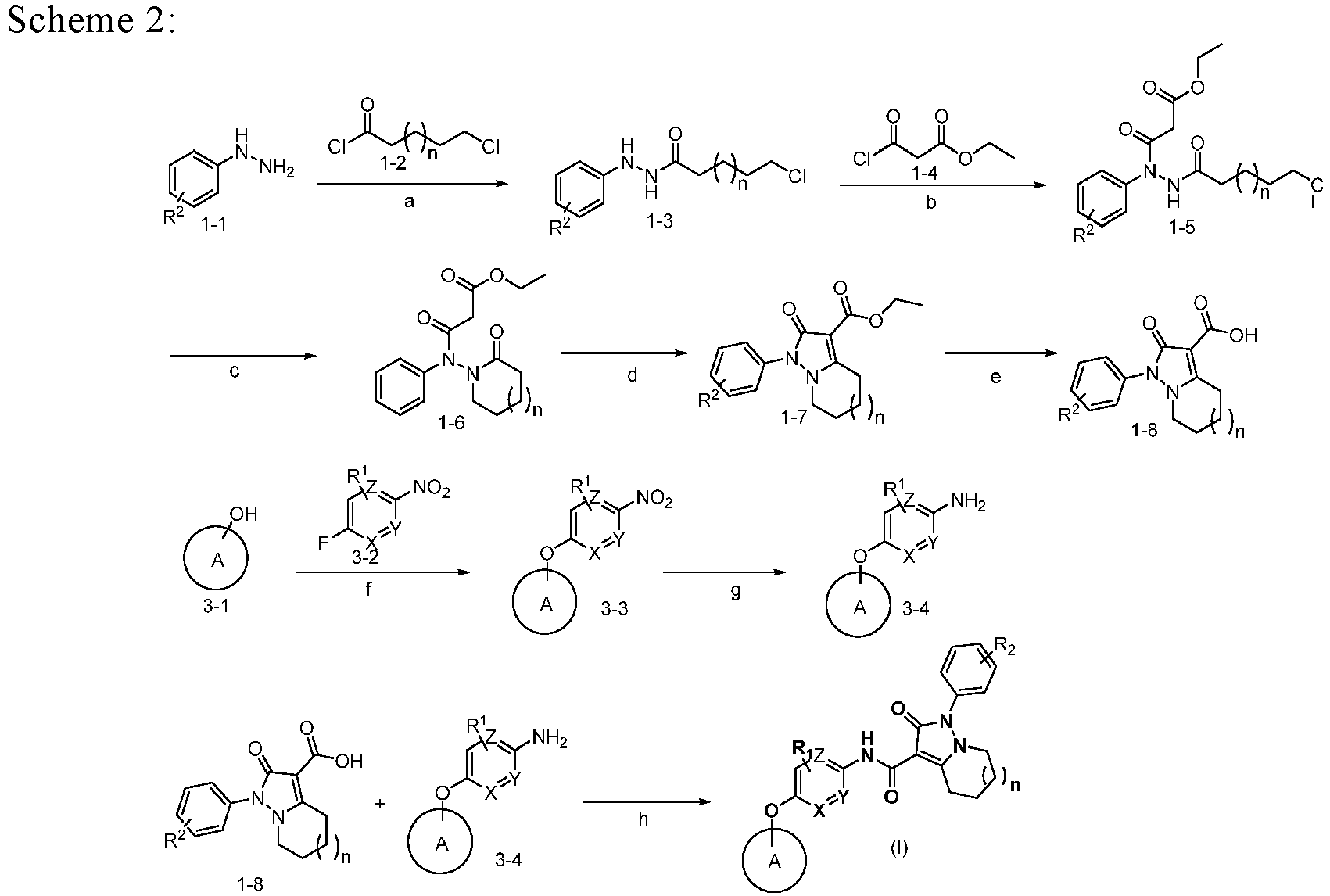
- Step f: 3-1 (1 equiv) is dissolved in appropriate amount of DMF, then NaH (3 equiv) is slowly added with stirring at 0° C, stirred for 1/2 hour, and then 3-2 (1.1 equiv) is added, then moved to room temperature and stirred until the reaction completed;
- Steps a-e, g-h: The steps are the same as the
above scheme 1.

- Step f: 4-1(1 equiv) is dissolved in an appropriate amount of PhCl, then 4-2(1.1 equiv) is added, stirred to reflux overnight at 140 °C;
- Steps a-e, g-h: The steps are the same as the
above scheme 1. - Another aspect of the present invention provides a pharmaceutical composition comprising a therapeutically effective amount of a compound selected from the above general formula (I), pharmaceutically acceptable salt, enantiomer diastereomer or racemate thereof, and optionally one or more pharmaceutically acceptable carriers, excipients, adjuvants, accessories and/or diluting agent. The accessories are, for example, odorants, flavoring agents, sweeteners, and the like.
- The pharmaceutical composition provided by the present invention preferably contains active ingredients in a weight ratio of 1-99%, the preferred ratio is that the compound of general formula I as the active ingredient accounts for 65wt% to 99wt% of the total weight, and the rest is pharmaceutically acceptable carriers, diluents, solution or salt solution.
- The compound and pharmaceutical composition provided by the present invention may be in various forms, such as tablets, capsules, powders, syrups, solutions, suspensions, aerosols, etc., and may be present in suitable solid or liquid carriers or diluents, and in disinfectors suitable for injection or instillation.
- Various dosage forms of the pharmaceutical composition of the present invention can be prepared according to the conventional preparation methods in the pharmaceutical field. The unit dose of the formulation usually contains 0.05-400 mg of the compound of formula I, preferably, the unit dose of the formulation contains 1 mg-300 mg of the compound of general formula I.
- The compounds and pharmaceutical compositions of the present invention can be used clinically in mammals, including humans and animals, and can be administered via mouth, nose, skin, lung or gastrointestinal tract. Most preferably via mouth. The most preferred daily dose is 0.01-400 mg/kg body weight, taken once, or 0.01-200 mg/kg body weight in divided doses. Regardless of the method of administration, the individual's optimal dose should be based on the specific treatment. Usually, it starts with a small dose, and gradually increase the dose until the most suitable dose is found.
- The present invention also provides an AXL kinase inhibitor, which comprises one or more of a compound selected from the above formula I, its pharmaceutically acceptable salt, racemate, R-isomer, S-isomer, or mixture thereof, and optionally one or more pharmaceutically acceptable carriers, excipients, adjuvants, accessories and/or diluting agent.
- The compounds and compositions of the present invention are used for the treatment and prevention of malignant tumors related to the AXL kinase pathway.
- Therefore, another aspect of the present invention provides the compound represented by the above general formula I, its pharmaceutically acceptable salt, racemate, R-isomer, S-isomer or mixture thereof for the preparation of medication for treatment of malignant tumor related to the AXL kinase pathway.
- The present invention will be further illustrated below with reference to the specific examples. It should be understood that these examples are only to illustrate the invention but not to limit the scope of the invention. The experimental methods with no specific conditions described in the following examples are generally performed under the conventional conditions, or according to the manufacturer's instructions. Unless indicated otherwise, parts and percentage are calculated by weight.
-
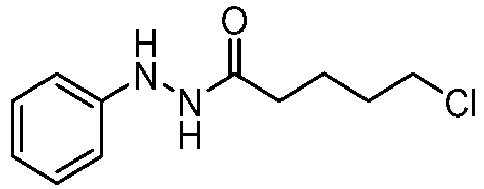
- 10 g phenylhydrazine, 10% Na2CO3 aqueous solution (180 mL) and 200 mL DCM were added to a 500 mL eggplant-shaped flask. After stirred for 10 min at 0 °C, 5-chloro valeryl chloride (11.85 mL) was added dropwise. Then the mixture was stirred at this temperature for 10 min, then moved to room temperature and stirred overnight. The reaction was monitored by thin layer chromatography (TLC). After the reaction, the organic layer was separated, the aqueous layer was extracted 3 times with 100 mL DCM, and the combined organic layers were washed with saturated brine, dried with anhydrous Na2SO4, suction filtered, and the filtrate was spin-dried (evaporated under vacuum) to obtain red-brown oily liquid 16g. LRMS (EI) m/z: 227 (M+H)+ (directly used in the next step without purification)
-

- 16 g 5 -chloro-N'-phenyl valeryl hydrazide was dissolved in 250 mL DCM, then 15.0 g anhydrous Na2CO3 was added, and 60 mL ethyl chloroformyl acetate (19.0 mL) in DCM was added dropwise with stirring at room temperature. After the addition was completed, the mixture was stirred at room temperature overnight. The reaction was monitored by thin layer chromatography (TLC). After the reaction was completed, the reaction solution was filtered with celite, and solid was washed with appropriate amount of water and DCM. The organic layer was separated from the filtrate, and the aqueous layer was extracted 3 times with 100 mL of DCM. The combined organic layers were washed with saturated brine and dried with Na2SO4, suction filtered, and the filtrate was spin-dried successively to obtain 17 g of yellow oily liquid. LRMS (EI) m/z: 341 (M+H)+ (directly used in the next step without purification)
-

- 17 g of ethyl 3-(2-(5-chloropentanoyl)-1-phenylhydrazino)-3-oxo-propionate was dissolved in 250 mL DMF, stirred for 10 min at 0 °C, and then 6.0g of NaH was slowly added. After the addition, the mixture was stirred at this temperature for 10 minutes, then move to room temperature and reacted for 5 hours. The reaction was monitored by thin layer chromatography (TLC). After the reaction was completed, the reaction solution was adjusted to pH 7 with saturated NaH2PO4, and then filtered. The filtrate was diluted with a large amount of water, and then extracted 3 times with 100 mL EA. The combined organic layers were washed with saturated brine, and dried with anhydrous Na2SO4, suction filtrated and spin-dried to obtain 14 g of yellow oily liquid. LRMS (EI) m/z: 305 (M+H)+ (directly used in the next step without purification)
-

- 14 g ethyl 3-oxo-3-((2-oxopiperidine-1-yl) (phenyl) amino) propionate was dissolved in 35 mL DBU, and then warmed to 50°C and heated with stirring for 5h. The reaction was monitored by thin layer chromatography (TLC). After the reaction was completed, the reaction solution was adjusted to pH 7 with saturated NaH2PO4, and then extracted 3 times with 100 mL DCM. The combined organic layers were washed with saturated brine, dried with anhydrous Na2SO4, suction filtered and spin-dried to obtain 12g of yellow oily liquid. LRMS (EI) m/z: 287 (M+H)+ (directly used in the next step without purification)
-

- 12 g ethyl 2-oxo-1-phenyl-1,2,4,5,6,7-hexahydropyrazolo[1,5-a]pyridine-3-carboxylate was dissolved in 100 mL EtOH, then 58 mL 2N KOH aqueous solution was added and stirred to reflux for 2 h. The reaction was monitored by thin layer chromatography (TLC). After the reaction was completed, part of the EtOH was spun off, and the reaction liquid was extracted with EA. The pH of the aqueous layer was adjusted to 3 with 2N HCl. A brown solid was precipitated and suction filtered to obtain 10g solid. LRMS (EI) m/z: 259 (M+H)+
-

- 5g 4-chloro-6,7-dimethoxyquinoline, 4.2g 2-fluoro-4-nitrophenol, 7.69 g K2CO3 and 50 mL DMF were added to 100 mL eggplant-shaped flask, and then stirred at 100°C overnight. The reaction was monitored by thin layer chromatography (TLC). After the reaction was completed, a large amount of water was added to the reaction solution to precipitate a yellow solid, suction filtered to obtain 6.5 g solid. LRMS (EI) m/z: 345 (M+H)+
-

- 6.5 g 4-(2-fluoro-4-nitrophenoxy)-6,7-dimethoxyquinoline was dissolved in 80 mL EtOH/H2O (1:1), then 5.26 g iron powder and 5.03 g NH4Cl were added and stirred to reflux for 2 h. The reaction was monitored by thin layer chromatography (TLC). After the reaction was completed, the reaction solution was filtered with celite, the solid was washed with appropriate amount of EA. The organic layer was separated from the filtrate, and the aqueous layer was extracted 3 times with 100 mL of EA. The combined organic layers were washed with saturated brine, dried with anhydrous Na2SO4, suction filtered and spin-dried to obtain 5g yellow solid. LRMS (EI) m/z: 315 (M+H)+ (directly used in the next step without purification)
- 100 mg of 2-oxo-1-phenyl-1,2,4,5,6,7-hexahydropyrazolo[1,5-a]pyridine-3-carboxylic acid, 128 mg 4-((6,7-dimethoxyquinoline-4-yl)oxy)-3-fluoroaniline, 221 mg HATU, 0.16 mL DIPEA and 15 mL DCM were added to 25 mL eggplant-shaped bottle, then stirred at room temperature overnight. The reaction was monitored by thin layer chromatography (TLC). After the reaction was completed, the reaction solution was diluted with 25 mL of water. The organic layer was separated, and the aqueous layer was extracted 3 times with 25 mL of DCM. The combined organic layers were washed with saturated brine, dried with anhydrous Na2SO4, suction filtered, and the filtrate was spin-dried and purified to obtain 180 mg white solid, yield 84%. 1HNMR (400 MHz, DMSO-d6) δ 10.83 (s, 1H), 8.51 (d, J = 5.3 Hz, 1H), 8.00 (dd, J = 13.1, 2.3 Hz, 1H), 7.65 - 7.38 (m, 8H), 7.36 (dd, J = 9.0, 1.8 Hz, 1H), 6.51 (d, J = 5.2 Hz, 1H), 3.96 (s, 6H), 3.59 (t, J = 5.8 Hz, 2H), 3.21 (t, J = 6.2 Hz, 2H), 2.04 - 1.92 (m, 2H), 1.88 - 1.78 (m, 2H). LRMS (EI) m/z: 555 (M+H)+.
-

- 5 g 6,7-dimethoxyquinoline-4-ol was dissolved in 80 mL DMF, and then 3g NaH was slowly added under 0°C with stirring. After stirring for 0.5h, 3.8 g 2-fluoro-5-nitropyridine was added and moved to room temperature to stir. The reaction was monitored by thin layer chromatography (TLC). After the reaction, a large amount of saturated aqueous ammonium chloride solution was added to the reaction solution to quench the excess NaH. The aqueous layer was extracted 3 times with 100 mL EA, and the combined organic layers was washed with saturated brine, dried with anhydrous Na2SO4, and suction filtered and spin-dried to obtain yellow solid. LRMS (EI) m/z: 328 (M+H)+ (directly used in the next step without purification)
- The remaining steps are the same as in Example 1 to obtain product DC621002, yield 80%. 1HNMR (400 MHz, DMSO-d6) δ 10.71 (s, 1H), 8.55 (d, J = 5.1 Hz, 1H), 8.50 (d, J = 2.6 Hz, 1H), 8.27 (dd, J = 8.8, 2.7 Hz, 1H), 7.59 (t, J = 7.5 Hz, 2H), 7.52 (d, J = 7.4 Hz, 1H), 7.46 (d, J = 7.3 Hz, 2H), 7.40 (d, J = 13.1 Hz, 2H), 7.31 (d, J = 8.8 Hz, 1H), 6.84 (d, J = 5.2 Hz, 1H), 3.95 (s, 3H), 3.88 (s, 3H), 3.58 (t, J = 5.7 Hz, 2H), 3.20 (t, J = 6.1 Hz, 2H), 2.02 - 1.93 (m, 2H), 1.88 - 1.72 (m, 2H). LRMS (EI) m/z: 538 (M+H)+.
- 2-fluoro-4-nitrophenol was replaced with p-nitrophenol, 4-chloro-6,7-dimethoxyquino line was replaced with 4-chloro-6,7-dimethoxyquinazoline, and other raw materials, rea gents and preparation methods were the same as in example 1 to provide the product DC621004, yield 80%. 1HNMR (400 MHz, DMSO-d6) δ 10.68 (s, 1H), 8.55 (s, 1 H), 7.70 (s, 1H), 7.68 (s, 1H), 7.65 - 7.54 (m, 3H), 7.52 (d, J = 7.3 Hz, 1H), 7.49 - 7.44 (m, 2H), 7.39 (s, 1H), 7.27 (s, 1H), 7.25 (s, 1H), 3.99 (s, 3H), 3.98 (s, 3H), 3.57 (t, J = 5.8 Hz, 2H), 3.22 (t, J = 6.4 Hz, 2H), 2.03 - 1.95 (m, 2H), 1.86 - 1.77 (m, 2H). LRMS (EI) m/z: 538 (M+H)+.
- 2-fluoro-4-nitrophenol was replaced with p-nitrophenol, 4-chloro-6,7-dimethoxyquino line was replaced with 8-chloroimidazo[1,2-a]pyrazine, and other raw materials, reagen ts and preparation methods were the same as in example 1 to provide the product D C621006, yield 80%. 1HNMR (400 MHz, DMSO-d6) δ 10.66 (s, 1H), 8.32 (d, J = 4.6 Hz, 1H), 8.16 (d, J = 1.0 Hz, 1H), 7.76 (d, J = 1.0 Hz, 1H), 7.70 - 7.63 (m, 2H), 7.62 - 7.55 (m, 2H), 7.54 - 7.43 (m, 3H), 7.32 (d, J = 4.6 Hz, 1H), 7.28 - 7.18 (m, 2H), 3.57 (t, J = 5.8 Hz, 2H), 3.22 (t, J = 6.3 Hz, 2H), 2.02 - 1.94 (m, 2H), 1.86 - 1.78 (m, 2H). LRMS (EI) m/z: 467 (M+H)+.
- 2-fluoro-4-nitrophenol was replaced with p-nitrophenol, 4-chloro-6,7-dimethoxyquin oline was replaced with 6-chloro-[1,2,4]triazolo[4,3-b]pyridazine, and other raw materia Is, reagents and preparation methods were the same as in example 1 to provide the product DC621007, yield 80%. 1HNMR (400 MHz, DMSO-d6) δ 10.67 (s, 1H), 9.40 (d, J = 0.6 Hz, 1H), 8.41 (dd, J = 9.8, 0.6 Hz, 1H), 7.73 - 7.63 (m, 2H), 7.59 (t, J = 7.5 Hz, 2H), 7.54 - 7.44 (m, 3H), 7.34 - 7.25 (m, 3H), 3.57 (t, J = 5.8 Hz, 2 H), 3.21 (t, J = 6.3 Hz, 2H), 2.03 - 1.94 (m, 2H), 1.88 - 1.77 (m, 2H). LRMS (E I) m/z: 468 (M+H)+.
- 2-fluoro-4-nitrophenol was replaced with p-nitrophenol, 4-chloro-6,7-dimethoxyquin oline was replaced with 5-chloropyrazolo[1,5-a]pyrimidine, and other raw materials, re agents and preparation methods were the same as in example 1 to provide the produ ct DC621008, yield 80%. 1HNMR (400 MHz, DMSO-d6) δ 10.66 (s, 1H), 9.05 (d, J = 7.5 Hz, 1H), 8.06 (d, J = 2.2 Hz, 1H), 7.67 (d, J = 8.9 Hz, 2H), 7.59 (t, J = 7. 5 Hz, 2H), 7.55 - 7.43 (m, 3H), 7.21 (d, J = 8.9 Hz, 2H), 6.79 (d, J = 7.5 Hz, 1 H), 6.41 - 6.27 (m, 1H), 3.57 (t, J = 5.8 Hz, 2H), 3.22 (t, J = 6.3 Hz, 2H), 2.04 - 1.95 (m, 2H), 1.88 - 1.76 (m, 2H). LRMS (EI) m/z: 467 (M+H)+.
- 4-chloro-6,7-dimethoxyquinoline was replaced with imidazo[1,2-a]pyridine-8-ol, 2-fluoro-4-nitrophenol was replaced with 1,2-difluoro-4-nitrobenzene, and other raw materials, reagents and preparation methods were the same as in example 2 to provide the product DC621009, yield 80%. 1HNMR (400 MHz, DMSO-d6) δ 10.75 (s, 1H), 8.33 (d, J = 6.0 Hz, 1H), 8.03 (d, J = 1.1 Hz, 1H), 8.00 - 7.88 (m, 1H), 7.64 - 7.55 (m, 3H), 7.54 - 7.43 (m, 3H), 7.29 - 7.16 (m, 2H), 6.82 - 6.76 (m, 1H), 6.52 (d, J = 7.5 Hz, 1H), 3.58 (t, J = 5.8 Hz, 2H), 3.21 (t, J = 6.2 Hz, 2H), 2.02 - 1.95 (m, 2H), 1.87 - 1.79 (m, 2H). LRMS (EI) m/z: 484 (M+H)+.
- 4-chloro-6,7-dimethoxyquinoline was replaced with imidazo[1,2-a]pyridine-8-ol, and 2-fluoro-4-nitrophenol was replaced with 2-fluoro-5-nitropyridine, and other raw materials, reagents and preparation methods were the same as in example 2 to provide the product DC621010, yield 80%. 1HNMR (400 MHz, DMSO-d6) δ 10.57 (s, 1H), 8.44 (dd, J = 6.7, 0.9 Hz, 1H), 8.24 (d, J = 2.7 Hz, 1H), 8.15 (dd, J = 8.8, 2.7 Hz, 1H), 7.99 (d, J = 1.1 Hz, 1H), 7.58 (t, J = 7.5 Hz, 2H), 7.54 - 7.41 (m, 4H), 7.13 (d, J = 8.8 Hz, 1H), 7.03 (dd, J = 7.4, 0.8 Hz, 1H), 6.89 (t, J = 7.1 Hz, 1H), 3.56 (t, J = 5.8 Hz, 2H), 3.19 (t, J = 6.3 Hz, 2H), 2.13 - 1.94 (m, 2H), 1.87 - 1.73 (m, 2H). LRMS (EI) m/z: 467 (M+H)+.
- 4-chloro-6,7-dimethoxyquinoline was replaced with 4-chloro-6,7-dimethoxyquinazoline, and other raw materials, reagents and preparation methods were the same as in example 1 to provide the product DC621011, yield 80%. 1HNMR (400 MHz, DMSO-d6) δ 10.81 (s, 1H), 8.57 (s, 1H), 7.93 (dd, J = 12.9, 2.3 Hz, 1H), 7.63 - 7.56 (m, 3H), 7.55 - 7.46 (m, 3H), 7.44 - 7.39 (m, 2H), 7.31 (dd, J = 8.8, 1.7 Hz, 1H), 4.00 (s, 3H), 3.99 (s, 3H), 3.59 (t, J = 5.8 Hz, 2H), 3.22 (t, J = 6.2 Hz, 2H), 2.07 - 1.95 (m, 2H), 1.89 - 1.77 (m, 2H). LRMS (EI) m/z: 556 (M+H)+.
- 4-chloro-6,7-dimethoxyquinoline was replaced with 4-chloro-6,7-bis((2-methoxyethoxy) quinazoline, and other raw materials, reagents and preparation methods were the same as in example 1 to provide the product DC621012, yield 85%. 1HNMR (400 MHz, DMSO-d6) δ 10.81 (s, 1H), 8.56 (s, 1H), 7.93 (dd, J = 12.9, 2.2 Hz, 1H), 7.64 - 7.57 (m, 3H), 7.55 - 7.38 (m, 5H), 7.31 (d, J = 10.2 Hz, 1H), 4.42 - 4.28 (m, 4H), 3.85 - 3.69 (m, 4H), 3.59 (t, J = 5.8 Hz, 2H), 3.37 (s, 3H), 3.36 (s, 3H), 3.22 (t, J = 6.1 Hz, 2H), 2.07 - 1.95 (m, 2H), 1.89 - 1.77 (m, 2H). LRMS (EI) m/z: 644 (M+H)+.
- 2-fluoro-4-nitrophenol was replaced with p-nitrophenol, and 4-chloro-6,7-dimethox yquinoline was replaced with 4-chloro-6,7-bis(2-methoxyethoxy)quinazoline, and other r aw materials, reagents and preparation methods were the same as in example 1 to pr ovide the product DC621013, yield 85%. 1HNMR (400 MHz, DMSO-d6) δ 10.68 (s, 1H), 8.54 (s, 1H), 7.69 (d, J = 8.9 Hz, 2H), 7.63 - 7.56 (m, 3H), 7.55 - 7.44 (m, 3H), 7.41 (s, 1H), 7.26 (d, J = 8.9 Hz, 2H), 4.43 - 4.26 (m, 4H), 3.81 - 3.73 (m, 4H), 3.58 (t, J = 5.8 Hz, 2H), 3.37 (s, 3H), 3.36 (s, 3H), 3.23 (t, J = 6.3 Hz, 2H), 2.05 - 1.94 (m, 2H), 1.87 - 1.77 (m, 2H). LRMS (EI) m/z: 626 (M+H)+.
- 4-chloro-6,7-dimethoxyquinoline was replaced with 4-chloro-7-benzyloxy-6-methoxy quinazoline, and other raw materials, reagents and preparation methods were the same as in example 1 to provide the product DC621014, yield 85%. 1HNMR (400 MHz, DMSO-d6) δ 10.81 (s, 1H), 8.57 (s, 1H), 7.93 (dd, J = 12.9, 2.4 Hz, 1H), 7.60 (t, J = 7.4 Hz, 3H), 7.53 (t, J = 4.0 Hz, 3H), 7.52 - 7.41 (m 7H), 7.32 (d, J = 7.2 Hz, 1H), 5.37 (s, 2H), 4.00 (s, 3H), 3.59 (t, J = 5.9 Hz, 2H), 3.22 (t, J = 6.2 Hz, 2H), 2.04 - 1.95 (m, 2H), 1.87 - 1.79 (m, 2H). LRMS (EI) m/z: 632 (M+H)+.
- 2-fluoro-4-nitrophenol was replaced with p-nitrophenol, 4-chloro-6,7-dimethoxyquin oline was replaced with 4-chloro-7-benzyloxy-6-methoxyquinazoline, and other raw ma terials, reagents and preparation methods were the same as in example 1 to provide t he product DC621015, yield 85%. 1HNMR (400 MHz, DMSO-d6) δ 10.68 (s, 1H), 8. 54 (s, 1H), 7.73 - 7.66 (m, 2H), 7.65 - 7.57 (m, 3H), 7.55 - 7.41 (m, 8H), 7.39 - 7.35 (m, 1H), 7.29 - 7.23 (m, 2H), 5.35 (s, 2H), 3.98 (s, 3H), 3.57 (t, J = 5.8 Hz, 2H), 3.22 (t, J = 6.3 Hz, 2H), 2.03 - 1.94 (m, 2H), 1.87 - 1.76 (m, 2H). LRMS (EI) m/z: 614 (M+H)+.
- 4-chloro-6,7-dimethoxyquinoline was replaced with 4-chloroquinoline, and other raw materials, reagents and preparation methods were the same as in example 1 to provide the product DC621016, yield 80%. 1HNMR (400 MHz, DMSO-d6) δ 10.80 (s, 1H), 8.87 (d, J = 2.9 Hz, 1H), 8.05 -7.88 (m, 3H), 7.70 - 7.64 (m, 2H), 7.62 - 7.54 (m, 3H), 7.53 - 7.43 (m, 3H), 7.40 - 7.29 (m, 2H), 3.58 (t, J = 5.8 Hz, 2H), 3.21 (t, J = 6.3 Hz, 2H), 2.04 - 1.94 (m, 2H), 1.87 - 1.78 (m, 2H). LRMS (EI) m/z: 495 (M+H)+.
- 2-fluoro-4-nitrophenol was replaced with 2-methoxy-4-nitrophenol, 4-chloro-6,7-dimethoxyquinoline was replaced with 4-chloro-6,7-dimethoxyquinazoline, and other raw materials, reagents and preparation methods were the same as in example 1 to provide the product DC621017, yield 80%. 1HNMR (400 MHz, DMSO-d6) δ 10.71 (s, 1H), 8.51 (s, 1H), 7.63 - 7.55 (m, 3H), 7.54 - 7.50 (m, 2H), 7.49 - 7.45 (m, 2H), 7.38 (s, 1H), 7.19 (s, 2H), 3.99 (s, 3H), 3.97 (s, 3H), 3.68 (s, 3H), 3.58 (t, J = 5.8 Hz, 2H), 3.23 (t, J = 6.2 Hz, 2H), 2.05 - 1.96 (m, 2H), 1.87 - 1.77 (m, 2H). LRMS (EI) m/z: 568 (M+H)+.
- 2-fluoro-4-nitrophenol was replaced with 2-methoxy-4-nitrophenol, and 4-chloro-6, 7-dimethoxyquinoline was replaced with 4-chloro-6,7-bis(2-methoxyethoxy)quinazoline, and other raw materials, reagents and preparation methods were the same as in
exam ple 1 to provide the product DC621018, yield 80%. 1HNMR (400 MHz, DMSO-d6) δ 10.71 (s, 1H), 8.50 (s, 1H), 7.62 - 7.54 (m, 4H), 7.53 - 7.44 (m, 3H), 7.40 (s, 1 H), 7.18 (s, 2H), 4.39 - 4.26 (m, 4H), 3.80 - 3.73 (m, 4H), 3.68 (s, 3H), 3.58 (t, J = 5.8 Hz, 2H), 3.36 (s, 3H), 3.36 (s, 3H), 3.23 (t, J = 6.3 Hz, 2H), 2.07 - 1.93 (m, 2H), 1.88 - 1.77 (m, 2H). LRMS (EI) m/z: 656 (M+H)+. - 2-fluoro-4-nitrophenol was replaced with 2-methyl-4-nitrophenol, 4-chloro-6,7-dimethoxyquinoline was replaced with 4-chloro-6,7-dimethoxyquinazoline, and other raw materials, reagents and preparation methods were the same as in example 1 to provide the product DC621019, yield 80%. 1HNMR (400 MHz, DMSO-d6) δ 10.64 (s, 1H), 8.52 (s, 1H), 7.63 - 7.56 (m, 4H), 7.55 - 7.50 (m, 2H), 7.49 - 7.45 (m, 2H), 7.39 (s, 1H), 7.16 (d, J = 8.7 Hz, 1H), 3.99 (s, 3H), 3.98 (s, 3H), 3.57 (t, J = 5.8 Hz, 2H), 3.22 (t, J = 6.3 Hz, 2H), 2.07 (s, 3H), 2.02 - 1.95 (m, 2H), 1.86 - 1.79 (m, 2H). LRMS (EI) m/z: 552 (M+H)+.
- 2-fluoro-4-nitrophenol was replaced with 2-methyl-4-nitrophenol, and 4-chloro-6,7-dimethoxyquinoline was replaced with 4-chloro-6,7-bis(2-methoxyethoxy)quinazoline, an d other raw materials, reagents and preparation methods were the same as in
exampl e 1 to provide the product DC621020, yield 80%. 1HNMR (400 MHz, DMSO-d6) δ 10.64 (s, 1H), 8.51 (s, 1H), 7.64 (s, 1H), 7.63 - 7.56 (m, 3H), 7.55 - 7.50 (m, 2 H), 7.49 - 7.44 (m, 2H), 7.42 (s, 1H), 7.16 (d, J = 8.7 Hz, 1H), 4.39 - 4.29 (m, 4 H), 3.79 - 3.75 (m, 4H), 3.57 (t, J = 5.8 Hz, 2H), 3.36 (s, 3H), 3.36 (s, 3H), 3.22 (t, J = 6.3 Hz, 2H), 2.07 (s, 3H), 2.03 - 1.94 (m, 2H), 1.88 - 1.77 (m, 2H). LRM S (EI) m/z: 640 (M+H)+. -

- 5g 4-chloro-6,7-dimethoxyquinoline, 4.2g 3-fluoro-4-nitrophenol, 50 mL PhCl were added to a 100 mL eggplant-shaped flask, and then stirred overnight at 140°C. The reaction was monitored by thin layer chromatography (TLC). After the reaction, PhCl was spun off to precipitate yellow solid, which was suction filtered to obtain 6.5 g of solid. LRMS (EI) m/z 346 (M+H)+
- The remaining steps are as in example 1 to provide product DC621021, yield 80%. 1HNMR (400 MHz, DMSO-d6) δ 10.89 (s, 1H), 8.57 (s, 1H), 8.50 (t, J = 9.0 Hz, 1H), 7.59 (t, J = 7.5 Hz, 2H), 7.56 - 7.51 (m, 2H), 7.50 - 7.46 (m, 2H), 7.44 - 7.39 (m, 2H), 7.16 (d, J = 9.0 Hz, 1H), 3.99 (s, 3H), 3.97 (s, 3H), 3.58 (t, J = 5.8 Hz, 2H), 3.22 (t, J = 6.2 Hz, 2H), 2.04 - 1.94 (m, 2H), 1.88 - 1.78 (m, 2H). LRMS (EI) m/z: 556 (M+H)+.
- 2-fluoro-4-nitrophenol was replaced with p-nitrophenol, 4-chloro-6,7-dimethoxyquinoline was replaced with 4-chloro-6,7-dimethoxyquinazoline, and phenylhydrazine was replaced with 2,5-difluorophenylhydrazine, while the remaining raw materials, reagents and preparation methods were the same as those in example 1 to obtain the product DC621022, yield 80%. 1HNMR (400 MHz, DMSO-d6) δ 10.46 (s, 1H), 8.55 (s, 1H), 7.67 - 7.60 (m, 4H), 7.59 - 7.51 (m, 2H), 7.39 (s, 1H), 7.26 (d, J = 8.9 Hz, 2H), 3.99 (s, 3H), 3.98 (s, 3H), 3.58 (t, J = 5.8 Hz, 2H), 3.21 (t, J = 6.1 Hz, 2H), 2.06 - 1.93 (m, 2H), 1.89 - 1.75 (m, 2H). LRMS (EI) m/z: 574 (M+H)+.
- 4-chloro-6,7-dimethoxyquinoline was replaced with 4-chloro-6,7-dimethoxyquinazoline, and phenylhydrazine was replaced with 2,5-difluorophenylhydrazine, while other raw materials, reagents and preparation methods were the same as in example 1 to provide the product DC621023, yield 80%. 1HNMR (400 MHz, DMSO-d6) δ 10.57 (s, 1H), 8.57 (s, 1H), 7.92 (dd, J = 12.9, 2.4 Hz, 1H), 7.69 - 7.52 (m, 4H), 7.45 - 7.37 (m, 2H), 7.35 - 7.28 (m, 1H), 4.00 (s, 3H), 3.98 (s, 3H), 3.60 (t, J = 5.8 Hz, 2H), 3.21 (t, J = 6.2 Hz, 2H), 2.05 - 1.93 (m, 2H), 1.89 - 1.75 (m, 2H). LRMS (EI) m/z: 592 (M+H)+.
- 4-chloro-6,7-dimethoxyquinoline was replaced with 4-chloro-6,7-bis((2-methoxyethoxy) quinazoline, phenylhydrazine was replaced with 2,5-difluorophenylhydrazine, and other raw materials, reagents and preparation methods were the same as in example 1 to provide the product DC621024, yield 80%. 1HNMR (400 MHz, DMSO-d6) δ 10.57 (s, 1H), 8.56 (s, 1H), 7.92 (dd, J = 12.8, 2.4 Hz, 1H), 7.68 - 7.52 (m, 5H), 7.44 (s, 1H), 7.40 (d, J = 8.8 Hz, 1H), 7.35 - 7.28 (m, 1H), 4.38 - 4.31 (m, 4H), 3.80 - 3.72 (m, 4H), 3.53 (t, J = 5.8 Hz, 2H), 3.36 (s, 3H), 3.36 (s, 3H), 3.21 (t, J = 6.2 Hz, 2H), 2.04 - 1.95 (m, 2H), 1.87 - 1.77 (m, 2H). LRMS (EI) m/z: 680 (M+H)+.
- 2-fluoro-4-nitrophenol was replaced with p-nitrophenol, and 4-chloro-6,7-dimethoxyquinoline was replaced with 4-chloro-6,7-bis(2-methoxyethoxy)quinazoline, phenylhydrazine was replaced with 2,5-difluorophenylhydrazine, and other raw materials, reagents and preparation methods were the same as in example 1 to provide the product DC621025, yield 80%. 1HNMR (400 MHz, DMSO-d6) δ 10.46 (s, 1H), 8.54 (s, 1H), 7.73 - 7.49 (m, 6H), 7.41 (s, 1H), 7.34 - 7.21 (m, 2H), 4.37 - 4.28 (m, 4H), 3.79 - 3.73 (m, 4H), 3.59 (t, J = 5.8 Hz, 2H), 3.36 (s, 3H), 3.36 (s, 3H), 3.21 (t, J = 6.2 Hz, 2H), 2.04 - 1.93 (m, 2H), 1.87 - 1.76 (m, 2H). LRMS (EI) m/z: 662 (M+H)+.
- 4-chloro-6,7-dimethoxyquinoline was replaced with 4-chloro-7-benzyloxy-6-methoxyquinazolin, and phenylhydrazine was replaced with 2,5-difluorophenylhydrazine, while other raw materials, reagents and preparation methods were the same as in example 1 to provide the product DC621026, yield 80%. 1HNMR (400 MHz, DMSO-d6) δ 10.57 (s, 1H), 8.56 (s, 1H), 7.92 (dd, J = 12.8, 2.3 Hz, 1H), 7.69 - 7.59 (m, 3H), 7.58 - 7.51 (m, 4H), 7.47 - 7.37 (m, 4H), 7.35 -7.29 (m, 1H), 5.36 (s, 2H), 3.99 (s, 3H), 3.58 (t, J = 5.8 Hz, 2H), 3.21 (t, J = 6.2 Hz, 2H), 2.05 - 1.93 (m, 2H), 1.87 - 1.75 (m, 2H). LRMS (EI) m/z: 668 (M+H)+.
- 2-fluoro-4-nitrophenol was replaced with p-nitrophenol, 4-chloro-6,7-dimethoxyquinoline was replaced with 4-chloro-7-benzyloxy-6-methoxyquinazoline, and phenylhydrazine was replaced with 2,5-difluorophenylhydrazine, while the remaining raw materials, reagents and preparation methods were the same as those in example 1 to obtain the product DC621027, yield 80%. 1HNMR (400 MHz, DMSO-d6) δ 10.46 (s, 1H), 8.54 (s, 1H), 7.73 - 7.49 (m, 9H), 7.44 (t, J = 7.3 Hz, 2H), 7.41 - 7.34 (m, 1H), 7.26 (d, J = 8.9 Hz, 2H), 5.35 (s, 2H), 3.98 (s, 3H), 3.58 (t, J = 5.8 Hz, 2H), 3.21 (t, J = 6.1 Hz, 2H), 2.06 - 1.91 (m, 2H), 1.88 - 1.76 (m, 2H). LRMS (EI) m/z: 650 (M+H)+.
- 4-chloro-6,7-dimethoxyquinoline was replaced with 4-chloroquinoline, and phenylhydrazine was replaced with 2,5-difluorophenylhydrazine, while other raw materials, reagents and preparation methods were the same as in example 1 to provide the product DC621028, yield 80%. 1HNMR (400 MHz, DMSO-d6) δ 10.57 (s, 1H), 8.87 (d, J = 2.9 Hz, 1H), 8.05 - 7.91 (m, 3H), 7.76 - 7.49 (m, 6H), 7.45 - 7.24 (m, 2H), 3.59 (t, J = 5.8 Hz, 2H), 3.20 (t, J = 6.2 Hz, 2H), 2.04 - 1.94 (m, 2H), 1.86 - 1.75 (m, 2H). LRMS (EI) m/z: 531 (M+H)+.
- 2-fluoro-4-nitrophenol was replaced with 2-methoxy-4-nitrophenol, 4-chloro-6,7-dimethoxyquinoline was replaced with 4-chloro-6,7-dimethoxyquinazoline, and phenylhydrazine was replaced with 2,5-difluorophenylhydrazine, while the remaining raw materials, reagents and preparation methods were the same as those in example 1 to obtain the product DC621029, yield 80%. 1HNMR (400 MHz, DMSO-d6) δ 10.49 (s, 1H), 8.51 (s, 1H), 7.70 - 7.51 (m, 5H), 7.38 (s, 1H), 7.19 (s, 2H), 3.99 (s, 3H), 3.97 (s, 3H), 3.68 (s, 3H), 3.53 (t, J = 5.8 Hz, 2H), 3.22 (t, J = 6.2 Hz, 2H), 2.03 - 1.95 (m, 2H), 1.86 - 1.78 (m, 2H). LRMS (EI) m/z: 604 (M+H)+.
- 2-fluoro-4-nitrophenol was replaced with 2-methoxy-4-nitrophenol, and 4-chloro-6,7-dimethoxyquinoline was replaced with 4-chloro-6,7-bis(2-methoxyethoxy)quinazoline, phenylhydrazine was replaced with 2,5-difluorophenylhydrazine, and other raw materials, reagents and preparation methods were the same as in example 1 to provide the product DC621030, yield 80%. 1HNMR (400 MHz, DMSO-d6) δ 10.49 (s, 1H), 8.50 (s, 1H), 7.71 - 7.51 (m, 5H), 7.40 (s, 1H), 7.19 (s, 2H), 4.43 - 4.26 (m, 4H), 3.79 -3.71 (m, 4H), 3.68 (s, 3H), 3.52 (t, J = 5.8 Hz, 2H), 3.36 (s, 3H), 3.36 (s, 3H), 3.22 (t, J = 6.2 Hz, 2H), 2.05 - 1.93 (m, 2H), 1.87 - 1.76 (m, 2H). LRMS (EI) m/z: 692 (M+H)+.
- 2-fluoro-4-nitrophenol was replaced with 2-methyl-4-nitrophenol, 4-chloro-6,7-dimethoxyquinoline was replaced with 4-chloro-6,7-dimethoxyquinazoline, and phenylhydrazine was replaced with 2,5-difluorophenylhydrazine, while the remaining raw materials, reagents and preparation methods were the same as those in example 1 to obtain the product DC621031, yield 80%. 1HNMR (400 MHz, DMSO-d6) δ 10.42 (s, 1H), 8.52 (s, 1H), 7.70 - 7.48 (m, 6H), 7.39 (s, 1H), 7.16 (d, J = 8.7 Hz, 1H), 3.99 (s, 3H), 3.98 (s, 3H), 3.58 (t, J = 5.8 Hz, 2H), 3.21 (t, J = 6.2 Hz, 2H), 2.07 (s, 3H), 2.02 - 1.95 (m, 2H), 1.88 - 1,76 (m, 2H). LRMS (EI) m/z: 588 (M+H)+.
- 2-fluoro-4-nitrophenol was replaced with 2-methoxy-4-nitrophenol, and 4-chloro-6,7-dimethoxyquinoline was replaced with 4-chloro-6,7-bis(2-methoxyethoxy)quinazoline, phenylhydrazine was replaced with 2,5-difluorophenylhydrazine, and other raw materials, reagents and preparation methods were the same as in example 1 to provide the product DC621032, yield 80%. 1HNMR (400 MHz, DMSO-d6) δ 10.42 (s, 1H), 8.52 (s, 1H), 7.67 - 7.50 (m, 6H), 7.42 (s, 1H), 7.17 (d, J = 8.7 Hz, 1H), 4.39 -4.31 (m, 4H), 3.80 - 3.73 (m, 4H), 3.59 (t, J = 5.8 Hz, 2H), 3.36 (s, 3H), 3.36 (s, 3H), 3.21 (t, J = 6.2 Hz, 2H), 2.07 (s, 3H), 2.01 - 1.93 (m, 2H), 1.88 - 1.72 (m, 2H). LRMS (EI) m/z: 676 (M+H)+.
- 2-fluoro-4-nitrophenol was replaced with p-nitrophenol, 4-chloro-6,7-dimethoxyquinoline was replaced with 4-chloro-6,7-dimethoxyquinazoline, and phenylhydrazine was replaced with 2-fluorophenylhydrazine, while the remaining raw materials, reagents and preparation methods were the same as those in example 1 to obtain the product DC621033, yield 80%. 1HNMR (400 MHz, DMSO-d6) δ 10.54 (s, 1H), 8.55 (s, 1H), 7.72 - 7.60 (m, 4H), 7.58 - 7.50 (m, 2H), 7.47 - 7.41 (m, 1H), 7.39 (s, 1H), 7.30 - 7.23 (m, 2H), 3.99 (s, 3H), 3.98 (s, 3H), 3.56 (t, J = 5.8 Hz, 2H), 3.21 (t, J = 6.2 Hz, 2H), 2.04 - 1.93 (m, 2H), 1.86 - 1.78 (m, 2H). LRMS (EI) m/z: 556 (M+H)+.
- 4-chloro-6,7-dimethoxyquinoline was replaced with 4-chloro-6,7-dimethoxyquinazoline, and phenylhydrazine was replaced with 2-fluorophenylhydrazine, while other raw materials, reagents and preparation methods were the same as in example 1 to provide the product DC621034, yield 80%. 1HNMR (400 MHz, DMSO-d6) δ 10.66 (s, 1H), 8.57 (s, 1H), 7.92 (dd, J = 12.9, 2.4 Hz, 1H), 7.69 - 7.60 (m, 2H), 7.58 - 7.50 (m, 2H), 7.47 - 7.38 (m, 3H), 7.33 - 7.28 (m, 1H), 4.00 (s, 3H), 3.98 (s, 3H), 3.57 (t, J = 5.8 Hz, 2H), 3.21 (t, J = 6.2 Hz, 2H), 2.02 - 1.94 (m, 2H), 1.86 - 1.77 (m, 2H). LRMS (EI) m/z: 574 (M+H)+.
- 4-chloro-6,7-dimethoxyquinoline was replaced with 4-chloro-6,7-bis((2-methoxyethoxy) quinazoline, phenylhydrazine was replaced with 2-fluorophenylhydrazine, and other raw materials, reagents and preparation methods were the same as in example 1 to provide the product DC621035, yield 80%. 1HNMR (400 MHz, DMSO-d6) δ 10.66 (s, 1H), 8.56 (s, 1H), 7.92 (dd, J = 12.9, 2.4 Hz, 1H), 7.69 - 7.59 (m, 3H), 7.54 (t, J = 8.7 Hz, 1H), 7.48 - 7.38 (m, 3H), 7.33 - 7.28 (m, 1H), 4.42 - 4.27 (m, 4H), 3.79 - 3.72 (m, 4H), 3.58 (t, J = 5.8 Hz, 2H), 3.36 (s, 3H), 3.36 (s, 3H), 3.21 (t, J = 6.2 Hz, 2H), 2.02 - 1.92 (m, 2H), 1.85 - 1.78 (m, 2H). LRMS (EI) m/z: 662 (M+H)+.
- 2-fluoro-4-nitrophenol was replaced with p-nitrophenol, and 4-chloro-6,7-dimethoxyquinoline was replaced with 4-chloro-6,7-bis(2-methoxyethoxy)quinazoline, phenylhydrazine was replaced with 2-fluorophenylhydrazine, and other raw materials, reagents and preparation methods were the same as in example 1 to provide the product DC621036, yield 80%. 1HNMR (400 MHz, DMSO-d6) δ 10.54 (s, 1H), 8.54 (s, 1H), 7.71 - 7.59 (m, 5H), 7.53 (t, J = 9.2 Hz, 1H), 7.47 - 7.40 (m, 2H), 7.26 (d, J = 8.9 Hz, 2H), 4.39 - 4.24 (m, 4H), 3.79 - 3.73 (m, 4H), 3.53 (t, J = 5.8 Hz, 2H), 3.36 (s, 3H), 3.36 (s, 3H), 3.21 (t, J = 6.1 Hz, 2H), 2.03 - 1.94 (m, 2H), 1.86 - 1.76 (m, 2H). LRMS (EI) m/z: 644 (M+H)+.
- 4-chloro-6,7-dimethoxyquinoline was replaced with 4-chloro-7-benzyloxy-6-methoxyquinazoline, and phenylhydrazine was replaced with 2-fluorophenylhydrazine, while other raw materials, reagents and preparation methods were the same as in example 1 to provide the product DC621037, yield 80%. 1HNMR (400 MHz, DMSO-d6) δ 10.66 (s, 1H), 8.56 (s, 1H), 7.92 (dd, J = 12.8, 2.4 Hz, 1H), 7.69 - 7.58 (m, 3H), 7.57 - 7.51 (m, 4H), 7.47 - 7.35 (m, 5H), 7.33 - 7.28 (m, 1H), 5.36 (s, 2H), 3.99 (s, 3H), 3.60 (t, J = 5.8 Hz, 2H), 3.20 (t, J = 6.1 Hz, 2H), 2.02 - 1.93 (m, 2H), 1.86 - 1.77 (m, 2H). LRMS (EI) m/z: 650 (M+H)+.
- 4-chloro-6,7-dimethoxyquinoline was replaced with 4-chloroquinoline, and phenylhydrazine was replaced with 2-fluorophenylhydrazine, while other raw materials, reagents and preparation methods were the same as in example 1 to provide the product DC621038, yield 80%. 1HNMR (400 MHz, DMSO-d6) δ 10.65 (s, 1H), 8.87 (d, J = 2.9 Hz, 1H), 8.05 - 7.89 (m, 3H), 7.70 - 7.50 (m, 6H), 7.44 (t, J = 7.6 Hz, 1H), 7.39 - 7.28 (m, 2H), 3.54 (t, J = 5.8 Hz, 2H), 3.20 (t, J = 6.2 Hz, 2H), 2.01 - 1.93 (m, 2H), 1.86 - 1.76 (m, 2H). LRMS (EI) m/z: 513 (M+H)+.
- 2-fluoro-4-nitrophenol was replaced with 2-methoxy-4-nitrophenol, 4-chloro-6,7-dimethoxyquinoline was replaced with 4-chloro-6,7-dimethoxyquinazoline, and phenylhydrazine was replaced with 2-fluorophenylhydrazine, while the remaining raw materials, reagents and preparation methods were the same as those in example 1 to obtain the product DC621039, yield 80%. 1HNMR (400 MHz, DMSO-d6) δ 10.57 (s, 1H), 8.51 (s, 1H), 7.67 - 7.60 (m, 2H), 7.53 (t, J = 9.0 Hz, 3H), 7.44 (t, J = 7.7 Hz, 1H), 7.38 (s, 1H), 7.19 (s, 2H), 3.99 (s, 3H), 3.97 (s, 3H), 3.68 (s, 3H), 3.50 (t, J = 5.8 Hz, 2H), 3.22 (t, J = 6.2 Hz, 2H), 2.02 - 1.95 (m, 2H), 1.84 - 1.77 (m, 2H). LRMS (EI) m/z: 586 (M+H)+.
- 2-fluoro-4-nitrophenol was replaced with 2-methoxy-4-nitrophenol, and 4-chloro-6,7-dimethoxyquinoline was replaced with 4-chloro-6,7-bis(2-methoxyethoxy)quinazoline, phenylhydrazine was replaced with 2-fluorophenylhydrazine, and other raw materials, reagents and preparation methods were the same as in example 1 to provide the product DC621040, yield 80%. 1HNMR (400 MHz, DMSO-d6) δ 10.57 (s, 1H), 8.50 (s, 1H), 7.70 - 7.60 (m, 2H), 7.58 - 7.50 (m, 3H), 7.48 - 7.38 (m, 2H), 7.18 (s, 2H), 4.38 - 4.27 (m, 4H), 3.80 - 3.72 (m, 4H), 3.68 (s, 3H), 3.50 (t, J = 5.8 Hz, 2H), 3.36 (s, 3H), 3.36 (s, 3H), 3.22 (t, J = 6.1 Hz, 2H), 2.03 - 1.93 (m, 2H), 1.86 - 1.76 (m, 2H). LRMS (EI) m/z: 674 (M+H)+.
- 2-fluoro-4-nitrophenol was replaced with 2-methyl-4-nitrophenol, 4-chloro-6,7-dimethoxyquinoline was replaced with 4-chloro-6,7-dimethoxyquinazoline, and phenylhydrazine was replaced with 2-difluorophenylhydrazine, while the remaining raw materials, reagents and preparation methods were the same as those in example 1 to obtain the product DC621041, yield 80%. 1HNMR (400 MHz, DMSO-d6) δ 10.50 (s, 1H), 8.53 (s, 1H), 7.69 - 7.58 (m, 4H), 7.57 - 7.49 (m, 2H), 7.44 (t, J = 7.7 Hz, 1H), 7.39 (s, 1H), 7.16 (d, J = 8.7 Hz, 1H), 3.99 (s, 3H), 3.98 (s, 3H), 3.54 (t, J = 5.8 Hz, 2H), 3.21 (t, J = 6.2 Hz, 2H), 2.07 (s, 3H), 2.01 - 1.96 (m, 2H), 1.86 - 1.78 (m, 2H). LRMS (EI) m/z: 570 (M+H)+.
- 2-fluoro-4-nitrophenol was replaced with 2-methoxy-4-nitrophenol, and 4-chloro-6,7-dimethoxyquinoline was replaced with 4-chloro-6,7-bis(2-methoxyethoxy)quinazoline, phenylhydrazine was replaced with 2-fluorophenylhydrazine, and other raw materials, reagents and preparation methods were the same as in example 1 to provide the product DC621042, yield 80%. 1HNMR (400 MHz, DMSO-d6) δ 10.50 (s, 1H), 8.52 (s, 1H), 7.68 - 7.58 (m, 4H), 7.56 - 7.49 (m, 2H), 7.47 - 7.40 (m, 2H), 7.16 (d, J = 8.7 Hz, 1H), 4.40 - 4.29 (m, 4H), 3.79 - 3.73 (m, 4H), 3.54 (t, J = 5.8 Hz, 2H), 3.36 (s, 3H), 3.36 (s, 3H), 3.21 (t, J = 6.2 Hz, 2H), 2.07 (s, 3H), 2.02 - 1.93 (m, 2H), 1.83 - 1.77 (m, 2H). LRMS (EI) m/z: 658 (M+H)+.
- 4-chloro-6,7-dimethoxyquinoline was replaced with 4-chloro-6,7-dimethoxyquinazoline, and phenylhydrazine was replaced with 4-fluorophenylhydrazine, while other raw materials, reagents and preparation methods were the same as in example 1 to provide the product DC621043, yield 80%. 1HNMR (400 MHz, DMSO-d6) δ 10.66 (s, 1H), 8.57 (s, 1H), 7.92 (dd, J = 12.9, 2.4 Hz, 1H), 7.69 - 7.60 (m, 2H), 7.58 - 7.50 (m, 2H), 7.47 - 7.38 (m, 3H), 7.33 - 7.28 (m, 1H), 4.00 (s, 3H), 3.98 (s, 3H), 3.57 (t, J = 5.8 Hz, 2H), 3.21 (t, J = 6.2 Hz, 2H), 2.03 - 1.93 (m, 2H), 1.86 - 1.77 (m, 2H). LRMS (EI) m/z: 574 (M+H)+.
- 4-chloro-6,7-dimethoxyquinoline was replaced with 4-chloro-6,7-bis((2-methoxyethoxy) quinazoline, phenylhydrazine was replaced with 4-fluorophenylhydrazine, and other raw materials, reagents and preparation methods were the same as in example 1 to provide the product DC621044, yield 80%. 1HNMR (400 MHz, DMSO-d6) δ 10.77 (s, 1H), 8.56 (s, 1H), 7.92 (dd, J = 12.9, 2.3 Hz, 1H), 7.61 (s, 1H), 7.59 - 7.50 (m, 2H), 7.48 - 7.37 (m, 4H), 7.34 - 7.27 (m, 1H), 4.40 - 4.29 (m, 4H), 3.79 - 3.73 (m, 4H), 3.56 (t, J = 5.7 Hz, 2H), 3.36 (s, 3H), 3.36 (s, 3H), 3.20 (t, J = 6.2 Hz, 2H), 2.01 - 1.93 (m, 2H), 1.86 - 1.77 (m, 2H). LRMS (EI) m/z: 662 (M+H)+.
- 2-fluoro-4-nitrophenol was replaced with p-nitrophenol, and 4-chloro-6,7-dimethoxyquinoline was replaced with 4-chloro-6,7-bis(2-methoxyethoxy)quinazoline, phenylhydrazine was replaced with 4-fluorophenylhydrazine, and other raw materials, reagents and preparation methods were the same as in example 1 to provide the product DC621045, yield 80%. 1HNMR (400 MHz, DMSO-d6) δ 10.65 (s, 1H), 8.52 (d, J = 12.9 Hz, 1H), 7.71 - 7.65 (m, 2H), 7.60 (s, 1H), 7.57 - 7.52 (m, 2H), 7.48 - 7.39 (m, 3H), 7.29 - 7.23 (m, 2H), 4.45 - 4.22 (m, 4H), 3.79 - 3.74 (m, 4H), 3.56 (t, J = 5.9 Hz, 2H), 3.36 (s, 3H), 3.36 (s, 3H), 3.21 (t, J = 6.2 Hz, 2H), 2.03 - 1.94 (m, 2H), 1.85 - 1.78 (m, 2H). LRMS (EI) m/z: 644 (M+H)+.
- 4-chloro-6,7-dimethoxyquinoline was replaced with 4-chloro-7-benzyloxy-6-methoxyquinazoline, and phenylhydrazine was replaced with 4-fluorophenylhydrazine, while other raw materials, reagents and preparation methods were the same as in example 1 to provide the product DC621046, yield 80%. 1HNMR (400 MHz, DMSO-d6) δ 10.77 (s, 1H), 8.56 (s, 1H), 7.92 (dd, J = 12.9, 2.4 Hz, 1H), 7.59 (s, 1H), 7.58 - 7.51 (m, 5H), 7.47 - 7.37 (m, 7H), 7.31 - 7.21 (m, 1H), 5.36 (s, 2H), 3.99 (s, 3H), 3.56 (t, J = 5.8 Hz, 2H), 3.20 (t, J = 6.2 Hz, 2H), 2.03 - 1.93 (m, 2H), 1.85 - 1.77 (m, 2H). LRMS (EI) m/z: 650 (M+H)+.
- 2-fluoro-4-nitrophenol was replaced with 2-methoxy-4-nitrophenol, 4-chloro-6,7-dimethoxyquinoline was replaced with 4-chloro-6,7-dimethoxyquinazoline, and phenylhydrazine was replaced with 4-fluorophenylhydrazine, while the remaining raw materials, reagents and preparation methods were the same as those in example 1 to obtain the product DC621047, yield 80%. 1HNMR (400 MHz, DMSO-d6) δ 10.68 (s, 1H), 8.51 (s, 1H), 7.58 - 7.52 (m, 4H), 7.48 - 7.40 (m, 2H), 7.38 (s, 1H), 7.21 - 7.15 (m, 2H), 3.99 (s, 3H), 3.97 (s, 3H), 3.68 (s, 3H), 3.56 (t, J = 5.8 Hz, 2H), 3.21 (t, J = 6.2 Hz, 2H), 2.02 - 1.92 (m, 2H), 1.86 - 1.74 (m, 2H). LRMS (EI) m/z: 586 (M+H)+.
- 2-fluoro-4-nitrophenol was replaced with 2-methoxy-4-nitrophenol, and 4-chloro-6,7-dimethoxyquinoline was replaced with 4-chloro-6,7-bis(2-methoxyethoxy)quinazoline, phenylhydrazine was replaced with 4-fluorophenylhydrazine, and other raw materials, reagents and preparation methods were the same as in example 1 to provide the product DC621048, yield 80%. 1HNMR (400 MHz, DMSO-d6) δ 10.68 (s, 1H), 8.50 (s, 1H), 7.58 - 7.51 (m, 4H), 7.48 - 7.38 (m, 3H), 7.18 (s, 2H), 4.37 - 4.30 (m, 4H), 3.81 - 3.73 (m, 4H), 3.68 (s, 3H), 3.56 (t, J = 5.7 Hz, 2H), 3.36 (s, 3H), 3.36 (s, 3H), 3.21 (t, J = 6.2 Hz, 2H), 2.04 - 1.92 (m, 2H), 1.87 - 1.76 (m, 2H). LRMS (EI) m/z: 674 (M+H)+.
- 2-fluoro-4-nitrophenol was replaced with 2-methyl-4-nitrophenol, 4-chloro-6,7-dimethoxyquinoline was replaced with 4-chloro-6,7-dimethoxyquinazoline, and phenylhydrazine was replaced with 4-fluorophenylhydrazine, while the remaining raw materials, reagents and preparation methods were the same as those in example 1 to obtain the product DC621049, yield 80%. 1HNMR (400 MHz, DMSO-d6) δ 10.61 (s, 1H), 8.52 (s, 1H), 7.59 (d, J = 3.1 Hz, 2H), 7.57 - 7.49 (m, 3H), 7.44 (t, J = 8.8 Hz, 2H), 7.39 (s, 1H), 7.16 (d, J = 8.7 Hz, 1H), 3.99 (s, 3H), 3.98 (s, 3H), 3.56 (t, J = 5.8 Hz, 2H), 3.21 (t, J = 6.3 Hz, 2H), 2.07 (s, 3H), 2.02 - 1.95 (m, 2H), 1.85 - 1.77 (m, 2H). LRMS (EI) m/z: 570 (M+H)+.
- 2-fluoro-4-nitrophenol was replaced with 2-methyl-4-nitrophenol, and 4-chloro-6,7-dimethoxyquinoline was replaced with 4-chloro-6,7-bis(2-methoxyethoxy)quinazoline, phenylhydrazine was replaced with 4-fluorophenylhydrazine, and other raw materials, reagents and preparation methods were the same as in example 1 to provide the product DC621050, yield 80%. 1HNMR (400 MHz, DMSO-d6) δ 10.61 (s, 1H), 8.51 (s, 1H), 7.64 (s, 1H), 7.59 (d, J = 2.3 Hz, 1H), 7.58 - 7.50 (m, 3H), 7.48 - 7.40 (m, 3H), 7.16 (d, J = 8.7 Hz, 1H), 4.38 - 4.30 (m, 4H), 3.79 - 3.73 (m, 4H), 3.56 (t, J = 5.8 Hz, 2H), 3.36 (s, 3H), 3.36 (s, 3H), 3.21 (t, J = 6.3 Hz, 2H), 2.07 (s, 3H), 2.02 - 1.95 (m, 2H), 1.86 - 1.76 (m, 2H). LRMS (EI) m/z: 658 (M+H)+.
- 2-fluoro-4-nitrophenol was replaced with 3-fluoro-4-nitrophenol, and 4-chloro-6,7-dimethoxyquinoline was replaced with 4-chloro-6,7-bis(2-methoxyethoxy)quinazoline, and other raw materials, reagents and preparation methods were the same as in example 21 to provide the product DC621051, yield 80%. 1HNMR (400 MHz, DMSO-d6) δ 10.89 (s, 1H), 8.57 (s, 1H), 8.50 (t, J = 9.0 Hz, 1H), 7.63 - 7.56 (m, 3H), 7.53 (d, J = 7.3 Hz, 1H), 7.51 - 7.45 (m, 2H), 7.44 - 7.39 (m, 2H), 7.21 - 7.11 (m, 1H), 4.40 - 4.26 (m, 4H), 3.79 - 3.73 (m, 4H), 3.58 (t, J = 5.8 Hz, 2H), 3.36 (s, 3H), 3.36 (s, 3H), 3.22 (t, J = 6.2 Hz, 2H), 2.03 - 1.95 (m, 2H), 1.87 - 1.77 (m, 2H). LRMS (EI) m/z: 644 (M+H)+.
- 4-chloro-6,7-dimethoxyquinoline was replaced with 4-chloro-5-phenyl-7H-pyrrolo[2,3-d]pyrimidine, and other raw materials, reagents and preparation methods were the same as in example 1 to provide the product DC621052, yield 80%. 1HNMR (400 MHz, DMSO-d6) δ 12.54 (s, 1H), 10.78 (s, 1H), 8.33 (s, 1H), 7.89 (dd, J = 12.8, 2.3 Hz, 1H), 7.79 - 7.75 (m, 3H), 7.59 (t, J = 7.5 Hz, 2H), 7.54 - 7.44 (m, 3H), 7.43 - 7.35 (m, 3H), 7.30 - 7.23 (m, 2H), 3.57 (t, J = 5.8 Hz, 2H), 3.21 (t, J = 6.2 Hz, 2H), 2.03 - 1.95 (m, 2H), 1.86 - 1.78 (m, 2H). LRMS (EI) m/z: 561 (M+H)+.
- 2-fluoro-4-nitrophenol was replaced with 3-fluoro-4-nitrophenol, 4-chloro-6,7-dimethoxyquinoline was replaced with 4-chloro-6,7-dimethoxyquinazoline, and phenylhydrazine was replaced with 2,5-difluorophenylhydrazine, while the remaining raw materials, reagents and preparation methods were the same as those in example 21 to obtain the product DC621053, yield 80%. 1HNMR (400 MHz, DMSO-d6) δ 10.45 (s, 1H), 8.52 (s, 1H), 7.67 - 7.50 (m, 6H), 7.42 (s, 1H), 7.17 (d, J = 8.7 Hz, 1H), 3.99 (s, 3H), 3.98 (s, 3H), 3.55 (t, J = 5.8 Hz, 2H), 3.21 (t, J = 6.2 Hz, 2H), 2.01 - 1.95 (m, 2H), 1.88 -1.74 (m, 2H). LRMS (EI) m/z: 592 (M+H)+.
- 2-fluoro-4-nitrophenol was replaced with 3-fluoro-4-nitrophenol, and 4-chloro-6,7-dimethoxyquinoline was replaced with 4-chloro-6,7-bis(2-methoxyethoxy)quinazoline, phenylhydrazine was replaced with 2,5-difluorophenylhydrazine, and other raw materials, reagents and preparation methods were the same as in example 21 to provide the product DC621054, yield 80%. 1HNMR (400 MHz, DMSO-d6) δ 10.67 (s, 1H), 8.57 (s, 1H), 8.48 (t, J = 9.0 Hz, 1H), 7.69 - 7.54 (m, 4H), 7.46 - 7.39 (m, 2H), 7.20 - 7.13 (m, 1H), 4.38 - 4.29 (m, 4H), 3.79 - 3.73 (m, 4H), 3.53 (t, J = 5.8 Hz, 2H), 3.36 (s, 3H), 3.36 (s, 3H), 3.21 (t, J = 6.3 Hz, 2H), 2.05 - 1.93 (m, 2H), 1.89 - 1.75 (m, 2H). LRMS (EI) m/z: 680 (M+H)+.
- 4-chloro-6,7-dimethoxyquinoline was replaced with 4-chloro-5-phenyl-7H-pyrrolo[2,3-d]pyrimidine, and phenylhydrazine was replaced with 2,5-difluorophenylhydrazine, while other raw materials, reagents and preparation methods were the same as in example 1 to provide the product DC621055, yield 80%. 1HNMR (400 MHz, DMSO-d6) δ 12.54 (s, 1H), 10.55 (s, 1H), 8.33 (s, 1H), 7.88 (dd, J = 12.8, 2.2 Hz, 1H), 7.82 - 7.74 (m, 3H), 7.68 - 7.53 (m, 3H), 7.45 - 7.35 (m, 3H), 7.28 (d, J = 7.5 Hz, 2H), 3.57 (t, J = 5.8 Hz, 2H), 3.21 (t, J = 6.0 Hz, 2H), 2.07 - 1.96 (m, 2H), 1.88 - 1.76 (m, 2H). LRMS (EI) m/z: 597 (M+H)+.
- 2-fluoro-4-nitrophenol was replaced with 3-fluoro-4-nitrophenol, 4-chloro-6,7-dimethoxyquinoline was replaced with 4-chloro-6,7-dimethoxyquinazoline, and phenylhydrazine was replaced with 2-fluorophenylhydrazine, while the remaining raw materials, reagents and preparation methods were the same as those in example 21 to obtain the product DC621056, yield 80%. 1HNMR (400 MHz, DMSO-d6) δ 10.75 (s, 1H), 8.58 (s, 1H), 8.50 (t, J = 9.0 Hz, 1H), 7.70 - 7.60 (m, 2H), 7.57 - 7.50 (m, 2H), 7.47 - 7.38 (m, 3H), 7.19 - 7.14 (m, 1H), 3.99 (s, 3H), 3.97 (s, 3H), 3.52 (t, J = 5.8 Hz, 2H), 3.21 (t, J = 6.2 Hz, 2H), 2.03 - 1.93 (m, 2H), 1.87 - 1.77 (m, 2H). LRMS (EI) m/z: 574 (M+H)+.
- 2-fluoro-4-nitrophenol was replaced with 3-fluoro-4-nitrophenol, and 4-chloro-6,7-dimethoxyquinoline was replaced with 4-chloro-6,7-bis(2-methoxyethoxy)quinazoline, phenylhydrazine was replaced with 2-fluorophenylhydrazine, and other raw materials, reagents and preparation methods were the same as in example 21 to provide the product DC621057, yield 80%. 1HNMR (400 MHz, DMSO-d6) δ 10.74 (s, 1H), 8.57 (s, 1H), 8.49 (t, J = 9.0 Hz, 1H), 7.69 - 7.61 (m, 2H), 7.59 (s, 1H), 7.58 - 7.50 (m, 1H), 7.47 - 7.39 (m, 3H), 7.20 - 7.13 (m, 1H), 4.38 - 4.26 (m, 4H), 3.79 - 3.73 (m, 4H), 3.52 (t, J = 5.8 Hz, 2H), 3.36 (s, 3H), 3.36 (s, 3H), 3.21 (t, J = 6.1 Hz, 2H), 2.03 - 1.93 (m, 2H), 1.86 - 1.77 (m, 2H). LRMS (EI) m/z: 662 (M+H)+.
- 4-chloro-6,7-dimethoxyquinoline was replaced with 4-chloro-5-phenyl-7H-pyrrolo[2,3-d]pyrimidine, and phenylhydrazine was replaced with 2-fluorophenylhydrazine, while other raw materials, reagents and preparation methods were the same as in example 1 to provide the product DC621058, yield 80%. 1HNMR (400 MHz, DMSO-d6) δ 12.54 (s, 1H), 10.63 (s, 1H), 8.33 (s, 1H), 7.88 (dd, J = 12.8, 2.3 Hz, 1H), 7.77 (d, J = 6.9 Hz, 3H), 7.70 - 7.58 (m, 2H), 7.53 (t, J = 8.7 Hz, 1H), 7.46 - 7.34 (m, 4H), 7.27 (t, J = 7.4 Hz, 2H), 3.54 (t, J = 5.8 Hz, 2H), 3.20 (t, J = 6.1 Hz, 2H), 2.02 - 1.93 (m, 2H), 1.86 - 1.76 (m, 2H). LRMS (EI) m/z: 579 (M+H)+.
- 2-fluoro-4-nitrophenol was replaced with 3-fluoro-4-nitrophenol, 4-chloro-6,7-dimethoxyquinoline was replaced with 4-chloro-6,7-dimethoxyquinazoline, and phenylhydrazine was replaced with 4-fluorophenylhydrazine, while the remaining raw materials, reagents and preparation methods were the same as those in example 21 to obtain the product DC621059, yield 80%. 1HNMR (400 MHz, DMSO-d6) δ 10.75 (s, 1H), 8.58 (s, 1H), 8.50 (t, J = 9.0 Hz, 1H), 7.70 - 7.60 (m, 2H), 7.57 - 7.50 (m, 2H), 7.47 - 7.38 (m, 3H), 7.19 - 7.14 (m, 1H), 3.99 (s, 3H), 3.97 (s, 3H), 3.53 (t, J = 5.8 Hz, 2H), 3.22 (t, J = 6.2 Hz, 2H), 2.03 - 1.96 (m, 2H), 1.87 -1.75 (m, 2H). LRMS (EI) m/z: 574 (M+H)+.
- 2-fluoro-4-nitrophenol was replaced with 3-fluoro-4-nitrophenol, and 4-chloro-6,7-dimethoxyquinoline was replaced with 4-chloro-6,7-bis(2-methoxyethoxy)quinazoline, phenylhydrazine was replaced with 4-fluorophenylhydrazine, and other raw materials, reagents and preparation methods were the same as in example 21 to provide the product DC621060, yield 80%. 1HNMR (400 MHz, DMSO-d6) δ 10.85 (s, 1H), 8.56 (s, 1H), 8.50 (t, J = 9.0 Hz, 1H), 7.61 - 7.50 (m, 3H), 7.47 - 7.39 (m, 4H), 7.21 - 7.12 (m, 1H), 4.37 - 4.29 (m, 4H), 3.79 - 3.73 (m, 4H), 3.56 (t, J = 5.8 Hz, 2H), 3.36 (s, 3H), 3.36 (s, 3H), 3.20 (t, J = 6.3 Hz, 2H), 2.03 - 1.94 (m, 2H), 1.87 - 1.77 (m, 2H). LRMS (EI) m/z: 662 (M+H)+.
- 4-chloro-6,7-dimethoxyquinoline was replaced with 4-chloro-7,8,10,11,13,14-hexahydro-[1,4,7,10] tetraoxacyclododecane [2,3-g]quinazoline, and other raw materials, reagents and preparation methods were the same as in example 1 to provide the product DC621061, yield 80%. 1HNMR (400 MHz, DMSO-d6) δ10.80 (s, 1H), 8.59 (s, 1H), 7.93 (dd, J = 12.9, 2.4 Hz, 1H), 7.83 (s, 1H), 7.59 (t, J = 7.4 Hz, 2H), 7.54 - 7.44 (m, 4H), 7.41 (t, J = 8.8 Hz, 1H), 7.31 (dd, J = 8.9, 1.5 Hz, 1H), 4.40 - 4.30 (m, 4H), 3.84 - 3.79 (m, 2H), 3.76 - 3.72 (m, 2H), 3.64 (s, 4H), 3.58 (t, J = 5.9 Hz, 2H), 3.21 (t, J = 6.3 Hz, 2H), 2.02 - 1.94 (m, 2H), 1.86 - 1.78 (m, 2H). LRMS (EI) m/z: 642 (M+H)+.
- 2-fluoro-4-nitrophenol was replaced with 2-chloro-4-nitrophenol, and 4-chloro-6,7-dimethoxyquinoline was replaced with 4-chloro-7,8,10,11,13,14-hexahydro-[1,4,7,10] tetraoxacyclododecane[2,3-g]quinazoline, and other raw materials, reagents and preparation methods were the same as in example 1 to provide the product DC621062, yield 80%. 1HNMR (400 MHz, DMSO-d6) δ 10.79 (s, 1H), 8.57 (s, 1H), 8.12 (d, J = 2.3 Hz, 1H), 7.83 (s, 1H), 7.62 - 7.56 (m, 3H), 7.55 - 7.41 (m, 5H), 4.41 - 4.29 (m, 4H), 3.85 - 3.79 (m, 2H), 3.77 - 3.72 (m, 2H), 3.65 (s, 4H), 3.49 (t, J = 5.9 Hz, 2H), 3.21 (t, J = 6.3 Hz, 2H), 2.02 - 1.95 (m, 2H), 1.86 - 1.78 (m, 2H). LRMS (EI) m/z: 658 (M+H)+.
- 4-chloro-6,7-dimethoxyquinoline was replaced with 4-chloro-7,8,10,11,13,14-hexahydro-[1,4,7,10] tetraoxacyclododecane[2,3-g]quinazoline, phenylhydrazine was replaced with 2-fluorophenylhydrazine, and other raw materials, reagents and preparation methods were the same as in example 1 to provide the product DC621063, yield 80%. 1HNMR (400 MHz, DMSO-d6) δ 10.57 (s, 1H), 8.59 (s, 1H), 7.92 (dd, J = 12.7, 1.9 Hz, 1H), 7.83 (s, 1H), 7.69 - 7.50 (m, 4H), 7.42 (t, J = 8.7 Hz, 1H), 7.32 (dd, J = 8.7, 1.3 Hz, 1H), 4.42 - 4.26 (m, 4H), 3.84 - 3.78 (m, 2H), 3.77 - 3.70 (m, 2H), 3.64 (s, 4H), 3.47 (t, J = 5.9 Hz, 2H), 3.21 (t, J = 5.9 Hz, 2H), 2.04 - 1.94 (m, 2H), 1.87 - 1.77 (m, 2H). LRMS (EI) m/z: 678 (M+H)+.
- 2-fluoro-4-nitrophenol was replaced with 2-chloro-4-nitrophenol, and 4-chloro-6,7-dimethoxyquinoline was replaced with 4-chloro-7,8,10,11,13,14-hexahydro-[1,4,7,10] tetraoxacyclododecane[2,3-g]quinazoline, phenylhydrazine was replaced with 2,5-difluorophenylhydrazine, and other raw materials, reagents and preparation methods were the same as in example 1 to provide the product DC621064, yield 80%. 1HNMR (400 MHz, DMSO-d6) δ 10.56 (s, 1H), 8.57 (s, 1H), 8.12 (d, J = 2.3 Hz, 1H), 7.83 (s, 1H), 7.69 - 7.52 (m, 4H), 7.50 - 7.41 (m, 2H), 4.39 - 4.30 (m, 4H), 3.84 - 3.79 (m, 2H), 3.77 - 3.72 (m, 2H), 3.65 (s, 4H), 3.49 (t, J = 5.9 Hz, 2H), 3.21 (t, J = 6.3 Hz, 2H), 2.03 - 1.95 (m, 2H), 1.86 - 1.77 (m, 2H). LRMS (EI) m/z: 694 (M+H)+.
- 4-chloro-6,7-dimethoxyquinoline was replaced with 4-chloro-7,8,10,11,13,14-hexahydro-[1,4,7,10] tetraoxacyclododecane [2,3-g]quinazoline, phenylhydrazine was replaced with 2-fluorophenylhydrazine, and other raw materials, reagents and preparation methods were the same as in example 1 to provide the product DC621065, yield 80%. 1HNMR (400 MHz, DMSO-d6) δ 10.66 (s, 1H), 8.59 (s, 1H), 7.92 (dd, J = 12.9, 2.1 Hz, 1H), 7.83 (s, 1H), 7.73 - 7.61 (m, 2H), 7.57 - 7.51 (m, 2H), 7.43 (dd, J = 18.6, 8.4 Hz, 2H), 7.31 (d, J = 8.6 Hz, 1H), 4.41 - 4.29 (m, 4H), 3.85 - 3.79 (m, 2H), 3.77 - 3.72 (m, 2H), 3.65 (s, 4H), 3.47 (t, J = 5.8 Hz, 2H), 3.21 (t, J = 6.1 Hz, 2H), 2.04 - 1.92 (m, 2H), 1.86 - 1.77 (m, 2H). LRMS (EI) m/z:660 (M+H)+.
- 2-fluoro-4-nitrophenol was replaced with 2-chloro-4-nitrophenol, and 4-chloro-6,7-dimethoxyquinoline was replaced with 4-chloro-7,8,10,11,13,14-hexahydro-[1,4,7,10] tetraoxacyclododecane [2,3-g]quinazoline, phenylhydrazine was replaced with 2-fluorophenylhydrazine, and other raw materials, reagents and preparation methods were the same as in example 1 to provide the product DC621066, yield 80%. 1HNMR (400 MHz, DMSO-d6) δ 10.64 (s, 1H), 8.57 (s, 1H), 8.12 (d, J = 2.3 Hz, 1H), 7.83 (s, 1H), 7.70 - 7.59 (m, 2H), 7.57 - 7.50 (m, 2H), 7.49 - 7.41 (m, 3H), 4.40 - 4.29 (m, 4H), 3.86 - 3.79 (m, 2H), 3.78 - 3.71 (m, 2H), 3.65 (s, 4H), 3.48 (t, J = 5.8 Hz, 2H), 3.20 (t, J = 6.1 Hz, 2H), 2.03 - 1.94 (m, 2H), 1.87 - 1.76 (m, 2H). LRMS (EI) m/z: 676 (M+H)+.
- 4-chloro-6,7-dimethoxyquinoline was replaced with 4-chloro-7,8,10,11,13,14-hexahydro-[1,4,7,10] tetraoxacyclododecane [2,3-g]quinazoline, phenylhydrazine was replaced with 4-fluorophenylhydrazine, and other raw materials, reagents and preparation methods were the same as in example 1 to provide the product DC621067, yield 80%. 1HNMR (400 MHz, DMSO-d6) δ 10.77 (s, 1H), 8.58 (s, 1H), 7.92 (dd, J = 12.9, 2.4 Hz, 1H), 7.83 (s, 1H), 7.58 - 7.52 (m, 3H), 7.48 - 7.37 (m, 3H), 7.33 - 7.28 (m, 1H), 4.39 - 4.31 (m, 4H), 3.84 - 3.79 (m, 2H), 3.77 - 3.72 (m, 2H), 3.64 (s, 4H), 3.56 (t, J = 5.8 Hz, 2H), 3.20 (t, J = 6.2 Hz, 2H), 2.01 - 1.94 (m, 2H), 1.87 - 1.78 (m, 2H). LRMS (EI) m/z: 660 (M+H)+.
- 2-fluoro-4-nitrophenol was replaced with 2-chloro-4-nitrophenol, and 4-chloro-6,7-dimethoxyquinoline was replaced with 4-chloro-7,8,10,11,13,14-hexahydro-[1,4,7,10] tetraoxacyclododecane[2,3-g]quinazoline, phenylhydrazine was replaced with 4-fluorophenylhydrazine, and other raw materials, reagents and preparation methods were the same as in example 1 to provide the product DC621068, yield 80%. 1HNMR (400 MHz, DMSO-d6) δ 10.76 (s, 1H), 8.57 (s, 1H), 8.12 (d, J = 2.2 Hz, 1H), 7.83 (s, 1H), 7.58 - 7.51 (m, 3H), 7.49 - 7.41 (m, 4H), 4.38 - 4.30 (m, 4H), 3.85 - 3.78 (m, 2H), 3.77 - 3.71 (m, 2H), 3.65 (s, 4H), 3.56 (t, J = 5.8 Hz, 2H), 3.20 (t, J = 6.3 Hz, 2H), 2.01 - 1.94 (m, 2H), 1.86 - 1.78 (m, 2H). LRMS (EI) m/z: 676 (M+H)+.
- 2-fluoro-4-nitrophenol was replaced with 2-chloro-4-nitrophenol, 4-chloro-6,7-dimethoxyquinoline was replaced with 4-chloro-6,7-dimethoxyquinazoline, and other raw materials, reagents and preparation methods were the same as in example 1 to provide the product DC621069, yield 80%. 1HNMR (400 MHz, DMSO-d6) δ 10.79 (s, 1H), 8.55 (s, 1H), 8.12 (d, J = 2.4 Hz, 1H), 7.62 - 7.56 (m, 3H), 7.54 - 7.50 (m, 1H), 7.49 - 7.41 (m, 5H), 4.00 (s, 3H), 3.98 (s, 3H), 3.58 (t, J = 5.8 Hz, 2H), 3.21 (t, J = 6.3 Hz, 2H), 2.02 - 1.96 (m, 2H), 1.87 - 1.79 (m, 2H). LRMS (EI) m/z: 572 (M+H)+.
- 2-fluoro-4-nitrophenol was replaced with 2-chloro-4-nitrophenol, and 4-chloro-6,7-dimethoxyquinoline was replaced with 4-chloro-6,7-bis(2-methoxyethoxy)quinazoline, and other raw materials, reagents and preparation methods were the same as in example 1 to provide the product DC621070, yield 80%. 1HNMR (400 MHz, DMSO-d6) δ 10.81 (s, 1H), 8.46 (s, 1H), 8.05 (s, 1H), 7.72 (d, J = 2.9 Hz, 1H), 7.60 - 7.46 (m, 3H), 7.41 - 7.31 (m, 3H), 7.29 - 7.23 (m, 1H), 7.03 (d, J = 15.0 Hz, 1H), 4.43 - 4.29 (m, 4H), 3.84 - 3.67 (m, 4H), 3.58 (t, J = 5.8 Hz, 2H), 3.36 (s, 3H), 3.36 (s, 3H), 3.21 (t, J = 6.1 Hz, 2H), 2.06 - 1.96 (m, 2H), 1.88 - 1.76 (m, 2H). LRMS (EI) m/z: 660 (M+H)+.
- 2-fluoro-4-nitrophenol was replaced with 2-trifluoromethyl-4-nitrophenol, 4-chloro-6,7-dimethoxyquinoline was replaced with 4-chloro-6,7-dimethoxyquinazoline, and other raw materials, reagents and preparation methods were the same as in example 1 to provide the product DC621071, yield 80%. 1HNMR (400 MHz, DMSO-d6) δ 10.81 (s, 1H), 8.45 (s, 1H), 7.87 (s, 1H), 7.85 (d, J = 3.1 Hz, 1H), 7.56 - 7.46 (m, 3H), 7.41 - 7.28 (m, 4H), 6.80 (d, J = 15.0 Hz, 1H), 3.99 (s, 3H), 3.98 (s, 3H), 3.58 (t, J = 5.8 Hz, 2H), 3.22 (t, J = 6.2 Hz, 2H), 2.06 - 1.95 (m, 2H), 1.88 - 1.77 (m, 2H). LRMS (EI) m/z: 606 (M+H)+.
- 2-fluoro-4-nitrophenol was replaced with 2-trifluoromethyl-4-nitrophenol, and 4-chloro-6,7-dimethoxyquinoline was replaced with 4-chloro-6,7-bis(2-methoxyethoxy)quinazoline, and other raw materials, reagents and preparation methods were the same as in example 1 to provide the product DC621072, yield 80%. 1HNMR (400 MHz, DMSO-d6) δ 10.64 (s, 1H), 8.46 (s, 1H), 7.86 (d, J = 3.1 Hz, 1H), 7.77 (s, 1H), 7.64 - 7.46 (m, 2H), 7.44 - 7.27 (m, 5H), 6.81 (d, J = 15.0 Hz, 1H), 4.37 - 4.26 (m, 4H), 3.80 - 3.75 (m, 4H), 3.59 (t, J = 5.8 Hz, 2H), 3.36 (s, 3H), 3.36 (s, 3H), 3.22 (t, J = 6.3 Hz, 2H), 2.07 - 1.93 (m, 2H), 1.88 - 1.77 (m, 2H). LRMS (EI) m/z: 694 (M+H)+.
- 2-fluoro-4-nitrophenol was replaced with 4-nitro-1-naphthol, 4-chloro-6,7-dimethoxyquinoline was replaced with 4-chloro-6,7-dimethoxyquinazoline, and other raw materials, reagents and preparation methods were the same as in example 21 to provide the product DC621073, yield 80%. 1HNMR (400 MHz, DMSO-d6) δ 10.64 (s, 1H), 8.45 (s, 1H), 8.24 (dd, J = 14.9, 3.0 Hz, 1H), 7.97 (dd, J = 14.8, 3.1 Hz, 1H), 7.80 (s, 1H), 7.69 - 7.46 (m, 3H), 7.44 - 7.28 (m, 5H), 6.81 (d, J = 15.0 Hz, 1H), 6.05 (d, J = 14.8 Hz, 1H), 3.99 (s, 3H), 3.97 (s, 3H), 3.58 (t, J = 5.8 Hz, 2H), 3.23 (t, J = 6.3 Hz, 2H), 2.03 - 1.95 (m, 2H), 1.87 - 1.78 (m, 2H). LRMS (EI) m/z: 588 (M+H)+.
- 2-fluoro-4-nitrophenol was replaced with 4-nitro-1-naphthol, and 4-chloro-6,7-dimethoxyquinoline was replaced with 4-chloro-6,7-bis(2-methoxyethoxy)quinazoline, and other raw materials, reagents and preparation methods were the same as in example 21 to provide the product DC621074, yield 80%. 1HNMR (400 MHz, DMSO-d6) δ 10.64 (s, 1H), 8.46 (s, 1H), 8.25 (dd, J = 14.9, 3.0 Hz, 1H), 8.10 (s, 1H), 7.98 (dd, J = 14.9, 3.0 Hz, 1H), 7.68 - 7.47 (m, 3H), 7.44 - 7.30 (m, 5H), 6.82 (d, J = 15.0 Hz, 1H), 6.06 (d, J = 15.0 Hz, 1H), 4.38 - 4.27 (m, 4H), 3.78 - 3.71 (m, 4H), 3.56 (t, J = 5.8 Hz, 2H), 3.36 (s, 3H), 3.36 (s, 3H), 3.21 (t, J = 6.3 Hz, 2H), 2.04 - 1.95 (m, 2H), 1.86 - 1.77 (m, 2H). LRMS (EI) m/z: 676 (M+H)+.
- 2-fluoro-4-nitrophenol was replaced with 5-hydroxy-2-nitropyridine, 4-chloro-6,7-dimethoxyquinoline was replaced with 4-chloro-6,7-dimethoxyquinazoline, and other raw materials, reagents and preparation methods were the same as in example 1 to provide the product DC621075, yield 80%. 1HNMR (400 MHz, DMSO-d6) δ 10.89 (s, 1H), 8.82 (d, J = 15.0 Hz, 1H), 8.42 (s, 1H), 8.12 (d, J = 2.9 Hz, 1H), 7.66 (s, 1H), 7.58 - 7.41 (m, 2H), 7.35 - 7.29 (m, 4H), 7.28 - 7.23 (m, 1H), 3.99 (s, 3H), 3.98 (s, 3H), 3.59 (t, J = 5.8 Hz, 2H), 3.21 (t, J = 6.2 Hz, 2H), 2.04 - 1.94 (m, 2H), 1.88 - 1.78 (m, 2H). LRMS (EI) m/z: 539 (M+H)+.
- 2-fluoro-4-nitrophenol was replaced with 5-hydroxy-2-nitrophenol, and 4-chloro-6,7-dimethoxyquinoline was replaced with 4-chloro-6,7-bis(2-methoxyethoxy)quinazoline, and other raw materials, reagents and preparation methods were the same as in example 1 to provide the product DC621076, yield 80%. 1HNMR (400 MHz, DMSO-d6) δ 10.89 (s, 1H), 8.84 (d, J = 14.8 Hz, 1H), 8.44 (s, 1H), 8.14 (d, J = 3.1 Hz, 1H), 8.02 (s, 1H), 7.69 (s, 1H), 7.55 - 7.46 (m, 2H), 7.40 - 7.24 (m, 4H), 4.39 - 4.25 (m, 4H), 3.78 - 3.71 (m, 4H), 3.59 (t, J = 5.8 Hz, 2H), 3.36 (s, 3H), 3.36 (s, 3H), 3.21 (t, J = 6.2 Hz, 2H), 2.02 - 1.95 (m, 2H), 1.88 - 1.76 (m, 2H). LRMS (EI) m/z: 627 (M+H)+.
- 4-chloro-6,7-dimethoxyquinoline was replaced with (R)-4-chloro-6-methoxy-7-((tetrahydrofuran-3-yl)oxy)quinazoline, and other raw materials, reagents and preparation methods were the same as in example 1 to provide the product DC621077, yield 80%. 1HNMR (400 MHz, DMSO-d6) δ 10.89 (s, 1H), 8.44 (s, 1H), 7.81 (s, 1H), 7.65 - 7.42 (m, 3H), 7.39 - 7.28 (m, 4H), 7.13 (dd, J = 15.0, 3.0 Hz, 1H), 6.84 (dd, J = 14.9, 10.0 Hz, 1H), 5.03 - 4.95 (m, 1H), 4.23 - 4.13 (m, 1H), 4.07 - 4.01 (m, 1H), 3.91(s, 3H) 3.87 - 3.80 (m, 1H), 3.78 - 3.73 (m, 1H), 3.58 (t, J = 5.8 Hz, 2H), 3.22 (t, J = 6.2 Hz, 2H), 2.44 - 2.31 (m, 1H), 2.19 - 2.10 (m, 1H), 2.02 - 1.95 (m, 2H), 1.88 - 1.76 (m, 2H). LRMS (EI) m/z: 612 (M+H)+.
- 4-chloro-6,7-dimethoxyquinoline was replaced with (S)-4-chloro-6-methoxy-7-((tetrahydrofuran-3-yl)oxy)quinazoline, and other raw materials, reagents and preparation methods were the same as in example 1 to provide the product DC621078, yield 80%. 1HNMR (400 MHz, DMSO-d6) δ 10.89 (s, 1H), 8.42 (s, 1H), 7.82 (s, 1H), 7.66 - 7.41 (m, 3H), 7.37 - 7.27 (m, 4H), 7.15 (dd, J = 15.0, 3.0 Hz, 1H), 6.86 (dd, J = 14.9, 10.0 Hz, 1H), 5.05 - 4.97 (m, 1H), 4.21 - 4.12 (m, 1H), 4.06 - 4.02 (m, 1H), 3.93(s, 3H) 3.86 - 3.80 (m, 1H), 3.77 - 3.72 (m, 1H), 3.59 (t, J = 5.8 Hz, 2H), 3.23 (t, J = 6.2 Hz, 2H), 2.45 - 2.30 (m, 1H), 2.18 - 2.11 (m, 1H), 2.04 - 1.93 (m, 2H), 1.85 - 1.75 (m, 2H). LRMS (EI) m/z: 612 (M+H)+.
- 2-fluoro-4-nitrophenol was replaced with 2-chloro-4-nitrophenol, 4-chloro-6,7-dimethoxyquinoline was replaced with 4-chloro-6,7-dimethoxyquinazoline, and phenylhydrazine was replaced with 2,5-difluorophenylhydrazine, while the remaining raw materials, reagents and preparation methods were the same as those in example 1 to obtain the product DC621079, yield 80%. 1HNMR (400 MHz, DMSO-d6) δ 10.56 (s, 1H), 8.56 (s, 1H), 8.12 (d, J = 2.4 Hz, 1H), 7.68 - 7.53 (m, 4H), 7.50 - 7.45 (m, 1H), 7.44 - 7.39 (m, 2H), 4.00 (s, 3H), 3.98 (s, 3H), 3.55 (t, J = 5.8 Hz, 2H), 3.21 (t, J = 6.3 Hz, 2H), 2.04 - 1.94 (m, 2H), 1.89 - 1.76 (m, 2H). LRMS (EI) m/z: 608 (M+H)+.
- 2-fluoro-4-nitrophenol was replaced with 2-chloro-4-nitrophenol, and 4-chloro-6,7-dimethoxyquinoline was replaced with 4-chloro-6,7-bis(2-methoxyethoxy)quinazoline, phenylhydrazine was replaced with 2,5-difluorophenylhydrazine, and other raw materials, reagents and preparation methods were the same as in example 1 to provide the product DC621080, yield 80%. 1HNMR (400 MHz, DMSO-d6) δ 10.57 (s, 1H), 8.46 (s, 1H), 8.05 (s, 1H), 7.72 (d, J = 3.1 Hz, 1H), 7.51 (s, 1H), 7.26 (dd, J = 15.0, 2.9 Hz, 1H), 7.18 - 7.07 (m, 1H), 7.05 - 6.92 (m, 2H), 6.64 - 6.54 (m, 1H), 4.39 - 4.32 (m, 4H), 3.82 -3.74 (m, 4H), 3.55 (t, J = 5.8 Hz, 2H), 3.36 (s, 3H), 3.36 (s, 3H), 3.24 (t, J = 6.2 Hz, 2H), 2.06 - 1.97 (m, 2H), 1.85 - 1.76 (m, 2H). LRMS (EI) m/z: 696 (M+H)+.
- 2-fluoro-4-nitrophenol was replaced with 2-trifluoromethyl-4-nitrophenol, 4-chloro-6,7-dimethoxyquinoline was replaced with 4-chloro-6,7-dimethoxyquinazoline, and phenylhydrazine was replaced with 2,5-difluorophenylhydrazine, while the remaining raw materials, reagents and preparation methods were the same as those in example 1 to obtain the product DC621081, yield 80%. 1HNMR (400 MHz, DMSO-d6) δ 10.57 (s, 1H), 8.46 (s, 1H), 7.86 (d, J = 3.1 Hz, 1H), 7.76 (s, 1H), 7.38 (dd, J = 14.9, 3.0 Hz, 1H), 7.35 (s, 1H), 7.16 - 7.07 (m, 1H), 7.03 - 6.95 (m, 1H), 6.81 (d, J = 15.0 Hz, 1H), 6.67 - 6.52 (m, 1H), 3.99 (s, 3H), 3.98 (s, 3H), 3.58 (t, J = 5.8 Hz, 2H), 3.23 (t, J = 6.2 Hz, 2H), 2.06 - 1.95 (m, 2H), 1.88 - 1.73 (m, 2H). LRMS (EI) m/z: 642 (M+H)+.
- 2-fluoro-4-nitrophenol was replaced with 2-trifluoromethyl-4-nitrophenol, and 4-chloro-6,7-dimethoxyquinoline was replaced with 4-chloro-6,7-bis(2-methoxyethoxy)quinazoline, phenylhydrazine was replaced with 2,5-difluorophenylhydrazine, and other raw materials, reagents and preparation methods were the same as in example 1 to provide the product DC621082, yield 80%. 1HNMR (400 MHz, DMSO-d6) δ 10.68 (s, 1H), 8.45 (s, 1H), 7.85 (d, J = 3.1 Hz, 1H), 7.79 (s, 1H), 7.43 (s, 1H), 7.37 (dd, J = 15.0, 2.9 Hz, 1H), 7.17 - 7.07 (m, 1H), 7.02 - 6.93 (m, 1H), 6.80 (d, J = 15.0 Hz, 1H), 6.63 - 6.54 (m, 1H), 4.38 - 4.30 (m, 4H), 3.83 - 3.74 (m, 4H), 3.58 (t, J = 5.7 Hz, 2H), 3.36 (s, 3H), 3.36 (s, 3H), 3.24 (t, J = 6.2 Hz, 2H), 2.05 - 1.93 (m, 2H), 1.88 - 1.76 (m, 2H). LRMS (EI) m/z: 730 (M+H)+.
- 2-fluoro-4-nitrophenol was replaced with 4-nitro-1-naphthol, 4-chloro-6,7-dimethoxyquinoline was replaced with 4-chloro-6,7-dimethoxyquinazoline, and phenylhydrazine was replaced with 2,5-difluorophenylhydrazine, while the remaining raw materials, reagents and preparation methods were the same as those in example 21 to obtain the product DC621083, yield 80%. 1HNMR (400 MHz, DMSO-d6) δ 10.42 (s, 1H), 8.44 (s, 1H), 8.24 (dd, J = 14.9, 3.0 Hz, 1H), 7.97 (dd, J = 14.9, 3.0 Hz, 1H), 7.82 (s, 1H), 7.67 - 7.55 (m, 2H), 7.43 - 7.32 (m, 1H), 7.17 - 7.08 (m, 1H), 7.02 - 6.93 (m, 1H), 6.81 (d, J = 15.0 Hz, 1H), 6.63 - 6.52 (m, 1H), 6.05 (d, J = 15.0 Hz, 1H), 4.00 (s, 3H), 3.98 (s, 3H), 3.56 (t, J = 5.8 Hz, 2H), 3.22 (t, J = 6.2 Hz, 2H), 2.03 - 1.94 (m, 2H), 1.89 -1,78 (m, 2H). LRMS (EI) m/z: 624 (M+H)+.
- 2-fluoro-4-nitrophenol was replaced with 4-nitro-1-naphthol, and 4-chloro-6,7-dimethoxyquinoline was replaced with 4-chloro-6,7-bis(2-methoxyethoxy)quinazoline, phenylhydrazine was replaced with 2,5-difluorophenylhydrazine, and other raw materials, reagents and preparation methods were the same as in example 21 to provide the product DC621084, yield 80%. 1HNMR (400 MHz, DMSO-d6) δ 10.42 (s, 1H), 8.46 (s, 1H), 8.25 (dd, J = 14.9, 3.0 Hz, 1H), 8.10 (s, 1H), 7.98 (dd, J = 14.9, 3.1 Hz, 1H), 7.67 - 7.58 (m, 1H), 7.48 - 7.31 (m, 2H), 7.18 - 7.08 (m, 1H), 7.03 - 6.94 (m, 1H), 6.82 (d, J = 15.0 Hz, 1H), 6.64 - 6.53 (m, 1H), 6.06 (d, J = 15.0 Hz, 1H), 4.38 -4.30 (m, 4H), 3.80 - 3.72 (m, 4H), 3.58 (t, J = 5.8 Hz, 2H), 3.36 (s, 3H), 3.36 (s, 3H), 3.23 (t, J = 6.2 Hz, 2H), 2.03 - 1.95 (m, 2H), 1.85 - 1.71 (m, 2H).LRMS (EI) m/z: 712 (M+H)+.
- 2-fluoro-4-nitrophenol was replaced with 5-hydroxy-2-nitropyridine, 4-chloro-6,7-dimethoxyquinoline was replaced with 4-chloro-6,7-dimethoxyquinazoline, and phenylhydrazine was replaced with 2,5-difluorophenylhydrazine, while the remaining raw materials, reagents and preparation methods were the same as those in example 1 to obtain the product DC621085, yield 80%. 1HNMR (400 MHz, DMSO-d6) δ 10.45 (s, 1H), 8.85 (d, J = 15.0 Hz, 1H), 8.45 (s, 1H), 8.15 (d, J = 2.9 Hz, 1H), 7.68 (s, 1H), 7.35 (s, 1H), 7.28 (dd, J = 15.0, 3.1 Hz, 1H), 7.16 - 7.07 (m, 1H), 7.02 - 6.93 (m, 1H), 6.63 - 6.52 (m, 1H), 4.00 (s, 3H), 3.98 (s, 3H), 3.57 (t, J = 5.8 Hz, 2H), 3.22 (t, J = 6.2 Hz, 2H), 2.02 - 1.94 (m, 2H), 1.87 -1.75 (m, 2H). LRMS (EI) m/z: 575 (M+H)+.
- 2-fluoro-4-nitrophenol was replaced with 5-hydroxy-2-nitropyridine, and 4-chloro-6,7-dimethoxyquinoline was replaced with 4-chloro-6,7-bis(2-methoxyethoxy)quinazoline, phenylhydrazine was replaced with 2,5-difluorophenylhydrazine, and other raw materials, reagents and preparation methods were the same as in example 1 to provide the product DC621086, yield 80%. 1HNMR (400 MHz, DMSO-d6) δ 10.67 (s, 1H), 8.86 (d, J = 15.0 Hz, 1H), 8.46 (s, 1H), 8.16 (d, J = 3.1 Hz, 1H), 8.02 (s, 1H), 7.53 (s, 1H), 7.29 (dd, J = 15.0, 3.1 Hz, 1H), 7.18 - 7.08 (m, 1H), 7.03 - 6.92 (m, 1H), 6.64 - 6.54 (m, 1H), 4.37 - 4.29 (m, 4H), 3.78 - 3.72 (m, 4H), 3.55 (t, J = 5.8 Hz, 2H), 3.36 (s, 3H), 3.36 (s, 3H), 3.23 (t, J = 6.3 Hz, 2H), 2.02 - 1.93 (m, 2H), 1.86 - 1.75 (m, 2H). LRMS (EI) m/z: 663 (M+H)+.
- 4-chloro-6,7-dimethoxyquinoline was replaced with (R)-4-chloro-6-methoxy-7-((tetrahydrofuran-3-yl)oxy)quinazoline, phenylhydrazine was replaced with 2,5-difluorophenylhydrazine, and other raw materials, reagents and preparation methods were the same as in example 1 to provide the product DC621087, yield 80%. 1HNMR (400 MHz, DMSO-d6) δ 10.89 (s, 1H), 8.45 (s, 1H), 7.77 (s, 1H), 7.61 (s, 1H), 7.57 (dd, J = 15.9, 2.9 Hz, 1H), 7.18 - 7.06 (m, 2H), 7.02 - 6.93 (m, 1H), 6.85 (dd, J = 15.0, 10.1 Hz, 1H), 6.64 - 6.53 (m, 1H), 5.04 - 4.96 (m, 1H), 4.22 - 4.13 (m, 1H), 4.07 - 4.02 (m, 1H), 3.93(s, 3H) 3.86 - 3.80 (m, 1H), 3.79 - 3.73 (m, 1H), 3.56 (t, J = 5.8 Hz, 2H), 3.21 (t, J = 6.2 Hz, 2H), 2.42 - 2.31 (m, 1H), 2.18 - 2.10 (m, 1H), 2.02 - 1.94 (m, 2H), 1.88 - 1.79 (m, 2H). LRMS (EI) m/z: 648 (M+H)+.
- 4-chloro-6,7-dimethoxyquinoline was replaced with (S)-4-chloro-6-methoxy-7-((tetrahydrofuran-3-yl)oxy)quinazoline, phenylhydrazine was replaced with 2,5-difluorophenylhydrazine, and other raw materials, reagents and preparation methods were the same as in example 1 to provide the product DC621088, yield 80%. 1HNMR (400 MHz, DMSO-d6) δ 10.88 (s, 1H), 8.43 (s, 1H), 7.75 (s, 1H), 7.63 (s, 1H), 7.59 (dd, J = 15.9, 2.9 Hz, 1H), 7.17 - 7.07 (m, 2H), 7.01 - 6.93 (m, 1H), 6.86 (dd, J = 15.0, 10.1 Hz, 1H), 6.62 - 6.53 (m, 1H), 5.03 - 4.96 (m, 1H), 4.21 - 4.13 (m, 1H), 4.08 - 4.02 (m, 1H), 3.95(s, 3H) 3.87 - 3.80 (m, 1H), 3.79 - 3.71 (m, 1H), 3.54 (t, J = 5.8 Hz, 2H), 3.23 (t, J = 6.2 Hz, 2H), 2.42 - 2.33 (m, 1H), 2.18 - 2.11 (m, 1H), 2.02 - 1.95 (m, 2H), 1.89 - 1.79 (m, 2H). LRMS (EI) m/z: 648 (M+H)+.
- 2-fluoro-4-nitrophenol was replaced with 2-chloro -4-nitrophenol, 4-chloro-6,7-dimethoxyquinoline was replaced with 4-chloro-6,7-dimethoxyquinazoline, and phenylhydrazine was replaced with 2-fluorophenylhydrazine, while the remaining raw materials, reagents and preparation methods were the same as those in example 1 to obtain the product DC621089, yield 80%. 1HNMR (400 MHz, DMSO-d6) δ 10.64 (s, 1H), 8.56 (s, 1H), 8.12 (d, J = 2.3 Hz, 1H), 7.70 - 7.60 (m, 2H), 7.58 - 7.50 (m, 2H), 7.49 - 7.40 (m, 4H), 4.00 (s, 3H), 3.98 (s, 3H), 3.56 (t, J = 5.8 Hz, 2H), 3.21 (t, J = 6.2 Hz, 2H), 2.03 - 1.93 (m, 2H), 1.86 - 1.77 (m, 2H). LRMS (EI) m/z: 590 (M+H)+.
- 2-fluoro-4-nitrophenol was replaced with 2-chloro-4-nitrophenol, and 4-chloro-6,7-dimethoxyquinoline was replaced with 4-chloro-6,7-bis(2-methoxyethoxy)quinazoline, phenylhydrazine was replaced with 2-fluorophenylhydrazine, and other raw materials, reagents and preparation methods were the same as in example 1 to provide the product DC621090, yield 80%. 1HNMR (400 MHz, DMSO-d6) δ 10.66 (s, 1H), 8.44 (s, 1H), 8.01 (s, 1H), 7.70 (d, J = 2.9 Hz, 1H), 7.41 (s, 1H), 7.24 (dd, J = 15.0, 2.9 Hz, 1H), 7.06 - 6.93 (m, 3H), 6.92 - 6.82 (m, 1H), 6.70 - 6.55 (m, 1H), 4.41 - 4.27 (m, 4H), 3.79 - 3.71 (m, 4H), 3.58 (t, J = 5.8 Hz, 2H), 3.36 (s, 3H), 3.36 (s, 3H), 3.21 (t, J = 6.2 Hz, 2H), 2.01 - 1.92 (m, 2H), 1.86 - 1.78 (m, 2H). LRMS (EI) m/z: 678 (M+H)+.
- 2-fluoro-4-nitrophenol was replaced with 2-trifluoromethyl-4-nitrophenol, 4-chloro-6,7-dimethoxyquinoline was replaced with 4-chloro-6,7-dimethoxyquinazoline, and phenylhydrazine was replaced with 2-difluorophenylhydrazine, while the remaining raw materials, reagents and preparation methods were the same as those in example 1 to obtain the product DC621091, yield 80%. 1HNMR (400 MHz, DMSO-d6) δ 10.57 (s, 1H), 8.45 (s, 1H), 8.04 - 7.73 (m, 2H), 7.57 (s, 1H), 7.37 (dd, J = 14.9, 3.0 Hz, 1H), 7.10 - 6.95 (m, 2H), 6.93 - 6.83 (m, 1H), 6.80 (d, J = 15.0 Hz, 1H), 6.68 - 6.56 (m, 1H), 3.99 (s, 3H), 3.97 (s, 3H), 3.50 (t, J = 5.8 Hz, 2H), 3.22 (t, J = 6.2 Hz, 2H), 2.02 - 1.95 (m, 2H), 1.84 - 1.77 (m, 2H). LRMS (EI) m/z: 624 (M+H)+.
- 2-fluoro-4-nitrophenol was replaced with 2-trifluoromethyl-4-nitrophenol, and 4-chloro-6,7-dimethoxyquinoline was replaced with 4-chloro-6,7-bis(2-methoxyethoxy)quinazoline, phenylhydrazine was replaced with 2-fluorophenylhydrazine, and other raw materials, reagents and preparation methods were the same as in example 1 to provide the product DC621092, yield 80%. 1HNMR (400 MHz, DMSO-d6) δ 10.50 (s, 1H), 8.45 (s, 1H), 8.01 (s, 1H), 7.85 (d, J = 3.1 Hz, 1H), 7.40 (s, 1H), 7.37 (dd, J = 15.0, 3.1 Hz, 1H), 7.06 - 6.95 (m, 2H), 6.92 - 6.83 (m, 1H), 6.80 (d, J = 15.0 Hz, 1H), 6.67 - 6.56 (m, 1H), 4.40 - 4.28 (m, 4H), 3.79 - 3.73 (m, 4H), 3.56 (t, J = 5.8 Hz, 2H), 3.36 (s, 3H), 3.36 (s, 3H), 3.23 (t, J = 6.2 Hz, 2H), 2.02 - 1.94 (m, 2H), 1.83 - 1.75 (m, 2H). LRMS (EI) m/z: 712 (M+H)+.
- 2-fluoro-4-nitrophenol was replaced with 4-nitro-1-naphthol, 4-chloro-6,7-dimethoxyquinoline was replaced with 4-chloro-6,7-dimethoxyquinazoline, and phenylhydrazine was replaced with 2-fluorophenylhydrazine, while the remaining raw materials, reagents and preparation methods were the same as those in example 21 to obtain the product DC621093, yield 80%. 1HNMR (400 MHz, DMSO-d6) δ 10.57 (s, 1H), 8.45 (s, 1H), 8.24 (dd, J = 14.9, 3.0 Hz, 1H), 7.97 (dd, J = 14.9, 3.0 Hz, 1H), 7.89 (s, 1H), 7.68 - 7.53 (m, 2H), 7.42 - 7.34 (m, 1H), 7.08 - 6.94 (m, 2H), 6.92 - 6.84 (m, 1H), 6.81 (d, J = 15.0 Hz, 1H), 6.65 - 6.56 (m, 1H), 6.05 (d, J = 15.0 Hz, 1H), 3.98 (s, 3H), 3.97 (s, 3H), 3.54 (t, J = 5.8 Hz, 2H), 3.23 (t, J = 6.2 Hz, 2H), 2.03 - 1.95 (m, 2H), 1.84 - 1.75 (m, 2H). LRMS (EI) m/z: 606 (M+H)+.
- 2-fluoro-4-nitrophenol was replaced with 4-nitro-1-naphthol, and 4-chloro-6,7-dimethoxyquinoline was replaced with 4-chloro-6,7-bis(2-methoxyethoxy)quinazoline, phenylhydrazine was replaced with 2-fluorophenylhydrazine, and other raw materials, reagents and preparation methods were the same as in example 21 to provide the product DC621094, yield 80%. 1HNMR (400 MHz, DMSO-d6) δ 10.57 (s, 1H), 8.45 (s, 1H), 8.24 (dd, J = 14.9, 3.0 Hz, 1H), 8.07 (s, 1H), 7.97 (dd, J = 14.9, 3.0 Hz, 1H), 7.66 - 7.58 (m, 1H), 7.47 - 7.29 (m, 2H), 7.06 - 6.95 (m, 2H), 6.92 - 6.83 (m, 1H), 6.81 (d, J = 15.0 Hz, 1H), 6.70 - 6.56 (m, 1H), 6.05 (d, J = 15.0 Hz, 1H), 4.39 - 4.27 (m, 4H), 3.81 - 3.72 (m, 4H), 3.53 (t, J = 5.8 Hz, 2H), 3.36 (s, 3H), 3.36 (s, 3H), 3.24 (t, J = 6.1 Hz, 2H), 2.02 - 1.93 (m, 2H), 1.85 - 1.76 (m, 2H). LRMS (EI) m/z: 694 (M+H)+.
- 2-fluoro-4-nitrophenol was replaced with 5-hydroxy-2-nitropyridine, 4-chloro-6,7-dimethoxyquinoline was replaced with 4-chloro-6,7-dimethoxyquinazoline, and phenylhydrazine was replaced with 2-fluorophenylhydrazine, while the remaining raw materials, reagents and preparation methods were the same as those in example 1 to obtain the product DC621095, yield 80%. 1HNMR (400 MHz, DMSO-d6) δ 10.75 (s, 1H), 8.85 (d, J = 15.0 Hz, 1H), 8.45 (s, 1H), 8.15 (d, J = 2.9 Hz, 1H), 7.83 (s, 1H), 7.72 (s, 1H), 7.28 (dd, J = 15.0, 2.9 Hz, 1H), 7.07 - 6.94 (m, 2H), 6.91 - 6.85 (m, 1H), 6.67 - 6.56 (m, 1H), 3.99 (s, 3H), 3.98 (s, 3H), 3.54 (t, J = 5.8 Hz, 2H), 3.24 (t, J = 6.2 Hz, 2H), 2.02 - 1.93 (m, 2H), 1.85 - 1.77 (m, 2H). LRMS (EI) m/z: 557 (M+H)+.
- 2-fluoro-4-nitrophenol was replaced with 5-hydroxy-2-nitropyridine, and 4-chloro-6,7-dimethoxyquinoline was replaced with 4-chloro-6,7-bis(2-methoxyethoxy)quinazoline, phenylhydrazine was replaced with 2-fluorophenylhydrazine, and other raw materials, reagents and preparation methods were the same as in example 1 to provide the product DC621096, yield 80%. 1HNMR (400 MHz, DMSO-d6) δ 10.74 (s, 1H), 8.86 (d, J = 15.0 Hz, 1H), 8.46 (s, 1H), 8.16 (d, J = 3.1 Hz, 1H), 7.85 (s, 1H), 7.40 (s, 1H), 7.29 (dd, J = 14.9, 3.0 Hz, 1H), 7.15 - 6.95 (m, 2H), 6.94 - 6.79 (m, 1H), 6.67 - 6.56 (m, 1H), 4.36 - 4.26 (m, 4H), 3.79 - 3.74 (m, 4H), 3.55 (t, J = 5.8 Hz, 2H), 3.36 (s, 3H), 3.36 (s, 3H), 3.23 (t, J = 6.1 Hz, 2H), 2.02 - 1.93 (m, 2H), 1.86 - 1.75 (m, 2H). LRMS (EI) m/z: 645 (M+H)+.
- 4-chloro-6,7-dimethoxyquinoline was replaced with (R)-4-chloro-6-methoxy-7-((tetrahydrofuran-3-yl)oxy)quinazoline, phenylhydrazine was replaced with 2-fluorophenylhydrazine, and other raw materials, reagents and preparation methods were the same as in example 1 to provide the product DC621097, yield 80%. 1HNMR (400 MHz, DMSO-d6) δ 10.89 (s, 1H), 8.46 (s, 1H), 7.72 (s, 1H), 7.58 (dd, J = 16.0, 3.0 Hz, 1H), 7.42 (s, 1H), 7.15 (dd, J = 15.0, 3.0 Hz, 1H), 7.09 - 6.95 (m, 2H), 6.93 - 6.81 (m, 2H), 6.67 - 6.57 (m, 1H), 5.05 - 4.96 (m, 1H), 4.21 - 4.13 (m, 1H), 4.06 - 4.02 (m, 1H), 3.94(s, 3H), 3.85 - 3.80 (m, 1H), 3.78 - 3.73 (m, 1H), 3.54 (t, J = 5.8 Hz, 2H), 3.20 (t, J = 6.2 Hz, 2H), 2.44 - 2.31 (m, 1H), 2.18 - 2.11 (m, 1H), 2.02 - 1.95 (m, 2H), 1.88 - 1.77 (m, 2H). LRMS (EI) m/z: 630 (M+H)+.
- 4-chloro-6,7-dimethoxyquinoline was replaced with (S)-4-chloro-6-methoxy-7-((tetrahydrofuran-3-yl)oxy)quinazoline, phenylhydrazine was replaced with 2-fluorophenylhydrazine, and other raw materials, reagents and preparation methods were the same as in example 1 to provide the product DC6210898, yield 80%. 1HNMR (400 MHz, DMSO-d6) δ 10.88 (s, 1H), 8.45 (s, 1H), 7.73 (s, 1H), 7.56 (dd, J = 16.0, 3.0 Hz, 1H), 7.44 (s, 1H), 7.13 (dd, J = 15.0, 3.0 Hz, 1H), 7.09 - 6.97 (m, 2H), 6.93 - 6.84 (m, 2H), 6.67 - 6.59 (m, 1H), 5.07 - 4.96 (m, 1H), 4.23 - 4.13 (m, 1H), 4.06 - 4.01 (m, 1H), 3.96(s, 3H), 3.86 - 3.80 (m, 1H), 3.78 - 3.71 (m, 1H), 3.56 (t, J = 5.8 Hz, 2H), 3.22 (t, J = 6.2 Hz, 2H), 2.42 - 2.31 (m, 1H), 2.18 - 2.11 (m, 1H), 2.04 - 1.95 (m, 2H), 1.89 - 1.77 (m, 2H). LRMS (EI) m/z: 630 (M+H)+.
- 2-fluoro-4-nitrophenol was replaced with 2-chloro-4-nitrophenol, 4-chloro-6,7-dimethoxyquinoline was replaced with 4-chloro-6,7-dimethoxyquinazoline, and phenylhydrazine was replaced with 4-fluorophenylhydrazine, while the remaining raw materials, reagents and preparation methods were the same as those in example 1 to obtain the product DC621099, yield 80%. 1HNMR (400 MHz, DMSO-d6) δ 10.76 (s, 1H), 8.55 (s, 1H), 8.12 (d, J = 2.3 Hz, 1H), 7.58 - 7.53 (m, 3H), 7.49 - 7.40 (m, 5H), 4.00 (s, 3H), 3.98 (s, 3H), 3.56 (t, J = 5.8 Hz, 2H), 3.20 (t, J = 6.3 Hz, 2H), 2.02 - 1.94 (m, 2H), 1.85 - 1.78 (m, 2H). LRMS (EI) m/z: 590 (M+H)+.
- 2-fluoro-4-nitrophenol was replaced with 2-chloro-4-nitrophenol, and 4-chloro-6,7-dimethoxyquinoline was replaced with 4-chloro-6,7-bis(2-methoxyethoxy)quinazoline, phenylhydrazine was replaced with 4-fluorophenylhydrazine, and other raw materials, reagents and preparation methods were the same as in example 1 to provide the product DC621100, yield 80%. 1HNMR (400 MHz, DMSO-d6) δ 10.66 (s, 1H), 8.46 (s, 1H), 8.04 (s, 1H), 7.72 (d, J = 3.1 Hz, 1H), 7.41 (s, 1H), 7.26 (dd, J = 14.9, 3.0 Hz, 1H), 7.07 - 6.95 (m, 3H), 6.88 (dd, J = 15.0, 10.0 Hz, 2H), 4.42 - 4.27 (m, 4H), 3.79 - 3.72 (m, 4H), 3.57 (t, J = 5.8 Hz, 2H), 3.36 (s, 3H), 3.36 (s, 3H), 3.22 (t, J = 6.2 Hz, 2H), 2.02 - 1.92 (m, 2H), 1.87 - 1.78 (m, 2H). LRMS (EI) m/z: 678 (M+H)+.
- 2-fluoro-4-nitrophenol was replaced with 2-trifluoromethyl-4-nitrophenol, 4-chloro-6,7-dimethoxyquinoline was replaced with 4-chloro-6,7-dimethoxyquinazoline, and phenylhydrazine was replaced with 4-fluorophenylhydrazine, while the remaining raw materials, reagents and preparation methods were the same as those in example 1 to obtain the product DC621101, yield 80%. 1HNMR (400 MHz, DMSO-d6) δ 10.57 (s, 1H), 8.46 (s, 1H), 7.90 (s, 1H), 7.86 (d, J = 3.1 Hz, 1H), 7.66 (s, 1H), 7.38 (dd, J = 14.9, 3.0 Hz, 1H), 7.05 - 6.95 (m, 2H), 6.94 - 6.75 (m, 3H), 3.98 (s, 3H), 3.97 (s, 3H), 3.53 (t, J = 5.8 Hz, 2H), 3.20 (t, J = 6.2 Hz, 2H), 2.01 - 1.95 (m, 2H), 1.85 - 1.77 (m, 2H). LRMS (EI) m/z: 624 (M+H)+.
- 2-fluoro-4-nitrophenol was replaced with 2-trifluoromethyl-4-nitrophenol, and 4-chloro-6,7-dimethoxyquinoline was replaced with 4-chloro-6,7-bis(2-methoxyethoxy)quinazoline, phenylhydrazine was replaced with 4-fluorophenylhydrazine, and other raw materials, reagents and preparation methods were the same as in example 1 to provide the product DC621102, yield 80%. 1HNMR (400 MHz, DMSO-d6) δ 10.50 (s, 1H), 8.46 (s, 1H), 8.02 (s, 1H), 7.86 (d, J = 3.1 Hz, 1H), 7.45 - 7.32 (m, 2H), 7.15 - 6.95 (m, 2H), 6.94 - 6.70 (m, 3H), 4.40 - 4.29 (m, 4H), 3.79 - 3.72 (m, 4H), 3.58 (t, J = 5.8 Hz, 2H), 3.36 (s, 3H), 3.36 (s, 3H), 3.24 (t, J = 6.2 Hz, 2H), 2.03 - 1.94 (m, 2H), 1.84 - 1.75 (m, 2H). LRMS (EI) m/z: 712 (M+H)+.
- 2-fluoro-4-nitrophenol was replaced with 4-nitro-1-naphthol, 4-chloro-6,7-dimethoxyquinoline was replaced with 4-chloro-6,7-dimethoxyquinazoline, and phenylhydrazine was replaced with 4-fluorophenylhydrazine, while the remaining raw materials, reagents and preparation methods were the same as those in example 21 to obtain the product DC621103, yield 80%. 1HNMR (400 MHz, DMSO-d6) δ 10.57 (s, 1H), 8.44 (s, 1H), 8.23 (dd, J = 14.9, 3.0 Hz, 1H), 7.96 (dd, J = 14.9, 3.0 Hz, 1H), 7.83 (s, 1H), 7.66 - 7.48 (m, 2H), 7.42 - 7.33 (m, 1H), 7.04 - 6.95 (m, 2H), 6.89 - 6.78 (m, 3H), 6.04 (d, J = 14.8 Hz, 1H), 3.99 (s, 3H), 3.97 (s, 3H), 3.56 (t, J = 5.8 Hz, 2H), 3.21 (t, J = 6.2 Hz, 2H), 2.02 - 1.95 (m, 2H), 1.86 - 1.75 (m, 2H). LRMS (EI) m/z: 606 (M+H)+.
- 2-fluoro-4-nitrophenol was replaced with 4-nitro-1-naphthol, and 4-chloro-6,7-dimethoxyquinoline was replaced with 4-chloro-6,7-bis(2-methoxyethoxy)quinazoline, phenylhydrazine was replaced with 4-fluorophenylhydrazine, and other raw materials, reagents and preparation methods were the same as in example 21 to provide the product DC621104, yield 80%. 1HNMR (400 MHz, DMSO-d6) δ 10.57 (s, 1H), 8.46 (s, 1H), 8.25 (dd, J = 14.9, 3.0 Hz, 1H), 8.06 (s, 1H), 7.98 (dd, J = 14.8, 3.1 Hz, 1H), 7.62 (d, J = 3.1 Hz, 1H), 7.49 - 7.26 (m, 2H), 7.09 - 6.95 (m, 2H), 6.94 - 6.74 (m, 3H), 6.06 (d, J = 15.0 Hz, 1H), 4.38 - 4.27 (m, 4H), 3.83 - 3.72 (m, 4H), 3.51 (t, J = 5.8 Hz, 2H), 3.36 (s, 3H), 3.36 (s, 3H), 3.22 (t, J = 6.1 Hz, 2H), 2.02 - 1.94 (m, 2H), 1.87 - 1.76 (m, 2H). LRMS (EI) m/z 694 (M+H)+.
- 2-fluoro-4-nitrophenol was replaced with 5-hydroxy-2-nitropyridine, 4-chloro-6,7-dimethoxyquinoline was replaced with 4-chloro-6,7-dimethoxyquinazoline, and phenylhydrazine was replaced with 4-fluorophenylhydrazine, while the remaining raw materials, reagents and preparation methods were the same as those in example 1 to obtain the product DC621105, yield 80%. 1HNMR (400 MHz, DMSO-d6) δ 10.75 (s, 1H), 8.86 (d, J = 15.0 Hz, 1H), 8.46 (s, 1H), 8.16 (d, J = 3.1 Hz, 1H), 7.85 (s, 1H), 7.62 (s, 1H), 7.29 (dd, J = 15.0, 3.1 Hz, 1H), 7.12 - 6.95 (m, 2H), 6.94 - 6.81 (m, 2H), 3.99 (s, 3H), 3.97 (s, 3H), 3.56 (t, J = 5.8 Hz, 2H), 3.23 (t, J = 6.2 Hz, 2H), 2.02 - 1.94 (m, 2H), 1.85 - 1.76 (m, 2H). LRMS (EI) m/z: 557 (M+H)+.
- 2-fluoro-4-nitrophenol was replaced with 5-hydroxy-2-nitropyridine, and 4-chloro-6,7-dimethoxyquinoline was replaced with 4-chloro-6,7-bis(2-methoxyethoxy)quinazoline, phenylhydrazine was replaced with 4-fluorophenylhydrazine, and other raw materials, reagents and preparation methods were the same as in example 1 to provide the product DC621106, yield 80%. 1HNMR (400 MHz, DMSO-d6) δ 10.74 (s, 1H), 8.85 (d, J = 15.0 Hz, 1H), 8.45 (s, 1H), 8.15 (d, J = 3.1 Hz, 1H), 7.84 (s, 1H), 7.40 (s, 1H), 7.28 (dd, J = 15.0, 2.9 Hz, 1H), 7.11 - 6.94 (m, 2H), 6.92 - 6.82 (m, 2H), 4.36 - 4.25 (m, 4H), 3.79 - 3.73 (m, 4H), 3.57 (t, J = 5.8 Hz, 2H), 3.36 (s, 3H), 3.36 (s, 3H), 3.21 (t, J = 6.1 Hz, 2H), 2.02 - 1.94 (m, 2H), 1.86 - 1.77(m, 2H). LRMS (EI) m/z: 645 (M+H)+.
- 4-chloro-6,7-dimethoxyquinoline was replaced with (R)-4-chloro-6-methoxy-7-((tetrahydrofuran-3-yl)oxy)quinazoline, phenylhydrazine was replaced with 4-fluorophenylhydrazine, and other raw materials, reagents and preparation methods were the same as in example 1 to provide the product DC621107, yield 80%. 1HNMR (400 MHz, DMSO-d6) δ 10.89 (s, 1H), 8.44 (s, 1H), 7.76 (d, J = 8.8 Hz, 2H), 7.57 (dd, J = 15.9, 2.9 Hz, 1H), 7.14 (dd, J = 15.0, 3.1 Hz, 1H), 7.07 - 6.93 (m, 2H), 6.91 - 6.77 (m, 3H), 5.05 - 4.97 (m, 1H), 4.22 - 4.13 (m, 1H), 4.06 - 4.01 (m, 1H), 3.95 (s, 3H), 3.86 - 3.80 (m, 1H), 3.78 - 3.72 (m, 1H), 3.56 (t, J = 5.8 Hz, 2H), 3.22 (t, J = 6.2 Hz, 2H), 2.44 - 2.33 (m, 1H), 2.19 - 2.11 (m, 1H), 2.02 - 1.96 (m, 2H), 1.88 - 1.76 (m, 2H). LRMS (EI) m/z: 630 (M+H)+.
- 4-chloro-6,7-dimethoxyquinoline was replaced with (S)-4-chloro-6-methoxy-7-((tetrahydrofuran-3-yl)oxy)quinazoline, phenylhydrazine was replaced with 4-fluorophenylhydrazine, and other raw materials, reagents and preparation methods were the same as in example 1 to provide the product DC621108, yield 80%. 1HNMR (400 MHz, DMSO-d6) δ 10.88 (s, 1H), 8.45 (s, 1H), 7.75 (d, J = 8.8 Hz, 2H), 7.56 (dd, J = 15.9, 2.9 Hz, 1H), 7.15 (dd, J = 15.0, 3.1 Hz, 1H), 7.05 - 6.93 (m, 2H), 6.92 - 6.78 (m, 3H), 5.06 - 4.97 (m, 1H), 4.21 - 4.13 (m, 1H), 4.07 - 4.01 (m, 1H), 3.93 (s, 3H), 3.87 - 3.80 (m, 1H), 3.78 - 3.73 (m, 1H), 3.56 (t, J = 5.8 Hz, 2H), 3.21 (t, J = 6.2 Hz, 2H), 2.42 - 2.33 (m, 1H), 2.18 - 2.11 (m, 1H), 2.03 - 1.96 (m, 2H), 1.88 - 1.78 (m, 2H). LRMS (EI) m/z: 630 (M+H)+.
-

-

- 5g 2-chloro-4,6-dimethoxy-1,3,5-triazine, 4.4g p-nitrophenol, 18.6g Cs2CO3 and 75mL DMF were added to a 100mL eggplant-shaped flask, then stirred at room temperature overnight. The reaction was monitored by thin layer chromatography (TLC). After the reaction was completed, a large amount of water was added to the reaction solution to precipitate a yellow solid, suction filtered to obtain 7 g solid. LRMS (EI) m/z: 279 (M+H)+. (directly used in the next step without purification)
- The remaining steps are the same as in Example 1 to provide product DC621003, yield 82%. 1H NMR (400 MHz, DMSO-d6) δ 10.67 (s, 1H), 7.69 - 7.62 (m, 2H), 7.62 - 7.55 (m, 2H), 7.53 - 7.43 (m, 3H), 7.21 - 7.13 (m, 2H), 3.90 (s, 6H), 3.56 (t, J = 5.8 Hz, 2H), 3.21 (t, J = 6.3 Hz, 2H), 2.01 - 1.95 (m, 2H), 1.87 - 1.74 (m, 2H). 13C NMR (101 MHz, DMSO-d6) δ 173.7, 173.3, 163.1, 161.5, 153.9, 147.1, 137.1, 133.1, 129.8, 129.3, 127.7, 122.4, 120.1, 96.5, 55.7, 46.8, 23.8, 22.2, 19.0. LRMS (EI) m/z 489 (M+H)+.
-

- 2-chloro-4,6-dimethoxy-1,3,5-triazine was replaced with 4-chloro-2-methylpyrimidine, and other raw materials, reagents and preparation methods were the same as in example 107 to provide the product DC621005, yield 83%. 1H NMR (400 MHz, DMSO-d6) δ 10.67 (s, 1H), 8.53 (d, J = 5.8 Hz, 1H), 7.67 (d, J = 8.9 Hz, 2H), 7.58 (t, J = 7.5 Hz, 2H), 7.54 - 7.44 (m, 3H), 7.16 (d, J = 8.9 Hz, 2H), 6.84 (d, J = 5.8 Hz, 1H), 3.56 (t, J = 5.8 Hz, 2H), 3.21 (t, J = 6.2 Hz, 2H), 2.44 (s, 3H), 2.04 - 1.92 (m, 2H), 1.87 - 1.73 (m, 2H). 13C NMR (101 MHz, DMSO-d6) δ 169.4, 168.1, 163.1, 161.5, 159.5, 153.9, 147.6, 136.8, 133.1, 129.8, 129.3, 127.7, 122.5, 120.6, 105.4, 96.5, 46.8, 25.9, 23.9, 22.2, 19.1. LRMS (EI) m/z 442 (M+H)+.
-
- Detection method: Enzyme-linked immunosorbent assay (ELISA)
- Tested receptor tyrosine kinase: AXL
- Test batch: 2 batches
- Reagents, consumables and equipment: The kinase used in the experiment was expressed and purified by our laboratory using the insect baculovirus expression system to express and purify the recombinant protein kinase domain; polyglutamic acid-tyrosine peptide segment [Poly(Glu, Tyr)4:1] and sodium vanadate were purchased from Sigma; anti-phosphorylated monoclonal antibody PY99 was purchased from Santa Cruz; horseradish peroxidase-labeled goat anti-mouse secondary antibody was purchased from Calbiochem; ATP and OPD were purchased from Shanghai Shenggong; other reagents used were all purchased from Sinopharm Chemical Reagent Co., Ltd. The reaction microplate (#2592) was purchased from Corning. The full-wavelength microplate reader for experiment reading was a product of Molecular Device, model: SpectraMax 190; the experiment water was distilled water produced by Sinopharm Group.
- Compound preparation: The compounds were centrifuged at 12,000g for 5min, and DMSO was added to prepare a 10-2M stock solution, vortexed evenly and sonicated for 10 min for use, and stored at -40°C. During the test, the compound was diluted from the stock solution to 100 times the tested concentration with DMSO (the DMSO concentration in the system was 1%).
-
- 1. Enzyme reaction substrate Poly(Glu,Tyr)4:1 was diluted with PBS without potassium ion (10 mM sodium phosphate buffer, 150 mM NaCl, pH7.2-7.4) to 20µg/mL, 125 µL / well to coat enzyme plate, and reacted under 37°C for 12-16 hours. Discard the liquid from the well. The plate was washed and washed three times with T-PBS (0.1% Tween-20 in potassium-free PBS, 200µL/well) for 5 minutes each time. The enzyme plate was dried in 37 °C dryer for 1-2 hours.
- 2. 49µL of ATP solution diluted with reaction buffer (50 mM HEPES pH 7.4, 50 mM MgCl2, 0.5 mM MnCl2, 0.2 mM Na3VO4, 1 mM DTT) was added to each well, and 1µL of the tested compound was added to each well, and then 50µL of AXL kinase domain recombinant protein diluted in reaction buffer was added to start the reaction. Two control wells without ATP were added in each experiment. (100rpm) Reacted in 37 °C shaker for 1 hour. Discard the liquid from the well, and the plate was washed with T-PBS for three times.
- 3. The antibody PY99 dilution (antibody 1:500 diluted with 5 mg/mL BSA in T-PBS), 100 µL/well, and reacted in 37°C shaker for 0.5 hours. Discard the liquid from the well, and the plate was washed with T-PBS for three times.
- 4. The horseradish peroxidase-labeled goat anti-mouse second antibody dilution (antibody diluted 1:2000 with BSA 5 mg/mL in T-PBS), 100 µL/well, and reacted in 37°C shaker for 0.5 hours. Discard the liquid from the well, and the plate was washed with T-PBS for three times.
- 5.2 mg/mL OPD coloration solution (diluted with 0.1M citric acid-sodium citrate buffer containing 0.03% H2O2 (pH = 5.4)) was added, 100µL/well, and reacted in dark for 1-10 minutes at 25°C.
- 6. The reaction was quenched with 50 µL/well 2M H2SO4, and read at 490 nm using a tunable microplate reader VERSAmax.
- 7. Analysis of results

- The IC50 values were obtained by four-parameter regression analysis using the software supplied with the microplate reader.
Table 1. Inhibitory rate of compound on receptor tyrosine kinase AXL enzyme activity (%) Compound AXL activity 1000 (nM) 100(nM) 10(nM) 1(nM) IC50 (nM) Inhibitory rate(%) DC621001 / 100 80.0 32.2 2.5 ± 0.3 DC621004 100 95.2 35.2 / / DC621011 / 100 66.6 17.0 8.1 ± 0.2 DC621022 / 100 66.5 13.5 9.1 ± 0.2 DC621023 / 100 80.2 37.5 5.5 ± 1.6 DC621024 / 100 72.5 29.9 8.7 ± 1.0 DC621034 / 89.4 70.1 14.2 9.4 ± 3.2 DC621043 100 98.5 49.1 / 7.8 ± 1.1 DC621044 / 80.7 61.2 20.7 7.6 ± 0.3 DC621051 / 100 54.2 8.2 / DC621053 / 89.8 60.0 28.0 / DC621054 / 95.9 58.2 12.2 / DC621056 / 98.8 69.4 24.0 / DC621057 / 91.9 55.1 16.0 / DC621059 / 94.4 61.6 32.5 / DC621060 / 84.2 54.4 21.5 / DC621061 / 91.8 66.7 22.9 / DC621062 / 70.6 43.0 6.3 / DC621063 / 91.8 60.5 11.5 / DC621064 / 83.4 47.4 30.8 / DC621065 / 95.0 45.8 29.6 / DC621067 / 89.0 54.5 8.6 / DC621068 / 85.8 55.1 16.5 / DC621069 / 96.0 71.2 9.7 / DC621070 / 91.1 60.5 2.4 / DC621072 / 75.9 52.1 34.8 / DC621079 / 100 82.9 34.4 / DC621080 / 100 76.4 35.5 / DC621081 / 79.2 34.9 16.3 / DC621089 / 97.8 52.2 31.6 / DC621090 / 92.7 62.9 21.1 / DC621092 / 78.0 61.0 4.8 / DC621099 / 100 64.4 19.2 / DC621100 / 93.0 59.2 18.9 / XL-184 / / / / 10.6 ± 1.8 DC621003 - 7.2 2.8 -15.5 / / DC621005 -7.8 18.3 -14.6 / / Note: "/" means not tested. - Conclusion: The applicant found that compounds with bicyclic ring A have better activity. When ring A is monocyclic, the compound (such as the control compounds DC621003 and DC621005) shows almost no activity at 1000, 100, and 10 nM. After preliminary in vitro enzyme activity inhibition test, 25 compounds were found to have good AXL kinase inhibitory activity, and their Inhibitory rate on AXL at 10 nM was over 50% (shown in Table 1). We completed the ICso determination of 8 compounds including DC621001 and found their inhibition ICso were less than 10 nM, which means having potent AXL inhibitory activity, and better than the positive drugs R428 and Cabozantinib.
- Due to compound's potent inhibitory activity against AXL, we selected one of the compounds, DC621044, to screen 369 kinase profiles in order to investigate the compound's selectivity to the kinase profile.
- The results are shown in
Figure 1 and the table below:Kinase 50nM kinase activity inhibition% DC621044 The first time The second time MER 99.43 99.54 c-MET 98.57 99.03 AXL 94.59 95.16 HIPK4 77.19 77.20 DDR1 64.14 64.17 TRKA 59.24 60.31 EPHA6 57.33 57.78 LCK 52.82 53.10 TRKB 52.09 52.23 FGR 41.19 41.21 TYRO3/SKY 41.05 41.18 BLK 29.50 29.85 FLT3 28.01 29.28 PLK4/SAK 27.20 29.76 RON/MST1R 25.88 27.16 IRR/INSRR 25.84 28.27 TRKC 23.78 24.10 ASK1/MAP3K5 22.48 23.52 FYN 22.41 27.73 MLK2/MAP3K10 22.40 23.88 c-Src 20.04 20.97 BRK 18.91 19.39 EGFR 17.88 18.59 FRK/PTK5 17.12 17.67 - The results showed that the compound DC621044 has good selectivity for AXL kinase. Among the 369 kinases screened, the compound DC621044 only shows certain inhibitory effect to MER and TYRO3 (kinases of the same family of AXL), and c-Met (kinase with high homology), while having basically no inhibitory effect on other kinases, which shows good kinase profile selectivity. DC621044 have better selectivity than reported AXL inhibitors in the field (R428 and Cabozantinib), which provides optimistic basis for the development of selective AXL inhibitors.
- Since the screening results of 369 kinase profiles of compound DC621044 has shown that the compound has a certain inhibitory activity on c-Met. We further screened some compounds for their inhibitory activity on c-Met kinase. As shown in table 2, there are 18 compounds have inhibitory rate of over 50% to c-Met kinase at 10 nM, which shows good c-Met inhibitory activity.
Table 2. Inhibitory activity of receptor tyrosine kinase c-Met of compounds Compound (nM) 100 10 1 Compound (nM) 100 10 1 Inhibitory rate (%) Inhibitory rate (%) DC621001 92.0 84.7 51.7 DC621054 94.1 48.9 61.1 100 97.6 72.4 100 69.6 60.0 DC621011 86.6 74.4 34.5 DC621055 96.0 68.2 30.8 100 89.2 84.6 100 74.2 53.9 DC621022 81.9 41.7 35.4 DC621056 92.0 72.8 16.7 96.5 57.0 51.1 94.1 49.8 42.1 DC621023 99.2 80.9 58.9 DC621057 94.6 55.2 34.0 100 92.3 60.9 95.9 64.0 51.3 DC621024 99.4 66.8 40.5 DC621058 89.2 54.6 17.4 100 80.5 53.5 83.6 45.1 65.0 DC621034 97.5 48.3 34.8 DC621060 91.9 43.9 18.3 97.0 66.5 63.9 95.4 58.1 51.7 DC621044 97.1 69.4 30.6 DC621061 94.7 51.1 35.7 100 75.1 52.3 95.7 62.4 61.1 DC621051 93.9 62.4 39.5 DC621062 99.8 78.1 35.9 97.5 75.9 55.2 100 98.9 68.6 DC621052 84.5 55.1 32.7 DC621063 94.8 46.4 17.7 94.1 85.0 43.0 99.2 56.2 32.4 DC621053 92.8 50.9 24.0 DC621068 100 71.2 34.0 98.7 68.5 59.0 100 85.9 46.0 DC621072 95.8 67.6 24.1 96.6 68.4 34.3 DC621080 97.1 68.8 9.1 93.5 58.3 19.6 DC621092 94.2 71.6 25.3 89.8 53.1 16.8 DC621100 94.4 63.7 22.1 89.1 38.0 -1.4 DC621101 96.5 75.0 27.2 91.0 60.9 19.6 DC621102 99.1 77.2 25.6 93.9 53.4 17.2 - Based on the above-mentioned enzyme activity research results, we further explored the effect of the compound on cell proliferation mediated by receptor tyrosine kinase AXL. As shown in Table 3, compounds such as DC621024, DC621044, DC621051 inhibited the proliferation of BaF3/TEL-AXL cells by >70% at a concentration of 1 nM, which shows potent cell proliferation inhibitory effect.
Table 3. Inhibitory to the proliferation of BaF3/TEL-AXL cells of compounds concentration (nM) 100 10 1 concentration (nM) 100 10 1 Inhibitory rate (%) Inhibitory rate (%) DC621001 82.0 54.9 48.4 DC621054 84.7 82.8 79.6 71.3 59.1 16.2 86.1 82.5 81.8 DC621011 84.8 60.5 52.1 DC621056 86.6 70.0 45.3 83.9 56.1 3.7 84.9 74.1 58.8 DC621022 83.2 71.8 66.3 DC621057 87.5 83.2 69.5 80.9 58.0 48.3 86.0 83.2 76.6 DC621023 76.8 66.5 62.2 DC621059 83.7 71.4 68.4 65.0 67.6 41.4 84.2 82.7 78.3 DC621024 85.0 81.0 79.8 DC621060 85.4 71.0 64.5 81.3 80.5 75.0 85.3 73.4 66.3 DC621044 85.9 79.8 78.9 DC621063 82.3 67.2 47.8 88.2 75.9 64.2 78.2 66.0 61.0 DC621051 86.7 85.8 84.7 DC621067 80.8 87.2 80.6 86.6 85.9 82.9 83.0 85.4 74.8 DC621053 83.8 67.5 65.3 84.2 71.6 56.7 - All literatures mentioned in the present application are incorporated herein by reference, as though each one is individually incorporated by reference. Additionally, it should be understood that after reading the above teachings, those skilled in the art can make various changes and modifications to the present invention. These equivalents also fall within the scope defined by the appended claims.
Claims (10)
- A fused-cyclic pyrazolone formamide compound having the structure of formula I, or its racemate, R-isomer, S-isomer, pharmaceutically acceptable salt or the mixture thereof:
 n is an integer of 0-2, preferably 0 or 1;X, Y and Z are CH or N;R1 and R2 are each independently selected from the group consisting of hydrogen, deuterium, tritium, halogen, substituted or unsubstituted C1-C6 alkyl, substituted or unsubstituted C1-C6 alkoxy, substituted or unsubstituted C3-C8 cycloalkyl, C2-C6 alkenyl, cyano, nitro, amino, hydroxy, hydroxymethyl, carboxy, and -O[(CH2)qO]rR3; wherein the "substituted" refers to one or more hydrogen atoms on the group replaced by a substituent selected from the group consisting of halogen, C1-C6 alkyl, halogen-substituted C1-C6 alkyl, C1-C6 alkoxy, halogen-substituted C1-C6 alkoxy, C1-C6 alkoxycarbonyl, C3-C8 cycloalkyl, halogen-substituted C3-C8 cycloalkyl, cyano, nitro, amino, hydroxyl, hydroxymethyl, carboxyl, mercapto, sulfonyl, C6-C10 aryl and 3-12 membered heterocyclic group;R3 is selected from hydrogen, C1-C6 alkyl, halogen-substituted C1-C6 alkyl, and hydroxymethyl;q is 1, 2, 3, or 4;r is 0, 1, 2, 3 or 4;or two R1 and their adjacent carbon atoms together form a group selected from the group consisting of benzene ring, 5-8 membered heteroaromatic ring;or two R2 and their adjacent carbon atoms together form a group selected from the group consisting of benzene ring, 5-8 membered heteroaromatic ring;Ⓐ ring is selected from the group consisting of substituted or unsubstituted 7-20 membered polycyclic heterocyclic ring, substituted or unsubstituted 7-20 membered polycyclic aromatic ring, substituted or unsubstituted 7-20 membered polycyclic aromatic heterocyclic ring, wherein the "substituted" refers to the hydrogen atom on the group is replaced by 1, 2, 3 or 4 substituents selected from the group consisting of deuterium (D), tritium (T), halogen, substituted or unsubstituted C1-C6 alkyl, substituted or unsubstituted C1-C6 alkoxy, -O[(CH2)qO]rR3, -NH[(CH2)qO]rR3, -NH(C=O)[(CH2)qO]rR3 - NH(SO2)[(CH2)qO]rR3, -O(CH2)sAr, substituted or unsubstituted C3-C8 cycloalkoxy, substituted or unsubstituted C3-C8 cycloalkylamino, substituted or unsubstituted C3-C8 epoxy alkyl, substituted or unsubstituted C3-C8 cycloaminoalkyl, cyano, nitro, amino, amino (preferably C1-C6 amino), hydroxyl, hydroxymethyl, carboxyl, C6-C10 aryl, C6-C10 aryloxy, substituted or unsubstituted 3-12 membered heterocyclic group, substituted or unsubstituted 3-12 membered heterocyclyloxy and substituted or unsubstituted 3-12 membered heterocyclylamino; wherein, the aromatic heterocyclic group, heterocyclic group each independently contains 1 to 4 heteroatoms selected from oxygen, sulfur and nitrogen; or two adjacent substituents and their adjacent carbon atoms together form a structure selected from substituted or unsubstituted 6-20 membered heterocyclic ring, while the heterocyclic ring may optionally include 1, 2, 3 or 4 heteroatoms selected from N, O or S;s is selected from the group consisting of 0, 1, 2, 3 and 4;Ar is selected from the group consisting of substituted or unsubstituted C6-C12 aryl, substituted or unsubstituted 5-12 membered heteroaryl;unless otherwise specified, the "substituted" refers to one or more hydrogen atoms on the group replaced by a substituent selected from the group consisting of halogen, C1-C6 alkyl, halogen-substituted C1-C6 alkyl, C1-C6 alkoxy, C1-C6 alkoxycarbonyl, halogen-substituted C1-C6 alkoxy, C3-C8 cycloalkyl, cyano, nitro, amino, hydroxyl, hydroxymethyl, carboxyl.
 - The fused-cyclic pyrazolone formamide compound of formula I of claim 1, or its racemate, R-isomer, S-isomer, pharmaceutically acceptable salt or mixture thereof, wherein, R1 and R2 are each independently selected from group consisting of hydrogen, deuterium, tritium, halogen, substituted or unsubstituted C1-C6 alkyl, substituted or unsubstituted C1-C6 alkoxy, cyano, hydroxyl, carboxyl; wherein, the "substituted" refers to one or more hydrogen atoms replaced by a substituent selected from group consisting of halogen, C1-C6 alkyl, C1-C6 alkoxy, C1-C6 alkoxycarbonyl, cyano, amino, hydroxyl, hydroxymethyl, carboxyl; or two R1 and their adjacent carbon atoms together form a group selected from group consisting of benzene ring, 5-8 membered heteroaromatic ring.
- The fused-cyclic pyrazolone formamide compound of formula I of claim 1, or its racemate, R-isomer, S-isomer, pharmaceutically acceptable salt or mixture thereof, wherein the Ⓐring is selected from the group consisting of:


- The fused-cyclic pyrazolone formamide compound of formula I of claim 2, or its racemate, R-isomer, S-isomer, pharmaceutically acceptable salt or mixture thereof, wherein thering is selected from the group consisting of:


- The fused-cyclic pyrazolone formamide compound of formula I of claim 4, or its racemate, R-isomer, S-isomer, pharmaceutically acceptable salt or mixture thereof, wherein R4 and R5 are respectively 1-4 substituents selected from the group consisting of substituted or unsubstituted C1-C6 alkoxy, -O[(CH2)qO]rR3, -NH[(CH2)qO]rR3, -NH(C=O)[(CH2)qO]rR3, - NH(SO2)[(CH2)qO]rR3, -O(CH2)sAr, substituted or unsubstituted 3-12 membered heterocyclyloxy and substituted or unsubstituted 3-12 membered heterocyclylamino; or two adjacent groups and their connected atoms together form a structure selected from substituted or unsubstituted 6-20 membered heterocycle, wherein the heterocycle may optionally include 1, 2, 3, or 4 heteroatoms selected from N, O or S.
- The fused-cyclic pyrazolone formamide compound of formula I of claim 1, or its racemate, R-isomer, S-isomer, pharmaceutically acceptable salt or mixture thereof, wherein the fused cyclic pyrazolone carboxamide compound is selected from the group consisting of:
No. Structure No. Structure No. Structure DC621001 
DC621037 
DC621071 
DC621002 
DC621038 
DC621072 
DC621004 
DC621039 
DC621073 
DC621006 
DC621040 
DC621074 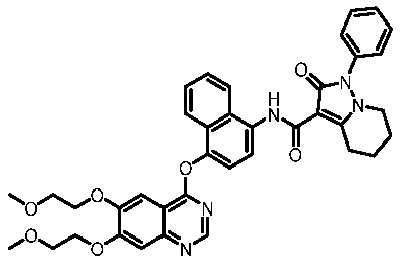
DC621007 
DC621041 
DC621075 
DC621008 
DC621042 
DC621076 
DC621009 
DC621043 
DC621077 
DC621010 
DC621044 
DC621078 
DC621011 
DC621045 
DC621079 
DC621012 
DC621046 
DC621080 
DC621013 
DC621047 
DC621081 
DC621014 
DC621048 
DC621082 
DC621 015 
DC621 049 
DC621 083 
DC621 016 
DC621 050 
DC621 084 
DC621 017 
DC621 051 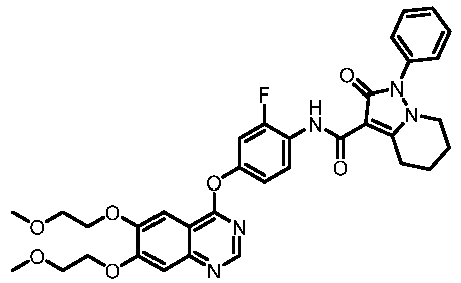
DC621 085 
DC621 018 
DC621 052 
DC621 086 
DC621 019 
DC621 053 
DC621 087 
DC621 020 
DC621 054 
DC621 088 
DC621 021 
DC621 055 
DC621 089 
DC621 022 
DC621 056 
DC621 090 
DC621 023 
DC621 057 
DC621 091 
DC621 024 
DC621 058 
DC621 092 
DC621 025 
DC621 059 
DC621 093 
DC621 026 
DC621 060 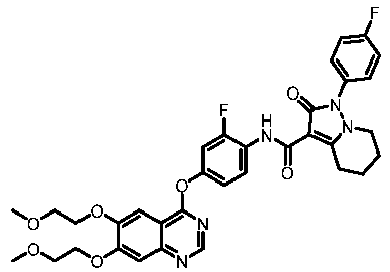
DC621 094 
DC621 027 
DC621 061 
DC621 095 
DC621 028 
DC621 062 
DC621 096 
DC621 029 
DC621 063 
DC621 097 
DC621 030 
DC621 064 
DC621 098 
DC621 031 
DC621 065 
DC621 099 
DC621 032 
DC621 066 
DC621 100 
DC621 033 
DC621 067 
DC621 101 
DC621 034 
DC621 068 
DC621 102 
DC621 035 
DC621 069 
DC621 103 
DC621 036 
DC621 070 
DC621 104 
DC621 105 
DC621 107 
DC621 106 
DC621 108 
- A preparation method of compound of claim 1, wherein comprises the following steps:
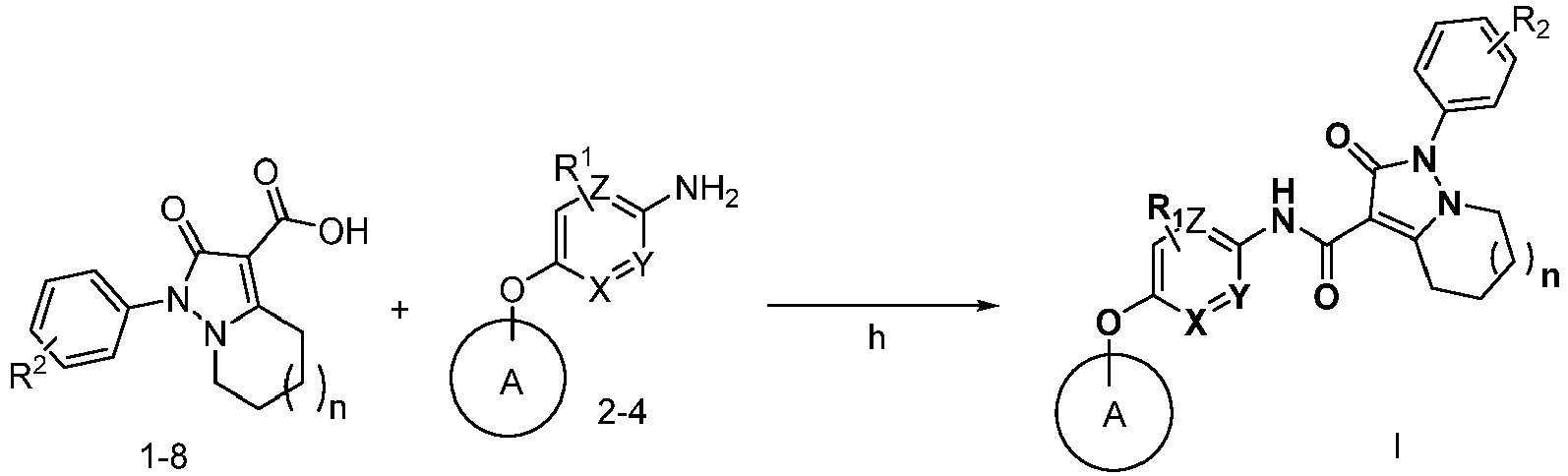
- A pharmaceutical composition, wherein the pharmaceutical composition comprises: a therapeutically effective amount of formula I compound of claim 1, or the pharmaceutically acceptable salt, racemate, R-isomer, S-isomer thereof or the mixture thereof, and optional pharmaceutically acceptable carriers, excipients, adjuvants, accessories, and/or diluting agent.
- A kinase inhibitor which comprises: therapeutically effective amount of one or more of formula I compound of claim 1, or the pharmaceutically acceptable salt, racemate, R-isomer, S-isomer thereof or the mixture thereof; and optional pharmaceutically acceptable carriers, excipients, adjuvants, accessories, and/or diluting agent; and the kinase is selected from the group consisting of AXL, c-Met, or combination thereof.
- The use of the compound of formula I of claim 1, wherein one or more uses selected from the group consisting of: (i) treating or preventing diseases related to kinase activity or expression; (ii) inhibiting the activity of kinase, or reducing the expression of kinase; (iii) preparing pharmaceutical composition for treating or preventing diseases related to kinase activity; (iv) preparing kinase inhibitor;
wherein the kinase is selected from the group consisting of AXL, c-Met, or combination thereof.
Applications Claiming Priority (2)
| Application Number | Priority Date | Filing Date | Title |
|---|---|---|---|
| CN201810491115.3A CN110511218A (en) | 2018-05-21 | 2018-05-21 | A kind of and ring pyrazolone Carbox amide and preparation method thereof, pharmaceutical composition and purposes |
| PCT/CN2019/087867 WO2019223704A1 (en) | 2018-05-21 | 2019-05-21 | Fused-cyclic pyrazolone formamide compound and preparation method therefor, pharmaceutical composition and use thereof |
Publications (2)
| Publication Number | Publication Date |
|---|---|
| EP3798218A1 true EP3798218A1 (en) | 2021-03-31 |
| EP3798218A4 EP3798218A4 (en) | 2022-03-02 |
Family
ID=68615979
Family Applications (1)
| Application Number | Title | Priority Date | Filing Date |
|---|---|---|---|
| EP19806732.4A Pending EP3798218A4 (en) | 2018-05-21 | 2019-05-21 | FUSED CYCLIC FORMAMIDE PYRAZOLONE COMPOUND, METHOD FOR PREPARATION, PHARMACEUTICAL COMPOSITION AND USE THEREOF |
Country Status (9)
| Country | Link |
|---|---|
| US (1) | US12497394B2 (en) |
| EP (1) | EP3798218A4 (en) |
| JP (1) | JP7339282B2 (en) |
| KR (1) | KR102658011B1 (en) |
| CN (2) | CN110511218A (en) |
| AU (1) | AU2019273337B2 (en) |
| EA (1) | EA202092766A1 (en) |
| SG (1) | SG11202011638WA (en) |
| WO (1) | WO2019223704A1 (en) |
Families Citing this family (4)
| Publication number | Priority date | Publication date | Assignee | Title |
|---|---|---|---|---|
| CN113683629B (en) * | 2020-05-18 | 2023-07-04 | 北京范恩柯尔生物科技有限公司 | Substituted heteroaryl compounds, compositions and uses thereof |
| US12534479B2 (en) | 2020-07-10 | 2026-01-27 | Findcure Biosciences (Zhongshan) Co., Ltd. | Triazine compound and composition and use thereof |
| TW202413367A (en) * | 2022-08-19 | 2024-04-01 | 財團法人國家衛生研究院 | Inhibitors of tam receptors |
| CN116751162B (en) * | 2023-06-28 | 2025-02-28 | 中国人民解放军军事科学院军事医学研究院 | A quinoline compound, preparation method thereof, pharmaceutical composition and medical use thereof |
Family Cites Families (7)
| Publication number | Priority date | Publication date | Assignee | Title |
|---|---|---|---|---|
| JO2787B1 (en) * | 2005-04-27 | 2014-03-15 | امجين إنك, | Substituted Amid derivatives & methods of use |
| US20110229469A1 (en) | 2008-10-01 | 2011-09-22 | Ludwig Institute For Cancer Research | Methods for the treatment of cancer |
| KR100961410B1 (en) | 2008-10-14 | 2010-06-09 | (주)네오팜 | As protein kinase inhibitors, heterocyclic compounds |
| CN102086211B (en) * | 2009-12-08 | 2013-09-11 | 广东东阳光药业有限公司 | Aromatic heterocyclic compounds serving as protein kinase inhibitor |
| UY34451A (en) * | 2011-11-14 | 2013-05-31 | Cephalon Inc | URACILO DERIVATIVES AS INHIBITORS OF THE AXL AND C-MET KINASE |
| CN104974162B (en) | 2014-04-09 | 2018-09-14 | 广东东阳光药业有限公司 | Bicyclic pyrazolone compounds and its application method and purposes |
| JP6708130B2 (en) * | 2014-12-25 | 2020-06-10 | 小野薬品工業株式会社 | Quinoline derivative |
-
2018
- 2018-05-21 CN CN201810491115.3A patent/CN110511218A/en active Pending
-
2019
- 2019-05-21 AU AU2019273337A patent/AU2019273337B2/en active Active
- 2019-05-21 EP EP19806732.4A patent/EP3798218A4/en active Pending
- 2019-05-21 US US17/057,199 patent/US12497394B2/en active Active
- 2019-05-21 EA EA202092766A patent/EA202092766A1/en unknown
- 2019-05-21 WO PCT/CN2019/087867 patent/WO2019223704A1/en not_active Ceased
- 2019-05-21 CN CN201980034774.7A patent/CN112236430B/en active Active
- 2019-05-21 KR KR1020207036703A patent/KR102658011B1/en active Active
- 2019-05-21 SG SG11202011638WA patent/SG11202011638WA/en unknown
- 2019-05-21 JP JP2020565414A patent/JP7339282B2/en active Active
Also Published As
| Publication number | Publication date |
|---|---|
| AU2019273337A1 (en) | 2021-01-21 |
| US20210221807A1 (en) | 2021-07-22 |
| US12497394B2 (en) | 2025-12-16 |
| JP2021524471A (en) | 2021-09-13 |
| KR20210011988A (en) | 2021-02-02 |
| CA3101223A1 (en) | 2019-11-28 |
| WO2019223704A1 (en) | 2019-11-28 |
| CN112236430B (en) | 2023-02-17 |
| CN112236430A (en) | 2021-01-15 |
| JP7339282B2 (en) | 2023-09-05 |
| SG11202011638WA (en) | 2020-12-30 |
| EA202092766A1 (en) | 2021-07-08 |
| AU2019273337B2 (en) | 2022-02-17 |
| BR112020023870A2 (en) | 2021-02-09 |
| CN110511218A (en) | 2019-11-29 |
| EP3798218A4 (en) | 2022-03-02 |
| KR102658011B1 (en) | 2024-04-17 |
Similar Documents
| Publication | Publication Date | Title |
|---|---|---|
| TWI644909B (en) | Phosphatidylinositol 3-kinase inhibitors | |
| KR102237707B1 (en) | Derivatives replacing quinolones or pharmaceutically acceptable salts or stereoisomers thereof, and pharmaceutical compositions and applications thereof | |
| TWI525093B (en) | Heterocyclic compounds used as inhibitors of 3' phosphoinositide-dependent kinase 1 (PDK1) | |
| EP2945623B1 (en) | Hedgehog pathway signaling inhibitors and therapeutic applications thereof | |
| EP2995618B1 (en) | [1,2,4]triazol [4,3-a]pyridine derivate, preparation method therefor or medical application thereof | |
| TW202039489A (en) | Heterobicyclic inhibitors of mat2a and methods of use for treating cancer | |
| US12497394B2 (en) | Fused-cyclic pyrazolone formamide compound and preparation method therefor, pharmaceutical composition and use thereof | |
| JP2017503867A (en) | Diaryl macrocycles as modulators of protein kinases | |
| TW201619150A (en) | Compounds and compositions for modulating EGFR mutant kinase activities | |
| TWI523856B (en) | BCR-ABL kinase inhibitor and its application | |
| KR20170045748A (en) | Compositions and methods for treating proliferation disorders | |
| AU2014327504B2 (en) | Ethynyl derivatives | |
| EP4029862A1 (en) | Compound having axl and c-met kinase inhibitory activity, preparation thereof and application thereof | |
| CN112236422B (en) | Quinazoline compounds as EGFR triple mutation inhibitors and their application | |
| US11427559B2 (en) | Substituted quinolines useful as kinase inhibitors | |
| TW202535368A (en) | Indazole compounds | |
| TWI565698B (en) | Quinoxaline compound, its production method and use | |
| CN117105936B (en) | An imidazo[1,2-a]pyridine compound as a FLT3 inhibitor and its preparation method and use | |
| CA3101223C (en) | Fused-cyclic pyrazolone formamide compound and preparation method therefor, pharmaceutical composition and use thereof | |
| KR20200110250A (en) | Heteroaryl derivatives, and pharmaceutical composition comprising the same | |
| BR112020023870B1 (en) | FUSED CYCLIC PYRAZOLONE FORMAMIDE COMPOUND, ITS METHOD OF PREPARATION, ITS USE, PHARMACEUTICAL COMPOSITION AND KINASE INHIBITOR | |
| HK40034445B (en) | Fused-cyclic pyrazolone formamide compound and preparation method therefor, pharmaceutical composition and use thereof | |
| EA048378B1 (en) | CONDENSED CYCLIC DERIVATIVES OF PYRAZOLONE FORMAMIDE, METHOD OF THEIR PRODUCTION, PHARMACEUTICAL COMPOSITION AND THEIR APPLICATION | |
| TWI812301B (en) | Novel urea derivative compound as ron inhibitor | |
| HK40034445A (en) | Fused-cyclic pyrazolone formamide compound and preparation method therefor, pharmaceutical composition and use thereof |
Legal Events
| Date | Code | Title | Description |
|---|---|---|---|
| STAA | Information on the status of an ep patent application or granted ep patent |
Free format text: STATUS: THE INTERNATIONAL PUBLICATION HAS BEEN MADE |
|
| PUAI | Public reference made under article 153(3) epc to a published international application that has entered the european phase |
Free format text: ORIGINAL CODE: 0009012 |
|
| STAA | Information on the status of an ep patent application or granted ep patent |
Free format text: STATUS: REQUEST FOR EXAMINATION WAS MADE |
|
| 17P | Request for examination filed |
Effective date: 20201221 |
|
| AK | Designated contracting states |
Kind code of ref document: A1 Designated state(s): AL AT BE BG CH CY CZ DE DK EE ES FI FR GB GR HR HU IE IS IT LI LT LU LV MC MK MT NL NO PL PT RO RS SE SI SK SM TR |
|
| AX | Request for extension of the european patent |
Extension state: BA ME |
|
| DAV | Request for validation of the european patent (deleted) | ||
| DAX | Request for extension of the european patent (deleted) | ||
| A4 | Supplementary search report drawn up and despatched |
Effective date: 20220128 |
|
| RIC1 | Information provided on ipc code assigned before grant |
Ipc: A61P 35/00 20060101ALI20220124BHEP Ipc: A61K 31/4709 20060101ALI20220124BHEP Ipc: A61K 31/4985 20060101ALI20220124BHEP Ipc: A61K 31/5025 20060101ALI20220124BHEP Ipc: A61K 31/519 20060101ALI20220124BHEP Ipc: A61K 31/437 20060101ALI20220124BHEP Ipc: C07D 487/04 20060101ALI20220124BHEP Ipc: C07D 453/04 20060101ALI20220124BHEP Ipc: C07D 403/14 20060101ALI20220124BHEP Ipc: C07D 403/12 20060101ALI20220124BHEP Ipc: C07D 401/14 20060101ALI20220124BHEP Ipc: C07D 401/12 20060101ALI20220124BHEP Ipc: C07D 471/04 20060101AFI20220124BHEP |
|
| STAA | Information on the status of an ep patent application or granted ep patent |
Free format text: STATUS: EXAMINATION IS IN PROGRESS |
|
| 17Q | First examination report despatched |
Effective date: 20250408 |