EP3798067B1 - Wiper arm - Google Patents
Wiper arm Download PDFInfo
- Publication number
- EP3798067B1 EP3798067B1 EP20194011.1A EP20194011A EP3798067B1 EP 3798067 B1 EP3798067 B1 EP 3798067B1 EP 20194011 A EP20194011 A EP 20194011A EP 3798067 B1 EP3798067 B1 EP 3798067B1
- Authority
- EP
- European Patent Office
- Prior art keywords
- tube
- flat
- wiper arm
- wall
- shank
- Prior art date
- Legal status (The legal status is an assumption and is not a legal conclusion. Google has not performed a legal analysis and makes no representation as to the accuracy of the status listed.)
- Active
Links
Images




Classifications
-
- B—PERFORMING OPERATIONS; TRANSPORTING
- B60—VEHICLES IN GENERAL
- B60S—SERVICING, CLEANING, REPAIRING, SUPPORTING, LIFTING, OR MANOEUVRING OF VEHICLES, NOT OTHERWISE PROVIDED FOR
- B60S1/00—Cleaning of vehicles
- B60S1/02—Cleaning windscreens, windows or optical devices
- B60S1/46—Cleaning windscreens, windows or optical devices using liquid; Windscreen washers
- B60S1/48—Liquid supply therefor
- B60S1/52—Arrangement of nozzles; Liquid spreading means
- B60S1/522—Arrangement of nozzles; Liquid spreading means moving liquid spreading means, e.g. arranged in wiper arms
-
- B—PERFORMING OPERATIONS; TRANSPORTING
- B60—VEHICLES IN GENERAL
- B60S—SERVICING, CLEANING, REPAIRING, SUPPORTING, LIFTING, OR MANOEUVRING OF VEHICLES, NOT OTHERWISE PROVIDED FOR
- B60S1/00—Cleaning of vehicles
- B60S1/02—Cleaning windscreens, windows or optical devices
- B60S1/04—Wipers or the like, e.g. scrapers
- B60S1/32—Wipers or the like, e.g. scrapers characterised by constructional features of wiper blade arms or blades
- B60S1/34—Wiper arms; Mountings therefor
- B60S1/3415—Wiper arms; Mountings therefor with means for supplying cleaning fluid to windscreen cleaners, e.g. washers
-
- B—PERFORMING OPERATIONS; TRANSPORTING
- B60—VEHICLES IN GENERAL
- B60S—SERVICING, CLEANING, REPAIRING, SUPPORTING, LIFTING, OR MANOEUVRING OF VEHICLES, NOT OTHERWISE PROVIDED FOR
- B60S1/00—Cleaning of vehicles
- B60S1/02—Cleaning windscreens, windows or optical devices
- B60S1/04—Wipers or the like, e.g. scrapers
- B60S1/32—Wipers or the like, e.g. scrapers characterised by constructional features of wiper blade arms or blades
- B60S1/34—Wiper arms; Mountings therefor
- B60S1/3425—Constructional aspects of the arm
- B60S1/3429—Arm pieces
Definitions
- the disclosure relates to a wiper arm disposed in a wiper device for wiping a surface to be wiped.
- a wiper device is mounted on a vehicle such as an automobile.
- the wiper device includes a wiper motor that is a driving source, a wiper arm that is swung when driven by the wiper motor, and a wiper blade that is attached to the wiper arm. Further, a wiper blade having a blade rubber and a rubber holder is known as an example of the wiper blade.
- Patent Document 2 discloses the preamble of claim 1.
- the disclosure provides a wiper arm in which the tube can be easily fixed while the tube is prevented from rotating in the circumferential direction.
- a wiper arm includes an arm head; a shank including a pair of side walls connected to a tip end of the arm head and facing each other and a top wall connected to an upper end part of each of the side walls; a tube for supplying a washer liquid; and a bottom cover joined to a lower end part of each of the side walls and facing the top wall.
- the bottom cover includes a body part in a plate shape and a wall part provided on the body part and protruding toward the top wall.
- the tube is disposed between the body part and the wall part and the shank, and includes a first flat surface which is in contact with the body part, a second flat surface which is in contact with the wall part, and a shank side surface which is connected to the first flat surface and the second flat surface, and an ejection hole for ejecting the washer liquid is opened on the shank side surface of the tube.
- the shank side surface is an outer surface of a part including an arc-shaped part connected to a first flat part having the first flat surface and a third flat part having a third flat surface connected to a second flat part having the second flat surface, and the ejection hole is formed in the arc-shaped part.
- the tube includes a corner part located at a joint part between the second flat part and the third flat part and a flow passage of the washer liquid formed by an inner peripheral surface of the tube, and a cross section of the flow passage in a direction intersecting a longitudinal direction of the tube is circular.
- the ejection hole is formed at a position symmetrical to the corner part with respect to a center of the flow passage, and a thickness of the corner part is greater than a thickness of the arc-shaped part in a diameter direction of the flow passage.
- the bottom cover further includes a holding part which is disposed on an outer side of the wall part and faces the wall part, and which the arc-shaped part of the tube contacts, and the tube is clamped by the wall part and the holding part.
- the wiper arm further includes a hole part formed in the body part of the bottom cover, wherein the hole part is formed at a position facing the ejection hole, and a through hole communicating with the hole part is formed in the holding part.
- an angle formed by the first flat surface and the second flat surface in the tube is 90 degrees.
- the tube has at least two flat surfaces in its outer peripheral shape, whereby the tube is prevented from rotating in the circumferential direction at the time of being assembled, and the tube is easily fixed.
- a wiper device 10 shown in FIG. 1 is, for example, a device for wiping a surface to be wiped such as a rear glass provided in a vehicle such as an automobile.
- the wiper device 10 includes a wiper arm 11 having a long and narrow arm shank (shank) 12, a wiper blade 15 having a blade rubber 16 for wiping the surface to be wiped, and a connecting member (not shown) for connecting the wiper arm 11 and the wiper blade 15.
- the wiper arm 11 includes the arm shank 12 and an arm head 13 that rotatably supports the arm shank 12.
- the wiper blade 15 is rotatably connected to the vicinity of a center part of the arm shank 12 in the longitudinal direction via the connecting member. Further, an output shaft (not shown) of a wiper motor forming the wiper device 10 is fixed to the base end side of the wiper arm 11.
- the output shaft of the wiper motor rotates in forward and reverse directions, and the wiper arm 11 swings.
- the blade rubber 16 attached to the wiper blade 15 performs a back-and-forth wiping operation within a predetermined wiping range of the surface to be wiped such as the rear glass, whereby rainwater and the like adhering to the surface to be wiped such as the rear glass is wiped.
- the wiper arm 11 is, for example, formed in a rod shape by injection-molding a resin material such as plastic, and the thickness of the wiper arm 11 on the tip end side is formed to be smaller than the thickness on the base end side. More specifically, the wiper arm 11 is formed in a tapered shape that gradually becomes thinner from the base end side toward the tip end side. This improves the design property of the wiper arm 11.
- the appearance shape of the wiper arm 11 is not limited to the above-described shape.
- a pressing force acts on the arm shank 12 of the wiper arm 11 in a direction of tilting the arm shank 12 toward the surface to be wiped such as the rear glass. Therefore, during the back-and-forth wiping operation of the wiper blade 15, the wiper blade 15 is unlikely to fall out. Further, the pressing force is generated by a spring force of a spring 19 for pulling provided on the base end side of the arm shank 12.
- the arm shank 12 is connected to the tip end of the arm head 13. Then, as shown in FIG. 2 , two tubes 20 and 21 for supplying a washer liquid (also referred to as a cleaning liquid) 22 (see FIG. 4 ) are disposed inside the arm shank 12. That is, in the embodiment, a case where the two tubes 20 and 21 for water supply are disposed inside the arm shank 12 is described as an example.
- the arm shank 12 includes a pair of side walls 12a and 12b facing each other, and a top wall 12c connected to the upper end part of each of the pair of side walls 12a and 12b.
- the top wall 12c is, for example, integrally formed with each of the side walls 12a and 12b.
- the arm shank 12 is a long and narrow plate-shaped member whose cross-sectional shape is a semi-cylindrical shape formed by the pair of side walls 12a and 12b facing each other and the top wall 12c.
- the arm shank 12 further includes a bottom cover 14 which is joined to the lower end part of each of the pair of side walls 12a and 12b and which faces the top wall 12c. That is, the bottom cover 14 is disposed at the bottom of the plate-shaped semi-cylindrical arm shank 12, and the region surrounded by the arm shank 12 and the bottom cover 14 is a hollow part. Then, the two tubes 20 and 21 are disposed side by side in the hollow part surrounded by the arm shank 12 and the bottom cover 14. Since the bottom cover 14 is disposed at the bottom of the arm shank 12, the inside of the arm shank 12 is invisible even from the bottom surface side opposite to the top wall 12c. That is, since the bottom cover 14 is disposed at the bottom of the arm shank 12, the inside of the arm shank 12 may be hidden.
- the bottom cover 14 is also formed to be long and narrow along the extending direction of the arm shank 12.
- a tip nozzle 18 is connected to the tip end part of the arm shank 12.
- Two ejection holes 18a are formed in the tip nozzle 18, and the tube 20 is connected to one of the ejection holes 18a, and the tube 21 is connected to the other of the ejection holes 18a. Therefore, in the washer liquid 22 (see FIG. 4 ) supplied respectively to the tubes 20 and 21, the washer liquid 22 that has reached the tip nozzle 18 is ejected to the outside from the two ejection holes 18a, respectively.
- the respective parts of the two tubes 20 and 21 on the tip end side are held by a tube holder 17 located in the vicinity of the tip end of the arm shank 12. Further, the respective parts of the two tubes 20 and 21 on the base end side extend from the end parts of the arm head 13 to the outside of the arm head.
- the bottom cover 14 has a function of holding each of the two tubes 20 and 21.
- the bottom cover 14 has a plate-shaped body part 14a and wall parts (third wall parts 14cc) provided on the body part 14a and protruding toward the top wall 12c.
- the bottom cover 14 is provided with holding parts 14c which are disposed on the outer side of the third wall parts 14cc to face the third wall parts 14cc and which a part of each of the tubes 20 and 21 contacts, and each of the tubes 20 and 21 is clamped by the third wall parts 14cc and the holding parts 14c.
- hole parts 14b are formed in the body part 14a of the bottom cover 14 at positions facing ejection holes 20a and 21a of the tubes 20 and 21, respectively.
- the holding part 14c of the bottom cover 14 includes a first wall part 14ca disposed above the hole part 14b and a second wall part 14cb connected to the upper end of the first wall part 14ca.
- the first wall part 14ca and the second wall part 14cb are integrally formed, for example.
- the plate-shaped body part 14a and the holding part 14c including the first wall part 14ca and the second wall part 14cb of the bottom cover 14 are integrally formed.
- a plurality of the holding parts 14c of the bottom cover 14 are, as shown in FIG. 2 , staggeringly (alternately) provided on the bottom cover 14 with respect to the respective extending directions of the two tubes 20 and 21 disposed side by side.
- the holding parts 14c are formed at positions of each of the plurality of hole parts 14b shown in FIG. 2 .
- the holding parts 14c and the hole parts 14b for the two tubes 20 and 21 are provided staggeringly (alternately) with respect to the respective extending directions of the two tubes 20 and 21. Therefore, the holding parts 14c and the hole parts 14b provided on left and right on the bottom cover 14 are not provided side by side.
- each of the tubes 20 and 21 has a semi-cylindrical shape in the cross section in the direction intersecting the longitudinal direction of each of the tubes 20 and 21. That is, outer peripheral surfaces 20f and 21f of the tubes 20 and 21 each include three flat surfaces and one arc-shaped surface.
- the tube 20 is disposed in a housing part between the body part 14a and the third wall part 14cc of the bottom cover 14 and the arm shank 12. Further, as shown in FIG. 4 , the tube 20 includes a first flat part 20b having a first flat surface 20ba that contacts the body part 14a and a second flat part 20c having a second flat surface 20ca that contacts an outer side surface 14cca (surface on the tube disposition side) which is a surface of the third wall part 14cc on the disposition side of the tube 20 and which faces the outer side of the arm shank 12. Further, the tube 20 has a shank side connecting part 20e having a shank side surface 20ea connected to the first flat surface 20ba and the second flat surface 20ca.
- the shank side connecting part 20e has an arc-shaped part 20eb connected to the first flat part 20b and a third flat part 20d which has a third flat surface 20da and which is connected to the second flat part 20c. That is, the shank side surface 20ea is an outer surface of a part including the arc-shaped part 20eb connected to the first flat part 20b and the third flat part 20d which is connected to the second flat part 20c and which has the third flat surface 20da.
- the ejection holes 20a for ejecting the washer liquid 22 are formed in the arc-shaped part 20eb of the shank side connecting part 20e so as to open on the shank side surface 20ea.
- the tube 21 is disposed in a housing part between the body part 14a and the third wall part 14cc of the bottom cover 14 and the arm shank 12.
- the tube 21 includes a first flat part 21b having a first flat surface 21ba that contacts the body part 14a and a second flat part 21c having a second flat surface 21ca that contacts an outer side surface 14cca (surface on the tube disposition side) which is a surface of the third wall part 14cc on the disposition side of the tube 21 and which faces the outer side of the arm shank 12.
- the tube 21 has a shank side connecting part 21e having a shank side surface 21ea connected to the first flat surface 21ba and the second flat surface 21ca.
- the shank side connecting part 21e has an arc-shaped part 21eb connected to the first flat part 21b and a third flat part 21d which is connected to the second flat part 21c and which has a third flat surface 21da. That is, the shank side surface 21ea is an outer surface of a part including the arc-shaped part 21eb connected to the first flat part 21b and the third flat part 21d which has the third flat surface 21da and which is connected to the second flat part 21c.
- the ejection holes 21a for ejecting the washer liquid 22 are formed in the arc-shaped part 21eb of the shank side connecting part 21e so as to open on the shank side surface 21ea.
- the angle formed by the first flat surface 20ba and the second flat surface 20ca in the tube 20 is 90 degrees (right angle).
- the angle formed by the first flat surface 21ba and the second flat surface 21ca in the tube 21 is also 90 degrees (right angle).
- the third wall part 14cc formed on the body part 14a of the bottom cover 14 shown in FIG. 3 is provided at a right angle to the plate-shaped body part 14a.
- the first flat surface 20ba of the tube 20 is in surface contact with the plate-shaped body part 14a of the bottom cover 14, and the second flat surface 20ca is in surface contact with the outer side surface 14cca of the third wall part 14cc provided on the body part 14a of the bottom cover 14. Then, the tube 20 is clamped by the third wall parts 14cc and the holding parts 14c.
- the first flat surface 21ba of the tube 21 is in surface contact with the plate-shaped body part 14a of the bottom cover 14, and the second flat surface 21ca is in surface contact with the outer side surface 14cca of the third wall part 14cc provided on the body part 14a of the bottom cover 14. Then, the tube 21 is clamped by the third wall parts 14cc and the holding parts 14c.
- the hole parts 14b in the plate-shaped body part 14a of the bottom cover 14 are formed at positions facing the ejection holes 20a of the tube 20, and further, through holes 14cd communicating with the hole parts 14b are formed in the holding parts 14c which are integrally formed with the body part 14a.
- the hole parts 14b in the plate-shaped body part 14a of the bottom cover 14 are formed at positions facing the ejection holes 21a of the tube 21, and further, the through holes 14cd communicating with the hole parts 14b are formed in the holding parts 14c which are integrally formed with the body part 14a.
- the tube 20 has an outer peripheral surface 20f formed by the first flat surface 20ba, the second flat surface 20ca, and the shank side surface 20ea; an inner peripheral surface 20g having a cross-sectional shape of a circle 20ga inside the outer peripheral surface 20f in a diameter direction K of the tube 20; and a corner part 20h located at a joint part between the second flat part 20c and the third flat part 20d.
- the circular inner peripheral surface 20g forms a flow passage 20k for the washer liquid 22 (see FIG. 4 ).
- the ejection holes 20a of the tube 20 are, as shown in (b) of FIG.
- a thickness T2 of the corner part 20h is greater than a thickness T1 of the arc-shaped part 20eb in the diameter direction K of the circle 20ga (flow passage 20k) (T1 ⁇ T2).
- the tube 21 has an outer peripheral surface 21f formed by the first flat surface 21ba, the second flat surface 21ca, and the shank side surface 21ea; an inner peripheral surface 21g having a cross-sectional shape of a circle 21ga inside the outer peripheral surface 21f in a diameter direction K of the tube 21; and a corner part 21h located at a joint part between the second flat part 21c and the third flat part 21d.
- the circular inner peripheral surface 21g forms a flow passage 21k for the washer liquid 22 (see FIG. 4 ).
- the ejection holes 21a of the tube 21 are, as shown in (b) of FIG.
- each of the tubes 20 and 21 is clamped by the third wall parts 14cc and the holding parts 14c including the first wall parts 14ca and the second wall parts 14cb provided on the bottom cover 14.
- the holding part 14c including the first wall part 14ca and the second wall part 14cb has an arc shape similar to the arc shapes of the arc-shaped parts 20eb and 21eb of the tubes 20 and 21, respectively. That is, the arc-shaped holding parts 14c have snap-fit structures with respect to the arc-shaped parts 20eb and 21eb of the tubes 20 and 21, respectively.
- the respective surfaces of the tubes 20 and 21 opposite to the arc-shaped parts 20eb and 21eb are second flat surfaces 20ca and 21ca, respectively, and the second flat surfaces 20ca and 21ca are in surface contact with the third wall parts 14cc. That is, unless the tubes 20 and 21 are disposed so that the respective arc-shaped parts 20eb and 21eb of the semi-cylindrical tubes 20 and 21 face the outer side, the tubes 20 and 21 are not fitted between the third wall parts 14cc and the arc-shaped holding parts 14c of the bottom cover 14.
- the arc-shaped holding parts 14c form snap-fit structures with respect to the respective arc-shaped parts 20eb and 21eb of the tubes 20 and 21, whereby each of the tubes 21 and 21 may be clamped by the third wall parts 14cc and the holding parts 14c, and each of the tubes 20 and 21 may be fitted into the third wall parts 14cc and the holding parts 14c without mistaking the disposition direction.
- each of the tubes 20 and 21 has at least two flat surfaces (the first flat surfaces 20ba and 21ba and the second flat surfaces 20ca and 21ca) in their outer peripheral shapes, whereby each of the tubes 20 and 21 may be prevented from rotating (turning) in the circumferential direction when being assembled. Furthermore, by fitting and fixing each of the tubes 20 and 21 into the third wall parts 14cc and the holding parts 14c of the bottom cover 14, each of the tubes 20 and 21 may be easily fixed.
- the tube 30 shown in FIG. 7 has a cylindrical shape in the cross-sectional shape.
- the ejection holes 20a (see FIG. 9 ) of the tube 20 cannot be confirmed from the hole parts 14b of the bottom cover 14 in the appearance inspection, and the incorrect assembly may be recognized (detected) by the appearance inspection.
- the tube 20 is correctly assembled for the open side and the closed side, as shown in the R part of FIG. 9 , since the ejection holes 20a of the tube 20 can be confirmed from the hole parts 14b of the bottom cover 14 in the appearance inspection, it may be recognized that there is no incorrect assembly (the same applies to the tube 21).
- the tube 30 of the comparative example shown in FIG. 7 there is a concern that the tube 30 may be rotated in the circumferential direction and be assembled.
- the first flat surface 20ba of the tube 20 is in surface contact (contact) with the body part 14a of the bottom cover 14, and the second flat surface 20ca of the tube 20 located on the side opposite to the arc-shaped part 20eb is in surface contact (contact) with the outer side surface 14cca of the third wall part 14cc of the bottom cover 14.
- the arc-shaped part 20eb of the tube 20 is held by the holding parts 14c of the bottom cover 14. That is, the tube 20 is clamped by the third wall parts 14cc and the holding parts 14c.
- the tube 20 may be positioned without rotating in the circumferential direction with respect to the bottom cover 14, and rattling of the tube 20 in a width direction P of the wiper arm 11 may be prevented. Therefore, when the tube 20 is correctly assembled for the open side and the closed side, the ejection holes 20a of the tube 20 may be easily confirmed from the hole parts 14b of the bottom cover 14 by appearance inspection (the same applies to the tube 21).
- the holding part 14c of the bottom cover 14 has a snap-fit structure, the holding force for the tube 20 by the third wall parts 14cc and the holding parts 14c is increased, and the rattling of the tube 20 in the width direction P of the wiper arm 11 may be prevented, and the positional deviation of the ejection holes 20a may be prevented (the same applies to the tube 21).
- each of the tubes 20 and 21 is positioned by the body part 14a, the third wall parts 14cc, and the holding parts 14c of the bottom cover 14, and rotation in the circumferential direction may also be prevented. Therefore, it is possible to prevent the decrease of the cleaning property.
- each of the tubes 20 and 21 may be prevented from rotating in the circumferential direction.
- the ejection holes 20a and 21a of each of the tubes 20 and 21 are provided toward the outer side in the width direction P of the arm shank 12.
- the washer liquid 22 may be sprayed while being spread in the wiping direction of the wiper arm 11.
- the cleaning property of the washer liquid 22 may be improved, and the cleaning range of the surface to be wiped may be expanded.
- the outer peripheral surfaces 20f and 21f have a semi-cylindrical shape, and the cross-sectional shapes of the inner peripheral surfaces 20g and 21g are circular; therefore, if the ejection holes 20a and 21a are provided at the locations where the outer peripheral surfaces 20f and 21f are flat, the ejection holes 20a and 21a will have different lengths depending on the locations where the ejection holes 20a and 21a are formed.
- the length of each of the ejection holes 20a and 21a may be kept constant. Therefore, the discharge capacity (discharge amount, discharge pressure, etc.) of the washer liquid 22 may be kept constant. As a result, the cleaning property of the washer liquid 22 may be made uniform.
- the tuning range of the ejection direction of the washer liquid 22 may be widened to directions obliquely downward and the like. As a result, the cleaning property of the wiper arm 11 may be improved.
- the angle formed by the first flat surfaces 20ba and 21ba and the second flat surfaces 20ca and 21ca of the tubes 20 and 21, respectively is 90 degrees (right angle)
- the third wall parts 14cc of the bottom cover 14 in contact with each of the second flat surfaces 20ca and 21ca are provided in a protruding way on the body part 14a
- the third wall parts 14cc may be easily formed on the bottom cover 14 simply by the upper and lower mold cutting.
- a processing method of forming the ejection holes 30a by using a laser 23, a needle or the like can be considered.
- the laser 23 reaches the wall of the tube 30 on the opposite side and becomes a penetrating part 23a; as shown in (b) of FIG. 10 , an excessive hole 30b (the U part) may be formed in the wall on the opposite side. This phenomenon is an inevitable side effect for processing with a desired hole diameter due to the influence of the focal length of the laser 23.
- the thickness of the tube 30 is the same at any part in the circumferential direction; therefore, as shown in (b) of FIG. 11 , if the excessive hole 30b is formed in the wall on the opposite side of the ejection hole 30a, a thickness T3 of a residual part 30c of the tube 30 becomes small, which may cause the tube 30 to be broken.
- the tube according to the embodiment has a semi-cylindrical shape in the appearance shape. That is, in each of the tubes 20 and 21, the corner parts 20h and 21h are disposed in the part on the opposite side of the location where the ejection holes 20a and 21a are provided, and as shown in FIG. 12 and FIG. 13 , the thickness T2 of the corner parts 20h and 21h is sufficiently greater than the thickness T1 of the arc-shaped parts 20eb and 21eb where the ejection holes 20a and 21a are provided. In this way, it is possible to ensure that the thickness T2 is thick to the extent that the laser 23 does not penetrate even if the laser 23 reaches the wall on the opposite side (the corner parts 20h and 21h).
- FIG. 12 shows the laser processing on the tube 20 on the closed side, and as shown in (a) of FIG. 12 , even if the laser 23 reaches the wall on the opposite side, the thick corner part 20h is disposed. Therefore, as shown in (b) of FIG. 12 , even if an excessive hole 20i is formed in the corner part 20h, a residual part 20j having a large thickness T4 may be formed.
- each of the semi-cylindrical tubes 20 and 21 has two corner parts 20h and 21h, the same effect may be obtained for both of the ejection holes 20a and 21a on the closed side and the open side. That is, since the corner parts 20h and 21h are set to be thicker than the arc-shaped parts 20eb and 21eb (T1 ⁇ T2) in each of the tubes 20 and 21 on the closed side and the open side, respectively, it is possible to reduce the possibility that the laser 23 or the needle or the like penetrates the corner parts 20h and 21h. As a result, it is possible to prevent the tubes 20 and 21 from being broken on both the closed side and the open side.
- the wiper arm is applied to the rear wiper device for wiping the surface to be wiped such as the rear glass of a vehicle such as an automobile, but the disclosure is not limited thereto, and the wiper arm may be applied to a wiper device mounted on the front side of a vehicle such as an automobile or to a wiper device mounted on a ship, an aircraft, a railway vehicle, or the like.
- the holding parts for holding the tubes are provided on the bottom cover in two rows
- the two rows of the holding parts may be disposed side by side instead of being alternately disposed.
- the number of holding parts in one row may be at least one.
Landscapes
- Engineering & Computer Science (AREA)
- Mechanical Engineering (AREA)
- Water Supply & Treatment (AREA)
- Cleaning In General (AREA)
Description
- The disclosure relates to a wiper arm disposed in a wiper device for wiping a surface to be wiped.
- A wiper device is mounted on a vehicle such as an automobile. The wiper device includes a wiper motor that is a driving source, a wiper arm that is swung when driven by the wiper motor, and a wiper blade that is attached to the wiper arm. Further, a wiper blade having a blade rubber and a rubber holder is known as an example of the wiper blade.
- For an example of the wiper arm as described above, known is a wiper arm having a rubber holder in which a water passage for a cleaning liquid to be sprayed onto a surface to be wiped is formed, and such a wiper arm is disclosed in Patent Document 1.
-
- [Patent Document 1] International Publication No.
WO 2013/080997 - [Patent Document 2]
European Patent Application EP 3 138 743 A1 - In the wiper arm described in Patent Document 1, since the water passage is formed in the rubber holder, the shape of the rubber holder becomes complicated and it becomes difficult to assemble the wiper blade provided with the rubber holder. Therefore, it is conceivable to adopt a structure in which the wiper arm is provided with a cylindrical tube having an ejection hole for ejecting the cleaning liquid as a member separate from the rubber holder.
- However, since the tube has a cylindrical shape, when the tube is fixed to the wiper arm, the tube may rotate in the circumferential direction, which may make positioning of the ejection hole difficult. Patent Document 2 discloses the preamble of claim 1.
- The disclosure provides a wiper arm in which the tube can be easily fixed while the tube is prevented from rotating in the circumferential direction.
- The invention is set out in the appended set of claims.
- According to an aspect of the disclosure, a wiper arm includes an arm head; a shank including a pair of side walls connected to a tip end of the arm head and facing each other and a top wall connected to an upper end part of each of the side walls; a tube for supplying a washer liquid; and a bottom cover joined to a lower end part of each of the side walls and facing the top wall. The bottom cover includes a body part in a plate shape and a wall part provided on the body part and protruding toward the top wall. The tube is disposed between the body part and the wall part and the shank, and includes a first flat surface which is in contact with the body part, a second flat surface which is in contact with the wall part, and a shank side surface which is connected to the first flat surface and the second flat surface, and an ejection hole for ejecting the washer liquid is opened on the shank side surface of the tube.
- According to another aspect of the disclosure, the shank side surface is an outer surface of a part including an arc-shaped part connected to a first flat part having the first flat surface and a third flat part having a third flat surface connected to a second flat part having the second flat surface, and the ejection hole is formed in the arc-shaped part.
- According to another aspect of the disclosure, the tube includes a corner part located at a joint part between the second flat part and the third flat part and a flow passage of the washer liquid formed by an inner peripheral surface of the tube, and a cross section of the flow passage in a direction intersecting a longitudinal direction of the tube is circular. The ejection hole is formed at a position symmetrical to the corner part with respect to a center of the flow passage, and a thickness of the corner part is greater than a thickness of the arc-shaped part in a diameter direction of the flow passage.
- According to another aspect of the disclosure, the bottom cover further includes a holding part which is disposed on an outer side of the wall part and faces the wall part, and which the arc-shaped part of the tube contacts, and the tube is clamped by the wall part and the holding part.
- According to another aspect of the disclosure, the wiper arm further includes a hole part formed in the body part of the bottom cover, wherein the hole part is formed at a position facing the ejection hole, and a through hole communicating with the hole part is formed in the holding part.
- According to another aspect of the disclosure, an angle formed by the first flat surface and the second flat surface in the tube is 90 degrees.
- According to the disclosure, in the wiper arm, the tube has at least two flat surfaces in its outer peripheral shape, whereby the tube is prevented from rotating in the circumferential direction at the time of being assembled, and the tube is easily fixed.
-
-
FIG. 1 is a perspective view showing an appearance structure of a wiper arm of the disclosure. -
FIG. 2 is a perspective view showing the structure of the wiper arm shown inFIG. 1 on the bottom cover side. -
FIG. 3 is a cross-sectional view showing the structure of the shank taken along the line A-A ofFIG. 2 . -
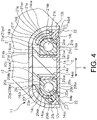
FIG. 4 is a partial perspective view showing the structure cut along the line A-A inFIG. 2 . -
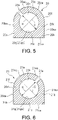
FIG. 5 is a cross-sectional view showing the structure of the tube on the closed side in the wiper arm of the embodiment. -
FIG. 6 is a cross-sectional view showing the structure of the tube on the open side in the wiper arm of the embodiment. -
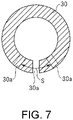
FIG. 7 is a cross-sectional view showing a positional deviation state of a hole part of a tube in a wiper arm of a comparative example. -
FIG. 8 is a partial rear view showing the structure of the wiper arm in the incorrectly assembled state as viewed through the inside of the hole part. -
FIG. 9 is a partial rear view showing the structure of the wiper arm in the correctly assembled state as viewed through the inside of the hole part. -
FIG. 10 are longitudinal sectional views showing a processing method of the hole part of the tube in the wiper arm of the comparative example, wherein (a) shows a laser irradiation state, and (b) shows a structure after the hole part is formed. -
FIG. 11 are cross-sectional views showing a processing method of the hole part of the tube in the wiper arm of the comparative example shown inFIG. 10 , wherein (a) shows the laser irradiation state, and (b) shows the structure after the hole part is formed. -
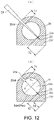
FIG. 12 are cross-sectional views showing a processing method of the hole part of the tube on the closed side in the wiper arm of the embodiment, wherein (a) shows a laser irradiation state, and (b) shows a structure after the hole part is formed. -
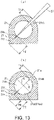
FIG. 13 are cross-sectional views showing a processing method of the hole part of the tube on the open side in the wiper arm of the embodiment, wherein (a) shows a laser irradiation state, and (b) shows a structure after the hole part is formed. - Hereinafter, each embodiment of the disclosure will be described in detail with reference to the drawings.
- A
wiper device 10 shown inFIG. 1 is, for example, a device for wiping a surface to be wiped such as a rear glass provided in a vehicle such as an automobile. Thewiper device 10 includes awiper arm 11 having a long and narrow arm shank (shank) 12, awiper blade 15 having ablade rubber 16 for wiping the surface to be wiped, and a connecting member (not shown) for connecting thewiper arm 11 and thewiper blade 15. - The
wiper arm 11 includes thearm shank 12 and anarm head 13 that rotatably supports thearm shank 12. - In addition, the
wiper blade 15 is rotatably connected to the vicinity of a center part of thearm shank 12 in the longitudinal direction via the connecting member. Further, an output shaft (not shown) of a wiper motor forming thewiper device 10 is fixed to the base end side of thewiper arm 11. - Then, by turning on a wiper switch provided in a passenger compartment or the like, the output shaft of the wiper motor rotates in forward and reverse directions, and the
wiper arm 11 swings. As a result, theblade rubber 16 attached to thewiper blade 15 performs a back-and-forth wiping operation within a predetermined wiping range of the surface to be wiped such as the rear glass, whereby rainwater and the like adhering to the surface to be wiped such as the rear glass is wiped. - The
wiper arm 11 is, for example, formed in a rod shape by injection-molding a resin material such as plastic, and the thickness of thewiper arm 11 on the tip end side is formed to be smaller than the thickness on the base end side. More specifically, thewiper arm 11 is formed in a tapered shape that gradually becomes thinner from the base end side toward the tip end side. This improves the design property of thewiper arm 11. However, the appearance shape of thewiper arm 11 is not limited to the above-described shape. - Further, a pressing force acts on the
arm shank 12 of thewiper arm 11 in a direction of tilting thearm shank 12 toward the surface to be wiped such as the rear glass. Therefore, during the back-and-forth wiping operation of thewiper blade 15, thewiper blade 15 is unlikely to fall out. Further, the pressing force is generated by a spring force of aspring 19 for pulling provided on the base end side of thearm shank 12. - Here, in the
wiper arm 11 of the embodiment, thearm shank 12 is connected to the tip end of thearm head 13. Then, as shown inFIG. 2 , twotubes FIG. 4 ) are disposed inside thearm shank 12. That is, in the embodiment, a case where the twotubes arm shank 12 is described as an example. - In addition, as shown in
FIG. 3 , thearm shank 12 includes a pair ofside walls top wall 12c connected to the upper end part of each of the pair ofside walls top wall 12c is, for example, integrally formed with each of theside walls arm shank 12 is a long and narrow plate-shaped member whose cross-sectional shape is a semi-cylindrical shape formed by the pair ofside walls top wall 12c. - The
arm shank 12 further includes abottom cover 14 which is joined to the lower end part of each of the pair ofside walls top wall 12c. That is, thebottom cover 14 is disposed at the bottom of the plate-shapedsemi-cylindrical arm shank 12, and the region surrounded by thearm shank 12 and thebottom cover 14 is a hollow part. Then, the twotubes arm shank 12 and thebottom cover 14. Since thebottom cover 14 is disposed at the bottom of thearm shank 12, the inside of thearm shank 12 is invisible even from the bottom surface side opposite to thetop wall 12c. That is, since thebottom cover 14 is disposed at the bottom of thearm shank 12, the inside of thearm shank 12 may be hidden. - Further, as shown in
FIG. 2 , thebottom cover 14 is also formed to be long and narrow along the extending direction of thearm shank 12. - Further, a
tip nozzle 18 is connected to the tip end part of thearm shank 12. Twoejection holes 18a are formed in thetip nozzle 18, and thetube 20 is connected to one of theejection holes 18a, and thetube 21 is connected to the other of theejection holes 18a. Therefore, in the washer liquid 22 (seeFIG. 4 ) supplied respectively to thetubes washer liquid 22 that has reached thetip nozzle 18 is ejected to the outside from the twoejection holes 18a, respectively. - In addition, the respective parts of the two
tubes tube holder 17 located in the vicinity of the tip end of thearm shank 12. Further, the respective parts of the twotubes arm head 13 to the outside of the arm head. - Next, the detailed structure of the
bottom cover 14 of the embodiment will be described. - As shown in
FIGs. 3 and4 , thebottom cover 14 has a function of holding each of the twotubes bottom cover 14 has a plate-shapedbody part 14a and wall parts (third wall parts 14cc) provided on thebody part 14a and protruding toward thetop wall 12c. Further, thebottom cover 14 is provided with holdingparts 14c which are disposed on the outer side of the third wall parts 14cc to face the third wall parts 14cc and which a part of each of thetubes tubes parts 14c. - Further,
hole parts 14b are formed in thebody part 14a of thebottom cover 14 at positions facingejection holes tubes part 14c of thebottom cover 14 includes a first wall part 14ca disposed above thehole part 14b and a second wall part 14cb connected to the upper end of the first wall part 14ca. The first wall part 14ca and the second wall part 14cb are integrally formed, for example. Further, the plate-shapedbody part 14a and the holdingpart 14c including the first wall part 14ca and the second wall part 14cb of thebottom cover 14 are integrally formed. - Further, a plurality of the holding
parts 14c of thebottom cover 14 are, as shown inFIG. 2 , staggeringly (alternately) provided on thebottom cover 14 with respect to the respective extending directions of the twotubes parts 14c are formed at positions of each of the plurality ofhole parts 14b shown inFIG. 2 . Further, in the case of this structure, the holdingparts 14c and thehole parts 14b for the twotubes tubes parts 14c and thehole parts 14b provided on left and right on thebottom cover 14 are not provided side by side. - Next, the shapes of the
tubes wiper arm 11 of the embodiment will be described. As shown inFIGs. 3 and4 , each of thetubes tubes peripheral surfaces tubes - Specifically, the
tube 20 is disposed in a housing part between thebody part 14a and the third wall part 14cc of thebottom cover 14 and thearm shank 12. Further, as shown inFIG. 4 , thetube 20 includes a firstflat part 20b having a first flat surface 20ba that contacts thebody part 14a and a secondflat part 20c having a second flat surface 20ca that contacts an outer side surface 14cca (surface on the tube disposition side) which is a surface of the third wall part 14cc on the disposition side of thetube 20 and which faces the outer side of thearm shank 12. Further, thetube 20 has a shankside connecting part 20e having a shank side surface 20ea connected to the first flat surface 20ba and the second flat surface 20ca. Further, the shankside connecting part 20e has an arc-shaped part 20eb connected to the firstflat part 20b and a thirdflat part 20d which has a third flat surface 20da and which is connected to the secondflat part 20c. That is, the shank side surface 20ea is an outer surface of a part including the arc-shaped part 20eb connected to the firstflat part 20b and the thirdflat part 20d which is connected to the secondflat part 20c and which has the third flat surface 20da. In addition, the ejection holes 20a for ejecting thewasher liquid 22 are formed in the arc-shaped part 20eb of the shankside connecting part 20e so as to open on the shank side surface 20ea. - Similarly, the
tube 21 is disposed in a housing part between thebody part 14a and the third wall part 14cc of thebottom cover 14 and thearm shank 12. Further, thetube 21 includes a firstflat part 21b having a first flat surface 21ba that contacts thebody part 14a and a secondflat part 21c having a second flat surface 21ca that contacts an outer side surface 14cca (surface on the tube disposition side) which is a surface of the third wall part 14cc on the disposition side of thetube 21 and which faces the outer side of thearm shank 12. Further, thetube 21 has a shankside connecting part 21e having a shank side surface 21ea connected to the first flat surface 21ba and the second flat surface 21ca. Further, the shankside connecting part 21e has an arc-shaped part 21eb connected to the firstflat part 21b and a thirdflat part 21d which is connected to the secondflat part 21c and which has a third flat surface 21da. That is, the shank side surface 21ea is an outer surface of a part including the arc-shaped part 21eb connected to the firstflat part 21b and the thirdflat part 21d which has the third flat surface 21da and which is connected to the secondflat part 21c. In addition, the ejection holes 21a for ejecting thewasher liquid 22 are formed in the arc-shaped part 21eb of the shankside connecting part 21e so as to open on the shank side surface 21ea. - Further, as shown in
FIG. 5 , the angle formed by the first flat surface 20ba and the second flat surface 20ca in thetube 20 is 90 degrees (right angle). In addition, as shown inFIG. 6 , the angle formed by the first flat surface 21ba and the second flat surface 21ca in thetube 21 is also 90 degrees (right angle). Further, the third wall part 14cc formed on thebody part 14a of thebottom cover 14 shown inFIG. 3 is provided at a right angle to the plate-shapedbody part 14a. - Therefore, in the
wiper arm 11 of the embodiment, as shown inFIGs. 3 and4 , the first flat surface 20ba of thetube 20 is in surface contact with the plate-shapedbody part 14a of thebottom cover 14, and the second flat surface 20ca is in surface contact with the outer side surface 14cca of the third wall part 14cc provided on thebody part 14a of thebottom cover 14. Then, thetube 20 is clamped by the third wall parts 14cc and the holdingparts 14c. - In addition, in the
tube 21 as well, the first flat surface 21ba of thetube 21 is in surface contact with the plate-shapedbody part 14a of thebottom cover 14, and the second flat surface 21ca is in surface contact with the outer side surface 14cca of the third wall part 14cc provided on thebody part 14a of thebottom cover 14. Then, thetube 21 is clamped by the third wall parts 14cc and the holdingparts 14c. - Further, as shown in
FIG. 3 , in thewiper arm 11 of the embodiment, thehole parts 14b in the plate-shapedbody part 14a of thebottom cover 14 are formed at positions facing the ejection holes 20a of thetube 20, and further, through holes 14cd communicating with thehole parts 14b are formed in the holdingparts 14c which are integrally formed with thebody part 14a. Similarly, thehole parts 14b in the plate-shapedbody part 14a of thebottom cover 14 are formed at positions facing the ejection holes 21a of thetube 21, and further, the through holes 14cd communicating with thehole parts 14b are formed in the holdingparts 14c which are integrally formed with thebody part 14a. - Further, as shown in
FIG. 5 , thetube 20 has an outerperipheral surface 20f formed by the first flat surface 20ba, the second flat surface 20ca, and the shank side surface 20ea; an innerperipheral surface 20g having a cross-sectional shape of a circle 20ga inside the outerperipheral surface 20f in a diameter direction K of thetube 20; and acorner part 20h located at a joint part between the secondflat part 20c and the thirdflat part 20d. The circular innerperipheral surface 20g forms aflow passage 20k for the washer liquid 22 (seeFIG. 4 ). Further, the ejection holes 20a of thetube 20 are, as shown in (b) ofFIG. 12 , formed at a position symmetrical to thecorner part 20h with respect to a center C of the circle 20ga (flowpassage 20k) formed by the innerperipheral surface 20g in the cross section that intersects the longitudinal direction of thetube 20, and a thickness T2 of thecorner part 20h is greater than a thickness T1 of the arc-shaped part 20eb in the diameter direction K of the circle 20ga (flowpassage 20k) (T1 <T2). - Similarly, as shown in
FIG. 6 , thetube 21 has an outerperipheral surface 21f formed by the first flat surface 21ba, the second flat surface 21ca, and the shank side surface 21ea; an innerperipheral surface 21g having a cross-sectional shape of a circle 21ga inside the outerperipheral surface 21f in a diameter direction K of thetube 21; and acorner part 21h located at a joint part between the secondflat part 21c and the thirdflat part 21d. The circular innerperipheral surface 21g forms aflow passage 21k for the washer liquid 22 (seeFIG. 4 ). Further, the ejection holes 21a of thetube 21 are, as shown in (b) ofFIG. 13 , formed at a position symmetrical to thecorner part 21h with respect to a center C of the circle 21ga (flowpassage 21k) formed by the innerperipheral surface 21g in the cross section that intersects the longitudinal direction of thetube 21, and a thickness T2 of thecorner part 21h is greater than a thickness T1 of the arc-shaped part 21eb in the diameter direction K of the circle 21ga (flowpassage 21k) (T1 <T2). - Further, as shown in
FIG. 4 , each of thetubes parts 14c including the first wall parts 14ca and the second wall parts 14cb provided on thebottom cover 14. At this time, the holdingpart 14c including the first wall part 14ca and the second wall part 14cb has an arc shape similar to the arc shapes of the arc-shaped parts 20eb and 21eb of thetubes holding parts 14c have snap-fit structures with respect to the arc-shaped parts 20eb and 21eb of thetubes - Further, the respective surfaces of the
tubes tubes semi-cylindrical tubes tubes holding parts 14c of thebottom cover 14. Further, the arc-shapedholding parts 14c form snap-fit structures with respect to the respective arc-shaped parts 20eb and 21eb of thetubes tubes parts 14c, and each of thetubes parts 14c without mistaking the disposition direction. - As described above, in the
wiper arm 11 of the embodiment, each of thetubes tubes tubes parts 14c of thebottom cover 14, each of thetubes - Here, a
tube 30 of a comparative example shown inFIG. 7 studied by the inventors of the disclosure will be described. Thetube 30 shown inFIG. 7 has a cylindrical shape in the cross-sectional shape. - For example, when two
tubes 30 as shown inFIG. 7 are disposed on thewiper arm 11 as shown inFIG. 1 , there are cases where the twotubes 30 to be assembled on the open side and the closed side have the same length and cross-sectional shape and differ only in the position ofejection holes 30a. However, since the length and the cross-sectional shape are the same, there is a concern of incorrect assembly in which thetubes 30 are incorrectly assembled for the open side and the closed side. In order to recognize the incorrect assembly, it is necessary to confirm by appearance inspection whether the positions of the ejection holes 30a are disposed at the designed positions, or to confirm whether the ejection hits the correct position during the hitting point inspection. At this time, it is difficult to detect a slight positional deviation by thesmall ejection holes 30a by the appearance inspection, and if the incorrect assembly is not detected until the hitting point inspection, there is a problem that all the processes of the hitting point inspection after the incorrect assembly are wasted. - Therefore, in the
wiper arm 11 of the embodiment, when thetube 20 is incorrectly assembled due to the incorrect assembly for the open side and the closed side, as shown in the Q part ofFIG. 8 , the ejection holes 20a (seeFIG. 9 ) of thetube 20 cannot be confirmed from thehole parts 14b of thebottom cover 14 in the appearance inspection, and the incorrect assembly may be recognized (detected) by the appearance inspection. When thetube 20 is correctly assembled for the open side and the closed side, as shown in the R part ofFIG. 9 , since the ejection holes 20a of thetube 20 can be confirmed from thehole parts 14b of thebottom cover 14 in the appearance inspection, it may be recognized that there is no incorrect assembly (the same applies to the tube 21). - Further, in the
cylindrical tube 30 of the comparative example shown inFIG. 7 , there is a concern that thetube 30 may be rotated in the circumferential direction and be assembled. However, in thewiper arm 11 of the embodiment, the first flat surface 20ba of thetube 20 is in surface contact (contact) with thebody part 14a of thebottom cover 14, and the second flat surface 20ca of thetube 20 located on the side opposite to the arc-shaped part 20eb is in surface contact (contact) with the outer side surface 14cca of the third wall part 14cc of thebottom cover 14. Further, the arc-shaped part 20eb of thetube 20 is held by the holdingparts 14c of thebottom cover 14. That is, thetube 20 is clamped by the third wall parts 14cc and the holdingparts 14c. As a result, thetube 20 may be positioned without rotating in the circumferential direction with respect to thebottom cover 14, and rattling of thetube 20 in a width direction P of thewiper arm 11 may be prevented. Therefore, when thetube 20 is correctly assembled for the open side and the closed side, the ejection holes 20a of thetube 20 may be easily confirmed from thehole parts 14b of thebottom cover 14 by appearance inspection (the same applies to the tube 21). - Further, since the holding
part 14c of thebottom cover 14 has a snap-fit structure, the holding force for thetube 20 by the third wall parts 14cc and the holdingparts 14c is increased, and the rattling of thetube 20 in the width direction P of thewiper arm 11 may be prevented, and the positional deviation of theejection holes 20a may be prevented (the same applies to the tube 21). - Further, as shown in the S part of
FIG. 7 , in thetube 30 of the comparative example, when the positions of the ejection holes 30a deviate due to the rotation of thetube 30 in the circumferential direction, there is a concern that the cleaning property may decrease. However, in thewiper arm 11 of the embodiment, each of thetubes body part 14a, the third wall parts 14cc, and the holdingparts 14c of thebottom cover 14, and rotation in the circumferential direction may also be prevented. Therefore, it is possible to prevent the decrease of the cleaning property. - Further, in the
wiper arm 11 of the embodiment, since the first flat surfaces 20ba and 21ba and the second flat surfaces 20ca and 21ca of each of thetubes bottom cover 14 as described above, each of thetubes tubes arm shank 12. As a result, thewasher liquid 22 may be sprayed while being spread in the wiping direction of thewiper arm 11. - As a result, the cleaning property of the
washer liquid 22 may be improved, and the cleaning range of the surface to be wiped may be expanded. - Further, in each of the
tubes peripheral surfaces peripheral surfaces peripheral surfaces wiper arm 11 of the embodiment, by providing the ejection holes 20a and 21a in the arc-shaped parts 20eb and 21eb of thetubes washer liquid 22 may be kept constant. As a result, the cleaning property of thewasher liquid 22 may be made uniform. - Further, since each of the
tubes parts 14c of thebottom cover 14, the fixing force for each of thetubes wiper arm 11 may be increased. - Further, since the
hole parts 14b are formed in thebody part 14a of thebottom cover 14 and the through holes 14cd that communicate with thehole parts 14b are formed in the holdingparts 14c of thebottom cover 14, the tuning range of the ejection direction of thewasher liquid 22 may be widened to directions obliquely downward and the like. As a result, the cleaning property of thewiper arm 11 may be improved. - Further, since the angle formed by the first flat surfaces 20ba and 21ba and the second flat surfaces 20ca and 21ca of the
tubes bottom cover 14 in contact with each of the second flat surfaces 20ca and 21ca are provided in a protruding way on thebody part 14a, the third wall parts 14cc may be easily formed on thebottom cover 14 simply by the upper and lower mold cutting. - Next, the hole processing of the tube of the embodiment will be described.
- As shown in the comparative example of
FIGs. 10 and11 , in the hole processing of thetube 30, a processing method of forming the ejection holes 30a by using alaser 23, a needle or the like can be considered. For example, as shown in (a) ofFIG. 10 , when theejection hole 30a of (b) ofFIG. 10 is processed by thelaser 23, thelaser 23 reaches the wall of thetube 30 on the opposite side and becomes apenetrating part 23a; as shown in (b) ofFIG. 10 , anexcessive hole 30b (the U part) may be formed in the wall on the opposite side. This phenomenon is an inevitable side effect for processing with a desired hole diameter due to the influence of the focal length of thelaser 23. - Then, in the
cylindrical tube 30, as shown in (a) ofFIG. 11 , the thickness of thetube 30 is the same at any part in the circumferential direction; therefore, as shown in (b) ofFIG. 11 , if theexcessive hole 30b is formed in the wall on the opposite side of theejection hole 30a, a thickness T3 of aresidual part 30c of thetube 30 becomes small, which may cause thetube 30 to be broken. - Therefore, the tube according to the embodiment has a semi-cylindrical shape in the appearance shape. That is, in each of the
tubes corner parts FIG. 12 andFIG. 13 , the thickness T2 of thecorner parts laser 23 does not penetrate even if thelaser 23 reaches the wall on the opposite side (thecorner parts - In addition,
FIG. 12 shows the laser processing on thetube 20 on the closed side, and as shown in (a) ofFIG. 12 , even if thelaser 23 reaches the wall on the opposite side, thethick corner part 20h is disposed. Therefore, as shown in (b) ofFIG. 12 , even if anexcessive hole 20i is formed in thecorner part 20h, aresidual part 20j having a large thickness T4 may be formed. - Similarly, in the
tube 21 on the open side shown in (a) ofFIG. 13 , even if thelaser 23 reaches the wall on the opposite side, thethick corner part 21h is disposed. Therefore, as shown in (b) ofFIG. 13 , even if an excessive hole 21i is formed in thecorner part 21h, aresidual part 21j having a large thickness T4 may be formed. - That is, since each of the
semi-cylindrical tubes corner parts corner parts tubes laser 23 or the needle or the like penetrates thecorner parts tubes - The disclosure is not limited to the above embodiments, and various modifications may be made. For example, in the above embodiments, it is disclosed that the wiper arm is applied to the rear wiper device for wiping the surface to be wiped such as the rear glass of a vehicle such as an automobile, but the disclosure is not limited thereto, and the wiper arm may be applied to a wiper device mounted on the front side of a vehicle such as an automobile or to a wiper device mounted on a ship, an aircraft, a railway vehicle, or the like.
- Further, in the above embodiments, the case where two tubes are provided inside the arm shank has been described, but the number of tubes provided inside the arm shank may be one or may be three or more.
- Further, in the case where the holding parts for holding the tubes are provided on the bottom cover in two rows, the two rows of the holding parts may be disposed side by side instead of being alternately disposed. Moreover, the number of holding parts in one row may be at least one.
-
- 10: Wiper device
- 11: Wiper arm
- 12: Arm shank (shank)
- 12a: Side wall
- 12b: Side wall
- 12c: Top wall
- 13: Arm head
- 14: Bottom cover
- 14a: Body part
- 14b: Hole part
- 14c: Holding part
- 14ca: First wall part
- 14cb: Second wall part
- 14cc: Third wall part (wall part)
- 14cca: Outer side surface
- 14cd: Through hole
- 15: Wiper blade
- 16: Blade rubber
- 17: Tube holder
- 18: Tip nozzle
- 18a: Ejection hole
- 19: Spring
- 20: Tube
- 20a: Ejection hole
- 20b, 21b: First flat part
- 20ba, 21ba: First flat surface
- 20c, 21c: Second flat part
- 20ca, 21ca: Second flat surface
- 20d, 21d: Third flat part
- 20da, 21da: Third flat surface
- 20e, 21e: Shank side connecting part
- 20ea, 21ea: Shank side surface
- 20eb, 21eb: Arc-shaped part
- 20f, 21f: Outer peripheral surface
- 20g, 21g: Inner peripheral surface
- 20ga, 21ga: Circle
- 20h, 21h: Corner part
- 20i, 21i: Excessive hole
- 20j, 21j: Residual part
- 20k, 21k: Flow passage
- 21: Tube
- 21a: Ejection hole
- 22: Washer liquid
- 23: Laser
- 23a: Penetrating part
- 30: Tube
- 30a: Ejection hole
- 30b: Excessive hole
- 30c: Residual part
Claims (6)
- A wiper arm (11), comprising:an arm head (13);a shank (12), comprising:a pair of side walls (12a, 12b) connected to a tip end of the arm head (13) and facing each other; anda top wall (12c) connected to an upper end part of each of the side walls (12a, 12b);a tube (20, 21) for supplying a washer liquid (22); anda bottom cover (14) joined to a lower end part of each of the side walls (12a, 12b) and facing the top wall (12c), the wiper arm being characterised in that the bottom cover (14) comprises a body part (14a) in a plate shape and a wall part (14cc) provided on the body part (14a) and protruding toward the top wall (12c),the tube (20, 21) is disposed between the body part (14a) and the wall part (14cc) and the shank (12), and comprises a first flat surface (20ba, 21ba) which is in contact with the body part (14a), a second flat surface (20ca, 21ca) which is in contact with the wall part (14cc), and a shank side surface (20ea, 21ea) which is connected to the first flat surface (20ba, 21ba) and the second flat surface (20ca, 21ca), andan ejection hole (20a, 21a) for ejecting the washer liquid (22) is opened on the shank side surface (20ea, 21ea) of the tube (20, 21).
- The wiper arm according to claim 1, wherein the shank side surface (20ea, 21ea) is an outer surface of a part comprising:an arc-shaped part (20eb, 21eb) connected to a first flat part (20b, 21b) having the first flat surface (20ba, 21ba); anda third flat part (20d, 21d) having a third flat surface (20da, 21da) connected to a second flat part (20c, 21c) having the second flat surface (20ca, 21ca), andthe ejection hole (20a, 21a) is formed in the arc-shaped part (20eb, 21eb).
- The wiper arm according to claim 2, whereinthe tube (20, 21) comprises:a corner part (20h, 21h) located at a joint part between the second flat part (20b, 21b) and the third flat part (20d, 21d); anda flow passage (20k, 21k) of the washer liquid (22) formed by an inner peripheral surface (20g, 21g) of the tube (20, 21),a cross section of the flow passage (20k, 21k) in a direction intersecting a longitudinal direction of the tube (20, 21) is circular,the ejection hole (20a, 21a) is formed at a position symmetrical to the corner part (20h, 21h) with respect to a center of the flow passage (20k, 21k), anda thickness of the corner part (20h, 21h) is greater than a thickness of the arc-shaped part (20eb, 21eb) in a diameter direction of the flow passage (20k, 21k).
- The wiper arm according to claim 2 or claim 3, wherein the bottom cover (14) further comprises a holding part (14c) which is disposed on an outer side of the wall part (14cc) and faces the wall part (14cc), and which the arc-shaped part (20eb, 21eb) of the tube (20, 21) contacts, and
the tube (20, 21) is clamped by the wall part (14cc) and the holding part (14c). - The wiper arm according to claim 4, further comprising a hole part (14b) formed in the body part (14a) of the bottom cover (14),wherein the hole part (14b) is formed at a position facing the ejection hole (20a, 21a), anda through hole (14cd) communicating with the hole part (14b) is formed in the holding part (14c).
- The wiper arm according to any one of claims 1 to 5, wherein an angle formed by the first flat surface (20ba, 21ba) and the second flat surface (20ca, 21ca) in the tube (20, 21) is 90 degrees.
Applications Claiming Priority (1)
| Application Number | Priority Date | Filing Date | Title |
|---|---|---|---|
| JP2019174959A JP7236972B2 (en) | 2019-09-26 | 2019-09-26 | wiper arm |
Publications (2)
| Publication Number | Publication Date |
|---|---|
| EP3798067A1 EP3798067A1 (en) | 2021-03-31 |
| EP3798067B1 true EP3798067B1 (en) | 2022-04-27 |
Family
ID=72340225
Family Applications (1)
| Application Number | Title | Priority Date | Filing Date |
|---|---|---|---|
| EP20194011.1A Active EP3798067B1 (en) | 2019-09-26 | 2020-09-02 | Wiper arm |
Country Status (2)
| Country | Link |
|---|---|
| EP (1) | EP3798067B1 (en) |
| JP (1) | JP7236972B2 (en) |
Families Citing this family (2)
| Publication number | Priority date | Publication date | Assignee | Title |
|---|---|---|---|---|
| CN217374431U (en) * | 2021-10-28 | 2022-09-06 | 台州法雷奥温岭汽车零部件有限公司 | Wiper arm for a wiper blade of a vehicle, wiper blade and vehicle |
| FR3140838A1 (en) * | 2022-10-14 | 2024-04-19 | Valeo Systemes D'essuyage | Device for hydraulic connection of a wiping system and method for producing such a hydraulic connection device. |
Family Cites Families (7)
| Publication number | Priority date | Publication date | Assignee | Title |
|---|---|---|---|---|
| DE4117106C2 (en) * | 1991-05-25 | 2000-03-09 | Teves Gmbh Alfred | Wiper arm, in particular for motor vehicles |
| DE10031417A1 (en) | 2000-06-28 | 2002-01-17 | Bosch Gmbh Robert | Joint part for windscreen wipers |
| DE102011055962A1 (en) | 2011-12-02 | 2013-06-06 | Valeo Systèmes d'Essuyage | Wiper device for cleaning a vehicle window |
| WO2013080997A1 (en) | 2011-12-02 | 2013-06-06 | 株式会社ミツバ | Wiper blade |
| JP6354189B2 (en) * | 2013-05-24 | 2018-07-11 | 株式会社デンソー | Vehicle wiper device |
| DE102015114924A1 (en) * | 2015-09-07 | 2017-03-09 | Valeo Systèmes d'Essuyage | Wiper device for cleaning vehicle windows |
| DE102015114927A1 (en) | 2015-09-07 | 2017-03-09 | Valeo Systèmes d'Essuyage | Wiper device for vehicle windows |
-
2019
- 2019-09-26 JP JP2019174959A patent/JP7236972B2/en active Active
-
2020
- 2020-09-02 EP EP20194011.1A patent/EP3798067B1/en active Active
Also Published As
| Publication number | Publication date |
|---|---|
| JP7236972B2 (en) | 2023-03-10 |
| JP2021049900A (en) | 2021-04-01 |
| EP3798067A1 (en) | 2021-03-31 |
Similar Documents
| Publication | Publication Date | Title |
|---|---|---|
| EP3798067B1 (en) | Wiper arm | |
| JP5122666B2 (en) | Vehicle wiper device | |
| JP5529777B2 (en) | Vehicle wiper device | |
| CN103596817B (en) | Liquid injection device for wiper blade | |
| JP4970927B2 (en) | Wiper blade and vehicle wiper | |
| EP3138748B1 (en) | Wiper device for cleaning vehicle windows | |
| KR20160096554A (en) | Nozzle for a vehicle window wiper | |
| CN110871773B (en) | Cleaning system for vehicle | |
| JP6313655B2 (en) | Wiper arm with nozzle and wiper device for vehicle | |
| JP5805858B2 (en) | Liquid ejector for wiper | |
| EP3798066B1 (en) | Wiper arm | |
| EP3760496B1 (en) | Windshield wiper arm | |
| JP6437235B2 (en) | Wiper device | |
| CN108657128B (en) | Windshield wiper arm and cap for autonomous vehicle | |
| JP6215012B2 (en) | Washer nozzle | |
| JP4199017B2 (en) | Wiper device | |
| JPH0715467U (en) | Supply path structure for wash solution | |
| JP2004081900A (en) | Washer nozzle for vehicle and washer apparatus for vehicle | |
| JPS63152759U (en) | ||
| JP6437236B2 (en) | Wiper device | |
| JP7321109B2 (en) | wiper arm | |
| JP6805761B2 (en) | Wiper arm | |
| JP2008126955A (en) | Washer nozzle for vehicle | |
| JP3940075B2 (en) | Vehicle washer nozzle and vehicle washer device | |
| JP6740100B2 (en) | nozzle |
Legal Events
| Date | Code | Title | Description |
|---|---|---|---|
| PUAI | Public reference made under article 153(3) epc to a published international application that has entered the european phase |
Free format text: ORIGINAL CODE: 0009012 |
|
| STAA | Information on the status of an ep patent application or granted ep patent |
Free format text: STATUS: REQUEST FOR EXAMINATION WAS MADE |
|
| 17P | Request for examination filed |
Effective date: 20200902 |
|
| AK | Designated contracting states |
Kind code of ref document: A1 Designated state(s): AL AT BE BG CH CY CZ DE DK EE ES FI FR GB GR HR HU IE IS IT LI LT LU LV MC MK MT NL NO PL PT RO RS SE SI SK SM TR |
|
| AX | Request for extension of the european patent |
Extension state: BA ME |
|
| RBV | Designated contracting states (corrected) |
Designated state(s): AL AT BE BG CH CY CZ DE DK EE ES FI FR GB GR HR HU IE IS IT LI LT LU LV MC MK MT NL NO PL PT RO RS SE SI SK SM TR |
|
| GRAP | Despatch of communication of intention to grant a patent |
Free format text: ORIGINAL CODE: EPIDOSNIGR1 |
|
| STAA | Information on the status of an ep patent application or granted ep patent |
Free format text: STATUS: GRANT OF PATENT IS INTENDED |
|
| INTG | Intention to grant announced |
Effective date: 20211222 |
|
| GRAS | Grant fee paid |
Free format text: ORIGINAL CODE: EPIDOSNIGR3 |
|
| GRAA | (expected) grant |
Free format text: ORIGINAL CODE: 0009210 |
|
| STAA | Information on the status of an ep patent application or granted ep patent |
Free format text: STATUS: THE PATENT HAS BEEN GRANTED |
|
| AK | Designated contracting states |
Kind code of ref document: B1 Designated state(s): AL AT BE BG CH CY CZ DE DK EE ES FI FR GB GR HR HU IE IS IT LI LT LU LV MC MK MT NL NO PL PT RO RS SE SI SK SM TR |
|
| REG | Reference to a national code |
Ref country code: GB Ref legal event code: FG4D |
|
| REG | Reference to a national code |
Ref country code: CH Ref legal event code: EP |
|
| REG | Reference to a national code |
Ref country code: AT Ref legal event code: REF Ref document number: 1486727 Country of ref document: AT Kind code of ref document: T Effective date: 20220515 |
|
| REG | Reference to a national code |
Ref country code: DE Ref legal event code: R096 Ref document number: 602020002836 Country of ref document: DE |
|
| REG | Reference to a national code |
Ref country code: IE Ref legal event code: FG4D |
|
| REG | Reference to a national code |
Ref country code: LT Ref legal event code: MG9D |
|
| REG | Reference to a national code |
Ref country code: NL Ref legal event code: MP Effective date: 20220427 |
|
| REG | Reference to a national code |
Ref country code: AT Ref legal event code: MK05 Ref document number: 1486727 Country of ref document: AT Kind code of ref document: T Effective date: 20220427 |
|
| PG25 | Lapsed in a contracting state [announced via postgrant information from national office to epo] |
Ref country code: NL Free format text: LAPSE BECAUSE OF FAILURE TO SUBMIT A TRANSLATION OF THE DESCRIPTION OR TO PAY THE FEE WITHIN THE PRESCRIBED TIME-LIMIT Effective date: 20220427 |
|
| PG25 | Lapsed in a contracting state [announced via postgrant information from national office to epo] |
Ref country code: SE Free format text: LAPSE BECAUSE OF FAILURE TO SUBMIT A TRANSLATION OF THE DESCRIPTION OR TO PAY THE FEE WITHIN THE PRESCRIBED TIME-LIMIT Effective date: 20220427 Ref country code: PT Free format text: LAPSE BECAUSE OF FAILURE TO SUBMIT A TRANSLATION OF THE DESCRIPTION OR TO PAY THE FEE WITHIN THE PRESCRIBED TIME-LIMIT Effective date: 20220829 Ref country code: NO Free format text: LAPSE BECAUSE OF FAILURE TO SUBMIT A TRANSLATION OF THE DESCRIPTION OR TO PAY THE FEE WITHIN THE PRESCRIBED TIME-LIMIT Effective date: 20220727 Ref country code: LT Free format text: LAPSE BECAUSE OF FAILURE TO SUBMIT A TRANSLATION OF THE DESCRIPTION OR TO PAY THE FEE WITHIN THE PRESCRIBED TIME-LIMIT Effective date: 20220427 Ref country code: HR Free format text: LAPSE BECAUSE OF FAILURE TO SUBMIT A TRANSLATION OF THE DESCRIPTION OR TO PAY THE FEE WITHIN THE PRESCRIBED TIME-LIMIT Effective date: 20220427 Ref country code: GR Free format text: LAPSE BECAUSE OF FAILURE TO SUBMIT A TRANSLATION OF THE DESCRIPTION OR TO PAY THE FEE WITHIN THE PRESCRIBED TIME-LIMIT Effective date: 20220728 Ref country code: FI Free format text: LAPSE BECAUSE OF FAILURE TO SUBMIT A TRANSLATION OF THE DESCRIPTION OR TO PAY THE FEE WITHIN THE PRESCRIBED TIME-LIMIT Effective date: 20220427 Ref country code: BG Free format text: LAPSE BECAUSE OF FAILURE TO SUBMIT A TRANSLATION OF THE DESCRIPTION OR TO PAY THE FEE WITHIN THE PRESCRIBED TIME-LIMIT Effective date: 20220727 Ref country code: AT Free format text: LAPSE BECAUSE OF FAILURE TO SUBMIT A TRANSLATION OF THE DESCRIPTION OR TO PAY THE FEE WITHIN THE PRESCRIBED TIME-LIMIT Effective date: 20220427 |
|
| PG25 | Lapsed in a contracting state [announced via postgrant information from national office to epo] |
Ref country code: RS Free format text: LAPSE BECAUSE OF FAILURE TO SUBMIT A TRANSLATION OF THE DESCRIPTION OR TO PAY THE FEE WITHIN THE PRESCRIBED TIME-LIMIT Effective date: 20220427 Ref country code: PL Free format text: LAPSE BECAUSE OF FAILURE TO SUBMIT A TRANSLATION OF THE DESCRIPTION OR TO PAY THE FEE WITHIN THE PRESCRIBED TIME-LIMIT Effective date: 20220427 Ref country code: LV Free format text: LAPSE BECAUSE OF FAILURE TO SUBMIT A TRANSLATION OF THE DESCRIPTION OR TO PAY THE FEE WITHIN THE PRESCRIBED TIME-LIMIT Effective date: 20220427 Ref country code: IS Free format text: LAPSE BECAUSE OF FAILURE TO SUBMIT A TRANSLATION OF THE DESCRIPTION OR TO PAY THE FEE WITHIN THE PRESCRIBED TIME-LIMIT Effective date: 20220827 |
|
| REG | Reference to a national code |
Ref country code: DE Ref legal event code: R097 Ref document number: 602020002836 Country of ref document: DE |
|
| PG25 | Lapsed in a contracting state [announced via postgrant information from national office to epo] |
Ref country code: SM Free format text: LAPSE BECAUSE OF FAILURE TO SUBMIT A TRANSLATION OF THE DESCRIPTION OR TO PAY THE FEE WITHIN THE PRESCRIBED TIME-LIMIT Effective date: 20220427 Ref country code: SK Free format text: LAPSE BECAUSE OF FAILURE TO SUBMIT A TRANSLATION OF THE DESCRIPTION OR TO PAY THE FEE WITHIN THE PRESCRIBED TIME-LIMIT Effective date: 20220427 Ref country code: RO Free format text: LAPSE BECAUSE OF FAILURE TO SUBMIT A TRANSLATION OF THE DESCRIPTION OR TO PAY THE FEE WITHIN THE PRESCRIBED TIME-LIMIT Effective date: 20220427 Ref country code: ES Free format text: LAPSE BECAUSE OF FAILURE TO SUBMIT A TRANSLATION OF THE DESCRIPTION OR TO PAY THE FEE WITHIN THE PRESCRIBED TIME-LIMIT Effective date: 20220427 Ref country code: EE Free format text: LAPSE BECAUSE OF FAILURE TO SUBMIT A TRANSLATION OF THE DESCRIPTION OR TO PAY THE FEE WITHIN THE PRESCRIBED TIME-LIMIT Effective date: 20220427 Ref country code: DK Free format text: LAPSE BECAUSE OF FAILURE TO SUBMIT A TRANSLATION OF THE DESCRIPTION OR TO PAY THE FEE WITHIN THE PRESCRIBED TIME-LIMIT Effective date: 20220427 Ref country code: CZ Free format text: LAPSE BECAUSE OF FAILURE TO SUBMIT A TRANSLATION OF THE DESCRIPTION OR TO PAY THE FEE WITHIN THE PRESCRIBED TIME-LIMIT Effective date: 20220427 |
|
| PLBE | No opposition filed within time limit |
Free format text: ORIGINAL CODE: 0009261 |
|
| STAA | Information on the status of an ep patent application or granted ep patent |
Free format text: STATUS: NO OPPOSITION FILED WITHIN TIME LIMIT |
|
| PG25 | Lapsed in a contracting state [announced via postgrant information from national office to epo] |
Ref country code: AL Free format text: LAPSE BECAUSE OF FAILURE TO SUBMIT A TRANSLATION OF THE DESCRIPTION OR TO PAY THE FEE WITHIN THE PRESCRIBED TIME-LIMIT Effective date: 20220427 |
|
| 26N | No opposition filed |
Effective date: 20230130 |
|
| PG25 | Lapsed in a contracting state [announced via postgrant information from national office to epo] |
Ref country code: MC Free format text: LAPSE BECAUSE OF FAILURE TO SUBMIT A TRANSLATION OF THE DESCRIPTION OR TO PAY THE FEE WITHIN THE PRESCRIBED TIME-LIMIT Effective date: 20220427 |
|
| REG | Reference to a national code |
Ref country code: BE Ref legal event code: MM Effective date: 20220930 |
|
| PG25 | Lapsed in a contracting state [announced via postgrant information from national office to epo] |
Ref country code: SI Free format text: LAPSE BECAUSE OF FAILURE TO SUBMIT A TRANSLATION OF THE DESCRIPTION OR TO PAY THE FEE WITHIN THE PRESCRIBED TIME-LIMIT Effective date: 20220427 |
|
| PG25 | Lapsed in a contracting state [announced via postgrant information from national office to epo] |
Ref country code: LU Free format text: LAPSE BECAUSE OF NON-PAYMENT OF DUE FEES Effective date: 20220902 |
|
| PG25 | Lapsed in a contracting state [announced via postgrant information from national office to epo] |
Ref country code: IE Free format text: LAPSE BECAUSE OF NON-PAYMENT OF DUE FEES Effective date: 20220902 |
|
| PG25 | Lapsed in a contracting state [announced via postgrant information from national office to epo] |
Ref country code: BE Free format text: LAPSE BECAUSE OF NON-PAYMENT OF DUE FEES Effective date: 20220930 |
|
| PG25 | Lapsed in a contracting state [announced via postgrant information from national office to epo] |
Ref country code: IT Free format text: LAPSE BECAUSE OF FAILURE TO SUBMIT A TRANSLATION OF THE DESCRIPTION OR TO PAY THE FEE WITHIN THE PRESCRIBED TIME-LIMIT Effective date: 20220427 |
|
| PG25 | Lapsed in a contracting state [announced via postgrant information from national office to epo] |
Ref country code: CY Free format text: LAPSE BECAUSE OF FAILURE TO SUBMIT A TRANSLATION OF THE DESCRIPTION OR TO PAY THE FEE WITHIN THE PRESCRIBED TIME-LIMIT Effective date: 20220427 |
|
| REG | Reference to a national code |
Ref country code: CH Ref legal event code: PL |
|
| PG25 | Lapsed in a contracting state [announced via postgrant information from national office to epo] |
Ref country code: MK Free format text: LAPSE BECAUSE OF FAILURE TO SUBMIT A TRANSLATION OF THE DESCRIPTION OR TO PAY THE FEE WITHIN THE PRESCRIBED TIME-LIMIT Effective date: 20220427 Ref country code: HU Free format text: LAPSE BECAUSE OF FAILURE TO SUBMIT A TRANSLATION OF THE DESCRIPTION OR TO PAY THE FEE WITHIN THE PRESCRIBED TIME-LIMIT; INVALID AB INITIO Effective date: 20200902 |
|
| PG25 | Lapsed in a contracting state [announced via postgrant information from national office to epo] |
Ref country code: CH Free format text: LAPSE BECAUSE OF NON-PAYMENT OF DUE FEES Effective date: 20230930 |
|
| PG25 | Lapsed in a contracting state [announced via postgrant information from national office to epo] |
Ref country code: CH Free format text: LAPSE BECAUSE OF NON-PAYMENT OF DUE FEES Effective date: 20230930 |
|
| PG25 | Lapsed in a contracting state [announced via postgrant information from national office to epo] |
Ref country code: MT Free format text: LAPSE BECAUSE OF FAILURE TO SUBMIT A TRANSLATION OF THE DESCRIPTION OR TO PAY THE FEE WITHIN THE PRESCRIBED TIME-LIMIT Effective date: 20220427 |
|
| PG25 | Lapsed in a contracting state [announced via postgrant information from national office to epo] |
Ref country code: BG Free format text: LAPSE BECAUSE OF FAILURE TO SUBMIT A TRANSLATION OF THE DESCRIPTION OR TO PAY THE FEE WITHIN THE PRESCRIBED TIME-LIMIT Effective date: 20220427 |
|
| PG25 | Lapsed in a contracting state [announced via postgrant information from national office to epo] |
Ref country code: BG Free format text: LAPSE BECAUSE OF FAILURE TO SUBMIT A TRANSLATION OF THE DESCRIPTION OR TO PAY THE FEE WITHIN THE PRESCRIBED TIME-LIMIT Effective date: 20220427 |
|
| GBPC | Gb: european patent ceased through non-payment of renewal fee |
Effective date: 20240902 |
|
| PG25 | Lapsed in a contracting state [announced via postgrant information from national office to epo] |
Ref country code: GB Free format text: LAPSE BECAUSE OF NON-PAYMENT OF DUE FEES Effective date: 20240902 |
|
| PGFP | Annual fee paid to national office [announced via postgrant information from national office to epo] |
Ref country code: DE Payment date: 20250730 Year of fee payment: 6 |
|
| PGFP | Annual fee paid to national office [announced via postgrant information from national office to epo] |
Ref country code: FR Payment date: 20250808 Year of fee payment: 6 |
|
| PG25 | Lapsed in a contracting state [announced via postgrant information from national office to epo] |
Ref country code: TR Free format text: LAPSE BECAUSE OF FAILURE TO SUBMIT A TRANSLATION OF THE DESCRIPTION OR TO PAY THE FEE WITHIN THE PRESCRIBED TIME-LIMIT Effective date: 20220427 |