EP3795169A1 - Bacteriophage-derived recombinant protein having antimicrobial activity against pathogenic gram-negative bacteria - Google Patents
Bacteriophage-derived recombinant protein having antimicrobial activity against pathogenic gram-negative bacteria Download PDFInfo
- Publication number
- EP3795169A1 EP3795169A1 EP19797136.9A EP19797136A EP3795169A1 EP 3795169 A1 EP3795169 A1 EP 3795169A1 EP 19797136 A EP19797136 A EP 19797136A EP 3795169 A1 EP3795169 A1 EP 3795169A1
- Authority
- EP
- European Patent Office
- Prior art keywords
- protein
- bacteria
- lysss
- bacteriophage
- gram
- Prior art date
- Legal status (The legal status is an assumption and is not a legal conclusion. Google has not performed a legal analysis and makes no representation as to the accuracy of the status listed.)
- Granted
Links
Images

Classifications
-
- A—HUMAN NECESSITIES
- A61—MEDICAL OR VETERINARY SCIENCE; HYGIENE
- A61K—PREPARATIONS FOR MEDICAL, DENTAL OR TOILETRY PURPOSES
- A61K38/00—Medicinal preparations containing peptides
- A61K38/16—Peptides having more than 20 amino acids; Gastrins; Somatostatins; Melanotropins; Derivatives thereof
- A61K38/162—Peptides having more than 20 amino acids; Gastrins; Somatostatins; Melanotropins; Derivatives thereof from virus
-
- A—HUMAN NECESSITIES
- A01—AGRICULTURE; FORESTRY; ANIMAL HUSBANDRY; HUNTING; TRAPPING; FISHING
- A01N—PRESERVATION OF BODIES OF HUMANS OR ANIMALS OR PLANTS OR PARTS THEREOF; BIOCIDES, e.g. AS DISINFECTANTS, AS PESTICIDES OR AS HERBICIDES; PEST REPELLANTS OR ATTRACTANTS; PLANT GROWTH REGULATORS
- A01N63/00—Biocides, pest repellants or attractants, or plant growth regulators containing microorganisms, viruses, microbial fungi, animals or substances produced by, or obtained from, microorganisms, viruses, microbial fungi or animals, e.g. enzymes or fermentates
- A01N63/50—Isolated enzymes; Isolated proteins
-
- A—HUMAN NECESSITIES
- A23—FOODS OR FOODSTUFFS; TREATMENT THEREOF, NOT COVERED BY OTHER CLASSES
- A23C—DAIRY PRODUCTS, e.g. MILK, BUTTER OR CHEESE; MILK OR CHEESE SUBSTITUTES; PREPARATION THEREOF
- A23C9/00—Milk preparations; Milk powder or milk powder preparations
- A23C9/152—Milk preparations; Milk powder or milk powder preparations containing additives
- A23C9/1526—Amino acids; Peptides; Protein hydrolysates; Nucleic acids; Derivatives thereof
-
- A—HUMAN NECESSITIES
- A23—FOODS OR FOODSTUFFS; TREATMENT THEREOF, NOT COVERED BY OTHER CLASSES
- A23K—FODDER
- A23K20/00—Accessory food factors for animal feeding-stuffs
- A23K20/10—Organic substances
- A23K20/142—Amino acids; Derivatives thereof
- A23K20/147—Polymeric derivatives, e.g. peptides or proteins
-
- A—HUMAN NECESSITIES
- A23—FOODS OR FOODSTUFFS; TREATMENT THEREOF, NOT COVERED BY OTHER CLASSES
- A23K—FODDER
- A23K20/00—Accessory food factors for animal feeding-stuffs
- A23K20/10—Organic substances
- A23K20/195—Antibiotics
-
- A—HUMAN NECESSITIES
- A23—FOODS OR FOODSTUFFS; TREATMENT THEREOF, NOT COVERED BY OTHER CLASSES
- A23L—FOODS, FOODSTUFFS OR NON-ALCOHOLIC BEVERAGES, NOT OTHERWISE PROVIDED FOR; PREPARATION OR TREATMENT THEREOF
- A23L33/00—Modifying nutritive qualities of foods; Dietetic products; Preparation or treatment thereof
- A23L33/10—Modifying nutritive qualities of foods; Dietetic products; Preparation or treatment thereof using additives
- A23L33/127—Antibiotics
-
- A—HUMAN NECESSITIES
- A23—FOODS OR FOODSTUFFS; TREATMENT THEREOF, NOT COVERED BY OTHER CLASSES
- A23L—FOODS, FOODSTUFFS OR NON-ALCOHOLIC BEVERAGES, NOT OTHERWISE PROVIDED FOR; PREPARATION OR TREATMENT THEREOF
- A23L33/00—Modifying nutritive qualities of foods; Dietetic products; Preparation or treatment thereof
- A23L33/10—Modifying nutritive qualities of foods; Dietetic products; Preparation or treatment thereof using additives
- A23L33/17—Amino acids, peptides or proteins
- A23L33/18—Peptides; Protein hydrolysates
-
- A—HUMAN NECESSITIES
- A61—MEDICAL OR VETERINARY SCIENCE; HYGIENE
- A61K—PREPARATIONS FOR MEDICAL, DENTAL OR TOILETRY PURPOSES
- A61K35/00—Medicinal preparations containing materials or reaction products thereof with undetermined constitution
- A61K35/66—Microorganisms or materials therefrom
- A61K35/76—Viruses; Subviral particles; Bacteriophages
-
- A—HUMAN NECESSITIES
- A61—MEDICAL OR VETERINARY SCIENCE; HYGIENE
- A61K—PREPARATIONS FOR MEDICAL, DENTAL OR TOILETRY PURPOSES
- A61K48/00—Medicinal preparations containing genetic material which is inserted into cells of the living body to treat genetic diseases; Gene therapy
-
- A—HUMAN NECESSITIES
- A61—MEDICAL OR VETERINARY SCIENCE; HYGIENE
- A61P—SPECIFIC THERAPEUTIC ACTIVITY OF CHEMICAL COMPOUNDS OR MEDICINAL PREPARATIONS
- A61P31/00—Antiinfectives, i.e. antibiotics, antiseptics, chemotherapeutics
-
- A—HUMAN NECESSITIES
- A61—MEDICAL OR VETERINARY SCIENCE; HYGIENE
- A61P—SPECIFIC THERAPEUTIC ACTIVITY OF CHEMICAL COMPOUNDS OR MEDICINAL PREPARATIONS
- A61P31/00—Antiinfectives, i.e. antibiotics, antiseptics, chemotherapeutics
- A61P31/04—Antibacterial agents
-
- C—CHEMISTRY; METALLURGY
- C07—ORGANIC CHEMISTRY
- C07K—PEPTIDES
- C07K14/00—Peptides having more than 20 amino acids; Gastrins; Somatostatins; Melanotropins; Derivatives thereof
- C07K14/005—Peptides having more than 20 amino acids; Gastrins; Somatostatins; Melanotropins; Derivatives thereof from viruses
-
- C—CHEMISTRY; METALLURGY
- C12—BIOCHEMISTRY; BEER; SPIRITS; WINE; VINEGAR; MICROBIOLOGY; ENZYMOLOGY; MUTATION OR GENETIC ENGINEERING
- C12N—MICROORGANISMS OR ENZYMES; COMPOSITIONS THEREOF; PROPAGATING, PRESERVING, OR MAINTAINING MICROORGANISMS; MUTATION OR GENETIC ENGINEERING; CULTURE MEDIA
- C12N9/00—Enzymes; Proenzymes; Compositions thereof; Processes for preparing, activating, inhibiting, separating or purifying enzymes
- C12N9/14—Hydrolases (3)
- C12N9/24—Hydrolases (3) acting on glycosyl compounds (3.2)
- C12N9/2402—Hydrolases (3) acting on glycosyl compounds (3.2) hydrolysing O- and S- glycosyl compounds (3.2.1)
- C12N9/2462—Lysozyme (3.2.1.17)
-
- A—HUMAN NECESSITIES
- A23—FOODS OR FOODSTUFFS; TREATMENT THEREOF, NOT COVERED BY OTHER CLASSES
- A23V—INDEXING SCHEME RELATING TO FOODS, FOODSTUFFS OR NON-ALCOHOLIC BEVERAGES AND LACTIC OR PROPIONIC ACID BACTERIA USED IN FOODSTUFFS OR FOOD PREPARATION
- A23V2002/00—Food compositions, function of food ingredients or processes for food or foodstuffs
-
- C—CHEMISTRY; METALLURGY
- C12—BIOCHEMISTRY; BEER; SPIRITS; WINE; VINEGAR; MICROBIOLOGY; ENZYMOLOGY; MUTATION OR GENETIC ENGINEERING
- C12N—MICROORGANISMS OR ENZYMES; COMPOSITIONS THEREOF; PROPAGATING, PRESERVING, OR MAINTAINING MICROORGANISMS; MUTATION OR GENETIC ENGINEERING; CULTURE MEDIA
- C12N2795/00—Bacteriophages
- C12N2795/00011—Details
- C12N2795/00022—New viral proteins or individual genes, new structural or functional aspects of known viral proteins or genes
-
- C—CHEMISTRY; METALLURGY
- C12—BIOCHEMISTRY; BEER; SPIRITS; WINE; VINEGAR; MICROBIOLOGY; ENZYMOLOGY; MUTATION OR GENETIC ENGINEERING
- C12N—MICROORGANISMS OR ENZYMES; COMPOSITIONS THEREOF; PROPAGATING, PRESERVING, OR MAINTAINING MICROORGANISMS; MUTATION OR GENETIC ENGINEERING; CULTURE MEDIA
- C12N2795/00—Bacteriophages
- C12N2795/00011—Details
- C12N2795/00031—Uses of virus other than therapeutic or vaccine, e.g. disinfectant
-
- C—CHEMISTRY; METALLURGY
- C12—BIOCHEMISTRY; BEER; SPIRITS; WINE; VINEGAR; MICROBIOLOGY; ENZYMOLOGY; MUTATION OR GENETIC ENGINEERING
- C12N—MICROORGANISMS OR ENZYMES; COMPOSITIONS THEREOF; PROPAGATING, PRESERVING, OR MAINTAINING MICROORGANISMS; MUTATION OR GENETIC ENGINEERING; CULTURE MEDIA
- C12N2795/00—Bacteriophages
- C12N2795/00011—Details
- C12N2795/00033—Use of viral protein as therapeutic agent other than vaccine, e.g. apoptosis inducing or anti-inflammatory
-
- C—CHEMISTRY; METALLURGY
- C12—BIOCHEMISTRY; BEER; SPIRITS; WINE; VINEGAR; MICROBIOLOGY; ENZYMOLOGY; MUTATION OR GENETIC ENGINEERING
- C12N—MICROORGANISMS OR ENZYMES; COMPOSITIONS THEREOF; PROPAGATING, PRESERVING, OR MAINTAINING MICROORGANISMS; MUTATION OR GENETIC ENGINEERING; CULTURE MEDIA
- C12N2795/00—Bacteriophages
- C12N2795/00011—Details
- C12N2795/10011—Details dsDNA Bacteriophages
- C12N2795/10311—Siphoviridae
- C12N2795/10322—New viral proteins or individual genes, new structural or functional aspects of known viral proteins or genes
-
- C—CHEMISTRY; METALLURGY
- C12—BIOCHEMISTRY; BEER; SPIRITS; WINE; VINEGAR; MICROBIOLOGY; ENZYMOLOGY; MUTATION OR GENETIC ENGINEERING
- C12N—MICROORGANISMS OR ENZYMES; COMPOSITIONS THEREOF; PROPAGATING, PRESERVING, OR MAINTAINING MICROORGANISMS; MUTATION OR GENETIC ENGINEERING; CULTURE MEDIA
- C12N2795/00—Bacteriophages
- C12N2795/00011—Details
- C12N2795/10011—Details dsDNA Bacteriophages
- C12N2795/10311—Siphoviridae
- C12N2795/10332—Use of virus as therapeutic agent, other than vaccine, e.g. as cytolytic agent
-
- Y—GENERAL TAGGING OF NEW TECHNOLOGICAL DEVELOPMENTS; GENERAL TAGGING OF CROSS-SECTIONAL TECHNOLOGIES SPANNING OVER SEVERAL SECTIONS OF THE IPC; TECHNICAL SUBJECTS COVERED BY FORMER USPC CROSS-REFERENCE ART COLLECTIONS [XRACs] AND DIGESTS
- Y02—TECHNOLOGIES OR APPLICATIONS FOR MITIGATION OR ADAPTATION AGAINST CLIMATE CHANGE
- Y02A—TECHNOLOGIES FOR ADAPTATION TO CLIMATE CHANGE
- Y02A50/00—TECHNOLOGIES FOR ADAPTATION TO CLIMATE CHANGE in human health protection, e.g. against extreme weather
- Y02A50/30—Against vector-borne diseases, e.g. mosquito-borne, fly-borne, tick-borne or waterborne diseases whose impact is exacerbated by climate change
Definitions
- the present invention relates to a recombinant protein LysSS having antibacterial activity derived from bacteriophage, and more particularly, to a pharmaceutical composition for preventing or treating infectious diseases comprising the antibacterial protein as an active ingredient, an antibiotic comprising the antibacterial protein as an active ingredient, disinfectants, food additives or feed additives.
- Bacteriophage a virus of bacteria, infects host bacteria according to their biological life history to produce their own replica phage, and generates proteins that penetrate or degrade the bacterial cell wall during the process of killing host bacteria and the protein decomposes and breaks down the cell wall composed of peptidoglycans and kills bacteria.
- the reason for using bacteriophage-derived antibacterial protein produced and purified as an antibacterial agent without using the bacteriophage itself is that it is more advantageous to commercialize a protein having antibacterial activity derived from bacteriophage rather than bacteriophage itself due to stability problems and quality control problems of bacteriophage.
- the present invention is intended to develop as an antimicrobial agent that treats bacteria having resistance to multi-drug antimicrobial agents by using a bacteriophage-derived recombinant protein having killing activity to gram-negative bacteria.
- an object of the present invention is to provide a use of a bacteriophage-derived recombinant protein having antibacterial activity against pathogenic bacteria.
- the present invention provides a pharmaceutical composition for preventing or treating bacterial infectious diseases comprising a protein having killing activity to pathogenic bacteria, wherein the protein comprises an amino acid sequence represented by SEQ ID NO: 1 as an active ingredient.
- the present invention provides an antibiotic, a disinfectant, a food additive, or a feed additive comprising a protein having killing activity to pathogenic bacteria, wherein the protein comprises an amino acid sequence represented by SEQ ID NO: 1 as an active ingredient.
- the bacteriophage-derived recombinant protein LysSS of the present invention exhibits killing activity to gram-negative bacteria and thus can prevent or treat infectious diseases caused by bacteria, and can be widely used in antibiotics, disinfectants, food additives, feed additives, and the like.
- the LysSS uses peptidoglycan, which is a component of the cell wall of bacteria, as a substrate, and exhibits bacterial killing ability due to peptidoglycan degradation.
- LysSS of the present invention is safe because it does not affect humans and animals, and can be applied to the pharmaceutical industry, food industry, biotechnology, etc., as well as can effectively kill bacteria in a target place or a target substance without problems of resistance to multi-drug antimicrobial agents.
- the inventors of the present invention transformed DNA encoding a recombinant protein (referred to as 'LysSS') derived from bacteriophage SS3e into E. coli together with a vector to express the protein, and confirmed that the protein exhibited killing activity in gram-negative bacteria and thus it can be used as a broad spectrum antimicrobial agent and completed the present invention.
- SS3e bacteriophage the source of LysSS, can kill several gram-negative bacteria, including Salmonella, but cannot kill gram-negative bacteria such as Acinetobacter baumannii and Pseudomonas aeruginosa, whereas LysSS exhibits a broad spectrum of antimicrobial activity showing antibacterial effects on all of them.
- the present invention provides a pharmaceutical composition for preventing or treating bacterial infectious diseases comprising a protein having killing activity to pathogenic bacteria, wherein the protein comprises an amino acid sequence represented by SEQ ID NO: 1 as an active ingredient.
- the gene encoding the protein may be represented by SEQ ID NO: 2, but it is not limited thereto.
- the protein may be derived from the bacteriophage SS3e (Accession No. KCTC 11492BP) of Siphoviridae family.
- the present inventors screened a novel bacteriophage having killing activity to various pathogenic bacteria from river water in the metropolitan area, and deposited the isolated bacteriophage to the Korea Human Gene Bank (KHGB) of the Korea Research Institute of Bioscience & Biotechnology (KRIBB) on March 27, 2009.
- the pathogenic bacteria may be gram-negative bacteria, and the gram-negative bacteria may be are the gram-negative bacteria are selected from the group consisting of Acinetobacter baumannii, Salmonella, Shigella, Escherichia coli, Cholera, Pseudomonas aeruginosa, Salmonella Typhi, Yersinia pestis, Neisseria gonorrhoeae, Meningococcus, Bordetella pertussis, Rickettsia, Spirochaeta, Myxobacteria, Eubacteria, Enterobacter, Citrobacter and Serratia, but they are not limited thereto.
- the gram-negative bacteria are bacteria that are stained red when stained by the gram staining method, and are characterized in that a peptidoglycan cell wall is formed between an inner cytoplasmic membrane and an outer membrane like a sandwich. Gram-negative bacteria are spread all over the world and can live in almost any living environment.
- the protein of the present invention uses peptidoglycan, which is a component of the cell wall of bacteria, as a substrate to degrade and disrupt the cell wall, thereby killing the bacteria.
- peptidoglycan exists only in bacteria and not in humans or animals, and thus there is an advantage that protein of the present invention is safe because it does not affect humans and animals, and can be applied to the pharmaceutical industry, food industry, biotechnology, etc., as well as can effectively kill bacteria in a target place or a target substance without problems of resistance to multi-drug antimicrobial agents.
- the pathogenic bacteria cause various diseases, and the bacterial infectious diseases may be selected from the group consisting of sepsis, pneumonia, food poisoning, dysentery, Pseudomonas aeruginosa infection, impetigo, purulent disease, acute dermatitis, bacteremia, endocarditis and enteritis but they are not limited thereto.
- treatment refers to the prevention, inhibition and alleviation of infectious diseases caused by pathogenic bacteria.
- composition of the present invention when it is a pharmaceutical composition, for administration, it may include a pharmaceutically acceptable carrier, excipient or diluent in addition to the above-described active ingredients.
- the carrier, excipient and diluent include lactose, dextrose, sucrose, sorbitol, mannitol, xylitol, erythritol, maltitol, starch, acacia gum, alginate, gelatin, calcium phosphate, calcium silicate, cellulose, methyl cellulose, microcrystalline cellulose, polyvinylpyrrolidone, water, methylhydroxybenzoate, propylhydroxybenzoate, talc, magnesium stearate and mineral oils.
- compositions of the present invention can be formulated and used in the form of oral formulations such as powders, granules, tablets, capsules, suspensions, emulsions, syrups, aerosols, external preparations, suppositories, or sterile injectable solutions according to a conventional method.
- oral formulations such as powders, granules, tablets, capsules, suspensions, emulsions, syrups, aerosols, external preparations, suppositories, or sterile injectable solutions according to a conventional method.
- oral formulations such as powders, granules, tablets, capsules, suspensions, emulsions, syrups, aerosols, external preparations, suppositories, or sterile injectable solutions according to a conventional method.
- diluents or excipients such as fillers, weighting agents, binders, wetting agents, disintegrants and surfactants that are commonly used.
- Solid preparations for oral administration include tablets, pills
- Such a solid preparation may be prepared by mixing at least one excipient, for example, starch, calcium carbonate, sucrose, lactose, gelatin, etc. in addition to the active ingredient. Further, in addition to simple excipients, lubricants such as magnesium stearate and talc may also be used. It can be prepared by adding various excipients such as wetting agents, sweetening agents, fragrances, preservatives, and the like, in addition to liquids and liquid paraffins for oral use.
- Formulations for parenteral administration include sterile aqueous solutions, non-aqueous solvents, suspensions, emulsions, lyophilized formulations, and suppositories.
- non-aqueous solvent and suspending agent propylene glycol, polyethylene glycol, vegetable oil such as olive oil, injectable ester such as ethyl oleate, and the like may be used.
- injectable ester such as ethyl oleate, and the like
- a base for suppositories witepsol, macrosol, Tween 61, cacao butter, laurin, glycerogelatin, and the like may be used.
- a suitable dosage of the pharmaceutical composition of the present invention varies depending on the condition and weight of the patient, the severity of the disease, the form of the drug, and the time, but can be appropriately selected by a person skilled in the art.
- the daily dosage of the pharmaceutically acceptable salt is preferably 0.001 mg/kg to 50 mg/kg, and may be administered once to several times a day as necessary.
- the present invention provides a cosmetic antimicrobial agent and a pharmaceutical antibiotic comprising a protein having killing activity to pathogenic bacteria, wherein the protein comprises an amino acid sequence represented by SEQ ID NO: 1 as an active ingredient.
- Cosmetics contain oil or water as their main components, and because there are many combinations of glycerin or sorbitol as carbon sources of microorganisms, amino acid derivatives and proteins as nitrogen sources, it is easy for microorganisms such as bacteria. In addition, it can be said that the risk of contamination by microorganisms is much greater because the period of use is very long compared to that of food. It is essential to add an antibacterial agent to protect cosmetics for a long time from discoloration or deodorant caused by microbial contamination due to use.
- the protein of the present invention has excellent ability to kill a wide range of bacteria compared to conventional antimicrobial agents. If the protein is used as an antimicrobial agent, unlike conventional antimicrobial agents, it has the advantage of not inducing tolerance or resistance of bacteria to provide an antibiotic material having a longer life cycle compared to the conventional antibiotic material. While most of the antibiotics face increased resistance, the range of use decreases, whereas the antimicrobial agent comprising the protein of the present invention as an active ingredient can fundamentally solve the problem of resistance to antibacterial agents, thereby increasing the product lifespan as an antimicrobial agent.
- an antibiotic comprising the protein of the present invention having killing activity to pathogenic bacteria as an active ingredient can be usefully used as an antibiotic having excellent antibacterial, bactericidal and antiseptic effects.
- antibiotic as used herein collectively refers to preservatives, fungicides and antibacterial agents.
- the present invention provides a disinfectant comprising a protein having killing activity to pathogenic bacteria, wherein the protein comprises an amino acid sequence represented by SEQ ID NO: 1 as an active ingredient.
- the disinfectant comprising the protein of the present invention having a wide range of killing activity to bacteria as an active ingredient can be usefully used as a disinfectant for hospitals and health care to prevent hospital infection, and also as a disinfectant for general life, food and cooking places and facilities, livestock housing in the livestock industry.
- the present invention provides a food additive comprising a protein having killing activity to pathogenic bacteria, wherein the protein comprises an amino acid sequence represented by SEQ ID NO: 1 as an active ingredient.
- the present invention provides a feed additive comprising a protein having killing activity to pathogenic bacteria, wherein the protein comprises an amino acid sequence represented by SEQ ID NO: 1 as an active ingredient.
- the protein of the present invention can be used as an additive for livestock feed and drinking water for livestock for the purpose of preventing or treating bacterial infections and can improve or maintain animal feed intake, growth, feed efficiency, survival rate, feeding condition, production capacity, etc.
- Example 1 Production and purification of bacteriophage-derived recombinant protein LysSS
- gDNA of the bacteriophage SS3e was extracted.
- a polymerase chain reaction (PCR) was performed using the gDNA as a template, and the primers used were as follows: SS3e25-F: GGGAATTCCATATGTCAAACCGAAACATTAG, SS3e25-R: ATCCGCTCGAGCTTTGCTTCGCGGCCGATG.
- the PCR fragment was obtained by eluting a band of a desired size after electrophoresis on an agarose gel.
- the PCR fragment was digested by treatment with restriction enzymes Ndel and Xhol, and then ligated with an expression vector (pET21a) digested with the same enzyme.
- E. coli BL21 DE3
- LysSS-pET21a ligated with the prepared vector
- the culture was performed in the LB liquid medium to which 100 ⁇ g/ml of ampicillin was added until the absorbance of the bacteria reached 0.6 (600 nm wavelength).
- IPTG isopropyl ⁇ -D-1-thiogalactopyranoside
- the bacteria were disrupted with a lysis buffer [50 mM Tris-CI (pH 8.0), 200 mM NaCl] using an ultrasonicator.
- the disrupted bacterial lysate was centrifuged to obtain a supernatant, and injected into a Ni-NTA column, and LysSS proteins tagged with six histidines at the C-terminus were purified using an elution buffer [500 mM imidazole, 50 mM Tris-CI (pH 8.0), 200 mM NaCl].
- LysSS protein was confirmed at 18.5 kD as shown in FIG. 3 and it was confirmed that the 18.5 kD protein was 6xHis tagged LysSS by Western analysis using anti-6xHis monoclonal antibody.
- M is a protein size marker
- 1 is a flow-through of the sample initially flown from the Ni-NTA column
- 2 is a wash sample
- 3-5 is samples of three fractions harvested from LysSS
- FIG. 3B shows Western test results using anti-6xHis monoclonal antibody for LysSS and M is a protein size marker
- 1 is the fraction sample of harvested LysSS.
- the amino acid sequence and number of LysSS is composed of 170 amino acids including histidine tag, has a total size of 18.5 kDa and has 60-97% homology to the lysozyme of Salmonella bacteriophage (NCBI Blast Search).
- the gene coding sequence is 510 bp as shown in FIG. 2 .
- Salmonella enteritidis 2 species Salmonella typhimurium 2 species, Pseudomonas aeruginosa 1 species, Acinetobacter baumannii 1 species, Klebsiella pneumoniae 2 species, Escherichia coli 2 species, and gram-positive Staphylococcus aureus 2 species
- LysSS gram-negative bacteria
- Each bacterium was prepared so that the number of bacteria was 5 X 10 5 /mL CFU using a buffer [50 mM Tris-CI (pH 8.0), 200 mM NaCl], and the purified LysSS protein was added to be 0.25, 0.5, 1.0 mg/ mL, respectively and reacted at 35 °C for 16 hours and then the bacterial turbidity was observed. After spreading on MAC agar (MacConkey agar; MCA) medium or LB agar (Luria Bertani agar: LBA) medium and incubating for 16 hours, the number of bacteria was measured.
- MCA MacConkey agar
- LB agar Lia Bertani agar: LBA
- Table 1 shows the strains used in the bacterial killing ability test of LysSS and the minimum inhibitory concentration (MIC) of LysSS for each test strain.
- MIC minimum inhibitory concentration
- Bacterial species Classification Antimicrobial effect of LysSS (MIC*, mg/mL) Salmonella enteritidis KNI H 14771 gram-negative bacteria Yes (1.0) Salmonella enteritidis Phage Type 4 gram-negative bacteria Yes (0.5) Salmonella typhimurium KNIH 14772 gram-negative bacteria Yes (0.5) Salmonella typhimurium Phage Type DT104 gram-negative bacteria Yes (1.0) Pseudomonas aeruginosa PAO1 gram-negative bacteria Yes (0.5) Acinetobacter baumannii ATCC 17978 gram -negative bacteria Yes (0.5) Klebsiella pneumoniae KCTC 2208 gram-negative bacteria No Klebsiella pneumoniae KNU 05K650 gram-negative bacteria No Escherichia coli ATCC 25922
- the above ingredients are mixed and filled in an airtight cloth to prepare a powder.
- tablets are prepared by compressing according to a conventional tablet preparation method.
- the above ingredients are mixed and filled into gelatin capsules to prepare a capsule.
- each ingredient is added to purified water to dissolve it, lemon zest is added and the above ingredients are mixed, purified water is added to adjust the total amount to 100, then filled in a brown bottle for sterilization to prepare liquid formulation.
- a milk composition according to the present invention was prepared by adding 1% (w/v) of the recombinant protein LysSS of the present invention to 200 mL of commercially available S-manufactured milk.
- a feed additive was prepared according to the method for producing a feed additive by mixing 100 g of the recombinant protein LysSS of the present invention and an appropriate amount of an excipient.
- a feed was prepared according to a conventional feed preparation method by mixing recombinant protein of the present invention LysSS of 50 g, mushroom medium of 200 g, wheat brp of 30 g, beet pulp of 50 g, rice DDGS (Distillers Dried Grains with Solubles) of 220 g, corn flakes of 200 g, whole soybean of 40 g, starch pulp of 100 g, corn silage of 200 g, corn cob of 180 g, bean-curd dregs of 400 g, ryegrass of 323 g, geolite of 14 g and tapioca of 40 g.
- LysSS 50 g
- mushroom medium 200 g
- wheat brp of 30 g beet pulp of 50 g
- rice DDGS Disillers Dried Grains with Solubles
Landscapes
- Life Sciences & Earth Sciences (AREA)
- Health & Medical Sciences (AREA)
- Chemical & Material Sciences (AREA)
- Polymers & Plastics (AREA)
- Engineering & Computer Science (AREA)
- Proteomics, Peptides & Aminoacids (AREA)
- General Health & Medical Sciences (AREA)
- Medicinal Chemistry (AREA)
- Food Science & Technology (AREA)
- Pharmacology & Pharmacy (AREA)
- Animal Behavior & Ethology (AREA)
- Public Health (AREA)
- Veterinary Medicine (AREA)
- Organic Chemistry (AREA)
- Zoology (AREA)
- Molecular Biology (AREA)
- Virology (AREA)
- Epidemiology (AREA)
- Mycology (AREA)
- Gastroenterology & Hepatology (AREA)
- Animal Husbandry (AREA)
- Genetics & Genomics (AREA)
- Bioinformatics & Cheminformatics (AREA)
- Nutrition Science (AREA)
- Biochemistry (AREA)
- Microbiology (AREA)
- Nuclear Medicine, Radiotherapy & Molecular Imaging (AREA)
- General Chemical & Material Sciences (AREA)
- Chemical Kinetics & Catalysis (AREA)
- Oncology (AREA)
- Biotechnology (AREA)
- Communicable Diseases (AREA)
- Immunology (AREA)
- Wood Science & Technology (AREA)
- Biophysics (AREA)
- Plant Pathology (AREA)
- Dentistry (AREA)
- Environmental Sciences (AREA)
- Pest Control & Pesticides (AREA)
- Agronomy & Crop Science (AREA)
Abstract
Description
- The present invention relates to a recombinant protein LysSS having antibacterial activity derived from bacteriophage, and more particularly, to a pharmaceutical composition for preventing or treating infectious diseases comprising the antibacterial protein as an active ingredient, an antibiotic comprising the antibacterial protein as an active ingredient, disinfectants, food additives or feed additives.
- As cases where pathogenic bacteria are resistant to multi-drug antimicrobial agents and thus cannot be treated with antibiotics has increased significantly, the development of new antimicrobial agents is urgent
- As a biological resource to be noted in the development of new antimicrobial agents, bacteriophages having specific killing activity to bacteria are being studied, and attempts to use antibacterial substances possessed by bacteriophages are in progress. Bacteriophage, a virus of bacteria, infects host bacteria according to their biological life history to produce their own replica phage, and generates proteins that penetrate or degrade the bacterial cell wall during the process of killing host bacteria and the protein decomposes and breaks down the cell wall composed of peptidoglycans and kills bacteria.
- Until now, the effect of killing bacteria by the antibacterial protein as expected by genetically engineered production and purification of the above bacteriophage-derived antibacterial proteins and treatment of target bacteria, but it was not as effective as conventional antibacterial agents. In particular, the effects of antibacterial proteins against gram-negative bacteria were insufficient. The reason is that when the purified antibacterial protein is treated outside the bacteria, it was confirmed that the antibacterial protein did not reach the peptidoglycan cell wall and thus did not exhibit effective antibacterial activity, due to an outer membrane of the membrane structure of gram-negative bacteria. For this reason, the use of antimicrobial proteins that degrade cell walls has been biased toward development for gram-positive bacteria, and thus, if the antimicrobial protein can effectively kill gram-negative bacteria, it will be received attention as a very promising antibacterial agent.
- In addition, the reason for using bacteriophage-derived antibacterial protein produced and purified as an antibacterial agent without using the bacteriophage itself is that it is more advantageous to commercialize a protein having antibacterial activity derived from bacteriophage rather than bacteriophage itself due to stability problems and quality control problems of bacteriophage.
- Accordingly, the present invention is intended to develop as an antimicrobial agent that treats bacteria having resistance to multi-drug antimicrobial agents by using a bacteriophage-derived recombinant protein having killing activity to gram-negative bacteria.
- Accordingly, an object of the present invention is to provide a use of a bacteriophage-derived recombinant protein having antibacterial activity against pathogenic bacteria.
- In order to achieve the above object, the present invention provides a pharmaceutical composition for preventing or treating bacterial infectious diseases comprising a protein having killing activity to pathogenic bacteria, wherein the protein comprises an amino acid sequence represented by SEQ ID NO: 1 as an active ingredient.
- In addition, the present invention provides an antibiotic, a disinfectant, a food additive, or a feed additive comprising a protein having killing activity to pathogenic bacteria, wherein the protein comprises an amino acid sequence represented by SEQ ID NO: 1 as an active ingredient.
- The bacteriophage-derived recombinant protein LysSS of the present invention exhibits killing activity to gram-negative bacteria and thus can prevent or treat infectious diseases caused by bacteria, and can be widely used in antibiotics, disinfectants, food additives, feed additives, and the like. In particular, the LysSS uses peptidoglycan, which is a component of the cell wall of bacteria, as a substrate, and exhibits bacterial killing ability due to peptidoglycan degradation. The peptidoglycan exists only in bacteria and not in humans or animals, and thus there is an advantage that LysSS of the present invention is safe because it does not affect humans and animals, and can be applied to the pharmaceutical industry, food industry, biotechnology, etc., as well as can effectively kill bacteria in a target place or a target substance without problems of resistance to multi-drug antimicrobial agents.
-
-
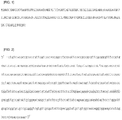
FIG. 1 shows the amino acid sequence of LysSS, an antibacterial protein derived from bacteriophage having antibacterial activity (the underlined part is an artificially added amino acid sequence). -
FIG. 2 shows the nucleotide sequence of the LysSS. -
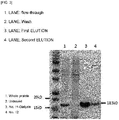
FIG. 3 shows image of SDS-PAGE analysis after protein purification of LysSS and confirming by Western analysis using a LysSS specific antibody. -
FIG. 4 shows the killing activity to Salmonella by the LysSS. - The inventors of the present invention transformed DNA encoding a recombinant protein (referred to as 'LysSS') derived from bacteriophage SS3e into E. coli together with a vector to express the protein, and confirmed that the protein exhibited killing activity in gram-negative bacteria and thus it can be used as a broad spectrum antimicrobial agent and completed the present invention. On the other hand, SS3e bacteriophage, the source of LysSS, can kill several gram-negative bacteria, including Salmonella, but cannot kill gram-negative bacteria such as Acinetobacter baumannii and Pseudomonas aeruginosa, whereas LysSS exhibits a broad spectrum of antimicrobial activity showing antibacterial effects on all of them.
- The present invention provides a pharmaceutical composition for preventing or treating bacterial infectious diseases comprising a protein having killing activity to pathogenic bacteria, wherein the protein comprises an amino acid sequence represented by SEQ ID NO: 1 as an active ingredient.
- The gene encoding the protein may be represented by SEQ ID NO: 2, but it is not limited thereto.
- The protein may be derived from the bacteriophage SS3e (Accession No. KCTC 11492BP) of Siphoviridae family. The present inventors screened a novel bacteriophage having killing activity to various pathogenic bacteria from river water in the metropolitan area, and deposited the isolated bacteriophage to the Korea Human Gene Bank (KHGB) of the Korea Research Institute of Bioscience & Biotechnology (KRIBB) on March 27, 2009.
- The pathogenic bacteria may be gram-negative bacteria, and the gram-negative bacteria may be are the gram-negative bacteria are selected from the group consisting of Acinetobacter baumannii, Salmonella, Shigella, Escherichia coli, Cholera, Pseudomonas aeruginosa, Salmonella Typhi, Yersinia pestis, Neisseria gonorrhoeae, Meningococcus, Bordetella pertussis, Rickettsia, Spirochaeta, Myxobacteria, Eubacteria, Enterobacter, Citrobacter and Serratia, but they are not limited thereto.
- The gram-negative bacteria are bacteria that are stained red when stained by the gram staining method, and are characterized in that a peptidoglycan cell wall is formed between an inner cytoplasmic membrane and an outer membrane like a sandwich. Gram-negative bacteria are spread all over the world and can live in almost any living environment.
- The protein of the present invention uses peptidoglycan, which is a component of the cell wall of bacteria, as a substrate to degrade and disrupt the cell wall, thereby killing the bacteria. The peptidoglycan exists only in bacteria and not in humans or animals, and thus there is an advantage that protein of the present invention is safe because it does not affect humans and animals, and can be applied to the pharmaceutical industry, food industry, biotechnology, etc., as well as can effectively kill bacteria in a target place or a target substance without problems of resistance to multi-drug antimicrobial agents.
- The pathogenic bacteria cause various diseases, and the bacterial infectious diseases may be selected from the group consisting of sepsis, pneumonia, food poisoning, dysentery, Pseudomonas aeruginosa infection, impetigo, purulent disease, acute dermatitis, bacteremia, endocarditis and enteritis but they are not limited thereto.
- As used herein, the term 'treatment' refers to the prevention, inhibition and alleviation of infectious diseases caused by pathogenic bacteria.
- When the composition of the present invention is a pharmaceutical composition, for administration, it may include a pharmaceutically acceptable carrier, excipient or diluent in addition to the above-described active ingredients. Examples of the carrier, excipient and diluent include lactose, dextrose, sucrose, sorbitol, mannitol, xylitol, erythritol, maltitol, starch, acacia gum, alginate, gelatin, calcium phosphate, calcium silicate, cellulose, methyl cellulose, microcrystalline cellulose, polyvinylpyrrolidone, water, methylhydroxybenzoate, propylhydroxybenzoate, talc, magnesium stearate and mineral oils.
- The pharmaceutical compositions of the present invention can be formulated and used in the form of oral formulations such as powders, granules, tablets, capsules, suspensions, emulsions, syrups, aerosols, external preparations, suppositories, or sterile injectable solutions according to a conventional method. In detail, when formulated, it may be prepared using diluents or excipients such as fillers, weighting agents, binders, wetting agents, disintegrants and surfactants that are commonly used. Solid preparations for oral administration include tablets, pills, powders, granules, capsules, and the like, but they are not limited thereto. Such a solid preparation may be prepared by mixing at least one excipient, for example, starch, calcium carbonate, sucrose, lactose, gelatin, etc. in addition to the active ingredient. Further, in addition to simple excipients, lubricants such as magnesium stearate and talc may also be used. It can be prepared by adding various excipients such as wetting agents, sweetening agents, fragrances, preservatives, and the like, in addition to liquids and liquid paraffins for oral use. Formulations for parenteral administration include sterile aqueous solutions, non-aqueous solvents, suspensions, emulsions, lyophilized formulations, and suppositories. As the non-aqueous solvent and suspending agent, propylene glycol, polyethylene glycol, vegetable oil such as olive oil, injectable ester such as ethyl oleate, and the like may be used. As a base for suppositories, witepsol, macrosol, Tween 61, cacao butter, laurin, glycerogelatin, and the like may be used.
- A suitable dosage of the pharmaceutical composition of the present invention varies depending on the condition and weight of the patient, the severity of the disease, the form of the drug, and the time, but can be appropriately selected by a person skilled in the art. Thus, the daily dosage of the pharmaceutically acceptable salt is preferably 0.001 mg/kg to 50 mg/kg, and may be administered once to several times a day as necessary.
- In addition, the present invention provides a cosmetic antimicrobial agent and a pharmaceutical antibiotic comprising a protein having killing activity to pathogenic bacteria, wherein the protein comprises an amino acid sequence represented by SEQ ID NO: 1 as an active ingredient.
- Cosmetics contain oil or water as their main components, and because there are many combinations of glycerin or sorbitol as carbon sources of microorganisms, amino acid derivatives and proteins as nitrogen sources, it is easy for microorganisms such as bacteria. In addition, it can be said that the risk of contamination by microorganisms is much greater because the period of use is very long compared to that of food. It is essential to add an antibacterial agent to protect cosmetics for a long time from discoloration or deodorant caused by microbial contamination due to use.
- The protein of the present invention has excellent ability to kill a wide range of bacteria compared to conventional antimicrobial agents. If the protein is used as an antimicrobial agent, unlike conventional antimicrobial agents, it has the advantage of not inducing tolerance or resistance of bacteria to provide an antibiotic material having a longer life cycle compared to the conventional antibiotic material. While most of the antibiotics face increased resistance, the range of use decreases, whereas the antimicrobial agent comprising the protein of the present invention as an active ingredient can fundamentally solve the problem of resistance to antibacterial agents, thereby increasing the product lifespan as an antimicrobial agent.
- Therefore, an antibiotic comprising the protein of the present invention having killing activity to pathogenic bacteria as an active ingredient can be usefully used as an antibiotic having excellent antibacterial, bactericidal and antiseptic effects. The term "antibiotic" as used herein collectively refers to preservatives, fungicides and antibacterial agents.
- In addition, the present invention provides a disinfectant comprising a protein having killing activity to pathogenic bacteria, wherein the protein comprises an amino acid sequence represented by SEQ ID NO: 1 as an active ingredient.
- The disinfectant comprising the protein of the present invention having a wide range of killing activity to bacteria as an active ingredient can be usefully used as a disinfectant for hospitals and health care to prevent hospital infection, and also as a disinfectant for general life, food and cooking places and facilities, livestock housing in the livestock industry.
- In addition, the present invention provides a food additive comprising a protein having killing activity to pathogenic bacteria, wherein the protein comprises an amino acid sequence represented by SEQ ID NO: 1 as an active ingredient.
- Furthermore, the present invention provides a feed additive comprising a protein having killing activity to pathogenic bacteria, wherein the protein comprises an amino acid sequence represented by SEQ ID NO: 1 as an active ingredient.
- The protein of the present invention can be used as an additive for livestock feed and drinking water for livestock for the purpose of preventing or treating bacterial infections and can improve or maintain animal feed intake, growth, feed efficiency, survival rate, feeding condition, production capacity, etc.
- Hereinafter, the present invention will be described in more detail through examples. These examples are only intended to illustrate the present invention in more detail, and it will be apparent to those skilled in the art that the scope of the present invention is not limited by these examples according to the gist of the present invention.
- To obtain a fragment containing open reading frame (open reading frame 25; ORF25) of the bacteriophage SS3e (Accession No. KCTC 11492BP) of Siphoviridae family having specific killing activity to Salmonella, gDNA of the bacteriophage SS3e was extracted. A polymerase chain reaction (PCR) was performed using the gDNA as a template, and the primers used were as follows: SS3e25-F: GGGAATTCCATATGTCAAACCGAAACATTAG, SS3e25-R: ATCCGCTCGAGCTTTGCTTCGCGGCCGATG. The PCR fragment was obtained by eluting a band of a desired size after electrophoresis on an agarose gel.
- The PCR fragment was digested by treatment with restriction enzymes Ndel and Xhol, and then ligated with an expression vector (pET21a) digested with the same enzyme. When E. coli BL21 (DE3) was transformed (LysSS-pET21a) with the prepared vector, the culture was performed in the LB liquid medium to which 100 µg/ml of ampicillin was added until the absorbance of the bacteria reached 0.6 (600 nm wavelength). Next, IPTG (isopropyl β-D-1-thiogalactopyranoside) was added so that the final concentration was 0.1 mM, followed by incubation at 18 °C for 16 hours to induce protein expression.
- Thereafter, after harvesting the bacteria, the bacteria were disrupted with a lysis buffer [50 mM Tris-CI (pH 8.0), 200 mM NaCl] using an ultrasonicator. The disrupted bacterial lysate was centrifuged to obtain a supernatant, and injected into a Ni-NTA column, and LysSS proteins tagged with six histidines at the C-terminus were purified using an elution buffer [500 mM imidazole, 50 mM Tris-CI (pH 8.0), 200 mM NaCl].
- In order to identify the purified LysSS protein, SDS-PAGE (12%) and staining with Coomassie blue was performed and as a result, LysSS protein was confirmed at 18.5 kD as shown in
FIG. 3 and it was confirmed that the 18.5 kD protein was 6xHis tagged LysSS by Western analysis using anti-6xHis monoclonal antibody. - In
FIG. 3A , M is a protein size marker, 1 is a flow-through of the sample initially flown from the Ni-NTA column, 2 is a wash sample, 3-5 is samples of three fractions harvested from LysSS, andFIG. 3B shows Western test results using anti-6xHis monoclonal antibody for LysSS and M is a protein size marker, 1 is the fraction sample of harvested LysSS. - As shown in
FIG. 1 , the amino acid sequence and number of LysSS is composed of 170 amino acids including histidine tag, has a total size of 18.5 kDa and has 60-97% homology to the lysozyme of Salmonella bacteriophage (NCBI Blast Search). The gene coding sequence is 510 bp as shown inFIG. 2 . - As for gram-negative
bacteria Salmonella enteritidis 2 species,Salmonella typhimurium 2 species,Pseudomonas aeruginosa 1 species,Acinetobacter baumannii 1 species,Klebsiella pneumoniae 2 species, Escherichia coli 2 species, and gram-positive Staphylococcus aureus 2 species, the bacterial killing ability of LysSS was performed as follows (Table 1). Each bacterium was prepared so that the number of bacteria was 5 X 10⁵/mL CFU using a buffer [50 mM Tris-CI (pH 8.0), 200 mM NaCl], and the purified LysSS protein was added to be 0.25, 0.5, 1.0 mg/ mL, respectively and reacted at 35 °C for 16 hours and then the bacterial turbidity was observed. After spreading on MAC agar (MacConkey agar; MCA) medium or LB agar (Luria Bertani agar: LBA) medium and incubating for 16 hours, the number of bacteria was measured. - As a result, as shown in
FIG. 4 , growth of bacteria was observed in both the test tube and the well plate of the control group (-LysSS), whereas the test group (+LysSS) showed a transparent liquid in which no bacterial growth was observed. In the solid medium, about 5 X 10⁶ CFU bacteria were observed in the control group (-LysSS), whereas only Salmonella bacteria of less than 10 CFU survived in the test group treated with LysSS and had 99.99999% of killing activity to Salmonella. - Table 1 below shows the strains used in the bacterial killing ability test of LysSS and the minimum inhibitory concentration (MIC) of LysSS for each test strain.
[Table 1] Bacterial species Classification Antimicrobial effect of LysSS (MIC*, mg/mL) Salmonella enteritidis KNI H 14771 gram-negative bacteria Yes (1.0) Salmonella enteritidis Phage Type 4gram-negative bacteria Yes (0.5) Salmonella typhimurium KNIH 14772 gram-negative bacteria Yes (0.5) Salmonella typhimurium Phage Type DT104 gram-negative bacteria Yes (1.0) Pseudomonas aeruginosa PAO1 gram-negative bacteria Yes (0.5) Acinetobacter baumannii ATCC 17978 gram -negative bacteria Yes (0.5) Klebsiella pneumoniae KCTC 2208 gram-negative bacteria No Klebsiella pneumoniae KNU 05K650 gram-negative bacteria No Escherichia coli ATCC 25922 gram-negative bacteria Yes (0.5) Escherichia coli DH5α gram-negative bacteria Yes (0.25) Staphylococcus aureus ATCC 29213 gram-positive bacteria No Staphylococcus aureus ATCC 25923 gram-positive bacteria No *MIC: minimum inhibitory concentration - Meanwhile, examples of preparations using the protein of the present invention are exemplified below, but this is not intended to limit the present invention, but to describe in detail.
-
- Recombinant protein LysSS 300 mg
- Lactose 100 mg
- Talc 10 mg
- The above ingredients are mixed and filled in an airtight cloth to prepare a powder.
-
- Recombinant protein LysSS 300 mg
- Corn starch 100 mg
- Lactose 100 mg
-
Magnesium stearate 2 mg - After mixing the above ingredients, tablets are prepared by compressing according to a conventional tablet preparation method.
-
- Recombinant protein LysSS 300 mg
-
Crystalline cellulose 3 mg - Lactose 14.8 mg
- Magnesium stearate 0.2 mg
- According to a conventional capsule preparation method, the above ingredients are mixed and filled into gelatin capsules to prepare a capsule.
-
- Recombinant protein LysSS 300 mg
- Mannitol 180 mg
- Sterile distilled water for injection 2974 mg
- Na2HPO4•2H2O 26 mg
- According to a conventional injection preparation method, it is prepared with the above ingredients per ampoule (2)
-
- Recombinant protein LysSS 300 mg
- Isomerized sugar 10 g
- Mannitol 5 g
- According to a conventional preparation method of liquid formulation, each ingredient is added to purified water to dissolve it, lemon zest is added and the above ingredients are mixed, purified water is added to adjust the total amount to 100, then filled in a brown bottle for sterilization to prepare liquid formulation.
- A milk composition according to the present invention was prepared by adding 1% (w/v) of the recombinant protein LysSS of the present invention to 200 mL of commercially available S-manufactured milk.
- A feed additive was prepared according to the method for producing a feed additive by mixing 100 g of the recombinant protein LysSS of the present invention and an appropriate amount of an excipient.
- A feed was prepared according to a conventional feed preparation method by mixing recombinant protein of the present invention LysSS of 50 g, mushroom medium of 200 g, wheat brp of 30 g, beet pulp of 50 g, rice DDGS (Distillers Dried Grains with Solubles) of 220 g, corn flakes of 200 g, whole soybean of 40 g, starch pulp of 100 g, corn silage of 200 g, corn cob of 180 g, bean-curd dregs of 400 g, ryegrass of 323 g, geolite of 14 g and tapioca of 40 g.
- While the present invention has been particularly described with reference to specific embodiments thereof, it is apparent that this specific description is only a preferred embodiment and that the scope of the present invention is not limited thereby to those skilled in the art. That is, the practical scope of the present invention is defined by the appended claims and their equivalents.
- The scope of the present invention is indicated by the claims to be described later, and all changes or modified forms derived from the meaning and scope of the claims and their equivalent concepts should be interpreted as being included in the scope of the present invention.


Claims (10)
- A pharmaceutical composition for preventing or treating bacterial infectious diseases comprising a protein having killing activity to pathogenic bacteria, wherein the protein comprises an amino acid sequence represented by SEQ ID NO: 1 as an active ingredient.
- The pharmaceutical composition for preventing or treating bacterial infectious diseases of claim 1, wherein a gene encoding the protein is represented by SEQ ID NO: 2.
- The pharmaceutical composition for preventing or treating bacterial infectious diseases of claim 1, wherein the protein is derived from bacteriophage SS3e.
- The pharmaceutical composition for preventing or treating bacterial infectious diseases of claim 1, wherein the pathogenic bacteria are a gram-negative bacteria.
- The pharmaceutical composition for preventing or treating bacterial infectious diseases of claim 4, wherein the gram-negative bacteria are selected from the group consisting of Acinetobacter baumannii, Salmonella, Shigella, Escherichia coli, Cholera, Pseudomonas aeruginosa, Salmonella Typhi, Yersinia pestis, Neisseria gonorrhoeae, Meningococcus, Bordetella pertussis, Rickettsia, Spirochaeta, Myxobacteria, Eubacteria, Enterobacter, Citrobacter and Serratia.
- The pharmaceutical composition for preventing or treating bacterial infectious diseases of claim 1, wherein the bacterial infectious disease is selected from the group consisting of sepsis, pneumonia, food poisoning, dysentery, Pseudomonas aeruginosa infection, impetigo, purulent disease, acute dermatitis, bacteremia, endocarditis and enteritis.
- An antibiotic comprising a protein having killing activity to pathogenic bacteria, wherein the protein comprises an amino acid sequence represented by SEQ ID NO: 1 as an active ingredient.
- A disinfectant comprising a protein having killing activity to pathogenic bacteria, wherein the protein comprises an amino acid sequence represented by SEQ ID NO: 1 as an active ingredient.
- A food additive comprising a protein having killing activity to pathogenic bacteria, wherein the protein comprises an amino acid sequence represented by SEQ ID NO: 1 as an active ingredient.
- A feed additive comprising a protein having killing activity to pathogenic bacteria, wherein the protein comprises an amino acid sequence represented by SEQ ID NO: 1 as an active ingredient.
Applications Claiming Priority (2)
| Application Number | Priority Date | Filing Date | Title |
|---|---|---|---|
| KR1020180051191A KR102068591B1 (en) | 2018-05-03 | 2018-05-03 | Novel recombinant protein from bacteriophage having antibacterial activity to pathogenic gram-negative bacterium |
| PCT/KR2019/005238 WO2019212244A1 (en) | 2018-05-03 | 2019-04-30 | Bacteriophage-derived recombinant protein having antimicrobial activity against pathogenic gram-negative bacteria |
Publications (3)
| Publication Number | Publication Date |
|---|---|
| EP3795169A1 true EP3795169A1 (en) | 2021-03-24 |
| EP3795169A4 EP3795169A4 (en) | 2022-03-02 |
| EP3795169B1 EP3795169B1 (en) | 2023-08-23 |
Family
ID=68386441
Family Applications (1)
| Application Number | Title | Priority Date | Filing Date |
|---|---|---|---|
| EP19797136.9A Active EP3795169B1 (en) | 2018-05-03 | 2019-04-30 | Bacteriophage-derived recombinant protein having antimicrobial activity against pathogenic gram-negative bacteria |
Country Status (4)
| Country | Link |
|---|---|
| US (1) | US20210361738A1 (en) |
| EP (1) | EP3795169B1 (en) |
| KR (1) | KR102068591B1 (en) |
| WO (1) | WO2019212244A1 (en) |
Families Citing this family (5)
| Publication number | Priority date | Publication date | Assignee | Title |
|---|---|---|---|---|
| CN112175928B (en) * | 2020-10-13 | 2022-09-13 | 华中农业大学 | Application of protein encoded by salmonella bacteriophage gene as gram-negative bacteria lyase |
| KR102592424B1 (en) * | 2021-06-04 | 2023-10-25 | 경북대학교 산학협력단 | Pathogenic Escherichia coli, Salmonella, and Shigella-specific bacteriophage and antibacterial composition comprising the same |
| US12102667B2 (en) * | 2021-08-19 | 2024-10-01 | Lysentech Co., Ltd. | Polypeptides and antibiotics against gram-negative bacterium comprising the same |
| KR102720036B1 (en) * | 2022-06-30 | 2024-10-21 | 주식회사 옵티팜 | Novel Salmonella enterica specific bacteriophage OPT-SAL01 and antibacterial composition comprising the same |
| CN115612675B (en) * | 2022-09-30 | 2026-02-06 | 广西大学 | Salmonella phage nct1 and application thereof |
Family Cites Families (6)
| Publication number | Priority date | Publication date | Assignee | Title |
|---|---|---|---|---|
| KR100883132B1 (en) * | 2006-10-24 | 2009-02-10 | 재단법인서울대학교산학협력재단 | Cleavage Agents Acting Selectively on Soluble Aggregates of Amyloid-forming Peptides or Proteins |
| KR101101604B1 (en) * | 2009-04-22 | 2012-01-02 | 경북대학교 산학협력단 | Bacteriophage kills pathogenic gut bacteria |
| KR101261873B1 (en) | 2011-08-23 | 2013-05-14 | 대한민국 (식품의약품안전처장) | Bacteriophage having bacteriocidal effect on Salmonella spp., the cause of sitotoxism |
| ES2685551T3 (en) * | 2012-05-07 | 2018-10-09 | Micreos B.V. | Bacteriophage for Salmonella biocontrol and in food production or processing |
| CN104830806B (en) * | 2014-09-28 | 2017-09-22 | 中国海洋大学 | A kind of wide fragmentation pattern salmonella bacteriophage and its antibacterial application |
| US11208646B2 (en) * | 2016-05-27 | 2021-12-28 | Sasinapas Co., Ltd. | Endolysin variant |
-
2018
- 2018-05-03 KR KR1020180051191A patent/KR102068591B1/en active Active
-
2019
- 2019-04-30 EP EP19797136.9A patent/EP3795169B1/en active Active
- 2019-04-30 US US17/052,204 patent/US20210361738A1/en not_active Abandoned
- 2019-04-30 WO PCT/KR2019/005238 patent/WO2019212244A1/en not_active Ceased
Also Published As
| Publication number | Publication date |
|---|---|
| EP3795169B1 (en) | 2023-08-23 |
| KR102068591B1 (en) | 2020-01-21 |
| US20210361738A1 (en) | 2021-11-25 |
| KR20190127073A (en) | 2019-11-13 |
| EP3795169A4 (en) | 2022-03-02 |
| WO2019212244A1 (en) | 2019-11-07 |
Similar Documents
| Publication | Publication Date | Title |
|---|---|---|
| EP3795169B1 (en) | Bacteriophage-derived recombinant protein having antimicrobial activity against pathogenic gram-negative bacteria | |
| KR102224929B1 (en) | Novel antimicrobial peptide derived from antimicrobial peptides isolated from Korean sea cucumber and uses thereof | |
| KR102499670B1 (en) | Romo1-derived antimicrobial peptides containing lysine substitution and variants thereof | |
| CN115605587B (en) | Novel recombinant lysin and its use in the treatment of Gram-negative bacterial infections | |
| KR101101604B1 (en) | Bacteriophage kills pathogenic gut bacteria | |
| KR101471975B1 (en) | Antimicrobial Peptides and Composition Containing the Same | |
| KR101796766B1 (en) | Antibacterial composition comprising peptide fraction from immunized hermetia illucens larval | |
| US12102666B2 (en) | Use of recombinant antibacterial protein Ablysin for effectively killing multidrug-resistant pathogenic bacteria | |
| US12220448B2 (en) | Method of treating pathogenic bacterial infectious diseases | |
| US20060258596A1 (en) | Antimicrobial agents | |
| KR102277576B1 (en) | Antibacterial peptide derived from Haliotis | |
| KR102966730B1 (en) | Use of recombinant anti-bacterial protein killing Clostridium difficile | |
| KR101263396B1 (en) | Novel bacteriocin from Bacillus cereus ATCC 13061 and antibiotic composition thereof | |
| KR102358469B1 (en) | Antimicrobial peptide derived from Impatiens balsamina and antimicrobial composition comprising the same | |
| KR101971572B1 (en) | Novel Salmonella Enteritidis specific bacteriophage and antibacterial composition comprising the same | |
| KR20230091030A (en) | Use of recombinant anti-bacterial protein killing Clostridium difficile | |
| Turhal et al. | Alternative Approaches to Antimicrobials | |
| Çağmel Turhal et al. | Alternative Approaches to Antimicrobials | |
| KR20260026640A (en) | Novel bacteriophage LBC9 and uses thereof | |
| KR20250099550A (en) | Antibiotic-resistant and pathogenic escherichia coli-specific novel bacteriophage kfsec8 and antibacterial composition comprising the same | |
| KR20260026637A (en) | Novel bacteriophage LSE2 and uses thereof | |
| CN107056924A (en) | A kind of breast milk endogenous antibacterial polypeptide and its application | |
| KR20250094773A (en) | Novel Pseudomonas aeruginosa specific bacteriophage OPT-PA54 and antibacterial composition comprising the same | |
| KR20220051083A (en) | A psacotheasin 2 peptide isolated from Psacothea hilaris larva and A use of the peptide | |
| KR20220037034A (en) | Antibacterial peptide derived from Haliotis discus discus |
Legal Events
| Date | Code | Title | Description |
|---|---|---|---|
| STAA | Information on the status of an ep patent application or granted ep patent |
Free format text: STATUS: THE INTERNATIONAL PUBLICATION HAS BEEN MADE |
|
| PUAI | Public reference made under article 153(3) epc to a published international application that has entered the european phase |
Free format text: ORIGINAL CODE: 0009012 |
|
| STAA | Information on the status of an ep patent application or granted ep patent |
Free format text: STATUS: REQUEST FOR EXAMINATION WAS MADE |
|
| 17P | Request for examination filed |
Effective date: 20201203 |
|
| AK | Designated contracting states |
Kind code of ref document: A1 Designated state(s): AL AT BE BG CH CY CZ DE DK EE ES FI FR GB GR HR HU IE IS IT LI LT LU LV MC MK MT NL NO PL PT RO RS SE SI SK SM TR |
|
| AX | Request for extension of the european patent |
Extension state: BA ME |
|
| DAV | Request for validation of the european patent (deleted) | ||
| DAX | Request for extension of the european patent (deleted) | ||
| A4 | Supplementary search report drawn up and despatched |
Effective date: 20220128 |
|
| RIC1 | Information provided on ipc code assigned before grant |
Ipc: C12N 9/36 20060101ALI20220124BHEP Ipc: A61P 31/00 20060101ALI20220124BHEP Ipc: C07K 14/005 20060101ALI20220124BHEP Ipc: A23K 20/147 20160101ALI20220124BHEP Ipc: A23L 33/18 20160101ALI20220124BHEP Ipc: A61K 48/00 20060101ALI20220124BHEP Ipc: A61K 38/16 20060101AFI20220124BHEP |
|
| STAA | Information on the status of an ep patent application or granted ep patent |
Free format text: STATUS: EXAMINATION IS IN PROGRESS |
|
| 17Q | First examination report despatched |
Effective date: 20221027 |
|
| GRAP | Despatch of communication of intention to grant a patent |
Free format text: ORIGINAL CODE: EPIDOSNIGR1 |
|
| STAA | Information on the status of an ep patent application or granted ep patent |
Free format text: STATUS: GRANT OF PATENT IS INTENDED |
|
| INTG | Intention to grant announced |
Effective date: 20230404 |
|
| GRAS | Grant fee paid |
Free format text: ORIGINAL CODE: EPIDOSNIGR3 |
|
| GRAA | (expected) grant |
Free format text: ORIGINAL CODE: 0009210 |
|
| STAA | Information on the status of an ep patent application or granted ep patent |
Free format text: STATUS: THE PATENT HAS BEEN GRANTED |
|
| AK | Designated contracting states |
Kind code of ref document: B1 Designated state(s): AL AT BE BG CH CY CZ DE DK EE ES FI FR GB GR HR HU IE IS IT LI LT LU LV MC MK MT NL NO PL PT RO RS SE SI SK SM TR |
|
| REG | Reference to a national code |
Ref country code: GB Ref legal event code: FG4D |
|
| REG | Reference to a national code |
Ref country code: CH Ref legal event code: EP |
|
| REG | Reference to a national code |
Ref country code: DE Ref legal event code: R096 Ref document number: 602019035735 Country of ref document: DE |
|
| REG | Reference to a national code |
Ref country code: IE Ref legal event code: FG4D |
|
| REG | Reference to a national code |
Ref country code: LT Ref legal event code: MG9D |
|
| REG | Reference to a national code |
Ref country code: NL Ref legal event code: MP Effective date: 20230823 |
|
| REG | Reference to a national code |
Ref country code: AT Ref legal event code: MK05 Ref document number: 1601792 Country of ref document: AT Kind code of ref document: T Effective date: 20230823 |
|
| PG25 | Lapsed in a contracting state [announced via postgrant information from national office to epo] |
Ref country code: GR Free format text: LAPSE BECAUSE OF FAILURE TO SUBMIT A TRANSLATION OF THE DESCRIPTION OR TO PAY THE FEE WITHIN THE PRESCRIBED TIME-LIMIT Effective date: 20231124 |
|
| PG25 | Lapsed in a contracting state [announced via postgrant information from national office to epo] |
Ref country code: IS Free format text: LAPSE BECAUSE OF FAILURE TO SUBMIT A TRANSLATION OF THE DESCRIPTION OR TO PAY THE FEE WITHIN THE PRESCRIBED TIME-LIMIT Effective date: 20231223 |
|
| PG25 | Lapsed in a contracting state [announced via postgrant information from national office to epo] |
Ref country code: SE Free format text: LAPSE BECAUSE OF FAILURE TO SUBMIT A TRANSLATION OF THE DESCRIPTION OR TO PAY THE FEE WITHIN THE PRESCRIBED TIME-LIMIT Effective date: 20230823 Ref country code: RS Free format text: LAPSE BECAUSE OF FAILURE TO SUBMIT A TRANSLATION OF THE DESCRIPTION OR TO PAY THE FEE WITHIN THE PRESCRIBED TIME-LIMIT Effective date: 20230823 Ref country code: PT Free format text: LAPSE BECAUSE OF FAILURE TO SUBMIT A TRANSLATION OF THE DESCRIPTION OR TO PAY THE FEE WITHIN THE PRESCRIBED TIME-LIMIT Effective date: 20231226 Ref country code: NO Free format text: LAPSE BECAUSE OF FAILURE TO SUBMIT A TRANSLATION OF THE DESCRIPTION OR TO PAY THE FEE WITHIN THE PRESCRIBED TIME-LIMIT Effective date: 20231123 Ref country code: NL Free format text: LAPSE BECAUSE OF FAILURE TO SUBMIT A TRANSLATION OF THE DESCRIPTION OR TO PAY THE FEE WITHIN THE PRESCRIBED TIME-LIMIT Effective date: 20230823 Ref country code: LV Free format text: LAPSE BECAUSE OF FAILURE TO SUBMIT A TRANSLATION OF THE DESCRIPTION OR TO PAY THE FEE WITHIN THE PRESCRIBED TIME-LIMIT Effective date: 20230823 Ref country code: LT Free format text: LAPSE BECAUSE OF FAILURE TO SUBMIT A TRANSLATION OF THE DESCRIPTION OR TO PAY THE FEE WITHIN THE PRESCRIBED TIME-LIMIT Effective date: 20230823 Ref country code: IS Free format text: LAPSE BECAUSE OF FAILURE TO SUBMIT A TRANSLATION OF THE DESCRIPTION OR TO PAY THE FEE WITHIN THE PRESCRIBED TIME-LIMIT Effective date: 20231223 Ref country code: HR Free format text: LAPSE BECAUSE OF FAILURE TO SUBMIT A TRANSLATION OF THE DESCRIPTION OR TO PAY THE FEE WITHIN THE PRESCRIBED TIME-LIMIT Effective date: 20230823 Ref country code: GR Free format text: LAPSE BECAUSE OF FAILURE TO SUBMIT A TRANSLATION OF THE DESCRIPTION OR TO PAY THE FEE WITHIN THE PRESCRIBED TIME-LIMIT Effective date: 20231124 Ref country code: FI Free format text: LAPSE BECAUSE OF FAILURE TO SUBMIT A TRANSLATION OF THE DESCRIPTION OR TO PAY THE FEE WITHIN THE PRESCRIBED TIME-LIMIT Effective date: 20230823 Ref country code: AT Free format text: LAPSE BECAUSE OF FAILURE TO SUBMIT A TRANSLATION OF THE DESCRIPTION OR TO PAY THE FEE WITHIN THE PRESCRIBED TIME-LIMIT Effective date: 20230823 |
|
| PG25 | Lapsed in a contracting state [announced via postgrant information from national office to epo] |
Ref country code: PL Free format text: LAPSE BECAUSE OF FAILURE TO SUBMIT A TRANSLATION OF THE DESCRIPTION OR TO PAY THE FEE WITHIN THE PRESCRIBED TIME-LIMIT Effective date: 20230823 |
|
| PG25 | Lapsed in a contracting state [announced via postgrant information from national office to epo] |
Ref country code: ES Free format text: LAPSE BECAUSE OF FAILURE TO SUBMIT A TRANSLATION OF THE DESCRIPTION OR TO PAY THE FEE WITHIN THE PRESCRIBED TIME-LIMIT Effective date: 20230823 |
|
| PG25 | Lapsed in a contracting state [announced via postgrant information from national office to epo] |
Ref country code: SM Free format text: LAPSE BECAUSE OF FAILURE TO SUBMIT A TRANSLATION OF THE DESCRIPTION OR TO PAY THE FEE WITHIN THE PRESCRIBED TIME-LIMIT Effective date: 20230823 Ref country code: RO Free format text: LAPSE BECAUSE OF FAILURE TO SUBMIT A TRANSLATION OF THE DESCRIPTION OR TO PAY THE FEE WITHIN THE PRESCRIBED TIME-LIMIT Effective date: 20230823 Ref country code: ES Free format text: LAPSE BECAUSE OF FAILURE TO SUBMIT A TRANSLATION OF THE DESCRIPTION OR TO PAY THE FEE WITHIN THE PRESCRIBED TIME-LIMIT Effective date: 20230823 Ref country code: EE Free format text: LAPSE BECAUSE OF FAILURE TO SUBMIT A TRANSLATION OF THE DESCRIPTION OR TO PAY THE FEE WITHIN THE PRESCRIBED TIME-LIMIT Effective date: 20230823 Ref country code: DK Free format text: LAPSE BECAUSE OF FAILURE TO SUBMIT A TRANSLATION OF THE DESCRIPTION OR TO PAY THE FEE WITHIN THE PRESCRIBED TIME-LIMIT Effective date: 20230823 Ref country code: CZ Free format text: LAPSE BECAUSE OF FAILURE TO SUBMIT A TRANSLATION OF THE DESCRIPTION OR TO PAY THE FEE WITHIN THE PRESCRIBED TIME-LIMIT Effective date: 20230823 Ref country code: SK Free format text: LAPSE BECAUSE OF FAILURE TO SUBMIT A TRANSLATION OF THE DESCRIPTION OR TO PAY THE FEE WITHIN THE PRESCRIBED TIME-LIMIT Effective date: 20230823 |
|
| REG | Reference to a national code |
Ref country code: DE Ref legal event code: R097 Ref document number: 602019035735 Country of ref document: DE |
|
| PG25 | Lapsed in a contracting state [announced via postgrant information from national office to epo] |
Ref country code: IT Free format text: LAPSE BECAUSE OF FAILURE TO SUBMIT A TRANSLATION OF THE DESCRIPTION OR TO PAY THE FEE WITHIN THE PRESCRIBED TIME-LIMIT Effective date: 20230823 |
|
| PLBE | No opposition filed within time limit |
Free format text: ORIGINAL CODE: 0009261 |
|
| STAA | Information on the status of an ep patent application or granted ep patent |
Free format text: STATUS: NO OPPOSITION FILED WITHIN TIME LIMIT |
|
| 26N | No opposition filed |
Effective date: 20240524 |
|
| PG25 | Lapsed in a contracting state [announced via postgrant information from national office to epo] |
Ref country code: SI Free format text: LAPSE BECAUSE OF FAILURE TO SUBMIT A TRANSLATION OF THE DESCRIPTION OR TO PAY THE FEE WITHIN THE PRESCRIBED TIME-LIMIT Effective date: 20230823 |
|
| PG25 | Lapsed in a contracting state [announced via postgrant information from national office to epo] |
Ref country code: BG Free format text: LAPSE BECAUSE OF FAILURE TO SUBMIT A TRANSLATION OF THE DESCRIPTION OR TO PAY THE FEE WITHIN THE PRESCRIBED TIME-LIMIT Effective date: 20230823 |
|
| PG25 | Lapsed in a contracting state [announced via postgrant information from national office to epo] |
Ref country code: MC Free format text: LAPSE BECAUSE OF FAILURE TO SUBMIT A TRANSLATION OF THE DESCRIPTION OR TO PAY THE FEE WITHIN THE PRESCRIBED TIME-LIMIT Effective date: 20230823 |
|
| PG25 | Lapsed in a contracting state [announced via postgrant information from national office to epo] |
Ref country code: MC Free format text: LAPSE BECAUSE OF FAILURE TO SUBMIT A TRANSLATION OF THE DESCRIPTION OR TO PAY THE FEE WITHIN THE PRESCRIBED TIME-LIMIT Effective date: 20230823 Ref country code: BG Free format text: LAPSE BECAUSE OF FAILURE TO SUBMIT A TRANSLATION OF THE DESCRIPTION OR TO PAY THE FEE WITHIN THE PRESCRIBED TIME-LIMIT Effective date: 20230823 |
|
| REG | Reference to a national code |
Ref country code: CH Ref legal event code: PL |
|
| PG25 | Lapsed in a contracting state [announced via postgrant information from national office to epo] |
Ref country code: LU Free format text: LAPSE BECAUSE OF NON-PAYMENT OF DUE FEES Effective date: 20240430 |
|
| REG | Reference to a national code |
Ref country code: BE Ref legal event code: MM Effective date: 20240430 |
|
| PG25 | Lapsed in a contracting state [announced via postgrant information from national office to epo] |
Ref country code: LU Free format text: LAPSE BECAUSE OF NON-PAYMENT OF DUE FEES Effective date: 20240430 |
|
| PG25 | Lapsed in a contracting state [announced via postgrant information from national office to epo] |
Ref country code: BE Free format text: LAPSE BECAUSE OF NON-PAYMENT OF DUE FEES Effective date: 20240430 |
|
| PG25 | Lapsed in a contracting state [announced via postgrant information from national office to epo] |
Ref country code: BE Free format text: LAPSE BECAUSE OF NON-PAYMENT OF DUE FEES Effective date: 20240430 Ref country code: CH Free format text: LAPSE BECAUSE OF NON-PAYMENT OF DUE FEES Effective date: 20240430 |
|
| PG25 | Lapsed in a contracting state [announced via postgrant information from national office to epo] |
Ref country code: IE Free format text: LAPSE BECAUSE OF NON-PAYMENT OF DUE FEES Effective date: 20240430 |
|
| PGFP | Annual fee paid to national office [announced via postgrant information from national office to epo] |
Ref country code: DE Payment date: 20250417 Year of fee payment: 7 |
|
| PG25 | Lapsed in a contracting state [announced via postgrant information from national office to epo] |
Ref country code: CY Free format text: LAPSE BECAUSE OF FAILURE TO SUBMIT A TRANSLATION OF THE DESCRIPTION OR TO PAY THE FEE WITHIN THE PRESCRIBED TIME-LIMIT; INVALID AB INITIO Effective date: 20190430 |
|
| PG25 | Lapsed in a contracting state [announced via postgrant information from national office to epo] |
Ref country code: HU Free format text: LAPSE BECAUSE OF FAILURE TO SUBMIT A TRANSLATION OF THE DESCRIPTION OR TO PAY THE FEE WITHIN THE PRESCRIBED TIME-LIMIT; INVALID AB INITIO Effective date: 20190430 |
|
| PGFP | Annual fee paid to national office [announced via postgrant information from national office to epo] |
Ref country code: GB Payment date: 20260324 Year of fee payment: 8 |
|
| PGFP | Annual fee paid to national office [announced via postgrant information from national office to epo] |
Ref country code: FR Payment date: 20260311 Year of fee payment: 8 |