EP3783099B1 - Method for isolating and culturing neural stem cells with high efficiency - Google Patents
Method for isolating and culturing neural stem cells with high efficiency Download PDFInfo
- Publication number
- EP3783099B1 EP3783099B1 EP19767415.3A EP19767415A EP3783099B1 EP 3783099 B1 EP3783099 B1 EP 3783099B1 EP 19767415 A EP19767415 A EP 19767415A EP 3783099 B1 EP3783099 B1 EP 3783099B1
- Authority
- EP
- European Patent Office
- Prior art keywords
- stem cells
- neural stem
- isolating
- culture
- cells
- Prior art date
- Legal status (The legal status is an assumption and is not a legal conclusion. Google has not performed a legal analysis and makes no representation as to the accuracy of the status listed.)
- Active
Links
Images


Classifications
-
- C—CHEMISTRY; METALLURGY
- C12—BIOCHEMISTRY; BEER; SPIRITS; WINE; VINEGAR; MICROBIOLOGY; ENZYMOLOGY; MUTATION OR GENETIC ENGINEERING
- C12N—MICROORGANISMS OR ENZYMES; COMPOSITIONS THEREOF; PROPAGATING, PRESERVING, OR MAINTAINING MICROORGANISMS; MUTATION OR GENETIC ENGINEERING; CULTURE MEDIA
- C12N5/00—Undifferentiated human, animal or plant cells, e.g. cell lines; Tissues; Cultivation or maintenance thereof; Culture media therefor
- C12N5/06—Animal cells or tissues; Human cells or tissues
- C12N5/0602—Vertebrate cells
- C12N5/0618—Cells of the nervous system
- C12N5/0619—Neurons
-
- C—CHEMISTRY; METALLURGY
- C12—BIOCHEMISTRY; BEER; SPIRITS; WINE; VINEGAR; MICROBIOLOGY; ENZYMOLOGY; MUTATION OR GENETIC ENGINEERING
- C12N—MICROORGANISMS OR ENZYMES; COMPOSITIONS THEREOF; PROPAGATING, PRESERVING, OR MAINTAINING MICROORGANISMS; MUTATION OR GENETIC ENGINEERING; CULTURE MEDIA
- C12N5/00—Undifferentiated human, animal or plant cells, e.g. cell lines; Tissues; Cultivation or maintenance thereof; Culture media therefor
- C12N5/06—Animal cells or tissues; Human cells or tissues
- C12N5/0602—Vertebrate cells
- C12N5/0618—Cells of the nervous system
- C12N5/0623—Stem cells
-
- C—CHEMISTRY; METALLURGY
- C12—BIOCHEMISTRY; BEER; SPIRITS; WINE; VINEGAR; MICROBIOLOGY; ENZYMOLOGY; MUTATION OR GENETIC ENGINEERING
- C12N—MICROORGANISMS OR ENZYMES; COMPOSITIONS THEREOF; PROPAGATING, PRESERVING, OR MAINTAINING MICROORGANISMS; MUTATION OR GENETIC ENGINEERING; CULTURE MEDIA
- C12N9/00—Enzymes; Proenzymes; Compositions thereof; Processes for preparing, activating, inhibiting, separating or purifying enzymes
- C12N9/14—Hydrolases (3)
- C12N9/16—Hydrolases (3) acting on ester bonds (3.1)
- C12N9/22—Ribonucleases [RNase]; Deoxyribonucleases [DNase]
-
- C—CHEMISTRY; METALLURGY
- C12—BIOCHEMISTRY; BEER; SPIRITS; WINE; VINEGAR; MICROBIOLOGY; ENZYMOLOGY; MUTATION OR GENETIC ENGINEERING
- C12N—MICROORGANISMS OR ENZYMES; COMPOSITIONS THEREOF; PROPAGATING, PRESERVING, OR MAINTAINING MICROORGANISMS; MUTATION OR GENETIC ENGINEERING; CULTURE MEDIA
- C12N9/00—Enzymes; Proenzymes; Compositions thereof; Processes for preparing, activating, inhibiting, separating or purifying enzymes
- C12N9/14—Hydrolases (3)
- C12N9/48—Hydrolases (3) acting on peptide bonds (3.4)
- C12N9/50—Proteinases, e.g. Endopeptidases (3.4.21-3.4.25)
- C12N9/63—Proteinases, e.g. Endopeptidases (3.4.21-3.4.25) derived from plants
-
- C—CHEMISTRY; METALLURGY
- C12—BIOCHEMISTRY; BEER; SPIRITS; WINE; VINEGAR; MICROBIOLOGY; ENZYMOLOGY; MUTATION OR GENETIC ENGINEERING
- C12Y—ENZYMES
- C12Y301/00—Hydrolases acting on ester bonds (3.1)
- C12Y301/21—Endodeoxyribonucleases producing 5'-phosphomonoesters (3.1.21)
- C12Y301/21001—Deoxyribonuclease I (3.1.21.1)
-
- C—CHEMISTRY; METALLURGY
- C12—BIOCHEMISTRY; BEER; SPIRITS; WINE; VINEGAR; MICROBIOLOGY; ENZYMOLOGY; MUTATION OR GENETIC ENGINEERING
- C12Y—ENZYMES
- C12Y304/00—Hydrolases acting on peptide bonds, i.e. peptidases (3.4)
- C12Y304/22—Cysteine endopeptidases (3.4.22)
- C12Y304/22002—Papain (3.4.22.2)
-
- G—PHYSICS
- G01—MEASURING; TESTING
- G01N—INVESTIGATING OR ANALYSING MATERIALS BY DETERMINING THEIR CHEMICAL OR PHYSICAL PROPERTIES
- G01N1/00—Sampling; Preparing specimens for investigation
- G01N1/28—Preparing specimens for investigation including physical details of (bio-)chemical methods covered elsewhere, e.g. G01N33/50, C12Q
- G01N1/40—Concentrating samples
- G01N1/4044—Concentrating samples by chemical techniques; Digestion; Chemical decomposition
-
- C—CHEMISTRY; METALLURGY
- C12—BIOCHEMISTRY; BEER; SPIRITS; WINE; VINEGAR; MICROBIOLOGY; ENZYMOLOGY; MUTATION OR GENETIC ENGINEERING
- C12N—MICROORGANISMS OR ENZYMES; COMPOSITIONS THEREOF; PROPAGATING, PRESERVING, OR MAINTAINING MICROORGANISMS; MUTATION OR GENETIC ENGINEERING; CULTURE MEDIA
- C12N2509/00—Methods for the dissociation of cells, e.g. specific use of enzymes
Definitions
- the present invention relates to a method for isolating and culturing neural stem cells with high efficiency, which is able to shorten an isolation and culture time by simplifying a method of isolating and culturing neural stem cells, and increase the acquisition yield of neural stem cells.
- Stem cells refer to cells that can differentiate into two or more types of cells with self-renewability, and classified into totipotent stem cells, pluripotent stem cells and multipotent stem cells.
- Many scientists have suggested the applicability of stem cells in various ways including the treatment of incurable diseases such as Parkinson's disease, various types of cancer, diabetes and spinal cord injury, as well as regeneration of almost all human organs.
- Neural stem cells that is stem cells that can differentiate into neurons, astrocytes and oligodendrocytes, were first found in the rodent, mice. Afterward, it was known that neural stem cells are present in the human brain, and involved in brain regeneration throughout one's life. Therefore, for treatment of degenerative neurological diseases, recently, the development of a therapeutic agent using neural stem cells is attracting attention.
- neural stem cells were isolated from a fetal brain and cultured. Based on those researches, recently, clinical trials for treating stroke or spinal cord injury have been conducted. In addition, research on isolating and culturing neural stem cells from embryonic stem cells has been undertaken. Recently, a method for differentiation into neural stem cells from induced pluripotent stem (iPS) cells has been studied, and there is an increasing expectation of culture of neural stem cells that enable autologous transplantation.
- iPS induced pluripotent stem
- neural stem cells derived from a fetus or embryonic stem cells have ethical problems and concerns about tumorigenic safety.
- iPS cell-derived neural stem cells also have problems with tumorigenic safety, for clinical application of these stem cells, there was a need for verification of biological safety.
- KR101269125B1 relates to a method for proliferating stem cells using genes activating Notch signaling.
- WO2007/020611A2 describes a process of obtaining a culture of adult human neural progenitor/stem cells obtained from epithelium and olfactory lamina intestinal of a human adult.
- the present invention provides a method for isolating and culturing neural stem cells with high efficiency, which is able to shorten an isolation and culture time by simplifying a method of isolating and culturing neural stem cells, and increase the acquisition yield of neural stem cells.
- the present invention provides a method for isolating and culturing neural stem cells with high efficiency, which includes: placing brain tissue in an enzyme solution for enzyme treatment; physically dissociating cell clumps from enzyme-treated brain tissue; separating the cell clumps by size and removing impurities; and performing subculture by seeding the cell clumps that have a size of 70 to 100 ⁇ m in a culture dish.
- the enzyme solution may include papain; DNase I; and D, L-cysteine.
- the brain tissue may be adult brain tissue, and the method for isolating and culturing neural stem cells may not include single cell isolation using Percoll.
- a method for isolating and culturing neural stem cells with high efficiency can shorten an isolation and culture time by simplifying a method of isolating and culturing neural stem cells, and increase the acquisition yield of neural stem cells.
- cell viability can be increased by shortening of an isolation and culture time, and a large number of cells can be acquired in a short time, thereby having an advantage of increasing the success rate of culturing neural stem cells.
- the present invention is directed to providing a method for isolating and culturing neural stem cells with high efficiency, which is able to shorten an isolation and culture time by simplifying a method of isolating and culturing neural stem cells, and increase the acquisition yield of neural stem cells.
- the neural stem cells according to the method of the present invention maintain neural differentiation ability (see Example 3).
- Clump type II 70 to 100 ⁇ m
- Clump type II when Clump type II is cultured according to the method of the present invention (clump culture), it is confirmed that the time for first subculture is shortened, a cell morphology is normal, neural differentiation ability is also normal, and thus stem cell properties are well maintained (see Example 6).
- neural stem cells derived from Clump type II have angiogenic ability (see Example 7).
- the present invention provides a method for isolating and culturing neural stem cells with high efficiency, which includes: placing brain tissue in an enzyme solution for enzyme treatment; physically dissociating cell clumps from enzyme-treated brain tissue; separating the cell clumps by size and removing impurities; and performing subculture by seeding the cell clumps that have a size of 70 to 100 ⁇ m in a culture dish.
- the method of isolating and culturing neural stem cells takes a long time, and has a problem in the acquisition yield of neural stem cells. Therefore, the inventors confirmed through an experiment, in the case of introducing a process of separating the cells by clumps and not including a process of isolating single cells using Percoll, an isolation and culture time was shortened, and the acquisition yield of neural stem cells was able to increase, and thus the present invention was completed.
- a method for isolating and culturing neural stem cells with high efficiency which includes: placing brain tissue in an enzyme solution for enzyme treatment; physically dissociating cell clumps from enzyme-treated brain tissue; separating the cell clumps by size and removing impurities; and performing subculture by seeding the cell clumps that have a size of 70 to 100 ⁇ m in a culture dish, is provided.
- the enzyme solution is not particularly limited, and may include papain; DNase I; and D, L-cysteine.
- the cell clumps may be further separated by size using a mesh.
- the brain tissue is preferably adult brain tissue.
- the method for isolating and culturing neural stem cells with high efficiency does not include isolating single cells using Percoll.
- the method for isolating and culturing neural stem cells according to the present invention has advantages of shortening an isolation and culture time by simplifying a method for isolating and culturing neural stem cells by excluding single cell isolation using Percoll, increasing the acquisition yield of neural stem cells, increasing cell viability due to the shortening of an isolation and culture time, and acquiring a large number of cells in a short time, thereby increasing the success rate of culturing neural stem cells.
- Example 1 Primary culture of neural stem cells
- PBS phosphate-buffered saline
- a Percoll solution was prepared by mixing 10-fold concentrated PBS and Percoll in a ratio of 1 :9, 20 mL of a cell suspension and 10 mL of Percoll solution were mixed and centrifuged at 20,000 rpm and 18°C to isolate cells from a cell layer, and the cells were then washed twice with PBS again, and cultured in a poly-L-ornithine (PLO)-coated dish.
- PLO poly-L-ornithine
- the cells When reaching a confluency of 70 to 80%, the cells were detached using Accutase, and then subcultured. The number of cells and viability were calculated using a Tryphan Blue solution and a population doubling length (PDL) was measured, thereby plotting a cell growth curve, and morphologies of the isolated and cultured neural stem cells were observed under a microscope.
- PDL population doubling length
- FIG. 2A As a result, as shown in FIG. 2A , according to the isolation and culture method (clump culture), it was confirmed that a larger amount of neural stem cells per the same weight of brain tissue, compared with a method using Percoll, may be acquired, and as shown in FIG. 2B , according to the isolation and culture method (clump culture), it was confirmed that a cell growth is overall superior to that according to the conventional method using Percoll.
- Neural stem cells were cultured to be a confluency of approximately 70 to 80%, and washed twice with PBS. Forty-eight hours after incubation under neural differentiation conditions such as DMEM/F12, 0.5% FBS, B27, 0.5 mM IBMX and P/S, the cells were fixed, followed by immunofluorescence staining.
- Neural stem cells were cultured on a PLO-coated 8-well slide chamber (Thermo) and fixed in 4% paraformaldehyde for 5 minutes. The cells were rinsed with 0.1% Triton-X 100-diluted PBS (0.1% PBST), treated with a blocking solution (5% normal goat serum and 5% normal donkey serum) for approximately 1 hour, and reacted overnight with a primary antibody. At next day, cells were washed twice with PBS, and treated with an Alexa488 or Alexa594-conjugated secondary antibody for 1 hour. After counter staining with DAPI and mounting, the cells were observed under a fluorescence microscope.
- clump culture method human brain tissue was treated with an enzyme solution, physically dissociated, and then filtered through various sizes of meshes, thereby separated clumps with specific rages of size (see FIG. 4A ).
- the clumps were classified as type 1 to IV by size as shown below, and then observed under a microscope.
- each type of clumps derived from two patients according to the method of Example 1 were cultured to confirm the number of colonies and observe colony morphology using a microscope.
- Umbilical vein endothelial cells were purchased from Promocell, and cultured using the manufacturer's exclusive medium. 1 ⁇ 10 6 of HUVECs and 1 ⁇ 10 6 of neural stem cells were mixed in 200 ⁇ L of phenol red-free Matrigel (BD), and subcutaneously transplanted into 4 to 6-week old Balbc-nu mice. After 3 to 4 days, Matrigel was removed, and then fixed with 4% PFA for 24 hours, followed by making a block. For histological analysis, hematoxylin & eosin (H&E) staining was performed. To stain new blood vessels generated in Matrigel, HUVECs and neural stem cells were subjected to immunofluorescence staining for CD31 and alpha-smooth muscle actin ( ⁇ -SMA).
- BD phenol red-free Matrigel
- H&E hematoxylin & eosin
- FIG. 7A blood vessels were hardly formed by neural stem cells, but blood vessel formation was able to be confirmed when HUVECs and neural stem cells were mixed and transplanted.
- FIG. 7B it was confirmed that the neural stem cells were located around a blood vessel, contributing to blood vessel formation.
- a method for isolating and culturing neural stem cells with high efficiency may shorten an isolation and culture time by simplifying a method of isolating and culturing neural stem cells, and increase the yield of neural stem cells.
- the present invention has advantages of increasing cell viability due to the shortening of an isolation and culture time, and increasing the success rate of culture of neural stem cells by obtaining a large number of cells in a short time, and thus is expected to contribute to treatment of a central nervous system disease to achieve direct or indirect neural regeneration effects using neural stem cells.
- the present invention is expected to be also used in the fields related to direct or indirect neural regeneration by a protein or enzyme released from neural stem cells (purification of a conditioned medium, development of an exosome, etc.).
Landscapes
- Health & Medical Sciences (AREA)
- Engineering & Computer Science (AREA)
- Life Sciences & Earth Sciences (AREA)
- Chemical & Material Sciences (AREA)
- Biomedical Technology (AREA)
- Organic Chemistry (AREA)
- Genetics & Genomics (AREA)
- Wood Science & Technology (AREA)
- Zoology (AREA)
- Bioinformatics & Cheminformatics (AREA)
- Biotechnology (AREA)
- General Health & Medical Sciences (AREA)
- Biochemistry (AREA)
- General Engineering & Computer Science (AREA)
- Microbiology (AREA)
- Neurology (AREA)
- Neurosurgery (AREA)
- Cell Biology (AREA)
- Molecular Biology (AREA)
- Developmental Biology & Embryology (AREA)
- Medicinal Chemistry (AREA)
- Physics & Mathematics (AREA)
- Analytical Chemistry (AREA)
- General Physics & Mathematics (AREA)
- Immunology (AREA)
- Pathology (AREA)
- Botany (AREA)
- Micro-Organisms Or Cultivation Processes Thereof (AREA)
Description
- The present invention relates to a method for isolating and culturing neural stem cells with high efficiency, which is able to shorten an isolation and culture time by simplifying a method of isolating and culturing neural stem cells, and increase the acquisition yield of neural stem cells.
- Biotechnology for the 21st century has suggested the possibility of new solutions to food, environmental and health problems with human welfare as the final goal, and recently, technology using stem cells is emerging as a new chapter in treatment of incurable diseases. Previously, organ transplantation or gene therapy was suggested to treat human incurable diseases, but was not effectively put to practical use because of rejection, shortages in supply of organs, poor delivery of vector or lack of adequate therapeutic genes.
- Accordingly, with the growing interest in stem cell research, it was recognized that pluripotent stem cells capable of forming all organs through proliferation and differentiation can fundamentally solve organ damage as well as treat many incurable diseases. Stem cells refer to cells that can differentiate into two or more types of cells with self-renewability, and classified into totipotent stem cells, pluripotent stem cells and multipotent stem cells. Many scientists have suggested the applicability of stem cells in various ways including the treatment of incurable diseases such as Parkinson's disease, various types of cancer, diabetes and spinal cord injury, as well as regeneration of almost all human organs.
- Neural stem cells, that is stem cells that can differentiate into neurons, astrocytes and oligodendrocytes, were first found in the rodent, mice. Afterward, it was known that neural stem cells are present in the human brain, and involved in brain regeneration throughout one's life. Therefore, for treatment of degenerative neurological diseases, recently, the development of a therapeutic agent using neural stem cells is attracting attention.
- In the beginning of human neural stem cell research, neural stem cells were isolated from a fetal brain and cultured. Based on those researches, recently, clinical trials for treating stroke or spinal cord injury have been conducted. In addition, research on isolating and culturing neural stem cells from embryonic stem cells has been undertaken. Recently, a method for differentiation into neural stem cells from induced pluripotent stem (iPS) cells has been studied, and there is an increasing expectation of culture of neural stem cells that enable autologous transplantation.
- However, neural stem cells derived from a fetus or embryonic stem cells have ethical problems and concerns about tumorigenic safety. In addition, since iPS cell-derived neural stem cells also have problems with tumorigenic safety, for clinical application of these stem cells, there was a need for verification of biological safety.
- In previous research, for isolation and culture of neural stem cells, a method for isolating and culturing single cells from brain tissue has been widely used.
- However, a method of isolating and culturing neural stem cells, which includes single cell isolation using Percoll, took a long time, and has a problem with the acquisition yield of neural stem cells.
-
KR101269125B1 -
WO2007/020611A2 describes a process of obtaining a culture of adult human neural progenitor/stem cells obtained from epithelium and olfactory lamina propria of a human adult. - The present invention provides a method for isolating and culturing neural stem cells with high efficiency, which is able to shorten an isolation and culture time by simplifying a method of isolating and culturing neural stem cells, and increase the acquisition yield of neural stem cells.
- However, technical problems to be solved in the present invention are not limited to the above-described problems, and other problems which are not described herein will be fully understood by those of ordinary skill in the art from the following descriptions.
- Embodiments of the present invention are described in the claims.
- In one aspect, the present invention provides a method for isolating and culturing neural stem cells with high efficiency, which includes: placing brain tissue in an enzyme solution for enzyme treatment; physically dissociating cell clumps from enzyme-treated brain tissue; separating the cell clumps by size and removing impurities; and performing subculture by seeding the cell clumps that have a size of 70 to 100 µm in a culture dish.
- In addition, the enzyme solution may include papain; DNase I; and D, L-cysteine.
- In addition, the brain tissue may be adult brain tissue, and the method for isolating and culturing neural stem cells may not include single cell isolation using Percoll.
- A method for isolating and culturing neural stem cells with high efficiency according to the present invention can shorten an isolation and culture time by simplifying a method of isolating and culturing neural stem cells, and increase the acquisition yield of neural stem cells. In addition, cell viability can be increased by shortening of an isolation and culture time, and a large number of cells can be acquired in a short time, thereby having an advantage of increasing the success rate of culturing neural stem cells.
-
-
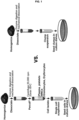
FIG. 1 shows schematic diagrams of a conventional method for isolating and culturing neural stem cells using Percoll, and clump culture, which is an isolation and culture method according to the present invention. -
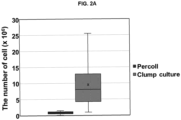
FIG. 2A is a graph of comparing a cell yield per brain tissue weight (g) between the conventional isolation and culture method (Percoll) and the isolation and culture method (clump culture) according to one aspect of the present invention. -
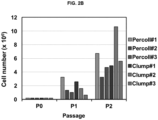
FIG. 2B is a graph showing cell growth according to subculture of neural stem cells acquired according to the conventional isolation and culture method (Percoll) and the isolation and culture method (clump culture) according to one aspect of the present invention. -
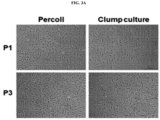
FIG. 3A shows the morphologies of neural stem cells according to the conventional isolation and culture method (Percoll) and the isolation and culture method (clump culture) according to one aspect of the present invention. -
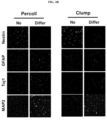
FIG. 3B shows differentiation patterns under differentiation conditions for neural stem cells isolated and incubated according to the conventional isolation and culture method (Percoll) and the isolation and culture method (clump culture) according to one aspect of the present invention. -
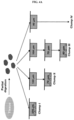
FIG. 4A simply illustrates a method of separating clumps to find the optimal size of clumps for the clump culture method. -
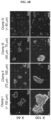
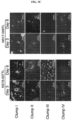
FIG. 4B shows the morphologies of four groups of clumps (Clump I to IV), observed using a microscope. -
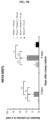
FIGS. 5A and5B show the numbers of colonies observed on the bottom of a culture dish three days and six days after seeding Clump type I to IV derived from two patients (NS18-007TL and NS18-008TL). -
FIG. 5C shows the morphologies of colonies observed in culture dishes three days and six days after seeding Clump type I to IV -
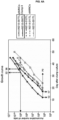
FIG. 6A is a graph of comparing the growth of cells cultured using Clump type II and the growth of single cells isolated using conventional Percoll method. -
FIG. 6B shows cell morphologies during subculture of Clump type II. -
FIG. 6C shows the results of immunofluorescence staining after differentiation to confirm that neural stem cells derived from Clump type II maintain neural differentiation ability. -
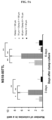
FIG. 7A shows the angiogenic ability of neural stem cells derived from Clump type II. -
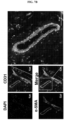
FIG. 7B shows the results of immunofluorescence staining for α-SMA and CD31 to confirm the localization of transplanted neural stem cells. - The present invention is directed to providing a method for isolating and culturing neural stem cells with high efficiency, which is able to shorten an isolation and culture time by simplifying a method of isolating and culturing neural stem cells, and increase the acquisition yield of neural stem cells.
- In one embodiment of the present invention, as a result of culturing neural stem cells according to the method of the present invention (clump culture), compared with using conventional Percoll method, it is confirmed that more neural stem cells per the same brain tissue weight may be obtained (see Example 1).
- In another embodiment of the present invention, it is confirmed that the neural stem cells according to the method of the present invention (clump culture) maintain neural differentiation ability (see Example 3).
- In still another embodiment of the present invention, as a result of separating and culturing clumps by size, it is confirmed that Clump type II (70 to 100 µm) exhibits the best result of the acquisition efficiency of neural stem cells (see Examples 4 and 5).
- In yet another embodiment of the present invention, when Clump type II is cultured according to the method of the present invention (clump culture), it is confirmed that the time for first subculture is shortened, a cell morphology is normal, neural differentiation ability is also normal, and thus stem cell properties are well maintained (see Example 6).
- In yet another embodiment of the present invention, it is confirmed that neural stem cells derived from Clump type II have angiogenic ability (see Example 7).
- Hereinafter, the present invention will be described in detail.
- The present invention provides a method for isolating and culturing neural stem cells with high efficiency, which includes: placing brain tissue in an enzyme solution for enzyme treatment; physically dissociating cell clumps from enzyme-treated brain tissue; separating the cell clumps by size and removing impurities; and performing subculture by seeding the cell clumps that have a size of 70 to 100 µm in a culture dish.
- The method of isolating and culturing neural stem cells, including isolating single cells using Percoll takes a long time, and has a problem in the acquisition yield of neural stem cells. Therefore, the inventors confirmed through an experiment, in the case of introducing a process of separating the cells by clumps and not including a process of isolating single cells using Percoll, an isolation and culture time was shortened, and the acquisition yield of neural stem cells was able to increase, and thus the present invention was completed.
- According to one aspect of the present invention, a method for isolating and culturing neural stem cells with high efficiency, which includes: placing brain tissue in an enzyme solution for enzyme treatment; physically dissociating cell clumps from enzyme-treated brain tissue; separating the cell clumps by size and removing impurities; and performing subculture by seeding the cell clumps that have a size of 70 to 100 µm in a culture dish, is provided.
- The enzyme solution is not particularly limited, and may include papain; DNase I; and D, L-cysteine.
- In addition, after dissociation from brain tissue, the cell clumps may be further separated by size using a mesh.
- Moreover, the brain tissue is preferably adult brain tissue.
- Meanwhile, as described above, the method for isolating and culturing neural stem cells with high efficiency according to the present invention does not include isolating single cells using Percoll. The method for isolating and culturing neural stem cells according to the present invention has advantages of shortening an isolation and culture time by simplifying a method for isolating and culturing neural stem cells by excluding single cell isolation using Percoll, increasing the acquisition yield of neural stem cells, increasing cell viability due to the shortening of an isolation and culture time, and acquiring a large number of cells in a short time, thereby increasing the success rate of culturing neural stem cells.
- Hereinafter, to help understanding the present invention, exemplary examples will be suggested. However, the following examples are merely provided to more easily understand the present invention, and not to limit the present invention.
- After measuring the weight of human brain tissue, washing was performed two to three times using phosphate-buffered saline (PBS). Following homogenization of the tissue to an appropriate size, the tissue was added to an enzyme solution (10 units/ml of papain, 0.1 mg/ml of DNase I and 4 mg/ml of D, L-cysteine), and then physically cut into smaller fragments using a blade and surgical scissors. After thirty minutes of treatment at 37°C, the resulting fragments were disrupted using a disposable pipette, filtered using a 70 µm mesh, and washing was then performed using PBS.
- When Percoll was used, a Percoll solution was prepared by mixing 10-fold concentrated PBS and Percoll in a ratio of 1 :9, 20 mL of a cell suspension and 10 mL of Percoll solution were mixed and centrifuged at 20,000 rpm and 18°C to isolate cells from a cell layer, and the cells were then washed twice with PBS again, and cultured in a poly-L-ornithine (PLO)-coated dish.
- When reaching a confluency of 70 to 80%, the cells were detached using Accutase, and then subcultured. The number of cells and viability were calculated using a Tryphan Blue solution and a population doubling length (PDL) was measured, thereby plotting a cell growth curve, and morphologies of the isolated and cultured neural stem cells were observed under a microscope.
- As a result, as shown in
FIG. 2A , according to the isolation and culture method (clump culture), it was confirmed that a larger amount of neural stem cells per the same weight of brain tissue, compared with a method using Percoll, may be acquired, and as shown inFIG. 2B , according to the isolation and culture method (clump culture), it was confirmed that a cell growth is overall superior to that according to the conventional method using Percoll. - In addition, as shown in
FIG. 3A , as a result of observing the cultured cells, it was also confirmed that cell morphologies of the isolation and culture method according to the present invention (clump culture), are similar to those of the conventional method using Percoll. - Neural stem cells were cultured to be a confluency of approximately 70 to 80%, and washed twice with PBS. Forty-eight hours after incubation under neural differentiation conditions such as DMEM/F12, 0.5% FBS, B27, 0.5 mM IBMX and P/S, the cells were fixed, followed by immunofluorescence staining.
- Neural stem cells were cultured on a PLO-coated 8-well slide chamber (Thermo) and fixed in 4% paraformaldehyde for 5 minutes. The cells were rinsed with 0.1% Triton-X 100-diluted PBS (0.1% PBST), treated with a blocking solution (5% normal goat serum and 5% normal donkey serum) for approximately 1 hour, and reacted overnight with a primary antibody. At next day, cells were washed twice with PBS, and treated with an Alexa488 or Alexa594-conjugated secondary antibody for 1 hour. After counter staining with DAPI and mounting, the cells were observed under a fluorescence microscope.
- As a result, as shown in
FIG. 3B , after differentiation of neural stem cells, it was confirmed that the expression of Nestin decreased and the expression of neuronal cells (Tuj 1, MAP2) and astrocytes (GFAP) increased. - To find the optimal condition for a clump culture method, human brain tissue was treated with an enzyme solution, physically dissociated, and then filtered through various sizes of meshes, thereby separated clumps with specific rages of size (see
FIG. 4A ). The clumps were classified astype 1 to IV by size as shown below, and then observed under a microscope. - Clump type I > 100 µm
- 70 µm < Clump type II < 100 µm
- 40 µm < Clump type III < 70 µm
- Clump type IV < 40 µm
- As a result, as shown in
FIG. 4B , separation into each type of clumps with uniform size was confirmed. - To compare isolation and culture efficiencies among Clump types I to IV, each type of clumps derived from two patients according to the method of Example 1 were cultured to confirm the number of colonies and observe colony morphology using a microscope.
- As a result, as shown in
FIGS. 5A and5B , on bothday 3 andday 6 of isolation and culture, the largest number of colonies were observed in Clump type II, confirming that the Clump type II has the best culture efficiency. - To compare efficiencies between the case of culturing Clump type II by the method according to the present invention and the case of culturing single cells using Percoll, cells were cultured according to the method of Example 1 and then a growth curve was plotted, followed by observation of the morphologies of cells derived from Clump type II using a microscope.
- In addition, to confirm whether neural stem cells derived from the Clump type II method maintain neural differentiation ability, after neural differentiation, immunofluorescence staining was used according to the method of Example 3.
- As a result, as shown in
FIG. 6A , it was confirmed that, in the case of Clump type II, the time for first subculture was shortened, the time to reach 109 cells was also shortened, and as shown inFIG. 6B , cell morphology was well maintained in subculture of Clump type II. - In addition, as a result of immunofluorescence staining, as shown in
FIG. 6C , a undifferentiation marker, Nestin was strongly expressed before differentiation, but was scarcely observed after differentiation, and the expression of neuron markers,Tuj 1 and Map2, was not observed before differentiation, but observed after differentiation. An astrocyte marker, GFAP, was hardly observed before differentiation, but observed after differentiation. - This result means that the neural stem cells derived from Clump type II maintain neural stem cell characteristics.
- Umbilical vein endothelial cells (HUVECs) were purchased from Promocell, and cultured using the manufacturer's exclusive medium. 1 × 10⁶ of HUVECs and 1 × 10⁶ of neural stem cells were mixed in 200 µL of phenol red-free Matrigel (BD), and subcutaneously transplanted into 4 to 6-week old Balbc-nu mice. After 3 to 4 days, Matrigel was removed, and then fixed with 4% PFA for 24 hours, followed by making a block. For histological analysis, hematoxylin & eosin (H&E) staining was performed. To stain new blood vessels generated in Matrigel, HUVECs and neural stem cells were subjected to immunofluorescence staining for CD31 and alpha-smooth muscle actin (α-SMA).
- As a result, as shown in
FIG. 7A , blood vessels were hardly formed by neural stem cells, but blood vessel formation was able to be confirmed when HUVECs and neural stem cells were mixed and transplanted. In addition, as shown inFIG. 7B , it was confirmed that the neural stem cells were located around a blood vessel, contributing to blood vessel formation. - A method for isolating and culturing neural stem cells with high efficiency according to the present invention may shorten an isolation and culture time by simplifying a method of isolating and culturing neural stem cells, and increase the yield of neural stem cells. In addition, the present invention has advantages of increasing cell viability due to the shortening of an isolation and culture time, and increasing the success rate of culture of neural stem cells by obtaining a large number of cells in a short time, and thus is expected to contribute to treatment of a central nervous system disease to achieve direct or indirect neural regeneration effects using neural stem cells. In addition, the present invention is expected to be also used in the fields related to direct or indirect neural regeneration by a protein or enzyme released from neural stem cells (purification of a conditioned medium, development of an exosome, etc.).
Claims (4)
- A method for isolating and culturing neural stem cells with high efficiency, comprising:placing brain tissue in an enzyme solution for enzyme treatment;physically dissociating cell clumps from the enzyme-treated brain tissue;separating the cell clumps by size and removing impurities; andperforming subculture by seeding the cell clumps that have a size of 70 to 100 µm in a culture dish.
- The method of claim 1, wherein the enzyme solution contains papain; DNase I; and D, L- cysteine.
- The method of claim 1 or 2, wherein the brain tissue is adult brain tissue.
- The method of any one of claims 1 to 3, wherein the method of isolating and culturing neural stem cells does not comprise isolating single cells using Percoll.
Applications Claiming Priority (3)
| Application Number | Priority Date | Filing Date | Title |
|---|---|---|---|
| KR20180031101 | 2018-03-16 | ||
| KR1020190011226A KR101994640B1 (en) | 2018-03-16 | 2019-01-29 | Method of isolating and culturing for neural stem cell |
| PCT/KR2019/001288 WO2019177270A1 (en) | 2018-03-16 | 2019-01-30 | Method for isolating and culturing neural stem cells with high efficiency |
Publications (4)
| Publication Number | Publication Date |
|---|---|
| EP3783099A1 EP3783099A1 (en) | 2021-02-24 |
| EP3783099A4 EP3783099A4 (en) | 2022-01-12 |
| EP3783099B1 true EP3783099B1 (en) | 2024-10-16 |
| EP3783099C0 EP3783099C0 (en) | 2024-10-16 |
Family
ID=67258280
Family Applications (1)
| Application Number | Title | Priority Date | Filing Date |
|---|---|---|---|
| EP19767415.3A Active EP3783099B1 (en) | 2018-03-16 | 2019-01-30 | Method for isolating and culturing neural stem cells with high efficiency |
Country Status (6)
| Country | Link |
|---|---|
| US (1) | US12215346B2 (en) |
| EP (1) | EP3783099B1 (en) |
| JP (1) | JP7205928B2 (en) |
| KR (1) | KR101994640B1 (en) |
| CN (1) | CN112154203B (en) |
| WO (1) | WO2019177270A1 (en) |
Families Citing this family (2)
| Publication number | Priority date | Publication date | Assignee | Title |
|---|---|---|---|---|
| KR102619405B1 (en) | 2021-12-06 | 2023-12-28 | 한림대학교 산학협력단 | Cell culture sheet and method for separating and culturing neural stem cells |
| CN118995612A (en) * | 2024-08-09 | 2024-11-22 | 北京神源百龄医学科技有限公司 | Separation method of human cortex nerve stem cells |
Family Cites Families (10)
| Publication number | Priority date | Publication date | Assignee | Title |
|---|---|---|---|---|
| US7838292B1 (en) | 2001-03-29 | 2010-11-23 | University Of Louisville Research Foundation, Inc. | Methods for obtaining adult human olfactory progenitor cells |
| AUPS187202A0 (en) | 2002-04-22 | 2002-05-30 | Griffith University | Method for culturing stem cells |
| WO2005026382A1 (en) * | 2003-09-12 | 2005-03-24 | Stemcell Technologies Inc. | Neural colony forming assay |
| ES2541780T3 (en) * | 2004-11-29 | 2015-07-24 | Yeda Research And Development Co., Ltd. | Induction of neurogenesis and stem cell therapy in combination with Copolymer 1 |
| WO2007020611A2 (en) * | 2005-08-19 | 2007-02-22 | ECBIO - Investigação e Desenvolvimento em Biotecnologia, S.A. | Adult human neural stem/progenitor cells from the olfactory epithelium and olfactory lamina propria, isolation method, proliferation and differentiation in serum free culture medium and utilization for transplantation |
| CA2883922C (en) * | 2010-02-03 | 2019-08-27 | Samsung Life Public Welfare Foundation | Method for proliferating stem cells by activating notch signaling |
| KR101269125B1 (en) * | 2010-02-03 | 2013-06-04 | 사회복지법인 삼성생명공익재단 | Stem Cell Proliferation Method Using Notch Signal Activation Gene |
| CN109749996A (en) | 2011-01-12 | 2019-05-14 | 城户常雄 | Obtain and maintain the mammalian neural stem cells group of purifying or enrichment and/or the cultural method of neural progenitor cell group |
| CN104017771B (en) * | 2014-06-24 | 2016-01-13 | 中南大学 | A culture medium for promoting the differentiation of rat neural stem cells and its application method |
| KR101910269B1 (en) * | 2017-02-24 | 2018-10-19 | 성균관대학교산학협력단 | Method for separating neural stem cell derived from human brain tissue having high efficiency |
-
2019
- 2019-01-29 KR KR1020190011226A patent/KR101994640B1/en active Active
- 2019-01-30 EP EP19767415.3A patent/EP3783099B1/en active Active
- 2019-01-30 WO PCT/KR2019/001288 patent/WO2019177270A1/en not_active Ceased
- 2019-01-30 US US16/980,889 patent/US12215346B2/en active Active
- 2019-01-30 CN CN201980019698.2A patent/CN112154203B/en active Active
- 2019-01-30 JP JP2020549677A patent/JP7205928B2/en active Active
Also Published As
| Publication number | Publication date |
|---|---|
| KR101994640B1 (en) | 2019-07-02 |
| JP2021518118A (en) | 2021-08-02 |
| WO2019177270A1 (en) | 2019-09-19 |
| JP7205928B2 (en) | 2023-01-17 |
| US20220243175A1 (en) | 2022-08-04 |
| EP3783099A1 (en) | 2021-02-24 |
| EP3783099A4 (en) | 2022-01-12 |
| US12215346B2 (en) | 2025-02-04 |
| EP3783099C0 (en) | 2024-10-16 |
| CN112154203B (en) | 2025-08-29 |
| CN112154203A (en) | 2020-12-29 |
Similar Documents
| Publication | Publication Date | Title |
|---|---|---|
| KR100519227B1 (en) | A method for transdifferentiating mesenchymal stem cells into neuronal cells | |
| EP2708597B1 (en) | Polynucleated megakaryocytic cell and method for manufacturing platelets | |
| CN101801396B (en) | Methods and compositions for treating neural degeneration | |
| EP2982747B1 (en) | Method for producing reprogrammed derivative neuronal stem cell from non-neuronal cell by using hmga2 | |
| CA2930590A1 (en) | Engineering neural stem cells using homologous recombination | |
| KR101686315B1 (en) | A method for differentiation of tonsil-derived mesenchymal stem cell into schwann cells | |
| JP2005151907A5 (en) | ||
| JP2005151907A (en) | Human stem cell derived from placenta or amnion and method for establishing the same and method for differentiation-induction to organ | |
| CN109689858A (en) | Methods for generating mesoderm and/or endothelial colony-forming cell-like cells with in vivo angiogenic capacity | |
| US12215346B2 (en) | Method for isolating and culturing neural stem cells with high efficiency | |
| US20260002124A1 (en) | Enhancing neuronal differentiation of ventral midbrain neural progenitor cells | |
| CN107435050B (en) | Method for inducing human or animal somatic cells into neural stem cells | |
| US12227762B2 (en) | Spheroid culture method for neural stem cell | |
| KR102650805B1 (en) | Differentiation method of securing large amount of cells by chopping oligodendrocytes enriched 3D organoids prepared from human pluripotent stem cells | |
| US20190374681A1 (en) | Method for isolating human brain tissue-derived neural stem cell at high efficiency | |
| TWI769410B (en) | New induced pluripotent stem cells (ipscs) and applications thereof | |
| Xue et al. | Favorable proliferation and differentiation capabilities of neural precursor cells derived from rat cochlear nucleus | |
| US20210123026A1 (en) | Induced pluripotent stem cells (ipscs) and applications thereof | |
| Zhang et al. | Differentiation of human epidermis-derived mesenchymal stem cell-like pluripotent cells into neural-like cells in culture and after transplantation | |
| WO2020030019A1 (en) | Therapeutic pharmaceutical composition for treating neurogenic muscle atrophy, and preparation method and application thereof | |
| WO2019093047A1 (en) | Method for producing functional exocrine gland in vitro, and exocrine gland produced thereby |
Legal Events
| Date | Code | Title | Description |
|---|---|---|---|
| STAA | Information on the status of an ep patent application or granted ep patent |
Free format text: STATUS: THE INTERNATIONAL PUBLICATION HAS BEEN MADE |
|
| PUAI | Public reference made under article 153(3) epc to a published international application that has entered the european phase |
Free format text: ORIGINAL CODE: 0009012 |
|
| STAA | Information on the status of an ep patent application or granted ep patent |
Free format text: STATUS: REQUEST FOR EXAMINATION WAS MADE |
|
| 17P | Request for examination filed |
Effective date: 20201014 |
|
| AK | Designated contracting states |
Kind code of ref document: A1 Designated state(s): AL AT BE BG CH CY CZ DE DK EE ES FI FR GB GR HR HU IE IS IT LI LT LU LV MC MK MT NL NO PL PT RO RS SE SI SK SM TR |
|
| AX | Request for extension of the european patent |
Extension state: BA ME |
|
| DAV | Request for validation of the european patent (deleted) | ||
| DAX | Request for extension of the european patent (deleted) | ||
| A4 | Supplementary search report drawn up and despatched |
Effective date: 20211210 |
|
| RIC1 | Information provided on ipc code assigned before grant |
Ipc: C12N 5/0797 20100101AFI20211206BHEP |
|
| STAA | Information on the status of an ep patent application or granted ep patent |
Free format text: STATUS: EXAMINATION IS IN PROGRESS |
|
| 17Q | First examination report despatched |
Effective date: 20220629 |
|
| GRAP | Despatch of communication of intention to grant a patent |
Free format text: ORIGINAL CODE: EPIDOSNIGR1 |
|
| STAA | Information on the status of an ep patent application or granted ep patent |
Free format text: STATUS: GRANT OF PATENT IS INTENDED |
|
| INTG | Intention to grant announced |
Effective date: 20240711 |
|
| GRAS | Grant fee paid |
Free format text: ORIGINAL CODE: EPIDOSNIGR3 |
|
| GRAA | (expected) grant |
Free format text: ORIGINAL CODE: 0009210 |
|
| STAA | Information on the status of an ep patent application or granted ep patent |
Free format text: STATUS: THE PATENT HAS BEEN GRANTED |
|
| AK | Designated contracting states |
Kind code of ref document: B1 Designated state(s): AL AT BE BG CH CY CZ DE DK EE ES FI FR GB GR HR HU IE IS IT LI LT LU LV MC MK MT NL NO PL PT RO RS SE SI SK SM TR |
|
| REG | Reference to a national code |
Ref country code: GB Ref legal event code: FG4D |
|
| REG | Reference to a national code |
Ref country code: CH Ref legal event code: EP |
|
| REG | Reference to a national code |
Ref country code: IE Ref legal event code: FG4D |
|
| REG | Reference to a national code |
Ref country code: DE Ref legal event code: R096 Ref document number: 602019060518 Country of ref document: DE |
|
| U01 | Request for unitary effect filed |
Effective date: 20241106 |
|
| U07 | Unitary effect registered |
Designated state(s): AT BE BG DE DK EE FI FR IT LT LU LV MT NL PT RO SE SI Effective date: 20241114 |
|
| U20 | Renewal fee for the european patent with unitary effect paid |
Year of fee payment: 7 Effective date: 20250213 |
|
| PG25 | Lapsed in a contracting state [announced via postgrant information from national office to epo] |
Ref country code: HR Free format text: LAPSE BECAUSE OF FAILURE TO SUBMIT A TRANSLATION OF THE DESCRIPTION OR TO PAY THE FEE WITHIN THE PRESCRIBED TIME-LIMIT Effective date: 20241016 Ref country code: IS Free format text: LAPSE BECAUSE OF FAILURE TO SUBMIT A TRANSLATION OF THE DESCRIPTION OR TO PAY THE FEE WITHIN THE PRESCRIBED TIME-LIMIT Effective date: 20250216 |
|
| PG25 | Lapsed in a contracting state [announced via postgrant information from national office to epo] |
Ref country code: ES Free format text: LAPSE BECAUSE OF FAILURE TO SUBMIT A TRANSLATION OF THE DESCRIPTION OR TO PAY THE FEE WITHIN THE PRESCRIBED TIME-LIMIT Effective date: 20241016 |
|
| PG25 | Lapsed in a contracting state [announced via postgrant information from national office to epo] |
Ref country code: NO Free format text: LAPSE BECAUSE OF FAILURE TO SUBMIT A TRANSLATION OF THE DESCRIPTION OR TO PAY THE FEE WITHIN THE PRESCRIBED TIME-LIMIT Effective date: 20250116 |
|
| PG25 | Lapsed in a contracting state [announced via postgrant information from national office to epo] |
Ref country code: GR Free format text: LAPSE BECAUSE OF FAILURE TO SUBMIT A TRANSLATION OF THE DESCRIPTION OR TO PAY THE FEE WITHIN THE PRESCRIBED TIME-LIMIT Effective date: 20250117 |
|
| PG25 | Lapsed in a contracting state [announced via postgrant information from national office to epo] |
Ref country code: PL Free format text: LAPSE BECAUSE OF FAILURE TO SUBMIT A TRANSLATION OF THE DESCRIPTION OR TO PAY THE FEE WITHIN THE PRESCRIBED TIME-LIMIT Effective date: 20241016 |
|
| PG25 | Lapsed in a contracting state [announced via postgrant information from national office to epo] |
Ref country code: RS Free format text: LAPSE BECAUSE OF FAILURE TO SUBMIT A TRANSLATION OF THE DESCRIPTION OR TO PAY THE FEE WITHIN THE PRESCRIBED TIME-LIMIT Effective date: 20250116 |
|
| PG25 | Lapsed in a contracting state [announced via postgrant information from national office to epo] |
Ref country code: SM Free format text: LAPSE BECAUSE OF FAILURE TO SUBMIT A TRANSLATION OF THE DESCRIPTION OR TO PAY THE FEE WITHIN THE PRESCRIBED TIME-LIMIT Effective date: 20241016 |
|
| PG25 | Lapsed in a contracting state [announced via postgrant information from national office to epo] |
Ref country code: SK Free format text: LAPSE BECAUSE OF FAILURE TO SUBMIT A TRANSLATION OF THE DESCRIPTION OR TO PAY THE FEE WITHIN THE PRESCRIBED TIME-LIMIT Effective date: 20241016 |
|
| PG25 | Lapsed in a contracting state [announced via postgrant information from national office to epo] |
Ref country code: CZ Free format text: LAPSE BECAUSE OF FAILURE TO SUBMIT A TRANSLATION OF THE DESCRIPTION OR TO PAY THE FEE WITHIN THE PRESCRIBED TIME-LIMIT Effective date: 20241016 |
|
| PLBE | No opposition filed within time limit |
Free format text: ORIGINAL CODE: 0009261 |
|
| STAA | Information on the status of an ep patent application or granted ep patent |
Free format text: STATUS: NO OPPOSITION FILED WITHIN TIME LIMIT |
|
| REG | Reference to a national code |
Ref country code: CH Ref legal event code: PL |
|
| PG25 | Lapsed in a contracting state [announced via postgrant information from national office to epo] |
Ref country code: MC Free format text: LAPSE BECAUSE OF FAILURE TO SUBMIT A TRANSLATION OF THE DESCRIPTION OR TO PAY THE FEE WITHIN THE PRESCRIBED TIME-LIMIT Effective date: 20241016 |
|
| 26N | No opposition filed |
Effective date: 20250717 |
|
| GBPC | Gb: european patent ceased through non-payment of renewal fee |
Effective date: 20250130 |
|
| PG25 | Lapsed in a contracting state [announced via postgrant information from national office to epo] |
Ref country code: GB Free format text: LAPSE BECAUSE OF NON-PAYMENT OF DUE FEES Effective date: 20250130 |
|
| PG25 | Lapsed in a contracting state [announced via postgrant information from national office to epo] |
Ref country code: CH Free format text: LAPSE BECAUSE OF NON-PAYMENT OF DUE FEES Effective date: 20250131 |
|
| PG25 | Lapsed in a contracting state [announced via postgrant information from national office to epo] |
Ref country code: IE Free format text: LAPSE BECAUSE OF NON-PAYMENT OF DUE FEES Effective date: 20250130 |
|
| U20 | Renewal fee for the european patent with unitary effect paid |
Year of fee payment: 8 Effective date: 20260130 |
|
| PG25 | Lapsed in a contracting state [announced via postgrant information from national office to epo] |
Ref country code: CY Free format text: LAPSE BECAUSE OF FAILURE TO SUBMIT A TRANSLATION OF THE DESCRIPTION OR TO PAY THE FEE WITHIN THE PRESCRIBED TIME-LIMIT Effective date: 20241016 |
|
| PG25 | Lapsed in a contracting state [announced via postgrant information from national office to epo] |
Ref country code: TR Free format text: LAPSE BECAUSE OF FAILURE TO SUBMIT A TRANSLATION OF THE DESCRIPTION OR TO PAY THE FEE WITHIN THE PRESCRIBED TIME-LIMIT Effective date: 20241016 |