EP3778910A1 - Method for producing 13-hydroxy-9(z)-octadecenoic acid - Google Patents
Method for producing 13-hydroxy-9(z)-octadecenoic acid Download PDFInfo
- Publication number
- EP3778910A1 EP3778910A1 EP19781497.3A EP19781497A EP3778910A1 EP 3778910 A1 EP3778910 A1 EP 3778910A1 EP 19781497 A EP19781497 A EP 19781497A EP 3778910 A1 EP3778910 A1 EP 3778910A1
- Authority
- EP
- European Patent Office
- Prior art keywords
- seq
- amino acid
- lah
- protein
- acid sequence
- Prior art date
- Legal status (The legal status is an assumption and is not a legal conclusion. Google has not performed a legal analysis and makes no representation as to the accuracy of the status listed.)
- Pending
Links
- 238000004519 manufacturing process Methods 0.000 title claims description 10
- 108090000623 proteins and genes Proteins 0.000 claims abstract description 138
- 238000000034 method Methods 0.000 claims abstract description 80
- 244000005700 microbiome Species 0.000 claims abstract description 79
- 102000004169 proteins and genes Human genes 0.000 claims abstract description 79
- 125000003275 alpha amino acid group Chemical group 0.000 claims abstract description 77
- OYHQOLUKZRVURQ-HZJYTTRNSA-N Linoleic acid Chemical compound CCCCC\C=C/C\C=C/CCCCCCCC(O)=O OYHQOLUKZRVURQ-HZJYTTRNSA-N 0.000 claims abstract description 51
- 230000000694 effects Effects 0.000 claims abstract description 43
- 229940049918 linoleate Drugs 0.000 claims abstract description 36
- 238000006467 substitution reaction Methods 0.000 claims abstract description 21
- 235000020778 linoleic acid Nutrition 0.000 claims abstract description 15
- OYHQOLUKZRVURQ-IXWMQOLASA-N linoleic acid Natural products CCCCC\C=C/C\C=C\CCCCCCCC(O)=O OYHQOLUKZRVURQ-IXWMQOLASA-N 0.000 claims abstract description 15
- 238000012217 deletion Methods 0.000 claims abstract description 11
- 230000037430 deletion Effects 0.000 claims abstract description 11
- 238000003780 insertion Methods 0.000 claims abstract description 11
- 230000037431 insertion Effects 0.000 claims abstract description 11
- 238000007792 addition Methods 0.000 claims abstract description 9
- GHBSPIPJMLAMEP-UHFFFAOYSA-N 6-pentyloxan-2-one Chemical compound CCCCCC1CCCC(=O)O1 GHBSPIPJMLAMEP-UHFFFAOYSA-N 0.000 claims description 72
- 108091033319 polynucleotide Proteins 0.000 claims description 29
- 239000002157 polynucleotide Substances 0.000 claims description 29
- 102000040430 polynucleotide Human genes 0.000 claims description 29
- 241000894006 Bacteria Species 0.000 claims description 14
- 241000588724 Escherichia coli Species 0.000 claims description 14
- 230000010718 Oxidation Activity Effects 0.000 claims description 11
- 241000186606 Lactobacillus gasseri Species 0.000 claims description 10
- 241000194049 Streptococcus equinus Species 0.000 claims description 10
- 241000194019 Streptococcus mutans Species 0.000 claims description 10
- 229940115921 streptococcus equinus Drugs 0.000 claims description 10
- 241000383778 Lactobacillus hamsteri Species 0.000 claims description 9
- 102000004190 Enzymes Human genes 0.000 claims description 8
- 108090000790 Enzymes Proteins 0.000 claims description 8
- 241000235013 Yarrowia Species 0.000 claims description 8
- 241000218492 Lactobacillus crispatus Species 0.000 claims description 7
- 241000509544 Lactobacillus gallinarum Species 0.000 claims description 7
- 241001117188 Pediococcus claussenii Species 0.000 claims description 7
- 108091023020 Aldehyde Oxidase Proteins 0.000 claims description 6
- 102000048262 Aldehyde oxidases Human genes 0.000 claims description 6
- 241000588722 Escherichia Species 0.000 claims description 4
- 210000004027 cell Anatomy 0.000 description 57
- 235000018102 proteins Nutrition 0.000 description 55
- 239000000243 solution Substances 0.000 description 51
- 108020004414 DNA Proteins 0.000 description 48
- 125000003729 nucleotide group Chemical group 0.000 description 45
- 239000001963 growth medium Substances 0.000 description 43
- 239000002773 nucleotide Substances 0.000 description 41
- 238000006243 chemical reaction Methods 0.000 description 39
- 238000004949 mass spectrometry Methods 0.000 description 38
- 239000000047 product Substances 0.000 description 32
- 239000012634 fragment Substances 0.000 description 30
- 239000002609 medium Substances 0.000 description 28
- 108020004705 Codon Proteins 0.000 description 25
- 239000013612 plasmid Substances 0.000 description 25
- 238000010276 construction Methods 0.000 description 23
- XEKOWRVHYACXOJ-UHFFFAOYSA-N Ethyl acetate Chemical compound CCOC(C)=O XEKOWRVHYACXOJ-UHFFFAOYSA-N 0.000 description 21
- 239000000203 mixture Substances 0.000 description 18
- 238000001228 spectrum Methods 0.000 description 17
- FAPWRFPIFSIZLT-UHFFFAOYSA-M Sodium chloride Chemical compound [Na+].[Cl-] FAPWRFPIFSIZLT-UHFFFAOYSA-M 0.000 description 16
- 230000000813 microbial effect Effects 0.000 description 16
- 235000001014 amino acid Nutrition 0.000 description 15
- 240000001046 Lactobacillus acidophilus Species 0.000 description 14
- 125000000539 amino acid group Chemical group 0.000 description 14
- 230000009466 transformation Effects 0.000 description 14
- 241000235015 Yarrowia lipolytica Species 0.000 description 13
- 238000004458 analytical method Methods 0.000 description 13
- 239000013604 expression vector Substances 0.000 description 13
- 108060005675 oleate hydratase Proteins 0.000 description 13
- 239000013598 vector Substances 0.000 description 12
- 229940024606 amino acid Drugs 0.000 description 11
- 150000001413 amino acids Chemical group 0.000 description 11
- ZSLZBFCDCINBPY-ZSJPKINUSA-N Acetyl-CoA Natural products O[C@@H]1[C@H](OP(O)(O)=O)[C@@H](COP(O)(=O)OP(O)(=O)OCC(C)(C)[C@@H](O)C(=O)NCCC(=O)NCCSC(=O)C)O[C@H]1N1C2=NC=NC(N)=C2N=C1 ZSLZBFCDCINBPY-ZSJPKINUSA-N 0.000 description 10
- CSNNHWWHGAXBCP-UHFFFAOYSA-L Magnesium sulfate Chemical compound [Mg+2].[O-][S+2]([O-])([O-])[O-] CSNNHWWHGAXBCP-UHFFFAOYSA-L 0.000 description 10
- 101150050575 URA3 gene Proteins 0.000 description 10
- -1 alcoholic Chemical group 0.000 description 10
- DTOSIQBPPRVQHS-PDBXOOCHSA-N alpha-linolenic acid Chemical compound CC\C=C/C\C=C/C\C=C/CCCCCCCC(O)=O DTOSIQBPPRVQHS-PDBXOOCHSA-N 0.000 description 10
- 235000020661 alpha-linolenic acid Nutrition 0.000 description 10
- 238000012136 culture method Methods 0.000 description 10
- 229960004488 linolenic acid Drugs 0.000 description 10
- KQQKGWQCNNTQJW-UHFFFAOYSA-N linolenic acid Natural products CC=CCCC=CCC=CCCCCCCCC(O)=O KQQKGWQCNNTQJW-UHFFFAOYSA-N 0.000 description 10
- 238000002360 preparation method Methods 0.000 description 10
- WQZGKKKJIJFFOK-GASJEMHNSA-N Glucose Natural products OC[C@H]1OC(O)[C@H](O)[C@@H](O)[C@@H]1O WQZGKKKJIJFFOK-GASJEMHNSA-N 0.000 description 9
- 239000000499 gel Substances 0.000 description 9
- 239000008103 glucose Substances 0.000 description 9
- 229930027917 kanamycin Natural products 0.000 description 9
- 229960000318 kanamycin Drugs 0.000 description 9
- SBUJHOSQTJFQJX-NOAMYHISSA-N kanamycin Chemical compound O[C@@H]1[C@@H](O)[C@H](O)[C@@H](CN)O[C@@H]1O[C@H]1[C@H](O)[C@@H](O[C@@H]2[C@@H]([C@@H](N)[C@H](O)[C@@H](CO)O2)O)[C@H](N)C[C@@H]1N SBUJHOSQTJFQJX-NOAMYHISSA-N 0.000 description 9
- 229930182823 kanamycin A Natural products 0.000 description 9
- 230000035772 mutation Effects 0.000 description 9
- 239000011550 stock solution Substances 0.000 description 9
- IJGRMHOSHXDMSA-UHFFFAOYSA-N Atomic nitrogen Chemical compound N#N IJGRMHOSHXDMSA-UHFFFAOYSA-N 0.000 description 8
- 241001149698 Lipomyces Species 0.000 description 8
- 108090000854 Oxidoreductases Proteins 0.000 description 8
- 229910052799 carbon Inorganic materials 0.000 description 8
- 238000000769 gas chromatography-flame ionisation detection Methods 0.000 description 8
- 239000011780 sodium chloride Substances 0.000 description 8
- 239000007222 ypd medium Substances 0.000 description 8
- 229920001817 Agar Polymers 0.000 description 7
- 108700010070 Codon Usage Proteins 0.000 description 7
- DHMQDGOQFOQNFH-UHFFFAOYSA-N Glycine Chemical compound NCC(O)=O DHMQDGOQFOQNFH-UHFFFAOYSA-N 0.000 description 7
- 235000013956 Lactobacillus acidophilus Nutrition 0.000 description 7
- 108091028043 Nucleic acid sequence Proteins 0.000 description 7
- 240000004808 Saccharomyces cerevisiae Species 0.000 description 7
- 235000014680 Saccharomyces cerevisiae Nutrition 0.000 description 7
- 239000008272 agar Substances 0.000 description 7
- 229940079593 drug Drugs 0.000 description 7
- 239000003814 drug Substances 0.000 description 7
- 230000001939 inductive effect Effects 0.000 description 7
- 229940039695 lactobacillus acidophilus Drugs 0.000 description 7
- 239000008363 phosphate buffer Substances 0.000 description 7
- 108090000765 processed proteins & peptides Proteins 0.000 description 7
- 230000000630 rising effect Effects 0.000 description 7
- 239000012138 yeast extract Substances 0.000 description 7
- 101100246753 Halobacterium salinarum (strain ATCC 700922 / JCM 11081 / NRC-1) pyrF gene Proteins 0.000 description 6
- AGPKZVBTJJNPAG-WHFBIAKZSA-N L-isoleucine Chemical compound CC[C@H](C)[C@H](N)C(O)=O AGPKZVBTJJNPAG-WHFBIAKZSA-N 0.000 description 6
- 102000004316 Oxidoreductases Human genes 0.000 description 6
- HEMHJVSKTPXQMS-UHFFFAOYSA-M Sodium hydroxide Chemical compound [OH-].[Na+] HEMHJVSKTPXQMS-UHFFFAOYSA-M 0.000 description 6
- ISAKRJDGNUQOIC-UHFFFAOYSA-N Uracil Chemical compound O=C1C=CNC(=O)N1 ISAKRJDGNUQOIC-UHFFFAOYSA-N 0.000 description 6
- 230000008859 change Effects 0.000 description 6
- 235000014113 dietary fatty acids Nutrition 0.000 description 6
- 238000005516 engineering process Methods 0.000 description 6
- 229930195729 fatty acid Natural products 0.000 description 6
- 239000000194 fatty acid Substances 0.000 description 6
- 238000004817 gas chromatography Methods 0.000 description 6
- 230000006801 homologous recombination Effects 0.000 description 6
- 238000002744 homologous recombination Methods 0.000 description 6
- 238000002347 injection Methods 0.000 description 6
- 239000007924 injection Substances 0.000 description 6
- 101150070510 AOX3 gene Proteins 0.000 description 5
- OKTJSMMVPCPJKN-UHFFFAOYSA-N Carbon Chemical compound [C] OKTJSMMVPCPJKN-UHFFFAOYSA-N 0.000 description 5
- YQYJSBFKSSDGFO-UHFFFAOYSA-N Epihygromycin Natural products OC1C(O)C(C(=O)C)OC1OC(C(=C1)O)=CC=C1C=C(C)C(=O)NC1C(O)C(O)C2OCOC2C1O YQYJSBFKSSDGFO-UHFFFAOYSA-N 0.000 description 5
- ROHFNLRQFUQHCH-YFKPBYRVSA-N L-leucine Chemical compound CC(C)C[C@H](N)C(O)=O ROHFNLRQFUQHCH-YFKPBYRVSA-N 0.000 description 5
- 241001489207 Lipomyces lipofer Species 0.000 description 5
- 239000006142 Luria-Bertani Agar Substances 0.000 description 5
- 229960000723 ampicillin Drugs 0.000 description 5
- AVKUERGKIZMTKX-NJBDSQKTSA-N ampicillin Chemical compound C1([C@@H](N)C(=O)N[C@H]2[C@H]3SC([C@@H](N3C2=O)C(O)=O)(C)C)=CC=CC=C1 AVKUERGKIZMTKX-NJBDSQKTSA-N 0.000 description 5
- 229940041514 candida albicans extract Drugs 0.000 description 5
- 150000004665 fatty acids Chemical class 0.000 description 5
- 238000002290 gas chromatography-mass spectrometry Methods 0.000 description 5
- 229910052943 magnesium sulfate Inorganic materials 0.000 description 5
- 238000000746 purification Methods 0.000 description 5
- 239000000758 substrate Substances 0.000 description 5
- 238000003786 synthesis reaction Methods 0.000 description 5
- 108091032973 (ribonucleotides)n+m Proteins 0.000 description 4
- KRKNYBCHXYNGOX-UHFFFAOYSA-K Citrate Chemical compound [O-]C(=O)CC(O)(CC([O-])=O)C([O-])=O KRKNYBCHXYNGOX-UHFFFAOYSA-K 0.000 description 4
- PEDCQBHIVMGVHV-UHFFFAOYSA-N Glycerine Chemical compound OCC(O)CO PEDCQBHIVMGVHV-UHFFFAOYSA-N 0.000 description 4
- COLNVLDHVKWLRT-QMMMGPOBSA-N L-phenylalanine Chemical compound OC(=O)[C@@H](N)CC1=CC=CC=C1 COLNVLDHVKWLRT-QMMMGPOBSA-N 0.000 description 4
- 241000186713 Lactobacillus amylovorus Species 0.000 description 4
- 241000235070 Saccharomyces Species 0.000 description 4
- 241000235346 Schizosaccharomyces Species 0.000 description 4
- 238000010459 TALEN Methods 0.000 description 4
- 108010043645 Transcription Activator-Like Effector Nucleases Proteins 0.000 description 4
- 230000015572 biosynthetic process Effects 0.000 description 4
- 238000004364 calculation method Methods 0.000 description 4
- 238000010367 cloning Methods 0.000 description 4
- 150000001875 compounds Chemical class 0.000 description 4
- 238000012258 culturing Methods 0.000 description 4
- 230000001747 exhibiting effect Effects 0.000 description 4
- HNDVDQJCIGZPNO-UHFFFAOYSA-N histidine Natural products OC(=O)C(N)CC1=CN=CN1 HNDVDQJCIGZPNO-UHFFFAOYSA-N 0.000 description 4
- 230000006698 induction Effects 0.000 description 4
- 238000012986 modification Methods 0.000 description 4
- 230000004048 modification Effects 0.000 description 4
- 229910052757 nitrogen Inorganic materials 0.000 description 4
- 239000003960 organic solvent Substances 0.000 description 4
- COLNVLDHVKWLRT-UHFFFAOYSA-N phenylalanine Natural products OC(=O)C(N)CC1=CC=CC=C1 COLNVLDHVKWLRT-UHFFFAOYSA-N 0.000 description 4
- 239000008213 purified water Substances 0.000 description 4
- XLYOFNOQVPJJNP-UHFFFAOYSA-N water Chemical compound O XLYOFNOQVPJJNP-UHFFFAOYSA-N 0.000 description 4
- WRIDQFICGBMAFQ-UHFFFAOYSA-N (E)-8-Octadecenoic acid Natural products CCCCCCCCCC=CCCCCCCC(O)=O WRIDQFICGBMAFQ-UHFFFAOYSA-N 0.000 description 3
- LQJBNNIYVWPHFW-UHFFFAOYSA-N 20:1omega9c fatty acid Natural products CCCCCCCCCCC=CCCCCCCCC(O)=O LQJBNNIYVWPHFW-UHFFFAOYSA-N 0.000 description 3
- SEHFUALWMUWDKS-UHFFFAOYSA-N 5-fluoroorotic acid Chemical compound OC(=O)C=1NC(=O)NC(=O)C=1F SEHFUALWMUWDKS-UHFFFAOYSA-N 0.000 description 3
- QSBYPNXLFMSGKH-UHFFFAOYSA-N 9-Heptadecensaeure Natural products CCCCCCCC=CCCCCCCCC(O)=O QSBYPNXLFMSGKH-UHFFFAOYSA-N 0.000 description 3
- CSCPPACGZOOCGX-UHFFFAOYSA-N Acetone Chemical compound CC(C)=O CSCPPACGZOOCGX-UHFFFAOYSA-N 0.000 description 3
- UXVMQQNJUSDDNG-UHFFFAOYSA-L Calcium chloride Chemical compound [Cl-].[Cl-].[Ca+2] UXVMQQNJUSDDNG-UHFFFAOYSA-L 0.000 description 3
- 102000016928 DNA-directed DNA polymerase Human genes 0.000 description 3
- 108010014303 DNA-directed DNA polymerase Proteins 0.000 description 3
- 239000007836 KH2PO4 Substances 0.000 description 3
- QNAYBMKLOCPYGJ-REOHCLBHSA-N L-alanine Chemical compound C[C@H](N)C(O)=O QNAYBMKLOCPYGJ-REOHCLBHSA-N 0.000 description 3
- HNDVDQJCIGZPNO-YFKPBYRVSA-N L-histidine Chemical compound OC(=O)[C@@H](N)CC1=CN=CN1 HNDVDQJCIGZPNO-YFKPBYRVSA-N 0.000 description 3
- AYFVYJQAPQTCCC-GBXIJSLDSA-N L-threonine Chemical compound C[C@@H](O)[C@H](N)C(O)=O AYFVYJQAPQTCCC-GBXIJSLDSA-N 0.000 description 3
- QIVBCDIJIAJPQS-VIFPVBQESA-N L-tryptophane Chemical compound C1=CC=C2C(C[C@H](N)C(O)=O)=CNC2=C1 QIVBCDIJIAJPQS-VIFPVBQESA-N 0.000 description 3
- OUYCCCASQSFEME-QMMMGPOBSA-N L-tyrosine Chemical compound OC(=O)[C@@H](N)CC1=CC=C(O)C=C1 OUYCCCASQSFEME-QMMMGPOBSA-N 0.000 description 3
- KZSNJWFQEVHDMF-BYPYZUCNSA-N L-valine Chemical compound CC(C)[C@H](N)C(O)=O KZSNJWFQEVHDMF-BYPYZUCNSA-N 0.000 description 3
- 240000002605 Lactobacillus helveticus Species 0.000 description 3
- 235000013967 Lactobacillus helveticus Nutrition 0.000 description 3
- 241001640457 Lactobacillus intestinalis Species 0.000 description 3
- 241000108055 Lactobacillus kefiranofaciens Species 0.000 description 3
- 241000186870 Lactobacillus ruminis Species 0.000 description 3
- OKKJLVBELUTLKV-UHFFFAOYSA-N Methanol Chemical compound OC OKKJLVBELUTLKV-UHFFFAOYSA-N 0.000 description 3
- 239000005642 Oleic acid Substances 0.000 description 3
- ZQPPMHVWECSIRJ-UHFFFAOYSA-N Oleic acid Natural products CCCCCCCCC=CCCCCCCCC(O)=O ZQPPMHVWECSIRJ-UHFFFAOYSA-N 0.000 description 3
- 229920001213 Polysorbate 20 Polymers 0.000 description 3
- 241001473878 Streptococcus infantarius Species 0.000 description 3
- 108700005078 Synthetic Genes Proteins 0.000 description 3
- 239000004098 Tetracycline Substances 0.000 description 3
- AYFVYJQAPQTCCC-UHFFFAOYSA-N Threonine Natural products CC(O)C(N)C(O)=O AYFVYJQAPQTCCC-UHFFFAOYSA-N 0.000 description 3
- 239000004473 Threonine Substances 0.000 description 3
- QIVBCDIJIAJPQS-UHFFFAOYSA-N Tryptophan Natural products C1=CC=C2C(CC(N)C(O)=O)=CNC2=C1 QIVBCDIJIAJPQS-UHFFFAOYSA-N 0.000 description 3
- KZSNJWFQEVHDMF-UHFFFAOYSA-N Valine Natural products CC(C)C(N)C(O)=O KZSNJWFQEVHDMF-UHFFFAOYSA-N 0.000 description 3
- 235000004279 alanine Nutrition 0.000 description 3
- 230000001580 bacterial effect Effects 0.000 description 3
- 238000010170 biological method Methods 0.000 description 3
- 239000001110 calcium chloride Substances 0.000 description 3
- 229910001628 calcium chloride Inorganic materials 0.000 description 3
- 239000012159 carrier gas Substances 0.000 description 3
- 230000003197 catalytic effect Effects 0.000 description 3
- 239000007979 citrate buffer Substances 0.000 description 3
- ARUVKPQLZAKDPS-UHFFFAOYSA-L copper(II) sulfate Chemical compound [Cu+2].[O-][S+2]([O-])([O-])[O-] ARUVKPQLZAKDPS-UHFFFAOYSA-L 0.000 description 3
- 229910000366 copper(II) sulfate Inorganic materials 0.000 description 3
- BNIILDVGGAEEIG-UHFFFAOYSA-L disodium hydrogen phosphate Chemical compound [Na+].[Na+].OP([O-])([O-])=O BNIILDVGGAEEIG-UHFFFAOYSA-L 0.000 description 3
- 238000004520 electroporation Methods 0.000 description 3
- 239000013613 expression plasmid Substances 0.000 description 3
- 125000002887 hydroxy group Chemical group [H]O* 0.000 description 3
- 238000011835 investigation Methods 0.000 description 3
- BAUYGSIQEAFULO-UHFFFAOYSA-L iron(2+) sulfate (anhydrous) Chemical compound [Fe+2].[O-]S([O-])(=O)=O BAUYGSIQEAFULO-UHFFFAOYSA-L 0.000 description 3
- 229910000359 iron(II) sulfate Inorganic materials 0.000 description 3
- AGPKZVBTJJNPAG-UHFFFAOYSA-N isoleucine Natural products CCC(C)C(N)C(O)=O AGPKZVBTJJNPAG-UHFFFAOYSA-N 0.000 description 3
- 229960000310 isoleucine Drugs 0.000 description 3
- QXJSBBXBKPUZAA-UHFFFAOYSA-N isooleic acid Natural products CCCCCCCC=CCCCCCCCCC(O)=O QXJSBBXBKPUZAA-UHFFFAOYSA-N 0.000 description 3
- 229940054346 lactobacillus helveticus Drugs 0.000 description 3
- 239000006356 lactobacillus kefiranofaciens Substances 0.000 description 3
- 239000003550 marker Substances 0.000 description 3
- 238000005259 measurement Methods 0.000 description 3
- 229910000402 monopotassium phosphate Inorganic materials 0.000 description 3
- VLKZOEOYAKHREP-UHFFFAOYSA-N n-Hexane Chemical compound CCCCCC VLKZOEOYAKHREP-UHFFFAOYSA-N 0.000 description 3
- ZQPPMHVWECSIRJ-KTKRTIGZSA-N oleic acid Chemical compound CCCCCCCC\C=C/CCCCCCCC(O)=O ZQPPMHVWECSIRJ-KTKRTIGZSA-N 0.000 description 3
- 235000010486 polyoxyethylene sorbitan monolaurate Nutrition 0.000 description 3
- 239000000256 polyoxyethylene sorbitan monolaurate Substances 0.000 description 3
- 229920001184 polypeptide Polymers 0.000 description 3
- GNSKLFRGEWLPPA-UHFFFAOYSA-M potassium dihydrogen phosphate Chemical compound [K+].OP(O)([O-])=O GNSKLFRGEWLPPA-UHFFFAOYSA-M 0.000 description 3
- 102000004196 processed proteins & peptides Human genes 0.000 description 3
- 108091008146 restriction endonucleases Proteins 0.000 description 3
- 239000000126 substance Substances 0.000 description 3
- 229960002180 tetracycline Drugs 0.000 description 3
- 229930101283 tetracycline Natural products 0.000 description 3
- 235000019364 tetracycline Nutrition 0.000 description 3
- 150000003522 tetracyclines Chemical class 0.000 description 3
- 238000013519 translation Methods 0.000 description 3
- OUYCCCASQSFEME-UHFFFAOYSA-N tyrosine Natural products OC(=O)C(N)CC1=CC=C(O)C=C1 OUYCCCASQSFEME-UHFFFAOYSA-N 0.000 description 3
- 229940035893 uracil Drugs 0.000 description 3
- 239000004474 valine Substances 0.000 description 3
- 239000011592 zinc chloride Substances 0.000 description 3
- JIAARYAFYJHUJI-UHFFFAOYSA-L zinc dichloride Chemical compound [Cl-].[Cl-].[Zn+2] JIAARYAFYJHUJI-UHFFFAOYSA-L 0.000 description 3
- MTCFGRXMJLQNBG-REOHCLBHSA-N (2S)-2-Amino-3-hydroxypropansäure Chemical compound OC[C@H](N)C(O)=O MTCFGRXMJLQNBG-REOHCLBHSA-N 0.000 description 2
- NLXLAEXVIDQMFP-UHFFFAOYSA-N Ammonia chloride Chemical compound [NH4+].[Cl-] NLXLAEXVIDQMFP-UHFFFAOYSA-N 0.000 description 2
- 239000004475 Arginine Substances 0.000 description 2
- 241000193830 Bacillus <bacterium> Species 0.000 description 2
- 238000010453 CRISPR/Cas method Methods 0.000 description 2
- CURLTUGMZLYLDI-UHFFFAOYSA-N Carbon dioxide Chemical compound O=C=O CURLTUGMZLYLDI-UHFFFAOYSA-N 0.000 description 2
- 241000186216 Corynebacterium Species 0.000 description 2
- 241000192125 Firmicutes Species 0.000 description 2
- 241000233866 Fungi Species 0.000 description 2
- 229940123611 Genome editing Drugs 0.000 description 2
- WHUUTDBJXJRKMK-UHFFFAOYSA-N Glutamic acid Natural products OC(=O)C(N)CCC(O)=O WHUUTDBJXJRKMK-UHFFFAOYSA-N 0.000 description 2
- 239000004471 Glycine Substances 0.000 description 2
- XUJNEKJLAYXESH-REOHCLBHSA-N L-Cysteine Chemical compound SC[C@H](N)C(O)=O XUJNEKJLAYXESH-REOHCLBHSA-N 0.000 description 2
- ODKSFYDXXFIFQN-BYPYZUCNSA-P L-argininium(2+) Chemical compound NC(=[NH2+])NCCC[C@H]([NH3+])C(O)=O ODKSFYDXXFIFQN-BYPYZUCNSA-P 0.000 description 2
- CKLJMWTZIZZHCS-REOHCLBHSA-N L-aspartic acid Chemical compound OC(=O)[C@@H](N)CC(O)=O CKLJMWTZIZZHCS-REOHCLBHSA-N 0.000 description 2
- WHUUTDBJXJRKMK-VKHMYHEASA-N L-glutamic acid Chemical compound OC(=O)[C@@H](N)CCC(O)=O WHUUTDBJXJRKMK-VKHMYHEASA-N 0.000 description 2
- UKAUYVFTDYCKQA-VKHMYHEASA-N L-homoserine Chemical compound OC(=O)[C@@H](N)CCO UKAUYVFTDYCKQA-VKHMYHEASA-N 0.000 description 2
- KDXKERNSBIXSRK-YFKPBYRVSA-N L-lysine Chemical compound NCCCC[C@H](N)C(O)=O KDXKERNSBIXSRK-YFKPBYRVSA-N 0.000 description 2
- FFEARJCKVFRZRR-BYPYZUCNSA-N L-methionine Chemical compound CSCC[C@H](N)C(O)=O FFEARJCKVFRZRR-BYPYZUCNSA-N 0.000 description 2
- ROHFNLRQFUQHCH-UHFFFAOYSA-N Leucine Natural products CC(C)CC(N)C(O)=O ROHFNLRQFUQHCH-UHFFFAOYSA-N 0.000 description 2
- KDXKERNSBIXSRK-UHFFFAOYSA-N Lysine Natural products NCCCCC(N)C(O)=O KDXKERNSBIXSRK-UHFFFAOYSA-N 0.000 description 2
- 239000004472 Lysine Substances 0.000 description 2
- IMNFDUFMRHMDMM-UHFFFAOYSA-N N-Heptane Chemical compound CCCCCCC IMNFDUFMRHMDMM-UHFFFAOYSA-N 0.000 description 2
- 101150043078 PDH1 gene Proteins 0.000 description 2
- 241000520272 Pantoea Species 0.000 description 2
- IAJOBQBIJHVGMQ-UHFFFAOYSA-N Phosphinothricin Natural products CP(O)(=O)CCC(N)C(O)=O IAJOBQBIJHVGMQ-UHFFFAOYSA-N 0.000 description 2
- 241000235347 Schizosaccharomyces pombe Species 0.000 description 2
- MTCFGRXMJLQNBG-UHFFFAOYSA-N Serine Natural products OCC(N)C(O)=O MTCFGRXMJLQNBG-UHFFFAOYSA-N 0.000 description 2
- 238000002835 absorbance Methods 0.000 description 2
- 238000000246 agarose gel electrophoresis Methods 0.000 description 2
- 239000010775 animal oil Substances 0.000 description 2
- YZXBAPSDXZZRGB-DOFZRALJSA-N arachidonic acid Chemical compound CCCCC\C=C/C\C=C/C\C=C/C\C=C/CCCC(O)=O YZXBAPSDXZZRGB-DOFZRALJSA-N 0.000 description 2
- ODKSFYDXXFIFQN-UHFFFAOYSA-N arginine Natural products OC(=O)C(N)CCCNC(N)=N ODKSFYDXXFIFQN-UHFFFAOYSA-N 0.000 description 2
- 210000004507 artificial chromosome Anatomy 0.000 description 2
- 235000003704 aspartic acid Nutrition 0.000 description 2
- OQFSQFPPLPISGP-UHFFFAOYSA-N beta-carboxyaspartic acid Natural products OC(=O)C(N)C(C(O)=O)C(O)=O OQFSQFPPLPISGP-UHFFFAOYSA-N 0.000 description 2
- 229960005255 carbenicillin disodium Drugs 0.000 description 2
- RTYJTGSCYUUYAL-YCAHSCEMSA-L carbenicillin disodium Chemical compound [Na+].[Na+].N([C@H]1[C@H]2SC([C@@H](N2C1=O)C([O-])=O)(C)C)C(=O)C(C([O-])=O)C1=CC=CC=C1 RTYJTGSCYUUYAL-YCAHSCEMSA-L 0.000 description 2
- 238000004113 cell culture Methods 0.000 description 2
- 238000005119 centrifugation Methods 0.000 description 2
- 239000003153 chemical reaction reagent Substances 0.000 description 2
- XUJNEKJLAYXESH-UHFFFAOYSA-N cysteine Natural products SCC(N)C(O)=O XUJNEKJLAYXESH-UHFFFAOYSA-N 0.000 description 2
- 235000018417 cysteine Nutrition 0.000 description 2
- 230000006378 damage Effects 0.000 description 2
- 238000001212 derivatisation Methods 0.000 description 2
- 229910000397 disodium phosphate Inorganic materials 0.000 description 2
- 238000004821 distillation Methods 0.000 description 2
- 239000000284 extract Substances 0.000 description 2
- 238000010362 genome editing Methods 0.000 description 2
- IAJOBQBIJHVGMQ-BYPYZUCNSA-N glufosinate-P Chemical compound CP(O)(=O)CC[C@H](N)C(O)=O IAJOBQBIJHVGMQ-BYPYZUCNSA-N 0.000 description 2
- 235000013922 glutamic acid Nutrition 0.000 description 2
- 239000004220 glutamic acid Substances 0.000 description 2
- 235000011187 glycerol Nutrition 0.000 description 2
- 239000001307 helium Substances 0.000 description 2
- 229910052734 helium Inorganic materials 0.000 description 2
- SWQJXJOGLNCZEY-UHFFFAOYSA-N helium atom Chemical compound [He] SWQJXJOGLNCZEY-UHFFFAOYSA-N 0.000 description 2
- IPCSVZSSVZVIGE-UHFFFAOYSA-N hexadecanoic acid Chemical compound CCCCCCCCCCCCCCCC(O)=O IPCSVZSSVZVIGE-UHFFFAOYSA-N 0.000 description 2
- 150000002500 ions Chemical class 0.000 description 2
- 239000011159 matrix material Substances 0.000 description 2
- 108020004999 messenger RNA Proteins 0.000 description 2
- BDAGIHXWWSANSR-UHFFFAOYSA-N methanoic acid Natural products OC=O BDAGIHXWWSANSR-UHFFFAOYSA-N 0.000 description 2
- 229930182817 methionine Natural products 0.000 description 2
- 239000002304 perfume Substances 0.000 description 2
- 230000003389 potentiating effect Effects 0.000 description 2
- 238000011002 quantification Methods 0.000 description 2
- 238000011084 recovery Methods 0.000 description 2
- 238000011160 research Methods 0.000 description 2
- WBHHMMIMDMUBKC-QJWNTBNXSA-N ricinoleic acid Chemical compound CCCCCC[C@@H](O)C\C=C/CCCCCCCC(O)=O WBHHMMIMDMUBKC-QJWNTBNXSA-N 0.000 description 2
- 150000004666 short chain fatty acids Chemical class 0.000 description 2
- 235000021391 short chain fatty acids Nutrition 0.000 description 2
- 238000012360 testing method Methods 0.000 description 2
- 230000005758 transcription activity Effects 0.000 description 2
- SIOVKLKJSOKLIF-CMDGGOBGSA-N trimethylsilyl (1e)-n-trimethylsilylethanimidate Chemical compound C[Si](C)(C)OC(/C)=N/[Si](C)(C)C SIOVKLKJSOKLIF-CMDGGOBGSA-N 0.000 description 2
- LWIHDJKSTIGBAC-UHFFFAOYSA-K tripotassium phosphate Chemical compound [K+].[K+].[K+].[O-]P([O-])([O-])=O LWIHDJKSTIGBAC-UHFFFAOYSA-K 0.000 description 2
- 239000012137 tryptone Substances 0.000 description 2
- 239000013603 viral vector Substances 0.000 description 2
- 238000005406 washing Methods 0.000 description 2
- BITHHVVYSMSWAG-KTKRTIGZSA-N (11Z)-icos-11-enoic acid Chemical compound CCCCCCCC\C=C/CCCCCCCCCC(O)=O BITHHVVYSMSWAG-KTKRTIGZSA-N 0.000 description 1
- QVAVREIGSFJSOU-CLFYSBASSA-N (z)-13-hydroxyoctadec-9-enoic acid Chemical compound CCCCCC(O)CC\C=C/CCCCCCCC(O)=O QVAVREIGSFJSOU-CLFYSBASSA-N 0.000 description 1
- UKAUYVFTDYCKQA-UHFFFAOYSA-N -2-Amino-4-hydroxybutanoic acid Natural products OC(=O)C(N)CCO UKAUYVFTDYCKQA-UHFFFAOYSA-N 0.000 description 1
- LDVVTQMJQSCDMK-UHFFFAOYSA-N 1,3-dihydroxypropan-2-yl formate Chemical compound OCC(CO)OC=O LDVVTQMJQSCDMK-UHFFFAOYSA-N 0.000 description 1
- 101150090724 3 gene Proteins 0.000 description 1
- OSWFIVFLDKOXQC-UHFFFAOYSA-N 4-(3-methoxyphenyl)aniline Chemical compound COC1=CC=CC(C=2C=CC(N)=CC=2)=C1 OSWFIVFLDKOXQC-UHFFFAOYSA-N 0.000 description 1
- FPAQLJHSZVFKES-UHFFFAOYSA-N 5-Eicosenoic acid Natural products CCCCCCCCCCCCCCC=CCCCC(O)=O FPAQLJHSZVFKES-UHFFFAOYSA-N 0.000 description 1
- HLXHCNWEVQNNKA-UHFFFAOYSA-N 5-methoxy-2,3-dihydro-1h-inden-2-amine Chemical compound COC1=CC=C2CC(N)CC2=C1 HLXHCNWEVQNNKA-UHFFFAOYSA-N 0.000 description 1
- QTBSBXVTEAMEQO-UHFFFAOYSA-M Acetate Chemical compound CC([O-])=O QTBSBXVTEAMEQO-UHFFFAOYSA-M 0.000 description 1
- QGZKDVFQNNGYKY-UHFFFAOYSA-N Ammonia Chemical compound N QGZKDVFQNNGYKY-UHFFFAOYSA-N 0.000 description 1
- VHUUQVKOLVNVRT-UHFFFAOYSA-N Ammonium hydroxide Chemical compound [NH4+].[OH-] VHUUQVKOLVNVRT-UHFFFAOYSA-N 0.000 description 1
- 239000004254 Ammonium phosphate Substances 0.000 description 1
- DCXYFEDJOCDNAF-UHFFFAOYSA-N Asparagine Natural products OC(=O)C(N)CC(N)=O DCXYFEDJOCDNAF-UHFFFAOYSA-N 0.000 description 1
- 244000063299 Bacillus subtilis Species 0.000 description 1
- 235000014469 Bacillus subtilis Nutrition 0.000 description 1
- 239000002028 Biomass Substances 0.000 description 1
- DPUOLQHDNGRHBS-UHFFFAOYSA-N Brassidinsaeure Natural products CCCCCCCCC=CCCCCCCCCCCCC(O)=O DPUOLQHDNGRHBS-UHFFFAOYSA-N 0.000 description 1
- UGFAIRIUMAVXCW-UHFFFAOYSA-N Carbon monoxide Chemical compound [O+]#[C-] UGFAIRIUMAVXCW-UHFFFAOYSA-N 0.000 description 1
- 241000186226 Corynebacterium glutamicum Species 0.000 description 1
- 241000699800 Cricetinae Species 0.000 description 1
- 229920000858 Cyclodextrin Polymers 0.000 description 1
- 108010082495 Dietary Plant Proteins Proteins 0.000 description 1
- 241000588921 Enterobacteriaceae Species 0.000 description 1
- URXZXNYJPAJJOQ-UHFFFAOYSA-N Erucic acid Natural products CCCCCCC=CCCCCCCCCCCCC(O)=O URXZXNYJPAJJOQ-UHFFFAOYSA-N 0.000 description 1
- 101001091269 Escherichia coli Hygromycin-B 4-O-kinase Proteins 0.000 description 1
- 102000005720 Glutathione transferase Human genes 0.000 description 1
- 108010070675 Glutathione transferase Proteins 0.000 description 1
- 244000068988 Glycine max Species 0.000 description 1
- 235000010469 Glycine max Nutrition 0.000 description 1
- UFHFLCQGNIYNRP-UHFFFAOYSA-N Hydrogen Chemical compound [H][H] UFHFLCQGNIYNRP-UHFFFAOYSA-N 0.000 description 1
- ONIBWKKTOPOVIA-BYPYZUCNSA-N L-Proline Chemical compound OC(=O)[C@@H]1CCCN1 ONIBWKKTOPOVIA-BYPYZUCNSA-N 0.000 description 1
- DCXYFEDJOCDNAF-REOHCLBHSA-N L-asparagine Chemical compound OC(=O)[C@@H](N)CC(N)=O DCXYFEDJOCDNAF-REOHCLBHSA-N 0.000 description 1
- ZDXPYRJPNDTMRX-VKHMYHEASA-N L-glutamine Chemical compound OC(=O)[C@@H](N)CCC(N)=O ZDXPYRJPNDTMRX-VKHMYHEASA-N 0.000 description 1
- 241000186660 Lactobacillus Species 0.000 description 1
- 108010072699 Lactobacillus acidophilus linoleate 13-hydratase Proteins 0.000 description 1
- 101710175625 Maltose/maltodextrin-binding periplasmic protein Proteins 0.000 description 1
- WAEMQWOKJMHJLA-UHFFFAOYSA-N Manganese(2+) Chemical compound [Mn+2] WAEMQWOKJMHJLA-UHFFFAOYSA-N 0.000 description 1
- 235000019482 Palm oil Nutrition 0.000 description 1
- 235000021314 Palmitic acid Nutrition 0.000 description 1
- 241000588696 Pantoea ananatis Species 0.000 description 1
- ONIBWKKTOPOVIA-UHFFFAOYSA-N Proline Natural products OC(=O)C1CCCN1 ONIBWKKTOPOVIA-UHFFFAOYSA-N 0.000 description 1
- 108010008281 Recombinant Fusion Proteins Proteins 0.000 description 1
- 102000007056 Recombinant Fusion Proteins Human genes 0.000 description 1
- 101100010928 Saccharolobus solfataricus (strain ATCC 35092 / DSM 1617 / JCM 11322 / P2) tuf gene Proteins 0.000 description 1
- 235000021355 Stearic acid Nutrition 0.000 description 1
- 101001091268 Streptomyces hygroscopicus Hygromycin-B 7''-O-kinase Proteins 0.000 description 1
- 229930006000 Sucrose Natural products 0.000 description 1
- CZMRCDWAGMRECN-UGDNZRGBSA-N Sucrose Chemical compound O[C@H]1[C@H](O)[C@@H](CO)O[C@@]1(CO)O[C@@H]1[C@H](O)[C@@H](O)[C@H](O)[C@@H](CO)O1 CZMRCDWAGMRECN-UGDNZRGBSA-N 0.000 description 1
- NINIDFKCEFEMDL-UHFFFAOYSA-N Sulfur Chemical compound [S] NINIDFKCEFEMDL-UHFFFAOYSA-N 0.000 description 1
- 101150001810 TEAD1 gene Proteins 0.000 description 1
- 101150074253 TEF1 gene Proteins 0.000 description 1
- 102100029898 Transcriptional enhancer factor TEF-1 Human genes 0.000 description 1
- 101710154918 Trigger factor Proteins 0.000 description 1
- 108010028230 Trp-Ser- His-Pro-Gln-Phe-Glu-Lys Proteins 0.000 description 1
- 241000700605 Viruses Species 0.000 description 1
- 229930003451 Vitamin B1 Natural products 0.000 description 1
- 101100161758 Yarrowia lipolytica (strain CLIB 122 / E 150) POX3 gene Proteins 0.000 description 1
- 241000798866 Yarrowia lipolytica CLIB122 Species 0.000 description 1
- 230000002378 acidificating effect Effects 0.000 description 1
- 230000001476 alcoholic effect Effects 0.000 description 1
- 235000019270 ammonium chloride Nutrition 0.000 description 1
- 235000011114 ammonium hydroxide Nutrition 0.000 description 1
- 229910000148 ammonium phosphate Inorganic materials 0.000 description 1
- 235000019289 ammonium phosphates Nutrition 0.000 description 1
- 150000003863 ammonium salts Chemical class 0.000 description 1
- BFNBIHQBYMNNAN-UHFFFAOYSA-N ammonium sulfate Chemical compound N.N.OS(O)(=O)=O BFNBIHQBYMNNAN-UHFFFAOYSA-N 0.000 description 1
- 229910052921 ammonium sulfate Inorganic materials 0.000 description 1
- 235000011130 ammonium sulphate Nutrition 0.000 description 1
- PYMYPHUHKUWMLA-WDCZJNDASA-N arabinose Chemical compound OC[C@@H](O)[C@@H](O)[C@H](O)C=O PYMYPHUHKUWMLA-WDCZJNDASA-N 0.000 description 1
- PYMYPHUHKUWMLA-UHFFFAOYSA-N arabinose Natural products OCC(O)C(O)C(O)C=O PYMYPHUHKUWMLA-UHFFFAOYSA-N 0.000 description 1
- 235000021342 arachidonic acid Nutrition 0.000 description 1
- 229940114079 arachidonic acid Drugs 0.000 description 1
- 125000000637 arginyl group Chemical group N[C@@H](CCCNC(N)=N)C(=O)* 0.000 description 1
- 125000003118 aryl group Chemical group 0.000 description 1
- 235000009582 asparagine Nutrition 0.000 description 1
- 229960001230 asparagine Drugs 0.000 description 1
- SRBFZHDQGSBBOR-UHFFFAOYSA-N beta-D-Pyranose-Lyxose Natural products OC1COC(O)C(O)C1O SRBFZHDQGSBBOR-UHFFFAOYSA-N 0.000 description 1
- 239000000872 buffer Substances 0.000 description 1
- 150000001720 carbohydrates Chemical class 0.000 description 1
- 235000014633 carbohydrates Nutrition 0.000 description 1
- 150000001721 carbon Chemical group 0.000 description 1
- 239000001569 carbon dioxide Substances 0.000 description 1
- 229910002092 carbon dioxide Inorganic materials 0.000 description 1
- 229910002091 carbon monoxide Inorganic materials 0.000 description 1
- 239000006285 cell suspension Substances 0.000 description 1
- 238000004587 chromatography analysis Methods 0.000 description 1
- 210000000349 chromosome Anatomy 0.000 description 1
- 230000000295 complement effect Effects 0.000 description 1
- 238000012790 confirmation Methods 0.000 description 1
- 239000002285 corn oil Substances 0.000 description 1
- 235000005687 corn oil Nutrition 0.000 description 1
- 239000012043 crude product Substances 0.000 description 1
- DIOQZVSQGTUSAI-UHFFFAOYSA-N decane Chemical compound CCCCCCCCCC DIOQZVSQGTUSAI-UHFFFAOYSA-N 0.000 description 1
- MNNHAPBLZZVQHP-UHFFFAOYSA-N diammonium hydrogen phosphate Chemical compound [NH4+].[NH4+].OP([O-])([O-])=O MNNHAPBLZZVQHP-UHFFFAOYSA-N 0.000 description 1
- ZPWVASYFFYYZEW-UHFFFAOYSA-L dipotassium hydrogen phosphate Chemical compound [K+].[K+].OP([O-])([O-])=O ZPWVASYFFYYZEW-UHFFFAOYSA-L 0.000 description 1
- 229910000396 dipotassium phosphate Inorganic materials 0.000 description 1
- 150000002016 disaccharides Chemical class 0.000 description 1
- 230000002708 enhancing effect Effects 0.000 description 1
- DPUOLQHDNGRHBS-KTKRTIGZSA-N erucic acid Chemical compound CCCCCCCC\C=C/CCCCCCCCCCCC(O)=O DPUOLQHDNGRHBS-KTKRTIGZSA-N 0.000 description 1
- 238000000605 extraction Methods 0.000 description 1
- 235000013305 food Nutrition 0.000 description 1
- 235000019253 formic acid Nutrition 0.000 description 1
- 238000005194 fractionation Methods 0.000 description 1
- 108020001507 fusion proteins Proteins 0.000 description 1
- 102000037865 fusion proteins Human genes 0.000 description 1
- ZDXPYRJPNDTMRX-UHFFFAOYSA-N glutamine Natural products OC(=O)C(N)CCC(N)=O ZDXPYRJPNDTMRX-UHFFFAOYSA-N 0.000 description 1
- 150000004676 glycans Chemical class 0.000 description 1
- 150000002313 glycerolipids Chemical class 0.000 description 1
- 125000003630 glycyl group Chemical group [H]N([H])C([H])([H])C(*)=O 0.000 description 1
- 238000009396 hybridization Methods 0.000 description 1
- 150000004677 hydrates Chemical class 0.000 description 1
- 239000001257 hydrogen Substances 0.000 description 1
- 229910052739 hydrogen Inorganic materials 0.000 description 1
- 230000007062 hydrolysis Effects 0.000 description 1
- 238000006460 hydrolysis reaction Methods 0.000 description 1
- 239000000411 inducer Substances 0.000 description 1
- 229910001410 inorganic ion Inorganic materials 0.000 description 1
- 229960004903 invert sugar Drugs 0.000 description 1
- XEEYBQQBJWHFJM-UHFFFAOYSA-N iron Substances [Fe] XEEYBQQBJWHFJM-UHFFFAOYSA-N 0.000 description 1
- 229910052742 iron Inorganic materials 0.000 description 1
- 125000000741 isoleucyl group Chemical group [H]N([H])C(C(C([H])([H])[H])C([H])([H])C([H])([H])[H])C(=O)O* 0.000 description 1
- 229940039696 lactobacillus Drugs 0.000 description 1
- 125000001909 leucine group Chemical group [H]N(*)C(C(*)=O)C([H])([H])C(C([H])([H])[H])C([H])([H])[H] 0.000 description 1
- 150000002632 lipids Chemical class 0.000 description 1
- 235000019341 magnesium sulphate Nutrition 0.000 description 1
- 229910001437 manganese ion Inorganic materials 0.000 description 1
- 239000012528 membrane Substances 0.000 description 1
- WSFSSNUMVMOOMR-NJFSPNSNSA-N methanone Chemical compound O=[14CH2] WSFSSNUMVMOOMR-NJFSPNSNSA-N 0.000 description 1
- 239000011785 micronutrient Substances 0.000 description 1
- 235000013369 micronutrients Nutrition 0.000 description 1
- 238000002156 mixing Methods 0.000 description 1
- 150000002772 monosaccharides Chemical class 0.000 description 1
- WQEPLUUGTLDZJY-UHFFFAOYSA-N n-Pentadecanoic acid Natural products CCCCCCCCCCCCCCC(O)=O WQEPLUUGTLDZJY-UHFFFAOYSA-N 0.000 description 1
- QIQXTHQIDYTFRH-UHFFFAOYSA-N octadecanoic acid Chemical compound CCCCCCCCCCCCCCCCCC(O)=O QIQXTHQIDYTFRH-UHFFFAOYSA-N 0.000 description 1
- OQCDKBAXFALNLD-UHFFFAOYSA-N octadecanoic acid Natural products CCCCCCCC(C)CCCCCCCCC(O)=O OQCDKBAXFALNLD-UHFFFAOYSA-N 0.000 description 1
- TVMXDCGIABBOFY-UHFFFAOYSA-N octane Chemical compound CCCCCCCC TVMXDCGIABBOFY-UHFFFAOYSA-N 0.000 description 1
- 239000003921 oil Substances 0.000 description 1
- 235000019198 oils Nutrition 0.000 description 1
- 235000014593 oils and fats Nutrition 0.000 description 1
- 235000021313 oleic acid Nutrition 0.000 description 1
- 229920001542 oligosaccharide Polymers 0.000 description 1
- 150000002482 oligosaccharides Chemical class 0.000 description 1
- 125000001477 organic nitrogen group Chemical group 0.000 description 1
- 239000002540 palm oil Substances 0.000 description 1
- ISWSIDIOOBJBQZ-UHFFFAOYSA-N phenol group Chemical group C1(=CC=CC=C1)O ISWSIDIOOBJBQZ-UHFFFAOYSA-N 0.000 description 1
- 150000003904 phospholipids Chemical class 0.000 description 1
- 229920001282 polysaccharide Polymers 0.000 description 1
- 239000005017 polysaccharide Substances 0.000 description 1
- 229910000160 potassium phosphate Inorganic materials 0.000 description 1
- 235000011009 potassium phosphates Nutrition 0.000 description 1
- 230000008569 process Effects 0.000 description 1
- 125000001500 prolyl group Chemical group [H]N1C([H])(C(=O)[*])C([H])([H])C([H])([H])C1([H])[H] 0.000 description 1
- 239000012264 purified product Substances 0.000 description 1
- 238000001953 recrystallisation Methods 0.000 description 1
- 230000000717 retained effect Effects 0.000 description 1
- 229960003656 ricinoleic acid Drugs 0.000 description 1
- FEUQNCSVHBHROZ-UHFFFAOYSA-N ricinoleic acid Natural products CCCCCCC(O[Si](C)(C)C)CC=CCCCCCCCC(=O)OC FEUQNCSVHBHROZ-UHFFFAOYSA-N 0.000 description 1
- 235000003441 saturated fatty acids Nutrition 0.000 description 1
- 150000004671 saturated fatty acids Chemical class 0.000 description 1
- HFHDHCJBZVLPGP-UHFFFAOYSA-N schardinger α-dextrin Chemical compound O1C(C(C2O)O)C(CO)OC2OC(C(C2O)O)C(CO)OC2OC(C(C2O)O)C(CO)OC2OC(C(O)C2O)C(CO)OC2OC(C(C2O)O)C(CO)OC2OC2C(O)C(O)C1OC2CO HFHDHCJBZVLPGP-UHFFFAOYSA-N 0.000 description 1
- 230000035939 shock Effects 0.000 description 1
- 230000037432 silent mutation Effects 0.000 description 1
- 238000006884 silylation reaction Methods 0.000 description 1
- 239000001509 sodium citrate Substances 0.000 description 1
- NLJMYIDDQXHKNR-UHFFFAOYSA-K sodium citrate Chemical compound O.O.[Na+].[Na+].[Na+].[O-]C(=O)CC(O)(CC([O-])=O)C([O-])=O NLJMYIDDQXHKNR-UHFFFAOYSA-K 0.000 description 1
- 238000000638 solvent extraction Methods 0.000 description 1
- 239000003549 soybean oil Substances 0.000 description 1
- 235000012424 soybean oil Nutrition 0.000 description 1
- 241000894007 species Species 0.000 description 1
- 238000010561 standard procedure Methods 0.000 description 1
- 239000008117 stearic acid Substances 0.000 description 1
- 239000005720 sucrose Substances 0.000 description 1
- 239000011593 sulfur Substances 0.000 description 1
- 229910052717 sulfur Inorganic materials 0.000 description 1
- 239000013589 supplement Substances 0.000 description 1
- TUNFSRHWOTWDNC-HKGQFRNVSA-N tetradecanoic acid Chemical compound CCCCCCCCCCCCC[14C](O)=O TUNFSRHWOTWDNC-HKGQFRNVSA-N 0.000 description 1
- 229960003495 thiamine Drugs 0.000 description 1
- DPJRMOMPQZCRJU-UHFFFAOYSA-M thiamine hydrochloride Chemical compound Cl.[Cl-].CC1=C(CCO)SC=[N+]1CC1=CN=C(C)N=C1N DPJRMOMPQZCRJU-UHFFFAOYSA-M 0.000 description 1
- 238000013518 transcription Methods 0.000 description 1
- 230000035897 transcription Effects 0.000 description 1
- UFTFJSFQGQCHQW-UHFFFAOYSA-N triformin Chemical compound O=COCC(OC=O)COC=O UFTFJSFQGQCHQW-UHFFFAOYSA-N 0.000 description 1
- 241001430294 unidentified retrovirus Species 0.000 description 1
- 235000021122 unsaturated fatty acids Nutrition 0.000 description 1
- 150000004670 unsaturated fatty acids Chemical class 0.000 description 1
- 238000011144 upstream manufacturing Methods 0.000 description 1
- 239000011691 vitamin B1 Substances 0.000 description 1
- 235000010374 vitamin B1 Nutrition 0.000 description 1
Images






Classifications
-
- C—CHEMISTRY; METALLURGY
- C12—BIOCHEMISTRY; BEER; SPIRITS; WINE; VINEGAR; MICROBIOLOGY; ENZYMOLOGY; MUTATION OR GENETIC ENGINEERING
- C12P—FERMENTATION OR ENZYME-USING PROCESSES TO SYNTHESISE A DESIRED CHEMICAL COMPOUND OR COMPOSITION OR TO SEPARATE OPTICAL ISOMERS FROM A RACEMIC MIXTURE
- C12P7/00—Preparation of oxygen-containing organic compounds
- C12P7/40—Preparation of oxygen-containing organic compounds containing a carboxyl group including Peroxycarboxylic acids
- C12P7/42—Hydroxy-carboxylic acids
-
- C—CHEMISTRY; METALLURGY
- C12—BIOCHEMISTRY; BEER; SPIRITS; WINE; VINEGAR; MICROBIOLOGY; ENZYMOLOGY; MUTATION OR GENETIC ENGINEERING
- C12P—FERMENTATION OR ENZYME-USING PROCESSES TO SYNTHESISE A DESIRED CHEMICAL COMPOUND OR COMPOSITION OR TO SEPARATE OPTICAL ISOMERS FROM A RACEMIC MIXTURE
- C12P17/00—Preparation of heterocyclic carbon compounds with only O, N, S, Se or Te as ring hetero atoms
- C12P17/02—Oxygen as only ring hetero atoms
- C12P17/06—Oxygen as only ring hetero atoms containing a six-membered hetero ring, e.g. fluorescein
-
- C—CHEMISTRY; METALLURGY
- C12—BIOCHEMISTRY; BEER; SPIRITS; WINE; VINEGAR; MICROBIOLOGY; ENZYMOLOGY; MUTATION OR GENETIC ENGINEERING
- C12P—FERMENTATION OR ENZYME-USING PROCESSES TO SYNTHESISE A DESIRED CHEMICAL COMPOUND OR COMPOSITION OR TO SEPARATE OPTICAL ISOMERS FROM A RACEMIC MIXTURE
- C12P7/00—Preparation of oxygen-containing organic compounds
- C12P7/64—Fats; Fatty oils; Ester-type waxes; Higher fatty acids, i.e. having at least seven carbon atoms in an unbroken chain bound to a carboxyl group; Oxidised oils or fats
- C12P7/6409—Fatty acids
-
- C—CHEMISTRY; METALLURGY
- C12—BIOCHEMISTRY; BEER; SPIRITS; WINE; VINEGAR; MICROBIOLOGY; ENZYMOLOGY; MUTATION OR GENETIC ENGINEERING
- C12Y—ENZYMES
- C12Y402/00—Carbon-oxygen lyases (4.2)
- C12Y402/01—Hydro-lyases (4.2.1)
- C12Y402/01053—Oleate hydratase (4.2.1.53)
-
- C—CHEMISTRY; METALLURGY
- C12—BIOCHEMISTRY; BEER; SPIRITS; WINE; VINEGAR; MICROBIOLOGY; ENZYMOLOGY; MUTATION OR GENETIC ENGINEERING
- C12N—MICROORGANISMS OR ENZYMES; COMPOSITIONS THEREOF; PROPAGATING, PRESERVING, OR MAINTAINING MICROORGANISMS; MUTATION OR GENETIC ENGINEERING; CULTURE MEDIA
- C12N9/00—Enzymes; Proenzymes; Compositions thereof; Processes for preparing, activating, inhibiting, separating or purifying enzymes
- C12N9/88—Lyases (4.)
Definitions
- the present invention relates to a method of producing 13-hydroxy-9(Z)-octadecenoic acid.
- ⁇ -Decalactone is useful as a perfume.
- ⁇ -Decalactone can be produced from 13-hydroxy-9(Z)-octadecenoic acid (13-HOD) (Patent Literature 1, Non-patent Literatures 2 and 5). Therefore 13-HOD is useful as an intermediate of producing ⁇ -decalactone.
- Patent Literature 1 describes a method of producing 13-HOD from linoleic acid using linoleate 13-hydratase (13-LAH) from Lactobacillus acidophilus, and a method of producing ⁇ -decalactone from 13-HOD using Waltomyces lipofer.
- Non-patent Literature 1 describes a method of producing 13-HOD using Escherichia coli introduced with 13-LAH.
- Non-patent Literature 2 describes a method of producing ⁇ -decalactone from linoleic acid through 13-HOD.
- Non-patent Literature 3 describes an evolutionary lineage of LAH, and also describes that 13-LAH was found in L. acidophilus.
- Non-patent Literature 4 describes that 13-LAH was found from L. acidophilus and a catalytic function of 13-LAH for a conversion reaction from linoleic acid to 13-HOD was identified.
- Non-patent Literature 5 describes an outline of decalactone production.
- Patent Literature 1 Korean Patent Application Publication KR 1020150098497A
- the present inventions are as follows.
- 13-hydroxy-9(Z)-octadecenoic acid can efficiently be produced by biological methods.
- ⁇ -decalactone can efficiently be produced by biological methods.
- the present invention provides a method of producing 13-hydroxy-9(Z)-octadecenoic acid.
- the method of the present invention comprises producing 13-hydroxy-9(Z)-octadecenoic acid from linoleic acid in the presence of a transformed microorganism that produces a protein selected from the group consisting of the following:
- one or several amino acid residues can be modified by one, two three or four mutations selected from the group consisting of substitutions, deletions, insertions or additions of amino acid residues.
- the mutations of the amino acid residues may be introduced into one region in an amino acid sequence, or may be introduced into multiple different regions in the amino acid sequence.
- the term "one or several” refers to the number that does not greatly impair an activity of a protein.
- the number represented by the term “one or several” is, for example, 1 to 60, preferably 1 to 50, more preferably 1 to 40, still more preferably 1 to 30, still further more preferably 1 to 20, and particularly preferably 1 to 10 or 1 to 5 (e.g., 1, 2, 3, 4 or 5).
- the percent identity to protein (C) is 90% or more.
- the identity may be 91% or more, 92% or more, 93% or more, 94% or more, 95% or more, 96% or more, 97% or more, 98% or more, or 99% or more.
- the "linoleate 13-hydratase activity” refers to an activity that converts linoleic acid to 13-hydroxy-9(Z)-octadecenoic acid (13-HOD).
- the proteins (B) and (C) may each have, for example, 60% or more, preferably 70% or more, more preferably 80% or more, still more preferably 85% or more, particularly preferably 90% or more, 94% or more, 96% or more, 98% or more or equivalent (i.e., 100%) activity based on an activity of a protein comprising a corresponding amino acid sequence selected from the group consisting of SEQ ID NOs: 4, 5, 8 to 10, 13 and 14 (preferably a protein consisting of a corresponding amino acid sequence), when the activity is measured under a certain measurement condition.
- the following condition can be employed as such a certain measurement condition.
- a transformed microorganism that expresses a target protein e.g., Escherichia coli BLR(DE3) strain transformed with a vector where DNA comprising a nucleotide sequence encoding the target protein was incorporated into pET-22b(+)
- a target protein e.g., Escherichia coli BLR(DE3) strain transformed with a vector where DNA comprising a nucleotide sequence encoding the target protein was incorporated into pET-22b(+)
- preculture e.g., cultured in 3 mL SOC medium at 37°C for 16 to 24 hours
- main culture e.g., 0.5 mL of the preculture medium is cultured in 50 mL SOC medium at 37°C for 2 hours
- IPTG isopropyl- ⁇ -thiogalactopyranoside
- microbial cells are collected from the obtained culture medium in a certain amount (e.g., 4 mL), and washed (e.g.,
- mutations may be introduced into sites in a catalytic domain and sites other than the catalytic domain as long as target properties can be retained.
- a position of an amino acid residue that can retain the target property and to which the mutation may be introduced is evident to a person skilled in the art. Specifically, a person skilled in the art can recognize correlation between structures and functions by (1) comparing amino acid sequences of multiple proteins having a similar type of property, (2) revealing relatively conserved regions and relatively not conserved regions, and then (3) predicting regions capable of playing a functionally important role and regions incapable of playing a functionally important role from the relatively conserved regions and the relatively not conserved regions, respectively. Therefore, a person skilled in the art can identify the position of the amino acid residue to which the mutation may be introduced in the amino acid sequence of the protein used in the present invention.
- substitution of the amino acid residue may be conservative substitution.
- conservative substitution refers to substitution of a certain amino acid residue with an amino acid residue having a similar side chain. Families of amino acid residues having the similar side chain are well-known in the art.
- such families include amino acids having a basic side chain (e.g., lysine, arginine, histidine), amino acids having an acidic side chain (e.g., aspartic acid, glutamic acid), amino acids having an uncharged polar side chain (e.g., asparagine, glutamine, serine, threonine, tyrosine, cysteine), amino acids having a non-polar side chain (e.g., glycine, alanine, valine, leucine, isoleucine, proline, phenylalanine, methionine, tryptophan), amino acids having a ⁇ position branched side chain (e.g., threonine, valine, isoleucine), amino acids having an aromatic side chain (e.g., tyrosine, phenylalanine, tryptophan, histidine), amino acids having a hydroxyl group (e.g., alcoholic, phenolic)-containing side
- the conservative substitution of amino acids may be the substitution between aspartic acid and glutamic acid, the substitution between arginine and lysine and histidine, the substitution between tryptophan and phenylalanine, the substitution between phenylalanine and valine, the substitution between leucine and isoleucine and alanine, and the substitution between glycine and alanine.
- the transformed microorganism used for the method of the present invention has an enhanced linoleate 13-hydratase activity compared to a transformed microorganism that produces linoleate 13-hydratase from Lactobacillus acidophilus (a protein comprising an amino acid sequence of SEQ ID NO:1).
- the transformed microorganism used for the method of the present invention preferably has the linoleate 13-hydratase activity that exceeds 1.0 time, and may have the linoleate 13-hydratase activity that is, for example, 1.01 times or higher, preferably 1.1 times or higher, more preferably 1.2 times or higher, still more preferably 1.3 times or higher, still further more preferably 1.4 times or higher, and most preferably 2 times or higher based on the activity from the transformed microorganism that produces the protein comprising the amino acid sequence of SEQ ID NO:1.
- the protein produced by the transformed microorganism used for the method of the present invention may also be a fusion protein linked to a heterogeneous portion through a peptide bond.
- a heterogeneous portion includes, for example, peptide components that make purification of a target protein easy (e.g., tag portions including histidine tag and Strep-tag II; proteins utilized for the purification of the target protein including glutathione-S-transferase, maltose binding protein and mutants thereof), peptide components that enhance solubility of the target protein (e.g., Nus-tag), peptide components that work as a chaperon (e.g., trigger factor), peptide components having another function (e.g., a full length protein or parts thereof), and linkers.
- tag portions including histidine tag and Strep-tag II
- proteins utilized for the purification of the target protein including glutathione-S-transferase, maltose binding protein and mutants thereof
- the protein produced by the transformed microorganism used for the method of the present invention is preferably linoleate 13-hydratase from a microorganism selected from the group consisting of Lactobacillus gallinarum, Lactobacillus crispatus, Lactobacillus hamsteri, Lactobacillus gasseri, Pediococcus claussenii, Streptococcus mutans, and Streptococcus equinus, and more preferably linoleate 13-hydratase from a microorganism selected from the group consisting of Lactobacillus hamsteri, Lactobacillus gasseri, Streptococcus mutans and Streptococcus equinus.
- the transformed microorganism used in the present invention may be, for example, a microorganism comprising an expression unit containing a polynucleotide encoding the above protein used in the present invention and a promoter operably linked thereto.
- the term "transformation" intends not only introduction of a polynucleotide to a host cell but also modification of genome in the host cell.
- the polynucleotide encoding the above protein used in the present invention may preferably be a polynucleotide selected from the group consisting of the following (a) to (d) :
- the above polynucleotide may be DNA or RNA, and is preferably DNA.
- Nucleotide sequences of SEQ ID NOs:18, 19, 22 to 24, 27 and 28 encode an amino acid sequence of SEQ ID NO:30.
- a nucleotide sequence of SEQ ID NO:31 encodes amino acid sequences of SEQ ID NOs: 4, 5, 8 to 10, 13 and 14, respectively.
- the term "stringent condition” refers to a condition where a so-called specific hybrid is formed and a non-specific hybrid is not formed.
- the stringent condition includes hybridization at about 45°C in 6xSSC (sodium chloride/sodium citrate) followed by washing once or twice or more at 50 to 56°C in 0.2xSSC and 0.1% SDS.
- the identity % in the above polynucleotide (c) may be 90% or more, 91% or more, 92% or more, 93% or more, 94% or more, 95% or more, 96% or more, 97% or more, 98% or more, or 99% or more.
- the term "degenerate mutant” refers to a polynucleotide mutant in which at least one codon encoding a given amino acid residue in a polynucleotide before mutation has been changed to another codon encoding the same amino acid residue.
- Such a degenerate mutant is a mutant based on a silent mutation, and thus a protein encoded by the degenerate mutant is the same as a protein encoded by a polynucleotide before the mutation.
- the degenerate mutant is a polynucleotide mutant in which a codon is changed to adapt to a codon usage of a host cell to which it is to be introduced.
- a certain gene is expressed in a heterogeneous host cell (e.g., microorganism)
- due to difference in codon usage corresponding tRNA molecular species is sometimes not sufficiently supplied to result in a reduced translation efficiency and/or incorrect translation (e.g., termination of translation).
- a low frequency of codon usage shown in Table 1 is known in Escherichia coli. Table 1.
- the degenerate mutants may be those in which a codon(s) encoding one or more amino acid residues selected from the group consisting of an arginine residue, a glycine residue, an isoleucine residue, a leucine residue, and a proline residue has been changed. More specifically, the degenerate mutants may be those in which one or more codons selected from the group consisting of low codon usages (e.g., AGG, AGA, CGG, CGA, GGA, AUA, CUA and CCC) have been changed.
- the degenerate mutant may comprise changes of one or more (e.g., one, two, three, four or five) codons selected from the group consisting of the following:
- nucleotide residue "U” When the degenerate mutant is RNA, a nucleotide residue "U” should be used as described above, but when the degenerate mutant is DNA, "T” in place of the nucleotide residue "U” should be utilized.
- the number of mutations of nucleotide residues for adapting the codon usage in a host cell is not particularly limited as long as the nucleotide residues encode the same protein before and after the mutation, and for example is 1 to 400, 1 to 300, 1 to 200 or 1 to 100.
- the degenerate mutant may comprise the change of a low frequency codon to a non-low frequency codon (e.g., high frequency codon).
- a non-low frequency codon e.g., high frequency codon.
- the term "expression unit” refers to a minimum unit comprising a given polynucleotide to be expressed as a protein and a promoter operably linked thereto and enabling transcription of the polynucleotide and further production of the protein encoded by the polynucleotide.
- the expression unit may further comprise elements such as a terminator, a ribosome binding site, and a drug resistant gene.
- the expression unit may be DNA or RNA, but is preferably DNA.
- the expression unit may be homologous (i.e., inherent) or heterologous (i.e., non-inherent) to a host cell.
- the expression unit may also be an expression unit comprising one polynucleotide to be expressed as a protein and a promoter operably linked thereto (i.e., an expression unit enabling expression of monocistronic mRNA) or an expression unit comprising a plurality of polynucleotides (e.g., 2 or more, preferably 3 or more, more preferably 4 or more, still more preferably 5 or more, particularly preferably 10 or more polynucleotides) and promoters operably linked thereto (i.e., an expression unit enabling expression of polycistronic mRNA).
- an expression unit comprising one polynucleotide to be expressed as a protein and a promoter operably linked thereto
- an expression unit comprising a plurality of polynucleotides (e.g., 2 or more, preferably 3 or more, more preferably 4 or more, still more preferably 5 or more, particularly preferably 10 or more polynucleotides) and promoters operably
- the expression unit can be included in a genomic region (e.g., a natural genomic region that is a natural locus in which the polynucleotide encoding the above protein inherently occurs or a non-natural genomic region that is not the natural locus) or a non-genomic region (e.g., intracellularly) in a microorganism (host cell).
- the expression unit may be included at one or two or more (e.g., 1, 2, 3, 4 or 5) different positions in the genomic region.
- Specific forms of the expression unit included in the non-genomic region include, for example, plasmids, viral vectors and artificial chromosomes.
- a promoter that constitutes the expression unit is not particularly limited as long as it can allow to express a protein encoded by a polynucleotide linked downstream thereto in a host cell.
- a promoter may be homologous or heterologous to a host cell, but is preferably heterologous.
- constitutive or inducible promoters commonly used for the production of recombinant proteins can be used.
- Such a promoter includes, for example, PhoA promoter, PhoC promoter, T7 promoter, T5 promoter, T3 promoter, lac promoter, trp promoter, trc promoter, tac promoter, PR promoter, PL promoter, SP6 promoter, arabinose inducible promoter, cold shock promoter, and tetracycline inducible promoter.
- a promoter having a potent transcription activity in a host cell can be used.
- the promoter having the potent transcription activity in the host cell includes, for example, promoters of genes highly expressed in host cells and promoters from viruses.
- host cells used as the transformed microorganism include, for example, bacteria such as bacteria belonging to Enterobacteriaceae, and fungi.
- the bacteria may be gram positive bacteria or gram negative bacteria.
- the gram positive bacteria include, for example, bacteria in the genera Bacillus and Corynebacterium. Bacillus subtilis is preferred as the bacterium in the genus Bacillus. Corynebacterium glutamicum is preferred as the bacterium in the genus Corynebacterium.
- the gram negative bacteria include, for example, bacteria in genera Escherichia and Pantoea. Escherichia coli is preferred as the bacterium in the genus Escherichia.
- Pantoea ananatis is preferred as the bacterium in the genus Pantoea.
- Microorganisms in genera Saccharomyces, Schizosaccharomyces, Yarrowia, Waltomyces (also referred to as genus Lipomyces) are preferred as fungi.
- Saccharomyces cerevisiae is preferred as the microorganism in the genus Saccharomyces.
- Schizosaccharomyces pombe is preferred as the microorganism in the genus Schizosaccharomyces.
- Yarrowia lipoytica is preferred as the microorganism in the genus Yarrowia.
- Waltomyces lipofer also referred to as Lipomyces lipofer
- the transformed microorganism used in the present invention can be made by any known method in the art.
- the transformed microorganism as described above can be made by a method using an expression vector (e.g., a competent cell method, an electroporation method) or genome modification technology.
- an expression vector e.g., a competent cell method, an electroporation method
- an expression unit can be integrated into the genomic DNA of the host cell by transformation.
- the expression vector is a non-integrative vector that does not produce homologous recombination with genomic DNA of a host cell
- the expression unit is not integrated into the genomic DNA of the host cell by transformation, can remain as a state of the expression vector and exist independently from the genomic DNA.
- genome-editing technology e.g., CRISPR/Cas System, Transcription Activator-Like Effector Nucleases (TALEN)
- TALEN Transcription Activator-Like Effector Nucleases
- An expression vector may further comprise elements such as a terminator, a ribosome binding site and a drug resistant gene that function in a host cell as an expression unit, in addition to the expression unit described above.
- the drug resistant genes include, for example, genes resistant to drugs such as tetracycline, ampicillin, kanamycin, hygromycin, and phosphinothricin.
- An expression vector may also further comprise a region capable of homologous recombination with genome DNA of a host cell for the homologous recombination with the genome of the host cell.
- the expression vector may be designed so that an expression unit contained therein is located between a pair of homologous regions (e.g., homologous homology arm, loxP, FRT to a certain sequence in the genome of the host cell).
- a genomic region (target of a homologous region) of a host cell to which an expression unit is to be introduced is not particularly limited, and may be a locus of a gene highly expressed in amount in the host cell.
- An expression vector may be a plasmid, a viral vector, a phage, or an artificial chromosome.
- the expression vector may be an integrative vector or a non-integrative vector.
- the integrative vector may be a vector that is entirely integrated into the genome of the host cell.
- the integrative vector may be a vector, only a part (e.g., an expression unit) of which is integrated into the genome of the host cell.
- the expression vector may further be a DNA vector or an RNA vector (e.g., a retrovirus vector).
- the expression vector may also be a commonly used expression vector.
- Such an expression vector includes, for example, pUC(e.g., pUC19, Linoleic pUC18), pSTV, pBR (e.g., pBR322), pHSG (e.g., pHSG299, pHSG298, pHSG399, pHSG398), RSF (e.g., RSF1010), pACYC (e.g., pACYC177, pACYC184), pMW (e.g., pMW119, pMW118, pMW219, pMW218), pQE (e.g., pQE30), and derivatives thereof.
- pUC e.g., pUC19, Linoleic pUC18
- pSTV e.g., pBR322
- pHSG e.g., pHSG299, pHSG298, pHSG399, pHSG398
- RSF e.g., RSF1010
- Linoleic acid that is a substrate used in the method of the present invention can be added to a reaction system comprising the above 13-LAH (i.e., in the presence of a transformed microorganism producing the above 13-LAH, e.g., a culture medium comprising the transformed microorganism producing the above 13-LAH).
- a transformed microorganism producing the above 13-LAH e.g., a culture medium comprising the transformed microorganism producing the above 13-LAH
- linoleic acid produced in the reaction system can also be utilized as the substrate in the method of the present invention.
- the culture media preferably contain a carbon source.
- the carbon source includes, for example, carbohydrate such as monosaccharides, disaccharides, oligosaccharides, and polysaccharides; invert sugar obtained by hydrolysis of sucrose; glycerol; compounds having one carbon atom (hereinafter referred to as C1 compounds) such as methanol, formaldehyde, formic acid, carbon monoxide and carbon dioxide; oils such as corn oil, palm oil and soybean oil; acetate; animal oils and fats; animal oils; fatty acids such as saturated fatty acids and unsaturated fatty acids; lipids; phospholipids; glycerolipid; glycerin fatty acid esters such as monoglyceride, diglyceride and triglyceride; polypeptides such as microbial proteins and vegetable proteins; reproducible carbon sources such as hydrolyzed biomass carbon
- Ammonium salts such as ammonium sulfate, ammonium chloride and ammonium phosphate
- organic nitrogen such as hydrolyzed soybeans, ammonia gas and ammonia water can be used as nitrogen sources.
- organic micronutrients it is desirable to contain requirement substances such as vitamin B1 and L-homoserine or yeast extracts in an appropriate amount.
- potassium phosphate, magnesium sulfate, iron ion, manganese ion, and the like are added in small amounts if necessary.
- the media used in the present invention may be either natural media or synthesized media as long as the medium contains the carbon source, nitrogen source, inorganic ions and if necessary, other organic trace components.
- a culture condition of the transformed microorganism is not particularly limited, and a standard cell culture condition can be used.
- a culture temperature is preferably 4 to 40°C and more preferably 10 to 37°C.
- a pH value is preferably about 4 to 9. Also it is preferred to perform the culture under an aerobic, anoxic or anaerobic condition depending on nature of a host cell.
- a culture method includes, for example, a batch culture method, a feeding culture method, and a continuous culture method.
- a culture method includes, for example, a batch culture method, a feeding culture method, and a continuous culture method.
- an inducible promoter such as lac promoter
- the expression of the protein may be induced by adding an inducer such as IPTG (isopropyl- ⁇ -thiogalactopyranoside) to the culture medium.
- IPTG isopropyl- ⁇ -thiogalactopyranoside
- the production of 13-HOD can be confirmed appropriately.
- confirmation can be performed by extracting 13-HOD with an organic solvent from a reaction system and subjecting the extract to gas chromatography or mass spectroscopy.
- 13-HOD can appropriately be collected and purified from the culture medium.
- the collection and purification of 13-HOD include extraction and fractionation with organic solvents, and a method using an inclusion compound (method in which an inclusion complex of 13-HOD is made by contacting with an inclusion compound such as cyclodextrin and subsequently 13-HOD is dissociated from the inclusion complex).
- the collection and purification of 13-HOD may also be performed by a method of separating by precision distillation as is the case of common perfumes.
- the conformation of production of 13-HOD and the collection and purification of 13-HOD may reference to, for example, WO2016/029187 , US Patent Application Publication No. 2012/0246767 , Japanese Unexamined Patent Application Publication No. 2002-47239 , and Xie et al., Food Chem., 2009; 117: 375-380 .
- the present invention provides a method of producing ⁇ -decalactone.
- the method of producing ⁇ -decalactone of the present invention comprises the following:
- Respective conditions for producing the transformed microorganism and 13-hydroxy-9(Z)-octadecenoic acid in step (i) include those described above.
- Step (ii) can be performed by any chemical or biological methods (e.g., Korean Patent Application Publication No. KR1020150098497A ; H Oh et al., Adv. Synth. Catal., 357, 408-416 (2015 ); Alina Swizdor et al., Int. J. Mol. Sci., 13, 16514-16543 (2012 ))
- any chemical or biological methods e.g., Korean Patent Application Publication No. KR1020150098497A ; H Oh et al., Adv. Synth. Catal., 357, 408-416 (2015 ); Alina Swizdor et al., Int. J. Mol. Sci., 13, 16514-16543 (2012 )
- step (ii) may be performed in the presence of a microorganism having ⁇ oxidation activity.
- Microorganisms having the ⁇ oxidation activity include, for example, microorganisms in the genera Yarrowia, Waltomyces (also referred to as the genus Lipomyces ) , Saccharomyces, and Schizosaccharomyces.
- Yarrowia lipoytica is preferred as the microorganism in the genus Yarrowia.
- Waltomyces lipofer also referred to as Lipomyces lipofer
- Saccharomyces cerevisiae is preferred as the microorganism in the genus Saccharomyces.
- Schizosaccharomyces pombe is preferred as the microorganism in the genus Schizosaccharomyces.
- the microorganism having the ⁇ oxidation activity may be a microorganism having a lower aldehyde oxidase activity compared to a wild type activity.
- the microorganism having the lower aldehyde oxidase activity compared to the wild type activity includes, for example, microorganisms modified to destroy one or more certain genes among a gene group encoding acetyl-CoA oxidase or reduce the function of acetyl-CoA oxidase.
- the microorganism is Y.
- AOX3 acetyl-CoA oxidase 3
- the microorganism having the lower aldehyde oxidase activity compared to the wild type enzyme can be made by a method utilizing homologous recombination with the genomic DNA of the microorganism or the genome modification technology.
- the method of utilizing the homologous recombination includes, for example, a method of exogenously introducing into a microorganism a gene fragment (e.g., DNA fragment) having homologous regions before and after a target gene (e.g., acetyl-CoA oxidase gene) and replacing a target gene corresponding portion with a marker gene (e.g., gene resistant to a drug, such as tetracycline, ampicillin, kanamycin, hygromycin, phosphinothricin) (e.g., a competent cell method, an electroporation method).
- a gene fragment e.g., DNA fragment
- a target gene e.g., acetyl-CoA
- the genome modification technology includes genome-editing technology (e.g., CRISPR/Cas System, Transcription Activator-Like Effector Nucleases (TALEN)).
- genome-editing technology e.g., CRISPR/Cas System, Transcription Activator-Like Effector Nucleases (TALEN)
- TALEN Transcription Activator-Like Effector Nucleases
- the aldehyde oxidase activity can be measured according to a method described, for example, in Sakayu Shimizu et. al., Biochem. Biophys. Res. Commun., 91, 108-113 (1979 ).
- 13-Hydroxy-9(Z)-octadecenoic acid in step (ii) is supplied as a culture medium, a crude product or a purified product containing 13-hydroxy-9(Z)-octadecenoic acid obtained in step (i).
- the culture medium obtained step (i) is used as a source of 13-hydroxy-9(Z)-octadecenoic acid, the transformed microorganism may be removed or may not be removed.
- Step (ii) may be performed by inoculating the microorganism having the ⁇ oxidation activity preliminarily cultured in a medium into a culture medium containing 13-hydroxy-9(Z)-octadecenoic acid obtained in step (i), and culturing them.
- the microorganism to be inoculated to the culture medium may be prepared by culture in a general culture medium for microorganism (e.g., YPD medium) (preculture), subsequent culture in an inducible medium (e.g., medium containing oleic acid, arachidonic acid, stearic acid, myristic acid, palmitic acid, icosenoic acid or erucic acid) (inducible culture), and washing with buffer (e.g., phosphate buffer).
- a general culture medium for microorganism e.g., YPD medium
- an inducible medium e.g., medium containing oleic acid, arachidonic acid, stearic acid, myristic acid, palmitic acid, icosenoic acid or erucic acid
- buffer e.g., phosphate buffer
- Conditions for the culture of the microorganism having the ⁇ oxidation activity are not particularly limited, and standard cell culture conditions can be used.
- a culture temperature is preferably 4 to 40°C, more preferably 10 to 37°C.
- a pH value is preferably about 4 to 9. Also, it is preferred to perform the culture under an aerobic, anoxic or anaerobic condition depending on the nature of the microorganism. Any appropriate method can be used as the culture method.
- Such a culture method includes, for example, a batch culture method, a feeding culture method and a continuous culture method.
- ⁇ -decalactone An amount of produced ⁇ -decalactone can be evaluated using gas chromatography (GC), a hydrogen flame ion detector (FID) and mass spectroscopy (MS).
- GC gas chromatography
- FID hydrogen flame ion detector
- MS mass spectroscopy
- the method of producing ⁇ -decalactone of the present invention may comprise collecting ⁇ -decalactone.
- a method of collecting ⁇ -decalactone includes, for example a solvent extraction process utilizing ethyl acetate, hexane, heptane, octane, decan, acetone and the like.
- the method of producing ⁇ -decalactone of the present invention may further comprise purifying ⁇ -decalactone.
- a method for purifying ⁇ -decalactone includes, for example, methods using distillation, recrystallization, or various chromatographies.
- Example 1 Construction of expression plasmids of linoleate 13-hydratase from various microorganisms
- Linoleate 13-hydratase (hereinafter abbreviated as 13-LAH) is known as an enzyme that hydrates a double bond at position ⁇ 12 in linolenic acid to introduce a hydroxyl group at position C13 (US Patent Application Publication US20040197882A1 ). It has been reported that this enzyme is isolated from Lactobacillus acidophilus and produces 13-hydroxy-cis-9-octadecenoic acid (hereinafter abbreviated as 13-HOD) using linolenic acid as a substrate (Korean Patent Application Publication KR1020150098497A ; Park et al., J. Biotechnol., 2015, 208: 1-10 ).
- Laci13-LAH An amino acid sequence of 13-LAH from L. acidophilus (hereinafter abbreviated as Laci13-LAH) is shown in SEQ ID NO:1.
- identity search utilizing the database was performed. Homology search was performed utilizing blastp (https://blast.ncbi.nlm.nih.gov/Blast.cgi) based on the amino acid sequence of L. acidophilus 13-LAH.
- blastp https://blast.ncbi.nlm.nih.gov/Blast.cgi
- Nucleotide sequences represented by SEQ ID NOs:15 to 28 optimized by codon usage of E. coli were synthesized by gene synthesis utilizing the artificial gene synthesis service provided by GenScript.
- the synthesized genes were cloned into pET-9a (from Novagen (Merck Millipore), Product Number 69431-3) at that company, and plasmids having introduced various 13-LAH genes, pET-9a-Laci_13-LAH, pET-9a-Lamy_13-LAH, pET-9a-Lhel_13-LAH, pET-9a-Lgal_13-LAH, pET-9a-Lcri_13-LAH, pET-9a-Lkef_13-LAH, pET-9a-Lint_13-LAH, pET-9a-Lham_13-LAH, pET-9a-Lgas_13-LAH, pET-9a-Pcla_13-LAH, pET-9a-
- a plasmid pET-22b(+)Km R for expressing the genes of various 13-LAH was constructed by the following procedure. First, a drug marker of pET-22b(+) (from Novagen (Merck Millipore), Product Number 69744-3CN) was changed from ampicillin resistance to kanamycin resistance. A gene fragment of ⁇ attL-Km R - ⁇ attR (International Publication No.
- PCR PrimeSTAR GXL (registered trade name) DNA polymerase, 98°C for 10 seconds, 55°C for 15 seconds and 68°C for 120 seconds, 30 cycles
- genomic DNA containing ⁇ attL-Km R - ⁇ attR as a template and using primers Km-pET-F (SEQ ID NO:29) and Km-pET-R (SEQ ID NO:30).
- the obtained PCR product was purified using Wizard (registered trade name) SV Gel and PCR Clean-UP system (from Promega, Product Number A9281) to obtain a DNA fragment of a kanamycin resistant gene.
- a full length plasmid excluding an ampicillin resistant gene was amplified by PCR (PrimeSTAR GXL (registered trade name) DNA polymerase, 98°C for 10 seconds, 54°C for 15 seconds and 68°C for 240 seconds, 40 cycles) using pET-22b(+) as the template and using primers pET22-Km-invF (SEQ ID NO:31) and pET22-Km-invR (SEQ ID NO:32).
- the obtained PCR product was purified using Wizard (registered trade name) SV Gel and PCR Clean-UP system (from Promega, Product Number A9281) as with above to obtain a DNA fragment of pET-22b(+).
- the kanamycin resistant gene was ligated to the gene fragment of pET-22b(+) using In-Fusion (registered trade name) HD cloning Kit (from Clontech, Product Number 639648) to use for transformation of E coli JM strain.
- the transformed E. coli strain was inoculated in LB agar medium (10g/L NaCl, 10g/L Bacto tryptone, 5g/L Bacto yeast extract, Bacto agar 20g/L), which was then cultured at 37°C overnight to obtain transformants.
- colony PCR was performed using the primers represented by Km-pET-F (SEQ ID NO:29) and Km-pET-R (SEQ ID NO:30) to obtain pET-22b(+)-Km R where the drug marker of pET-22b(+) was changed from the ampicillin resistance to the kanamycin resistance. Sequences of the primers used for construction of pET-22b(+)-Km R are shown in Table 3. Table 3.
- pET-22b(+)-Km R was digested with restriction enzymes NdeI and EcoRI and then run on agarose gel electrophoresis. Subsequently, a DNA fragment of pET-22b(+)-Km R was cut out from the gel to obtain a purified DNA fragment using Wizard (registered trade name) SV Gel and PCR Clean-UP system (from Promega, Product Number A9281).
- a gene fragment of each 13-LAH was amplified by PCR (PrimeSTAR GXL (registered trade name), 98°C for 10 seconds, 55°C for 15 seconds and 68°C for 120 seconds, 30 cycles) using the combination of primers shown in Table 4 and a plasmid to become the template.
- a gene fragment of 13-LAH from Lactobacillus amylovorus was amplified by PCR using pET-9a-Lamy_13-LAH as the template DNA and the combination of primers represented by 13LAH1234578_F (SEQ ID NO:33) and 13LAH138_R (SEQ ID NO:34).
- the template DNA and the combinations of primers used for PCR are shown in Table 4.
- obtained each PCR product was purified using Wizard (registered trade name) SV Gel and PCR Clean-UP system (from Promega, Product Number A9281) to obtain a purified DNA fragment of each 13-LAH gene.
- the above purified DNA fragment of pET-22b(+)Km R was ligated to the purified DNA fragment of each 13-LAH gene using In-Fusion (registered trade name) HD cloning Kit (from Clontech, Product Number 639648), and the obtained DNA fragment was used to transform E. coli JM109 strain. Subsequently, microbial cells were inoculated to the LB agar medium containing 50 mg/mL kanamycin, and then cultured at 37°C overnight to obtain transformants.
- In-Fusion registered trade name
- HD cloning Kit from Clontech, Product Number 639648
- colony PCR was performed using the combination of primers represented by T7P-F (nucleotide sequence: 5'TAATACGACTCACTATAGGG3' (SEQ ID NO:61) and T7T-R (nucleotide sequence: 5'GCTAGTTATTGCTCAGCGG3' (SEQ ID NO:62) to obtain an expression plasmid where each 13-LAH was introduced into pET-22b(+)Km R .
- Table 4 List of constructed plasmids and primers and templates used at that time Table 4-1 Constructed plasmid Primer name Template DNA Nucleotide sequence (5'-3') Nucleotide sequence Number pET-22b (+) Km R -Lamy_13-LAH 13LAH1234578_ F pET-9a-Lamy 13-LAH SEQ ID NO:33 13LAH138_R SEQ ID NO:34 pET-22b (+) Km R -Lhel_13-LAH 13LAH1234578_ F pET-9a-Lhel_13-LAH SEQ ID NO:35 13LAH2_R SEQ ID NO:36 pET-22b (+) Km R -Lgal_13-LAH 13LAH1234578_ F pET-9aLgal_13-LAH SEQ ID NO:37 13LAH138_R SEQ ID NO:38 pET-22b(+)Km R -Lcri_13-LAH 13LAH1234578_
- Example 2 Study on producing 13-HOD from linolenic acid using E.coli that expresses each 13-LAH
- Electrocompetent cells were prepared from BLR(DE3) strain (from Merck Millipore, Product Number 69053) according to standard methods, and used to introduce each pET-22b(+)Km R- XXXX_13-LAH (XXXX denotes each abbreviated name. see Table 4) therein by an electroporation method. Obtained transformants were inoculated to LB agar medium containing 50 mg/mL kanamycin, and then cultured at 37°C overnight to obtain a transformant BLR(DE3)/pET-22b(+)Km R -XXXX_13-LAH strain.
- BLR(DE3)/pET-22b(+)Km R- XXXX_13-LAH strain obtained above was inoculated to 3 mL of SOC medium in a test tube, and cultured with shaking at 120 rpm and 37°C for 16 to 24 hours to obtain precultured medium A.
- a composition of the SOC medium and a preparation method thereof are shown in Table 5.
- 0.5 mL of the precultured medium A was inoculated to 50 mL of the SOC medium in a 500 mL shaking flask, and cultured with shaking at 120 rpm and 37°C for 2 hours.
- the culture temperature was lowered to 16°C and 1 mM isopropyl- ⁇ -thiogalactopyranoside (IPTG) was added to induce the expression of a 13-LAH protein.
- IPTG isopropyl- ⁇ -thiogalactopyranoside
- the culture was continued for additional 22 to 24 hours, and 4 mL of the obtained culture medium was centrifuged to collect microbial cells.
- the microbial cells were washed twice with 0.8 M NaCl to use for a conversion reaction.
- the obtained microbial cells were suspended in 1 mL of a conversion reaction solution in 14 mL Falcon tube, and cultured with shaking at 120 rpm and 37°C for 5 hours.
- a composition of the conversion reaction solution and a preparation method thereof are shown in Table 6. Table 5.
- Composition of conversion reaction solution and preparation method thereof Composition Amount of component Stock solution A 960 mL 1M CaCl 2 10 mL 1M MgSO 4 10 mL 1M Glucose
- a stock solution A was prepared by the following procedure. 0.5g of NaCl, 20g of Bacto tryptone, 5g of Bacto yeast extract, 0.186g of KCl were dissolved in purified water, then diluted to 960 mL, and adjusted pH to 7.0 with NaOH. Subsequently the solution was sterilized by autoclave at 120°C for 15 minutes. Solutions of 1M CaCl 2 , 1 M MgSO 4 and 1 M glucose were prepared, respectively, and sterilized by filtrating through a 0.22 ⁇ m filter.
- Citrate/phosphate buffer was prepared by mixing 17.9 mL of 1 M citrate solution and 32.1 mL of 0.2 M disodium hydrogen phosphate ⁇ 12 hydrate solution followed by adjusting pH to 6.0 with NaOH. Subsequently, the mixture was diluted to 100 mL with purified water, and sterilized by the autoclave at 120°C for 15 minutes. Then, Tween 20 and linolenic acid sterilized under the same condition were added at final concentrations of 0.25wt% and 50 g/L, respectively.
- Extracts of fatty acids in a reaction solution were analyzed by the following procedure. 0.2 mL of the reaction solution after the conversion was placed in a 1.5 mL microtube with lock, then 0.6 mL of ethyl acetate was added thereto, and the mixture was mixed on a vortex for 10 seconds. This ethyl acetate solution was centrifuged at 15,000 rpm at 25°C for 10 minutes, and an ethyl acetate layer at an upper layer was obtained as an analysis sample.
- a derivatization reagent (BSA + TMCS, 5:1 (from SUPELCO, Product Number 33018) was added to 30 ⁇ L of the analysis sample, and the mixture was left standing at room temperature for 2 hours. This was used for GC-MS analysis. A condition of GC-MS analysis is shown below.
- Apparatus Agilent 5975C MSD and 7890A GC, autosampler: Gerstel MPS Autosampler
- Injection amount 1 ⁇ L
- injection method split 20:1, inlet temperature: 230°C, column: Agilent DB-1 ms, 30 m, 0.25 mm, 0.25 ⁇ m (Product Number 122-0132), column temperature program: starting at 25°C, rising temperature up to 160°C at 25°C/min, then rising temperature up to 280°C (kept for 2.5 min) at 5°C/min, carrier gas pressure: 9.954 psi
- Interface temperature 280°C
- ion source temperature 230°C
- quadrupolar temperature 150°C
- ionization mode EI: (electron energy: 70 eV)
- tuning Etune
- start time 4 minutes
- measurement mode scan (20 to 500 m/Z).
- the analysis results of the MS spectra for silylated 13-HOD have been already published (Non-patent Literature: Park et al., J Biotechnol. 2015, 20; 208: 1-10 ), and were consistent with results obtained this time. Thus, it became evident that the peak of P2 is silylated 13-HOD. From the above results, it was found that 13-HOD was converted from linolenic acid in all 13-LAH expressing strains used in this investigation.
- Apparatus Shimadzu GC-2010 Plus/FID, column: Agilent DB-1 ms, 30 m, 0.25 mm, 0.25 ⁇ m (Part number 122-0132), injection amount: 1 ⁇ L, injection method: split 20:1, inlet: 230°C, column temperature program: starting at 90°C, then rising temperature up to 160°C at 25°C/min, subsequently rising temperature up to 280°C (kept for 2.5 min) at 5°C/min, carrier gas: helium, linear speed: 35 cm/s, detector: temperature at 250°C, uptake cycle 25 Hz, makeup flow (air): 30 mL/min.
- Ricinoleic acid where a hydroxyl group was introduced into position C12 of linoleic acid was silylated as with the samples to use as a preparation.
- Table 7. Amount of produced 13-HOD by various 13-LAH expressing strains.
- Example 3 Conversion reaction from 13-HOD to ⁇ -decalactone utilizing Yarrowia lipolytica
- PCR (PrimeSTAR GXL (registered trade name), 98°C for 10 seconds, 55°C for 15 seconds and 68°C for 60 seconds, 35 cycles) was performed using genomic DNA of this strain as the template and using a combination of primers IF-Dpdh1_f1 (SEQ ID NO:65) and IF-Dpdh1_r1 (SEQ ID NO:66) and a combination of primers IF-Dpdh1_f2 (SEQ ID NO:67) and IF-Dpdh1_r2 (SEQ ID NO:68), respectively to obtain a DNA fragment of an upstream region (about 1 kb) of a PDH1 gene and a DNA fragment of a downstream region (about 1 kb) of the PDH1 gene, respectively
- PCR (PrimeSTAR GXL (registered trade name), 98°C for 10 seconds, 55°C for 15 seconds and 68°C for 240 seconds, 35 cycles) was performed using plasmid DNA of pUC18 (from TAKARA, Product Number 3218) as the template and using primers R-M13-M4 (SEQ ID NO:69) and R-M13-RV (SEQ ID NO:70) to obtain a DNA fragment of the plasmid.
- R-M13-M4 SEQ ID NO:69
- R-M13-RV SEQ ID NO:70
- PCR (PrimeSTAR GXL (registered trade name), 98°C for 10 seconds, 55°C for 15 seconds and 68°C for 360 seconds, 35 cycles) was performed using plasmid DNA of pUC- ⁇ PDH1::URA3 as the template and using primers HR-Dpdh1_f1 (SEQ ID NO:73) and HR-Dpdh1_r1 (SEQ ID NO:74).
- HR-Dpdh1_f1 SEQ ID NO:73
- HR-Dpdh1_r1 SEQ ID NO:74
- the PCR product was digested with a restriction enzyme DpnI, and purified using Wizard (registered trade name) SV Gel and PCR Clean-UP system (from Promega, Product Number A9281). The obtained DNA fragment was used for transformation.
- competent cells of Y. lipolytica W29 strain were prepared by the following procedure.
- the W29 strain was cultured in 3 mL of YPD medium (10 g/L of Bacto yeast extract, 20 g/L of polypeptone, 20 g/L of glucose) at 30°C overnight.
- 30 ⁇ L of the culture medium was inoculated again to 3 mL of fresh YPD medium, and cultured until absorbance (660 nm) reached around 0.8.
- Microbial cells were collected from the obtained culture medium by centrifugation.
- the microbial cells after being further prepared as competent cells was mixed with about 2 ⁇ g of pUC- ⁇ PDH1::URA3 to perform the transformation.
- the preparation of competent cells and the transformation were performed using Frozen-EZ Yeast Transformation II Kit (ZYMO Research, Product Number T2001) according to an attached protocol.
- a microbial cell suspension after the transformation was cultured for recovery in YPD medium at 30°C overnight, then microbial cells were collected, and applied onto SC+5-FOA agar medium (22.2 g/L of glucose, 6.7 g/L of yeast nitrogen base, 1.5 g/L of 5-FOA, 20 g/L of Bacto agar) to obtain a 5-FOA resistant strain.
- colony PCR (SapphireAmp Fast PCR Master Mix, suppled from TAKARA, Product Number RR350A, 98°C for 5 seconds, 55°C for 5 seconds and 68°C for 30 seconds, 35 cycles) was performed using primers CP-Dura3-f1 (SEQ ID NO:75) and CP-Dura3-r1 (SEQ ID NO:76) to confirm deletion of the URA3 gene.
- the uracil requirement strain thus obtained was used as W29 ⁇ URA3 strain. Sequences of the primers used for the construction of W29 ⁇ URA3 strain are shown in Table 8. Table 8.
- acetyl-CoA oxidase gene was destroyed for the purpose of enhancing an ability of producing ⁇ -decalactone.
- the AOX3 gene (YALI0D24750g) encoded on a chromosome was destroyed in Y. lipolytica W29 ⁇ URA3 strain.
- a gene sequence and an amino acid sequence of the AOX3 gene are shown in SEQ ID NOS 77 and 78, respectively.
- a plasmid pUC57-AOX3-Hyg R for destroying that gene was constructed according to the following procedure.
- a plasmid pUC57-AOX3-URA3 where a gene fragment having homologous regions to 1000 bp before and after the AOX3 gene at both ends of the URA3 gene from Y.
- lipolytica had been cloned into pUC57 was chemically synthesized utilizing the artificial gene synthesis service provided by GenScript.
- GenScript A nucleotide sequence of pUC57-AOX3-URA3 is shown in SEQ ID NO:79.
- the URA 3 gene in the same plasmid was replaced with a hygromycin resistant gene.
- a plasmid, PUC57-TEF-Hyg R where a gene fragment where hygromycin B phosphotransferase (hereinafter abbreviated as Hyg R ) was linked to downstream of TEF1 promoter from Saccharomyces cerevisiae had been cloned into pUC57 was chemically synthesized utilizing the artificial gene synthesis service provided by GenScript as with above.
- a nucleotide sequence of PUC57-TEF-Hyg R is shown in SEQ ID NO:80.
- PCR (PrimeSTAR GXL (registered trade name), 98°C for 10 seconds, 55°C for 5 seconds and 68°C for 300 seconds, 35 cycles) was performed using p57UC-AOX3-URA3 as the template and using primers AOX3_insert_F (SEQ ID NO:81) and AOX3_insert_R (SEQ ID NO:82) to obtain a DNA fragment.
- PCR (PrimeSTAR GXL (registered trade name), 98°C for 10 seconds, 55°C for 5 seconds and 68°C for 300 seconds, 35 cycles) was performed using pUC57-TEF-Hyg R as the template and using primers AOX3_backbone_F (SEQ ID NO:83) and AOX3_backbone_R (SEQ ID NO:84) to obtain a DNA fragment where the TEF promoter was ligated to the hygromycin resistant gene.
- the above two DNA fragments were applied to agarose gel electrophoresis, corresponding bands were cut out from the gel, and purified using Wizard (registered trade name) SV Gel and PCR Clean-UP system (Promega).
- the obtained two purified DNA fragments were mixed and ligated using In-Fusion (registered trade name) HD cloning Kit (from Clontech, Product Number 639648). This was used to transform E. coli JM109 strain. Culture medium containing transformants was applied onto LB agar medium containing 100 mg/L of carbenicillin disodium (from Nacalai Tesque, Product Number 07129-14).
- colony PCR (SapphireAmp Fast PCR Master Mix, suppled from TAKARA, Product Number RR350A, 98°C for 5 seconds, 55°C for 5 seconds and 72°C for 30 seconds, 35 cycles) was performed using primers pUC57_F (SEQ ID NO:85) and pUC57_R (SEQ ID NO:86) to confirm insertion of the target gene fragment into the plasmid.
- the obtained plasmid was designated as pUC57-AOX3-Hyg R .
- a nucleotide sequence of pUC57-AOX3-Hyg R is shown in SEQ ID NO:87.
- PCR (PrimeSTAR GXL (registered trade name), 98°C for 10 seconds, 55°C for 5 seconds and 72°C for 240 seconds, 40 cycles) was performed using plasmid DNA of pUC57-AOX3-Hyg R as the template and using primers AOX3_del_F (SEQ ID NO:88) and AOX3_del_R (SEQ ID NO:89).
- AOX3_del_F SEQ ID NO:88
- AOX3_del_R SEQ ID NO:89
- the PCR product was digested with the restriction enzyme DpnI, and purified using Wizard (registered trade name) SV Gel and PCR Clean-UP system (from Promega, Product Number A9281). The obtained DNA fragment was used for transformation. Subsequently, competent cells of Y.
- W29 ⁇ URA3 strain lipolytica W29 ⁇ URA3 strain (hereinafter abbreviated as W29 ⁇ URA3 strain) were prepared according to the following procedure.
- W29 ⁇ URA3 strain was cultured in YPD medium (10g/L of Bacto yeast extract, 20 g/L of polypeptone, 20 g/L of glucose) at 30°C overnight, then 30 ⁇ L of this culture medium was inoculated again to 3 mL of fresh YPD medium, and cultured until the absorbance (660 nm) reached around 0.8.
- Microbial cells were collected from the obtained culture medium by centrifugation. After preparation of competent cells, the cells were mixed with about 1 ⁇ g of the purified DNA fragment to perform the transformation.
- the preparation of competent cells and the transformation were carried out using Frozen-EZ Yeast Transformation II Kit (ZYMO Research, Product Number T2001) according to the attached protocol.
- the microbial cells after the transformation were cultured for recovery in YPD medium at 30°C overnight.
- the microbial cells were collected, applied onto YPD agar medium containing 300 mg/L of hygromycin (from Nacalai Tesque, Product Number 07296-24), and cultured at 30°C for two days.
- colony PCR (KOD FX (registered trade name) Neo DNA polymerase, 98°C for 10 seconds, 55°C for 30 seconds, 68°C for 120 seconds, 40 cycles) was performed using primers AOX3_check_F (SEQ ID NO:90) and AOX3_check_R (SEQ ID NO:91) to confirm destruction of the AOX3 gene. Sequences of the primers used for the construction of W29 ⁇ URA3 ⁇ AOX3 strain are shown in Table 10. Table 10.
- W29 ⁇ URA3 ⁇ AOX3 strain obtained above was inoculated in 10 mL of YPD medium in a test tube, and cultured with shaking at 30°C for 20 hours to obtain precultured medium B.
- 7.5 mL of the precultured medium was inoculated to 50 mL of induction medium in a 500 mL flask, and cultured with shaking under the condition at 30°C and at 120 rpm for 20 hours.
- a composition of the induction medium and a preparation method thereof are shown in Table 11. Microbial cells were collected by centrifuging the obtained culture medium (1000 G, 5 minutes, 4°C).
- composition of induction medium and preparation method thereof Composition Amount of component Stock solution B 929 mL 10 g/L FeSO 4 1 mL 50 mg/L ZnCl 2 10 mL 156 mg /L CuSO 4 10 mL 10 % Glucose 50 mL Oleic acid 7g
- a stock solution B was prepared by the following procedure. 0.1g of Yeast extract, 2.1g of KH 2 PO 4 , 4.51g of K 2 HPO 4 , 0.1g of NaCl, and 0.2 g of MgSO 4 were dissolved in purified water and diluted to 929 mL. Then, the solution was sterilized by the autoclave at 120°C for 15 minutes. Solutions of 10g/L FeSO 4 , 50mg/L ZnCl 2 , and 156mg/L CuSO 4 were prepared, respectively, and sterilized by filtrating through the 0.22 ⁇ m filter.
- Phosphate buffer was prepared by the following procedure. 80g of NaCl, 2g of KCl, 22g of Na 2 HPO 4 ⁇ 7H 2 O, and 2g of KH 2 PO 4 were dissolved in purified water, diluted to 1 L, and then sterilized by the autoclave at 120°C for 15 minutes to use as a 10 times concentration stock solution. This stock solution was diluted 10 times to use as the phosphate buffer.
- the culture medium after culturing a bacterial strain that expressed each 13-LAH according to the method described above was used as the culture medium containing 13-HOD.
- W29 ⁇ URA3 ⁇ AOX3 strain was inoculated to this culture medium so that bacterial cells were about 4.2 g DCW (dry cell weight)/L based on this culture medium, and cultured with shaking under the condition at 30°C and at 120 rpm for 6 hours.
- DCW dry cell weight
- a value obtained by multiplying a value at OD 600 by 0.197 was used.
- ⁇ -decalactone in the reaction solution was analyzed as follows.
- Apparatus GC-2010 Plus (Shimadzu Corporation), column: DB-1 ms, internal diameter: 0.25 mm, length: 30 m, membrane thickness: 0.25 ⁇ m (Part Number 122-0132), injection amount: 5 ⁇ L, injection method: split 20:1, inlet: 230°C, column temperature program: starting at 90°C, then rising temperature up to 160°C at 25°C/minute, then rising temperature up to 180°C at 5°C/minute, then, rising temperature up to 280°C (kept for 2.5 minutes) at 50°C/minute, carrier gas: helium, column flow: 2.0 mL/minute, detector: temperature 250°C, uptake cycle 25 Hz, makeup flow (Air) 30 mL/minute. Table 12.
- Amounts of produced ⁇ -decalactone when culture medium of each 13-LAH expressing strain was utilized
- Source of culture medium containing 13-HOD used Amount of produced ⁇ -decalactone (mg/L) Culture medium of BLR(DE3)/pET-22b(+)Km R Not detected Culture medium of Laci 13-LAH strain BLR(DE3)/pET-22b(+)Km R - 4.01 Culture medium of Lamy 13-LAH strain BLR(DE3)/pET-22b(+)Km R - 2.46 Culture medium of Lhel_ 13-LAH strain BLR(DE3)/pET-22b(+)Km R - 4.65 Culture medium of Lgal 13-LAH strain BLR(DE3)/pET-22b(+)Km R - 11.67 Culture medium of Lcri 13-LAH strain BLR(DE3)/pET-22b(+)Km R - 7.33 Culture medium of Lkef_ 13-LAH strain BLR(DE3)/pET-22b(+)
- the present invention is useful for producing 13-hydroxy-9(Z)-octadecenoic acid available as an intermediate of ⁇ -decalactone and further for producing ⁇ -decalactone.
Landscapes
- Chemical & Material Sciences (AREA)
- Organic Chemistry (AREA)
- Life Sciences & Earth Sciences (AREA)
- Engineering & Computer Science (AREA)
- Zoology (AREA)
- Wood Science & Technology (AREA)
- Bioinformatics & Cheminformatics (AREA)
- General Health & Medical Sciences (AREA)
- Genetics & Genomics (AREA)
- General Engineering & Computer Science (AREA)
- Health & Medical Sciences (AREA)
- Biochemistry (AREA)
- Biotechnology (AREA)
- Chemical Kinetics & Catalysis (AREA)
- General Chemical & Material Sciences (AREA)
- Microbiology (AREA)
- Oil, Petroleum & Natural Gas (AREA)
- Preparation Of Compounds By Using Micro-Organisms (AREA)
- Micro-Organisms Or Cultivation Processes Thereof (AREA)
- Enzymes And Modification Thereof (AREA)
Abstract
Description
- The present invention relates to a method of producing 13-hydroxy-9(Z)-octadecenoic acid.
- δ-Decalactone is useful as a perfume. δ-Decalactone can be produced from 13-hydroxy-9(Z)-octadecenoic acid (13-HOD) (
Patent Literature 1, Non-patentLiteratures 2 and 5). Therefore 13-HOD is useful as an intermediate of producing δ-decalactone. -
Patent Literature 1 describes a method of producing 13-HOD from linoleic acid using linoleate 13-hydratase (13-LAH) from Lactobacillus acidophilus, and a method of producing δ-decalactone from 13-HOD using Waltomyces lipofer.Non-patent Literature 1 describes a method of producing 13-HOD using Escherichia coli introduced with 13-LAH. Non-patentLiterature 2 describes a method of producing δ-decalactone from linoleic acid through 13-HOD.Non-patent Literature 3 describes an evolutionary lineage of LAH, and also describes that 13-LAH was found in L. acidophilus.Non-patent Literature 4 describes that 13-LAH was found from L. acidophilus and a catalytic function of 13-LAH for a conversion reaction from linoleic acid to 13-HOD was identified. Non-patentLiterature 5 describes an outline of decalactone production. - Patent Literature 1: Korean Patent Application Publication
KR 1020150098497A -
- Non-patent Literature 1: J Park et al., J. Biotechnol., 208, 1-10 (2015)
- Non-patent Literature 2: H Oh et al., Adv. Synth. Catal., 357, 408-416 (2015)
- Non-patent Literature 3: YY Chen et al., Front Microbiol., 7, e1561 (2016)
- Non-patent Literature 4: K Kim et al., Biotech. Bioeng. 112, 2206-2213 (2015)
- Non-patent Literature 5: Alina Swizdor et al., Int. J. Mol. Sci., 13, 16514-16543 (2012).
- It is an object of the present invention to provide methods of producing 13-HOD and δ-decalactone with enhanced productivity.
- As a result of an extensive study, the present inventors have found 13-LAH having an enzyme activity that is superior to that of 13-LAH from L. acidophilus, and completed the present invention.
- That is, the present inventions are as follows.
- [1] A method of producing 13-hydroxy-9(Z)-octadecenoic acid, comprising producing 13-hydroxy-9(Z)-octadecenoic acid from linoleic acid in the presence of a transformed microorganism that produces a protein selected from the group consisting of the following (A) to (C):
- (A) a protein comprising an amino acid sequence selected from the group consisting of SEQ ID NOs: 4, 5, 8 to 10, 13 and 14;
- (B) a protein comprising an amino acid sequence containing one or several amino acid substitutions, deletions, insertions or additions in the amino acid sequence selected from the group consisting of SEQ ID NOs: 4, 5, 8 to 10, 13 and 14, and having a linoleate 13-hydratase activity; and
- (C) a protein comprising an amino acid sequence having 90% or more identity to the amino acid sequence selected from the group consisting of SEQ ID NOs: 4, 5, 8 to 10, 13 and 14, and having a linoleate 13-hydratase activity.
- [2] The method according to [1], wherein said protein is the following:
- (A') a protein comprising an amino acid sequence selected from the group consisting of SEQ ID NOs: 8, 9, 13 and 14;
- (B') a protein comprising an amino acid sequence containing one or several amino acid substitutions, deletions, insertions or additions in the amino acid sequence selected from the group consisting of SEQ ID NOs: 8, 9, 13 and 14, and having a linoleate 13-hydratase activity; or
- (C') a protein comprising an amino acid sequence having 90% or more identity to the amino acid sequence selected from the group consisting of SEQ ID NOs: 8, 9, 13 and 14, and having a linoleate 13-hydratase activity.
- [3] The method according to [1] or [2], wherein said identity is 95% or more.
- [4] The method according to [1], wherein said protein is linoleate 13-hydratase from a microorganism selected from the group consisting of Lactobacillus gallinarum, Lactobacillus crispatus, Lactobacillus hamsteri, Lactobacillus gasseri, Pediococcus claussenii, Streptococcus mutans, and Streptococcus equinus.
- [5] The method according to [4], wherein said protein is linoleate 13-hydratase from a microorganism selected from the group consisting of Lactobacillus hamsteri, Lactobacillus gasseri, Streptococcus mutans, and Streptococcus equinus.
- [6] The method according to any of [1] to [5], wherein said transformed microorganism is a microorganism comprising an expression unit containing a polynucleotide encoding said protein and a promoter operably linked thereto.
- [7] The method according to any of [1] to [6], wherein said transformed microorganism is a bacterium belonging to the genus Escherichia.
- [8] The method according to [7], wherein said transformed microorganism is Escherichia coli.
- [9] A method for producing δ-decalactone, comprising:
- (i) producing 13-hydroxy-9(Z)-octadecenoic acid from linoleic acid in the presence of a transformed microorganism that produces a protein selected from the group consisting of the following (A) to (C):
- (A) a protein comprising an amino acid sequence selected from the group consisting of SEQ ID NOs: 4, 5, 8 to 10, 13 and 14;
- (B) a protein comprising an amino acid sequence containing one or several amino acid substitutions, deletions, insertions or additions in the amino acid sequence selected from the group consisting of SEQ ID NOs: 4, 5, 8 to 10, 13 and 14, and having a linoleate 13-hydratase activity; and
- (C) a protein comprising an amino acid sequence having 90% or more identity to the amino acid sequence selected from the group consisting of SEQ ID NOs: 4, 5, 8 to 10, 13 and 14, and having a linoleate 13-hydratase activity; and (ii) producing δ-decalactone from 13-hydroxy-9(Z)-octadecenoic acid.
- (i) producing 13-hydroxy-9(Z)-octadecenoic acid from linoleic acid in the presence of a transformed microorganism that produces a protein selected from the group consisting of the following (A) to (C):
- [10] The method according to [9], wherein (ii) is performed in the presence of a microorganism having a β oxidation activity.
- [11] The method according to [10], wherein said microorganism having the β oxidation activity is a microorganism having lowered aldehyde oxidase activity compared to an activity of a wild type enzyme.
- [12] The method according to [11], wherein said microorganism having the β oxidation activity is Yarrowia lipoytica.
- According to the method of the present invention, 13-hydroxy-9(Z)-octadecenoic acid can efficiently be produced by biological methods. Furthermore, according to the method of the present invention, δ-decalactone can efficiently be produced by biological methods.
-
-
Fig. 1 shows an MS (mass spectroscopy) chromatogram obtained from a reaction solution of BLR(DE3)/pET-22b(+)KmR strain. -
Fig. 2 shows an MS chromatogram obtained from a reaction solution of BLR(DE3)/pET-22b(+)KmR-Laci_13-LAH strain. -
Fig. 3 shows an MS chromatogram obtained from a reaction solution of BLR(DE3)/pET-22b(+)KmR-Lamy_13-LAH strain. -
Fig. 4 shows an MS chromatogram obtained from a reaction solution of BLR(DE3)/pET-22b(+)KmR-Lhel_13-LAH strain. -
Fig. 5 shows an MS chromatogram obtained from a reaction solution of BLR(DE3)/pET-22b(+)KmR-Lgal_13-LAH strain. -
Fig. 6 shows an MS chromatogram obtained from a reaction solution of BLR(DE3)/pET-22b(+)KmR-Lcri_13-LAH strain. -
Fig. 7 shows an MS chromatogram obtained from a reaction solution of BLR(DE3)/pET-22b(+)KmR-Lkef_13-LAH strain. -
Fig. 8 shows an MS chromatogram obtained from a reaction solution of BLR(DE3)/pET-22b(+)KmR-Lint_13-LAH strain. -
Fig. 9 shows an MS chromatogram obtained from a reaction solution of BLR(DE3)/pET-22b(+)KmR-Lham_13-LAH strain. -
Fig. 10 shows an MS chromatogram obtained from a reaction solution of BLR(DE3)/pET-22b(+)KmR-Lgas_13-LAH strain. -
Fig. 11 shows an MS chromatogram obtained from a reaction solution of BLR(DE3)/pET-22b(+)KmR-Pcla_13-LAH strain. -
Fig. 12 shows an MS chromatogram obtained from a reaction solution of BLR(DE3)/pET-22b(+)KmR-Lrum_13-LAH strain. -
Fig. 13 shows an MS chromatogram obtained from a reaction solution of BLR(DE3)/pET-22b(+)KmR-Sinf_13-LAH strain. -
Fig. 14 shows an MS chromatogram obtained from a reaction solution of BLR(DE3)/pET-22b(+)KmR-Smut_13-LAH strain. -
Fig. 15 shows an MS chromatogram obtained from a reaction solution of BLR(DE3)/pET-22b(+)KmR-Sequ_13-LAH strain. -
Fig. 16 shows an MS spectrum of P2 peaks obtained from a reaction solution of BLR(DE3)/pET-22b(+)KmR-Laci_13-LAH strain. -
Fig. 17 shows an MS spectrum of P2 peaks obtained from a reaction solution of BLR(DE3)/pET-22b(+)KmR-Lamy_13-LAH strain. -
Fig. 18 shows an MS spectrum of P2 peaks obtained from a reaction solution of BLR(DE3)/pET-22b(+)KmR-Lhel_13-LAH strain. -
Fig. 19 shows an MS spectrum of P2 peaks obtained from a reaction solution of BLR(DE3)/pET-22b(+)KmR-Lgal_13-LAH strain. -
Fig. 20 shows an MS spectrum of P2 peaks obtained from a reaction solution of BLR(DE3)/pET-22b(+)KmR-Lcri_13-LAH strain. -
Fig. 21 shows an MS spectrum of P2 peaks obtained from a reaction solution of BLR(DE3)/pET-22b(+)KmR-Lkef_13-LAH strain. -
Fig. 22 shows an MS spectrum of P2 peaks obtained from a reaction solution of BLR(DE3)/pET-22b(+)KmR-Lint_13-LAH strain. -
Fig. 23 shows an MS spectrum of P2 peaks obtained from a reaction solution of BLR(DE3)/pET-22b(+)KmR-Lham_13-LAH strain. -
Fig. 24 shows an MS spectrum of P2 peaks obtained from a reaction solution of BLR(DE3)/pET-22b(+)KmR-Lgas_13-LAH strain. -
Fig. 25 shows an MS spectrum of P2 peaks obtained from a reaction solution of BLR(DE3)/pET-22b(+)KmR-Pcla_13-LAH strain. -
Fig. 26 shows an MS spectrum of P2 peaks obtained from a reaction solution of BLR(DE3)/pET-22b(+)KmR-Lrum_13-LAH strain. -
Fig. 27 shows an MS spectrum of P2 peaks obtained from a reaction solution of BLR(DE3)/pET-22b(+)KmR-Sinf_13-LAH strain. -
Fig. 28 shows an MS spectrum of P2 peaks obtained from a reaction solution of BLR(DE3)/pET-22b(+)KmR-Smut_13-LAH strain. -
Fig. 29 shows an MS spectrum of P2 peaks obtained from a reaction solution of BLR(DE3)/pET-22b(+)KmR-Sequ_13-LAH strain. - The present invention provides a method of producing 13-hydroxy-9(Z)-octadecenoic acid. The method of the present invention comprises producing 13-hydroxy-9(Z)-octadecenoic acid from linoleic acid in the presence of a transformed microorganism that produces a protein selected from the group consisting of the following:
- (A) a protein comprising an amino acid sequence selected from the group consisting of SEQ ID NOs: 4, 5, 8 to 10, 13 and 14 (preferably SEQ ID NOs: 8, 9, 13 and 14);
- (B) a protein comprising an amino acid sequence containing one or several amino acid substitutions, deletions, insertions or additions in the amino acid sequence selected from the group consisting of SEQ ID NOs: 4, 5, 8 to 10, 13 and 14 (preferably SEQ ID NOs: 8, 9, 13 and 14), and having a linoleate 13-hydratase activity; and
- (C) a protein comprising an amino acid sequence having 90% or more identity to the amino acid sequence selected from the group consisting of SEQ ID NOs: 4, 5, 8 to 10, 13 and 14 (preferably SEQ ID NOs: 8, 9, 13 and 14), and having a linoleate 13-hydratase activity.
- In the protein (B), one or several amino acid residues can be modified by one, two three or four mutations selected from the group consisting of substitutions, deletions, insertions or additions of amino acid residues. The mutations of the amino acid residues may be introduced into one region in an amino acid sequence, or may be introduced into multiple different regions in the amino acid sequence. The term "one or several" refers to the number that does not greatly impair an activity of a protein. The number represented by the term "one or several" is, for example, 1 to 60, preferably 1 to 50, more preferably 1 to 40, still more preferably 1 to 30, still further more preferably 1 to 20, and particularly preferably 1 to 10 or 1 to 5 (e.g., 1, 2, 3, 4 or 5).
- The percent identity to protein (C) is 90% or more. Preferably, the identity may be 91% or more, 92% or more, 93% or more, 94% or more, 95% or more, 96% or more, 97% or more, 98% or more, or 99% or more. The calculation of a percent identity of a polypeptide (protein) can be carried out by the algorithm blastp. More specifically, the calculation of a percent identity of a polypeptide can be carried out by the algorithm blastp in the default settings of Scoring Parameters (Matrix: BLOSUM62; Gap Costs: Existence=11 Extension=1; Compositional Adjustments: Conditional compositional score matrix adjustment) provided by National Center for Biotechnology Information (NCBI). The calculation of a percent identity of a polynucleotide (gene) can be carried out by the algorithm blastn. More specifically, the calculation of a percent identity of a polynucleotide can be carried out by the algorithm blastn in the default settings of Scoring Parameters (Match/Mismatch Scores=1,-2; Gap Costs=Linear) provided by NCBI.
- The "linoleate 13-hydratase activity" refers to an activity that converts linoleic acid to 13-hydroxy-9(Z)-octadecenoic acid (13-HOD). The proteins (B) and (C) may each have, for example, 60% or more, preferably 70% or more, more preferably 80% or more, still more preferably 85% or more, particularly preferably 90% or more, 94% or more, 96% or more, 98% or more or equivalent (i.e., 100%) activity based on an activity of a protein comprising a corresponding amino acid sequence selected from the group consisting of SEQ ID NOs: 4, 5, 8 to 10, 13 and 14 (preferably a protein consisting of a corresponding amino acid sequence), when the activity is measured under a certain measurement condition. The following condition can be employed as such a certain measurement condition.
- A transformed microorganism that expresses a target protein (e.g., Escherichia coli BLR(DE3) strain transformed with a vector where DNA comprising a nucleotide sequence encoding the target protein was incorporated into pET-22b(+)) is cultured by preculture (e.g., cultured in 3 mL SOC medium at 37°C for 16 to 24 hours) and main culture (e.g., 0.5 mL of the preculture medium is cultured in 50 mL SOC medium at 37°C for 2 hours);
isopropyl-β-thiogalactopyranoside (IPTG) is added to the culture, which is then cultured (e.g., at 16°C for 22 to 24 hours);
microbial cells are collected from the obtained culture medium in a certain amount (e.g., 4 mL), and washed (e.g., twice with 0.8 M NaCl);
the microbial cells are suspended in a linolenic acid-containing conversion reaction solution (e.g., 100 mL citrate/phosphate buffer (pH 6.0),Tween 20 at a final concentration of 25wt%, linolenic acid at a final concentration of 50 g/L) in a certain amount (e.g., 1 mL);
the conversion reaction solution is reacted under a certain condition (37°C, shaking at 120 rpm, 5 hours);
the conversion reaction solution in a certain amount (e.g., 0.2 mL) is extracted with an organic solvent (e.g., 0.6 mL of ethyl acetate);
60 µL of a derivatization reagent (e.g., BSA + TMCS, 5:1) is added to an organic solvent layer in a certain amount (e.g., 30 µL) and the mixture is left to stand at room temperature for 2 hours to silylate fatty acids, and peaks of silylated linolenic acid and silylated 13-HOD are measured to evaluate the linoleate 13-hydratase activity. - In the proteins (B) and (C), mutations may be introduced into sites in a catalytic domain and sites other than the catalytic domain as long as target properties can be retained. A position of an amino acid residue that can retain the target property and to which the mutation may be introduced is evident to a person skilled in the art. Specifically, a person skilled in the art can recognize correlation between structures and functions by (1) comparing amino acid sequences of multiple proteins having a similar type of property, (2) revealing relatively conserved regions and relatively not conserved regions, and then (3) predicting regions capable of playing a functionally important role and regions incapable of playing a functionally important role from the relatively conserved regions and the relatively not conserved regions, respectively. Therefore, a person skilled in the art can identify the position of the amino acid residue to which the mutation may be introduced in the amino acid sequence of the protein used in the present invention.
- When an amino acid residue is mutated by substitution, the substitution of the amino acid residue may be conservative substitution. As used herein, the term "conservative substitution" refers to substitution of a certain amino acid residue with an amino acid residue having a similar side chain. Families of amino acid residues having the similar side chain are well-known in the art. For example, such families include amino acids having a basic side chain (e.g., lysine, arginine, histidine), amino acids having an acidic side chain (e.g., aspartic acid, glutamic acid), amino acids having an uncharged polar side chain (e.g., asparagine, glutamine, serine, threonine, tyrosine, cysteine), amino acids having a non-polar side chain (e.g., glycine, alanine, valine, leucine, isoleucine, proline, phenylalanine, methionine, tryptophan), amino acids having a β position branched side chain (e.g., threonine, valine, isoleucine), amino acids having an aromatic side chain (e.g., tyrosine, phenylalanine, tryptophan, histidine), amino acids having a hydroxyl group (e.g., alcoholic, phenolic)-containing side chain (e.g., serine, threonine, tyrosine), and amino acids having a sulfur-containing side chain (e.g., cysteine, methionine). Preferably, the conservative substitution of amino acids may be the substitution between aspartic acid and glutamic acid, the substitution between arginine and lysine and histidine, the substitution between tryptophan and phenylalanine, the substitution between phenylalanine and valine, the substitution between leucine and isoleucine and alanine, and the substitution between glycine and alanine.
- It is preferred that the transformed microorganism used for the method of the present invention has an enhanced linoleate 13-hydratase activity compared to a transformed microorganism that produces linoleate 13-hydratase from Lactobacillus acidophilus (a protein comprising an amino acid sequence of SEQ ID NO:1). Specifically, the transformed microorganism used for the method of the present invention preferably has the linoleate 13-hydratase activity that exceeds 1.0 time, and may have the linoleate 13-hydratase activity that is, for example, 1.01 times or higher, preferably 1.1 times or higher, more preferably 1.2 times or higher, still more preferably 1.3 times or higher, still further more preferably 1.4 times or higher, and most preferably 2 times or higher based on the activity from the transformed microorganism that produces the protein comprising the amino acid sequence of SEQ ID NO:1.
- The protein produced by the transformed microorganism used for the method of the present invention may also be a fusion protein linked to a heterogeneous portion through a peptide bond. Such a heterogeneous portion includes, for example, peptide components that make purification of a target protein easy (e.g., tag portions including histidine tag and Strep-tag II; proteins utilized for the purification of the target protein including glutathione-S-transferase, maltose binding protein and mutants thereof), peptide components that enhance solubility of the target protein (e.g., Nus-tag), peptide components that work as a chaperon (e.g., trigger factor), peptide components having another function (e.g., a full length protein or parts thereof), and linkers.
- The protein produced by the transformed microorganism used for the method of the present invention is preferably linoleate 13-hydratase from a microorganism selected from the group consisting of Lactobacillus gallinarum, Lactobacillus crispatus, Lactobacillus hamsteri, Lactobacillus gasseri, Pediococcus claussenii, Streptococcus mutans, and Streptococcus equinus, and more preferably linoleate 13-hydratase from a microorganism selected from the group consisting of Lactobacillus hamsteri, Lactobacillus gasseri, Streptococcus mutans and Streptococcus equinus.
- The transformed microorganism used in the present invention may be, for example, a microorganism comprising an expression unit containing a polynucleotide encoding the above protein used in the present invention and a promoter operably linked thereto. In the present invention, the term "transformation" intends not only introduction of a polynucleotide to a host cell but also modification of genome in the host cell.
- The polynucleotide encoding the above protein used in the present invention may preferably be a polynucleotide selected from the group consisting of the following (a) to (d) :
- (a) a polynucleotide comprising a nucleotide sequence selected from the group consisting of SEQ ID NOs:18, 19, 22 to 24, 27 and 28 (preferably SEQ ID NOs:22, 23, 27 and 28);
- (b) a polynucleotide that hybridizes with a polynucleotide consisting of a nucleotide sequence complementary to the nucleotide sequence selected from the group consisting of SEQ ID NOs:18, 19, 22 to 24, 27 and 28 (preferably SEQ ID NOs:22, 23, 27 and 28) under a stringent condition, and encodes a protein having a linoleate 13-hydratase activity;
- (c) a polynucleotide comprising a nucleotide sequence having 90% or more identity to the nucleotide sequence selected from the group consisting of SEQ ID NOs:18, 19, 22 to 24, 27 and 28 (preferably SEQ ID NOs:22, 23, 27 and 28), and encoding a protein having a linoleate 13-hydratase activity; and
- (d) a degenerate mutant of the polynucleotide selected from the group consisting of (a) to (c).
- The above polynucleotide may be DNA or RNA, and is preferably DNA. Nucleotide sequences of SEQ ID NOs:18, 19, 22 to 24, 27 and 28 encode an amino acid sequence of SEQ ID NO:30. A nucleotide sequence of SEQ ID NO:31 encodes amino acid sequences of SEQ ID NOs: 4, 5, 8 to 10, 13 and 14, respectively.
- In the above polynucleotide (b), the term "stringent condition" refers to a condition where a so-called specific hybrid is formed and a non-specific hybrid is not formed. For example, the stringent condition includes hybridization at about 45°C in 6xSSC (sodium chloride/sodium citrate) followed by washing once or twice or more at 50 to 56°C in 0.2xSSC and 0.1% SDS.
- The identity % in the above polynucleotide (c) may be 90% or more, 91% or more, 92% or more, 93% or more, 94% or more, 95% or more, 96% or more, 97% or more, 98% or more, or 99% or more.
- In the above polynucleotide (d), the term "degenerate mutant" refers to a polynucleotide mutant in which at least one codon encoding a given amino acid residue in a polynucleotide before mutation has been changed to another codon encoding the same amino acid residue. Such a degenerate mutant is a mutant based on a silent mutation, and thus a protein encoded by the degenerate mutant is the same as a protein encoded by a polynucleotide before the mutation.
- Preferably, the degenerate mutant is a polynucleotide mutant in which a codon is changed to adapt to a codon usage of a host cell to which it is to be introduced. When a certain gene is expressed in a heterogeneous host cell (e.g., microorganism), due to difference in codon usage, corresponding tRNA molecular species is sometimes not sufficiently supplied to result in a reduced translation efficiency and/or incorrect translation (e.g., termination of translation). For example, a low frequency of codon usage shown in Table 1 is known in Escherichia coli.
Table 1. Low frequency of codon usage in Escherichia coli Amino acid residue Codon Low frequency codon Arg AGG/AGA/CGG/CGA/CGU/CGC AGG/AGA/CGG/CGA Gly GGG/GGA/GGU/GGC GGA Ile AUA/AUU/AUC AUA Leu UUG/UUA/CUG/CUA/CUU/CUC CUA Pro CCG/CCA/CCU/CCC CCC - Therefore, in the present invention, it is possible to use a degenerate mutant that adapts to a codon usage of a host cell as described later. For example, the degenerate mutants may be those in which a codon(s) encoding one or more amino acid residues selected from the group consisting of an arginine residue, a glycine residue, an isoleucine residue, a leucine residue, and a proline residue has been changed. More specifically, the degenerate mutants may be those in which one or more codons selected from the group consisting of low codon usages (e.g., AGG, AGA, CGG, CGA, GGA, AUA, CUA and CCC) have been changed. Preferably, the degenerate mutant may comprise changes of one or more (e.g., one, two, three, four or five) codons selected from the group consisting of the following:
- i) change of at least one codon selected from the group consisting of four codons encoding Arg (AGG, AGA, CGG and CGA) to another codon that encodes Arg (CGU or CGC);
- ii) change of one codon encoding Gly (GGA) to another codon encoding Gly (GGG, GGU or GGC);
- iii) change of one codon encoding Ile (AUA) to another codon encoding Ile (AUU or AUC);
- (iv) change of one codon encoding Leu (CUA) to another codon encoding Leu (UUG, UUA, CUG, CUU or CUC); and
- (v) change of one codon encoding Pro (CCC) to another codon encoding Pro (CCG, CCA or CCU).
- When the degenerate mutant is RNA, a nucleotide residue "U" should be used as described above, but when the degenerate mutant is DNA, "T" in place of the nucleotide residue "U" should be utilized. The number of mutations of nucleotide residues for adapting the codon usage in a host cell is not particularly limited as long as the nucleotide residues encode the same protein before and after the mutation, and for example is 1 to 400, 1 to 300, 1 to 200 or 1 to 100.
- A low frequency codon can easily be identified based on a type of any host cell and genome sequence information by utilizing known technology in the art. Therefore, the degenerate mutant may comprise the change of a low frequency codon to a non-low frequency codon (e.g., high frequency codon). Methods of designing mutants by taking account of not only the low frequency codons but also factors such as compatibility to a genomic GC content of a production bacterium strain have been known (Alan Villalobos et al., Gene Designer: a synthetic biology tool for constructing artificial DNA segments, BMC Bioinformatics. 2006 ). Thus, such methods may be utilized. In this way, the mutants described above can appropriately be made depending on a type of any host cell (e.g., a microorganism as described later) into which it can be introduced.
- In the present invention, the term "expression unit" refers to a minimum unit comprising a given polynucleotide to be expressed as a protein and a promoter operably linked thereto and enabling transcription of the polynucleotide and further production of the protein encoded by the polynucleotide. The expression unit may further comprise elements such as a terminator, a ribosome binding site, and a drug resistant gene. The expression unit may be DNA or RNA, but is preferably DNA. The expression unit may be homologous (i.e., inherent) or heterologous (i.e., non-inherent) to a host cell. The expression unit may also be an expression unit comprising one polynucleotide to be expressed as a protein and a promoter operably linked thereto (i.e., an expression unit enabling expression of monocistronic mRNA) or an expression unit comprising a plurality of polynucleotides (e.g., 2 or more, preferably 3 or more, more preferably 4 or more, still more preferably 5 or more, particularly preferably 10 or more polynucleotides) and promoters operably linked thereto (i.e., an expression unit enabling expression of polycistronic mRNA). The expression unit can be included in a genomic region (e.g., a natural genomic region that is a natural locus in which the polynucleotide encoding the above protein inherently occurs or a non-natural genomic region that is not the natural locus) or a non-genomic region (e.g., intracellularly) in a microorganism (host cell). The expression unit may be included at one or two or more (e.g., 1, 2, 3, 4 or 5) different positions in the genomic region. Specific forms of the expression unit included in the non-genomic region include, for example, plasmids, viral vectors and artificial chromosomes.
- A promoter that constitutes the expression unit is not particularly limited as long as it can allow to express a protein encoded by a polynucleotide linked downstream thereto in a host cell. For example, a promoter may be homologous or heterologous to a host cell, but is preferably heterologous. For example, constitutive or inducible promoters commonly used for the production of recombinant proteins can be used. Such a promoter includes, for example, PhoA promoter, PhoC promoter, T7 promoter, T5 promoter, T3 promoter, lac promoter, trp promoter, trc promoter, tac promoter, PR promoter, PL promoter, SP6 promoter, arabinose inducible promoter, cold shock promoter, and tetracycline inducible promoter. Preferably, a promoter having a potent transcription activity in a host cell can be used. The promoter having the potent transcription activity in the host cell includes, for example, promoters of genes highly expressed in host cells and promoters from viruses.
- In the present invention, host cells used as the transformed microorganism include, for example, bacteria such as bacteria belonging to Enterobacteriaceae, and fungi. The bacteria may be gram positive bacteria or gram negative bacteria. The gram positive bacteria include, for example, bacteria in the genera Bacillus and Corynebacterium. Bacillus subtilis is preferred as the bacterium in the genus Bacillus. Corynebacterium glutamicum is preferred as the bacterium in the genus Corynebacterium. The gram negative bacteria include, for example, bacteria in genera Escherichia and Pantoea. Escherichia coli is preferred as the bacterium in the genus Escherichia. Pantoea ananatis is preferred as the bacterium in the genus Pantoea. Microorganisms in genera Saccharomyces, Schizosaccharomyces, Yarrowia, Waltomyces (also referred to as genus Lipomyces) are preferred as fungi. Saccharomyces cerevisiae is preferred as the microorganism in the genus Saccharomyces. Schizosaccharomyces pombe is preferred as the microorganism in the genus Schizosaccharomyces. Yarrowia lipoytica is preferred as the microorganism in the genus Yarrowia. Waltomyces lipofer (also referred to as Lipomyces lipofer) is preferred as the microorganism in the genus Waltomyces (genus Lipomyces).
- The transformed microorganism used in the present invention can be made by any known method in the art. For example, the transformed microorganism as described above can be made by a method using an expression vector (e.g., a competent cell method, an electroporation method) or genome modification technology. When the expression vector is an integrative vector that produces homologous recombination with genomic DNA of a host cell, an expression unit can be integrated into the genomic DNA of the host cell by transformation. On the other hand, when the expression vector is a non-integrative vector that does not produce homologous recombination with genomic DNA of a host cell, the expression unit is not integrated into the genomic DNA of the host cell by transformation, can remain as a state of the expression vector and exist independently from the genomic DNA. Alternatively, according to genome-editing technology (e.g., CRISPR/Cas System, Transcription Activator-Like Effector Nucleases (TALEN)), it is possible to integrate the expression unit into the genomic DNA of the host cell and modify the expression unit inherently possessed by the host cell.
- An expression vector may further comprise elements such as a terminator, a ribosome binding site and a drug resistant gene that function in a host cell as an expression unit, in addition to the expression unit described above. The drug resistant genes include, for example, genes resistant to drugs such as tetracycline, ampicillin, kanamycin, hygromycin, and phosphinothricin.
- An expression vector may also further comprise a region capable of homologous recombination with genome DNA of a host cell for the homologous recombination with the genome of the host cell. For example, the expression vector may be designed so that an expression unit contained therein is located between a pair of homologous regions (e.g., homologous homology arm, loxP, FRT to a certain sequence in the genome of the host cell). A genomic region (target of a homologous region) of a host cell to which an expression unit is to be introduced is not particularly limited, and may be a locus of a gene highly expressed in amount in the host cell.
- An expression vector may be a plasmid, a viral vector, a phage, or an artificial chromosome. The expression vector may be an integrative vector or a non-integrative vector. The integrative vector may be a vector that is entirely integrated into the genome of the host cell. Alternatively, the integrative vector may be a vector, only a part (e.g., an expression unit) of which is integrated into the genome of the host cell. The expression vector may further be a DNA vector or an RNA vector (e.g., a retrovirus vector). The expression vector may also be a commonly used expression vector. Such an expression vector includes, for example, pUC(e.g., pUC19, Linoleic pUC18), pSTV, pBR (e.g., pBR322), pHSG (e.g., pHSG299, pHSG298, pHSG399, pHSG398), RSF (e.g., RSF1010), pACYC (e.g., pACYC177, pACYC184), pMW (e.g., pMW119, pMW118, pMW219, pMW218), pQE (e.g., pQE30), and derivatives thereof.
- Linoleic acid that is a substrate used in the method of the present invention can be added to a reaction system comprising the above 13-LAH (i.e., in the presence of a transformed microorganism producing the above 13-LAH, e.g., a culture medium comprising the transformed microorganism producing the above 13-LAH). Alternatively, linoleic acid produced in the reaction system can also be utilized as the substrate in the method of the present invention.
- When the method of the present invention is performed by culturing the above transformed microorganism, those described above can be used as culture media. The culture media preferably contain a carbon source. The carbon source includes, for example, carbohydrate such as monosaccharides, disaccharides, oligosaccharides, and polysaccharides; invert sugar obtained by hydrolysis of sucrose; glycerol; compounds having one carbon atom (hereinafter referred to as C1 compounds) such as methanol, formaldehyde, formic acid, carbon monoxide and carbon dioxide; oils such as corn oil, palm oil and soybean oil; acetate; animal oils and fats; animal oils; fatty acids such as saturated fatty acids and unsaturated fatty acids; lipids; phospholipids; glycerolipid; glycerin fatty acid esters such as monoglyceride, diglyceride and triglyceride; polypeptides such as microbial proteins and vegetable proteins; reproducible carbon sources such as hydrolyzed biomass carbon sources; yeast extracts; or combinations thereof. Ammonium salts such as ammonium sulfate, ammonium chloride and ammonium phosphate, organic nitrogen such as hydrolyzed soybeans, ammonia gas and ammonia water can be used as nitrogen sources. As organic micronutrients, it is desirable to contain requirement substances such as vitamin B1 and L-homoserine or yeast extracts in an appropriate amount. In addition to them, potassium phosphate, magnesium sulfate, iron ion, manganese ion, and the like are added in small amounts if necessary. The media used in the present invention may be either natural media or synthesized media as long as the medium contains the carbon source, nitrogen source, inorganic ions and if necessary, other organic trace components.
- A culture condition of the transformed microorganism is not particularly limited, and a standard cell culture condition can be used. A culture temperature is preferably 4 to 40°C and more preferably 10 to 37°C. A pH value is preferably about 4 to 9. Also it is preferred to perform the culture under an aerobic, anoxic or anaerobic condition depending on nature of a host cell.
- Any appropriate methods can be used as a culture method. Such a culture method includes, for example, a batch culture method, a feeding culture method, and a continuous culture method. When the expression of a certain protein produced by the transformed microorganism is under the control of an inducible promoter such as lac promoter, the expression of the protein may be induced by adding an inducer such as IPTG (isopropyl-β-thiogalactopyranoside) to the culture medium.
- The production of 13-HOD can be confirmed appropriately. For example, such confirmation can be performed by extracting 13-HOD with an organic solvent from a reaction system and subjecting the extract to gas chromatography or mass spectroscopy. Also, 13-HOD can appropriately be collected and purified from the culture medium. For example, the collection and purification of 13-HOD include extraction and fractionation with organic solvents, and a method using an inclusion compound (method in which an inclusion complex of 13-HOD is made by contacting with an inclusion compound such as cyclodextrin and subsequently 13-HOD is dissociated from the inclusion complex). The collection and purification of 13-HOD may also be performed by a method of separating by precision distillation as is the case of common perfumes. The conformation of production of 13-HOD and the collection and purification of 13-HOD may reference to, for example,
WO2016/029187 ,US Patent Application Publication No. 2012/0246767 , Japanese Unexamined Patent Application Publication No.2002-47239 - In another embodiment, the present invention provides a method of producing δ-decalactone. The method of producing δ-decalactone of the present invention comprises the following:
- (i) producing 13-hydroxy-9(Z)-octadecenoic acid from linoleic acid in the presence of a transformed microorganism having a linoleate 13-hydratase activity enhanced compared to a transformed microorganism producing linoleate 13-hydratase from Lactobacillus acidophilus (a protein comprising an amino acid sequence of SEQ ID NO:1); and
- (ii) producing δ-decalactone from 13-hydroxy-9(Z)-octadecenoic acid.
- Respective conditions for producing the transformed microorganism and 13-hydroxy-9(Z)-octadecenoic acid in step (i) include those described above.
- Step (ii) can be performed by any chemical or biological methods (e.g., Korean Patent Application Publication No.
KR1020150098497A - In certain embodiments, step (ii) may be performed in the presence of a microorganism having β oxidation activity.
- Microorganisms having the β oxidation activity include, for example, microorganisms in the genera Yarrowia, Waltomyces (also referred to as the genus Lipomyces), Saccharomyces, and Schizosaccharomyces. Yarrowia lipoytica is preferred as the microorganism in the genus Yarrowia. Waltomyces lipofer (also referred to as Lipomyces lipofer) is preferred as the microorganism in the genus Waltomyces (Lipomyces). Saccharomyces cerevisiae is preferred as the microorganism in the genus Saccharomyces. Schizosaccharomyces pombe is preferred as the microorganism in the genus Schizosaccharomyces.
- In order to increase an ability of producing δ-decalactone, the microorganism having the β oxidation activity may be a microorganism having a lower aldehyde oxidase activity compared to a wild type activity. The microorganism having the lower aldehyde oxidase activity compared to the wild type activity includes, for example, microorganisms modified to destroy one or more certain genes among a gene group encoding acetyl-CoA oxidase or reduce the function of acetyl-CoA oxidase. When the microorganism is Y. lipoytica, it is preferred to modify so as to destroy a gene encoding acetyl-CoA oxidase 3 (AOX3) that exhibits high substrate affinity for short chain fatty acids among 6 genes encoding acetyl-CoA oxidase or reduce the function of that enzyme.
- The microorganism having the lower aldehyde oxidase activity compared to the wild type enzyme can be made by a method utilizing homologous recombination with the genomic DNA of the microorganism or the genome modification technology. The method of utilizing the homologous recombination includes, for example, a method of exogenously introducing into a microorganism a gene fragment (e.g., DNA fragment) having homologous regions before and after a target gene (e.g., acetyl-CoA oxidase gene) and replacing a target gene corresponding portion with a marker gene (e.g., gene resistant to a drug, such as tetracycline, ampicillin, kanamycin, hygromycin, phosphinothricin) (e.g., a competent cell method, an electroporation method). The genome modification technology includes genome-editing technology (e.g., CRISPR/Cas System, Transcription Activator-Like Effector Nucleases (TALEN)). The aldehyde oxidase activity can be measured according to a method described, for example, in Sakayu Shimizu et. al., Biochem. Biophys. Res. Commun., 91, 108-113 (1979).
- 13-Hydroxy-9(Z)-octadecenoic acid in step (ii) is supplied as a culture medium, a crude product or a purified product containing 13-hydroxy-9(Z)-octadecenoic acid obtained in step (i). When the culture medium obtained step (i) is used as a source of 13-hydroxy-9(Z)-octadecenoic acid, the transformed microorganism may be removed or may not be removed.
- Step (ii) may be performed by inoculating the microorganism having the β oxidation activity preliminarily cultured in a medium into a culture medium containing 13-hydroxy-9(Z)-octadecenoic acid obtained in step (i), and culturing them. The microorganism to be inoculated to the culture medium may be prepared by culture in a general culture medium for microorganism (e.g., YPD medium) (preculture), subsequent culture in an inducible medium (e.g., medium containing oleic acid, arachidonic acid, stearic acid, myristic acid, palmitic acid, icosenoic acid or erucic acid) (inducible culture), and washing with buffer (e.g., phosphate buffer).
- Conditions for the culture of the microorganism having the β oxidation activity (preculture, inducible culture, and culture in step (ii)) are not particularly limited, and standard cell culture conditions can be used. A culture temperature is preferably 4 to 40°C, more preferably 10 to 37°C. A pH value is preferably about 4 to 9. Also, it is preferred to perform the culture under an aerobic, anoxic or anaerobic condition depending on the nature of the microorganism. Any appropriate method can be used as the culture method. Such a culture method includes, for example, a batch culture method, a feeding culture method and a continuous culture method.
- An amount of produced δ-decalactone can be evaluated using gas chromatography (GC), a hydrogen flame ion detector (FID) and mass spectroscopy (MS).
- The method of producing δ-decalactone of the present invention may comprise collecting δ-decalactone. A method of collecting δ-decalactone includes, for example a solvent extraction process utilizing ethyl acetate, hexane, heptane, octane, decan, acetone and the like.
- The method of producing δ-decalactone of the present invention may further comprise purifying δ-decalactone. A method for purifying δ-decalactone includes, for example, methods using distillation, recrystallization, or various chromatographies.
- Subsequently, the present invention is described in detail with reference to Examples, but the present invention is not limited to the following Examples.
- Example 1: Construction of expression plasmids of linoleate 13-hydratase from various microorganisms
- Linoleate 13-hydratase (hereinafter abbreviated as 13-LAH) is known as an enzyme that hydrates a double bond at position Δ12 in linolenic acid to introduce a hydroxyl group at position C13 (US Patent Application Publication
US20040197882A1 ). It has been reported that this enzyme is isolated from Lactobacillus acidophilus and produces 13-hydroxy-cis-9-octadecenoic acid (hereinafter abbreviated as 13-HOD) using linolenic acid as a substrate (Korean Patent Application PublicationKR1020150098497A Table 2. List of proteins exhibiting identity to 13-LAH from L. acidophilus (Laci13-LAH). Microorganism species Annotation Identity % to L. acidophilus Amino acid sequence Abbreviated name of gene (chemically synthesized nucleotide sequence) Lactobacillus acidophilus Linoleate 13-hydratase - SEQ ID NO:1 Laci13-LAH (SEQ ID NO:15) Lactobacillus amylovorus Oleate hydratase 94% SEQ ID NO:2 Lamy13-LAH (SEQ ID NO:16) Lactobacillus helveticus Oleate hydratase 92% SEQ ID NO:3 Lhel13-LAH (SEQ ID NO:17) Lactobacillus gallinarum Oleate hydratase 91% SEQ ID NO:4 Lgal13-LAH (SEQ ID NO:18) Lactobacillus crispatus Oleate hydratase 90% SEQ ID NO:5 Lcri13-LAH (SEQ ID NO:19) Lactobacillus kefiranofaciens Oleate hydratase 90% SEQ ID NO:6 Lkef13-LAH (SEQ ID NO:20) Lactobacillus intestinalis Oleate hydratase 87% SEQ ID NO:7 Lint13-LAH (SEQ ID NO:21) Lactobacillus hamsteri Oleate hydratase 85% SEQ ID NO:8 Lham13-LAH (SEQ ID NO:22) Lactobacillus gasseri Oleate hydratase 80% SEQ ID NO:9 Lgas13-LAH (SEQ ID NO:23) Pediococcus claussenii Oleate hydratase 72% SEQ ID NO:10 Pcla13-LAH (SEQ ID NO:24) Lactobacillus ruminis Oleate hydratase 72% SEQ ID NO:11 Lrum13-LAH (SEQ ID NO:25) Streptococcus infantarius Oleate hydratase 72% SEQ ID NO:12 Sinf13-LAH (SEQ ID NO:26) Streptococcus mutans Oleate hydratase 72% SEQ ID NO:13 Smut13-LAH (SEQ ID NO:27) Streptococcus equinus Oleate hydratase 72% SEQ ID NO:14 Sequ13-LAH (SEQ ID NO:28) - Nucleotide sequences represented by SEQ ID NOs:15 to 28 optimized by codon usage of E. coli were synthesized by gene synthesis utilizing the artificial gene synthesis service provided by GenScript. The synthesized genes were cloned into pET-9a (from Novagen (Merck Millipore), Product Number 69431-3) at that company, and plasmids having introduced various 13-LAH genes, pET-9a-Laci_13-LAH, pET-9a-Lamy_13-LAH, pET-9a-Lhel_13-LAH, pET-9a-Lgal_13-LAH, pET-9a-Lcri_13-LAH, pET-9a-Lkef_13-LAH, pET-9a-Lint_13-LAH, pET-9a-Lham_13-LAH, pET-9a-Lgas_13-LAH, pET-9a-Pcla_13-LAH, pET-9a-Lrum_13-LAH, pET-9a-Sinf_13-LAH, pET-9a-Smut_13-LAH, and pET-9a-Sequ_13-LAH were obtained. For an abbreviated name of each gene, see Table 2.
- A plasmid pET-22b(+)KmR for expressing the genes of various 13-LAH was constructed by the following procedure. First, a drug marker of pET-22b(+) (from Novagen (Merck Millipore), Product Number 69744-3CN) was changed from ampicillin resistance to kanamycin resistance. A gene fragment of λattL-KmR-λattR (International Publication No. 2008/090770) was amplified by PCR (PrimeSTAR GXL (registered trade name) DNA polymerase, 98°C for 10 seconds, 55°C for 15 seconds and 68°C for 120 seconds, 30 cycles) using genomic DNA containing λattL-KmR-λattR as a template and using primers Km-pET-F (SEQ ID NO:29) and Km-pET-R (SEQ ID NO:30). The obtained PCR product was purified using Wizard (registered trade name) SV Gel and PCR Clean-UP system (from Promega, Product Number A9281) to obtain a DNA fragment of a kanamycin resistant gene. Subsequently, a full length plasmid excluding an ampicillin resistant gene was amplified by PCR (PrimeSTAR GXL (registered trade name) DNA polymerase, 98°C for 10 seconds, 54°C for 15 seconds and 68°C for 240 seconds, 40 cycles) using pET-22b(+) as the template and using primers pET22-Km-invF (SEQ ID NO:31) and pET22-Km-invR (SEQ ID NO:32). The obtained PCR product was purified using Wizard (registered trade name) SV Gel and PCR Clean-UP system (from Promega, Product Number A9281) as with above to obtain a DNA fragment of pET-22b(+). The kanamycin resistant gene was ligated to the gene fragment of pET-22b(+) using In-Fusion (registered trade name) HD cloning Kit (from Clontech, Product Number 639648) to use for transformation of E coli JM strain. The transformed E. coli strain was inoculated in LB agar medium (10g/L NaCl, 10g/L Bacto tryptone, 5g/L Bacto yeast extract, Bacto agar 20g/L), which was then cultured at 37°C overnight to obtain transformants. Using the emerging transformant, colony PCR was performed using the primers represented by Km-pET-F (SEQ ID NO:29) and Km-pET-R (SEQ ID NO:30) to obtain pET-22b(+)-KmR where the drug marker of pET-22b(+) was changed from the ampicillin resistance to the kanamycin resistance. Sequences of the primers used for construction of pET-22b(+)-KmR are shown in Table 3.
Table 3. List of primers used for construction of pET-22b(+)KmR Primer name Nucleotide sequence (5'-3') Nucleotide sequence number Km-pET-F 
SEQ ID NO:29 Km-pET-R 
SEQ ID NO:30 pET22-Km-invF 5'ACTCTTCCTTTTTCAATATTATTGAAGC 3' SEQ ID NO:31 pET22-Km-invR 5'CTGTCAGACCAAGTTTACTCATATATAC 3' SEQ ID NO:32 - pET-22b(+)-KmR was digested with restriction enzymes NdeI and EcoRI and then run on agarose gel electrophoresis. Subsequently, a DNA fragment of pET-22b(+)-KmR was cut out from the gel to obtain a purified DNA fragment using Wizard (registered trade name) SV Gel and PCR Clean-UP system (from Promega, Product Number A9281). A gene fragment of each 13-LAH was amplified by PCR (PrimeSTAR GXL (registered trade name), 98°C for 10 seconds, 55°C for 15 seconds and 68°C for 120 seconds, 30 cycles) using the combination of primers shown in Table 4 and a plasmid to become the template. For example, a gene fragment of 13-LAH from Lactobacillus amylovorus (Lamy_13-LAH) was amplified by PCR using pET-9a-Lamy_13-LAH as the template DNA and the combination of primers represented by 13LAH1234578_F (SEQ ID NO:33) and 13LAH138_R (SEQ ID NO:34). The template DNA and the combinations of primers used for PCR are shown in Table 4. Subsequently, obtained each PCR product was purified using Wizard (registered trade name) SV Gel and PCR Clean-UP system (from Promega, Product Number A9281) to obtain a purified DNA fragment of each 13-LAH gene. The above purified DNA fragment of pET-22b(+)KmR was ligated to the purified DNA fragment of each 13-LAH gene using In-Fusion (registered trade name) HD cloning Kit (from Clontech, Product Number 639648), and the obtained DNA fragment was used to transform E. coli JM109 strain. Subsequently, microbial cells were inoculated to the LB agar medium containing 50 mg/mL kanamycin, and then cultured at 37°C overnight to obtain transformants. Using the emerging transformant, colony PCR was performed using the combination of primers represented by T7P-F (nucleotide sequence: 5'TAATACGACTCACTATAGGG3' (SEQ ID NO:61) and T7T-R (nucleotide sequence: 5'GCTAGTTATTGCTCAGCGG3' (SEQ ID NO:62) to obtain an expression plasmid where each 13-LAH was introduced into pET-22b(+)KmR.
- Table 4. List of constructed plasmids and primers and templates used at that time
Table 4-1 Constructed plasmid Primer name Template DNA Nucleotide sequence (5'-3') Nucleotide sequence Number pET-22b (+) KmR -Lamy_13-LAH 13LAH1234578_ F pET-9a-Lamy 13-LAH 
SEQ ID NO:33 13LAH138_R 
SEQ ID NO:34 pET-22b (+) KmR -Lhel_13-LAH 13LAH1234578_ F pET-9a-Lhel_13-LAH 
SEQ ID NO:35 13LAH2_R 
SEQ ID NO:36 pET-22b (+) KmR -Lgal_13-LAH 13LAH1234578_ F pET-9aLgal_13-LAH 
SEQ ID NO:37 13LAH138_R 
SEQ ID NO:38 pET-22b(+)KmR -Lcri_13-LAH 13LAH1234578_F pET-9a-Lcri 13-LAH 
SEQ ID NO:39 13LAH45_R 
SEQ ID NO:40 pET-22b (+) KmR -Lkef_13-LAH 13LAH1234578_ F pET-9a-Lkef_13-LAH 
SEQ ID NO:41 13LAH45_ R 
SEQ ID NO:42 pET-22b(+)KmR -Lint_13-LAH 13LAH6_F pET-9a-Lint 13-LAH 
SEQ ID NO:43 13LAH6_R 
SEQ ID NO:44 pET-22b(+)KmR -Lham 13-LAH 13LAH1234578_ F pET-9a-Lham 13-LAH 
SEQ ID NO:45 13LAH7_R 
SEQ ID NO:46 pET-22b(+)KmR -Lgas_13-LAH 13LAH1234578_ F pET-9a-Lgas_ 13-LAH 
SEQ ID NO:47 13LAH138_R 
SEQ ID NO:48 pET-22b (+) KmR -Pcla_13-LAH 13LAH9_F pET-9a-Pcla_13-LAH 
SEQ ID NO:49 13LAH9_R 
SEQ ID NO:50 pET-22b(+)KmR -Lrum 13-LAH 13LAH10111213_F pET-9a-Lrum 13-LAH 
SEQ ID NO:51 13LAH10_R 
SEQ ID NO:52 Table 4-2 Constructed plasmid Primer name Template DNA Nucleotide sequence (5'-3') Nucleotide sequence number pET-22b(+)KmR -Sinf 13-LAH - 13LAH10111213_F pET-9a-Sinf_13-LAH 
SEQ ID NO:53 13LAH1113_R 
SEQ ID NO:54 pET-22b(+)KmR -Smut_13-LAH 13LAH10111213_F pET-9a-Smut_13-LAH 
SEQ ID NO:55 13LAH12_R 
SEQ ID NO:56 pET-22b (+) KmR -Sequ_13-LAH 13LAH10111213_F pET-9a-Sequ_13-LAH 
SEQ ID NO:57 13LAH1113_R 
SEQ ID NO:58 pET-22b(+)KmR -Laci 13-LAH 13LAHE14_F pET-9a-Laci 13-LAH 
SEQ ID NO:59 13LAHE14_R 
SEQ ID NO:60 - Example 2: Study on producing 13-HOD from linolenic acid using E.coli that expresses each 13-LAH
- Electrocompetent cells were prepared from BLR(DE3) strain (from Merck Millipore, Product Number 69053) according to standard methods, and used to introduce each pET-22b(+)KmR-XXXX_13-LAH (XXXX denotes each abbreviated name. see Table 4) therein by an electroporation method. Obtained transformants were inoculated to LB agar medium containing 50 mg/mL kanamycin, and then cultured at 37°C overnight to obtain a transformant BLR(DE3)/pET-22b(+)KmR-XXXX_13-LAH strain.
- BLR(DE3)/pET-22b(+)KmR-XXXX_13-LAH strain obtained above was inoculated to 3 mL of SOC medium in a test tube, and cultured with shaking at 120 rpm and 37°C for 16 to 24 hours to obtain precultured medium A. A composition of the SOC medium and a preparation method thereof are shown in Table 5. 0.5 mL of the precultured medium A was inoculated to 50 mL of the SOC medium in a 500 mL shaking flask, and cultured with shaking at 120 rpm and 37°C for 2 hours. Subsequently, the culture temperature was lowered to 16°C and 1 mM isopropyl-β-thiogalactopyranoside (IPTG) was added to induce the expression of a 13-LAH protein. After adding IPTG, the culture was continued for additional 22 to 24 hours, and 4 mL of the obtained culture medium was centrifuged to collect microbial cells. Subsequently, the microbial cells were washed twice with 0.8 M NaCl to use for a conversion reaction. The obtained microbial cells were suspended in 1 mL of a conversion reaction solution in 14 mL Falcon tube, and cultured with shaking at 120 rpm and 37°C for 5 hours. A composition of the conversion reaction solution and a preparation method thereof are shown in Table 6.
Table 5. Composition of conversion reaction solution and preparation method thereof Composition Amount of component Stock solution A 960 mL 1M CaCl2 10 mL 1M MgSO4 10 mL 1M Glucose 20 mL - A stock solution A was prepared by the following procedure. 0.5g of NaCl, 20g of Bacto tryptone, 5g of Bacto yeast extract, 0.186g of KCl were dissolved in purified water, then diluted to 960 mL, and adjusted pH to 7.0 with NaOH. Subsequently the solution was sterilized by autoclave at 120°C for 15 minutes. Solutions of 1M CaCl2, 1 M MgSO4 and 1 M glucose were prepared, respectively, and sterilized by filtrating through a 0.22 µm filter. 10 mL of 1M CaCl2, 10 mL of 1 M MgSO4 and 20 mL of 1 M glucose were added to 960 mL of cooled stock solution A, and then kanamycin at a final concentration of 50 mg/mL was added thereto to use as SOC medium.
Table 6. Composition of conversion reaction solution and preparation method thereof. Composition Amount of component Citrate/phosphate buffer(pH6.0) 100 mL Tween20 Final concentration 0.25 wt% Linoleic acid Final concentration 50 g/L - Citrate/phosphate buffer was prepared by mixing 17.9 mL of 1 M citrate solution and 32.1 mL of 0.2 M disodium hydrogen phosphate·12 hydrate solution followed by adjusting pH to 6.0 with NaOH. Subsequently, the mixture was diluted to 100 mL with purified water, and sterilized by the autoclave at 120°C for 15 minutes. Then,
Tween 20 and linolenic acid sterilized under the same condition were added at final concentrations of 0.25wt% and 50 g/L, respectively. - Extracts of fatty acids in a reaction solution were analyzed by the following procedure. 0.2 mL of the reaction solution after the conversion was placed in a 1.5 mL microtube with lock, then 0.6 mL of ethyl acetate was added thereto, and the mixture was mixed on a vortex for 10 seconds. This ethyl acetate solution was centrifuged at 15,000 rpm at 25°C for 10 minutes, and an ethyl acetate layer at an upper layer was obtained as an analysis sample. Subsequently, in order to subject the fatty acids in the analysis sample to a silylation reaction, 60 µL of a derivatization reagent (BSA + TMCS, 5:1 (from SUPELCO, Product Number 33018) was added to 30 µL of the analysis sample, and the mixture was left standing at room temperature for 2 hours. This was used for GC-MS analysis. A condition of GC-MS analysis is shown below.
- Apparatus: Agilent 5975C MSD and 7890A GC, autosampler: Gerstel MPS Autosampler
- Injection amount: 1 µL, injection method: split 20:1, inlet temperature: 230°C, column: Agilent DB-1 ms, 30 m, 0.25 mm, 0.25 µm (Product Number 122-0132), column temperature program: starting at 25°C, rising temperature up to 160°C at 25°C/min, then rising temperature up to 280°C (kept for 2.5 min) at 5°C/min, carrier gas pressure: 9.954 psi
- Interface temperature: 280°C, ion source temperature: 230°C, quadrupolar temperature: 150°C, ionization mode: EI:
(electron energy: 70 eV), tuning: Etune, start time: 4 minutes, measurement mode: scan (20 to 500 m/Z). - MS chromatograms and MS spectra obtained from the GC-MS analysis are shown in
Figures 1 to 29 . - A peak of R.T.=10.9 min represented by P1 denotes silylated (-SiMe3) linolenic acid, and a peak of R.T.=13.6 min represented by P2 was shown to also have peaks characteristic at 73, 173 and 371 (m/Z) from analysis results of the MS spectra (see
Figures 16 to 29 ). The analysis results of the MS spectra for silylated 13-HOD have been already published (Non-patent Literature: Park et al., J Biotechnol. 2015, 20; 208: 1-10), and were consistent with results obtained this time. Thus, it became evident that the peak of P2 is silylated 13-HOD. From the above results, it was found that 13-HOD was converted from linolenic acid in all 13-LAH expressing strains used in this investigation. - Next, produced 13-HOD was quantitatively analyzed using GC-FID. The samples were silylated as with above, and then subjected to GC-FID. An analysis condition for GC-FID is shown below, and results of the quantification analysis are shown in Table 7.
- Apparatus: Shimadzu GC-2010 Plus/FID, column: Agilent DB-1 ms, 30 m, 0.25 mm, 0.25 µm (Part number 122-0132), injection amount: 1 µL, injection method: split 20:1, inlet: 230°C, column temperature program: starting at 90°C, then rising temperature up to 160°C at 25°C/min, subsequently rising temperature up to 280°C (kept for 2.5 min) at 5°C/min, carrier gas: helium, linear speed: 35 cm/s, detector: temperature at 250°C, uptake cycle 25 Hz, makeup flow (air): 30 mL/min. Ricinoleic acid where a hydroxyl group was introduced into position C12 of linoleic acid (from Tokyo Chemical Industry Co., Ltd., Product Number R0027) was silylated as with the samples to use as a preparation.
Table 7. Amount of produced 13-HOD by various 13-LAH expressing strains. Strain name Amount of produced 13-HOD (g/L) Relative amount of produced 13-HOD based on Laci 13-LAH BLR(DE3)/pET-22b(+)KmR Not detected - BLR(DE3)/pET-22b(+)KmR -Laci13-LAH 10.51 1.00 _ BLR(DE3)/pET-22b(+)KmR -Lamy_13-LAH 2.48 0.24 BLR(DE3)/pET-22b(+)KmR -Lhel_13-LAH 8.77 0.83 BLR(DE3)/pET-22b(+)KmR -Lgal_13-LAH 11.38 1.08 BLR(DE3)/pET-22b(+)KmR -Lcri 13-LAH 10.64 1.01 BLR(DE3)/pET-22b(+)KmR -Lkef13-LAH 8.33 0.79 _ BLR(DE3)/pET-22b(+)KmR -Lint13-LAH 5.46 0.52 _ BLR(DE3)/pET-22b(+)KmR -Lham_13-LAH 16.92 1.61 BLR(DE3)/pET-22b(+)KmR -Lgas13-LAH 14.94 1.42 _ BLR(DE3)/pET-22b(+)KmR -Pcla_13-LAH 10.57 1.01 BLR(DE3)/pET-22b(+)KmR -Lrum_13-LAH 9.30 0.88 BLR(DE3)/pET-22b(+)KmR -Sinf13-LAH 9.85 0.94 _ BLR(DE3)/pET-22b(+)KmR -Smut_13-LAH 33.17 3.16 BLR(DE3)/pET-22b(+)KmR -Sequ_13-LAH 24.61 2.34 - From the above results, higher amounts of produced 13-HOD were observed in 13-LAH from Lactobacillus gallinarum, Lactobacillus crispatus, Lactobacillus hamster, Lactobacillus gasseri, Pediococcus claussenii, Streptococcus mutans, and Streptococcus equinus than in known 13-LAH from Lactobacillus acidophilus.
- Next, conversion to δ-decalactone was attempted using 13-HOD obtained in this investigation. A genomic sequence of Y. lipolytica CLIB122 strain was published (GCF_000002525.2). Primers IF-ura3_f1 (SEQ ID NO:63) and IF-ura3_r1 (SEQ ID NO:64) for amplifying a URA3 gene were designed based information for the genomic sequence. PCR (PrimeSTAR GXL (registered trade name), 98°C for 10 seconds, 55°C for 15 seconds and 68°C for 60 seconds, 35 cycles) was performed using genomic DNA of Y. lipolytica W29 (CBS7504) strain as the template and using the primers IF-ura3_f1 and IF-ura3_r1 to obtain a gene fragment including an ORF region of the URA3 gene. Likewise, PCR (PrimeSTAR GXL (registered trade name), 98°C for 10 seconds, 55°C for 15 seconds and 68°C for 60 seconds, 35 cycles) was performed using genomic DNA of this strain as the template and using a combination of primers IF-Dpdh1_f1 (SEQ ID NO:65) and IF-Dpdh1_r1 (SEQ ID NO:66) and a combination of primers IF-Dpdh1_f2 (SEQ ID NO:67) and IF-Dpdh1_r2 (SEQ ID NO:68), respectively to obtain a DNA fragment of an upstream region (about 1 kb) of a PDH1 gene and a DNA fragment of a downstream region (about 1 kb) of the PDH1 gene, respectively. Further, PCR (PrimeSTAR GXL (registered trade name), 98°C for 10 seconds, 55°C for 15 seconds and 68°C for 240 seconds, 35 cycles) was performed using plasmid DNA of pUC18 (from TAKARA, Product Number 3218) as the template and using primers R-M13-M4 (SEQ ID NO:69) and R-M13-RV (SEQ ID NO:70) to obtain a DNA fragment of the plasmid. Four DNA fragments obtained above were mixed and ligated using In-Fusion (registered trade name) HD cloning Kit (from Clontech, Product Number 639648). This was used to transform E. coli JM109 strain. Culture medium containing transformants was applied onto LB agar medium containing 100 mg/L of carbenicillin disodium (from Nacalai Tesque, Product Number 07129-14). Using the obtained transformant, colony PCR (SapphireAmp Fast PCR Master Mix, from TAKARA, Product Number RR350A, 98°C for 5 seconds, 55°C for 5 seconds and 68°C for 60 seconds, 35 cycles) was performed using primers M13-M4 (SEQ ID NO:71) and M13-RV (SEQ ID NO:72) to confirm insertion of the target gene fragment into the plasmid. The obtained plasmid was designated as pUC-ΔPDH1::URA3. Sequences of the primers used for the construction of pUC-ΔPDH1::URA3 are shown in Table 8.
- Next, PCR (PrimeSTAR GXL (registered trade name), 98°C for 10 seconds, 55°C for 15 seconds and 68°C for 360 seconds, 35 cycles) was performed using plasmid DNA of pUC-ΔPDH1::URA3 as the template and using primers HR-Dpdh1_f1 (SEQ ID NO:73) and HR-Dpdh1_r1 (SEQ ID NO:74). To remove the Template DNA in the obtained PCR product, the PCR product was digested with a restriction enzyme DpnI, and purified using Wizard (registered trade name) SV Gel and PCR Clean-UP system (from Promega, Product Number A9281). The obtained DNA fragment was used for transformation. Subsequently, competent cells of Y. lipolytica W29 strain were prepared by the following procedure. The W29 strain was cultured in 3 mL of YPD medium (10 g/L of Bacto yeast extract, 20 g/L of polypeptone, 20 g/L of glucose) at 30°C overnight. Then, 30 µL of the culture medium was inoculated again to 3 mL of fresh YPD medium, and cultured until absorbance (660 nm) reached around 0.8. Microbial cells were collected from the obtained culture medium by centrifugation. The microbial cells after being further prepared as competent cells was mixed with about 2 µg of pUC-ΔPDH1::URA3 to perform the transformation. The preparation of competent cells and the transformation were performed using Frozen-EZ Yeast Transformation II Kit (ZYMO Research, Product Number T2001) according to an attached protocol. A microbial cell suspension after the transformation was cultured for recovery in YPD medium at 30°C overnight, then microbial cells were collected, and applied onto SC+5-FOA agar medium (22.2 g/L of glucose, 6.7 g/L of yeast nitrogen base, 1.5 g/L of 5-FOA, 20 g/L of Bacto agar) to obtain a 5-FOA resistant strain. Uracil requirement of the obtained resistant strain was confirmed in SC agar medium and SC (-ura) agar medium (22.2 g/L of glucose, 6.7 g/L of yeast nitrogen base without amino acid, 0.77 g/L of Ura DO supplement, 20 g/L of Bacto agar). Using this strain exhibiting the uracil requirement, colony PCR (SapphireAmp Fast PCR Master Mix, suppled from TAKARA, Product Number RR350A, 98°C for 5 seconds, 55°C for 5 seconds and 68°C for 30 seconds, 35 cycles) was performed using primers CP-Dura3-f1 (SEQ ID NO:75) and CP-Dura3-r1 (SEQ ID NO:76) to confirm deletion of the URA3 gene. The uracil requirement strain thus obtained was used as W29ΔURA3 strain. Sequences of the primers used for the construction of W29ΔURA3 strain are shown in Table 8.
Table 8. Sequences of primers used for the construction of pUC-ΔPDH1::URA3 and W29ΔURA3 strain Primer name Nucleotide sequence (5'-3') Nucleotide sequence number IF-ura3_f1 5'TACTCTACAGCGAGTATACCTGTACAGACTG3' SEQ ID NO:63 IF-ura3_r1 5'TGACCTTGGTACTCAAAGAATATTCAGATG3' SEQ ID NO:64 IF-Dpdh1_f1 5'CCCAGTCACGACGTTTGATCCCAGCTTTGTTTCTAGCTC3' SEQ ID NO:65 IF-Dpdh1_r1 5'TGAGTACCAAGGTCAATTGTCTTGTTTTCACAC3' SEQ ID NO:66 IF-Dpdh1_f2 5'TACTCGCTGTAGAGTAGAATGTAATTACTAATG3' SEQ ID NO:67 IF-Dpdh1_r2 5'GGAAACAGCTATGACTGCTCCTGGACCAGAGCCTTGAG3' SEQ ID NO:68 R-M13-M4 5'GTCATAGCTGTTTCCTGTGT3' SEQ ID NO:69 R-M13-RV 5'AACGTCGTGACTGGGAAAAC3' SEQ ID NO:70 M13-M4 5'GTTTTCCCAGTCACGACGTT3' SEQ ID NO:71 M13-RV 5'ACACAGGAAACAGCTATGAC3' SEQ ID NO:72 HR-Dpdh1_f1 5'TGATCCCAGCTTTGTTTCTAGCTC3' SEQ ID NO:73 HR-Dpdh1_r1 5'TGCTCCTGGACCAGAGCCTTGAG3' SEQ ID NO:74 CP-Dura3_f1 5'ACACTGCTCACTATCGCAGGCTGC3' SEQ ID NO:75 CP-Dura3_r1 5'AGCTTCAAAACACACAGCAGTCC3' SEQ ID NO:76 - An acetyl-CoA oxidase gene was destroyed for the purpose of enhancing an ability of producing δ-decalactone. There are six genes encoding acetyl-CoA oxidase in Y. lipolytica. It has been reported that among them, deletion of acetyl-CoA oxidase 3 (hereinafter abbreviated as AOX3) exhibiting high substrate affinity to short chain fatty acids increases an amount of produced δ-decalactone (Non-patent Literature: Wache et al., Appl. Environ. Microbiol., 2000, 66: 1233-1236). Thus, the AOX3 gene (YALI0D24750g) encoded on a chromosome was destroyed in Y. lipolytica W29ΔURA3 strain. A gene sequence and an amino acid sequence of the AOX3 gene are shown in SEQ ID NOS 77 and 78, respectively. First, a plasmid pUC57-AOX3-HygR for destroying that gene was constructed according to the following procedure. A plasmid pUC57-AOX3-URA3 where a gene fragment having homologous regions to 1000 bp before and after the AOX3 gene at both ends of the URA3 gene from Y. lipolytica had been cloned into pUC57 was chemically synthesized utilizing the artificial gene synthesis service provided by GenScript. A nucleotide sequence of pUC57-AOX3-URA3 is shown in SEQ ID NO:79. Next, the
URA 3 gene in the same plasmid was replaced with a hygromycin resistant gene. A plasmid, PUC57-TEF-HygR where a gene fragment where hygromycin B phosphotransferase (hereinafter abbreviated as HygR) was linked to downstream of TEF1 promoter from Saccharomyces cerevisiae had been cloned into pUC57 was chemically synthesized utilizing the artificial gene synthesis service provided by GenScript as with above. A nucleotide sequence of PUC57-TEF-HygR is shown in SEQ ID NO:80. PCR (PrimeSTAR GXL (registered trade name), 98°C for 10 seconds, 55°C for 5 seconds and 68°C for 300 seconds, 35 cycles) was performed using p57UC-AOX3-URA3 as the template and using primers AOX3_insert_F (SEQ ID NO:81) and AOX3_insert_R (SEQ ID NO:82) to obtain a DNA fragment. Likewise, PCR (PrimeSTAR GXL (registered trade name), 98°C for 10 seconds, 55°C for 5 seconds and 68°C for 300 seconds, 35 cycles) was performed using pUC57-TEF-HygR as the template and using primers AOX3_backbone_F (SEQ ID NO:83) and AOX3_backbone_R (SEQ ID NO:84) to obtain a DNA fragment where the TEF promoter was ligated to the hygromycin resistant gene. The above two DNA fragments were applied to agarose gel electrophoresis, corresponding bands were cut out from the gel, and purified using Wizard (registered trade name) SV Gel and PCR Clean-UP system (Promega). The obtained two purified DNA fragments were mixed and ligated using In-Fusion (registered trade name) HD cloning Kit (from Clontech, Product Number 639648). This was used to transform E. coli JM109 strain. Culture medium containing transformants was applied onto LB agar medium containing 100 mg/L of carbenicillin disodium (from Nacalai Tesque, Product Number 07129-14). Using the obtained transformant, colony PCR (SapphireAmp Fast PCR Master Mix, suppled from TAKARA, Product Number RR350A, 98°C for 5 seconds, 55°C for 5 seconds and 72°C for 30 seconds, 35 cycles) was performed using primers pUC57_F (SEQ ID NO:85) and pUC57_R (SEQ ID NO:86) to confirm insertion of the target gene fragment into the plasmid. The obtained plasmid was designated as pUC57-AOX3-HygR. A nucleotide sequence of pUC57-AOX3-HygR is shown in SEQ ID NO:87. Sequences of the primers used for the construction of pUC57-AOX3-HygR are shown in Table 9.Table 9. Sequences of primers used for construction of pUC57-AOX3-HygR Primer name Nucleotide sequence (5'-3') SEQ ID NO AOX3_insert_F 5'GCTATACGAAGTTATACCCTCCTTGACAGTCTTGACGTG3' SEQ ID NO:81 AOX3_insert_R 5'ATTATACGAAGTTATCGCGGCCGCTGCAGGATATC3' SEQ ID NO:82 AOX3_backbone_F 5'GGGAGGCTTACCAGAAGATTAACTGTTAG3' SEQ ID NO:83 AOX3_backbone_R 5'CGAGCTTCGTAGGAGGGCATATAAC3' SEQ ID NO:84 pUC57_F 5'CCTCTTCGCTATTACGCCAGCTG3' SEQ ID NO:85 pUC57_R 5'CCCAGGCTTTACACTTTATGCTTCCG3' SEQ ID NO:86 - Next, PCR (PrimeSTAR GXL (registered trade name), 98°C for 10 seconds, 55°C for 5 seconds and 72°C for 240 seconds, 40 cycles) was performed using plasmid DNA of pUC57-AOX3-HygR as the template and using primers AOX3_del_F (SEQ ID NO:88) and AOX3_del_R (SEQ ID NO:89). To remove template DNA in the obtained PCR product, the PCR product was digested with the restriction enzyme DpnI, and purified using Wizard (registered trade name) SV Gel and PCR Clean-UP system (from Promega, Product Number A9281). The obtained DNA fragment was used for transformation. Subsequently, competent cells of Y. lipolytica W29ΔURA3 strain (hereinafter abbreviated as W29ΔURA3 strain) were prepared according to the following procedure. W29ΔURA3 strain was cultured in YPD medium (10g/L of Bacto yeast extract, 20 g/L of polypeptone, 20 g/L of glucose) at 30°C overnight, then 30 µL of this culture medium was inoculated again to 3 mL of fresh YPD medium, and cultured until the absorbance (660 nm) reached around 0.8. Microbial cells were collected from the obtained culture medium by centrifugation. After preparation of competent cells, the cells were mixed with about 1 µg of the purified DNA fragment to perform the transformation. The preparation of competent cells and the transformation were carried out using Frozen-EZ Yeast Transformation II Kit (ZYMO Research, Product Number T2001) according to the attached protocol. The microbial cells after the transformation were cultured for recovery in YPD medium at 30°C overnight. Then, the microbial cells were collected, applied onto YPD agar medium containing 300 mg/L of hygromycin (from Nacalai Tesque, Product Number 07296-24), and cultured at 30°C for two days. Using the obtained transformant, colony PCR (KOD FX (registered trade name) Neo DNA polymerase, 98°C for 10 seconds, 55°C for 30 seconds, 68°C for 120 seconds, 40 cycles) was performed using primers AOX3_check_F (SEQ ID NO:90) and AOX3_check_R (SEQ ID NO:91) to confirm destruction of the AOX3 gene. Sequences of the primers used for the construction of W29ΔURA3ΔAOX3 strain are shown in Table 10.
Table 10. Sequences of primers used for construction of W29ΔURA3ΔAOX3 strain Primer name Nucleotide sequence (5'-3') SEQ ID NO AOX3_del_F 5'TAGTGTTTTTGTTGGTTTTTATTTGATTTGTTGG3' SEQ ID NO:88 AOX3_del_R 5'GCTCATTTTCGGTCTCCAAACTGATTCTC3' SEQ ID NO:89 AOX3_check_F 5'GAACGGTTCGACCCAGTCACGTG3' SEQ ID NO:90 AOX3_check_R 5'ACCCTCCTTGACAGTCTTGACGTG3' SEQ ID NO:91 - W29ΔURA3ΔAOX3 strain obtained above was inoculated in 10 mL of YPD medium in a test tube, and cultured with shaking at 30°C for 20 hours to obtain precultured medium B. 7.5 mL of the precultured medium was inoculated to 50 mL of induction medium in a 500 mL flask, and cultured with shaking under the condition at 30°C and at 120 rpm for 20 hours. A composition of the induction medium and a preparation method thereof are shown in Table 11. Microbial cells were collected by centrifuging the obtained culture medium (1000 G, 5 minutes, 4°C). Subsequently, the microbial cells were washed twice with phosphate buffer (137 mM NaCl, 8.1 mM Na2HPO4, 2.68 mM KCl, 1.47 mM KH2PO4) to use for the conversion reaction.
Table 11. Composition of induction medium and preparation method thereof Composition Amount of component Stock solution B 929 mL 10 g/ L FeSO 41 mL 50 mg/L ZnCl2 10 mL 156 mg /L CuSO4 10 mL 10 % Glucose 50 mL Oleic acid 7g - A stock solution B was prepared by the following procedure. 0.1g of Yeast extract, 2.1g of KH2PO4, 4.51g of K2HPO4, 0.1g of NaCl, and 0.2 g of MgSO4 were dissolved in purified water and diluted to 929 mL. Then, the solution was sterilized by the autoclave at 120°C for 15 minutes. Solutions of 10g/L FeSO4, 50mg/L ZnCl2, and 156mg/L CuSO4 were prepared, respectively, and sterilized by filtrating through the 0.22 µm filter. 1 mL of the FeSO4 solution, 10 mL of the ZnCl2 solution, 10 mL of the CuSO4 solution and 50 mL of glucose were added to 929 mL of the cooled stock solution B. Subsequently, 7 g of oleic acid was also added to the stock solution B to use as the induction medium.
- Phosphate buffer was prepared by the following procedure. 80g of NaCl, 2g of KCl, 22g of Na2HPO4·7H2O, and 2g of KH2PO4 were dissolved in purified water, diluted to 1 L, and then sterilized by the autoclave at 120°C for 15 minutes to use as a 10 times concentration stock solution. This stock solution was diluted 10 times to use as the phosphate buffer.
- The culture medium after culturing a bacterial strain that expressed each 13-LAH according to the method described above was used as the culture medium containing 13-HOD. W29ΔURA3ΔAOX3 strain was inoculated to this culture medium so that bacterial cells were about 4.2 g DCW (dry cell weight)/L based on this culture medium, and cultured with shaking under the condition at 30°C and at 120 rpm for 6 hours. When DCW was calculated, a value obtained by multiplying a value at OD600 by 0.197 was used. δ-decalactone in the reaction solution was analyzed as follows. 0.2 mL of the culture medium after the conversion reaction was placed in a 1.5 mL tube with cap lock, then 20 µL of a 2 N HCl solution and 0.6 mL of ethyl acetate were added thereto, and the mixture was mixed on the vortex for 10 seconds. This mixture was centrifuged at 15,000 rpm at 25°C for 10 minutes. 200 µL of an ethyl acetate layer at an upper layer was collected and subjected to GC-FID analysis under the following condition. Amounts of δ-decalactone produced from the culture medium after culturing the bacterial strain that expresses each 13-LAH are shown in Table 12.
- Apparatus: GC-2010 Plus (Shimadzu Corporation), column: DB-1 ms, internal diameter: 0.25 mm, length: 30 m, membrane thickness: 0.25 µm (Part Number 122-0132), injection amount: 5 µL, injection method: split 20:1, inlet: 230°C, column temperature program: starting at 90°C, then rising temperature up to 160°C at 25°C/minute, then rising temperature up to 180°C at 5°C/minute, then, rising temperature up to 280°C (kept for 2.5 minutes) at 50°C/minute, carrier gas: helium, column flow: 2.0 mL/minute, detector: temperature 250°C, uptake cycle 25 Hz, makeup flow (Air) 30 mL/minute.
Table 12. Amounts of produced δ-decalactone when culture medium of each 13-LAH expressing strain was utilized Source of culture medium containing 13-HOD used Amount of produced δ-decalactone (mg/L) Culture medium of BLR(DE3)/pET-22b(+)KmR Not detected Culture medium of Laci 13-LAH strain BLR(DE3)/pET-22b(+)KmR - 4.01 Culture medium of Lamy 13-LAH strain BLR(DE3)/pET-22b(+)KmR - 2.46 Culture medium of Lhel_ 13-LAH strain BLR(DE3)/pET-22b(+)KmR - 4.65 Culture medium of Lgal 13-LAH strain BLR(DE3)/pET-22b(+)KmR - 11.67 Culture medium of Lcri 13-LAH strain BLR(DE3)/pET-22b(+)KmR - 7.33 Culture medium of Lkef_ 13-LAH strain BLR(DE3)/pET-22b(+)KmR - 5.10 Culture medium of Lint 13-LAH strain BLR(DE3)/pET-22b(+)KmR - 2.19 Culture medium of Lham 13-LAH strain BLR(DE3)/pET-22b(+)KmR - 4.64 Culture medium of Lgas_ 13-LAH strain BLR(DE3)/pET-22b(+)KmR - 5.34 Culture medium of Pcla_ 13-LAH strain BLR(DE3)/pET-22b(+)KmR - 4.43 Culture medium of Lrum 13-LAH strain BLR(DE3)/pET-22b(+)KmR - 4.33 Culture medium of Sinf_13-LAH strain BLR(DE3)/pET-22b(+)KmR - 4.90 Culture medium of Smut 13-LAH strain BLR(DE3)/pET-22b(+)KmR - 15.68 Culture medium of Sequ_13-LAH strain BLR(DE3)/pET-22b(+)KmR - 8.37 - From analysis results of GC-FID, the production of δ-decalactone was able to be confirmed in all culture media obtained from the strains expressing various 13-LAH. As described above, it was demonstrated that the conversion to δ-decalactone could be achieved by utilizing 13-HOD obtained in this investigation.
- The present invention is useful for producing 13-hydroxy-9(Z)-octadecenoic acid available as an intermediate of δ-decalactone and further for producing δ-decalactone.
-
- SEQ ID NO:1 sets forth an amino acid sequence of 13-LAH from Lactobacillus acidophilus.
- SEQ ID NO:2 sets forth an amino acid sequence of 13-LAH from Lactobacillus amylovorus.
- SEQ ID NO:3 sets forth an amino acid sequence of 13-LAH from Lactobacillus helveticus.
- SEQ ID NO:4 sets forth an amino acid sequence of 13-LAH from Lactobacillus gallinarum.
- SEQ ID NO:5 sets forth an amino acid sequence of 13-LAH from Lactobacillus crispatus.
- SEQ ID NO:6 sets forth an amino acid sequence of 13-LAH from Lactobacillus kefiranofaciens.
- SEQ ID NO:7 sets forth an amino acid sequence of 13-LAH from Lactobacillus intestinalis.
- SEQ ID NO:8 sets forth an amino acid sequence of 13-LAH from Lactobacillus hamsteri.
- SEQ ID NO:9 sets forth an amino acid sequence of 13-LAH from Lactobacillus gasseri.
- SEQ ID NO:10 sets forth an amino acid sequence of 13-LAH from Pediococcus claussenii.
- SEQ ID NO:11 sets forth an amino acid sequence of 13-LAH from Lactobacillus ruminis.
- SEQ ID NO:12 sets forth an amino acid sequence of 13-LAH from Streptococcus infantarius.
- SEQ ID NO:13 sets forth an amino acid sequence of 13-LAH from Streptococcus mutans.
- SEQ ID NO:14 sets forth an amino acid sequence of 13-LAH from Streptococcus equinus.
- SEQ ID NO:15 sets forth a nucleotide sequence of a 13-LAH gene from Lactobacillus acidophilus (Laci_13-LAH) and chemically synthesized.
- SEQ ID NO:16 sets forth a nucleotide sequence of a 13-LAH gene from Lactobacillus amylovorus (Lamy_13-LAH) and chemically synthesized.
- SEQ ID NO:17 sets forth a nucleotide sequence of a 13-LAH gene from Lactobacillus helveticus (Lhel-13-LAH) and chemically synthesized.
- SEQ ID NO:18 sets forth a nucleotide sequence of a 13-LAH gene from Lactobacillus gallinarum (Lgal_13-LAH) and chemically synthesized.
- SEQ ID NO:19 sets forth a nucleotide sequence of a 13-LAH gene from Lactobacillus crispatus (Lcri-13-LAH) and chemically synthesized.
- SEQ ID NO:20 sets forth a nucleotide sequence of a 13-LAH gene from Lactobacillus kefiranofaciens (Lkef_13-LAH) and chemically synthesized.
- SEQ ID NO:21 sets forth a nucleotide sequence of a 13-LAH gene from Lactobacillus intestinalis (Lint _13-LAH) and chemically synthesized.
- SEQ ID NO:22 sets forth a nucleotide sequence of a 13-LAH gene from Lactobacillus hamsteri (Lham_13-LAH) and chemically synthesized.
- SEQ ID NO:23 sets forth a nucleotide sequence of a 13-LAH gene from Lactobacillus gasseri (Lgas_13-LAH) and chemically synthesized.
- SEQ ID NO:24 sets forth a nucleotide sequence of a 13-LAH gene from Pediococcus claussenii (Pcla_13-LAH) and chemically synthesized.
- SEQ ID NO:25 sets forth a nucleotide sequence of a 13-LAH gene from Lactobacillus ruminis (Lrum_13-LAH) and chemically synthesized.
- SEQ ID NO:26 sets forth a nucleotide sequence of a 13-LAH gene from Streptococcus infantarius (Sinf_13-LAH) and chemically synthesized.
- SEQ ID NO:27 sets forth a nucleotide sequence of a 13-LAH gene from Streptococcus mutans (Smut _13-LAH) and chemically synthesized.
- SEQ ID NO:28 sets forth a nucleotide sequence of a 13-LAH gene from Streptococcus equinus (Sequ_13-LAH) and chemically synthesized.
- SEQ ID NOs:29 to 32 set forth nucleotide sequences of the primers used for the construction of pET-22b(+)KmR.
- SEQ ID NOs:33 to 62 set forth nucleotide sequences of the primers used for the construction of plasmids for the expression of 13-LAH.
- SEQ ID NOs:63 to 76 set forth nucleotide sequences of the primers used for the construction of Yarrowia lipolytica W29AURA3 strain.
- SEQ ID NO:77 sets forth a nucleotide sequence of AOX3.
- SEQ ID NO:78 sets forth an amino acid sequence of AOX3. SEQ ID NO:79 sets forth a nucleotide sequence of pUC57-AOX3-Ura.
- SEQ ID NO:80 sets forth a nucleotide sequence of pUC57-TEF-HygR.
- SEQ ID NO:81 to 86 set forth nucleotide sequences of the primers used for the construction of pUC57-AOX3-HygR.
- SEQ ID NO:87 sets forth a nucleotide sequence of pUC57-AOX3-HygR.
- SEQ ID NO:88 to 91 set forth nucleotide sequences of the primers used for the construction of Yarrowia lipolytica W29ΔURA3ΔAOX3 strain.


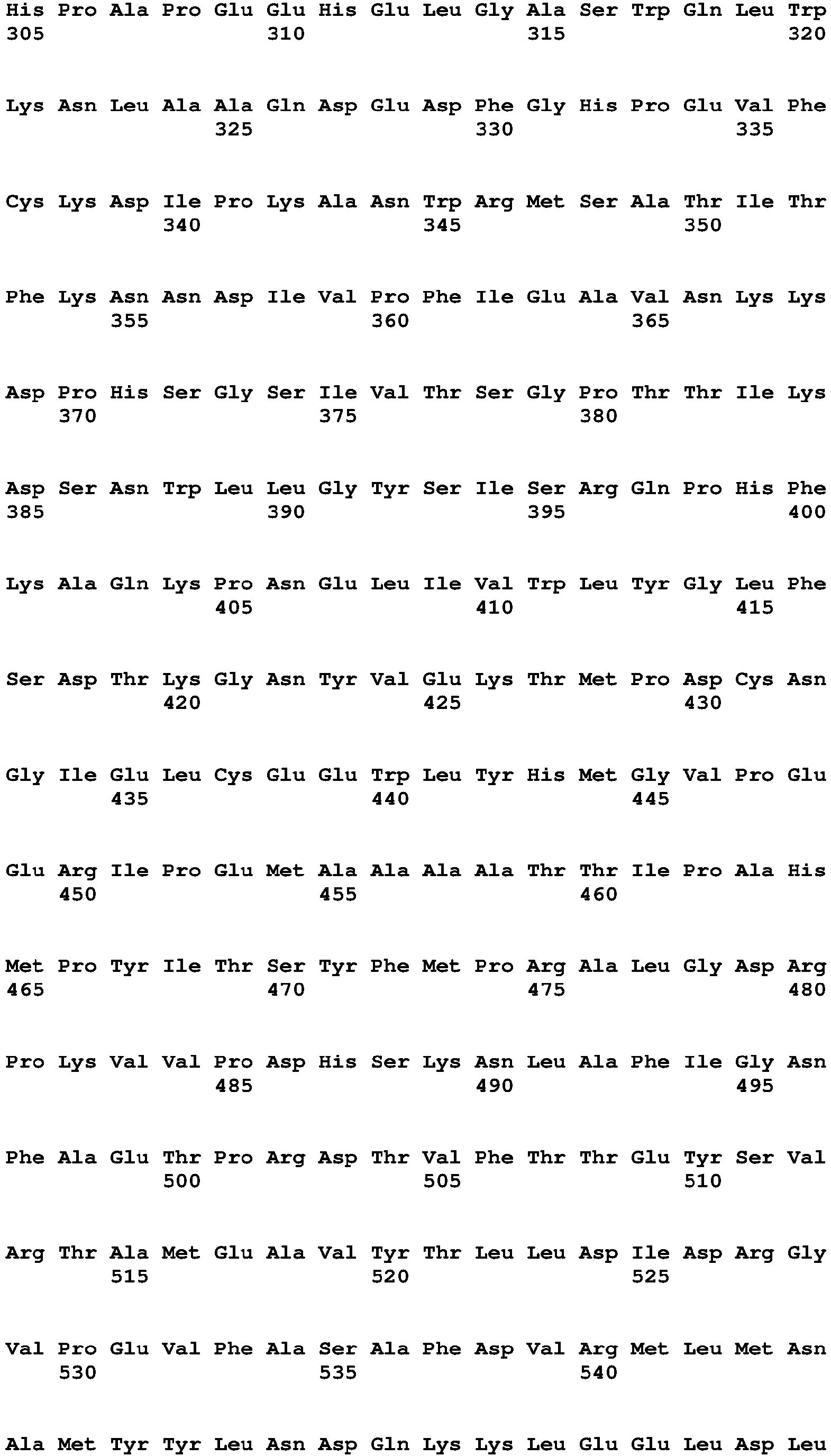


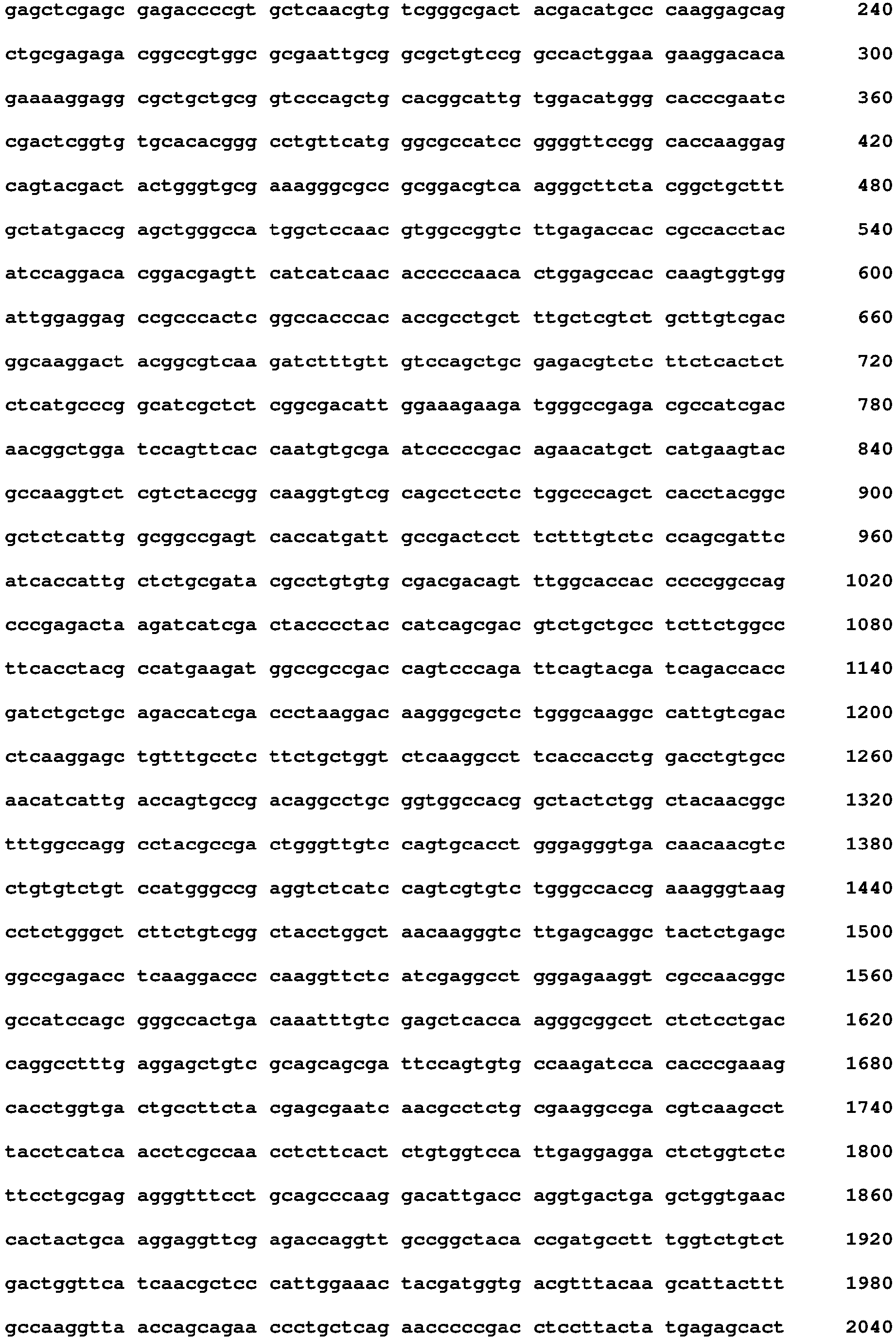


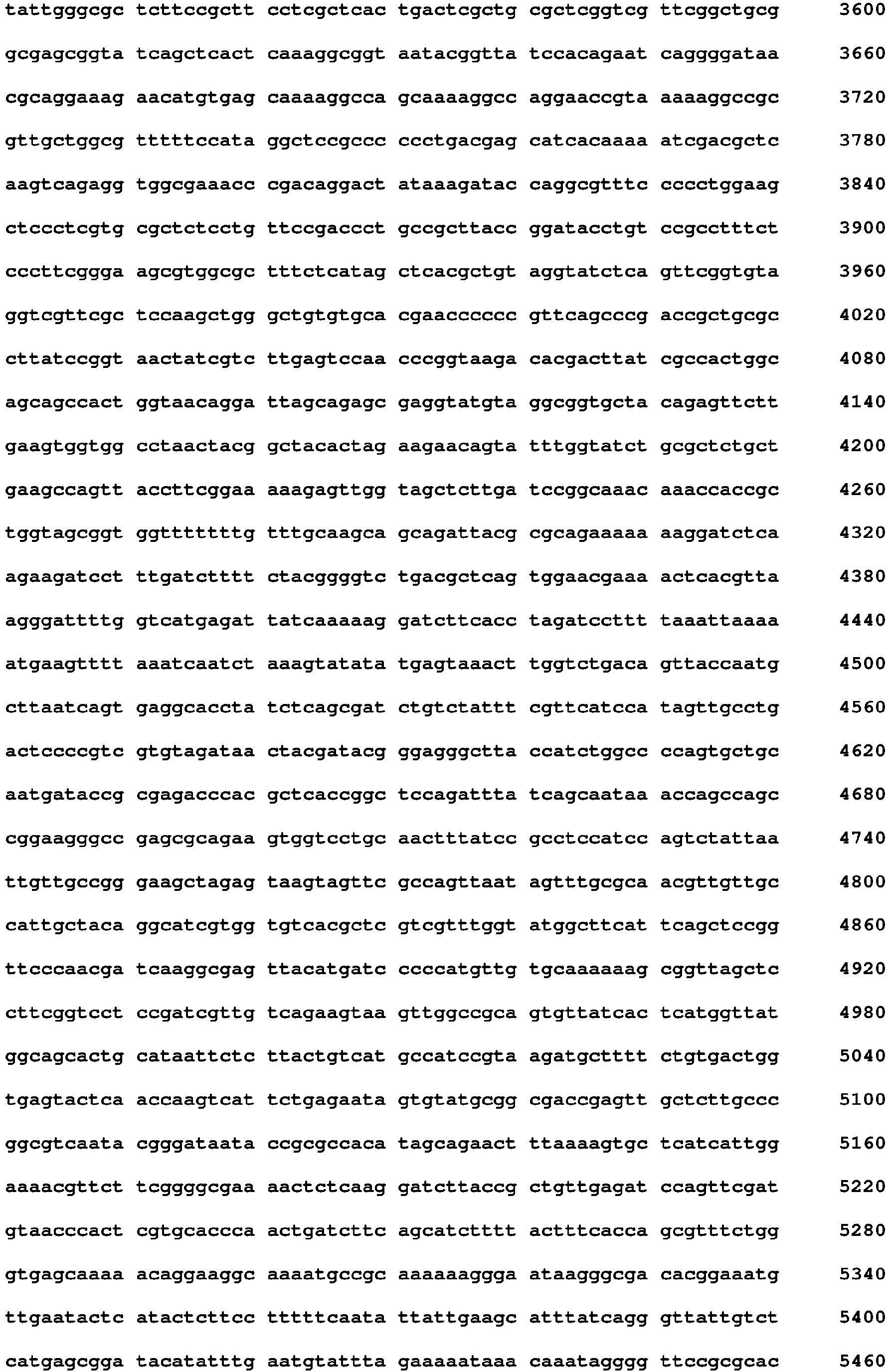


Claims (12)
- A method of producing 13-hydroxy-9(Z)-octadecenoic acid, comprising producing 13-hydroxy-9(Z)-octadecenoic acid from linoleic acid in the presence of a transformed microorganism that produces a protein selected from the group consisting of the following (A) to (C):(A) a protein comprising an amino acid sequence selected from the group consisting of SEQ ID NOs: 4, 5, 8 to 10, 13 and 14;(B) a protein comprising an amino acid sequence containing one or several amino acid substitutions, deletions, insertions or additions in the amino acid sequence selected from the group consisting of SEQ ID NOs: 4, 5, 8 to 10, 13 and 14, and having a linoleate 13-hydratase activity; and(C) a protein comprising an amino acid sequence having 90% or more identity to the amino acid sequence selected from the group consisting of SEQ ID NOs: 4, 5, 8 to 10, 13 and 14, and having a linoleate 13-hydratase activity.
- The method according to claim 1, wherein said protein is the following:(A') a protein comprising an amino acid sequence selected from the group consisting of SEQ ID NOs: 8, 9, 13 and 14;(B') a protein comprising an amino acid sequence containing one or several amino acid substitutions, deletions, insertions or additions in the amino acid sequence selected from the group consisting of SEQ ID NOs: 8, 9, 13 and 14, and having a linoleate 13-hydratase activity; or(C') a protein comprising an amino acid sequence having 90% or more identity to the amino acid sequence selected from the group consisting of SEQ ID NOs: 8, 9, 13 and 14, and having a linoleate 13-hydratase activity.
- The method according to claim 1 or 2, wherein said identity is 95% or more.
- The method according to claim 1, wherein said protein is linoleate 13-hydratase from a microorganism selected from the group consisting of Lactobacillus gallinarum, Lactobacillus crispatus, Lactobacillus hamsteri, Lactobacillus gasseri, Pediococcus claussenii, Streptococcus mutans, and Streptococcus equinus.
- The method according to claim 4, wherein said protein is linoleate 13-hydratase from a microorganism selected from the group consisting of Lactobacillus hamsteri, Lactobacillus gasseri, Streptococcus mutans, and Streptococcus equinus.
- The method according to any one of claims 1 to 5, wherein said transformed microorganism is a microorganism comprising an expression unit containing a polynucleotide encoding said protein and a promoter operably linked thereto.
- The method according to any one of claims 1 to 6, wherein said transformed microorganism is a bacterium belonging to the genus Escherichia.
- The method according to claim 7, wherein said transformed microorganism is Escherichia coli.
- A method for producing δ-decalactone, comprising:(i) producing 13-hydroxy-9(Z)-octadecenoic acid from linoleic acid in the presence of a transformed microorganism that produces a protein selected from the group consisting of the following (A) to (C):(A) a protein comprising an amino acid sequence selected from the group consisting of SEQ ID NOs: 4, 5, 8 to 10, 13 and 14;(B) a protein comprising an amino acid sequence containing one or several amino acid substitutions, deletions, insertions or additions in the amino acid sequence selected from the group consisting of SEQ ID NOs: 4, 5, 8 to 10, 13 and 14, and having a linoleate 13-hydratase activity; and(C) a protein comprising an amino acid sequence having 90% or more identity to the amino acid sequence selected from the group consisting of SEQ ID NOs: 4, 5, 8 to 10, 13 and 14, and having a linoleate 13-hydratase activity; and(ii) producing δ-decalactone from 13-hydroxy-9(Z)-octadecenoic acid.
- The method according to claim 9, wherein (ii) is performed in the presence of a microorganism having a β oxidation activity.
- The method according to claim 10, wherein said microorganism having the β oxidation activity is a microorganism having lowered aldehyde oxidase activity compared to an activity of a wild type enzyme.
- The method according to claim 11, wherein said microorganism having the β oxidation activity is Yarrowia lipoytica.
Applications Claiming Priority (2)
| Application Number | Priority Date | Filing Date | Title |
|---|---|---|---|
| JP2018074191 | 2018-04-06 | ||
| PCT/JP2019/015013 WO2019194287A1 (en) | 2018-04-06 | 2019-04-04 | Method for producing 13-hydroxy-9(z)-octadecenoic acid |
Publications (2)
| Publication Number | Publication Date |
|---|---|
| EP3778910A1 true EP3778910A1 (en) | 2021-02-17 |
| EP3778910A4 EP3778910A4 (en) | 2022-01-19 |
Family
ID=68100417
Family Applications (1)
| Application Number | Title | Priority Date | Filing Date |
|---|---|---|---|
| EP19781497.3A Pending EP3778910A4 (en) | 2018-04-06 | 2019-04-04 | Method for producing 13-hydroxy-9(z)-octadecenoic acid |
Country Status (4)
| Country | Link |
|---|---|
| US (1) | US11499171B2 (en) |
| EP (1) | EP3778910A4 (en) |
| JP (1) | JP7331839B2 (en) |
| WO (1) | WO2019194287A1 (en) |
Cited By (1)
| Publication number | Priority date | Publication date | Assignee | Title |
|---|---|---|---|---|
| FR3161554A1 (en) * | 2024-04-29 | 2025-10-31 | Caudalie Group Limited | Cosmetic composition containing 13-hydroxy-9(Z)-octadecenoic acid for the stimulation of hair growth |
Families Citing this family (4)
| Publication number | Priority date | Publication date | Assignee | Title |
|---|---|---|---|---|
| JP7331839B2 (en) * | 2018-04-06 | 2023-08-23 | 味の素株式会社 | Method for producing 13-hydroxy-9(Z)-octadecenoic acid |
| WO2025078377A1 (en) | 2023-10-10 | 2025-04-17 | Specialty Operations France | Methods for preparing 13-hydroxyoctadecenoic acid, 5-hydroxydecanoic acid and delta-decalactone |
| FR3161687A1 (en) * | 2024-04-29 | 2025-10-31 | Pcas | Modified vegetable oil containing 13-hydroxy-9(Z)-octadecenoic acid, and its preparation process |
| WO2026032759A1 (en) | 2024-08-05 | 2026-02-12 | Specialty Operations France | Composition of delta-decalactone |
Family Cites Families (7)
| Publication number | Priority date | Publication date | Assignee | Title |
|---|---|---|---|---|
| AU5850000A (en) | 1999-07-07 | 2001-01-30 | Kyowa Hakko Kogyo Co. Ltd. | Process for producing hydroxylated fatty acid and delta-lactone |
| JP2002047239A (en) | 2000-08-02 | 2002-02-12 | Yasuhara Chemical Co Ltd | Method for isolating/purifying nootkatone |
| BRPI0806790B1 (en) | 2007-01-22 | 2017-02-14 | Ajinomoto Kk | microorganism, and method for producing an 1-amino acid |
| CN103282492A (en) | 2010-10-29 | 2013-09-04 | 奥利里克斯股份有限公司 | Modified valencene synthase polypeptides, encoding nucleic acid molecules and uses thereof |
| KR101666266B1 (en) * | 2014-02-20 | 2016-10-13 | 건국대학교 산학협력단 | Production of 13-hydroxy fatty acid by 13-linolenic acid hydrolase derived from Lactobacillus acidophilus and method for producing delta-decaractone using the wortomyces lipophor and composition thereof |
| MY185817A (en) | 2014-08-21 | 2021-06-10 | Manus Biosynthesis Inc | Methods for production of oxygenated terpenes |
| JP7331839B2 (en) * | 2018-04-06 | 2023-08-23 | 味の素株式会社 | Method for producing 13-hydroxy-9(Z)-octadecenoic acid |
-
2019
- 2019-04-04 JP JP2020512325A patent/JP7331839B2/en active Active
- 2019-04-04 EP EP19781497.3A patent/EP3778910A4/en active Pending
- 2019-04-04 WO PCT/JP2019/015013 patent/WO2019194287A1/en not_active Ceased
-
2020
- 2020-09-29 US US17/036,054 patent/US11499171B2/en active Active
Cited By (2)
| Publication number | Priority date | Publication date | Assignee | Title |
|---|---|---|---|---|
| FR3161554A1 (en) * | 2024-04-29 | 2025-10-31 | Caudalie Group Limited | Cosmetic composition containing 13-hydroxy-9(Z)-octadecenoic acid for the stimulation of hair growth |
| WO2025228921A1 (en) * | 2024-04-29 | 2025-11-06 | Caudalie Group Limited | Cosmetic composition containing 13-hydroxy-9(z)-octadecenoic acid for stimulating hair growth |
Also Published As
| Publication number | Publication date |
|---|---|
| EP3778910A4 (en) | 2022-01-19 |
| US20210071210A1 (en) | 2021-03-11 |
| JPWO2019194287A1 (en) | 2021-04-22 |
| US11499171B2 (en) | 2022-11-15 |
| JP7331839B2 (en) | 2023-08-23 |
| WO2019194287A1 (en) | 2019-10-10 |
Similar Documents
| Publication | Publication Date | Title |
|---|---|---|
| US11499171B2 (en) | Method of producing 13-hydroxy-9(Z)-octadecenoic acid | |
| JP7331691B2 (en) | Genetically modified microorganism for producing 3-hydroxyadipic acid, α-hydromuconic acid and/or adipic acid and method for producing said chemical | |
| JP5357011B2 (en) | Improved production of sphingoid bases using genetically engineered microbial strains | |
| US11549131B2 (en) | Biosynthetic production of gamma-lactones | |
| US9957497B2 (en) | Hydrocarbon synthase gene and use thereof | |
| US12416028B2 (en) | Biosynthetic production of gamma- and delta-lactones using cytochrome P450 enzymes having subterminal hydroxylase activity | |
| JP2020532278A (en) | 2-O-sulfated enzyme variants, and 3-O-sulfated enzyme variants, and methods using them. | |
| US6830907B2 (en) | Mutants of Mycobacterium vaccae-derived formate dehydrogenase and uses thereof | |
| US12281340B2 (en) | Method of producing N-acyl-amino group-containing compound | |
| KR20070091134A (en) | Microbial strains that produce sphingoid bases or derivatives thereof | |
| JP2009118806A (en) | Method for producing 1-propanol | |
| US20070026504A1 (en) | Method for producing l-fuculose and method for producing l-fucose | |
| CN115605579A (en) | Metabolic engineering for the production of lipoic acid | |
| JP5030067B2 (en) | New alkane polyol dehydrogenase | |
| US9714436B2 (en) | Recombinant microorganism and method for producing a substance using the same | |
| JP2025542220A (en) | Improved enzymes and methods for the synthesis of cannabinoids | |
| WO2025239441A1 (en) | Enzyme for dehydroxylating hydroxyl group at position-10 in urolithin compound | |
| HK40054240A (en) | Biosynthetic production of gamma-lactone and delta-lactone using cytochrome p450 enzymes having subterminal hydroxylase activity | |
| WO2009096541A1 (en) | Method of producing cysteine derivative | |
| JP2018148797A (en) | Isoprene monomer production method |
Legal Events
| Date | Code | Title | Description |
|---|---|---|---|
| STAA | Information on the status of an ep patent application or granted ep patent |
Free format text: STATUS: THE INTERNATIONAL PUBLICATION HAS BEEN MADE |
|
| PUAI | Public reference made under article 153(3) epc to a published international application that has entered the european phase |
Free format text: ORIGINAL CODE: 0009012 |
|
| STAA | Information on the status of an ep patent application or granted ep patent |
Free format text: STATUS: REQUEST FOR EXAMINATION WAS MADE |
|
| 17P | Request for examination filed |
Effective date: 20200929 |
|
| AK | Designated contracting states |
Kind code of ref document: A1 Designated state(s): AL AT BE BG CH CY CZ DE DK EE ES FI FR GB GR HR HU IE IS IT LI LT LU LV MC MK MT NL NO PL PT RO RS SE SI SK SM TR |
|
| AX | Request for extension of the european patent |
Extension state: BA ME |
|
| DAV | Request for validation of the european patent (deleted) | ||
| DAX | Request for extension of the european patent (deleted) | ||
| A4 | Supplementary search report drawn up and despatched |
Effective date: 20211220 |
|
| RIC1 | Information provided on ipc code assigned before grant |
Ipc: C12P 17/06 20060101ALI20211214BHEP Ipc: C12P 7/64 20060101ALI20211214BHEP Ipc: C12N 15/60 20060101ALI20211214BHEP Ipc: C12N 9/88 20060101ALI20211214BHEP Ipc: C12P 17/04 20060101ALI20211214BHEP Ipc: C12P 7/42 20060101AFI20211214BHEP |