EP3778624A1 - Method for producing glucose-6-phosphatase 2 protein - Google Patents
Method for producing glucose-6-phosphatase 2 protein Download PDFInfo
- Publication number
- EP3778624A1 EP3778624A1 EP19786200.6A EP19786200A EP3778624A1 EP 3778624 A1 EP3778624 A1 EP 3778624A1 EP 19786200 A EP19786200 A EP 19786200A EP 3778624 A1 EP3778624 A1 EP 3778624A1
- Authority
- EP
- European Patent Office
- Prior art keywords
- protein
- microspheres
- orthoreovirus muns
- fusion protein
- microsphere
- Prior art date
- Legal status (The legal status is an assumption and is not a legal conclusion. Google has not performed a legal analysis and makes no representation as to the accuracy of the status listed.)
- Withdrawn
Links
- 102100036255 Glucose-6-phosphatase 2 Human genes 0.000 title claims abstract description 91
- 238000004519 manufacturing process Methods 0.000 title claims abstract description 24
- 101710172364 Glucose-6-phosphatase 2 Proteins 0.000 title claims abstract description 12
- 108090000623 proteins and genes Proteins 0.000 claims abstract description 229
- 102000004169 proteins and genes Human genes 0.000 claims abstract description 221
- 108020001507 fusion proteins Proteins 0.000 claims abstract description 94
- 102000037865 fusion proteins Human genes 0.000 claims abstract description 94
- 241001516406 Avian orthoreovirus Species 0.000 claims abstract description 93
- 241001042466 Mammalian orthoreovirus Species 0.000 claims abstract description 55
- 206010067584 Type 1 diabetes mellitus Diseases 0.000 claims abstract description 52
- 108090000765 processed proteins & peptides Proteins 0.000 claims abstract description 41
- 102000004196 processed proteins & peptides Human genes 0.000 claims abstract description 39
- 229920001184 polypeptide Polymers 0.000 claims abstract description 34
- 239000004005 microsphere Substances 0.000 claims description 153
- 101000930907 Homo sapiens Glucose-6-phosphatase 2 Proteins 0.000 claims description 79
- 230000014509 gene expression Effects 0.000 claims description 63
- 108091033319 polynucleotide Proteins 0.000 claims description 58
- 102000040430 polynucleotide Human genes 0.000 claims description 58
- 239000002157 polynucleotide Substances 0.000 claims description 58
- 238000000034 method Methods 0.000 claims description 44
- 150000001413 amino acids Chemical class 0.000 claims description 42
- FWMNVWWHGCHHJJ-SKKKGAJSSA-N 4-amino-1-[(2r)-6-amino-2-[[(2r)-2-[[(2r)-2-[[(2r)-2-amino-3-phenylpropanoyl]amino]-3-phenylpropanoyl]amino]-4-methylpentanoyl]amino]hexanoyl]piperidine-4-carboxylic acid Chemical compound C([C@H](C(=O)N[C@H](CC(C)C)C(=O)N[C@H](CCCCN)C(=O)N1CCC(N)(CC1)C(O)=O)NC(=O)[C@H](N)CC=1C=CC=CC=1)C1=CC=CC=C1 FWMNVWWHGCHHJJ-SKKKGAJSSA-N 0.000 claims description 32
- 239000013598 vector Substances 0.000 claims description 28
- 230000001580 bacterial effect Effects 0.000 claims description 24
- 108091005804 Peptidases Proteins 0.000 claims description 21
- 239000004365 Protease Substances 0.000 claims description 21
- 230000001939 inductive effect Effects 0.000 claims description 21
- 102100037486 Reverse transcriptase/ribonuclease H Human genes 0.000 claims description 19
- 239000002671 adjuvant Substances 0.000 claims description 19
- 230000015572 biosynthetic process Effects 0.000 claims description 16
- 238000010171 animal model Methods 0.000 claims description 13
- 241001465754 Metazoa Species 0.000 claims description 12
- 238000011282 treatment Methods 0.000 claims description 11
- 239000008194 pharmaceutical composition Substances 0.000 claims description 10
- 239000000546 pharmaceutical excipient Substances 0.000 claims description 8
- 239000003814 drug Substances 0.000 claims description 7
- 230000002265 prevention Effects 0.000 claims description 7
- 108010013369 Enteropeptidase Proteins 0.000 claims description 6
- 102100029727 Enteropeptidase Human genes 0.000 claims description 6
- 108010074860 Factor Xa Proteins 0.000 claims description 6
- 230000017854 proteolysis Effects 0.000 claims description 6
- 125000002924 primary amino group Chemical group [H]N([H])* 0.000 claims description 4
- 238000000926 separation method Methods 0.000 claims description 4
- 229940126601 medicinal product Drugs 0.000 claims description 3
- 238000002360 preparation method Methods 0.000 claims description 3
- 239000013604 expression vector Substances 0.000 claims description 2
- 235000018102 proteins Nutrition 0.000 description 193
- 210000004027 cell Anatomy 0.000 description 68
- 241000894006 Bacteria Species 0.000 description 42
- 229940024606 amino acid Drugs 0.000 description 37
- 235000001014 amino acid Nutrition 0.000 description 35
- NOESYZHRGYRDHS-UHFFFAOYSA-N insulin Chemical compound N1C(=O)C(NC(=O)C(CCC(N)=O)NC(=O)C(CCC(O)=O)NC(=O)C(C(C)C)NC(=O)C(NC(=O)CN)C(C)CC)CSSCC(C(NC(CO)C(=O)NC(CC(C)C)C(=O)NC(CC=2C=CC(O)=CC=2)C(=O)NC(CCC(N)=O)C(=O)NC(CC(C)C)C(=O)NC(CCC(O)=O)C(=O)NC(CC(N)=O)C(=O)NC(CC=2C=CC(O)=CC=2)C(=O)NC(CSSCC(NC(=O)C(C(C)C)NC(=O)C(CC(C)C)NC(=O)C(CC=2C=CC(O)=CC=2)NC(=O)C(CC(C)C)NC(=O)C(C)NC(=O)C(CCC(O)=O)NC(=O)C(C(C)C)NC(=O)C(CC(C)C)NC(=O)C(CC=2NC=NC=2)NC(=O)C(CO)NC(=O)CNC2=O)C(=O)NCC(=O)NC(CCC(O)=O)C(=O)NC(CCCNC(N)=N)C(=O)NCC(=O)NC(CC=3C=CC=CC=3)C(=O)NC(CC=3C=CC=CC=3)C(=O)NC(CC=3C=CC(O)=CC=3)C(=O)NC(C(C)O)C(=O)N3C(CCC3)C(=O)NC(CCCCN)C(=O)NC(C)C(O)=O)C(=O)NC(CC(N)=O)C(O)=O)=O)NC(=O)C(C(C)CC)NC(=O)C(CO)NC(=O)C(C(C)O)NC(=O)C1CSSCC2NC(=O)C(CC(C)C)NC(=O)C(NC(=O)C(CCC(N)=O)NC(=O)C(CC(N)=O)NC(=O)C(NC(=O)C(N)CC=1C=CC=CC=1)C(C)C)CC1=CN=CN1 NOESYZHRGYRDHS-UHFFFAOYSA-N 0.000 description 24
- 239000013612 plasmid Substances 0.000 description 24
- 239000000872 buffer Substances 0.000 description 20
- BPHPUYQFMNQIOC-NXRLNHOXSA-N isopropyl beta-D-thiogalactopyranoside Chemical compound CC(C)S[C@@H]1O[C@H](CO)[C@H](O)[C@H](O)[C@H]1O BPHPUYQFMNQIOC-NXRLNHOXSA-N 0.000 description 20
- 241000701447 unidentified baculovirus Species 0.000 description 18
- FAPWRFPIFSIZLT-UHFFFAOYSA-M Sodium chloride Chemical compound [Na+].[Cl-] FAPWRFPIFSIZLT-UHFFFAOYSA-M 0.000 description 15
- 206010012601 diabetes mellitus Diseases 0.000 description 15
- 239000000427 antigen Substances 0.000 description 14
- 108091007433 antigens Proteins 0.000 description 14
- 102000036639 antigens Human genes 0.000 description 14
- 201000010099 disease Diseases 0.000 description 14
- 208000037265 diseases, disorders, signs and symptoms Diseases 0.000 description 14
- 102000004877 Insulin Human genes 0.000 description 12
- 108090001061 Insulin Proteins 0.000 description 12
- 238000011534 incubation Methods 0.000 description 12
- 229940125396 insulin Drugs 0.000 description 12
- 238000000746 purification Methods 0.000 description 12
- 150000001768 cations Chemical class 0.000 description 11
- 238000011161 development Methods 0.000 description 11
- 241000282414 Homo sapiens Species 0.000 description 10
- 241000699670 Mus sp. Species 0.000 description 10
- 108010029485 Protein Isoforms Proteins 0.000 description 10
- 102000001708 Protein Isoforms Human genes 0.000 description 10
- 238000003776 cleavage reaction Methods 0.000 description 10
- 239000000499 gel Substances 0.000 description 10
- 230000007017 scission Effects 0.000 description 10
- PEDCQBHIVMGVHV-UHFFFAOYSA-N Glycerine Chemical compound OCC(O)CO PEDCQBHIVMGVHV-UHFFFAOYSA-N 0.000 description 9
- 239000000284 extract Substances 0.000 description 9
- 230000004481 post-translational protein modification Effects 0.000 description 9
- 239000000047 product Substances 0.000 description 9
- 230000006698 induction Effects 0.000 description 8
- 239000000203 mixture Substances 0.000 description 8
- 239000008188 pellet Substances 0.000 description 8
- 238000006467 substitution reaction Methods 0.000 description 8
- 238000007792 addition Methods 0.000 description 7
- 238000005119 centrifugation Methods 0.000 description 7
- 239000011780 sodium chloride Substances 0.000 description 7
- QFVHZQCOUORWEI-UHFFFAOYSA-N 4-[(4-anilino-5-sulfonaphthalen-1-yl)diazenyl]-5-hydroxynaphthalene-2,7-disulfonic acid Chemical compound C=12C(O)=CC(S(O)(=O)=O)=CC2=CC(S(O)(=O)=O)=CC=1N=NC(C1=CC=CC(=C11)S(O)(=O)=O)=CC=C1NC1=CC=CC=C1 QFVHZQCOUORWEI-UHFFFAOYSA-N 0.000 description 6
- WQZGKKKJIJFFOK-GASJEMHNSA-N Glucose Natural products OC[C@H]1OC(O)[C@H](O)[C@@H](O)[C@@H]1O WQZGKKKJIJFFOK-GASJEMHNSA-N 0.000 description 6
- 241000282412 Homo Species 0.000 description 6
- 241000699666 Mus <mouse, genus> Species 0.000 description 6
- 238000012217 deletion Methods 0.000 description 6
- 230000037430 deletion Effects 0.000 description 6
- 230000000694 effects Effects 0.000 description 6
- 239000012634 fragment Substances 0.000 description 6
- 238000010172 mouse model Methods 0.000 description 6
- 239000000126 substance Substances 0.000 description 6
- 239000006228 supernatant Substances 0.000 description 6
- 241000238631 Hexapoda Species 0.000 description 5
- 229910019142 PO4 Inorganic materials 0.000 description 5
- 238000004458 analytical method Methods 0.000 description 5
- 238000010367 cloning Methods 0.000 description 5
- -1 expression cassette Substances 0.000 description 5
- 239000008103 glucose Substances 0.000 description 5
- 230000028993 immune response Effects 0.000 description 5
- 239000000411 inducer Substances 0.000 description 5
- 239000000463 material Substances 0.000 description 5
- 239000002245 particle Substances 0.000 description 5
- 239000002953 phosphate buffered saline Substances 0.000 description 5
- 229920002401 polyacrylamide Polymers 0.000 description 5
- 229960005486 vaccine Drugs 0.000 description 5
- 230000003612 virological effect Effects 0.000 description 5
- 241000120506 Bluetongue virus Species 0.000 description 4
- 102000004190 Enzymes Human genes 0.000 description 4
- 108090000790 Enzymes Proteins 0.000 description 4
- 102000008214 Glutamate decarboxylase Human genes 0.000 description 4
- 108091022930 Glutamate decarboxylase Proteins 0.000 description 4
- DHMQDGOQFOQNFH-UHFFFAOYSA-N Glycine Chemical compound NCC(O)=O DHMQDGOQFOQNFH-UHFFFAOYSA-N 0.000 description 4
- TWRXJAOTZQYOKJ-UHFFFAOYSA-L Magnesium chloride Chemical compound [Mg+2].[Cl-].[Cl-] TWRXJAOTZQYOKJ-UHFFFAOYSA-L 0.000 description 4
- 241001529936 Murinae Species 0.000 description 4
- 229920001213 Polysorbate 20 Polymers 0.000 description 4
- 210000001744 T-lymphocyte Anatomy 0.000 description 4
- 101710137500 T7 RNA polymerase Proteins 0.000 description 4
- 241000700605 Viruses Species 0.000 description 4
- 230000000692 anti-sense effect Effects 0.000 description 4
- 238000001514 detection method Methods 0.000 description 4
- 238000003745 diagnosis Methods 0.000 description 4
- 229940088598 enzyme Drugs 0.000 description 4
- 230000006870 function Effects 0.000 description 4
- 230000003308 immunostimulating effect Effects 0.000 description 4
- 210000004153 islets of langerhan Anatomy 0.000 description 4
- 239000012139 lysis buffer Substances 0.000 description 4
- 229910052749 magnesium Inorganic materials 0.000 description 4
- 239000011777 magnesium Substances 0.000 description 4
- 230000004048 modification Effects 0.000 description 4
- 238000012986 modification Methods 0.000 description 4
- 238000002264 polyacrylamide gel electrophoresis Methods 0.000 description 4
- 239000000256 polyoxyethylene sorbitan monolaurate Substances 0.000 description 4
- 235000010486 polyoxyethylene sorbitan monolaurate Nutrition 0.000 description 4
- 208000024891 symptom Diseases 0.000 description 4
- 239000003981 vehicle Substances 0.000 description 4
- 238000001262 western blot Methods 0.000 description 4
- 210000002237 B-cell of pancreatic islet Anatomy 0.000 description 3
- 108020004705 Codon Proteins 0.000 description 3
- NBSCHQHZLSJFNQ-GASJEMHNSA-N D-Glucose 6-phosphate Chemical compound OC1O[C@H](COP(O)(O)=O)[C@@H](O)[C@H](O)[C@H]1O NBSCHQHZLSJFNQ-GASJEMHNSA-N 0.000 description 3
- 241000588724 Escherichia coli Species 0.000 description 3
- LFQSCWFLJHTTHZ-UHFFFAOYSA-N Ethanol Chemical compound CCO LFQSCWFLJHTTHZ-UHFFFAOYSA-N 0.000 description 3
- VFRROHXSMXFLSN-UHFFFAOYSA-N Glc6P Natural products OP(=O)(O)OCC(O)C(O)C(O)C(O)C=O VFRROHXSMXFLSN-UHFFFAOYSA-N 0.000 description 3
- 108090000288 Glycoproteins Proteins 0.000 description 3
- 102000003886 Glycoproteins Human genes 0.000 description 3
- 239000007836 KH2PO4 Substances 0.000 description 3
- FYYHWMGAXLPEAU-UHFFFAOYSA-N Magnesium Chemical compound [Mg] FYYHWMGAXLPEAU-UHFFFAOYSA-N 0.000 description 3
- 241000124008 Mammalia Species 0.000 description 3
- OKKJLVBELUTLKV-UHFFFAOYSA-N Methanol Chemical compound OC OKKJLVBELUTLKV-UHFFFAOYSA-N 0.000 description 3
- 108091034117 Oligonucleotide Proteins 0.000 description 3
- 102000004160 Phosphoric Monoester Hydrolases Human genes 0.000 description 3
- 108090000608 Phosphoric Monoester Hydrolases Proteins 0.000 description 3
- 241000700159 Rattus Species 0.000 description 3
- 101710172711 Structural protein Proteins 0.000 description 3
- 230000001363 autoimmune Effects 0.000 description 3
- 210000000227 basophil cell of anterior lobe of hypophysis Anatomy 0.000 description 3
- 230000008901 benefit Effects 0.000 description 3
- 210000004899 c-terminal region Anatomy 0.000 description 3
- 239000002299 complementary DNA Substances 0.000 description 3
- 230000006378 damage Effects 0.000 description 3
- 238000002296 dynamic light scattering Methods 0.000 description 3
- 210000000987 immune system Anatomy 0.000 description 3
- 210000003000 inclusion body Anatomy 0.000 description 3
- 239000000178 monomer Substances 0.000 description 3
- 229910000402 monopotassium phosphate Inorganic materials 0.000 description 3
- 210000000496 pancreas Anatomy 0.000 description 3
- 230000000144 pharmacologic effect Effects 0.000 description 3
- GNSKLFRGEWLPPA-UHFFFAOYSA-M potassium dihydrogen phosphate Chemical compound [K+].OP(O)([O-])=O GNSKLFRGEWLPPA-UHFFFAOYSA-M 0.000 description 3
- 230000001105 regulatory effect Effects 0.000 description 3
- 239000000523 sample Substances 0.000 description 3
- 239000011734 sodium Substances 0.000 description 3
- 238000002415 sodium dodecyl sulfate polyacrylamide gel electrophoresis Methods 0.000 description 3
- 239000000243 solution Substances 0.000 description 3
- 238000000527 sonication Methods 0.000 description 3
- 238000003756 stirring Methods 0.000 description 3
- 238000013518 transcription Methods 0.000 description 3
- 230000035897 transcription Effects 0.000 description 3
- 108091032973 (ribonucleotides)n+m Proteins 0.000 description 2
- 102000040650 (ribonucleotides)n+m Human genes 0.000 description 2
- JKMHFZQWWAIEOD-UHFFFAOYSA-N 2-[4-(2-hydroxyethyl)piperazin-1-yl]ethanesulfonic acid Chemical compound OCC[NH+]1CCN(CCS([O-])(=O)=O)CC1 JKMHFZQWWAIEOD-UHFFFAOYSA-N 0.000 description 2
- VLEIUWBSEKKKFX-UHFFFAOYSA-N 2-amino-2-(hydroxymethyl)propane-1,3-diol;2-[2-[bis(carboxymethyl)amino]ethyl-(carboxymethyl)amino]acetic acid Chemical compound OCC(N)(CO)CO.OC(=O)CN(CC(O)=O)CCN(CC(O)=O)CC(O)=O VLEIUWBSEKKKFX-UHFFFAOYSA-N 0.000 description 2
- 102000007698 Alcohol dehydrogenase Human genes 0.000 description 2
- 108010021809 Alcohol dehydrogenase Proteins 0.000 description 2
- 241000271566 Aves Species 0.000 description 2
- 241000283690 Bos taurus Species 0.000 description 2
- 241000282472 Canis lupus familiaris Species 0.000 description 2
- 241000283707 Capra Species 0.000 description 2
- 241000700198 Cavia Species 0.000 description 2
- 102000009016 Cholera Toxin Human genes 0.000 description 2
- 108010049048 Cholera Toxin Proteins 0.000 description 2
- 241000699800 Cricetinae Species 0.000 description 2
- 108090000695 Cytokines Proteins 0.000 description 2
- 102000004127 Cytokines Human genes 0.000 description 2
- 108010041986 DNA Vaccines Proteins 0.000 description 2
- 229940021995 DNA vaccine Drugs 0.000 description 2
- KCXVZYZYPLLWCC-UHFFFAOYSA-N EDTA Chemical compound OC(=O)CN(CC(O)=O)CCN(CC(O)=O)CC(O)=O KCXVZYZYPLLWCC-UHFFFAOYSA-N 0.000 description 2
- 241000283086 Equidae Species 0.000 description 2
- 102000003638 Glucose-6-Phosphatase Human genes 0.000 description 2
- 108010086800 Glucose-6-Phosphatase Proteins 0.000 description 2
- 239000004471 Glycine Substances 0.000 description 2
- 102100039620 Granulocyte-macrophage colony-stimulating factor Human genes 0.000 description 2
- 101000746373 Homo sapiens Granulocyte-macrophage colony-stimulating factor Proteins 0.000 description 2
- 101710128560 Initiator protein NS1 Proteins 0.000 description 2
- 208000007976 Ketosis Diseases 0.000 description 2
- 239000006142 Luria-Bertani Agar Substances 0.000 description 2
- 101150118256 M3 gene Proteins 0.000 description 2
- 102000016943 Muramidase Human genes 0.000 description 2
- 108010014251 Muramidase Proteins 0.000 description 2
- 241000699660 Mus musculus Species 0.000 description 2
- 108010062010 N-Acetylmuramoyl-L-alanine Amidase Proteins 0.000 description 2
- 101710144127 Non-structural protein 1 Proteins 0.000 description 2
- 241000283973 Oryctolagus cuniculus Species 0.000 description 2
- 241001494479 Pecora Species 0.000 description 2
- 102000035195 Peptidases Human genes 0.000 description 2
- 108700011066 PreScission Protease Proteins 0.000 description 2
- 241000702247 Reoviridae Species 0.000 description 2
- 241000702263 Reovirus sp. Species 0.000 description 2
- 241000283984 Rodentia Species 0.000 description 2
- 101100545229 Saccharomyces cerevisiae (strain ATCC 204508 / S288c) ZDS2 gene Proteins 0.000 description 2
- 101100113084 Schizosaccharomyces pombe (strain 972 / ATCC 24843) mcs2 gene Proteins 0.000 description 2
- VYPSYNLAJGMNEJ-UHFFFAOYSA-N Silicium dioxide Chemical compound O=[Si]=O VYPSYNLAJGMNEJ-UHFFFAOYSA-N 0.000 description 2
- 241000282887 Suidae Species 0.000 description 2
- 108010076818 TEV protease Proteins 0.000 description 2
- 239000004098 Tetracycline Substances 0.000 description 2
- 108090000190 Thrombin Proteins 0.000 description 2
- 102000005924 Triose-Phosphate Isomerase Human genes 0.000 description 2
- 108700015934 Triose-phosphate isomerases Proteins 0.000 description 2
- 239000013504 Triton X-100 Substances 0.000 description 2
- 229920004890 Triton X-100 Polymers 0.000 description 2
- XSQUKJJJFZCRTK-UHFFFAOYSA-N Urea Chemical compound NC(N)=O XSQUKJJJFZCRTK-UHFFFAOYSA-N 0.000 description 2
- 101100167209 Ustilago maydis (strain 521 / FGSC 9021) CHS8 gene Proteins 0.000 description 2
- JLCPHMBAVCMARE-UHFFFAOYSA-N [3-[[3-[[3-[[3-[[3-[[3-[[3-[[3-[[3-[[3-[[3-[[5-(2-amino-6-oxo-1H-purin-9-yl)-3-[[3-[[3-[[3-[[3-[[3-[[5-(2-amino-6-oxo-1H-purin-9-yl)-3-[[5-(2-amino-6-oxo-1H-purin-9-yl)-3-hydroxyoxolan-2-yl]methoxy-hydroxyphosphoryl]oxyoxolan-2-yl]methoxy-hydroxyphosphoryl]oxy-5-(5-methyl-2,4-dioxopyrimidin-1-yl)oxolan-2-yl]methoxy-hydroxyphosphoryl]oxy-5-(6-aminopurin-9-yl)oxolan-2-yl]methoxy-hydroxyphosphoryl]oxy-5-(6-aminopurin-9-yl)oxolan-2-yl]methoxy-hydroxyphosphoryl]oxy-5-(6-aminopurin-9-yl)oxolan-2-yl]methoxy-hydroxyphosphoryl]oxy-5-(6-aminopurin-9-yl)oxolan-2-yl]methoxy-hydroxyphosphoryl]oxyoxolan-2-yl]methoxy-hydroxyphosphoryl]oxy-5-(5-methyl-2,4-dioxopyrimidin-1-yl)oxolan-2-yl]methoxy-hydroxyphosphoryl]oxy-5-(4-amino-2-oxopyrimidin-1-yl)oxolan-2-yl]methoxy-hydroxyphosphoryl]oxy-5-(5-methyl-2,4-dioxopyrimidin-1-yl)oxolan-2-yl]methoxy-hydroxyphosphoryl]oxy-5-(5-methyl-2,4-dioxopyrimidin-1-yl)oxolan-2-yl]methoxy-hydroxyphosphoryl]oxy-5-(6-aminopurin-9-yl)oxolan-2-yl]methoxy-hydroxyphosphoryl]oxy-5-(6-aminopurin-9-yl)oxolan-2-yl]methoxy-hydroxyphosphoryl]oxy-5-(4-amino-2-oxopyrimidin-1-yl)oxolan-2-yl]methoxy-hydroxyphosphoryl]oxy-5-(4-amino-2-oxopyrimidin-1-yl)oxolan-2-yl]methoxy-hydroxyphosphoryl]oxy-5-(4-amino-2-oxopyrimidin-1-yl)oxolan-2-yl]methoxy-hydroxyphosphoryl]oxy-5-(6-aminopurin-9-yl)oxolan-2-yl]methoxy-hydroxyphosphoryl]oxy-5-(4-amino-2-oxopyrimidin-1-yl)oxolan-2-yl]methyl [5-(6-aminopurin-9-yl)-2-(hydroxymethyl)oxolan-3-yl] hydrogen phosphate Polymers Cc1cn(C2CC(OP(O)(=O)OCC3OC(CC3OP(O)(=O)OCC3OC(CC3O)n3cnc4c3nc(N)[nH]c4=O)n3cnc4c3nc(N)[nH]c4=O)C(COP(O)(=O)OC3CC(OC3COP(O)(=O)OC3CC(OC3COP(O)(=O)OC3CC(OC3COP(O)(=O)OC3CC(OC3COP(O)(=O)OC3CC(OC3COP(O)(=O)OC3CC(OC3COP(O)(=O)OC3CC(OC3COP(O)(=O)OC3CC(OC3COP(O)(=O)OC3CC(OC3COP(O)(=O)OC3CC(OC3COP(O)(=O)OC3CC(OC3COP(O)(=O)OC3CC(OC3COP(O)(=O)OC3CC(OC3COP(O)(=O)OC3CC(OC3COP(O)(=O)OC3CC(OC3COP(O)(=O)OC3CC(OC3COP(O)(=O)OC3CC(OC3CO)n3cnc4c(N)ncnc34)n3ccc(N)nc3=O)n3cnc4c(N)ncnc34)n3ccc(N)nc3=O)n3ccc(N)nc3=O)n3ccc(N)nc3=O)n3cnc4c(N)ncnc34)n3cnc4c(N)ncnc34)n3cc(C)c(=O)[nH]c3=O)n3cc(C)c(=O)[nH]c3=O)n3ccc(N)nc3=O)n3cc(C)c(=O)[nH]c3=O)n3cnc4c3nc(N)[nH]c4=O)n3cnc4c(N)ncnc34)n3cnc4c(N)ncnc34)n3cnc4c(N)ncnc34)n3cnc4c(N)ncnc34)O2)c(=O)[nH]c1=O JLCPHMBAVCMARE-UHFFFAOYSA-N 0.000 description 2
- 239000002253 acid Substances 0.000 description 2
- 150000007513 acids Chemical class 0.000 description 2
- 239000004480 active ingredient Substances 0.000 description 2
- NWMHDZMRVUOQGL-CZEIJOLGSA-N almurtide Chemical compound OC(=O)CC[C@H](C(N)=O)NC(=O)[C@H](C)NC(=O)CO[C@@H]([C@H](O)[C@H](O)CO)[C@@H](NC(C)=O)C=O NWMHDZMRVUOQGL-CZEIJOLGSA-N 0.000 description 2
- 230000003466 anti-cipated effect Effects 0.000 description 2
- 230000006472 autoimmune response Effects 0.000 description 2
- WQZGKKKJIJFFOK-VFUOTHLCSA-N beta-D-glucose Chemical compound OC[C@H]1O[C@@H](O)[C@H](O)[C@@H](O)[C@@H]1O WQZGKKKJIJFFOK-VFUOTHLCSA-N 0.000 description 2
- 210000004369 blood Anatomy 0.000 description 2
- 239000008280 blood Substances 0.000 description 2
- UDSAIICHUKSCKT-UHFFFAOYSA-N bromophenol blue Chemical compound C1=C(Br)C(O)=C(Br)C=C1C1(C=2C=C(Br)C(O)=C(Br)C=2)C2=CC=CC=C2S(=O)(=O)O1 UDSAIICHUKSCKT-UHFFFAOYSA-N 0.000 description 2
- 239000012141 concentrate Substances 0.000 description 2
- 238000010276 construction Methods 0.000 description 2
- 229910052802 copper Inorganic materials 0.000 description 2
- 239000010949 copper Substances 0.000 description 2
- 238000001962 electrophoresis Methods 0.000 description 2
- 239000002158 endotoxin Substances 0.000 description 2
- 210000003527 eukaryotic cell Anatomy 0.000 description 2
- 238000009472 formulation Methods 0.000 description 2
- ZDXPYRJPNDTMRX-UHFFFAOYSA-N glutamine Natural products OC(=O)C(N)CCC(N)=O ZDXPYRJPNDTMRX-UHFFFAOYSA-N 0.000 description 2
- 102000006602 glyceraldehyde-3-phosphate dehydrogenase Human genes 0.000 description 2
- 108020004445 glyceraldehyde-3-phosphate dehydrogenase Proteins 0.000 description 2
- 229930004094 glycosylphosphatidylinositol Natural products 0.000 description 2
- 239000001963 growth medium Substances 0.000 description 2
- 238000010820 immunofluorescence microscopy Methods 0.000 description 2
- 230000004957 immunoregulator effect Effects 0.000 description 2
- 208000015181 infectious disease Diseases 0.000 description 2
- 229910052500 inorganic mineral Inorganic materials 0.000 description 2
- 238000003780 insertion Methods 0.000 description 2
- 230000037431 insertion Effects 0.000 description 2
- 230000017730 intein-mediated protein splicing Effects 0.000 description 2
- 238000007918 intramuscular administration Methods 0.000 description 2
- 238000007912 intraperitoneal administration Methods 0.000 description 2
- 238000001990 intravenous administration Methods 0.000 description 2
- 208000001921 latent autoimmune diabetes in adults Diseases 0.000 description 2
- GZQKNULLWNGMCW-PWQABINMSA-N lipid A (E. coli) Chemical compound O1[C@H](CO)[C@@H](OP(O)(O)=O)[C@H](OC(=O)C[C@@H](CCCCCCCCCCC)OC(=O)CCCCCCCCCCCCC)[C@@H](NC(=O)C[C@@H](CCCCCCCCCCC)OC(=O)CCCCCCCCCCC)[C@@H]1OC[C@@H]1[C@@H](O)[C@H](OC(=O)C[C@H](O)CCCCCCCCCCC)[C@@H](NC(=O)C[C@H](O)CCCCCCCCCCC)[C@@H](OP(O)(O)=O)O1 GZQKNULLWNGMCW-PWQABINMSA-N 0.000 description 2
- 229920006008 lipopolysaccharide Polymers 0.000 description 2
- 210000004698 lymphocyte Anatomy 0.000 description 2
- 229960000274 lysozyme Drugs 0.000 description 2
- 239000004325 lysozyme Substances 0.000 description 2
- 235000010335 lysozyme Nutrition 0.000 description 2
- 229910001629 magnesium chloride Inorganic materials 0.000 description 2
- 108020004999 messenger RNA Proteins 0.000 description 2
- 230000011987 methylation Effects 0.000 description 2
- 238000007069 methylation reaction Methods 0.000 description 2
- 239000011707 mineral Substances 0.000 description 2
- 150000007523 nucleic acids Chemical class 0.000 description 2
- 239000010452 phosphate Substances 0.000 description 2
- NBIIXXVUZAFLBC-UHFFFAOYSA-K phosphate Chemical compound [O-]P([O-])([O-])=O NBIIXXVUZAFLBC-UHFFFAOYSA-K 0.000 description 2
- 229920000724 poly(L-arginine) polymer Polymers 0.000 description 2
- 230000000750 progressive effect Effects 0.000 description 2
- 210000001236 prokaryotic cell Anatomy 0.000 description 2
- 230000004845 protein aggregation Effects 0.000 description 2
- 230000010076 replication Effects 0.000 description 2
- 230000004044 response Effects 0.000 description 2
- 150000003839 salts Chemical class 0.000 description 2
- 229930182490 saponin Natural products 0.000 description 2
- 150000007949 saponins Chemical class 0.000 description 2
- 235000017709 saponins Nutrition 0.000 description 2
- 238000002864 sequence alignment Methods 0.000 description 2
- 238000012163 sequencing technique Methods 0.000 description 2
- 210000002966 serum Anatomy 0.000 description 2
- 238000007920 subcutaneous administration Methods 0.000 description 2
- 235000019364 tetracycline Nutrition 0.000 description 2
- 150000003522 tetracyclines Chemical class 0.000 description 2
- 229960004072 thrombin Drugs 0.000 description 2
- 239000003053 toxin Substances 0.000 description 2
- 231100000765 toxin Toxicity 0.000 description 2
- 108700012359 toxins Proteins 0.000 description 2
- 238000011830 transgenic mouse model Methods 0.000 description 2
- 230000014616 translation Effects 0.000 description 2
- 210000002700 urine Anatomy 0.000 description 2
- 238000002255 vaccination Methods 0.000 description 2
- 238000005406 washing Methods 0.000 description 2
- DIGQNXIGRZPYDK-WKSCXVIASA-N (2R)-6-amino-2-[[2-[[(2S)-2-[[2-[[(2R)-2-[[(2S)-2-[[(2R,3S)-2-[[2-[[(2S)-2-[[2-[[(2S)-2-[[(2S)-2-[[(2R)-2-[[(2S,3S)-2-[[(2R)-2-[[(2S)-2-[[(2S)-2-[[(2S)-2-[[2-[[(2S)-2-[[(2R)-2-[[2-[[2-[[2-[(2-amino-1-hydroxyethylidene)amino]-3-carboxy-1-hydroxypropylidene]amino]-1-hydroxy-3-sulfanylpropylidene]amino]-1-hydroxyethylidene]amino]-1-hydroxy-3-sulfanylpropylidene]amino]-1,3-dihydroxypropylidene]amino]-1-hydroxyethylidene]amino]-1-hydroxypropylidene]amino]-1,3-dihydroxypropylidene]amino]-1,3-dihydroxypropylidene]amino]-1-hydroxy-3-sulfanylpropylidene]amino]-1,3-dihydroxybutylidene]amino]-1-hydroxy-3-sulfanylpropylidene]amino]-1-hydroxypropylidene]amino]-1,3-dihydroxypropylidene]amino]-1-hydroxyethylidene]amino]-1,5-dihydroxy-5-iminopentylidene]amino]-1-hydroxy-3-sulfanylpropylidene]amino]-1,3-dihydroxybutylidene]amino]-1-hydroxy-3-sulfanylpropylidene]amino]-1,3-dihydroxypropylidene]amino]-1-hydroxyethylidene]amino]-1-hydroxy-3-sulfanylpropylidene]amino]-1-hydroxyethylidene]amino]hexanoic acid Chemical compound C[C@@H]([C@@H](C(=N[C@@H](CS)C(=N[C@@H](C)C(=N[C@@H](CO)C(=NCC(=N[C@@H](CCC(=N)O)C(=NC(CS)C(=N[C@H]([C@H](C)O)C(=N[C@H](CS)C(=N[C@H](CO)C(=NCC(=N[C@H](CS)C(=NCC(=N[C@H](CCCCN)C(=O)O)O)O)O)O)O)O)O)O)O)O)O)O)O)N=C([C@H](CS)N=C([C@H](CO)N=C([C@H](CO)N=C([C@H](C)N=C(CN=C([C@H](CO)N=C([C@H](CS)N=C(CN=C(C(CS)N=C(C(CC(=O)O)N=C(CN)O)O)O)O)O)O)O)O)O)O)O)O DIGQNXIGRZPYDK-WKSCXVIASA-N 0.000 description 1
- YHQZWWDVLJPRIF-JLHRHDQISA-N (4R)-4-[[(2S,3R)-2-[acetyl-[(3R,4R,5S,6R)-3-amino-4-[(1R)-1-carboxyethoxy]-5-hydroxy-6-(hydroxymethyl)oxan-2-yl]amino]-3-hydroxybutanoyl]amino]-5-amino-5-oxopentanoic acid Chemical compound C(C)(=O)N([C@@H]([C@H](O)C)C(=O)N[C@H](CCC(=O)O)C(N)=O)C1[C@H](N)[C@@H](O[C@@H](C(=O)O)C)[C@H](O)[C@H](O1)CO YHQZWWDVLJPRIF-JLHRHDQISA-N 0.000 description 1
- YYGNTYWPHWGJRM-UHFFFAOYSA-N (6E,10E,14E,18E)-2,6,10,15,19,23-hexamethyltetracosa-2,6,10,14,18,22-hexaene Chemical compound CC(C)=CCCC(C)=CCCC(C)=CCCC=C(C)CCC=C(C)CCC=C(C)C YYGNTYWPHWGJRM-UHFFFAOYSA-N 0.000 description 1
- IXPNQXFRVYWDDI-UHFFFAOYSA-N 1-methyl-2,4-dioxo-1,3-diazinane-5-carboximidamide Chemical compound CN1CC(C(N)=N)C(=O)NC1=O IXPNQXFRVYWDDI-UHFFFAOYSA-N 0.000 description 1
- QKNYBSVHEMOAJP-UHFFFAOYSA-N 2-amino-2-(hydroxymethyl)propane-1,3-diol;hydron;chloride Chemical compound Cl.OCC(N)(CO)CO QKNYBSVHEMOAJP-UHFFFAOYSA-N 0.000 description 1
- OSJPPGNTCRNQQC-UWTATZPHSA-N 3-phospho-D-glyceric acid Chemical compound OC(=O)[C@H](O)COP(O)(O)=O OSJPPGNTCRNQQC-UWTATZPHSA-N 0.000 description 1
- BHQCQFFYRZLCQQ-UHFFFAOYSA-N 4-(3,7,12-trihydroxy-10,13-dimethyl-2,3,4,5,6,7,8,9,11,12,14,15,16,17-tetradecahydro-1h-cyclopenta[a]phenanthren-17-yl)pentanoic acid Chemical compound OC1CC2CC(O)CCC2(C)C2C1C1CCC(C(CCC(O)=O)C)C1(C)C(O)C2 BHQCQFFYRZLCQQ-UHFFFAOYSA-N 0.000 description 1
- 108010042708 Acetylmuramyl-Alanyl-Isoglutamine Proteins 0.000 description 1
- 229920001817 Agar Polymers 0.000 description 1
- 239000005995 Aluminium silicate Substances 0.000 description 1
- 239000004475 Arginine Substances 0.000 description 1
- DCXYFEDJOCDNAF-UHFFFAOYSA-N Asparagine Natural products OC(=O)C(N)CC(N)=O DCXYFEDJOCDNAF-UHFFFAOYSA-N 0.000 description 1
- 208000023275 Autoimmune disease Diseases 0.000 description 1
- 108010077805 Bacterial Proteins Proteins 0.000 description 1
- 102100026189 Beta-galactosidase Human genes 0.000 description 1
- 241000588832 Bordetella pertussis Species 0.000 description 1
- 241000282817 Bovidae Species 0.000 description 1
- 241000589562 Brucella Species 0.000 description 1
- 101000583086 Bunodosoma granuliferum Delta-actitoxin-Bgr2b Proteins 0.000 description 1
- 102100035875 C-C chemokine receptor type 5 Human genes 0.000 description 1
- 101710149870 C-C chemokine receptor type 5 Proteins 0.000 description 1
- 108010029697 CD40 Ligand Proteins 0.000 description 1
- 102100032937 CD40 ligand Human genes 0.000 description 1
- 101100327917 Caenorhabditis elegans chup-1 gene Proteins 0.000 description 1
- 241000282832 Camelidae Species 0.000 description 1
- 241000282465 Canis Species 0.000 description 1
- OKTJSMMVPCPJKN-UHFFFAOYSA-N Carbon Chemical compound [C] OKTJSMMVPCPJKN-UHFFFAOYSA-N 0.000 description 1
- 108010078791 Carrier Proteins Proteins 0.000 description 1
- 206010008761 Choriomeningitis lymphocytic Diseases 0.000 description 1
- 108091026890 Coding region Proteins 0.000 description 1
- 108020004635 Complementary DNA Proteins 0.000 description 1
- RYGMFSIKBFXOCR-UHFFFAOYSA-N Copper Chemical compound [Cu] RYGMFSIKBFXOCR-UHFFFAOYSA-N 0.000 description 1
- 241000186216 Corynebacterium Species 0.000 description 1
- 102100023419 Cystic fibrosis transmembrane conductance regulator Human genes 0.000 description 1
- FBPFZTCFMRRESA-FSIIMWSLSA-N D-Glucitol Natural products OC[C@H](O)[C@H](O)[C@@H](O)[C@H](O)CO FBPFZTCFMRRESA-FSIIMWSLSA-N 0.000 description 1
- FBPFZTCFMRRESA-KVTDHHQDSA-N D-Mannitol Chemical compound OC[C@@H](O)[C@@H](O)[C@H](O)[C@H](O)CO FBPFZTCFMRRESA-KVTDHHQDSA-N 0.000 description 1
- FBPFZTCFMRRESA-JGWLITMVSA-N D-glucitol Chemical compound OC[C@H](O)[C@@H](O)[C@H](O)[C@H](O)CO FBPFZTCFMRRESA-JGWLITMVSA-N 0.000 description 1
- 108020004414 DNA Proteins 0.000 description 1
- 238000001712 DNA sequencing Methods 0.000 description 1
- 108090000204 Dipeptidase 1 Proteins 0.000 description 1
- 241000701832 Enterobacteria phage T3 Species 0.000 description 1
- 241000283073 Equus caballus Species 0.000 description 1
- 241000282326 Felis catus Species 0.000 description 1
- 101150078817 G6PC2 gene Proteins 0.000 description 1
- 229930182566 Gentamicin Natural products 0.000 description 1
- CEAZRRDELHUEMR-URQXQFDESA-N Gentamicin Chemical compound O1[C@H](C(C)NC)CC[C@@H](N)[C@H]1O[C@H]1[C@H](O)[C@@H](O[C@@H]2[C@@H]([C@@H](NC)[C@@](C)(O)CO2)O)[C@H](N)C[C@@H]1N CEAZRRDELHUEMR-URQXQFDESA-N 0.000 description 1
- 239000004366 Glucose oxidase Substances 0.000 description 1
- 108010015776 Glucose oxidase Proteins 0.000 description 1
- WHUUTDBJXJRKMK-UHFFFAOYSA-N Glutamic acid Natural products OC(=O)C(N)CCC(O)=O WHUUTDBJXJRKMK-UHFFFAOYSA-N 0.000 description 1
- 102000017011 Glycated Hemoglobin A Human genes 0.000 description 1
- 108010014663 Glycated Hemoglobin A Proteins 0.000 description 1
- HVLSXIKZNLPZJJ-TXZCQADKSA-N HA peptide Chemical compound C([C@@H](C(=O)N[C@@H](CC(O)=O)C(=O)N[C@@H](C(C)C)C(=O)N1[C@@H](CCC1)C(=O)N[C@@H](CC(O)=O)C(=O)N[C@@H](CC=1C=CC(O)=CC=1)C(=O)N[C@@H](C)C(O)=O)NC(=O)[C@H]1N(CCC1)C(=O)[C@@H](N)CC=1C=CC(O)=CC=1)C1=CC=C(O)C=C1 HVLSXIKZNLPZJJ-TXZCQADKSA-N 0.000 description 1
- 101150079981 HSP150 gene Proteins 0.000 description 1
- 102000002812 Heat-Shock Proteins Human genes 0.000 description 1
- 108010004889 Heat-Shock Proteins Proteins 0.000 description 1
- 101001029059 Homo sapiens ATP-binding cassette sub-family C member 10 Proteins 0.000 description 1
- 101000907783 Homo sapiens Cystic fibrosis transmembrane conductance regulator Proteins 0.000 description 1
- 101000852870 Homo sapiens Interferon alpha/beta receptor 1 Proteins 0.000 description 1
- 101000958781 Homo sapiens N-alpha-acetyltransferase 80 Proteins 0.000 description 1
- 101001061518 Homo sapiens RNA-binding protein FUS Proteins 0.000 description 1
- 101000659267 Homo sapiens Tumor suppressor candidate 2 Proteins 0.000 description 1
- 108090000144 Human Proteins Proteins 0.000 description 1
- 102000003839 Human Proteins Human genes 0.000 description 1
- 206010020710 Hyperphagia Diseases 0.000 description 1
- 206010020772 Hypertension Diseases 0.000 description 1
- 206010061598 Immunodeficiency Diseases 0.000 description 1
- 208000029462 Immunodeficiency disease Diseases 0.000 description 1
- 102000018071 Immunoglobulin Fc Fragments Human genes 0.000 description 1
- 108010091135 Immunoglobulin Fc Fragments Proteins 0.000 description 1
- 108090000723 Insulin-Like Growth Factor I Proteins 0.000 description 1
- 102000004218 Insulin-Like Growth Factor I Human genes 0.000 description 1
- 102100036714 Interferon alpha/beta receptor 1 Human genes 0.000 description 1
- 102100026720 Interferon beta Human genes 0.000 description 1
- 108010047761 Interferon-alpha Proteins 0.000 description 1
- 102000006992 Interferon-alpha Human genes 0.000 description 1
- 108090000467 Interferon-beta Proteins 0.000 description 1
- 102000008070 Interferon-gamma Human genes 0.000 description 1
- 108010074328 Interferon-gamma Proteins 0.000 description 1
- 108010002352 Interleukin-1 Proteins 0.000 description 1
- 102000000589 Interleukin-1 Human genes 0.000 description 1
- 102000013462 Interleukin-12 Human genes 0.000 description 1
- 108010065805 Interleukin-12 Proteins 0.000 description 1
- 102000003812 Interleukin-15 Human genes 0.000 description 1
- 108090000172 Interleukin-15 Proteins 0.000 description 1
- 108010002350 Interleukin-2 Proteins 0.000 description 1
- 102000000588 Interleukin-2 Human genes 0.000 description 1
- 108090000978 Interleukin-4 Proteins 0.000 description 1
- 102000004388 Interleukin-4 Human genes 0.000 description 1
- 206010023379 Ketoacidosis Diseases 0.000 description 1
- QNAYBMKLOCPYGJ-REOHCLBHSA-N L-alanine Chemical compound C[C@H](N)C(O)=O QNAYBMKLOCPYGJ-REOHCLBHSA-N 0.000 description 1
- DCXYFEDJOCDNAF-REOHCLBHSA-N L-asparagine Chemical compound OC(=O)[C@@H](N)CC(N)=O DCXYFEDJOCDNAF-REOHCLBHSA-N 0.000 description 1
- CKLJMWTZIZZHCS-REOHCLBHSA-N L-aspartic acid Chemical compound OC(=O)[C@@H](N)CC(O)=O CKLJMWTZIZZHCS-REOHCLBHSA-N 0.000 description 1
- AGPKZVBTJJNPAG-WHFBIAKZSA-N L-isoleucine Chemical compound CC[C@H](C)[C@H](N)C(O)=O AGPKZVBTJJNPAG-WHFBIAKZSA-N 0.000 description 1
- ROHFNLRQFUQHCH-YFKPBYRVSA-N L-leucine Chemical compound CC(C)C[C@H](N)C(O)=O ROHFNLRQFUQHCH-YFKPBYRVSA-N 0.000 description 1
- FFEARJCKVFRZRR-BYPYZUCNSA-N L-methionine Chemical compound CSCC[C@H](N)C(O)=O FFEARJCKVFRZRR-BYPYZUCNSA-N 0.000 description 1
- COLNVLDHVKWLRT-QMMMGPOBSA-N L-phenylalanine Chemical compound OC(=O)[C@@H](N)CC1=CC=CC=C1 COLNVLDHVKWLRT-QMMMGPOBSA-N 0.000 description 1
- QIVBCDIJIAJPQS-VIFPVBQESA-N L-tryptophane Chemical compound C1=CC=C2C(C[C@H](N)C(O)=O)=CNC2=C1 QIVBCDIJIAJPQS-VIFPVBQESA-N 0.000 description 1
- OUYCCCASQSFEME-QMMMGPOBSA-N L-tyrosine Chemical compound OC(=O)[C@@H](N)CC1=CC=C(O)C=C1 OUYCCCASQSFEME-QMMMGPOBSA-N 0.000 description 1
- KZSNJWFQEVHDMF-BYPYZUCNSA-N L-valine Chemical compound CC(C)[C@H](N)C(O)=O KZSNJWFQEVHDMF-BYPYZUCNSA-N 0.000 description 1
- GUBGYTABKSRVRQ-QKKXKWKRSA-N Lactose Natural products OC[C@H]1O[C@@H](O[C@H]2[C@H](O)[C@@H](O)C(O)O[C@@H]2CO)[C@H](O)[C@@H](O)[C@H]1O GUBGYTABKSRVRQ-QKKXKWKRSA-N 0.000 description 1
- 239000012741 Laemmli sample buffer Substances 0.000 description 1
- ROHFNLRQFUQHCH-UHFFFAOYSA-N Leucine Natural products CC(C)CC(N)C(O)=O ROHFNLRQFUQHCH-UHFFFAOYSA-N 0.000 description 1
- 239000004472 Lysine Substances 0.000 description 1
- KDXKERNSBIXSRK-UHFFFAOYSA-N Lysine Natural products NCCCCC(N)C(O)=O KDXKERNSBIXSRK-UHFFFAOYSA-N 0.000 description 1
- 229930195725 Mannitol Natural products 0.000 description 1
- 108010052285 Membrane Proteins Proteins 0.000 description 1
- 102000003792 Metallothionein Human genes 0.000 description 1
- 108090000157 Metallothionein Proteins 0.000 description 1
- 108090000143 Mouse Proteins Proteins 0.000 description 1
- 241000187479 Mycobacterium tuberculosis Species 0.000 description 1
- PIJXCSUPSNFXNE-QRZOAFCBSA-N N-acetyl-4-(N-acetylglucosaminyl)muramoyl-L-alanyl-D-isoglutamine Chemical compound OC(=O)CC[C@H](C(N)=O)NC(=O)[C@H](C)NC(=O)[C@@H](C)O[C@@H]1[C@@H](NC(C)=O)[C@H](O)O[C@H](CO)[C@H]1O[C@H]1[C@H](NC(C)=O)[C@@H](O)[C@H](O)[C@@H](CO)O1 PIJXCSUPSNFXNE-QRZOAFCBSA-N 0.000 description 1
- 108700015872 N-acetyl-nor-muramyl-L-alanyl-D-isoglutamine Proteins 0.000 description 1
- 102100038333 N-alpha-acetyltransferase 80 Human genes 0.000 description 1
- 206010028980 Neoplasm Diseases 0.000 description 1
- 108091028043 Nucleic acid sequence Proteins 0.000 description 1
- 108700026244 Open Reading Frames Proteins 0.000 description 1
- 241000702244 Orthoreovirus Species 0.000 description 1
- 239000002033 PVDF binder Substances 0.000 description 1
- 102000010292 Peptide Elongation Factor 1 Human genes 0.000 description 1
- 108010077524 Peptide Elongation Factor 1 Proteins 0.000 description 1
- 102000003992 Peroxidases Human genes 0.000 description 1
- 108091000080 Phosphotransferase Proteins 0.000 description 1
- 101710182846 Polyhedrin Proteins 0.000 description 1
- 108091036414 Polyinosinic:polycytidylic acid Proteins 0.000 description 1
- 208000004880 Polyuria Diseases 0.000 description 1
- 241000288906 Primates Species 0.000 description 1
- 229940124158 Protease/peptidase inhibitor Drugs 0.000 description 1
- 102100028469 RNA-binding protein FUS Human genes 0.000 description 1
- 108090000244 Rat Proteins Proteins 0.000 description 1
- 108010008281 Recombinant Fusion Proteins Proteins 0.000 description 1
- 102000007056 Recombinant Fusion Proteins Human genes 0.000 description 1
- 108091028664 Ribonucleotide Proteins 0.000 description 1
- 240000004808 Saccharomyces cerevisiae Species 0.000 description 1
- MTCFGRXMJLQNBG-UHFFFAOYSA-N Serine Natural products OCC(N)C(O)=O MTCFGRXMJLQNBG-UHFFFAOYSA-N 0.000 description 1
- 108091008874 T cell receptors Proteins 0.000 description 1
- 102000016266 T-Cell Antigen Receptors Human genes 0.000 description 1
- BHEOSNUKNHRBNM-UHFFFAOYSA-N Tetramethylsqualene Natural products CC(=C)C(C)CCC(=C)C(C)CCC(C)=CCCC=C(C)CCC(C)C(=C)CCC(C)C(C)=C BHEOSNUKNHRBNM-UHFFFAOYSA-N 0.000 description 1
- AYFVYJQAPQTCCC-UHFFFAOYSA-N Threonine Natural products CC(O)C(N)C(O)=O AYFVYJQAPQTCCC-UHFFFAOYSA-N 0.000 description 1
- 239000004473 Threonine Substances 0.000 description 1
- 206010052779 Transplant rejections Diseases 0.000 description 1
- 239000007983 Tris buffer Substances 0.000 description 1
- QIVBCDIJIAJPQS-UHFFFAOYSA-N Tryptophan Natural products C1=CC=C2C(CC(N)C(O)=O)=CNC2=C1 QIVBCDIJIAJPQS-UHFFFAOYSA-N 0.000 description 1
- KZSNJWFQEVHDMF-UHFFFAOYSA-N Valine Natural products CC(C)C(N)C(O)=O KZSNJWFQEVHDMF-UHFFFAOYSA-N 0.000 description 1
- 241000251539 Vertebrata <Metazoa> Species 0.000 description 1
- UZQJVUCHXGYFLQ-AYDHOLPZSA-N [(2s,3r,4s,5r,6r)-4-[(2s,3r,4s,5r,6r)-4-[(2r,3r,4s,5r,6r)-4-[(2s,3r,4s,5r,6r)-3,5-dihydroxy-6-(hydroxymethyl)-4-[(2s,3r,4s,5s,6r)-3,4,5-trihydroxy-6-(hydroxymethyl)oxan-2-yl]oxyoxan-2-yl]oxy-3,5-dihydroxy-6-(hydroxymethyl)oxan-2-yl]oxy-3,5-dihydroxy-6-(hy Chemical compound O([C@H]1[C@H](O)[C@@H](CO)O[C@H]([C@@H]1O)O[C@H]1[C@H](O)[C@@H](CO)O[C@H]([C@@H]1O)O[C@H]1CC[C@]2(C)[C@H]3CC=C4[C@@]([C@@]3(CC[C@H]2[C@@]1(C=O)C)C)(C)CC(O)[C@]1(CCC(CC14)(C)C)C(=O)O[C@H]1[C@@H]([C@@H](O[C@H]2[C@@H]([C@@H](O[C@H]3[C@@H]([C@@H](O[C@H]4[C@@H]([C@@H](O[C@H]5[C@@H]([C@@H](O)[C@H](O)[C@@H](CO)O5)O)[C@H](O)[C@@H](CO)O4)O)[C@H](O)[C@@H](CO)O3)O)[C@H](O)[C@@H](CO)O2)O)[C@H](O)[C@@H](CO)O1)O)[C@@H]1O[C@H](CO)[C@@H](O)[C@H](O)[C@H]1O UZQJVUCHXGYFLQ-AYDHOLPZSA-N 0.000 description 1
- 230000021736 acetylation Effects 0.000 description 1
- 238000006640 acetylation reaction Methods 0.000 description 1
- 230000010933 acylation Effects 0.000 description 1
- 238000005917 acylation reaction Methods 0.000 description 1
- 230000006978 adaptation Effects 0.000 description 1
- 239000008272 agar Substances 0.000 description 1
- 229940023476 agar Drugs 0.000 description 1
- 235000010419 agar Nutrition 0.000 description 1
- 235000004279 alanine Nutrition 0.000 description 1
- 235000010443 alginic acid Nutrition 0.000 description 1
- 239000000783 alginic acid Substances 0.000 description 1
- 229920000615 alginic acid Polymers 0.000 description 1
- 229960001126 alginic acid Drugs 0.000 description 1
- 150000004781 alginic acids Chemical class 0.000 description 1
- 230000029936 alkylation Effects 0.000 description 1
- 238000005804 alkylation reaction Methods 0.000 description 1
- 229940037003 alum Drugs 0.000 description 1
- WNROFYMDJYEPJX-UHFFFAOYSA-K aluminium hydroxide Chemical compound [OH-].[OH-].[OH-].[Al+3] WNROFYMDJYEPJX-UHFFFAOYSA-K 0.000 description 1
- 229910021502 aluminium hydroxide Inorganic materials 0.000 description 1
- 235000012211 aluminium silicate Nutrition 0.000 description 1
- 125000000539 amino acid group Chemical group 0.000 description 1
- 229960000723 ampicillin Drugs 0.000 description 1
- AVKUERGKIZMTKX-NJBDSQKTSA-N ampicillin Chemical compound C1([C@@H](N)C(=O)N[C@H]2[C@H]3SC([C@@H](N3C2=O)C(O)=O)(C)C)=CC=CC=C1 AVKUERGKIZMTKX-NJBDSQKTSA-N 0.000 description 1
- 230000003321 amplification Effects 0.000 description 1
- 239000003242 anti bacterial agent Substances 0.000 description 1
- 230000000840 anti-viral effect Effects 0.000 description 1
- 229940088710 antibiotic agent Drugs 0.000 description 1
- 239000007864 aqueous solution Substances 0.000 description 1
- ODKSFYDXXFIFQN-UHFFFAOYSA-N arginine Natural products OC(=O)C(N)CCCNC(N)=N ODKSFYDXXFIFQN-UHFFFAOYSA-N 0.000 description 1
- 235000009582 asparagine Nutrition 0.000 description 1
- 229960001230 asparagine Drugs 0.000 description 1
- 235000003704 aspartic acid Nutrition 0.000 description 1
- 238000003556 assay Methods 0.000 description 1
- 108010005774 beta-Galactosidase Proteins 0.000 description 1
- OQFSQFPPLPISGP-UHFFFAOYSA-N beta-carboxyaspartic acid Natural products OC(=O)C(N)C(C(O)=O)C(O)=O OQFSQFPPLPISGP-UHFFFAOYSA-N 0.000 description 1
- 102000006635 beta-lactamase Human genes 0.000 description 1
- 230000003115 biocidal effect Effects 0.000 description 1
- 230000036760 body temperature Effects 0.000 description 1
- 238000010804 cDNA synthesis Methods 0.000 description 1
- 229910052793 cadmium Inorganic materials 0.000 description 1
- 229910052791 calcium Inorganic materials 0.000 description 1
- 238000004364 calculation method Methods 0.000 description 1
- 201000011510 cancer Diseases 0.000 description 1
- 239000004202 carbamide Substances 0.000 description 1
- 229910052799 carbon Inorganic materials 0.000 description 1
- 230000003915 cell function Effects 0.000 description 1
- 230000008859 change Effects 0.000 description 1
- 238000012512 characterization method Methods 0.000 description 1
- 125000003636 chemical group Chemical group 0.000 description 1
- 239000003795 chemical substances by application Substances 0.000 description 1
- 230000004186 co-expression Effects 0.000 description 1
- 230000000295 complement effect Effects 0.000 description 1
- 230000001276 controlling effect Effects 0.000 description 1
- 238000007796 conventional method Methods 0.000 description 1
- 238000012937 correction Methods 0.000 description 1
- 230000000139 costimulatory effect Effects 0.000 description 1
- 230000001086 cytosolic effect Effects 0.000 description 1
- 230000007812 deficiency Effects 0.000 description 1
- 239000005547 deoxyribonucleotide Substances 0.000 description 1
- 125000002637 deoxyribonucleotide group Chemical group 0.000 description 1
- 230000030609 dephosphorylation Effects 0.000 description 1
- 238000006209 dephosphorylation reaction Methods 0.000 description 1
- 239000003599 detergent Substances 0.000 description 1
- 239000008121 dextrose Substances 0.000 description 1
- UQLDLKMNUJERMK-UHFFFAOYSA-L di(octadecanoyloxy)lead Chemical compound [Pb+2].CCCCCCCCCCCCCCCCCC([O-])=O.CCCCCCCCCCCCCCCCCC([O-])=O UQLDLKMNUJERMK-UHFFFAOYSA-L 0.000 description 1
- 230000001904 diabetogenic effect Effects 0.000 description 1
- 238000010586 diagram Methods 0.000 description 1
- 230000029087 digestion Effects 0.000 description 1
- LOKCTEFSRHRXRJ-UHFFFAOYSA-I dipotassium trisodium dihydrogen phosphate hydrogen phosphate dichloride Chemical compound P(=O)(O)(O)[O-].[K+].P(=O)(O)([O-])[O-].[Na+].[Na+].[Cl-].[K+].[Cl-].[Na+] LOKCTEFSRHRXRJ-UHFFFAOYSA-I 0.000 description 1
- 208000016097 disease of metabolism Diseases 0.000 description 1
- 239000007884 disintegrant Substances 0.000 description 1
- PRAKJMSDJKAYCZ-UHFFFAOYSA-N dodecahydrosqualene Natural products CC(C)CCCC(C)CCCC(C)CCCCC(C)CCCC(C)CCCC(C)C PRAKJMSDJKAYCZ-UHFFFAOYSA-N 0.000 description 1
- 239000002552 dosage form Substances 0.000 description 1
- 229940079593 drug Drugs 0.000 description 1
- 230000009977 dual effect Effects 0.000 description 1
- 238000001493 electron microscopy Methods 0.000 description 1
- 239000003995 emulsifying agent Substances 0.000 description 1
- 239000000839 emulsion Substances 0.000 description 1
- 230000002708 enhancing effect Effects 0.000 description 1
- 229940011871 estrogen Drugs 0.000 description 1
- 239000000262 estrogen Substances 0.000 description 1
- 239000013613 expression plasmid Substances 0.000 description 1
- 230000006126 farnesylation Effects 0.000 description 1
- 230000035558 fertility Effects 0.000 description 1
- 229930182830 galactose Natural products 0.000 description 1
- 102000054766 genetic haplotypes Human genes 0.000 description 1
- 229960002518 gentamicin Drugs 0.000 description 1
- 230000006130 geranylgeranylation Effects 0.000 description 1
- 229910001679 gibbsite Inorganic materials 0.000 description 1
- 229940116332 glucose oxidase Drugs 0.000 description 1
- 235000019420 glucose oxidase Nutrition 0.000 description 1
- 108010046301 glucose peroxidase Proteins 0.000 description 1
- 235000013922 glutamic acid Nutrition 0.000 description 1
- 239000004220 glutamic acid Substances 0.000 description 1
- 230000013595 glycosylation Effects 0.000 description 1
- 238000006206 glycosylation reaction Methods 0.000 description 1
- PJJJBBJSCAKJQF-UHFFFAOYSA-N guanidinium chloride Chemical compound [Cl-].NC(N)=[NH2+] PJJJBBJSCAKJQF-UHFFFAOYSA-N 0.000 description 1
- 230000003301 hydrolyzing effect Effects 0.000 description 1
- 229960002751 imiquimod Drugs 0.000 description 1
- DOUYETYNHWVLEO-UHFFFAOYSA-N imiquimod Chemical compound C1=CC=CC2=C3N(CC(C)C)C=NC3=C(N)N=C21 DOUYETYNHWVLEO-UHFFFAOYSA-N 0.000 description 1
- 230000001900 immune effect Effects 0.000 description 1
- 230000036039 immunity Effects 0.000 description 1
- 230000003053 immunization Effects 0.000 description 1
- 238000002649 immunization Methods 0.000 description 1
- 230000007813 immunodeficiency Effects 0.000 description 1
- 238000010166 immunofluorescence Methods 0.000 description 1
- 230000002163 immunogen Effects 0.000 description 1
- 239000000677 immunologic agent Substances 0.000 description 1
- 229940124541 immunological agent Drugs 0.000 description 1
- 238000010348 incorporation Methods 0.000 description 1
- 230000028709 inflammatory response Effects 0.000 description 1
- 239000003112 inhibitor Substances 0.000 description 1
- 239000003999 initiator Substances 0.000 description 1
- 229910052816 inorganic phosphate Inorganic materials 0.000 description 1
- 206010022498 insulinoma Diseases 0.000 description 1
- 229960003130 interferon gamma Drugs 0.000 description 1
- 150000002500 ions Chemical class 0.000 description 1
- 229910052742 iron Inorganic materials 0.000 description 1
- 229960000310 isoleucine Drugs 0.000 description 1
- AGPKZVBTJJNPAG-UHFFFAOYSA-N isoleucine Natural products CCC(C)C(N)C(O)=O AGPKZVBTJJNPAG-UHFFFAOYSA-N 0.000 description 1
- 239000007951 isotonicity adjuster Substances 0.000 description 1
- 238000005304 joining Methods 0.000 description 1
- 229960000318 kanamycin Drugs 0.000 description 1
- 229930027917 kanamycin Natural products 0.000 description 1
- SBUJHOSQTJFQJX-NOAMYHISSA-N kanamycin Chemical compound O[C@@H]1[C@@H](O)[C@H](O)[C@@H](CN)O[C@@H]1O[C@H]1[C@H](O)[C@@H](O[C@@H]2[C@@H]([C@@H](N)[C@H](O)[C@@H](CO)O2)O)[C@H](N)C[C@@H]1N SBUJHOSQTJFQJX-NOAMYHISSA-N 0.000 description 1
- 229930182823 kanamycin A Natural products 0.000 description 1
- NLYAJNPCOHFWQQ-UHFFFAOYSA-N kaolin Chemical compound O.O.O=[Al]O[Si](=O)O[Si](=O)O[Al]=O NLYAJNPCOHFWQQ-UHFFFAOYSA-N 0.000 description 1
- 230000004140 ketosis Effects 0.000 description 1
- 239000008101 lactose Substances 0.000 description 1
- 231100000518 lethal Toxicity 0.000 description 1
- 230000001665 lethal effect Effects 0.000 description 1
- 239000003446 ligand Substances 0.000 description 1
- 208000001419 lymphocytic choriomeningitis Diseases 0.000 description 1
- 230000002934 lysing effect Effects 0.000 description 1
- FDZZZRQASAIRJF-UHFFFAOYSA-M malachite green Chemical compound [Cl-].C1=CC(N(C)C)=CC=C1C(C=1C=CC=CC=1)=C1C=CC(=[N+](C)C)C=C1 FDZZZRQASAIRJF-UHFFFAOYSA-M 0.000 description 1
- 229940107698 malachite green Drugs 0.000 description 1
- 229910052748 manganese Inorganic materials 0.000 description 1
- 239000000594 mannitol Substances 0.000 description 1
- 235000010355 mannitol Nutrition 0.000 description 1
- 238000004949 mass spectrometry Methods 0.000 description 1
- 238000005259 measurement Methods 0.000 description 1
- 230000001404 mediated effect Effects 0.000 description 1
- 239000002609 medium Substances 0.000 description 1
- 239000012528 membrane Substances 0.000 description 1
- 208000030159 metabolic disease Diseases 0.000 description 1
- 229910052751 metal Inorganic materials 0.000 description 1
- 239000002184 metal Substances 0.000 description 1
- 229930182817 methionine Natural products 0.000 description 1
- 238000001000 micrograph Methods 0.000 description 1
- 238000000386 microscopy Methods 0.000 description 1
- 229960005225 mifamurtide Drugs 0.000 description 1
- JMUHBNWAORSSBD-WKYWBUFDSA-N mifamurtide Chemical compound CCCCCCCCCCCCCCCC(=O)OC[C@@H](OC(=O)CCCCCCCCCCCCCCC)COP(O)(=O)OCCNC(=O)[C@H](C)NC(=O)CC[C@H](C(N)=O)NC(=O)[C@H](C)NC(=O)[C@@H](C)O[C@H]1[C@H](O)[C@@H](CO)OC(O)[C@@H]1NC(C)=O JMUHBNWAORSSBD-WKYWBUFDSA-N 0.000 description 1
- 108700007621 mifamurtide Proteins 0.000 description 1
- 239000008267 milk Substances 0.000 description 1
- 239000002480 mineral oil Substances 0.000 description 1
- 235000010446 mineral oil Nutrition 0.000 description 1
- 229940035032 monophosphoryl lipid a Drugs 0.000 description 1
- 230000007498 myristoylation Effects 0.000 description 1
- OHDXDNUPVVYWOV-UHFFFAOYSA-N n-methyl-1-(2-naphthalen-1-ylsulfanylphenyl)methanamine Chemical compound CNCC1=CC=CC=C1SC1=CC=CC2=CC=CC=C12 OHDXDNUPVVYWOV-UHFFFAOYSA-N 0.000 description 1
- 238000003199 nucleic acid amplification method Methods 0.000 description 1
- 102000039446 nucleic acids Human genes 0.000 description 1
- 108020004707 nucleic acids Proteins 0.000 description 1
- 239000002773 nucleotide Substances 0.000 description 1
- 125000003729 nucleotide group Chemical group 0.000 description 1
- 230000003287 optical effect Effects 0.000 description 1
- 238000000879 optical micrograph Methods 0.000 description 1
- 210000000056 organ Anatomy 0.000 description 1
- 230000026792 palmitoylation Effects 0.000 description 1
- 208000021255 pancreatic insulinoma Diseases 0.000 description 1
- 239000000137 peptide hydrolase inhibitor Substances 0.000 description 1
- 230000000737 periodic effect Effects 0.000 description 1
- 210000005259 peripheral blood Anatomy 0.000 description 1
- 239000011886 peripheral blood Substances 0.000 description 1
- COLNVLDHVKWLRT-UHFFFAOYSA-N phenylalanine Natural products OC(=O)C(N)CC1=CC=CC=C1 COLNVLDHVKWLRT-UHFFFAOYSA-N 0.000 description 1
- 239000003016 pheromone Substances 0.000 description 1
- 102000020233 phosphotransferase Human genes 0.000 description 1
- 229920002627 poly(phosphazenes) Polymers 0.000 description 1
- 108010011110 polyarginine Proteins 0.000 description 1
- 206010036067 polydipsia Diseases 0.000 description 1
- 229940115272 polyinosinic:polycytidylic acid Drugs 0.000 description 1
- 229920000642 polymer Polymers 0.000 description 1
- 108010005636 polypeptide C Proteins 0.000 description 1
- 208000022530 polyphagia Diseases 0.000 description 1
- 229920000136 polysorbate Polymers 0.000 description 1
- 229920002981 polyvinylidene fluoride Polymers 0.000 description 1
- 235000013855 polyvinylpyrrolidone Nutrition 0.000 description 1
- 239000001267 polyvinylpyrrolidone Substances 0.000 description 1
- 229920000036 polyvinylpyrrolidone Polymers 0.000 description 1
- GRLPQNLYRHEGIJ-UHFFFAOYSA-J potassium aluminium sulfate Chemical compound [Al+3].[K+].[O-]S([O-])(=O)=O.[O-]S([O-])(=O)=O GRLPQNLYRHEGIJ-UHFFFAOYSA-J 0.000 description 1
- 230000003389 potentiating effect Effects 0.000 description 1
- 239000003755 preservative agent Substances 0.000 description 1
- 230000007112 pro inflammatory response Effects 0.000 description 1
- 230000008569 process Effects 0.000 description 1
- 230000001681 protective effect Effects 0.000 description 1
- 230000009145 protein modification Effects 0.000 description 1
- 238000001742 protein purification Methods 0.000 description 1
- 238000011002 quantification Methods 0.000 description 1
- 108020003175 receptors Proteins 0.000 description 1
- 102000005962 receptors Human genes 0.000 description 1
- 210000003289 regulatory T cell Anatomy 0.000 description 1
- 238000011160 research Methods 0.000 description 1
- 239000002336 ribonucleotide Substances 0.000 description 1
- 125000002652 ribonucleotide group Chemical group 0.000 description 1
- 239000012723 sample buffer Substances 0.000 description 1
- 239000000377 silicon dioxide Substances 0.000 description 1
- 239000002356 single layer Substances 0.000 description 1
- 235000020183 skimmed milk Nutrition 0.000 description 1
- 239000000661 sodium alginate Substances 0.000 description 1
- 235000010413 sodium alginate Nutrition 0.000 description 1
- 229940005550 sodium alginate Drugs 0.000 description 1
- 239000000600 sorbitol Substances 0.000 description 1
- 229940031439 squalene Drugs 0.000 description 1
- TUHBEKDERLKLEC-UHFFFAOYSA-N squalene Natural products CC(=CCCC(=CCCC(=CCCC=C(/C)CCC=C(/C)CC=C(C)C)C)C)C TUHBEKDERLKLEC-UHFFFAOYSA-N 0.000 description 1
- 238000010186 staining Methods 0.000 description 1
- 239000000758 substrate Substances 0.000 description 1
- 235000000346 sugar Nutrition 0.000 description 1
- 150000005846 sugar alcohols Polymers 0.000 description 1
- 150000008163 sugars Chemical class 0.000 description 1
- 239000013589 supplement Substances 0.000 description 1
- 238000004114 suspension culture Methods 0.000 description 1
- ZZIZZTHXZRDOFM-XFULWGLBSA-N tamsulosin hydrochloride Chemical compound [H+].[Cl-].CCOC1=CC=CC=C1OCCN[C@H](C)CC1=CC=C(OC)C(S(N)(=O)=O)=C1 ZZIZZTHXZRDOFM-XFULWGLBSA-N 0.000 description 1
- 238000004885 tandem mass spectrometry Methods 0.000 description 1
- 238000012360 testing method Methods 0.000 description 1
- 210000001550 testis Anatomy 0.000 description 1
- 229960002180 tetracycline Drugs 0.000 description 1
- 229930101283 tetracycline Natural products 0.000 description 1
- 229940040944 tetracyclines Drugs 0.000 description 1
- 229940124597 therapeutic agent Drugs 0.000 description 1
- 230000001225 therapeutic effect Effects 0.000 description 1
- 238000002560 therapeutic procedure Methods 0.000 description 1
- 231100000331 toxic Toxicity 0.000 description 1
- 230000002588 toxic effect Effects 0.000 description 1
- 230000002110 toxicologic effect Effects 0.000 description 1
- 231100000027 toxicology Toxicity 0.000 description 1
- 230000005030 transcription termination Effects 0.000 description 1
- 238000012546 transfer Methods 0.000 description 1
- 230000001131 transforming effect Effects 0.000 description 1
- 230000009261 transgenic effect Effects 0.000 description 1
- 238000013519 translation Methods 0.000 description 1
- 108091005703 transmembrane proteins Proteins 0.000 description 1
- 102000035160 transmembrane proteins Human genes 0.000 description 1
- QORWJWZARLRLPR-UHFFFAOYSA-H tricalcium bis(phosphate) Chemical compound [Ca+2].[Ca+2].[Ca+2].[O-]P([O-])([O-])=O.[O-]P([O-])([O-])=O QORWJWZARLRLPR-UHFFFAOYSA-H 0.000 description 1
- 229910000391 tricalcium phosphate Inorganic materials 0.000 description 1
- LENZDBCJOHFCAS-UHFFFAOYSA-N tris Chemical compound OCC(N)(CO)CO LENZDBCJOHFCAS-UHFFFAOYSA-N 0.000 description 1
- PIEPQKCYPFFYMG-UHFFFAOYSA-N tris acetate Chemical compound CC(O)=O.OCC(N)(CO)CO PIEPQKCYPFFYMG-UHFFFAOYSA-N 0.000 description 1
- 201000008827 tuberculosis Diseases 0.000 description 1
- 208000035408 type 1 diabetes mellitus 1 Diseases 0.000 description 1
- 208000001072 type 2 diabetes mellitus Diseases 0.000 description 1
- OUYCCCASQSFEME-UHFFFAOYSA-N tyrosine Natural products OC(=O)C(N)CC1=CC=C(O)C=C1 OUYCCCASQSFEME-UHFFFAOYSA-N 0.000 description 1
- 239000004474 valine Substances 0.000 description 1
- 210000001835 viscera Anatomy 0.000 description 1
- 238000011179 visual inspection Methods 0.000 description 1
- 239000011534 wash buffer Substances 0.000 description 1
- XLYOFNOQVPJJNP-UHFFFAOYSA-N water Substances O XLYOFNOQVPJJNP-UHFFFAOYSA-N 0.000 description 1
- 230000004580 weight loss Effects 0.000 description 1
- 208000016261 weight loss Diseases 0.000 description 1
- 238000009736 wetting Methods 0.000 description 1
- 239000000080 wetting agent Substances 0.000 description 1
- NLIVDORGVGAOOJ-MAHBNPEESA-M xylene cyanol Chemical compound [Na+].C1=C(C)C(NCC)=CC=C1C(\C=1C(=CC(OS([O-])=O)=CC=1)OS([O-])=O)=C\1C=C(C)\C(=[NH+]/CC)\C=C/1 NLIVDORGVGAOOJ-MAHBNPEESA-M 0.000 description 1
- 229910052725 zinc Inorganic materials 0.000 description 1
- DGVVWUTYPXICAM-UHFFFAOYSA-N β‐Mercaptoethanol Chemical compound OCCS DGVVWUTYPXICAM-UHFFFAOYSA-N 0.000 description 1
Images

Classifications
-
- A—HUMAN NECESSITIES
- A61—MEDICAL OR VETERINARY SCIENCE; HYGIENE
- A61P—SPECIFIC THERAPEUTIC ACTIVITY OF CHEMICAL COMPOUNDS OR MEDICINAL PREPARATIONS
- A61P3/00—Drugs for disorders of the metabolism
- A61P3/08—Drugs for disorders of the metabolism for glucose homeostasis
- A61P3/10—Drugs for disorders of the metabolism for glucose homeostasis for hyperglycaemia, e.g. antidiabetics
-
- A—HUMAN NECESSITIES
- A61—MEDICAL OR VETERINARY SCIENCE; HYGIENE
- A61K—PREPARATIONS FOR MEDICAL, DENTAL OR TOILETRY PURPOSES
- A61K35/00—Medicinal preparations containing materials or reaction products thereof with undetermined constitution
- A61K35/66—Microorganisms or materials therefrom
- A61K35/76—Viruses; Subviral particles; Bacteriophages
- A61K35/765—Reovirus; Rotavirus
-
- A—HUMAN NECESSITIES
- A61—MEDICAL OR VETERINARY SCIENCE; HYGIENE
- A61K—PREPARATIONS FOR MEDICAL, DENTAL OR TOILETRY PURPOSES
- A61K38/00—Medicinal preparations containing peptides
- A61K38/16—Peptides having more than 20 amino acids; Gastrins; Somatostatins; Melanotropins; Derivatives thereof
- A61K38/43—Enzymes; Proenzymes; Derivatives thereof
- A61K38/46—Hydrolases (3)
- A61K38/465—Hydrolases (3) acting on ester bonds (3.1), e.g. lipases, ribonucleases
-
- A—HUMAN NECESSITIES
- A61—MEDICAL OR VETERINARY SCIENCE; HYGIENE
- A61K—PREPARATIONS FOR MEDICAL, DENTAL OR TOILETRY PURPOSES
- A61K9/00—Medicinal preparations characterised by special physical form
- A61K9/14—Particulate form, e.g. powders, Processes for size reducing of pure drugs or the resulting products, Pure drug nanoparticles
- A61K9/16—Agglomerates; Granulates; Microbeadlets ; Microspheres; Pellets; Solid products obtained by spray drying, spray freeze drying, spray congealing,(multiple) emulsion solvent evaporation or extraction
-
- C—CHEMISTRY; METALLURGY
- C07—ORGANIC CHEMISTRY
- C07K—PEPTIDES
- C07K14/00—Peptides having more than 20 amino acids; Gastrins; Somatostatins; Melanotropins; Derivatives thereof
- C07K14/005—Peptides having more than 20 amino acids; Gastrins; Somatostatins; Melanotropins; Derivatives thereof from viruses
-
- C—CHEMISTRY; METALLURGY
- C07—ORGANIC CHEMISTRY
- C07K—PEPTIDES
- C07K14/00—Peptides having more than 20 amino acids; Gastrins; Somatostatins; Melanotropins; Derivatives thereof
- C07K14/005—Peptides having more than 20 amino acids; Gastrins; Somatostatins; Melanotropins; Derivatives thereof from viruses
- C07K14/08—RNA viruses
- C07K14/14—Reoviridae, e.g. rotavirus, bluetongue virus, Colorado tick fever virus
-
- C—CHEMISTRY; METALLURGY
- C12—BIOCHEMISTRY; BEER; SPIRITS; WINE; VINEGAR; MICROBIOLOGY; ENZYMOLOGY; MUTATION OR GENETIC ENGINEERING
- C12N—MICROORGANISMS OR ENZYMES; COMPOSITIONS THEREOF; PROPAGATING, PRESERVING, OR MAINTAINING MICROORGANISMS; MUTATION OR GENETIC ENGINEERING; CULTURE MEDIA
- C12N9/00—Enzymes; Proenzymes; Compositions thereof; Processes for preparing, activating, inhibiting, separating or purifying enzymes
- C12N9/14—Hydrolases (3)
- C12N9/16—Hydrolases (3) acting on ester bonds (3.1)
-
- C—CHEMISTRY; METALLURGY
- C12—BIOCHEMISTRY; BEER; SPIRITS; WINE; VINEGAR; MICROBIOLOGY; ENZYMOLOGY; MUTATION OR GENETIC ENGINEERING
- C12Y—ENZYMES
- C12Y301/00—Hydrolases acting on ester bonds (3.1)
- C12Y301/03—Phosphoric monoester hydrolases (3.1.3)
- C12Y301/03009—Glucose-6-phosphatase (3.1.3.9)
-
- A—HUMAN NECESSITIES
- A61—MEDICAL OR VETERINARY SCIENCE; HYGIENE
- A61K—PREPARATIONS FOR MEDICAL, DENTAL OR TOILETRY PURPOSES
- A61K38/00—Medicinal preparations containing peptides
-
- C—CHEMISTRY; METALLURGY
- C07—ORGANIC CHEMISTRY
- C07K—PEPTIDES
- C07K2319/00—Fusion polypeptide
-
- C—CHEMISTRY; METALLURGY
- C07—ORGANIC CHEMISTRY
- C07K—PEPTIDES
- C07K2319/00—Fusion polypeptide
- C07K2319/50—Fusion polypeptide containing protease site
-
- C—CHEMISTRY; METALLURGY
- C12—BIOCHEMISTRY; BEER; SPIRITS; WINE; VINEGAR; MICROBIOLOGY; ENZYMOLOGY; MUTATION OR GENETIC ENGINEERING
- C12N—MICROORGANISMS OR ENZYMES; COMPOSITIONS THEREOF; PROPAGATING, PRESERVING, OR MAINTAINING MICROORGANISMS; MUTATION OR GENETIC ENGINEERING; CULTURE MEDIA
- C12N2720/00—MICROORGANISMS OR ENZYMES; COMPOSITIONS THEREOF; PROPAGATING, PRESERVING, OR MAINTAINING MICROORGANISMS; MUTATION OR GENETIC ENGINEERING; CULTURE MEDIA dsRNA viruses
- C12N2720/00011—Details
- C12N2720/12011—Reoviridae
- C12N2720/12211—Orthoreovirus, e.g. mammalian orthoreovirus
- C12N2720/12222—New viral proteins or individual genes, new structural or functional aspects of known viral proteins or genes
Definitions
- the present invention relates to the field of recombinant protein production. Specifically, the invention relates to the production of glucose-6-phosphatase 2 protein in the form of a fusion protein with the avian Orthoreovirus muNS protein intercoil domain.
- Glucose-6-phosphatase-2 protein is an important antigen in the development of type 1 diabetes (T1D) or insulin-dependent diabetes.
- T1D type 1 diabetes
- IGRP insulin-dependent glucose-6-phosphatase catalytic subunit-related protein
- the lymphocytes of these patients are activated by different proteins or antigens expressed by insulin-producing cells such as insulin itself, the 65 kDa isoform of glutamic acid decarboxylase (GAD65), insulinoma-associated antigen 2 (IA-2), or more recently IGRP, an antigen that was identified following its discovery as the target recognized by a highly diabetogenic murine CD8 T lymphocyte, clone 8.3 ( Lieberman SM et al,. Proc Natl Acad Sci USA. 2003. 100:8384-8388 ).
- GID65 glutamic acid decarboxylase
- IA-2 insulinoma-associated antigen 2
- IGRP insulinoma-associated antigen 2
- the number of lymphocytes specific for this antigen in the peripheral blood of NOD (Non-Obese Diabetic) mice is capable of predicting the development of the clinical symptoms of the disease ( Trudeau JD et al., J Clin Invest. 2003, 111:217-223 ) and the presence of CD8 T lymphocytes specific for this antigen in the pancreas of diabetic NOD mice is the most prevalent population in the first stages of islet transplant rejection ( Wong CP et al., J Immunol. 2006, 176:1637-1644 ).
- this antigen is also a target of immune response in diabetic human patients ( Jarchum I et al., Clin Immunol. 2008, 127:359-365 ), making it necessary to produce and purify said antigen so as to be able to conduct studies, among other things, relating to the autoimmune response in diabetic patients or even to the possible use thereof in the future as a vaccine that may prevent disease development.
- the authors of the present invention have developed a method for expressing and purifying glucose-6-phosphatase 2 protein (IGRP) as a fusion protein with the avian Orthoreovirus muNS protein intercoil (IC) domain.
- IGRP glucose-6-phosphatase 2 protein
- IC avian Orthoreovirus muNS protein intercoil
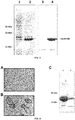
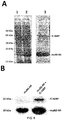
- the inventors have verified that, unlike what happens when using other expression systems, such as the baculovirus system, it is possible to obtain microspheres in which said fusion protein is found in detectable amounts when the IGRP-IC fusion protein and the muNS-Mi protein are co-expressed in bacteria ( Figure 5 ).
- This expression system has the additional advantage that the fusion protein can be purified, being separated from the microspheres by means of incubation with a buffer suitable for destructuring the microspheres.
- the fusion protein can be designed including a target sequence for proteases between the IGRP protein and IC.
- the IC domain can thus be separated by means of proteolysis with the specific protease.
- Microsphere reconstitution by means of incubation with the suitable buffer will capture the IC domain, therefore being a simple and scalable IGRP protein purification method.
- the invention relates to a fusion protein comprising:
- the invention relates to a microsphere comprising a polypeptide selected from the group consisting of:
- the invention relates to a polynucleotide encoding the fusion protein of the invention, an expression cassette comprising said polynucleotide, or a vector comprising said polynucleotide or said expression cassette.
- the invention in another aspect, relates to a cell comprising the fusion protein of the invention, the polynucleotide of the invention, the expression cassette of the invention, or the vector of the invention.
- the invention relates to a method for producing the fusion protein of the invention which comprises:
- the invention relates to a fusion protein obtainable according to the method for producing the fusion protein of the invention.
- the invention relates to a method for producing IGRP protein or a functionally equivalent variant thereof, which comprises the following steps:
- the invention relates to IGRP protein or a functionally equivalent variant thereof obtainable according to the method according to the preceding aspect.
- the invention in another aspect, relates to a pharmaceutical composition
- a pharmaceutical composition comprising the microsphere of the invention and a pharmaceutically acceptable excipient.
- the invention relates to the microsphere of the invention for use in medicine.
- the invention relates to the microsphere of the invention for use in the treatment and/or prevention of type 1 diabetes.
- the invention relates to the use of the microsphere of the invention for the preparation of a medicinal product for the treatment and/or prevention of type 1 diabetes.
- the invention in another aspect, relates to a method for inducing type 1 diabetes in an animal model which comprises administering to an animal an effective amount of the microsphere of the invention.
- the invention relates to a fusion protein comprising:
- fusion protein refers to polypeptides comprising two or more regions originating from different or heterologous proteins.
- the fusion protein of the invention comprises two components.
- IGRP Glucose-6-phosphatase 2 protein
- glucose-6-phosphatase 2 or "IGRP,” or “islet-specific glucose-6-phosphatase catalytic subunit-related protein” refers to a protein capable of hydrolyzing glucose-6-phosphate to yield glucose and phosphate. It is a transmembrane protein expressed in the pancreas and, to a lesser extent, the testicles. In humans, it is encoded by the G6PC2 gene.
- the IGRP protein can be of any origin, for example human, bovine, murine, equine, canine, etc.
- the IGRP protein is the human protein identified by UniprotKB database accession number Q9NQR9 (version of entry 123, 25 October 2017, version of sequence 1, 1 October 2000). Three isoforms of the protein, identified by the following UniprotKB accession numbers, are found in humans:
- the IGRP protein is the mouse protein identified by UniprotKB database accession number Q9Z186 (Version of entry 123, 25 October 2017; version of sequence 1, 1 May 1999). Two isoforms of the protein, identified by the following UniprotKB accession numbers, are found in mice:
- the IGRP protein is the rat protein encoded by the gene identified by NCBI Genbank database accession number Gene ID 681817 (version of 26 September 2017).
- the term “functionally equivalent variant” refers to any peptide or protein resulting from the deletion, insertion, addition, or substitution of one or more amino acid residues with respect to the sequence from which it is derived and which conserves the function of said sequence.
- the functionally equivalent variant has a sequence identity of at least 60%, at least 65%, at least 70%, at least 75%, at least 80%, at least 85%, at least 90%, at least 91%, at least 92%, at least 93%, at least 94%, at least 95%, at least 96%, at least 97%, at least 98%, or at least 99% in the entire length thereof with the IGRP protein sequence.
- the degree of identity between the variants and IGRP is determined using algorithms and computing methods that are widely known by those skilled in the art.
- the identity between two amino acid sequences is preferably determined using the BLASTP algorithm [ BLAST Manual, Altschul, S., et al., NCBI NLM NIH Bethesda, Md.
- sequence identity between the functionally equivalent variant and the IGRP protein sequence is calculated along the entire length of the polypeptide.
- the functionally equivalent IGRP variants comprise additions of at least 1, at least 2, at least 3, at least 4, at least 5, at least 6, at least 7, at least 8, at least 9, at least 10, at least 15, at least 20 amino acids.
- the functionally equivalent variants comprise additions of less than 20, less than 15, less than 10, less than 9, less than 8, less than 7, less than 6, less than 5, less than 4, less than 3, less than 2, or 1 amino acid.
- variants comprising deletions of at least 1, at least 2, at least 3, at least 4, at least 5, at least 6, at least 7, at least 8, at least 9, at least 10, at least 15, at least 20 amino acids are also contemplated.
- the functionally equivalent variants comprise deletions of less than 20, less than 15, less than 10, less than 9, less than 8, less than 7, less than 6, less than 5, less than 4, less than 3, less than 2, or 1 amino acid.
- Functionally equivalent variants having a substitution of at least 1, at least 2, at least 3, at least 4, at least 5, at least 6, at least 7, at least 8, at least 9, at least 10, at least 15, at least 20 amino acids of the IGRP protein sequence are also contemplated.
- the functionally equivalent variants comprise substitutions of less than 20, less than 15, less than 10, less than 9, less than 8, less than 7, less than 6, less than 5, less than 4, less than 3, less than 2, or 1 amino acid.
- the functionally equivalent variants comprise conservative substitutions of one or more amino acids.
- the term "conservative substitution” refers to replacing one amino acid with another having similar structural and/or chemical properties.
- the following six groups each contains amino acids that are conservative substitutions of one another: 1) alanine (A), serine (S), threonine (T); 2) aspartic acid (D), glutamic acid (E); 3) asparagine (N), glutamine (Q); 4) arginine (R), lysine (K); 5) isoleucine (I), leucine (L), methionine (M), valine (V); and 6) phenylalanine (F), tyrosine (Y), tryptophan (W)
- the functionally equivalent variants of IGRP may have amino acids additions, deletions, and substitutions in any position.
- the functionally equivalent variants of IGRP comprise amino acids additions at the N-terminal end, at the C-terminal end, or at both ends of the IGRP sequence.
- the functionally equivalent variants of IGRP comprise amino acid deletions at the N-terminal end, at the C-terminal end, or at both ends of the IGRP sequence.
- the functionally equivalent variant of the IGRP protein conserves at least 50%, at least 60%, at least 70%, at least 80%, at least 90%, at least 95%, at least 100% of the function of the IGRP protein.
- the IGRP protein is capable of inducing diabetes when administered to a mouse in the form of a DNA vaccine ( Fuchs et al., Clinical and Experimental Immunology, 2014, 176: 199-206 ).
- the functionally equivalent variants of the IGRP protein conserve the capacity to induce diabetes of the IGRP protein from which they are derived.
- the capacity of a protein to induce diabetes in an animal model can be determined by means of methods known to one skilled in the art, for example, by means of determining urine or blood glucose levels. For example, Fuchs et al. ( supra ) considered that the murine model has diabetes when two consecutive measurements of urine glucose levels above 5.5 mmol/L or blood glucose levels above 13.9 mmol/L are obtained.
- the IGRP protein exhibits glucose 6-phosphatase activity, i.e., it is capable of catalyzing the dephosphorylation of glucose-6-phosphate to glucose.
- the functionally equivalent variants of the IGRP protein conserve the phosphatase activity of the IGRP protein from which they are derived.
- the glucose-6-phosphatase activity can be determined by means of methods known to one skilled in the art, for example, methods based on the detection of inorganic phosphate in aqueous solutions, such as the malachite green method (Petrolonis et al., supra ) , or methods based on the detection of glucose-6-phosphate, such as the methods based on the glucose oxidase/peroxidase system ( Mao, H., et al., Anal. Chem. 2002, 74, 379-385 ), for example.
- methods based on the detection of inorganic phosphate in aqueous solutions such as the malachite green method (Petrolonis et al., supra )
- methods based on the detection of glucose-6-phosphate such as the methods based on the glucose oxidase/peroxidase system ( Mao, H., et al., Anal. Chem. 2002, 74, 379-385 ), for example.
- the second component of the fusion protein of the invention is a polypeptide selected from the group consisting of:
- polypeptide which is part of the fusion protein of the invention consists of sequence 477-542 (SEQ ID NO: 1) of avian Orthoreovirus muNS protein.
- avian Orthoreovirus or “avian Reovirus” refers to one of the 12 genera belonging to the family of Reoviridae virus, and specifically to the group within the genus that infects birds. They have double-stranded RNA genomes and therefore belong to virus group III.
- avian Orthoreovirus muNS protein refers to one of the non-structural proteins encoded by avian Reovirus or avian Orthoreovirus M3 gene and it is the only avian Reovirus protein capable of forming microspheres when expressed in the absence of other factors ( Touris-Otero et al. Virology, 319; 94-1069 ). It is a 635-amino acid protein defined by NCBI database accession number Ay608700 (version Ay608700.1, 7 August 2004) or by NCBI database accession number AAS78998 (version AAS78998.1, 10 April 2006). In a particular embodiment, avian Orthoreovirus muNS protein has the sequence SEQ ID NO: 3.
- Sequence 477-542 (SEQ ID NO: 1) of avian Orthoreovirus muNS protein is an avian Orthoreovirus muNS protein fragment referred to as "intercoil” or "IC". Said fragment has the capacity to be incorporated into microspheres formed by avian Orthoreovirus muNS protein or the minimum fragment of said protein.
- microsphere refers to nuclear or cytoplasmic, usually protein, aggregates.
- the protein forming the microspheres in the genus Orthoreovirus is the muNS or ⁇ NS protein, which is one of the non-structural proteins encoded by the M3 gene and the only avian Reovirus protein capable of forming microspheres when expressed in the absence of other viral factors (Touris-Otero et al., supra ) .
- polypeptide which is part of the fusion protein of the invention consists of the sequence of mammalian Orthoreovirus muNS protein corresponding to sequence 477-542 (SEQ ID NO: 1) of avian Orthoreovirus muNS protein.
- mammalian Orthoreovirus refers to one of the 12 genera belonging to the family of Reoviridae virus, and specifically to the group of the genus that infects mammals. They have double-stranded RNA genomes and therefore belong to virus group III.
- mammalian Orthoreovirus muNS or ⁇ NS protein refers to one of the non-structural proteins encoded by mammalian Reovirus or mammalian Orthoreovirus and is the only mammalian Reovirus protein capable of forming microspheres when expressed in the absence of other viral factors ( Becker, M. M. et al. 2003. J. Virol. 77:5948-5963 ). It is a 721-amino acid protein defined by NCBI database accession number ABP48918 (version ABP48918.1, 11 April 2008) (SEQ ID NO: 4).
- an alignment between the sequence of the avian muNS protein and the sequence of the mammalian Orthoreovirus muNS protein can be carried out.
- Said sequence alignment can be carried out by means of conventional methods known to one skilled in the art.
- Optimal sequence alignments can be carried out by means of, for example, the Smith and Waterman local homology algorithm ( Adv. Appl. Math., 1981, 2:482 ), the Needleman and Wunsch homology alignment algorithm, ( J. Mol. Biol., 1970, 48:443 ), the Pearson and Lipman search for similarity method, ( Proc. Natl Acad. Sci.
- sequence of mammalian Orthoreovirus muNS protein corresponding to sequence 477-542 (SEQ ID NO: 1) of avian Orthoreovirus muNS protein is sequence 561-622 (SEQ ID NO: 5) of mammalian Orthoreovirus muNS protein.
- the polypeptide which is part of the fusion protein of the invention consists of a functionally equivalent variant of (i) sequence 477-542 (SEQ ID NO: 1) of avian Orthoreovirus muNS protein or (ii) the sequence of mammalian Orthoreovirus muNS protein corresponding to sequence 477-542 (SEQ ID NO: 1) of avian Orthoreovirus muNS protein, having the capacity to be incorporated into microspheres.
- “Functionally equivalent variant” is understood to be all those peptides derived from sequence 477-542 (SEQ ID NO: 1) of avian Orthoreovirus muNS protein or from the sequence of mammalian Orthoreovirus muNS protein corresponding to sequence 477-542 (SEQ ID NO: 1) of avian Orthoreovirus muNS protein by means of modification, insertion, substitution, and/or deletion of one or more amino acids, provided that the function of the sequences of the muNS protein from which they are derived is substantially maintained.
- Sequence 477-542 (SEQ ID NO: 1) of avian Orthoreovirus muNS protein and the sequence of mammalian Orthoreovirus muNS protein corresponding to sequence 477-542 (SEQ ID NO: 1) of avian Orthoreovirus muNS protein has the capacity to be incorporated into microspheres formed by the complete muNS protein or the minimum region of said protein with the capacity to form microspheres (muNS-Mi) in a cell.
- sequence 477-542 (SEQ ID NO: 1) of avian Orthoreovirus muNS protein and the sequence of mammalian Orthoreovirus muNS protein corresponding to sequence 477-542 (SEQ ID NO: 1) of avian Orthoreovirus muNS protein substantially conserve the capacity of said sequences to be incorporated into the microspheres formed by the complete protein or muNS-Mi in a cell.
- Methods suitable for determining the capacity of being incorporated into microspheres include, but are not limited to, the method described in Example 3 of patent application WO 2011/098652 based on the formation of the microspheres (inclusions) and the expression of the protein of interest in the form of a fusion protein associated with fragments directing same into the microspheres. Indirect immunofluorescence using polyclonal antibodies specific against the HA epitope or the epitope of interest would be carried out thereafter, where the incorporation of said fragments into the microspheres can be verified.
- sequence 477-542 (SEQ ID NO: 1) of avian Orthoreovirus muNS protein or of the sequence of mammalian Orthoreovirus muNS protein corresponding to sequence 477-542 (SEQ ID NO: 1) of avian Orthoreovirus muNS protein have the capacity to be incorporated into microspheres.
- sequence 477-542 (SEQ ID NO: 1) of avian Orthoreovirus muNS protein or of the sequence of mammalian Orthoreovirus muNS protein corresponding to sequence 477-542 (SEQ ID NO: 1) of avian Orthoreovirus muNS protein conserve at least 50%, at least 60%, at least 70%, at least 80%, at least 90%, at least 95%, at least 100% of the capacity to be incorporated into microspheres of the sequences from which they are derived.
- sequence 477-542 (SEQ ID NO: 1) of avian Orthoreovirus muNS protein or of the sequence of mammalian Orthoreovirus muNS protein corresponding to sequence 477-542 (SEQ ID NO: 1) of avian Orthoreovirus muNS protein include those showing at least 25%, at least 30%, at least 35%, at least 40%, at least 45%, at least 50%, at least 55%, at least 60%, at least 65%, at least 70%, at least 75%, at least 80%, at least 85%, at least 90%, at least 91%, at least 92%, at least 93%, at least 94%, at least 95%, at least 96%, at least 97%, at least 98%, or at least 99% sequence identity with respect to the sequences from which they are derived.
- component (ii) can be fused to the amino terminal end of component (i) or component (i) can be fused to the amino terminal end of component (ii).
- component (ii) is fused to the amino terminal end of component (i).
- the two components of the fusion protein are connected through a protease recognition sequence, thereby allowing the separation of the two components.
- the protease recognition sequences suitable for being incorporated in the fusion protein of the invention include enterokinase (cleavage site DDDDK - SEQ ID NO:6), factor Xa (cleavage site IEDGR - SEQ ID NO:7), thrombin (cleavage site LVPRGS - SEQ ID NO:8), TEV protease (cleavage site ENLYFQG - SEQ ID NO:9), PreScission protease (cleavage site LEVLFQGP - SEQ ID NO:10), inteins, and the like.
- the protease recognition sequence is an enterokinase recognition sequence or a factor Xa recognition sequence.
- the protease recognition sequence is the sequence of SEQ ID NO: 6 or the sequence of SEQ ID NO: 7.
- the fusion protein does not exhibit any eukaryotic post-translational modifications.
- post-translational modifications refers to the modification of proteins, once synthesized, through the addition of a chemical group by means of a covalent bond.
- eukaryotic post-translational modifications refers to the post-translational modifications occurring in eukaryotic organisms and not in prokaryotic organisms.
- Non-limiting illustrative examples of eukaryotic post-translational modifications include: myristoylation, palmitoylation, farnesylation, geranylgeranylation, modification with glycosylphosphatidylinositol (GPI), acylation, acetylation, alkylation, methylation, and glycosylation.
- GPI glycosylphosphatidylinositol
- the invention relates to a microsphere comprising a polypeptide selected from the group consisting of:
- microsphere avian Orthoreovirus muNS protein
- mammalian Orthoreovirus muNS protein The terms “microsphere,” “avian Orthoreovirus muNS protein,” and “mammalian Orthoreovirus muNS protein” have been described above.
- microsphere of the invention comprises or is formed by a polypeptide selected from the group consisting of:
- polypeptide comprising amino acids 448-635 (SEQ ID NO: 2) of avian Orthoreovirus muNS protein refers to the indicated region of avian Orthoreovirus muNS protein. Said region is the minimum region of avian Orthoreovirus muNS protein having the capacity to form microspheres when expressed in a cell.
- the region of mammalian Orthoreovirus muNS protein corresponding to the region of avian Orthoreovirus muNS protein comprising amino acids 448-635 (SEQ ID NO: 2) of said protein can be determined as explained above for the region of mammalian Orthoreovirus muNS protein corresponding to sequence 477-542 (SEQ ID NO: 1) of avian Orthoreovirus muNS protein.
- sequence of mammalian Orthoreovirus muNS protein corresponding to sequence 448-635 (SEQ ID NO: 2) of avian Orthoreovirus muNS protein is sequence 518-721 (SEQ ID NO: 11) of mammalian Orthoreovirus muNS protein.
- Sequence 448-635 (SEQ ID NO: 2) of avian Orthoreovirus muNS protein the sequence of mammalian Orthoreovirus muNS protein corresponding to sequence 448-635 (SEQ ID NO: 2) of avian Orthoreovirus muNS protein, and the complete avian Orthoreovirus muNS protein and complete mammalian Orthoreovirus muNS protein have the capacity to form microspheres when expressed in a cell.
- the functionally equivalent variants of these sequences substantially conserve the capacity of said sequences to form microspheres.
- Methods suitable for determining the capacity to form microspheres include, but are not limited to, the method described in Example 1 of patent application WO 2011/098652 , in which microsphere (inclusion) formation is detected by means of indirect immunofluorescence microscopy using anti-muNS polyclonal antibodies.
- sequence 448-635 SEQ ID NO: 2
- sequence of mammalian Orthoreovirus muNS protein corresponding to sequence 448-635 (SEQ ID NO: 2) of avian Orthoreovirus muNS protein SEQ ID NO: 2
- sequence of mammalian Orthoreovirus muNS protein corresponding to sequence 448-635 SEQ ID NO: 2
- complete avian Orthoreovirus muNS protein and complete mammalian Orthoreovirus muNS protein have the capacity to form microspheres.
- the functionally equivalent variants of sequence 448-635 (SEQ ID NO: 2) of avian Orthoreovirus muNS protein, the sequence of mammalian Orthoreovirus muNS protein corresponding to sequence 448-635 (SEQ ID NO: 2) of avian Orthoreovirus muNS protein, and the complete avian Orthoreovirus muNS protein and complete mammalian Orthoreovirus muNS protein conserve at least 50%, at least 60%, at least 70%, at least 80%, at least 90%, at least 95%, at least 100% of the capacity to form microspheres of the sequences from which they are derived.
- sequence 448-635 (SEQ ID NO: 2) of avian Orthoreovirus muNS protein the sequence of mammalian Orthoreovirus muNS protein corresponding to sequence 448-635 (SEQ ID NO: 2) of avian Orthoreovirus muNS protein, and the complete avian Orthoreovirus muNS protein and complete mammalian Orthoreovirus muNS protein include those showing at least 25%, at least 30%, at least 35%, at least 40%, at least 45%, at least 50%, at least 55%, at least 60%, at least 65%, at least 70%, at least 75%, at least 80%, at least 85%, at least 90%, at least 91%, at least 92%, at least 93%, at least 94%, at least 95%, at least 96%, at least 97%, at least 98%, or at least 99% sequence identity with respect to the sequences from which they are derived.
- microsphere of the invention can be obtained by means of the methods described herein.
- the invention relates to a polynucleotide encoding the fusion protein of the invention.
- polynucleotide refers to a polymer formed by a variable number of monomers, wherein the monomers are nucleotides, including both ribonucleotides and deoxyribonucleotides.
- the polynucleotides include monomers modified by means of methylation, as well as non-modified forms.
- polynucleotide and nucleic acid are used interchangeably herein and include mRNA, cDNA, and recombinant polynucleotides.
- the invention relates to an expression cassette comprising the polynucleotide of the invention.
- the term "expression cassette” refers to a polynucleotide comprising a gene and a promoter suitable for controlling that gene.
- the expression cassette may optionally include other sequences, for example, transcription termination signals.
- the choice of a promoter and other regulatory element(s) generally varies depending on the host cell used. Suitable promoters in the context of the present invention include constitutive promoters which promote the expression of sequences associated therewith in a constant manner and inducible promoters which require an external stimulus to promote the transcription of sequences associated therewith.
- said promoter is the beta-lactamase and lactose promoter system, T7 RNA polymerase promoter, lambda promoter, trp promoter, or tac promoter.
- said promoter is an inducible promoter.
- said promoter is an isopropyl- ⁇ -D-1-thiogalactopyranoside (IPTG) inducible promoter.
- IPTG inducible promoter is T7 RNA polymerase promoter.
- the invention relates to a vector comprising the polynucleotide or the expression cassette of the invention.
- the term "vector” refers to a nucleic acid sequence comprising the sequences necessary for the generation of the fusion protein of the invention after the transcription and translation of said sequences in a cell. Said sequence is operatively bonded to additional segments providing for the autonomous replication thereof in a host cell of interest.
- the vector is an expression vector which is defined as a vector which, in addition to the autonomous replication regions in a host cell, contains regions that are operatively ligated to the polynucleotide of the invention and are capable of enhancing the expression of the products of the polynucleotide according to the invention.
- the vectors of the invention can be obtained by means of techniques widely known in the art.
- suitable vectors according to the invention are, for example, vectors pUC18, pUC19, pUC118, pUC119, Bluescript and derivatives thereof, mp18, mp19, pBR322, pMB9, ColEI, pCRI, RP4, pNH8A, pNH16a, pNH18a.
- said vector is pET plasmid, in particular pET Duet-1 plasmid. Said plasmid comprises two different multiple cloning sites (MSC).
- the genes cloned into said plasmid are transcribed under the control of bacteriophage T7 promoter, when T7 RNA polymerase is activated in the host cell. Expression is induced with IPTG (isopropyl- ⁇ -D-thiogalactopyranoside), which removes the repressor of the operator so that transcription is carried out and expression of the protein of interest is promoted.
- IPTG isopropyl- ⁇ -D-thiogalactopyranoside
- the vector of the invention further comprises a second polynucleotide encoding a polypeptide selected from the group consisting of:
- avian Orthoreovirus muNS protein and "mammalian Orthoreovirus muNS protein” have been described above.
- the polynucleotide of the invention is operatively bonded to a promoter and the second polynucleotide is operatively bonded to a second promoter.
- the particular embodiments of the first promoter are likewise applicable to the second promoter.
- the first and second promoters are inducible promoters.
- the first and second promoters are isopropyl- ⁇ -D-1-thiogalactopyranoside (IPTG) inducible promoters.
- IPTG inducible promoter is T7 RNA polymerase promoter.
- the invention relates to a cell comprising the fusion protein, the polynucleotide, the expression cassette, or the vector of the invention.
- the cell of the invention can be any prokaryotic cell or any eukaryotic cell.
- the cell is a prokaryotic cell.
- the cell is a bacterial cell.
- the bacterial cell is Escherichia coli. Examples of E. coli strains that can be used to propagate the polynucleotides or vectors of the invention or to produce the fusion protein of the invention include strains JM109, DH5 ⁇ TM, XL-1 Blue, or BL21 DE3.
- the invention relates to a method for producing the fusion protein of the invention which comprises:
- the first step of the method for producing the fusion protein of the invention comprises expressing in a bacterial cell a first polynucleotide encoding said fusion protein and a second polynucleotide encoding a polypeptide selected from the group consisting of:
- both polynucleotides in order to express the first and second polynucleotides in a bacterial cell, both polynucleotides must be introduced in the bacterial cell, for example, by means of transforming said cell with vectors comprising each of the polynucleotides or with a vector comprising both polynucleotides. If the first and second polynucleotides are part of independent vectors, both vectors may be introduced in the cell simultaneously or sequentially.
- the bacterial cell will have to be contacted with the inducer.
- the inducer In the particular case of one or both promoters being IPTG inducible promoters, for the expression of the polynucleotides, IPTG is added to the bacterial culture for the time necessary until both polynucleotides are expressed, for example at least 30 minutes, at least 1 hour, at least 2 hours, at least 3 hours, at least 4 hours, at least 5 hours, at least 6 hours, at least 12 hours, at least 18 hours, at least 24 hours, at least 48 hours, at least 72 hours, or more.
- induction with IPTG is performed for an approximate time period of 3 hours.
- the cells are incubated during induction at a temperature between 18 and 37°C, preferably between 25 and 37°C, more preferably 37°C.
- the induction time is more than 24 hours, the cells are incubated during induction at a temperature between 18 and 25°C.
- both polynucleotides can be expressed simultaneously if they can be expressed under the same conditions, or sequentially. If the first and second polynucleotides are operatively bonded to different inducible promoters, both polynucleotides may be expressed simultaneously by adding both inducers at the same time to the culture medium of the cells, or sequentially by adding one of the inducers first and then the other.
- the second step of the method for producing the fusion protein of the invention consists of subjecting the bacterial cells to conditions suitable for the formation of microspheres.
- microspheres can be determined by one skilled in the art for each cell type.
- Methods suitable for detecting the formation of microspheres include, but are not limited to, the method described in Example 1 of patent application WO 2011/098652 , in which microsphere (inclusion) formation is detected by means of indirect immunofluorescence microscopy using anti-muNS polyclonal antibodies.
- the conditions suitable for the formation of microspheres comprise incubating the cells expressing the first and second polynucleotides for a time period of at least 30 minutes, at least 1 hour, at least 2 hours, at least 3 hours, at least 4 hours, at least 5 hours, at least 6 hours, at least 12 hours, at least 18 hours, at least 24 hours, and at a temperature between 25 and 37°C, preferably 37°C.
- the first and second steps of the method for producing the fusion protein of the invention can be carried out simultaneously or sequentially, such that the first and second polynucleotides are first expressed, and the cells are then subjected to conditions suitable for the formation of microspheres.
- the first and second steps are carried out simultaneously, given that the conditions to which the bacterial cells are subjected for the expression of the first and second polynucleotides are suitable for the formation of microspheres.
- said conditions comprise incubating the cells in the presence of the inducer, preferably IPTG, for a time period of at least 30 minutes, at least 1 hour, at least 2 hours, at least 3 hours, at least 4 hours, at least 5 hours, at least 6 hours, at least 12 hours, at least 18 hours, at least 24 hours, and at a temperature between 25 and 37°C, preferably 37°C.
- the inducer preferably IPTG
- the third step of the method for producing the fusion protein of the invention consists of concentrating the microspheres.
- the bacterial cells in which the microspheres have been formed must be lysed by means of any method, such as incubation with a lysis buffer or sonication, among others.
- the microspheres can then be pelleted by means of centrifugation, preferably at a speed of about 2700 g.
- the microspheres are washed with a buffer comprising a divalent cation.
- divalent cation refers to a positively charged ion of any metal from the periodic table which has a valence of 2.
- Divalent cations suitable for use in the present invention include, without limitation, divalent Mg, Cd, Ca, Co, Cu, Fe, Mn, Ni, Sr, and Zn cations.
- the divalent cation is Mg 2+ .
- Divalent cation concentrations suitable for inducing muNS protein aggregate formation are, for example, at least 0.5 mM, at least 0.8 mM, at least 1 mM, at least 5 mM, at least 10 mM, at least 15 mM, at least 20 mM, or higher.
- the microspheres are washed with a buffer comprising Mg 2+ , for example MgCl 2 , preferably at a concentration of 5 mM.
- the microspheres are concentrated following the purification protocol indicated in the examples herein.
- the method for producing the fusion protein of the invention further comprises purifying the fusion protein by subjecting the microspheres to conditions leading to their disintegration.
- the conditions leading to the disintegration of the microspheres include, among others:
- the conditions leading to the disintegration of the microspheres are incubation with a buffer not comprising divalent cations, preferably not comprising Mg 2+ .
- the fusion protein can be purified by means of any known method.
- the invention relates to a fusion protein obtainable according to the method for producing the fusion protein of the invention.
- the invention in another aspect, relates to a fusion protein of the invention, wherein said protein lacks eukaryotic post-translational modifications.
- eukaryotic post-translational modifications has been described above.
- the invention relates to a method for producing IGRP protein or a functionally equivalent variant thereof, which comprises the following steps:
- the protease recognition sequence joining components (i) and (ii) of the fusion protein is an enterokinase recognition sequence (cleavage site DDDDK - SEQ ID NO: 6), factor Xa (cleavage site IEDGR - SEQ ID NO: 7), thrombin (cleavage site LVPRGS - SEQ ID NO: 8), TEV protease (cleavage site ENLYFQG - SEQ ID NO: 9), PreScission protease (cleavage site LEVLFQGP - SEQ ID NO: 10), inteins, or the like.
- enterokinase recognition sequence cleavage site DDDDK - SEQ ID NO: 6
- factor Xa cleavage site IEDGR - SEQ ID NO: 7
- thrombin cleavage site LVPRGS - SEQ ID NO: 8
- TEV protease cleavage site ENLYFQG - SEQ ID NO: 9
- the protease recognition sequence is an enterokinase recognition sequence or a factor Xa recognition sequence.
- the protease recognition sequence is the sequence of SEQ ID NO: 6 or the sequence of SEQ ID NO: 7.
- Steps (a) and (b) of the method for producing IGRP protein or a functionally equivalent variant thereof have been described above.
- Conditions suitable for the proteolysis of the fusion protein comprise contacting the fusion protein with the protease specific for the recognition sequence connecting components (i) and (ii) of the fusion protein under conditions of pH, temperature, etc. that will depend on the specific protease to be used. Determination of these conditions for each particular protease is within the knowledge of one skilled in the art.
- Conditions suitable for the formation of microspheres include contacting the product resulting from step (a) with a buffer containing a divalent cation, as described above.
- the divalent cation is Mg 2+ .
- Divalent cation concentrations suitable for inducing muNS protein aggregate formation are, for example, at least 0.01 mM, at least 0.1 mM, at least 1 mM, at least 2 mM, at least 3 mM, at least 4 mM, at least 5 mM, or higher.
- said conditions comprise incubation with a buffer comprising Mg 2+ , preferably at a concentration of 5 mM.
- component (ii) of the fusion protein is integrated back into said microspheres, component (i) of the fusion protein remaining free. Therefore, this is a method suitable for the purification of IGRP or the functionally equivalent variant thereof.
- the invention relates to IGRP protein or a functionally equivalent variant thereof obtainable according to the method for obtaining IGRP or a functionally equivalent variant thereof of the invention.
- the invention relates to IGRP protein or a functionally equivalent variant thereof, wherein said protein or said variant lacks eukaryotic post-translational modifications.
- Microspheres are potent immune response inducers.
- the inventors have verified in an assay with bluetongue virus (BTV) epitopes that vaccination with muNS-Mi microspheres loaded with three BTV epitopes (VP2, VP7, and NS1) protects against a lethal challenge with the virus in the absence of any added adjuvant, whereas vaccination with microspheres without said epitopes, or with the epitopes alone without being integrated in microspheres, does not provide any protection whatsoever ( Marin-Lopez, A.
- BTV bluetongue virus
- IGRP-derived peptides are capable of preventing the development of type 1 diabetes in a murine model ( Han, B. et al., Nature Medicine 2005, 11:645-652 ) and that the use of complete antigens, peptides, or modifications derived from these autoantigens allows inducing tolerance instead of a pro-inflammatory response under specific conditions ( Clemente-Casares X et al. Cold Spring Harb Perspect Med 2012, 2(2): a007773 ).
- microspheres of the invention can be used as a vaccine to induce IGRP antigen tolerance and to therefore prevent type 1 diabetes.
- the invention relates to a pharmaceutical composition
- a pharmaceutical composition comprising the microsphere of the invention and a pharmaceutically acceptable excipient.
- the expression "pharmaceutical composition” refers to a formulation which has been adapted for the administration of a predetermined dose of one or more useful therapeutic agents to a cell, a group of cells, an organ, a tissue, or an animal.
- the expression "therapeutically effective amount” is understood to be an amount that is capable of providing a therapeutic effect and can be determined by one skilled in the art through commonly used means.
- the therapeutically effective amount of the microspheres of the invention is the amount capable of indicating IGRP tolerance in the patient.
- the amount of microspheres of the invention which can be included in the pharmaceutical compositions according to the invention will vary depending on the subject and the particular mode of administration.
- dosages can also be determined with the guidance of Goodman and Goldman's The Pharmacological Basis of Therapeutics, 9th edition (1996), Appendix II, pages 1707-1711 and Goodman and Goldman's The Pharmacological Basis of Therapeutics, 10th Edition (2001), Appendix II, pages 475-493 .
- compositions of the invention also contain one or more pharmaceutically acceptable excipients.
- “Pharmaceutically acceptable excipient” is understood to be a therapeutically inactive substance which is used to incorporate the active ingredient and is acceptable for the patient from a pharmacological/toxicological viewpoint and for the pharmaceutical chemist producing same from a physical/chemical viewpoint with respect to composition, formulation, stability, patient acceptance, and bioavailability.
- the excipient or vehicle also includes any substance serving to improve the administration and the effectiveness of the active ingredient within the pharmaceutical composition.
- pharmaceutically acceptable vehicles include one or more of water, saline solution, phosphate-buffered saline solution, dextrose, glycerol, ethanol, and the like, as well as combinations thereof.
- isotonic agents for example, sugars, polyalcohols such as mannitol, sorbitol, or sodium chloride
- the pharmaceutically acceptable vehicles may further comprise smaller amounts of auxiliary substances, such as wetting or emulsifying agents, preservatives, or buffers, which increase the shelf life or the effectiveness of the microspheres or compositions that are part of the pharmaceutical compositions.
- suitable vehicles are well known in the literature (see, for example, Remington's Pharmaceutical Sciences, 19th ed., Mack Publishing Company, Easton, PA, 1995 ).
- a disintegrant such as cross-linked polyvinylpyrrolidone, agar, alginic acid, or sodium alginate can be added.
- a disintegrant such as cross-linked polyvinylpyrrolidone, agar, alginic acid, or sodium alginate.
- the number and nature of the pharmaceutically acceptable excipients depend on the desired dosage form. Pharmaceutically acceptable excipients are known to those skilled in the art ( Faul ⁇ and Trillo C. (1993) "Tratado de Farmacia Galenica", Luzán 5, S.A. Ediations, Madrid ).
- compositions of the invention can be administered though any suitable route, such as oral, subcutaneous, intravenous, intraperitoneal, or intramuscular route.
- the invention relates to the microsphere of the invention for use in medicine.
- the invention relates to the microsphere of the invention for the treatment and/or prevention of type 1 diabetes.
- the invention relates to the microsphere of the invention for the preparation of a medicinal product for the treatment and/or prevention of type 1 diabetes.
- the invention relates to a method for preventing type 1 diabetes which comprises administering a therapeutically effective amount of the microsphere of the invention to a patient at risk of developing type 1 diabetes.
- type 1 diabetes or "diabetes mellitus type I,” or “juvenile diabetes,” or “insulin-dependent diabetes mellitus” refers to a metabolic disease characterized by a selective destruction of pancreatic beta cells causing an absolute insulin deficiency. It differs from type 2 diabetes in that it is a type of diabetes characterized by the occurrence thereof in the early stage of life, generally before 30 years of age. Only 1 out of every 20 diabetic people has type 1 diabetes, which occurs more frequently in young people and children. Type 1 diabetes is classified into autoimmune cases, the most common form, and idiopathic cases.
- type 1 diabetes includes both classic type 1 diabetes, generally diagnosed before 30 years of age and requiring insulin treatment from the moment of diagnosis, and latent autoimmune diabetes of the adult, diagnosed after 30 years of age and not usually requiring insulin treatment within 3-6 months after diagnosis.
- the type 1 diabetes is autoimmune type 1 diabetes.
- autoimmune type 1 diabetes refers to an autoimmune disease involving a selective destruction of pancreatic ⁇ cells mediated by T lymphocytes activated in subjects with predisposing HLA haplotypes. After a preclinical period of variable duration during which the patient remains asymptomatic, when the mass of insulin-producing cells reaches a critical value, the patient exhibits the classic symptomatology: polyuria, polydipsia, polyphagia, weight loss, and a progressive ketosis that may end in ketoacidosis, if no exogenous insulin treatment is established.
- the type 1 diabetes is "latent autoimmune diabetes of the adult” or “LADA,” which refers to a type of autoimmune diabetes diagnosed in adulthood, normally after 30 years of age, in subjects who are positive for at least one autoantibody from among those normally present in patients with classic type 1 diabetes, for example, islet cell antibodies (ICA), glutamic acid decarboxylase antibodies (GADA), islet antigen-2 antibodies (IA-A2), or insulin autoantibodies (IAA), and who do not require insulin treatment within the first 3 or 6 months after diagnosis.
- ICA islet cell antibodies
- GADA glutamic acid decarboxylase antibodies
- IA-A2 islet antigen-2 antibodies
- IAA insulin autoantibodies
- treatment refers to the capacity of the microsphere of the invention to alleviate or eliminate the disease, type 1 diabetes, or to reduce or eliminate one or more symptoms associated with type 1 diabetes.
- prevention refers to the capacity of the microsphere of the invention to prevent, minimize, or hinder the development of type 1 diabetes in a patient.
- the term "patient” or “subject” refers to any animal, preferably a mammal, and includes, among others, domestic and farm animals, primates, and human beings, for example, human beings, non-human primates, cows, horses, pigs, sheep, goats, dogs, cats, or rodents such as rats and mice.
- the subject is a human being of any age or race.
- the subject is at risk of developing type 1 diabetes.
- a subject at risk of developing type 1 diabetes is that individual who has an immediate family member (a brother/sister) diagnosed with type 1 diabetes and who furthermore has multiple ( ⁇ 2) serum islet cell antibodies (ICA), glutamic acid decarboxylase 65 antibodies (GADA65), islet antigen-2 antibodies (IA-2), or ZnT8 transporter (ZnT8).
- ICA serum islet cell antibodies
- GADA65 glutamic acid decarboxylase 65 antibodies
- IA-2 islet antigen-2 antibodies
- ZnT8 transporter ZnT8 transporter
- the term "therapeutically effective amount” has been described above.
- the therapeutically effective amount is that which successfully conserves serum peptide C levels, and/or conserves/reduces glycosylated hemoglobin (HbA1c) levels, and/or reduces the mean insulin dosage, and/or induces the generation of regulatory T lymphocytes T.
- “Therapeutically effective amount” refers to the amount of antigen administered with the microspheres, which can be determined by means of conventional protein quantification methods.
- the route of administration of the microspheres of the invention is oral, subcutaneous, intravenous, intraperitoneal, or intramuscular.
- the microspheres are administered in the absence of an adjuvant.
- adjuvant refers to an immunological agent modifying the effect of an immunogen, while having few, if any, direct effects when it is administered alone. It is often included in vaccines to increase the immune response of the receptor to the supplied antigen, while at the same time maintaining the injected exogenous material at a minimum. Adjuvants are added to vaccines to stimulate the response of the immune system to the target antigen, but they themselves do not confer immunity.
- Non-limiting examples of useful adjuvants include mineral salts, polynucleotides, polyarginines, ISCOM, saponins, monophosphoryl lipid A, imiquimod, CCR5 inhibitors, toxins, polyphosphazenes, cytokines, immunoregulatory proteins, immunostimulatory fusion proteins, costimulatory molecules, and combinations thereof.
- the mineral salts include, but are not limited to, AlK(SO 4 ) 2 , AlNa(SO 4 ) 2 , AlNH 4 (SO 4 ), silica, alum, Al(OH) 3 , Ca 3 (PO 4 ) 2 , kaolin, or carbon.
- Useful immunostimulatory polynucleotides include, but are not limited to, CpG oligonucleotides with or without immunostimulatory complexes (ISCOM), CpG oligonucleotides with or without polyarginine, poly IC or poly AU acids.
- the toxins include cholera toxin.
- the saponins include, but are not limited to, QS21, QS17, or QS7.
- An example of a useful immunostimulatory fusion protein is the IL-2-immunoglobulin Fc fragment fusion protein.
- Useful immunoregulatory molecules include, but are not limited to, CD40L and CD1a ligand.
- Cytokines useful as adjuvants include, but are not limited to, IL-1, IL-2, IL-4, GMCSF, IL-12, IL-15, IGF-1, IFN- ⁇ , IFN- ⁇ , and interferon gamma.
- examples of adjuvants are muramyl dipeptides, such as N-acetyl-muramyl-L-threonyl-D-isoglutamine (thr-DMP), N-acetyl-normuramyl-L-alanyl-D-isoglutamine (CGP 11687, also referred to as nor-MDP), N-acetylmuramyl-L-alanyl-D-isoglutaminyl-L-alanine-2-(1'2'-dipalmitoyl-sn-glycero-3-hydr oxyphosphoryloxy)-ethylamine (CGP 19835A, also referred to as MTP-PE), RIBI (MPL+TDM+CWS) in a 2% emulsion of squalene/TWEEN® 80, lipopolysaccharides and several derivatives thereof, including lipid A, complete Freund's adjuvant (CFA), incomplete Freund's adju
- the invention relates to a method for inducing type 1 diabetes in an animal model which comprises administering an effective amount of the microsphere of the invention to said animal.
- type 1 diabetes has been defined above.
- the type 1 diabetes is an autoimmune diabetes.
- the type 1 diabetes is latent autoimmune diabetes of the adult.
- animal model refers to a test animal that suffers from a disease or may develop a disease similar to said disease in humans, and can be used as the model for studying said disease.
- An animal model must be simple and reproducible.
- the disease of the animal model must have the same etiology as in humans, or progress in a pattern similar to that of humans. Accordingly, mammalian vertebrates having a body structure similar to that of humans, for example with respect to internal organs, immune system, and body temperature, and suffering from diseases such as high blood pressure, cancer, immunodeficiency, etc., are suitable as animal models.
- the animals of the models are particularly mammals, such as horses, sheep, pigs, goats, camels, antelopes, dogs, rabbits, mice, rats, guinea pigs, and hamsters, and more particularly rodents such as mice, rats, guinea pigs, and hamsters.
- a mouse is often used in the study of human diseases as a result of its many advantages, including its small size, high fertility, easy handling in terms of feeding, high resistance to diseases, hereditary uniformity, and strain variety.
- Another advantage for accepting the use thereof as an animal model is that mice can be transformed to exhibit diseases or symptoms identical or similar to those of human beings.
- the animal model is a mouse or murine model.
- the animal is genetically modified to favor the development of type 1 diabetes.
- Example of animals, particularly mice, genetically modified to favor the development of diabetes are transgenic mice expressing B7-1 and a viral glycoprotein in their pancreatic beta cells together with T cells expressing the viral glycoprotein-specific transgenic T-cell receptor ( Harlan, D.M. et al., Proc Natl Acad Sci USA 1994, 91(8): 3137-41 ) or transgenic mice expressing the viral glycoprotein (GCV) of lymphocytic choriomeningitis (GPM) in pancreatic islet beta cells ( Ohashi, P.S. et al., Cell 1991, 65(2): 305-17 ).
- GCM lymphocytic choriomeningitis
- the microsphere preferably comprises murine IGRP protein.
- the term "effective amount” refers to the amount of microspheres required to induce an immune response against the IGRP protein, and ultimately the development of diabetes.
- the effective amount of microspheres is the amount comprising between 1 and 5 ⁇ g of IGRP protein/animal.
- the administration is performed subcutaneously or intramuscularly.
- the microspheres are administered together with an adjuvant.
- adjuvant has been defined above.
- the adjuvant is a complete Freund's adjuvant.
- complete Freund's adjuvant or “CFA” refers to a mineral oil solution comprising dry inactivated mycobacteria, generally ( M. tuberculosis ) .
- Sf-9 insect cells were grown by means of suspension culture at 28°C in SF-900 II medium (Thermo Fisher) supplemented with 5% FBS, 2% glutamine, and 1% antibiotics (Thermo Fisher).
- the bacteria used for obtaining the bacmid were DH10Bac (Invitrogen) which were heat-shock transformed and then seeded in LB agar plates with gentamicin (7 ⁇ g/ml) (Sigma-Aldrich, Madrid, Spain), tetracycline (10 ⁇ g/ml) (Sigma-Aldrich, Madrid, Spain), and kanamycin (50 ⁇ g/ml).
- the bacteria used for plasmid propagation were XL1-Blue (Stratagene), which were likewise heat-shock transformed and seeded in LB agar plates with ampicillin (100 ⁇ g/ml) (Sigma-Aldrich, Madrid, Spain).
- the bacteria used for protein expression through T7 promoter were BL21 DE3 C+ (Sigma-Aldrich, Madrid, Spain).
- the IGRP sequence from the complementary DNA marketed by Ambion was amplified by means of PCR using the following primers: sense 5'-GCG AAGCTT GGCATGGATTTCCTTCACAGGAATGG - 3' (SEQ ID NO: 12) and antisense 5'- GCG AAGCTTCTA CTGACTCTTCTTTCCGCTTTGTTTC -3' (SEQ ID NO: 13) (target Hind III underlined, stop codon double underlined).
- the resulting PCR was subjected to digestion with the Hindlll enzyme and then ligated into pFastBac-1 plasmid, obtaining pFastBac IGRP plasmid.
- the IC sequence from a pGEMT-M3 plasmid ( Brandariz-Nu ⁇ ez, A.
- the PCR product was digested with Not I and Xba l enzymes and cloned into pFastBac IGRP plasmid to create pFastBac IC-IGRP plasmid.
- the sequences were confirmed by means of DNA sequencing (STABVIDA, Portugal).
- the obtainment of the bacmid from DH10Bac bacteria and subsequently baculovirus by means of transfecting Sf9 cells with recombinant bacmids was performed as recommended by the provider of the bac-to-bac system (Invitrogen).
- Sf-9 cells seeded in a single layer at 600,000 cells/ml were infected with said viruses.
- the cells were collected 3 days post infection and centrifuged at 16000X g for 2 minutes.
- pET Duet-1 dual expression plasmid having two MCS under the control of T7 polymerase was used for protein expression in bacteria.
- the muNS-Mi sequence was cloned into MCS1 of pET Duet-1 plasmid. To that end, the sequence was amplified by means of PCR using pGEMT-M3 plasmid as template ( Touris-Otero, F.
- the IC-IGRP sequence was introduced into MCS2 of pET Duet-1 1.muNS-Mi plasmid.
- the IC-IGRP sequence was amplified by means of PCR using the following primers: sense 5'-GG AGATCT CGCGGAAGATCACTTGTTGGC- 3' (SEQ ID NO: 18) and antisense 5'-GG GATATCCTA CTGACTCTTCTTTCCGC -3' (SEQ ID NO: 19) (target Bg III and EcorR V underlined and stop codon double underlined).
- the PCR product was digested with the corresponding enzymes and ligated into MCS2 of pET Duet-1 1.muNS-Mi plasmid to generate pET Duet-1 1.muNS-Mi 2.IC-IGRP.
- BL21 DE3 C+ bacteria were transformed with the corresponding plasmid. Once colonies were obtained, one colony was grown in LB with the corresponding antibiotic and incubated for 12 hours at 37°C under stirring. That pre-culture was then diluted 25 times in a total volume of 100 ml of LB and incubated for 2 hours and 30 minutes at 37°C under stirring. Expression was then induced with 1 mM of IPTG and incubation was performed for 3 hours at 37°C under stirring. The bacteria were collected by centrifugation at 3200X g, 30min and 4°C.
- the pellet was washed 2 times with 1X PBS and resuspended in a bacterial lysis buffer with lysozyme and protease inhibitor, leaving it at -20°C for at least 12 hours.
- the bacteria were then thawed and lysed by means of sonication and centrifuged at 2700 g for 5 minutes at 4°C, discarding the supernatant.
- the pellet was washed 1 time with TRB+ with 0.5% Triton X-100, 3 times with TRB+, and finally resuspended in 1 ml of TRB+.
- SDS-PAGE analysis the sample was first broken up by incubation with 10% SDS for 15 minutes at room temperature.
- the protein extracts were subjected to SDS-PAGE and the proteins were then transferred to PVDF membranes (Immobilion-P Millipore) for 1 hour at 100 mA.
- the proteins were detected with specific antibodies using Immobilion Western Chemiluminiscent HRP Substrate (Millipore).
- an adapted purification protocol was designed, said protocol consisting of: i) washing the bacteria with PBS, ii) lysing the bacteria in a typical bacterial lysis buffer (0.25% Tween 20, 1 mM DTT, 1 mg/ml lysozyme, 200 mM NaCl, and 20 mM Tris HCL pH 7.5) with the help of sonication, and iii) washing the pellets several times with a magnesium-containing buffer (10 mM Hepes pH 7.9, 10 mM KCI, 5 mM MgCl 2 , and 0.5% Triton X-100) with the aid of centrifugation, finally leaving them in detergent-free washing buffer.
- a magnesium-containing buffer (10 mM Hepes pH 7.9, 10 mM KCI, 5 mM MgCl 2 , and 0.5% Triton X-100
- the IGRP sequence was introduced into the second MCS. Once the correct construction of the recombinant plasmid was confirmed by means of sequencing, the joint expression of muNS-Mi and IGRP was analyzed. To that end, as described above, fresh cultures of BL21 DE3 C+ bacteria transformed with the double recombinant plasmid (muNS-Mi/IC-IGRP) the expression of which was induced with IPTG were prepared.
- the inventors are capable of producing a significant amount of IGRP, unlike what occurred when the same attempt was made in the baculovirus system.
- the two methods are not equivalent but complementary, both structurally, where the microspheres produced with baculovirus are larger and more stable, and functionally.
- proteins such as IGRP the expression of which is initially undetectable, can therefore be produced in usable amounts, opening up the possibility of producing it on a larger scale.
- This system furthermore allows breaking up the microspheres by means of simple incubation with a buffer if the subsequent purification of the protein is of interest.
- a target for specific proteases such as enterokinase or Factor Xa, communicating the sequence of the protein of interest (IGRP in this case) and muNS-Mi, can even be designed such that after breaking up the microsphere, the IC tag can be separated from the protein of interest by means of specific sequence proteolysis.
- the buffer again in order to reconstitute the sphere which will capture the tag but not the protein, constituting an extremely simple, as well as perfectly scalable, purification system.
Landscapes
- Health & Medical Sciences (AREA)
- Life Sciences & Earth Sciences (AREA)
- Chemical & Material Sciences (AREA)
- Organic Chemistry (AREA)
- Bioinformatics & Cheminformatics (AREA)
- Engineering & Computer Science (AREA)
- General Health & Medical Sciences (AREA)
- Genetics & Genomics (AREA)
- Medicinal Chemistry (AREA)
- Virology (AREA)
- Biochemistry (AREA)
- Wood Science & Technology (AREA)
- Zoology (AREA)
- Molecular Biology (AREA)
- Gastroenterology & Hepatology (AREA)
- Animal Behavior & Ethology (AREA)
- Microbiology (AREA)
- Veterinary Medicine (AREA)
- General Engineering & Computer Science (AREA)
- Public Health (AREA)
- Proteomics, Peptides & Aminoacids (AREA)
- Pharmacology & Pharmacy (AREA)
- Epidemiology (AREA)
- Biomedical Technology (AREA)
- Biophysics (AREA)
- Biotechnology (AREA)
- Diabetes (AREA)
- Chemical Kinetics & Catalysis (AREA)
- Nuclear Medicine, Radiotherapy & Molecular Imaging (AREA)
- General Chemical & Material Sciences (AREA)
- Emergency Medicine (AREA)
- Obesity (AREA)
- Hematology (AREA)
- Endocrinology (AREA)
- Immunology (AREA)
- Mycology (AREA)
- Peptides Or Proteins (AREA)
- Medicines Containing Material From Animals Or Micro-Organisms (AREA)
Abstract
Description
- The present invention relates to the field of recombinant protein production. Specifically, the invention relates to the production of glucose-6-
phosphatase 2 protein in the form of a fusion protein with the avian Orthoreovirus muNS protein intercoil domain. - Obtaining both eukaryotic and prokaryotic membrane proteins is an extremely difficult process. The amount of these proteins in cells is usually rather small, such that the only way to obtain large amounts of said proteins for various applications, such as for function and structure determination or for use in immunological studies, involves cloning same into various vectors and introducing said vectors in organisms, such as bacteria or yeasts, which allow large amounts to be expressed. However, most of these proteins are toxic once their expression is induced in different organisms, greatly limiting the possibility of obtaining significant amounts of said proteins.
- Glucose-6-phosphatase-2 protein (Islet-specific glucose-6-phosphatase catalytic subunit-related protein, IGRP) is an important antigen in the development of
type 1 diabetes (T1D) or insulin-dependent diabetes. In this disease, the immune system of diabetic patients specifically destroys insulin-producing cells in the pancreatic islets of Langerhans. For said destruction to take place, the lymphocytes of these patients are activated by different proteins or antigens expressed by insulin-producing cells such as insulin itself, the 65 kDa isoform of glutamic acid decarboxylase (GAD65), insulinoma-associated antigen 2 (IA-2), or more recently IGRP, an antigen that was identified following its discovery as the target recognized by a highly diabetogenic murine CD8 T lymphocyte, clone 8.3 (Lieberman SM et al,. Proc Natl Acad Sci USA. 2003. 100:8384-8388). More importantly, the number of lymphocytes specific for this antigen in the peripheral blood of NOD (Non-Obese Diabetic) mice, the human T1D murine model, is capable of predicting the development of the clinical symptoms of the disease (Trudeau JD et al., J Clin Invest. 2003, 111:217-223) and the presence of CD8 T lymphocytes specific for this antigen in the pancreas of diabetic NOD mice is the most prevalent population in the first stages of islet transplant rejection (Wong CP et al., J Immunol. 2006, 176:1637-1644). Besides the NOD mouse, this antigen is also a target of immune response in diabetic human patients (Jarchum I et al., Clin Immunol. 2008, 127:359-365), making it necessary to produce and purify said antigen so as to be able to conduct studies, among other things, relating to the autoimmune response in diabetic patients or even to the possible use thereof in the future as a vaccine that may prevent disease development. - Studies concerning which segments (peptides) are recognized during the autoimmune response, necessary for designing possible vaccines based on said segments (peptides) in the future, have been greatly limited by the inability to produce significant amounts of IGRP. Furthermore, the effectiveness of a therapy in preventing the development of the clinical symptoms of the disease cannot be verified in animal models, such as the NOD mouse, due to the absence of a purified protein.
- To this day there are hardly any publications which disclose the expression and purification of this protein. Martin et al. disclose the cloning of the open reading frame corresponding to murine IGRP and the expression of said protein as a fusion protein with beta-galactosidase, indicating that the protein is found in inclusion bodies which, according to the authors, is purified by means of preparative electrophoresis and used to obtain antibodies by means of rabbit immunization (Martin CC et al., Genes J. Biol. Chem. 2001, 276: 25197-207). Petrolonis et al. describe the expression and purification of IGRP with the baculovirus system (Petrolonis AJ et al., J. Biol. Chem. 2004, 279: 13976-83). None of these papers describes the production of IGRP in significant amounts.
- There is therefore a need for new methods for the expression and purification of IGRP protein.
- The authors of the present invention have developed a method for expressing and purifying glucose-6-
phosphatase 2 protein (IGRP) as a fusion protein with the avian Orthoreovirus muNS protein intercoil (IC) domain. This system is based on the co-expression of this IGRP-IC fusion protein together with avian Orthoreovirus muNS protein-derived muNS-Mi protein, giving rise to the expression of the fusion protein in microspheres (Figure 1 ). Surprisingly, the inventors have verified that, unlike what happens when using other expression systems, such as the baculovirus system, it is possible to obtain microspheres in which said fusion protein is found in detectable amounts when the IGRP-IC fusion protein and the muNS-Mi protein are co-expressed in bacteria (Figure 5 ). This expression system has the additional advantage that the fusion protein can be purified, being separated from the microspheres by means of incubation with a buffer suitable for destructuring the microspheres. Furthermore, if the IC domain is to be eliminated, the fusion protein can be designed including a target sequence for proteases between the IGRP protein and IC. Once the fusion protein is separated from the microspheres, the IC domain can thus be separated by means of proteolysis with the specific protease. Microsphere reconstitution by means of incubation with the suitable buffer will capture the IC domain, therefore being a simple and scalable IGRP protein purification method. - Therefore, in a first aspect, the invention relates to a fusion protein comprising:
- (i) glucose-6-
phosphatase 2 protein (IGRP) or a functionally equivalent variant thereof, and - (ii) a polypeptide selected from the group consisting of:
- sequence 477-542 (SEQ ID NO: 1) of avian Orthoreovirus muNS protein,
- the sequence of mammalian Orthoreovirus muNS protein corresponding to sequence 477-542 (SEQ ID NO: 1) of avian Orthoreovirus muNS protein, and
- a functionally equivalent variant of any of the foregoing having the capacity to be incorporated into microspheres.
- In another aspect, the invention relates to a microsphere comprising a polypeptide selected from the group consisting of:
- a polypeptide comprising amino acids 448-635 (SEQ ID NO: 2) of avian Orthoreovirus muNS protein,
- the region of mammalian Orthoreovirus muNS protein corresponding to the region of avian Orthoreovirus muNS protein comprising amino acids 448-635 (SEQ ID NO: 2) of said protein,
- the complete avian Orthoreovirus muNS protein,
- the complete mammalian Orthoreovirus muNS protein, and
- a functionally equivalent variant of any of the foregoing which maintains the capacity to form microspheres when expressed in a cell,
- In another aspect, the invention relates to a polynucleotide encoding the fusion protein of the invention, an expression cassette comprising said polynucleotide, or a vector comprising said polynucleotide or said expression cassette.
- In another aspect, the invention relates to a cell comprising the fusion protein of the invention, the polynucleotide of the invention, the expression cassette of the invention, or the vector of the invention.
- In another aspect, the invention relates to a method for producing the fusion protein of the invention which comprises:
- (a) expressing in a bacterial cell a first polynucleotide encoding said fusion protein and a second polynucleotide encoding a polypeptide selected from the group consisting of:
- a polypeptide comprising amino acids 448-635 (SEQ ID NO: 2) of avian Orthoreovirus muNS protein,
- the region of mammalian Orthoreovirus muNS protein corresponding to the region of avian Orthoreovirus muNS protein comprising amino acids 448-635 (SEQ ID NO: 2) of said protein,
- the complete avian Orthoreovirus muNS protein,
- the complete mammalian Orthoreovirus muNS protein, and
- a functionally equivalent variant of any of the foregoing which maintains the capacity to form microspheres when expressed in a cell
- (b) subjecting said bacterial cell to conditions suitable for the formation of microspheres, and
- (c) concentrating the microspheres.
- In another aspect, the invention relates to a fusion protein obtainable according to the method for producing the fusion protein of the invention.
- In another aspect, the invention relates to a method for producing IGRP protein or a functionally equivalent variant thereof, which comprises the following steps:
- (a) producing a fusion protein according to the method for producing the fusion protein of the invention, wherein the fusion protein comprises a protease recognition sequence between components (i) and (ii) thereof,
- (b) subjecting the microspheres to conditions leading to their disintegration, with the fusion protein and the microspheres being caused to separate,
- (c) contacting the product resulting from step (b) with a protease specific for the recognition sequence connecting components (i) and (ii) of the fusion protein under conditions suitable for the proteolysis of said fusion protein, with the subsequent separation of components (i) and (ii) of the fusion protein,
- (d) subjecting the product of step (c) to conditions suitable for the formation of microspheres, and
- (e) separating the microspheres from the IGRP protein or the functionally equivalent variant thereof.
- In another aspect, the invention relates to IGRP protein or a functionally equivalent variant thereof obtainable according to the method according to the preceding aspect.
- In another aspect, the invention relates to a pharmaceutical composition comprising the microsphere of the invention and a pharmaceutically acceptable excipient.
- In another aspect, the invention relates to the microsphere of the invention for use in medicine.
- In another aspect, the invention relates to the microsphere of the invention for use in the treatment and/or prevention of
type 1 diabetes. - In another aspect, the invention relates to the use of the microsphere of the invention for the preparation of a medicinal product for the treatment and/or prevention of
type 1 diabetes. - In another aspect, the invention relates to a method for inducing
type 1 diabetes in an animal model which comprises administering to an animal an effective amount of the microsphere of the invention. -
-
Figure 1 . Diagram of the basic operation of the "IC-Tagging" methodology. -
Figure 2 . IGRP expression with IC-Tagging using baculovirus/Sf9 cells - PAGE analysis of the protein composition of the total extracts of Sf9 insect cells that are uninfected (1), or infected with recombinant baculoviruses directing the expression of IGRP protein (2) and muNS-Mi protein (3), or co-infected with both (4). The gel was stained with Coomassie blue. -
Figure 3 . Bacterial expression of muNS-Mi withpET Duet 1 plasmid - PAGE analysis of the protein composition of the total extracts of bacteria transformed with pET Duet-1 plasmid to express muNS-Mi protein not induced (1) or induced for three hours with IPTG imM (2). The right part of the figure shows the supernatant (3) and the pellet (4) resulting from the purification of the muNS-Mi microspheres present in the extracts, such as that shown in 2, by means of centrifugation. The gels were stained with Coomassie blue. -
Figure 4 . muNS-Mi forms ordered microspheres in bacteria. A. Optical microscope images obtained with purified muNS-Mi samples, such as that shown inFigure 3 ,lane 4. B. Electron microscope images of bacteria containing muNS-Mi microspheres (indicated with an arrow) therein, after the expression thereof has been induced with IPTG. C. PAGE analysis of the supernatant (1) and the pellet (2) obtained after incubating the microspheres shown in A in a magnesium-free buffer. -
Figure 5 . Concentration of microspheres containing IC-IGRP. A. PAGE analysis of the protein composition of the protein extracts of bacteria transformed with pET Duet-1 plasmid simultaneously expressing muNS-Mi and IC-IGRP proteins. The gel shows extracts of bacteria that are not induced (1), induced for three hours with 1 mM of IPTG (2), or induced and concentrated by means of centrifugation (3). The gels were stained with Coomassie blue. The positions of the molecular weight markers are indicated on the left and the positions of the indicated proteins on the right. B. The sample oflane 3 of A was analyzed by means of Western-blot using a specific anti-muNS antibody (right lane), comparing it with a similar sample containing only muNS-Mi (left lane). - In a first aspect, the invention relates to a fusion protein comprising:
- (i) glucose-6-
phosphatase 2 protein (IGRP) or a functionally equivalent variant thereof, and - (ii) a polypeptide selected from the group consisting of:
- sequence 477-542 (SEQ ID NO: 1) of avian Orthoreovirus muNS protein,
- the sequence of mammalian Orthoreovirus muNS protein corresponding to sequence 477-542 (SEQ ID NO: 1) of avian Orthoreovirus muNS protein, and
- a functionally equivalent variant of any of the foregoing having the capacity to be incorporated into microspheres.
- As it is used herein, the term "fusion protein" refers to polypeptides comprising two or more regions originating from different or heterologous proteins.
- The fusion protein of the invention comprises two components.
- As it is used herein, the term "glucose-6-
phosphatase 2," or "IGRP," or "islet-specific glucose-6-phosphatase catalytic subunit-related protein" refers to a protein capable of hydrolyzing glucose-6-phosphate to yield glucose and phosphate. It is a transmembrane protein expressed in the pancreas and, to a lesser extent, the testicles. In humans, it is encoded by the G6PC2 gene. The IGRP protein can be of any origin, for example human, bovine, murine, equine, canine, etc. In a particular embodiment, the IGRP protein is the human protein identified by UniprotKB database accession number Q9NQR9 (version ofentry 123, 25 October 2017, version ofsequence -
Isoform 1, considered the canonical sequence, with a length of 355 amino acids: Q9NQR9-1. -
Isoform 2, with a length of 102 amino acids: Q9NQR9-2. -
Isoform 3, with a length of 154 amino acids: Q9NQR9-3. - In another particular embodiment, the IGRP protein is the mouse protein identified by UniprotKB database accession number Q9Z186 (Version of
entry 123, 25 October 2017; version ofsequence -
Isoform 1, considered the canonical sequence, with a length of 355 amino acids: Q9Z186-1. -
Isoform 2, with a length of 154 amino acids: Q9Z186-2. - These isoforms, as well as any other isoform of the IGRP protein of any origin, are considered as being included within the term "IGRP" according to the present invention.
- In another particular embodiment, the IGRP protein is the rat protein encoded by the gene identified by NCBI Genbank database accession number Gene ID 681817 (version of 26 September 2017).
- As it is used herein, the term "functionally equivalent variant" refers to any peptide or protein resulting from the deletion, insertion, addition, or substitution of one or more amino acid residues with respect to the sequence from which it is derived and which conserves the function of said sequence.
- In a particular embodiment, the functionally equivalent variant has a sequence identity of at least 60%, at least 65%, at least 70%, at least 75%, at least 80%, at least 85%, at least 90%, at least 91%, at least 92%, at least 93%, at least 94%, at least 95%, at least 96%, at least 97%, at least 98%, or at least 99% in the entire length thereof with the IGRP protein sequence. The degree of identity between the variants and IGRP is determined using algorithms and computing methods that are widely known by those skilled in the art. The identity between two amino acid sequences is preferably determined using the BLASTP algorithm [BLAST Manual, Altschul, S., et al., NCBI NLM NIH Bethesda, Md. 20894, Altschul, S. et al., J. Mol Biol, 215: 403 - 410 (1990)]. In a more particular embodiment, the sequence identity between the functionally equivalent variant and the IGRP protein sequence is calculated along the entire length of the polypeptide.
- In a particular embodiment, the functionally equivalent IGRP variants comprise additions of at least 1, at least 2, at least 3, at least 4, at least 5, at least 6, at least 7, at least 8, at least 9, at least 10, at least 15, at least 20 amino acids. In a particular embodiment, the functionally equivalent variants comprise additions of less than 20, less than 15, less than 10, less than 9, less than 8, less than 7, less than 6, less than 5, less than 4, less than 3, less than 2, or 1 amino acid. Similarly, variants comprising deletions of at least 1, at least 2, at least 3, at least 4, at least 5, at least 6, at least 7, at least 8, at least 9, at least 10, at least 15, at least 20 amino acids are also contemplated. In a particular embodiment, the functionally equivalent variants comprise deletions of less than 20, less than 15, less than 10, less than 9, less than 8, less than 7, less than 6, less than 5, less than 4, less than 3, less than 2, or 1 amino acid. Functionally equivalent variants having a substitution of at least 1, at least 2, at least 3, at least 4, at least 5, at least 6, at least 7, at least 8, at least 9, at least 10, at least 15, at least 20 amino acids of the IGRP protein sequence are also contemplated. In a particular embodiment, the functionally equivalent variants comprise substitutions of less than 20, less than 15, less than 10, less than 9, less than 8, less than 7, less than 6, less than 5, less than 4, less than 3, less than 2, or 1 amino acid. In a particular embodiment, the functionally equivalent variants comprise conservative substitutions of one or more amino acids. As it is used herein, the term "conservative substitution" refers to replacing one amino acid with another having similar structural and/or chemical properties. For example, the following six groups each contains amino acids that are conservative substitutions of one another: 1) alanine (A), serine (S), threonine (T); 2) aspartic acid (D), glutamic acid (E); 3) asparagine (N), glutamine (Q); 4) arginine (R), lysine (K); 5) isoleucine (I), leucine (L), methionine (M), valine (V); and 6) phenylalanine (F), tyrosine (Y), tryptophan (W)
- The functionally equivalent variants of IGRP may have amino acids additions, deletions, and substitutions in any position. In a particular embodiment, the functionally equivalent variants of IGRP comprise amino acids additions at the N-terminal end, at the C-terminal end, or at both ends of the IGRP sequence. In another particular embodiment, the functionally equivalent variants of IGRP comprise amino acid deletions at the N-terminal end, at the C-terminal end, or at both ends of the IGRP sequence.
- In a particular embodiment, the functionally equivalent variant of the IGRP protein conserves at least 50%, at least 60%, at least 70%, at least 80%, at least 90%, at least 95%, at least 100% of the function of the IGRP protein.
- The IGRP protein is capable of inducing diabetes when administered to a mouse in the form of a DNA vaccine (Fuchs et al., Clinical and Experimental Immunology, 2014, 176: 199-206). In a particular embodiment, the functionally equivalent variants of the IGRP protein conserve the capacity to induce diabetes of the IGRP protein from which they are derived. The capacity of a protein to induce diabetes in an animal model can be determined by means of methods known to one skilled in the art, for example, by means of determining urine or blood glucose levels. For example, Fuchs et al. (supra) considered that the murine model has diabetes when two consecutive measurements of urine glucose levels above 5.5 mmol/L or blood glucose levels above 13.9 mmol/L are obtained. Furthermore, the IGRP protein exhibits glucose 6-phosphatase activity, i.e., it is capable of catalyzing the dephosphorylation of glucose-6-phosphate to glucose. In a particular embodiment, the functionally equivalent variants of the IGRP protein conserve the phosphatase activity of the IGRP protein from which they are derived. The glucose-6-phosphatase activity can be determined by means of methods known to one skilled in the art, for example, methods based on the detection of inorganic phosphate in aqueous solutions, such as the malachite green method (Petrolonis et al., supra), or methods based on the detection of glucose-6-phosphate, such as the methods based on the glucose oxidase/peroxidase system (Mao, H., et al., Anal. Chem. 2002, 74, 379-385), for example.
- The second component of the fusion protein of the invention is a polypeptide selected from the group consisting of:
- sequence 477-542 (SEQ ID NO: 1) of avian Orthoreovirus muNS protein,
- the sequence of mammalian Orthoreovirus muNS protein corresponding to sequence 477-542 (SEQ ID NO: 1) of avian Orthoreovirus muNS protein, and
- a functionally equivalent variant of any of the foregoing having the capacity to be incorporated into microspheres.
- In a particular embodiment, the polypeptide which is part of the fusion protein of the invention consists of sequence 477-542 (SEQ ID NO: 1) of avian Orthoreovirus muNS protein.
- As it is used herein, the term "avian Orthoreovirus" or "avian Reovirus" refers to one of the 12 genera belonging to the family of Reoviridae virus, and specifically to the group within the genus that infects birds. They have double-stranded RNA genomes and therefore belong to virus group III.
- As it is used herein, the term "avian Orthoreovirus muNS protein" refers to one of the non-structural proteins encoded by avian Reovirus or avian Orthoreovirus M3 gene and it is the only avian Reovirus protein capable of forming microspheres when expressed in the absence of other factors (Touris-Otero et al. Virology, 319; 94-1069). It is a 635-amino acid protein defined by NCBI database accession number Ay608700 (version Ay608700.1, 7 August 2004) or by NCBI database accession number AAS78998 (version AAS78998.1, 10 April 2006). In a particular embodiment, avian Orthoreovirus muNS protein has the sequence SEQ ID NO: 3.
- Sequence 477-542 (SEQ ID NO: 1) of avian Orthoreovirus muNS protein is an avian Orthoreovirus muNS protein fragment referred to as "intercoil" or "IC". Said fragment has the capacity to be incorporated into microspheres formed by avian Orthoreovirus muNS protein or the minimum fragment of said protein.
- As it is used herein, the term "microsphere" or "inclusion" refers to nuclear or cytoplasmic, usually protein, aggregates. Specifically, the protein forming the microspheres in the genus Orthoreovirus is the muNS or µNS protein, which is one of the non-structural proteins encoded by the M3 gene and the only avian Reovirus protein capable of forming microspheres when expressed in the absence of other viral factors (Touris-Otero et al., supra).
- In another particular embodiment, the polypeptide which is part of the fusion protein of the invention consists of the sequence of mammalian Orthoreovirus muNS protein corresponding to sequence 477-542 (SEQ ID NO: 1) of avian Orthoreovirus muNS protein.
- As it is used herein, the term "mammalian Orthoreovirus" refers to one of the 12 genera belonging to the family of Reoviridae virus, and specifically to the group of the genus that infects mammals. They have double-stranded RNA genomes and therefore belong to virus group III.
- As it is used herein, the term "mammalian Orthoreovirus muNS or µNS protein" refers to one of the non-structural proteins encoded by mammalian Reovirus or mammalian Orthoreovirus and is the only mammalian Reovirus protein capable of forming microspheres when expressed in the absence of other viral factors (Becker, M. M. et al. 2003. J. Virol. 77:5948-5963). It is a 721-amino acid protein defined by NCBI database accession number ABP48918 (version ABP48918.1, 11 April 2008) (SEQ ID NO: 4).
- To determine the corresponding sequence of mammalian Orthoreovirus muNS protein with respect to said avian Orthoreovirus muNS protein fragments, an alignment between the sequence of the avian muNS protein and the sequence of the mammalian Orthoreovirus muNS protein can be carried out. Said sequence alignment can be carried out by means of conventional methods known to one skilled in the art. Optimal sequence alignments can be carried out by means of, for example, the Smith and Waterman local homology algorithm (Adv. Appl. Math., 1981, 2:482), the Needleman and Wunsch homology alignment algorithm, (J. Mol. Biol., 1970, 48:443), the Pearson and Lipman search for similarity method, (Proc. Natl Acad. Sci. USA, 1988, 85:2444), computerized implementation of these algorithms (GAP, BESTFIT, FASTA, and TFASTA in the Wisconsin Genetics Software Package, Genetics Computer Group, 575 Science Dr., Madison, WI), or manual alignment and visual inspection (Current Protocols in Molecular Biology (Ausubel et al, eds. 1995 supplement).
- In a particular embodiment, the sequence of mammalian Orthoreovirus muNS protein corresponding to sequence 477-542 (SEQ ID NO: 1) of avian Orthoreovirus muNS protein is sequence 561-622 (SEQ ID NO: 5) of mammalian Orthoreovirus muNS protein.
- In a particular embodiment, the polypeptide which is part of the fusion protein of the invention consists of a functionally equivalent variant of (i) sequence 477-542 (SEQ ID NO: 1) of avian Orthoreovirus muNS protein or (ii) the sequence of mammalian Orthoreovirus muNS protein corresponding to sequence 477-542 (SEQ ID NO: 1) of avian Orthoreovirus muNS protein, having the capacity to be incorporated into microspheres.
- "Functionally equivalent variant" is understood to be all those peptides derived from sequence 477-542 (SEQ ID NO: 1) of avian Orthoreovirus muNS protein or from the sequence of mammalian Orthoreovirus muNS protein corresponding to sequence 477-542 (SEQ ID NO: 1) of avian Orthoreovirus muNS protein by means of modification, insertion, substitution, and/or deletion of one or more amino acids, provided that the function of the sequences of the muNS protein from which they are derived is substantially maintained.
- Sequence 477-542 (SEQ ID NO: 1) of avian Orthoreovirus muNS protein and the sequence of mammalian Orthoreovirus muNS protein corresponding to sequence 477-542 (SEQ ID NO: 1) of avian Orthoreovirus muNS protein has the capacity to be incorporated into microspheres formed by the complete muNS protein or the minimum region of said protein with the capacity to form microspheres (muNS-Mi) in a cell. The functionally equivalent variants of sequence 477-542 (SEQ ID NO: 1) of avian Orthoreovirus muNS protein and the sequence of mammalian Orthoreovirus muNS protein corresponding to sequence 477-542 (SEQ ID NO: 1) of avian Orthoreovirus muNS protein substantially conserve the capacity of said sequences to be incorporated into the microspheres formed by the complete protein or muNS-Mi in a cell. Methods suitable for determining the capacity of being incorporated into microspheres include, but are not limited to, the method described in Example 3 of patent application
WO 2011/098652 based on the formation of the microspheres (inclusions) and the expression of the protein of interest in the form of a fusion protein associated with fragments directing same into the microspheres. Indirect immunofluorescence using polyclonal antibodies specific against the HA epitope or the epitope of interest would be carried out thereafter, where the incorporation of said fragments into the microspheres can be verified. - The functionally equivalent variants of sequence 477-542 (SEQ ID NO: 1) of avian Orthoreovirus muNS protein or of the sequence of mammalian Orthoreovirus muNS protein corresponding to sequence 477-542 (SEQ ID NO: 1) of avian Orthoreovirus muNS protein have the capacity to be incorporated into microspheres. In a particular embodiment, the functionally equivalent variants of sequence 477-542 (SEQ ID NO: 1) of avian Orthoreovirus muNS protein or of the sequence of mammalian Orthoreovirus muNS protein corresponding to sequence 477-542 (SEQ ID NO: 1) of avian Orthoreovirus muNS protein conserve at least 50%, at least 60%, at least 70%, at least 80%, at least 90%, at least 95%, at least 100% of the capacity to be incorporated into microspheres of the sequences from which they are derived.
- The functionally equivalent variants of sequence 477-542 (SEQ ID NO: 1) of avian Orthoreovirus muNS protein or of the sequence of mammalian Orthoreovirus muNS protein corresponding to sequence 477-542 (SEQ ID NO: 1) of avian Orthoreovirus muNS protein include those showing at least 25%, at least 30%, at least 35%, at least 40%, at least 45%, at least 50%, at least 55%, at least 60%, at least 65%, at least 70%, at least 75%, at least 80%, at least 85%, at least 90%, at least 91%, at least 92%, at least 93%, at least 94%, at least 95%, at least 96%, at least 97%, at least 98%, or at least 99% sequence identity with respect to the sequences from which they are derived.
- The two components of the fusion protein can be connected in any order, i.e., component (ii) can be fused to the amino terminal end of component (i) or component (i) can be fused to the amino terminal end of component (ii). In a particular embodiment, component (ii) is fused to the amino terminal end of component (i).
- In a particular embodiment, the two components of the fusion protein are connected through a protease recognition sequence, thereby allowing the separation of the two components. The protease recognition sequences suitable for being incorporated in the fusion protein of the invention include enterokinase (cleavage site DDDDK - SEQ ID NO:6), factor Xa (cleavage site IEDGR - SEQ ID NO:7), thrombin (cleavage site LVPRGS - SEQ ID NO:8), TEV protease (cleavage site ENLYFQG - SEQ ID NO:9), PreScission protease (cleavage site LEVLFQGP - SEQ ID NO:10), inteins, and the like. In a particular embodiment, the protease recognition sequence is an enterokinase recognition sequence or a factor Xa recognition sequence. In a more particular embodiment, the protease recognition sequence is the sequence of SEQ ID NO: 6 or the sequence of SEQ ID NO: 7.
- In a particular embodiment, the fusion protein does not exhibit any eukaryotic post-translational modifications. As it is used herein, the term "post-translational modifications" refers to the modification of proteins, once synthesized, through the addition of a chemical group by means of a covalent bond. As it is used herein, the term "eukaryotic post-translational modifications" refers to the post-translational modifications occurring in eukaryotic organisms and not in prokaryotic organisms. Non-limiting illustrative examples of eukaryotic post-translational modifications include: myristoylation, palmitoylation, farnesylation, geranylgeranylation, modification with glycosylphosphatidylinositol (GPI), acylation, acetylation, alkylation, methylation, and glycosylation.
- In another aspect, the invention relates to a microsphere comprising a polypeptide selected from the group consisting of:
- a polypeptide comprising amino acids 448-635 (SEQ ID NO: 2) of avian Orthoreovirus muNS protein,
- the region of mammalian Orthoreovirus muNS protein corresponding to the region of avian Orthoreovirus muNS protein comprising amino acids 448-635 (SEQ ID NO: 2) of said protein,
- the complete avian Orthoreovirus muNS protein,
- the complete mammalian Orthoreovirus muNS protein, and
- a functionally equivalent variant of any of the foregoing which maintains the capacity to form microspheres when expressed in a cell,
- The terms "microsphere," "avian Orthoreovirus muNS protein," and "mammalian Orthoreovirus muNS protein" have been described above.
- The microsphere of the invention comprises or is formed by a polypeptide selected from the group consisting of:
- a polypeptide comprising amino acids 448-635 (SEQ ID NO: 2) of avian Orthoreovirus muNS protein,
- the region of mammalian Orthoreovirus muNS protein corresponding to the region of avian Orthoreovirus muNS protein comprising amino acids 448-635 (SEQ ID NO: 2) of said protein,
- the complete avian Orthoreovirus muNS protein,
- the complete mammalian Orthoreovirus muNS protein, and
- a functionally equivalent variant of any of the foregoing which maintains the capacity to form microspheres when expressed in a cell.
- The term "polypeptide comprising amino acids 448-635 (SEQ ID NO: 2) of avian Orthoreovirus muNS protein" or "muNS-Mi" refers to the indicated region of avian Orthoreovirus muNS protein. Said region is the minimum region of avian Orthoreovirus muNS protein having the capacity to form microspheres when expressed in a cell.
- The region of mammalian Orthoreovirus muNS protein corresponding to the region of avian Orthoreovirus muNS protein comprising amino acids 448-635 (SEQ ID NO: 2) of said protein can be determined as explained above for the region of mammalian Orthoreovirus muNS protein corresponding to sequence 477-542 (SEQ ID NO: 1) of avian Orthoreovirus muNS protein.
- In a particular embodiment, the sequence of mammalian Orthoreovirus muNS protein corresponding to sequence 448-635 (SEQ ID NO: 2) of avian Orthoreovirus muNS protein is sequence 518-721 (SEQ ID NO: 11) of mammalian Orthoreovirus muNS protein.
- Sequence 448-635 (SEQ ID NO: 2) of avian Orthoreovirus muNS protein, the sequence of mammalian Orthoreovirus muNS protein corresponding to sequence 448-635 (SEQ ID NO: 2) of avian Orthoreovirus muNS protein, and the complete avian Orthoreovirus muNS protein and complete mammalian Orthoreovirus muNS protein have the capacity to form microspheres when expressed in a cell. The functionally equivalent variants of these sequences substantially conserve the capacity of said sequences to form microspheres. Methods suitable for determining the capacity to form microspheres include, but are not limited to, the method described in Example 1 of patent application
WO 2011/098652 , in which microsphere (inclusion) formation is detected by means of indirect immunofluorescence microscopy using anti-muNS polyclonal antibodies. - The functionally equivalent variants of sequence 448-635 (SEQ ID NO: 2) of avian Orthoreovirus muNS protein, the sequence of mammalian Orthoreovirus muNS protein corresponding to sequence 448-635 (SEQ ID NO: 2) of avian Orthoreovirus muNS protein, and the complete avian Orthoreovirus muNS protein and complete mammalian Orthoreovirus muNS protein have the capacity to form microspheres.
- In a particular embodiment, the functionally equivalent variants of sequence 448-635 (SEQ ID NO: 2) of avian Orthoreovirus muNS protein, the sequence of mammalian Orthoreovirus muNS protein corresponding to sequence 448-635 (SEQ ID NO: 2) of avian Orthoreovirus muNS protein, and the complete avian Orthoreovirus muNS protein and complete mammalian Orthoreovirus muNS protein conserve at least 50%, at least 60%, at least 70%, at least 80%, at least 90%, at least 95%, at least 100% of the capacity to form microspheres of the sequences from which they are derived.
- The functionally equivalent variants of sequence 448-635 (SEQ ID NO: 2) of avian Orthoreovirus muNS protein, the sequence of mammalian Orthoreovirus muNS protein corresponding to sequence 448-635 (SEQ ID NO: 2) of avian Orthoreovirus muNS protein, and the complete avian Orthoreovirus muNS protein and complete mammalian Orthoreovirus muNS protein include those showing at least 25%, at least 30%, at least 35%, at least 40%, at least 45%, at least 50%, at least 55%, at least 60%, at least 65%, at least 70%, at least 75%, at least 80%, at least 85%, at least 90%, at least 91%, at least 92%, at least 93%, at least 94%, at least 95%, at least 96%, at least 97%, at least 98%, or at least 99% sequence identity with respect to the sequences from which they are derived.
- The microsphere of the invention can be obtained by means of the methods described herein.
- In another aspect, the invention relates to a polynucleotide encoding the fusion protein of the invention.
- As it is used herein, the term "polynucleotide" refers to a polymer formed by a variable number of monomers, wherein the monomers are nucleotides, including both ribonucleotides and deoxyribonucleotides. The polynucleotides include monomers modified by means of methylation, as well as non-modified forms. The terms "polynucleotide" and "nucleic acid" are used interchangeably herein and include mRNA, cDNA, and recombinant polynucleotides.
- In another aspect, the invention relates to an expression cassette comprising the polynucleotide of the invention.
- As it is used herein, the term "expression cassette" refers to a polynucleotide comprising a gene and a promoter suitable for controlling that gene. The expression cassette may optionally include other sequences, for example, transcription termination signals. The choice of a promoter and other regulatory element(s) generally varies depending on the host cell used. Suitable promoters in the context of the present invention include constitutive promoters which promote the expression of sequences associated therewith in a constant manner and inducible promoters which require an external stimulus to promote the transcription of sequences associated therewith.
- Promoters useful for the embodiment of the present invention include:
- Constitutive promoters such as, for example, alcohol dehydrogenase (ADH1) promoter, elongation factor 1-alpha (TEF) promoter, and triose phosphate isomerase (TPI) encoding gene promoter, glyceraldehyde 3-phosphate dehydrogenase (GPD) promoter, and 3-phosphoglycerate kinase (GPK) promoter, MRP7 promoter.
- Inducible promoters such as, for example, metallothionein (CUP1) promoter the expression of which is regulated by means of the addition of copper to the culture medium, FUS1 gene- or FUS2 gene-encoding gene promoter the expression of which is activated in the presence of pheromones (factor α), TET promoter the expression of which is regulated in the presence of tetracyclines, GAL1-10, GALL, GALS promoters which are activated in the presence of galactose, VP16-ER inducible promoter by estrogens, phosphatase (PH05) promoter the expression of which is activated in the presence of phosphate, and HSP150 heat shock protein promoter the expression of which is activated at high temperature.
- In a particular embodiment, when the cell in which the polynucleotide of the invention will be expressed is a bacterium, said promoter is the beta-lactamase and lactose promoter system, T7 RNA polymerase promoter, lambda promoter, trp promoter, or tac promoter. In a more particular embodiment of the invention, said promoter is an inducible promoter. In another more particular embodiment, said promoter is an isopropyl-β-D-1-thiogalactopyranoside (IPTG) inducible promoter. In an even more particular embodiment, the IPTG inducible promoter is T7 RNA polymerase promoter. In another aspect, the invention relates to a vector comprising the polynucleotide or the expression cassette of the invention.
- As it is used herein, the term "vector" refers to a nucleic acid sequence comprising the sequences necessary for the generation of the fusion protein of the invention after the transcription and translation of said sequences in a cell. Said sequence is operatively bonded to additional segments providing for the autonomous replication thereof in a host cell of interest. Preferably, the vector is an expression vector which is defined as a vector which, in addition to the autonomous replication regions in a host cell, contains regions that are operatively ligated to the polynucleotide of the invention and are capable of enhancing the expression of the products of the polynucleotide according to the invention. The vectors of the invention can be obtained by means of techniques widely known in the art. In a particular embodiment of the invention, when the organism is a prokaryote, such as a bacterium, suitable vectors according to the invention are, for example, vectors pUC18, pUC19, pUC118, pUC119, Bluescript and derivatives thereof, mp18, mp19, pBR322, pMB9, ColEI, pCRI, RP4, pNH8A, pNH16a, pNH18a. In a particular embodiment of the invention, when said bacterium is E. coli, said vector is pET plasmid, in particular pET Duet-1 plasmid. Said plasmid comprises two different multiple cloning sites (MSC). The genes cloned into said plasmid are transcribed under the control of bacteriophage T7 promoter, when T7 RNA polymerase is activated in the host cell. Expression is induced with IPTG (isopropyl-β-D-thiogalactopyranoside), which removes the repressor of the operator so that transcription is carried out and expression of the protein of interest is promoted.
- In a particular embodiment, the vector of the invention further comprises a second polynucleotide encoding a polypeptide selected from the group consisting of:
- a polypeptide comprising amino acids 448-635 (SEQ ID NO: 2) of avian Orthoreovirus muNS protein,
- the region of mammalian Orthoreovirus muNS protein corresponding to the region of avian Orthoreovirus muNS protein comprising amino acids 448-635 (SEQ ID NO: 2) of said protein,
- the complete avian Orthoreovirus muNS protein,
- the complete mammalian Orthoreovirus muNS protein, and
- a functionally equivalent variant of any of the foregoing which maintains the capacity to form microspheres when expressed in a cell.
- The terms "avian Orthoreovirus muNS protein" and "mammalian Orthoreovirus muNS protein" have been described above. The polypeptide comprising amino acids 448-635 (SEQ ID NO: 2) of avian Orthoreovirus muNS protein, the region corresponding to said polypeptide of mammalian Orthoreovirus muNS protein, as well as the functionally equivalent variants, have been defined above.
- In a particular embodiment, the polynucleotide of the invention is operatively bonded to a promoter and the second polynucleotide is operatively bonded to a second promoter. The particular embodiments of the first promoter are likewise applicable to the second promoter. In a particular embodiment, the first and second promoters are inducible promoters. In another more particular embodiment, the first and second promoters are isopropyl-β-D-1-thiogalactopyranoside (IPTG) inducible promoters. In an even more particular embodiment, the IPTG inducible promoter is T7 RNA polymerase promoter.
- In another aspect, the invention relates to a cell comprising the fusion protein, the polynucleotide, the expression cassette, or the vector of the invention.
- The cell of the invention can be any prokaryotic cell or any eukaryotic cell. In a particular embodiment, the cell is a prokaryotic cell. In a more particular embodiment, the cell is a bacterial cell. In an even more particular embodiment, the bacterial cell is Escherichia coli. Examples of E. coli strains that can be used to propagate the polynucleotides or vectors of the invention or to produce the fusion protein of the invention include strains JM109, DH5α™, XL-1 Blue, or BL21 DE3.
- In another aspect, the invention relates to a method for producing the fusion protein of the invention which comprises:
- (a) expressing in a bacterial cell a first polynucleotide encoding said fusion protein and a second polynucleotide encoding a polypeptide selected from the group consisting of:
- a polypeptide comprising amino acids 448-635 (SEQ ID NO: 2) of avian Orthoreovirus muNS protein,
- the region of mammalian Orthoreovirus muNS protein corresponding to the region of avian Orthoreovirus muNS protein comprising amino acids 448-635 (SEQ ID NO: 2) of said protein,
- the complete avian Orthoreovirus muNS protein,
- the complete mammalian Orthoreovirus muNS protein, and
- a functionally equivalent variant of any of the foregoing which maintains the capacity to form microspheres when expressed in a cell
- (b) subjecting said bacterial cell to conditions suitable for the formation of microspheres, and
- (c) concentrating the microspheres.
- All the terms have been described above. The particular embodiments of said terms likewise apply to the method for producing the fusion protein of the invention.
- The first step of the method for producing the fusion protein of the invention comprises expressing in a bacterial cell a first polynucleotide encoding said fusion protein and a second polynucleotide encoding a polypeptide selected from the group consisting of:
- a polypeptide comprising amino acids 448-635 (SEQ ID NO: 2) of avian Orthoreovirus muNS protein,
- the region of mammalian Orthoreovirus muNS protein corresponding to the region of avian Orthoreovirus muNS protein comprising amino acids 448-635 (SEQ ID NO: 2) of said protein,
- the complete avian Orthoreovirus muNS protein,
- the complete mammalian Orthoreovirus muNS protein, and
- a functionally equivalent variant of any of the foregoing which maintains the capacity to form microspheres when expressed in a cell.
- As known to one skilled in the art, in order to express the first and second polynucleotides in a bacterial cell, both polynucleotides must be introduced in the bacterial cell, for example, by means of transforming said cell with vectors comprising each of the polynucleotides or with a vector comprising both polynucleotides. If the first and second polynucleotides are part of independent vectors, both vectors may be introduced in the cell simultaneously or sequentially.
- If one or both polynucleotides are operatively bonded to an inducible promoter, to express said polynucleotides, the bacterial cell will have to be contacted with the inducer. In the particular case of one or both promoters being IPTG inducible promoters, for the expression of the polynucleotides, IPTG is added to the bacterial culture for the time necessary until both polynucleotides are expressed, for example at least 30 minutes, at least 1 hour, at least 2 hours, at least 3 hours, at least 4 hours, at least 5 hours, at least 6 hours, at least 12 hours, at least 18 hours, at least 24 hours, at least 48 hours, at least 72 hours, or more. Preferably, induction with IPTG is performed for an approximate time period of 3 hours. In a particular embodiment, the cells are incubated during induction at a temperature between 18 and 37°C, preferably between 25 and 37°C, more preferably 37°C. In a particular embodiment, when the induction time is more than 24 hours, the cells are incubated during induction at a temperature between 18 and 25°C. Once the induction has ended, the bacteria are collected by centrifugation.
- If the first and second polynucleotides are operatively bonded to different promoters, both polynucleotides can be expressed simultaneously if they can be expressed under the same conditions, or sequentially. If the first and second polynucleotides are operatively bonded to different inducible promoters, both polynucleotides may be expressed simultaneously by adding both inducers at the same time to the culture medium of the cells, or sequentially by adding one of the inducers first and then the other.
- The second step of the method for producing the fusion protein of the invention consists of subjecting the bacterial cells to conditions suitable for the formation of microspheres.
- The conditions suitable for the formation of microspheres can be determined by one skilled in the art for each cell type. Methods suitable for detecting the formation of microspheres include, but are not limited to, the method described in Example 1 of patent application
WO 2011/098652 , in which microsphere (inclusion) formation is detected by means of indirect immunofluorescence microscopy using anti-muNS polyclonal antibodies. In a particular embodiment, the conditions suitable for the formation of microspheres comprise incubating the cells expressing the first and second polynucleotides for a time period of at least 30 minutes, at least 1 hour, at least 2 hours, at least 3 hours, at least 4 hours, at least 5 hours, at least 6 hours, at least 12 hours, at least 18 hours, at least 24 hours, and at a temperature between 25 and 37°C, preferably 37°C. - The first and second steps of the method for producing the fusion protein of the invention can be carried out simultaneously or sequentially, such that the first and second polynucleotides are first expressed, and the cells are then subjected to conditions suitable for the formation of microspheres. In a particular embodiment, the first and second steps are carried out simultaneously, given that the conditions to which the bacterial cells are subjected for the expression of the first and second polynucleotides are suitable for the formation of microspheres. In a more particular embodiment, said conditions comprise incubating the cells in the presence of the inducer, preferably IPTG, for a time period of at least 30 minutes, at least 1 hour, at least 2 hours, at least 3 hours, at least 4 hours, at least 5 hours, at least 6 hours, at least 12 hours, at least 18 hours, at least 24 hours, and at a temperature between 25 and 37°C, preferably 37°C.
- The third step of the method for producing the fusion protein of the invention consists of concentrating the microspheres. To concentrate the microspheres, the bacterial cells in which the microspheres have been formed must be lysed by means of any method, such as incubation with a lysis buffer or sonication, among others. The microspheres can then be pelleted by means of centrifugation, preferably at a speed of about 2700 g. In a particular embodiment, once the cells are lysed, the microspheres are washed with a buffer comprising a divalent cation. As it is used herein, the term "divalent cation" refers to a positively charged ion of any metal from the periodic table which has a valence of 2. Divalent cations suitable for use in the present invention include, without limitation, divalent Mg, Cd, Ca, Co, Cu, Fe, Mn, Ni, Sr, and Zn cations. In a preferred embodiment, the divalent cation is Mg2+. Divalent cation concentrations suitable for inducing muNS protein aggregate formation are, for example, at least 0.5 mM, at least 0.8 mM, at least 1 mM, at least 5 mM, at least 10 mM, at least 15 mM, at least 20 mM, or higher. In a particular embodiment, the microspheres are washed with a buffer comprising Mg2+, for example MgCl2, preferably at a concentration of 5 mM. In an even more particular embodiment, the microspheres are concentrated following the purification protocol indicated in the examples herein.
- In a particular embodiment, the method for producing the fusion protein of the invention further comprises purifying the fusion protein by subjecting the microspheres to conditions leading to their disintegration.
- The conditions leading to the disintegration of the microspheres include, among others:
- incubation of the microspheres with denaturing agents, for example, urea or guanidinium hydrochloride,
- incubation of the microspheres with ionic detergents, for example, SDS at a high concentration,
- incubation with NaCl at concentrations above 500 mM,
- incubation with a buffer not comprising divalent cations, preferably not comprising Mg2+.
- In a particular embodiment, the conditions leading to the disintegration of the microspheres are incubation with a buffer not comprising divalent cations, preferably not comprising Mg2+.
- In a particular embodiment, once the microspheres have disintegrated, the fusion protein can be purified by means of any known method.
- In another aspect, the invention relates to a fusion protein obtainable according to the method for producing the fusion protein of the invention.
- In another aspect, the invention relates to a fusion protein of the invention, wherein said protein lacks eukaryotic post-translational modifications.
The term "eukaryotic post-translational modifications" has been described above. - In another aspect, the invention relates to a method for producing IGRP protein or a functionally equivalent variant thereof, which comprises the following steps:
- (a) producing a fusion protein according to the method for producing a fusion protein of the invention, wherein the fusion protein comprises a protease recognition sequence between components (i) and (ii) thereof,
- (b) subjecting the microspheres to conditions leading to their disintegration, with the fusion protein and the microspheres being caused to separate,
- (c) contacting the product resulting from step (b) with a protease specific for the recognition sequence connecting components (i) and (ii) of the fusion protein under conditions suitable for the proteolysis of said fusion protein, with the subsequent separation of components (i) and (ii) of the fusion protein,
- (d) subjecting the product of step (c) to conditions suitable for the formation of microspheres, and
- (e) separating the microspheres from the IGRP protein or the functionally equivalent variant thereof.
- In a particular embodiment, the protease recognition sequence joining components (i) and (ii) of the fusion protein is an enterokinase recognition sequence (cleavage site DDDDK - SEQ ID NO: 6), factor Xa (cleavage site IEDGR - SEQ ID NO: 7), thrombin (cleavage site LVPRGS - SEQ ID NO: 8), TEV protease (cleavage site ENLYFQG - SEQ ID NO: 9), PreScission protease (cleavage site LEVLFQGP - SEQ ID NO: 10), inteins, or the like. In a more particular embodiment, the protease recognition sequence is an enterokinase recognition sequence or a factor Xa recognition sequence. In an even more particular embodiment, the protease recognition sequence is the sequence of SEQ ID NO: 6 or the sequence of SEQ ID NO: 7.
- Steps (a) and (b) of the method for producing IGRP protein or a functionally equivalent variant thereof have been described above.
- Conditions suitable for the proteolysis of the fusion protein comprise contacting the fusion protein with the protease specific for the recognition sequence connecting components (i) and (ii) of the fusion protein under conditions of pH, temperature, etc. that will depend on the specific protease to be used. Determination of these conditions for each particular protease is within the knowledge of one skilled in the art.
- Conditions suitable for the formation of microspheres include contacting the product resulting from step (a) with a buffer containing a divalent cation, as described above. In a preferred embodiment, the divalent cation is Mg2+. Divalent cation concentrations suitable for inducing muNS protein aggregate formation are, for example, at least 0.01 mM, at least 0.1 mM, at least 1 mM, at least 2 mM, at least 3 mM, at least 4 mM, at least 5 mM, or higher. In a particular embodiment, said conditions comprise incubation with a buffer comprising Mg2+, preferably at a concentration of 5 mM.
- According to the present method, when the microspheres form again, component (ii) of the fusion protein is integrated back into said microspheres, component (i) of the fusion protein remaining free. Therefore, this is a method suitable for the purification of IGRP or the functionally equivalent variant thereof.
- In another aspect, the invention relates to IGRP protein or a functionally equivalent variant thereof obtainable according to the method for obtaining IGRP or a functionally equivalent variant thereof of the invention.
- In another aspect, the invention relates to IGRP protein or a functionally equivalent variant thereof, wherein said protein or said variant lacks eukaryotic post-translational modifications.
- The term "eukaryotic post-translational modifications" has been described above.
- Microspheres are potent immune response inducers. The inventors have verified in an assay with bluetongue virus (BTV) epitopes that vaccination with muNS-Mi microspheres loaded with three BTV epitopes (VP2, VP7, and NS1) protects against a lethal challenge with the virus in the absence of any added adjuvant, whereas vaccination with microspheres without said epitopes, or with the epitopes alone without being integrated in microspheres, does not provide any protection whatsoever (Marin-Lopez, A. et al., VP2, VP7, and NS1 proteins of bluetongue virus targeted in avian reovirus muNS-Mi microspheres elicit a protective immune response in IFNAR(-/-) mice. Antiviral Research 110, 42-51 (2014)).
- Moreover, it has been described that IGRP-derived peptides, as well as modifications thereof, are capable of preventing the development of
type 1 diabetes in a murine model (Han, B. et al., Nature Medicine 2005, 11:645-652) and that the use of complete antigens, peptides, or modifications derived from these autoantigens allows inducing tolerance instead of a pro-inflammatory response under specific conditions (Clemente-Casares X et al. Cold Spring Harb Perspect Med 2012, 2(2): a007773). - Therefore, the microspheres of the invention can be used as a vaccine to induce IGRP antigen tolerance and to therefore prevent
type 1 diabetes. - Therefore, in another aspect, the invention relates to a pharmaceutical composition comprising the microsphere of the invention and a pharmaceutically acceptable excipient.
- As it is used herein, the expression "pharmaceutical composition" refers to a formulation which has been adapted for the administration of a predetermined dose of one or more useful therapeutic agents to a cell, a group of cells, an organ, a tissue, or an animal.
- As it is used herein, the expression "therapeutically effective amount" is understood to be an amount that is capable of providing a therapeutic effect and can be determined by one skilled in the art through commonly used means. In particular, the therapeutically effective amount of the microspheres of the invention is the amount capable of indicating IGRP tolerance in the patient. The amount of microspheres of the invention which can be included in the pharmaceutical compositions according to the invention will vary depending on the subject and the particular mode of administration. Those skilled in the art will observe that dosages can also be determined with the guidance of Goodman and Goldman's The Pharmacological Basis of Therapeutics, 9th edition (1996), Appendix II, pages 1707-1711 and Goodman and Goldman's The Pharmacological Basis of Therapeutics, 10th Edition (2001), Appendix II, pages 475-493.
- The pharmaceutical compositions of the invention also contain one or more pharmaceutically acceptable excipients. "Pharmaceutically acceptable excipient" is understood to be a therapeutically inactive substance which is used to incorporate the active ingredient and is acceptable for the patient from a pharmacological/toxicological viewpoint and for the pharmaceutical chemist producing same from a physical/chemical viewpoint with respect to composition, formulation, stability, patient acceptance, and bioavailability. The excipient or vehicle also includes any substance serving to improve the administration and the effectiveness of the active ingredient within the pharmaceutical composition. Examples of pharmaceutically acceptable vehicles include one or more of water, saline solution, phosphate-buffered saline solution, dextrose, glycerol, ethanol, and the like, as well as combinations thereof. In many cases, it will be preferable to include isotonic agents, for example, sugars, polyalcohols such as mannitol, sorbitol, or sodium chloride, in the composition. The pharmaceutically acceptable vehicles may further comprise smaller amounts of auxiliary substances, such as wetting or emulsifying agents, preservatives, or buffers, which increase the shelf life or the effectiveness of the microspheres or compositions that are part of the pharmaceutical compositions. Examples of suitable vehicles are well known in the literature (see, for example, Remington's Pharmaceutical Sciences, 19th ed., Mack Publishing Company, Easton, PA, 1995). In some cases, a disintegrant such as cross-linked polyvinylpyrrolidone, agar, alginic acid, or sodium alginate can be added. The number and nature of the pharmaceutically acceptable excipients depend on the desired dosage form. Pharmaceutically acceptable excipients are known to those skilled in the art (Faulí and Trillo C. (1993) "Tratado de Farmacia Galenica", Luzán 5, S.A. Ediciones, Madrid).
- The pharmaceutical compositions of the invention can be administered though any suitable route, such as oral, subcutaneous, intravenous, intraperitoneal, or intramuscular route.
- In another aspect, the invention relates to the microsphere of the invention for use in medicine.
- In another aspect, the invention relates to the microsphere of the invention for the treatment and/or prevention of
type 1 diabetes. Alternatively, the invention relates to the microsphere of the invention for the preparation of a medicinal product for the treatment and/or prevention oftype 1 diabetes. Alternatively, the invention relates to a method for preventingtype 1 diabetes which comprises administering a therapeutically effective amount of the microsphere of the invention to a patient at risk of developingtype 1 diabetes. - As it is used herein, the term "
type 1 diabetes," or "diabetes mellitus type I," or "juvenile diabetes," or "insulin-dependent diabetes mellitus" refers to a metabolic disease characterized by a selective destruction of pancreatic beta cells causing an absolute insulin deficiency. It differs fromtype 2 diabetes in that it is a type of diabetes characterized by the occurrence thereof in the early stage of life, generally before 30 years of age. Only 1 out of every 20 diabetic people hastype 1 diabetes, which occurs more frequently in young people and children.Type 1 diabetes is classified into autoimmune cases, the most common form, and idiopathic cases. As it is used herein, the term "type 1 diabetes" includes bothclassic type 1 diabetes, generally diagnosed before 30 years of age and requiring insulin treatment from the moment of diagnosis, and latent autoimmune diabetes of the adult, diagnosed after 30 years of age and not usually requiring insulin treatment within 3-6 months after diagnosis. - In a particular embodiment, the
type 1 diabetes isautoimmune type 1 diabetes. As it is used herein, the term "autoimmune type 1 diabetes" refers to an autoimmune disease involving a selective destruction of pancreatic β cells mediated by T lymphocytes activated in subjects with predisposing HLA haplotypes. After a preclinical period of variable duration during which the patient remains asymptomatic, when the mass of insulin-producing cells reaches a critical value, the patient exhibits the classic symptomatology: polyuria, polydipsia, polyphagia, weight loss, and a progressive ketosis that may end in ketoacidosis, if no exogenous insulin treatment is established. - In a more particular embodiment, as it is used herein, the
type 1 diabetes is "latent autoimmune diabetes of the adult" or "LADA," which refers to a type of autoimmune diabetes diagnosed in adulthood, normally after 30 years of age, in subjects who are positive for at least one autoantibody from among those normally present in patients withclassic type 1 diabetes, for example, islet cell antibodies (ICA), glutamic acid decarboxylase antibodies (GADA), islet antigen-2 antibodies (IA-A2), or insulin autoantibodies (IAA), and who do not require insulin treatment within the first 3 or 6 months after diagnosis. Autoimmune diabetes of the adult differs fromtype 1 diabetes in terms of the slowly progressive β cell failure and the resulting gradual insulin dependence. In patients with LADA, β cell function is usually affected within six years following diagnosis. - As it is used herein, the term "treatment" refers to the capacity of the microsphere of the invention to alleviate or eliminate the disease,
type 1 diabetes, or to reduce or eliminate one or more symptoms associated withtype 1 diabetes. - As it is used herein, the term "prevention" refers to the capacity of the microsphere of the invention to prevent, minimize, or hinder the development of
type 1 diabetes in a patient. - As it is used herein, the term "patient" or "subject" refers to any animal, preferably a mammal, and includes, among others, domestic and farm animals, primates, and human beings, for example, human beings, non-human primates, cows, horses, pigs, sheep, goats, dogs, cats, or rodents such as rats and mice. In a preferred embodiment, the subject is a human being of any age or race. In a particular embodiment, the subject is at risk of developing
type 1 diabetes. A subject at risk of developingtype 1 diabetes is that individual who has an immediate family member (a brother/sister) diagnosed withtype 1 diabetes and who furthermore has multiple (≥ 2) serum islet cell antibodies (ICA), glutamic acid decarboxylase 65 antibodies (GADA65), islet antigen-2 antibodies (IA-2), or ZnT8 transporter (ZnT8). - The term "therapeutically effective amount" has been described above. In a particular embodiment, the therapeutically effective amount is that which successfully conserves serum peptide C levels, and/or conserves/reduces glycosylated hemoglobin (HbA1c) levels, and/or reduces the mean insulin dosage, and/or induces the generation of regulatory T lymphocytes T. "Therapeutically effective amount" refers to the amount of antigen administered with the microspheres, which can be determined by means of conventional protein quantification methods.
- In a particular embodiment, the route of administration of the microspheres of the invention is oral, subcutaneous, intravenous, intraperitoneal, or intramuscular.
- In a particular embodiment, the microspheres are administered in the absence of an adjuvant. Without wishing to be bound to a particular theory, it is considered that the administration of antigens in the absence of adjuvant favors the development of a tolerance response in the organism, instead of an inflammatory response. As it is used herein, the term "adjuvant" refers to an immunological agent modifying the effect of an immunogen, while having few, if any, direct effects when it is administered alone. It is often included in vaccines to increase the immune response of the receptor to the supplied antigen, while at the same time maintaining the injected exogenous material at a minimum. Adjuvants are added to vaccines to stimulate the response of the immune system to the target antigen, but they themselves do not confer immunity. Non-limiting examples of useful adjuvants include mineral salts, polynucleotides, polyarginines, ISCOM, saponins, monophosphoryl lipid A, imiquimod, CCR5 inhibitors, toxins, polyphosphazenes, cytokines, immunoregulatory proteins, immunostimulatory fusion proteins, costimulatory molecules, and combinations thereof. The mineral salts include, but are not limited to, AlK(SO4)2, AlNa(SO4)2, AlNH4(SO4), silica, alum, Al(OH)3, Ca3(PO4)2, kaolin, or carbon. Useful immunostimulatory polynucleotides include, but are not limited to, CpG oligonucleotides with or without immunostimulatory complexes (ISCOM), CpG oligonucleotides with or without polyarginine, poly IC or poly AU acids. The toxins include cholera toxin. The saponins include, but are not limited to, QS21, QS17, or QS7. An example of a useful immunostimulatory fusion protein is the IL-2-immunoglobulin Fc fragment fusion protein. Useful immunoregulatory molecules include, but are not limited to, CD40L and CD1a ligand. Cytokines useful as adjuvants include, but are not limited to, IL-1, IL-2, IL-4, GMCSF, IL-12, IL-15, IGF-1, IFN-α, IFN-β, and interferon gamma. Furthermore, examples of adjuvants are muramyl dipeptides, such as N-acetyl-muramyl-L-threonyl-D-isoglutamine (thr-DMP), N-acetyl-normuramyl-L-alanyl-D-isoglutamine (CGP 11687, also referred to as nor-MDP), N-acetylmuramyl-L-alanyl-D-isoglutaminyl-L-alanine-2-(1'2'-dipalmitoyl-sn-glycero-3-hydr oxyphosphoryloxy)-ethylamine (CGP 19835A, also referred to as MTP-PE), RIBI (MPL+TDM+CWS) in a 2% emulsion of squalene/TWEEN® 80, lipopolysaccharides and several derivatives thereof, including lipid A, complete Freund's adjuvant (CFA), incomplete Freund's adjuvant, Merck Adjuvant 65, polynucleotides (for example, poly IC and poly AU acids), wax D of Mycobacterium tuberculosis, substances found in Corynebacterium parvum, Bordetella pertussis, and members of the genus Brucella, Titermax, Quil A, ALUN, lipid A derivatives, cholera toxin derivatives, HSP derivatives, LPS derivatives, MPL derivatives, GMDP or synthetic peptide matrices, Montanide ISA-51 and QS-21, CpG oligonucleotide, poly I:C, and GMCSF.
- It has been described above that the administration of a DNA vaccine including the IGRP protein coding sequence to NOD mice accelerates the development of
type 1 diabetes (Fuchs, V.F. et al., Clin Exp Immunol 2014, 176(2):199-206). - Therefore, in another aspect, the invention relates to a method for inducing
type 1 diabetes in an animal model which comprises administering an effective amount of the microsphere of the invention to said animal. - The term "
type 1 diabetes" has been defined above. In a particular embodiment, thetype 1 diabetes is an autoimmune diabetes. In a particular embodiment, thetype 1 diabetes is latent autoimmune diabetes of the adult. - As it is used herein, the term "animal model" refers to a test animal that suffers from a disease or may develop a disease similar to said disease in humans, and can be used as the model for studying said disease. An animal model must be simple and reproducible. Furthermore, the disease of the animal model must have the same etiology as in humans, or progress in a pattern similar to that of humans. Accordingly, mammalian vertebrates having a body structure similar to that of humans, for example with respect to internal organs, immune system, and body temperature, and suffering from diseases such as high blood pressure, cancer, immunodeficiency, etc., are suitable as animal models. The animals of the models are particularly mammals, such as horses, sheep, pigs, goats, camels, antelopes, dogs, rabbits, mice, rats, guinea pigs, and hamsters, and more particularly rodents such as mice, rats, guinea pigs, and hamsters. A mouse is often used in the study of human diseases as a result of its many advantages, including its small size, high fertility, easy handling in terms of feeding, high resistance to diseases, hereditary uniformity, and strain variety. Another advantage for accepting the use thereof as an animal model is that mice can be transformed to exhibit diseases or symptoms identical or similar to those of human beings.
- In a particular embodiment, the animal model is a mouse or murine model.
- In a more particular embodiment, the animal is genetically modified to favor the development of
type 1 diabetes. Example of animals, particularly mice, genetically modified to favor the development of diabetes are transgenic mice expressing B7-1 and a viral glycoprotein in their pancreatic beta cells together with T cells expressing the viral glycoprotein-specific transgenic T-cell receptor (Harlan, D.M. et al., Proc Natl Acad Sci USA 1994, 91(8): 3137-41) or transgenic mice expressing the viral glycoprotein (GCV) of lymphocytic choriomeningitis (GPM) in pancreatic islet beta cells (Ohashi, P.S. et al., Cell 1991, 65(2): 305-17). - When the animal model is a murine model, the microsphere preferably comprises murine IGRP protein.
- As it is used herein, the term "effective amount" refers to the amount of microspheres required to induce an immune response against the IGRP protein, and ultimately the development of diabetes. In a particular embodiment, when the animal is a mouse, the effective amount of microspheres is the amount comprising between 1 and 5 µg of IGRP protein/animal.
- In a particular embodiment, the administration is performed subcutaneously or intramuscularly.
- In a particular embodiment, the microspheres are administered together with an adjuvant. The term "adjuvant" has been defined above. In a more particular embodiment, the adjuvant is a complete Freund's adjuvant. As it is used herein, the term "complete Freund's adjuvant" or "CFA" refers to a mineral oil solution comprising dry inactivated mycobacteria, generally (M. tuberculosis).
- The invention is described below by means of the following examples that must be considered merely illustrative and in no way limit the scope of the present invention.
- Sf-9 insect cells were grown by means of suspension culture at 28°C in SF-900 II medium (Thermo Fisher) supplemented with 5% FBS, 2% glutamine, and 1% antibiotics (Thermo Fisher). The bacteria used for obtaining the bacmid were DH10Bac (Invitrogen) which were heat-shock transformed and then seeded in LB agar plates with gentamicin (7 µg/ml) (Sigma-Aldrich, Madrid, Spain), tetracycline (10 µg/ml) (Sigma-Aldrich, Madrid, Spain), and kanamycin (50 µg/ml). The bacteria used for plasmid propagation were XL1-Blue (Stratagene), which were likewise heat-shock transformed and seeded in LB agar plates with ampicillin (100 µg/ml) (Sigma-Aldrich, Madrid, Spain). The bacteria used for protein expression through T7 promoter were BL21 DE3 C+ (Sigma-Aldrich, Madrid, Spain).
- To obtain the baculovirus which expresses IC-IGRP fusion protein, the IGRP sequence from the complementary DNA marketed by Ambion (PCR-Ready Human Pancreas cDNA) was amplified by means of PCR using the following primers: sense 5'-GCGAAGCTTGGCATGGATTTCCTTCACAGGAATGG - 3' (SEQ ID NO: 12) and antisense 5'- GCGAAGCTTCTACTGACTCTTCTTTCCGCTTTGTTTC -3' (SEQ ID NO: 13) (target HindIII underlined, stop codon double underlined). The resulting PCR was subjected to digestion with the Hindlll enzyme and then ligated into pFastBac-1 plasmid, obtaining pFastBac IGRP plasmid. To introduce the tag IC sequence before the IGRP, the IC sequence from a pGEMT-M3 plasmid (Brandariz-Nuñez, A. et al., PLoS ONE 2010, 5, e13785) was amplified by means of PCR using the following primers: sense 5'-GCATAAGAATGCGGCCGCTATCATGGCGGAAGATCACTTGTTGGCTTATC -3' (SEQ ID NO: 14) and antisense 5'-GCGTCTAGACGCTTCCACACGGGGTTCCCACTCAG -3' (SEQ ID NO: 15) (target NotI and XbaI underlined, ATG initiator double underlined). The PCR product was digested with NotI and Xbal enzymes and cloned into pFastBac IGRP plasmid to create pFastBac IC-IGRP plasmid. The sequences were confirmed by means of DNA sequencing (STABVIDA, Portugal).
- The obtainment of the bacmid from DH10Bac bacteria and subsequently baculovirus by means of transfecting Sf9 cells with recombinant bacmids was performed as recommended by the provider of the bac-to-bac system (Invitrogen).
- To verify the expression of proteins with the recombinant baculoviruses, Sf-9 cells seeded in a single layer at 600,000 cells/ml were infected with said viruses. The cells were collected 3 days post infection and centrifuged at 16000X g for 2 minutes.
- They were washed 2 times with 1X PBS and loaded in a polyacrylamide gel that was subsequently stained with Coomassie blue.
- pET Duet-1 dual expression plasmid having two MCS under the control of T7 polymerase was used for protein expression in bacteria. First, the muNS-Mi sequence was cloned into MCS1 of pET Duet-1 plasmid. To that end, the sequence was amplified by means of PCR using pGEMT-M3 plasmid as template (Touris-Otero, F. et al., J Mol Biol 2004, 341: 361-374) and the following primers: sense 5'-CATGCCATGGCACCAGCCGTACTGCTGTC-3' (SEQ ID NO: 16) and antisense 5'-TTGCGGCCGCAATCACAGATCATCCACC -3' (SEQ ID NO: 17) (raget NcoI and NotI underlined and stop codon double underlined). The amplification product was digested with NcoI and NotI enzymes and ligated into MCS1 of pET Duet-1 plasmid to generate pET Duet-1 1.muNS-Mi. Then, the IC-IGRP sequence was introduced into MCS2 of pET Duet-1 1.muNS-Mi plasmid. To that end, the IC-IGRP sequence was amplified by means of PCR using the following primers: sense 5'-GGAGATCTCGCGGAAGATCACTTGTTGGC- 3' (SEQ ID NO: 18) and antisense 5'-GGGATATCCTACTGACTCTTCTTTCCGC -3' (SEQ ID NO: 19) (target BgIII and EcorRV underlined and stop codon double underlined). The PCR product was digested with the corresponding enzymes and ligated into MCS2 of pET Duet-1 1.muNS-Mi plasmid to generate pET Duet-1 1.muNS-Mi 2.IC-IGRP.
- For protein expression in bacteria, BL21 DE3 C+ bacteria were transformed with the corresponding plasmid. Once colonies were obtained, one colony was grown in LB with the corresponding antibiotic and incubated for 12 hours at 37°C under stirring. That pre-culture was then diluted 25 times in a total volume of 100 ml of LB and incubated for 2 hours and 30 minutes at 37°C under stirring. Expression was then induced with 1 mM of IPTG and incubation was performed for 3 hours at 37°C under stirring. The bacteria were collected by centrifugation at 3200X g, 30min and 4°C. The pellet was washed 2 times with 1X PBS and resuspended in a bacterial lysis buffer with lysozyme and protease inhibitor, leaving it at -20°C for at least 12 hours. The bacteria were then thawed and lysed by means of sonication and centrifuged at 2700 g for 5 minutes at 4°C, discarding the supernatant. The pellet was washed 1 time with TRB+ with 0.5% Triton X-100, 3 times with TRB+, and finally resuspended in 1 ml of TRB+. For SDS-PAGE analysis, the sample was first broken up by incubation with 10% SDS for 15 minutes at room temperature.
- For Western-blot analysis, the protein extracts were subjected to SDS-PAGE and the proteins were then transferred to PVDF membranes (Immobilion-P Millipore) for 1 hour at 100 mA. The proteins were detected with specific antibodies using Immobilion Western Chemiluminiscent HRP Substrate (Millipore).
-
- PBS: 137 mM NaCl; 2,7 mM KCI; 8 mM Na2PO4 and 1.5 mM KH2PO4.
- PBST: 137 mM NaCl; 2.7 mM KCI; 8 mM Na2PO4; 1.5 mM KH2PO4, and 0.05% Tween-20.
- PBST-Milk: 137 mM NaCl; 2.7 mM KCI; 8 mM Na2PO4; 1.5 mM KH2PO4; 0.05% Tween-20, and 5% skimmed milk.
- SDS-PAGE electrophoresis buffer 1X (Tris-glycine-SDS): 25 mM Tris-HCI (pH 8.3); 192 mM glycine and 0.1% SDS.
- DNA sample buffer (6X): 0.25% bromophenol blue; 0.25% xylene cyanol, and 30% glycerol.
- Laemmli sample buffer: 60 mM Tris-HCI (pH 6.8); 2% SDS; 5% β-mercaptoethanol; 10% glycerol, and 0.024% bromophenol blue.
- Transfer buffer: 25 mM Tris-HCI (pH 8.3); 192 mM glycine, and 20% methanol. Tris-EDTA (TE) buffer: 10 mM Tris-HCI (pH 8.0) and 1 mM EDTA.
- Tris-acetate-EDTA (TAE) buffer: 0.004 M Tris-acetate and 0.001 M EDTA.
- TRB +: 10 mM Hepes pH 7.9; 10 mM KCI; 5 mM MgCI2.
- Bacterial lysis buffer: 0.25
% Tween - At first, the attempt was made to express the IGRP protein with conventional systems without using the IC-Tagging system: expression in bacteria and baculovirus/insect cells. The presence of the protein (data not shown) could not be detected in any of the cases.
- Next, it was decided to try to express the protein using IC-Tagging in the baculovirus/insect cell expression system characterized by the inventors. To that end, Sf9 cells were co-infected with two recombinant baculoviruses: one expressing muNS-Mi protein and another having the IGRP protein sequence fused to the C-terminal end of the IC tag, under the control of the polyhedrin promoter. This way, said baculovirus should express the IC-IGRP fusion protein. Three days post-infection, the total extracts of infected cells were analyzed in polyacrylamide gels stained with Coomassie blue. It can be clearly seen in the gel that when the Sf9 cells were infected only with baculovirus directing the expression of muNS-Mi, a prominent band corresponding to the size of the anticipated protein appears (
Figure 2 , lane 3). In contrast, no expression whatsoever of IGRP protein was observed, not when the attempt was made to express it alone (Figure 2 , lane 2) or in combination with muNS-Mi (Figure 2 , lane 4). Furthermore, in the latter case, not only was no expression whatsoever of IGRP observed, but the inclusion of recombinant baculovirus for IGRP also caused the expression of muNS-Mi (Figure 2 , lane 4) to be cancelled. Several attempts were made to optimize expression by varying the relative multiplicities of the two baculoviruses used, but such attempts were unsuccessful. - It was then decided to try to adapt the IC-tagging method to bacterial expression systems to see if the expression of this protein and other proteins could be improved. First, given that this system requires the simultaneous expression of two different proteins, it was decided to use pET Duet-1 plasmid, designed for these purposes, having two different multiple cloning sites (MCS), in which the sequences of two different proteins were introduced. Each of them is under the control of a T7 polymerase-independent promoter and the generated mRNA will have a ribosome binding site. First, the muNS-Mi sequence was introduced into one of the MCS, and construct correction was verified by means of sequencing. To verify the correct expression of the protein, a fresh culture of BL21 DE3 C+ bacteria transformed with the construct was induced with IPTG and extracts of non-induced and induced cells were analyzed by means of polyacrylamide gels.
Figure 3 allows verifying the increased intensity of a kD band, corresponding to muNS-Mi, in the extracts of bacteria induced with IPTG (lane 2), in comparison with bacteria that are not induced (lane 1). - Next, it was decided to verify if muNS-Mi was capable of forming microspheres inside bacteria, like it does in eukaryotic cells. First, an adapted purification protocol was designed, said protocol consisting of: i) washing the bacteria with PBS, ii) lysing the bacteria in a typical bacterial lysis buffer (0.25
% Tween lanes Figure 3 that there is hardly any protein left in the supernatants of the washes (3), whereas the final pellet shows a high degree of purification of muNS-Mi protein (4). The material shown inlane 4 inFigure 3 was also analyzed by means of microscopy. A drop of the material was placed on a slide with a coverslip arranged thereon, and it was viewed with a 100X objective under an Olympus BX51 microscope, checking for the presence of particles pushing the microscope detection limit (Figure 4A ). Although there were individualized particles, most of them seemed to associate in groups of two. By analyzing this material by means of DLS (dynamic light scattering), a small peak around half a micron and a larger peak corresponding to one micron were confirmed, which coincides with individual particles or aggregates of two particles (data not shown). To achieve better characterization of these particles, it was decided to analyze the presence of microspheres inside the bacteria transformed and induced with IPTG by means of electron microscopy.Figure 4B shows representative photographs in which the presence of spherical inclusions inside the induced bacteria which are not present in the non-induced bacteria (not shown) can be seen. The observed structures have an approximate diameter of 400-500 nm, coinciding with what is observed under optical microscope and in DLS. - To rule out that the observed and purified spheres simply represent typical bacterial inclusion bodies, it was decided to exploit one of the characteristics of muNS-Mi microspheres that is not shared at all by inclusion bodies: the instability thereof in the absence of magnesium. To that end, microspheres purified from bacteria were incubated in a magnesium-free buffer for 4 hours. The samples were then centrifuged and the supernatant was separated from the pellet, analyzing both in polyacrylamide gels. It could thereby be verified that most of the protein readily solubilized in the absence of magnesium remaining in the supernatant (
Figure 4C , lane 1), whereas only a residual amount remained in the pellet (Figure 4C , lane 2), which could be completely eliminated by adding more buffer (not shown). - After verifying the correct construction of the recombinant plasmid, the suitable expression of muNS-Mi, and the production of microspheres inside the bacteria, the IGRP sequence was introduced into the second MCS. Once the correct construction of the recombinant plasmid was confirmed by means of sequencing, the joint expression of muNS-Mi and IGRP was analyzed. To that end, as described above, fresh cultures of BL21 DE3 C+ bacteria transformed with the double recombinant plasmid (muNS-Mi/IC-IGRP) the expression of which was induced with IPTG were prepared. Significant expression of IGRP did not seem to be observed both after 3 hours of induction (
Figure 5 , comparinglane 1 with lane 2) and after 18 hours of induction at room temperature (not shown), although the presence of muNS-Mi was indeed observed in both cases, which indicated that, unlike what occurred in the attempts of expression with the baculovirus/insect cell system, the expression of IGRP did not have negative effects on the expression of muNS-Mi in bacteria. It was then decided to concentrate the microspheres produced after the induction of the double recombinant plasmid so as to try to recover the IGRP protein which could be expressed in the bacteria but which perhaps coincided with a bacterial protein or was at a concentration too low to enable detection in polyacrylamide gels without purification and/or concentration. To that end, after inducing a fresh culture of bacteria transformed with the double recombinant, the microspheres were concentrated as indicated above for the results shown inFigure 3 . After concentrating the microspheres produced inside the bacteria by means of centrifugation, a band that is visible after staining with Coomassie blue was obtained, said band corresponding with the anticipated size for IGRP-IC (Figure 5 , lane 3). The identity of said band was doubly confirmed by means of Western-Blot against muNS which detects the IC tag (Figure 6b, lane X) and by means of mass spectrometry (nLC-MS/MS). - As shown, by using the IC-Tagging system in bacteria the inventors are capable of producing a significant amount of IGRP, unlike what occurred when the same attempt was made in the baculovirus system. This indicates that the two methods are not equivalent but complementary, both structurally, where the microspheres produced with baculovirus are larger and more stable, and functionally. With the bacterial method, proteins such as IGRP the expression of which is initially undetectable, can therefore be produced in usable amounts, opening up the possibility of producing it on a larger scale. This system furthermore allows breaking up the microspheres by means of simple incubation with a buffer if the subsequent purification of the protein is of interest. In this sense, a target for specific proteases, such as enterokinase or Factor Xa, communicating the sequence of the protein of interest (IGRP in this case) and muNS-Mi, can even be designed such that after breaking up the microsphere, the IC tag can be separated from the protein of interest by means of specific sequence proteolysis. Next, it will be sufficient to change the buffer again in order to reconstitute the sphere which will capture the tag but not the protein, constituting an extremely simple, as well as perfectly scalable, purification system.


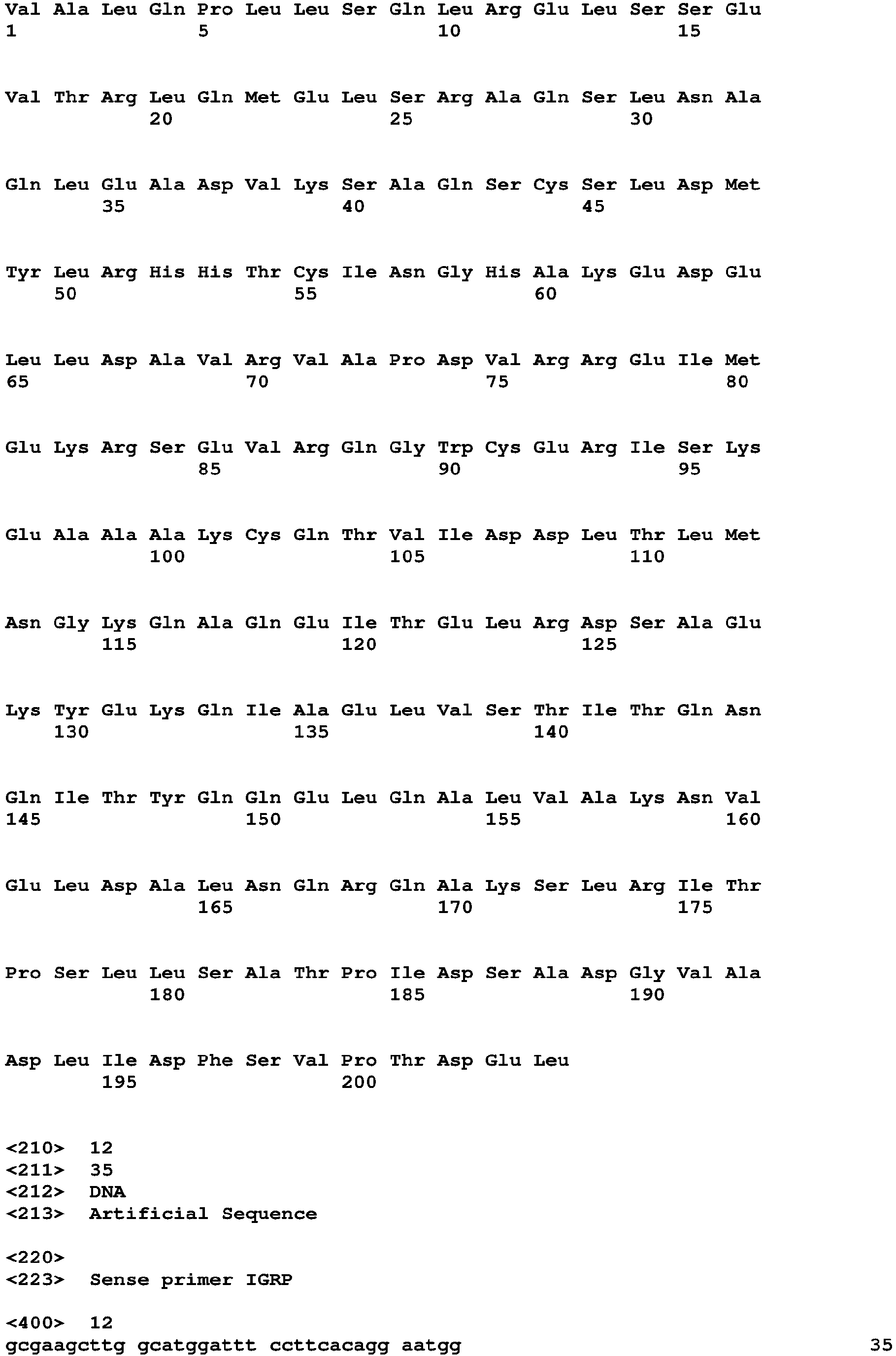


Claims (33)
- A fusion protein comprising:(i) glucose-6-phosphatase 2 protein (IGRP) or a functionally equivalent variant thereof, and(ii) a polypeptide selected from the group consisting of:- sequence 477-542 (SEQ ID NO: 1) of avian Orthoreovirus muNS protein,- the sequence of mammalian Orthoreovirus muNS protein corresponding to sequence 477-542 (SEQ ID NO: 1) of avian Orthoreovirus muNS protein, and- a functionally equivalent variant of any of the foregoing having the capacity to be incorporated into microspheres.
- The fusion protein according to claim 1, wherein component (ii) is fused to the amino terminal end of component (i).
- The fusion protein according to any of claims 1 or 2, wherein components (i) and (ii) are connected through a protease recognition sequence.
- The fusion protein according to claim 3, wherein the protease recognition sequence is an enterokinase recognition sequence or a factor Xa recognition sequence.
- A microsphere comprising a polypeptide selected from the group consisting of:- a polypeptide comprising amino acids 448-635 (SEQ ID NO: 2) of avian Orthoreovirus muNS protein,- the region of mammalian Orthoreovirus muNS protein corresponding to the region of avian Orthoreovirus muNS protein comprising amino acids 448-635 (SEQ ID NO: 2) of said protein,- the complete avian Orthoreovirus muNS protein,- the complete mammalian Orthoreovirus muNS protein, and- a functionally equivalent variant of any of the foregoing which maintains the capacity to form microspheres when expressed in a cell,wherein the microsphere further comprises a fusion protein according to any of claims 1 to 4.
- A polynucleotide encoding a fusion protein according to any of claims 1 to 4.
- An expression cassette comprising a polynucleotide according to claim 6.
- A vector comprising a polynucleotide according to claim 6 or an expression cassette according to claim 7.
- The vector according to claim 8, further comprising a second polynucleotide encoding a polypeptide selected from the group consisting of:- a polypeptide comprising amino acids 448-635 (SEQ ID NO: 2) of avian Orthoreovirus muNS protein,- the region of mammalian Orthoreovirus muNS protein corresponding to the region of avian Orthoreovirus muNS protein comprising amino acids 448-635 (SEQ ID NO: 2) of said protein,- the complete avian Orthoreovirus muNS protein,- the complete mammalian Orthoreovirus muNS protein, and- a functionally equivalent variant of any of the foregoing which maintains the capacity to form microspheres when expressed in a cell.
- The vector according to claim 9, wherein the polynucleotide according to claim 5 is operatively bonded to a first promoter and the second polynucleotide is operatively bonded to a second promoter.
- The vector according to claim 10, wherein the first and second promoters are T7 promoter.
- The vector according to any of claims 9 to 11, wherein said vector is a bacterial expression vector.
- A cell comprising a fusion protein according to any of claims 1 to 4, a polynucleotide according to claim 6, an expression cassette according to claim 7, or a vector according to any of claims 8 to 12.
- A method for producing a fusion protein according to any of claims 1 to 4, which comprises:(a) expressing in a bacterial cell a first polynucleotide encoding said fusion protein and a second polynucleotide encoding a polypeptide selected from the group consisting of:- a polypeptide comprising amino acids 448-635 (SEQ ID NO: 2) of avian Orthoreovirus muNS protein,- the region of mammalian Orthoreovirus muNS protein corresponding to the region of avian Orthoreovirus muNS protein comprising amino acids 448-635 (SEQ ID NO: 2) of said protein,- the complete avian Orthoreovirus muNS protein,- the complete mammalian Orthoreovirus muNS protein, and- a functionally equivalent variant of any of the foregoing which maintains the capacity to form microspheres when expressed in a cell(b) subjecting said bacterial cell to conditions suitable for the formation of microspheres, and(c) concentrating the microspheres.
- The method according to claim 14, wherein the first and second polynucleotides are part of one and the same vector, and wherein the first polynucleotide is operatively bonded to a first promoter and the second polynucleotide is operatively bonded to a second promoter.
- The method according to claim 15, wherein the first and second promoters are T7 promoter.
- The method according to any of claims 14 to 16, which further comprises purifying the fusion protein, separating it from the microspheres.
- A fusion protein obtainable according to the method of any of claims 14 to 17.
- A method for producing IGRP protein or a functionally equivalent variant thereof, which comprises the following steps:(a) producing a fusion protein according to the method of any of claims 14 to 17, wherein the fusion protein comprises a protease recognition sequence between components (i) and (ii) thereof,(b) subjecting the microspheres to conditions leading to their disintegration, with the fusion protein and the microspheres being caused to separate,(c) contacting the product resulting from step (b) with a protease specific for the recognition sequence connecting components (i) and (ii) of the fusion protein under conditions suitable for the proteolysis of said fusion protein, with the subsequent separation of components (i) and (ii) of the fusion protein,(d) subjecting the product of step (c) to conditions suitable for the formation of microspheres, and(e) separating the microspheres from the IGRP protein or the functionally equivalent variant thereof.
- An IGRP protein or a functionally equivalent variant thereof obtainable according to the method of claim 19.
- A pharmaceutical composition comprising the microsphere according to claim 5 and a pharmaceutically acceptable excipient.
- The microsphere according to claim 5 for use in medicine.
- The microsphere according to claim 5 for use in the treatment and/or prevention of type 1 diabetes.
- The microsphere for use according to claim 23, wherein the type 1 diabetes is latent autoimmune diabetes of the adult.
- The microsphere for use according to any of claims 22 to 24, wherein the microsphere is administered subcutaneously or intravenously.
- The microsphere for use according to any of claims 22 to 25, wherein the microsphere is administered in the absence of an adjuvant.
- Use of the microsphere according to claim 5 for the preparation of a medicinal product for the treatment and/or prevention of type 1 diabetes.
- Use according to claim 27, wherein the type 1 diabetes is latent autoimmune diabetes of the adult.
- Use according to any of claims 27 or 28, wherein the microsphere is administered subcutaneously or intravenously.
- Use according to any of claims 27 to 29, wherein the microsphere is administered in the absence of an adjuvant.
- A method for inducing type 1 diabetes in an animal model which comprises administering to an animal an effective amount of the microsphere according to claim 5.
- The method according to claim 31, wherein the administration is performed subcutaneously or intramuscularly.
- The method according to any of claims 31 or 32, wherein the microsphere is administered together with an adjuvant.
Applications Claiming Priority (2)
| Application Number | Priority Date | Filing Date | Title |
|---|---|---|---|
| ES201830351A ES2726914A1 (en) | 2018-04-09 | 2018-04-09 | Glucose-6-phosphatase 2 protein production method |
| PCT/ES2019/070241 WO2019197697A1 (en) | 2018-04-09 | 2019-04-09 | Method for producing glucose-6-phosphatase 2 protein |
Publications (2)
| Publication Number | Publication Date |
|---|---|
| EP3778624A1 true EP3778624A1 (en) | 2021-02-17 |
| EP3778624A4 EP3778624A4 (en) | 2022-01-19 |
Family
ID=68109517
Family Applications (1)
| Application Number | Title | Priority Date | Filing Date |
|---|---|---|---|
| EP19786200.6A Withdrawn EP3778624A4 (en) | 2018-04-09 | 2019-04-09 | METHOD FOR PRODUCING GLUCOSE-6-PHOSPHATASE 2 PROTEIN |
Country Status (4)
| Country | Link |
|---|---|
| US (1) | US20210139869A1 (en) |
| EP (1) | EP3778624A4 (en) |
| ES (1) | ES2726914A1 (en) |
| WO (1) | WO2019197697A1 (en) |
Families Citing this family (1)
| Publication number | Priority date | Publication date | Assignee | Title |
|---|---|---|---|---|
| ES2980877B2 (en) * | 2023-03-03 | 2025-02-20 | Univ Santiago Compostela | muNS FUSION PROTEIN CAPABLE OF FORMING MICROSPHERES AND ITS USES |
Family Cites Families (3)
| Publication number | Priority date | Publication date | Assignee | Title |
|---|---|---|---|---|
| US6627425B1 (en) * | 2000-06-02 | 2003-09-30 | Millennium Pharmaceuticals, Inc. | Human glucose-6-phosphatase molecules and uses thereof |
| US20070203059A1 (en) * | 2003-09-22 | 2007-08-30 | Hutton John C | Targeted Drug-Formaldehyde Conjugates And Methods Of Making And Using The Same |
| ES2364182B2 (en) * | 2010-02-12 | 2012-11-08 | Universidad De Santiago De Compostela | APPLICATIONS OF THE PROTEIN muNS AND ITS DERIVATIVES. |
-
2018
- 2018-04-09 ES ES201830351A patent/ES2726914A1/en not_active Withdrawn
-
2019
- 2019-04-09 US US17/045,838 patent/US20210139869A1/en not_active Abandoned
- 2019-04-09 WO PCT/ES2019/070241 patent/WO2019197697A1/en not_active Ceased
- 2019-04-09 EP EP19786200.6A patent/EP3778624A4/en not_active Withdrawn
Also Published As
| Publication number | Publication date |
|---|---|
| US20210139869A1 (en) | 2021-05-13 |
| EP3778624A4 (en) | 2022-01-19 |
| ES2726914A1 (en) | 2019-10-10 |
| WO2019197697A1 (en) | 2019-10-17 |
Similar Documents
| Publication | Publication Date | Title |
|---|---|---|
| CN111560074B (en) | A novel coronavirus S protein single-domain subunit nanovaccine based on Helicobacter pylori ferritin | |
| CN111607002B (en) | A novel coronavirus S protein two-domain subunit nanovaccine based on Helicobacter pylori ferritin | |
| TWI638829B (en) | Mycobacterial antigen vaccine | |
| CN111217919A (en) | A novel coronavirus S protein two-domain subunit nanovaccine based on Pyrococcus ferritin | |
| US20240197858A1 (en) | Nipah virus immunogens and their use | |
| CN111217918A (en) | A novel coronavirus S protein two-domain subunit nanovaccine based on 2,4-dioxotetrahydropteridine synthase | |
| CN113817029A (en) | A novel coronavirus S-RBD trimer protein vaccine, its preparation method and application | |
| CN113461787A (en) | Recombinant novel coronavirus S-RBD trimer protein, and preparation method and application thereof | |
| US20230174588A1 (en) | A vaccine against sars-cov-2 and preparation thereof | |
| CN117737088A (en) | Preparation and application of bovine nodular dermatosis virus circular RNA and vaccine | |
| US20230090422A1 (en) | Novel coronavirus s protein double-region subunit nano-vaccine based on bacterial complex | |
| WO2021189056A2 (en) | Sars-coronavirus 2 (sars-cov-2) subunit vaccine candidates | |
| KR20200096904A (en) | Vaccines for the prevention of respiratory syncytial virus (RSV) infection and methods of making and using vaccines | |
| CN117427154A (en) | Sequence combination for preparing mRNA vaccine for porcine reproductive and respiratory syndrome and application thereof | |
| Katsura et al. | Novel bovine viral diarrhea virus (BVDV) virus-like particle vaccine candidates presenting the E2 protein using the SpyTag/SpyCatcher system induce a robust neutralizing antibody response in mice | |
| EP1906995A2 (en) | Adjuvation through cross- structure | |
| US20210139869A1 (en) | Method for producing glucose-6-phosphatase 2 protein | |
| US20220339279A1 (en) | Recombinant proteins, compositions, vectors, kits, and methods for immunizing against, and testing for exposure to, severe acute respiratory syndrome coronavirus 2 | |
| WO2005083072A1 (en) | Process for producing erysipelothrix rhusiopathiae surface protective antigen mutant in escherichia coli | |
| US20230106770A1 (en) | Reagents and methods for preventing, treating or limiting severe acute respiratory syndrome (SARS) coronavirus infection | |
| US6777247B2 (en) | Nervous necrosis virus protein | |
| CN102372766B (en) | O-type foot-and-mouth disease multi-epitope vaccine | |
| CN115322247B (en) | A novel coronavirus receptor binding region charge mutant antigen and its application | |
| CA3256262A1 (en) | Fusion proteins including truncated forms of immunoglobulin A (IGA) protease and their uses | |
| CN107973849B (en) | Protein for enhancing immunity effect of pig vaccine and application thereof |
Legal Events
| Date | Code | Title | Description |
|---|---|---|---|
| STAA | Information on the status of an ep patent application or granted ep patent |
Free format text: STATUS: THE INTERNATIONAL PUBLICATION HAS BEEN MADE |
|
| PUAI | Public reference made under article 153(3) epc to a published international application that has entered the european phase |
Free format text: ORIGINAL CODE: 0009012 |
|
| STAA | Information on the status of an ep patent application or granted ep patent |
Free format text: STATUS: REQUEST FOR EXAMINATION WAS MADE |
|
| 17P | Request for examination filed |
Effective date: 20201106 |
|
| AK | Designated contracting states |
Kind code of ref document: A1 Designated state(s): AL AT BE BG CH CY CZ DE DK EE ES FI FR GB GR HR HU IE IS IT LI LT LU LV MC MK MT NL NO PL PT RO RS SE SI SK SM TR |
|
| AX | Request for extension of the european patent |
Extension state: BA ME |
|
| DAV | Request for validation of the european patent (deleted) | ||
| DAX | Request for extension of the european patent (deleted) | ||
| A4 | Supplementary search report drawn up and despatched |
Effective date: 20211220 |
|
| RIC1 | Information provided on ipc code assigned before grant |
Ipc: A61P 3/08 20060101ALI20211214BHEP Ipc: A61K 38/46 20060101ALI20211214BHEP Ipc: A61K 35/765 20150101ALI20211214BHEP Ipc: C12N 15/46 20060101ALI20211214BHEP Ipc: C12N 9/16 20060101ALI20211214BHEP Ipc: C07K 14/14 20060101AFI20211214BHEP |
|
| STAA | Information on the status of an ep patent application or granted ep patent |
Free format text: STATUS: THE APPLICATION IS DEEMED TO BE WITHDRAWN |
|
| 18D | Application deemed to be withdrawn |
Effective date: 20220723 |