EP3777569B1 - Modified carbon material and method for reducing carbonaceous material ignition temperature - Google Patents
Modified carbon material and method for reducing carbonaceous material ignition temperature Download PDFInfo
- Publication number
- EP3777569B1 EP3777569B1 EP19849601.0A EP19849601A EP3777569B1 EP 3777569 B1 EP3777569 B1 EP 3777569B1 EP 19849601 A EP19849601 A EP 19849601A EP 3777569 B1 EP3777569 B1 EP 3777569B1
- Authority
- EP
- European Patent Office
- Prior art keywords
- solution
- modified carbon
- solid
- cuo
- carbonaceous material
- Prior art date
- Legal status (The legal status is an assumption and is not a legal conclusion. Google has not performed a legal analysis and makes no representation as to the accuracy of the status listed.)
- Active
Links
Images


Classifications
-
- A—HUMAN NECESSITIES
- A24—TOBACCO; CIGARS; CIGARETTES; SIMULATED SMOKING DEVICES; SMOKERS' REQUISITES
- A24B—MANUFACTURE OR PREPARATION OF TOBACCO FOR SMOKING OR CHEWING; TOBACCO; SNUFF
- A24B15/00—Chemical features or treatment of tobacco; Tobacco substitutes, e.g. in liquid form
- A24B15/10—Chemical features of tobacco products or tobacco substitutes
- A24B15/16—Chemical features of tobacco products or tobacco substitutes of tobacco substitutes
- A24B15/165—Chemical features of tobacco products or tobacco substitutes of tobacco substitutes comprising as heat source a carbon fuel or an oxidized or thermally degraded carbonaceous fuel, e.g. carbohydrates, cellulosic material
-
- A—HUMAN NECESSITIES
- A24—TOBACCO; CIGARS; CIGARETTES; SIMULATED SMOKING DEVICES; SMOKERS' REQUISITES
- A24D—CIGARS; CIGARETTES; TOBACCO SMOKE FILTERS; MOUTHPIECES OF CIGARS OR CIGARETTES; MANUFACTURE OF TOBACCO SMOKE FILTERS OR MOUTHPIECES
- A24D1/00—Cigars; Cigarettes
- A24D1/22—Cigarettes with integrated combustible heat sources, e.g. with carbonaceous heat sources
-
- C—CHEMISTRY; METALLURGY
- C10—PETROLEUM, GAS OR COKE INDUSTRIES; TECHNICAL GASES CONTAINING CARBON MONOXIDE; FUELS; LUBRICANTS; PEAT
- C10B—DESTRUCTIVE DISTILLATION OF CARBONACEOUS MATERIALS FOR PRODUCTION OF GAS, COKE, TAR, OR SIMILAR MATERIALS
- C10B53/00—Destructive distillation, specially adapted for particular solid raw materials or solid raw materials in special form
- C10B53/02—Destructive distillation, specially adapted for particular solid raw materials or solid raw materials in special form of cellulose-containing material
-
- C—CHEMISTRY; METALLURGY
- C10—PETROLEUM, GAS OR COKE INDUSTRIES; TECHNICAL GASES CONTAINING CARBON MONOXIDE; FUELS; LUBRICANTS; PEAT
- C10L—FUELS NOT OTHERWISE PROVIDED FOR; NATURAL GAS; SYNTHETIC NATURAL GAS OBTAINED BY PROCESSES NOT COVERED BY SUBCLASSES C10G OR C10K; LIQUIFIED PETROLEUM GAS; USE OF ADDITIVES TO FUELS OR FIRES; FIRE-LIGHTERS
- C10L10/00—Use of additives to fuels or fires for particular purposes
-
- C—CHEMISTRY; METALLURGY
- C10—PETROLEUM, GAS OR COKE INDUSTRIES; TECHNICAL GASES CONTAINING CARBON MONOXIDE; FUELS; LUBRICANTS; PEAT
- C10L—FUELS NOT OTHERWISE PROVIDED FOR; NATURAL GAS; SYNTHETIC NATURAL GAS OBTAINED BY PROCESSES NOT COVERED BY SUBCLASSES C10G OR C10K; LIQUIFIED PETROLEUM GAS; USE OF ADDITIVES TO FUELS OR FIRES; FIRE-LIGHTERS
- C10L5/00—Solid fuels
- C10L5/02—Solid fuels such as briquettes consisting mainly of carbonaceous materials of mineral or non-mineral origin
- C10L5/04—Raw material of mineral origin to be used; Pretreatment thereof
-
- C—CHEMISTRY; METALLURGY
- C10—PETROLEUM, GAS OR COKE INDUSTRIES; TECHNICAL GASES CONTAINING CARBON MONOXIDE; FUELS; LUBRICANTS; PEAT
- C10L—FUELS NOT OTHERWISE PROVIDED FOR; NATURAL GAS; SYNTHETIC NATURAL GAS OBTAINED BY PROCESSES NOT COVERED BY SUBCLASSES C10G OR C10K; LIQUIFIED PETROLEUM GAS; USE OF ADDITIVES TO FUELS OR FIRES; FIRE-LIGHTERS
- C10L5/00—Solid fuels
- C10L5/40—Solid fuels essentially based on materials of non-mineral origin
- C10L5/44—Solid fuels essentially based on materials of non-mineral origin on vegetable substances
-
- C—CHEMISTRY; METALLURGY
- C10—PETROLEUM, GAS OR COKE INDUSTRIES; TECHNICAL GASES CONTAINING CARBON MONOXIDE; FUELS; LUBRICANTS; PEAT
- C10L—FUELS NOT OTHERWISE PROVIDED FOR; NATURAL GAS; SYNTHETIC NATURAL GAS OBTAINED BY PROCESSES NOT COVERED BY SUBCLASSES C10G OR C10K; LIQUIFIED PETROLEUM GAS; USE OF ADDITIVES TO FUELS OR FIRES; FIRE-LIGHTERS
- C10L5/00—Solid fuels
- C10L5/40—Solid fuels essentially based on materials of non-mineral origin
- C10L5/44—Solid fuels essentially based on materials of non-mineral origin on vegetable substances
- C10L5/447—Carbonized vegetable substances, e.g. charcoal, or produced by hydrothermal carbonization of biomass
-
- C—CHEMISTRY; METALLURGY
- C10—PETROLEUM, GAS OR COKE INDUSTRIES; TECHNICAL GASES CONTAINING CARBON MONOXIDE; FUELS; LUBRICANTS; PEAT
- C10L—FUELS NOT OTHERWISE PROVIDED FOR; NATURAL GAS; SYNTHETIC NATURAL GAS OBTAINED BY PROCESSES NOT COVERED BY SUBCLASSES C10G OR C10K; LIQUIFIED PETROLEUM GAS; USE OF ADDITIVES TO FUELS OR FIRES; FIRE-LIGHTERS
- C10L9/00—Treating solid fuels to improve their combustion
- C10L9/10—Treating solid fuels to improve their combustion by using additives
-
- C—CHEMISTRY; METALLURGY
- C10—PETROLEUM, GAS OR COKE INDUSTRIES; TECHNICAL GASES CONTAINING CARBON MONOXIDE; FUELS; LUBRICANTS; PEAT
- C10L—FUELS NOT OTHERWISE PROVIDED FOR; NATURAL GAS; SYNTHETIC NATURAL GAS OBTAINED BY PROCESSES NOT COVERED BY SUBCLASSES C10G OR C10K; LIQUIFIED PETROLEUM GAS; USE OF ADDITIVES TO FUELS OR FIRES; FIRE-LIGHTERS
- C10L2200/00—Components of fuel compositions
- C10L2200/02—Inorganic or organic compounds containing atoms other than C, H or O, e.g. organic compounds containing heteroatoms or metal organic complexes
- C10L2200/0204—Metals or alloys
- C10L2200/0209—Group I metals: Li, Na, K, Rb, Cs, Fr, Cu, Ag, Au
-
- C—CHEMISTRY; METALLURGY
- C10—PETROLEUM, GAS OR COKE INDUSTRIES; TECHNICAL GASES CONTAINING CARBON MONOXIDE; FUELS; LUBRICANTS; PEAT
- C10L—FUELS NOT OTHERWISE PROVIDED FOR; NATURAL GAS; SYNTHETIC NATURAL GAS OBTAINED BY PROCESSES NOT COVERED BY SUBCLASSES C10G OR C10K; LIQUIFIED PETROLEUM GAS; USE OF ADDITIVES TO FUELS OR FIRES; FIRE-LIGHTERS
- C10L2200/00—Components of fuel compositions
- C10L2200/02—Inorganic or organic compounds containing atoms other than C, H or O, e.g. organic compounds containing heteroatoms or metal organic complexes
- C10L2200/0254—Oxygen containing compounds
-
- C—CHEMISTRY; METALLURGY
- C10—PETROLEUM, GAS OR COKE INDUSTRIES; TECHNICAL GASES CONTAINING CARBON MONOXIDE; FUELS; LUBRICANTS; PEAT
- C10L—FUELS NOT OTHERWISE PROVIDED FOR; NATURAL GAS; SYNTHETIC NATURAL GAS OBTAINED BY PROCESSES NOT COVERED BY SUBCLASSES C10G OR C10K; LIQUIFIED PETROLEUM GAS; USE OF ADDITIVES TO FUELS OR FIRES; FIRE-LIGHTERS
- C10L2200/00—Components of fuel compositions
- C10L2200/04—Organic compounds
- C10L2200/0461—Fractions defined by their origin
- C10L2200/0469—Renewables or materials of biological origin
-
- C—CHEMISTRY; METALLURGY
- C10—PETROLEUM, GAS OR COKE INDUSTRIES; TECHNICAL GASES CONTAINING CARBON MONOXIDE; FUELS; LUBRICANTS; PEAT
- C10L—FUELS NOT OTHERWISE PROVIDED FOR; NATURAL GAS; SYNTHETIC NATURAL GAS OBTAINED BY PROCESSES NOT COVERED BY SUBCLASSES C10G OR C10K; LIQUIFIED PETROLEUM GAS; USE OF ADDITIVES TO FUELS OR FIRES; FIRE-LIGHTERS
- C10L2230/00—Function and purpose of a components of a fuel or the composition as a whole
- C10L2230/22—Function and purpose of a components of a fuel or the composition as a whole for improving fuel economy or fuel efficiency
-
- C—CHEMISTRY; METALLURGY
- C10—PETROLEUM, GAS OR COKE INDUSTRIES; TECHNICAL GASES CONTAINING CARBON MONOXIDE; FUELS; LUBRICANTS; PEAT
- C10L—FUELS NOT OTHERWISE PROVIDED FOR; NATURAL GAS; SYNTHETIC NATURAL GAS OBTAINED BY PROCESSES NOT COVERED BY SUBCLASSES C10G OR C10K; LIQUIFIED PETROLEUM GAS; USE OF ADDITIVES TO FUELS OR FIRES; FIRE-LIGHTERS
- C10L2270/00—Specifically adapted fuels
- C10L2270/08—Specifically adapted fuels for small applications, such as tools, lamp oil, welding
-
- Y—GENERAL TAGGING OF NEW TECHNOLOGICAL DEVELOPMENTS; GENERAL TAGGING OF CROSS-SECTIONAL TECHNOLOGIES SPANNING OVER SEVERAL SECTIONS OF THE IPC; TECHNICAL SUBJECTS COVERED BY FORMER USPC CROSS-REFERENCE ART COLLECTIONS [XRACs] AND DIGESTS
- Y02—TECHNOLOGIES OR APPLICATIONS FOR MITIGATION OR ADAPTATION AGAINST CLIMATE CHANGE
- Y02E—REDUCTION OF GREENHOUSE GAS [GHG] EMISSIONS, RELATED TO ENERGY GENERATION, TRANSMISSION OR DISTRIBUTION
- Y02E50/00—Technologies for the production of fuel of non-fossil origin
- Y02E50/10—Biofuels, e.g. bio-diesel
-
- Y—GENERAL TAGGING OF NEW TECHNOLOGICAL DEVELOPMENTS; GENERAL TAGGING OF CROSS-SECTIONAL TECHNOLOGIES SPANNING OVER SEVERAL SECTIONS OF THE IPC; TECHNICAL SUBJECTS COVERED BY FORMER USPC CROSS-REFERENCE ART COLLECTIONS [XRACs] AND DIGESTS
- Y02—TECHNOLOGIES OR APPLICATIONS FOR MITIGATION OR ADAPTATION AGAINST CLIMATE CHANGE
- Y02E—REDUCTION OF GREENHOUSE GAS [GHG] EMISSIONS, RELATED TO ENERGY GENERATION, TRANSMISSION OR DISTRIBUTION
- Y02E50/00—Technologies for the production of fuel of non-fossil origin
- Y02E50/30—Fuel from waste, e.g. synthetic alcohol or diesel
Definitions
- the invention is in the technical field of tobacco products, and particularly it relates to a modified carbon material used for a heat source of carbon-heated non-combustible cigarettes.
- the novel tobacco products can be substantially classified into four main categories: the first category is concerned to electronic cigarettes, the second category is concerned to Heat-but-Not-Burn tobacco products, the third category is concerned to buccal cigarettes, and the fourth category is concerned to other types of tobacco products.
- the Heat-but-Not-Burn tobacco products get market favors for sufficiently retaining the flavor of traditional tobaccos.
- the main characteristic of the Heat-but-Not-Burn tobacco products is to utilize external heats source to heat the tobacco but not ignite the tobacco, and this is the most essential difference of the Heat-but-Not-Burn tobacco products as compared to conventional tobaccos.
- a carbonaceous heat source is a main heat source and its properties will directly influence the quality of the tobacco. According to the characteristics of carbon heated cigarettes, some factors, e.g., whether or not they are inflammable, whether or not they release heat uniformly, and whether or not the combustion rate is controllable, will be directly related to exertion of the quality of the carbon heated cigarettes and user experiences. Properties of carbon materials as raw materials of a carbonaceous heat source will directly influence the properties of the carbonaceous heat source.
- raw materials for preparing the carbonaceous heat source are biomass materials, such as coconut shells, bamboos, fruit trees, paper, cellulose and the like.
- the carbonaceous heat sources prepared from the biomass materials have many drawbacks.
- the Chinese patent CN107033938 discloses a method for preparation of a carbon material as a heat supply of a carbon-heated cigarette with controllable combustion performances, in which pure cellulose is used as the carbon source to control different pyrolysis temperatures, thereby to obtain a series of carbon materials having different combustion characteristics, and then, the obtained carbon materials are mixed to finally achieve control and regulations to the combustion performances.
- the carbonaceous heat source obtained in the patent still have to be improved in the aspects of easy ignition, homogenous heat release, controllable combustion rate and the like.
- the Chinese patent CN105533800A discloses a combustible energetic material for cigarettes and a low-temperature heating cigarettes, but the combustible energetic material of CN105533800A must contain four components of oxidant, combustible agent, adhesive and other additives, which are complicated.
- the Chinese patent CN105533800A does not teach any technical effect about combustion improvements in the absence of adhesives and other additives.
- the Chinese patent CN107233898A discloses an activated carbon enrichment synergistic full-spectrum photocatalytic material.
- the photocatalytic material of CN107233898A must contain cuprous oxide and silver sulfide, which are complicated, too.
- the Chinese patent CN107233898A does not disclose any technical effect about combustion improvements.
- the technical problem to be solved by the invention is to provide a modified carbon material used for a heat source of a carbon-heated non-combustible cigarette and a method of preparing it.
- the modified carbon material is low in cost, and the method for preparing the material is simple and suitable for industrial productions. Meanwhile, the combustion characteristics of the modified carbon material can be easily controlled and regulated.
- the invention discloses a modified carbon material being used as a heat source of carbon-heated non-combustible cigarettes for reducing ignition temperature of a carbonaceous material, for increasing peak thermal power of a carbonaceous material and/or for reducing peak thermal power temperature of a carbonaceous material;
- the modified carbon material consists of a carbonaceous material and a water-insoluble modifier combined with the carbonaceous material; the modifier being CuO, the CuO is 1% by weight of the carbonaceous material;
- the carbonaceous material being carbon black;
- the modified carbon material is prepared by method comprising the following steps: (1) soaking the carbonaceous material in a copper sulfate solution for from 5 to 36 h, the copper sulfate solution has a concentration of from 0.5 to 3 wt%; (2) adding an alkali solution into the solution obtained in the step (1) to provide a pH value ⁇ 12, and after keeping the pH value for 0.5 to 2 h, filtering and drying to obtain a solid, the solid just being the modified
- the ignition temperature is reduced by at least 150 °C
- the peak thermal power is increased at least 50%
- the peak thermal power temperature is reduced at least 95 °C.
- the tests used NETZSCH STA 449F3 thermal analyzer to conduct the thermal analytic tests directed to the products in Examples 1-14 and non-modified oak carbon powder and C311 carbon black at a temperature rising rate of 10 °C /min in a simulated air atmosphere. Based on the thermal analytic data and according to GB/T 22204-2016 standards, the specific data of the combustion characteristics was calculated and shown in Tables 1 and 2. Table 1 shows the combustion characteristics of the modified oak carbon powder combined with different proportions of CuO; Table 2 shows the combustion characteristics of the modified C311 carbon black combined with different proportions of CuO.
- thermogravimetric curves As shown in Figures 2 , 3, 4 and Table 1, for the modified oak carbon powders with different amounts of CuO, the thermogravimetric curves, the differential thermogravimetric curves and the DSC curves exhibit regular movements toward low temperature zones, and the controls to the ignition temperature between 454.7 and 488.8 °C are realized.
- the other parameters of the combustion characteristics also can be effectively varied, in which the DSC curve of the 4 wt% CuO-modified oak carbon powder has a peak in a widest and lowest shape, and the heat release is relatively mild during the programmed temperature increasing.
- thermogravimetric curves, the differential thermogravimetric curves and the DSC curves remarkably move toward low temperature zone as compared to C311 carbon black, and the controls of the ignition temperature between 412.1 and 600.0 °C are realized.
- the other parameters of the combustion characteristics also can be effectively varied, and for example, the peak thermal power is remarkably increased, and the peak thermal power temperature is remarkably lowered.
- the modified carbon black obtained in Example 2 and oak carbon powder were mixed in a mass ratio of 3:7 in a kneader while stirring to obtain a novel modified carbon powder which was further tested with the thermal analytical performances. From the curves shown in Figures 8 and 9 , it can be seen that the novel modified carbon powder obtained after mixing has a wider and lower peak shape as compared to the modified carbon powder in Example 2 and the initial oak carbon powder, and it has a milder heat release during the programmed temperature increasing. The example demonstrates that for the CuO-modified carbon powder, a higher CuO amount will be not necessarily favorable.
Landscapes
- Chemical & Material Sciences (AREA)
- Oil, Petroleum & Natural Gas (AREA)
- Organic Chemistry (AREA)
- Life Sciences & Earth Sciences (AREA)
- Engineering & Computer Science (AREA)
- General Chemical & Material Sciences (AREA)
- Molecular Biology (AREA)
- Chemical Kinetics & Catalysis (AREA)
- General Health & Medical Sciences (AREA)
- Health & Medical Sciences (AREA)
- Combustion & Propulsion (AREA)
- General Life Sciences & Earth Sciences (AREA)
- Environmental & Geological Engineering (AREA)
- Geochemistry & Mineralogy (AREA)
- Geology (AREA)
- Sustainable Development (AREA)
- Materials Engineering (AREA)
- Carbon And Carbon Compounds (AREA)
- Solid Fuels And Fuel-Associated Substances (AREA)
Description
- The invention is in the technical field of tobacco products, and particularly it relates to a modified carbon material used for a heat source of carbon-heated non-combustible cigarettes.
- With the increasing demand of people on health, novel tobacco products meeting the demand appear in the tobacco industry. The novel tobacco products can be substantially classified into four main categories: the first category is concerned to electronic cigarettes, the second category is concerned to Heat-but-Not-Burn tobacco products, the third category is concerned to buccal cigarettes, and the fourth category is concerned to other types of tobacco products. Among them, the Heat-but-Not-Burn tobacco products get market favors for sufficiently retaining the flavor of traditional tobaccos. The main characteristic of the Heat-but-Not-Burn tobacco products is to utilize external heats source to heat the tobacco but not ignite the tobacco, and this is the most essential difference of the Heat-but-Not-Burn tobacco products as compared to conventional tobaccos. A carbonaceous heat source is a main heat source and its properties will directly influence the quality of the tobacco. According to the characteristics of carbon heated cigarettes, some factors, e.g., whether or not they are inflammable, whether or not they release heat uniformly, and whether or not the combustion rate is controllable, will be directly related to exertion of the quality of the carbon heated cigarettes and user experiences. Properties of carbon materials as raw materials of a carbonaceous heat source will directly influence the properties of the carbonaceous heat source. At present, raw materials for preparing the carbonaceous heat source are biomass materials, such as coconut shells, bamboos, fruit trees, paper, cellulose and the like. However, the carbonaceous heat sources prepared from the biomass materials have many drawbacks. Thus, accurate control and regulations to the combustion performances of the carbonaceous heat sources are difficult to be achieved. For example, the Chinese patent
CN107033938 discloses a method for preparation of a carbon material as a heat supply of a carbon-heated cigarette with controllable combustion performances, in which pure cellulose is used as the carbon source to control different pyrolysis temperatures, thereby to obtain a series of carbon materials having different combustion characteristics, and then, the obtained carbon materials are mixed to finally achieve control and regulations to the combustion performances. However, the carbonaceous heat source obtained in the patent still have to be improved in the aspects of easy ignition, homogenous heat release, controllable combustion rate and the like. - The Chinese patent
CN105533800A discloses a combustible energetic material for cigarettes and a low-temperature heating cigarettes, but the combustible energetic material ofCN105533800A must contain four components of oxidant, combustible agent, adhesive and other additives, which are complicated. The Chinese patentCN105533800A does not teach any technical effect about combustion improvements in the absence of adhesives and other additives. - The Chinese patent
CN107233898A discloses an activated carbon enrichment synergistic full-spectrum photocatalytic material. In addition to copper oxide supported by activated carbon, the photocatalytic material ofCN107233898A must contain cuprous oxide and silver sulfide, which are complicated, too. The Chinese patentCN107233898A does not disclose any technical effect about combustion improvements. - Therefore, it is very necessary to provide a carbonaceous heat source with the advantages of easy ignition, controllable combustion rate and homogenous heat release, and meanwhile, the carbonaceous heat source is low in cost and suitable for industrial production.
- Directed to the above drawbacks in the prior art, the technical problem to be solved by the invention is to provide a modified carbon material used for a heat source of a carbon-heated non-combustible cigarette and a method of preparing it. The modified carbon material is low in cost, and the method for preparing the material is simple and suitable for industrial productions. Meanwhile, the combustion characteristics of the modified carbon material can be easily controlled and regulated.
- The invention discloses a modified carbon material being used as a heat source of carbon-heated non-combustible cigarettes for reducing ignition temperature of a carbonaceous material, for increasing peak thermal power of a carbonaceous material and/or for reducing peak thermal power temperature of a carbonaceous material; the modified carbon material consists of a carbonaceous material and a water-insoluble modifier combined with the carbonaceous material; the modifier being CuO, the CuO is 1% by weight of the carbonaceous material; the carbonaceous material being carbon black; the modified carbon material is prepared by method comprising the following steps: (1) soaking the carbonaceous material in a copper sulfate solution for from 5 to 36 h, the copper sulfate solution has a concentration of from 0.5 to 3 wt%; (2) adding an alkali solution into the solution obtained in the step (1) to provide a pH value ≥12, and after keeping the pH value for 0.5 to 2 h, filtering and drying to obtain a solid, the solid just being the modified carbon material; the alkali solution is a sodium hydroxide solution or a potassium hydroxide solution, with a concentration of from 1 to 50 wt%; the drying temperature is in the range from 80 to 95 °C.
- Preferably, the ignition temperature is reduced by at least 150 °C, the peak thermal power is increased at least 50%, and the peak thermal power temperature is reduced at least 95 °C.
- The invention has the following favorable effects:
- 1. According to the invention, CuO is used as a modifier to modify a carbonaceous material for the first time, and the obtained modified carbon material may be as a heat source for carbon-heated non-combustible cigarettes with the advantages of wide-coverage combustion characteristics and controllable combustion characteristics; that is, modified carbon materials obtained by using CuO as a modifier have the characteristics of easy ignition, homogenous heat release, controllable combustion rate and the like. The ignition temperature is reduced by at least 150 °C, the peak thermal power is increased at least 50%, and the peak thermal power temperature is reduced at least 95 °C.
- 2. The preparation method is simple. According to actual needs, by selecting commonly-used carbon powder, i.e., biomass carbon and carbon black obtained in large-scale industrial productions, the method is lower in cost and suitable for controllable productions in large-scale processes.
-
-
FIG. 1 is a process flow diagram of the method for preparation of the modified carbon material of the invention. -
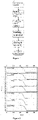
FIG. 2 shows thermogravimetric curves of the modified carbon powders in Examples 1-7 and 10000-mesh oak carbon powder. -
FIG. 3 shows differential thermogravimetric curves of the modified carbon powders in Examples 1-7 and 10,000-mesh oak carbon powder. -
FIG. 4 shows DSC curves of the modified carbon powders in Examples 1-7 and 10,000-mesh oak carbon powder. -
FIG. 5 shows thermogravimetric curves of the modified carbon powders in Examples 8-14 and C311 carbon black. -
FIG. 6 shows differential thermogravimetric curves of the modified carbon powders in Examples 8-14 and C311 carbon black. -
FIG. 7 shows DSC curves of the modified carbon powders in Examples 8-14 and C311 carbon black. -
FIG. 8 shows a thermogravimetric curve of the mixed carbon powder in Example 15. -
FIG. 9 shows a DSC curve of the mixed carbon powder in Example 15. - The following specific embodiments are used to further describe the invention in detail. However, it should not be understood that the scope of the invention are only limited to the following examples. In the case of no departing from the concept of the method according to the invention, various substitutions and alterations that are made according to the common knowledge and conventional means in the art should be included within the scope of the invention.
- The process flow diagram of the method for producing the modified carbon material according to the invention is shown in
Figure 1 . -
- (1) 10000-mesh oak carbon powder (prepared by carbonizing oak at high temperature and pulverizing it) was soaked in a CuSO4 solution with a concentration 6.25 g/L (the mass ratio of CuSO4•5H2O solid to oak carbon powder solid is 6.25:100) for 24 h.
- (2) The soaking solution in step (1) was stirred and during the stirring, a sodium hydroxide solution with a concentration of 10 wt% was slowly added thereto. When the pH reaches 13, the addition of the sodium hydroxide solution was stopped and the solution was continuously stirred for 1 hour. The solution was suction filtered and the obtained solid was washed to neutral and dried at 90 °C, and after grinding, the modified carbon powder (2 wt% CuO) was obtained.
-
- (1) 10000-mesh oak carbon powder (prepared by carbonizing oak at high temperature and pulverizing it) was soaked in a CuSO4 solution with a concentration 12.5 g/L (the mass ratio of CuSO4•5H2O solid to oak carbon powder solid is 12.5:100) for 24 h.
- (2) The soaking solution in step (1) was stirred and during the stirring, a sodium hydroxide solution with a concentration of 20 wt% was slowly added thereto. When the pH reaches 13, the addition of the sodium hydroxide solution was stopped and the solution was continuously stirred for 1 hour. The solution was suction filtered and the obtained solid was washed to neutral and dried at 90 °C, and after grinding, the modified carbon powder (4 wt% CuO) was obtained.
-
- (1) 10000-mesh oak carbon powder (prepared by carbonizing oak at high temperature and pulverizing it) was soaked in a CuSO4 solution with a concentration 18.75 g/L (the mass ratio of CuSO4•5H2O solid to oak carbon powder solid is 18.75:100) for 24 h.
- (2) The soaking solution in step (1) was stirred and during the stirring, a sodium hydroxide solution with a concentration of 20 wt% was slowly added thereto. When the pH reaches 13, the addition of the sodium hydroxide solution was stopped and the solution was continuously stirred for 1 hour. The solution was suction filtered and the obtained solid was washed to neutral and dried at 90 °C, and after grinding, the modified carbon powder (6 wt% CuO) was obtained.
-
- (1) 10000-mesh oak carbon powder (prepared by carbonizing oak at high temperature and pulverizing it) was soaked in a CuSO4 solution with a concentration 25 g/L (the mass ratio of CuSO4•5H2O solid to oak carbon powder solid is 1:4) for 24 h.
- (2) The soaking solution in step (1) was stirred and during the stirring, a sodium hydroxide solution with a concentration of 20 wt% was slowly added thereto. When the pH reaches 13, the addition of the sodium hydroxide solution was stopped and the solution was continuously stirred for 1 hour. The solution was suction filtered and the obtained solid was washed to neutral and dried at 90 °C, and after grinding, the modified carbon powder (8 wt% CuO) was obtained.
-
- (1) 10000-mesh oak carbon powder (prepared by carbonizing oak at high temperature and pulverizing it) was soaked in a CuSO4 solution with a concentration 3.13 g/L (the mass ratio of CuSO4•5H2O solid to oak carbon powder solid is 3.13:100) for 24 h.
- (2) The soaking solution in step (1) was stirred and during the stirring, a sodium hydroxide solution with a concentration of 1 wt% was slowly added thereto. When the pH reaches 13, the addition of the sodium hydroxide solution was stopped and the solution was continuously stirred for 1 hour. The solution was suction filtered and the obtained solid was washed to neutral and dried at 90 °C, and after grinding, the modified carbon powder (1 wt% CuO) was obtained.
-
- (1) 10000-mesh oak carbon powder (prepared by carbonizing oak at high temperature and pulverizing it) was soaked in a CuSO4 solution with a concentration 1.56 g/L (the mass ratio of CuSO4•5H2O solid to oak carbon powder solid is 1.56:100) for 24 h.
- (2) The soaking solution in step (1) was stirred and during the stirring, a sodium hydroxide solution with a concentration of 1 wt% was slowly added thereto. When the pH reaches 13, the addition of the sodium hydroxide solution was stopped and the solution was continuously stirred for 1 hour. The solution was suction filtered and the obtained solid was washed to neutral and dried at 90 °C, and after grinding, the modified carbon powder (1 wt% CuO) was obtained.
-
- (1) 10000-mesh oak carbon powder (prepared by carbonizing oak at high temperature and pulverizing it) was soaked in a CuSO4 solution with a concentration 1.56 g/L (the mass ratio of CuSO4•5H2O solid to oak carbon powder solid is1.56:100) for 24 h.
- (2) The soaking solution in step (1) was stirred and during the stirring, a sodium hydroxide solution with a concentration of 1 wt% was slowly added thereto. When the pH reaches 13, the addition of the sodium hydroxide solution was stopped and the solution was continuously stirred for 1 hour. The solution was suction filtered and the obtained solid was washed to neutral and dried at 90 °C, and after grinding, the modified carbon powder (0.5 wt% CuO) was obtained.
-
- (1) C311 carbon black (C311 is the trademark of the carbon black) was soaked in a CuSO4 solution with a concentration 6.25 g/L (the mass ratio of CuSO4•5H2O solid to C311 carbon black solid is 6.25:100) for 24 h.
- (2) The soaking solution in step (1) was stirred and during the stirring, a sodium hydroxide solution with a concentration of 10 wt% was slowly added thereto. When the pH reaches 13, the addition of the sodium hydroxide solution was stopped and the solution was continuously stirred for 1 hour. The solution was centrifugally separated and the obtained solid was washed neutral and dried at 90 °C, and after grinding, the modified carbon powder (2 wt% CuO) was obtained.
-
- (1) C311 carbon black (C311 is the trademark of the carbon black) was soaked in a CuSO4 solution with a concentration 12.5 g/L (the mass ratio of CuSO4•5H2O solid to C311 carbon black solid is 12.5:100) for 24 h.
- (2) The soaking solution in step (1) was stirred and during the stirring, a sodium hydroxide solution with a concentration of 20 wt% was slowly added thereto. When the pH reaches 13, the addition of the sodium hydroxide solution was stopped and the solution was continuously stirred for 1 hour. The solution was centrifugally separated and the obtained solid was washed to neutral and dried at 90 °C, and after grinding, the modified carbon powder (4 wt% CuO) was obtained.
-
- (1) C311 carbon black (C311 is the trademark of the carbon black) was soaked in a CuSO4 solution with a concentration 18.75 g/L (the mass ratio of CuSO4•5H2O solid to C311 carbon black solid is 18.75:100) for 24 h.
- (2) The soaking solution in step (1) was stirred and during the stirring, a sodium hydroxide solution with a concentration of 20 wt% was slowly added thereto. When the pH reaches 13, the addition of the sodium hydroxide solution was stopped and the solution was continuously stirred for 1 hour. The solution was centrifugally separated and the obtained solid was washed to neutral and dried at 90 °C, and after grinding, the modified carbon powder (6 wt% CuO) was obtained.
-
- (1) C311 carbon black (C311 is the trademark of the carbon black) was soaked in a CuSO4 solution with a concentration 25 g/L (the mass ratio of CuSO4•5H2O solid to C311 carbon black solid is 1:4) for 24 h.
- (2) The soaking solution in step (1) was stirred and during the stirring, a sodium hydroxide solution with a concentration of 20 wt% was slowly added thereto. When the pH reaches 13, the addition of the sodium hydroxide solution was stopped and the solution was continuously stirred for 1 hour. The solution was centrifugally separated and the obtained solid was washed neutral and dried at 90 °C, and after grinding, the modified carbon powder (8 wt% CuO) was obtained.
-
- (1) C311 carbon black (C311 is the trademark of the carbon black) was soaked in a CuSO4 solution with a concentration 3.13 g/L (the mass ratio of CuSO4•5H2O solid to C311 carbon black solid is 3.13:100) for 24 h.
- (2) The soaking solution in step (1) was stirred and during the stirring, a sodium hydroxide solution with a concentration of 1 wt% was slowly added thereto. When the pH reaches 13, the addition of the sodium hydroxide solution was stopped and the solution was continuously stirred for 1 hour. The solution was centrifugally separated and the obtained solid was washed to neutral and dried at 90 °C, and after grinding, the modified carbon powder (1 wt% CuO) was obtained.
-
- (1) C311 carbon black (C311 is the trademark of the carbon black) was soaked in a CuSO4 solution with a concentration 1.56 g/L (the mass ratio of CuSO4•5H2O solid to C311 carbon black solid is 1.56:100) for 24 h.
- (2) The soaking solution in step (1) was stirred and during the stirring, a sodium hydroxide solution with a concentration of 1 wt% was slowly added thereto. When the pH reaches 13, the addition of the sodium hydroxide solution was stopped and the solution was continuously stirred for 1 hour. The solution was centrifugally separated and the obtained solid was washed to neutral and dried at 90 °C, and after grinding, the modified carbon black (1 wt% CuO) was obtained.
-
- (1) C311 carbon black (C311 is the trademark of the carbon black) was soaked in a CuSO4 solution with a concentration 1.56 g/L (the mass ratio of CuSO4•5H2O solid to C311 carbon black solid is 1.56:100) for 24 h.
- (2) The soaking solution in step (1) was stirred and during the stirring, a sodium hydroxide solution with a concentration of 1 wt% was slowly added thereto. When the pH reaches 13, the addition of the sodium hydroxide solution was stopped and the solution was continuously stirred for 1 hour. The solution was centrifugally separated and the obtained solid was washed to neutral and dried at 90 °C, and after grinding, the CuO-modified carbon powder, cited as a modified carbon black (0.5 wt% CuO), was obtained.
- The tests used NETZSCH STA 449F3 thermal analyzer to conduct the thermal analytic tests directed to the products in Examples 1-14 and non-modified oak carbon powder and C311 carbon black at a temperature rising rate of 10 °C /min in a simulated air atmosphere. Based on the thermal analytic data and according to GB/T 22204-2016 standards, the specific data of the combustion characteristics was calculated and shown in Tables 1 and 2. Table 1 shows the combustion characteristics of the modified oak carbon powder combined with different proportions of CuO; Table 2 shows the combustion characteristics of the modified C311 carbon black combined with different proportions of CuO. As shown in
Figures 2 ,3, 4 and Table 1, for the modified oak carbon powders with different amounts of CuO, the thermogravimetric curves, the differential thermogravimetric curves and the DSC curves exhibit regular movements toward low temperature zones, and the controls to the ignition temperature between 454.7 and 488.8 °C are realized. The other parameters of the combustion characteristics also can be effectively varied, in which the DSC curve of the 4 wt% CuO-modified oak carbon powder has a peak in a widest and lowest shape, and the heat release is relatively mild during the programmed temperature increasing.Table 1 Combustion Characteristics of modified oak carbon powders combined with different proportions of CuO 0wt% CuO 0.5wt% CuO 1wt%C uO 2wt%C uO 4wt%C uO 6wt% CuO 8wt% CuO Ignition temperature °C 488.8 487.86 454.70 493.7 461.7 474.1 467.57 Burning-off temperature °C 583.2 554.91 528.95 564.7 545.2 554.1 548.4 Maximum combustion rate %/min 10.32 12.90 10.89 12.17 9.71 10.23 10.06 Maximum combustion rate temperature °C 556.0 538.52 510.77 547.67 515.74 537.1 523.9 Peak heat power mW/mg 40.12 56.61 46.74 45.00 37.51 38.96 40.77 Peak thermal power temperature °C 565.7 545.12 518.86 556.3 518.1 546.0 531.5 - As shown in
Figures 5, 6 ,7 and Table 2, for modified C311 carbon black with different amounts of CuO, the thermogravimetric curves, the differential thermogravimetric curves and the DSC curves remarkably move toward low temperature zone as compared to C311 carbon black, and the controls of the ignition temperature between 412.1 and 600.0 °C are realized. The other parameters of the combustion characteristics also can be effectively varied, and for example, the peak thermal power is remarkably increased, and the peak thermal power temperature is remarkably lowered.Table 2 Combustion Characteristics of modified C311 carbon black combined with different proportions of CuO 0wt%C uO 0.5wt% CuO 1wt%C uO 2wt%C uO 4wt%C uO 6wt%C uO 8wt% CuO Ignition temperature °C 600.0 412.1 413.1 449.34 443.76 443.10 431.93 Burning-off temperature °C 671 485.1 467 535.39 517.11 505.59 508.88 Maximum combustion rate %/min 10.11 12.59 16.69 11.27 12.55 14.16 11.56 Maximum combustion rate temperature °C 644.83 460.56 446.91 486.92 493.63 479.46 468.51 Peak heat power mW/mg 29.56 53.17 66.76 46.30 57.55 62.14 49.14 Peak thermal power temperature °C 617.7 470 454.1 520.50 503.82 492.84 492.09 - The modified carbon black obtained in Example 2 and oak carbon powder were mixed in a mass ratio of 3:7 in a kneader while stirring to obtain a novel modified carbon powder which was further tested with the thermal analytical performances. From the curves shown in
Figures 8 and9 , it can be seen that the novel modified carbon powder obtained after mixing has a wider and lower peak shape as compared to the modified carbon powder in Example 2 and the initial oak carbon powder, and it has a milder heat release during the programmed temperature increasing. The example demonstrates that for the CuO-modified carbon powder, a higher CuO amount will be not necessarily favorable.
Claims (1)
- A modified carbon material, characterized in that: the modified carbon material is used as a heat source of carbon-heated non-combustible cigarettes for reducing ignition temperature of a carbonaceous material, for increasing peak thermal power of a carbonaceous material and/or for reducing peak thermal power temperature of a carbonaceous material; the modified carbon material consists of a carbonaceous material and a water-insoluble modifier combined with the carbonaceous material; the modifier being CuO, the CuO is 1% by weight of the carbonaceous material; the carbonaceous material being
carbon black; the modified carbon material is prepared by method comprising the following steps: (1) soaking the carbonaceous material in a copper sulfate solution for from 5 to 36 h, the copper sulfate solution has a concentration of from 0.5 to 3 wt%; (2) adding an alkali solution into the solution obtained in the step (1) to provide a pH value ≥12, and after keeping the pH value for 0.5 to 2 h, filtering and drying to obtain a solid, the solid just being the modified carbon material; the alkali solution is a sodium hydroxide solution or a potassium hydroxide solution, with a concentration of from 1 to 50 wt%; the drying temperature is in the range from 80 to 95 °C.
Applications Claiming Priority (2)
| Application Number | Priority Date | Filing Date | Title |
|---|---|---|---|
| CN201810918505.4A CN109222210B (en) | 2018-08-13 | 2018-08-13 | A kind of modified carbon material, its preparation method and use |
| PCT/CN2019/107902 WO2020035081A1 (en) | 2018-08-13 | 2019-09-25 | Modified carbon material and method for reducing carbonaceous material ignition temperature |
Publications (3)
| Publication Number | Publication Date |
|---|---|
| EP3777569A1 EP3777569A1 (en) | 2021-02-17 |
| EP3777569A4 EP3777569A4 (en) | 2021-07-07 |
| EP3777569B1 true EP3777569B1 (en) | 2023-03-22 |
Family
ID=65070437
Family Applications (1)
| Application Number | Title | Priority Date | Filing Date |
|---|---|---|---|
| EP19849601.0A Active EP3777569B1 (en) | 2018-08-13 | 2019-09-25 | Modified carbon material and method for reducing carbonaceous material ignition temperature |
Country Status (6)
| Country | Link |
|---|---|
| US (1) | US11234456B2 (en) |
| EP (1) | EP3777569B1 (en) |
| CN (1) | CN109222210B (en) |
| AU (1) | AU2019320955B2 (en) |
| UA (1) | UA128527C2 (en) |
| WO (1) | WO2020035081A1 (en) |
Families Citing this family (3)
| Publication number | Priority date | Publication date | Assignee | Title |
|---|---|---|---|---|
| CN109222210B (en) | 2018-08-13 | 2020-07-17 | 云南中烟工业有限责任公司 | A kind of modified carbon material, its preparation method and use |
| CN112375599A (en) * | 2019-12-11 | 2021-02-19 | 湖北中烟工业有限责任公司 | Inflammable and burning-resistant carbon heat source and preparation method and application thereof |
| CN113796572B (en) * | 2021-09-30 | 2023-05-12 | 湖北中烟工业有限责任公司 | Carbonaceous heat source of carbon heating cigarette and preparation method thereof |
Family Cites Families (24)
| Publication number | Priority date | Publication date | Assignee | Title |
|---|---|---|---|---|
| GB1597104A (en) * | 1977-12-23 | 1981-09-03 | Gallaher Ltd | Smoking products |
| GB1597102A (en) * | 1977-12-23 | 1981-09-03 | Gallaher Ltd | Smoking materials |
| JPS6485137A (en) * | 1987-09-26 | 1989-03-30 | Osaka Gas Co Ltd | Active carbon fiber capable of adsorbing nitric oxide and manufacture thereof |
| CN1089034C (en) * | 1999-04-30 | 2002-08-14 | 中国科学院山西煤炭化学研究所 | Desulfurization catalyst of flue gas and its application method |
| US20060090769A1 (en) | 2004-11-02 | 2006-05-04 | Philip Morris Usa Inc. | Temperature sensitive powder for enhanced flavor delivery in smoking articles |
| US7744846B2 (en) * | 2005-03-11 | 2010-06-29 | Philip Morris Usa Inc. | Method for forming activated copper oxide catalysts |
| CN100417438C (en) * | 2005-12-09 | 2008-09-10 | 侯立安 | A material for adsorbing carbon disulfide, its preparation method and application |
| CN100395022C (en) * | 2006-07-04 | 2008-06-18 | 北京交通大学 | A kind of activated carbon supported copper oxide catalyst and preparation method thereof |
| CN102580742B (en) * | 2012-02-05 | 2013-07-31 | 淮北师范大学 | Activated carbon-loaded cuprous oxide photocatalyst and preparation method thereof |
| TWI590769B (en) * | 2012-02-13 | 2017-07-11 | 菲利浦莫里斯製品股份有限公司 | Smoking article comprising a dual heat conducting element and method for adjusting the amount of aerosol delivered by the smoking article |
| CN102580675B (en) * | 2012-02-21 | 2013-06-12 | 太原理工大学 | Modified activated carbon, preparation method thereof and method for adsorbing hydrogen sulfide using modified activated carbon |
| JP6076138B2 (en) * | 2012-03-02 | 2017-02-08 | ローム アンド ハース エレクトロニック マテリアルズ エルエルシーRohm and Haas Electronic Materials LLC | Composite of carbon black and metal |
| CN102580525A (en) * | 2012-03-21 | 2012-07-18 | 河北工业大学 | Method for using activated carbon load copper oxide composite catalyst to absorb nitrogenous oxide |
| JP6093863B2 (en) * | 2012-09-14 | 2017-03-08 | ヘンケル・アクチェンゲゼルシャフト・ウント・コムパニー・コマンディットゲゼルシャフト・アウフ・アクチェンHenkel AG & Co. KGaA | Improved adhesive composition comprising sulfur impregnated particulate solid |
| CN103030141A (en) * | 2012-09-17 | 2013-04-10 | 福建中烟工业有限责任公司 | Preparation method of modified carbon material for selectively reducing release amount of hydrocyanic acid in smoke |
| CN103801294B (en) * | 2014-02-23 | 2015-08-12 | 淮北师范大学 | A kind of activated carbon-loaded cuprous oxide photocatalyst and method thereof |
| PT3220755T (en) * | 2014-11-21 | 2019-04-08 | Philip Morris Products Sa | Smoking article comprising a friction ignitable combustible carbonaceous heat source |
| US10154689B2 (en) * | 2015-06-30 | 2018-12-18 | R.J. Reynolds Tobacco Company | Heat generation segment for an aerosol-generation system of a smoking article |
| CN105167181B (en) | 2015-09-06 | 2018-11-16 | 叶菁 | Non-combustion type low-temperature cigarette phase-change temperature control formula fuel assembly and its thermoplasticity preparation method |
| CN105533800B (en) | 2015-12-03 | 2019-04-30 | 安徽中烟工业有限责任公司 | Energetic material for cigarette and low temperature heating type cigarette |
| CN105747264B (en) * | 2016-04-20 | 2020-11-20 | 贵州中烟工业有限责任公司 | A heat-not-burn tobacco substrate containing activated carbon and its preparation method and application |
| CN107033938B (en) | 2017-05-15 | 2019-12-27 | 中国烟草总公司郑州烟草研究院 | Preparation method of carbon material with controllable combustion performance for carbon heating cigarette heater |
| CN107233898A (en) * | 2017-07-10 | 2017-10-10 | 苏州科技大学 | Preconcentration with activated carbon collaboration full spectrum light catalysis material and preparation method thereof |
| CN109222210B (en) | 2018-08-13 | 2020-07-17 | 云南中烟工业有限责任公司 | A kind of modified carbon material, its preparation method and use |
-
2018
- 2018-08-13 CN CN201810918505.4A patent/CN109222210B/en active Active
-
2019
- 2019-09-25 US US17/049,027 patent/US11234456B2/en not_active Expired - Fee Related
- 2019-09-25 UA UAA202006876A patent/UA128527C2/en unknown
- 2019-09-25 EP EP19849601.0A patent/EP3777569B1/en active Active
- 2019-09-25 AU AU2019320955A patent/AU2019320955B2/en not_active Ceased
- 2019-09-25 WO PCT/CN2019/107902 patent/WO2020035081A1/en not_active Ceased
Also Published As
| Publication number | Publication date |
|---|---|
| EP3777569A4 (en) | 2021-07-07 |
| WO2020035081A1 (en) | 2020-02-20 |
| US11234456B2 (en) | 2022-02-01 |
| AU2019320955A1 (en) | 2020-11-19 |
| UA128527C2 (en) | 2024-08-07 |
| CN109222210A (en) | 2019-01-18 |
| US20210235742A1 (en) | 2021-08-05 |
| CN109222210B (en) | 2020-07-17 |
| AU2019320955B2 (en) | 2021-07-15 |
| EP3777569A1 (en) | 2021-02-17 |
Similar Documents
| Publication | Publication Date | Title |
|---|---|---|
| RU2748569C1 (en) | Granular smoke-emitting material suitable for heated non-combustible tobacco products, and method for its production | |
| EP3777569A1 (en) | Modified carbon material and method for reducing carbonaceous material ignition temperature | |
| CN87101955A (en) | Method of making carbonaceous fuel for smoking articles and products made therefrom | |
| CN109763378B (en) | A kind of coating liquid for heat-not-burn tobacco product cigarette paper and preparation method and application thereof | |
| US20230242828A1 (en) | Flammable and fire-resistant carbonaceous heat source, method for preparing same and use thereof | |
| CN111374343B (en) | Reconstituted tobacco for cigarette with low combustion temperature and preparation method thereof | |
| KR101550538B1 (en) | Agglomerated wood charcoal without harmful elements | |
| KR101589595B1 (en) | Environmental of the Artificial Charcoal Manufacturing methods and Environmental of the Artificial Charcoal | |
| CN101898924B (en) | Ignitor of solid oxygen generator | |
| CN113913244A (en) | A kind of preparation method of low-sugar high-flavor tobacco flavor and application of tobacco flavor | |
| KR20160070402A (en) | Solid fuel composition and method for manufacture of the same | |
| WO2016143922A1 (en) | Method for manufacturing coffee coal for ignition | |
| US3026189A (en) | Preparation of fuel briquettes | |
| CN107033938B (en) | Preparation method of carbon material with controllable combustion performance for carbon heating cigarette heater | |
| KR102181924B1 (en) | Method for manufacturing high-efficiency activated carbon for removal of harmful gas using nano metal powder | |
| RU2841696C1 (en) | Method of producing charcoal briquette | |
| CN112646629A (en) | Novel environment-friendly carbon preparation method | |
| CN116426341B (en) | A kind of smokeless solid wax and preparation method thereof | |
| KR102891340B1 (en) | An eco-friendly fuel using coffee beans and manufacuring method therefor | |
| CN113180283A (en) | Preparation method of solid smoke cartridge | |
| CN104830393B (en) | That is the production method of combustion honeycomb briquette | |
| KR200363967Y1 (en) | Harmless briquette made of charcoal | |
| SU1679319A1 (en) | Method for preparing samples process for vegetable materials for x-ray fluorescence analysis | |
| EP2785816A1 (en) | Briquette with binder and sodium and/or potassium silicates | |
| KR20060002352A (en) | Charcoal coal and its manufacturing method |
Legal Events
| Date | Code | Title | Description |
|---|---|---|---|
| STAA | Information on the status of an ep patent application or granted ep patent |
Free format text: STATUS: THE INTERNATIONAL PUBLICATION HAS BEEN MADE |
|
| PUAI | Public reference made under article 153(3) epc to a published international application that has entered the european phase |
Free format text: ORIGINAL CODE: 0009012 |
|
| STAA | Information on the status of an ep patent application or granted ep patent |
Free format text: STATUS: REQUEST FOR EXAMINATION WAS MADE |
|
| 17P | Request for examination filed |
Effective date: 20201026 |
|
| AK | Designated contracting states |
Kind code of ref document: A1 Designated state(s): AL AT BE BG CH CY CZ DE DK EE ES FI FR GB GR HR HU IE IS IT LI LT LU LV MC MK MT NL NO PL PT RO RS SE SI SK SM TR |
|
| AX | Request for extension of the european patent |
Extension state: BA ME |
|
| A4 | Supplementary search report drawn up and despatched |
Effective date: 20210609 |
|
| RIC1 | Information provided on ipc code assigned before grant |
Ipc: A24B 15/16 20200101AFI20210603BHEP Ipc: C10L 5/44 20060101ALI20210603BHEP Ipc: C10B 53/00 20060101ALI20210603BHEP |
|
| DAV | Request for validation of the european patent (deleted) | ||
| DAX | Request for extension of the european patent (deleted) | ||
| STAA | Information on the status of an ep patent application or granted ep patent |
Free format text: STATUS: EXAMINATION IS IN PROGRESS |
|
| 17Q | First examination report despatched |
Effective date: 20220519 |
|
| REG | Reference to a national code |
Ref country code: DE Ref legal event code: R079 Ref document number: 602019026753 Country of ref document: DE Free format text: PREVIOUS MAIN CLASS: A24B0015160000 Ipc: C10L0005040000 |
|
| RIC1 | Information provided on ipc code assigned before grant |
Ipc: A24F 42/10 20200101ALI20221003BHEP Ipc: C10L 5/44 20060101ALI20221003BHEP Ipc: A24B 15/16 20200101ALI20221003BHEP Ipc: C10L 5/04 20060101AFI20221003BHEP |
|
| GRAP | Despatch of communication of intention to grant a patent |
Free format text: ORIGINAL CODE: EPIDOSNIGR1 |
|
| STAA | Information on the status of an ep patent application or granted ep patent |
Free format text: STATUS: GRANT OF PATENT IS INTENDED |
|
| INTG | Intention to grant announced |
Effective date: 20221208 |
|
| GRAS | Grant fee paid |
Free format text: ORIGINAL CODE: EPIDOSNIGR3 |
|
| GRAA | (expected) grant |
Free format text: ORIGINAL CODE: 0009210 |
|
| STAA | Information on the status of an ep patent application or granted ep patent |
Free format text: STATUS: THE PATENT HAS BEEN GRANTED |
|
| AK | Designated contracting states |
Kind code of ref document: B1 Designated state(s): AL AT BE BG CH CY CZ DE DK EE ES FI FR GB GR HR HU IE IS IT LI LT LU LV MC MK MT NL NO PL PT RO RS SE SI SK SM TR |
|
| REG | Reference to a national code |
Ref country code: GB Ref legal event code: FG4D |
|
| REG | Reference to a national code |
Ref country code: CH Ref legal event code: EP |
|
| REG | Reference to a national code |
Ref country code: IE Ref legal event code: FG4D |
|
| REG | Reference to a national code |
Ref country code: DE Ref legal event code: R096 Ref document number: 602019026753 Country of ref document: DE |
|
| REG | Reference to a national code |
Ref country code: AT Ref legal event code: REF Ref document number: 1555299 Country of ref document: AT Kind code of ref document: T Effective date: 20230415 |
|
| P01 | Opt-out of the competence of the unified patent court (upc) registered |
Effective date: 20230504 |
|
| REG | Reference to a national code |
Ref country code: LT Ref legal event code: MG9D |
|
| REG | Reference to a national code |
Ref country code: NL Ref legal event code: MP Effective date: 20230322 |
|
| PG25 | Lapsed in a contracting state [announced via postgrant information from national office to epo] |
Ref country code: RS Free format text: LAPSE BECAUSE OF FAILURE TO SUBMIT A TRANSLATION OF THE DESCRIPTION OR TO PAY THE FEE WITHIN THE PRESCRIBED TIME-LIMIT Effective date: 20230322 Ref country code: NO Free format text: LAPSE BECAUSE OF FAILURE TO SUBMIT A TRANSLATION OF THE DESCRIPTION OR TO PAY THE FEE WITHIN THE PRESCRIBED TIME-LIMIT Effective date: 20230622 Ref country code: LV Free format text: LAPSE BECAUSE OF FAILURE TO SUBMIT A TRANSLATION OF THE DESCRIPTION OR TO PAY THE FEE WITHIN THE PRESCRIBED TIME-LIMIT Effective date: 20230322 Ref country code: LT Free format text: LAPSE BECAUSE OF FAILURE TO SUBMIT A TRANSLATION OF THE DESCRIPTION OR TO PAY THE FEE WITHIN THE PRESCRIBED TIME-LIMIT Effective date: 20230322 Ref country code: HR Free format text: LAPSE BECAUSE OF FAILURE TO SUBMIT A TRANSLATION OF THE DESCRIPTION OR TO PAY THE FEE WITHIN THE PRESCRIBED TIME-LIMIT Effective date: 20230322 |
|
| REG | Reference to a national code |
Ref country code: AT Ref legal event code: MK05 Ref document number: 1555299 Country of ref document: AT Kind code of ref document: T Effective date: 20230322 |
|
| PG25 | Lapsed in a contracting state [announced via postgrant information from national office to epo] |
Ref country code: SE Free format text: LAPSE BECAUSE OF FAILURE TO SUBMIT A TRANSLATION OF THE DESCRIPTION OR TO PAY THE FEE WITHIN THE PRESCRIBED TIME-LIMIT Effective date: 20230322 Ref country code: NL Free format text: LAPSE BECAUSE OF FAILURE TO SUBMIT A TRANSLATION OF THE DESCRIPTION OR TO PAY THE FEE WITHIN THE PRESCRIBED TIME-LIMIT Effective date: 20230322 Ref country code: GR Free format text: LAPSE BECAUSE OF FAILURE TO SUBMIT A TRANSLATION OF THE DESCRIPTION OR TO PAY THE FEE WITHIN THE PRESCRIBED TIME-LIMIT Effective date: 20230623 Ref country code: FI Free format text: LAPSE BECAUSE OF FAILURE TO SUBMIT A TRANSLATION OF THE DESCRIPTION OR TO PAY THE FEE WITHIN THE PRESCRIBED TIME-LIMIT Effective date: 20230322 |
|
| PG25 | Lapsed in a contracting state [announced via postgrant information from national office to epo] |
Ref country code: SM Free format text: LAPSE BECAUSE OF FAILURE TO SUBMIT A TRANSLATION OF THE DESCRIPTION OR TO PAY THE FEE WITHIN THE PRESCRIBED TIME-LIMIT Effective date: 20230322 Ref country code: RO Free format text: LAPSE BECAUSE OF FAILURE TO SUBMIT A TRANSLATION OF THE DESCRIPTION OR TO PAY THE FEE WITHIN THE PRESCRIBED TIME-LIMIT Effective date: 20230322 Ref country code: PT Free format text: LAPSE BECAUSE OF FAILURE TO SUBMIT A TRANSLATION OF THE DESCRIPTION OR TO PAY THE FEE WITHIN THE PRESCRIBED TIME-LIMIT Effective date: 20230724 Ref country code: ES Free format text: LAPSE BECAUSE OF FAILURE TO SUBMIT A TRANSLATION OF THE DESCRIPTION OR TO PAY THE FEE WITHIN THE PRESCRIBED TIME-LIMIT Effective date: 20230322 Ref country code: EE Free format text: LAPSE BECAUSE OF FAILURE TO SUBMIT A TRANSLATION OF THE DESCRIPTION OR TO PAY THE FEE WITHIN THE PRESCRIBED TIME-LIMIT Effective date: 20230322 Ref country code: AT Free format text: LAPSE BECAUSE OF FAILURE TO SUBMIT A TRANSLATION OF THE DESCRIPTION OR TO PAY THE FEE WITHIN THE PRESCRIBED TIME-LIMIT Effective date: 20230322 |
|
| PG25 | Lapsed in a contracting state [announced via postgrant information from national office to epo] |
Ref country code: SK Free format text: LAPSE BECAUSE OF FAILURE TO SUBMIT A TRANSLATION OF THE DESCRIPTION OR TO PAY THE FEE WITHIN THE PRESCRIBED TIME-LIMIT Effective date: 20230322 Ref country code: PL Free format text: LAPSE BECAUSE OF FAILURE TO SUBMIT A TRANSLATION OF THE DESCRIPTION OR TO PAY THE FEE WITHIN THE PRESCRIBED TIME-LIMIT Effective date: 20230322 Ref country code: IS Free format text: LAPSE BECAUSE OF FAILURE TO SUBMIT A TRANSLATION OF THE DESCRIPTION OR TO PAY THE FEE WITHIN THE PRESCRIBED TIME-LIMIT Effective date: 20230722 |
|
| PGFP | Annual fee paid to national office [announced via postgrant information from national office to epo] |
Ref country code: DE Payment date: 20230925 Year of fee payment: 5 |
|
| REG | Reference to a national code |
Ref country code: DE Ref legal event code: R097 Ref document number: 602019026753 Country of ref document: DE |
|
| PLBE | No opposition filed within time limit |
Free format text: ORIGINAL CODE: 0009261 |
|
| STAA | Information on the status of an ep patent application or granted ep patent |
Free format text: STATUS: NO OPPOSITION FILED WITHIN TIME LIMIT |
|
| PG25 | Lapsed in a contracting state [announced via postgrant information from national office to epo] |
Ref country code: SI Free format text: LAPSE BECAUSE OF FAILURE TO SUBMIT A TRANSLATION OF THE DESCRIPTION OR TO PAY THE FEE WITHIN THE PRESCRIBED TIME-LIMIT Effective date: 20230322 Ref country code: DK Free format text: LAPSE BECAUSE OF FAILURE TO SUBMIT A TRANSLATION OF THE DESCRIPTION OR TO PAY THE FEE WITHIN THE PRESCRIBED TIME-LIMIT Effective date: 20230322 Ref country code: CZ Free format text: LAPSE BECAUSE OF FAILURE TO SUBMIT A TRANSLATION OF THE DESCRIPTION OR TO PAY THE FEE WITHIN THE PRESCRIBED TIME-LIMIT Effective date: 20230322 |
|
| 26N | No opposition filed |
Effective date: 20240102 |
|
| REG | Reference to a national code |
Ref country code: CH Ref legal event code: PL |
|
| PG25 | Lapsed in a contracting state [announced via postgrant information from national office to epo] |
Ref country code: LU Free format text: LAPSE BECAUSE OF NON-PAYMENT OF DUE FEES Effective date: 20230925 |
|
| REG | Reference to a national code |
Ref country code: BE Ref legal event code: MM Effective date: 20230930 |
|
| GBPC | Gb: european patent ceased through non-payment of renewal fee |
Effective date: 20230925 |
|
| PG25 | Lapsed in a contracting state [announced via postgrant information from national office to epo] |
Ref country code: LU Free format text: LAPSE BECAUSE OF NON-PAYMENT OF DUE FEES Effective date: 20230925 Ref country code: IT Free format text: LAPSE BECAUSE OF FAILURE TO SUBMIT A TRANSLATION OF THE DESCRIPTION OR TO PAY THE FEE WITHIN THE PRESCRIBED TIME-LIMIT Effective date: 20230322 Ref country code: MC Free format text: LAPSE BECAUSE OF FAILURE TO SUBMIT A TRANSLATION OF THE DESCRIPTION OR TO PAY THE FEE WITHIN THE PRESCRIBED TIME-LIMIT Effective date: 20230322 |
|
| REG | Reference to a national code |
Ref country code: IE Ref legal event code: MM4A |
|
| PG25 | Lapsed in a contracting state [announced via postgrant information from national office to epo] |
Ref country code: IE Free format text: LAPSE BECAUSE OF NON-PAYMENT OF DUE FEES Effective date: 20230925 |
|
| PG25 | Lapsed in a contracting state [announced via postgrant information from national office to epo] |
Ref country code: GB Free format text: LAPSE BECAUSE OF NON-PAYMENT OF DUE FEES Effective date: 20230925 |
|
| PG25 | Lapsed in a contracting state [announced via postgrant information from national office to epo] |
Ref country code: CH Free format text: LAPSE BECAUSE OF NON-PAYMENT OF DUE FEES Effective date: 20230930 |
|
| PG25 | Lapsed in a contracting state [announced via postgrant information from national office to epo] |
Ref country code: IE Free format text: LAPSE BECAUSE OF NON-PAYMENT OF DUE FEES Effective date: 20230925 Ref country code: GB Free format text: LAPSE BECAUSE OF NON-PAYMENT OF DUE FEES Effective date: 20230925 Ref country code: FR Free format text: LAPSE BECAUSE OF NON-PAYMENT OF DUE FEES Effective date: 20230930 Ref country code: CH Free format text: LAPSE BECAUSE OF NON-PAYMENT OF DUE FEES Effective date: 20230930 |
|
| PG25 | Lapsed in a contracting state [announced via postgrant information from national office to epo] |
Ref country code: BE Free format text: LAPSE BECAUSE OF NON-PAYMENT OF DUE FEES Effective date: 20230930 |
|
| PG25 | Lapsed in a contracting state [announced via postgrant information from national office to epo] |
Ref country code: BG Free format text: LAPSE BECAUSE OF FAILURE TO SUBMIT A TRANSLATION OF THE DESCRIPTION OR TO PAY THE FEE WITHIN THE PRESCRIBED TIME-LIMIT Effective date: 20230322 |
|
| PG25 | Lapsed in a contracting state [announced via postgrant information from national office to epo] |
Ref country code: BG Free format text: LAPSE BECAUSE OF FAILURE TO SUBMIT A TRANSLATION OF THE DESCRIPTION OR TO PAY THE FEE WITHIN THE PRESCRIBED TIME-LIMIT Effective date: 20230322 |
|
| REG | Reference to a national code |
Ref country code: DE Ref legal event code: R119 Ref document number: 602019026753 Country of ref document: DE |
|
| PG25 | Lapsed in a contracting state [announced via postgrant information from national office to epo] |
Ref country code: DE Free format text: LAPSE BECAUSE OF NON-PAYMENT OF DUE FEES Effective date: 20250401 |
|
| PG25 | Lapsed in a contracting state [announced via postgrant information from national office to epo] |
Ref country code: CY Free format text: LAPSE BECAUSE OF FAILURE TO SUBMIT A TRANSLATION OF THE DESCRIPTION OR TO PAY THE FEE WITHIN THE PRESCRIBED TIME-LIMIT; INVALID AB INITIO Effective date: 20190925 |
|
| PG25 | Lapsed in a contracting state [announced via postgrant information from national office to epo] |
Ref country code: HU Free format text: LAPSE BECAUSE OF FAILURE TO SUBMIT A TRANSLATION OF THE DESCRIPTION OR TO PAY THE FEE WITHIN THE PRESCRIBED TIME-LIMIT; INVALID AB INITIO Effective date: 20190925 |
|
| PG25 | Lapsed in a contracting state [announced via postgrant information from national office to epo] |
Ref country code: TR Free format text: LAPSE BECAUSE OF FAILURE TO SUBMIT A TRANSLATION OF THE DESCRIPTION OR TO PAY THE FEE WITHIN THE PRESCRIBED TIME-LIMIT Effective date: 20230322 |