EP3776304B1 - Sicherheitsrichtlinienplattform für vertrauenswürdige ausführung - Google Patents
Sicherheitsrichtlinienplattform für vertrauenswürdige ausführung Download PDFInfo
- Publication number
- EP3776304B1 EP3776304B1 EP19722225.0A EP19722225A EP3776304B1 EP 3776304 B1 EP3776304 B1 EP 3776304B1 EP 19722225 A EP19722225 A EP 19722225A EP 3776304 B1 EP3776304 B1 EP 3776304B1
- Authority
- EP
- European Patent Office
- Prior art keywords
- events
- policy
- compute components
- affected
- file
- Prior art date
- Legal status (The legal status is an assumption and is not a legal conclusion. Google has not performed a legal analysis and makes no representation as to the accuracy of the status listed.)
- Active
Links
Images


















Classifications
-
- G—PHYSICS
- G06—COMPUTING OR CALCULATING; COUNTING
- G06F—ELECTRIC DIGITAL DATA PROCESSING
- G06F21/00—Security arrangements for protecting computers, components thereof, programs or data against unauthorised activity
- G06F21/50—Monitoring users, programs or devices to maintain the integrity of platforms, e.g. of processors, firmware or operating systems
- G06F21/55—Detecting local intrusion or implementing counter-measures
- G06F21/554—Detecting local intrusion or implementing counter-measures involving event detection and direct action
-
- H—ELECTRICITY
- H04—ELECTRIC COMMUNICATION TECHNIQUE
- H04L—TRANSMISSION OF DIGITAL INFORMATION, e.g. TELEGRAPHIC COMMUNICATION
- H04L63/00—Network architectures or network communication protocols for network security
- H04L63/20—Network architectures or network communication protocols for network security for managing network security; network security policies in general
-
- G—PHYSICS
- G06—COMPUTING OR CALCULATING; COUNTING
- G06F—ELECTRIC DIGITAL DATA PROCESSING
- G06F21/00—Security arrangements for protecting computers, components thereof, programs or data against unauthorised activity
- G06F21/50—Monitoring users, programs or devices to maintain the integrity of platforms, e.g. of processors, firmware or operating systems
- G06F21/52—Monitoring users, programs or devices to maintain the integrity of platforms, e.g. of processors, firmware or operating systems during program execution, e.g. stack integrity ; Preventing unwanted data erasure; Buffer overflow
- G06F21/53—Monitoring users, programs or devices to maintain the integrity of platforms, e.g. of processors, firmware or operating systems during program execution, e.g. stack integrity ; Preventing unwanted data erasure; Buffer overflow by executing in a restricted environment, e.g. sandbox or secure virtual machine
Definitions
- Computer network endpoints are often vulnerable to memory corruption attacks triggered remotely by malicious attackers. Malicious attackers have strived hard to exploit such vulnerabilities since the exploitations give the malicious attackers unprecedented access to a user's computer network, often with elevated privileges. Once control of a computer network endpoint has been compromised, arbitrary code of the attacker's choosing can be executed by the malicious attacker, as if the malicious attacker is an owner of compute components of the compromised computer network endpoint. Usually the objective of the malicious attacker is to extract personal and/or confidential information from the user, but the objective could also include disrupting personal or business activity of the user for the purpose of inflicting loss of productivity.
- US 2014/0317677 A1 describes operating one or more virtual machines each in accordance with a respective security container, wherein the respective security container is associated with a respective rule that specifies transfer of the virtual machine from the respective security container to a quarantine container based on one or more criteria.
- One or more security services are operated on the one or more virtual machines to identify one or more security threats associated with one or more of the virtual machines.
- One or more tags generated by the endpoint security services are obtained, where each tag is for a virtual machine that is associated with one of the identified security threats.
- one of the virtual machines is identified as requiring transfer to the quarantine container based on, at least, one or more of the obtained tags and the one or more criteria.
- a large number of malware attacks of a computer network today result from the ability of a malicious attacker to either inject malicious content into a file system, system registry, application process or thread, or OS kernel of a computer network endpoint, and later execute or extract data using the injected malicious content. These malicious activities can inflict the computer network unbeknownst to the information technology (IT) department of an organization.
- IT information technology
- the process of injecting such malicious content often involves identifying and exploiting poorly designed code that performs inadequate input validation.
- Current cyber security technologies either attempt to observe malicious content in the network traffic, or screen the behavior of suspicious code in a sandbox before dispatching it to a server for execution.
- Embodiments of the present disclosure apply a fully deterministic approach to detect malicious attacks in real-time on a computer network (customer endpoint).
- the embodiments monitor, in real-time, operations on compute subsystems including file systems, registries, application processes and threads, OS kernels, and such in the computer network, and attempt to establish trust in relation to these operations.
- the compute components affected by a monitored operation may be placed in a quarantine state while trust is being established on these compute components.
- an actor such as an application, triggers a file download operation
- the embodiments may put the downloaded files in a quarantine state, while establishing trust by examining the downloaded files to validate that the files include genuine data (rather than corrupted data).
- Embodiments may further put the executable files of the application processes/threads triggering the operation into a quarantine state, while establishing trust by examining the executable files to validate that the application processes/threads are performed by instructions of genuine application code (without malware).
- the examining of the operation may be performed by applying rule-based policies that establish trust in the files based on security technical implementation guides (STIGS).
- the rule-based policies may be constructed using a policy language syntax defined in some embodiments.
- Another example of establishing trust is by examining a user associated with the monitored operation to determine if the user is logged into the computer network and authorized to perform the operation as indicated in the Directory Server of the computer network. If trust is not established, embodiments execute user-defined callback routines that mitigate results of the operation.
- Embodiments of the present disclosure are directed to computer systems and methods that detect malicious attacks in real time on a computer network endpoint (compute endpoint or customer endpoint).
- the computer systems and methods monitor a compute endpoint at runtime for an operation being performed on the compute endpoint.
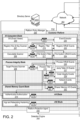
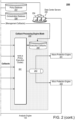
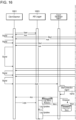
- the monitoring of the compute endpoint is performed by a detection engine 260.
- the computer systems and methods perform the operation on one of: a file system, a registry, one or more processes, one or more threads, a network card, one or more I/O devices (such as a mouse, keyboard, Bluetooth connected devices, and infrared (IR) connected devices), and memory of the compute endpoint.
- I/O devices such as a mouse, keyboard, Bluetooth connected devices, and infrared (IR) connected devices
- the operation is a create, read, write, update, or delete operation performed on the compute endpoint.
- the operation is performed on the file system, the registry, a network interface, shared memory, one or more I/O devices, including at least one of: a Bluetooth connected device and an infrared (IR) connected device, the one or more processes, the one or more threads, or the memory of the compute endpoint.
- the computer systems and methods perform the monitoring by: (i) scanning at least one of: the file system, hive and keys of the registry, private memory, and shared memory, and (ii) capturing and factoring operating system events and device I/O.
- the computer systems and methods further maintain one or more compute components affected by the operation in a quarantine state.
- the maintaining of the one or more affected compute components is performed by a detection engine 260 or an application and network hardening subsystem.
- the one or more affected compute components includes one or more of: an executable file, a script file, a configuration file, a process, a thread, a jump table, a registry hive, a registry key, network traffic, private memory, shared memory, and an operating system kernel.
- the computer systems and methods maintaining the one or more affected compute components in a quarantine state includes removing access permissions from the one or more affected compute components.
- the computer systems and methods establish trust of the one or more affected compute components.
- the establishing of trust is performed by a callback processing engine or an application and network hardening subsystem.
- the computer systems and methods establish trust by writing identifying information for the one or more affected compute components to a database of trusted processes and threads.
- the computer systems and methods establish trust by one or more actions of: scanning code sections of the one or more affected compute components for known malware, at least one of statically and dynamically analyzing code sections of the one or more affected compute components for cache operations, executing watcher processes that monitor and guard a range of shared memory accessed by the operation, validating the one or more affected compute components against a signature database containing file checksums for the one or more compute components, validating code sections of the one or more affected compute components periodically against a cache of code sections using memory checksums, validating the one or more affected compute components periodically against a cache of jump tables using memory checksums, and applying one or more rule-based policies associated with the operation.
- the rule-based policies are configured based on one or more security technical implementation guides (STIGS).
- the computer systems and methods remove the one or more affected compute components from the quarantine state, if trust of the one or more affected compute components is established.
- the removal from the quarantine state is performed by the application and network hardening subsystem or the callback processing engine.
- the computer systems and methods remove the one or more affected components from the quarantine state by restoring the access permissions to the one or more affected compute components.
- the computer systems and methods execute at least one callback routine to mitigate results of the operation, if trust of the one or more affected compute components is not established.
- execution of the at least one callback routine is performed by the callback processing engine or the application and network hardening subsystem.
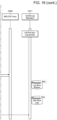
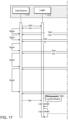
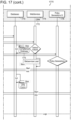
- the instrumented probes generate events to establish trust of the components affected by the operation on file systems, registries, applications, OS kernels, a network interface card, I/O devices (e.g., mouse, keyboard, Bluetooth devices, and IR devices), memory, and the like, such as an executable file, a script file, a configuration file, a process, a thread, a jump table, a registry hive, a registry key, network traffic, private memory, and shared memory affected by the operations.
- the compute components may be placed in a quarantine state (e.g., removing access permissions from the compute components, excluding the compute components from a trusted process/thread database, and such) by an application and network hardening subsystem at the customer endpoint 112.
Landscapes
- Engineering & Computer Science (AREA)
- Computer Security & Cryptography (AREA)
- Software Systems (AREA)
- Theoretical Computer Science (AREA)
- Computer Hardware Design (AREA)
- General Engineering & Computer Science (AREA)
- General Physics & Mathematics (AREA)
- Physics & Mathematics (AREA)
- Computing Systems (AREA)
- Computer Networks & Wireless Communication (AREA)
- Signal Processing (AREA)
- Debugging And Monitoring (AREA)
- Hardware Redundancy (AREA)
Claims (16)
- Computerimplementiertes Verfahren, das Folgendes umfasst:unter Verwendung einer oder mehrerer instrumentierter Sonden Überwachen eines Rechenendpunkts zur Laufzeit auf Operationen zum Erstellen, Lesen, Schreiben, Aktualisieren und Löschen, CRUD, die an dem Rechenendpunkt durchgeführt werden;basierend auf Inhalt der CRUD-Operationen Erzeugen eines Ereignisses zum Analysieren einer gegebenen CRUD-Operation;in Reaktion auf das erzeugte Ereignis Halten einer oder mehrerer Rechenkomponenten, die von der gegebenen CRUD-Operation betroffen sind, in einem Quarantänezustand;Versuchen, Vertrauen der einen oder der mehreren betroffenen Rechenkomponenten herzustellen; undEntfernen der einen oder der mehreren betroffenen Rechenkomponenten aus dem Quarantänezustand, falls das Vertrauen der einen oder der mehreren betroffenen Rechenkomponenten durch das Versuchen hergestellt wird, oderAusführen mindestens einer Rückrufroutine, um Ergebnisse der gegebenen CRUD-Operation abzuschwächen, falls das Vertrauen der einen oder mehreren betroffenen Rechenkomponenten durch den Versuch nicht hergestellt wird.
- Verfahren nach Anspruch 1, wobei die gegebene CRUD-Operation an einem von Folgenden durchgeführt wird: einem Dateisystem, einer Registrierung, einer Netzwerkschnittstelle, einem gemeinsam genutzten Speicher, einem oder mehreren Prozessen, einem oder mehreren Threads, einer Netzwerkkarte, einer oder mehreren E/A-Vorrichtungen, darunter mindestens einem von einer Maus, einer Tastatur, einer über Bluetooth verbundenen Vorrichtung und einer über Infrarot, IR, verbundenen Vorrichtung, und Speicher des Rechenendpunkts.
- Verfahren nach Anspruch 2, wobei das Überwachen Folgendes beinhaltet: (i) Scannen mindestens eines von Folgenden: Dateisystem, Hive und Schlüssel der Registrierung, privaten Speicher und gemeinsam genutzten Speicher, und (ii) Erfassen und Faktorisieren von Betriebssystemereignissen und Vorrichtungs-E/A.
- Verfahren nach Anspruch 1, wobei die eine oder die mehreren betroffenen Rechenkomponenten eines oder mehrere von Folgenden beinhalten:
eine ausführbare Datei, eine Skriptdatei, eine Konfigurationsdatei, einen Prozess, einen Thread, eine Sprungtabelle, einen Registrierungs-Hive, einen Registrierungsschlüssel, Netzwerkverkehr, privaten Speicher, gemeinsam genutzten Speicher und einen Betriebssystem-Kernel. - Verfahren nach Anspruch 1, wobei (i) das Halten der einen oder der mehreren betroffenen Rechenkomponenten in einem Quarantänezustand Entfernen von Zugriffsberechtigungen von der einen oder den mehreren betroffenen Rechenkomponenten beinhaltet und (ii) das Entfernen der einen oder der mehreren betroffenen Rechenkomponenten aus dem Quarantänezustand Wiederherstellen der Zugriffsberechtigungen für die eine oder die mehreren betroffenen Rechenkomponenten beinhaltet.
- Verfahren nach Anspruch 1, wobei das Versuchen, Vertrauen herzustellen, eine oder mehrere der folgenden Maßnahmen beinhaltet:Schreiben von Identifizierungsinformationen für die eine oder die mehreren betroffenen Rechenkomponenten in eine Datenbank vertrauenswürdiger Prozesse und Threads;Scannen von Codeabschnitten der einen oder der mehreren betroffenen Rechenkomponenten auf bekannte Malware;mindestens eines von statischem und dynamischem Analysieren von Codeabschnitten der einen oder der mehreren betroffenen Rechenkomponenten auf Cacheoperationen;Ausführen von Watcher-Prozessen, die einen Bereich von gemeinsam genutztem Speicher, auf den durch die gegebene CRUD-Operation zugegriffen wird, überwachen und schützen;Validieren der einen oder der mehreren betroffenen Rechenkomponenten gegen eine Signaturdatenbank, die Dateiprüfsummen für die eine oder die mehreren betroffenen Rechenkomponenten enthält;periodisches Validieren von Codeabschnitten der einen oder der mehreren betroffenen Rechenkomponenten gegen einen Cache von Codeabschnitten unter Verwendung von Speicherprüfsummen;Validieren der einen oder der mehreren betroffenen Rechenkomponenten periodisch gegen einen Cache von Sprungtabellen unter Verwendung von Speicherprüfsummen; undAnwenden einer oder mehrerer regelbasierter Richtlinien, die mit der gegebenen CRUD-Operation assoziiert sind.
- Verfahren nach Anspruch 6, wobei die regelbasierten Richtlinien basierend auf einem oder mehreren sicherheitstechnischen Implementierungsleitfäden, STIGs, konfiguriert sind und eine Richtliniensprachsyntax zum Implementieren der STIGs in den regelbasierten Richtlinien bereitgestellt wird.
- Verfahren nach Anspruch 6, das ferner Folgendes umfasst:Erzeugen eines oder mehrerer Ereignisse basierend auf jeder der einen oder mehreren Maßnahmen;Korrelieren des einen oder der mehreren Ereignisse; und Ausführen der mindestens einen Rückrufroutine basierend auf der Korrelation des einen oder der mehreren Ereignisse.
- Verfahren nach Anspruch 1, wobei die ausgeführte mindestens eine Rückrufroutine mindestens eine benutzerdefinierte Rückrufroutine ist, die über eine Mikroschutz-Engine eine oder mehrere Schutzmaßnahmen innerhalb des Rechenendpunkts durchführt, die mindestens eines von Folgendem beinhalten:Beenden eines oder mehrerer Prozesse, die mit der gegebenen CRUD-Operation assoziiert sind;Beenden eines oder mehrerer Threads, die mit der gegebenen CRUD-Operation assoziiert sind;Entfernen von injizierten Bibliotheken aus dem Speicher; Beenden oder Deaktivieren einer Websitzung, die mit der gegebenen CRUD-Operation assoziiert ist;Löschen der einen oder der mehreren betroffenen Rechenkomponenten von der Festplatte;Verschieben einer oder mehrerer betroffener Instanzen in einen Quarantänebereich;Wiederherstellen einer gültigen Kopie der einen oder der mehreren betroffenen Rechenkomponenten;Laden eines oder mehrerer Patches, um die eine oder die mehreren betroffenen Rechenkomponenten zu bereinigen;Melden der gegebenen CRUD-Operation und der einen oder der mehreren betroffenen Rechenkomponenten; undAufrufen eines oder mehrerer beliebiger, vom Benutzer bereitgestellter angepasster Rückrufe.
- Verfahren nach Anspruch 1, wobei die ausgeführte mindestens eine Rückrufroutine mindestens eine benutzerdefinierte Rückrufroutine ist, die über eine Makroschutz-Engine eine oder mehrere Schutzmaßnahmen an einem System außerhalb des Rechenendpunkts durchführt, die mindestens eines von Folgendem beinhalten:Herunterfahren virtueller Maschinen des externen Systems;Melden von Informationen in Bezug auf die gegebene CRUD-Operation an das externe System;Aufrufen von Anwendungsprogrammierschnittstellen, APIs, zu externen Entitäten, die mindestens eines von Folgenden beinhalten: einen Router, eine Firewall, eine Paketerfassungsmaschine und eine Dateisicherungsvorrichtung; undDurchführen von Quarantänemaßnahmen über das externe System, die mindestens eines von Sammeln von Protokollen der virtuellen Maschinen, Migrieren virtueller Maschinen zu einem Honeypot-Subnetz und Beobachten des Verhaltens der virtuellen Maschinen durch Sammeln von Daten von einem Computernetzwerk beinhalten.
- Verfahren nach Anspruch 1, das ferner Folgendes umfasst:Bestimmen, ob ein mit der gegebenen CRUD-Operation assoziierter Benutzer ein vertrauenswürdiger Benutzer ist, indem an einem Verzeichnisserver mindestens eines von Folgendem verifiziert wird: (i) der Benutzer ist während der gegebenen CRUD-Operation in einem Computernetzwerk angemeldet und (ii) der Benutzer weist geeignete Berechtigungen oder Berechtigungsnachweise zum Durchführen der gegebenen CRUD-Operation und Verwenden der einen oder der mehreren betroffenen Rechenkomponenten auf und,wenn der Benutzer nicht als vertrauenswürdiger Benutzer verifiziert wird, Platzieren der einen oder der mehreren betroffenen Rechenkomponenten in einen Quarantänezustand.
- Verfahren nach Anspruch 9, wobei die eine oder die mehreren Schutzmaßnahmen basierend auf Richtliniendurchsetzungsregeln durchgeführt werden, die in mindestens einer von Folgenden definiert sind: einer Einschlussrichtlinie, einer Ausschlussrichtlinie, einer Prozessebenen-Richtlinie, einer Dateiebenen-Richtlinie und einer Registrierungsebenen-Richtlinie.
- Verfahren nach Anspruch 1, das ferner Folgendes umfasst:Verwalten von historischen Daten für erkannte Ereignisse, die mit Prozesskennungen assoziiert sind;Durchführen einer forensischen Vorfallanalyse an einem aktuellen Ereignis durch Durchsuchen der verwalteten historischen Daten auf die erkannten Ereignisse gemäß den Prozesskennungen; undbasierend auf den Ergebnisse der forensischen Vorfallanalyse Reagieren auf das aktuelle Ereignis.
- Verfahren nach Anspruch 1, das ferner Folgendes umfasst:Aufzeichnen von Operationen in einer Registrierung oder einem Dateisystem;Erstellen einer Zuordnung der Registrierungs- oder Dateisystemoperationen zu einem Prozess, der die Registrierungs- oder Dateisystemoperationen durchführt, wobei die erstellte Zuordnung eine Kette von Ereignissen bildet; undVerwenden der gebildeten Kette von Ereignissen zu mindestens einem von Folgendem: Unter-Quarantäne-Stellen und Durchführen von Schutzmaßnahmen an dem Rechenendpunkt basierend auf einer oder mehreren regelbasierten Richtlinien.
- Verfahren nach Anspruch 1, das ferner Folgendes umfasst:Erkennen einer aktuellen Operation an einer Registrierung oder einem Dateisystem;Erfassen einer Quelladresse eines Aufrufprozesses für eine Funktion, die mit der aktuellen Operation assoziiert ist; undValidieren, dass sich die erfasste Quelladresse in einem Whitelist-Speicherbereich des Aufrufprozesses befindet.
- Computersystem, das Folgendes umfasst:einen Prozessor; undeinen Speicher mit darauf gespeicherten Computercodeanweisungen, wobei der Prozessor und der Speicher mit den Computercodeanweisungen dazu ausgelegt sind, das System zu veranlassen, das Verfahren nach einem der Ansprüche 1 bis 15 durchzuführen.
Priority Applications (1)
| Application Number | Priority Date | Filing Date | Title |
|---|---|---|---|
| EP25185057.4A EP4647950A3 (de) | 2018-03-26 | 2019-03-26 | Sicherheitsrichtlinienplattform für vertrauenswürdige ausführung |
Applications Claiming Priority (2)
| Application Number | Priority Date | Filing Date | Title |
|---|---|---|---|
| US201862648204P | 2018-03-26 | 2018-03-26 | |
| PCT/US2019/024042 WO2019191072A1 (en) | 2018-03-26 | 2019-03-26 | Trusted execution security policy platform |
Related Child Applications (1)
| Application Number | Title | Priority Date | Filing Date |
|---|---|---|---|
| EP25185057.4A Division EP4647950A3 (de) | 2018-03-26 | 2019-03-26 | Sicherheitsrichtlinienplattform für vertrauenswürdige ausführung |
Publications (2)
| Publication Number | Publication Date |
|---|---|
| EP3776304A1 EP3776304A1 (de) | 2021-02-17 |
| EP3776304B1 true EP3776304B1 (de) | 2025-06-25 |
Family
ID=66429455
Family Applications (2)
| Application Number | Title | Priority Date | Filing Date |
|---|---|---|---|
| EP25185057.4A Pending EP4647950A3 (de) | 2018-03-26 | 2019-03-26 | Sicherheitsrichtlinienplattform für vertrauenswürdige ausführung |
| EP19722225.0A Active EP3776304B1 (de) | 2018-03-26 | 2019-03-26 | Sicherheitsrichtlinienplattform für vertrauenswürdige ausführung |
Family Applications Before (1)
| Application Number | Title | Priority Date | Filing Date |
|---|---|---|---|
| EP25185057.4A Pending EP4647950A3 (de) | 2018-03-26 | 2019-03-26 | Sicherheitsrichtlinienplattform für vertrauenswürdige ausführung |
Country Status (4)
| Country | Link |
|---|---|
| US (1) | US11870811B2 (de) |
| EP (2) | EP4647950A3 (de) |
| CA (1) | CA3094338A1 (de) |
| WO (1) | WO2019191072A1 (de) |
Families Citing this family (19)
| Publication number | Priority date | Publication date | Assignee | Title |
|---|---|---|---|---|
| US11093374B2 (en) | 2016-08-09 | 2021-08-17 | SeaLights Technologies LTD | System and method for continuous testing and delivery of software |
| US11573885B1 (en) | 2019-09-26 | 2023-02-07 | SeaLights Technologies LTD | System and method for test selection according to test impact analytics |
| WO2019191072A1 (en) | 2018-03-26 | 2019-10-03 | Virsec Systems, Inc. | Trusted execution security policy platform |
| US11086759B2 (en) * | 2018-09-27 | 2021-08-10 | SeaLights Technologies LTD | System and method for probe injection for code coverage |
| US11297036B1 (en) * | 2019-09-03 | 2022-04-05 | Rapid7, Inc. | Single whitelisted ingress endpoint on 1 and 2 way TLS connections |
| US11201897B1 (en) | 2019-09-03 | 2021-12-14 | Rapid7, Inc. | Secure multiplexed routing |
| US11743161B2 (en) * | 2020-01-27 | 2023-08-29 | Netscout Systems, Inc. | Container network interface monitoring |
| US11809576B2 (en) | 2020-01-30 | 2023-11-07 | Red Hat, Inc. | Establishing secure remote access to debug logs |
| US20210326436A1 (en) | 2020-04-21 | 2021-10-21 | Docusign, Inc. | Malicious behavior detection and mitigation in a document execution environment |
| US11822641B2 (en) | 2020-04-29 | 2023-11-21 | Red Hat, Inc. | Establishing controlled remote access to debug logs |
| EP4204972B1 (de) | 2020-08-31 | 2026-04-29 | Seraphic Algorithms Ltd. | Verfahren und system zur ausbeutungsvermeidung und neutralisierung von bösartigem code für javascript-aktivierte anwendungen |
| CA3214271A1 (en) * | 2021-04-09 | 2022-10-13 | Matthew Holland | Endpoint detection and response to cybersecurity threats |
| US11784990B2 (en) | 2021-12-13 | 2023-10-10 | Intel Corporation | Protecting data transfer between a secure application and networked devices |
| CN114390119A (zh) * | 2021-12-28 | 2022-04-22 | 杭州鸿泉物联网技术股份有限公司 | 自适应多车型can数据自动解析方法及系统 |
| AU2022426852A1 (en) * | 2021-12-30 | 2024-05-16 | Virsec Systems, Inc. | Zero trust file integrity protection |
| US20250110927A1 (en) * | 2022-01-31 | 2025-04-03 | Nec Corporation | File exchange apparatus, system, method, and program |
| CN115712498B (zh) * | 2022-10-27 | 2025-07-25 | 奇安信科技集团股份有限公司 | 一种基于本地规则的进程检出方法及装置 |
| US12547752B2 (en) | 2023-05-15 | 2026-02-10 | Oracle International Corporation | Sovereign data center incoming data management |
| US20250219842A1 (en) * | 2024-01-02 | 2025-07-03 | Mitel Networks Corporation | Cryptographic trust system for electronic communications integrity using tuple spaces and messaging user agents |
Citations (3)
| Publication number | Priority date | Publication date | Assignee | Title |
|---|---|---|---|---|
| US20130067563A1 (en) * | 2011-09-09 | 2013-03-14 | Pantech Co., Ltd. | Apparatus and method for managing permission information of application |
| US20160036838A1 (en) * | 2014-08-04 | 2016-02-04 | Microsoft Corporation | Data center architecture that supports attack detection and mitigation |
| US9407648B1 (en) * | 2015-06-30 | 2016-08-02 | AO Kaspersky Lab | System and method for detecting malicious code in random access memory |
Family Cites Families (6)
| Publication number | Priority date | Publication date | Assignee | Title |
|---|---|---|---|---|
| US9519781B2 (en) * | 2011-11-03 | 2016-12-13 | Cyphort Inc. | Systems and methods for virtualization and emulation assisted malware detection |
| US9092616B2 (en) * | 2012-05-01 | 2015-07-28 | Taasera, Inc. | Systems and methods for threat identification and remediation |
| US10075470B2 (en) * | 2013-04-19 | 2018-09-11 | Nicira, Inc. | Framework for coordination between endpoint security and network security services |
| US20160371475A1 (en) * | 2015-06-19 | 2016-12-22 | Microsoft Technology Licensing, Llc | Enhanced alternative multifactor authentication |
| US12021831B2 (en) * | 2016-06-10 | 2024-06-25 | Sophos Limited | Network security |
| WO2019191072A1 (en) | 2018-03-26 | 2019-10-03 | Virsec Systems, Inc. | Trusted execution security policy platform |
-
2019
- 2019-03-26 WO PCT/US2019/024042 patent/WO2019191072A1/en not_active Ceased
- 2019-03-26 EP EP25185057.4A patent/EP4647950A3/de active Pending
- 2019-03-26 US US16/981,219 patent/US11870811B2/en active Active
- 2019-03-26 CA CA3094338A patent/CA3094338A1/en active Pending
- 2019-03-26 EP EP19722225.0A patent/EP3776304B1/de active Active
Patent Citations (3)
| Publication number | Priority date | Publication date | Assignee | Title |
|---|---|---|---|---|
| US20130067563A1 (en) * | 2011-09-09 | 2013-03-14 | Pantech Co., Ltd. | Apparatus and method for managing permission information of application |
| US20160036838A1 (en) * | 2014-08-04 | 2016-02-04 | Microsoft Corporation | Data center architecture that supports attack detection and mitigation |
| US9407648B1 (en) * | 2015-06-30 | 2016-08-02 | AO Kaspersky Lab | System and method for detecting malicious code in random access memory |
Also Published As
| Publication number | Publication date |
|---|---|
| US20210029170A1 (en) | 2021-01-28 |
| WO2019191072A1 (en) | 2019-10-03 |
| EP3776304A1 (de) | 2021-02-17 |
| US11870811B2 (en) | 2024-01-09 |
| EP4647950A3 (de) | 2025-11-26 |
| EP4647950A2 (de) | 2025-11-12 |
| CA3094338A1 (en) | 2019-10-03 |
Similar Documents
| Publication | Publication Date | Title |
|---|---|---|
| EP3776304B1 (de) | Sicherheitsrichtlinienplattform für vertrauenswürdige ausführung | |
| AU2018204262B2 (en) | Automated code lockdown to reduce attack surface for software | |
| EP3610403B1 (de) | Überwachung isolierter container-ereignisse | |
| US10630643B2 (en) | Dual memory introspection for securing multiple network endpoints | |
| KR102419574B1 (ko) | 컴퓨터 애플리케이션에서 메모리 손상을 교정하기 위한 시스템 및 방법 | |
| US12041070B2 (en) | Detecting malicious activity on an endpoint based on real-time system events | |
| US11010474B2 (en) | Dynamic analysis techniques for applications | |
| US12058149B2 (en) | Computer investigation method and system | |
| US8910238B2 (en) | Hypervisor-based enterprise endpoint protection | |
| US11706251B2 (en) | Simulating user interactions for malware analysis | |
| US20240086538A1 (en) | Computer investigation method and system for investigating authentication in remote host computers | |
| ÇELİKTAŞ | ISTANBUL TECHNICAL UNIVERSITY★ INFORMATICS INSTITUTE | |
| HK40091074A (zh) | 攻击行为防御方法、装置、设备及存储介质 | |
| HK1254985B (zh) | 用於保护多个网络端点的双重存储器内省 |
Legal Events
| Date | Code | Title | Description |
|---|---|---|---|
| STAA | Information on the status of an ep patent application or granted ep patent |
Free format text: STATUS: UNKNOWN |
|
| STAA | Information on the status of an ep patent application or granted ep patent |
Free format text: STATUS: THE INTERNATIONAL PUBLICATION HAS BEEN MADE |
|
| PUAI | Public reference made under article 153(3) epc to a published international application that has entered the european phase |
Free format text: ORIGINAL CODE: 0009012 |
|
| STAA | Information on the status of an ep patent application or granted ep patent |
Free format text: STATUS: REQUEST FOR EXAMINATION WAS MADE |
|
| 17P | Request for examination filed |
Effective date: 20200930 |
|
| AK | Designated contracting states |
Kind code of ref document: A1 Designated state(s): AL AT BE BG CH CY CZ DE DK EE ES FI FR GB GR HR HU IE IS IT LI LT LU LV MC MK MT NL NO PL PT RO RS SE SI SK SM TR |
|
| AX | Request for extension of the european patent |
Extension state: BA ME |
|
| DAV | Request for validation of the european patent (deleted) | ||
| DAX | Request for extension of the european patent (deleted) | ||
| STAA | Information on the status of an ep patent application or granted ep patent |
Free format text: STATUS: EXAMINATION IS IN PROGRESS |
|
| 17Q | First examination report despatched |
Effective date: 20221222 |
|
| GRAP | Despatch of communication of intention to grant a patent |
Free format text: ORIGINAL CODE: EPIDOSNIGR1 |
|
| STAA | Information on the status of an ep patent application or granted ep patent |
Free format text: STATUS: GRANT OF PATENT IS INTENDED |
|
| INTG | Intention to grant announced |
Effective date: 20240620 |
|
| GRAJ | Information related to disapproval of communication of intention to grant by the applicant or resumption of examination proceedings by the epo deleted |
Free format text: ORIGINAL CODE: EPIDOSDIGR1 |
|
| STAA | Information on the status of an ep patent application or granted ep patent |
Free format text: STATUS: EXAMINATION IS IN PROGRESS |
|
| GRAP | Despatch of communication of intention to grant a patent |
Free format text: ORIGINAL CODE: EPIDOSNIGR1 |
|
| STAA | Information on the status of an ep patent application or granted ep patent |
Free format text: STATUS: GRANT OF PATENT IS INTENDED |
|
| INTC | Intention to grant announced (deleted) | ||
| INTG | Intention to grant announced |
Effective date: 20241022 |
|
| GRAS | Grant fee paid |
Free format text: ORIGINAL CODE: EPIDOSNIGR3 |
|
| GRAA | (expected) grant |
Free format text: ORIGINAL CODE: 0009210 |
|
| STAA | Information on the status of an ep patent application or granted ep patent |
Free format text: STATUS: THE PATENT HAS BEEN GRANTED |
|
| AK | Designated contracting states |
Kind code of ref document: B1 Designated state(s): AL AT BE BG CH CY CZ DE DK EE ES FI FR GB GR HR HU IE IS IT LI LT LU LV MC MK MT NL NO PL PT RO RS SE SI SK SM TR |
|
| REG | Reference to a national code |
Ref country code: GB Ref legal event code: FG4D |
|
| REG | Reference to a national code |
Ref country code: CH Ref legal event code: EP |
|
| REG | Reference to a national code |
Ref country code: CH Ref legal event code: EP |
|
| REG | Reference to a national code |
Ref country code: IE Ref legal event code: FG4D |
|
| REG | Reference to a national code |
Ref country code: DE Ref legal event code: R096 Ref document number: 602019071525 Country of ref document: DE |
|
| PG25 | Lapsed in a contracting state [announced via postgrant information from national office to epo] |
Ref country code: FI Free format text: LAPSE BECAUSE OF FAILURE TO SUBMIT A TRANSLATION OF THE DESCRIPTION OR TO PAY THE FEE WITHIN THE PRESCRIBED TIME-LIMIT Effective date: 20250625 |
|
| REG | Reference to a national code |
Ref country code: LT Ref legal event code: MG9D |
|
| PG25 | Lapsed in a contracting state [announced via postgrant information from national office to epo] |
Ref country code: NO Free format text: LAPSE BECAUSE OF FAILURE TO SUBMIT A TRANSLATION OF THE DESCRIPTION OR TO PAY THE FEE WITHIN THE PRESCRIBED TIME-LIMIT Effective date: 20250925 Ref country code: GR Free format text: LAPSE BECAUSE OF FAILURE TO SUBMIT A TRANSLATION OF THE DESCRIPTION OR TO PAY THE FEE WITHIN THE PRESCRIBED TIME-LIMIT Effective date: 20250926 |
|
| PG25 | Lapsed in a contracting state [announced via postgrant information from national office to epo] |
Ref country code: BG Free format text: LAPSE BECAUSE OF FAILURE TO SUBMIT A TRANSLATION OF THE DESCRIPTION OR TO PAY THE FEE WITHIN THE PRESCRIBED TIME-LIMIT Effective date: 20250625 |
|
| PG25 | Lapsed in a contracting state [announced via postgrant information from national office to epo] |
Ref country code: HR Free format text: LAPSE BECAUSE OF FAILURE TO SUBMIT A TRANSLATION OF THE DESCRIPTION OR TO PAY THE FEE WITHIN THE PRESCRIBED TIME-LIMIT Effective date: 20250625 |
|
| PG25 | Lapsed in a contracting state [announced via postgrant information from national office to epo] |
Ref country code: RS Free format text: LAPSE BECAUSE OF FAILURE TO SUBMIT A TRANSLATION OF THE DESCRIPTION OR TO PAY THE FEE WITHIN THE PRESCRIBED TIME-LIMIT Effective date: 20250925 |
|
| PG25 | Lapsed in a contracting state [announced via postgrant information from national office to epo] |
Ref country code: LV Free format text: LAPSE BECAUSE OF FAILURE TO SUBMIT A TRANSLATION OF THE DESCRIPTION OR TO PAY THE FEE WITHIN THE PRESCRIBED TIME-LIMIT Effective date: 20250625 |
|
| REG | Reference to a national code |
Ref country code: NL Ref legal event code: MP Effective date: 20250625 |
|
| PG25 | Lapsed in a contracting state [announced via postgrant information from national office to epo] |
Ref country code: NL Free format text: LAPSE BECAUSE OF FAILURE TO SUBMIT A TRANSLATION OF THE DESCRIPTION OR TO PAY THE FEE WITHIN THE PRESCRIBED TIME-LIMIT Effective date: 20250625 |
|
| PG25 | Lapsed in a contracting state [announced via postgrant information from national office to epo] |
Ref country code: PT Free format text: LAPSE BECAUSE OF FAILURE TO SUBMIT A TRANSLATION OF THE DESCRIPTION OR TO PAY THE FEE WITHIN THE PRESCRIBED TIME-LIMIT Effective date: 20251027 |
|
| REG | Reference to a national code |
Ref country code: AT Ref legal event code: MK05 Ref document number: 1807226 Country of ref document: AT Kind code of ref document: T Effective date: 20250625 |
|
| PG25 | Lapsed in a contracting state [announced via postgrant information from national office to epo] |
Ref country code: IS Free format text: LAPSE BECAUSE OF FAILURE TO SUBMIT A TRANSLATION OF THE DESCRIPTION OR TO PAY THE FEE WITHIN THE PRESCRIBED TIME-LIMIT Effective date: 20251025 |
|
| PG25 | Lapsed in a contracting state [announced via postgrant information from national office to epo] |
Ref country code: AT Free format text: LAPSE BECAUSE OF FAILURE TO SUBMIT A TRANSLATION OF THE DESCRIPTION OR TO PAY THE FEE WITHIN THE PRESCRIBED TIME-LIMIT Effective date: 20250625 Ref country code: SM Free format text: LAPSE BECAUSE OF FAILURE TO SUBMIT A TRANSLATION OF THE DESCRIPTION OR TO PAY THE FEE WITHIN THE PRESCRIBED TIME-LIMIT Effective date: 20250625 |
|
| PG25 | Lapsed in a contracting state [announced via postgrant information from national office to epo] |
Ref country code: CZ Free format text: LAPSE BECAUSE OF FAILURE TO SUBMIT A TRANSLATION OF THE DESCRIPTION OR TO PAY THE FEE WITHIN THE PRESCRIBED TIME-LIMIT Effective date: 20250625 |
|
| PG25 | Lapsed in a contracting state [announced via postgrant information from national office to epo] |
Ref country code: PL Free format text: LAPSE BECAUSE OF FAILURE TO SUBMIT A TRANSLATION OF THE DESCRIPTION OR TO PAY THE FEE WITHIN THE PRESCRIBED TIME-LIMIT Effective date: 20250625 |
|
| PG25 | Lapsed in a contracting state [announced via postgrant information from national office to epo] |
Ref country code: EE Free format text: LAPSE BECAUSE OF FAILURE TO SUBMIT A TRANSLATION OF THE DESCRIPTION OR TO PAY THE FEE WITHIN THE PRESCRIBED TIME-LIMIT Effective date: 20250625 |
|
| PG25 | Lapsed in a contracting state [announced via postgrant information from national office to epo] |
Ref country code: SK Free format text: LAPSE BECAUSE OF FAILURE TO SUBMIT A TRANSLATION OF THE DESCRIPTION OR TO PAY THE FEE WITHIN THE PRESCRIBED TIME-LIMIT Effective date: 20250625 |
|
| PG25 | Lapsed in a contracting state [announced via postgrant information from national office to epo] |
Ref country code: ES Free format text: LAPSE BECAUSE OF FAILURE TO SUBMIT A TRANSLATION OF THE DESCRIPTION OR TO PAY THE FEE WITHIN THE PRESCRIBED TIME-LIMIT Effective date: 20250625 |
|
| PGFP | Annual fee paid to national office [announced via postgrant information from national office to epo] |
Ref country code: GB Payment date: 20260205 Year of fee payment: 8 |
|
| PG25 | Lapsed in a contracting state [announced via postgrant information from national office to epo] |
Ref country code: DK Free format text: LAPSE BECAUSE OF FAILURE TO SUBMIT A TRANSLATION OF THE DESCRIPTION OR TO PAY THE FEE WITHIN THE PRESCRIBED TIME-LIMIT Effective date: 20250625 |
|
| PG25 | Lapsed in a contracting state [announced via postgrant information from national office to epo] |
Ref country code: IT Free format text: LAPSE BECAUSE OF FAILURE TO SUBMIT A TRANSLATION OF THE DESCRIPTION OR TO PAY THE FEE WITHIN THE PRESCRIBED TIME-LIMIT Effective date: 20250625 |
|
| PLBE | No opposition filed within time limit |
Free format text: ORIGINAL CODE: 0009261 |
|
| STAA | Information on the status of an ep patent application or granted ep patent |
Free format text: STATUS: NO OPPOSITION FILED WITHIN TIME LIMIT |