EP3767787B1 - Power supply system, dcdc converter device, and charging method - Google Patents
Power supply system, dcdc converter device, and charging method Download PDFInfo
- Publication number
- EP3767787B1 EP3767787B1 EP20185668.9A EP20185668A EP3767787B1 EP 3767787 B1 EP3767787 B1 EP 3767787B1 EP 20185668 A EP20185668 A EP 20185668A EP 3767787 B1 EP3767787 B1 EP 3767787B1
- Authority
- EP
- European Patent Office
- Prior art keywords
- low voltage
- dcdc converter
- battery
- voltage
- power supply
- Prior art date
- Legal status (The legal status is an assumption and is not a legal conclusion. Google has not performed a legal analysis and makes no representation as to the accuracy of the status listed.)
- Active
Links
Images




Classifications
-
- H—ELECTRICITY
- H02—GENERATION; CONVERSION OR DISTRIBUTION OF ELECTRIC POWER
- H02J—ELECTRIC POWER NETWORKS; CIRCUIT ARRANGEMENTS OR SYSTEMS FOR SUPPLYING OR DISTRIBUTING ELECTRIC POWER; SYSTEMS FOR STORING ELECTRIC ENERGY
- H02J7/00—Circuit arrangements for charging or discharging batteries or for supplying loads from batteries
- H02J7/14—Circuit arrangements for charging or discharging batteries or for supplying loads from batteries for charging batteries from dynamo-electric generators driven at varying speed, e.g. on vehicle
-
- B—PERFORMING OPERATIONS; TRANSPORTING
- B60—VEHICLES IN GENERAL
- B60L—PROPULSION OF ELECTRICALLY-PROPELLED VEHICLES; SUPPLYING ELECTRIC POWER FOR AUXILIARY EQUIPMENT OF ELECTRICALLY-PROPELLED VEHICLES; ELECTRODYNAMIC BRAKE SYSTEMS FOR VEHICLES IN GENERAL; MAGNETIC SUSPENSION OR LEVITATION FOR VEHICLES; MONITORING OPERATING VARIABLES OF ELECTRICALLY-PROPELLED VEHICLES; ELECTRIC SAFETY DEVICES FOR ELECTRICALLY-PROPELLED VEHICLES
- B60L58/00—Methods or circuit arrangements for monitoring or controlling batteries or fuel cells, specially adapted for electric vehicles
- B60L58/10—Methods or circuit arrangements for monitoring or controlling batteries or fuel cells, specially adapted for electric vehicles for monitoring or controlling batteries
- B60L58/18—Methods or circuit arrangements for monitoring or controlling batteries or fuel cells, specially adapted for electric vehicles for monitoring or controlling batteries of two or more battery modules
- B60L58/20—Methods or circuit arrangements for monitoring or controlling batteries or fuel cells, specially adapted for electric vehicles for monitoring or controlling batteries of two or more battery modules having different nominal voltages
-
- B—PERFORMING OPERATIONS; TRANSPORTING
- B60—VEHICLES IN GENERAL
- B60L—PROPULSION OF ELECTRICALLY-PROPELLED VEHICLES; SUPPLYING ELECTRIC POWER FOR AUXILIARY EQUIPMENT OF ELECTRICALLY-PROPELLED VEHICLES; ELECTRODYNAMIC BRAKE SYSTEMS FOR VEHICLES IN GENERAL; MAGNETIC SUSPENSION OR LEVITATION FOR VEHICLES; MONITORING OPERATING VARIABLES OF ELECTRICALLY-PROPELLED VEHICLES; ELECTRIC SAFETY DEVICES FOR ELECTRICALLY-PROPELLED VEHICLES
- B60L58/00—Methods or circuit arrangements for monitoring or controlling batteries or fuel cells, specially adapted for electric vehicles
- B60L58/10—Methods or circuit arrangements for monitoring or controlling batteries or fuel cells, specially adapted for electric vehicles for monitoring or controlling batteries
- B60L58/18—Methods or circuit arrangements for monitoring or controlling batteries or fuel cells, specially adapted for electric vehicles for monitoring or controlling batteries of two or more battery modules
- B60L58/21—Methods or circuit arrangements for monitoring or controlling batteries or fuel cells, specially adapted for electric vehicles for monitoring or controlling batteries of two or more battery modules having the same nominal voltage
-
- B—PERFORMING OPERATIONS; TRANSPORTING
- B60—VEHICLES IN GENERAL
- B60R—VEHICLES, VEHICLE FITTINGS, OR VEHICLE PARTS, NOT OTHERWISE PROVIDED FOR
- B60R16/00—Electric or fluid circuits specially adapted for vehicles and not otherwise provided for; Arrangement of elements of electric or fluid circuits specially adapted for vehicles and not otherwise provided for
- B60R16/02—Electric or fluid circuits specially adapted for vehicles and not otherwise provided for; Arrangement of elements of electric or fluid circuits specially adapted for vehicles and not otherwise provided for electric constitutive elements
- B60R16/03—Electric or fluid circuits specially adapted for vehicles and not otherwise provided for; Arrangement of elements of electric or fluid circuits specially adapted for vehicles and not otherwise provided for electric constitutive elements for supply of electrical power to vehicle subsystems or for
- B60R16/033—Electric or fluid circuits specially adapted for vehicles and not otherwise provided for; Arrangement of elements of electric or fluid circuits specially adapted for vehicles and not otherwise provided for electric constitutive elements for supply of electrical power to vehicle subsystems or for characterised by the use of electrical cells or batteries
-
- H—ELECTRICITY
- H02—GENERATION; CONVERSION OR DISTRIBUTION OF ELECTRIC POWER
- H02J—ELECTRIC POWER NETWORKS; CIRCUIT ARRANGEMENTS OR SYSTEMS FOR SUPPLYING OR DISTRIBUTING ELECTRIC POWER; SYSTEMS FOR STORING ELECTRIC ENERGY
- H02J7/00—Circuit arrangements for charging or discharging batteries or for supplying loads from batteries
- H02J7/34—Parallel operation in networks using both storage and other DC sources, e.g. providing buffering
- H02J7/342—The other DC source being a battery actively interacting with the first one, i.e. battery to battery charging
-
- H—ELECTRICITY
- H02—GENERATION; CONVERSION OR DISTRIBUTION OF ELECTRIC POWER
- H02J—ELECTRIC POWER NETWORKS; CIRCUIT ARRANGEMENTS OR SYSTEMS FOR SUPPLYING OR DISTRIBUTING ELECTRIC POWER; SYSTEMS FOR STORING ELECTRIC ENERGY
- H02J7/00—Circuit arrangements for charging or discharging batteries or for supplying loads from batteries
- H02J7/485—Circuit arrangements for charging or discharging batteries or for supplying loads from batteries with provisions for charging different types of batteries
-
- H—ELECTRICITY
- H02—GENERATION; CONVERSION OR DISTRIBUTION OF ELECTRIC POWER
- H02J—ELECTRIC POWER NETWORKS; CIRCUIT ARRANGEMENTS OR SYSTEMS FOR SUPPLYING OR DISTRIBUTING ELECTRIC POWER; SYSTEMS FOR STORING ELECTRIC ENERGY
- H02J7/00—Circuit arrangements for charging or discharging batteries or for supplying loads from batteries
- H02J7/50—Circuit arrangements for charging or discharging batteries or for supplying loads from batteries acting upon multiple batteries simultaneously or sequentially
-
- H—ELECTRICITY
- H02—GENERATION; CONVERSION OR DISTRIBUTION OF ELECTRIC POWER
- H02J—ELECTRIC POWER NETWORKS; CIRCUIT ARRANGEMENTS OR SYSTEMS FOR SUPPLYING OR DISTRIBUTING ELECTRIC POWER; SYSTEMS FOR STORING ELECTRIC ENERGY
- H02J7/00—Circuit arrangements for charging or discharging batteries or for supplying loads from batteries
- H02J7/80—Circuit arrangements for charging or discharging batteries or for supplying loads from batteries including monitoring or indicating arrangements
- H02J7/82—Control of state of charge [SOC]
-
- H—ELECTRICITY
- H02—GENERATION; CONVERSION OR DISTRIBUTION OF ELECTRIC POWER
- H02J—ELECTRIC POWER NETWORKS; CIRCUIT ARRANGEMENTS OR SYSTEMS FOR SUPPLYING OR DISTRIBUTING ELECTRIC POWER; SYSTEMS FOR STORING ELECTRIC ENERGY
- H02J7/00—Circuit arrangements for charging or discharging batteries or for supplying loads from batteries
- H02J7/855—Circuit arrangements for charging or discharging batteries or for supplying loads from batteries with circuits adapted for supplying loads from the battery
-
- H—ELECTRICITY
- H02—GENERATION; CONVERSION OR DISTRIBUTION OF ELECTRIC POWER
- H02J—ELECTRIC POWER NETWORKS; CIRCUIT ARRANGEMENTS OR SYSTEMS FOR SUPPLYING OR DISTRIBUTING ELECTRIC POWER; SYSTEMS FOR STORING ELECTRIC ENERGY
- H02J7/00—Circuit arrangements for charging or discharging batteries or for supplying loads from batteries
- H02J7/90—Regulation of charging or discharging current or voltage
- H02J7/96—Regulation of charging or discharging current or voltage in response to battery voltage
-
- H—ELECTRICITY
- H02—GENERATION; CONVERSION OR DISTRIBUTION OF ELECTRIC POWER
- H02J—ELECTRIC POWER NETWORKS; CIRCUIT ARRANGEMENTS OR SYSTEMS FOR SUPPLYING OR DISTRIBUTING ELECTRIC POWER; SYSTEMS FOR STORING ELECTRIC ENERGY
- H02J2207/00—Details of circuit arrangements for charging or discharging batteries or supplying loads from batteries
- H02J2207/20—Charging or discharging characterised by the power electronics converter
Definitions
- a bypass circuit can also be used as the circuit in which a dark current flows, the number of circuits does not increase, which can consequently contribute to miniaturization of the power supply system.
- control device may include a switch control unit configured to control on/off of the switch unit based on a state of charge of the low voltage lithium battery.
- the switch unit of the bypass circuit is turned on/off based on the state of charge (SOC) of the low voltage lithium battery, if the switch unit is turned off when the state of charge is low, a current flows to the second DCDC converter side in the circuit, and constant current charging can be performed by using the second DCDC converter. Then, if the switch unit is turned on when the state of charge escapes from the state in which the state of charge is low, a current flows to the bypass circuit side in the circuit, and constant voltage charging can be performed at a charging voltage to the low voltage lead battery by the first DCDC converter.
- SOC state of charge
- control device may include a switch control unit configured to control on/off of the switch unit based on a voltage and a predetermined voltage range of the low voltage lithium battery.
- the switch unit of the bypass circuit is turned on/off based on the a voltage and a predetermined voltage range of the low voltage lithium battery, if the switch unit is turned on when the voltage of the low voltage lithium battery is within the predetermined voltage range, a current can flow to the bypass circuit side. Then, constant voltage charging can be performed on the low voltage lithium battery by the charging voltage from the first DCDC converter to the low voltage lead battery.
- the low voltage lead battery 7 is a so-called lead storage battery (secondary battery) and is connected to the low voltage power supply circuit 6. As shown in graphs of Fig. 2 to Fig. 4 , the low voltage lead battery 7 has characteristics (capacity characteristics of a lead battery) serving as a downward-sloping solid line. The low voltage lead battery 7 is charged with step-down electric power from the first DCDC converter 5. In the low voltage lead battery 7, the voltage is watched by the control device 11.
- the first load 8 is equipment that operates with low voltage electric power to be supplied from the low voltage lead battery 7, such as a combination meter. Further, the first load 8 include an electronic control unit including the control device 11. The control device 11 will be described later.
- the number of internal FETs can be reduced compared with a case where electric power always flows. Accordingly, capacity of the second DCDC converter 12 can be reduced. Due to the second DCDC converter 2 including the bypass circuit 13, electric power does not always flow to the second DCDC converter 12.
- the bypass circuit 13 is connected to the low voltage power supply circuit 6 and is configured to bypass the second DCDC converter 12. Further, the bypass circuit 13 is configured such that the electric power from the low voltage battery 7 can flow to the low voltage lithium battery 9 without passing through the second DCDC converter 12.
- the bypass circuit 13 is also used as a circuit in which a dark current flows (an example, but a preferred form).
- a switch unit 14 is disposed on such a way of the bypass circuit 13. In the present embodiment, an FET is employed as the switch unit 14. The on/off of the switch unit 14 is controlled by the control device 11. When the switch unit 14 is turned on under control of the control device 11, the electric power from the low voltage lead battery 7 is bypassed, and as a result, the low voltage lithium battery 9 is charged with a charging voltage of the low voltage lead battery 7.
- the low voltage lithium battery 9 is a publicly known lithium ion battery and is configured for low voltage.
- the low voltage lithium battery 9 is provided to operate the second load 10 connected to the downstream.
- the low voltage lithium battery 9 has a characteristic as a thick solid line having two bends and downward-sloping dots.
- the low voltage lithium battery 9 is charged with the electric power from the second DCDC converter 12 or the electric power that bypasses the second DCDC converter 12.
- the low voltage lithium battery 9 is watched by the control device 11. Specifically, the voltage of the low voltage lithium battery 9 is watched by the control device 11.
- the second load 10 is equipment that operates with low voltage electric power to be supplied from the low voltage lithium battery 9.
- An electronic control unit including the control device 11 may be used as the second load 10.
- the control device 11 has a function for, for example, battery management.
- the control device 11 is provided with a microcomputer (CPU), a storage device, and the like.
- the control device 11 is provided with the switch control unit 15 that controls on/off of the switch unit 14.
- the switch control unit 15 is configured to be able to control on/off of the switch unit 14 based on a state of charge (SOC) of the low voltage lithium battery 9.
- SOC state of charge
- the switch control unit 15 is configured to be able to control on/off of the switch unit 14 based on a charging voltage of the low voltage lithium battery 7 due to the first DCDC converter 5.
- the configuration may be based on the voltage of the low voltage lithium battery 9 and a predetermined voltage range W (see Fig. 2 ) not limited to such on/off control.
- a region is controlled to be constant voltage charging.
- the switch unit 14 is in an off state, and constant voltage charging is performed by using the second DCDC converter 12.
- the voltage is slightly stepped up to the electric power input from the low voltage lead battery 7, and then the low voltage lithium battery 9 is charged with a constant voltage.
- the switch unit 14 may be in an off state depending on whether the voltage is in a range of the predetermined voltage range W. In the region of Fig.
- the second DCDC converter 12 is used, but since 12 V added by a few volts has already been charged, the voltage does not need to be stepped up rapidly. Therefore, the number of FETs provided inside the second DCDC converter 12 may be reduced. Accordingly, the capacity of the second DCDC converter 12 can be reduced.
- step S4 When the voltage needs to be slightly stepped up (Y in step S4), the process shifts to step S5, and constant voltage charging is performed after slightly stepping up the voltage.
- step S6 and step S7 are executed in order.
- step S6 the switch unit 14 (FET) of the bypass circuit 13 is turned on.
- step S7 charging (constant voltage charging) is performed at a charging voltage of the low voltage lead battery 7.
- step S11 when an ignition switch (IG) of a vehicle is turned on, step S11 is executed in the control device 11.
- the switch unit 14 (FET) of the bypass circuit 13 is turned off by step S11.
- step S12 is executed, and it is determined whether the voltage of the low voltage lithium battery 9 is within the range of the predetermined voltage range W.
- step S13 and step S14 are executed in order.
- step S13 the switch unit 14 (FET) of the bypass circuit 13 is turned on.
- step S14 charging (constant voltage charging) is performed at a charging voltage of the low voltage lead battery 7.
Landscapes
- Engineering & Computer Science (AREA)
- Power Engineering (AREA)
- Mechanical Engineering (AREA)
- Life Sciences & Earth Sciences (AREA)
- Sustainable Development (AREA)
- Sustainable Energy (AREA)
- Transportation (AREA)
- Charge And Discharge Circuits For Batteries Or The Like (AREA)
- Dc-Dc Converters (AREA)
- Secondary Cells (AREA)
Description
- The present invention relates to a power supply system including high voltage and low voltage DCDC converters, a low voltage lead battery, and a low voltage lithium battery. The present invention relates to a DCDC converter device according to a low voltage DCDC converter. Further, the present invention relates to a charging method using a DCDC converter device.
- In order to charge a low voltage battery from a high voltage battery, a DCDC converter (step-down type) is provided therebetween. Further, a DCDC converter (step-up type) is provided between the low voltage battery and a load connected to the low voltage battery (for example, see Patent Literature 1:
JP-A-2015-53825 Patent Literature 2 relates to the technical field of a power supply device mounted on a vehicle, and discloses an architecture with a high voltage battery, a lead battery (12V) and a DC/DC converter therebetween.Patent Literature 3 relates to the combination of two batteries with different chemistries and similar voltages, interfaced by a DC-DC converter that can be bypassed.Patent Literature 4 discloses a battery system with three batteries and two DC-DC converters.Patent Literature 5 discloses a battery system with three batteries and one DC-DC converter. -
- [Patent Literature 1]
JP-A-2015-53825 - [Patent Literature 2]
JP2016153260A - [Patent Literature 3]
EP 3028337 - [Patent Literature 4]
US 2018/219397 A1 - [Patent Literature 5]
WO 2017/173420 A1 - Various apparatuses mounted on automobiles have been miniaturized in the related art. In addition, a system has also been miniaturized.
- One or more embodiments provide a power supply system that can be miniaturized, a DCDC converter device, and a charging method.
- In an aspect (1), a power supply system includes a high voltage battery, a first DCDC converter connected to the high voltage battery, a low voltage lead battery configured to be charged from the high voltage battery via the first DCDC converter, a low voltage lithium battery connected to a low voltage power supply circuit, the low voltage lead battery, and a load, a second DCDC converter connected to the low voltage power supply circuit and disposed between the low voltage lead battery and the low voltage lithium battery, a bypass circuit connected to the low voltage power supply circuit to bypass the second DCDC converter, and a control device configured to watch the low voltage lithium battery and control on/off of a switch unit provided in the bypass circuit.
- According to the aspect (1), since the bypass circuit for bypassing the second DCDC converter is provided, the second DCDC converter can be used only when it is necessary to charge the low voltage lithium battery. Specifically, when at least constant current charging is performed, the second DCDC converter may be used; when the constant voltage charging is performed without any particular conditions, the second DCDC converter may be bypassed and charged. As a result, the number of FETs in the second DCDC converter can be reduced, and capacity of the second DCDC converter can be reduced. Therefore, the power supply system can be miniaturized.
- In an aspect (2), a dark current may flow in the bypass circuit.
- According to the aspect (2), since a bypass circuit can also be used as the circuit in which a dark current flows, the number of circuits does not increase, which can consequently contribute to miniaturization of the power supply system.
- In an aspect (3), the control device may include a switch control unit configured to control on/off of the switch unit based on a state of charge of the low voltage lithium battery.
- According to the aspect (3), since the switch unit of the bypass circuit is turned on/off based on the state of charge (SOC) of the low voltage lithium battery, if the switch unit is turned off when the state of charge is low, a current flows to the second DCDC converter side in the circuit, and constant current charging can be performed by using the second DCDC converter. Then, if the switch unit is turned on when the state of charge escapes from the state in which the state of charge is low, a current flows to the bypass circuit side in the circuit, and constant voltage charging can be performed at a charging voltage to the low voltage lead battery by the first DCDC converter.
- In an aspect (4), the switch control unit may be configured to control on/off of the switch unit based on a charging voltage of the low voltage lead battery by the first DCDC converter.
- According to the aspect (4), since the switch unit of the bypass circuit is turned on/off based on not only the state of charge (SOC) of the low voltage lithium battery but also the charging voltage to the low voltage lead battery by the first DCDC converter, if the switch unit is turned off when the charging voltage to the low voltage lead battery needs to be higher than the charging voltage to the low voltage lead battery, a current can flow to the second DCDC converter side. Then, in a state where the voltage is stepped up by the second DCDC converter, constant voltage charging can be performed on the low voltage lithium battery.
- In an aspect (5), the control device may include a switch control unit configured to control on/off of the switch unit based on a voltage and a predetermined voltage range of the low voltage lithium battery.
- According to the aspect (5), since the switch unit of the bypass circuit is turned on/off based on the a voltage and a predetermined voltage range of the low voltage lithium battery, if the switch unit is turned on when the voltage of the low voltage lithium battery is within the predetermined voltage range, a current can flow to the bypass circuit side. Then, constant voltage charging can be performed on the low voltage lithium battery by the charging voltage from the first DCDC converter to the low voltage lead battery.
- One or more embodiments provide a power supply system which can be miniaturized.
-
-
Fig. 1 is a block diagram illustrating an embodiment of a power supply system and a DCDC converter device. -
Fig. 2 is an explanatory diagram (graph and block diagram) of a region controlled to be constant current charging. -
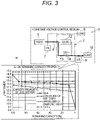
Fig. 3 is an explanatory diagram (graph and block diagram) of a region controlled to be constant voltage charging. -
Fig. 4 is an explanatory diagram (graph and block diagram) of a region controlled to be constant voltage charging. -
Fig. 5 is a flowchart illustrating a charging method. -
Fig. 6 is a flowchart illustrating another charging method. - A power supply system includes: a high voltage battery; a first DCDC converter connected to the high voltage battery; a low voltage lead battery charged from the high voltage battery via the first DCDC converter; a low voltage lithium battery connected to a low voltage power supply circuit together with the low voltage lead battery and a load; a second DCDC converter connected to the low voltage power supply circuit and arranged between the low voltage lead battery and the low voltage lithium battery; a bypass circuit which is connected to the low voltage power supply circuit and bypasses the second DCDC converter; and a control device which controls on/off of a switch unit provided in the bypass circuit while watching the low voltage lithium battery.
- Embodiments will be described below with reference to the drawings.
Fig. 1 is a block diagram illustrating an embodiment of a power supply system and a DCDC converter device.Fig. 2 is an explanatory diagram of a region controlled to be constant current charging, andFig. 3 andFig. 4 are explanatory diagrams of a region controlled to be constant voltage charging.Fig. 5 andFig. 6 are flowcharts according to a charging method. - In
Fig. 1 , apower supply system 1 is mounted in, for example, an electric automobile or a hybrid automobile. Thepower supply system 1 includes aDCDC converter device 2 in the configuration. When the configuration of thepower supply system 1 is described in more detail, thepower supply system 1 includes ahigh voltage battery 3, a high voltagepower supply circuit 4, afirst DCDC converter 5, a low voltagepower supply circuit 6, a lowvoltage lead battery 7, a first load 8 (load), theDCDC converter device 2, a lowvoltage lithium battery 9, asecond load 10, and acontrol device 11. Each part of the above configuration will be described below. - In
Fig. 1 , thehigh voltage battery 3 is configured as an assembled battery in which a plurality of secondary battery cells such as a lithium ion battery or a nickel hydrogen battery are connected in series. Further, thehigh voltage battery 3 is configured to be able to output a high voltage of several hundred volts by direct current. Thehigh voltage battery 3 is configured to be able to supply electric power to a high voltage load (not shown) operating at high voltage. Further, thehigh voltage battery 3 is configured to be able to supply electric power to a low voltage system side via the high voltagepower supply circuit 4 and thefirst DCDC converter 5. As known fromFig. 1 , only a positive electrode side (high voltage power supply circuit 4) is shown in this embodiment, and a negative electrode side is omitted. - In
Fig. 1 , thefirst DCDC converter 5 is of a step-down type, and is configured to step down and output a high voltage of several hundred volts by direct current until charging to the lowvoltage lead battery 7 is possible. In thefirst DCDC converter 5, the output is controlled by thecontrol device 11 based on a predetermined duty ratio. The output from thefirst DCDC converter 5 flows to the low voltagepower supply circuit 6. - In
Fig. 1 , the lowvoltage lead battery 7 is a so-called lead storage battery (secondary battery) and is connected to the low voltagepower supply circuit 6. As shown in graphs ofFig. 2 to Fig. 4 , the lowvoltage lead battery 7 has characteristics (capacity characteristics of a lead battery) serving as a downward-sloping solid line. The lowvoltage lead battery 7 is charged with step-down electric power from thefirst DCDC converter 5. In the lowvoltage lead battery 7, the voltage is watched by thecontrol device 11. - In
Fig. 1 , thefirst load 8 is equipment that operates with low voltage electric power to be supplied from the lowvoltage lead battery 7, such as a combination meter. Further, thefirst load 8 include an electronic control unit including thecontrol device 11. Thecontrol device 11 will be described later. - In
Fig. 1 , theDCDC converter device 2 is a characteristic portion of thepower supply system 1, and miniaturization thereof contributes to miniaturization of the entire system. TheDCDC converter device 2 includes asecond DCDC converter 12 and abypass circuit 13. TheDCDC converter device 2 is disposed between the lowvoltage lead battery 7 and the lowvoltage lithium battery 9. - In
Fig. 1 , thesecond DCDC converter 12 is connected to the low voltagepower supply circuit 6 between the lowvoltage lead battery 7 and the lowvoltage lithium battery 9. Thesecond DCDC converter 12 is configured to change a voltage of the electric power input from the lowvoltage lead battery 7 and to charge the lowvoltage lithium battery 9 by constant current charging. Thesecond DCDC converter 12 is configured to slightly step up a voltage of the electric power input from the lowvoltage lead battery 7 and to charge the lowvoltage lithium battery 9 by constant voltage charging. As thefirst DCDC converter 5, in thesecond DCDC converter 12, output is controlled by thecontrol device 11 based on a predetermined duty ratio. Thesecond DCDC converter 12 is understood by the following description, but electric power does not always flow after an ignition switch is turned on. Therefore, the number of internal FETs can be reduced compared with a case where electric power always flows. Accordingly, capacity of thesecond DCDC converter 12 can be reduced. Due to thesecond DCDC converter 2 including thebypass circuit 13, electric power does not always flow to thesecond DCDC converter 12. - In
Fig. 1 , thebypass circuit 13 is connected to the low voltagepower supply circuit 6 and is configured to bypass thesecond DCDC converter 12. Further, thebypass circuit 13 is configured such that the electric power from thelow voltage battery 7 can flow to the lowvoltage lithium battery 9 without passing through thesecond DCDC converter 12. Thebypass circuit 13 is also used as a circuit in which a dark current flows (an example, but a preferred form). Aswitch unit 14 is disposed on such a way of thebypass circuit 13. In the present embodiment, an FET is employed as theswitch unit 14. The on/off of theswitch unit 14 is controlled by thecontrol device 11. When theswitch unit 14 is turned on under control of thecontrol device 11, the electric power from the lowvoltage lead battery 7 is bypassed, and as a result, the lowvoltage lithium battery 9 is charged with a charging voltage of the lowvoltage lead battery 7. - In
Fig. 1 , the lowvoltage lithium battery 9 is a publicly known lithium ion battery and is configured for low voltage. The lowvoltage lithium battery 9 is provided to operate thesecond load 10 connected to the downstream. As shown in the graphs ofFig. 2 to Fig. 4 , the lowvoltage lithium battery 9 has a characteristic as a thick solid line having two bends and downward-sloping dots. The lowvoltage lithium battery 9 is charged with the electric power from thesecond DCDC converter 12 or the electric power that bypasses thesecond DCDC converter 12. Similarly to the lowvoltage lead battery 7, the lowvoltage lithium battery 9 is watched by thecontrol device 11. Specifically, the voltage of the lowvoltage lithium battery 9 is watched by thecontrol device 11. - In
Fig. 1 , thesecond load 10 is equipment that operates with low voltage electric power to be supplied from the lowvoltage lithium battery 9. An electronic control unit including thecontrol device 11 may be used as thesecond load 10. - In
Fig. 1 , thecontrol device 11 has a function for, for example, battery management. Thecontrol device 11 is provided with a microcomputer (CPU), a storage device, and the like. Thecontrol device 11 is provided with theswitch control unit 15 that controls on/off of theswitch unit 14. Theswitch control unit 15 is configured to be able to control on/off of theswitch unit 14 based on a state of charge (SOC) of the lowvoltage lithium battery 9. Theswitch control unit 15 is configured to be able to control on/off of theswitch unit 14 based on a charging voltage of the lowvoltage lithium battery 7 due to thefirst DCDC converter 5. The configuration may be based on the voltage of the lowvoltage lithium battery 9 and a predetermined voltage range W (seeFig. 2 ) not limited to such on/off control. - The graphs of
Fig. 2 to Fig. 4 show remaining capacity characteristics of the lowvoltage lithium battery 9. A vertical axis of the graph indicates a voltage[V] of the lowvoltage lithium battery 9, and is displayed from 9.0 to 15.0 in 0.5 increments. A horizontal axis of the graph indicates remaining capacity[%], and is displayed from 0% to 100% in 20 increments. Here, the remaining capacity is used in the same meaning as the state of charge. A gentle downward-sloping solid line in the graph indicates the capacity characteristics of the lowvoltage lead battery 7. Among two wavy lines in a horizontal direction, the lower wavy line indicates 12.86 V serving as a lower limit of use. The upper wavy line indicates 14.8V of an upper limit of charging. A solid line in the horizontal direction indicates 13.3 V. A thick solid line having two bends and downward-sloping dots indicates the remaining capacity characteristics of the lowvoltage lithium battery 9. - In
Fig. 2 , when the remaining capacity (state of charge) of the lowvoltage lithium battery 9 is, for example, 20% or less, a region is controlled to be constant current charging. In the region, theswitch unit 14 is in an off state, and constant current charging is performed via thesecond DCDC converter 12. A thick arrow in the drawing indicates flow of electric power. Theswitch unit 14 may be in an off state depending on whether the voltage is within a range of the predetermined voltage range W indicated by arrows in a vertical direction in the drawing. Due to watching of the control device 11 (due to watching of the electronic control unit), the region ofFig. 2 is not entered in general. Therefore, it can be speculated that frequency of use in the region ofFig. 2 is small and there is no need for rapid charging. Therefore, the number of FETs provided inside thesecond DCDC converter 12 can be reduced. Accordingly, the capacity of thesecond DCDC converter 12 can also be reduced. - In
Fig. 3 , when the remaining capacity (state of charge) of the lowvoltage lithium battery 9 is within a range of more than 20% and 70% or less, a region is controlled to be constant voltage charging. In the region, theswitch unit 14 is in an on state, and constant voltage charging is performed without passing through thesecond DCDC converter 12. The number of FETs provided inside thesecond DCDC converter 12 can be reduced by bypassing in a relatively wide remaining capacity (state of charge) range. Accordingly, the capacity of thesecond DCDC converter 12 can also be reduced. Theswitch unit 14 may be in an on state depending on whether the voltage is in a range of the predetermined voltage range W. - In
Fig. 4 , when the remaining capacity (state of charge) of the lowvoltage lithium battery 9 is, for example, more than 70%, a region is controlled to be constant voltage charging. However, in the region, theswitch unit 14 is in an off state, and constant voltage charging is performed by using thesecond DCDC converter 12. In the region ofFig. 4 , the voltage is slightly stepped up to the electric power input from the lowvoltage lead battery 7, and then the lowvoltage lithium battery 9 is charged with a constant voltage. Theswitch unit 14 may be in an off state depending on whether the voltage is in a range of the predetermined voltage range W. In the region ofFig. 4 , thesecond DCDC converter 12 is used, but since 12 V added by a few volts has already been charged, the voltage does not need to be stepped up rapidly. Therefore, the number of FETs provided inside thesecond DCDC converter 12 may be reduced. Accordingly, the capacity of thesecond DCDC converter 12 can be reduced. - Here, a charging method will now be described with reference to flowcharts of
Fig. 5 andFig. 6 . Reference will also be made toFig. 2 to Fig. 4 as necessary. - In
Fig. 5 , when an ignition switch (IG) of a vehicle is turned on, step S1 is executed in thecontrol device 11. The switch unit 14 (FET) of thebypass circuit 13 is turned off by step S1. This is because a dark current flows in thebypass circuit 13 until the ignition switch is turned on. Next, step S2 is executed, and it is determined whether the region is controlled to be constant current charging. If the region is controlled to be constant current charging (Y in step S2), a process shifts to step S3 to perform constant current charging. On the other hand, if the region is controlled to be constant current charging (N in step S2), the process shifts to step S4 to determine whether the voltage needs to be slightly stepped up. When the voltage needs to be slightly stepped up (Y in step S4), the process shifts to step S5, and constant voltage charging is performed after slightly stepping up the voltage. On the other hand, when the voltage does not need to be slightly stepped up (N in step S4), step S6 and step S7 are executed in order. In step S6, the switch unit 14 (FET) of thebypass circuit 13 is turned on. In step S7, charging (constant voltage charging) is performed at a charging voltage of the lowvoltage lead battery 7. - In
Fig. 6 , when an ignition switch (IG) of a vehicle is turned on, step S11 is executed in thecontrol device 11. The switch unit 14 (FET) of thebypass circuit 13 is turned off by step S11. Next, step S12 is executed, and it is determined whether the voltage of the lowvoltage lithium battery 9 is within the range of the predetermined voltage range W. When the voltage is within the predetermined voltage range W (Y in step S12), step S13 and step S14 are executed in order. In step S13, the switch unit 14 (FET) of thebypass circuit 13 is turned on. In step S14, charging (constant voltage charging) is performed at a charging voltage of the lowvoltage lead battery 7. On the other hand, when the voltage is not within the range of the predetermined voltage range W (N in step S12), the process shifts to step S15, and it is determined whether the region is controlled to be constant current charging. If the region is controlled to be constant current charging (Y in step S15), a process shifts to step S16 to perform constant current charging. On the other hand, if the region is controlled to be constant current charging (N in step S15), the process shifts to step S17, the voltage is slightly stepped up, and then constant voltage charging is performed. - As described above with reference to
Fig. 1 to Fig. 6 , since abypass circuit 13 for bypassing thesecond DCDC converter 12 is provided, thesecond DCDC converter 12 can be used only when it is necessary to charge the lowvoltage lithium battery 9. Specifically, when at least constant current charging is performed, thesecond DCDC converter 12 may be used; when the constant voltage charging is performed without any particular conditions (except when the voltage is slightly stepped up), thesecond DCDC converter 12 may be bypassed and charged. As a result, the number of FETs in thesecond DCDC converter 12 can be reduced, and the capacity of thesecond DCDC converter 12 can be reduced. Therefore, it is possible to miniaturize thepower supply system 1 and theDCDC converter device 2. As a charging method, the same effects as above can be obtained. - 1 Power supply system, 2 DCDC converter device, 3 High voltage battery, 4 High voltage power supply circuit, 5 First DCDC converter, 6 Low voltage power supply circuit, 7 Low voltage lead battery, 8 First load (load), 9 Low voltage lithium battery, 10 Second load, 11 Control device, 12 Second DCDC converter, 13 Bypass circuit, 14 Switch unit, 15 Switch control unit, W Predetermined voltage range
Claims (5)
- A power supply system (1) comprising:a high voltage battery (3);a first DCDC converter (5) connected to the high voltage battery (3);a low voltage lead battery (7) configured to be charged from the high voltage battery (3) via the first DCDC converter (5);a low voltage lithium battery (9) connected to a low voltage power supply circuit (6), the low voltage lead battery (7), and a load (8);a second DCDC converter (12) connected to the low voltage power supply circuit (6) and disposed between the low voltage lead battery (7) and the low voltage lithium battery (9) ;a bypass circuit (13) connected to the low voltage power supply circuit (6) to bypass the second DCDC converter (12); anda control device (11) configured to watch the low voltage lithium battery (9) and control on/off of a switch unit provided in the bypass circuit (13).
- The power supply system (1) according to claim 1,
wherein a dark current flows in the bypass circuit (13). - The power supply system (1) according to claim 1 or 2,
wherein the control device (11) includes a switch control unit (15) configured to control on/off of the switch unit (14) based on a state of charge of the low voltage lithium battery (9). - The power supply system (1) according to claim 3,wherein the low voltage lead battery (7) is configured to be charged from the high voltage battery (3) via the first DCDC converter with a charging voltage; andwherein the switch control unit (15) is configured to control on/off of the switch unit (14) based on the charging voltage of the low voltage lead battery (7) by the first DCDC converter (5).
- The power supply system (1) according to claim 1 or 2,
wherein the control device (11) includes a switch control unit (15) configured to control on/off of the switch unit (14) based on a voltage and a predetermined voltage range (W) of the low voltage lithium battery (9).
Applications Claiming Priority (1)
| Application Number | Priority Date | Filing Date | Title |
|---|---|---|---|
| JP2019132456A JP7074725B2 (en) | 2019-07-18 | 2019-07-18 | Power supply system, DCDC converter device, and charging method |
Publications (2)
| Publication Number | Publication Date |
|---|---|
| EP3767787A1 EP3767787A1 (en) | 2021-01-20 |
| EP3767787B1 true EP3767787B1 (en) | 2022-08-31 |
Family
ID=71614745
Family Applications (1)
| Application Number | Title | Priority Date | Filing Date |
|---|---|---|---|
| EP20185668.9A Active EP3767787B1 (en) | 2019-07-18 | 2020-07-14 | Power supply system, dcdc converter device, and charging method |
Country Status (4)
| Country | Link |
|---|---|
| US (1) | US11368040B2 (en) |
| EP (1) | EP3767787B1 (en) |
| JP (1) | JP7074725B2 (en) |
| CN (1) | CN112242728B (en) |
Families Citing this family (5)
| Publication number | Priority date | Publication date | Assignee | Title |
|---|---|---|---|---|
| JP7074725B2 (en) * | 2019-07-18 | 2022-05-24 | 矢崎総業株式会社 | Power supply system, DCDC converter device, and charging method |
| EP4254717A4 (en) * | 2022-02-18 | 2024-01-03 | Contemporary Amperex Technology Co., Limited | Energy storage system |
| CN115009203B (en) * | 2022-07-22 | 2024-03-01 | 奇瑞汽车股份有限公司 | Intelligent electricity supplementing system and method for double-battery automobile and automobile |
| US20240048040A1 (en) * | 2022-08-02 | 2024-02-08 | Delta Electronics, Inc. | Power supply system |
| US20250253675A1 (en) * | 2024-02-06 | 2025-08-07 | Caterpillar Inc. | Multi-voltage battery manager |
Citations (2)
| Publication number | Priority date | Publication date | Assignee | Title |
|---|---|---|---|---|
| WO2017173420A1 (en) * | 2016-04-01 | 2017-10-05 | Faraday & Future Inc. | Electric vehicle battery management |
| US20180219397A1 (en) * | 2017-01-31 | 2018-08-02 | Toyota Jidosha Kabushiki Kaisha | Electric power supply system |
Family Cites Families (28)
| Publication number | Priority date | Publication date | Assignee | Title |
|---|---|---|---|---|
| JP3886733B2 (en) * | 2001-04-03 | 2007-02-28 | 矢崎総業株式会社 | Vehicle power supply |
| CN1579042A (en) * | 2002-05-29 | 2005-02-09 | 松下电器产业株式会社 | motor generator |
| DE102004023619A1 (en) * | 2004-05-10 | 2005-12-01 | Volkswagen Ag | Electric energy system in a hybrid vehicle |
| WO2008041418A1 (en) * | 2006-09-29 | 2008-04-10 | Toyota Jidosha Kabushiki Kaisha | Power supply and vehicle having same |
| WO2011026047A1 (en) * | 2009-08-28 | 2011-03-03 | Green Plug | High-and low-power power supply with standby power saving features |
| DE102009052769B4 (en) * | 2009-11-11 | 2022-12-15 | Bayerische Motoren Werke Aktiengesellschaft | Multi-voltage electrical system for a motor vehicle |
| EP2528189B1 (en) * | 2010-01-22 | 2018-11-28 | Toyota Jidosha Kabushiki Kaisha | Battery charging control system |
| JPWO2012008124A1 (en) * | 2010-07-15 | 2013-09-05 | パナソニック株式会社 | Vehicle power supply |
| US8378623B2 (en) * | 2010-11-05 | 2013-02-19 | General Electric Company | Apparatus and method for charging an electric vehicle |
| JP5609768B2 (en) * | 2011-05-17 | 2014-10-22 | マツダ株式会社 | Vehicle control device |
| EP2538068B1 (en) * | 2011-06-22 | 2017-11-08 | Volvo Car Corporation | Method and arrangement for improving the performance of an electrical system of a vehicle |
| US20120326516A1 (en) * | 2011-06-27 | 2012-12-27 | Bloom Energy Corporation | Fuel Cell Power Generation System with Isolated and Non-Isolated Buses |
| JP5488578B2 (en) * | 2011-12-19 | 2014-05-14 | 株式会社デンソー | Electric refrigeration cycle equipment for vehicles |
| US9789769B2 (en) * | 2012-10-29 | 2017-10-17 | Sanyo Electric Co., Ltd. | Power supply device for vehicles |
| US20160016483A1 (en) * | 2013-04-03 | 2016-01-21 | Autonetworks Technologies, Ltd. | Control apparatus, power supply control apparatus, charge control method, charge control apparatus, and power supply apparatus for vehicles |
| US9718375B2 (en) * | 2014-01-23 | 2017-08-01 | Johnson Controls Technology Company | Passive architectures for batteries having two different chemistries |
| WO2015016966A2 (en) | 2013-07-31 | 2015-02-05 | Johnson Controls Technology Company | Switched passive architectures for batteries having two different chemistries |
| US9527401B2 (en) | 2014-01-23 | 2016-12-27 | Johnson Controls Technology Company | Semi-active architectures for batteries having two different chemistries |
| US9527402B2 (en) | 2014-01-23 | 2016-12-27 | Johnson Controls Technology Company | Switched passive architectures for batteries having two different chemistries |
| JP2015053825A (en) | 2013-09-09 | 2015-03-19 | 矢崎総業株式会社 | Vehicle power supply system |
| JP2016153260A (en) | 2015-02-20 | 2016-08-25 | トヨタ自動車株式会社 | Power supply device |
| US10807547B2 (en) * | 2016-02-10 | 2020-10-20 | Denso Corporation | On-board power supply apparatus |
| JP2018057179A (en) | 2016-09-29 | 2018-04-05 | 株式会社デンソー | Power supply system, and battery unit |
| CN108569142B (en) * | 2017-03-10 | 2022-04-15 | 法拉第未来公司 | System and method for integrating redundant bus architecture into power system |
| CN206658088U (en) * | 2017-04-14 | 2017-11-21 | 上海蔚兰动力科技有限公司 | Vehicular battery charging system |
| CN107979125A (en) * | 2017-09-01 | 2018-05-01 | 北京汉能光伏投资有限公司 | Solar energy assisted charging system and control method |
| US20200079354A1 (en) * | 2018-09-11 | 2020-03-12 | Ford Global Technologies, Llc | Vehicle power management failure |
| JP7074725B2 (en) * | 2019-07-18 | 2022-05-24 | 矢崎総業株式会社 | Power supply system, DCDC converter device, and charging method |
-
2019
- 2019-07-18 JP JP2019132456A patent/JP7074725B2/en active Active
-
2020
- 2020-07-14 CN CN202010674605.4A patent/CN112242728B/en active Active
- 2020-07-14 EP EP20185668.9A patent/EP3767787B1/en active Active
- 2020-07-17 US US16/932,670 patent/US11368040B2/en active Active
Patent Citations (2)
| Publication number | Priority date | Publication date | Assignee | Title |
|---|---|---|---|---|
| WO2017173420A1 (en) * | 2016-04-01 | 2017-10-05 | Faraday & Future Inc. | Electric vehicle battery management |
| US20180219397A1 (en) * | 2017-01-31 | 2018-08-02 | Toyota Jidosha Kabushiki Kaisha | Electric power supply system |
Also Published As
| Publication number | Publication date |
|---|---|
| US20210021147A1 (en) | 2021-01-21 |
| JP7074725B2 (en) | 2022-05-24 |
| EP3767787A1 (en) | 2021-01-20 |
| US11368040B2 (en) | 2022-06-21 |
| JP2021019387A (en) | 2021-02-15 |
| CN112242728A (en) | 2021-01-19 |
| CN112242728B (en) | 2024-04-09 |
Similar Documents
| Publication | Publication Date | Title |
|---|---|---|
| EP3767787B1 (en) | Power supply system, dcdc converter device, and charging method | |
| US11043831B2 (en) | Charging device and on board power supply device | |
| US8305045B2 (en) | Charge control circuit, battery pack, and charging system | |
| US20210234380A1 (en) | Battery control unit and battery system | |
| EP1378044B1 (en) | Control device and method for dc-dc converter | |
| JP2004120871A (en) | Method and apparatus for adjusting state of charge of assembled battery | |
| US20150069960A1 (en) | Auxiliary Battery Charging Apparatus | |
| EP2506389A2 (en) | Auxiliary battery charging apparatus | |
| US12107446B2 (en) | Charging control device, battery system, and charging control method | |
| JP2016528868A (en) | Charge balancing device for power battery elements | |
| JP2011010508A (en) | Electric power supply system | |
| CN113812056A (en) | Vehicle-mounted standby power supply device | |
| US20210261018A1 (en) | Vehicle power supply device | |
| US20200119563A1 (en) | Battery management | |
| US11398743B2 (en) | Apparatus and method for forming current path according to charging or discharging state of battery pack | |
| JPH11355966A (en) | Battery charging and discharging devices | |
| JP2000270483A (en) | Battery state control device | |
| EP2045902A1 (en) | Power supply device | |
| JP4163221B2 (en) | Power supply system and discharge control method thereof | |
| JP3473193B2 (en) | Battery charging control device | |
| KR20200085075A (en) | Static power output circuit | |
| CN117374902A (en) | A power supply method, device, computer equipment and storage medium | |
| EP4170882B1 (en) | Protection circuit, dc-dc converter, battery charger and electric vehicle | |
| JP7764973B2 (en) | Discharge control device and storage battery system | |
| EP4568058A1 (en) | Electric power supply system charging two different batteries in parallel |
Legal Events
| Date | Code | Title | Description |
|---|---|---|---|
| PUAI | Public reference made under article 153(3) epc to a published international application that has entered the european phase |
Free format text: ORIGINAL CODE: 0009012 |
|
| STAA | Information on the status of an ep patent application or granted ep patent |
Free format text: STATUS: REQUEST FOR EXAMINATION WAS MADE |
|
| 17P | Request for examination filed |
Effective date: 20200714 |
|
| AK | Designated contracting states |
Kind code of ref document: A1 Designated state(s): AL AT BE BG CH CY CZ DE DK EE ES FI FR GB GR HR HU IE IS IT LI LT LU LV MC MK MT NL NO PL PT RO RS SE SI SK SM TR |
|
| AX | Request for extension of the european patent |
Extension state: BA ME |
|
| RIN1 | Information on inventor provided before grant (corrected) |
Inventor name: NAKAMURA, MASASHI Inventor name: KANAZAWA, AKIYOSHI Inventor name: ENOMOTO, SATOSHI Inventor name: KATO, KAZUKI |
|
| STAA | Information on the status of an ep patent application or granted ep patent |
Free format text: STATUS: EXAMINATION IS IN PROGRESS |
|
| 17Q | First examination report despatched |
Effective date: 20211216 |
|
| GRAP | Despatch of communication of intention to grant a patent |
Free format text: ORIGINAL CODE: EPIDOSNIGR1 |
|
| STAA | Information on the status of an ep patent application or granted ep patent |
Free format text: STATUS: GRANT OF PATENT IS INTENDED |
|
| INTG | Intention to grant announced |
Effective date: 20220511 |
|
| GRAS | Grant fee paid |
Free format text: ORIGINAL CODE: EPIDOSNIGR3 |
|
| GRAA | (expected) grant |
Free format text: ORIGINAL CODE: 0009210 |
|
| STAA | Information on the status of an ep patent application or granted ep patent |
Free format text: STATUS: THE PATENT HAS BEEN GRANTED |
|
| AK | Designated contracting states |
Kind code of ref document: B1 Designated state(s): AL AT BE BG CH CY CZ DE DK EE ES FI FR GB GR HR HU IE IS IT LI LT LU LV MC MK MT NL NO PL PT RO RS SE SI SK SM TR |
|
| REG | Reference to a national code |
Ref country code: CH Ref legal event code: EP Ref country code: GB Ref legal event code: FG4D |
|
| REG | Reference to a national code |
Ref country code: AT Ref legal event code: REF Ref document number: 1516017 Country of ref document: AT Kind code of ref document: T Effective date: 20220915 Ref country code: DE Ref legal event code: R096 Ref document number: 602020004807 Country of ref document: DE |
|
| REG | Reference to a national code |
Ref country code: IE Ref legal event code: FG4D |
|
| REG | Reference to a national code |
Ref country code: LT Ref legal event code: MG9D |
|
| REG | Reference to a national code |
Ref country code: NL Ref legal event code: MP Effective date: 20220831 |
|
| PG25 | Lapsed in a contracting state [announced via postgrant information from national office to epo] |
Ref country code: SE Free format text: LAPSE BECAUSE OF FAILURE TO SUBMIT A TRANSLATION OF THE DESCRIPTION OR TO PAY THE FEE WITHIN THE PRESCRIBED TIME-LIMIT Effective date: 20220831 Ref country code: RS Free format text: LAPSE BECAUSE OF FAILURE TO SUBMIT A TRANSLATION OF THE DESCRIPTION OR TO PAY THE FEE WITHIN THE PRESCRIBED TIME-LIMIT Effective date: 20220831 Ref country code: NO Free format text: LAPSE BECAUSE OF FAILURE TO SUBMIT A TRANSLATION OF THE DESCRIPTION OR TO PAY THE FEE WITHIN THE PRESCRIBED TIME-LIMIT Effective date: 20221130 Ref country code: LV Free format text: LAPSE BECAUSE OF FAILURE TO SUBMIT A TRANSLATION OF THE DESCRIPTION OR TO PAY THE FEE WITHIN THE PRESCRIBED TIME-LIMIT Effective date: 20220831 Ref country code: LT Free format text: LAPSE BECAUSE OF FAILURE TO SUBMIT A TRANSLATION OF THE DESCRIPTION OR TO PAY THE FEE WITHIN THE PRESCRIBED TIME-LIMIT Effective date: 20220831 Ref country code: FI Free format text: LAPSE BECAUSE OF FAILURE TO SUBMIT A TRANSLATION OF THE DESCRIPTION OR TO PAY THE FEE WITHIN THE PRESCRIBED TIME-LIMIT Effective date: 20220831 |
|
| REG | Reference to a national code |
Ref country code: AT Ref legal event code: MK05 Ref document number: 1516017 Country of ref document: AT Kind code of ref document: T Effective date: 20220831 |
|
| PG25 | Lapsed in a contracting state [announced via postgrant information from national office to epo] |
Ref country code: PL Free format text: LAPSE BECAUSE OF FAILURE TO SUBMIT A TRANSLATION OF THE DESCRIPTION OR TO PAY THE FEE WITHIN THE PRESCRIBED TIME-LIMIT Effective date: 20220831 Ref country code: IS Free format text: LAPSE BECAUSE OF FAILURE TO SUBMIT A TRANSLATION OF THE DESCRIPTION OR TO PAY THE FEE WITHIN THE PRESCRIBED TIME-LIMIT Effective date: 20221231 Ref country code: HR Free format text: LAPSE BECAUSE OF FAILURE TO SUBMIT A TRANSLATION OF THE DESCRIPTION OR TO PAY THE FEE WITHIN THE PRESCRIBED TIME-LIMIT Effective date: 20220831 Ref country code: GR Free format text: LAPSE BECAUSE OF FAILURE TO SUBMIT A TRANSLATION OF THE DESCRIPTION OR TO PAY THE FEE WITHIN THE PRESCRIBED TIME-LIMIT Effective date: 20221201 |
|
| PG25 | Lapsed in a contracting state [announced via postgrant information from national office to epo] |
Ref country code: SM Free format text: LAPSE BECAUSE OF FAILURE TO SUBMIT A TRANSLATION OF THE DESCRIPTION OR TO PAY THE FEE WITHIN THE PRESCRIBED TIME-LIMIT Effective date: 20220831 Ref country code: RO Free format text: LAPSE BECAUSE OF FAILURE TO SUBMIT A TRANSLATION OF THE DESCRIPTION OR TO PAY THE FEE WITHIN THE PRESCRIBED TIME-LIMIT Effective date: 20220831 Ref country code: PT Free format text: LAPSE BECAUSE OF FAILURE TO SUBMIT A TRANSLATION OF THE DESCRIPTION OR TO PAY THE FEE WITHIN THE PRESCRIBED TIME-LIMIT Effective date: 20230102 Ref country code: ES Free format text: LAPSE BECAUSE OF FAILURE TO SUBMIT A TRANSLATION OF THE DESCRIPTION OR TO PAY THE FEE WITHIN THE PRESCRIBED TIME-LIMIT Effective date: 20220831 Ref country code: DK Free format text: LAPSE BECAUSE OF FAILURE TO SUBMIT A TRANSLATION OF THE DESCRIPTION OR TO PAY THE FEE WITHIN THE PRESCRIBED TIME-LIMIT Effective date: 20220831 Ref country code: CZ Free format text: LAPSE BECAUSE OF FAILURE TO SUBMIT A TRANSLATION OF THE DESCRIPTION OR TO PAY THE FEE WITHIN THE PRESCRIBED TIME-LIMIT Effective date: 20220831 Ref country code: AT Free format text: LAPSE BECAUSE OF FAILURE TO SUBMIT A TRANSLATION OF THE DESCRIPTION OR TO PAY THE FEE WITHIN THE PRESCRIBED TIME-LIMIT Effective date: 20220831 |
|
| PG25 | Lapsed in a contracting state [announced via postgrant information from national office to epo] |
Ref country code: SK Free format text: LAPSE BECAUSE OF FAILURE TO SUBMIT A TRANSLATION OF THE DESCRIPTION OR TO PAY THE FEE WITHIN THE PRESCRIBED TIME-LIMIT Effective date: 20220831 Ref country code: EE Free format text: LAPSE BECAUSE OF FAILURE TO SUBMIT A TRANSLATION OF THE DESCRIPTION OR TO PAY THE FEE WITHIN THE PRESCRIBED TIME-LIMIT Effective date: 20220831 |
|
| REG | Reference to a national code |
Ref country code: DE Ref legal event code: R097 Ref document number: 602020004807 Country of ref document: DE |
|
| PG25 | Lapsed in a contracting state [announced via postgrant information from national office to epo] |
Ref country code: NL Free format text: LAPSE BECAUSE OF FAILURE TO SUBMIT A TRANSLATION OF THE DESCRIPTION OR TO PAY THE FEE WITHIN THE PRESCRIBED TIME-LIMIT Effective date: 20220831 Ref country code: AL Free format text: LAPSE BECAUSE OF FAILURE TO SUBMIT A TRANSLATION OF THE DESCRIPTION OR TO PAY THE FEE WITHIN THE PRESCRIBED TIME-LIMIT Effective date: 20220831 |
|
| PLBE | No opposition filed within time limit |
Free format text: ORIGINAL CODE: 0009261 |
|
| STAA | Information on the status of an ep patent application or granted ep patent |
Free format text: STATUS: NO OPPOSITION FILED WITHIN TIME LIMIT |
|
| 26N | No opposition filed |
Effective date: 20230601 |
|
| PG25 | Lapsed in a contracting state [announced via postgrant information from national office to epo] |
Ref country code: SI Free format text: LAPSE BECAUSE OF FAILURE TO SUBMIT A TRANSLATION OF THE DESCRIPTION OR TO PAY THE FEE WITHIN THE PRESCRIBED TIME-LIMIT Effective date: 20220831 |
|
| PG25 | Lapsed in a contracting state [announced via postgrant information from national office to epo] |
Ref country code: MC Free format text: LAPSE BECAUSE OF FAILURE TO SUBMIT A TRANSLATION OF THE DESCRIPTION OR TO PAY THE FEE WITHIN THE PRESCRIBED TIME-LIMIT Effective date: 20220831 |
|
| PG25 | Lapsed in a contracting state [announced via postgrant information from national office to epo] |
Ref country code: MC Free format text: LAPSE BECAUSE OF FAILURE TO SUBMIT A TRANSLATION OF THE DESCRIPTION OR TO PAY THE FEE WITHIN THE PRESCRIBED TIME-LIMIT Effective date: 20220831 |
|
| REG | Reference to a national code |
Ref country code: CH Ref legal event code: PL |
|
| REG | Reference to a national code |
Ref country code: BE Ref legal event code: MM Effective date: 20230731 |
|
| PG25 | Lapsed in a contracting state [announced via postgrant information from national office to epo] |
Ref country code: LU Free format text: LAPSE BECAUSE OF NON-PAYMENT OF DUE FEES Effective date: 20230714 |
|
| PG25 | Lapsed in a contracting state [announced via postgrant information from national office to epo] |
Ref country code: LU Free format text: LAPSE BECAUSE OF NON-PAYMENT OF DUE FEES Effective date: 20230714 |
|
| REG | Reference to a national code |
Ref country code: IE Ref legal event code: MM4A |
|
| PG25 | Lapsed in a contracting state [announced via postgrant information from national office to epo] |
Ref country code: CH Free format text: LAPSE BECAUSE OF NON-PAYMENT OF DUE FEES Effective date: 20230731 |
|
| PG25 | Lapsed in a contracting state [announced via postgrant information from national office to epo] |
Ref country code: IT Free format text: LAPSE BECAUSE OF FAILURE TO SUBMIT A TRANSLATION OF THE DESCRIPTION OR TO PAY THE FEE WITHIN THE PRESCRIBED TIME-LIMIT Effective date: 20220831 Ref country code: FR Free format text: LAPSE BECAUSE OF NON-PAYMENT OF DUE FEES Effective date: 20230731 Ref country code: BE Free format text: LAPSE BECAUSE OF NON-PAYMENT OF DUE FEES Effective date: 20230731 |
|
| PG25 | Lapsed in a contracting state [announced via postgrant information from national office to epo] |
Ref country code: IE Free format text: LAPSE BECAUSE OF NON-PAYMENT OF DUE FEES Effective date: 20230714 |
|
| PG25 | Lapsed in a contracting state [announced via postgrant information from national office to epo] |
Ref country code: IE Free format text: LAPSE BECAUSE OF NON-PAYMENT OF DUE FEES Effective date: 20230714 |
|
| PG25 | Lapsed in a contracting state [announced via postgrant information from national office to epo] |
Ref country code: BG Free format text: LAPSE BECAUSE OF FAILURE TO SUBMIT A TRANSLATION OF THE DESCRIPTION OR TO PAY THE FEE WITHIN THE PRESCRIBED TIME-LIMIT Effective date: 20220831 |
|
| PG25 | Lapsed in a contracting state [announced via postgrant information from national office to epo] |
Ref country code: BG Free format text: LAPSE BECAUSE OF FAILURE TO SUBMIT A TRANSLATION OF THE DESCRIPTION OR TO PAY THE FEE WITHIN THE PRESCRIBED TIME-LIMIT Effective date: 20220831 |
|
| GBPC | Gb: european patent ceased through non-payment of renewal fee |
Effective date: 20240714 |
|
| PG25 | Lapsed in a contracting state [announced via postgrant information from national office to epo] |
Ref country code: GB Free format text: LAPSE BECAUSE OF NON-PAYMENT OF DUE FEES Effective date: 20240714 |
|
| PG25 | Lapsed in a contracting state [announced via postgrant information from national office to epo] |
Ref country code: CY Free format text: LAPSE BECAUSE OF FAILURE TO SUBMIT A TRANSLATION OF THE DESCRIPTION OR TO PAY THE FEE WITHIN THE PRESCRIBED TIME-LIMIT; INVALID AB INITIO Effective date: 20200714 |
|
| PG25 | Lapsed in a contracting state [announced via postgrant information from national office to epo] |
Ref country code: HU Free format text: LAPSE BECAUSE OF FAILURE TO SUBMIT A TRANSLATION OF THE DESCRIPTION OR TO PAY THE FEE WITHIN THE PRESCRIBED TIME-LIMIT; INVALID AB INITIO Effective date: 20200714 |
|
| PGFP | Annual fee paid to national office [announced via postgrant information from national office to epo] |
Ref country code: DE Payment date: 20250528 Year of fee payment: 6 |
|
| PG25 | Lapsed in a contracting state [announced via postgrant information from national office to epo] |
Ref country code: TR Free format text: LAPSE BECAUSE OF FAILURE TO SUBMIT A TRANSLATION OF THE DESCRIPTION OR TO PAY THE FEE WITHIN THE PRESCRIBED TIME-LIMIT Effective date: 20220831 |