EP3765478B1 - Methods of quantifying rna and dna variants through sequencing employing phosphorothioates - Google Patents
Methods of quantifying rna and dna variants through sequencing employing phosphorothioates Download PDFInfo
- Publication number
- EP3765478B1 EP3765478B1 EP19767632.3A EP19767632A EP3765478B1 EP 3765478 B1 EP3765478 B1 EP 3765478B1 EP 19767632 A EP19767632 A EP 19767632A EP 3765478 B1 EP3765478 B1 EP 3765478B1
- Authority
- EP
- European Patent Office
- Prior art keywords
- linker
- rna
- primer
- oligodeoxynucleotide
- nucleotides
- Prior art date
- Legal status (The legal status is an assumption and is not a legal conclusion. Google has not performed a legal analysis and makes no representation as to the accuracy of the status listed.)
- Active
Links
Images






Classifications
-
- C—CHEMISTRY; METALLURGY
- C12—BIOCHEMISTRY; BEER; SPIRITS; WINE; VINEGAR; MICROBIOLOGY; ENZYMOLOGY; MUTATION OR GENETIC ENGINEERING
- C12Q—MEASURING OR TESTING PROCESSES INVOLVING ENZYMES, NUCLEIC ACIDS OR MICROORGANISMS; COMPOSITIONS OR TEST PAPERS THEREFOR; PROCESSES OF PREPARING SUCH COMPOSITIONS; CONDITION-RESPONSIVE CONTROL IN MICROBIOLOGICAL OR ENZYMOLOGICAL PROCESSES
- C12Q1/00—Measuring or testing processes involving enzymes, nucleic acids or microorganisms; Compositions therefor; Processes of preparing such compositions
- C12Q1/68—Measuring or testing processes involving enzymes, nucleic acids or microorganisms; Compositions therefor; Processes of preparing such compositions involving nucleic acids
- C12Q1/6869—Methods for sequencing
- C12Q1/6874—Methods for sequencing involving nucleic acid arrays, e.g. sequencing by hybridisation
-
- C—CHEMISTRY; METALLURGY
- C12—BIOCHEMISTRY; BEER; SPIRITS; WINE; VINEGAR; MICROBIOLOGY; ENZYMOLOGY; MUTATION OR GENETIC ENGINEERING
- C12N—MICROORGANISMS OR ENZYMES; COMPOSITIONS THEREOF; PROPAGATING, PRESERVING, OR MAINTAINING MICROORGANISMS; MUTATION OR GENETIC ENGINEERING; CULTURE MEDIA
- C12N15/00—Mutation or genetic engineering; DNA or RNA concerning genetic engineering, vectors, e.g. plasmids, or their isolation, preparation or purification; Use of hosts therefor
- C12N15/09—Recombinant DNA-technology
- C12N15/10—Processes for the isolation, preparation or purification of DNA or RNA
- C12N15/1096—Processes for the isolation, preparation or purification of DNA or RNA cDNA Synthesis; Subtracted cDNA library construction, e.g. RT, RT-PCR
-
- C—CHEMISTRY; METALLURGY
- C12—BIOCHEMISTRY; BEER; SPIRITS; WINE; VINEGAR; MICROBIOLOGY; ENZYMOLOGY; MUTATION OR GENETIC ENGINEERING
- C12Q—MEASURING OR TESTING PROCESSES INVOLVING ENZYMES, NUCLEIC ACIDS OR MICROORGANISMS; COMPOSITIONS OR TEST PAPERS THEREFOR; PROCESSES OF PREPARING SUCH COMPOSITIONS; CONDITION-RESPONSIVE CONTROL IN MICROBIOLOGICAL OR ENZYMOLOGICAL PROCESSES
- C12Q1/00—Measuring or testing processes involving enzymes, nucleic acids or microorganisms; Compositions therefor; Processes of preparing such compositions
- C12Q1/68—Measuring or testing processes involving enzymes, nucleic acids or microorganisms; Compositions therefor; Processes of preparing such compositions involving nucleic acids
- C12Q1/6869—Methods for sequencing
Definitions
- DNA sequencing technology also allows us to determine the linear sequence of all 3 billion nucleotides in the human genome, which has revealed the existence of ⁇ 20,000 genes that code for proteins comprised in cells, tissues and organs.
- Whole genome sequencing provides critical information about genetic variation among individuals and disease-causing mutations. Examples include mutations that arise in DNA in cells subjected to numerous chemical insults that damage the sugar-phosphate backbone. This produces breaks in the DNA strands, as well as the nucleobases. Cells have evolved elaborate DNA repair systems to detect and repair DNA damage.
- Chemical modification of DNA also serves as a means to control gene expression in eukaryotes, to fend off viral invaders in prokaryotes as part of restriction-modification systems, or to shield a viral genome from attack by restriction-modification enzymes.
- chemical modifications the addition of methyl groups to 2'-deoxycyditine nucleotides (m5C) in DNA has emerged as an important mechanism in controlling gene expression in human cells.
- DNA sequencing technology has proved useful in defining the locations of certain specific modifications.
- This disclosure therefore provides methods and products for detecting, quantitating and sequencing RNAs. This disclosure further provides but does not claim methods and kits for detecting nucleic acid modifications such as but not limited to methylation events. These are discussed in greater detail below.
- RNA sequencing methods which allow only relative quantification of changes in the levels of RNA molecules between different samples
- the method described here enables absolute quantification of different RNA molecules in the same sample, which allows quantitative definition of landscape of RNA molecules in a cell or tissue at any given moment. This process can be applied to RNA from any source, with multiplexing to accommodate many samples, and it can be used to investigate gene expression, RNA metabolism, RNA stability, RNA therapeutics, and other problems related to quantitative analysis of RNA molecules.
- RNA molecules less than 200 nucleotides in length, including microRNA molecules, transfer RNA (tRNA) molecules, and RNA fragments from tRNA and other types of noncoding RNA.
- tRNA transfer RNA
- the resulting profile of all small RNA molecules in a cell reveals previously unobserved features of the RNA landscape and novel behaviors of specific RNA molecules, such as differences in the levels of the dozens of tRNA isoacceptors in a cell.
- the method will find wide application in many fields of biological and biomedical research and development in academia and in the clinic.
- the present disclosure provides a means to quantitatively measure the number of copies of each different type and sequence of RNA molecule in a single sample.
- the method will be useful in the disciplines of functional genomics, molecular and cell biology, microbiology and other biomedical and biological areas.
- the breadth of applicability of the method stems from the need to know, in many instances, how many copies of each type of RNA exist in a cell or tissue sample at any given moment.
- One aspect provides an in vitro method for measuring RNA in a sample comprising
- the RNA are purified RNA.
- the RNA are less than or about 200 nucleotides in length, or less than or about 100 nucleotides in length, including 2-200 nucleotides in length or 2--100 nucleotides in length or 15-200 nucleotides in length or 15-100 nucleotides in length.
- the RNA are between about 200 to about 1000 nucleotides in length, or between about 200 to about 5000 nucleotides in length.
- the RNA are or comprise tRNA or miRNA.
- ligating of step (b) is performed in the presence of a T4 RNA ligase. In some embodiments, the ligating of step (b) results in > 91% or > 95% ligation efficiency.
- the method measures the number of a plurality of different RNA molecules in a sample. In some embodiments, the method measures absolute quantity of a plurality of different RNA in a sample. In some embodiments, the plurality is at 2-10, 2-20, 2-30, 2-40, 2-50, 2-60, 2-70, 2-80, 2-90, or 2-100, or more.
- the RNA is present in a sample, wherein the sample is prepared from and/or contains cells or tissue.
- the ddNTP-ended oligodeoxynucleotide linker has two randomized nucleotides at its 5'-end. In some embodiments, the ddNTP-ended oligodeoxynucleotide linker is a dideoxycytidine-ended oligodeoxynucleotide linker.
- the hairpin/splint oligodeoxynucleotide linker comprises, in a 5' to 3' orientation, a double-stranded stem region, a single-stranded loop region, a random nucleotide sequence region capable of hybridizing to the cDNA, and a single-stranded 3' end.
- the method generates a library of linker-ligated cDNA representative of starting RNA.
- Linker 1 has a nucleotide sequence of 5'-phosphate-NNCACTCGGGCACCAAGGA-ddC-3' (SEQ ID NO: 1). In some embodiments, Linker 1 has a nucleotide sequence of 5'-phosphate-NN-CACTCGGGCACCAGGA-ddC-3' (SEQ ID NO: 2).
- the primer complementary to Linker 1 (RT primer) is a oligodeoxynucleotide primer comprising one or more phosphorothioate linkages at the 5'-end. In some embodiments, the primer complementary to Linker 1 comprises 2, 3, 4, 5, 6, 7, 8, 9, 10, or more phosphorothioate linkages at the 5'-end. In some embodiments, the primer complementary to Linker 1 is a oligodeoxynucleotide primer possessing 6 phosphorothioate linkages at the 5'-end.
- the primer complementary to Linker 1 has a sequence of 5'-G PT T PT C PT C PT T PT T PT GGTGCCCGAGTG-OH-3', wherein PT represents phosphorothioate (SEQ ID NO: 3).
- the residual RNA is degraded by incubation with sodium hydroxide.
- the hairpin/splint oligodeoxynucleotide linker comprises a random nucleotide sequence region that is 4, 5, 6, 7, 8, 9, 10 or more nucleotides in length, wherein the nucleotides are randomized nucleotides, optionally wherein the random nucleotide sequence region is 6 nucleotides in length, optionally wherein the random nucleotide sequence is complementary to the 3' end of the cDNA.
- the hairpin/splint oligodeoxynucleotide linker comprises a sequence as shown in Figure 5 .
- the hairpin/splint oligodeoxynucleotide linker comprises a 3'-propyl group capable of preventing self-ligation, at its 3' end.
- Primer 1 has a nucleotide sequence as shown in Figure 6 .
- Primer 2 has a nucleotide sequence as shown in Figure 6 .
- Primer 1 is a reverse complement of the 5' end of Linker 2, optionally wherein Primer 1 is a reverse complement of the 5' end of Linker 2 that is 5-50, 10-50, 20-50, or about 20, 21, 22, 23, 24 or 25 nucleotides in length, further optionally wherein it is 22 nucleotides in length.
- Primer 2 is a reverse complement of the 5' end of Linker 1, optionally wherein Primer 2 is a reverse complement of the 5' end of Linker 1 that is 5-50, 10-50, 15-50, or about 15, 16, 17, 18, 19 or 20 nucleotides in length, further optionally wherein it is 18 nucleotides in length.
- kits comprising a ddNTP-ended oligodeoxynucleotide linker having two or more randomized nucleotides at its 5'-end (Linker 1), optionally wherein the ddNTP-ended oligodeoxynucleotide linker is a dideoxycytidine-ended oligodeoxynucleotide linker, and a hairpin/splint oligodeoxynucleotide linker comprising a double-stranded stem region, a single-stranded loop region, a random nucleotide sequence region capable of hybridizing to the cDNA, and a single-stranded 3' end (Linker 2), RT primer, and a buffer.
- Linker 1 a ddNTP-ended oligodeoxynucleotide linker having two or more randomized nucleotides at its 5'-end
- Linker 2 a hairpin/splint oligodeoxynucleot
- the kit further comprises Primer 1, wherein Primer 1 has a nucleotide sequence as shown in Figure 6 .
- the kit further comprises an RNA and a DNA ligase, optionally T4 RNA ligase and T4 DNA ligase.
- the kit further comprises a high processivity, high accuracy, thermostable reverse transcriptase.
- the reverse transcriptase may be a mixture of enzymes with slightly differing fidelities and susceptibilities to modifications.
- the kit further comprises alkaline phosphatase.
- the kit further comprises AlkB enzyme, optionally wherein AlkB enzyme is a mutant AlkB enzyme or wherein it comprises a mixture of wild type and mutant variants with slightly differing demethylation targets.
- the kit further comprises an RNase inhibitor.
- the kit further comprises deadenylase, optionally 5'- deadenylase.
- the kit further comprises Rec J enzyme.
- the kit further comprises an RNA purification kit and/or reagents.
- the kit further comprises sodium hydroxide and/or hydrochloric acid.
- the kit further comprises PEG, optionally PEG8000.
- one or more, including all, components are housed in separate containers.
- This disclosure provides various methods and products relating to detection, quantification and sequencing of nucleic acids such as but not limited to RNA. This disclosure further provides various methods and products relating to universal detection of nucleic acid features (e.g., mutations, modifications, etc.). The various aspects and embodiments of this disclosure are discussed in greater detail below.
- RNA sequencing in which the abundances (i.e., copy numbers) of different RNA molecules can be compared directly in the same sample.
- the method described here enables a direct, linear correlation between the sequencing read counts and the number of copies of all RNA molecules within a single sample. This allows quantitative definition of landscape of RNA molecules in a cell or tissue at any given moment. This process can be applied to RNA from any source, with multiplexing to accommodate many samples, and it can be used to investigate gene expression, RNA metabolism, RNA stability, RNA therapeutics, and any other problems related to quantitative analysis of RNA molecules.
- the current RNA sequencing technology works by first attaching defined-sequence nucleic acid (e.g., DNA) oligonucleotides to each end of an RNA molecule using RNA ligase enzymes. A reverse transcriptase enzyme is then used to create a complementary copy of the RNA molecule (e.g., a complementary DNA, or cDNA), followed by polymerase chain reaction (PCR) amplification of the cDNA molecule. The amplified cDNAs are then subjected to NGS for identification and quantification of all of the original RNA molecules in a sample such as a cell.
- RNA sequencing methods allow analysis of relative changes in the levels of RNA molecules between two or more conditions, with the resulting fold-change data providing insights into how a condition affects changes in the levels of different RNA molecules.
- RNA molecules in which the levels of different types of RNA transcripts are compared in the same sample of RNA.
- transfer RNAs transfer RNAs
- Eukaryotic cells including yeast and human cells, can have up to hundreds of different transfer RNAs.
- tRNAs represent the adaptor molecules that read the genetic code in messenger RNAs (mRNAs) and carry the corresponding amino acid for synthesis of the protein encoded by the mRNA.
- mRNAs messenger RNAs
- the level of each type of tRNA is thought to reflect the translational needs of the cell at any given moment, with some specific types of tRNA occurring at very low levels while other types potentially present at orders-of-magnitude higher levels.
- RNA sequencing techniques cannot be used for absolute quantification of RNA molecules.
- the attachment of oligonucleotide linkers to each end of an RNA molecule before reverse transcription results in the loss of information about some RNA molecules when the reverse transcriptase falls off the RNA due to an error in processivity of the enzyme or due to an encounter with some types of modified nucleosides.
- the cells in each type of organism contain 25-50 or more chemical modifications of the canonical A, G, C and U nucleotides in RNA. 1,2 Some of these modifications block the polymerase activity during reverse transcription, so that the enzyme falls off the RNA molecule before completely copying the molecule through to the other end.
- failure sequences do not possess the second PCR linker, so they cannot be amplified and thus fail to appear in the final sequencing results ( Figure 1 , boxed ).
- a second problem is that the ligase enzymes used for RNA sequencing vary in their efficiency by more than 10 3 -fold due to differences in the last two nucleotides at each end of the RNA molecule. 3-5 This variation in linker ligation efficiency manifests as 10 6 -fold variation in the read counts from RNA sequencing applied to tRNA molecules. 6 There is thus no predictable or direct correlation between sequencing read counts and the number of copies of an RNA molecule in a sample analyzed by current RNA sequencing methods.
- RNA sequencing method As described herein, to satisfy the need for absolute quantification in RNA sequencing analyses, an RNA sequencing method has been developed that enables a direct, linear correlation between the sequencing read counts and the number of copies of all RNA molecules within the same sample.
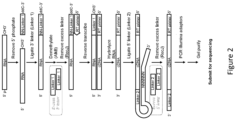
- the method is detailed in Figure 2 .
- the method may be used to detect and measure tRNA molecules.
- This process may involve the following steps: (1) dephosphorylate purified RNA, in some instances consisting of all RNA molecules including for example all RNA molecules less than 200 nt in length ("small RNA”), which includes tRNAs; (2) ligate a dideoxycytidine-ended oligodeoxynucleotide linker with two randomized nucleotides at the 5'-end (Linker 1) to the dephosphorylated RNA using for example T4 RNA ligase, which results in > 91% ligation efficiency; (3) reduce the levels of RNA modifications using an AlkB enzyme which may be a mutant AlkB enzyme or it may be a mixture of AlkB enzymes having differing fidelities and/or susceptibilities to modifications; (4) remove excess Linker 1 by treating the sample with for example deadenylase to remove a ligase-mediated intermediate and then degrading Linker 1 for example with the 2'-deoxyribonuclease Rec J; (5) reverse transcribe the linker-lig
- this RNA sequencing method involves an new and nonobvious combination of RNA- and DNA-manipulating enzymes and uniquely structured oligodeoxynucleotide linkers to process a mixture of RNA molecules (i.e., prepare an RNA library) for subsequent sequencing by standard NGS methods.
- inventive features of these methods include: (1) uniquely designed oligodeoxynucleotide linkers and optimized reaction conditions that enhance the efficiency of the RNA and DNA ligase enzymes to > 91%; (2) unique combinations of enzymes (deadenylase, Rec J) that allow removal of excess linkers without harming the RNA template or cDNA product, thus enhancing the efficiency of subsequent enzymatic reactions; and (3) the ligation of the 5' linker (Linker 2) after the reverse transcription step, which avoids loss of RNA molecules by fall-off of the reverse transcriptase.
- This novel and nonobvious combination of reagents and conditions allows deep-sequencing analysis of the RNA molecules such that the sequencing read count for each type of RNA is directly and linearly correlated with the number of copies that RNA sequence.
- This method can be applied by researchers in the form of a kit in many fields of academic, regulatory or industrial science using any type of synthetic or natural RNA from any organism, such as viruses, bacteria, parasites, yeast, and mammalian and human cell and tissues.
- RNA sequencing method has been reduced to practice in at least three applications: (1) with standard mixtures containing 5 RNA oligos of varying lengths and abundances to determine the extent of length-dependent biases and confirm the linearity of the sequencing method for RNAs between 25 and 80 nucleotides, (2) with an equimolar mixture of microRNA standards to determine the extent of sequence-dependent biases on quantification, and (3) with DNA from Mycobacterium bovis BCG bacteria to demonstrate the landscape and how the landscape changes when the cells are subjected to the stress of nutrient deprivation.
- the present disclosure provides a widely applicable methodology to quantify expressed intracellular RNA species, including tRNA isoacceptors and tRNA fragments, using next generation sequencing (NGS).
- NGS next generation sequencing
- This novel method for NGS library preparation can efficiently capture small RNA sequences without bias for length or sequence and quantitatively convert these sequences into cDNA by reverse transcription.
- the resulting cDNA is then PCR amplified and sequenced using paired-end high-throughput sequencing. Aligned output reads can be used to determine the absolute abundance of expressed small RNAs including both full-length and fragment tRNA isoacceptors.
- RNA sequencing has mainly focused on mRNA (transcriptional profiling) using either total RNA or enriched mRNA as starting materials.
- mRNA is considerably easier to sequence by NGS methods because relative to tRNA, it is less structured and it contains fewer RNA modifications, both of which hamper cDNA synthesis from tRNA.
- existing methods for mRNA sequencing involve simultaneous ligation of 5' and 3' adapters followed by reverse transcription and PCR amplification.
- only the 3' linker is ligated to the RNA starting material prior to reverse transcription. This is done to reduce loss of templates that form truncated cDNA due to the presence of polymerase-blocking modifications or secondary structures ( Figure 1 ).
- the 3'-linker is designed with two randomized NN nucleotides in the 5'-end to maximize capture of all RNA species in the starting material by eliminating sequence-dependent ligation biases. 3-5
- CircLigaseII the commercially available ssDNA ligase used in the prior method
- the circularization efficiency of CircLigaseII is known to vary depending on identity of the two terminal nucleotides.
- sequence-dependent biases will skew the capture of isoacceptors carrying "preferred" sequences and cannot be relied up on to provide accurate quantitation of the full tRNA or small RNA landscape.
- every step and parameter of the method including adapter sequences, stoichiometries, and enzymatic reaction conditions, have been designed, tested, and optimized to either quantitatively capture all sequences or be free from sequence-dependent biases.
- the 3'-Linker 1 is designed with two randomized nucleotides at the 5'-end to minimize ligation differences between varied sample sequences. Indeed, using this approach, it is demonstrated that >91% of starting sequences are ligated with a 3'-end Linker 1 by Bioanalyzer analysis. Reverse transcription proceeds after the first ligation step and demethylation.
- the 5'-Linker 2 is designed to have a hairpin with a six-nucleotide NNNNNN overhang that is complementary with the 3'-end of the cDNA. This structure brings the 5'-end of the Linker in close proximity to the 3'-end of the target cDNA to maximize ligation efficiency. With these optimizations, there is nearly complete conversion of the cDNA to cDNA + 5' adapter by Bioanalyzer.
- RNA sequencing method has many commercial applications in basic and applied research, biomedical diagnostics, drug development, and any other biological or biomedical application requiring knowledge of RNA levels. All commercial applications would derive from a basic kit containing DNA oligos, buffers, and enzymes to allow high-throughput quantification of RNA and RNA fragments in any size range.
- RNA sequencing method of this disclosure examples include:
- kits are applicable to a wide variety of genomic studies in diverse areas of biology, biomedical research and biotechnology, including genetics, genomics, molecular and cell biology, microbiology, biotechnology, medicine, and clinical research, toxicology, pharmacology and other areas. Research and development in nearly every type of human disease involves genome-wide analyses of DNA damage and repair, modifications and chromatin structures and would benefit from the methodologies provided herein.
- Example 1 Analysis of standard mixtures containing oligos of varying lengths and abundances
- RNA oligos between 25 and 80 nucleotides in length spiked at different abundances were created. Each mixture was then split into three technical replicates. All the samples were further spiked with a defined quantity of a 80-mer synthetic RNA oligonucleotide as an internal standard.
- RNA samples were then subjected to the series of reactions shown in Figure 2 to prepare a library for RNA sequencing.
- the methodological details are presented here.
- Step #1 Dephosphorylate the RNA
- RNA denaturation was maintained by holding the samples on ice for the next step.
- Step #2 Ligate Linker 1 to the RNA
- Step #3 Reduce the level of RNA modifications
- the 20 ⁇ L of linker-ligated tRNA from Step #2 was mixed with 50 ⁇ L of freshly-prepared, 2x-concentrated optimized AlkB buffer mixture (150 ⁇ M 2-ketoglutarate, 4 mM L-ascorbic acid, 150 ⁇ M (NH 4 ) 2 Fe(SO4) 2 6 H 2 O, 100 ⁇ g/mL BSA, 100 mM HEPES, pH8; slight purple color that turns brown over time), 2 ⁇ L of AlkB enzyme (ArrayStar), 1 ⁇ L RNase Inhibitor (NEB) and 27 ⁇ L of water. The reaction was incubated at ambient temperature for 2 h, followed by denature of AlkB by heating at 65 °C for 5 minutes.
- 2x-concentrated optimized AlkB buffer mixture 150 ⁇ M 2-ketoglutarate, 4 mM L-ascorbic acid, 150 ⁇ M (NH 4 ) 2 Fe(SO4) 2 6 H 2 O, 100 ⁇ g/mL BSA, 100 mM HEP
- AlkB protein was removed by extraction with 100 ⁇ L of phenol: chloroform: isoamyl alcohol 25:24:1, pH 5.2.
- the aqueous layer ( ⁇ 90 ⁇ L) was washed once with 100 ⁇ L of chloroform.
- the RNA in the aqueous layer ( ⁇ 75 ⁇ L) was purified using the Zymo kit noted earlier, with the RNA eluted into 16-20 ⁇ L of water.
- the purified RNA from Step #3 was first treated with deadenylase to remove the 5'-adenylpyrophosphoryl group remaining on Linker 1 as an intermediate from the ligase reaction. Removal of the 5'-adenylation is necessary for Rec J-mediated degradation of the Linker 1.
- the deadenylation reaction consisted of the 16-20 ⁇ L of linker-ligated RNA product from Step #3, 2 ⁇ L of NEB Buffer #2 and 2 ⁇ L of 5'-deadenylase (NEB). The reaction was allowed to proceed at 30 °C for 1 hour.
- Linker 1 in this mixture was then hydrolyzed by adding 2 ⁇ L of Rec J enzyme (30 U/ ⁇ L; NEB), incubating at 37 °C for 30 minutes, adding another 2 ⁇ L of RecJ and incubating again at 37 °C 30 minutes.
- RNA was purified using a Dyex Kit (Qiagen) according to manufacturer's instructions, with the final eluted RNA reduced to 24 ⁇ L under vacuum.
- Step #5 Reverse transcription of the linker-ligated RNA
- the purified linker-ligated RNA from Step #4 was next subjected to reverse transcription to create a cDNA copy.
- the key feature here is the use of an oligodeoxynucleotide primer (RT primer, reverse complementary to Linker 1) possessing 6 phosphorothioate linkages at the 5'-end ( Figure 4 ), which prevents degradation of the cDNA by Rec J in Step #8.
- the reverse transcription reaction starts by annealing RT primer to the linker-ligated RNA in a reaction consisting of 1 ⁇ L RT primer (2 pmol/ ⁇ L), 1 ⁇ L of dNTPs (10 mM each), and the 24 ⁇ L of Dyex-purified RNA from Step #4.
- the mixture was heated at 80 ° C for 2 minutes and cooled immediately on ice for 2 minutes.
- the reverse transcription reaction was initiated by adding 6 ⁇ L of 5X PrimeScript Buffer (Clonetech), 1 ⁇ L of RNase Inhibitor (NEB) and 1 ⁇ L of PrimeScript Reverse Transcriptase (Clonetech). This mixture was incubated at 50 °C for 2 hours. The enzyme was inactivated by heating at 70 °C for 15 minutes. Stopping point: this mixture can be stored at 4 °C indefinitely.
- Step #6 Remove the RNA by alkaline hydrolysis and purify cDNA
- the cDNA was purified by first hydrolyzing the RNA by adding 1 ⁇ L of 5 M NaOH to 25 ⁇ L of the mixture from Step #5, with heating to 90-95 °C for 3 minutes. After cooling to ambient temperature, the pH was adjusted to 7 by adding 1 ⁇ L of 5 M HCl. The cDNA was then purified using the Zymo kit noted earlier, with the eluted cDNA evaporated to dryness under vacuum. Stopping point: the cDNA can be stored at -20 °C for at least one week.
- Linker 2 is a uniquely-designed hairpin/splint oligodeoxynucleotide.
- the 6 randomized nucleotides (“N") allow hybridization to the 3'-ends of all possible cDNA sequences, while the hairpin structure ensures proximity of the 5'-end of the linker with the 3'-end of the cDNA.
- N randomized nucleotides
- the ligation reaction consists of 1 ⁇ L of Linker 2 (50 pmol/ ⁇ L), 2 ⁇ L of T4 DNA ligase buffer (NEB), 1 ⁇ L ATP (10 mM), 5 ⁇ L cDNA from Step #6 (resuspended in water), 2 ⁇ L of T4 DNA ligase, and 9 ⁇ L of PEG 8000.
- the sample was mixed and incubated at 16 °C overnight.
- the ligation products were purified using the Zymo kit noted earlier and eluted with 16 ⁇ L of water.
- Linker 2 was removed with by deadenylation and Rec J treatment as noted earlier, to reduce ligation artifacts during Step #9.
- the reaction starts with deadenylation 5'-adenylated Linker 2 (16 ⁇ L ligation mixture from Step #7, 2 ⁇ L of NEB Buffer 2, and 2 ⁇ L of 5'-deadenylase (add separately; no master mix). Following 1 hour incubation at 30 °C, 2 ⁇ L of RecJ (30U/ ⁇ L) was added, the sample incubated for 30 minutes at 37 °C, another 2 ⁇ L of RecJ was added with an additional 30 minutes incubation at 37 °C.
- Step #9 If Clonetech Polymerase is used in Step #9, then the sample (24 ⁇ L) can be proceed directly to the PCR reaction. If a Q5 PCR kit is used in Step #9, then change the buffer conditions by Dyex kit purification of the ligated DNA, with the eluted DNA evaporated to dryness and resuspended in 17 ⁇ L of water.
- Illumina PCR primer 1 contains the reverse complement of the 22 nt at the 5'-end of Linker 2
- Illumina PCR primer 2 contains the reverse complement to the 18 nt at 3'-end of Linker 1.
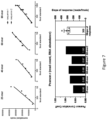
- RNA sequencing method revealed a direct, linear correlation between the sequencing read count and the number of copies of each of the standards.
- the slope of the sequencing response (fmol of standard / normalized read count) was consistent between the five standards despite the wide variation in length from 25 to 80 nucleotides. This indicates that length does not significantly bias sequencing response.
- the second example involves using a commercially-available mixture of synthetically derived microRNA standards to determine the extent of sequence-dependent biases on quantification.
- the Miltenyi miRXplore universal reference contains 963 microRNA sequences that range from 16 to 29 nucleotides in length. The oligos are mixed together in an equimolar fashion. This sample represents a highly diverse pool of RNA sequences and the abundance of each sequence relative to any other should be 1.
- the ratio of the normalized read count to the expected read count was calculated for each standard.
- Figure 8 shows the distribution of the ratios for all 963 microRNA sequences. 75% of the standards were detected to within two-fold of their expected abundance suggesting that sequence-dependent biases (especially from biases due to ligase preference) did significantly not factor into the library preparation process.
- the third example of a reduction to practice for the RNA sequencing method of this disclosure involves analysis of the behavior of all small RNA species ( ⁇ 200 nt) in M. bovis BCG, a surrogate for the tuberculosis-causing M . tuberculosis, subjected to the stress of nutrient deprivation.
- Samples of small RNA species were isolated from BCG during growth in nutrient-rich medium (S0), on days 4, 10 and 20 after growth in nutrient-free phosphate-buffered saline (S4-S20), and on day 6 after returning the bacteria to nutrient-rich medium (resuscitation, R6).
- RNA was processed for the RNA sequencing method in Steps #1-#9 described earlier and the resulting linker-ligated cDNA subjected to Illumina sequencing.
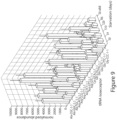
- the behavior of 15 different tRNA isoacceptors is observed to change dramatically during the starvation and resuscitation.
- the number of copies of tRNA Lys-CTT-1-1 exceeds that of tRNA Phe-GAA-1-1 by a factor of ⁇ 3 during growth in nutrient-rich medium (S0).
- a reference to "A and/or B", when used in conjunction with open-ended language such as “comprising” can refer, in one embodiment, to A only (optionally including elements other than B); in another embodiment, to B only (optionally including elements other than A); in yet another embodiment, to both A and B (optionally including other elements); etc.
- the phrase "at least one,” in reference to a list of one or more elements, should be understood to mean at least one element selected from any one or more of the elements in the list of elements, but not necessarily including at least one of each and every element specifically listed within the list of elements and not excluding any combinations of elements in the list of elements.
- This definition also allows that elements may optionally be present other than the elements specifically identified within the list of elements to which the phrase "at least one" refers, whether related or unrelated to those elements specifically identified.
- At least one of A and B can refer, in one embodiment, to at least one, optionally including more than one, A, with no B present (and optionally including elements other than B); in another embodiment, to at least one, optionally including more than one, B, with no A present (and optionally including elements other than A); in yet another embodiment, to at least one, optionally including more than one, A, and at least one, optionally including more than one, B (and optionally including other elements); etc.
Landscapes
- Life Sciences & Earth Sciences (AREA)
- Chemical & Material Sciences (AREA)
- Health & Medical Sciences (AREA)
- Organic Chemistry (AREA)
- Engineering & Computer Science (AREA)
- Genetics & Genomics (AREA)
- Zoology (AREA)
- Wood Science & Technology (AREA)
- Proteomics, Peptides & Aminoacids (AREA)
- Biotechnology (AREA)
- General Engineering & Computer Science (AREA)
- Bioinformatics & Cheminformatics (AREA)
- Biochemistry (AREA)
- Microbiology (AREA)
- Molecular Biology (AREA)
- General Health & Medical Sciences (AREA)
- Biophysics (AREA)
- Physics & Mathematics (AREA)
- Biomedical Technology (AREA)
- Immunology (AREA)
- Analytical Chemistry (AREA)
- Bioinformatics & Computational Biology (AREA)
- Crystallography & Structural Chemistry (AREA)
- Plant Pathology (AREA)
- Measuring Or Testing Involving Enzymes Or Micro-Organisms (AREA)
- Chemical Kinetics & Catalysis (AREA)
Description
- This invention was made with Government support under Grant Nos. UFDSP00010445, CHE-1709364 and CHE-1019990 awarded by the National Science Foundation, and Grant No. 1R01ES024615 awarded by the National Institutes of Health. The Government has certain rights in the invention.
- Modern biological and biomedical research has been transformed by the so-called "'omic" technologies, in which analytical technologies capture information about thousands and even millions of biomolecules in a single experiment, as opposed to older technologies capable of analyzing only one or a few molecules at a time. Included in the realm of omics is the idea of analyzing the expression of genes on a genome-wide scale rather than one gene at a time. For example, one aspect of functional genomics focuses on the dynamics of gene transcription in a specific context. The advent of next generation sequencing (NGS) technology has enabled massively parallel quantification of all RNA transcripts present in a cell at a given moment.
- DNA sequencing technology also allows us to determine the linear sequence of all 3 billion nucleotides in the human genome, which has revealed the existence of ~20,000 genes that code for proteins comprised in cells, tissues and organs. Whole genome sequencing provides critical information about genetic variation among individuals and disease-causing mutations. Examples include mutations that arise in DNA in cells subjected to numerous chemical insults that damage the sugar-phosphate backbone. This produces breaks in the DNA strands, as well as the nucleobases. Cells have evolved elaborate DNA repair systems to detect and repair DNA damage. Chemical modification of DNA also serves as a means to control gene expression in eukaryotes, to fend off viral invaders in prokaryotes as part of restriction-modification systems, or to shield a viral genome from attack by restriction-modification enzymes. Among these chemical modifications, the addition of methyl groups to 2'-deoxycyditine nucleotides (m5C) in DNA has emerged as an important mechanism in controlling gene expression in human cells. DNA sequencing technology has proved useful in defining the locations of certain specific modifications.
- Xu et al., 2015, Methods Next-Generation Seq., 2: 1-10, is entitled "An improved protocol for small RNA library construction using High Definition adapters".
- Silas et al., 2018, Bio Protoc., 20:8(4), is entitled "A Small RNS Isolation and Sequencing Protocol and Its Application to Assay CRISPR RNA Biogenesis in Bacteria".
- However current methodologies have their limitations, as discussed in greater detail herein. This disclosure provides methods that address and overcome such limitations.
- This disclosure therefore provides methods and products for detecting, quantitating and sequencing RNAs. This disclosure further provides but does not claim methods and kits for detecting nucleic acid modifications such as but not limited to methylation events. These are discussed in greater detail below.
- The invention is defined by the appendant claims.
- Various methods of the present disclosure enable a direct, linear correlation between the sequencing read counts and the number of copies of all RNA molecules within the same sample. Unlike other RNA sequencing methods, which allow only relative quantification of changes in the levels of RNA molecules between different samples, the method described here enables absolute quantification of different RNA molecules in the same sample, which allows quantitative definition of landscape of RNA molecules in a cell or tissue at any given moment. This process can be applied to RNA from any source, with multiplexing to accommodate many samples, and it can be used to investigate gene expression, RNA metabolism, RNA stability, RNA therapeutics, and other problems related to quantitative analysis of RNA molecules. The method has been reduced to practice in an application demonstrating changes in the levels of RNA molecules less than 200 nucleotides in length, including microRNA molecules, transfer RNA (tRNA) molecules, and RNA fragments from tRNA and other types of noncoding RNA. The resulting profile of all small RNA molecules in a cell reveals previously unobserved features of the RNA landscape and novel behaviors of specific RNA molecules, such as differences in the levels of the dozens of tRNA isoacceptors in a cell. The method will find wide application in many fields of biological and biomedical research and development in academia and in the clinic.
- The present disclosure provides a means to quantitatively measure the number of copies of each different type and sequence of RNA molecule in a single sample. The method will be useful in the disciplines of functional genomics, molecular and cell biology, microbiology and other biomedical and biological areas. The breadth of applicability of the method stems from the need to know, in many instances, how many copies of each type of RNA exist in a cell or tissue sample at any given moment.
- Thus, this disclosure provides the following aspects and embodiments:
One aspect provides an in vitro method for measuring RNA in a sample comprising - (a) dephosphorylating RNA in a sample, optionally using alkaline phosphatase, thereby generating dephosphorylated RNA,
- (b) ligating, to the dephosphorylated RNA, a ddNTP-ended oligodeoxynucleotide linker having two or more randomized nucleotides at its 5'-end (Linker 1), thereby generating a linker-ligated RNA, optionally wherein the ddNTP-ended oligodeoxynucleotide linker is dideoxycytidine-ended oligodeoxynucleotide linker,
- (c) removing
excess Linker 1 by treating with deadenylase to remove a ligase-mediated intermediate and then degradingLinker 1 with the 2'-deoxyribonuclease Rec J, - (d) reverse transcribing the linker-ligated RNA into cDNA using a primer complementary to
Linker 1 and reverse transcriptase, optionally wherein the reverse transcriptase comprises a mixture of enzymes with slightly differing fidelities and susceptibilities to modifications, - (e) degrading residual RNA, including optionally RNA that is not linker-ligated, optionally using alkaline hydrolysis,
- (f) ligating a hairpin/splint oligodeoxynucleotide linker (Linker 2) comprising, in a 5' to 3' orientation, a double-stranded stem region, a single-stranded loop region, a random nucleotide sequence region capable of hybridizing to the cDNA, optionally using T4 DNA ligase, and a single-stranded 3' end (Linker 2) to the cDNA, thereby generating a linker-ligated cDNA,
- (g) removing
excess Linker 2 by treating with deadenylase to remove a ligase-mediated intermediate and then degradingLinker 2 with the 2'-deoxyribonuclease Rec J, and - (h) amplifying and/or sequencing the linker-ligated
cDNA using Primer 1 andPrimer 2, whereinPrimers - In some embodiments, the RNA are purified RNA.
- In some embodiments, the RNA are less than or about 200 nucleotides in length, or less than or about 100 nucleotides in length, including 2-200 nucleotides in length or 2--100 nucleotides in length or 15-200 nucleotides in length or 15-100 nucleotides in length.
- In some embodiments, the RNA are between about 200 to about 1000 nucleotides in length, or between about 200 to about 5000 nucleotides in length.
- In some embodiments, the RNA are or comprise tRNA or miRNA.
- In some embodiments, ligating of step (b) is performed in the presence of a T4 RNA ligase. In some embodiments, the ligating of step (b) results in > 91% or > 95% ligation efficiency.
- In some embodiments, the method measures the number of a plurality of different RNA molecules in a sample. In some embodiments, the method measures absolute quantity of a plurality of different RNA in a sample. In some embodiments, the plurality is at 2-10, 2-20, 2-30, 2-40, 2-50, 2-60, 2-70, 2-80, 2-90, or 2-100, or more.
- In some embodiments, the RNA is present in a sample, wherein the sample is prepared from and/or contains cells or tissue.
- In some embodiments, the ddNTP-ended oligodeoxynucleotide linker has two randomized nucleotides at its 5'-end. In some embodiments, the ddNTP-ended oligodeoxynucleotide linker is a dideoxycytidine-ended oligodeoxynucleotide linker.
- The hairpin/splint oligodeoxynucleotide linker comprises, in a 5' to 3' orientation, a double-stranded stem region, a single-stranded loop region, a random nucleotide sequence region capable of hybridizing to the cDNA, and a single-stranded 3' end.
- In some embodiments, the method generates a library of linker-ligated cDNA representative of starting RNA.
- In some embodiments, Linker 1 has a nucleotide sequence of 5'-phosphate-NNCACTCGGGCACCAAGGA-ddC-3' (SEQ ID NO: 1). In some embodiments, Linker 1 has a nucleotide sequence of 5'-phosphate-NN-CACTCGGGCACCAGGA-ddC-3' (SEQ ID NO: 2). In some embodiments, the primer complementary to Linker 1 (RT primer) is a oligodeoxynucleotide primer comprising one or more phosphorothioate linkages at the 5'-end. In some embodiments, the primer complementary to Linker 1 comprises 2, 3, 4, 5, 6, 7, 8, 9, 10, or more phosphorothioate linkages at the 5'-end. In some embodiments, the primer complementary to Linker 1 is a oligodeoxynucleotide primer possessing 6 phosphorothioate linkages at the 5'-end.
- In some embodiments, the primer complementary to
Linker 1 has a sequence of 5'-GPTTPTCPTCPTTPTTPTGGTGCCCGAGTG-OH-3', wherein PT represents phosphorothioate (SEQ ID NO: 3). - In some embodiments, the residual RNA is degraded by incubation with sodium hydroxide.
- In some embodiments, the hairpin/splint oligodeoxynucleotide linker comprises a random nucleotide sequence region that is 4, 5, 6, 7, 8, 9, 10 or more nucleotides in length, wherein the nucleotides are randomized nucleotides, optionally wherein the random nucleotide sequence region is 6 nucleotides in length, optionally wherein the random nucleotide sequence is complementary to the 3' end of the cDNA.
- In some embodiments, the hairpin/splint oligodeoxynucleotide linker comprises a sequence as shown in
Figure 5 . - In some embodiments, the hairpin/splint oligodeoxynucleotide linker comprises a 3'-propyl group capable of preventing self-ligation, at its 3' end.
- In some embodiments,
Primer 1 has a nucleotide sequence as shown inFigure 6 . In some embodiments,Primer 2 has a nucleotide sequence as shown inFigure 6 . - In some embodiments,
Primer 1 is a reverse complement of the 5' end ofLinker 2, optionally whereinPrimer 1 is a reverse complement of the 5' end ofLinker 2 that is 5-50, 10-50, 20-50, or about 20, 21, 22, 23, 24 or 25 nucleotides in length, further optionally wherein it is 22 nucleotides in length. - In some embodiments,
Primer 2 is a reverse complement of the 5' end ofLinker 1, optionally whereinPrimer 2 is a reverse complement of the 5' end ofLinker 1 that is 5-50, 10-50, 15-50, or about 15, 16, 17, 18, 19 or 20 nucleotides in length, further optionally wherein it is 18 nucleotides in length. - Another aspect provides a kit comprising a ddNTP-ended oligodeoxynucleotide linker having two or more randomized nucleotides at its 5'-end (Linker 1), optionally wherein the ddNTP-ended oligodeoxynucleotide linker is a dideoxycytidine-ended oligodeoxynucleotide linker, and a hairpin/splint oligodeoxynucleotide linker comprising a double-stranded stem region, a single-stranded loop region, a random nucleotide sequence region capable of hybridizing to the cDNA, and a single-stranded 3' end (Linker 2), RT primer, and a buffer.
- In some embodiments, the kit further comprises
Primer 1, whereinPrimer 1 has a nucleotide sequence as shown inFigure 6 . In some embodiments, the kit further comprises an RNA and a DNA ligase, optionally T4 RNA ligase and T4 DNA ligase. - In some embodiments, the kit further comprises a high processivity, high accuracy, thermostable reverse transcriptase. The reverse transcriptase may be a mixture of enzymes with slightly differing fidelities and susceptibilities to modifications.
- In some embodiments, the kit further comprises alkaline phosphatase.
- In some embodiments, the kit further comprises AlkB enzyme, optionally wherein AlkB enzyme is a mutant AlkB enzyme or wherein it comprises a mixture of wild type and mutant variants with slightly differing demethylation targets.
- In some embodiments, the kit further comprises an RNase inhibitor.
- In some embodiments, the kit further comprises deadenylase, optionally 5'- deadenylase.
- In some embodiments, the kit further comprises Rec J enzyme.
- In some embodiments, the kit further comprises an RNA purification kit and/or reagents.
- In some embodiments, the kit further comprises sodium hydroxide and/or hydrochloric acid.
- In some embodiments, the kit further comprises PEG, optionally PEG8000.
- In some embodiments, one or more, including all, components are housed in separate containers.
- These and other aspects and embodiments of this disclosure will be described in greater detail herein.
-
-
Figure 1 : Traditional RNA sequencing involves simultaneous ligation of oligonucleotide linkers to the 3' - and 5'-ends of RNA molecules (such as tRNAs). Such ligation may be carried out using a ligase enzyme such as but not limited to T4 RNA ligase I. This may be followed by hybridization to an RT primer and then reverse transcription, PCR, typically with concomitant RNA degradation, and purification of cDNA for NGS sequencing (see left path). The resulting sequence information is highly biased by 103-fold variation in ligase efficiency due to sequence variation at the ends of each RNA molecule and by fall off of the reverse transcriptase when it encounters modified nucleotides in RNA. -
Figure 2 : A novel method for RNA (such as tRNA) sequencing that provides absolute quantification of RNA molecules in a single sample. The first illustrated step comprises removing the 5' phosphate from the RNA, for example using a phosphatase enzyme. The resultant RNA is then ligated to a linker (e.g., linker 1), for example using T4 RNA ligase I. Pre-ligation, the linker may be present in excess, e.g., 100-fold excess, compared to the RNA. Thereafter, a demethylation reaction, for example using AlkB enzyme, may be performed, optionally followed by a 5' deadenylase reaction, after which a RecJ digestion may also be performed. The latter reaction helps to remove excess unligated linker. Reverse transcription is then performed in the presence of RT primers and the RNA template is then degraded (e.g., by hydrolyzing the RNA), thereby leaving behind the cDNA which is then ligated to a 5' linker (linker 2), for example using T4 DNA ligase.Linker 2 may be present in excess compared to the cDNA, including on the order of about 50-fold excess. Excessunligated linker 2 is then also removed, for example using RecJ digestion. Thereafter, the cDNA ligated at its 5' and 3' ends withlinker -
Figure 3 : Ligation ofLinker 1 to tRNA in Step (b). Upper:Linker 1 structure and sequence. NN, randomized nucleotides; ddC, dideoxycytidine. In some embodiments,Linker 1 has the sequence of 5'-phosphate-NNCACTCGGGCACCAAGGA-ddC-3' (SEQ ID NO: 1), as shown. In some embodiments,Linker 1 has the sequence of 5'-phosphate-NNCACTCGGGCACCAGGA-ddC-3' (SEQ ID NO: 2). Middle: A Bioanalyzer electropherogram showing an increase in the size of the tRNA starting material afterLinker 1 ligation. The left stippled vertical line represents the size of the tRNA before ligation and the right stippled vertical line represents the size of the tRNA-Linker 1 ligation product. The difference between those lines represents the length of the linker. In some instances, the linker may be 20 nucleotides in length. Lower: Integration of Bioanalyzer traces reveals highly efficient (>91%) ligation ofLinker 1 to tRNA whenLinker 1 is present at a ratio of 50:1 relative to the RNA starting material. Removal of a 50-fold excess ofLinker 1 using deadenylase and recJ is highly efficient as well (>92% of excess,unligated Linker 1 is shown to be removed). -
Figure 4 : An exemplary RT primer structure and sequence are provided. PT in subscript, phosphorothioate linkage. As shown, this RT primer has the sequence of
5'-QPTTPTCPTCPTTPTTPTGGTGCCCGAGTG-OH-3' (SEQ ID NO: 3). -
Figure 5 : Ligation of cDNA withLinker 2. Upper: Sequence and structure ofLinker 2. The 3'-propyl "spacer" blocks self-ligation during the reaction. N, randomized nucleotides. As shown,Linker 2 may have the sequence of 5'-phosphate-TGAAGAGCCTAGTCGCTGTTCANNNNNNCTGCCCATAGAG-propyl-3' (SEQ ID NO:4). In other embodiments,Linker 2 may have the sequence of 5'-phosphate-TGAAGAGCCTAGTCGCTGTTCANNNNNNCTGCCCATAGAGC-propyl-3' (SEQ ID NO:5). Middle: Schematic ofLinker 2 self-hybridized to form a hairpin structure at its 5' end. Lower: Using T4 DNA ligase, this uniquely-designed hairpin/splint oligodeoxynucleotide linker provides for > 95% and in some instances > 96% ligation efficiency with the 3'-end of the cDNA. Synthetic oligos between 50 and 80 nucleotides in length were tested to simulate ligation ofLinker 2 to full- and half-length tRNA starting material. Removal of 50-fold excess ofLinker 2 using deadenylase and recJ is nearly stoichiometric. Levels of excess,unligated Linker 2 were unable to be detected by Bioanalyzer. In the absence of ligase, no ligation product was observed (i.e., peak on the Bioanalyzer trace corresponded to the length of the cDNA, data not shown). In the presence of 20-fold or 50-fold excess linker, the peak shifted to the right, indicating formation of the ligation product (data not shown). -
Figure 6 : Exemplary forward and reverse PCR primers used to incorporate sample-identifying barcodes (for multiplexing applications) and Illumina anchor sequences are illustrated. Both primers contain regions that are reverse complementary toLinkers primer 1 has the sequence of 5'-AATGATACGGCGACCACCGAGATCTACA-C-XXXXXX-ACACTCTTTCCCTACACGACGCTCTTCCGATCT-TGAACAGCGACTAGGCTCTTCA-3' (SEQ ID NO: 6), andprimer 2 as the sequence of 5'-CAAGCAGAAGACGGCATACGAGAT-XXXXXX-CGGTCTCGGCATTCCTGCTGAACCGCTCTTCCGATCT-GTCCTTGGTGCCCGAGTG-3' (SEQ ID NO:7). -
Figure 7 : Top: The RNA sequencing method of this disclosure reveals a strong linear relationship between the sequencing read count and the number of copies of spiked-in RNA internal standards that range in length from 25 to 80 nucleotides in length. Lower: Plot of Pearson Correlation Coefficient (read count, RNA abundance) for each RNA standard. Standard sizes are shown. -
Figure 8 : Left: Among an equimolar mixture of over 900 microRNA standards, 75% were detected within two-fold of their expected abundance (i.e., between 0.5 - 2 on the Y axis). Right: Data obtained from an ABRF DSRG (The Association of Biomolecular Resource Facilities, DNA Sequencing Research Group) study comparing various commercially available small RNA library preparation kits. Data from AQUA-RNAseq outperforms kits tested. These methods show a far more varied output across kit types, with only about 20% of RNAs being detected within two-fold of their expected abundance. (The color version of this Figure, which is available upon request, illustrates the distribution more clearly.) -
Figure 9 : The RNA sequencing method of this disclosure shows significant fluctuations in the number of copies of 15 different tRNA isoacceptors in M. bovis BCG subjected to starvation stress. - Representative
Figure 10 : The Nick-seq™ method. - Representative
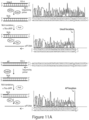
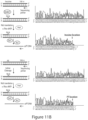
Figures 11A and11B : Application of the Nick-seq™ methodology: Map of DNA damage and modification sites in DNA oligonucleotides. The sequences in the Figures are as follows: ForFigure 11A , the sequences correspond to SEQ ID NOs: 8, 9, 10, 11, 12, 8, 10, 13, from top to bottom. ForFigure 11B , the sequences correspond to SEQ ID NOs: 14-21, from top to bottom. - Representative
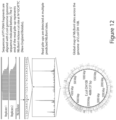
Figure 12 : Application of the Nick-seq™ methodology: Genomic map of Nb.BsmI nickase cleavage sites in the E. coli genome. The sequence corresponds to SEQ ID NO: 22. - Representative
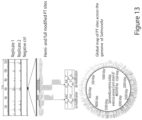
Figure 13 : Application of the Nick-seq™ methodology: Genomic map of DNA phosphorothioate modification sites in the Salmonella genome. - This disclosure provides various methods and products relating to detection, quantification and sequencing of nucleic acids such as but not limited to RNA. This disclosure further provides various methods and products relating to universal detection of nucleic acid features (e.g., mutations, modifications, etc.). The various aspects and embodiments of this disclosure are discussed in greater detail below.
- This disclosure provides, in part, methods that enable one skilled in the art to perform RNA sequencing in which the abundances (i.e., copy numbers) of different RNA molecules can be compared directly in the same sample. Unlike other RNA sequencing methods, which allow only relative quantification of changes in the levels of RNA molecules between different samples, the method described here enables a direct, linear correlation between the sequencing read counts and the number of copies of all RNA molecules within a single sample. This allows quantitative definition of landscape of RNA molecules in a cell or tissue at any given moment. This process can be applied to RNA from any source, with multiplexing to accommodate many samples, and it can be used to investigate gene expression, RNA metabolism, RNA stability, RNA therapeutics, and any other problems related to quantitative analysis of RNA molecules.
- As shown in
Figure 1 , the current RNA sequencing technology works by first attaching defined-sequence nucleic acid (e.g., DNA) oligonucleotides to each end of an RNA molecule using RNA ligase enzymes. A reverse transcriptase enzyme is then used to create a complementary copy of the RNA molecule (e.g., a complementary DNA, or cDNA), followed by polymerase chain reaction (PCR) amplification of the cDNA molecule. The amplified cDNAs are then subjected to NGS for identification and quantification of all of the original RNA molecules in a sample such as a cell. Thus, current RNA sequencing methods allow analysis of relative changes in the levels of RNA molecules between two or more conditions, with the resulting fold-change data providing insights into how a condition affects changes in the levels of different RNA molecules. - These methods cannot however be used for absolute quantification of RNA molecules, in which the levels of different types of RNA transcripts are compared in the same sample of RNA. For example, there are -30-55 different types of transfer RNAs (tRNAs) in most types of prokaryotic cells such as bacteria. Eukaryotic cells, including yeast and human cells, can have up to hundreds of different transfer RNAs. tRNAs represent the adaptor molecules that read the genetic code in messenger RNAs (mRNAs) and carry the corresponding amino acid for synthesis of the protein encoded by the mRNA. The level of each type of tRNA is thought to reflect the translational needs of the cell at any given moment, with some specific types of tRNA occurring at very low levels while other types potentially present at orders-of-magnitude higher levels.
- There are two reasons why current RNA sequencing techniques cannot be used for absolute quantification of RNA molecules. First, the attachment of oligonucleotide linkers to each end of an RNA molecule before reverse transcription results in the loss of information about some RNA molecules when the reverse transcriptase falls off the RNA due to an error in processivity of the enzyme or due to an encounter with some types of modified nucleosides. Regarding the latter, the cells in each type of organism contain 25-50 or more chemical modifications of the canonical A, G, C and U nucleotides in RNA.1,2 Some of these modifications block the polymerase activity during reverse transcription, so that the enzyme falls off the RNA molecule before completely copying the molecule through to the other end. Such failure sequences do not possess the second PCR linker, so they cannot be amplified and thus fail to appear in the final sequencing results (
Figure 1 , boxed). - A second problem is that the ligase enzymes used for RNA sequencing vary in their efficiency by more than 103-fold due to differences in the last two nucleotides at each end of the RNA molecule.3-5 This variation in linker ligation efficiency manifests as 106-fold variation in the read counts from RNA sequencing applied to tRNA molecules.6 There is thus no predictable or direct correlation between sequencing read counts and the number of copies of an RNA molecule in a sample analyzed by current RNA sequencing methods.
- As described herein, to satisfy the need for absolute quantification in RNA sequencing analyses, an RNA sequencing method has been developed that enables a direct, linear correlation between the sequencing read counts and the number of copies of all RNA molecules within the same sample. The method is detailed in
Figure 2 . In one exemplary embodiment, the method may be used to detect and measure tRNA molecules. - This process may involve the following steps: (1) dephosphorylate purified RNA, in some instances consisting of all RNA molecules including for example all RNA molecules less than 200 nt in length ("small RNA"), which includes tRNAs; (2) ligate a dideoxycytidine-ended oligodeoxynucleotide linker with two randomized nucleotides at the 5'-end (Linker 1) to the dephosphorylated RNA using for example T4 RNA ligase, which results in > 91% ligation efficiency; (3) reduce the levels of RNA modifications using an AlkB enzyme which may be a mutant AlkB enzyme or it may be a mixture of AlkB enzymes having differing fidelities and/or susceptibilities to modifications; (4) remove excess Linker 1 by treating the sample with for example deadenylase to remove a ligase-mediated intermediate and then degrading Linker 1 for example with the 2'-deoxyribonuclease Rec J; (5) reverse transcribe the linker-ligated RNA into cDNA using a primer complementary to Linker 1 and reverse transcriptase; (6) degrade the RNA template for example by alkaline hydrolysis; (7) ligate a uniquely-designed hairpin/splint oligodeoxynucleotide linker (Linker 2) to the cDNA molecules using for example T4 DNA ligase; (8) remove excess Linker 2 for example by deadenylation and Rec J treatment as described in step #4; and (9) ligate standard NGS sequencing linkers by PCR followed by sequencing using standard NGS platforms.
- As a method for absolute quantification of RNA molecules in the same sample, which is not possible for existing methods, this RNA sequencing method involves an new and nonobvious combination of RNA- and DNA-manipulating enzymes and uniquely structured oligodeoxynucleotide linkers to process a mixture of RNA molecules (i.e., prepare an RNA library) for subsequent sequencing by standard NGS methods. The inventive features of these methods include: (1) uniquely designed oligodeoxynucleotide linkers and optimized reaction conditions that enhance the efficiency of the RNA and DNA ligase enzymes to > 91%; (2) unique combinations of enzymes (deadenylase, Rec J) that allow removal of excess linkers without harming the RNA template or cDNA product, thus enhancing the efficiency of subsequent enzymatic reactions; and (3) the ligation of the 5' linker (Linker 2) after the reverse transcription step, which avoids loss of RNA molecules by fall-off of the reverse transcriptase. This novel and nonobvious combination of reagents and conditions allows deep-sequencing analysis of the RNA molecules such that the sequencing read count for each type of RNA is directly and linearly correlated with the number of copies that RNA sequence. This method can be applied by researchers in the form of a kit in many fields of academic, regulatory or industrial science using any type of synthetic or natural RNA from any organism, such as viruses, bacteria, parasites, yeast, and mammalian and human cell and tissues.
- This RNA sequencing method has been reduced to practice in at least three applications: (1) with standard mixtures containing 5 RNA oligos of varying lengths and abundances to determine the extent of length-dependent biases and confirm the linearity of the sequencing method for RNAs between 25 and 80 nucleotides, (2) with an equimolar mixture of microRNA standards to determine the extent of sequence-dependent biases on quantification, and (3) with DNA from Mycobacterium bovis BCG bacteria to demonstrate the landscape and how the landscape changes when the cells are subjected to the stress of nutrient deprivation.
- The present disclosure provides a widely applicable methodology to quantify expressed intracellular RNA species, including tRNA isoacceptors and tRNA fragments, using next generation sequencing (NGS). This novel method for NGS library preparation can efficiently capture small RNA sequences without bias for length or sequence and quantitatively convert these sequences into cDNA by reverse transcription. The resulting cDNA is then PCR amplified and sequenced using paired-end high-throughput sequencing. Aligned output reads can be used to determine the absolute abundance of expressed small RNAs including both full-length and fragment tRNA isoacceptors.
- Existing methods for quantifying RNAs by sequencing have mainly focused on mRNA (transcriptional profiling) using either total RNA or enriched mRNA as starting materials. mRNA is considerably easier to sequence by NGS methods because relative to tRNA, it is less structured and it contains fewer RNA modifications, both of which hamper cDNA synthesis from tRNA. For example, existing methods for mRNA sequencing involve simultaneous ligation of 5' and 3' adapters followed by reverse transcription and PCR amplification. In contrast, in the present disclosure, only the 3' linker is ligated to the RNA starting material prior to reverse transcription. This is done to reduce loss of templates that form truncated cDNA due to the presence of polymerase-blocking modifications or secondary structures (
Figure 1 ). Furthermore, the 3'-linker is designed with two randomized NN nucleotides in the 5'-end to maximize capture of all RNA species in the starting material by eliminating sequence-dependent ligation biases.3-5 - An example of an alternate approach for tRNA sequencing has been reported. It incorporates an enzymatic tRNA demethylation step prior to cDNA generation to minimize the effect of polymerase-blocking modifications, uses a template-switching reverse transcriptase in order to obviate the need for linker ligation, and employs a cDNA circularization strategy prior to amplification.8 This reported method however does not take as rigorous an approach to quantitation as the methods disclosed herein. In both the reverse transcription and circularization steps, their method does not address known sequence-dependent biases in the activities and efficiencies of the enzymes.9 For example, the circularization efficiency of CircLigaseII, the commercially available ssDNA ligase used in the prior method, is known to vary depending on identity of the two terminal nucleotides.9 In the context of measuring the composition of the expressed tRNA pool, such sequence-dependent biases will skew the capture of isoacceptors carrying "preferred" sequences and cannot be relied up on to provide accurate quantitation of the full tRNA or small RNA landscape.
- In the present disclosure, by contrast, every step and parameter of the method, including adapter sequences, stoichiometries, and enzymatic reaction conditions, have been designed, tested, and optimized to either quantitatively capture all sequences or be free from sequence-dependent biases. To start, the 3'-
Linker 1 is designed with two randomized nucleotides at the 5'-end to minimize ligation differences between varied sample sequences. Indeed, using this approach, it is demonstrated that >91% of starting sequences are ligated with a 3'-end Linker 1 by Bioanalyzer analysis. Reverse transcription proceeds after the first ligation step and demethylation. To avoid sequence biases reported with the template-switching reverse transcriptase enzyme used by others,8 a high-processivity, high-accuracy, thermostable, commercially-available reverse transcriptase was selected, although it was also found that a mixture of enzymes with slightly differing fidelities and susceptibilities to modifications could also be used in this step. The 5'-Linker 2 is designed to have a hairpin with a six-nucleotide NNNNNN overhang that is complementary with the 3'-end of the cDNA. This structure brings the 5'-end of the Linker in close proximity to the 3'-end of the target cDNA to maximize ligation efficiency. With these optimizations, there is nearly complete conversion of the cDNA to cDNA + 5' adapter by Bioanalyzer. - An unbiased RNA sequencing method has many commercial applications in basic and applied research, biomedical diagnostics, drug development, and any other biological or biomedical application requiring knowledge of RNA levels. All commercial applications would derive from a basic kit containing DNA oligos, buffers, and enzymes to allow high-throughput quantification of RNA and RNA fragments in any size range.
- Examples of applications of the RNA sequencing method of this disclosure and variations thereof include:
- RNA quantification - The basic methodology is applicable to generating RNA profiles in samples of cultured cells and tissues, including bodily fluids and excretions (urine, saliva, blood, feces). These RNA profiles can be used in a number of research applications related to diagnosis of infectious disease, quantification of gene expression, quantification of microRNAs or non-coding regulatory RNAs, measurement of RNA stability, analysis of RNA processing, and any other application requiring quantitative analysis of RNA.
- Identification and quantification RNA modifications - There is increasing evidence that RNA modifications have important functions in RNA processing, RNA stability, and the regulation of translation. This methodology would find use in identifying and quantifying RNA modification sites as reverse transcriptase "fall-off" sites when the AlkB treatment (e.g., mutant AlkB treatment) is omitted or as bypass mutagenesis sites when a modification induces a misincorporation. There is great value in defining maps of the locations of modified nucleotides in different RNA molecules, all in the same sample, as well as changes in the maps as a function cell state and stress.
- RNA fragmentation analysis - Recent studies have revealed novel mechanisms of control of gene expression and RNA stability by small RNA fragments generated from larger functional RNAs such as tRNA, mRNA and rRNAs. The present methodology is able to quantify all RNA fragments in a sample, to quantify the fragments in relation to the parent RNA species, and to define the location of the fragmentation reaction. This would provide invaluable insights into the biological and medical impact of small regulatory RNA species.
- Study of the biogenesis of functional RNA and RNA decay - Primary RNA transcripts undergo various processing events including splicing, joining of different units, trimming, and circularization prior to maturation. The present methodology is able to quantify intermediary RNA fragments in a sample and to quantify these intermediates in relation to the mature RNA species, and to define the localization of intermediates. This would provide invaluable insights into the biological and medical impact of small regulatory RNA species.
- RNA biomarker discovery - This methodology can generate the landscape of all RNA molecules in a cell that can be compared against a known landscape that is from specific disease or condition, thus informing a biomarker of this disease or condition. This special biomarker can be used for predictive of prognosis and/or diagnosis of the disease or condition.
- The kits are applicable to a wide variety of genomic studies in diverse areas of biology, biomedical research and biotechnology, including genetics, genomics, molecular and cell biology, microbiology, biotechnology, medicine, and clinical research, toxicology, pharmacology and other areas. Research and development in nearly every type of human disease involves genome-wide analyses of DNA damage and repair, modifications and chromatin structures and would benefit from the methodologies provided herein.
- In the first example, five mixtures consisting of five RNA oligos between 25 and 80 nucleotides in length spiked at different abundances were created. Each mixture was then split into three technical replicates. All the samples were further spiked with a defined quantity of a 80-mer synthetic RNA oligonucleotide as an internal standard.
- The RNA samples were then subjected to the series of reactions shown in
Figure 2 to prepare a library for RNA sequencing. The methodological details are presented here. - A mixture of tRNA (40 ng; ~2 pmol), 50-mer RNA internal standard, NEB T4 RNA ligase buffer (0.5 µL; New England Biolabs), shrimp alkaline phosphatase (1 µL, New England Biolabs) and water in 5 µL was incubated at 37 °C for 30 minutes and the reaction stopped by heat inactivation at 65 °C for 5 minutes. RNA denaturation was maintained by holding the samples on ice for the next step.
- To the 10 µL dephosphorylation mixture from
Step # 1 was added 10 µL of a master mix of 1 µL of Linker 1 (100 pmol/µL; sequence inFigure 3 ; IDT) 3 µL ATP (10 mM; NEB), 2.5 µL of T4 RNA ligase buffer (NEB), 2 µL of T4 RNA ligase 1 (30 U/µL; NEB), and 15 µL of PEG8000 in 1.5uL water (Sigma). The mixture was incubated at 16 °C overnight. Zymo Oligo Clean & Concentrator kit was used to clean up the completed ligation. The linker-ligated RNA was isolated in 20 µL of water and held on ice for the next step. Bioanalyzer quantitation of the original and linker-ligated tRNA revealed that the ligation was >91% efficient, as shown inFigure 3 . - The 20 µL of linker-ligated tRNA from
Step # 2 was mixed with 50 µL of freshly-prepared, 2x-concentrated optimized AlkB buffer mixture (150 µM 2-ketoglutarate, 4 mM L-ascorbic acid, 150 µM (NH4)2Fe(SO4)2 6 H2O, 100 µg/mL BSA, 100 mM HEPES, pH8; slight purple color that turns brown over time), 2 µL of AlkB enzyme (ArrayStar), 1 µL RNase Inhibitor (NEB) and 27 µL of water. The reaction was incubated at ambient temperature for 2 h, followed by denature of AlkB by heating at 65 °C for 5 minutes. AlkB protein was removed by extraction with 100 µL of phenol: chloroform: isoamyl alcohol 25:24:1, pH 5.2. The aqueous layer (~90 µL) was washed once with 100 µL of chloroform. The RNA in the aqueous layer (~75 µL) was purified using the Zymo kit noted earlier, with the RNA eluted into 16-20 µL of water. - The purified RNA from
Step # 3 was first treated with deadenylase to remove the 5'-adenylpyrophosphoryl group remaining onLinker 1 as an intermediate from the ligase reaction. Removal of the 5'-adenylation is necessary for Rec J-mediated degradation of theLinker 1. The deadenylation reaction consisted of the 16-20 µL of linker-ligated RNA product fromStep # NEB Buffer # Linker 1 in this mixture was then hydrolyzed by adding 2 µL of Rec J enzyme (30 U/µL; NEB), incubating at 37 °C for 30 minutes, adding another 2 µL of RecJ and incubating again at 37 °C 30 minutes. RNA was purified using a Dyex Kit (Qiagen) according to manufacturer's instructions, with the final eluted RNA reduced to 24 µL under vacuum. - The purified linker-ligated RNA from
Step # 4 was next subjected to reverse transcription to create a cDNA copy. The key feature here is the use of an oligodeoxynucleotide primer (RT primer, reverse complementary to Linker 1) possessing 6 phosphorothioate linkages at the 5'-end (Figure 4 ), which prevents degradation of the cDNA by Rec J in Step #8. The reverse transcription reaction starts by annealing RT primer to the linker-ligated RNA in a reaction consisting of 1 µL RT primer (2 pmol/µL), 1 µL of dNTPs (10 mM each), and the 24 µL of Dyex-purified RNA fromStep # 4. The mixture was heated at 80 ° C for 2 minutes and cooled immediately on ice for 2 minutes. The reverse transcription reaction was initiated by adding 6 µL of 5X PrimeScript Buffer (Clonetech), 1 µL of RNase Inhibitor (NEB) and 1 µL of PrimeScript Reverse Transcriptase (Clonetech). This mixture was incubated at 50 °C for 2 hours. The enzyme was inactivated by heating at 70 °C for 15 minutes. Stopping point: this mixture can be stored at 4 °C indefinitely. - The cDNA was purified by first hydrolyzing the RNA by adding 1 µL of 5 M NaOH to 25 µL of the mixture from
Step # 5, with heating to 90-95 °C for 3 minutes. After cooling to ambient temperature, the pH was adjusted to 7 by adding 1 µL of 5 M HCl. The cDNA was then purified using the Zymo kit noted earlier, with the eluted cDNA evaporated to dryness under vacuum. Stopping point: the cDNA can be stored at -20 °C for at least one week. - The design of
Linker 2 is shown inFigure 5 .Linker 2 is a uniquely-designed hairpin/splint oligodeoxynucleotide. The 6 randomized nucleotides ("N") allow hybridization to the 3'-ends of all possible cDNA sequences, while the hairpin structure ensures proximity of the 5'-end of the linker with the 3'-end of the cDNA. As a result, the efficiency of ligation with T4 DNA ligase is >96% (Figure 5 ). The ligation reaction consists of 1 µL of Linker 2 (50 pmol/µL), 2 µL of T4 DNA ligase buffer (NEB), 1 µL ATP (10 mM), 5 µL cDNA from Step #6 (resuspended in water), 2 µL of T4 DNA ligase, and 9 µL ofPEG 8000. The sample was mixed and incubated at 16 °C overnight. The ligation products were purified using the Zymo kit noted earlier and eluted with 16 µL of water. - The remainder of
Linker 2 was removed with by deadenylation and Rec J treatment as noted earlier, to reduce ligation artifacts during Step #9. The reaction starts withdeadenylation 5'-adenylated Linker 2 (16 µL ligation mixture fromStep # NEB Buffer - The final step involves attachment of standard Illumina PCR primers as shown in
Figure 2 , according to the manufacturer's instructions. These primers introduce Illumina anchor sequences and sample-identifying barcodes to the prepared cDNA libraries. As shown inFigure 6 ,Illumina PCR primer 1 contains the reverse complement of the 22 nt at the 5'-end ofLinker 2, whileIllumina PCR primer 2 contains the reverse complement to the 18 nt at 3'-end ofLinker 1. - Following this series of reactions in Steps #1-#9, the sample was sequenced on the Illumina platform and the data mined using standard alignment workflow. The number of read counts for each RNA oligo standard and for the 80-mer internal standard were quantified. As shown in
Figure 7 , the RNA sequencing method revealed a direct, linear correlation between the sequencing read count and the number of copies of each of the standards. The slope of the sequencing response (fmol of standard / normalized read count) was consistent between the five standards despite the wide variation in length from 25 to 80 nucleotides. This indicates that length does not significantly bias sequencing response. - The second example involves using a commercially-available mixture of synthetically derived microRNA standards to determine the extent of sequence-dependent biases on quantification. The Miltenyi miRXplore universal reference contains 963 microRNA sequences that range from 16 to 29 nucleotides in length. The oligos are mixed together in an equimolar fashion. This sample represents a highly diverse pool of RNA sequences and the abundance of each sequence relative to any other should be 1. After applying the RNA sequencing method (Steps #1-#9), the ratio of the normalized read count to the expected read count was calculated for each standard.
Figure 8 shows the distribution of the ratios for all 963 microRNA sequences. 75% of the standards were detected to within two-fold of their expected abundance suggesting that sequence-dependent biases (especially from biases due to ligase preference) did significantly not factor into the library preparation process. - The third example of a reduction to practice for the RNA sequencing method of this disclosure involves analysis of the behavior of all small RNA species (<200 nt) in M. bovis BCG, a surrogate for the tuberculosis-causing M. tuberculosis, subjected to the stress of nutrient deprivation. Samples of small RNA species were isolated from BCG during growth in nutrient-rich medium (S0), on
days day 6 after returning the bacteria to nutrient-rich medium (resuscitation, R6). The RNA was processed for the RNA sequencing method in Steps #1-#9 described earlier and the resulting linker-ligated cDNA subjected to Illumina sequencing. As shown inFigure 9 , the behavior of 15 different tRNA isoacceptors (out of 47 total tRNAs) is observed to change dramatically during the starvation and resuscitation. For example, the number of copies of tRNA Lys-CTT-1-1 exceeds that of tRNA Phe-GAA-1-1 by a factor of ~3 during growth in nutrient-rich medium (S0). However, the Phe tRNA increases during early starvation (S0-S10), while there is a sharp drop in the number of copies of tRNA Lys-CTT-1-1 to nearly the same level as tRNA Phe-GAA-1-1 on day S10 (Figure 9 ). This kind of direct comparison of RNA levels in the same sample would not be possible by any current RNA sequencing method. -
- 1. Gu C, Begley TJ, Dedon PC. tRNA modifications regulate translation during cellular stress. FEBS Lett. 2014;588(23):4287-96. PMCID: 4403629.
- 2. Phizicky EM, Hopper AK. tRNA biology charges to the front. Genes Dev. 2010;24(17):1832-60. PMCID: 2932967.
- 3. Zhang Z, Lee JE, Riemondy K, Anderson EM, Yi R. High-efficiency RNA cloning enables accurate quantification of miRNA expression by deep sequencing. Genome Biol. 2013;14(10):R109. PMCID: PMC3983620.
- 4. Hafner M, Renwick N, Brown M, Mihailovic A, Holoch D, Lin C, Pena JT, Nusbaum JD, Morozov P, Ludwig J, Ojo T, Luo S, Schroth G, Tuschl T. RNA-ligase-dependent biases in miRNA representation in deep-sequenced small RNA cDNA libraries. RNA. 2011;17(9):1697-712. PMCID: PMC3162335.
- 5. Linsen SE, de Wit E, Janssens G, Heater S, Chapman L, Parkin RK, Fritz B, Wyman SK, de Bruijn E, Voest EE, Kuersten S, Tewari M, Cuppen E. Limitations and possibilities of small RNA digital gene expression profiling. Nat Methods. 2009;6(7):474-6.
- 6. Pang YL, Abo R, Levine SS, Dedon PC. Diverse cell stresses induce unique patterns of tRNA up- and down-regulation: tRNA-seq for quantifying changes in tRNA copy number. Nucleic Acids Res. 2014;42(22):e170. PMCID: 4267671.
- 7. Cai WM, Chionh YH, Hia F, Gu C, Kellner S, McBee ME, Ng CS, Pang YL, Prestwich EG, Lim KS, Babu IR, Begley TJ, Dedon PC. A Platform for Discovery and Quantification of Modified Ribonucleosides in RNA: Application to Stress-Induced Reprogramming of tRNA Modifications. Methods Enzymol. 2015;560:29-71. PMCID: PMC4774897.
- 8. Zheng G, Qin Y, Clark WC, Dai Q, Yi C, He C, Lambowitz AM, Pan T. Efficient and quantitative high-throughput tRNA sequencing. Nature Methods. 2015;12:83 5-7.
- 9. Tate CM, Nunez AN, Goldstein CA, Gomes I, Robertson JM, Kavlick MF, Budowle B. Evaluation of circular DNA substrates for whole genome amplification prior to forensic analysis. Forensic Sci Int Genet. 2012;6(2):185-90.
- 10. Chiu T-P, Yang L, Zhou T, Main BJ, Parker SCJ, Nuzhdin SV, Tullius TD, Rohs R. GBshape: a genome browser database for DNA shape annotations. Nucleic Acids Research. 2014.
- 11. Li W, Hu J, Adebali O, Adar S, Yang Y, Chiou YY, Sancar A. Human genome-wide repair map of DNA damage caused by the cigarette smoke carcinogen benzo[a]pyrene. Proc Natl Acad Sci USA. 2017;114(26):6752-7. PMCID: PMC5495276.
- 12. Zhou ZX, Zhang MJ, Peng X, Takayama Y, Xu XY, Huang LZ, Du LL. Mapping genomic hotspots of DNA damage by a single-strand-DNA-compatible and strand-specific ChIP-seq method. Genome Res. 2013;23(4):705-15. PMCID: PMC3613587.
- 13. Cao B, Chen C, DeMott MS, Cheng Q, Clark TA, Xiong X, Zheng X, Butty V, Levine SS, Yuan G, Boitano M, Luong K, Song Y, Zhou X, Deng Z, Turner SW, Korlach J, You D, Wang L, Chen S, Dedon PC. Genomic mapping of phosphorothioates reveals partial modification of short consensus sequences. Nat Commun. 2014;5:3951. PMCID: 4322921.
- All definitions, as defined and used herein, should be understood to control over dictionary definitions, definitions in documents incorporated by reference, and/or ordinary meanings of the defined terms.
- The indefinite articles "a" and "an," as used herein in the specification and in the claims, unless clearly indicated to the contrary, should be understood to mean "at least one."
- The phrase "and/or," as used herein in the specification and in the claims, should be understood to mean "either or both" of the elements so conjoined, i.e., elements that are conjunctively present in some cases and disjunctively present in other cases. Multiple elements listed with "and/or" should be construed in the same fashion, i.e., "one or more" of the elements so conjoined. Other elements may optionally be present other than the elements specifically identified by the "and/or" clause, whether related or unrelated to those elements specifically identified. Thus, as a non-limiting example, a reference to "A and/or B", when used in conjunction with open-ended language such as "comprising" can refer, in one embodiment, to A only (optionally including elements other than B); in another embodiment, to B only (optionally including elements other than A); in yet another embodiment, to both A and B (optionally including other elements); etc.
- As used herein in the specification and in the claims, "or" should be understood to have the same meaning as "and/or" as defined above. For example, when separating items in a list, "or" or "and/or" shall be interpreted as being inclusive, i.e., the inclusion of at least one, but also including more than one, of a number or list of elements, and, optionally, additional unlisted items. Only terms clearly indicated to the contrary, such as "only one of" or "exactly one of," or, when used in the claims, "consisting of," will refer to the inclusion of exactly one element of a number or list of elements. In general, the term "or" as used herein shall only be interpreted as indicating exclusive alternatives (i.e. "one or the other but not both") when preceded by terms of exclusivity, such as "either," "one of," "only one of," or "exactly one of." "Consisting essentially of," when used in the claims, shall have its ordinary meaning as used in the field of patent law.
- As used herein in the specification and in the claims, the phrase "at least one," in reference to a list of one or more elements, should be understood to mean at least one element selected from any one or more of the elements in the list of elements, but not necessarily including at least one of each and every element specifically listed within the list of elements and not excluding any combinations of elements in the list of elements. This definition also allows that elements may optionally be present other than the elements specifically identified within the list of elements to which the phrase "at least one" refers, whether related or unrelated to those elements specifically identified. Thus, as a non-limiting example, "at least one of A and B" (or, equivalently, "at least one of A or B," or, equivalently "at least one of A and/or B") can refer, in one embodiment, to at least one, optionally including more than one, A, with no B present (and optionally including elements other than B); in another embodiment, to at least one, optionally including more than one, B, with no A present (and optionally including elements other than A); in yet another embodiment, to at least one, optionally including more than one, A, and at least one, optionally including more than one, B (and optionally including other elements); etc.
- It should also be understood that, unless clearly indicated to the contrary, in any methods claimed herein that include more than one step or act, the order of the steps or acts of the method is not necessarily limited to the order in which the steps or acts of the method are recited.
- In the claims, as well as in the specification above, all transitional phrases such as "comprising," "including," "carrying," "having," "containing," "involving," "holding," "composed of," and the like are to be understood to be open-ended, i.e., to mean including but not limited to. Only the transitional phrases "consisting of" and "consisting essentially of" shall be closed or semi-closed transitional phrases, respectively, as set forth in the United States Patent Office Manual of Patent Examining Procedures, Section 2111.03.
Claims (18)
- An in vitro method for measuring RNA in a sample comprising(a) dephosphorylating RNA in a sample, thereby generating dephosphorylated RNA,(b) ligating, to the dephosphorylated RNA, a ddNTP-ended oligodeoxynucleotide linker having two or more randomized nucleotides at its 5'-end (Linker 1), thereby generating a linker-ligated RNA,(c) removing excess Linker 1 by treating with deadenylase to remove a ligase-mediated intermediate and then degrading Linker 1 with the 2'-deoxyribonuclease Rec J,(d) reverse transcribing the linker-ligated RNA into cDNA using a primer complementary to Linker 1 and reverse transcriptase,(e) degrading residual RNA,(f) ligating a hairpin/splint oligodeoxynucleotide linker comprising, in a 5' to 3' orientation, a double-stranded stem region, a single-stranded loop region, a random nucleotide sequence region capable of hybridizing to the cDNA, and a single-stranded 3' end (Linker 2) to the cDNA, thereby generating a linker-ligated cDNA(g) removing excess Linker 2 by treating with deadenylase to remove a ligase-mediated intermediate and then degrading Linker 2 with the 2'-deoxyribonuclease Rec J, and(h) amplifying and/or sequencing the linker-ligated cDNA using Primer 1 and Primer 2, wherein Primers 1 and 2 comprise reverse complements of sequences in Linkers 1 and 2 in the linker-ligated cDNA.
- The in vitro method of claim 1, wherein:(i) dephosphorylating RNA in a sample uses alkaline phosphatase;(ii) the ddNTP-ended oligodeoxynucleotide linker of step (b) is dideoxycytidine-ended oligodeoxynucleotide linker;(iii) the linker-ligated RNA conjugate of step (b) is treated with an AlkB enzyme capable of reducing level of RNA modification, optionally wherein the AlkB enzyme is a mutant AlkB enzyme;(iv) in step (f), ligating Linker 2 to the cDNA uses a T4 DNA ligase;(v) the RNA are purified RNA and/or wherein the RNA is present in a sample, wherein the sample is prepared from and/or contains cells or tissue; and further optionally are or comprise tRNA or miRNA; and/or(vi) the method generates a library of linker-ligated cDNA representative of starting RNA and/or wherein the residual RNA is degraded by incubation with sodium hydroxide.
- The in vitro method of claim 1 or 2, wherein the RNA are less than or equal to 200 nucleotides in length, or less than or equal to 100 nucleotides in length, including 15-200 nucleotides in length or 15-100 nucleotides in length; or the RNA are between 200 to 1000 nucleotides in length, or between 200 to 5000 nucleotides in length.
- The in vitro method of any one of claims 1-3, wherein ligating of step (b) is performed in the presence of a T4 RNA ligase.
- The in vitro method of any one of claims 1-4, wherein the method measures the number of a plurality of different RNA in a sample and/or wherein the method measures absolute quantity of a plurality of different RNA in a sample; optionally wherein the plurality is at 2-10, 2-20, 2-30, 2-40, 2-50, 2-60, 2-70, 2-80, 2-90, or 2-100, or more.
- The in vitro method of any one of claims 1-5, wherein the ddNTP-ended oligodeoxynucleotide linker has two randomized nucleotides at its 5'-end and/or the ddNTP-ended oligodeoxynucleotide linker is a dideoxycytidine-ended oligodeoxynucleotide linker.
- The in vitro method of any one of claims 1-6, wherein Linker 1 has a nucleotide sequence of 5'-phosphate-NN-CACTCGGGCACCAAGGA-ddC-3' (SEQ ID NO: 1) or a sequence of 5'-phosphate-NNCACTCGGGCACCAGGA-ddC-3' (SEQ ID NO: 2) optionally wherein
(i) the primer complementary to Linker 1 is a oligodeoxynucleotide primer (RT primer) comprising one or more phosphorothioate linkages at the 5'-end, optionally wherein the primer complementary to Linker 1 comprises 2, 3, 4, 5, 6, 7, 8, 9, 10, or more phosphorothioate linkages at the 5'-end; or (ii) the primer complementary to Linker 1 is a oligodeoxynucleotide primer (RT primer) possessing 6 phosphorothioate linkages at the 5'-end; or (iii) the primer complementary to Linker 1 has a sequence of
5'-GPTTPTCPTCPTTPTTPTGGTGCCCGAGTG-OH-3',
wherein PT represents phosphorothioate (SEQ ID NO: 3). - The in vitro method of any one of claims 1-7, wherein the hairpin/splint oligodeoxynucleotide linker comprises a random nucleotide sequence region that is 4, 5, 6, 7, 8, 9, 10 or more nucleotides in length, wherein the nucleotides are randomized nucleotides, optionally wherein the random nucleotide sequence region is 6 nucleotides in length, optionally wherein the random nucleotide sequence is complementary to the 3' end of the cDNA; and further optionally wherein the hairpin/splint oligodeoxynucleotide linker comprises a sequence as shown in Figure 5 and/or the hairpin/splint oligodeoxynucleotide linker comprises a 3'-propyl group capable of preventing self-ligation, at its 3' end.
- The in vitro method of any one of claims 1-8, wherein Primer 1 has a nucleotide sequence as shown in Figure 6, and/or Primer 2 has a nucleotide sequence as shown in Figure 6.
- The in vitro method of any one of claims 1-9, wherein Primer 1 is a reverse complement of the 5' end of Linker 2, optionally wherein Primer 1 is a reverse complement of the 5' end of Linker 2 that is 5-50, 10-50, 20-50, or 20, 21, 22, 23, 24 or 25 nucleotides in length, and/or Primer 2 is a reverse complement of the 5' end of Linker 1, optionally wherein Primer 2 is a reverse complement of the 5' end of Linker 1 that is 5-50, 10-50, 15-50, or 15, 16, 17, 18, 19 or 20 nucleotides in length.
- A kit comprising:a ddNTP-ended oligodeoxynucleotide linker having two or more randomized nucleotides at its 5'-end (Linker 1), optionally wherein the ddNTP-ended oligodeoxynucleotide linker is a dideoxycytidine-ended oligodeoxynucleotide linker,and a hairpin/splint oligodeoxynucleotide linker comprising a double-stranded stem region, a single-stranded loop region, a random nucleotide sequence region capable of hybridizing to the cDNA, and a single-stranded 3' end (Linker 2),RT primer, anda buffer.
- The kit of claim 11, wherein the kit further comprises an RNA and a DNA ligase, optionally T4 RNA ligase and T4 DNA ligase.
- The kit of claim 11 or 12, wherein the ddNTP-ended oligodeoxynucleotide linker has two randomized nucleotides at its 5'-end and/or the ddNTP-ended oligodeoxynucleotide linker is a dideoxycytidine-ended oligodeoxynucleotide linker.
- The kit of any one of claims 11-13, wherein Linker 1 has a nucleotide sequence of 5'-phosphate-NN-CACTCGGGCACCAAGGA-ddC-3' (SEQ ID NO: 1) or a sequence of 5'-phosphate-NNCACTCGGGCACCAGGA-ddC-3' (SEQ ID NO: 2) optionally wherein
(i) the RT primer is complementary to Linker 1 and is a oligodeoxynucleotide primer comprising one or more phosphorothioate linkages at the 5'-end, optionally wherein the RT primer comprises 2, 3, 4, 5, 6, 7, 8, 9, 10, or more phosphorothioate linkages at the 5'-end; or (ii) the RT primer is complementary to Linker 1 and is a oligodeoxynucleotide primer possessing 6 phosphorothioate linkages at the 5'-end; or (iii) the RT primer is complementary to Linker 1 and has a sequence of
5'-GPTTPTCPTCPTTPTTPTGGTGCCCGAGTG-OH-3',
wherein PT represents phosphorothioate (SEQ ID NO: 3). - The kit of any one of claims 11-14, wherein the hairpin/splint oligodeoxynucleotide linker comprises a random nucleotide sequence region that is 4, 5, 6, 7, 8, 9, 10 or more nucleotides in length, wherein the nucleotides are randomized nucleotides, optionally wherein the random nucleotide sequence region is 6 nucleotides in length, optionally wherein the random nucleotide sequence is complementary to the 3' end of the cDNA; and further optionally wherein the hairpin/splint oligodeoxynucleotide linker comprises a sequence as shown in Figure 5 and/or the hairpin/splint oligodeoxynucleotide linker comprises a 3'-propyl group capable of preventing self-ligation, at its 3' end.
- The kit of any one of claims 11-15, wherein the RT primer is comprised of Primer 1, wherein Primer 1 has a nucleotide sequence as shown in Figure 6.
- The kit of any one of claims 11-16, wherein the RT primer is comprised of Primer 1, wherein Primer 1 is a reverse complement of the 5' end of Linker 2, optionally wherein Primer 1 is a reverse complement of the 5' end of Linker 2 that is 5-50, 10-50, 20-50, or 20, 21, 22, 23, 24 or 25 nucleotides in length.
- The kit of any of claims 11-17, wherein one or more, including all, components are housed in separate containers.
Applications Claiming Priority (2)
| Application Number | Priority Date | Filing Date | Title |
|---|---|---|---|
| US201862643426P | 2018-03-15 | 2018-03-15 | |
| PCT/US2019/013714 WO2019177684A1 (en) | 2018-03-15 | 2019-01-15 | Methods of quantifying rna and dna variants through sequencing employing phosphorothioates |
Publications (4)
| Publication Number | Publication Date |
|---|---|
| EP3765478A1 EP3765478A1 (en) | 2021-01-20 |
| EP3765478A4 EP3765478A4 (en) | 2022-03-16 |
| EP3765478C0 EP3765478C0 (en) | 2024-07-24 |
| EP3765478B1 true EP3765478B1 (en) | 2024-07-24 |
Family
ID=67905223
Family Applications (1)
| Application Number | Title | Priority Date | Filing Date |
|---|---|---|---|
| EP19767632.3A Active EP3765478B1 (en) | 2018-03-15 | 2019-01-15 | Methods of quantifying rna and dna variants through sequencing employing phosphorothioates |
Country Status (3)
| Country | Link |
|---|---|
| US (1) | US11802311B2 (en) |
| EP (1) | EP3765478B1 (en) |
| WO (1) | WO2019177684A1 (en) |
Families Citing this family (7)
| Publication number | Priority date | Publication date | Assignee | Title |
|---|---|---|---|---|
| CN111690718B (en) * | 2020-06-11 | 2023-04-14 | 曲阜师范大学 | A method for reversible protection and isolation of DNA |
| CN114657646A (en) * | 2022-04-13 | 2022-06-24 | 首都医科大学附属北京口腔医院 | Method for constructing prokaryotic RNA sequencing library |
| CN115125292B (en) * | 2022-06-02 | 2025-02-07 | 武汉大学 | A single-base resolution localization analysis method for inosine modification in RNA assisted by endonuclease |
| CN116949152B (en) * | 2023-06-16 | 2025-03-11 | 广州国家实验室 | Single-base level detection of N on genomic DNA4Sequencing method of-mC and 5mC modification |
| CN119375405A (en) * | 2023-07-27 | 2025-01-28 | 武汉大学 | A chromatography-mass spectrometry method for simultaneous detection of 48 RNA modifications |
| CN122003509A (en) * | 2023-10-13 | 2026-05-08 | 爱科来株式会社 | Method for degrading 5' -terminal adenylated single-stranded DNA, method for ligating 3' -linker to nucleic acid, method for preparing NGS library, NGS library preparation kit, and 3' -linker for preparing nucleic acid library |
| CN118389655A (en) * | 2024-03-11 | 2024-07-26 | 青岛大学 | 8-Oxygen-2' -deoxyguanine modified single base resolution positioning analysis method in DNA |
Family Cites Families (7)
| Publication number | Priority date | Publication date | Assignee | Title |
|---|---|---|---|---|
| US7270958B2 (en) * | 1998-09-10 | 2007-09-18 | The Regents Of The University Of Michigan | Compositions and methods for analysis of nucleic acids |
| EP2325303B1 (en) | 2002-09-13 | 2013-11-06 | Life Technologies Corporation | Thermostable reverse transcriptases and uses thereof |
| US9309557B2 (en) | 2010-12-17 | 2016-04-12 | Life Technologies Corporation | Nucleic acid amplification |
| CN104630211B (en) * | 2013-11-15 | 2018-03-02 | 苏州吉玛基因股份有限公司 | A kind of construction method of Small RNA cDNA libraries |
| EP3216867B1 (en) * | 2014-11-04 | 2020-04-15 | National University Corporation Kobe University | Method for modifying genome sequence to introduce specific mutation to targeted dna sequence by base-removal reaction, and molecular complex used therein |
| US11248262B2 (en) * | 2015-08-24 | 2022-02-15 | Qiagen Gmbh | Method for generating a RNA-sequencing library |
| WO2018231985A1 (en) * | 2017-06-13 | 2018-12-20 | Genetics Research, Llc, D/B/A Zs Genetics, Inc. | Polynucleic acid molecule enrichment methodologies |
-
2019
- 2019-01-15 EP EP19767632.3A patent/EP3765478B1/en active Active
- 2019-01-15 WO PCT/US2019/013714 patent/WO2019177684A1/en not_active Ceased
- 2019-01-15 US US16/248,729 patent/US11802311B2/en active Active
Also Published As
| Publication number | Publication date |
|---|---|
| EP3765478C0 (en) | 2024-07-24 |
| US11802311B2 (en) | 2023-10-31 |
| WO2019177684A8 (en) | 2019-10-24 |
| EP3765478A1 (en) | 2021-01-20 |
| WO2019177684A1 (en) | 2019-09-19 |
| EP3765478A4 (en) | 2022-03-16 |
| US20190284624A1 (en) | 2019-09-19 |
Similar Documents
| Publication | Publication Date | Title |
|---|---|---|
| US11802311B2 (en) | Methods of quantifying RNA and DNA variants through sequencing employing phosphorothioates | |
| US20220259638A1 (en) | Methods and compositions for high throughput sample preparation using double unique dual indexing | |
| Hafner et al. | RNA-ligase-dependent biases in miRNA representation in deep-sequenced small RNA cDNA libraries | |
| JP6895753B2 (en) | Double-stranded DNA library production method and sequencing method for identification of methylated cytosine | |
| CN115181783A (en) | Bisulfite-free base resolution identification of cytosine modifications | |
| EP4090766B1 (en) | Methods of targeted sequencing | |
| US20120003657A1 (en) | Targeted sequencing library preparation by genomic dna circularization | |
| CN113166797A (en) | Nuclease-based RNA depletion | |
| WO2015081229A2 (en) | Selective amplification of nucleic acid sequences | |
| WO2013188037A2 (en) | Method of adaptor-dimer subtraction using a crispr cas6 protein | |
| EP4028543B1 (en) | Method for preparing an rna sample for sequencing and kit thereof | |
| EP3325621B1 (en) | Cloning of single-stranded nucleic acid | |
| EP2652133B1 (en) | LIGATION METHOD EMPLOYING EUKARYOTIC tRNA LIGASE | |
| US20230122979A1 (en) | Methods of sample normalization | |
| WO2014151554A1 (en) | Phi29 method for library preparation | |
| EP4619521A2 (en) | Methods for selective amplification for efficient rearrangement detection | |
| CN116829713A (en) | Hairpin oligonucleotides and their uses | |
| CN116287159A (en) | New detection method and application of small RNA | |
| US20240279722A1 (en) | Methods for production and quantification of unique molecular identifier-labeled beads | |
| WO2024190788A1 (en) | Method for preparing dna library utilizing rna template/rna amplification | |
| EP3798319A1 (en) | An improved diagnostic and/or sequencing method and kit | |
| HK40081618A (en) | Bisulfite-free, base-resolution identification of cytosine modifications | |
| CN121951016A (en) | Method for characterizing dpCoA cap modified RNA and kit thereof | |
| HK40049321A (en) | An improved diagnostic and/or sequencing method and kit | |
| HK40052623A (en) | Nuclease-based rna depletion |
Legal Events
| Date | Code | Title | Description |
|---|---|---|---|
| STAA | Information on the status of an ep patent application or granted ep patent |
Free format text: STATUS: THE INTERNATIONAL PUBLICATION HAS BEEN MADE |
|
| PUAI | Public reference made under article 153(3) epc to a published international application that has entered the european phase |
Free format text: ORIGINAL CODE: 0009012 |
|
| STAA | Information on the status of an ep patent application or granted ep patent |
Free format text: STATUS: REQUEST FOR EXAMINATION WAS MADE |
|
| 17P | Request for examination filed |
Effective date: 20201001 |
|
| AK | Designated contracting states |
Kind code of ref document: A1 Designated state(s): AL AT BE BG CH CY CZ DE DK EE ES FI FR GB GR HR HU IE IS IT LI LT LU LV MC MK MT NL NO PL PT RO RS SE SI SK SM TR |
|
| AX | Request for extension of the european patent |
Extension state: BA ME |
|
| RIN1 | Information on inventor provided before grant (corrected) |
Inventor name: CAO, BO Inventor name: DEDON, PETER, C. Inventor name: HU, JENNIFER, F. Inventor name: DEMOTT, MICHAEL, S. |
|
| DAV | Request for validation of the european patent (deleted) | ||
| DAX | Request for extension of the european patent (deleted) | ||
| RIC1 | Information provided on ipc code assigned before grant |
Ipc: C12Q 1/6869 20180101AFI20211105BHEP |
|
| REG | Reference to a national code |
Ref country code: DE Ref legal event code: R079 Free format text: PREVIOUS MAIN CLASS: C07H0021020000 Ipc: C12Q0001686900 Ref country code: DE Ref legal event code: R079 Ref document number: 602019055752 Country of ref document: DE Free format text: PREVIOUS MAIN CLASS: C07H0021020000 Ipc: C12Q0001686900 |
|
| A4 | Supplementary search report drawn up and despatched |
Effective date: 20220211 |
|
| RIC1 | Information provided on ipc code assigned before grant |
Ipc: C12Q 1/6869 20180101AFI20220207BHEP |
|
| STAA | Information on the status of an ep patent application or granted ep patent |
Free format text: STATUS: EXAMINATION IS IN PROGRESS |
|
| 17Q | First examination report despatched |
Effective date: 20230406 |
|
| GRAP | Despatch of communication of intention to grant a patent |
Free format text: ORIGINAL CODE: EPIDOSNIGR1 |
|
| STAA | Information on the status of an ep patent application or granted ep patent |
Free format text: STATUS: GRANT OF PATENT IS INTENDED |
|
| INTG | Intention to grant announced |
Effective date: 20240215 |
|
| GRAS | Grant fee paid |
Free format text: ORIGINAL CODE: EPIDOSNIGR3 |
|
| GRAA | (expected) grant |
Free format text: ORIGINAL CODE: 0009210 |
|
| STAA | Information on the status of an ep patent application or granted ep patent |
Free format text: STATUS: THE PATENT HAS BEEN GRANTED |
|
| AK | Designated contracting states |
Kind code of ref document: B1 Designated state(s): AL AT BE BG CH CY CZ DE DK EE ES FI FR GB GR HR HU IE IS IT LI LT LU LV MC MK MT NL NO PL PT RO RS SE SI SK SM TR |
|
| REG | Reference to a national code |
Ref country code: GB Ref legal event code: FG4D |
|
| REG | Reference to a national code |
Ref country code: CH Ref legal event code: EP |
|
| REG | Reference to a national code |
Ref country code: DE Ref legal event code: R096 Ref document number: 602019055752 Country of ref document: DE |
|
| REG | Reference to a national code |
Ref country code: IE Ref legal event code: FG4D |
|
| U01 | Request for unitary effect filed |
Effective date: 20240813 |
|
| U07 | Unitary effect registered |
Designated state(s): AT BE BG DE DK EE FI FR IT LT LU LV MT NL PT SE SI Effective date: 20240827 |
|
| PG25 | Lapsed in a contracting state [announced via postgrant information from national office to epo] |
Ref country code: NO Free format text: LAPSE BECAUSE OF FAILURE TO SUBMIT A TRANSLATION OF THE DESCRIPTION OR TO PAY THE FEE WITHIN THE PRESCRIBED TIME-LIMIT Effective date: 20241024 |
|
| PG25 | Lapsed in a contracting state [announced via postgrant information from national office to epo] |
Ref country code: GR Free format text: LAPSE BECAUSE OF FAILURE TO SUBMIT A TRANSLATION OF THE DESCRIPTION OR TO PAY THE FEE WITHIN THE PRESCRIBED TIME-LIMIT Effective date: 20241025 Ref country code: PL Free format text: LAPSE BECAUSE OF FAILURE TO SUBMIT A TRANSLATION OF THE DESCRIPTION OR TO PAY THE FEE WITHIN THE PRESCRIBED TIME-LIMIT Effective date: 20240724 |
|
| PG25 | Lapsed in a contracting state [announced via postgrant information from national office to epo] |
Ref country code: IS Free format text: LAPSE BECAUSE OF FAILURE TO SUBMIT A TRANSLATION OF THE DESCRIPTION OR TO PAY THE FEE WITHIN THE PRESCRIBED TIME-LIMIT Effective date: 20241124 |
|
| PG25 | Lapsed in a contracting state [announced via postgrant information from national office to epo] |
Ref country code: HR Free format text: LAPSE BECAUSE OF FAILURE TO SUBMIT A TRANSLATION OF THE DESCRIPTION OR TO PAY THE FEE WITHIN THE PRESCRIBED TIME-LIMIT Effective date: 20240724 |
|
| PG25 | Lapsed in a contracting state [announced via postgrant information from national office to epo] |
Ref country code: RS Free format text: LAPSE BECAUSE OF FAILURE TO SUBMIT A TRANSLATION OF THE DESCRIPTION OR TO PAY THE FEE WITHIN THE PRESCRIBED TIME-LIMIT Effective date: 20241024 Ref country code: ES Free format text: LAPSE BECAUSE OF FAILURE TO SUBMIT A TRANSLATION OF THE DESCRIPTION OR TO PAY THE FEE WITHIN THE PRESCRIBED TIME-LIMIT Effective date: 20240724 |
|
| PG25 | Lapsed in a contracting state [announced via postgrant information from national office to epo] |
Ref country code: RS Free format text: LAPSE BECAUSE OF FAILURE TO SUBMIT A TRANSLATION OF THE DESCRIPTION OR TO PAY THE FEE WITHIN THE PRESCRIBED TIME-LIMIT Effective date: 20241024 Ref country code: PL Free format text: LAPSE BECAUSE OF FAILURE TO SUBMIT A TRANSLATION OF THE DESCRIPTION OR TO PAY THE FEE WITHIN THE PRESCRIBED TIME-LIMIT Effective date: 20240724 Ref country code: NO Free format text: LAPSE BECAUSE OF FAILURE TO SUBMIT A TRANSLATION OF THE DESCRIPTION OR TO PAY THE FEE WITHIN THE PRESCRIBED TIME-LIMIT Effective date: 20241024 Ref country code: IS Free format text: LAPSE BECAUSE OF FAILURE TO SUBMIT A TRANSLATION OF THE DESCRIPTION OR TO PAY THE FEE WITHIN THE PRESCRIBED TIME-LIMIT Effective date: 20241124 Ref country code: HR Free format text: LAPSE BECAUSE OF FAILURE TO SUBMIT A TRANSLATION OF THE DESCRIPTION OR TO PAY THE FEE WITHIN THE PRESCRIBED TIME-LIMIT Effective date: 20240724 Ref country code: GR Free format text: LAPSE BECAUSE OF FAILURE TO SUBMIT A TRANSLATION OF THE DESCRIPTION OR TO PAY THE FEE WITHIN THE PRESCRIBED TIME-LIMIT Effective date: 20241025 Ref country code: ES Free format text: LAPSE BECAUSE OF FAILURE TO SUBMIT A TRANSLATION OF THE DESCRIPTION OR TO PAY THE FEE WITHIN THE PRESCRIBED TIME-LIMIT Effective date: 20240724 |
|
| U20 | Renewal fee for the european patent with unitary effect paid |
Year of fee payment: 7 Effective date: 20250127 |
|
| PG25 | Lapsed in a contracting state [announced via postgrant information from national office to epo] |
Ref country code: SM Free format text: LAPSE BECAUSE OF FAILURE TO SUBMIT A TRANSLATION OF THE DESCRIPTION OR TO PAY THE FEE WITHIN THE PRESCRIBED TIME-LIMIT Effective date: 20240724 Ref country code: RO Free format text: LAPSE BECAUSE OF FAILURE TO SUBMIT A TRANSLATION OF THE DESCRIPTION OR TO PAY THE FEE WITHIN THE PRESCRIBED TIME-LIMIT Effective date: 20240724 |
|
| PG25 | Lapsed in a contracting state [announced via postgrant information from national office to epo] |
Ref country code: CZ Free format text: LAPSE BECAUSE OF FAILURE TO SUBMIT A TRANSLATION OF THE DESCRIPTION OR TO PAY THE FEE WITHIN THE PRESCRIBED TIME-LIMIT Effective date: 20240724 |
|
| PG25 | Lapsed in a contracting state [announced via postgrant information from national office to epo] |
Ref country code: SK Free format text: LAPSE BECAUSE OF FAILURE TO SUBMIT A TRANSLATION OF THE DESCRIPTION OR TO PAY THE FEE WITHIN THE PRESCRIBED TIME-LIMIT Effective date: 20240724 |
|
| PLBE | No opposition filed within time limit |
Free format text: ORIGINAL CODE: 0009261 |
|
| STAA | Information on the status of an ep patent application or granted ep patent |
Free format text: STATUS: NO OPPOSITION FILED WITHIN TIME LIMIT |
|
| 26N | No opposition filed |
Effective date: 20250425 |
|
| PG25 | Lapsed in a contracting state [announced via postgrant information from national office to epo] |
Ref country code: MC Free format text: LAPSE BECAUSE OF FAILURE TO SUBMIT A TRANSLATION OF THE DESCRIPTION OR TO PAY THE FEE WITHIN THE PRESCRIBED TIME-LIMIT Effective date: 20240724 |
|
| PG25 | Lapsed in a contracting state [announced via postgrant information from national office to epo] |
Ref country code: IE Free format text: LAPSE BECAUSE OF NON-PAYMENT OF DUE FEES Effective date: 20250115 |
|
| REG | Reference to a national code |
Ref country code: CH Ref legal event code: U11 Free format text: ST27 STATUS EVENT CODE: U-0-0-U10-U11 (AS PROVIDED BY THE NATIONAL OFFICE) Effective date: 20260201 |
|
| U20 | Renewal fee for the european patent with unitary effect paid |
Year of fee payment: 8 Effective date: 20260127 |
|
| PGFP | Annual fee paid to national office [announced via postgrant information from national office to epo] |
Ref country code: GB Payment date: 20260127 Year of fee payment: 8 |
|
| PGFP | Annual fee paid to national office [announced via postgrant information from national office to epo] |
Ref country code: CH Payment date: 20260201 Year of fee payment: 8 |