EP3763725B1 - Biomimetic peptides derived from biological source and their uses in retarding aging and improving skin - Google Patents
Biomimetic peptides derived from biological source and their uses in retarding aging and improving skin Download PDFInfo
- Publication number
- EP3763725B1 EP3763725B1 EP19203345.4A EP19203345A EP3763725B1 EP 3763725 B1 EP3763725 B1 EP 3763725B1 EP 19203345 A EP19203345 A EP 19203345A EP 3763725 B1 EP3763725 B1 EP 3763725B1
- Authority
- EP
- European Patent Office
- Prior art keywords
- skin
- peptide
- composition
- collagen
- expression
- Prior art date
- Legal status (The legal status is an assumption and is not a legal conclusion. Google has not performed a legal analysis and makes no representation as to the accuracy of the status listed.)
- Active
Links
Images







Classifications
-
- C—CHEMISTRY; METALLURGY
- C07—ORGANIC CHEMISTRY
- C07K—PEPTIDES
- C07K5/00—Peptides containing up to four amino acids in a fully defined sequence; Derivatives thereof
- C07K5/04—Peptides containing up to four amino acids in a fully defined sequence; Derivatives thereof containing only normal peptide links
- C07K5/10—Tetrapeptides
- C07K5/1019—Tetrapeptides with the first amino acid being basic
-
- A—HUMAN NECESSITIES
- A61—MEDICAL OR VETERINARY SCIENCE; HYGIENE
- A61K—PREPARATIONS FOR MEDICAL, DENTAL OR TOILETRY PURPOSES
- A61K8/00—Cosmetics or similar toiletry preparations
- A61K8/18—Cosmetics or similar toiletry preparations characterised by the composition
- A61K8/30—Cosmetics or similar toiletry preparations characterised by the composition containing organic compounds
- A61K8/64—Proteins; Peptides; Derivatives or degradation products thereof
-
- A—HUMAN NECESSITIES
- A61—MEDICAL OR VETERINARY SCIENCE; HYGIENE
- A61P—SPECIFIC THERAPEUTIC ACTIVITY OF CHEMICAL COMPOUNDS OR MEDICINAL PREPARATIONS
- A61P17/00—Drugs for dermatological disorders
-
- A—HUMAN NECESSITIES
- A61—MEDICAL OR VETERINARY SCIENCE; HYGIENE
- A61P—SPECIFIC THERAPEUTIC ACTIVITY OF CHEMICAL COMPOUNDS OR MEDICINAL PREPARATIONS
- A61P17/00—Drugs for dermatological disorders
- A61P17/02—Drugs for dermatological disorders for treating wounds, ulcers, burns, scars, keloids, or the like
-
- A—HUMAN NECESSITIES
- A61—MEDICAL OR VETERINARY SCIENCE; HYGIENE
- A61P—SPECIFIC THERAPEUTIC ACTIVITY OF CHEMICAL COMPOUNDS OR MEDICINAL PREPARATIONS
- A61P17/00—Drugs for dermatological disorders
- A61P17/10—Anti-acne agents
-
- A—HUMAN NECESSITIES
- A61—MEDICAL OR VETERINARY SCIENCE; HYGIENE
- A61P—SPECIFIC THERAPEUTIC ACTIVITY OF CHEMICAL COMPOUNDS OR MEDICINAL PREPARATIONS
- A61P17/00—Drugs for dermatological disorders
- A61P17/14—Drugs for dermatological disorders for baldness or alopecia
-
- A—HUMAN NECESSITIES
- A61—MEDICAL OR VETERINARY SCIENCE; HYGIENE
- A61P—SPECIFIC THERAPEUTIC ACTIVITY OF CHEMICAL COMPOUNDS OR MEDICINAL PREPARATIONS
- A61P29/00—Non-central analgesic, antipyretic or antiinflammatory agents, e.g. antirheumatic agents; Non-steroidal antiinflammatory drugs [NSAID]
-
- A—HUMAN NECESSITIES
- A61—MEDICAL OR VETERINARY SCIENCE; HYGIENE
- A61Q—SPECIFIC USE OF COSMETICS OR SIMILAR TOILETRY PREPARATIONS
- A61Q19/00—Preparations for care of the skin
-
- A—HUMAN NECESSITIES
- A61—MEDICAL OR VETERINARY SCIENCE; HYGIENE
- A61Q—SPECIFIC USE OF COSMETICS OR SIMILAR TOILETRY PREPARATIONS
- A61Q19/00—Preparations for care of the skin
- A61Q19/007—Preparations for dry skin
-
- A—HUMAN NECESSITIES
- A61—MEDICAL OR VETERINARY SCIENCE; HYGIENE
- A61Q—SPECIFIC USE OF COSMETICS OR SIMILAR TOILETRY PREPARATIONS
- A61Q19/00—Preparations for care of the skin
- A61Q19/08—Anti-ageing preparations
-
- A—HUMAN NECESSITIES
- A61—MEDICAL OR VETERINARY SCIENCE; HYGIENE
- A61Q—SPECIFIC USE OF COSMETICS OR SIMILAR TOILETRY PREPARATIONS
- A61Q7/00—Preparations for affecting hair growth
-
- C—CHEMISTRY; METALLURGY
- C07—ORGANIC CHEMISTRY
- C07K—PEPTIDES
- C07K7/00—Peptides having 5 to 20 amino acids in a fully defined sequence; Derivatives thereof
- C07K7/04—Linear peptides containing only normal peptide links
- C07K7/06—Linear peptides containing only normal peptide links having 5 to 11 amino acids
-
- A—HUMAN NECESSITIES
- A61—MEDICAL OR VETERINARY SCIENCE; HYGIENE
- A61K—PREPARATIONS FOR MEDICAL, DENTAL OR TOILETRY PURPOSES
- A61K38/00—Medicinal preparations containing peptides
Definitions
- the present disclosure relates to peptides derived from a biological source. Particularly, the present disclosure relates to peptides having a specific motif and their applications such as inhibition or decrease of collagen breakdown, increase of production of collagen, elastin and/or hyaluronic acid, retardation of aging, improvement of skin and inhibition of inflammation.
- Aging is commonly defined as the accumulation of diverse deleterious changes occurring in cells and tissues with advancing age that are responsible for the increased risk of disease and death.
- the aging process is a dynamic and unchangeable phenomenon which affects all systems in the body. During the aging process, the dermis undergoes significant changes.
- Collagen which is a major component of the extracellular matrix (ECM), becomes fragmented and coarsely distributed, and its total amount decreases.
- US 20180360720 is related to an anti-aging peptide, which has an amino acid sequence of ProAspSerThrGluAlaLys.
- US 20190153030 discloses peptides comprising from 3 to 10 amino acids including at least one peptide sequence K*(Ac)GH and cosmetic uses of said peptides.
- US 20190112336 provides a peptide consisting of 15 amino acids or less for skin regeneration or wound healing.
- US 20190040100 provides a peptide having activity to improve skin condition by inhibiting MMP2 activity.
- KR 20180019960 discloses a peptide for improving skin wrinkle which is composed of a specific sequence, and a use thereof.
- the invention is defined by the appended claims. Methods indicated in the following as being “disclosed herein", involving methods for treatment of the human or animal body by surgery or therapy, are not part of the invention.
- the present invention provides a peptide SEQ ID NO: 14 (QKRRTCK) or a salt thereof.
- the peptide may be a D-form or L-form peptide, or a peptide in which only a portion of the sequence consists of a D-form or L-form peptide or a racemic form thereof.
- the present disclosure provides a composition comprising a peptide of the present disclosure and at least one carrier, diluent, or excipient.
- the composition is a pharmaceutical composition, cosmetic composition or a dietary supplement.
- the cosmetic composition is a solution used in face mask.
- Also disclosed herein is a method for inhibiting or decreasing collagen breakdown and/or increasing collagen synthesis in a subject, comprising administering or applying the peptide of the present disclosure to the subject.
- the collagen may be collagen I and/or collagen IV.
- the peptide can inhibit expression of matrix metallopeptidase-1.
- Also disclosed herein is a method for increasing production of elastin and/or hyaluronic acid in a subject, comprising administering or applying the peptide of the present disclosure to the subject.
- Also disclosed herein is a method for retarding aging in a subject, comprising administering or applying the peptide of the present disclosure to the subject.
- the peptide can increase production of telomerase, improve DNA repair and/or increase anti-oxidation effect.
- the peptide can increase expression of anti-aging genes.
- the peptide can increase production of superoxide dismutase (SOD) and/or hyaluronic acid synthase.
- SOD superoxide dismutase
- hyaluronic acid synthase hyaluronic acid synthase
- the peptide can increase expression of moisture-retention related genes.
- Also disclosed herein is a method for improving skin, comprising administering or applying the peptide of the present disclosure to the subject.
- the improvement of skin includes repairing skin defects.
- the skin defects include but are not limited to: poor skin texture, wrinkles, fine lines, UV induced skin damage, skin aging, dry skin, hair follicle deterioration, alopecia, dermatitis, eczema, rash, pruritus, sun burn, burns, stretch marks, acne scars, surgical scars, depleted collagen levels, depleted elastin levels, skin sagging, diabetic neuropathies, hardened-cracked skin and hardened cracked heel tissue.
- Also disclosed herein is a method for inhibiting inflammation in a subject, comprising administering or applying the peptide of the present disclosure to the subject.
- a "peptide” refers to a single-chain polyamide containing a plurality of amino acid residues, such as naturally-occurring and/or non-natural amino acid residues, that are consecutively bound by amide bonds.
- Examples of peptides include shorter fragments of full-length proteins, such as full-length naturally-occurring proteins.
- Amino acids are well known in the art and include, for example: isoleucine, leucine, alanine, asparagine, glutamine, lysine, aspartic acid, glutamic acid, methionine, cysteine, phenylalanine, threonine, tryptophan, glycine, valine, proline, serine, tyrosine, arginine, histidine, norleucine, ornithine, taurine, selenocysteine, selenomethionine, lanthionine, 2-aminoisobutyric acid, dehydroalanine, hypusine, citrulline, 3-aminopropanoic acid, gamma-aminobutryic acid, nitroarginine, N-methylated leucine, homoarginine, dimethyl arginine, acetyl lysine, azalysine, pyrrolysine, and the like.
- amino acid side chain refers to the various organic substituent groups that differentiate one amino acid from another.
- An amino acid having a hydrophobic uncharged side chain includes the non-limiting examples of alanine (A), isoleucine (I), leucine (L), methionine (M), phenylalanine (F), tryptophan (W), tyrosine (Y), and valine (V).
- An amino acid having a polar uncharged side chain includes the non-limiting examples of serine (S), threonine (T), asparagine (N), and glutamine (Q).
- An amino acid having a positively charged side chain includes the non-limiting examples of arginine (R), histidine (H), and lysine (K).
- An amino acid having a negatively charged side chain includes the non-limiting examples of aspartic acid (D) and glutamic acid (E).
- a "derivative" of an amino acid side chain refers to an amino acid side chain that has been modified structurally (e.g., through chemical reaction to form new species, covalent linkage to another molecule, and the like).
- amino acid residue may be derived from natural or non-natural alpha-amino acid and may be either an L form or a D form in a case where there may be an optical active material, but an L form is preferable.
- the terms "subject,” “individual” and “patient” are interchangeable and refer to an organism that receives an application or treatment for a particular disease or condition as described herein.
- pharmaceutically acceptable carrier refers to an ingredient in a pharmaceutical formulation, other than an active ingredient, which is nontoxic to a subject.
- a pharmaceutically acceptable carrier includes, but is not limited to, a buffer, excipient, stabilizer, or preservative.
- the term "dermatologically acceptable,” as used herein, means that the compositions or components described are suitable for use in contact with human skin tissue.
- the term "effective amount" of an agent in the context of administration refers to an amount effective, at dosages/amounts and for periods of time necessary, to achieve a desired result.
- the term "therapeutically effective amount" of an agent refers to an amount effective, at dosages and for periods of time necessary, to achieve a desired therapeutic result, such as for treatment of a disease, condition, or disorder, and/or pharmacokinetic or pharmacodynamic effects of the treatment.
- the present invention provides synthetic peptide derived from poison proteins from jelly fish (such as Chironex fleckeri ), sea anemone (such as Heteractis magnifica ), spider (such as Latrodectus mactans ) or octopus (such as Hapalochlaena maculosa ) .
- the synthetic peptide of the present disclosure comprises an amino acid sequence as defined above, which may be naturally occurring, or peptide mimetics, peptide analogs and/or synthetic derivatives of seven amino acids (7-mer).
- each of the amino acids at N-terminus and C-terminus of the sequence independently has a same or different positively charged side chain and each of the amino acids between the N-terminal and C-terminal of the motif independently has a same or different uncharged side chain.
- the 4-mer motif sequence which is the subject of the surprising finding discussed above, and useful for understanding the invention, has the following Formula I: X 1 -X 2 -X 3 -X 4 , wherein X 1 is selected from an amino acid having a positively charged side chain; X 2 is selected from an amino acid having a uncharged side chain; X 3 is selected from an amino acid having an uncharged side chain; and X 4 is selected from an amino acid having a positively charged side chain.
- X 1 may be K, R or H;
- X 2 and X 3 each independently may be T, A I, C, S, G, Y, F, P or N; and K 4 may be K, R or H.
- X 1 may be K or R; X 2 and X 3 each independently may be T, C, S, G, Y, I, F, P, N or A; and X 4 may be K or R.
- the 4-mer motif sequence can further comprise one to four additional amino acid residues upstream to its N-terminus or downstream to its C-terminus to form a 5-mer, 6-mer, 7-mer or 8-mer motif sequence, such as the 7-mer sequence of the invention, as defined above.
- the 4-mer motif sequence further comprises three additional amino acid residues upstream to its N-terminus, wherein, from the 5' to 3' direction, the first is the amino acid residue having an uncharged side chain, and the second and the third are amino acid residues having a positively charged side chain.
- the amino acid residue having an uncharged side chain is Q
- the amino acid residues having a positively charged side chain are each independently K or R.
- the peptide may be a D-form or L-form peptide, or a peptide, only a portion of the sequence of which consists of a D-form or L-form peptide, or a racemic form thereof.
- Nonpolar (hydrophobic) amino acids include: alanine, leucine, isoleucine, valine, proline, phenylalanine, tryptophan, and methionine.
- Amino acids containing aromatic ring structures include: phenylalanine, tryptophan, and tyrosine.
- the polar neutral amino acids include: glycine, serine, threonine, cysteine, tyrosine, asparagine, and glutamine.
- the positively charged (basic) amino acids include arginine and lysine.
- the negatively charged (acidic) amino acids include aspartic acid and glutamic acid.
- the structure of the N-terminal of the peptide according to the present disclosure is not particularly limited, and for example, may be a structure of a hydrogen atom (that is, unmodified) or a structure in which a modifying group is introduced by a conventionally known method.
- the structure of the C-terminal of the peptide according to the present disclosure is also not particularly limited, and may be a structure which is modified by a protective group generally used for protection of a carboxylic acid.
- amino acid sequences described herein are described in accordance with the conventional denotation in a direction from the N-terminal (amino terminal) side to the C-terminal (carboxyl terminal) side unless otherwise noted.
- the peptide according to the present invention can be produced by conventionally known methods including a chemical synthesis method and a recombinant technique.
- the peptide can be produced by a method of usually using each amino acid in peptide chemistry.
- the peptide can also be produced by any one of a liquid-phase method and a solid-phase method. Further, any method of a column method and a batch method can also be used.
- the peptide according to the present disclosure may also be produced, for example, by a method as described in Current Protocols in Molecular Biology, or a recombinant technique using animal cells, insect cells, microorganisms, or the like.
- the peptide is generated by cultured cells or microorganisms and then may be purified by a conventionally known method. The purification and isolation method of the peptide is known in the field.
- the peptides according to the present disclosure can increase production of collagen, inhibit expression of matrix metallopeptidase-1, increase production of telomerase, improve DNA repair, increase production of superoxide dismutase (SOD) and/or hyaluronic acid synthase, increase anti-oxidation effect and/or increase expression of anti-aging genes, collagen genes and/or elastin genes. Accordingly, the peptides of the present disclosure can inhibit or decrease collagen breakdown and/or increase collagen synthesis, increase production of elastin and/or hyaluronic acid, retard aging, improve skin and/or inhibit inflammation.
- SOD superoxide dismutase
- hyaluronic acid synthase increase anti-oxidation effect and/or increase expression of anti-aging genes, collagen genes and/or elastin genes.
- the improvement includes repairing skin defects.
- skin defects include, but are not limited to: poor skin texture, wrinkles, fine lines, UV induced skin damage, skin aging, dry skin, hair follicle deterioration, alopecia, dermatitis, eczema, rash, pruritus, sun burn, burns, stretch marks, acne scars, surgical scars, depleted collagen levels, depleted elastin levels, skin sagging, diabetic neuropathies, hardened-cracked skin and hardened cracked heel tissue.
- the peptides according to the present disclosure can be formulated as a composition with at least one carrier, diluent, or excipient.
- the composition can be a pharmaceutical composition, cosmetic composition or a dietary supplement.
- compositions formulated as liquid solutions include saline and sterile water, and may optionally include antioxidants, buffers, bacteriostats and other common additives.
- acceptable carriers and/or diluents include saline and sterile water, and may optionally include antioxidants, buffers, bacteriostats and other common additives.
- the compositions can also be formulated as pills, capsules, granules, or tablets which contain - in addition to a compound of the invention - diluents, dispersing and surface active agents, binders, and lubricants.
- peptides of the present disclosure may be administered topically, (intra)dermally, or transdermally to the skin or mucosa.
- Typical formulations include: gels, hydrogels, lotions, solutions, creams, ointments, dressings, foams, skin patches, wafers, implants and microemulsions.
- Compounds of the present invention may also be administered via inhalation or intranasal administration, such as with a dry powder, an aerosol spray or as drops. Additional routes of administration for compounds of the present invention include intravaginal and rectal (by means of a suppository, pessary or enema), and ocular and aural.
- Suitable carriers may include water and/or water miscible solvents. Suitable water miscible solvents include: monohydric alcohols, dihydric alcohols, polyhydric alcohols, glycerol, glycols, polyalkylene glycols such as polyethylene glycol, and mixtures thereof. When the skin care composition is in the form of an emulsion, water and/or water miscible solvents are carriers typically associated with the aqueous phase. Suitable carriers also include oils, which may be used to solubilize, disperse, or carry materials that are not suitable for water or water soluble solvents. Suitable oils include silicones, hydrocarbons, esters, amides, ethers, and mixtures thereof. The oils may be volatile or nonvolatile.
- the peptides of the present disclosure may be formulated as: a topical composition in the form of an ointment, a cream, a lotion, a liniment or other spreadable liquid or semi liquid preparation, a solution, a dispersion, an emulsion such as micro-emulsion, oil-in-water emulsion or water-in-oil emulsion, a suspension, a gel, liposomes, a sprayable composition, an aerosol, a film, powders, washes, shampoos etc.
- the cosmetic formulation is a solution used in face mask.
- the composition may be in the form of an emulsion.
- Creams and lotions are normally examples of compositions that are in the form of an emulsion.
- An emulsion is a dispersed system comprising at least two immiscible liquid phases (an oil phase and an aqueous phase), one phase dispersed in the other.
- An emulsifying agent is typically included to improve physical stability.
- the composition may be in the form of a suspension.
- suspensions are dispersions, ointments, liniments, sprays and aerosols.
- the composition may be in the form of a gel or hydrogel.
- a gel typically contains a swellable polymer like cellulose or cellulose derivatives (as those previously mentioned herein), pectin, alginate, tragacant, carbomer, polyvinyl alcohols, gelatin, acrylate-based polymers etc.
- the composition may be in the form of an ointment, which is an oleaginous semisolid that contains little if any water.
- an ointment has a hydrocarbon base such as wax, petrolatum or gelled mineral oil.
- a composition of the invention may also contain one or more additive such as pH adjusting agents, buffering agents, viscosity-adjusting agents, aromas, anti-oxidants, moisturizers, preservatives, stabilizers etc.
- Fmoc solid-phase peptide synthesis was used to prepare the peptides of the present disclosure.
- Fmoc chemistry is well known in the art, which was developed by Eric Atherton and Bob Sheppard at the Laboratory of Molecular Biology in Cambridge in the late 1970's , and has been reviewed by Chan and White (Fmoc Solid Phase Peptide Synthesis - A Practical Approach. Oxford University Press, 2000 ).
- Fmoc amino acids were employed for Latrol-5 (LKSGR; SEQ ID NO:9): Fmoc-Arg(pbf)-OH, Fmoc-Gly-OH, Fmoc-Ser-OH, Fmoc-Lys(Boc)-OH and Fmoc-Leu-OH.
- Fmoc amino acids were employed for Latrol-6 (TKSGKF; SEQ ID NO:12): Fmoc-Phe-OH, Fmoc-Lys(Boc)-OH, Fmoc-Gly-OH, Fmoc-Ser-OH, Fmoc-Lys(Boc)-OH and Fmoc-Thr-OH.
- Fmoc amino acids were employed for Hapa-5 (PRPIK; SEQ ID NO:11): Fmoc-Lys(Boc)-OH, Fmoc-Ile-OH, Fmoc-Pro-OH, Fmoc-Arg(pbf)-OH and Fmoc-Pro-OH.
- Fmoc amino acids were employed for Hapa-6 (VKNAKY; SEQ ID NO:13): Fmoc-Tyr(But)-OH, Fmoc-Lys(Boc)-OH , Fmoc-Ala-OH , Fmoc-Asn(Trt)-OH , Fmoc-Lys(Boc)-OH and Fmoc-Val-OH.
- Fmoc amino acids were employed for Chiro-5 (KIFKF; SEQ ID NO:10): Fmoc-Phe(Boc)-OH, Fmoc-Lys(Boc)-OH , Fmoc-Phe(Boc)-OH , Fmoc-Ile-OH, and Fmoc-Lys(Boc)-OH.
- Fmoc amino acids were employed for Heter-7 (QKRRTCK; SEQ ID NO:14): Fmoc-Lys(Boc)-OH, Fmoc-Cys(Trt)-OH, Fmoc-Thr-OH, Fmoc-Arg(pbf)-OH, Fmoc-Arg(pbf)-OH, Fmoc-Lys(Boc)-OH and Fmoc-Glu(O-t-Bu)-OH.
- Fmoc amino acids were employed for Chiro-8 (QRIKYIKP; SEQ ID NO:15): Fmoc-Pro-OH, Fmoc-Lys(Boc)-OH, Fmoc-Ile-OH, Fmoc-Tyr(But)-OH, Fmoc-Lys(Boc)-OH, Fmoc-Ile-OH, Fmoc-Arg(pbf)-OH and Fmoc-Glu(O-t-Bu)-OH.
- Fmoc removal was executed using a solution of piperidine in dimethylformamide (DMF) at room temperature for 30 min. Coupling of Fmoc protected amino acid units was carried out by activation with (O-(7-azabenzotriazol-1-yl)-N,N,N',N'-tetramethyluronium hexafluorophosphate (HATU) using 1-Methyl-2-pyrrolidinone (NMP) at room temperature for 40 min.
- DMF dimethylformamide
- the Fmoc amino acids (1 g), HATU (1 g in NMP) and N,N-Diisopropylethylamine (DIEA) (3 mol/L) were subsequently mixed with the resin manually. This procedure was repeated twice for each coupling.
- the peptide resin was subjected to a cleavage cocktail for 2 h. The resin was filtered and the combined filtrates were blown off under a stream of condensed air. The crude product was triturated with cold diethyl ether to give a white suspension which was centrifuged, and the ether subsequently decanted.
- a human fibroblast cell line (CCD-966SK) was used to assay gene expression affected by the peptides of the present disclosure.
- 1 ⁇ 10 5 of fibroblast cells were seeded and cultured in a 6-well plate containing 2 ml of X-VIVOTM 10 medium.
- the peptides (12.5 ⁇ g/ml and 25 ⁇ g/ml), Hapa-5, Hapa-6, Latrol-5, Latrol-6, Chiro-5, Chiro-8 and Heter-7 were added to the plate and then the resulting cell mixtures were cultured with the peptides for 6 or 24 hours, respectively.
- the cells cultured with the medium only for 6 or 24 hours were used as control.
- RNA Extraction Kit GenEzol TM 96 Well TriRNA Pure Kit, Geneaid
- Hapa-5 and Hapa-6 increase the expression of anti-aging genes (Atg1, Ubl-5 and FOXO) ( Figure 2 (A) and (B) ), the expression of telomerase genes(TERC) ( Figure 3 (A) and (B) ), the expression of DNA repair genes (ERCC1) ( Figure 4 (A) and (B) ), the expression of moisture-retention related genes (ELG-F and GBA) ( Figure 5 (A) and (B) ) and the expression of collagen I gene (Hapa-6) or collagen IV gene (Hapa-5), elastin genes and TIMP1 ( Figure 6 (A) and (B) ). Moreover, Hapa-5 and Hapa-6 inhibits the expression of genes relating to collagen breakdown (MMP-1) ( Figure 7 (A) and (B) ).
- MMP-1 collagen breakdown
- Heter-7 increases the expression of anti-aging genes (Atg1 and Ubl5) ( Figure 13 (A) ), the expression of telomerase gene (TERC) ( Figure 13 (B) ) and the expression of DNA repair genes (ERCC1 and XRCC5) ( Figure 13 (C) ) and the expression of anti-oxidation gene SOD2 ( Figure 13 (D) ).
- Heter-7 increases the expression of collagen I gene ( Figure 14 (A) ) and TIMP1 gene ( Figure 14 (B) ), while inhibiting MMP1 ( Figure 14 (C) ).
- Chiro-8 and Chiro-5 increase the expression of anti-aging genes (NADSYN, MRPS5, Ubl-5 and/or FOXO) ( Figure 15 (A) and (B) ), and Chiro-8 inhibits the expression of anti-inflammatory factor IL-6 ( Figure 16 ).
- Chiro-8 increases the expression of moisture-retention related genes (SMPD1) ( Figure 17 (A) and the expression of collagen I and elastin genes ( Figure 17 (B) ), while inhibiting the expression of MMP1 ( Figure 17(C) ); and Chiro-5 increases the expression of collagen I gene ( Figure 18 (A) ), while inhibiting the expression of MMP1 ( Figure 18 (B) ).
- SMPD1 moisture-retention related genes
- MMP1 Figure 17(C)
- Chiro-5 increases the expression of collagen I gene ( Figure 18 (A) ), while inhibiting the expression of MMP1 ( Figure 18 (B) ).
Landscapes
- Health & Medical Sciences (AREA)
- Life Sciences & Earth Sciences (AREA)
- General Health & Medical Sciences (AREA)
- Chemical & Material Sciences (AREA)
- Animal Behavior & Ethology (AREA)
- Public Health (AREA)
- Veterinary Medicine (AREA)
- Organic Chemistry (AREA)
- Dermatology (AREA)
- Medicinal Chemistry (AREA)
- General Chemical & Material Sciences (AREA)
- Chemical Kinetics & Catalysis (AREA)
- Nuclear Medicine, Radiotherapy & Molecular Imaging (AREA)
- Pharmacology & Pharmacy (AREA)
- Biochemistry (AREA)
- Proteomics, Peptides & Aminoacids (AREA)
- Molecular Biology (AREA)
- Genetics & Genomics (AREA)
- Biophysics (AREA)
- Engineering & Computer Science (AREA)
- Bioinformatics & Cheminformatics (AREA)
- Gerontology & Geriatric Medicine (AREA)
- Birds (AREA)
- Epidemiology (AREA)
- Rheumatology (AREA)
- Pain & Pain Management (AREA)
- Peptides Or Proteins (AREA)
- Medicines That Contain Protein Lipid Enzymes And Other Medicines (AREA)
- Cosmetics (AREA)
Description
- The present disclosure relates to peptides derived from a biological source. Particularly, the present disclosure relates to peptides having a specific motif and their applications such as inhibition or decrease of collagen breakdown, increase of production of collagen, elastin and/or hyaluronic acid, retardation of aging, improvement of skin and inhibition of inflammation.
- Aging is commonly defined as the accumulation of diverse deleterious changes occurring in cells and tissues with advancing age that are responsible for the increased risk of disease and death. The aging process is a dynamic and unchangeable phenomenon which affects all systems in the body. During the aging process, the dermis undergoes significant changes. Collagen, which is a major component of the extracellular matrix (ECM), becomes fragmented and coarsely distributed, and its total amount decreases.
- Peptides have an important signal function and coordinate many biochemical processes; thus, peptides are widely applied in pharmaceutical and cosmetic industries.
US 20180360720 is related to an anti-aging peptide, which has an amino acid sequence of ProAspSerThrGluAlaLys.US 20190153030 discloses peptides comprising from 3 to 10 amino acids including at least one peptide sequence K*(Ac)GH and cosmetic uses of said peptides.US 20190112336 provides a peptide consisting of 15 amino acids or less for skin regeneration or wound healing.US 20190040100 provides a peptide having activity to improve skin condition by inhibiting MMP2 activity.KR 20180019960 - There remains a need for the development of peptides capable of retarding aging.
- The invention is defined by the appended claims. Methods indicated in the following as being "disclosed herein", involving methods for treatment of the human or animal body by surgery or therapy, are not part of the invention. The present invention provides a peptide SEQ ID NO: 14 (QKRRTCK) or a salt thereof.
- In the present disclosure, the peptide may be a D-form or L-form peptide, or a peptide in which only a portion of the sequence consists of a D-form or L-form peptide or a racemic form thereof.
- In another aspect, the present disclosure provides a composition comprising a peptide of the present disclosure and at least one carrier, diluent, or excipient. In some embodiments, the composition is a pharmaceutical composition, cosmetic composition or a dietary supplement. In one embodiment, the cosmetic composition is a solution used in face mask.
- Also disclosed herein is a method for inhibiting or decreasing collagen breakdown and/or increasing collagen synthesis in a subject, comprising administering or applying the peptide of the present disclosure to the subject. The collagen may be collagen I and/or collagen IV. The peptide can inhibit expression of matrix metallopeptidase-1.
- Also disclosed herein is a method for increasing production of elastin and/or hyaluronic acid in a subject, comprising administering or applying the peptide of the present disclosure to the subject.
- Also disclosed herein is a method for retarding aging in a subject, comprising administering or applying the peptide of the present disclosure to the subject.
- The peptide can increase production of telomerase, improve DNA repair and/or increase anti-oxidation effect.
- The peptide can increase expression of anti-aging genes. The peptide can increase production of superoxide dismutase (SOD) and/or hyaluronic acid synthase.
- The peptide can increase expression of moisture-retention related genes.
- Also disclosed herein is a method for improving skin, comprising administering or applying the peptide of the present disclosure to the subject. The improvement of skin includes repairing skin defects. Examples of the skin defects include but are not limited to: poor skin texture, wrinkles, fine lines, UV induced skin damage, skin aging, dry skin, hair follicle deterioration, alopecia, dermatitis, eczema, rash, pruritus, sun burn, burns, stretch marks, acne scars, surgical scars, depleted collagen levels, depleted elastin levels, skin sagging, diabetic neuropathies, hardened-cracked skin and hardened cracked heel tissue.
- Also disclosed herein is a method for inhibiting inflammation in a subject, comprising administering or applying the peptide of the present disclosure to the subject.
-
-
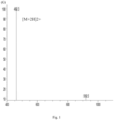
Figure 1 (A) to (G) show the mass spectrums of Latrol-5 (A), Latrol-6 (B), Hapa-5 (C), Hapa-6 (D), Chiro-5 (E), Chiro-8 (F) and Heter-7 (G). -
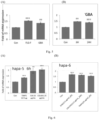
Figures 2 (A) and (B) show that in comparison with control (Con), Hapa-5 (25 µg/ml) (A) and Hapa-6 (12.5 µg/ml) (B) increase the expression of anti-aging genes (Atg1, Ubl-5 and FOXO) in 24 hours and 6 hours, respectively. -
Figures 3 (A) and (B) show that in comparison with control (Con), Hapa-5 (12.5 µg/ml) (A) and Hapa-6 (12.5 and 25 µg/ml) (B) increase the expression of telomerase genes (TERC) in 24 hours. -
Figures 4 (A) and (B) show that in comparison with control (Con), Hapa-5 (12.5 µg/ml) (A) and Hapa-6 (12.5 and 25 µg/ml) (B) increase the expression of DNA repair genes (ERCC1) in 24 hours and 6 hours, respectively. -
Figures 5 (A) and (B) show that in comparison with control (Con), Hapa-5 (A) and Hapa-6 (25 µg/ml) (B) increase the expressions of moisture-retention related genes (ELG-F and GBA). -
Figures 6 (A) and (B) show that in comparison with control (Con), Hapa-5 (A) increases the expression of collagen IV genes (COL4A1), elastin genes (ELN) and TEMP1 in 6 hours and Hapa-6 (B) increase the expression of collagen I genes (COL1A2) in 24 hours, elastin genes (ELN) in 6 hours and TIMP1 in 6 hours, respectively. -
Figures 7 (A) and (B) show that in comparison with control (Con), Hapa-5 (25 µg/ml) (A) and Hapa-6 (12.5 µg/ml) (B) inhibits the expression of genes relating to collagen breakdown (MMP-1) in 24 hours. -
Figures 8 (A) and (B) show that in comparison with control (Con), Latrol-5 (25 µg/ml) increases the expression of anti-aging genes (NADSYN, CCT2 and CCT8) in 6 hours (A) and Latrol-6 (25 µg/ml) increases the expression of anti-aging genes (NADSYN, Atg1, MRPS5) in 24 hours (B). -
Figures 9 (A) and (B) show that in comparison with control (Con), Latrol-5 (A) and Latrol-6 (B) increase the expression of telomerase genes (TERC) in 24 hours and 6 hours, respectively. -
Figures 10 (A) and (B) show that in comparison with control (Con), Latrol-5 increases the expression of DNA repair genes (XRCC5 and/or MSH6) in 6 hours (A) and Latrol-6 increases the expression of DNA repair genes (UNG and MSH6) in 6 hours or 24 hours (B). -
Figures 11 (A) and (B) show that in comparison with control (Con), Latrol-6 (25 µg/ml) increases the expression of collagen I gene (COL1A1), collagen IV gene (COL4A1) and elastin gene (ELN) in 24 hours (A), and the expression of SMPD1 (moisture-retention related gene) and/or HAS2 in 6 hours (B). -
Figure 12 (A) and (B) show that in comparison with control (Con), Latrol-5 (25 µg/ml) increases the expression of collagen I gene (COL1A2) in 6 hours, while inhibiting the expression of genes relating to collagen breakdown (MMP-1) in 6 hours (B). -
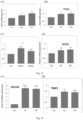
Figure 13 (A) to (D) show that in comparison with control (Con), Heter-7 (25 µg/ml) increase the expression of anti-aging genes (Atg1 and Ubl5) in 12 hours (A), the expression of telomerase gene (TERC) in 12 hours (B) and the expression of DNA repair genes (ERCC1 and XRCC5) (C) and the expression of anti-oxidation gene SOD2 (D). -
Figure 14 (A) to (C) show that in comparison with control (Con), Heter-7 increases the expression of collagen I gene (12.5 µg/ml) (A) and TIMP1 gene (25 µg/ml) in 12 hours (B), while inhibiting MMP1 (2.5 µg/ml) in 12 hours (C). -
Figure 15 (A) and(B) show that in comparison with control (Con), Chiro-8 (12.5 µg/ml) (A) and Chiro-5 (12.5 µg/ml) (B) increase the expression of anti-aging genes (NADSYN, MRPS5, Ubl-5 and/or FOXO) in 24 hours, respectively. -
Figure 16 shows that Chiro-8 inhibits the expression of anti-inflammatory factor IL-6 in 24 hours. -
Figure 17 (A) to (C) show that in comparison with control (Con), Chiro-8 (12.5 µg/ml and 25 µg/ml) increase the expression of moisture-retention related genes (SMPD1) in 24 hours (A) and Chiro-8 (12.5 µg/ml) increases the expression of collagen I gene (COLA1), collagen IV gene (COL4A1) and elastin gene (ELN) (B), while inhibiting the expression of MMP1 in 24 hours (C). -
Figure 18 (A) to (B) show that in comparison with control (Con), Chiro-5 (25 µg/ml) increase the expression of collagen I gene (COL1A2) (A), while inhibiting the expression of MMP1 (B). - Unless otherwise defined, all technical and scientific terms used herein have the same meaning as commonly understood by one of ordinary skill in the art. Although methods and materials similar or equivalent to those described herein can be used in the practice or testing of the present invention, suitable methods and materials are described below. In addition, the materials, methods, and examples are illustrative only and not intended to be limiting.
- The singular forms "a", "and", and "the" are used herein to include plural referents unless the context clearly dictates otherwise.
- The phrase "and/or," as used herein, should be understood to mean "either or both" of the elements. As used herein, "or" should be understood to have the same meaning as "and/or" as defined above.
- As used herein, a "peptide" refers to a single-chain polyamide containing a plurality of amino acid residues, such as naturally-occurring and/or non-natural amino acid residues, that are consecutively bound by amide bonds. Examples of peptides include shorter fragments of full-length proteins, such as full-length naturally-occurring proteins. Amino acids are well known in the art and include, for example: isoleucine, leucine, alanine, asparagine, glutamine, lysine, aspartic acid, glutamic acid, methionine, cysteine, phenylalanine, threonine, tryptophan, glycine, valine, proline, serine, tyrosine, arginine, histidine, norleucine, ornithine, taurine, selenocysteine, selenomethionine, lanthionine, 2-aminoisobutyric acid, dehydroalanine, hypusine, citrulline, 3-aminopropanoic acid, gamma-aminobutryic acid, nitroarginine, N-methylated leucine, homoarginine, dimethyl arginine, acetyl lysine, azalysine, pyrrolysine, and the like. An "amino acid side chain" refers to the various organic substituent groups that differentiate one amino acid from another. An amino acid having a hydrophobic uncharged side chain includes the non-limiting examples of alanine (A), isoleucine (I), leucine (L), methionine (M), phenylalanine (F), tryptophan (W), tyrosine (Y), and valine (V). An amino acid having a polar uncharged side chain includes the non-limiting examples of serine (S), threonine (T), asparagine (N), and glutamine (Q). An amino acid having a positively charged side chain, under typical physiological conditions, includes the non-limiting examples of arginine (R), histidine (H), and lysine (K). An amino acid having a negatively charged side chain, under typical physiological conditions, includes the non-limiting examples of aspartic acid (D) and glutamic acid (E). A "derivative" of an amino acid side chain refers to an amino acid side chain that has been modified structurally (e.g., through chemical reaction to form new species, covalent linkage to another molecule, and the like).
- As used herein, the term "amino acid residue" may be derived from natural or non-natural alpha-amino acid and may be either an L form or a D form in a case where there may be an optical active material, but an L form is preferable.
- As used herein, the terms "subject," "individual" and "patient" are interchangeable and refer to an organism that receives an application or treatment for a particular disease or condition as described herein.
- As used herein, the term "pharmaceutically acceptable carrier" refers to an ingredient in a pharmaceutical formulation, other than an active ingredient, which is nontoxic to a subject. A pharmaceutically acceptable carrier includes, but is not limited to, a buffer, excipient, stabilizer, or preservative.
- As used herein, the term "dermatologically acceptable," as used herein, means that the compositions or components described are suitable for use in contact with human skin tissue.
- As used herein, the term "effective amount" of an agent in the context of administration, refers to an amount effective, at dosages/amounts and for periods of time necessary, to achieve a desired result.
- As used herein, the term "therapeutically effective amount" of an agent refers to an amount effective, at dosages and for periods of time necessary, to achieve a desired therapeutic result, such as for treatment of a disease, condition, or disorder, and/or pharmacokinetic or pharmacodynamic effects of the treatment.
- The present invention provides synthetic peptide derived from poison proteins from jelly fish (such as Chironex fleckeri), sea anemone (such as Heteractis magnifica), spider (such as Latrodectus mactans) or octopus (such as Hapalochlaena maculosa). The synthetic peptide of the present disclosure comprises an amino acid sequence as defined above, which may be naturally occurring, or peptide mimetics, peptide analogs and/or synthetic derivatives of seven amino acids (7-mer).
- While the extent of the protection conferred by the present patent shall be determined by the appended claims, the following disclosure is useful for understanding the invention. Any aspects of the following disclosure falling outside the extent of the protection conferred by the present patent (as determined by the claims) are disclosed purely for reference. The present disclosure surprisingly found that the peptides comprising a motif having four amino acids have advantageous effects in inhibiting or decreasing collagen breakdown, increasing production of collagen, elastin and/or hyaluronic acid, retarding aging, improving skin and inhibiting inflammation. In the motif having four amino acids, each of the amino acids at N-terminus and C-terminus of the sequence independently has a same or different positively charged side chain and each of the amino acids between the N-terminal and C-terminal of the motif independently has a same or different uncharged side chain.
- The 4-mer motif sequence which is the subject of the surprising finding discussed above, and useful for understanding the invention, has the following Formula I: X1-X2-X3-X4, wherein X1 is selected from an amino acid having a positively charged side chain; X2 is selected from an amino acid having a uncharged side chain; X3 is selected from an amino acid having an uncharged side chain; and X4 is selected from an amino acid having a positively charged side chain. X1 may be K, R or H; X2 and X3 each independently may be T, A I, C, S, G, Y, F, P or N; and K4 may be K, R or H. X1 may be K or R; X2 and X3 each independently may be T, C, S, G, Y, I, F, P, N or A; and X4 may be K or R.
- Furthermore, the 4-mer motif sequence can further comprise one to four additional amino acid residues upstream to its N-terminus or downstream to its C-terminus to form a 5-mer, 6-mer, 7-mer or 8-mer motif sequence, such as the 7-mer sequence of the invention, as defined above.
- To form a 7-mer motif sequence, the 4-mer motif sequence further comprises three additional amino acid residues upstream to its N-terminus, wherein, from the 5' to 3' direction, the first is the amino acid residue having an uncharged side chain, and the second and the third are amino acid residues having a positively charged side chain. The amino acid residue having an uncharged side chain is Q, and the amino acid residues having a positively charged side chain are each independently K or R. According to the present invention, the sequence sets forth in SEQ ID NO: 14 (QKRRTCK).
- The peptide may be a D-form or L-form peptide, or a peptide, only a portion of the sequence of which consists of a D-form or L-form peptide, or a racemic form thereof.
- Nonpolar (hydrophobic) amino acids include: alanine, leucine, isoleucine, valine, proline, phenylalanine, tryptophan, and methionine. Amino acids containing aromatic ring structures include: phenylalanine, tryptophan, and tyrosine. The polar neutral amino acids include: glycine, serine, threonine, cysteine, tyrosine, asparagine, and glutamine. The positively charged (basic) amino acids include arginine and lysine. The negatively charged (acidic) amino acids include aspartic acid and glutamic acid.
- The structure of the N-terminal of the peptide according to the present disclosure is not particularly limited, and for example, may be a structure of a hydrogen atom (that is, unmodified) or a structure in which a modifying group is introduced by a conventionally known method. The structure of the C-terminal of the peptide according to the present disclosure is also not particularly limited, and may be a structure which is modified by a protective group generally used for protection of a carboxylic acid.
- The amino acid sequences described herein are described in accordance with the conventional denotation in a direction from the N-terminal (amino terminal) side to the C-terminal (carboxyl terminal) side unless otherwise noted.
- The peptide according to the present invention can be produced by conventionally known methods including a chemical synthesis method and a recombinant technique. For producing the peptide by chemical synthesis, the peptide can be produced by a method of usually using each amino acid in peptide chemistry. The peptide can also be produced by any one of a liquid-phase method and a solid-phase method. Further, any method of a column method and a batch method can also be used.
- The peptide according to the present disclosure may also be produced, for example, by a method as described in Current Protocols in Molecular Biology, or a recombinant technique using animal cells, insect cells, microorganisms, or the like. The peptide is generated by cultured cells or microorganisms and then may be purified by a conventionally known method. The purification and isolation method of the peptide is known in the field.
- The peptides according to the present disclosure can increase production of collagen, inhibit expression of matrix metallopeptidase-1, increase production of telomerase, improve DNA repair, increase production of superoxide dismutase (SOD) and/or hyaluronic acid synthase, increase anti-oxidation effect and/or increase expression of anti-aging genes, collagen genes and/or elastin genes. Accordingly, the peptides of the present disclosure can inhibit or decrease collagen breakdown and/or increase collagen synthesis, increase production of elastin and/or hyaluronic acid, retard aging, improve skin and/or inhibit inflammation.
- In the aspect of improving skin, the improvement includes repairing skin defects. Examples of skin defects include, but are not limited to: poor skin texture, wrinkles, fine lines, UV induced skin damage, skin aging, dry skin, hair follicle deterioration, alopecia, dermatitis, eczema, rash, pruritus, sun burn, burns, stretch marks, acne scars, surgical scars, depleted collagen levels, depleted elastin levels, skin sagging, diabetic neuropathies, hardened-cracked skin and hardened cracked heel tissue.
- The peptides according to the present disclosure can be formulated as a composition with at least one carrier, diluent, or excipient. The composition can be a pharmaceutical composition, cosmetic composition or a dietary supplement.
- For pharmaceutical composition, pharmaceutically acceptable carriers, excipients and diluents are incorporated, which are familiar to those skilled in the art. For compositions formulated as liquid solutions, acceptable carriers and/or diluents include saline and sterile water, and may optionally include antioxidants, buffers, bacteriostats and other common additives. The compositions can also be formulated as pills, capsules, granules, or tablets which contain - in addition to a compound of the invention - diluents, dispersing and surface active agents, binders, and lubricants. One skilled in this art may further formulate the compound of the invention in an appropriate manner, and in accordance with accepted practices, such as those disclosed in Remington's Pharmaceutical Sciences, Gennaro, Ed., Mack Publishing Co., Easton, Pa. 1990. In some embodiments, peptides of the present disclosure may be administered topically, (intra)dermally, or transdermally to the skin or mucosa. Typical formulations include: gels, hydrogels, lotions, solutions, creams, ointments, dressings, foams, skin patches, wafers, implants and microemulsions. Compounds of the present invention may also be administered via inhalation or intranasal administration, such as with a dry powder, an aerosol spray or as drops. Additional routes of administration for compounds of the present invention include intravaginal and rectal (by means of a suppository, pessary or enema), and ocular and aural.
- The peptides of the present disclosure may be included in any formulation suitable for application to the skin. Dermatologically acceptable carriers should be safe for use in contact with human skin tissue. Suitable carriers may include water and/or water miscible solvents. Suitable water miscible solvents include: monohydric alcohols, dihydric alcohols, polyhydric alcohols, glycerol, glycols, polyalkylene glycols such as polyethylene glycol, and mixtures thereof. When the skin care composition is in the form of an emulsion, water and/or water miscible solvents are carriers typically associated with the aqueous phase. Suitable carriers also include oils, which may be used to solubilize, disperse, or carry materials that are not suitable for water or water soluble solvents. Suitable oils include silicones, hydrocarbons, esters, amides, ethers, and mixtures thereof. The oils may be volatile or nonvolatile.
- The peptides of the present disclosure may be formulated as: a topical composition in the form of an ointment, a cream, a lotion, a liniment or other spreadable liquid or semi liquid preparation, a solution, a dispersion, an emulsion such as micro-emulsion, oil-in-water emulsion or water-in-oil emulsion, a suspension, a gel, liposomes, a sprayable composition, an aerosol, a film, powders, washes, shampoos etc. In one embodiment, the cosmetic formulation is a solution used in face mask.
- As mentioned above, the composition may be in the form of an emulsion. Creams and lotions are normally examples of compositions that are in the form of an emulsion. An emulsion is a dispersed system comprising at least two immiscible liquid phases (an oil phase and an aqueous phase), one phase dispersed in the other. An emulsifying agent is typically included to improve physical stability.
- As mentioned above, the composition may be in the form of a suspension. Examples of suspensions are dispersions, ointments, liniments, sprays and aerosols.
- As mentioned above, the composition may be in the form of a gel or hydrogel. A gel typically contains a swellable polymer like cellulose or cellulose derivatives (as those previously mentioned herein), pectin, alginate, tragacant, carbomer, polyvinyl alcohols, gelatin, acrylate-based polymers etc.
- As mentioned above, the composition may be in the form of an ointment, which is an oleaginous semisolid that contains little if any water. Normally, an ointment has a hydrocarbon base such as wax, petrolatum or gelled mineral oil.
- A composition of the invention may also contain one or more additive such as pH adjusting agents, buffering agents, viscosity-adjusting agents, aromas, anti-oxidants, moisturizers, preservatives, stabilizers etc.
- While the following examples provide further detailed description of certain aspects and embodiments of the disclosure, they should be considered merely illustrative and not in any way limiting to the scope of the claims. Any of the following examples which fall outside the extent of the protection conferred by the present patent (as determined by the claims) are disclosed purely for reference.
- Fmoc solid-phase peptide synthesis was used to prepare the peptides of the present disclosure. Fmoc chemistry is well known in the art, which was developed by Eric Atherton and Bob Sheppard at the Laboratory of Molecular Biology in Cambridge in the late 1970's, and has been reviewed by Chan and White (Fmoc Solid Phase Peptide Synthesis - A Practical Approach. Oxford University Press, 2000).
- The following Fmoc amino acids were employed for Latrol-5 (LKSGR; SEQ ID NO:9): Fmoc-Arg(pbf)-OH, Fmoc-Gly-OH, Fmoc-Ser-OH, Fmoc-Lys(Boc)-OH and Fmoc-Leu-OH.
- The following Fmoc amino acids were employed for Latrol-6 (TKSGKF; SEQ ID NO:12): Fmoc-Phe-OH, Fmoc-Lys(Boc)-OH, Fmoc-Gly-OH, Fmoc-Ser-OH, Fmoc-Lys(Boc)-OH and Fmoc-Thr-OH.
- The following Fmoc amino acids were employed for Hapa-5 (PRPIK; SEQ ID NO:11): Fmoc-Lys(Boc)-OH, Fmoc-Ile-OH, Fmoc-Pro-OH, Fmoc-Arg(pbf)-OH and Fmoc-Pro-OH.
- The following Fmoc amino acids were employed for Hapa-6 (VKNAKY; SEQ ID NO:13): Fmoc-Tyr(But)-OH, Fmoc-Lys(Boc)-OH , Fmoc-Ala-OH , Fmoc-Asn(Trt)-OH , Fmoc-Lys(Boc)-OH and Fmoc-Val-OH.
- The following Fmoc amino acids were employed for Chiro-5 (KIFKF; SEQ ID NO:10): Fmoc-Phe(Boc)-OH, Fmoc-Lys(Boc)-OH , Fmoc-Phe(Boc)-OH , Fmoc-Ile-OH, and Fmoc-Lys(Boc)-OH.
- The following Fmoc amino acids were employed for Heter-7 (QKRRTCK; SEQ ID NO:14): Fmoc-Lys(Boc)-OH, Fmoc-Cys(Trt)-OH, Fmoc-Thr-OH, Fmoc-Arg(pbf)-OH, Fmoc-Arg(pbf)-OH, Fmoc-Lys(Boc)-OH and Fmoc-Glu(O-t-Bu)-OH.
- The following Fmoc amino acids were employed for Chiro-8 (QRIKYIKP; SEQ ID NO:15): Fmoc-Pro-OH, Fmoc-Lys(Boc)-OH, Fmoc-Ile-OH, Fmoc-Tyr(But)-OH, Fmoc-Lys(Boc)-OH, Fmoc-Ile-OH, Fmoc-Arg(pbf)-OH and Fmoc-Glu(O-t-Bu)-OH.
- Fmoc removal was executed using a solution of piperidine in dimethylformamide (DMF) at room temperature for 30 min. Coupling of Fmoc protected amino acid units was carried out by activation with (O-(7-azabenzotriazol-1-yl)-N,N,N',N'-tetramethyluronium hexafluorophosphate (HATU) using 1-Methyl-2-pyrrolidinone (NMP) at room temperature for 40 min.
- The Fmoc amino acids (1 g), HATU (1 g in NMP) and N,N-Diisopropylethylamine (DIEA) (3 mol/L) were subsequently mixed with the resin manually. This procedure was repeated twice for each coupling. Upon completion of synthesis, the peptide resin was subjected to a cleavage cocktail for 2 h. The resin was filtered and the combined filtrates were blown off under a stream of condensed air. The crude product was triturated with cold diethyl ether to give a white suspension which was centrifuged, and the ether subsequently decanted. The remaining solid was subjected to HPLC purification using C18 column (Gemini-NX C-18 110Å (Phenomenex, 250 x 4.6 mm, 5 µm)), buffer solution A (0.1% TFA in 100% water) and buffer solution B (0.1% TFA in ACN). The elution rate at 1.0 ml/min and 30 minutes of elution time were used in the HPLC purification. The peptides were detected using Hitachi 5410 UV detector at a wavelength of 210~280 nm. The resulting purified peptides have purity of more than 95%. The purified peptides were then subjected to Mass Spectrometer (Agilent-6125B system) and the results are shown in
Figure 1 (A) to (G) . - A human fibroblast cell line (CCD-966SK) was used to assay gene expression affected by the peptides of the present disclosure. 1 × 10⁵ of fibroblast cells were seeded and cultured in a 6-well plate containing 2 ml of X-VIVOTM 10 medium. The peptides (12.5 µg/ml and 25 µg/ml), Hapa-5, Hapa-6, Latrol-5, Latrol-6, Chiro-5, Chiro-8 and Heter-7 were added to the plate and then the resulting cell mixtures were cultured with the peptides for 6 or 24 hours, respectively. The cells cultured with the medium only for 6 or 24 hours were used as control.
- The resulting cultured cells were washed with PBS and lysed by adding a lysis reagent. The resulting cell lysis solutions were extracted by RNA Extraction Kit (GENEzol™ 96 Well TriRNA Pure Kit, Geneaid) to collect the RNAs in the cells. The expression of genes was detected by the nCounter Analysis System (NanoString Technologies, Inc.)
- The results show that Hapa-5 and Hapa-6 increase the expression of anti-aging genes (Atg1, Ubl-5 and FOXO) (
Figure 2 (A) and (B) ), the expression of telomerase genes(TERC) (Figure 3 (A) and (B) ), the expression of DNA repair genes (ERCC1) (Figure 4 (A) and (B) ), the expression of moisture-retention related genes (ELG-F and GBA) (Figure 5 (A) and (B) ) and the expression of collagen I gene (Hapa-6) or collagen IV gene (Hapa-5), elastin genes and TIMP1 (Figure 6 (A) and (B) ). Moreover, Hapa-5 and Hapa-6 inhibits the expression of genes relating to collagen breakdown (MMP-1) (Figure 7 (A) and (B) ). - The results show that Latrol-5 and Latrol-6 increase the expression of anti-aging genes (NADSYN, Atg1, MRPS5, CCT2 and/or CCT8) (
Figure 8 (A) and (B) ), the expression of telomerase gene (TERC) (Figure 9 (A) and (B) ) and the expression of DNA repair genes (UNG, MSH6, XRCC5 and/or MSH6) (Figure 10 (A) and (B) ). Moreover, Latrol-6 increases the expression of collagen I and IV genes, elastin genes, SMPD1 (moisture-retention related genes) and/or HSAS2 (Figure 11 (A) and (B) ). Latrol-6 increases the expression of collagen I gene, while inhibiting the expression of genes relating to collagen breakdown (MMP-1) (Figure 12 (A) and (B) ). - The results show that Heter-7 increases the expression of anti-aging genes (Atg1 and Ubl5) (
Figure 13 (A) ), the expression of telomerase gene (TERC) (Figure 13 (B) ) and the expression of DNA repair genes (ERCC1 and XRCC5) (Figure 13 (C) ) and the expression of anti-oxidation gene SOD2 (Figure 13 (D) ). Moreover, Heter-7 increases the expression of collagen I gene (Figure 14 (A) ) and TIMP1 gene (Figure 14 (B) ), while inhibiting MMP1 (Figure 14 (C) ). - The results show that Chiro-8 and Chiro-5 increase the expression of anti-aging genes (NADSYN, MRPS5, Ubl-5 and/or FOXO) (
Figure 15 (A) and(B) ), and Chiro-8 inhibits the expression of anti-inflammatory factor IL-6 (Figure 16 ). Moreover, Chiro-8 increases the expression of moisture-retention related genes (SMPD1) (Figure 17 (A) and the expression of collagen I and elastin genes (Figure 17 (B) ), while inhibiting the expression of MMP1 (Figure 17(C) ); and Chiro-5 increases the expression of collagen I gene (Figure 18 (A) ), while inhibiting the expression of MMP1 (Figure 18 (B) ).
Claims (7)
- A peptide of SEQ ID NO:14 (QKRRTCK) or a salt thereof.
- A composition comprising the peptide or the salt of claim 1 and at least one carrier, diluent, or excipient; preferably, the composition is a pharmaceutical composition, cosmetic composition or a dietary supplement.
- The composition of claim 2 for use in inhibiting or decreasing collagen breakdown and/or increasing collagen synthesis in a subject; preferably, the collagen is collagen I and/or collagen IV; more preferably, the peptide inhibits expression of matrix metallopeptidase-1.
- The composition of claim 2 for use in increasing production of elastin and/or hyaluronic acid in a subject.
- The composition of claim 2 for use in retarding aging in a subject; preferably, the peptide increases production of telomerase, improves DNA repair and/or increases anti-oxidation effects; preferably, the peptide increases expression of anti-aging genes and moisture-retention related genes; preferably, the peptide increases production of superoxide dismutase (SOD) and/or hyaluronic acid synthase.
- The composition of claim 2 for use in improving skin, comprising administering or applying the peptide of the present disclosure to the subject; preferably, the improvement of skin includes repairing skin defects; more preferably, the skin defects are: poor skin texture, wrinkles, fine lines, UV induced skin damage, skin aging, dry skin, hair follicle deterioration, alopecia, dermatitis, eczema, rash, pruritus, sun burn, burns, stretch marks, acne scars, surgical scars, depleted collagen levels, depleted elastin levels, skin sagging, diabetic neuropathies, hardened-cracked skin or hardened cracked heel tissue.
- The composition of claim 2 for use in inhibiting inflammation in a subject.
Priority Applications (2)
| Application Number | Priority Date | Filing Date | Title |
|---|---|---|---|
| EP25153649.6A EP4529959A3 (en) | 2019-07-08 | 2019-10-15 | Biomimetic peptides derived from biological source and their uses in retarding aging and improving skin |
| EP25153553.0A EP4527469A3 (en) | 2019-07-08 | 2019-10-15 | Biomimetic peptides derived from biological source and their uses in retarding aging and improving skin |
Applications Claiming Priority (2)
| Application Number | Priority Date | Filing Date | Title |
|---|---|---|---|
| US201962871216P | 2019-07-08 | 2019-07-08 | |
| US201962871260P | 2019-07-08 | 2019-07-08 |
Related Child Applications (4)
| Application Number | Title | Priority Date | Filing Date |
|---|---|---|---|
| EP25153553.0A Division EP4527469A3 (en) | 2019-07-08 | 2019-10-15 | Biomimetic peptides derived from biological source and their uses in retarding aging and improving skin |
| EP25153553.0A Division-Into EP4527469A3 (en) | 2019-07-08 | 2019-10-15 | Biomimetic peptides derived from biological source and their uses in retarding aging and improving skin |
| EP25153649.6A Division EP4529959A3 (en) | 2019-07-08 | 2019-10-15 | Biomimetic peptides derived from biological source and their uses in retarding aging and improving skin |
| EP25153649.6A Division-Into EP4529959A3 (en) | 2019-07-08 | 2019-10-15 | Biomimetic peptides derived from biological source and their uses in retarding aging and improving skin |
Publications (3)
| Publication Number | Publication Date |
|---|---|
| EP3763725A1 EP3763725A1 (en) | 2021-01-13 |
| EP3763725C0 EP3763725C0 (en) | 2025-03-05 |
| EP3763725B1 true EP3763725B1 (en) | 2025-03-05 |
Family
ID=68468538
Family Applications (3)
| Application Number | Title | Priority Date | Filing Date |
|---|---|---|---|
| EP25153649.6A Pending EP4529959A3 (en) | 2019-07-08 | 2019-10-15 | Biomimetic peptides derived from biological source and their uses in retarding aging and improving skin |
| EP19203345.4A Active EP3763725B1 (en) | 2019-07-08 | 2019-10-15 | Biomimetic peptides derived from biological source and their uses in retarding aging and improving skin |
| EP25153553.0A Pending EP4527469A3 (en) | 2019-07-08 | 2019-10-15 | Biomimetic peptides derived from biological source and their uses in retarding aging and improving skin |
Family Applications Before (1)
| Application Number | Title | Priority Date | Filing Date |
|---|---|---|---|
| EP25153649.6A Pending EP4529959A3 (en) | 2019-07-08 | 2019-10-15 | Biomimetic peptides derived from biological source and their uses in retarding aging and improving skin |
Family Applications After (1)
| Application Number | Title | Priority Date | Filing Date |
|---|---|---|---|
| EP25153553.0A Pending EP4527469A3 (en) | 2019-07-08 | 2019-10-15 | Biomimetic peptides derived from biological source and their uses in retarding aging and improving skin |
Country Status (4)
| Country | Link |
|---|---|
| US (2) | US11155579B2 (en) |
| EP (3) | EP4529959A3 (en) |
| CN (1) | CN112194705B (en) |
| TW (4) | TWI815338B (en) |
Families Citing this family (1)
| Publication number | Priority date | Publication date | Assignee | Title |
|---|---|---|---|---|
| WO2025157595A2 (en) * | 2024-01-25 | 2025-07-31 | Lipotrue, S.L. | Peptides and cosmetic compositions for use in the treatment of acne and its related skin conditions |
Family Cites Families (12)
| Publication number | Priority date | Publication date | Assignee | Title |
|---|---|---|---|---|
| US9340577B2 (en) * | 1992-08-07 | 2016-05-17 | Epimmune Inc. | HLA binding motifs and peptides and their uses |
| JP3832973B2 (en) * | 1998-08-21 | 2006-10-11 | 独立行政法人科学技術振興機構 | Human transcription-related protein and cDNA encoding this protein |
| EP1226253A2 (en) * | 1999-10-29 | 2002-07-31 | Chiron S.P.A. | Neisserial antigenic peptides |
| US20110318380A1 (en) * | 2008-10-01 | 2011-12-29 | Dako Denmark A/S | MHC Multimers in Cancer Vaccines and Immune Monitoring |
| US8282938B2 (en) * | 2008-11-28 | 2012-10-09 | National Institute Of Infectious Diseases | Immunogenic compositions comprising liposomes and an influenza PB2 CTL epitope obtained from the highly pathogenic H5N1 strain |
| KR101744959B1 (en) | 2014-12-05 | 2017-06-12 | (주)케어젠 | Peptides Having Activities of Skin Condition Improvement and Uses Thereof |
| RU2719033C2 (en) * | 2015-04-23 | 2020-04-16 | Нантомикс, Ллс | Method of producing a pharmaceutical agent for cancer immunotherapy |
| US10995117B2 (en) | 2016-03-23 | 2021-05-04 | Kine Sciences Co., Ltd. | Peptide for skin regeneration or wound treatment and use thereof |
| US20190224339A1 (en) * | 2016-04-29 | 2019-07-25 | Voyager Therapeutics, Inc. | Compositions for the treatment of disease |
| FR3052453B1 (en) | 2016-06-14 | 2018-05-18 | Sederma | PEPTIDE, COMPOSITION COMPRISING SAME AND USES IN PARTICULAR COSMETICS |
| KR101889322B1 (en) * | 2016-08-17 | 2018-08-20 | (주)진셀팜 | Peptide for improving skin wrinkle and anti-aging effect, and uses thereof |
| US10258556B2 (en) | 2017-06-19 | 2019-04-16 | Yu-Chun Liu | Anti-aging peptide, its composition and method of using the same |
-
2019
- 2019-10-15 EP EP25153649.6A patent/EP4529959A3/en active Pending
- 2019-10-15 EP EP19203345.4A patent/EP3763725B1/en active Active
- 2019-10-15 EP EP25153553.0A patent/EP4527469A3/en active Pending
- 2019-12-02 TW TW111108173A patent/TWI815338B/en active
- 2019-12-02 TW TW111108172A patent/TWI815337B/en active
- 2019-12-02 TW TW111108171A patent/TWI815336B/en active
- 2019-12-02 TW TW108143986A patent/TWI754865B/en active
- 2019-12-03 US US16/702,385 patent/US11155579B2/en active Active
-
2020
- 2020-06-15 CN CN202010543689.8A patent/CN112194705B/en active Active
-
2021
- 2021-09-14 US US17/475,006 patent/US11746125B2/en active Active
Also Published As
| Publication number | Publication date |
|---|---|
| CN112194705B (en) | 2023-02-17 |
| US11746125B2 (en) | 2023-09-05 |
| TWI815338B (en) | 2023-09-11 |
| US20210395304A1 (en) | 2021-12-23 |
| EP3763725C0 (en) | 2025-03-05 |
| EP4529959A3 (en) | 2025-06-25 |
| US11155579B2 (en) | 2021-10-26 |
| TWI754865B (en) | 2022-02-11 |
| EP4527469A3 (en) | 2025-07-02 |
| TW202222817A (en) | 2022-06-16 |
| EP4529959A2 (en) | 2025-04-02 |
| US20210009637A1 (en) | 2021-01-14 |
| TW202222296A (en) | 2022-06-16 |
| TWI815337B (en) | 2023-09-11 |
| TWI815336B (en) | 2023-09-11 |
| EP3763725A1 (en) | 2021-01-13 |
| CN112194705A (en) | 2021-01-08 |
| EP4527469A2 (en) | 2025-03-26 |
| TW202222819A (en) | 2022-06-16 |
| TW202110471A (en) | 2021-03-16 |
Similar Documents
| Publication | Publication Date | Title |
|---|---|---|
| US12011499B2 (en) | Peptides and compositions for use in cosmetics | |
| EP4098656A1 (en) | Peptide inhibiting formation of snare complex and use thereof | |
| KR20170135442A (en) | Cosmetic composition for improving the health of scalp and manufacturing method thereof | |
| US11746125B2 (en) | Biomimetic peptides derived from biological source and their uses in retarding aging and improving skin | |
| EP4417190A1 (en) | Cyclic peptides with anti-aging efficacy | |
| US12005123B2 (en) | Conjugate of isotretinoin and peptide | |
| EP1868631B1 (en) | Use of compounds inducing the synthesis of sirt proteins in or for the preparation of a cosmetic or pharmaceutical composition | |
| CN103562219B (en) | Be the new peptides of albumen TRF2 conditioning agent and comprise its composition | |
| KR102354916B1 (en) | A novel peptide 3PS_I014 and uses thereof | |
| KR101410589B1 (en) | Neuropeptide derivatives and Composition for Skin External Application Comprising the Same | |
| KR101942844B1 (en) | Gallic acid derivative, method for production thereof and external skin composition containing the same | |
| RU2847265C2 (en) | Tetrapeptide derivative, cosmetic composition or pharmaceutical composition and use thereof | |
| KR102120981B1 (en) | Gentisic acid derivative, method for production thereof and external skin composition containing the same | |
| KR101945947B1 (en) | Protocatechuic acid derivative, method for production thereof and external skin composition containing the same | |
| KR101945946B1 (en) | Gentisic acid derivative, method for production thereof and external skin composition containing the same | |
| KR20250087736A (en) | Novel polypeptide and use thereof | |
| HK40048117A (en) | Peptides and compositions for use in cosmetics | |
| HK40048117B (en) | Peptides and compositions for use in cosmetics | |
| OA19680A (en) | Conjugate of Isotretinoin and Peptide. | |
| HK1191957B (en) | Novel peptides that are modulators of the protein trf2 and compositions containing same |
Legal Events
| Date | Code | Title | Description |
|---|---|---|---|
| PUAI | Public reference made under article 153(3) epc to a published international application that has entered the european phase |
Free format text: ORIGINAL CODE: 0009012 |
|
| STAA | Information on the status of an ep patent application or granted ep patent |
Free format text: STATUS: THE APPLICATION HAS BEEN PUBLISHED |
|
| AK | Designated contracting states |
Kind code of ref document: A1 Designated state(s): AL AT BE BG CH CY CZ DE DK EE ES FI FR GB GR HR HU IE IS IT LI LT LU LV MC MK MT NL NO PL PT RO RS SE SI SK SM TR |
|
| AX | Request for extension of the european patent |
Extension state: BA ME |
|
| STAA | Information on the status of an ep patent application or granted ep patent |
Free format text: STATUS: REQUEST FOR EXAMINATION WAS MADE |
|
| 17P | Request for examination filed |
Effective date: 20210713 |
|
| RBV | Designated contracting states (corrected) |
Designated state(s): AL AT BE BG CH CY CZ DE DK EE ES FI FR GB GR HR HU IE IS IT LI LT LU LV MC MK MT NL NO PL PT RO RS SE SI SK SM TR |
|
| STAA | Information on the status of an ep patent application or granted ep patent |
Free format text: STATUS: EXAMINATION IS IN PROGRESS |
|
| 17Q | First examination report despatched |
Effective date: 20230214 |
|
| GRAP | Despatch of communication of intention to grant a patent |
Free format text: ORIGINAL CODE: EPIDOSNIGR1 |
|
| STAA | Information on the status of an ep patent application or granted ep patent |
Free format text: STATUS: GRANT OF PATENT IS INTENDED |
|
| INTG | Intention to grant announced |
Effective date: 20240930 |
|
| GRAS | Grant fee paid |
Free format text: ORIGINAL CODE: EPIDOSNIGR3 |
|
| GRAA | (expected) grant |
Free format text: ORIGINAL CODE: 0009210 |
|
| STAA | Information on the status of an ep patent application or granted ep patent |
Free format text: STATUS: THE PATENT HAS BEEN GRANTED |
|
| AK | Designated contracting states |
Kind code of ref document: B1 Designated state(s): AL AT BE BG CH CY CZ DE DK EE ES FI FR GB GR HR HU IE IS IT LI LT LU LV MC MK MT NL NO PL PT RO RS SE SI SK SM TR |
|
| REG | Reference to a national code |
Ref country code: GB Ref legal event code: FG4D |
|
| REG | Reference to a national code |
Ref country code: CH Ref legal event code: EP |
|
| REG | Reference to a national code |
Ref country code: DE Ref legal event code: R096 Ref document number: 602019066782 Country of ref document: DE |
|
| REG | Reference to a national code |
Ref country code: IE Ref legal event code: FG4D |
|
| U01 | Request for unitary effect filed |
Effective date: 20250307 |
|
| U07 | Unitary effect registered |
Designated state(s): AT BE BG DE DK EE FI FR IT LT LU LV MT NL PT RO SE SI Effective date: 20250314 |
|
| PG25 | Lapsed in a contracting state [announced via postgrant information from national office to epo] |
Ref country code: RS Free format text: LAPSE BECAUSE OF FAILURE TO SUBMIT A TRANSLATION OF THE DESCRIPTION OR TO PAY THE FEE WITHIN THE PRESCRIBED TIME-LIMIT Effective date: 20250605 |
|
| PG25 | Lapsed in a contracting state [announced via postgrant information from national office to epo] |
Ref country code: ES Free format text: LAPSE BECAUSE OF FAILURE TO SUBMIT A TRANSLATION OF THE DESCRIPTION OR TO PAY THE FEE WITHIN THE PRESCRIBED TIME-LIMIT Effective date: 20250305 |
|
| PG25 | Lapsed in a contracting state [announced via postgrant information from national office to epo] |
Ref country code: NO Free format text: LAPSE BECAUSE OF FAILURE TO SUBMIT A TRANSLATION OF THE DESCRIPTION OR TO PAY THE FEE WITHIN THE PRESCRIBED TIME-LIMIT Effective date: 20250605 |
|
| PG25 | Lapsed in a contracting state [announced via postgrant information from national office to epo] |
Ref country code: HR Free format text: LAPSE BECAUSE OF FAILURE TO SUBMIT A TRANSLATION OF THE DESCRIPTION OR TO PAY THE FEE WITHIN THE PRESCRIBED TIME-LIMIT Effective date: 20250305 |
|
| PG25 | Lapsed in a contracting state [announced via postgrant information from national office to epo] |
Ref country code: GR Free format text: LAPSE BECAUSE OF FAILURE TO SUBMIT A TRANSLATION OF THE DESCRIPTION OR TO PAY THE FEE WITHIN THE PRESCRIBED TIME-LIMIT Effective date: 20250606 |
|
| PG25 | Lapsed in a contracting state [announced via postgrant information from national office to epo] |
Ref country code: SM Free format text: LAPSE BECAUSE OF FAILURE TO SUBMIT A TRANSLATION OF THE DESCRIPTION OR TO PAY THE FEE WITHIN THE PRESCRIBED TIME-LIMIT Effective date: 20250305 |
|
| PG25 | Lapsed in a contracting state [announced via postgrant information from national office to epo] |
Ref country code: PL Free format text: LAPSE BECAUSE OF FAILURE TO SUBMIT A TRANSLATION OF THE DESCRIPTION OR TO PAY THE FEE WITHIN THE PRESCRIBED TIME-LIMIT Effective date: 20250305 |
|
| U20 | Renewal fee for the european patent with unitary effect paid |
Year of fee payment: 7 Effective date: 20250909 |
|
| PGFP | Annual fee paid to national office [announced via postgrant information from national office to epo] |
Ref country code: GB Payment date: 20250904 Year of fee payment: 7 |
|
| PG25 | Lapsed in a contracting state [announced via postgrant information from national office to epo] |
Ref country code: CZ Free format text: LAPSE BECAUSE OF FAILURE TO SUBMIT A TRANSLATION OF THE DESCRIPTION OR TO PAY THE FEE WITHIN THE PRESCRIBED TIME-LIMIT Effective date: 20250305 |
|
| PG25 | Lapsed in a contracting state [announced via postgrant information from national office to epo] |
Ref country code: SK Free format text: LAPSE BECAUSE OF FAILURE TO SUBMIT A TRANSLATION OF THE DESCRIPTION OR TO PAY THE FEE WITHIN THE PRESCRIBED TIME-LIMIT Effective date: 20250305 |
|
| PG25 | Lapsed in a contracting state [announced via postgrant information from national office to epo] |
Ref country code: IS Free format text: LAPSE BECAUSE OF FAILURE TO SUBMIT A TRANSLATION OF THE DESCRIPTION OR TO PAY THE FEE WITHIN THE PRESCRIBED TIME-LIMIT Effective date: 20250705 |
|
| PLBE | No opposition filed within time limit |
Free format text: ORIGINAL CODE: 0009261 |
|
| STAA | Information on the status of an ep patent application or granted ep patent |
Free format text: STATUS: NO OPPOSITION FILED WITHIN TIME LIMIT |
|
| REG | Reference to a national code |
Ref country code: CH Ref legal event code: L10 Free format text: ST27 STATUS EVENT CODE: U-0-0-L10-L00 (AS PROVIDED BY THE NATIONAL OFFICE) Effective date: 20260114 |
|
| PGFP | Annual fee paid to national office [announced via postgrant information from national office to epo] |
Ref country code: TR Payment date: 20251008 Year of fee payment: 7 |
|
| 26N | No opposition filed |
Effective date: 20251208 |