EP3763699A1 - Prodrug-type anticancer agent using cancer-specific enzymatic activity - Google Patents
Prodrug-type anticancer agent using cancer-specific enzymatic activity Download PDFInfo
- Publication number
- EP3763699A1 EP3763699A1 EP19764794.4A EP19764794A EP3763699A1 EP 3763699 A1 EP3763699 A1 EP 3763699A1 EP 19764794 A EP19764794 A EP 19764794A EP 3763699 A1 EP3763699 A1 EP 3763699A1
- Authority
- EP
- European Patent Office
- Prior art keywords
- group
- compound
- mmol
- salt
- ethyl acetate
- Prior art date
- Legal status (The legal status is an assumption and is not a legal conclusion. Google has not performed a legal analysis and makes no representation as to the accuracy of the status listed.)
- Withdrawn
Links
Images






Classifications
-
- C—CHEMISTRY; METALLURGY
- C07—ORGANIC CHEMISTRY
- C07H—SUGARS; DERIVATIVES THEREOF; NUCLEOSIDES; NUCLEOTIDES; NUCLEIC ACIDS
- C07H23/00—Compounds containing boron, silicon or a metal, e.g. chelates or vitamin B12
-
- A—HUMAN NECESSITIES
- A61—MEDICAL OR VETERINARY SCIENCE; HYGIENE
- A61P—SPECIFIC THERAPEUTIC ACTIVITY OF CHEMICAL COMPOUNDS OR MEDICINAL PREPARATIONS
- A61P35/00—Antineoplastic agents
-
- C—CHEMISTRY; METALLURGY
- C07—ORGANIC CHEMISTRY
- C07C—ACYCLIC OR CARBOCYCLIC COMPOUNDS
- C07C237/00—Carboxylic acid amides, the carbon skeleton of the acid part being further substituted by amino groups
- C07C237/02—Carboxylic acid amides, the carbon skeleton of the acid part being further substituted by amino groups having the carbon atoms of the carboxamide groups bound to acyclic carbon atoms of the carbon skeleton
- C07C237/04—Carboxylic acid amides, the carbon skeleton of the acid part being further substituted by amino groups having the carbon atoms of the carboxamide groups bound to acyclic carbon atoms of the carbon skeleton the carbon skeleton being acyclic and saturated
-
- C—CHEMISTRY; METALLURGY
- C07—ORGANIC CHEMISTRY
- C07C—ACYCLIC OR CARBOCYCLIC COMPOUNDS
- C07C271/00—Derivatives of carbamic acids, i.e. compounds containing any of the groups, the nitrogen atom not being part of nitro or nitroso groups
- C07C271/06—Esters of carbamic acids
- C07C271/08—Esters of carbamic acids having oxygen atoms of carbamate groups bound to acyclic carbon atoms
- C07C271/10—Esters of carbamic acids having oxygen atoms of carbamate groups bound to acyclic carbon atoms with the nitrogen atoms of the carbamate groups bound to hydrogen atoms or to acyclic carbon atoms
- C07C271/22—Esters of carbamic acids having oxygen atoms of carbamate groups bound to acyclic carbon atoms with the nitrogen atoms of the carbamate groups bound to hydrogen atoms or to acyclic carbon atoms to carbon atoms of hydrocarbon radicals substituted by carboxyl groups
-
- C—CHEMISTRY; METALLURGY
- C07—ORGANIC CHEMISTRY
- C07D—HETEROCYCLIC COMPOUNDS
- C07D207/00—Heterocyclic compounds containing five-membered rings not condensed with other rings, with one nitrogen atom as the only ring hetero atom
- C07D207/02—Heterocyclic compounds containing five-membered rings not condensed with other rings, with one nitrogen atom as the only ring hetero atom with only hydrogen or carbon atoms directly attached to the ring nitrogen atom
- C07D207/04—Heterocyclic compounds containing five-membered rings not condensed with other rings, with one nitrogen atom as the only ring hetero atom with only hydrogen or carbon atoms directly attached to the ring nitrogen atom having no double bonds between ring members or between ring members and non-ring members
- C07D207/10—Heterocyclic compounds containing five-membered rings not condensed with other rings, with one nitrogen atom as the only ring hetero atom with only hydrogen or carbon atoms directly attached to the ring nitrogen atom having no double bonds between ring members or between ring members and non-ring members with hetero atoms or with carbon atoms having three bonds to hetero atoms with at the most one bond to halogen, e.g. ester or nitrile radicals, directly attached to ring carbon atoms
- C07D207/16—Carbon atoms having three bonds to hetero atoms with at the most one bond to halogen, e.g. ester or nitrile radicals
-
- C—CHEMISTRY; METALLURGY
- C07—ORGANIC CHEMISTRY
- C07F—ACYCLIC, CARBOCYCLIC OR HETEROCYCLIC COMPOUNDS CONTAINING ELEMENTS OTHER THAN CARBON, HYDROGEN, HALOGEN, OXYGEN, NITROGEN, SULFUR, SELENIUM OR TELLURIUM
- C07F7/00—Compounds containing elements of Groups 4 or 14 of the Periodic Table
- C07F7/02—Silicon compounds
- C07F7/08—Compounds having one or more C—Si linkages
- C07F7/0803—Compounds with Si-C or Si-Si linkages
- C07F7/081—Compounds with Si-C or Si-Si linkages comprising at least one atom selected from the elements N, O, halogen, S, Se or Te
-
- C—CHEMISTRY; METALLURGY
- C07—ORGANIC CHEMISTRY
- C07F—ACYCLIC, CARBOCYCLIC OR HETEROCYCLIC COMPOUNDS CONTAINING ELEMENTS OTHER THAN CARBON, HYDROGEN, HALOGEN, OXYGEN, NITROGEN, SULFUR, SELENIUM OR TELLURIUM
- C07F7/00—Compounds containing elements of Groups 4 or 14 of the Periodic Table
- C07F7/02—Silicon compounds
- C07F7/08—Compounds having one or more C—Si linkages
- C07F7/0803—Compounds with Si-C or Si-Si linkages
- C07F7/081—Compounds with Si-C or Si-Si linkages comprising at least one atom selected from the elements N, O, halogen, S, Se or Te
- C07F7/0812—Compounds with Si-C or Si-Si linkages comprising at least one atom selected from the elements N, O, halogen, S, Se or Te comprising a heterocyclic ring
-
- C—CHEMISTRY; METALLURGY
- C07—ORGANIC CHEMISTRY
- C07H—SUGARS; DERIVATIVES THEREOF; NUCLEOSIDES; NUCLEOTIDES; NUCLEIC ACIDS
- C07H15/00—Compounds containing hydrocarbon or substituted hydrocarbon radicals directly attached to hetero atoms of saccharide radicals
- C07H15/20—Carbocyclic rings
- C07H15/203—Monocyclic carbocyclic rings other than cyclohexane rings; Bicyclic carbocyclic ring systems
-
- C—CHEMISTRY; METALLURGY
- C07—ORGANIC CHEMISTRY
- C07K—PEPTIDES
- C07K5/00—Peptides containing up to four amino acids in a fully defined sequence; Derivatives thereof
- C07K5/04—Peptides containing up to four amino acids in a fully defined sequence; Derivatives thereof containing only normal peptide links
- C07K5/06—Dipeptides
- C07K5/06008—Dipeptides with the first amino acid being neutral
- C07K5/06017—Dipeptides with the first amino acid being neutral and aliphatic
- C07K5/06026—Dipeptides with the first amino acid being neutral and aliphatic the side chain containing 0 or 1 carbon atom, i.e. Gly or Ala
-
- C—CHEMISTRY; METALLURGY
- C07—ORGANIC CHEMISTRY
- C07B—GENERAL METHODS OF ORGANIC CHEMISTRY; APPARATUS THEREFOR
- C07B2200/00—Indexing scheme relating to specific properties of organic compounds
- C07B2200/07—Optical isomers
-
- C—CHEMISTRY; METALLURGY
- C07—ORGANIC CHEMISTRY
- C07F—ACYCLIC, CARBOCYCLIC OR HETEROCYCLIC COMPOUNDS CONTAINING ELEMENTS OTHER THAN CARBON, HYDROGEN, HALOGEN, OXYGEN, NITROGEN, SULFUR, SELENIUM OR TELLURIUM
- C07F7/00—Compounds containing elements of Groups 4 or 14 of the Periodic Table
- C07F7/02—Silicon compounds
- C07F7/08—Compounds having one or more C—Si linkages
- C07F7/18—Compounds having one or more C—Si linkages as well as one or more C—O—Si linkages
- C07F7/1804—Compounds having Si-O-C linkages
Definitions
- the present invention relates to novel compounds that are promising as prodrug-type anticancer agents and to a prodrug-type anticancer agent and a pharmaceutical composition that uses said compounds.
- tissue/cell/target selection system of an anticancer agent is still never satisfactory in cancer chemotherapy, which plays an important role in cancer treatment, manifestation of efficacy is constantly associated with the simultaneous risk of serious side effects.
- Creating a prodrug is known as one technique for releasing these anticancer agents specifically in cancer cells.
- Creating a prodrug is an approach that subjects a drug to structural modification so that the drug changes into the active form (anticancer agent) for the first time due to an enzymatic reaction or chemical reaction within the cancer cells.
- the fact that it is difficult to identify enzymes that are specifically enhanced in cancer cells and that structural modification of existing anticancer agents, which have complex structures, is not easy can be cited as problems.
- a purpose of the present invention is to provide novel compounds that are promising as prodrug-type anticancer agents.
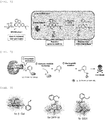
- the research group of the present inventors also developed a SPiDER probe that emits fluorescence by an enzymatic reaction and prevents leakage from cells by being tagged to intracellular thiols based on ideas based on quinone methides chemistry ( FIG. 1 ).
- the present inventors conceived that it might be possible to utilize the above phenomenon and cause serious damage cell-selectively through cancer cell-specific enzyme activity and perfected the present invention as a result of developing novel prodrug-type anticancer agents.
- the present invention provides:
- the present invention can provide novel compounds that are promising as prodrug-type anticancer agents.
- halogen atom means a fluorine atom, chlorine atom, bromine atom, or iodine atom.
- an "alkyl” may be any aliphatic hydrocarbon group having a linear, branched, or cyclic structure, or a combination thereof.
- the number of carbon atoms of an alkyl group is not particularly limited; for example, 1-6 carbons (C 1-6 ), 1-10 carbons (C 1-10 ), 1-15 carbons (C 1-15 ), 1-20 carbons (C 1-20 ). When a number of carbon atoms is indicated, it means an “alkyl” having a number of carbon atoms of that numerical range.
- C 1-8 alkyls include methyl, ethyl, n-propyl, isopropyl, n-butyl, isobutyl, sec-butyl, tert-butyl, n-pentyl, isopentyl, neo-pentyl, n-hexyl, isohexyl, n-heptyl, n-octyl, etc.
- an alkyl group may have one or more arbitrary substituents.
- substituents include, but are not limited to, an alkoxy group, halogen atom, amino group, mono- or di-substituted amino group, substituted silyl group, or acyl, etc.
- an alkyl group has two or more substituents, the substituents may be the same or different.
- alkyl moiety of other substituents including an alkyl moiety (e.g., an alkoxy group, arylalkyl group, etc.).
- substituents include, but are not limited to, an alkyl group, alkoxy group, hydroxyl group, carboxyl group, halogen atom, sulfo group, amino group, alkoxycarbonyl group, oxo group, etc. Further substituents may be present in these substituents. Examples thereof include, but are not limited to, a halogenated alkyl group, dialkylamino group, etc.
- an "aryl” may be either a monocyclic or fused polycyclic aromatic hydrocarbon group and may be an aromatic heterocycle including one or more hetero atoms (e.g., an oxygen atom, nitrogen atom, or sulfur atom, etc.) as ring constituent atoms.
- heteroaryl or “hetero aromatic” are sometimes also used in this case.
- Nonlimiting examples of monocyclic aryls include a phenyl group (Ph), thienyl group (2- or 3-thienyl group), pyridyl group, furyl group, thiazolyl group, oxazolyl group, pyrazolyl group, 2-pyrazinyl group, pyrimidinyl group, pyrrolyl group, imidazolyl group, pyridazinyl group, 3-isothiazolyl group, 3-isoxazolyl group, 1,2,4-oxadiazol-5-yl group or 1,2,4-oxadiazol-3-yl group, etc.
- Ph phenyl group
- thienyl group (2- or 3-thienyl group
- pyridyl group furyl group
- thiazolyl group oxazolyl group
- pyrazolyl group 2-pyrazinyl group
- pyrimidinyl group pyrrolyl group
- imidazolyl group pyri
- Nonlimiting examples of fused polycyclic aryls include a 1-naphthyl group, 2-naphthyl group, 1-indenyl group, 2-indenyl group, 2,3-dihydroinden-1-yl group, 2,3-dihydroinden-2-yl group, 2-anthryl group, indazolyl group, quinolyl group, isoquinolyl group, 1,2-dihydroisoquinolyl group, 1,2,3,4-tetrahydroisoquinolyl group, indolyl group, isoindolyl group, phthalazinyl group, quinoxalinyl group, benzofuranyl group, 2,3-dihydrobenzofuran-1-yl group, 2,3-dihydrobenzofuran-2-yl group, 2,3-dihydrobenzothiophen-1-yl group, 2,3-dihydrobenzothiophen-2-yl group, benzothiazolyl group,
- an aryl group may have one or more arbitrary substituents on its ring.
- substituents include, but are not limited to, an alkoxy group, halogen atom, amino group, mono- or di-substituted amino group, substituted silyl group, or acyl, etc.
- the substituents may be the same or different.
- the same also holds for the aryl moiety of other substituents including an aryl moiety (e.g., an aryloxy group, arylalkyl group, etc.).
- an "arylalkyl” represents an alkyl substituted by the above aryl.
- An arylalkyl may have one or more arbitrary substituents. Examples of the substituents include, but are not limited to, an alkoxy group, halogen atom, amino group, mono- or di-substituted amino group, substituted silyl group, or acyl group, etc. When an acyl group has two or more substituents, the substituents may be the same or different.
- Nonlimiting examples of arylalkyls include a benzyl group, 2-thienylmethyl group, 3-thienylmethyl group, 2-pyridylmethyl group, 3-pyridylmethyl group, 4-pyridylmethyl group, 2-furylmethyl group, 3-furylmethyl group, 2-thiazolylmethyl group, 4-thiazolylmethyl group, 5-thiazolylmethyl group, 2-oxazolylmethyl group, 4-oxazolylmethyl group, 5-oxazolylmethyl group, 1-pyrazolylmethyl group, 3-pyrazolylmethyl group, 4-pyrazolylmethyl group, 2-pyrazinylmethyl group, 2-pyrimidinylmethyl group, 4-pyrimidinylmethyl group, 5-pyrimidinylmethyl group, 1-pyrrolylmethyl group, 2-pyrrolylmethyl group, 3-pyrrolylmethyl group, 1-imidazolylmethyl group, 2-imidazolylmethyl group, 4-imidazolylmethyl group, 3-pyridazinylmethyl group, 4-pyrid
- an "alkoxy group” is a structure in which an oxygen atom is bonded to the above alkyl group, for example, a saturated alkoxy group having a linear, branched, or cyclic structure, or a combination thereof.
- Suitable examples include a methoxy group, ethoxy group, n-propoxy group, isopropoxy group, cyclopropoxy group, n-butoxy group, isobutoxy group, s-butoxy group, t-butoxy group, cyclobutoxy group, cyclopropylmethoxy group, n-pentyloxy group, cyclopentyloxy group, cyclopropylethyloxy group, cyclobutylmethyloxy group, n-hexyloxy group, cyclohexyloxy group, cyclopropylpropyloxy group, cyclobutylethyloxy group, or cyclopentylmethyloxy group, etc.
- an "alkylene” is a divalent group comprising a linear or branched saturated hydrocarbon, for example, methylene, 1-methylmethylene, 1,2-dimethylmethylene, ethylene, 1-methylethylene, 1-ethylethylene, 1,1-dimethylethylene, 1,2-dimethylethylene, 1,1-diethylethylene, 1,2-diethylethylene, 1-ethyl-2-methylethylene, trimethylene, 1-methyltrimethylene, 2-methyltrimethylene, 1,1-dimethyltrimethylene, 1,2-dimethyltrimethylene, 2,2-dimethyltrimethylene, 1-ethyltrimethylene, 2-ethyltrimethylene, 1,1-diethyltrimethylene, 1,2-diethyltrimethylene, 2,2-diethyltrimethylene, 2-ethyl-2-methyltrimethylene, tetramethylene, 1-methyltetramethylene, 2-methyltetramethylene, 1,1-dimethyltetramethylene, 1,2-dimethyltetramethylene, trimethylene,
- One embodiment of the present invention is a compound represented by general formula (I) or a salt thereof.
- Y is an enzyme recognition site, a part of which is cleaved by cancer cells-specific enzyme activity to induce formation of quinone methides.
- Y can be selected in accordance with the type of enzyme.
- the target enzyme of the prodrug-type anticancer agent is a glycosidase
- Y is selected from groups derived from saccharides
- the target enzyme is a peptidase
- Y is selected from groups derived from amino acids and groups including amino acids.
- Y is preferably -NH-CO-L, -NH-L', or -OL'.
- L is a partial structure of an amino acid.
- any compound can be used as an "amino acid" as long as the compound has both an amino group and a carboxyl group, including natural and non-natural amino acids.
- An amino acid may be any of a neutral amino acid, basic amino acid, or acidic amino acid.
- amino acids that themselves function as transmitters such as neurotransmitters
- amino acids that are structural components of polypeptide compounds such as bioactive peptides (including oligopeptides as well as dipeptides, tripeptides and tetrapeptides) and proteins can be used, for example, ⁇ amino acids, ⁇ amino acids, ⁇ amino acids, etc.
- the use of an optically active amino acid as an amino acid is preferred. For example, either D- or L-amino acids may be used for ⁇ amino acids, but it is sometimes preferable to select an optically active amino acid that functions in the body.
- amino acid residue means a structure corresponding to a partial structure remaining after a hydroxyl group has been removed from a carboxyl group of an amino acid.
- Amino acid residues include residues of ⁇ amino acids, residues of ⁇ amino acids, and residues of ⁇ amino acids.
- Examples of preferred amino acid residues include a " ⁇ -glutamyl group" of a GGT substrate and a dipeptide "dipeptide comprising an amino acid-proline" of a DPP4 substrate, etc.
- L' is a saccharide or a partial structure of a saccharide, a saccharide having a self-cleaving linker, an amino acid or a peptide having a self-cleaving linker.
- saccharides include ⁇ -D-glucose, ⁇ -D-galactose, ⁇ -L-galactose, ⁇ -D-xylose, ⁇ -D-mannose, ⁇ -D-fucose, ⁇ -L-fucose, ⁇ -L-fucose, ⁇ -D-arabinose, ⁇ -L-arabinose, ⁇ -D-N-acetylglucosamine, ⁇ -D-N-acetylgalactosamine, etc.
- ⁇ -D-galactose is preferred.
- a self-cleaving linker means a linker that spontaneously cleaves and decomposes. Examples include a carbamate, urea, p-aminobenzyloxy group, etc.
- Y has a structure selected from the following.
- X acts as a leaving group that leaves the benzene ring due to cleavage of part of the enzyme recognition site of Y by cancer cell-specific enzyme activity, resulting in formation of quinone methides.
- R' and R" are each independently selected from substituted or unsubstituted alkyl groups or substituted or unsubstituted aryl groups.
- a fluorine atom or an ester group is preferred as X.
- quinone methides is formed quickly upon cleavage of Y when X is a fluorine atom or an ester group (-OCO-R').
- R 1 and R 2 are each independently selected from a hydrogen atom or a monovalent substituent.
- Monovalent substituents include halogen atoms and C 1 or higher alkyl groups (e.g., C 1-6 alkyl groups).
- R 1 and R 2 are preferably each independently selected from a hydrogen atom or a fluorine atom.
- -Y in general formula (I) preferably bonds to -C(R 1 )(R 2 )X on the ortho position or para position of the benzene ring.
- a quinone methides structure can be formed upon cleavage of Y when -Y and C(R 1 )(R 2 )X have such a positional relationship.
- R 3 represents a hydrogen atom, or from one to four identical or different monovalent substituents present on a benzene ring.
- the monovalent substituent of R 3 is selected from the group consisting of a C 1 or higher alkyl group (e.g., C 1-6 alkyl groups), alkoxycarbonyl group, nitro group, amino group, hydroxyl group, alkylamino group (-NHR', -NHCOR'), alkoxy group (-OR', -OCOR'), halogen atom, boryl group, and cyano group.
- R' is a substituted or unsubstituted alkyl group or a substituted or unsubstituted aryl group.
- an alkyl group having one or more carbons is preferred as the monovalent substituent of R 3 .
- an alkyl group can improve the electron donating property and improve the cytocidal activity.
- the 5 position, which is the para position, or the 4 position, which is the meta position, of -C(R 1 )(R 2 )X is preferred as the position of R 3 .
- compounds represented by general formula (I) also include stereoisomers such as tautomers, geometric isomers (e.g., E form, Z form, etc.), enantiomers, etc.
- stereoisomers such as tautomers, geometric isomers (e.g., E form, Z form, etc.), enantiomers, etc.
- a compound represented by general formula (I) includes one or more asymmetric carbons
- the stereochemistry of asymmetric carbons allows each independently to take on an (R) form or an (S) form and to exist as a stereoisomer such as enantiomer or a diastereomer of the derivative. Therefore, any stereoisomer in pure form, any mixture of stereoisomers, racemates, and the like can be used as an active ingredient of a microtubule polymerase inhibitor of the present invention, and all are encompassed within the scope of the present invention.
- prodrug-type anticancer agent that comprises a compound of general formula (I) or a pharmaceutically acceptable salt thereof (also referred to hereinafter as the "prodrug-type anticancer agent of the present invention").
- another embodiment of the present invention is a prodrug-type anticancer agent that acts cell-selectively by cancer cell-specific enzyme activity, the prodrug-type anticancer agent comprising a compound of general formula (I) or a pharmaceutically acceptable salt thereof.
- Peptidases and glycosidases exist as cancer cell-specific enzymes.
- peptidases examples include ⁇ -glutamyl transpeptidase (GGT), dipeptidyl peptidase IV (DPP-IV), and calpain.
- GTT ⁇ -glutamyl transpeptidase
- DPP-IV dipeptidyl peptidase IV
- calpain ⁇ -glutamyl transpeptidase
- glycosidases examples include ⁇ -galactosidase, ⁇ -glucosidase, ⁇ -mannosidase, ⁇ -L-fucosidase, ⁇ -hexosaminidase, ⁇ -N-acetylgalactosaminidase, etc.
- another embodiment of the present invention is a pharmaceutical composition for treating or preventing cancers such as breast cancer, esophageal cancer, lung cancer, head and neck cancer, oral cancer, liver cancer, etc. that includes a compound of general formula (I) or a pharmaceutically acceptable salt thereof (also referred to hereinafter as the "pharmaceutical composition of the present invention").
- another embodiment of the present invention is a method for treating cancers such as breast cancer, esophageal cancer, lung cancer, head and neck cancer, oral cancer, liver cancer, etc. in a mammal, especially in a human, wherein the method administers an effective amount of a compound of the present invention of general formula (I) or a pharmaceutically acceptable salt thereof or a pharmaceutical composition comprising a compound represented by general formula (I) or a pharmaceutically acceptable salt thereof to a mammal requiring treatment.
- cancers such as breast cancer, esophageal cancer, lung cancer, head and neck cancer, oral cancer, liver cancer, etc.
- a prodrug-type anticancer agent or pharmaceutical composition of the present invention may comprise not only a compound represented by general formula (I) but a salt thereof or a solvate or hydrate of these.
- Salts are not particularly limited as long as they are pharmaceutically acceptable salts, and examples can include base addition salts, acid addition salts, amino acid salts, etc.
- base addition salts include a sodium salt, potassium salt, calcium salt, magnesium salt, and other such alkaline earth metal salts, an ammonium salt, or a triethylamine salt, piperidine salt, morpholine salts, or other such organic amine salts.
- acid addition salts include a hydrochloride, hydrobromide, sulfate, nitrate, phosphate, and other such mineral acid salts; methanesulfonic acid, benzenesulfonic acid, p-toluenesulfonic acid, acetic acid, propionate, tartaric acid, fumaric acid, maleic acid, malic acid, oxalic acid, succinic acid, citric acid, benzoic acid, mandelic acid, cinnamic acid, lactic acid, glycolic acid, glucuronic acid, ascorbic acid, nicotinic acid, salicylic acid, and other such organic acid salts.
- amino acid salts include a glycine salt, aspartate, glutamate, etc. Metal salts such as an aluminum salt, etc. are also acceptable.
- the type of solvent for forming a solvate is not particularly limited. Examples include ethanol, acetone, isopropanol, and other such solvents.
- the prodrug-type anticancer agent or pharmaceutical composition of the present invention may be administered as a compound represented by general formula (I) or a pharmaceutically acceptable salt thereof, a hydrate, or a solvate, which is the active ingredient, alone but administration in the form of a pharmaceutical composition comprising the above substance, which is the active ingredient, and one or more formulation additives is generally preferred.
- composition as in the pharmaceutical composition encompasses not only a product comprising an active ingredient and an inert ingredient which constitutes a carrier (pharmaceutically acceptable excipient) but also any product that occurs directly or indirectly as a result of association, complexation, or aggregation of any two or more components, as a result of dissociation of one or more components, or as a result of another type of reaction or interaction of one or more components.
- Two or more of the above compounds can be used in combination as an active ingredient of the prodrug-type anticancer agent or pharmaceutical composition of the present invention.
- the prodrug-type anticancer agent or pharmaceutical composition of the present invention can also be made into a combination drug that uses a compound represented by general formula (I) or a pharmaceutically acceptable salt thereof, hydrate, or solvate which is an active ingredient in combination with an existing anticancer agent.
- a compound represented by general formula (I) or a pharmaceutically acceptable salt thereof, hydrate, or solvate which is an active ingredient in combination with an existing anticancer agent.
- existing anticancer agents include methotrexate, doxorubicin, cisplatin, etc.
- prodrug-type anticancer agent or pharmaceutical composition of the present invention examples include a tablet, capsule, granule, powder, syrup, suspension, suppository, ointment, cream, gel, patch, inhalant, injection, etc. These formulations are prepared by the usual methods. Furthermore, liquid formulations may be in a form dissolved or suspended in water or another suitable solvent at the time of use. Tablets and granules may also be coated by a known method. In the case of an injection, an injection is prepared by dissolving a compound of the present invention in water, but the compound may be dissolved in physiological saline or glucose solution as needed and buffers and preservatives may be added.
- a formulation is supplied in any formulation form for oral or parenteral administration.
- formulations can be prepared as pharmaceutical compositions for oral administration in the form of granules, fine granules, powders, hard capsules, soft capsules, syrups, emulsions, suspensions, or solutions, etc. and as pharmaceutical compositions for parenteral administration in the form of injections for intravenous administration, intramuscular administration, subcutaneous administration, etc., drip infusions, percutaneous absorption agents, transmucosal absorption agents, nasal drops, inhalants, suppositories, etc. Injections and drip infusions, etc.
- a powdered drug form such as a freeze-dried form and using it dissolved in an appropriate aqueous solvent such as physiological saline at the time of use.
- slow-release formulations coated by a polymer, etc. can also be administered directly into the brain.
- formulation additives used in production of a prodrug-type anticancer agent or pharmaceutical composition of the present invention can also be selected appropriately by one skilled in the art in accordance with the form of the composition.
- Inorganic or organic materials or solid or liquid materials can be used as formulation additives, and from 1% by weight to 90% by weight can generally be blended relative to the active ingredient weight.
- examples of such materials include lactose, glucose, mannitol, dextrin, cyclodextrin, starch, sucrose, magnesium aluminometasilicate, synthetic aluminum silicate, carboxymethylcellulose sodium, hydroxypropyl starch, carboxymethylcellulose calcium, ionexchange resin, methylcellulose, gelatin, gum Arabic, hydroxypropylcellulose, hydroxypropylmethylcellulose, polyvinyl pyrrolidone, light silicic anhydride, magnesium stearate, talc, tragacanth, bentonite, Veegum, titanium oxide, sorbitan fatty acid esters, sodium lauryl sulfate, glycerin, fatty acid glycerin esters, purified lanolin, glycerogelatin, Polysorbate, Macrogol, vegetable oils, waxes, liquid paraffin, white petrolatum, fluorocarbons, nonionic surfactants, propylene glycol, water and so on
- the active ingredient and excipient components for example, lactose, starch, crystalline cellulose, calcium lactate, silicic anhydride, etc.
- a binder such as white sugar, hydroxypropylcellulose, polyvinylpyrrolidone, etc.
- a disintegrant such as carboxymethylcellulose, carboxymethylcellulose calcium, etc. is added and subjected to wet or dry granulation to make granules.
- these powders and granules may be tableted without further modification or after adding a lubricant such as magnesium stearate, talc, etc.
- granules and tablets can also be coated with an enteric coating base such as hydroxypropylmethylcellulose phthalate, methacrylic acid-methyl methacrylate polymer, etc. to make enteric-coated formulations or coated with ethyl cellulose, carnauba wax, hydrogenated oil, etc. to make a sustained-release formulation.
- an enteric coating base such as hydroxypropylmethylcellulose phthalate, methacrylic acid-methyl methacrylate polymer, etc.
- enteric-coated formulations or coated with ethyl cellulose, carnauba wax, hydrogenated oil, etc. to make a sustained-release formulation.
- a powder or granules can be filled into a hard capsule, or soft capsules can be made by coating the active ingredient without further modification or after being dissolved in glycerin, polyethylene glycol, sesame oil, olive oil, etc. by a gelatin film.
- the active ingredient and, if needed, a pH adjuster such as hydrochloric acid, sodium hydroxide, lactose, lactic acid, sodium, sodium monohydrogen phosphate, sodium dihydrogen phosphate, etc. and an isotonifying agent such as sodium chloride, glucose, etc. are dissolved in distilled water for injection, filter sterilized, and filled into ampules, or an injection for dissolution at the time of use is made by adding mannitol, dextrin, cyclodextrin, gelatin, etc., and vacuum freeze drying.
- the active ingredient can also be emulsified in water by adding lecithin, Polysorbate 80, polyoxyethylene hydrogenated castor oil, etc. to make an emulsion for an injection.
- the dosage and number of doses of the prodrug-type anticancer agent or pharmaceutical composition of the present invention can be selected as deemed appropriate by a physician in accordance with conditions such as the goal of preventing exacerbation/advance and/or treating the treatment target disease, type of disease, patient's weight and age, severity of the disease, etc.
- the daily adult dose in oral administration is about 0.01-1000 mg (active ingredient weight) and can be administered once or several times a day or every several days. When used as an injection, it is preferable to administer a daily dose of 0.001-100 mg (active ingredient weight) continuously or intermittently for an adult.
- Compound 1 ( ⁇ -Gal-FMP) of the present invention was synthesized according to scheme 1 below.
- the ethyl acetate layer was washed with saturated sodium bicarbonate and saline, dried by sodium sulfate, and then concentrated. A residue was generated by silica gel chromatography (34 g silica gel, 20% ⁇ 40% ethyl acetate/hexane), and the target substance was obtained as a colorless liquid (626.8 mg, 87%).
- the ethyl acetate layer was washed with water and saline, dried by sodium sulfate, and then concentrated. A residue was generated by silica gel chromatography (34 g silica gel, 20% ⁇ 40% ethyl acetate/hexane), and the target substance was obtained as a light-yellow liquid (29.7 mg, 48%).
- tert-butyl(S)-(2-(2-((2-((2-((tertbutyldimethylsilyl)oxy)methyl)phenyl)carbamoyl 7)pyrrolidin-1-yl)-2-oxoethyl)carbamate (86.4 mg, 0.176 mmol) was dissolved in dehydrated DMF (2 mL) and cooled to 0°C.
- HATU 206 mg, 0.532 mmol
- DIPEA 183 ⁇ L, 1.06 mmol
- Compound 3 (gGlu-FMA) of the present invention was synthesized according to scheme 3 below.
- CCK-8 assay method for quantifying the dehydrogenase activity inside living cells through reduction of colorless WST-8 to orange formazan
- the B-galactosidase-activated prodrug was evaluated using HEK/lac Z cells (cells derived from human kidney cells, high ⁇ -Gal expression) and HEK293 cells (cells derived from human kidney cells, low ⁇ -Gal expression).
- the DPP-IV-activated prodrug was evaluated using H226 cells (human lung squamous cell carcinoma cells, high DPP-IV expression) and H460 cells (human non-small cell epithelial lung cancer cells, low DPP-IV expression).
- the GGT-activated prodrug was evaluated using SHIN3 cells (human ovarian cancer cells, high GGT expression) and H226 cells (human lung squamous cell carcinoma cells, low GGT expression).
- compound 1 for ⁇ -galactosidase was administered to high-expression cells (HEK/lac Z) and low-expression cells (HEK293), and the survival rate was calculated after 24 hours.
- the survival rate of the two cells did not drop at all even when a high concentration of 50 ⁇ M was administered, and no significant difference was observed ( FIG. 5 ).
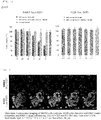
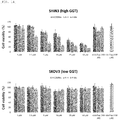
- changes in the cell viability were observed between cells with high and low enzyme expression when compounds 2 and 3 (GP-FMA and gGlu-FMA) of DPP-IV and GGT, which are aminopeptidases, were used ( FIGS. 6 and 7 ).
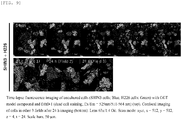
- Lens 63 ⁇ /1.4 oil.
- Scale bar 50 ⁇ m.
- FIG. 10 shows the results of flow cytometry analysis of cell proliferation in SHIN3 cells (green) and H226 cells (not stained) using compound 3.
- FIG. 12 shows, from the top of each graph, chromatograms of the mass peak of the raw material after 0 hours and after one hour and chromatograms of the mass peak of the enzyme reaction product after 0 hours and after one hour.
- a 5-substituted form was also synthesized according to scheme 8 below.
- FIG. 14 shows the results of CCK-8 assay of the 4-substituted derivatives. A tendency was seen for derivatives substituted with electron donating groups to show relatively strong antitumor activity.
- FIG. 15 shows the results of CCK-8 assay of the 5-substituted derivatives.
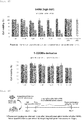
- an efficacy evaluation of the 5-COOMe derivative using low GGT expression cells is shown in the lower part of FIG. 15 .
- the prodrug-type anticancer agents of the present invention show an antitumor effect by releasing a highly reactive substance (toxic attractant) having an azaquinone methides structure simultaneously with cleavage of the L-glutamic acid portion by GGT on the cancer cell membrane that expresses a high level of GGT.
- a highly reactive substance toxic attractant
- the prodrug-type anticancer agents of the present invention were able to selectively kill only the high GGT expression cell line without killing the adjacent low GGT expression cells. This result suggests the possibility that the prodrug-type anticancer agents of the present invention will show a wide safety range in vivo as well.
- Peritoneal dissemination refers to a state in which tumor cells have been spread and engrafted on the surface of the peritoneum that lines the peritoneum (*1).
- stomach cancer, colon cancer, ovarian cancer, etc. often metastasize, and breakthrough treatment methods, including chemotherapy, have not been established.
- Peritoneal dissemination model mice were created by intraperitoneal administration of SHIN3 cells (cancer cell line derived from ovarian cancer, high GGT activity) suspended in PBS. From day seven after cell dissemination, 5 mg/kg of gGlu-FMA or PBS (control) was administered intraperitoneally each day. On day 21 after cell dissemination, gGlu-HMRG was administered intraperitoneally, and the mice were sacrificed ten minutes later. After laparotomy, fluorescence images were acquired by a Maestro in vivo imaging device ( FIG. 16 ).
- FIG. 17 shows two examples of macro images and fluorescence images of the mesentery of mice administered PBS and gGlu-FMA. Tumors appear to be decreased overall in the mice administered gGlu-FMA in both the macro and fluorescence images.
- the prodrug-type anticancer agents of the present invention are expected to serve as innovative clinical drugs that can recognize differences in the metabolic enzyme activity of two adjacent cells and kill only the cancer cells having enhanced enzyme activity and that can improve upon major problems with cancer chemotherapy such as reduction of a patient's QOL due to serious side effects.
- the azaquinone methides release-type prodrugs of the present invention which do not use existing anticancer agents can be synthesized easily, which is expected to make a significant contribution to the development costs.
- the prodrugs developed will be highly valuable from a medical and economic standpoint as well as industrial utility.
Landscapes
- Chemical & Material Sciences (AREA)
- Organic Chemistry (AREA)
- Health & Medical Sciences (AREA)
- Life Sciences & Earth Sciences (AREA)
- General Health & Medical Sciences (AREA)
- Molecular Biology (AREA)
- Genetics & Genomics (AREA)
- Biochemistry (AREA)
- Biotechnology (AREA)
- Engineering & Computer Science (AREA)
- Medicinal Chemistry (AREA)
- Veterinary Medicine (AREA)
- Public Health (AREA)
- Animal Behavior & Ethology (AREA)
- Pharmacology & Pharmacy (AREA)
- Nuclear Medicine, Radiotherapy & Molecular Imaging (AREA)
- General Chemical & Material Sciences (AREA)
- Chemical Kinetics & Catalysis (AREA)
- Biophysics (AREA)
- Proteomics, Peptides & Aminoacids (AREA)
- Pharmaceuticals Containing Other Organic And Inorganic Compounds (AREA)
- Saccharide Compounds (AREA)
- Pyrrole Compounds (AREA)
- Acyclic And Carbocyclic Compounds In Medicinal Compositions (AREA)
- Organic Low-Molecular-Weight Compounds And Preparation Thereof (AREA)
Abstract
Description
- The present invention relates to novel compounds that are promising as prodrug-type anticancer agents and to a prodrug-type anticancer agent and a pharmaceutical composition that uses said compounds.
- Given that the tissue/cell/target selection system of an anticancer agent is still never satisfactory in cancer chemotherapy, which plays an important role in cancer treatment, manifestation of efficacy is constantly associated with the simultaneous risk of serious side effects.
- Creating a prodrug is known as one technique for releasing these anticancer agents specifically in cancer cells. Creating a prodrug is an approach that subjects a drug to structural modification so that the drug changes into the active form (anticancer agent) for the first time due to an enzymatic reaction or chemical reaction within the cancer cells. On the other hand, the fact that it is difficult to identify enzymes that are specifically enhanced in cancer cells and that structural modification of existing anticancer agents, which have complex structures, is not easy can be cited as problems.
- A purpose of the present invention is to provide novel compounds that are promising as prodrug-type anticancer agents.
- In the laboratory of the present inventors, research has been conducted into establishing a search-based technology capable of evaluating metabolic reaction characteristics characteristic of a disease site comprehensively and noninvasively on fresh clinical specimens, and the present inventors thought that it might be possible to develop highly specific therapeutic drugs efficiently by a prodrug approach through utilizing useful information relating to the metabolic reactivity of disease sites obtained directly from human clinical specimens to date.
- The research group of the present inventors also developed a SPiDER probe that emits fluorescence by an enzymatic reaction and prevents leakage from cells by being tagged to intracellular thiols based on ideas based on quinone methides chemistry (
FIG. 1 ). - Here, it became clear when the present inventors were conducting live-cell application experiments of this probe that pronounced cytotoxicity is seen when the probe is used in high concentrations. Although the mechanism of toxicity has not been clarified, it is thought that intracellular thiols such as glutathione are consumed by the quinone methide intermediate produced in association with the enzymatic reaction, causing oxidative stress on the cells.
- Therefore, the present inventors conceived that it might be possible to utilize the above phenomenon and cause serious damage cell-selectively through cancer cell-specific enzyme activity and perfected the present invention as a result of developing novel prodrug-type anticancer agents.
- Specifically, the present invention provides:
- [1] A compound represented by general formula (I) or a salt thereof.

- X is selected from the group consisting of a fluorine atom, ester group (-OC(=O)-R'), carbonate group (-OCO2-R'), carbamate group (-OCONH-R'), phosphoric acid and ester groups thereof (-OP(=O)(-OR')(-OR"), and sulfuric acid and ester groups thereof (-OSO2-OR'),
- where, R' and R" are each independently selected from substituted or unsubstituted alkyl groups or substituted or unsubstituted aryl groups;
- Y is -NH-CO-L, -NH-L', or -OL',
- where, L is a partial structure of an amino acid,
- L' is a saccharide or a partial structure of a saccharide, a saccharide having a self-cleaving linker, an amino acid or a peptide having a self-cleaving linker;
- R1 and R2 are each independently selected from a hydrogen atom or a monovalent substituent;
- R3 represents a hydrogen atom or one to four monovalent substituents present on a benzene ring, which are the same or different.)
- [2] The compound or a salt thereof according to [1], wherein the partial structure of an amino acid of L, together with the C=O to which L bonds, constitutes an amino acid, an amino acid residue, a peptide, or part of an amino acid.
- [3] The compound or a salt thereof according to [1], wherein the partial structure of a saccharide of L', together with the O to which L' bonds, constitutes a saccharide or part of a saccharide.
- [4] The compound or salt thereof according to any one of [1] to [3], wherein -Y in general formula (I) bonds to - C(R1)(R2)X on the ortho position or para position of the benzene ring.
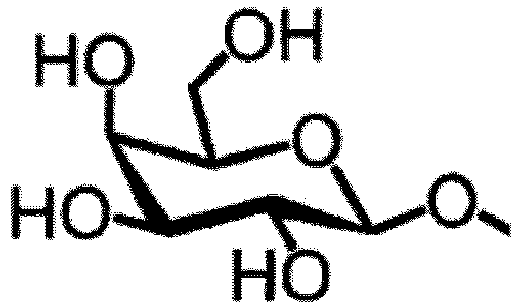
- [5] The compound or salt thereof according to any one of [1] to [4], wherein Y has a structure selected from the following.


- [6] The compound or salt thereof according to any one of [1] to [5], wherein X is a fluorine atom or an ester group (-OCO-R').
- [7] The compound or salt thereof according to any one of [1] to [6], wherein R1 and R2 are each independently selected from a hydrogen atom or a fluorine atom.
- [8] The compound or salt thereof according to any one of [1] to [7], wherein the monovalent substituent of R3 is selected from the group consisting of an alkyl group, an alkoxycarbonyl group, a nitro group, an amino group, a hydroxyl group, an alkylamino group (-NHR', -NHCOR'), an alkoxy group (-OR', -OCOR'), a halogen atom, a boryl group, and a cyano group (R' is a substituted or unsubstituted alkyl group or a substituted or unsubstituted aryl group).
- [9] The compound or salt thereof according to [8], wherein the monovalent substituent of R3 is an alkyl group such as a methyl group) or an alkoxycarbonyl group such as a methoxycarbonyl group.
- [10] A prodrug-type anticancer agent comprising a compound according to any one of [1] to [9] or a pharmaceutically acceptable salt thereof.
- [11] A prodrug-type anticancer agent that acts cell-selectively by cancer cell-specific enzyme activity comprising a compound according to any one of [1] to [9] or a pharmaceutically acceptable salt thereof.
- [12] The prodrug-type anticancer agent according to [11], wherein the enzyme is a peptidase or a glycosidase.
- The present invention can provide novel compounds that are promising as prodrug-type anticancer agents.
-
- [
FIG. 1 ] Schematic diagram of the fluorescence emission of a SPiDER β-Gal probe. - [
FIG. 2 ] Schematic diagram of the expression mechanism of a novel prodrug-type anticancer agent of the present invention. - [
FIG. 3 ] Structures of quinone methides release-type prodrug compounds. - [
FIG. 4 ] Results of LC-MS analysis of products obtained by reactingcompounds - [
FIG. 5 ] Test results of CCK-8 assay ofcompound 1. - [
FIG. 6 ] Test results of CCK-8 assay ofcompound 2. - [
FIG. 7 ] Test results of CCK-8 assay ofcompound 3. - [
FIG. 8 ] Study results relating to cell death observation in SHIN3cells using compound 3. - [
FIG. 9 ] Study results relating to cell death observation under cocultureconditions using compound 3. - [
FIG. 10 ] Results of flow cytometry analysis of cell proliferation in SHIN3 cells and H226cells using compound 3. - [
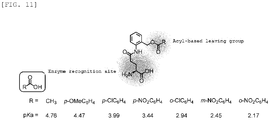
FIG. 11 ] Structural formula of intermediates having an acyl-based leaving group synthesized in an example. - [
FIG. 12 ] Results that confirmed enzyme recognition capacity using a benzyl-position leaving group-converted derivatives. - [
FIG. 13 ] Results of CCK-8 assay of benzyl-position leaving group-converted derivatives. - [
FIG. 14 ] Results of CCK-8 assay of 4-substituted derivatives synthesized in an example. - [
FIG. 15 ] Results of CCK-8 assay of 5- substituted derivatives synthesized in an example. - [
FIG. 16 ] gGlu-FMA administration test summary in peritoneal dissemination model mice. - [
FIG. 17 ] Tumor imaging results on the mesentery (upper row: mice administered PBS, lower row: mice administered gGlu-FMA) - In the present specification, a "halogen atom" means a fluorine atom, chlorine atom, bromine atom, or iodine atom.
- In the present specification, an "alkyl" may be any aliphatic hydrocarbon group having a linear, branched, or cyclic structure, or a combination thereof. The number of carbon atoms of an alkyl group is not particularly limited; for example, 1-6 carbons (C1-6), 1-10 carbons (C1-10), 1-15 carbons (C1-15), 1-20 carbons (C1-20). When a number of carbon atoms is indicated, it means an "alkyl" having a number of carbon atoms of that numerical range. For example, C1-8 alkyls include methyl, ethyl, n-propyl, isopropyl, n-butyl, isobutyl, sec-butyl, tert-butyl, n-pentyl, isopentyl, neo-pentyl, n-hexyl, isohexyl, n-heptyl, n-octyl, etc. In the present specification, an alkyl group may have one or more arbitrary substituents. Examples of such substituents include, but are not limited to, an alkoxy group, halogen atom, amino group, mono- or di-substituted amino group, substituted silyl group, or acyl, etc. When an alkyl group has two or more substituents, the substituents may be the same or different. The same also holds for the alkyl moiety of other substituents including an alkyl moiety (e.g., an alkoxy group, arylalkyl group, etc.).
- In the present specification, when certain functional groups are defined as "optionally substituted," the type of substituent, substitution position, and number of substituents are not particularly limited, and when there are two or more substituents, the substituents may be the same or different. Examples of substituents include, but are not limited to, an alkyl group, alkoxy group, hydroxyl group, carboxyl group, halogen atom, sulfo group, amino group, alkoxycarbonyl group, oxo group, etc. Further substituents may be present in these substituents. Examples thereof include, but are not limited to, a halogenated alkyl group, dialkylamino group, etc.
- In the present specification, an "aryl" may be either a monocyclic or fused polycyclic aromatic hydrocarbon group and may be an aromatic heterocycle including one or more hetero atoms (e.g., an oxygen atom, nitrogen atom, or sulfur atom, etc.) as ring constituent atoms. The terms "heteroaryl" or "hetero aromatic" are sometimes also used in this case. Nonlimiting examples of monocyclic aryls include a phenyl group (Ph), thienyl group (2- or 3-thienyl group), pyridyl group, furyl group, thiazolyl group, oxazolyl group, pyrazolyl group, 2-pyrazinyl group, pyrimidinyl group, pyrrolyl group, imidazolyl group, pyridazinyl group, 3-isothiazolyl group, 3-isoxazolyl group, 1,2,4-oxadiazol-5-yl group or 1,2,4-oxadiazol-3-yl group, etc. Nonlimiting examples of fused polycyclic aryls include a 1-naphthyl group, 2-naphthyl group, 1-indenyl group, 2-indenyl group, 2,3-dihydroinden-1-yl group, 2,3-dihydroinden-2-yl group, 2-anthryl group, indazolyl group, quinolyl group, isoquinolyl group, 1,2-dihydroisoquinolyl group, 1,2,3,4-tetrahydroisoquinolyl group, indolyl group, isoindolyl group, phthalazinyl group, quinoxalinyl group, benzofuranyl group, 2,3-dihydrobenzofuran-1-yl group, 2,3-dihydrobenzofuran-2-yl group, 2,3-dihydrobenzothiophen-1-yl group, 2,3-dihydrobenzothiophen-2-yl group, benzothiazolyl group, benzimidazolyl group, fluorenyl group, or thioxanthenyl group, etc. In the present specification, an aryl group may have one or more arbitrary substituents on its ring. Examples of these substituents include, but are not limited to, an alkoxy group, halogen atom, amino group, mono- or di-substituted amino group, substituted silyl group, or acyl, etc. When an aryl group has two or more substituents, the substituents may be the same or different. The same also holds for the aryl moiety of other substituents including an aryl moiety (e.g., an aryloxy group, arylalkyl group, etc.).
- In the present specification, an "arylalkyl" represents an alkyl substituted by the above aryl. An arylalkyl may have one or more arbitrary substituents. Examples of the substituents include, but are not limited to, an alkoxy group, halogen atom, amino group, mono- or di-substituted amino group, substituted silyl group, or acyl group, etc. When an acyl group has two or more substituents, the substituents may be the same or different. Nonlimiting examples of arylalkyls include a benzyl group, 2-thienylmethyl group, 3-thienylmethyl group, 2-pyridylmethyl group, 3-pyridylmethyl group, 4-pyridylmethyl group, 2-furylmethyl group, 3-furylmethyl group, 2-thiazolylmethyl group, 4-thiazolylmethyl group, 5-thiazolylmethyl group, 2-oxazolylmethyl group, 4-oxazolylmethyl group, 5-oxazolylmethyl group, 1-pyrazolylmethyl group, 3-pyrazolylmethyl group, 4-pyrazolylmethyl group, 2-pyrazinylmethyl group, 2-pyrimidinylmethyl group, 4-pyrimidinylmethyl group, 5-pyrimidinylmethyl group, 1-pyrrolylmethyl group, 2-pyrrolylmethyl group, 3-pyrrolylmethyl group, 1-imidazolylmethyl group, 2-imidazolylmethyl group, 4-imidazolylmethyl group, 3-pyridazinylmethyl group, 4-pyridazinylmethyl group, 3-isothiazolylmethyl group, 3-isoxazolylmethyl group, 1,2,4-oxadiazol-5-ylmethyl group, or 1,2,4-oxadiazol-3-ylmethyl group, etc.
- In the present specification, an "alkoxy group" is a structure in which an oxygen atom is bonded to the above alkyl group, for example, a saturated alkoxy group having a linear, branched, or cyclic structure, or a combination thereof. Suitable examples include a methoxy group, ethoxy group, n-propoxy group, isopropoxy group, cyclopropoxy group, n-butoxy group, isobutoxy group, s-butoxy group, t-butoxy group, cyclobutoxy group, cyclopropylmethoxy group, n-pentyloxy group, cyclopentyloxy group, cyclopropylethyloxy group, cyclobutylmethyloxy group, n-hexyloxy group, cyclohexyloxy group, cyclopropylpropyloxy group, cyclobutylethyloxy group, or cyclopentylmethyloxy group, etc.
- In the present specification, an "alkylene" is a divalent group comprising a linear or branched saturated hydrocarbon, for example, methylene, 1-methylmethylene, 1,2-dimethylmethylene, ethylene, 1-methylethylene, 1-ethylethylene, 1,1-dimethylethylene, 1,2-dimethylethylene, 1,1-diethylethylene, 1,2-diethylethylene, 1-ethyl-2-methylethylene, trimethylene, 1-methyltrimethylene, 2-methyltrimethylene, 1,1-dimethyltrimethylene, 1,2-dimethyltrimethylene, 2,2-dimethyltrimethylene, 1-ethyltrimethylene, 2-ethyltrimethylene, 1,1-diethyltrimethylene, 1,2-diethyltrimethylene, 2,2-diethyltrimethylene, 2-ethyl-2-methyltrimethylene, tetramethylene, 1-methyltetramethylene, 2-methyltetramethylene, 1,1-dimethyltetramethylene, 1,2-dimethyltetramethylene, 2,2-dimethyltetramethylene, 2,2-di-n-propyltrimethylene, etc.
- One embodiment of the present invention is a compound represented by general formula (I) or a salt thereof.

- Specifically, as a result of molecular design of compounds that release quinone methides upon activation by specific enzyme activity in cancer cells utilizing the research findings of the present inventors obtained from SPiDER probes, etc., which, as mentioned above, emit fluorescence by an enzymatic reaction and prevent leakage from cells by being tagged to intracellular thiols, based on ideas based on quinone methides chemistry, the present inventors discovered that compounds represented by general formula (I) can cause serious damage cell-selectively by cancer cell-specific enzyme activity and are useful as novel prodrug-type anticancer agents (see
FIG. 2 ). - Here, in general formula (I), Y is an enzyme recognition site, a part of which is cleaved by cancer cells-specific enzyme activity to induce formation of quinone methides.
- Y can be selected in accordance with the type of enzyme. When the target enzyme of the prodrug-type anticancer agent is a glycosidase, Y is selected from groups derived from saccharides; when the target enzyme is a peptidase, Y is selected from groups derived from amino acids and groups including amino acids.
- In general formula (I), Y is preferably -NH-CO-L, -NH-L', or -OL'.
- Here, L is a partial structure of an amino acid. "Partial structure of an amino acid of L" means that L, together with the C=O to which L bonds, constitutes an amino acid, amino acid residue, peptide, or part of an amino acid.
- In the present specification, any compound can be used as an "amino acid" as long as the compound has both an amino group and a carboxyl group, including natural and non-natural amino acids. An amino acid may be any of a neutral amino acid, basic amino acid, or acidic amino acid. In addition to amino acids that themselves function as transmitters such as neurotransmitters, amino acids that are structural components of polypeptide compounds such as bioactive peptides (including oligopeptides as well as dipeptides, tripeptides and tetrapeptides) and proteins can be used, for example, α amino acids, β amino acids, γ amino acids, etc. The use of an optically active amino acid as an amino acid is preferred. For example, either D- or L-amino acids may be used for α amino acids, but it is sometimes preferable to select an optically active amino acid that functions in the body.
- In the present specification, "amino acid residue" means a structure corresponding to a partial structure remaining after a hydroxyl group has been removed from a carboxyl group of an amino acid.
- Amino acid residues include residues of α amino acids, residues of β amino acids, and residues of γ amino acids. Examples of preferred amino acid residues include a "γ-glutamyl group" of a GGT substrate and a dipeptide "dipeptide comprising an amino acid-proline" of a DPP4 substrate, etc.
- L' is a saccharide or a partial structure of a saccharide, a saccharide having a self-cleaving linker, an amino acid or a peptide having a self-cleaving linker.
- The partial structure of a saccharide of L', together with the O to which L' bonds, constitutes a saccharide or part of a saccharide.
- Examples of saccharides include β-D-glucose, β-D-galactose, β-L-galactose, β-D-xylose, α-D-mannose, β-D-fucose, α-L-fucose, β-L-fucose, β-D-arabinose, β-L-arabinose, β-D-N-acetylglucosamine, β-D-N-acetylgalactosamine, etc. β-D-galactose is preferred.
- A self-cleaving linker means a linker that spontaneously cleaves and decomposes. Examples include a carbamate, urea, p-aminobenzyloxy group, etc.
- According to one preferred aspect of the present invention, Y has a structure selected from the following.


- In general formula (I), X acts as a leaving group that leaves the benzene ring due to cleavage of part of the enzyme recognition site of Y by cancer cell-specific enzyme activity, resulting in formation of quinone methides.
- X is selected from the group consisting of a fluorine atom, ester group (-OC(=O)-R'), carbonate group (-OCO2-R'), carbamate group (-OCONH-R'), phosphoric acid and ester groups thereof (-OP(=O)(-OR')(-OR"), and sulfuric acid and ester groups thereof (-OSO2-OR').
- Here, R' and R" are each independently selected from substituted or unsubstituted alkyl groups or substituted or unsubstituted aryl groups.
- A fluorine atom or an ester group (-OCO-R') is preferred as X. Without wishing to be bound by any theory, quinone methides is formed quickly upon cleavage of Y when X is a fluorine atom or an ester group (-OCO-R').
- R1 and R2 are each independently selected from a hydrogen atom or a monovalent substituent. Monovalent substituents include halogen atoms and C1 or higher alkyl groups (e.g., C1-6 alkyl groups).
- R1 and R2 are preferably each independently selected from a hydrogen atom or a fluorine atom.
- -Y in general formula (I) preferably bonds to -C(R1)(R2)X on the ortho position or para position of the benzene ring. A quinone methides structure can be formed upon cleavage of Y when -Y and C(R1)(R2)X have such a positional relationship.
- R3 represents a hydrogen atom, or from one to four identical or different monovalent substituents present on a benzene ring.
- The monovalent substituent of R3 is selected from the group consisting of a C1 or higher alkyl group (e.g., C1-6 alkyl groups), alkoxycarbonyl group, nitro group, amino group, hydroxyl group, alkylamino group (-NHR', -NHCOR'), alkoxy group (-OR', -OCOR'), halogen atom, boryl group, and cyano group. Here, R' is a substituted or unsubstituted alkyl group or a substituted or unsubstituted aryl group.
- An alkyl group having one or more carbons (e.g., an about C1-6 alkyl group (e.g., a methyl group)) is preferred as the monovalent substituent of R3. Without wishing to be bound by any theory, an alkyl group can improve the electron donating property and improve the cytocidal activity.
- The 5 position, which is the para position, or the 4 position, which is the meta position, of -C(R1)(R2)X is preferred as the position of R3.
- In addition, unless stated otherwise, compounds represented by general formula (I) also include stereoisomers such as tautomers, geometric isomers (e.g., E form, Z form, etc.), enantiomers, etc. Specifically, when a compound represented by general formula (I) includes one or more asymmetric carbons, the stereochemistry of asymmetric carbons allows each independently to take on an (R) form or an (S) form and to exist as a stereoisomer such as enantiomer or a diastereomer of the derivative. Therefore, any stereoisomer in pure form, any mixture of stereoisomers, racemates, and the like can be used as an active ingredient of a microtubule polymerase inhibitor of the present invention, and all are encompassed within the scope of the present invention.
- Nonlimiting examples of compounds represented by general formula (I) or salts thereof appear below.


- Another embodiment of the present invention is a prodrug-type anticancer agent that comprises a compound of general formula (I) or a pharmaceutically acceptable salt thereof (also referred to hereinafter as the "prodrug-type anticancer agent of the present invention").
- In addition, another embodiment of the present invention is a prodrug-type anticancer agent that acts cell-selectively by cancer cell-specific enzyme activity, the prodrug-type anticancer agent comprising a compound of general formula (I) or a pharmaceutically acceptable salt thereof.
- Peptidases and glycosidases exist as cancer cell-specific enzymes.
- Examples of peptidases include γ-glutamyl transpeptidase (GGT), dipeptidyl peptidase IV (DPP-IV), and calpain.
- Examples of glycosidases include β-galactosidase, β-glucosidase, α-mannosidase, α-L-fucosidase, β-hexosaminidase, β-N-acetylgalactosaminidase, etc.
- In addition, another embodiment of the present invention is a pharmaceutical composition for treating or preventing cancers such as breast cancer, esophageal cancer, lung cancer, head and neck cancer, oral cancer, liver cancer, etc. that includes a compound of general formula (I) or a pharmaceutically acceptable salt thereof (also referred to hereinafter as the "pharmaceutical composition of the present invention").
- In addition, another embodiment of the present invention is a method for treating cancers such as breast cancer, esophageal cancer, lung cancer, head and neck cancer, oral cancer, liver cancer, etc. in a mammal, especially in a human, wherein the method administers an effective amount of a compound of the present invention of general formula (I) or a pharmaceutically acceptable salt thereof or a pharmaceutical composition comprising a compound represented by general formula (I) or a pharmaceutically acceptable salt thereof to a mammal requiring treatment.
- A prodrug-type anticancer agent or pharmaceutical composition of the present invention may comprise not only a compound represented by general formula (I) but a salt thereof or a solvate or hydrate of these. Salts are not particularly limited as long as they are pharmaceutically acceptable salts, and examples can include base addition salts, acid addition salts, amino acid salts, etc. Examples of base addition salts include a sodium salt, potassium salt, calcium salt, magnesium salt, and other such alkaline earth metal salts, an ammonium salt, or a triethylamine salt, piperidine salt, morpholine salts, or other such organic amine salts. Examples of acid addition salts include a hydrochloride, hydrobromide, sulfate, nitrate, phosphate, and other such mineral acid salts; methanesulfonic acid, benzenesulfonic acid, p-toluenesulfonic acid, acetic acid, propionate, tartaric acid, fumaric acid, maleic acid, malic acid, oxalic acid, succinic acid, citric acid, benzoic acid, mandelic acid, cinnamic acid, lactic acid, glycolic acid, glucuronic acid, ascorbic acid, nicotinic acid, salicylic acid, and other such organic acid salts. Examples of amino acid salts include a glycine salt, aspartate, glutamate, etc. Metal salts such as an aluminum salt, etc. are also acceptable.
- The type of solvent for forming a solvate is not particularly limited. Examples include ethanol, acetone, isopropanol, and other such solvents.
- Significant effects can be expected in a wide range of cancers, especially breast cancer, esophageal cancer, lung cancer, head and neck cancer, oral cancer, liver cancer, etc., as diseases that can be treated or prevented by the prodrug-type anticancer agent of the present invention.
- The prodrug-type anticancer agent or pharmaceutical composition of the present invention may be administered as a compound represented by general formula (I) or a pharmaceutically acceptable salt thereof, a hydrate, or a solvate, which is the active ingredient, alone but administration in the form of a pharmaceutical composition comprising the above substance, which is the active ingredient, and one or more formulation additives is generally preferred. The term "composition" as in the pharmaceutical composition encompasses not only a product comprising an active ingredient and an inert ingredient which constitutes a carrier (pharmaceutically acceptable excipient) but also any product that occurs directly or indirectly as a result of association, complexation, or aggregation of any two or more components, as a result of dissociation of one or more components, or as a result of another type of reaction or interaction of one or more components.
- Two or more of the above compounds can be used in combination as an active ingredient of the prodrug-type anticancer agent or pharmaceutical composition of the present invention.
- In addition, the prodrug-type anticancer agent or pharmaceutical composition of the present invention can also be made into a combination drug that uses a compound represented by general formula (I) or a pharmaceutically acceptable salt thereof, hydrate, or solvate which is an active ingredient in combination with an existing anticancer agent. Those known in the art can be used as existing anticancer agents. Examples include methotrexate, doxorubicin, cisplatin, etc.
- There are no particular limitations as to the type of prodrug-type anticancer agent or pharmaceutical composition of the present invention. Examples of drug forms include a tablet, capsule, granule, powder, syrup, suspension, suppository, ointment, cream, gel, patch, inhalant, injection, etc. These formulations are prepared by the usual methods. Furthermore, liquid formulations may be in a form dissolved or suspended in water or another suitable solvent at the time of use. Tablets and granules may also be coated by a known method. In the case of an injection, an injection is prepared by dissolving a compound of the present invention in water, but the compound may be dissolved in physiological saline or glucose solution as needed and buffers and preservatives may be added. A formulation is supplied in any formulation form for oral or parenteral administration. For example, formulations can be prepared as pharmaceutical compositions for oral administration in the form of granules, fine granules, powders, hard capsules, soft capsules, syrups, emulsions, suspensions, or solutions, etc. and as pharmaceutical compositions for parenteral administration in the form of injections for intravenous administration, intramuscular administration, subcutaneous administration, etc., drip infusions, percutaneous absorption agents, transmucosal absorption agents, nasal drops, inhalants, suppositories, etc. Injections and drip infusions, etc. can also be used by preparing a powdered drug form such as a freeze-dried form and using it dissolved in an appropriate aqueous solvent such as physiological saline at the time of use. In addition, slow-release formulations coated by a polymer, etc. can also be administered directly into the brain.
- The types of formulation additives used in production of a prodrug-type anticancer agent or pharmaceutical composition of the present invention, proportions of formulation additives to active ingredient, and method of producing a pharmaceutical composition can also be selected appropriately by one skilled in the art in accordance with the form of the composition. Inorganic or organic materials or solid or liquid materials can be used as formulation additives, and from 1% by weight to 90% by weight can generally be blended relative to the active ingredient weight. Specifically, examples of such materials include lactose, glucose, mannitol, dextrin, cyclodextrin, starch, sucrose, magnesium aluminometasilicate, synthetic aluminum silicate, carboxymethylcellulose sodium, hydroxypropyl starch, carboxymethylcellulose calcium, ionexchange resin, methylcellulose, gelatin, gum Arabic, hydroxypropylcellulose, hydroxypropylmethylcellulose, polyvinyl pyrrolidone, light silicic anhydride, magnesium stearate, talc, tragacanth, bentonite, Veegum, titanium oxide, sorbitan fatty acid esters, sodium lauryl sulfate, glycerin, fatty acid glycerin esters, purified lanolin, glycerogelatin, Polysorbate, Macrogol, vegetable oils, waxes, liquid paraffin, white petrolatum, fluorocarbons, nonionic surfactants, propylene glycol, water and so on.
- When producing a solid formulation for oral administration, the active ingredient and excipient components, for example, lactose, starch, crystalline cellulose, calcium lactate, silicic anhydride, etc., are mixed to make a powder and, if needed, a binder such as white sugar, hydroxypropylcellulose, polyvinylpyrrolidone, etc., a disintegrant such as carboxymethylcellulose, carboxymethylcellulose calcium, etc. is added and subjected to wet or dry granulation to make granules. When producing tablets, these powders and granules may be tableted without further modification or after adding a lubricant such as magnesium stearate, talc, etc. These granules and tablets can also be coated with an enteric coating base such as hydroxypropylmethylcellulose phthalate, methacrylic acid-methyl methacrylate polymer, etc. to make enteric-coated formulations or coated with ethyl cellulose, carnauba wax, hydrogenated oil, etc. to make a sustained-release formulation. In addition, when producing capsules, a powder or granules can be filled into a hard capsule, or soft capsules can be made by coating the active ingredient without further modification or after being dissolved in glycerin, polyethylene glycol, sesame oil, olive oil, etc. by a gelatin film.
- When producing an injection, the active ingredient and, if needed, a pH adjuster such as hydrochloric acid, sodium hydroxide, lactose, lactic acid, sodium, sodium monohydrogen phosphate, sodium dihydrogen phosphate, etc. and an isotonifying agent such as sodium chloride, glucose, etc. are dissolved in distilled water for injection, filter sterilized, and filled into ampules, or an injection for dissolution at the time of use is made by adding mannitol, dextrin, cyclodextrin, gelatin, etc., and vacuum freeze drying. In addition, the active ingredient can also be emulsified in water by adding lecithin,
Polysorbate 80, polyoxyethylene hydrogenated castor oil, etc. to make an emulsion for an injection. - There are no particular limitations as to the dosage and number of doses of the prodrug-type anticancer agent or pharmaceutical composition of the present invention; these can be selected as deemed appropriate by a physician in accordance with conditions such as the goal of preventing exacerbation/advance and/or treating the treatment target disease, type of disease, patient's weight and age, severity of the disease, etc. Generally, the daily adult dose in oral administration is about 0.01-1000 mg (active ingredient weight) and can be administered once or several times a day or every several days. When used as an injection, it is preferable to administer a daily dose of 0.001-100 mg (active ingredient weight) continuously or intermittently for an adult.
- There are no particular limitations as to the method for producing compounds represented by general formula (I); synthesis methods for representative compounds among compounds encompassed by general formula (I) are presented concretely in the examples in the present specification. One skilled in the art could produce compounds encompassed by formula (I) by appropriately changing or modifying the starting raw materials, reaction reagents, reaction conditions, etc. while referring to the examples in the present specification and the schemes below.
- The present invention is explained below through examples, but the present invention is not limited to these examples.
- First, as shown in
FIG. 3 , monocyclic compounds having enzyme recognition sites for three types of enzymes (β-Gal, DPP-IV, GGT) and fluorine in the leaving group were synthesized according to the following procedure. - Compound 1 (β-Gal-FMP) of the present invention was synthesized according to
scheme 1 below.
-

- 2-(((tert-butyldimethylsilyl)oxy)methyl)phenol (301 mg, 1.26 mmol) and cesium carbonate (4.11 g, 12.6 mmol) were dissolved in dehydrated DMF (7 mL) and stirred for five minutes at 0°C in an argon atmosphere. (2R, 3S, 4S, 5R, 6R)-2-(acetoxymethyl)-6-bromotetrahydro-2H-pyran-3,4,5-trityl triacetate (4.51 g, 11.0 mmol) was added and stirred for five hours at 0°C. The end of the reaction was confirmed, saturated ammonium chloride aqueous solution was added, and the solution was extracted twice by ethyl acetate. The ethyl acetate layer was washed with saturated sodium bicarbonate and saline, dried by sodium sulfate, and then concentrated. A residue was generated by silica gel chromatography (34 g silica gel, 20%→40% ethyl acetate/hexane), and the target substance was obtained as a colorless liquid (626.8 mg, 87%).
1H NMR (CD2Cl2,400MHz) : δ7.50 (d,1H,J=8.0Hz), 7.20 (dd, 1H, J=8.0Hz, J=7.3Hz), 7.08 (dd, 1H, J=7.8Hz, J=7.3Hz), 7.00 (d, 1H, J=7.8Hz), 5.47-5.43 (m, 2H), 5.13 (dd, 1H, J=11Hz, J=3.7Hz), 5.08 (d, 1H, J=8.2Hz), 4.75 (d, 1H, Jgem=15Hz), 4.62 (d, 1H, Jgem=15Hz), 4.22-4.09 (m, 3H), 2.16 (s, 3H, OCOCH3), 2.04 (s, 3H, OCOCH3), 2.03 (s3H, OCOCH3), 1.98 (s, 3H, OCOCH3), 0.96 (s, 9H, Si(CH3)3), 0.12 (s, 6H, Si(CH3)2). -

- Compound 1 (76.7 mg, 0.135 mmol) was dissolved in dehydrated dichloromethane (5 mL) and the resulting solution was cooled to -78°C. TBAF (ca. 1 mol/L in THF, 39 µL, 0.135 mmol) was added and the resulting solution was stirred for one hour at -78°C. Next, Deoxo-Fluor® (132 µL, 0.675 mmol) was added and stirred for another hour. The end of the reaction was confirmed, saturated sodium bicarbonate aqueous solution was added, and the solution was extracted twice by dichloromethane. The ethyl acetate layer was washed with water and saline, dried by sodium sulfate, and then concentrated. A residue was generated by silica gel chromatography (34 g silica gel, 20%→40% ethyl acetate/hexane), and the target substance was obtained as a light-yellow liquid (29.7 mg, 48%).
1H NMR (CDCl3, 400MHz): δ7.38 (d, 1H, J=7.8Hz), 7.32 (dd, 1H, J=7.8Hz, J=7.8Hz), 7.10(dd, 1H, J=8.2Hz, J=7.8Hz), 7.07 (d, 1H, J=8.2Hz), 5.54 (dd, 1H, J=11Hz, J=7.8Hz), 5.47 (dd, 1H, JHBn-F=48Hz, Jgem=11Hz), 5.46 (d, 1H, J=2.7Hz), 5.23 (dd, 1H, JHBn-F=48Hz, Jgem=11Hz), 5.11 (dd, 1H, J=11Hz, J=3.7Hz), 5.03 (d, 1H, J=7.8Hz), 4.25 (dd, 1H, J=11Hz, J=6.9Hz), 4.15 (dd, 1H, J=11Hz, J=6.0Hz), 4.08 (dd, 1H, J=6.9Hz, J=6.0Hz), 2.18 (s, 3H, OCOCH3), 2.06 (s, 3H, OCOCH3), 2.06 (s, 3H, OCOCH3), 2.01 (s, 3H, OCOCH3). -

- Compound 2 (29.7 mg, 0.0650 mmol) was dissolved in dehydrated methanol (5 mL) and cooled to 0°C. 28% NaOMe/MeOH (50 µL) was added and stirred for 12 hours at -78°C. The end of the reaction was confirmed, the reaction mixture was neutralized by Amberlite IR120®, filtered, and then concentrated. A residue was generated by reverse-phase HPLC (0%→100% acetonitrile/water), and the target substance was obtained as a white solid (2.25 mg, 12%).
1H NMR (CD3OD, 400MHz): δ7.35(d, 1H, Ha, JHa-Hb=7.3Hz), 7.29 (dd, 1H, Hc, JHc-Hd=8.2Hz, JHc-Hb=7.3Hz), 7.21 (d, 1H, Hd, JHd-Hc=8.2Hz), 7.03 (dd, 1H, Hb, JHb-Ha=JHb-Hc=7.3Hz), 5.51 (d, 2H, HBn, JHBn-F=48Hz), 4.85 (d, 1H, H1, JH1-H2=7.8Hz), 3.88 (d, 1H, H4, JH4-H3=3.7Hz), 3.79 (dd, 1H, H2, JH2-H3=9.6Hz, JH2-H1=7.8Hz), 3.78-3.70 (m, 2H, H6, 6'), 3.65 (dd, 1H, H5, JH5-H6=6.9Hz, JH5-H6'=5.0Hz), 3.55 (dd, 1H, H3, JH3-H2=9.6Hz, JH3-H4=3.7Hz); HRMS 311.08976 (M+Na+). - Compound 2 (GP-FMA) of the present invention was synthesized according to
scheme 2 below.
-

- tert-butyl(S)-(2-(2-((2-(((tertbutyldimethylsilyl)oxy)methyl)phenyl)carbamoyl 7)pyrrolidin-1-yl)-2-oxoethyl)carbamate (86.4 mg, 0.176 mmol) was dissolved in dehydrated DMF (2 mL) and cooled to 0°C. HATU (206 mg, 0.532 mmol) and DIPEA (183 µL, 1.06 mmol) were added and stirred for five minutes at 0°C. Next, 2-(tertbutyldimethylsilyl)oxy)methyl)aniline (101 mg, 0.425 mol) dissolved in dehydrated DMF (1 mL) was added, and the resulting solution was warmed to room temperature and stirred for another 12 hours. The end of the reaction was confirmed, water was added, and the solution was extracted twice by ethyl acetate. The ethyl acetate layer was washed with saturated sodium bicarbonate aqueous solution and saline, dried by sodium sulfate, and then concentrated. A residue was generated by silica gel chromatography (34 g silica gel, 40%→50% ethyl acetate/hexane), and the target substance was obtained as a white solid (88.1 mg, 51%).
1H NMR (CD3OD, 400MHz): δ7.44-7.41 (m, 2H), 7.28-7.18 (m, 2H), 4.75 (d, 1H, HBn, Jgem=14Hz), 4.70 (d, 1H, HBn', Jgem=14Hz), 4.53 (dd, 1H, J=8.5Hz, J=2.7Hz), 3.95 (d, 1H, Jgem=17Hz), 3.88 (d, 1H, Jgem=17Hz), 3.71-3.56 (m, 2H), 2.17-1.91 (m, 3H), 1.41 (s, 9H, NHCOO(CH3)3), 0.91 (s, 9H, Si(CH3)3), 0.09 (s, 6H, Si(CH3)2). -

- Compound 4 (96.5 mg, 0.354 mmol) was dissolved in dehydrated THF (5 mL), TBAF (ca. 1 mol/L in THF, 879 µL, 0.879 mmol) was added, and the solution was stirred for one hour at room temperature. The end of the reaction was confirmed, and the reaction solution was concentrated. A residue was generated by silica gel chromatography (14 g silica gel, 0%→7% methanol/dichloromethane), and the target substance was obtained as a colorless liquid (63.9 mg, 96%).
1H NMR (CD3OD, 400MHz): δ7.70 (d, 1H, J=7.8Hz), 7.30 (d, 1H, J=7.8Hz), 7.25 (ddd, 1H, J=7.8Hz, J=7.8Hz, J=1.4Hz), 7.13 (ddd, 1H, J=7.8Hz, J=7.8Hz, J=1.4Hz), 4.61 (dd, 1H, HBn, Jgem=14Hz, J=4.1Hz), 4.57 (dd, 1H, HBn, Jgem=14Hz, J=4.1Hz), 4.55 (dd, 1H, J=8.5Hz, J=3.7Hz), 3.94 (s, 2H), 3.73-3.55 (m, 2H), 2.30-2.12 (m, 2H), 2.10-2.03 (m, 2H), 1.43 (s, 9H, NHCOO(CH3)3). -

- Compound 5 (63.9 mg, 0.169 mmol) was dissolved in dehydrated dichloromethane (2 mL) and cooled to 0°C. Deoxo-Fluor® (166 µL, 0.847 mmol) was added and stirred for one hour at room temperature. The end of the reaction was confirmed, saturated sodium bicarbonate aqueous solution was added, and the solution was extracted twice by ethyl acetate. The ethyl acetate layer was washed with water and saturated sodium bicarbonate aqueous solution and saline, dried by sodium sulfate, and then concentrated. A residue was generated by silica gel chromatography (34 g silica gel, 50%→70% ethyl acetate/hexane), and the target substance was obtained as a light-yellow liquid (22.9 mg, 36%).
1H NMR (CDCl3, 400MHz): δ8.93 (brs, 1H, -CONH-), 7.95 (d, 1H, J=7.8Hz), 7.36 (dd, 1H, J=7.8Hz, J=7.8Hz), 7.29 (d, 1H, J=7.3Hz), 7.13 (dd, 1H, J=7.8Hz, J=7.3Hz), 5.41 (brs, 1H, - OCONH-), 5.39 (d, 2H, HBn, JHBn-F=48Hz), 4.76 (d, 1H, J=6.9Hz), 4.03 (dd, 1H, Jgem=17Hz, J=5.0Hz), 3.93 (dd, 1H, Jgem=17Hz, J=4.6Hz), 3.60-3.54 (m, 1H), 3.49-3.40 (m, 1H), 2.22-2.11 (m, 1H), 2.11-2.02 (m, 1H), 2.01-1.90 (m, 1H), 1.44 (s, 9H, NHCOO(CH3)3). -

- Compound 6 (22.9 mg, 0.0604 mmol) was dissolved in ethyl acetate (1 mL), 4M hydrochloric acid/ethyl acetate (2 mL) was added, and the solution was stirred for 12 hours at room temperature. The end of the reaction was confirmed, and the reaction solution was concentrated. A residue was generated by reverse-phase HPLC (0.1% acetic acid, 0%→100% acetonitrile/water), and the target substance was obtained as a white solid (5.7 mg, 30%).
1H NMR (CD3OD, 400MHz): δ7.46 (d, 1H, Ha, JHa-Hb=7.3Hz), 7.41-7.27 (m, 3H, Hb, Hc, Hd), 5.38 (ddd, 2H, HBn, JHBn-F=48Hz, JHBn'-F=34Hz, Jgem=11Hz), 4.61 (dd, 1H, Hα2, Jα2-β2=8.2Hz, Jα2-β2'=3.7Hz), 3.88 (d, 2H, Hα1, Jgem=4.1Hz), 3.68-3.52 (m, 2H, Hδ), 2.39-2.28 (m, 1H, Hβ2), 2.17-1.97 (m, 3H, Hβ2, Hγ2); 13C NMR (CD3OD, 100MHz): δ172.1, 164.8, 128.9, 128.1, 126.6, 125.9, 60.6, 46.4, 40.2, 29.5, 24.5; HRMS 280.14657 (M+H+). - Compound 3 (gGlu-FMA) of the present invention was synthesized according to
scheme 3 below.
-

- (S)-5-(tert-butoxy)-4-((tert-butoxycarbonyl)amino)-5-oxopentanoic acid (1.26 g, 4.17 mmol) was dissolved in dehydrated DMF (15 mL) and cooled to 0°C. HATU (2.42 g, 6.25 mmol) and DIPEA (2.16 mL, 12.5 mmol) were added and stirred for five minutes at 0°C. Next, 2-(tertbutyldimethylsilyl)oxy)methyl)aniline (1.19 g, 5.00 mmol) dissolved in dehydrated DMF (5 mL) was added, and the solution was warmed to room temperature and stirred for another 12 hours. The end of the reaction was confirmed, water was added, and the solution was extracted twice by ethyl acetate. The ethyl acetate layer was washed with water and saturated sodium bicarbonate aqueous solution and saline, dried by sodium sulfate, and then concentrated. A residue was generated by silica gel chromatography (34 g silica gel, 10%→30% ethyl acetate/hexane), and the target substance was obtained as a yellow liquid (2.18 g, quantitative).
1H NMR (CDCl3, 400MHz): δ8.88 (brs, 1H, -CONH-), 8.15 (d, 1H, J=8.2Hz), 7.29 (dd, 1H, J=8.2Hz, J=7.3Hz), 7.10 (d, 1H, J=6.9Hz), 7.13 (dd, 1H, J=7.3Hz, J=6.9Hz), 5.20 (brd, 1H, - OCONH-, J=7.8Hz), 4.75 (d, 1H, HBn, Jgem=13Hz), 4.71 (d, 1H, HBn', Jgem=13Hz), 4.27-4.15 (m, 1H), 2.52-2.34 (m, 2H), 2.32-2.20 (m, 1H), 2.07-1.95 (m, 1H), 1.46 (s, 9H, COO(CH3)3), 1.42 (s, 9H, NHCOO(CH3)3), 0.90 (s, 9H, Si(CH3)3), 0.07 (s, 6H, Si(CH3)2). -

- Compound 8 (2.18 g, 4.17 mmol) was dissolved in dehydrated THF (10 mL), TBAF (ca. 1 mol/L in THF, 10 mL, 10 mmol) was added, and the solution was stirred for two hours at room temperature. The end of the reaction was confirmed, and the reaction solution was concentrated. A residue was generated by silica gel chromatography (34 g silica gel, 20%→80% ethyl acetate/hexane), and the target substance was obtained as a white solid (943 mg, 54%).
1H NMR (CD2Cl2, 400MHz): δ 8.69 (brs, 1H, -CONH-), 7.91 (d, 1H, J=7.3Hz), 7.29 (dd, 1H, J=7.8Hz, J=7.3Hz), 7.23 (d, 1H, J=7.3Hz), 7.09 (dd, 1H, J=7.8Hz, J=6.3Hz), 4.66 (m, 2H, HBn), 4.22-4.11 (m, 1H), 2.80 (brs, 1H, -CH2OH), 2.51-2.35 (m, 2H), 2.29-2.16 (m, 1H), 1.97-1.85 (m, 1H), 1.44 (s, 9H, COO(CH3)3), 1.40 (s, 9H, NHCOO(CH3)3). -

- Compound 9 (215 mg, 0.527 mmol) was dissolved in dehydrated dichloromethane (10 mL) and cooled to 0°C. Deoxo-Fluor® (514 µL, 2.64 mmol) was added and stirred for 12 hours at room temperature. The end of the reaction was confirmed, saturated sodium bicarbonate aqueous solution was added, and the solution was extracted twice by ethyl acetate. The ethyl acetate layer was washed with saturated sodium bicarbonate aqueous solution and saline, dried by sodium sulfate, and then concentrated. A residue was generated by silica gel chromatography (34 g silica gel, 20%→30% ethyl acetate/hexane), and the target substance was obtained as a light-yellow liquid (151.8 mg, 70%).
1H NMR (CD2Cl2, 40MHz): δ8.04 (brs, 1H, -CONH-), 7.84 (d, 1H, J=8.2Hz), 7.37 (dd, 1H, J=8.2Hz, J=7.3Hz), 7.33 (d, 1H, J=6.9Hz), 7.17 (dd, 1H, J=7.3Hz, J=6.9Hz), 5.43 (d, 2H, HBn, JHBn-F=48Hz, Jgem=11Hz), 4.22-4.11 (m, 1H), 2.80 (brs, 1H, - CH2OH), 2.51-2.35 (m, 2H), 2.29-2.16 (m, 1H), 1.97-1.85 (m, 1H), 1.44 (s, 9H, COO(CH3)3), 1.40 (s, 9H, NHCOO(CH3)3). -

- Compound 10 (70.3 mg, 0.171 mmol) was dissolved in ethyl acetate (2 mL), 4M hydrochloric acid/ethyl acetate (2 mL) was added, and the solution was stirred for 12 hours at room temperature. The end of the reaction was confirmed, and the reaction solution was concentrated. A residue was generated by reverse-phase HPLC (0.1% acetic acid, 0%→100% acetonitrile/water), and the target substance was obtained as a white solid (28.9 mg, 58%).
1H NMR (CD2Cl2, 400MHz): δ7.49 (d, 1H, Ha, JHa-Hb=7.8Hz), 7.43 (dd, 1H, Hc, JHc-Hb=JHc-Hd=7.8Hz), 7.36 (dd, 1H, Hb, JHb-Ha=JHb-Hc=7.8Hz), 7.29 (d, 1H, Hd, JHd-Hc=7.8Hz), 5.35 (d, 2H, HBn, JHBn-F=48Hz), 3.80-3.77 (m, 1H, Hα), 2.67-2.56 (m, 2H, Hγ), 2.20-2.15 (m, 2H, Hβ) ; 13C NMR (D2O, 100MHz): δ174.7, 173.8, 134.3, 132.0, 130.4, 130.0, 128.1, 127.5, 82.9, 81.3, 54.1, 31.6, 26.3; HRMS 255.11370 (M+H+). - Next, enzymatic reactions were carried out under the following conditions using the three compounds synthesized and purified enzymes.
Final compound concentration: 100 µM
Final enzyme concentration: 4 nM (β-Gal), 8.5 µg/mL (DPP-IV), 10 U/mL (GGT)
Reaction temperature: 37°C - Instrument: ACQUITY UPLC (manufactured by Waters Corporation)
Column:Poroshell 120, 4.6×100 mm (manufactured by Agilent Technologies, Inc.)
Mobile phase A: water (0.01M ammonium formate)
Mobile phase B: 80% acetonitrile/water (0.01M ammonium formate)
Gradient: A/B: 95/5→5/95, 5 min - Instrument: 1260 Infinity (manufactured by Agilent Technologies, Inc.)
Column:Poroshell 120, 4.6×100 mm (manufactured by Agilent Technologies, Inc.)
Mobile phase A: water (0.01M ammonium formate)
Mobile phase B: 80% acetonitrile/water (0.01M ammonium formate)
Gradient: A/B: 95/5→50/50, 20 min - The results are shown in
FIG. 4 . - Compounds 1-3 were confirmed to be cleaved by β-Gal, DPP-IV, and GGT, respectively, and 2-hydroxybenzyl alcohol (β-Gal) or 2-aminobenzyl alcohol (DPP-IV and GGT) in which quinone methides reacted with water was confirmed as the reaction product.
- Experiments were also conducted on GGT using an inhibitor. The enzymatic reaction of the model compound was confirmed to be inhibited when GGsTop®, a GGT inhibitor, was added in a concentration of 100 µM.
- Next, it was verified whether compounds 1-3 can change the cell viability by functioning as a prodrug when administered to cells with high and low enzyme expression. The efficacy studies were carried out by using a general colorimetric method called CCK-8 assay (method for quantifying the dehydrogenase activity inside living cells through reduction of colorless WST-8 to orange formazan) to quantify the number of living cells. The CCK-8 assay evaluation method is described below.
- The B-galactosidase-activated prodrug was evaluated using HEK/lac Z cells (cells derived from human kidney cells, high β-Gal expression) and HEK293 cells (cells derived from human kidney cells, low β-Gal expression). The DPP-IV-activated prodrug was evaluated using H226 cells (human lung squamous cell carcinoma cells, high DPP-IV expression) and H460 cells (human non-small cell epithelial lung cancer cells, low DPP-IV expression). The GGT-activated prodrug was evaluated using SHIN3 cells (human ovarian cancer cells, high GGT expression) and H226 cells (human lung squamous cell carcinoma cells, low GGT expression).
- Each type of cell was seeded in 96-well plates (cell density: 1.0×10⁴/well) and incubated overnight. The medium was exchanged for fresh medium, and the synthesized derivatives were added (final concentration 1-50 µM, 0.5% DMSO, n=3). After culturing the cells for another 24 hours, a Cell Counting Kit-8 (10 µL/well, manufactured by Promega Corporation) was added. After 2.5 hours, the 450 nm absorbance was measured by a plate reader, and the number of viable cells was quantified.
- The results of CCK-8 assay are shown in
FIGS. 5-7 . - First, compound 1 (β-Gal-FMP) for β-galactosidase was administered to high-expression cells (HEK/lac Z) and low-expression cells (HEK293), and the survival rate was calculated after 24 hours. As a result, the survival rate of the two cells did not drop at all even when a high concentration of 50 µM was administered, and no significant difference was observed (
FIG. 5 ). In contrast to the results with β-galactosidase, changes in the cell viability were observed between cells with high and low enzyme expression whencompounds 2 and 3 (GP-FMA and gGlu-FMA) of DPP-IV and GGT, which are aminopeptidases, were used (FIGS. 6 and7 ). These results suggested that (i) a difference in the location of DPP-IV and GGT (cell membrane) and β-galactosidase (cytoplasm) and (ii) a difference in the type of quinone methides (DPP-IV and GG release azaquinone methides) are important, but this remains uncertain at present. The majority of the manifestation of effect was expected to depend on the GGT activity since the GGT prodrug in particular had high cell type selectivity and the GGT inhibitor GGsTop® completely restored the survival rate. - Since changing the types of cells and standardizing the medium to RPMI-1640 made coculture possible, the aim then became to observe cell death under coculture conditions and to construct a quantitative method. It was decided to conduct these
studies using compound 3 for GGT (gGlu-FMA) based on the results obtained thus far, and the possibility of visually observing cell death by observation of fluorescence using one type of cell was first explored as an initial study (FIG. 8 ). The experiment was carried out according toprotocol 1 below.
-
FIG. 8 shows fluorescence imaging over time of SHIN3 cells (top) and H226 cells (bottom) usingcompound 3 and EthD-1 (dead cell staining, Ex/Em=525 nm/511-564 nm).
Lens: 63×/1.4 oil.
Scan mode: xyzt, x=512, y=512, z=4, t=24. Scale bar: 50 µm. - Since the results in
FIG. 8 made it possible to confirm that more cell death occurred in SHIN3 cells, which are a cell line with high GGT expression, evaluation was then carried out in a coculture system. The experiment was carried out according toprotocol 2 below.
- The results are shown in
FIG. 9 . -
FIG. 9 shows time-lapse fluorescence imaging of cells cocultured usingcompound 3 and EthD-1 (dead cell staining, Ex/Em=525 nm/511-564 nm) (top).
Confocal imaging of cells in three other fields after 24-hr imaging (bottom).
Lens: 63×/1.4 oil.
Scan mode: xyzt, x=512, y=512, z=4, t=24. Scale bar: 50 µm. - As is understood from the results of 24hr time-lapse imaging shown in the upper part of
FIG. 9 , it was clarified thatcompound 3 for GGT (gGlu-FMA) selectively damages high-expression cells even in a coculture system. Also, since phototoxicity was observed (many cells died in the field) in previous studies conducted by imaging 10 slices×24 times, there was concern about the effects of phototoxicity even though this study imaged 4 slices×24 times. When three other fields were imaged after the end of 24-hr imaging (FIG. 9 bottom), the killing was judged to have been achieved bycompound 3 working well because the same tendency for dead cells to be present in the gaps between low-expression cells (green) was seen. - Imaging using fluorescent dye showed that cell death under coculture conditions can be observed in real time. On the other hand, since it is impossible to quantitatively discuss the extent to which the survival rates of high-expression/low-expression cells have changed, the present inventors studied whether this could be evaluated using flow cytometry (
FIG. 10 ). The experiment was carried out according toprotocol 3 below.
-
FIG. 10 shows the results of flow cytometry analysis of cell proliferation in SHIN3 cells (green) and H226 cells (not stained) usingcompound 3. (Top) 25 µM model compound, (middle) 25 µM model compound+100 µM GGsTop, (bottom) 0.25% DMSO control. Analysis was carried out after 24-hr incubation. - From the results in
FIG. 10 , flow cytometry also clarified that cell death was induced only in the GGT prodrug group (dead staining by EthD-1 seen), triggering selective cell death of SHIN3 cells, which are cells with high GGT expression. - Next, the synthesis of benzyl position-converted derivatives targeting GGT was studied. The possibility of synthesis of a derivative having an acyl-based leaving group was verified as shown in
FIG. 11 , using as a reference Evans' pKa table (D. H. Ripin; D. A. Evans, http://evans.rc.fas.harvard.edu/pdf/evans_pKa_table.pdf). - The compounds of the present invention were synthesized according to
scheme 4 below.
-

- (S)-5-(allyloxy)-4-(((allyloxy)carbonyl)amino)-5-oxopentanoic acid (930 mg, 3.45 mmol) was dissolved in dehydrated DMF (17 mL) and cooled to 0°C. HATU (1.96 g, 5.14 mmol) and DIPEA (1.75 mL, 10.3 mmol) were added and stirred for five minutes at 0°C. Next, 2-(tertbutyldimethylsilyl)oxy)methyl)aniline (1.22 g, 5.14 mmol) dissolved in dehydrated DMF (5 mL) was added, warmed to room temperature, and stirred for another 12 hours. The end of the reaction was confirmed, water was added, and the solution was extracted twice by ethyl acetate. The ethyl acetate layer was washed with water and saturated sodium bicarbonate aqueous solution and saturated saline, dried by sodium sulfate, and then concentrated. The residue was purified by silica gel chromatography (34 ag silica gel, 50%→60% ethyl acetate/hexane), and the target substance was obtained as a yellow liquid (848 mg, 86%).
1H NMR (CDCl3, 400MHz): δ8.91 (brs, 1H, -CONH-), 8.16 (d, 1H, J=7.8Hz), 7.29 (dd, 1H, J=7.8Hz, J=7.3Hz), 7.08 (d, 1H, J=7.3Hz), 7.02 (dd, 1H, J=7.3Hz, J=7.3Hz, 5.95-5.82 (m, 2H), 5.61 (brd, 1H, -OCONH-, J=7.8Hz), 5.32 (d, 1H, J=17Hz), 5.28 (d, 1H, J=17Hz), 5.24 (d, 1H, J=1Hz), 5.18 (d, 1H, J=1Hz), 4.73 (s, 2H, HBn), 4.64 (d, 1H, J=5.5Hz), 4.56-4.52 (m, 2H), 4.47-4.37 (m, 1H), 2.56-2.39 (m, 2H), 2.38-2.27 (m, 1H), 2.18-2.05 (m, 1H), 0.90 (s, 9H, Si(CH3)3), 0.08 (s, 6H, Si(CH3)2). -

- Compound 11 (1.29 g, 2.63 mmol) was dissolved in dehydrated THF (20 mL), TBAF (a. 1 mol/L in THF, 7.89 mL, 7.89 mmol) and acetic acid (304 µL, 5.26 mmol) were added, and the solution was stirred for three hours at room temperature. The end of the reaction was confirmed, water was added, and the solution was extracted twice by ethyl acetate. The ethyl acetate layer was washed with water and saturated saline, dried by sodium sulfate, and then concentrated. The residue was purified by silica gel chromatography (34 g silica gel, 50%→60% ethyl acetate/hexane), and the target substance was obtained as a colorless liquid (848 mg, 86%).
1H NMR (CDCl3, 400MHz): δ8.73 (brs, 1H, -CONH-), 7.97 (d, 1H, J=8.2Hz), 7.30 (dd, 1H, J=8.2Hz, J=7.8Hz), 7.18 (d, 1H, J=7.3Hz), 7.07 (dd, 1H, J=7.8Hz, J=7.3Hz), 5.95-5.79 (m, 2H, 5.67 (brd, 1H, -OCONH-, J=7.8Hz), 5.32 (d, 1H, J=17Hz), 5.27 (d, 1H, J=17Hz), 5.24 (d, 1H, J=10Hz), 5.19 (d, 1H, J=10Hz), 4.74-4.61 (m, 2H, HBn), 4.63 (d, 1H, J=6.0Hz), 4.57-4.45 (m, 2H), 4.45-4.35 (m, 1H), 2.97 (brs, 1H, CH2OH), 2.55-2.40 (m, 2H), 2.39-2.26 (m, 1H), 2.12-1.96 (m, 1H). -

- Compound 12 (29.6 mg, 0.0786 mmol) and triethylamine (110 µL, 0.786 mmol) were dissolved in dehydrated dichloromethane (1 mL), and acetic anhydride (15 µL, 0.157 mmol) was added and stirred for one hour at room temperature. The end of the reaction was confirmed, and the reaction solution was concentrated. The residue was refined by silica gel chromatography (14 g silica gel, 30%→40% ethyl acetate/hexane), and the target substance was obtained as a white solid (31.8 mg, 97%).
1H NMR (CDCl3, 400MHz): δ8.86 (brs, 1H, -CONH-), 7.96 (d, 1H, J=7.8Hz), 7.35 (dd, 1H, J=7.8Hz, J=7.3Hz), 7.34 (d, 1H, J=7.3Hz), 7.13 (dd, 1H, J=7.8Hz, J=7.3Hz), 5.95-5.81 (m, 2H), 5.68 (brd, 1H, -OCONH-, J=7.3Hz), 5.32 (d, 1H, J=17Hz), 5.27 (d, 1H, J=17Hz), 5.24 (d, 1H, J=11Hz), 5.18 (d, 1H, J=11Hz), 5.13 (d, 1H, HBn, Jgem=12Hz), 5.08 (d, 1H, HBn', Jgem=12Hz), 4.63 (d, 1H, J=5.5Hz), 4.58-4.48 (m, 2H), 4.48-4.39 (m, 1H), 2.62-2.46 (m, 2H), 2.41-2.27 (m, 1H), 2.19-2.05 (m, 1H), 2.08 (s, 3H, OCOCH3). -

- Compound 13 (31.7 mg, 0.0758 mmol) and phenyl silane (234 µL, 1.89 mmol) were dissolved in dehydrated dichloromethane (20 mL), and tetrakis(triphenylphosphine)palladium (21.8 mg, 0.0189 mmol) was added and stirred for two hours at room temperature. The end of the reaction was confirmed, and the reaction solution was concentrated. The residue was purified by reverse-phase HPLC (0%→100% acetonitrile/water), and the target substance was obtained as a white solid (8.0 mg, 36%).
1H NMR (CD3OD, 400MHz) :δ 7.40 (d, 1H, Ha, JHa-Hb=7. 3Hz), 7.38 (d, 1H, Hd, JHd-Hc=7.3Hz) , 7.32 (dd, 1H, Hc, JHc-Hb=JHc-Hd=7.3Hz), 7.24 (dd, 1H, Hb, JHb-Ha=JHb-Hc=7.3Hz), 5.09 (s, 2H, HBn), 3.63 (t, 1H, Hα, JHα-Hβ=6.2Hz), 2.65 (t, 2H, Hγ, JHγ-Hα=JHγ-Hβ=7.3Hz), 2.18 (td, 2H, Hβ, JHβ-Hγ=7.3Hz, JHβ-Hα=6.2Hz), 2.05 (s, 3H, CH3COO-); 13C NMR (CD3OD, 100MHz): δ 172.3, 172.4, 171.4, 135.3, 131.1, 129.4, 128.6, 126.3, 126.1, 62.6, 54.3, 32.0, 26.5, 19.5; HRMS 317.11124 (M+Na+). -
- Compound 12 (35.1 mg, 0.0933 mmol) and DIPEA (96 µL, 0.560 mmol) and DMAP (3.5 mg) were dissolved in dehydrated dichloromethane (1 mL), and 4-methoxybenzoyl chloride (19 mg, 0.112 mmol) was added and stirred for four hours at room temperature. The end of the reaction was confirmed, saturated ammonium chloride aqueous solution was added, and the solution was extracted twice by ethyl acetate. The ethyl acetate layer was washed with saturated ammonium chloride aqueous solution and saturated saline, dried by sodium sulfate, and then concentrated. The residue was purified by silica gel chromatography (14 g silica gel, 20%→40% ethyl acetate/hexane), and the target substance was obtained as a white solid (43.2 mg, 91%).
1H NMR (CDCl3, 400MHz): δ9.20 (brs, 1H, -CONH-), 8.00 (d, 2H, J=9.2Hz), 8.00 (d, 1H, J=7.3Hz), 7.43 (d, 1H, J=7.8Hz), 7.37 (dd, 1H, J=7.8Hz, J=7.3Hz), 7.14 (dd, 1H, J=7.3Hz, J=7.3Hz), 6.90 (d, 2H, J=9.2Hz), 5.95-5.82 (m, 2H), 5.71 (brd, 1H, - OCONH-, J=6.9Hz), 5.35 (d, 1H, HBn, Jgem=12Hz), 5.34 (d, 1H, J=19Hz), 5.31 (d, 1H, HBn', Jgem=12Hz), 5.27 (d, 1H, J=19Hz), 5.23 (d, 1H, J=11Hz), 5.17 (d, 1H, J=11Hz), 4.63 (d, 1H, J=6.0Hz), 4.58-4.50 (m, 2H), 4.50-4.41 (m, 1H), 3.85 (s, 3H, ArOCH3), 2.67-2.52 (m, 2H), 2.42-2.30 (m, 1H), 2.24-2.07 (m, 1H). -

- Compound 15 (26.4 mg, 0.0517 mmol) and phenyl silane (160 µL, 1.29 mmol) were dissolved in dehydrated dichloromethane (2 mL), and tetrakis(triphenylphosphine)palladium (14.9 mg, 0.0129 mmol) was added and stirred for three hours at room temperature. The end of the reaction was confirmed, and the reaction solution was concentrated. The residue was purified by reverse-phase HPLC (20%→100% acetonitrile/water), and the target substance was obtained as a white solid (7.8 mg, 39%).
1H NMR (CD3OD, 400MHz): δ7.96 (d, 2H, He, Hf, JHe-Hh=JHf-Hg=9.2Hz), 7.50 (d, 1H, Ha, JHa-Hb=7.3Hz), 7.41 (d, 1H, Hd, JHd-Hc=6.9Hz), 7.34 (dd, 1H, Hc, JHc-Hb=7.8Hz, JHc-Hd=6.9Hz), 7.26 (dd, 1H, Hb, JHb-Hc=7.8Hz, JHb-Ha=7.3Hz), 6.97 (d, 2H, Hg, Hh, JHg-Hf=JHh-He=9.2Hz), 5.32 (s, 2H, HBn), 3.83 (s, 3H, -OCH3), 3.62 (t, 1H, Hα, JHA-HP=6.0Hz), 2.66 (t, 2H, Hγ, JHγ-Hα=JHγ-Hβ=7.3Hz), 2.17 (td, 2H, Hβ, JHβ-Hγ=7.3Hz, JHβ-Hα =6.0HZ) ; 13C NMR (CD3OD, 100MHz): δ172.9, 166.5, 164.0, 135.3, 131.4, 131.3, 129.4, 128.6, 126.4, 126.0, 122.0, 113.6, 62.8, 54.7, 54.4, 32.0, 26.5; HRMS 409.13271 (M+Na+). -

- Compound 12 (29.7 mg, 0.0789 mmol) and DIPEA (82 µL, 0.473 mmol) and DMAP (3.0 mg) were dissolved in dehydrated dichloromethane (1 mL), and 4-chlorobenzoyl chloride (13 µL, 0.0947 mmol) was added and stirred for four hours at room temperature. The end of the reaction was confirmed, saturated ammonium chloride aqueous solution was added, and the solution was extracted twice by ethyl acetate. The ethyl acetate layer was washed with saturated ammonium chloride aqueous solution and saturated saline, dried by sodium sulfate, and then concentrated. The residue was purified by silica gel chromatography (14 g silica gel, 20%→40% ethyl acetate/hexane), and the target substance was obtained as a white solid (33.8 mg, 83%).
1H NMR (CDCl3, 400MHz): δ9.02 (brs, 1H, -CONH-), 7.97 (d, 2H, J=8.7Hz), 7.95 (d, 1H, J=7.3Hz), 7.43 (d, 1H, J=7.8Hz), 7.43 (d, 2H, J=8.7Hz), 7.37 (dd, 1H, J=7.8Hz, J=7.3Hz), 7.16 (dd, 1H, J=7.3Hz, J=7.3Hz), 5.95-5.79 (m, 2H), 5.69 (brd, 1H, - OCONH-, J=7.8Hz), 5.38 (d, 1H, HBn, Jgem=12Hz), 5.35 (d, 1H, J=17Hz), 5.33 (d, 1H, HBn', Jgem=12Hz), 5.26 (d, 1H, J=17Hz), 5.23 (d, 1H, J=9.6Hz), 5.16 (d, 1H, J=9.6Hz), 4.63 (d, 1H, J=6.0Hz), 4.56-4.48 (m, 2H), 4.49-4.40 (m, 1H), 2.66-2.51 (m, 2H), 2.43-2.30 (m, 1H), 2.20-2.05 (m, 1H). -

- Compound 17 (33.7 mg, 0.0654 mmol) and phenyl silane (203 µL, 1.63 mmol) were dissolved in dehydrated dichloromethane (2 mL), and tetrakis(triphenylphosphine)palladium (18.9 mg, 0.0163 mmol) was added and stirred for three hours at room temperature. The end of the reaction was confirmed, and the reaction solution was concentrated. The residue was purified by reverse-phase HPLC (20%→100% acetonitrile/water), and the target substance was obtained as a white solid (3.8 mg, 15%).
1H NMR (CD3OD, 400MHz): δ7.99 (d, 2H, He, Hf, JHe-Hh=JHf-Hg=7.8Hz), 7.51 (d, 1H, Ha, JHa-Hb=7.8Hz), 7.48 (d, 2H, Hg, Hh, JHg-Hf=JHh-He=7.8Hz), 7.40 (d, 1H, Hd, JHd-Hc=7.8Hz), 7.34 (dd, 1H, Hc, JHc-Hd=7.8Hz, JHc-Hb=7.3Hz), 7.27 (dd, 1H, Hb, JHb-Ha=7.8Hz, JHb-Hc=7.3Hz), 5.36 (s, 2H, HBn), 3.62 (t, 1H, Hα, JHα-Hβ=6.0 Hz), 2.66 (t, 2H, Hγ, JHγ-Hα=JHγ-Hβ=7.3Hz), 2.16 (td, 2H, Hβ, JHβ-Hγ=7.3Hz, JHβ-Hα=6.0 Hz) ; 13C NMR (CD3OD, 100MHz): δ172.9, 172.5, 165.6, 139.4, 135.4, 131.1, 130.9, 129.5, 128.8, 128.6, 126.5, 126.2, 63.3, 54.3, 32.0, 26.5; HRMS 413.08817 (M+Na+). -
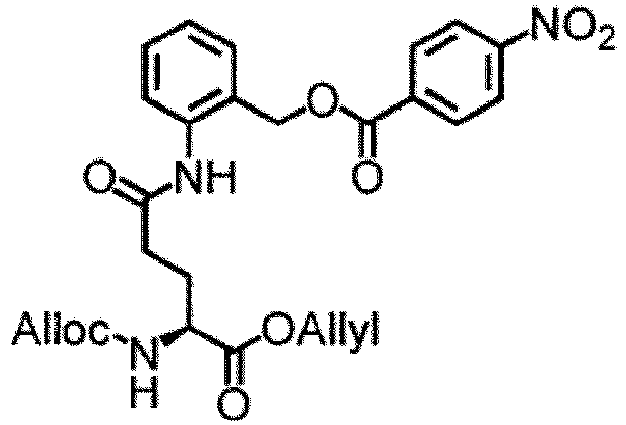
- Compound 12 (31.5 mg, 0.0837 mmol) and DIPEA (87 µL, 0.502 mmol) and DMAP (3.2 mg) were dissolved in dehydrated dichloromethane (1 mL), and 4-nitrobenzoyl chloride (18.6 mg, 0.100 mmol) was added and stirred for one hour at room temperature. The end of the reaction was confirmed, saturated ammonium chloride aqueous solution was added, and the solution was extracted twice by ethyl acetate. The ethyl acetate layer was washed with saturated ammonium chloride aqueous solution and saturated saline, dried by sodium sulfate, and then concentrated. The residue was purified by silica gel chromatography (14 ag silica gel, 30%→40% ethyl acetate/hexane), and the target substance was obtained as a white solid (40.5 mg, 92%).
1H NMR (CDCl3, 400 MHz): δ 8.86 (brs, 1H, -CONH-), 8.27 (d, 2H, J = 8.7 Hz), 8.21 (d, 2H, J = 8.7 Hz), 7.91 (d, 1H, J = 7.8 Hz), 7.45 (d, 1H, J = 7.3 Hz), 7.38 (dd, 1H, J = 7.8 Hz, J = 7.3 Hz), 7.18 (dd, 1H, J = 7.3 Hz, J = 7.3 Hz), 5.95-5.78 (m, 2H), 5.67 (brd, 1H, -OCONH-, J = 7.8 Hz), 5.44 (d, 1H, HBn, Jgem= 12 Hz), 5.39 (d, 1H, HBn', Jgem= 12 Hz), 5.31 (d, 1H, J = 17 Hz), 5.25 (d, 1H, J = 17 Hz), 5.23 (d, 1H, J = 11 Hz), 5.16 (d, 1H, J = 11 Hz), 4.63 (d, 1H, J = 6.0 Hz), 4.56-4.39 (m, 3H), 2.65-2.51 (m, 2H), 2.43-2.29 (m, 1H), 2.20-2.03 (m, 1H) . -

- Compound 19 (40.5 mg, 0.0771 mmol) and phenyl silane (239 µL, 1.92 mmol) were dissolved in dehydrated dichloromethane (2 mL), and tetrakis(triphenylphosphine)palladium (22.3 mg, 0.0192 mmol) was added and stirred for two hours at room temperature. The end of the reaction was confirmed, and the reaction solution was concentrated. The residue was purified by reverse-phase HPLC (20%→100% acetonitrile/water), and the target substance was obtained as a white solid (6.3 mg, 20%).
1H NMR (CD3OD, 400 MHz): δ 8.31 (d, 2H, He, Hf, JHe-Hh = JHf-Hg = 9.2 Hz), 8.22 (d, 2H, Hg, Hh, JHg-Hf = JHh-He = 9.2 Hz), 7.53 (d, 1H, Ha, JHa-Hb = 7.3 Hz), 7.40-7.34 (m, 2H, Hc, Hd), 7.29 (ddd, 1H, Hb, JHb-Ha = JHb-Hc = 7.3 Hz, JHb-Hd = 1.8 Hz), 5.41 (s, 2H, HBn), 3.62 (t, 1H, Hα, JHα-Hβ =6.0 Hz), 2.66 (t, 2H, Hγ, JHγ-Hα = JHγ-Hβ = 7.3 Hz), 2.16 (td, 2H, Hβ, JHβ-Hγ =7.3 Hz, JHβ-Hα =6.0 Hz); 13C NMR (CD3OD, 100 MHz): δ 173.0, 172.5, 164.7, 150.8, 135.5, 130.9, 130.5, 129.7, 129.0, 128.0, 127.6, 126.5, 125.6, 124.6, 123.3, 63.9, 54.3, 32.0, 26.6; HRMS 413.11126 (M+Na+). -

- Compound 12 (30.8 mg, 0.0818 mmol) and DIPEA (85 µL, 0.491 mmol) and DIMAP (3.1 mg) were dissolved in dehydrated dichloromethane (1 mL), and 2-chlorobenzoyl chloride (12.4 µL, 0.0978 mmol) was added and stirred for 1.5 hour at room temperature. The end of the reaction was confirmed, saturated ammonium chloride aqueous solution was added, and the solution was extracted twice by ethyl acetate. The ethyl acetate layer was washed with saturated ammonium chloride aqueous solution and saturated saline, dried by sodium sulfate, and then concentrated. The residue was purified by silica gel chromatography (14 silica gel, 20%→30% ethyl acetate/hexane), and the target substance was obtained as a white solid (27.3 mg, 6%).
1H NMR (CDCl3, 400 MHz): δ 8.74 (brs, 1H, -CONH-), 7.94 (d, 1H, J = 8.2 Hz), 7.83 (d, 1H, J = 7.6 Hz), 7.47-7.41 (m, 3H), 7.37 (ddd, 1H, J = 7.8 Hz, J = 7.8 Hz, J = 1.4 Hz), 7.30 (ddd, 1H, J = 7.3 Hz, J = 6.9 Hz, J = 1.8 Hz), 7.16 (dd, 1H, J = 7.3 Hz, J = 7.3 Hz), 5.95-5.80 (m, 2H), 5.66 (brd, 1H, -OCONH-, J = 7.8 Hz), 5.40 (d, 1H, HBn, Jgem= 12 Hz), 5.36 (d, 1H, HBn', Jgem = 12 Hz), 5.31 (d, 1H, J = 17 Hz), 5.26 (d, 1H, J = 17 Hz), 5.22 (d, 1H, J = 11 Hz), 5.16 (d, 1H, J = 11 Hz), 4.63 (d, 1H, J = 6.0 Hz), 4.58-4.49 (m, 2H), 4.49-4.39 (m, 1H), 2.67-2.50 (m, 2H), 2.44-2.30 (m, 1H), 2.18-2.04 (m, 1H). -

- Compound 21 (27.3 mg, 0.0530 mmol) and phenyl silane (164 µL, 1.32 mmol) were dissolved in dehydrated dichloromethane (2 mL), and tetrakis(triphenylphosphine)palladium (15.3 mg, 0.0132 mmol) was added and stirred for one hour at room temperature. The end of the reaction was confirmed, and the reaction solution was concentrated. The residue was purified by reverse-phase HPLC (20%→100% acetonitrile/water), and the target substance was obtained as a white solid (11.1 mg, 54%).
1H NMR (CD3OD, 400 MHz): δ 7.81 (d, 1H, He, JHe-Hf = 7.3 Hz), 7.53 (d, 1H, Ha, JHa-Hb = 7.3 Hz), 7.49-7.48 (m, 2H, Hc, Hd), 7.41-7.34 (m, 3H, Hb, Hg, Hh), 7.29 (dd, 1H, Hb, JHb-Ha = JHb-Hc = 7.3 Hz), 5.37 (s, 2H, HBn), 3.63 (t, 1H, Hα, JHα-Hβ =6.0 Hz), 2.67 (t, 2H, Hγ, JHγ-Hα = JHγ-Hβ = 7.3 Hz), 2.18 (td, 2H, Hβ, JHβ-Hγ = 7.3 Hz, JHβ-Hα = 6.0 Hz); 13C NMR (CD3OD, 100 MHz): δ 172.9, 172.7, 135.4, 133.1, 132.7, 131.1, 130.8, 130.7, 130.1, 129.6, 128.8, 126.7, 126.4, 126.1, 63.6, 54.4, 32.0, 26.6; HRMS 413.08882 (M+Na+). -

- Compound 12 (32.2 mg, 0.0855 mmol) and DIPEA (89 µL, 0.513 mmol) and DMAP (3.2 mg) were dissolved in dehydrated dichloromethane (1 mL), and 3-nitrobenzoyl chloride (14 µL, 0.103 mmol) was added and stirred for three hours at room temperature. The end of the reaction was confirmed, saturated ammonium chloride aqueous solution was added, and the solution was extracted twice by ethyl acetate. The ethyl acetate layer was washed with saturated ammonium chloride aqueous solution and saturated saline, dried by sodium sulfate, and then concentrated. The residue was purified by silica gel chromatography (14 g silica gel, 30%→50% ethyl acetate/hexane), and the target substance was obtained as a white solid (37.8 mg, 84%).
1H NMR (CDCl3, 400 MHz) : δ 8.90 (brs, 1H, -CONH-), 8.85 (s, 1H), 8.41 (dd, 1H, J = 8.0 Hz, J = 2.3 Hz), 8.36 (d, 1H, J = 7.8 Hz), 7.91 (d, 1H, J = 7.8Hz), 7.65 (dd, 1H, J = 8.2 Hz, J = 7.8 Hz), 7.47 (d, 1H, J = 7.8 Hz), 7.38 (dd, 1H, J = 7.8 Hz, J = 7.3 Hz), 7.18 (dd, 1H, J = 7.3 Hz, J = 7.3 Hz), 5.95-5.78 (m, 2H), 5.68 (brd, 1H, -OCONH-, J = 7.8 Hz), 5.45 (d, 1H, HBn, Jgem= 12 Hz), 5.40 (d, 1H, HBn', Jgem= 12 Hz), 5.31 (d, 1H, J = 17 Hz), 5.25 (d, 1H, J = 17 Hz), 5.23 (d, 1H, J = 11 Hz), 5.15 (d, 1H, J = 11 Hz), 4.63 (d, 1H, J = 6.0 Hz), 4.56-4.40 (m, 2H), 2.67-2.51 (m, 2H), 2.44-2.30 (m, 1H), 2.22-2.05 (m, 1H). -

- Compound 23 (36.9 mg, 0.0702 mmol) and phenyl silane (217 µL, 1.76 mmol) were dissolved in dehydrated DMF (2 mL), and tetrakis(triphenylphosphine)palladium (20.3 mg, 0.0176 mmol) was added and stirred for two hours at room temperature. The end of the reaction was confirmed, the reaction solution was purified as it was by reverse-phase HPLC (20%→100% acetonitrile/water), and the target substance was obtained as a white solid (10.0 mg, 35%).
1H NMR (CD3OD, 400 MHz): δ 8.78 (s, 1H, He), 8.45 (d, 1H, Hh, JHh-Hg = 8.2 Hz), 8.39 (d, 1H, Hf, JHf-Hg = 7.6 Hz), 7.75 (dd, 1H, Hg, JHg-Hh = 8.2 Hz, JHg-Hf = 7.6 Hz), 7.54 (d, 1H, Ha, JHa-Hb = 7.3 Hz), 7.43-7.35 (m, 2H, Hc, Hd), 7.41-7.34 (m, 3H, Hb, Hg, Hh), 7.30 (dd, 1H, Hb, JHb-Ha = JHb-Hc = 7.3 Hz), 5.43 (s, 2H, HBn), 3.60 (t, 1H, Hα, JHα-Hβ =6.0 Hz), 2.66 (t, 2H, Hγ, JHγ-Hα = JHγ-Hβ = 7.3 Hz), 2.16 (td, 2H, Hβ, JHβ-Hγ =7.3 Hz, JHβ-Hα =6.0 Hz); 13C NMR (CD3OD, 100 MHz): no data; HRMS 424.11063 (M+Na+). -

- Compound 12 (37.3 mg, 0.0991 mmol) and DIPEA (103 µL, 0.595 mmol) and DMAP (3.7 mg) were dissolved in dehydrated dichloromethane (1 mL), and 2-nitrobenzoyl chloride (16 µL, 0.119 mmol) was added and stirred for 1.5 hour at room temperature. The end of the reaction was confirmed, saturated ammonium chloride aqueous solution was added, and the solution was extracted twice by ethyl acetate. The ethyl acetate layer was washed with saturated ammonium chloride aqueous solution and saturated saline, dried by sodium sulfate, and then concentrated. The residue was purified by silica gel chromatography (14 g silica gel, 30%→50% ethyl acetate/hexane), and the target substance was obtained as a white solid (40.5 mg, 78%).
1H NMR (CDCl3, 400 MHz): δ 8.23 (brs, 1H, -CONH-), 7.91 (d, 1H, J = 7.8 Hz), 7.74 (d, 1H, J = 8.0 Hz),7.71-7.60 (m, 2H), 7.38 (dd, 1H, J = 7.8 Hz, J = 7.3 Hz), 7.37 (d, 1H, J = 7.3 Hz), 7.16 (dd, 1H, J = 7.3 Hz, J = 7.3 Hz), 5.95-5.80 (m, 2H), 5.69 (brd, 1H, -OCONH-, J = 7.8 Hz), 5.38 (d, 1H, HBn, Jgem = 12 Hz), 5.31 (d, 1H, HBn', Jgem = 12 Hz), 5.31 (d, 1H, J = 17 Hz), 5.26 (d, 1H, J = 17 Hz), 5.22 (d, 1H, J = 11 Hz), 5.15 (d, 1H, J = 11 Hz), 4.63 (d, 1H, J = 6.0 Hz), 4.58-4.40 (m, 2H), 2.68-2.53 (m, 2H), 2.42-2.30 (m, 1H), 2.18-2.20 (m, 1H). -

- Compound 25 (40.2 mg, 0.0765 mmol) and phenyl silane (236 µL, 1.91 mmol) were dissolved in dehydrated dichloromethane (2 mL), and tetrakis(triphenylphosphine)palladium (22.1 mg, 0.0191 mmol) was added and stirred for one hour at room temperature. The end of the reaction was confirmed, the reaction solution was purified without further modification by reverse-phase HPCL (20%→100% acetonitrile/water), and the target substance was obtained as a white solid (7.2 mg, 23%).
1H NMR (CD3OD, 400 MHz): δ 7.94 (d, 1H, He, JHe-Hf = 7.8 Hz), 7.82-7.69 (m, 3H, Hf, Hg, Hh), 7.46 (d, 1H, Ha, JHa-Hb = 7.3 Hz), 7.42-7.33 (m, 2H, Hc, Hd), 7.27 (dd, 1H, Hb, JHb-Ha = JHb-Hc = 7.3 Hz), 5.34 (s, 2H, HBn), 3.63 (t, 1H, Hα, JHα-Hβ =5.3 Hz), 2.69 (t, 2H, Hγ, JHγ-Hα = JHγ-Hβ = 6.6 Hz), 2.18 (td, 2H, Hβ, JHβ-Hγ =6.6 Hz, JHβ-Hα =5.3 Hz); 13C NMR (CD3OD, 100 MHz) : 173.0, 172.6, 165.3, 135.5, 133.0, 132.3, 130.2, 129.8, 129.0, 126.9, 126.4, 126.1, 123.8, 64.4, 54.4, 32.0, 26.5; HRMS 424.11207 (M+Na+). - Next, enzymatic reactions were carried out under the following conditions using the benzyl-position leaving group-converted derivatives synthesized and purified enzyme.
Final compound concentration: 100 µM
Final enzyme concentration: 10 U/mL (GGT)
Reaction temperature: 37°C - Enzymatic reaction using GGT
Instrument: 1260 Infinity (manufactured by Agilent Technologies, Inc.)
Column:Poroshell 120, 4.6×100 mm (manufactured by Agilent Technologies, Inc.)
Mobile phase A: water (0.01M ammonium formate)
Mobile phase B: 80% acetonitrile/water (0.01M ammonium formate)
Gradient: A/B: 95/5→50/50, 20 min - The results are shown in
FIG. 12. FIG. 12 shows, from the top of each graph, chromatograms of the mass peak of the raw material after 0 hours and after one hour and chromatograms of the mass peak of the enzyme reaction product after 0 hours and after one hour. - The results in
FIG. 12 confirmed that the derivative group having acyl-based leaving groups releases azaquinone methides, although at different rates depending on the purified GGT. - Next, benzyl-position leaving group-converted derivatives were subjected to the CCK-8 assay described above. The results are shown in
FIG. 13 . - As shown in
FIG. 13 , none of the derivatives having an acyl-based leaving group showed antitumor activity at a concentration of 25 µM at which the model compound in which the leaving group is a fluorine showed an effect. - In addition, the following four compounds having substituents introduced as the 4 and 5 positions on the benzene ring were synthesized as GGT prodrug derivatives. An effect on cell death is also expected because introduction of a methyl group (electron donating group) and methyl ester group (electron withdrawing group) changes the electron density of the benzene ring and changes the reactivity of the azaquinone methides released.

- 4-Substituted compounds were synthesized according to
synthesis scheme 5 below.
-

- (S)-5-(tert-butoxy)-4-((tert-butoxycarbonyl)amino)-5-oxopentanoic acid (347 mg, 1.14 mmol) was dissolved in dehydrated DMF (10 mL) and cooled to 0°C. HATU (408 mg, 1.72 mmol) and DIPEA (743 µL, 3.43 mmol) were added and stirred for five minutes at 0°C. Next, methyl-4-amino-3-(((tert-butyldimethylsilyl)oxy)methyl)benzoate (405 mg, 1.37 mmol) was added, warmed to room temperature, and stirred for another 12 hours. The end of the reaction was confirmed, water was added, and the solution was extracted twice by ethyl acetate. The ethyl acetate layer was washed with water and saturated sodium bicarbonate aqueous solution and saturated saline, dried by sodium sulfate, and then concentrated. The residue was purified by silica gel chromatography (34
g silica gel 10%→20% ethyl acetate/hexane), and the target substance was obtained as a mixture (197 mg). This mixture was dissolved in dehydrated THF (5 mL), and TBAF (ca. 1 mol/L in THF, 1 mL, 1.00 mmol) and acetic acid (46 µL, 0.678 mmol) were added and stirred for one hour at room temperature. The end of the reaction was confirmed, saturated ammonium chloride aqueous solution was added, and the solution was extracted twice by ethyl acetate. The ethyl acetate layer was washed with water and saturated saline, dried by sodium sulfate, and then concentrated. The residue was purified by silica gel chromatography (14 g silica gel, 40%→60% ethyl acetate/hexane), and the target substance was obtained as a colorless liquid (39.9 mg, 2-step 6%).
1H NMR (CDCl3, 400 MHz): δ 9.16 (brs, 1H, -CONH-), 8.24 (d, 1H, J = 8.2 Hz), 7.97 (d, 1H, J = 8.2 Hz), 7.85 (s, 1H), 5.31 (brd, 1H, -OCONH-, J = 7.3 Hz), 4.84-4.64 (m, 2H, HBn), 4.27-4.15 (m, 1H), 3.88 (s, 3H, ArCOOCH3), 3.26-3.18 (m, 1H, CH2OH), 2.36-2.22 (m, 1H), 2.03-1.88 (m, 1H), 1.45 (s, 9H, COO(CH3)3), 1.41 (s, 9H, NHCOO(CH3)3). -

- Compound 27 (38.6 mg, 0.0824 mmol) was dissolved in dehydrated dichloromethane (2 mL) and cooled to 0°C. DAST (54 µL, 0.412 mmol) was added and stirred for one hour at room temperature. The end of the reaction was confirmed, saturated sodium bicarbonate aqueous solution was added, and the solution was extracted twice by ethyl acetate. The ethyl acetate layer was washed with saturated sodium bicarbonate aqueous solution and saturated saline, dried by sodium sulfate, and then concentrated. The residue was purified by silica gel chromatography (34 g silica gel, 20%→60% ethyl acetate/hexane), and the target substance was obtained as a colorless liquid (25.9 mg, 67%).
1H NMR (CDCl3, 400 MHz): δ 8.48 (brs, 1H, -CONH-), 8.23 (d, 1H, J = 8.2 Hz), 8.07 (d, 1H, J = 8.2 Hz), 7.99 (s, 1H), 5.70-5.38 (m, 2H, HBn), 5.30 (brs, 1H, -OCONH-), 4.28-4.18 (m, 1H), 3.91 (s, 3H, ArCOOCH3), 2.62-2.42 (m, 2H), 2.40-2.26 (m, 1H), 2.20-1.82 (m, 1H), 1.46 (s, 9H, COO(CH3)3), 1.44 (s, 9H, NHCOO(CH3)3). -

- Compound 28 (29.5 mg, 0.0553 mmol) was dissolved in 4M hydrochloric acid/ethyl acetate (2 mL) and stirred for 12 hours at room temperature. The end of the reaction was confirmed, and the reaction solution was concentrated. The residue was purified by reverse-phase HPLC (0%→100% acetonitrile/water), and the target substance was obtained as a white solid (11 mg, 64%).
1H NMR (CD3OD, 400 MHz): δ 8.09 (s, 1H, Ha), 7.99 (d, 1H, Hb, JHb-Hc = 8.7 Hz), 7.66 (d, 1H, Hb, JHb-Hc = 8.7 Hz), 5.44 (d, 2H, HBn, JHBn-F = 48 Hz), 4.06 (t, 1H, Hα, JHα-Hβ = 6.4 Hz), 3.89 (s, 3H, ArCOOCH3), 2.76 (t, 2H, Hγ, JHγ-Hα = 6.9 Hz), 2.25 (tt, 2H, Hβ, JHβ-Hγ = 6.9 Hz, JHβ-Hα = 6.4 Hz); 13C NMR (CD3OD, 100 MHz): δ 173.1, 171.4, 167.7, 140.7, 131.9, 131.4, 131.0, 128.7, 126.0, 82.2 (d, CH2F, JC-F = 164 Hz), 53.4, 52.7, 32.7, 26.8; HRMS 335.10105 (M+Na+). - A 4-substituted form was synthesized according to
synthesis scheme 6 below.
-

- (S)-5-(tert-butoxy)-4-((tert-butoxycarbonyl)amino)-5-oxopentanoic acid (811 mg, 2.67 mmol) was dissolved in dehydrated DMF (20 mL) and cooled to 0°C. HATU (952 mg, 4.01 mmol) and DIPEA (174 µL, 8.02 mmol) were added and stirred for five minutes at 0°C. Next, 2-(tertbutyldimethylsilyl)oxy)methyl)-4-methylaniline (807 mg, 3.21 mmol) was added, warmed to room temperature, and stirred for another 12 hours. The end of the reaction was confirmed, water was added, and the solution was extracted twice by ethyl acetate. The ethyl acetate layer was washed with water and saturated sodium bicarbonate aqueous solution and saturated saline, dried by sodium sulfate, and then concentrated. The residue was purified by silica gel chromatography (34 g silica gel, 10%→20% ethyl acetate/hexane), and the target substance was obtained as a colorless liquid (1.31 g, 91%).
1H NMR (CDCl3, 400 MHz): δ 8.78 (brs, 1H, -CONH-), 8.00 (d, 1H, J = 7.8 Hz), 7.09 (d, 1H, J = 7.8 Hz), 6.91 (s, 1H), 5.21 (brd, 1H, -OCONH-, J = 7.8 Hz), 4.70 (d, 1H, HBn, Jgem = 13 Hz), 4.67 (d, 1H, HBn', Jgem = 13 Hz), 4.28-4.14 (m, 1H), 2.52-2.33 (m, 2H), 2.32-2.18 (m, 1H), 2.29 (s, 3H, ArCH3), 2.06-1.92 (m, 1H), 1.46 (s, 9H, COO(CH3)3), 1.42 (s, 9H, NHCOO(CH3)3), 0.90 (s, 9H, Si(CH3)3), 0.08 (s, 6H, Si(CH3)2). -

- Compound 30 (1.31 g, 2.43 mmol) was dissolved in dehydrated THF (14 mL), and TBAF (ca. 1 mol/L in THF, 7.3 mL, 7.3 mmol) and acetic acid (329 µL, 4.87 mmol) were added and stirred for one hour at room temperature. The end of the reaction was confirmed, water was added, and the solution was extracted twice by ethyl acetate. The ethyl acetate layer was washed with water and saturated saline, dried by sodium sulfate, and then concentrated. The residue was purified by silica gel chromatography (34 g silica gel, 40%→60% ethyl acetate/hexane), and the target substance was obtained as a colorless liquid (1.03 g, quantitative).
1H NMR (CDCl3, 400 MHz): δ 8.75 (brs, 1H, -CONH-), 7.68 (d, 1H, J = 7.8 Hz), 7.07 (d, 1H, J = 7.8 Hz), 7.01 (s, 1H), 5.36 (brd, 1H, -OCONH-, J = 8.2 Hz), 4.60 (d, 1H, HBn, Jgem = 13 Hz), 4.54 (d, 1H, HBn', Jgem = 13 Hz), 4.22-4.10 (m, 1H), 2.48-2.32 (m, 2H), 2.32-2.06 (m, 1H), 2.27 (s, 3H, ArCH3), 2.20-1.82 (m, 1H), 1.44 (s, 9H, COO(CH3)3), 1.40 (s, 9H, NHCOO(CH3)3). -

- Compound 31 (476 mg, 1.13 mmol) was dissolved in dehydrated dichloromethane (10 mL) and cooled to 0°C. DAST (738 µL, 5.63 mmol) was added and stirred for one hour. The end of the reaction was confirmed, saturated sodium bicarbonate aqueous solution was added, and the solution was extracted twice by ethyl acetate. The ethyl acetate layer was washed with saturated sodium bicarbonate aqueous solution and saturated saline, dried by sodium sulfate, and then concentrated. The residue was purified by silica gel chromatography (34 g silica gel, 20%→30% ethyl acetate/hexane), and the target substance was obtained as a colorless liquid (129 mg, 27%).
1H NMR (CDCl3, 400 MHz): δ 8.14 (brs, 1H, -CONH-), 7.68 (d, 1H, J = 8.2 Hz), 7.17 (d, 1H, J = 8.2 Hz), 7.12 (s, 1H), 5.38 (d, 2H, HBn, JHBn-F = 48 Hz, Jgem = 11 Hz), 5.30 (brd, 1H, -OCONH-, J = 6.0 Hz), 4.32-4.16 (m, 1H), 2.56-2.36 (m, 2H), 2.36-2.20 (m, 1H), 2.31 (s, 3H, ArCH3), 2.20-1.84 (m, 1H), 1.45 (s, 9H, COO(CH3)3), 1.43 (s, 9H, NHCOO(CH3)3). -

- Compound 32 (38.5 mg, 0.0907 mmol) was dissolved in 4M hydrochloric acid/ethyl acetate (1 mL) and stirred for 12 hours at room temperature. The end of the reaction was confirmed, and the reaction solution was concentrated. The residue was purified by reverse-phase HPLC (0%→100% acetonitrile/water), and the target substance was obtained as a white solid (7.5 mg, 31%).
1H NMR (CD2Cl2, 400 MHz) : δ 7.26 (s, 1H), 7.23 (d, 1H, Hc, JHc-Hb = 7.8 Hz), 7.17 (d, 1H, Hb, JHb-Hc = 7.8 Hz), 5.32 (d, 2H, HBn, JHBn-F = 48 Hz), 3.62 (t, 1H, Hα, JHa-Hβ = 6.0 Hz), 2.63 (t, 2H, Hγ, JHγ-Hβ = 7.3 Hz), 2.33 (s, 3H, ArCH3), 2.22-2.10 (m, 2H, Hβ); 13C NMR (CD3OD, 100 MHz): δ 174.2, 173.6, 137.7, 133.6, 132.8, 130.8, 130.2, 127.2, 82.5 (d, CH2F, JC-F = 163 Hz), 55.4, 33.2, 27.8, 21.0; HRMS 269.13277 (M+H+). - Next, a 5-substituted form was synthesized according to
scheme 7 below.
-

- (S)-5-(tert-butoxy)-4-((tert-butoxycarbonyl)amino)-5-oxopentanoic acid (170 mg, 0.560 mmol) was dissolved in dehydrated DMF (6 mL) and cooled to 0°C. HATU (200 mg, 0.840 mmol) and DIPEA (364 µL, 1.68 mmol) were added and stirred for five minutes at 0°C. Next, methyl-3-amino-4-(((tert-butyldimethylsilyl)oxy)methyl)benzoate (198 mg, 0.672 mmol) was added, warmed to room temperature, and stirred for another 12 hours. The end of the reaction was confirmed, water was added, and the solution was extracted twice by ethyl acetate. The ethyl acetate layer was washed with water and saturated sodium bicarbonate aqueous solution and saturated saline, dried by sodium sulfate, and then concentrated. The residue was purified by silica gel chromatography (34 g silica gel, 20%→40% ethyl acetate/hexane), and the target substance was obtained as a colorless liquid (199 mg, 61%).
1H NMR (CDCl3, 400 MHz) : δ 8.93 (brs, 1H, -CONH-), 8.77 (s, 1H), 7.73 (d, 1H, J = 7.8 Hz), 7.20 (d, 1H, J = 7.8 Hz), 5.20 (brd, 1H, -OCONH-, J = 7.8 Hz), 4.78 (d, 1H, HBn, Jgem = 13 Hz), 4.74 (d, 1H, HBn', Jgem = 13 Hz), 4.26-4.16 (m, 1H), 3.88 (s, 3H, ArCOOCH3), 2.53-2.34 (m, 2H), 2.34-2.20 (m, 1H), 2.06-1.90 (m, 1H), 1.45 (s, 9H, COO(CH3)3), 1.41 (s, 9H, NHCOO(CH3)3), 0.90 (s, 9H, Si(CH3)3), 0.08 (s, 6H, Si(CH3)2). -

- Compound 34 (199 mg, 0.343 mmol) was dissolved in dehydrated THF, and TBAF (ca. 1 mol/L in THF, 1.03 mL, 1.03 mmol) and acetic acid (42 µL, 0.687 mmol) were added and stirred for two hours at room temperature. The end of the reaction was confirmed, water was added, and the solution was extracted twice by ethyl acetate. The ethyl acetate layer was washed with water and saturated saline, dried by sodium sulfate, and then concentrated. The residue was purified by silica gel chromatography (34 g silica gel, 40%→60% ethyl acetate/hexane), and the target substance was obtained as a colorless liquid (116 mg, 73%).
1H NMR (CDCl3, 400 MHz): δ 8.96 (brs, 1H, -CONH-), 8.55 (d, 1H, J = 8.2 Hz), 7.75 (d, 1H, J = 7.8 Hz), 7.29 (d, 1H, J = 7.8 Hz), 5.34 (brd, 1H, -OCONH-, J = 7.8 Hz), 4.74 (dd, 1H, HBn, Jgem = 13 Hz, J = 6.0 Hz), 4.67 (dd, 1H, HBn', Jgem = 13 Hz, J = 5.5 Hz), 4.26-4.12 (m, 1H), 3.88 (s, 3H, ArCOOCH3), 3.51 (dd, 1H, CH2OH, J = 6.0 Hz, J = 5.5 Hz), 2.54-2.38 (m, 2H), 2.34-2.20 (m, 1H), 2.01-1.84 (m, 1H), 1.45 (s, 9H, COO(CH3)3), 1.41 (s, 9H, NHCOO(CH3)3). -

- Compound 35 (110 mg, 0.236 mmol) was dissolved in dehydrated dichloromethane (10 mL) and cooled to 0°C. Fluolead® (119 mg, 0.472 mmol) was added and stirred for 1.5 hour. The end of the reaction was confirmed, saturated sodium bicarbonate aqueous solution was added, and the solution was extracted twice by dichloromethane. The dichloromethane layer was washed with saturated sodium bicarbonate aqueous solution and saturated saline, dried by sodium sulfate, and then concentrated. The residue was purified by silica gel chromatography (34 g silica gel, 20%→40% ethyl acetate/hexane), and the target substance was obtained as a colorless liquid (43.6 mg, 39%).
1H NMR (CDCl3, 400 MHz): δ 8.47 (brs, 1H, -CONH-), 8.45 (s, 1H), 7.85 (d, 1H, J = 8.2 Hz), 7.43 (d, 1H, J = 8.2 Hz), 5.48 (d, 2H, HBn, JHBn-F = 48 Hz, Jgem = 12 Hz), 5.33 (brd, 1H, -OCONH-, J = 7.8 Hz), 4.28-4.17 (m, 1H), 3.90 (s, 3H, ArCOOCH3), 2.57-2.40 (m, 2H), 2.35-2.22 (m, 1H), 1.97 -1.82 (m, 1H), 1.45 (s, 9H, COO(CH3)3), 1.43 (s, 9H, NHCOO(CH3)3). -

- Compound 36 (43.6 mg, 0.0931 mmol) was dissolved in 4M hydrochloric acid/ethyl acetate (10 mL) and stirred for 12 hours at room temperature. The end of the reaction was confirmed, and the reaction solution was concentrated. The residue was purified by reverse-phase HPLC (20%→100% acetonitrile/water), and the target substance was obtained as a white solid (19.4 mg, 60%).
1H NMR (CD3OD, 400 MHz): δ 8.04 (s, 1H, Hc), 7.91 (d, 1H, Hb, JHb-Ha = 7.8 Hz), 7.56 (d, 1H, Ha, JHa-Hb = 7.8 Hz), 5.44 (d, 2H, HBn, JHBn-F = 48 Hz), 4.07 (t, 1H, Hα, JHα-Hβ = 6.4 Hz), 2.75 (t, 2H, Hγ, JHγ-Hα = 7.3 Hz), 2.26 (tt, 2H, Hβ, JHβ-Hγ = 7.3 Hz, JHβ-Hα= 6.4 Hz) ; 13C NMR (CD3OD, 100 MHz) : δ 172.0, 170.2, 166.3, 136.5, 134.6, 130.7, 127.8, 126.9, 126.6, 80.7 (d, CH2F, JC-F = 165 Hz), 52.1, 51.5, 31.1, 25.6; HRMS 313.11879 (M+H+). - A 5-substituted form was also synthesized according to scheme 8 below.

-

- (S)-5-(allyloxy)-4-(((allyloxy)carbonyl)amino)-5-oxopentanoic acid (63.0 mg, 0.232 mmol) was dissolved in dehydrated DMF (5 mL) and cooled to 0°C. HATU (83.0 mg, 0.348 mmol) and DIPEA (151 µL, 0.697 mmol) were added and stirred for five minutes at 0°C. Next, 2-(tertbutyldimethylsilyl)oxy)methyl)-5-methylaniline (70 mg, 0.279 mmol) was added, warmed to room temperature, and stirred for another 12 hours. The end of the reaction was confirmed, water was added, and the solution was extracted twice by ethyl acetate. The ethyl acetate layer was washed with water and saturated sodium bicarbonate aqueous solution and saturated saline, dried by sodium sulfate, and then concentrated. The residue was purified by silica gel chromatography (34 g silica gel, 20%→30% ethyl acetate/hexane), and the target substance was obtained as a colorless liquid (59.0 mg, 50%).
1H NMR (CDCl3, 400 MHz): δ 8.80 (brs, 1H, -CONH-), 7.93 (s, 1H), 6.89 (d, 1H, J = 7.6 Hz), 6.76 (d, 1H, J = 7.6 Hz), 5.90-5.70 (m, 2H), 5.56 (brd, 1H, -OCONH-, J = 8.0 Hz), 5.28-5.10 (m, 4H), 4.62 (s, 2H, HBn), 4.58-4.40 (m, 4H), 4.40-4.30 (m, 1H), 2.51-2.30 (m, 2H), 2.36-2.21 (m, 1H), 2.26 (s, 3H, ArCH3), 2.13-1.95 (m, 1H), 0.83 (s, 9H, Si(CH3)3), 0.00 (s, 6H, Si(CH3)2). -

- Compound 39 (59.0 mg, 0.117 mmol) was dissolved in dehydrated THF (3 mL), and TBAF (ca. 1 mol/L in THF, 351 µL, 0.351 mmol) and acetic acid (16 µL, 0.234 mmol) were added and stirred for 12 hours at room temperature. The end of the reaction was confirmed, water was added, and the solution was extracted twice by ethyl acetate. The ethyl acetate layer was washed with water and saturated saline, dried by sodium sulfate, and then concentrated. The residue was purified by silica gel chromatography (14 g silica gel, 40%→60% ethyl acetate/hexane), and the target substance was obtained as a colorless liquid (32.6 mg, 71%).
1H NMR (CDCl3, 400 MHz) : δ 8.68 (brs, 1H, -CONH-), 7.80 (s, 1H), 7.06 (d, 1H, J = 7.8 Hz), 6.88 (d, 1H, J = 7.8 Hz), 5.96-5.80 (m, 2H), 5.66 (brd, 1H, -OCONH-, J = 7.8 Hz), 5.36-5.14 (m, 4H), 4.71-4.35 (m, 8H), 2.87 (brs, 1H, CH2OH), 2.55-2.41 (m, 2H), 2.39-2.27 (m, 1H), 2.32 (s, 3H, ArCH3), 2.14-1.97 (m, 1H). -
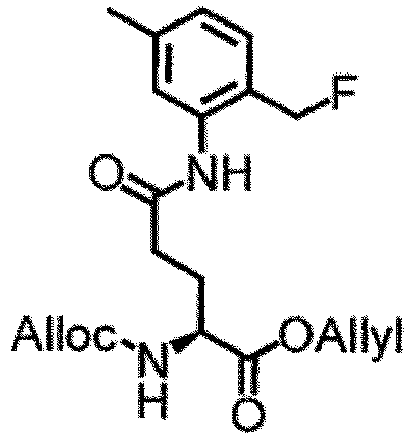
- Compound 39 (32.6 mg, 0.0835 mmol) was dissolved in dehydrated dichloromethane (2 mL) and cooled to 0°C. DAST (55 µL, 0.417 mmol) was added and stirred for three hours. The end of the reaction was confirmed, saturated sodium bicarbonate aqueous solution was added, and the solution was extracted twice by ethyl acetate. The ethyl acetate layer was washed with saturated sodium bicarbonate aqueous solution and saturated saline, dried by sodium sulfate, and then concentrated. The residue was purified by silica gel chromatography (14 g silica gel, 20%→40% ethyl acetate/hexane), and the target substance was obtained as a light-yellow liquid (10.3 mg, 31%).
1H NMR (CDCl3, 400 MHz): δ 7.77 (s, 1H), 7.17 (d, 1H, J = 7.3 Hz), 6.96 (d, 1H, J = 7.3 Hz), 5.97-5.82 (m, 2H), 5.57 (brd, 1H, -OCONH-, J = 6.9 Hz), 5.40 (d, 2H, HBn, JHBn-F = 48 Hz, Jgem = 11 Hz), 5.36-5.17 (m, 4H), 4.65 (d, 2H, J = 5.5 Hz), 4.59-4.42 (m, 3H), 2.59-2.42 (m, 2H), 2.45-2.27 (m, 1H), 2.36 (s, 3H, ArCH3), 2.15-2.00 (m, 1H). -

- Compound 40 (10.3 mg, 0.0262 mmol) and phenyl silane (33 µL, 0.262 mmol) were dissolved in dehydrated dichloromethane (1 mL), and tetrakis(triphenylphosphine)palladium (7.6 mg, 25 mol%) was added and stirred for one hour at room temperature. The end of the reaction was confirmed, the reaction solution was purified as it was by reverse-phase HPLC (20%→100% acetonitrile/water), and the target substance was obtained as a white solid (3.1 mg, 44%) .
1H NMR (CD3OD, 400 MHz): δ 7.31 (d, 1H, Hb, JHb-Ha = 7.8 Hz), 7.22 (s, 1H, Hc), 7.09 (d, 1H, Ha, JHa-Hb = 7.8 Hz), 5.32 (d, 2H, HBn, JHBn-F = 48 Hz), 3.65 (t, 1H, Hα, JHα-Hβ = 6.0 Hz), 2.71-2.59 (m, 2H, Hγ), 2.32 (s, 3H, ArCH3), 2.23-2.10 (m, 2H, Hβ); 13C NMR (CD3OD, 100 MHz): δ 172.0, 170.1, 139.4, 134.8, 130.0, 128.7, 127.0, 126.4, 81.1 (d, CH2F, JC-F = 163 Hz), 52.3, 31.2, 25.7, 19.8; HRMS 291.08980 (M+Na+). -
FIG. 14 shows the results of CCK-8 assay of the 4-substituted derivatives. A tendency was seen for derivatives substituted with electron donating groups to show relatively strong antitumor activity. -
FIG. 15 shows the results of CCK-8 assay of the 5-substituted derivatives. The effect of the substituent at the 5 position, which is the para position of the leaving group, was stronger than at the 4 position, and the differences in the efficacy of 5-COOMe, 5-H, and 5-Me were more striking. In addition, an efficacy evaluation of the 5-COOMe derivative using low GGT expression cells is shown in the lower part ofFIG. 15 . - As was demonstrated above, the prodrug-type anticancer agents of the present invention show an antitumor effect by releasing a highly reactive substance (toxic attractant) having an azaquinone methides structure simultaneously with cleavage of the L-glutamic acid portion by GGT on the cancer cell membrane that expresses a high level of GGT. Based on the results of confirming efficacy by coculture imaging using cell lines that express high/low levels of GGT, the prodrug-type anticancer agents of the present invention were able to selectively kill only the high GGT expression cell line without killing the adjacent low GGT expression cells. This result suggests the possibility that the prodrug-type anticancer agents of the present invention will show a wide safety range in vivo as well.
- Peritoneal dissemination refers to a state in which tumor cells have been spread and engrafted on the surface of the peritoneum that lines the peritoneum (*1). In clinical practice, stomach cancer, colon cancer, ovarian cancer, etc. often metastasize, and breakthrough treatment methods, including chemotherapy, have not been established.
- Peritoneal dissemination model mice were created by intraperitoneal administration of SHIN3 cells (cancer cell line derived from ovarian cancer, high GGT activity) suspended in PBS. From day seven after cell dissemination, 5 mg/kg of gGlu-FMA or PBS (control) was administered intraperitoneally each day. On
day 21 after cell dissemination, gGlu-HMRG was administered intraperitoneally, and the mice were sacrificed ten minutes later. After laparotomy, fluorescence images were acquired by a Maestro in vivo imaging device (FIG. 16 ). -
FIG. 17 shows two examples of macro images and fluorescence images of the mesentery of mice administered PBS and gGlu-FMA. Tumors appear to be decreased overall in the mice administered gGlu-FMA in both the macro and fluorescence images. - The prodrug-type anticancer agents of the present invention are expected to serve as innovative clinical drugs that can recognize differences in the metabolic enzyme activity of two adjacent cells and kill only the cancer cells having enhanced enzyme activity and that can improve upon major problems with cancer chemotherapy such as reduction of a patient's QOL due to serious side effects. Furthermore, the azaquinone methides release-type prodrugs of the present invention which do not use existing anticancer agents can be synthesized easily, which is expected to make a significant contribution to the development costs. Thus, the prodrugs developed will be highly valuable from a medical and economic standpoint as well as industrial utility.
Claims (12)
- 2 A compound represented by general formula (I) or a salt thereof.
 X is selected from the group consisting of a fluorine atom, ester group (-OC(=O)-R'), carbonate group (-OCO2-R'), carbamate group (-OCONH-R'), phosphoric acid and ester groups thereof (-OP(=O)(-OR')(-OR"), and sulfuric acid and ester groups thereof (-OSO2-OR'),where R' and R" are each independently selected from substituted or unsubstituted alkyl groups or substituted or unsubstituted aryl groups;Y is -NH-CO-L, -NH-L', or -OL',where L is a partial structure of an amino acid,L' is a saccharide or a partial structure of a saccharide, a saccharide having a self-cleaving linker, an amino acid or a peptide having a self-cleaving linker;R1 and R2 are each independently selected from a hydrogen atom or a monovalent substituent;R3 represents a hydrogen atom or one to four monovalent substituents present on a benzene ring, which are the same or different.)
 - The compound or a salt thereof according to Claim 1, wherein the partial structure of an amino acid of L, together with the C=O to which L bonds, constitutes an amino acid, an amino acid residue, a peptide, or part of an amino acid.
- The compound or a salt thereof according to Claim 1, wherein the partial structure of a saccharide of L', together with the O to which L' bonds, constitutes a saccharide or part of a saccharide.
- The compound or salt thereof according to any one of Claims 1 to 3, wherein -Y in general formula (I) bonds to-C(R1)(R2)X on the ortho position or para position of the benzene ring.
- The compound or salt thereof according to any one of Claims 1 to 4, wherein Y has a structure selected from the following.


- The compound or salt thereof according to any one of Claims 1 to 5, wherein X is a fluorine atom or an ester group (-OCO-R').
- The compound or salt thereof according to any one of Claims 1 to 6, wherein R1 and R2 are each independently selected from a hydrogen atom or a fluorine atom.
- The compound or salt thereof according to any one of Claims 1 to 7, wherein the monovalent substituent of R3 is selected from the group consisting of an alkyl group, an alkoxycarbonyl group, a nitro group, an amino group, a hydroxyl group, an alkylamino group (-NHR', -NHCOR'), an alkoxy group (-OR', -OCOR'), a halogen atom, a boryl group, and a cyano group (R' is a substituted or unsubstituted alkyl group or a substituted or unsubstituted aryl group).
- The compound or salt thereof according to Claim 8, wherein the monovalent substituent of R3 is an alkyl group such as a methyl group or an alkoxycarbonyl group such as a methoxycarbonyl group.
- A prodrug-type anticancer agent comprising the compound according to any one of Claims 1 to 9 or a pharmaceutically acceptable salt thereof.
- A prodrug-type anticancer agent that acts cell-selectively by cancer cell-specific enzyme activity comprising the compound according to any one of Claims 1 to 9 or a pharmaceutically acceptable salt thereof.
- The prodrug-type anticancer agent according to Claim 11, wherein the enzyme is a peptidase or a glycosidase.
Applications Claiming Priority (2)
| Application Number | Priority Date | Filing Date | Title |
|---|---|---|---|
| US201862638075P | 2018-03-03 | 2018-03-03 | |
| PCT/JP2019/008483 WO2019172210A1 (en) | 2018-03-03 | 2019-03-04 | Prodrug-type anticancer agent using cancer-specific enzymatic activity |
Publications (2)
| Publication Number | Publication Date |
|---|---|
| EP3763699A1 true EP3763699A1 (en) | 2021-01-13 |
| EP3763699A4 EP3763699A4 (en) | 2021-12-08 |
Family
ID=67847066
Family Applications (1)
| Application Number | Title | Priority Date | Filing Date |
|---|---|---|---|
| EP19764794.4A Withdrawn EP3763699A4 (en) | 2018-03-03 | 2019-03-04 | PRO-DRUG-TYPE ANTI-CANCER AGENT USING CANCER-SPECIFIC ENZYMATIC ACTIVITY |
Country Status (7)
| Country | Link |
|---|---|
| US (1) | US11655269B2 (en) |
| EP (1) | EP3763699A4 (en) |
| JP (1) | JP7442192B2 (en) |
| CN (1) | CN111801315A (en) |
| AU (1) | AU2019231422B9 (en) |
| CA (1) | CA3093110A1 (en) |
| WO (1) | WO2019172210A1 (en) |
Families Citing this family (2)
| Publication number | Priority date | Publication date | Assignee | Title |
|---|---|---|---|---|
| US20240199656A1 (en) * | 2021-02-19 | 2024-06-20 | The University Of Tokyo | Boron neutron capture therapy (bnct) probe |
| WO2025225738A1 (en) * | 2024-04-27 | 2025-10-30 | 国立大学法人 東京大学 | Pharmaceutical composition for treating cancer |
Family Cites Families (9)
| Publication number | Priority date | Publication date | Assignee | Title |
|---|---|---|---|---|
| US20060142202A1 (en) | 2000-12-08 | 2006-06-29 | 3M Innovative Properties Company | Compositions and methods for targeted delivery of immune response modifiers |
| TW200831105A (en) * | 2006-12-14 | 2008-08-01 | Astrazeneca Ab | Novel compounds |
| US20080149123A1 (en) | 2006-12-22 | 2008-06-26 | Mckay William D | Particulate material dispensing hairbrush with combination bristles |
| CN102603695B (en) * | 2012-02-10 | 2014-06-18 | 山东大学 | Amino acid-fluorophore compound and application thereof |
| EP3092256B1 (en) | 2014-01-10 | 2022-05-18 | Birdie Biopharmaceuticals Inc. | Compounds and compositions for immunotherapy |
| WO2015178265A1 (en) | 2014-05-23 | 2015-11-26 | 日本化薬株式会社 | Novel glutamic acid derivative and use thereof |
| US20200190101A1 (en) | 2015-11-18 | 2020-06-18 | Nippon Kayaku Kabushiki Kaisha | Composition Containing Novel Glutamic Acid Derivative And Block Copolymer, And Use Thereof |
| US9881208B2 (en) * | 2016-06-20 | 2018-01-30 | Machine Learning Works, LLC | Neural network based recognition of mathematical expressions |
| CN106831904B (en) | 2017-01-24 | 2019-09-20 | 昆药集团股份有限公司 | A kind of compound and preparation method thereof, preparation and application |
-
2019
- 2019-03-04 US US16/977,607 patent/US11655269B2/en active Active
- 2019-03-04 EP EP19764794.4A patent/EP3763699A4/en not_active Withdrawn
- 2019-03-04 CA CA3093110A patent/CA3093110A1/en active Pending
- 2019-03-04 AU AU2019231422A patent/AU2019231422B9/en not_active Ceased
- 2019-03-04 WO PCT/JP2019/008483 patent/WO2019172210A1/en not_active Ceased
- 2019-03-04 CN CN201980016801.8A patent/CN111801315A/en active Pending
- 2019-03-04 JP JP2020505030A patent/JP7442192B2/en active Active
Also Published As
| Publication number | Publication date |
|---|---|
| CN111801315A (en) | 2020-10-20 |
| US11655269B2 (en) | 2023-05-23 |
| AU2019231422B2 (en) | 2024-03-07 |
| JP7442192B2 (en) | 2024-03-04 |
| WO2019172210A1 (en) | 2019-09-12 |
| CA3093110A1 (en) | 2019-09-12 |
| AU2019231422A1 (en) | 2020-10-15 |
| AU2019231422B9 (en) | 2024-03-21 |
| JPWO2019172210A1 (en) | 2021-02-25 |
| US20200399305A1 (en) | 2020-12-24 |
| EP3763699A4 (en) | 2021-12-08 |
Similar Documents
| Publication | Publication Date | Title |
|---|---|---|
| KR102159442B1 (en) | 3,5-disubstituted pyrazoles useful as checkpoint kinase 1 (CHK1) inhibitors, and their preparation and application | |
| US10905665B2 (en) | Chemical modulators of signaling pathways and therapeutic use | |
| JP6976618B2 (en) | Preparation and use of reactive oxygen species scavengers | |
| KR20050089157A (en) | Enantiomers of thiophene hydroxamic acid derivatives and their use as hdac inhibitors | |
| EA001280B1 (en) | Substituted n-[(aminoiminomethyl or aminomethyl)phenyl]propyl amides | |
| EP3684754A1 (en) | Pentafluorophenyl sulfonamide compounds, compositions and uses thereof | |
| CN116783183A (en) | 1-(2-(4-Cyclopropyl-1H-1,2,3-triazol-1-yl)acetyl)-4-hydroxy-N-(benzyl) as a VHL inhibitor for the treatment of anemia and cancer pyrrolidine-2-carboxamide derivatives | |
| US11655269B2 (en) | Prodrug-type anticancer agent using cancer-specific enzymatic activity | |
| EP4233916A1 (en) | Complex, and use thereof | |
| CN105658625B (en) | Indoleamide compounds as necrosis inhibitors | |
| CA2520732C (en) | Migrastatin analogs and uses thereof | |
| WO2018068357A1 (en) | Novel sirt2 protein inhibitor and pharmaceutical use thereof | |
| EP3969450B1 (en) | Quinazoline-2,4-dione derivatives as parp inhibitors | |
| WO2025047983A1 (en) | Novel prodrug-type anticancer agent targeting cancer-specific enzyme activity | |
| TW202342060A (en) | Lonp1 inhibitor compounds, uses and methods | |
| US20210024457A1 (en) | Diamide antimicrobial agents | |
| CN118994241B (en) | A class of compounds with arylamide structure and their applications | |
| CN106496132B (en) | N- (4-substituted phenyl) -2-substituted acetamide compound and application thereof as SIRT2 protein inhibitor | |
| CA3145268A1 (en) | Aminothiolester compounds and uses thereof | |
| WO2026072982A1 (en) | Pdhk inhibitors and uses thereof | |
| WO2024247648A1 (en) | Tumor therapeutic agent, and complex | |
| WO2025168077A1 (en) | Ecteinascidin compound and use thereof | |
| JP2025507598A (en) | LSD1/HDAC dual inhibitor | |
| EP2797898B1 (en) | Piperazinyl derivatives for the treatment of cancers | |
| CN103450164A (en) | Geldanamycin derivatives as well as preparation methods and uses thereof |
Legal Events
| Date | Code | Title | Description |
|---|---|---|---|
| STAA | Information on the status of an ep patent application or granted ep patent |
Free format text: STATUS: THE INTERNATIONAL PUBLICATION HAS BEEN MADE |
|
| PUAI | Public reference made under article 153(3) epc to a published international application that has entered the european phase |
Free format text: ORIGINAL CODE: 0009012 |
|
| STAA | Information on the status of an ep patent application or granted ep patent |
Free format text: STATUS: REQUEST FOR EXAMINATION WAS MADE |
|
| 17P | Request for examination filed |
Effective date: 20200917 |
|
| AK | Designated contracting states |
Kind code of ref document: A1 Designated state(s): AL AT BE BG CH CY CZ DE DK EE ES FI FR GB GR HR HU IE IS IT LI LT LU LV MC MK MT NL NO PL PT RO RS SE SI SK SM TR |
|
| AX | Request for extension of the european patent |
Extension state: BA ME |
|
| DAV | Request for validation of the european patent (deleted) | ||
| DAX | Request for extension of the european patent (deleted) | ||
| A4 | Supplementary search report drawn up and despatched |
Effective date: 20211110 |
|
| RIC1 | Information provided on ipc code assigned before grant |
Ipc: C07K 5/06 20060101ALI20211104BHEP Ipc: C07K 5/062 20060101ALI20211104BHEP Ipc: C07H 23/00 20060101ALI20211104BHEP Ipc: C07H 15/203 20060101ALI20211104BHEP Ipc: C07F 7/18 20060101ALI20211104BHEP Ipc: C07C 271/22 20060101ALI20211104BHEP Ipc: A61P 35/00 20060101ALI20211104BHEP Ipc: A61K 38/05 20060101ALI20211104BHEP Ipc: A61K 31/7028 20060101ALI20211104BHEP Ipc: C07C 237/04 20060101AFI20211104BHEP |
|
| STAA | Information on the status of an ep patent application or granted ep patent |
Free format text: STATUS: EXAMINATION IS IN PROGRESS |
|
| 17Q | First examination report despatched |
Effective date: 20230822 |
|
| STAA | Information on the status of an ep patent application or granted ep patent |
Free format text: STATUS: THE APPLICATION IS DEEMED TO BE WITHDRAWN |
|
| 18D | Application deemed to be withdrawn |
Effective date: 20251001 |