EP3763393A1 - Nucleic acid for expressing protein in mitochondria, lipid membrane structure encapsulating said nucleic acid, and use thereof - Google Patents
Nucleic acid for expressing protein in mitochondria, lipid membrane structure encapsulating said nucleic acid, and use thereof Download PDFInfo
- Publication number
- EP3763393A1 EP3763393A1 EP19756605.2A EP19756605A EP3763393A1 EP 3763393 A1 EP3763393 A1 EP 3763393A1 EP 19756605 A EP19756605 A EP 19756605A EP 3763393 A1 EP3763393 A1 EP 3763393A1
- Authority
- EP
- European Patent Office
- Prior art keywords
- nucleotide sequence
- mrna
- mitochondrial
- dna
- rna
- Prior art date
- Legal status (The legal status is an assumption and is not a legal conclusion. Google has not performed a legal analysis and makes no representation as to the accuracy of the status listed.)
- Withdrawn
Links
- 108090000623 proteins and genes Proteins 0.000 title claims abstract description 108
- 102000004169 proteins and genes Human genes 0.000 title claims abstract description 105
- 150000002632 lipids Chemical class 0.000 title claims abstract description 66
- 239000012528 membrane Substances 0.000 title claims abstract description 59
- 108020004707 nucleic acids Proteins 0.000 title claims abstract description 39
- 102000039446 nucleic acids Human genes 0.000 title claims abstract description 39
- 150000007523 nucleic acids Chemical class 0.000 title claims abstract description 39
- 210000003470 mitochondria Anatomy 0.000 title description 54
- 239000002773 nucleotide Substances 0.000 claims abstract description 241
- 125000003729 nucleotide group Chemical group 0.000 claims abstract description 241
- 108020004414 DNA Proteins 0.000 claims abstract description 135
- 108020004999 messenger RNA Proteins 0.000 claims abstract description 114
- 108091032973 (ribonucleotides)n+m Proteins 0.000 claims abstract description 98
- 230000002438 mitochondrial effect Effects 0.000 claims abstract description 62
- 108020004705 Codon Proteins 0.000 claims abstract description 46
- 230000000295 complement effect Effects 0.000 claims abstract description 36
- 108091034057 RNA (poly(A)) Proteins 0.000 claims abstract description 26
- QIVBCDIJIAJPQS-VIFPVBQESA-N L-tryptophane Chemical compound C1=CC=C2C(C[C@H](N)C(O)=O)=CNC2=C1 QIVBCDIJIAJPQS-VIFPVBQESA-N 0.000 claims abstract description 22
- QIVBCDIJIAJPQS-UHFFFAOYSA-N Tryptophan Natural products C1=CC=C2C(CC(N)C(O)=O)=CNC2=C1 QIVBCDIJIAJPQS-UHFFFAOYSA-N 0.000 claims abstract description 22
- 108091081024 Start codon Proteins 0.000 claims abstract description 14
- 230000035772 mutation Effects 0.000 claims description 54
- 208000012268 mitochondrial disease Diseases 0.000 claims description 51
- 108010058682 Mitochondrial Proteins Proteins 0.000 claims description 30
- 102000006404 Mitochondrial Proteins Human genes 0.000 claims description 30
- 238000000034 method Methods 0.000 claims description 28
- 108020004566 Transfer RNA Proteins 0.000 claims description 27
- 238000001514 detection method Methods 0.000 claims description 24
- 239000008194 pharmaceutical composition Substances 0.000 claims description 23
- FWMNVWWHGCHHJJ-SKKKGAJSSA-N 4-amino-1-[(2r)-6-amino-2-[[(2r)-2-[[(2r)-2-[[(2r)-2-amino-3-phenylpropanoyl]amino]-3-phenylpropanoyl]amino]-4-methylpentanoyl]amino]hexanoyl]piperidine-4-carboxylic acid Chemical compound C([C@H](C(=O)N[C@H](CC(C)C)C(=O)N[C@H](CCCCN)C(=O)N1CCC(N)(CC1)C(O)=O)NC(=O)[C@H](N)CC=1C=CC=CC=1)C1=CC=CC=C1 FWMNVWWHGCHHJJ-SKKKGAJSSA-N 0.000 claims description 22
- 238000004519 manufacturing process Methods 0.000 claims description 21
- 108091028043 Nucleic acid sequence Proteins 0.000 claims description 18
- 239000000203 mixture Substances 0.000 claims description 18
- 108020005196 Mitochondrial DNA Proteins 0.000 claims description 17
- 238000002360 preparation method Methods 0.000 claims description 17
- 108090000765 processed proteins & peptides Proteins 0.000 claims description 11
- 239000000470 constituent Substances 0.000 claims description 6
- 238000000338 in vitro Methods 0.000 claims description 5
- 101150043397 ND3 gene Proteins 0.000 claims description 4
- 239000004480 active ingredient Substances 0.000 claims description 4
- 150000001413 amino acids Chemical group 0.000 claims description 3
- 210000004027 cell Anatomy 0.000 description 72
- 230000002441 reversible effect Effects 0.000 description 33
- 239000002299 complementary DNA Substances 0.000 description 14
- 239000000243 solution Substances 0.000 description 14
- 210000000805 cytoplasm Anatomy 0.000 description 11
- 230000014509 gene expression Effects 0.000 description 11
- 239000006144 Dulbecco’s modified Eagle's medium Substances 0.000 description 8
- 239000013604 expression vector Substances 0.000 description 8
- 238000011002 quantification Methods 0.000 description 8
- 239000012096 transfection reagent Substances 0.000 description 8
- 108091092195 Intron Proteins 0.000 description 7
- 241000737052 Naso hexacanthus Species 0.000 description 7
- 210000003855 cell nucleus Anatomy 0.000 description 7
- 239000001963 growth medium Substances 0.000 description 7
- 238000011534 incubation Methods 0.000 description 7
- 230000002265 prevention Effects 0.000 description 7
- 230000002103 transcriptional effect Effects 0.000 description 7
- 108091093105 Nuclear DNA Proteins 0.000 description 6
- 108700026244 Open Reading Frames Proteins 0.000 description 6
- 238000011088 calibration curve Methods 0.000 description 6
- 201000010099 disease Diseases 0.000 description 6
- 208000037265 diseases, disorders, signs and symptoms Diseases 0.000 description 6
- 239000013612 plasmid Substances 0.000 description 6
- 238000003753 real-time PCR Methods 0.000 description 6
- 239000006228 supernatant Substances 0.000 description 6
- JKMHFZQWWAIEOD-UHFFFAOYSA-N 2-[4-(2-hydroxyethyl)piperazin-1-yl]ethanesulfonic acid Chemical compound OCC[NH+]1CCN(CCS([O-])(=O)=O)CC1 JKMHFZQWWAIEOD-UHFFFAOYSA-N 0.000 description 5
- 239000007995 HEPES buffer Substances 0.000 description 5
- 239000002502 liposome Substances 0.000 description 5
- 230000006540 mitochondrial respiration Effects 0.000 description 5
- 238000010839 reverse transcription Methods 0.000 description 5
- 238000013519 translation Methods 0.000 description 5
- 238000006243 chemical reaction Methods 0.000 description 4
- OPTASPLRGRRNAP-UHFFFAOYSA-N cytosine Chemical compound NC=1C=CNC(=O)N=1 OPTASPLRGRRNAP-UHFFFAOYSA-N 0.000 description 4
- 238000001415 gene therapy Methods 0.000 description 4
- 230000029058 respiratory gaseous exchange Effects 0.000 description 4
- RWQNBRDOKXIBIV-UHFFFAOYSA-N thymine Chemical group CC1=CNC(=O)NC1=O RWQNBRDOKXIBIV-UHFFFAOYSA-N 0.000 description 4
- 239000013603 viral vector Substances 0.000 description 4
- MNULEGDCPYONBU-WMBHJXFZSA-N (1r,4s,5e,5'r,6'r,7e,10s,11r,12s,14r,15s,16s,18r,19s,20r,21e,25s,26r,27s,29s)-4-ethyl-11,12,15,19-tetrahydroxy-6'-[(2s)-2-hydroxypropyl]-5',10,12,14,16,18,20,26,29-nonamethylspiro[24,28-dioxabicyclo[23.3.1]nonacosa-5,7,21-triene-27,2'-oxane]-13,17,23-trio Polymers O([C@@H]1CC[C@@H](/C=C/C=C/C[C@H](C)[C@@H](O)[C@](C)(O)C(=O)[C@H](C)[C@@H](O)[C@H](C)C(=O)[C@H](C)[C@@H](O)[C@H](C)/C=C/C(=O)O[C@H]([C@H]2C)[C@H]1C)CC)[C@]12CC[C@@H](C)[C@@H](C[C@H](C)O)O1 MNULEGDCPYONBU-WMBHJXFZSA-N 0.000 description 3
- MNULEGDCPYONBU-DJRUDOHVSA-N (1s,4r,5z,5'r,6'r,7e,10s,11r,12s,14r,15s,18r,19r,20s,21e,26r,27s)-4-ethyl-11,12,15,19-tetrahydroxy-6'-(2-hydroxypropyl)-5',10,12,14,16,18,20,26,29-nonamethylspiro[24,28-dioxabicyclo[23.3.1]nonacosa-5,7,21-triene-27,2'-oxane]-13,17,23-trione Polymers O([C@H]1CC[C@H](\C=C/C=C/C[C@H](C)[C@@H](O)[C@](C)(O)C(=O)[C@H](C)[C@@H](O)C(C)C(=O)[C@H](C)[C@H](O)[C@@H](C)/C=C/C(=O)OC([C@H]2C)C1C)CC)[C@]12CC[C@@H](C)[C@@H](CC(C)O)O1 MNULEGDCPYONBU-DJRUDOHVSA-N 0.000 description 3
- MNULEGDCPYONBU-YNZHUHFTSA-N (4Z,18Z,20Z)-22-ethyl-7,11,14,15-tetrahydroxy-6'-(2-hydroxypropyl)-5',6,8,10,12,14,16,28,29-nonamethylspiro[2,26-dioxabicyclo[23.3.1]nonacosa-4,18,20-triene-27,2'-oxane]-3,9,13-trione Polymers CC1C(C2C)OC(=O)\C=C/C(C)C(O)C(C)C(=O)C(C)C(O)C(C)C(=O)C(C)(O)C(O)C(C)C\C=C/C=C\C(CC)CCC2OC21CCC(C)C(CC(C)O)O2 MNULEGDCPYONBU-YNZHUHFTSA-N 0.000 description 3
- MNULEGDCPYONBU-VVXVDZGXSA-N (5e,5'r,7e,10s,11r,12s,14s,15r,16r,18r,19s,20r,21e,26r,29s)-4-ethyl-11,12,15,19-tetrahydroxy-6'-[(2s)-2-hydroxypropyl]-5',10,12,14,16,18,20,26,29-nonamethylspiro[24,28-dioxabicyclo[23.3.1]nonacosa-5,7,21-triene-27,2'-oxane]-13,17,23-trione Polymers C([C@H](C)[C@@H](O)[C@](C)(O)C(=O)[C@@H](C)[C@H](O)[C@@H](C)C(=O)[C@H](C)[C@@H](O)[C@H](C)/C=C/C(=O)OC([C@H]1C)[C@H]2C)\C=C\C=C\C(CC)CCC2OC21CC[C@@H](C)C(C[C@H](C)O)O2 MNULEGDCPYONBU-VVXVDZGXSA-N 0.000 description 3
- MNULEGDCPYONBU-UHFFFAOYSA-N 4-ethyl-11,12,15,19-tetrahydroxy-6'-(2-hydroxypropyl)-5',10,12,14,16,18,20,26,29-nonamethylspiro[24,28-dioxabicyclo[23.3.1]nonacosa-5,7,21-triene-27,2'-oxane]-13,17,23-trione Polymers CC1C(C2C)OC(=O)C=CC(C)C(O)C(C)C(=O)C(C)C(O)C(C)C(=O)C(C)(O)C(O)C(C)CC=CC=CC(CC)CCC2OC21CCC(C)C(CC(C)O)O2 MNULEGDCPYONBU-UHFFFAOYSA-N 0.000 description 3
- BMZRVOVNUMQTIN-UHFFFAOYSA-N Carbonyl Cyanide para-Trifluoromethoxyphenylhydrazone Chemical compound FC(F)(F)OC1=CC=C(NN=C(C#N)C#N)C=C1 BMZRVOVNUMQTIN-UHFFFAOYSA-N 0.000 description 3
- 241000701022 Cytomegalovirus Species 0.000 description 3
- 241000714474 Rous sarcoma virus Species 0.000 description 3
- 125000000539 amino acid group Chemical group 0.000 description 3
- 230000015572 biosynthetic process Effects 0.000 description 3
- 239000000872 buffer Substances 0.000 description 3
- 230000008859 change Effects 0.000 description 3
- 239000007795 chemical reaction product Substances 0.000 description 3
- 238000010586 diagram Methods 0.000 description 3
- 230000000694 effects Effects 0.000 description 3
- 238000011156 evaluation Methods 0.000 description 3
- 230000001747 exhibiting effect Effects 0.000 description 3
- 229930191479 oligomycin Natural products 0.000 description 3
- MNULEGDCPYONBU-AWJDAWNUSA-N oligomycin A Polymers O([C@H]1CC[C@H](/C=C/C=C/C[C@@H](C)[C@H](O)[C@@](C)(O)C(=O)[C@@H](C)[C@H](O)[C@@H](C)C(=O)[C@@H](C)[C@H](O)[C@@H](C)/C=C/C(=O)O[C@@H]([C@@H]2C)[C@@H]1C)CC)[C@@]12CC[C@H](C)[C@H](C[C@@H](C)O)O1 MNULEGDCPYONBU-AWJDAWNUSA-N 0.000 description 3
- 210000001082 somatic cell Anatomy 0.000 description 3
- 238000003786 synthesis reaction Methods 0.000 description 3
- 230000001225 therapeutic effect Effects 0.000 description 3
- 238000013518 transcription Methods 0.000 description 3
- 230000035897 transcription Effects 0.000 description 3
- 238000003260 vortexing Methods 0.000 description 3
- 230000002407 ATP formation Effects 0.000 description 2
- UIFFUZWRFRDZJC-UHFFFAOYSA-N Antimycin A1 Natural products CC1OC(=O)C(CCCCCC)C(OC(=O)CC(C)C)C(C)OC(=O)C1NC(=O)C1=CC=CC(NC=O)=C1O UIFFUZWRFRDZJC-UHFFFAOYSA-N 0.000 description 2
- NQWZLRAORXLWDN-UHFFFAOYSA-N Antimycin-A Natural products CCCCCCC(=O)OC1C(C)OC(=O)C(NC(=O)c2ccc(NC=O)cc2O)C(C)OC(=O)C1CCCC NQWZLRAORXLWDN-UHFFFAOYSA-N 0.000 description 2
- 108091026890 Coding region Proteins 0.000 description 2
- LFQSCWFLJHTTHZ-UHFFFAOYSA-N Ethanol Chemical compound CCO LFQSCWFLJHTTHZ-UHFFFAOYSA-N 0.000 description 2
- 206010064571 Gene mutation Diseases 0.000 description 2
- 241000124008 Mammalia Species 0.000 description 2
- 108020004511 Recombinant DNA Proteins 0.000 description 2
- 102000006382 Ribonucleases Human genes 0.000 description 2
- 108010083644 Ribonucleases Proteins 0.000 description 2
- 230000005856 abnormality Effects 0.000 description 2
- 210000004102 animal cell Anatomy 0.000 description 2
- UIFFUZWRFRDZJC-SBOOETFBSA-N antimycin A Chemical compound C[C@H]1OC(=O)[C@H](CCCCCC)[C@@H](OC(=O)CC(C)C)[C@H](C)OC(=O)[C@H]1NC(=O)C1=CC=CC(NC=O)=C1O UIFFUZWRFRDZJC-SBOOETFBSA-N 0.000 description 2
- PVEVXUMVNWSNIG-UHFFFAOYSA-N antimycin A3 Natural products CC1OC(=O)C(CCCC)C(OC(=O)CC(C)C)C(C)OC(=O)C1NC(=O)C1=CC=CC(NC=O)=C1O PVEVXUMVNWSNIG-UHFFFAOYSA-N 0.000 description 2
- 238000012790 confirmation Methods 0.000 description 2
- 229940104302 cytosine Drugs 0.000 description 2
- 230000003247 decreasing effect Effects 0.000 description 2
- 239000003814 drug Substances 0.000 description 2
- 230000001771 impaired effect Effects 0.000 description 2
- 239000003112 inhibitor Substances 0.000 description 2
- 210000005061 intracellular organelle Anatomy 0.000 description 2
- 238000001990 intravenous administration Methods 0.000 description 2
- 238000005259 measurement Methods 0.000 description 2
- 230000004898 mitochondrial function Effects 0.000 description 2
- 239000002105 nanoparticle Substances 0.000 description 2
- 230000003449 preventive effect Effects 0.000 description 2
- 230000035806 respiratory chain Effects 0.000 description 2
- 230000000241 respiratory effect Effects 0.000 description 2
- 108091008146 restriction endonucleases Proteins 0.000 description 2
- JUVIOZPCNVVQFO-UHFFFAOYSA-N rotenone Natural products O1C2=C3CC(C(C)=C)OC3=CC=C2C(=O)C2C1COC1=C2C=C(OC)C(OC)=C1 JUVIOZPCNVVQFO-UHFFFAOYSA-N 0.000 description 2
- 229940080817 rotenone Drugs 0.000 description 2
- 239000000725 suspension Substances 0.000 description 2
- 208000024891 symptom Diseases 0.000 description 2
- 229940113082 thymine Drugs 0.000 description 2
- 210000001519 tissue Anatomy 0.000 description 2
- 230000032258 transport Effects 0.000 description 2
- XLYOFNOQVPJJNP-UHFFFAOYSA-N water Substances O XLYOFNOQVPJJNP-UHFFFAOYSA-N 0.000 description 2
- 102000007469 Actins Human genes 0.000 description 1
- 108010085238 Actins Proteins 0.000 description 1
- 108700028369 Alleles Proteins 0.000 description 1
- FBPFZTCFMRRESA-FSIIMWSLSA-N D-Glucitol Natural products OC[C@H](O)[C@H](O)[C@@H](O)[C@H](O)CO FBPFZTCFMRRESA-FSIIMWSLSA-N 0.000 description 1
- FBPFZTCFMRRESA-JGWLITMVSA-N D-glucitol Chemical compound OC[C@H](O)[C@@H](O)[C@H](O)[C@H](O)CO FBPFZTCFMRRESA-JGWLITMVSA-N 0.000 description 1
- KCXVZYZYPLLWCC-UHFFFAOYSA-N EDTA Chemical compound OC(=O)CN(CC(O)=O)CCN(CC(O)=O)CC(O)=O KCXVZYZYPLLWCC-UHFFFAOYSA-N 0.000 description 1
- 108700024394 Exon Proteins 0.000 description 1
- WQZGKKKJIJFFOK-GASJEMHNSA-N Glucose Natural products OC[C@H]1OC(O)[C@H](O)[C@@H](O)[C@@H]1O WQZGKKKJIJFFOK-GASJEMHNSA-N 0.000 description 1
- 108010043121 Green Fluorescent Proteins Proteins 0.000 description 1
- 108091060210 Heavy strand Proteins 0.000 description 1
- 241001559542 Hippocampus hippocampus Species 0.000 description 1
- 102100034343 Integrase Human genes 0.000 description 1
- 208000006136 Leigh Disease Diseases 0.000 description 1
- 208000017507 Leigh syndrome Diseases 0.000 description 1
- 108091027974 Mature messenger RNA Proteins 0.000 description 1
- 206010058799 Mitochondrial encephalomyopathy Diseases 0.000 description 1
- 206010028980 Neoplasm Diseases 0.000 description 1
- 102000007327 Protamines Human genes 0.000 description 1
- 108010007568 Protamines Proteins 0.000 description 1
- 108010076504 Protein Sorting Signals Proteins 0.000 description 1
- -1 RNA Chemical class 0.000 description 1
- 230000006819 RNA synthesis Effects 0.000 description 1
- 108010092799 RNA-directed DNA polymerase Proteins 0.000 description 1
- 108091036066 Three prime untranslated region Proteins 0.000 description 1
- 102000004142 Trypsin Human genes 0.000 description 1
- 108090000631 Trypsin Proteins 0.000 description 1
- 241000700605 Viruses Species 0.000 description 1
- 239000000654 additive Substances 0.000 description 1
- 230000002776 aggregation Effects 0.000 description 1
- 238000004220 aggregation Methods 0.000 description 1
- 238000007844 allele-specific PCR Methods 0.000 description 1
- VREFGVBLTWBCJP-UHFFFAOYSA-N alprazolam Chemical compound C12=CC(Cl)=CC=C2N2C(C)=NN=C2CN=C1C1=CC=CC=C1 VREFGVBLTWBCJP-UHFFFAOYSA-N 0.000 description 1
- 230000003321 amplification Effects 0.000 description 1
- 239000008365 aqueous carrier Substances 0.000 description 1
- 230000037429 base substitution Effects 0.000 description 1
- 230000008901 benefit Effects 0.000 description 1
- WQZGKKKJIJFFOK-VFUOTHLCSA-N beta-D-glucose Chemical compound OC[C@H]1O[C@@H](O)[C@H](O)[C@@H](O)[C@@H]1O WQZGKKKJIJFFOK-VFUOTHLCSA-N 0.000 description 1
- 239000012620 biological material Substances 0.000 description 1
- 210000004556 brain Anatomy 0.000 description 1
- 201000011510 cancer Diseases 0.000 description 1
- 239000000969 carrier Substances 0.000 description 1
- 239000003153 chemical reaction reagent Substances 0.000 description 1
- 238000007796 conventional method Methods 0.000 description 1
- 210000004748 cultured cell Anatomy 0.000 description 1
- 230000001086 cytosolic effect Effects 0.000 description 1
- 230000003013 cytotoxicity Effects 0.000 description 1
- 231100000135 cytotoxicity Toxicity 0.000 description 1
- 230000006378 damage Effects 0.000 description 1
- 238000012217 deletion Methods 0.000 description 1
- 230000037430 deletion Effects 0.000 description 1
- 238000013461 design Methods 0.000 description 1
- 206010012601 diabetes mellitus Diseases 0.000 description 1
- 230000008034 disappearance Effects 0.000 description 1
- 230000004064 dysfunction Effects 0.000 description 1
- 238000002073 fluorescence micrograph Methods 0.000 description 1
- 238000001943 fluorescence-activated cell sorting Methods 0.000 description 1
- 239000007850 fluorescent dye Substances 0.000 description 1
- 230000005861 gene abnormality Effects 0.000 description 1
- 239000008103 glucose Substances 0.000 description 1
- 210000002216 heart Anatomy 0.000 description 1
- 238000009396 hybridization Methods 0.000 description 1
- RAXXELZNTBOGNW-UHFFFAOYSA-N imidazole Substances C1=CNC=N1 RAXXELZNTBOGNW-UHFFFAOYSA-N 0.000 description 1
- 230000006872 improvement Effects 0.000 description 1
- 239000007924 injection Substances 0.000 description 1
- 238000002347 injection Methods 0.000 description 1
- 230000002452 interceptive effect Effects 0.000 description 1
- 230000000968 intestinal effect Effects 0.000 description 1
- 230000010189 intracellular transport Effects 0.000 description 1
- 238000007912 intraperitoneal administration Methods 0.000 description 1
- 239000000644 isotonic solution Substances 0.000 description 1
- 230000003902 lesion Effects 0.000 description 1
- 230000004807 localization Effects 0.000 description 1
- 230000034217 membrane fusion Effects 0.000 description 1
- 108091064355 mitochondrial RNA Proteins 0.000 description 1
- 230000006686 mitochondrial oxygen consumption Effects 0.000 description 1
- 230000025608 mitochondrion localization Effects 0.000 description 1
- 238000012986 modification Methods 0.000 description 1
- 230000004048 modification Effects 0.000 description 1
- 230000004770 neurodegeneration Effects 0.000 description 1
- 208000015122 neurodegenerative disease Diseases 0.000 description 1
- 238000007481 next generation sequencing Methods 0.000 description 1
- 238000003199 nucleic acid amplification method Methods 0.000 description 1
- 108010038765 octaarginine Proteins 0.000 description 1
- 108010007425 oligomycin sensitivity conferring protein Proteins 0.000 description 1
- 210000003463 organelle Anatomy 0.000 description 1
- 239000002245 particle Substances 0.000 description 1
- 230000001575 pathological effect Effects 0.000 description 1
- 229940021222 peritoneal dialysis isotonic solution Drugs 0.000 description 1
- 239000002504 physiological saline solution Substances 0.000 description 1
- 238000003752 polymerase chain reaction Methods 0.000 description 1
- 239000003755 preservative agent Substances 0.000 description 1
- 230000001737 promoting effect Effects 0.000 description 1
- 229940048914 protamine Drugs 0.000 description 1
- 238000000746 purification Methods 0.000 description 1
- 238000003259 recombinant expression Methods 0.000 description 1
- 238000005215 recombination Methods 0.000 description 1
- 230000006798 recombination Effects 0.000 description 1
- 230000002829 reductive effect Effects 0.000 description 1
- 238000012827 research and development Methods 0.000 description 1
- 230000000717 retained effect Effects 0.000 description 1
- 210000002027 skeletal muscle Anatomy 0.000 description 1
- 238000007390 skin biopsy Methods 0.000 description 1
- 210000001626 skin fibroblast Anatomy 0.000 description 1
- 229960002920 sorbitol Drugs 0.000 description 1
- 239000003381 stabilizer Substances 0.000 description 1
- 238000007920 subcutaneous administration Methods 0.000 description 1
- 239000000126 substance Substances 0.000 description 1
- 238000006467 substitution reaction Methods 0.000 description 1
- 230000008685 targeting Effects 0.000 description 1
- 238000012360 testing method Methods 0.000 description 1
- 229940124597 therapeutic agent Drugs 0.000 description 1
- 238000002411 thermogravimetry Methods 0.000 description 1
- 238000012032 thrombin generation assay Methods 0.000 description 1
- 208000014903 transposition of the great arteries Diseases 0.000 description 1
- 239000012588 trypsin Substances 0.000 description 1
- 239000004061 uncoupling agent Substances 0.000 description 1
- 238000011144 upstream manufacturing Methods 0.000 description 1
- 238000005406 washing Methods 0.000 description 1
Images





Classifications
-
- A—HUMAN NECESSITIES
- A61—MEDICAL OR VETERINARY SCIENCE; HYGIENE
- A61K—PREPARATIONS FOR MEDICAL, DENTAL OR TOILETRY PURPOSES
- A61K48/00—Medicinal preparations containing genetic material which is inserted into cells of the living body to treat genetic diseases; Gene therapy
- A61K48/005—Medicinal preparations containing genetic material which is inserted into cells of the living body to treat genetic diseases; Gene therapy characterised by an aspect of the 'active' part of the composition delivered, i.e. the nucleic acid delivered
-
- A—HUMAN NECESSITIES
- A61—MEDICAL OR VETERINARY SCIENCE; HYGIENE
- A61K—PREPARATIONS FOR MEDICAL, DENTAL OR TOILETRY PURPOSES
- A61K31/00—Medicinal preparations containing organic active ingredients
- A61K31/70—Carbohydrates; Sugars; Derivatives thereof
- A61K31/7088—Compounds having three or more nucleosides or nucleotides
- A61K31/7105—Natural ribonucleic acids, i.e. containing only riboses attached to adenine, guanine, cytosine or uracil and having 3'-5' phosphodiester links
-
- A—HUMAN NECESSITIES
- A61—MEDICAL OR VETERINARY SCIENCE; HYGIENE
- A61K—PREPARATIONS FOR MEDICAL, DENTAL OR TOILETRY PURPOSES
- A61K31/00—Medicinal preparations containing organic active ingredients
- A61K31/70—Carbohydrates; Sugars; Derivatives thereof
- A61K31/7088—Compounds having three or more nucleosides or nucleotides
- A61K31/711—Natural deoxyribonucleic acids, i.e. containing only 2'-deoxyriboses attached to adenine, guanine, cytosine or thymine and having 3'-5' phosphodiester links
-
- A—HUMAN NECESSITIES
- A61—MEDICAL OR VETERINARY SCIENCE; HYGIENE
- A61K—PREPARATIONS FOR MEDICAL, DENTAL OR TOILETRY PURPOSES
- A61K47/00—Medicinal preparations characterised by the non-active ingredients used, e.g. carriers or inert additives; Targeting or modifying agents chemically bound to the active ingredient
- A61K47/50—Medicinal preparations characterised by the non-active ingredients used, e.g. carriers or inert additives; Targeting or modifying agents chemically bound to the active ingredient the non-active ingredient being chemically bound to the active ingredient, e.g. polymer-drug conjugates
- A61K47/69—Medicinal preparations characterised by the non-active ingredients used, e.g. carriers or inert additives; Targeting or modifying agents chemically bound to the active ingredient the non-active ingredient being chemically bound to the active ingredient, e.g. polymer-drug conjugates the conjugate being characterised by physical or galenical forms, e.g. emulsion, particle, inclusion complex, stent or kit
- A61K47/6905—Medicinal preparations characterised by the non-active ingredients used, e.g. carriers or inert additives; Targeting or modifying agents chemically bound to the active ingredient the non-active ingredient being chemically bound to the active ingredient, e.g. polymer-drug conjugates the conjugate being characterised by physical or galenical forms, e.g. emulsion, particle, inclusion complex, stent or kit the form being a colloid or an emulsion
- A61K47/6907—Medicinal preparations characterised by the non-active ingredients used, e.g. carriers or inert additives; Targeting or modifying agents chemically bound to the active ingredient the non-active ingredient being chemically bound to the active ingredient, e.g. polymer-drug conjugates the conjugate being characterised by physical or galenical forms, e.g. emulsion, particle, inclusion complex, stent or kit the form being a colloid or an emulsion the form being a microemulsion, nanoemulsion or micelle
- A61K47/6909—Micelles formed by phospholipids
-
- A—HUMAN NECESSITIES
- A61—MEDICAL OR VETERINARY SCIENCE; HYGIENE
- A61K—PREPARATIONS FOR MEDICAL, DENTAL OR TOILETRY PURPOSES
- A61K48/00—Medicinal preparations containing genetic material which is inserted into cells of the living body to treat genetic diseases; Gene therapy
- A61K48/0008—Medicinal preparations containing genetic material which is inserted into cells of the living body to treat genetic diseases; Gene therapy characterised by an aspect of the 'non-active' part of the composition delivered, e.g. wherein such 'non-active' part is not delivered simultaneously with the 'active' part of the composition
- A61K48/0025—Medicinal preparations containing genetic material which is inserted into cells of the living body to treat genetic diseases; Gene therapy characterised by an aspect of the 'non-active' part of the composition delivered, e.g. wherein such 'non-active' part is not delivered simultaneously with the 'active' part of the composition wherein the non-active part clearly interacts with the delivered nucleic acid
- A61K48/0041—Medicinal preparations containing genetic material which is inserted into cells of the living body to treat genetic diseases; Gene therapy characterised by an aspect of the 'non-active' part of the composition delivered, e.g. wherein such 'non-active' part is not delivered simultaneously with the 'active' part of the composition wherein the non-active part clearly interacts with the delivered nucleic acid the non-active part being polymeric
-
- A—HUMAN NECESSITIES
- A61—MEDICAL OR VETERINARY SCIENCE; HYGIENE
- A61K—PREPARATIONS FOR MEDICAL, DENTAL OR TOILETRY PURPOSES
- A61K9/00—Medicinal preparations characterised by special physical form
- A61K9/10—Dispersions; Emulsions
- A61K9/127—Synthetic bilayered vehicles, e.g. liposomes or liposomes with cholesterol as the only non-phosphatidyl surfactant
-
- A—HUMAN NECESSITIES
- A61—MEDICAL OR VETERINARY SCIENCE; HYGIENE
- A61P—SPECIFIC THERAPEUTIC ACTIVITY OF CHEMICAL COMPOUNDS OR MEDICINAL PREPARATIONS
- A61P21/00—Drugs for disorders of the muscular or neuromuscular system
-
- A—HUMAN NECESSITIES
- A61—MEDICAL OR VETERINARY SCIENCE; HYGIENE
- A61P—SPECIFIC THERAPEUTIC ACTIVITY OF CHEMICAL COMPOUNDS OR MEDICINAL PREPARATIONS
- A61P25/00—Drugs for disorders of the nervous system
-
- A—HUMAN NECESSITIES
- A61—MEDICAL OR VETERINARY SCIENCE; HYGIENE
- A61P—SPECIFIC THERAPEUTIC ACTIVITY OF CHEMICAL COMPOUNDS OR MEDICINAL PREPARATIONS
- A61P43/00—Drugs for specific purposes, not provided for in groups A61P1/00-A61P41/00
-
- C—CHEMISTRY; METALLURGY
- C12—BIOCHEMISTRY; BEER; SPIRITS; WINE; VINEGAR; MICROBIOLOGY; ENZYMOLOGY; MUTATION OR GENETIC ENGINEERING
- C12N—MICROORGANISMS OR ENZYMES; COMPOSITIONS THEREOF; PROPAGATING, PRESERVING, OR MAINTAINING MICROORGANISMS; MUTATION OR GENETIC ENGINEERING; CULTURE MEDIA
- C12N15/00—Mutation or genetic engineering; DNA or RNA concerning genetic engineering, vectors, e.g. plasmids, or their isolation, preparation or purification; Use of hosts therefor
- C12N15/09—Recombinant DNA-technology
- C12N15/11—DNA or RNA fragments; Modified forms thereof; Non-coding nucleic acids having a biological activity
- C12N15/115—Aptamers, i.e. nucleic acids binding a target molecule specifically and with high affinity without hybridising therewith ; Nucleic acids binding to non-nucleic acids, e.g. aptamers
-
- C—CHEMISTRY; METALLURGY
- C12—BIOCHEMISTRY; BEER; SPIRITS; WINE; VINEGAR; MICROBIOLOGY; ENZYMOLOGY; MUTATION OR GENETIC ENGINEERING
- C12N—MICROORGANISMS OR ENZYMES; COMPOSITIONS THEREOF; PROPAGATING, PRESERVING, OR MAINTAINING MICROORGANISMS; MUTATION OR GENETIC ENGINEERING; CULTURE MEDIA
- C12N15/00—Mutation or genetic engineering; DNA or RNA concerning genetic engineering, vectors, e.g. plasmids, or their isolation, preparation or purification; Use of hosts therefor
- C12N15/09—Recombinant DNA-technology
- C12N15/87—Introduction of foreign genetic material using processes not otherwise provided for, e.g. co-transformation
- C12N15/88—Introduction of foreign genetic material using processes not otherwise provided for, e.g. co-transformation using microencapsulation, e.g. using amphiphile liposome vesicle
-
- C—CHEMISTRY; METALLURGY
- C12—BIOCHEMISTRY; BEER; SPIRITS; WINE; VINEGAR; MICROBIOLOGY; ENZYMOLOGY; MUTATION OR GENETIC ENGINEERING
- C12P—FERMENTATION OR ENZYME-USING PROCESSES TO SYNTHESISE A DESIRED CHEMICAL COMPOUND OR COMPOSITION OR TO SEPARATE OPTICAL ISOMERS FROM A RACEMIC MIXTURE
- C12P19/00—Preparation of compounds containing saccharide radicals
- C12P19/26—Preparation of nitrogen-containing carbohydrates
- C12P19/28—N-glycosides
- C12P19/30—Nucleotides
- C12P19/34—Polynucleotides, e.g. nucleic acids, oligoribonucleotides
-
- C—CHEMISTRY; METALLURGY
- C12—BIOCHEMISTRY; BEER; SPIRITS; WINE; VINEGAR; MICROBIOLOGY; ENZYMOLOGY; MUTATION OR GENETIC ENGINEERING
- C12Q—MEASURING OR TESTING PROCESSES INVOLVING ENZYMES, NUCLEIC ACIDS OR MICROORGANISMS; COMPOSITIONS OR TEST PAPERS THEREFOR; PROCESSES OF PREPARING SUCH COMPOSITIONS; CONDITION-RESPONSIVE CONTROL IN MICROBIOLOGICAL OR ENZYMOLOGICAL PROCESSES
- C12Q1/00—Measuring or testing processes involving enzymes, nucleic acids or microorganisms; Compositions therefor; Processes of preparing such compositions
- C12Q1/68—Measuring or testing processes involving enzymes, nucleic acids or microorganisms; Compositions therefor; Processes of preparing such compositions involving nucleic acids
- C12Q1/6811—Selection methods for production or design of target specific oligonucleotides or binding molecules
-
- C—CHEMISTRY; METALLURGY
- C12—BIOCHEMISTRY; BEER; SPIRITS; WINE; VINEGAR; MICROBIOLOGY; ENZYMOLOGY; MUTATION OR GENETIC ENGINEERING
- C12Q—MEASURING OR TESTING PROCESSES INVOLVING ENZYMES, NUCLEIC ACIDS OR MICROORGANISMS; COMPOSITIONS OR TEST PAPERS THEREFOR; PROCESSES OF PREPARING SUCH COMPOSITIONS; CONDITION-RESPONSIVE CONTROL IN MICROBIOLOGICAL OR ENZYMOLOGICAL PROCESSES
- C12Q1/00—Measuring or testing processes involving enzymes, nucleic acids or microorganisms; Compositions therefor; Processes of preparing such compositions
- C12Q1/68—Measuring or testing processes involving enzymes, nucleic acids or microorganisms; Compositions therefor; Processes of preparing such compositions involving nucleic acids
- C12Q1/6844—Nucleic acid amplification reactions
- C12Q1/6858—Allele-specific amplification
Definitions
- the present invention relates to a nucleic acid for expressing a protein in mitochondria, a mitochondria-targeted lipid membrane structure encapsulating the nucleic acid, a use of the nucleic acid or the lipid membrane structure in a pharmaceutical composition or in the production of a cell preparation, and a primer DNA set for quantifying a point mutation of the mitochondrial protein ND3.
- Mitochondria which are one of the organelles of the cell, contain mitochondrial proteins that are transcribed and translated from nuclear genomic DNA in the cell nucleus, then transported into mitochondria (mitochondrial proteins derived from nuclear DNA), and mitochondrial proteins that are encoded in mitochondrial genomic DNA independent of the cell nucleus, then transcribed and translated in mitochondria (mitochondrial proteins derived from mitochondrial DNA).
- mitochondrial proteins that are encoded in mitochondrial genomic DNA independent of the cell nucleus, then transcribed and translated in mitochondria.
- One of the methods for treating mitochondrial diseases that is currently under research and development is gene therapy, which aims to deliver into mitochondria proteins expected to have a therapeutic effect, for example, wild-type proteins corresponding to mutated mitochondrial proteins.
- gene therapy aims to deliver into mitochondria proteins expected to have a therapeutic effect, for example, wild-type proteins corresponding to mutated mitochondrial proteins.
- a foreign gene expression system that can transport a target protein transcribed in the cell nucleus and translated in the cytoplasm into mitochondria, or a foreign gene expression system that can directly express a target protein in mitochondria have been proposed.
- a wide variety of expression vectors have been developed in connection with the transport of cytoplasmically expressed target proteins into mitochondria. Most of them utilize mitochondrial targeting signal peptides (MTS) contained in mitochondrial proteins derived from nuclear DNA. Specifically, an expression vector encoding a target protein having an MTS upstream (MTS-added protein) is delivered to the cell nucleus. The MTS-added protein is then expressed in the cytoplasm, and delivered to mitochondria.
- MTS mitochondrial targeting signal peptides
- This method may be useful for certain target proteins, but has the problem of poor applicability to mitochondrial proteins derived from mitochondrial DNA. This is because many mitochondrial proteins derived from mitochondrial DNA are insoluble in the cytoplasm, which causes the mitochondrial proteins derived from mitochondrial DNA expressed in the cytoplasm to aggregate and thus insufficiently migrate to mitochondria.
- Patent Literature 1 discloses a method for suppressing the aggregation of a target protein in the cytoplasm by using an expression vector encoding an MTS-added protein consisting of an MTS having enhanced water solubility and a specific mitochondrial protein derived from mitochondrial DNA.
- mitochondrial proteins derived from mitochondrial DNA often show cytotoxicity when present in intracellular organelles other than mitochondria. Therefore, the range of target proteins for which the method described in Patent Literature 1 can be utilized is limited.
- transcriptional expression of a necessary and sufficient amount of the target protein in mitochondria is first and foremost required in the use of a foreign gene expression system capable of directly expressing a target protein in mitochondria.
- a promoter derived from a gene present in mitochondrial genomic DNA for example, HSP (heavy strand promoter) is selected, and several expression vectors in which the DNA encoding the target protein is controlled by the promoter are designed.
- the expression vector is also devised to use a triplet codon frequently used in mitochondrial genomic DNA.
- the expression levels of these expression vectors have not reached the necessary and sufficient region for disease treatment so far.
- Non Patent Literature 1 a method has been proposed in which DNA that is transcriptionally induced in mitochondria under HSP control is encapsulated in an artificial viral vector added with MTS, and the viral vector is directly introduced into mitochondria to express a target protein.
- This method has the advantage of having a relatively high expression level of the target protein from the introduced viral vector.
- whether the target protein is expressed in mitochondria as expected has not been completely verified.
- the present inventors have proposed a promoter sequence exhibiting transcriptional activity in the cell nucleus of animal cells, and a recombinant expression vector having a coding region encoding a target protein containing one or more TGAs as a codon corresponding to tryptophan under the control of the promoter sequence (Patent Literature 2). Delivering this expression vector into mitochondria by utilizing a mitochondria-targeted lipid membrane structure allows to avoid undesirable translation of the target protein in the cytoplasm, and to further increase the expression level of the target protein in mitochondria.
- the need for efficient expression of target proteins in mitochondria remains high.
- Non Patent Literature 1 Yu,H. et al., Proc. Natl. Acad. Sci. USA, 2012, 109: E1238-47
- the present invention aims to provide RNA and DNA for efficiently expressing a protein in mitochondria, and a method for introducing the RNA and DNA into mitochondria.
- a target protein can be efficiently expressed in mitochondria by delivering a nucleic acid, particularly RNA, having certain characteristics on the nucleotide sequence, into mitochondria and completed the following invention.
- the lipid membrane structure and the nucleic acid of the present invention can express a target protein more efficiently and selectively in mitochondria, and therefore can be utilized as a safer and more effective medicament for treating mitochondrial diseases, or in the production of a cell preparation.
- the primer DNA set of the present invention can easily detect and quantify the mutation T10158C, which is a point mutation of the mitochondrial ND3 protein, by performing PCR using the primer DNA set.
- the present invention provides a nucleic acid as shown in any of the following a) to d), and a mitochondria-targeted lipid membrane structure encapsulating the same:
- the RNA of a) comprises, in this order, the nucleotide sequence of a first mitochondrial tRNA (hereinafter referred to as mt-tRNA), the nucleotide sequence of an mRNA encoding a target protein, and the nucleotide sequence of a second mt-tRNA.
- mt-tRNA first mitochondrial tRNA
- the nucleotide sequence of mt-tRNA can be arbitrarily selected from the nucleotide sequences of a total of 22 human mt-tRNA genes contained in the mitochondrial genome. Moreover, the nucleotide sequences of the first and second mt-tRNAs may be different from each other or may be the same.
- the target protein is any protein that is desired to be expressed in mitochondria, in other words, to exert its function, and includes proteins that are expected to be effective in the treatment of mitochondrial diseases, as well as proteins for which there is an academic interest in being expressed in mitochondria.
- the target protein may be either a wild-type mitochondrial protein derived from nuclear DNA, a wild-type mitochondrial protein derived from mitochondrial DNA, an active mutant thereof, or any heterologous protein.
- a particularly preferable target protein is a wild-type mitochondrial protein derived from nuclear DNA or a wild-type mitochondrial protein derived from mitochondrial DNA.
- the size (number of amino acid residues) and chemical properties (hydrophobicity, hydrophilicity, electric charge and other properties) of the target protein are not especially limited.
- the nucleotide sequence of the mRNA encoding the target protein is any nucleotide sequence that can be finally translated into the target protein in mitochondria, and may consist of a single open reading frame (ORF) or may have a configuration in which a plurality of exons are separated by introns.
- ORF open reading frame
- the nucleotide sequence of the mRNA encoding the target protein have one or more UGAs as a tryptophan (Trp) codon.
- the Trp codon may be UGA, which is the codon corresponding to the Trp residue of the target protein, that has been artificially changed from UGG, or it may be a codon corresponding to the amino acid residue at the position where the activity of the target protein can be retained even when the amino acid residue is replaced with the Trp residue, that has been artificially changed to UGA.
- Such artificial modification of the codon can be performed by a general gene recombination technique.
- UGA corresponds to a stop codon
- UGA corresponds to the codon encoding Trp.
- RNA of a when the RNA of a) is delivered to mitochondria, the synthesis of the target protein proceeds without stopping at the UGA position, and as a result, the entire target protein can be properly synthesized and exert its function in the mitochondria.
- the use of a nucleotide sequence containing a plurality of UGAs is preferable.
- one or more UGAs be contained at a position closer to the 5' end (N-terminus of the target protein).
- the target protein is a protein that is usually translated in the cytoplasm
- One example of the above is to modify AGG, which encodes an Arg residue in the cell nuclear genome but encodes a stop codon in the mitochondrial genome, into CGG which encodes an Arg residue in both the cell nuclear genome and the mitochondrial genome.
- the nucleotide sequence of the mRNA encoding the target protein further have AUG as a start codon and UAA as a stop codon. While AUG and UAA are respectively a major start codon and stop codon in mRNA derived from nuclear DNA, an improvement in translation efficiency can be expected by employing them in mRNA encoding target proteins to be expressed in mitochondria.
- the nucleotide sequence of the first mt-tRNA, the nucleotide sequence of the mRNA encoding the target protein, and the nucleotide sequence of the second mt-tRNA may be linked via an intervening sequence, such as a flanking sequence on each 5' end side and 3' end side in the mitochondrial genome.
- an intervening sequence such as a flanking sequence on each 5' end side and 3' end side in the mitochondrial genome.
- RNA of a) may further have about 1 to 10 nucleotides, for example 1 to 6 nucleotides, preferably 1 to 3 nucleotides of the above flanking sequence on the 5' end side of the nucleotide sequence of the first mt-tRNA and the 3' end side of the nucleotide sequence of the second mt-tRNA.
- the RNA of a) When the RNA of a) is delivered into mitochondria, the mRNA encoding the target protein, which is between the first and second mt-tRNAs, is translated, and the target protein is synthesized.
- the RNA of a) may be RNA containing a plurality of nucleotide sequences of an mRNA encoding a target protein, and in which each of the nucleotide sequences of the mRNA has a nucleotide sequence of mitochondrial tRNA at its 5' end side and 3' end side.
- RNA when such RNA contains, for example, two nucleotide sequences of an mRNA encoding a target protein, the RNA can be expressed as "an RNA comprising, in this order, a nucleotide sequence of a first mitochondrial tRNA, a nucleotide sequence of a first mRNA encoding a target protein, a nucleotide sequence of a second mitochondrial tRNA, a nucleotide sequence of a second mRNA encoding a target protein and a nucleotide sequence of a third mitochondrial tRNA, wherein each of the nucleotide sequences of the first and second mRNAs have one or more UGAs as a tryptophan codon.
- RNA of a The details of such RNA are as described above for the RNA of a), and the nucleotide sequences of the plurality of mRNAs encoding a target protein contained therein and the nucleotide sequences of the plurality of mitochondrial tRNAs may be different from each other, or may be the same.
- the DNA of b) is a DNA comprising a nucleotide sequence of a promoter and a nucleotide sequence complementary to the RNA of a), that is, the RNA of the above a).
- the DNA of b) is a DNA comprising, in this order, a nucleotide sequence of a promoter, a nucleotide sequence complementary to the nucleotide sequence of the first mt-tRNA, a nucleotide sequence complementary to the nucleotide sequence of an mRNA encoding a target protein, and a nucleotide sequence complementary to the nucleotide sequence of the second mt-tRNA.
- the respective characteristics of the nucleotide sequences of the first and second mt-tRNAs, the target protein and the nucleotide sequence of the mRNA encoding the same are as described for the RNA of a) .
- the promoter sequence has a nucleotide sequence complementary to the RNA of a) under its control.
- Being under the control of a promoter sequence means that the RNA of a) is linked to the promoter sequence in such a way that it can transcribed, that is, that a nucleotide sequence complementary to the RNA of a) is present within the range where transcription is initiated by the transcriptional activity of the promoter sequence.
- An example is the case where the first mt-tRNA is located within the range of about 1 to 200 nucleotides from the 3' end of the promoter sequence.
- such a range varies depending on the type of promoter sequence and can be appropriately adjusted by those skilled in the art.
- the promoter is not particularly limited as long as it exhibits transcriptional activity, that is, the ability to induce mRNA transcription.
- promoters exhibiting transcriptional activity in the cell nucleus of mammals are preferable, as described in Patent Literatures WO 2017/090763 and US 2018/0362999 (these publications are hereby incorporated by reference in their entirety).
- promoters exhibiting transcriptional activity in the cell nucleus of mammals include the cytomegalovirus (CMV) promoter, simian virus (SV) 40 promoter, rous sarcoma virus (RSV) promoter, EF1 ⁇ promoter, ⁇ -actin promoter and T7 promoter, and the use of the CMV promoter or RSV promoter is preferable. In addition, these may have substitutions or other mutations on the nucleotide sequence as long as the transcriptional activity is not impaired.
- the DNA of b) may be in a single-stranded form, or may be in a double-stranded form with a DNA consisting of a nucleotide sequence complementary thereto.
- the promoter When the DNA of b) is delivered into mitochondria, the promoter functions to transcribe and synthesize the RNA of a) in mitochondria. The mRNA encoding the target protein is then translated, and the target protein synthesized.
- the RNA of c) is an RNA comprising a nucleotide sequence of an mRNA encoding a target protein, and a nucleotide sequence of a poly(A) chain present at the 3' end side thereof, wherein the nucleotide sequence of the mRNA has one or more UGAs as a tryptophan codon, AUG as a start codon, and UAA as a stop codon.
- the characteristics of the target protein and the mRNA encoding the same are as described for the RNA of a).
- the poly(A) chain is a sequence of consecutive A's found downstream of the 3' untranslated region in eukaryotic mature mRNA, and its length is of about 40 to 60 bases.
- the nucleotide sequence of an mRNA encoding a target protein and the nucleotide sequence of the poly(A) chain may be linked via an intervening sequence, for example, several to several tens of nucleotides of flanking sequence on each 5' end side and 3' end side in the mitochondrial genome.
- an intervening sequence is present, its length is of about 1 to 10 nucleotides, for example 1 to 6 nucleotides, preferably 1 to 3 nucleotides.
- RNA of c) may further have about 1 to 10 nucleotides, for example 1 to 6 nucleotides, preferably 1 to 3 nucleotides of the above flanking sequence on the 5' end side of the nucleotide sequence of an mRNA encoding a target protein and the 3' end side of the nucleotide sequence of the poly(A) chain.
- the DNA of d) is a DNA comprising a nucleotide sequence of a promoter and a nucleotide sequence complementary to the RNA of c).
- the DNA of d) is a DNA comprising, in this order, a nucleotide sequence of a promoter, a nucleotide sequence complementary to the nucleotide sequence of an mRNA encoding a target protein, and a nucleotide sequence complementary to the nucleotide sequence of the poly(A) chain.
- the promoter is as described for the DNA of b), the characteristics of the target protein and the nucleotide sequence of an mRNA encoding the same are as described for the RNA of a), and the characteristics of the nucleotide sequence of the poly(A) chain are as described for the RNA of c).
- the promoter sequence has a nucleotide sequence complementary to the RNA of c) under its control, and its significance is as described for the DNA of b).
- the promoter functions to transcribe and synthesize the RNA of c) in mitochondria, and the target protein is synthesized after translation of the mRNA.
- a first aspect of the present invention relates to a mitochondria-targeted lipid membrane structure encapsulating the nucleic acid of any of the above a) to d).
- the mitochondria-targeted lipid membrane structure in the first aspect contains sphingomyelin (SM), preferably dioleylphosphatidylethanolamine (DOPE) and SM as constituent lipids of the lipid membrane. It is also preferable that the mitochondria-targeted lipid membrane structure have a peptide consisting of the amino acid sequence set forth in SEQ ID NO: 1 (hereinafter referred to as KALA peptide) on the lipid membrane surface.
- SM sphingomyelin
- DOPE dioleylphosphatidylethanolamine
- a preferred specific example of the mitochondria-targeted lipid membrane structure is the lipid membrane structure containing DOPE and SM as constituent lipids of the lipid membrane, and in which the lipid membrane surface has been modified with an octaarginine peptide, as described in detail together with the production method thereof in Japanese Patent No. 5067733 and WO 2006/095837 , or the lipid membrane structure containing DOPE and SM as constituent lipids of the lipid membrane, and in which the lipid membrane surface has been modified with a KALA peptide, as described in detail together with the production method thereof in WO 2017/090763 and US 2018/0362999 .
- These publications are hereby incorporated by reference in their entirety.
- the KALA peptide is described by Shaheen et al. (Biomaterials, 2011, 32: 6342-6350 ) as a membrane-fusogenic peptide having the function of promoting membrane fusion between lipid membranes.
- the ability to selectively deliver the lipid membrane structure to the intracellular organelle mitochondria by having the KALA peptide placed on the surface of the lipid membrane structure is utilized.
- the most preferable lipid membrane structure in the first aspect of the present invention is a lipid membrane structure encapsulating the nucleic acid of any of a) to d) above, containing DOPE and SM as constituent lipids of the lipid membrane, and having a KALA peptide on the surface of the lipid membrane.
- This lipid membrane structure can be produced by substituting DNA by any of the nucleic acids of a) to d) above according to the method for producing a lipid membrane structure modified with a KALA peptide and encapsulating DNA described in WO 2017/090763 and US 2018/0362999 .
- the present invention provides, as another aspect, a pharmaceutical composition for treating and/or preventing mitochondrial diseases, which comprises as an active ingredient the nucleic acid represented by any of a) to d) having the characteristics as described in the first aspect.
- a pharmaceutical composition for treating and/or preventing mitochondrial diseases, which comprises as an active ingredient the nucleic acid represented by any of a) to d) having the characteristics as described in the first aspect.
- Such pharmaceutical composition may directly comprise the nucleic acid represented by any of a) to d) having the characteristics as described in the first aspect.
- it is particularly preferably a pharmaceutical composition comprising as an active ingredient a nucleic acid in the form of the mitochondria-targeted lipid membrane structure of the first aspect.
- the pharmaceutical composition of the present aspect can be used in the form of a parenteral preparation such as an injection or a drip.
- a parenteral preparation such as an injection or a drip.
- carriers that can be used for such parenteral preparations include aqueous carriers such as physiological saline and isotonic solutions containing glucose, D-sorbitol and the like.
- the pharmaceutical composition of the present aspect may contain components such as pharmaceutically acceptable buffers, stabilizers, preservatives and other additives.
- the pharmaceutically acceptable components are well known to those skilled in the art, who can appropriately select and use them, for example, from the components described in the Japanese Pharmacopoeia 17th Editi on and other standards, depending on the form of the preparation and within the range of normal implementation capacity.
- the method for administering the pharmaceutical composition of the present aspect is not particularly limited, but in the case of a parenteral preparation, examples thereof include intravascular administration (preferably intravenous administration), intraperitoneal administration, intestinal administration, and subcutaneous administration.
- intravascular administration preferably intravenous administration
- intraperitoneal administration preferably intraperitoneal administration
- intestinal administration preferably intracutaneous administration
- subcutaneous administration preferably intracutaneous administration.
- the therapeutic agent of the present invention is administered to a living body by intravenous administration.
- Mitochondrial diseases are one of the intractable diseases that were recognized in 2009 as a subject of the Specific Diseases Treatment Research Program, which is one of the measures to prevent intractable diseases in Japan, and are a general term for pathological conditions in which mitochondrial function is impaired and clinical symptoms appear. At present, a decrease in energy production is considered to be the main cause of dysfunction in mitochondrial diseases.
- the etiology of mitochondrial diseases can be divided into abnormalities in the nuclear genomic DNA and abnormalities in the mitochondrial genomic DNA (mt-DNA). The latter includes deletions/duplications of bases on mt-DNA, point mutations (qualitative changes) and a decrease (quantitative change) in the amount of mt-DNA.
- the pharmaceutical composition of the present aspect is expected to exhibit a therapeutic and/or preventive effect on mitochondrial diseases by supplying to mitochondria an mRNA encoding a wild-type protein corresponding to the individual gene abnormalities causing the mitochondrial diseases.
- Treatment and/or prevention as used in the present description includes all types of medically acceptable therapeutic and/or preventive interventions intended for the cure, temporary remission, prevention and the like of a disease. That is, the treatment and/or prevention of mitochondrial diseases includes medically acceptable interventions for various purposes, including delaying or stopping the progress of mitochondrial diseases, the regression or disappearance of lesions, and the prevention of onset or prevention of recurrence.
- the pharmaceutical composition of the present aspect can be used for treatment and/or prevention of mitochondrial diseases. Therefore, the use of the pharmaceutical composition of the present aspect can also be expressed as a method for treating and/or preventing mitochondrial diseases using the composition, and the present invention also provides an invention of such a method.
- the present invention also provides a method for treating and/or preventing mitochondrial diseases by administering an effective amount of the pharmaceutical composition of the present aspect to a patient with a mitochondrial disease or a person at risk of developing a mitochondrial disease.
- the "effective amount” means an amount effective for treating and/or preventing a mitochondrial disease, and such an amount is appropriately adjusted depending on the degree of symptoms of the mitochondrial disease and other medical factors.
- the present invention provides, as a further aspect, a method for producing a cell preparation for treating and/or preventing mitochondrial diseases, the method comprising introducing in vitro the nucleic acid represented by any of a) to d) having the characteristics as described in the first aspect, into cells derived from a patient with a mitochondrial disease or a person at risk of developing a mitochondrial disease.
- the cells derived from a patient with a mitochondrial disease or a person at risk of developing a mitochondrial disease, into which the nucleic acid is to be introduced be somatic cells collected from a patient with a mitochondrial disease or a person at risk of developing a mitochondrial disease.
- somatic cells include cells that have been separated from the heart, brain, skeletal muscle of these persons, or other tissues damaged or at risk of being damaged by the mitochondrial disease, or cells having the ability to differentiate into cells that constitute such tissues.
- the nucleic acid to be introduced into the cells derived from a patient with a mitochondrial disease or a person at risk of developing a mitochondrial disease may be in its original form, but from the viewpoint of introduction efficiency, it is preferably in the form of the mitochondria-targeted lipid membrane structure, which is the first aspect of the present invention.
- nucleic acid represented by any of a) to d) having the characteristics as described in the first aspect into cells derived from a patient with a mitochondrial disease or a person at risk of developing a mitochondrial disease, it is possible to produce somatic cells with a reduced mutation rate in the mitochondrial mRNA (mt-mRNA) encoding the mitochondrial protein causing the mitochondrial disease.
- mt-mRNA mitochondrial mRNA
- These cells can be returned to the patient with a mitochondrial disease and used as a cell preparation for treating and/or preventing the mitochondrial disease.
- the mutation rate in mt-mRNA means the proportion of mutant molecules in the total number of mt-mRNA molecules for a specific mt-mRNA encoding a mitochondrial protein causing a mitochondrial disease.
- the mutation rate in mt-mRNA can be quantified using a known method that can be used for quantifying gene mutations, such as the allele-specific PCR method, the invader method, the allele-specific hybridization method, and the next-generation sequencing method.
- a known method that can be used for quantifying gene mutations
- the allele-specific PCR method the invader method, the allele-specific hybridization method, and the next-generation sequencing method.
- one method preferably used is the quantitative ARMS-PCR method (Amplification Refractory Mutation Systems PCR; for example, V. Venegas et al, Methods Mol. Biol. 2012, 837, 313-326 ; this publication is hereby incorporated by reference in its entirety).
- a primer DNA set for amplifying a wild-type sequence wild-type detection primer DNA set
- a primer DNA set for amplifying a sequence containing a point mutation mutant detection primer DNA set
- the present invention further provides a kit for detecting T10158C, which is a point mutation of the mitochondrial ND3 protein, the kit comprising a wild-type detection primer DNA set consisting of a combination of a primer DNA containing the nucleotide sequence set forth in SEQ ID NO: 2 and a primer DNA consisting of the nucleotide sequence set forth in SEQ ID NO: 4, and a mutant detection primer DNA set consisting of a combination of a primer DNA containing the nucleotide sequence set forth in SEQ ID NO: 2 and a primer DNA consisting of the nucleotide sequence set forth in SEQ ID NO: 10.
- the point mutation T10158C is a gene mutation that is one of the causes of mitochondrial disease ( McFarland R. et al., Ann Neurol. 2004, 55(1):58-64 , and the like), in which the nucleotide at position 10158 in the nucleotide sequence of the mt-DNA (nucleotide sequence of human mitochondrial genomic DNA, NCBI Reference Sequence: NC_012920.1) that is thymine in normal cases, has been replaced by cytosine.
- the wild-type detection primer DNA set consisting of the combination of a primer DNA containing the nucleotide sequence set forth in SEQ ID NO: 2 and a primer DNA consisting of the nucleotide sequence set forth in SEQ ID NO: 4 can specifically detect mt-DNA in which the nucleotide at position 10158 is thymine or the mt-mRNA corresponding thereto, by performing PCR using cDNA, which is the reverse transcription reaction product from the mt-DNA or mt-mRNA to be detected, as a template.
- the mutant detection primer DNA set consisting of the combination of a primer DNA containing the nucleotide sequence set forth in SEQ ID NO: 2 and a primer DNA consisting of the nucleotide sequence set forth in SEQ ID NO: 10 can specifically detect mt-DNA in which the 10158th base is cytosine or the mt-mRNA corresponding thereto, by performing PCR using DNA, which is the reverse transcription reaction product from the mt-DNA or mt-mRNA to be detected, as a template.
- the primer DNA containing the nucleotide sequence set forth in SEQ ID NO: 2 can be, for example, a primer DNA consisting of the nucleotide sequence set forth in SEQ ID NO: 3, a primer DNA consisting of a nucleotide sequence to which one or more nucleotides, for example 1 to 10, preferably 1 to 5, more preferably 1 to 3, particularly 1 or 2 nucleotides were added to the 5' end side and/or 3' end side of the nucleotide sequence set forth in SEQ ID NO: 3, or a primer DNA consisting of a nucleotide sequence in which one or more nucleotides, for example 1 to 5, preferably 1 to 3, particularly 1 or 2 nucleotides at the 5' end and/or the 3' end have been deleted in the nucleotide sequence set forth in SEQ ID NO: 3.
- a preferred example of the primer DNA consisting of a nucleotide sequence in which one or more nucleotides at the 5' end and/or the 3' end have been deleted in the nucleotide sequence set forth in SEQ ID NO: 3 is the primer DNA consisting of the nucleotide sequence set forth in SEQ ID NO: 2.
- the ratio of molecules having the point mutation T10158C contained in the mt-DNA or cDNA can be quantified by performing PCR using cDNA, which is the reverse transcription reaction product from mt-DNA or mt-mRNA as a template.
- the details of the mutation rate quantification are as described above.
- the kit of the present aspect is any kit containing a wild-type detection primer DNA set and a mutant detection primer DNA set, but may further contain a reverse transcriptase, reagents and buffers for PCR reaction, and the like.
- a recombinant DNA cassette (tR G -mRNA(ND3)-tR R , SEQ ID NO: 11, Figure 1 ) having, in this order, a T7 promoter, the nucleotide sequence corresponding to the mitochondrial tRNA Gly containing 20 bases on the 5' end side, an ORF encoding wild-type ND3 protein, and the nucleotide sequence corresponding to mitochondrial tRNA Arg containing 24 bases on the 3' end side, was synthesized.
- a recombinant DNA cassette (ATG-mRNA(ND3)-polyA, SEQ ID NO: 12, Figure 2 ) having an ORF encoding a mitochondrial ND3 protein in which the start codon was replaced from ATA to ATG, the T corresponding to the stop codon was replaced with TAA, and a poly(A) sequence of 50 bases was added to the 5' end, was synthesized.
- Each DNA cassette was incorporated into the plasmid pUC57-Amp opened with the restriction enzymes EcoRI and EcoRV to prepare two plasmid DNAs (pT7-tR G -mRNA(ND3)-tR R and pT7-ATG-mRNA(ND3)-polyA) in which mRNA is transcribed from each cassette by the T7 promoter.
- the plasmid DNA prepared in 1) was treated with the restriction enzyme EcoRV to prepare a linearized plasmid DNA, which was then subjected to an in vitro transcription reaction using RiboMAX (trademark) Large Scale RNA Production Systems-T7 (PROMEGA) to synthesize RNA (SEQ ID NOS: 13 and 14), transcribed by the T7 promoter, followed by purification using RNA clean-up and concentration of RNA (NORGEN).
- RiboMAX trademark
- PROMEGA Large Scale RNA Production Systems-T7
- RNA SEQ ID NOS: 13 and 14
- nucleic acid nanoparticle solution N/P ratio 0.9.
- DOPE:SM:STR-R8 9:2:1, 18 ⁇ L DOPE, 8 ⁇ L SM, 20 ⁇ L STR-R8, 62 ⁇ L EtOH) while vortexing to prepare a suspension.
- the suspension was added to 630 ⁇ L of HEPES Buffer in a 5 mL tube while vortexing, then the mixture was added to 4 mL of HEPES Buffer in Amicon Ultra-4, and centrifuged (1000 g, 25°C, 8 min). 4 mL of HEPES Buffer was further added, and the mixture was centrifuged again (1000 g, 25°C, 12 min) to collect the liposomes encapsulating mRNA.
- the liposome encapsulating mRNA transcribed from pT7-tR G -mRNA(ND3)-tR R is represented as tR G -mRNA(ND3)-tR R /MITO and the liposome encapsulating mRNA transcribed from pT7-ATG-mRNA(ND3)-polyA is represented as ATG-mRNA(ND3)-polyA/MITO.
- the particle diameter and zeta potential (surface potential) of each liposome is shown in Table 1.
- Primer DNAs consisting of the nucleotide sequences shown in Table 2 were chemically synthesized.
- Common forward primer F CAACACCCTCCTAGCCTTAC SEQ ID NO: 2
- F long ATCAACACCCTCCTAGCCTTACTA SEQ ID NO: 3
- Wild-type detection reverse primer WT 1 CCGCACTCGTAAGGGGTGCA SEQ ID NO:4
- Mutant detection reverse primer MT1 CCGCACTCGTAAGGGGTGCG SEQ ID NO: 6 MT2 CCGCACTCGTAAGGGGTCCG SEQ ID NO: 7
- MTO CCGCACTCGTAAGGGGTGGG SEQ ID NO: 8 MTO long AGCCGCACTCGTAAGGGGTGGG SEQ ID NO: 9
- MT1 long AGCCGCACTCGTAAGGGGTGCG SEQ ID NO: 1 0
- a base substitution corresponding to the point mutation (T10158C) was introduced into the plasmid DNA containing the ORF encoding the wild-type ND3 protein produced in Example 1 (pT7-ATG-mRNA(ND3)-polyA) to produce a plasmid DNA having the ORF corresponding to the point mutation (T10158C) of ND3 (pT7-ATG-mRNA(ND3)MT-polyA).
- Quantitative PCR was performed using the primer DNA sets 1 to 11 consisting of the combinations shown in Table 3 and SYBR Green Realtime PCR Master Mix (TOYOBO), using as a template a mixed DNA solution in which pT7-ATG-mRNA(ND3)-polyA and pT7-ATG-mRNA(ND3)MT-polyA were mixed at a predetermined ratio.
- the PCR conditions were 95°C/1 min -> ⁇ 95°C/15 sec -> 60°C/1 min ⁇ for 40 cycles.
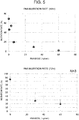
- a calibration curve was prepared by plotting the theoretical values of the mutation rate (mixture ratio of normal DNA and mutant DNA) on the horizontal axis and the mutation rates calculated from the C T values on the vertical axis ( Figure 3 ).
- primer DNA set 7 F: SEQ ID NO: 2 and R: SEQ ID NO: 4 for the wild-type detection set, and F: SEQ ID NO: 2 and R: SEQ ID NO: 10 for the mutant detection set
- primer DNA set 11 F: SEQ ID NO: 3 and R: SEQ ID NO: 4 for the wild-type detection set, and F: SEQ ID NO: 3 and R: SEQ ID NO: 10 for the mutant detection set
- Skin fibroblast (7SP) cells from a skin biopsy of a patient with a mitochondrial disease (Leigh syndrome) having a point mutation (T10158C) in the ND3 gene were separated and subcultured, then cryopreserved to prepare a cell stock.
- 7SP cells (about 1 ⁇ 10 6 cells) were suspended in 100 ⁇ L of Cell Scrub buffer, shaken at 4°C for 15 min, and then centrifuged (700 g, 4°C, 3 min). After removing the supernatant, the cells were suspended in 500 ⁇ L of MIB (EDTA+). After disrupting the cells with a syringe needle (27G), centrifuging (700 g, 4°C, 10 min) and collecting the supernatant, 0.5 ⁇ L of 0.1 mg/mL RNase solution was added and the mixture was incubated at 25°C for 10 min. The mixture was centrifuged (700 g, 4°C, 10 min), and the supernatant was collected and added to a 60% percoll solution.
- MIB syringe needle
- the mixture was centrifuged (20,400 g, 4°C, 10 min), and 200 ⁇ L of the solution on the boundary surface was collected. After centrifuging (20,400 g, 4°C, 15 min) and removing the supernatant, 500 ⁇ L of MIB (-) was added. The mixture was again centrifuged (20,400 g, 4°C, 15 min) and the supernatant removed to obtain the mitochondrial fraction.
- RNA was extracted from the mitochondrial fraction using an RNase mini kit (QIAGEN NV) and an RNase-Free DNAse Set (QIAGEN NV), and a reverse transcription reaction of the RNA was further performed using the High Capacity RNA-to-cDNA Kit (ABI) to prepare a cDNA for quantification.
- QIAGEN NV RNase mini kit
- QIAGEN NV RNase-Free DNAse Set
- ABSI High Capacity RNA-to-cDNA Kit
- the mutation rate of T10158C in cDNA complementary to mitochondrial ND3 mRNA of 7SP cells was 82.1% when quantified using the primer DNA set 7 of Example 2. Since the mutation rate of HeLa cells without T10158C was 0.86%, substantially 0%, when quantified in the same manner, the T10158C quantification system using the primer DNA set 7 was considered to be functioning normally.
- ATG-mRNA(ND3)-polyA/MITO was added to 7SP cells (1 ⁇ 10 5 cells/well) pre-cultured with 2 mL/well of DMEM (FBS+) for about 24 hours on a 6-well plate, so as to be 0.6, 3, 6, 30, and 60 ng/well in terms of RNA amount, and the mixtures were incubated for 3 hours. Then, the culture media were exchanged and the mixtures incubated for another 48 hours. After the incubation, the same operation as in Example 3 was performed to prepare cDNA for quantification from the mitochondrial fraction of the 7SP cells, and quantitative PCR using the primer DNA set 7 was performed to measure the changes in T10158C mutation rate in the cDNA complementary to ND3 mRNA.
- Example 5 Introduction of normal mRNA into cells derived from patient with mitochondrial disease
- 7SP cells were seeded on a 6-well plate at 1 ⁇ 10 5 cells/well (2 mL/well of a 0.5 ⁇ 10 5 cells/mL solution) and cultured for 24 ⁇ 3 hours.
- An ATG-mRNA(ND3)-polyA/MITO or tR G -mRNA(ND3)-tR R /MITO solution was diluted with DMEM (FBS-) to 60 ng/well in terms of RNA amount, of which 1 mL was added to 7SP cells. After incubation for 3 hours, the culture medium was exchanged with DMEM (FBS+) and the incubation was further continued.
- tR G -mRNA(ND3)-tR R or ATG-mRNA(ND3)-polyA (RNA amount: 60 ng/well) was introduced using LFN i MAX into 7SP cells, which were incubated for 3 hours. Then, the culture medium was exchanged with DMEM (FBS+) and the incubation was further continued.
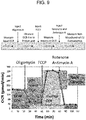
- oligomycin respiratory chain complex V inhibitor; final concentration: 2.0 ⁇ M
- FCCP carbonyl cyanide-p-trifluoromethoxyphenylhydrazone
- FCCP uncoupling agent
- rotenone and antimycin A inhibitor of respiratory chain complex I and III; final concentration: 0.5 ⁇ M
- OCR mitochondrial oxygen consumption
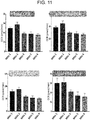
- Each OCR before addition of oligomycin, after addition of oligomycin, after addition of FCCP, and after addition of rotenone and antimycin A represents the basal respiration (basal OCR), ATP production (ATP-linked OCR), maximal respiration (maximal OCR), and spare respiratory capacity (Spare Capacity), respectively, among the evaluation items of mitochondrial respiration capacity.
- Basal OCR basal respiration
- ATP-linked OCR ATP-linked OCR
- maximal respiration maximal respiration
- spare respiratory capacity Spare Capacity
- Mito1 represents cells introduced with ATG-mRNA(ND3)-polyA/MITO
- Mito2 represents cells introduced with tR G -mRNA(ND3)-tR R /MITO
- Mito3 represents cells introduced with the empty lipid membrane structure MITO-Porter containing no mRNA
- Mito5 represents cells cell introduced with ATG-mRNA(ND3)-polyA using LFN i MAX
- Mito6 represents cells introduced with tR G -mRNA(ND3)-tR R using LFN i MAX.
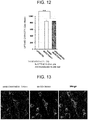
- a fluorescently labeled ATG-mRNA(ND3)-polyA/MITO (F-mRNA/MITO) containing DOPE labeled with NBD (7-nitrobenz-2-oxa-1,3-diazole, green fluorescent dye) in the lipid membrane and an NBD-labeled lipid membrane structure containing no mRNA (F/MITO) were produced according to 3) of Example 1.
- F-mRNA/MITO and F/MITO were each added to 7SP cells (1 ⁇ 10 5 cells/well) pre-cultured with 2 mL/well of DMEM (FBS+) for about 24 hours on a 6-well plate, so as to be 60 ng/well in terms of RNA amount, and the mixtures were incubated for one hour.
- the mitochondria of the 7SP cells taking up F-mRNA/MITO were stained red according to the method of Abe et al. (J. Pharm. Sci. 2016, 105, 734-740 ), and then the localization of F-mRNA/MITO in the cells was observed using a confocal laser scanning microscope. As a result, a yellow color obtained by the overlap of green (F-mRNA/MITO) and red (mitochondria) was observed, confirming that F-mRNA/MITO was localized in the mitochondria of 7SP cells ( Figure 13 ).
Landscapes
- Health & Medical Sciences (AREA)
- Life Sciences & Earth Sciences (AREA)
- Chemical & Material Sciences (AREA)
- Engineering & Computer Science (AREA)
- General Health & Medical Sciences (AREA)
- Organic Chemistry (AREA)
- Molecular Biology (AREA)
- Genetics & Genomics (AREA)
- Bioinformatics & Cheminformatics (AREA)
- Veterinary Medicine (AREA)
- Medicinal Chemistry (AREA)
- Animal Behavior & Ethology (AREA)
- Public Health (AREA)
- Pharmacology & Pharmacy (AREA)
- Zoology (AREA)
- Wood Science & Technology (AREA)
- Biochemistry (AREA)
- Biotechnology (AREA)
- Epidemiology (AREA)
- General Engineering & Computer Science (AREA)
- Biomedical Technology (AREA)
- Microbiology (AREA)
- Biophysics (AREA)
- Chemical Kinetics & Catalysis (AREA)
- General Chemical & Material Sciences (AREA)
- Physics & Mathematics (AREA)
- Nuclear Medicine, Radiotherapy & Molecular Imaging (AREA)
- Proteomics, Peptides & Aminoacids (AREA)
- Dispersion Chemistry (AREA)
- Plant Pathology (AREA)
- Neurology (AREA)
- Analytical Chemistry (AREA)
- Immunology (AREA)
- Nanotechnology (AREA)
- Neurosurgery (AREA)
- Orthopedic Medicine & Surgery (AREA)
- Physical Education & Sports Medicine (AREA)
- Medicines That Contain Protein Lipid Enzymes And Other Medicines (AREA)
- Pharmaceuticals Containing Other Organic And Inorganic Compounds (AREA)
- Measuring Or Testing Involving Enzymes Or Micro-Organisms (AREA)
Abstract
a) an RNA comprising, in this order, a nucleotide sequence of a first mitochondrial tRNA, a nucleotide sequence of an mRNA encoding a target protein, and a nucleotide sequence of a second mitochondrial tRNA, wherein the nucleotide sequence of the mRNA has one or more UGAs as a tryptophan codon;
b) a DNA comprising a nucleotide sequence of a promoter and a nucleotide sequence complementary to the RNA of a);
c) an RNA comprising a nucleotide sequence of an mRNA encoding a target protein, and a nucleotide sequence of a poly(A) chain present at the 3' end side thereof, wherein the nucleotide sequence of the mRNA has one or more UGAs as a tryptophan codon, AUG as a start codon, and UAA as a stop codon; and
d) a DNA comprising a nucleotide sequence of a promoter and a nucleotide sequence complementary to the RNA of c).
Description
- The present invention relates to a nucleic acid for expressing a protein in mitochondria, a mitochondria-targeted lipid membrane structure encapsulating the nucleic acid, a use of the nucleic acid or the lipid membrane structure in a pharmaceutical composition or in the production of a cell preparation, and a primer DNA set for quantifying a point mutation of the mitochondrial protein ND3.
- Mitochondria, which are one of the organelles of the cell, contain mitochondrial proteins that are transcribed and translated from nuclear genomic DNA in the cell nucleus, then transported into mitochondria (mitochondrial proteins derived from nuclear DNA), and mitochondrial proteins that are encoded in mitochondrial genomic DNA independent of the cell nucleus, then transcribed and translated in mitochondria (mitochondrial proteins derived from mitochondrial DNA). Many associations between mutations in the genomic DNAs encoding these proteins and various diseases (encephalomyopathy, neurodegenerative diseases, cancer, diabetes, and the like) have been reported. These are collectively referred to as mitochondrial diseases. Hereinafter, the present invention will be described using human mitochondria as a representative example unless otherwise specified. Moreover, the term "mitochondrial protein" is used as a term including mitochondrial proteins derived from nuclear DNA and mitochondrial proteins derived from mitochondrial DNA, unless otherwise specified.
- One of the methods for treating mitochondrial diseases that is currently under research and development is gene therapy, which aims to deliver into mitochondria proteins expected to have a therapeutic effect, for example, wild-type proteins corresponding to mutated mitochondrial proteins. In order to realize gene therapy, a foreign gene expression system that can transport a target protein transcribed in the cell nucleus and translated in the cytoplasm into mitochondria, or a foreign gene expression system that can directly express a target protein in mitochondria have been proposed.
- A wide variety of expression vectors have been developed in connection with the transport of cytoplasmically expressed target proteins into mitochondria. Most of them utilize mitochondrial targeting signal peptides (MTS) contained in mitochondrial proteins derived from nuclear DNA. Specifically, an expression vector encoding a target protein having an MTS upstream (MTS-added protein) is delivered to the cell nucleus. The MTS-added protein is then expressed in the cytoplasm, and delivered to mitochondria.
- This method may be useful for certain target proteins, but has the problem of poor applicability to mitochondrial proteins derived from mitochondrial DNA. This is because many mitochondrial proteins derived from mitochondrial DNA are insoluble in the cytoplasm, which causes the mitochondrial proteins derived from mitochondrial DNA expressed in the cytoplasm to aggregate and thus insufficiently migrate to mitochondria.
-
Patent Literature 1 discloses a method for suppressing the aggregation of a target protein in the cytoplasm by using an expression vector encoding an MTS-added protein consisting of an MTS having enhanced water solubility and a specific mitochondrial protein derived from mitochondrial DNA. However, mitochondrial proteins derived from mitochondrial DNA often show cytotoxicity when present in intracellular organelles other than mitochondria. Therefore, the range of target proteins for which the method described inPatent Literature 1 can be utilized is limited. - In addition, there remain concerns regarding the use of the above method utilizing an MTS-added protein as a tool for gene therapy, since it may cause fatal damage to the cells by interfering or competing with the intracellular transport of the original mitochondrial protein.
- On the other hand, transcriptional expression of a necessary and sufficient amount of the target protein in mitochondria is first and foremost required in the use of a foreign gene expression system capable of directly expressing a target protein in mitochondria. In order to suit such a purpose, a promoter derived from a gene present in mitochondrial genomic DNA, for example, HSP (heavy strand promoter) is selected, and several expression vectors in which the DNA encoding the target protein is controlled by the promoter are designed. The expression vector is also devised to use a triplet codon frequently used in mitochondrial genomic DNA. However, the expression levels of these expression vectors have not reached the necessary and sufficient region for disease treatment so far.
- For example, in
Non Patent Literature 1, a method has been proposed in which DNA that is transcriptionally induced in mitochondria under HSP control is encapsulated in an artificial viral vector added with MTS, and the viral vector is directly introduced into mitochondria to express a target protein. This method has the advantage of having a relatively high expression level of the target protein from the introduced viral vector. However, aside from the safety problem resulting from the viral vector, whether the target protein is expressed in mitochondria as expected has not been completely verified. - As one of the foreign gene expression systems capable of directly expressing a target protein in mitochondria, the present inventors have proposed a promoter sequence exhibiting transcriptional activity in the cell nucleus of animal cells, and a recombinant expression vector having a coding region encoding a target protein containing one or more TGAs as a codon corresponding to tryptophan under the control of the promoter sequence (Patent Literature 2). Delivering this expression vector into mitochondria by utilizing a mitochondria-targeted lipid membrane structure allows to avoid undesirable translation of the target protein in the cytoplasm, and to further increase the expression level of the target protein in mitochondria. However, the need for efficient expression of target proteins in mitochondria remains high.
- In the above conventional techniques, the nucleic acid delivered into mitochondria was exclusively DNA, but with the recent advances in RNA synthesis technology, a gene therapy strategy in which RNA instead of DNA is directly delivered into mitochondria has been proposed. A method applicable in a clinical setting that can deliver RNA encoding a target protein into mitochondria has, however, not yet been developed.
- Non Patent Literature 1: Yu,H. et al., Proc. Natl. Acad. Sci. USA, 2012, 109: E1238-47
-
- Patent Literature 1:
US 2015/0225740 - Patent Literature 2:
WO 2017/090763 - The present invention aims to provide RNA and DNA for efficiently expressing a protein in mitochondria, and a method for introducing the RNA and DNA into mitochondria.
- The present inventors have found that a target protein can be efficiently expressed in mitochondria by delivering a nucleic acid, particularly RNA, having certain characteristics on the nucleotide sequence, into mitochondria and completed the following invention.
-
- (1) A mitochondria-targeted lipid membrane structure encapsulating a nucleic acid represented by any of the following a) to d) :
- a) an RNA comprising, in this order, a nucleotide sequence of a first mitochondrial tRNA, a nucleotide sequence of an mRNA encoding a target protein, and a nucleotide sequence of a second mitochondrial tRNA, wherein the nucleotide sequence of the mRNA has one or more UGAs as a tryptophan codon;
- b) a DNA comprising a nucleotide sequence of a promoter and a nucleotide sequence complementary to the RNA of a);
- c) an RNA comprising a nucleotide sequence of an mRNA encoding a target protein, and a nucleotide sequence of a poly(A) chain present at the 3' end side thereof, wherein the nucleotide sequence of the mRNA has one or more UGAs as a tryptophan codon, AUG as a start codon, and UAA as a stop codon; and
- d) a DNA comprising a nucleotide sequence of a promoter and a nucleotide sequence complementary to the RNA of c).
- (2) The lipid membrane structure according to (1), wherein the nucleotide sequence of the mRNA and the nucleotide sequences of the two mitochondrial tRNAs of a) are contiguous.
- (3) The lipid membrane structure according to (1), wherein the nucleotide sequence of the mRNA and the nucleotide sequence of the poly(A) chain of c) are contiguous.
- (4) The lipid membrane structure according to any one of (1) to (3), wherein the target protein is a wild-type mitochondrial protein derived from mitochondrial DNA.
- (5) The lipid membrane structure according to any one of (1) to (4), comprising dioleylphosphatidylethanolamine and sphingomyelin as constituent lipids of the lipid membrane.
- (6) The lipid membrane structure according to any one of (1) to (5), which has a peptide consisting of the amino acid sequence set forth in SEQ ID NO: 1 on the lipid membrane surface.
- (7) A pharmaceutical composition for treating and/or preventing mitochondrial diseases, the composition comprising as an active ingredient a nucleic acid represented by any of the following a) to d):
- a) an RNA comprising, in this order, a nucleotide sequence of a first mitochondrial tRNA, a nucleotide sequence of an mRNA encoding a target protein, and a nucleotide sequence of a second mitochondrial tRNA, wherein the nucleotide sequence of the mRNA has one or more UGAs as a tryptophan codon;
- b) a DNA comprising a nucleotide sequence of a promoter and a nucleotide sequence complementary to the RNA of a);
- c) an RNA comprising a nucleotide sequence of an mRNA encoding a target protein, and a nucleotide sequence of a poly(A) chain present at the 3' end side thereof, wherein the nucleotide sequence of the mRNA has one or more UGAs as a tryptophan codon, AUG as a start codon, and UAA as a stop codon; and
- d) a DNA comprising a nucleotide sequence of a promoter and a nucleotide sequence complementary to the RNA of c).
- (8) The pharmaceutical composition according to (7), wherein the nucleotide sequence of the mRNA and the nucleotide sequences of the two mitochondrial tRNAs of a) are contiguous.
- (9) The pharmaceutical composition according to (7),
wherein the nucleotide sequence of the mRNA and the nucleotide sequence of the poly(A) chain of c) are contiguous. - (10) The pharmaceutical composition according to any one of (7) to (9), wherein the target protein is a wild-type mitochondrial protein derived from mitochondrial DNA.
- (11) The pharmaceutical composition according to any one of (7) to (10), wherein the nucleic acid is encapsulated in a mitochondria-targeted lipid membrane structure.
- (12) A method for producing a cell preparation for treating and/or preventing mitochondrial diseases, the method comprising introducing in vitro the nucleic acid represented by any of the following a) to d) into cells derived from a patient with a mitochondrial disease or a person at risk of developing a mitochondrial disease:
- a) an RNA comprising, in this order, a nucleotide sequence of a first mitochondrial tRNA, a nucleotide sequence of an mRNA encoding a target protein, and a nucleotide sequence of a second mitochondrial tRNA, wherein the nucleotide sequence of the mRNA has one or more UGAs as a tryptophan codon;
- b) a DNA comprising a nucleotide sequence of a promoter and a nucleotide sequence complementary to the RNA of a);
- c) an RNA comprising a nucleotide sequence of an mRNA encoding a target protein, and a nucleotide sequence of a poly(A) chain present at the 3' end side thereof, wherein the nucleotide sequence of the mRNA has one or more UGAs as a tryptophan codon, AUG as a start codon, and UAA as a stop codon; and
- d) a DNA comprising a nucleotide sequence of a promoter and a nucleotide sequence complementary to the RNA of c).
- (13) The production method according to (12), wherein the nucleotide sequence of the mRNA and the nucleotide sequences of the two mitochondrial tRNAs of a) are contiguous.
- (14) The production method according to (12), wherein the nucleotide sequence of the mRNA and the nucleotide sequence of the poly(A) chain of c) are contiguous.
- (15) The production method according to any one of (12) to (14), wherein the target protein is a wild-type mitochondrial protein derived from mitochondrial DNA.
- (16) The production method according to any one of (12) to (15), wherein the nucleic acid is encapsulated in a mitochondria-targeted lipid membrane structure.
- (17) An RNA comprising a nucleotide sequence of an mRNA encoding a target protein, and a nucleotide sequence of a poly(A) chain present at the 3' end side thereof, wherein the nucleotide sequence of the mRNA has one or more UGAs as a tryptophan codon, AUG as a start codon, and UAA as a stop codon.
- (18) The RNA according to (17), wherein the nucleotide sequence of the mRNA and the nucleotide sequence of the poly(A) chain are contiguous.
- (19) The RNA according to (17) or (18), wherein the protein is a wild-type mitochondrial protein derived from mitochondrial DNA.
- (20) A DNA comprising a nucleotide sequence of a promoter and a nucleotide sequence complementary to the RNA defined in any one of (17) to (19).
- (21) A kit for detecting T10158C, which is a point mutation of the mitochondrial ND3 gene, comprising:
- a wild-type detection primer DNA set consisting of a combination of a primer DNA comprising the nucleotide sequence set forth in SEQ ID NO: 2 and a primer DNA consisting of the nucleotide sequence set forth in SEQ ID NO: 4, and
- a mutant detection primer DNA set consisting of a combination of a primer DNA comprising the nucleotide sequence set forth in SEQ ID NO: 2 and a primer DNA consisting of the nucleotide sequence set forth in SEQ ID NO: 10.
- (22) The kit according to (21), wherein the primer DNA comprising the nucleotide sequence set forth in SEQ ID NO: 2 is a primer DNA consisting of the nucleotide sequence set forth in SEQ ID NO: 3.
- (23) The kit according to (21), wherein the primer DNA comprising the nucleotide sequence set forth in SEQ ID NO: 2 is a primer DNA consisting of the nucleotide sequence set forth in SEQ ID NO: 3 in which one or two nucleotides at the 5' end and/or the 3' end are deleted.
- (24) The kit according to (21) or (23), wherein the primer DNA comprising the nucleotide sequence set forth in SEQ ID NO: 2 is a primer DNA consisting of the nucleotide sequence set forth in SEQ ID NO: 2.
- The lipid membrane structure and the nucleic acid of the present invention can express a target protein more efficiently and selectively in mitochondria, and therefore can be utilized as a safer and more effective medicament for treating mitochondrial diseases, or in the production of a cell preparation. In addition, the primer DNA set of the present invention can easily detect and quantify the mutation T10158C, which is a point mutation of the mitochondrial ND3 protein, by performing PCR using the primer DNA set.
-
- [
Figure 1] Figure 1 is a diagram representing the structure of tRG-mRNA(ND3)-tRR, which is one aspect of the present invention, and the corresponding DNA nucleotide sequence. - [
Figure 2] Figure 2 is a diagram representing the structure of ATG-mRNA(ND3)-polyA, which is one aspect of the present invention, and the corresponding DNA nucleotide sequence. - [
Figure 3] Figure 3 is a calibration curve obtained by plotting the theoretical values of the mutation rate on the horizontal axis and the mutation rates calculated from the measured values by quantitative PCR on the vertical axis for the eleven primer DNA sets designed to detect the point mutation of the mitochondrial ND3 gene (T10158C) . - [
Figure 4] Figure 4 is a calibration curve obtained by plotting the theoretical values of the mutation rate on the horizontal axis and the mean values ± standard errors of the mutation rates calculated from the measured values by three quantitative PCRs on the vertical axis for the primer DNA sets 7 and 11 shown inFigure 3 . - [
Figure 5] Figure 5 is a graph showing the changes in the T10158C mutation rate in cDNA complementary to mitochondrial ND3 mRNA when ATG-mRNA(ND3)-polyA/MITO is introduced into mitochondria of 7SP cells. - [
Figure 6] Figure 6 is a graph showing the changes over time in the T10158C mutation rate in cDNA complementary to mitochondrial ND3 mRNA when ATG-mRNA(ND3)-polyA/MITO is introduced into mitochondria of 7SP cells. - [
Figure 7] Figure 7 is a graph showing the changes over time in the T10158C mutation rate in cDNA complementary to mitochondrial ND3 mRNA when ATG-mRNA(ND3)-polyA/MITO is introduced into mitochondria of 7SP cells, and to mitochondrial ND3 mRNA when ATG-mRNA(ND3)-polyA is introduced with a commercially available RNA transfection reagent. - [
Figure 8] Figure 8 is a graph showing the changes in the T10158C mutation rate in cDNA complementary to mitochondrial ND3 mRNA when ATG-mRNA(ND3)-polyA/MITO or tRG-mRNA(ND3)-tRR/MITO is introduced into mitochondria of 7SP cells, and to mitochondrial ND3 mRNA when ATG-mRNA(ND3)-polyA and tRG-mRNA(ND3)-tRR are introduced with a commercially available RNA transfection reagent. - [
Figure 9] Figure 9 is a diagram showing a time schedule for measuring mitochondrial respiration capacity of 7SP cells into which ATG-mRNA(ND3)-polyA/MITO or tRG-mRNA(ND3)-tRR/MITO was introduced, and tRG-mRNA(ND3)-tRR or ATG-mRNA(ND3)-polyA was introduced using a commercially available nucleic acid transfection reagent. - [
Figure 10] Figure 10 is a graph showing the results of measurements of mitochondrial respiration capacity of 7SP cells into which ATG-mRNA(ND3)-polyA/MITO or tRG-mRNA(ND3)-tRR/MITO was introduced, and tRG-mRNA(ND3)-tRR or ATG-mRNA(ND3)-polyA was introduced using a commercially available nucleic acid transfection reagent. - [
Figure 11] Figure 11 is a graph expressing mitochondrial respiration capacity by basal respiration (basal OCR, upper left), ATP production (ATP-linked OCR, upper right), maximal respiration (maximal OCR, lower left) and spare respiratory capacity (Spare Capacity, lower right). - [
Figure 12] Figure 12 shows the results of the evaluation of cell uptake capacity when adding ATG-mRNA(ND3)-polyA/MITO to 7SP cells. - [
Figure 13] Figure 13 is a fluorescence micrograph showing that ATG-mRNA(ND3)-polyA/MITO is localized in the mitochondria of the cells into which it was introduced. The left side of the figure shows a fluorescently labeled lipid membrane structure, the center of the figure shows mitochondria, and the right side of the figure shows the two superposed. - The present invention provides a nucleic acid as shown in any of the following a) to d), and a mitochondria-targeted lipid membrane structure encapsulating the same:
- a) an RNA comprising, in this order, a nucleotide sequence of a first mitochondrial tRNA, a nucleotide sequence of an mRNA encoding a target protein, and a nucleotide sequence of a second mitochondrial tRNA, wherein the nucleotide sequence of the mRNA has one or more UGAs as a tryptophan codon,
- b) a DNA comprising a nucleotide sequence of a promoter and a nucleotide sequence complementary to the RNA of a),
- c) an RNA comprising a nucleotide sequence of an mRNA encoding a target protein, and a nucleotide sequence of a poly(A) chain present at the 3' end side thereof, wherein the nucleotide sequence of the mRNA has one or more UGAs as a tryptophan codon, AUG as a start codon, and UAA as a stop codon,
- d) a DNA comprising a nucleotide sequence of a promoter and a nucleotide sequence complementary to the RNA of c).
- The RNA of a) comprises, in this order, the nucleotide sequence of a first mitochondrial tRNA (hereinafter referred to as mt-tRNA), the nucleotide sequence of an mRNA encoding a target protein, and the nucleotide sequence of a second mt-tRNA.
- In the RNA of a), the nucleotide sequence of mt-tRNA can be arbitrarily selected from the nucleotide sequences of a total of 22 human mt-tRNA genes contained in the mitochondrial genome. Moreover, the nucleotide sequences of the first and second mt-tRNAs may be different from each other or may be the same.
- In the present invention, the target protein is any protein that is desired to be expressed in mitochondria, in other words, to exert its function, and includes proteins that are expected to be effective in the treatment of mitochondrial diseases, as well as proteins for which there is an academic interest in being expressed in mitochondria. From such viewpoint, the target protein may be either a wild-type mitochondrial protein derived from nuclear DNA, a wild-type mitochondrial protein derived from mitochondrial DNA, an active mutant thereof, or any heterologous protein. A particularly preferable target protein is a wild-type mitochondrial protein derived from nuclear DNA or a wild-type mitochondrial protein derived from mitochondrial DNA. Moreover, the size (number of amino acid residues) and chemical properties (hydrophobicity, hydrophilicity, electric charge and other properties) of the target protein are not especially limited.
- The nucleotide sequence of the mRNA encoding the target protein is any nucleotide sequence that can be finally translated into the target protein in mitochondria, and may consist of a single open reading frame (ORF) or may have a configuration in which a plurality of exons are separated by introns. In addition, it is preferable that the nucleotide sequence of the mRNA encoding the target protein have one or more UGAs as a tryptophan (Trp) codon. The Trp codon may be UGA, which is the codon corresponding to the Trp residue of the target protein, that has been artificially changed from UGG, or it may be a codon corresponding to the amino acid residue at the position where the activity of the target protein can be retained even when the amino acid residue is replaced with the Trp residue, that has been artificially changed to UGA. Such artificial modification of the codon can be performed by a general gene recombination technique.
- In the translation from mRNA in the cytoplasm, UGA corresponds to a stop codon, whereas in the translation from mRNA in mitochondria, UGA corresponds to the codon encoding Trp. Thus, when animal cells are transformed using the RNA of a), the synthesis of the target protein is stopped at the UGA position even when the RNA of a) is delivered to the cytoplasmic ribosome, and the target protein is therefore not synthesized, at least not in its entirety. As a result, it is possible to suppress the negative influence caused by the synthesis of the entire target protein in the cytoplasm.
- On the other hand, when the RNA of a) is delivered to mitochondria, the synthesis of the target protein proceeds without stopping at the UGA position, and as a result, the entire target protein can be properly synthesized and exert its function in the mitochondria.
- From the viewpoint of suppressing undesired expression of the target protein in the cytoplasm, the use of a nucleotide sequence containing a plurality of UGAs is preferable. In addition, from the viewpoint of more reliably suppressing undesired function expression of the target protein in the cytoplasm, it is further preferable that one or more UGAs be contained at a position closer to the 5' end (N-terminus of the target protein). Furthermore, when the target protein is a protein that is usually translated in the cytoplasm, it is preferable to appropriately modify the coding sequence so that the mitochondrial codons be used for the codons other than UGA as well. One example of the above is to modify AGG, which encodes an Arg residue in the cell nuclear genome but encodes a stop codon in the mitochondrial genome, into CGG which encodes an Arg residue in both the cell nuclear genome and the mitochondrial genome.
- It is preferable that the nucleotide sequence of the mRNA encoding the target protein further have AUG as a start codon and UAA as a stop codon. While AUG and UAA are respectively a major start codon and stop codon in mRNA derived from nuclear DNA, an improvement in translation efficiency can be expected by employing them in mRNA encoding target proteins to be expressed in mitochondria.
- In the RNA of a), the nucleotide sequence of the first mt-tRNA, the nucleotide sequence of the mRNA encoding the target protein, and the nucleotide sequence of the second mt-tRNA may be linked via an intervening sequence, such as a flanking sequence on each 5' end side and 3' end side in the mitochondrial genome. However, it is preferable that they be linked directly without an intervening sequence, that is, that the nucleotide sequence of the mRNA and the nucleotide sequences of the two mitochondrial tRNAs be contiguous. When an intervening sequence is present, its length is about 1 to 10 nucleotides, for example 1 to 6 nucleotides, preferably 1 to 3 nucleotides. Moreover, the RNA of a) may further have about 1 to 10 nucleotides, for example 1 to 6 nucleotides, preferably 1 to 3 nucleotides of the above flanking sequence on the 5' end side of the nucleotide sequence of the first mt-tRNA and the 3' end side of the nucleotide sequence of the second mt-tRNA.
- When the RNA of a) is delivered into mitochondria, the mRNA encoding the target protein, which is between the first and second mt-tRNAs, is translated, and the target protein is synthesized.
- Note that, in the present invention, the RNA of a) may be RNA containing a plurality of nucleotide sequences of an mRNA encoding a target protein, and in which each of the nucleotide sequences of the mRNA has a nucleotide sequence of mitochondrial tRNA at its 5' end side and 3' end side. When such RNA contains, for example, two nucleotide sequences of an mRNA encoding a target protein, the RNA can be expressed as "an RNA comprising, in this order, a nucleotide sequence of a first mitochondrial tRNA, a nucleotide sequence of a first mRNA encoding a target protein, a nucleotide sequence of a second mitochondrial tRNA, a nucleotide sequence of a second mRNA encoding a target protein and a nucleotide sequence of a third mitochondrial tRNA, wherein each of the nucleotide sequences of the first and second mRNAs have one or more UGAs as a tryptophan codon". The details of such RNA are as described above for the RNA of a), and the nucleotide sequences of the plurality of mRNAs encoding a target protein contained therein and the nucleotide sequences of the plurality of mitochondrial tRNAs may be different from each other, or may be the same.
- The DNA of b) is a DNA comprising a nucleotide sequence of a promoter and a nucleotide sequence complementary to the RNA of a), that is, the RNA of the above a). Specifically, the DNA of b) is a DNA comprising, in this order, a nucleotide sequence of a promoter, a nucleotide sequence complementary to the nucleotide sequence of the first mt-tRNA, a nucleotide sequence complementary to the nucleotide sequence of an mRNA encoding a target protein, and a nucleotide sequence complementary to the nucleotide sequence of the second mt-tRNA. Here, the respective characteristics of the nucleotide sequences of the first and second mt-tRNAs, the target protein and the nucleotide sequence of the mRNA encoding the same are as described for the RNA of a) .
- The promoter sequence has a nucleotide sequence complementary to the RNA of a) under its control. Being under the control of a promoter sequence means that the RNA of a) is linked to the promoter sequence in such a way that it can transcribed, that is, that a nucleotide sequence complementary to the RNA of a) is present within the range where transcription is initiated by the transcriptional activity of the promoter sequence. An example is the case where the first mt-tRNA is located within the range of about 1 to 200 nucleotides from the 3' end of the promoter sequence. However, such a range varies depending on the type of promoter sequence and can be appropriately adjusted by those skilled in the art.
- The promoter is not particularly limited as long as it exhibits transcriptional activity, that is, the ability to induce mRNA transcription. However, in order to more efficiently and selectively express a target protein when delivered to mitochondria, promoters exhibiting transcriptional activity in the cell nucleus of mammals are preferable, as described in Patent Literatures
WO 2017/090763 andUS 2018/0362999 (these publications are hereby incorporated by reference in their entirety). Examples of promoters exhibiting transcriptional activity in the cell nucleus of mammals include the cytomegalovirus (CMV) promoter, simian virus (SV) 40 promoter, rous sarcoma virus (RSV) promoter, EF1α promoter, β-actin promoter and T7 promoter, and the use of the CMV promoter or RSV promoter is preferable. In addition, these may have substitutions or other mutations on the nucleotide sequence as long as the transcriptional activity is not impaired. - The DNA of b) may be in a single-stranded form, or may be in a double-stranded form with a DNA consisting of a nucleotide sequence complementary thereto.
- When the DNA of b) is delivered into mitochondria, the promoter functions to transcribe and synthesize the RNA of a) in mitochondria. The mRNA encoding the target protein is then translated, and the target protein synthesized.
- The RNA of c) is an RNA comprising a nucleotide sequence of an mRNA encoding a target protein, and a nucleotide sequence of a poly(A) chain present at the 3' end side thereof, wherein the nucleotide sequence of the mRNA has one or more UGAs as a tryptophan codon, AUG as a start codon, and UAA as a stop codon.
- In the RNA of c), the characteristics of the target protein and the mRNA encoding the same are as described for the RNA of a). Moreover, the poly(A) chain is a sequence of consecutive A's found downstream of the 3' untranslated region in eukaryotic mature mRNA, and its length is of about 40 to 60 bases.
- In the RNA of c), the nucleotide sequence of an mRNA encoding a target protein and the nucleotide sequence of the poly(A) chain may be linked via an intervening sequence, for example, several to several tens of nucleotides of flanking sequence on each 5' end side and 3' end side in the mitochondrial genome. However, it is preferable that they be linked directly without an intervening sequence, that is, that the nucleotide sequence of an mRNA encoding the target protein and the nucleotide sequence of the poly(A) chain be contiguous. When an intervening sequence is present, its length is of about 1 to 10 nucleotides, for example 1 to 6 nucleotides, preferably 1 to 3 nucleotides. In addition, the RNA of c) may further have about 1 to 10 nucleotides, for example 1 to 6 nucleotides, preferably 1 to 3 nucleotides of the above flanking sequence on the 5' end side of the nucleotide sequence of an mRNA encoding a target protein and the 3' end side of the nucleotide sequence of the poly(A) chain.
- The DNA of d) is a DNA comprising a nucleotide sequence of a promoter and a nucleotide sequence complementary to the RNA of c). Specifically, the DNA of d) is a DNA comprising, in this order, a nucleotide sequence of a promoter, a nucleotide sequence complementary to the nucleotide sequence of an mRNA encoding a target protein, and a nucleotide sequence complementary to the nucleotide sequence of the poly(A) chain.
- Here, the promoter is as described for the DNA of b), the characteristics of the target protein and the nucleotide sequence of an mRNA encoding the same are as described for the RNA of a), and the characteristics of the nucleotide sequence of the poly(A) chain are as described for the RNA of c). In addition, the promoter sequence has a nucleotide sequence complementary to the RNA of c) under its control, and its significance is as described for the DNA of b).
- When the DNA of d) is delivered into mitochondria, the promoter functions to transcribe and synthesize the RNA of c) in mitochondria, and the target protein is synthesized after translation of the mRNA.
- A first aspect of the present invention relates to a mitochondria-targeted lipid membrane structure encapsulating the nucleic acid of any of the above a) to d). The mitochondria-targeted lipid membrane structure in the first aspect contains sphingomyelin (SM), preferably dioleylphosphatidylethanolamine (DOPE) and SM as constituent lipids of the lipid membrane. It is also preferable that the mitochondria-targeted lipid membrane structure have a peptide consisting of the amino acid sequence set forth in SEQ ID NO: 1 (hereinafter referred to as KALA peptide) on the lipid membrane surface.
- A preferred specific example of the mitochondria-targeted lipid membrane structure is the lipid membrane structure containing DOPE and SM as constituent lipids of the lipid membrane, and in which the lipid membrane surface has been modified with an octaarginine peptide, as described in detail together with the production method thereof in Japanese Patent No.
5067733 WO 2006/095837 , or the lipid membrane structure containing DOPE and SM as constituent lipids of the lipid membrane, and in which the lipid membrane surface has been modified with a KALA peptide, as described in detail together with the production method thereof inWO 2017/090763 andUS 2018/0362999 . These publications are hereby incorporated by reference in their entirety. - The KALA peptide is described by Shaheen et al. (Biomaterials, 2011, 32: 6342-6350) as a membrane-fusogenic peptide having the function of promoting membrane fusion between lipid membranes. In a preferred example of the above lipid membrane structure, the ability to selectively deliver the lipid membrane structure to the intracellular organelle mitochondria by having the KALA peptide placed on the surface of the lipid membrane structure is utilized.
- The most preferable lipid membrane structure in the first aspect of the present invention is a lipid membrane structure encapsulating the nucleic acid of any of a) to d) above, containing DOPE and SM as constituent lipids of the lipid membrane, and having a KALA peptide on the surface of the lipid membrane. This lipid membrane structure can be produced by substituting DNA by any of the nucleic acids of a) to d) above according to the method for producing a lipid membrane structure modified with a KALA peptide and encapsulating DNA described in
WO 2017/090763 andUS 2018/0362999 . - The present invention provides, as another aspect, a pharmaceutical composition for treating and/or preventing mitochondrial diseases, which comprises as an active ingredient the nucleic acid represented by any of a) to d) having the characteristics as described in the first aspect. Such pharmaceutical composition may directly comprise the nucleic acid represented by any of a) to d) having the characteristics as described in the first aspect. However, it is particularly preferably a pharmaceutical composition comprising as an active ingredient a nucleic acid in the form of the mitochondria-targeted lipid membrane structure of the first aspect.
- The pharmaceutical composition of the present aspect can be used in the form of a parenteral preparation such as an injection or a drip. Examples of carriers that can be used for such parenteral preparations include aqueous carriers such as physiological saline and isotonic solutions containing glucose, D-sorbitol and the like.
- The pharmaceutical composition of the present aspect may contain components such as pharmaceutically acceptable buffers, stabilizers, preservatives and other additives. The pharmaceutically acceptable components are well known to those skilled in the art, who can appropriately select and use them, for example, from the components described in the Japanese Pharmacopoeia 17th Edition and other standards, depending on the form of the preparation and within the range of normal implementation capacity.
- The method for administering the pharmaceutical composition of the present aspect is not particularly limited, but in the case of a parenteral preparation, examples thereof include intravascular administration (preferably intravenous administration), intraperitoneal administration, intestinal administration, and subcutaneous administration. In one preferred embodiment, the therapeutic agent of the present invention is administered to a living body by intravenous administration.
- Mitochondrial diseases are one of the intractable diseases that were recognized in 2009 as a subject of the Specific Diseases Treatment Research Program, which is one of the measures to prevent intractable diseases in Japan, and are a general term for pathological conditions in which mitochondrial function is impaired and clinical symptoms appear. At present, a decrease in energy production is considered to be the main cause of dysfunction in mitochondrial diseases. The etiology of mitochondrial diseases can be divided into abnormalities in the nuclear genomic DNA and abnormalities in the mitochondrial genomic DNA (mt-DNA). The latter includes deletions/duplications of bases on mt-DNA, point mutations (qualitative changes) and a decrease (quantitative change) in the amount of mt-DNA.
- The pharmaceutical composition of the present aspect is expected to exhibit a therapeutic and/or preventive effect on mitochondrial diseases by supplying to mitochondria an mRNA encoding a wild-type protein corresponding to the individual gene abnormalities causing the mitochondrial diseases.
- Treatment and/or prevention as used in the present description includes all types of medically acceptable therapeutic and/or preventive interventions intended for the cure, temporary remission, prevention and the like of a disease. That is, the treatment and/or prevention of mitochondrial diseases includes medically acceptable interventions for various purposes, including delaying or stopping the progress of mitochondrial diseases, the regression or disappearance of lesions, and the prevention of onset or prevention of recurrence.
- The pharmaceutical composition of the present aspect can be used for treatment and/or prevention of mitochondrial diseases. Therefore, the use of the pharmaceutical composition of the present aspect can also be expressed as a method for treating and/or preventing mitochondrial diseases using the composition, and the present invention also provides an invention of such a method.
- Furthermore, administering the pharmaceutical composition of the present aspect to a patient with a mitochondrial disease or a person at risk of developing a mitochondrial disease is expected to allow the treatment and/or prevention of the mitochondrial disease. Thus, the present invention also provides a method for treating and/or preventing mitochondrial diseases by administering an effective amount of the pharmaceutical composition of the present aspect to a patient with a mitochondrial disease or a person at risk of developing a mitochondrial disease. Here, the "effective amount" means an amount effective for treating and/or preventing a mitochondrial disease, and such an amount is appropriately adjusted depending on the degree of symptoms of the mitochondrial disease and other medical factors.
- The present invention provides, as a further aspect, a method for producing a cell preparation for treating and/or preventing mitochondrial diseases, the method comprising introducing in vitro the nucleic acid represented by any of a) to d) having the characteristics as described in the first aspect, into cells derived from a patient with a mitochondrial disease or a person at risk of developing a mitochondrial disease.
- It is preferable that the cells derived from a patient with a mitochondrial disease or a person at risk of developing a mitochondrial disease, into which the nucleic acid is to be introduced, be somatic cells collected from a patient with a mitochondrial disease or a person at risk of developing a mitochondrial disease. Examples of such somatic cells include cells that have been separated from the heart, brain, skeletal muscle of these persons, or other tissues damaged or at risk of being damaged by the mitochondrial disease, or cells having the ability to differentiate into cells that constitute such tissues.
- The nucleic acid to be introduced into the cells derived from a patient with a mitochondrial disease or a person at risk of developing a mitochondrial disease may be in its original form, but from the viewpoint of introduction efficiency, it is preferably in the form of the mitochondria-targeted lipid membrane structure, which is the first aspect of the present invention.
- By introducing in vitro the nucleic acid represented by any of a) to d) having the characteristics as described in the first aspect into cells derived from a patient with a mitochondrial disease or a person at risk of developing a mitochondrial disease, it is possible to produce somatic cells with a reduced mutation rate in the mitochondrial mRNA (mt-mRNA) encoding the mitochondrial protein causing the mitochondrial disease. These cells can be returned to the patient with a mitochondrial disease and used as a cell preparation for treating and/or preventing the mitochondrial disease.
- In the present invention, the mutation rate in mt-mRNA means the proportion of mutant molecules in the total number of mt-mRNA molecules for a specific mt-mRNA encoding a mitochondrial protein causing a mitochondrial disease.
- The mutation rate in mt-mRNA can be quantified using a known method that can be used for quantifying gene mutations, such as the allele-specific PCR method, the invader method, the allele-specific hybridization method, and the next-generation sequencing method. Of these methods, one method preferably used is the quantitative ARMS-PCR method (Amplification Refractory Mutation Systems PCR; for example, V. Venegas et al, Methods Mol. Biol. 2012, 837, 313-326; this publication is hereby incorporated by reference in its entirety). In this method, a primer DNA set for amplifying a wild-type sequence (wild-type detection primer DNA set) and a primer DNA set for amplifying a sequence containing a point mutation (mutant detection primer DNA set) are designed based on the base of the point mutation to be detected and the nucleotide sequences preceding and following it. Then, quantitative PCR using as a template the DNA obtained by reverse transcription reaction of the mt-mRNA to be measured is performed using each primer DNA set. The mutation rate can be calculated by applying the CT value obtained when using the wild-type detection primer DNA set (CTwild) and the CT value obtained when using the mutant detection primer DNA set (CTmut) determined by quantitative PCR to the following formula:

- The present invention further provides a kit for detecting T10158C, which is a point mutation of the mitochondrial ND3 protein, the kit comprising a wild-type detection primer DNA set consisting of a combination of a primer DNA containing the nucleotide sequence set forth in SEQ ID NO: 2 and a primer DNA consisting of the nucleotide sequence set forth in SEQ ID NO: 4, and a mutant detection primer DNA set consisting of a combination of a primer DNA containing the nucleotide sequence set forth in SEQ ID NO: 2 and a primer DNA consisting of the nucleotide sequence set forth in SEQ ID NO: 10.
- The point mutation T10158C is a gene mutation that is one of the causes of mitochondrial disease (McFarland R. et al., Ann Neurol. 2004, 55(1):58-64, and the like), in which the nucleotide at position 10158 in the nucleotide sequence of the mt-DNA (nucleotide sequence of human mitochondrial genomic DNA, NCBI Reference Sequence: NC_012920.1) that is thymine in normal cases, has been replaced by cytosine.
- The wild-type detection primer DNA set consisting of the combination of a primer DNA containing the nucleotide sequence set forth in SEQ ID NO: 2 and a primer DNA consisting of the nucleotide sequence set forth in SEQ ID NO: 4 can specifically detect mt-DNA in which the nucleotide at position 10158 is thymine or the mt-mRNA corresponding thereto, by performing PCR using cDNA, which is the reverse transcription reaction product from the mt-DNA or mt-mRNA to be detected, as a template.
- Moreover, the mutant detection primer DNA set consisting of the combination of a primer DNA containing the nucleotide sequence set forth in SEQ ID NO: 2 and a primer DNA consisting of the nucleotide sequence set forth in SEQ ID NO: 10 can specifically detect mt-DNA in which the 10158th base is cytosine or the mt-mRNA corresponding thereto, by performing PCR using DNA, which is the reverse transcription reaction product from the mt-DNA or mt-mRNA to be detected, as a template.
- The primer DNA containing the nucleotide sequence set forth in SEQ ID NO: 2 can be, for example, a primer DNA consisting of the nucleotide sequence set forth in SEQ ID NO: 3, a primer DNA consisting of a nucleotide sequence to which one or more nucleotides, for example 1 to 10, preferably 1 to 5, more preferably 1 to 3, particularly 1 or 2 nucleotides were added to the 5' end side and/or 3' end side of the nucleotide sequence set forth in SEQ ID NO: 3, or a primer DNA consisting of a nucleotide sequence in which one or more nucleotides, for example 1 to 5, preferably 1 to 3, particularly 1 or 2 nucleotides at the 5' end and/or the 3' end have been deleted in the nucleotide sequence set forth in SEQ ID NO: 3. A preferred example of the primer DNA consisting of a nucleotide sequence in which one or more nucleotides at the 5' end and/or the 3' end have been deleted in the nucleotide sequence set forth in SEQ ID NO: 3 is the primer DNA consisting of the nucleotide sequence set forth in SEQ ID NO: 2.
- Using the wild-type detection primer DNA set and the mutant detection primer DNA set, the ratio of molecules having the point mutation T10158C contained in the mt-DNA or cDNA, that is, the mutation rate, can be quantified by performing PCR using cDNA, which is the reverse transcription reaction product from mt-DNA or mt-mRNA as a template. The details of the mutation rate quantification are as described above.
- The kit of the present aspect is any kit containing a wild-type detection primer DNA set and a mutant detection primer DNA set, but may further contain a reverse transcriptase, reagents and buffers for PCR reaction, and the like.
- The present invention is further described in detail with the following examples, but the present invention is not limited to these examples.
- A recombinant DNA cassette (tRG-mRNA(ND3)-tRR, SEQ ID NO: 11,
Figure 1 ) having, in this order, a T7 promoter, the nucleotide sequence corresponding to the mitochondrial tRNAGly containing 20 bases on the 5' end side, an ORF encoding wild-type ND3 protein, and the nucleotide sequence corresponding to mitochondrial tRNAArg containing 24 bases on the 3' end side, was synthesized. In addition, a recombinant DNA cassette (ATG-mRNA(ND3)-polyA, SEQ ID NO: 12,Figure 2 ) having an ORF encoding a mitochondrial ND3 protein in which the start codon was replaced from ATA to ATG, the T corresponding to the stop codon was replaced with TAA, and a poly(A) sequence of 50 bases was added to the 5' end, was synthesized. Each DNA cassette was incorporated into the plasmid pUC57-Amp opened with the restriction enzymes EcoRI and EcoRV to prepare two plasmid DNAs (pT7-tRG-mRNA(ND3)-tRR and pT7-ATG-mRNA(ND3)-polyA) in which mRNA is transcribed from each cassette by the T7 promoter. - The plasmid DNA prepared in 1) was treated with the restriction enzyme EcoRV to prepare a linearized plasmid DNA, which was then subjected to an in vitro transcription reaction using RiboMAX (trademark) Large Scale RNA Production Systems-T7 (PROMEGA) to synthesize RNA (SEQ ID NOS: 13 and 14), transcribed by the T7 promoter, followed by purification using RNA clean-up and concentration of RNA (NORGEN).
- To 0.18 mg/mL of protamine/HEPES Buffer solution, an equal volume of 0.3 mg/mL of purified mRNA/HEPES Buffer solution was added while vortexing to prepare a nucleic acid nanoparticle solution (N/P ratio 0.9). 65 µL of the nucleic acid nanoparticle solution was added to a lipid solution (DOPE:SM:STR-R8 = 9:2:1, 18 µL DOPE, 8 µL SM, 20 µL STR-R8, 62 µL EtOH) while vortexing to prepare a suspension. The suspension was added to 630 µL of HEPES Buffer in a 5 mL tube while vortexing, then the mixture was added to 4 mL of HEPES Buffer in Amicon Ultra-4, and centrifuged (1000 g, 25°C, 8 min). 4 mL of HEPES Buffer was further added, and the mixture was centrifuged again (1000 g, 25°C, 12 min) to collect the liposomes encapsulating mRNA. The liposome encapsulating mRNA transcribed from pT7-tRG-mRNA(ND3)-tRR is represented as tRG-mRNA(ND3)-tRR/MITO and the liposome encapsulating mRNA transcribed from pT7-ATG-mRNA(ND3)-polyA is represented as ATG-mRNA(ND3)-polyA/MITO. The particle diameter and zeta potential (surface potential) of each liposome is shown in Table 1.

- Primer DNAs consisting of the nucleotide sequences shown in Table 2 were chemically synthesized.
[Table 2] Common forward primer F CAACACCCTCCTAGCCTTAC SEQ ID NO: 2 F long ATCAACACCCTCCTAGCCTTACTA SEQ ID NO: 3 Wild-type detection reverse primer WT 1 CCGCACTCGTAAGGGGTGCA SEQ ID NO:4 WT2 CCGCACTCGTAAGGGGTCCA SEQ ID NO: 5 Mutant detection reverse primer MT1 CCGCACTCGTAAGGGGTGCG SEQ ID NO: 6 MT2 CCGCACTCGTAAGGGGTCCG SEQ ID NO: 7 MTO CCGCACTCGTAAGGGGTGGG SEQ ID NO: 8 MTO long AGCCGCACTCGTAAGGGGTGGG SEQ ID NO: 9 MT1 long AGCCGCACTCGTAAGGGGTGCG SEQ ID NO: 1 0 - A base substitution corresponding to the point mutation (T10158C) was introduced into the plasmid DNA containing the ORF encoding the wild-type ND3 protein produced in Example 1 (pT7-ATG-mRNA(ND3)-polyA) to produce a plasmid DNA having the ORF corresponding to the point mutation (T10158C) of ND3 (pT7-ATG-mRNA(ND3)MT-polyA).
- Quantitative PCR was performed using the primer DNA sets 1 to 11 consisting of the combinations shown in Table 3 and SYBR Green Realtime PCR Master Mix (TOYOBO), using as a template a mixed DNA solution in which pT7-ATG-mRNA(ND3)-polyA and pT7-ATG-mRNA(ND3)MT-polyA were mixed at a predetermined ratio. The PCR conditions were 95°C/1 min -> {95°C/15 sec -> 60°C/1 min} for 40 cycles.
[Table 3] Set 1: CTwild type : Forward (F) x Reverse (WT1) / C Tmut type : Forward (F) x Reverse (MT1) Set 2: CTwild type : Forward (F) x Reverse (WT1) / CTmut type : Forward (F) x Reverse (MT2) Set 3: CTwild type : Forward (F) x Reverse (WT2) / CTmut type : Forward (F) x Reverse (MT1) Set 4: CTwild type : Forward (F) x Reverse (WT2) / CTmut type : Forward (F) x Reverse (MT2) Set 5: CTwild type : Forward (F) x Reverse (WT1)/ cTmut type : Forward (F) x Reverse (MTO) Set 6: CTwild type : Forward (F) x Reverse (WT1) / CTmut type : Forward (F) x Reverse (MT0 long) Set 7: CTwild type : Forward (F) x Reverse (WT1)/CTmut type : Forward (F) x Reverse (MT1 long) Set 8: CTwild type : Forward (F long) x Reverse (WT1) / CTmut type : Forward (F long) x Reverse (MTO) Set 9: CTwild type : Forward (F long) x Reverse (WT1)/ CTmut type : Forward (F long) x Reverse (MTO long) Set 10: CTwild type : Forward (F long) x Reverse (WT1)/ CTmut type : Forward (F long) x Reverse (MT1) Set 11: CTwild type : Forward (F long) x Reverse (WT1)/ C Tmut type : Forward (F long) x Reverse (MT1 long) - The CT values obtained by PCR using the primer DNA set containing the wild-type detection reverse primer (CTwild) and the CT values obtained by PCR using the primer DNA set containing the mutant detection reverse primer (CTmut) were applied to the following formula to calculate the mutation rate in each mixed DNA solution.

- A calibration curve was prepared by plotting the theoretical values of the mutation rate (mixture ratio of normal DNA and mutant DNA) on the horizontal axis and the mutation rates calculated from the CT values on the vertical axis (
Figure 3 ). As a result, it was confirmed that primer DNA set 7 (F: SEQ ID NO: 2 and R: SEQ ID NO: 4 for the wild-type detection set, and F: SEQ ID NO: 2 and R: SEQ ID NO: 10 for the mutant detection set) and primer DNA set 11 (F: SEQ ID NO: 3 and R: SEQ ID NO: 4 for the wild-type detection set, and F: SEQ ID NO: 3 and R: SEQ ID NO: 10 for the mutant detection set) give a linear calibration curve with a slope of nearly 1. When the test was performed three times on these two primer DNA sets, a calibration curve with high reproducibility was obtained for both sets, which confirmed that these sets are suitable for quantifying the T10158C mutation rate (Figure 4 ). - Skin fibroblast (7SP) cells from a skin biopsy of a patient with a mitochondrial disease (Leigh syndrome) having a point mutation (T10158C) in the ND3 gene were separated and subcultured, then cryopreserved to prepare a cell stock.
- 1 mL of the cell stock was dissolved in a 37°C water bath, to which 9 mL of DMEM (FBS+) was added, and the mixture was centrifuged (100 g, 4°C, 7 min). The supernatant was removed, and 10 mL of DMEM (FBS+) was added to suspend the cells. The total volume was then transferred to a 10 cm dish, and cultured by incubation (37°C, 5% CO2). The cells were passaged when the confluency was reached at 80-90%. After washing the dish with 5 mL of PBS(-), a 2 mL of 0.25% trypsin solution was added, and the mixture was incubated (37°C, 5% CO2) for 2 to 3 min. 8 mL of DMEM (FBS+) was then added, and the mixture was centrifuged (100 g, 4°C, 7 min). After counting, the cells were seeded in a 10 cm dish at an appropriate concentration.
- 7SP cells (about 1 × 10⁶ cells) were suspended in 100 µL of Cell Scrub buffer, shaken at 4°C for 15 min, and then centrifuged (700 g, 4°C, 3 min). After removing the supernatant, the cells were suspended in 500 µL of MIB (EDTA+). After disrupting the cells with a syringe needle (27G), centrifuging (700 g, 4°C, 10 min) and collecting the supernatant, 0.5 µL of 0.1 mg/mL RNase solution was added and the mixture was incubated at 25°C for 10 min. The mixture was centrifuged (700 g, 4°C, 10 min), and the supernatant was collected and added to a 60% percoll solution. The mixture was centrifuged (20,400 g, 4°C, 10 min), and 200 µL of the solution on the boundary surface was collected. After centrifuging (20,400 g, 4°C, 15 min) and removing the supernatant, 500 µL of MIB (-) was added. The mixture was again centrifuged (20,400 g, 4°C, 15 min) and the supernatant removed to obtain the mitochondrial fraction.
- RNA was extracted from the mitochondrial fraction using an RNase mini kit (QIAGEN NV) and an RNase-Free DNAse Set (QIAGEN NV), and a reverse transcription reaction of the RNA was further performed using the High Capacity RNA-to-cDNA Kit (ABI) to prepare a cDNA for quantification.
- The mutation rate of T10158C in cDNA complementary to mitochondrial ND3 mRNA of 7SP cells was 82.1% when quantified using the primer DNA set 7 of Example 2. Since the mutation rate of HeLa cells without T10158C was 0.86%, substantially 0%, when quantified in the same manner, the T10158C quantification system using the
primer DNA set 7 was considered to be functioning normally. - ATG-mRNA(ND3)-polyA/MITO was added to 7SP cells (1 × 10⁵ cells/well) pre-cultured with 2 mL/well of DMEM (FBS+) for about 24 hours on a 6-well plate, so as to be 0.6, 3, 6, 30, and 60 ng/well in terms of RNA amount, and the mixtures were incubated for 3 hours. Then, the culture media were exchanged and the mixtures incubated for another 48 hours. After the incubation, the same operation as in Example 3 was performed to prepare cDNA for quantification from the mitochondrial fraction of the 7SP cells, and quantitative PCR using the
primer DNA set 7 was performed to measure the changes in T10158C mutation rate in the cDNA complementary to ND3 mRNA. As a result, it was confirmed that the mutation rate decreased depending on the amount of RNA added, and that the addition of 60 ng of RNA decreased the mutation rate to 2% (Figure 5 , top). Even when the incubation time after the culture medium exchange was 72 hours, a similar decrease in the mutation rate depending on the amount of RNA added was observed (Figure 5 , bottom). This tendency was also observed when tRG-mRNA(ND3)-tRR/MITO was used instead of ATG-mRNA(ND3)-polyA/MITO. -
- (1) Based on Example 4, ATG-mRNA(ND3)-polyA/MITO was added to 7SP cells so as to be 60 ng/well in terms of RNA amount, and the mixture was incubated for 3 hours. Then, the culture medium was exchanged, and the incubation was continued for 21 days. On
day Figure 6 ). - (2) mRNA (ATG-mRNA(ND3)-polyA) transcribed from pT7-ATG-mRNA(ND3)-polyA was introduced into 7SP cells so as to be 60 ng/well in terms of RNA amount using Lipofectamine i MAX (LFN iMAX, ThermoFisher Scientific), which is a commercially available nucleic acid transfection reagent, and the changes over time in the mutation rate up to
day 7 were measured in the same manner as in (1). The results of these measurements, together with the results of the change over time fromday 3 to 21 measured in (1) are shown inFigure 7 . It was confirmed that the mutation rate is lower when the mRNA is introduced using the lipid membrane structure of the present invention than when the mRNA is introduced using a commercially available nucleic acid transfection reagent. - (3) In the same manner as in (1), ATG-mRNA(ND3)-polyA/MITO (ATG/MITO) and tRG-mRNA(ND3)-tRR/MITO (TR/MITO) were each introduced into 7SP cells so as to be 30 ng/well or 60 ng/well in terms of RNA amount, and mRNA (tRG-mRNA(ND3)-tRR) transcribed from ATG-mRNA(ND3)-polyA and pT7-tRG-mRNA(ND3)-tRR using LFN i MAX was introduced into 7SP cells. The mutation rate of each cell after three days was then measured. The results are shown in
Figure 8 . Similarly to the results of (2), it was confirmed that the mutation rate is lower when the mRNA is introduced using the lipid membrane structure of the present invention than when the mRNA is introduced using a commercially available nucleic acid transfection reagent. - 7SP cells were seeded on a 6-well plate at 1 × 10⁵ cells/well (2 mL/well of a 0.5 × 10⁵ cells/mL solution) and cultured for 24 ± 3 hours. An ATG-mRNA(ND3)-polyA/MITO or tRG-mRNA(ND3)-tRR/MITO solution was diluted with DMEM (FBS-) to 60 ng/well in terms of RNA amount, of which 1 mL was added to 7SP cells. After incubation for 3 hours, the culture medium was exchanged with DMEM (FBS+) and the incubation was further continued. In addition, tRG-mRNA(ND3)-tRR or ATG-mRNA(ND3)-polyA (RNA amount: 60 ng/well) was introduced using LFN i MAX into 7SP cells, which were incubated for 3 hours. Then, the culture medium was exchanged with DMEM (FBS+) and the incubation was further continued.
- 48 hours after the culture medium exchange, oligomycin (respiratory chain complex V inhibitor; final concentration: 2.0 µM), carbonyl cyanide-p-trifluoromethoxyphenylhydrazone (FCCP, uncoupling agent; final concentration: 2.0 µM), rotenone and antimycin A (inhibitor of respiratory chain complex I and III; final concentration: 0.5 µM) were sequentially added according to the schedule shown in
Figure 9 , and mitochondrial oxygen consumption (OCR) was continuously measured using Seahorse XFe96 Analyzer (Agilent). Each OCR before addition of oligomycin, after addition of oligomycin, after addition of FCCP, and after addition of rotenone and antimycin A represents the basal respiration (basal OCR), ATP production (ATP-linked OCR), maximal respiration (maximal OCR), and spare respiratory capacity (Spare Capacity), respectively, among the evaluation items of mitochondrial respiration capacity. The changes in OCR over time are shown inFigure 10 , and the OCR for each of the evaluation item is shown inFigure 11 . InFigure 11 , Mito1 represents cells introduced with ATG-mRNA(ND3)-polyA/MITO, Mito2 represents cells introduced with tRG-mRNA(ND3)-tRR/MITO, Mito3 represents cells introduced with the empty lipid membrane structure MITO-Porter containing no mRNA, Mito5 represents cells cell introduced with ATG-mRNA(ND3)-polyA using LFN i MAX, and Mito6 represents cells introduced with tRG-mRNA(ND3)-tRR using LFN i MAX. - For both ATG-mRNA(ND3)-polyA/MITO and tRG-mRNA(ND3)-tRR/MITO, it was confirmed that the mitochondrial respiration capacity was higher compared to an empty lipid membrane structure without carrying mRNA and to when mRNA is introduced with a commercially available nucleic acid transfection reagent.
- A fluorescently labeled ATG-mRNA(ND3)-polyA/MITO (F-mRNA/MITO) containing DOPE labeled with NBD (7-nitrobenz-2-oxa-1,3-diazole, green fluorescent dye) in the lipid membrane and an NBD-labeled lipid membrane structure containing no mRNA (F/MITO) were produced according to 3) of Example 1. F-mRNA/MITO and F/MITO were each added to 7SP cells (1 × 10⁵ cells/well) pre-cultured with 2 mL/well of DMEM (FBS+) for about 24 hours on a 6-well plate, so as to be 60 ng/well in terms of RNA amount, and the mixtures were incubated for one hour. The results of detecting the fluorescence taken up by the cells using FACS confirmed that both F-mRNA/MITO and F/MITO were taken up by the 7SP cells, and that there was no change in the amount taken up by the cells even when carrying mRNA (
Figure 12 ). - The mitochondria of the 7SP cells taking up F-mRNA/MITO were stained red according to the method of Abe et al. (J. Pharm. Sci. 2016, 105, 734-740), and then the localization of F-mRNA/MITO in the cells was observed using a confocal laser scanning microscope. As a result, a yellow color obtained by the overlap of green (F-mRNA/MITO) and red (mitochondria) was observed, confirming that F-mRNA/MITO was localized in the mitochondria of 7SP cells (
Figure 13 ). -
- SEQ ID NO: 1: KALA peptide
- SEQ ID NO: 2: forward primer F
- SEQ ID NO: 3: forward primer F long
- SEQ ID NO: 4: reverse primer WT1
- SEQ ID NO: 5: reverse primer WT2
- SEQ ID NO: 6: reverse primer MT1
- SEQ ID NO: 7: reverse primer MT2
- SEQ ID NO: 8: reverse primer MT0
- SEQ ID NO: 9: reverse primer MT0 long
- SEQ ID NO: 10: reverse primer MT1 long
- SEQ ID NO: 11: tRG-mRNA(ND3)-tRR DNA cassette
- SEQ ID NO: 12: ATG-mRNA(ND3)-polyA DNA cassette
- SEQ ID NO: 13: tRG-mRNA(ND3)-tRR RNA
- SEQ ID NO: 14: ATG-mRNA(ND3)-polyA RNA


Claims (24)
- A mitochondria-targeted lipid membrane structure encapsulating a nucleic acid represented by any of the following a) to d):a) an RNA comprising, in this order, a nucleotide sequence of a first mitochondrial tRNA, a nucleotide sequence of an mRNA encoding a target protein, and a nucleotide sequence of a second mitochondrial tRNA, wherein the nucleotide sequence of the mRNA has one or more UGAs as a tryptophan codon;b) a DNA comprising a nucleotide sequence of a promoter and a nucleotide sequence complementary to the RNA of a);c) an RNA comprising a nucleotide sequence of an mRNA encoding a target protein, and a nucleotide sequence of a poly(A) chain present at the 3' end side thereof, wherein the nucleotide sequence of the mRNA has one or more UGAs as a tryptophan codon, AUG as a start codon, and UAA as a stop codon; andd) a DNA comprising a nucleotide sequence of a promoter and a nucleotide sequence complementary to the RNA of c).
- The lipid membrane structure according to claim 1,
wherein the nucleotide sequence of the mRNA and the nucleotide sequences of the two mitochondrial tRNAs of a) are contiguous. - The lipid membrane structure according to claim 1,
wherein the nucleotide sequence of the mRNA and the nucleotide sequence of the poly(A) chain of c) are contiguous. - The lipid membrane structure according to any one of claims 1 to 3, wherein the target protein is a wild-type mitochondrial protein derived from mitochondrial DNA.
- The lipid membrane structure according to any one of claims 1 to 4, comprising dioleylphosphatidylethanolamine and sphingomyelin as constituent lipids of the lipid membrane.
- The lipid membrane structure according to any one of claims 1 to 5, which has a peptide consisting of the amino acid sequence set forth in SEQ ID NO: 1 on the lipid membrane surface.
- A pharmaceutical composition for treating and/or preventing mitochondrial diseases, the composition comprising as an active ingredient a nucleic acid represented by any of the following a) to d):a) an RNA comprising, in this order, a nucleotide sequence of a first mitochondrial tRNA, a nucleotide sequence of an mRNA encoding a target protein, and a nucleotide sequence of a second mitochondrial tRNA, wherein the nucleotide sequence of the mRNA has one or more UGAs as a tryptophan codon;b) a DNA comprising a nucleotide sequence of a promoter and a nucleotide sequence complementary to the RNA of a);c) an RNA comprising a nucleotide sequence of an mRNA encoding a target protein, and a nucleotide sequence of a poly(A) chain present at the 3' end side thereof, wherein the nucleotide sequence of the mRNA has one or more UGAs as a tryptophan codon, AUG as a start codon, and UAA as a stop codon; andd) a DNA comprising a nucleotide sequence of a promoter and a nucleotide sequence complementary to the RNA of c).
- The pharmaceutical composition according to claim 7, wherein the nucleotide sequence of the mRNA and the nucleotide sequences of the two mitochondrial tRNAs of a) are contiguous.
- The pharmaceutical composition according to claim 7, wherein the nucleotide sequence of the mRNA and the nucleotide sequence of the poly(A) chain of c) are contiguous.
- The pharmaceutical composition according to any one of claims 7 to 9, wherein the target protein is a wild-type mitochondrial protein derived from mitochondrial DNA.
- The pharmaceutical composition according to any one of claims 7 to 10, wherein the nucleic acid is encapsulated in a mitochondria-targeted lipid membrane structure.
- A method for producing a cell preparation for treating and/or preventing mitochondrial diseases, the method comprising introducing in vitro the nucleic acid represented by any of the following a) to d) into cells derived from a patient with a mitochondrial disease or a person at risk of developing a mitochondrial disease:a) an RNA comprising, in this order, a nucleotide sequence of a first mitochondrial tRNA, a nucleotide sequence of an mRNA encoding a target protein, and a nucleotide sequence of a second mitochondrial tRNA, wherein the nucleotide sequence of the mRNA has one or more UGAs as a tryptophan codon;b) a DNA comprising a nucleotide sequence of a promoter and a nucleotide sequence complementary to the RNA of a);c) an RNA comprising a nucleotide sequence of an mRNA encoding a target protein, and a nucleotide sequence of a poly(A) chain present at the 3' end side thereof, wherein the nucleotide sequence of the mRNA has one or more UGAs as a tryptophan codon, AUG as a start codon, and UAA as a stop codon; andd) a DNA comprising a nucleotide sequence of a promoter and a nucleotide sequence complementary to the RNA of c).
- The production method according to claim 12, wherein the nucleotide sequence of the mRNA and the nucleotide sequences of the two mitochondrial tRNAs of a) are contiguous.
- The production method according to claim 12, wherein the nucleotide sequence of the mRNA and the nucleotide sequence of the poly(A) chain of c) are contiguous.
- The production method according to any one of claims 12 to 14, wherein the target protein is a wild-type mitochondrial protein derived from mitochondrial DNA.
- The production method according to any one of claims 12 to 15, wherein the nucleic acid is encapsulated in a mitochondria-targeted lipid membrane structure.
- An RNA comprising a nucleotide sequence of an mRNA encoding a target protein, and a nucleotide sequence of a poly(A) chain present at the 3' end side thereof, wherein the nucleotide sequence of the mRNA has one or more UGAs as a tryptophan codon, AUG as a start codon, and UAA as a stop codon.
- The RNA according to claim 17, wherein the nucleotide sequence of the mRNA and the nucleotide sequence of the poly(A) chain are contiguous.
- The RNA according to claim 17 or 18, wherein the protein is a wild-type mitochondrial protein derived from mitochondrial DNA.
- A DNA comprising a nucleotide sequence of a promoter and a nucleotide sequence complementary to the RNA defined in any one of claims 17 to 19.
- A kit for detecting T10158C, which is a point mutation of the mitochondrial ND3 gene, comprising:a wild-type detection primer DNA set consisting of a combination of a primer DNA comprising the nucleotide sequence set forth in SEQ ID NO: 2 and a primer DNA consisting of the nucleotide sequence set forth in SEQ ID NO: 4; anda mutant detection primer DNA set consisting of a combination of a primer DNA comprising the nucleotide sequence set forth in SEQ ID NO: 2 and a primer DNA consisting of the nucleotide sequence set forth in SEQ ID NO: 10.
- The kit according to claim 21, wherein the primer DNA comprising the nucleotide sequence set forth in SEQ ID NO: 2 is a primer DNA consisting of the nucleotide sequence set forth in SEQ ID NO: 3.
- The kit according to claim 21, wherein the primer DNA comprising the nucleotide sequence set forth in SEQ ID NO: 2 is a primer DNA consisting of the nucleotide sequence set forth in SEQ ID NO: 3 in which one or two nucleotides at the 5' end and/or the 3' end are deleted.
- The kit according to claim 21 or 23, wherein the primer DNA comprising the nucleotide sequence set forth in SEQ ID NO: 2 is a primer DNA consisting of the nucleotide sequence set forth in SEQ ID NO: 2.
Applications Claiming Priority (2)
| Application Number | Priority Date | Filing Date | Title |
|---|---|---|---|
| JP2018031349 | 2018-02-23 | ||
| PCT/JP2019/007145 WO2019164003A1 (en) | 2018-02-23 | 2019-02-25 | Nucleic acid for expressing protein in mitochondria, lipid membrane structure encapsulating said nucleic acid, and use thereof |
Publications (2)
| Publication Number | Publication Date |
|---|---|
| EP3763393A1 true EP3763393A1 (en) | 2021-01-13 |
| EP3763393A4 EP3763393A4 (en) | 2022-06-29 |
Family
ID=67687097
Family Applications (1)
| Application Number | Title | Priority Date | Filing Date |
|---|---|---|---|
| EP19756605.2A Withdrawn EP3763393A4 (en) | 2018-02-23 | 2019-02-25 | Nucleic acid for expressing protein in mitochondria, lipid membrane structure encapsulating said nucleic acid, and use thereof |
Country Status (6)
| Country | Link |
|---|---|
| US (1) | US20210052629A1 (en) |
| EP (1) | EP3763393A4 (en) |
| JP (1) | JPWO2019164003A1 (en) |
| CN (1) | CN112004559A (en) |
| TW (1) | TW202000240A (en) |
| WO (1) | WO2019164003A1 (en) |
Families Citing this family (6)
| Publication number | Priority date | Publication date | Assignee | Title |
|---|---|---|---|---|
| JP2022105226A (en) * | 2019-05-10 | 2022-07-13 | ルカ・サイエンス株式会社 | A kit containing a primer DNA set for detecting mitochondrial ribosomal RNA, a nucleic acid for expressing mitochondrial ribosomal RNA, a lipid membrane structure containing the nucleic acid, and utilization thereof. |
| JP7628272B2 (en) | 2020-04-16 | 2025-02-10 | 国立大学法人北海道大学 | Method for detecting mutant tRNA Leu caused by a mutation from adenine to guanine at position 3243 of mitochondrial DNA |
| CA3261134A1 (en) | 2022-07-07 | 2024-01-11 | Luca Science Inc. | Redox-modulating organelle complexes |
| WO2024010862A1 (en) | 2022-07-07 | 2024-01-11 | Luca Science Inc. | Organelle complexes |
| CN119816589A (en) | 2022-08-02 | 2025-04-11 | 国立大学法人北海道大学 | Methods to improve cell therapy using organelle complexes |
| EP4687845A1 (en) | 2023-03-31 | 2026-02-11 | LUCA Science Inc. | Pegylated organelle complexes |
Family Cites Families (7)
| Publication number | Priority date | Publication date | Assignee | Title |
|---|---|---|---|---|
| CA2530248A1 (en) * | 2003-06-25 | 2005-01-06 | Gencia Corporation | Modified vectors for organelle transfection |
| KR101064783B1 (en) * | 2004-11-04 | 2011-09-14 | 유니버시티 오브 메디신 앤드 덴티스트리 오브 뉴 저지 | How to Promote Single Protein Production in Living Cells Using MRNA Interferase |
| JP5067733B2 (en) | 2005-03-09 | 2012-11-07 | 国立大学法人北海道大学 | Lipid membrane structure capable of delivering target substance into mitochondria |
| PT1880008E (en) | 2005-05-03 | 2015-08-27 | Inserm Inst Nat De La Santé Et De La Rech Médicale | Expression of mitochondrial protein by an enhanced allotopic approach |
| US8883755B2 (en) * | 2012-04-11 | 2014-11-11 | University of Pittsburgh—of the Commonwealth System of Higher Education | Mitochondrial targeted RNA expression system and use thereof |
| EP2712630B1 (en) * | 2012-09-26 | 2015-12-09 | Universität Leipzig | Mitochondrial expression vector and process for the transformation of mitochondria |
| WO2017090763A1 (en) * | 2015-11-26 | 2017-06-01 | 国立大学法人北海道大学 | Recombinant expression vector and lipid membrane structure having said vector encapsulated therein |
-
2019
- 2019-02-22 TW TW108106070A patent/TW202000240A/en unknown
- 2019-02-25 US US16/971,966 patent/US20210052629A1/en not_active Abandoned
- 2019-02-25 EP EP19756605.2A patent/EP3763393A4/en not_active Withdrawn
- 2019-02-25 WO PCT/JP2019/007145 patent/WO2019164003A1/en not_active Ceased
- 2019-02-25 CN CN201980014873.9A patent/CN112004559A/en active Pending
- 2019-02-25 JP JP2020501093A patent/JPWO2019164003A1/en active Pending
Also Published As
| Publication number | Publication date |
|---|---|
| TW202000240A (en) | 2020-01-01 |
| JPWO2019164003A1 (en) | 2021-02-18 |
| US20210052629A1 (en) | 2021-02-25 |
| WO2019164003A1 (en) | 2019-08-29 |
| EP3763393A4 (en) | 2022-06-29 |
| CN112004559A (en) | 2020-11-27 |
Similar Documents
| Publication | Publication Date | Title |
|---|---|---|
| EP3763393A1 (en) | Nucleic acid for expressing protein in mitochondria, lipid membrane structure encapsulating said nucleic acid, and use thereof | |
| JP2022105226A (en) | A kit containing a primer DNA set for detecting mitochondrial ribosomal RNA, a nucleic acid for expressing mitochondrial ribosomal RNA, a lipid membrane structure containing the nucleic acid, and utilization thereof. | |
| US12410445B2 (en) | Vector system for expressing regulatory RNA | |
| WO2015162422A1 (en) | Sarna compositions and methods of use | |
| UA128249C2 (en) | Recombinant glut1 adeno-associated viral vector constructs and related methods for restoring glut1 expression | |
| JP6966755B2 (en) | Recombinant expression vector and lipid membrane structure encapsulating the vector | |
| US12343420B2 (en) | Stabilized polyribonucleotide coding for an elastic fibrous protein | |
| WO2019183246A1 (en) | Compositions and methods of fas inhibition | |
| WO2023099884A1 (en) | Pax6 sarna compositions and methods of use | |
| CN121064279A (en) | Anti-liver cancer HLA-A 11 vaccine and preparation method and application thereof | |
| US20240123034A1 (en) | Mrnas encoding granulocyte-macrophage colony stimulating factor for treating parkinson's disease | |
| WO2014099999A1 (en) | Methods for improving cardiac contractility | |
| WO2005004913A1 (en) | Pharmaceutical composition containing decoy and method of using the same | |
| CN113073098B (en) | siRNA modifiers for inhibiting BACE1 gene expression and their applications | |
| DE69426303T2 (en) | METHOD FOR SUPPRESSING THE IMMUNE RESPONSE BY GENTHERAPY | |
| CN116490216A (en) | SARNA and MRNA modulators in combination therapy for SMA | |
| EP4495243A1 (en) | Novel method for producing exosome containing target nucleic acid and serving as nucleic acid medicine | |
| JP7628272B2 (en) | Method for detecting mutant tRNA Leu caused by a mutation from adenine to guanine at position 3243 of mitochondrial DNA | |
| EP4600356A1 (en) | Method for introducing nucleic acid into mitochondrion | |
| WO2025045247A1 (en) | Nucleic acids encoding crispr-associated proteins and uses thereof | |
| CN119033802B (en) | Use of non-coding regulatory RNA in preparation of medicament for preventing or treating cancer or tissue fibrosis diseases | |
| CN119685289A (en) | A single-base editing system for regulating the selective expression of CaMKII-δ isoforms | |
| CN121064280A (en) | Anti-liver cancer HLA-A 02 type vaccine and preparation method and application thereof | |
| KR20230173608A (en) | Cell-derived vesicle comprising the complex of cationic lipid and nucleic acid molecule and method of manufacturing the same | |
| JPH0873380A (en) | Anti-cancer drug |
Legal Events
| Date | Code | Title | Description |
|---|---|---|---|
| STAA | Information on the status of an ep patent application or granted ep patent |
Free format text: STATUS: THE INTERNATIONAL PUBLICATION HAS BEEN MADE |
|
| PUAI | Public reference made under article 153(3) epc to a published international application that has entered the european phase |
Free format text: ORIGINAL CODE: 0009012 |
|
| STAA | Information on the status of an ep patent application or granted ep patent |
Free format text: STATUS: REQUEST FOR EXAMINATION WAS MADE |
|
| 17P | Request for examination filed |
Effective date: 20200921 |
|
| AK | Designated contracting states |
Kind code of ref document: A1 Designated state(s): AL AT BE BG CH CY CZ DE DK EE ES FI FR GB GR HR HU IE IS IT LI LT LU LV MC MK MT NL NO PL PT RO RS SE SI SK SM TR |
|
| AX | Request for extension of the european patent |
Extension state: BA ME |
|
| DAV | Request for validation of the european patent (deleted) | ||
| DAX | Request for extension of the european patent (deleted) | ||
| RIC1 | Information provided on ipc code assigned before grant |
Ipc: G01N 33/53 20060101ALI20220120BHEP Ipc: C12Q 1/6883 20180101ALI20220120BHEP Ipc: C12N 15/88 20060101ALI20220120BHEP Ipc: C12N 15/12 20060101ALI20220120BHEP Ipc: C12N 15/11 20060101ALI20220120BHEP Ipc: A61P 43/00 20060101ALI20220120BHEP Ipc: A61K 9/127 20060101ALI20220120BHEP Ipc: A61K 48/00 20060101AFI20220120BHEP |
|
| A4 | Supplementary search report drawn up and despatched |
Effective date: 20220530 |
|
| RIC1 | Information provided on ipc code assigned before grant |
Ipc: G01N 33/53 20060101ALI20220523BHEP Ipc: C12Q 1/6883 20180101ALI20220523BHEP Ipc: C12N 15/88 20060101ALI20220523BHEP Ipc: C12N 15/12 20060101ALI20220523BHEP Ipc: C12N 15/11 20060101ALI20220523BHEP Ipc: A61P 43/00 20060101ALI20220523BHEP Ipc: A61K 9/127 20060101ALI20220523BHEP Ipc: A61K 48/00 20060101AFI20220523BHEP |
|
| STAA | Information on the status of an ep patent application or granted ep patent |
Free format text: STATUS: THE APPLICATION HAS BEEN WITHDRAWN |
|
| 18W | Application withdrawn |
Effective date: 20241205 |