EP3759604B1 - Systeme und verfahren zur durchführung einer datenbanksicherung zur reparaturlosen wiederherstellung - Google Patents
Systeme und verfahren zur durchführung einer datenbanksicherung zur reparaturlosen wiederherstellung Download PDFInfo
- Publication number
- EP3759604B1 EP3759604B1 EP19710260.1A EP19710260A EP3759604B1 EP 3759604 B1 EP3759604 B1 EP 3759604B1 EP 19710260 A EP19710260 A EP 19710260A EP 3759604 B1 EP3759604 B1 EP 3759604B1
- Authority
- EP
- European Patent Office
- Prior art keywords
- data records
- database
- cluster
- replica
- backup
- Prior art date
- Legal status (The legal status is an assumption and is not a legal conclusion. Google has not performed a legal analysis and makes no representation as to the accuracy of the status listed.)
- Active
Links
Images


Classifications
-
- G—PHYSICS
- G06—COMPUTING OR CALCULATING; COUNTING
- G06F—ELECTRIC DIGITAL DATA PROCESSING
- G06F11/00—Error detection; Error correction; Monitoring
- G06F11/07—Responding to the occurrence of a fault, e.g. fault tolerance
- G06F11/14—Error detection or correction of the data by redundancy in operation
- G06F11/1402—Saving, restoring, recovering or retrying
- G06F11/1446—Point-in-time backing up or restoration of persistent data
- G06F11/1458—Management of the backup or restore process
- G06F11/1469—Backup restoration techniques
-
- G—PHYSICS
- G06—COMPUTING OR CALCULATING; COUNTING
- G06F—ELECTRIC DIGITAL DATA PROCESSING
- G06F11/00—Error detection; Error correction; Monitoring
- G06F11/07—Responding to the occurrence of a fault, e.g. fault tolerance
- G06F11/14—Error detection or correction of the data by redundancy in operation
- G06F11/1402—Saving, restoring, recovering or retrying
- G06F11/1446—Point-in-time backing up or restoration of persistent data
- G06F11/1448—Management of the data involved in backup or backup restore
- G06F11/1451—Management of the data involved in backup or backup restore by selection of backup contents
-
- G—PHYSICS
- G06—COMPUTING OR CALCULATING; COUNTING
- G06F—ELECTRIC DIGITAL DATA PROCESSING
- G06F11/00—Error detection; Error correction; Monitoring
- G06F11/07—Responding to the occurrence of a fault, e.g. fault tolerance
- G06F11/14—Error detection or correction of the data by redundancy in operation
- G06F11/1402—Saving, restoring, recovering or retrying
- G06F11/1446—Point-in-time backing up or restoration of persistent data
- G06F11/1448—Management of the data involved in backup or backup restore
-
- G—PHYSICS
- G06—COMPUTING OR CALCULATING; COUNTING
- G06F—ELECTRIC DIGITAL DATA PROCESSING
- G06F11/00—Error detection; Error correction; Monitoring
- G06F11/07—Responding to the occurrence of a fault, e.g. fault tolerance
- G06F11/16—Error detection or correction of the data by redundancy in hardware
- G06F11/20—Error detection or correction of the data by redundancy in hardware using active fault-masking, e.g. by switching out faulty elements or by switching in spare elements
- G06F11/2053—Error detection or correction of the data by redundancy in hardware using active fault-masking, e.g. by switching out faulty elements or by switching in spare elements where persistent mass storage functionality or persistent mass storage control functionality is redundant
- G06F11/2094—Redundant storage or storage space
-
- G—PHYSICS
- G06—COMPUTING OR CALCULATING; COUNTING
- G06F—ELECTRIC DIGITAL DATA PROCESSING
- G06F16/00—Information retrieval; Database structures therefor; File system structures therefor
- G06F16/20—Information retrieval; Database structures therefor; File system structures therefor of structured data, e.g. relational data
- G06F16/23—Updating
- G06F16/2365—Ensuring data consistency and integrity
-
- G—PHYSICS
- G06—COMPUTING OR CALCULATING; COUNTING
- G06F—ELECTRIC DIGITAL DATA PROCESSING
- G06F16/00—Information retrieval; Database structures therefor; File system structures therefor
- G06F16/20—Information retrieval; Database structures therefor; File system structures therefor of structured data, e.g. relational data
- G06F16/23—Updating
- G06F16/2379—Updates performed during online database operations; commit processing
-
- G—PHYSICS
- G06—COMPUTING OR CALCULATING; COUNTING
- G06F—ELECTRIC DIGITAL DATA PROCESSING
- G06F16/00—Information retrieval; Database structures therefor; File system structures therefor
- G06F16/20—Information retrieval; Database structures therefor; File system structures therefor of structured data, e.g. relational data
- G06F16/27—Replication, distribution or synchronisation of data between databases or within a distributed database system; Distributed database system architectures therefor
- G06F16/273—Asynchronous replication or reconciliation
-
- G—PHYSICS
- G06—COMPUTING OR CALCULATING; COUNTING
- G06F—ELECTRIC DIGITAL DATA PROCESSING
- G06F2201/00—Indexing scheme relating to error detection, to error correction, and to monitoring
- G06F2201/80—Database-specific techniques
-
- G—PHYSICS
- G06—COMPUTING OR CALCULATING; COUNTING
- G06F—ELECTRIC DIGITAL DATA PROCESSING
- G06F2201/00—Indexing scheme relating to error detection, to error correction, and to monitoring
- G06F2201/82—Solving problems relating to consistency
Definitions
- Modern enterprises often require large database configurations for storing vast amounts of data utilized in providing a variety of customer services and products such as electronic commerce, computer hardware and software, online search engines, and streaming media.
- a software services company may deploy a database having thousands of nodes for storing terabytes (or even petabytes) of customer, product, and/or services data.
- a non-relational database having a high degree of fault tolerance and high read performance such as a non-structured query language (NoSQL) database.
- NoSQL non-structured query language
- the instant disclosure describes various systems and methods for performing a database backup for repairless restore.
- a computer-implemented method for performing a database backup for repairless restore may include (1) receiving, during a database backup operation by a reconciliation node in a backup cluster, replica data records representing copies of a database from each of a plurality of data storage nodes in a production cluster, such that all replicas of a single key are received by a single one node, (2) processing the replica data records in parallel without inter-node communication between the data storage nodes, (3) merging, updates to the replica data records, (4) identifying stale or redundant data records in the updated replica data records, (5) discarding the stale or redundant data records from the updated replica data records to create a single copy of updated data records, and (6) restoring the copy of the updated data records to the production cluster by replicating the updated data records to each of the data storage nodes such that each of the updated data records is consistent thereby obviating subsequent repair.
- the replica data records may be processed in parallel without inter-node communication by processing the replica data records locally within each of a group of the reconciliation nodes in the backup cluster.
- merging updates to the replica data records may include merging updates to one or more data columns in the replica data records made over multiple time periods.
- the updated data records may include a re-creation of the database.
- the replica data records may share a database key on each of the data storage nodes.
- the production cluster may include a non-relational database cluster.
- the backup cluster may include an instance of the non-relational database cluster.
- a system for implementing the above-described method may include (1) a receiving module, stored in memory, that receives, during a database backup operation by a reconciliation node in a backup cluster, replica data records representing copies of a database from each of a plurality of data storage nodes in a production cluster, such that all replicas of a single key are received by a single one node, (2) a processing module, stored in memory, that processes the replica data records in parallel without inter-node communication between the data storage nodes, (3) a merging module, stored in memory, that merges updates to the replica data records, (4) an identification module, stored in memory, that identifies stale or redundant data records in the updated replica data records, (5) a discarding module, stored in memory, that discards the stale or redundant data records from the updated replica data records to create a single copy of updated data records, (6) a restoring module, stored in memory, that restores the copy of the updated data records to the production cluster by replicating the updated data records to each of the
- a computer-readable medium may include one or more computer-executable instructions that, when executed by at least one processor of a computing device, may cause the computing device to (1) receive, during a database backup operation by a reconciliation node in a backup cluster, replica data records representing copies of a database from each of a plurality of data storage nodes in a production cluster, such that all replicas of a single key are received by a single one node, (2) process the replica data records in parallel without inter-node communication between the data storage nodes, (3) merge updates to the replica data records, (4) identify stale or redundant data records in the updated replica data records, (5) discard, by the reconciliation node, the stale or redundant data records from the updated replica data records to create a single copy of updated data records, and (6) restore the copy of the updated data records to the production cluster by replicating the updated data records to each of the data storage nodes such
- the present disclosure is generally directed to systems and methods for performing a database backup for repairless restore.
- the various systems and methods described herein may be able to generate a single consistent copy of a database, for restoring back to a production cluster for replication in a NoSQL or non-relational database system, without the database system having to undergo a time consuming repair process to reconcile the database records for consistency, thereby potentially resulting in faster restore operations from a backup.
- systems and methods described herein may improve the functioning and/or performance of a computing device by reducing the size of a database, thereby decreasing processing and memory resources utilized by the computing device in performing database backup and restore operations. These systems and methods may also improve the fields of cluster computing and/or backup systems by providing faster restore operations from a NoSQL database backup.
- FIGS. 1-2 detailed descriptions of example systems for performing a database backup for repairless restore. Detailed descriptions of corresponding computer-implemented methods will also be provided in connection with FIG. 3 .
- a detailed description of an example a data flow diagram for performing a repairless backup of a database will also be provided in connection with FIG 4 .
- a detailed description of replica data records used in an example system for performing a repairless backup of a database will also be provided in connection with FIG. 5 .
- FIG. 1 is a block diagram of example system 100 for performing a repairless backup of a database.
- example system 100 may include one or more modules 102 for performing one or more tasks.
- example system 100 may include a receiving module 104 that receives, during a database backup operation by a reconciliation node 122 in a backup cluster 120, replica data records 126 representing copies of a database 124.
- Example system 100 may additionally include a processing module 106 that processes replica data records 126 in parallel without inter-node communication between data storage nodes in a production cluster hosting database 124.
- Example system 100 may also include a merging module 108 that merges updates to replica data records 126.
- Example system 100 may additionally include an identification module 110 that identifies stale or redundant data records in updated replica data records 128.
- Example system 100 may also include a discarding module 112 that discards stale or redundant data records 127 from updated replica data records 128 to create a single copy of updated data records 132.
- Example system 100 may additionally include a restoring module 114 that restores updated data records 132 to a production cluster.
- modules 102 in FIG. 1 may represent portions of a single module or application.
- cluster generally refers to a non-relational database management system (e.g., a NoSQL database management system) that may include a NoSQL database.
- a NoSQL database management system is the CASSANDRA database management system from the APACHE SOFTWARE FOUNDATION.
- Data in non-relational (or NoSQL) database management systems is "schema-less" and stored as key-value pairs across multiple nodes. Each node in a cluster has the same role such that there is no single point of failure. Data may be distributed across a cluster (so that each node contains different data), but there is no master as every node can service any request.
- a cluster may include a production cluster including multiple nodes for storing data records and replica data records for a database.
- a cluster may include a backup cluster that is an instance of the production cluster and utilized for backing up data records from the production cluster.
- reconciliation node generally refers to a data storage device, residing in a backup cluster, utilized for backing up database data records from a production cluster, incorporating any updates to the database data records, and restoring the updated database data records to the production cluster.
- one or more reconciliation nodes may be utilized for backing up and restoring data records for a NoSQL database management system.
- a reconciliation node may be a direct attached storage device.
- data storage node generally refers to a data storage device, residing in a production cluster utilized for storing data records and replica data records for a database.
- each of multiple data storage nodes may be utilized for storing data records and multiple replica data records in a NoSQL database management system.
- a data storage node may be a direct attached storage device.
- replica data records generally refers to copies of data records for a database in a cluster.
- replica data records may include keyspaces (e.g., database tables) having columns representing database data in a NoSQL database management system.
- one or more of modules 102 in FIG. 1 may represent one or more software applications or programs that, when executed by a computing device, may cause the computing device to perform one or more tasks.
- one or more of modules 102 may represent modules stored and configured to run on one or more computing devices, such as the devices illustrated in FIG. 2 (e.g., computing devices 202).
- One or more of modules 102 in FIG. 1 may also represent all or portions of one or more special-purpose computers configured to perform one or more tasks.
- example system 100 may also include one or more memory devices, such as memory 140.
- Memory 140 generally represents any type or form of volatile or non-volatile storage device or medium capable of storing data and/or computer-readable instructions.
- memory 140 may store, load, and/or maintain one or more of modules 102.
- Examples of memory 140 include, without limitation, Random Access Memory (RAM), Read Only Memory (ROM), flash memory, Hard Disk Drives (HDDs), Solid-State Drives (SSDs), optical disk drives, caches, variations or combinations of one or more of the same, or any other suitable storage memory.
- example system 100 may also include one or more physical processors, such as physical processor 134.
- Physical processor 134 generally represents any type or form of hardware-implemented processing unit capable of interpreting and/or executing computer-readable instructions.
- physical processor 134 may access and/or modify one or more of modules 102 stored in memory 140. Additionally or alternatively, physical processor 134 may execute one or more of modules 102 to facilitate performing a database backup for repairless restore.
- Examples of physical processor 134 include, without limitation, microprocessors, microcontrollers, Central Processing Units (CPUs), Field-Programmable Gate Arrays (FPGAs) that implement softcore processors, Application-Specific Integrated Circuits (ASICs), portions of one or more of the same, variations or combinations of one or more of the same, or any other suitable physical processor.
- CPUs Central Processing Units
- FPGAs Field-Programmable Gate Arrays
- ASICs Application-Specific Integrated Circuits
- Example system 100 in FIG. 1 may be implemented in a variety of ways. For example, all or a portion of example system 100 may represent portions of example system 200 in FIG. 2 .
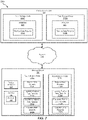
- system 200 includes a backup cluster 202 in communication with a production cluster 206 via a network 204.
- modules 102 from FIG. 1 will when executed by at least one processor of backup cluster 202, enable backup cluster 202 to perform a repairless backup of a database.
- Backup cluster 202 generally represents any type or form of computing device capable of reading computer-executable instructions.
- backup cluster 202 may include multiple server computers, that work and/or operate in conjunction with one another, representative of an instance of a NoSQL database management system. Additional examples of backup cluster 202 include, without limitation, storage servers, database servers, application servers, and/or web servers configured to run certain software applications and/or provide various storage, database, and/or web services.
- Production cluster 206 generally represent any type or form of computing device capable of reading computer-executable instructions.
- production cluster 206 may include multiple server computers, that work and/or operate in conjunction with one another, representative of a NoSQL database management system.
- Additional examples of production cluster 206 may include, without limitation, storage servers, database servers, application servers, and/or web servers configured to run certain software applications and/or provide various storage, database, and/or web services.
- Network 204 generally represents any medium or architecture capable of facilitating communication or data transfer.
- network 204 may facilitate communication between backup cluster 202 and production cluster 206.
- network 204 may facilitate communication or data transfer using wireless and/or wired connections.
- Examples of network 204 include, without limitation, an intranet, a Wide Area Network (WAN), a Local Area Network (LAN), a Personal Area Network (PAN), the Internet, Power Line Communications (PLC), a cellular network (e.g., a Global System for Mobile Communications (GSM) network), portions of one or more of the same, variations or combinations of one or more of the same, or any other suitable network.
- WAN Wide Area Network
- LAN Local Area Network
- PAN Personal Area Network
- PLC Power Line Communications
- GSM Global System for Mobile Communications
- Backup cluster 202 includes a plurality of reconciliation nodes, such as reconciliation nodes 122A and 122N. Each of reconciliation nodes 122A and 122N further includes replica data records 226A and 226N, updated replica data records 228A and 228N, discarded replica data records 230A and 230N, and updated data records 232A and 232N, respectively.
- Production cluster 206 includes a plurality of data storage nodes, such as data storage nodes 222A and 222N. Each of data storage nodes 222A and 222N include copies of a database 224. Each of the copies of database 224 stored on data storage nodes 222A and 222N includes replica data records 226A and 226N, respectively.
- FIG. 1 Many other devices or subsystems may be connected to system 100 in FIG. 1 and/or system 200 in FIG. 2 . Conversely, all of the components and devices illustrated in FIGS. 1 and 2 need not be present to practice the embodiments described and/or illustrated herein.
- the devices and subsystems referenced above may also be interconnected in different ways from that shown in FIG. 2 .
- Systems 100 and 200 may also employ any number of software, firmware, and/or hardware configurations.
- one or more of the example embodiments disclosed herein may be encoded as a computer program (also referred to as computer software, software applications, computer-readable instructions, and/or computer control logic) on a computer-readable medium.
- computer-readable medium generally refers to any form of device, carrier, or medium capable of storing or carrying computer-readable instructions.
- Examples of computer-readable media include, without limitation, transmission-type media, such as carrier waves, and non-transitory-type media, such as magnetic-storage media (e.g., hard disk drives, tape drives, and floppy disks), optical-storage media (e.g., Compact Disks (CDs), Digital Video Disks (DVDs), and BLU-RAY disks), electronic-storage media (e.g., solid-state drives and flash media), and other distribution systems.
- transmission-type media such as carrier waves
- non-transitory-type media such as magnetic-storage media (e.g., hard disk drives, tape drives, and floppy disks), optical-storage media (e.g., Compact Disks (CDs), Digital Video Disks (DVDs), and BLU-RAY disks), electronic-storage media (e.g., solid-state drives and flash media),
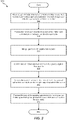
- FIG. 3 is a flow diagram of an example computer-implemented method 300 for performing a database backup for repairless restore.
- the steps shown in FIG. 3 may be performed by any suitable computer-executable code and/or computing system, including system 100 in FIG. 1 , system 200 in FIG. 2 , and/or variations or combinations of one or more of the same.
- each of the steps shown in FIG. 3 may represent an algorithm whose structure includes and/or is represented by multiple sub-steps, examples of which will be provided in greater detail below.
- one or more of the systems described herein receive, during a database backup operation by a reconciliation node in a backup cluster, replica data records representing copies of a database from each of a plurality of data storage nodes in a production cluster, such that all replicas of a single key are received by a single one node.
- receiving module 104 may, as part of backup cluster 222 in FIG. 2 , receive replica data records 226A from data storage node 222A (in production node 206) on reconciliation node 122A and receive replica data records 226N from data storage node 222N (in production node 206) on reconciliation node 122N.
- replica data records 226A and 226N share a database key on each of data storage nodes 222A and 222N.
- Receiving module 104 receives replica data records 226A and 226N during a backup operation for backing up database 224 from data storage nodes 222A and 222N on production cluster 206.
- a plurality of the systems described herein process, on the backup cluster, the replica data records in parallel without inter-node communication between the data storage nodes on the production cluster.
- processing module 106 will, as part of backup cluster 202, process replica data records 226A and 226N without communicating with data storage nodes 122A and 122N on production cluster 206.
- Processing module 106 will process replica data records 226A and 226N locally within reconciliation nodes 122A and 122N in backup cluster 202.
- a plurality of the systems described herein will merge, on the backup cluster, updates to the replica data records.
- merging module 108 will as part of backup cluster 202, merge updates to replica data records 226A and 226N to create updated replica data records 228A and 228N on reconciliation nodes 122A and 122N.
- Merging module 108 may merge updates to replica data records 226A and 226N in a variety of ways.
- merging module 108 may merge updates made to one or more data columns in replica data records 226A and 226N over multiple time periods.
- merging module 108 may communicate with production cluster 206 and perform a record synthesis operation that merges updates to different columns at different times to re-create a complete data record for replica data records 226A and 226N.
- the re-created data record may be represented by updated replica data records 228A and 228N.
- identifying module 110 will as part of backup cluster 202, identify stale or redundant data records in updated replica data records 228A and 228N.
- Identifying module 110 may identify stale or redundant data records in a variety of ways. In some examples, identifying module 110 may identify stale data or redundant records based on a timestamp associated with data records in updated replica data records 228A and/or 228N after the merge operation has been performed at step 306. In one example, identical data records having different timestamps may be identified with the older data records being marked as stale. In another example, multiple identical data records having the same timestamp may be identified with all but one of the data records being marked as redundant.
- a plurality of the systems described herein will discard, on the backup cluster, the stale or redundant data records identified at step 308.
- discarding module 112 will as part of backup cluster 202, discard stale or redundant data records (e.g., discarded replica data records 230A and 230N) from updated replica data records 228A and 228N.
- Discarding module 112 may discard stale or redundant data records in a variety of ways. In one example, discarding module 112 may delete discarded replica data records 230A and 230N identified as stale and/or redundant.
- updated data records 232A and 232N may be created on each of reconciliation nodes 122A and 122N.
- updated data records 232A and 232N may represent a re-creation of database 224 on production cluster 206.
- a plurality of the systems described herein will restore, from the backup cluster, the copy of the updated data records to the production cluster by replicating the updated data records to each of the data storage nodes on the production cluster.
- restoring module 114 will, as part of backup cluster 202, replicate updated data records 232A and 232N back to data storage nodes 222A and 222N on production cluster 206, as part of a restore operation following a backup of database 224.
- Restoring module 114 may replicate updated data records 232A and 232N back to data storage nodes 222A and 222N on production cluster 206 in a variety of ways.
- restoring module 114 may copy updated data records 232A and 232N to data storage nodes 222A and 222N, respectively, from reconciliation nodes 122A and 122N on backup cluster 202.
- each of the updated data records 232A and 232N is consistent across all replicas on production cluster 206 (e.g., the restoring operation is repairless).
- production cluster 206 is no longer required to reconcile all data records and replica data records in a database to make them consistent following a database restore operation.
- FIG. 4 is a data flow diagram 400 for an example system for performing a database backup for repairless restore.
- a production cluster e.g., production cluster 206 of FIG. 2
- a backup cluster e.g., backup cluster 202 of FIG. 2
- reconciliation node 122A receives replica data records from each of data storage nodes 210A-210N and reconciliation node 122N also receives replica data records from each of data storage nodes 210A-210N.
- data records on each of data storage nodes 210A-210-N in the production cluster are associated with same keys and transferred to a single reconciliation node (e.g., reconciliation node 122A and/or reconciliation node 122N) in the backup cluster.
- reconciliation node 122A and/or reconciliation node 122N data reconciliation occurs in parallel within each of reconciliation nodes 122A and/or reconciliation node 122N without any internode communication.
- reconciliation nodes 122A and 122N may also perform record synthesis by while iterating over the data records by merging the columns of the same key from different database tables (e.g., sorted string (SS) tables).
- reconciliation nodes 122A and 122N may also perform data deduplication by identifying and removing stale and duplicate data records (e.g., replica data).
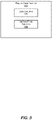
- FIG. 5 is a block diagram of replica data records used in an example system for performing a database backup for repairless restore.
- replica data records 524 may include data columns 526 and updated data columns 528.
- data columns 526 may be updated by merging module 108 of FIG. 2 to create updated data columns 528.
- merging module 108 may merge updates made to data columns 526 on production cluster 206 over multiple time periods.
- the multiple time periods may be identified by timestamps associated with each of the data columns 526 in replica data records 524 stored on one or more data storage nodes 222A and/or 222N in production cluster 206 shown in FIG. 2 .
- an instance of a NoSQL database management system cluster may be utilized to perform reconciliation of data on storage nodes in the backup cluster during a database backup.
- a NoSQL database management system cluster may be utilized to perform reconciliation of data on storage nodes in the backup cluster during a database backup.
- Different replica data from multiple nodes in a NoSQL database production cluster is brought to the same node in the backup cluster. Therefore, during reconciliation, the backup cluster processes all data locally within nodes in the backup cluster.
- database data may be processed in parallel on the backup cluster without inter-node communication.
- the backup cluster may also perform database record synthesis to merge updates to different columns of database data at different times such that a complete record of the database is re-created. After performing the data record synthesis, the backup cluster is then able to identify stale or redundant replica data records and discard these replicas.
- the backup cluster may be able to generate a single consistent copy of a database, for restoring back to a production cluster for replication in a NoSQL database management system, without the database management system having to undergo a time consuming repair process to reconcile the database records for consistency, thereby potentially resulting in faster restore operations from a backup.
- example system 100 in FIG. 1 may represent portions of a cloud-computing or network-based environment.
- Cloud-computing environments may provide various services and applications via the Internet. These cloud-based services (e.g., software as a service, platform as a service, infrastructure as a service, etc.) may be accessible through a web browser or other remote interface.
- Various functions described herein may be provided through a remote desktop environment or any other cloud-based computing environment.
- all or a portion of example system 100 in FIG. 1 may facilitate multi-tenancy within a cloud-based computing environment.
- the modules described herein may configure a computing system (e.g., a server) to facilitate multi-tenancy for one or more of the functions described herein.
- a computing system e.g., a server
- one or more of the modules described herein may program a server to enable two or more clients (e.g., customers) to share an application that is running on the server.
- clients e.g., customers
- a server programmed in this manner may share an application, operating system, processing system, and/or storage system among multiple customers (i.e., tenants).
- tenants i.e., customers
- One or more of the modules described herein may also partition data and/or configuration information of a multi-tenant application for each customer such that one customer cannot access data and/or configuration information of another customer.
- example system 100 in FIG. 1 may be implemented within a virtual environment.
- the modules and/or data described herein may reside and/or execute within a virtual machine.
- virtual machine generally refers to any operating system environment that is abstracted from computing hardware by a virtual machine manager (e.g., a hypervisor).
- example system 100 in FIG. 1 may represent portions of a mobile computing environment.
- Mobile computing environments may be implemented by a wide range of mobile computing devices, including mobile phones, tablet computers, e-book readers, personal digital assistants, wearable computing devices (e.g., computing devices with a head-mounted display, smartwatches, etc.), variations or combinations of one or more of the same, or any other suitable mobile computing devices.
- mobile computing environments may have one or more distinct features, including, for example, reliance on battery power, presenting only one foreground application at any given time, remote management features, touchscreen features, location and movement data (e.g., provided by Global Positioning Systems, gyroscopes, accelerometers, etc.), restricted platforms that restrict modifications to system-level configurations and/or that limit the ability of third-party software to inspect the behavior of other applications, controls to restrict the installation of applications (e.g., to only originate from approved application stores), etc.
- Various functions described herein may be provided for a mobile computing environment and/or may interact with a mobile computing environment.
- the embodiments disclosed herein may also be implemented using modules that perform certain tasks. These modules may include script, batch, or other executable files that may be stored on a computer- readable storage medium or in a computing system. In some embodiments, these modules may configure a computing system to perform one or more of the example embodiments disclosed herein.
Landscapes
- Engineering & Computer Science (AREA)
- Theoretical Computer Science (AREA)
- Physics & Mathematics (AREA)
- General Engineering & Computer Science (AREA)
- General Physics & Mathematics (AREA)
- Quality & Reliability (AREA)
- Databases & Information Systems (AREA)
- Data Mining & Analysis (AREA)
- Computer Security & Cryptography (AREA)
- Computing Systems (AREA)
- Information Retrieval, Db Structures And Fs Structures Therefor (AREA)
Claims (15)
- Computerimplementiertes Verfahren zum Durchführen einer Datenbanksicherung für reparaturfreie Wiederherstellung, wobei mindestens ein Teil des Verfahrens durch eine Berechnungsvorrichtung durchgeführt wird, die mindestens einen Prozessor umfasst, das Verfahren umfassend:Empfangen, während eines Datenbanksicherungsbetriebs durch einen Abstimmungsknoten (122) in einem Sicherungscluster (202), von Replikat-Datenaufzeichnungen (226), die replizierte Exemplare von Datenaufzeichnungen einer Datenbank (224) repräsentieren,von einer Vielzahl von Datenspeicherknoten (222) in einem Produktionscluster (206) derart, dass alle Replikat-Datenaufzeichnungen (226) eines ersten Datenbankschlüssels der Datenbank (224) durch einen ersten Abstimmungsknoten (122) empfangen werden, undderart, dass alle Replikat-Datenaufzeichnungen (226) eines zweiten Datenbankschlüssels der Datenbank (224) durch einen zweiten Abstimmungsknoten (122) empfangen werden, wobei der Produktionscluster (206) die Vielzahl von Datenspeicherknoten (222) umfasst, wobei jeder Datenspeicherknoten (222) ein Exemplar der Datenbank (224) umfasst, wobei der Sicherungscluster (202) eine Vielzahl von Abstimmungsknoten (122) umfasst;paralleles Verarbeiten der Replikat-Datenaufzeichnungen (226) über die Vielzahl von Abstimmungsknoten (122) ohne Interknotenkommunikation zwischen den Datenspeicherknoten;Zusammenführen von Aktualisierungen der Replikat-Datenaufzeichnungen (226);Identifizieren von veralteten oder redundanten Datenaufzeichnungen in den aktualisierten Replikat-Datenaufzeichnungen (228);Verwerfen der veralteten oder redundanten Datenaufzeichnungen aus den aktualisierten Replikat-Datenaufzeichnungen (228), um ein einzelnes Exemplar der aktualisierten Datenaufzeichnungen (232) zu erzeugen;
undWiederherstellen, durch den Sicherungscluster (202), des Exemplars der aktualisierten Datenaufzeichnungen (232) in dem Produktionscluster (206) durch Replizieren der aktualisierten Datenaufzeichnungen (232) zu jedem der Datenspeicherknoten (222), wobei jede der aktualisierten Datenaufzeichnungen (232) konsistent ist, wodurch eine anschließende Reparatur vermieden wird. - Verfahren nach Anspruch 1, wobei paralleles Verarbeiten der Replikat-Datenaufzeichnungen ohne Interknotenkommunikation zwischen den Datenspeicherknoten umfasst, die Replikat-Datenaufzeichnungen lokal in jedem einer Vielzahl der Abstimmungsknoten in dem Sicherungscluster zu verarbeiten.
- Verfahren nach Anspruch 1, wobei Zusammenführen von Aktualisierungen der Replikat-Datenaufzeichnungen umfasst, Aktualisierungen einer oder mehrerer Datenspalten in den Replikat-Datenaufzeichnungen, die über eine Vielzahl von Zeitperioden vorgenommen wurden, zusammenzuführen.
- Verfahren nach Anspruch 1, wobei die aktualisierten Datenaufzeichnungen eine Neuerstellung der Datenbank umfassen.
- Verfahren nach Anspruch 1, wobei sich die Replikat-Datenaufzeichnungen einen Datenbankschlüssel auf jedem der Datenspeicherknoten teilen.
- Verfahren nach Anspruch 1, wobei der Produktionscluster einen nicht relationalen Datenbankcluster umfasst.
- Verfahren nach Anspruch 6, wobei der Sicherungscluster eine Instanz des nicht relationalen Datenbankclusters umfasst.
- System zum Durchführen einer Datenbanksicherung für reparaturfreie Wiederherstellung, das System umfassend:Mittel zum Empfangen, die während eines Datenbanksicherungsbetriebs durch einen Abstimmungsknoten (122) in einem Sicherungscluster (202) Replikat-Datenaufzeichnungen (226), die replizierte Exemplare von Datenaufzeichnungen einer Datenbank (224) repräsentieren, von einer Vielzahl von Datenspeicherknoten (222) in einem Produktionscluster (206) derart empfangen, dass alle Replikat-Datenaufzeichnungen (226) eines ersten Datenbankschlüssels der Datenbank (224) durch einen ersten Abstimmungsknoten (122) empfangen werden, undderart, dass alle Replikat-Datenaufzeichnungen (226) eines zweiten Datenbankschlüssels der Datenbank (224) durch einen zweiten Abstimmungsknoten (122) empfangen werden, wobei der Produktionscluster (206) die Vielzahl von Datenspeicherknoten (222) umfasst, wobei jeder Datenspeicherknoten (222) ein Exemplar der Datenbank (224) umfasst, wobei der Sicherungscluster (202) eine Vielzahl von Abstimmungsknoten (122) umfasst;Mittel zum Verarbeiten, die die Replikat-Datenaufzeichnungen (226) über die Vielzahl von Abstimmungsknoten (122) ohne Interknotenkommunikation zwischen den Datenspeicherknoten parallel verarbeiten;Mittel zum Zusammenführen, die Aktualisierungen der Replikat-Datenaufzeichnungen (226) zusammenführen;Mittel zum Identifizieren, die veraltete oder redundante Datenaufzeichnungen in den aktualisierten Replikat-Datenaufzeichnungen (228) identifizieren;Mittel zum Verwerfen, die veraltete oder redundante Datenaufzeichnungen aus den aktualisierten Replikat-Datenaufzeichnungen (228) verwerfen, um ein einzelnes Exemplar der aktualisierten Datenaufzeichnungen (232) zu erzeugen;Mittel zum Wiederherstellen durch den Sicherungscluster (202), die das Exemplar der aktualisierten Datenaufzeichnungen (232) in dem Produktionscluster (206) durch Replizieren der aktualisierten Datenaufzeichnungen (232) zu jedem der Datenspeicherknoten (222) wiederherstellen, wobei jede der aktualisierten Datenaufzeichnungen (232) konsistent ist, wodurch eine anschließende Reparatur vermieden wird; undmindestens einen physikalischen Prozessor, konfiguriert zum Ausführen der Mittel zum Empfangen, der Mittel zum Verarbeiten, der Mittel zum Zusammenführen, der Mittel zum Identifizieren, der Mittel zum Verwerfen und der Mittel zum Wiederherstellen.
- System nach Anspruch 8, wobei die Mittel zum Verarbeiten die Replikat-Datenaufzeichnungen ohne Interknotenkommunikation zwischen den Datenspeicherknoten durch lokales Verarbeiten der Replikat-Datenaufzeichnungen in jedem einer Vielzahl der Abstimmungsknoten in dem Sicherungscluster parallel verarbeiten.
- System nach Anspruch 8, wobei die Mittel zum Zusammenführen Aktualisierungen der Replikat-Datenaufzeichnungen durch Zusammenführen von Aktualisierungen einer oder mehrerer Datenspalten in den Replikat-Datenaufzeichnungen, die über eine Vielzahl von Zeitperioden vorgenommen wurden, zusammenführen.
- System nach Anspruch 8, wobei die aktualisierten Datenaufzeichnungen eine Neuerstellung der Datenbank umfassen.
- System nach Anspruch 8, wobei sich die Replikat-Datenaufzeichnungen einen Datenbankschlüssel auf jedem der Datenspeicherknoten teilen.
- System nach Anspruch 8, wobei der Produktionscluster einen nicht relationalen Datenbankcluster umfasst.
- System nach Anspruch 13, wobei der Sicherungscluster eine Instanz des nicht relationalen Datenbankclusters umfasst.
- Computerlesbares Medium, das Anweisungen umfasst, die, wenn sie durch einen Computer ausgeführt werden, den Computer veranlassen, das Verfahren nach einem der Ansprüche 1 bis 7 auszuführen.
Applications Claiming Priority (2)
| Application Number | Priority Date | Filing Date | Title |
|---|---|---|---|
| US15/905,855 US10884876B2 (en) | 2018-02-27 | 2018-02-27 | Systems and methods for performing a database backup for repairless restore |
| PCT/US2019/019624 WO2019168859A2 (en) | 2018-02-27 | 2019-02-26 | Systems and methods for performing a database backup for repairless restore |
Publications (2)
| Publication Number | Publication Date |
|---|---|
| EP3759604A2 EP3759604A2 (de) | 2021-01-06 |
| EP3759604B1 true EP3759604B1 (de) | 2022-07-06 |
Family
ID=65724578
Family Applications (1)
| Application Number | Title | Priority Date | Filing Date |
|---|---|---|---|
| EP19710260.1A Active EP3759604B1 (de) | 2018-02-27 | 2019-02-26 | Systeme und verfahren zur durchführung einer datenbanksicherung zur reparaturlosen wiederherstellung |
Country Status (5)
| Country | Link |
|---|---|
| US (1) | US10884876B2 (de) |
| EP (1) | EP3759604B1 (de) |
| JP (1) | JP2021513168A (de) |
| CN (1) | CN111656326B (de) |
| WO (1) | WO2019168859A2 (de) |
Families Citing this family (13)
| Publication number | Priority date | Publication date | Assignee | Title |
|---|---|---|---|---|
| US10884876B2 (en) | 2018-02-27 | 2021-01-05 | Veritas Technologies Llc | Systems and methods for performing a database backup for repairless restore |
| US10866864B2 (en) * | 2018-03-23 | 2020-12-15 | Veritas Technologies Llc | Systems and methods for backing-up an eventually-consistent database in a production cluster |
| US11132225B2 (en) * | 2019-03-29 | 2021-09-28 | Innoplexus Ag | System and method for management of processing task across plurality of processors |
| CN110704245B (zh) * | 2019-09-29 | 2023-02-24 | 苏州浪潮智能科技有限公司 | 一种服务集群实现方法、装置、设备及可读存储介质 |
| CN110716984B (zh) * | 2019-10-10 | 2023-06-20 | 北京字节跳动网络技术有限公司 | 数据处理方法、装置、电子设备及存储介质 |
| CN111078676A (zh) * | 2019-10-14 | 2020-04-28 | 梁剑 | 一种基于数据分析的智能机器人的纠错逻辑判断系统 |
| US11372818B2 (en) * | 2020-01-07 | 2022-06-28 | Samsung Electronics Co., Ltd. | Scaling performance for large scale replica sets for a strongly consistent distributed system |
| CN111581185B (zh) * | 2020-05-12 | 2022-04-15 | 四川大学 | 基于规则的数据相对时效修复与异常检测方法 |
| CN111858628B (zh) | 2020-06-30 | 2024-08-27 | 北京百度网讯科技有限公司 | 基于数据库的管理方法、平台、电子设备及存储介质 |
| US11513914B2 (en) * | 2020-06-30 | 2022-11-29 | Nutanix, Inc. | Computing an unbroken snapshot sequence |
| CN112150102A (zh) * | 2020-08-28 | 2020-12-29 | 北京来也网络科技有限公司 | 结合rpa和ai的智能电网信息系统台帐更新方法和装置 |
| US20240028488A1 (en) * | 2021-09-15 | 2024-01-25 | Trilio Data, Inc. | Application data protection method and system |
| CN120523654B (zh) * | 2025-07-25 | 2025-09-30 | 航天壹进制(江苏)信息科技有限公司 | 一种多副本抗毁备份介质池的实现方法、系统、装置及介质 |
Family Cites Families (32)
| Publication number | Priority date | Publication date | Assignee | Title |
|---|---|---|---|---|
| US6014669A (en) * | 1997-10-01 | 2000-01-11 | Sun Microsystems, Inc. | Highly-available distributed cluster configuration database |
| US7596570B1 (en) * | 2003-11-04 | 2009-09-29 | Emigh Aaron T | Data sharing |
| US7536424B2 (en) * | 2004-05-02 | 2009-05-19 | Yoram Barzilai | System and methods for efficiently managing incremental data backup revisions |
| US20080147821A1 (en) * | 2006-12-19 | 2008-06-19 | Dietrich Bradley W | Managed peer-to-peer content backup service system and method using dynamic content dispersal to plural storage nodes |
| JP5000457B2 (ja) * | 2007-10-31 | 2012-08-15 | 株式会社日立製作所 | ファイル共有システム及びファイル共有方法 |
| US8055668B2 (en) * | 2008-02-13 | 2011-11-08 | Camouflage Software, Inc. | Method and system for masking data in a consistent manner across multiple data sources |
| US20100145807A1 (en) * | 2008-12-05 | 2010-06-10 | Kobres Erick C | Device for management of personal data |
| US8983952B1 (en) * | 2010-07-29 | 2015-03-17 | Symantec Corporation | System and method for partitioning backup data streams in a deduplication based storage system |
| US10430298B2 (en) * | 2010-10-28 | 2019-10-01 | Microsoft Technology Licensing, Llc | Versatile in-memory database recovery using logical log records |
| CN102024022B (zh) * | 2010-11-04 | 2013-08-28 | 曙光信息产业(北京)有限公司 | 一种分布式文件系统复制元数据的方法 |
| US8438185B2 (en) * | 2010-11-17 | 2013-05-07 | Hitachi, Ltd. | File storage apparatus and access control method |
| US8554762B1 (en) | 2010-12-28 | 2013-10-08 | Amazon Technologies, Inc. | Data replication framework |
| US8478726B2 (en) * | 2011-03-03 | 2013-07-02 | Microsoft Corporation | Parallel database backup and restore |
| US8671085B2 (en) * | 2011-12-09 | 2014-03-11 | Microsoft Corporation | Consistent database recovery across constituent segments |
| JP2013178685A (ja) * | 2012-02-29 | 2013-09-09 | Nec Corp | 非同期バックアップ機能を有するデータ処理システム、フロントシステム、バックアップ方法、及びそのためのプログラム |
| GB2502768A (en) * | 2012-04-12 | 2013-12-11 | Qatar Foundation | Correcting database errors |
| US9449038B2 (en) * | 2012-11-26 | 2016-09-20 | Amazon Technologies, Inc. | Streaming restore of a database from a backup system |
| US10025673B1 (en) * | 2013-09-20 | 2018-07-17 | Amazon Technologies, Inc. | Restoring partitioned database tables from backup |
| US9632878B1 (en) * | 2013-09-20 | 2017-04-25 | Amazon Technologies, Inc. | Verification of database table partitions during backup |
| US9633051B1 (en) * | 2013-09-20 | 2017-04-25 | Amazon Technologies, Inc. | Backup of partitioned database tables |
| US9535856B2 (en) * | 2014-02-21 | 2017-01-03 | International Business Machines Corporation | Data access to a storage tier on a client in a multi-tiered storage system |
| US10255304B2 (en) * | 2014-09-30 | 2019-04-09 | International Business Machines Corporation | Removal of garbage data from a database |
| US9792454B2 (en) * | 2015-01-16 | 2017-10-17 | Protegrity Corporation | Record level data security |
| US10042626B2 (en) * | 2015-06-29 | 2018-08-07 | Verizon Patent And Licensing Inc. | Software updates using client self-reporting and a hierarchical data structure |
| US20170262345A1 (en) * | 2016-03-12 | 2017-09-14 | Jenlong Wang | Backup, Archive and Disaster Recovery Solution with Distributed Storage over Multiple Clouds |
| US10417098B2 (en) * | 2016-06-28 | 2019-09-17 | International Business Machines Corporation | File level access to block level incremental backups of a virtual disk |
| US10585760B2 (en) * | 2016-10-19 | 2020-03-10 | International Business Machines Corporation | File name level based file search and restoration from block level backups of virtual machines |
| US10235244B2 (en) * | 2016-10-19 | 2019-03-19 | International Business Machines Corporation | Block level backup of virtual machines for file name level based file search and restoration |
| US10496498B1 (en) * | 2017-03-31 | 2019-12-03 | Levyx, Inc. | Systems and methods for rapid recovery from failure in distributed systems based on zoning pairs |
| US10613944B2 (en) * | 2017-04-18 | 2020-04-07 | Netapp, Inc. | Systems and methods for backup and restore of distributed master-slave database clusters |
| US10984134B2 (en) * | 2017-07-14 | 2021-04-20 | Microsoft Technology Licensing, Llc | Blockchain system for leveraging member nodes to achieve consensus |
| US10884876B2 (en) | 2018-02-27 | 2021-01-05 | Veritas Technologies Llc | Systems and methods for performing a database backup for repairless restore |
-
2018
- 2018-02-27 US US15/905,855 patent/US10884876B2/en active Active
-
2019
- 2019-02-26 EP EP19710260.1A patent/EP3759604B1/de active Active
- 2019-02-26 CN CN201980010602.6A patent/CN111656326B/zh active Active
- 2019-02-26 WO PCT/US2019/019624 patent/WO2019168859A2/en not_active Ceased
- 2019-02-26 JP JP2020543028A patent/JP2021513168A/ja not_active Ceased
Also Published As
| Publication number | Publication date |
|---|---|
| WO2019168859A3 (en) | 2019-12-19 |
| WO2019168859A2 (en) | 2019-09-06 |
| US20190266057A1 (en) | 2019-08-29 |
| EP3759604A2 (de) | 2021-01-06 |
| CN111656326A (zh) | 2020-09-11 |
| CN111656326B (zh) | 2023-08-08 |
| US10884876B2 (en) | 2021-01-05 |
| JP2021513168A (ja) | 2021-05-20 |
Similar Documents
| Publication | Publication Date | Title |
|---|---|---|
| EP3759604B1 (de) | Systeme und verfahren zur durchführung einer datenbanksicherung zur reparaturlosen wiederherstellung | |
| US11609825B1 (en) | Systems and methods for backing-up an eventually-consistent database in a production cluster | |
| EP3529754B1 (de) | Systeme und verfahren zur wiederherstellung der fehlertoleranz während des trainings eines modells eines klassifikators unter verwendung eines verteilten systems | |
| US8874508B1 (en) | Systems and methods for enabling database disaster recovery using replicated volumes | |
| US8954401B2 (en) | Systems and methods for providing increased scalability in deduplication storage systems | |
| US9582524B1 (en) | Transformative migration of static data | |
| US8984325B2 (en) | Systems and methods for disaster recovery of multi-tier applications | |
| US8983899B1 (en) | Systems and methods for archiving files in distributed replication environments | |
| US11243777B2 (en) | Process stream replication for content management system synchronization | |
| EP3625683B1 (de) | Vorrichtung und verfahren für eine lastausgeglichene datensicherung | |
| US10664361B1 (en) | Transactionally consistent backup of partitioned storage | |
| US10210013B1 (en) | Systems and methods for making snapshots available | |
| US9110965B1 (en) | Systems and methods for disaster recovery from binary large objects | |
| US11829250B2 (en) | Systems and methods for efficiently backing up large datasets | |
| US9836515B1 (en) | Systems and methods for adding active volumes to existing replication configurations | |
| US20250298697A1 (en) | Backup techniques for non-relational metadata | |
| Wang et al. | Design and realization of database online migration | |
| CN110413447A (zh) | 一种大数据集群复位重装方法及系统 |
Legal Events
| Date | Code | Title | Description |
|---|---|---|---|
| STAA | Information on the status of an ep patent application or granted ep patent |
Free format text: STATUS: UNKNOWN |
|
| STAA | Information on the status of an ep patent application or granted ep patent |
Free format text: STATUS: THE INTERNATIONAL PUBLICATION HAS BEEN MADE |
|
| PUAI | Public reference made under article 153(3) epc to a published international application that has entered the european phase |
Free format text: ORIGINAL CODE: 0009012 |
|
| STAA | Information on the status of an ep patent application or granted ep patent |
Free format text: STATUS: REQUEST FOR EXAMINATION WAS MADE |
|
| 17P | Request for examination filed |
Effective date: 20200918 |
|
| AK | Designated contracting states |
Kind code of ref document: A2 Designated state(s): AL AT BE BG CH CY CZ DE DK EE ES FI FR GB GR HR HU IE IS IT LI LT LU LV MC MK MT NL NO PL PT RO RS SE SI SK SM TR |
|
| AX | Request for extension of the european patent |
Extension state: BA ME |
|
| DAV | Request for validation of the european patent (deleted) | ||
| DAX | Request for extension of the european patent (deleted) | ||
| GRAP | Despatch of communication of intention to grant a patent |
Free format text: ORIGINAL CODE: EPIDOSNIGR1 |
|
| STAA | Information on the status of an ep patent application or granted ep patent |
Free format text: STATUS: GRANT OF PATENT IS INTENDED |
|
| INTG | Intention to grant announced |
Effective date: 20220202 |
|
| GRAS | Grant fee paid |
Free format text: ORIGINAL CODE: EPIDOSNIGR3 |
|
| GRAA | (expected) grant |
Free format text: ORIGINAL CODE: 0009210 |
|
| STAA | Information on the status of an ep patent application or granted ep patent |
Free format text: STATUS: THE PATENT HAS BEEN GRANTED |
|
| AK | Designated contracting states |
Kind code of ref document: B1 Designated state(s): AL AT BE BG CH CY CZ DE DK EE ES FI FR GB GR HR HU IE IS IT LI LT LU LV MC MK MT NL NO PL PT RO RS SE SI SK SM TR |
|
| REG | Reference to a national code |
Ref country code: AT Ref legal event code: REF Ref document number: 1503348 Country of ref document: AT Kind code of ref document: T Effective date: 20220715 Ref country code: CH Ref legal event code: EP |
|
| REG | Reference to a national code |
Ref country code: DE Ref legal event code: R096 Ref document number: 602019016678 Country of ref document: DE |
|
| REG | Reference to a national code |
Ref country code: IE Ref legal event code: FG4D |
|
| REG | Reference to a national code |
Ref country code: LT Ref legal event code: MG9D |
|
| REG | Reference to a national code |
Ref country code: NL Ref legal event code: MP Effective date: 20220706 |
|
| PG25 | Lapsed in a contracting state [announced via postgrant information from national office to epo] |
Ref country code: SE Free format text: LAPSE BECAUSE OF FAILURE TO SUBMIT A TRANSLATION OF THE DESCRIPTION OR TO PAY THE FEE WITHIN THE PRESCRIBED TIME-LIMIT Effective date: 20220706 Ref country code: RS Free format text: LAPSE BECAUSE OF FAILURE TO SUBMIT A TRANSLATION OF THE DESCRIPTION OR TO PAY THE FEE WITHIN THE PRESCRIBED TIME-LIMIT Effective date: 20220706 Ref country code: PT Free format text: LAPSE BECAUSE OF FAILURE TO SUBMIT A TRANSLATION OF THE DESCRIPTION OR TO PAY THE FEE WITHIN THE PRESCRIBED TIME-LIMIT Effective date: 20221107 Ref country code: NO Free format text: LAPSE BECAUSE OF FAILURE TO SUBMIT A TRANSLATION OF THE DESCRIPTION OR TO PAY THE FEE WITHIN THE PRESCRIBED TIME-LIMIT Effective date: 20221006 Ref country code: NL Free format text: LAPSE BECAUSE OF FAILURE TO SUBMIT A TRANSLATION OF THE DESCRIPTION OR TO PAY THE FEE WITHIN THE PRESCRIBED TIME-LIMIT Effective date: 20220706 Ref country code: LV Free format text: LAPSE BECAUSE OF FAILURE TO SUBMIT A TRANSLATION OF THE DESCRIPTION OR TO PAY THE FEE WITHIN THE PRESCRIBED TIME-LIMIT Effective date: 20220706 Ref country code: LT Free format text: LAPSE BECAUSE OF FAILURE TO SUBMIT A TRANSLATION OF THE DESCRIPTION OR TO PAY THE FEE WITHIN THE PRESCRIBED TIME-LIMIT Effective date: 20220706 Ref country code: FI Free format text: LAPSE BECAUSE OF FAILURE TO SUBMIT A TRANSLATION OF THE DESCRIPTION OR TO PAY THE FEE WITHIN THE PRESCRIBED TIME-LIMIT Effective date: 20220706 Ref country code: ES Free format text: LAPSE BECAUSE OF FAILURE TO SUBMIT A TRANSLATION OF THE DESCRIPTION OR TO PAY THE FEE WITHIN THE PRESCRIBED TIME-LIMIT Effective date: 20220706 |
|
| REG | Reference to a national code |
Ref country code: AT Ref legal event code: MK05 Ref document number: 1503348 Country of ref document: AT Kind code of ref document: T Effective date: 20220706 |
|
| PG25 | Lapsed in a contracting state [announced via postgrant information from national office to epo] |
Ref country code: PL Free format text: LAPSE BECAUSE OF FAILURE TO SUBMIT A TRANSLATION OF THE DESCRIPTION OR TO PAY THE FEE WITHIN THE PRESCRIBED TIME-LIMIT Effective date: 20220706 Ref country code: IS Free format text: LAPSE BECAUSE OF FAILURE TO SUBMIT A TRANSLATION OF THE DESCRIPTION OR TO PAY THE FEE WITHIN THE PRESCRIBED TIME-LIMIT Effective date: 20221106 Ref country code: HR Free format text: LAPSE BECAUSE OF FAILURE TO SUBMIT A TRANSLATION OF THE DESCRIPTION OR TO PAY THE FEE WITHIN THE PRESCRIBED TIME-LIMIT Effective date: 20220706 Ref country code: GR Free format text: LAPSE BECAUSE OF FAILURE TO SUBMIT A TRANSLATION OF THE DESCRIPTION OR TO PAY THE FEE WITHIN THE PRESCRIBED TIME-LIMIT Effective date: 20221007 |
|
| REG | Reference to a national code |
Ref country code: DE Ref legal event code: R097 Ref document number: 602019016678 Country of ref document: DE |
|
| PG25 | Lapsed in a contracting state [announced via postgrant information from national office to epo] |
Ref country code: SM Free format text: LAPSE BECAUSE OF FAILURE TO SUBMIT A TRANSLATION OF THE DESCRIPTION OR TO PAY THE FEE WITHIN THE PRESCRIBED TIME-LIMIT Effective date: 20220706 Ref country code: RO Free format text: LAPSE BECAUSE OF FAILURE TO SUBMIT A TRANSLATION OF THE DESCRIPTION OR TO PAY THE FEE WITHIN THE PRESCRIBED TIME-LIMIT Effective date: 20220706 Ref country code: DK Free format text: LAPSE BECAUSE OF FAILURE TO SUBMIT A TRANSLATION OF THE DESCRIPTION OR TO PAY THE FEE WITHIN THE PRESCRIBED TIME-LIMIT Effective date: 20220706 Ref country code: CZ Free format text: LAPSE BECAUSE OF FAILURE TO SUBMIT A TRANSLATION OF THE DESCRIPTION OR TO PAY THE FEE WITHIN THE PRESCRIBED TIME-LIMIT Effective date: 20220706 Ref country code: AT Free format text: LAPSE BECAUSE OF FAILURE TO SUBMIT A TRANSLATION OF THE DESCRIPTION OR TO PAY THE FEE WITHIN THE PRESCRIBED TIME-LIMIT Effective date: 20220706 |
|
| PLBE | No opposition filed within time limit |
Free format text: ORIGINAL CODE: 0009261 |
|
| STAA | Information on the status of an ep patent application or granted ep patent |
Free format text: STATUS: NO OPPOSITION FILED WITHIN TIME LIMIT |
|
| PG25 | Lapsed in a contracting state [announced via postgrant information from national office to epo] |
Ref country code: SK Free format text: LAPSE BECAUSE OF FAILURE TO SUBMIT A TRANSLATION OF THE DESCRIPTION OR TO PAY THE FEE WITHIN THE PRESCRIBED TIME-LIMIT Effective date: 20220706 Ref country code: EE Free format text: LAPSE BECAUSE OF FAILURE TO SUBMIT A TRANSLATION OF THE DESCRIPTION OR TO PAY THE FEE WITHIN THE PRESCRIBED TIME-LIMIT Effective date: 20220706 |
|
| 26N | No opposition filed |
Effective date: 20230411 |
|
| P01 | Opt-out of the competence of the unified patent court (upc) registered |
Effective date: 20230523 |
|
| PG25 | Lapsed in a contracting state [announced via postgrant information from national office to epo] |
Ref country code: AL Free format text: LAPSE BECAUSE OF FAILURE TO SUBMIT A TRANSLATION OF THE DESCRIPTION OR TO PAY THE FEE WITHIN THE PRESCRIBED TIME-LIMIT Effective date: 20220706 |
|
| PG25 | Lapsed in a contracting state [announced via postgrant information from national office to epo] |
Ref country code: SI Free format text: LAPSE BECAUSE OF FAILURE TO SUBMIT A TRANSLATION OF THE DESCRIPTION OR TO PAY THE FEE WITHIN THE PRESCRIBED TIME-LIMIT Effective date: 20220706 |
|
| PG25 | Lapsed in a contracting state [announced via postgrant information from national office to epo] |
Ref country code: MC Free format text: LAPSE BECAUSE OF FAILURE TO SUBMIT A TRANSLATION OF THE DESCRIPTION OR TO PAY THE FEE WITHIN THE PRESCRIBED TIME-LIMIT Effective date: 20220706 |
|
| REG | Reference to a national code |
Ref country code: CH Ref legal event code: PL |
|
| REG | Reference to a national code |
Ref country code: BE Ref legal event code: MM Effective date: 20230228 |
|
| PG25 | Lapsed in a contracting state [announced via postgrant information from national office to epo] |
Ref country code: LU Free format text: LAPSE BECAUSE OF NON-PAYMENT OF DUE FEES Effective date: 20230226 Ref country code: LI Free format text: LAPSE BECAUSE OF NON-PAYMENT OF DUE FEES Effective date: 20230228 Ref country code: CH Free format text: LAPSE BECAUSE OF NON-PAYMENT OF DUE FEES Effective date: 20230228 |
|
| REG | Reference to a national code |
Ref country code: IE Ref legal event code: MM4A |
|
| PG25 | Lapsed in a contracting state [announced via postgrant information from national office to epo] |
Ref country code: IT Free format text: LAPSE BECAUSE OF FAILURE TO SUBMIT A TRANSLATION OF THE DESCRIPTION OR TO PAY THE FEE WITHIN THE PRESCRIBED TIME-LIMIT Effective date: 20220706 Ref country code: IE Free format text: LAPSE BECAUSE OF NON-PAYMENT OF DUE FEES Effective date: 20230226 |
|
| PG25 | Lapsed in a contracting state [announced via postgrant information from national office to epo] |
Ref country code: BE Free format text: LAPSE BECAUSE OF NON-PAYMENT OF DUE FEES Effective date: 20230228 |
|
| PG25 | Lapsed in a contracting state [announced via postgrant information from national office to epo] |
Ref country code: BG Free format text: LAPSE BECAUSE OF FAILURE TO SUBMIT A TRANSLATION OF THE DESCRIPTION OR TO PAY THE FEE WITHIN THE PRESCRIBED TIME-LIMIT Effective date: 20220706 |
|
| PG25 | Lapsed in a contracting state [announced via postgrant information from national office to epo] |
Ref country code: BG Free format text: LAPSE BECAUSE OF FAILURE TO SUBMIT A TRANSLATION OF THE DESCRIPTION OR TO PAY THE FEE WITHIN THE PRESCRIBED TIME-LIMIT Effective date: 20220706 |
|
| PGFP | Annual fee paid to national office [announced via postgrant information from national office to epo] |
Ref country code: DE Payment date: 20250122 Year of fee payment: 7 |
|
| PGFP | Annual fee paid to national office [announced via postgrant information from national office to epo] |
Ref country code: FR Payment date: 20250121 Year of fee payment: 7 |
|
| PGFP | Annual fee paid to national office [announced via postgrant information from national office to epo] |
Ref country code: GB Payment date: 20250123 Year of fee payment: 7 |
|
| PG25 | Lapsed in a contracting state [announced via postgrant information from national office to epo] |
Ref country code: CY Free format text: LAPSE BECAUSE OF FAILURE TO SUBMIT A TRANSLATION OF THE DESCRIPTION OR TO PAY THE FEE WITHIN THE PRESCRIBED TIME-LIMIT; INVALID AB INITIO Effective date: 20190226 |
|
| PG25 | Lapsed in a contracting state [announced via postgrant information from national office to epo] |
Ref country code: HU Free format text: LAPSE BECAUSE OF FAILURE TO SUBMIT A TRANSLATION OF THE DESCRIPTION OR TO PAY THE FEE WITHIN THE PRESCRIBED TIME-LIMIT; INVALID AB INITIO Effective date: 20190226 |
|
| PG25 | Lapsed in a contracting state [announced via postgrant information from national office to epo] |
Ref country code: TR Free format text: LAPSE BECAUSE OF FAILURE TO SUBMIT A TRANSLATION OF THE DESCRIPTION OR TO PAY THE FEE WITHIN THE PRESCRIBED TIME-LIMIT Effective date: 20220706 |