EP3752946B1 - Autorisierungsberechtigungen für produktionskonsole - Google Patents
Autorisierungsberechtigungen für produktionskonsole Download PDFInfo
- Publication number
- EP3752946B1 EP3752946B1 EP19753853.1A EP19753853A EP3752946B1 EP 3752946 B1 EP3752946 B1 EP 3752946B1 EP 19753853 A EP19753853 A EP 19753853A EP 3752946 B1 EP3752946 B1 EP 3752946B1
- Authority
- EP
- European Patent Office
- Prior art keywords
- firmware
- channel
- token
- access
- requestor
- Prior art date
- Legal status (The legal status is an assumption and is not a legal conclusion. Google has not performed a legal analysis and makes no representation as to the accuracy of the status listed.)
- Active
Links
Images



Classifications
-
- G—PHYSICS
- G06—COMPUTING OR CALCULATING; COUNTING
- G06F—ELECTRIC DIGITAL DATA PROCESSING
- G06F21/00—Security arrangements for protecting computers, components thereof, programs or data against unauthorised activity
- G06F21/70—Protecting specific internal or peripheral components, in which the protection of a component leads to protection of the entire computer
- G06F21/71—Protecting specific internal or peripheral components, in which the protection of a component leads to protection of the entire computer to assure secure computing or processing of information
-
- G—PHYSICS
- G06—COMPUTING OR CALCULATING; COUNTING
- G06F—ELECTRIC DIGITAL DATA PROCESSING
- G06F21/00—Security arrangements for protecting computers, components thereof, programs or data against unauthorised activity
- G06F21/30—Authentication, i.e. establishing the identity or authorisation of security principals
- G06F21/31—User authentication
- G06F21/33—User authentication using certificates
- G06F21/335—User authentication using certificates for accessing specific resources, e.g. using Kerberos tickets
-
- G—PHYSICS
- G06—COMPUTING OR CALCULATING; COUNTING
- G06F—ELECTRIC DIGITAL DATA PROCESSING
- G06F21/00—Security arrangements for protecting computers, components thereof, programs or data against unauthorised activity
- G06F21/30—Authentication, i.e. establishing the identity or authorisation of security principals
- G06F21/44—Program or device authentication
-
- G—PHYSICS
- G06—COMPUTING OR CALCULATING; COUNTING
- G06F—ELECTRIC DIGITAL DATA PROCESSING
- G06F21/00—Security arrangements for protecting computers, components thereof, programs or data against unauthorised activity
- G06F21/50—Monitoring users, programs or devices to maintain the integrity of platforms, e.g. of processors, firmware or operating systems
- G06F21/57—Certifying or maintaining trusted computer platforms, e.g. secure boots or power-downs, version controls, system software checks, secure updates or assessing vulnerabilities
- G06F21/572—Secure firmware programming, e.g. of basic input output system [BIOS]
-
- G—PHYSICS
- G06—COMPUTING OR CALCULATING; COUNTING
- G06F—ELECTRIC DIGITAL DATA PROCESSING
- G06F21/00—Security arrangements for protecting computers, components thereof, programs or data against unauthorised activity
- G06F21/60—Protecting data
- G06F21/62—Protecting access to data via a platform, e.g. using keys or access control rules
- G06F21/6218—Protecting access to data via a platform, e.g. using keys or access control rules to a system of files or objects, e.g. local or distributed file system or database
-
- G—PHYSICS
- G06—COMPUTING OR CALCULATING; COUNTING
- G06F—ELECTRIC DIGITAL DATA PROCESSING
- G06F21/00—Security arrangements for protecting computers, components thereof, programs or data against unauthorised activity
- G06F21/60—Protecting data
- G06F21/62—Protecting access to data via a platform, e.g. using keys or access control rules
- G06F21/629—Protecting access to data via a platform, e.g. using keys or access control rules to features or functions of an application
-
- G—PHYSICS
- G06—COMPUTING OR CALCULATING; COUNTING
- G06F—ELECTRIC DIGITAL DATA PROCESSING
- G06F8/00—Arrangements for software engineering
- G06F8/60—Software deployment
- G06F8/65—Updates
-
- H—ELECTRICITY
- H04—ELECTRIC COMMUNICATION TECHNIQUE
- H04L—TRANSMISSION OF DIGITAL INFORMATION, e.g. TELEGRAPHIC COMMUNICATION
- H04L63/00—Network architectures or network communication protocols for network security
- H04L63/08—Network architectures or network communication protocols for network security for authentication of entities
- H04L63/0807—Network architectures or network communication protocols for network security for authentication of entities using tickets, e.g. Kerberos
-
- H—ELECTRICITY
- H04—ELECTRIC COMMUNICATION TECHNIQUE
- H04L—TRANSMISSION OF DIGITAL INFORMATION, e.g. TELEGRAPHIC COMMUNICATION
- H04L9/00—Cryptographic mechanisms or cryptographic arrangements for secret or secure communications; Network security protocols
- H04L9/32—Cryptographic mechanisms or cryptographic arrangements for secret or secure communications; Network security protocols including means for verifying the identity or authority of a user of the system or for message authentication, e.g. authorization, entity authentication, data integrity or data verification, non-repudiation, key authentication or verification of credentials
- H04L9/321—Cryptographic mechanisms or cryptographic arrangements for secret or secure communications; Network security protocols including means for verifying the identity or authority of a user of the system or for message authentication, e.g. authorization, entity authentication, data integrity or data verification, non-repudiation, key authentication or verification of credentials involving a third party or a trusted authority
- H04L9/3213—Cryptographic mechanisms or cryptographic arrangements for secret or secure communications; Network security protocols including means for verifying the identity or authority of a user of the system or for message authentication, e.g. authorization, entity authentication, data integrity or data verification, non-repudiation, key authentication or verification of credentials involving a third party or a trusted authority using tickets or tokens, e.g. Kerberos
-
- G—PHYSICS
- G06—COMPUTING OR CALCULATING; COUNTING
- G06F—ELECTRIC DIGITAL DATA PROCESSING
- G06F21/00—Security arrangements for protecting computers, components thereof, programs or data against unauthorised activity
- G06F21/60—Protecting data
- G06F21/604—Tools and structures for managing or administering access control systems
-
- G—PHYSICS
- G06—COMPUTING OR CALCULATING; COUNTING
- G06F—ELECTRIC DIGITAL DATA PROCESSING
- G06F2221/00—Indexing scheme relating to security arrangements for protecting computers, components thereof, programs or data against unauthorised activity
- G06F2221/21—Indexing scheme relating to G06F21/00 and subgroups addressing additional information or applications relating to security arrangements for protecting computers, components thereof, programs or data against unauthorised activity
- G06F2221/2141—Access rights, e.g. capability lists, access control lists, access tables, access matrices
Definitions
- This disclosure is generally directed to managing access to firmware-locked functions in secure devices.
- engineers and manufacturers will sometimes manipulate or test production hardware and software to ensure that the hardware and software operate as intended.
- Engineers and manufacturers may interact with the production hardware in a state ready for consumers. For example, rather than interacting with a prototype of a computing device, engineers and manufacturers may interact with a production version of the computing device.
- technicians may interact with production hardware during the production process, such as, for example, during a quality assurance process.
- technicians may interact with production hardware to solve customer identified problems after a customer has indicated that the production hardware is broken.
- engineers may utilize production hardware and software to develop and/or test new software features or applications to be implemented on the production hardware.
- firmware access may be blocked entirely.
- production devices may block access to firmware or firmware features for security purposes, such as, for example, to prevent tampering, hacking, or reverse engineering.
- firmware or firmware features for security purposes, such as, for example, to prevent tampering, hacking, or reverse engineering.
- the proprietor of the production hardware may partner with other developers to develop features for the hardware. It is often difficult for proprietors to selectively grant and/or manage permissions for these partners once the production hardware has been secured and certain features have been locked by the firmware.
- JP2016009466A discloses an arrangement in which, corresponding to a registry request from an information processing device, an authentication approval server dynamically registers the information processing device as a part of a resource server under the authentication approval server.
- a client terminal which is approved by the authentication approval server accesses to the information processing device in a similar manner as accessing to the resource server under the authentication approval server.
- a resource device may generate and maintain master access tokens, which may be transmitted to a computing system.
- the computing system may receive, from a device of an owner of the resource device, data granting a client device limited access to the resource device in accordance with various access restrictions.
- the computing system may generate and provide to the client device a limited version of the master access token that specifies the access restrictions.
- the client device may present the local access token to the resource device over a direct wireless connection, and the resource device may verify the token and grant the requested access without communication with the computing system.
- US7665127B1 discloses a method and a system for allowing computer-executable applications to efficiently and securely obtain credentials required to access data from a protected Web service that utilizes an ID token.
- the ID token is associated with an IP address of a user's computer, and is validated before providing the credentials to the user's computer.
- US2015/121070A1 discloses an apparatus adapted to perform a secure firmware upgrade.
- the apparatus includes a first memory and a second memory.
- the first memory stores a private key for use in decrypting content and a unique identifier corresponding to the apparatus.
- the second memory includes a first version of firmware for the apparatus.
- the apparatus further includes a controller configured to perform an operation that includes receiving a first request to perform a firmware update operation for the apparatus.
- the operation also includes transmitting a second request for a second version of firmware to a remote server, the second request specifying the unique identifier corresponding to the apparatus.
- an encrypted firmware package is received from the remote server.
- the operation further includes decrypting the encrypted firmware package using the private key and installing the decrypted firmware package on the apparatus.
- a computer implemented method as specified in claim 1.
- the computer implemented method may optionally be as specified in any one of claims 2 to 6.
- a secure device may be a computing device that includes a firmware architecture.
- the secure device may range from a general purpose computer to application specific hardware or an application specific device.
- the secure device may be a mobile phone, a tablet computer, a laptop computer, a television, a streaming media device, a media player device, a gaming console, an Internet service device such as a router or modem, an Internet of Things (IoT) device, a clock, a wearable electronic device such as a smart watch, a printer, a scanner, and/or other devices that include firmware.
- the firmware for a secure device may be stored in non-volatile memory. A user without specific permissions may not be able to access or modify the firmware.
- the firmware restricts particular application functions of the secure device. While users may be able to utilize the secure device on a consumer level or application software level, general users may be unable to access firmware-locked functions of the secure device.
- a manufacturer of the secure device may have disabled functions of the secure device when producing the secure device. Disabling these function may prevent consumers from tampering with, hacking, and/or reverse engineering the secure device.
- manufacturers may utilize the firmware to enable and/or disable specific functions of the secure device.
- proprietors of the secure device may wish to grant access to certain firmware-locked functions. For example, proprietors may wish to allow technicians to access fault information stored in flash memory to debug problems or errors associated with the secure device. Similarly, proprietors may wish to allow technicians to manipulate low level hardware functions of the secure device for debugging problems, testing for quality assurance purposes, and/or for developing new functions for the secure device.
- proprietors may permit technicians to update firmware software and/or application software stored in the secure device.
- proprietors may also wish to allow certain partner individuals to access these firmware-locked functions. For example, if a third party is developing a software application for the secure device, the proprietor may permit the third party to utilize firmware-locked functions for testing purposes. In an embodiment, the proprietor may deliver the physical secure device to the third party. In an embodiment, the secure device may be a consumer-level device that includes firmware-locked functions. While the proprietor may allow the third party to access some of the firmware-locked functions, the proprietor may wish to prevent the third party from accessing others. For example, the third party may be developing an application that utilizes a microphone and/or voice recording functions of the secure device. Based on this knowledge, the proprietor may allow utilization of the microphone without granting permission to utilize a camera located on the secure device. In an embodiment, the firmware of the secure device may restrict the usage of the microphone to a particular usage while the third party may wish to utilize the microphone in a different manner. In an embodiment, the third party may wish to install new software updates on the secure device.
- the secure device may execute a process to allow a technician and/or a third party to access the firmware-locked functions of a secure device. Even if the secure device has been finalized for production on a consumer level, a technician and/or third party may be able to access the firmware-locked functions.
- the secure system may utilize authorization tokens and corresponding identification information stored in the firmware of the secure device. By utilizing an authorization token, the secure system is able to ensure that specific individuals and/or systems are able to access the firmware-locked functions of the secure device. In this manner, the secure device may still limit access to general consumers or users of the secure device, granting access to only the individuals authorized to access the firmware-locked functions.
- Using authorization tokens provides a secure process for accessing firmware-locked functions of a finalized production level secure device. Authorization tokens also allow proprietors to avoid manufacturing unsecured and/or unlocked devices for the purpose of testing.
- the authorization token may be a data structure and/or data object that includes a unique identifier.
- the secure device may be configured to accept certain authorization tokens and not others.
- a secure device may accept only one specific authorization token.
- the authorization token may be tied to a specific secure device.
- the authorization token configured to allow access to firmware-locked functions of a first secure device may not allow access to firmware-locked functions of a second secure device. In this manner, the authorization token may not be generally applicable to all secure devices. Proprietors may utilize this configuration to control access to secure devices and/or to ensure that users with a particular authorization token will not be able to access all secure devices.
- a user who has been granted an authorization token may supply the authorization token to the secure device in an attempt to obtain access to the firmware-locked functions.
- the user may supply the authorization token to the secure device via a physical connection.
- the user may utilize a computer with a hardwire connection to the secure device.
- the user may wirelessly transmit the authorization token to the secure device.
- the secure device may initiate a firmware check protocol to determine if the unique identifier supplied in the authorization token matches the identification information stored in the firmware. For example, to initiate this firmware check protocol, the secure device may initiate a boot mode start-up process so that the secure device initializes using the firmware and/or does not load an operating system or application software
- the secure device may determine if the unique identifier matches the identification information.
- the secure device may correspond to a single authorization token such that even if another authorization token is provided, the secure device will not grant access to firmware-locked functions.
- the authorization token may include identification information related to a person that has been assigned the authorization token, a particular computing system authorized to utilize the authorization token, an identifier associated with the secure device (e.g., a serial number of the secure device), a channel identifier, and/or other unique information that may distinguish the relationship between the authorization token and the secure device from other authorization tokens and secure devices.
- the secure device may determine whether to provide access to the firmware-locked functions.
- a computing system remote from the secure device may provide an authorization token via a channel.
- a channel may be an identifier of a source of access to the secure device.
- the secure device may maintain a list of channels.
- the list of channels may correspond to content providers that provide content and/or software functionality to the secure system.
- a first channel may correspond to a first content provider that supplies video content to the secure device.
- a second channel may correspond to a second content provider that supplies electronic book content to the secure device.
- the secure device is configured to detect an access request from the first content provider or second content provider based on the channel utilized to access the secure device.
- the secure device may expose a first application programming interface (API) to the first content provider. In this manner, when the first content provider interacts with the secure device using the first API, the secure device may recognize the usage of the first API as the usage of the first channel and/or recognize that the source of the interaction is the first content provider.
- API application programming interface
- the secure device may utilize the channel information to determine whether a requesting device is authorized to access a firmware-locked function. In an embodiment, the secure device may utilize this channel information in conjunction with information stored in the authorization token. For example, the secure device may grant access to the firmware-locked function if it receives a particular authorization token having a particular identification and the authorization token is received over a particular channel. In an embodiment, if one of these conditions is not met, the secure device may deny access to the firmware-locked function.
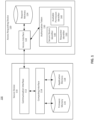
- FIG. 1 depicts a block diagram of a secure device access environment 100, according to some embodiments.
- the secure device access environment 100 may include a secure device 110 and an access requesting device 120.
- Secure device 110 may be a computing device that includes a firmware architecture. Secure device 110 may range from a general purpose computer to application specific hardware or an application specific device.
- secure device 110 may be a mobile phone, a tablet computer, a laptop computer, a television, a streaming media device, a media player device, a gaming console, an Internet service device such as a router or modem, an Internet of Things (IoT) device, a clock, a camera, a wearable electronic device such as a smart watch, a printer, a scanner, and/or other devices that include firmware.
- IoT Internet of Things
- secure device 110 may include one or more processors, memory, servers, routers, modems, antennae, input and/or output interfaces, hardware connectors, such as for example, Universal Serial Bus connectors, ports, and/or other communication hardware configured to communicate with access requesting device 120. Based on the applications, functions, and/or design of secure device 110, secure device 110 may include various hardware components to implement the desired functionality.
- secure device 110 may include firmware memory 116.
- Firmware memory 116 may include volatile and/or non-volatile memory, such as read-only memory (ROM), erasable programmable read-only memory (EPROM), and/or flash memory.
- Firmware memory 116 may store low-level instructions and/or programs utilize to operate secure device 110.
- firmware memory 116 may provide an operating environment for other software programs and/or may provide an operating system to be utilized by secure device 110.
- Firmware memory 116 may provide a basic input/output system (BIOS) and/or provide other hardware initialization processes for booting runtime services for operating systems and/or programs.
- BIOS basic input/output system
- firmware memory 116 may not include functionality to support additionally application program functionality.
- firmware memory 116 may include more complex firmware programs configured to support and/or service application programs.
- secure device 110 may be remote control device used to send commands to a television or a wireless streaming system. If secure device 110 is limited in functions (e.g., limited to the transmission of commands), the firmware program stored in firmware memory 116 may be less extensive compared to other types of secure devices 110. For example, if secure device 110 is a smart watch configured to measure data from biometric sensors, process the measured data, display the measured data using a graphical user interface, and/or communicate with a remote computing system via a wireless communication interface, the firmware program stored in firmware memory 116 may be more complex.
- firmware program may be inaccessible to users of secure device 110.
- secure device 110 may be production hardware that may grant access to application programs and/or application software but may not grant access to the firmware program and/or firmware memory 116.
- firmware programs may be more sensitive than applications programs because access to firmware programs may grant access to locked functions of secure device 110.
- a user or system with access to the firmware program may read sensitive information stored in secure device 110, control the functions of secure device 110, and/or load malicious programs onto secure device 110.
- a user or system may hack, tamper with, and/or reverse engineer programs stored in secure device 110 via firmware program access.
- proprietors and/or manufacturers may wish to restrict access to firmware memory 116.
- the proprietors may wish to grant limited access to select authorized individuals and/or systems, allowing access to firmware memory 116.
- proprietors may wish to allow technicians to access fault information stored in firmware memory 116 to debug problems or errors associated with secure device 110.
- proprietors may wish to allow technicians to manipulate low level hardware functions of secure device 110 for debugging problems, testing for quality assurance purposes, and/or for developing new functions and/or programs for the secure device 110.
- proprietors may wish to allow technicians to update firmware software and/or application software stored in the secure device 110.
- proprietors may also wish to allow certain partner individuals to access these firmware-locked functions. For example, if a third party is developing a software application for the secure device, the proprietor may wish to allow the third party to utilize firmware-locked functions for testing purposes.
- secure device 110 may utilize authorization tokens 130.
- access requesting device 120 may provide authorization token 130 to secure device 110 in an attempt to access firmware-locked functions.
- FIG. 3 and FIG. 4 (discussed below) provide example embodiments of how this authorization may occur.
- secure device 110 may check for identification information stored in firmware memory 116. If the identification information matches an identifier included in authorization token 130, secure device 110 may grant access to access requesting device 120 to access the firmware-locked functions.
- firmware-locked functions may include access to the firmware program.
- access may include being able to read the firmware program and/or modify the firmware program.
- a firmware-locked function may relate to hardware functionality provided by secure device 110.
- secure device 110 may implement a wireless communication device configured to send and/or receive wireless communications at a specific frequency. Secure device 110 may utilize this specific frequency in a finalized production level implementation although the hardware components may be able to transmit and/or receive wireless communications at different frequencies.
- the firmware program stored in firmware memory 116 may dictate the usage of this frequency, locking the usage of other frequencies.
- secure device 110 may grant access to a requesting system such as access requesting device 120 to control the wireless communication device. This control may allow access requesting device 120 to utilize other previously firmware-locked frequencies.
- firmware-locked functions may also include application program functions that may be locked on an application level.
- an application program is a program accessible to users of secure device 110.
- a user may access an application program without providing additional special permissions or authorizations to secure device 110.
- the firmware program may disable certain application program functions depending on the design of secure device 110. Disabling application program functions may occur, for example, when the functions have not been fully developed, when functions are available to certain applications but not others, when certain applications act as an intermediary between the firmware and the user application (e.g., a device driver), and/or when firmware designates software functions and/or content as hidden from a user.
- the firmware may control which functions associated with secure device 110 are locked.
- secure device 110 may execute a graphics rendering service for certain applications. If a device external to secure device 110 or a restricted application within secure device 110 attempts to access the graphics rendering service, secure device 110 may recognize that the device and/or restricted application are not authorized and prevent access to the graphics rendering service. For example, programming stored in firmware memory 116 may allow a first application to utilize the graphics rendering service to display a video on a display screen attached to secure device 110. While secure device 110 may host other applications, these applications may not be able to display videos.
- firmware may restrict and/or lock certain hardware and/or software functions of secure device 110
- a proprietor of secure device 110 may wish to provide some access to these firmware-locked functions.
- providing access to firmware-locked functions may aid in the troubleshooting or debugging of errors encountered by secure device 110 and/or may aid in the development of functions or applications for secure device 110.
- an access requesting device 120 may request access to a firmware-locked function through the use of an authorization token 130.
- a secure device 110 may include a communication interface 112, a computing interface 114, firmware memory 116 and/or application memory 118.
- firmware memory 116 may be non-volatile memory storing firmware utilized to enable hardware and/or software functions of secure device 110.
- firmware memory 116 may include authorization data.
- the authorization data may include a token identifier that indicates which tokens may grant access to a firmware-locked function.
- the authorization data may be a list of acceptable tokens.
- the token identifier may be an entry in the list that includes characteristics of acceptable tokens. For example, when secure device 110 receives a token, secure device 110 may compare attributes of the received token to the one or more token identifiers included in the list. If an attribute of the received token matches a token identifier, secure device 110 may grant access to the firmware-locked function.
- a token may be a data object created for and/or provided by a computing system external to secure device 110.
- the token identifier may be an identifying characteristic related to secure device 110.
- secure device 110 may be associated with a serial number to distinguish a particular secure device 110 from other secure devices 110.
- the token identifier may be this specific serial number.
- secure device 110 may check the authorization data stored in firmware memory 116 to determine if the token includes the serial number as an identifier. If so, secure device 110 may grant access to the device requesting access and/or providing the token to secure device 110.
- the token identifier and/or information stored on the token may include user identification, requestor information, an encrypted passcode and/or signature unique to secure device 110, a firmware access command to command secure device 110 to access firmware memory, other identifiers resistant to spoofing, and/or permissions available to the holder of the token.
- secure device 110 may utilize communication interface 112.
- Communication interface 112 may include a connection port, a cable connector, a wireless signal receiver and/or transmitter, communication circuitry, and/or other components that may facilitate communication between secure device 110 and access requesting device 120.
- access interface 122 of access requesting device 120 may include similar components to allow wired and/or wireless communication between secure device 110 and access requesting device 120.
- access requesting device 120 may supply authorization token 130 to secure device 110. Access requesting device 120 may transmit authorization token 130 using access interface 122 to communication interface 112. Authorization token 130 may have been stored in request memory 124. Access interface 122 may have retrieved authorization token 130 from request memory 124 to transmit to communication interface 112. Communication interface 112 may transmit authorization token 130 to computing interface 114 to process authorization token 130 to determine whether authorization token 130 includes identification information sufficient to access a firmware-locked function.
- Computing interface 114 may comprise one or more processors configured to retrieve authorization data from firmware memory 116 in response receiving an access request from access requesting device 120. Computing interface 114 may compare information included in authorization token 130 with authorization data stored in firmware memory 116. Based on this comparison, computing interface 114 may determine whether to grant access to the firmware-locked function.
- authorization token 130 may by a data object or data element passed from access requesting device 120 to secure device 110.
- authorization token 130 may include a structure similar to a JSON Web Token.
- authorization token 130 may include secure device identifier 140, requestor identifier 150, and/or available permission 160.
- Secure device identifier 140 may be an identifier specific to a particular secure device 110.
- secure device identifier 140 may distinguish a particular secure device 110 among other secure devices 110.
- secure device identifier 140 may include a serial number specific to the secure device 110 that will grant access to an access requesting device 120 that is providing the particular authorization token 130.
- Secure device identifier 140 may include encoded data.
- This encoded data may include identifiers associated with secure device 110, such as, for example, a secure device 110 firmware version identifier, a firmware build date, and/or time limits indicating time periods when secure device 110 will provide access upon receipt of authorization token 130.
- authorization token 130 may include a signature. The signature may be signed using a public and/or private key and may aid in authenticating access requesting device 120 and/or in demonstrating that tampering with authorization token 130 has not occurred.
- authorization token 130 may include requestor identifier 150.
- requestor identifier 150 may be an identification related to an access requesting device 120 and/or a user using access requesting device 120.
- requestor identifier 150 may be an identification that a user has been properly authenticated at access requesting device 120, such as, for example, via a username and/or password authentication process.
- Access requesting device 120 may submit this user identification information as a requestor identifier 150 in authorization token 130.
- secure device 110 may utilize this information in conjunction with the authorization data stored in firmware memory 116 to determine whether to grant access to access requesting device 120.
- requestor identifier 150 may include information related to access requesting device 120.
- requestor identifier 150 may include a serial number and/or key code associated with access requesting device 120.
- secure device 110 may store this serial number and/or key code in firmware memory 116.
- computing interface 114 may determine whether the requestor identifier 150 is stored in firmware memory 116.
- authorization token 130 may include an available permission identifier 160.
- Available permission identifier 160 may include an indication of which firmware-locked functions that secure device 110 should allow in response to receipt of authorization token 130. For example, after authentication and/or authorization based on authorization data stored in firmware memory, secure device 110 may utilize available permission identifier 160 to determine one or more firmware-locked functions to unlock for use by access requesting device 120.
- available permission identifier 160 and/or authorization token 130 may be encrypted in a manner that computing interface 114 is able to decrypt. Upon decryption and authentication, secure device 110 may grant access to the firmware-locked functions.
- authorization token 130 may not include available permission identifier 160. Instead, secure device 110 may determine which firmware-locked functions to unlock in response to authenticating authorization token 130 using authorization data stored in firmware memory 116. For example, firmware memory 116 may store and/or map available permissions to token identifiers stored in the authorization data. In this manner, when secure device identifier 140 and/or requestor identifier 140 are found to match authorization data stored in firmware memory 116, secure device 110 is able to identify which firmware-locked functions to unlock based on a mapping of permissions in firmware memory 116. In this manner, due to the mapping in firmware memory 116 between token identifiers and permissions, authorization token 130 may not include available permission identifier 160.
- computing interface 114 may access application memory 118.
- Application memory 118 may include volatile and/or non-volatile memory and/or data storage and retrieval circuits configured to store application programs.
- Application programs stored in application memory 118 may vary in complexity based on the design of secure device 110.
- computing interface 114 may retrieve an application program from application memory 118 and/or execute the application program after initially loading an operating environment using a firmware program stored in firmware memory 116. In this manner, computing interface 114 may control the execution of application programs in accordance with instructions stored in firmware memory 116.
- computing interface 114 may also facilitate user inputs and/or outputs as well as communications between secure device 110 and access requesting device 120.
- computing interface 114 may facilitate interactions between access requesting device 120 and the firmware-locked function on secure device 110.
- access requesting device 120 may interact with secure device 110 in the manner allowed based on permissions granted.
- access requesting device 120 may allow a user to interact with the firmware-locked function.
- access requesting device 120 may be a computing device with a display screen that allows a user to view and/or manipulate data within secure device 110.
- users may interact with secure device 110 to troubleshoot or debug problems and/or to develop new programs and/or functionality for use on secure device 110. Real-time manipulation may aid in these efforts.
- presenting authorization token 130 may allow a user to access a low level development console in secure device 110.
- request memory 124 may include instructions that execute after secure device 110 has granted permission to access the firmware-locked function.
- request memory 124 may include scripts utilized for troubleshooting, debugging, or software development.
- a script may execute from request memory 124 to access a list of faults or flags stored in firmware memory 116. The execution of this script may cause access requesting device 120 to retrieve this information and/or organize the retrieved information in a manner specified in the instructions.
- request memory 124 may include a program loading script configured to load new features, software programs, and/or operating systems onto secure device 110. This program loading script may cause access requesting device 120 to upload new programs into application memory 118. Computing interface 114 may then execute these new programs.
- request memory 124 may include scripts to also test the functionality of newly uploaded programs.
- access requesting device 120 may even alter information stored in firmware memory 116 depending on the permissions granted by the proprietor. For example, a user may be able to modify the operating system of secure device 110 based on the authentication of an authorization token 130. In this manner, via the use of an authorization token 130 specific to a secure device 110, an access requesting device 120 is able to access firmware-locked functions of the secure device 110 that may otherwise be unavailable due to the secure production level state of secure device 110.
- FIG. 2 depicts a block diagram of a secure device channel access environment 200, according to some embodiments.
- secure device channel access environment 200 may operate in a manner similar to secure device access environment 100 as described with reference to FIG. 1 .
- access requesting device 220 may submit authorization token 230 to secure device 210 in order to gain access to a firmware-locked function.
- Secure device 210 may include communication interface 212, computing interface 214, firmware memory 216, and/or application memory 218.
- the components of secure device 210 may operate in a manner similar to the components of secure device 110.
- Access requesting device 220 may operate in a manner similar to access requesting device 120.
- components such as request memory 224, authorization token 230, secure device identifier 240, and available permission identifier 260 may operate in a manner similar to their corresponding components described with reference to FIG. 1 .
- access requesting device 220 may utilize channel interface 222 to communicate with communication interface 212.
- channel interface 222 may communicate with secure device 210 via network 270.
- authorization token 230 may include a channel identifier 250.
- Access requesting device 220 may communicate with secure device 210 via network 270 and/or a network protocol to send and receive data over network 270.
- Network 270 may be a network capable of transmitting information either in a wired or wireless manner and may be, for example, the Internet, a Local Area Network (LAN), or a Wide Area Network (WAN).
- the network protocol may be, for example, a hypertext transfer protocol (HTTP), a TCP/IP protocol, User Datagram Protocol (UDP), Ethernet, cellular, Bluetooth, or an asynchronous transfer mode, and/or a combination of the listed protocols.
- access requesting device 220 may utilize a channel to communicate with secure device 210.
- access requesting device 220 may deliver authorization token 230 via the channel.
- a channel may be a source identifier indicative of the source of a communication received at secure device 210.
- secure device 210 may maintain a list of channels, storing this list in either firmware memory 216 and/or application memory 218. The list of channels may correspond to content providers and/or systems that communicate with secure device 210.
- a first channel may correspond to a first content provider that supplies video content to secure device 210.
- a second channel may correspond to a second content provider that supplies electronic book content to secure device 210.
- secure device 210 is configured to detect an access request from the first content provider or second content provider based on the channel utilized to access secure device 210.
- secure device 210 may expose a first application programming interface (API) to the first content provider.
- API application programming interface
- secure device 210 may recognize the usage of the first API as a communication from the first channel and/or recognize that the source of the interaction is the first content provider.
- access requesting device 220 may provide authorization token 230 via a channel assigned to access requesting device 220.
- Firmware memory 216 may store a channel identification for recognizing the source of requests. For example, firmware memory 216 may assign a channel identification (e.g., a number 100) to requests received from access requesting device 220.
- Secure device 210 may be able to detect the source of the requests independent of the presence of channel identifier 250 in an authorization token 230.
- secure device 210 may utilize an API configuration as described above.
- secure device 210 may use namespaces to organize channels. Secure device 210 may utilize namespaces to organize content providers such that each channel identification associated with each content provider is different.
- secure device 210 By assigning different channels to different content providers, even if a second content provider steals an authorization token 230 from a first content provider, the second content provider will not be able to utilize the authorization token 230 based on the channel assignment. Because the second content provider will utilize a second channel and will not have access to the first channel, secure device 210 will recognize an error when it receives authorization token 230 over the second channel. Based on the channel mappings stored in firmware memory 216, to grant access to a firmware-locked function, secure device 210 will have expected to receive authorization token 230 over the first channel. Based on this mismatch, secure device 210 may deny access to the firmware-locked function.
- channel identifications may add another layer of security to ensure that no other entities but authorized individuals are able to access the firmware-locked functions of secure device 210.
- using channel information in conjunction with secure device identifier 240 stored in authorization token 230 may allow for a two-tiered security process. For example, secure device 210 may grant access the firmware-locked function if it receives a particular authorization token 230 having a particular secure device identifier 240 and authorization token 230 is received over a particular channel. In an embodiment, if one of these conditions is not met, secure device 210 may deny access to the firmware-locked function.
- FIG. 3 depicts a flowchart illustrating a method 300 for accessing a secure device, according to some embodiments.
- Method 300 shall be described with reference to FIG. 1 ; however, method 300 is not limited to that example embodiment.
- secure device 110 utilizes method 300 to determine whether to grant access to a firmware-locked function.
- method 300 may be executed on any computing device, such as, for example, the computer system described with reference to FIG. 5 and/or processing logic that may comprise hardware (e.g., circuitry, dedicated logic, programmable logic, microcode, etc.), software (e.g., instructions executing on a processing device), or a combination thereof.
- secure device 110 updates firmware to disable public access to functions of the secure device 110.
- a proprietor or manufacturer may have uploaded original firmware and/or a new version of the firmware to secure device 110.
- This firmware for example, may be flashed to a ROM, EPROM, EEPROM, or flash memory of secure device 110.
- secure device 110 when secure device 110 updates its firmware, secure device 110 disables one or more functions, causing the one or more functions to become inaccessible to the public.
- This firmware-locked function may include access to the firmware, access to hidden sections of memory, and/or access to application program functions.
- secure device 110 may update the firmware to provide access to the disabled or firmware-locked function in response to receiving a token corresponding to the secure device. In an embodiment, this inaccessibility may prevent a user of secure device 110 from accessing the function without providing an authorization token. In an embodiment, when updating the firmware at 310, secure device 110 may automatically update the firmware to enable certain access based on the receipt of a token. For example, firmware programming may allow for the receipt of a particular token to grant access to firmware-locked functions. In an embodiment, at 310 or at 320, secure device 110 may store a firmware program in firmware memory 116.
- secure device 110 may also store firmware authorization data in firmware memory 116 and/or other one-time-programmable memory.
- Firmware authorization data may include a token identifier that indicates which tokens may grant access to a firmware-locked function.
- the firmware authorization data may be a device identifier indicative of secure device 110. The device identifier may be stored immutably in firmware memory 116 and/or other one-time-programmable memory.
- secure device 110 may compare a secure device identifier 140 included within a received authorization token 130 against a device identifier encoded and/or stored in secure device 110.
- the firmware authorization data may be a list of acceptable tokens.
- the token identifier may be an entry in the list that includes characteristics of acceptable tokens. For example, when secure device 110 receives a token, secure device 110 may compare attributes of the received token to the one or more token identifiers included in the list. If an attribute of the received token matches a token identifier, secure device 110 may grant access to the firmware-locked function.
- a token may be a data object created for and/or provided by a computing system external to secure device 110.
- the token identifier may be an identifying characteristic related to secure device 110.
- secure device 110 may be associated with a serial number to distinguish a particular secure device 110 from other secure devices 110.
- the token identifier may be this specific serial number.
- secure device 110 may check the authorization data stored in firmware memory 116 to determine if the token includes the serial number as an identifier. If so, secure device 110 may grant access to the device requesting access and/or providing the token to secure device 110.
- the token identifier and/or information stored on the token may include user identification, requestor information, an encrypted passcode and/or signature unique to secure device 110, a firmware access command to command secure device 110 to access firmware memory, other identifiers resistant to spoofing, and/or permissions available to the holder of the token.
- secure device 110 may receive a token attempting to access the firmware-locked function.
- the token may be authorization token 130, and secure device 110 may receive authorization token 130 from access requesting device 120.
- secure device 110 may determine whether the received token grants authorization to the firmware-locked function based on firmware authorization data.
- secure device 110 may analyze the received authorization token 130 to determine whether authorization token 130 includes an identifier that matches an identifier stored in the authorization data. For example, secure device 110 may determine whether authorization token 130 includes a secure device identifier 140 and/or a requestor identifier 150 that matches authorization data stored in firmware.
- secure device 110 may examine whether other conditions are met based on information stored in secure device identifier 140.
- secure device 110 may examine firmware version information included in secure device identifier 140 to determine if firmware version information included in an authorization token 130 matches the firmware version of secure device 110.
- secure device 110 may also compare firmware build date information, time limits stored in secure device 110 and/or specified by authorization token 130, and/or token signature information.
- the program stored in firmware may remain static.
- the firmware program may be hardcoded to allow authorization data to remain constant even as application program data may change.
- secure device 110 may determine whether to allow access to a firmware-locked function.
- secure device 110 may grant access to the firmware-locked function according to permissions associated with the token.
- authorization token 130 may include an available permission identifier 160.
- Available permission identifier 160 may indicate the one or more firmware-locked functions available to access requesting device 120.
- available permission identifier 160 may indicate the manner in which access requesting device 120 may interact with the firmware-locked function. For example, if the firmware-locked function includes access to an error report log, available permission identifier 160 may indicate whether access requesting device 120 is able to read the error report log, download the error report log, and/or edit the error report log.
- firmware memory 116 may include a mapping of permissions and/or firmware-locked functions that become available after authentication of an authorization token 130.
- firmware memory 116 includes permission information, secure device 110 may be able to determine allowed permissions without using available permission identifier 160 of authorization token 130.
- authorization token 130 may or may not include available permission identifier 160.
- secure device 110 may also facilitate access to the firmware-locked function for access requesting device 120.
- access may be temporary.
- authorization token 130 may expire based on a certain time limit.
- authorization token may be tied to a specific session established between secure device 110 and access requesting device 120.
- secure device 110 may request that access requesting device 120 provide authorization token 130 again to access the firmware-locked function.
- secure device 110 may deny access to the firmware-locked function. For example, secure device 110 may continue to prevent access and/or may notify access requesting device 120 that access has been denied.
- secure device 110 may generate an alert to a third party system indicate that an unauthorized system has attempted to access the firmware-locked function. This alert may be a message and/or a push notification and may indicate an attempt at tampering with secure device 110.
- secure device 110 in response to denying access to the firmware-locked function, secure device 110 may disable other features of secure device 110 to prevent further attempts at access. For example, secure device 110 may disable access to application programs.
- secure device 110 may enter a security state that locks functionality to prevent further tampering.
- the security state may be disabled and/or access to the locked application programs may be enabled by the proprietor or manufacturer of secure device 110.
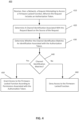
- FIG. 4 depicts a flowchart illustrating a method 400 for accessing a secure device via a channel, according to some embodiments.
- Method 400 shall be described with reference to FIG. 2 ; however, method 400 is not limited to that example embodiment.
- secure device 210 utilizes method 400 to determine whether to grant access to a firmware-locked function via a channel communication.
- method 400 may be executed on any computing device, such as, for example, the computer system described with reference to FIG. 5 and/or processing logic that may comprise hardware (e.g., circuitry, dedicated logic, programmable logic, microcode, etc.), software (e.g., instructions executing on a processing device), or a combination thereof.
- secure device 210 may receive, over a network 270, a request attempting to access a firmware-locked function, wherein the request includes an authorization token 230.
- access requesting device 220 may generate the request and/or transmit the request over network 270.
- the request may include channel identifier 250.
- secure device 210 may determine a channel identification associated with the request based on the source of the request.
- the source of the request may be access requesting device 220.
- secure device 210 may determine the channel identification by reading channel identifier 250 included in authorization token 230.
- secure device 210 may determine the channel identification based on the medium through which access requesting device 220 provides authorization token 230 to secure device 210.
- access requesting device 220 may utilize a specific API or specific subset of a broadly exposed API to communicate with secure device 210. In an embodiment, this access may indicate the usage of a specific channel utilized by access requesting device 220.
- secure device 210 may individually assign channels to different content providers or access requesting devices 220 so that secure device 210 may determine the source of a communication based on the channel used.
- secure device 210 may determine whether the channel identification matches an identification associated with the authorization token 230.
- the channel identification refers to the determined source of the request as determined at 420.
- the source may be access requesting device 220 and the channel identification may be a numerical value, such as "800," indicating that the request was received over channel 800.
- secure device 210 may retrieve an identification associated with the authorization token. This identification may be secure device identifier 240 or channel identifier 250 as presented by authorization token 230 and/or may be an identifier stored in firmware memory 216.
- secure device 210 may compare the channel identification with secure device identifier 240 or channel identifier 250 as presented by authorization token 230. In this embodiment, secure device 210 may determine if the device accessing the channel matches identifying information stored in authorization token 230. For example, if access requesting device 220 utilizes channel 800 to communicate with secure device 210, secure device 210 may determine that a request and/or authorization token 230 was received over channel 800. Secure device 210 may also read an identifier within authorization 230 that indicates that access requesting device 220 utilizes channel 800 or has intended to use channel 800. In this case, secure device 210 is able to determine discrepancies or spoofing if it receives an authorization token 230 indicating a channel that does not match the channel detected by secure device 210.
- secure device 210 may compare the channel identification with a channel identifier stored in firmware memory 216. In an embodiment, secure device 210 may not utilize information stored in authorization token 230 to determine a channel match. Instead, using the channel identification and channel assignment information stored in authorization data stored in firmware memory 216, secure device 210 may be able to determine whether the authorization token 230 was received from an authorized user of the particular channel specified in the authorization data. In an embodiment, secure device 210 may utilize this channel information to determine whether spoofing has occurred. For example, secure device 210 may detect tampering or a possible hacking attempt if the authorization token 230 is received over a channel not authorized for communications with access requesting device 220.
- Secure device 210 may utilize this channel information along with an identifier related to access requesting device 220 to operate as a two-tier security check. For example, to obtain access to a firmware-locked function, secure device 210 may determine that (1) the determined channel identification matches an identifier that access requesting device 220 is utilizing the channel to send a request and (2) secure device identifier 240 authorizes access to firmware-locked functions specific to the particular secure device 210 receiving the request.
- secure device 210 may store channel identification information in memory separate from firmware memory 216.
- a proprietor may determine that channel information may have a lower security sensitivity level relative to a firmware program. In this manner, channel information may not be hardcoded into firmware memory 216 and may be adjustable and/or customizable as channel identifications change.
- channel information may be stored in application memory 218.
- secure device 210 determines whether the channel identification matches an identification associated with authorization token 230. If the channel identification matches, secure device may grant access to the firmware-locked function according to permissions associated with authorization token 230. If the channel identification does not match, secure device 210 may deny access to the firmware-locked function.
- authorization token 230 may include an available permission identifier 260.
- Available permission identifier 260 may indicate the one or more firmware-locked functions available to access requesting device 220.
- available permission identifier 260 may indicate the manner in which access requesting device 220 may interact with the firmware-locked function. For example, if the firmware-locked function includes access to an error report log, available permission identifier 260 may indicate whether access requesting device 220 is able to read the error report log, download the error report log, and/or edit the error report log.
- firmware memory 216 may include a mapping of permissions and/or firmware-locked functions that become available after authentication of an authorization token 230.
- firmware memory 216 includes permission information, secure device 210 may be able to determine allowed permissions without using available permission identifier 260 of authorization token 230.
- authorization token 230 may or may not include available permission identifier 260.
- secure device 210 may also facilitate access to the firmware-locked function for access requesting device 220.
- access may be temporary.
- authorization token 230 may expire based on a certain time limit.
- authorization token may be tied to a specific session established between secure device 210 and access requesting device 220.
- secure device 210 may request that access requesting device 220 provide authorization token 230 again to access the firmware-locked function.
- secure device 210 may deny access to the firmware-locked function. For example, secure device 210 may continue to prevent access and/or may notify access requesting device 220 that access has been denied. In an embodiment, secure device 210 may generate an alert to a third party system indicate that an unauthorized system has attempted to access the firmware-locked function. This alert may be a message and/or a push notification and may indicate an attempt at tampering with secure device 210. In an embodiment, in response to denying access to the firmware-locked function, secure device 210 may disable other features of secure device 210 to prevent further attempts at access. For example, secure device 210 may disable access to application programs.
- secure device 210 may enter a security state that locks functionality to prevent further tampering.
- the security state may be disabled and/or access to the locked application programs may be enabled by the proprietor or manufacturer of secure device 210.
- FIG. 5 Various embodiments may be implemented, for example, using one or more well-known computer systems, such as computer system 500 shown in FIG. 5 .
- One or more computer systems 500 may be used, for example, to implement any of the embodiments discussed herein, as well as combinations and sub-combinations thereof.
- Computer system 500 may include one or more processors (also called central processing units, or CPUs), such as a processor 504.
- processors also called central processing units, or CPUs
- Processor 504 may be connected to a communication infrastructure or bus 506.
- Computer system 500 may also include user input/output device(s) 503, such as monitors, keyboards, pointing devices, etc., which may communicate with communication infrastructure 506 through user input/output interface(s) 502.
- user input/output device(s) 503 such as monitors, keyboards, pointing devices, etc.
- communication infrastructure 506 may communicate with user input/output interface(s) 502.
- processors 504 may be a graphics processing unit (GPU).
- a GPU may be a processor that is a specialized electronic circuit designed to process mathematically intensive applications.
- the GPU may have a parallel structure that is efficient for parallel processing of large blocks of data, such as mathematically intensive data common to computer graphics applications, images, videos, etc.
- Computer system 500 may also include a main or primary memory 508, such as random access memory (RAM).
- Main memory 508 may include one or more levels of cache.
- Main memory 508 may have stored therein control logic (i.e., computer software) and/or data.
- Computer system 500 may also include one or more secondary storage devices or memory 510.
- Secondary memory 510 may include, for example, a hard disk drive 512 and/or a removable storage device or drive 514.
- Removable storage drive 514 may be a floppy disk drive, a magnetic tape drive, a compact disk drive, an optical storage device, tape backup device, and/or any other storage device/drive.
- Removable storage drive 514 may interact with a removable storage unit 518.
- Removable storage unit 518 may include a computer usable or readable storage device having stored thereon computer software (control logic) and/or data.
- Removable storage unit 518 may be a floppy disk, magnetic tape, compact disk, DVD, optical storage disk, and/ any other computer data storage device.
- Removable storage drive 514 may read from and/or write to removable storage unit 518.
- Secondary memory 510 may include other means, devices, components, instrumentalities or other approaches for allowing computer programs and/or other instructions and/or data to be accessed by computer system 500.
- Such means, devices, components, instrumentalities or other approaches may include, for example, a removable storage unit 522 and an interface 520.
- Examples of the removable storage unit 522 and the interface 520 may include a program cartridge and cartridge interface (such as that found in video game devices), a removable memory chip (such as an EPROM or PROM) and associated socket, a memory stick and USB port, a memory card and associated memory card slot, and/or any other removable storage unit and associated interface.
- Computer system 500 may further include a communication or network interface 524.
- Communication interface 524 may enable computer system 500 to communicate and interact with any combination of external devices, external networks, external entities, etc. (individually and collectively referenced by reference number 528).
- communication interface 524 may allow computer system 500 to communicate with external or remote devices 528 over communications path 526, which may be wired and/or wireless (or a combination thereof), and which may include any combination of LANs, WANs, the Internet, etc.
- Control logic and/or data may be transmitted to and from computer system 500 via communication path 526.
- Computer system 500 may also be any of a personal digital assistant (PDA), desktop workstation, laptop or notebook computer, netbook, tablet, smart phone, smart watch or other wearable, appliance, part of the Internet-of-Things, and/or embedded system, to name a few non-limiting examples, or any combination thereof.
- PDA personal digital assistant
- Computer system 500 may be a client or server, accessing or hosting any applications and/or data through any delivery paradigm, including but not limited to remote or distributed cloud computing solutions; local or on-premises software ("on-premise” cloud-based solutions); "as a service” models (e.g., content as a service (CaaS), digital content as a service (DCaaS), software as a service (SaaS), managed software as a service (MSaaS), platform as a service (PaaS), desktop as a service (DaaS), framework as a service (FaaS), backend as a service (BaaS), mobile backend as a service (MBaaS), infrastructure as a service (IaaS), etc.); and/or a hybrid model including any combination of the foregoing examples or other services or delivery paradigms.
- as a service” models e.g., content as a service (CaaS), digital content as a service (DCaaS), software as a
- Any applicable data structures, file formats, and schemas in computer system 500 may be derived from standards including but not limited to JavaScript Object Notation (JSON), Extensible Markup Language (XML), Yet Another Markup Language (YAML), Extensible Hypertext Markup Language (XHTML), Wireless Markup Language (WML), MessagePack, XML User Interface Language (XUL), or any other functionally similar representations alone or in combination.
- JSON JavaScript Object Notation
- XML Extensible Markup Language
- YAML Yet Another Markup Language
- XHTML Extensible Hypertext Markup Language
- WML Wireless Markup Language
- MessagePack XML User Interface Language
- XUL XML User Interface Language
- a tangible, non-transitory apparatus or article of manufacture comprising a tangible, non-transitory computer useable or readable medium having control logic (software) stored thereon may also be referred to herein as a computer program product or program storage device.
- control logic software stored thereon
- control logic when executed by one or more data processing devices (such as computer system 500), may cause such data processing devices to operate as described herein.
- references herein to "one embodiment,” “an embodiment,” “an example embodiment,” or similar phrases, indicate that the embodiment described can include a particular feature, structure, or characteristic, but every embodiment can not necessarily include the particular feature, structure, or characteristic. Moreover, such phrases are not necessarily referring to the same embodiment. Further, when a particular feature, structure, or characteristic is described in connection with an embodiment, it would be within the knowledge of persons skilled in the relevant art(s) to incorporate such feature, structure, or characteristic into other embodiments whether or not explicitly mentioned or described herein. Additionally, some embodiments can be described using the expression “coupled” and “connected” along with their derivatives. These terms are not necessarily intended as synonyms for each other.
- Coupled can also mean that two or more elements are not in direct contact with each other, but yet still co-operate or interact with each other.
Landscapes
- Engineering & Computer Science (AREA)
- Computer Security & Cryptography (AREA)
- Theoretical Computer Science (AREA)
- General Engineering & Computer Science (AREA)
- Software Systems (AREA)
- Computer Hardware Design (AREA)
- Physics & Mathematics (AREA)
- General Physics & Mathematics (AREA)
- Signal Processing (AREA)
- Computer Networks & Wireless Communication (AREA)
- General Health & Medical Sciences (AREA)
- Bioethics (AREA)
- Health & Medical Sciences (AREA)
- Databases & Information Systems (AREA)
- Mathematical Physics (AREA)
- Computing Systems (AREA)
- Storage Device Security (AREA)
- Stored Programmes (AREA)
Claims (13)
- Computerimplementiertes Verfahren, umfassend:Empfangen einer ersten Anfrage zum Zugriff auf eine durch Firmware gesperrte Funktion eines sicheren Geräts, wobei die erste Anfrage einen Anfragesteller-Token, der Anfragesteller-Identifikationsdaten und einen Kanalidentifikator aufweist, umfasst;als Reaktion auf den Empfang der ersten Anfrage Bestimmen einer ersten Kanalidentifikation der ersten Anfrage, die einem Kanal zugeordnet ist, von dem die erste Anfrage empfangen wird, indem ein Medium identifiziert wird, durch das die erste Anfrage empfangen wird;Vergleichen der ersten Kanalidentifikation mit dem Kanalidentifikator des Anfragesteller-Tokens;Bestimmen, dass die erste Kanalidentifikation mit dem Kanalidentifikator des Anfragesteller-Tokens übereinstimmt;Abfragen von Autorisierungsdaten, die in einem nichtflüchtigen Speicher der sicheren Vorrichtung gespeichert sind, wobei die Autorisierungsdaten einen Token-Identifikator umfassen, der Token angibt, die autorisiert sind, um auf die durch Firmware gesperrte Funktion zuzugreifen;Bestimmen, dass die Anfragesteller-Identifikationsdaten des Anfragesteller-Tokens mit dem Token-Identifikator, der in dem nichtflüchtigen Speicher gespeichert ist, übereinstimmt;als Reaktion auf das Bestimmen, dass die Anfragesteller-Identifikationsdaten mit dem Token-Identifikator übereinstimmen, und das Bestimmen, dass die erste Kanalidentifikation mit dem Kanalidentifikator des Anfragesteller-Token übereinstimmt, wobei Zugriff auf die durch Firmware gesperrte Funktion ermöglicht wird;Empfangen einer zweiten Anfrage zum Zugriff auf die durch Firmware gesperrte Funktion, wobei die zweite Anfrage den Anfragesteller-Token umfasst;Bestimmen einer zweiten Kanalidentifikation, die einen Kanal angibt, von dem die zweite Anfrage empfangen wurde;Bestimmen, dass sich die zweite Kanalidentifikation von dem Kanalidentifikator des Anfragesteller-Tokens unterscheidet, indem die zweite Kanalidentifikation mit dem Kanalidentifikator verglichen wird; undals Reaktion auf das Bestimmen, dass sich die zweite Kanalidentifikation von dem Kanalidentifikator des Anfragesteller-Tokens unterscheidet, Verweigern des Zugriffs auf die durch Firmware gesperrte Funktion,wobei die erste Kanalidentifikation eine erste Anwendungsprogrammierschnittstelle, API, umfasst, durch die die erste Anfrage empfangen wird, undwobei die zweite Kanalidentifikation eine zweite API umfasst, durch die die zweite Anfrage empfangen wird.
- Computerimplementiertes Verfahren nach Anspruch 1, das ferner Folgendes umfasst:Empfangen einer dritten Anfrage zum Zugriff auf die durch Firmware gesperrte Funktion, wobei die dritte Anfrage einen zweiten Anfragesteller-Token umfasst;Bestimmen, dass die Anfragesteller-Identifikationsdaten des zweiten Anfragesteller-Tokens mit dem in dem nichtflüchten Speicher gespeicherten Token-Identifikator übereinstimmt;Bestimmen einer dritten Kanalidentifikation, die einen Kanal angibt, von dem die dritte Anfrage empfangen wurden;Bestimmen, dass sich die dritte Kanalidentifikation von Kanalinformationen unterscheidet, die dem zweiten Anfragesteller-Token entsprechen, indem die dritte Kanalidentifikation mit den Autorisierungsdaten verglichen werden; undals Reaktion auf das Bestimmen, dass sich die dritte Kanalidentifikation von den Kanalinformationen, die dem zweiten Anfragesteller-Token entsprechen, unterscheidet, Verweigern des Zugriffs auf die durch die Firmware gesperrte Funktion.
- Computerimplementiertes Verfahren nach Anspruch 1, wobei das Ermöglichen des Zugriffs auf die durch Firmware gesperrte Funktion ferner Folgendes umfasst:
Gewähren des Zugriffs auf Hardware-Peripheriegeräte des sicheren Geräts. - Computerimplementiertes Verfahren nach Anspruch 1, wobei das Ermöglichen des Zugriffs auf die durch Firmware gesperrte Funktion ferner Folgendes umfasst:
Erlauben, dass aktualisierte Software auf das sichere Gerät hochgeladen wird. - Computerimplementiertes Verfahren nach Anspruch 4, wobei die aktualisierte Software ein Betriebssystem umfasst.
- Computerimplementiertes Verfahren nach Anspruch 1, wobei das Gewähren des Zugriffs auf die durch Firmware gesperrte Funktion ferner Folgendes umfasst:
Gewähren von Zugriff auf Daten, die in dem nichtflüchtigen Speicher gespeichert sind. - System, umfassend:einen Speicher, wobei der Speicher Firmware und Autorisierungsdaten umfasst; undzumindest einen Prozessor, der mit dem Speicher gekoppelt ist und ausgelegt ist zum:Empfangen einer ersten Anfrage zum Zugriff auf eine durch Firmware gesperrte Funktion eines sicheren Geräts, wobei die erste Anfrage einen Anfragesteller-Token, der Anfragesteller-Identifikationsdaten und einen Kanalidentifikator aufweist, umfasst;als Reaktion auf den Empfang der ersten Anfrage Bestimmen einer ersten Kanalidentifikation der ersten Anfrage, die einem Kanal zugeordnet ist, von dem die erste Anfrage empfangen wird, indem ein Medium identifiziert wird, durch das die erste Anfrage empfangen wird;Vergleichen der ersten Kanalidentifikation mit dem Kanalidentifikator des Anfragesteller-Tokens;Bestimmen, dass die erste Kanalidentifikation mit dem Kanalidentifikator des Anfragesteller-Tokens übereinstimmt;Abfragen von Autorisierungsdaten, die in einem nichtflüchtigen Speicher der sicheren Vorrichtung gespeichert sind, wobei die Autorisierungsdaten einen Token-Identifikator umfassen, der Token angibt, die autorisiert sind, um auf die durch Firmware gesperrte Funktion zuzugreifen;Bestimmen, dass die Anfragesteller-Identifikationsdaten des Anfragesteller-Tokens mit dem Token-Identifikator, der in dem nichtflüchtigen Speicher gespeichert ist, übereinstimmt;als Reaktion auf das Bestimmen, dass die Anfragesteller-Identifikationsdaten mit dem Token-Identifikator übereinstimmen, und das Bestimmen, dass die erste Kanalidentifikation mit dem Kanalidentifikator des Anfragesteller-Token übereinstimmt, wobei Zugriff auf die durch Firmware gesperrte Funktion ermöglicht wird;Empfangen einer zweiten Anfrage zum Zugriff auf die durch Firmware gesperrte Funktion, wobei die zweite Anfrage den Anfragesteller-Token umfasst;Bestimmen einer zweiten Kanalidentifikation, die einen Kanal angibt, von dem die zweite Anfrage empfangen wurde;Bestimmen, dass sich die zweite Kanalidentifikation von dem Kanalidentifikator des Anfragesteller-Tokens unterscheidet, indem die zweite Kanalidentifikation mit dem Kanalidentifikator verglichen wird; undals Reaktion auf das Bestimmen, dass sich die zweite Kanalidentifikation von dem Kanalidentifikator des Anfragesteller-Tokens unterscheidet, Verweigern des Zugriffs auf die durch Firmware gesperrte Funktion,wobei die erste Kanalidentifikation eine erste Anwendungsprogrammierschnittstelle, API, umfasst, durch die die erste Anfrage empfangen wird, undwobei die zweite Kanalidentifikation eine zweite API umfasst, durch die die zweite Anfrage empfangen wird.
- System nach Anspruch 7, wobei der zumindest eine Prozessor ferner ausgelegt ist zum:Empfangen einer dritten Anfrage zum Zugriff auf die durch Firmware gesperrte Funktion, wobei die dritte Anfrage einen zweiten Anfragesteller-Token umfasst;Bestimmen, dass die Anfragesteller-Identifikationsdaten des zweiten Anfragesteller-Tokens mit dem in dem nichtflüchten Speicher gespeicherten Token-Identifikator übereinstimmt;Bestimmen einer dritten Kanalidentifikation, die einen Kanal angibt, von dem die dritte Anfrage empfangen wurden;Bestimmen, dass sich die dritte Kanalidentifikation von Kanalinformationen unterscheidet, die dem zweiten Anfragesteller-Token entsprechen, indem die dritte Kanalidentifikation mit den Autorisierungsdaten verglichen werden; undals Reaktion auf das Bestimmen, dass sich die dritte Kanalidentifikation von den Kanalinformationen, die dem zweiten Anfragesteller-Token entsprechen, unterscheidet, Verweigern des Zugriffs auf die durch die Firmware gesperrte Funktion.
- System nach Anspruch 7, wobei der zumindest eine Prozessor zum Gewähren des Zugriffs auf die durch Firmware gesperrte Funktion ferner ausgelegt ist zum:
Gewähren von Zugriff auf Hardware-Peripheriegeräte des Systems. - System nach Anspruch 7, wobei der zumindest eine Prozessor zum Gewähren des Zugriffs auf die durch Firmware gesperrte Funktion ferner ausgelegt ist zum:
Zulassen, dass aktualisierte Software auf das System hochgeladen wird. - System nach Anspruch 10, wobei die aktualisierte Software ein Betriebssystem umfasst.
- System nach Anspruch 7, wobei der zumindest eine Prozessor zum Gewähren des Zugriffs auf die durch Firmware gesperrte Funktion ferner ausgelegt ist zum:
Gewähren von Zugriff zu in dem Speicher gespeicherten Daten. - Nichtflüchtiges computerlesbares Medium, das darauf gespeicherte Befehle umfasst, die, wenn sie durch zumindest eine Rechenvorrichtung ausgeführt werden, bewirken, dass die zumindest eine Rechnervorrichtung Vorgänge ausführt, die Folgendes umfassen:Empfangen einer ersten Anfrage zum Zugriff auf eine durch Firmware gesperrte Funktion eines sicheren Geräts, wobei die erste Anfrage einen Anfragesteller-Token, der Anfragesteller-Identifikationsdaten und einen Kanalidentifikator aufweist, umfasst;als Reaktion auf den Empfang der ersten Anfrage Bestimmen einer ersten Kanalidentifikation der ersten Anfrage, die einem Kanal zugeordnet ist, von dem die erste Anfrage empfangen wird, indem ein Medium identifiziert wird, durch das die erste Anfrage empfangen wird;Vergleichen der ersten Kanalidentifikation mit dem Kanalidentifikator des Anfragesteller-Tokens;Bestimmen, dass die erste Kanalidentifikation mit dem Kanalidentifikator des Anfragesteller-Tokens übereinstimmt;Abfragen von Autorisierungsdaten, die in einem nichtflüchtigen Speicher der sicheren Vorrichtung gespeichert sind, wobei die Autorisierungsdaten einen Token-Identifikator umfassen, der Token angibt, die autorisiert sind, um auf die durch Firmware gesperrte Funktion zuzugreifen;Bestimmen, dass die Anfragesteller-Identifikationsdaten des Anfragesteller-Tokens mit dem Token-Identifikator, der in dem nichtflüchtigen Speicher gespeichert ist, übereinstimmt;als Reaktion auf das Bestimmen, dass die Anfragesteller-Identifikationsdaten mit dem Token-Identifikator übereinstimmen, und das Bestimmen, dass die erste Kanalidentifikation mit dem Kanalidentifikator des Anfragesteller-Token übereinstimmt, wobei Zugriff auf die durch Firmware gesperrte Funktion ermöglicht wird;Empfangen einer zweiten Anfrage zum Zugriff auf die durch Firmware gesperrte Funktion, wobei die zweite Anfrage den Anfragesteller-Token umfasst;Bestimmen einer zweiten Kanalidentifikation, die einen Kanal angibt, von dem die zweite Anfrage empfangen wurde;Bestimmen, dass sich die zweite Kanalidentifikation von dem Kanalidentifikator des Anfragesteller-Tokens unterscheidet, indem die zweite Kanalidentifikation mit dem Kanalidentifikator verglichen wird; undals Reaktion auf das Bestimmen, dass sich die zweite Kanalidentifikation von dem Kanalidentifikator des Anfragesteller-Tokens unterscheidet, Verweigern des Zugriffs auf die durch Firmware gesperrte Funktion,wobei die erste Kanalidentifikation eine erste Anwendungsprogrammierschnittstelle, API, umfasst, durch die die erste Anfrage empfangen wird, undwobei die zweite Kanalidentifikation eine zweite API umfasst, durch die die zweite Anfrage empfangen wird.
Priority Applications (1)
| Application Number | Priority Date | Filing Date | Title |
|---|---|---|---|
| EP24189590.3A EP4425836A3 (de) | 2018-02-14 | 2019-02-11 | Autorisierungsberechtigungen für produktionskonsole |
Applications Claiming Priority (2)
| Application Number | Priority Date | Filing Date | Title |
|---|---|---|---|
| US15/896,369 US11238181B2 (en) | 2018-02-14 | 2018-02-14 | Production console authorization permissions |
| PCT/US2019/017428 WO2019160786A1 (en) | 2018-02-14 | 2019-02-11 | Production console authorization permissions |
Related Child Applications (1)
| Application Number | Title | Priority Date | Filing Date |
|---|---|---|---|
| EP24189590.3A Division EP4425836A3 (de) | 2018-02-14 | 2019-02-11 | Autorisierungsberechtigungen für produktionskonsole |
Publications (3)
| Publication Number | Publication Date |
|---|---|
| EP3752946A1 EP3752946A1 (de) | 2020-12-23 |
| EP3752946A4 EP3752946A4 (de) | 2021-10-27 |
| EP3752946B1 true EP3752946B1 (de) | 2024-07-24 |
Family
ID=67541690
Family Applications (2)
| Application Number | Title | Priority Date | Filing Date |
|---|---|---|---|
| EP24189590.3A Pending EP4425836A3 (de) | 2018-02-14 | 2019-02-11 | Autorisierungsberechtigungen für produktionskonsole |
| EP19753853.1A Active EP3752946B1 (de) | 2018-02-14 | 2019-02-11 | Autorisierungsberechtigungen für produktionskonsole |
Family Applications Before (1)
| Application Number | Title | Priority Date | Filing Date |
|---|---|---|---|
| EP24189590.3A Pending EP4425836A3 (de) | 2018-02-14 | 2019-02-11 | Autorisierungsberechtigungen für produktionskonsole |
Country Status (3)
| Country | Link |
|---|---|
| US (2) | US11238181B2 (de) |
| EP (2) | EP4425836A3 (de) |
| WO (1) | WO2019160786A1 (de) |
Families Citing this family (17)
| Publication number | Priority date | Publication date | Assignee | Title |
|---|---|---|---|---|
| US11238181B2 (en) | 2018-02-14 | 2022-02-01 | Roku, Inc. | Production console authorization permissions |
| US11061753B2 (en) * | 2018-03-29 | 2021-07-13 | Advanced Micro Devices, Inc. | Platform first error handling |
| US11588878B2 (en) * | 2018-05-04 | 2023-02-21 | Bifrostconnect Aps | Remote support device |
| WO2020179851A1 (ja) * | 2019-03-05 | 2020-09-10 | パナソニックIpマネジメント株式会社 | 記録制御システム、制御装置、記録制御方法および記録媒体 |
| KR20220011165A (ko) * | 2019-05-21 | 2022-01-27 | 엔체인 홀딩스 리미티드 | 컴퓨터 구현 시스템 및 방법 |
| US20220147636A1 (en) * | 2020-11-12 | 2022-05-12 | Crowdstrike, Inc. | Zero-touch security sensor updates |
| CN114579949A (zh) * | 2020-11-30 | 2022-06-03 | 华为技术有限公司 | 一种数据访问方法、装置和电子设备 |
| US11171964B1 (en) * | 2020-12-23 | 2021-11-09 | Citrix Systems, Inc. | Authentication using device and user identity |
| JP7615704B2 (ja) * | 2021-01-25 | 2025-01-17 | 株式会社リコー | 情報処理サーバ、方法、プログラム、情報処理システムおよび情報処理装置 |
| US12052359B2 (en) | 2021-07-30 | 2024-07-30 | APPDIRECT, Inc. | Encryption key rotation |
| US12438714B2 (en) | 2021-07-30 | 2025-10-07 | Pezo Tech Llc | Method and system for improving coupling and cohesion of at least one educational program |
| US12367320B2 (en) * | 2021-09-22 | 2025-07-22 | Ridgeline, Inc. | Mechanism for real-time identity resolution in a distributed system |
| US12111719B2 (en) | 2022-06-30 | 2024-10-08 | Advanced Micro Devices, Inc. | Remote scalable machine check architecture |
| US12418544B2 (en) | 2022-09-08 | 2025-09-16 | Pezo Tech Llc | Method and system for improving enriching experiences |
| US11687675B1 (en) * | 2022-09-08 | 2023-06-27 | Pezo Tech Llc | Method and system for improving coupling and cohesion of at least one educational program |
| US12307232B2 (en) * | 2022-09-15 | 2025-05-20 | Dell Products L.P. | Granular lockdown of operating system based firmware updates |
| US12591702B2 (en) * | 2024-05-08 | 2026-03-31 | Infineon Technologies Ag | Permission translator |
Family Cites Families (19)
| Publication number | Priority date | Publication date | Assignee | Title |
|---|---|---|---|---|
| US20050114687A1 (en) * | 2003-11-21 | 2005-05-26 | Zimmer Vincent J. | Methods and apparatus to provide protection for firmware resources |
| US7457945B2 (en) * | 2004-03-23 | 2008-11-25 | Dell Products L.P. | System and method for providing a secure firmware update to a device in a computer system |
| US7665127B1 (en) | 2004-06-30 | 2010-02-16 | Jp Morgan Chase Bank | System and method for providing access to protected services |
| US20060143600A1 (en) * | 2004-12-29 | 2006-06-29 | Andrew Cottrell | Secure firmware update |
| US8181020B2 (en) * | 2005-02-02 | 2012-05-15 | Insyde Software Corp. | System and method for securely storing firmware |
| US8438621B2 (en) * | 2007-12-21 | 2013-05-07 | General Instrument Corporation | Method and apparatus for secure management of debugging processes within communication devices |
| US8266684B2 (en) * | 2008-09-30 | 2012-09-11 | General Instrument Corporation | Tokenized resource access |
| EP2868030A4 (de) * | 2012-06-29 | 2016-03-09 | Hewlett Packard Development Co | Neuüberprüfung einer vorrichtung |
| US9118561B2 (en) * | 2012-11-30 | 2015-08-25 | Cisco Technology, Inc. | Network switch and method for automatically establishing connection to a wide area network |
| US9418229B2 (en) | 2013-10-28 | 2016-08-16 | Disney Enterprises, Inc. | Firmware security |
| JP2016009466A (ja) | 2014-06-26 | 2016-01-18 | キヤノン株式会社 | Webサービスシステム、認証認可装置、情報処理装置、情報処理方法及びプログラム |
| US10158955B2 (en) * | 2015-07-02 | 2018-12-18 | Gn Hearing A/S | Rights management in a hearing device |
| US9998285B2 (en) * | 2015-12-22 | 2018-06-12 | T-Mobile Usa, Inc. | Security hardening for a Wi-Fi router |
| WO2017131887A1 (en) | 2016-01-29 | 2017-08-03 | Google Inc. | Local device authentication |
| US11170365B2 (en) * | 2016-10-19 | 2021-11-09 | Visa International Service Association | Digital wallet merchant-specific virtual payment accounts |
| US20190097785A1 (en) * | 2017-09-27 | 2019-03-28 | Silicon Laboratories Inc. | Apparatus for Clock-Frequency Variation in Electronic Circuitry and Associated Methods |
| US11238181B2 (en) | 2018-02-14 | 2022-02-01 | Roku, Inc. | Production console authorization permissions |
| CN110677250B (zh) * | 2018-07-02 | 2022-09-02 | 阿里巴巴集团控股有限公司 | 密钥和证书分发方法、身份信息处理方法、设备、介质 |
| US11734460B2 (en) * | 2021-03-23 | 2023-08-22 | Intel Corporation | Connectionless trusted computing base recovery |
-
2018
- 2018-02-14 US US15/896,369 patent/US11238181B2/en active Active
-
2019
- 2019-02-11 EP EP24189590.3A patent/EP4425836A3/de active Pending
- 2019-02-11 EP EP19753853.1A patent/EP3752946B1/de active Active
- 2019-02-11 WO PCT/US2019/017428 patent/WO2019160786A1/en not_active Ceased
-
2021
- 2021-12-15 US US17/644,444 patent/US11822703B2/en active Active
Also Published As
| Publication number | Publication date |
|---|---|
| EP3752946A1 (de) | 2020-12-23 |
| EP3752946A4 (de) | 2021-10-27 |
| WO2019160786A1 (en) | 2019-08-22 |
| US20220108038A1 (en) | 2022-04-07 |
| US11822703B2 (en) | 2023-11-21 |
| US20190251297A1 (en) | 2019-08-15 |
| EP4425836A2 (de) | 2024-09-04 |
| EP4425836A3 (de) | 2024-11-27 |
| US11238181B2 (en) | 2022-02-01 |
Similar Documents
| Publication | Publication Date | Title |
|---|---|---|
| US11822703B2 (en) | Production console authorization permissions | |
| US11689516B2 (en) | Application program as key for authorizing access to resources | |
| USRE49585E1 (en) | Certificate based profile confirmation | |
| US9401915B2 (en) | Secondary device as key for authorizing access to resources | |
| KR102217941B1 (ko) | 타깃이 되는 컴퓨팅 디바이스 상에서 수행될 동작을 인가하는 방법 | |
| EP2973188B1 (de) | Sekundäre vorrichtung als schlüssel zur autorisierung des zugriffs auf ressourcen | |
| JP6392879B2 (ja) | モバイル通信装置およびその動作方法 | |
| US8997187B2 (en) | Delegating authorization to applications on a client device in a networked environment | |
| US20160134660A1 (en) | Securely operating a process using user-specific and device-specific security constraints | |
| US20140282992A1 (en) | Systems and methods for securing the boot process of a device using credentials stored on an authentication token | |
| US9954850B2 (en) | Service locking method, apparatuses and systems thereof | |
| KR20160054556A (ko) | 모바일 통신 디바이스 및 그 작동 방법 | |
| CN107292176A (zh) | 用于访问计算设备的可信平台模块的方法和系统 | |
| US10841318B2 (en) | Systems and methods for providing multi-user level authorization enabled BIOS access control | |
| CN102130907A (zh) | 开发者电话注册 | |
| CN114499977B (zh) | 一种认证方法及装置 | |
| CN114520977A (zh) | 路由器认证方法、装置及存储介质 | |
| JP2014078185A (ja) | 情報処理システムおよび方法、並びに情報処理端末 |
Legal Events
| Date | Code | Title | Description |
|---|---|---|---|
| STAA | Information on the status of an ep patent application or granted ep patent |
Free format text: STATUS: THE INTERNATIONAL PUBLICATION HAS BEEN MADE |
|
| PUAI | Public reference made under article 153(3) epc to a published international application that has entered the european phase |
Free format text: ORIGINAL CODE: 0009012 |
|
| STAA | Information on the status of an ep patent application or granted ep patent |
Free format text: STATUS: REQUEST FOR EXAMINATION WAS MADE |
|
| 17P | Request for examination filed |
Effective date: 20200622 |
|
| AK | Designated contracting states |
Kind code of ref document: A1 Designated state(s): AL AT BE BG CH CY CZ DE DK EE ES FI FR GB GR HR HU IE IS IT LI LT LU LV MC MK MT NL NO PL PT RO RS SE SI SK SM TR |
|
| AX | Request for extension of the european patent |
Extension state: BA ME |
|
| DAV | Request for validation of the european patent (deleted) | ||
| DAX | Request for extension of the european patent (deleted) | ||
| A4 | Supplementary search report drawn up and despatched |
Effective date: 20210924 |
|
| RIC1 | Information provided on ipc code assigned before grant |
Ipc: H04L 9/32 20060101ALI20210920BHEP Ipc: G06F 21/62 20130101ALI20210920BHEP Ipc: G06F 21/44 20130101ALI20210920BHEP Ipc: G06F 11/36 20060101ALI20210920BHEP Ipc: G06F 21/45 20130101ALI20210920BHEP Ipc: G06F 21/57 20130101ALI20210920BHEP Ipc: G06F 21/60 20130101ALI20210920BHEP Ipc: H04L 29/06 20060101ALI20210920BHEP Ipc: G06F 21/33 20130101AFI20210920BHEP |
|
| REG | Reference to a national code |
Ref country code: DE Ref legal event code: R079 Free format text: PREVIOUS MAIN CLASS: G06F0021570000 Ipc: G06F0021330000 Ref document number: 602019055725 Country of ref document: DE |
|
| GRAP | Despatch of communication of intention to grant a patent |
Free format text: ORIGINAL CODE: EPIDOSNIGR1 |
|
| STAA | Information on the status of an ep patent application or granted ep patent |
Free format text: STATUS: GRANT OF PATENT IS INTENDED |
|
| INTG | Intention to grant announced |
Effective date: 20240301 |
|
| RIC1 | Information provided on ipc code assigned before grant |
Ipc: H04L 9/40 20220101ALI20240216BHEP Ipc: G06F 21/60 20130101ALI20240216BHEP Ipc: G06F 21/57 20130101ALI20240216BHEP Ipc: G06F 21/45 20130101ALI20240216BHEP Ipc: G06F 11/36 20060101ALI20240216BHEP Ipc: G06F 21/44 20130101ALI20240216BHEP Ipc: G06F 21/62 20130101ALI20240216BHEP Ipc: H04L 9/32 20060101ALI20240216BHEP Ipc: G06F 21/33 20130101AFI20240216BHEP |
|
| GRAS | Grant fee paid |
Free format text: ORIGINAL CODE: EPIDOSNIGR3 |
|
| GRAA | (expected) grant |
Free format text: ORIGINAL CODE: 0009210 |
|
| STAA | Information on the status of an ep patent application or granted ep patent |
Free format text: STATUS: THE PATENT HAS BEEN GRANTED |
|
| AK | Designated contracting states |
Kind code of ref document: B1 Designated state(s): AL AT BE BG CH CY CZ DE DK EE ES FI FR GB GR HR HU IE IS IT LI LT LU LV MC MK MT NL NO PL PT RO RS SE SI SK SM TR |
|
| REG | Reference to a national code |
Ref country code: GB Ref legal event code: FG4D |
|
| REG | Reference to a national code |
Ref country code: CH Ref legal event code: EP |
|
| REG | Reference to a national code |
Ref country code: IE Ref legal event code: FG4D Ref country code: DE Ref legal event code: R096 Ref document number: 602019055725 Country of ref document: DE |
|
| RAP4 | Party data changed (patent owner data changed or rights of a patent transferred) |
Owner name: ROKU, INC. |
|
| REG | Reference to a national code |
Ref country code: NL Ref legal event code: FP |
|
| REG | Reference to a national code |
Ref country code: LT Ref legal event code: MG9D |
|
| PG25 | Lapsed in a contracting state [announced via postgrant information from national office to epo] |
Ref country code: PT Free format text: LAPSE BECAUSE OF FAILURE TO SUBMIT A TRANSLATION OF THE DESCRIPTION OR TO PAY THE FEE WITHIN THE PRESCRIBED TIME-LIMIT Effective date: 20241125 |
|
| REG | Reference to a national code |
Ref country code: AT Ref legal event code: MK05 Ref document number: 1706955 Country of ref document: AT Kind code of ref document: T Effective date: 20240724 |
|
| PG25 | Lapsed in a contracting state [announced via postgrant information from national office to epo] |
Ref country code: PT Free format text: LAPSE BECAUSE OF FAILURE TO SUBMIT A TRANSLATION OF THE DESCRIPTION OR TO PAY THE FEE WITHIN THE PRESCRIBED TIME-LIMIT Effective date: 20241125 |
|
| P01 | Opt-out of the competence of the unified patent court (upc) registered |
Free format text: CASE NUMBER: APP_62499/2024 Effective date: 20241122 |
|
| PG25 | Lapsed in a contracting state [announced via postgrant information from national office to epo] |
Ref country code: NO Free format text: LAPSE BECAUSE OF FAILURE TO SUBMIT A TRANSLATION OF THE DESCRIPTION OR TO PAY THE FEE WITHIN THE PRESCRIBED TIME-LIMIT Effective date: 20241024 |
|
| PG25 | Lapsed in a contracting state [announced via postgrant information from national office to epo] |
Ref country code: GR Free format text: LAPSE BECAUSE OF FAILURE TO SUBMIT A TRANSLATION OF THE DESCRIPTION OR TO PAY THE FEE WITHIN THE PRESCRIBED TIME-LIMIT Effective date: 20241025 Ref country code: PL Free format text: LAPSE BECAUSE OF FAILURE TO SUBMIT A TRANSLATION OF THE DESCRIPTION OR TO PAY THE FEE WITHIN THE PRESCRIBED TIME-LIMIT Effective date: 20240724 Ref country code: FI Free format text: LAPSE BECAUSE OF FAILURE TO SUBMIT A TRANSLATION OF THE DESCRIPTION OR TO PAY THE FEE WITHIN THE PRESCRIBED TIME-LIMIT Effective date: 20240724 |
|
| PG25 | Lapsed in a contracting state [announced via postgrant information from national office to epo] |
Ref country code: BG Free format text: LAPSE BECAUSE OF FAILURE TO SUBMIT A TRANSLATION OF THE DESCRIPTION OR TO PAY THE FEE WITHIN THE PRESCRIBED TIME-LIMIT Effective date: 20240724 |
|
| PG25 | Lapsed in a contracting state [announced via postgrant information from national office to epo] |
Ref country code: LV Free format text: LAPSE BECAUSE OF FAILURE TO SUBMIT A TRANSLATION OF THE DESCRIPTION OR TO PAY THE FEE WITHIN THE PRESCRIBED TIME-LIMIT Effective date: 20240724 |
|
| PG25 | Lapsed in a contracting state [announced via postgrant information from national office to epo] |
Ref country code: IS Free format text: LAPSE BECAUSE OF FAILURE TO SUBMIT A TRANSLATION OF THE DESCRIPTION OR TO PAY THE FEE WITHIN THE PRESCRIBED TIME-LIMIT Effective date: 20241124 Ref country code: AT Free format text: LAPSE BECAUSE OF FAILURE TO SUBMIT A TRANSLATION OF THE DESCRIPTION OR TO PAY THE FEE WITHIN THE PRESCRIBED TIME-LIMIT Effective date: 20240724 |
|
| PG25 | Lapsed in a contracting state [announced via postgrant information from national office to epo] |
Ref country code: HR Free format text: LAPSE BECAUSE OF FAILURE TO SUBMIT A TRANSLATION OF THE DESCRIPTION OR TO PAY THE FEE WITHIN THE PRESCRIBED TIME-LIMIT Effective date: 20240724 |
|
| PG25 | Lapsed in a contracting state [announced via postgrant information from national office to epo] |
Ref country code: RS Free format text: LAPSE BECAUSE OF FAILURE TO SUBMIT A TRANSLATION OF THE DESCRIPTION OR TO PAY THE FEE WITHIN THE PRESCRIBED TIME-LIMIT Effective date: 20241024 Ref country code: ES Free format text: LAPSE BECAUSE OF FAILURE TO SUBMIT A TRANSLATION OF THE DESCRIPTION OR TO PAY THE FEE WITHIN THE PRESCRIBED TIME-LIMIT Effective date: 20240724 |
|
| PG25 | Lapsed in a contracting state [announced via postgrant information from national office to epo] |
Ref country code: RS Free format text: LAPSE BECAUSE OF FAILURE TO SUBMIT A TRANSLATION OF THE DESCRIPTION OR TO PAY THE FEE WITHIN THE PRESCRIBED TIME-LIMIT Effective date: 20241024 Ref country code: PL Free format text: LAPSE BECAUSE OF FAILURE TO SUBMIT A TRANSLATION OF THE DESCRIPTION OR TO PAY THE FEE WITHIN THE PRESCRIBED TIME-LIMIT Effective date: 20240724 Ref country code: NO Free format text: LAPSE BECAUSE OF FAILURE TO SUBMIT A TRANSLATION OF THE DESCRIPTION OR TO PAY THE FEE WITHIN THE PRESCRIBED TIME-LIMIT Effective date: 20241024 Ref country code: LV Free format text: LAPSE BECAUSE OF FAILURE TO SUBMIT A TRANSLATION OF THE DESCRIPTION OR TO PAY THE FEE WITHIN THE PRESCRIBED TIME-LIMIT Effective date: 20240724 Ref country code: IS Free format text: LAPSE BECAUSE OF FAILURE TO SUBMIT A TRANSLATION OF THE DESCRIPTION OR TO PAY THE FEE WITHIN THE PRESCRIBED TIME-LIMIT Effective date: 20241124 Ref country code: HR Free format text: LAPSE BECAUSE OF FAILURE TO SUBMIT A TRANSLATION OF THE DESCRIPTION OR TO PAY THE FEE WITHIN THE PRESCRIBED TIME-LIMIT Effective date: 20240724 Ref country code: GR Free format text: LAPSE BECAUSE OF FAILURE TO SUBMIT A TRANSLATION OF THE DESCRIPTION OR TO PAY THE FEE WITHIN THE PRESCRIBED TIME-LIMIT Effective date: 20241025 Ref country code: FI Free format text: LAPSE BECAUSE OF FAILURE TO SUBMIT A TRANSLATION OF THE DESCRIPTION OR TO PAY THE FEE WITHIN THE PRESCRIBED TIME-LIMIT Effective date: 20240724 Ref country code: ES Free format text: LAPSE BECAUSE OF FAILURE TO SUBMIT A TRANSLATION OF THE DESCRIPTION OR TO PAY THE FEE WITHIN THE PRESCRIBED TIME-LIMIT Effective date: 20240724 Ref country code: BG Free format text: LAPSE BECAUSE OF FAILURE TO SUBMIT A TRANSLATION OF THE DESCRIPTION OR TO PAY THE FEE WITHIN THE PRESCRIBED TIME-LIMIT Effective date: 20240724 Ref country code: AT Free format text: LAPSE BECAUSE OF FAILURE TO SUBMIT A TRANSLATION OF THE DESCRIPTION OR TO PAY THE FEE WITHIN THE PRESCRIBED TIME-LIMIT Effective date: 20240724 |
|
| PG25 | Lapsed in a contracting state [announced via postgrant information from national office to epo] |
Ref country code: SM Free format text: LAPSE BECAUSE OF FAILURE TO SUBMIT A TRANSLATION OF THE DESCRIPTION OR TO PAY THE FEE WITHIN THE PRESCRIBED TIME-LIMIT Effective date: 20240724 Ref country code: DK Free format text: LAPSE BECAUSE OF FAILURE TO SUBMIT A TRANSLATION OF THE DESCRIPTION OR TO PAY THE FEE WITHIN THE PRESCRIBED TIME-LIMIT Effective date: 20240724 Ref country code: RO Free format text: LAPSE BECAUSE OF FAILURE TO SUBMIT A TRANSLATION OF THE DESCRIPTION OR TO PAY THE FEE WITHIN THE PRESCRIBED TIME-LIMIT Effective date: 20240724 |
|
| PG25 | Lapsed in a contracting state [announced via postgrant information from national office to epo] |
Ref country code: EE Free format text: LAPSE BECAUSE OF FAILURE TO SUBMIT A TRANSLATION OF THE DESCRIPTION OR TO PAY THE FEE WITHIN THE PRESCRIBED TIME-LIMIT Effective date: 20240724 |
|
| PG25 | Lapsed in a contracting state [announced via postgrant information from national office to epo] |
Ref country code: CZ Free format text: LAPSE BECAUSE OF FAILURE TO SUBMIT A TRANSLATION OF THE DESCRIPTION OR TO PAY THE FEE WITHIN THE PRESCRIBED TIME-LIMIT Effective date: 20240724 |
|
| REG | Reference to a national code |
Ref country code: DE Ref legal event code: R097 Ref document number: 602019055725 Country of ref document: DE |
|
| PG25 | Lapsed in a contracting state [announced via postgrant information from national office to epo] |
Ref country code: IT Free format text: LAPSE BECAUSE OF FAILURE TO SUBMIT A TRANSLATION OF THE DESCRIPTION OR TO PAY THE FEE WITHIN THE PRESCRIBED TIME-LIMIT Effective date: 20240724 Ref country code: SK Free format text: LAPSE BECAUSE OF FAILURE TO SUBMIT A TRANSLATION OF THE DESCRIPTION OR TO PAY THE FEE WITHIN THE PRESCRIBED TIME-LIMIT Effective date: 20240724 |
|
| PLBE | No opposition filed within time limit |
Free format text: ORIGINAL CODE: 0009261 |
|
| STAA | Information on the status of an ep patent application or granted ep patent |
Free format text: STATUS: NO OPPOSITION FILED WITHIN TIME LIMIT |
|
| 26N | No opposition filed |
Effective date: 20250425 |
|
| PG25 | Lapsed in a contracting state [announced via postgrant information from national office to epo] |
Ref country code: SE Free format text: LAPSE BECAUSE OF FAILURE TO SUBMIT A TRANSLATION OF THE DESCRIPTION OR TO PAY THE FEE WITHIN THE PRESCRIBED TIME-LIMIT Effective date: 20240724 |
|
| PG25 | Lapsed in a contracting state [announced via postgrant information from national office to epo] |
Ref country code: MC Free format text: LAPSE BECAUSE OF FAILURE TO SUBMIT A TRANSLATION OF THE DESCRIPTION OR TO PAY THE FEE WITHIN THE PRESCRIBED TIME-LIMIT Effective date: 20240724 |
|
| REG | Reference to a national code |
Ref country code: CH Ref legal event code: PL |
|
| PG25 | Lapsed in a contracting state [announced via postgrant information from national office to epo] |
Ref country code: LU Free format text: LAPSE BECAUSE OF NON-PAYMENT OF DUE FEES Effective date: 20250211 |
|
| PG25 | Lapsed in a contracting state [announced via postgrant information from national office to epo] |
Ref country code: CH Free format text: LAPSE BECAUSE OF NON-PAYMENT OF DUE FEES Effective date: 20250228 |
|
| REG | Reference to a national code |
Ref country code: BE Ref legal event code: MM Effective date: 20250228 |
|
| PG25 | Lapsed in a contracting state [announced via postgrant information from national office to epo] |
Ref country code: BE Free format text: LAPSE BECAUSE OF NON-PAYMENT OF DUE FEES Effective date: 20250228 |
|
| PGFP | Annual fee paid to national office [announced via postgrant information from national office to epo] |
Ref country code: NL Payment date: 20260113 Year of fee payment: 8 |
|
| PGFP | Annual fee paid to national office [announced via postgrant information from national office to epo] |
Ref country code: GB Payment date: 20260211 Year of fee payment: 8 |
|
| PGFP | Annual fee paid to national office [announced via postgrant information from national office to epo] |
Ref country code: DE Payment date: 20260113 Year of fee payment: 8 Ref country code: IE Payment date: 20260217 Year of fee payment: 8 |
|
| PGFP | Annual fee paid to national office [announced via postgrant information from national office to epo] |
Ref country code: FR Payment date: 20260217 Year of fee payment: 8 |