EP3752642B1 - Method of predicting response to therapy by assessing tumor genetic heterogeneity - Google Patents
Method of predicting response to therapy by assessing tumor genetic heterogeneity Download PDFInfo
- Publication number
- EP3752642B1 EP3752642B1 EP19704788.9A EP19704788A EP3752642B1 EP 3752642 B1 EP3752642 B1 EP 3752642B1 EP 19704788 A EP19704788 A EP 19704788A EP 3752642 B1 EP3752642 B1 EP 3752642B1
- Authority
- EP
- European Patent Office
- Prior art keywords
- therapy
- patient
- sample
- mmpm
- cancer
- Prior art date
- Legal status (The legal status is an assumption and is not a legal conclusion. Google has not performed a legal analysis and makes no representation as to the accuracy of the status listed.)
- Active
Links
Images

Classifications
-
- C—CHEMISTRY; METALLURGY
- C12—BIOCHEMISTRY; BEER; SPIRITS; WINE; VINEGAR; MICROBIOLOGY; ENZYMOLOGY; MUTATION OR GENETIC ENGINEERING
- C12Q—MEASURING OR TESTING PROCESSES INVOLVING ENZYMES, NUCLEIC ACIDS OR MICROORGANISMS; COMPOSITIONS OR TEST PAPERS THEREFOR; PROCESSES OF PREPARING SUCH COMPOSITIONS; CONDITION-RESPONSIVE CONTROL IN MICROBIOLOGICAL OR ENZYMOLOGICAL PROCESSES
- C12Q1/00—Measuring or testing processes involving enzymes, nucleic acids or microorganisms; Compositions therefor; Processes of preparing such compositions
- C12Q1/68—Measuring or testing processes involving enzymes, nucleic acids or microorganisms; Compositions therefor; Processes of preparing such compositions involving nucleic acids
- C12Q1/6876—Nucleic acid products used in the analysis of nucleic acids, e.g. primers or probes
- C12Q1/6883—Nucleic acid products used in the analysis of nucleic acids, e.g. primers or probes for diseases caused by alterations of genetic material
- C12Q1/6886—Nucleic acid products used in the analysis of nucleic acids, e.g. primers or probes for diseases caused by alterations of genetic material for cancer
-
- C—CHEMISTRY; METALLURGY
- C12—BIOCHEMISTRY; BEER; SPIRITS; WINE; VINEGAR; MICROBIOLOGY; ENZYMOLOGY; MUTATION OR GENETIC ENGINEERING
- C12Q—MEASURING OR TESTING PROCESSES INVOLVING ENZYMES, NUCLEIC ACIDS OR MICROORGANISMS; COMPOSITIONS OR TEST PAPERS THEREFOR; PROCESSES OF PREPARING SUCH COMPOSITIONS; CONDITION-RESPONSIVE CONTROL IN MICROBIOLOGICAL OR ENZYMOLOGICAL PROCESSES
- C12Q2600/00—Oligonucleotides characterized by their use
- C12Q2600/156—Polymorphic or mutational markers
-
- C—CHEMISTRY; METALLURGY
- C12—BIOCHEMISTRY; BEER; SPIRITS; WINE; VINEGAR; MICROBIOLOGY; ENZYMOLOGY; MUTATION OR GENETIC ENGINEERING
- C12Q—MEASURING OR TESTING PROCESSES INVOLVING ENZYMES, NUCLEIC ACIDS OR MICROORGANISMS; COMPOSITIONS OR TEST PAPERS THEREFOR; PROCESSES OF PREPARING SUCH COMPOSITIONS; CONDITION-RESPONSIVE CONTROL IN MICROBIOLOGICAL OR ENZYMOLOGICAL PROCESSES
- C12Q2600/00—Oligonucleotides characterized by their use
- C12Q2600/158—Expression markers
-
- G—PHYSICS
- G01—MEASURING; TESTING
- G01N—INVESTIGATING OR ANALYSING MATERIALS BY DETERMINING THEIR CHEMICAL OR PHYSICAL PROPERTIES
- G01N2800/00—Detection or diagnosis of diseases
- G01N2800/54—Determining the risk of relapse
Definitions
- the invention relates to the field of oncology. More specifically, the invention relates to the field of nucleic acid-based testing of cancer patients.
- CT scans are typically performed a few months after treatment which may be too late to detect disease progression in patients who could have benefited from interim alternate therapies. CT scans also may not have sufficient resolution to accurately assess disease burden in patients with smaller tumors.
- Circulating tumor DNA (ctDNA) in plasma is an alternative method to rapidly and accurately estimate disease burden, and can overcome biopsy site bias in the assessment of tumor clonality.
- ctDNA refers to fragmented DNA of tumor origin that is shed into the bloodstream.
- Prior analyses have indicated that ctDNA levels in plasma can be used as a tool for disease monitoring, can assess treatment response, and can detect residual and recurrent disease and treatment failure more quickly and accurately than CT scans Diehl F, et al. (2008) Circulating mutant DNA to assess tumor dynamics. Nat Med. Sep;14(9):985-90 .
- the prognostic value of ctDNA has been demonstrated in studies of several types of cancer. Almodovar K, et al.
- the invention is a method of assessing and guiding a cancer patient's therapy by assessing the response to therapy by a non-invasive method.
- the method comprises measuring a change in a novel parameter associated with cell-free tumor DNA also known as circulating tumor DNA (ctDNA).
- ctDNA circulating tumor DNA
- the novel parameter measures the number of mutant ctDNA molecules per amount of blood plasma collected, e.g., per volume of plasma.
- the invention is a method of determining whether a cancer patient has positively responded to a therapy regimen, the method comprising the steps of: providing a blood plasma sample from the patient collected at a first time point during treatment regimen; providing a blood plasma sample from the patient collected at a second time point during treatment regimen; determining in the samples the sequence of at least a portion of each of the biomarkers listed in Table 1 or Table 2; determining in the samples the ratio of the number of mutations detected in the biomarkers to the volume of the samples (MMPM); and determining that the patient has responded to the therapy regimen if the MMPM in the second sample is lower than in the first sample; or determining that the patient has not responded to the therapy regimen if the MMPM in the second sample is not lower than in the first sample.
- the cancer may be selected from among non-small cell lung cancer (NSCLC), small cell lung cancer (SCLC) and colorectal cancer (CRC).
- the patient's response to therapy may be selected from increased progression free survival (PFS) and increased overall survival (OS).
- the therapy regimen may be selected from treatment with FOLFOXIRI-bevacizumab, treatment with FOLFOX-bevacizumab, capercitabine-bevacizumab and chemoradiation therapy.
- the method further comprises collecting additional blood plasma sampled at additional time points during the treatment regimen and determining whether MMPM has decreased therein compared to the prior time point or is greater than MMPM in a subsequent time point.
- the invention is a method of treatment of a non-small cell lung cancer (NSCLC), small cell lung cancer (SCLC) and colorectal cancer (CRC) comprising the steps of: providing a blood plasma sample from the patient collected at a first time point during treatment regimen; providing a blood plasma sample from the patient collected at a second time point during treatment regimen; determining in the samples the sequence of at least a portion of each of the biomarkers listed in Table 1 or Table 2; determining in the samples the ratio of the number of mutations detected in the biomarkers to the volume of the samples (MMPM); and continuing the therapy regimen if the MMPM in the second sample is lower than in the first sample; or altering the therapy regimen if the MMPM in the second sample is not lower than in the first sample.
- Altering the therapy regimen may comprise one or more of increasing the dose of therapy, adding one or more therapeutic agents, and extending the duration of therapy as compared to the non-altered therapy regimen.
- the invention is a computer system designed to implement an algorithm for whether a cancer patient has positively responded to a therapy regimen, wherein the algorithm analyses sequencing data on one or more biomarkers obtained from at least two patient's blood samples collected at separate time points during the therapy regimen, the algorithm containing one or more steps selected from mutation detection, error correction, counting the number of mutations per sample and determining the ratio of the number of mutations in a sample to the sample volume (MMPM), determining whether MMPM has decreased at subsequent time points and reporting that the patient has responded to therapy if MMPM has decreased between subsequent time points and reporting that the patient has not responded to therapy if MMPM has not decreased between subsequent time points.
- MMPM sample volume
- the invention is a computer system designed to implement an algorithm for selecting a therapy for a cancer patient wherein the algorithm analyses sequencing data on one or more biomarkers obtained from at least two patient's blood samples collected at separate time points during the therapy regimen, the algorithm containing one or more steps selected from mutation detection, error correction, counting the number of mutations per sample and determining the ratio of the number of mutations in a sample to the sample volume (MMPM), determining whether MMPM has decreased at subsequent time points and reporting suggested selection of the same therapy if MMPM has decreased between subsequent time points and reporting suggested selection of an alternative therapy if MMPM has not decreased between subsequent time points.
- the algorithm analyses sequencing data on one or more biomarkers obtained from at least two patient's blood samples collected at separate time points during the therapy regimen, the algorithm containing one or more steps selected from mutation detection, error correction, counting the number of mutations per sample and determining the ratio of the number of mutations in a sample to the sample volume (MMPM), determining whether MMPM has decreased at subsequent time points and reporting suggested selection of the
- PFS Progression Free Survival
- OS is used herein to describe the time of Overall Survival for a patient.
- circulating tumor DNA circulating tumor DNA
- cfDNA cell-free DNA
- biomarker is used herein to describe a nucleotide sequence that contains information relevant to the biological or clinical phenomenon.
- the information may be a mutation status of the nucleotide sequence.
- the biomarker can be a gene (including coding sequence, regulatory sequence, intron or a splice site) or an intergenic region.
- the clinical phenomenon can be the presence of malignant cells, e.g., tumor cells in a patient's sample.
- the term "whole genome sequencing of WGS” is used herein to describe sequencing of the entire genome of a cell or organism from which a cells or cells are derived.
- the term “whole exome sequencing of WES” is used herein to describe sequencing of all the exons present in all the genes of the genome. Both WGS and WES on human or other higher order vertebrate genomes are performed using massively parallel sequencing methods (next generation sequencing methods) capable of gathering and storing large amounts of sequence information.
- the invention describes methods of treatment of a tumor patient, a method of monitoring the treatment of a tumor patient and a method of modifying or altering a treatment regimen of a tumor patient.
- the tumor is selected from non-small cell lung cancer (NSCLC), small cell lung cancer (SCLC) and colorectal cancer (CRC).
- NSCLC non-small cell lung cancer
- SCLC small cell lung cancer
- CRC colorectal cancer
- Tumor cell are known to accumulate somatic mutations during tumor development and progression.
- Various methods of assessing tumor mutations have been used for diagnosis and therapy selection.
- TMB Tumor Mutation Burden
- WES whole exome sequencing
- a panel comprising 1.2 megabase of the genome was analyzed for mutations.
- Hybridization capture of exonic regions from 185, 236, 315, or 405 cancer-related genes and select introns from 19, 28, or 31 genes commonly rearranged in cancer was applied to ⁇ 50 ng of DNA extracted from formalin-fixed, paraffin-embedded clinical cancer specimens. Chalmers et al.
- the new method utilizes a small targeted sequencing panel to measure mutations found in circulating tumor DNA (ctDNA) of cancer patients.
- the method employs greater depth of sequencing compared to e.g., tissue-based sequencing and utilizes a smaller targeted sequencing panel that enriches the commonly mutated genes in solid tumors.
- the mutation count is assessed using the AVENIO ctDNA Surveillance Kit (Roche Sequencing Solutions, Inc., Pleasanton, Cal.), a targeted next-generation sequencing panel of only 198 kilobases.
- the panel was designed to maximize the number of relevant mutations to be detected in lung and colorectal cancers by interrogating only a small portion of the human genome. Although a smaller portion of the genome is sequenced and the samples include only cell-free DNA, the methods has been shown to adequately assess mutations present in tumor DNA.
- the present invention utilizes the same limited genomic panel approach.
- the invention is a method of assessing and treating a patient with a tumor wherein the effectiveness of the treatment regimen is monitored by detecting a change in tumor mutations.
- the novel method is economical and non-invasive. More specifically, the effectiveness of a therapy regimen is monitored by detecting changes in a novel parameter: mutant molecules per milliliter-of-plasma (MMPM).
- MMPM is a measure of the number of tumor mutations detected divided by the volume of plasma from which the tested nucleic acid has been extracted.
- MMPM mutant molecules per milliliter-of-plasma
- the invention further comprises determining the change in MMPM with treatment. Blood samples are collected from the patient at various points during treatment including optionally a pretreatment measurement and one or more additional measurement. MMPM values are compared between the different time points.
- the method of treatment further comprises continuing with the treatment regimen if a reduction in MMPM is observed between time points.
- the method of treatment alternatively comprises a step of altering the treatment regimen if no reduction in MMPM is observed between time points.
- the invention uses a biomarker panel to identify tumor-specific somatic mutations by next-generation sequencing (NGS).
- NGS next-generation sequencing
- the invention utilizes a blood or blood -derived sample from a patient.
- the sample can include any fraction of blood, e.g., serum or plasma, which contains cell-free DNA including circulating tumor DNA (cfDNA or ctDNA).
- the sample is taken serially at various times during treatment, e.g., before during and after a chemotherapy or chemoradiotherapy regimen.
- the blood sample from the is collected and preserved by any suitable means that preserves the cell free DNA therein including collecting the blood sample in a preservative medium, e.g., such as described in Application Ser. No. 12/689,370 Preservation of fetal nucleic acids in maternal plasma, filed on 1/19/2010 .
- the invention utilizes a biomarker panel, including a gene panel or a mutation panel or a somatic variant panel.
- the mutations may include single-nucleotide variations (SNVs), deletions and insertions (in-dels) that correspond to on-sense missense and frame-shift mutations if they occur in the coding regions of genes.
- SNVs single-nucleotide variations
- in-dels deletions and insertions
- Other types of mutations include gene fusions and translocations. The selection, size and content of such panels has been described e.g., in U.S. Patent applications Ser. Nos. 14/209,807 , 14/774,518 and International app. No.
- the invention includes determining the sequence of the biomarkers in the panel, e.g., the genes listed in Table 1 or Table 2. In some embodiments, the entire sequence of a gene is determined. In other embodiments, the entire coding sequence of a gene is determined. In other embodiments, only the sequence of a portion of the gene known to undergo mutagenesis in cancer is determined. In yet other embodiments, the biomarker is not associated with a coding sequence but is associated with a regulatory sequence or a sequence of unknown function but known to be consistently mutated in human tumors.
- the portion of the gene or other sequence is selected for inclusion in the panel if it is characterized by recurrence of the mutation in multiple patients afflicted with the same type of tumor or different types of tumors.
- Other criteria for inclusion in the panel are disclosed in the patent application "Identification and Use of Circulating Tumor Markers" supra.
- the sequence of a biomarker can be determined via any suitable method known in the art.
- the suitable method would have sufficient accuracy, e.g., sensitivity and specificity to detect rare mutant sequences co-occurring with non-mutant sequences.
- the sequencing method includes an error correction step, such as use of molecular barcodes, error stereotyping and other chemical or computation methods of error suppression as described e.g., in see the patent applications "Identification and Use of Circulating Tumor Markers", supra.
- the sequencing method may include a massively parallel sequencing method, including an array based sequencing (Illumina, San Diego, Cal.), an emulsion-based sequencing (ThermoFisher, Waltham, Mass.) an optical measurement based sequencing (Pacific BioSciences, Menlo Park, Cal.) or a nanopore-based sequencing (Oxford Naopore, Oxford, UK or Roche Sequencing Solutions, Santa Clara, Cal.).
- array based sequencing Illumina, San Diego, Cal.
- emulsion-based sequencing ThermoFisher, Waltham, Mass.
- optical measurement based sequencing Pacific BioSciences, Menlo Park, Cal.
- nanopore-based sequencing Oxford Naopore, Oxford, UK or Roche Sequencing Solutions, Santa Clara, Cal.
- the sequence data is compared to a reference genome sequence to determine mutations.
- the reference sequence is the canonical human genome assembly e.g., HG38.
- Changes in the nucleic acid sequence compared to the reference genome are identified and scored as mutations.
- one or more filters are applied to select mutations to be scored.
- only mutations in the coding regions are scored.
- only non-synonymous mutations in the coding regions are scored.
- both non-synonymous and synonymous mutations in the coding regions are scored.
- mutations in the cancer driver genes are excluded from scoring.
- the invention includes a step of assessing the status of a cancer in a patient receiving therapy by determining the duration of one or more of progression free survival (PFS), recurrence free survival (RFS), total time to recurrence (TTR) and overall survival (OS).
- PFS progression free survival
- RFS recurrence free survival
- TTR total time to recurrence
- OS overall survival
- the invention provides methods for identifying cancer patients that are responding favorably to the treatment regimen being administered.
- the invention also provides methods for identifying cancer patients that are not responding favorably to treatment regimen being administered.
- the invention is a method of treatment of a cancer patient comprising the steps of at more than one time point during the treatment, isolating nucleic acids from a cell-free blood sample obtained from the patient, in the isolated nucleic acid, determining the sequence of at least a portion of each of the biomarkers listed in Table 1 or in Table 2, comparing the sequence to the reference sequence and identifying mutations, determining MMPM as a ratio of the number of mutations identified and the amount (e.g., volume) of blood or plasma collected and determining the change in MMPM between the time points.
- the method further comprises continuing the therapy regimen if MMPM has decreased between the subsequent time points and altering the therapy regimen if MMPM has not decreased between the subsequent time points.
- the therapy regimen for colorectal cancer (CRC) including metastatic colorectal cancer (mCRC) is selected from bevacizumab (BEV) plus 5-fluorouracil/leucovorin/oxaliplatin (FOLFOX) and 5-fluorouracil/leucovorin/irinotecan (FOLFIRI), administered concurrently (cFOLFOXIRI-BEV), or capecitabine plus bevacizumab.
- progression therapy for mCRC is selected bevacizumab and a fluoropyrimidine-based chemotherapy.
- One aspect of the invention includes a system for detecting MMPM in a patient.
- the system comprises a processor and a non-transitory computer readable medium coupled to the processor, the medium comprising code executable by the processor for performing a method comprising the steps of analyzing sequencing data on biomarkers from Table 1 or Table 2 obtained from sample collected at more than one time point during treatment, performing sequence comparison and mutation detection, error correction, determining MMPM as a ratio of the number of mutations identified and the amount (e.g., volume) of plasma and determining whether MMPM has decreased between subsequent time points.
- the computer readable medium which may include one or more storages devices, comprises a database including a listing of available therapies depending on the dynamics of MMPM measurements in the patient.
- the computer readable medium further comprises a program code having instructions to generate a report listing suitable therapies.
- the system may comprise various functional aspects such a server including a processor for processing digital data, a memory coupled to the processor for storing digital data, an input digitizer coupled to the processor for inputting digital data, program code stored in the memory and accessible by the processor, a display device coupled to the processor and memory for displaying information derived from digital data, data networking, and one or more informational databases.
- the databases may include patient data, patient sample data, clinical data including prior treatment data, a list of therapies and therapeutic agents, patient tracking data and the like.
- the invention utilizes a biomarker panel, such as AVENIO ® ctDNA Analysis Kit (Roche Sequencing Solutions, Inc., Pleasanton, Cal.) that is capable of analyzing the tissue and blood of patients to identify and quantify tumor specific mutations in the samples.
- AVENIO ® ctDNA Analysis Kit (Roche Sequencing Solutions, Inc., Pleasanton, Cal.) that is capable of analyzing the tissue and blood of patients to identify and quantify tumor specific mutations in the samples.
- the composition of the biomarker panel in AVENIO ® ctDNA Analysis Kit is shown in Table 1.
- the composition of the biomarker panel in AVENIO ® ctDNA Analysis Kit is shown in Table 2. Table 1.
- Composition of the expanded biomarker panel APC KRAS ABL1 FGFR3 JAK3 RAF1 BRCA1 MET AKT1 FLT1 KDR RNF43 BRCA2 TP53 AKT2 FLT3 MAP2K1 TERT promoter EGFR KIT ARAF FLT4 MAP2K2 TSC1 ERBB2 NRAS CDK6 GATA3 MTOR TSC2 ALK PDGFRA CSF1R GNA11 NFE2L2 PTEN BRAF RET CTNNB1 GNAQ NTRK1 RB1 DPYD ROS1 DDR2 GNAS PDGFRB SMAD4 AR MSH2 EZH2 IDH1 PIK3CA SMO CCND1 MSH6 FGFR1 IDH2 PIK3R1 STK11 CCND2 NF2 FGFR2 JAK2 PTCH1 VHL CCND3 PDCD1LG2 CDK4 ESR1 KEAP1 UGT1A1 CD274 PMS2 CDKN2
- Composition of the surveillance biomarker panel ABCC5 CSMD1 FAT1 HTR1E MAP7D3 PIK3CA SV2A ABCG2 CSMD3 FBN2 HTR2C MKRN3 PIK3CG T ACTN2 CTNNB1 FBXL7 IFI16 MMP16 PKHD1L1 THSD7A ADAMTS1 2 CTNND2 FBXW7 IL7R MTX1 POLE TIAM1 ADAMTS1 6 CYBB FCRL5 INSL3 MYH7 POM121L12 TMEM200 A ARFGEF1 DCAF12L 1 FOXG1 ITGA10 MYT1L PREX1 TNFRSF21 ASTN1 DCAF12L 2 FRYL ITSN1 NAV3 PTPLA TNN ASTN2 DCAF4L2 GBA3 KCNA5 NEUROD 4 RALYL TNR AVPR1A DCLK1 GBP7 KCNB2 NFE2L2 RFX5 TRHDE
- MMPM mutation
- the mutation (MMPM) measurements are taken at one or more points during the treatment regimen to assess changes in MMPM.
- the initial measurement is taken before commencement of the treatment regimen.
- the final measurement is taken after completion of the treatment regimen.
- no pre-treatment MMPM measurement is available and mutation (MMPM) measurements are taken only during and optionally post-treatment to assess changes in MMPM.
- Example 1 Using MMPM to determine whether lung cancer (NSCLC) patients have responded to therapy.
- Plasma samples were collected from a cohort of advanced non-small cell lung cancer (NSCLC) adenocarcinoma patients.
- the AVENIO ® ctDNA kit Surveillance Panel (Roche Sequencing Solutions, Pleasanton, Cal.) was used to assess the number of mutations in patient samples.
- Cell-free DNA (cfDNA) from the patients was isolated and analyzed according to the manufacturer's instructions of the AVENIO ® ctDNA Kit.
- Post-treatment MMPM values were compared with the MMPM value at baseline and/or the previous treatment time point. At baseline (b0), we identified variants in all patients to enable ctDNA monitoring.
- We define the plasma draw after the first and second treatment cycle as p1, and p2, respectively.
- Example 2 Using MMPM to determine whether lung cancer (SCLC) patients have responded to therapy.
- the patients selected for the study were phase 2 study of patients with previously untreated mCRC. After a 21-day screening period, patients were randomized 1:1:1 to a 4-month treatment induction phase with cFOLFOXIRI-BEV, sFOLFOXIRI-BEV, or FOLFOX-BEV, administered in two-week cycles. Induction could be extended up to an additional 2 months at the discretion of the treating physician. Induction therapy was followed by maintenance with 5-fluorouracil, leucovorin, and bevacizumab every 2 weeks or capecitabine plus bevacizumab every 3 weeks. Following disease progression, patients were to receive second-line bevacizumab and a fluoropyrimidine-based chemotherapy of the investigator's choice.
- Treatment continued until progression, death, withdrawal of consent, or unacceptable toxicity. Treatment efficacy was assessed by site investigators per Response Evaluation Criteria in Solid Tumors (RECIST) v1.1 during the pre-randomization screening period and every 8 weeks thereafter. PFS was calculated as the time from randomization to first disease progression or death from any cause, whichever occurred earlier. Patients without an event were censored at their last tumor assessment.
- RECIST Solid Tumors
- Biomarker-evaluable patients were defined as those who provided optional consent to participate in the biomarker program and who had one tissue sample, one pre-induction plasma sample, and one post-induction plasma sample. Tissue and pre-induction plasma samples had to be analyzable and collected within 90 days of each other. In addition, post-induction plasma samples had to be collected within 60 days of last drug induction date. Archival or fresh baseline (cycle 1, day 1, pre-treatment) tumor tissue for each patient was collected. Blood plasma for biomarker analysis was collected at baseline and at the end of the induction phase (end of cycle 8, with possible extension to cycle 12, per the discretion of the investigator).
- cfDNA was extracted from 4 mL of plasma using the cobas ® cfDNA Sample Preparation kit (Roche Molecular Systems, Pleasanton, Cal.), and tumor DNA was isolated from formalin-fixed paraffin embedded (FFPE) tumor tissue sections using the cobas ® DNA Sample Preparation kit (Roche Molecular Systems, Pleasanton, Cal.). DNA yields were quantified by a Qubit HS assay (ThermoFisher, Waltham, Mass). cfDNA samples were prepared for sequencing using the AVENIO ctDNA Expanded Kit (Research Use Only; Roche Sequencing Solutions, Pleasanton, Cal.) using 1 to 208 ng (median 50 ng) of cfDNA. DNAs sequencing was performed on an Illumina HiSeq 4000. ctDNA variants were identified using the AVENIO ctDNA Analysis Software (Roche Sequencing Solutions, Pleasanton, Cal.)
- Allele Frequency (AF) for a given somatic mutation was calculated as the number of de-duplicated reads with that mutation divided by the total number of de-duplicated reads covering that genomic position.
- MMPM for a given somatic mutation was calculated from the AF of that variant by multiplying by the extracted mass (ng), dividing by the plasma volume (mL), and adjusting by a factor of 330 haploid human genome equivalents (hGE) per 1 ng.
- the mean AF or mean MMPM for each plasma sample was calculated across somatic variants (single nucleotide variants and indels) pre-defined by the matched tissue sample. Cutoffs for classifiers were determined based on distribution of post-induction mean AF and mean MMPM values. Following testing of multiple cutoff values, we found that mean MMPM value of 8 MM/mL showed clinically significant separation of good vs. poor molecular responders.
- MMPM absolute variant molecules per unit plasma
- mAF and mMMPM generally correlated with each other, three patients in this analysis with very high (>100 ng/mL) plasma cfDNA levels had low post-induction mAF levels (0.21%, 0.36%, and 0.03%) but greater than median mMMPM (211.62, 793.43, 10.93, respectively). Two of the three patients had relatively short PFS durations (6.7 and 7.5 months). In these outlier cases, mMMPM was a better prognostic biomarker than mAF, as mAF may have underestimated disease burden.
Landscapes
- Chemical & Material Sciences (AREA)
- Life Sciences & Earth Sciences (AREA)
- Health & Medical Sciences (AREA)
- Organic Chemistry (AREA)
- Proteomics, Peptides & Aminoacids (AREA)
- Engineering & Computer Science (AREA)
- Immunology (AREA)
- Pathology (AREA)
- Analytical Chemistry (AREA)
- Zoology (AREA)
- Genetics & Genomics (AREA)
- Wood Science & Technology (AREA)
- Physics & Mathematics (AREA)
- Biotechnology (AREA)
- Microbiology (AREA)
- Molecular Biology (AREA)
- Hospice & Palliative Care (AREA)
- Biophysics (AREA)
- Oncology (AREA)
- Biochemistry (AREA)
- Bioinformatics & Cheminformatics (AREA)
- General Engineering & Computer Science (AREA)
- General Health & Medical Sciences (AREA)
- Measuring Or Testing Involving Enzymes Or Micro-Organisms (AREA)
Description
- The invention relates to the field of oncology. More specifically, the invention relates to the field of nucleic acid-based testing of cancer patients.
- Despite routine use of chemoradiation therapy in many types of cancer, many patients have poor response or are refractory to treatment. The current prognostic methods are still limited to imaging. CT scans are typically performed a few months after treatment which may be too late to detect disease progression in patients who could have benefited from interim alternate therapies. CT scans also may not have sufficient resolution to accurately assess disease burden in patients with smaller tumors.
- Circulating tumor DNA (ctDNA) in plasma is an alternative method to rapidly and accurately estimate disease burden, and can overcome biopsy site bias in the assessment of tumor clonality. ctDNA refers to fragmented DNA of tumor origin that is shed into the bloodstream. Prior analyses have indicated that ctDNA levels in plasma can be used as a tool for disease monitoring, can assess treatment response, and can detect residual and recurrent disease and treatment failure more quickly and accurately than CT scans Diehl F, et al. (2008) Circulating mutant DNA to assess tumor dynamics. Nat Med. Sep;14(9):985-90. The prognostic value of ctDNA has been demonstrated in studies of several types of cancer. Almodovar K, et al. (2018) Longitudinal cell-free DNA analysis in patients with small cell lung cancer reveals dynamic insights into treatment efficacy and disease relapse. J Thorac Oncol. Jan;13(1):112-123. Tie J. et al., (2015) Circulating tumor DNA as an early marker of therapeutic response in patients with metastatic colorectal cancer. Ann Oncol. 26:1715-1722. However, there is a need to transition from the qualitative assessment to a quantitative measurement that could guide patient care in real time.
- The invention is a method of assessing and guiding a cancer patient's therapy by assessing the response to therapy by a non-invasive method. The method comprises measuring a change in a novel parameter associated with cell-free tumor DNA also known as circulating tumor DNA (ctDNA). The novel parameter measures the number of mutant ctDNA molecules per amount of blood plasma collected, e.g., per volume of plasma.
- In one embodiment, the invention is a method of determining whether a cancer patient has positively responded to a therapy regimen, the method comprising the steps of: providing a blood plasma sample from the patient collected at a first time point during treatment regimen; providing a blood plasma sample from the patient collected at a second time point during treatment regimen; determining in the samples the sequence of at least a portion of each of the biomarkers listed in Table 1 or Table 2; determining in the samples the ratio of the number of mutations detected in the biomarkers to the volume of the samples (MMPM); and determining that the patient has responded to the therapy regimen if the MMPM in the second sample is lower than in the first sample; or determining that the patient has not responded to the therapy regimen if the MMPM in the second sample is not lower than in the first sample. The cancer may be selected from among non-small cell lung cancer (NSCLC), small cell lung cancer (SCLC) and colorectal cancer (CRC). The patient's response to therapy may be selected from increased progression free survival (PFS) and increased overall survival (OS). The therapy regimen may be selected from treatment with FOLFOXIRI-bevacizumab, treatment with FOLFOX-bevacizumab, capercitabine-bevacizumab and chemoradiation therapy. In some embodiments, the method further comprises collecting additional blood plasma sampled at additional time points during the treatment regimen and determining whether MMPM has decreased therein compared to the prior time point or is greater than MMPM in a subsequent time point.
- In one embodiment, the invention is a method of treatment of a non-small cell lung cancer (NSCLC), small cell lung cancer (SCLC) and colorectal cancer (CRC) comprising the steps of: providing a blood plasma sample from the patient collected at a first time point during treatment regimen; providing a blood plasma sample from the patient collected at a second time point during treatment regimen; determining in the samples the sequence of at least a portion of each of the biomarkers listed in Table 1 or Table 2; determining in the samples the ratio of the number of mutations detected in the biomarkers to the volume of the samples (MMPM); and continuing the therapy regimen if the MMPM in the second sample is lower than in the first sample; or altering the therapy regimen if the MMPM in the second sample is not lower than in the first sample. Altering the therapy regimen may comprise one or more of increasing the dose of therapy, adding one or more therapeutic agents, and extending the duration of therapy as compared to the non-altered therapy regimen.
- In one embodiment, the invention is a computer system designed to implement an algorithm for whether a cancer patient has positively responded to a therapy regimen, wherein the algorithm analyses sequencing data on one or more biomarkers obtained from at least two patient's blood samples collected at separate time points during the therapy regimen, the algorithm containing one or more steps selected from mutation detection, error correction, counting the number of mutations per sample and determining the ratio of the number of mutations in a sample to the sample volume (MMPM), determining whether MMPM has decreased at subsequent time points and reporting that the patient has responded to therapy if MMPM has decreased between subsequent time points and reporting that the patient has not responded to therapy if MMPM has not decreased between subsequent time points.
- In one embodiment, the invention is a computer system designed to implement an algorithm for selecting a therapy for a cancer patient wherein the algorithm analyses sequencing data on one or more biomarkers obtained from at least two patient's blood samples collected at separate time points during the therapy regimen, the algorithm containing one or more steps selected from mutation detection, error correction, counting the number of mutations per sample and determining the ratio of the number of mutations in a sample to the sample volume (MMPM), determining whether MMPM has decreased at subsequent time points and reporting suggested selection of the same therapy if MMPM has decreased between subsequent time points and reporting suggested selection of an alternative therapy if MMPM has not decreased between subsequent time points.
-
-
Figure 1 is a Kaplan-Meier graph comparing progression free survival (PFS) of mCRC patients with MMPM measured below the median to those with MMPM above or equal to the median. -
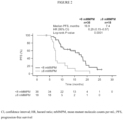
Figure 2 is a Kaplan-Meier graph comparing progression free survival (PFS) of mCRC patients with MMPM <8 and ≥ 8. - The following definitions are not limiting but merely aid in understanding this disclosure.
- The term "PFS" is used herein to describe the time of Progression Free Survival for a patient.
- The term "OS" is used herein to describe the time of Overall Survival for a patient.
- The term "circulating tumor DNA (ctDNA)" is used herein to describe a portion of cell-free DNA (cfDNA) found in human blood plasma or serum that originates from the tumor. Circulating tumor DNA is distinguished from non-tumor DNA by the mutations characteristic of the tumor.
- The term "biomarker" is used herein to describe a nucleotide sequence that contains information relevant to the biological or clinical phenomenon. For example, the information may be a mutation status of the nucleotide sequence. The biomarker can be a gene (including coding sequence, regulatory sequence, intron or a splice site) or an intergenic region. The clinical phenomenon can be the presence of malignant cells, e.g., tumor cells in a patient's sample.
- The term "whole genome sequencing of WGS" is used herein to describe sequencing of the entire genome of a cell or organism from which a cells or cells are derived. The term "whole exome sequencing of WES" is used herein to describe sequencing of all the exons present in all the genes of the genome. Both WGS and WES on human or other higher order vertebrate genomes are performed using massively parallel sequencing methods (next generation sequencing methods) capable of gathering and storing large amounts of sequence information.
- The invention describes methods of treatment of a tumor patient, a method of monitoring the treatment of a tumor patient and a method of modifying or altering a treatment regimen of a tumor patient. In some embodiments, the tumor is selected from non-small cell lung cancer (NSCLC), small cell lung cancer (SCLC) and colorectal cancer (CRC).
- Tumor cell are known to accumulate somatic mutations during tumor development and progression. Various methods of assessing tumor mutations have been used for diagnosis and therapy selection. For example, Tumor Mutation Burden (TMB), defined as a number of mutations in a tumor sample from a patient is a predictive biomarker for chemotherapies and cancer immunotherapies for an array of solid metastatic malignancies. TMB is often measured by whole exome sequencing (WES) or by sequencing of multi-megabase panels. In recent studies, a panel comprising 1.2 megabase of the genome was analyzed for mutations. Hybridization capture of exonic regions from 185, 236, 315, or 405 cancer-related genes and select introns from 19, 28, or 31 genes commonly rearranged in cancer was applied to ≥50 ng of DNA extracted from formalin-fixed, paraffin-embedded clinical cancer specimens. Chalmers et al. (2017) Analysis of 100,000 human cancer genomes reveals the landscape of tumor mutational burden, Genome Medicine (2017) 9:34, Goodman et al., (2017) Tumor Mutational Burden as an Independent Predictor of Response to Immunotherapy in Diverse Cancers, doi: 10.1158/1535-7163.MCT-17-0386, Maia, M.C., et al.,(2018) Relationship of tumor mutational burden (TMB) to immunotherapy response in metastatic renal cell carcinoma (mRCC), Journal of Clinical Oncology 36, no. 6_suppl (February 20 2018) 662-662 . Recently, a new more practical, non-invasive method of assessing tumor-characteristic mutations has been developed and described in a
U.S. Provisional Application Ser. No. 62/666,329 filed on May 3, 2018 - The present invention utilizes the same limited genomic panel approach. The invention is a method of assessing and treating a patient with a tumor wherein the effectiveness of the treatment regimen is monitored by detecting a change in tumor mutations. The novel method is economical and non-invasive. More specifically, the effectiveness of a therapy regimen is monitored by detecting changes in a novel parameter: mutant molecules per milliliter-of-plasma (MMPM). MMPM is a measure of the number of tumor mutations detected divided by the volume of plasma from which the tested nucleic acid has been extracted. One of skill in the art would realize that the sample need not be measured in milliliters to determine MMPM. Any other measurement of the amount of sample, e.g., mass or volume determined in any units is equally suitable for detecting and monitoring MMPM. The invention further comprises determining the change in MMPM with treatment. Blood samples are collected from the patient at various points during treatment including optionally a pretreatment measurement and one or more additional measurement. MMPM values are compared between the different time points. The method of treatment further comprises continuing with the treatment regimen if a reduction in MMPM is observed between time points. The method of treatment alternatively comprises a step of altering the treatment regimen if no reduction in MMPM is observed between time points.
In some embodiments, the invention uses a biomarker panel to identify tumor-specific somatic mutations by next-generation sequencing (NGS). In some embodiments, the invention utilizes a blood or blood -derived sample from a patient. The sample can include any fraction of blood, e.g., serum or plasma, which contains cell-free DNA including circulating tumor DNA (cfDNA or ctDNA). In some embodiments, the sample is taken serially at various times during treatment, e.g., before during and after a chemotherapy or chemoradiotherapy regimen. The blood sample from the is collected and preserved by any suitable means that preserves the cell free DNA therein including collecting the blood sample in a preservative medium, e.g., such as described in Application Ser. No.12/689,370 Preservation of fetal nucleic acids in maternal plasma, filed on 1/19/2010 - In some embodiments, the invention utilizes a biomarker panel, including a gene panel or a mutation panel or a somatic variant panel. The mutations may include single-nucleotide variations (SNVs), deletions and insertions (in-dels) that correspond to on-sense missense and frame-shift mutations if they occur in the coding regions of genes. Other types of mutations include gene fusions and translocations. The selection, size and content of such panels has been described e.g., in
U.S. Patent applications Ser. Nos. 14/209,807 ,14/774,518 PCT/US2015/049838 titled "Identification and Use of Circulating Tumor Markers." In some embodiments, the invention includes determining the sequence of the biomarkers in the panel, e.g., the genes listed in Table 1 or Table 2. In some embodiments, the entire sequence of a gene is determined. In other embodiments, the entire coding sequence of a gene is determined. In other embodiments, only the sequence of a portion of the gene known to undergo mutagenesis in cancer is determined. In yet other embodiments, the biomarker is not associated with a coding sequence but is associated with a regulatory sequence or a sequence of unknown function but known to be consistently mutated in human tumors. In some embodiments, the portion of the gene or other sequence is selected for inclusion in the panel if it is characterized by recurrence of the mutation in multiple patients afflicted with the same type of tumor or different types of tumors. Other criteria for inclusion in the panel are disclosed in the patent application "Identification and Use of Circulating Tumor Markers" supra. - In the context of the present invention, the sequence of a biomarker can be determined via any suitable method known in the art. The suitable method would have sufficient accuracy, e.g., sensitivity and specificity to detect rare mutant sequences co-occurring with non-mutant sequences. In some embodiments, the sequencing method includes an error correction step, such as use of molecular barcodes, error stereotyping and other chemical or computation methods of error suppression as described e.g., in see the patent applications "Identification and Use of Circulating Tumor Markers", supra. The sequencing method may include a massively parallel sequencing method, including an array based sequencing (Illumina, San Diego, Cal.), an emulsion-based sequencing (ThermoFisher, Waltham, Mass.) an optical measurement based sequencing (Pacific BioSciences, Menlo Park, Cal.) or a nanopore-based sequencing (Oxford Naopore, Oxford, UK or Roche Sequencing Solutions, Santa Clara, Cal.).
- The sequence data is compared to a reference genome sequence to determine mutations. In some embodiments, the reference sequence is the canonical human genome assembly e.g., HG38. Changes in the nucleic acid sequence compared to the reference genome are identified and scored as mutations. In some embodiments, one or more filters are applied to select mutations to be scored. In some embodiments, only mutations in the coding regions are scored. In some embodiments, only non-synonymous mutations in the coding regions are scored. In other embodiments, both non-synonymous and synonymous mutations in the coding regions are scored. In yet other embodiments, to enable detection of lower frequency mutation events, mutations in the cancer driver genes are excluded from scoring.
- In some embodiments, the invention includes a step of assessing the status of a cancer in a patient receiving therapy by determining the duration of one or more of progression free survival (PFS), recurrence free survival (RFS), total time to recurrence (TTR) and overall survival (OS). The assessing is based on the change in MMPM during treatment determined as described herein.
- In some embodiments, the invention provides methods for identifying cancer patients that are responding favorably to the treatment regimen being administered. The invention also provides methods for identifying cancer patients that are not responding favorably to treatment regimen being administered. Specifically, the invention is a method of treatment of a cancer patient comprising the steps of at more than one time point during the treatment, isolating nucleic acids from a cell-free blood sample obtained from the patient, in the isolated nucleic acid, determining the sequence of at least a portion of each of the biomarkers listed in Table 1 or in Table 2, comparing the sequence to the reference sequence and identifying mutations, determining MMPM as a ratio of the number of mutations identified and the amount (e.g., volume) of blood or plasma collected and determining the change in MMPM between the time points. The method further comprises continuing the therapy regimen if MMPM has decreased between the subsequent time points and altering the therapy regimen if MMPM has not decreased between the subsequent time points. In some embodiments, the therapy regimen for colorectal cancer (CRC) including metastatic colorectal cancer (mCRC) is selected from bevacizumab (BEV) plus 5-fluorouracil/leucovorin/oxaliplatin (FOLFOX) and 5-fluorouracil/leucovorin/irinotecan (FOLFIRI), administered concurrently (cFOLFOXIRI-BEV), or capecitabine plus bevacizumab. In some embodiments, progression therapy for mCRC is selected bevacizumab and a fluoropyrimidine-based chemotherapy.
- One aspect of the invention includes a system for detecting MMPM in a patient. The system comprises a processor and a non-transitory computer readable medium coupled to the processor, the medium comprising code executable by the processor for performing a method comprising the steps of analyzing sequencing data on biomarkers from Table 1 or Table 2 obtained from sample collected at more than one time point during treatment, performing sequence comparison and mutation detection, error correction, determining MMPM as a ratio of the number of mutations identified and the amount (e.g., volume) of plasma and determining whether MMPM has decreased between subsequent time points.
- In some embodiments, the computer readable medium, which may include one or more storages devices, comprises a database including a listing of available therapies depending on the dynamics of MMPM measurements in the patient. The computer readable medium further comprises a program code having instructions to generate a report listing suitable therapies. The system may comprise various functional aspects such a server including a processor for processing digital data, a memory coupled to the processor for storing digital data, an input digitizer coupled to the processor for inputting digital data, program code stored in the memory and accessible by the processor, a display device coupled to the processor and memory for displaying information derived from digital data, data networking, and one or more informational databases. The databases may include patient data, patient sample data, clinical data including prior treatment data, a list of therapies and therapeutic agents, patient tracking data and the like.
- In some embodiments, the invention utilizes a biomarker panel, such as AVENIO® ctDNA Analysis Kit (Roche Sequencing Solutions, Inc., Pleasanton, Cal.) that is capable of analyzing the tissue and blood of patients to identify and quantify tumor specific mutations in the samples. The composition of the biomarker panel in AVENIO® ctDNA Analysis Kit (expanded panel) is shown in Table 1. The composition of the biomarker panel in AVENIO® ctDNA Analysis Kit (surveillance panel) is shown in Table 2.
Table 1. Composition of the expanded biomarker panel APC KRAS ABL1 FGFR3 JAK3 RAF1 BRCA1 MET AKT1 FLT1 KDR RNF43 BRCA2 TP53 AKT2 FLT3 MAP2K1 TERT promoter EGFR KIT ARAF FLT4 MAP2K2 TSC1 ERBB2 NRAS CDK6 GATA3 MTOR TSC2 ALK PDGFRA CSF1R GNA11 NFE2L2 PTEN BRAF RET CTNNB1 GNAQ NTRK1 RB1 DPYD ROS1 DDR2 GNAS PDGFRB SMAD4 AR MSH2 EZH2 IDH1 PIK3CA SMO CCND1 MSH6 FGFR1 IDH2 PIK3R1 STK11 CCND2 NF2 FGFR2 JAK2 PTCH1 VHL CCND3 PDCD1LG2 CDK4 ESR1 KEAP1 UGT1A1 CD274 PMS2 CDKN2A FBXW7 MLH1 Table 2. Composition of the surveillance biomarker panel ABCC5 CSMD1 FAT1 HTR1E MAP7D3 PIK3CA SV2A ABCG2 CSMD3 FBN2 HTR2C MKRN3 PIK3CG T ACTN2 CTNNB1 FBXL7 IFI16 MMP16 PKHD1L1 THSD7A ADAMTS1 2 CTNND2 FBXW7 IL7R MTX1 POLE TIAM1 ADAMTS1 6 CYBB FCRL5 INSL3 MYH7 POM121L12 TMEM200 A ARFGEF1 DCAF12L 1 FOXG1 ITGA10 MYT1L PREX1 TNFRSF21 ASTN1 DCAF12L 2 FRYL ITSN1 NAV3 PTPLA TNN ASTN2 DCAF4L2 GBA3 KCNA5 NEUROD 4 RALYL TNR AVPR1A DCLK1 GBP7 KCNB2 NFE2L2 RFX5 TRHDE BCHE DCSTAMP GJA8 KCNC2 NLGN4X RIN3 TRIM58 BPIFB4 DDI1 GPR13 9 KCNJ3 NLRP3 RNASE3 TRPS1 C6 DLGAP2 GRIA2 KCTD8 NMUR1 ROBO2 UGT3A2 C6orf118 DMD GRIK3 KEAP1 NOL4 SEMA5B USH2A CA10 DNTTIP1 GRIN2B KIAA121 1 NPAP1 SL C18A3 USP29 CACNA1E DOCK3 GRIN3B KIF17 NR0B1 SLC39A12 VPS13B CDH12 DSC3 GRM1 KIF19 NRXN1 SLC6A5 WBSCR17 CDH18 DSCAM GRM5 KLHL31 NXPH4 SLC8A1 WIPF1 CDH8 EGFLAM GRM8 KPRP NYAP2 SLITRK1 WSCD2 CDH9 EPHA5 GSX1 LPPR4 OPRD1 SLITRK4 ZC3H12A CDKN2A EPHA6 HCN1 LRFN5 P2RY10 SLITRKS ZFPM2 CHRM2 EYS HCRTR 2 LRP1B PAX6 SLPI ZIC1 CNTN5 FAM135B HEBP1 LRRC7 PCDH15 SMAD4 ZIC4 CNTNAP2 FAM151A HECW1 LRRTM1 PDYN SOX9 ZNF521 CPXCR1 FAM5B HS3ST4 LRRTM4 PDZRN3 SPTA1 ZSCAN1 CPZ FAM5C HS3ST5 LTBP4 PGK2 ST6GALNAC 3 KIT CRMP1 FAM71B HTR1A MAP2 PHACTR1 STK11 NRAS APC KRAS ALK PDGFRA MET BRAF RET BRCA1 BRCA2 TP53 DPYD EGFR ERBB2 UGT1A1 - In some embodiments, some or all genes from the panel of 77 genes listed in Table 1 is used. In some embodiments, some or all genes from the the panel of 197 genes listed in Table 2 is used. The mutation (MMPM) measurements are taken at one or more points during the treatment regimen to assess changes in MMPM. In some embodiments, the initial measurement is taken before commencement of the treatment regimen. In some embodiments, the final measurement is taken after completion of the treatment regimen. In some embodiments, no pre-treatment MMPM measurement is available and mutation (MMPM) measurements are taken only during and optionally post-treatment to assess changes in MMPM.
- Blood plasma samples were collected from a cohort of advanced non-small cell lung cancer (NSCLC) adenocarcinoma patients. The AVENIO® ctDNA kit, Surveillance Panel (Roche Sequencing Solutions, Pleasanton, Cal.) was used to assess the number of mutations in patient samples. Cell-free DNA (cfDNA) from the patients was isolated and analyzed according to the manufacturer's instructions of the AVENIO® ctDNA Kit. Post-treatment MMPM values were compared with the MMPM value at baseline and/or the previous treatment time point. At baseline (b0), we identified variants in all patients to enable ctDNA monitoring. We define the plasma draw after the first and second treatment cycle as p1, and p2, respectively.
- By applying the Continuous Responder algorithm, defined by a continuous drop in ctDNA levels represented by mean MMPM reduction over time (p2<p1<b0), to a mean MMPM below 8 at p2. As a result,
continuous responders 13/43 (30%) were associated with a better therapy response indicated by PFS (P = 0.028 HR 0.45; 95% CI 0.23 - 0.90) and OS (P = 0.0074 HR 0.3; 95% CI 0.12 - 0.77). The continuous responders demonstrated a median overall survival benefit of 11.25 months over the poor responders. The results demonstrate that early post-treatment ctDNA level measured by NGS was associated with chemoradiation therapy response in advanced lung adenocarcinoma population. - From the prospective, observational German Lung Cancer Multi-Marker Study we selected the first 72 consecutive small-cell lung cancer (SCLC) patients, UICC-stage IIIB/IV, where plasma samples were available prior to start of therapy, and prior to the second cycle of chemotherapy, and prior to third cycle. We hypothesized that assessment of the level of ctDNA after starting therapy relates to treatment effect and prognosis. We employed AVENIO ctDNA Surveillance Kit (Roche Sequencing Solutions, Pleasanton, Cal.), a 197-gene NGS assay, which allowed us to perform longitudinal ctDNA analysis and measure the mutant molecules per milliliter-of-plasma (MMPM), which quantifies ctDNA over all variants of all sequenced genomic regions. All extracted cfDNA samples were processed and sequenced in order of date of blood draw. At baseline (b0), we identified variants in all (72/72) subjects to enable ctDNA monitoring. Using serial liquid biopsies from each subject, the mean MMPM at post-first treatment cycle (p1) and the mean MMPM at post-second treatment cycle (p2) were analyzed. We tested a Continuous Responder algorithm, defined by a continuous drop in ctDNA levels represented by mean MMPM reduction over time (p2<p1<b0), to a mean MMPM below 18 at p2. As a result, continuous responders 47/72 were associated with a better therapy response OS HR = 2 (P =0.0092%; CI 1.2 - 3.4). The continuous responders demonstrated a median survival benefit of 4.6 months over the poor responders. Neither gender, nor age, nor ECOG, nor stage were predictors of response in the models. The results demonstrate that an early assessment of treatment effect can be measured by mutant molecule counts in the plasma. A decrease in post-treatment ctDNA levels was associated with better prognosis in advanced SCLC.
- The patients selected for the study were
phase 2 study of patients with previously untreated mCRC. After a 21-day screening period, patients were randomized 1:1:1 to a 4-month treatment induction phase with cFOLFOXIRI-BEV, sFOLFOXIRI-BEV, or FOLFOX-BEV, administered in two-week cycles. Induction could be extended up to an additional 2 months at the discretion of the treating physician. Induction therapy was followed by maintenance with 5-fluorouracil, leucovorin, and bevacizumab every 2 weeks or capecitabine plus bevacizumab every 3 weeks. Following disease progression, patients were to receive second-line bevacizumab and a fluoropyrimidine-based chemotherapy of the investigator's choice. Treatment continued until progression, death, withdrawal of consent, or unacceptable toxicity. Treatment efficacy was assessed by site investigators per Response Evaluation Criteria in Solid Tumors (RECIST) v1.1 during the pre-randomization screening period and every 8 weeks thereafter. PFS was calculated as the time from randomization to first disease progression or death from any cause, whichever occurred earlier. Patients without an event were censored at their last tumor assessment. - Biomarker-evaluable patients were defined as those who provided optional consent to participate in the biomarker program and who had one tissue sample, one pre-induction plasma sample, and one post-induction plasma sample. Tissue and pre-induction plasma samples had to be analyzable and collected within 90 days of each other. In addition, post-induction plasma samples had to be collected within 60 days of last drug induction date. Archival or fresh baseline (
cycle 1,day 1, pre-treatment) tumor tissue for each patient was collected. Blood plasma for biomarker analysis was collected at baseline and at the end of the induction phase (end ofcycle 8, with possible extension to cycle 12, per the discretion of the investigator). - cfDNA was extracted from 4 mL of plasma using the cobas® cfDNA Sample Preparation kit (Roche Molecular Systems, Pleasanton, Cal.), and tumor DNA was isolated from formalin-fixed paraffin embedded (FFPE) tumor tissue sections using the cobas® DNA Sample Preparation kit (Roche Molecular Systems, Pleasanton, Cal.). DNA yields were quantified by a Qubit HS assay (ThermoFisher, Waltham, Mass). cfDNA samples were prepared for sequencing using the AVENIO ctDNA Expanded Kit (Research Use Only; Roche Sequencing Solutions, Pleasanton, Cal.) using 1 to 208 ng (median 50 ng) of cfDNA. DNAs sequencing was performed on an Illumina HiSeq 4000. ctDNA variants were identified using the AVENIO ctDNA Analysis Software (Roche Sequencing Solutions, Pleasanton, Cal.)
- Allele Frequency (AF) for a given somatic mutation was calculated as the number of de-duplicated reads with that mutation divided by the total number of de-duplicated reads covering that genomic position. MMPM for a given somatic mutation was calculated from the AF of that variant by multiplying by the extracted mass (ng), dividing by the plasma volume (mL), and adjusting by a factor of 330 haploid human genome equivalents (hGE) per 1 ng. The mean AF or mean MMPM for each plasma sample was calculated across somatic variants (single nucleotide variants and indels) pre-defined by the matched tissue sample. Cutoffs for classifiers were determined based on distribution of post-induction mean AF and mean MMPM values. Following testing of multiple cutoff values, we found that mean MMPM value of 8 MM/mL showed clinically significant separation of good vs. poor molecular responders.
- Kaplan-Meier method and log-rank tests were used to estimate the median PFS and log-rank p-value. Cox proportional hazards models were used to estimate the hazard ratio (HR) and associated 95% CIs.
- Of the 54 patients in the biomarker evaluable population, 6 patients had curative surgery (i.e., surgery with an outcome of R0 resection) while on study. Median follow-up duration was 19.3 (range, 6.7-28.0) months in the 54 patients included in the biomarker evaluable population. Median PFS after first-line induction therapy in the biomarker evaluable population (n=54) was similar to median PFS observed in the remaining STEAM population (n=226) (11.2 vs 10.9 months, respectively; HR 1.09 [95% CI 0.77-1.54], log-rank P=0.6361).
- As an alternative method of estimating ctDNA levels in plasma, we evaluated a novel parameter: absolute variant molecules per unit plasma, (MMPM). We determined association of changes in MMPM with PFS. Post-induction mean MMPM (mMMPM) levels were inversely associated with PFS regardless of cutoff used (median, 8 MM/mL, or 10 MM/mL), suggesting that mMMPM levels are also prognostic for clinical outcomes. In patients with ≤ median vs > median mMMPM, median PFS was 17.7 vs 8.1 months, respectively, and HR was 0.39 (95% CI 0.20-0.75) (log-rank P=0.0034). (
Figure 1 ). In patients with <8 MM/mL vs ≥8 MM/mL, median PFS was 16.9 vs 7.4 months, respectively, and HR was 0.29 (95% CI 0.15-0.57, log-rank P=0.0001). (Figure 2 ). - While mAF and mMMPM generally correlated with each other, three patients in this analysis with very high (>100 ng/mL) plasma cfDNA levels had low post-induction mAF levels (0.21%, 0.36%, and 0.03%) but greater than median mMMPM (211.62, 793.43, 10.93, respectively). Two of the three patients had relatively short PFS durations (6.7 and 7.5 months). In these outlier cases, mMMPM was a better prognostic biomarker than mAF, as mAF may have underestimated disease burden.
Claims (2)
- A method for determining whether a cancer patient has positively responded to a therapy regimen, the method comprising the steps of:(a) providing a blood plasma sample from the patient collected at a first time point during treatment regimen;(b) providing a blood plasma sample from the patient collected at a second time point during treatment regimen;(c) determining in the samples the sequence of ctDNA of at least a portion known to undergo mutagenesis in cancer of each of the biomarkers listed in Table 1 or Table 2;(d) determining in the samples the ratio of the number of mutations detected in the biomarkers to the volume of the samples, said ratio defined as MMPM or mutant molecules per milliliter-of-plasma,
wherein mutations include single-nucleotide variations (SNVs), deletions and insertions (in-dels), and wherein mutations are determined by comparing the sequence data to a reference genome sequence, wherein the reference genome sequence is the canonical human genome assembly;(e) determining that the patient has responded to the therapy regimen if the ratio determined in step (d) in the second sample is lower than in the first sample; or(f) determining that the patient has not responded to the therapy regimen if the ratio determined in step (d) in the second sample is not lower than in the first sample, and altering the therapy regimen,wherein the cancer is selected from among non-small cell lung cancer (NSCLC), small cell lung cancer (SCLC) and colorectal cancer (CRC), wherein the patient's response to therapy is selected from increased progression free survival (PFS) and increased overall survival (OS), and wherein the therapy regimen is selected from treatment with FOLFOXIRI-bevacizumab, treatment with FOLFOX-bevacizumab, capercitabine-bevacizumab and chemoradiation therapy. - The method of claim 1, further comprising collecting additional blood plasma sampled at additional time points during the treatment regimen and determining whether the ratio determined in step (d) has decreased therein compared to the prior time point or is greater than the ratio determined in step (d) in a subsequent time point.
Applications Claiming Priority (2)
| Application Number | Priority Date | Filing Date | Title |
|---|---|---|---|
| US201862630195P | 2018-02-13 | 2018-02-13 | |
| PCT/EP2019/053250 WO2019158460A1 (en) | 2018-02-13 | 2019-02-11 | Method of predicting response to therapy by assessing tumor genetic heterogeneity |
Publications (2)
| Publication Number | Publication Date |
|---|---|
| EP3752642A1 EP3752642A1 (en) | 2020-12-23 |
| EP3752642B1 true EP3752642B1 (en) | 2025-06-18 |
Family
ID=65409080
Family Applications (1)
| Application Number | Title | Priority Date | Filing Date |
|---|---|---|---|
| EP19704788.9A Active EP3752642B1 (en) | 2018-02-13 | 2019-02-11 | Method of predicting response to therapy by assessing tumor genetic heterogeneity |
Country Status (6)
| Country | Link |
|---|---|
| US (1) | US12571050B2 (en) |
| EP (1) | EP3752642B1 (en) |
| JP (1) | JP7185700B2 (en) |
| CN (1) | CN111684079A (en) |
| ES (1) | ES3038135T3 (en) |
| WO (1) | WO2019158460A1 (en) |
Families Citing this family (1)
| Publication number | Priority date | Publication date | Assignee | Title |
|---|---|---|---|---|
| CN115148283B (en) * | 2022-09-05 | 2022-12-20 | 北京泛生子基因科技有限公司 | Device and computer-readable storage medium for predicting DLBCL patient prognosis based on first-line treatment mid-term peripheral blood ctDNA |
Family Cites Families (8)
| Publication number | Priority date | Publication date | Assignee | Title |
|---|---|---|---|---|
| EP2825675B1 (en) * | 2012-03-13 | 2017-12-27 | Patel, Abhijit Ajit | Measurement of nucleic acid variants using highly-multiplexed error-suppressed deep sequencing |
| CN113337604A (en) * | 2013-03-15 | 2021-09-03 | 莱兰斯坦福初级大学评议会 | Identification and use of circulating nucleic acid tumor markers |
| US20160115556A1 (en) | 2013-10-19 | 2016-04-28 | Trovagene, Inc. | Detecting mutations in disease over time |
| ES2925014T3 (en) * | 2014-09-12 | 2022-10-13 | Univ Leland Stanford Junior | Identification and use of circulating nucleic acids |
| US10364468B2 (en) * | 2016-01-13 | 2019-07-30 | Seven Bridges Genomics Inc. | Systems and methods for analyzing circulating tumor DNA |
| CN106399477A (en) | 2016-05-17 | 2017-02-15 | 程澎 | Tumor circulation DNA technical detection-cancer early-stage easy-to-occur risk assessment data method |
| CN106498024A (en) | 2016-10-21 | 2017-03-15 | 上海市第人民医院 | Assessment of the individuation Peripheral Circulation tumor cell combination tumor markers tests to Advanced Colon Cancer Chemotherapy in Patients curative effect |
| KR20170125004A (en) * | 2017-11-01 | 2017-11-13 | 삼성전자주식회사 | Display apparatus and user interface screen providing method thereof |
-
2019
- 2019-02-11 EP EP19704788.9A patent/EP3752642B1/en active Active
- 2019-02-11 ES ES19704788T patent/ES3038135T3/en active Active
- 2019-02-11 US US16/969,172 patent/US12571050B2/en active Active
- 2019-02-11 CN CN201980013042.XA patent/CN111684079A/en active Pending
- 2019-02-11 WO PCT/EP2019/053250 patent/WO2019158460A1/en not_active Ceased
- 2019-02-11 JP JP2020542934A patent/JP7185700B2/en active Active
Non-Patent Citations (1)
| Title |
|---|
| ANONYMOUS: "Media Release Roche launches AVENIO ctDNA Analysis Kits for Oncology Research", 8 May 2017 (2017-05-08), XP055610908, Retrieved from the Internet <URL:https://www.roche.com/dam/jcr:c6ecf4b7-6d24-48cb-8458-510ed0798625/en/med-cor-2017-05-08-e.pdf> [retrieved on 20190805] * |
Also Published As
| Publication number | Publication date |
|---|---|
| WO2019158460A1 (en) | 2019-08-22 |
| US20200399711A1 (en) | 2020-12-24 |
| CN111684079A (en) | 2020-09-18 |
| JP7185700B2 (en) | 2022-12-07 |
| EP3752642A1 (en) | 2020-12-23 |
| ES3038135T3 (en) | 2025-10-09 |
| JP2021513352A (en) | 2021-05-27 |
| US12571050B2 (en) | 2026-03-10 |
Similar Documents
| Publication | Publication Date | Title |
|---|---|---|
| EP4123032B1 (en) | Detection and treatment of disease exhibiting disease cell heterogeneity and systems and methods for communicating test results | |
| Wang et al. | Clinical analysis by next-generation sequencing for NSCLC patients with MET amplification resistant to osimertinib | |
| CN111684078B (en) | Methods for predicting response to treatment by assessing tumor genetic heterogeneity | |
| Bruzek et al. | Electronic DNA analysis of CSF cell-free tumor DNA to quantify multi-gene molecular response in pediatric high-grade glioma | |
| US20210292851A1 (en) | Method of monitoring effectiveness of immunotherapy of cancer patients | |
| Dudley et al. | Tumor cellularity as a quality assurance measure for accurate clinical detection of BRAF mutations in melanoma | |
| EP3788173B1 (en) | Surrogate marker and method for tumor mutation burden measurement | |
| US20230083203A1 (en) | Non-invasive test to predict response to therapy in colorectal cancer patients | |
| Mossanen et al. | Genomic features of muscle-invasive bladder cancer arising after prostate radiotherapy | |
| US11821041B2 (en) | Non-invasive test to predict recurrence of colorectal cancer | |
| Deng et al. | Competitive evolution of NSCLC tumor clones and the drug resistance mechanism of first-generation EGFR-TKIs in Chinese NSCLC patients | |
| Sihag et al. | The role of the TP53 pathway in predicting response to neoadjuvant therapy in esophageal adenocarcinoma | |
| Li et al. | Comprehensive next-generation sequencing reveals novel predictive biomarkers of recurrence and thoracic toxicity risks after chemoradiation therapy in limited stage small cell lung cancer | |
| Hung et al. | Comprehensive genomic profiling in multiple cancer types: A comparative analysis of the National Biobank Consortium of Taiwan and clinical practice cohorts | |
| US12571050B2 (en) | Method of predicting response to therapy by assessing tumor genetic heterogeneity | |
| Tamiya et al. | Prospective observational study of treatment resistance-related gene screening using plasma circulating tumor DNA in third-generation EGFR-TKI osimertinib therapy (Elucidator) | |
| CN111201572A (en) | Comprehensive Genome Transcriptome Tumor-Normal-like Genome Panel Analysis of Cancer Patients for Improved Precision | |
| Cheng et al. | Novel causes and assessments of intrapulmonary metastasis | |
| Ottestad et al. | Associations between tumor mutations in cfDNA and survival in non-small cell lung cancer | |
| Cheon et al. | Clearance of TP53 Mutations in ctDNA Reflects Therapeutic Response in Advanced Pancreatic Cancer Patients | |
| EP3790995B1 (en) | Method of cancer prognosis by assessing tumor variant diversity by means of establishing diversity indices | |
| Ju et al. | Whole-Genome analyses of 1,364 breast cancers with clinical records | |
| Zhao et al. | Up-regulated tumor intrinsic growth potential and decreased immune function orchestrate the evolution of lung adenocarcinoma | |
| CN120574948A (en) | Application of maximum allele mutation abundance in predicting immunotherapy efficacy in metastatic colorectal cancer with intact mismatch repair proteins | |
| Fujita et al. | Biopsy of palliative lesions following radiotherapy |
Legal Events
| Date | Code | Title | Description |
|---|---|---|---|
| STAA | Information on the status of an ep patent application or granted ep patent |
Free format text: STATUS: UNKNOWN |
|
| STAA | Information on the status of an ep patent application or granted ep patent |
Free format text: STATUS: THE INTERNATIONAL PUBLICATION HAS BEEN MADE |
|
| PUAI | Public reference made under article 153(3) epc to a published international application that has entered the european phase |
Free format text: ORIGINAL CODE: 0009012 |
|
| STAA | Information on the status of an ep patent application or granted ep patent |
Free format text: STATUS: REQUEST FOR EXAMINATION WAS MADE |
|
| 17P | Request for examination filed |
Effective date: 20200914 |
|
| AK | Designated contracting states |
Kind code of ref document: A1 Designated state(s): AL AT BE BG CH CY CZ DE DK EE ES FI FR GB GR HR HU IE IS IT LI LT LU LV MC MK MT NL NO PL PT RO RS SE SI SK SM TR |
|
| AX | Request for extension of the european patent |
Extension state: BA ME |
|
| DAV | Request for validation of the european patent (deleted) | ||
| DAX | Request for extension of the european patent (deleted) | ||
| STAA | Information on the status of an ep patent application or granted ep patent |
Free format text: STATUS: EXAMINATION IS IN PROGRESS |
|
| 17Q | First examination report despatched |
Effective date: 20220325 |
|
| GRAP | Despatch of communication of intention to grant a patent |
Free format text: ORIGINAL CODE: EPIDOSNIGR1 |
|
| STAA | Information on the status of an ep patent application or granted ep patent |
Free format text: STATUS: GRANT OF PATENT IS INTENDED |
|
| INTG | Intention to grant announced |
Effective date: 20250314 |
|
| GRAS | Grant fee paid |
Free format text: ORIGINAL CODE: EPIDOSNIGR3 |
|
| GRAA | (expected) grant |
Free format text: ORIGINAL CODE: 0009210 |
|
| STAA | Information on the status of an ep patent application or granted ep patent |
Free format text: STATUS: THE PATENT HAS BEEN GRANTED |
|
| AK | Designated contracting states |
Kind code of ref document: B1 Designated state(s): AL AT BE BG CH CY CZ DE DK EE ES FI FR GB GR HR HU IE IS IT LI LT LU LV MC MK MT NL NO PL PT RO RS SE SI SK SM TR |
|
| REG | Reference to a national code |
Ref country code: GB Ref legal event code: FG4D |
|
| REG | Reference to a national code |
Ref country code: CH Ref legal event code: EP |
|
| REG | Reference to a national code |
Ref country code: DE Ref legal event code: R096 Ref document number: 602019071214 Country of ref document: DE |
|
| REG | Reference to a national code |
Ref country code: CH Ref legal event code: EP |
|
| REG | Reference to a national code |
Ref country code: IE Ref legal event code: FG4D |
|
| PG25 | Lapsed in a contracting state [announced via postgrant information from national office to epo] |
Ref country code: FI Free format text: LAPSE BECAUSE OF FAILURE TO SUBMIT A TRANSLATION OF THE DESCRIPTION OR TO PAY THE FEE WITHIN THE PRESCRIBED TIME-LIMIT Effective date: 20250618 |
|
| REG | Reference to a national code |
Ref country code: ES Ref legal event code: FG2A Ref document number: 3038135 Country of ref document: ES Kind code of ref document: T3 Effective date: 20251009 |
|
| REG | Reference to a national code |
Ref country code: LT Ref legal event code: MG9D |
|
| PG25 | Lapsed in a contracting state [announced via postgrant information from national office to epo] |
Ref country code: NO Free format text: LAPSE BECAUSE OF FAILURE TO SUBMIT A TRANSLATION OF THE DESCRIPTION OR TO PAY THE FEE WITHIN THE PRESCRIBED TIME-LIMIT Effective date: 20250918 Ref country code: GR Free format text: LAPSE BECAUSE OF FAILURE TO SUBMIT A TRANSLATION OF THE DESCRIPTION OR TO PAY THE FEE WITHIN THE PRESCRIBED TIME-LIMIT Effective date: 20250919 |
|
| PG25 | Lapsed in a contracting state [announced via postgrant information from national office to epo] |
Ref country code: BG Free format text: LAPSE BECAUSE OF FAILURE TO SUBMIT A TRANSLATION OF THE DESCRIPTION OR TO PAY THE FEE WITHIN THE PRESCRIBED TIME-LIMIT Effective date: 20250618 |
|
| PG25 | Lapsed in a contracting state [announced via postgrant information from national office to epo] |
Ref country code: HR Free format text: LAPSE BECAUSE OF FAILURE TO SUBMIT A TRANSLATION OF THE DESCRIPTION OR TO PAY THE FEE WITHIN THE PRESCRIBED TIME-LIMIT Effective date: 20250618 |
|
| PG25 | Lapsed in a contracting state [announced via postgrant information from national office to epo] |
Ref country code: RS Free format text: LAPSE BECAUSE OF FAILURE TO SUBMIT A TRANSLATION OF THE DESCRIPTION OR TO PAY THE FEE WITHIN THE PRESCRIBED TIME-LIMIT Effective date: 20250918 |
|
| REG | Reference to a national code |
Ref country code: NL Ref legal event code: MP Effective date: 20250618 |
|
| PG25 | Lapsed in a contracting state [announced via postgrant information from national office to epo] |
Ref country code: LV Free format text: LAPSE BECAUSE OF FAILURE TO SUBMIT A TRANSLATION OF THE DESCRIPTION OR TO PAY THE FEE WITHIN THE PRESCRIBED TIME-LIMIT Effective date: 20250618 |
|
| PG25 | Lapsed in a contracting state [announced via postgrant information from national office to epo] |
Ref country code: NL Free format text: LAPSE BECAUSE OF FAILURE TO SUBMIT A TRANSLATION OF THE DESCRIPTION OR TO PAY THE FEE WITHIN THE PRESCRIBED TIME-LIMIT Effective date: 20250618 |
|
| PG25 | Lapsed in a contracting state [announced via postgrant information from national office to epo] |
Ref country code: PT Free format text: LAPSE BECAUSE OF FAILURE TO SUBMIT A TRANSLATION OF THE DESCRIPTION OR TO PAY THE FEE WITHIN THE PRESCRIBED TIME-LIMIT Effective date: 20251020 |
|
| REG | Reference to a national code |
Ref country code: AT Ref legal event code: MK05 Ref document number: 1804230 Country of ref document: AT Kind code of ref document: T Effective date: 20250618 |
|
| PG25 | Lapsed in a contracting state [announced via postgrant information from national office to epo] |
Ref country code: IS Free format text: LAPSE BECAUSE OF FAILURE TO SUBMIT A TRANSLATION OF THE DESCRIPTION OR TO PAY THE FEE WITHIN THE PRESCRIBED TIME-LIMIT Effective date: 20251018 |
|
| PG25 | Lapsed in a contracting state [announced via postgrant information from national office to epo] |
Ref country code: SM Free format text: LAPSE BECAUSE OF FAILURE TO SUBMIT A TRANSLATION OF THE DESCRIPTION OR TO PAY THE FEE WITHIN THE PRESCRIBED TIME-LIMIT Effective date: 20250618 Ref country code: AT Free format text: LAPSE BECAUSE OF FAILURE TO SUBMIT A TRANSLATION OF THE DESCRIPTION OR TO PAY THE FEE WITHIN THE PRESCRIBED TIME-LIMIT Effective date: 20250618 |
|
| PG25 | Lapsed in a contracting state [announced via postgrant information from national office to epo] |
Ref country code: CZ Free format text: LAPSE BECAUSE OF FAILURE TO SUBMIT A TRANSLATION OF THE DESCRIPTION OR TO PAY THE FEE WITHIN THE PRESCRIBED TIME-LIMIT Effective date: 20250618 |
|
| PG25 | Lapsed in a contracting state [announced via postgrant information from national office to epo] |
Ref country code: PL Free format text: LAPSE BECAUSE OF FAILURE TO SUBMIT A TRANSLATION OF THE DESCRIPTION OR TO PAY THE FEE WITHIN THE PRESCRIBED TIME-LIMIT Effective date: 20250618 |
|
| PG25 | Lapsed in a contracting state [announced via postgrant information from national office to epo] |
Ref country code: EE Free format text: LAPSE BECAUSE OF FAILURE TO SUBMIT A TRANSLATION OF THE DESCRIPTION OR TO PAY THE FEE WITHIN THE PRESCRIBED TIME-LIMIT Effective date: 20250618 |
|
| PG25 | Lapsed in a contracting state [announced via postgrant information from national office to epo] |
Ref country code: RO Free format text: LAPSE BECAUSE OF FAILURE TO SUBMIT A TRANSLATION OF THE DESCRIPTION OR TO PAY THE FEE WITHIN THE PRESCRIBED TIME-LIMIT Effective date: 20250618 Ref country code: SK Free format text: LAPSE BECAUSE OF FAILURE TO SUBMIT A TRANSLATION OF THE DESCRIPTION OR TO PAY THE FEE WITHIN THE PRESCRIBED TIME-LIMIT Effective date: 20250618 |
|
| REG | Reference to a national code |
Ref country code: CH Ref legal event code: U11 Free format text: ST27 STATUS EVENT CODE: U-0-0-U10-U11 (AS PROVIDED BY THE NATIONAL OFFICE) Effective date: 20260301 |
|
| REG | Reference to a national code |
Ref country code: DE Ref legal event code: R097 Ref document number: 602019071214 Country of ref document: DE |
|
| PGFP | Annual fee paid to national office [announced via postgrant information from national office to epo] |
Ref country code: GB Payment date: 20260122 Year of fee payment: 8 |
|
| PGFP | Annual fee paid to national office [announced via postgrant information from national office to epo] |
Ref country code: ES Payment date: 20260302 Year of fee payment: 8 |
|
| PG25 | Lapsed in a contracting state [announced via postgrant information from national office to epo] |
Ref country code: DK Free format text: LAPSE BECAUSE OF FAILURE TO SUBMIT A TRANSLATION OF THE DESCRIPTION OR TO PAY THE FEE WITHIN THE PRESCRIBED TIME-LIMIT Effective date: 20250618 |
|
| PGFP | Annual fee paid to national office [announced via postgrant information from national office to epo] |
Ref country code: DE Payment date: 20260121 Year of fee payment: 8 |
|
| PGFP | Annual fee paid to national office [announced via postgrant information from national office to epo] |
Ref country code: IT Payment date: 20260121 Year of fee payment: 8 |
|
| PGFP | Annual fee paid to national office [announced via postgrant information from national office to epo] |
Ref country code: FR Payment date: 20260121 Year of fee payment: 8 |
|
| PGFP | Annual fee paid to national office [announced via postgrant information from national office to epo] |
Ref country code: CH Payment date: 20260301 Year of fee payment: 8 |
|
| PLBE | No opposition filed within time limit |
Free format text: ORIGINAL CODE: 0009261 |
|
| STAA | Information on the status of an ep patent application or granted ep patent |
Free format text: STATUS: NO OPPOSITION FILED WITHIN TIME LIMIT |
|
| REG | Reference to a national code |
Ref country code: CH Ref legal event code: L10 Free format text: ST27 STATUS EVENT CODE: U-0-0-L10-L00 (AS PROVIDED BY THE NATIONAL OFFICE) Effective date: 20260430 |