EP3752518B1 - Cyclinabhängige kinase-inhibitoren und verfahren zur verwendung - Google Patents
Cyclinabhängige kinase-inhibitoren und verfahren zur verwendung Download PDFInfo
- Publication number
- EP3752518B1 EP3752518B1 EP19753978.6A EP19753978A EP3752518B1 EP 3752518 B1 EP3752518 B1 EP 3752518B1 EP 19753978 A EP19753978 A EP 19753978A EP 3752518 B1 EP3752518 B1 EP 3752518B1
- Authority
- EP
- European Patent Office
- Prior art keywords
- compound
- alkyl
- cancer
- disease
- compounds
- Prior art date
- Legal status (The legal status is an assumption and is not a legal conclusion. Google has not performed a legal analysis and makes no representation as to the accuracy of the status listed.)
- Active
Links
Images

Classifications
-
- C—CHEMISTRY; METALLURGY
- C07—ORGANIC CHEMISTRY
- C07J—STEROIDS
- C07J43/00—Normal steroids having a nitrogen-containing hetero ring spiro-condensed or not condensed with the cyclopenta(a)hydrophenanthrene skeleton
- C07J43/003—Normal steroids having a nitrogen-containing hetero ring spiro-condensed or not condensed with the cyclopenta(a)hydrophenanthrene skeleton not condensed
-
- C—CHEMISTRY; METALLURGY
- C07—ORGANIC CHEMISTRY
- C07J—STEROIDS
- C07J1/00—Normal steroids containing carbon, hydrogen, halogen or oxygen, not substituted in position 17 beta by a carbon atom, e.g. estrane, androstane
- C07J1/0003—Androstane derivatives
- C07J1/0011—Androstane derivatives substituted in position 17 by a keto group
-
- C—CHEMISTRY; METALLURGY
- C07—ORGANIC CHEMISTRY
- C07J—STEROIDS
- C07J13/00—Normal steroids containing carbon, hydrogen, halogen or oxygen having a carbon-to-carbon double bond from or to position 17
- C07J13/007—Normal steroids containing carbon, hydrogen, halogen or oxygen having a carbon-to-carbon double bond from or to position 17 with double bond in position 17 (20)
-
- C—CHEMISTRY; METALLURGY
- C07—ORGANIC CHEMISTRY
- C07J—STEROIDS
- C07J21/00—Normal steroids containing carbon, hydrogen, halogen or oxygen having an oxygen-containing hetero ring spiro-condensed with the cyclopenta(a)hydrophenanthrene skeleton
- C07J21/005—Ketals
- C07J21/008—Ketals at position 17
-
- C—CHEMISTRY; METALLURGY
- C07—ORGANIC CHEMISTRY
- C07J—STEROIDS
- C07J31/00—Normal steroids containing one or more sulfur atoms not belonging to a hetero ring
- C07J31/006—Normal steroids containing one or more sulfur atoms not belonging to a hetero ring not covered by C07J31/003
-
- C—CHEMISTRY; METALLURGY
- C07—ORGANIC CHEMISTRY
- C07J—STEROIDS
- C07J41/00—Normal steroids containing one or more nitrogen atoms not belonging to a hetero ring
- C07J41/0005—Normal steroids containing one or more nitrogen atoms not belonging to a hetero ring the nitrogen atom being directly linked to the cyclopenta(a)hydro phenanthrene skeleton
-
- C—CHEMISTRY; METALLURGY
- C07—ORGANIC CHEMISTRY
- C07J—STEROIDS
- C07J41/00—Normal steroids containing one or more nitrogen atoms not belonging to a hetero ring
- C07J41/0005—Normal steroids containing one or more nitrogen atoms not belonging to a hetero ring the nitrogen atom being directly linked to the cyclopenta(a)hydro phenanthrene skeleton
- C07J41/0011—Unsubstituted amino radicals
-
- C—CHEMISTRY; METALLURGY
- C07—ORGANIC CHEMISTRY
- C07J—STEROIDS
- C07J41/00—Normal steroids containing one or more nitrogen atoms not belonging to a hetero ring
- C07J41/0005—Normal steroids containing one or more nitrogen atoms not belonging to a hetero ring the nitrogen atom being directly linked to the cyclopenta(a)hydro phenanthrene skeleton
- C07J41/0027—Azides
Definitions
- Cyclin-dependent kinase is a kinase family integrating multiple signaling pathways to control either cell cycle or gene transcription.
- CDK1, 2, 4 and 6 are the critical enzymes that drive cell cycle transition.
- CDK7, 9 and 12 are known enzymes that regulate transcription instead of directly promoting cell cycles.
- CDK8 forms part of a mediator complex that regulates the transcriptional activity of RNA polymerase II, and thereby regulates cellular proliferation and differentiation.
- CDK8 has also been shown to modulate the transcriptional output from distinct transcription factors involved in oncogenic control, including the Wnt/ ⁇ -catenin pathway, Notch, p53, and TGF- ⁇ .
- CDK8 has been found to be amplified and overexpressed in colon and gastric cancer by acting through the Wnt pathway and its key signaling molecule ⁇ -catenin.
- CDK8 gene expression correlates with increased mortality in breast and ovarian cancers, and is essential for cell proliferation in melanoma.
- CDK19 is one of the components of this mediator co-activator complex.
- CDK8 and CDK19 cyclin-dependent kinases
- references to methods of treatment in the summary and detailed description of the invention in this description are to be interpreted as references to the compounds, pharmaceutical compositions and medicaments of the present invention for use in a method for treatment of the human (or animal) body by therapy (or for diagnosis).
- the present application relates to a compound of Formula (1): or a stereoisomer, or pharmaceutically acceptable salt thereof, wherein X, u, v, w, y, z, and Het are each defined herein.
- the present application relates to a pharmaceutical composition
- a pharmaceutical composition comprising a therapeutically effective amount of a compound of the application, or a stereoisomer, or pharmaceutically acceptable salt thereof, and a pharmaceutically acceptable carrier.
- Another aspect of the present application relates to a method of modulating (e.g ., inhibiting) a kinase (e.g. , a cyclin-dependent kinase, such as CDK8 and/or CDK19).
- the method comprises administering to a subject in need thereof an effective amount of a compound of the application or a stereoisomer, or pharmaceutically acceptable salt thereof, or a pharmaceutical composition of the application.
- Another aspect of the present application relates to a method of treating or preventing a disease (e.g ., a disease in which CDK8 and/or CDK19 plays a role).
- the method comprises administering to a subject in need thereof an effective amount of a compound of the application or a stereoisomer, or pharmaceutically acceptable salt thereof, or a pharmaceutical composition of the application.
- the disease is a kinase ( e.g. , CDK8 and/or CDK19) mediated disorder.
- the disease is a proliferative disease (e.g ., a proliferative disease in which CDK8 and/or CDK19 plays a role).
- Another aspect of the present application relates to a method of treating or preventing cancer in a subject, wherein the cell of the cancer comprises an activated CDK8 and/or activated CDK19 or wherein the subject is identified as being in need of inhibition of CDK8 and/or CDK19 for the treatment or prevention of cancer.
- the method comprises administering to the subject an effective amount of a compound of the application or a stereoisomer, or pharmaceutically acceptable salt thereof, or a pharmaceutical composition of the application.
- kits comprising a compound of the application or a stereoisomer, or pharmaceutically acceptable salt thereof, or a pharmaceutical composition of the application.
- Another aspect of the present application relates to a compound of the application or a stereoisomer, or pharmaceutically acceptable salt thereof, or a pharmaceutical composition of the application, for use in the manufacture of a medicament for modulating (e.g. , inhibiting) a kinase (e.g. , a cyclin-dependent kinase, such as CDK8 and/or CDK19), for treating or preventing a disease (e.g.
- a kinase e.g. , a cyclin-dependent kinase, such as CDK8 and/or CDK19
- a disease e.g.
- a disease in which CDK8 and/or CDK19 plays a role or for treating or preventing cancer in a subject, wherein the cell of the cancer comprises an activated CDK8 and/or activated CDK19 or wherein the subject is identified as being in need of inhibition of CDK8 and/or CDK19 for the treatment or prevention of cancer.
- Another aspect of the present application relates to use of a compound of the application or a stereoisomer, or pharmaceutically acceptable salt thereof, or a pharmaceutical composition of the application, in the manufacture of a medicament for modulating (e.g ., inhibiting) a kinase (e.g.
- a cyclin-dependent kinase such as CDK8 and/or CDK19
- a disease e.g ., a disease in which CDK8 and/or CDK19 plays a role
- cancer e.g., a disease in which CDK8 and/or CDK19 plays a role
- the cell of the cancer comprises an activated CDK8 and/or activated CDK19 or wherein the subject is identified as being in need of inhibition of CDK8 and/or CDK19 for the treatment or prevention of cancer.
- Another aspect of the present application relates to a compound of the application or a stereoisomer, or pharmaceutically acceptable salt thereof, or a pharmaceutical composition of the application, for use in modulating (e.g ., inhibiting) a kinase (e.g ., a cyclin-dependent kinase, such as CDK8 and/or CDK19), in treating or preventing a disease (e.g ., a disease in which CDK8 and/or CDK19 plays a role), or in treating or preventing cancer in a subject, wherein the cell of the cancer comprises an activated CDK8 and/or activated CDK19 or wherein the subject is identified as being in need of inhibition of CDK8 and/or CDK19 for the treatment or prevention of cancer.
- a kinase e.g ., a cyclin-dependent kinase, such as CDK8 and/or CDK19
- a disease e.g a disease in which CDK8 and/or CDK
- Another aspect of the present application relates to use of a compound of the application or a stereoisomer, or pharmaceutically acceptable salt thereof, or a pharmaceutical composition of the application, in modulating (e.g. , inhibiting) a kinase (e.g. , a cyclin-dependent kinase, such as CDK8 and/or CDK19), in treating or preventing a disease (e.g.
- a kinase e.g. , a cyclin-dependent kinase, such as CDK8 and/or CDK19
- a disease e.g.
- a disease in which CDK8 and/or CDK19 plays a role or in treating or preventing cancer in a subject, wherein the cell of the cancer comprises an activated CDK8 and/or activated CDK19 or wherein the subject is identified as being in need of inhibition of CDK8 and/or CDK19 for the treatment or prevention of cancer.
- the present application provides inhibitors of CDK8 and/or CDK19 that are therapeutic agents in the treatment or prevention of diseases such as cancer and metastasis.
- the present application further provides compounds and compositions with an improved efficacy and/or safety profile relative to known inhibitors of CDK8 and/or CDK19.
- a compound of the present application is represented by Formula (I): or a stereoisomer, or pharmaceutically acceptable salt thereof, wherein:
- X, u, v, w, y, z, R, R 1 , R 2 , and Het are each as described below.
- X is -OR. In one embodiment, X is ( R )-OR. In one embodiment, X is ( S )-OR.
- X O
- X is -NR 1 R 2 . In one embodiment, X is ( R )-NR 1 R 2 . In one embodiment, X is ( S )-NR 1 R 2 .
- R is H.
- R is C 1 -C 6 straight-chain or C 3 -C 6 branched alkyl (e.g ., methyl, ethyl, n -propyl, i -propyl, n -butyl, i -butyl, s -butyl, t -butyl, pentyl, or hexyl).
- R is C 1 -C 4 straight-chain or C 3 -C 4 branched alkyl (e.g ., methyl, ethyl, n -propyl, i -propyl, n -butyl, i -butyl, s -butyl, or t -butyl).
- R 1 and R 2 are each H.
- one of R 1 and R 2 is H, and the other is -C(O)-C 1 -C 6 alkyl (e.g. , methyl, ethyl, n -propyl, i -propyl, n -butyl, i -butyl, s -butyl, t -butyl, pentyl, or hexyl).
- -C(O)-C 1 -C 6 alkyl e.g. , methyl, ethyl, n -propyl, i -propyl, n -butyl, i -butyl, s -butyl, t -butyl, pentyl, or hexyl.
- R 1 and R 2 together with the nitrogen atom to which they are attached, form a 5-, -8, or 9-membered heteroaryl ring optionally comprising one or more additional heteroatoms selected from nitrogen, sulfur, and oxygen.
- R 1 and R 2 together with the nitrogen atom to which they are attached, form a 5-, - 8, or 9-membered heteroaryl ring ( e.g ., pyrrole, pyrazole, imidazole, triazole, tetrazole, indole, benzimidazole, indazole, azaindole, and the like).
- the heteroaryl ring is selected from pyrrole, imidazole, 1,2,3-triazole, 1,2,4-triazole, and tetrazole. In one embodiment, the heteroaryl ring is triazole. In one embodiment, the heteroaryl ring 1,2,3-triazole.
- u, v, and w together form
- u, v, and w together form
- u, v, and w together form
- y and z together form
- Het is heteroaryl selected from isoquinolinyl, quinolinyl, indazolyl, cinnolinyl, phthalazinyl, pyridinyl, pyridazinyl, indolyl, acridinyl, pyrazinyl, benzoquinolinyl, pyrazolyl, pyrrolyl, pyrimidinyl, purinyl, pyrrolopyrimidinyl, quinoxalinyl, and quinazolinyl.
- Het is selected from 6-isoquinolinyl, 7-isoquinolinyl, 6-quinazolinyl, 6-phthalazinyl, 6-indazolyl, 6-indazolyl-3-amine, and 5-indazolyl. In one embodiment, Het is 7-isoquinolinyl.
- Het is in the R configuration. In one embodiment, Het is in the S configuration.
- any of the groups described herein for any of X, R, R 1 , R 2 , u, v, w, y, z, and Het can be combined with any of the groups described herein for one or more of the remainder of X, R, R 1 , R 2 , u, v, w, y, z, and Het
- a compound of Formula (I) is of Formula (i'), (ii'), (iii'), (v(a)), (v(b)), or (v(c)):
- X is -NR 1 R 2 .
- X is -NR 1 R 2 , and R 1 and R 2 , together with the nitrogen atom to which they are attached, form 1,2,3-triazole.
- X is -NR 1 R 2 .
- X is -NHC(O)CH 3 .
- X is -OR
- X is -OH
- the carbon to which X is attached is designated with R stereochemistry (i.e ., X is ( R )-NR 1 R 2 or ( R )-OR).
- the carbon to which X is attached is designated with S stereochemistry (i.e ., X is ( S )-NR 1 R 2 or ( S )-OR).
- X O
- y and z together form
- a compound of Formula (I) is of Formula (iv(a)'), (v(a)'), (iv(a)"), (v(a)"), (iv(b)'), (v(b)'), (iv(b)"), (v(b)"), (iv(c)”), or (v(c)”): wherein:
- X is -OH.
- X is -NR 1 R 2 , and R 1 and R 2 , together with the nitrogen atom to which they are attached, form 1,2,3-triazole.
- a compound of Formula (I) is of Formula (v(c)'): wherein:
- X is -OH.
- X is -NR 1 R 2 , and R 1 and R 2 , together with the nitrogen atom to which they are attached, form 1,2,3-triazole.
- a compound of Formula (I) is of one of the following formulae: wherein:
- X is -OH.
- X is -NR 1 R 2 .
- R 1 and R 2 together with the nitrogen atom to which they are attached, form triazole.
- b and d are each independently CR 3 ; a and c are each N; and one R 3 is H, and one R 3 is NH 2 .
- a, b, and d are each independently CR 3 ; c is N; and each R 3 is H.
- a compound of Formula (I) is of one of the following formulae: wherein:
- X is -OH.
- X is -NR 1 R 2 .
- R 1 and R 2 together with the nitrogen atom to which they are attached, form triazole.
- a compound of Formula (I) is of one of the following formulae: wherein:
- X is -OH.
- X is -NR 1 R 2 .
- R 1 and R 2 together with the nitrogen atom to which they are attached, form triazole.
- e is CRs; f is N; R 5 is NH 2 ; and R 4 may be H.
- e is CRs; f is N; R 5 is H; and R 4 may be H.
- the compound may be represented by one of
- the compound may be represented by one of:
- the compound may be represented by one of
- the compound may be represented by one of
- the compound may be represented by one of
- the compound may be represented by one of
- the compound may be represented by one of
- the compound may be represented by one of
- the compound may be represented by one of
- the compound may be represented by one of
- the compound may be represented by one of
- the compound may be represented by one of
- the compound may be represented by one of
- the compound may be represented by one of
- compounds of the application may be in the form of a mixture of stereoisomers.
- Another aspect is an isotopically labeled compound of any of the formulae delineated herein.
- Such compounds have one or more isotope atoms which may or may not be radioactive (e.g ., 3 H, 2 H, 14 C, 13 C, 18 F, 35 S, 32 P, 125 I, and 131 I) introduced into the compound.
- isotope atoms which may or may not be radioactive (e.g ., 3 H, 2 H, 14 C, 13 C, 18 F, 35 S, 32 P, 125 I, and 131 I) introduced into the compound.
- Such compounds are useful for drug metabolism studies and diagnostics, as well as therapeutic applications.
- a compound of the application may be prepared as a pharmaceutically acceptable salt (e.g. , protonated) by reacting the free base form of the compound with a pharmaceutically acceptable inorganic or organic acid.
- a pharmaceutically acceptable salt (e.g. , deprotonated) of a compound of the application can be prepared by reacting the free acid form of the compound with a pharmaceutically acceptable inorganic or organic base.
- the pharmaceutically acceptable salt may include various counterions, e.g., counterions of the inorganic or organic acid, counterions of the inorganic or organic base, or counterions afforded by counterion exchange.
- Acids and bases useful in the methods herein are known in the art.
- Acid catalysts are any acidic chemical, which can be inorganic (e.g. , hydrochloric, sulfuric, nitric acids, aluminum trichloride) or organic ( e.g. , camphorsulfonic acid, p-toluenesulfonic acid, acetic acid, ytterbium triflate) in nature. Acids are useful in either catalytic or stoichiometric amounts to facilitate chemical reactions.
- Bases are any basic chemical, which can be inorganic ( e.g ., sodium bicarbonate, potassium hydroxide) or organic ( e.g. , triethylamine, pyridine) in nature. Bases are useful in either catalytic or stoichiometric amounts to facilitate chemical reactions.
- Potency of the inhibitor can also be determined by IC 50 value.
- a compound with a lower IC 50 value, as determined under substantially similar conditions, is a more potent inhibitor relative to a compound with a higher IC 50 value.
- the substantially similar conditions comprise determining a CDK8-dependent phosphorylation level and/or a CDK19-dependent phosphorylation level, in vitro or in vivo ( e.g ., in cells expressing a wild-type CDK8, a mutant CDK8, a wild-type CDK19, a mutant CDK19, or a fragment of any thereof).
- the compounds of the present application are useful as anticancer agents, and thus may be useful in the treatment of cancer, by effecting tumor cell death or inhibiting the growth of tumor cells.
- the disclosed anticancer agents are useful in the treatment of cancers and other proliferative disorders, including, but not limited to breast cancer, cervical cancer, colon and rectal cancer, leukemia, lung cancer (e.g ., non-small cell lung cancer), melanoma, multiple myeloma, non-Hodgkin's lymphoma, ovarian cancer, pancreatic cancer, prostate cancer, gastric cancer, leukemias (e.g ., myeloid, lymphocytic, myelocytic and lymphoblastic leukemias), malignant melanomas, and T-cell lymphoma.
- lung cancer e.g ., non-small cell lung cancer
- melanoma multiple myeloma
- non-Hodgkin's lymphoma ovarian cancer
- pancreatic cancer prostate
- a "selective CDK8 inhibitor” can be identified, for example, by comparing the ability of a compound to inhibit CDK8 kinase activity to its ability to inhibit the other members of the CDK kinase family or other kinases. For example, a substance may be assayed for its ability to inhibit CDK8 kinase activity, as well as CDK1, CDK2, CDK4, CDK6, CDK7, CDK9, CDK11, CDK12, CDK13, CDK14 and other kinases. In some embodiments, the selectivity can be identified by measuring the EC 50 or IC 50 of the compounds.
- a "selective CDK19 inhibitor” can be identified, for example, by comparing the ability of a compound to inhibit CDK19 kinase activity to its ability to inhibit the other members of the CDK kinase family or other kinases. For example, a substance may be assayed for its ability to inhibit CDK19 kinase activity, as well as CDK1, CDK2, CDK4, CDK6, CDK7, CDK9, CDK11, CDK12, CDK13, CDK14 and other kinases. In some embodiments, the selectivity can be identified by measuring the EC 50 or IC 50 of the compounds.
- the compounds of the application are CDK8 inhibitors that exhibit at least 2-fold, 3-fold, 5-fold, 10-fold, 25-fold, 50-fold or 100-fold selectivity over other kinases (e.g ., CDK1, CDK2, CDK4, CDK6, CDK7, CDK9, CDK11, CDK12, CDK13, CDK14, etc .). In various embodiments, the compounds of the application exhibit 1000-fold selectivity over other kinases.
- the compounds of the application are CDK19 inhibitors that exhibit at least 2-fold, 3-fold, 5-fold, 10-fold, 25-fold, 50-fold or 100-fold selectivity over other kinases (e.g. , CDK1, CDK2, CDK4, CDK6, CDK7, CDK9, CDK11, CDK12, CDK13, CDK14, etc .). In various embodiments, the compounds of the application exhibit 1000-fold selectivity over other kinases.
- a compound When a compound is desired as a single enantiomer or diastereomer, it may be obtained by stereospecific synthesis or by resolution of the final product or any convenient intermediate. Resolution of the final product, an intermediate, or a starting material may be affected by any suitable method known in the art See, for example, " Stereochemistry of Organic Compounds" by E. L. Eliel, S. H. Wilen, and L. N. Mander (Wiley-Interscience, 1994 ).
- the compounds of the present application can be prepared in a number of ways well known to those skilled in the art of organic synthesis.
- compounds of the present application can be synthesized using the methods described below, together with synthetic methods known in the art of synthetic organic chemistry, or variations thereon as appreciated by those skilled in the art
- Step i) Compound ( a ) may be protected as ketal ( b ), for example, with a suitable diol or thiol in the presence of an acid, e.g. , ethylene glycol and tosylic acid.
- Ketal ( b ) may be subjected to Mitsunobu conditions (e.g ., a phosphine such as triphenylphosphine; an azodicarboxylate such as diethylazodicarboxylate; and a nucleophile such as an azide, e.g ., diphenyl phosphoryl azide) to form azide ( c ).
- Mitsunobu conditions e.g ., a phosphine such as triphenylphosphine; an azodicarboxylate such as diethylazodicarboxylate; and a nucleophile such as an azide, e.g ., diphenyl phosphoryl azide
- Azide ( c ) may undergo a Click reaction in the presence of a suitable alkyne, such as TMS-acetylene, and a copper catalyst.
- Azide ( c ) may also be used to prepare various amino-substituted intermediates.
- saturated azide ( c ) may be hydrogenated under standard hydrogenation conditions, e.g ., H 2 and Pd/C.
- Unsaturated azide ( c ) may similarly be reduced under Staudinger conditions to provide amine ( e ), i.e ., by treatment with a phosphine such as trimethylphosphine.
- Amine ( e ) may undergo reductive amination and/or alkylation.
- reductive amination conditions may include imine formation with a suitable aldehyde, e.g ., formaldehyde, or ketone, followed by treatment with a reducing agent such as sodium borohydride.
- alkylation conditions may include treating amine ( e ), in the presence of a base, with a suitable alkylating agent such as an alkyl halide, e.g., ethyl iodide, 1,4-dibromoethane, or 2-bromoethyl ether.
- amine ( e ) may undergo mono-protection prior to alkylation, for example, as the boc amine, by treatment with boc anhydride. Deprotection of a boc amine may be afforded by treatment with an acid, such as trifluoroacetic acid.
- deprotection may be carried out on compound ( i ) or ( j ).
- Step iii) The ketones of amine ( f ) or triazole ( d ) may be deprotected by treatment with a suitable acid such as tosylic acid and subsequently converted to the corresponding vinyl triflate ( h ).
- a suitable acid such as tosylic acid
- triflate ( h ) may be provided by treatment of ketone ( g ) with a non-nucleophilic base, such as KHMDS, and suitable electrophilic triflate source, such as N -phenyl-bis(trifluoromethanesulfonimide) or triflic anhydride.
- Triflate ( h ) may be coupled to a variety of heteraryl groups ("HET").
- HET heteraryl groups
- triflate ( h ) may be contacted with a HET-boronic acid or HET-boronate ester in the presence of a suitable palladium catalyst, i.e ., Suzuki cross-coupling.
- a suitable palladium catalyst i.e ., Suzuki cross-coupling.
- Other cross-coupling reactions are readily envisioned, for example contacting triflate ( h ) with a HET-Sn(alkyl) 3 reagent in the presence of a palladium catalyst, i.e. , Stille cross-coupling.
- Compound (i) may further be reduced to afford compound ( j ), for example, by treatment with a diimide reducing agent, such as potassium azodicarboxylate.
- Compound ( m ) may be obtained commercially as a single stereoisomer, and as either saturated or unsaturated as indicated by the figure.
- Compound ( m ) may be subjected to cross-coupling conditions in order to install a suitable heteroaryl group (“HET”), and the resulting compound ( n ) may further be reduced. Each step may be carried out as described above in Scheme 1.
- HET heteroaryl group
- a kinase competitive binding assay may be used to determine the activity of the compounds of the present application to bind to CD8 and/or CD19.
- a reporting ligand capable of binding to CD8 and/or CD19 such as a fluoro- or radio-labeled compound, is incubated with CD8 and/or CD19 in the absence of a compound of the present application or with increasing concentrations of the compound.
- the changes in the signal produced by the reporting ligand when the compound is present relative when the compound is absent are recorded, which are calculated to provide the IC 50 of the compound.
- a pharmaceutical composition in another aspect, comprises a therapeutically effective amount of a compound of the application, or a stereoisomer, or pharmaceutically acceptable salt thereof, and a pharmaceutically acceptable carrier.
- Compounds of the application may be administered as pharmaceutical compositions by any conventional route, in particular enterally, e.g., orally, e.g., in the form of tablets or capsules, or parenterally, e.g. , in the form of injectable solutions or suspensions, or topically, e.g. , in the form of lotions, gels, ointments or creams, or in a nasal or suppository form.
- compositions including a compound of the present application in free form or in a pharmaceutically acceptable salt form in association with at least one pharmaceutically acceptable carrier or diluent may be manufactured in a conventional manner by mixing, granulating or coating methods.
- oral compositions can be tablets or gelatin capsules comprising the active ingredient together with a) diluents, e.g.
- lubricants e.g ., silica, talcum, stearic acid, its magnesium or calcium salt and/or polyethyleneglycol
- binders e.g ., magnesium aluminum silicate, starch paste, gelatin, tragacanth, methylcellulose, sodium carboxymethylcellulose and or polyvinylpyrrolidone
- disintegrants e.g ., starches, agar, alginic acid or its sodium salt, or effervescent mixtures; and/or e) absorbents, colorants, flavors and sweeteners.
- compositions can be aqueous isotonic solutions or suspensions, and suppositories can be prepared from fatty emulsions or suspensions.
- the compositions may be sterilized and/or contain adjuvants, such as preserving, stabilizing, wetting or emulsifying agents, solution promoters, salts for regulating the osmotic pressure and/or buffers. In addition, they may also contain other therapeutically valuable substances.
- Suitable formulations for transdermal applications include an effective amount of a compound of the present application with a carrier.
- a carrier may include absorbable pharmacologically acceptable solvents to assist passage through the skin of the host.
- transdermal devices may be in the form of a bandage comprising a backing member, a reservoir containing the compound optionally with carriers, optionally a rate controlling barrier to deliver the compound to the skin of the host at a controlled and predetermined rate over a prolonged period of time, and means to secure the device to the skin.
- Matrix transdermal formulations may also be used. Suitable formulations for topical application, e.g ., to the skin and eyes, are preferably aqueous solutions, ointments, creams or gels well-known in the art Such may contain solubilizers, stabilizers, tonicity enhancing agents, buffers and preservatives.
- compositions of the present application comprise a therapeutically effective amount of a compound of the present application formulated together with one or more pharmaceutically acceptable carriers.
- pharmaceutically acceptable carrier means a non-toxic, inert solid, semi-solid or liquid filler, diluent, encapsulating material or formulation auxiliary of any type.
- materials which may serve as pharmaceutically acceptable carriers include, but are not limited to, ion exchangers, alumina, aluminum stearate, lecithin, serum proteins, such as human serum albumin, buffer substances such as phosphates, glycine, sorbic acid, or potassium sorbate, partial glyceride mixtures of saturated vegetable fatty acids, water, salts or electrolytes, such as protamine sulfate, disodium hydrogen phosphate, potassium hydrogen phosphate, sodium chloride, zinc salts, colloidal silica, magnesium trisilicate, polyvinyl pyrrolidone, polyacrylates, waxes, polyethylenepolyoxy propylene-block polymers, wool fat, sugars such as lactose, glucose and sucrose; starches such as corn starch and potato starch; cellulose and its derivatives such as sodium carboxymethyl cellulose, ethyl cellulose and cellulose acetate; powdered tragacanth; malt; gelatin; talc;
- compositions of this application may be administered to humans and other animals orally, rectally, parenterally, intracisternally, intravaginally, intraperitoneally, topically (as by powders, ointments, or drops), buccally, or as an oral or nasal spray.
- Liquid dosage forms for oral administration may include pharmaceutically acceptable emulsions, microemulsions, solutions, suspensions, syrups and elixirs.
- the liquid dosage forms may contain inert diluents commonly used in the art such as, for example, water or other solvents, solubilizing agents and emulsifiers such as ethyl alcohol, isopropyl alcohol, ethyl carbonate, ethyl acetate, benzyl alcohol, benzyl benzoate, propylene glycol, 1,3-butylene glycol, dimethylformamide, oils (in particular, cottonseed, groundnut, com, germ, olive, castor, and sesame oils), glycerol, tetrahydrofurfuryl alcohol, polyethylene glycols and fatty acid esters of sorbitan, and mixtures thereof.
- the oral compositions can also include adjuvants such as wetting agents,
- Injectable preparations for example, sterile injectable aqueous, or oleaginous suspensions may be formulated according to the known art using suitable dispersing or wetting agents and suspending agents.
- the sterile injectable preparation may also be a sterile injectable solution, suspension or emulsion in a nontoxic parenterally acceptable diluent or solvent, for example, as a solution in 1,3-butanediol.
- the acceptable vehicles and solvents that may be employed are water, Ringer's solution, U.S.P. and isotonic sodium chloride solution.
- sterile, fixed oils are conventionally employed as a solvent or suspending medium.
- any bland fixed oil can be employed including synthetic mono- or diglycerides.
- fatty acids such as oleic acid are used in the preparation of injectables.
- compositions for rectal or vaginal administration are preferably suppositories which can be prepared by mixing the compounds of this application with suitable non-irritating excipients or carriers such as cocoa butter, polyethylene glycol or a suppository wax which are solid at ambient temperature but liquid at body temperature and therefore melt in the rectum or vaginal cavity and release the active compound.
- suitable non-irritating excipients or carriers such as cocoa butter, polyethylene glycol or a suppository wax which are solid at ambient temperature but liquid at body temperature and therefore melt in the rectum or vaginal cavity and release the active compound.
- compositions of a similar type may also be employed as fillers in soft and hard filled gelatin capsules using such excipients as lactose or milk sugar as well as high molecular weight polyethylene glycols and the like.
- the active compounds may also be in micro-encapsulated form with one or more excipients as noted above.
- the solid dosage forms of tablets, dragees, capsules, pills, and granules can be prepared with coatings and shells such as enteric coatings, release controlling coatings and other coatings well known in the pharmaceutical formulating art.
- the active compound may be admixed with at least one inert diluent such as sucrose, lactose or starch.
- Such dosage forms may also comprise, as is normal practice, additional substances other than inert diluents, e.g. , tableting lubricants and other tableting aids such a magnesium stearate and microcrystalline cellulose.
- the dosage forms may also comprise buffering agents.
- Dosage forms for topical or transdermal administration of a compound of this application include ointments, pastes, creams, lotions, gels, powders, solutions, sprays, inhalants or patches.
- the active component is admixed under sterile conditions with a pharmaceutically acceptable carrier and any needed preservatives or buffers as may be required.
- Ophthalmic formulation, ear drops, eye ointments, powders and solutions are also contemplated as being within the scope of this application.
- the ointments, pastes, creams and gels may contain, in addition to an active compound of this application, excipients such as animal and vegetable fats, oils, waxes, paraffins, starch, tragacanth, cellulose derivatives, polyethylene glycols, silicones, bentonites, silicic acid, talc and zinc oxide, or mixtures thereof.
- excipients such as animal and vegetable fats, oils, waxes, paraffins, starch, tragacanth, cellulose derivatives, polyethylene glycols, silicones, bentonites, silicic acid, talc and zinc oxide, or mixtures thereof.
- Powders and sprays can contain, in addition to the compounds of this application, excipients such as lactose, talc, silicic acid, aluminum hydroxide, calcium silicates and polyamide powder, or mixtures of these substances.
- Sprays can additionally contain customary propellants such as chlorofluorohydrocarbons.
- Transdermal patches have the added advantage of providing controlled delivery of a compound to the body.
- dosage forms can be made by dissolving or dispensing the compound in the proper medium.
- Absorption enhancers can also be used to increase the flux of the compound across the skin.
- the rate can be controlled by either providing a rate controlling membrane or by dispersing the compound in a polymer matrix or gel.
- references to methods of treatment in the summary and detailed description of the invention in this description are to be interpreted as references to the compounds, pharmaceutical compositions and medicaments of the present invention for use in a method for treatment of the human (or animal) body by therapy (or for diagnosis).
- the present application provides a method of modulating (e.g. , inhibiting) a kinase (e.g ., a cyclin-dependent kinase, such as CDK8 and/or CDK19).
- the method comprises administering to a subject in need thereof an effective amount of a compound of the application or a stereoisomer, or pharmaceutically acceptable salt thereof, or a pharmaceutical composition of the application.
- the present application provides a method of modulating (e.g ., inhibiting) CDK8 and/or CDK19.
- the method comprises administering to a subject in need thereof an effective amount of a compound of the application or a stereoisomer, or pharmaceutically acceptable salt thereof, or a pharmaceutical composition of the application.
- the inhibition of CDK8 and/or CDK19 activity is measured by IC 50 . In some embodiments, the inhibition of CDK8 and/or CDK19 activity is measured by EC 50 .
- a compound of the present application e.g ., a compound of any of the formulae described herein, or selected from any compounds described herein is capable of treating or preventing a disease or disorder in which CDK8 and/or CDK 19 plays a role or in which CDK8 and/or CDK19 is deregulated ( e.g. , overexpressed).
- the present application provides a method of treating or preventing a disease responsive to modulation of CDK8 and/or CDK19.
- the method comprises administering to a subject in need thereof an effective amount of a compound of the application or a stereoisomer, or pharmaceutically acceptable salt thereof, or a pharmaceutical composition of the application.
- the present application provides a method of treating or preventing a disease.
- the method comprises administering to a subject in need thereof an effective amount of a compound of the application or a stereoisomer, or pharmaceutically acceptable salt thereof, or a pharmaceutical composition of the application.
- the disease is a kinase (e.g. , CDK8 and/or CDK19) mediated disorder.
- the disease is a proliferative disease (e.g. , a proliferative disease in which CDK8 and/or CDK19 plays a role).
- the present application provides a method of treating or preventing cancer in a subject, wherein the cell of the cancer comprises an activated CDK8 and/or activated CDK19 or wherein the subject is identified as being in need of inhibition of CDK8 and/or CDK19 for the treatment or prevention of cancer.
- the method comprises administering to the subject an effective amount of a compound of the application or a stereoisomer, or pharmaceutically acceptable salt thereof, or a pharmaceutical composition of the application.
- the disease e.g ., cancer
- CDK8 and/or CDK19 plays a role in the initiation or development of the disease.
- the CDK8 activation is selected from mutation of CDK8, amplification of CDK8, overexpression of CDK8, and ligand mediated activation of CDK8.
- the CDK19 activation is selected from mutation of CDK19, amplification of CDK19, overexpression of CDK19, and ligand mediated activation of CDK19.
- the present application provides a method of treating or preventing any of the diseases, disorders, and conditions described herein, wherein the subject is a human. In one embodiment, the application provides a method of treating. In one embodiment, the application provides a method of preventing.
- the compounds and compositions of this application are particularly useful for treating or lessening the severity of a disease, condition, or disorder where a protein kinase is implicated in the disease, condition, or disorder.
- the present application provides a method for treating or lessening the severity of a disease, condition, or disorder where a protein kinase is implicated in the disease state.
- the present application provides a method for treating or lessening the severity of a kinase disease, condition, or disorder where inhibition of enzymatic activity is implicated in the treatment of the disease.
- the present application provides a method for treating or lessening the severity of a disease, condition, or disorder with compounds that inhibit enzymatic activity by binding to the protein kinase. In one embodiment, the present application provides a method for treating or lessening the severity of a kinase disease, condition, or disorder by inhibiting enzymatic activity of the kinase with a protein kinase inhibitor.
- the disease or disorder is cancer or a proliferation disease.
- the disease or disorder is lung cancer, colon cancer, breast cancer, prostate cancer, liver cancer, pancreas cancer, brain cancer, kidney cancer, ovarian cancer, stomach cancer, skin cancer, bone cancer, gastric cancer, breast cancer, pancreatic cancer, glioma, glioblastoma, hepatocellular carcinoma, papillary renal carcinoma, head and neck squamous cell carcinoma, leukemias, lymphomas, myelomas, or solid tumors.
- the disease or disorder is inflammation, arthritis, rheumatoid arthritis, spondyiarthropathies, gouty arthritis, osteoarthritis, juvenile arthritis, and other arthritic conditions, systemic lupus erthematosus (SLE), skin-related conditions, psoriasis, eczema, bums, dermatitis, neuroinflammation, allergy, pain, neuropathic pain, fever, pulmonary disorders, lung inflammation, adult respiratory distress syndrome, pulmonary sarcoisosis, asthma, silicosis, chronic pulmonary inflammatory disease, and chronic obstructive pulmonary disease (COPD), cardiovascular disease, arteriosclerosis, myocardial infarction (including post-myocardial infarction indications), thrombosis, congestive heart failure, cardiac reperfusion injury, as well as complications associated with hypertension and/or heart failure such as vascular organ damage, restenosis, cardiomyopathy, stroke including ischemic and hemorrh
- neoplasia epithelial call-derived neoplasia (epithelial carcinoma), basal cell carcinoma, adenocarcinoma, gastrointestinal cancer, lip cancer, mouth cancer, esophageal cancer, small bowel cancer, stomach cancer, colon cancer, liver cancer, bladder cancer, pancreas cancer, ovarian cancer, cervical cancer, lung cancer, breast cancer, skin cancer, squamous cell and/or basal cell cancers, prostate cancer, renal cell carcinoma, and other known cancers that affect epithelial cells throughout the body, chronic myelogenous leukemia (CML), acute myeloid leukemia (AML) and acute promyelocytic leukemia (APL), angiogenesis including neoplasia, metastasis, central nervous system disorders, central nervous system disorders having an inflammatory or a
- the disease or disorder is inflammation, arthritis, rheumatoid arthritis, spondylarthropathies, gouty arthritis, osteoarthritis, juvenile arthritis, and other arthritic conditions, systemic lupus erthematosus (SLE), skin-related conditions, psoriasis, eczema, dermatitis, pain, pulmonary disorders, lung inflammation, adult respiratory distress syndrome, pulmonary sarcoisosis, asthma, chronic pulmonary inflammatory disease, and chronic obstructive pulmonary disease (COPD), cardiovascular disease, arteriosclerosis, myocardial infarction (including post-myocardial infarction indications), congestive heart failure, cardiac reperfusion injury, inflammatory bowel disease, Crohn's disease, gastritis, irritable bowel syndrome, leukemia, or lymphoma.
- SLE systemic lupus erthematosus
- COPD chronic obstructive pulmonary disease
- cardiovascular disease arteriosclerosis
- the disease or disorder is selected from autoimmune diseases, inflammatory diseases, proliferative and hyperproliferative diseases, immunologically-mediated diseases, bone diseases, metabolic diseases, neurological and neurodegenerative diseases, cardiovascular diseases, hormone related diseases, allergies, asthma, and Alzheimer's disease.
- the disease or disorder is selected from a proliferative disorder and a neurodegenerative disorder.
- the disease or disorder is characterized by excessive or abnormal cell proliferation.
- diseases include, but are not limited to, a proliferative or hyperproliferative disease, and a neurodegenerative disease.
- proliferative and hyperproliferative diseases include, without limitation, cancer.
- cancer includes, but is not limited to, the following cancers: breast; ovary; cervix; prostate; testis, genitourinary tract; esophagus; larynx, glioblastoma; neuroblastoma; stomach; skin, keratoacanthoma; lung, epidermoid carcinoma, large cell carcinoma, small cell carcinoma, lung adenocarcinoma; bone; colon; colorectal; adenoma; pancreas, adenocarcinoma; thyroid, follicular carcinoma, undifferentiated carcinoma, papillary carcinoma; seminoma; melanoma; sarcoma; bladder carcinoma; liver carcinoma and biliary passages; kidney carcinoma; myeloid disorders; lymphoid disorders, Hodgkin's, hairy cells; buccal cavity and pharynx (oral), lip, tongue, mouth, pharynx; small intestine; colonrectum, large intestine, rectum, brain and
- cancer includes, but is not limited to, the following cancers: myeloma, lymphoma, or a cancer selected from gastric, renal, or and the following cancers: head and neck, oropharangeal, non-small cell lung cancer (NSCLC), endometrial, hepatocarcinoma, Non-Hodgkins lymphoma, and pulmonary.
- NSCLC non-small cell lung cancer
- cancer also refers to any cancer caused by the proliferation of malignant neoplastic cells, such as tumors, neoplasms, carcinomas, sarcomas, leukemias, lymphomas and the like.
- cancers include, but are not limited to, mesothelioma, leukemias and lymphomas such as cutaneous T-cell lymphomas (CTCL), noncutaneous peripheral T-cell lymphomas, lymphomas associated with human T-cell lymphotrophic virus (HTLV) such as adult T-cell leukemia/lymphoma (ATLL), B-cell lymphoma, acute nonlymphocytic leukemias, chronic lymphocytic leukemia, chronic myelogenous leukemia, acute myelogenous leukemia, lymphomas, and multiple myeloma, non-Hodgkin lymphoma, acute lymphatic leukemia (ALL), chronic lymphatic leukemia (CLL), Hodgkin's lymphoma, Bur
- myelodisplastic syndrome childhood solid tumors such as brain tumors, neuroblastoma, retinoblastoma, Wilms' tumor, bone tumors, and soft-tissue sarcomas, common solid tumors of adults such as head and neck cancers ( e.g ., oral, laryngeal, nasopharyngeal and esophageal), genitourinary cancers ( e.g ., prostate, bladder, renal, uterine, ovarian, testicular), lung cancer (e.g.
- cancers small-cell and non-small cell
- breast cancer pancreatic cancer
- melanoma and other skin cancers stomach cancer
- brain tumors tumors related to Gorlin's syndrome (e.g. , medulloblastoma, meningioma, etc .)
- liver cancer tumors related to Gorlin's syndrome (e.g. , medulloblastoma, meningioma, etc .)
- Additional exemplary forms of cancer which may be treated by the subject compounds include, but are not limited to, cancer of skeletal or smooth muscle, stomach cancer, cancer of the small intestine, rectum carcinoma, cancer of the salivary gland, endometrial cancer, adrenal cancer, anal cancer, rectal cancer, parathyroid cancer, and pituitary cancer.
- Cancer may also include colon carcinoma, familiary adenomatous polyposis carcinoma and hereditary non-polyposis colorectal cancer, or melanoma.
- cancers include, but are not limited to, labial carcinoma, larynx carcinoma, hypopharynx carcinoma, tongue carcinoma, salivary gland carcinoma, gastric carcinoma, adenocarcinoma, thyroid cancer (medullary and papillary thyroid carcinoma), renal carcinoma, kidney parenchyma carcinoma, cervix carcinoma, uterine corpus carcinoma, endometrium carcinoma, chorion carcinoma, testis carcinoma, urinary carcinoma, melanoma, brain tumors such as glioblastoma, astrocytoma, meningioma, medulloblastoma and peripheral neuroectodermal tumors, gall bladder carcinoma, bronchial carcinoma, multiple myeloma, basalioma, teratoma, retinoblastoma, choroidea melanoma, seminoma,
- Cancer may also include colorectal, thyroid, breast, and lung cancer; and myeloproliferative disorders, such as polycythemia vera, thrombocythemia, myeloid metaplasia with myelofibrosis, chronic myelogenous leukemia, chronic myelomonocytic leukemia, hypereosinophilic syndrome, juvenile myelomonocytic leukemia, and systemic mast cell disease.
- myeloproliferative disorders such as polycythemia vera, thrombocythemia, myeloid metaplasia with myelofibrosis, chronic myelogenous leukemia, chronic myelomonocytic leukemia, hypereosinophilic syndrome, juvenile myelomonocytic leukemia, and systemic mast cell disease.
- the compounds of this application are useful for treating hematopoietic disorders, in particular, acute-myelogenous leukemia (AML), chronic-myelogenous leukemia (CML), acute-promyelocytic leukemia, and acute lymphocytic leukemia (ALL).
- AML acute-myelogenous leukemia
- CML chronic-myelogenous leukemia
- ALL acute lymphocytic leukemia
- neurodegenerative diseases include, without limitation, Adrenoleukodystrophy (ALD), Alexander's disease, Alper's disease, Alzheimer's disease, Amyotrophic lateral sclerosis (Lou Gehrig's Disease), Ataxia telangiectasia, Batten disease (also known as Spielmeyer-Vogt-Sjogren-Batten disease), Bovine spongiform encephalopathy (BSE), Canavan disease, Cockayne syndrome, Corticobasal degeneration, Creutzfeldt-Jakob disease, Familial fatal insomnia, Frontotemporal lobar degeneration, Huntington's disease, HIV-associated dementia, Kennedy's disease, Krabbe's disease, Lewy body dementia, Neuroborreliosis, Machado-Joseph disease (Spinocerebellar ataxia type 3), Multiple System Atrophy, Multiple sclerosis, Narcolepsy, Niemann Pick disease, Parkinson's disease, Pelizaeus-Merzbacher Disease, Pick's
- the present application also provides a method of treating or preventing cell proliferative disorders such as hyperplasias, dysplasias, or pre-cancerous lesions.
- Dysplasia is the earliest form of pre-cancerous lesion recognizable in a biopsy by a pathologist
- the compounds of the present application may be administered for the purpose of preventing hyperplasias, dysplasias, or pre-cancerous lesions from continuing to expand or from becoming cancerous. Examples of pre-cancerous lesions may occur in skin, esophageal tissue, breast, and cervical intra-epithelial tissue.
- the compounds and compositions of this application are also useful in assessing, studying, or testing biological samples.
- One aspect of the application relates to inhibiting protein kinase activity in a biological sample, comprising contacting the biological sample with a compound or a composition of the application.
- biological sample means an in vitro or an ex vivo sample, including, without limitation, cell cultures or extracts thereof, biopsied material obtained from a mammal or extracts thereof; and blood, saliva, urine, feces, semen, tears, or other body fluids or extracts thereof. Inhibition of protein kinase activity in a biological sample is useful for a variety of purposes that are known to one of skill in the art Examples of such purposes include, but are not limited to, blood transfusion, organ transplantation, and biological specimen storage.
- Another aspect of this application relates to the study of CDK8 and/or CDK19 in biological and pathological phenomena; the study of intracellular signal transduction pathways mediated by such protein kinases; and the comparative evaluation of new protein kinase inhibitors.
- uses include, but are not limited to, biological assays such as enzyme assays and cell-based assays.
- the activity of the compounds and compositions of the present application as CDK8 and/or CDK19 inhibitors may be assayed in vitro , in vivo , or in a cell line.
- In vitro assays include assays that determine inhibition of either the kinase activity or ATPase activity of the activated kinase. Alternate in vitro assays quantitate the ability of the inhibitor to bind to the protein kinase and may be measured either by radio labelling the inhibitor prior to binding, isolating the inhibitor/kinase complex and determining the amount of radio label bound, or by running a competition experiment where new inhibitors are incubated with the kinase bound to known radioligands. Detailed conditions for assaying a compound utilized in this application as an inhibitor of various kinases are set forth in the Examples below.
- the present application provides a method for preventing or treating any of the diseases or disorders described above in a subject in need of such treatment, comprising administering to the subject a therapeutically effective amount of a compound of the application or a stereoisomer, or pharmaceutically acceptable salt thereof, or a pharmaceutical composition of the application.
- a therapeutically effective amount of a compound of the application or a stereoisomer, or pharmaceutically acceptable salt thereof, or a pharmaceutical composition of the application for any of the above uses, the required dosage will vary depending on the mode of administration, the particular condition to be treated and the effect desired.
- Compounds and compositions of the application can be administered in therapeutically effective amounts in a combinational therapy with one or more therapeutic agents (pharmaceutical combinations) or modalities, e.g ., anti-proliferative, anti-cancer, immunomodulatory or anti-inflammatory agent, and/or non-drug therapies, etc.
- therapeutic agents e.g ., anti-proliferative, anti-cancer, immunomodulatory or anti-inflammatory agent, and/or non-drug therapies, etc.
- modalities e.g ., anti-proliferative, anti-cancer, immunomodulatory or anti-inflammatory agent, and/or non-drug therapies, etc.
- synergistic effects can occur with anti-proliferative, anti-cancer, immunomodulatory or anti-inflammatory substances.
- dosages of the co-administered compounds will of course vary depending on the type of co-drug employed, on the specific drug employed, on the condition being treated and so forth.
- Combination therapy may include the administration of the subject compounds in further combination with one or more other biologically active ingredients (such as, but not limited to, a second CDK8 inhibitor, a second CDK19 inhibitor, a second and different antineoplastic agent, a second cyclin-dependent kinase inhibitor (i.e. , CDK1, CDK2, CDK4, CDK6, CDK7, CDK9, CDK11, CDK12, CDK13, CDK14, etc .) and non-drug therapies (such as, but not limited to, surgery or radiation treatment).
- the compounds of the application can be used in combination with other pharmaceutically active compounds, preferably compounds that are able to enhance the effect of the compounds of the application.
- the compounds of the application can be administered simultaneously (as a single preparation or separate preparation) or sequentially to the other drug therapy or treatment modality.
- a combination therapy envisions administration of two or more drugs during a single cycle or course of therapy.
- the compounds may be administered in combination with one or more separate pharmaceutical agents, e.g. , a chemotherapeutic agent, an immunotherapeutic agent, or an adjunctive therapeutic agent.
- kits comprising a compound of the application or a stereoisomer, or pharmaceutically acceptable salt thereof, or a pharmaceutical composition of the application.
- Another aspect of the present application relates to a compound of the application or a, stereoisomer, or pharmaceutically acceptable salt thereof, or a pharmaceutical composition of the application, for use in the manufacture of a medicament for modulating (e.g ., inhibiting) a kinase (e.g ., a cyclin-dependent kinase, such as CDK8 and/or CDK19), for treating or preventing a disease (e.g ., a disease in which CDK8 and/or CDK19 plays a role), or for treating or preventing cancer in a subject, wherein the cell of the cancer comprises an activated CDK8 and/or activated CDK19 or wherein the subject is identified as being in need of inhibition of CDK8 and/or CDK19 for the treatment or prevention of cancer.
- a kinase e.g ., a cyclin-dependent kinase, such as CDK8 and/or CDK19
- a disease e.g a disease in which
- Another aspect of the present application relates to use of a compound of the application or a stereoisomer, or pharmaceutically acceptable salt thereof, or a pharmaceutical composition of the application, in the manufacture of a medicament for modulating (e.g ., inhibiting) a kinase (e.g ., a cyclin-dependent kinase, such as CDK8 and/or CDK19), for treating or preventing a disease (e.g.
- a kinase e.g a cyclin-dependent kinase, such as CDK8 and/or CDK19
- a disease e.g.
- a disease in which CDK8 and/or CDK19 plays a role or for treating or preventing cancer in a subject, wherein the cell of the cancer comprises an activated CDK8 and/or activated CDK19 or wherein the subject is identified as being in need of inhibition of CDK8 and/or CDK19 for the treatment or prevention of cancer.
- Another aspect of the present application relates to a compound of the application or a stereoisomer, or pharmaceutically acceptable salt thereof, or a pharmaceutical composition of the application, for use in modulating (e.g. , inhibiting) a kinase (e.g ., a cyclin-dependent kinase, such as CDK8 and/or CDK19), in treating or preventing a disease (e.g ., a disease in which CDK8 and/or CDK19 plays a role), or in treating or preventing cancer in a subject, wherein the cell of the cancer comprises an activated CDK8 and/or activated CDK19 or wherein the subject is identified as being in need of inhibition of CDK8 and/or CDK19 for the treatment or prevention of cancer.
- a kinase e.g ., a cyclin-dependent kinase, such as CDK8 and/or CDK19
- a disease e.g a disease in which CDK8 and/or CDK
- Another aspect of the present application relates to use of a compound of the application or a stereoisomer, or pharmaceutically acceptable salt thereof, or a pharmaceutical composition of the application, in modulating (e.g. , inhibiting) a kinase (e.g. , a cyclin-dependent kinase, such as CDK8 and/or CDK19), in treating or preventing a disease ( e .
- a kinase e.g. , a cyclin-dependent kinase, such as CDK8 and/or CDK19
- a disease in which CDK8 and/or CDK19 plays a role or in treating or preventing cancer in a subject, wherein the cell of the cancer comprises an activated CDK8 and/or activated CDK19 or wherein the subject is identified as being in need of inhibition of CDK8 and/or CDK19 for the treatment or prevention of cancer.
- alkyl refers to saturated, straight or branched-chain hydrocarbon radicals containing, in certain embodiments, between one and six carbon atoms.
- Examples of C1-C6 alkyl radicals include, but are not limited to, methyl, ethyl, propyl, isopropyl, n-butyl, tert-butyl, neopentyl, and n-hexyl radicals.
- alkenyl denotes a monovalent group derived from a hydrocarbon moiety containing, in certain embodiments, from two to six carbon atoms having at least one carbon-carbon double bond. The double bond may or may not be the point of attachment to another group.
- Alkenyl groups include, but are not limited to, for example, ethenyl, propenyl, butenyl, 1-methyl-2-buten-1-yl and the like.
- alkoxy refers to an -O-alkyl radical.
- hal refers to an atom selected from fluorine, chlorine, bromine and iodine.
- aryl refers to a mono- or poly-cyclic carbocyclic ring system having one or more aromatic rings, fused or non-fused, including, but not limited to, phenyl, naphthyl, tetrahydronaphthyl, indanyl, indenyl and the like.
- aralkyl refers to an alkyl residue attached to an aryl ring. Examples include, but are not limited to, benzyl, phenethyl and the like.
- cycloalkyl denotes a monovalent group derived from a monocyclic or polycyclic saturated or partially unsaturated carbocyclic ring compound.
- Examples of C 3 -C 8 cycloalkyl include, but not limited to, cyclopropyl, cyclobutyl, cyclopentyl, cyclohexyl, cyclopentyl and cyclooctyl; and examples of C 3 -C 12 -cycloalkyl include, but not limited to, cyclopropyl, cyclobutyl, cyclopentyl, cyclohexyl, bicyclo [2.2.1] heptyl, and bicyclo [2.2.2] octyl.
- a monovalent group derived from a monocyclic or polycyclic carbocyclic ring compound having at least one carbon-carbon double bond by the removal of a single hydrogen atom examples include, but are not limited to, cyclopropenyl, cyclobutenyl, cyclopentenyl, cyclohexenyl, cycloheptenyl, cyclooctenyl, and the like.
- heteroaryl refers to a mono- or poly-cyclic (e . g ., bi-, or tri-cyclic or more) fused or non-fused, radical or ring system having at least one aromatic ring, having from five to ten ring atoms of which one ring atoms is selected from S, O, and N; zero, one, or two ring atoms are additional heteroatoms independently selected from S, O, and N; and the remaining ring atoms are carbon.
- Heteroaryl includes, but is not limited to, pyridinyl, pyrazinyl, pyrimidinyl, pyrrolyl, pyrazolyl, imidazolyl, thiazolyl, oxazolyl, isooxazolyl, thiadiazolyl, oxadiazolyl, thiophenyl, furanyl, quinolinyl, isoquinolinyl, benzimidazolyl, benzooxazolyl, quinoxalinyl, indazoyl, cinnolinyl, phthalazinyl, pyridazinyl, indolyl, acridinyl, benzoquinolinyl, pyrimidinyl, a purinyl, pyrrolopyrimidinyl, quinoxalinyl, quinazolinyl, indazolinyl, and phthalazinyl, and the like.
- heteroarylkyl refers to an alkyl residue attached to a heteroaryl ring. Examples include, but are not limited to, pyridinylmethyl, pyrimidinylethyl and the like.
- heterocyclyl refers to a non-aromatic 3-, 4-, 5-, 6- or 7-membered ring or a bi- or tri-cyclic group fused of non-fused system, where (i) each ring contains between one and three heteroatoms independently selected from oxygen, sulfur and nitrogen, (ii) each 5-membered ring has 0 to 1 double bonds and each 6-membered ring has 0 to 2 double bonds, (iii) the nitrogen and sulfur heteroatoms may optionally be oxidized, and (iv) the nitrogen heteroatom may optionally be quaternized.
- heterocycloalkyl groups include, but are not limited to, [1,3]dioxolane, pyrrolidinyl, pyrazolinyl, pyrazolidinyl, imidazolinyl, imidazolidinyl, piperidinyl, piperazinyl, oxazolidinyl, isoxazolidinyl, morpholinyl, thiazolidinyl, isothiazolidinyl, and tetrahydrofuryl.
- alkylamino refers to a group having the structure -NH(C 1 -C 12 alkyl), e.g.,- NH(C 1 -C 6 alkyl), where C 1 -C 12 alkyl is as previously defined.
- dialkylamino refers to a group having the structure -N(C 1 -C 12 alkyl) 2 , e . g .,-NH(C 1 -C 6 alkyl), where C 1 -C 12 alkyl is as previously defined.
- acyl includes residues derived from acids, including but not limited to carboxylic acids, carbamic acids, carbonic acids, sulfonic acids, and phosphorous acids. Examples include aliphatic carbonyls, aromatic carbonyls, aliphatic sulfonyls, aromatic sulfinyls, aliphatic sulfinyls, aromatic phosphates and aliphatic phosphates. Examples of aliphatic carbonyls include, but are not limited to, acetyl, propionyl, 2-fluoroacetyl, butyryl, 2-hydroxy acetyl, and the like.
- any of the aryls, substituted aryls, heteroaryls and substituted heteroaryls described herein, can be any aromatic group.
- Aromatic groups can be substituted or unsubstituted.
- hal refers to an atom selected from fluorine, chlorine, bromine and iodine.
- compounds of the application and moieties present in the compounds may optionally be substituted with one or more substituents, such as are illustrated generally above, or as exemplified by particular classes, subclasses, and species of the application.
- substituents such as are illustrated generally above, or as exemplified by particular classes, subclasses, and species of the application.
- the phrase “optionally substituted” is used interchangeably with the phrase “substituted or unsubstituted.”
- substituted refers to the replacement of hydrogen radicals in a given structure with the radical of a specified substituent
- an optionally substituted group may have a substituent at each substitutable position of the group, and when more than one position in any given structure may be substituted with more than one substituent selected from a specified group, the substituent may be either the same or different at every position.
- optionally substituted refers to groups that are substituted or unsubstituted by independent replacement of one, two, or three or more of the hydrogen atoms thereon with substituents including, but not limited to: -F, -CI, -Br, -I, -OH, protected hydroxy, -NO 2 , -CN, -NH 2 , protected amino, -NH-C 1 -C 12 -alkyl, -NH-C 2 -C 12 -alkenyl,
- cancer includes, but is not limited to, the following cancers: epidermoid oral: buccal cavity, lip, tongue, mouth, pharynx; Cardiac: sarcoma (angiosarcoma, fibrosarcoma, rhabdomyosarcoma, liposarcoma), myxoma, rhabdomyoma, fibroma, lipoma, and teratoma; Lung: bronchogenic carcinoma (squamous cell or epidermoid, undifferentiated small cell, undifferentiated large cell, adenocarcinoma), alveolar (bronchiolar) carcinoma, bronchial adenoma, sarcoma, lymphoma, chondromatous hamartoma, mesothelioma; Gastrointestinal: esophagus (squamous cell carcinoma, larynx, adenocarcinoma, leiomyosarcoma, lymphoma
- CDK8 refers to cyclin-dependent kinase 8.
- CDK19 herein refers to cyclin-dependent kinase 19.
- subject refers to a mammal.
- a subject therefore refers to, for example, dogs, cats, horses, cows, pigs, guinea pigs, and the like.
- the subject is a human.
- the subject may be referred to herein as a patient.
- Treating refers to a method of alleviating or abating a disease and/or its attendant symptoms.
- preventing or “prevent” describes reducing or eliminating the onset of the symptoms or complications of the disease, condition or disorder.
- terapéuticaally effective amount of a compound or pharmaceutical composition of the application means a sufficient amount of the compound or pharmaceutical composition so as to decrease the symptoms of a disorder in a subject
- a therapeutically effective amount of a compound or pharmaceutical composition of this application will be at a reasonable benefit/risk ratio applicable to any medical treatment It will be understood, however, that the total daily usage of the compounds and compositions of the present application will be decided by the attending physician within the scope of sound medical judgment.
- the specific inhibitory dose for any particular patient will depend upon a variety of factors including the disorder being treated and the severity of the disorder; the activity of the specific compound employed; the specific composition employed; the age, body weight, general health, sex and diet of the patient; the time of administration, route of administration, and rate of excretion of the specific compound employed; the duration of the treatment; drugs used in combination or coincidental with the specific compound employed; and like factors well known in the medical arts.
- the term "pharmaceutically acceptable salt” refers to those salts of the compounds formed by the process of the present application which are, within the scope of sound medical judgment, suitable for use in contact with the tissues of humans and lower animals without undue toxicity, irritation, allergic response and the like, and are commensurate with a reasonable benefit/risk ratio.
- Pharmaceutically acceptable salts are well known in the art. For example, S. M. Berge, et al. describes pharmaceutically acceptable salts in detail in J. Pharmaceutical Sciences, 66: 1-19 (1977 ).
- the salts can be prepared in situ during the final isolation and purification of the compounds of the application, or separately by reacting the free base or acid function with a suitable acid or base.
- salts include, but are not limited to, nontoxic acid addition salts: salts formed with inorganic acids such as hydrochloric acid, hydrobromic acid, phosphoric acid, sulfuric acid and perchloric acid, or with organic acids such as acetic acid, maleic acid, tartaric acid, citric acid, succinic acid or malonic acid.
- inorganic acids such as hydrochloric acid, hydrobromic acid, phosphoric acid, sulfuric acid and perchloric acid
- organic acids such as acetic acid, maleic acid, tartaric acid, citric acid, succinic acid or malonic acid.
- salts include, but are not limited to, adipate, alginate, ascorbate, aspartate, benzenesulfonate, benzoate, bisulfate, borate, butyrate, camphorate, camphorsulfonate, citrate, cyclopentanepropionate, digluconate, dodecylsulfate, ethanesulfonate, formate, fumarate, glucoheptonate, glycerophosphate, gluconate, hemisulfate, heptanoate, hexanoate, hydroiodide, 2-hydroxy-ethanesulfonate, lactobionate, lactate, laurate, lauryl sulfate, malate, maleate, malonate, methanesulfonate, 2-naphthalenesulfonate, nicotinate, nitrate, oleate, oxalate, palmitate, pamo
- alkali or alkaline earth metal salts include sodium, lithium, potassium, calcium, magnesium, and the like.
- Further pharmaceutically acceptable salts include, when appropriate, nontoxic ammonium, quaternary ammonium, and amine cations formed using counterions such as halide, hydroxide, carboxylate, sulfate, phosphate, nitrate, alkyl having from 1 to 6 carbon atoms, sulfonate and aryl sulfonate.
- ester refers to esters of the compounds formed by the process of the present application which hydrolyze in vivo and include those that break down readily in the human body to leave the parent compound or a salt thereof.
- Suitable ester groups include, for example, those derived from pharmaceutically acceptable aliphatic carboxylic acids, particularly alkanoic, alkenoic, cycloalkanoic and alkanedioic acids, in which each alkyl or alkenyl moiety advantageously has not more than 6 carbon atoms.
- esters include, but are not limited to, formates, acetates, propionates, butyrates, acrylates and ethylsuccinates.
- the application also provides for a pharmaceutical composition
- a pharmaceutical composition comprising a therapeutically effective amount of a compound of the application, or a stereoisomer, or pharmaceutically acceptable salt thereof, and a pharmaceutically acceptable carrier.
- the application provides a kit comprising a compound capable of inhibiting CDK8 and/or CDK19 activity selected from one or more compounds disclosed herein, or a stereoisomer, or pharmaceutically acceptable salt thereof, optionally in combination with a second agent and instructions for use.
- the application provides a method of synthesizing a compound disclosed herein.
- the synthesis of the compounds of the application can be found herein and in the Examples below.
- Other embodiments are a method of making a compound of any of the formulae herein using any one, or combination of, reactions delineated herein.
- the method can include the use of one or more intermediates or chemical reagents delineated herein.
- Another aspect is an isotopically labeled compound of any of the formulae delineated herein.
- Such compounds have one or more isotope atoms which may or may not be radioactive (e.g. , 3 H, 2 H, 14 C, 13 C, 18 F, 35 S, 32 P, 125 I, and 131 I) introduced into the compound.
- isotope atoms which may or may not be radioactive (e.g. , 3 H, 2 H, 14 C, 13 C, 18 F, 35 S, 32 P, 125 I, and 131 I) introduced into the compound.
- Such compounds are useful for drug metabolism studies and diagnostics, as well as therapeutic applications.
- a compound of the application can be prepared as a pharmaceutically acceptable acid addition salt by reacting the free base form of the compound with a pharmaceutically acceptable inorganic or organic acid.
- a pharmaceutically acceptable base addition salt of a compound of the application can be prepared by reacting the free acid form of the compound with a pharmaceutically acceptable inorganic or organic base.
- the salt forms of the compounds of the application can be prepared using salts of the starting materials or intermediates.
- the free acid or free base forms of the compounds of the application can be prepared from the corresponding base addition salt or acid addition salt from, respectively.
- a compound of the application in an acid addition salt form can be converted to the corresponding free base by treating with a suitable base ( e .
- a compound of the application in a base addition salt form can be converted to the corresponding free acid by treating with a suitable acid (e.g., hydrochloric acid, etc. ) .
- a suitable acid e.g., hydrochloric acid, etc.
- Hydrates of compounds of the present application can be conveniently prepared, or formed during the process of the application, as solvates (e . g ., hydrates). Hydrates of compounds of the present application can be conveniently prepared by recrystallization from an aqueous/organic solvent mixture, using organic solvents such as dioxin, tetrahydrofuran or methanol.
- Acids and bases useful in the methods herein are known in the art.
- Acid catalysts are any acidic chemical, which can be inorganic (e . g ., hydrochloric, sulfuric, nitric acids, aluminum trichloride) or organic ( e . g ., camphorsulfonic acid, p-toluenesulfonic acid, acetic acid, ytterbium triflate) in nature. Acids are useful in either catalytic or stoichiometric amounts to facilitate chemical reactions.
- Bases are any basic chemical, which can be inorganic ( e . g ., sodium bicarbonate, potassium hydroxide) or organic ( e . g ., triethylamine, pyridine) in nature. Bases are useful in either catalytic or stoichiometric amounts to facilitate chemical reactions.
- stable refers to compounds which possess stability sufficient to allow manufacture and which maintains the integrity of the compound for a sufficient period of time to be useful for the purposes detailed herein ( e . g ., therapeutic or prophylactic administration to a subject).
- any variable e . g ., R 1
- its definition at each occurrence is independent of its definition at every other occurrence.
- R at each occurrence is selected independently from the definition of R
- combinations of substituents and/or variables are permissible, but only if such combinations result in stable compounds within a designated atom's normal valency.
- some of the compounds of this application have one or more double bonds, or one or more asymmetric centers.
- Such compounds can occur as racemates, racemic mixtures or stereoisomeric forms that may be defined, in terms of absolute stereochemistry, as (R)- or (S)-, or as (D)- or (L)- for amino acids.
- the compounds described herein contain olefinic double bonds or other centers of geometric asymmetry, and unless specified otherwise, it is intended that the compounds include both E and Z geometric isomers.
- any carbon-carbon double bond appearing herein is selected for convenience only and is not intended to designate a particular configuration unless the text so states; thus a carbon-carbon double bond depicted arbitrarily herein as trans may be cis , trans , or a mixture of the two in any proportion. All such isomeric forms of such compounds are expressly included in the present application.
- Optical isomers may be prepared from their respective optically active precursors by the procedures described herein, or by resolving the racemic mixtures.
- the resolution can be carried out in the presence of a resolving agent, by chromatography or by repeated crystallization or by some combination of these techniques which are known to those skilled in the art. Further details regarding resolutions can be found in Jacques, et al., Enantiomers, Racemates, and Resolutions (John Wiley & Sons, 1981 ).
- “Isomerism” means compounds that have identical molecular formulae but differ in the sequence of bonding of their atoms or in the arrangement of their atoms in space. Isomers that differ in the arrangement of their atoms in space are termed “stereoisomers”. Stereoisomers that are not mirror images of one another are termed “diastereoisomers”, and stereoisomers that are non-superimposable mirror images of each other are termed “enantiomers” or sometimes optical isomers. A mixture containing equal amounts of individual enantiomeric forms of opposite chirality is termed a "racemic mixture”.
- a carbon atom bonded to four non-identical substituents is termed a "chiral center”.
- Chiral isomer means a compound with at least one chiral center. Compounds with more than one chiral center may exist either as an individual diastereomer or as a mixture of diastereomers, termed "diastereomeric mixture". When one chiral center is present, a stereoisomer may be characterized by the absolute configuration (R or S) of that chiral center, e . g ., carbon. Absolute configuration refers to the arrangement in space of the substituents attached to the chiral center. The substituents attached to the chiral center under consideration are ranked in accordance with the Sequence Rule of Cahn, Ingold and Prelog. ( Cahn et al., Angew. Chem. Inter. Edit.
- “Geometric isomer” means the diastereomers that owe their existence to hindered rotation about double bonds. These configurations are differentiated in their names by the prefixes cis and trans, or Z and E, which indicate that the groups are on the same or opposite side of the double bond in the molecule according to the Cahn-Ingold-Prelog rules.
- atropic isomers are a type of stereoisomer in which the atoms of two isomers are arranged differently in space. Atropic isomers owe their existence to a restricted rotation caused by hindrance of rotation of large groups about a central bond. Such atropic isomers typically exist as a mixture, however as a result of recent advances in chromatography techniques; it has been possible to separate mixtures of two atropic isomers in select cases.
- Tautomer is one of two or more structural isomers that exist in equilibrium and is readily converted from one isomeric form to another. This conversion results in the formal migration of a hydrogen atom accompanied by a switch of adjacent conjugated double bonds. Tautomers exist as a mixture of a tautomeric set in solution. In solid form, usually one tautomer predominates. In solutions where tautomerization is possible, a chemical equilibrium of the tautomers will be reached. The exact ratio of the tautomers depends on several factors, including temperature, solvent and pH. The concept of tautomers that are interconvertable by tautomerizations is called tautomerism.
- keto-enol tautomerism a simultaneous shift of electrons and a hydrogen atom occurs.
- Ring-chain tautomerism arises as a result of the aldehyde group (-CHO) in a sugar chain molecule reacting with one of the hydroxy groups (-OH) in the same molecule to give it a cyclic (ring-shaped) form as exhibited by glucose.
- Common tautomeric pairs are: ketone-enol, amide-nitrile, lactam-lactim, amide-imidic acid tautomerism in heterocyclic rings ( e .
- nucleobases such as guanine, thymine and cytosine
- amino-enamine and enamine-enamine amino-enamine and enamine-enamine.
- the compounds of this application may also be represented in multiple tautomeric forms, in such instances, the application expressly includes all tautomeric forms of the compounds described herein ( e . g ., alkylation of a ring system may result in alkylation at multiple sites, the application expressly includes all such reaction products).
- the structural formula of the compound represents a certain isomer for convenience in some cases, but the present application includes all stereoisomers and tautomers.
- the structural formula of the compound represents a certain isomer for convenience in some cases, but the present application includes all stereoisomers and tautomers.
- the compounds of the present application can exist in either hydrated or unhydrated (the anhydrous) form or as solvates with other solvent molecules.
- Non-limiting examples of hydrates include monohydrates, dihydrates, etc.
- Non-limiting examples of solvates include ethanol solvates, acetone solvates, etc.
- Solvate means solvent addition forms that contain either stoichiometric or non stoichiometric amounts of solvent Some compounds have a tendency to trap a fixed molar ratio of solvent molecules in the crystalline solid state, thus forming a solvate. If the solvent is water the solvate formed is a hydrate; and if the solvent is alcohol, the solvate formed is an alcoholate. Hydrates are formed by the combination of one or more molecules of water with one molecule of the substance in which the water retains its molecular state as H 2 O.
- the synthesized compounds can be separated from a reaction mixture and further purified by a method such as column chromatography, high pressure liquid chromatography, or recrystallization.
- a method such as column chromatography, high pressure liquid chromatography, or recrystallization.
- further methods of synthesizing the compounds of the formulae herein will be evident to those of ordinary skill in the art.
- the various synthetic steps may be performed in an alternate sequence or order to give the desired compounds.
- the solvents, temperatures, reaction durations, etc. delineated herein are for purposes of illustration only and one of ordinary skill in the art will recognize that variation of the reaction conditions can produce the desired bridged macrocyclic products of the present application.
- Synthetic chemistry transformations and protecting group methodologies useful in synthesizing the compounds described herein are known in the art and include, for example, those such as described in R. Larock, Comprehensive Organic Transformations, VCH Publishers (1989 ); T.W. Greene and P.G.M Wuts, Protective Groups in Organic Synthesis, 2d. Ed., John Wiley and Sons (1991 ); L. Fieser and M Fieser, Fieser and Fieser's Reagents for Organic Synthesis, John Wiley and Sons (1994 ); and L. Paquette, ed., Encyclopedia of Reagents for Organic Synthesis, John Wiley and Sons (1995 ), and subsequent editions thereof.
- the compounds of the application are defined herein by their chemical structures and/or chemical names. Where a compound is referred to by both a chemical structure and a chemical name, and the chemical structure and chemical name conflict, the chemical structure is determinative of the compound's identity.
- examples 1, 2 and 4-9 are examples of the present invention describing the preparation of the compounds of the invention disclosed in table 1 and claim 12.
- Example 3 relates to the preparation of compound 22r, known from J. Am. Chem. Soc. Vol 131(25) pp 9014-9019 (2009 ) and WO-A-2010/123545 and this example is for the purposes of comparison only.
- Example 1 (3 S ,8 R ,9 S ,10 R ,13 S ,14 S )-17-(isoquinolin-7-yl)-10,13-dimethyl-2,3,4,7,8,9,10,11,12,13,14,15-dodecahydro-1 H- cyclopenta[a]phenanthren-3-ol (1)
- Example 2 (3 S ,8 S ,9 S ,10 R ,13 S ,14 S ,17 S )-17-(isoquinolin-7-yl)-10,13-dimethyl-2,3,4,7,8,9,10,11,12,13,14,15,16,17-tetradecahydro-1 H -cydopenta[a]phenanthren-3-ol (8a)
- Example 3 (3 S ,8 R ,9 S ,10 S ,13 S ,14 S )-17-(isoquinolin-7-yl)-N,N,10,13-tetramethyl-2,3,4,5,6,7,8,9,10,11,12,13,14,15-tetradecahydro-1H-cydopenta[a]phenanthren-3-amine (22r)
- Compound 22r was prepared according to literature procedure. Czakó B., et al., J. Am. Chem. Soc. 2009, 131, 9014-9019 .
- Compound 23 was prepared from compound 22r according to the reductive diimide procedure described above in the preparation of compound 8a. MS m/z 431.31 [M+H] + .
- Example 5 (3 S ,8 R ,9 S ,10 R ,13 S ,14 S )-17-(isoquinolin-7-yl)- N , N ,10,13-tetramethyl-2,3,4,7,8,9,10,11,12,13,14,15,16,17-tetradecahydro-1 H -cyclopenta[a]phenanthren-3-amine (33)
- Example 6 4-((3 S ,5 S ,8 R ,10 S ,13 S ,14 S ,17 S )-17-(isoquinolin-7-yl)-10,13-dimethylheaadecahydro-1H-cyclopenta[a]phenanthren-3-yl)morpholine (34)
- Example 7 7-((3 S ,8 R, 9 S ,10 S ,13 S ,14 S ,17 S )-10,13-dimethyl-3-(1 H -1,2,3-triazol-1-yl)hexadecahydro-1 H -cydopenta[a]phenanthren-17-yl)isoquinoline (39)
- Step 1 synthesis of intermediate 35
- Steps 2 and 3 synthesis of intermediates 36 and 37
- Example 10 Biological activities of the compounds of the application
Landscapes
- Chemical & Material Sciences (AREA)
- Organic Chemistry (AREA)
- Health & Medical Sciences (AREA)
- General Health & Medical Sciences (AREA)
- Pharmaceuticals Containing Other Organic And Inorganic Compounds (AREA)
Claims (14)
- Verbindung der Formel (I):
 X -OR, =O, oder -NR1R2 ist;R H oder C1-C6 Alkyl ist;R1 und R2 jeweils unabhängig voneinander H, -C(O)-C1-C6 Alkyl sind, oder R1 und R2 zusammen mit dem Stickstoffatom, an das sie gebunden sind, einen 5-, 8- oder 9-gliedrigen Heteroarylring bilden, der gegebenenfalls ein oder mehrere zusätzliche Heteroatome, ausgewählt aus Stickstoff, Schwefel und Sauerstoff, enthält;u, v und w zusammen (i), (ii), oder (iii) bilden:
 y und z zusammen (v) bilden:
 Het ein Heteroaryl ist, das einen oder zwei 5- oder 6-gliedrige Ringe und 1-4 Heteroatome, ausgewählt aus Stickstoff, Schwefel und Sauerstoff, umfasst und gegebenenfalls substituiert ist, vorzugsweise mit NH2, und wobei Alkyl gegebenenfalls substituiert ist.
 - Verbindung nach Anspruch 1, wobei u, v und w zusammen

- Verbindung nach Anspruch 1, wobei u, v und w zusammen

- Verbindung nach Anspruch 1, wobei u, v und w zusammen

- Verbindung nach einem der Ansprüche 1 bis 4, wobei X -OR ist,wobei vorzugsweise R H ist oderC1-C6 ein geradkettiges oder C3-C6 verzweigtes Alkyl, gegebenenfalls substituiert mit OH, O-(C1-C6 Alkyl), NH2, NH(C1-C6 Alkyl), oder N(C1-C6 Alkyl)2, ist.
- Verbindung nach einem der Ansprüche 1-4, wobei X -NR1R2 oder (R)-NR1R2 ist.
- Verbindung nach Anspruch 6, wobei R1 und R2 zusammen mit dem Stickstoffatom, an das sie gebunden sind, einen 5-, 8- oder 9-gliedrigen Heteroarylring bilden, der gegebenenfalls ein oder mehrere zusätzliche Heteroatome, ausgewählt aus Stickstoff, Schwefel und Sauerstoff, umfasst.
- Verbindung nach Anspruch 6, wobei R1 und R2 zusammen mit dem Stickstoffatom, an das sie gebunden sind, ein Triazol bilden.
- Verbindung nach einem der Ansprüche 1 bis 4, wobei X =O ist.
- Verbindung nach einem der Ansprüche 1-9, wobei Het ausgewählt ist aus Isochinolinyl, Chinolinyl, Indazolyl, Cinnolinyl, Phthalazinyl, Pyridinyl, Pyridazinyl, Indolyl, Acridinyl, Pyrazinyl, Benzochinolinyl, Pyrazolyl, Pyrrolyl, Pyrimidinyl, Purinyl, Pyrrolopyrimidinyl, Chinoxalinyl, Chinazolinyl, 6-Isochinolinyl, 7-Isochinolinyl, 6-Chinazolinyl, 6-Phthalazinyl, 6-Indazolyl, 6-Indazolyl-3-amin und 5-Indazolyl.
- Verbindung nach Anspruch 1 der Formel (v(a)'), (v(a)"), (v(b)'), (v(b)") oder (v(c)"):

 X -OR oder -NR R12 ist;R H oder C1-C6 Alkyl ist; undR1 und R2 jeweils unabhängig voneinander H oder -C(O)-C1-C6 Alkyl sind, oder R2 und R2 zusammen mit dem Stickstoffatom, an das sie gebunden sind, einen 5-, 8- oder 9-gliedrigen Heteroarylring bilden, der gegebenenfalls ein oder mehrere zusätzliche Heteroatome,ausgewählt aus Stickstoff, Schwefel und Sauerstoff, enthält, oderder Formel (v(c)'):wobei:
 X -OR oder -NR1R2 ist;R H oder C1-C6 Alkyl ist; undR1 und R2 jeweils unabhängig voneinander H oder -C(O)-C1-C6 Alkyl sind, oder R2 und R2 zusammen mit dem Stickstoffatom, an das sie gebunden sind, einen 5-, 8- oder 9-gliedrigen Heteroarylring bilden, der gegebenenfalls ein oder mehrere zusätzliche Heteroatome, ausgewählt aus Stickstoff, Schwefel und Sauerstoff, enthält,odermit einer der folgenden Formeln:wobei:
 X -OH oder -NR1R12 ist;R1 und R2 jeweils unabhängig voneinander H oder -C(O)-C1-C6 Alkyl sind, oder R1 und R2 zusammen mit dem Stickstoffatom, an das sie gebunden sind, einen 5-, 8- oder 9-gliedrigen Heteroarylring bilden, der gegebenenfalls ein oder mehrere zusätzliche Heteroatome,ausgewählt aus Stickstoff, Schwefel und Sauerstoff, enthält;a, b, c und d jeweils unabhängig voneinander CR3 oder N sind; undjedes R3 unabhängig voneinander H oder NH2 ist, odermit einer der folgenden Formeln:wobei:
 X -OH oder -NR1R2 ist; undR1 und R2 jeweils unabhängig voneinander H oder -C(O)-C1-C6 Alkyl sind, oder R1 und R2 zusammen mit dem Stickstoffatom, an das sie gebunden sind, einen 5-, 8- oder 9-gliedrigen Heteroarylring bilden, der gegebenenfalls ein oder mehrere zusätzliche Heteroatome, ausgewählt aus Stickstoff, Schwefel und Sauerstoff, enthält, odermit einer der folgenden Formeln:wobei:
 X -OH oder -NR1R2 ist;R1 und R2 jeweils unabhängig voneinander H, -C(O)-C1-C6 Alkyl sind, oder R1 und R2 zusammen mit dem Stickstoffatom, an das sie gebunden sind, einen 5-, 8- oder 9-gliedrigen Heteroarylring bilden, der gegebenenfalls ein oder mehrere zusätzliche Heteroatome, ausgewählt aus Stickstoff, Schwefel und Sauerstoff, umfasst;R4 H oder C1-C6 Alkyl ist;e und f jeweils unabhängig voneinander CR5 oder N sind; undjedes R5 unabhängig voneinander H oder NH2 ist.
 - Verbindung, die


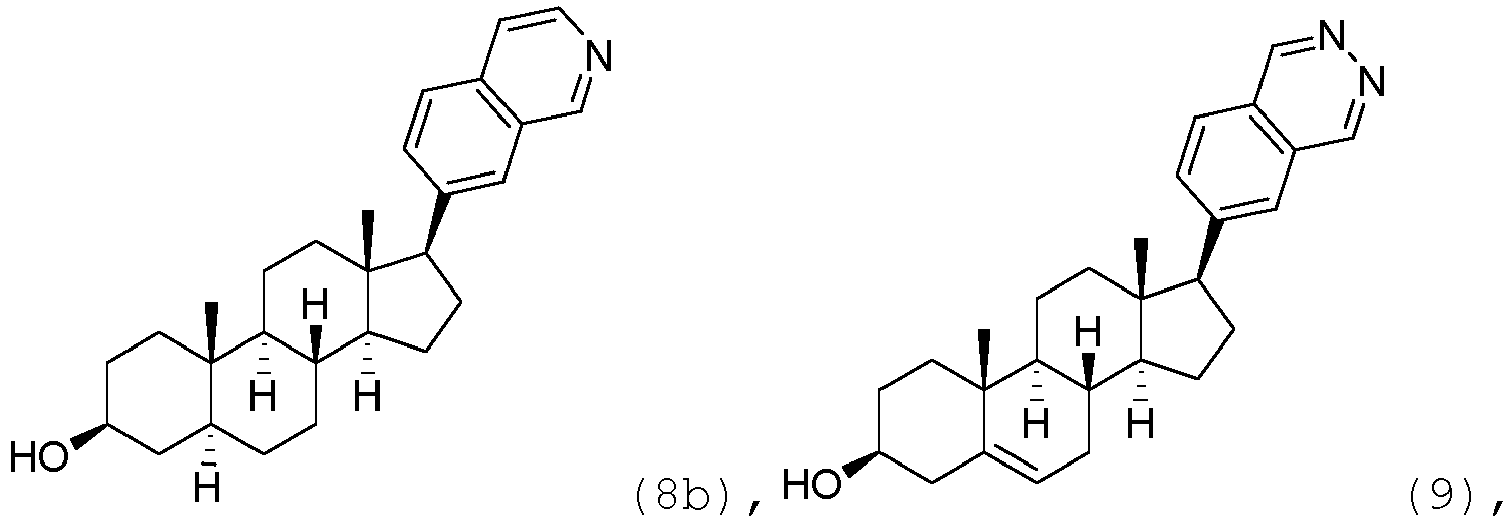


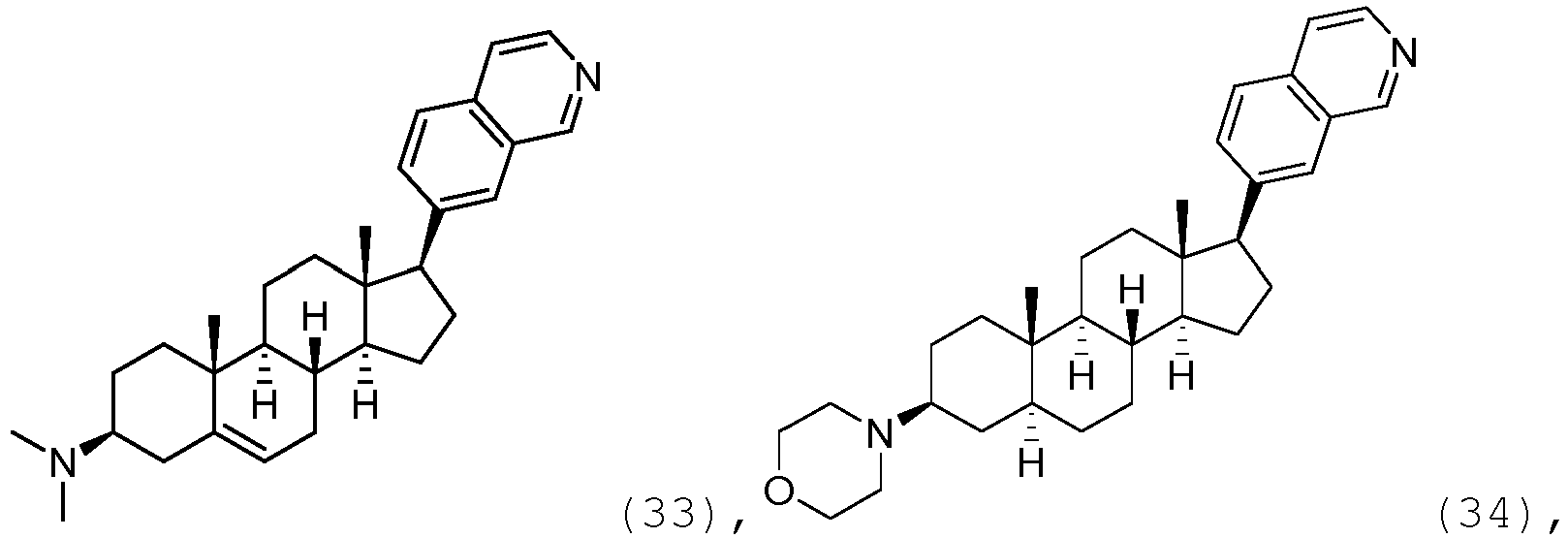

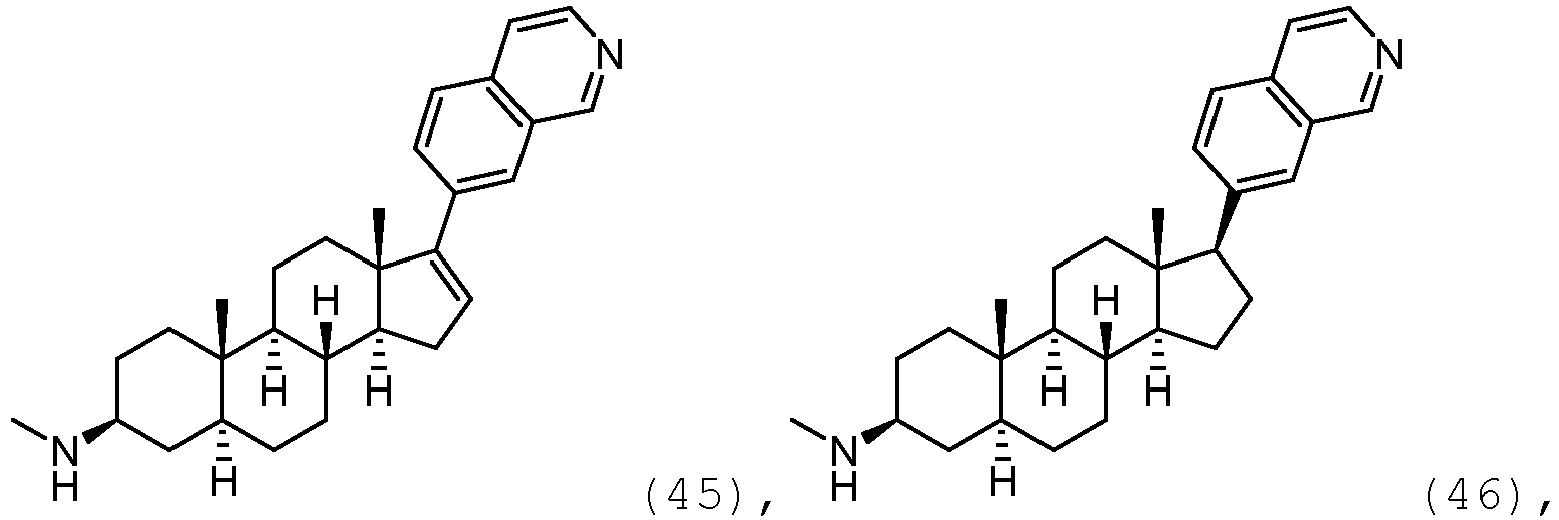


- Pharmazeutische Zusammensetzung, umfassend eine therapeutisch wirksame Menge einer Verbindung oder eines Stereoisomers oder eines pharmazeutisch annehmbaren Salzes davon nach einem der Ansprüche 1-12 und einen pharmazeutisch annehmbaren Träger.
- Verbindung oder ein Stereoisomer oder pharmazeutisch akzeptables Salz davon nach einem der Ansprüche 1-12 oder die pharmazeutische Zusammensetzung nach Anspruch 13 zur Verwendung in einem Verfahren zur Behandlung einer Krankheit, bei der CDK8 und/oder CDK19 eine Rolle spielen, oder zur Verwendung bei der Behandlung einer Krankheit, wobei die Krankheit vorzugsweise Krebs ist.
Applications Claiming Priority (2)
| Application Number | Priority Date | Filing Date | Title |
|---|---|---|---|
| US201862629751P | 2018-02-13 | 2018-02-13 | |
| PCT/US2019/017747 WO2019160889A1 (en) | 2018-02-13 | 2019-02-13 | Cyclin-dependent kinase inhibitors and methods of use |
Publications (3)
| Publication Number | Publication Date |
|---|---|
| EP3752518A1 EP3752518A1 (de) | 2020-12-23 |
| EP3752518A4 EP3752518A4 (de) | 2021-10-20 |
| EP3752518B1 true EP3752518B1 (de) | 2024-12-04 |
Family
ID=67618780
Family Applications (1)
| Application Number | Title | Priority Date | Filing Date |
|---|---|---|---|
| EP19753978.6A Active EP3752518B1 (de) | 2018-02-13 | 2019-02-13 | Cyclinabhängige kinase-inhibitoren und verfahren zur verwendung |
Country Status (5)
| Country | Link |
|---|---|
| US (2) | US20200369715A1 (de) |
| EP (1) | EP3752518B1 (de) |
| AU (1) | AU2019222651B2 (de) |
| CA (1) | CA3089588A1 (de) |
| WO (1) | WO2019160889A1 (de) |
Families Citing this family (3)
| Publication number | Priority date | Publication date | Assignee | Title |
|---|---|---|---|---|
| WO2021108581A1 (en) | 2019-11-26 | 2021-06-03 | Dana-Farber Cancer Institute, Inc. | Potent and selective azaindole inhibitors of cdk8 and cdk19 |
| EP4313050A4 (de) * | 2021-03-25 | 2025-02-12 | University of South Carolina | Cdk8/19-inhibitoren zur behandlung von zytokinsturm |
| CN116444599B (zh) * | 2022-01-07 | 2026-02-03 | 中国科学院上海药物研究所 | 甾体类化合物及制备方法和用途 |
Citations (1)
| Publication number | Priority date | Publication date | Assignee | Title |
|---|---|---|---|---|
| WO2019160890A1 (en) * | 2018-02-13 | 2019-08-22 | Dana-Farber Cancer Institute, Inc. | Cyclin-dependent kinase degraders and methods of use |
Family Cites Families (4)
| Publication number | Priority date | Publication date | Assignee | Title |
|---|---|---|---|---|
| KR101380959B1 (ko) * | 2005-03-02 | 2014-04-04 | 유니버시티 오브 매릴랜드, 발티모어 | 신규 c-17-헤테로아릴 스테로이드성 cyp17억제제/항안드로겐:합성, 시험관내 생물학적 활성,약물동태학 및 항종양 활성 |
| JP2012524778A (ja) * | 2009-04-22 | 2012-10-18 | プレジデント アンド フェロウズ オブ ハーバード カレッジ | 血管新生阻害剤 |
| TW201307378A (zh) * | 2010-12-16 | 2013-02-16 | Biomarin Pharm Inc | Cyp11b、cyp17及/或cyp21抑制劑 |
| EP3316889A4 (de) * | 2015-07-01 | 2018-11-14 | President and Fellows of Harvard College | Cortistatin-analoga sowie synthese und verwendungen davon |
-
2019
- 2019-02-13 EP EP19753978.6A patent/EP3752518B1/de active Active
- 2019-02-13 AU AU2019222651A patent/AU2019222651B2/en active Active
- 2019-02-13 WO PCT/US2019/017747 patent/WO2019160889A1/en not_active Ceased
- 2019-02-13 CA CA3089588A patent/CA3089588A1/en active Pending
- 2019-02-13 US US16/965,674 patent/US20200369715A1/en not_active Abandoned
-
2023
- 2023-05-08 US US18/144,534 patent/US20230365620A1/en active Pending
Patent Citations (1)
| Publication number | Priority date | Publication date | Assignee | Title |
|---|---|---|---|---|
| WO2019160890A1 (en) * | 2018-02-13 | 2019-08-22 | Dana-Farber Cancer Institute, Inc. | Cyclin-dependent kinase degraders and methods of use |
Also Published As
| Publication number | Publication date |
|---|---|
| CA3089588A1 (en) | 2019-08-22 |
| EP3752518A4 (de) | 2021-10-20 |
| AU2019222651B2 (en) | 2024-08-22 |
| AU2019222651A1 (en) | 2020-07-23 |
| EP3752518A1 (de) | 2020-12-23 |
| US20230365620A1 (en) | 2023-11-16 |
| WO2019160889A1 (en) | 2019-08-22 |
| US20200369715A1 (en) | 2020-11-26 |
Similar Documents
| Publication | Publication Date | Title |
|---|---|---|
| EP3445764B1 (de) | Abbau von cyclin-abhängiger kinase 8 (cdk8) durch konjugation von cdk9-inhibitoren mit e3-ligase-ligand und verfahren zur verwendung | |
| EP3445760B1 (de) | Abbau von cyclin-abhängiger kinase 9 (cdk9) durch konjugation von cdk9-inhibitoren mit e3-ligase-ligand und verfahren zur verwendung | |
| EP3544957B1 (de) | Abbau von proteinkinasen durch konjugation von protein-kinaseinhibitoren mit e3-ligase-ligand und verfahren zur verwendung | |
| EP3544975B1 (de) | Abbau der bruton-tyrosinkinase (btk) durch konjugation von btk-inhibitoren mit e3-ligase-ligand und verwendung | |
| EP3892272B1 (de) | Bifunktionale moleküle zum abbau von egfr und verfahren zur verwendung | |
| US11279707B2 (en) | NEK inhibitors and methods of use | |
| EP3445765A1 (de) | Abbau der cyclinabhängigen kinase 4/6 (cdk4/6) durch konjugation von cdk4/6-inhibitoren mit e3-ligase-liganden und verfahren zur verwendung | |
| US20210340140A1 (en) | Degradation of cyclin-dependent kinase 4/6 (cdk4/6) by conjugation of cdk4/6 inhibitors with e3 ligase ligand and methods of use | |
| US20230365620A1 (en) | Cyclin-dependent kinase inhibitors and methods of use | |
| US20250270252A1 (en) | Cyclin-dependent kinase degraders and methods of use | |
| HK40072593A (en) | Degradation of cyclin-dependent kinase 8 (cdk8) by conjugation of cdk8 inhibitors with e3 ligase ligand and methods of use | |
| HK40001231B (en) | Degradation of cyclin-dependent kinase 8 (cdk8) by conjugation of cdk8 inhibitors with e3 ligase ligand and methods of use | |
| HK40001231A (en) | Degradation of cyclin-dependent kinase 8 (cdk8) by conjugation of cdk8 inhibitors with e3 ligase ligand and methods of use | |
| HK40001697B (en) | Degradation of cyclin-dependent kinase 9 (cdk9) by conjugation of cdk9 inhibitors with e3 ligase ligand and methods of use | |
| HK40001697A (en) | Degradation of cyclin-dependent kinase 9 (cdk9) by conjugation of cdk9 inhibitors with e3 ligase ligand and methods of use |
Legal Events
| Date | Code | Title | Description |
|---|---|---|---|
| STAA | Information on the status of an ep patent application or granted ep patent |
Free format text: STATUS: THE INTERNATIONAL PUBLICATION HAS BEEN MADE |
|
| PUAI | Public reference made under article 153(3) epc to a published international application that has entered the european phase |
Free format text: ORIGINAL CODE: 0009012 |
|
| STAA | Information on the status of an ep patent application or granted ep patent |
Free format text: STATUS: REQUEST FOR EXAMINATION WAS MADE |
|
| 17P | Request for examination filed |
Effective date: 20200720 |
|
| AK | Designated contracting states |
Kind code of ref document: A1 Designated state(s): AL AT BE BG CH CY CZ DE DK EE ES FI FR GB GR HR HU IE IS IT LI LT LU LV MC MK MT NL NO PL PT RO RS SE SI SK SM TR |
|
| AX | Request for extension of the european patent |
Extension state: BA ME |
|
| DAV | Request for validation of the european patent (deleted) | ||
| DAX | Request for extension of the european patent (deleted) | ||
| A4 | Supplementary search report drawn up and despatched |
Effective date: 20210921 |
|
| RIC1 | Information provided on ipc code assigned before grant |
Ipc: C07J 41/00 20060101ALN20210915BHEP Ipc: C07J 31/00 20060101ALN20210915BHEP Ipc: C07J 21/00 20060101ALN20210915BHEP Ipc: C07J 13/00 20060101ALN20210915BHEP Ipc: C07J 1/00 20060101ALN20210915BHEP Ipc: A61K 31/58 20060101ALI20210915BHEP Ipc: A61P 35/00 20060101ALI20210915BHEP Ipc: C07J 43/00 20060101AFI20210915BHEP |
|
| P01 | Opt-out of the competence of the unified patent court (upc) registered |
Effective date: 20230521 |
|
| RAP3 | Party data changed (applicant data changed or rights of an application transferred) |
Owner name: DANA-FARBER CANCER INSTITUTE, INC. |
|
| GRAP | Despatch of communication of intention to grant a patent |
Free format text: ORIGINAL CODE: EPIDOSNIGR1 |
|
| STAA | Information on the status of an ep patent application or granted ep patent |
Free format text: STATUS: GRANT OF PATENT IS INTENDED |
|
| RIC1 | Information provided on ipc code assigned before grant |
Ipc: C07J 41/00 20060101ALN20240530BHEP Ipc: C07J 31/00 20060101ALN20240530BHEP Ipc: C07J 21/00 20060101ALN20240530BHEP Ipc: C07J 13/00 20060101ALN20240530BHEP Ipc: C07J 1/00 20060101ALN20240530BHEP Ipc: A61K 31/58 20060101ALI20240530BHEP Ipc: A61P 35/00 20060101ALI20240530BHEP Ipc: C07J 43/00 20060101AFI20240530BHEP |
|
| INTG | Intention to grant announced |
Effective date: 20240627 |
|
| GRAS | Grant fee paid |
Free format text: ORIGINAL CODE: EPIDOSNIGR3 |
|
| GRAA | (expected) grant |
Free format text: ORIGINAL CODE: 0009210 |
|
| STAA | Information on the status of an ep patent application or granted ep patent |
Free format text: STATUS: THE PATENT HAS BEEN GRANTED |
|
| AK | Designated contracting states |
Kind code of ref document: B1 Designated state(s): AL AT BE BG CH CY CZ DE DK EE ES FI FR GB GR HR HU IE IS IT LI LT LU LV MC MK MT NL NO PL PT RO RS SE SI SK SM TR |
|
| REG | Reference to a national code |
Ref country code: CH Ref legal event code: EP |
|
| REG | Reference to a national code |
Ref country code: DE Ref legal event code: R096 Ref document number: 602019062975 Country of ref document: DE |
|
| REG | Reference to a national code |
Ref country code: IE Ref legal event code: FG4D |
|
| REG | Reference to a national code |
Ref country code: LT Ref legal event code: MG9D |
|
| REG | Reference to a national code |
Ref country code: NL Ref legal event code: MP Effective date: 20241204 |
|
| PG25 | Lapsed in a contracting state [announced via postgrant information from national office to epo] |
Ref country code: HR Free format text: LAPSE BECAUSE OF FAILURE TO SUBMIT A TRANSLATION OF THE DESCRIPTION OR TO PAY THE FEE WITHIN THE PRESCRIBED TIME-LIMIT Effective date: 20241204 |
|
| PGFP | Annual fee paid to national office [announced via postgrant information from national office to epo] |
Ref country code: DE Payment date: 20250227 Year of fee payment: 7 |
|
| PG25 | Lapsed in a contracting state [announced via postgrant information from national office to epo] |
Ref country code: FI Free format text: LAPSE BECAUSE OF FAILURE TO SUBMIT A TRANSLATION OF THE DESCRIPTION OR TO PAY THE FEE WITHIN THE PRESCRIBED TIME-LIMIT Effective date: 20241204 |
|
| PG25 | Lapsed in a contracting state [announced via postgrant information from national office to epo] |
Ref country code: BG Free format text: LAPSE BECAUSE OF FAILURE TO SUBMIT A TRANSLATION OF THE DESCRIPTION OR TO PAY THE FEE WITHIN THE PRESCRIBED TIME-LIMIT Effective date: 20241204 |
|
| PG25 | Lapsed in a contracting state [announced via postgrant information from national office to epo] |
Ref country code: ES Free format text: LAPSE BECAUSE OF FAILURE TO SUBMIT A TRANSLATION OF THE DESCRIPTION OR TO PAY THE FEE WITHIN THE PRESCRIBED TIME-LIMIT Effective date: 20241204 |
|
| PG25 | Lapsed in a contracting state [announced via postgrant information from national office to epo] |
Ref country code: NO Free format text: LAPSE BECAUSE OF FAILURE TO SUBMIT A TRANSLATION OF THE DESCRIPTION OR TO PAY THE FEE WITHIN THE PRESCRIBED TIME-LIMIT Effective date: 20250304 |
|
| PG25 | Lapsed in a contracting state [announced via postgrant information from national office to epo] |
Ref country code: GR Free format text: LAPSE BECAUSE OF FAILURE TO SUBMIT A TRANSLATION OF THE DESCRIPTION OR TO PAY THE FEE WITHIN THE PRESCRIBED TIME-LIMIT Effective date: 20250305 Ref country code: LV Free format text: LAPSE BECAUSE OF FAILURE TO SUBMIT A TRANSLATION OF THE DESCRIPTION OR TO PAY THE FEE WITHIN THE PRESCRIBED TIME-LIMIT Effective date: 20241204 |
|
| PGFP | Annual fee paid to national office [announced via postgrant information from national office to epo] |
Ref country code: CH Payment date: 20250306 Year of fee payment: 7 |
|
| PGFP | Annual fee paid to national office [announced via postgrant information from national office to epo] |
Ref country code: FR Payment date: 20250225 Year of fee payment: 7 |
|
| PGFP | Annual fee paid to national office [announced via postgrant information from national office to epo] |
Ref country code: GB Payment date: 20250227 Year of fee payment: 7 |
|
| PG25 | Lapsed in a contracting state [announced via postgrant information from national office to epo] |
Ref country code: RS Free format text: LAPSE BECAUSE OF FAILURE TO SUBMIT A TRANSLATION OF THE DESCRIPTION OR TO PAY THE FEE WITHIN THE PRESCRIBED TIME-LIMIT Effective date: 20250304 |
|
| PG25 | Lapsed in a contracting state [announced via postgrant information from national office to epo] |
Ref country code: NL Free format text: LAPSE BECAUSE OF FAILURE TO SUBMIT A TRANSLATION OF THE DESCRIPTION OR TO PAY THE FEE WITHIN THE PRESCRIBED TIME-LIMIT Effective date: 20241204 |
|
| REG | Reference to a national code |
Ref country code: AT Ref legal event code: MK05 Ref document number: 1748078 Country of ref document: AT Kind code of ref document: T Effective date: 20241204 |
|
| PG25 | Lapsed in a contracting state [announced via postgrant information from national office to epo] |
Ref country code: SM Free format text: LAPSE BECAUSE OF FAILURE TO SUBMIT A TRANSLATION OF THE DESCRIPTION OR TO PAY THE FEE WITHIN THE PRESCRIBED TIME-LIMIT Effective date: 20241204 |
|
| PG25 | Lapsed in a contracting state [announced via postgrant information from national office to epo] |
Ref country code: PL Free format text: LAPSE BECAUSE OF FAILURE TO SUBMIT A TRANSLATION OF THE DESCRIPTION OR TO PAY THE FEE WITHIN THE PRESCRIBED TIME-LIMIT Effective date: 20241204 |
|
| PG25 | Lapsed in a contracting state [announced via postgrant information from national office to epo] |
Ref country code: IS Free format text: LAPSE BECAUSE OF FAILURE TO SUBMIT A TRANSLATION OF THE DESCRIPTION OR TO PAY THE FEE WITHIN THE PRESCRIBED TIME-LIMIT Effective date: 20250404 |
|
| PG25 | Lapsed in a contracting state [announced via postgrant information from national office to epo] |
Ref country code: PT Free format text: LAPSE BECAUSE OF FAILURE TO SUBMIT A TRANSLATION OF THE DESCRIPTION OR TO PAY THE FEE WITHIN THE PRESCRIBED TIME-LIMIT Effective date: 20250404 |
|
| PG25 | Lapsed in a contracting state [announced via postgrant information from national office to epo] |
Ref country code: EE Free format text: LAPSE BECAUSE OF FAILURE TO SUBMIT A TRANSLATION OF THE DESCRIPTION OR TO PAY THE FEE WITHIN THE PRESCRIBED TIME-LIMIT Effective date: 20241204 |
|
| PG25 | Lapsed in a contracting state [announced via postgrant information from national office to epo] |
Ref country code: AT Free format text: LAPSE BECAUSE OF FAILURE TO SUBMIT A TRANSLATION OF THE DESCRIPTION OR TO PAY THE FEE WITHIN THE PRESCRIBED TIME-LIMIT Effective date: 20241204 Ref country code: RO Free format text: LAPSE BECAUSE OF FAILURE TO SUBMIT A TRANSLATION OF THE DESCRIPTION OR TO PAY THE FEE WITHIN THE PRESCRIBED TIME-LIMIT Effective date: 20241204 |
|
| PG25 | Lapsed in a contracting state [announced via postgrant information from national office to epo] |
Ref country code: SK Free format text: LAPSE BECAUSE OF FAILURE TO SUBMIT A TRANSLATION OF THE DESCRIPTION OR TO PAY THE FEE WITHIN THE PRESCRIBED TIME-LIMIT Effective date: 20241204 |
|
| PG25 | Lapsed in a contracting state [announced via postgrant information from national office to epo] |
Ref country code: CZ Free format text: LAPSE BECAUSE OF FAILURE TO SUBMIT A TRANSLATION OF THE DESCRIPTION OR TO PAY THE FEE WITHIN THE PRESCRIBED TIME-LIMIT Effective date: 20241204 |
|
| PG25 | Lapsed in a contracting state [announced via postgrant information from national office to epo] |
Ref country code: IT Free format text: LAPSE BECAUSE OF FAILURE TO SUBMIT A TRANSLATION OF THE DESCRIPTION OR TO PAY THE FEE WITHIN THE PRESCRIBED TIME-LIMIT Effective date: 20241204 |
|
| REG | Reference to a national code |
Ref country code: DE Ref legal event code: R097 Ref document number: 602019062975 Country of ref document: DE |
|
| PG25 | Lapsed in a contracting state [announced via postgrant information from national office to epo] |
Ref country code: SE Free format text: LAPSE BECAUSE OF FAILURE TO SUBMIT A TRANSLATION OF THE DESCRIPTION OR TO PAY THE FEE WITHIN THE PRESCRIBED TIME-LIMIT Effective date: 20241204 |
|
| PG25 | Lapsed in a contracting state [announced via postgrant information from national office to epo] |
Ref country code: MC Free format text: LAPSE BECAUSE OF FAILURE TO SUBMIT A TRANSLATION OF THE DESCRIPTION OR TO PAY THE FEE WITHIN THE PRESCRIBED TIME-LIMIT Effective date: 20241204 |
|
| PG25 | Lapsed in a contracting state [announced via postgrant information from national office to epo] |
Ref country code: DK Free format text: LAPSE BECAUSE OF FAILURE TO SUBMIT A TRANSLATION OF THE DESCRIPTION OR TO PAY THE FEE WITHIN THE PRESCRIBED TIME-LIMIT Effective date: 20241204 |
|
| PLBE | No opposition filed within time limit |
Free format text: ORIGINAL CODE: 0009261 |
|
| STAA | Information on the status of an ep patent application or granted ep patent |
Free format text: STATUS: NO OPPOSITION FILED WITHIN TIME LIMIT |
|
| PG25 | Lapsed in a contracting state [announced via postgrant information from national office to epo] |
Ref country code: LU Free format text: LAPSE BECAUSE OF NON-PAYMENT OF DUE FEES Effective date: 20250213 |
|
| REG | Reference to a national code |
Ref country code: CH Ref legal event code: L10 Free format text: ST27 STATUS EVENT CODE: U-0-0-L10-L00 (AS PROVIDED BY THE NATIONAL OFFICE) Effective date: 20251015 |
|
| 26N | No opposition filed |
Effective date: 20250905 |
|
| REG | Reference to a national code |
Ref country code: BE Ref legal event code: MM Effective date: 20250228 |
|
| PG25 | Lapsed in a contracting state [announced via postgrant information from national office to epo] |
Ref country code: BE Free format text: LAPSE BECAUSE OF NON-PAYMENT OF DUE FEES Effective date: 20250228 |
|
| PG25 | Lapsed in a contracting state [announced via postgrant information from national office to epo] |
Ref country code: IE Free format text: LAPSE BECAUSE OF NON-PAYMENT OF DUE FEES Effective date: 20250213 |
|
| REG | Reference to a national code |
Ref country code: CH Ref legal event code: U11 Free format text: ST27 STATUS EVENT CODE: U-0-0-U10-U11 (AS PROVIDED BY THE NATIONAL OFFICE) Effective date: 20260301 |