EP3747889A1 - Organosilane compounds having bulky substituent and preparation thereof - Google Patents
Organosilane compounds having bulky substituent and preparation thereof Download PDFInfo
- Publication number
- EP3747889A1 EP3747889A1 EP20178001.2A EP20178001A EP3747889A1 EP 3747889 A1 EP3747889 A1 EP 3747889A1 EP 20178001 A EP20178001 A EP 20178001A EP 3747889 A1 EP3747889 A1 EP 3747889A1
- Authority
- EP
- European Patent Office
- Prior art keywords
- methyl
- phenylethyl
- compound
- tert
- organosilane
- Prior art date
- Legal status (The legal status is an assumption and is not a legal conclusion. Google has not performed a legal analysis and makes no representation as to the accuracy of the status listed.)
- Granted
Links
Images





Classifications
-
- C—CHEMISTRY; METALLURGY
- C07—ORGANIC CHEMISTRY
- C07F—ACYCLIC, CARBOCYCLIC OR HETEROCYCLIC COMPOUNDS CONTAINING ELEMENTS OTHER THAN CARBON, HYDROGEN, HALOGEN, OXYGEN, NITROGEN, SULFUR, SELENIUM OR TELLURIUM
- C07F7/00—Compounds containing elements of Groups 4 or 14 of the Periodic Table
- C07F7/02—Silicon compounds
- C07F7/08—Compounds having one or more C—Si linkages
- C07F7/0803—Compounds with Si-C or Si-Si linkages
- C07F7/081—Compounds with Si-C or Si-Si linkages comprising at least one atom selected from the elements N, O, halogen, S, Se or Te
-
- C—CHEMISTRY; METALLURGY
- C07—ORGANIC CHEMISTRY
- C07F—ACYCLIC, CARBOCYCLIC OR HETEROCYCLIC COMPOUNDS CONTAINING ELEMENTS OTHER THAN CARBON, HYDROGEN, HALOGEN, OXYGEN, NITROGEN, SULFUR, SELENIUM OR TELLURIUM
- C07F7/00—Compounds containing elements of Groups 4 or 14 of the Periodic Table
- C07F7/02—Silicon compounds
- C07F7/08—Compounds having one or more C—Si linkages
- C07F7/12—Organo silicon halides
-
- C—CHEMISTRY; METALLURGY
- C07—ORGANIC CHEMISTRY
- C07F—ACYCLIC, CARBOCYCLIC OR HETEROCYCLIC COMPOUNDS CONTAINING ELEMENTS OTHER THAN CARBON, HYDROGEN, HALOGEN, OXYGEN, NITROGEN, SULFUR, SELENIUM OR TELLURIUM
- C07F7/00—Compounds containing elements of Groups 4 or 14 of the Periodic Table
- C07F7/02—Silicon compounds
- C07F7/08—Compounds having one or more C—Si linkages
- C07F7/12—Organo silicon halides
- C07F7/121—Preparation or treatment not provided for in C07F7/14, C07F7/16 or C07F7/20
- C07F7/123—Preparation or treatment not provided for in C07F7/14, C07F7/16 or C07F7/20 by reactions involving the formation of Si-halogen linkages
Definitions
- This invention relates to organosilane compounds having bulky substituent groups and a method for preparing the same.
- Silylating agents are used for the protection of active hydrogen-containing substituent groups on such compounds as alcohols and carboxylic acids.
- the silylated compounds are useful as synthesis intermediates in various fields, for example, intermediates to low molecular weight medicines, peptide medicines, and agrichemicals.
- halosilane compounds and silyl triflate compounds are known from Patent Documents 1 and 2. Since these halosilane and silyl triflate compounds are more reactive than analogous silylating agents or hydrosilane compounds, they are advantageous in that active hydrogen-containing compounds such as alcohols and carboxylic acids can be readily silylated without a need for catalysts.
- silylating agents examples include trimethylchlorosilane, triethylchlorosilane, tert-butyldimethylchlorosilane, trimethyliodosilane, trimethylsilyltriflate, triethylsilyltriflate, and tert-butyldimethylsilyltriflate, etc.
- silylating agents having incorporated therein an aromatic substituent group such as aryl or benzyl, typically tert-butyldiphenylchlorosilane.
- These silylating agents having an aromatic substituent group incorporated therein are effective not only for protecting active hydrogen-containing substituent groups on alcohols, carboxylic acids or the like, but also for providing the silylated products with UV absorptivity. That is, the use of a silylating agent having an aromatic substituent group has the advantage that the progress of reaction can be readily monitored by a liquid chromatograph equipped with a UV detector.
- silylated with the silylating agents are susceptible to hydrolysis and lack satisfactory stability when their steric bulkiness is insufficient.
- those compounds having a silylated carboxyl group i.e., of the chemical structure which is frequently found in low-molecular-weight medicines and peptide medicines, are less stable to hydrolysis.
- a silylating agent having a bulky substituent group so that the silylated product may be more stable.
- An object of the invention is to provide an organosilane compound having a more bulky substituent group than the existing organosilane compounds.
- the inventors have found that when an organosilane compound having bulky substituent groups, specifically two bulky tertiary hydrocarbon groups and one straight or branched alkyl group bonded to a silicon atom, is used as a silylating agent, the silylated product is stable.
- the invention provides an organosilane compound having a bulky substituent group, represented by the general formula (1): wherein R 1 is a C 4 -C 10 tertiary hydrocarbon group, R 2 is a C 1 -C 10 straight or branched alkyl group, and LG is halogen or trifluoromethanesulfonyloxy.
- LG is halogen. In another preferred embodiment, LG is trifluoromethanesulfonyloxy.
- the invention provides a method for preparing the organosilane compound of formula (1) wherein LG is halogen, comprising the step of reacting a hydrogensilane compound having the general formula (2) with a halogenating agent; and a method for preparing the organosilane compound of formula (1) wherein LG is trifluoromethanesulfonyloxy, comprising the step of reacting a hydrogensilane compound having the general formula (2) with trifluoromethanesulfonic acid.
- R 1 and R 2 are as defined above.
- the product silylated therewith is fully stable to hydrolysis. Due to the inclusion of a phenyl-containing substituent group on a silicon atom, the silylating reaction using the inventive organosilane compound or de-silylating reaction can be readily monitored by a liquid chromatograph equipped with a UV detector.
- One embodiment of the invention is an organosilane compound having bulky substituent groups, represented by the general formula (1).
- the organosilane compound having bulky substituent groups is less sensitive to airborne moisture as compared with organosilane compounds free of a bulky substituent group, such as trimethylchlorosilane and trimethylsilyltriflate.
- the inventive organosilane compound is easy to handle because it generates little or no hydrohalic acid such as hydrochloric acid or trifluoromethanesulfonic acid on use.
- R 1 is a C 4 -C 10 , preferably C 4 -C 9 tertiary hydrocarbon group
- R 2 is a C 1 -C 10 , preferably C 1 -C 6 , more preferably C 1 -C 3 straight or branched alkyl group
- LG is halogen or trifluoromethanesulfonyloxy.
- Examples of the C 4 -C 10 tertiary hydrocarbon group R 1 include tert-butyl, tert-pentyl, 1,1-diethylpropyl, 1,1,2-trimethylpropyl, 1-methylcyclopentyl, 1-methylcyclohexyl, 1-methyl-1-phenylethyl, 1,1-dimethyl-2-phenylethyl.
- R 1 is preferably tert-butyl or 1-methyl-1-phenylethyl.
- Examples of the C 1 -C 10 straight or branched alkyl group R 2 include straight alkyl groups such as methyl, ethyl, n-propyl, n-butyl, n-pentyl, n-hexyl, n-heptyl, n-octyl, n-nonyl and n-decyl, and branched alkyl groups such as isobutyl, isopentyl, neopentyl, isohexyl, isoheptyl, isooctyl, isononyl, and isodecyl.
- R 2 be a straight alkyl group which is less bulky than the other substituent groups on silicon, especially methyl or ethyl.
- halogen atom LG are chlorine, bromine and iodine.
- chlorine is preferred from the aspect of availability of a reactant used in the synthesis of an organosilane compound.
- organosilane compounds having formula (1) organosilane compounds wherein LG is halogen are represented by the general formula (1A), and organosilane compounds wherein LG is trifluoromethanesulfonyloxy are represented by the general formula (1B).
- the halogen and trifluoromethanesulfonyloxy are appropriate as LG because they are readily eliminatable.
- R 1 and R 2 are as defined above, and X is halogen.
- organosilane compound having formula (1A) examples include chlorosilane compounds such as tert-butylmethyl(1-methyl-1-phenylethyl)chlorosilane, tert-pentylmethyl(1-methyl-1-phenylethyl)chlorosilane, (1,1-diethylpropyl)methyl(1-methyl-1-phenylethyl)chlorosilane, methyl(1-methyl-1-phenylethyl)(1,1,2-trimethylpropyl)chlorosilane, methyl(1-methylcyclopentyl)(1-methyl-1-phenylethyl)chlorosilane, bis(1-methyl-1-phenylethyl)methylchlorosilane, (1,1-dimethyl-2-phenylethyl)methyl(1-methyl-1-phenylethyl)chlorosilane, tert-butylethyl(1-methyl-1-phenyle
- organosilane compound having formula (1B) examples include silyltriflate compounds such as tert-butylmethyl(1-methyl-1-phenylethyl)silyltriflate, tert-pentylmethyl(1-methyl-1-phenylethyl) silyltriflate, (1,1-diethylpropyl)methyl(1-methyl-1-phenylethyl) silyltriflate, methyl(1-methyl-1-phenylethyl)(1,1,2-trimethylpropyl) silyltriflate, methyl(1-methylcyclopentyl)(1-methyl-1-phenylethyl)silyltriflate, bis(1-methyl-1-phenylethyl)methylsilyltriflate, (1,1-dimethyl-2-phenylethyl)methyl(1-methyl-1-phenylethyl) silyltriflate, tert-butylethyl(1-methyl-1-phenyl
- Another embodiment of the invention is a method for preparing the bulky substituent-containing organosilane compound having formula (1A) or (1B).
- the organosilane compound having formula (1A) may be prepared by reacting a hydrogensilane compound having the general formula (2) with a halogenating agent.
- the organosilane compound having formula (1B) may be prepared by reacting a hydrogensilane compound having the general formula (2) with trifluoromethanesulfonic acid.
- R 1 and R 2 are as defined above.
- the halogenating agent used therefor may be selected from well-known chlorinating, brominating and iodizing agents.
- Suitable chlorinating agents include chlorine sources such as chlorine, thionyl chloride, hydrochloric acid, allyl chloride, and methallyl chloride, optionally in admixture with a palladium catalyst.
- Suitable brominating agents include bromine sources such as bromine, carbon tetrabromide, N-bromosuccinimide, and boron tribromide.
- Suitable iodizing agents include iodine sources such as iodine, hydroiodic acid, carbon tetraiodide, and N-iodosuccinimide.
- the substituent group is unstable under halogenating conditions such as chlorinating conditions using the chlorinating agent, and it can be eliminated.
- the 1-methyl-1-phenylethyl group is stable under acidic conditions because of its bulkiness, and thus difficultly eliminated under reaction conditions using the chlorinating agent.
- the amount of the halogen source used in the reaction of the hydrogensilane compound having formula (2) with the chlorinating agent is not particularly limited, it is preferred from the standpoint of environmental load to use 0.5 to 10.0 moles, more preferably 0.8 to 5.0 moles of the halogen source per mole of the hydrogensilane compound having formula (2).
- Suitable palladium catalysts used in this reaction include palladium salts such as palladium chloride and palladium acetate, palladium complexes such as dichlorobistriphenylphosphine palladium, and palladium-carbon.
- the amount of the palladium catalyst used is not particularly limited, it is preferred from the standpoint of environmental load to use 0.0001 to 0.05 mole, more preferably 0.001 to 0.02 mole of the palladium catalyst per mole of the hydrogensilane compound having formula (2).
- the pressure under which the reaction is performed is not particularly limited, atmospheric pressure is preferred in view of safety during preparation.
- the reaction temperature is not particularly limited, a temperature of 0 to 200°C, especially 50 to 100°C is preferred in view of reaction rate.
- the reaction time is not particularly limited, a time of 1 to 40 hours, especially 1 to 20 hours is preferred in view of production efficiency.
- an inert gas atmosphere such as nitrogen or argon is preferred in view of safety during preparation.
- a solvent may be used.
- Suitable solvents include hydrocarbon solvents such as pentane, hexane, cyclohexane, heptane, isooctane, benzene, toluene and xylene; ether solvents such as diethyl ether, tetrahydrofuran and dioxane; ester solvents such as ethyl acetate and butyl acetate; aprotic polar solvents such as acetonitrile, N,N-dimethylformamide and N-methylpyrrolidone; chlorinated hydrocarbon solvents such as dichloromethane and chloroform, which may be used alone or in admixture.
- hydrocarbon solvents such as pentane, hexane, cyclohexane, heptane, isooctane, benzene, toluene and xylene
- ether solvents such as diethyl
- the organosilane compound having formula (1A) resulting from the above method may be purified by a suitable purifying means, depending on the desired quality, prior to use.
- a suitable purifying means for example, distillation, filtration, washing, column separation and solid adsorbents, the purification by distillation is preferred in order to reach a high purity.
- the hydrogensilane compound having formula (2) is stable under acidic conditions because it has a bulky 1-methyl-1-phenylethyl group as mentioned above.
- the 1-methyl-1-phenylethyl group is difficultly eliminated even under reaction conditions using trifluoromethanesulfonic acid.
- the pressure under which the reaction is performed is not particularly limited, atmospheric pressure is preferred in view of safety during preparation.
- the reaction temperature is not particularly limited, a temperature of -80°C to 150°C, especially -20°C to 40°C is preferred in view of reaction rate.
- the reaction time is not particularly limited, a time of 1 to 40 hours, especially 1 to 10 hours is preferred in view of production efficiency.
- an inert gas atmosphere such as nitrogen or argon is preferred in view of safety during preparation.
- a solvent may be used. Suitable solvents are as described above for the preparation of the organosilane compound having formula (1A).
- the organosilane compound having formula (1B) resulting from the above method may be purified by a suitable purifying means, depending on the desired quality, prior to use.
- a suitable purifying means for example, distillation, filtration, washing, column separation and solid adsorbents, the purification by distillation is preferred in order to reach a high purity.
- a four-neck flask equipped with a stirrer, reflux condenser, dropping funnel and thermometer was purged with nitrogen. While nitrogen gas was fed to the open top of the reflux condenser to block the entry of ambient air, the flask was charged with 1.4 g (5.00 mmol) of bis(1-methyl-1-phenylethyl)methylsilane, 2.3 g (25.00 mmol) of methallyl chloride, and 11.2 mg (0.05 mmol) of palladium acetate, which were stirred at 150°C for 20 hours.
- the reaction solution was passed through a 0.5- ⁇ m membrane filter. The filtrate was concentrated at 50°C/5.0 kPa, yielding 1.4 g of a pale yellow liquid.
- the 1 H-NMR spectral chart is shown in FIG. 1 and the IR spectral chart is shown in FIG. 2 . From these results, the resulting compound was identified to be bis(1-methyl-1-phenylethyl)methylchlorosilane.
- a four-neck flask equipped with a stirrer, reflux condenser, dropping funnel and thermometer was purged with nitrogen. While nitrogen gas was fed to the open top of the reflux condenser to block the entry of ambient air, the flask was charged with 14.1 g (50.00 mmol) of bis(1-methyl-1-phenylethyl)methylsilane, which was stirred at 0°C. 7.4 g (49.00 mmol) of trifluoromethanesulfonic acid was added dropwise, after which the contents were stirred at room temperature for 2 hours. The reaction solution was distilled, collecting 11.3 g of a fraction of boiling point 178°C/0.4 kPa.
- the 1 H-NMR spectral chart is shown in FIG. 3 and the IR spectral chart is shown in FIG. 4 . From these results, the resulting compound was identified to be bis(1-methyl-1-phenylethyl)methylsilyltriflate.
- a four-neck flask equipped with a stirrer, reflux condenser, dropping funnel and thermometer was purged with nitrogen. While nitrogen gas was fed to the open top of the reflux condenser to block the entry of ambient air, the flask was charged with 1.1 g (5.00 mmol) of tert-butylmethyl(1-methyl-1-phenylethyl)silane, 2.3 g (25.00 mmol) of methallyl chloride, and 11.2 mg (0.05 mmol) of palladium acetate, which were stirred at 150°C for 11 hours. The reaction solution was passed through a 0.5- ⁇ m membrane filter. The filtrate was concentrated at 50°C/5.0 kPa, yielding 1.2 g of a pale yellow liquid.
- the 1 H-NMR spectral chart is shown in FIG. 5 and the IR spectral chart is shown in FIG. 6 .
- a four-neck flask equipped with a stirrer, reflux condenser, dropping funnel and thermometer was purged with nitrogen. While nitrogen gas was fed to the open top of the reflux condenser to block the entry of ambient air, the flask was charged with 2.2 g (10.00 mmol) of tert-butylmethyl(1-methyl-1-phenylethyl)silane, which was stirred at 0°C. 1.5 g (9.80 mmol) of trifluoromethanesulfonic acid was added dropwise, after which the contents were stirred at room temperature for 2 hours, obtaining 3.4 g of a colorless transparent liquid.
- the 1 H-NMR spectral chart is shown in FIG. 7 and the IR spectral chart is shown in FIG. 8 . From these results, the resulting compound was identified to be tert-butylmethyl(1-methyl-1-phenylethyl)silyltriflate.
Landscapes
- Chemical & Material Sciences (AREA)
- Organic Chemistry (AREA)
- Chemical Kinetics & Catalysis (AREA)
Abstract
Description
- This non-provisional application claims priority under 35 U.S.C. §119(a) on Patent Application No.
2019-105041 - This invention relates to organosilane compounds having bulky substituent groups and a method for preparing the same.
- Silylating agents are used for the protection of active hydrogen-containing substituent groups on such compounds as alcohols and carboxylic acids. The silylated compounds are useful as synthesis intermediates in various fields, for example, intermediates to low molecular weight medicines, peptide medicines, and agrichemicals.
- Of prior art silylating agents, halosilane compounds and silyl triflate compounds are known from Patent Documents 1 and 2. Since these halosilane and silyl triflate compounds are more reactive than analogous silylating agents or hydrosilane compounds, they are advantageous in that active hydrogen-containing compounds such as alcohols and carboxylic acids can be readily silylated without a need for catalysts.
- Examples of the known silylating agents include trimethylchlorosilane, triethylchlorosilane, tert-butyldimethylchlorosilane, trimethyliodosilane, trimethylsilyltriflate, triethylsilyltriflate, and tert-butyldimethylsilyltriflate, etc.
- Also known are silylating agents having incorporated therein an aromatic substituent group such as aryl or benzyl, typically tert-butyldiphenylchlorosilane. These silylating agents having an aromatic substituent group incorporated therein are effective not only for protecting active hydrogen-containing substituent groups on alcohols, carboxylic acids or the like, but also for providing the silylated products with UV absorptivity. That is, the use of a silylating agent having an aromatic substituent group has the advantage that the progress of reaction can be readily monitored by a liquid chromatograph equipped with a UV detector.
-
- Patent Document 1:
JP-A 2002-356490 - Patent Document 2:
JP-A 2003-201294 - The products silylated with the silylating agents, however, are susceptible to hydrolysis and lack satisfactory stability when their steric bulkiness is insufficient. Among others, those compounds having a silylated carboxyl group, i.e., of the chemical structure which is frequently found in low-molecular-weight medicines and peptide medicines, are less stable to hydrolysis. There exists a need for a silylating agent having a bulky substituent group so that the silylated product may be more stable.
- An object of the invention is to provide an organosilane compound having a more bulky substituent group than the existing organosilane compounds.
- The inventors have found that when an organosilane compound having bulky substituent groups, specifically two bulky tertiary hydrocarbon groups and one straight or branched alkyl group bonded to a silicon atom, is used as a silylating agent, the silylated product is stable.
- In one aspect, the invention provides an organosilane compound having a bulky substituent group, represented by the general formula (1):

- In one preferred embodiment, LG is halogen. In another preferred embodiment, LG is trifluoromethanesulfonyloxy.
- In another aspect, the invention provides a method for preparing the organosilane compound of formula (1) wherein LG is halogen, comprising the step of reacting a hydrogensilane compound having the general formula (2) with a halogenating agent; and a method for preparing the organosilane compound of formula (1) wherein LG is trifluoromethanesulfonyloxy, comprising the step of reacting a hydrogensilane compound having the general formula (2) with trifluoromethanesulfonic acid.

- Since the organosilane compound has bulky substituent groups on a silicon atom, the product silylated therewith is fully stable to hydrolysis. Due to the inclusion of a phenyl-containing substituent group on a silicon atom, the silylating reaction using the inventive organosilane compound or de-silylating reaction can be readily monitored by a liquid chromatograph equipped with a UV detector.
-
-
FIG. 1 is a diagram showing the 1H-NMR spectrum of the compound in Example 1. -
FIG. 2 is a diagram showing the IR spectrum of the compound in Example 1. -
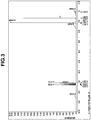
FIGS. 3 and4 are diagrams showing the 1H-NMR and IR spectra of the compound in Example 2, respectively. -
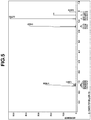
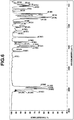
FIGS. 5 and6 are diagrams showing the 1H-NMR and IR spectra of the compound in Example 3, respectively. -
FIGS. 7 and8 are diagrams showing the 1H-NMR and IR spectra of the compound in Example 4, respectively. - One embodiment of the invention is an organosilane compound having bulky substituent groups, represented by the general formula (1). The organosilane compound having bulky substituent groups is less sensitive to airborne moisture as compared with organosilane compounds free of a bulky substituent group, such as trimethylchlorosilane and trimethylsilyltriflate. The inventive organosilane compound is easy to handle because it generates little or no hydrohalic acid such as hydrochloric acid or trifluoromethanesulfonic acid on use.

- In formula (1), R1 is a C4-C10, preferably C4-C9 tertiary hydrocarbon group, R2 is a C1-C10, preferably C1-C6, more preferably C1-C3 straight or branched alkyl group, and LG is halogen or trifluoromethanesulfonyloxy.
- Examples of the C4-C10 tertiary hydrocarbon group R1 include tert-butyl, tert-pentyl, 1,1-diethylpropyl, 1,1,2-trimethylpropyl, 1-methylcyclopentyl, 1-methylcyclohexyl, 1-methyl-1-phenylethyl, 1,1-dimethyl-2-phenylethyl. When such a substituent group is introduced on a silicon atom, a corresponding halide must be used. For availability of the halide, R1 is preferably tert-butyl or 1-methyl-1-phenylethyl.
- Examples of the C1-C10 straight or branched alkyl group R2 include straight alkyl groups such as methyl, ethyl, n-propyl, n-butyl, n-pentyl, n-hexyl, n-heptyl, n-octyl, n-nonyl and n-decyl, and branched alkyl groups such as isobutyl, isopentyl, neopentyl, isohexyl, isoheptyl, isooctyl, isononyl, and isodecyl. For the reason that the substituent group on silicon becomes less reactive as it becomes more bulky, it is preferred from the aspect of insuring the overall reactivity of an organosilane compound that R2 be a straight alkyl group which is less bulky than the other substituent groups on silicon, especially methyl or ethyl.
- Exemplary of the halogen atom LG are chlorine, bromine and iodine. Inter alia, chlorine is preferred from the aspect of availability of a reactant used in the synthesis of an organosilane compound.
- Of the organosilane compounds having formula (1), organosilane compounds wherein LG is halogen are represented by the general formula (1A), and organosilane compounds wherein LG is trifluoromethanesulfonyloxy are represented by the general formula (1B). The halogen and trifluoromethanesulfonyloxy are appropriate as LG because they are readily eliminatable.

- Examples of the organosilane compound having formula (1A) include chlorosilane compounds such as tert-butylmethyl(1-methyl-1-phenylethyl)chlorosilane, tert-pentylmethyl(1-methyl-1-phenylethyl)chlorosilane, (1,1-diethylpropyl)methyl(1-methyl-1-phenylethyl)chlorosilane, methyl(1-methyl-1-phenylethyl)(1,1,2-trimethylpropyl)chlorosilane, methyl(1-methylcyclopentyl)(1-methyl-1-phenylethyl)chlorosilane, bis(1-methyl-1-phenylethyl)methylchlorosilane, (1,1-dimethyl-2-phenylethyl)methyl(1-methyl-1-phenylethyl)chlorosilane, tert-butylethyl(1-methyl-1-phenylethyl)chlorosilane, tert-pentylethyl(1-methyl-1-phenylethyl)chlorosilane, (1,1-diethylpropyl)ethyl(1-methyl-1-phenylethyl)chlorosilane, ethyl(1-methyl-1-phenylethyl)(1,1,2-trimethylpropyl)chlorosilane, ethyl(1-methylcyclopentyl)(1-methyl-1-phenylethyl)chlorosilane, bis(1-methyl-1-phenylethyl)ethylchlorosilane, (1,1-dimethyl-2-phenylethyl)ethyl(1-methyl-1-phenylethyl)chlorosilane; bromosilane compounds such as tert-butylmethyl(1-methyl-1-phenylethyl)bromosilane, tert-pentylmethyl(1-methyl-1-phenylethyl)bromosilane, (1,1-diethylpropyl)methyl(1-methyl-1-phenylethyl)bromosilane, methyl(1-methyl-1-phenylethyl)(1,1,2-trimethylpropyl)bromosilane, methyl(1-methylcyclopentyl)(1-methyl-1-phenylethyl)bromosilane, bis(1-methyl-1-phenylethyl)methylbromosilane, (1,1-dimethyl-2-phenylethyl)methyl(1-methyl-1-phenylethyl)bromosilane, tert-butylethyl(1-methyl-1-phenylethyl)bromosilane, tert-pentylethyl(1-methyl-1-phenylethyl)bromosilane, (1,1-diethylpropyl)ethyl(1-methyl-1-phenylethyl)bromosilane, ethyl(1-methyl-1-phenylethyl)(1,1,2-trimethylpropyl)bromosilane, ethyl(1-methylcyclopentyl)(1-methyl-1-phenylethyl)bromosilane, bis(1-methyl-1-phenylethyl)ethylbromosilane, (1,1-dimethyl-2-phenylethyl)ethyl(1-methyl-1-phenylethyl)bromosilane; iodosilane compounds such as tert-butylmethyl(1-methyl-1-phenylethyl)iodosilane, tert-pentylmethyl(1-methyl-1-phenylethyl)iodosilane, (1,1-diethylpropyl)methyl(1-methyl-1-phenylethyl)iodosilane, methyl(1-methyl-1-phenylethyl)(1,1,2-trimethylpropyl)iodosilane, methyl(1-methylcyclopentyl)(1-methyl-1-phenylethyl)iodosilane, bis(1-methyl-1-phenylethyl)methyliodosilane, (1,1-dimethyl-2-phenylethyl)methyl(1-methyl-1-phenylethyl)iodosilane, tert-butylethyl(1-methyl-1-phenylethyl)iodosilane, tert-pentylethyl(1-methyl-1-phenylethyl)iodosilane, (1,1-diethylpropyl)ethyl(1-methyl-1-phenylethyl)iodosilane, ethyl(1-methyl-1-phenylethyl)(1,1,2-trimethylpropyl)iodosilane, ethyl(1-methylcyclopentyl)(1-methyl-1-phenylethyl)iodosilane, bis(1-methyl-1-phenylethyl)ethyliodosilane, (1,1-dimethyl-2-phenylethyl)ethyl(1-methyl-1-phenylethyl)iodosilane.
- Examples of the organosilane compound having formula (1B) include silyltriflate compounds such as tert-butylmethyl(1-methyl-1-phenylethyl)silyltriflate, tert-pentylmethyl(1-methyl-1-phenylethyl) silyltriflate, (1,1-diethylpropyl)methyl(1-methyl-1-phenylethyl) silyltriflate, methyl(1-methyl-1-phenylethyl)(1,1,2-trimethylpropyl) silyltriflate, methyl(1-methylcyclopentyl)(1-methyl-1-phenylethyl)silyltriflate, bis(1-methyl-1-phenylethyl)methylsilyltriflate, (1,1-dimethyl-2-phenylethyl)methyl(1-methyl-1-phenylethyl) silyltriflate, tert-butylethyl(1-methyl-1-phenylethyl) silyltriflate, tert-pentylethyl(1-methyl-1-phenylethyl)silyltriflate, (1,1-diethylpropyl)ethyl(1-methyl-1-phenylethyl)silyltriflate, ethyl(1-methyl-1-phenylethyl)(1,1,2-trimethylpropyl)silyltriflate, ethyl(1-methylcyclopentyl)(1-methyl-1-phenylethyl)silyltriflate, bis(1-methyl-1-phenylethyl)ethylsilyltriflate, (1,1-dimethyl-2-phenylethyl)ethyl(1-methyl-1-phenylethyl)silyltriflate.
- Another embodiment of the invention is a method for preparing the bulky substituent-containing organosilane compound having formula (1A) or (1B). The organosilane compound having formula (1A) may be prepared by reacting a hydrogensilane compound having the general formula (2) with a halogenating agent. The organosilane compound having formula (1B) may be prepared by reacting a hydrogensilane compound having the general formula (2) with trifluoromethanesulfonic acid.

- First referring to the preparation of the organosilane compound having formula (1A), the halogenating agent used therefor may be selected from well-known chlorinating, brominating and iodizing agents. Suitable chlorinating agents include chlorine sources such as chlorine, thionyl chloride, hydrochloric acid, allyl chloride, and methallyl chloride, optionally in admixture with a palladium catalyst. Suitable brominating agents include bromine sources such as bromine, carbon tetrabromide, N-bromosuccinimide, and boron tribromide. Suitable iodizing agents include iodine sources such as iodine, hydroiodic acid, carbon tetraiodide, and N-iodosuccinimide.
- In the case of organosilane compounds having an aromatic substituent group on silicon such as benzyl or aryl group, the substituent group is unstable under halogenating conditions such as chlorinating conditions using the chlorinating agent, and it can be eliminated. In contrast, in the case of hydrogensilane compounds having a 1-methyl-1-phenylethyl group on silicon, represented by formula (2), the 1-methyl-1-phenylethyl group is stable under acidic conditions because of its bulkiness, and thus difficultly eliminated under reaction conditions using the chlorinating agent.
- Although the amount of the halogen source used in the reaction of the hydrogensilane compound having formula (2) with the chlorinating agent is not particularly limited, it is preferred from the standpoint of environmental load to use 0.5 to 10.0 moles, more preferably 0.8 to 5.0 moles of the halogen source per mole of the hydrogensilane compound having formula (2).
- Suitable palladium catalysts used in this reaction include palladium salts such as palladium chloride and palladium acetate, palladium complexes such as dichlorobistriphenylphosphine palladium, and palladium-carbon. Although the amount of the palladium catalyst used is not particularly limited, it is preferred from the standpoint of environmental load to use 0.0001 to 0.05 mole, more preferably 0.001 to 0.02 mole of the palladium catalyst per mole of the hydrogensilane compound having formula (2).
- Although the pressure under which the reaction is performed is not particularly limited, atmospheric pressure is preferred in view of safety during preparation. Although the reaction temperature is not particularly limited, a temperature of 0 to 200°C, especially 50 to 100°C is preferred in view of reaction rate. Although the reaction time is not particularly limited, a time of 1 to 40 hours, especially 1 to 20 hours is preferred in view of production efficiency. With respect to the reaction atmosphere, an inert gas atmosphere such as nitrogen or argon is preferred in view of safety during preparation.
- Although the reaction takes place in a solventless system, a solvent may be used. Suitable solvents include hydrocarbon solvents such as pentane, hexane, cyclohexane, heptane, isooctane, benzene, toluene and xylene; ether solvents such as diethyl ether, tetrahydrofuran and dioxane; ester solvents such as ethyl acetate and butyl acetate; aprotic polar solvents such as acetonitrile, N,N-dimethylformamide and N-methylpyrrolidone; chlorinated hydrocarbon solvents such as dichloromethane and chloroform, which may be used alone or in admixture.
- The organosilane compound having formula (1A) resulting from the above method may be purified by a suitable purifying means, depending on the desired quality, prior to use. Although various purifying means are known, for example, distillation, filtration, washing, column separation and solid adsorbents, the purification by distillation is preferred in order to reach a high purity.
- Reference is made to the preparation of the organosilane compound having formula (1B) through reaction of a hydrogensilane compound having formula (2) with trifluoromethanesulfonic acid. Although the amount of trifluoromethanesulfonic acid used is not particularly limited, it is preferred from the standpoint of environmental load to use 0.5 to 2.0 moles, more preferably 0.8 to 1.2 moles of trifluoromethanesulfonic acid per mole of the hydrogensilane compound having formula (2).
- The hydrogensilane compound having formula (2) is stable under acidic conditions because it has a bulky 1-methyl-1-phenylethyl group as mentioned above. The 1-methyl-1-phenylethyl group is difficultly eliminated even under reaction conditions using trifluoromethanesulfonic acid.
- Although the pressure under which the reaction is performed is not particularly limited, atmospheric pressure is preferred in view of safety during preparation. Although the reaction temperature is not particularly limited, a temperature of -80°C to 150°C, especially -20°C to 40°C is preferred in view of reaction rate. Although the reaction time is not particularly limited, a time of 1 to 40 hours, especially 1 to 10 hours is preferred in view of production efficiency. With respect to the reaction atmosphere, an inert gas atmosphere such as nitrogen or argon is preferred in view of safety during preparation.
- Although the reaction takes place in a solventless system, a solvent may be used. Suitable solvents are as described above for the preparation of the organosilane compound having formula (1A).
- The organosilane compound having formula (1B) resulting from the above method may be purified by a suitable purifying means, depending on the desired quality, prior to use. Although various purifying means are known, for example, distillation, filtration, washing, column separation and solid adsorbents, the purification by distillation is preferred in order to reach a high purity.
- Examples of the invention are given below by way of illustration and not by way of limitation.
- A four-neck flask equipped with a stirrer, reflux condenser, dropping funnel and thermometer was purged with nitrogen. While nitrogen gas was fed to the open top of the reflux condenser to block the entry of ambient air, the flask was charged with 1.4 g (5.00 mmol) of bis(1-methyl-1-phenylethyl)methylsilane, 2.3 g (25.00 mmol) of methallyl chloride, and 11.2 mg (0.05 mmol) of palladium acetate, which were stirred at 150°C for 20 hours. The reaction solution was passed through a 0.5-µm membrane filter. The filtrate was concentrated at 50°C/5.0 kPa, yielding 1.4 g of a pale yellow liquid.
- The liquid was analyzed by mass spectroscopy, 1H-NMR spectroscopy (deuterated chloroform), and IR spectroscopy. The results of mass spectroscopy are shown below.
m/z 316, 197, 155, 119, 93 - The 1H-NMR spectral chart is shown in
FIG. 1 and the IR spectral chart is shown inFIG. 2 . From these results, the resulting compound was identified to be bis(1-methyl-1-phenylethyl)methylchlorosilane. - A four-neck flask equipped with a stirrer, reflux condenser, dropping funnel and thermometer was purged with nitrogen. While nitrogen gas was fed to the open top of the reflux condenser to block the entry of ambient air, the flask was charged with 14.1 g (50.00 mmol) of bis(1-methyl-1-phenylethyl)methylsilane, which was stirred at 0°C. 7.4 g (49.00 mmol) of trifluoromethanesulfonic acid was added dropwise, after which the contents were stirred at room temperature for 2 hours. The reaction solution was distilled, collecting 11.3 g of a fraction of boiling point 178°C/0.4 kPa.
- The fraction was analyzed by mass spectroscopy, 1H-NMR spectroscopy (deuterated chloroform), and IR spectroscopy. The results of mass spectroscopy are shown below.
m/z 311, 227, 181, 139, 119, 91 - The 1H-NMR spectral chart is shown in
FIG. 3 and the IR spectral chart is shown inFIG. 4 . From these results, the resulting compound was identified to be bis(1-methyl-1-phenylethyl)methylsilyltriflate. - A four-neck flask equipped with a stirrer, reflux condenser, dropping funnel and thermometer was purged with nitrogen. While nitrogen gas was fed to the open top of the reflux condenser to block the entry of ambient air, the flask was charged with 1.1 g (5.00 mmol) of tert-butylmethyl(1-methyl-1-phenylethyl)silane, 2.3 g (25.00 mmol) of methallyl chloride, and 11.2 mg (0.05 mmol) of palladium acetate, which were stirred at 150°C for 11 hours. The reaction solution was passed through a 0.5-µm membrane filter. The filtrate was concentrated at 50°C/5.0 kPa, yielding 1.2 g of a pale yellow liquid.
- The liquid was analyzed by mass spectroscopy, 1H-NMR spectroscopy (deuterated chloroform), and IR spectroscopy. The results of mass spectroscopy are shown below.
m/z 254, 155, 135, 118, 93, 41 - The 1H-NMR spectral chart is shown in
FIG. 5 and the IR spectral chart is shown inFIG. 6 . - From these results, the resulting compound was identified to be tert-butylmethyl(1-methyl-1-phenylethyl)chlorosilane.
- A four-neck flask equipped with a stirrer, reflux condenser, dropping funnel and thermometer was purged with nitrogen. While nitrogen gas was fed to the open top of the reflux condenser to block the entry of ambient air, the flask was charged with 2.2 g (10.00 mmol) of tert-butylmethyl(1-methyl-1-phenylethyl)silane, which was stirred at 0°C. 1.5 g (9.80 mmol) of trifluoromethanesulfonic acid was added dropwise, after which the contents were stirred at room temperature for 2 hours, obtaining 3.4 g of a colorless transparent liquid.
- The liquid was analyzed by mass spectroscopy, 1H-NMR spectroscopy (deuterated chloroform), and IR spectroscopy. The results of mass spectroscopy are shown below.
m/z 368, 249, 119, 77, 41 - The 1H-NMR spectral chart is shown in
FIG. 7 and the IR spectral chart is shown inFIG. 8 . From these results, the resulting compound was identified to be tert-butylmethyl(1-methyl-1-phenylethyl)silyltriflate. - Japanese Patent Application No.
2019-105041 - Although some preferred embodiments have been described, many modifications and variations may be made thereto in light of the above teachings. It is therefore to be understood that the invention may be practiced otherwise than as specifically described without departing from the scope of the appended claims.
Claims (5)
- An organosilane compound having a bulky substituent group, represented by the general formula (1):

- The organosilane compound of claim 1 wherein LG is halogen.
- The organosilane compound of claim 1 wherein LG is trifluoromethanesulfonyloxy.
- A method for preparing the organosilane compound of claim 2, comprising the step of reacting a hydrogensilane compound having the general formula (2):

- A method for preparing the organosilane compound of claim 3, comprising the step of reacting a hydrogen silane compound having the general formula (2):

Applications Claiming Priority (1)
| Application Number | Priority Date | Filing Date | Title |
|---|---|---|---|
| JP2019105041A JP7143819B2 (en) | 2019-06-05 | 2019-06-05 | Organosilane compound having bulky substituents and method for producing the same |
Publications (2)
| Publication Number | Publication Date |
|---|---|
| EP3747889A1 true EP3747889A1 (en) | 2020-12-09 |
| EP3747889B1 EP3747889B1 (en) | 2025-08-06 |
Family
ID=70977408
Family Applications (1)
| Application Number | Title | Priority Date | Filing Date |
|---|---|---|---|
| EP20178001.2A Active EP3747889B1 (en) | 2019-06-05 | 2020-06-03 | Organosilane compounds having bulky substituent and preparation thereof |
Country Status (3)
| Country | Link |
|---|---|
| US (1) | US11066427B2 (en) |
| EP (1) | EP3747889B1 (en) |
| JP (1) | JP7143819B2 (en) |
Citations (6)
| Publication number | Priority date | Publication date | Assignee | Title |
|---|---|---|---|---|
| FR2603589A1 (en) * | 1986-09-04 | 1988-03-11 | Shinetsu Chemical Co | COMPOUND (PHENYLDIMETHYLCARBINYL) -SILANE AND PREPARATION METHOD THEREOF |
| JP2000290285A (en) * | 1999-04-09 | 2000-10-17 | Japan Science & Technology Corp | Novel linker and solid-phase synthesis of glycopeptides using it |
| JP2002356490A (en) | 2001-05-30 | 2002-12-13 | Shin Etsu Chem Co Ltd | Silane compound and method for producing the same |
| JP2003201294A (en) | 2001-12-28 | 2003-07-18 | Shin Etsu Chem Co Ltd | Silyl triflate compound having bulky substituent and method for producing the same |
| JP2019105041A (en) | 2017-12-11 | 2019-06-27 | 株式会社大林組 | Quality adjustment equipment and quality adjustment method of soil |
| EP3693377A1 (en) * | 2017-10-03 | 2020-08-12 | Nissan Chemical Corporation | Method for producing peptide compound |
Family Cites Families (6)
| Publication number | Priority date | Publication date | Assignee | Title |
|---|---|---|---|---|
| JPS6357592A (en) * | 1986-08-29 | 1988-03-12 | Shin Etsu Chem Co Ltd | Production of tert-butyldimethylchlorosilane |
| NZ222192A (en) * | 1986-10-20 | 1991-03-26 | Kanto Ishi Pharma Co Ltd | Glycolipid containing n-glycolylneuraminic acid, and preparation thereof |
| JP2511735B2 (en) * | 1991-01-11 | 1996-07-03 | 信越化学工業株式会社 | Poly (p-vinylphenoxydimethylphenylcarbinyldimethylsilane) and method for producing the same |
| JP4064272B2 (en) | 2003-03-19 | 2008-03-19 | 日東化成株式会社 | Production method of organosilyl chloride |
| JP2007051071A (en) | 2005-08-15 | 2007-03-01 | Hokko Chem Ind Co Ltd | Method for producing triorganochlorosilane |
| KR20250025774A (en) * | 2018-02-13 | 2025-02-24 | 신에쓰 가가꾸 고교 가부시끼가이샤 | Organosiloxane compound and surface treatment agent |
-
2019
- 2019-06-05 JP JP2019105041A patent/JP7143819B2/en active Active
-
2020
- 2020-06-03 EP EP20178001.2A patent/EP3747889B1/en active Active
- 2020-06-04 US US16/893,185 patent/US11066427B2/en active Active
Patent Citations (6)
| Publication number | Priority date | Publication date | Assignee | Title |
|---|---|---|---|---|
| FR2603589A1 (en) * | 1986-09-04 | 1988-03-11 | Shinetsu Chemical Co | COMPOUND (PHENYLDIMETHYLCARBINYL) -SILANE AND PREPARATION METHOD THEREOF |
| JP2000290285A (en) * | 1999-04-09 | 2000-10-17 | Japan Science & Technology Corp | Novel linker and solid-phase synthesis of glycopeptides using it |
| JP2002356490A (en) | 2001-05-30 | 2002-12-13 | Shin Etsu Chem Co Ltd | Silane compound and method for producing the same |
| JP2003201294A (en) | 2001-12-28 | 2003-07-18 | Shin Etsu Chem Co Ltd | Silyl triflate compound having bulky substituent and method for producing the same |
| EP3693377A1 (en) * | 2017-10-03 | 2020-08-12 | Nissan Chemical Corporation | Method for producing peptide compound |
| JP2019105041A (en) | 2017-12-11 | 2019-06-27 | 株式会社大林組 | Quality adjustment equipment and quality adjustment method of soil |
Non-Patent Citations (2)
| Title |
|---|
| DATABASE CA [online] CHEMICAL ABSTRACTS SERVICE, COLUMBUS, OHIO, US; LEE, DUCKHEE: "The design of organosilyl groups to control organic reactions", XP002800184, retrieved from STN Database accession no. 2012:1449419 * |
| LEE, DUCKHEE: "The design of organosilyl groups to control organic reactions", NO PP. AVAIL.: SORD, ORDER NO. 1630066 FROM: SEL. ORG. REACT. DATABASE (SORD) 1997, (20121004), NO PP. GIVEN, 1997 * |
Also Published As
| Publication number | Publication date |
|---|---|
| US20200385411A1 (en) | 2020-12-10 |
| US11066427B2 (en) | 2021-07-20 |
| JP7143819B2 (en) | 2022-09-29 |
| JP2020196693A (en) | 2020-12-10 |
| EP3747889B1 (en) | 2025-08-06 |
Similar Documents
| Publication | Publication Date | Title |
|---|---|---|
| KR20150102725A (en) | Organoaminosilanes and methods for making same | |
| US8008521B2 (en) | Processes for the production of tri-organo-monoalkoxysilanes and process for the production of tri-organo-monochlorosilanes | |
| JP5115729B2 (en) | Organosilicon compound containing acetoacetate group protected with trialkylsilyl group and process for producing the same | |
| JPS61172887A (en) | Production of vinyl-tri-(substituted) alkoxysilane | |
| EP3909960A1 (en) | Process for producing dimethylchlorosilane compound | |
| EP0405560B1 (en) | Preparation of tertiary-hydrocarbylsilyl compounds | |
| JP5844520B2 (en) | Method for producing hydrolyzable silicon-containing compound | |
| EP3747889B1 (en) | Organosilane compounds having bulky substituent and preparation thereof | |
| US9284340B2 (en) | Oxasilacycles and method for the production thereof | |
| EP0460590A1 (en) | Dicyclopentyldialkoxy silanes | |
| US7202375B2 (en) | Bissilylamino group-bearing chlorosilane compound and preparation method, and method of preparing bissilylamino group-bearing organooxysilane compound | |
| EP0031996B1 (en) | Hydantoinylsilanes and bis(hydantoinyl)disiloxanes and method for preparing same | |
| EP0601380B1 (en) | Method for the preparation of triorganochlorosilane | |
| JP6044361B2 (en) | Method for producing dichloromonohydrosilane compound | |
| EP0298487B1 (en) | Method for the production of tertiary-alkyldimethylhalosilane | |
| Li et al. | Selective mono-and di-allylation and allenylation of chlorosilanes using indium | |
| US11261202B2 (en) | Catalytic reduction of halogenated carbosilanes and halogenated carbodisilanes | |
| US20100168458A1 (en) | Process for converting si-h compounds to si-halogen compounds | |
| US4748262A (en) | (Phenyl dimethyl carbinyl) silane compound and a method for the preparation thereof | |
| JP5290386B2 (en) | Process for the production of alkoxy-substituted 1,2-bis-silyl-ethane | |
| JP2881083B2 (en) | Method for producing monochlorosilane | |
| US20120165565A1 (en) | Synthesis of fluorocarbofunctional alkoxysilanes and chlorosilanes | |
| US6245925B1 (en) | Hydrosilylation of 4-vinyl-1-cyclohexene | |
| US5498739A (en) | Method for introducing hydrocarbons into chlorosilanes | |
| US9139603B2 (en) | [3-(2-norbornyl)-2-norbornyl]silane compound and making method |
Legal Events
| Date | Code | Title | Description |
|---|---|---|---|
| PUAI | Public reference made under article 153(3) epc to a published international application that has entered the european phase |
Free format text: ORIGINAL CODE: 0009012 |
|
| STAA | Information on the status of an ep patent application or granted ep patent |
Free format text: STATUS: THE APPLICATION HAS BEEN PUBLISHED |
|
| AK | Designated contracting states |
Kind code of ref document: A1 Designated state(s): AL AT BE BG CH CY CZ DE DK EE ES FI FR GB GR HR HU IE IS IT LI LT LU LV MC MK MT NL NO PL PT RO RS SE SI SK SM TR |
|
| AX | Request for extension of the european patent |
Extension state: BA ME |
|
| STAA | Information on the status of an ep patent application or granted ep patent |
Free format text: STATUS: REQUEST FOR EXAMINATION WAS MADE |
|
| 17P | Request for examination filed |
Effective date: 20210528 |
|
| RBV | Designated contracting states (corrected) |
Designated state(s): AL AT BE BG CH CY CZ DE DK EE ES FI FR GB GR HR HU IE IS IT LI LT LU LV MC MK MT NL NO PL PT RO RS SE SI SK SM TR |
|
| GRAP | Despatch of communication of intention to grant a patent |
Free format text: ORIGINAL CODE: EPIDOSNIGR1 |
|
| STAA | Information on the status of an ep patent application or granted ep patent |
Free format text: STATUS: GRANT OF PATENT IS INTENDED |
|
| INTG | Intention to grant announced |
Effective date: 20250221 |
|
| GRAS | Grant fee paid |
Free format text: ORIGINAL CODE: EPIDOSNIGR3 |
|
| GRAA | (expected) grant |
Free format text: ORIGINAL CODE: 0009210 |
|
| STAA | Information on the status of an ep patent application or granted ep patent |
Free format text: STATUS: THE PATENT HAS BEEN GRANTED |
|
| AK | Designated contracting states |
Kind code of ref document: B1 Designated state(s): AL AT BE BG CH CY CZ DE DK EE ES FI FR GB GR HR HU IE IS IT LI LT LU LV MC MK MT NL NO PL PT RO RS SE SI SK SM TR |
|
| REG | Reference to a national code |
Ref country code: GB Ref legal event code: FG4D |
|
| REG | Reference to a national code |
Ref country code: CH Ref legal event code: EP |
|
| REG | Reference to a national code |
Ref country code: IE Ref legal event code: FG4D |
|
| REG | Reference to a national code |
Ref country code: DE Ref legal event code: R096 Ref document number: 602020055820 Country of ref document: DE |
|
| REG | Reference to a national code |
Ref country code: NL Ref legal event code: MP Effective date: 20250806 |
|
| PG25 | Lapsed in a contracting state [announced via postgrant information from national office to epo] |
Ref country code: IS Free format text: LAPSE BECAUSE OF FAILURE TO SUBMIT A TRANSLATION OF THE DESCRIPTION OR TO PAY THE FEE WITHIN THE PRESCRIBED TIME-LIMIT Effective date: 20251206 |
|
| PG25 | Lapsed in a contracting state [announced via postgrant information from national office to epo] |
Ref country code: NO Free format text: LAPSE BECAUSE OF FAILURE TO SUBMIT A TRANSLATION OF THE DESCRIPTION OR TO PAY THE FEE WITHIN THE PRESCRIBED TIME-LIMIT Effective date: 20251106 |
|
| REG | Reference to a national code |
Ref country code: LT Ref legal event code: MG9D |
|
| PG25 | Lapsed in a contracting state [announced via postgrant information from national office to epo] |
Ref country code: PT Free format text: LAPSE BECAUSE OF FAILURE TO SUBMIT A TRANSLATION OF THE DESCRIPTION OR TO PAY THE FEE WITHIN THE PRESCRIBED TIME-LIMIT Effective date: 20251209 |
|
| PG25 | Lapsed in a contracting state [announced via postgrant information from national office to epo] |
Ref country code: FI Free format text: LAPSE BECAUSE OF FAILURE TO SUBMIT A TRANSLATION OF THE DESCRIPTION OR TO PAY THE FEE WITHIN THE PRESCRIBED TIME-LIMIT Effective date: 20250806 |
|
| PG25 | Lapsed in a contracting state [announced via postgrant information from national office to epo] |
Ref country code: NL Free format text: LAPSE BECAUSE OF FAILURE TO SUBMIT A TRANSLATION OF THE DESCRIPTION OR TO PAY THE FEE WITHIN THE PRESCRIBED TIME-LIMIT Effective date: 20250806 Ref country code: HR Free format text: LAPSE BECAUSE OF FAILURE TO SUBMIT A TRANSLATION OF THE DESCRIPTION OR TO PAY THE FEE WITHIN THE PRESCRIBED TIME-LIMIT Effective date: 20250806 |
|
| PG25 | Lapsed in a contracting state [announced via postgrant information from national office to epo] |
Ref country code: GR Free format text: LAPSE BECAUSE OF FAILURE TO SUBMIT A TRANSLATION OF THE DESCRIPTION OR TO PAY THE FEE WITHIN THE PRESCRIBED TIME-LIMIT Effective date: 20251107 |
|
| PG25 | Lapsed in a contracting state [announced via postgrant information from national office to epo] |
Ref country code: SE Free format text: LAPSE BECAUSE OF FAILURE TO SUBMIT A TRANSLATION OF THE DESCRIPTION OR TO PAY THE FEE WITHIN THE PRESCRIBED TIME-LIMIT Effective date: 20250806 |
|
| PG25 | Lapsed in a contracting state [announced via postgrant information from national office to epo] |
Ref country code: LV Free format text: LAPSE BECAUSE OF FAILURE TO SUBMIT A TRANSLATION OF THE DESCRIPTION OR TO PAY THE FEE WITHIN THE PRESCRIBED TIME-LIMIT Effective date: 20250806 |
|
| PG25 | Lapsed in a contracting state [announced via postgrant information from national office to epo] |
Ref country code: BG Free format text: LAPSE BECAUSE OF FAILURE TO SUBMIT A TRANSLATION OF THE DESCRIPTION OR TO PAY THE FEE WITHIN THE PRESCRIBED TIME-LIMIT Effective date: 20250806 Ref country code: PL Free format text: LAPSE BECAUSE OF FAILURE TO SUBMIT A TRANSLATION OF THE DESCRIPTION OR TO PAY THE FEE WITHIN THE PRESCRIBED TIME-LIMIT Effective date: 20250806 |
|
| PG25 | Lapsed in a contracting state [announced via postgrant information from national office to epo] |
Ref country code: RS Free format text: LAPSE BECAUSE OF FAILURE TO SUBMIT A TRANSLATION OF THE DESCRIPTION OR TO PAY THE FEE WITHIN THE PRESCRIBED TIME-LIMIT Effective date: 20251106 |
|
| PG25 | Lapsed in a contracting state [announced via postgrant information from national office to epo] |
Ref country code: ES Free format text: LAPSE BECAUSE OF FAILURE TO SUBMIT A TRANSLATION OF THE DESCRIPTION OR TO PAY THE FEE WITHIN THE PRESCRIBED TIME-LIMIT Effective date: 20250806 |
|
| REG | Reference to a national code |
Ref country code: AT Ref legal event code: MK05 Ref document number: 1821736 Country of ref document: AT Kind code of ref document: T Effective date: 20250806 |
|
| PG25 | Lapsed in a contracting state [announced via postgrant information from national office to epo] |
Ref country code: SM Free format text: LAPSE BECAUSE OF FAILURE TO SUBMIT A TRANSLATION OF THE DESCRIPTION OR TO PAY THE FEE WITHIN THE PRESCRIBED TIME-LIMIT Effective date: 20250806 |
|
| PG25 | Lapsed in a contracting state [announced via postgrant information from national office to epo] |
Ref country code: DK Free format text: LAPSE BECAUSE OF FAILURE TO SUBMIT A TRANSLATION OF THE DESCRIPTION OR TO PAY THE FEE WITHIN THE PRESCRIBED TIME-LIMIT Effective date: 20250806 |
|
| PG25 | Lapsed in a contracting state [announced via postgrant information from national office to epo] |
Ref country code: AT Free format text: LAPSE BECAUSE OF FAILURE TO SUBMIT A TRANSLATION OF THE DESCRIPTION OR TO PAY THE FEE WITHIN THE PRESCRIBED TIME-LIMIT Effective date: 20250806 |
|
| PG25 | Lapsed in a contracting state [announced via postgrant information from national office to epo] |
Ref country code: IT Free format text: LAPSE BECAUSE OF FAILURE TO SUBMIT A TRANSLATION OF THE DESCRIPTION OR TO PAY THE FEE WITHIN THE PRESCRIBED TIME-LIMIT Effective date: 20250806 |
|
| PG25 | Lapsed in a contracting state [announced via postgrant information from national office to epo] |
Ref country code: CZ Free format text: LAPSE BECAUSE OF FAILURE TO SUBMIT A TRANSLATION OF THE DESCRIPTION OR TO PAY THE FEE WITHIN THE PRESCRIBED TIME-LIMIT Effective date: 20250806 |
|
| PG25 | Lapsed in a contracting state [announced via postgrant information from national office to epo] |
Ref country code: SK Free format text: LAPSE BECAUSE OF FAILURE TO SUBMIT A TRANSLATION OF THE DESCRIPTION OR TO PAY THE FEE WITHIN THE PRESCRIBED TIME-LIMIT Effective date: 20250806 Ref country code: EE Free format text: LAPSE BECAUSE OF FAILURE TO SUBMIT A TRANSLATION OF THE DESCRIPTION OR TO PAY THE FEE WITHIN THE PRESCRIBED TIME-LIMIT Effective date: 20250806 |