EP3745290A1 - Trusted login method, server, and system - Google Patents
Trusted login method, server, and system Download PDFInfo
- Publication number
- EP3745290A1 EP3745290A1 EP20186974.0A EP20186974A EP3745290A1 EP 3745290 A1 EP3745290 A1 EP 3745290A1 EP 20186974 A EP20186974 A EP 20186974A EP 3745290 A1 EP3745290 A1 EP 3745290A1
- Authority
- EP
- European Patent Office
- Prior art keywords
- server
- trusted login
- client terminal
- token
- service
- Prior art date
- Legal status (The legal status is an assumption and is not a legal conclusion. Google has not performed a legal analysis and makes no representation as to the accuracy of the status listed.)
- Granted
Links
Images

Classifications
-
- G—PHYSICS
- G06—COMPUTING OR CALCULATING; COUNTING
- G06F—ELECTRIC DIGITAL DATA PROCESSING
- G06F21/00—Security arrangements for protecting computers, components thereof, programs or data against unauthorised activity
- G06F21/30—Authentication, i.e. establishing the identity or authorisation of security principals
- G06F21/31—User authentication
- G06F21/41—User authentication where a single sign-on provides access to a plurality of computers
-
- H—ELECTRICITY
- H04—ELECTRIC COMMUNICATION TECHNIQUE
- H04L—TRANSMISSION OF DIGITAL INFORMATION, e.g. TELEGRAPHIC COMMUNICATION
- H04L63/00—Network architectures or network communication protocols for network security
- H04L63/08—Network architectures or network communication protocols for network security for authentication of entities
- H04L63/0807—Network architectures or network communication protocols for network security for authentication of entities using tickets, e.g. Kerberos
-
- H—ELECTRICITY
- H04—ELECTRIC COMMUNICATION TECHNIQUE
- H04L—TRANSMISSION OF DIGITAL INFORMATION, e.g. TELEGRAPHIC COMMUNICATION
- H04L63/00—Network architectures or network communication protocols for network security
- H04L63/08—Network architectures or network communication protocols for network security for authentication of entities
- H04L63/0815—Network architectures or network communication protocols for network security for authentication of entities providing single-sign-on or federations
-
- H—ELECTRICITY
- H04—ELECTRIC COMMUNICATION TECHNIQUE
- H04L—TRANSMISSION OF DIGITAL INFORMATION, e.g. TELEGRAPHIC COMMUNICATION
- H04L63/00—Network architectures or network communication protocols for network security
- H04L63/10—Network architectures or network communication protocols for network security for controlling access to devices or network resources
-
- H—ELECTRICITY
- H04—ELECTRIC COMMUNICATION TECHNIQUE
- H04L—TRANSMISSION OF DIGITAL INFORMATION, e.g. TELEGRAPHIC COMMUNICATION
- H04L9/00—Cryptographic mechanisms or cryptographic arrangements for secret or secure communications; Network security protocols
- H04L9/08—Key distribution or management, e.g. generation, sharing or updating, of cryptographic keys or passwords
- H04L9/0816—Key establishment, i.e. cryptographic processes or cryptographic protocols whereby a shared secret becomes available to two or more parties, for subsequent use
- H04L9/0819—Key transport or distribution, i.e. key establishment techniques where one party creates or otherwise obtains a secret value, and securely transfers it to the other(s)
- H04L9/0825—Key transport or distribution, i.e. key establishment techniques where one party creates or otherwise obtains a secret value, and securely transfers it to the other(s) using asymmetric-key encryption or public key infrastructure [PKI], e.g. key signature or public key certificates
-
- H—ELECTRICITY
- H04—ELECTRIC COMMUNICATION TECHNIQUE
- H04L—TRANSMISSION OF DIGITAL INFORMATION, e.g. TELEGRAPHIC COMMUNICATION
- H04L9/00—Cryptographic mechanisms or cryptographic arrangements for secret or secure communications; Network security protocols
- H04L9/08—Key distribution or management, e.g. generation, sharing or updating, of cryptographic keys or passwords
- H04L9/088—Usage controlling of secret information, e.g. techniques for restricting cryptographic keys to pre-authorized uses, different access levels, validity of crypto-period, different key- or password length, or different strong and weak cryptographic algorithms
-
- H—ELECTRICITY
- H04—ELECTRIC COMMUNICATION TECHNIQUE
- H04L—TRANSMISSION OF DIGITAL INFORMATION, e.g. TELEGRAPHIC COMMUNICATION
- H04L9/00—Cryptographic mechanisms or cryptographic arrangements for secret or secure communications; Network security protocols
- H04L9/30—Public key, i.e. encryption algorithm being computationally infeasible to invert or user's encryption keys not requiring secrecy
- H04L9/3066—Public key, i.e. encryption algorithm being computationally infeasible to invert or user's encryption keys not requiring secrecy involving algebraic varieties, e.g. elliptic or hyper-elliptic curves
- H04L9/3073—Public key, i.e. encryption algorithm being computationally infeasible to invert or user's encryption keys not requiring secrecy involving algebraic varieties, e.g. elliptic or hyper-elliptic curves involving pairings, e.g. identity based encryption [IBE], bilinear mappings or bilinear pairings, e.g. Weil or Tate pairing
-
- H—ELECTRICITY
- H04—ELECTRIC COMMUNICATION TECHNIQUE
- H04L—TRANSMISSION OF DIGITAL INFORMATION, e.g. TELEGRAPHIC COMMUNICATION
- H04L9/00—Cryptographic mechanisms or cryptographic arrangements for secret or secure communications; Network security protocols
- H04L9/32—Cryptographic mechanisms or cryptographic arrangements for secret or secure communications; Network security protocols including means for verifying the identity or authority of a user of the system or for message authentication, e.g. authorization, entity authentication, data integrity or data verification, non-repudiation, key authentication or verification of credentials
- H04L9/321—Cryptographic mechanisms or cryptographic arrangements for secret or secure communications; Network security protocols including means for verifying the identity or authority of a user of the system or for message authentication, e.g. authorization, entity authentication, data integrity or data verification, non-repudiation, key authentication or verification of credentials involving a third party or a trusted authority
- H04L9/3213—Cryptographic mechanisms or cryptographic arrangements for secret or secure communications; Network security protocols including means for verifying the identity or authority of a user of the system or for message authentication, e.g. authorization, entity authentication, data integrity or data verification, non-repudiation, key authentication or verification of credentials involving a third party or a trusted authority using tickets or tokens, e.g. Kerberos
-
- H—ELECTRICITY
- H04—ELECTRIC COMMUNICATION TECHNIQUE
- H04L—TRANSMISSION OF DIGITAL INFORMATION, e.g. TELEGRAPHIC COMMUNICATION
- H04L9/00—Cryptographic mechanisms or cryptographic arrangements for secret or secure communications; Network security protocols
- H04L9/32—Cryptographic mechanisms or cryptographic arrangements for secret or secure communications; Network security protocols including means for verifying the identity or authority of a user of the system or for message authentication, e.g. authorization, entity authentication, data integrity or data verification, non-repudiation, key authentication or verification of credentials
- H04L9/3226—Cryptographic mechanisms or cryptographic arrangements for secret or secure communications; Network security protocols including means for verifying the identity or authority of a user of the system or for message authentication, e.g. authorization, entity authentication, data integrity or data verification, non-repudiation, key authentication or verification of credentials using a predetermined code, e.g. password, passphrase or PIN
- H04L9/3228—One-time or temporary data, i.e. information which is sent for every authentication or authorization, e.g. one-time-password, one-time-token or one-time-key
Definitions
- the present application relates to the field of software technologies, and in particular, to a trusted login method, server and system.
- a client may log in to a system A by using an account number and a password that are registered on the system A; or may also log in to a system B trusting the system A by using the account number and the password that are registered on the system A.
- a user of the system A logs in to the system B trusting the system A
- such a login manner is referred to as a trusted login.
- the user of the system A may access a corresponding service provided by the system B and perform an operation thereon.
- the system B allocates a trusted login number to the system A. Then, the system A writes, into a trusted login request, user login request parameters in the system A and the login number issued by the system B, encrypts the trusted login request by using a key and sends the encrypted request. The system B decrypts the received trusted login request by using a public key provided by the system A. After decryption, the system B checks whether the trusted login number in the trusted login request is legal. If it is legal, the user of the system A is permitted to log in to the system B, and the trusted login is successful.
- the client of the system A can access all service pages of the system B and perform operations thereon, thus causing a security threat.
- the stealer may log in to the system A by using user information obtained through the database theft or account theft, and then log in to the system B (for example, a payment application system) through the system A in a trusted manner, so as to perform an operation on a page (for example, a payment page) of the system B with a higher security requirement.
- the system B with a higher security requirement faces a risk.
- WO 2011/047722 discloses a method carried out by a controller.
- the method includes receiving a message including a request token.
- a request token is a value used by a consumer to request authorization from a user to access protected resources from a service provider.
- a service provider is at least one of a software application and web site that is configured to provide access to protected resources.
- a consumer is at least one of a software application and a web site that is configured to access a service provider on behalf of a user.
- the method further includes determining whether the message meets policy settings governing the access to protected resources; and, if it is determined that the message does not meet the policy settings, preventing the request token from being forwarded to the service provider associated with the request token.
- Embodiments of the present invention provide a trusted login method and apparatus, and an electronic device, which are used to solve a security problem in an inter-system trusted login in the prior art, and enhance security of the trusted login.
- the invention is defined in the claims.
- a first aspect of the present invention provides a trusted login method, where the method is applied to a first server and includes:
- the step of judging whether the temporary trusted login token in the page access request has a service privilege to access the service page includes:
- the step of judging whether the temporary trusted login token has a service privilege to access the service page includes:
- the method further includes:
- the service page is a page that can be loaded to the target client terminal in an embedded manner.
- the method further includes:
- the step of judging, based on the token acquisition request, whether the target client terminal is a trust-granted client terminal includes:
- the step of judging, based on the token acquisition request, whether the target client terminal is a trust-granted client terminal includes:
- a second aspect of the present invention provides a trusted login method, where the method is applied to a second server, which is a server terminal of a target client terminal, and the method includes:
- the step of generating a token acquisition request based on the access request and sending the token acquisition request to the first server includes:
- a third aspect of the present invention provides a first server, including:
- the judging unit is configured to:
- the judging unit is configured to:
- the judging unit is further configured to:
- the service page is a page that can be loaded to the target client terminal in an embedded manner.
- the receiving unit is further configured to receive a token acquisition request sent by the second server;
- the judging unit is further configured to judge, based on the token acquisition request, whether the target client terminal is a trust-granted client terminal; and the first server further includes:
- the judging unit is further configured to:
- the judging unit is further configured to:
- a fourth aspect of the present invention provides a second server, where the second server is a server terminal of a target client terminal and includes:
- the generation module is configured to:
- a fifth aspect of the present invention provides a trusted login system, including:
- a temporary trusted login token in the page access request is acquired and it is judged whether the temporary trusted login token has a service privilege to access the service page. If the temporary trusted login token has the service privilege, the target client terminal is permitted to log in to the first server in a trusted manner, and the service page that is requested to be accessed by the target client terminal is returned.
- a user performs a trusted login can access only a corresponding service page under a restriction from the service privilege of the temporary trusted login token, and cannot access another service page of the system, thus solving a security problem in a trusted login in the prior art and enhancing security of the trusted login.
- This embodiment of the present application provides a trusted login method, and the method is applied to a trusted login system.
- the system includes two application systems.
- a first application system includes a first server and a first client terminal.
- a second application system includes a second server and a second client terminal (that is, a target client terminal).
- a target access entrance to a service page provided by the first server is provided on an application interface of the target client terminal in an embedded manner.
- a user may trigger, by performing an operation on the target access entrance, the target client terminal to access the service page provided by the first server by means of the trusted login method.
- a trusted login method according to an embodiment of the present application is shown.
- the method is applied to a target client terminal, and includes: S1.1: A target client terminal sends a trusted login request to a second server in response to a user operation on a target access entrance, the trusted login request being used to request to log in to a first server and access a service page provided by the first server.
- the trusted login request includes a service Identification (ID) of the service page to be accessed by the target client terminal.
- the service ID is used to indicate a specific service page to be accessed by the target client terminal.
- the trusted login request further includes a user account number and a password.
- the user account number and the password are used to request to log in to the second server, or enable the second server to verify legality of the target client terminal. Only when the target client terminal successfully logs in to the second server by using the user account number and the password, or only after the target client terminal passes the legality verification performed by the second server, the second server sends a temporary trusted login token to the target client terminal in response to the trusted login request sent by the target client terminal.
- S1.2 The target client terminal receives the temporary trusted login token which is sent by the second server in response to the trusted login request.
- the temporary trusted login token is a certificate for the target client terminal to log in to the first server and access the service page provided by the first server.
- a service privilege to access the service page is written in the temporary trusted login token.
- the target client terminal is forbidden to access service pages beyond the range of the service privilege of the temporary trusted login token.
- the temporary trusted login token is generated by the first server according to a token acquisition request sent by the second server, and is fed back to the second server. Then, the second server sends the temporary trusted login token to the target client terminal.
- the target client terminal generates, based on the received temporary trusted login token, an access request for accessing the service page provided by the first server, and sends the access request to the first server.
- the access request may be generated by encapsulating the temporary trusted login token and the to-be-accessed service ID; or may also be generated by encapsulating the temporary trusted login token, the to-be-accessed service ID, and the user account number .
- the access request includes the user account number, based on the user account number in the access request, the first server may search for a first user account number for the target client terminal or establish a first user account number on the first server according to a user mapping relationship agreed upon by the first server and the second server.
- the target client terminal waits for the first server to return the service page. Upon receiving the service page returned by the first server, the target client terminal performs an operation on the service page. Because an access of the target client terminal to the service page of the first server is restricted by the service privilege of the temporary trusted login token, the target client terminal can access only a service page within the range of the service privilege of the temporary trusted login token when logging in to the first server in a trusted manner, thus enhancing the security of accessing the service page.
- a trusted login method according to an embodiment of the present application is shown.
- the method is applied to a second server, and includes:
- the token acquisition request may be generated by encapsulating the trusted login request and a server identifier of the second server.
- the first server may judge, according to the server identifier, whether the second server is a trust-granted server. If the second server is a trust-granted server, the first server parses the trusted login request in the token acquisition request, and feeds back a temporary login token. If the second server is not a trust-granted server, the first server refuses to feed a temporary login token back to the second server.
- the token acquisition request may also be generated by encapsulating the trusted login request and a current trusted login identifier issued by the first server to the second server.
- the current trusted login identifier is a certificate for the second server to acquire a temporary trusted login token. If the current trusted login identifier is legal, the first server parses the trusted login request in the token acquisition request, to judge whether to feed back the temporary login token. If the current trusted login identifier is illegal, the first server refuses to feed the temporary login token back to the second server.
- the current trusted login identifier may be a trusted login number.
- the trusted login number is issued by the first server to the trust-granted second server.
- the trusted login number may be a fixed number, and is effective within a trust granting period once issued.
- the trusted login number may also be a constantly updated dynamic number.
- the first server updates the trusted login number according to a particular time period and issues the updated trusted login number to the second server.
- the second server receives the temporary trusted login token fed back by the first server, and sends the temporary trusted token to the target client terminal.
- the second server may directly perform S2.2 after S2.1.
- the second server may parse the received trusted login request after S2.1, to judge whether the trusted login request is legal, for example, to judge whether the target client terminal has logged in to the second server or whether the first server providing the service page signs an agreement with the second server. If judging that the trusted login request is legal, the second server performs S2.2. If judging that the trusted login request is illegal, the second server returns a request failure message to the target client terminal.
- the token delivery method is applied to a first server, and includes: S3.1: The first server receives a token acquisition request sent by a second server.
- the first server may directly perform S3.2 after receiving the token acquisition request; or may also judge, based on the token acquisition request, whether a target client terminal is a trust-granted client terminal and select whether to perform S3.2 according to a judging result.
- the first server may judge, in the following manners, whether the target client terminal is a trust-granted client terminal.
- the token acquisition request includes a current trusted login identifier issued by the first server to the second server. If the token acquisition request includes the current trusted login identifier, it is determined that the target client terminal is a trust-granted client terminal. Otherwise, if the token acquisition request does not include the current trusted login identifier, it is determined that the target client terminal is not a trust-granted client terminal.
- a mapping relationship between users of the two servers is established. That is, a target user corresponding to a user of the second server is established or found on the first server. For example, when logging in to the first server, a user X of the second server corresponds to a target user XI of the first server. Accordingly, the first server may acquire a user account number of the target client terminal in the token acquisition request, and judge whether a target user account number corresponding to the user account number of the target client terminal exists in the first server. If the target user account number exists, it is determined that the target client terminal is a trust-granted client terminal; otherwise, it is determined that the target client terminal is not a trust-granted client terminal.
- the first server Upon judging that the target client terminal is not a trust-granted client terminal, the first server returns a request failure message to the second server. Upon judging that the target client terminal is a trust-granted client terminal, the first server continues to perform S3.2.
- the first server generates a temporary trusted login token based on the received token acquisition request, and sets a page access service privilege of the temporary trusted login token.
- the service privilege may be set for one particular service page or multiple service pages.
- the setting a page access service privilege of the temporary trusted login token incudes: establishing a first mapping relationship, or establishing a first mapping relationship and a second mapping relationship.
- the first mapping relationship is a mapping relationship between the temporary trusted login token and a service ID of a service page to which an access is permitted.
- the second mapping relationship is a mapping relationship between the temporary trusted login token and a current trusted login identifier issued by the first server to the second server.
- the temporary trusted login token is restricted to be valid corresponding to a specified current trusted login identifier (that is, corresponding to a specified server) only. Thus, the temporary trusted login token is prevented from being usurped by another server.
- a temporary trusted login token x1579 is valid only to the second server Y1 corresponding to a current trusted login identifier 4627, and is invalid to other servers, for example, a server Y2.
- Table 1 Temporary trusted login tokens Second servers Service IDs Current trusted login identifiers x1579 Y1 101 4627 y2641 Y2 101 4786 x6478 Y3 103 3451
- the temporary trusted login token may be generated according to a specific generation rule to render the token legal.
- a validity period may be set for each temporary trusted login token, and the temporary trusted login token becomes invalid once it expires.
- the first server sends the generated temporary trusted login token to the target client terminal by using the second server.
- the token verification method is applied to a first server, and includes:
- the temporary trusted login token in order to enhance information feedback efficiency of the first server, before judgment on the service privilege of the temporary trusted login token, it may be first judged whether the temporary trusted login token is legal or whether it expires. If it is judged that the temporary trusted login token is illegal or it expires, the page access request is refused. If it is judged that the temporary trusted login token is legal and does not expire, the judgment on the service privilege of the temporary trusted login token is performed.
- the service privilege of the temporary trusted login token may be judged in any of the following manners.
- a first manner it is judged whether the temporary trusted login token and a service ID of a service page to be accessed by a target terminal meet a first mapping relationship. Specifically, it may be queried, according to the first mapping relationship between a temporary trusted login token and a service ID that is established by the first server, whether the temporary trusted login token in the page access request corresponds to a service ID in the access request. If a query result indicates that they are corresponding to each other, it is judged that the temporary trusted login token in the page access request matches the service ID, and the temporary trusted login token has the service privilege to access a corresponding service page; otherwise, the temporary trusted login token does not have the service privilege to access a corresponding service page.
- a second manner it is judged whether the temporary trusted login token and a service ID of a service page to be accessed by a target terminal meet a first mapping relationship, and it is judged whether the temporary trusted login token and a current trusted login identifier meet a second mapping relationship, the current trusted login identifier being issued by the first server to a second server to which the target client terminal belongs.
- the temporary trusted login token When it is judged that the temporary trusted login token and the service ID of the service page to be accessed by the target terminal meet the first mapping relationship, and that the temporary trusted login token and the current trusted login identifier meet the second mapping relationship, the current trusted login identifier being issued by the first server to a second server to which the target client terminal belongs, the temporary trusted login token has the service privilege to access a corresponding service page. Otherwise, the temporary trusted login token does not have the service privilege to access a corresponding service page.
- a mapping relationship established in the first server for the temporary trusted login token is shown in Table 1, the temporary trusted login token in the page access request received by the first server is x6478, the service ID to be accessed is 103, and the current trusted login identifier of the second server to which the target client terminal belongs is 3450.
- the first server judges, according to Table 1, that the temporary trusted login token in the page access request and the service ID meet the first mapping relationship, but the temporary trusted login token and the current trusted login identifier does not meet the second mapping relationship (the temporary trusted login token x6478 corresponds to a current trusted login identifier 3451, instead of 3450).
- the temporary trusted login token x6478 is an illegal token which may be usurped or expire. Therefore, the first server may refuse the current service access request.
- the first server If judging that the temporary trusted login token has the service privilege to access the corresponding service page, the first server permits the target client terminal to log in to the first server in a trusted manner, and returns the service page which is requested to be accessed by the target client terminal. Otherwise, if judging that the temporary trusted login token does not have the service privilege to access the corresponding service page, the first server forbids the target client terminal to access the corresponding service page.
- the first server permits the target client terminal to log in to the first server in a trusted manner.
- the target client terminal can implement a trusted login only on the first server, and does not redirect to a first client terminal of the first server. Instead, the service page is returned to the target client terminal, thus improving user experience.
- a user of the map application system A clicks an access entrance on the target client terminal (that is, map client terminal software), to request to access a service page C of the payment application system B.
- the payment application system B only needs to verify and complete a trusted login of a user of the target client terminal on the system B, and then return the service page C to the map client terminal software, without the need of redirecting to payment client terminal software of the payment application system B.
- the service page provided by the first server may be a page that is loaded to the target client terminal in an embedded manner.
- a service process and service presentation of the service page are implemented by using an H5 page (i.e., an html5 page, which is a page implemented by using the fifth revised language of the hypertext markup language), thus reducing development of a first application system of the first server.
- the first server only needs to complete the trusted login and return the page, thus achieving an objective of pushing the service page to more application systems and client terminals.
- the first server may bury an identifier in a corresponding service page. For example, a control over a session between the target client terminal and the service page is written according to a trusted login result, and an identifier of a user of the target client terminal is written into the session, to indicate a success of the trusted login.
- the target client terminal does not need to log in to the first server again within a validity period.
- the service page may directly respond to a service operation of the target client terminal within the validity period.
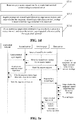
- the trusted login method according to an embodiment of the present application is completely described below by using an interaction instance.
- a target client terminal sends a trusted login request to a second server in response to a user operation on a target access entrance.
- an auto insurance access entrance of a payment APP is embedded in a map APP.
- a user B of the target client terminal clicks the auto insurance access entrance on the map APP.
- the target client terminal sends a trusted login request to a second server of the map APP in response to the tap operation.
- a service ID of a service page to be accessed and a user account number of the target client terminal are written in the trusted login request.
- the second server may encapsulate the trusted login request and a current trusted login identifier issued by the first server to generate the token acquisition request, and then send the token acquisition request generated after encapsulation to the first server.
- the second server of the map APP may encapsulate a current trusted login identifier XXX issued by a server of the payment APP and the received trusted login request, and then send a token acquisition request generated after encapsulation to the first server of the payment APP.
- the first server of the payment APP acquires a current trusted login identifier from the received token acquisition request; and determines whether the current trusted login identifier is consistent with a current trusted login identifier saved in the first server and issued to the second server. If they are consistent, the first server may determine the page access service privilege of the target client terminal according to the token acquisition request. If they are inconsistent, the first server refuses the token acquisition request. If it is determined that the target client terminal of the map APP can access an auto insurance page of the payment APP only, the temporary trusted login token is generated, and a page access service privilege of the temporary trusted login token is set that only the auto insurance page can be accessed. Then, the generated temporary trusted login token is sent to the second server of the map APP.
- the first server sends the generated temporary trusted login token to the target client terminal by using the second server.
- the first server first feeds the temporary trusted login token back to the second server as feedback information of the token acquisition request. Then, the second server sends the temporary trusted login token to the target client terminal.
- the second server receives the temporary trusted login token fed back by the first server, and sends the temporary trusted login token to the target client terminal. Specifically, the second server may also send the current trusted login identifier issued by the first server and the temporary trusted login token together to the target client terminal.
- the target client terminal may encapsulate information such as the received temporary trusted login token, the service ID to be accessed, and the current trusted login identifier, and send the page access request generated after encapsulation to the first server of the payment APP.
- the page access request includes the temporary trusted login token, the service ID to be accessed, and the current trusted login identifier.
- the first server of the payment APP may judge whether the temporary trusted login token and the service ID meet a first mapping relationship, and judge whether the temporary trusted login token and the current trusted login identifier meet a second mapping relationship.
- the temporary trusted login token and the service ID meet the first mapping relationship, and the temporary trusted login token and the current trusted login identifier meet the second mapping relationship
- it is determined that the temporary trusted login token has the service privilege to access the service page which is requested to be accessed by the target client terminal. Otherwise, it is determined that the temporary trusted login token does not have the service privilege to access the service page which is requested to be accessed by the target client terminal, and the page access request is refused.
- the first server If judging that the temporary trusted login token has the service privilege to access the corresponding service page, the first server permits the target client terminal to log in to the first server in a trusted manner, and returns the service page which is requested to be accessed by the target client terminal.
- a first server by issuing a temporary trusted login token, a first server restricts a privilege of a target client terminal of a second server to access a service page after the target client terminal completes a trusted login, thus effectively protecting other service pages on the first server, solving a security problem in a trusted login solution universally applied in the prior art, and enhancing the security of trusted login.
- the present application uses a manner of returning the service page, so that a complicated login from a second application system to a first application system then back to the second application system can be implemented. In this way, a repeated redirection between application systems is avoided, and user experience is improved.
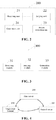
- an embodiment of the present application further provides a first server 200 correspondingly.
- the first server 200 includes:
- the service page is a page that can be loaded to the target client terminal in an embedded manner.
- the judging unit 22 may be configured to: judge whether the temporary trusted login token and a service identification of the service page meet a first mapping relationship; and determine that the temporary trusted login token has the service privilege to access the service page, if the temporary trusted login token and the service identification meet the first mapping relationship, or otherwise, determine that the temporary trusted login token does not have the service privilege.
- the judging unit 22 may be further configured to: judge whether the temporary trusted login token and a service identification of the service page meet a first mapping relationship, and judge whether the temporary trusted login token and a current trusted login identifier issued by the first server to the second server meet a second mapping relationship; and determine that the temporary trusted login token has the service privilege to access the service page, if the temporary trusted login token and the service identification meet the first mapping relationship and the temporary trusted login token and the current trusted login identifier meet the second mapping relationship.
- the judging unit 22 may be further configured to: judge whether the temporary trusted login token is legal, and judge whether the temporary trusted login token expires; and perform an operation of judging whether the temporary trusted login token in the page access request has a service privilege to access the service page, if the temporary trusted login token is legal and does not expire.
- the receiving unit 21 may be further configured to receive a token acquisition request sent by the second server.
- the judging unit 22 may be further configured to judge, based on the token acquisition request, whether the target client terminal is a trust-granted client terminal.
- the first server 200 further includes: a generation unit 24 configured to generate the temporary trusted login token if the target client terminal is a trust-granted client terminal, and set a page access service privilege for the temporary trusted login token; and a sending unit 25 configured to send the temporary trusted login token to the target client terminal by using the second server.
- the judging unit 22 may be further configured to: judge whether the token acquisition request includes the current trusted login identifier issued by the first server to the second server, and determine that the target client terminal is the trust-granted client terminal if the token acquisition request includes the current trusted login identifier; or judge whether a first client terminal corresponding to the target client terminal exists in the first server, and determine that the target client terminal is the trust-granted client terminal if the first client terminal exists.
- an embodiment of the present application further provides a second server 300, the second server being a server terminal of a target client terminal.
- the second server 300 includes:
- the generation module 32 is configured to acquire a current trusted login identifier issued by the first server to the second server, the current trusted login identifier being a certificate for acquiring the temporary trusted login token; and write the current trusted login identifier into the access request to generate the token acquisition request.
- an embodiment of the present application further provides a trusted login system correspondingly. As shown in FIG. 4 , the system includes:
- Embodiments of the subject matter and the operations described in this specification can be implemented in digital electronic circuitry, or in computer software, firmware, or hardware, including the structures disclosed in this specification and their structural equivalents, or in combinations of one or more of them.
- Embodiments of the subject matter described in this specification can be implemented as one or more computer programs, that is, one or more modules of computer program instructions, encoded on non-transitory computer storage media for execution by, or to control the operation of, data processing apparatus.
- the program instructions can be encoded on an artificially-generated propagated signal, for example, a machine-generated electrical, optical, or electromagnetic signal, that is generated to encode information for transmission to suitable receiver apparatus for execution by a data processing apparatus.
- a computer storage medium can be, or be included in, a computer-readable storage device, a computer-readable storage substrate, a random or serial access memory array or device, or a combination of one or more of them.
- a computer storage medium is not a propagated signal, a computer storage medium can be a source or destination of computer program instructions encoded in an artificially-generated propagated signal.
- the computer storage medium can also be, or be included in, one or more separate physical components or media (for example, multiple Compact Discs (CDs), Digital Video Discs (DVDs), magnetic disks, or other storage devices).
- the operations described in this specification can be implemented as operations performed by a data processing apparatus on data stored on one or more computer-readable storage devices or received from other sources.
- real-time means that an action and a response are temporally proximate such that an individual perceives the action and the response occurring substantially simultaneously.
- time difference for a response to display (or for an initiation of a display) of data following the individual's action to access the data can be less than 1 millisecond (ms), less than 1 second (s), or less than 5 s.
- data processing apparatus encompass all kinds of apparatus, devices, and machines for processing data, including by way of example a programmable processor, a computer, a system on a chip, or multiple ones, or combinations, of the foregoing.
- the apparatus can include special purpose logic circuitry, for example, a central processing unit (CPU), a field programmable gate array (FPGA) or an application-specific integrated circuit (ASIC).
- CPU central processing unit
- FPGA field programmable gate array
- ASIC application-specific integrated circuit
- the apparatus can also include, in addition to hardware, code that creates an execution environment for the computer program in question, for example, code that constitutes processor firmware, a protocol stack, a database management system, an operating system (for example, LINUX, UNIX, WINDOWS, MAC OS, ANDROID, IOS, another operating system, or a combination of operating systems), a cross-platform runtime environment, a virtual machine, or a combination of one or more of them.
- the apparatus and execution environment can realize various different computing model infrastructures, such as web services, distributed computing and grid computing infrastructures.
- a computer program (also known as a program, software, software application, software module, software unit, script, or code) can be written in any form of programming language, including compiled or interpreted languages, declarative or procedural languages, and it can be deployed in any form, including as a stand-alone program or as a module, component, subroutine, object, or other unit suitable for use in a computing environment.
- a computer program can, but need not, correspond to a file in a file system.
- a program can be stored in a portion of a file that holds other programs or data (for example, one or more scripts stored in a markup language document), in a single file dedicated to the program in question, or in multiple coordinated files (for example, files that store one or more modules, sub-programs, or portions of code).
- a computer program can be deployed to be executed on one computer or on multiple computers that are located at one site or distributed across multiple sites and interconnected by a communication network.
- processors suitable for the execution of a computer program include, by way of example, both general- and special-purpose microprocessors, and any one or more processors of any kind of digital computer.
- a processor will receive instructions and data from a read-only memory or a random-access memory or both.
- the essential elements of a computer are a processor for performing actions in accordance with instructions and one or more memory devices for storing instructions and data.
- a computer will also include, or be operatively coupled to receive data from or transfer data to, or both, one or more mass storage devices for storing data, for example, magnetic, magneto-optical disks, or optical disks.
- mass storage devices for storing data, for example, magnetic, magneto-optical disks, or optical disks.
- a computer need not have such devices.
- a computer can be embedded in another device, for example, a mobile device, a personal digital assistant (PDA), a game console, a Global Positioning System (GPS) receiver, or a portable storage device (for example, a universal serial bus (USB) flash drive), to name just a few.
- Devices suitable for storing computer program instructions and data include all forms of non-volatile memory, media and memory devices, including, by way of example, semiconductor memory devices, for example, erasable programmable read-only memory (EPROM), electrically-erasable programmable read-only memory (EEPROM), and flash memory devices; magnetic disks, for example, internal hard disks or removable disks; magneto-optical disks; and CD-ROM and DVD-ROM disks.
- the processor and the memory can be supplemented by, or incorporated in, special-purpose logic circuitry.
- Mobile devices can include mobile telephones (for example, smartphones), tablets, wearable devices (for example, smart watches, smart eyeglasses, smart fabric, smart jewelry), implanted devices within the human body (for example, biosensors, smart pacemakers, cochlear implants), or other types of mobile devices.
- the mobile devices can communicate wirelessly (for example, using radio frequency (RF) signals) to various communication networks (described below).
- RF radio frequency
- the mobile devices can include sensors for determining characteristics of the mobile device's current environment.
- the sensors can include cameras, microphones, proximity sensors, GPS sensors, motion sensors, accelerometers, ambient light sensors, moisture sensors, gyroscopes, compasses, barometers, fingerprint sensors, facial recognition systems, RF sensors (for example, Wi-Fi and cellular radios), thermal sensors, or other types of sensors.
- the cameras can include a forward- or rear-facing camera with movable or fixed lenses, a flash, an image sensor, and an image processor.
- the camera can be a megapixel camera capable of capturing details for facial and/or iris recognition.
- the camera along with a data processor and authentication information stored in memory or accessed remotely can form a facial recognition system.
- the facial recognition system or one-or-more sensors for example, microphones, motion sensors, accelerometers, GPS sensors, or RF sensors, can be used for user authentication.
- embodiments of the subject matter described in this specification can be implemented on a computer having a display device and an input device, for example, a liquid crystal display (LCD) or organic light-emitting diode (OLED)/virtual-reality (VR)/augmented-reality (AR) display for displaying information to the user and a touchscreen, keyboard, and a pointing device, for example, a mouse or a trackball, by which the user can provide input to the computer.
- LCD liquid crystal display
- OLED organic light-emitting diode
- VR virtual-reality
- AR augmented-reality
- a computer can interact with a user by sending documents to and receiving documents from a device that is used by the user; for example, by sending web pages to a web browser on a user's client device in response to requests received from the web browser.
- Embodiments of the subject matter described in this specification can be implemented using computing devices interconnected by any form or medium of wireline or wireless digital data communication (or combination thereof), for example, a communication network.
- Examples of communication networks include a local area network (LAN), a radio access network (RAN), a metropolitan area network (MAN), and a wide area network (WAN).
- the communication network can include all or a portion of the Internet, another communication network, or a combination of communication networks.
- Information can be transmitted on the communication network according to various protocols and standards, including Worldwide Interoperability for Microwave Access (WIMAX), Long Term Evolution (LTE), Code Division Multiple Access (CDMA), 5G protocols, IEEE 802.11 a/b/g/n or 802.20 protocols (or a combination of 802.11x and 802.20 or other protocols consistent with the present disclosure), Internet Protocol (IP), Frame Relay, Asynchronous Transfer Mode (ATM), ETHERNET, or other protocols or combinations of protocols.
- the communication network can transmit voice, video, biometric, or authentication data, or other information between the connected computing devices.
- Embodiments of the subject matter described in this specification can be implemented using clients and servers interconnected by a communication network.
- a client and server are generally remote from each other and typically interact through a communication network.
- the relationship of client and server arises by virtue of computer programs running on the respective computers and having a client-server relationship to each other.
- a client for example, a mobile device, can carry out transactions itself, with a server, or through a server, for example, performing buy, sell, pay, give, send, or loan transactions, or authorizing the same.
Landscapes
- Engineering & Computer Science (AREA)
- Computer Security & Cryptography (AREA)
- Computer Networks & Wireless Communication (AREA)
- Signal Processing (AREA)
- Computer Hardware Design (AREA)
- General Engineering & Computer Science (AREA)
- Computing Systems (AREA)
- Theoretical Computer Science (AREA)
- Physics & Mathematics (AREA)
- General Physics & Mathematics (AREA)
- Software Systems (AREA)
- Algebra (AREA)
- Mathematical Physics (AREA)
- Pure & Applied Mathematics (AREA)
- Mathematical Optimization (AREA)
- Mathematical Analysis (AREA)
- Information Transfer Between Computers (AREA)
- Storage Device Security (AREA)
- Management, Administration, Business Operations System, And Electronic Commerce (AREA)
Abstract
Description
- This application claims priority to Chinese Patent Application No.
201710071568.6 filed on February 9, 2017 - The present application relates to the field of software technologies, and in particular, to a trusted login method, server and system.
- With unceasing development of science and technologies, software technologies are developed rapidly, and various application systems emerge endlessly. In a general case, when using an application system, a user needs to input an account number and a password to implement a login before enjoying a corresponding service.
- A client may log in to a system A by using an account number and a password that are registered on the system A; or may also log in to a system B trusting the system A by using the account number and the password that are registered on the system A. When a user of the system A logs in to the system B trusting the system A, such a login manner is referred to as a trusted login. After logging in to the system B in a trusted manner, the user of the system A may access a corresponding service provided by the system B and perform an operation thereon.
- At present, in an existing trusted login solution, the system B allocates a trusted login number to the system A. Then, the system A writes, into a trusted login request, user login request parameters in the system A and the login number issued by the system B, encrypts the trusted login request by using a key and sends the encrypted request. The system B decrypts the received trusted login request by using a public key provided by the system A. After decryption, the system B checks whether the trusted login number in the trusted login request is legal. If it is legal, the user of the system A is permitted to log in to the system B, and the trusted login is successful. However, once the login is successful with the existing trusted login solution, the client of the system A can access all service pages of the system B and perform operations thereon, thus causing a security threat. For example, if database theft or account theft occurs in the system A (for example, a map application system) due to a low security requirement, the stealer may log in to the system A by using user information obtained through the database theft or account theft, and then log in to the system B (for example, a payment application system) through the system A in a trusted manner, so as to perform an operation on a page (for example, a payment page) of the system B with a higher security requirement. As a result, the system B with a higher security requirement faces a risk.
-
WO 2011/047722 discloses a method carried out by a controller. The method includes receiving a message including a request token. A request token is a value used by a consumer to request authorization from a user to access protected resources from a service provider. A service provider is at least one of a software application and web site that is configured to provide access to protected resources. A consumer is at least one of a software application and a web site that is configured to access a service provider on behalf of a user. The method further includes determining whether the message meets policy settings governing the access to protected resources; and, if it is determined that the message does not meet the policy settings, preventing the request token from being forwarded to the service provider associated with the request token. - Embodiments of the present invention provide a trusted login method and apparatus, and an electronic device, which are used to solve a security problem in an inter-system trusted login in the prior art, and enhance security of the trusted login. The invention is defined in the claims.
- A first aspect of the present invention provides a trusted login method, where the method is applied to a first server and includes:
- receiving a page access request sent by a target client terminal corresponding to a second server, the page access request being used to request to access a service page provided by the first server;
- acquiring a temporary trusted login token in the page access request and judging whether the temporary trusted login token has a service privilege to access the service page; and
- permitting the target client terminal to log in to the first server in a trusted manner, if the temporary trusted login token has the service privilege to access the service page, and returning the service page that is requested to be accessed by the target client terminal.
- Optionally, the step of judging whether the temporary trusted login token in the page access request has a service privilege to access the service page includes:
- judging whether the temporary trusted login token and a service identification of the service page meet a first mapping relationship; and
- determining that the temporary trusted login token has the service privilege to access the service page, if the temporary trusted login token and the service identification meet the first mapping relationship.
- Optionally, the step of judging whether the temporary trusted login token has a service privilege to access the service page includes:
- judging whether the temporary trusted login token and a service identification of the service page meet a first mapping relationship, and judging whether the temporary trusted login token and a current trusted login identifier issued by the first server to the second server meet a second mapping relationship; and
- determining that the temporary trusted login token has the service privilege to access the service page, if the temporary trusted login token and the service identification meet the first mapping relationship and the temporary trusted login token and the current trusted login identifier meet the second mapping relationship.
- Optionally, before the step of judging whether the temporary trusted login token in the page access request has a service privilege to access the service page, the method further includes:
- judging whether the temporary trusted login token is legal, and judging whether the temporary trusted login token expires; and
- performing an operation of judging whether the temporary trusted login token in the page access request has a service privilege to access the service page, if the temporary trusted login token is legal and does not expire.
- Optionally, the service page is a page that can be loaded to the target client terminal in an embedded manner.
- Optionally, the method further includes:
- receiving a token acquisition request sent by the second server;
- judging, based on the token acquisition request, whether the target client terminal is a trust-granted client terminal;
- generating the temporary trusted login token if the target client terminal is a trust-granted client terminal, and setting a page access service privilege of the temporary trusted login token; and
- sending the temporary trusted login token to the target client terminal by using the second server.
- Optionally, the step of judging, based on the token acquisition request, whether the target client terminal is a trust-granted client terminal includes:
- judging whether the token acquisition request includes the current trusted login identifier issued by the first server to the second server; and
- determining that the target client terminal is the trust-granted client terminal if the token acquisition request includes the current trusted login identifier.
- Optionally, the step of judging, based on the token acquisition request, whether the target client terminal is a trust-granted client terminal includes:
- judging whether a first client terminal corresponding to the target client terminal exists in the first server; and
- determining that the target client terminal is the trust-granted client terminal if the first client terminal exists.
- A second aspect of the present invention provides a trusted login method, where the method is applied to a second server, which is a server terminal of a target client terminal, and the method includes:
- receiving a trusted login request sent by the target client terminal, the trusted login request being used to request to log in to a first server and access a service page provided by the first server;
- generating a token acquisition request based on the trusted login request, and sending the token acquisition request to the first server;
- receiving a temporary trusted login token fed back by the first server, the temporary trusted login token having a service privilege to log in to the first server and access the service page; and
- feeding the temporary trusted login token back to the target client terminal, so that the target client terminal logs in to the first server and accesses the service page by using the temporary trusted login token.
- Optionally, the step of generating a token acquisition request based on the access request and sending the token acquisition request to the first server includes:
- acquiring a current trusted login identifier issued by the first server to the second server, the current trusted login identifier being a certificate for acquiring the temporary trusted login token; and
- writing the current trusted login identifier into the access request, to generate the token acquisition request.
- A third aspect of the present invention provides a first server, including:
- a receiving unit configured to receive a page access request sent by a target client terminal corresponding to a second server, the page access request being used to request to access a service page provided by the first server;
- a judging unit configured to acquire a temporary trusted login token in the page access request and judge whether the temporary trusted login token has a service privilege to access the service page; and
- an access restriction unit configured to permit the target client terminal to log in to the first server in a trusted manner, if the temporary trusted login token has the service privilege to access the service page; and return the service page that is requested to be accessed by the target client terminal.
- Optionally, the judging unit is configured to:
- judge whether the temporary trusted login token and a service identification of the service page meet a first mapping relationship; and
- determine that the temporary trusted login token has the service privilege to access the service page, if the temporary trusted login token and the service identification meet the first mapping relationship.
- Optionally, the judging unit is configured to:
- judge whether the temporary trusted login token and a service identification of the service page meet a first mapping relationship, and judge whether the temporary trusted login token and a current trusted login identifier issued by the first server to the second server meet a second mapping relationship; and
- determine that the temporary trusted login token has the service privilege to access the service page, if the temporary trusted login token and the service identification meet the first mapping relationship and the temporary trusted login token and the current trusted login identifier meet the second mapping relationship.
- Optionally, the judging unit is further configured to:
- before judging whether the temporary trusted login token in the page access request has a service privilege to access the service page, judge whether the temporary trusted login token is legal, and judge whether the temporary trusted login token expires; and
- perform an operation of judging whether the temporary trusted login token in the page access request has a service privilege to access the service page, if the temporary trusted login token is legal and does not expire.
- Optionally, the service page is a page that can be loaded to the target client terminal in an embedded manner.
- Optionally, the receiving unit is further configured to receive a token acquisition request sent by the second server;
the judging unit is further configured to judge, based on the token acquisition request, whether the target client terminal is a trust-granted client terminal; and
the first server further includes: - a generation unit configured to generate the temporary trusted login token if the target client terminal is a trust-granted client terminal, and set a page access service privilege for the temporary trusted login token; and
- a sending unit configured to send the temporary trusted login token to the target client terminal by using the second server.
- Optionally, the judging unit is further configured to:
- judge whether the token acquisition request includes the current trusted login identifier issued by the first server to the second server; and
- determine that the target client terminal is the trust-granted client terminal if the token acquisition request includes the current trusted login identifier.
- Optionally, the judging unit is further configured to:
- judge whether a first client terminal corresponding to the target client terminal exists in the first server; and
- determine that the target client terminal is the trust-granted client terminal if the first client terminal exists.
- A fourth aspect of the present invention provides a second server, where the second server is a server terminal of a target client terminal and includes:
- a receiving module configured to receive a trusted login request sent by the target client terminal, the trusted login request being used to request to log in to a first server and access a service page provided by the first server; and
- a generation module configured to generate a token acquisition request based on the trusted login request, and send the token acquisition request to the first server by using the sending module; and
- the receiving module is further configured to receive a temporary trusted login token fed back by the first server, the temporary trusted login token having a service privilege to log in to the first server and access the service page; and
- the sending module is further configured to feed the temporary trusted login token back to the target client terminal, so that the target client terminal logs in to the first server and accesses the service page by using the temporary trusted login token.
- Optionally, the generation module is configured to:
- acquire a current trusted login identifier issued by the first server to the second server, the current trusted login identifier being a certificate for acquiring the temporary trusted login token; and
- write the current trusted login identifier into the access request to generate the token acquisition request.
- A fifth aspect of the present invention provides a trusted login system, including:
- a first server;
- a second server; and
- a target client terminal configured to send a trusted login request to the second server in response to a user operation on a target access entrance, the trusted login request being used to request to log in to the first server and access a service page provided by the first server; receive a temporary trusted login token sent by the second server, the temporary trusted login token having a service privilege to access the service page; generate, based on the temporary trusted login token, an access request for accessing the service page and send the access request to the first server, to request to log in to the first server and access the service page.
- The foregoing one or more technical solutions in the embodiments of the present invention have at least the following technical solutions:
In the embodiments of the present invention, when a page access request sent by a target client terminal corresponding to a second server is received, to request to access a service page provided by a first server, a temporary trusted login token in the page access request is acquired and it is judged whether the temporary trusted login token has a service privilege to access the service page. If the temporary trusted login token has the service privilege, the target client terminal is permitted to log in to the first server in a trusted manner, and the service page that is requested to be accessed by the target client terminal is returned. In this way, a user performs a trusted login can access only a corresponding service page under a restriction from the service privilege of the temporary trusted login token, and cannot access another service page of the system, thus solving a security problem in a trusted login in the prior art and enhancing security of the trusted login. -
-
FIG. 1a is a flowchart of a trusted login method at a target client terminal according to Embodiment I of the present application; -
FIG. 1b is a flowchart of a trusted login method at the side of a second server according to Embodiment I of the present application; -
FIG. 1c is a token delivery flowchart of a trusted login method at the side of a first server according to Embodiment I of the present application; -
FIG. 1d is a token verification flowchart of a trusted login method at the side of a first server according to Embodiment I of the present application; -
FIG. 1e is a schematic interaction diagram of a trusted login method according to Embodiment I of the present application; -
FIG. 2 is a schematic diagram of a first server according to Embodiment II of the present application; -
FIG. 3 is a schematic diagram of a second server according to Embodiment II of the present application; and -
FIG. 4 is a schematic diagram of a trusted login system according to Embodiment II of the present application. - The main implementation principle, specific implementations, and corresponding achievable beneficial effects according to the technical solution of the embodiments of the present application are described in detail below with reference to the accompanying drawings.
- This embodiment of the present application provides a trusted login method, and the method is applied to a trusted login system. The system includes two application systems. A first application system includes a first server and a first client terminal. A second application system includes a second server and a second client terminal (that is, a target client terminal). A target access entrance to a service page provided by the first server is provided on an application interface of the target client terminal in an embedded manner. A user may trigger, by performing an operation on the target access entrance, the target client terminal to access the service page provided by the first server by means of the trusted login method.
- Referring to
FIG. 1a , a trusted login method according to an embodiment of the present application is shown. The method is applied to a target client terminal, and includes:
S1.1: A target client terminal sends a trusted login request to a second server in response to a user operation on a target access entrance, the trusted login request being used to request to log in to a first server and access a service page provided by the first server. - The trusted login request includes a service Identification (ID) of the service page to be accessed by the target client terminal. The service ID is used to indicate a specific service page to be accessed by the target client terminal. The trusted login request further includes a user account number and a password. The user account number and the password are used to request to log in to the second server, or enable the second server to verify legality of the target client terminal. Only when the target client terminal successfully logs in to the second server by using the user account number and the password, or only after the target client terminal passes the legality verification performed by the second server, the second server sends a temporary trusted login token to the target client terminal in response to the trusted login request sent by the target client terminal.
- S1.2: The target client terminal receives the temporary trusted login token which is sent by the second server in response to the trusted login request.
- The temporary trusted login token is a certificate for the target client terminal to log in to the first server and access the service page provided by the first server. A service privilege to access the service page is written in the temporary trusted login token. The target client terminal is forbidden to access service pages beyond the range of the service privilege of the temporary trusted login token. The temporary trusted login token is generated by the first server according to a token acquisition request sent by the second server, and is fed back to the second server. Then, the second server sends the temporary trusted login token to the target client terminal.
- S1.3: The target client terminal generates, based on the received temporary trusted login token, an access request for accessing the service page provided by the first server, and sends the access request to the first server.
- Specifically, during generation of the access request for accessing the service page, the access request may be generated by encapsulating the temporary trusted login token and the to-be-accessed service ID; or may also be generated by encapsulating the temporary trusted login token, the to-be-accessed service ID, and the user account number . When the access request includes the user account number, based on the user account number in the access request, the first server may search for a first user account number for the target client terminal or establish a first user account number on the first server according to a user mapping relationship agreed upon by the first server and the second server.
- After SI.3, the target client terminal waits for the first server to return the service page. Upon receiving the service page returned by the first server, the target client terminal performs an operation on the service page. Because an access of the target client terminal to the service page of the first server is restricted by the service privilege of the temporary trusted login token, the target client terminal can access only a service page within the range of the service privilege of the temporary trusted login token when logging in to the first server in a trusted manner, thus enhancing the security of accessing the service page.
- Referring to
FIG. 1b , a trusted login method according to an embodiment of the present application is shown. The method is applied to a second server, and includes: - S2.1: The second server receives a trusted login request sent by a target client terminal.
- S2.2: The second server generates a token acquisition request based on the received trusted login request, and sends the token acquisition request to a first server.
- Specifically, the token acquisition request may be generated by encapsulating the trusted login request and a server identifier of the second server. The first server may judge, according to the server identifier, whether the second server is a trust-granted server. If the second server is a trust-granted server, the first server parses the trusted login request in the token acquisition request, and feeds back a temporary login token. If the second server is not a trust-granted server, the first server refuses to feed a temporary login token back to the second server.
- The token acquisition request may also be generated by encapsulating the trusted login request and a current trusted login identifier issued by the first server to the second server. The current trusted login identifier is a certificate for the second server to acquire a temporary trusted login token. If the current trusted login identifier is legal, the first server parses the trusted login request in the token acquisition request, to judge whether to feed back the temporary login token. If the current trusted login identifier is illegal, the first server refuses to feed the temporary login token back to the second server.
- The current trusted login identifier may be a trusted login number. The trusted login number is issued by the first server to the trust-granted second server. The trusted login number may be a fixed number, and is effective within a trust granting period once issued. The trusted login number may also be a constantly updated dynamic number. The first server updates the trusted login number according to a particular time period and issues the updated trusted login number to the second server.
- S2.3: The second server receives the temporary trusted login token fed back by the first server, and sends the temporary trusted token to the target client terminal.
- Complementarily, the second server may directly perform S2.2 after S2.1. Alternatively, the second server may parse the received trusted login request after S2.1, to judge whether the trusted login request is legal, for example, to judge whether the target client terminal has logged in to the second server or whether the first server providing the service page signs an agreement with the second server. If judging that the trusted login request is legal, the second server performs S2.2. If judging that the trusted login request is illegal, the second server returns a request failure message to the target client terminal.
- Referring to
FIG. 1c , a token delivery method in a trusted login method according to an embodiment of the present application is shown. The token delivery method is applied to a first server, and includes:
S3.1: The first server receives a token acquisition request sent by a second server. - The first server may directly perform S3.2 after receiving the token acquisition request; or may also judge, based on the token acquisition request, whether a target client terminal is a trust-granted client terminal and select whether to perform S3.2 according to a judging result.
- Based on the token acquisition request, the first server may judge, in the following manners, whether the target client terminal is a trust-granted client terminal.
- In a first manner, it is judged whether the token acquisition request includes a current trusted login identifier issued by the first server to the second server. If the token acquisition request includes the current trusted login identifier, it is determined that the target client terminal is a trust-granted client terminal. Otherwise, if the token acquisition request does not include the current trusted login identifier, it is determined that the target client terminal is not a trust-granted client terminal.
- In a second manner, by using a user mapping relationship between the first server and the second server, it is judged whether the target client terminal is a trust-granted client terminal. When a trusted login relationship is established between the first server and the second server, a mapping relationship between users of the two servers is established. That is, a target user corresponding to a user of the second server is established or found on the first server. For example, when logging in to the first server, a user X of the second server corresponds to a target user XI of the first server. Accordingly, the first server may acquire a user account number of the target client terminal in the token acquisition request, and judge whether a target user account number corresponding to the user account number of the target client terminal exists in the first server. If the target user account number exists, it is determined that the target client terminal is a trust-granted client terminal; otherwise, it is determined that the target client terminal is not a trust-granted client terminal.
- Upon judging that the target client terminal is not a trust-granted client terminal, the first server returns a request failure message to the second server. Upon judging that the target client terminal is a trust-granted client terminal, the first server continues to perform S3.2.
- S3.2: The first server generates a temporary trusted login token based on the received token acquisition request, and sets a page access service privilege of the temporary trusted login token.
- The service privilege may be set for one particular service page or multiple service pages. The setting a page access service privilege of the temporary trusted login token incudes: establishing a first mapping relationship, or establishing a first mapping relationship and a second mapping relationship. The first mapping relationship is a mapping relationship between the temporary trusted login token and a service ID of a service page to which an access is permitted. The second mapping relationship is a mapping relationship between the temporary trusted login token and a current trusted login identifier issued by the first server to the second server. By using the second mapping relationship, the temporary trusted login token is restricted to be valid corresponding to a specified current trusted login identifier (that is, corresponding to a specified server) only. Thus, the temporary trusted login token is prevented from being usurped by another server. For example, in a mapping relationship shown in Table 1, a temporary trusted login token x1579 is valid only to the second server Y1 corresponding to a current trusted login identifier 4627, and is invalid to other servers, for example, a server Y2.
Table 1 Temporary trusted login tokens Second servers Service IDs Current trusted login identifiers x1579 Y1 101 4627 y2641 Y2 101 4786 x6478 Y3 103 3451 - In a process of generating the temporary trusted login token, the temporary trusted login token may be generated according to a specific generation rule to render the token legal. Alternatively, a validity period may be set for each temporary trusted login token, and the temporary trusted login token becomes invalid once it expires.
- S3.3: The first server sends the generated temporary trusted login token to the target client terminal by using the second server.
- Referring to
FIG. 1d , a token verification method in a trusted login method according to an embodiment of the present application is shown. The token verification method is applied to a first server, and includes: - S3.4: The first server receives a page access request sent by a target client terminal corresponding to a second server.
- S3.5: The first server acquires a temporary trusted login token in the page access request, and judges whether the temporary trusted login token has a service privilege to access a service page which is requested to be accessed by the target client terminal.
- Specifically, in order to enhance information feedback efficiency of the first server, before judgment on the service privilege of the temporary trusted login token, it may be first judged whether the temporary trusted login token is legal or whether it expires. If it is judged that the temporary trusted login token is illegal or it expires, the page access request is refused. If it is judged that the temporary trusted login token is legal and does not expire, the judgment on the service privilege of the temporary trusted login token is performed.
- In a specific implementation process, the service privilege of the temporary trusted login token may be judged in any of the following manners.
- In a first manner, it is judged whether the temporary trusted login token and a service ID of a service page to be accessed by a target terminal meet a first mapping relationship. Specifically, it may be queried, according to the first mapping relationship between a temporary trusted login token and a service ID that is established by the first server, whether the temporary trusted login token in the page access request corresponds to a service ID in the access request. If a query result indicates that they are corresponding to each other, it is judged that the temporary trusted login token in the page access request matches the service ID, and the temporary trusted login token has the service privilege to access a corresponding service page; otherwise, the temporary trusted login token does not have the service privilege to access a corresponding service page.
- In a second manner, it is judged whether the temporary trusted login token and a service ID of a service page to be accessed by a target terminal meet a first mapping relationship, and it is judged whether the temporary trusted login token and a current trusted login identifier meet a second mapping relationship, the current trusted login identifier being issued by the first server to a second server to which the target client terminal belongs. When it is judged that the temporary trusted login token and the service ID of the service page to be accessed by the target terminal meet the first mapping relationship, and that the temporary trusted login token and the current trusted login identifier meet the second mapping relationship, the current trusted login identifier being issued by the first server to a second server to which the target client terminal belongs, the temporary trusted login token has the service privilege to access a corresponding service page. Otherwise, the temporary trusted login token does not have the service privilege to access a corresponding service page. For example, it is assumed that, a mapping relationship established in the first server for the temporary trusted login token is shown in Table 1, the temporary trusted login token in the page access request received by the first server is x6478, the service ID to be accessed is 103, and the current trusted login identifier of the second server to which the target client terminal belongs is 3450. The first server judges, according to Table 1, that the temporary trusted login token in the page access request and the service ID meet the first mapping relationship, but the temporary trusted login token and the current trusted login identifier does not meet the second mapping relationship (the temporary trusted login token x6478 corresponds to a current trusted login identifier 3451, instead of 3450). The temporary trusted login token x6478 is an illegal token which may be usurped or expire. Therefore, the first server may refuse the current service access request.
- S3.6: If judging that the temporary trusted login token has the service privilege to access the corresponding service page, the first server permits the target client terminal to log in to the first server in a trusted manner, and returns the service page which is requested to be accessed by the target client terminal. Otherwise, if judging that the temporary trusted login token does not have the service privilege to access the corresponding service page, the first server forbids the target client terminal to access the corresponding service page.
- In a specific implementation process, the first server permits the target client terminal to log in to the first server in a trusted manner. The target client terminal can implement a trusted login only on the first server, and does not redirect to a first client terminal of the first server. Instead, the service page is returned to the target client terminal, thus improving user experience. For example, for a map application system A and a payment application system B, a user of the map application system A clicks an access entrance on the target client terminal (that is, map client terminal software), to request to access a service page C of the payment application system B. The payment application system B only needs to verify and complete a trusted login of a user of the target client terminal on the system B, and then return the service page C to the map client terminal software, without the need of redirecting to payment client terminal software of the payment application system B.
- Further, the service page provided by the first server may be a page that is loaded to the target client terminal in an embedded manner. A service process and service presentation of the service page are implemented by using an H5 page (i.e., an html5 page, which is a page implemented by using the fifth revised language of the hypertext markup language), thus reducing development of a first application system of the first server. The first server only needs to complete the trusted login and return the page, thus achieving an objective of pushing the service page to more application systems and client terminals.
- After the trusted login, the first server may bury an identifier in a corresponding service page. For example, a control over a session between the target client terminal and the service page is written according to a trusted login result, and an identifier of a user of the target client terminal is written into the session, to indicate a success of the trusted login. The target client terminal does not need to log in to the first server again within a validity period. The service page may directly respond to a service operation of the target client terminal within the validity period.
- Referring to
FIG. 1e , the trusted login method according to an embodiment of the present application is completely described below by using an interaction instance. - S1.1: A target client terminal sends a trusted login request to a second server in response to a user operation on a target access entrance.
- For example, it is assumed that an auto insurance access entrance of a payment APP is embedded in a map APP. A user B of the target client terminal clicks the auto insurance access entrance on the map APP. The target client terminal sends a trusted login request to a second server of the map APP in response to the tap operation. A service ID of a service page to be accessed and a user account number of the target client terminal are written in the trusted login request.
- S2.1: The second server receives the trusted login request sent by the target client terminal.
- S2.2: The second server generates a token acquisition request based on the received trusted login request, and sends the token acquisition request to a first server.
- The second server may encapsulate the trusted login request and a current trusted login identifier issued by the first server to generate the token acquisition request, and then send the token acquisition request generated after encapsulation to the first server. For example, the second server of the map APP may encapsulate a current trusted login identifier XXX issued by a server of the payment APP and the received trusted login request, and then send a token acquisition request generated after encapsulation to the first server of the payment APP.
- S3.1: The first server receives the token acquisition request sent by the second server.
- S3.2: The first server generates a temporary trusted login token and sets a page access service privilege of the temporary trusted login token.
- For example, the first server of the payment APP acquires a current trusted login identifier from the received token acquisition request; and determines whether the current trusted login identifier is consistent with a current trusted login identifier saved in the first server and issued to the second server. If they are consistent, the first server may determine the page access service privilege of the target client terminal according to the token acquisition request. If they are inconsistent, the first server refuses the token acquisition request. If it is determined that the target client terminal of the map APP can access an auto insurance page of the payment APP only, the temporary trusted login token is generated, and a page access service privilege of the temporary trusted login token is set that only the auto insurance page can be accessed. Then, the generated temporary trusted login token is sent to the second server of the map APP.
- S3.3: The first server sends the generated temporary trusted login token to the target client terminal by using the second server.
- Specifically, the first server first feeds the temporary trusted login token back to the second server as feedback information of the token acquisition request. Then, the second server sends the temporary trusted login token to the target client terminal.
- S2.3: The second server receives the temporary trusted login token fed back by the first server, and sends the temporary trusted login token to the target client terminal. Specifically, the second server may also send the current trusted login identifier issued by the first server and the temporary trusted login token together to the target client terminal.
- S1.2: The target client terminal receives the temporary trusted login token sent by the second server.
- S1.3: The target client terminal generates, based on the received temporary trusted login token, a page access request for accessing the service page, and sends the page access request to the first server, to request to log in to the first server and access the service page provided by the first server.
- For example, the target client terminal may encapsulate information such as the received temporary trusted login token, the service ID to be accessed, and the current trusted login identifier, and send the page access request generated after encapsulation to the first server of the payment APP.
- S3.4: The first server receives the page access request sent by the target client terminal corresponding to the second server.
- S3.5: The first server acquires the temporary trusted login token in the page access request, and judges whether the temporary trusted login token has a service privilege to access the service page which is requested to be accessed by the target client terminal.
- For example, it is assumed that the page access request includes the temporary trusted login token, the service ID to be accessed, and the current trusted login identifier. According to a mapping relationship table which is shown as Table 1 and established for the temporary trusted login token in advance, the first server of the payment APP may judge whether the temporary trusted login token and the service ID meet a first mapping relationship, and judge whether the temporary trusted login token and the current trusted login identifier meet a second mapping relationship. Upon judging that the temporary trusted login token and the service ID meet the first mapping relationship, and the temporary trusted login token and the current trusted login identifier meet the second mapping relationship, it is determined that the temporary trusted login token has the service privilege to access the service page which is requested to be accessed by the target client terminal. Otherwise, it is determined that the temporary trusted login token does not have the service privilege to access the service page which is requested to be accessed by the target client terminal, and the page access request is refused.
- S3.6: If judging that the temporary trusted login token has the service privilege to access the corresponding service page, the first server permits the target client terminal to log in to the first server in a trusted manner, and returns the service page which is requested to be accessed by the target client terminal.
- In the foregoing embodiment, by issuing a temporary trusted login token, a first server restricts a privilege of a target client terminal of a second server to access a service page after the target client terminal completes a trusted login, thus effectively protecting other service pages on the first server, solving a security problem in a trusted login solution universally applied in the prior art, and enhancing the security of trusted login. Moreover, the present application uses a manner of returning the service page, so that a complicated login from a second application system to a first application system then back to the second application system can be implemented. In this way, a repeated redirection between application systems is avoided, and user experience is improved.
- Based on a same invention concept, an embodiment of the present application further provides a
first server 200 correspondingly. As shown inFIG. 2 , thefirst server 200 includes: - a receiving
unit 21 configured to receive a page access request sent by a target client terminal corresponding to a second server, the page access request being used to request to access a service page provided by the first server; - a judging
unit 22 configured to acquire a temporary trusted login token in the page access request and judge whether the temporary trusted login token has a service privilege to access the service page; and - an
access restriction unit 23 configured to permit the target client terminal to log in to the first server in a trusted manner, if the temporary trusted login token has the service privilege to access the service page, and return the service page that is requested to be accessed by the target client terminal. - The service page is a page that can be loaded to the target client terminal in an embedded manner.
- As an optional implementation, the judging
unit 22 may be configured to: judge whether the temporary trusted login token and a service identification of the service page meet a first mapping relationship; and determine that the temporary trusted login token has the service privilege to access the service page, if the temporary trusted login token and the service identification meet the first mapping relationship, or otherwise, determine that the temporary trusted login token does not have the service privilege. - The judging
unit 22 may be further configured to: judge whether the temporary trusted login token and a service identification of the service page meet a first mapping relationship, and judge whether the temporary trusted login token and a current trusted login identifier issued by the first server to the second server meet a second mapping relationship; and determine that the temporary trusted login token has the service privilege to access the service page, if the temporary trusted login token and the service identification meet the first mapping relationship and the temporary trusted login token and the current trusted login identifier meet the second mapping relationship. - Before judging whether the temporary trusted login token in the page access request has a service privilege to access the service page, the judging
unit 22 may be further configured to: judge whether the temporary trusted login token is legal, and judge whether the temporary trusted login token expires; and perform an operation of judging whether the temporary trusted login token in the page access request has a service privilege to access the service page, if the temporary trusted login token is legal and does not expire. - As an optional implementation, the receiving
unit 21 may be further configured to receive a token acquisition request sent by the second server. The judgingunit 22 may be further configured to judge, based on the token acquisition request, whether the target client terminal is a trust-granted client terminal. Correspondingly, thefirst server 200 further includes: ageneration unit 24 configured to generate the temporary trusted login token if the target client terminal is a trust-granted client terminal, and set a page access service privilege for the temporary trusted login token; and a sending unit 25 configured to send the temporary trusted login token to the target client terminal by using the second server. - As an optional implementation, the judging
unit 22 may be further configured to: judge whether the token acquisition request includes the current trusted login identifier issued by the first server to the second server, and determine that the target client terminal is the trust-granted client terminal if the token acquisition request includes the current trusted login identifier; or judge whether a first client terminal corresponding to the target client terminal exists in the first server, and determine that the target client terminal is the trust-granted client terminal if the first client terminal exists. - Likewise, an embodiment of the present application further provides a
second server 300, the second server being a server terminal of a target client terminal. As shown inFIG. 3 , thesecond server 300 includes: - a receiving
module 31 configured to receive a trusted login request sent by the target client terminal, the trusted login request being used to request to log in to a first server and access a service page provided by the first server; and - a
generation module 32 configured to generate a token acquisition request based on the trusted login request, and send the token acquisition request to the first server by using the sendingmodule 33; where - the receiving
module 31 is further configured to receive a temporary trusted login token fed back by the first server, the temporary trusted login token having a service privilege to log in to the first server and access the service page; and - the sending
module 33 is further configured to feed the temporary trusted login token back to the target client terminal, so that the target client terminal logs in to the first server and accesses the service page by using the temporary trusted login token. - Specifically, the
generation module 32 is configured to acquire a current trusted login identifier issued by the first server to the second server, the current trusted login identifier being a certificate for acquiring the temporary trusted login token; and write the current trusted login identifier into the access request to generate the token acquisition request. - Based on the trusted login method provided by the foregoing embodiment, an embodiment of the present application further provides a trusted login system correspondingly. As shown in
FIG. 4 , the system includes: - a
first server 200; - a
second server 300; and - a
target client terminal 100 configured to send a trusted login request to thesecond server 300 in response to a user operation on a target access entrance, the trusted login request being used to request to log in to thefirst server 200 and access a service page provided by thefirst server 200; receive a temporary trusted login token sent by thesecond server 300, the temporary trusted login token having a service privilege to access the service page; generate, based on the temporary trusted login token, an access request for accessing the service page and send the access request to thefirst server 200, to request to log in to thefirst server 200 and access the service page. - Specific manners in which modules and units of the apparatus in the foregoing embodiment perform operations have been described in detail in the related method embodiment, so details are not described herein again.
- It should be understood that, the present invention is not limited to the precise structure described above and shown in the accompanying drawings, and various modifications and changes may be made without departing from the scope of the present invention. The scope of the present invention is limited only by the appended claims.
- The above merely describes preferred embodiments of the present invention, but is not intended to limit the present invention.
- Embodiments of the subject matter and the operations described in this specification can be implemented in digital electronic circuitry, or in computer software, firmware, or hardware, including the structures disclosed in this specification and their structural equivalents, or in combinations of one or more of them. Embodiments of the subject matter described in this specification can be implemented as one or more computer programs, that is, one or more modules of computer program instructions, encoded on non-transitory computer storage media for execution by, or to control the operation of, data processing apparatus. Alternatively or in addition, the program instructions can be encoded on an artificially-generated propagated signal, for example, a machine-generated electrical, optical, or electromagnetic signal, that is generated to encode information for transmission to suitable receiver apparatus for execution by a data processing apparatus. A computer storage medium can be, or be included in, a computer-readable storage device, a computer-readable storage substrate, a random or serial access memory array or device, or a combination of one or more of them. Moreover, while a computer storage medium is not a propagated signal, a computer storage medium can be a source or destination of computer program instructions encoded in an artificially-generated propagated signal. The computer storage medium can also be, or be included in, one or more separate physical components or media (for example, multiple Compact Discs (CDs), Digital Video Discs (DVDs), magnetic disks, or other storage devices).
- The operations described in this specification can be implemented as operations performed by a data processing apparatus on data stored on one or more computer-readable storage devices or received from other sources.
- The term "real-time," "real time," "realtime," "real (fast) time (RFT)," "near(ly) real-time (NRT)," "quasi real-time," or similar terms (as understood by one of ordinary skill in the art), means that an action and a response are temporally proximate such that an individual perceives the action and the response occurring substantially simultaneously. For example, the time difference for a response to display (or for an initiation of a display) of data following the individual's action to access the data can be less than 1 millisecond (ms), less than 1 second (s), or less than 5 s. While the requested data need not be displayed (or initiated for display) instantaneously, it is displayed (or initiated for display) without any intentional delay, taking into account processing limitations of a described computing system and time required to, for example, gather, accurately measure, analyze, process, store, or transmit the data.
- The terms "data processing apparatus," "computer," or "computing device" encompass all kinds of apparatus, devices, and machines for processing data, including by way of example a programmable processor, a computer, a system on a chip, or multiple ones, or combinations, of the foregoing. The apparatus can include special purpose logic circuitry, for example, a central processing unit (CPU), a field programmable gate array (FPGA) or an application-specific integrated circuit (ASIC). The apparatus can also include, in addition to hardware, code that creates an execution environment for the computer program in question, for example, code that constitutes processor firmware, a protocol stack, a database management system, an operating system (for example, LINUX, UNIX, WINDOWS, MAC OS, ANDROID, IOS, another operating system, or a combination of operating systems), a cross-platform runtime environment, a virtual machine, or a combination of one or more of them. The apparatus and execution environment can realize various different computing model infrastructures, such as web services, distributed computing and grid computing infrastructures.
- A computer program (also known as a program, software, software application, software module, software unit, script, or code) can be written in any form of programming language, including compiled or interpreted languages, declarative or procedural languages, and it can be deployed in any form, including as a stand-alone program or as a module, component, subroutine, object, or other unit suitable for use in a computing environment. A computer program can, but need not, correspond to a file in a file system. A program can be stored in a portion of a file that holds other programs or data (for example, one or more scripts stored in a markup language document), in a single file dedicated to the program in question, or in multiple coordinated files (for example, files that store one or more modules, sub-programs, or portions of code). A computer program can be deployed to be executed on one computer or on multiple computers that are located at one site or distributed across multiple sites and interconnected by a communication network.
- Processors suitable for the execution of a computer program include, by way of example, both general- and special-purpose microprocessors, and any one or more processors of any kind of digital computer. Generally, a processor will receive instructions and data from a read-only memory or a random-access memory or both. The essential elements of a computer are a processor for performing actions in accordance with instructions and one or more memory devices for storing instructions and data. Generally, a computer will also include, or be operatively coupled to receive data from or transfer data to, or both, one or more mass storage devices for storing data, for example, magnetic, magneto-optical disks, or optical disks. However, a computer need not have such devices. Moreover, a computer can be embedded in another device, for example, a mobile device, a personal digital assistant (PDA), a game console, a Global Positioning System (GPS) receiver, or a portable storage device (for example, a universal serial bus (USB) flash drive), to name just a few. Devices suitable for storing computer program instructions and data include all forms of non-volatile memory, media and memory devices, including, by way of example, semiconductor memory devices, for example, erasable programmable read-only memory (EPROM), electrically-erasable programmable read-only memory (EEPROM), and flash memory devices; magnetic disks, for example, internal hard disks or removable disks; magneto-optical disks; and CD-ROM and DVD-ROM disks. The processor and the memory can be supplemented by, or incorporated in, special-purpose logic circuitry.
- Mobile devices can include mobile telephones (for example, smartphones), tablets, wearable devices (for example, smart watches, smart eyeglasses, smart fabric, smart jewelry), implanted devices within the human body (for example, biosensors, smart pacemakers, cochlear implants), or other types of mobile devices. The mobile devices can communicate wirelessly (for example, using radio frequency (RF) signals) to various communication networks (described below). The mobile devices can include sensors for determining characteristics of the mobile device's current environment. The sensors can include cameras, microphones, proximity sensors, GPS sensors, motion sensors, accelerometers, ambient light sensors, moisture sensors, gyroscopes, compasses, barometers, fingerprint sensors, facial recognition systems, RF sensors (for example, Wi-Fi and cellular radios), thermal sensors, or other types of sensors. For example, the cameras can include a forward- or rear-facing camera with movable or fixed lenses, a flash, an image sensor, and an image processor. The camera can be a megapixel camera capable of capturing details for facial and/or iris recognition. The camera along with a data processor and authentication information stored in memory or accessed remotely can form a facial recognition system. The facial recognition system or one-or-more sensors, for example, microphones, motion sensors, accelerometers, GPS sensors, or RF sensors, can be used for user authentication.
- To provide for interaction with a user, embodiments of the subject matter described in this specification can be implemented on a computer having a display device and an input device, for example, a liquid crystal display (LCD) or organic light-emitting diode (OLED)/virtual-reality (VR)/augmented-reality (AR) display for displaying information to the user and a touchscreen, keyboard, and a pointing device, for example, a mouse or a trackball, by which the user can provide input to the computer. Other kinds of devices can be used to provide for interaction with a user as well; for example, feedback provided to the user can be any form of sensory feedback, for example, visual feedback, auditory feedback, or tactile feedback; and input from the user can be received in any form, including acoustic, speech, or tactile input. In addition, a computer can interact with a user by sending documents to and receiving documents from a device that is used by the user; for example, by sending web pages to a web browser on a user's client device in response to requests received from the web browser.
- Embodiments of the subject matter described in this specification can be implemented using computing devices interconnected by any form or medium of wireline or wireless digital data communication (or combination thereof), for example, a communication network. Examples of communication networks include a local area network (LAN), a radio access network (RAN), a metropolitan area network (MAN), and a wide area network (WAN). The communication network can include all or a portion of the Internet, another communication network, or a combination of communication networks. Information can be transmitted on the communication network according to various protocols and standards, including Worldwide Interoperability for Microwave Access (WIMAX), Long Term Evolution (LTE), Code Division Multiple Access (CDMA), 5G protocols, IEEE 802.11 a/b/g/n or 802.20 protocols (or a combination of 802.11x and 802.20 or other protocols consistent with the present disclosure), Internet Protocol (IP), Frame Relay, Asynchronous Transfer Mode (ATM), ETHERNET, or other protocols or combinations of protocols. The communication network can transmit voice, video, biometric, or authentication data, or other information between the connected computing devices.
- Embodiments of the subject matter described in this specification can be implemented using clients and servers interconnected by a communication network. A client and server are generally remote from each other and typically interact through a communication network. The relationship of client and server arises by virtue of computer programs running on the respective computers and having a client-server relationship to each other. A client, for example, a mobile device, can carry out transactions itself, with a server, or through a server, for example, performing buy, sell, pay, give, send, or loan transactions, or authorizing the same.
- While this specification contains many specific implementation details, these should not be construed as limitations on the scope of the disclosure and what is claimed. Certain features that are described in this specification in the context of separate implementations can also be implemented, in combination, in a single implementation. Conversely, various features that are described in the context of a single implementation can also be implemented in multiple implementations, separately, or in any suitable subcombination. While operations are described and claimed in a particular order, this should not be understood as requiring that such operations be performed in the particular order shown or in sequential order, or that all illustrated operations be performed (some operations can be considered optional). As appropriate, multitasking or parallel-processing (or a combination of multitasking and parallel-processing) can be performed.
- Although the present invention is defined in the attached claims, it should be understood that the present invention can also (alternatively) be defined in accordance with the following embodiments:
- 1. A computer-implemented method applied to a first server, comprising:
- receiving a trusted login token acquisition request, the trusted login token acquisition request being based on a trusted login request that i) specifies a service page access request, and ii) was sent to a second server by a target client terminal;
- generating a temporary trusted login token;
- setting a service page access service permission of the temporary trusted login token;
- sending the temporary trusted login token to the target client terminal;
- receiving the service page access request;
- obtaining the temporary trusted login token;
- determining whether the temporary trusted login token has service permission to access the service page requested to be accessed;
- if it is determined that the temporary trusted login token has service permission to access the corresponding service page, permitting the target client terminal trusted log in to the first server; and
- returning the service page requested to be accessed by the target client terminal.
- 2. The computer-implemented method of embodiment 1, wherein determining whether the temporary trusted login token has service permission to access the service page requested to be accessed comprises:
- determining whether the temporary trusted login token and an identifier of the service page to be accessed meet a first mapping relationship; and
- determining whether the temporary trusted login token and a current trusted login identifier issued by the first server meet a second mapping relationship; and
- in response to determining that the temporary trusted login token and the identifier of the service page to be accessed meet the first mapping relationship and that the temporary trusted login token and the current trusted login identifier meet the second mapping relationship, determining that the temporary trusted login token has the service permission to access the service page.
- 3. The computer-implemented method of embodiment 1, wherein the temporary trusted login token is generated according to a specific generation rule to render the token valid.
- 4. The computer-implemented method of embodiment 1, further comprising:
- receiving a page access request sent by a target client terminal corresponding to a second server, the page access request comprising a request to access a service page provided by the first server;
- obtaining a temporary trusted login token based on the page access request;
- determining whether the temporary trusted login token has service permission to access the service page;
- if the temporary trusted login token has service permission to access the service page, allowing the target client terminal trusted login to the first server; and
- returning the service page that is requested to be accessed by the target client terminal.
- 5. The computer-implemented method of embodiment 4, wherein the temporary trusted login token expires after a validity period.
- 6. The computer-implemented method of embodiment 4, wherein the step of determining whether the temporary trusted login token has service permission to access the service page comprises:
- determining whether the temporary trusted login token and a service identification of the service page meet a first mapping relationship; and
- if the temporary trusted login token and the service identification meet the first mapping relationship, determining that the temporary trusted login token has the service permission to access the service page.
- 7. The computer-implemented method of embodiment 4, wherein the step of determining whether the temporary trusted login token has service permission to access the service page comprises:
- determining whether the temporary trusted login token and a service identification of the service page meet a first mapping relationship, and determining whether the temporary trusted login token and a current trusted login identifier issued by the first server to the second server meet a second mapping relationship; and
- if the temporary trusted login token and the service identification meet the first mapping relationship and the temporary trusted login token and the current trusted login identifier meet the second mapping relationship, determing that the temporary trusted login token has the service privilege to access the service page.
- 8. The computer-implemented method of embodiment 4, wherein before the step of determining whether the temporary trusted login token has service permission to access the service page, the method further comprises:
- determining whether the temporary trusted login token is valid, and determining whether the temporary trusted login token expires; and
- if the temporary trusted login token is valid and does not expire, performing an operation of determining whether the temporary trusted login token based on the page access request has a service privilege to access the service page.
- 9. The computer-implemented method of embodiment 4, wherein the service page is a page that can be loaded to the target client terminal in an embedded manner.
- 10. The computer-implemented method of any one of embodiments 4 to 9, further comprising:
- receiving a token acquisition request sent by the second server;
- determining, based on the token acquisition request, whether the target client terminal is a trusted client terminal;
- generating the temporary trusted login token if the target client terminal is a trusted client terminal, and setting a page access service permission for the temporary trusted login token; and
- sending the temporary trusted login token to the target client terminal by using the second server.
- 11. The computer-implemented method of embodiment 10, wherein the step of determining, based on the token acquisition request, whether the target client terminal is a trusted client terminal comprises:
- determining whether the token acquisition request comprises the current trusted login identifier issued by the first server to the second server; and
- determining that the target client terminal is the trusted client terminal if the token acquisition request comprises the current trusted login identifier.
- 12. The computer-implemented method of embodiment 10, wherein the step of determining, based on the token acquisition request, whether the target client terminal is a trusted client terminal comprises:
- determining whether a first client terminal corresponding to the target client terminal exists in the first server; and
- determining that the target client terminal is the trusted client terminal if the first client terminal exists.
- 13. The computer-implemented method of embodiment 4, applied to the second server, the second server being a server terminal of the target client terminal, the method comprising:
- receiving a trusted login request sent by the target client terminal, the trusted login request being used to request to log in to the first server and access the service page provided by the first server;
- generating a token acquisition request based on the trusted login request, and sending the token acquisition request to the first server;
- receiving a temporary trusted login token from the first server, the temporary trusted login token having service permission to log in to the first server and access the service page; and
- sending the temporary trusted login token to the target client terminal, so that the target client terminal logs in to the first server and accesses the service page using the temporary trusted login token.
- 14. The computer-implemented method of embodiment 13, wherein the step of generating a token acquisition request based on the trusted login request and sending the token acquisition request to the first server comprises:
- obtaining a current trusted login identifier issued by the first server to the second server, the current trusted login identifier being a certificate for obtaining the temporary trusted login token; and
- writing the current trusted login identifier into the access request to generate the token acquisition request.
- 15. A first server comprising a plurality of units configured to perform the method of any one of embodiments 1 to 12.
- 16. A second server, comprising a plurality of units configured to perform the method of any one of embodiments 13 or 14.
- 17. A trusted login system, comprising:
- the first server of embodiment 15;
- the second server of embodiment 16; and
- a target client terminal configured to send a trusted login request to the second server in response to a user operation on a target access entrance, the trusted login request being used to request to log in to the first server and access a service page provided by the first server; receive a temporary trusted login token sent by the second server, the temporary trusted login token having a service privilege to access the service page; generate, based on the temporary trusted login token, an access request for accessing the service page and send the access request to the first server, to request to log in to the first server and access the service page.
Claims (9)
- A computer-implemented method for trusted login in a trusted login system comprising i) a first application system including a first server and a first client terminal, ii) a second application system including a second server, and iii) a target client terminal, the method comprising:receiving, at the second server and from the target client terminal, a request for trusted login, wherein the request for trusted login comprises a request to access a service page provided by the first server;generating, by the second server, a trusted login token acquisition request, wherein the trusted login token acquisition request is based on the request for trusted login, the generating comprising:
obtaining a current trusted login identifier issued by the first server to the second server, wherein the current trusted login identifier certifies the second server to obtain a temporary trusted login token, and writing the current trusted login identifier into the request to access the service page provided by the first server to generate the trusted login token acquisition request;sending, from the second server, the trusted login token acquisition request to the first server;receiving, at the second server, a temporary trusted login token from the first server, wherein the temporary trusted login token comprises service permission to log in to the first server and access the service page; andsending, from the second server, the temporary trusted login token to the target client terminal, wherein the target client terminal logs in to the first server and accesses the service page using the temporary trusted login token. - The method of claim 1, wherein the temporary trusted login token i) is generated by the first server based on the trusted login token acquisition request and ii) sent to the second server in response to the first server determining that the current trusted login identifier is legal.
- The computer-implemented method of claim 2, wherein the temporary trusted login token is generated according to a specific generation rule to render the token valid.
- The method of claim 2, wherein the temporary trusted login token is sent to the second server in response to the first server determining, based on the trusted login token acquisition request, that the target client terminal is a trusted client terminal.
- The method of claim 4, wherein determining, based on the trusted login token acquisition request, that the target client terminal is a trusted client terminal comprises:determining whether the trusted login token acquisition request comprises the current trusted login identifier issued by the first server to the second server; anddetermining that the target client terminal is a trusted client terminal if the trusted login token acquisition request comprises the current trusted login identifier.
- The method of claim 4, wherein determining, based on the trusted login token acquisition request, that the target client terminal is a trusted client terminal comprises:determining whether a first client terminal corresponding to the target client terminal exists in the first server; anddetermining that the target client terminal is a trusted client terminal if the first client terminal exists.
- The computer-implemented method of claim 1, wherein the temporary trusted login token expires after a validity period.
- The method of claim 1, wherein the service page is a page that can be loaded to the target client terminal in an embedded manner.
- An apparatus for performing trusted login in a trusted login system comprising i) a first application system including a first server and a first client terminal, and ii) a second application system including a second server, and iii) a target client terminal, the apparatus comprising a plurality of modules configured to perform the method of any one of claims 1 to 8.
Applications Claiming Priority (3)
| Application Number | Priority Date | Filing Date | Title |
|---|---|---|---|
| CN201710071568.6A CN107026847B (en) | 2017-02-09 | 2017-02-09 | A trust login method, server and system |
| PCT/US2018/017657 WO2018148568A1 (en) | 2017-02-09 | 2018-02-09 | Trusted login method, server, and system |
| EP18707488.5A EP3580679B1 (en) | 2017-02-09 | 2018-02-09 | Trusted login method, server, and system |
Related Parent Applications (1)
| Application Number | Title | Priority Date | Filing Date |
|---|---|---|---|
| EP18707488.5A Division EP3580679B1 (en) | 2017-02-09 | 2018-02-09 | Trusted login method, server, and system |
Publications (2)
| Publication Number | Publication Date |
|---|---|
| EP3745290A1 true EP3745290A1 (en) | 2020-12-02 |
| EP3745290B1 EP3745290B1 (en) | 2021-12-08 |
Family
ID=59525544
Family Applications (2)
| Application Number | Title | Priority Date | Filing Date |
|---|---|---|---|
| EP20186974.0A Active EP3745290B1 (en) | 2017-02-09 | 2018-02-09 | Trusted login method, server, and system |
| EP18707488.5A Active EP3580679B1 (en) | 2017-02-09 | 2018-02-09 | Trusted login method, server, and system |
Family Applications After (1)
| Application Number | Title | Priority Date | Filing Date |
|---|---|---|---|
| EP18707488.5A Active EP3580679B1 (en) | 2017-02-09 | 2018-02-09 | Trusted login method, server, and system |
Country Status (12)
| Country | Link |
|---|---|
| US (2) | US11057363B2 (en) |
| EP (2) | EP3745290B1 (en) |
| JP (1) | JP6756051B2 (en) |
| KR (1) | KR102118840B1 (en) |
| CN (2) | CN107026847B (en) |
| ES (1) | ES2816556T3 (en) |
| MY (1) | MY195630A (en) |
| PH (1) | PH12019501854A1 (en) |
| PL (1) | PL3580679T3 (en) |
| SG (2) | SG11201907320YA (en) |
| TW (1) | TWI706263B (en) |
| WO (1) | WO2018148568A1 (en) |
Families Citing this family (43)
| Publication number | Priority date | Publication date | Assignee | Title |
|---|---|---|---|---|
| CN107026847B (en) | 2017-02-09 | 2020-05-26 | 阿里巴巴集团控股有限公司 | A trust login method, server and system |
| CN109426734A (en) * | 2017-08-28 | 2019-03-05 | 阿里巴巴集团控股有限公司 | A kind of access method, device, system and electronic equipment |
| CN109688086A (en) * | 2017-10-19 | 2019-04-26 | 北京京东尚科信息技术有限公司 | Authority control method and device for terminal device |
| CN108200050B (en) * | 2017-12-29 | 2022-07-01 | 重庆金融资产交易所有限责任公司 | Single sign-on server, method and computer readable storage medium |
| CN108846634B (en) * | 2018-05-30 | 2022-08-12 | 北京尚易德科技有限公司 | A kind of case automatic authorization method and system |
| CN109033808B (en) * | 2018-07-03 | 2020-08-18 | 福建天晴数码有限公司 | Game experience method and account server |
| CN110795720A (en) * | 2018-08-03 | 2020-02-14 | 北京京东尚科信息技术有限公司 | Information processing method, system, electronic device and computer readable medium |
| CN110912865A (en) * | 2018-09-18 | 2020-03-24 | 深圳市鸿合创新信息技术有限责任公司 | Security access control method, server and electronic equipment |
| CN109462604B (en) * | 2018-12-17 | 2021-11-12 | 北京城市网邻信息技术有限公司 | Data transmission method, device, equipment and storage medium |
| CN111385279A (en) * | 2018-12-28 | 2020-07-07 | 深圳市优必选科技有限公司 | Service access authority system and method |
| CN109962908B (en) * | 2019-01-22 | 2023-06-13 | 深圳壹账通智能科技有限公司 | Rights management method, device, equipment and storage medium based on token |
| CN112383663B (en) * | 2019-05-08 | 2022-03-04 | 华为技术有限公司 | Display method and device |
| CN110309636B (en) * | 2019-07-04 | 2022-11-25 | 创新先进技术有限公司 | Identity authentication method and system |
| CN110493184B (en) * | 2019-07-09 | 2022-10-14 | 深圳壹账通智能科技有限公司 | Method, device and electronic device for processing login page in client |
| US11329823B2 (en) | 2019-09-26 | 2022-05-10 | Bank Of America Corporation | User authentication using tokens |
| US11140154B2 (en) * | 2019-09-26 | 2021-10-05 | Bank Of America Corporation | User authentication using tokens |
| US11303629B2 (en) | 2019-09-26 | 2022-04-12 | Bank Of America Corporation | User authentication using tokens |
| CN110784457B (en) * | 2019-10-17 | 2022-08-19 | 中诚信征信有限公司 | Service access method and device |
| CN111027051B (en) * | 2019-10-29 | 2021-12-17 | 贝壳技术有限公司 | Method and device for controlling page permission calling and readable storage medium |
| CN111177672A (en) * | 2019-12-20 | 2020-05-19 | 北京淇瑀信息科技有限公司 | A page access control method, device and electronic device |
| CN111327675B (en) * | 2020-01-19 | 2022-05-17 | 支付宝实验室(新加坡)有限公司 | Session establishment method, cross-border payment method, device and system |
| CN111259363B (en) * | 2020-01-19 | 2022-10-28 | 数字广东网络建设有限公司 | Service access information processing method, system, device, equipment and storage medium |
| CN111355730A (en) * | 2020-02-28 | 2020-06-30 | 政采云有限公司 | A platform login method, apparatus, device, and computer-readable storage medium |
| CN111859320B (en) * | 2020-06-22 | 2026-02-13 | 中国平安财产保险股份有限公司 | Cross-system login-free methods, devices, equipment and readable storage media |
| US11770377B1 (en) * | 2020-06-29 | 2023-09-26 | Cyral Inc. | Non-in line data monitoring and security services |
| CN112069436B (en) * | 2020-08-11 | 2024-07-02 | 长沙市到家悠享网络科技有限公司 | Page display method, system and equipment |
| CN114722377B (en) * | 2020-12-22 | 2026-01-23 | 华为技术有限公司 | Method, electronic equipment and system for authorizing by utilizing other equipment |
| IL276868A (en) * | 2020-08-23 | 2022-03-01 | Google Llc | Processing of requests to control information stored at multiple servers |
| CN112016074B (en) * | 2020-09-09 | 2024-08-06 | 政采云有限公司 | Reverse authorization login method, device and medium |
| CN112333198B (en) * | 2020-11-17 | 2023-09-05 | 中国银联股份有限公司 | Secure cross-domain login method, system and server |
| CN112491861A (en) * | 2020-11-20 | 2021-03-12 | 长沙市到家悠享网络科技有限公司 | Login state synchronization method, device and storage medium |
| CN113032749A (en) * | 2021-03-03 | 2021-06-25 | 北京读我网络技术有限公司 | Synchronous authentication method and device |
| CN113536365B (en) * | 2021-06-07 | 2022-10-28 | 北京字跳网络技术有限公司 | File access method, device, equipment and medium |
| CN113347190B (en) * | 2021-06-10 | 2022-10-21 | 北京字节跳动网络技术有限公司 | Authentication method, system, slave station server, client, device and medium |
| CN113487328A (en) * | 2021-07-27 | 2021-10-08 | 中国银行股份有限公司 | Service identity switching method and device |
| CN115730324A (en) * | 2021-08-30 | 2023-03-03 | 北京字节跳动网络技术有限公司 | Business system access method, device, storage medium and electronic equipment |
| CN114124430B (en) * | 2021-08-31 | 2024-03-01 | 青岛海尔科技有限公司 | A token replacement method, device and storage medium |
| CN114416195B (en) * | 2021-12-24 | 2023-08-18 | 青岛海尔科技有限公司 | H5 page loading method and device, intelligent terminal and server |
| CN114465785B (en) * | 2022-01-21 | 2024-01-30 | 云新易联(北京)科技有限公司 | Server login management method, system, device and storage medium |
| CN115733614A (en) * | 2022-10-28 | 2023-03-03 | 智道网联科技(北京)有限公司 | Data processing method and device, electronic equipment and storage medium |
| US12386930B2 (en) * | 2023-03-14 | 2025-08-12 | Rubrik, Inc. | Identifier mapping techniques for cross node consistency |
| CN116541814B (en) * | 2023-07-04 | 2023-09-08 | 北京亿中邮信息技术有限公司 | Unified login authentication method and system |
| CN118018274B (en) * | 2024-02-01 | 2025-06-27 | 北京道和卓信科技有限公司 | Internet access method and system |
Citations (4)
| Publication number | Priority date | Publication date | Assignee | Title |
|---|---|---|---|---|
| WO2011047722A1 (en) | 2009-10-22 | 2011-04-28 | Telefonaktiebolaget Lm Ericsson (Publ) | Method for managing access to protected resources in a computer network, physical entities and computer programs therefor |
| US20130086645A1 (en) * | 2011-09-29 | 2013-04-04 | Oracle International Corporation | Oauth framework |
| US20140025753A1 (en) * | 2012-07-19 | 2014-01-23 | Kristoffer Gronowski | Method and apparatus for private token communication services |
| US9531719B1 (en) * | 2014-04-29 | 2016-12-27 | Amazon Technologies, Inc. | Permissions for hybrid distributed network resources |
Family Cites Families (12)
| Publication number | Priority date | Publication date | Assignee | Title |
|---|---|---|---|---|
| US5210795A (en) | 1992-01-10 | 1993-05-11 | Digital Equipment Corporation | Secure user authentication from personal computer |
| US7721329B2 (en) * | 2003-11-18 | 2010-05-18 | Aol Inc. | Method and apparatus for trust-based, fine-grained rate limiting of network requests |
| US8214890B2 (en) | 2008-08-27 | 2012-07-03 | Microsoft Corporation | Login authentication using a trusted device |
| US9276929B2 (en) | 2013-03-15 | 2016-03-01 | Salesforce.Com, Inc. | Method and apparatus for multi-domain authentication |
| US8935777B2 (en) | 2012-02-17 | 2015-01-13 | Ebay Inc. | Login using QR code |
| WO2013145517A1 (en) | 2012-03-28 | 2013-10-03 | ソニー株式会社 | Information processing device, information processing system, information processing method, and program |
| US9954843B2 (en) | 2013-02-28 | 2018-04-24 | Microsoft Technology Licensing, Llc | Web ticket based upon a symmetric key usable for user authentication |
| JP6354407B2 (en) | 2014-07-11 | 2018-07-11 | 株式会社リコー | Authentication system, authentication method, program, and communication system |
| CN104580496B (en) * | 2015-01-22 | 2018-04-13 | 深圳先进技术研究院 | A kind of virtual machine based on locum accesses system and server |
| CN105897663A (en) * | 2015-01-26 | 2016-08-24 | 阿里巴巴集团控股有限公司 | Method for determining access authority, device and equipment |
| TWI592035B (en) * | 2015-06-10 | 2017-07-11 | Chunghwa Telecom Co Ltd | Wireless network transmission method and system |
| CN107026847B (en) | 2017-02-09 | 2020-05-26 | 阿里巴巴集团控股有限公司 | A trust login method, server and system |
-
2017
- 2017-02-09 CN CN201710071568.6A patent/CN107026847B/en active Active
- 2017-02-09 CN CN202010351520.2A patent/CN111628971B/en active Active
- 2017-11-09 TW TW106138739A patent/TWI706263B/en not_active IP Right Cessation
-
2018
- 2018-01-31 US US15/885,234 patent/US11057363B2/en active Active
- 2018-02-09 EP EP20186974.0A patent/EP3745290B1/en active Active
- 2018-02-09 KR KR1020197026539A patent/KR102118840B1/en active Active
- 2018-02-09 EP EP18707488.5A patent/EP3580679B1/en active Active
- 2018-02-09 JP JP2019543001A patent/JP6756051B2/en active Active
- 2018-02-09 ES ES18707488T patent/ES2816556T3/en active Active
- 2018-02-09 SG SG11201907320YA patent/SG11201907320YA/en unknown
- 2018-02-09 WO PCT/US2018/017657 patent/WO2018148568A1/en not_active Ceased
- 2018-02-09 SG SG10202108677WA patent/SG10202108677WA/en unknown
- 2018-02-09 MY MYPI2019004566A patent/MY195630A/en unknown
- 2018-02-09 PL PL18707488T patent/PL3580679T3/en unknown
-
2019
- 2019-08-08 PH PH12019501854A patent/PH12019501854A1/en unknown
-
2021
- 2021-07-02 US US17/366,860 patent/US11212271B2/en active Active
Patent Citations (5)
| Publication number | Priority date | Publication date | Assignee | Title |
|---|---|---|---|---|
| WO2011047722A1 (en) | 2009-10-22 | 2011-04-28 | Telefonaktiebolaget Lm Ericsson (Publ) | Method for managing access to protected resources in a computer network, physical entities and computer programs therefor |
| EP2491694A1 (en) * | 2009-10-22 | 2012-08-29 | Telefonaktiebolaget LM Ericsson (publ) | Method for managing access to protected resources in a computer network, physical entities and computer programs therefor |
| US20130086645A1 (en) * | 2011-09-29 | 2013-04-04 | Oracle International Corporation | Oauth framework |
| US20140025753A1 (en) * | 2012-07-19 | 2014-01-23 | Kristoffer Gronowski | Method and apparatus for private token communication services |
| US9531719B1 (en) * | 2014-04-29 | 2016-12-27 | Amazon Technologies, Inc. | Permissions for hybrid distributed network resources |
Also Published As
| Publication number | Publication date |
|---|---|
| US11057363B2 (en) | 2021-07-06 |
| JP2020509475A (en) | 2020-03-26 |
| MY195630A (en) | 2023-02-03 |
| EP3580679B1 (en) | 2020-07-22 |
| PH12019501854A1 (en) | 2020-06-15 |
| ES2816556T3 (en) | 2021-04-05 |
| SG11201907320YA (en) | 2019-09-27 |
| CN107026847B (en) | 2020-05-26 |
| EP3745290B1 (en) | 2021-12-08 |
| SG10202108677WA (en) | 2021-09-29 |
| US11212271B2 (en) | 2021-12-28 |
| WO2018148568A1 (en) | 2018-08-16 |
| US20180227290A1 (en) | 2018-08-09 |
| JP6756051B2 (en) | 2020-09-16 |
| TW201830280A (en) | 2018-08-16 |
| CN111628971B (en) | 2022-09-13 |
| US20210336945A1 (en) | 2021-10-28 |
| KR20190118608A (en) | 2019-10-18 |
| CN111628971A (en) | 2020-09-04 |
| TWI706263B (en) | 2020-10-01 |
| EP3580679A1 (en) | 2019-12-18 |
| PL3580679T3 (en) | 2020-11-16 |
| KR102118840B1 (en) | 2020-06-04 |
| CN107026847A (en) | 2017-08-08 |
Similar Documents
| Publication | Publication Date | Title |
|---|---|---|
| EP3580679B1 (en) | Trusted login method, server, and system | |
| US10785207B2 (en) | Automatic login method and device between multiple websites | |
| US11558381B2 (en) | Out-of-band authentication based on secure channel to trusted execution environment on client device | |
| US12170662B2 (en) | Domain unrestricted mobile initiated login | |
| US20240333701A1 (en) | Secure authentication for accessing remote resources | |
| US20220229893A1 (en) | Identity authentication using biometrics | |
| US10880292B2 (en) | Seamless transition between WEB and API resource access | |
| EP3602388B1 (en) | Blockchain node communication method and apparatus | |
| US9038138B2 (en) | Device token protocol for authorization and persistent authentication shared across applications | |
| US9178868B1 (en) | Persistent login support in a hybrid application with multilogin and push notifications | |
| US11283793B2 (en) | Securing user sessions | |
| US9191382B1 (en) | User authentication using swappable user authentication services | |
| CN105354451B (en) | Access authentication method and system | |
| CN108351933A (en) | End-user-initiated access server authenticity checks | |
| CN108351927A (en) | Passwordless authentication for access management | |
| US20240022561A1 (en) | Accessing a virtual sub-environment in a virtual environment | |
| US20260074907A1 (en) | User authentication techniques across applications on a user device | |
| CN115146253A (en) | A mobile App login method, mobile device and system | |
| RU2846951C1 (en) | Method of validating a user request to a web service using cookies and a device, a system and a medium implementing said method | |
| US20240232867A9 (en) | System and method for secure communications through secure contracts |
Legal Events
| Date | Code | Title | Description |
|---|---|---|---|
| PUAI | Public reference made under article 153(3) epc to a published international application that has entered the european phase |
Free format text: ORIGINAL CODE: 0009012 |
|
| STAA | Information on the status of an ep patent application or granted ep patent |
Free format text: STATUS: REQUEST FOR EXAMINATION WAS MADE |
|
| 17P | Request for examination filed |
Effective date: 20200721 |
|
| AC | Divisional application: reference to earlier application |
Ref document number: 3580679 Country of ref document: EP Kind code of ref document: P |
|
| AK | Designated contracting states |
Kind code of ref document: A1 Designated state(s): AL AT BE BG CH CY CZ DE DK EE ES FI FR GB GR HR HU IE IS IT LI LT LU LV MC MK MT NL NO PL PT RO RS SE SI SK SM TR |
|
| RAP1 | Party data changed (applicant data changed or rights of an application transferred) |
Owner name: ADVANCED NEW TECHNOLOGIES CO., LTD. |
|
| REG | Reference to a national code |
Ref country code: DE Ref legal event code: R079 Ref document number: 602018028061 Country of ref document: DE Free format text: PREVIOUS MAIN CLASS: G06F0021410000 Ipc: H04L0029060000 |
|
| GRAP | Despatch of communication of intention to grant a patent |
Free format text: ORIGINAL CODE: EPIDOSNIGR1 |
|
| STAA | Information on the status of an ep patent application or granted ep patent |
Free format text: STATUS: GRANT OF PATENT IS INTENDED |
|
| RIC1 | Information provided on ipc code assigned before grant |
Ipc: H04L 29/06 20060101AFI20210624BHEP Ipc: G06F 21/41 20130101ALI20210624BHEP Ipc: H04L 9/32 20060101ALI20210624BHEP Ipc: H04L 9/08 20060101ALI20210624BHEP |
|
| INTG | Intention to grant announced |
Effective date: 20210726 |
|
| GRAS | Grant fee paid |
Free format text: ORIGINAL CODE: EPIDOSNIGR3 |
|
| GRAA | (expected) grant |
Free format text: ORIGINAL CODE: 0009210 |
|
| STAA | Information on the status of an ep patent application or granted ep patent |
Free format text: STATUS: THE PATENT HAS BEEN GRANTED |
|
| REG | Reference to a national code |
Ref country code: DE Ref legal event code: R079 Ref document number: 602018028061 Country of ref document: DE Free format text: PREVIOUS MAIN CLASS: H04L0029060000 Ipc: H04L0065000000 |
|
| AC | Divisional application: reference to earlier application |
Ref document number: 3580679 Country of ref document: EP Kind code of ref document: P |
|
| AK | Designated contracting states |
Kind code of ref document: B1 Designated state(s): AL AT BE BG CH CY CZ DE DK EE ES FI FR GB GR HR HU IE IS IT LI LT LU LV MC MK MT NL NO PL PT RO RS SE SI SK SM TR |
|
| REG | Reference to a national code |
Ref country code: GB Ref legal event code: FG4D |
|
| REG | Reference to a national code |
Ref country code: AT Ref legal event code: REF Ref document number: 1454610 Country of ref document: AT Kind code of ref document: T Effective date: 20211215 Ref country code: CH Ref legal event code: EP |
|
| REG | Reference to a national code |
Ref country code: DE Ref legal event code: R096 Ref document number: 602018028061 Country of ref document: DE |
|
| REG | Reference to a national code |
Ref country code: IE Ref legal event code: FG4D |
|
| REG | Reference to a national code |
Ref country code: LT Ref legal event code: MG9D |
|
| REG | Reference to a national code |
Ref country code: NL Ref legal event code: MP Effective date: 20211208 |
|
| PG25 | Lapsed in a contracting state [announced via postgrant information from national office to epo] |
Ref country code: RS Free format text: LAPSE BECAUSE OF FAILURE TO SUBMIT A TRANSLATION OF THE DESCRIPTION OR TO PAY THE FEE WITHIN THE PRESCRIBED TIME-LIMIT Effective date: 20211208 Ref country code: LT Free format text: LAPSE BECAUSE OF FAILURE TO SUBMIT A TRANSLATION OF THE DESCRIPTION OR TO PAY THE FEE WITHIN THE PRESCRIBED TIME-LIMIT Effective date: 20211208 Ref country code: FI Free format text: LAPSE BECAUSE OF FAILURE TO SUBMIT A TRANSLATION OF THE DESCRIPTION OR TO PAY THE FEE WITHIN THE PRESCRIBED TIME-LIMIT Effective date: 20211208 Ref country code: BG Free format text: LAPSE BECAUSE OF FAILURE TO SUBMIT A TRANSLATION OF THE DESCRIPTION OR TO PAY THE FEE WITHIN THE PRESCRIBED TIME-LIMIT Effective date: 20220308 |
|
| REG | Reference to a national code |
Ref country code: AT Ref legal event code: MK05 Ref document number: 1454610 Country of ref document: AT Kind code of ref document: T Effective date: 20211208 |
|
| PG25 | Lapsed in a contracting state [announced via postgrant information from national office to epo] |
Ref country code: SE Free format text: LAPSE BECAUSE OF FAILURE TO SUBMIT A TRANSLATION OF THE DESCRIPTION OR TO PAY THE FEE WITHIN THE PRESCRIBED TIME-LIMIT Effective date: 20211208 Ref country code: NO Free format text: LAPSE BECAUSE OF FAILURE TO SUBMIT A TRANSLATION OF THE DESCRIPTION OR TO PAY THE FEE WITHIN THE PRESCRIBED TIME-LIMIT Effective date: 20220308 Ref country code: LV Free format text: LAPSE BECAUSE OF FAILURE TO SUBMIT A TRANSLATION OF THE DESCRIPTION OR TO PAY THE FEE WITHIN THE PRESCRIBED TIME-LIMIT Effective date: 20211208 Ref country code: HR Free format text: LAPSE BECAUSE OF FAILURE TO SUBMIT A TRANSLATION OF THE DESCRIPTION OR TO PAY THE FEE WITHIN THE PRESCRIBED TIME-LIMIT Effective date: 20211208 Ref country code: GR Free format text: LAPSE BECAUSE OF FAILURE TO SUBMIT A TRANSLATION OF THE DESCRIPTION OR TO PAY THE FEE WITHIN THE PRESCRIBED TIME-LIMIT Effective date: 20220309 |
|
| PG25 | Lapsed in a contracting state [announced via postgrant information from national office to epo] |
Ref country code: NL Free format text: LAPSE BECAUSE OF FAILURE TO SUBMIT A TRANSLATION OF THE DESCRIPTION OR TO PAY THE FEE WITHIN THE PRESCRIBED TIME-LIMIT Effective date: 20211208 |
|
| PG25 | Lapsed in a contracting state [announced via postgrant information from national office to epo] |
Ref country code: SM Free format text: LAPSE BECAUSE OF FAILURE TO SUBMIT A TRANSLATION OF THE DESCRIPTION OR TO PAY THE FEE WITHIN THE PRESCRIBED TIME-LIMIT Effective date: 20211208 Ref country code: SK Free format text: LAPSE BECAUSE OF FAILURE TO SUBMIT A TRANSLATION OF THE DESCRIPTION OR TO PAY THE FEE WITHIN THE PRESCRIBED TIME-LIMIT Effective date: 20211208 Ref country code: RO Free format text: LAPSE BECAUSE OF FAILURE TO SUBMIT A TRANSLATION OF THE DESCRIPTION OR TO PAY THE FEE WITHIN THE PRESCRIBED TIME-LIMIT Effective date: 20211208 Ref country code: PT Free format text: LAPSE BECAUSE OF FAILURE TO SUBMIT A TRANSLATION OF THE DESCRIPTION OR TO PAY THE FEE WITHIN THE PRESCRIBED TIME-LIMIT Effective date: 20220408 Ref country code: ES Free format text: LAPSE BECAUSE OF FAILURE TO SUBMIT A TRANSLATION OF THE DESCRIPTION OR TO PAY THE FEE WITHIN THE PRESCRIBED TIME-LIMIT Effective date: 20211208 Ref country code: EE Free format text: LAPSE BECAUSE OF FAILURE TO SUBMIT A TRANSLATION OF THE DESCRIPTION OR TO PAY THE FEE WITHIN THE PRESCRIBED TIME-LIMIT Effective date: 20211208 Ref country code: CZ Free format text: LAPSE BECAUSE OF FAILURE TO SUBMIT A TRANSLATION OF THE DESCRIPTION OR TO PAY THE FEE WITHIN THE PRESCRIBED TIME-LIMIT Effective date: 20211208 |
|
| PG25 | Lapsed in a contracting state [announced via postgrant information from national office to epo] |
Ref country code: PL Free format text: LAPSE BECAUSE OF FAILURE TO SUBMIT A TRANSLATION OF THE DESCRIPTION OR TO PAY THE FEE WITHIN THE PRESCRIBED TIME-LIMIT Effective date: 20211208 Ref country code: AT Free format text: LAPSE BECAUSE OF FAILURE TO SUBMIT A TRANSLATION OF THE DESCRIPTION OR TO PAY THE FEE WITHIN THE PRESCRIBED TIME-LIMIT Effective date: 20211208 |
|
| REG | Reference to a national code |
Ref country code: DE Ref legal event code: R097 Ref document number: 602018028061 Country of ref document: DE |
|
| PG25 | Lapsed in a contracting state [announced via postgrant information from national office to epo] |
Ref country code: MC Free format text: LAPSE BECAUSE OF FAILURE TO SUBMIT A TRANSLATION OF THE DESCRIPTION OR TO PAY THE FEE WITHIN THE PRESCRIBED TIME-LIMIT Effective date: 20211208 Ref country code: IS Free format text: LAPSE BECAUSE OF FAILURE TO SUBMIT A TRANSLATION OF THE DESCRIPTION OR TO PAY THE FEE WITHIN THE PRESCRIBED TIME-LIMIT Effective date: 20220408 |
|
| PLBE | No opposition filed within time limit |
Free format text: ORIGINAL CODE: 0009261 |
|
| REG | Reference to a national code |
Ref country code: CH Ref legal event code: PL |
|
| STAA | Information on the status of an ep patent application or granted ep patent |
Free format text: STATUS: NO OPPOSITION FILED WITHIN TIME LIMIT |
|
| REG | Reference to a national code |
Ref country code: BE Ref legal event code: MM Effective date: 20220228 |
|
| PG25 | Lapsed in a contracting state [announced via postgrant information from national office to epo] |
Ref country code: LU Free format text: LAPSE BECAUSE OF NON-PAYMENT OF DUE FEES Effective date: 20220209 Ref country code: DK Free format text: LAPSE BECAUSE OF FAILURE TO SUBMIT A TRANSLATION OF THE DESCRIPTION OR TO PAY THE FEE WITHIN THE PRESCRIBED TIME-LIMIT Effective date: 20211208 Ref country code: AL Free format text: LAPSE BECAUSE OF FAILURE TO SUBMIT A TRANSLATION OF THE DESCRIPTION OR TO PAY THE FEE WITHIN THE PRESCRIBED TIME-LIMIT Effective date: 20211208 |
|
| 26N | No opposition filed |
Effective date: 20220909 |
|
| GBPC | Gb: european patent ceased through non-payment of renewal fee |
Effective date: 20220308 |
|
| PG25 | Lapsed in a contracting state [announced via postgrant information from national office to epo] |
Ref country code: SI Free format text: LAPSE BECAUSE OF FAILURE TO SUBMIT A TRANSLATION OF THE DESCRIPTION OR TO PAY THE FEE WITHIN THE PRESCRIBED TIME-LIMIT Effective date: 20211208 |
|
| PG25 | Lapsed in a contracting state [announced via postgrant information from national office to epo] |
Ref country code: FR Free format text: LAPSE BECAUSE OF NON-PAYMENT OF DUE FEES Effective date: 20220228 |
|
| PG25 | Lapsed in a contracting state [announced via postgrant information from national office to epo] |
Ref country code: LI Free format text: LAPSE BECAUSE OF NON-PAYMENT OF DUE FEES Effective date: 20220228 Ref country code: IE Free format text: LAPSE BECAUSE OF NON-PAYMENT OF DUE FEES Effective date: 20220209 Ref country code: GB Free format text: LAPSE BECAUSE OF NON-PAYMENT OF DUE FEES Effective date: 20220308 Ref country code: CH Free format text: LAPSE BECAUSE OF NON-PAYMENT OF DUE FEES Effective date: 20220228 |
|
| PG25 | Lapsed in a contracting state [announced via postgrant information from national office to epo] |
Ref country code: BE Free format text: LAPSE BECAUSE OF NON-PAYMENT OF DUE FEES Effective date: 20220228 |
|
| PG25 | Lapsed in a contracting state [announced via postgrant information from national office to epo] |
Ref country code: IT Free format text: LAPSE BECAUSE OF FAILURE TO SUBMIT A TRANSLATION OF THE DESCRIPTION OR TO PAY THE FEE WITHIN THE PRESCRIBED TIME-LIMIT Effective date: 20211208 |
|
| P01 | Opt-out of the competence of the unified patent court (upc) registered |
Effective date: 20230521 |
|
| PG25 | Lapsed in a contracting state [announced via postgrant information from national office to epo] |
Ref country code: MK Free format text: LAPSE BECAUSE OF FAILURE TO SUBMIT A TRANSLATION OF THE DESCRIPTION OR TO PAY THE FEE WITHIN THE PRESCRIBED TIME-LIMIT Effective date: 20211208 Ref country code: CY Free format text: LAPSE BECAUSE OF FAILURE TO SUBMIT A TRANSLATION OF THE DESCRIPTION OR TO PAY THE FEE WITHIN THE PRESCRIBED TIME-LIMIT Effective date: 20211208 |
|
| PG25 | Lapsed in a contracting state [announced via postgrant information from national office to epo] |
Ref country code: HU Free format text: LAPSE BECAUSE OF FAILURE TO SUBMIT A TRANSLATION OF THE DESCRIPTION OR TO PAY THE FEE WITHIN THE PRESCRIBED TIME-LIMIT; INVALID AB INITIO Effective date: 20180209 |
|
| PG25 | Lapsed in a contracting state [announced via postgrant information from national office to epo] |
Ref country code: MT Free format text: LAPSE BECAUSE OF FAILURE TO SUBMIT A TRANSLATION OF THE DESCRIPTION OR TO PAY THE FEE WITHIN THE PRESCRIBED TIME-LIMIT Effective date: 20211208 |
|
| PG25 | Lapsed in a contracting state [announced via postgrant information from national office to epo] |
Ref country code: TR Free format text: LAPSE BECAUSE OF FAILURE TO SUBMIT A TRANSLATION OF THE DESCRIPTION OR TO PAY THE FEE WITHIN THE PRESCRIBED TIME-LIMIT Effective date: 20211208 |
|
| PGFP | Annual fee paid to national office [announced via postgrant information from national office to epo] |
Ref country code: DE Payment date: 20251216 Year of fee payment: 9 |