EP3739921A1 - Data transmission method, apparatus and device, and computer-readable storage medium - Google Patents
Data transmission method, apparatus and device, and computer-readable storage medium Download PDFInfo
- Publication number
- EP3739921A1 EP3739921A1 EP18899682.1A EP18899682A EP3739921A1 EP 3739921 A1 EP3739921 A1 EP 3739921A1 EP 18899682 A EP18899682 A EP 18899682A EP 3739921 A1 EP3739921 A1 EP 3739921A1
- Authority
- EP
- European Patent Office
- Prior art keywords
- data
- processor
- smf
- assistance information
- transceiver
- Prior art date
- Legal status (The legal status is an assumption and is not a legal conclusion. Google has not performed a legal analysis and makes no representation as to the accuracy of the status listed.)
- Pending
Links
- 238000000034 method Methods 0.000 title claims abstract description 86
- 230000005540 biological transmission Effects 0.000 title claims abstract description 83
- 238000004891 communication Methods 0.000 claims description 37
- 238000004590 computer program Methods 0.000 claims description 34
- 230000006870 function Effects 0.000 description 39
- 238000010586 diagram Methods 0.000 description 16
- 230000003993 interaction Effects 0.000 description 16
- 230000002093 peripheral effect Effects 0.000 description 8
- 230000008878 coupling Effects 0.000 description 3
- 238000010168 coupling process Methods 0.000 description 3
- 238000005859 coupling reaction Methods 0.000 description 3
- 230000008569 process Effects 0.000 description 3
- 230000011664 signaling Effects 0.000 description 3
- 238000005516 engineering process Methods 0.000 description 1
- 230000003287 optical effect Effects 0.000 description 1
Images



Classifications
-
- H—ELECTRICITY
- H04—ELECTRIC COMMUNICATION TECHNIQUE
- H04W—WIRELESS COMMUNICATION NETWORKS
- H04W8/00—Network data management
- H04W8/02—Processing of mobility data, e.g. registration information at HLR [Home Location Register] or VLR [Visitor Location Register]; Transfer of mobility data, e.g. between HLR, VLR or external networks
- H04W8/06—Registration at serving network Location Register, VLR or user mobility server
- H04W8/065—Registration at serving network Location Register, VLR or user mobility server involving selection of the user mobility server
-
- H—ELECTRICITY
- H04—ELECTRIC COMMUNICATION TECHNIQUE
- H04W—WIRELESS COMMUNICATION NETWORKS
- H04W40/00—Communication routing or communication path finding
- H04W40/02—Communication route or path selection, e.g. power-based or shortest path routing
-
- H—ELECTRICITY
- H04—ELECTRIC COMMUNICATION TECHNIQUE
- H04L—TRANSMISSION OF DIGITAL INFORMATION, e.g. TELEGRAPHIC COMMUNICATION
- H04L69/00—Network arrangements, protocols or services independent of the application payload and not provided for in the other groups of this subclass
- H04L69/30—Definitions, standards or architectural aspects of layered protocol stacks
- H04L69/32—Architecture of open systems interconnection [OSI] 7-layer type protocol stacks, e.g. the interfaces between the data link level and the physical level
- H04L69/322—Intralayer communication protocols among peer entities or protocol data unit [PDU] definitions
-
- H—ELECTRICITY
- H04—ELECTRIC COMMUNICATION TECHNIQUE
- H04W—WIRELESS COMMUNICATION NETWORKS
- H04W74/00—Wireless channel access
- H04W74/08—Non-scheduled access, e.g. ALOHA
- H04W74/0866—Non-scheduled access, e.g. ALOHA using a dedicated channel for access
-
- H—ELECTRICITY
- H04—ELECTRIC COMMUNICATION TECHNIQUE
- H04W—WIRELESS COMMUNICATION NETWORKS
- H04W8/00—Network data management
- H04W8/02—Processing of mobility data, e.g. registration information at HLR [Home Location Register] or VLR [Visitor Location Register]; Transfer of mobility data, e.g. between HLR, VLR or external networks
- H04W8/08—Mobility data transfer
-
- H—ELECTRICITY
- H04—ELECTRIC COMMUNICATION TECHNIQUE
- H04W—WIRELESS COMMUNICATION NETWORKS
- H04W8/00—Network data management
- H04W8/18—Processing of user or subscriber data, e.g. subscribed services, user preferences or user profiles; Transfer of user or subscriber data
-
- H—ELECTRICITY
- H04—ELECTRIC COMMUNICATION TECHNIQUE
- H04W—WIRELESS COMMUNICATION NETWORKS
- H04W8/00—Network data management
- H04W8/22—Processing or transfer of terminal data, e.g. status or physical capabilities
- H04W8/24—Transfer of terminal data
-
- H—ELECTRICITY
- H04—ELECTRIC COMMUNICATION TECHNIQUE
- H04W—WIRELESS COMMUNICATION NETWORKS
- H04W80/00—Wireless network protocols or protocol adaptations to wireless operation
- H04W80/08—Upper layer protocols
- H04W80/10—Upper layer protocols adapted for application session management, e.g. SIP [Session Initiation Protocol]
-
- H—ELECTRICITY
- H04—ELECTRIC COMMUNICATION TECHNIQUE
- H04W—WIRELESS COMMUNICATION NETWORKS
- H04W48/00—Access restriction; Network selection; Access point selection
- H04W48/18—Selecting a network or a communication service
Definitions
- the present disclosure relates to the field of communication technology, in particular, relates to a data transmission method, a data transmission apparatus, a device, and a computer-readable storage medium.
- a User Equipment needs to establish a radio signaling bearer and a data plane bearer before transmitting data. After interaction and negotiation in a signaling plane, the UE, a radio side and a core network establish a Protocol Data Unit (PDU) session on an end-to-end path, and then the UE can send data through a data plane.
- PDU Protocol Data Unit
- a data transmission method applied to an Access and Mobility Management Function includes receiving data sent by a User Equipment (UE); determining a Session Management Function (SMF) and forwarding the data to the SMF, wherein after the SMF receives the data, the SMF forwards the data to a User Plane Function (UPF).
- UE User Equipment
- SMF Session Management Function
- determining the SMF includes: determining whether the UE establishes a Protocol Data Unit (PDU) session; when the UE does not establish the PDU session, determining the SMF according to first selection assistance information; when the UE establishes the PDU session, determining the SMF according to second selection assistance information.
- PDU Protocol Data Unit
- the first selection assistance information includes any one or more of following: a Data Network Name (DNN), slice assistance information, a local configuration or policy of an operator, and a routing indicator;
- the second selection assistance information includes any one or more of following: a PDU session identifier, a DNN, slice assistance information, a local configuration or policy of an operator, and a routing indicator.
- DNN Data Network Name
- the second selection assistance information includes any one or more of following: a PDU session identifier, a DNN, slice assistance information, a local configuration or policy of an operator, and a routing indicator.
- NAS Data PDU Non-Access-Stratum Data Protocol Data Unit
- a data transmission method applied to an Access and Mobility Management Function includes after receiving data sent by a User Equipment (UE), determining whether the UE establishes a Protocol Data Unit (PDU) session; determining a Session Management Function (SMF) according to first selection assistance information when the UE does not establish the PDU session; determining the SMF according to second selection assistance information when the UE establishes the PDU session.
- UE User Equipment
- PDU Protocol Data Unit
- SMF Session Management Function
- the first selection assistance information includes any one or more of following: a Data Network Name (DNN), slice assistance information, a local configuration or policy of an operator, and a routing indicator;
- the second selection assistance information includes any one or more of following: a PDU session identifier, a DNN, slice assistance information, a local configuration or policy of an operator, and a routing indicator.
- DNN Data Network Name
- the second selection assistance information includes any one or more of following: a PDU session identifier, a DNN, slice assistance information, a local configuration or policy of an operator, and a routing indicator.
- a data transmission method applied to an Access and Mobility Management Function includes receiving data sent by a User Equipment (UE); selecting a User Plane Function (UPF), and forwarding the data to the UPF.
- AMF Access and Mobility Management Function
- selecting the UPF includes: selecting the UPF according to third selection assistance information; wherein the third selection assistance information includes any one or more of a Data Network Name (DNN), slice assistance information, a local configuration or policy of an operator, and a routing indicator.
- DNN Data Network Name
- a data transmission method applied to a Session Management Function includes: receiving data forwarded by an Access and Mobility Management Function (AMF); forwarding the data to a User Plane Function (UPF).
- AMF Access and Mobility Management Function
- UPF User Plane Function
- forwarding the data to the UPF includes: forwarding the data to the UPF through a N4 message.
- a data transmission method applied to a User Plane Function includes: receiving data forwarded by a Session Management Function (SMF); forwarding the data to a data network according to a data forwarding rule.
- SMF Session Management Function
- receiving the data forwarded by the SMF includes: receiving the data forwarded by the SMF through a N4 message.
- a data transmission method applied to a Use Plane Function includes receiving data forwarded by an Access and Mobility Management Function (AMF); forwarding the data to a data network according to a data forwarding rule.
- AMF Access and Mobility Management Function
- a data transmission method applied to a User Equipment includes sending data to a base station so that the base station forwards the data to an Access and Mobility Management Function (AMF).
- AMF Access and Mobility Management Function
- NAS Data PDU Non-Access-Stratum Data Protocol Data Unit
- a data transmission method applied to a base station includes: receiving data sent by a User Equipment (UE); forwarding the data to an Access and Mobility Management Function (AMF).
- UE User Equipment
- AMF Access and Mobility Management Function
- NAS Data PDU Non-Access-Stratum Data Protocol Data Unit
- forwarding the data to the AMF includes: forwarding the data to the AMF through a N2 message.
- a data transmission apparatus includes: a processor and a transceiver; wherein the transceiver is configured to receive data sent by a User Equipment (UE); the processor is configured to determine a Session Management Function (SMF) and forward the data to the SMF, wherein after the SMF receives the data, the SMF forwards the data to a User Plane Function (UPF).
- UE User Equipment
- UPF User Plane Function
- the processor is further configured to: determine whether the UE establishes a Protocol Data Unit (PDU) session; determine the SMF according to first selection assistance information when the UE does not establish the PDU session; determine the SMF according to second selection assistance information when the UE establishes the PDU session.
- PDU Protocol Data Unit
- the first selection assistance information includes any one or more of following: a Data Network Name (DNN), slice assistance information, a local configuration or policy of an operator, and a routing indicator;
- the second selection assistance information includes any one or more of following: a PDU session identifier, a DNN, slice assistance information, a local configuration or policy of an operator, and a routing indicator.
- DNN Data Network Name
- the second selection assistance information includes any one or more of following: a PDU session identifier, a DNN, slice assistance information, a local configuration or policy of an operator, and a routing indicator.
- NAS Data PDU Non-Access-Stratum Data Protocol Data Unit
- a data transmission apparatus includes a processor and a transceiver; wherein the processor is configured to: after receiving, through the transceiver, data sent by a User Equipment (UE), determine whether the UE establishes a Protocol Data Unit (PDU) session; determine a Session Management Function (SMF) according to first selection assistance information when the UE does not establish the PDU session; determine the SMF according to second selection assistance information when the UE establishes the PDU session.
- UE User Equipment
- PDU Protocol Data Unit
- SMF Session Management Function
- the first selection assistance information includes any one or more of following: a Data Network Name (DNN), slice assistance information, a local configuration or policy of an operator, and a routing indicator;
- the second selection assistance information includes any one or more of following: a PDU session identifier, a DNN, slice assistance information, a local configuration or policy of an operator, and a routing indicator.
- DNN Data Network Name
- the second selection assistance information includes any one or more of following: a PDU session identifier, a DNN, slice assistance information, a local configuration or policy of an operator, and a routing indicator.
- a data transmission apparatus includes a processor and a transceiver; wherein the transceiver is configured to receive data sent by a User Equipment (UE); the processor is configured to select a User Plane Function (UPF), and forward the data to the UPF.
- UE User Equipment
- UPF User Plane Function
- the processor is further configured to select the UPF according to third selection assistance information; wherein the third selection assistance information includes any one or more of following: a Data Network Name (DNN), slice assistance information, a local configuration or policy of an operator, and a routing indicator.
- DNN Data Network Name
- slice assistance information a local configuration or policy of an operator
- routing indicator a routing indicator
- a data transmission apparatus includes a processor and a transceiver; wherein the processor is configured to receive, through the transceiver, data forwarded by an Access and Mobility Management Function (AMF), and forward the data to a User Plane Function (UPF) through the transceiver.
- AMF Access and Mobility Management Function
- UPF User Plane Function
- processor is further configured to forward the data to the UPF through a N4 message.
- a data transmission apparatus includes a processor and a transceiver; wherein the processor is configured to receive, through the transceiver, data forwarded by a Session Management Function (SMF); forward the data to a data network according to a data forwarding rule through the transceiver.
- SMF Session Management Function
- the transceiver is further configured to: receive the data forwarded by the SMF through a N4 message.
- a data transmission apparatus includes a processor and a transceiver; wherein the processor is configured to receive, through the transceiver, data forwarded by an Access and Mobility Management Function (AMF); forward the data to a data network according to a data forwarding rule through the transceiver.
- AMF Access and Mobility Management Function
- a data transmission apparatus includes a processor and a transceiver; wherein the processor is configured to send data to a base station through the transceiver so that the base station forwards the data to an Access and Mobility Management Function (AMF).
- AMF Access and Mobility Management Function
- NAS Data PDU Non-Access-Stratum Data Protocol Data Unit
- a data transmission apparatus includes a processor and a transceiver; wherein the processor is configured to receive, through the transceiver, data sent by a User Equipment (UE); forward the data to an Access and Mobility Management Function (AMF).
- UE User Equipment
- AMF Access and Mobility Management Function
- NAS Data PDU Non-Access-Stratum Data Protocol Data Unit
- the transceiver is further configured to forward the data to the AMF through a N2 message.
- a communication device in a seventeenth aspect, includes a transceiver, a storage, a processor, and a computer program stored on the storage and executable by the processor, wherein, when the computer program is executed by the processor, the processor implements steps in the method according to any one of the above first aspect to eighth aspect.
- a computer-readable storage medium for storing a computer program.
- the processor implements steps in the method according to any one of the above first aspect to eighth aspect.
- a data transmission method according to an embodiment of the present disclosure is applied to an Access and Mobility Management Function (AMF).
- the method includes steps 101-102.
- Step 101 receiving data sent by a User Equipment (UE).
- UE User Equipment
- the data is sent by the UE in a Radio Resource Control (RRC) connection establishment process.
- RRC Radio Resource Control
- the data may be carried in a NAS Data PDU.
- the data sent by the UE is sent to the AMF through a base station.
- the UE carries the data in the NAS Data PDU and sends the same to the base station.
- the base station After the base station receives the message, the base station sends an N2 message to the AMF through an N2 interface between the base station and the AMF, wherein the N2 message includes the NAS Data PDU.
- the AMF receives the N2 message sent by the base station, and the N2 message includes the NAS Data PDU.
- Step 102 determining a Session Management Function (SMF) and forwarding the data to the SMF, wherein after the SMF receives the data, the SMF forwards the data to a User Plane Function (UPF).
- SMF Session Management Function
- UPF User Plane Function
- the AMF may determine whether a PDU session is established for the UE. Specifically, the AMF may determine whether the UE has established a PDU session according to UE-related information stored by the AMF. According to whether the UE has established the PDU session, the AMF may determine the SMF using different selection assistance information.
- the AMF may determine the SMF according to first selection assistance information.
- the first selection assistance information includes any one or more of following information: a Data Network Name (DNN), slice assistance information (such as network slice selection assistance information (NSSAI)), a local configuration or policy of an operator, a routing indicator, and the like.
- DNN Data Network Name
- NSSAI network slice selection assistance information
- the AMF may determine the SMF according to second selection assistance information.
- the second selection assistance information is based on any one or more of the following information: a PDU session identifier (PDU Session ID), a Data Network Name (DNN), a slice assistance information (such as the NSSAI), local configuration or policy of an operator, a routing indicator.
- PDU Session ID PDU session identifier
- DNN Data Network Name
- slice assistance information such as the NSSAI
- local configuration or policy of an operator a routing indicator.
- the SMF may be determined according to correspondence relationship between the above-described information and the SMF. For example, when a determination result indicates that the UE has not established a PDU session, assuming that the SMF is determined according to the NSSAI, then corresponding relationship between the NSSAI and the SMF may be searched according to the NSSAI corresponding to the UE, to determine the SMF when performing specific selection.
- the UE sends the data to the AMF so that the AMF can forward the data to the SMF and then the SMF forwards the data to the UPF, or the AMF directly sends the data to the UPF and then the UPF forwards the data to the data network. Therefore, the technical solution using the embodiment of the present disclosure does not need to wait for the data to be sent after the PDU session is established, thereby reducing interaction between the UE and other entities, and saving communication resources.
- the AMF includes steps 201-203.
- Step 201 after receiving the data sent by the UE, determining whether the UE establishes a PDU session.
- the data may be carried in a NAS Data PDU.
- Step 202 when the UE does not establish a PDU session, determining an SMF according to the first selection assistance information.
- Step 203 when the UE establishes a PDU session, determining an SMF according to the second selection assistance information.
- the first selection assistance information includes any one or more of following information: a Data Network Name (DNN), slice assistance information (such as NSSAI), a local configuration or policy of an operator, a routing indicator, and the like.
- the second selection assistance information is based on any one or more of the following information: a PDU session identifier (PDU Session ID), a Data Network Name (DNN), a slice assistance information (such as the NSSAI), local configuration or policy of an operator, a routing indicator.
- PDU Session ID PDU session identifier
- DNN Data Network Name
- slice assistance information such as the NSSAI
- the UE sends the data to the AMF so that the AMF can forward the data to the SMF and then the SMF forwards the data to the UPF, or the AMF directly sends the data to the UPF and then the UPF forwards the data to the data network. Therefore, the technical solution using the embodiment of the present disclosure does not need to wait for the data to be sent after the PDU session is established, thereby reducing interaction between the UE and other entities, and saving communication resources.
- a data transmission method according to an embodiment of the present disclosure is applied to the AMF.
- the method includes steps 301-302.
- Step 301 receiving data sent by the UE.
- Step 302 selecting a UPF and forwarding the data to the UPF.
- the UPF is selected according to third selection assistance information; wherein the third selection assistance information includes any one or more of the DNN, the slice assistance information (such as the NSSAI), the local configuration or policy of an operator, and a routing indicator.
- the third selection assistance information includes any one or more of the DNN, the slice assistance information (such as the NSSAI), the local configuration or policy of an operator, and a routing indicator.
- the data may be carried in a NAS Data PDU.
- the UE sends the data to the AMF so that the AMF can forward the data to the SMF and then the SMF forwards the data to the UPF, or the AMF directly sends the data to the UPF and then the UPF forwards the data to the data network. Therefore, the technical solution using the embodiment of the present disclosure does not need to wait for the data to be sent after the PDU session is established, thereby reducing interaction between the UE and other entities, and saving communication resources.
- a data transmission method is applied to a UE.
- the method includes a step 401.
- Step 401 sending data to a base station, so that the base station forwards the data to an AMF
- the data may be carried in a NAS Data PDU.
- the UE sends the data to the AMF so that the AMF can forward the data to the SMF and then the SMF forwards the data to the UPF, or the AMF directly sends the data to the UPF and then the UPF forwards the data to the data network. Therefore, the technical solution using the embodiment of the present disclosure does not need to wait for the data to be sent after the PDU session is established, thereby reducing interaction between the UE and other entities, and saving communication resources.
- a data transmission method according to an embodiment of the present disclosure is applied to an SMF.
- the method includes steps 501-502.
- Step 501 receiving data forwarded by an AMF.
- Step 502 forwarding the data to an UPF.
- the SMF forwards the data to the UPF through an N4 message.
- the UE sends the data to the AMF so that the AMF can forward the data to the SMF and then the SMF forwards the data to the UPF, or the AMF directly sends the data to the UPF and then the UPF forwards the data to the data network. Therefore, the technical solution using the embodiment of the present disclosure does not need to wait for the data to be sent after the PDU session is established, thereby reducing interaction between the UE and other entities, and saving communication resources.
- a data transmission method according to an embodiment of the present disclosure is applied to a UPF.
- the method includes steps 601-602.
- Step 601 receiving data forwarded by an SMF.
- the UPF receives the data forwarded by the SMF through the N4 message.
- Step 602 forwarding the data to a data network according to a data forwarding rule.
- the data forwarding rule may be a predefined data forwarding rule.
- the UE sends the data to the AMF so that the AMF can forward the data to the SMF and then the SMF forwards the data to the UPF, or the AMF directly sends the data to the UPF and then the UPF forwards the data to the data network. Therefore, the technical solution using the embodiment of the present disclosure does not need to wait for the data to be sent after the PDU session is established, thereby reducing interaction between the UE and other entities, and saving communication resources.
- a data transmission method according to an embodiment of the present disclosure is applied to a UPF.
- the method includes steps 701-702.
- Step 701 receiving data forwarded by an AMF.
- Step 702 forwarding the data to the data network according to a data forwarding rule.
- the UE sends the data to the AMF so that the AMF can forward the data to the SMF and then the SMF forwards the data to the UPF, or the AMF directly sends the data to the UPF and then the UPF forwards the data to the data network. Therefore, the technical solution using the embodiment of the present disclosure does not need to wait for the data to be sent after the PDU session is established, thereby reducing interaction between the UE and other entities, and saving communication resources.
- a data transmission method includes steps 801-806.
- Step 801 in an RRC connection establishment process, sending a NAS Data PDU to a base station by a UE, wherein the NAS Data PDU carries data to be sent encapsulated in the NAS Data PDU.
- Step 802 after the base station receives the NAS Data PDU, sending an N2 message (e.g., Initial UE message) to an AMF by the base station through an N2 interface, wherein the N2 message carries the NAS Data PDU sent by the UE.
- N2 message e.g., Initial UE message
- a first mode includes steps 803 and 804, that is, the AMF forwards the data to the determined SMF, and then the SMF forwards the data to the UPF.
- Step 803 analyzing, by the AMF, the N2 message sent from a RAN side through the N2 interface, identifying a message type of the NAS Data PDU by the AMF, and obtaining the data sent by the UE.
- the AMF selects the corresponding SMF according to any one or a combination of a DNN, slice assistance information (such as the NSSAI), a configuration/policy of an operator, a routing indicator, etc. and sends the data to the SMF.
- slice assistance information such as the NSSAI
- the AMF selects an SMF according to any one or a combination of a PDU Session ID, the DNN, the slice assistance information (such as NSSAI), the configuration/policy of the operator, routing indicator, etc., and sends the data to the SMF
- Step 804 sending the data to the UPF by the SMF through an N4 message.
- a second mode includes a step 805 in which the AMF directly forwards the data to the selected UPF.
- Step 805 selecting a UPF by the AMF according to any one or a combination of the DNN, the slice assistance information, configuration/policy of an operator, the routing indicator, etc. and sending the data to the UPF by the AMF.
- Step 806 forwarding the data according to a data forwarding rule.
- the UE sends the data to the AMF so that the AMF can forward the data to the SMF and then the SMF forwards the data to the UPF, or the AMF directly sends the data to the UPF and then the UPF forwards the data to the data network. Therefore, the technical solution using the embodiment of the present disclosure does not need to wait for the data to be sent after the PDU session is established, thereby reducing interaction between the UE and other entities, and saving communication resources.
- the technical solutions of the embodiments of the present disclosure optimize and simplify a data transmission mode of a 5G network, and is particularly suitable for transmission of small data in a 5G network.
- a data transmission method according to an embodiment of the present disclosure is applied to a base station.
- the method includes steps 901-902.
- Step 901 receiving data sent by a UE.
- the data is carried in a NAS Data PDU.
- Step 902 forwarding the data to an AMF
- the base station forwards the data to the AMF through an N2 message.
- the UE sends the data to the AMF so that the AMF can forward the data to the SMF and then the SMF forwards the data to the UPF, or the AMF directly sends the data to the UPF and then the UPF forwards the data to the data network. Therefore, the technical solution using the embodiment of the present disclosure does not need to wait for the data to be sent after the PDU session is established, thereby reducing interaction between the UE and other entities, and saving communication resources.
- a data transmission apparatus of an embodiment of the present disclosure includes a processor 1001 and a transceiver 1002.
- the transceiver 1002 is configured to receive data sent by a User Equipment (UE).
- UE User Equipment
- the processor 1001 is configured to determine a Session Management Function (SMF) and forward the data to the SMF, wherein after the SMF receives the data, the SMF forwards the data to a User Plane Function (UPF).
- SMF Session Management Function
- UPF User Plane Function
- the processor 1001 is further configured to determine whether the UE establishes a PDU session; when the UE does not establish a PDU session, determining an SMF according to first selection assistance information; when the UE establishes a PDU session, determining an SMF according to second selection assistance information.
- the first selection assistance information includes any one or more of following information: a Data Network Name (DNN), slice assistance information, a local configuration or policy of an operator, a routing indicator, and the like.
- the second selection assistance information includes any one or more of the following information: a PDU session identifier, a DNN, a slice assistance information, a local configuration or policy of an operator, a routing indicator.
- the data is carried in a NAS Data PDU.
- the UE sends the data to the AMF so that the AMF can forward the data to the SMF and then the SMF forwards the data to the UPF, or the AMF directly sends the data to the UPF and then the UPF forwards the data to the data network. Therefore, the technical solution using the embodiment of the present disclosure does not need to wait for the data to be sent after the PDU session is established, thereby reducing interaction between the UE and other entities, and saving communication resources.
- a data transmission apparatus of an embodiment of the present disclosure includes a processor 1101 and a transceiver 1102.
- the processor 1101 is configured to, after the data sent by the UE is received through the transceiver 1102, determine whether the UE establishes a PDU session; when the UE does not establish a PDU session, determining an SMF according to first selection assistance information; when the UE establishes a PDU session, determining an SMF according to second selection assistance information.
- the first selection assistance information includes any one or more of following information: a Data Network Name (DNN), slice assistance information, a local configuration or policy of an operator, and a routing indicator.
- the second selection assistance information includes any one or more of the following information: a PDU session identifier, a DNN, slice assistance information, local configuration or policy of an operator, and a routing indicator.
- the UE sends the data to the AMF so that the AMF can forward the data to the SMF and then the SMF forwards the data to the UPF, or the AMF directly sends the data to the UPF and then the UPF forwards the data to the data network. Therefore, the technical solution using the embodiment of the present disclosure does not need to wait for the data to be sent after the PDU session is established, thereby reducing interaction between the UE and other entities, and saving communication resources.
- a data transmission apparatus of an embodiment of the present disclosure includes a processor 1201 and a transceiver 1202.
- the transceiver 1202 is configured to receive data sent by a User Equipment (UE).
- UE User Equipment
- the processor 1201 is configured to select a User Plane Function (UPF) and forward the data to the UPF.
- the processor 1201 is further configured to forward the data to the UPF through an N4 message.
- UPF User Plane Function
- the processor 1201 is further configured to select a UPF according to third selection assistance information, wherein, the third selection assistance information includes any one or more of following: a DNN, slice assistance information, a local configuration or policy of an operator, and a routing indicator.
- the UE sends the data to the AMF so that the AMF can forward the data to the SMF and then the SMF forwards the data to the UPF, or the AMF directly sends the data to the UPF and then the UPF forwards the data to the data network. Therefore, the technical solution using the embodiment of the present disclosure does not need to wait for the data to be sent after the PDU session is established, thereby reducing interaction between the UE and other entities, and saving communication resources.
- a data transmission apparatus of an embodiment of the present disclosure includes a processor 1301 and a transceiver 1302.
- the processor 1301 is configured to receive, through the transceiver 1302, data forwarded by an SMF, and forward the data to the data network through the transceiver according to a data forwarding rule.
- the transceiver 1302 is further configured to receive the data forwarded by the SMF through an N4 message.
- the UE sends the data to the AMF so that the AMF can forward the data to the SMF and then the SMF forwards the data to the UPF, or the AMF directly sends the data to the UPF and then the UPF forwards the data to the data network. Therefore, the technical solution using the embodiment of the present disclosure does not need to wait for the data to be sent after the PDU session is established, thereby reducing interaction between the UE and other entities, and saving communication resources.
- a data transmission apparatus of an embodiment of the present disclosure includes a processor 1401 and a transceiver 1402.
- the processor 1401 is configured to receive, through the transceiver 1402, data forwarded by an AMF, and forward the data to the data network according to a data forwarding rule.
- a data transmission apparatus of an embodiment of the present disclosure includes a processor 1501 and a transceiver 1502.
- the processor 1501 is configured to send data to a base station through the transceiver 1502 so that the base station forwards the data to an AMF.
- the data is carried in an NAS Data PDU.
- a data transmission apparatus of an embodiment of the present disclosure includes a processor 1601 and a transceiver 1602.
- the processor 1601 is configured to receive, through the transceiver 1602, data sent by a UE, and forward the data to an AMF.
- the data is carried in a NAS Data PDU.
- the transceiver 1602 is further configured to forward the data to the AMF through an N2 message.
- the UE sends the data to the AMF so that the AMF can forward the data to the SMF and then the SMF forwards the data to the UPF, or the AMF directly sends the data to the UPF and then the UPF forwards the data to the data network. Therefore, the technical solution using the embodiment of the present disclosure does not need to wait for the data to be sent after the PDU session is established, thereby reducing interaction between the UE and other entities, and saving communication resources.
- a data transmission apparatus of an embodiment of the present disclosure includes a processor 1701 and a transceiver 1702.
- the processor 1701 is configured to receive, through the transceiver 1702, data forwarded by an AMF, and forward the data to a UPF.
- the processor 1701 is further configured to forward the data to the UPF through an N4 message.
- the UE sends the data to the AMF so that the AMF can forward the data to the SMF and then the SMF forwards the data to the UPF, or the AMF directly sends the data to the UPF and then the UPF forwards the data to the data network. Therefore, the technical solution using the embodiment of the present disclosure does not need to wait for the data to be sent after the PDU session is established, thereby reducing interaction between the UE and other entities, and saving communication resources.
- a communication device of an embodiment of the present disclosure includes a processor 1800 configured to read a program in a storage 1820 and perform following steps: receiving, through a transceiver 1810, data sent by a User Equipment (UE); determining a Session Management Function (SMF) and forwarding the data to an SMF, wherein after the SMF receives the data, the SMF forwards the data to a User Plane Function (UPF).
- UE User Equipment
- SMF Session Management Function
- the transceiver 1810 is configured to receive and transmit data under a control of the processor 1800.
- a bus architecture may include any number of interconnected buses and bridges, specifically various circuits such as one or more processors represented by the processor 1800 and a memory represented by the storage 1820 are linked together.
- the bus architecture may also link together various other circuits, such as peripheral devices, voltage regulators, and power management circuits, which are well known in the art, and thus will not be described further herein.
- the bus interface provides an interface.
- the transceiver 1810 may be a plurality of elements, i.e., including a transmitter and a receiver, for providing elements for communicating with various other devices over a transmission medium.
- the processor 1800 is responsible for managing the bus architecture and general processing, and the storage 1820 may store data used by the processor 1800 when performing operations.
- the processor 1800 is further configured to read the computer program and perform the following steps: determining whether the UE establishes a PDU session; when the UE does not establish a PDU session, determining an SMF according to first selection assistance information; when the UE establishes a PDU session, determining an SMF according to second selection assistance information.
- the first selection assistance information includes any one or more of following information: a Data Network Name (DNN), slice assistance information, a local configuration or policy of an operator, and a routing indicator.
- the second selection assistance information includes any one or more of the following information: a PDU session identifier, a DNN, slice assistance information, a local configuration or policy of an operator, and a routing indicator.
- NAS Data PDU Non-Access-Stratum Data Protocol Data Unit
- a communication device of an embodiment of the present disclosure includes a processor 1900 configured to read a program in the storage 1920 and perform following steps: after data sent by a UE is received, determining whether the UE establishes a PDU session; when the UE does not establish a PDU session, determining an SMF according to first selection assistance information; when the UE establishes a PDU session, determining an SMF according to second selection assistance information.
- a transceiver 1910 is configured to receive and transmit data under a control of the processor 1900.
- a bus architecture may include any number of interconnected buses and bridges, specifically various circuits such as one or more processors represented by the processor 1900 and a memory represented by the storage 1920 are linked together.
- the bus architecture may also link together various other circuits, such as peripheral devices, voltage regulators, and power management circuits, which are well known in the art, and thus will not be described further herein.
- the bus interface provides an interface.
- the transceiver 1910 may be a plurality of elements, i.e., including a transmitter and a receiver, for providing elements for communicating with various other devices over a transmission medium.
- the processor 1900 is responsible for managing the bus architecture and general processing, and the storage 1920 may store data used by the processor 1900 when performing operations.
- the first selection assistance information includes any one or more of following information: a Data Network Name (DNN), slice assistance information, a local configuration or policy of an operator, and a routing indicator.
- the second selection assistance information includes any one or more of the following information: a PDU session identifier, a DNN, slice assistance information, local configuration or policy of an operator, and a routing indicator.
- a communication device of an embodiment of the present disclosure includes a processor 2000 configured to read a program in the storage 2020 and perform following steps: receiving, through a transceiver 2010, data sent by a User Equipment (UE); selecting a User Plane Function (UPF) and forwarding the data to the UPF.
- UE User Equipment
- UPF User Plane Function
- the transceiver 2010 is configured to receive and transmit data under a control of the processor 2000.
- a bus architecture may include any number of interconnected buses and bridges, specifically various circuits such as one or more processors represented by the processor 2000 and a memory represented by the storage 2020 are linked together.
- the bus architecture may also link together various other circuits, such as peripheral devices, voltage regulators, and power management circuits, which are well known in the art, and thus will not be described further herein.
- the bus interface provides an interface.
- the transceiver 2010 may be a plurality of elements, i.e., including a transmitter and a receiver, for providing elements for communicating with various other devices over a transmission medium.
- the processor 2000 is responsible for managing the bus architecture and general processing, and the storage 2020 may store data used by the processor 2000 when performing operations.
- the processor 2000 is responsible for managing the bus architecture and general processing, and the storage 2020 may store data used by the processor 2000 when performing operations.
- the processor 2000 is further configured to read the computer program and perform following steps: selecting a UPF according to third selection assistance information, wherein, the third selection assistance information includes any one or more of following: a DNN, slice assistance information, a local configuration or policy of an operator, and a routing indicator.
- a communication device of an embodiment of the present disclosure includes a processor 2100 configured to read a program in a storage 2120 and perform following steps: receiving, through a transceiver 2110, data forwarded by an AMF, and forwarding the data to a UPF.
- the transceiver 2110 is configured to receive and transmit data under a control of the processor 2100.
- a bus architecture may include any number of interconnected buses and bridges, specifically various circuits such as one or more processors represented by the processor 2100 and a memory represented by the storage 2120 are linked together.
- the bus architecture may also link together various other circuits, such as peripheral devices, voltage regulators, and power management circuits, which are well known in the art, and thus will not be described further herein.
- the bus interface provides an interface.
- the transceiver 2110 may be a plurality of elements, i.e., including a transmitter and a receiver, for providing elements for communicating with various other devices over a transmission medium.
- the processor 2100 is responsible for managing the bus architecture and general processing, and the storage 2120 may store data used by the processor 2100 when performing operations.
- the processor 2100 is responsible for managing the bus architecture and general processing, and the storage 2020 may store data used by the processor 2000 when performing operations.
- the processor 2100 is further configured to read the computer program and perform a following step: forwarding the data to a UPF through an N4 message.
- a communication device of an embodiment of the present disclosure includes a processor 2200 configured to read a program in a storage 2220 and perform following steps: receiving, through a transceiver 2210, data forwarded by an SMF, and forwarding the data to the data network according to a data forwarding rule.
- the transceiver 2210 is configured to receive and transmit data under a control of the processor 2200.
- a bus architecture may include any number of interconnected buses and bridges, specifically various circuits such as one or more processors represented by the processor 2200 and a memory represented by the storage 2220 are linked together.
- the bus architecture may also link together various other circuits, such as peripheral devices, voltage regulators, and power management circuits, which are well known in the art, and thus will not be described further herein.
- the bus interface provides an interface.
- the transceiver 2210 may be a plurality of elements, i.e., including a transmitter and a receiver, for providing elements for communicating with various other devices over a transmission medium.
- the processor 2200 is responsible for managing the bus architecture and general processing, and the storage 2220 may store data used by the processor 2200 when performing operations.
- the processor 2200 is responsible for managing the bus architecture and general processing, and the storage 2220 may store data used by the processor 2200 when performing operations.
- the processor 2200 is further configured to read the computer program and perform a following step: receiving the data forwarded by the SMF through an N4 message.
- a communication device of an embodiment of the present disclosure includes a processor 2300 configured to read a program in a storage 2320 and perform following steps: receiving data forwarded by an AMF, and forwarding the data to the data network according to a data forwarding rule.
- a transceiver 2310 is configured to receive and transmit data under a control of the processor 2300.
- a bus architecture may include any number of interconnected buses and bridges, specifically various circuits such as one or more processors represented by the processor 2300 and a memory represented by the storage 2320 are linked together.
- the bus architecture may also link together various other circuits, such as peripheral devices, voltage regulators, and power management circuits, which are well known in the art, and thus will not be described further herein.
- the bus interface provides an interface.
- the transceiver 2310 may be a plurality of elements, i.e., including a transmitter and a receiver, for providing elements for communicating with various other devices over a transmission medium.
- the processor 2300 is responsible for managing the bus architecture and general processing, and the storage 2320 may store data used by the processor 2300 when performing operations.
- the processor 2300 is responsible for managing the bus architecture and general processing, and the storage 2320 may store data used by the processor 2300 when performing operations.
- a communication device of an embodiment of the present disclosure includes a processor 2400 configured to read a program in a storage 2420 and perform a following step: sending data to a base station through a transceiver 2410 so that the base station forwards the data to an AMF.
- the transceiver 2410 is configured to receive and transmit data under a control of the processor 2400.
- a bus architecture may include any number of interconnected buses and bridges, specifically various circuits such as one or more processors represented by the processor 2400 and a memory represented by the storage 2420 are linked together.
- the bus architecture may also link together various other circuits, such as peripheral devices, voltage regulators, and power management circuits, which are well known in the art, and thus will not be described further herein.
- the bus interface provides an interface.
- the transceiver 2410 may be a plurality of elements, i.e., including a transmitter and a receiver, for providing elements for communicating with various other devices over a transmission medium.
- a user interface 2430 may be a device which may be connected with an internal device or an external device including, but being not limited to a keypad, a display, a speaker, a microphone, a joystick, and the like.
- the processor 2400 is responsible for managing the bus architecture and general processing, and the storage 2420 may store data used by the processor 2400 when performing operations.
- the data is carried in a NAS Data PDU.
- a communication device of an embodiment of the present disclosure includes a processor 2500 configured to read a program in a storage 2520 and perform following steps: receiving, through a transceiver 2510, data sent by a UE, and forwarding the data to an AMF
- the transceiver 2510 is configured to receive and transmit data under a control of the processor 2400.
- a bus architecture may include any number of interconnected buses and bridges, specifically various circuits such as one or more processors represented by the processor 2500 and a memory represented by the storage 2520 are linked together.
- the bus architecture may also link together various other circuits, such as peripheral devices, voltage regulators, and power management circuits, which are well known in the art, and thus will not be described further herein.
- the bus interface provides an interface.
- the transceiver 2510 may be a plurality of elements, i.e., including a transmitter and a receiver, for providing elements for communicating with various other devices over a transmission medium.
- the processor 2500 is responsible for managing the bus architecture and general processing, and the storage 2525 may store data used by the processor 2500 when performing operations.
- the processor 2500 is responsible for managing the bus architecture and general processing, and the storage 2520 may store data used by the processor 2500 when performing operations.
- the data is carried in a NAS Data PDU.
- a computer-readable storage medium of an embodiment of the present disclosure is used to store a computer program that can be executed by a processor to implement following steps: receiving data sent by a User Equipment (UE); determining a Session Management Function (SMF) and forwarding the data to an SMF, wherein after the SMF receives the data, the SMF forwards the data to a User Plane Function (UPF).
- UE User Equipment
- SMF Session Management Function
- UPF User Plane Function
- Determining the SMF includes: determining whether the UE establishes a Protocol Data Unit (PDU) session; when the UE does not establish a PDU session, determining an SMF according to first selection assistance information; when the UE establishes a PDU session, determining an SMF according to second selection assistance information.
- PDU Protocol Data Unit
- the first selection assistance information includes any one or more of following information: a Data Network Name (DNN), slice assistance information, a local configuration or policy of an operator, and a routing indicator.
- the second selection assistance information includes any one or more of the following information: a PDU session identifier, a DNN, slice assistance information, a local configuration or policy of an operator, and a routing indicator.
- NAS Data PDU Non-Access-Stratum Data Protocol Data Unit
- a computer-readable storage medium of an embodiment of the present disclosure is used to store a computer program that can be executed by a processor to implement following steps: after data sent by a UE is received, determining whether the UE establishes a PDU session; when the UE does not establish a PDU session, determining an SMF according to first selection assistance information; when the UE establishes a PDU session, determining an SMF according to second selection assistance information.
- the first selection assistance information includes any one or more of following information: a Data Network Name (DNN), slice assistance information, a local configuration or policy of an operator, and a routing indicator.
- the second selection assistance information includes any one or more of the following information: a PDU session identifier, a DNN, slice assistance information, local configuration or policy of an operator, and a routing indicator.
- a computer-readable storage medium of an embodiment of the present disclosure is used to store a computer program that can be executed by a processor to implement following steps: receiving data sent by a User Equipment (UE); selecting a User Plane Function (UPF) and forwarding the data to the UPF.
- UE User Equipment
- UPF User Plane Function
- Selecting the UPF includes: selecting the UPF according to third selection assistance information, wherein, the third selection assistance information includes any one or more of following: a DNN, slice assistance information, a local configuration or policy of an operator, and a routing indicator.
- the third selection assistance information includes any one or more of following: a DNN, slice assistance information, a local configuration or policy of an operator, and a routing indicator.
- a computer-readable storage medium of an embodiment of the present disclosure is used to store a computer program that can be executed by a processor to implement following steps: receiving data forwarded by an AMF, and forwarding the data to a UPF.
- Forwarding the data to the UPF includes: forwarding the data to the UPF through an N4 message.
- a computer-readable storage medium of an embodiment of the present disclosure is used to store a computer program that can be executed by a processor to implement following steps: receiving data forwarded by an SMF, and forwarding the data to the data network according to a data forwarding rule.
- Receiving the data forwarded by the SMF includes: receiving the data forwarded by the SMF through an N4 message.
- a computer-readable storage medium of an embodiment of the present disclosure is used to store a computer program that can be executed by a processor to implement following steps: receiving data forwarded by an AMF, and forwarding the data to the data network according to a data forwarding rule.
- a computer-readable storage medium of an embodiment of the present disclosure is used to store a computer program that can be executed by a processor to implement following steps: sending data to a base station so that the base station forwards the data to an AMF
- the data is carried in a NAS Data PDU.
- a computer-readable storage medium of an embodiment of the present disclosure is used to store a computer program that can be executed by a processor to implement following steps: receiving data sent by a UE, and forwarding the data to an AMF
- the data is carried in a NAS Data PDU.
- Forwarding the data to the AMF includes: forwarding the data to the AMF through an N2 message.
- a division of units is only one logical functional division, and there may be another division in actual implementation.
- multiple units or components may be combined or may be integrated into another system, or some features may be ignored or not performed.
- a coupling or a direct coupling or a communication connection shown or discussed with respect to each other may be an indirect coupling or a communication connection through some interfaces, devices, or units, and may be in electrical, mechanical, or other form.
- various functional units in various embodiments of the present disclosure may be integrated in one processing unit, may be separately physically included in a unit, or one or more units may be integrated in one unit.
- the integrated unit may be implemented either in the form of hardware or in the form of a functional unit of hardware plus software.
- the integrated unit implemented in the form of a software functional unit described above may be stored in a computer-readable storage medium.
- the software function unit is stored in a storage medium including instructions for enabling a computer device (which may be a personal computer, a server, or a network device or the like) to perform a part of steps of sending or receiving method according to various embodiments of the present disclosure.
- the storage medium includes a USB disk, a removable hard disk, a Read-Only Memory (ROM), a Random Access Memory (RAM), a magnetic disk or an optical disk, and various kinds of media capable of storing program codes.
Landscapes
- Engineering & Computer Science (AREA)
- Computer Networks & Wireless Communication (AREA)
- Signal Processing (AREA)
- Databases & Information Systems (AREA)
- Computer Security & Cryptography (AREA)
- Mobile Radio Communication Systems (AREA)
Abstract
Description
- This application claims a priority to Chinese Patent Application No.
201810027191.9 - The present disclosure relates to the field of communication technology, in particular, relates to a data transmission method, a data transmission apparatus, a device, and a computer-readable storage medium.
- In a Fifth-Generation (5G) technical solutions, a User Equipment (UE) needs to establish a radio signaling bearer and a data plane bearer before transmitting data. After interaction and negotiation in a signaling plane, the UE, a radio side and a core network establish a Protocol Data Unit (PDU) session on an end-to-end path, and then the UE can send data through a data plane.
- In this process, the number of signalings interacted among the UE, the radio network and the core network is large, radio resource consumption is significant, and consumption at the UE is also significant. Therefore, a data transmission method in the related art consumes a large amount of resources.
- In a first aspect, a data transmission method applied to an Access and Mobility Management Function (AMF) is provided. The method includes receiving data sent by a User Equipment (UE); determining a Session Management Function (SMF) and forwarding the data to the SMF, wherein after the SMF receives the data, the SMF forwards the data to a User Plane Function (UPF).
- Wherein determining the SMF includes: determining whether the UE establishes a Protocol Data Unit (PDU) session; when the UE does not establish the PDU session, determining the SMF according to first selection assistance information; when the UE establishes the PDU session, determining the SMF according to second selection assistance information.
- Wherein, the first selection assistance information includes any one or more of following: a Data Network Name (DNN), slice assistance information, a local configuration or policy of an operator, and a routing indicator; the second selection assistance information includes any one or more of following: a PDU session identifier, a DNN, slice assistance information, a local configuration or policy of an operator, and a routing indicator.
- Wherein the data is carried in a Non-Access-Stratum Data Protocol Data Unit (NAS Data PDU).
- In a second aspect, a data transmission method applied to an Access and Mobility Management Function (AMF) is provided. The method includes after receiving data sent by a User Equipment (UE), determining whether the UE establishes a Protocol Data Unit (PDU) session; determining a Session Management Function (SMF) according to first selection assistance information when the UE does not establish the PDU session; determining the SMF according to second selection assistance information when the UE establishes the PDU session.
- Wherein, the first selection assistance information includes any one or more of following: a Data Network Name (DNN), slice assistance information, a local configuration or policy of an operator, and a routing indicator; the second selection assistance information includes any one or more of following: a PDU session identifier, a DNN, slice assistance information, a local configuration or policy of an operator, and a routing indicator.
- In a third aspect, a data transmission method applied to an Access and Mobility Management Function (AMF) is provided. The method includes receiving data sent by a User Equipment (UE); selecting a User Plane Function (UPF), and forwarding the data to the UPF.
- Wherein selecting the UPF includes: selecting the UPF according to third selection assistance information; wherein the third selection assistance information includes any one or more of a Data Network Name (DNN), slice assistance information, a local configuration or policy of an operator, and a routing indicator.
- In a fourth aspect, a data transmission method applied to a Session Management Function (SMF) is provided. The method includes: receiving data forwarded by an Access and Mobility Management Function (AMF); forwarding the data to a User Plane Function (UPF).
- Wherein forwarding the data to the UPF includes: forwarding the data to the UPF through a N4 message.
- In a fifth aspect, a data transmission method applied to a User Plane Function (UPF) is provided. The method includes: receiving data forwarded by a Session Management Function (SMF); forwarding the data to a data network according to a data forwarding rule.
- Wherein receiving the data forwarded by the SMF includes: receiving the data forwarded by the SMF through a N4 message.
- In a sixth aspect, a data transmission method applied to a Use Plane Function (UPF) is provided. The method includes receiving data forwarded by an Access and Mobility Management Function (AMF); forwarding the data to a data network according to a data forwarding rule.
- In a seventh aspect, a data transmission method applied to a User Equipment (UE) is provided. The method includes sending data to a base station so that the base station forwards the data to an Access and Mobility Management Function (AMF).
- Wherein the data is carried in a Non-Access-Stratum Data Protocol Data Unit (NAS Data PDU).
- In an eighth aspect, a data transmission method applied to a base station. The base station includes: receiving data sent by a User Equipment (UE); forwarding the data to an Access and Mobility Management Function (AMF).
- Wherein the data is carried in a Non-Access-Stratum Data Protocol Data Unit (NAS Data PDU).
- Wherein, forwarding the data to the AMF includes: forwarding the data to the AMF through a N2 message.
- In a ninth aspect, a data transmission apparatus is provided. The data transmission apparatus includes: a processor and a transceiver; wherein the transceiver is configured to receive data sent by a User Equipment (UE); the processor is configured to determine a Session Management Function (SMF) and forward the data to the SMF, wherein after the SMF receives the data, the SMF forwards the data to a User Plane Function (UPF).
- Wherein the processor is further configured to: determine whether the UE establishes a Protocol Data Unit (PDU) session; determine the SMF according to first selection assistance information when the UE does not establish the PDU session; determine the SMF according to second selection assistance information when the UE establishes the PDU session.
- Wherein, the first selection assistance information includes any one or more of following: a Data Network Name (DNN), slice assistance information, a local configuration or policy of an operator, and a routing indicator; the second selection assistance information includes any one or more of following: a PDU session identifier, a DNN, slice assistance information, a local configuration or policy of an operator, and a routing indicator.
- Wherein the data is carried in a Non-Access-Stratum Data Protocol Data Unit (NAS Data PDU).
- In a tenth aspect, a data transmission apparatus is provided. The apparatus includes a processor and a transceiver; wherein the processor is configured to: after receiving, through the transceiver, data sent by a User Equipment (UE), determine whether the UE establishes a Protocol Data Unit (PDU) session; determine a Session Management Function (SMF) according to first selection assistance information when the UE does not establish the PDU session; determine the SMF according to second selection assistance information when the UE establishes the PDU session.
- Wherein, the first selection assistance information includes any one or more of following: a Data Network Name (DNN), slice assistance information, a local configuration or policy of an operator, and a routing indicator; the second selection assistance information includes any one or more of following: a PDU session identifier, a DNN, slice assistance information, a local configuration or policy of an operator, and a routing indicator.
- In an eleventh aspect, a data transmission apparatus is provided. The apparatus includes a processor and a transceiver; wherein the transceiver is configured to receive data sent by a User Equipment (UE); the processor is configured to select a User Plane Function (UPF), and forward the data to the UPF.
- Wherein, the processor is further configured to select the UPF according to third selection assistance information; wherein the third selection assistance information includes any one or more of following: a Data Network Name (DNN), slice assistance information, a local configuration or policy of an operator, and a routing indicator.
- In a twelfth aspect, a data transmission apparatus is provided. The apparatus includes a processor and a transceiver; wherein the processor is configured to receive, through the transceiver, data forwarded by an Access and Mobility Management Function (AMF), and forward the data to a User Plane Function (UPF) through the transceiver.
- Wherein the processor is further configured to forward the data to the UPF through a N4 message.
- In a thirteenth aspect, a data transmission apparatus is provided. The apparatus includes a processor and a transceiver; wherein the processor is configured to receive, through the transceiver, data forwarded by a Session Management Function (SMF); forward the data to a data network according to a data forwarding rule through the transceiver.
- Wherein the transceiver is further configured to: receive the data forwarded by the SMF through a N4 message.
- In a fourteenth aspect, a data transmission apparatus is provided. The apparatus includes a processor and a transceiver; wherein the processor is configured to receive, through the transceiver, data forwarded by an Access and Mobility Management Function (AMF); forward the data to a data network according to a data forwarding rule through the transceiver.
- In a fifteenth aspect, a data transmission apparatus is provided. The apparatus includes a processor and a transceiver; wherein the processor is configured to send data to a base station through the transceiver so that the base station forwards the data to an Access and Mobility Management Function (AMF).
- Wherein the data is carried in a Non-Access-Stratum Data Protocol Data Unit (NAS Data PDU).
- In a sixteenth aspect, a data transmission apparatus is provided. The apparatus includes a processor and a transceiver; wherein the processor is configured to receive, through the transceiver, data sent by a User Equipment (UE); forward the data to an Access and Mobility Management Function (AMF).
- Wherein the data is carried in a Non-Access-Stratum Data Protocol Data Unit (NAS Data PDU).
- Wherein the transceiver is further configured to forward the data to the AMF through a N2 message.
- In a seventeenth aspect, a communication device is provided. The communication device includes a transceiver, a storage, a processor, and a computer program stored on the storage and executable by the processor, wherein, when the computer program is executed by the processor, the processor implements steps in the method according to any one of the above first aspect to eighth aspect.
- In an eighteenth aspect, a computer-readable storage medium for storing a computer program is provided. When the computer program is executed by a processor, the processor implements steps in the method according to any one of the above first aspect to eighth aspect.
-
-
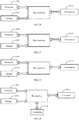
FIG. 1 is a flowchart of a data transmission method according to an embodiment of the present disclosure; -
FIG. 2 is a flowchart of a data transmission method according to an embodiment of the present disclosure; -
FIG. 3 is a flowchart of a data transmission method according to an embodiment of the present disclosure; -
FIG. 4 is a flowchart of a data transmission method according to an embodiment of the present disclosure; -
FIG. 5 is a flowchart of a data transmission method according to an embodiment of the present disclosure; -
FIG. 6 is a flowchart of a data transmission method according to an embodiment of the present disclosure; -
FIG. 7 is a flowchart of a data transmission method according to an embodiment of the present disclosure; -
FIG. 8 is a flowchart of a data transmission method according to an embodiment of the present disclosure; -
FIG. 9 is a flowchart of a data transmission method according to an embodiment of the present disclosure; -
FIG. 10 is a schematic diagram of a data transmission apparatus according to an embodiment of the present disclosure; -
FIG. 11 is a schematic diagram of a data transmission apparatus according to an embodiment of the present disclosure; -
FIG. 12 is a schematic diagram of a data transmission apparatus according to an embodiment of the present disclosure; -
FIG. 13 is a schematic diagram of a data transmission apparatus according to an embodiment of the present disclosure; -
FIG. 14 is a schematic diagram of a data transmission apparatus according to an embodiment of the present disclosure; -
FIG. 15 is a schematic diagram of a data transmission apparatus according to an embodiment of the present disclosure; -
FIG. 16 is a schematic diagram of a data transmission apparatus according to an embodiment of the present disclosure; -
FIG. 17 is a schematic diagram of a data transmission apparatus according to an embodiment of the present disclosure; -
FIG. 18 is a schematic diagram of a communication device according to an embodiment of the present disclosure; -
FIG. 19 is a schematic diagram of a communication device according to an embodiment of the present disclosure; -
FIG. 20 is a schematic diagram of a communication device according to an embodiment of the present disclosure; -
FIG. 21 is a schematic diagram of a communication device according to an embodiment of the present disclosure; -
FIG. 22 is a schematic diagram of a communication device according to an embodiment of the present disclosure; -
FIG. 23 is a schematic diagram of a communication device according to an embodiment of the present disclosure; -
FIG. 24 is a schematic diagram of a communication device according to an embodiment of the present disclosure; -
FIG. 25 is a schematic diagram of a communication device according to an embodiment of the present disclosure. - Specific embodiments of the present disclosure will be described in further detail below with reference to the accompanying drawings and embodiments. The following embodiments are used to illustrate the present disclosure, but are not intended to limit the scope of the present disclosure.
- As shown in
FIG. 1 , a data transmission method according to an embodiment of the present disclosure is applied to an Access and Mobility Management Function (AMF). The method includes steps 101-102. - Step 101: receiving data sent by a User Equipment (UE).
- The data is sent by the UE in a Radio Resource Control (RRC) connection establishment process. In the embodiments of the present disclosure, the data may be carried in a NAS Data PDU.
- Specifically, the data sent by the UE is sent to the AMF through a base station. The UE carries the data in the NAS Data PDU and sends the same to the base station. After the base station receives the message, the base station sends an N2 message to the AMF through an N2 interface between the base station and the AMF, wherein the N2 message includes the NAS Data PDU. Accordingly, the AMF receives the N2 message sent by the base station, and the N2 message includes the NAS Data PDU.
- Step 102: determining a Session Management Function (SMF) and forwarding the data to the SMF, wherein after the SMF receives the data, the SMF forwards the data to a User Plane Function (UPF).
- Here, the AMF may determine whether a PDU session is established for the UE. Specifically, the AMF may determine whether the UE has established a PDU session according to UE-related information stored by the AMF. According to whether the UE has established the PDU session, the AMF may determine the SMF using different selection assistance information.
- When the UE does not establish a PDU session, the AMF may determine the SMF according to first selection assistance information. The first selection assistance information includes any one or more of following information: a Data Network Name (DNN), slice assistance information (such as network slice selection assistance information (NSSAI)), a local configuration or policy of an operator, a routing indicator, and the like.
- When the UE establishes a PDU session, the AMF may determine the SMF according to second selection assistance information. The second selection assistance information is based on any one or more of the following information: a PDU session identifier (PDU Session ID), a Data Network Name (DNN), a slice assistance information (such as the NSSAI), local configuration or policy of an operator, a routing indicator.
- How to determine the SMF accord to the above information is not limited in the embodiments of the present disclosure. For example, the SMF may be determined according to correspondence relationship between the above-described information and the SMF. For example, when a determination result indicates that the UE has not established a PDU session, assuming that the SMF is determined according to the NSSAI, then corresponding relationship between the NSSAI and the SMF may be searched according to the NSSAI corresponding to the UE, to determine the SMF when performing specific selection.
- In an embodiment of the present disclosure, the UE sends the data to the AMF so that the AMF can forward the data to the SMF and then the SMF forwards the data to the UPF, or the AMF directly sends the data to the UPF and then the UPF forwards the data to the data network. Therefore, the technical solution using the embodiment of the present disclosure does not need to wait for the data to be sent after the PDU session is established, thereby reducing interaction between the UE and other entities, and saving communication resources.
- As shown in
FIG. 2 , a data transmission method according to an embodiment of the present disclosure is applied to the AMF. The AMF includes steps 201-203. - Step 201: after receiving the data sent by the UE, determining whether the UE establishes a PDU session.
- Here, it may be determined whether the UE has established a PDU session according to the UE-related information stored in the AMF. In an embodiment of the present disclosure, the data may be carried in a NAS Data PDU.
- Step 202: when the UE does not establish a PDU session, determining an SMF according to the first selection assistance information.
- Step 203: when the UE establishes a PDU session, determining an SMF according to the second selection assistance information.
- The first selection assistance information includes any one or more of following information: a Data Network Name (DNN), slice assistance information (such as NSSAI), a local configuration or policy of an operator, a routing indicator, and the like. The second selection assistance information is based on any one or more of the following information: a PDU session identifier (PDU Session ID), a Data Network Name (DNN), a slice assistance information (such as the NSSAI), local configuration or policy of an operator, a routing indicator.
- In the embodiment of the present disclosure, the UE sends the data to the AMF so that the AMF can forward the data to the SMF and then the SMF forwards the data to the UPF, or the AMF directly sends the data to the UPF and then the UPF forwards the data to the data network. Therefore, the technical solution using the embodiment of the present disclosure does not need to wait for the data to be sent after the PDU session is established, thereby reducing interaction between the UE and other entities, and saving communication resources.
- As shown in
FIG. 3 , a data transmission method according to an embodiment of the present disclosure is applied to the AMF. The method includes steps 301-302. - Step 301: receiving data sent by the UE.
- Step 302: selecting a UPF and forwarding the data to the UPF.
- Specifically, the UPF is selected according to third selection assistance information; wherein the third selection assistance information includes any one or more of the DNN, the slice assistance information (such as the NSSAI), the local configuration or policy of an operator, and a routing indicator.
- In an embodiment of the present disclosure, the data may be carried in a NAS Data PDU.
- In the embodiment of the present disclosure, the UE sends the data to the AMF so that the AMF can forward the data to the SMF and then the SMF forwards the data to the UPF, or the AMF directly sends the data to the UPF and then the UPF forwards the data to the data network. Therefore, the technical solution using the embodiment of the present disclosure does not need to wait for the data to be sent after the PDU session is established, thereby reducing interaction between the UE and other entities, and saving communication resources.
- As shown in
FIG. 4 , a data transmission method according to an embodiment of the present disclosure is applied to a UE. The method includes astep 401. - Step 401: sending data to a base station, so that the base station forwards the data to an AMF
- The data may be carried in a NAS Data PDU.
- In the embodiment of the present disclosure, the UE sends the data to the AMF so that the AMF can forward the data to the SMF and then the SMF forwards the data to the UPF, or the AMF directly sends the data to the UPF and then the UPF forwards the data to the data network. Therefore, the technical solution using the embodiment of the present disclosure does not need to wait for the data to be sent after the PDU session is established, thereby reducing interaction between the UE and other entities, and saving communication resources.
- As shown in
FIG. 5 , a data transmission method according to an embodiment of the present disclosure is applied to an SMF. The method includes steps 501-502. - Step 501: receiving data forwarded by an AMF.
- Step 502: forwarding the data to an UPF.
- Specifically, the SMF forwards the data to the UPF through an N4 message.
- In the embodiment of the present disclosure, the UE sends the data to the AMF so that the AMF can forward the data to the SMF and then the SMF forwards the data to the UPF, or the AMF directly sends the data to the UPF and then the UPF forwards the data to the data network. Therefore, the technical solution using the embodiment of the present disclosure does not need to wait for the data to be sent after the PDU session is established, thereby reducing interaction between the UE and other entities, and saving communication resources.
- As shown in
FIG. 6 , a data transmission method according to an embodiment of the present disclosure is applied to a UPF. The method includes steps 601-602. - Step 601: receiving data forwarded by an SMF.
- Specifically, the UPF receives the data forwarded by the SMF through the N4 message.
- Step 602: forwarding the data to a data network according to a data forwarding rule.
- The data forwarding rule may be a predefined data forwarding rule.
- In the embodiment of the present disclosure, the UE sends the data to the AMF so that the AMF can forward the data to the SMF and then the SMF forwards the data to the UPF, or the AMF directly sends the data to the UPF and then the UPF forwards the data to the data network. Therefore, the technical solution using the embodiment of the present disclosure does not need to wait for the data to be sent after the PDU session is established, thereby reducing interaction between the UE and other entities, and saving communication resources.
- As shown in
FIG. 7 , a data transmission method according to an embodiment of the present disclosure is applied to a UPF. The method includes steps 701-702. - Step 701: receiving data forwarded by an AMF.
- Step 702: forwarding the data to the data network according to a data forwarding rule.
- In the embodiment of the present disclosure, the UE sends the data to the AMF so that the AMF can forward the data to the SMF and then the SMF forwards the data to the UPF, or the AMF directly sends the data to the UPF and then the UPF forwards the data to the data network. Therefore, the technical solution using the embodiment of the present disclosure does not need to wait for the data to be sent after the PDU session is established, thereby reducing interaction between the UE and other entities, and saving communication resources.
- As shown in
FIG. 8 , a data transmission method according to an embodiment of the present disclosure includes steps 801-806. - Step 801: in an RRC connection establishment process, sending a NAS Data PDU to a base station by a UE, wherein the NAS Data PDU carries data to be sent encapsulated in the NAS Data PDU.
- Step 802: after the base station receives the NAS Data PDU, sending an N2 message (e.g., Initial UE message) to an AMF by the base station through an N2 interface, wherein the N2 message carries the NAS Data PDU sent by the UE.
- After the AMF receives the data, there are two different processing modes between the AMF and SMF and between the AMF and UPF.
- A first mode includes
steps - Step 803: analyzing, by the AMF, the N2 message sent from a RAN side through the N2 interface, identifying a message type of the NAS Data PDU by the AMF, and obtaining the data sent by the UE.
- When the UE does not establish a PDU session, the AMF selects the corresponding SMF according to any one or a combination of a DNN, slice assistance information (such as the NSSAI), a configuration/policy of an operator, a routing indicator, etc. and sends the data to the SMF. When the UE has established a PDU session, the AMF selects an SMF according to any one or a combination of a PDU Session ID, the DNN, the slice assistance information (such as NSSAI), the configuration/policy of the operator, routing indicator, etc., and sends the data to the SMF
- Step 804: sending the data to the UPF by the SMF through an N4 message.
- A second mode includes a
step 805 in which the AMF directly forwards the data to the selected UPF. - Step 805: selecting a UPF by the AMF according to any one or a combination of the DNN, the slice assistance information, configuration/policy of an operator, the routing indicator, etc. and sending the data to the UPF by the AMF.
- Step 806: forwarding the data according to a data forwarding rule.
- In the embodiment of the present disclosure, the UE sends the data to the AMF so that the AMF can forward the data to the SMF and then the SMF forwards the data to the UPF, or the AMF directly sends the data to the UPF and then the UPF forwards the data to the data network. Therefore, the technical solution using the embodiment of the present disclosure does not need to wait for the data to be sent after the PDU session is established, thereby reducing interaction between the UE and other entities, and saving communication resources.
- Meanwhile, the technical solutions of the embodiments of the present disclosure optimize and simplify a data transmission mode of a 5G network, and is particularly suitable for transmission of small data in a 5G network.
- As shown in
FIG. 9 , a data transmission method according to an embodiment of the present disclosure is applied to a base station. The method includes steps 901-902. - Step 901: receiving data sent by a UE.
- The data is carried in a NAS Data PDU.
- Step 902: forwarding the data to an AMF
- Specifically, the base station forwards the data to the AMF through an N2 message.
- In the embodiment of the present disclosure, the UE sends the data to the AMF so that the AMF can forward the data to the SMF and then the SMF forwards the data to the UPF, or the AMF directly sends the data to the UPF and then the UPF forwards the data to the data network. Therefore, the technical solution using the embodiment of the present disclosure does not need to wait for the data to be sent after the PDU session is established, thereby reducing interaction between the UE and other entities, and saving communication resources.
- As shown in
FIG. 10 , a data transmission apparatus of an embodiment of the present disclosure includes aprocessor 1001 and atransceiver 1002. - The
transceiver 1002 is configured to receive data sent by a User Equipment (UE). - The
processor 1001 is configured to determine a Session Management Function (SMF) and forward the data to the SMF, wherein after the SMF receives the data, the SMF forwards the data to a User Plane Function (UPF). - The
processor 1001 is further configured to determine whether the UE establishes a PDU session; when the UE does not establish a PDU session, determining an SMF according to first selection assistance information; when the UE establishes a PDU session, determining an SMF according to second selection assistance information. - The first selection assistance information includes any one or more of following information: a Data Network Name (DNN), slice assistance information, a local configuration or policy of an operator, a routing indicator, and the like. The second selection assistance information includes any one or more of the following information: a PDU session identifier, a DNN, a slice assistance information, a local configuration or policy of an operator, a routing indicator.
- The data is carried in a NAS Data PDU.
- In the embodiment of the present disclosure, the UE sends the data to the AMF so that the AMF can forward the data to the SMF and then the SMF forwards the data to the UPF, or the AMF directly sends the data to the UPF and then the UPF forwards the data to the data network. Therefore, the technical solution using the embodiment of the present disclosure does not need to wait for the data to be sent after the PDU session is established, thereby reducing interaction between the UE and other entities, and saving communication resources.
- As shown in
FIG. 11 , a data transmission apparatus of an embodiment of the present disclosure includes a processor 1101 and atransceiver 1102. - The processor 1101 is configured to, after the data sent by the UE is received through the
transceiver 1102, determine whether the UE establishes a PDU session; when the UE does not establish a PDU session, determining an SMF according to first selection assistance information; when the UE establishes a PDU session, determining an SMF according to second selection assistance information. - The first selection assistance information includes any one or more of following information: a Data Network Name (DNN), slice assistance information, a local configuration or policy of an operator, and a routing indicator. The second selection assistance information includes any one or more of the following information: a PDU session identifier, a DNN, slice assistance information, local configuration or policy of an operator, and a routing indicator.
- In the embodiment of the present disclosure, the UE sends the data to the AMF so that the AMF can forward the data to the SMF and then the SMF forwards the data to the UPF, or the AMF directly sends the data to the UPF and then the UPF forwards the data to the data network. Therefore, the technical solution using the embodiment of the present disclosure does not need to wait for the data to be sent after the PDU session is established, thereby reducing interaction between the UE and other entities, and saving communication resources.
- As shown in
FIG. 12 , a data transmission apparatus of an embodiment of the present disclosure includes aprocessor 1201 and atransceiver 1202. - The
transceiver 1202 is configured to receive data sent by a User Equipment (UE). - The
processor 1201 is configured to select a User Plane Function (UPF) and forward the data to the UPF. Theprocessor 1201 is further configured to forward the data to the UPF through an N4 message. - The
processor 1201 is further configured to select a UPF according to third selection assistance information, wherein, the third selection assistance information includes any one or more of following: a DNN, slice assistance information, a local configuration or policy of an operator, and a routing indicator. - In the embodiment of the present disclosure, the UE sends the data to the AMF so that the AMF can forward the data to the SMF and then the SMF forwards the data to the UPF, or the AMF directly sends the data to the UPF and then the UPF forwards the data to the data network. Therefore, the technical solution using the embodiment of the present disclosure does not need to wait for the data to be sent after the PDU session is established, thereby reducing interaction between the UE and other entities, and saving communication resources.
- As shown in
FIG. 13 , a data transmission apparatus of an embodiment of the present disclosure includes aprocessor 1301 and atransceiver 1302. - The
processor 1301 is configured to receive, through thetransceiver 1302, data forwarded by an SMF, and forward the data to the data network through the transceiver according to a data forwarding rule. - The
transceiver 1302 is further configured to receive the data forwarded by the SMF through an N4 message. - In the embodiment of the present disclosure, the UE sends the data to the AMF so that the AMF can forward the data to the SMF and then the SMF forwards the data to the UPF, or the AMF directly sends the data to the UPF and then the UPF forwards the data to the data network. Therefore, the technical solution using the embodiment of the present disclosure does not need to wait for the data to be sent after the PDU session is established, thereby reducing interaction between the UE and other entities, and saving communication resources.
- As shown in
FIG. 14 , a data transmission apparatus of an embodiment of the present disclosure includes aprocessor 1401 and atransceiver 1402. - The
processor 1401 is configured to receive, through thetransceiver 1402, data forwarded by an AMF, and forward the data to the data network according to a data forwarding rule. - As shown in
FIG. 15 , a data transmission apparatus of an embodiment of the present disclosure includes aprocessor 1501 and atransceiver 1502. - The
processor 1501 is configured to send data to a base station through thetransceiver 1502 so that the base station forwards the data to an AMF. - The data is carried in an NAS Data PDU.
- As shown in
FIG. 16 , a data transmission apparatus of an embodiment of the present disclosure includes aprocessor 1601 and atransceiver 1602. - The
processor 1601 is configured to receive, through thetransceiver 1602, data sent by a UE, and forward the data to an AMF. - The data is carried in a NAS Data PDU.
- The
transceiver 1602 is further configured to forward the data to the AMF through an N2 message. - In the embodiment of the present disclosure, the UE sends the data to the AMF so that the AMF can forward the data to the SMF and then the SMF forwards the data to the UPF, or the AMF directly sends the data to the UPF and then the UPF forwards the data to the data network. Therefore, the technical solution using the embodiment of the present disclosure does not need to wait for the data to be sent after the PDU session is established, thereby reducing interaction between the UE and other entities, and saving communication resources.
- As shown in
FIG. 17 , a data transmission apparatus of an embodiment of the present disclosure includes aprocessor 1701 and atransceiver 1702. - The
processor 1701 is configured to receive, through thetransceiver 1702, data forwarded by an AMF, and forward the data to a UPF. - The
processor 1701 is further configured to forward the data to the UPF through an N4 message. - In the embodiment of the present disclosure, the UE sends the data to the AMF so that the AMF can forward the data to the SMF and then the SMF forwards the data to the UPF, or the AMF directly sends the data to the UPF and then the UPF forwards the data to the data network. Therefore, the technical solution using the embodiment of the present disclosure does not need to wait for the data to be sent after the PDU session is established, thereby reducing interaction between the UE and other entities, and saving communication resources.
- As shown in
FIG. 18 , a communication device of an embodiment of the present disclosure includes aprocessor 1800 configured to read a program in astorage 1820 and perform following steps: receiving, through atransceiver 1810, data sent by a User Equipment (UE); determining a Session Management Function (SMF) and forwarding the data to an SMF, wherein after the SMF receives the data, the SMF forwards the data to a User Plane Function (UPF). - The
transceiver 1810 is configured to receive and transmit data under a control of theprocessor 1800. - In
FIG. 18 , a bus architecture may include any number of interconnected buses and bridges, specifically various circuits such as one or more processors represented by theprocessor 1800 and a memory represented by thestorage 1820 are linked together. The bus architecture may also link together various other circuits, such as peripheral devices, voltage regulators, and power management circuits, which are well known in the art, and thus will not be described further herein. The bus interface provides an interface. Thetransceiver 1810 may be a plurality of elements, i.e., including a transmitter and a receiver, for providing elements for communicating with various other devices over a transmission medium. Theprocessor 1800 is responsible for managing the bus architecture and general processing, and thestorage 1820 may store data used by theprocessor 1800 when performing operations. - The
processor 1800 is further configured to read the computer program and perform the following steps: determining whether the UE establishes a PDU session; when the UE does not establish a PDU session, determining an SMF according to first selection assistance information; when the UE establishes a PDU session, determining an SMF according to second selection assistance information. - The first selection assistance information includes any one or more of following information: a Data Network Name (DNN), slice assistance information, a local configuration or policy of an operator, and a routing indicator. The second selection assistance information includes any one or more of the following information: a PDU session identifier, a DNN, slice assistance information, a local configuration or policy of an operator, and a routing indicator.
- The data is carried in a Non-Access-Stratum Data Protocol Data Unit (NAS Data PDU).
- As shown in
FIG. 19 , a communication device of an embodiment of the present disclosure includes aprocessor 1900 configured to read a program in thestorage 1920 and perform following steps: after data sent by a UE is received, determining whether the UE establishes a PDU session; when the UE does not establish a PDU session, determining an SMF according to first selection assistance information; when the UE establishes a PDU session, determining an SMF according to second selection assistance information. - A
transceiver 1910 is configured to receive and transmit data under a control of theprocessor 1900. - In
FIG. 19 , a bus architecture may include any number of interconnected buses and bridges, specifically various circuits such as one or more processors represented by theprocessor 1900 and a memory represented by thestorage 1920 are linked together. The bus architecture may also link together various other circuits, such as peripheral devices, voltage regulators, and power management circuits, which are well known in the art, and thus will not be described further herein. The bus interface provides an interface. Thetransceiver 1910 may be a plurality of elements, i.e., including a transmitter and a receiver, for providing elements for communicating with various other devices over a transmission medium. Theprocessor 1900 is responsible for managing the bus architecture and general processing, and thestorage 1920 may store data used by theprocessor 1900 when performing operations. - The first selection assistance information includes any one or more of following information: a Data Network Name (DNN), slice assistance information, a local configuration or policy of an operator, and a routing indicator. The second selection assistance information includes any one or more of the following information: a PDU session identifier, a DNN, slice assistance information, local configuration or policy of an operator, and a routing indicator.
- As shown in
FIG. 20 , a communication device of an embodiment of the present disclosure includes aprocessor 2000 configured to read a program in thestorage 2020 and perform following steps: receiving, through atransceiver 2010, data sent by a User Equipment (UE); selecting a User Plane Function (UPF) and forwarding the data to the UPF. - The
transceiver 2010 is configured to receive and transmit data under a control of theprocessor 2000. - In
FIG. 20 , a bus architecture may include any number of interconnected buses and bridges, specifically various circuits such as one or more processors represented by theprocessor 2000 and a memory represented by thestorage 2020 are linked together. The bus architecture may also link together various other circuits, such as peripheral devices, voltage regulators, and power management circuits, which are well known in the art, and thus will not be described further herein. The bus interface provides an interface. Thetransceiver 2010 may be a plurality of elements, i.e., including a transmitter and a receiver, for providing elements for communicating with various other devices over a transmission medium. Theprocessor 2000 is responsible for managing the bus architecture and general processing, and thestorage 2020 may store data used by theprocessor 2000 when performing operations. - The
processor 2000 is responsible for managing the bus architecture and general processing, and thestorage 2020 may store data used by theprocessor 2000 when performing operations. - The
processor 2000 is further configured to read the computer program and perform following steps: selecting a UPF according to third selection assistance information, wherein, the third selection assistance information includes any one or more of following: a DNN, slice assistance information, a local configuration or policy of an operator, and a routing indicator. - As shown in
FIG. 21 , a communication device of an embodiment of the present disclosure includes aprocessor 2100 configured to read a program in astorage 2120 and perform following steps: receiving, through atransceiver 2110, data forwarded by an AMF, and forwarding the data to a UPF. - The
transceiver 2110 is configured to receive and transmit data under a control of theprocessor 2100. - In
FIG. 21 , a bus architecture may include any number of interconnected buses and bridges, specifically various circuits such as one or more processors represented by theprocessor 2100 and a memory represented by thestorage 2120 are linked together. The bus architecture may also link together various other circuits, such as peripheral devices, voltage regulators, and power management circuits, which are well known in the art, and thus will not be described further herein. The bus interface provides an interface. Thetransceiver 2110 may be a plurality of elements, i.e., including a transmitter and a receiver, for providing elements for communicating with various other devices over a transmission medium. Theprocessor 2100 is responsible for managing the bus architecture and general processing, and thestorage 2120 may store data used by theprocessor 2100 when performing operations. - The
processor 2100 is responsible for managing the bus architecture and general processing, and thestorage 2020 may store data used by theprocessor 2000 when performing operations. - The
processor 2100 is further configured to read the computer program and perform a following step: forwarding the data to a UPF through an N4 message. - As shown in
FIG. 22 , a communication device of an embodiment of the present disclosure includes aprocessor 2200 configured to read a program in astorage 2220 and perform following steps: receiving, through atransceiver 2210, data forwarded by an SMF, and forwarding the data to the data network according to a data forwarding rule. - The
transceiver 2210 is configured to receive and transmit data under a control of theprocessor 2200. - In
FIG. 22 , a bus architecture may include any number of interconnected buses and bridges, specifically various circuits such as one or more processors represented by theprocessor 2200 and a memory represented by thestorage 2220 are linked together. The bus architecture may also link together various other circuits, such as peripheral devices, voltage regulators, and power management circuits, which are well known in the art, and thus will not be described further herein. The bus interface provides an interface. Thetransceiver 2210 may be a plurality of elements, i.e., including a transmitter and a receiver, for providing elements for communicating with various other devices over a transmission medium. Theprocessor 2200 is responsible for managing the bus architecture and general processing, and thestorage 2220 may store data used by theprocessor 2200 when performing operations. - The
processor 2200 is responsible for managing the bus architecture and general processing, and thestorage 2220 may store data used by theprocessor 2200 when performing operations. - The
processor 2200 is further configured to read the computer program and perform a following step: receiving the data forwarded by the SMF through an N4 message. - As shown in
FIG. 23 , a communication device of an embodiment of the present disclosure includes a processor 2300 configured to read a program in astorage 2320 and perform following steps: receiving data forwarded by an AMF, and forwarding the data to the data network according to a data forwarding rule. - A
transceiver 2310 is configured to receive and transmit data under a control of the processor 2300. - In
FIG. 23 , a bus architecture may include any number of interconnected buses and bridges, specifically various circuits such as one or more processors represented by the processor 2300 and a memory represented by thestorage 2320 are linked together. The bus architecture may also link together various other circuits, such as peripheral devices, voltage regulators, and power management circuits, which are well known in the art, and thus will not be described further herein. The bus interface provides an interface. Thetransceiver 2310 may be a plurality of elements, i.e., including a transmitter and a receiver, for providing elements for communicating with various other devices over a transmission medium. The processor 2300 is responsible for managing the bus architecture and general processing, and thestorage 2320 may store data used by the processor 2300 when performing operations. - The processor 2300 is responsible for managing the bus architecture and general processing, and the
storage 2320 may store data used by the processor 2300 when performing operations. - As shown in
FIG. 24 , a communication device of an embodiment of the present disclosure includes aprocessor 2400 configured to read a program in astorage 2420 and perform a following step: sending data to a base station through atransceiver 2410 so that the base station forwards the data to an AMF. - The
transceiver 2410 is configured to receive and transmit data under a control of theprocessor 2400. - In
FIG. 24 , a bus architecture may include any number of interconnected buses and bridges, specifically various circuits such as one or more processors represented by theprocessor 2400 and a memory represented by thestorage 2420 are linked together. The bus architecture may also link together various other circuits, such as peripheral devices, voltage regulators, and power management circuits, which are well known in the art, and thus will not be described further herein. The bus interface provides an interface. Thetransceiver 2410 may be a plurality of elements, i.e., including a transmitter and a receiver, for providing elements for communicating with various other devices over a transmission medium. For different user equipments, auser interface 2430 may be a device which may be connected with an internal device or an external device including, but being not limited to a keypad, a display, a speaker, a microphone, a joystick, and the like. - The
processor 2400 is responsible for managing the bus architecture and general processing, and thestorage 2420 may store data used by theprocessor 2400 when performing operations. - The data is carried in a NAS Data PDU.
- As shown in
FIG. 25 , a communication device of an embodiment of the present disclosure includes aprocessor 2500 configured to read a program in astorage 2520 and perform following steps: receiving, through atransceiver 2510, data sent by a UE, and forwarding the data to an AMF - The
transceiver 2510 is configured to receive and transmit data under a control of theprocessor 2400. - In
FIG. 25 , a bus architecture may include any number of interconnected buses and bridges, specifically various circuits such as one or more processors represented by theprocessor 2500 and a memory represented by thestorage 2520 are linked together. The bus architecture may also link together various other circuits, such as peripheral devices, voltage regulators, and power management circuits, which are well known in the art, and thus will not be described further herein. The bus interface provides an interface. Thetransceiver 2510 may be a plurality of elements, i.e., including a transmitter and a receiver, for providing elements for communicating with various other devices over a transmission medium. Theprocessor 2500 is responsible for managing the bus architecture and general processing, and the storage 2525 may store data used by theprocessor 2500 when performing operations. - The
processor 2500 is responsible for managing the bus architecture and general processing, and thestorage 2520 may store data used by theprocessor 2500 when performing operations. - The data is carried in a NAS Data PDU.
- Further, a computer-readable storage medium of an embodiment of the present disclosure is used to store a computer program that can be executed by a processor to implement following steps: receiving data sent by a User Equipment (UE); determining a Session Management Function (SMF) and forwarding the data to an SMF, wherein after the SMF receives the data, the SMF forwards the data to a User Plane Function (UPF).
- Determining the SMF includes: determining whether the UE establishes a Protocol Data Unit (PDU) session; when the UE does not establish a PDU session, determining an SMF according to first selection assistance information; when the UE establishes a PDU session, determining an SMF according to second selection assistance information.
- The first selection assistance information includes any one or more of following information: a Data Network Name (DNN), slice assistance information, a local configuration or policy of an operator, and a routing indicator. The second selection assistance information includes any one or more of the following information: a PDU session identifier, a DNN, slice assistance information, a local configuration or policy of an operator, and a routing indicator.
- The data is carried in a Non-Access-Stratum Data Protocol Data Unit (NAS Data PDU).
- Further, a computer-readable storage medium of an embodiment of the present disclosure is used to store a computer program that can be executed by a processor to implement following steps: after data sent by a UE is received, determining whether the UE establishes a PDU session; when the UE does not establish a PDU session, determining an SMF according to first selection assistance information; when the UE establishes a PDU session, determining an SMF according to second selection assistance information.
- The first selection assistance information includes any one or more of following information: a Data Network Name (DNN), slice assistance information, a local configuration or policy of an operator, and a routing indicator. The second selection assistance information includes any one or more of the following information: a PDU session identifier, a DNN, slice assistance information, local configuration or policy of an operator, and a routing indicator.
- Further, a computer-readable storage medium of an embodiment of the present disclosure is used to store a computer program that can be executed by a processor to implement following steps: receiving data sent by a User Equipment (UE); selecting a User Plane Function (UPF) and forwarding the data to the UPF.
- Selecting the UPF includes: selecting the UPF according to third selection assistance information, wherein, the third selection assistance information includes any one or more of following: a DNN, slice assistance information, a local configuration or policy of an operator, and a routing indicator.
- Further, a computer-readable storage medium of an embodiment of the present disclosure is used to store a computer program that can be executed by a processor to implement following steps: receiving data forwarded by an AMF, and forwarding the data to a UPF.
- Forwarding the data to the UPF includes: forwarding the data to the UPF through an N4 message.
- Further, a computer-readable storage medium of an embodiment of the present disclosure is used to store a computer program that can be executed by a processor to implement following steps: receiving data forwarded by an SMF, and forwarding the data to the data network according to a data forwarding rule.
- Receiving the data forwarded by the SMF includes: receiving the data forwarded by the SMF through an N4 message.
- Further, a computer-readable storage medium of an embodiment of the present disclosure is used to store a computer program that can be executed by a processor to implement following steps: receiving data forwarded by an AMF, and forwarding the data to the data network according to a data forwarding rule.
- Further, a computer-readable storage medium of an embodiment of the present disclosure is used to store a computer program that can be executed by a processor to implement following steps: sending data to a base station so that the base station forwards the data to an AMF
- The data is carried in a NAS Data PDU.
- Further, a computer-readable storage medium of an embodiment of the present disclosure is used to store a computer program that can be executed by a processor to implement following steps: receiving data sent by a UE, and forwarding the data to an AMF
- The data is carried in a NAS Data PDU.
- Forwarding the data to the AMF includes: forwarding the data to the AMF through an N2 message.
- In several embodiments provided herein, it should be understood that the disclosed methods and apparatuses may be implemented in other ways. For example, the device embodiments described above are merely illustrative, for example, a division of units is only one logical functional division, and there may be another division in actual implementation. For example, multiple units or components may be combined or may be integrated into another system, or some features may be ignored or not performed. Additionally, a coupling or a direct coupling or a communication connection shown or discussed with respect to each other may be an indirect coupling or a communication connection through some interfaces, devices, or units, and may be in electrical, mechanical, or other form.
- In addition, various functional units in various embodiments of the present disclosure may be integrated in one processing unit, may be separately physically included in a unit, or one or more units may be integrated in one unit. The integrated unit may be implemented either in the form of hardware or in the form of a functional unit of hardware plus software.
- The integrated unit implemented in the form of a software functional unit described above may be stored in a computer-readable storage medium. The software function unit is stored in a storage medium including instructions for enabling a computer device (which may be a personal computer, a server, or a network device or the like) to perform a part of steps of sending or receiving method according to various embodiments of the present disclosure. The storage medium includes a USB disk, a removable hard disk, a Read-Only Memory (ROM), a Random Access Memory (RAM), a magnetic disk or an optical disk, and various kinds of media capable of storing program codes.
- The above are optional embodiments of the present disclosure. It should be noted that several improvements and embellishments may also be made by those of ordinary skill in the art without departing from the principles described in the present disclosure. These improvements and embellishments should also be considered to be within the protection scope of the present disclosure.
Claims (38)
- A data transmission method applied to an Access and Mobility Management Function (AMF), comprising:receiving data sent by a User Equipment (UE);determining a Session Management Function (SMF) and forwarding the data to the SMF, wherein after the SMF receives the data, the SMF forwards the data to a User Plane Function (UPF).
- The method according to claim 1, wherein determining the SMF comprises:determining whether the UE establishes a Protocol Data Unit (PDU) session;when the UE does not establish the PDU session, determining the SMF according to first selection assistance information;when the UE establishes the PDU session, determining the SMF according to second selection assistance information.
- The method according to claim 2, wherein,the first selection assistance information comprises any one or more of following: a Data Network Name (DNN), slice assistance information, a local configuration or policy of an operator, and a routing indicator;the second selection assistance information comprises any one or more of following information: a PDU session identifier, a DNN, slice assistance information, a local configuration or policy of an operator, and a routing indicator.
- The method according to claim 1, wherein the data is carried in a Non-Access-Stratum Data Protocol Data Unit (NAS Data PDU).
- A data transmission method applied to an Access and Mobility Management Function (AMF), comprising:after receiving data sent by a User Equipment (UE), determining whether the UE establishes a Protocol Data Unit (PDU) session;determining a Session Management Function (SMF) according to first selection assistance information when the UE does not establish the PDU session;determining the SMF according to second selection assistance information when the UE establishes the PDU session.
- The method according to claim 5, wherein,the first selection assistance information comprises any one or more of following: a Data Network Name (DNN), slice assistance information, a local configuration or policy of an operator, and a routing indicator;the second selection assistance information comprises any one or more of following: a PDU session identifier, a DNN, slice assistance information, a local configuration or policy of an operator, and a routing indicator.
- A data transmission method applied to an Access and Mobility Management Function (AMF), comprising:receiving data sent by a User Equipment (UE);selecting a User Plane Function (UPF), and forwarding the data to the UPF.
- The method according to claim 7, wherein selecting the UPF comprises:selecting the UPF according to third selection assistance information;wherein the third selection assistance information comprises any one or more of a Data Network Name (DNN), slice assistance information, a local configuration or policy of an operator, and a routing indicator.
- A data transmission method applied to a Session Management Function (SMF), comprising:receiving data forwarded by an Access and Mobility Management Function (AMF);forwarding the data to a User Plane Function (UPF).
- The method according to claim 9, wherein forwarding the data to the UPF, comprises:
forwarding the data to the UPF through a N4 message. - A data transmission method applied to a User Plane Function (UPF), comprising:receiving data forwarded by a Session Management Function (SMF);forwarding the data to a data network according to a data forwarding rule.
- The method according to claim 11, wherein receiving the data forwarded by the SMF comprises:
receiving the data forwarded by the SMF through a N4 message. - A data transmission method applied to a Use Plane Function (UPF), comprising:receiving data forwarded by an Access and Mobility Management Function (AMF);forwarding the data to a data network according to a data forwarding rule.
- A data transmission method applied to a User Equipment (UE), comprising:
sending data to a base station so that the base station forwards the data to an Access and Mobility Management Function (AMF). - The method according to claim 14, wherein the data is carried in a Non-Access-Stratum Data Protocol Data Unit (NAS Data PDU).
- A data transmission method applied to a base station, comprising:receiving data sent by a User Equipment (UE);forwarding the data to an Access and Mobility Management Function (AMF).
- The method according to claim 16, wherein the data is carried in a Non-Access-Stratum Data Protocol Data Unit (NAS Data PDU).
- The method according to claim 16, wherein forwarding the data to the AMF comprises:
forwarding the data to the AMF through a N2 message. - A data transmission apparatus, comprising: a processor and a transceiver;
wherein the transceiver is configured to receive data sent by a User Equipment (UE);
the processor is configured to determine a Session Management Function (SMF) and forward the data to the SMF, wherein after the SMF receives the data, the SMF forwards the data to a User Plane Function (UPF). - The apparatus according to claim 19, wherein the processor is further configured to:determine whether the UE establishes a Protocol Data Unit (PDU) session;determine the SMF according to first selection assistance information when the UE does not establish the PDU session;determine the SMF according to second selection assistance information when the UE establishes the PDU session.
- The apparatus according to claim 20, wherein,the first selection assistance information comprises any one or more of following: a Data Network Name (DNN), slice assistance information, a local configuration or policy of an operator, and a routing indicator;the second selection assistance information comprises any one or more of following: a PDU session identifier, a DNN, slice assistance information, a local configuration or policy of an operator, and a routing indicator.
- The apparatus according to claim 19, wherein the data is carried in a Non-Access-Stratum Data Protocol Data Unit (NAS Data PDU).
- A data transmission apparatus, comprising a processor and a transceiver;
wherein the processor is configured to:after receiving, through the transceiver, data sent by a User Equipment (UE), determine whether the UE establishes a Protocol Data Unit (PDU) session;determine a Session Management Function (SMF) according to first selection assistance information when the UE does not establish the PDU session;determine the SMF according to second selection assistance information when the UE establishes the PDU session. - The apparatus according to claim 23, wherein,the first selection assistance information comprises any one or more of following: a Data Network Name (DNN), slice assistance information, a local configuration or policy of an operator, and a routing indicator;the second selection assistance information comprises any one or more of following: a PDU session identifier, a DNN, slice assistance information, a local configuration or policy of an operator, and a routing indicator.
- A data transmission apparatus, comprising a processor and a transceiver;
wherein the transceiver is configured to receive data sent by a User Equipment (UE);
the processor is configured to select a User Plane Function (UPF), and forward the data to the UPF. - The apparatus according to claim 25, wherein,
the processor is further configured to select the UPF according to third selection assistance information;
wherein the third selection assistance information comprises any one or more of following: a Data Network Name (DNN), slice assistance information, a local configuration or policy of an operator, and a routing indicator. - A data transmission apparatus, comprising a processor and a transceiver;
wherein the processor is configured to receive, through the transceiver, data forwarded by an Access and Mobility Management Function (AMF), and forward the data to a User Plane Function (UPF) through the transceiver. - The apparatus according to claim 27, wherein the processor is further configured to forward the data to the UPF through a N4 message.
- A data transmission apparatus, comprising a processor and a transceiver;
wherein the processor is configured to receive, through the transceiver, data forwarded by a Session Management Function (SMF); forward the data to a data network according to a data forwarding rule through the transceiver. - The apparatus according to claim 29, wherein the transceiver is further configured to: receive the data forwarded by the SMF through a N4 message.
- A data transmission apparatus, comprising a processor and a transceiver;
wherein the processor is configured to receive, through the transceiver, data forwarded by an Access and Mobility Management Function (AMF); forward the data to a data network according to a data forwarding rule through the transceiver. - A data transmission apparatus, comprising a processor and a transceiver;
wherein the processor is configured to send data to a base station through the transceiver so that the base station forwards the data to an Access and Mobility Management Function (AMF). - The apparatus according to claim 32, wherein the data is carried in a Non-Access-Stratum Data Protocol Data Unit (NAS Data PDU).
- A data transmission apparatus, comprising a processor and a transceiver;
wherein the processor is configured to receive, through the transceiver, data sent by a User Equipment (UE); forward the data to an Access and Mobility Management Function (AMF). - The apparatus according to claim 34, wherein the data is carried in a Non-Access-Stratum Data Protocol Data Unit (NAS Data PDU).
- The apparatus according to claim 34, wherein the transceiver is further configured to forward the data to the AMF through a N2 message.
- A communication device, comprising a transceiver, a storage, a processor, and a computer program stored on the storage and executable by the processor, wherein, when the computer program is executed by the processor, the processor implements steps in the method according to any one of claims 1-4; or
when the computer program is executed by the processor, the processor implements steps in the method according to claim 5 or 6; or
when the computer program is executed by the processor, the processor implements steps in the method according to claim 7 or 8; or
when the computer program is executed by the processor, the processor implements steps in the method according to claim 9 or 10; or
when the computer program is executed by the processor, the processor implements steps in the method according to claim 11 or 12; or
when the computer program is executed by the processor, the processor implements steps in the method according to claim 13; or
when the computer program is executed by the processor, the processor implements steps in the method according to claim 14 or 15; or
when the computer program is executed by the processor, the processor implements steps in the method according to any one of claims 16-18. - A computer-readable storage medium for storing a computer program, wherein,
when the computer program is executed by a processor, the processor implements steps in the method according to any one of claims 1-4; or
when the computer program is executed by a processor, the processor implements steps in the method according to claim 5 or 6; or
when the computer program is executed by a processor, the processor implements steps in the method according to claim 7 or 8; or
when the computer program is executed by a processor, the processor implements steps in the method according to claim 9 or 10; or
when the computer program is executed by a processor, the processor implements steps in the method according to claim 11 or 12; or
when the computer program is executed by a processor, the processor implements steps in the method according to claim 13; or
when the computer program is executed by a processor, the processor implements steps in the method according to claim 14 or 15; or
when the computer program is executed by a processor, the processor implements steps in the method according to any one of claims 16-18.
Applications Claiming Priority (2)
| Application Number | Priority Date | Filing Date | Title |
|---|---|---|---|
| CN201810027191.9A CN110035465B (en) | 2018-01-11 | 2018-01-11 | Data transmission method, device, equipment and computer readable storage medium |
| PCT/CN2018/122045 WO2019137169A1 (en) | 2018-01-11 | 2018-12-19 | Data transmission method, apparatus and device, and computer-readable storage medium |
Publications (2)
| Publication Number | Publication Date |
|---|---|
| EP3739921A1 true EP3739921A1 (en) | 2020-11-18 |
| EP3739921A4 EP3739921A4 (en) | 2021-11-10 |
Family
ID=67218491
Family Applications (1)
| Application Number | Title | Priority Date | Filing Date |
|---|---|---|---|
| EP18899682.1A Pending EP3739921A4 (en) | 2018-01-11 | 2018-12-19 | DATA TRANSFER METHOD, DEVICE AND DEVICE AND COMPUTER READABLE STORAGE MEDIUM |
Country Status (4)
| Country | Link |
|---|---|
| US (1) | US11564157B2 (en) |
| EP (1) | EP3739921A4 (en) |
| CN (1) | CN110035465B (en) |
| WO (1) | WO2019137169A1 (en) |
Families Citing this family (4)
| Publication number | Priority date | Publication date | Assignee | Title |
|---|---|---|---|---|
| CN110234112B (en) * | 2018-03-05 | 2020-12-04 | 华为技术有限公司 | Message processing method, system and user plane functional device |
| CN110621032B (en) * | 2019-09-27 | 2021-06-15 | 腾讯科技(深圳)有限公司 | A kind of communication method, related device and equipment |
| US11902338B2 (en) * | 2020-02-13 | 2024-02-13 | Lg Electronics Inc. | Communication related to multi-access PDU sessions |
| US20240357481A1 (en) * | 2023-04-21 | 2024-10-24 | Verizon Patent And Licensing Inc. | System and method for segregating network slice traffic based on device types |
Family Cites Families (10)
| Publication number | Priority date | Publication date | Assignee | Title |
|---|---|---|---|---|
| WO2017166148A1 (en) * | 2016-03-31 | 2017-10-05 | 华为技术有限公司 | Data transmission method and related device |
| US10362511B2 (en) * | 2016-05-17 | 2019-07-23 | Lg Electronics Inc. | Method and apparatus for determining PDU session identity in wireless communication system |
| CN113473567A (en) | 2016-06-23 | 2021-10-01 | 北京三星通信技术研究有限公司 | Method and apparatus for supporting data transmission |
| CN113613293B (en) * | 2016-07-01 | 2024-04-16 | 交互数字专利控股公司 | Method for use in WTRU and WTRU |
| US11516881B2 (en) * | 2016-08-17 | 2022-11-29 | Ntt Docomo, Inc. | Slice management system and slice management method |
| US10462840B2 (en) * | 2017-01-09 | 2019-10-29 | Huawei Technologies Co., Ltd. | System and methods for session management |
| US10375665B2 (en) * | 2017-02-06 | 2019-08-06 | Huawei Technologies Co., Ltd. | Method and apparatus for supporting access control and mobility management |
| CN107018542A (en) * | 2017-03-27 | 2017-08-04 | 中兴通讯股份有限公司 | The processing method of status information, device and storage medium in network system |
| EP3602978B1 (en) * | 2017-03-31 | 2022-10-19 | Telefonaktiebolaget LM Ericsson (publ) | Coordinated selection of user plane functions in core and radio access networks |
| EP3639612B1 (en) | 2017-06-16 | 2023-09-20 | IPLA Holdings Inc. | Small data transfer, data buffering, and data management as a service in a communications network |
-
2018
- 2018-01-11 CN CN201810027191.9A patent/CN110035465B/en active Active
- 2018-12-19 US US16/961,298 patent/US11564157B2/en active Active
- 2018-12-19 EP EP18899682.1A patent/EP3739921A4/en active Pending
- 2018-12-19 WO PCT/CN2018/122045 patent/WO2019137169A1/en not_active Ceased
Also Published As
| Publication number | Publication date |
|---|---|
| CN110035465B (en) | 2022-04-01 |
| US11564157B2 (en) | 2023-01-24 |
| EP3739921A4 (en) | 2021-11-10 |
| US20210084579A1 (en) | 2021-03-18 |
| CN110035465A (en) | 2019-07-19 |
| WO2019137169A1 (en) | 2019-07-18 |
Similar Documents
| Publication | Publication Date | Title |
|---|---|---|
| US10827553B2 (en) | Method and apparatus for session reestablishment, access and mobility management function entity, session management function entity and terminal | |
| EP3790305B1 (en) | Session management for always-on sessions | |
| EP3585095B1 (en) | Method and device for controlling qos, smf, upf, ue, pcf and an | |
| US10070430B2 (en) | Method for configuring resource to data radio bearer DRB, and apparatus | |
| CN113206753B (en) | An information configuration method and management unit | |
| US11564157B2 (en) | Data transmission method, apparatus and device and computer-readable storage medium | |
| TW201740747A (en) | Method and device for selecting mobility management mechanism for terminal as required | |
| EP3598813A1 (en) | Information processing method, apparatus, computer readable storage medium and electronic device | |
| US20190357132A1 (en) | Method and device for processing service request | |
| US11350266B2 (en) | Session management function selection in home mobile communications network | |
| US11612006B2 (en) | Routing method and device | |
| CN109511136A (en) | A kind of selection method and device of network slice | |
| CN104284321B (en) | A kind of method, equipment and the user equipment of path switching | |
| WO2018032909A1 (en) | Method for selecting network slice and related device | |
| CN109429366B (en) | PDU session processing method and device | |
| JP2019508958A (en) | Method, device and system for resuming UE context information | |
| WO2022206663A1 (en) | Pdu session establishment method, related device and readable storage medium | |
| EP4216657A1 (en) | Aggregation configuration method and apparatus, and terminal | |
| CN115297153A (en) | Data transmission method, device, terminal and storage medium | |
| WO2019238050A1 (en) | Communication method and apparatus | |
| US20210195671A1 (en) | Control Method for Displaying Service Identifier in Electronic Device, Electronic Device, and Storage | |
| CN116419197A (en) | Communication method, device and terminal | |
| KR20180008911A (en) | Information interaction device, base station and communication system | |
| CN112954668A (en) | Communication method, device and equipment | |
| HK40032903A (en) | Data transmission method, apparatus and device, and computer-readable storage medium |
Legal Events
| Date | Code | Title | Description |
|---|---|---|---|
| STAA | Information on the status of an ep patent application or granted ep patent |
Free format text: STATUS: THE INTERNATIONAL PUBLICATION HAS BEEN MADE |
|
| PUAI | Public reference made under article 153(3) epc to a published international application that has entered the european phase |
Free format text: ORIGINAL CODE: 0009012 |
|
| STAA | Information on the status of an ep patent application or granted ep patent |
Free format text: STATUS: REQUEST FOR EXAMINATION WAS MADE |
|
| 17P | Request for examination filed |
Effective date: 20200716 |
|
| AK | Designated contracting states |
Kind code of ref document: A1 Designated state(s): AL AT BE BG CH CY CZ DE DK EE ES FI FR GB GR HR HU IE IS IT LI LT LU LV MC MK MT NL NO PL PT RO RS SE SI SK SM TR |
|
| AX | Request for extension of the european patent |
Extension state: BA ME |
|
| REG | Reference to a national code |
Ref country code: HK Ref legal event code: DE Ref document number: 40032903 Country of ref document: HK |
|
| DAV | Request for validation of the european patent (deleted) | ||
| DAX | Request for extension of the european patent (deleted) | ||
| REG | Reference to a national code |
Ref country code: DE Ref legal event code: R079 Free format text: PREVIOUS MAIN CLASS: H04W0008240000 Ipc: H04W0074080000 |
|
| A4 | Supplementary search report drawn up and despatched |
Effective date: 20211007 |
|
| RIC1 | Information provided on ipc code assigned before grant |
Ipc: H04W 8/06 20090101ALI20211002BHEP Ipc: H04W 74/08 20090101AFI20211002BHEP |
|
| STAA | Information on the status of an ep patent application or granted ep patent |
Free format text: STATUS: EXAMINATION IS IN PROGRESS |
|
| 17Q | First examination report despatched |
Effective date: 20240102 |