EP3739647A1 - Sealing device for secondary battery - Google Patents
Sealing device for secondary battery Download PDFInfo
- Publication number
- EP3739647A1 EP3739647A1 EP19767785.9A EP19767785A EP3739647A1 EP 3739647 A1 EP3739647 A1 EP 3739647A1 EP 19767785 A EP19767785 A EP 19767785A EP 3739647 A1 EP3739647 A1 EP 3739647A1
- Authority
- EP
- European Patent Office
- Prior art keywords
- sealing
- block
- sealing block
- support
- adjusting
- Prior art date
- Legal status (The legal status is an assumption and is not a legal conclusion. Google has not performed a legal analysis and makes no representation as to the accuracy of the status listed.)
- Pending
Links
Images




Classifications
-
- B—PERFORMING OPERATIONS; TRANSPORTING
- B29—WORKING OF PLASTICS; WORKING OF SUBSTANCES IN A PLASTIC STATE IN GENERAL
- B29C—SHAPING OR JOINING OF PLASTICS; SHAPING OF MATERIAL IN A PLASTIC STATE, NOT OTHERWISE PROVIDED FOR; AFTER-TREATMENT OF THE SHAPED PRODUCTS, e.g. REPAIRING
- B29C65/00—Joining or sealing of preformed parts, e.g. welding of plastics materials; Apparatus therefor
- B29C65/02—Joining or sealing of preformed parts, e.g. welding of plastics materials; Apparatus therefor by heating, with or without pressure
- B29C65/18—Joining or sealing of preformed parts, e.g. welding of plastics materials; Apparatus therefor by heating, with or without pressure using heated tools
-
- H—ELECTRICITY
- H01—ELECTRIC ELEMENTS
- H01M—PROCESSES OR MEANS, e.g. BATTERIES, FOR THE DIRECT CONVERSION OF CHEMICAL ENERGY INTO ELECTRICAL ENERGY
- H01M50/00—Constructional details or processes of manufacture of the non-active parts of electrochemical cells other than fuel cells, e.g. hybrid cells
- H01M50/10—Primary casings; Jackets or wrappings
- H01M50/116—Primary casings; Jackets or wrappings characterised by the material
-
- B—PERFORMING OPERATIONS; TRANSPORTING
- B29—WORKING OF PLASTICS; WORKING OF SUBSTANCES IN A PLASTIC STATE IN GENERAL
- B29C—SHAPING OR JOINING OF PLASTICS; SHAPING OF MATERIAL IN A PLASTIC STATE, NOT OTHERWISE PROVIDED FOR; AFTER-TREATMENT OF THE SHAPED PRODUCTS, e.g. REPAIRING
- B29C65/00—Joining or sealing of preformed parts, e.g. welding of plastics materials; Apparatus therefor
-
- B—PERFORMING OPERATIONS; TRANSPORTING
- B29—WORKING OF PLASTICS; WORKING OF SUBSTANCES IN A PLASTIC STATE IN GENERAL
- B29C—SHAPING OR JOINING OF PLASTICS; SHAPING OF MATERIAL IN A PLASTIC STATE, NOT OTHERWISE PROVIDED FOR; AFTER-TREATMENT OF THE SHAPED PRODUCTS, e.g. REPAIRING
- B29C65/00—Joining or sealing of preformed parts, e.g. welding of plastics materials; Apparatus therefor
- B29C65/02—Joining or sealing of preformed parts, e.g. welding of plastics materials; Apparatus therefor by heating, with or without pressure
- B29C65/18—Joining or sealing of preformed parts, e.g. welding of plastics materials; Apparatus therefor by heating, with or without pressure using heated tools
- B29C65/24—Joining or sealing of preformed parts, e.g. welding of plastics materials; Apparatus therefor by heating, with or without pressure using heated tools characterised by the means for heating the tool
- B29C65/30—Electrical means
- B29C65/305—Electrical means involving the use of cartridge heaters
-
- B—PERFORMING OPERATIONS; TRANSPORTING
- B29—WORKING OF PLASTICS; WORKING OF SUBSTANCES IN A PLASTIC STATE IN GENERAL
- B29C—SHAPING OR JOINING OF PLASTICS; SHAPING OF MATERIAL IN A PLASTIC STATE, NOT OTHERWISE PROVIDED FOR; AFTER-TREATMENT OF THE SHAPED PRODUCTS, e.g. REPAIRING
- B29C66/00—General aspects of processes or apparatus for joining preformed parts
- B29C66/01—General aspects dealing with the joint area or with the area to be joined
- B29C66/343—Making tension-free or wrinkle-free joints
-
- B—PERFORMING OPERATIONS; TRANSPORTING
- B29—WORKING OF PLASTICS; WORKING OF SUBSTANCES IN A PLASTIC STATE IN GENERAL
- B29C—SHAPING OR JOINING OF PLASTICS; SHAPING OF MATERIAL IN A PLASTIC STATE, NOT OTHERWISE PROVIDED FOR; AFTER-TREATMENT OF THE SHAPED PRODUCTS, e.g. REPAIRING
- B29C66/00—General aspects of processes or apparatus for joining preformed parts
- B29C66/40—General aspects of joining substantially flat articles, e.g. plates, sheets or web-like materials; Making flat seams in tubular or hollow articles; Joining single elements to substantially flat surfaces
- B29C66/41—Joining substantially flat articles ; Making flat seams in tubular or hollow articles
- B29C66/43—Joining a relatively small portion of the surface of said articles
- B29C66/433—Casing-in, i.e. enclosing an element between two sheets by an outlined seam
-
- B—PERFORMING OPERATIONS; TRANSPORTING
- B29—WORKING OF PLASTICS; WORKING OF SUBSTANCES IN A PLASTIC STATE IN GENERAL
- B29C—SHAPING OR JOINING OF PLASTICS; SHAPING OF MATERIAL IN A PLASTIC STATE, NOT OTHERWISE PROVIDED FOR; AFTER-TREATMENT OF THE SHAPED PRODUCTS, e.g. REPAIRING
- B29C66/00—General aspects of processes or apparatus for joining preformed parts
- B29C66/80—General aspects of machine operations or constructions and parts thereof
- B29C66/81—General aspects of the pressing elements, i.e. the elements applying pressure on the parts to be joined in the area to be joined, e.g. the welding jaws or clamps
- B29C66/814—General aspects of the pressing elements, i.e. the elements applying pressure on the parts to be joined in the area to be joined, e.g. the welding jaws or clamps characterised by the design of the pressing elements, e.g. of the welding jaws or clamps
- B29C66/8145—General aspects of the pressing elements, i.e. the elements applying pressure on the parts to be joined in the area to be joined, e.g. the welding jaws or clamps characterised by the design of the pressing elements, e.g. of the welding jaws or clamps characterised by the constructional aspects of the pressing elements, e.g. of the welding jaws or clamps
-
- B—PERFORMING OPERATIONS; TRANSPORTING
- B29—WORKING OF PLASTICS; WORKING OF SUBSTANCES IN A PLASTIC STATE IN GENERAL
- B29C—SHAPING OR JOINING OF PLASTICS; SHAPING OF MATERIAL IN A PLASTIC STATE, NOT OTHERWISE PROVIDED FOR; AFTER-TREATMENT OF THE SHAPED PRODUCTS, e.g. REPAIRING
- B29C66/00—General aspects of processes or apparatus for joining preformed parts
- B29C66/80—General aspects of machine operations or constructions and parts thereof
- B29C66/81—General aspects of the pressing elements, i.e. the elements applying pressure on the parts to be joined in the area to be joined, e.g. the welding jaws or clamps
- B29C66/816—General aspects of the pressing elements, i.e. the elements applying pressure on the parts to be joined in the area to be joined, e.g. the welding jaws or clamps characterised by the mounting of the pressing elements, e.g. of the welding jaws or clamps
-
- B—PERFORMING OPERATIONS; TRANSPORTING
- B29—WORKING OF PLASTICS; WORKING OF SUBSTANCES IN A PLASTIC STATE IN GENERAL
- B29C—SHAPING OR JOINING OF PLASTICS; SHAPING OF MATERIAL IN A PLASTIC STATE, NOT OTHERWISE PROVIDED FOR; AFTER-TREATMENT OF THE SHAPED PRODUCTS, e.g. REPAIRING
- B29C66/00—General aspects of processes or apparatus for joining preformed parts
- B29C66/80—General aspects of machine operations or constructions and parts thereof
- B29C66/83—General aspects of machine operations or constructions and parts thereof characterised by the movement of the joining or pressing tools
- B29C66/832—Reciprocating joining or pressing tools
- B29C66/8322—Joining or pressing tools reciprocating along one axis
- B29C66/83221—Joining or pressing tools reciprocating along one axis cooperating reciprocating tools, each tool reciprocating along one axis
-
- B—PERFORMING OPERATIONS; TRANSPORTING
- B29—WORKING OF PLASTICS; WORKING OF SUBSTANCES IN A PLASTIC STATE IN GENERAL
- B29C—SHAPING OR JOINING OF PLASTICS; SHAPING OF MATERIAL IN A PLASTIC STATE, NOT OTHERWISE PROVIDED FOR; AFTER-TREATMENT OF THE SHAPED PRODUCTS, e.g. REPAIRING
- B29C66/00—General aspects of processes or apparatus for joining preformed parts
- B29C66/90—Measuring or controlling the joining process
- B29C66/91—Measuring or controlling the joining process by measuring or controlling the temperature, the heat or the thermal flux
- B29C66/914—Measuring or controlling the joining process by measuring or controlling the temperature, the heat or the thermal flux by controlling or regulating the temperature, the heat or the thermal flux
- B29C66/9161—Measuring or controlling the joining process by measuring or controlling the temperature, the heat or the thermal flux by controlling or regulating the temperature, the heat or the thermal flux by controlling or regulating the heat or the thermal flux, i.e. the heat flux
- B29C66/91651—Measuring or controlling the joining process by measuring or controlling the temperature, the heat or the thermal flux by controlling or regulating the temperature, the heat or the thermal flux by controlling or regulating the heat or the thermal flux, i.e. the heat flux by controlling or regulating the heat generated by Joule heating or induction heating
-
- H—ELECTRICITY
- H01—ELECTRIC ELEMENTS
- H01M—PROCESSES OR MEANS, e.g. BATTERIES, FOR THE DIRECT CONVERSION OF CHEMICAL ENERGY INTO ELECTRICAL ENERGY
- H01M10/00—Secondary cells; Manufacture thereof
- H01M10/04—Construction or manufacture in general
-
- H—ELECTRICITY
- H01—ELECTRIC ELEMENTS
- H01M—PROCESSES OR MEANS, e.g. BATTERIES, FOR THE DIRECT CONVERSION OF CHEMICAL ENERGY INTO ELECTRICAL ENERGY
- H01M10/00—Secondary cells; Manufacture thereof
- H01M10/04—Construction or manufacture in general
- H01M10/0404—Machines for assembling batteries
-
- H—ELECTRICITY
- H01—ELECTRIC ELEMENTS
- H01M—PROCESSES OR MEANS, e.g. BATTERIES, FOR THE DIRECT CONVERSION OF CHEMICAL ENERGY INTO ELECTRICAL ENERGY
- H01M10/00—Secondary cells; Manufacture thereof
- H01M10/04—Construction or manufacture in general
- H01M10/0481—Compression means other than compression means for stacks of electrodes and separators
-
- H—ELECTRICITY
- H01—ELECTRIC ELEMENTS
- H01M—PROCESSES OR MEANS, e.g. BATTERIES, FOR THE DIRECT CONVERSION OF CHEMICAL ENERGY INTO ELECTRICAL ENERGY
- H01M10/00—Secondary cells; Manufacture thereof
- H01M10/04—Construction or manufacture in general
- H01M10/049—Processes for forming or storing electrodes in the battery container
-
- H—ELECTRICITY
- H01—ELECTRIC ELEMENTS
- H01M—PROCESSES OR MEANS, e.g. BATTERIES, FOR THE DIRECT CONVERSION OF CHEMICAL ENERGY INTO ELECTRICAL ENERGY
- H01M50/00—Constructional details or processes of manufacture of the non-active parts of electrochemical cells other than fuel cells, e.g. hybrid cells
- H01M50/10—Primary casings; Jackets or wrappings
- H01M50/183—Sealing members
- H01M50/186—Sealing members characterised by the disposition of the sealing members
-
- B—PERFORMING OPERATIONS; TRANSPORTING
- B29—WORKING OF PLASTICS; WORKING OF SUBSTANCES IN A PLASTIC STATE IN GENERAL
- B29C—SHAPING OR JOINING OF PLASTICS; SHAPING OF MATERIAL IN A PLASTIC STATE, NOT OTHERWISE PROVIDED FOR; AFTER-TREATMENT OF THE SHAPED PRODUCTS, e.g. REPAIRING
- B29C66/00—General aspects of processes or apparatus for joining preformed parts
- B29C66/01—General aspects dealing with the joint area or with the area to be joined
- B29C66/05—Particular design of joint configurations
- B29C66/10—Particular design of joint configurations particular design of the joint cross-sections
- B29C66/11—Joint cross-sections comprising a single joint-segment, i.e. one of the parts to be joined comprising a single joint-segment in the joint cross-section
- B29C66/112—Single lapped joints
- B29C66/1122—Single lap to lap joints, i.e. overlap joints
-
- B—PERFORMING OPERATIONS; TRANSPORTING
- B29—WORKING OF PLASTICS; WORKING OF SUBSTANCES IN A PLASTIC STATE IN GENERAL
- B29C—SHAPING OR JOINING OF PLASTICS; SHAPING OF MATERIAL IN A PLASTIC STATE, NOT OTHERWISE PROVIDED FOR; AFTER-TREATMENT OF THE SHAPED PRODUCTS, e.g. REPAIRING
- B29C66/00—General aspects of processes or apparatus for joining preformed parts
- B29C66/40—General aspects of joining substantially flat articles, e.g. plates, sheets or web-like materials; Making flat seams in tubular or hollow articles; Joining single elements to substantially flat surfaces
- B29C66/41—Joining substantially flat articles ; Making flat seams in tubular or hollow articles
- B29C66/43—Joining a relatively small portion of the surface of said articles
- B29C66/431—Joining the articles to themselves
- B29C66/4312—Joining the articles to themselves for making flat seams in tubular or hollow articles, e.g. transversal seams
- B29C66/43121—Closing the ends of tubular or hollow single articles, e.g. closing the ends of bags
-
- B—PERFORMING OPERATIONS; TRANSPORTING
- B29—WORKING OF PLASTICS; WORKING OF SUBSTANCES IN A PLASTIC STATE IN GENERAL
- B29C—SHAPING OR JOINING OF PLASTICS; SHAPING OF MATERIAL IN A PLASTIC STATE, NOT OTHERWISE PROVIDED FOR; AFTER-TREATMENT OF THE SHAPED PRODUCTS, e.g. REPAIRING
- B29C66/00—General aspects of processes or apparatus for joining preformed parts
- B29C66/90—Measuring or controlling the joining process
- B29C66/91—Measuring or controlling the joining process by measuring or controlling the temperature, the heat or the thermal flux
- B29C66/914—Measuring or controlling the joining process by measuring or controlling the temperature, the heat or the thermal flux by controlling or regulating the temperature, the heat or the thermal flux
- B29C66/9141—Measuring or controlling the joining process by measuring or controlling the temperature, the heat or the thermal flux by controlling or regulating the temperature, the heat or the thermal flux by controlling or regulating the temperature
- B29C66/91421—Measuring or controlling the joining process by measuring or controlling the temperature, the heat or the thermal flux by controlling or regulating the temperature, the heat or the thermal flux by controlling or regulating the temperature of the joining tools
- B29C66/91423—Measuring or controlling the joining process by measuring or controlling the temperature, the heat or the thermal flux by controlling or regulating the temperature, the heat or the thermal flux by controlling or regulating the temperature of the joining tools using joining tools having different temperature zones or using several joining tools with different temperatures
-
- B—PERFORMING OPERATIONS; TRANSPORTING
- B29—WORKING OF PLASTICS; WORKING OF SUBSTANCES IN A PLASTIC STATE IN GENERAL
- B29L—INDEXING SCHEME ASSOCIATED WITH SUBCLASS B29C, RELATING TO PARTICULAR ARTICLES
- B29L2031/00—Other particular articles
- B29L2031/34—Electrical apparatus, e.g. sparking plugs or parts thereof
- B29L2031/3468—Batteries, accumulators or fuel cells
-
- B—PERFORMING OPERATIONS; TRANSPORTING
- B29—WORKING OF PLASTICS; WORKING OF SUBSTANCES IN A PLASTIC STATE IN GENERAL
- B29L—INDEXING SCHEME ASSOCIATED WITH SUBCLASS B29C, RELATING TO PARTICULAR ARTICLES
- B29L2031/00—Other particular articles
- B29L2031/712—Containers; Packaging elements or accessories, Packages
- B29L2031/7128—Bags, sacks, sachets
-
- B—PERFORMING OPERATIONS; TRANSPORTING
- B29—WORKING OF PLASTICS; WORKING OF SUBSTANCES IN A PLASTIC STATE IN GENERAL
- B29L—INDEXING SCHEME ASSOCIATED WITH SUBCLASS B29C, RELATING TO PARTICULAR ARTICLES
- B29L2031/00—Other particular articles
- B29L2031/712—Containers; Packaging elements or accessories, Packages
- B29L2031/7146—Battery-cases
-
- Y—GENERAL TAGGING OF NEW TECHNOLOGICAL DEVELOPMENTS; GENERAL TAGGING OF CROSS-SECTIONAL TECHNOLOGIES SPANNING OVER SEVERAL SECTIONS OF THE IPC; TECHNICAL SUBJECTS COVERED BY FORMER USPC CROSS-REFERENCE ART COLLECTIONS [XRACs] AND DIGESTS
- Y02—TECHNOLOGIES OR APPLICATIONS FOR MITIGATION OR ADAPTATION AGAINST CLIMATE CHANGE
- Y02E—REDUCTION OF GREENHOUSE GAS [GHG] EMISSIONS, RELATED TO ENERGY GENERATION, TRANSMISSION OR DISTRIBUTION
- Y02E60/00—Enabling technologies; Technologies with a potential or indirect contribution to GHG emissions mitigation
- Y02E60/10—Energy storage using batteries
-
- Y—GENERAL TAGGING OF NEW TECHNOLOGICAL DEVELOPMENTS; GENERAL TAGGING OF CROSS-SECTIONAL TECHNOLOGIES SPANNING OVER SEVERAL SECTIONS OF THE IPC; TECHNICAL SUBJECTS COVERED BY FORMER USPC CROSS-REFERENCE ART COLLECTIONS [XRACs] AND DIGESTS
- Y02—TECHNOLOGIES OR APPLICATIONS FOR MITIGATION OR ADAPTATION AGAINST CLIMATE CHANGE
- Y02P—CLIMATE CHANGE MITIGATION TECHNOLOGIES IN THE PRODUCTION OR PROCESSING OF GOODS
- Y02P70/00—Climate change mitigation technologies in the production process for final industrial or consumer products
- Y02P70/50—Manufacturing or production processes characterised by the final manufactured product
Definitions
- Rechargeable batteries are classified into coin type batteries, cylindrical type batteries, prismatic type batteries, and pouch type batteries according to a shape of a battery case.
- an electrode assembly mounted in a battery case is a chargeable and dischargeable power generating device having a structure in which an electrode and a separator are stacked.
- a heater structure for heating the sealing tool according to the related art has difficulty in securing temperature uniformity, and thus, the thickness deviation of the sealing portion may be intensified.
- the flatness adjusting part T may adjust flatness with respect to a pressing surface of the sealing block 110.
- the plurality of main heaters 181 may comprise a first main heater 181a disposed over a central portion of one side of the sealing block 110 and a second main heater 181b disposed over a central portion of the other side of the sealing block 110.
- first auxiliary heater 182a and the second auxiliary heater 182b may be provided on both sides of the sealing block 110, which have a relatively larger heat loss than that of the central portion of the sealing block 110 to prevent a temperature deviation of the sealing block from occurring or significantly reduce the occurrence of the temperature deviation, and also, the sealing portion 12 of the battery case may be sealed by using the sealing block 110 of which the central portion and both the sides have a uniform temperature to prevent the thickness deviation of the sealing portion 12 from occurring or significantly reduce the occurrence of the thickness deviation (see FIG. 1 ).
- the end of the adjusting screw 150 may directly press the sealing block 110.
Landscapes
- Engineering & Computer Science (AREA)
- Mechanical Engineering (AREA)
- Chemical & Material Sciences (AREA)
- Chemical Kinetics & Catalysis (AREA)
- Electrochemistry (AREA)
- General Chemical & Material Sciences (AREA)
- Manufacturing & Machinery (AREA)
- Physics & Mathematics (AREA)
- Thermal Sciences (AREA)
- Sealing Battery Cases Or Jackets (AREA)
Abstract
Description
- The present application claims the benefit of the priority of Korean Patent Application No.
10-2018-0028578, filed on March 12, 2018 - The present invention relates to a sealing device for a secondary battery.
- Secondary batteries are rechargeable unlike primarily batteries, and also, the possibility of compact size and high capacity is high. Thus, recently, many studies on rechargeable batteries are being carried out. As technology development and demands for mobile devices increase, the demands for rechargeable batteries as energy sources are rapidly increasing.
- Rechargeable batteries are classified into coin type batteries, cylindrical type batteries, prismatic type batteries, and pouch type batteries according to a shape of a battery case. In such a secondary battery, an electrode assembly mounted in a battery case is a chargeable and dischargeable power generating device having a structure in which an electrode and a separator are stacked.
- The electrode assembly may be approximately classified into a jelly-roll type electrode assembly in which a separator is interposed between a positive electrode and a negative electrode, each of which is provided as the form of a sheet coated with an active material, and then, the positive electrode, the separator, and the negative electrode are wound, a stacked type electrode assembly in which a plurality of positive and negative electrodes with a separator therebetween are sequentially stacked, and a stack/folding type electrode assembly in which stacked type unit cells are wound together with a separation film having a long length.
- The secondary battery is mass-produced by sealing an outer circumferential surface of the battery case after accommodating the electrode assembly in the batter case. Here, when a sealing tool for sealing the battery case is not flat, a thickness deviation of a sealing portion may occur.
- In addition, a heater structure for heating the sealing tool according to the related art has difficulty in securing temperature uniformity, and thus, the thickness deviation of the sealing portion may be intensified.
- One aspect of the present invention is to provide a sealing device for a secondary battery, which is capable of adjusting flatness of a sealing block for sealing a battery case of the secondary battery.
- Another aspect of the present invention is to provide a sealing device for a secondary battery, in which a heater part is provided to secure temperature uniformity of a sealing block.
- A sealing device for a secondary battery, which seals a battery case accommodating an electrode assembly therein to manufacture the secondary battery, according to an embodiment of the present invention comprises a sealing block pressing a sealing portion of the battery case, a flatness adjusting part adjusting flatness with respect to a pressing surface of the sealing block, and a heater part transferring heat to thermally fuse the sealing portion pressed by the sealing block.
- According to the present invention, the flatness adjusting part for adjusting the flatness of the sealing block sealing the battery case of the secondary battery may be provided to prevent the thickness deviation of the sealing portion from occurring.
- In addition, according to the present invention, the heater part having the structure in which the temperature uniformity of the sealing block is secured may be provided to effectively prevent the thickness deviation of the sealing portion from occurring.
-
-
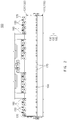
FIG. 1 is a front view illustrating an example of a sealing device for a secondary battery according to an embodiment of the present invention. -
FIG. 2 is a perspective view illustrating an example of the sealing device for the secondary battery according to an embodiment of the present invention. -
FIG. 3 is a cross-sectional view illustrating a coupled state of an adjusting screw in the sealing device for the secondary battery according to an embodiment of the present invention. -
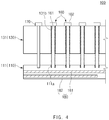
FIG. 4 is a cross-sectional view illustrating a coupled state of a support screw in the sealing device for the secondary battery according to an embodiment of the present invention. -
FIG. 5 is a projection view illustrating an example of a heater part provided in a sealing block in the sealing device for the secondary battery according to an embodiment of the present invention. -
FIG. 6 is a cross-sectional view illustrating an example of a flatness adjusting member in the sealing device for the secondary battery according to an embodiment of the present invention. -
FIG. 7 is a cross-sectional view illustrating an example of a coupled state of a support screw in a sealing device for a secondary battery according to another embodiment of the present invention. - The objectives, specific advantages, and novel features of the present invention will become more apparent from the following detailed description taken in conjunction with the accompanying drawings. It should be noted that the reference numerals are added to the components of the drawings in the present specification with the same numerals as possible, even if they are illustrated in other drawings. Also, the present invention may be embodied in different forms and should not be construed as limited to the embodiments set forth herein. In the following description of the present invention, the detailed descriptions of related arts which may unnecessarily obscure the gist of the present invention will be omitted.
-
FIG. 1 is a front view illustrating an example of a sealing device for a secondary battery according to an embodiment of the present invention,FIG. 2 is a perspective view illustrating an example of the sealing device for the secondary battery according to an embodiment of the present invention, andFIG. 3 is a cross-sectional view illustrating a coupled state of an adjusting screw in the sealing device for the secondary battery according to an embodiment of the present invention. - Referring to
FIGS. 1 to 3 , asealing device 100 for a secondary battery according to an embodiment of the present invention is asealing device 100 that seals abattery case 11 accommodating an electrode assembly (not shown) therein to manufacture asecondary battery 10 and comprises asealing block 110 pressing asealing portion 12, a flatness adjusting part T adjusting flatness of thesealing block 110, and aheater part 180 transferring heat to thesealing portion 12. Here, the electrode assembly may be a chargeable and dischargeable power generation element and have a structure in which an electrode (not shown) and a separator (not shown) are combined and alternately stacked. - Hereinafter, the sealing device for the secondary battery according to an embodiment of the present invention will be described in more detail with reference to
FIGS. 1 to 5 . - Referring to
FIGS. 1 and2 , thesealing block 110 may press the sealingportion 12 of thebattery case 11 to seal thesealing portion 12. - Also, the
sealing block 110 has ascrew groove 111a that is opened in a direction of the support block 130 (seeFIG. 4 ) . - Also, the
sealing block 110 may comprise afirst sealing block 111 and asecond sealing block 112. - Furthermore, the
first sealing block 111 and thesecond sealing block 112 move in directions facing each other to press both side surfaces of the sealingportion 12 of thebattery case 11. - Referring to
FIGS. 2 and3 , the flatness adjusting part T may adjust flatness with respect to a pressing surface of thesealing block 110. - Also, the flatness adjusting part T may comprises an adjusting
screw 150 that is provided in plurality and moves forward and backward in direction that is close to and away from thesealing block 110 so that an end of the adjustingscrew 150 presses the sealing block to adjust the flatness of thesealing block 110. Here, the adjusting screw comprises ascrew part 151 on which a screw thread is formed along an outer circumferential surface thereof. - The flatness adjusting part T may further comprise a
support block 130 to which the adjustingscrew 150 is coupled. Here, the adjustingscrew 150 may be supported by thesupport block 130. Here, thesupport block 130 comprises afirst support block 131 and asecond support block 132. - Also, the
support block 130 may have a plurality ofscrew holes 131a and through-holes 131b, which pass in a direction of the sealing block. Here, the screw part may be formed on an inner circumferential surface of each of thescrew holes 131a and the through-holes 131b (seeFIG. 4 ). - Also, while the plurality of adjusting
screws 150 are respectively screw-coupled to the plurality ofscrew holes 131a of thesupport block 130 to move forward and backward, a portion or whole of the adjustingscrews 150 may selectively press thesealing block 110 to adjust the flatness of thesealing block 110. - The plurality of adjusting
screws 150 may be coupled to thesupport block 130 in a plurality of rows and columns. Thus, ends of the adjustingscrews 150, which are coupled to thesupport block 130 in the plurality of rows and columns, may press a plurality of portions of thesealing block 110 to more precisely adjust the flatness of thesealing block 110. Here, the plurality of adjustingscrews 150 may adjust, for example, the flatness on the pressing surface of thesealing block 110 in four directions on a plan view. That is, the flatness toward left, right, front, and rear sides of thesealing block 110 on the plan view may be adjusted through the plurality of adjustingscrews 150 provided in the plurality of rows and columns. - Here, in more detail, for example, if it is determined that the
sealing block 110 is in a state in which the left side is lower than the right side in the plan view, the adjustingscrew 150 of the plurality of adjustingscrews 150, which is disposed in a right vertical line may rotate to press the right side of thesealing block 110 so that left and right heights match each other. Also, in more detail, for example, if it is determined that thesealing block 110 is in a state in which the front side is lower than the rear side in the plan view, the adjustingscrew 150 of the plurality of adjustingscrews 150, which is disposed in a rear vertical line may rotate to press the rear side of thesealing block 110 so that front and rear heights match each other. Furthermore, in detail, for example, if it is determined that thesealing block 110 is in a state in which a left rear-side edge is lower than a right front-side edge in the plan view, the adjustingscrew 150 of the plurality of adjustingscrews 150, which is disposed in a vertical line of the right front-side edge may rotate to press the right front-side edge of thesealing block 110 so that heights of left rear-side edges and the right front-side edge match each other. -
FIG. 4 is a cross-sectional view illustrating a coupled state of the support screw in the sealing device for the secondary battery according to an embodiment of the present invention. - Referring to
FIGS. 2 and4 , the flatness adjusting part T may further comprise a plurality ofsupport screws 160 which are screw-coupled to thesupport block 130 to pass through thesupport block 130 and of which ends are screw-coupled to thesealing block 110 to support thesealing block 110. - Each of the
support screws 160 may comprise asupport screw part 161 on which a screw thread is formed along an outer circumferential surface thereof. Here, thesupport screw part 161 may be formed over a remaining portion except for ahead portion 162 of thesupport screw 160. - The through-
hole 131b may be formed in thesupport block 130 to correspond to thesupport screw part 161 of thesupport screw 160 so that thesupport screw 160 is screw-coupled to thesupport block 130. Also, an end of thesupport screw 160 may be screw-coupled to thescrew groove 111a of thesealing block 110. -
FIG. 5 is a projection view illustrating an example of a heater part provided in the sealing block in the sealing device for the secondary battery according to an embodiment of the present invention. - Referring to
FIG. 5 , aheater part 180 may transfer heat to thermally fuse the sealingportion 12 that is pressed by the sealingblock 110. - Also, the
heater part 180 may be provided in plurality, and the plurality ofheater parts 180 may be disposed on both sides of the inside of thesealing block 110. - Furthermore, the
heater part 180 may comprise a plurality ofmain heaters 181 disposed in the same line and a plurality ofauxiliary heaters 182 disposed to be spaced a predetermined distance from the plurality ofmain heaters 181. - Here, the plurality of
main heaters 181 may comprise a firstmain heater 181a disposed over a central portion of one side of thesealing block 110 and a secondmain heater 181b disposed over a central portion of the other side of thesealing block 110. - Also, the plurality of
auxiliary heaters 182 may comprise a firstauxiliary heater 182a disposed at one side of thesealing block 110 and a secondauxiliary heater 182b disposed at the other side of thesealing block 110. - Thus, the
heater part 180 may have a structure that is capable of securing temperature uniformity of thesealing block 110 to effectively prevent a thickness deviation of the sealingportion 12 from occurring. - That is, the first
auxiliary heater 182a and the secondauxiliary heater 182b may be provided on both sides of thesealing block 110, which have a relatively larger heat loss than that of the central portion of thesealing block 110 to prevent a temperature deviation of the sealing block from occurring or significantly reduce the occurrence of the temperature deviation, and also, the sealingportion 12 of the battery case may be sealed by using thesealing block 110 of which the central portion and both the sides have a uniform temperature to prevent the thickness deviation of the sealingportion 12 from occurring or significantly reduce the occurrence of the thickness deviation (seeFIG. 1 ). -
FIG. 6 is a cross-sectional view illustrating an example of the flatness adjusting member in the sealing device for the secondary battery according to an embodiment of the present invention. - Referring to
FIG. 3 , in thesealing device 100 according to an embodiment of the present invention, for example, the end of the adjustingscrew 150 may directly press the sealingblock 110. - Also, referring to
FIGS. 2 and6 , in thesealing device 100 according to an embodiment of the present invention, for another example, theflatness adjusting member 190 may be further provided on the end of the adjusting screw to press the sealingblock 110 through theflatness adjusting member 190. Here, theflatness adjusting member 190 has one side in which aninsertion groove 191, in which an end of the adjustingscrew 150 is inserted, is formed and the other side on which aplanar part 192, which surface-contacts a surface to be pressed of thesealing block 110, is formed. Here, when the sealingblock 110 is pressed to adjust the flatness, theflatness adjusting member 190 may have a width greater than a diameter of the adjustingscrew 150. Thus, the sealingblock 110 may be pressed through the flatness adjusting member 90 provided with the planar part having the area greater than the width of the adjustingscrew 150 to more easily adjust the flatness when compared to that in which thesealing block 110 is directly pressed through the end of the adjustingscrew 150 having a rounded end with a narrow width, a sharp protruding shape, or an irregular shape. - Also, the
flatness adjusting member 190 may be made of, for example, a stainless steel material. - Referring to
FIGS. 1 and4 , thesealing device 100 for the secondary battery according to an embodiment of the present invention may further comprise aguide bar 170 coupled over thesupport block 130 and thesealing block 110. - When the flatness of the
sealing block 110 is adjusted through the adjustingscrew 150, theguide bar 170 may guide the movement of the sealing block, which moves forward and backward, through the adjustingscrew 150. - Also, the
guide bar 170 may be, for example, provided in plurality, and the plurality of guide bars 170 may be respectively disposed on both sides and central portions of thesupport block 130 and thesealing block 110. -
FIG. 7 is a cross-sectional view illustrating an example of a coupled state of a support screw in a sealing device for a secondary battery according to another embodiment of the present invention. - Referring to
FIG. 7 , asealing device 200 for a secondary battery according to another embodiment of the present invention comprises asealing block 110 pressing a sealingportion 12, a flatness adjusting part adjusting flatness of thesealing block 110, and aheater part 180 transferring heat to the sealingportion 12. Here, the flatness adjusting part may comprise a plurality of adjusting screws adjusting the flatness of thesealing block 110, asupport block 230 coupled to the adjusting screws, and a plurality of support screws 260 supporting thesealing block 110. - The
sealing device 200 for the secondary battery according to another embodiment of the present invention is different from thesealing device 100 for the secondary battery according to the forgoing embodiment in that the support screws 260 is coupled to thesupport block 230. Thus, in this embodiment, contents duplicated with the foregoing embodiment will be briefly described. - In the
sealing device 200 for the secondary battery according to another embodiment of the present invention, the plurality of support screws 260 may pass through thesupport block 230 and then be coupled to thesealing block 110. - Also, ends of the support screws 260 may be screw-coupled to the
sealing block 110 to support and fix thesealing block 110. - Furthermore, a portion of each of the support screws 260, which passes through the support block, may have a cylindrical shape, and a
support screw part 261 on which a screw thread is formed on an outer circumferential surface thereof may be formed on the end of thesupport screw 260, which is coupled to thesealing block 110. That is, thesupport screw 160 may have a cylindrical shape in which the screw thread is not formed on the central portion thereof, which is inserted into a through-hole 231b of thesupport block 230, and thesupport screw part 261 having the screw thread may be provided on the end of thesealing block 110, which is coupled to ascrew groove 111a. - Also, a through-
hole 231b having a cylindrical shape may be formed in thesupport block 230 so that thesupport screw 260 is inserted into thesupport block 230 to pass through thesupport block 230. - A
head portion 262 of thesupport screw 260 may have a width greater than that of the through-hole 231b of thesupport block 230 to prevent thesupport screw 260 from being released and separated from thesupport block 230. - Thus, the
support screw 260 may easily move within the through-hole 231b of thesupport block 230 to easily adjust the flatness of thesealing block 110 through the adjustingscrew 150. - In the case of the foregoing embodiment, it may be advantageous to adjust the flatness at the more local portion, and in the case of another embodiment, is may be advantageous to adjust the flatness on the more wide area.
- While the present invention has been particularly shown and described with reference to exemplary embodiments thereof, it is to be understood that the scope of the present invention is not limited to the sealing device for the secondary battery according to the present invention. It will be understood by those of ordinary skill in the art that various changes in form and details may be made therein without departing from the spirit and scope of the invention.
- Furthermore, the scope of protection of the present invention will be clarified by the appended claims.
Claims (11)
- A sealing device for a secondary battery, which seals a battery case accommodating an electrode assembly therein to manufacture the secondary battery, the sealing device comprising:a sealing block pressing a sealing portion of the battery case;a flatness adjusting part adjusting flatness with respect to a pressing surface of the sealing block; anda heater part transferring heat to thermally fuse the sealing portion pressed by the sealing block.
- The sealing device of claim 1, wherein the flatness adjusting part comprises an adjusting screw that is provided in plurality and moves forward and backward in directions that are close to and away from the sealing block so that an end of the adjusting screw presses the sealing block to adjust flatness of the sealing block.
- The sealing device of claim 2, wherein the flatness adjusting part further comprises a support block to which the adjusting screw is coupled, and
the adjusting screw is supported by the support block. - The sealing device of claim 3, wherein the plurality of adjusting screws are coupled to the support block in a plurality of rows and columns.
- The sealing device of claim 3, wherein, while each of the plurality of adjusting screws is screw-coupled to the support block to move forward and backward, a portion or whole of the adjusting screws selectively presses the sealing block to adjust the flatness of the sealing block.
- The sealing device of claim 5, wherein the flatness adjusting part further comprises a plurality of support screws which are screw-coupled to the support block to pass through the support block and of which ends are screw-coupled to the sealing block to support the sealing block.
- The sealing device of claim 5, wherein the flatness adjusting part further comprises a plurality of support screws which pass through the support block so as to be coupled to the support block and of which ends are screw-coupled to the sealing block to support the sealing block.
- The sealing device of claim 6 or 7, wherein a flatness adjusting member is further provided on the end of each of the plurality of support screws,
wherein an insertion groove into which the end of each of the adjusting screws is inserted is formed in one side of the flatness adjusting member, and a planar part which surface-contacts a surface to be pressed of the sealing block is formed on the other side of the flatness adjusting member. - The sealing device of claim 1, wherein the heater part is provided in plurality, and
the plurality of heater parts are disposed on both sides of the inside of the sealing block. - The sealing device of claim 1, wherein the heater part comprises a plurality of main heaters disposed in the same line and a plurality of auxiliary heaters disposed to be spaced a predetermined distance from the plurality of main heaters,
wherein the plurality of main heaters comprise a first main heater disposed over a central portion of one side of the sealing block and a second main heater disposed over a central portion of the other side of the sealing block, and
the plurality of auxiliary heaters comprise a first auxiliary heater disposed at one side of the sealing block and a second auxiliary heater disposed at the other side of the sealing block 110. - The sealing device of claim 1, wherein the sealing block comprises a first sealing block and a second sealing block,
wherein the first sealing block and the second sealing block move in directions facing each other to press both side surfaces of the sealing portion of the battery case.
Applications Claiming Priority (2)
| Application Number | Priority Date | Filing Date | Title |
|---|---|---|---|
| KR1020180028578A KR102320013B1 (en) | 2018-03-12 | 2018-03-12 | Sealing device for rechargeable battery |
| PCT/KR2019/000857 WO2019177257A1 (en) | 2018-03-12 | 2019-01-21 | Sealing device for secondary battery |
Publications (2)
| Publication Number | Publication Date |
|---|---|
| EP3739647A1 true EP3739647A1 (en) | 2020-11-18 |
| EP3739647A4 EP3739647A4 (en) | 2021-04-14 |
Family
ID=67908421
Family Applications (1)
| Application Number | Title | Priority Date | Filing Date |
|---|---|---|---|
| EP19767785.9A Pending EP3739647A4 (en) | 2018-03-12 | 2019-01-21 | SECONDARY BATTERY SEALING DEVICE |
Country Status (5)
| Country | Link |
|---|---|
| US (1) | US11897207B2 (en) |
| EP (1) | EP3739647A4 (en) |
| KR (1) | KR102320013B1 (en) |
| CN (1) | CN111699568B (en) |
| WO (1) | WO2019177257A1 (en) |
Families Citing this family (2)
| Publication number | Priority date | Publication date | Assignee | Title |
|---|---|---|---|---|
| KR20220060807A (en) * | 2020-11-05 | 2022-05-12 | 주식회사 엘지에너지솔루션 | Pouch-type secondary battery sealing device comprising a stopper and sealing method of pouch-type secondary battery using the same |
| KR102941643B1 (en) * | 2020-12-23 | 2026-03-20 | 주식회사 엘지에너지솔루션 | Unit cell, method and apparatus for manufacturing unit cell |
Family Cites Families (14)
| Publication number | Priority date | Publication date | Assignee | Title |
|---|---|---|---|---|
| KR0182176B1 (en) | 1996-05-10 | 1999-04-15 | 김광호 | Manufacturing process of contact part of semiconductor device |
| JP3590700B2 (en) * | 1996-09-30 | 2004-11-17 | 富士写真フイルム株式会社 | Heating element array flatness adjustment mechanism |
| JP4534342B2 (en) * | 2000-11-07 | 2010-09-01 | パナソニック株式会社 | Crimping head |
| JP4381020B2 (en) | 2003-03-31 | 2009-12-09 | 芝浦メカトロニクス株式会社 | Crimping mechanism, secondary battery manufacturing apparatus and manufacturing method using the same |
| KR200461526Y1 (en) * | 2007-07-24 | 2012-07-19 | 세크론 주식회사 | Molding apparatus for a semiconductor package |
| JP5513928B2 (en) | 2010-03-02 | 2014-06-04 | 長野オートメーション株式会社 | Welding equipment |
| KR101245282B1 (en) | 2011-03-09 | 2013-03-19 | 주식회사 엘지화학 | Pouch type secondary electric cell and method for manufacturing it |
| KR101528001B1 (en) | 2012-06-22 | 2015-06-10 | 주식회사 엘지화학 | Electrode assembly, manufacture thereof, and secondary batteries including same |
| KR101763980B1 (en) | 2013-08-30 | 2017-08-01 | 주식회사 엘지화학 | Sealiing tool of pouch type secondary battery |
| KR101823176B1 (en) * | 2013-12-02 | 2018-01-29 | 주식회사 엘지화학 | Sealing tool for packing secondary cell |
| KR101772057B1 (en) | 2014-05-30 | 2017-08-28 | 주식회사 엘지화학 | Apparatus and method for sealing pouch case of secondary battery |
| KR20160024122A (en) * | 2014-08-25 | 2016-03-04 | 정영환 | Apparatus for Sealing Pouch Capable of Adjusting Slope |
| KR101762807B1 (en) * | 2016-01-28 | 2017-07-28 | 주식회사 탑앤씨 | Pouch Film Sealing Apparatus for Secondary Battery |
| KR102516221B1 (en) * | 2019-06-07 | 2023-03-30 | 주식회사 엘지에너지솔루션 | The Apparatus And The Method For Manufacturing Secondary Battery |
-
2018
- 2018-03-12 KR KR1020180028578A patent/KR102320013B1/en active Active
-
2019
- 2019-01-21 WO PCT/KR2019/000857 patent/WO2019177257A1/en not_active Ceased
- 2019-01-21 US US16/971,522 patent/US11897207B2/en active Active
- 2019-01-21 EP EP19767785.9A patent/EP3739647A4/en active Pending
- 2019-01-21 CN CN201980012701.8A patent/CN111699568B/en active Active
Also Published As
| Publication number | Publication date |
|---|---|
| KR102320013B1 (en) | 2021-11-02 |
| CN111699568A (en) | 2020-09-22 |
| EP3739647A4 (en) | 2021-04-14 |
| CN111699568B (en) | 2023-04-04 |
| KR20190107383A (en) | 2019-09-20 |
| US20200388800A1 (en) | 2020-12-10 |
| US11897207B2 (en) | 2024-02-13 |
| WO2019177257A1 (en) | 2019-09-19 |
Similar Documents
| Publication | Publication Date | Title |
|---|---|---|
| US11935997B2 (en) | Pouch exterior for secondary battery, pouch-type secondary battery using the pouch exterior, and method of manufacturing the pouch-type secondary battery | |
| EP3537497B1 (en) | Secondary battery, manufacturing method therefor, and pressing block for manufacturing secondary battery | |
| EP3624214B1 (en) | Cylindrical secondary battery module and method for producing cylindrical secondary battery module | |
| EP2869361B1 (en) | Sealing tool for pouch-type secondary battery | |
| CN101960643B (en) | Assembled battery, and vehicle equipped with assembled battery | |
| EP3467903B1 (en) | Battery pack | |
| US20200280044A1 (en) | Method for Manufacturing Secondary Battery and Pouch for Secondary Battery | |
| EP2958168B1 (en) | Battery module | |
| EP4187702B1 (en) | Battery pack and vehicle comprising same | |
| JP2023546083A (en) | Battery module and battery pack containing it | |
| CN108140769A (en) | Elastic plate and the battery cell assemblies including elastic plate | |
| EP4220796A2 (en) | Secondary battery and method for manufacturing the same, and pressing block for manufacturing secondary battery | |
| CN108292720A (en) | Elastic bellows and battery cell assemblies including elastic bellows | |
| KR20180092406A (en) | Battery module having bearing stress and Battery pack having the same | |
| US12537242B2 (en) | Battery module with improved uniformity in temperature of battery cells | |
| CN116171499B (en) | Secondary battery manufacturing method and secondary batteries | |
| US11897207B2 (en) | Sealing device for secondary battery | |
| EP3312928B1 (en) | Lithium ion secondary battery | |
| KR102188064B1 (en) | Secondary battery module and method for fabricating the same | |
| US20250279520A1 (en) | Battery pack | |
| EP3333940B1 (en) | Secondary battery | |
| KR101811836B1 (en) | A Sealing Device For Battery Case having an unsealing portion employed with possibly adjusting heights | |
| KR101359382B1 (en) | Battery cell |
Legal Events
| Date | Code | Title | Description |
|---|---|---|---|
| STAA | Information on the status of an ep patent application or granted ep patent |
Free format text: STATUS: THE INTERNATIONAL PUBLICATION HAS BEEN MADE |
|
| PUAI | Public reference made under article 153(3) epc to a published international application that has entered the european phase |
Free format text: ORIGINAL CODE: 0009012 |
|
| STAA | Information on the status of an ep patent application or granted ep patent |
Free format text: STATUS: REQUEST FOR EXAMINATION WAS MADE |
|
| 17P | Request for examination filed |
Effective date: 20200811 |
|
| AK | Designated contracting states |
Kind code of ref document: A1 Designated state(s): AL AT BE BG CH CY CZ DE DK EE ES FI FR GB GR HR HU IE IS IT LI LT LU LV MC MK MT NL NO PL PT RO RS SE SI SK SM TR |
|
| AX | Request for extension of the european patent |
Extension state: BA ME |
|
| A4 | Supplementary search report drawn up and despatched |
Effective date: 20210315 |
|
| RIC1 | Information provided on ipc code assigned before grant |
Ipc: H01M 10/04 20060101AFI20210309BHEP Ipc: B29C 65/18 20060101ALI20210309BHEP Ipc: B29C 65/00 20060101ALI20210309BHEP Ipc: B29L 31/00 20060101ALI20210309BHEP Ipc: H01M 50/10 20210101ALI20210309BHEP |
|
| DAV | Request for validation of the european patent (deleted) | ||
| DAX | Request for extension of the european patent (deleted) | ||
| RAP1 | Party data changed (applicant data changed or rights of an application transferred) |
Owner name: LG ENERGY SOLUTION LTD. |
|
| RAP3 | Party data changed (applicant data changed or rights of an application transferred) |
Owner name: LG ENERGY SOLUTION, LTD. |