EP3739043A1 - Glutamate dehydrogenase mutant and application thereof - Google Patents
Glutamate dehydrogenase mutant and application thereof Download PDFInfo
- Publication number
- EP3739043A1 EP3739043A1 EP19210269.7A EP19210269A EP3739043A1 EP 3739043 A1 EP3739043 A1 EP 3739043A1 EP 19210269 A EP19210269 A EP 19210269A EP 3739043 A1 EP3739043 A1 EP 3739043A1
- Authority
- EP
- European Patent Office
- Prior art keywords
- glufosinate
- glutamate dehydrogenase
- mutation
- hydroxymethylphosphonoyl
- carbonyl
- Prior art date
- Legal status (The legal status is an assumption and is not a legal conclusion. Google has not performed a legal analysis and makes no representation as to the accuracy of the status listed.)
- Withdrawn
Links
Images


Classifications
-
- C—CHEMISTRY; METALLURGY
- C12—BIOCHEMISTRY; BEER; SPIRITS; WINE; VINEGAR; MICROBIOLOGY; ENZYMOLOGY; MUTATION OR GENETIC ENGINEERING
- C12N—MICROORGANISMS OR ENZYMES; COMPOSITIONS THEREOF; PROPAGATING, PRESERVING, OR MAINTAINING MICROORGANISMS; MUTATION OR GENETIC ENGINEERING; CULTURE MEDIA
- C12N9/00—Enzymes; Proenzymes; Compositions thereof; Processes for preparing, activating, inhibiting, separating or purifying enzymes
- C12N9/0004—Oxidoreductases (1.)
- C12N9/0012—Oxidoreductases (1.) acting on nitrogen containing compounds as donors (1.4, 1.5, 1.6, 1.7)
- C12N9/0014—Oxidoreductases (1.) acting on nitrogen containing compounds as donors (1.4, 1.5, 1.6, 1.7) acting on the CH-NH2 group of donors (1.4)
- C12N9/0016—Oxidoreductases (1.) acting on nitrogen containing compounds as donors (1.4, 1.5, 1.6, 1.7) acting on the CH-NH2 group of donors (1.4) with NAD or NADP as acceptor (1.4.1)
-
- C—CHEMISTRY; METALLURGY
- C12—BIOCHEMISTRY; BEER; SPIRITS; WINE; VINEGAR; MICROBIOLOGY; ENZYMOLOGY; MUTATION OR GENETIC ENGINEERING
- C12N—MICROORGANISMS OR ENZYMES; COMPOSITIONS THEREOF; PROPAGATING, PRESERVING, OR MAINTAINING MICROORGANISMS; MUTATION OR GENETIC ENGINEERING; CULTURE MEDIA
- C12N15/00—Mutation or genetic engineering; DNA or RNA concerning genetic engineering, vectors, e.g. plasmids, or their isolation, preparation or purification; Use of hosts therefor
- C12N15/09—Recombinant DNA-technology
- C12N15/63—Introduction of foreign genetic material using vectors; Vectors; Use of hosts therefor; Regulation of expression
- C12N15/74—Vectors or expression systems specially adapted for prokaryotic hosts other than E. coli, e.g. Lactobacillus, Micromonospora
-
- C—CHEMISTRY; METALLURGY
- C12—BIOCHEMISTRY; BEER; SPIRITS; WINE; VINEGAR; MICROBIOLOGY; ENZYMOLOGY; MUTATION OR GENETIC ENGINEERING
- C12P—FERMENTATION OR ENZYME-USING PROCESSES TO SYNTHESISE A DESIRED CHEMICAL COMPOUND OR COMPOSITION OR TO SEPARATE OPTICAL ISOMERS FROM A RACEMIC MIXTURE
- C12P13/00—Preparation of nitrogen-containing organic compounds
- C12P13/001—Amines; Imines
-
- C—CHEMISTRY; METALLURGY
- C12—BIOCHEMISTRY; BEER; SPIRITS; WINE; VINEGAR; MICROBIOLOGY; ENZYMOLOGY; MUTATION OR GENETIC ENGINEERING
- C12P—FERMENTATION OR ENZYME-USING PROCESSES TO SYNTHESISE A DESIRED CHEMICAL COMPOUND OR COMPOSITION OR TO SEPARATE OPTICAL ISOMERS FROM A RACEMIC MIXTURE
- C12P13/00—Preparation of nitrogen-containing organic compounds
- C12P13/04—Alpha- or beta- amino acids
-
- C—CHEMISTRY; METALLURGY
- C12—BIOCHEMISTRY; BEER; SPIRITS; WINE; VINEGAR; MICROBIOLOGY; ENZYMOLOGY; MUTATION OR GENETIC ENGINEERING
- C12Y—ENZYMES
- C12Y104/00—Oxidoreductases acting on the CH-NH2 group of donors (1.4)
- C12Y104/01—Oxidoreductases acting on the CH-NH2 group of donors (1.4) with NAD+ or NADP+ as acceptor (1.4.1)
- C12Y104/01002—Glutamate dehydrogenase (1.4.1.2)
-
- C—CHEMISTRY; METALLURGY
- C12—BIOCHEMISTRY; BEER; SPIRITS; WINE; VINEGAR; MICROBIOLOGY; ENZYMOLOGY; MUTATION OR GENETIC ENGINEERING
- C12Y—ENZYMES
- C12Y104/00—Oxidoreductases acting on the CH-NH2 group of donors (1.4)
- C12Y104/01—Oxidoreductases acting on the CH-NH2 group of donors (1.4) with NAD+ or NADP+ as acceptor (1.4.1)
- C12Y104/01004—Glutamate dehydrogenase (NADP+) (1.4.1.4)
-
- C—CHEMISTRY; METALLURGY
- C12—BIOCHEMISTRY; BEER; SPIRITS; WINE; VINEGAR; MICROBIOLOGY; ENZYMOLOGY; MUTATION OR GENETIC ENGINEERING
- C12P—FERMENTATION OR ENZYME-USING PROCESSES TO SYNTHESISE A DESIRED CHEMICAL COMPOUND OR COMPOSITION OR TO SEPARATE OPTICAL ISOMERS FROM A RACEMIC MIXTURE
- C12P9/00—Preparation of organic compounds containing a metal or atom other than H, N, C, O, S or halogen
Definitions
- the invention relates to the technical field of enzyme engineering, in particular to a glutamate dehydrogenase mutant and an application thereof in the preparation of L-glufosinate by catalyzing 2-carbonyl-4-(hydroxymethylphosphonoyl)butanoic acid.
- Phosphinothricin also known as glufosinate
- glufosinate is a phosphorus-containing amino acid herbicide, chemically known as 2-amino-4-(hydroxymethylphosphonoyl)butanoic acid, the third largest herbicide in the world and the second largest genetically-modified crop herbicide.
- Glufosinate has the characteristics of wide herbicidal spectrum, low toxicity, high activity, partial conductivity, and good environmental compatibility and is widely used in weed removal of non-cultivated land, no-tillage land, farmland crops, aquatic fields, and the like.
- the L-form has herbicidal activity (Herbicidal compositions [P].
- Patent application US 4265654 A, 1981 is easily degraded in the soil and is less harmful to the environment.
- the market-selling glufosinate is a racemic mixture. If used in the pure optical isomer form of L-configuration, the application amount of glufosinate is reduced by 50%, which may significantly improve economy and reduce environment pressure. Therefore, the development of optically pure L-glufosinate preparation process is of great significance.
- Glutamate dehydrogenase (EC 1.4.1.2-1.4.1.4) is rich in source and diverse in nature, and has great potential for application in the field of chiral L-amino acid synthesis (L-glutamate dehydrogenases: Distribution, properties and mechanism [J]. Comparative Biochemistry & Physiology B Comparative Biochemistry, 1993,106(4): 767-792 .) Preparation of L-glufosinate by asymmetric reductive amination of 2-carbonyl-4-(hydroxymethylphosphonoyl)butanoic acid (PPO) catalyzed by glutamate dehydrogenase has significant advantages such as strict stereoselectivity, 100% theoretical yield, easy separation and purification of the product, and the like.
- PPO 2-carbonyl-4-(hydroxymethylphosphonoyl)butanoic acid
- the invention aims at the issue that the glutamate dehydrogenase derived from Pseudomonas putida has low catalytic activity on the non-natural substrate 2-carbonyl-4-(hydroxymethylphosphonoyl)butanoic acid, and provides a plurality of glutamate dehydrogenase mutants with significantly improved enzyme activity and uses thereof in the synthesis of L-glufosinate.
- an error-prone PCR technique is used to introduce a random mutation into a glutamate dehydrogenase gene (Genebank ID: 1044501) derived from Pseudomonas putida to construct a random mutation library, and then the mutation library is screened by a high-throughput screening method. The enzyme activity of the resulting positive mutant strain is rescreened by an HPLC method. Mutant strains with improved PPO catalytic activity obtained by rescreening are analyzed for specific mutations by sequencing analysis.
- the mutation situation of the positive mutants is obtained based on directed evolution, and three mutation libraries are designed and constructed, including a 402nd saturated mutation library, a 121st and 123rd combined mutation library, and the 379th and 383rd combined mutation library.
- the three mutation libraries are screened by a high-throughput screening technique, and the enzyme activity of the positive mutant strains obtained are rescreened by an HPLC method. Specific mutations of the mutant strains with improved PPO catalytic activity obtained by the rescreening are analyzed by sequencing.
- the invention also provides an encoding gene of the glutamate dehydrogenase mutant.
- the invention also provides an expression vector and engineered bacteria containing the glutamate dehydrogenase mutant encoding gene.
- the invention also provides an application of the glutamate dehydrogenase mutant for preparing L-glufosinate by catalyzing 2-carbonyl-4-(hydroxymethylphosphonoyl)butanoic acid or a salt thereof.
- the invention also provides a method for preparing L-glufosinate by catalyzing 2-carbonyl-4-(hydroxymethylphosphonoyl)butanoic acid or a salt thereof, including the following steps.
- the enzyme solution is a resting cell suspension or a lysing crude enzyme solution of the genetically-engineered bacteria; of course, the pure enzyme obtained by purifying the crude enzyme solution is also applicable to the preparation method of the L-glufosinate of the invention.
- the temperature of the reductive amination reaction is 15 °C to 50 °C, and the pH of the reaction solution is 6 to 10.
- step (3) the reduced coenzyme is reduced nicotinamide adenine dinucleotide phosphate (NADPH).
- NADPH nicotinamide adenine dinucleotide phosphate
- the reaction system of step (3) further includes a coenzyme regeneration system;
- the coenzyme regeneration system is a coenzyme regeneration system that uses glucose dehydrogenase as a coenzyme regenerating enzyme and glucose as a coenzyme regeneration substrate.
- the glucose dehydrogenase gene ( Bs GDH-2M) is derived from Bacillus subtilis, and the stability thereof is improved by molecular transformation, and the encoded amino acid sequence thereof is SEQ ID NO. 2.
- the amino donor is ammonium sulfate.
- the invention has the following beneficial effects:
- the catalytic activity of the glutamate dehydrogenase derived from Pseudomonas putida to 2-carbonyl-4-(hydroxymethylphosphonoyl))butanoic acid (PPO) is significantly improved by a molecular transformation method combining directed evolution with a semi-rational design.
- the invention solves the issue of low glutamate dehydrogenase activity in the process of preparing L-glufosinate by reductive amination.
- the catalytic activity of the glutamate dehydrogenase mutant of the invention on PPO is significantly improved, and the enzyme activity of the unit fermentation broth is up to 11.21 U/mL, which is 102 times that of the wild-type.
- the glutamate dehydrogenase mutant of the invention exhibits good catalytic efficiency in the preparation of L-glufosinate, the substrate conversion rate is >99%, and the L-glufosinate concentration is up to 80.6 g/L, and the ee value >99%, which shows very large industrial application prospects.
- the invention successfully solves the key issue of low biocatalyst activity in the process of preparing L-glufosinate by amination reduction reaction, and lays a foundation for realizing the industrial application of the process.
- DNA polymerase for error-prone PCR in Example 1 of the invention was purchased from Beijing TransGen Biotech; in Example 2 of the invention, DNA polymerase (PrimeSTAR® Max DNA Polymerase) and Dpn I were purchased from TaKaRa (Dalian) Co., Ltd.; ClonExpress II One Step Cloning Kit was purchased from Nanjing Vazyme Biotech Co., Ltd.; the plasmid extraction kit was purchased from Axygen Hangzhou Co., Ltd.; E. coli BL21 (DE3), plasmid, etc. were purchased from Novagen; and primer synthesis and gene sequencing were completed by Hangzhou TsingKe Biological technology Co., Ltd. Refer to the product manual for the use of the above reagents.
- the recombinant E. coli carrying the glutamate dehydrogenase gene of the invention is constructed and deposited by our laboratory.
- the vector used was pET-28a(+) and the host used was E. coli BL21 (DE3).
- the reagent used in the downstream catalytic process 2-carbonyl-4-(hydroxymethylphosphonoyl)butanoic acid (abbreviated as PPO) was artificially synthesized, and the mass spectrum and nuclear magnetic diagram thereof are shown in FIGs. 2 and 3 ;
- DL-glufosinate standard was purchased from Sigma-Aldrich;
- NADP + and NADPH were purchased from Bontac-Bio-Engineering (Shenzhen) Co., Ltd.; other commonly used reagents were purchased from Sinopharm Chemical Reagent Co., Ltd.
- the three-letter or one-letter expression of the amino acids used in the specification of the present application adopted the amino acid code specified by IUPAC ( Eur. J. Biochem., 138:9-37,1984 ).
- Glutamate dehydrogenase enzyme standard assay system appropriate amount of enzyme solution, 100 mM substrate, 10 mM NADPH, 500 mM NH 4 + ((NH 4 ) 2 SO 4 ), total system was 400 ⁇ L, reaction medium was pH 7.5 0.1 M phosphoric acid salt buffer. The reaction was performed at 35 °C for 10 minutes, and the reaction was ended by the addition of 40 uL of 5 M NaOH. The L-glufosinate concentration produced in the sample was quantified by pre-column derivatization HPLC.
- enzyme unit (U) the amount of enzyme required to produce 1 ⁇ mol of L-glufosinate per minute under standard reaction conditions.
- the progress of the reaction was monitored by analyzing the concentration of the substrate in the reaction solution by high-performance liquid chromatography (HPLC).
- HPLC analysis method column model: Pntulips® QS-C18, 5 ⁇ m, 4.6 mm ⁇ 250 mm.
- Mobile phase 50 mM (NH 4 ) 2 HPO 4 , 1% of 10% tetrabutylammonium hydroxide aqueous solution was added, pH was adjusted to 3.6 with 50% phosphoric acid (mass fraction), and 8% acetonitrile was added.
- Detection wavelength 205 nm.
- Flow rate 1.0 mL/min.
- Column temperature 40 °C. See FIG. 4 for the peak of the substrate.
- the peak of D-glufosinate and L-glufosinate is shown in FIG. 5 .
- Example 1 Pseudomonas putida-derived glutamate dehydrogenase ( Pp GluDH) directed evolution based on error-prone PCR
- Step 1 Activation of Pp GluDH recombinant strain and plasmid extraction
- E . coli -engineered bacteria carrying pET-28a(+)- Pp GluDH recombinant plasmid were activated and cultured using LB medium.
- the specific formula of LB was is: peptone 10 g/L, yeast powder 5 g/L, NaCl 10 g/L, dissolved in deionized water then kept at constant volume, sterilized at 121 °C for 20 minutes, and kept ready for use.
- the solid medium was LB medium supplemented with 2% agar.
- a glycerol tube containing a Pp GluDH recombinant strain was streaked onto a dish containing LB solid medium (50 ⁇ g/mL kanamycin), and cultured in static at 37 °C for 12 hours.
- a single colony was picked from the dish and placed in 5 mL of LB medium containing 50 ⁇ g/mL kanamycin, and cultured at 37 °C, 200 rpm for 12 hours. After the culture solution was obtained, the plasmid was extracted according to the instruction manual of the plasmid extraction kit.
- the pET-28a(+)- Pp GluDH plasmid extracted in step 1 was used as a template, and a random mutation was introduced into the Pp GluDH gene by error-prone PCR.
- the primers and PCR reaction systems used are shown in Table 1 and Table 2, respectively.
- the amplified product was detected by 1.0% agarose gel electrophoresis, and the target band was purified and recovered by a DNA recovery and purification kit.
- the recovered PCR amplified product and the expression vector pET-28a(+) were respectively double digested with the corresponding restriction endonucleases at 37 °C for 3 hours.
- the enzyme digestion system is shown in the following table: Table 3 Enzyme digestion system Reagent Volume ( ⁇ L) PCR amplification product/plasmid 15 Bam HI 2 Hindh III 2 ddH 2 O 17 10 ⁇ Buffer 4
- the digested product was purified and recovered by using a DNA purification kit.
- the digested PCR amplified product was ligated to the expression vector pET-28a(+) with the corresponding nick using T4 DNA ligase, and the ligation system is shown in the following table: Table 4 Enzyme system Reagent Volume ( ⁇ L) PCR amplification product 10 Vector 7 T4 ligase 1 10 ⁇ ligase buffer 2
- the enzyme-linked product was transformed into E. coli BL21 (DE3) competent cells, plated, and placed in an inverted culture at 37 °C until a single colony of appropriate size was grown.
- Step 3 High-throughput screening of random mutation libraries-primary screening
- LB medium 50 ⁇ g/mL kanamycin
- 400 ⁇ L of LB medium 50 ⁇ g/mL kanamycin
- 50 ⁇ L of the bacterial solution was pipetted into the secondary plate in the primary plate, and 20% glycerin was added to the primary plate and placed in a refrigerator at -80 °C for long-term storage.
- the secondary plate was then oscillated and cultured at 37 °C for 3 hours, induced by IPTG at a final concentration of 0.5 mM, and then the secondary plate was placed at 18 °C and cultured at 200 rpm for 18 hours.
- the secondary plate was centrifuged at 4000 rpm at 4 °C for 20 minutes to collect the bacteria, and then frozen at -80 °C for 3 hours or more.
- the secondary plate was removed from -80 °C and allowed to thaw at room temperature for 0.5 hours.
- 300 ⁇ L of lysate (10 mM pH 7.5 phosphate buffer, 750 mg/L lysozyme, 10 mg/L DNase I) was added to each well, and the cells were suspended by oscillation and placed in a shaker at 37 °C and incubated at 200 rpm for 1 hour. After the incubation, the cells were centrifuged at 4000 rpm at 4 °C for 20 minutes, and the supernatant was taken for enzyme activity measurement.
- An assay mixture for screening was prepared: pH 7.5 phosphate buffer (0.1 M), 2 mM NADPH, 20 mM substrate PPO, 1 M NH 4 + .
- 200 ⁇ L of the assay mixture was added to each well of a fresh 96-well plate (reaction plate) and kept at 37 °C for 15 minutes.
- 200 ⁇ L of enzyme solution was pipetted into the reaction plate to start the reaction.
- 100 uL was sampled at 20 minutes, 40 minutes, and 60 minutes, respectively and added to an enzyme plate pre-charged with 100 uL of pH 7.5 phosphate buffer (0.1 M), and the absorbance at 340 nm was measured using a microplate reader. The lower the absorbance, the higher the catalytic activity, and the selection of a mutant strain with an absorbance significantly lower than that of the control (wild-type) was used as a candidate strain for rescreening.
- mutants exhibiting a significant increase in enzyme activity in the primary screening were subjected to rescreening by HPLC. After the corresponding mutant strains on the primary plate were activated by dish scribing, a single colony was inoculated into 5 mL LB liquid medium containing 50 ⁇ g/mL kanamycin and oscillated and cultured at 37 °C for 12 hours.
- 2% of the inoculum was transferred to 50 mL of LB liquid medium also containing 50 ⁇ g/mL kanamycin, and when OD 600 reached around 0.6 to 0.8 by oscillation and culturing at 37 °C, IPTG was added to reach a final concentration of 0.5 mM, and then the inoculum was inductively cultured at 18 °C for 16 hours. After the completion of the culture, 12,000 g of the culture solution was centrifuged at 4 °C for 10 minutes, and the supernatant was discarded to collect the bacteria.
- the bacteria collected after the completion of the culture were washed twice with 50 mM of pH 7.5 phosphate buffer, resuspended in the pH 7.5 phosphate buffer, and ultrasonically disrupted 30 times at 400 W, with each ultrasound lasting 3 seconds and pausing 7 seconds.
- the cell-disrupted solution was centrifuged at 12,000 g at 4 °C for 10 minutes to remove the precipitate, and the obtained supernatant was a crude enzyme solution.
- the crude enzyme activity of PPO was determined for each mutant strain according to the standard enzyme activity assay system. Lastly, 13 mutants with significantly improved enzyme activity were obtained, containing 8 single-point mutant strains, 4 two-point mutant strains, and 1 three-point mutant strain.
- the enzyme activity of the unit volume fermentation broth was 0.167 U/mL to 0.897 U/mL, which was 1.5 to 8.2 times that of the original glutamate dehydrogenase. See FIG. 1 for details. Mutations in the two-point and three-point mutant strains that were positively mutated were analyzed by reverse mutation, and the positive mutations in these mutant strains were determined to be the three mutations of V29A, L354P, and I406T.
- Table 5 Summary of positive mutations obtained by directed evolution of Pp GluDH is shown in Table 5.
- Table 5 Summary of positive mutations obtained by directed evolution Site Codon mutation (before mutation ⁇ after mutation) Amino acid mutation (before mutation ⁇ after mutation) Mutant strain enzyme activity (U/mL) Enzyme activity increase factor a) 29 GTG ⁇ GCA Val ⁇ Ala 0.252 ⁇ 0.013 2.3 81 TAC ⁇ TGC Tyr ⁇ Cys 0.188 ⁇ 0.004 1.7 194 GTG ⁇ GCG Val ⁇ Ala 0.167 ⁇ 0.006 1.5 352 ACT ⁇ GCT Thr ⁇ Ala 0.255 ⁇ 0.009 2.3 354 GTC ⁇ CCC Leu ⁇ Pro 0.315 ⁇ 0.011 2.9 380 GTG ⁇ GGG Val ⁇ Gly 0.303 ⁇ 0.018 2.8 390 ATG ⁇ TTG Met ⁇ Leu 0.226 ⁇ 0.021 2.1 400 GAC ⁇ GGC Asp ⁇ Gly 0.230 ⁇ 0.015 2.1 406 ATC ⁇ ACC Ile ⁇ Thr 0.613 ⁇ 0.019 5.6 406 ATC ⁇ TTC Ile
- Example 1 The results of Example 1 were analyzed to perform saturated mutation on the 121th, 123th, 379th, 383th, and 402th amino acid residues of Pp GluDH.
- Primers ( Table 6 ) were designed, and pET-28a(+)- Pp GluDH plasmid was used as a template and K402X-F, T121X/L123X-F, or A379X/L383X-F and Aid-R were used as primer pairs to obtain linearized short fragments, and then PCR was performed using K402X-R, T121X/L123X-R, or A379X/L383X-R and Aid-F as primer pairs to obtain linearized long fragments.
- ClonExpress II One Step Cloning Kit was used for subsequent Dpn I digestion, gel recovery, recombination, and transformation operations to construct the three mutation libraries of a 402nd saturated mutation library (K402X), a 121st and 123rd combined mutation library (T121X/L123X), and a 379th and 383rd combined mutation library (A379X/L383X).
- the three mutation libraries were pre-screened by the high-throughput screening method described in Example 1, and then subjected to rescreening by HPLC.
- K402X 402nd saturated mutation library
- K402F and K402D seven mutant strains with significant increase in PPO enzyme activity were screened from the 121st and 123rd combined mutation library (T121X/L123X): T121S/L123H, T121N/L123Y, T121V/L123Y, T121S/L123S, T121N/L123F, T121V/L123F, T121I/L123Y
- seven mutant strains with significant increase in PPO enzyme activity were screened from the 379th and 383rd combined mutation library (A379X/L383X): A379I/L383Y, A379I/L383C, A379S/L383Y, A379V/L383S, A379
- glycerol tubes of engineered bacteria harboring wild-type Pp GluDH and glucose dehydrogenase ( Bs GDH-2M, SEQ ID NO. 2) were activated by dish scribing, and then a single colony was inoculated in 50 mL LB liquid medium containing 50 ⁇ g/mL kanamycin and oscillated and cultured at 37 °C for 12 hours.
- 2% of the inoculum was transferred to 1 L of fresh LB liquid medium also containing 50 ⁇ g/mL kanamycin, and when OD 600 reached around 0.6 by oscillation and culturing at 37 °C, IPTG was added to reach a final concentration of 0.5 mM, and then the inoculum was inductively cultured at 18 °C for 16 hours. After the completion of the culture, the culture solution was centrifuged at 12000 g at 4 °C for 10 minutes, the bacteria was collected, and a crude enzyme solution was prepared by ultrasonic disruption.
- the reaction system was 30 mL containing 500 mM substrate PPO, 600 mM glucose, 250 mM (NH 4 ) 2 SO 4 , and 0.5 mM NADP + .
- the concentration of glutamate dehydrogenase (dry weight) was 1.25 g/L, and the concentration of glucose dehydrogenase (dry weight) was 1.25 g/L.
- the reaction temperature was controlled at 35 °C by a water bath, and the pH was controlled at 7.5 by dropwise addition of aqueous ammonia. After 12 hours of reaction, the residual concentration of PPO was detected by achiral HPLC, and the amount of L-glufosinate produced and the ee value thereof were determined by pre-column derivatization HPLC.
- the reaction end data is as follows: PPO had 373 mM remaining, and the conversion rate was 25.4%.
- the production concentration of L-glufosinate was 20.5 g/L, and the ee value >99%.
- the reaction system was 30 mL containing 500 mM substrate PPO, 600 mM glucose, 250 mM (NH 4 ) 2 SO 4 , and 0.5 mM NADP + .
- the concentration of glutamate dehydrogenase (dry weight) was 1.25 g/L, and the concentration of glucose dehydrogenase (dry weight) was 1.25 g/L.
- the reaction temperature was controlled at 35 °C by a water bath, and the pH was controlled at 7.5 by dropwise addition of aqueous ammonia. After 2.5 hours of reaction, the residual concentration of PPO was detected by achiral HPLC, and the amount of L-glufosinate produced and the ee value thereof were determined by pre-column derivatization HPLC.
- the reaction end data is as follows: PPO had 2.4 mM remaining, and the conversion rate was 99.5%.
- the production concentration of L-glufosinate was 80.6 g/L, and the ee value >99% ( FIG. 6 ).
- the reaction system was 30 mL containing 500 mM substrate PPO, 600 mM glucose, 250 mM (NH 4 ) 2 SO 4 , and 0.5 mM NADP + .
- the concentration of glutamate dehydrogenase (dry weight) was 1.25 g/L, and the concentration of glucose dehydrogenase (dry weight) was 1.25 g/L.
- the reaction temperature was controlled at 35 °C by a water bath, and the pH was controlled at 7.5 by dropwise addition of aqueous ammonia. After 5 hours of reaction, the residual concentration of PPO was detected by achiral HPLC, and the amount of L-glufosinate produced and the ee value thereof were determined by pre-column derivatization HPLC.
- the reaction end data is as follows: PPO had 3.4 mM remaining, and the conversion rate was 99.3%.
- the production concentration of L-glufosinate was 79.4 g/L, and the ee value >99%.
- the reaction system was 30 mL containing 500 mM substrate PPO, 600 mM glucose, 250 mM (NH 4 ) 2 SO 4 , and 0.5 mM NADP + .
- the concentration of glutamate dehydrogenase (dry weight) was 1.25 g/L, and the concentration of glucose dehydrogenase (dry weight) was 1.25 g/L.
- the reaction temperature was controlled at 35 °C by a water bath, and the pH was controlled at 7.5 by dropwise addition of aqueous ammonia. After 10 hours of reaction, the residual concentration of PPO was detected by achiral HPLC, and the amount of L-glufosinate produced and the ee value thereof were determined by pre-column derivatization HPLC.
- the reaction end data is as follows: PPO had 4.6 mM remaining, and the conversion rate was 99.1%.
- the production concentration of L-glufosinate was 78.7 g/L, and the ee value >99%.
- Example 7 Glutamate dehydrogenase mutant strain ( Pp GluDH-K402F), glucose dehydrogenase double enzyme coupling for preparation of L-glufosinate
- the reaction system was 30 mL containing 500 mM substrate PPO, 600 mM glucose, 250 mM (NH 4 ) 2 SO 4 , and 0.5 mM NADP + .
- the concentration of glutamate dehydrogenase (dry weight) was 1.25 g/L, and the concentration of glucose dehydrogenase (dry weight) was 1.25 g/L.
- the reaction temperature was controlled at 35 °C by a water bath, and the pH was controlled at 7.5 by dropwise addition of aqueous ammonia. After 12 hours of reaction, the residual concentration of PPO was detected by achiral HPLC, and the amount of L-glufosinate produced and the ee value thereof were determined by pre-column derivatization HPLC.
- the reaction end data is as follows: PPO had 37.6 mM remaining, and the conversion rate was 92.5%.
- the production concentration of L-glufosinate was 72.8 g/L, and the ee value >99%.
Landscapes
- Chemical & Material Sciences (AREA)
- Life Sciences & Earth Sciences (AREA)
- Organic Chemistry (AREA)
- Health & Medical Sciences (AREA)
- Engineering & Computer Science (AREA)
- Wood Science & Technology (AREA)
- Zoology (AREA)
- Genetics & Genomics (AREA)
- Bioinformatics & Cheminformatics (AREA)
- General Engineering & Computer Science (AREA)
- General Health & Medical Sciences (AREA)
- Biochemistry (AREA)
- Biotechnology (AREA)
- Microbiology (AREA)
- Biomedical Technology (AREA)
- Molecular Biology (AREA)
- General Chemical & Material Sciences (AREA)
- Chemical Kinetics & Catalysis (AREA)
- Medicinal Chemistry (AREA)
- Proteomics, Peptides & Aminoacids (AREA)
- Physics & Mathematics (AREA)
- Biophysics (AREA)
- Plant Pathology (AREA)
- Enzymes And Modification Thereof (AREA)
- Micro-Organisms Or Cultivation Processes Thereof (AREA)
Abstract
The invention discloses a glutamate dehydrogenase mutant and an application thereof. The mutant is one of the following: a mutation of the 402th lysine of the amino acid sequence shown in SEQ ID NO. 1 to phenylalanine or aspartic acid; a mutation of the 406th isoleucine to phenylalanine or threonine; a combined mutation of the 121th threonine and the 123th leucine; a combined mutation of the 379th alanine and the 383th leucine. In the invention, the catalytic activity of glutamate dehydrogenase derived from Pseudomonas putida to 2-carbonyl-4-(hydroxymethylphosphonoyl)butanoic acid (PPO) is significantly improved by a molecular transformation method combining directed evolution and a semi-rational design; and the issue of low glutamate dehydrogenase activity in the process of preparing L-glufosinate by reductive amination is solved.
Description
- This application claims the priority benefit of China application serial no.
201910403331.2, filed on May 15, 2019 - The invention relates to the technical field of enzyme engineering, in particular to a glutamate dehydrogenase mutant and an application thereof in the preparation of L-glufosinate by catalyzing 2-carbonyl-4-(hydroxymethylphosphonoyl)butanoic acid.
- Phosphinothricin (also known as glufosinate) is a phosphorus-containing amino acid herbicide, chemically known as 2-amino-4-(hydroxymethylphosphonoyl)butanoic acid, the third largest herbicide in the world and the second largest genetically-modified crop herbicide. Glufosinate has the characteristics of wide herbicidal spectrum, low toxicity, high activity, partial conductivity, and good environmental compatibility and is widely used in weed removal of non-cultivated land, no-tillage land, farmland crops, aquatic fields, and the like. Among the two configurations of glufosinate, only the L-form has herbicidal activity (Herbicidal compositions [P]. Patent application
US 4265654 A, 1981 ), and is easily degraded in the soil and is less harmful to the environment. - At present, the market-selling glufosinate is a racemic mixture. If used in the pure optical isomer form of L-configuration, the application amount of glufosinate is reduced by 50%, which may significantly improve economy and reduce environment pressure. Therefore, the development of optically pure L-glufosinate preparation process is of great significance.
- Glutamate dehydrogenase (EC 1.4.1.2-1.4.1.4) is rich in source and diverse in nature, and has great potential for application in the field of chiral L-amino acid synthesis (L-glutamate dehydrogenases: Distribution, properties and mechanism [J]. Comparative Biochemistry & Physiology B Comparative Biochemistry, 1993,106(4): 767-792.) Preparation of L-glufosinate by asymmetric reductive amination of 2-carbonyl-4-(hydroxymethylphosphonoyl)butanoic acid (PPO) catalyzed by glutamate dehydrogenase has significant advantages such as strict stereoselectivity, 100% theoretical yield, easy separation and purification of the product, and the like.
- In the invention patent application publication No.
CN106978453A , we cloned the glutamate dehydrogenase (PpGluDH, NCBI login number: NP_742836.1) gene derived from Pseudomonas putida and overexpressed it in E. coli. The recombinant glutamate dehydrogenase is capable of reductively aminating 2-carbonyl-4-(hydroxymethylphosphonoyl)butanoic acid to produce L-glufosinate having higher optical purity. However, from the viewpoint of industrial application, the catalytic activity of PpGluDH is low, which brings about a series of issues such as excessive catalyst preparation cost and post-treatment difficulty. Therefore, improving the catalytic activity of PpGluDH on PPO by molecular modification is the key to realize the industrial application of the L-glufosinate reductive amination synthesis process. - The invention aims at the issue that the glutamate dehydrogenase derived from Pseudomonas putida has low catalytic activity on the non-natural substrate 2-carbonyl-4-(hydroxymethylphosphonoyl)butanoic acid, and provides a plurality of glutamate dehydrogenase mutants with significantly improved enzyme activity and uses thereof in the synthesis of L-glufosinate.
- The specific technical solutions are as follows:
- The invention provides a glutamate dehydrogenase mutant. The glutamate dehydrogenase mutant is one of the following:
- (1) a mutation of a 402nd lysine of an amino acid sequence shown in SEQ ID NO. 1 to phenylalanine or aspartic acid;
- (2) a mutation of a 406th isoleucine of the amino acid sequence shown in SEQ ID NO. 1 to phenylalanine or threonine;
- (3) a mutation of a 121st threonine and a 123rd leucine of the amino acid sequence shown in SEQ ID NO. 1 respectively to serine and histidine, or asparagine and tyrosine, or valine and tyrosine, or serine and serine, or asparagine and phenylalanine, or valine and phenylalanine, or isoleucine and tyrosine;
- (4) a mutation of a 379th alanine and a 383rd leucine in the amino acid sequence shown in SEQ ID NO. 1 respectively to isoleucine and tyrosine, or isoleucine and cysteine, or serine and tyrosine, or valine and serine, or phenylalanine and cysteine, or tyrosine and cysteine, or cysteine and cysteine.
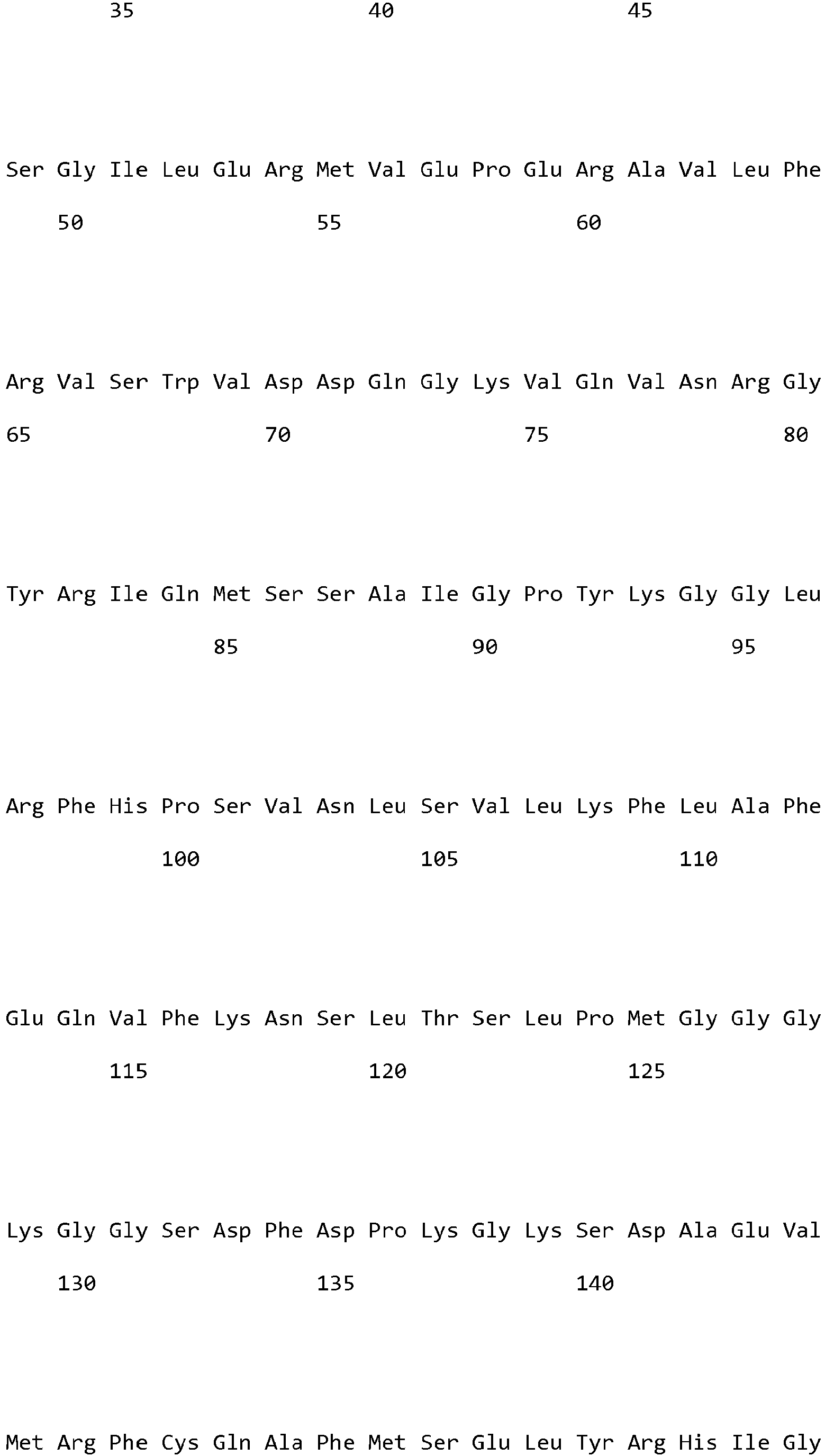
- In the invention, an error-prone PCR technique is used to introduce a random mutation into a glutamate dehydrogenase gene (Genebank ID: 1044501) derived from Pseudomonas putida to construct a random mutation library, and then the mutation library is screened by a high-throughput screening method. The enzyme activity of the resulting positive mutant strain is rescreened by an HPLC method. Mutant strains with improved PPO catalytic activity obtained by rescreening are analyzed for specific mutations by sequencing analysis.
- The mutation situation of the positive mutants is obtained based on directed evolution, and three mutation libraries are designed and constructed, including a 402nd saturated mutation library, a 121st and 123rd combined mutation library, and the 379th and 383rd combined mutation library. The three mutation libraries are screened by a high-throughput screening technique, and the enzyme activity of the positive mutant strains obtained are rescreened by an HPLC method. Specific mutations of the mutant strains with improved PPO catalytic activity obtained by the rescreening are analyzed by sequencing.
- The invention also provides an encoding gene of the glutamate dehydrogenase mutant.
- The invention also provides an expression vector and engineered bacteria containing the glutamate dehydrogenase mutant encoding gene.
- The invention also provides an application of the glutamate dehydrogenase mutant for preparing L-glufosinate by catalyzing 2-carbonyl-4-(hydroxymethylphosphonoyl)butanoic acid or a salt thereof.
- The invention also provides a method for preparing L-glufosinate by catalyzing 2-carbonyl-4-(hydroxymethylphosphonoyl)butanoic acid or a salt thereof, including the following steps.
- (1) A genetically-engineered bacteria expressing a glutamate dehydrogenase mutant is prepared, wherein the glutamate dehydrogenase mutant is as described in
claim 1; - (2) the genetically-engineered bacteria is cultured to prepare an enzyme solution;
- (3) the enzyme solution is added to a mixed system containing a substrate 2-carbonyl-4-(hydroxymethylphosphonoyl)butanoic acid, an amino donor, and a reduced coenzyme, and a reductive amination reaction is performed to obtain L-glufosinate.
- In step (2), the enzyme solution is a resting cell suspension or a lysing crude enzyme solution of the genetically-engineered bacteria; of course, the pure enzyme obtained by purifying the crude enzyme solution is also applicable to the preparation method of the L-glufosinate of the invention.
- Preferably, in step (3), the temperature of the reductive amination reaction is 15 °C to 50 °C, and the pH of the reaction solution is 6 to 10.
- In step (3), the reduced coenzyme is reduced nicotinamide adenine dinucleotide phosphate (NADPH).
- Preferably, the reaction system of step (3) further includes a coenzyme regeneration system; the coenzyme regeneration system is a coenzyme regeneration system that uses glucose dehydrogenase as a coenzyme regenerating enzyme and glucose as a coenzyme regeneration substrate.
- More preferably, in the reaction system in step (3), the glucose dehydrogenase gene (BsGDH-2M) is derived from Bacillus subtilis, and the stability thereof is improved by molecular transformation, and the encoded amino acid sequence thereof is SEQ ID NO. 2.
- Further, in step (3), the amino donor is ammonium sulfate.
- Compared with the prior art, the invention has the following beneficial effects:
In the invention, the catalytic activity of the glutamate dehydrogenase derived from Pseudomonas putida to 2-carbonyl-4-(hydroxymethylphosphonoyl))butanoic acid (PPO) is significantly improved by a molecular transformation method combining directed evolution with a semi-rational design. The invention solves the issue of low glutamate dehydrogenase activity in the process of preparing L-glufosinate by reductive amination. The catalytic activity of the glutamate dehydrogenase mutant of the invention on PPO is significantly improved, and the enzyme activity of the unit fermentation broth is up to 11.21 U/mL, which is 102 times that of the wild-type. The glutamate dehydrogenase mutant of the invention exhibits good catalytic efficiency in the preparation of L-glufosinate, the substrate conversion rate is >99%, and the L-glufosinate concentration is up to 80.6 g/L, and the ee value >99%, which shows very large industrial application prospects. The invention successfully solves the key issue of low biocatalyst activity in the process of preparing L-glufosinate by amination reduction reaction, and lays a foundation for realizing the industrial application of the process. - The accompanying drawings are included to provide a further understanding of the invention, and are incorporated in and constitute a part of this specification. The drawings illustrate embodiments of the invention and, together with the description, serve to explain the principles of the invention.
-
FIG. 1 shows the results of measuring wild-type and mutant activities of PpGluDH in Example 1. -
FIG. 2 is a mass spectrum of the starting material 2-carbonyl-4-(hydroxymethylphosphonoyl)butanoic acid (abbreviated as PPO). -
FIG. 3 is a nuclear magnetic diagram of the starting material 2-carbonyl-4-(hydroxymethylphosphonoyl)butanoic acid (PPO).
In particular, A is a 1H NMR spectrum of PPO; and B is a 13C NMR spectrum of PPO. -
FIG. 4 is a standard high-performance liquid detection spectrum of the substrate 2-carbonyl-4-(hydroxymethylphosphonoyl)butanoic acid (non-chiral analysis, 5 mM); wherein the retention time of the substrate PPO is 9.7 minutes. -
FIG. 5 is an HPLC of the standard pre-column derivatization of racemic phosphinothricin (chiral analysis, 2 mM); wherein the retention time is 6.3 minutes for L-glufosinate and 7.2 minutes for D-glufosinate. -
FIG. 6 is a pre-column derivatization high-performance liquid detection spectrum (chiral analysis) of the reaction solution (upon completion of the reaction) in Example 4. - The invention is further described below in conjunction with specific embodiments. It is to be understood that the following embodiments are merely illustrative of the invention and are not intended to limit the scope of the invention.
- The experimental methods in the invention are conventional methods unless otherwise specified, and the specifics of gene cloning operation are as provided in "Molecular Cloning Experiment Guide" by J. Sambrook et al.
- Reagents for upstream genetic engineering operations: DNA polymerase (EasyTaq DNA Polymerase) for error-prone PCR in Example 1 of the invention was purchased from Beijing TransGen Biotech; in Example 2 of the invention, DNA polymerase (PrimeSTAR® Max DNA Polymerase) and Dpn I were purchased from TaKaRa (Dalian) Co., Ltd.; ClonExpress II One Step Cloning Kit was purchased from Nanjing Vazyme Biotech Co., Ltd.; the plasmid extraction kit was purchased from Axygen Hangzhou Co., Ltd.; E. coli BL21 (DE3), plasmid, etc. were purchased from Novagen; and primer synthesis and gene sequencing were completed by Hangzhou TsingKe Biological technology Co., Ltd. Refer to the product manual for the use of the above reagents.
- The recombinant E. coli carrying the glutamate dehydrogenase gene of the invention is constructed and deposited by our laboratory. The vector used was pET-28a(+) and the host used was E. coli BL21 (DE3).
- The reagent used in the downstream catalytic process: 2-carbonyl-4-(hydroxymethylphosphonoyl)butanoic acid (abbreviated as PPO) was artificially synthesized, and the mass spectrum and nuclear magnetic diagram thereof are shown in
FIGs. 2 and3 ; DL-glufosinate standard was purchased from Sigma-Aldrich; NADP+ and NADPH were purchased from Bontac-Bio-Engineering (Shenzhen) Co., Ltd.; other commonly used reagents were purchased from Sinopharm Chemical Reagent Co., Ltd. The three-letter or one-letter expression of the amino acids used in the specification of the present application adopted the amino acid code specified by IUPAC (Eur. J. Biochem., 138:9-37,1984). - Glutamate dehydrogenase enzyme standard assay system: appropriate amount of enzyme solution, 100 mM substrate, 10 mM NADPH, 500 mM NH4 + ((NH4)2SO4), total system was 400 µL, reaction medium was pH 7.5 0.1 M phosphoric acid salt buffer. The reaction was performed at 35 °C for 10 minutes, and the reaction was ended by the addition of 40 uL of 5 M NaOH. The L-glufosinate concentration produced in the sample was quantified by pre-column derivatization HPLC.
- Definition of enzyme unit (U): the amount of enzyme required to produce 1 µmol of L-glufosinate per minute under standard reaction conditions.
- In the invention, the progress of the reaction was monitored by analyzing the concentration of the substrate in the reaction solution by high-performance liquid chromatography (HPLC). HPLC analysis method: column model: Pntulips® QS-C18, 5 µm, 4.6 mm×250 mm. Mobile phase: 50 mM (NH4)2HPO4, 1% of 10% tetrabutylammonium hydroxide aqueous solution was added, pH was adjusted to 3.6 with 50% phosphoric acid (mass fraction), and 8% acetonitrile was added. Detection wavelength: 205 nm. Flow rate: 1.0 mL/min. Column temperature: 40 °C. See
FIG. 4 for the peak of the substrate. - The chiral analysis and concentration analysis of L-glufosinate were performed by pre-column derivatization HPLC. The specific analysis method was:
- (1) Chromatographic conditions: column model: Pntulips® QS-C18, 5 µm, 4.6 mm×250 mm. Mobile phase: 50 mM sodium acetate solution: acetonitrile = 8:0.5. Detection wavelength: 338 nm. Flow rate: 0.85 mL/min. Column temperature: 30 °C.
- (2) Derivatization reagent: 0.03 g of o-phthalaldehyde and 0.1 g of N-acetam-L-cysteine were weighed separately, solubilized with 400 uL of ethanol, and then 4 mL of 0.2 mol/L boric acid buffer (pH 9.8) was added, then oscillated for complete dissolution, and then stored in a refrigerator at 4 °C as reserve (for no more than 4 days).
- (3) Derivatization reaction and determination: 100 µL of sample was added to 150 µL of derivatization reagent, mixed and kept at 25 °C for 5 minutes. 1 mL of pure water was added for dilution, filmed, and 20 uL was sampled for analysis.
- The peak of D-glufosinate and L-glufosinate is shown in
FIG. 5 . - E. coli-engineered bacteria carrying pET-28a(+)-PpGluDH recombinant plasmid were activated and cultured using LB medium.
- The specific formula of LB was is: peptone 10 g/L, yeast powder 5 g/L, NaCl 10 g/L, dissolved in deionized water then kept at constant volume, sterilized at 121 °C for 20 minutes, and kept ready for use. The solid medium was LB medium supplemented with 2% agar.
- A glycerol tube containing a PpGluDH recombinant strain was streaked onto a dish containing LB solid medium (50 µg/mL kanamycin), and cultured in static at 37 °C for 12 hours. A single colony was picked from the dish and placed in 5 mL of LB medium containing 50 µg/mL kanamycin, and cultured at 37 °C, 200 rpm for 12 hours. After the culture solution was obtained, the plasmid was extracted according to the instruction manual of the plasmid extraction kit.
- The pET-28a(+)-PpGluDH plasmid extracted in
step 1 was used as a template, and a random mutation was introduced into the PpGluDH gene by error-prone PCR. The primers and PCR reaction systems used are shown in Table 1 and Table 2, respectively.Table 1 Primers for error-prone PCR Primer Sequence (5' to 3')a PpGluDH-F CGCGGATCCATGTCTACCATGATCGAATCTG (BamHI) PpGluDH-R CCCAAGCTTTCAGACCACGCCCTGAGCCA (HindIII) Note: a restriction endonuclease sites were respectively added to the upstream and downstream primers, as shown by the underline, and the specific restriction endonuclease is shown in the parentheses in the primer sequence. Table 2 PCR amplification system Component Volume (uL) EasyTaq DNA Polymerase 1 PpGluDH-F (10 uM) 1.5 PpGluDH-R (10 uM) 1.5 10×EasyTaq buffer 5 dNTPs (2.5 mM) 4 Plasmid template 1 Mn2+ solution (5 mM) 8 ddH2O 28 - Error-prone PCR amplification conditions:
- 1) pre-denaturation at 94 °C for 3 minutes;
- 2) denaturation at 94 °C for 30 seconds, annealing at 58 °C for 30 seconds, extension at 72 °C for 2 minutes (cycle 35 times in this phase);
- 3) post-extension at 72 °C for 8 minutes;
- 4) storage at 4 °C.
- After the end of PCR amplification, the amplified product was detected by 1.0% agarose gel electrophoresis, and the target band was purified and recovered by a DNA recovery and purification kit. The recovered PCR amplified product and the expression vector pET-28a(+) were respectively double digested with the corresponding restriction endonucleases at 37 °C for 3 hours. The enzyme digestion system is shown in the following table:
Table 3 Enzyme digestion system Reagent Volume (µL) PCR amplification product/plasmid 15 Bam HI 2 Hindh III 2 ddH2O 17 10× Buffer 4 - After the enzyme digestion, the digested product was purified and recovered by using a DNA purification kit. The digested PCR amplified product was ligated to the expression vector pET-28a(+) with the corresponding nick using T4 DNA ligase, and the ligation system is shown in the following table:
Table 4 Enzyme system Reagent Volume (µL) PCR amplification product 10 Vector 7 T4 ligase 1 10× ligase buffer 2 - The enzyme-linked product was transformed into E. coli BL21 (DE3) competent cells, plated, and placed in an inverted culture at 37 °C until a single colony of appropriate size was grown.
- 200 µL of LB medium (50 µg/mL kanamycin) was added to a sterilized 96-deep well plate and a single colony was picked to the 96-deep well plate using a sterile tip. The deep well plate was then placed at 37 °C and cultured at 200 rpm for 8 hours and referred to as the primary plate. 400 µL of LB medium (50 µg/mL kanamycin) was added to an additional sterilized 96-well plate as a secondary plate. 50 µL of the bacterial solution was pipetted into the secondary plate in the primary plate, and 20% glycerin was added to the primary plate and placed in a refrigerator at -80 °C for long-term storage. The secondary plate was then oscillated and cultured at 37 °C for 3 hours, induced by IPTG at a final concentration of 0.5 mM, and then the secondary plate was placed at 18 °C and cultured at 200 rpm for 18 hours.
- The secondary plate was centrifuged at 4000 rpm at 4 °C for 20 minutes to collect the bacteria, and then frozen at -80 °C for 3 hours or more. The secondary plate was removed from -80 °C and allowed to thaw at room temperature for 0.5 hours. Then, 300 µL of lysate (10 mM pH 7.5 phosphate buffer, 750 mg/L lysozyme, 10 mg/L DNase I) was added to each well, and the cells were suspended by oscillation and placed in a shaker at 37 °C and incubated at 200 rpm for 1 hour. After the incubation, the cells were centrifuged at 4000 rpm at 4 °C for 20 minutes, and the supernatant was taken for enzyme activity measurement.
- An assay mixture for screening was prepared: pH 7.5 phosphate buffer (0.1 M), 2 mM NADPH, 20 mM substrate PPO, 1 M NH4 +. 200 µL of the assay mixture was added to each well of a fresh 96-well plate (reaction plate) and kept at 37 °C for 15 minutes. 200 µL of enzyme solution was pipetted into the reaction plate to start the reaction. 100 uL was sampled at 20 minutes, 40 minutes, and 60 minutes, respectively and added to an enzyme plate pre-charged with 100 uL of pH 7.5 phosphate buffer (0.1 M), and the absorbance at 340 nm was measured using a microplate reader. The lower the absorbance, the higher the catalytic activity, and the selection of a mutant strain with an absorbance significantly lower than that of the control (wild-type) was used as a candidate strain for rescreening.
- The mutants exhibiting a significant increase in enzyme activity in the primary screening were subjected to rescreening by HPLC. After the corresponding mutant strains on the primary plate were activated by dish scribing, a single colony was inoculated into 5 mL LB liquid medium containing 50 µg/mL kanamycin and oscillated and cultured at 37 °C for 12 hours. 2% of the inoculum was transferred to 50 mL of LB liquid medium also containing 50 µg/mL kanamycin, and when OD600 reached around 0.6 to 0.8 by oscillation and culturing at 37 °C, IPTG was added to reach a final concentration of 0.5 mM, and then the inoculum was inductively cultured at 18 °C for 16 hours. After the completion of the culture, 12,000 g of the culture solution was centrifuged at 4 °C for 10 minutes, and the supernatant was discarded to collect the bacteria. The bacteria collected after the completion of the culture were washed twice with 50 mM of pH 7.5 phosphate buffer, resuspended in the pH 7.5 phosphate buffer, and ultrasonically disrupted 30 times at 400 W, with each ultrasound lasting 3 seconds and pausing 7 seconds. The cell-disrupted solution was centrifuged at 12,000 g at 4 °C for 10 minutes to remove the precipitate, and the obtained supernatant was a crude enzyme solution.
- The crude enzyme activity of PPO was determined for each mutant strain according to the standard enzyme activity assay system. Lastly, 13 mutants with significantly improved enzyme activity were obtained, containing 8 single-point mutant strains, 4 two-point mutant strains, and 1 three-point mutant strain. The enzyme activity of the unit volume fermentation broth was 0.167 U/mL to 0.897 U/mL, which was 1.5 to 8.2 times that of the original glutamate dehydrogenase. See
FIG. 1 for details. Mutations in the two-point and three-point mutant strains that were positively mutated were analyzed by reverse mutation, and the positive mutations in these mutant strains were determined to be the three mutations of V29A, L354P, and I406T. A summary of the positive mutations obtained by directed evolution of PpGluDH is shown in Table 5.Table 5 Summary of positive mutations obtained by directed evolution Site Codon mutation (before mutation → after mutation) Amino acid mutation (before mutation → after mutation) Mutant strain enzyme activity (U/mL) Enzyme activity increase factora) 29 GTG→GCA Val→Ala 0.252±0.013 2.3 81 TAC→TGC Tyr→Cys 0.188±0.004 1.7 194 GTG→GCG Val→Ala 0.167±0.006 1.5 352 ACT→GCT Thr→Ala 0.255±0.009 2.3 354 GTC→CCC Leu→Pro 0.315±0.011 2.9 380 GTG→GGG Val→Gly 0.303±0.018 2.8 390 ATG→TTG Met→Leu 0.226±0.021 2.1 400 GAC→GGC Asp→Gly 0.230±0.015 2.1 406 ATC→ACC Ile→Thr 0.613±0.019 5.6 406 ATC→TTC Ile→Phe 0.897±0.026 8.2 411 CAC→TAC His→Tyr 0.223±0.102 2.0 Note: a) fold-increase in the enzyme activity of the mutant strain relative to the PpGluDH wild-type (0.11 U/mL) - The results of Example 1 were analyzed to perform saturated mutation on the 121th, 123th, 379th, 383th, and 402th amino acid residues of PpGluDH. Primers (Table 6) were designed, and pET-28a(+)-PpGluDH plasmid was used as a template and K402X-F, T121X/L123X-F, or A379X/L383X-F and Aid-R were used as primer pairs to obtain linearized short fragments, and then PCR was performed using K402X-R, T121X/L123X-R, or A379X/L383X-R and Aid-F as primer pairs to obtain linearized long fragments. The user manual of ClonExpress II One Step Cloning Kit was used for subsequent Dpn I digestion, gel recovery, recombination, and transformation operations to construct the three mutation libraries of a 402nd saturated mutation library (K402X), a 121st and 123rd combined mutation library (T121X/L123X), and a 379th and 383rd combined mutation library (A379X/L383X).
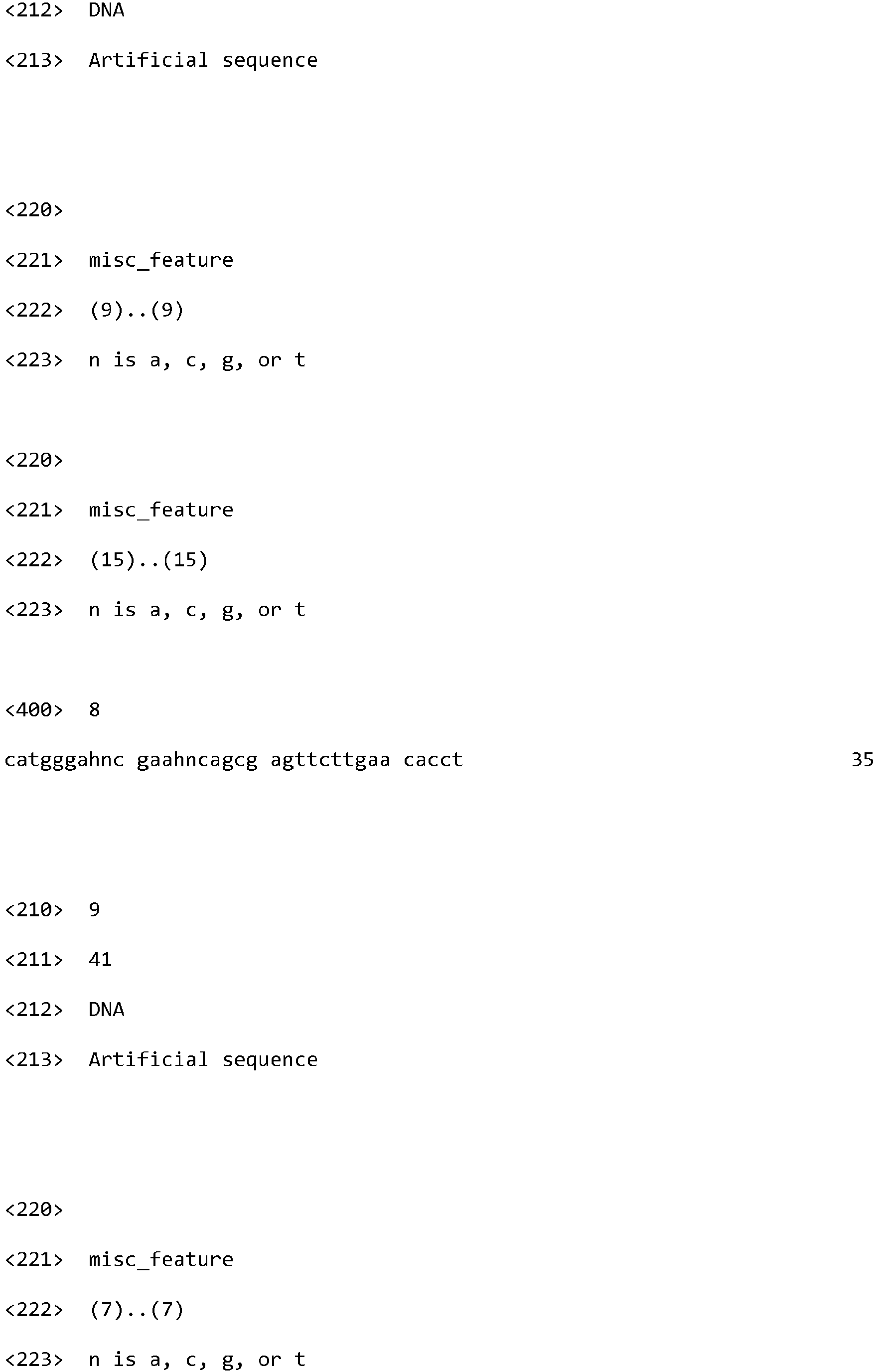
Table 6 Primers used to construct a focused saturated mutation library Primer Sequence (5' to 3') K402X-F TGGACAGCNNKCTGCACAACATCATGCAGTC K402X-R TTGTGCAGMNNGCTGTCCACTTCACCGGCCG T121X/L123X-F TCGCTGNDTTCGNDTCCCATGGGCGGCGGCAAGGG T121X/L123X-R CATGGGAHNCGAAHNCAGCGAGTTCTTGAACACCT A379X/L383X-F GGCGTANDTGTGTCGGGCNDTGAAATGTCGCAGAACGCCAT A379X/L383X-R CATTTCAHNGCCCGACACAHNTACGCCGCCCGCATTGGAGG Aid-F TGAGATCCGGCTGCTAACAAA Aid-R TTTGTTAGCAGCCGGATCTCA - The three mutation libraries were pre-screened by the high-throughput screening method described in Example 1, and then subjected to rescreening by HPLC. Lastly, two mutant strains with significant increase in PPO enzyme activity were obtained from the 402nd saturated mutation library (K402X): K402F and K402D; seven mutant strains with significant increase in PPO enzyme activity were screened from the 121st and 123rd combined mutation library (T121X/L123X): T121S/L123H, T121N/L123Y, T121V/L123Y, T121S/L123S, T121N/L123F, T121V/L123F, T121I/L123Y; and seven mutant strains with significant increase in PPO enzyme activity were screened from the 379th and 383rd combined mutation library (A379X/L383X): A379I/L383Y, A379I/L383C, A379S/L383Y, A379V/L383S, A379F/L383C, A379Y/L383C, A379C/L383C. The specific mutations and changes in enzyme activity are shown in Table 7.
Table 7 Screening results of mutation library Mutation library Site Raw amino acid Mutated amino acid Mutant strain enzyme activity (U/mL) Enzyme activity increase factora) K402X 402 Lys Phe; 0.42±0.03 3.8 Asp 0.21±0.01 1.9 T121X/L123X 121/123 Thr/Leu Ser/His 5.42±0.26 49.3 Asn/Tyr 11.21±0.57 102 Val/Tyr 3.71±0.50 33.7 Ser/Ser 2.79±0.09 25.4 Asn/Phe 2.59±0.19 23.5 Val/Phe 2.02±0.16 18.4 Ile/Tyr 2.00±0.23 18.2 A379X/L383X 379/383 Ala/Leu Ile/Tyr 1.01±0.02 9.2 Ile/Cys 2.11±0.05 19.2 Ser/Tyr 0.61±0.04 5.5 Val/Ser 1.63±0.01 14.8 Phe/Cys 1.94±0.10 17.6 Tyr/Cys 1.52±0.07 13.8 Cys/Cys 2.25±0.10 20.5 Note: a) fold-increase in the enzyme activity of the mutant strain relative to the PpGluDH wild-type (0.11 U/mL) - Culture of bacteria and preparation of crude enzyme solution: glycerol tubes of engineered bacteria harboring wild-type PpGluDH and glucose dehydrogenase (BsGDH-2M, SEQ ID NO. 2) were activated by dish scribing, and then a single colony was inoculated in 50 mL LB liquid medium containing 50 µg/mL kanamycin and oscillated and cultured at 37 °C for 12 hours. 2% of the inoculum was transferred to 1 L of fresh LB liquid medium also containing 50 µg/mL kanamycin, and when OD600 reached around 0.6 by oscillation and culturing at 37 °C, IPTG was added to reach a final concentration of 0.5 mM, and then the inoculum was inductively cultured at 18 °C for 16 hours. After the completion of the culture, the culture solution was centrifuged at 12000 g at 4 °C for 10 minutes, the bacteria was collected, and a crude enzyme solution was prepared by ultrasonic disruption.
- The reaction system was 30 mL containing 500 mM substrate PPO, 600 mM glucose, 250 mM (NH4)2SO4, and 0.5 mM NADP+. The concentration of glutamate dehydrogenase (dry weight) was 1.25 g/L, and the concentration of glucose dehydrogenase (dry weight) was 1.25 g/L. The reaction temperature was controlled at 35 °C by a water bath, and the pH was controlled at 7.5 by dropwise addition of aqueous ammonia. After 12 hours of reaction, the residual concentration of PPO was detected by achiral HPLC, and the amount of L-glufosinate produced and the ee value thereof were determined by pre-column derivatization HPLC.
- The reaction end data is as follows: PPO had 373 mM remaining, and the conversion rate was 25.4%. The production concentration of L-glufosinate was 20.5 g/L, and the ee value >99%.
- An engineered bacteria expressing glutamate dehydrogenase (PpGluDH-T121N/L123Y) and glucose dehydrogenase (BsGDH-2M, SEQ ID NO. 2) was cultured in the same manner as in Example 3, and the cells were collected by centrifugation and disrupted by ultrasound to prepare a crude enzyme solution.
- The reaction system was 30 mL containing 500 mM substrate PPO, 600 mM glucose, 250 mM (NH4)2SO4, and 0.5 mM NADP+. The concentration of glutamate dehydrogenase (dry weight) was 1.25 g/L, and the concentration of glucose dehydrogenase (dry weight) was 1.25 g/L. The reaction temperature was controlled at 35 °C by a water bath, and the pH was controlled at 7.5 by dropwise addition of aqueous ammonia. After 2.5 hours of reaction, the residual concentration of PPO was detected by achiral HPLC, and the amount of L-glufosinate produced and the ee value thereof were determined by pre-column derivatization HPLC.
- The reaction end data is as follows: PPO had 2.4 mM remaining, and the conversion rate was 99.5%. The production concentration of L-glufosinate was 80.6 g/L, and the ee value >99% (
FIG. 6 ). - An engineered bacteria expressing glutamate dehydrogenase (PpGluDH-A379C/L383C) and glucose dehydrogenase (BsGDH-2M, SEQ ID NO. 2) was cultured in the same manner as in Example 3, and the cells were collected by centrifugation and disrupted by ultrasound to prepare a crude enzyme solution.
- The reaction system was 30 mL containing 500 mM substrate PPO, 600 mM glucose, 250 mM (NH4)2SO4, and 0.5 mM NADP+. The concentration of glutamate dehydrogenase (dry weight) was 1.25 g/L, and the concentration of glucose dehydrogenase (dry weight) was 1.25 g/L. The reaction temperature was controlled at 35 °C by a water bath, and the pH was controlled at 7.5 by dropwise addition of aqueous ammonia. After 5 hours of reaction, the residual concentration of PPO was detected by achiral HPLC, and the amount of L-glufosinate produced and the ee value thereof were determined by pre-column derivatization HPLC.
- The reaction end data is as follows: PPO had 3.4 mM remaining, and the conversion rate was 99.3%. The production concentration of L-glufosinate was 79.4 g/L, and the ee value >99%.
- An engineered bacteria expressing glutamate dehydrogenase (PpGluDH-I406F) and glucose dehydrogenase (BsGDH-2M, SEQ ID NO. 2) was cultured in the same manner as in Example 3, and the cells were collected by centrifugation and disrupted by ultrasound to prepare a crude enzyme solution.
- The reaction system was 30 mL containing 500 mM substrate PPO, 600 mM glucose, 250 mM (NH4)2SO4, and 0.5 mM NADP+. The concentration of glutamate dehydrogenase (dry weight) was 1.25 g/L, and the concentration of glucose dehydrogenase (dry weight) was 1.25 g/L. The reaction temperature was controlled at 35 °C by a water bath, and the pH was controlled at 7.5 by dropwise addition of aqueous ammonia. After 10 hours of reaction, the residual concentration of PPO was detected by achiral HPLC, and the amount of L-glufosinate produced and the ee value thereof were determined by pre-column derivatization HPLC.
- The reaction end data is as follows: PPO had 4.6 mM remaining, and the conversion rate was 99.1%. The production concentration of L-glufosinate was 78.7 g/L, and the ee value >99%.
- An engineered bacteria expressing glutamate dehydrogenase (PpGluDH-K402F) and glucose dehydrogenase (BsGDH-2M, SEQ ID NO. 2) was cultured in the same manner as in Example 3, and the cells were collected by centrifugation and disrupted by ultrasound to prepare a crude enzyme solution.
- The reaction system was 30 mL containing 500 mM substrate PPO, 600 mM glucose, 250 mM (NH4)2SO4, and 0.5 mM NADP+. The concentration of glutamate dehydrogenase (dry weight) was 1.25 g/L, and the concentration of glucose dehydrogenase (dry weight) was 1.25 g/L. The reaction temperature was controlled at 35 °C by a water bath, and the pH was controlled at 7.5 by dropwise addition of aqueous ammonia. After 12 hours of reaction, the residual concentration of PPO was detected by achiral HPLC, and the amount of L-glufosinate produced and the ee value thereof were determined by pre-column derivatization HPLC.
- The reaction end data is as follows: PPO had 37.6 mM remaining, and the conversion rate was 92.5%. The production concentration of L-glufosinate was 72.8 g/L, and the ee value >99%.





Claims (10)
- A glutamate dehydrogenase mutant, wherein the glutamate dehydrogenase mutant is one of the following:(1) a mutation of a 402th lysine of an amino acid sequence shown in SEQ ID NO. 1 to phenylalanine or aspartic acid;(2) a mutation of a 406th isoleucine of the amino acid sequence shown in SEQ ID NO. 1 to phenylalanine or threonine;(3) a mutation of a 121th threonine and a 123th leucine of the amino acid sequence shown in SEQ ID NO. 1 respectively to serine and histidine, or asparagine and tyrosine, or valine and tyrosine, or serine and serine, or asparagine and phenylalanine, or valine and phenylalanine, or isoleucine and tyrosine;(4) a mutation of a 379th alanine and a 383th leucine in the amino acid sequence shown in SEQ ID NO. 1 respectively to isoleucine and tyrosine, or isoleucine and cysteine, or serine and tyrosine, or valine and serine, or phenylalanine and cysteine, or tyrosine and cysteine, or cysteine and cysteine.
- An encoding gene of the glutamate dehydrogenase mutant of claim 1.
- An expression vector and an engineered bacteria comprising the encoding gene of the glutamate dehydrogenase mutant of claim 1.
- An application of the glutamate dehydrogenase mutant of claim 1 for preparing L-glufosinate by catalyzing 2-carbonyl-4-(hydroxymethylphosphonoyl)butanoic acid or a salt thereof.
- A method for preparing L-glufosinate by catalyzing 2-carbonyl-4-(hydroxymethylphosphonoyl)butanoic acid or a salt thereof, comprising:(1) preparing a genetically-engineered bacteria expressing a glutamate dehydrogenase mutant, wherein the glutamate dehydrogenase mutant is as described in claim 1;(2) culturing the genetically-engineered bacteria to prepare an enzyme solution;(3) adding the enzyme solution to a system containing a substrate 2-carbonyl-4-(hydroxymethylphosphonoyl)butanoic acid, an amino donor, and a reduced coenzyme and performing a reductive amination reaction to obtain L-glufosinate.
- The method for preparing L-glufosinate by catalyzing 2-carbonyl-4-(hydroxymethylphosphonoyl)butanoic acid or a salt thereof of claim 5, wherein in step (3), a temperature of the reductive amination reaction is 15 °C to 50 °C, and a pH of the reaction solution is 6 to 10.
- The method for preparing L-glufosinate by catalyzing 2-carbonyl-4-(hydroxymethylphosphonoyl)butanoic acid or a salt thereof of claim 5, wherein in step (3), the reduced coenzyme is NADPH.
- The method for preparing L-glufosinate by catalyzing 2-carbonyl-4-(hydroxymethylphosphonoyl)butanoic acid or a salt thereof of claim 5, wherein the reaction system of step (3) further comprises a coenzyme regeneration system; and the coenzyme regeneration system is a coenzyme regeneration system that uses glucose dehydrogenase as a coenzyme regenerating enzyme and glucose as a coenzyme regeneration substrate.
- The method for preparing L-glufosinate by catalyzing 2-carbonyl-4-(hydroxymethylphosphonoyl)butanoic acid or a salt thereof of claim 8, wherein an amino acid sequence of the glucose dehydrogenase is shown in SEQ ID NO. 2.
- The method for preparing L-glufosinate by catalyzing 2-carbonyl-4-(hydroxymethylphosphonoyl)butanoic acid or a salt thereof of claim 5, wherein in step (3), the amino donor is ammonium sulfate.
Applications Claiming Priority (1)
| Application Number | Priority Date | Filing Date | Title |
|---|---|---|---|
| CN201910403331.2A CN110184246B (en) | 2019-05-15 | 2019-05-15 | Glutamate dehydrogenase mutants and their applications |
Publications (1)
| Publication Number | Publication Date |
|---|---|
| EP3739043A1 true EP3739043A1 (en) | 2020-11-18 |
Family
ID=67716400
Family Applications (1)
| Application Number | Title | Priority Date | Filing Date |
|---|---|---|---|
| EP19210269.7A Withdrawn EP3739043A1 (en) | 2019-05-15 | 2019-11-20 | Glutamate dehydrogenase mutant and application thereof |
Country Status (3)
| Country | Link |
|---|---|
| US (1) | US11339380B2 (en) |
| EP (1) | EP3739043A1 (en) |
| CN (1) | CN110184246B (en) |
Families Citing this family (12)
| Publication number | Priority date | Publication date | Assignee | Title |
|---|---|---|---|---|
| CN113088500B (en) * | 2019-12-23 | 2022-08-30 | 浙江大学 | Glutamic dehydrogenase mutant, encoding gene and method for preparing L-glufosinate-ammonium |
| CN111139270A (en) * | 2019-12-23 | 2020-05-12 | 浙江大学 | Enzyme combination for producing L-glufosinate-ammonium and L-glufosinate-ammonium production method |
| CN113088501B (en) * | 2019-12-23 | 2023-02-28 | 浙江大学 | A kind of glutamate dehydrogenase mutant for producing L-glufosinate-ammonium and the production method of L-glufosinate-ammonium |
| CN112280760B (en) * | 2020-11-26 | 2022-04-15 | 宿迁市江南大学产业技术研究院 | Glutamic dehydrogenase mutant and application thereof |
| CN112725298B (en) * | 2020-12-31 | 2022-12-06 | 浙江工业大学 | Machine learning gene mining method and glufosinate-ammonium dehydrogenase mutant for amino transposition |
| CN113755462B (en) * | 2021-01-29 | 2023-04-18 | 中国科学院天津工业生物技术研究所 | Beta-amino acid dehydrogenase mutant and application thereof |
| CN113174378B (en) * | 2021-03-29 | 2023-07-07 | 华东理工大学 | Glutamate dehydrogenase mutant, encoding gene thereof, genetically engineered bacterium and application thereof in preparation of L-2-aminobutyric acid |
| CN114015665B (en) * | 2021-09-17 | 2023-06-09 | 中山大学 | Engineered NADPH-dependent phenylglycine dehydrogenase and application thereof |
| JP2025501133A (en) * | 2021-12-31 | 2025-01-17 | フーナン リアー バイオテック カンパニー リミテッド | Modified glutamate dehydrogenase and uses thereof |
| CN114703156B (en) * | 2022-02-15 | 2023-07-11 | 浙江大学杭州国际科创中心 | meso-2, 3-butanediol dehydrogenase, mutant thereof and application thereof |
| CN118703462B (en) * | 2024-08-29 | 2025-03-18 | 山东阳成生物科技有限公司 | L-glutamate dehydrogenase mutant and its application |
| CN122465869A (en) * | 2025-05-09 | 2026-07-28 | 绍兴东湖高科股份有限公司 | Mutant derived from clostridium difficile glutamate dehydrogenase and biosynthesis method of L-glufosinate |
Citations (6)
| Publication number | Priority date | Publication date | Assignee | Title |
|---|---|---|---|---|
| US4265654A (en) | 1977-12-28 | 1981-05-05 | Meiji Seika Kaisha Ltd. | Herbicidal compositions |
| CN106978453A (en) | 2017-03-31 | 2017-07-25 | 浙江大学 | A kind of method that utilization amino acid dehydrogenase prepares L glufosinate-ammoniums |
| CN108588045A (en) * | 2018-03-09 | 2018-09-28 | 浙江大学 | Glutamate dehydrogenase enzyme mutant and its application in preparing L-glufosinate-ammonium |
| CN109609474A (en) * | 2018-12-28 | 2019-04-12 | 浙江工业大学 | A kind of amino acid dehydrogenase mutant and its application in the synthesis of L-glufosinate |
| CN109609475A (en) * | 2018-12-28 | 2019-04-12 | 浙江工业大学 | Glufosinate-ammonium Dehydrogenase Mutant and Its Application in Synthesis of L-Glufosinate-ammonium |
| CN109750009A (en) * | 2018-12-25 | 2019-05-14 | 浙江工业大学 | A kind of glufosinate-ammonium dehydrogenase mutant and its application |
Family Cites Families (3)
| Publication number | Priority date | Publication date | Assignee | Title |
|---|---|---|---|---|
| CA2180786C (en) * | 1996-07-02 | 2008-05-27 | David Lightfoot | Plants containing the gdha gene and methods of use thereof |
| CN102199578B (en) * | 2011-03-14 | 2013-06-19 | 安徽师范大学 | Mutant enzyme of glutamate dehydrogenase and construction method thereof |
| US10385322B2 (en) * | 2014-10-03 | 2019-08-20 | Metabolic Explorer | Mutant glutamate dehydrogenase for the conversion of homoserine into 4-hydroxy-2-ketobutyrate |
-
2019
- 2019-05-15 CN CN201910403331.2A patent/CN110184246B/en active Active
- 2019-11-14 US US16/684,509 patent/US11339380B2/en active Active
- 2019-11-20 EP EP19210269.7A patent/EP3739043A1/en not_active Withdrawn
Patent Citations (6)
| Publication number | Priority date | Publication date | Assignee | Title |
|---|---|---|---|---|
| US4265654A (en) | 1977-12-28 | 1981-05-05 | Meiji Seika Kaisha Ltd. | Herbicidal compositions |
| CN106978453A (en) | 2017-03-31 | 2017-07-25 | 浙江大学 | A kind of method that utilization amino acid dehydrogenase prepares L glufosinate-ammoniums |
| CN108588045A (en) * | 2018-03-09 | 2018-09-28 | 浙江大学 | Glutamate dehydrogenase enzyme mutant and its application in preparing L-glufosinate-ammonium |
| CN109750009A (en) * | 2018-12-25 | 2019-05-14 | 浙江工业大学 | A kind of glufosinate-ammonium dehydrogenase mutant and its application |
| CN109609474A (en) * | 2018-12-28 | 2019-04-12 | 浙江工业大学 | A kind of amino acid dehydrogenase mutant and its application in the synthesis of L-glufosinate |
| CN109609475A (en) * | 2018-12-28 | 2019-04-12 | 浙江工业大学 | Glufosinate-ammonium Dehydrogenase Mutant and Its Application in Synthesis of L-Glufosinate-ammonium |
Non-Patent Citations (4)
| Title |
|---|
| "NCBI", Database accession no. NP 742836.1 |
| COMPARATIVE BIOCHEMISTRY & PHYSIOLOGY B COMPARATIVE BIOCHEMISTRY, vol. 106, no. 4, 1993, pages 767 - 792 |
| EUR. J. BIOCHEM., vol. 138, 1984, pages 9 - 37 |
| YIN XINJIAN ET AL: "Efficient reductive amination process for enantioselective synthesis of L-phosphinothricin applying engineered glutamate dehydrogenase", APPLIED MICROBIOLOGY AND BIOTECHNOLOGY, SPRINGER BERLIN HEIDELBERG, BERLIN/HEIDELBERG, vol. 102, no. 10, 16 March 2018 (2018-03-16), pages 4425 - 4433, XP036493130, ISSN: 0175-7598, [retrieved on 20180316], DOI: 10.1007/S00253-018-8910-Z * |
Also Published As
| Publication number | Publication date |
|---|---|
| US11339380B2 (en) | 2022-05-24 |
| US20200362317A1 (en) | 2020-11-19 |
| CN110184246B (en) | 2020-10-13 |
| CN110184246A (en) | 2019-08-30 |
Similar Documents
| Publication | Publication Date | Title |
|---|---|---|
| US11339380B2 (en) | Glutamate dehydrogenase mutant and application thereof | |
| EP3677673B1 (en) | Glutamate dehydrogenase mutant and use thereof in preparing l-glufosinate | |
| US11408016B2 (en) | Amino acid dehydrogenase mutant and application in synthesis of L-glufosinate-ammonium thereof | |
| US11162124B2 (en) | Alcohol dehydrogenase mutant and application thereof in cofactor regeneration | |
| CN111621482B (en) | A kind of glufosinate-ammonium dehydrogenase mutant, genetic engineering bacteria and one-pot multi-enzyme simultaneous directed evolution method | |
| CN113969269B (en) | D-amino acid oxidase mutant and application thereof in preparation of L-glufosinate | |
| CN107502647A (en) | A kind of method that biological enzyme deracemization prepares L glufosinate-ammoniums | |
| US20220090152A1 (en) | Method for enzymatic preparation of r-3 aminobutyric acid | |
| CN113088501B (en) | A kind of glutamate dehydrogenase mutant for producing L-glufosinate-ammonium and the production method of L-glufosinate-ammonium | |
| CN113913399B (en) | Ketopantolactone reductase derived from Candida maltosa Xu316 | |
| CN113088500B (en) | Glutamic dehydrogenase mutant, encoding gene and method for preparing L-glufosinate-ammonium | |
| CN112908417B (en) | Gene mining method combining functional sequence and structure simulation, NADH-preferring glufosinate dehydrogenase mutant and its application | |
| CN111019982B (en) | A kind of method that utilizes hydroxyl acid dehydrogenase to prepare L-glufosinate-ammonium | |
| CN118480524A (en) | L-threonine transaldolase mutant and efficient chloramphenicol intermediate synthesized by same | |
| CN113969268A (en) | Glu/Leu/Phe/Val dehydrogenase mutant and application thereof in preparation of L-glufosinate-ammonium | |
| US12415992B2 (en) | Dioxygenase mutants and use thereof in synthesizing (2S,3R)-3-hydroxypipecolic acid | |
| CN114085820B (en) | Ketopantolactone reductase from Candida viswanathii | |
| KR101725454B1 (en) | Gene encoding lysine decarboxylase derived from H. alvei, recombinant vector, host cell and method for producing cadaverine using the same | |
| EP4027969A1 (en) | Peroxidase activity towards 10-acetyl-3,7-dihydroxyphenoxazine | |
| CN120384060A (en) | Mutant, expression vector, host and their application | |
| EP1373522B1 (en) | D-carbamoylase from arthrobacter crystallopoietes dsm 20117 | |
| CN117903007A (en) | Key enzyme for spermidine biosynthesis pathway | |
| JP2009089649A (en) | Clostridium cruberi diaphorase gene and its use | |
| CN120519451B (en) | A method for constructing and applying an engineered strain to enhance ergothioneine biosynthesis yield. | |
| CN121450597A (en) | Pantothenate synthetase mutant and application thereof |
Legal Events
| Date | Code | Title | Description |
|---|---|---|---|
| PUAI | Public reference made under article 153(3) epc to a published international application that has entered the european phase |
Free format text: ORIGINAL CODE: 0009012 |
|
| STAA | Information on the status of an ep patent application or granted ep patent |
Free format text: STATUS: THE APPLICATION HAS BEEN PUBLISHED |
|
| AK | Designated contracting states |
Kind code of ref document: A1 Designated state(s): AL AT BE BG CH CY CZ DE DK EE ES FI FR GB GR HR HU IE IS IT LI LT LU LV MC MK MT NL NO PL PT RO RS SE SI SK SM TR |
|
| AX | Request for extension of the european patent |
Extension state: BA ME |
|
| STAA | Information on the status of an ep patent application or granted ep patent |
Free format text: STATUS: THE APPLICATION IS DEEMED TO BE WITHDRAWN |
|
| 18D | Application deemed to be withdrawn |
Effective date: 20210519 |