EP3737372B1 - Méthodes et compositions utilisant du rrx-001 for la radioprotection - Google Patents
Méthodes et compositions utilisant du rrx-001 for la radioprotection Download PDFInfo
- Publication number
- EP3737372B1 EP3737372B1 EP19729867.2A EP19729867A EP3737372B1 EP 3737372 B1 EP3737372 B1 EP 3737372B1 EP 19729867 A EP19729867 A EP 19729867A EP 3737372 B1 EP3737372 B1 EP 3737372B1
- Authority
- EP
- European Patent Office
- Prior art keywords
- radiation
- therapeutic agent
- subject
- administered
- hours
- Prior art date
- Legal status (The legal status is an assumption and is not a legal conclusion. Google has not performed a legal analysis and makes no representation as to the accuracy of the status listed.)
- Active
Links
Images











Classifications
-
- A—HUMAN NECESSITIES
- A61—MEDICAL OR VETERINARY SCIENCE; HYGIENE
- A61K—PREPARATIONS FOR MEDICAL, DENTAL OR TOILETRY PURPOSES
- A61K31/00—Medicinal preparations containing organic active ingredients
- A61K31/33—Heterocyclic compounds
- A61K31/395—Heterocyclic compounds having nitrogen as a ring hetero atom, e.g. guanethidine or rifamycins
- A61K31/397—Heterocyclic compounds having nitrogen as a ring hetero atom, e.g. guanethidine or rifamycins having four-membered rings, e.g. azetidine
-
- A—HUMAN NECESSITIES
- A61—MEDICAL OR VETERINARY SCIENCE; HYGIENE
- A61K—PREPARATIONS FOR MEDICAL, DENTAL OR TOILETRY PURPOSES
- A61K31/00—Medicinal preparations containing organic active ingredients
- A61K31/185—Acids; Anhydrides, halides or salts thereof, e.g. sulfur acids, imidic, hydrazonic or hydroximic acids
- A61K31/19—Carboxylic acids, e.g. valproic acid
- A61K31/195—Carboxylic acids, e.g. valproic acid having an amino group
- A61K31/196—Carboxylic acids, e.g. valproic acid having an amino group the amino group being directly attached to a ring, e.g. anthranilic acid, mefenamic acid, diclofenac, chlorambucil
-
- A—HUMAN NECESSITIES
- A61—MEDICAL OR VETERINARY SCIENCE; HYGIENE
- A61K—PREPARATIONS FOR MEDICAL, DENTAL OR TOILETRY PURPOSES
- A61K31/00—Medicinal preparations containing organic active ingredients
- A61K31/33—Heterocyclic compounds
- A61K31/395—Heterocyclic compounds having nitrogen as a ring hetero atom, e.g. guanethidine or rifamycins
- A61K31/495—Heterocyclic compounds having nitrogen as a ring hetero atom, e.g. guanethidine or rifamycins having six-membered rings with two or more nitrogen atoms as the only ring heteroatoms, e.g. piperazine or tetrazines
- A61K31/505—Pyrimidines; Hydrogenated pyrimidines, e.g. trimethoprim
- A61K31/517—Pyrimidines; Hydrogenated pyrimidines, e.g. trimethoprim ortho- or peri-condensed with carbocyclic ring systems, e.g. quinazoline, perimidine
-
- A—HUMAN NECESSITIES
- A61—MEDICAL OR VETERINARY SCIENCE; HYGIENE
- A61K—PREPARATIONS FOR MEDICAL, DENTAL OR TOILETRY PURPOSES
- A61K31/00—Medicinal preparations containing organic active ingredients
- A61K31/60—Salicylic acid; Derivatives thereof
- A61K31/612—Salicylic acid; Derivatives thereof having the hydroxy group in position 2 esterified, e.g. salicylsulfuric acid
- A61K31/616—Salicylic acid; Derivatives thereof having the hydroxy group in position 2 esterified, e.g. salicylsulfuric acid by carboxylic acids, e.g. acetylsalicylic acid
-
- A—HUMAN NECESSITIES
- A61—MEDICAL OR VETERINARY SCIENCE; HYGIENE
- A61K—PREPARATIONS FOR MEDICAL, DENTAL OR TOILETRY PURPOSES
- A61K33/00—Medicinal preparations containing inorganic active ingredients
-
- A—HUMAN NECESSITIES
- A61—MEDICAL OR VETERINARY SCIENCE; HYGIENE
- A61K—PREPARATIONS FOR MEDICAL, DENTAL OR TOILETRY PURPOSES
- A61K45/00—Medicinal preparations containing active ingredients not provided for in groups A61K31/00 - A61K41/00
- A61K45/06—Mixtures of active ingredients without chemical characterisation, e.g. antiphlogistics and cardiaca
-
- A—HUMAN NECESSITIES
- A61—MEDICAL OR VETERINARY SCIENCE; HYGIENE
- A61K—PREPARATIONS FOR MEDICAL, DENTAL OR TOILETRY PURPOSES
- A61K9/00—Medicinal preparations characterised by special physical form
- A61K9/0002—Galenical forms characterised by the drug release technique; Application systems commanded by energy
- A61K9/0004—Osmotic delivery systems; Sustained release driven by osmosis, thermal energy or gas
-
- A—HUMAN NECESSITIES
- A61—MEDICAL OR VETERINARY SCIENCE; HYGIENE
- A61K—PREPARATIONS FOR MEDICAL, DENTAL OR TOILETRY PURPOSES
- A61K9/00—Medicinal preparations characterised by special physical form
- A61K9/0012—Galenical forms characterised by the site of application
- A61K9/0019—Injectable compositions; Intramuscular, intravenous, arterial, subcutaneous administration; Compositions to be administered through the skin in an invasive manner
-
- A—HUMAN NECESSITIES
- A61—MEDICAL OR VETERINARY SCIENCE; HYGIENE
- A61N—ELECTROTHERAPY; MAGNETOTHERAPY; RADIATION THERAPY; ULTRASOUND THERAPY
- A61N5/00—Radiation therapy
- A61N5/06—Radiation therapy using light
- A61N5/0613—Apparatus adapted for a specific treatment
-
- A—HUMAN NECESSITIES
- A61—MEDICAL OR VETERINARY SCIENCE; HYGIENE
- A61N—ELECTROTHERAPY; MAGNETOTHERAPY; RADIATION THERAPY; ULTRASOUND THERAPY
- A61N5/00—Radiation therapy
- A61N5/10—X-ray therapy; Gamma-ray therapy; Particle-irradiation therapy
-
- A—HUMAN NECESSITIES
- A61—MEDICAL OR VETERINARY SCIENCE; HYGIENE
- A61P—SPECIFIC THERAPEUTIC ACTIVITY OF CHEMICAL COMPOUNDS OR MEDICINAL PREPARATIONS
- A61P35/00—Antineoplastic agents
-
- A—HUMAN NECESSITIES
- A61—MEDICAL OR VETERINARY SCIENCE; HYGIENE
- A61P—SPECIFIC THERAPEUTIC ACTIVITY OF CHEMICAL COMPOUNDS OR MEDICINAL PREPARATIONS
- A61P39/00—General protective or antinoxious agents
-
- A—HUMAN NECESSITIES
- A61—MEDICAL OR VETERINARY SCIENCE; HYGIENE
- A61N—ELECTROTHERAPY; MAGNETOTHERAPY; RADIATION THERAPY; ULTRASOUND THERAPY
- A61N5/00—Radiation therapy
- A61N5/06—Radiation therapy using light
- A61N2005/065—Light sources therefor
- A61N2005/0657—Natural light sources, e.g. captured sunlight
-
- A—HUMAN NECESSITIES
- A61—MEDICAL OR VETERINARY SCIENCE; HYGIENE
- A61N—ELECTROTHERAPY; MAGNETOTHERAPY; RADIATION THERAPY; ULTRASOUND THERAPY
- A61N5/00—Radiation therapy
- A61N5/10—X-ray therapy; Gamma-ray therapy; Particle-irradiation therapy
- A61N2005/1085—X-ray therapy; Gamma-ray therapy; Particle-irradiation therapy characterised by the type of particles applied to the patient
- A61N2005/1087—Ions; Protons
-
- A—HUMAN NECESSITIES
- A61—MEDICAL OR VETERINARY SCIENCE; HYGIENE
- A61N—ELECTROTHERAPY; MAGNETOTHERAPY; RADIATION THERAPY; ULTRASOUND THERAPY
- A61N5/00—Radiation therapy
- A61N5/10—X-ray therapy; Gamma-ray therapy; Particle-irradiation therapy
- A61N2005/1085—X-ray therapy; Gamma-ray therapy; Particle-irradiation therapy characterised by the type of particles applied to the patient
- A61N2005/109—Neutrons
Definitions
- references to methods of treatment in this description are to be interpreted as references to the compounds, pharmaceutical compositions and medicaments of the present invention for use in a method for treatment of the human (or animal) body by therapy.
- a therapeutic agent selected from the group consisting of 2-bromo-1-(3,3-dinitroazetidin-1-yl)ethan-1-one (RRx-001) and a pharmaceutically acceptable salt thereof
- an exemplary therapeutic method involves administering RRx-001 to the subject prior to the subject being exposed to the radiation, in order to protect the subject against radiation, such as ionizing radiation containing ⁇ -rays,
- Ionizing radiation causes damage to normal tissues, ranging from genetic mutations to cell death.
- the harmful effects of ionizing radiation on normal tissues are a major concern for military and emergency responders to nuclear accidents and terrorist events due to the risk of acute and delayed radiation injuries.
- radioprotection is a critical issue in cancer treatment.
- normal tissue toxicity remains a major dose-limiting factor in therapeutic radiology.
- Radioprotection techniques are important for protecting civilians and military personnel from unintended radiation exposure.
- Such radiation may arise from nuclear power sources, nuclear emergencies, medical instrumentation that emits high levels of radiation, exposure to sunlight that has not been filtered through each of the earth's atmospheric layers, and from other sources.
- radiation exposure can lead to cancer, such as, for example, leukemia.
- High-doses of radiation can also be lethal to humans and animal subjects. For these reasons, safer and more effective radioprotection techniques are needed.
- RRx-001 (also called ABDNAZ), which has the chemical name 2-bromo-1-(3,3-dinitroazetidin-1-yl)ethan-1-one, is a small cyclic nitro compound that has previously been found to induce a number of enzymatic and epigenetic alterations in tumor cells.
- RRx-001 has been used clinically in combination with chemotherapy and/or radiation as a chemo- and radiosensitizer and is described in, for example, international patent application publication WO 2007/022225 describing various compounds and their use in treating medical disorders, such as cancer.
- Exemplary scientific publications describing benefits observed in human clinical trials evaluating efficacy of RRx-001 in treating patients suffering from cancer include Carter et al. in Respir. Med.
- RRx-001 has been shown to have radioprotective properties when administered to the subject prior to exposure to the radiation ( Bryan Oronsky et al. in Expert Opinion on Investigational Drugs (2016), vol.26 (1), pages 109-119 ; S. Ning et al. in Cancer Resaerch, (2012), vol.72(10), pages 2600-2608 ; Jan Scicinski et al. in Redox Biology, (2015), vol.6, pages 1-8 ).
- the present disclosure provides therapeutic methods, kits, and pharmaceutical compositions for protecting a subject from radiation using a therapeutic agent selected from the group consisting of RRx-001 and a pharmaceutically acceptable salt thereof, where an exemplary therapeutic method involves administering RRx-001 to the subject prior to the subject being exposed to the radiation, in order to protect the subject against radiation, such as ionizing radiation containing ⁇ -rays, ⁇ -rays, ⁇ -rays, neutron radiation, or a combination thereof.
- radiation such as ionizing radiation containing ⁇ -rays, ⁇ -rays, ⁇ -rays, neutron radiation, or a combination thereof.
- the therapeutic methods have particular application in protecting civilians and military personnel from unintended radiation exposure, such as protecting first responders to a nuclear emergency, cosmic radiation associated with extended space habitat or travel, or other hazard involving harmful levels of radiation.
- the therapeutic methods can be employed in combination with radiation treatment for cancer for the protection of normal tissues.
- the therapeutic agent is desirably administered to the subject at least 6 hours, 12 hours, 24 hours, 36 hours, 48 hours, 3 days, 4 days, 5 days, 6 days, 1 week, 2 weeks, 3 weeks, or 4 weeks prior to the subject being exposed to radiation that could cause harm to the subject, and desirably provides protection against the harmful effects of radiation for a duration of at least 6 hours, 12 hours, 24 hours, 36 hours, 48 hours, 3 days, 4 days, 5 days, 6 days, 1 week, 2 weeks, 3 weeks, 4 weeks, or longer.
- the therapeutic agent is desirably administered to the subject through a procedure that minimizes pain experienced by the patient due to receiving RRx-001, such as by slow administration of RRx-001 or by administering RRx-001 after mixing with blood in order to reduce pain experienced by the patient.
- a procedure that minimizes pain experienced by the patient due to receiving RRx-001 such as by slow administration of RRx-001 or by administering RRx-001 after mixing with blood in order to reduce pain experienced by the patient.
- one aspect of the disclosure provides a method for treating a subject in need of protection against radiation.
- the method comprises administering to the subject in need thereof an effective amount of a therapeutic agent selected from the group consisting of RRx-001 and a pharmaceutically acceptable salt thereof by a route selected from the group consisting of parenteral administration, oral administration, and topical administration, to thereby protect the subject against radiation for a duration of at least 6 hours, 12 hours, 24 hours, 36 hours, 48 hours, 3 days, 4 days, 5 days, 6 days, 1 week, 2 weeks, 3 weeks, 4 weeks, or longer.
- the therapeutic agent desirably is RRx-001, which desirably is administered to the subject by intravenous injection, intraperitoneal injection, subcutaneous injection, oral administration, or topical administration. At least one dose of the therapeutic agent is desirably administered to the subject prior to exposure to radiation.
- Another aspect of the disclosure provides a method for reducing radiation-exposure damage to a subject.
- the method comprises administering to the subject in need thereof an effective amount of a therapeutic agent selected from the group consisting of RRx-001 and a pharmaceutically acceptable salt thereof by a route selected from the group consisting of parenteral administration, oral administration, and topical administration, to thereby reduce radiation-exposure damage to the subject for a duration of at least 6 hours.
- the therapeutic agent desirably is RRx-001, which desirably is administered to the subject by intravenous injection, intraperitoneal injection, subcutaneous injection, oral administration, or topical administration. At least one dose of the therapeutic agent is desirably administered to the subject prior to exposure to radiation.
- Another aspect of the disclosure provides a method for protecting material, such as isolated cells, tissues or organs, from the damaging effects of radiation.
- the method comprises exposing the biological material to an effective amount of a therapeutic agent selected from the group consisting of RRx-001 and a pharmaceutically acceptable salt thereof, to thereby protect the biological material from the damaging effects of radiation for a duration of at least 6 hours, 12 hours, 24 hours, 36 hours, 48 hours, 3 days, 4 days, 5 days, 6 days, 1 week, 2 weeks, 3 weeks, 4 weeks, or longer.
- the therapeutic agent desirably is RRx-001.
- the biological material is desirably exposed to at least one dose of the therapeutic agent prior to exposure to the radiation.
- Therapeutic agents described herein may be formulated as a pharmaceutical composition.
- One or more of the foregoing may be contained in a kit with instructions for use, as further described herein.
- the terms "patient” and “subject” refer to organisms to be treated by the methods of the present disclosure. Such organisms are preferably mammals (e . g ., marines, simians, equines, bovines, porcinis, canines, felines, and the like), and more preferably humans.
- mammals e . g ., marines, simians, equines, bovines, porcinis, canines, felines, and the like
- humans preferably humans.
- the term "effective amount” refers to the amount of a compound ( e . g ., a compound of the present disclosure) sufficient to effect beneficial or desired results.
- An effective amount can be administered in one or more administrations, applications, or dosages and is not intended to be limited to a particular formulation or administration route.
- treating includes any effect, e . g ., lessening, reducing, modulating, ameliorating or eliminating, that results in the improvement of the condition, disease, disorder, and the like, or ameliorating a symptom thereof.
- the terms “alleviate” and “alleviating” refer to reducing the severity of the condition, such as reducing the severity by, for example, at least 10%, 20%, 30%, 40%, 50%, 60%, 70%, 80%, 90%, or 95%.
- composition refers to the combination of an active agent with a carrier, inert or active, making the composition especially suitable for diagnostic or therapeutic use in vivo or ex vivo.
- the term "pharmaceutically acceptable carrier” refers to any of the standard pharmaceutical carriers, such as a phosphate buffered saline solution, water, emulsions ( e . g ., such as an oil/water or water/oil emulsions), and various types of wetting agents.
- the compositions also can include stabilizers and preservatives.
- stabilizers and adjuvants see, for example, Martin, Remington's Pharmaceutical Sciences, 15th Ed., Mack Publ. Co., Easton, PA [1975 ].
- the term "pharmaceutically acceptable salt” refers to any pharmaceutically acceptable salt (e . g ., acid or base) of a compound of the present disclosure which, upon administration to a subject, is capable of providing a compound of this disclosure or an active metabolite or residue thereof.
- salts of the compounds of the present disclosure may be derived from inorganic or organic acids and bases.
- acids include, but are not limited to, hydrochloric, hydrobromic, sulfuric, nitric, perchloric, fumaric, maleic, phosphoric, glycolic, lactic, salicylic, succinic, toluene-p-sulfonic, tartaric, acetic, citric, methanesulfonic, ethanesulfonic, formic, benzoic, malonic, naphthalene-2-sulfonic, benzenesulfonic acid, and the like.
- Other acids such as oxalic, while not in themselves pharmaceutically acceptable, may be employed in the preparation of salts useful as intermediates in obtaining the compounds of the disclosure and their pharmaceutically acceptable acid addition salts.
- bases include, but are not limited to, alkali metal (e . g ., sodium) hydroxides, alkaline earth metal (e . g ., magnesium) hydroxides, ammonia, and compounds of formula NW4+, wherein W is C1-4 alkyl, and the like.
- salts include, but are not limited to: acetate, adipate, alginate, aspartate, benzoate, benzenesulfonate, bisulfate, butyrate, citrate, camphorate, camphorsulfonate, cyclopentanepropionate, digluconate, dodecylsulfate, ethanesulfonate, fumarate, flucoheptanoate, glycerophosphate, hemisulfate, heptanoate, hexanoate, hydrochloride, hydrobromide, hydroiodide, 2-hydroxyethanesulfonate, lactate, maleate, methanesulfonate, 2-naphthalenesulfonate, nicotinate, oxalate, palmoate, pectinate, persulfate, phenylpropionate, picrate, pivalate, propionate, succinate, tartrate, thiocyanate,
- salts of the compounds of the present disclosure are contemplated as being pharmaceutically acceptable.
- salts of acids and bases that are non-pharmaceutically acceptable may also find use, for example, in the preparation or purification of a pharmaceutically acceptable compound.
- the compound RRx-001 (also called ABDNAZ) has the chemical name 2-bromo-1-(3,3-dinitroazetidin-1-yl)ethan-1-one, which has the following chemical structure:
- compositions are described as having, including, or comprising specific components, or where processes and methods are described as having, including, or comprising specific steps, it is contemplated that, additionally, there are compositions of the present disclosure that consist essentially of, or consist of, the recited components, and that there are processes and methods according to the present disclosure that consist essentially of, or consist of, the recited processing steps.
- compositions specifying a percentage are by weight unless otherwise specified. Further, if a variable is not accompanied by a definition, then the previous definition of the variable controls
- RRx-001 is a small cyclic nitro compound, 1-bromoacetyl-3,3-dinitroazetidine, which forms an RRx-001-hemoglobin adduct in red blood cells (RBC).
- RBC red blood cells
- RRx-001 is a systemically non-toxic anticancer agent that has been employed as a chemo- and radio-sensitizer for various tumors types in multiple clinical trials.
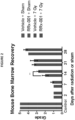
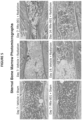
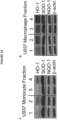
- RRx-001 has been shown to protect normal cells from radiation ( Scicinski et al., Redox Biology 2015;6:1 ). As described in the Examples provided herein, administration of RRx-001 prior to exposure to lethal radiation significantly increased survival in mice. Further, in sublethally irradiated mice, prophylactic administration of RRx-001 was found to significantly augment cellular recovery in bone marrow as evidenced by accelerated myeloreconstitution and improved bone marrow cellularity. In addition, RRx-001 treatment was found to increase expression of antioxidant response element proteins, such as heme oxygenase 1 (HO-1), in macrophages, monocytes, and mesenchymal stem cells.
- HO-1 heme oxygenase 1
- Induction of antioxidant response element genes may be driven by the transcription factor Nrf2, which has previously been shown to have increased nuclear presence in tumor cells exposed to RRx-001 ( Ning et al., Oncotarget 2015;6(25):21547 ).
- Nrf2 the transcription factor
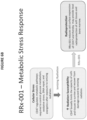
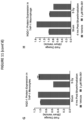
- RRx-001 may provide cellular protection from oxidative injury via oxidative preconditioning whereby brief shifts in redox balance induce a precondition state of compensatory gene expression for antioxidant responses that are cytoprotective (see FIG. 6A ).
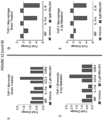
- RRx-001 reduces the cell surface expression of the transmembrane protein CD47 (cluster differentiation 47), which may provide local radioprotection of soft tissues and bone marrow given that CD47 expression following exposure to ionizing radiation is known to limit the ability of cells and tissues to survive and recover from damage caused by ionizing radiation ( Miller et al. (2015) J. Biol. Chem. 290: 24858-24874 )(see FIG. 6B ).
- the present disclosure provides therapeutic methods, kits, and pharmaceutical compositions for protecting a subject from radiation using a therapeutic agent selected from the group consisting of RRx-001 and a pharmaceutically acceptable salt thereof.
- RRx-001 is administered to the subject prior to the subject being exposed to the radiation, in order to protect the subject against radiation, such as ionizing radiation containing ⁇ -rays, ⁇ -rays, ⁇ -rays, neutron radiation or a combination thereof.
- radiation such as ionizing radiation containing ⁇ -rays, ⁇ -rays, ⁇ -rays, neutron radiation or a combination thereof.
- the therapeutic methods have particular application in protecting civilians and military personnel from unintended radiation exposure, such as protecting first responders to a nuclear emergency, cosmic radiation associated with extended space habitat or travel, or other hazard involving harmful levels of radiation.
- the therapeutic methods can be employed in combination with radiation treatment for cancer for the protection of normal tissues.
- the therapeutic agent is administered to the subject at least 6 hours, 12 hours, 24 hours, 36 hours, 48 hours, 3 days, 4 days, 5 days, 6 days, 1 week, 2 weeks, 3 weeks, or 4 weeks prior to the subject being exposed to radiation that could cause harm to the subject, and desirably provides protection against the harmful effects of radiation for a duration of at least 6 hours, 12 hours, 24 hours, 36 hours, 48 hours, 3 days, 4 days, 5 days, 6 days, 1 week, 2 weeks, 3 weeks, 4 weeks, or longer.
- a therapeutic agent selected from the group consisting of RRx-001 and a pharmaceutically acceptable salt thereof.
- a therapeutic agent selected from the group consisting of RRx-001 and a pharmaceutically acceptable salt thereof.
- the method comprises administering to the subject in need thereof an effective amount of a therapeutic agent selected from the group consisting of RRx-001 and a pharmaceutically acceptable salt thereof by a route selected from the group consisting of parenteral administration, oral administration, and topical administration, to thereby protect the subject against radiation for a duration of at least 6 hours, 12 hours, 24 hours, 36 hours, 48 hours, 3 days, 4 days, 5 days, 6 days, 1 week, 2 weeks, 3 weeks, 4 weeks, or longer.
- a therapeutic agent selected from the group consisting of RRx-001 and a pharmaceutically acceptable salt thereof by a route selected from the group consisting of parenteral administration, oral administration, and topical administration, to thereby protect the subject against radiation for a duration of at least 6 hours, 12 hours, 24 hours, 36 hours, 48 hours, 3 days, 4 days, 5 days, 6 days, 1 week, 2 weeks, 3 weeks, 4 weeks, or longer.
- the therapeutic method has particular applications in protecting civilians and military personnel from unintended radiation exposure, such as protecting first responders to a nuclear emergency, cosmic radiation associated with extended space habitat or travel, or other hazard involving harmful levels of radiation.
- the therapeutic method can also be employed in combination with radiation therapy of a subject for cancer for the purpose of protecting the subject against radiation.
- the method comprises administering to the subject in need thereof an effective amount of a therapeutic agent selected from the group consisting of RRx-001 and a pharmaceutically acceptable salt thereof by a route selected from the group consisting of parenteral administration, oral and topical administration, to thereby reduce radiation-exposure damage to the subject for a duration of at least 6 hours, 12 hours, 24 hours, 36 hours, 48 hours, 3 days, 4 days, 5 days, 6 days, 1 week, 2 weeks, 3 weeks, 4 weeks, or longer.
- a therapeutic agent selected from the group consisting of RRx-001 and a pharmaceutically acceptable salt thereof by a route selected from the group consisting of parenteral administration, oral and topical administration, to thereby reduce radiation-exposure damage to the subject for a duration of at least 6 hours, 12 hours, 24 hours, 36 hours, 48 hours, 3 days, 4 days, 5 days, 6 days, 1 week, 2 weeks, 3 weeks, 4 weeks, or longer.
- the therapeutic method has particular applications in protecting civilians and military personnel from unintended radiation exposure, such as protecting first responders to a nuclear emergency, cosmic radiation associated with extended space habitat or travel, or other hazard involving harmful levels of radiation.
- the therapeutic method can also be employed for reducing radiation-exposure damage associated with radiation therapy for cancer in a subject.
- administration of RRx-001 reduces or inhibits radiation-exposure damage to one or more cells, systems, organs, or normal tissues in a subject. In some embodiments, administration of RRx-001 reduces or inhibits radiation-exposure damage to one or more of bone marrow, lymphatic system, immune system, mucosal tissue, mucosal immune system, gastrointestinal system, cardiovascular system, nervous system, reproductive organs, prostate, ovaries, lung, kidney, skin and brain. In some embodiments, administration of RRx-001 reduces or inhibits one or more radiation-induced conditions, such as, but not limited to oral mucositis, dermatitis, skin rash, ulceration, alopecia, gastrointestinal distress, or proctitis.
- radiation-induced conditions such as, but not limited to oral mucositis, dermatitis, skin rash, ulceration, alopecia, gastrointestinal distress, or proctitis.
- the method comprises exposing said biological material to an effective amount of a therapeutic agent selected from the group consisting of RRx-001 and a pharmaceutically acceptable salt thereof, to thereby protect the biological material from the damaging effects of radiation for a duration of at least 6 hours, 12 hours, 24 hours, 36 hours, 48 hours, 3 days, 4 days, 5 days, 6 days, 1 week, 2 weeks, 3 weeks, 4 weeks, or longer.
- a therapeutic agent selected from the group consisting of RRx-001 and a pharmaceutically acceptable salt thereof
- Another (non-claimed) aspect of the present disclosure provides methods for treating a subject in need of protection against radiation using an agent that alkylates hemoglobin beta cysteine 93.
- the agent that alkylates hemoglobin beta cysteine 93 is selected from the group consisting of RRx-001 and a pharmaceutically acceptable salt thereof.
- the method comprises administering to the subject in need thereof an effective amount of a therapeutic agent that alkylates hemoglobin beta cysteine 93, to thereby protect the subject against radiation for a duration of at least 2 hours, 6 hours, 12 hours, 24 hours, 36 hours, 48 hours, 3 days, 4 days, 5 days, 6 days, 1 week, 2 weeks, 3 weeks, 4 weeks, or longer.
- the therapeutic agent is administered by a route selected from the group consisting of parenteral administration, oral administration, and topical administration.
- the method protects the subject against radiation for a duration of at least 6 hours.
- the therapeutic method has particular applications in protecting civilians and military personnel from unintended radiation exposure, such as protecting first responders to a nuclear emergency, cosmic radiation associated with extended space habitat or travel, or other hazard involving harmful levels of radiation.
- the therapeutic method can also be employed in combination with radiation therapy of a subject for cancer for the purpose of protecting the subject against radiation.
- Another (non-claimed) aspect of the present disclosure provides a method of reducing radiation-exposure damage to a subject using an agent that alkylates hemoglobin beta cysteine 93.
- the agent that alkylates hemoglobin beta cysteine 93 is selected from the group consisting of RRx-001 and a pharmaceutically acceptable salt thereof.
- the method comprises administering to the subject in need thereof an effective amount of a therapeutic agent that alkylates hemoglobin beta cysteine 93, to thereby reduce radiation-exposure damage to the subject for a duration of at least 2hours, 6 hours, 12 hours, 24 hours, 36 hours, 48 hours, 3 days, 4 days, 5 days, 6 days, 1 week, 2 weeks, 3 weeks, 4 weeks, or longer.
- the therapeutic agent is administered by a route selected from the group consisting of parenteral administration and topical administration.
- the method reduces radiation-exposure damage to the subject for a duration of at least 6 hours.
- the therapeutic method has particular applications in protecting civilians and military personnel from unintended radiation exposure, such as protecting first responders to a nuclear emergency, cosmic radiation associated with extended space habitat or travel, or other hazard involving harmful levels of radiation.
- the therapeutic method can also be employed for reducing radiation-exposure damage associated with radiation therapy for cancer in a subject.
- the therapeutic agent that alkylates hemoglobin beta cysteine 93 comprises a maleimide.
- the therapeutic agent comprises an N-alkyl maleimide.
- the therapeutic agent comprises N-ethyl maleimide.
- the therapeutic agent comprises a compound selected from the group consisting of an a-haloacetate, an a-haloacetamide, and an a-halomethylketone.
- the therapeutic agent is an a-haloacetate.
- the therapeutic agent comprises a-bromoacetate or a-iodoacetate.
- the therapeutic agent comprises an a-haloacetamide.
- the therapeutic agent comprises a-bromoacetamide or a-iodoacetamide. In certain other embodiments, the therapeutic agent comprises an a-halomethylketone. In certain embodiments, the therapeutic agent comprises a-bromobenzophenone or a-iodobenzophenone. In certain embodiments, the therapeutic agent comprises a bromomethylketone. In certain embodiments, the therapeutic agent comprises an alpha-iodo-dinitroazetidine or an alpha-chloro-dinitroazetidine.
- the methods provided herein achieve protection against radiation for a duration of at least 12 hours. In certain embodiments, the method achieves protection against radiation for a duration of at least 48 hours. In yet other embodiments, the method achieves protection against radiation for a duration of from about 6 hours to about 12 hours, from about 6 hours to about 24 hours, from about 12 hours to about 24 hours, or from about 24 hours to about 48 hours. In certain embodiments, the methods provided herein achieve protection against radiation for a duration of at least 1 week. In certain embodiments, the methods provided herein achieve protection against radiation for a duration of at least 1 month.
- exemplary contemplated benefits of therapeutic methods may include, but are not limited to, (i) limiting the symptoms of acute radiation exposure, (ii) reducing the longer-term complications from radiation exposure, and/or (iii) prophylaxis against formation of cancers known to be caused by radiation exposure (for example, leukemias and thyroid cancers).
- the radiation is ionizing radiation.
- the radiation comprises ⁇ -rays, ⁇ -rays, ⁇ -rays, neutron radiation, or a combination thereof.
- the radiation comprises x-rays.
- the method may also be characterized according to the source of the ionizing radiation.
- the radiation is ionizing radiation from sunlight.
- the radiation is ionizing radiation from radioactive nuclei. In certain embodiments, the radiation is ionizing radiation from an explosive device.
- the radiation is from a medical device that emits therapeutic radiation, e . g . for the treatment of a cancer.
- exemplary ionizing radiation treatment modalities can include, for example, external beam radiotherapy; Intensity modulated radiation therapy (INIRT); Image Guided Radiotherapy (IGRT); X Irradiation ( e . g . photon beam therapy); electron beam ( e . g .
- beta irradiation local and total skin electron beam therapy; mega voltage photon treatment (about 4 to 10 MeV); proton irradiation; high linear energy transfer (LET) particles; stereotactic radiosurgery; gamma knife; linear accelerator mediated frameless stereotactic radiosurgery; robot arm controlled x irradiation delivery system; radioisotope radiotherapy for organ specific or cancer cell specific uptake; radioisotope bound to monoclonal antibody for tumor targeted radiotherapy (or radioimmunotherapy, RIT); brachytherapy (interstitial or intracavity) high dose rate radiation source implantation; permanent radioactive seed implantation for organ specific dose delivery.
- LET linear energy transfer
- the therapeutic method may be characterized according to the timing for administering the therapeutic agent.
- at least one dose of the therapeutic agent is administered to the subject prior to exposure to the radiation.
- at least one dose of the therapeutic agent is administered to the subject within at least 6 hours, 12 hours, 24 hours, 36 hours, 48 hours, 3 days, 4 days, 5 days, 6 days, 1 week, 2 weeks, 3 weeks, or 4 weeks prior to exposure to the radiation.
- at least one dose of the therapeutic agent is administered to the subject within 48 hours prior to exposure to the radiation.
- at least one dose of the therapeutic agent is administered to the subject within 24 hours prior to exposure to the radiation.
- at least one dose of the therapeutic agent is administered to the subject within 12 hours prior to exposure to the radiation.
- at least one dose of the therapeutic agent is administered to the subject at least 6 hours prior to exposure to the radiation.
- a dose of the therapeutic agent is first administered to the subject during exposure to the radiation or after exposure to the radiation has ceased. In non-claimed embodiments, a dose of the therapeutic agent is first administered to the subject during exposure to the radiation. In certain embodiments of the invention, a dose of the therapeutic agent is first administered to the subject after exposure to the radiation has ceased. In certain embodiments, a dose of the therapeutic agent is first administered to the subject within 1 day after exposure to the radiation has ceased. In certain embodiments, a dose of the therapeutic agent is first administered to the subject within 48, 24, 12, 6, 3, or 2 hours after exposure to the radiation has ceased. In certain embodiments, a dose of the therapeutic agent is first administered to the subject within 1 hour after exposure to the radiation has ceased.
- a dose of the therapeutic agent is administered to the subject (i) prior to exposure to the radiation and (ii) during exposure to the radiation. In certain other embodiments, a dose of the therapeutic agent is administered to the subject (i) prior to exposure to the radiation and (ii) after exposure to the radiation. In certain other embodiments, a dose of the therapeutic agent is administered to the subject (i) prior to exposure to the radiation, (ii) during exposure to the radiation, and (iii) after exposure to the radiation.
- the therapeutic method may be characterized according to the frequency of administration of the therapeutic agent.
- the therapeutic agent is administered to the subject no more frequently than once per week.
- the therapeutic agent is administered to the subject once per week for at least two weeks.
- the therapeutic agent is administered to the subject at least once per week.
- the therapeutic agent is administered to the subject at least twice per week.
- the therapeutic agent is administered to the subject at least once per two days.
- the therapeutic agent is administered to the subject at least once per day.
- the therapeutic agent is administered to the subject at least twice per day.
- the therapeutic method may be characterized according to the dose of the therapeutic agent.
- the therapeutic agent is administered at a dosage that provides RRx-001 in an amount ranging from about 0.01 mg to about 1000 mg of RRx-001 on each day the therapeutic agent is administered to the subject.
- the therapeutic agent is administered at a dosage that provides RRx-001 in an amount ranging from about 0.05 mg to about 500 mg of RRx-001 on each day the therapeutic agent is administered to the subject.
- the therapeutic agent is administered at a dosage that provides RRx-001 in an amount ranging from about 0.1 mg to about 200 mg of RRx-001 on each day the therapeutic agent is administered to the subject.
- the therapeutic agent is administered at a dosage that provides RRx-001 in an amount ranging from about 0.5 mg to about 150 mg of RRx-001 on each day the therapeutic agent is administered to the subject. In certain embodiments, the therapeutic agent is administered at a dosage that provides RRx-001 in an amount ranging from about 1 mg to about 100 mg of RRx-001 on each day the therapeutic agent is administered to the subject. In certain embodiments, the therapeutic agent is administered at a dosage that provides RRx-001 in an amount ranging from about 5 mg to about 50 mg of RRx-001 on each day the therapeutic agent is administered to the subject. In certain embodiments, the therapeutic agent is administered at a dosage that provides RRx-001 in an amount ranging from about 0.5 mg to about 166 mg of RRx-001 on each day the therapeutic agent is administered to the subject.
- the therapeutic agent is administered at a dosage that provides RRx-001 in an amount ranging from about 0.005 mg/m 2 to about 500 mg/m 2 of RRx-001 on each day the therapeutic agent is administered to the subject. In certain embodiments, the therapeutic agent is administered at a dosage that provides RRx-001 in an amount ranging from about 0.025 mg/m 2 to about 250 mg/m 2 of RRx-001 on each day the therapeutic agent is administered to the subject. In certain embodiments, the therapeutic agent is administered at a dosage that provides RRx-001 in an amount ranging from about 0.05 mg/m 2 to about 100 mg/m 2 of RRx-001 on each day the therapeutic agent is administered to the subject.
- the therapeutic agent is administered at a dosage that provides RRx-001 in an amount ranging from about 0.25 mg/m 2 to about 75 mg/m 2 of RRx-001 on each day the therapeutic agent is administered to the subject. In certain embodiments, the therapeutic agent is administered at a dosage that provides RRx-001 in an amount ranging from about 0.5 mg/m 2 to about 50 mg/m 2 of RRx-001 on each day the therapeutic agent is administered to the subject. In certain embodiments, the therapeutic agent is administered at a dosage that provides RRx-001 in an amount ranging from about 2.5 mg/m 2 to about 25 mg/m 2 of RRx-001 on each day the therapeutic agent is administered to the subject. In certain embodiments, the therapeutic agent is administered at a dosage that provides RRx-001 in an amount ranging from about 0.25 mg/m 2 to about 83 mg/m 2 of RRx-001 on each day the therapeutic agent is administered to the subject.
- the therapeutic method may be characterized according to the route for administration of the therapeutic agent, and the method may be further characterized by the duration of administration.
- the therapeutic agent is administered intravenously to the subject.
- the therapeutic agent is administered intravenously to the subject over a duration of at least thirty minutes.
- the therapeutic agent is administered intravenously to the subject over a duration of at least sixty minutes.
- the therapeutic agent is administered intravenously to the subject over a duration ranging from 30 minutes to 90 minutes.
- the therapeutic agent e.g., RRx-001
- a quantity of blood e. g ., about 1 to about 50 mls of blood
- a composition comprising the therapeutic agent e . g ., RRx-001
- the mixture containing the therapeutic agent e . g ., RRx-001
- the blood is mixed with an anticoagulant (e . g ., using a syringe preload with an anticoagulant) prior to mixing with the therapeutic agent.
- the method of removing the blood from the subject, mixing with the therapeutic agent and administering the mixture to the subject are performed in an aseptic closed system (e . g ., connected system of sterile tubing, syringes, containers, and the like), where the blood is not exposed to the environment.
- the closed system is flushed with sterile saline where the saline flush is administered to the patient to ensure complete delivery of the therapeutic agent.
- the therapeutic agent is administered by intraperitoneal injection to the subject. In certain embodiments, the therapeutic agent is administered by intraperitoneal injection to the subject over a duration of at least thirty minutes.
- the therapeutic agent is administered by subcutaneous injection. In certain embodiments, the therapeutic agent is administered by subcutaneous injection to the subject over a duration of at least 5 minutes. In certain other embodiments, the therapeutic agent is administered subcutaneously to the subject via a pump device implanted in the subject that contains the therapeutic agent. In certain embodiments, when the therapeutic agent is administered subcutaneously to the subject via a pump device implanted in the subject that contains the therapeutic agent, the pump device is an osmotic pump.
- the therapeutic agent is administered by topical administration.
- the topical administration may be, for example, a topical gel containing the first therapeutic agent, which is applied to the skin of the subject.
- the topical gel may be a sustained release gel that slowly releases the first therapeutic agent over time.
- the therapeutic agent is administered by oral administration, such as a pill, a capsule, sublingual tablets, sustained-release formulation, delayed-release formulation, a liquid, or an aerosol.
- the therapeutic method may be characterized according to the location for administration of the therapeutic agent.
- the therapeutic agent is administered in proximity to tissue desired to be protected from radiation.
- tissue desired to be protected from radiation is bone marrow, skin, pulmonary tissue, thyroid tissue, gonadal tissue, tissue of the gastrointestinal tract, skeletal tissue, fetal tissue, or a combination thereof.
- the therapeutic method may be further characterized according to the subject to be treated.
- the subject is a human.
- the subject is an adult human.
- the subject is an adult human at risk of exposure to radiation from a nuclear emergency.
- the subject is a pediatric human.
- the subject is an animal, such as a domesticated animal ( e . g ., a dog, a cat, or livestock).
- the subject is at risk of exposure to radiation from a nuclear emergency or from space travel. In certain embodiments, the subject is at risk of exposure to radiation from a nuclear emergency. In certain other embodiments, the subject is at risk of exposure to radiation from space travel. In certain other embodiments, the subject is an astronaut.
- the subject is at risk of radiation induce damage due radiation therapy for the treatment of a cancer.
- the subject has a suppressed immune system.
- the suppressed immune system is caused by an immunosuppressive medication.
- the immunosuppressive medication is a steroid, a calcineurin inhibitor, an interleukin-receptor-inhibiting antibody, or an interferon.
- the immunosuppressive medication is a steroid.
- the suppressed immune system is caused by an immune deficiency syndrome (e . g ., human immunodeficiency virus).
- the subject having a suppressed immune system is a subject that has a history of hematopoietic stem cell transplantation in order to help ameliorate the symptoms of a suppressed immune system.
- the methods provided herein further comprise administering the therapeutic agent (e . g ., RRx-001 or a pharmaceutically acceptable salt thereof) in combination with one or more additional therapeutic agents.
- the one or more additional therapeutic agents is administered prior to, concurrently, or subsequent to administration of the therapeutic agent (e . g ., RRx-001 or a pharmaceutically acceptable salt thereof).
- the methods provided herein further comprise administering the therapeutic agent (e . g ., RRx-001 or a pharmaceutically acceptable salt thereof) in combination with a pain-relieving agent.
- the pain-relieving agent is administered prior to, concurrently, or subsequent to administration of the therapeutic agent (e . g ., RRx-001 or a pharmaceutically acceptable salt thereof).
- Exemplary pain relieving agents include a local analgesic, aspirin, a corticosteroid, and non-steroidal anti-inflammatory agent.
- the pain-relieving agent is aspirin, a corticosteroid, or a nonsteroidal anti-inflammatory agent.
- the method further comprises, prior to administration of the therapeutic agent, administering to the subject a local analgesic agent to tissue in proximity to the site of administration of the therapeutic agent.
- the local analgesic agent is a caine analgesic.
- the local analgesic agent comprises lidocaine.
- the local analgesic agent is lidocaine hydrochloride.
- the local analgesic agent is VanPen cream.
- the local analgesic agent is a NSAID.
- the local analgesic agent is acetaminophen.
- the local analgesic agent is VanPen cream, a NSAID, or acetaminophen.
- the local analgesic agent is a formulation that comprises: i) a single active ingredient selected from the group consisting of lecithin, isopropyl palmitate, isopropyl myristate, and combinations thereof; and ii) excipients to form an ointment, cream, gel, lotion, spray, foam, paste, suspension or dispersion, for topical application to the skin.
- the single active ingredient is a combination of lecithin, isopropyl palmitate, and isopropyl myristate.
- formulation comprises soya lecithin, isopropyl palmitate, steric acid, glycerol, monostearate, isopropyl myristate, and polyoxyl 40 stearate.
- the local analgesic agent is a formulation that consists of (i) lecithin and optionally one or two penetration enhancer fatty acid ester compounds, as the only active ingredients, and (ii) excipients to form an ointment, cream, gel, lotion, spray, foam, paste, suspension or dispersion for topical application to the skin of the subject.
- the formulation has one or two penetration enhancer fatty acid ester compounds.
- the formulation has one penetration enhancer fatty acid ester compound selected from the group consisting of isopropyl palmitate and isopropyl laurate. In certain embodiments, the penetration enhancer fatty acid ester compound is isopropyl palmitate. In certain embodiments, one of the excipients is an emulsifier. In certain embodiments, the emulsifier is a poloxamer, polyoxyethylene alkyl ether, polyoxyethylene sorbitan fatty acid ester, or polyoxyethylene stearate. In certain embodiments, the emulsifier is a polyoxyethylene stearate. In certain embodiments, another one of the excipients is a surfactant selected from the group consisting of glycerin monostearate and glyceryl monooleate. In certain embodiments, the formulation is in the form of a gel.
- the methods further comprise administering an anticancer agent to the subject in combination with the therapeutic agent (e . g ., RRx-001 or a pharmaceutically acceptable salt thereof).
- the anticancer agent is a chemotherapeutic agent (also referred to as an anti-neoplastic agent or anti-proliferative agent).
- chemotherapeutic agents include, but are not limited to, an alkylating agent, an antibiotic, an anti-metabolite, a detoxifying agent, an interferon, a polyclonal or monoclonal antibody, an EGFR inhibitor, a HER2 inhibitor, a histone deacetylase inhibitor, a hormone, a mitotic inhibitor, an MTOR inhibitor, a multi-kinase inhibitor, a serine/threonine kinase inhibitor, a tyrosine kinase inhibitors, a VEGF/VEGFR inhibitor, a taxane or taxane derivative, an aromatase inhibitor, an anthracycline, a microtubule targeting drug, a topoisomerase poison drug, an inhibitor of a molecular target or enzyme (e.g., a kinase inhibitor), a cytidine analogue drug or any chemotherapeutic, anti-neoplastic or anti-proliferative agent known in
- alkylating agents include, but are not limited to, cyclophosphamide (Cytoxan; Neosar); chlorambucil (Leukeran); melphalan (Alkeran); carmustine (BiCNU); busulfan (Busulfex); lomustine (CeeNU); dacarbazine (DTIC-Dome); oxaliplatin (Eloxatin); carmustine (Gliadel); ifosfamide (Ifex); mechlorethamine (Mustargen); busulfan (Myleran); carboplatin (Paraplatin); cisplatin (CDDP; Platinol); temozolomide (Temodar); thiotepa (Thioplex); bendamustine (Treanda); or streptozocin (Zanosar).
- cyclophosphamide Cytoxan; Neosar
- chlorambucil Leukeran
- melphalan Alkeran
- antibiotics include, but are not limited to, doxorubicin (Adriamycin); doxorubicin liposomal (Doxil); mitoxantrone (Novantrone); bleomycin (Blenoxane); daunorubicin (Cerubidine); daunorubicin liposomal (DaunoXome); dactinomycin (Cosmegen); epirubicin (Ellence); idarubicin (Idamycin); plicamycin (Mithracin); mitomycin (Mutamycin); pentostatin (Nipent); or valrubicin (Valstar).
- doxorubicin Adriamycin
- Doxil doxorubicin liposomal
- mitoxantrone Novantrone
- bleomycin Blenoxane
- daunorubicin Cerubidine
- daunorubicin liposomal DaunoXome
- dactinomycin
- Exemplary anti-metabolites include, but are not limited to, fluorouracil (Adrucil); capecitabine (Xeloda); hydroxyurea (Hydrea); mercaptopurine (Purinethol); pemetrexed (Alimta); fludarabine (Fludara); nelarabine (Arranon); cladribine (Cladribine Novaplus); clofarabine (Clolar); cytarabine (Cytosar-U); decitabine (Dacogen); cytarabine liposomal (DepoCyt); hydroxyurea (Droxia); pralatrexate (Folotyn); floxuridine (FUDR); gemcitabine (Gemzar); cladribine (Leustatin); fludarabine (Oforta); methotrexate (MTX; Rheumatrex); methotrexate (Trexall); thioguanine (Ta
- Exemplary detoxifying agents include, but are not limited to, amifostine (Ethyol) or mesna (Mesnex).
- interferons include, but are not limited to, interferon alfa-2b (Intron A) or interferon alfa-2a (Roferon-A).
- Exemplary polyclonal or monoclonal antibodies include, but are not limited to, trastuzumab (Herceptin); ofatumumab (Arzerra); bevacizumab (Avastin); rituximab (Rituxan); cetuximab (Erbitux); panitumumab (Vectibix); tositumomab/iodine 131 tositumomab (Bexxar); alemtuzumab (Campath); ibritumomab (Zevalin; In-I 11; Y-90 Zevalin); gemtuzumab (Mylotarg); eculizumab (Soliris); ordenosumab; ramucirumab (Cyramza) and olaratumab (Lartruvo).
- Exemplary EGFR inhibitors include, but are not limited to, gefitinib (Iressa); lapatinib (Tykerb); cetuximab (Erbitux); erlotinib (Tarceva); panitumumab (Vectibix); PKI-166; canertinib (CI- 1033); matuzumab (Emd7200) or EKB-569.
- HER2 inhibitors include, but are not limited to, trastuzumab (Herceptin); lapatinib (Tykerb) or AC-480.
- Histone Deacetylase Inhibitors include, but are not limited to, vorinostat (Zolinza).
- hormones include, but are not limited to, tamoxifen (Soltamox; Nolvadex); raloxifene (Evista); megestrol (Megace); leuprolide (Lupron; Lupron Depot; Eligard; Viadur) ; fulvestrant (Faslodex); letrozole (Femara); triptorelin (Trelstar LA; Trelstar Depot) ; exemestane (Aromasin) ; goserelin (Zoladex) ; bicalutamide (Casodex); anastrozole (Arimidex); fluoxymesterone (Androxy; Halotestin); medroxyprogesterone (Provera; Depo-Provera); estramustine (Emcyt); flutamide (Eulexin); toremifene (Fareston); degarelix (Firmagon); nilutamide (Nilandron
- Exemplary mitotic inhibitors include, but are not limited to, paclitaxel (Taxol; Onxol; Abraxane); docetaxel (Taxotere); vincristine (Oncovin; Vincasar PFS); vinblastine (Velban); etoposide (Toposar; Etopophos; VePesid); teniposide (Vumon); ixabepilone (Ixempra); nocodazole; epothilone; vinorelbine (Navelbine); camptothecin (CPT); irinotecan (Camptosar); topotecan (Hycamtin); amsacrine or lamellarin D (LAM-D).
- paclitaxel Taxol; Onxol; Abraxane
- docetaxel Taxotere
- vincristine Oncovin
- Vincasar PFS vinblastine
- Velban etop
- Exemplary MTOR inhibitors include, but are not limited to, everolimus (Afinitor) or temsirolimus (Torisel); rapamune, ridaforolimus; or AP23573.
- Exemplary multi-kinase inhibitors include, but are not limited to, sorafenib (Nexavar); sunitinib (Sutent); BIBW 2992; E7080; Zd6474; PKC-412; motesanib; or AP24534.
- Exemplary serine/threonine kinase inhibitors include, but are not limited to, ruboxistaurin; eril/easudil hydrochloride; flavopiridol; seliciclib (CYC202; Roscovitrine); SNS-032 (BMS-387032); Pkc412; bryostatin; KAI-9803;SF1126; VX-680; Azdl l52; Arry-142886 (AZD-6244); SCIO-469; GW681323; CC-401; CEP-1347 or PD 332991.
- Exemplary tyrosine kinase inhibitors include, but are not limited to, erlotinib (Tarceva); gefitinib (Iressa); imatinib (Gleevec); sorafenib (Nexavar); sunitinib (Sutent); trastuzumab (Herceptin); bevacizumab (Avastin); rituximab (Rituxan); lapatinib (Tykerb); cetuximab (Erbitux); panitumumab (Vectibix); everolimus (Afinitor); alemtuzumab (Campath); gemtuzumab (Mylotarg); temsirolimus (Torisel); pazopanib (Votrient); dasatinib (Sprycel); nilotinib (Tasigna); vatalanib (Ptk787; ZK222584); CEP-701; SU5614
- VEGF/VEGFR inhibitors include, but are not limited to, bevacizumab (Avastin); sorafenib (Nexavar); sunitinib (Sutent); ranibizumab; ramucirumab (Cyramza) pegaptanib; or vandetinib.
- microtubule targeting drugs include, but are not limited to, paclitaxel, docetaxel, vincristin, vinblastin, nocodazole, epothilones and navelbine.
- topoisomerase poison drugs include, but are not limited to, teniposide, etoposide, adriamycin, camptothecin, daunorubicin, dactinomycin, mitoxantrone, amsacrine, epirubicin and idarubicin.
- Exemplary taxanes or taxane derivatives include, but are not limited to, paclitaxel and docetaxol.
- Exemplary general chemotherapeutic, anti-neoplastic, anti-proliferative agents include, but are not limited to, altretamine (Hexalen); isotretinoin (Accutane; Amnesteem; Clara vis; Sotret); tretinoin (Vesanoid); azacitidine (Vidaza); bortezomib (Velcade) asparaginase (Elspar); levamisole (Ergamisol); mitotane (Lysodren); procarbazine (Matulane); pegaspargase (Oncaspar); denileukin diftitox (Ontak); porfimer (Photofrin); aldesleukin (Proleukin); lenalidomide (Revlimid); bexarotene (Targretin); thalidomide (Thalomid); temsirolimus (Torisel); arsenic trioxide (Trisenox);
- the additional therapeutic agent can be a cytokine such as G-CSF (granulocyte colony stimulating factor).
- a composition the present disclosure, or a pharmaceutically acceptable salt, prodrug, metabolite, analog or derivative thereof, may be administered in combination with radiation therapy. Radiation therapy can also be administered in combination with a composition of the present disclosure and another chemotherapeutic agent described herein as part of a multiple agent therapy.
- a composition of the present disclosure may be administered in combination with standard chemotherapy combinations such as, but not restricted to, CMF (cyclophosphamide, methotrexate and 5-fluorouracil), CAF (cyclophosphamide, adriamycin and 5-fluorouracil), AC (adriamycin and cyclophosphamide), FEC (5-fluorouracil, epirubicin, and cyclophosphamide), ACT or ATC (adriamycin, cyclophosphamide, and paclitaxel), rituximab, Xeloda (capecitabine), Cisplatin (CDDP), Carboplatin, TS-1 (tegafur, gimestat and otastat potassium at a molar ratio of 1:0.4: 1), Camptothecin-11 (CPT)
- Exemplary kinase inhibitors include, but are not limited to, Bevacizumab (targets VEGF), BIBW 2992 (targets EGFR and Erb2), Cetuximab/Erbitux (targets Erbl), Imatinib/Gleevic (targets Bcr-Abl), Trastuzumab (targets Erb2), Gefitinib/Iressa (targets EGFR), Ranibizumab (targets VEGF), Pegaptanib (targets VEGF), Erlotinib/Tarceva (targets Erbl), Nilotinib (targets Bcr-Abl), Lapatinib (targets Erbl and Erb2/Her2), GW-572016/lapatinib ditosylate (targets HER2/Erb2), Panitumumab/Vectibix (targets EGFR), Vandetinib (targets RET/VEGFR), E7080 (multiple
- Exemplary serine/threonine kinase inhibitors include, but are not limited to, Rapamune (targets mTOR/FRAPl), Deforolimus (targets mTOR), Certican/Everolimus (targets mTOR/FRAPl), AP23573 (targets mTOR/FRAPl), Eril/Fasudil hydrochloride (targets RHO), Flavopiridol (targets CDK), Seliciclib/CYC202/Roscovitrine (targets CDK), SNS-032/BMS-387032 (targets CDK), Ruboxistaurin (targets PKC), Pkc412 (targets PKC), Bryostatin (targets PKC), KAI-9803 (targets PKC), SF1126 (targets PI3K), VX-680 (targets Aurora kinase), Azdl l52 (targets Aurora kinase), Arry-142886/AZD-6244 (targets MAP/
- the methods further comprise administering an EGFR inhibitor to the subject in combination with the therapeutic agent (e.g., RRx-001 or a pharmaceutically acceptable salt thereof).
- the EGFR inhibitor is erlotinib or a pharmaceutically acceptable salt thereof.
- the EGFR inhibitor is erlotinib hydrochloride.
- the EGFR inhibitor comprises erlotinib.
- the therapeutic method may be characterized according to the dose of erlotinib administered to the subject.
- a daily dose of at least 500 mg of erlotinib is administered to the subject on any day on which erlotinib is administered to the subject.
- a daily dose of at least 1000 mg of erlotinib is administered to the subject on any day on which erlotinib is administered to the subject.
- a daily dose of at least 2000 mg of erlotinib is administered to the subject on any day on which erlotinib is administered to the subject.
- a daily dose in the range of about 1,000 mg to about 3,000 mg of erlotinib is administered to the subject on any day on which erlotinib is administered to the subject. In certain embodiments, a daily dose in the range of about 1,500 mg to about 2,500 mg of erlotinib is administered to the subject on any day on which erlotinib is administered to the subject. In certain embodiments, a daily dose in the range of about 1,800 mg to about 2,200 mg of erlotinib is administered to the subject on any day on which erlotinib is administered to the subject. In certain embodiments, a daily dose of about 2,000 mg of erlotinib is administered to the subject on any day on which erlotinib is administered to the subj ect.
- the methods provided herein further comprise administering to the subject an inorganic nitrite salt in combination with the therapeutic agent (e . g ., RRx-001 or a pharmaceutically acceptable salt thereof).
- the inorganic nitrite salt is an alkali metal nitrite.
- the inorganic nitrite salt is sodium nitrite.
- the inorganic nitrite salt is administered before administering the first therapeutic agent to the subject, concurrently while administering the first therapeutic agent to the subject, after administering the first therapeutic agent to the subject, and/or each of the foregoing.
- the inorganic nitrite salt is administered before the subject is exposed to radiation, concurrently while the subject is exposed to radiation, and/or after the subject has been exposed to radiation.
- the methods comprise treatment of biological materials, such as isolated cells (e.g. , blood cells), tissues, and organs, with the therapeutic agent (e.g. , RRx-001 or a pharmaceutically acceptable salt thereof).
- the methods may be characterized according to the timing for exposing the biological material to the therapeutic agent.
- the biological material is exposed to at least one dose of the therapeutic agent prior to exposure to the radiation.
- the biological material is exposed to at least one dose of the therapeutic agent within 1 day prior to exposure to the radiation.
- the biological material is exposed to at least one dose of the therapeutic agent within 12 hours prior to exposure to the radiation.
- the biological material is exposed to at least one dose of the therapeutic agent at least 6 hours prior to exposure to the radiation.
- the biological material is first exposed to a dose of the therapeutic agent during exposure to the radiation or after exposure to the radiation has ceased.
- the biological material is first exposed to a dose of the therapeutic agent during exposure to the radiation. In certain other embodiments of the invention, the biological material is first exposed to a dose of the therapeutic agent after exposure to the radiation has ceased. In certain embodiments, the biological material is first exposed to a dose of the therapeutic agent within 1 day after exposure to the radiation has ceased. In certain embodiments, the biological material is first exposed to a dose of the therapeutic agent within 12, 6, 3, or 2 hours after exposure to the radiation has ceased. In certain embodiments, the biological material is first exposed to a dose of the therapeutic agent within 1 hour after exposure to the radiation has ceased.
- the method may be characterized according to the frequency of exposing the biological material to the therapeutic agent.
- the biological material is exposed to the therapeutic agent no more frequently than once per week.
- the biological material is exposed to the therapeutic agent once per week for at least two weeks.
- the biological material is exposed to the therapeutic agent at least once per week.
- the biological material is exposed to the therapeutic agent at least twice per week.
- the biological material is exposed to the therapeutic agent at least once per two days.
- the biological material is exposed to the therapeutic agent at least once per day.
- the biological material is exposed to the therapeutic agent at least twice per day.
- the method further comprises exposing the biological material to an inorganic nitrite salt.
- the inorganic nitrite salt is an alkali metal nitrite.
- the inorganic nitrite salt is sodium nitrite.
- the inorganic nitrite salt is administered before administering the first therapeutic agent, concurrently while administering the first therapeutic agent, after administering the first therapeutic agent, and/or each of the foregoing.
- the inorganic nitrite salt is administered before the biological material is exposed to radiation, concurrently while the biological material is exposed to radiation, and/or after the biological material has been exposed to radiation.
- compositions which comprise an amount of one or more of the compounds described above, formulated together with one or more pharmaceutically acceptable carriers (additives) and/or diluents.
- the pharmaceutical compositions may be specially formulated for administration in solid or liquid form, including those adapted for the following: (1) oral administration, for example, drenches (aqueous or non-aqueous solutions or suspensions), tablets, e .
- parenteral administration for example, by subcutaneous, intramuscular, intravenous or epidural injection as, for example, a sterile solution or suspension, or sustained-release formulation
- topical application for example, as a cream, ointment, or a controlled-release patch or spray applied to the skin
- intravaginally or intrarectally for example, as a pessary, cream or foam
- sublingually (6) ocularly
- transdermally or (8) nasally.
- terapéuticaally-effective amount means that amount of a compound, material, or composition comprising a compound of the present disclosure which is effective for producing some desired therapeutic effect in at least a sub-population of cells in an animal at a reasonable benefit/risk ratio applicable to any medical treatment.
- phrases "pharmaceutically acceptable” is employed herein to refer to those compounds, materials, compositions, and/or dosage forms which are, within the scope of sound medical judgment, suitable for use in contact with the tissues of human beings and animals without excessive toxicity, irritation, allergic response, or other problem or complication, commensurate with a reasonable benefit/risk ratio.
- wetting agents such as sodium lauryl sulfate and magnesium stearate, as well as coloring agents, release agents, coating agents, sweetening, flavoring and perfuming agents, preservatives and antioxidants can also be present in the compositions.
- antioxidants examples include: (1) water soluble antioxidants, such as ascorbic acid, cysteine hydrochloride, sodium bisulfate, sodium metabisulfite, sodium sulfite and the like; (2) oil-soluble antioxidants, such as ascorbyl palmitate, butylated hydroxyanisole (BHA), butylated hydroxytoluene (BHT), lecithin, propyl gallate, alpha-tocopherol, and the like; and (3) metal chelating agents, such as citric acid, ethylenediamine tetraacetic acid (EDTA), sorbitol, tartaric acid, phosphoric acid, and the like.
- water soluble antioxidants such as ascorbic acid, cysteine hydrochloride, sodium bisulfate, sodium metabisulfite, sodium sulfite and the like
- oil-soluble antioxidants such as ascorbyl palmitate, butylated hydroxyanisole (BHA), butylated hydroxytoluene (BHT), le
- Formulations of the present disclosure include those suitable for oral, nasal, topical (including buccal and sublingual), rectal, vaginal and/or parenteral administration.
- the formulations may conveniently be presented in unit dosage form and may be prepared by any methods well known in the art of pharmacy.
- the amount of active ingredient which can be combined with a carrier material to produce a single dosage form will vary depending upon the host being treated, the particular mode of administration.
- the amount of active ingredient which can be combined with a carrier material to produce a single dosage form will generally be that amount of the compound which produces a therapeutic effect. Generally, out of one hundred percent, this amount will range from about 0.1 percent to about ninety-nine percent of active ingredient, preferably from about 5 percent to about 70 percent, most preferably from about 10 percent to about 30 percent.
- a formulation of the present disclosure comprises an excipient selected from the group consisting of cyclodextrins, celluloses, liposomes, micelle forming agents, e.g. , bile acids, and polymeric carriers, e . g ., polyesters and polyanhydrides; and a compound of the present disclosure.
- an aforementioned formulation renders orally bioavailable a compound of the present disclosure.
- Methods of preparing these formulations or compositions include the step of bringing into association a compound of the present disclosure with the carrier and, optionally, one or more accessory ingredients.
- the formulations are prepared by uniformly and intimately bringing into association a compound of the present disclosure with liquid carriers, or finely divided solid carriers, or both, and then, if necessary, shaping the product.
- Formulations of the disclosure suitable for oral administration may be in the form of capsules, cachets, pills, tablets, lozenges (using a flavored basis, usually sucrose and acacia or tragacanth), powders, granules, or as a solution or a suspension in an aqueous or non-aqueous liquid, or as an oil-in-water or water-in-oil liquid emulsion, or as an elixir or syrup, or as pastilles (using an inert base, such as gelatin and glycerin, or sucrose and acacia) and/or as mouth washes and the like, each containing a predetermined amount of a compound of the present disclosure as an active ingredient.
- a compound of the present disclosure may also be administered as a bolus, electuary or paste.
- the active ingredient is mixed with one or more pharmaceutically-acceptable carriers, such as sodium citrate or dicalcium phosphate, and/or any of the following: (1) fillers or extenders, such as starches, lactose, sucrose, glucose, mannitol, and/or silicic acid; (2) binders, such as, for example, carboxymethylcellulose, alginates, gelatin, polyvinyl pyrrolidone, sucrose and/or acacia; (3) humectants, such as glycerol; (4) disintegrating agents, such as agar-agar, calcium carbonate, potato or tapioca starch, alginic acid, certain silicates, and sodium carbonate; (5) solution retarding agents, such as paraffin; (6) absorption accelerators, such as quaternary ammonium compounds and surfactants, such as poloxa
- pharmaceutically-acceptable carriers such as sodium citrate or dicalcium phosphate
- compositions may also comprise buffering agents.
- Solid compositions of a similar type may also be employed as fillers in soft and hard-shelled gelatin capsules using such excipients as lactose or milk sugars, as well as high molecular weight polyethylene glycols and the like.
- a tablet may be made by compression or molding, optionally with one or more accessory ingredients.
- Compressed tablets may be prepared using binder (for example, gelatin or hydroxypropylmethyl cellulose), lubricant, inert diluent, preservative, disintegrant (for example, sodium starch glycolate or cross-linked sodium carboxymethyl cellulose), surface-active or dispersing agent.
- Molded tablets may be made by molding in a suitable machine a mixture of the powdered compound moistened with an inert liquid diluent.
- the tablets, and other solid dosage forms of the pharmaceutical compositions of the present disclosure may optionally be scored or prepared with coatings and shells, such as enteric coatings and other coatings well known in the pharmaceutical-formulating art. They may also be formulated so as to provide slow or controlled release of the active ingredient therein using, for example, hydroxypropylmethyl cellulose in varying proportions to provide the desired release profile, other polymer matrices, liposomes and/or microspheres. They may be formulated for rapid release, e . g ., freeze-dried.
- compositions may be sterilized by, for example, filtration through a bacteria-retaining filter, or by incorporating sterilizing agents in the form of sterile solid compositions which can be dissolved in sterile water, or some other sterile injectable medium immediately before use.
- These compositions may also optionally contain opacifying agents and may be of a composition that they release the active ingredient(s) only, or preferentially, in a certain portion of the gastrointestinal tract, optionally, in a delayed manner.
- embedding compositions which can be used include polymeric substances and waxes.
- the active ingredient can also be in micro-encapsulated form, if appropriate, with one or more of the above-described excipients.
- Liquid dosage forms for oral administration of the compounds of the disclosure include pharmaceutically acceptable emulsions, microemulsions, solutions, suspensions, syrups and elixirs.
- the liquid dosage forms may contain inert diluents commonly used in the art, such as, for example, water or other solvents, solubilizing agents and emulsifiers, such as ethyl alcohol, isopropyl alcohol, ethyl carbonate, ethyl acetate,
- benzyl alcohol benzyl benzoate
- propylene glycol 1,3-butylene glycol
- oils I particular, cottonseed, groundnut, corn, germ, olive, castor and sesame oils
- glycerol tetrahydrofuryl alcohol
- polyethylene glycols and fatty acid esters of sorbitan and mixtures thereof.
- the oral compositions can also include adjuvants such as wetting agents, emulsifying and suspending agents, sweetening, flavoring, coloring, perfuming and preservative agents.
- adjuvants such as wetting agents, emulsifying and suspending agents, sweetening, flavoring, coloring, perfuming and preservative agents.
- Suspensions in addition to the active compounds, may contain suspending agents as, for example, ethoxylated isostearyl alcohols, polyoxyethylene sorbitol and sorbitan esters, microcrystalline cellulose, aluminum metahydroxide, bentonite, agar-agar and tragacanth, and mixtures thereof.
- suspending agents as, for example, ethoxylated isostearyl alcohols, polyoxyethylene sorbitol and sorbitan esters, microcrystalline cellulose, aluminum metahydroxide, bentonite, agar-agar and tragacanth, and mixtures thereof.
- Formulations of the pharmaceutical compositions of the disclosure for rectal or vaginal administration may be presented as a suppository, which may be prepared by mixing one or more compounds of the disclosure with one or more suitable nonirritating excipients or carriers comprising, for example, cocoa butter, polyethylene glycol, a suppository wax or a salicylate, and which is solid at room temperature, but liquid at body temperature and, therefore, will melt in the rectum or vaginal cavity and release the active compound.
- suitable nonirritating excipients or carriers comprising, for example, cocoa butter, polyethylene glycol, a suppository wax or a salicylate, and which is solid at room temperature, but liquid at body temperature and, therefore, will melt in the rectum or vaginal cavity and release the active compound.
- Formulations of the present disclosure which are suitable for vaginal administration also include pessaries, tampons, creams, gels, pastes, foams or spray formulations containing such carriers as are known in the art to be appropriate.
- Dosage forms for the topical or transdermal administration of a compound of this disclosure include powders, sprays, ointments, pastes, creams, lotions, gels, solutions, patches and inhalants.
- the active compound may be mixed under sterile conditions with a pharmaceutically-acceptable carrier, and with any preservatives, buffers, or propellants which may be required.
- the ointments, pastes, creams and gels may contain, in addition to an active compound of this disclosure, excipients, such as animal and vegetable fats, oils, waxes, paraffins, starch, tragacanth, cellulose derivatives, polyethylene glycols, silicones, bentonites, silicic acid, talc and zinc oxide, or mixtures thereof.
- excipients such as animal and vegetable fats, oils, waxes, paraffins, starch, tragacanth, cellulose derivatives, polyethylene glycols, silicones, bentonites, silicic acid, talc and zinc oxide, or mixtures thereof.
- Powders and sprays can contain, in addition to a compound of this disclosure, excipients such as lactose, talc, silicic acid, aluminum hydroxide, calcium silicates and polyamide powder, or mixtures of these substances.
- Sprays can additionally contain customary propellants, such as chlorofluorohydrocarbons and volatile unsubstituted hydrocarbons, such as butane and propane.
- Transdermal patches have the added advantage of providing controlled delivery of a compound of the present disclosure to the body.
- dosage forms can be made by dissolving or dispersing the compound in the proper medium.
- Absorption enhancers can also be used to increase the flux of the compound across the skin. The rate of such flux can be controlled by either providing a rate controlling membrane or dispersing the compound in a polymer matrix or gel.
- Ophthalmic formulations are also contemplated as being within the scope of this invention.
- compositions of this disclosure suitable for parenteral administration comprise one or more compounds of the disclosure in combination with one or more pharmaceutically-acceptable sterile isotonic aqueous or nonaqueous solutions, dispersions, suspensions or emulsions, or sterile powders which may be reconstituted into sterile injectable solutions or dispersions just prior to use, which may contain sugars, alcohols, antioxidants, buffers, bacteriostats, solutes which render the formulation isotonic with the blood of the intended recipient or suspending or thickening agents.
- aqueous and nonaqueous carriers examples include water, ethanol, polyols (such as glycerol, propylene glycol, polyethylene glycol, and the like), and suitable mixtures thereof, vegetable oils, such as olive oil, and injectable organic esters, such as ethyl oleate.
- polyols such as glycerol, propylene glycol, polyethylene glycol, and the like
- vegetable oils such as olive oil
- injectable organic esters such as ethyl oleate.
- Proper fluidity can be maintained, for example, by the use of coating materials, such as lecithin, by the maintenance of the required particle size in the case of dispersions, and by the use of surfactants.
- compositions may also contain adjuvants such as preservatives, wetting agents, emulsifying agents and dispersing agents. Prevention of the action of microorganisms upon the subject compounds may be ensured by the inclusion of various antibacterial and antifungal agents, for example, paraben, chlorobutanol, phenol sorbic acid, and the like. It may also be desirable to include isotonic agents, such as sugars, sodium chloride, and the like into the compositions. In addition, prolonged absorption of the injectable pharmaceutical form may be brought about by the inclusion of agents which delay absorption such as aluminum monostearate and gelatin.
- the absorption of the drug in order to prolong the effect of a drug, it is desirable to slow the absorption of the drug from subcutaneous or intramuscular injection. This may be accomplished by the use of a liquid suspension of crystalline or amorphous material having poor water solubility. The rate of absorption of the drug then depends upon its rate of dissolution which, in turn, may depend upon crystal size and crystalline form. Alternatively, delayed absorption of a parenterally-administered drug form is accomplished by dissolving or suspending the drug in an oil vehicle.
- Injectable depot forms are made by forming microencapsule matrices of the subject compounds in biodegradable polymers such as polylactide-polyglycolide. Depending on the ratio of drug to polymer, and the nature of the particular polymer employed, the rate of drug release can be controlled. Examples of other biodegradable polymers include poly(orthoesters) and poly(anhydrides). Depot injectable formulations are also prepared by entrapping the drug in liposomes or microemulsions which are compatible with body tissue.
- the compounds of the present disclosure are administered as pharmaceuticals, to humans and animals, they can be given per se or as a pharmaceutical composition containing, for example, 0.1 to 99% (more preferably, 10 to 30%) of active ingredient in combination with a pharmaceutically acceptable carrier.
- the preparations of the present disclosure may be given orally, parenterally, topically, or rectally. They are of course given in forms suitable for each administration route. For example, they are administered in tablets or capsule form, by injection, inhalation, eye lotion, ointment, suppository, etc. administration by injection, infusion or inhalation; topical by lotion or ointment; and rectal by suppositories. Oral administrations are preferred.
- parenteral administration and “administered parenterally” as used herein means modes of administration other than enteral and topical administration, usually by injection, and includes, without limitation, intravenous, intramuscular, intraarterial, intrathecal, intracapsular, intraorbital, intracardiac, intradermal, intraperitoneal, transtracheal, subcutaneous, subcuticular, intraarticular, subcapsular, subarachnoid, intraspinal and intrasternal injection and infusion.
- systemic administration means the administration of a compound, drug or other material other than directly into the central nervous system, such that it enters the patient's system and, thus, is subject to metabolism and other like processes, for example, subcutaneous administration.
- These compounds may be administered to humans and other animals for therapy by any suitable route of administration, including orally, nasally, as by, for example, a spray, rectally, intravaginally, parenterally, intracisternally and topically, as by powders, ointments or drops, including buccally and sublingually.
- the compounds of the present disclosure which may be used in a suitable hydrated form, and/or the pharmaceutical compositions of the present disclosure, are formulated into pharmaceutically-acceptable dosage forms by conventional methods known to those of skill in the art.
- Actual dosage levels of the active ingredients in the pharmaceutical compositions of this disclosure may be varied so as to obtain an amount of the active ingredient which is effective to achieve the desired therapeutic response for a particular patient, composition, and mode of administration, without being toxic to the patient.
- the selected dosage level will depend upon a variety of factors including the activity of the particular compound of the present disclosure employed, or the ester, salt or amide thereof, the route of administration, the time of administration, the rate of excretion or metabolism of the particular compound being employed, the rate and extent of absorption, the duration of the treatment, other drugs, compounds and/or materials used in combination with the particular compound employed, the age, sex, weight, condition, general health and prior medical history of the patient being treated, and like factors well known in the medical arts.
- a physician or veterinarian having ordinary skill in the art can readily determine and prescribe the effective amount of the pharmaceutical composition required.
- the physician or veterinarian could start doses of the compounds of the disclosure employed in the pharmaceutical composition at levels lower than that required in order to achieve the desired therapeutic effect and gradually increase the dosage until the desired effect is achieved.
- a suitable daily dose of a compound of the disclosure will be that amount of the compound which is the lowest dose effective to produce a therapeutic effect. Such an effective dose will generally depend upon the factors described above.
- the compounds are administered at about 0.01 mg/kg to about 200 mg/kg, more preferably at about 0.1 mg/kg to about 100 mg/kg, even more preferably at about 0.5 mg/kg to about 50 mg/kg.
- the effective amount may be less than when the agent is used alone.
- the effective daily dose of the active compound may be administered as two, three, four, five, six or more sub-doses administered separately at appropriate intervals throughout the day, optionally, in unit dosage forms. Preferred dosing is one administration per day.
- kits for protecting against or reducing the effects of radiation comprises (i) a therapeutic agent selected from the group consisting of RRx-001 or a pharmaceutically acceptable salt thereof and (ii) instructions for protecting against, or reducing the effects of, radiation according to procedures described herein.
- the kit further comprises (iii) a local analgesic agent, such as lidocaine hydrochloride.
- mice CD2F1 male mice 9.5 - 11 weeks old were administered a single dose of RRx-001 by intraperitoneal (IP) injection 24 hours prior to a lethal radiation dose.
- IP intraperitoneal
- 24 mice received 10 mg/kg RRx-001 (formulated in 5% DMSO in sterile H 2 O) and 24 mice received the vehicle control (5% DMSO in sterile H 2 O only).
- mice were subjected to total body irradiation (TBI) with 9.35 Gy (LD70/30) at 0.6 Gy/min using High-level Cobalt-60. Unanesthetized mice were placed in well-ventilated Plexiglas restrainers and irradiated bilaterally. Sham-irradiated mice were also placed in identical Plexiglas restrainers and kept in a room shielded from irradiation at the same time. In each experiment, the dose to the abdominal cores of the animals was delivered at a dose rate of approximately 0.6 Gy/min.
- Dosimetry was performed prior to the irradiation of the animals using the highly accurate alanine/electron spin resonance (ESR) dosimetry system (American Society for Testing and Materials, Standard E 1607) to measure dose rates (to water) in the cores of acrylic mouse phantoms, which were located in the compartments of the exposure rack.
- ESR alanine/electron spin resonance
- the accuracy of the dose rate calibrations has been verified several times using the services of the National Physics Laboratory (UK National Standards Laboratory, London, UK) and the M.D. Anderson Cancer Center (Houston, TX).
- the corrections applied to the measured dose rates in the phantoms were for a small difference in the Co-60 energy between the mass energy-absorption coefficients for soft tissue and water, as well as source decay.
- the radiation field was uniform within
- FIG. 1A Time to death data depicting the 30-day survival is shown in FIG. 1B .
- a scatterplot of the survival times by treatment group show the means ⁇ standard errors are 20.2 ⁇ 1.6 and 27.2 ⁇ 1.1 for vehicle and RRx-001 groups, respectively. Therefore, 10 mg/kg RRx-001 administered 24 hours prior to a lethal TBI dose not only significantly increases survival by 33.4% but also significantly increases the mean survival time by 7 days compared to the vehicle control.
- mice were treated with 10 mg/kg RRx-001 or the vehicle control 24 hours prior to a sublethal dose of TBI (7 Gy at 0.6 Gy/min using High-level Cobalt-60) or sham irradiation (day 0) according to the table below.
- Either 10 mg/kg RRx-001 or the vehicle control were IP injected 24 hours prior to either irradiation or sham-irradiation (day 0).
- Post-irradiation whole blood was obtained by terminal cardiocentesis. Blood samples were immediately transferred into EDTA tubes (Sarstedt Inc., Newton, NC) and gently rotated until the time of analysis. The tubes were analyzed for a complete blood count with differential and reticulocytes using the ADVIA 2120 (Siemens Medical Solutions Diagnostics, Dublin, Ireland), and Microsoft software version 5.9 (Microsoft Corp., Redmond, WA) to generate the data.
- ADVIA 2120 Siemens Medical Solutions Diagnostics, Dublin, Ireland
- Microsoft software version 5.9 Microsoft Corp., Redmond, WA
- Bone marrow was evaluated in situ within sternebrae and graded (Grade 1: ⁇ 10%; Grade 2: 11-30%; Grade 3: 31-60%; Grade 4: 61-89%; Grade 5: > 90%) for total cellularity. Megakaryocytes were also quantified based on the average per 10 high power fields (HPF) at 400 ⁇ magnification using a BX43 or BX53 microscope (Olympus, Minneapolis, MN). Images were captured with an Olympus DP22 camera and imported into Olympus Cellsens Standard software for review.
- HPF high power fields
- Bone marrow data (megakaryocytes and grade) statistical analysis was carried out using a parametric test consisting of a general linear model analysis of variance (ANOVA with factors consisting of treatment group and pathologist) and the Kruskal-Wallis nonparametric test. The statistical data analysis was carried out using R software (Version 3.4.3, 2016) and the graphs made using GraphPad Prism version 7.03 (GraphPad Software, La Jolla, CA).
- pretreatment with RRx-001 significantly accelerated hematopoietic recovery as determined by the grade of bone marrow cellularity compared with control on day 14.
- the irradiated vehicle-treated group showed a significant loss of bone marrow cellularity with an increase in infiltration by adipocytes compared to the irradiated RRx-001-treated group on day 14 where significant recovery of bone marrow cellularity was observed ( FIG. 5 ).
- the number of megakaryocytes in the sham-irradiated RRx-001 group was significantly higher than the vehicle control on day 14 ( FIG. 3 ). In both of the irradiated groups, the number of megakaryocytes was reduced on day 2 and severely depleted by day 7.
- the irradiated RRx-001 group shows a steady increase in the number of megakaryocytes between days 7 - 28.
- the irradiated vehicle-treated group had a significant jump in the number of megakaryocytes between days 14 - 21 before decreasing to return to the same megakaryocyte numbers as the irradiated RRx-001-treated group on day 28 ( FIG. 3 ).
- RRx-001 treatment also produced a significant increase in white blood cells and red blood cell production in the irradiated mice compared to the irradiated vehicle control ( FIG. 4 ).
- the standard error of mean for the sham-irradiated RRx-001-treated versus vehicle-treated platelets were 1067.73 (32.26) and 913.66 (52.22), respectively.
- the ANC and PLT reached their lowest point on day 7 and stayed there through day 14.
- the irradiated mice pretreated with RRx-001 were significantly increased on both days 7 and 14 when compared to the control.
- %HCT reached its nadir on day 14
- the irradiated RRx-001 mice had significantly increased levels on day 14 compared to the irradiated control.
- the blood work and bone marrow obtained from the sublethal irradiation study show a significant increase in bone marrow cellularity and white and red blood cell production on day 14 in the RRx-001 irradiated group compared to the irradiated vehicle control. This may provide enough protection to allow for recovery during this crucial time period when infection and sepsis can occur.
- these experiments demonstrate that systemic administration of RRx-001 prior to total body irradiation significantly improves overall survival and bone marrow regeneration.
- Antioxidant response element (ARE) genes such as heme oxygenase 1 (HO-1), NAD(P)H Dehydrogenase [Quinone] 1 (NQO-1) and Superoxide Dismutase (SOD) are involved in the detoxification and elimination of reactive oxidants.
- HO-1 heme oxygenase 1
- NAD(P)H Dehydrogenase [Quinone] 1 NQO-1
- SOD Superoxide Dismutase
- ARE proteins were assayed in hMSC, macrophages, and monocytes following in vitro irradiation of the cells, which were pretreated with RRx-001 or vehicle. Protein expression was assayed by Western blotting and protein quantification.
- hMSC were treated for 16 hours with 5 mM RRx-001 or the vehicle control (0.05% DMSO), irradiated at 10 Gy or sham-irradiated and the protein collected 8 or 24 hours post-sham or irradiation.
- Human monocytic leukemic THP-1 and U937 cells were differentiated into macrophages with 50 nM Phorbol 12-myristate 13-acetate (PMA) for 24 hours before treatment.
- PMA Phorbol 12-myristate 13-acetate
- Differentiated and non-differentiated cells were treated with 3 mM RRx-001 or 0.05% DMSO (vehicle control) for 16 hours prior to radiation. The cells were irradiated at 5 Gy or sham-irradiated and collected 4-8 hours later for both analysis. For each experiment, duplicates of each sample were run.
- the activity of superoxide dismutase activity was also assayed in hMSC.
- hMSC were treated for 16 hours with 5 mM RRx-001 or vehicle, irradiated at 10 Gy or sham-irradiated and whole cell homogenate collected according to the manufacture's protocol.
- the assay measures the activity of all three forms of SOD.
- the amount of SOD activity (U/mL) was normalized to protein levels.
- RRx-001 showed a significant increase in HO-1 expression (22 - 26 fold) in both the sham and irradiated hMSC groups ( FIG. 8 ).
- the RRx-001-treated groups still had an increase in HO-1 expression; however the increase dropped to 2 - 3.5 fold.
- RRx-001 treatment slightly reduced NQO-1 in all groups.
- SOD1 and 2 showed a slight increase at 8 hours after RRx-001 treatment and 10 Gy irradiation.
- Superoxide Dismutase Activity did not increase 8 hours after 10 Gy irradiation in the RRx-001 treated group ( FIG. 9 ).
- THP-1 cells were differentiated into macrophages with 50 nM Phorbol 12-myristate 13-acetate (PMA) for 24 hours before treatment. Differentiated and non-differentiated cells were treated with 3 mM RRx-001 or 0.05% DMSO (vehicle control) for 16 hours prior to radiation. The cells were irradiated at 5 Gy or sham-irradiated and collected 4-8 hours later for both analysis.
- PMA Phorbol 12-myristate 13-acetate
- cytokine analysis cell media was collected and blotted onto Proteome Profiler Human Cytokine Arrays (R&D Systems, Inc.) according to the manufacturer's protocol.
- the cytokine array showed a reduction in cytokines involved in inflammation in both the drug-treated sham and irradiated macrophage fraction as well as CCL5/RANTES induction in monocytes ( FIG. 12 ).
- RRx-001 may provide cellular protection from oxidative injury by increased HO-1 production in macrophage, monocytes, and mesenchymal stem cells.
- One potential mechanism is through the reduction in the pro-inflammatory chemokine IL-8 in macrophages and upregulation of CCL5/ RANTES in monocytes, which may enhance immune cell reprogramming.
- the significant increase of HO-1 may protect the cells from apoptosis and DNA damage and increase their survival compared to cells that were not preconditioned with RRx-001.
- Mucositis was induced by administering an acute radiation dose of 40 Gy directed to the left buccal cheek pouch on Day 0 at a rate of 2-2.5 Gy/min. Mucositis was evaluated clinically starting on Day 6 and continuing on alternate days until Day 28. Hamsters reaching a mucositis severity score of 4 or higher received buprenorphine (0.5 mg/kg) SC twice a day for 48 hours or until score dropped below 4.
- Dosing was scheduled as follows: for animals in Groups 1-4, animals were dosed with RRx-001 (1, 3, or 10 mg/kg) or vehicle (1:2 DMA:PEG400 vol:vol ratio) once a day (QD) on Days -4, -1, 1, 4, 7, 11, 14, 18, 21, and 25 via intraperitoneal (IP) administration; animals in Groups 5-7 were dosed QD with RRx-001 (1, 3, or 10 mg/kg) on Days -4, -1, 1, 8, 15, and 22.
- the significance of differences observed between the control and treatment group was evaluated by comparing the days with mucositis scores ⁇ 3 and ⁇ 3 between groups using chi-square analysis.
- Animals dosed with 10mg/kg and 1mg/kg RRx-001 displayed multiple days of significant improvement in mucositis scores compared to the Vehicle control group ( FIG. 14 ).
- the percentage of animal days with a score of ⁇ 3 in the Vehicle Group was 57.29%.
- the percentage of days with a score of ⁇ 3 was statistically lower only for animals in Group 2 (dosed with 10mg/kg on Days -4, -1, 1) in comparison to the Vehicle Group (p ⁇ 0.01).
- the percentage of animals in each group with ulcerative mucositis at each day of evaluation is shown in FIG. 16 .
- This evaluation was intended to clarify which days of treatment had its maximal impact on the course of ulcerative mucositis.
- twice weekly dosing appeared to provide more beneficial effects on percent days of ulceration than dosing one time per week (Groups 4 vs. Group 7).
Landscapes
- Health & Medical Sciences (AREA)
- Life Sciences & Earth Sciences (AREA)
- Animal Behavior & Ethology (AREA)
- General Health & Medical Sciences (AREA)
- Public Health (AREA)
- Veterinary Medicine (AREA)
- Chemical & Material Sciences (AREA)
- Medicinal Chemistry (AREA)
- Pharmacology & Pharmacy (AREA)
- Epidemiology (AREA)
- Nuclear Medicine, Radiotherapy & Molecular Imaging (AREA)
- General Chemical & Material Sciences (AREA)
- Chemical Kinetics & Catalysis (AREA)
- Organic Chemistry (AREA)
- Engineering & Computer Science (AREA)
- Biomedical Technology (AREA)
- Toxicology (AREA)
- Radiology & Medical Imaging (AREA)
- Pathology (AREA)
- Inorganic Chemistry (AREA)
- Dermatology (AREA)
- Bioinformatics & Cheminformatics (AREA)
- Pharmaceuticals Containing Other Organic And Inorganic Compounds (AREA)
- Medicines That Contain Protein Lipid Enzymes And Other Medicines (AREA)
- Acyclic And Carbocyclic Compounds In Medicinal Compositions (AREA)
Claims (15)
- Composition pharmaceutique comprenant un agent thérapeutique sélectionné parmi le groupe constitué de RRx-001 et d'un sel pharmaceutiquement acceptable de celui-ci, à utiliser dans un procédé de traitement d'un sujet qui a besoin d'une protection contre un rayonnement, dans le but de protéger ainsi le sujet contre un rayonnement, dans laquelle au moins une dose de l'agent thérapeutique est administrée au sujet au moins 6 heures avant l'exposition au rayonnement ou après que l'exposition au rayonnement a cessé.
- Composition pharmaceutique pour une utilisation selon la revendication 1, dans laquelle l'administration permet d'obtenir une protection contre un rayonnement pendant une durée d'au moins 6 heures, d'au moins 12 heures, d'au moins 36 heures, d'au moins 48 heures, d'au moins 3 jours, d'au moins 4 jours, d'au moins 5 jours, d'au moins 6 jours, d'au moins 1 semaine, d'au moins 2 semaines, d'au moins 3 semaines, d'au moins 4 semaines, ou plus longtemps.
- Composition pharmaceutique comprenant un agent thérapeutique sélectionné parmi le groupe constitué de RRx-001 et d'un sel pharmaceutiquement acceptable de celui-ci, à utiliser dans un procédé de réduction de dommages causés par une exposition à un rayonnement chez un sujet dans le but de réduire ainsi les dommages causés par une exposition à un rayonnement chez le sujet, dans lequel au moins une dose de l'agent thérapeutique est administrée au sujet au moins 6 heures avant l'exposition au rayonnement ou après que l'exposition au rayonnement a cessé.
- Composition pharmaceutique pour une utilisation selon la revendication 3, dans laquelle l'administration réduit les dommages causés par une exposition à un rayonnement pendant une durée d'au moins 6 heures, d'au moins 12 heures, d'au moins 36 heures, d'au moins 48 heures, d'au moins 3 jours, d'au moins 4 jours, d'au moins 5 jours, d'au moins 6 jours, d'au moins 1 semaine, d'au moins 2 semaines, d'au moins 3 semaines, d'au moins 4 semaines, ou plus longtemps.
- Composition pharmaceutique pour une utilisation selon l'une quelconque des revendications 1 à 4, dans laquelle (i) au moins une dose de l'agent thérapeutique est administrée au sujet dans les 12 heures, 24 heures, 36 heures, 48 heures, 3 jours, 4 jours, 5 jours, 6 jours ou 1 semaine avant l'exposition au rayonnement ou dans les 48, 24 ou 12 heures après que l'exposition au rayonnement a cessé ; ou (ii) l'agent thérapeutique est administré à une dose qui fournit du RRx-001 en une quantité comprise dans une plage allant d'environ 0,01 mg à environ 500 mg, d'environ 0,1 mg à environ 200 mg, ou d'environ 0,5 mg à environ 150 mg de RRx-001 chaque jour où l'agent thérapeutique est administré au sujet.
- Composition pharmaceutique pour une utilisation selon l'une quelconque des revendications 1 à 5, dans laquelle(I) l'agent thérapeutique est administré par une voie sélectionnée parmi le groupe constitué de l'administration parentérale, l'administration orale et l'administration topique ;(II) (a) l'agent thérapeutique est administré au sujet par voie intraveineuse, optionnellement, dans laquelle l'agent thérapeutique est administré au sujet par voie intraveineuse sous la forme d'une injection en bolus unique, d'injections multiples ou d'une perfusion étalée dans le temps et, optionnellement, dans laquelle l'agent thérapeutique est administré au sujet par voie intraveineuse pendant une durée d'au moins trente minutes ;(b) l'agent thérapeutique est administré au sujet par injection intrapéritonéale,optionnellement, dans laquelle l'agent thérapeutique est administré au sujet par injection intrapéritonéale sous la forme d'une injection en bolus unique, d'injections multiples ou d'une perfusion étalée dans le temps, et, optionnellement, dans laquelle l'agent thérapeutique est administré au sujet par injection intrapéritonéale pendant une durée d'au moins trente minutes ;dans laquelle (c) l'agent thérapeutique est administré par injection sous-cutanée, optionnellement, dans laquelle l'agent thérapeutique est administré au sujet par injection sous-cutanée sous la forme d'une injection en bolus unique, d'injections multiples ou d'une perfusion étalée dans le temps, et, optionnellement, dans laquelle l'agent thérapeutique est administré au sujet par injection sous-cutanée pendant une durée d'au moins 5 minutes ; ou(d) dans laquelle l'agent thérapeutique est administré au sujet par voie sous-cutanée par l'intermédiaire d'un dispositif de pompe implanté chez le sujet et qui contient l'agent thérapeutique, optionnellement, dans laquelle le dispositif de pompe est une pompe osmotique ; ou(III) dans laquelle l'agent thérapeutique est administré au sujet une fois par semaine, une fois par semaine pendant au moins deux semaines, deux fois par semaine ou deux fois par semaine pendant au moins deux semaines.
- Composition pharmaceutique pour une utilisation selon l'une quelconque des revendications 1 à 6, dans laquelle (I) le procédé comprend en outre, avant l'administration de l'agent thérapeutique, une administration au sujet (a) d'un agent analgésique, (b) d'un agent analgésique local à un tissu à proximité du site d'administration de l'agent thérapeutique ; ou (II) le procédé comprend en outre une administration au sujet (a) d'un inhibiteur de l'EGFR ; ou (b) d'un sel de nitrite inorganique.
- Composition pharmaceutique pour une utilisation selon la revendication 7, dans laquelle (i) l'agent analgésique est l'aspirine, un corticostéroïde ou un agent anti-inflammatoire non stéroïdien ; (ii) l'agent analgésique local est sélectionné parmi un analgésique caïnique, la lidocaïne, le chlorhydrate de lidocaïne, la crème VanPen, un AINS et l'acétaminophène, (iii) l'inhibiteur de l'EGFR est administré au sujet suivant un schéma posologique à impulsions ; (iv) l'inhibiteur de l'EGFR est l'erlotinib ou un sel pharmaceutiquement acceptable de celui-ci ; (v) le sel de nitrite inorganique est un nitrite de métal alcalin ou un nitrite de sodium.
- Composition pharmaceutique pour une utilisation selon l'une quelconque des revendications 1 à 8, dans laquelle l'agent thérapeutique est administré à proximité d'un tissu que l'on souhaite protéger contre un rayonnement, optionnellement, dans laquelle ledit tissu est la moelle osseuse, la peau, le tissu pulmonaire, le tissu thyroïdien, le tissu gonadique, le tissu du tractus gastro-intestinal, le tissu squelettique, le tissu foetal, ou une combinaison de ceux-ci.
- Composition pharmaceutique pour une utilisation selon l'une quelconque des revendications 1 à 9, dans laquelle le sujet est un humain adulte, un humain pédiatrique, un animal, un sujet qui risque d'être exposé à un rayonnement provenant d'une urgence nucléaire, un sujet qui reçoit une radiothérapie ou un sujet qui souffre ou risque de souffrir d'une mucosité, optionnellement, dans laquelle la radiothérapie est destinée au traitement d'un cancer.
- Procédé in vitro de protection d'un matériel biologique contre les effets néfastes d'un rayonnement, comprenant une exposition dudit matériel biologique au moins une dose d'un agent thérapeutique sélectionné parmi le groupe constitué de RRx-001 et d'un sel pharmaceutiquement acceptable de celui-ci au moins 6 heures avant l'exposition au rayonnement ou après que l'exposition au rayonnement a cessé, afin de protéger ainsi le matériel biologique contre les effets néfastes du rayonnement.
- Procédé selon la revendication 11, dans lequel (i) le matériel biologique est protégé contre les effets néfastes du rayonnement pendant une durée d'au moins 6 heures, d'au moins 12 heures, d'au moins 36 heures, d'au moins 48 heures, d'au moins 3 jours, d'au moins 4 jours, d'au moins 5 jours, d'au moins 6 jours, d'au moins 1 semaine, d'au moins 2 semaines, d'au moins 3 semaines, d'au moins 4 semaines ou plus ; (ii) le matériel biologique est exposé à l'au moins une dose de l'agent thérapeutique dans les 24 heures qui précèdent l'exposition au rayonnement ; (iii) le matériel biologique est exposé à l'agent thérapeutique une fois par semaine ; ou (iv) le matériel biologique est exposé à l'agent thérapeutique une fois par semaine pendant au moins deux semaines.
- Procédé selon l'une quelconque des revendications 11 à 12, dans lequel le matériel biologique comprend une cellule isolée, un tissu isolé ou un organe isolé, ou une cellule sanguine.
- Composition pharmaceutique pour une utilisation selon l'une quelconque des revendications 1 à 10 ou procédé selon l'une quelconque des revendications 11 à 13, dans laquelle/lequel (i) le rayonnement est un rayonnement ionisant, ou un rayonnement ionisant provenant de la lumière du soleil, de noyaux radioactifs ou d'un dispositif explosif ; ou (ii) le rayonnement comprend des rayons α, des rayons β, des rayons γ, un rayonnement neutronique, des rayons X ou une combinaison de ceux-ci.
- Composition pharmaceutique pour une utilisation selon l'une quelconque des revendications 1 à 10 ou procédé selon l'une quelconque des revendications 11 à 14, dans laquelle/lequel l'agent thérapeutique est le RRx-001.
Applications Claiming Priority (3)
| Application Number | Priority Date | Filing Date | Title |
|---|---|---|---|
| US201862614592P | 2018-01-08 | 2018-01-08 | |
| US201862737093P | 2018-09-26 | 2018-09-26 | |
| PCT/US2019/012701 WO2019164594A2 (fr) | 2018-01-08 | 2019-01-08 | Méthodes et compositions utilisant du rrx-001 for la radioprotection |
Publications (3)
| Publication Number | Publication Date |
|---|---|
| EP3737372A2 EP3737372A2 (fr) | 2020-11-18 |
| EP3737372B1 true EP3737372B1 (fr) | 2024-05-01 |
| EP3737372C0 EP3737372C0 (fr) | 2024-05-01 |
Family
ID=66821296
Family Applications (1)
| Application Number | Title | Priority Date | Filing Date |
|---|---|---|---|
| EP19729867.2A Active EP3737372B1 (fr) | 2018-01-08 | 2019-01-08 | Méthodes et compositions utilisant du rrx-001 for la radioprotection |
Country Status (7)
| Country | Link |
|---|---|
| US (1) | US20200345689A1 (fr) |
| EP (1) | EP3737372B1 (fr) |
| JP (1) | JP2021509917A (fr) |
| KR (1) | KR20200128659A (fr) |
| CN (2) | CN120501740A (fr) |
| CA (1) | CA3088875A1 (fr) |
| WO (1) | WO2019164594A2 (fr) |
Families Citing this family (8)
| Publication number | Priority date | Publication date | Assignee | Title |
|---|---|---|---|---|
| US7507842B2 (en) | 2005-08-12 | 2009-03-24 | Radiorx, Inc. | Cyclic nitro compounds, pharmaceutical compositions thereof and uses thereof |
| US20140308260A1 (en) | 2011-10-07 | 2014-10-16 | Radiorx, Inc. | Methods and compositions comprising a nitrite-reductase promoter for treatment of medical disorders and preservation of blood products |
| US9987270B1 (en) | 2015-10-29 | 2018-06-05 | Epicentrix, Inc. | Treatment of gliomas using organonitro compound combination therapy |
| SG11201805942UA (en) | 2016-01-11 | 2018-08-30 | Epicentrx Inc | Compositions and methods for intravenous administration of 2-bromo-1-(3,3-dinitroazetidin-1-yl)ethanone |
| KR102869384B1 (ko) | 2017-07-07 | 2025-10-15 | 에피센트알엑스, 인코포레이티드 | 치료제의 비경구 투여를 위한 조성물 |
| WO2019164593A2 (fr) | 2018-01-08 | 2019-08-29 | Epicentrx, Inc. | Méthodes et compositions utilisant une polythérapie rrx-001 pour la radioprotection |
| TW202408485A (zh) * | 2022-06-13 | 2024-03-01 | 美商埃皮辛特瑞科斯公司 | 用於減少癌症治療中不良副作用之組合物及方法 |
| CN116212020B (zh) * | 2022-12-09 | 2025-05-30 | 中国医学科学院放射医学研究所 | Jak抑制剂防治辐射诱导骨髓抑制和肠道损伤药物中的应用 |
Family Cites Families (4)
| Publication number | Priority date | Publication date | Assignee | Title |
|---|---|---|---|---|
| US7507842B2 (en) * | 2005-08-12 | 2009-03-24 | Radiorx, Inc. | Cyclic nitro compounds, pharmaceutical compositions thereof and uses thereof |
| US9511016B2 (en) * | 2007-06-12 | 2016-12-06 | Epicentrx, Inc. | Topical composition for treating pain |
| US20140308260A1 (en) * | 2011-10-07 | 2014-10-16 | Radiorx, Inc. | Methods and compositions comprising a nitrite-reductase promoter for treatment of medical disorders and preservation of blood products |
| WO2019164593A2 (fr) * | 2018-01-08 | 2019-08-29 | Epicentrx, Inc. | Méthodes et compositions utilisant une polythérapie rrx-001 pour la radioprotection |
-
2019
- 2019-01-08 KR KR1020207022806A patent/KR20200128659A/ko not_active Withdrawn
- 2019-01-08 EP EP19729867.2A patent/EP3737372B1/fr active Active
- 2019-01-08 CN CN202510459225.1A patent/CN120501740A/zh active Pending
- 2019-01-08 CA CA3088875A patent/CA3088875A1/fr active Pending
- 2019-01-08 US US16/960,443 patent/US20200345689A1/en active Pending
- 2019-01-08 CN CN201980016865.8A patent/CN112165937A/zh active Pending
- 2019-01-08 JP JP2020557138A patent/JP2021509917A/ja active Pending
- 2019-01-08 WO PCT/US2019/012701 patent/WO2019164594A2/fr not_active Ceased
Non-Patent Citations (3)
| Title |
|---|
| BONOMI MARCELO ET AL: "PREVLAR: Phase 2a Randomized Trial to Assess the Safety and Efficacy of RRx-001 in the Attenuation of Oral Mucositis in Patients Receiving Head and Neck Chemoradiotherapy", INTERNATIONAL JOURNAL OF RADIATION: ONCOLOGY BIOLOGY PHYSICS, PERGAMON PRESS, USA, vol. 116, no. 3, 14 January 2023 (2023-01-14), pages 551 - 559, ISSN: 0360-3016, [retrieved on 20230114], DOI: 10.1016/J.IJROBP.2022.12.031 * |
| ELIOT M. ROSEN ET AL.: "New approaches to radiation protection", FRONTIERS IN ONCOLOGY, 20 January 2015 (2015-01-20), pages 1 - 15, Retrieved from the Internet <URL:https://www.ncbi.nlm.nih.gov/pmc/articles/PMC4299410/pdf/fonc-04-00381.pdf> [retrieved on 20230704] * |
| RAGHUNAND NATARAJAN ET AL: "Magnetic resonance imaging of RRx-001 pharmacodynamics in preclinical tumors", ONCOTARGET, vol. 8, no. 60, 24 November 2017 (2017-11-24), pages 102511 - 102520, DOI: 10.18632/oncotarget.18455 * |
Also Published As
| Publication number | Publication date |
|---|---|
| KR20200128659A (ko) | 2020-11-16 |
| JP2021509917A (ja) | 2021-04-08 |
| CA3088875A1 (fr) | 2019-08-29 |
| EP3737372C0 (fr) | 2024-05-01 |
| WO2019164594A2 (fr) | 2019-08-29 |
| WO2019164594A3 (fr) | 2019-10-17 |
| CN112165937A (zh) | 2021-01-01 |
| CN120501740A (zh) | 2025-08-19 |
| US20200345689A1 (en) | 2020-11-05 |
| EP3737372A2 (fr) | 2020-11-18 |
Similar Documents
| Publication | Publication Date | Title |
|---|---|---|
| US12357608B2 (en) | Methods and compositions utilizing RRx-001 combination therapy for radioprotection | |
| US20200345689A1 (en) | METHODS AND COMPOSITIONS UTILIZING RRx-001 FOR RADIOPROTECTION | |
| US20030049272A1 (en) | Pharmaceutical composition which produces irritation | |
| TW202019489A (zh) | 穩定的、濃縮的放射性核種錯合物溶液 | |
| KR102643582B1 (ko) | 안정한 농축 방사성 핵종 복합체 용액 | |
| US12396992B2 (en) | Organic compounds | |
| WO2020064693A1 (fr) | Polythérapie | |
| JP7266030B2 (ja) | リンパ球悪性疾患を治療するための方法 | |
| WO2016149580A2 (fr) | Agent de sensibilisation pour la radiothérapie et la chimiothérapie du cancer et utilisations de celui-ci | |
| WO2023173131A2 (fr) | Composés organiques | |
| HK40037036B (en) | Methods and compositions utilizing rrx-001 for radioprotection | |
| HK40037036A (en) | Methods and compositions utilizing rrx-001 for radioprotection | |
| EP3773549B1 (fr) | Combinaison de quinoléine-4-carboxamides et de dérivés de benzonaphtyridine en tant que combinaison de médicaments antipaludéens | |
| KR20250172562A (ko) | 에플로르니틴의 조성물 및 사용 방법 | |
| US20260069620A1 (en) | Immunotherapeutic phospholipids for cancer treatment | |
| TW202408485A (zh) | 用於減少癌症治療中不良副作用之組合物及方法 | |
| CN103271921A (zh) | 一种妥曲珠利与地克珠利的复方溶液的制备方法及其应用 | |
| RU2789366C2 (ru) | Стабильные концентрированные растворы комплексов радионуклидов | |
| WO2026081738A1 (fr) | UTILISATION D'UN INHIBITEUR SÉLECTIF MUTANT DE PI3Kα | |
| CN118922191A (zh) | 有机化合物 |
Legal Events
| Date | Code | Title | Description |
|---|---|---|---|
| STAA | Information on the status of an ep patent application or granted ep patent |
Free format text: STATUS: UNKNOWN |
|
| STAA | Information on the status of an ep patent application or granted ep patent |
Free format text: STATUS: THE INTERNATIONAL PUBLICATION HAS BEEN MADE |
|
| PUAI | Public reference made under article 153(3) epc to a published international application that has entered the european phase |
Free format text: ORIGINAL CODE: 0009012 |
|
| STAA | Information on the status of an ep patent application or granted ep patent |
Free format text: STATUS: REQUEST FOR EXAMINATION WAS MADE |
|
| 17P | Request for examination filed |
Effective date: 20200715 |
|
| AK | Designated contracting states |
Kind code of ref document: A2 Designated state(s): AL AT BE BG CH CY CZ DE DK EE ES FI FR GB GR HR HU IE IS IT LI LT LU LV MC MK MT NL NO PL PT RO RS SE SI SK SM TR |
|
| AX | Request for extension of the european patent |
Extension state: BA ME |
|
| RIN1 | Information on inventor provided before grant (corrected) |
Inventor name: ORONSKY, ARNOLD Inventor name: ORONSKY, BRYAN T. |
|
| DAV | Request for validation of the european patent (deleted) | ||
| DAX | Request for extension of the european patent (deleted) | ||
| REG | Reference to a national code |
Ref country code: HK Ref legal event code: DE Ref document number: 40037036 Country of ref document: HK |
|
| STAA | Information on the status of an ep patent application or granted ep patent |
Free format text: STATUS: EXAMINATION IS IN PROGRESS |
|
| 17Q | First examination report despatched |
Effective date: 20221004 |
|
| RAP3 | Party data changed (applicant data changed or rights of an application transferred) |
Owner name: EPICENTRX, INC. |
|
| GRAP | Despatch of communication of intention to grant a patent |
Free format text: ORIGINAL CODE: EPIDOSNIGR1 |
|
| STAA | Information on the status of an ep patent application or granted ep patent |
Free format text: STATUS: GRANT OF PATENT IS INTENDED |
|
| INTG | Intention to grant announced |
Effective date: 20230721 |
|
| GRAJ | Information related to disapproval of communication of intention to grant by the applicant or resumption of examination proceedings by the epo deleted |
Free format text: ORIGINAL CODE: EPIDOSDIGR1 |
|
| STAA | Information on the status of an ep patent application or granted ep patent |
Free format text: STATUS: EXAMINATION IS IN PROGRESS |
|
| GRAP | Despatch of communication of intention to grant a patent |
Free format text: ORIGINAL CODE: EPIDOSNIGR1 |
|
| STAA | Information on the status of an ep patent application or granted ep patent |
Free format text: STATUS: GRANT OF PATENT IS INTENDED |
|
| INTC | Intention to grant announced (deleted) | ||
| INTG | Intention to grant announced |
Effective date: 20231130 |
|
| GRAS | Grant fee paid |
Free format text: ORIGINAL CODE: EPIDOSNIGR3 |
|
| GRAA | (expected) grant |
Free format text: ORIGINAL CODE: 0009210 |
|
| STAA | Information on the status of an ep patent application or granted ep patent |
Free format text: STATUS: THE PATENT HAS BEEN GRANTED |
|
| AK | Designated contracting states |
Kind code of ref document: B1 Designated state(s): AL AT BE BG CH CY CZ DE DK EE ES FI FR GB GR HR HU IE IS IT LI LT LU LV MC MK MT NL NO PL PT RO RS SE SI SK SM TR |
|
| REG | Reference to a national code |
Ref country code: GB Ref legal event code: FG4D |
|
| REG | Reference to a national code |
Ref country code: CH Ref legal event code: EP |
|
| REG | Reference to a national code |
Ref country code: DE Ref legal event code: R096 Ref document number: 602019051373 Country of ref document: DE |
|
| REG | Reference to a national code |
Ref country code: IE Ref legal event code: FG4D |
|
| U01 | Request for unitary effect filed |
Effective date: 20240528 |
|
| U07 | Unitary effect registered |
Designated state(s): AT BE BG DE DK EE FI FR IT LT LU LV MT NL PT SE SI Effective date: 20240606 |
|
| PG25 | Lapsed in a contracting state [announced via postgrant information from national office to epo] |
Ref country code: IS Free format text: LAPSE BECAUSE OF FAILURE TO SUBMIT A TRANSLATION OF THE DESCRIPTION OR TO PAY THE FEE WITHIN THE PRESCRIBED TIME-LIMIT Effective date: 20240901 |
|
| PG25 | Lapsed in a contracting state [announced via postgrant information from national office to epo] |
Ref country code: HR Free format text: LAPSE BECAUSE OF FAILURE TO SUBMIT A TRANSLATION OF THE DESCRIPTION OR TO PAY THE FEE WITHIN THE PRESCRIBED TIME-LIMIT Effective date: 20240501 |
|
| PG25 | Lapsed in a contracting state [announced via postgrant information from national office to epo] |
Ref country code: GR Free format text: LAPSE BECAUSE OF FAILURE TO SUBMIT A TRANSLATION OF THE DESCRIPTION OR TO PAY THE FEE WITHIN THE PRESCRIBED TIME-LIMIT Effective date: 20240802 |
|
| PG25 | Lapsed in a contracting state [announced via postgrant information from national office to epo] |
Ref country code: ES Free format text: LAPSE BECAUSE OF FAILURE TO SUBMIT A TRANSLATION OF THE DESCRIPTION OR TO PAY THE FEE WITHIN THE PRESCRIBED TIME-LIMIT Effective date: 20240501 |
|
| PG25 | Lapsed in a contracting state [announced via postgrant information from national office to epo] |
Ref country code: PL Free format text: LAPSE BECAUSE OF FAILURE TO SUBMIT A TRANSLATION OF THE DESCRIPTION OR TO PAY THE FEE WITHIN THE PRESCRIBED TIME-LIMIT Effective date: 20240501 |
|
| PG25 | Lapsed in a contracting state [announced via postgrant information from national office to epo] |
Ref country code: PL Free format text: LAPSE BECAUSE OF FAILURE TO SUBMIT A TRANSLATION OF THE DESCRIPTION OR TO PAY THE FEE WITHIN THE PRESCRIBED TIME-LIMIT Effective date: 20240501 Ref country code: NO Free format text: LAPSE BECAUSE OF FAILURE TO SUBMIT A TRANSLATION OF THE DESCRIPTION OR TO PAY THE FEE WITHIN THE PRESCRIBED TIME-LIMIT Effective date: 20240801 Ref country code: IS Free format text: LAPSE BECAUSE OF FAILURE TO SUBMIT A TRANSLATION OF THE DESCRIPTION OR TO PAY THE FEE WITHIN THE PRESCRIBED TIME-LIMIT Effective date: 20240901 Ref country code: HR Free format text: LAPSE BECAUSE OF FAILURE TO SUBMIT A TRANSLATION OF THE DESCRIPTION OR TO PAY THE FEE WITHIN THE PRESCRIBED TIME-LIMIT Effective date: 20240501 Ref country code: GR Free format text: LAPSE BECAUSE OF FAILURE TO SUBMIT A TRANSLATION OF THE DESCRIPTION OR TO PAY THE FEE WITHIN THE PRESCRIBED TIME-LIMIT Effective date: 20240802 Ref country code: ES Free format text: LAPSE BECAUSE OF FAILURE TO SUBMIT A TRANSLATION OF THE DESCRIPTION OR TO PAY THE FEE WITHIN THE PRESCRIBED TIME-LIMIT Effective date: 20240501 Ref country code: RS Free format text: LAPSE BECAUSE OF FAILURE TO SUBMIT A TRANSLATION OF THE DESCRIPTION OR TO PAY THE FEE WITHIN THE PRESCRIBED TIME-LIMIT Effective date: 20240801 |
|
| U20 | Renewal fee for the european patent with unitary effect paid |
Year of fee payment: 7 Effective date: 20241205 |
|
| PGFP | Annual fee paid to national office [announced via postgrant information from national office to epo] |
Ref country code: GB Payment date: 20241205 Year of fee payment: 7 |
|
| PG25 | Lapsed in a contracting state [announced via postgrant information from national office to epo] |
Ref country code: CZ Free format text: LAPSE BECAUSE OF FAILURE TO SUBMIT A TRANSLATION OF THE DESCRIPTION OR TO PAY THE FEE WITHIN THE PRESCRIBED TIME-LIMIT Effective date: 20240501 |
|
| PG25 | Lapsed in a contracting state [announced via postgrant information from national office to epo] |
Ref country code: RO Free format text: LAPSE BECAUSE OF FAILURE TO SUBMIT A TRANSLATION OF THE DESCRIPTION OR TO PAY THE FEE WITHIN THE PRESCRIBED TIME-LIMIT Effective date: 20240501 Ref country code: SK Free format text: LAPSE BECAUSE OF FAILURE TO SUBMIT A TRANSLATION OF THE DESCRIPTION OR TO PAY THE FEE WITHIN THE PRESCRIBED TIME-LIMIT Effective date: 20240501 |
|
| PG25 | Lapsed in a contracting state [announced via postgrant information from national office to epo] |
Ref country code: SM Free format text: LAPSE BECAUSE OF FAILURE TO SUBMIT A TRANSLATION OF THE DESCRIPTION OR TO PAY THE FEE WITHIN THE PRESCRIBED TIME-LIMIT Effective date: 20240501 |
|
| PG25 | Lapsed in a contracting state [announced via postgrant information from national office to epo] |
Ref country code: SM Free format text: LAPSE BECAUSE OF FAILURE TO SUBMIT A TRANSLATION OF THE DESCRIPTION OR TO PAY THE FEE WITHIN THE PRESCRIBED TIME-LIMIT Effective date: 20240501 Ref country code: SK Free format text: LAPSE BECAUSE OF FAILURE TO SUBMIT A TRANSLATION OF THE DESCRIPTION OR TO PAY THE FEE WITHIN THE PRESCRIBED TIME-LIMIT Effective date: 20240501 Ref country code: RO Free format text: LAPSE BECAUSE OF FAILURE TO SUBMIT A TRANSLATION OF THE DESCRIPTION OR TO PAY THE FEE WITHIN THE PRESCRIBED TIME-LIMIT Effective date: 20240501 Ref country code: CZ Free format text: LAPSE BECAUSE OF FAILURE TO SUBMIT A TRANSLATION OF THE DESCRIPTION OR TO PAY THE FEE WITHIN THE PRESCRIBED TIME-LIMIT Effective date: 20240501 |
|
| REG | Reference to a national code |
Ref country code: DE Ref legal event code: R097 Ref document number: 602019051373 Country of ref document: DE |
|
| PLBE | No opposition filed within time limit |
Free format text: ORIGINAL CODE: 0009261 |
|
| STAA | Information on the status of an ep patent application or granted ep patent |
Free format text: STATUS: NO OPPOSITION FILED WITHIN TIME LIMIT |
|
| 26N | No opposition filed |
Effective date: 20250204 |
|
| PGFP | Annual fee paid to national office [announced via postgrant information from national office to epo] |
Ref country code: CH Payment date: 20250201 Year of fee payment: 7 |
|
| PG25 | Lapsed in a contracting state [announced via postgrant information from national office to epo] |
Ref country code: MC Free format text: LAPSE BECAUSE OF FAILURE TO SUBMIT A TRANSLATION OF THE DESCRIPTION OR TO PAY THE FEE WITHIN THE PRESCRIBED TIME-LIMIT Effective date: 20240501 |
|
| PG25 | Lapsed in a contracting state [announced via postgrant information from national office to epo] |
Ref country code: IE Free format text: LAPSE BECAUSE OF NON-PAYMENT OF DUE FEES Effective date: 20250108 |