EP3735836B1 - Human diet equivalent animal feed - Google Patents
Human diet equivalent animal feed Download PDFInfo
- Publication number
- EP3735836B1 EP3735836B1 EP20167385.2A EP20167385A EP3735836B1 EP 3735836 B1 EP3735836 B1 EP 3735836B1 EP 20167385 A EP20167385 A EP 20167385A EP 3735836 B1 EP3735836 B1 EP 3735836B1
- Authority
- EP
- European Patent Office
- Prior art keywords
- food
- composition
- wet weight
- dietary supplement
- digit
- Prior art date
- Legal status (The legal status is an assumption and is not a legal conclusion. Google has not performed a legal analysis and makes no representation as to the accuracy of the status listed.)
- Active
Links
Images
Classifications
-
- A—HUMAN NECESSITIES
- A23—FOODS OR FOODSTUFFS; TREATMENT THEREOF, NOT COVERED BY OTHER CLASSES
- A23K—FODDER
- A23K50/00—Feeding-stuffs specially adapted for particular animals
- A23K50/50—Feeding-stuffs specially adapted for particular animals for rodents
-
- A—HUMAN NECESSITIES
- A23—FOODS OR FOODSTUFFS; TREATMENT THEREOF, NOT COVERED BY OTHER CLASSES
- A23K—FODDER
- A23K10/00—Animal feeding-stuffs
- A23K10/20—Animal feeding-stuffs from material of animal origin
-
- A—HUMAN NECESSITIES
- A23—FOODS OR FOODSTUFFS; TREATMENT THEREOF, NOT COVERED BY OTHER CLASSES
- A23K—FODDER
- A23K10/00—Animal feeding-stuffs
- A23K10/30—Animal feeding-stuffs from material of plant origin, e.g. roots, seeds or hay; from material of fungal origin, e.g. mushrooms
-
- A—HUMAN NECESSITIES
- A23—FOODS OR FOODSTUFFS; TREATMENT THEREOF, NOT COVERED BY OTHER CLASSES
- A23K—FODDER
- A23K20/00—Accessory food factors for animal feeding-stuffs
- A23K20/10—Organic substances
- A23K20/168—Steroids
-
- A—HUMAN NECESSITIES
- A23—FOODS OR FOODSTUFFS; TREATMENT THEREOF, NOT COVERED BY OTHER CLASSES
- A23K—FODDER
- A23K40/00—Shaping or working-up of animal feeding-stuffs
- A23K40/20—Shaping or working-up of animal feeding-stuffs by moulding, e.g. making cakes or briquettes
-
- A—HUMAN NECESSITIES
- A23—FOODS OR FOODSTUFFS; TREATMENT THEREOF, NOT COVERED BY OTHER CLASSES
- A23K—FODDER
- A23K40/00—Shaping or working-up of animal feeding-stuffs
- A23K40/25—Shaping or working-up of animal feeding-stuffs by extrusion
-
- A—HUMAN NECESSITIES
- A23—FOODS OR FOODSTUFFS; TREATMENT THEREOF, NOT COVERED BY OTHER CLASSES
- A23K—FODDER
- A23K50/00—Feeding-stuffs specially adapted for particular animals
-
- A—HUMAN NECESSITIES
- A23—FOODS OR FOODSTUFFS; TREATMENT THEREOF, NOT COVERED BY OTHER CLASSES
- A23K—FODDER
- A23K50/00—Feeding-stuffs specially adapted for particular animals
- A23K50/40—Feeding-stuffs specially adapted for particular animals for carnivorous animals, e.g. cats or dogs
Definitions
- the present invention provides animal feed compositions comprising a human diet equivalent, and methods for processing human foods into an animal feed ration.
- animal models When animal models are employed in the study of human disease, they are frequently selected because of their similarity to humans in terms of genetics, anatomy, and physiology. Also, animal models are often preferable for experimental disease research because of their ease of manipulation. For example, to obtain scientifically valid research, the conditions associated with an experiment must be closely controlled. This often means manipulating only one variable while keeping others constant, and then observing the consequences of that change. In addition, to test hypotheses about how a disease develops, an adequate number of subjects must be used to statistically test the results of the experiment. Therefore, scientists cannot conduct research on just one animal or human, and it is easier for scientists to use sufficiently large numbers of animals (rather than people) to attain significant results.
- Diet and nutritional statues are among the most modifiable determinants of human health.
- the nutritional value of food is influenced in part by a person's gut microbial community (microbiota) and its component genes (microbiome). Unraveling the interrelations among diet, the structure and operations of the gut microbiota, and nutrient and energy harvest is confounded by variations in human environmental exposures, microbial ecology and genotype. Animal models of the human gut ecosystem have helped to advance our understanding of these complex relationships. Similar advances in animal diets are also needed.
- US8268374 describes a method for manufacturing pet food with an ultrasonic horn and an anvil
- WO 2011/149513 discloses compositions for increasing the production or activity of catalase in an animal. Dietary studies are also described in Alink et al. (Food and Chemical Toxicology (1989) 27(7):427-436 ). Thus, there remains a need in the art for animal feed rations that more closely mirror human food consumption patterns in a format that allows for the animal to get a controlled amount and ratio of foods equivalent to a representative diet of a specific human sub-population.
- the present disclosure encompasses an animal feed composition as provided by claim 1. Embodiments are provided by the dependent claims.
- the present disclosure encompasses an animal feed composition.
- the animal feed composition comprises a human diet equivalent.
- the human diet equivalent consists of 57- 64% by wet weight carbohydrates, 3- 7% by wet weight total dietary fiber, 10- 15% by wet weight fat, 2.0- 3.5% total saturated fatty acids of fat, 35-40 mg cholesterol/100g Total Diet Equivalent (TD), 13- 17% by wet weight protein, 300- 500 mg sodium/100g TD, 500- 700 mg potassium/100g TD, 4- 8% by wet weight moisture, and 4.0-4.4 Kcal/g TD.
- the human diet equivalent is made from a defined ratio of eight food groups.
- the eight food groups consist of food items identified by the first three or four digits of an eight digit food code as represented in Table A.
- Milk and milk products have a food code with a first digit of 1 and are 5- 25% by wet weight.
- Meat, poultry, fish, egg, nuts, seeds, and legumes have a food code with a first digit selected from the group consisting of 2, 3, and 4 and are 10-25% by wet weight.
- Grain products have a food code with a first digit of 5 and are 10-20% by wet weight.
- Fruits have a food code with a first digit of 6 and are 10-25% by wet weight fruits.
- Vegetables have a food code with a first digit of 7 and are 10-25% by wet weight.
- Fats and oils have a food code with a first digit of 8 and are 0.5- 5% by wet weight.
- Sugars and sweets have a food code with a first digit of 9 and a second digit of 1 and are 0.5- 5% by wet weight sugars and sweets.
- Beverages have a food code with a first digit of 9 and a second digit of 2 or 3 and are 10-60% by wet weight beverages.
- the present disclosure encompasses a process to prepare pelletized animal feed comprising the composition according to the invention.
- the process comprises (i) introducing two or more food items independently selected from the group consisting of frozen food items, refrigerated food items, and room temperature food items into a first mixer and blending the food items, wherein the first mixer is a high shear liquid mixer; (ii) passing and/or recirculating the blended food items into a second mixer to form a homogenous composite, wherein the second mixer is a rotor-stator mixer and the homogenized composite is evenly blended by visual inspection; (iii) freeze drying the homogenous composite and milling the dehydrated composite to a 20 mesh size, wherein the moisture content of the dehydrated composite is less than 5%; and (iv) adding water to the milled composite and extruding into pellets, wherein the moisture content of the composite at the end of the extrusion process is less than 10%.
- the present disclosure encompasses a method of determining the effect of at least one dietary supplement on a subject, as specified in claim 12.
- the method comprises administering or feeding a composition covered by the claimed invention further comprising at least one dietary supplement to a subject and determining the presence or absence of a difference in the subject after administering the composition comprising the dietary supplement.
- the presence or absence of a difference in the subject represents the effect of the dietary supplement on the subject.
- the present disclosure encompasses a method of determining the effect of at least one dietary supplement on a subject.
- the method comprises (1) administering or feeding a first composition to a subject for a first period of time, wherein the first composition is covered by the claimed invention, (2) administering or feeding a second composition to the subject for a second period of time, wherein the second composition consists of the first composition and at least one dietary supplement, and (3) determining the presence or absence of a difference in the subject after administering or feeding the second composition.
- the presence or absence of a difference in the subject represents the effect of the dietary supplement on the subject.
- the present disclosure encompasses a method of determining the effect of at least one dietary supplement on a subject.
- the method comprises (1) administering or feeding a first composition to a subject for a first period of time, wherein the first composition is covered by the claimed invention and at least one dietary supplement, (2) administering or feeding a second composition to the subject for a second period of time, wherein the second composition consists of the first composition without the at least one dietary supplement, and (3) determining the presence or absence of a difference in the subject after administering or feeding the second composition.
- the presence or absence of a difference in the subject represents the effect of the dietary supplement on the subject.
- the application file contains at least one drawing executed in color.
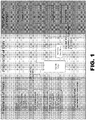
- FIG. 1 depicts a production process flow diagram.
- the present invention encompasses animal feed compositions comprising human diet equivalents, use of such animal feed compositions and methods for processing human foods into a homogenous animal feed ration.
- the processes of the invention that convert human foods into homogenous animal feed rations provide an even mix of foods in the right quantitative portions while retaining nutrients.
- This approach also overcomes any taste issues that can be associated with eating particular bitter and sour foods by creating a homogenous composite of foods that is palatable to the animals.
- the animal feed compositions accurately model the human diet, deliver known amounts and ratios of nutrients, and can be processed into a structurally stable form.
- Animal feed compositions differing in the amounts of one or more food items may be used to test the impact of diet on various facets of a mouse model, and are particularly well suited to test how gut microbes adapt to dietary perturbations. Methods for deriving an animal feed composition from a human diet, animal feed compositions comprising human diet equivalents, and processes for producing said compositions are described in further detail below.
- the present invention encompasses human diet equivalents for use in an animal feed ration.
- a human diet equivalent is constructed from one or more foods that characterize a particular human diet. Stated another way, a human diet equivalent comprises at least one food item typically consumed by a human.
- the terms "food” and “food items” are defined below.
- the USDA FNDDS is a resource that is used to code dietary intakes and to calculate nutrients for WEIA and other food surveys.
- the FNDDS is based on nutrient values in the USDA National Nutrient Database for Standard Reference, Release 22 (Agricultural Research Service, Nutrient Data Laboratory, 2009).
- the USDA FNDDS provides a unique eight digit food code for specific foods.
- This food coding scheme provides an outline of the major food groups and subgroups by the first 1 to 4 digits of the food code.
- the coding scheme is represented in Table A.
- the first digit in the food code identifies one of nine major food groups: (1) milk and milk products, (2) meat, poultry, fish, and mixtures, (3) eggs, (4) legumes, nuts and seeds, (5) grain products, (6) fruits, (7) vegetables, (8) fats, oils and salad dressings, and (9) sugars, sweets and beverages.
- the second, third and (sometimes) fourth digits of the food code identify increasingly more specific subgroups within the nine major food groups.
- a "food item”, as used herein, refers to a food that is represented by a complete eight-digit FNDDS code or equivalent thereof.
- the term "food”, as used herein, may refer to a food item, a food subgroup (i.e. the second, third, or fourth digit of an eight digit FNDDS food code, or the equivalent thereof), or a major food group (i.e. the first digit of an eight digit FNDDS food code, or the equivalent thereof).
- the term "food” includes both foods and beverages. Further details regarding the USDA FNDDS may be found in The USDA Food and Nutrient Database for Dietary Studies, 4.1- Documentation and User Guide (2010. Beltsville, MD: U.S. Department of Agriculture, Agricultural Research Service, Food Surveys Research Group ).
- the present invention encompasses an animal feed composition as defined in claim 1.
- the animal feed composition comprises a human diet equivalent that is constructed from one or more foods that characterize a low saturated fat, high fruit and vegetable diet (LoSF-HiFV diet). Methods for constructing a human diet equivalent are described above.
- a human diet equivalent that is constructed from one or more foods that characterize a LoSF-HiFV diet has the right proportions of nutrients for each particular diet.
- a human diet equivalent consists of 57- 64% by wet weight carbohydrates, 3- 7% by wet weight total dietary fiber, 10- 15% by wet weight fat, 2.0- 3.5% total saturated fatty acids of fat, 35-40 mg cholesterol/100g TD, 13- 17% by wet weight protein, 300- 500 mg sodium/100g TD, 500- 700 mg potassium/100g TD, 4- 8% by wet weight moisture, and 4.0- 4.4 Kcal/g TD.
- a human diet equivalent of the invention is made from a defined ratio of eight food groups selected from the groups consisting of (i) milk and milk products, (ii) meat, poultry, fish, egg, nuts seeds and legumes, (iii) grain products, (iv) fruits, (v) vegetables, (vi) fats and oils, (vii) sugars and sweets, and (viii) beverages.
- the eight food groups consist of food items identified by the first three or four digits of an eight digit food code as represented in Table A, wherein (i) milk and milk products have a food code with a first digit of 1, (ii) meat, poultry, fish, egg, nuts seeds and legumes have a food code with a first digit selected from the group consisting of 2, 3, and 4, (iii) grain products have a food code with a first digit of 5, (iv) fruits have a food code with a first digit of 6, (v) vegetables have a food code with a first digit of 7, (vi) fats and oils have a food code with a first digit of 8, (vi) sugars and sweets have a first food code with a first digit of 9 and a second digit of 1, and (h) beverages have a food code with a first digit of 9 and a second digit of 2 or 3.
- the ratio of eight food groups may be about 10.2% by wet weight milk and milk products, (b) about 15.7% by wet weight meat, poultry, fish, egg, nuts, seeds, and legumes, (c) about 12.7% by wet weight grain products, (d) about 19.5% by wet weight fruits, (e) about 18% by wet weight vegetables, (f) about 0.9% by wet weight fats and oils, (g) about 0.6% by wet weight sugars and sweets, and (h) about 22.2% by wet weight beverages.
- the number of food items that comprise a human diet equivalent can vary provided that the human diet equivalent has the right proportion of nutrients and/or the correct ratio of eight food groups. Generally speaking, a human diet equivalent is comprised of at least 6 food items.
- a human diet equivalent may be comprised of at least 6, at least 7, at least 8, at least 9, at least 10, at least 11, at least 12, at least 13, at least 14, at least, 15, at least 16, at least 17, at least 18, at least 19, at least 20, at least 21, at least 22, at least 23, at least 24, at least 25, at least 26, at least 27, at least 28, at least 29, or at least 30 food items.
- An animal feed composition according to the claimed invention comprises a human diet equivalent, the human diet equivalent consisting of 57- 64% by wet weight carbohydrates, 3- 7% by wet weight total dietary fiber, 10- 15% by wet weight fat, 2.0- 3.5% total saturated fatty acids of fat, 35-40 mg cholesterol/100g TD, 13- 17% by wet weight protein, 300- 500 mg sodium/100g TD, 500- 700 mg potassium/100g TD, 4- 8% by wet weight moisture, and 4.0- 4.4 Kcal/g TD; wherein the human diet equivalent is made from a defined ratio of eight food groups, the eight food groups consisting of food items identified by the first three or four digits of an eight digit food code as represented in Table A, wherein (a) milk and milk products have a food code with a first digit of 1 and are 5- 25% by wet weight, (b) meat, poultry, fish, egg, nuts, seeds, and legumes have a food code with a first digit selected from the group consisting of 2, 3, and 4 and are 10-
- the composition may further comprise a dietary supplement.
- a "dietary supplement” is any component added to the compositions described herein.
- a dietary supplement may be an amount of a food or food item, as defined herein.
- Non-limiting examples of a dietary supplement may be milk or milk product, meat, poultry, fish, egg, nuts, seeds, legumes, grains, fruits, vegetables, fats, oils, sugars, sweets, beverages, vitamins, minerals, herbs, botanicals, and amino acids.
- a dietary supplement may be acai, aloe vera, anabolic steroids, astragalus, bilberry, bitter orange, black cohosh, butterbur, calcium, carnitine, cartilage (bovine and shark), cat's claw, chamomile, chasteberry, chondroitin, chromium, cinnamon, coenzyme Q10, colloidal silver, cranberry, vitamin C, candelion, echinacea, ephedra, essiac/flor-essence, European elder, evening primrose oil, fenugreek, feverfew, fish oil, flaxseed, folate, garlic, ginger, ginkgo, ginseng, glucosamine, goldenseal, grape seed extract, green tea, hawthorn, hoodia, horse chestnut, iodine, iron, kava, lavender, licorice root, magnesium, melatonin, milk thistle, mistletoe, non
- a dietary supplement may be derived from a food or food item.
- a dietary supplement may be derived from cereal grains, legumes, nuts, seeds, fruits and/or vegetables.
- a dietary supplement may be high in non-digestible carbohydrates and antioxidants.
- Suitable examples of a dietary supplement high in non-digestible carbohydrates and antioxidants may include agave, chicory, banana, barley, buckwheat, canary seed, chia, cocoa, coffee, corn, fonio, grape, guar, job tears, millet, millet seed, oat, quinoa, rice, rye, sorghum, soy, spelt, teff, tigernut, triticale, wheat bran, acacia and citrus fruits.
- a dietary supplement may be about 0-10% by wet weight of the compositions described above.
- a dietary supplement may be about 0.1, 0.2, 0.3, 0.4, 0.5, 0.6, 0.7, 0.8, 0.9 or 1% wet weight of the compositions described above.
- a dietary supplement may be about 1, 2, 3, 4, 5, 6, 7, 8, 9 or 10% wet weight of the compositions described above.
- the dietary supplement may be about 1, 2, 3, 4, 5, 6, 7, 8, 9 or 10% wet weight of the compositions described above.
- the dietary supplement may be about 0.1, 0.2, 0.3, 0.4, 0.5, 0.6, 0.7, 0.8, 0.9 or 1% wet weight of the compositions described above.
- compositions of the invention may be processed into a form for animal consumption.
- compositions of the invention are formulated as chow for a laboratory animal.
- a laboratory animal may include rodents, canines, felines, and non-human primates.
- the animal is a mouse.
- the animal is a rat.
- the animal is a guinea pig.
- the animal is a hamster.
- the present invention encompasses processes for producing an animal feed composition comprising a human diet equivalent, specifically processes to prepare pelletized animal feed comprising the composition according to the claimed invention, as defined by claim 5.
- Suitable human diet equivalents and animal feed compositions are described above in Section I and II.
- Step (ii) can be optionally incorporated into step (i) through a recirculation loop that is connected to the vessel carrying out the first mixing step.
- the composition in its final form may then be packaged and/or sterilized by gamma irradiation. Sterilization by gamma irradiation may occur before or after packaging, or a combination thereof.
- a process of the invention generally starts with frozen, refrigerated and/or room temperature food items.
- the food items will characterize a diet of a subpopulation and, in total, will provide the right proportions of nutrients for each particular diet.
- the food items, or the ingredients to make a food item may be purchased from a grocery store, a farmers market or any other vendor that sells food items or the ingredients to make them.
- a food item may be used as is or may be prepared from ingredients.
- Typical preparation methods may include, but are not limited to, peeling, coring, cutting, chopping, dicing, grating, shredding, mincing, de-seeding, kneading, milling, mixing, blending, thawing, boiling, blanching, braising, coddling, infusing, simmering, steaming, steeping, stewing, grilling, broiling, frying, sautéing, microwaving, roasting, searing, pickling, salting, seasoning, marinating, brining, and drying.
- Recipes for preparing food items that require preparation are known in the art. Food items that require preparation may be prepared as needed, or may be made days, weeks or months in advance, optionally weighed into batches, and frozen until needed.
- Steps (i) and (ii) of the process of the invention comprise intimate mixing.
- Intimate mixing refers to high shear mixing, homogenization, such as through a homogenizer, sonification, or through ultrasonification. Intimate mixing disperses food items (present as liquid, solid and/or gas) into a main continuous liquid phase, with which it would normally be immiscible.
- a rotor, together with a stationary component known as a stator is used either in a tank containing the solution to be mixed, or in a pipe through which the solution passes, to create shear.
- the end result of steps (i) and (ii) is a homogeneous composite mixture.
- homogenous composite mixture or “homogenous composite” refers to a mixture that is an emulsion, a suspension, or an emulsion and a suspension.
- Intimate mixing may or may not occur in combination with other kinds of mixing, for example, static mixing.
- Non-limiting examples of intimate mixers includes a rotor-stator type homogenizer or mixer, a high pressure homogenizer, a high shear granulator, a batch high-shear mixer, and an impeller mixer (including both an axial flow impeller and a radial flow impeller). According to the present invention, mixing is provided by more than one mixer.
- mixing is provided by a first mixer and a second mixer, wherein the first mixer is a high shear mixer and the second mixer is a rotor-stator type mixer.
- a first mixer is a Breddo mixer and a second mixer is a Silverson Mixer/Pump.
- a process of the invention may comprise introducing 2, 3, 4, 5, 6, 7, 8, 9, 10, 11, 12, 13, 14, 15, 16, 17, 18, 19, 20, 21, 22, 23, 24, 25, 26, 27, 28, 29, 30, 31, 32, 33, 34, 35 or more food items into a first mixer.
- more than one food item is added to a first mixer; each food item is independently selected from the group consisting of a frozen food item, a refrigerated food item, and a room temperature food item.
- Food items may or may not be added to a first mixer in a particular order. In some embodiments, food items are added to a first mixer in a particular order. In other embodiments, food items are added to a first mixer in a random order.
- a suitable order for the addition of food items to a first blender for a HiSF-LoFV and LoSF-HiFV diet is provided in the Examples. Those skilled in the art should, however, in light of the present disclosure, appreciate that changes can be made to the order disclosed and still obtain a like or similar result.
- the first mixer is a high shear mixer.
- a first mixer may be an impeller mixer.
- the type of impeller can vary, provided the impeller type produces sufficient shear for the blending process to achieve a homogenous emulsion and/or suspension.
- the size of the impeller can and will vary depending on other parameters. In some embodiments, the impeller diameter is about 12.7 (5 inches) to about 91.4 (36 inches) centimetres (cm).
- the impeller diameter may be about 12.7 cm (5 inches), about 15.3 cm (6 inches), about 17.8 cm (7 inches), about 20.3 cm (8 inches), about 22.9 cm (9 inches), about 25.4 cm (10 inches), about 27.9 cm (11 inches), about 30.5 cm (12 inches), about 35.6 cm (14 inches), about 38.1 cm (15 inches), about 40.6 cm (16 inches), about 43.2 cm (17 inches), about 45.7 cm (18 inches), about 48.3 cm (19 inches), about 50.8 cm (20 inches), about 53.3 cm (21 inches), about 55.9 cm (22 inches), about 58.4 cm (23 inches), about 61.0 cm (24 inches), about 63.5 cm (25 inches), about 66.0 cm (26 inches), about 68.6 cm (27 inches), about 71.1 cm (28 inches), about 73.7 cm (29 inches), about 76.2 cm (30 inches), about 78.7 cm (31 inches), about 81.3 cm (32 inches), about 83.8 cm (33 inches), about 86.4 cm (34 inches), about 88.9 cm (35 inches), or about 91.4 cm (36 inches).
- the impeller diameter is about 12.7 (5 inches) to about 25.4 (10 inches) cm. In still other embodiments, the impeller diameter is about 25.4 (10 inches) to about 38.1 cm (15 inches). In different embodiments, the impeller diameter is about 38.1 (15 inches) to about 50.8 cm (20 inches). In still different embodiments, the impeller diameter is about 50.8 cm (20 inches) to about 63.5 cm (25 inches). In alternative embodiments, the impeller diameter is about 88.9 cm (35 inches) to about 76.2 cm (30 inches). In additional embodiments, the impeller diameter is about 76.2 cm (30 inches) to about 91.4 cm (36 inches). The rotations per minutes (rpm) of the impeller can vary in each of the above embodiments.
- the speed ranges from about 1500 rpm to about 3500 rpm. In certain embodiments the speed is 1500 rpm, 1600 rpm, 1700 rpm, 1800 rpm, 1900 rpm, 2000 rpm, 2100 rpm, 2200 rpm, 2300 rpm, 2400 rpm, 2500 rpm, 2600 rpm, 2700 rpm, 2800 rpm, 2900 rpm, 3000 rpm, 3100 rpm, 3200 rpm, 3300 rpm, 3400 rpm, or 3500 rpm. In preferred embodiments, the speed does not exceed 2000 rpm.
- the second mixer is a rotor-stator type mixer.
- the size of the rotor can and will vary depending on other parameters. In some embodiments, the rotor diameter is about 2.5 cm (1 inch) to about 61.0 cm (24 inches).
- the rotor diameter may be about 2.5 cm (1 inch), about 5.1 cm (2 inches), about 7.6 cm (3 inches), about 10.2 cm (4 inches), about 12.7 cm (5 inches), about 15.2 cm (6 inches), about 17.8 cm (7 inches), about 20.3 cm (8 inches), about 22.9 cm (9 inches), about 25.4 cm (10 inches), about 27.9 cm (11 inches), about 30.5 cm (12 inches), about 35.6 cm (14 inches), about 38.1 cm (15 inches), about 40.6 cm (16 inches), about 43.2 cm (17 inches), about 45.7 cm (18 inches), about 48.3 cm (19 inches), about 50.8 cm (20 inches), about 53.3 cm (21 inches), about 55.9 cm (22 inches), about 58.4 cm (23 inches), or about 61.0 cm (24 inches).
- the rotor diameter is about 2.5 (1 inch) to about 12.7 cm (5 inches). In still other embodiments, the rotor diameter is about 12.7 (5 inches) to about 25.4 cm (10 inches). In yet other embodiments, the rotor diameter is about 25.4 (10 inches) to about 38.1 cm (15 inches). In different embodiments, the rotor diameter is about 38.1 (15 inches) to about 50.8 cm (20 inches). In still different embodiments, the rotor diameter is about 50.8 (20 inches) to about 60.96 cm (24 inches).
- the rotations per minutes (rpm) of the rotor can vary in each of the above embodiments. In some embodiments, the speed ranges from about 1500 rpm to about 3500 rpm.
- the speed is 1500 rpm, 1600 rpm, 1700 rpm, 1800 rpm, 1900 rpm, 2000 rpm, 2100 rpm, 2200 rpm, 2300 rpm, 2400 rpm, 2500 rpm, 2600 rpm, 2700 rpm, 2800 rpm, 2900 rpm, 3000 rpm, 3100 rpm, 3200 rpm, 3300 rpm, 3400 rpm, or 3500 rpm.
- the speed does not exceed 2000 rpm.
- the first mixer is attached through a recirculating loop to the second mixer that is in-line.
- the recirculating loop may be chosen from any suitable material including, but not limited to, tubing or piping.
- the second mixer is employed when, following blending with the first mixer, the mixture comprises a visible distribution of particle sizes in order to create an even particle size distribution.
- Temperature may also be controlled during mixing.
- the temperature of the mixture is generally maintained as cool as possible while maintaining the mixture in a liquid phase.
- the maximum temperature during steps (i) and (ii) is about 15.6°C (60°F).
- the residence time from the introduction of the food items to the end of step (ii) may range from about 10 minutes to about 120 minutes, and is dependent, on multiple factors related to process design.
- residence time is about 10 minutes, about 15 minutes, about 20 minutes, about 25 minutes, about 30 minutes, about 35 minutes, about 40 minutes, about 45 minutes, about 50 minutes, about 55 minutes, about 60 minutes, about 65 minutes, about 70 minutes, about 75 minutes, about 80 minutes, about 85 minutes, about 90 minutes, about 95 minutes, about 100 minutes, about 105 minutes, about 110 minutes, about 115 minutes, or about 120 minutes.
- residence time is about 10 to about 40 minutes.
- residence time is about 20 to about 50 minutes.
- residence time is about 30 to about 60 minutes.
- residence time is about 40 to about 70 minutes. In still other embodiments, residence time is about 50 to about 80 minutes. In still other embodiments, residence time is about 60 to about 90 minutes. In still other embodiments, residence time is about 70 to about 100 minutes. In still other embodiments, residence time is about 80 to about 110 minutes. In still other embodiments, residence time is about 90 to about 120 minutes. In a preferred embodiment, residence time does not exceed 2 hours.
- a homogenous composite produced by the process of the invention is collected and dehydrated.
- the homogenous composite may be optionally frozen and/or stored prior to dehydration. Suitable dehydration processes are known in the art.
- the homogenous composite is freeze dried. Briefly, a homogenous composite is frozen in an appropriate container, finely shredded and placed in a vacuum chamber until available moisture was reduced. The moisture content of the freeze dried composite is reduced to less than less than 5%. Optionally, the moisture content of the freeze dried composite is reduced to less than 4%, less than 3%, less than 2%, or less than 1%. In different embodiments, the moisture content of the freeze dried composite is about 1% to about 3%.
- the temperature and pressure of freeze drying can and will vary in order to achieve the described moisture content.
- the temperature is about -20°C to about -60°C.
- the temperature may be about -20°C, about -21°C, about -22°C ⁇ about -23°C, about -24°C, about -25°C, about -26°C, about -27°C, about -28°C, about -29°C, about -30°C, about -31°C, about -32°C, about - 33°C, about -34°C, about -35°C, about -36°C, about -37°C, about -38°C, about -39°C, about -40°C, about -41°C, about -42°C, about -44°C, about -44°C, about -45°C, about - 46°C, about -47°C, about -48°C, about -49°C, about -50°
- the pressure of the vacuum chamber is about 0.001 mbar to about 30 mbar.
- the pressure of the vacuum chamber may be about 0.001 mbar to about 0.010 mbar, about 0.010 mbar to about 0.100 mbar, about 0.100 mbar to about 1.000 mbar, about 1.000 mbar to about 10.000 mbar, or about 10.000 mbar to about 30.000 mbar.
- the pressure of the vacuum chamber may be about 1, about 2, about 3, about 4, about 5, about 6, about 7, about 8, about 9, about 10, about 11, about 12, about 13, about 14, about 15, about 16, about 17, about 18, about 19, about 20, about 21, about 22, about 23, about 24, about 25, about 26, about 27, about 28, about 29, about 30 mbar.
- Dehydrated composite is then milled to a suitable size for processing to a final form.
- the type of 'grind' i.e. coarse, medium or fine
- Very coarse grinds have the added disadvantage of providing breaking points in the cubes or pellets.
- Medium and fine grinds generally will result in higher pelleting capacity than a coarse grind.
- the dehydrated composite is ground to a uniform size.
- dehydrated composite is milled to a 20 mesh size. Methods for milling are well known in the art.
- the milled composite is then processed into a final form.
- the milled composite is processed into a dried form, specifically pellets.
- suitable dried forms include powders, agglomerates and granules.
- the milled composite is processed to a pellet.
- moisture is added to the milled composite to facilitate processing.
- the moisture content of the final form is less than 10%.
- the moisture content may be less than 10%, less than 9%, less than 8%, less than 7%, less than 6%, less than 5%, less than 4%, less than 3%, less than 2%, or less than 1%.
- the milled composite is processed to a pellet and the moisture content at the end of the extrusion process is less than 7%.
- a dietary supplement may be added during the processing of the composition.
- a dietary supplement may be added during steps (i) or (ii).
- a dietary supplement may be added after step (iii) prior to step (iv).
- a dietary supplement may be added to a milled composite prior to processing into a final form.
- the dietary supplement may be dehydrated. The dehydration of the dietary supplement may enable homogenous distribution of the dietary supplement and the milled composite.
- a dietary supplement may be added to a milled composite that has been processed into a dried from.
- a dietary supplement may be added to a milled composite that has been processed into a powder.
- the milled composite comprising the dietary supplement may then be processed to a pellet.
- the dietary supplement may be dehydrated and of an equivalent particle size to the particles of the powder.
- the milled composite comprising the dietary supplement may then be processed to a pellet.
- the invention encompasses a method to determine the effect of at least one dietary supplement on a subject. More specifically, the invention encompasses a method to determine the effect of at least one dietary supplement on a gut microbiota of a subject.
- the method generally comprises evaluating the subject before and after consumption of at least one dietary supplement, wherein the presence or absence of a difference in the subject represents the effect of the dietary supplement on the subject. More specifically, the method generally comprises evaluating the gut microbiota of a subject before and after consumption of at least one dietary supplement, wherein the presence or absence of a difference in the gut microbiota represents the effect of the dietary supplement on the gut microbiota of the subject.
- the method may comprise administering or feeding a composition of the invention comprising at least one dietary supplement to a subject and determining the presence or absence of a difference in the subject after administering or feeding the composition comprising the dietary supplement(s), wherein the presence or absence of a difference in the subject represents the effect of the dietary supplement(s) on the subject.
- the method may comprise (1) administering or feeding a first composition of the invention to a subject for a first period of time, (2) administering or feeding a second composition to the subject for a second period of time, wherein the second composition consists of the first composition and at least one dietary supplement, and (3) determining the presence or absence of a difference in the subject after administering or feeding the second composition, wherein the presence or absence of a difference in the subject represents the effect of the dietary supplement on the subject.
- the method may comprise (1) administering or feeding a first composition to a subject for a first period of time, wherein the first composition is a composition of the invention further comprising at least one dietary supplement, (2) administering or feeding a second composition to the subject for a second period of time, wherein the second composition consists of the first composition without the at least one dietary supplement, and (3) determining the presence or absence of a difference in the subject after administering or feeding the second composition, wherein the presence or absence of a difference in the subject represents the effect of the dietary supplement on the subject.
- the method may comprise comparing the gut microbiota of the subject before and after administration or feeding of the two compositions to determining the presence or absence of a difference, wherein the presence or absence of a difference represents the effect of the dietary supplement(s) on the subject.
- the effect of one dietary supplement, or a combination of more than one dietary supplement (e.g. 2, 3, 4, 5, 6, 7, 8, 9, 10 or more supplements), on a subject may be determined by quantifying a measurable change in a subject.
- the effect of one or more dietary supplements on a subject is determined by measuring a change in gut microbiota, a change in weight, a change in body fat, a change in energy consumption, a change in health, a change in inflammation, a change in immune function, a change in metabolism, or a combination thereof.
- Non-limiting examples of indicators of health may include low birth weight, obesity, arthritis, diabetes, asthma, allergies, high blood pressure, autoimmune disease, heart disease, respiratory disease, cancer incidence, disease resistance, disease susceptibility, pathogen shedding, chronic pain, depression, hospital visits due to injury, foodborne illnesses, mood, mental health, smoking habits, alcohol consumption, physical exercise habits, and breastfeeding.
- Methods of measuring indicators of health are known in the art.
- methods of measuring energy consumption, weight, body fat, inflammation, immune function and metabolism are known in the art.
- Inflammation or an inflammatory response is achieved by increased movement of plasma and leukocytes from the blood to the region of interest. Inflammation may be acute or chronic. Signs of acute inflammation may include, but are not limited to, pain, heat, redness, swelling, and loss of function.
- Signs of chronic inflammation may include, but are not limited to, allergies, hay fever, asthma, periodontitis, atherosclerosis, rheumatoid arthritis and cancer.
- a change in inflammation may be a change in one or more signs of acute inflammation or a change in one or more signs of chronic inflammation.
- inflammation may be measured by erythrocyte sedimentation rate or C-reactive protein. Other methods of measuring inflammation are known in the art and may also be used.
- Immune function refers to the functioning of the immune system. The immune system protects against disease. Disorders of the immune system may result in autoimmune disease, inflammatory diseases and cancer.
- a change in immune function may be measured as a change in susceptibility to disease or a change in the signs or symptoms associated with disorders of the immune system.
- immune function may be measure by quantitation of cell-mediated immunity.
- Other methods of measuring immune function are known in the art and may also be used.
- Metabolism is enzyme-catalyzed reactions that allow organisms to grow and reproduce, maintain their structures, and respond to their environments. Metabolism may include digestion and the transport of substances into and between different cells. Metabolism may be measured as a metabolic rate. Metabolic rate is the rate of energy expenditure by a subject.
- a change in metabolism may be measured by a change in digestion, a change in metabolic rate, a change in energy consumption, or a change in energy expenditure.
- other methods of measuring metabolism are known in the art and may be used.
- the effect of a dietary supplement on a gut microbiota may be measured as change in relative and/or absolute abundance of microbes at any taxonomic level, a change in phylotypic composition, a change in expression of nucleic acids or nucleic acid products, or a change in metabolite profile.
- Methods to determine the relative or absolute abundance of microbes are known in the art and may include culturing or sequencing.
- a phylotype is a biological type that classifies an organism by its phylogenetic, e.g. evolutionary, relationship to other organisms.
- phylotype is taxon-neutral, and therefore, may refer to the species composition, genus composition, class composition, etc.
- Methods to determine expression of nucleic acids are known in the art and may include northern blot, PCR, RT-PCR, qRT-PCR, array, or microarray.
- Methods to determine expression of nucleic acid products are known in the art and may include western blot, array, microarray, antibody- or epitope binding agent-based methods, mass spectrometry, or peptide sequencing.
- Methods of measuring a change in metabolite profile are also known in the art and are common in the field of metabolomics.
- change means more than about 30, 29, 28, 27, 26, 25, 24, 23, 22, 21, 20, 19, 18, 17, 16, 15, 14, 13, 12, 11, 10, 9, 8, 7, 6, 5, 4, 3, 2, or 1% difference between the subject before and after consumption of the dietary supplement.
- change means more than about 30, 29, 28, 27, 26, 25, 24, 23, 22, 21, 20, 19, 18, 17, 16, 15, 14, 13, 12, 11, 10, 9, 8, 7, 6, 5, 4, 3, 2, or 1% difference between the subject consuming the dietary supplement compared to the subject not consuming the dietary supplement.
- a change may be positive or negative (e.g. increase or decrease).
- a subject may be a laboratory animal.
- a laboratory animal may include rodents, canines, felines, and non-human primates.
- the animal is a mouse.
- the animal is a rat.
- the animal is a guinea pig.
- the animal is a hamster.
- the effect of the dietary supplement on a subject may be used as a surrogate to determine the effect of a dietary supplement on a human.
- LoSF-HiFV group included individuals in the lowest tertile of saturated fat and highest tertile of fruit and vegetable intakes.
- Key characterizing foods consumed by the HiSF-LoFV and LoSF-HiFV subpopulations were then identified in a two-step process using eight broad food groups and 63 food subgroups expressed on a kcal food/1000 kcal total diet basis (Table 2). A detailed description of the methodology is provided below. TABLE 2. Characterizing foods consumed by the HiSF-LoFV (A) and LoSF-HiFV (B) subpopulations.
- Data Source and Sample NHANES utilizes in-person, 24-hr dietary recalls using an automated, multiple-pass method. This method guides the respondent through the dietary intake period more than once and consequently provides multiple opportunities to identify foods and specific details about the foods consumed during the recall period ( Raper et al. J Food Compos Anal 2004; 17(3-4): 545-555 ). Diet recalls were analyzed by the United States Department of Agriculture (USDA) Food Surveys Research Group (FSRG) to estimate the types and amounts of foods, as well as their nutrient composition, consumed by each respondent (CDC 2007, 2008, 2010).
- USDA United States Department of Agriculture
- FSRG Food Surveys Research Group
- FNDDS data include a food coding scheme, "recipes" used in deriving nutrient composition data, and additional detail on foods categorized by specific food codes.
- USDA-FSRG has developed a grouping scheme for the survey food codes to aid in reporting food intake estimates.
- NHANES food codes (excluding plain water) are typically grouped into 71 food groups or subgroups.
- NHANES Food Frequency Questionnaires Selected data from NHANES Food Frequency Questionnaires (FFQs) administered in 2003-2004 and 2005-2006 were also used in the analyses in order to collect additional information regarding frequency of consumption of caloric beverages.
- the FFQ developed by the National Cancer Institute (NCI), is based on the NCI Diet History Questionnaire, a 124-item food frequency instrument that is widely used in nutritional epidemiology research ( Subar et al. Am J Epidemiol 2001; 154:1089-99 ).
- the 71 USDA-defined food groups and subgroups represent hierarchical groupings of food codes within broad food categories, and consequently the USDA hierarchy provides a food coding scheme that can be used to identify key characterizing foods within groups of similar foods.
- This food grouping scheme was used to identify key foods consumed by the HiSF-LoFV and LoSF-HiFV subpopulations.
- the Meat, Poultry and Fish; Eggs; Nuts and Seeds; and Legumes groups were combined into one major food group.
- the total fluid milk subgroup was used to assess all fluid milk intake and separate subgroups for "total fruit juice drinks and fruit flavored drinks” and "total carbonated soft drinks” were used to assess total intakes of these beverages.
- the food grouping system included 63 food subgroups within eight broad food groups.
- tertiles were determined based on g saturated fat/1000 kcal and g fruit+vegetable/1000 kcal (NHANES food codes starting with 6 for fruit and 7 for vegetables), with >14.1 g saturated fat/1000 kcal and ⁇ 10.3 g saturated fat/1000 kcal defining the top and bottom tertiles, respectively.
- NHANES food codes starting with 6 for fruit and 7 for vegetables
- >14.1 g saturated fat/1000 kcal and ⁇ 10.3 g saturated fat/1000 kcal defining the top and bottom tertiles, respectively.
- ⁇ 65 g fruits + vegetables/1000 kcal defined the lowest tertile and >181 g fruits + vegetables/1000 kcal defined the top tertile.
- Coffee and tea were excluded because mice are sensitive to caffeine and because these beverages contribute little to energy intake.
- Proportions of Key Foods in HiSF-LoFV and LoSF-HiFV Diets were calculated by first determining the relative energy contributions from key food subgroups to the total energy intake from the USDA-based food group (per 1000 kcal total diet) and then determining the weight of the food (in g) required to deliver the calculated energy contribution from the relevant food group per 1000 kcal total diet (Table 1). Once the characterizing foods were identified for the two diets, calculated nutrient intakes were compared to 24 hr recall data as an indicator of how well the characterizing foods reflect reported intakes. Results indicated that cholesterol was low in the LoSF-HiFV diet and therefore egg was added to the LoSF-HiFV diet.
- Table 3 shows that mean nutrient content of animal chow made from key characterizing foods were similar to intakes reported from the 24-h recall for both the resulting HiSF-LoFV and LoSF-HiFV diets. TABLE 3. Comparison of nutrient content per 1000 kcal from intake based on a 24-hour diet recall (24 hr Recall); calculated diet based on key characterizing foods (Calculated Diet); or chemical analysis of the Animal Chow (Animal Chow).
- Characterizing foods were processed into dried animal chow pellets using methods to achieve an even mix of foods in quantitative proportions and to retain nutrients.
- the approach of blending all the diverse food items into one mixture and freeze drying the resulting mixture was experimental. Due to the unique nature of this mixture it was unknown if the freeze dried material would have the correct physicochemical characteristics to be extruded/molded into a structurally stable granular or pellet form.
- the blending of all the food items that represent a diet into a homogeneous mixture distributed the water, fat, oil and low molecular weight solutes (sugars and minerals) into an emulsion and suspension that was amiable to freezing and freeze drying.
- Homogenous food composites for the two diets were prepared as follows. Characterized foods for each diet were purchased from Chicago area stores and/or prepared using standard recipes from the USDA FNDDS or from standard authoritative cookbooks. Mixed dishes (e.g. pizza) were produced over a one week timeframe, weighed into batches, and then frozen until they were thawed prior to compositing. Perishable foods were prepared (e.g., peeled, cored), weighed out the day before blending and stored refrigerated or at room temperature as appropriate.
- FIG. 1 illustrates the flow of diet manufacture.
- Homogenous composite formulas were maintained at -20°C. Frozen blocks of each composite diet were finely shredded and then placed in a vacuum chamber set at 1 mb until available moisture was removed (approximately 27 hours). Freeze dried material was then milled to a 20 mesh size and packed into 40 lb. bags (stored at room temperature). Water was added to the freeze dried formula to reach an acceptable visual viscosity for extrusion into pellets. Samples were collected from the beginning, middle and end of the extrusion process for compositional analysis based on AOAC methodology. The averages of those data are shown in Table 3 and Table 6. Pellets were flushed with nitrogen and vacuum packed. Vacuum packed diets were sterilized via gamma irradiation.
Landscapes
- Life Sciences & Earth Sciences (AREA)
- Chemical & Material Sciences (AREA)
- Polymers & Plastics (AREA)
- Engineering & Computer Science (AREA)
- Zoology (AREA)
- Food Science & Technology (AREA)
- Animal Husbandry (AREA)
- Birds (AREA)
- Health & Medical Sciences (AREA)
- Biotechnology (AREA)
- Molecular Biology (AREA)
- Physiology (AREA)
- Botany (AREA)
- Mycology (AREA)
- Biomedical Technology (AREA)
- Fodder In General (AREA)
- Coloring Foods And Improving Nutritive Qualities (AREA)
Description
- This application claims the priority of
US provisional application number 61/841,786, filed July 1, 2013 US provisional application number 61/869,047, filed August 22, 2013 - The present invention provides animal feed compositions comprising a human diet equivalent, and methods for processing human foods into an animal feed ration.
- When animal models are employed in the study of human disease, they are frequently selected because of their similarity to humans in terms of genetics, anatomy, and physiology. Also, animal models are often preferable for experimental disease research because of their ease of manipulation. For example, to obtain scientifically valid research, the conditions associated with an experiment must be closely controlled. This often means manipulating only one variable while keeping others constant, and then observing the consequences of that change. In addition, to test hypotheses about how a disease develops, an adequate number of subjects must be used to statistically test the results of the experiment. Therefore, scientists cannot conduct research on just one animal or human, and it is easier for scientists to use sufficiently large numbers of animals (rather than people) to attain significant results.
- Diet and nutritional statues are among the most modifiable determinants of human health. The nutritional value of food is influenced in part by a person's gut microbial community (microbiota) and its component genes (microbiome). Unraveling the interrelations among diet, the structure and operations of the gut microbiota, and nutrient and energy harvest is confounded by variations in human environmental exposures, microbial ecology and genotype. Animal models of the human gut ecosystem have helped to advance our understanding of these complex relationships. Similar advances in animal diets are also needed.
- Historically, studies seeking to understand effects of diet have relied either on traditional animal chow supplemented with one or more nutrients or a cafeteria diet approach (Free Radical Biology and Medicine (2013) 65: 254-261; Physiology and Behavior (1977) 18: 1021-1026; Obesity (2011) 19: 1109-1117). Both approaches fail to reflect human consumption patterns, nor do they rigorously ensure nutritional adequacy and consistency. Various feed products and methods have previously been designed. For example,
GB2464769 US8268374 describes a method for manufacturing pet food with an ultrasonic horn and an anvil, whileWO 2011/149513 discloses compositions for increasing the production or activity of catalase in an animal. Dietary studies are also described in Alink et al. (Food and Chemical Toxicology (1989) 27(7):427-436). Thus, there remains a need in the art for animal feed rations that more closely mirror human food consumption patterns in a format that allows for the animal to get a controlled amount and ratio of foods equivalent to a representative diet of a specific human sub-population. - In an aspect, the present disclosure encompasses an animal feed composition as provided by claim 1. Embodiments are provided by the dependent claims.
- In an aspect according to the claimed invention, the present disclosure encompasses an animal feed composition. The animal feed composition comprises a human diet equivalent. The human diet equivalent consists of 57- 64% by wet weight carbohydrates, 3- 7% by wet weight total dietary fiber, 10- 15% by wet weight fat, 2.0- 3.5% total saturated fatty acids of fat, 35-40 mg cholesterol/100g Total Diet Equivalent (TD), 13- 17% by wet weight protein, 300- 500 mg sodium/100g TD, 500- 700 mg potassium/100g TD, 4- 8% by wet weight moisture, and 4.0-4.4 Kcal/g TD. The human diet equivalent is made from a defined ratio of eight food groups. The eight food groups consist of food items identified by the first three or four digits of an eight digit food code as represented in Table A. Milk and milk products have a food code with a first digit of 1 and are 5- 25% by wet weight. Meat, poultry, fish, egg, nuts, seeds, and legumes have a food code with a first digit selected from the group consisting of 2, 3, and 4 and are 10-25% by wet weight. Grain products have a food code with a first digit of 5 and are 10-20% by wet weight. Fruits have a food code with a first digit of 6 and are 10-25% by wet weight fruits. Vegetables have a food code with a first digit of 7 and are 10-25% by wet weight. Fats and oils have a food code with a first digit of 8 and are 0.5- 5% by wet weight. Sugars and sweets have a food code with a first digit of 9 and a second digit of 1 and are 0.5- 5% by wet weight sugars and sweets. Beverages have a food code with a first digit of 9 and a second digit of 2 or 3 and are 10-60% by wet weight beverages.
- In yet another aspect according to the claimed invention, the present disclosure encompasses a process to prepare pelletized animal feed comprising the composition according to the invention. The process comprises (i) introducing two or more food items independently selected from the group consisting of frozen food items, refrigerated food items, and room temperature food items into a first mixer and blending the food items, wherein the first mixer is a high shear liquid mixer; (ii) passing and/or recirculating the blended food items into a second mixer to form a homogenous composite, wherein the second mixer is a rotor-stator mixer and the homogenized composite is evenly blended by visual inspection; (iii) freeze drying the homogenous composite and milling the dehydrated composite to a 20 mesh size, wherein the moisture content of the dehydrated composite is less than 5%; and (iv) adding water to the milled composite and extruding into pellets, wherein the moisture content of the composite at the end of the extrusion process is less than 10%.
- In still yet another aspect, the present disclosure encompasses a method of determining the effect of at least one dietary supplement on a subject, as specified in claim 12. The method comprises administering or feeding a composition covered by the claimed invention further comprising at least one dietary supplement to a subject and determining the presence or absence of a difference in the subject after administering the composition comprising the dietary supplement. The presence or absence of a difference in the subject represents the effect of the dietary supplement on the subject.
- In an embodiment, the present disclosure encompasses a method of determining the effect of at least one dietary supplement on a subject. The method comprises (1) administering or feeding a first composition to a subject for a first period of time, wherein the first composition is covered by the claimed invention, (2) administering or feeding a second composition to the subject for a second period of time, wherein the second composition consists of the first composition and at least one dietary supplement, and (3) determining the presence or absence of a difference in the subject after administering or feeding the second composition. The presence or absence of a difference in the subject represents the effect of the dietary supplement on the subject.
- In another embodiment, the present disclosure encompasses a method of determining the effect of at least one dietary supplement on a subject. The method comprises (1) administering or feeding a first composition to a subject for a first period of time, wherein the first composition is covered by the claimed invention and at least one dietary supplement, (2) administering or feeding a second composition to the subject for a second period of time, wherein the second composition consists of the first composition without the at least one dietary supplement, and (3) determining the presence or absence of a difference in the subject after administering or feeding the second composition. The presence or absence of a difference in the subject represents the effect of the dietary supplement on the subject.
- The application file contains at least one drawing executed in color.
-
FIG. 1 depicts a production process flow diagram. - The present invention encompasses animal feed compositions comprising human diet equivalents, use of such animal feed compositions and methods for processing human foods into a homogenous animal feed ration. Critically, the processes of the invention that convert human foods into homogenous animal feed rations provide an even mix of foods in the right quantitative portions while retaining nutrients. This approach also overcomes any taste issues that can be associated with eating particular bitter and sour foods by creating a homogenous composite of foods that is palatable to the animals. As a result, the animal feed compositions accurately model the human diet, deliver known amounts and ratios of nutrients, and can be processed into a structurally stable form. Animal feed compositions differing in the amounts of one or more food items may be used to test the impact of diet on various facets of a mouse model, and are particularly well suited to test how gut microbes adapt to dietary perturbations. Methods for deriving an animal feed composition from a human diet, animal feed compositions comprising human diet equivalents, and processes for producing said compositions are described in further detail below.
- The present invention encompasses human diet equivalents for use in an animal feed ration. Generally speaking, a human diet equivalent is constructed from one or more foods that characterize a particular human diet. Stated another way, a human diet equivalent comprises at least one food item typically consumed by a human. The terms "food" and "food items" are defined below.
- The USDA FNDDS is a resource that is used to code dietary intakes and to calculate nutrients for WWEIA and other food surveys. The FNDDS is based on nutrient values in the USDA National Nutrient Database for Standard Reference, Release 22 (Agricultural Research Service, Nutrient Data Laboratory, 2009).
- The USDA FNDDS provides a unique eight digit food code for specific foods. This food coding scheme provides an outline of the major food groups and subgroups by the first 1 to 4 digits of the food code. The coding scheme is represented in Table A. The first digit in the food code identifies one of nine major food groups: (1) milk and milk products, (2) meat, poultry, fish, and mixtures, (3) eggs, (4) legumes, nuts and seeds, (5) grain products, (6) fruits, (7) vegetables, (8) fats, oils and salad dressings, and (9) sugars, sweets and beverages. The second, third and (sometimes) fourth digits of the food code identify increasingly more specific subgroups within the nine major food groups. Most subgroups are identified by the first three digits, except for some subgroups in the Meat, Poultry, Fish and Mixtures, and Sugar, Sweet and Beverages section. A "food item", as used herein, refers to a food that is represented by a complete eight-digit FNDDS code or equivalent thereof. The term "food", as used herein, may refer to a food item, a food subgroup (i.e. the second, third, or fourth digit of an eight digit FNDDS food code, or the equivalent thereof), or a major food group (i.e. the first digit of an eight digit FNDDS food code, or the equivalent thereof). The term "food" includes both foods and beverages. Further details regarding the USDA FNDDS may be found in The USDA Food and Nutrient Database for Dietary Studies, 4.1- Documentation and User Guide (2010. Beltsville, MD: U.S. Department of Agriculture, Agricultural Research Service, Food Surveys Research Group).
- The present invention encompasses an animal feed composition as defined in claim 1. The animal feed composition comprises a human diet equivalent that is constructed from one or more foods that characterize a low saturated fat, high fruit and vegetable diet (LoSF-HiFV diet). Methods for constructing a human diet equivalent are described above.
- A human diet equivalent that is constructed from one or more foods that characterize a LoSF-HiFV diet has the right proportions of nutrients for each particular diet. In the claimed invention, a human diet equivalent consists of 57- 64% by wet weight carbohydrates, 3- 7% by wet weight total dietary fiber, 10- 15% by wet weight fat, 2.0- 3.5% total saturated fatty acids of fat, 35-40 mg cholesterol/100g TD, 13- 17% by wet weight protein, 300- 500 mg sodium/100g TD, 500- 700 mg potassium/100g TD, 4- 8% by wet weight moisture, and 4.0- 4.4 Kcal/g TD.
- A human diet equivalent of the invention is made from a defined ratio of eight food groups selected from the groups consisting of (i) milk and milk products, (ii) meat, poultry, fish, egg, nuts seeds and legumes, (iii) grain products, (iv) fruits, (v) vegetables, (vi) fats and oils, (vii) sugars and sweets, and (viii) beverages. The eight food groups consist of food items identified by the first three or four digits of an eight digit food code as represented in Table A, wherein (i) milk and milk products have a food code with a first digit of 1, (ii) meat, poultry, fish, egg, nuts seeds and legumes have a food code with a first digit selected from the group consisting of 2, 3, and 4, (iii) grain products have a food code with a first digit of 5, (iv) fruits have a food code with a first digit of 6, (v) vegetables have a food code with a first digit of 7, (vi) fats and oils have a food code with a first digit of 8, (vi) sugars and sweets have a first food code with a first digit of 9 and a second digit of 1, and (h) beverages have a food code with a first digit of 9 and a second digit of 2 or 3.
- Constructing a human diet equivalent from a defined ratio of the eight food groups insures the nutrients present in the animal feed mirror the proportion of nutrients in the equivalent human diet.
- In a preferred embodiment, the ratio of eight food groups may be about 10.2% by wet weight milk and milk products, (b) about 15.7% by wet weight meat, poultry, fish, egg, nuts, seeds, and legumes, (c) about 12.7% by wet weight grain products, (d) about 19.5% by wet weight fruits, (e) about 18% by wet weight vegetables, (f) about 0.9% by wet weight fats and oils, (g) about 0.6% by wet weight sugars and sweets, and (h) about 22.2% by wet weight beverages. The number of food items that comprise a human diet equivalent can vary provided that the human diet equivalent has the right proportion of nutrients and/or the correct ratio of eight food groups. Generally speaking, a human diet equivalent is comprised of at least 6 food items. For example, a human diet equivalent may be comprised of at least 6, at least 7, at least 8, at least 9, at least 10, at least 11, at least 12, at least 13, at least 14, at least, 15, at least 16, at least 17, at least 18, at least 19, at least 20, at least 21, at least 22, at least 23, at least 24, at least 25, at least 26, at least 27, at least 28, at least 29, or at least 30 food items.
- An animal feed composition according to the claimed invention comprises a human diet equivalent, the human diet equivalent consisting of 57- 64% by wet weight carbohydrates, 3- 7% by wet weight total dietary fiber, 10- 15% by wet weight fat, 2.0- 3.5% total saturated fatty acids of fat, 35-40 mg cholesterol/100g TD, 13- 17% by wet weight protein, 300- 500 mg sodium/100g TD, 500- 700 mg potassium/100g TD, 4- 8% by wet weight moisture, and 4.0- 4.4 Kcal/g TD; wherein the human diet equivalent is made from a defined ratio of eight food groups, the eight food groups consisting of food items identified by the first three or four digits of an eight digit food code as represented in Table A, wherein (a) milk and milk products have a food code with a first digit of 1 and are 5- 25% by wet weight, (b) meat, poultry, fish, egg, nuts, seeds, and legumes have a food code with a first digit selected from the group consisting of 2, 3, and 4 and are 10- 25% by wet weight, (c) grain products have a food code with a first digit of 5 and are 10- 20% by wet weight, (d) fruits have a food code with a first digit of 6 and are 10- 25% by wet weight fruits, (e) vegetables have a food code with a first digit of 7 and are 10- 25% by wet weight, (f) fats and oils have a food code with a first digit of 8 and are 0.5- 5% by wet weight, (g) sugars and sweets have a food code with a first digit of 9 and a second digit of 1 and are 0.5- 5% by wet weight sugars and sweets, and (h) beverages have a food code with a first digit of 9 and a second digit of 2 or 3 and are 10- 60% by wet weight beverages.
- In an embodiment, the composition may further comprise a dietary supplement. As used herein, a "dietary supplement" is any component added to the compositions described herein. A dietary supplement may be an amount of a food or food item, as defined herein. Non-limiting examples of a dietary supplement may be milk or milk product, meat, poultry, fish, egg, nuts, seeds, legumes, grains, fruits, vegetables, fats, oils, sugars, sweets, beverages, vitamins, minerals, herbs, botanicals, and amino acids. For example, a dietary supplement may be acai, aloe vera, anabolic steroids, astragalus, bilberry, bitter orange, black cohosh, butterbur, calcium, carnitine, cartilage (bovine and shark), cat's claw, chamomile, chasteberry, chondroitin, chromium, cinnamon, coenzyme Q10, colloidal silver, cranberry, vitamin C, candelion, echinacea, ephedra, essiac/flor-essence, European elder, evening primrose oil, fenugreek, feverfew, fish oil, flaxseed, folate, garlic, ginger, ginkgo, ginseng, glucosamine, goldenseal, grape seed extract, green tea, hawthorn, hoodia, horse chestnut, iodine, iron, kava, lavender, licorice root, magnesium, melatonin, milk thistle, mistletoe, noni, omega-3 fatty acids, PC-SPES, peppermint oil, red clover, sage, SAMe (S-adenosyl-L-methionine), saw palmetto, selenium, soy, St. John's wort, tea, thunder God vine, turmeric, valerian, vitamin A, vitamin B12, vitamin B6, vitamin C, vitamin D, vitamin E, vitamin K, yohimbe, and zinc. Additionally, a dietary supplement may be derived from a food or food item. For example, a dietary supplement may be derived from cereal grains, legumes, nuts, seeds, fruits and/or vegetables. A dietary supplement may be high in non-digestible carbohydrates and antioxidants. Suitable examples of a dietary supplement high in non-digestible carbohydrates and antioxidants may include agave, chicory, banana, barley, buckwheat, canary seed, chia, cocoa, coffee, corn, fonio, grape, guar, job tears, millet, millet seed, oat, quinoa, rice, rye, sorghum, soy, spelt, teff, tigernut, triticale, wheat bran, acacia and citrus fruits. A dietary supplement may be about 0-10% by wet weight of the compositions described above. For example, a dietary supplement may be about 0.1, 0.2, 0.3, 0.4, 0.5, 0.6, 0.7, 0.8, 0.9 or 1% wet weight of the compositions described above. Alternatively, a dietary supplement may be about 1, 2, 3, 4, 5, 6, 7, 8, 9 or 10% wet weight of the compositions described above. For a dietary supplement that is a milk or milk product, meat, poultry, fish, egg, nuts, seed, legume, grain, fruit, vegetable, fat, oil, sugar, sweet, and/or beverage, the dietary supplement may be about 1, 2, 3, 4, 5, 6, 7, 8, 9 or 10% wet weight of the compositions described above. For a dietary supplement that is a vitamin, mineral, herb, botanical, and/or amino acid, the dietary supplement may be about 0.1, 0.2, 0.3, 0.4, 0.5, 0.6, 0.7, 0.8, 0.9 or 1% wet weight of the compositions described above.
- A composition of the invention may be processed into a form for animal consumption. In preferred embodiments, compositions of the invention are formulated as chow for a laboratory animal. Non-limiting examples of a laboratory animal may include rodents, canines, felines, and non-human primates. In some embodiments, the animal is a mouse. In other embodiments, the animal is a rat. In still other embodiments, the animal is a guinea pig. In yet other embodiments, the animal is a hamster. Methods for processing human foods into an animal feed ration are described below in Section III and further detailed in the Examples.
- In another aspect, the present invention encompasses processes for producing an animal feed composition comprising a human diet equivalent, specifically processes to prepare pelletized animal feed comprising the composition according to the claimed invention, as defined by claim 5. Embodiments are provided by the dependent claims. Suitable human diet equivalents and animal feed compositions are described above in Section I and II. Step (ii) can be optionally incorporated into step (i) through a recirculation loop that is connected to the vessel carrying out the first mixing step. In certain embodiments, the composition in its final form may then be packaged and/or sterilized by gamma irradiation. Sterilization by gamma irradiation may occur before or after packaging, or a combination thereof.
- A process of the invention generally starts with frozen, refrigerated and/or room temperature food items. Generally, the food items will characterize a diet of a subpopulation and, in total, will provide the right proportions of nutrients for each particular diet. The food items, or the ingredients to make a food item, may be purchased from a grocery store, a farmers market or any other vendor that sells food items or the ingredients to make them. A food item may be used as is or may be prepared from ingredients. Typical preparation methods may include, but are not limited to, peeling, coring, cutting, chopping, dicing, grating, shredding, mincing, de-seeding, kneading, milling, mixing, blending, thawing, boiling, blanching, braising, coddling, infusing, simmering, steaming, steeping, stewing, grilling, broiling, frying, sautéing, microwaving, roasting, searing, pickling, salting, seasoning, marinating, brining, and drying. Recipes for preparing food items that require preparation are known in the art. Food items that require preparation may be prepared as needed, or may be made days, weeks or months in advance, optionally weighed into batches, and frozen until needed.
- Steps (i) and (ii) of the process of the invention comprise intimate mixing. Intimate mixing, as used herein, refers to high shear mixing, homogenization, such as through a homogenizer, sonification, or through ultrasonification. Intimate mixing disperses food items (present as liquid, solid and/or gas) into a main continuous liquid phase, with which it would normally be immiscible. A rotor, together with a stationary component known as a stator, is used either in a tank containing the solution to be mixed, or in a pipe through which the solution passes, to create shear. The end result of steps (i) and (ii) is a homogeneous composite mixture. As used herein, the term "homogenous composite mixture" or "homogenous composite" refers to a mixture that is an emulsion, a suspension, or an emulsion and a suspension. Intimate mixing may or may not occur in combination with other kinds of mixing, for example, static mixing. Non-limiting examples of intimate mixers includes a rotor-stator type homogenizer or mixer, a high pressure homogenizer, a high shear granulator, a batch high-shear mixer, and an impeller mixer (including both an axial flow impeller and a radial flow impeller). According to the present invention, mixing is provided by more than one mixer. In accordance with the invention, mixing is provided by a first mixer and a second mixer, wherein the first mixer is a high shear mixer and the second mixer is a rotor-stator type mixer. In an exemplary embodiment, a first mixer is a Breddo mixer and a second mixer is a Silverson Mixer/Pump.
- For example, a process of the invention may comprise introducing 2, 3, 4, 5, 6, 7, 8, 9, 10, 11, 12, 13, 14, 15, 16, 17, 18, 19, 20, 21, 22, 23, 24, 25, 26, 27, 28, 29, 30, 31, 32, 33, 34, 35 or more food items into a first mixer. In accordance with the claimed invention, more than one food item is added to a first mixer; each food item is independently selected from the group consisting of a frozen food item, a refrigerated food item, and a room temperature food item.
- Food items may or may not be added to a first mixer in a particular order. In some embodiments, food items are added to a first mixer in a particular order. In other embodiments, food items are added to a first mixer in a random order. A suitable order for the addition of food items to a first blender for a HiSF-LoFV and LoSF-HiFV diet is provided in the Examples. Those skilled in the art should, however, in light of the present disclosure, appreciate that changes can be made to the order disclosed and still obtain a like or similar result.
- The first mixer is a high shear mixer. For example, a first mixer may be an impeller mixer. The type of impeller can vary, provided the impeller type produces sufficient shear for the blending process to achieve a homogenous emulsion and/or suspension. The size of the impeller can and will vary depending on other parameters. In some embodiments, the impeller diameter is about 12.7 (5 inches) to about 91.4 (36 inches) centimetres (cm). For example, the impeller diameter may be about 12.7 cm (5 inches), about 15.3 cm (6 inches), about 17.8 cm (7 inches), about 20.3 cm (8 inches), about 22.9 cm (9 inches), about 25.4 cm (10 inches), about 27.9 cm (11 inches), about 30.5 cm (12 inches), about 35.6 cm (14 inches), about 38.1 cm (15 inches), about 40.6 cm (16 inches), about 43.2 cm (17 inches), about 45.7 cm (18 inches), about 48.3 cm (19 inches), about 50.8 cm (20 inches), about 53.3 cm (21 inches), about 55.9 cm (22 inches), about 58.4 cm (23 inches), about 61.0 cm (24 inches), about 63.5 cm (25 inches), about 66.0 cm (26 inches), about 68.6 cm (27 inches), about 71.1 cm (28 inches), about 73.7 cm (29 inches), about 76.2 cm (30 inches), about 78.7 cm (31 inches), about 81.3 cm (32 inches), about 83.8 cm (33 inches), about 86.4 cm (34 inches), about 88.9 cm (35 inches), or about 91.4 cm (36 inches). In other embodiments, the impeller diameter is about 12.7 (5 inches) to about 25.4 (10 inches) cm. In still other embodiments, the impeller diameter is about 25.4 (10 inches) to about 38.1 cm (15 inches). In different embodiments, the impeller diameter is about 38.1 (15 inches) to about 50.8 cm (20 inches). In still different embodiments, the impeller diameter is about 50.8 cm (20 inches) to about 63.5 cm (25 inches). In alternative embodiments, the impeller diameter is about 88.9 cm (35 inches) to about 76.2 cm (30 inches). In additional embodiments, the impeller diameter is about 76.2 cm (30 inches) to about 91.4 cm (36 inches). The rotations per minutes (rpm) of the impeller can vary in each of the above embodiments. In some embodiments, the speed ranges from about 1500 rpm to about 3500 rpm. In certain embodiments the speed is 1500 rpm, 1600 rpm, 1700 rpm, 1800 rpm, 1900 rpm, 2000 rpm, 2100 rpm, 2200 rpm, 2300 rpm, 2400 rpm, 2500 rpm, 2600 rpm, 2700 rpm, 2800 rpm, 2900 rpm, 3000 rpm, 3100 rpm, 3200 rpm, 3300 rpm, 3400 rpm, or 3500 rpm. In preferred embodiments, the speed does not exceed 2000 rpm.
- To facilitate blending, food items added to a first mixer are passed through a second mixer until evenly blended by visual inspection. The second mixer is a rotor-stator type mixer. The size of the rotor can and will vary depending on other parameters. In some embodiments, the rotor diameter is about 2.5 cm (1 inch) to about 61.0 cm (24 inches). For example, the rotor diameter may be about 2.5 cm (1 inch), about 5.1 cm (2 inches), about 7.6 cm (3 inches), about 10.2 cm (4 inches), about 12.7 cm (5 inches), about 15.2 cm (6 inches), about 17.8 cm (7 inches), about 20.3 cm (8 inches), about 22.9 cm (9 inches), about 25.4 cm (10 inches), about 27.9 cm (11 inches), about 30.5 cm (12 inches), about 35.6 cm (14 inches), about 38.1 cm (15 inches), about 40.6 cm (16 inches), about 43.2 cm (17 inches), about 45.7 cm (18 inches), about 48.3 cm (19 inches), about 50.8 cm (20 inches), about 53.3 cm (21 inches), about 55.9 cm (22 inches), about 58.4 cm (23 inches), or about 61.0 cm (24 inches). In other embodiments, the rotor diameter is about 2.5 (1 inch) to about 12.7 cm (5 inches). In still other embodiments, the rotor diameter is about 12.7 (5 inches) to about 25.4 cm (10 inches). In yet other embodiments, the rotor diameter is about 25.4 (10 inches) to about 38.1 cm (15 inches). In different embodiments, the rotor diameter is about 38.1 (15 inches) to about 50.8 cm (20 inches). In still different embodiments, the rotor diameter is about 50.8 (20 inches) to about 60.96 cm (24 inches). The rotations per minutes (rpm) of the rotor can vary in each of the above embodiments. In some embodiments, the speed ranges from about 1500 rpm to about 3500 rpm. In certain embodiments the speed is 1500 rpm, 1600 rpm, 1700 rpm, 1800 rpm, 1900 rpm, 2000 rpm, 2100 rpm, 2200 rpm, 2300 rpm, 2400 rpm, 2500 rpm, 2600 rpm, 2700 rpm, 2800 rpm, 2900 rpm, 3000 rpm, 3100 rpm, 3200 rpm, 3300 rpm, 3400 rpm, or 3500 rpm. In preferred embodiments, the speed does not exceed 2000 rpm.
- In a preferred embodiment, the first mixer is attached through a recirculating loop to the second mixer that is in-line. The recirculating loop may be chosen from any suitable material including, but not limited to, tubing or piping. The second mixer is employed when, following blending with the first mixer, the mixture comprises a visible distribution of particle sizes in order to create an even particle size distribution.
- Temperature may also be controlled during mixing. The temperature of the mixture is generally maintained as cool as possible while maintaining the mixture in a liquid phase. Preferably, the maximum temperature during steps (i) and (ii) is about 15.6°C (60°F).
- The residence time from the introduction of the food items to the end of step (ii) may range from about 10 minutes to about 120 minutes, and is dependent, on multiple factors related to process design. In some embodiments, residence time is about 10 minutes, about 15 minutes, about 20 minutes, about 25 minutes, about 30 minutes, about 35 minutes, about 40 minutes, about 45 minutes, about 50 minutes, about 55 minutes, about 60 minutes, about 65 minutes, about 70 minutes, about 75 minutes, about 80 minutes, about 85 minutes, about 90 minutes, about 95 minutes, about 100 minutes, about 105 minutes, about 110 minutes, about 115 minutes, or about 120 minutes. In other embodiments, residence time is about 10 to about 40 minutes. In still other embodiments, residence time is about 20 to about 50 minutes. In still other embodiments, residence time is about 30 to about 60 minutes. In still other embodiments, residence time is about 40 to about 70 minutes. In still other embodiments, residence time is about 50 to about 80 minutes. In still other embodiments, residence time is about 60 to about 90 minutes. In still other embodiments, residence time is about 70 to about 100 minutes. In still other embodiments, residence time is about 80 to about 110 minutes. In still other embodiments, residence time is about 90 to about 120 minutes. In a preferred embodiment, residence time does not exceed 2 hours.
- A homogenous composite produced by the process of the invention is collected and dehydrated. In certain embodiments, the homogenous composite may be optionally frozen and/or stored prior to dehydration. Suitable dehydration processes are known in the art. In accordance with the claimed invention, the homogenous composite is freeze dried. Briefly, a homogenous composite is frozen in an appropriate container, finely shredded and placed in a vacuum chamber until available moisture was reduced. The moisture content of the freeze dried composite is reduced to less than less than 5%. Optionally, the moisture content of the freeze dried composite is reduced to less than 4%, less than 3%, less than 2%, or less than 1%. In different embodiments, the moisture content of the freeze dried composite is about 1% to about 3%.
- The temperature and pressure of freeze drying can and will vary in order to achieve the described moisture content. In some embodiments, the temperature is about -20°C to about -60°C. For example, the temperature may be about -20°C, about -21°C, about -22°C¸ about -23°C, about -24°C, about -25°C, about -26°C, about -27°C, about -28°C, about -29°C, about -30°C, about -31°C, about -32°C, about - 33°C, about -34°C, about -35°C, about -36°C, about -37°C, about -38°C, about -39°C, about -40°C, about -41°C, about -42°C, about -44°C, about -44°C, about -45°C, about - 46°C, about -47°C, about -48°C, about -49°C, about -50°C, about -51°C, about -52°C, about -53°C, about -54°C, about -55°C, about -56°C, about -57°C, about -58°C, about - 59°C, or about -60°C. In some embodiments, the pressure of the vacuum chamber is about 0.001 mbar to about 30 mbar. For example, the pressure of the vacuum chamber may be about 0.001 mbar to about 0.010 mbar, about 0.010 mbar to about 0.100 mbar, about 0.100 mbar to about 1.000 mbar, about 1.000 mbar to about 10.000 mbar, or about 10.000 mbar to about 30.000 mbar. In another example, the pressure of the vacuum chamber may be about 1, about 2, about 3, about 4, about 5, about 6, about 7, about 8, about 9, about 10, about 11, about 12, about 13, about 14, about 15, about 16, about 17, about 18, about 19, about 20, about 21, about 22, about 23, about 24, about 25, about 26, about 27, about 28, about 29, about 30 mbar.
- Dehydrated composite is then milled to a suitable size for processing to a final form. The type of 'grind' (i.e. coarse, medium or fine) plays an important part in press output and quality of final form. Very coarse grinds have the added disadvantage of providing breaking points in the cubes or pellets. Medium and fine grinds generally will result in higher pelleting capacity than a coarse grind. The dehydrated composite is ground to a uniform size. In accordance with the claimed invention, dehydrated composite is milled to a 20 mesh size. Methods for milling are well known in the art.
- The milled composite is then processed into a final form. In accordance with the claimed invention, the milled composite is processed into a dried form, specifically pellets. Other examples of suitable dried forms include powders, agglomerates and granules. In accordance with the claimed invention, the milled composite is processed to a pellet. When processed into a dried form, moisture is added to the milled composite to facilitate processing. The moisture content of the final form is less than 10%. For example, the moisture content may be less than 10%, less than 9%, less than 8%, less than 7%, less than 6%, less than 5%, less than 4%, less than 3%, less than 2%, or less than 1%. In a preferred embodiment, the milled composite is processed to a pellet and the moisture content at the end of the extrusion process is less than 7%. Methods for producing animal feed ration into powder, granules and pellets are known in the art.
- In some embodiments, a dietary supplement may be added during the processing of the composition. In an embodiment, a dietary supplement may be added during steps (i) or (ii). In another embodiment, a dietary supplement may be added after step (iii) prior to step (iv). For example, a dietary supplement may be added to a milled composite prior to processing into a final form. In an embodiment where a dietary supplement is added to a milled composite, the dietary supplement may be dehydrated. The dehydration of the dietary supplement may enable homogenous distribution of the dietary supplement and the milled composite. In a preferred embodiment, a dietary supplement may be added to a milled composite that has been processed into a dried from. In other preferred embodiments, a dietary supplement may be added to a milled composite that has been processed into a powder. The milled composite comprising the dietary supplement may then be processed to a pellet. In an embodiment where a dietary supplement is added to a milled composite that has been processed into a powder, the dietary supplement may be dehydrated and of an equivalent particle size to the particles of the powder. The milled composite comprising the dietary supplement may then be processed to a pellet.
- In another aspect, the invention encompasses a method to determine the effect of at least one dietary supplement on a subject. More specifically, the invention encompasses a method to determine the effect of at least one dietary supplement on a gut microbiota of a subject. The method generally comprises evaluating the subject before and after consumption of at least one dietary supplement, wherein the presence or absence of a difference in the subject represents the effect of the dietary supplement on the subject. More specifically, the method generally comprises evaluating the gut microbiota of a subject before and after consumption of at least one dietary supplement, wherein the presence or absence of a difference in the gut microbiota represents the effect of the dietary supplement on the gut microbiota of the subject.
- For example, the method may comprise administering or feeding a composition of the invention comprising at least one dietary supplement to a subject and determining the presence or absence of a difference in the subject after administering or feeding the composition comprising the dietary supplement(s), wherein the presence or absence of a difference in the subject represents the effect of the dietary supplement(s) on the subject. Alternatively, the method may comprise (1) administering or feeding a first composition of the invention to a subject for a first period of time, (2) administering or feeding a second composition to the subject for a second period of time, wherein the second composition consists of the first composition and at least one dietary supplement, and (3) determining the presence or absence of a difference in the subject after administering or feeding the second composition, wherein the presence or absence of a difference in the subject represents the effect of the dietary supplement on the subject. In another alternative, the method may comprise (1) administering or feeding a first composition to a subject for a first period of time, wherein the first composition is a composition of the invention further comprising at least one dietary supplement, (2) administering or feeding a second composition to the subject for a second period of time, wherein the second composition consists of the first composition without the at least one dietary supplement, and (3) determining the presence or absence of a difference in the subject after administering or feeding the second composition, wherein the presence or absence of a difference in the subject represents the effect of the dietary supplement on the subject. As a non-limiting example, the method may comprise comparing the gut microbiota of the subject before and after administration or feeding of the two compositions to determining the presence or absence of a difference, wherein the presence or absence of a difference represents the effect of the dietary supplement(s) on the subject.
- The effect of one dietary supplement, or a combination of more than one dietary supplement (e.g. 2, 3, 4, 5, 6, 7, 8, 9, 10 or more supplements), on a subject may be determined by quantifying a measurable change in a subject. The effect of one or more dietary supplements on a subject is determined by measuring a change in gut microbiota, a change in weight, a change in body fat, a change in energy consumption, a change in health, a change in inflammation, a change in immune function, a change in metabolism, or a combination thereof. Non-limiting examples of indicators of health may include low birth weight, obesity, arthritis, diabetes, asthma, allergies, high blood pressure, autoimmune disease, heart disease, respiratory disease, cancer incidence, disease resistance, disease susceptibility, pathogen shedding, chronic pain, depression, hospital visits due to injury, foodborne illnesses, mood, mental health, smoking habits, alcohol consumption, physical exercise habits, and breastfeeding. Methods of measuring indicators of health are known in the art. Further, methods of measuring energy consumption, weight, body fat, inflammation, immune function and metabolism are known in the art. Inflammation or an inflammatory response is achieved by increased movement of plasma and leukocytes from the blood to the region of interest. Inflammation may be acute or chronic. Signs of acute inflammation may include, but are not limited to, pain, heat, redness, swelling, and loss of function. Signs of chronic inflammation may include, but are not limited to, allergies, hay fever, asthma, periodontitis, atherosclerosis, rheumatoid arthritis and cancer. As such, a change in inflammation may be a change in one or more signs of acute inflammation or a change in one or more signs of chronic inflammation. Alternatively, inflammation may be measured by erythrocyte sedimentation rate or C-reactive protein. Other methods of measuring inflammation are known in the art and may also be used. Immune function refers to the functioning of the immune system. The immune system protects against disease. Disorders of the immune system may result in autoimmune disease, inflammatory diseases and cancer. As such, a change in immune function may be measured as a change in susceptibility to disease or a change in the signs or symptoms associated with disorders of the immune system. Alternatively, immune function may be measure by quantitation of cell-mediated immunity. Other methods of measuring immune function are known in the art and may also be used. Metabolism is enzyme-catalyzed reactions that allow organisms to grow and reproduce, maintain their structures, and respond to their environments. Metabolism may include digestion and the transport of substances into and between different cells. Metabolism may be measured as a metabolic rate. Metabolic rate is the rate of energy expenditure by a subject. As such, a change in metabolism may be measured by a change in digestion, a change in metabolic rate, a change in energy consumption, or a change in energy expenditure. Alternatively, other methods of measuring metabolism are known in the art and may be used.
- The effect of a dietary supplement on a gut microbiota may be measured as change in relative and/or absolute abundance of microbes at any taxonomic level, a change in phylotypic composition, a change in expression of nucleic acids or nucleic acid products, or a change in metabolite profile. Methods to determine the relative or absolute abundance of microbes are known in the art and may include culturing or sequencing. The term "phylotypic composition," as used herein, refers to the composition of a gut microbiota as defined by phylotypes. A phylotype is a biological type that classifies an organism by its phylogenetic, e.g. evolutionary, relationship to other organisms. The term phylotype is taxon-neutral, and therefore, may refer to the species composition, genus composition, class composition, etc. Methods to determine expression of nucleic acids are known in the art and may include northern blot, PCR, RT-PCR, qRT-PCR, array, or microarray. Methods to determine expression of nucleic acid products are known in the art and may include western blot, array, microarray, antibody- or epitope binding agent-based methods, mass spectrometry, or peptide sequencing. Methods of measuring a change in metabolite profile are also known in the art and are common in the field of metabolomics.
- As used herein, "change" means more than about 30, 29, 28, 27, 26, 25, 24, 23, 22, 21, 20, 19, 18, 17, 16, 15, 14, 13, 12, 11, 10, 9, 8, 7, 6, 5, 4, 3, 2, or 1% difference between the subject before and after consumption of the dietary supplement. Alternatively, "change" means more than about 30, 29, 28, 27, 26, 25, 24, 23, 22, 21, 20, 19, 18, 17, 16, 15, 14, 13, 12, 11, 10, 9, 8, 7, 6, 5, 4, 3, 2, or 1% difference between the subject consuming the dietary supplement compared to the subject not consuming the dietary supplement. A change may be positive or negative (e.g. increase or decrease).
- In the embodiments above, a subject may be a laboratory animal. Non-limiting examples of a laboratory animal may include rodents, canines, felines, and non-human primates. In some embodiments, the animal is a mouse. In other embodiments, the animal is a rat. In still other embodiments, the animal is a guinea pig. In yet other embodiments, the animal is a hamster. The effect of the dietary supplement on a subject may be used as a surrogate to determine the effect of a dietary supplement on a human.
TABLE A. USDA Food and Nutrient Database for Dietary Studies Food Coding Scheme (The USDA Food and Nutrient Database for Dietary Studies, 4.1-Documentation and User Guide (2010) Beltsville, MD: U.S. Department of Agriculture, Agricultural Research Service, Food Surveys Research Group) DESCRIPTION FOOD CODE (1st four digits) Milk and Milk Products 1XXX Milks and milk drinks 11XX Milk, human 110X Milk, fluid (regular; filled; buttermilk; and dry reconstituted) 111X Milk, fluid, evaporated and condensed 112X Milk, fluid, imitation 113X Yogurt 114X Yogurt, baby food 1148 Flavored milk and milk drinks, fluid 115X Milk-based meal replacements, fluid 116X Infant formulas, fluid, reconstituted concentrate, reconstituted dry, and ready-to-feed (milk-based formulas; soy-based formulas; therapeutic formulas) 117X Milk, dry, and powdered mixtures with dry milk, not reconstituted 118X Creams and cream substitutes 12XX Sweet dairy cream 121X Cream substitutes 122X Sour cream 123X Milk desserts, sauces, gravies 13XX Milk desserts, frozen 131X Puddings, custards, and other milk desserts 132X Milk desserts baby food 133X White sauces and milk gravies 134X Cheeses 14XX Cheese, NS6 as to type 140X Natural cheeses 141X Cottage cheeses 142X Cream cheeses 143X Processed cheeses and cheese spreads 144X Imitation cheeses 145X Cheese mixtures 146X Cheese soups 147X Meat, Poultry, Fish, and Mixtures 2XXX Meat, NS as to type 20XX Meat, NS as to type 200X Beef 21XX Beef, NFS7 210X Beef steak 211X Beef oxtails, neckbones, short ribs, head 213X Beef roasts, stew meat, corned beef, beef brisket, sandwich steaks 214X Ground beef, beef patties, beef meatballs 215X Other beef items (beef bacon; dried beef; pastrami) 216X Beef baby food 217X Pork 22XX Pork, NFS; ground, dehydrated 220X Pork chops 221X Pork steaks, cutlets 222X Ham 223X Pork roasts 224X Canadian bacon 225X Bacon, salt pork 226X Other pork items (spareribs; cracklings; skin; miscellaneous parts) 227X Pork baby food 228X Lamb, veal, game, other carcass meat 23XX Lamb, NFS 230X Lamb and goat 231X Veal 232X Game 233X Lamb or veal baby food 234X Poultry 24XX Chicken (breast; leg; drumstick; wing; back; neck or ribs; misc,) 241X Turkey 242X Duck 243X Other poultry 244X Poultry baby food 247X Organ meats, sausages and lunchmeats, and meat spreads 25XX Organ meats and mixtures 251X Liver 2511 Hearts 2512 Kidney 2513 Sweetbreads 2514 Brains 2515 Tongue 2516 Other variety meats 2517 Frankfurters, sausages, lunchmeats, meat spreads 252X Frankfurters 2521 Sausages 2522 Luncheon meats (loaf) 2523 Potted meat, spreads 2524 Fish and shellfish 26XX Finfish 261X Other seafood 262X Shellfish 263X Meat, poultry, fish with nonmeat items 27XX Meat, poultry, fish in gravy or sauce or creamed 271X Beef in gravy or sauce (tomato-based sauce; gravy; cream, white, or soup-based sauce; soy-based sauce; other sauce; Puerto Rican) 2711 Pork with gravy or sauce 2712 Lamb and veal with gravy or sauce 2713 Poultry with gravy or sauce (tomato-based sauce; gravy; cream, white, or soup-based sauce; soy-based sauce; other sauces; Puerto Rican) 2714 Fish, shellfish with gravy or sauce 2715 Miscellaneous meats with gravy or sauce 2716 Meat, poultry, fish with starch item (include white potatoes) 272X Beef with starch item (potatoes; noodles; rice; bread; Puerto Rican) 2721 Pork with starch item 2722 Lamb, veal, game with starch item 2723 Poultry with starch item (potatoes; noodles; rice; bread) 2724 Fish, shellfish with starch item 2725 Miscellaneous meats with starch item 2726 Meat, poultry, fish with starch item and vegetables 273X Beef with starch and vegetable (potatoes; noodles; rice; bread; Puerto Rican) 2731 Pork with starch and vegetable 2732 Lamb, veal, game with starch and vegetable 2733 Poultry with starch and vegetable (potatoes; noodles; rice; bread; Puerto Rican) 2734 Fish, shellfish with starch and vegetable 2735 Miscellaneous meats with starch and vegetable 2736 Meat, poultry, fish with vegetables (excluding white potatoes) 274X Beef with vegetable, no potatoes 2741 Pork with vegetable, no potatoes 2742 Lamb, veal, game with vegetable, no potatoes 2743 Poultry with vegetables, no potatoes 2744 Fish, shellfish with vegetables, no potatoes 2745 Miscellaneous meats with vegetable, no potatoes 2746 Sandwiches with meat, poultry, fish 275X Beef sandwiches 2751 Pork sandwiches 2752 Poultry sandwiches 2754 Fish, shellfish sandwiches 2755 Frankfurters, luncheon meat, potted meat sandwiches 2756 Hors d'oeuvres, finger sandwiches 2757 Meat, poultry, fish with nonmeat items baby food 276X Beef mixtures baby food 2761 Poultry mixtures baby food 2764 Frozen and shelf-stable plate meals, soups, and gravies with meat, poultry, fish base; gelatin and gelatin-based drinks 28XX Frozen or shelf-stable plate meals with meat, poultry, fish as major ingredient 281X Beef frozen or shelf-stable meals 2811 Pork or ham frozen or shelf-stable meals 2812 Veal frozen or shelf-stable meals 2813 Poultry frozen or shelf-stable meals 2814 Fish, shellfish frozen meals 2815 Miscellaneous meat frozen or shelf-stable meals 2816 Soups, broths, extracts from meat, poultry, fish base 283X Beef soups 2831 Pork soups 2832 Lamb soups 2833 Poultry, soups 2834 Fish, shellfish soups 2835 Puerto Rican soups 2836 Gelatin and gelatin-based meal supplements 284X Gravies from meat, poultry, fish base 285X Eggs 3XXX Eggs 31XX Chicken eggs 311X Other poultry eggs 312X Egg mixtures 32XX Egg dishes 321X Egg sandwiches 322X Egg soups 323X Meringues 324X Egg substitutes 33XX Egg substitute, NS as to form 330X Egg substitute, from powdered mixture 331X Egg substitute, from frozen mixture 332X Egg substitute, from liquid mixture 333X Frozen plate meals with egg as major ingredient 35XX Frozen plate meals with egg as major ingredient 350X Dry Beans, Peas, Other Legumes, Nuts, and Seeds 4XXX Legumes 41XX Dried beans 411X Dried beans mixtures 412X Dried peas, lentils, and mixtures 413X Soybean derived products (excluding milks) 414X Frozen plate meals with legumes as major ingredient 415X Soups with legumes as major ingredient 416X Meat substitutes, mainly legume protein 418X Meat substitute sandwiches 419X Nuts, nut butters, and nut mixtures 42XX Nuts 421X Nut butters 422X Nut butter sandwiches 423X Coconut beverages 424X Nut mixtures 425X Seeds and seed mixtures 43XX Seeds 431X Carob products 44XX Carob powder, flour 441X Carob chips, syrup 442X Grain Products 5XXX Flour and dry mixes 50XX Flour and dry mixes 500X Yeast breads, rolls 51XX Breads, rolls, NFS 510X White breads, rolls 511X Whole wheat breads, rolls 512X Wheat, cracked wheat breads, rolls 513X Rye breads, rolls 514X Oat breads 515X Multigrain breads, rolls 516X Other breads 518X Quick breads 521 Biscuits 52XX Cornbread, corn muffins, tortillas 522X Other muffins, popovers 523X Other quick breads 524X Cakes, cookies, pies, pastries 531 Cakes 53XX Cookies 532X Pies (fruit pies; pie tarts; cream, custard, and chiffon pies; miscellaneous pies; pie shells) 533X Cobblers, eclairs, turnovers, other pastries 534X Danish, breakfast pastries, doughnuts, granola bars 535X Coffee cake, not yeast 536X Cookies and bars, baby food 538X Crackers and salty snacks from grain products 54XX Crackers, NS as to type 540X Sweet crackers 541X Low sodium crackers 542X Nonsweet crackers 543X Salty snacks from grain products 544X Pancakes, waffles, french toast, other grain products 55XX Pancakes 551X Waffles 552X French toast 553X Crepes 554X Flour-water patties 555X Flour-milk patties 556X Rice flour cakes 557X Funnel cakes 558X Pastas, cooked cereals 56XX Pastas 561X Cooked cereals, rice 562X Cereals, not cooked or NS as to cooked 57XX Cereal, NS as to cooked 570X Ready-to-eat cereals 571X Ready-to-eat cereals 572X Ready-to-eat cereals 573X Ready-to-eat cereals 574X Cereal grains, not cooked 576X Cereals baby food 578X Grain mixtures, frozen plate meals, soups 58XX Mixtures, mainly grain, pasta, or bread 581X Mixtures, mainly grain, pasta, or bread 582X Frozen plate meals with grain mixture as major ingredient 583X Soups with grain product as major ingredient 584X Grain mixtures baby food 585X Meat substitutes, mainly cereal protein 59XX Meat substitutes, mainly cereal protein 590X Fruits 6XXX Citrus fruits, juices 61XX Citrus fruits 611X Citrus fruit juices 612X Dried fruits 62XX Dried fruits 621X Other fruits 63XX Fruits, excluding berries 631X Berries 632X Mixtures of two or more fruits 633X Mixtures of fruits and nonfruit items 634X Fruit juices and nectars excluding citrus 64XX Fruit juices, excluding citrus 641X Nectars 642X Vinegar 644X Fruits and juices baby food 67XX Fruits and fruit mixtures baby food 671X Fruit juice and fruit juice mixtures baby food 672X Fruits with cereal baby food 673X Fruit desserts and fruit-flavored puddings and yogurt desserts baby food 674X Fruits with meat or poultry baby food 675X Fruits and vegetables mixtures baby food 676X Vegetables 7XXX White potatoes and Puerto Rican starchy vegetables 71XX White potatoes, NFS 710X White potatoes, baked and boiled 711X White potatoes, chips and sticks 712X White potatoes, creamed, scalloped, au gratin 714 White potatoes, fried 713X White potatoes, fried 714X White potatoes, mashed, stuffed, puffs 715X Potato salad 716X Potato recipes 717X Potato soups 718X Puerto Rican starchy vegetables 719X Dark-green vegetables 72XX Dark-green leafy vegetables 721X Dark-green nonleafy vegetables 722X Dark-green vegetable soups 723X Deep-yellow vegetables 73XX Carrots 731X Pumpkin 732X Squash, winter 733X Sweet potatoes 734X Deep-yellow vegetable soups 735X Tomatoes and tomato mixtures 74XX Tomatoes, raw 741X Tomatoes, cooked 742X Tomato juices 743X Tomato sauces 744X Tomato mixtures 745X Tomato soups 746X Tomato sandwiches 747X Other vegetables 75XX Other vegetables, raw 751X Raw vegetable mixtures 7514 Other vegetables, cooked 752X Other vegetable mixtures, cooked 753X Other cooked vegetables, cooked with sauces, batters, casseroles 754X Olives, pickles, relishes (excluding tomatoes) 755X Vegetable soups 756X Vegetables and mixtures mostly vegetables baby food 76XX Dark-green vegetables baby food 761X Deep-yellow vegetables baby food 762X Vegetables other than dark-green, deep-yellow, and tomato baby food 764X Vegetables with grain baby food 765X Vegetables with meat baby food 766X Vegetables with meat, poultry, fish 77XX White potato with meat, poultry, fish (mixtures) 771X Puerto Rican starchy vegetable (viandas) mixtures 772X Other vegetable mixtures 773X Puerto Rican stews or soups with starchy vegetables (viandas) 775X Mixtures mostly vegetables without meat, poultry, fish 78XX Vegetable and fruit juice blends, 100% juice 781X Fats, Oils, and Salad Dressings 8XXX Fats 81XX Table fats 811X Cooking fats 812X Other fats 813X Oils 82XX Vegetable oils 821X Salad dressings 83XX Regular salad dressings 831X Low-calorie and reduced calorie salad dressings 832X Sugars, Sweets, and Beverages 9XXX Sugars and sweets 91XX Sugars and sugar-sugar substitute blends 911X Sugar replacements or substitute 912X Syrups, honey, molasses, sweet toppings 913X Jellies, jams, preserves 914X Gelatin desserts or salads 915X Ices or popsicles 916X Candies 917X Chewing gums 918X Nonalcoholic beverages 92XX Coffee 921X Coffee substitutes 922X Tea 923X Soft drinks, carbonated 924X Fruit drinks 925X Fruit juice drinks and fruit flavored drinks 9251 Group Discontinued as of 12/31/2004; previously described as "Fruitades and drinks, low calorie, NS as to vitamin C content" 9252 Fruit juice drinks and fruit flavored drinks with high vitamin C 9253 Fruit flavored drinks, made from powdered mix 9254 Fruit juice drinks and fruit flavored drinks, low calorie 9255 Sports drinks and thirst quencher beverages 9256 Beverages, fluid replacement 9257 Fruit juice drinks and fruit flavored drinks, fortified with calcium 9258 Beverages, nonfruit 926X Beverages, nonfruit, fortified (include energy drinks) 9265 Group Discontinued as of 12/31/2004; previously described as "Beverages, noncarbonated, without vitamin C, made from powdered mixes" 927X Nonalcoholic beers, wines, cocktails 928X Beverage concentrates, dry, not reconstituted 929X Alcoholic beverages 93XX Beers and ales 931X Cordials and liqueurs 932X Cocktails 933X Wines 934X Distilled liquors 935X Water, noncarbonated 940 Water, not bottled 94XX Water, bottled 941X Water, bottled, fortified 942X Note: X represents a place holder, and may be any digit from 1-9. - The following examples illustrate various iterations of the invention.
- Dietary recalls collected on Day 1 of the National Health and Nutrition Examination Surveys (NHANES) administered in 2003-2004, 2005-2006 and 2007-2008 were used: 1) to identify healthy, non-pregnant, non-lactating American adults, aged 20-65 yrs, who are highly differentiated relative to two aspects of dietary guidance, specifically saturated fat and fruit and vegetable intakes, and 2) to characterize key foods in the diets for these two populations. The two subpopulations identified within the larger dataset are HiSF-LoFV and LoSF-HiFV (Table 1). The HiSF-LoFV (High Saturated Fat, Low Fruit and Vegetable) group included individuals in the highest tertile of saturated fat and lowest tertile of fruit and vegetable intakes. In contrast, the LoSF-HiFV group included individuals in the lowest tertile of saturated fat and highest tertile of fruit and vegetable intakes. Key characterizing foods consumed by the HiSF-LoFV and LoSF-HiFV subpopulations were then identified in a two-step process using eight broad food groups and 63 food subgroups expressed on a kcal food/1000 kcal total diet basis (Table 2). A detailed description of the methodology is provided below.

TABLE 2. Characterizing foods consumed by the HiSF-LoFV (A) and LoSF-HiFV (B) subpopulations. (A) HiSF-LoFV characterizing foods Key Food Group/Food Name (Food Code) kcal/1000 kcal total diet % weight Milk & Milk Products - Milk, cow's fluid, 2% fat (11112110) 49 13.9 - Ice cream, regular, flavors other than chocolate (13110100) 40 2.7 - Cheese, processed, American or Cheddar (14410200) 54 2.3 Meat. poultry, Fish; Eqqs; Nuts and Seeds; Legumes - Ground beef or patty, cooked (21500100) 41 2.2 - Ham, sliced, prepackage or deli, luncheon meat (25230210) 59 5.9 - Cheeseburger (2 patties), with tomato/catsup, bun (27510330) 131 7.3 - Eggs, whole, fried (31105000) 37 2.6 Grain Products - Roll, white soft (51150000) 64 3.3 - Tortilla, wheat (52215200) 26 1.2 - Cookie, chocolate chip (53206000) 58 1.7 - Tortilla chips (54401080) 33 0.9 - Pizza with meat, thin crust (58106520) 193 9.2 Fruits -- Vegetables - White potato, chips (71201010) 32 0.8 Fats and Oils Mayonnaise, regular (83107000) 29 0.6 Sugars and Sweets Milk chocolate candy, plain (91705010) 46 1.2 Beverages -Beer, lite (9310200) 20 9.9 - Fruit favored drink, powdered mix (92541010) 18 7.2 - Soft drink, cola type (92410310) 71 27.1 Total Characterizing Diet (18 foods) 1,000 100 (B) LoSF-HiFV characterizing foods Key Food Group/Food Name (Food Code) kcal/1000 kcal total diet % weight Milk & Milk Products - Milk, cow's, fluid, skim or nonfat, 0.5% or less butterfat (11113000) 35 9.2 -Ice cream, regular, flavors other than chocolate (13110100) 14 0.6 -Cheese, processed, American or Cheddar (14410200) 15 0.4 Meat, poultry, Fish; Eggs; Nuts and Seeds; Legumes - Chicken, breast, roasted, broiled or baked (24122120) 54 3.0 -Tuna salad (27450060) 93 4.5 - Egg omelet or scrambled egg (32105000) 20 1.1 - Peanut butter (42202000) 35 0.5 - Milk, soy, ready to drink (11320000) 32 6.6 Grain Products - Roll, white soft (51150000) 76 2.4 -Cheerios (57123000) 28 0.7 - Rice, white, cooked (5605010) 35 2.4 - Tortilla, corn (52215100) 36 1.5 - Cookie, chocolate (53209000) 54 1.0 - Tortilla chips, corn (54401080) 32 0.6 - Spaghetti with tomato sauce (58132110) 61 4.1 Fruits - Orange juice (61210220) 39 7.2 - Apple, raw (63101000) 15 2.7 - Banana, raw (63107010) 22 2.2 - Grapes, raw (63123000) 24 3.2 - Apple juice (64104010) 22 4.2 Vegetables - White potato, chips (71201010) 27 0.4 - White potato, mashed (71501000) 24 2.3 - Tomatoes, raw (75113000) 11 5.5 - Lettuce, raw (75113000) 4 2.3 - Onion, raw (75117020) 33 7.5 Fats and Oils - Italian dressing, vinegar and oil (83106000) 29 0.9 Sugars and Sweets - Hard candy (91745020) 27 0.6 Beverages - Beer (93101000) 33 6.8 - Fruit flavored drink (92511010) 26 4.8 - Soft drink, cola type (92410310) 44 10.6 Total Characterizing Diet (30 foods) 1,000 100 - Data Source and Sample NHANES utilizes in-person, 24-hr dietary recalls using an automated, multiple-pass method. This method guides the respondent through the dietary intake period more than once and consequently provides multiple opportunities to identify foods and specific details about the foods consumed during the recall period (Raper et al. J Food Compos Anal 2004; 17(3-4): 545-555). Diet recalls were analyzed by the United States Department of Agriculture (USDA) Food Surveys Research Group (FSRG) to estimate the types and amounts of foods, as well as their nutrient composition, consumed by each respondent (CDC 2007, 2008, 2010). Additional information on foods reported by NHANES respondents in 24-hour recalls has been provided by USDA-FSRG in their Food and Nutrition Database for Dietary Studies (FNDDS); FNDDS data include a food coding scheme, "recipes" used in deriving nutrient composition data, and additional detail on foods categorized by specific food codes. USDA-FSRG has developed a grouping scheme for the survey food codes to aid in reporting food intake estimates. In the USDA-defined food grouping system, NHANES food codes (excluding plain water) are typically grouped into 71 food groups or subgroups.
- Selected data from NHANES Food Frequency Questionnaires (FFQs) administered in 2003-2004 and 2005-2006 were also used in the analyses in order to collect additional information regarding frequency of consumption of caloric beverages. The FFQ, developed by the National Cancer Institute (NCI), is based on the NCI Diet History Questionnaire, a 124-item food frequency instrument that is widely used in nutritional epidemiology research (Subar et al. Am J Epidemiol 2001; 154:1089-99).
- Food Categories The 71 USDA-defined food groups and subgroups represent hierarchical groupings of food codes within broad food categories, and consequently the USDA hierarchy provides a food coding scheme that can be used to identify key characterizing foods within groups of similar foods. This food grouping scheme was used to identify key foods consumed by the HiSF-LoFV and LoSF-HiFV subpopulations. In the analyses, the Meat, Poultry and Fish; Eggs; Nuts and Seeds; and Legumes groups were combined into one major food group. The total fluid milk subgroup was used to assess all fluid milk intake and separate subgroups for "total fruit juice drinks and fruit flavored drinks" and "total carbonated soft drinks" were used to assess total intakes of these beverages. After modification, the food grouping system included 63 food subgroups within eight broad food groups.
- Subpopulations Based on Saturated Fat and Total Fruit and Vegetable Consumption Among the total sample (n=10,190), tertiles were determined based on g saturated fat/1000 kcal and g fruit+vegetable/1000 kcal (NHANES food codes starting with 6 for fruit and 7 for vegetables), with >14.1 g saturated fat/1000 kcal and <10.3 g saturated fat/1000 kcal defining the top and bottom tertiles, respectively. For combined fruit and vegetable intakes, ≤ 65 g fruits + vegetables/1000 kcal defined the lowest tertile and >181 g fruits + vegetables/1000 kcal defined the top tertile. Using these tertile cutpoints, 11.8% of individuals were in the HiSF-LoFV group (n=1203) and 14.7% were in Low Saturated Fat, High Fruit and Vegetable (LoSF-HiFV) group (n=1503).
- Foods that Characterize HiSF-LoFV and LoSF-HiFV Diets Key characterizing foods consumed by the HiSF-LoFV and LoSF-HiFV subpopulations were identified in a two-step process using eight broad food groups and 63 food subgroups expressed on a kcal food/1000 kcal total diet basis.
- In the first step, key food subcategories were identified. Relative energy intakes by major food group and food subgroup, and the proportion of the subpopulation consuming foods within individual food subgroups were used to identify the key food subgroups consumed by the HiSF-LoFV subpopulation, and separately by the LoSF-HiFV subpopulation. The specific criteria used were as follows:
- • Food subgroups providing less than 20 kcal/1000 kcal total diet (i.e., less than 2.0% of energy) were excluded from consideration.
- • Within each food subgroup providing from 20 to 50 kcal/1000 kcal total diet (i.e., 2.0 to 5.0% of energy), the single food subgroup representing the largest source of energy was selected as a key food subgroup.
- • Within each food group providing more than 50 kcal/1000 kcal total diet (i.e., over 5.0% of total energy), all food subgroups meeting at least one of the following two criteria were considered key food subgroups: 1) Contributing at least 10% of kcal per 1000 kcal for the food group AND consumed by at least 10% of the subpopulation; 2) Consumed by 20% or more of the subpopulation.
- Coffee and tea were excluded because mice are sensitive to caffeine and because these beverages contribute little to energy intake.
- In the second step, food(s) that best characterized each identified key food group/subgroup were selected. For each identified key food group/subgroup, the food code with the highest weight of food consumed per 1000 kcal in the subpopulation reporting consumption on the day of recall was selected to be the key food characterizing that entire food group/subgroup.
- Proportions of Key Foods in HiSF-LoFV and LoSF-HiFV Diets The proportions of key foods to be included in mouse diets (wet weight) were calculated by first determining the relative energy contributions from key food subgroups to the total energy intake from the USDA-based food group (per 1000 kcal total diet) and then determining the weight of the food (in g) required to deliver the calculated energy contribution from the relevant food group per 1000 kcal total diet (Table 1). Once the characterizing foods were identified for the two diets, calculated nutrient intakes were compared to 24 hr recall data as an indicator of how well the characterizing foods reflect reported intakes. Results indicated that cholesterol was low in the LoSF-HiFV diet and therefore egg was added to the LoSF-HiFV diet. Table 3 shows that mean nutrient content of animal chow made from key characterizing foods were similar to intakes reported from the 24-h recall for both the resulting HiSF-LoFV and LoSF-HiFV diets.
TABLE 3. Comparison of nutrient content per 1000 kcal from intake based on a 24-hour diet recall (24 hr Recall); calculated diet based on key characterizing foods (Calculated Diet); or chemical analysis of the Animal Chow (Animal Chow). HiSF-LoFV LoSF-HiFV Nutrient per 1000 kcal 24 hr Recall Calculated Diet Animal Chow 24 hr Recall Calculated Diet Animal Chow Protein, g 39.9 42.0 45.8 41.0 38.9 38.3 Total Fat, g 45.3 47.0 47.2 28.6 28.0 33.2 Total Saturated Fat, g 17.6 18.6 17.7 7.6 6.5 7.0 Total Monounsaturated Fat, g 16.4 16.4 13.6 10.5 9.0 12.8 Total Polyunsaturated Fat, g 7.4 7.7 8.5 7.7 10.0 9.3 Cholesterol, mg 163 191 179 109 91 84 Carbohydrate, g 105 99 97 142 148 139 Total Sugars, g 48 47 50 66 72 71 Dietary Fiber, g 5.1 3.5 5.7 11.0 9.8 13.7 Vitamin A, mcg RAE 252 201 188 385 286 370 Vitamin E, mg alpha-toc 2.7 2.5 0.7 1.1 0.9 0.7 Vitamin C, mg 14.3 10.4 8.0 88.5 61 23 Thiamin, mg 0.7 0.8 0.9 0.9 0.7 0.8 Riboflavin, mg 1.1 0.9 0.7 1.1 0.9 0.7 Niacin, mg 10.2 8.9 11.4 14.3 16.1 14 Folate, mcg DFE 211 169 131 331 334 250 Vitamin B6, mg 0.7 0.6 0.4 1.3 1.2 0.9 Vitamin B12, mcg 2.6 2.8 2.8 2.4 2.9 3.3 Calcium, mg 480 523 601 418 439 500 Phosphorus, mg 652 672 764 647 613 617 Magnesium, mg 113 90 99 171 158 161 Iron, mg 6.5 5.9 8.8 8.7 8.1 8.4 Zinc, mg 6.0 6.2 6.6 5.8 4.5 5.1 Copper, mq 0.5 0.5 0.5 0.8 0.7 0.8 Selenium, mcg 52 54 101 55 61 100 Sodium, mg 1676 1975 2021 1621 1279 804 Potassium, mg 1076 899 821 1704 1581 1550 - Characterizing foods were processed into dried animal chow pellets using methods to achieve an even mix of foods in quantitative proportions and to retain nutrients. The approach of blending all the diverse food items into one mixture and freeze drying the resulting mixture was experimental. Due to the unique nature of this mixture it was unknown if the freeze dried material would have the correct physicochemical characteristics to be extruded/molded into a structurally stable granular or pellet form. The blending of all the food items that represent a diet into a homogeneous mixture distributed the water, fat, oil and low molecular weight solutes (sugars and minerals) into an emulsion and suspension that was amiable to freezing and freeze drying. It is hypothesized that the freezing point of the blended mix was raised compared to some of the individual food items, making the homogenous composite a feasible approach to freeze drying food items that have a much lower freezing points and difficult to freeze dry. Food items with low freezing points and potentially more difficult to freeze dry would be those high in simple sugars, salt and fat (e.g. salad dressing, chocolate, candy). The distribution of the water in this complex food matrix was such that when removed via the freeze drying process the resulting dry powder had the correct characteristics for extrusion and molding into an appropriate form.
- Homogenous food composites for the two diets were prepared as follows. Characterized foods for each diet were purchased from Chicago area stores and/or prepared using standard recipes from the USDA FNDDS or from standard authoritative cookbooks. Mixed dishes (e.g. pizza) were produced over a one week timeframe, weighed into batches, and then frozen until they were thawed prior to compositing. Perishable foods were prepared (e.g., peeled, cored), weighed out the day before blending and stored refrigerated or at room temperature as appropriate. To composite the diets, foods were added in quantitative proportions into a Breddo Likwifer mixer (model LOR 25) and recirculated through a Silverson high energy mixer until evenly blended by visual inspection in single batches to ensure a homogeneous mixture (Tables 4 and 5). Homogenized mixtures were collected in 5 gallon pails and then frozen at -20°C.
FIG. 1 illustrates the flow of diet manufacture. - Homogenous composite formulas were maintained at -20°C. Frozen blocks of each composite diet were finely shredded and then placed in a vacuum chamber set at 1 mb until available moisture was removed (approximately 27 hours). Freeze dried material was then milled to a 20 mesh size and packed into 40 lb. bags (stored at room temperature). Water was added to the freeze dried formula to reach an acceptable visual viscosity for extrusion into pellets. Samples were collected from the beginning, middle and end of the extrusion process for compositional analysis based on AOAC methodology. The averages of those data are shown in Table 3 and Table 6. Pellets were flushed with nitrogen and vacuum packed. Vacuum packed diets were sterilized via gamma irradiation.
- Recipes: Reference numbers for the following recipes were from the USDA Food and Nutrient Database for Dietary Studies, 4.1.2010.Beltsville, MD; U.S. Department of Agriculture, Agriculture Research Service, Food Surveys Research Group; and USDA Food and Nutrient Database for Dietary Studies, 3.0.2008. Beltsville, MD; U.S. Department of Agriculture, Agriculture Research Service, Food Surveys Research Group (FNDDS3.0 data used only for Pizza). Pizza, thin crust meat: 58106520, recipe slightly modified, used premade crust and substituted tomato sauce for tomato juice and puree; Double Cheeseburger: 27510330; Egg fried: 31105000; Tuna Salad: 27450060; Spaghetti with tomato sauce: 58132110; White Rice: 56205010; Mashed Potato: 71501000; Scrambled Egg: 32105000; Baked Chicken breast: 24122120; Italian Dressing recipe from Joy of Cooking (1975; 23rd printing 1981).
TABLE 4. High Saturated Fat Low Fruit Vegetable Processing Protocol High Saturated Fat Low Fruit and Vegetable Diet Food Type Order Added to Breddo Process Adjustment Comments Soft Drink 1 Recirculation Off Breddo at 600rpm split amount by half added second half after ground beef patty addition Fruit Drink from powder 2 Corn Snack 3 Potato Chip 4 White Roll soft 5 Lite Beer 6 Chocolate Chip Cookie 7 Flour Tortilla 8 Pulse Pulse Breddo at 2200 rpm for a few minutes Milk Chocolate Candy 9 Processed Cheese American 10 Pulse Pulse Breddo at 2200 rpm for a few minutes Ham sliced 11 Pulse, Recirculation On Pulse Breddo at 2200 rpm for a few minutes, Recirculation started with Silversonmixer run at 3500rpm Double Cheeseburger w/ tomato on bun 12 Pulse Pulse Breddo at 2200 rpm for a few minutes Egg Fried 13 Ground Beef Patty 14 Mayonnaise 15 Pizza, thin crust meat 16 Pulse Pulse Breddo at 2200 rpm for a few minutes Ice Cream 17 Milk 2% 18 Mix for approximately 5 minutes before collecting mixture TABLE 5. Low Saturated Fat High Fruit Vegetable Diet Processing Protocol Low Saturated Fat High Fruit and Vegetable Diet Food Type Order Added to Breddo Process Adjustment Comments Soft drink 1 Recirculation Off Breddo at 600rpm Hard Candy 2 Cheese, Cheddar 3 Chicken Breast baked no skin 4 Potato Chips 5 Corn Snack 6 Ready to Eat Cereal 7 Increase Breddo Speed to approx 1,100 Orange Juice 8 Raw Onion 9 Pulse Pulse Breddo at 2200 rpm for a few minutes Raw Banana 10 Raw Lettuce 11 Pulse Pulse Breddo at 2200 rpm for a few minutes Raw Tomato 12 Raw Grapes 13 Raw Apple 14 Pulse Pulse Breddo at 2200 rpm for a few minutes Peanut Butter 15 Chocolate cookie 16 Corn Tortilla 17 Pulse Pulse Breddo at 2200 rpm for a few minutes Mashed Potatoes 18 White Rice 19 Pulse Pulse Breddo at 2200 rpm for a few minutes Spaghetti with Tomato Sauce 20 Scrambled Egg fat added in cooking 21 Recirculation On Recirculation started with Silversonmixer run at 3500rpm Roll White Soft 22 Pulse Pulse Breddo at 2200 rpm for a few minutes Apple Juice 23 Ice Cream 24 Milk Skim 25 Soy Milk 26 Beer 27 Lemonade 28 Powdered Lemonade added to italian dressing Italian Dressing vinegar and oil 28 Tuna Salad∗ 29 ∗Stephan processing Mix for approximately 5 minutes before collecting mixture TABLE 6. Formula Composition after Processing Steps: (A) Starting Weight and Final Weight, (B) Mixing, (C) Freeze Drying, (D) Pellet Extrusion (A) Starting Weight and Final Weight Diet Formula Starting Weight Combined wt of batches (Ibs) Final Weight weight of pellets (Ibs) HiSF-LoFV 500 115 LoSF-HiFV 600 101 (B) After all Mixing Analysis Units HiSF-LoFV LoSF-HiFV Moisture % as is 73.14 81.22 Ash % as is 1.28 0.64 Fat, g per 1000 kcal 47.3 43.5 Protein, g per 1000 kcal 57.8 53.5 Carbohydrate, g per 1000 kcal 108.2 175.0 Vit C, mg per 1000 kcal 9.0 63.0 Beta carotene, mg per 1000 kcal 0.2 0.6 (C) After Freeze Drying Freeze Dried Analysis Units HiSF-LoFV LoSF-HiFV Moisture % as is 2.13 2.62 Ash % as is 3.31 3.10 Fat, g per 1000 kcal 45.3 31.5 Protein, g per 1000 kcal 46.4 38.2 Carbohydrate, g per 1000 kcal 101.6 140.8 Vit C, mg per 1000 kcal 11.8 43.0 Beta carotene, mg per 1000 kcal 0.1 0.5 (D) Beginning (Beg), Middle (Mid) and End of Pellet Extrusion HiSF-LoFV LoSF-HiFV Analysis Units Beg Mid End Beg Mid End Moisture % as is 5.33 5.25 5.18 7.25 7.70 6.53 Ash % as is 4.34 4.36 4.31 3.06 2.73 3.05 Fat, g per 1000 kcal 47.2 47.4 47.7 32.9 33.0 33.0 Protein, g per 1000 kcal 45.9 46.0 46.1 38.3 38.2 38.1 Carbohydrate, g per 1000 kcal 97.5 97.3 97.2 137.1 136.9 138.9 Vit C, mg per 1000 kcal 8.0 7.8 8.0 22.8 22.5 23.2 Beta carotene, mg per 1000 kcal 0.1 0.1 0.1 0.4 0.4 0.4
Claims (15)
- An animal feed composition consisting of a human diet equivalent, the human diet equivalent consisting of 57- 64% by wet weight carbohydrates, 3- 7% by wet weight total dietary fiber, 10- 15% by wet weight fat, 2.0- 3.5% total saturated fatty acids of fat, 35-40 mg cholesterol/100g Total Diet Equivalent (TD), 13- 17% by wet weight protein, 300- 500 mg sodium/100g TD, 500- 700 mg potassium/100g TD, 4- 8% by wet weight moisture, and 4.0- 4.4 Kcal/g TD; wherein the human diet equivalent is made from a defined ratio of eight food groups, the eight food groups consisting of food items identified by the first three or four digits of an eight digit food code as represented in Table A, wherein (a) milk and milk products have a food code with a first digit of 1 and are 5- 25% by wet weight, (b) meat, poultry, fish, egg, nuts, seeds, and legumes have a food code with a first digit selected from the group consisting of 2, 3, and 4 and are 10- 25% by wet weight, (c) grain products have a food code with a first digit of 5 and are 10- 20% by wet weight, (d) fruits have a food code with a first digit of 6 and are 10- 25% by wet weight, (e) vegetables have a food code with a first digit of 7 and are 10- 25% by wet weight, (f) fats and oils have a food code with a first digit of 8 and are 0.5- 5% by wet weight, (g) sugars and sweets have a food code with a first digit of 9 and a second digit of 1 and are 0.5- 5% by wet weight, and (h) beverages have a food code with a first digit of 9 and a second digit of 2 or 3 and are 10-60% by wet weight.
- The composition of claim 1, wherein the milk and milk products are 10.2% by wet weight; meat, poultry, fish, egg, nuts, seeds, and legumes are 15.7% by wet weight; grain products are 12.7% by wet weight; fruits are 19.5% by wet weight; vegetables are 18% by wet weight; fats and oils are 0.9% by wet weight; sugars and sweets are 0.6% by wet weight; and beverages are 22.2% by wet weight.
- The composition of claim 1 or claim 2, wherein the composition is processed into a granule form or a pellet form.
- The composition according to any preceding claim, for use in an animal feed ration.
- A process to prepare pelletized animal feed comprising the composition according to any preceding claim, the process comprising(i) introducing two or more food items independently selected from the group consisting of frozen food items, refrigerated food items, and room temperature food items into a first mixer and blending the food items, wherein the first mixer is a high shear liquid mixer;(ii) passing and/or recirculating the blended food items into a second mixer to form a homogenous composite, wherein the second mixer is a rotor-stator mixer and the homogenized composite is evenly blended by visual inspection;(iii) freeze drying the homogenous composite and milling the dehydrated composite to a 20 mesh size, wherein the moisture content of the dehydrated composite is less than 5%;(iv) adding water to the milled composite and extruding into pellets, wherein the moisture content of the composite at the end of the extrusion process is less than 10%.
- The process of claim 5, wherein dehydrated composite is a freeze dried composite with a moisture content of less than 2.7% and/or the moisture content of the extruded pellet is less than 7%.
- The process of claim 5 or claim 6, wherein the total processing time of steps (i) and (ii) does not exceed two hours.
- The process of any one of claims 5 to 7, wherein (a) the pellets are packaged and sterilized by gamma irradiation, or (b) the pellets are sterilized by gamma irradiation and packaged.
- The process of any one of claims 5 to 8 further comprising adding a dietary supplement, wherein;a dietary supplement is added during step (i), step (ii), or after step (iii) but prior to step (iv); ora dietary supplement is added to a milled composite of step (iii) prior to processing into a final form.
- The use of an animal feed composition of any of claims 1-4 for processing into a form for animal consumption.
- The use according to claim 10, wherein a dietary supplement is added during the processing of the composition into a form for animal consumption.
- A method of determining the effect of at least one dietary supplement on a subject, the method comprising administering or feeding a composition of any one of claims 1 to 4 further comprising at least one dietary supplement to a subject and determining the presence or absence of a difference in the subject after administering the composition comprising the dietary supplement, wherein the difference is measured as a change in gut microbiota, a change in weight, a change in body fat, a change in energy consumption, a change in health, a change in inflammation, a change in immune function and/or a change in metabolism.
- The method according to claim 12, wherein the method comprises (1) administering or feeding a first composition to a subject for a first period of time, wherein the first composition is a composition of any of the claims 1 to 4, (2) administering or feeding a second composition to the subject for a second period of time, wherein the second composition consists of a composition of any one of claims 1 to 4 and at least one dietary supplement, and (3) determining the presence or absence of a difference in the subject after administering or feeding the second composition.
- The method according to claim 12, wherein the method comprises (1) administering or feeding a first composition to a subject for a first period of time, wherein the first composition consists of a composition of any one of claims 1 to 4 and at least one dietary supplement, (2) administering or feeding a second composition to the subject for a second period of time, wherein the second composition consists of the first composition without the at least one dietary supplement, and (3) determining the presence or absence of a difference in the subject after administering or feeding the second composition.
- The method of any one of claims 12 to 14, wherein the dietary supplement is high in non-digestible carbohydrates and antioxidants.
Priority Applications (1)
| Application Number | Priority Date | Filing Date | Title |
|---|---|---|---|
| PL20167385T PL3735836T3 (en) | 2013-07-01 | 2014-07-01 | Human diet equivalent animal feed |
Applications Claiming Priority (4)
| Application Number | Priority Date | Filing Date | Title |
|---|---|---|---|
| US201361841786P | 2013-07-01 | 2013-07-01 | |
| US201361869047P | 2013-08-22 | 2013-08-22 | |
| EP14820623.8A EP3016523B1 (en) | 2013-07-01 | 2014-07-01 | Human diet equivalent animal feed |
| PCT/US2014/045121 WO2015002990A1 (en) | 2013-07-01 | 2014-07-01 | Human diet equivalent animal feed |
Related Parent Applications (2)
| Application Number | Title | Priority Date | Filing Date |
|---|---|---|---|
| EP14820623.8A Division EP3016523B1 (en) | 2013-07-01 | 2014-07-01 | Human diet equivalent animal feed |
| EP14820623.8A Division-Into EP3016523B1 (en) | 2013-07-01 | 2014-07-01 | Human diet equivalent animal feed |
Publications (2)
| Publication Number | Publication Date |
|---|---|
| EP3735836A1 EP3735836A1 (en) | 2020-11-11 |
| EP3735836B1 true EP3735836B1 (en) | 2022-04-20 |
Family
ID=52144170
Family Applications (2)
| Application Number | Title | Priority Date | Filing Date |
|---|---|---|---|
| EP14820623.8A Active EP3016523B1 (en) | 2013-07-01 | 2014-07-01 | Human diet equivalent animal feed |
| EP20167385.2A Active EP3735836B1 (en) | 2013-07-01 | 2014-07-01 | Human diet equivalent animal feed |
Family Applications Before (1)
| Application Number | Title | Priority Date | Filing Date |
|---|---|---|---|
| EP14820623.8A Active EP3016523B1 (en) | 2013-07-01 | 2014-07-01 | Human diet equivalent animal feed |
Country Status (9)
| Country | Link |
|---|---|
| US (2) | US20160366913A1 (en) |
| EP (2) | EP3016523B1 (en) |
| CN (1) | CN105578890B (en) |
| AU (1) | AU2014284347A1 (en) |
| CA (2) | CA3088808C (en) |
| ES (2) | ES2914855T3 (en) |
| PL (1) | PL3735836T3 (en) |
| SG (1) | SG11201510705TA (en) |
| WO (1) | WO2015002990A1 (en) |
Families Citing this family (8)
| Publication number | Priority date | Publication date | Assignee | Title |
|---|---|---|---|---|
| CN118000288A (en) * | 2016-01-28 | 2024-05-10 | 深圳市七彩地农业科技有限公司 | A non-grain ecological feed and its preparation method and feeding method |
| US20200376044A1 (en) * | 2017-08-04 | 2020-12-03 | Tarunmeet GUJRAL | Roseburia hominis, eubacterium eligens, and combinations thereof as biotherapeutics |
| CN108782949A (en) * | 2018-06-01 | 2018-11-13 | 安徽五粮泰生物工程股份有限公司 | A kind of pig starter feed and preparation method thereof and the application in feeding piglet |
| CN109601716A (en) * | 2018-12-24 | 2019-04-12 | 福建省农业科学院农业生态研究所 | A kind of feed addictive and preparation method thereof using coix lacryma-jobi processing waste as raw material |
| TWI874418B (en) * | 2019-07-02 | 2025-03-01 | 美商瑪斯公司 | Animal food composition |
| KR102763640B1 (en) * | 2020-09-29 | 2025-02-07 | 이뮤노바이옴 주식회사 | Feed composition for producing humanized animal models and method of producing humanized animal models using the same |
| GR20210100270A (en) * | 2021-04-16 | 2022-11-09 | Εμμανουηλ Γεωργιου Μενδωνιδης | Human cooked canned food for dogs and cats |
| CN115316565A (en) * | 2022-08-26 | 2022-11-11 | 陈建聪 | High-protein high-calcium compound feed for pet-colonizing crabs |
Family Cites Families (12)
| Publication number | Priority date | Publication date | Assignee | Title |
|---|---|---|---|---|
| US554541A (en) * | 1896-02-11 | Machine for connecting electric conductors | ||
| US20030054085A1 (en) * | 2000-05-25 | 2003-03-20 | Tom Anderson | Complete animal feed with potato component |
| US20030138547A1 (en) * | 2002-01-22 | 2003-07-24 | Mars, Incorporated | Weight management system for animals |
| CN1845681B (en) * | 2003-09-05 | 2011-12-14 | 希尔氏宠物营养品公司 | Composition for animal consumption |
| CN101336676A (en) * | 2007-07-06 | 2009-01-07 | 刘恒树 | Straw biological feeder quick conversion agent and preparation method thereof |
| CA2722829A1 (en) * | 2008-05-06 | 2009-11-12 | F. Hoffmann-La Roche Ag | Animal model for diabetes |
| BRPI0915974A2 (en) * | 2008-07-18 | 2017-05-30 | Hill´S Pet Nutrition Inc | methods for modulating biological functions, for treating an animal suffering from a disorder or disease, for altering the expression of at least one peptide in a mammal, and for screening one or more test compounds for the ability to alter the expression of at least one gene. of interest in a mammal |
| US8268374B2 (en) * | 2008-08-18 | 2012-09-18 | Creative Resonance, Inc. | Pet food and process of manufacture |
| GB2464769A (en) * | 2008-10-31 | 2010-05-05 | Univ Leuven Kath | Nutriment containing an arabinoxylo-oligosaccharide and a water soluble arabinoxylan |
| AU2011258854B2 (en) * | 2010-05-26 | 2016-02-11 | Nestec S.A. | Methods for increasing the production or activity of catalase |
| CN102283330B (en) * | 2011-04-02 | 2013-01-02 | 大连理工大学 | Sea cucumber accelerating feed and preparation method thereof |
| CN103053834B (en) * | 2012-12-26 | 2015-04-29 | 汕头大学 | Feed with addition of enteromorpha algae and asparagus for siganids and method for preparing same |
-
2014
- 2014-07-01 PL PL20167385T patent/PL3735836T3/en unknown
- 2014-07-01 CA CA3088808A patent/CA3088808C/en active Active
- 2014-07-01 SG SG11201510705TA patent/SG11201510705TA/en unknown
- 2014-07-01 AU AU2014284347A patent/AU2014284347A1/en not_active Abandoned
- 2014-07-01 US US14/902,168 patent/US20160366913A1/en not_active Abandoned
- 2014-07-01 EP EP14820623.8A patent/EP3016523B1/en active Active
- 2014-07-01 ES ES20167385T patent/ES2914855T3/en active Active
- 2014-07-01 CA CA2916639A patent/CA2916639C/en active Active
- 2014-07-01 CN CN201480048277.XA patent/CN105578890B/en active Active
- 2014-07-01 ES ES14820623T patent/ES2827677T3/en active Active
- 2014-07-01 WO PCT/US2014/045121 patent/WO2015002990A1/en not_active Ceased
- 2014-07-01 EP EP20167385.2A patent/EP3735836B1/en active Active
-
2019
- 2019-08-06 US US16/533,439 patent/US20200029598A1/en not_active Abandoned
Also Published As
| Publication number | Publication date |
|---|---|
| AU2014284347A1 (en) | 2016-02-04 |
| PL3735836T3 (en) | 2022-05-30 |
| SG11201510705TA (en) | 2016-01-28 |
| WO2015002990A1 (en) | 2015-01-08 |
| US20160366913A1 (en) | 2016-12-22 |
| ES2914855T3 (en) | 2022-06-17 |
| ES2827677T3 (en) | 2021-05-24 |
| CA3088808A1 (en) | 2015-01-08 |
| EP3016523A4 (en) | 2017-10-11 |
| EP3735836A1 (en) | 2020-11-11 |
| EP3016523A1 (en) | 2016-05-11 |
| CA2916639C (en) | 2020-10-13 |
| CA2916639A1 (en) | 2015-01-08 |
| CN105578890A (en) | 2016-05-11 |
| CN105578890B (en) | 2020-09-11 |
| CA3088808C (en) | 2022-08-09 |
| US20200029598A1 (en) | 2020-01-30 |
| EP3016523B1 (en) | 2020-09-02 |
Similar Documents
| Publication | Publication Date | Title |
|---|---|---|
| US20200029598A1 (en) | Human diet equivalent animal feed | |
| Marrón-Ponce et al. | Associations between consumption of ultra-processed foods and intake of nutrients related to chronic non-communicable diseases in Mexico | |
| Monteiro et al. | Ultra-processed foods, diet quality, and health using the NOVA classification system | |
| Bleiweiss-Sande et al. | Robustness of food processing classification systems | |
| Dubuisson et al. | Trends in food and nutritional intakes of French adults from 1999 to 2007: results from the INCA surveys | |
| Schubert et al. | Selenium content of a core group of foods based on a critical evaluation of published analytical data | |
| Pryer et al. | Identification of groups who report similar patterns of diet among a representative national sample of British adults aged 65 years of age or more | |
| O'halloran et al. | A novel processed food classification system applied to Australian food composition databases | |
| Campbell et al. | Development of a low phenolic acid diet for the management of orofacial granulomatosis | |
| Haghighatdoost et al. | The relationship between ultraprocessed food consumption and obesity indicators in Iranian adults | |
| O’Halloran et al. | The provision of ultra-processed foods and their contribution to sodium availability in Australian long day care centres | |
| Forouzesh et al. | A new method for calculating dietary fiber content and determining appropriate dietary fiber levels in foods | |
| Adelson | Diet and Some Health Characteristics of 123 Business and Professional Men: And Methods Used to Obtain the Dietary Information | |
| Sharma et al. | Dietary intake and development of a quantitative food-frequency questionnaire for the Barbados National Cancer Study | |
| HK40040715B (en) | Human diet equivalent animal feed | |
| HK40040715A (en) | Human diet equivalent animal feed | |
| Fornés et al. | Development of a food frequency questionnaire (FFQ) and characterization of the food pattern consumption for low-income workers in the city of Goiânia, Goiás State, Brazil | |
| Sheehy et al. | Changing dietary patterns in the Canadian Arctic: frequency of consumption of foods and beverages by Inuit in three Nunavut communities | |
| Rhodes et al. | 2015–2016 Food and Nutrient Database for Dietary Studies | |
| Martin et al. | Items designated as fortified: food and nutrient database for dietary studies (FNDDS), 2015–2016 | |
| Rhodes et al. | 2017–2018 food and nutrient database for dietary studies | |
| EP4156972B1 (en) | Method for determining optimized compositions of food products | |
| Balcerzak et al. | Food groupings applied in the FAO/WHO Global Individual Food Consumption Data Tool | |
| Martin et al. | USDA food and nutrient database for dietary studies 2011–2012: documentation and user guide | |
| Ashraf et al. | Clinical Nutrition ESPEN |
Legal Events
| Date | Code | Title | Description |
|---|---|---|---|
| PUAI | Public reference made under article 153(3) epc to a published international application that has entered the european phase |
Free format text: ORIGINAL CODE: 0009012 |
|
| STAA | Information on the status of an ep patent application or granted ep patent |
Free format text: STATUS: THE APPLICATION HAS BEEN PUBLISHED |
|
| AC | Divisional application: reference to earlier application |
Ref document number: 3016523 Country of ref document: EP Kind code of ref document: P |
|
| AK | Designated contracting states |
Kind code of ref document: A1 Designated state(s): AL AT BE BG CH CY CZ DE DK EE ES FI FR GB GR HR HU IE IS IT LI LT LU LV MC MK MT NL NO PL PT RO RS SE SI SK SM TR |
|
| STAA | Information on the status of an ep patent application or granted ep patent |
Free format text: STATUS: REQUEST FOR EXAMINATION WAS MADE |
|
| 17P | Request for examination filed |
Effective date: 20210505 |
|
| RBV | Designated contracting states (corrected) |
Designated state(s): AL AT BE BG CH CY CZ DE DK EE ES FI FR GB GR HR HU IE IS IT LI LT LU LV MC MK MT NL NO PL PT RO RS SE SI SK SM TR |
|
| GRAP | Despatch of communication of intention to grant a patent |
Free format text: ORIGINAL CODE: EPIDOSNIGR1 |
|
| STAA | Information on the status of an ep patent application or granted ep patent |
Free format text: STATUS: GRANT OF PATENT IS INTENDED |
|
| INTG | Intention to grant announced |
Effective date: 20210625 |
|
| RIN1 | Information on inventor provided before grant (corrected) |
Inventor name: HAYASHI, DAVID Inventor name: MARTINI, PEGGY Inventor name: GORDON, JEFFREY Inventor name: LYLE, BARBARA |
|
| REG | Reference to a national code |
Ref country code: HK Ref legal event code: DE Ref document number: 40040715 Country of ref document: HK |
|
| GRAJ | Information related to disapproval of communication of intention to grant by the applicant or resumption of examination proceedings by the epo deleted |
Free format text: ORIGINAL CODE: EPIDOSDIGR1 |
|
| STAA | Information on the status of an ep patent application or granted ep patent |
Free format text: STATUS: REQUEST FOR EXAMINATION WAS MADE |
|
| GRAS | Grant fee paid |
Free format text: ORIGINAL CODE: EPIDOSNIGR3 |
|
| STAA | Information on the status of an ep patent application or granted ep patent |
Free format text: STATUS: GRANT OF PATENT IS INTENDED |
|
| GRAP | Despatch of communication of intention to grant a patent |
Free format text: ORIGINAL CODE: EPIDOSNIGR1 |
|
| INTC | Intention to grant announced (deleted) | ||
| INTG | Intention to grant announced |
Effective date: 20211124 |
|
| GRAA | (expected) grant |
Free format text: ORIGINAL CODE: 0009210 |
|
| STAA | Information on the status of an ep patent application or granted ep patent |
Free format text: STATUS: THE PATENT HAS BEEN GRANTED |
|
| AC | Divisional application: reference to earlier application |
Ref document number: 3016523 Country of ref document: EP Kind code of ref document: P |
|
| AK | Designated contracting states |
Kind code of ref document: B1 Designated state(s): AL AT BE BG CH CY CZ DE DK EE ES FI FR GB GR HR HU IE IS IT LI LT LU LV MC MK MT NL NO PL PT RO RS SE SI SK SM TR |
|
| REG | Reference to a national code |
Ref country code: GB Ref legal event code: FG4D |
|
| REG | Reference to a national code |
Ref country code: CH Ref legal event code: EP |
|
| REG | Reference to a national code |
Ref country code: IE Ref legal event code: FG4D |
|
| REG | Reference to a national code |
Ref country code: DE Ref legal event code: R096 Ref document number: 602014083385 Country of ref document: DE |
|
| REG | Reference to a national code |
Ref country code: AT Ref legal event code: REF Ref document number: 1484462 Country of ref document: AT Kind code of ref document: T Effective date: 20220515 |
|
| REG | Reference to a national code |
Ref country code: ES Ref legal event code: FG2A Ref document number: 2914855 Country of ref document: ES Kind code of ref document: T3 Effective date: 20220617 |
|
| REG | Reference to a national code |
Ref country code: LT Ref legal event code: MG9D |
|
| REG | Reference to a national code |
Ref country code: NL Ref legal event code: MP Effective date: 20220420 |
|
| REG | Reference to a national code |
Ref country code: AT Ref legal event code: MK05 Ref document number: 1484462 Country of ref document: AT Kind code of ref document: T Effective date: 20220420 |
|
| PG25 | Lapsed in a contracting state [announced via postgrant information from national office to epo] |
Ref country code: NL Free format text: LAPSE BECAUSE OF FAILURE TO SUBMIT A TRANSLATION OF THE DESCRIPTION OR TO PAY THE FEE WITHIN THE PRESCRIBED TIME-LIMIT Effective date: 20220420 |
|
| PG25 | Lapsed in a contracting state [announced via postgrant information from national office to epo] |
Ref country code: SE Free format text: LAPSE BECAUSE OF FAILURE TO SUBMIT A TRANSLATION OF THE DESCRIPTION OR TO PAY THE FEE WITHIN THE PRESCRIBED TIME-LIMIT Effective date: 20220420 Ref country code: PT Free format text: LAPSE BECAUSE OF FAILURE TO SUBMIT A TRANSLATION OF THE DESCRIPTION OR TO PAY THE FEE WITHIN THE PRESCRIBED TIME-LIMIT Effective date: 20220822 Ref country code: NO Free format text: LAPSE BECAUSE OF FAILURE TO SUBMIT A TRANSLATION OF THE DESCRIPTION OR TO PAY THE FEE WITHIN THE PRESCRIBED TIME-LIMIT Effective date: 20220720 Ref country code: LT Free format text: LAPSE BECAUSE OF FAILURE TO SUBMIT A TRANSLATION OF THE DESCRIPTION OR TO PAY THE FEE WITHIN THE PRESCRIBED TIME-LIMIT Effective date: 20220420 Ref country code: HR Free format text: LAPSE BECAUSE OF FAILURE TO SUBMIT A TRANSLATION OF THE DESCRIPTION OR TO PAY THE FEE WITHIN THE PRESCRIBED TIME-LIMIT Effective date: 20220420 Ref country code: GR Free format text: LAPSE BECAUSE OF FAILURE TO SUBMIT A TRANSLATION OF THE DESCRIPTION OR TO PAY THE FEE WITHIN THE PRESCRIBED TIME-LIMIT Effective date: 20220721 Ref country code: FI Free format text: LAPSE BECAUSE OF FAILURE TO SUBMIT A TRANSLATION OF THE DESCRIPTION OR TO PAY THE FEE WITHIN THE PRESCRIBED TIME-LIMIT Effective date: 20220420 Ref country code: BG Free format text: LAPSE BECAUSE OF FAILURE TO SUBMIT A TRANSLATION OF THE DESCRIPTION OR TO PAY THE FEE WITHIN THE PRESCRIBED TIME-LIMIT Effective date: 20220720 Ref country code: AT Free format text: LAPSE BECAUSE OF FAILURE TO SUBMIT A TRANSLATION OF THE DESCRIPTION OR TO PAY THE FEE WITHIN THE PRESCRIBED TIME-LIMIT Effective date: 20220420 |
|
| PG25 | Lapsed in a contracting state [announced via postgrant information from national office to epo] |
Ref country code: RS Free format text: LAPSE BECAUSE OF FAILURE TO SUBMIT A TRANSLATION OF THE DESCRIPTION OR TO PAY THE FEE WITHIN THE PRESCRIBED TIME-LIMIT Effective date: 20220420 Ref country code: LV Free format text: LAPSE BECAUSE OF FAILURE TO SUBMIT A TRANSLATION OF THE DESCRIPTION OR TO PAY THE FEE WITHIN THE PRESCRIBED TIME-LIMIT Effective date: 20220420 Ref country code: IS Free format text: LAPSE BECAUSE OF FAILURE TO SUBMIT A TRANSLATION OF THE DESCRIPTION OR TO PAY THE FEE WITHIN THE PRESCRIBED TIME-LIMIT Effective date: 20220820 |
|
| REG | Reference to a national code |
Ref country code: DE Ref legal event code: R097 Ref document number: 602014083385 Country of ref document: DE |
|
| PG25 | Lapsed in a contracting state [announced via postgrant information from national office to epo] |
Ref country code: SM Free format text: LAPSE BECAUSE OF FAILURE TO SUBMIT A TRANSLATION OF THE DESCRIPTION OR TO PAY THE FEE WITHIN THE PRESCRIBED TIME-LIMIT Effective date: 20220420 Ref country code: SK Free format text: LAPSE BECAUSE OF FAILURE TO SUBMIT A TRANSLATION OF THE DESCRIPTION OR TO PAY THE FEE WITHIN THE PRESCRIBED TIME-LIMIT Effective date: 20220420 Ref country code: RO Free format text: LAPSE BECAUSE OF FAILURE TO SUBMIT A TRANSLATION OF THE DESCRIPTION OR TO PAY THE FEE WITHIN THE PRESCRIBED TIME-LIMIT Effective date: 20220420 Ref country code: EE Free format text: LAPSE BECAUSE OF FAILURE TO SUBMIT A TRANSLATION OF THE DESCRIPTION OR TO PAY THE FEE WITHIN THE PRESCRIBED TIME-LIMIT Effective date: 20220420 Ref country code: DK Free format text: LAPSE BECAUSE OF FAILURE TO SUBMIT A TRANSLATION OF THE DESCRIPTION OR TO PAY THE FEE WITHIN THE PRESCRIBED TIME-LIMIT Effective date: 20220420 |
|
| PLBE | No opposition filed within time limit |
Free format text: ORIGINAL CODE: 0009261 |
|
| STAA | Information on the status of an ep patent application or granted ep patent |
Free format text: STATUS: NO OPPOSITION FILED WITHIN TIME LIMIT |
|
| PG25 | Lapsed in a contracting state [announced via postgrant information from national office to epo] |
Ref country code: MC Free format text: LAPSE BECAUSE OF FAILURE TO SUBMIT A TRANSLATION OF THE DESCRIPTION OR TO PAY THE FEE WITHIN THE PRESCRIBED TIME-LIMIT Effective date: 20220420 |
|
| REG | Reference to a national code |
Ref country code: CH Ref legal event code: PL |
|
| 26N | No opposition filed |
Effective date: 20230123 |
|
| PG25 | Lapsed in a contracting state [announced via postgrant information from national office to epo] |
Ref country code: AL Free format text: LAPSE BECAUSE OF FAILURE TO SUBMIT A TRANSLATION OF THE DESCRIPTION OR TO PAY THE FEE WITHIN THE PRESCRIBED TIME-LIMIT Effective date: 20220420 |
|
| PG25 | Lapsed in a contracting state [announced via postgrant information from national office to epo] |
Ref country code: LU Free format text: LAPSE BECAUSE OF NON-PAYMENT OF DUE FEES Effective date: 20220701 Ref country code: LI Free format text: LAPSE BECAUSE OF NON-PAYMENT OF DUE FEES Effective date: 20220731 Ref country code: CH Free format text: LAPSE BECAUSE OF NON-PAYMENT OF DUE FEES Effective date: 20220731 |
|
| PG25 | Lapsed in a contracting state [announced via postgrant information from national office to epo] |
Ref country code: SI Free format text: LAPSE BECAUSE OF FAILURE TO SUBMIT A TRANSLATION OF THE DESCRIPTION OR TO PAY THE FEE WITHIN THE PRESCRIBED TIME-LIMIT Effective date: 20220420 |
|
| P01 | Opt-out of the competence of the unified patent court (upc) registered |
Effective date: 20230324 |
|
| PG25 | Lapsed in a contracting state [announced via postgrant information from national office to epo] |
Ref country code: IE Free format text: LAPSE BECAUSE OF NON-PAYMENT OF DUE FEES Effective date: 20220701 |
|
| REG | Reference to a national code |
Ref country code: DE Ref legal event code: R082 Ref document number: 602014083385 Country of ref document: DE Representative=s name: MAIWALD GMBH, DE |
|
| PG25 | Lapsed in a contracting state [announced via postgrant information from national office to epo] |
Ref country code: MK Free format text: LAPSE BECAUSE OF FAILURE TO SUBMIT A TRANSLATION OF THE DESCRIPTION OR TO PAY THE FEE WITHIN THE PRESCRIBED TIME-LIMIT Effective date: 20220420 Ref country code: CY Free format text: LAPSE BECAUSE OF FAILURE TO SUBMIT A TRANSLATION OF THE DESCRIPTION OR TO PAY THE FEE WITHIN THE PRESCRIBED TIME-LIMIT Effective date: 20220420 |
|
| PG25 | Lapsed in a contracting state [announced via postgrant information from national office to epo] |
Ref country code: HU Free format text: LAPSE BECAUSE OF FAILURE TO SUBMIT A TRANSLATION OF THE DESCRIPTION OR TO PAY THE FEE WITHIN THE PRESCRIBED TIME-LIMIT; INVALID AB INITIO Effective date: 20140701 |
|
| PG25 | Lapsed in a contracting state [announced via postgrant information from national office to epo] |
Ref country code: TR Free format text: LAPSE BECAUSE OF FAILURE TO SUBMIT A TRANSLATION OF THE DESCRIPTION OR TO PAY THE FEE WITHIN THE PRESCRIBED TIME-LIMIT Effective date: 20220420 |
|
| PG25 | Lapsed in a contracting state [announced via postgrant information from national office to epo] |
Ref country code: MT Free format text: LAPSE BECAUSE OF FAILURE TO SUBMIT A TRANSLATION OF THE DESCRIPTION OR TO PAY THE FEE WITHIN THE PRESCRIBED TIME-LIMIT Effective date: 20220420 |
|
| PG25 | Lapsed in a contracting state [announced via postgrant information from national office to epo] |
Ref country code: BG Free format text: LAPSE BECAUSE OF FAILURE TO SUBMIT A TRANSLATION OF THE DESCRIPTION OR TO PAY THE FEE WITHIN THE PRESCRIBED TIME-LIMIT Effective date: 20220420 |
|
| PG25 | Lapsed in a contracting state [announced via postgrant information from national office to epo] |
Ref country code: BG Free format text: LAPSE BECAUSE OF FAILURE TO SUBMIT A TRANSLATION OF THE DESCRIPTION OR TO PAY THE FEE WITHIN THE PRESCRIBED TIME-LIMIT Effective date: 20220420 |
|
| PGFP | Annual fee paid to national office [announced via postgrant information from national office to epo] |
Ref country code: PL Payment date: 20250618 Year of fee payment: 12 |
|
| PGFP | Annual fee paid to national office [announced via postgrant information from national office to epo] |
Ref country code: CZ Payment date: 20250625 Year of fee payment: 12 |
|
| PGFP | Annual fee paid to national office [announced via postgrant information from national office to epo] |
Ref country code: ES Payment date: 20250827 Year of fee payment: 12 |
|
| PGFP | Annual fee paid to national office [announced via postgrant information from national office to epo] |
Ref country code: DE Payment date: 20250722 Year of fee payment: 12 |
|
| PGFP | Annual fee paid to national office [announced via postgrant information from national office to epo] |
Ref country code: IT Payment date: 20250724 Year of fee payment: 12 |
|
| PGFP | Annual fee paid to national office [announced via postgrant information from national office to epo] |
Ref country code: BE Payment date: 20250718 Year of fee payment: 12 Ref country code: GB Payment date: 20250722 Year of fee payment: 12 |
|
| PGFP | Annual fee paid to national office [announced via postgrant information from national office to epo] |
Ref country code: FR Payment date: 20250725 Year of fee payment: 12 |