EP3735229B1 - Pharmaceutical composition comprising a cannabinoid - Google Patents
Pharmaceutical composition comprising a cannabinoid Download PDFInfo
- Publication number
- EP3735229B1 EP3735229B1 EP19700426.0A EP19700426A EP3735229B1 EP 3735229 B1 EP3735229 B1 EP 3735229B1 EP 19700426 A EP19700426 A EP 19700426A EP 3735229 B1 EP3735229 B1 EP 3735229B1
- Authority
- EP
- European Patent Office
- Prior art keywords
- formulation
- blister pack
- pack according
- formulation contained
- poloxamer
- Prior art date
- Legal status (The legal status is an assumption and is not a legal conclusion. Google has not performed a legal analysis and makes no representation as to the accuracy of the status listed.)
- Active
Links
Images
Classifications
-
- A—HUMAN NECESSITIES
- A61—MEDICAL OR VETERINARY SCIENCE; HYGIENE
- A61K—PREPARATIONS FOR MEDICAL, DENTAL OR TOILETRY PURPOSES
- A61K31/00—Medicinal preparations containing organic active ingredients
- A61K31/658—Medicinal preparations containing organic active ingredients o-phenolic cannabinoids, e.g. cannabidiol, cannabigerolic acid, cannabichromene or tetrahydrocannabinol
-
- A—HUMAN NECESSITIES
- A61—MEDICAL OR VETERINARY SCIENCE; HYGIENE
- A61K—PREPARATIONS FOR MEDICAL, DENTAL OR TOILETRY PURPOSES
- A61K9/00—Medicinal preparations characterised by special physical form
- A61K9/48—Preparations in capsules, e.g. of gelatin, of chocolate
- A61K9/4841—Filling excipients; Inactive ingredients
- A61K9/4858—Organic compounds
-
- A—HUMAN NECESSITIES
- A61—MEDICAL OR VETERINARY SCIENCE; HYGIENE
- A61K—PREPARATIONS FOR MEDICAL, DENTAL OR TOILETRY PURPOSES
- A61K31/00—Medicinal preparations containing organic active ingredients
- A61K31/33—Heterocyclic compounds
- A61K31/335—Heterocyclic compounds having oxygen as the only ring hetero atom, e.g. fungichromin
- A61K31/35—Heterocyclic compounds having oxygen as the only ring hetero atom, e.g. fungichromin having six-membered rings with one oxygen as the only ring hetero atom
- A61K31/352—Heterocyclic compounds having oxygen as the only ring hetero atom, e.g. fungichromin having six-membered rings with one oxygen as the only ring hetero atom condensed with carbocyclic rings, e.g. methantheline
- A61K31/353—3,4-Dihydrobenzopyrans, e.g. chroman, catechin
-
- A—HUMAN NECESSITIES
- A61—MEDICAL OR VETERINARY SCIENCE; HYGIENE
- A61K—PREPARATIONS FOR MEDICAL, DENTAL OR TOILETRY PURPOSES
- A61K47/00—Medicinal preparations characterised by the non-active ingredients used, e.g. carriers or inert additives; Targeting or modifying agents chemically bound to the active ingredient
- A61K47/06—Organic compounds, e.g. natural or synthetic hydrocarbons, polyolefins, mineral oil, petrolatum or ozokerite
- A61K47/08—Organic compounds, e.g. natural or synthetic hydrocarbons, polyolefins, mineral oil, petrolatum or ozokerite containing oxygen, e.g. ethers, acetals, ketones, quinones, aldehydes, peroxides
- A61K47/10—Alcohols; Phenols; Salts thereof, e.g. glycerol; Polyethylene glycols [PEG]; Poloxamers; PEG/POE alkyl ethers
-
- A—HUMAN NECESSITIES
- A61—MEDICAL OR VETERINARY SCIENCE; HYGIENE
- A61K—PREPARATIONS FOR MEDICAL, DENTAL OR TOILETRY PURPOSES
- A61K47/00—Medicinal preparations characterised by the non-active ingredients used, e.g. carriers or inert additives; Targeting or modifying agents chemically bound to the active ingredient
- A61K47/06—Organic compounds, e.g. natural or synthetic hydrocarbons, polyolefins, mineral oil, petrolatum or ozokerite
- A61K47/08—Organic compounds, e.g. natural or synthetic hydrocarbons, polyolefins, mineral oil, petrolatum or ozokerite containing oxygen, e.g. ethers, acetals, ketones, quinones, aldehydes, peroxides
- A61K47/12—Carboxylic acids; Salts or anhydrides thereof
-
- A—HUMAN NECESSITIES
- A61—MEDICAL OR VETERINARY SCIENCE; HYGIENE
- A61K—PREPARATIONS FOR MEDICAL, DENTAL OR TOILETRY PURPOSES
- A61K47/00—Medicinal preparations characterised by the non-active ingredients used, e.g. carriers or inert additives; Targeting or modifying agents chemically bound to the active ingredient
- A61K47/06—Organic compounds, e.g. natural or synthetic hydrocarbons, polyolefins, mineral oil, petrolatum or ozokerite
- A61K47/08—Organic compounds, e.g. natural or synthetic hydrocarbons, polyolefins, mineral oil, petrolatum or ozokerite containing oxygen, e.g. ethers, acetals, ketones, quinones, aldehydes, peroxides
- A61K47/14—Esters of carboxylic acids, e.g. fatty acid monoglycerides, medium-chain triglycerides, parabens or PEG fatty acid esters
-
- A—HUMAN NECESSITIES
- A61—MEDICAL OR VETERINARY SCIENCE; HYGIENE
- A61K—PREPARATIONS FOR MEDICAL, DENTAL OR TOILETRY PURPOSES
- A61K47/00—Medicinal preparations characterised by the non-active ingredients used, e.g. carriers or inert additives; Targeting or modifying agents chemically bound to the active ingredient
- A61K47/06—Organic compounds, e.g. natural or synthetic hydrocarbons, polyolefins, mineral oil, petrolatum or ozokerite
- A61K47/22—Heterocyclic compounds, e.g. ascorbic acid, tocopherol or pyrrolidones
-
- A—HUMAN NECESSITIES
- A61—MEDICAL OR VETERINARY SCIENCE; HYGIENE
- A61K—PREPARATIONS FOR MEDICAL, DENTAL OR TOILETRY PURPOSES
- A61K47/00—Medicinal preparations characterised by the non-active ingredients used, e.g. carriers or inert additives; Targeting or modifying agents chemically bound to the active ingredient
- A61K47/30—Macromolecular organic or inorganic compounds, e.g. inorganic polyphosphates
- A61K47/34—Macromolecular compounds obtained otherwise than by reactions only involving carbon-to-carbon unsaturated bonds, e.g. polyesters, polyamino acids, polysiloxanes, polyphosphazines, copolymers of polyalkylene glycol or poloxamers
-
- A—HUMAN NECESSITIES
- A61—MEDICAL OR VETERINARY SCIENCE; HYGIENE
- A61K—PREPARATIONS FOR MEDICAL, DENTAL OR TOILETRY PURPOSES
- A61K9/00—Medicinal preparations characterised by special physical form
- A61K9/48—Preparations in capsules, e.g. of gelatin, of chocolate
- A61K9/4808—Preparations in capsules, e.g. of gelatin, of chocolate characterised by the form of the capsule or the structure of the filling; Capsules containing small tablets; Capsules with outer layer for immediate drug release
-
- A—HUMAN NECESSITIES
- A61—MEDICAL OR VETERINARY SCIENCE; HYGIENE
- A61K—PREPARATIONS FOR MEDICAL, DENTAL OR TOILETRY PURPOSES
- A61K9/00—Medicinal preparations characterised by special physical form
- A61K9/48—Preparations in capsules, e.g. of gelatin, of chocolate
- A61K9/4841—Filling excipients; Inactive ingredients
- A61K9/4866—Organic macromolecular compounds
-
- A—HUMAN NECESSITIES
- A61—MEDICAL OR VETERINARY SCIENCE; HYGIENE
- A61P—SPECIFIC THERAPEUTIC ACTIVITY OF CHEMICAL COMPOUNDS OR MEDICINAL PREPARATIONS
- A61P25/00—Drugs for disorders of the nervous system
-
- A—HUMAN NECESSITIES
- A61—MEDICAL OR VETERINARY SCIENCE; HYGIENE
- A61P—SPECIFIC THERAPEUTIC ACTIVITY OF CHEMICAL COMPOUNDS OR MEDICINAL PREPARATIONS
- A61P25/00—Drugs for disorders of the nervous system
- A61P25/08—Antiepileptics; Anticonvulsants
-
- A—HUMAN NECESSITIES
- A61—MEDICAL OR VETERINARY SCIENCE; HYGIENE
- A61K—PREPARATIONS FOR MEDICAL, DENTAL OR TOILETRY PURPOSES
- A61K2121/00—Preparations for use in therapy
-
- A—HUMAN NECESSITIES
- A61—MEDICAL OR VETERINARY SCIENCE; HYGIENE
- A61K—PREPARATIONS FOR MEDICAL, DENTAL OR TOILETRY PURPOSES
- A61K2300/00—Mixtures or combinations of active ingredients, wherein at least one active ingredient is fully defined in groups A61K31/00 - A61K41/00
Definitions
- the present invention relates to an oral pharmaceutical formulation contained in a container.
- the oral pharmaceutical formulation comprises a cannabinoid.
- Cannabinoids are lipophilic substances that are known to be poorly soluble in water (less than 1 ⁇ g/mL).
- CBD cannabidiol
- ethanol 36 mg/mL
- DMSO dimethylsulfoxide
- Bioavailability of pharmaceutical substances taken perorally depends on the extent to which the pharmaceutically active substance is absorbed from the intestinal environment across the intestinal mucosa. Lipophilic pharmaceutical substances are generally poorly absorbed from the intestinal environment, inter alia because of their poor solubility and/or dispersibility in water. Bioavailability of a pharmaceutical substance taken perorally furthermore depends on the susceptibility of the substance to the so-called first pass effect. Substances absorbed from the intestine, before being distributed throughout the body, have to pass the liver first where they may be metabolised immediately. CBD is generally assumed to be rather susceptible to first-pass liver metabolisation. Oral bioavailability of CBD is low and unpredictable ( S. Zhornitsky, S. Potvin, Pharmaceuticals (2012) 5, 529-552 ). In addition, CBD is an unstable drug ( A. J. Poortman, H. Huizer, Forensic Science International (1999) 101, 1-8 ).
- SEDDS Self-Emulsifying Drug Delivery Systems
- SEDDS self-emulsifying drug delivery systems
- a liquid or a gel that consists of lipophilic active pharmaceutical ingredient (API), oil (to dissolve the API) and a surfactant.
- API lipophilic active pharmaceutical ingredient
- oil to dissolve the API
- surfactant Upon contact with gastric fluid, the SEDDS spontaneously emulsify due to the presence of surfactants.
- surfactants are lipid based and interact with lipases in the gastro intestinal tract (GIT). This can lead to a reduced capability of the lipid based surfactants to emulsify the API as well as the oil carrier, both reducing bioavailability.
- an alcohol-free formulation comprising a cannabinoid, a polyethylene glycol and propylene glycol is disclosed.
- Type IV or Type IV-like formulation comprising a cannabinoid is disclosed.
- CN103110582 discloses micro-emulsion formulations comprising a cannabinoid, an oil phase, surfactant, co-surfactant and water.
- WO 2016/022936 and US 2016/184258 disclose oil-based Type I, Type II and Type III SEDDS formulations comprising tetrahydrocannabinol (THC).
- the Lipid Formulation Classification System was introduced to help identify the characteristics of lipid systems ( C.W. Pouton, Eur. J. Pharm. Sci., 11 (Suppl. 2) (2000), pp. S93-S98 ).
- Type I formulations are oils which require digestion
- Type II formulations are water-insoluble self-emulsifying drug delivery systems (SEDDS)
- Type III systems are SEDDS or self-micro emulsifying drug delivery systems (SMEDDS) or self-nano emulsifying drug delivery systems (SNEDDS) which contain some water-soluble surfactants and/or co-solvents (Type IIIA) or a greater proportion of water soluble components (Type IIIB).
- Type IV represents a recent trend towards formulations which contain predominantly hydrophilic excipient surfactants and co-solvents.
- Table Type IV represents a recent trend towards formulations which contain predominantly hydrophilic excipient surfactants and co-solvents.
- Table Type IV represents a recent trend towards formulations which contain predominantly hydrophilic excipient surfactants and co-solvents.
- Table Type IV represents a recent trend towards formulations which contain predominantly hydrophilic excipient surfactants and co-solvents.
- Lipid Formulation Classification System A further description of the Lipid Formulation Classification System can also be found in FABAD J. Pharm. Sci., pages 55-64, 2013 .
- Type IIIB formulations comprise ⁇ 20 wt% of oil, based on the total composition. However, it should be noted that, by definition, Type IIIB formulations contain some oil, even if it is only a very small amount.
- Exposure of pharmaceutical substances that are sensitive to moisture, oxygen and/or light can lead to serious consequences. For example, exposure may cause softening and disaggregation of the product, and can degrade the active ingredients, for example by hydrolysis, photolysis and oxidation. Ultimately if a drug proves unstable it may not pass clinical trials. Damage to a pharmaceutical product exposed to the environment may be quantified by measuring the amount of degradants of the pharmaceutical product ingredients, e.g. active ingredient, as well as the amount of ingredients per se. Furthermore, aliquots may be taken and analysed at specified periods to obtain a profile of the stability of a pharmaceutical product stored under certain conditions.
- Cannabinoids are susceptible to degradation through exposure to the environment, for example through exposure to light, heat, oxygen and/or moisture.
- the cannabinoid tetrahydrocannabinol (THC) is degraded on exposure to environmental factors to the cannabinoid cannabinol (CBN).
- CBN cannabinoid cannabinol
- This cannabinoid binds to different receptors and has a different physiological effect on the human body and as such degradation of cannabinoids is detrimental when they are to be used as pharmaceutical active ingredients.
- the present invention relates to a novel cannabinoid oral pharmaceutical dosage form, based on a Type IV or Type IV-like formulation, as classified using the Lipid Formulation Classification System.
- the formulation is contained in a blister pack container.
- Type IV-like it is meant that the formulation comprises no oil, for example no triglycerides or mixed glycerides.
- an oral pharmaceutical formulation contained within a blister pack comprising:
- the oral pharmaceutical dosage form or formulation is not oil-based, i.e. it comprises no oil. Such formulations are classified as Type IV or Type IV-like.
- the total amount of cannabinoid and excipients required during a certain window of time in a treatment of a specific disease may be reduced.
- the formulation according to the present invention exhibits excellent stability under various, in particular dry, storage conditions.
- the length of time for which the formulations are fit for consumption, in particular oral administration may be increased.
- the formulation according to the present invention comprises cannabidiol (CBD).
- the cannabidiol is present in an amount of from 10 to 50 wt%, based on the total composition, preferably from about 20 to 30 wt%.
- the cannabidiol may be present in an amount of about 30 wt%.
- the cannabidiol is synthetically produced or highly purified from its natural source (for example, plant derived recrystallized form, such as a plant derived recrystallized form of CBD).
- plant derived recrystallized form such as a plant derived recrystallized form of CBD.
- a highly purified source it is purified such that the cannabidiol is present at greater than 95%, more preferably greater than 98% of the total extract (w/w).
- Use of a synthetically produced or highly purified cannabidiol is advantageous because these contain relatively low amounts of wax. This assists in prevention of the formation of an oily formulation, increasing physical stability of the formulation and wettability in an aqueous environment.
- the unit dose of cannabidiol in the oral pharmaceutical formulation may be in the range of from 0.001 to 350 mg, preferably 0.1 to 350 mg, more preferably 1 to 250 mg.
- the amount of cannabidiol present may be 0.5, 2, 10, 25, 50, 100, 150, 200, 250, 300 or 350 mg.
- the amount of cannabidiol present in the formulation may be 20 to 30 wt%, based on the total composition. It has been found that the formulation is stable and is a solid at room temperature and pressure (defined herein as 20 °C and 1 atm) even when the content of cannabinoid is relatively high, such as 25, 30 or 35 wt%. Without wishing to be bound by theory, it is believed that at least one poloxamer is essential to the stability of the formulation, particularly for high cannabinoid content.
- the formulation according to the present invention comprises a solvent, wherein the solvent is selected from the group consisting of diacetin, propylene glycol, triacetin, monoacetin, propylene glycol diacetate, triethyl citrate and mixtures thereof.
- Diacetin is also known as glycerol diacetate.
- Triacetin is also known as 1,2,3-triacetoxypropane, 1,2,3-triacetylglycerol or glycerol triacetate.
- Monoacetin is also known as glycerol monoacetate or glycerol acetate.
- Triethyl citrate is also known as citric acid ethyl ester.
- Propylene glycol, propylene glycol diacetate and triethyl citrate are preferred solvents.
- the solvent is triethyl citrate or propylene glycol.
- Triethyl citrate is preferably used.
- the solvent is present in an amount of from 20 to 50 wt%, based on the total composition, most preferably about 20 to 30 wt%.
- the solvent may be present in an amount of about 25 wt%.
- the solvent used is propylene glycol, it is preferred that it is present in an amount of from about 20 to 30 wt%, based on the total composition.
- the solvent is triethyl citrate, it is preferred that it is present in an amount of from about 20 to 30 wt%, based on the total composition.
- the solvent is present in an amount of from 45 to 50 wt%, based on the total composition.
- the solvent or mixture of solvents according to the claimed invention may be the only solvent in the formulation.
- the formulation may be substantially water-free, and/or substantially alcohol-free.
- substantially water-free and “substantially alcohol-free” it is meant that the formulation comprises less than 2 wt%, preferably less than 1 wt% water and/or alcohol based on the total composition.
- the formulation is preferably substantially free from ethanol. More preferably the formulation is substantially alcohol-free.
- the formulation is used in a paediatric patient, i.e. a patient under 18 years of age. In paediatric patients, it may be preferred that the formulation is substantially alcohol-free.
- the formulation is oil-free.
- the formulation may be free from or comprise no triglycerides, diglycerides or monoglycerides or mixtures thereof derived from glycerol and at least one fatty acid selected from the group consisting of caprylic acid, capric acid, lauric acid, myristic acid, palmitic acid, stearic acid, arachidic acid, behenic acid, lignoceric acid, cerotic acid, myristoleic acid, palmitoleic acid, sapienic acid, oleic acid, elaidic acid, vaccenic acid, linoleic acid, linoelaidic acid, ⁇ -linolenic acid, arachidonic acid, eicosapentaenoic acid, erucic acid and docosahexaenoic acid and mixtures thereof.
- the formulation may be free from or comprise no triglycerides, diglycerides or monoglycerides or mixtures thereof.
- the formulation may be free from hydrogenated vegetable oils, nut oils, anise oil, soybean oil, hydrogenated soybean oil, apricot kernel oil, corn oil, olive oil, peanut oil, almond oil, walnut oil, cashew oil, rice bran oil, poppy seed oil, cottonseed oil, canola oil, sesame oil, hydrogenated sesame oil, coconut oil, flaxseed oil, cinnamon oil, clove oil, nutmeg oil, coriander oil, lemon oil, orange oil, safflower oil, cocoa butter, palm oil, palm kernel oil, sunflower oil, rapeseed oil, castor oil, hydrogenated castor oil, polyoxyethylene castor oil derivatives, borage oil, beeswax, lanolin, petroleum jelly, mineral oil and light mineral oil.
- the formulation may be free from triglycerides, diglycerides or monoglycerides or mixtures thereof derived from glycerol and caprylic acid, capric acid, lauric acid, myristic acid, palmitic acid, stearic acid, arachidic acid, behenic acid, lignoceric acid, cerotic acid, myristoleic acid, palmitoleic acid, sapienic acid, oleic acid, elaidic acid, vaccenic acid, linoleic acid, linoelaidic acid, ⁇ -linolenic acid, arachidonic acid, eicosapentaenoic acid, erucic acid and docosahexaenoic acid and mixtures thereof, hydrogenated vegetable oils, nut oils, anise oil, soybean oil, hydrogenated soybean oil, apricot kernel oil, corn oil, olive oil, peanut oil, almond oil, walnut oil, cashew oil, rice bran oil, poppy seed oil, hydrogen
- the formulation according to the present invention comprises at least one poloxamer, wherein the poloxamer is poloxamer 124 or poloxamer 188 or a mixture thereof.
- the total amount of poloxamer present is in an amount of from 30 to 60 wt%, based on the total composition. More preferably the total amount of poloxamer present is from about 40 to about 50 wt%. The total amount of poloxamer present may be about 45 wt%.
- the amount of poloxamer 124 may be 5 wt% and the amount of poloxamer 188 may be 40 wt%, based on the total composition.
- the formulation may comprise only one poloxamer, wherein the poloxamer is poloxamer 188.
- the formulation of the invention has excellent rehydration properties.
- the formulation rehydrates rapidly and homogeneously. Upon rehydration the formulation has excellent release properties.
- the formulation of the invention has excellent stability. Without wishing to be bound by theory, it is believed that the presence of at least one poloxamer in the formulation affords excellent stability.
- the Container (Pharmaceutical Package)
- the pharmaceutical formulation according to the present invention is contained in a container (also referred to as "pharmaceutical package”).
- the container is a blister pack.
- the container preferably protects the pharmaceutical formulation from moisture.
- the water content of the pharmaceutical formulation in the container increases by less than 5%, preferably less than 3%, more preferably less than 2% for a period of at least 1 year, preferably at least 2 years under ambient storage conditions, for example about 25°C and 60% RH.
- the water content of the pharmaceutical formulation in the container may be measured according to ICH Guidance Q1A - Q1F.
- the storage stability can be further improved by containing the formulation in a container.
- the increase in API degradants such as CBE I, CBE II, OH-CBD and RRT 0.96 during storage can be decreased by containing the formulation in a container.
- a "blister pack” covers several types of pre-formed packaging used for consumer goods, food and pharmaceuticals.
- the term “blister pack” includes push-through, peel-push, tear-open, peelable and/or child-resistant blister packs.
- the basic configuration of a blister pack includes a forming film that has a plurality of cavities often referred to as “pockets” or “blisters” for holding a unit dosage form and a lidding material that provides the base component upon which the blister package is built.
- the lidding material is arranged on the face of the forming film that comprises the concave face of the at least one cavity.
- the lidding material is bonded, sealed or affixed to the forming film using a suitable method which is known in the art, such as by heat-sealing.
- the construction of the forming film and the lidding material varies.
- one or both of the components may comprise a laminated structure that includes layers of various materials, such as paper, polymers and metals.
- one or both of the components may comprise a single layer.
- the construction of the blister pack components determines its "barrier" properties against the environment, for example, against moisture, oxygen and/or light.
- PVC polyvinyl chloride
- PVC polyvinyl chloride
- PVC is commonly used as a blister forming material within the pharmaceutical industry due to the low cost and facile formability of PVC.
- PVC as a forming material offers good protection of the pharmaceutical product in the blister pack against oxygen ingress but provides limited moisture protection.
- PVC forming films may be transparent or opaque.
- PVC forming films provide acceptable protection of pharmaceutical products but only limited protection of pharmaceutical products that are sensitive to moisture.
- Another category of forming films are those comprising aluminium.
- aluminium When aluminium is used as a forming material it offers a substantially complete barrier to moisture and oxygen ingress. Surprisingly the inventors have discovered that these characteristics will lead to an extended shelf life of the formulation according to the present invention. Without wishing to be bound by theory, the reason behind the difference in barrier protection is due to the differing chemical compositions of the two materials. Permeation through aluminium is hindered because of the small interspaces between the molecules.
- the blister pack may comprise a cavity forming film and a lidding material.
- the forming film may comprise at least one cavity.
- the forming film and the lidding material may be made from different materials or may be made from the same material.
- the forming film may have a laminated structure or may be made from a single layer of material.
- the lidding material may be have a laminated structure or may be made from a single layer of material.
- the forming film may comprise a polymer, paper, aluminium or combinations thereof.
- the polymer is preferably be selected from the group consisting of polyethylene (PE), polyvinyl chloride (PVC), polychlorotrifluoroethylene (PCTFE), polyvinylidene chloride (PVDC), high-density polyethylene (HDPE), polystyrene (PS), polypropylene (PP), polyethylene terephthalate (PET), polycarbonate or combinations thereof.
- the forming film may comprise PVC, aluminium or combinations thereof.
- the forming film is made from a laminated material comprising PVC and PVDC, more preferably PVC, PVDC and PE.
- the lidding material comprises aluminium.
- the forming film comprises aluminium.
- the lidding material comprises aluminium.
- the lidding material may comprise a polymer, paper, aluminium or combinations thereof.
- the polymer may be selected from the group consisting of polyethylene (PE), polyvinyl chloride (PVC), polychlorotrifluoroethylene (PCTFE), polyvinylidene chloride (PVDC), high-density polyethylene (HDPE), polystyrene (PS), polypropylene (PP), polyethylene terephthalate (PET), polycarbonate or combinations thereof.
- PE polyethylene
- PVC polyvinyl chloride
- PCTFE polychlorotrifluoroethylene
- PVDC polyvinylidene chloride
- HDPE high-density polyethylene
- PS polystyrene
- PP polypropylene
- PET polyethylene terephthalate
- the lidding material comprises aluminium.
- both the forming film and the lidding material comprise aluminium.
- the blister pack is a cold-form foil blister pack (also referred to as an "alu-alu” or an "aluminium/aluminium” or "Al/Al” blister pack).
- the formulation of the invention for example in a unit dosage form, can be removed individually and thus without contamination of the other forms, which are furthermore contained in sealed cavities.
- the administration forms are separated from one another, preventing mutual interaction, such as, abrasion or sticking.
- the storage stability of the formulation according to the present invention is improved versus the formulation as a stand-alone product, and even better than when the formulation is stored in another type of container, e.g. one that does not comprise aluminium in both the forming film and the lidding material.
- the inventors believe that this is because the permeability to moisture and oxygen is significantly reduced.
- the container may contain a desiccant, for example a desiccant in a sachet or canister.
- a desiccant is any drying agent that removes moisture from the air.
- a desiccant include activated carbon, calcium chloride, metal oxide, such as an alkaline earth metal oxide (such as calcium oxide), an alkaline earth metal hydroxide (such as calcium hydroxide), a sulfate of an alkaline earth metal (such as magnesium sulfate, calcium sulfate.), silicon dioxide (silica gel), a bonded product of alumina oxide and silicon dioxide (silica alumina), alumina oxide (active alumina), natural or synthetic zeolite (molecular sieves 3A, 4A, SA, 13X), allophane, clay, a mixture of clay and activated carbon, a mixture of silica gel and activated carbon, a mixture of silica gel and clay, a mixture of silica alumina and activated carbon, a mixture of synthetic zeolite and activated carbon, a mixture of allophane and activated carbon (such as allophane added with
- the desiccant is selected from the group consisting of silica gel, clay desiccants, calcium sulfate, calcium chloride, calcium oxide, zeolite, activated alumina, activated carbon, alumina, bauxite, anhydrous calcium sulphate, activated bentonite clay, water-absorbing clay, molecular sieve and combinations thereof. More preferably the desiccant is selected from the group consisting of silica gel, clay desiccants, calcium sulfate, calcium chloride, calcium oxide, zeolite, activated alumina, activated carbon and combinations thereof.
- the container may contain an oxygen absorber.
- Oxygen absorbers absorb and remove oxygen from the air.
- Examples of an oxygen absorber include metal-based substances that remove oxygen by reacting with it by chemical bonding, generally forming a metal oxide component.
- Metal-based substances include elemental iron as well as iron oxide, iron hydroxide, iron carbide and the like.
- Other metals for use as oxygen absorbers include nickel, tin, copper and zinc.
- Additional materials for oxygen absorbers include low molecular weight organic compounds such as ascorbic acid, sodium ascorbate, catechol and phenol; and polymeric materials incorporating a resin and a catalyst.
- the formulation may further comprise an antioxidant, preferably in an amount of from about 0.001 to 5 wt%, more preferably about 0.001 to 2.5 wt%, based on the total composition.
- the antioxidant may be selected from the group consisting of butylated hydroxytoluene, butylated hydroxyl anisole, alpha- tocopherol (Vitamin E), ascorbyl palmitate, ascorbic acid, sodium ascorbate, ethylenediamino tetraacetic acid, cysteine hydrochloride, citric acid, sodium citrate, sodium bisulfate, sodium metabisulfite, lecithin, propyl gallate, sodium sulfate, monothioglycerol and mixtures thereof.
- a preferred group of antioxidants is alpha- tocopherol (Vitamin E), monothioglycerol, ascorbic acid, citric acid and mixtures thereof.
- a preferred antioxidant is alpha- tocopherol (Vitamin E).
- the stability of the formulation can be improved further still.
- the formulation may additionally comprise a flavouring agent, such as peppermint.
- a flavouring agent such as peppermint.
- the formulation may additionally comprise a sweetener, such as sucrose.
- a sweetener such as sucrose.
- the formulation according to the invention may be in an oral dosage form selected from the group consisting of mucoadhesive gel, a tablet, a powder, a liquid gel capsule, a solid capsule, an oral solution, granule or extrudates.
- a preferred group of oral dosage forms is the group consisting of a gel capsule and a solid capsule.
- the oral dosage form preferably comprises a modified-release agent.
- the modified-release agent may be selected from the group consisting of polymethacrylate derivatives, hypromellose derivatives, polyvinylacetate derivatives, poluvinylether derivatives, cellulose derivatives, shellac, gellan gum, zein, alginic acid and waxes.
- the modified-release agent may be selected from the group consisting of polymethacrylate derivatives (such as a copolymer of methacrylic acid and methacrylate, a copolymer of methacrylic acid and methyl methacrylate or a copolymer of methacrylic acid and ethylacrylate); hypromellose derivatives (such as hydroxypropyl methyl cellulose acetate succinate (HPMC-AS) and hydroxypropyl methyl cellulose phthalate (HPMCP)); polyvinylacetate derivatives (such as polyvinyl acetate phthalate (PVAP)); polyvinylether derivatives (such as a copolymer of methyl vinyl ether and maleic anhydride); cellulose derivatives (such as cellulose acetate phthalate (CAP), cellulose acetate terephthalate, cellulose acetate isophthalate, cellulose acetate butyrate (CAB), cellulose acetate trimellitate (CAT), cellulose acetate
- the modified-release agent may be selected from the group consisting of a copolymer of methacrylic acid and methacrylate, a copolymer of methacrylic acid and methyl methacrylate, a copolymer of methacrylic acid and ethylacrylate, hydroxypropyl methyl cellulose acetate succinate (HPMC-AS), hydroxypropyl methyl cellulose phthalate (HPMCP), polyvinyl acetate phthalate (PVAP), a copolymer of methyl vinyl ether and maleic anhydride, cellulose acetate phthalate (CAP), cellulose acetate butyrate (CAB), cellulose acetate trimellitate (CAT), cellulose acetate succinate (CAS), ethyl cellulose, methyl cellulose, shellac, gellan gum, zein, alginic acid and waxes.
- HPMC-AS hydroxypropyl methyl cellulose acetate succinate
- HPMCP hydroxypropyl
- the modified-release agent may be an acid-resistant agent.
- the modified-release agent may be an enteric agent.
- a preferred group of oral dosage forms is the group consisting of a gel capsule and a solid capsule.
- the oral pharmaceutical composition is contained in the capsule and the capsule comprises the modified-release agent (either as part of the capsule material, or the capsule comprises a coating which comprises the modified-release agent).
- the capsule may comprise the modified-release agent as part of the capsule material, for example a capsule which is made from a material that comprises a modified-release agent.
- the capsule may be coated with a coating comprising the modified-release agent, for example a capsule which is not made from a material that comprises a modified-release agent, but which is coated with a coating that comprises the modified-release agent.
- the oral dosage form may be a capsule which comprises a modified-release agent, for example a capsule which is made from a material that comprises a modified-release agent, and which is coated with a coating that comprises the modified-release agent.
- the oral dosage form may be an acid-resistant dosage form.
- the oral dosage form may be an enteric dosage form, such as an enteric capsule.
- the pharmaceutical formulation according to the present invention may be filled into capsules with a modified-release coating, wherein the coating comprises at least one a modified-release agent.
- the pharmaceutical formulation according to the present invention may be filled into modified-release capsules which comprise the least one modified-release agent as part of the capsule material.
- the modified-release capsule comprises a modified hydroxypropyl methyl cellulose (HPMC) (also termed “hydroxypropyl methyl cellulose derivative” and “hypromellose derivative”).
- HPMC modified hydroxypropyl methyl cellulose
- the modified-release capsule may be a capsule comprising hydroxypropyl methyl cellulose acetate succinate (HPMC-AS).
- the modified-release capsule comprises a coating comprising cellulose acetate phthalate (CAP).
- CAP cellulose acetate phthalate
- the type IV oral formulation according to the invention is a solid at room temperature and pressure, i.e. preferably the formulation is a solid at 20 °C and 1 atm.
- Such formulations are typically fluid during manufacture, solid at room temperature and become fluid again at 37 °C.
- a gel is considered to be a solid.
- the formulation may comprise about 20 to 30 wt% solvent and two poloxamers, wherein the poloxamers are poloxamer 124 and poloxamer 188, wherein the total amount of poloxamer is about 30 to 60 wt%, based on the pharmaceutical formulation.
- the formulation comprises about 20 to 30 wt% cannabidiol , about 20 to 30 wt% solvent and two poloxamers, wherein the poloxamers are poloxamer 124 and poloxamer 188, wherein the total amount of poloxamer is about 30 to 60 wt%, based on the pharmaceutical formulation.
- the formulation comprises CBD; at least two poloxamers, wherein the poloxamers are poloxamer 124 and poloxamer 188; and a solvent, wherein the solvent is triethyl citrate. More preferably the formulation comprises about 20 to 30 wt% CBD; about 20 to 30 wt% triethyl citrate; and two poloxamers, wherein the poloxamers are poloxamer 124 and poloxamer 188, wherein the total amount of poloxamer is about 30 to 60 wt%, based on the pharmaceutical formulation.
- the formulation comprises about 20 to 30 wt% CBD; about 20 to 30 wt% triethyl citrate; an anti-oxidant, wherein the antioxidant is alpha-tocopherol; and two poloxamers, wherein the poloxamers are poloxamer 124 and poloxamer 188, wherein the total amount of poloxamer is about 40 to 50 wt%, based on the pharmaceutical formulation.
- the formulation is in the form of an oral dosage form, wherein the oral dosage form is a capsule; and the capsule comprises a modified-release agent.
- the oral dosage form is contained in a blister pack.
- the following represent preferred formulations according to the invention that are capable of forming a gel at body temperature.
- a preferred oral pharmaceutical formulation (solid gel at room temperature) comprises
- a further preferred oral pharmaceutical formulation (Gel at room temperature) comprises
- a further preferred oral pharmaceutical formulation (Solid at room temperature) comprises
- a further preferred oral pharmaceutical formulation (Gel at room temperature) comprises
- a further preferred oral pharmaceutical formulation (Solid at room temperature) comprises
- a further preferred oral pharmaceutical formulation (Solid at room temperature) comprises
- the formulation is for use in therapy, preferably for use in paediatric epilepsy.
- the formulation may also be used in the treatment of a disease or disorder selected from the group consisting of Dravet Syndrome, Lennox Gastaut Syndrome, myocolonic seizures, juvenile myocolonic epilepsy, refractory epilepsy, schizophrenia, juvenile spasms, West syndrome, infantile spasms, refractory infantile spasms, tuberous sclerosis complex, brain tumors, neuropathic pain, cannabis use disorder, post-traumatic stress disorder, anxiety, early psychosis, Alzheimer's Disease, and autism.
- a disease or disorder selected from the group consisting of Dravet Syndrome, Lennox Gastaut Syndrome, myocolonic seizures, juvenile myocolonic epilepsy, refractory epilepsy, schizophrenia, juvenile spasms, West syndrome, infantile spasms, refractory infantile spasms, tuberous sclerosis complex, brain tumors, neuropathic pain, cannabis use disorder, post-traumatic stress disorder, anxiety, early psychosis, Alzheimer's Disease, and autism.
- cannabidiol is preferred for use in the present invention.
- Cannabidiol can be used in the treatment of atonic, absence or partial seizures, in particular, simple or complex seizures. It is particularly effective in reducing seizures in patients suffering with etiologies that include: Lennox-Gastaut Syndrome; Tuberous Sclerosis Complex; Dravet Syndrome; Doose Syndrome; CDKL5; Dup15q; , Je fruits syndrome; Myoclonic Absence Epilepsy; Neuronal ceroid lipofuscinoses (NCL) and brain abnormalities.
- NCL Neuronal ceroid lipofuscinoses
- a formulation comprising CBDV and/or CBDA can be used in the treatment of autism spectrum disorders, in particular Rett syndrome, Fragile X syndrome, Angelman syndrome, ADHD and hyperkinetic disorders, such as Tourette syndrome and dystonias.
- the formulation comprising CBDV and/or CBDA can be useful in a method of treatment of such disorders.
- the formulation may be useful in a method of treatment of atonic, absence or partial seizures in a patient, in particular, simple or complex seizures. It is particularly effective in a method of reducing seizures in patients suffering with etiologies that include: Lennox-Gastaut Syndrome; Tuberous Sclerosis Complex; Dravet Syndrome; Doose Syndrome; CDKL5; Dup15q; , Je fruits syndrome; Myoclonic Absence Epilepsy; Neuronal ceroid lipofuscinoses (NCL) and brain abnormalities.
- etiologies include: Lennox-Gastaut Syndrome; Tuberous Sclerosis Complex; Dravet Syndrome; Doose Syndrome; CDKL5; Dup15q; , Je fruits syndrome; Myoclonic Absence Epilepsy; Neuronal ceroid lipofuscinoses (NCL) and brain abnormalities.
- the method of treatments comprise administering a patient with a therapeutically effective amount of a formulation or of a cannabinoid in a formulation according to the present invention.
- Croannabinoids are a group of compounds including the endocannabinoids, the phytocannabinoids and those which are neither endocannabinoids nor phytocannabinoids, hereinafter “syntho-cannabinoids”.
- Endocannabinoids are endogenous cannabinoids, which are high affinity ligands of CB1 and CB2 receptors.
- phytocannabinoids are cannabinoids that originate in nature and can be found in the cannabis plant.
- the phytocannabinoids can be present in an extract including a botanical drug substance, isolated, or reproduced synthetically.
- “Syntho-cannabinoids” are those compounds capable of interacting with the cannabinoid receptors (CB1 and/or CB2) but are not found endogenously or in the cannabis plant. Examples include WIN 55212 and rimonabant.
- An “isolated phytocannabinoid” is one which has been extracted from the cannabis plant and purified to such an extent that all the additional components such as secondary and minor cannabinoids and the non-cannabinoid fraction have been removed.
- a "synthetic cannabinoid” is one which has been produced by chemical synthesis. This term includes modifying an isolated phytocannabinoid, by, for example, forming a pharmaceutically acceptable salt thereof.
- a “substantially pure” cannabinoid is defined as a cannabinoid which is present at greater than 95% (w/w) pure. More preferably greater than 96% (w/w) through 97% (w/w) thorough 98% (w/w) to 99% % (w/w) and greater.
- a “highly purified” cannabinoid is defined as a cannabinoid that has been extracted from the cannabis plant and purified to the extent that other cannabinoids and non-cannabinoid components that are co-extracted with the cannabinoids have been substantially removed, such that the highly purified cannabinoid is greater than or equal to 95% (w/w) pure.
- a "botanical drug substance” or "BDS” is defined in the Guidance for Industry Botanical Drug Products Draft Guidance, August 2000, US Department of Health and Human Services , Food and Drug Administration Centre for Drug Evaluation and Research as: "A drug derived from one or more plants, algae, or microscopic fungi . It is prepared from botanical raw materials by one or more of the following processes: pulverisation, decoction, expression, aqueous extraction, ethanolic extraction or other similar processes.”
- a botanical drug substance does not include a highly purified or chemically modified substance derived from natural sources.
- BDS derived from cannabis plants do not include highly purified Pharmacopoeial grade cannabinoids.
- oils are typically defined as a single compound or a mixture of compounds that are both hydrophobic and lipophilic.
- Exemplary oils include triglycerides, diglycerides, monoglycerides, fatty acids and fatty acid esters.
- Triglycerides, diglycerides and monoglycerides are esters derived from glycerol and three, two or one fatty acids.
- Diglycerides and triglycerides may have the same or they may have different fatty acids for each ester bond.
- Exemplary fatty acids include carboxylic acids with a saturated or unsaturated, linear or branched carbon chains, such as caprylic acid, capric acid, lauric acid, myristic acid, palmitic acid, stearic acid, arachidic acid, behenic acid, lignoceric acid, cerotic acid, myristoleic acid, palmitoleic acid, sapienic acid, oleic acid, elaidic acid, vaccenic acid, linoleic acid, linoelaidic acid, ⁇ -linolenic acid, arachidonic acid, eicosapentaenoic acid, erucic acid and docosahexaenoic acid.
- carboxylic acids with a saturated or unsaturated, linear or branched carbon chains such as caprylic acid, capric acid, lauric acid, myristic acid, palmitic acid, stearic acid, arachidic acid, behenic acid, lignoceric acid,
- oils include plant and animal fats and waxes such as vegetable oils, hydrogenated vegetable oils, nut oils, anise oil, soybean oil, hydrogenated soybean oil, apricot kernel oil, corn oil, olive oil, peanut oil, almond oil, walnut oil, cashew oil, rice bran oil, poppy seed oil, cottonseed oil, canola oil, sesame oil, hydrogenated sesame oil, coconut oil, flaxseed oil, cinnamon oil, clove oil, nutmeg oil, coriander oil, lemon oil, orange oil, safflower oil, cocoa butter, palm oil, palm kernel oil, sunflower oil, rapeseed oil, castor oil, hydrogenated castor oil, polyoxyethylene castor oil derivatives, borage oil, beeswax, lanolin, petroleum jelly, mineral oil and light mineral oil.
- cannabinoids are not considered to be oils.
- alcohol has its standard meaning within the art. It includes ethanol, propanol etc.
- Root temperature and pressure is defined herein as 20 °C and 1 atm.
- Modified-release refers to the process and result of modifying an oral dosage form to release a drug with a delay after its oral administration, or for a prolonged period of time, or to a specific target.
- HPMC hydroxypropyl methyl cellulose
- “Acid-resistant” or “acid resistance” as used herein means that the oral dosage form does not dissolve (or disintegrate) substantively in solutions with a pH of less than 5, preferably less than 4, more preferably less than 3, even more preferably less than 2; but does dissolve in solutions with a pH of more than 5.
- the oral dosage form may not dissolve in gastric acid.
- enteric means that the oral dosage form does not dissolve (or disintegrate) substantively in gastric acid (either in the fed or fasted state) or in the stomach but does dissolve in the intestines (small intestine, large intestine).
- the oral dosage form may dissolve substantively in the jejunum or colon, etc.
- a type IV oral pharmaceutical formulation comprising at least one cannabinoid, at least one solvent and at least one poloxamer was rehydrated by adding 20 mL water for injections at room temperature (RH-RT) or by adding 20 mL water for injections at 37 °C (RH-37) in Class-3 glass colourless transparent vials. The vials were vortexed for 10 seconds.
- the viscosity, homogeneity and clarity of the OPF was checked visually.
- the formulation After rehydration, the formulation is checked visually on homogeneity and presence of particles and/or non-rehydrated OPF. The presence of foam is an indication that enough poloxamer is used to rehydrate the cannabinoid(s).
- CBD synthetic, plant derived CBD containing waxes and plant derived recrystallized CBD (CBD-r). Plant derived CBDV and synthetic CBDV.
- Lutrol L44 BASF, poloxamer 124: P124
- Lutrol F68 BASF, poloxamer 188: P188
- Lutrol F87 BASF, poloxamer 237: P237)
- Lutrol F108 BASF, poloxamer 338: P338)
- Lutrol F127 BASF, poloxamer 407, P407
- glycerol Sigma: gly
- diacetin Sigma: di
- triacetin Sigma: tri
- propylene glycol Sigma: PG
- ethanol Fischer
- propylene glycol diacetate Sigma: PGDA
- triethyl citrate Sigma: TEC
- gel based formulations can be manufactured where the excipients and cannabinoids can be dissolved into an organic solvent such as, ethanol, methanol, propanol and filled into glass vials with a process step of evaporating the organic solvent off to leave the gel in the vial.
- organic solvent such as, ethanol, methanol, propanol
- Stability of the formulation as a stand-alone product was measured as well as the stability of the formulation stored in a container according to the invention.
- the stability studies demonstrate that the stand-alone product has good storage stability, but the stability is improved when the product is stored in a container and further improved when the container is a blister pack with a forming film and a lidding material that both comprise aluminium (Alu/Alu blister packs).
- Stability of OPF was executed according to ICH Guidance Q1A - Q1F. Samples were stored at 25°C ⁇ 2°C/60% RH ⁇ 5%, 30°C ⁇ 2°C/65% RH ⁇ 5% RH and 40°C ⁇ 2°C/75% RH ⁇ 5%. Stability of OPF was assessed by chemical analysis and appearance described above. Chemical analysis was performed by a stability indicating HPLC method, described above. The number of repeat experiments for each time point was 3, except at 6 months, when 6 repeat experiments were conducted. Sample preparation: 0.1 mL rehydrated OPF was diluted with 10 mL ethanol; 10 ⁇ L was injected into the HPLC system.
- Type IV formulation (150 mg/capsule): 30% w/w CBD; 5% w/w P124; 40% w/w P188; and 25% w/w triethyl citrate.
- stability testing is to provide evidence on how the quality of a drug product varies with time under the influence of a variety of environmental factors such as temperature and humidity.
- stability of OPF was executed according to ICH Guidance Q1A - Q1F.
- Tables 1-3 The results of the stability study are represented in Tables 1-3 below.
- Table 1 presents the data for samples stored at 25°C ⁇ 2°C/60% RH ⁇ 5%.
- Table 2 presents the data for samples stored at 30°C ⁇ 2°C/65% RH ⁇ 5% RH.
- Table 3 presents the data for samples stored at 40°C ⁇ 2°C/75% RH ⁇ 5%.
- the Type IV formulations according to the invention exhibit excellent stability, even under strenuous conditions, such as 40°C ⁇ 2°C/75% RH ⁇ 5%. Even under storage conditions of 40°C ⁇ 2°C/75% RH ⁇ 5%, 98% of the initial CBD content was recovered after 6 months.
- stability testing is to provide evidence on how the quality of a drug product varies with time under the influence of a variety of environmental factors such as temperature and humidity.
- stability was tested.
- Sample 1 (150 mg/capsule): 30% w/w CBD; 5% w/w P124; 40% w/w P188; and 25% w/w triethyl citrate. Capsules were contained in PVC blister packs.
- Sample 2 (150 mg/capsule): 30% w/w CBD; 5% w/w P124; 39.9% w/w P188; 25% w/w triethyl citrate, and 0.1% alpha- tocopherol. Capsules were contained in PVC blister packs.
- Sample 3 (150 mg/capsule): 30% w/w CBD; 5% w/w P124; 39.9% w/w P188; 25% w/w triethyl citrate, and 0.1% alpha- tocopherol. Capsules were contained in alu-alu blister packs.
- the weight of the formulations contained in a container according to the invention was also measured after storage at 40°C ⁇ 2°C/75% RH ⁇ 5% for 24 weeks.
- the increase in capsule weight is indicative of moisture ingress.
- Table 5 Sample 1 Sample 2 Sample 3 Increase in capsule weight/ % 2.90 3.14 0.07
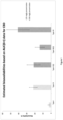
- Type IV formulations according to the invention exhibit improved bioavailability relative to Type I and Type III formulations
- bioavailability study is represented in Table 6 below.
- the Type IV formulation exhibits improved bioavailability compared to Type I and Type III formulations having the same concentration of CBD.
- Table 6 the result of subject 50 appears to be an anomaly because it falls outside of the general trend of improved bioavailability. This is clearly shown in Figure 1 , despite inclusion of the anomaly.
- Beagle dogs (supplied by Charles River UK) received oral capsule doses at a target level of 15 mg/kg.
- Capsules used were size '0' gelatine capsules and the animals received a 100 mL water flush after each capsule was administered.
- the volume of blood taken at each sampling time was 2 mL and were collected mostly from the jugular vein. On a few occasions, cephalic vein samples were collected. The sampling times were: 0.5, 1, 1.5, 2, 2.5, 3, 4, 5, 6, 8, 12 and 24 h post-dose.
- the determination of CBD, 6-OH CBD, THC and 11 OH THC in dog plasma was performed by protein precipitation with reverse phase liquid chromatography with tandem mass spectrometric detection.
- the LLOQ of CBD was 1 ng/ml and all metabolites had an LLOQ of 0.5 ng/ml.
- HED Human equivalent dose
- the K m for a dog is 20 and the K m for a human is 37.
- a 15 mg/kg dose in a dog equates to a human dose of about 8.1 mg/kg.
- Diacetin was weighed by weight into a vial followed by P124 directly on top.
- the P188 was weighed and added to the vessel containing the diacetin and P124.
- the desired amount of CBD is weighed and added to the vessel and heated (100 °C) until molten with a vortex to ensure a homogenous gel.
- the gel is filled into capsules or vials by weight.
- the viscosity of the gel is a function of temperature which enables the flexibility of filling into HPMC, Gelatin and soft-Gelatin capsules. At room temperature, low CBD dose gels were solid whereas the higher loaded CBD formulations remained a gel.
- the CBD used was a highly purified form.
- Type III(i) SEDDS 250 mg/g: CBD formulated with 15 wt% oil, 45 wt% water soluble surfactants and 40 wt% hydrophilic cosolvent.
- Type III(ii) SEDDS (250 mg/g): CBD formulated with 31 wt% oil, 45 wt% water soluble surfactants and 24 wt% hydrophilic cosolvent. Table 6 Estimated bioavailabilities based on AUC(0-t) data for CBD Subject 47 48 49 50 57 58 59 60 61 62 63 N Mean SD Analyte Oral Formulation Bioavailability_using_AUCt_for_CBD Type I Control Oil based (125 mg/g) 4.43 2.95 2.11 1.67 2.43 5 2.72 1.07 Type III(i) SEDDS (250 mg/g) 19.9 46.7 15.5 20.0 27.0 5 25.8 12.4 Type III(ii) SEDDS (250 mg/g) 9.00 11.7 14.6 6.62 6.65 16.3 6 10.8 4.09 Type IV Gel (125 mg/g) 20.4 31.1 10.3 25.9 22.3 5 22.0 7.70 Type IV Gel (250 mg/g) 37.2 17.3 38.0 55.7 53.5 44.3 6 4
Landscapes
- Health & Medical Sciences (AREA)
- Chemical & Material Sciences (AREA)
- Life Sciences & Earth Sciences (AREA)
- Animal Behavior & Ethology (AREA)
- Pharmacology & Pharmacy (AREA)
- General Health & Medical Sciences (AREA)
- Public Health (AREA)
- Veterinary Medicine (AREA)
- Medicinal Chemistry (AREA)
- Epidemiology (AREA)
- Engineering & Computer Science (AREA)
- Chemical Kinetics & Catalysis (AREA)
- General Chemical & Material Sciences (AREA)
- Oil, Petroleum & Natural Gas (AREA)
- Bioinformatics & Cheminformatics (AREA)
- Neurosurgery (AREA)
- Neurology (AREA)
- Biomedical Technology (AREA)
- Nuclear Medicine, Radiotherapy & Molecular Imaging (AREA)
- Organic Chemistry (AREA)
- Pain & Pain Management (AREA)
- Proteomics, Peptides & Aminoacids (AREA)
- Inorganic Chemistry (AREA)
- Medicinal Preparation (AREA)
- Pharmaceuticals Containing Other Organic And Inorganic Compounds (AREA)
- Acyclic And Carbocyclic Compounds In Medicinal Compositions (AREA)
- Medicines That Contain Protein Lipid Enzymes And Other Medicines (AREA)
Description
- The present invention relates to an oral pharmaceutical formulation contained in a container. The oral pharmaceutical formulation comprises a cannabinoid.
- Cannabinoids are lipophilic substances that are known to be poorly soluble in water (less than 1 µg/mL). As an example, cannabidiol (CBD) is soluble in ethanol (36 mg/mL) and dimethylsulfoxide DMSO (60 mg/mL).
- Bioavailability of pharmaceutical substances taken perorally, first of all, depends on the extent to which the pharmaceutically active substance is absorbed from the intestinal environment across the intestinal mucosa. Lipophilic pharmaceutical substances are generally poorly absorbed from the intestinal environment, inter alia because of their poor solubility and/or dispersibility in water. Bioavailability of a pharmaceutical substance taken perorally furthermore depends on the susceptibility of the substance to the so-called first pass effect. Substances absorbed from the intestine, before being distributed throughout the body, have to pass the liver first where they may be metabolised immediately. CBD is generally assumed to be rather susceptible to first-pass liver metabolisation. Oral bioavailability of CBD is low and unpredictable (S. Zhornitsky, S. Potvin, Pharmaceuticals (2012) 5, 529-552). In addition, CBD is an unstable drug (A. J. Poortman, H. Huizer, Forensic Science International (1999) 101, 1-8).
- In
WO 2012/033478 , Self-Emulsifying Drug Delivery Systems (SEDDS) have been used to offer improved administration of cannabinoids. - SEDDS (self-emulsifying drug delivery systems) generally consist of hard or soft capsules filled with a liquid or a gel that consists of lipophilic active pharmaceutical ingredient (API), oil (to dissolve the API) and a surfactant. Upon contact with gastric fluid, the SEDDS spontaneously emulsify due to the presence of surfactants. Many surfactants, however, are lipid based and interact with lipases in the gastro intestinal tract (GIT). This can lead to a reduced capability of the lipid based surfactants to emulsify the API as well as the oil carrier, both reducing bioavailability.
- In
WO 2015/184127 , an alcohol-free formulation comprising a cannabinoid, a polyethylene glycol and propylene glycol is disclosed. - In
WO 2012/033478 , SEDDS formulations based on Type I, Type II and Type III were utilised. - In
PCT/GB2017/051943 - Other documents relevant to the background of the present invention are
CN103110582 ;CN101040855 ;US2012/183606 ; Thumma S Et Al, European Journal of Pharmaceutics and Biopharmaceutics. vol 70, no. 2, 1 October 2008, pp 605-614; and Edward Maa Et Al, Epilepsia, vol. 55, no. 6, 1 June 2014, pp 783-786. -
CN103110582 discloses micro-emulsion formulations comprising a cannabinoid, an oil phase, surfactant, co-surfactant and water.WO 2016/022936 andUS 2016/184258 disclose oil-based Type I, Type II and Type III SEDDS formulations comprising tetrahydrocannabinol (THC). - The Lipid Formulation Classification System (LFCS) was introduced to help identify the characteristics of lipid systems (C.W. Pouton, Eur. J. Pharm. Sci., 11 (Suppl. 2) (2000), pp. S93-S98). As classified in the LFCS, Type I formulations are oils which require digestion, Type II formulations are water-insoluble self-emulsifying drug delivery systems (SEDDS), Type III systems are SEDDS or self-micro emulsifying drug delivery systems (SMEDDS) or self-nano emulsifying drug delivery systems (SNEDDS) which contain some water-soluble surfactants and/or co-solvents (Type IIIA) or a greater proportion of water soluble components (Type IIIB). Category Type IV represents a recent trend towards formulations which contain predominantly hydrophilic excipient surfactants and co-solvents. Below is a tabular Lipid Formulation Classification System overview taken from
US 2015/111939 :Content of formulation (wt.-%) Excipients in formulation Type I Type II Type IIIA Type IIIB Type IV Oil: triglycerides or mixed mono- and diglycerides 100 40-80 40-80 <20 - Water-insoluble surfactants (HLB < 12) - 20-60 - - 0-20 Water-soluble surfactants (HLB > 12) - - 20-40 20-50 30-80 Hydrophilic co-solvent - - 0-40 20-50 0-50 - A further description of the Lipid Formulation Classification System can also be found in FABAD J. Pharm. Sci., pages 55-64, 2013.
- As can be seen in the above table, Type IIIB formulations comprise <20 wt% of oil, based on the total composition. However, it should be noted that, by definition, Type IIIB formulations contain some oil, even if it is only a very small amount.
- Exposure of pharmaceutical substances that are sensitive to moisture, oxygen and/or light can lead to serious consequences. For example, exposure may cause softening and disaggregation of the product, and can degrade the active ingredients, for example by hydrolysis, photolysis and oxidation. Ultimately if a drug proves unstable it may not pass clinical trials. Damage to a pharmaceutical product exposed to the environment may be quantified by measuring the amount of degradants of the pharmaceutical product ingredients, e.g. active ingredient, as well as the amount of ingredients per se. Furthermore, aliquots may be taken and analysed at specified periods to obtain a profile of the stability of a pharmaceutical product stored under certain conditions.
- Cannabinoids are susceptible to degradation through exposure to the environment, for example through exposure to light, heat, oxygen and/or moisture.
- The cannabinoid tetrahydrocannabinol (THC) is degraded on exposure to environmental factors to the cannabinoid cannabinol (CBN). This cannabinoid binds to different receptors and has a different physiological effect on the human body and as such degradation of cannabinoids is detrimental when they are to be used as pharmaceutical active ingredients.
- There exists a need to provide protection of pharmaceutical formulations comprising cannabinoids to maintain the physical and chemical stability of the pharmaceutical product.
- There exists a need to provide an oral pharmaceutical formulation comprising a cannabinoid that exhibits improved properties such as bioavailability, storage stability and homogeneity.
- The invention is set out in the appended set of claims.
- The present invention relates to a novel cannabinoid oral pharmaceutical dosage form, based on a Type IV or Type IV-like formulation, as classified using the Lipid Formulation Classification System. The formulation is contained in a blister pack container. By Type IV-like, it is meant that the formulation comprises no oil, for example no triglycerides or mixed glycerides.
- There is provided an oral pharmaceutical formulation contained within a blister pack, the formulation comprising:
- a) cannabidiol in an amount of 10 to 50 wt%;
- b) a solvent in an amount of 20 to 50 wt%, wherein the solvent is selected from the group consisting of diacetin, propylene glycol, triacetin, monoacetin, propylene glycol diacetate, triethyl citrate and mixtures thereof; and
- c) at least one poloxamer in an amount of 30 to 60 wt%, wherein the poloxamer is poloxamer 124 or poloxamer 188 or a mixture thereof; and
- This formulation enhances cannabinoid (cannabidiol) bioavailability compared to other formulations based on Type I, Type II, Type IIIA and Type IIIB, as classified by the Lipid Formulation Classification System. Accordingly, the oral pharmaceutical dosage form or formulation is not oil-based, i.e. it comprises no oil. Such formulations are classified as Type IV or Type IV-like.
- By enhancing bioavailability, the total amount of cannabinoid and excipients required during a certain window of time in a treatment of a specific disease may be reduced.
- The formulation according to the present invention exhibits excellent stability under various, in particular dry, storage conditions.
- By enhancing stability, the length of time for which the formulations are fit for consumption, in particular oral administration, may be increased.
- The formulation according to the present invention comprises cannabidiol (CBD).
- The cannabidiol is present in an amount of from 10 to 50 wt%, based on the total composition, preferably from about 20 to 30 wt%. The cannabidiol may be present in an amount of about 30 wt%.
- Preferably, the cannabidiol is synthetically produced or highly purified from its natural source (for example, plant derived recrystallized form, such as a plant derived recrystallized form of CBD). When a highly purified source is used, it is purified such that the cannabidiol is present at greater than 95%, more preferably greater than 98% of the total extract (w/w). Use of a synthetically produced or highly purified cannabidiol is advantageous because these contain relatively low amounts of wax. This assists in prevention of the formation of an oily formulation, increasing physical stability of the formulation and wettability in an aqueous environment.
- The unit dose of cannabidiol in the oral pharmaceutical formulation may be in the range of from 0.001 to 350 mg, preferably 0.1 to 350 mg, more preferably 1 to 250 mg.
- For example, it is envisaged that, when in tablet or capsule unit dose form, the amount of cannabidiol present may be 0.5, 2, 10, 25, 50, 100, 150, 200, 250, 300 or 350 mg.
- The amount of cannabidiol present in the formulation may be 20 to 30 wt%, based on the total composition. It has been found that the formulation is stable and is a solid at room temperature and pressure (defined herein as 20 °C and 1 atm) even when the content of cannabinoid is relatively high, such as 25, 30 or 35 wt%. Without wishing to be bound by theory, it is believed that at least one poloxamer is essential to the stability of the formulation, particularly for high cannabinoid content.
- The formulation according to the present invention comprises a solvent, wherein the solvent is selected from the group consisting of diacetin, propylene glycol, triacetin, monoacetin, propylene glycol diacetate, triethyl citrate and mixtures thereof.
- Diacetin is also known as glycerol diacetate.
- Triacetin is also known as 1,2,3-triacetoxypropane, 1,2,3-triacetylglycerol or glycerol triacetate.
- Monoacetin is also known as glycerol monoacetate or glycerol acetate.
- Triethyl citrate is also known as citric acid ethyl ester.
- Propylene glycol, propylene glycol diacetate and triethyl citrate are preferred solvents. Preferably, the solvent is triethyl citrate or propylene glycol. Triethyl citrate is preferably used.
- The solvent is present in an amount of from 20 to 50 wt%, based on the total composition, most preferably about 20 to 30 wt%. The solvent may be present in an amount of about 25 wt%.
- When the solvent used is propylene glycol, it is preferred that it is present in an amount of from about 20 to 30 wt%, based on the total composition.
- When the solvent is triethyl citrate, it is preferred that it is present in an amount of from about 20 to 30 wt%, based on the total composition.
- When only one poloxamer is present, as will be described below, it is preferred that the solvent is present in an amount of from 45 to 50 wt%, based on the total composition.
- The solvent or mixture of solvents according to the claimed invention may be the only solvent in the formulation. For example, the formulation may be substantially water-free, and/or substantially alcohol-free. By "substantially water-free" and "substantially alcohol-free", it is meant that the formulation comprises less than 2 wt%, preferably less than 1 wt% water and/or alcohol based on the total composition.
- The formulation is preferably substantially free from ethanol. More preferably the formulation is substantially alcohol-free.
- In some embodiments the formulation is used in a paediatric patient, i.e. a patient under 18 years of age. In paediatric patients, it may be preferred that the formulation is substantially alcohol-free.
- The formulation is oil-free. The formulation may be free from or comprise no triglycerides, diglycerides or monoglycerides or mixtures thereof derived from glycerol and at least one fatty acid selected from the group consisting of caprylic acid, capric acid, lauric acid, myristic acid, palmitic acid, stearic acid, arachidic acid, behenic acid, lignoceric acid, cerotic acid, myristoleic acid, palmitoleic acid, sapienic acid, oleic acid, elaidic acid, vaccenic acid, linoleic acid, linoelaidic acid, α-linolenic acid, arachidonic acid, eicosapentaenoic acid, erucic acid and docosahexaenoic acid and mixtures thereof. Preferably the formulation may be free from or comprise no triglycerides, diglycerides or monoglycerides or mixtures thereof.
- The formulation may be free from hydrogenated vegetable oils, nut oils, anise oil, soybean oil, hydrogenated soybean oil, apricot kernel oil, corn oil, olive oil, peanut oil, almond oil, walnut oil, cashew oil, rice bran oil, poppy seed oil, cottonseed oil, canola oil, sesame oil, hydrogenated sesame oil, coconut oil, flaxseed oil, cinnamon oil, clove oil, nutmeg oil, coriander oil, lemon oil, orange oil, safflower oil, cocoa butter, palm oil, palm kernel oil, sunflower oil, rapeseed oil, castor oil, hydrogenated castor oil, polyoxyethylene castor oil derivatives, borage oil, beeswax, lanolin, petroleum jelly, mineral oil and light mineral oil.
- More preferably the formulation may be free from triglycerides, diglycerides or monoglycerides or mixtures thereof derived from glycerol and caprylic acid, capric acid, lauric acid, myristic acid, palmitic acid, stearic acid, arachidic acid, behenic acid, lignoceric acid, cerotic acid, myristoleic acid, palmitoleic acid, sapienic acid, oleic acid, elaidic acid, vaccenic acid, linoleic acid, linoelaidic acid, α-linolenic acid, arachidonic acid, eicosapentaenoic acid, erucic acid and docosahexaenoic acid and mixtures thereof, hydrogenated vegetable oils, nut oils, anise oil, soybean oil, hydrogenated soybean oil, apricot kernel oil, corn oil, olive oil, peanut oil, almond oil, walnut oil, cashew oil, rice bran oil, poppy seed oil, cottonseed oil, canola oil, sesame oil, hydrogenated sesame oil, coconut oil, flaxseed oil, cinnamon oil, clove oil, nutmeg oil, coriander oil, lemon oil, orange oil, safflower oil, cocoa butter, palm oil, palm kernel oil, sunflower oil, rapeseed oil, castor oil, hydrogenated castor oil, polyoxyethylene castor oil derivatives, borage oil, beeswax, lanolin, petroleum jelly, mineral oil and light mineral oil.
- The formulation according to the present invention comprises at least one poloxamer, wherein the poloxamer is poloxamer 124 or poloxamer 188 or a mixture thereof..
- A poloxamer is defined according to formula (II)

- When a is 12 and b is 20, this is known as poloxamer 124.
- When a is 80 and b is 27, this is known as poloxamer 188.
- The total amount of poloxamer present is in an amount of from 30 to 60 wt%, based on the total composition. More preferably the total amount of poloxamer present is from about 40 to about 50 wt%. The total amount of poloxamer present may be about 45 wt%.
- When the formulation comprises poloxamer 124 and poloxamer 188, the amount of poloxamer 124 may be 5 wt% and the amount of poloxamer 188 may be 40 wt%, based on the total composition.
- In some cases, the formulation may comprise only one poloxamer, wherein the poloxamer is poloxamer 188.
- It has been found that the formulation of the invention has excellent rehydration properties. The formulation rehydrates rapidly and homogeneously. Upon rehydration the formulation has excellent release properties.
- It has been found that the formulation of the invention has excellent stability. Without wishing to be bound by theory, it is believed that the presence of at least one poloxamer in the formulation affords excellent stability.
- The pharmaceutical formulation according to the present invention is contained in a container (also referred to as "pharmaceutical package"). The container is a blister pack.
- The container preferably protects the pharmaceutical formulation from moisture. Preferably the water content of the pharmaceutical formulation in the container increases by less than 5%, preferably less than 3%, more preferably less than 2% for a period of at least 1 year, preferably at least 2 years under ambient storage conditions, for example about 25°C and 60% RH. The water content of the pharmaceutical formulation in the container may be measured according to ICH Guidance Q1A - Q1F.
- Advantageously, whilst the formulation according to the present invention exhibits good storage stability when not contained in a container, i.e. as a stand-alone product, the storage stability can be further improved by containing the formulation in a container. For example, the increase in API degradants (such as CBE I, CBE II, OH-CBD and RRT 0.96) during storage can be decreased by containing the formulation in a container.
- Blister packaging is known to those skilled in the art. A "blister pack" covers several types of pre-formed packaging used for consumer goods, food and pharmaceuticals. The term "blister pack" includes push-through, peel-push, tear-open, peelable and/or child-resistant blister packs. The basic configuration of a blister pack includes a forming film that has a plurality of cavities often referred to as "pockets" or "blisters" for holding a unit dosage form and a lidding material that provides the base component upon which the blister package is built. The lidding material is arranged on the face of the forming film that comprises the concave face of the at least one cavity. The lidding material is bonded, sealed or affixed to the forming film using a suitable method which is known in the art, such as by heat-sealing. The construction of the forming film and the lidding material varies. For example, one or both of the components may comprise a laminated structure that includes layers of various materials, such as paper, polymers and metals. Alternatively one or both of the components may comprise a single layer. The construction of the blister pack components determines its "barrier" properties against the environment, for example, against moisture, oxygen and/or light.
- One type of forming film is a polyvinyl chloride (PVC) forming film. PVC is commonly used as a blister forming material within the pharmaceutical industry due to the low cost and facile formability of PVC. PVC as a forming material offers good protection of the pharmaceutical product in the blister pack against oxygen ingress but provides limited moisture protection. PVC forming films may be transparent or opaque. PVC forming films provide acceptable protection of pharmaceutical products but only limited protection of pharmaceutical products that are sensitive to moisture.
- Another category of forming films are those comprising aluminium. When aluminium is used as a forming material it offers a substantially complete barrier to moisture and oxygen ingress. Surprisingly the inventors have discovered that these characteristics will lead to an extended shelf life of the formulation according to the present invention. Without wishing to be bound by theory, the reason behind the difference in barrier protection is due to the differing chemical compositions of the two materials. Permeation through aluminium is hindered because of the small interspaces between the molecules.
- The blister pack may comprise a cavity forming film and a lidding material. The forming film may comprise at least one cavity.
- The forming film and the lidding material may be made from different materials or may be made from the same material. The forming film may have a laminated structure or may be made from a single layer of material. The lidding material may be have a laminated structure or may be made from a single layer of material.
- The forming film may comprise a polymer, paper, aluminium or combinations thereof. The polymer is preferably be selected from the group consisting of polyethylene (PE), polyvinyl chloride (PVC), polychlorotrifluoroethylene (PCTFE), polyvinylidene chloride (PVDC), high-density polyethylene (HDPE), polystyrene (PS), polypropylene (PP), polyethylene terephthalate (PET), polycarbonate or combinations thereof.
- The forming film may comprise PVC, aluminium or combinations thereof.
- Preferably the forming film is made from a laminated material comprising PVC and PVDC, more preferably PVC, PVDC and PE. When the forming film is made from a laminated material it is preferred that the lidding material comprises aluminium.
- Preferably the forming film comprises aluminium. When the forming film comprises aluminium it is preferred that the lidding material comprises aluminium.
- The lidding material may comprise a polymer, paper, aluminium or combinations thereof. The polymer may be selected from the group consisting of polyethylene (PE), polyvinyl chloride (PVC), polychlorotrifluoroethylene (PCTFE), polyvinylidene chloride (PVDC), high-density polyethylene (HDPE), polystyrene (PS), polypropylene (PP), polyethylene terephthalate (PET), polycarbonate or combinations thereof. Preferably the lidding material comprises aluminium.
- Preferably both the forming film and the lidding material comprise aluminium.
- Preferably the blister pack is a cold-form foil blister pack (also referred to as an "alu-alu" or an "aluminium/aluminium" or "Al/Al" blister pack).
- Advantageously when the container is a blister pack, the formulation of the invention, for example in a unit dosage form, can be removed individually and thus without contamination of the other forms, which are furthermore contained in sealed cavities. In addition, the administration forms are separated from one another, preventing mutual interaction, such as, abrasion or sticking.
- Advantageously when both the forming film and the lidding material comprise aluminium, the storage stability of the formulation according to the present invention is improved versus the formulation as a stand-alone product, and even better than when the formulation is stored in another type of container, e.g. one that does not comprise aluminium in both the forming film and the lidding material. Without wishing to be bound by theory, the inventors believe that this is because the permeability to moisture and oxygen is significantly reduced.
- The container may contain a desiccant, for example a desiccant in a sachet or canister.
- A desiccant is any drying agent that removes moisture from the air. Examples of a desiccant include activated carbon, calcium chloride, metal oxide, such as an alkaline earth metal oxide (such as calcium oxide), an alkaline earth metal hydroxide (such as calcium hydroxide), a sulfate of an alkaline earth metal (such as magnesium sulfate, calcium sulfate.), silicon dioxide (silica gel), a bonded product of alumina oxide and silicon dioxide (silica alumina), alumina oxide (active alumina), natural or synthetic zeolite (molecular sieves 3A, 4A, SA, 13X), allophane, clay, a mixture of clay and activated carbon, a mixture of silica gel and activated carbon, a mixture of silica gel and clay, a mixture of silica alumina and activated carbon, a mixture of synthetic zeolite and activated carbon, a mixture of allophane and activated carbon (such as allophane added with activated carbon, or allophane kneaded with activated carbon), pulp containing silica gel (such as ultrafine silica gel mixed between paper fibers, silica gel packaged in paper tube), pulp containing calcium chloride (such as paper material impregnated with liquid calcium chloride, dried and coated with film) and pulp containing allophane (such as pulp impregnated with allophane liquid, dried and film coated, allophane packaged in paper tube).
- Preferably the desiccant is selected from the group consisting of silica gel, clay desiccants, calcium sulfate, calcium chloride, calcium oxide, zeolite, activated alumina, activated carbon, alumina, bauxite, anhydrous calcium sulphate, activated bentonite clay, water-absorbing clay, molecular sieve and combinations thereof. More preferably the desiccant is selected from the group consisting of silica gel, clay desiccants, calcium sulfate, calcium chloride, calcium oxide, zeolite, activated alumina, activated carbon and combinations thereof.
- The container may contain an oxygen absorber.
- Oxygen absorbers absorb and remove oxygen from the air. Examples of an oxygen absorber include metal-based substances that remove oxygen by reacting with it by chemical bonding, generally forming a metal oxide component. Metal-based substances include elemental iron as well as iron oxide, iron hydroxide, iron carbide and the like. Other metals for use as oxygen absorbers include nickel, tin, copper and zinc. Additional materials for oxygen absorbers include low molecular weight organic compounds such as ascorbic acid, sodium ascorbate, catechol and phenol; and polymeric materials incorporating a resin and a catalyst.
- The formulation may further comprise an antioxidant, preferably in an amount of from about 0.001 to 5 wt%, more preferably about 0.001 to 2.5 wt%, based on the total composition.
- The antioxidant may be selected from the group consisting of butylated hydroxytoluene, butylated hydroxyl anisole, alpha- tocopherol (Vitamin E), ascorbyl palmitate, ascorbic acid, sodium ascorbate, ethylenediamino tetraacetic acid, cysteine hydrochloride, citric acid, sodium citrate, sodium bisulfate, sodium metabisulfite, lecithin, propyl gallate, sodium sulfate, monothioglycerol and mixtures thereof.
- A preferred group of antioxidants is alpha- tocopherol (Vitamin E), monothioglycerol, ascorbic acid, citric acid and mixtures thereof. A preferred antioxidant is alpha- tocopherol (Vitamin E).
- Advantageously when the formulation comprises an antioxidant the stability of the formulation can be improved further still.
- The formulation may additionally comprise a flavouring agent, such as peppermint.
- The formulation may additionally comprise a sweetener, such as sucrose.
- The formulation according to the invention may be in an oral dosage form selected from the group consisting of mucoadhesive gel, a tablet, a powder, a liquid gel capsule, a solid capsule, an oral solution, granule or extrudates. A preferred group of oral dosage forms is the group consisting of a gel capsule and a solid capsule.
- The oral dosage form preferably comprises a modified-release agent.
- The modified-release agent may be selected from the group consisting of polymethacrylate derivatives, hypromellose derivatives, polyvinylacetate derivatives, poluvinylether derivatives, cellulose derivatives, shellac, gellan gum, zein, alginic acid and waxes.
- The modified-release agent may be selected from the group consisting of polymethacrylate derivatives (such as a copolymer of methacrylic acid and methacrylate, a copolymer of methacrylic acid and methyl methacrylate or a copolymer of methacrylic acid and ethylacrylate); hypromellose derivatives (such as hydroxypropyl methyl cellulose acetate succinate (HPMC-AS) and hydroxypropyl methyl cellulose phthalate (HPMCP)); polyvinylacetate derivatives (such as polyvinyl acetate phthalate (PVAP)); polyvinylether derivatives (such as a copolymer of methyl vinyl ether and maleic anhydride); cellulose derivatives (such as cellulose acetate phthalate (CAP), cellulose acetate terephthalate, cellulose acetate isophthalate, cellulose acetate butyrate (CAB), cellulose acetate trimellitate (CAT), cellulose acetate succinate (CAS), ethyl cellulose, methyl cellulose); shellac, gellan gum, zein, alginic acid, waxes and mixtures thereof.
- The modified-release agent may be selected from the group consisting of a copolymer of methacrylic acid and methacrylate, a copolymer of methacrylic acid and methyl methacrylate, a copolymer of methacrylic acid and ethylacrylate, hydroxypropyl methyl cellulose acetate succinate (HPMC-AS), hydroxypropyl methyl cellulose phthalate (HPMCP), polyvinyl acetate phthalate (PVAP), a copolymer of methyl vinyl ether and maleic anhydride, cellulose acetate phthalate (CAP), cellulose acetate butyrate (CAB), cellulose acetate trimellitate (CAT), cellulose acetate succinate (CAS), ethyl cellulose, methyl cellulose, shellac, gellan gum, zein, alginic acid and waxes.
- The modified-release agent may be an acid-resistant agent.
- The modified-release agent may be an enteric agent.
- A preferred group of oral dosage forms is the group consisting of a gel capsule and a solid capsule. When the oral pharmaceutical composition is in the dosage form of a capsule, the pharmaceutical formulation is contained in the capsule and the capsule comprises the modified-release agent (either as part of the capsule material, or the capsule comprises a coating which comprises the modified-release agent).
- The capsule may comprise the modified-release agent as part of the capsule material, for example a capsule which is made from a material that comprises a modified-release agent.
- The capsule may be coated with a coating comprising the modified-release agent, for example a capsule which is not made from a material that comprises a modified-release agent, but which is coated with a coating that comprises the modified-release agent.
- The oral dosage form may be a capsule which comprises a modified-release agent, for example a capsule which is made from a material that comprises a modified-release agent, and which is coated with a coating that comprises the modified-release agent.
- The oral dosage form may be an acid-resistant dosage form.
- The oral dosage form may be an enteric dosage form, such as an enteric capsule.
- The pharmaceutical formulation according to the present invention may be filled into capsules with a modified-release coating, wherein the coating comprises at least one a modified-release agent.
- The pharmaceutical formulation according to the present invention may be filled into modified-release capsules which comprise the least one modified-release agent as part of the capsule material.
- Preferably the modified-release capsule comprises a modified hydroxypropyl methyl cellulose (HPMC) (also termed "hydroxypropyl methyl cellulose derivative" and "hypromellose derivative"). For example, the modified-release capsule may be a capsule comprising hydroxypropyl methyl cellulose acetate succinate (HPMC-AS).
- Preferably the modified-release capsule comprises a coating comprising cellulose acetate phthalate (CAP).
- It is preferred that the type IV oral formulation according to the invention is a solid at room temperature and pressure, i.e. preferably the formulation is a solid at 20 °C and 1 atm. Such formulations are typically fluid during manufacture, solid at room temperature and become fluid again at 37 °C. For the purposes of the invention, a gel is considered to be a solid.
- The formulation may comprise about 20 to 30 wt% solvent and two poloxamers, wherein the poloxamers are poloxamer 124 and poloxamer 188, wherein the total amount of poloxamer is about 30 to 60 wt%, based on the pharmaceutical formulation.
- Preferably the formulation comprises about 20 to 30 wt% cannabidiol , about 20 to 30 wt% solvent and two poloxamers, wherein the poloxamers are poloxamer 124 and poloxamer 188, wherein the total amount of poloxamer is about 30 to 60 wt%, based on the pharmaceutical formulation.
- Preferably the formulation comprises CBD; at least two poloxamers, wherein the poloxamers are poloxamer 124 and poloxamer 188; and a solvent, wherein the solvent is triethyl citrate. More preferably the formulation comprises about 20 to 30 wt% CBD; about 20 to 30 wt% triethyl citrate; and two poloxamers, wherein the poloxamers are poloxamer 124 and poloxamer 188, wherein the total amount of poloxamer is about 30 to 60 wt%, based on the pharmaceutical formulation.
- In a highly preferred formulation, the formulation comprises about 20 to 30 wt% CBD; about 20 to 30 wt% triethyl citrate; an anti-oxidant, wherein the antioxidant is alpha-tocopherol; and two poloxamers, wherein the poloxamers are poloxamer 124 and poloxamer 188, wherein the total amount of poloxamer is about 40 to 50 wt%, based on the pharmaceutical formulation. In this preferred formulation, the formulation is in the form of an oral dosage form, wherein the oral dosage form is a capsule; and the capsule comprises a modified-release agent. The oral dosage form is contained in a blister pack.
- The following represent preferred formulations according to the invention that are capable of forming a gel at body temperature.
- A preferred oral pharmaceutical formulation (solid gel at room temperature) comprises
- 25 wt% cannabidiol;
- 34 wt% poloxamer 124;
- 15 wt% poloxamer 188; and
- 26 wt% propylene glycol.
- A further preferred oral pharmaceutical formulation (Gel at room temperature) comprises
- 25 wt% cannabidiol;
- 34 wt% poloxamer 124;
- 15 wt% poloxamer 188; and
- 26 wt% diacetin.
- A further preferred oral pharmaceutical formulation (Solid at room temperature) comprises
- 25 wt% cannabidiol;
- 35 wt% poloxamer 124;
- 20 wt% poloxamer 188; and
- 20 wt% propylene glycol.
- A further preferred oral pharmaceutical formulation (Gel at room temperature) comprises
- 35 wt% cannabidiol;
- 28 wt% poloxamer 124;
- 16 wt% poloxamer 188; and
- 22 wt% propylene glycol.
- A further preferred oral pharmaceutical formulation (Solid at room temperature) comprises
- 12.5 wt% cannabidiol;
- 38 wt% poloxamer 124;
- 19 wt% poloxamer 188; and
- 30 wt% propylene glycol.
- A further preferred oral pharmaceutical formulation (Solid at room temperature) comprises
- 25 wt% cannabidiol;
- 35 wt% poloxamer 124;
- 20 wt% poloxamer 188; and
- 20 wt% triethyl citrate.
- The formulation is for use in therapy, preferably for use in paediatric epilepsy.
- The formulation may also be used in the treatment of a disease or disorder selected from the group consisting of Dravet Syndrome, Lennox Gastaut Syndrome, myocolonic seizures, juvenile myocolonic epilepsy, refractory epilepsy, schizophrenia, juvenile spasms, West syndrome, infantile spasms, refractory infantile spasms, tuberous sclerosis complex, brain tumors, neuropathic pain, cannabis use disorder, post-traumatic stress disorder, anxiety, early psychosis, Alzheimer's Disease, and autism.
- As already stated, cannabidiol is preferred for use in the present invention. Cannabidiol can be used in the treatment of atonic, absence or partial seizures, in particular, simple or complex seizures. It is particularly effective in reducing seizures in patients suffering with etiologies that include: Lennox-Gastaut Syndrome; Tuberous Sclerosis Complex; Dravet Syndrome; Doose Syndrome; CDKL5; Dup15q; , Jeavons syndrome; Myoclonic Absence Epilepsy; Neuronal ceroid lipofuscinoses (NCL) and brain abnormalities.
- In addition, a formulation comprising CBDV and/or CBDA can be used in the treatment of autism spectrum disorders, in particular Rett syndrome, Fragile X syndrome, Angelman syndrome, ADHD and hyperkinetic disorders, such as Tourette syndrome and dystonias. Thus, the formulation comprising CBDV and/or CBDA can be useful in a method of treatment of such disorders.
- The formulation of the invention may be useful in a method of treating a patient having a disorder selected from the group consisting of Dravet Syndrome, Lennox Gastaut Syndrome, myoclonic seizures, juvenile myoclonic epilepsy, refractory epilepsy, schizophrenia, juvenile spasms, West syndrome, infantile spasms, refractory infantile spasms, tuberous sclerosis complex, brain tumors, neuropathic pain, cannabis use disorder, post-traumatic stress disorder, anxiety, early psychosis, Alzheimer's Disease, and autism.
- When cannabidiol is used in the formulation, the formulation may be useful in a method of treatment of atonic, absence or partial seizures in a patient, in particular, simple or complex seizures. It is particularly effective in a method of reducing seizures in patients suffering with etiologies that include: Lennox-Gastaut Syndrome; Tuberous Sclerosis Complex; Dravet Syndrome; Doose Syndrome; CDKL5; Dup15q; , Jeavons syndrome; Myoclonic Absence Epilepsy; Neuronal ceroid lipofuscinoses (NCL) and brain abnormalities.
- The method of treatments comprise administering a patient with a therapeutically effective amount of a formulation or of a cannabinoid in a formulation according to the present invention.
- "Cannabinoids" are a group of compounds including the endocannabinoids, the phytocannabinoids and those which are neither endocannabinoids nor phytocannabinoids, hereinafter "syntho-cannabinoids".
- "Endocannabinoids" are endogenous cannabinoids, which are high affinity ligands of CB1 and CB2 receptors.
- "Phytocannabinoids" are cannabinoids that originate in nature and can be found in the cannabis plant. The phytocannabinoids can be present in an extract including a botanical drug substance, isolated, or reproduced synthetically.
- "Syntho-cannabinoids" are those compounds capable of interacting with the cannabinoid receptors (CB1 and/or CB2) but are not found endogenously or in the cannabis plant. Examples include WIN 55212 and rimonabant.
- An "isolated phytocannabinoid" is one which has been extracted from the cannabis plant and purified to such an extent that all the additional components such as secondary and minor cannabinoids and the non-cannabinoid fraction have been removed.
- A "synthetic cannabinoid" is one which has been produced by chemical synthesis. This term includes modifying an isolated phytocannabinoid, by, for example, forming a pharmaceutically acceptable salt thereof.
- A "substantially pure" cannabinoid is defined as a cannabinoid which is present at greater than 95% (w/w) pure. More preferably greater than 96% (w/w) through 97% (w/w) thorough 98% (w/w) to 99% % (w/w) and greater.
- A "highly purified" cannabinoid is defined as a cannabinoid that has been extracted from the cannabis plant and purified to the extent that other cannabinoids and non-cannabinoid components that are co-extracted with the cannabinoids have been substantially removed, such that the highly purified cannabinoid is greater than or equal to 95% (w/w) pure.
- A "botanical drug substance" or "BDS" is defined in the Guidance for Industry Botanical Drug Products Draft Guidance, August 2000, US Department of Health and Human Services, Food and Drug Administration Centre for Drug Evaluation and Research as: "A drug derived from one or more plants, algae, or microscopic fungi. It is prepared from botanical raw materials by one or more of the following processes: pulverisation, decoction, expression, aqueous extraction, ethanolic extraction or other similar processes."
- A botanical drug substance does not include a highly purified or chemically modified substance derived from natural sources. Thus, in the case of cannabis, BDS derived from cannabis plants do not include highly purified Pharmacopoeial grade cannabinoids.
- An "oil" is typically defined as a single compound or a mixture of compounds that are both hydrophobic and lipophilic. Exemplary oils include triglycerides, diglycerides, monoglycerides, fatty acids and fatty acid esters. Triglycerides, diglycerides and monoglycerides are esters derived from glycerol and three, two or one fatty acids. Diglycerides and triglycerides may have the same or they may have different fatty acids for each ester bond. Exemplary fatty acids include carboxylic acids with a saturated or unsaturated, linear or branched carbon chains, such as caprylic acid, capric acid, lauric acid, myristic acid, palmitic acid, stearic acid, arachidic acid, behenic acid, lignoceric acid, cerotic acid, myristoleic acid, palmitoleic acid, sapienic acid, oleic acid, elaidic acid, vaccenic acid, linoleic acid, linoelaidic acid, α-linolenic acid, arachidonic acid, eicosapentaenoic acid, erucic acid and docosahexaenoic acid. Exemplary mixtures of oils include plant and animal fats and waxes such as vegetable oils, hydrogenated vegetable oils, nut oils, anise oil, soybean oil, hydrogenated soybean oil, apricot kernel oil, corn oil, olive oil, peanut oil, almond oil, walnut oil, cashew oil, rice bran oil, poppy seed oil, cottonseed oil, canola oil, sesame oil, hydrogenated sesame oil, coconut oil, flaxseed oil, cinnamon oil, clove oil, nutmeg oil, coriander oil, lemon oil, orange oil, safflower oil, cocoa butter, palm oil, palm kernel oil, sunflower oil, rapeseed oil, castor oil, hydrogenated castor oil, polyoxyethylene castor oil derivatives, borage oil, beeswax, lanolin, petroleum jelly, mineral oil and light mineral oil. For the purposes of the present invention cannabinoids are not considered to be oils.
- An "alcohol" has its standard meaning within the art. It includes ethanol, propanol etc.
- "Room temperature and pressure" is defined herein as 20 °C and 1 atm.
- "Modified-release" as used herein refers to the process and result of modifying an oral dosage form to release a drug with a delay after its oral administration, or for a prolonged period of time, or to a specific target. For the purposes of the present invention, hydroxypropyl methyl cellulose (HPMC) is not considered a modified-release agent.
- "Acid-resistant" or "acid resistance" as used herein means that the oral dosage form does not dissolve (or disintegrate) substantively in solutions with a pH of less than 5, preferably less than 4, more preferably less than 3, even more preferably less than 2; but does dissolve in solutions with a pH of more than 5. For example, the oral dosage form may not dissolve in gastric acid.
- The term "enteric" means that the oral dosage form does not dissolve (or disintegrate) substantively in gastric acid (either in the fed or fasted state) or in the stomach but does dissolve in the intestines (small intestine, large intestine). For example, the oral dosage form may dissolve substantively in the jejunum or colon, etc.
- A type IV oral pharmaceutical formulation (OPF) comprising at least one cannabinoid, at least one solvent and at least one poloxamer was rehydrated by adding 20 mL water for injections at room temperature (RH-RT) or by adding 20 mL water for injections at 37 °C (RH-37) in Class-3 glass colourless transparent vials. The vials were vortexed for 10 seconds.
- The viscosity, homogeneity and clarity of the OPF was checked visually.
- After rehydration, the formulation is checked visually on homogeneity and presence of particles and/or non-rehydrated OPF. The presence of foam is an indication that enough poloxamer is used to rehydrate the cannabinoid(s).
- The release of cannabinoid in the rehydration fluid was tested as follows:
Rehydrated OPF was submitted for HPLC analysis. Equipment: HPLC system with variable wavelength UV detector or diode array detector. Column: Ace C18-AR 150 x 4.6 mm, 3 µm. Pre-Column: Ace C18-AR Guard Cartridge. Mobile Phase: Acetonitrile: 0.25% acetic acid (62%: 38%). Column Temperature: 38°C. Flow Rate: 1.0 ml min-1. Detection: 220 nm. Injection Volume: 10 µl. Run Time 25 minutes. Sample preparation: accurately prepare test samples at an approximate concentration of 0.15 mg/ml in triplicate. Samples may be prepared at a higher concentration to ensure accurate quantification of related substances or degradants. 0.1 mL rehydrated OPF was diluted with 10 mL ethanol; 10 µL was injected into the HPLC system. - CBD: synthetic, plant derived CBD containing waxes and plant derived recrystallized CBD (CBD-r). Plant derived CBDV and synthetic CBDV.
- Lutrol L44 (BASF, poloxamer 124: P124), Lutrol F68 (BASF, poloxamer 188: P188), Lutrol F87 (BASF, poloxamer 237: P237), Lutrol F108 (BASF, poloxamer 338: P338), Lutrol F127 (BASF, poloxamer 407, P407), glycerol (Sigma: gly), diacetin (Sigma: di), triacetin (Sigma: tri), propylene glycol (Sigma: PG), ethanol (Fischer), propylene glycol diacetate (Sigma: PGDA), triethyl citrate (Sigma: TEC).
- Unless otherwise stated all formulations were produced using the following method. The excipients and cannabinoids are weighed into a vessel and are heated until molten. Upon cooling the gel is filled into capsules or vials by weight. The viscosity of the gel is a function of temperature which enables the flexibility of filling into HPMC, Gelatin and soft-Gelatin capsules.
- Alternatively, gel based formulations can be manufactured where the excipients and cannabinoids can be dissolved into an organic solvent such as, ethanol, methanol, propanol and filled into glass vials with a process step of evaporating the organic solvent off to leave the gel in the vial.
- Stability of the formulation as a stand-alone product was measured as well as the stability of the formulation stored in a container according to the invention. The stability studies demonstrate that the stand-alone product has good storage stability, but the stability is improved when the product is stored in a container and further improved when the container is a blister pack with a forming film and a lidding material that both comprise aluminium (Alu/Alu blister packs).
- Stability of OPF was executed according to ICH Guidance Q1A - Q1F. Samples were stored at 25°C ± 2°C/60% RH ± 5%, 30°C ± 2°C/65% RH ± 5% RH and 40°C ± 2°C/75% RH ± 5%. Stability of OPF was assessed by chemical analysis and appearance described above. Chemical analysis was performed by a stability indicating HPLC method, described above. The number of repeat experiments for each time point was 3, except at 6 months, when 6 repeat experiments were conducted. Sample preparation: 0.1 mL rehydrated OPF was diluted with 10 mL ethanol; 10 µL was injected into the HPLC system.
- The following formulation was prepared for use in the stand-alone stability study.
- Type IV formulation (150 mg/capsule): 30% w/w CBD; 5% w/w P124; 40% w/w P188; and 25% w/w triethyl citrate.
- The purpose of stability testing is to provide evidence on how the quality of a drug product varies with time under the influence of a variety of environmental factors such as temperature and humidity. In order to illustrate that the Type IV formulations according to the invention exhibit excellent stability, stability of OPF was executed according to ICH Guidance Q1A - Q1F.
- The results of the stability study are represented in Tables 1-3 below. Table 1 presents the data for samples stored at 25°C ± 2°C/60% RH ± 5%. Table 2 presents the data for samples stored at 30°C ± 2°C/65% RH ± 5% RH. Table 3 presents the data for samples stored at 40°C ± 2°C/75% RH ± 5%.
Table 1 Time Point (Months) 0 3 6 7 CBD Content (mg/Capsule) 149.13 149.56 149.54 147.70 (% of Initial CBD Content) 100.00 100.3 100.3 99.0 Table 2 Time Point (Months) 0 3 6 7 CBD Content (mg/Capsule) 149.13 150.12 148.58 147.05 (% of Initial CBD Content) 100.00 100.7 99.6 98.6 Table 3 Time Point (Months) 0 3 6 CBD Content (mg/Capsule) 149.13 148.02 146.20 (% of Initial CBD Content) 100.00 99.3 98.0 - As shown in Tables 1-3, the Type IV formulations according to the invention exhibit excellent stability, even under strenuous conditions, such as 40°C ± 2°C/75% RH ± 5%. Even under storage conditions of 40°C ± 2°C/75% RH ± 5%, 98% of the initial CBD content was recovered after 6 months.
- In summary, it has been shown that a Type IV formulation according to the invention, exhibits excellent stability.
- The purpose of stability testing is to provide evidence on how the quality of a drug product varies with time under the influence of a variety of environmental factors such as temperature and humidity. In order to illustrate that the formulations contained in a container according to the invention exhibit excellent stability, stability was tested.
- Three sample sets were evaluated in the study. The following formulations were prepared for use in the stability in container study.
- Sample 1 (150 mg/capsule): 30% w/w CBD; 5% w/w P124; 40% w/w P188; and 25% w/w triethyl citrate. Capsules were contained in PVC blister packs.
- Sample 2 (150 mg/capsule): 30% w/w CBD; 5% w/w P124; 39.9% w/w P188; 25% w/w triethyl citrate, and 0.1% alpha- tocopherol. Capsules were contained in PVC blister packs.
- Sample 3 (150 mg/capsule): 30% w/w CBD; 5% w/w P124; 39.9% w/w P188; 25% w/w triethyl citrate, and 0.1% alpha- tocopherol. Capsules were contained in alu-alu blister packs.
- Stability was evaluated according to ICH Guidance Q1A - Q1F. The samples were stored at 40°C ± 2°C/75% RH ± 5%, which are the conditions for accelerated study and are highly demanding. Stability of OPF was assessed by chemical analysis and appearance described above. Chemical analysis was performed by a stability indicating HPLC method, described above. The number of repeat experiments for each time point was 3. Sample preparation: 0.1 mL rehydrated OPF was diluted with 10 mL ethanol; 10 µL was injected into the HPLC system. The amounts of CBE I, CBE II, OH-CBD and RRT 0.96 were measured in aliquots taken at 0, 3, 9, 12 and 24 weeks.
- The results of the study are presented in Table 4 below.
Table 4 CBE I + CBE II (%) RRT 0.96 (%) OH-CBD (%) Time Point (weeks) Sample 1 Sample 2 Sample 3 Sample 1 Sample 2 Sample 3 Sample 1 Sample 2 Sample 3 0 ND ND ND ND ND ND ND ND ND 3 - 0.04 0.03 - 0.05 0.05 - <BLQ 0.05 <BLQ 0.05 9 - 0.15 0.09 - 0.13 0.06 - <BLQ 0.05 <BLQ 0.05 12 0.54 0.20 0.10 0.29 0.17 0.05 0.04 <BLQ 0.05 <BLQ 0.05 24 1.13 0.53 0.10 0.39 0.28 0.03 0.02 <BLQ 0.05 <BLQ 0.05 ND means that the compound was not detected.
<BLQ 0.05 means that the compound was detected in an amount below the level of quantification. In this study the level of quantification was 0.05%. - The weight of the formulations contained in a container according to the invention was also measured after storage at 40°C ± 2°C/75% RH ± 5% for 24 weeks. The increase in capsule weight is indicative of moisture ingress. The results are presented in Table 5 below and are expressed as a percentage increase in capsule weight at 24 weeks versus the capsule weight at
week 0.Table 5 Sample 1 Sample 2 Sample 3 Increase in capsule weight/ % 2.90 3.14 0.07 - In order to illustrate that the Type IV formulations according to the invention exhibit improved bioavailability relative to Type I and Type III formulations, a comparison was made and bioavailability for each formulation measured. The results of the bioavailability study are represented in Table 6 below.
- The outcome of the study is also depicted in
Figure 1 . As can be seen, the Type IV formulation, according to the present invention exhibits improved bioavailability compared to Type I and Type III formulations having the same concentration of CBD. As shown in Table 6, the result of subject 50 appears to be an anomaly because it falls outside of the general trend of improved bioavailability. This is clearly shown inFigure 1 , despite inclusion of the anomaly. - In summary, it has been shown that a Type IV formulation, as classified by the Lipid Formulation Classification System, exhibits improved bioavailability for CBD.
- Beagle dogs (supplied by Charles River UK) received oral capsule doses at a target level of 15 mg/kg. Capsules used were size '0' gelatine capsules and the animals received a 100 mL water flush after each capsule was administered.
- The volume of blood taken at each sampling time was 2 mL and were collected mostly from the jugular vein. On a few occasions, cephalic vein samples were collected. The sampling times were: 0.5, 1, 1.5, 2, 2.5, 3, 4, 5, 6, 8, 12 and 24 h post-dose. The determination of CBD, 6-OH CBD, THC and 11 OH THC in dog plasma was performed by protein precipitation with reverse phase liquid chromatography with tandem mass spectrometric detection. The LLOQ of CBD was 1 ng/ml and all metabolites had an LLOQ of 0.5 ng/ml.
- The human equivalent dose (HED) can be estimated using the following formula:

- The Km for a dog is 20 and the Km for a human is 37.
- Thus, for a human a 15 mg/kg dose in a dog equates to a human dose of about 8.1 mg/kg.
- Diacetin was weighed by weight into a vial followed by P124 directly on top. The P188 was weighed and added to the vessel containing the diacetin and P124. Finally, the desired amount of CBD is weighed and added to the vessel and heated (100 °C) until molten with a vortex to ensure a homogenous gel. Upon cooling (30-40 °C) the gel is filled into capsules or vials by weight. The viscosity of the gel is a function of temperature which enables the flexibility of filling into HPMC, Gelatin and soft-Gelatin capsules. At room temperature, low CBD dose gels were solid whereas the higher loaded CBD formulations remained a gel.
- The following formulations were prepared for use in the PK study.
- Type IV Gel (125 mg/g): 12.5% w/w CBD; 38% w/w P124; 19% w/w P188; and 30% w/w diacetin. Release = 99.3%. Appearance = solid gel.
- Type IV Gel (250 mg/g): 25% w/w CBD; 34% w/w P124; 15% w/w P188; and 26% w/w diacetin. Release = 97.4%. Appearance = clear gel.
- In both gel formulations, the CBD used was a highly purified form.
- Type III(i) SEDDS (250 mg/g): CBD formulated with 15 wt% oil, 45 wt% water soluble surfactants and 40 wt% hydrophilic cosolvent.
- Type III(ii) SEDDS (250 mg/g): CBD formulated with 31 wt% oil, 45 wt% water soluble surfactants and 24 wt% hydrophilic cosolvent.
Table 6 Estimated bioavailabilities based on AUC(0-t) data for CBD Subject 47 48 49 50 57 58 59 60 61 62 63 N Mean SD Analyte Oral Formulation Bioavailability_using_AUCt_for_CBD Type I Control Oil based (125 mg/g) 4.43 2.95 2.11 1.67 2.43 5 2.72 1.07 Type III(i) SEDDS (250 mg/g) 19.9 46.7 15.5 20.0 27.0 5 25.8 12.4 Type III(ii) SEDDS (250 mg/g) 9.00 11.7 14.6 6.62 6.65 16.3 6 10.8 4.09 Type IV Gel (125 mg/g) 20.4 31.1 10.3 25.9 22.3 5 22.0 7.70 Type IV Gel (250 mg/g) 37.2 17.3 38.0 55.7 53.5 44.3 6 41.0 13.9
Claims (19)
- An oral pharmaceutical formulation contained within a blister pack, the formulation comprising:a) cannabidiol in an amount of 10 to 50 wt%;b) a solvent in an amount of 20 to 50 wt%, wherein the solvent is selected from the group consisting of diacetin, propylene glycol, triacetin, monoacetin, propylene glycol diacetate, triethyl citrate and mixtures thereof; andc) at least one poloxamer in an amount of 30 to 60 wt%, wherein the poloxamer is poloxamer 124 or poloxamer 188 or a mixture thereof; andwherein the formulation is oil-free.
- The formulation contained within a blister pack according to claim 1, wherein the blister pack comprises a cavity forming film comprising aluminium and a lidding material comprising aluminium.
- The formulation contained within a blister pack according to any one of the preceding claims, wherein the total amount of poloxamer present is from 30 to 60 wt%, or from 40 to 50 wt%, based on the total composition.
- The formulation contained within a blister pack according to any one of the preceding claims, wherein the formulation comprises two poloxamers.
- The formulation contained within a blister pack according to claim 4, wherein the two poloxamers are poloxamer 124 and poloxamer 188.
- The formulation contained within a blister pack according to any one of the preceding claims, wherein the solvent is selected from the group consisting of propylene glycol, propylene glycol diacetate, triethyl citrate and mixtures thereof.
- The formulation contained within a blister pack according to any one of the preceding claims, wherein the solvent is selected from the group consisting of propylene glycol, triethyl citrate and mixtures thereof.
- The formulation contained within a blister pack according to any one of the preceding claims, wherein the solvent is triethyl citrate.
- The formulation contained within a blister pack according to any one of the preceding claims, wherein the solvent is present in an amount of 20 to 30 wt%, based on the total composition.
- The formulation contained within a blister pack according to any one of the preceding claims, wherein the cannabidiol is synthetic or highly purified from its natural source.
- The formulation contained within a blister pack according to any one of the preceding claims, wherein the cannabidiol is present in an amount of from 20 to 30 wt%, based on the total composition.
- The formulation contained within a blister pack according to any one of the preceding claims, further comprising an antioxidant, preferably in an amount of from 0.001 to 5 wt% based on the total composition.
- The formulation contained within a blister pack according to claim 12, wherein the antioxidant is selected from the group consisting of butylated hydroxyltoluene, butylated hydroxyl anisole, alpha- tocopherol (Vitamin E), ascorbyl palmitate, ascorbic acid, sodium ascorbate, ethylenediamino tetraacetic acid, cysteine hydrochloride, citric acid, sodium citrate, sodium bisulfate, sodium metabisulfite, lecithin, propyl gallate, sodium sulfate, monothioglycerol and mixtures thereof.
- The formulation contained within a blister pack according to claim 13, wherein the antioxidant is selected from the group consisting of alpha- tocopherol (Vitamin E), monothioglycerol, ascorbic acid, citric acid and mixtures thereof.
- The formulation contained within a blister pack according to any one of the preceding claims, wherein the formulation is a solid at 20 °C and 1 atm.
- The formulation contained within a blister pack according to any one of the preceding claims, wherein the blister pack comprises a desiccant.
- The formulation contained within a blister pack according to claim 16, wherein the desiccant is selected from the group consisting of silica gel, clay desiccants, calcium sulfate, calcium chloride, calcium oxide, zeolite, activated alumina, activated charcoal, alumina, bauxite, anhydrous calcium sulphate, activated bentonite clay, water-absorbing clay, molecular sieve and combinations thereof.
- The formulation contained within a blister pack according to any one of the preceding claims, wherein the formulation is an oral dosage form selected from the group consisting of mucoadhesive gel, a tablet, a powder, a liquid gel capsule, solid capsule, an oral solution, granule, or extrudates.
- The formulation contained within a blister pack according to claim 18, wherein the oral dosage form comprises a modified-release agent.
Applications Claiming Priority (2)
| Application Number | Priority Date | Filing Date | Title |
|---|---|---|---|
| GB1800072.9A GB2569961B (en) | 2018-01-03 | 2018-01-03 | Pharmaceutical |
| PCT/GB2019/050007 WO2019135075A1 (en) | 2018-01-03 | 2019-01-02 | Pharmaceutical composition comprising a cannabinoid |
Publications (2)
| Publication Number | Publication Date |
|---|---|
| EP3735229A1 EP3735229A1 (en) | 2020-11-11 |
| EP3735229B1 true EP3735229B1 (en) | 2025-04-23 |
Family
ID=61158062
Family Applications (1)
| Application Number | Title | Priority Date | Filing Date |
|---|---|---|---|
| EP19700426.0A Active EP3735229B1 (en) | 2018-01-03 | 2019-01-02 | Pharmaceutical composition comprising a cannabinoid |
Country Status (13)
| Country | Link |
|---|---|
| US (2) | US11806319B2 (en) |
| EP (1) | EP3735229B1 (en) |
| JP (1) | JP7841848B2 (en) |
| KR (1) | KR102642846B1 (en) |
| CN (1) | CN111787911B (en) |
| AU (1) | AU2019205117B2 (en) |
| BR (1) | BR112020013433A2 (en) |
| CA (1) | CA3087122A1 (en) |
| GB (1) | GB2569961B (en) |
| IL (1) | IL275702B2 (en) |
| MX (1) | MX2020006964A (en) |
| RU (1) | RU2020125284A (en) |
| WO (1) | WO2019135075A1 (en) |
Families Citing this family (43)
| Publication number | Priority date | Publication date | Assignee | Title |
|---|---|---|---|---|
| GB2487712B (en) | 2011-01-04 | 2015-10-28 | Otsuka Pharma Co Ltd | Use of the phytocannabinoid cannabidiol (CBD) in combination with a standard anti-epileptic drug (SAED) in the treatment of epilepsy |
| GB2495118B (en) | 2011-09-29 | 2016-05-18 | Otsuka Pharma Co Ltd | A pharmaceutical composition comprising the phytocannabinoids cannabidivarin (CBDV) and cannabidiol (CBD) |
| GB2530001B (en) | 2014-06-17 | 2019-01-16 | Gw Pharma Ltd | Use of cannabidiol in the reduction of convulsive seizure frequency in treatment-resistant epilepsy |
| GB2527599A (en) | 2014-06-27 | 2015-12-30 | Gw Pharma Ltd | Use of 7-OH-Cannabidiol (7-OH-CBD) and/or 7-OH-Cannabidivarin (7-OH-CBDV) in the treatment of epilepsy |
| GB2531282A (en) | 2014-10-14 | 2016-04-20 | Gw Pharma Ltd | Use of cannabinoids in the treatment of epilepsy |
| GB2531281A (en) | 2014-10-14 | 2016-04-20 | Gw Pharma Ltd | Use of cannabidiol in the treatment of intractable epilepsy |
| GB2539472A (en) | 2015-06-17 | 2016-12-21 | Gw Res Ltd | Use of cannabinoids in the treatment of epilepsy |
| GB2541191A (en) | 2015-08-10 | 2017-02-15 | Gw Pharma Ltd | Use of cannabinoids in the treatment of epilepsy |
| GB2551986A (en) | 2016-07-01 | 2018-01-10 | Gw Res Ltd | Parenteral formulations |
| GB2551987A (en) | 2016-07-01 | 2018-01-10 | Gw Res Ltd | Oral cannabinoid formulations |
| GB2557921A (en) | 2016-12-16 | 2018-07-04 | Gw Res Ltd | Use of cannabinoids in the treatment of angelman syndrome |
| GB2559774B (en) | 2017-02-17 | 2021-09-29 | Gw Res Ltd | Oral cannabinoid formulations |
| GB2560019A (en) | 2017-02-27 | 2018-08-29 | Gw Res Ltd | Use of cannabinoids in the treatment of leukaemia |
| GB2564383B (en) | 2017-06-23 | 2021-04-21 | Gw Res Ltd | Use of cannabidiol in the treatment of tumours assoicated with Tuberous Sclerosis Complex |
| GB201715919D0 (en) | 2017-09-29 | 2017-11-15 | Gw Res Ltd | use of cannabinoids in the treatment of epilepsy |
| GB2568929A (en) | 2017-12-01 | 2019-06-05 | Gw Res Ltd | Use of cannabinoids in the treatment of epilepsy |
| GB2572126B (en) * | 2018-01-03 | 2021-01-13 | Gw Res Ltd | Pharmaceutical |
| GB2569961B (en) | 2018-01-03 | 2021-12-22 | Gw Res Ltd | Pharmaceutical |
| GB2572125B (en) * | 2018-01-03 | 2021-01-13 | Gw Res Ltd | Pharmaceutical |
| GB201806953D0 (en) | 2018-04-27 | 2018-06-13 | Gw Res Ltd | Cannabidiol Preparations |
| US11504327B1 (en) | 2019-01-21 | 2022-11-22 | Eric Morrison | Method of preparing nanoparticles by hot-melt extrusion |
| GB201910389D0 (en) | 2019-07-19 | 2019-09-04 | Gw Pharma Ltd | Novel compounds, methods for their manufacture, and uses thereof |
| GB2588576A (en) | 2019-08-27 | 2021-05-05 | Gw Res Ltd | Use of cannabinoids in the treatment of dyskinesia associated with Parkinson's disease |
| US12439951B2 (en) | 2019-10-09 | 2025-10-14 | Nicoventures Trading Limited | Aerosolizable material with cannabinoid and carrier constituent |
| EP4040999A1 (en) * | 2019-10-09 | 2022-08-17 | Nicoventures Trading Limited | Aerosolisable material |
| WO2021069909A1 (en) * | 2019-10-09 | 2021-04-15 | Nicoventures Trading Limited | Aerosolisable material |
| WO2021069906A1 (en) * | 2019-10-09 | 2021-04-15 | Nicoventures Trading Limited | Aerosolisable material |
| GB201916849D0 (en) | 2019-11-19 | 2020-01-01 | Gw Res Ltd | Cannabidiol-type cannabinoid compound |
| GB201916846D0 (en) | 2019-11-19 | 2020-01-01 | Gw Res Ltd | Cannabidiol-type cannabinoid compound |
| GB201916977D0 (en) | 2019-11-21 | 2020-01-08 | Gw Res Ltd | Cannibidol-type cannabinoid compound |
| GB201916974D0 (en) | 2019-11-21 | 2020-01-08 | Gw Res Ltd | Cannabidol-type cannabinoid compound |
| GB202002754D0 (en) | 2020-02-27 | 2020-04-15 | Gw Res Ltd | Methods of treating tuberous sclerosis complex with cannabidiol and everolimus |
| GB2597321A (en) | 2020-07-20 | 2022-01-26 | Gw Res Ltd | Use of cannabidiol in the treatment of seizures associated with rare epilepsy syndromes related to genetic abnormalities |
| GB2597286A (en) | 2020-07-20 | 2022-01-26 | Gw Res Ltd | Use of cannabidiol in the treatment of seizures associated with rare epilepsy syndromes |
| GB202013765D0 (en) | 2020-09-02 | 2020-10-14 | Gw Res Ltd | Method of preparing cannabinoids |
| GB202014250D0 (en) * | 2020-09-10 | 2020-10-28 | Gw Res Ltd | Use of cannabidivarin in the treatment of seizures associated with rare epilepsy syndromes related to genetic abnormalities |
| CA3173494A1 (en) * | 2020-09-24 | 2022-03-31 | Michael Foster DAVIS | Cannabinoid composition comprising at least 50% carrier |
| KR20230066010A (en) * | 2020-09-24 | 2023-05-12 | 니코벤처스 트레이딩 리미티드 | packaged formulation |
| US20230390209A1 (en) * | 2020-10-23 | 2023-12-07 | Fuji Capsule Co., Ltd. | Cannabidiol-containing seamless soft capsule |
| GB2602019A (en) | 2020-12-15 | 2022-06-22 | Gw Res Ltd | Cannabinoid derivative as a pharmaceutically active compound and method of preparation thereof |
| JP2025512495A (en) | 2022-04-12 | 2025-04-17 | シャッケルフォード・ファーマ・インコーポレーテッド | Treatment of seizure disorders |
| EP4568702A1 (en) | 2022-08-12 | 2025-06-18 | Jazz Pharmaceuticals Research UK Limited | Oral solid dosage forms comprising cannabinoids |
| WO2025122802A1 (en) * | 2023-12-05 | 2025-06-12 | Artelo Biosciences, Inc. | Increased bioavailability and efficacy of cbd via coadministration with tetramethylpyrazine |
Family Cites Families (140)
| Publication number | Priority date | Publication date | Assignee | Title |
|---|---|---|---|---|
| US6294192B1 (en) | 1999-02-26 | 2001-09-25 | Lipocine, Inc. | Triglyceride-free compositions and methods for improved delivery of hydrophobic therapeutic agents |
| US6403126B1 (en) | 1999-05-26 | 2002-06-11 | Websar Innovations Inc. | Cannabinoid extraction method |
| US6949582B1 (en) | 1999-05-27 | 2005-09-27 | Wallace Walter H | Method of relieving analgesia and reducing inflamation using a cannabinoid delivery topical liniment |
| WO2001028590A2 (en) | 1999-10-19 | 2001-04-26 | The Nutrasweet Company | PHARMACEUTICAL COMPOSITIONS CONTAINING N-[N-(3,3-DIMETHYLBUTYL)-1-α-ASPARTYL]-L-PHENYLALANINE METHYL ESTER |
| DE10051427C1 (en) | 2000-10-17 | 2002-06-13 | Adam Mueller | Process for the production of an extract containing tetrahydrocannabinol and cannabidiol from cannabis plant material and cannabis extracts |
| AU2002231970B2 (en) | 2001-02-14 | 2007-08-16 | CNX Therapeutics Limited | Mucoadhesive pharmaceutical formulations |
| GB2381450B (en) | 2001-10-31 | 2006-05-31 | Gw Pharma Ltd | Compositions for administration of natural or synthetic cannabinoids by vaporisation |
| GB0202385D0 (en) | 2002-02-01 | 2002-03-20 | Gw Pharma Ltd | Compositions for the treatment of nausea,vomiting,emesis,motion sicknes or like conditions |
| ITPD20020138A1 (en) | 2002-05-24 | 2003-11-24 | Matteo Bevilacqua | COMPOSITION OF TERPENIC-BASED SUBSTANCES, METHOD OF PREPARATION AND METHOD OF DISPERSION IN THE ENVIRONMENT OF THE SAME. |
| DE10226494A1 (en) | 2002-06-14 | 2004-01-08 | Lts Lohmann Therapie-Systeme Ag | Film-shaped mucoadhesive dosage forms for administration of cannabis active ingredients |
| US10538373B2 (en) | 2002-08-14 | 2020-01-21 | Gw Pharma Limited | Pharmaceutical formulation |
| ES2392510T3 (en) | 2002-08-14 | 2012-12-11 | Gw Pharma Limited | Extraction of pharmaceutically active cannabinoids from plant materials |
| PT1542657E (en) | 2002-08-14 | 2012-02-29 | Gw Pharma Ltd | Cannabinoid liquid formulations for mucosal amdinistration |
| GB0222077D0 (en) | 2002-09-23 | 2002-10-30 | Gw Pharma Ltd | Methods of preparing cannabinoids from plant material |
| US20040110828A1 (en) | 2002-11-27 | 2004-06-10 | Chowdhury Dipak K. | Tetrahydrocannabinol compositions and methods of manufacture and use thereof |
| US20040228921A1 (en) | 2003-02-14 | 2004-11-18 | Chowdhury Dipak K. | Compositions and methods for delivery of therapeutic agents |
| GB0425248D0 (en) | 2004-11-16 | 2004-12-15 | Gw Pharma Ltd | New use for cannabinoid |
| AU2005305675B2 (en) | 2004-11-16 | 2012-12-13 | Jazz Pharmaceuticals Operations Uk Limited | New use for cannabinoid |
| GB0504950D0 (en) * | 2005-03-10 | 2005-04-20 | Novartis Ag | Organic compositions |
| TWI366460B (en) | 2005-06-16 | 2012-06-21 | Euro Celtique Sa | Cannabinoid active pharmaceutical ingredient for improved dosage forms |
| US20070060638A1 (en) | 2005-08-26 | 2007-03-15 | Olmstead Mary C | Methods and therapies for potentiating therapeutic activities of a cannabinoid receptor agonist via administration of a cannabinoid receptor antagonist |
| US20070060639A1 (en) | 2005-09-09 | 2007-03-15 | University Of Kentucky | Compositions and methods for intranasal delivery of tricyclic cannabinoids |
| ES2581212T3 (en) * | 2005-11-07 | 2016-09-02 | Murty Pharmaceuticals, Inc. | Improved administration of tetahydrocannabinol |
| US20160184258A1 (en) * | 2005-11-07 | 2016-06-30 | Murty Pharmaceuticals, Inc. | Oral gastrointestinal dosage form delivery system of cannabinoids and/or standardized marijuana extracts |
| AU2016203127B2 (en) | 2005-11-07 | 2018-07-12 | Murty Pharmaceuticals, Inc | An improved oral gastrointestinal dosage form delivery system of cannabinoids and/or standardized marijuana extracts |
| AU2013213706B2 (en) * | 2005-11-07 | 2016-04-14 | Murty Pharmaceuticals, Inc | An improved oral dosage form of tetrahydrocannabinol and a method of avoiding and/or suppressing hepatic first pass metabolism via targeted chylomicron/lipoprotein delivery |
| GB2434312B (en) | 2006-01-18 | 2011-06-29 | Gw Pharma Ltd | Cannabinoid-containing plant extracts as neuroprotective agents |
| WO2007142957A2 (en) | 2006-05-30 | 2007-12-13 | Air Systems | Gear drive damper |
| GB2438682A (en) | 2006-06-01 | 2007-12-05 | Gw Pharma Ltd | New use for cannabinoids |
| EP2046290A4 (en) | 2006-08-04 | 2011-08-17 | Insys Therapeutics Inc | AQUEOUS FORMULATIONS OF DRONABINOL |
| WO2008021394A2 (en) | 2006-08-15 | 2008-02-21 | Theraquest Biosciences, Llc | Pharmaceutical formulations of cannabinoids and method of use |
| WO2008024490A2 (en) | 2006-08-24 | 2008-02-28 | Theraquest Biosciences, Inc. | Oral pharmaceutical formulations of abuse deterrent cannabinoids and method of use |
| US7923026B2 (en) | 2006-10-20 | 2011-04-12 | Solvay Pharmaceuticals B.V. | Embedded micellar nanoparticles |
| US20080188461A1 (en) | 2007-02-01 | 2008-08-07 | Regents Of The University Of Michigan | Compositions and methods for detecting, preventing and treating seizures and seizure related disorders |
| CN101040855A (en) | 2007-04-12 | 2007-09-26 | 杨喜鸿 | Compound including rimonabant and poloxamer, solid dispersion and the preparation and the application of the medicine |
| GB2448535A (en) | 2007-04-19 | 2008-10-22 | Gw Pharma Ltd | New use for cannabinoid-containing plant extracts |
| US9084771B2 (en) | 2007-05-17 | 2015-07-21 | Sutter West Bay Hospitals | Methods and compositions for treating cancer |
| GB2449691A (en) | 2007-05-31 | 2008-12-03 | Gw Pharma Ltd | A reference plant lacking medicinal active compound expression |
| GB2450753B (en) | 2007-07-06 | 2012-07-18 | Gw Pharma Ltd | New Pharmaceutical formulation |
| EP2023121A1 (en) | 2007-07-06 | 2009-02-11 | Bp Oil International Limited | Optical cell |
| ES2534900T3 (en) | 2007-07-30 | 2015-04-30 | Zynerba Pharmaceuticals, Inc. | Cannabidiol prodrugs, compositions comprising cannabidiol prodrugs and methods of use thereof |
| WO2009020666A1 (en) | 2007-08-06 | 2009-02-12 | Insys Therapeutics Inc. | Oral cannabinoid liquid formulations and methods of treatment |
| GB2456183A (en) | 2008-01-04 | 2009-07-08 | Gw Pharma Ltd | Anti-psychotic composition comprising cannabinoids and anti-psychotic medicament |
| GB2459637B (en) | 2008-01-21 | 2012-06-06 | Gw Pharma Ltd | New use for cannabinoids |
| SI2280687T1 (en) | 2008-03-26 | 2019-09-30 | Stichting Sanammad | Chewing gum compositions containing cannabinoids |
| GB2478074B (en) | 2008-06-04 | 2012-12-26 | Gw Pharma Ltd | Anti-tumoural effects of cannabinoid combinations |
| GB2478072B (en) | 2008-06-04 | 2012-12-26 | Gw Pharma Ltd | Anti-tumoural effects of cannabinoid combinations |
| WO2010012506A1 (en) | 2008-07-31 | 2010-02-04 | Bionorica Research Gmbh | Cannabinoids for use in treating or preventing cognitive impairment and dementia |
| JP2010270110A (en) | 2009-04-20 | 2010-12-02 | Dainippon Sumitomo Pharma Co Ltd | Oral preparation containing neotame |
| EP2424568A1 (en) | 2009-04-29 | 2012-03-07 | University Of Kentucky Research Foundation | Cannabinoid-containing compositions and methods for their use |
| CN102481264B (en) * | 2009-06-29 | 2015-04-22 | 本德尔分析控股有限公司 | Drug delivery system comprising polyoxazoline and a bioactive agent |
| GB2471523A (en) | 2009-07-03 | 2011-01-05 | Gw Pharma Ltd | Use of tetrahydrocannibivarin (THCV) and optionally cannabidiol (CBD) in the treatment of epilepsy |
| US8735374B2 (en) | 2009-07-31 | 2014-05-27 | Intelgenx Corp. | Oral mucoadhesive dosage form |
| GB2478595B (en) | 2010-03-12 | 2018-04-04 | Gw Pharma Ltd | Phytocannabinoids in the treatment of glioma |
| GB2479153B (en) | 2010-03-30 | 2014-03-19 | Gw Pharma Ltd | The phytocannabinoid cannabidivarin (CBDV) for use in the treatment of epilepsy |
| TWI583374B (en) | 2010-03-30 | 2017-05-21 | Gw伐瑪有限公司 | Use of plant cannabinoid cannabinol (CBDV) for the treatment of epilepsy |
| HRP20180904T1 (en) * | 2010-08-04 | 2018-08-24 | Grünenthal GmbH | PHARMACEUTICAL FORM DOSAGE CONTAINING 6'-FLUORO- (N-METHYL-OR N, N-DIMETHYL) - 4-PHENYL-4 ', 9'-DIHYDRO-3'H-SPIRO [CYCLOHEXANE-1,1'-PIRANO [3,4, B] INDOL] -4-AMINE FOR THE TREATMENT OF NEUROPATHIC PAIN |
| WO2012033478A1 (en) | 2010-09-07 | 2012-03-15 | Murty Pharmaceuticals, Inc. | An improved oral dosage form of tetrahydrocannabinol and a method of avoiding and/or suppressing hepatic first pass metabolism via targeted chylomicron/lipoprotein delivery |
| US8895536B2 (en) | 2010-10-29 | 2014-11-25 | Infirst Healthcare Ltd. | Compositions and methods for treating chronic inflammation and inflammatory diseases |
| US20120231083A1 (en) | 2010-11-18 | 2012-09-13 | The Board Of Trustees Of The University Of Illinois | Sustained release cannabinoid medicaments |
| GB2487712B (en) | 2011-01-04 | 2015-10-28 | Otsuka Pharma Co Ltd | Use of the phytocannabinoid cannabidiol (CBD) in combination with a standard anti-epileptic drug (SAED) in the treatment of epilepsy |
| CA2737447A1 (en) | 2011-04-27 | 2012-10-27 | Antony Paul Hornby | Hayley's comet |
| GB201111261D0 (en) | 2011-07-01 | 2011-08-17 | Gw Pharma Ltd | Cannabinoids for use in the treatment of neuro-degenerative diseases or disorders |
| WO2013009928A1 (en) | 2011-07-11 | 2013-01-17 | Organic Medical Research | Cannabinoid formulations |
| EP2741750A1 (en) | 2011-08-12 | 2014-06-18 | Dhanuka Laboratories Ltd. | Pharmaceutical composition comprising cefuroxime |
| CA2847235C (en) | 2011-08-26 | 2020-07-07 | Bial - Portela & Ca, S.A. | Treatments involving eslicarbazepine acetate or eslicarbazepine |
| GB2495118B (en) | 2011-09-29 | 2016-05-18 | Otsuka Pharma Co Ltd | A pharmaceutical composition comprising the phytocannabinoids cannabidivarin (CBDV) and cannabidiol (CBD) |
| GB2496687A (en) | 2011-11-21 | 2013-05-22 | Gw Pharma Ltd | Tetrahydrocannabivarin (THCV) in the protection of pancreatic islet cells |
| US9254272B2 (en) | 2011-11-30 | 2016-02-09 | Sutter West Bay Hospitals | Resorcinol derivatives |
| DE102012105063C5 (en) | 2012-06-12 | 2023-09-14 | Thc Pharm Gmbh The Health Concept | Stabilization of cannabinoids and their pharmaceutical preparations |
| US9345771B2 (en) * | 2012-10-04 | 2016-05-24 | Insys Development Company, Inc. | Oral cannabinoid formulations |
| CA2888278A1 (en) | 2012-10-15 | 2014-04-24 | Isa Odidi | Oral drug delivery formulations |
| US9478484B2 (en) | 2012-10-19 | 2016-10-25 | Infineon Technologies Austria Ag | Semiconductor packages and methods of formation thereof |
| CN103110582A (en) * | 2013-03-04 | 2013-05-22 | 上海医药工业研究院 | Cannabis phenolic compound microemulsion and preparation method thereof |
| US10441617B2 (en) * | 2013-03-15 | 2019-10-15 | Biotech Institute, Llc | Breeding, production, processing and use of medical cannabis |
| WO2014145490A2 (en) | 2013-03-15 | 2014-09-18 | Biotech Institute, Llc | Breeding, production, processing and use of specialty cannabis |
| PT2976074T (en) | 2013-03-19 | 2020-03-11 | Univ Pompeu Fabra | ANTAGONISTS OF THE CB1 CANABINOID RECEPTOR FOR USE IN THE TREATMENT OF DISEASES ASSOCIATED WITH NEURONAL DENDRITIC ANOMALIES |
| US9549909B2 (en) | 2013-05-03 | 2017-01-24 | The Katholieke Universiteit Leuven | Method for the treatment of dravet syndrome |
| US20150181924A1 (en) | 2013-10-31 | 2015-07-02 | Michael R. Llamas | Cannabidiol liquid composition for smoking |
| US9259449B2 (en) | 2014-01-07 | 2016-02-16 | Joshua Michael Raderman | Method for modifying THC content in a lipid-based extract of cannabis |
| US10052339B2 (en) | 2014-03-21 | 2018-08-21 | Bodybio Inc. | Methods and compositions for treating symptoms of diseases related to imbalance of essential fatty acids |
| WO2015166473A1 (en) | 2014-05-01 | 2015-11-05 | Sun Pharmaceutical Industries Limited | Extended release suspension compositions |
| US11911361B2 (en) | 2014-05-29 | 2024-02-27 | Radius Pharmaceuticals, Inc. | Stable cannabinoid formulations |
| US12544389B2 (en) | 2014-05-29 | 2026-02-10 | Fresh Cut Development, Llc | Stable cannabinoid formulations |
| US11331279B2 (en) | 2014-05-29 | 2022-05-17 | Radius Pharmaceuticals, Inc. | Stable cannabinoid formulations |
| US20160367496A1 (en) | 2014-05-29 | 2016-12-22 | Insys Development Company, Inc. | Stable cannabinoid formulations |
| CA2950424C (en) | 2014-05-29 | 2023-03-14 | Insys Pharma, Inc. | Stable cannabinoid formulations |
| US20160271252A1 (en) | 2014-05-29 | 2016-09-22 | Insys Development Company, Inc. | Stable cannabinoid formulations |
| GB2530001B (en) | 2014-06-17 | 2019-01-16 | Gw Pharma Ltd | Use of cannabidiol in the reduction of convulsive seizure frequency in treatment-resistant epilepsy |
| GB2527599A (en) | 2014-06-27 | 2015-12-30 | Gw Pharma Ltd | Use of 7-OH-Cannabidiol (7-OH-CBD) and/or 7-OH-Cannabidivarin (7-OH-CBDV) in the treatment of epilepsy |
| WO2016022936A1 (en) * | 2014-08-07 | 2016-02-11 | Murty Pharmaceuticals, Inc. | An improved oral gastrointestinal dosage form delivery system of cannabinoids and/or standardized marijuana extracts |
| CA2859934A1 (en) | 2014-09-22 | 2016-03-22 | A. Paul Hornby | Hayley's comet ii |
| GB2531281A (en) | 2014-10-14 | 2016-04-20 | Gw Pharma Ltd | Use of cannabidiol in the treatment of intractable epilepsy |
| GB2531280A (en) | 2014-10-14 | 2016-04-20 | Gw Pharma Ltd | Use of cannabidiol in the treatment of intractable epilepsy |
| GB2531278A (en) | 2014-10-14 | 2016-04-20 | Gw Pharma Ltd | Use of cannabidiol in the treatment of intractable epilepsy |
| GB2531282A (en) | 2014-10-14 | 2016-04-20 | Gw Pharma Ltd | Use of cannabinoids in the treatment of epilepsy |
| CA3135893C (en) | 2014-10-21 | 2023-11-14 | United Cannabis Corp. | Cannabis extracts and methods of preparing and using same |
| WO2016084075A1 (en) | 2014-11-26 | 2016-06-02 | One World Cannabis Ltd | Synergistic use of cannabis for treating multiple myeloma |
| WO2016092539A1 (en) | 2014-12-07 | 2016-06-16 | One World Cannabis Ltd | Use of cannabis to treat migraine |
| US10172786B2 (en) | 2014-12-16 | 2019-01-08 | Axim Biotechnologies, Inc. | Oral care composition comprising cannabinoids |
| US20160213624A1 (en) | 2015-01-23 | 2016-07-28 | Tom Lindeman | Composition, Commericial Product and Method for Treating Cannabis Toxicity |
| WO2016118391A1 (en) | 2015-01-25 | 2016-07-28 | India Globalization Capital, Inc. | Composition and method for treating seizure disorders |
| HK1244715A1 (en) | 2015-03-02 | 2018-08-17 | 阿福金制药有限责任公司 | Topical regional neuro-affective therapy with cannabinoids |
| AU2016231788A1 (en) | 2015-03-19 | 2017-10-12 | One World Cannabis Ltd | Preparations of cannabis emulsions and methods thereof |
| CN104840967A (en) | 2015-05-13 | 2015-08-19 | 上海中医药大学 | Taste correction method for oral liquid preparation of traditional Chinese medicine containing ethyl alcohol |
| US20180185324A1 (en) | 2015-06-11 | 2018-07-05 | One World Cannabis Ltd | Novel cannabinoid combination therapies for multiple myeloma (mm) |
| GB2539472A (en) | 2015-06-17 | 2016-12-21 | Gw Res Ltd | Use of cannabinoids in the treatment of epilepsy |
| GB2541191A (en) | 2015-08-10 | 2017-02-15 | Gw Pharma Ltd | Use of cannabinoids in the treatment of epilepsy |
| CA3000862C (en) | 2015-10-07 | 2023-03-14 | Medcan Pharma A/S | Medical chewing gum comprising cannabinoid |
| EP3368084A4 (en) | 2015-10-29 | 2019-07-03 | Solubest Ltd | PHARMACEUTICAL COMPOSITIONS FOR TRANSMUCOSAL ADMINISTRATION |
| GB2548873B (en) | 2016-03-31 | 2020-12-02 | Gw Res Ltd | Use of Cannabidiol in the Treatment of SturgeWeber Syndrome |
| GB2551986A (en) | 2016-07-01 | 2018-01-10 | Gw Res Ltd | Parenteral formulations |
| GB2551985B (en) | 2016-07-01 | 2019-01-30 | Gw Res Ltd | Novel formulation |
| GB2551987A (en) | 2016-07-01 | 2018-01-10 | Gw Res Ltd | Oral cannabinoid formulations |
| EP3272340A1 (en) | 2016-07-22 | 2018-01-24 | Capsugel Belgium NV | Acid resistant capsules |
| CA3033973A1 (en) | 2016-08-15 | 2018-02-22 | Corr-Jensen Inc. | Time release of fat-soluble actives |
| GB2553139A (en) | 2016-08-25 | 2018-02-28 | Gw Res Ltd | Use of cannabinoids in the treatment of multiple myeloma |
| GB2557921A (en) | 2016-12-16 | 2018-07-04 | Gw Res Ltd | Use of cannabinoids in the treatment of angelman syndrome |
| GB2559774B (en) | 2017-02-17 | 2021-09-29 | Gw Res Ltd | Oral cannabinoid formulations |
| GB2564383B (en) | 2017-06-23 | 2021-04-21 | Gw Res Ltd | Use of cannabidiol in the treatment of tumours assoicated with Tuberous Sclerosis Complex |
| GB201715919D0 (en) | 2017-09-29 | 2017-11-15 | Gw Res Ltd | use of cannabinoids in the treatment of epilepsy |
| WO2019082171A1 (en) | 2017-10-27 | 2019-05-02 | Alvit Pharma | Oral cannabinoid compositions with improved bioavailability |
| GB2568471B (en) | 2017-11-15 | 2022-04-13 | Gw Res Ltd | Use of cannabinoids in the treatment of epilepsy |
| GB2568929A (en) | 2017-12-01 | 2019-06-05 | Gw Res Ltd | Use of cannabinoids in the treatment of epilepsy |
| GB2572125B (en) * | 2018-01-03 | 2021-01-13 | Gw Res Ltd | Pharmaceutical |
| GB2572126B (en) | 2018-01-03 | 2021-01-13 | Gw Res Ltd | Pharmaceutical |
| GB2569961B (en) | 2018-01-03 | 2021-12-22 | Gw Res Ltd | Pharmaceutical |
| GB2572737A (en) | 2018-01-24 | 2019-10-16 | Gw Res Ltd | Use of cannabinoids in the treatment of epilepsy |
| WO2019159174A1 (en) | 2018-02-16 | 2019-08-22 | Icdpharma Ltd. | Colonic delivery of cannabinoids in solid solution compositions |
| GB201806953D0 (en) | 2018-04-27 | 2018-06-13 | Gw Res Ltd | Cannabidiol Preparations |
| GB2579179A (en) | 2018-11-21 | 2020-06-17 | Gw Res Ltd | Cannabidiol-type cannabinoid compound |
| GB2580881A (en) | 2018-11-30 | 2020-08-05 | Gw Res Ltd | Use of cannabinoids in the treatment of epilepsy |
| GB2581517A (en) | 2019-02-22 | 2020-08-26 | Gw Res Ltd | Use of cannabinoids in the treatment of epilepsy |
| GB2581987B (en) | 2019-03-06 | 2021-11-17 | Gw Res Ltd | Use of cannabidiol in combination with antibiotics |
| GB2584140A (en) | 2019-05-23 | 2020-11-25 | Gw Res Ltd | Use of cannabidiol in the treatment of epileptic spasms |
| GB2584341B (en) | 2019-05-31 | 2023-03-01 | Gw Res Ltd | Cannabinoid formulations |
| GB2586026A (en) | 2019-07-29 | 2021-02-03 | Gw Res Ltd | Use of cannabidol in the treatment of Dravet syndrome |
| GB202002754D0 (en) | 2020-02-27 | 2020-04-15 | Gw Res Ltd | Methods of treating tuberous sclerosis complex with cannabidiol and everolimus |
| US20220087951A1 (en) | 2020-09-18 | 2022-03-24 | GW Research Limited | Use of cannabinoids in the treatment of epilepsy |
| US11160757B1 (en) | 2020-10-12 | 2021-11-02 | GW Research Limited | pH dependent release coated microparticle cannabinoid formulations |
-
2018
- 2018-01-03 GB GB1800072.9A patent/GB2569961B/en not_active Expired - Fee Related
-
2019
- 2019-01-02 CN CN201980015028.3A patent/CN111787911B/en active Active
- 2019-01-02 RU RU2020125284A patent/RU2020125284A/en unknown
- 2019-01-02 MX MX2020006964A patent/MX2020006964A/en unknown
- 2019-01-02 JP JP2020536981A patent/JP7841848B2/en active Active
- 2019-01-02 US US16/959,350 patent/US11806319B2/en active Active
- 2019-01-02 BR BR112020013433-3A patent/BR112020013433A2/en not_active IP Right Cessation
- 2019-01-02 IL IL275702A patent/IL275702B2/en unknown
- 2019-01-02 WO PCT/GB2019/050007 patent/WO2019135075A1/en not_active Ceased
- 2019-01-02 EP EP19700426.0A patent/EP3735229B1/en active Active
- 2019-01-02 AU AU2019205117A patent/AU2019205117B2/en active Active
- 2019-01-02 KR KR1020207021893A patent/KR102642846B1/en active Active
- 2019-01-02 CA CA3087122A patent/CA3087122A1/en active Pending
-
2023
- 2023-09-28 US US18/477,467 patent/US20240226032A9/en active Pending
Also Published As
| Publication number | Publication date |
|---|---|
| RU2020125284A3 (en) | 2022-02-03 |
| US20240130981A1 (en) | 2024-04-25 |
| BR112020013433A2 (en) | 2020-12-01 |
| US11806319B2 (en) | 2023-11-07 |
| EP3735229A1 (en) | 2020-11-11 |
| AU2019205117B2 (en) | 2024-08-01 |
| RU2020125284A (en) | 2022-02-03 |
| IL275702A (en) | 2020-08-31 |
| GB201800072D0 (en) | 2018-02-14 |
| MX2020006964A (en) | 2020-10-05 |
| KR102642846B1 (en) | 2024-02-29 |
| IL275702B2 (en) | 2024-06-01 |
| GB2569961B (en) | 2021-12-22 |
| JP2021509670A (en) | 2021-04-01 |
| US20210059960A1 (en) | 2021-03-04 |
| GB2569961A (en) | 2019-07-10 |
| AU2019205117A1 (en) | 2020-07-23 |
| JP7841848B2 (en) | 2026-04-07 |
| IL275702B1 (en) | 2024-02-01 |
| CN111787911A (en) | 2020-10-16 |
| CN111787911B (en) | 2023-08-08 |
| WO2019135075A1 (en) | 2019-07-11 |
| KR20200106048A (en) | 2020-09-10 |
| CA3087122A1 (en) | 2019-07-11 |
| US20240226032A9 (en) | 2024-07-11 |
Similar Documents
| Publication | Publication Date | Title |
|---|---|---|
| US20240226032A9 (en) | Pharmaceutical composition comprising a cannabinoid | |
| EP3735230B1 (en) | Modified release composition comprising a cannabinoid | |
| CA3028580C (en) | Cannabinoid formulations | |
| US20210059976A1 (en) | Oral pharmaceutical formulation comprising cannabinoids and poloxamer |
Legal Events
| Date | Code | Title | Description |
|---|---|---|---|
| STAA | Information on the status of an ep patent application or granted ep patent |
Free format text: STATUS: UNKNOWN |
|
| STAA | Information on the status of an ep patent application or granted ep patent |
Free format text: STATUS: THE INTERNATIONAL PUBLICATION HAS BEEN MADE |
|
| PUAI | Public reference made under article 153(3) epc to a published international application that has entered the european phase |
Free format text: ORIGINAL CODE: 0009012 |
|
| STAA | Information on the status of an ep patent application or granted ep patent |
Free format text: STATUS: REQUEST FOR EXAMINATION WAS MADE |
|
| 17P | Request for examination filed |
Effective date: 20200723 |
|
| AK | Designated contracting states |
Kind code of ref document: A1 Designated state(s): AL AT BE BG CH CY CZ DE DK EE ES FI FR GB GR HR HU IE IS IT LI LT LU LV MC MK MT NL NO PL PT RO RS SE SI SK SM TR |
|
| AX | Request for extension of the european patent |
Extension state: BA ME |
|
| DAV | Request for validation of the european patent (deleted) | ||
| DAX | Request for extension of the european patent (deleted) | ||
| REG | Reference to a national code |
Ref country code: HK Ref legal event code: DE Ref document number: 40039660 Country of ref document: HK |
|
| STAA | Information on the status of an ep patent application or granted ep patent |
Free format text: STATUS: EXAMINATION IS IN PROGRESS |
|
| 17Q | First examination report despatched |
Effective date: 20220705 |
|
| GRAP | Despatch of communication of intention to grant a patent |
Free format text: ORIGINAL CODE: EPIDOSNIGR1 |
|
| STAA | Information on the status of an ep patent application or granted ep patent |
Free format text: STATUS: GRANT OF PATENT IS INTENDED |
|
| INTG | Intention to grant announced |
Effective date: 20240710 |
|
| RAP3 | Party data changed (applicant data changed or rights of an application transferred) |
Owner name: JAZZ PHARMACEUTICALS RESEARCH UK LIMITED |
|
| RIN1 | Information on inventor provided before grant (corrected) |
Inventor name: BENDER, JOHAN Inventor name: WILKHU, JITINDER |
|
| GRAJ | Information related to disapproval of communication of intention to grant by the applicant or resumption of examination proceedings by the epo deleted |
Free format text: ORIGINAL CODE: EPIDOSDIGR1 |
|
| STAA | Information on the status of an ep patent application or granted ep patent |
Free format text: STATUS: EXAMINATION IS IN PROGRESS |
|
| GRAP | Despatch of communication of intention to grant a patent |
Free format text: ORIGINAL CODE: EPIDOSNIGR1 |
|
| STAA | Information on the status of an ep patent application or granted ep patent |
Free format text: STATUS: GRANT OF PATENT IS INTENDED |
|
| INTG | Intention to grant announced |
Effective date: 20241119 |
|
| GRAS | Grant fee paid |
Free format text: ORIGINAL CODE: EPIDOSNIGR3 |
|
| GRAA | (expected) grant |
Free format text: ORIGINAL CODE: 0009210 |
|
| STAA | Information on the status of an ep patent application or granted ep patent |
Free format text: STATUS: THE PATENT HAS BEEN GRANTED |
|
| AK | Designated contracting states |
Kind code of ref document: B1 Designated state(s): AL AT BE BG CH CY CZ DE DK EE ES FI FR GB GR HR HU IE IS IT LI LT LU LV MC MK MT NL NO PL PT RO RS SE SI SK SM TR |
|
| REG | Reference to a national code |
Ref country code: GB Ref legal event code: FG4D |
|
| REG | Reference to a national code |
Ref country code: CH Ref legal event code: EP |
|
| P01 | Opt-out of the competence of the unified patent court (upc) registered |
Free format text: CASE NUMBER: APP_15434/2025 Effective date: 20250328 |
|
| REG | Reference to a national code |
Ref country code: DE Ref legal event code: R096 Ref document number: 602019068951 Country of ref document: DE |
|
| REG | Reference to a national code |
Ref country code: IE Ref legal event code: FG4D |
|
| REG | Reference to a national code |
Ref country code: NL Ref legal event code: FP |
|
| REG | Reference to a national code |
Ref country code: AT Ref legal event code: MK05 Ref document number: 1787135 Country of ref document: AT Kind code of ref document: T Effective date: 20250423 |
|
| PG25 | Lapsed in a contracting state [announced via postgrant information from national office to epo] |
Ref country code: FI Free format text: LAPSE BECAUSE OF FAILURE TO SUBMIT A TRANSLATION OF THE DESCRIPTION OR TO PAY THE FEE WITHIN THE PRESCRIBED TIME-LIMIT Effective date: 20250423 Ref country code: ES Free format text: LAPSE BECAUSE OF FAILURE TO SUBMIT A TRANSLATION OF THE DESCRIPTION OR TO PAY THE FEE WITHIN THE PRESCRIBED TIME-LIMIT Effective date: 20250423 Ref country code: PT Free format text: LAPSE BECAUSE OF FAILURE TO SUBMIT A TRANSLATION OF THE DESCRIPTION OR TO PAY THE FEE WITHIN THE PRESCRIBED TIME-LIMIT Effective date: 20250825 |
|
| REG | Reference to a national code |
Ref country code: LT Ref legal event code: MG9D |
|
| PG25 | Lapsed in a contracting state [announced via postgrant information from national office to epo] |
Ref country code: GR Free format text: LAPSE BECAUSE OF FAILURE TO SUBMIT A TRANSLATION OF THE DESCRIPTION OR TO PAY THE FEE WITHIN THE PRESCRIBED TIME-LIMIT Effective date: 20250724 Ref country code: NO Free format text: LAPSE BECAUSE OF FAILURE TO SUBMIT A TRANSLATION OF THE DESCRIPTION OR TO PAY THE FEE WITHIN THE PRESCRIBED TIME-LIMIT Effective date: 20250723 |
|
| PG25 | Lapsed in a contracting state [announced via postgrant information from national office to epo] |
Ref country code: PL Free format text: LAPSE BECAUSE OF FAILURE TO SUBMIT A TRANSLATION OF THE DESCRIPTION OR TO PAY THE FEE WITHIN THE PRESCRIBED TIME-LIMIT Effective date: 20250423 |
|
| PG25 | Lapsed in a contracting state [announced via postgrant information from national office to epo] |
Ref country code: BG Free format text: LAPSE BECAUSE OF FAILURE TO SUBMIT A TRANSLATION OF THE DESCRIPTION OR TO PAY THE FEE WITHIN THE PRESCRIBED TIME-LIMIT Effective date: 20250423 |
|
| PG25 | Lapsed in a contracting state [announced via postgrant information from national office to epo] |
Ref country code: HR Free format text: LAPSE BECAUSE OF FAILURE TO SUBMIT A TRANSLATION OF THE DESCRIPTION OR TO PAY THE FEE WITHIN THE PRESCRIBED TIME-LIMIT Effective date: 20250423 |
|
| PG25 | Lapsed in a contracting state [announced via postgrant information from national office to epo] |
Ref country code: AT Free format text: LAPSE BECAUSE OF FAILURE TO SUBMIT A TRANSLATION OF THE DESCRIPTION OR TO PAY THE FEE WITHIN THE PRESCRIBED TIME-LIMIT Effective date: 20250423 |
|
| PG25 | Lapsed in a contracting state [announced via postgrant information from national office to epo] |
Ref country code: RS Free format text: LAPSE BECAUSE OF FAILURE TO SUBMIT A TRANSLATION OF THE DESCRIPTION OR TO PAY THE FEE WITHIN THE PRESCRIBED TIME-LIMIT Effective date: 20250723 |
|
| PG25 | Lapsed in a contracting state [announced via postgrant information from national office to epo] |
Ref country code: IS Free format text: LAPSE BECAUSE OF FAILURE TO SUBMIT A TRANSLATION OF THE DESCRIPTION OR TO PAY THE FEE WITHIN THE PRESCRIBED TIME-LIMIT Effective date: 20250823 |
|
| PG25 | Lapsed in a contracting state [announced via postgrant information from national office to epo] |
Ref country code: LV Free format text: LAPSE BECAUSE OF FAILURE TO SUBMIT A TRANSLATION OF THE DESCRIPTION OR TO PAY THE FEE WITHIN THE PRESCRIBED TIME-LIMIT Effective date: 20250423 |
|
| PGFP | Annual fee paid to national office [announced via postgrant information from national office to epo] |
Ref country code: NL Payment date: 20251126 Year of fee payment: 8 |
|
| PGFP | Annual fee paid to national office [announced via postgrant information from national office to epo] |
Ref country code: GB Payment date: 20251120 Year of fee payment: 8 |
|
| PG25 | Lapsed in a contracting state [announced via postgrant information from national office to epo] |
Ref country code: DK Free format text: LAPSE BECAUSE OF FAILURE TO SUBMIT A TRANSLATION OF THE DESCRIPTION OR TO PAY THE FEE WITHIN THE PRESCRIBED TIME-LIMIT Effective date: 20250423 Ref country code: SM Free format text: LAPSE BECAUSE OF FAILURE TO SUBMIT A TRANSLATION OF THE DESCRIPTION OR TO PAY THE FEE WITHIN THE PRESCRIBED TIME-LIMIT Effective date: 20250423 |
|
| PGFP | Annual fee paid to national office [announced via postgrant information from national office to epo] |
Ref country code: FR Payment date: 20251124 Year of fee payment: 8 |
|
| PG25 | Lapsed in a contracting state [announced via postgrant information from national office to epo] |
Ref country code: CZ Free format text: LAPSE BECAUSE OF FAILURE TO SUBMIT A TRANSLATION OF THE DESCRIPTION OR TO PAY THE FEE WITHIN THE PRESCRIBED TIME-LIMIT Effective date: 20250423 |
|
| PG25 | Lapsed in a contracting state [announced via postgrant information from national office to epo] |
Ref country code: EE Free format text: LAPSE BECAUSE OF FAILURE TO SUBMIT A TRANSLATION OF THE DESCRIPTION OR TO PAY THE FEE WITHIN THE PRESCRIBED TIME-LIMIT Effective date: 20250423 |
|
| REG | Reference to a national code |
Ref country code: DE Ref legal event code: R097 Ref document number: 602019068951 Country of ref document: DE |
|
| PG25 | Lapsed in a contracting state [announced via postgrant information from national office to epo] |
Ref country code: SK Free format text: LAPSE BECAUSE OF FAILURE TO SUBMIT A TRANSLATION OF THE DESCRIPTION OR TO PAY THE FEE WITHIN THE PRESCRIBED TIME-LIMIT Effective date: 20250423 Ref country code: RO Free format text: LAPSE BECAUSE OF FAILURE TO SUBMIT A TRANSLATION OF THE DESCRIPTION OR TO PAY THE FEE WITHIN THE PRESCRIBED TIME-LIMIT Effective date: 20250423 |
|
| PG25 | Lapsed in a contracting state [announced via postgrant information from national office to epo] |
Ref country code: IT Free format text: LAPSE BECAUSE OF FAILURE TO SUBMIT A TRANSLATION OF THE DESCRIPTION OR TO PAY THE FEE WITHIN THE PRESCRIBED TIME-LIMIT Effective date: 20250423 |
|
| REG | Reference to a national code |
Ref country code: CH Ref legal event code: U11 Free format text: ST27 STATUS EVENT CODE: U-0-0-U10-U11 (AS PROVIDED BY THE NATIONAL OFFICE) Effective date: 20260201 |
|
| PLBE | No opposition filed within time limit |
Free format text: ORIGINAL CODE: 0009261 |
|
| STAA | Information on the status of an ep patent application or granted ep patent |
Free format text: STATUS: NO OPPOSITION FILED WITHIN TIME LIMIT |
|
| REG | Reference to a national code |
Ref country code: CH Ref legal event code: L10 Free format text: ST27 STATUS EVENT CODE: U-0-0-L10-L00 (AS PROVIDED BY THE NATIONAL OFFICE) Effective date: 20260304 |
|
| 26N | No opposition filed |
Effective date: 20260126 |
|
| PGFP | Annual fee paid to national office [announced via postgrant information from national office to epo] |
Ref country code: DE Payment date: 20251119 Year of fee payment: 8 |
|
| PGFP | Annual fee paid to national office [announced via postgrant information from national office to epo] |
Ref country code: CH Payment date: 20260201 Year of fee payment: 8 |