EP3732957A1 - Information processing device and information processing method - Google Patents
Information processing device and information processing method Download PDFInfo
- Publication number
- EP3732957A1 EP3732957A1 EP18897119.6A EP18897119A EP3732957A1 EP 3732957 A1 EP3732957 A1 EP 3732957A1 EP 18897119 A EP18897119 A EP 18897119A EP 3732957 A1 EP3732957 A1 EP 3732957A1
- Authority
- EP
- European Patent Office
- Prior art keywords
- data
- greenhouse
- solar radiation
- relative humidity
- radiation amount
- Prior art date
- Legal status (The legal status is an assumption and is not a legal conclusion. Google has not performed a legal analysis and makes no representation as to the accuracy of the status listed.)
- Granted
Links
Images


Classifications
-
- A—HUMAN NECESSITIES
- A01—AGRICULTURE; FORESTRY; ANIMAL HUSBANDRY; HUNTING; TRAPPING; FISHING
- A01G—HORTICULTURE; CULTIVATION OF VEGETABLES, FLOWERS, RICE, FRUIT, VINES, HOPS OR SEAWEED; FORESTRY; WATERING
- A01G9/00—Cultivation in receptacles, forcing-frames or greenhouses; Edging for beds, lawn or the like
- A01G9/24—Devices or systems for heating, ventilating, regulating temperature, illuminating, or watering, in greenhouses, forcing-frames, or the like
-
- A—HUMAN NECESSITIES
- A01—AGRICULTURE; FORESTRY; ANIMAL HUSBANDRY; HUNTING; TRAPPING; FISHING
- A01G—HORTICULTURE; CULTIVATION OF VEGETABLES, FLOWERS, RICE, FRUIT, VINES, HOPS OR SEAWEED; FORESTRY; WATERING
- A01G9/00—Cultivation in receptacles, forcing-frames or greenhouses; Edging for beds, lawn or the like
- A01G9/24—Devices or systems for heating, ventilating, regulating temperature, illuminating, or watering, in greenhouses, forcing-frames, or the like
- A01G9/246—Air-conditioning systems
-
- A—HUMAN NECESSITIES
- A01—AGRICULTURE; FORESTRY; ANIMAL HUSBANDRY; HUNTING; TRAPPING; FISHING
- A01G—HORTICULTURE; CULTIVATION OF VEGETABLES, FLOWERS, RICE, FRUIT, VINES, HOPS OR SEAWEED; FORESTRY; WATERING
- A01G7/00—Botany in general
-
- A—HUMAN NECESSITIES
- A01—AGRICULTURE; FORESTRY; ANIMAL HUSBANDRY; HUNTING; TRAPPING; FISHING
- A01G—HORTICULTURE; CULTIVATION OF VEGETABLES, FLOWERS, RICE, FRUIT, VINES, HOPS OR SEAWEED; FORESTRY; WATERING
- A01G9/00—Cultivation in receptacles, forcing-frames or greenhouses; Edging for beds, lawn or the like
- A01G9/24—Devices or systems for heating, ventilating, regulating temperature, illuminating, or watering, in greenhouses, forcing-frames, or the like
- A01G9/26—Electric devices
-
- G—PHYSICS
- G06—COMPUTING OR CALCULATING; COUNTING
- G06N—COMPUTING ARRANGEMENTS BASED ON SPECIFIC COMPUTATIONAL MODELS
- G06N20/00—Machine learning
-
- G—PHYSICS
- G06—COMPUTING OR CALCULATING; COUNTING
- G06Q—INFORMATION AND COMMUNICATION TECHNOLOGY [ICT] SPECIALLY ADAPTED FOR ADMINISTRATIVE, COMMERCIAL, FINANCIAL, MANAGERIAL OR SUPERVISORY PURPOSES; SYSTEMS OR METHODS SPECIALLY ADAPTED FOR ADMINISTRATIVE, COMMERCIAL, FINANCIAL, MANAGERIAL OR SUPERVISORY PURPOSES, NOT OTHERWISE PROVIDED FOR
- G06Q50/00—Information and communication technology [ICT] specially adapted for implementation of business processes of specific business sectors, e.g. utilities or tourism
- G06Q50/02—Agriculture; Fishing; Forestry; Mining
-
- Y—GENERAL TAGGING OF NEW TECHNOLOGICAL DEVELOPMENTS; GENERAL TAGGING OF CROSS-SECTIONAL TECHNOLOGIES SPANNING OVER SEVERAL SECTIONS OF THE IPC; TECHNICAL SUBJECTS COVERED BY FORMER USPC CROSS-REFERENCE ART COLLECTIONS [XRACs] AND DIGESTS
- Y02—TECHNOLOGIES OR APPLICATIONS FOR MITIGATION OR ADAPTATION AGAINST CLIMATE CHANGE
- Y02A—TECHNOLOGIES FOR ADAPTATION TO CLIMATE CHANGE
- Y02A40/00—Adaptation technologies in agriculture, forestry, livestock or agroalimentary production
- Y02A40/10—Adaptation technologies in agriculture, forestry, livestock or agroalimentary production in agriculture
- Y02A40/25—Greenhouse technology, e.g. cooling systems therefor
Definitions
- the present invention relates to an information processing apparatus and an information processing method.
- a computer-based system for visualizing the environment in a greenhouse or controlling the environment in the greenhouse.
- a system including sensors, such as a temperature sensor and a humidity sensor, and an information processing apparatus for analyzing or controlling an environment in a greenhouse based on measurement data obtained by these sensors.
- PTL 1 discloses a control device that makes a determination regarding dew condensation using measurement data obtained by a temperature sensor and a humidity sensor.
- the dew condensation on cultivated products is caused, in particular, by a sudden rise in temperature due to solar radiation in the morning.
- a rise in the temperature in the measurement result of the temperature sensor provided in the greenhouse may be delayed from a rise in the actual temperature around cultivated products in the greenhouse.
- the accuracy of estimating the dew condensation state is lowered.
- the invention has been made in view of the aforementioned problem, and it is an object of the invention to provide a new and improved information processing apparatus and information processing method capable of improving the accuracy of estimating the dew condensation state.
- an information processing apparatus including: a data acquisition unit that acquires solar radiation amount data indicating an amount of solar radiation to a greenhouse measured by a solar radiation amount sensor and relative humidity data indicating a relative humidity in the greenhouse; and an estimation unit that estimates a dew condensation state in a cultivated product in the greenhouse based on the solar radiation amount data and the relative humidity data.
- an information processing method including: acquiring solar radiation amount data indicating an amount of solar radiation to a greenhouse measured by a solar radiation amount sensor and relative humidity data indicating a relative humidity in the greenhouse; and estimating a dew condensation state in a cultivated product in the greenhouse based on the solar radiation amount data and the relative humidity data.
- An embodiment of the invention relates to a greenhouse management system for managing the environment of a greenhouse where crops are grown.
- An outline of the greenhouse management system according to the embodiment of the invention will be described with reference to Fig. 1 .
- Fig. 1 is an explanatory diagram illustrating the greenhouse management system according to the embodiment of the invention.
- the greenhouse management system according to the embodiment of the invention includes a greenhouse 10, a plurality of sensors 21 to 23, a communication apparatus 26, a weather information server 30, a management server 40, and a user apparatus 50.
- the management server 40 is connected to the communication apparatus 26, the weather information server 30, and the user apparatus 50 through a network 12.
- the greenhouse 10 forms a space for growing crops and the like.
- a building material for the greenhouse 10 a transparent building material such as glass or vinyl is used. Therefore, the crops cultivated in the greenhouse 10 can grow in an appropriate temperature environment while being exposed to sunlight.
- the greenhouse 10 may have a heating facility or may not have a heating facility.
- Cultivated products cultivated in the greenhouse 10 are not limited to the crops, and the cultivated products cultivated in the greenhouse 10 may be plants other than the crops.
- the plurality of sensors 21 to 23 are provided. Specifically, a temperature sensor 21, a solar radiation amount sensor 22, and a humidity sensor 23 are provided in the greenhouse 10.
- the temperature sensor 21 measures the temperature in the greenhouse
- the solar radiation amount sensor 22 measures the amount of solar radiation to the greenhouse
- the humidity sensor 23 measures the relative humidity in the greenhouse.
- the solar radiation amount sensor 22 is provided in the greenhouse 10 in Fig. 1
- the solar radiation amount sensor 22 may be provided outside the greenhouse 10.
- other sensors such as a carbon dioxide concentration sensor, a wind speed sensor, and a ground temperature sensor, may be provided in the greenhouse 10.
- the plurality of sensors 21 to 23 wirelessly transmit measurement data, such as temperature data, solar radiation amount data, or relative humidity data acquired by measurement, to the communication apparatus 26.
- the plurality of sensors 21 to 23 may transmit the measurement data to the communication apparatus 26 using Bluetooth (registered trademark) Low Energy (BLE) or Wi-Fi.
- BLE Bluetooth Low Energy
- Wi-Fi Wi-Fi
- the plurality of sensors 21 to 23 may be connected to the communication apparatus 26 by wire. In this case, the plurality of sensors 21 to 23 transmit the measurement data to the communication apparatus 26 by wire.
- the communication apparatus 26 relays measurement data between the plurality of sensors 21 to 23 and the management server 40. That is, the communication apparatus 26 receives measurement data from the plurality of sensors 21 to 23, and transmits the received measurement data to the management server 40 through the network 12.
- the network 12 is a wired or wireless transmission path for information transmitted from an apparatus connected to the network 12.
- the network 12 may include a public network such as a cellular network, the Internet, a telephone network, and a satellite communication network, various Local Area Networks (LANs) including the Ethernet (registered trademark), and a Wide Area Network (WAN).
- the network 12 may include a dedicated line network, such as an Internet Protocol-Virtual Private Network (IP-VPN).
- IP-VPN Internet Protocol-Virtual Private Network
- the weather information server 30 provides weather information to the management server 40.
- the weather information includes weather observation information actually observed in the past or the present and weather forecast information predicted to be observed from now on.
- the weather information may include information indicating the temperature, the relative humidity, the solar radiation amount, or the rainfall for each region.
- the management server 40 is an information processing apparatus having a function of collecting various kinds of information for managing the greenhouse 10, a function of analyzing the collected information, and a function of distributing the collected information or the information analysis result. Specifically, the management server 40 collects measurement data from the communication apparatus 26, and collects weather information from the weather information server 30. The management server 40 can analyze the collected information, predict the future internal environment of the greenhouse 10, and determine the disease risk. The management server 40 distributes, through the network 12, the collected information, the prediction result, the determination result, and the like to the user apparatus 50 used by a farmer user.
- the user apparatus 50 is an apparatus used by a user as a farmer who grows crops in the greenhouse 10.
- the user apparatus 50 has a display unit for displaying information distributed from the management server 40.
- a smartphone is illustrated as an example of the user apparatus 50 in Fig. 1 , the user apparatus 50 is not limited to the smartphone.
- the user apparatus 50 may be, for example, an information processing apparatus, such as a Personal Computer (PC), a mobile phone, or a dedicated apparatus.
- PC Personal Computer
- Fig. 2 is an explanatory diagram illustrating a specific example of a screen displayed on the display unit of the user apparatus 50.
- the screen illustrated in Fig. 2 includes a display 62 indicating the disease risk and a display 64 indicating temporal changes in the temperature and the relative humidity.
- the size of the disease risk at each point in time is indicated by the size and color of a circle.
- a larger and darker circle is displayed as the disease risk becomes higher.
- an apparatus provided in the greenhouse 10 may perform environmental control, such as adjustment of heating and adjustment of the amount of generated carbon dioxide, and processing, such as spraying of medicine, according to an instruction from the management server 40.
- the thin solid line indicates a measured value of the temperature
- the thin broken line indicates a predicted value of the temperature
- the thick solid line indicates a measured value of the relative humidity
- the thick broken line indicates a predicted value of the relative humidity.
- Fig. 2 illustrates an example in which information indicating the disease risk, the temperature, and the relative humidity is displayed.
- the user apparatus 50 can also display information indicating other environmental elements, such as the solar radiation amount or the carbon dioxide concentration, based on communication with the management server 40.
- the user apparatus 50 can display information for each greenhouse 10, and can also display information for each location in the greenhouse 10 or for each sensor. Therefore, when the current environment or the future environment is not suitable for cultivation of the crops, the user can perform adjustment of heating, adjustment of the amount of generated carbon dioxide, and the like.
- Dew condensation on cultivated products is known as a cause of a disease occurring in a greenhouse.
- cultivated products are wet for a long time due to the dew condensation on the cultivated products, hyphae attached to the cultivated products grow and the risk of infection increases.
- the dew condensation is caused, in particular, by a sudden rise in temperature due to solar radiation in the morning or by accumulation of moisture in a state in which a window is closed.
- the relationship between the solar radiation amount and the temperature will be described with reference to Fig. 3 .
- Fig. 3 is an explanatory diagram illustrating the relationship between the solar radiation amount and the temperature.
- a solar radiation amount R increases, an actual temperature Tr in the greenhouse rises later than the rise in the solar radiation amount R.
- the relative humidity decreases, and the temperature of building materials forming the greenhouse rises.
- the humidity is kept close to 100% due to an increase in transpiration in which water vapor of plants is released by solar radiation and volatilization of the water surface on the soil surface.
- the specific heat of a cultivated product containing a lot of moisture is higher than that of other objects, such as building materials.
- a method of estimating the occurrence of dew condensation using the temperature measured by the temperature sensor and the relative humidity measured by the humidity sensor can be considered.
- a rise in the temperature in the measurement result of the temperature sensor provided in the greenhouse may be delayed from a rise in the actual temperature around cultivated products in the greenhouse.
- the temperature in the greenhouse is not constant, and the range in which the temperature rises due to the morning sun gradually increases in the greenhouse.
- a delay may occur until the actual temperature is reflected on the measurement result of the temperature sensor.
- a rise in the temperature Tm which is the measurement result of the temperature sensor, may be delayed from the rise in the actual temperature Tr. Therefore, in the method of estimating the dew condensation state using only the temperature sensor and the humidity sensor, the reliability of the estimation result is not sufficient.
- introducing a wet sensor in the operation stage has problems from the viewpoints of the purchase cost of the wet sensor, maintenance, a method of using measurement data, and the like.
- the inventor of the invention has created the embodiment of the invention with the above circumstances in mind. According to the embodiment of the invention, it is possible to improve the accuracy of estimating the dew condensation state without using a wet sensor in the operation stage.
- the configuration and operation of the embodiment of the invention will be sequentially described in detail.
- Fig. 4 is an explanatory diagram illustrating the configuration of the management server 40 according to the embodiment of the invention.
- the management server 40 according to the embodiment of the invention includes a communication unit 420, a storage unit 430, a learning unit 440, and an analysis unit 450.
- the communication unit 420 is an interface for communication with another apparatus.
- the communication unit 420 functions as a data acquisition unit that receives measurement data, such as solar radiation amount data, temperature data, and relative humidity data, from the communication apparatus 26 and receives weather information from the weather information server 30.
- the communication unit 420 also has a function as a transmission unit that transmits a prediction result and a determination result using measurement data and the like to the user apparatus 50.
- the storage unit 430 stores the measurement data received from the communication apparatus 26 and the weather information received from the weather information server 30.
- the storage unit 430 also stores a wetting amount calculation model generated by the learning unit 440 described below.
- the learning unit 440 generates a wetting amount calculation model, which is for outputting the wetting amount (dew condensation state) of the cultivated product using measurement data, such as solar radiation amount data, temperature data, and relative humidity data, as input data, by machine learning.
- a wet sensor is attached to the cultivated product in the greenhouse 10, and the management server 40 acquires wetting amount data measured by the wet sensor in addition to the solar radiation amount data, the temperature data, and the relative humidity data. Then, the learning unit 440 generates a wetting amount calculation model by performing machine learning using the solar radiation amount data, the temperature data, and the relative humidity data as input data and using the wetting amount data as teacher data.
- the wetting amount calculation model a model is obtained in which not only the temperature and the relative humidity but also physical quantities such as absolute humidity, dew point temperature, a difference between air temperature and dew point temperature, and saturation, these physical quantities at the previous time, differences between these physical quantities between the previous time and the current time, a wetting amount at the previous time, and the like are taken into consideration.
- the solar radiation amount data is also used as input data as described above.
- a rise in the temperature in the measurement result of the temperature sensor 21 provided in the greenhouse 10 may be delayed from a rise in the actual temperature around cultivated products in the greenhouse 10.
- the solar radiation amount increases before the rise in the actual temperature around the cultivated product in the greenhouse 10. Therefore, the effect of improving the accuracy of estimating the actual temperature can be obtained by performing machine learning with even the solar radiation amount data before the current time as input data. As a result, even in the operation stage, it is expected that the accuracy of estimating the wetting amount will be improved by using the solar radiation amount data as input data.
- the learning unit 440 may also perform machine learning by additionally using at least one of the time zone, the density of cultivated products, the area of the greenhouse 10, weather information, a blowing condition in the greenhouse 10, and a ventilation condition in the greenhouse 10 as input data.
- a linear model, a Kalman filter, or a neural network may be used as machine learning methods.
- a wetting amount calculation model generated by machine learning for a certain greenhouse 10 may be used in the operation stage of the greenhouse 10, or may be used in the operation stage of another greenhouse 10.
- the analysis unit 450 has a function of analyzing measurement data and the like stored in the storage unit 430 in the operation stage. Specifically, the analysis unit 450 has functions of a dew condensation estimation unit 452 and a disease risk determination unit 454 as illustrated in Fig. 4 .
- the dew condensation estimation unit 452 estimates the wetting amount of a cultivated product, as a dew condensation state in the cultivated product in the greenhouse 10, based on the solar radiation amount data, the temperature data, and the relative humidity data. Specifically, the dew condensation estimation unit 452 estimates the wetting amount of the cultivated product by applying the solar radiation amount data, the temperature data, and the relative humidity data as input data to the wetting amount calculation model stored in the storage unit 430.
- measurement data such as solar radiation amount data, temperature data, and relative humidity data for the latest predetermined time may be used.
- the condition before the predetermined time for example, 1 hour and 2 hours
- the wetting amount calculation model when the wetting amount calculation model is generated by learning using the density of cultivated products, the area of the greenhouse 10, weather information, a blowing condition in the greenhouse 10 or a ventilation condition in the greenhouse 10, and the like as additional input data, the density of cultivated products, the area of the greenhouse 10, the weather information, the blowing condition in the greenhouse 10 or the ventilation condition in the greenhouse 10, and the like may also be applied to the wetting amount calculation model as additional input data in the operation stage.
- the disease risk determination unit 454 determines the disease risk of the cultivated product based on the amount of wetting of the cultivated product estimated by the dew condensation estimation unit 452. For example, the disease risk determination unit 454 may determine the disease risk of the cultivated product based on how much and for how long the cultivated product has been wetted.
- the determination result of the disease risk determination unit 454 is transmitted to the user apparatus 50 by the communication unit 420, and is displayed on the user apparatus 50 as illustrated in Fig. 2 .
- Fig. 5 is a flowchart illustrating the operation of the management server 40 in the learning stage.
- the learning unit 440 of the management server 40 reads solar radiation amount data, temperature data, and relative humidity data from the storage unit 430 as input data (S504).
- the learning unit 440 reads wetting amount data from the storage unit 430 as teacher data (S508).
- the learning unit 440 generates a wetting amount calculation model by performing machine learning using the solar radiation amount data, the temperature data, and the relative humidity data as input data and using the wetting amount data as teacher data (S512). Thereafter, the storage unit 430 stores the wetting amount calculation model generated by the learning unit 440 (S516).
- Fig. 6 is a flowchart illustrating the operation of the management server 40 in the operation stage.
- the dew condensation estimation unit 452 of the management server 40 reads solar radiation amount data, temperature data, and relative humidity data from the storage unit 430 as input data (S604).
- the dew condensation estimation unit 452 reads a wetting amount calculation model from the storage unit 430 (S608).
- the dew condensation estimation unit 452 estimates the wetting amount of the cultivated product by applying the solar radiation amount data, the temperature data, and the relative humidity data as input data to the wetting amount calculation model (S612).
- the disease risk determination unit 454 determines the disease risk of the cultivated product based on the amount of wetting of the cultivated product estimated by the dew condensation estimation unit 452 (S616). Thereafter, the communication unit 420 transmits disease risk information, which is the determination result of the disease risk determination unit 454, to the user apparatus 50 (S620) .
- the dew condensation estimation unit 452 estimates the wetting amount using the solar radiation amount data in addition to the temperature data and the relative humidity data. Therefore, it is possible to estimate the amount of wetting with high accuracy without using a wetting amount sensor in the operation stage. As a result, the disease risk determination unit 454 can also determine the disease risk with high accuracy.
- the method of generating the wetting amount calculation model is not limited to machine learning.
- the wetting amount calculation model may be a model derived by other methods, such as a statistical analysis of solar radiation amount data, temperature data, relative humidity data, and wetting amount data.
- the temperature data may not be used as input data for estimating the wetting amount. Since the temperature depends on the solar radiation amount, it is possible to estimate the amount of wetting by using the solar radiation amount data even if the temperature data is not used.
- the information processing such as the machine learning and the estimation of the wetting amount in the management server 40 described above is realized by cooperation between software and hardware of the management server 40 described below.
- Fig. 7 is a block diagram illustrating the hardware configuration of the management server 40.
- the management server 40 includes a Central Processing Unit (CPU) 401, a Read Only Memory (ROM) 402, a Random Access Memory (RAM) 403, and a host bus 404.
- the management server 40 includes a bridge 405, an external bus 406, an interface 407, an input device 408, an output device 410, a memory 411, a drive 412, and a communication apparatus 415.
- CPU Central Processing Unit
- ROM Read Only Memory
- RAM Random Access Memory
- the management server 40 includes a bridge 405, an external bus 406, an interface 407, an input device 408, an output device 410, a memory 411, a drive 412, and a communication apparatus 415.
- the CPU 401 functions as an arithmetic processing device and a control device, and controls overall operations in the management server 40 according to various programs.
- the CPU 401 may be a microprocessor.
- the ROM 402 stores programs, operation parameters, and the like used by the CPU 401.
- the RAM 403 temporarily stores programs used in the execution of the CPU 401, parameters that appropriately change in the execution, and the like. These are connected to each other by the host bus 404 including a CPU bus and the like.
- the functions of the learning unit 440 and the analysis unit 450 described with reference to Fig. 4 can be realized by cooperation between the CPU 401, the ROM 402, the RAM 403, and the software.
- the host bus 404 is connected to the external bus 406, such as a Peripheral Component Interconnect/Interface (PCI) bus, through the bridge 405.
- PCI Peripheral Component Interconnect/Interface
- the host bus 404, the bridge 405, and the external bus 406 do not necessarily need to be separately configured, and these functions may be implemented on one bus.
- the input device 408 is configured to include input means for inputting information by a user, such as a mouse, a keyboard, a touch panel, a button, a microphone, a switch, and a lever, and an input control circuit that generates an input signal based on the input by the user and outputs the input signal to the CPU 401.
- a user such as a mouse, a keyboard, a touch panel, a button, a microphone, a switch, and a lever
- an input control circuit that generates an input signal based on the input by the user and outputs the input signal to the CPU 401.
- the output device 410 includes a display device, such as a Cathode Ray Tube (CRT) display device, a liquid crystal display (LCD) device, an Organic Light Emitting Diode (OLED) device, and a lamp.
- the output device 410 includes an audio output device, such as a speaker and a headphone.
- the output device 410 outputs, for example, the reproduced content.
- the display device displays various kinds of information, such as reproduced video data, as text or an image.
- the audio output device converts reproduced audio data or the like into audio and outputs the audio.
- the memory 411 is a device for storing data, and corresponds to the storage unit 430 described with reference to Fig. 4 .
- the memory 411 may include a storage medium, a recording device for recording data on the storage medium, a reading device for reading data from the storage medium, a deletion device for deleting data recorded on the storage medium, and the like.
- the memory 411 is configured by, for example, a Hard Disk Drive (HDD).
- the memory 411 drives the hard disk to store programs executed by the CPU 401 or various kinds of data.
- the drive 412 is a reader writer for a storage medium, and is built in or externally attached to the management server 40.
- the drive 412 reads information recorded on a removable storage medium, such as a mounted magnetic disk, optical disk, magneto-optical disk, or semiconductor memory, and outputs the information to the RAM 403.
- the drive 412 can also write information on a removable storage medium.
- the communication apparatus 415 is, for example, a communication interface configured by a communication device for making a connection to the network 12, and corresponds to the communication unit 420 described with reference to Fig. 4 .
- the communication apparatus 415 may be a wireless Local Area Network (LAN) compliant communication apparatus, a Long Term Evolution (LTE) compliant communication apparatus, or a wired communication apparatus for performing wired communication.
- LAN Local Area Network
- LTE Long Term Evolution
- the respective steps in the processing of the management server 40 in the present specification do not necessarily need to be processed in time series in the order described in the flowchart.
- the respective steps in the processing of the management server 40 may be processed in an order different from the order described in the flowchart, or may be processed in parallel.
- a computer program for causing hardware, such as the CPU 401, the ROM 402, and the RAM 403 built in the management server 40, to execute the same functions as those of the components of the management server 40 can also be created.
- a storage medium storing the computer program is provided.
Landscapes
- Life Sciences & Earth Sciences (AREA)
- Environmental Sciences (AREA)
- Engineering & Computer Science (AREA)
- Theoretical Computer Science (AREA)
- Business, Economics & Management (AREA)
- Software Systems (AREA)
- General Physics & Mathematics (AREA)
- Physics & Mathematics (AREA)
- Strategic Management (AREA)
- General Business, Economics & Management (AREA)
- Mining & Mineral Resources (AREA)
- Animal Husbandry (AREA)
- Health & Medical Sciences (AREA)
- Economics (AREA)
- General Health & Medical Sciences (AREA)
- Human Resources & Organizations (AREA)
- Marketing (AREA)
- Primary Health Care (AREA)
- Agronomy & Crop Science (AREA)
- Tourism & Hospitality (AREA)
- Forests & Forestry (AREA)
- Marine Sciences & Fisheries (AREA)
- Ecology (AREA)
- Botany (AREA)
- Artificial Intelligence (AREA)
- Computer Vision & Pattern Recognition (AREA)
- Data Mining & Analysis (AREA)
- Evolutionary Computation (AREA)
- Medical Informatics (AREA)
- Biodiversity & Conservation Biology (AREA)
- Computing Systems (AREA)
- General Engineering & Computer Science (AREA)
- Mathematical Physics (AREA)
- Management, Administration, Business Operations System, And Electronic Commerce (AREA)
- Cultivation Of Plants (AREA)
- Greenhouses (AREA)
Abstract
Description
- The present invention relates to an information processing apparatus and an information processing method.
- In recent years, in greenhouse horticulture, a computer-based system has been developed for visualizing the environment in a greenhouse or controlling the environment in the greenhouse. For example, there is a system including sensors, such as a temperature sensor and a humidity sensor, and an information processing apparatus for analyzing or controlling an environment in a greenhouse based on measurement data obtained by these sensors.
- Dew condensation on cultivated products is known as a disease risk in greenhouse horticulture. When cultivated products are wet for a long time due to dew condensation on the cultivated products, hyphae attached to the cultivated products grow and the risk of infection increases. In this regard, PTL 1 discloses a control device that makes a determination regarding dew condensation using measurement data obtained by a temperature sensor and a humidity sensor.
- PTL 1:
JP-A-2017-112916 - The dew condensation on cultivated products is caused, in particular, by a sudden rise in temperature due to solar radiation in the morning. However, a rise in the temperature in the measurement result of the temperature sensor provided in the greenhouse may be delayed from a rise in the actual temperature around cultivated products in the greenhouse. In that case, in a method of estimating the dew condensation state using only the temperature sensor and the humidity sensor, the accuracy of estimating the dew condensation state is lowered.
- Therefore, the invention has been made in view of the aforementioned problem, and it is an object of the invention to provide a new and improved information processing apparatus and information processing method capable of improving the accuracy of estimating the dew condensation state.
- In order to solve the problem, according to an aspect of the invention, there is provided an information processing apparatus including: a data acquisition unit that acquires solar radiation amount data indicating an amount of solar radiation to a greenhouse measured by a solar radiation amount sensor and relative humidity data indicating a relative humidity in the greenhouse; and an estimation unit that estimates a dew condensation state in a cultivated product in the greenhouse based on the solar radiation amount data and the relative humidity data.
- In addition, in order to solve the problem, according to another aspect of the invention, there is provided an information processing method including: acquiring solar radiation amount data indicating an amount of solar radiation to a greenhouse measured by a solar radiation amount sensor and relative humidity data indicating a relative humidity in the greenhouse; and estimating a dew condensation state in a cultivated product in the greenhouse based on the solar radiation amount data and the relative humidity data.
- According to the invention described above, it is possible to improve the accuracy of estimating the dew condensation state.
-
-
Fig. 1 is an explanatory diagram illustrating a greenhouse management system according to an embodiment of the invention. -
Fig. 2 is an explanatory diagram illustrating a specific example of a screen displayed on a display unit of a user apparatus. -
Fig. 3 is an explanatory diagram illustrating a relationship between the solar radiation amount and the temperature. -
Fig. 4 is an explanatory diagram illustrating the configuration of a management server according to the embodiment of the invention. -
Fig. 5 is a flowchart illustrating the operation of the management server in a learning stage. -
Fig. 6 is a flowchart illustrating the operation of the management server in an operation stage. -
Fig. 7 is a block diagram illustrating the hardware configuration of the management server. - Hereinafter, an embodiment of the invention will be described in detail with reference to the diagrams. In addition, in the specification and the diagrams, components having substantially the same functional configuration are denoted by the same reference numerals, and repeated description thereof will be omitted.
- An embodiment of the invention relates to a greenhouse management system for managing the environment of a greenhouse where crops are grown. An outline of the greenhouse management system according to the embodiment of the invention will be described with reference to
Fig. 1 . -
Fig. 1 is an explanatory diagram illustrating the greenhouse management system according to the embodiment of the invention. As illustrated inFig. 1 , the greenhouse management system according to the embodiment of the invention includes agreenhouse 10, a plurality of sensors 21 to 23, a communication apparatus 26, aweather information server 30, amanagement server 40, and auser apparatus 50. Themanagement server 40 is connected to the communication apparatus 26, theweather information server 30, and theuser apparatus 50 through a network 12. - The
greenhouse 10 forms a space for growing crops and the like. As a building material for thegreenhouse 10, a transparent building material such as glass or vinyl is used. Therefore, the crops cultivated in thegreenhouse 10 can grow in an appropriate temperature environment while being exposed to sunlight. Thegreenhouse 10 may have a heating facility or may not have a heating facility. Cultivated products cultivated in thegreenhouse 10 are not limited to the crops, and the cultivated products cultivated in thegreenhouse 10 may be plants other than the crops. - In the
greenhouse 10, the plurality of sensors 21 to 23 are provided. Specifically, a temperature sensor 21, a solar radiation amount sensor 22, and a humidity sensor 23 are provided in thegreenhouse 10. The temperature sensor 21 measures the temperature in the greenhouse, the solar radiation amount sensor 22 measures the amount of solar radiation to the greenhouse, and the humidity sensor 23 measures the relative humidity in the greenhouse. Although the solar radiation amount sensor 22 is provided in thegreenhouse 10 inFig. 1 , the solar radiation amount sensor 22 may be provided outside thegreenhouse 10. In addition, other sensors, such as a carbon dioxide concentration sensor, a wind speed sensor, and a ground temperature sensor, may be provided in thegreenhouse 10. - The plurality of sensors 21 to 23 wirelessly transmit measurement data, such as temperature data, solar radiation amount data, or relative humidity data acquired by measurement, to the communication apparatus 26. For example, the plurality of sensors 21 to 23 may transmit the measurement data to the communication apparatus 26 using Bluetooth (registered trademark) Low Energy (BLE) or Wi-Fi. Alternatively, the plurality of sensors 21 to 23 may be connected to the communication apparatus 26 by wire. In this case, the plurality of sensors 21 to 23 transmit the measurement data to the communication apparatus 26 by wire.
- The communication apparatus 26 relays measurement data between the plurality of sensors 21 to 23 and the
management server 40. That is, the communication apparatus 26 receives measurement data from the plurality of sensors 21 to 23, and transmits the received measurement data to themanagement server 40 through the network 12. In addition, the network 12 is a wired or wireless transmission path for information transmitted from an apparatus connected to the network 12. For example, the network 12 may include a public network such as a cellular network, the Internet, a telephone network, and a satellite communication network, various Local Area Networks (LANs) including the Ethernet (registered trademark), and a Wide Area Network (WAN). In addition, the network 12 may include a dedicated line network, such as an Internet Protocol-Virtual Private Network (IP-VPN). - The
weather information server 30 provides weather information to themanagement server 40. The weather information includes weather observation information actually observed in the past or the present and weather forecast information predicted to be observed from now on. The weather information may include information indicating the temperature, the relative humidity, the solar radiation amount, or the rainfall for each region. - The
management server 40 is an information processing apparatus having a function of collecting various kinds of information for managing thegreenhouse 10, a function of analyzing the collected information, and a function of distributing the collected information or the information analysis result. Specifically, themanagement server 40 collects measurement data from the communication apparatus 26, and collects weather information from theweather information server 30. Themanagement server 40 can analyze the collected information, predict the future internal environment of thegreenhouse 10, and determine the disease risk. Themanagement server 40 distributes, through the network 12, the collected information, the prediction result, the determination result, and the like to theuser apparatus 50 used by a farmer user. - The
user apparatus 50 is an apparatus used by a user as a farmer who grows crops in thegreenhouse 10. Theuser apparatus 50 has a display unit for displaying information distributed from themanagement server 40. Although a smartphone is illustrated as an example of theuser apparatus 50 inFig. 1 , theuser apparatus 50 is not limited to the smartphone. Theuser apparatus 50 may be, for example, an information processing apparatus, such as a Personal Computer (PC), a mobile phone, or a dedicated apparatus. -
Fig. 2 is an explanatory diagram illustrating a specific example of a screen displayed on the display unit of theuser apparatus 50. The screen illustrated inFig. 2 includes adisplay 62 indicating the disease risk and adisplay 64 indicating temporal changes in the temperature and the relative humidity. In thedisplay 62, the size of the disease risk at each point in time is indicated by the size and color of a circle. In the example illustrated inFig. 2 , a larger and darker circle is displayed as the disease risk becomes higher. By viewing thedisplay 62, the user can perform an operation for reducing the disease risk, such as spraying of medicine, adjustment of heating, and ventilation of thegreenhouse 10. In addition, an apparatus provided in thegreenhouse 10 may perform environmental control, such as adjustment of heating and adjustment of the amount of generated carbon dioxide, and processing, such as spraying of medicine, according to an instruction from themanagement server 40. - In the
display 64, the thin solid line indicates a measured value of the temperature, the thin broken line indicates a predicted value of the temperature, the thick solid line indicates a measured value of the relative humidity, and the thick broken line indicates a predicted value of the relative humidity. The user can grasp the current environment and the future environment of thegreenhouse 10 based on thedisplay 64. -
Fig. 2 illustrates an example in which information indicating the disease risk, the temperature, and the relative humidity is displayed. However, theuser apparatus 50 can also display information indicating other environmental elements, such as the solar radiation amount or the carbon dioxide concentration, based on communication with themanagement server 40. In addition, when a plurality ofgreenhouses 10 are provided, theuser apparatus 50 can display information for eachgreenhouse 10, and can also display information for each location in thegreenhouse 10 or for each sensor. Therefore, when the current environment or the future environment is not suitable for cultivation of the crops, the user can perform adjustment of heating, adjustment of the amount of generated carbon dioxide, and the like. - The outline of the greenhouse management system according to the embodiment of the invention has been described above. Subsequently, in order to clarify the technical significance of the embodiment of the invention, the background of the embodiment of the invention will be described prior to the detailed description of the embodiment of the invention.
- Dew condensation on cultivated products is known as a cause of a disease occurring in a greenhouse. When the cultivated products are wet for a long time due to the dew condensation on the cultivated products, hyphae attached to the cultivated products grow and the risk of infection increases.
- The dew condensation is caused, in particular, by a sudden rise in temperature due to solar radiation in the morning or by accumulation of moisture in a state in which a window is closed. Here, the relationship between the solar radiation amount and the temperature will be described with reference to
Fig. 3 . -
Fig. 3 is an explanatory diagram illustrating the relationship between the solar radiation amount and the temperature. As illustrated inFig. 3 , as a solar radiation amount R increases, an actual temperature Tr in the greenhouse rises later than the rise in the solar radiation amount R. As the temperature Tr rises, the relative humidity decreases, and the temperature of building materials forming the greenhouse rises. In particular, in a greenhouse in which a ventilation window is closed, the humidity is kept close to 100% due to an increase in transpiration in which water vapor of plants is released by solar radiation and volatilization of the water surface on the soil surface. On the other hand, the specific heat of a cultivated product containing a lot of moisture is higher than that of other objects, such as building materials. For this reason, a rise in the temperature of the cultivated product is more difficult than a rise in the temperature of other objects, so that the temperature of the cultivated product rises further later than the rise in the temperature Tr as shown by a temperature Tc inFig. 3 . In this case, it is thought that, since the air temperature near the cultivated product is relatively low, the relative humidity reaches 100% near the cultivated product and accordingly, dew condensation concentrates on the cultivated product. - In order to accurately determine the disease risk, it is desired to estimate the occurrence of dew condensation due to the solar radiation with high accuracy. In this regard, a method of estimating the occurrence of dew condensation using the temperature measured by the temperature sensor and the relative humidity measured by the humidity sensor can be considered. However, a rise in the temperature in the measurement result of the temperature sensor provided in the greenhouse may be delayed from a rise in the actual temperature around cultivated products in the greenhouse. For example, the temperature in the greenhouse is not constant, and the range in which the temperature rises due to the morning sun gradually increases in the greenhouse. In addition, a delay may occur until the actual temperature is reflected on the measurement result of the temperature sensor. As a result, like a temperature Tm illustrated in
Fig. 3 , a rise in the temperature Tm, which is the measurement result of the temperature sensor, may be delayed from the rise in the actual temperature Tr. Therefore, in the method of estimating the dew condensation state using only the temperature sensor and the humidity sensor, the reliability of the estimation result is not sufficient. - In addition, a method of introducing a wet sensor can also be considered. However, introducing a wet sensor in the operation stage has problems from the viewpoints of the purchase cost of the wet sensor, maintenance, a method of using measurement data, and the like.
- The inventor of the invention has created the embodiment of the invention with the above circumstances in mind. According to the embodiment of the invention, it is possible to improve the accuracy of estimating the dew condensation state without using a wet sensor in the operation stage. Hereinafter, the configuration and operation of the embodiment of the invention will be sequentially described in detail.
-
Fig. 4 is an explanatory diagram illustrating the configuration of themanagement server 40 according to the embodiment of the invention. As illustrated inFig. 4 , themanagement server 40 according to the embodiment of the invention includes acommunication unit 420, a storage unit 430, alearning unit 440, and an analysis unit 450. - The
communication unit 420 is an interface for communication with another apparatus. For example, thecommunication unit 420 functions as a data acquisition unit that receives measurement data, such as solar radiation amount data, temperature data, and relative humidity data, from the communication apparatus 26 and receives weather information from theweather information server 30. In addition, thecommunication unit 420 also has a function as a transmission unit that transmits a prediction result and a determination result using measurement data and the like to theuser apparatus 50. - The storage unit 430 stores the measurement data received from the communication apparatus 26 and the weather information received from the
weather information server 30. The storage unit 430 also stores a wetting amount calculation model generated by thelearning unit 440 described below. - The
learning unit 440 generates a wetting amount calculation model, which is for outputting the wetting amount (dew condensation state) of the cultivated product using measurement data, such as solar radiation amount data, temperature data, and relative humidity data, as input data, by machine learning. - Specifically, in the learning stage, a wet sensor is attached to the cultivated product in the
greenhouse 10, and themanagement server 40 acquires wetting amount data measured by the wet sensor in addition to the solar radiation amount data, the temperature data, and the relative humidity data. Then, thelearning unit 440 generates a wetting amount calculation model by performing machine learning using the solar radiation amount data, the temperature data, and the relative humidity data as input data and using the wetting amount data as teacher data. - As a result, as the wetting amount calculation model, a model is obtained in which not only the temperature and the relative humidity but also physical quantities such as absolute humidity, dew point temperature, a difference between air temperature and dew point temperature, and saturation, these physical quantities at the previous time, differences between these physical quantities between the previous time and the current time, a wetting amount at the previous time, and the like are taken into consideration.
- In addition, in the machine learning, the solar radiation amount data is also used as input data as described above. As described with reference to
Fig. 3 , a rise in the temperature in the measurement result of the temperature sensor 21 provided in thegreenhouse 10 may be delayed from a rise in the actual temperature around cultivated products in thegreenhouse 10. On the other hand, the solar radiation amount increases before the rise in the actual temperature around the cultivated product in thegreenhouse 10. Therefore, the effect of improving the accuracy of estimating the actual temperature can be obtained by performing machine learning with even the solar radiation amount data before the current time as input data. As a result, even in the operation stage, it is expected that the accuracy of estimating the wetting amount will be improved by using the solar radiation amount data as input data. - In addition, the
learning unit 440 may also perform machine learning by additionally using at least one of the time zone, the density of cultivated products, the area of thegreenhouse 10, weather information, a blowing condition in thegreenhouse 10, and a ventilation condition in thegreenhouse 10 as input data. With this configuration, it is possible to further improve the accuracy of estimating the wetting amount using the wetting amount model. In addition, a linear model, a Kalman filter, or a neural network (for example, a recurrent neural network and deep learning) may be used as machine learning methods. In addition, a wetting amount calculation model generated by machine learning for acertain greenhouse 10 may be used in the operation stage of thegreenhouse 10, or may be used in the operation stage of anothergreenhouse 10. - The analysis unit 450 has a function of analyzing measurement data and the like stored in the storage unit 430 in the operation stage. Specifically, the analysis unit 450 has functions of a dew condensation estimation unit 452 and a disease
risk determination unit 454 as illustrated inFig. 4 . - The dew condensation estimation unit 452 estimates the wetting amount of a cultivated product, as a dew condensation state in the cultivated product in the
greenhouse 10, based on the solar radiation amount data, the temperature data, and the relative humidity data. Specifically, the dew condensation estimation unit 452 estimates the wetting amount of the cultivated product by applying the solar radiation amount data, the temperature data, and the relative humidity data as input data to the wetting amount calculation model stored in the storage unit 430. - In the wetting amount calculation model, measurement data such as solar radiation amount data, temperature data, and relative humidity data for the latest predetermined time may be used. With this configuration, it is possible to calculate the amount of wetting in consideration of the accumulation of wetting in the cultivated product. In addition, since it is thought that the condition before the predetermined time (for example, 1 hour and 2 hours) has little effect on the current amount of wetting, it is possible to realize highly accurate estimation and reduce the processing load by not using measurement data older than the predetermined time as described above.
- In addition, when the wetting amount calculation model is generated by learning using the density of cultivated products, the area of the
greenhouse 10, weather information, a blowing condition in thegreenhouse 10 or a ventilation condition in thegreenhouse 10, and the like as additional input data, the density of cultivated products, the area of thegreenhouse 10, the weather information, the blowing condition in thegreenhouse 10 or the ventilation condition in thegreenhouse 10, and the like may also be applied to the wetting amount calculation model as additional input data in the operation stage. - The disease
risk determination unit 454 determines the disease risk of the cultivated product based on the amount of wetting of the cultivated product estimated by the dew condensation estimation unit 452. For example, the diseaserisk determination unit 454 may determine the disease risk of the cultivated product based on how much and for how long the cultivated product has been wetted. The determination result of the diseaserisk determination unit 454 is transmitted to theuser apparatus 50 by thecommunication unit 420, and is displayed on theuser apparatus 50 as illustrated inFig. 2 . - Up to now, the configuration of the
management server 40 according to the embodiment of the invention has been described. Subsequently, the operation of themanagement server 40 according to the embodiment of the invention will be described with reference toFigs. 5 and6 . -
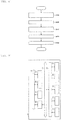
Fig. 5 is a flowchart illustrating the operation of themanagement server 40 in the learning stage. First, thelearning unit 440 of themanagement server 40 reads solar radiation amount data, temperature data, and relative humidity data from the storage unit 430 as input data (S504). In addition, thelearning unit 440 reads wetting amount data from the storage unit 430 as teacher data (S508). - Then, the
learning unit 440 generates a wetting amount calculation model by performing machine learning using the solar radiation amount data, the temperature data, and the relative humidity data as input data and using the wetting amount data as teacher data (S512). Thereafter, the storage unit 430 stores the wetting amount calculation model generated by the learning unit 440 (S516). -
Fig. 6 is a flowchart illustrating the operation of themanagement server 40 in the operation stage. As illustrated inFig. 6 , first, the dew condensation estimation unit 452 of themanagement server 40 reads solar radiation amount data, temperature data, and relative humidity data from the storage unit 430 as input data (S604). Subsequently, the dew condensation estimation unit 452 reads a wetting amount calculation model from the storage unit 430 (S608). - Then, the dew condensation estimation unit 452 estimates the wetting amount of the cultivated product by applying the solar radiation amount data, the temperature data, and the relative humidity data as input data to the wetting amount calculation model (S612).
- In addition, the disease
risk determination unit 454 determines the disease risk of the cultivated product based on the amount of wetting of the cultivated product estimated by the dew condensation estimation unit 452 (S616). Thereafter, thecommunication unit 420 transmits disease risk information, which is the determination result of the diseaserisk determination unit 454, to the user apparatus 50 (S620) . - As described above, the dew condensation estimation unit 452 according to the embodiment of the invention estimates the wetting amount using the solar radiation amount data in addition to the temperature data and the relative humidity data. Therefore, it is possible to estimate the amount of wetting with high accuracy without using a wetting amount sensor in the operation stage. As a result, the disease
risk determination unit 454 can also determine the disease risk with high accuracy. - Up to now, the embodiment of the invention has been described above. Hereinafter, some modification examples of the embodiment of the invention will be described. In addition, each of the modification examples described below may be applied to the embodiment of the invention alone, or may be applied to the embodiment of the invention in combination. In addition, each of the modification examples may be applied instead of the configuration described in the embodiment of the invention, or may be additionally applied to the configuration described in the embodiment of the invention.
- Although the example in which the wetting amount calculation model is generated by machine learning has been described above, the method of generating the wetting amount calculation model is not limited to machine learning. The wetting amount calculation model may be a model derived by other methods, such as a statistical analysis of solar radiation amount data, temperature data, relative humidity data, and wetting amount data.
- Although the example of estimating the wetting amount using the solar radiation amount data, the temperature data, and the relative humidity data has been described above, the temperature data may not be used as input data for estimating the wetting amount. Since the temperature depends on the solar radiation amount, it is possible to estimate the amount of wetting by using the solar radiation amount data even if the temperature data is not used.
- The information processing such as the machine learning and the estimation of the wetting amount in the
management server 40 described above is realized by cooperation between software and hardware of themanagement server 40 described below. -
Fig. 7 is a block diagram illustrating the hardware configuration of themanagement server 40. Themanagement server 40 includes a Central Processing Unit (CPU) 401, a Read Only Memory (ROM) 402, a Random Access Memory (RAM) 403, and ahost bus 404. Themanagement server 40 includes abridge 405, anexternal bus 406, an interface 407, aninput device 408, anoutput device 410, amemory 411, adrive 412, and acommunication apparatus 415. - The CPU 401 functions as an arithmetic processing device and a control device, and controls overall operations in the
management server 40 according to various programs. In addition, the CPU 401 may be a microprocessor. TheROM 402 stores programs, operation parameters, and the like used by the CPU 401. The RAM 403 temporarily stores programs used in the execution of the CPU 401, parameters that appropriately change in the execution, and the like. These are connected to each other by thehost bus 404 including a CPU bus and the like. The functions of thelearning unit 440 and the analysis unit 450 described with reference toFig. 4 can be realized by cooperation between the CPU 401, theROM 402, the RAM 403, and the software. - The
host bus 404 is connected to theexternal bus 406, such as a Peripheral Component Interconnect/Interface (PCI) bus, through thebridge 405. In addition, thehost bus 404, thebridge 405, and theexternal bus 406 do not necessarily need to be separately configured, and these functions may be implemented on one bus. - The
input device 408 is configured to include input means for inputting information by a user, such as a mouse, a keyboard, a touch panel, a button, a microphone, a switch, and a lever, and an input control circuit that generates an input signal based on the input by the user and outputs the input signal to the CPU 401. By operating theinput device 408, the user of themanagement server 40 can input various kinds of data to themanagement server 40 or give an instruction to perform a processing operation. - The
output device 410 includes a display device, such as a Cathode Ray Tube (CRT) display device, a liquid crystal display (LCD) device, an Organic Light Emitting Diode (OLED) device, and a lamp. In addition, theoutput device 410 includes an audio output device, such as a speaker and a headphone. Theoutput device 410 outputs, for example, the reproduced content. Specifically, the display device displays various kinds of information, such as reproduced video data, as text or an image. On the other hand, the audio output device converts reproduced audio data or the like into audio and outputs the audio. - The
memory 411 is a device for storing data, and corresponds to the storage unit 430 described with reference toFig. 4 . Thememory 411 may include a storage medium, a recording device for recording data on the storage medium, a reading device for reading data from the storage medium, a deletion device for deleting data recorded on the storage medium, and the like. Thememory 411 is configured by, for example, a Hard Disk Drive (HDD). Thememory 411 drives the hard disk to store programs executed by the CPU 401 or various kinds of data. - The
drive 412 is a reader writer for a storage medium, and is built in or externally attached to themanagement server 40. Thedrive 412 reads information recorded on a removable storage medium, such as a mounted magnetic disk, optical disk, magneto-optical disk, or semiconductor memory, and outputs the information to the RAM 403. In addition, thedrive 412 can also write information on a removable storage medium. - The
communication apparatus 415 is, for example, a communication interface configured by a communication device for making a connection to the network 12, and corresponds to thecommunication unit 420 described with reference toFig. 4 . In addition, thecommunication apparatus 415 may be a wireless Local Area Network (LAN) compliant communication apparatus, a Long Term Evolution (LTE) compliant communication apparatus, or a wired communication apparatus for performing wired communication. - While the preferred embodiment of the invention has been described in detail with reference to the accompanying diagrams, the invention is not limited to such examples. It is obvious that those skilled in the art to which the invention belongs can conceive various changes or modifications within the scope of the technical idea described in the claims, and it is understood that these also belong to the technical scope of the invention.
- For example, the respective steps in the processing of the
management server 40 in the present specification do not necessarily need to be processed in time series in the order described in the flowchart. For example, the respective steps in the processing of themanagement server 40 may be processed in an order different from the order described in the flowchart, or may be processed in parallel. - In addition, a computer program for causing hardware, such as the CPU 401, the
ROM 402, and the RAM 403 built in themanagement server 40, to execute the same functions as those of the components of themanagement server 40 can also be created. In addition, a storage medium storing the computer program is provided.
Claims (8)
- An information processing apparatus, comprising:a data acquisition unit that acquires solar radiation amount data indicating an amount of solar radiation to a greenhouse measured by a solar radiation amount sensor and relative humidity data indicating a relative humidity in the greenhouse; andan estimation unit that estimates a dew condensation state in a cultivated product in the greenhouse based on the solar radiation amount data and the relative humidity data.
- The information processing apparatus according to claim 1,
wherein the data acquisition unit further acquires temperature data indicating a temperature in the greenhouse, and
the estimation unit estimates the dew condensation state based on the temperature data in addition to the solar radiation amount data and the relative humidity data. - The information processing apparatus according to claim 1 or 2,
wherein the estimation unit estimates the dew condensation state based on the solar radiation amount data and the relative humidity data for a latest predetermined time. - The information processing apparatus according to any one of claims 1 to 3, further comprising:a learning unit that performs machine learning using the solar radiation amount data and the relative humidity data as input data and using measurement data on the dew condensation state in the cultivated product as teacher data,wherein the estimation unit estimates the dew condensation state by applying the solar radiation amount data and the relative humidity data to a model obtained by the learning unit.
- The information processing apparatus according to any one of claims 1 to 4,
wherein the estimation unit further estimates the dew condensation state based on at least one of a density of the cultivated product, an area of the greenhouse, weather information, a blowing condition in the greenhouse, and a ventilation condition in the greenhouse. - The information processing apparatus according to any one of claims 1 to 5, further comprising:
a disease risk determination unit that determines a disease risk of the cultivated product based on the dew condensation state estimated by the estimation unit. - The information processing apparatus according to claim 6, further comprising:
a transmission unit that transmits a determination result of the disease risk determination unit to a user apparatus. - An information processing method, comprising:acquiring solar radiation amount data indicating an amount of solar radiation to a greenhouse measured by a solar radiation amount sensor and relative humidity data indicating a relative humidity in the greenhouse; andestimating a dew condensation state in a cultivated product in the greenhouse based on the solar radiation amount data and the relative humidity data.
Applications Claiming Priority (2)
| Application Number | Priority Date | Filing Date | Title |
|---|---|---|---|
| JP2017248707 | 2017-12-26 | ||
| PCT/JP2018/043653 WO2019130953A1 (en) | 2017-12-26 | 2018-11-28 | Information processing device and information processing method |
Publications (3)
| Publication Number | Publication Date |
|---|---|
| EP3732957A1 true EP3732957A1 (en) | 2020-11-04 |
| EP3732957A4 EP3732957A4 (en) | 2020-11-11 |
| EP3732957B1 EP3732957B1 (en) | 2021-10-13 |
Family
ID=67067080
Family Applications (1)
| Application Number | Title | Priority Date | Filing Date |
|---|---|---|---|
| EP18897119.6A Active EP3732957B1 (en) | 2017-12-26 | 2018-11-28 | Information processing device and information processing method |
Country Status (6)
| Country | Link |
|---|---|
| EP (1) | EP3732957B1 (en) |
| JP (1) | JP6858891B2 (en) |
| KR (1) | KR102782410B1 (en) |
| CN (1) | CN111511195B (en) |
| ES (1) | ES2899430T3 (en) |
| WO (1) | WO2019130953A1 (en) |
Families Citing this family (2)
| Publication number | Priority date | Publication date | Assignee | Title |
|---|---|---|---|---|
| JP7802346B2 (en) * | 2021-02-22 | 2026-01-20 | 国立研究開発法人農業・食品産業技術総合研究機構 | Harvesting support device and harvesting support system |
| JP7786356B2 (en) * | 2022-12-16 | 2025-12-16 | トヨタ自動車株式会社 | Temperature estimation system, temperature estimation method, and temperature estimation program |
Family Cites Families (14)
| Publication number | Priority date | Publication date | Assignee | Title |
|---|---|---|---|---|
| GB2073911B (en) * | 1980-04-15 | 1984-02-15 | Agri Projects International Lt | System for the control of temperature and humidity within a greenhouse |
| JPS598567U (en) * | 1982-07-12 | 1984-01-20 | 横河電機株式会社 | Facility horticulture house |
| JPH0440450Y2 (en) * | 1987-12-28 | 1992-09-22 | ||
| JP2835192B2 (en) * | 1991-02-04 | 1998-12-14 | 株式会社東芝 | Greenhouse environmental control equipment |
| JPH09252661A (en) * | 1996-03-25 | 1997-09-30 | Nepon Inc | Device and method for transmitting composite environment information for greenhouse for protected horticulture |
| JP3574949B2 (en) * | 2000-08-15 | 2004-10-06 | ネポン株式会社 | Prevention of condensation by controlling the temperature of the heat source water for heating |
| WO2005000005A1 (en) * | 2003-06-27 | 2005-01-06 | Taiyo Kogyo Co., Ltd. | Apparatus for nursing seedlings and method of nursing seedlings |
| KR20130025977A (en) * | 2010-12-10 | 2013-03-13 | 순천대학교 산학협력단 | Adaptive prevention to dew condensation system in greenhouse and device control method |
| CN102523954B (en) * | 2011-12-29 | 2014-04-09 | 北京农业智能装备技术研究中心 | System and method suitable for measurement, control and calibration of carbon dioxide in greenhouse environment |
| JP6115335B2 (en) * | 2013-06-10 | 2017-04-19 | ノーリツプレシジョン株式会社 | Information processing apparatus, information processing method, and program |
| CN204116905U (en) * | 2014-04-25 | 2015-01-21 | 东华大学 | A kind of warmhouse booth autonomous type wireless monitor node |
| JP6277159B2 (en) * | 2015-08-19 | 2018-02-07 | 有限会社 イチカワ | Agricultural house environment control system |
| JP6610244B2 (en) | 2015-12-24 | 2019-11-27 | 株式会社デンソー | Control device and agricultural house |
| KR101913398B1 (en) * | 2017-02-24 | 2018-10-30 | 한국과학기술연구원 | System for preventing condensation on crops |
-
2018
- 2018-11-28 EP EP18897119.6A patent/EP3732957B1/en active Active
- 2018-11-28 WO PCT/JP2018/043653 patent/WO2019130953A1/en not_active Ceased
- 2018-11-28 CN CN201880083807.2A patent/CN111511195B/en active Active
- 2018-11-28 ES ES18897119T patent/ES2899430T3/en active Active
- 2018-11-28 KR KR1020207019989A patent/KR102782410B1/en active Active
- 2018-11-28 JP JP2019562872A patent/JP6858891B2/en active Active
Also Published As
| Publication number | Publication date |
|---|---|
| CN111511195A (en) | 2020-08-07 |
| EP3732957B1 (en) | 2021-10-13 |
| EP3732957A4 (en) | 2020-11-11 |
| KR20200101941A (en) | 2020-08-28 |
| JP6858891B2 (en) | 2021-04-14 |
| WO2019130953A1 (en) | 2019-07-04 |
| JPWO2019130953A1 (en) | 2020-11-19 |
| CN111511195B (en) | 2022-02-15 |
| ES2899430T3 (en) | 2022-03-11 |
| KR102782410B1 (en) | 2025-03-14 |
Similar Documents
| Publication | Publication Date | Title |
|---|---|---|
| EP3550498A1 (en) | Information processing device and information processing system | |
| JP7300796B2 (en) | Prediction system, method and program for growth status or pest occurrence status | |
| EP3604957A1 (en) | Information processing device and information processing method | |
| JP6147579B2 (en) | Yield prediction system and yield prediction device | |
| US10643073B2 (en) | System, method, program for display on wearable terminal | |
| EP3876183A1 (en) | Cultivation and management device for fruit and vegetable plants and fruit trees, learning device, cultivation and management method for fruit and vegetable plants and fruit trees, learning model generation method, cultivation and management program for fruit and vegetable plants and fruit trees, and learning model generation program | |
| CA3115301A1 (en) | Method and system for plant stress determination and irrigation based thereon | |
| JP6551943B2 (en) | Growth management device, growth management method, and program | |
| JP2018029568A (en) | Wilting condition prediction system and wilting condition prediction method | |
| EP3903566A1 (en) | Information processing device, and information processing system | |
| EP3427159A1 (en) | Long-range temperature forecasting | |
| EP3984349A1 (en) | Information processing device and method | |
| EP3732957B1 (en) | Information processing device and information processing method | |
| JP2025137704A (en) | Agricultural environmental information generating device and generating method, agricultural environmental information display system, and plant growth prediction system | |
| JP2020048551A (en) | Growth environment control program, growth environment control method, and growth environment control device | |
| Peltoniemi et al. | Quantifying distance-independent tree competition for predicting Norway spruce mortality in unmanaged forests | |
| JPWO2017195534A1 (en) | Soil condition evaluation apparatus, method and program | |
| US11967008B2 (en) | Greenhouse management system, greenhouse management device, greenhouse management method, and program | |
| JP2019083745A (en) | Grown state prospecting apparatus | |
| JP7743876B2 (en) | Growth prediction device, growth prediction method, and growth prediction program | |
| US20240397849A1 (en) | Greenhouse gas-aware earthworm management for sustainable agriculture | |
| EP4466981A1 (en) | Assistance device, assistance method, and program | |
| Anuradha et al. | Smart techniques employed for monitoring of agricultural parameters | |
| JP2023132624A (en) | Information processing device, information processing system, information processing method, and computer program |
Legal Events
| Date | Code | Title | Description |
|---|---|---|---|
| STAA | Information on the status of an ep patent application or granted ep patent |
Free format text: STATUS: THE INTERNATIONAL PUBLICATION HAS BEEN MADE |
|
| PUAI | Public reference made under article 153(3) epc to a published international application that has entered the european phase |
Free format text: ORIGINAL CODE: 0009012 |
|
| STAA | Information on the status of an ep patent application or granted ep patent |
Free format text: STATUS: REQUEST FOR EXAMINATION WAS MADE |
|
| 17P | Request for examination filed |
Effective date: 20200727 |
|
| AK | Designated contracting states |
Kind code of ref document: A1 Designated state(s): AL AT BE BG CH CY CZ DE DK EE ES FI FR GB GR HR HU IE IS IT LI LT LU LV MC MK MT NL NO PL PT RO RS SE SI SK SM TR |
|
| AX | Request for extension of the european patent |
Extension state: BA ME |
|
| A4 | Supplementary search report drawn up and despatched |
Effective date: 20201012 |
|
| RIC1 | Information provided on ipc code assigned before grant |
Ipc: A01G 9/24 20060101AFI20201006BHEP Ipc: A01G 7/00 20060101ALI20201006BHEP |
|
| RAP1 | Party data changed (applicant data changed or rights of an application transferred) |
Owner name: BAYER CROPSCIENCE K.K. |
|
| RIN1 | Information on inventor provided before grant (corrected) |
Inventor name: MORI, ASAKO Inventor name: ITO, SATOSHI |
|
| DAV | Request for validation of the european patent (deleted) | ||
| DAX | Request for extension of the european patent (deleted) | ||
| GRAP | Despatch of communication of intention to grant a patent |
Free format text: ORIGINAL CODE: EPIDOSNIGR1 |
|
| STAA | Information on the status of an ep patent application or granted ep patent |
Free format text: STATUS: GRANT OF PATENT IS INTENDED |
|
| INTG | Intention to grant announced |
Effective date: 20210623 |
|
| GRAS | Grant fee paid |
Free format text: ORIGINAL CODE: EPIDOSNIGR3 |
|
| GRAA | (expected) grant |
Free format text: ORIGINAL CODE: 0009210 |
|
| STAA | Information on the status of an ep patent application or granted ep patent |
Free format text: STATUS: THE PATENT HAS BEEN GRANTED |
|
| AK | Designated contracting states |
Kind code of ref document: B1 Designated state(s): AL AT BE BG CH CY CZ DE DK EE ES FI FR GB GR HR HU IE IS IT LI LT LU LV MC MK MT NL NO PL PT RO RS SE SI SK SM TR |
|
| REG | Reference to a national code |
Ref country code: GB Ref legal event code: FG4D |
|
| REG | Reference to a national code |
Ref country code: CH Ref legal event code: EP |
|
| REG | Reference to a national code |
Ref country code: DE Ref legal event code: R096 Ref document number: 602018025166 Country of ref document: DE |
|
| REG | Reference to a national code |
Ref country code: IE Ref legal event code: FG4D |
|
| REG | Reference to a national code |
Ref country code: AT Ref legal event code: REF Ref document number: 1437441 Country of ref document: AT Kind code of ref document: T Effective date: 20211115 |
|
| REG | Reference to a national code |
Ref country code: NL Ref legal event code: FP |
|
| REG | Reference to a national code |
Ref country code: LT Ref legal event code: MG9D |
|
| REG | Reference to a national code |
Ref country code: ES Ref legal event code: FG2A Ref document number: 2899430 Country of ref document: ES Kind code of ref document: T3 Effective date: 20220311 |
|
| REG | Reference to a national code |
Ref country code: AT Ref legal event code: MK05 Ref document number: 1437441 Country of ref document: AT Kind code of ref document: T Effective date: 20211013 |
|
| PG25 | Lapsed in a contracting state [announced via postgrant information from national office to epo] |
Ref country code: RS Free format text: LAPSE BECAUSE OF FAILURE TO SUBMIT A TRANSLATION OF THE DESCRIPTION OR TO PAY THE FEE WITHIN THE PRESCRIBED TIME-LIMIT Effective date: 20211013 Ref country code: LT Free format text: LAPSE BECAUSE OF FAILURE TO SUBMIT A TRANSLATION OF THE DESCRIPTION OR TO PAY THE FEE WITHIN THE PRESCRIBED TIME-LIMIT Effective date: 20211013 Ref country code: FI Free format text: LAPSE BECAUSE OF FAILURE TO SUBMIT A TRANSLATION OF THE DESCRIPTION OR TO PAY THE FEE WITHIN THE PRESCRIBED TIME-LIMIT Effective date: 20211013 Ref country code: BG Free format text: LAPSE BECAUSE OF FAILURE TO SUBMIT A TRANSLATION OF THE DESCRIPTION OR TO PAY THE FEE WITHIN THE PRESCRIBED TIME-LIMIT Effective date: 20220113 Ref country code: AT Free format text: LAPSE BECAUSE OF FAILURE TO SUBMIT A TRANSLATION OF THE DESCRIPTION OR TO PAY THE FEE WITHIN THE PRESCRIBED TIME-LIMIT Effective date: 20211013 |
|
| PG25 | Lapsed in a contracting state [announced via postgrant information from national office to epo] |
Ref country code: IS Free format text: LAPSE BECAUSE OF FAILURE TO SUBMIT A TRANSLATION OF THE DESCRIPTION OR TO PAY THE FEE WITHIN THE PRESCRIBED TIME-LIMIT Effective date: 20220213 Ref country code: SE Free format text: LAPSE BECAUSE OF FAILURE TO SUBMIT A TRANSLATION OF THE DESCRIPTION OR TO PAY THE FEE WITHIN THE PRESCRIBED TIME-LIMIT Effective date: 20211013 Ref country code: PT Free format text: LAPSE BECAUSE OF FAILURE TO SUBMIT A TRANSLATION OF THE DESCRIPTION OR TO PAY THE FEE WITHIN THE PRESCRIBED TIME-LIMIT Effective date: 20220214 Ref country code: PL Free format text: LAPSE BECAUSE OF FAILURE TO SUBMIT A TRANSLATION OF THE DESCRIPTION OR TO PAY THE FEE WITHIN THE PRESCRIBED TIME-LIMIT Effective date: 20211013 Ref country code: NO Free format text: LAPSE BECAUSE OF FAILURE TO SUBMIT A TRANSLATION OF THE DESCRIPTION OR TO PAY THE FEE WITHIN THE PRESCRIBED TIME-LIMIT Effective date: 20220113 Ref country code: LV Free format text: LAPSE BECAUSE OF FAILURE TO SUBMIT A TRANSLATION OF THE DESCRIPTION OR TO PAY THE FEE WITHIN THE PRESCRIBED TIME-LIMIT Effective date: 20211013 Ref country code: HR Free format text: LAPSE BECAUSE OF FAILURE TO SUBMIT A TRANSLATION OF THE DESCRIPTION OR TO PAY THE FEE WITHIN THE PRESCRIBED TIME-LIMIT Effective date: 20211013 Ref country code: GR Free format text: LAPSE BECAUSE OF FAILURE TO SUBMIT A TRANSLATION OF THE DESCRIPTION OR TO PAY THE FEE WITHIN THE PRESCRIBED TIME-LIMIT Effective date: 20220114 |
|
| REG | Reference to a national code |
Ref country code: CH Ref legal event code: PL |
|
| REG | Reference to a national code |
Ref country code: DE Ref legal event code: R097 Ref document number: 602018025166 Country of ref document: DE |
|
| PG25 | Lapsed in a contracting state [announced via postgrant information from national office to epo] |
Ref country code: SM Free format text: LAPSE BECAUSE OF FAILURE TO SUBMIT A TRANSLATION OF THE DESCRIPTION OR TO PAY THE FEE WITHIN THE PRESCRIBED TIME-LIMIT Effective date: 20211013 Ref country code: SK Free format text: LAPSE BECAUSE OF FAILURE TO SUBMIT A TRANSLATION OF THE DESCRIPTION OR TO PAY THE FEE WITHIN THE PRESCRIBED TIME-LIMIT Effective date: 20211013 Ref country code: RO Free format text: LAPSE BECAUSE OF FAILURE TO SUBMIT A TRANSLATION OF THE DESCRIPTION OR TO PAY THE FEE WITHIN THE PRESCRIBED TIME-LIMIT Effective date: 20211013 Ref country code: MC Free format text: LAPSE BECAUSE OF FAILURE TO SUBMIT A TRANSLATION OF THE DESCRIPTION OR TO PAY THE FEE WITHIN THE PRESCRIBED TIME-LIMIT Effective date: 20211013 Ref country code: LU Free format text: LAPSE BECAUSE OF NON-PAYMENT OF DUE FEES Effective date: 20211128 Ref country code: EE Free format text: LAPSE BECAUSE OF FAILURE TO SUBMIT A TRANSLATION OF THE DESCRIPTION OR TO PAY THE FEE WITHIN THE PRESCRIBED TIME-LIMIT Effective date: 20211013 Ref country code: DK Free format text: LAPSE BECAUSE OF FAILURE TO SUBMIT A TRANSLATION OF THE DESCRIPTION OR TO PAY THE FEE WITHIN THE PRESCRIBED TIME-LIMIT Effective date: 20211013 Ref country code: CZ Free format text: LAPSE BECAUSE OF FAILURE TO SUBMIT A TRANSLATION OF THE DESCRIPTION OR TO PAY THE FEE WITHIN THE PRESCRIBED TIME-LIMIT Effective date: 20211013 Ref country code: BE Free format text: LAPSE BECAUSE OF NON-PAYMENT OF DUE FEES Effective date: 20211130 |
|
| REG | Reference to a national code |
Ref country code: BE Ref legal event code: MM Effective date: 20211130 |
|
| PLBE | No opposition filed within time limit |
Free format text: ORIGINAL CODE: 0009261 |
|
| STAA | Information on the status of an ep patent application or granted ep patent |
Free format text: STATUS: NO OPPOSITION FILED WITHIN TIME LIMIT |
|
| PG25 | Lapsed in a contracting state [announced via postgrant information from national office to epo] |
Ref country code: LI Free format text: LAPSE BECAUSE OF NON-PAYMENT OF DUE FEES Effective date: 20211130 Ref country code: CH Free format text: LAPSE BECAUSE OF NON-PAYMENT OF DUE FEES Effective date: 20211130 |
|
| 26N | No opposition filed |
Effective date: 20220714 |
|
| PG25 | Lapsed in a contracting state [announced via postgrant information from national office to epo] |
Ref country code: IE Free format text: LAPSE BECAUSE OF NON-PAYMENT OF DUE FEES Effective date: 20211128 Ref country code: AL Free format text: LAPSE BECAUSE OF FAILURE TO SUBMIT A TRANSLATION OF THE DESCRIPTION OR TO PAY THE FEE WITHIN THE PRESCRIBED TIME-LIMIT Effective date: 20211013 |
|
| PG25 | Lapsed in a contracting state [announced via postgrant information from national office to epo] |
Ref country code: SI Free format text: LAPSE BECAUSE OF FAILURE TO SUBMIT A TRANSLATION OF THE DESCRIPTION OR TO PAY THE FEE WITHIN THE PRESCRIBED TIME-LIMIT Effective date: 20211013 |
|
| PG25 | Lapsed in a contracting state [announced via postgrant information from national office to epo] |
Ref country code: CY Free format text: LAPSE BECAUSE OF FAILURE TO SUBMIT A TRANSLATION OF THE DESCRIPTION OR TO PAY THE FEE WITHIN THE PRESCRIBED TIME-LIMIT Effective date: 20211013 |
|
| PG25 | Lapsed in a contracting state [announced via postgrant information from national office to epo] |
Ref country code: HU Free format text: LAPSE BECAUSE OF FAILURE TO SUBMIT A TRANSLATION OF THE DESCRIPTION OR TO PAY THE FEE WITHIN THE PRESCRIBED TIME-LIMIT; INVALID AB INITIO Effective date: 20181128 |
|
| PG25 | Lapsed in a contracting state [announced via postgrant information from national office to epo] |
Ref country code: MK Free format text: LAPSE BECAUSE OF FAILURE TO SUBMIT A TRANSLATION OF THE DESCRIPTION OR TO PAY THE FEE WITHIN THE PRESCRIBED TIME-LIMIT Effective date: 20211013 |
|
| PG25 | Lapsed in a contracting state [announced via postgrant information from national office to epo] |
Ref country code: MT Free format text: LAPSE BECAUSE OF FAILURE TO SUBMIT A TRANSLATION OF THE DESCRIPTION OR TO PAY THE FEE WITHIN THE PRESCRIBED TIME-LIMIT Effective date: 20211013 |
|
| PGFP | Annual fee paid to national office [announced via postgrant information from national office to epo] |
Ref country code: NL Payment date: 20251024 Year of fee payment: 8 |
|
| PGFP | Annual fee paid to national office [announced via postgrant information from national office to epo] |
Ref country code: DE Payment date: 20251022 Year of fee payment: 8 |
|
| PGFP | Annual fee paid to national office [announced via postgrant information from national office to epo] |
Ref country code: GB Payment date: 20251016 Year of fee payment: 8 |
|
| PGFP | Annual fee paid to national office [announced via postgrant information from national office to epo] |
Ref country code: IT Payment date: 20251030 Year of fee payment: 8 |
|
| PGFP | Annual fee paid to national office [announced via postgrant information from national office to epo] |
Ref country code: FR Payment date: 20251023 Year of fee payment: 8 |
|
| PGFP | Annual fee paid to national office [announced via postgrant information from national office to epo] |
Ref country code: TR Payment date: 20251121 Year of fee payment: 8 |
|
| PGFP | Annual fee paid to national office [announced via postgrant information from national office to epo] |
Ref country code: ES Payment date: 20251211 Year of fee payment: 8 |