EP3729324B1 - Procédé de sécurisation d'un protocole usb par authentification d'un périphérique usb par un appareil et par chiffrement des échanges entre le périphérique et l'appareil et dispositifs associés - Google Patents
Procédé de sécurisation d'un protocole usb par authentification d'un périphérique usb par un appareil et par chiffrement des échanges entre le périphérique et l'appareil et dispositifs associés Download PDFInfo
- Publication number
- EP3729324B1 EP3729324B1 EP18822406.7A EP18822406A EP3729324B1 EP 3729324 B1 EP3729324 B1 EP 3729324B1 EP 18822406 A EP18822406 A EP 18822406A EP 3729324 B1 EP3729324 B1 EP 3729324B1
- Authority
- EP
- European Patent Office
- Prior art keywords
- protocol
- peripheral
- usb
- communication channel
- authentication
- Prior art date
- Legal status (The legal status is an assumption and is not a legal conclusion. Google has not performed a legal analysis and makes no representation as to the accuracy of the status listed.)
- Active
Links
Images
Classifications
-
- G—PHYSICS
- G06—COMPUTING OR CALCULATING; COUNTING
- G06F—ELECTRIC DIGITAL DATA PROCESSING
- G06F21/00—Security arrangements for protecting computers, components thereof, programs or data against unauthorised activity
- G06F21/70—Protecting specific internal or peripheral components, in which the protection of a component leads to protection of the entire computer
- G06F21/82—Protecting input, output or interconnection devices
- G06F21/85—Protecting input, output or interconnection devices interconnection devices, e.g. bus-connected or in-line devices
-
- H—ELECTRICITY
- H04—ELECTRIC COMMUNICATION TECHNIQUE
- H04L—TRANSMISSION OF DIGITAL INFORMATION, e.g. TELEGRAPHIC COMMUNICATION
- H04L12/00—Data switching networks
- H04L12/28—Data switching networks characterised by path configuration, e.g. LAN [Local Area Networks] or WAN [Wide Area Networks]
- H04L12/46—Interconnection of networks
- H04L12/4633—Interconnection of networks using encapsulation techniques, e.g. tunneling
-
- H—ELECTRICITY
- H04—ELECTRIC COMMUNICATION TECHNIQUE
- H04L—TRANSMISSION OF DIGITAL INFORMATION, e.g. TELEGRAPHIC COMMUNICATION
- H04L63/00—Network architectures or network communication protocols for network security
- H04L63/02—Network architectures or network communication protocols for network security for separating internal from external traffic, e.g. firewalls
- H04L63/0227—Filtering policies
-
- H—ELECTRICITY
- H04—ELECTRIC COMMUNICATION TECHNIQUE
- H04L—TRANSMISSION OF DIGITAL INFORMATION, e.g. TELEGRAPHIC COMMUNICATION
- H04L63/00—Network architectures or network communication protocols for network security
- H04L63/04—Network architectures or network communication protocols for network security for providing a confidential data exchange among entities communicating through data packet networks
- H04L63/0428—Network architectures or network communication protocols for network security for providing a confidential data exchange among entities communicating through data packet networks wherein the data content is protected, e.g. by encrypting or encapsulating the payload
- H04L63/0442—Network architectures or network communication protocols for network security for providing a confidential data exchange among entities communicating through data packet networks wherein the data content is protected, e.g. by encrypting or encapsulating the payload wherein the sending and receiving network entities apply asymmetric encryption, i.e. different keys for encryption and decryption
-
- H—ELECTRICITY
- H04—ELECTRIC COMMUNICATION TECHNIQUE
- H04L—TRANSMISSION OF DIGITAL INFORMATION, e.g. TELEGRAPHIC COMMUNICATION
- H04L63/00—Network architectures or network communication protocols for network security
- H04L63/04—Network architectures or network communication protocols for network security for providing a confidential data exchange among entities communicating through data packet networks
- H04L63/0428—Network architectures or network communication protocols for network security for providing a confidential data exchange among entities communicating through data packet networks wherein the data content is protected, e.g. by encrypting or encapsulating the payload
- H04L63/0471—Network architectures or network communication protocols for network security for providing a confidential data exchange among entities communicating through data packet networks wherein the data content is protected, e.g. by encrypting or encapsulating the payload applying encryption by an intermediary, e.g. receiving clear information at the intermediary and encrypting the received information at the intermediary before forwarding
-
- H—ELECTRICITY
- H04—ELECTRIC COMMUNICATION TECHNIQUE
- H04L—TRANSMISSION OF DIGITAL INFORMATION, e.g. TELEGRAPHIC COMMUNICATION
- H04L63/00—Network architectures or network communication protocols for network security
- H04L63/16—Implementing security features at a particular protocol layer
- H04L63/166—Implementing security features at a particular protocol layer at the transport layer
Definitions
- the present invention relates to a method for securing a USB protocol.
- the security method is a method for securing a USB protocol by authenticating a USB peripheral by a device and by encrypting exchanges between the peripheral and the device.
- the USB protocol was created to allow the use of a wide variety of peripherals in the simplest way possible.
- the USB protocol is thus essential in equipment, particularly due to its universality.
- the use of the USB protocol is thus multiple: insertion of accessories such as a keyboard or a camera, software updates or configuration loading.
- USB very versatile
- a malicious device e.g., a malicious USB stick
- the host the device that the stick is plugged into
- execution of malicious code e.g., data compromise ("sucking" data from the host to the device)
- data compromise e.g., data compromise
- denial of service e.g., a malicious USB stick
- a malicious USB device can potentially use all the features allowed by the USB interface: keyboard command, serial link, Ethernet messages, etc.
- the device exploits the vulnerability of the USB protocol which does not provide any verification that the device is what it claims to be. Indeed, the connected USB device announces its manufacturer and model when it is connected to the host and the host then implements the driver corresponding to this announced information. There is no verification of the information provided to the host.
- the attack is an application hijacking attack.
- the device presents itself to the host as a keyboard or mouse and simulates user interactions to trigger unwanted behavior or code execution.
- a malicious device is plugged into a computer whose nominal role is to control the opening of doors in a secure building under the supervision of an operator, and the device emulating a mouse will modify the access control through the human-machine interface without the operator doing anything.
- a keyboard shortcut "open a terminal" is created and then commands are typed to write a script and execute it.
- the attack is a network hijacking attack.
- the device presents itself as an Ethernet network card. Because the newer Ethernet network card takes precedence over the others, network traffic is diverted to the device, which can then listen to and record or modify the device - this, when combined with other elements (such as updating over HTTP instead of HTTPS), can lead to arbitrary code execution.
- the device presents itself under a falsified profile, such as an old forgotten DTT decoder whose driver has a flaw. The device can then exploit this and regain system access to the host.
- USB protocol Because the simplicity of the USB protocol comes at the cost of security, attacks using a USB device as a vector have increased.
- USB device each time a USB device is inserted, the host can ask the user what type of device it is before enabling the device's functionality.
- a malicious device tries to emulate a keyboard or network card when the user expects to be plugging in a mass storage device, access is denied and the attack thwarted, thanks to the operator.
- this technique does not allow to differentiate between a benevolent (normal) keyboard and a malicious keyboard, for example a malicious device disguised as a wireless keyboard/mouse receiver, which would therefore be granted by the user the right to send keyboard/mouse inputs.
- the USB Type-C protocol provides a method for authenticating USB devices. To do this, the method proposes to download the certificate chain to the device and perform a test to verify that the device is what the device claims to be.
- Such a USB Type-C protocol is useful in a number of cases.
- the following cases can be cited: a vendor concerned about the possibility of damage to his devices by low-quality chargers can force his devices to accept charging only from certified chargers; a user concerned about charging his device in a public terminal can enable a mode in which the device accepts charging only if the charger is certified; or an organization, concerned about the possibility of unidentifiable devices gaining access to workstations, can define an access policy according to which only devices certified by the organization can be used.
- Man-In-The-Middle (MITM) attacks.
- MITM Man-in-the-middle
- a man-in-the-middle attack is an attack that aims to intercept communications between two parties, without either party being aware that the communication channel between them has been compromised.
- the attacker plugs an official device into his malicious device, and the malicious device into the host (or, the malicious device is connected in some way, possibly wirelessly, to an official device).
- the malicious device forwards all authentication-related commands to the official device and forwards its responses to the host.
- the host then grants access to the malicious device.
- US patent application US 2012/084849 A1 discloses a method using RNDIS, TCP and TLS protocols between a host and a device to enable them to communicate reliably and securely over a USB protocol.
- the present description relates to a method for securing a USB protocol by authenticating a peripheral by a device and by encrypting the exchanges between the peripheral and the device, the peripheral operating according to the USB protocol, the device comprising at least one input port, the method comprising at least the step of connecting the peripheral to an input port, of detection by the device of the peripheral only if the peripheral has activated a protocol for transforming the USB into a packet-switched local area network, called a local area network, of connecting the device to the local area network, one of the elements among the device and the peripheral being a server for the local area network, the server being able to communicate at the transport layer according to a single predefined protocol, of establishing a communication channel between the other element among the device and the peripheral and the server and of requesting by the peripheral for access rights to the device via the communication channel.
- the present description also relates to a peripheral operating according to a USB protocol, the peripheral being suitable for implementing at least one step of the method for securing the USB protocol by authentication of the peripheral by a device and by encryption of the exchanges between the peripheral (14) and the device, the security method being as previously described.
- the present description also relates to a device comprising at least one input port, the device being suitable for implementing at least one step of the security method as previously described.
- a computer system 10 is shown diagrammatically on the figure 1 .
- the computer assembly 10 comprises a device 12 and a peripheral 14.
- a device 12 comprising at least one input port 16.
- the port 16 is adapted to accommodate a part 18 of the peripheral 14.
- the device 12 is, for example, a computer.
- Device 14 is, for example, a keyboard.
- Device 14 is capable of operating under a USB protocol.
- USB Universal Serial Bus
- USB USB is a standard for a serial computer bus used to connect computer peripherals to a computer or any type of device designed for this purpose (tablet, smartphone).
- the USB bus allows peripherals to be connected hot (when the computer is running) and benefit from Plug and Play, which automatically recognizes the peripheral. It can power low-power peripherals (USB sticks, SSDs).
- the peripheral 14 is provided with a protocol for transforming USB into a packet-switched local network 20, the transformation protocol being activatable or not by the peripheral 14.
- the peripheral 14 is equipped with a protocol called “Ethernet over USB” making it possible to ensure that the peripheral 14 is a node of an Ethernet network 20, an Ethernet network being a packet-switched local area network 20.
- the device 12 when the transformation protocol is enabled, the device 12 is configured to be only a node of the packet-switched local area network 20, i.e. to offer only an emulation service of the local area network 20 on the USB protocol. This implies that all other services provided by the USB service are prohibited or inhibited.
- the device 14 includes a digital safe suitable for storing data.
- the vault is a secure area of a microprocessor, like a secure memory.
- the safe is a security microprocessor, in particular a microprocessor capable of implementing a TPM protocol (acronym for the English term “Trusted Platform Module”).
- the safe is a smart card.
- the digital safe stores authentication elements.
- USB by authentication of the peripheral 14 by the device 12 and by encryption of the exchanges between the peripheral 14 and the device 12, the result of which is shown diagrammatically in the figure 2 .
- the method comprises a connection step, a detection step, a connection step, an establishment step, a request step, a provision step and an operation step.
- the device 14 is connected to an input port 16 of the device 12.
- the device 12 attempts to detect the peripheral 14.
- the detection of the device 14 only takes place if the device 14 has activated a transformation protocol.
- This means that the device 14 is a node 22 of a packet-switched local area network 20.
- Such a network is referred to as a local area network 20 in the following.
- the device 12 connects to the local network 20 via a specific IP address.
- IP Internet Protocol
- IP Internet Protocol
- the device 12 then connects in the form of a server 24 capable of communicating at the transport layer according to a single pre-defined protocol.
- the transport layer is, according to the OSI model, an intermediate layer of the network layer and the session layer.
- the transport layer handles end-to-end communications between processes. This layer is often the highest layer where error correction is concerned.
- the predefined protocol is one of the aforementioned protocols.
- the predefined protocol is a protocol ensuring the establishment and maintenance of a secure communication channel, in particular with prior authentication of the parties involved in the communication channel.
- TCP protocol is particularly suitable for the predefined protocol because TCP protocol is a reliable transport protocol.
- the device 12 connects in the form of a server 24 communicating only according to the predefined protocol.
- An example of specific software is the iptables software which is a free Linux userspace software with which the system administrator can configure chains and rules in the kernel-space firewall.
- device 12 connects as an SSH server 24.
- SSH refers to the English term "Secure Shell” literally meaning "secure command interpreter”.
- An SSH server 24 is both a computer program and a secure communication protocol.
- the connection protocol requires an exchange of encryption keys at the beginning of the connection. Subsequently, all exchange segments are authenticated and encrypted. This makes it impossible to use a sniffer to observe the device 12 or to harm the integrity of the exchanges between 12 and 14.
- the predefined protocol is the SSH protocol.
- the apparatus 12 connects as an SSL or TLS server.
- the predefined protocol is the SSL protocol or the TLS protocol.
- SSL refers to the English term “Secure Sockets Layer” while the acronym TLS refers to the English term “Transport Layer Security” which literally means “Secure Transport Layer”.
- TLS protocol and the SSL protocol are protocols for securing exchanges on the Internet.
- SSL/TLS is also used interchangeably to designate these protocols, the TLS protocol being the successor to the SSL protocol.
- Both SSL and TLS protocols operate in a client-server mode and allow a certain number of security constraints to be satisfied, in particular the authentication of the server and the client but also the confidentiality and integrity of the data exchanged.
- the peripheral 14 requests the establishment of a communication channel 26 between the peripheral 14 and the server 24, that is to say indirectly between the peripheral 14 and the device 12.
- Communication channel 26 is an encrypted channel.
- encryption is performed using an asymmetric encryption protocol.
- Asymmetric encryption or asymmetric cryptography is an area of cryptography where there is a distinction between public and private data, as opposed to symmetric cryptography where functionality is achieved by having a common secret data between the different participants.
- the RSA algorithm is a particular example of an asymmetric encryption protocol.
- the asymmetric encryption protocol comprises a set of private keys, each private key being stored in the safe of the device 14.
- the device 14 requests access rights from the device 12 via the communication channel 26.
- access rights are the elements that the device 14 needs to operate.
- the device 12 is capable of determining whether the device 14 is a secure USB device or not.
- the device 12 determines that the device 14 is a secure USB device, the device 12 provides access rights to the device 14 during the provisioning step.
- the device 14 since the device 14 has the access rights provided by the device 12, the device 14 is able to operate normally.
- the proposed method is thus based on a principle allowing the functionalities of conventional USB peripherals (mass storage, keyboard, audio headset, network, etc.) to be obtained through an authenticated and encrypted TCP connection (SSH, SSL or TLS), in order to drastically limit the attack surface by reducing the number of USB profiles in the device 12 to the local network 20 alone.
- the attack surface is reduced by only allowing an attack to pass through the SSH or SSL or TLS protocol.
- method further offers the possibility of a protocol break or a protocol encapsulation towards a software instance controlled on the device 12.
- the security process ensures that in operation, after authentication, the connection is encrypted so that a man-in-the-middle attack is impossible. It is therefore impossible to gain knowledge of the exchanges but also to harm the integrity of the exchanges without this being detectable.
- keyboard inputs can easily be filtered by modifying the program simulating user inputs so as to limit as much as possible possible application diversions without modifying the operating system.
- the securing method is a method for using a peripheral 14 operating according to a USB protocol in a secure manner for the device 12.
- the security method is an automated method for securing the peripheral 14. In fact, no user intervention other than connecting the peripheral 14 is required, in particular neither the entry of a password nor validation on a screen. In addition, the security method is easy to implement and in particular suitable for an embedded application.
- the method can be used in series by first using the method for a first peripheral 14 which, once validated, can serve as apparatus 12 for a second peripheral 14 operating according to the USB protocol by implementing the same method, the second peripheral 14 becoming the first peripheral 14 and the first peripheral 14 the apparatus 12.
- the peripheral 14 is the server while the device 12 is a node and during the establishment step, the communication channel 26 is established between the device 12 and the server 24.
- peripheral 14 is adapted to block exchanges with the device 12 when the device 12 is incapable of implementing the security method in interaction with the peripheral 14. This guarantees that access to the data of the peripheral 14 is not possible for a device 12 which would be a non-secure device within the meaning of the predefined protocol.
- the invention relates to any technically possible combination of the embodiments described above.
Landscapes
- Engineering & Computer Science (AREA)
- Computer Security & Cryptography (AREA)
- Computer Hardware Design (AREA)
- Signal Processing (AREA)
- General Engineering & Computer Science (AREA)
- Computer Networks & Wireless Communication (AREA)
- Computing Systems (AREA)
- Theoretical Computer Science (AREA)
- Software Systems (AREA)
- General Physics & Mathematics (AREA)
- Physics & Mathematics (AREA)
- Information Transfer Systems (AREA)
- Small-Scale Networks (AREA)
- Computer And Data Communications (AREA)
Description
- La présente invention concerne un procédé de sécurisation d'un protocole USB. Le procédé de sécurisation est un procédé de sécurisation d'un protocole USB par authentification d'un périphérique USB par un appareil et par chiffrement des échanges entre le périphérique et l'appareil.
- Le protocole USB a été réalisé pour permettre l'utilisation d'une grande diversité de périphériques de la manière la plus simple possible. Le protocole USB est ainsi incontournable dans les équipements du fait notamment de son universalité. L'utilisation du protocole USB est ainsi multiple : insertion d'accessoires comme un clavier ou une caméra, mises à jour logicielles ou chargement de configuration.
- La grande polyvalence de l'USB, qui rend cette norme très appréciée et utilisée, a comme contrepartie une grande surface d'attaque.
- De manière générale, un périphérique malveillant (par exemple, une clé USB malveillante) attaque l'hôte (appareil sur lequel on branche ladite clé) et cherche à déclencher un ou plusieurs des défauts suivants : exécution de code malveillant, compromission de données (« aspiration » de données de l'hôte sur le périphérique) ou déni de service. Il est à noter que, sans mesure prise, un périphérique USB malveillant peut potentiellement utiliser toutes les fonctionnalités permises par l'interface USB : commande clavier, liaison série, messages Ethernet, etc...
- Pour cela, le périphérique exploite la vulnérabilité du protocole USB qui ne propose aucune vérification du fait que ledit périphérique est bien celui qu'il prétend être. En effet, le périphérique USB branché annonce lors de son branchement sur l'hôte son constructeur et son modèle et l'hôte met alors en oeuvre le pilote correspondant à ces informations annoncées. Il n'y a aucune vérification des informations fournies à l'hôte.
- Si un attaquant est capable de créer un périphérique USB encapsulant un dispositif d'attaque dans un périphérique à l'aspect d'une clé USB banale du commerce, plusieurs scénarios d'attaque sont alors possibles. Trois scénarios sont donnés dans ce qui suit à titre d'exemple.
- Selon un premier scénario d'attaque, l'attaque est une attaque par détournement applicatif. Le périphérique se présente à l'hôte comme un clavier ou une souris et simule des interactions utilisateurs pour déclencher un comportement indésirable ou une exécution de code.
- Par exemple, il est branché un périphérique malveillant sur un ordinateur dont le rôle nominal est de commander les ouvertures de portes d'un bâtiment sécurisé sous la supervision d'un opérateur, et le périphérique émulant une souris va modifier par l'interface homme-machine le contrôle d'accès sans que l'opérateur ne fasse rien. Selon un autre exemple, un raccourci clavier « ouvrir un terminal » est créé puis on tape des commandes écrivant un script et l'exécutant.
- Selon un deuxième scénario d'attaque, l'attaque est une attaque par détournement réseau. Le périphérique se présente comme une carte réseau Ethernet. La carte réseau Ethernet la plus récente prenant la priorité sur les autres, le trafic réseau est détourné vers le périphérique qui peut alors écouter et enregistrer voire modifier ce dernier - cela pouvant, lorsque combiné à d'autres éléments (tels qu'une mise à jour par HTTP au lieu de HTTPS), aboutir à de l'exécution de code arbitraire.
- Selon un troisième scénario d'attaque le périphérique se présente sous un profil falsifié, comme, par exemple, un vieux décodeur TNT oublié dont le pilote présente une faille. Le périphérique peut alors l'exploiter et récupérer un accès système à l'hôte.
- La simplicité du protocole USB étant obtenue au détriment de la sécurité, les attaques utilisant un périphérique USB comme vecteur se sont multipliées.
- Il est donc souhaitable de sécuriser l'utilisation d'un périphérique USB.
- Pour cela, il est connu, lorsque le système d'exploitation de l'hôte est préparé, de choisir d'activer uniquement certains pilotes spécifiques à un type de périphérique USB. Ces pilotes spécifiques sont souvent désignés comme des « class drivers ».
- Par exemple, si l'on choisit d'activer seulement le pilote « Mass Storage », seuls les périphériques de stockage de masse fonctionnent et l'attaquant n'est pas en mesure d'émuler un clavier, ni une carte réseau, ni le vieux décodeur TNT.
- Toutefois, si l'appareil doit conserver le support des claviers, cartes audio ou cartes réseau, il n'est pas possible d'appliquer une telle méthode de protection. Cette méthode de protection n'est donc satisfaisante que dans le cas des hôtes n'ayant besoin que de périphériques de stockage de masse.
- De manière alternative, à chaque insertion de périphérique USB, l'hôte peut demander à l'utilisateur de quel type de périphérique il s'agit avant d'activer les fonctionnalités du périphérique. Ainsi, si un périphérique malveillant cherche à émuler un clavier ou une carte réseau alors que l'utilisateur s'attend à être en train de brancher un périphérique de stockage de masse, l'accès est refusé et l'attaque déjouée, grâce à l'opérateur.
- Cependant, une telle technique est lourde pour l'utilisateur. La technique est également incompatible avec les usages requérant la présence d'un périphérique USB spécifique au démarrage de l'appareil. Enfin, la présence d'une interface homme-machine n'est pas toujours compatible des contraintes d'un équipement embarqué.
- En outre, cette technique ne permet pas de faire la différence entre un clavier bienveillant (normal) et un clavier malveillant, par exemple un périphérique malveillant déguisé en récepteur de clavier/souris sans fil, qui se verrait donc accorder par l'utilisateur le droit d'envoyer des entrées clavier/souris.
- De part l'analyse sommaire précédente des attaques possibles, il est clair que le branchement et l'acceptation par l'hôte d'un périphérique qui s'avère être piégé est le prérequis à toutes ces attaques par USB. Par conséquent, si l'authenticité du périphérique est parfaitement garantie avant de l'accepter, l'hôte ne craint plus ces attaques. Pour cette raison, une méthode visant à garantir la non malveillance d'un périphérique branché en l'authentifiant avant de lui accorder les accès dont le périphérique a besoin pour fonctionner peut être conçue.
- Toutefois, la garantie d'authenticité avant tout accès est bien sûr impossible à obtenir : il faudra un minimum de communications avec l'hôte pour précisément réaliser cette authentification, et l'hôte restera donc nécessairement vulnérable à toute exploitation d'une vulnérabilité présente à un niveau inférieur à celui où est réalisée l'authentification. Ainsi, plus l'authentification est réalisée à bas niveau, plus on réduit la surface d'attaque.
- Le protocole USB de type C propose une méthode d'authentification des périphériques USB. Pour cela, la méthode propose de télécharger la chaîne de certificats jusqu'au périphérique et d'effectuer un test pour vérifier que le périphérique est bien que le périphérique prétend être.
- Un tel protocole USB de type C est utile dans un certain nombre de cas. Par exemple, il peut être cité les cas suivants : un vendeur inquiété par la possibilité de dommages causés à ses appareils par des chargeurs de basse qualité peut forcer ses appareils à n'accepter la recharge que depuis des chargeurs certifiés ; un utilisateur inquiété par la recharge de son appareil dans un terminal public peut activer un mode dans lequel l'appareil n'accepte la recharge que si le chargeur est certifié ou une organisation, inquiétée par la possibilité que des périphériques non identifiables gagnent des accès aux postes de travail, peut définir une politique d'accès selon laquelle seuls des périphériques certifiés par l'organisation peuvent être utilisés.
- En revanche, tout le reste des communications reste inchangé, non chiffré. Cela rend le système vulnérable aux attaques de type Man-In-The-Middle (MITM). L'attaque de l'homme du milieu (HDM) ou man-in-the-middle attack (MITM), parfois appelée attaque de l'intercepteur, est une attaque qui a pour but d'intercepter les communications entre deux parties, sans que ni l'une ni l'autre ne puisse se douter que le canal de communication entre elles a été compromis.
- Une telle attaque est possible dans au moins un cas décrit ci-après. L'attaquant branche un périphérique officiel sur son périphérique malveillant, et le périphérique malveillant à l'hôte (ou, le périphérique malveillant est relié d'une manière ou d'une autre, éventuellement sans fil, à un périphérique officiel). Le périphérique malveillant transfère toutes les commandes relatives à l'authentification au périphérique officiel et transfère ses réponses à l'hôte. L'hôte accorde alors les accès au périphérique malveillant.
- La demande de brevet américaine
US 2012/084849 A1 divulgue un procédé utilisant les protocoles RNDIS, TCP et TLS entre un hôte et un périphérique pour leur permettre de communiquer de façon fiable et sécurisée au-dessus d'un protocole USB. - Il subsiste donc un besoin pour un procédé de sécurisation d'un protocole USB utilisé entre un périphérique et un appareil, le procédé garantissant notamment une meilleure sécurité pour l'appareil.
- Pour cela, la présente description porte sur un procédé de sécurisation d'un protocole USB par authentification d'un périphérique par un appareil et par chiffrement des échanges entre le périphérique et l'appareil, le périphérique fonctionnant selon le protocole USB, l'appareil comportant au moins un port d'entrée, le procédé comportant au moins l'étape de branchement du périphérique à un port d'entrée, de détection par l'appareil du périphérique uniquement si le périphérique a activé un protocole de transformation de l'USB en réseau local à commutation de paquets, dit réseau local, de connexion de l'appareil au réseau local, un des éléments parmi l'appareil et le périphérique étant un serveur pour le réseau local, le serveur étant propre à communiquer au niveau de la couche de transport selon un unique protocole prédéfini, d'établissement d'un canal de communication entre l'autre élément parmi l'appareil et le périphérique et le serveur et de demande par le périphérique des droits d'accès à l'appareil via le canal de communication.
- Suivant des modes de réalisation particuliers, le procédé comprend, en outre, une ou plusieurs des caractéristiques suivantes, prise(s) isolément ou suivant toutes les combinaisons techniquement possibles :
- à l'étape de connexion, l'appareil se connecte via une adresse IP spécifique.
- lors de l'étape de connexion, les communications émanant de protocoles différents du protocole prédéfini sont filtrées.
- le protocole prédéfini est un protocole garantissant l'établissement et le maintien d'un canal de communication sécurisé, en particulier avec authentification préalable des parties prenantes au canal de communication.
- le protocole prédéfini est un protocole choisi dans le groupe constitué du protocole SSH, du protocole SSL et du protocole TLS.
- le canal de communication est un canal chiffré.
- le canal de communication est chiffré selon un protocole de chiffrement asymétrique, le protocole de chiffrement asymétrique comportant de préférence un ensemble de clés privées, chaque clé privée étant mémorisée dans un coffre-fort numérique du périphérique.
- La présente description se rapporte également à un périphérique fonctionnant selon un protocole USB, le périphérique étant adapté pour la mise en oeuvre d'au moins une étape du procédé de sécurisation du protocole USB par authentification du périphérique par un appareil et par chiffrement des échanges entre le périphérique (14) et l'appareil, le procédé de sécurisation étant tel que précédemment décrit.
- Le périphérique comprend une ou plusieurs des caractéristiques suivantes, prise(s) isolément ou suivant toutes les combinaisons techniquement possibles :
- le périphérique est adapté à bloquer les échanges avec l'appareil lorsque l'appareil est incapable de mettre en oeuvre le procédé de sécurisation en interaction avec le périphérique.
- le périphérique, dit premier périphérique, comporte au moins un port d'entrée propre à accueillir un deuxième périphérique, le deuxième périphérique fonctionnant selon un protocole USB, le premier périphérique étant également adapté pour la mise en oeuvre d'au moins une étape d'un procédé de sécurisation du protocole USB par authentification du deuxième périphérique par le premier périphérique et par chiffrement des échanges entre le premier périphérique et le deuxième périphérique, le procédé de sécurisation étant tel que précédemment décrit.
- La présente description concerne aussi un appareil comportant au moins un port d'entrée, l'appareil étant adapté pour la mise en oeuvre d'au moins une étape du procédé de sécurisation tel que précédemment décrit.
- D'autres caractéristiques et avantages de l'invention apparaîtront à la lecture de la description qui suit de modes de réalisation de l'invention, donnés à titre d'exemple uniquement et en référence aux dessins qui sont :
-
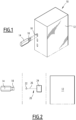
figure 1 , une représentation schématique d'un ensemble informatique, et -
figure 2 , un schéma illustrant le fonctionnement de l'ensemble informatique. - Un ensemble informatique 10 est schématisé sur la
figure 1 . - L'ensemble informatique 10 comporte un appareil 12 et un périphérique 14.
- Un appareil 12 comportant au moins un port 16 d'entrée. Le port 16 est adapté pour accueillir une partie 18 du périphérique 14.
- L'appareil 12 est, par exemple, un ordinateur.
- Le périphérique 14 est, par exemple, un clavier.
- Le périphérique 14 est propre à fonctionner selon un protocole USB.
- Le Universal Serial Bus (USB, en français Bus Universel en Série) est une norme relative à un bus informatique en transmission série qui sert à connecter des périphériques 14 informatiques à un ordinateur ou à tout type d'appareil 12 prévu à cet effet (tablette, smartphone). Le bus USB permet de connecter des périphériques 14 à chaud (quand l'ordinateur est en marche) et en bénéficiant du Plug and Play qui reconnaît automatiquement le périphérique 14. Il peut alimenter les périphériques 14 peu gourmands en énergie (clé USB, disques SSD).
- Le périphérique 14 est pourvu d'un protocole de transformation de l'USB en réseau 20 local à commutation de paquets, le protocole de transformation étant activable ou non par le périphérique 14.
- A titre d'exemple, le périphérique 14 est muni d'un protocole dit « Ethernet over USB » permettant d'assurer que le périphérique 14 est un noeud d'un réseau Ethernet 20, un réseau Ethernet étant un réseau local 20 à commutation de paquets.
- Il est à noter que, lorsque le protocole de transformation est activé, le périphérique 12 est configuré pour être seulement un noeud du réseau local 20 à commutation de paquets, c'est-à-dire à proposer uniquement un service d'émulation du réseau local 20 sur le protocole USB. Cela implique que l'ensemble des autres services fournis par le service USB sont interdits ou inhibés.
- Le périphérique 14 comporte un coffre-fort numérique propre à mémoriser des données.
- Par exemple, le coffre-fort est une zone de sécurité d'un microprocesseur, comme une mémoire sécurisée.
- En variante, le coffre-fort est un microprocesseur de sécurité, notamment un microprocesseur propre à mettre en oeuvre un protocole TPM (sigle pour le terme anglais de « Trusted Platform Module » signifiant littéralement « Module de plateforme de confiance »).
- Selon une autre variante, le coffre-fort est une carte à puce.
- Dans l'exemple décrit, le coffre-fort numérique mémorise des éléments d'authentification.
- Le fonctionnement de l'ensemble informatique 10 est maintenant décrit en référence à un exemple de mise en oeuvre d'un procédé de sécurisation du protocole USB par authentification du périphérique 14 par l'appareil 12 et par chiffrement des échanges entre le périphérique 14 et l'appareil 12 dont le résultat est schématisé sur la
figure 2 . - Le procédé comporte une étape de branchement, une étape de détection, une étape de connexion, une étape d'établissement, une étape de demande, une étape de fourniture et une étape d'exploitation.
- Lors de l'étape de branchement, le périphérique 14 est branché à un port 16 d'entrée de l'appareil 12.
- Lors de l'étape de détection, l'appareil 12 tente de détecter le périphérique 14.
- La détection du périphérique 14 n'a lieu que si le périphérique 14 a activé un protocole de transformation. Cela signifie que le périphérique 14 est un noeud 22 d'un réseau local 20 à commutation de paquets. Un tel réseau est appelé réseau local 20 dans ce qui suit.
- Lors de l'étape de connexion, l'appareil 12 se connecte au réseau local 20 via une adresse IP spécifique.
- Une adresse IP (le sigle IP renvoyant au terme anglais d'« Internet Protocol » signifiant littéralement protocole internet) est un numéro d'identification qui est attribué de façon permanente ou provisoire à chaque appareil connecté à un réseau informatique utilisant le protocole internet. L'adresse IP est à la base du système d'acheminement (le routage) des messages sur Internet.
- L'appareil 12 se connecte alors sous la forme d'un serveur 24 propre à communiquer au niveau de la couche de transport selon un unique protocole préfini.
- La couche de transport est, selon le modèle OSI, une couche intermédiaire de la couche réseau et de la couche session.
- La couche transport gère les communications de bout en bout entre processus. Cette couche est souvent la plus haute couche où on se préoccupe de la correction des erreurs.
- Plusieurs protocoles sont possibles dans la couche de transport, à savoir le protocole DCCP (de l'anglais « Datagram Congestion Control Protocol » signifiant littéralement « protocole de contrôle de congestion de datagramme »), le protocole SPX (de l'anglais « Sequenced packet exchange » signifiant littéralement « échange séquencé de paquets »), le protocole SCTP (de l'anglais « Stream Control Transmission Protocol » signifiant littéralement « protocole de transmission de flux contrôlé »), le protocole TCAP (de l'anglais « Transaction Capabilities Application Part » signifiant littéralement « Partie d'application de capacités de transaction »), le protocole TCP (de l'anglais « Transmission Control Protocol » signifiant littéralement « protocole de contrôle de transmission ») ou le protocole UDP (de l'anglais « User Datagram Protocol» signifiant littéralement « protocole de datagramme utilisateur »).
- Selon le mode de réalisation considéré, le protocole prédéfini est un des protocoles précités.
- De préférence, le protocole prédéfini est un protocole garantissant l'établissement et le maintien d'un canal de communication sécurisé, en particulier avec authentification préalable des parties prenantes au canal de communication.
- Ainsi, parmi les protocoles précités, le protocole TCP est particulièrement adapté pour le protocole prédéfini du fait que le protocole TCP est un protocole de transport fiable.
- Plus précisément, dans l'exemple décrit, l'appareil 12 se connecte sous la forme d'un serveur 24 communiquant uniquement selon le protocole prédéfini.
- Cela signifie que, lors de l'étape de connexion, les communications émanant de protocoles différents du protocole prédéfini sont filtrées, notamment par le serveur 24.Le filtrage est, par exemple, mis en oeuvre à l'aide d'un logiciel spécifique.
- Un exemple de logiciel spécifique est le logiciel iptables qui est un logiciel libre de l'espace utilisateur Linux grâce auquel l'administrateur système peut configurer les chaînes et règles dans le pare-feu en espace noyau.
- Selon l'exemple détaillé ici, l'appareil 12 se connecte sous la forme d'un serveur SSH 24.
- Le sigle SSH renvoie au terme anglais de « Secure Shell » signifiant littéralement « interpréteur de commandes sécurisé». Un serveur SSH 24 est à la fois un programme informatique et un protocole de communication sécurisé. Le protocole de connexion impose un échange de clés de chiffrement en début de connexion. Par la suite, tous les segments échanges sont authentifiés et chiffrés. Cela rend impossible d'utilisation d'un sniffer pour observer l'appareil 12 ou pour nuire à l'intégrité des échanges entre 12 et 14.
- Dans un tel cas, le protocole prédéfini est le protocole SSH.
- En variante, l'appareil 12 se connecte sous la forme d'un serveur SSL ou TLS. Dans une telle variante, le protocole prédéfini est le protocole SSL ou le protocole TLS.
- Le sigle SSL renvoie au terme anglais de « Secure Sockets Layer » signifiant littéralement « Couche de connecteurs sécurisés» alors que le sigle TLS renvoie au terme anglais de « Sécurité de la couche de transport» signifiant littéralement « Couche de transport sécurité ». Le protocole TLS et le protocole SSL sont des protocoles de sécurisation des échanges sur Internet. Le terme SSL/TLS est également utilisé indifféremment pour désigner ces protocoles, le protocole TLS étant le successeur du protocole SSL.
- Les deux protocoles SSL et TLS fonctionnent suivant un mode client-serveur et permettent de satisfaire un certain nombre de contraintes de sécurité, notamment l'authentification du serveur et du client mais aussi la confidentialité et l'intégrité des données échangées.
- Lors de l'étape d'établissement, le périphérique 14 requiert l'établissement d'un canal de communication 26 entre le périphérique 14 et le serveur 24, c'est-à-dire indirectement entre le périphérique 14 et l'appareil 12.
- Le canal de communication 26 est un canal chiffré.
- Selon l'exemple décrit, le chiffrement est réalisé selon un protocole de chiffrement asymétrique.
- Le chiffrement asymétrique ou la cryptographie asymétrique est un domaine de la cryptographie où il existe une distinction entre des données publiques et privées, en opposition à la cryptographie symétrique où la fonctionnalité est atteinte par la possession d'une donnée secrète commune entre les différents participants.
- L'algorithme RSA est un exemple particulier de protocole de chiffrement asymétrique.
- Avantageusement, le protocole de chiffrement asymétrique comporte un ensemble de clés privées, chaque clé privée étant mémorisée dans le coffre-fort du périphérique 14.
- Lors de l'étape de demande, le périphérique 14 demande des droits d'accès à l'appareil 12 via le canal de communication 26.
- En l'espèce, les droits d'accès sont les éléments dont a besoin le périphérique 14 pour fonctionner.
- A ce stade, l'appareil 12 est capable de déterminer si le périphérique 14 est un périphérique USB sécurisé ou non.
- En supposant que dans l'exemple décrit, l'appareil 12 détermine que le périphérique 14 est un périphérique USB sécurisé, l'appareil 12 fournit les droits d'accès au périphérique 14 lors de l'étape de fourniture.
- Lors de l'étape d'exploitation, comme le périphérique 14 dispose des droits d'accès fournis par l'appareil 12, le périphérique 14 est capable de fonctionner normalement.
- Le procédé propose repose ainsi sur un principe permettant d'obtenir les fonctionnalités des périphériques USB classiques (stockage de masse, clavier, casque audio, réseau...) au travers d'une connexion authentifiée et chiffrée TCP (SSH, SSL ou TLS), afin de limiter drastiquement la surface d'attaque par réduction du nombre de profils USB dans l'appareil 12 au seul réseau local 20. La surface d'attaque est réduite en ne permettant le passage d'une attaque que via le protocole SSH ou SSL ou TLS. Le procédé offre, en outre, la possibilité d'une rupture protocolaire ou d'une encapsulation protocolaire vers une instance logicielle maîtrisée sur l'appareil 12.
- Le procédé de sécurisation assure en exploitation qu'après authentification, la connexion est chiffrée de sorte que l'attaque de l'homme du milieu est impossible. Il est donc impossible de prendre connaissance des échanges mais également de nuire à l'intégrité des échanges sans que cela soit détectable.
- En outre, quand bien même un attaquant viendrait à avoir connaissance de la clé privée de l'un des périphériques 14, ou modifierait un appareil 12 autorisé pour le rendre malveillant, puisqu'on s'abstrait du protocole USB, il devrait faire face à une rupture protocolaire : un périphérique 14 authentifié compromis ne pourra pas utiliser les éventuelles failles du class driver classiquement associé à ce périphérique 14. Dans le cas du clavier, on peut aisément filtrer les entrées clavier en modifiant le programme simulant les entrées utilisateur de façon à limiter au maximum les détournements applicatifs possibles sans modifier le système d'exploitation.
- Ainsi, le procédé de sécurisation est un procédé permettant d'utiliser un périphérique 14 fonctionnant selon un protocole USB de manière sécurisée pour l'appareil 12.
- Il est, en outre, à noter que le procédé de sécurisation est un procédé automatisé de sécurisation du périphérique 14. De fait, aucune intervention de l'utilisateur hormis le branchement du périphérique 14 n'est requise, notamment ni la saisie d'un mot de passe ni une validation sur un écran. De plus, le procédé de sécurisation est aisé à mettre en oeuvre et notamment adapté pour une application embarquée.
- En outre, le procédé peut être utilisé en série en utilisant d'abord le procédé pour un premier périphérique 14 qui, une fois validé, peut servir d'appareil 12 pour un deuxième périphérique 14 fonctionnant selon le protocole USB par mise en oeuvre du même procédé, le deuxième périphérique 14 devenant le premier périphérique 14 et le premier périphérique 14 l'appareil 12.
- Selon une autre variante, lors de l'étape de connexion de l'appareil 12 au réseau local 20, le périphérique 14 est le serveur alors que l'appareil 12 est un noeud et lors de l'étape d'établissement, le canal de communication 26 est établi entre l'appareil 12 et le serveur 24.
- Il est également à noter que le périphérique 14 est adapté à bloquer les échanges avec l'appareil 12 lorsque l'appareil 12 est incapable de mettre en oeuvre le procédé de sécurisation en interaction avec le périphérique 14. Cela garantit que l'accès aux données du périphérique 14 n'est pas possible pour un appareil 12 qui serait un appareil non-sécurisé au sens du protocole prédéfini.
- L'invention concerne toute combinaison techniquement possible des modes de réalisations précédemment décrits.
Claims (7)
- Procédé de sécurisation d'un protocole USB par authentification d'un périphérique (14) par un appareil (12) et par chiffrement des échanges entre le périphérique (14) et l'appareil (12), le périphérique (14) fonctionnant selon le protocole USB, l'appareil (12) comportant au moins un port (16) d'entrée, le procédé comportant au moins l'étape de :- branchement du périphérique (14) à un port (16) d'entrée,- détection par l'appareil (12) du périphérique (14) uniquement si le périphérique (14) a activé un protocole de transformation de l'USB en réseau local à commutation de paquets, dit réseau local (20),- connexion de l'appareil (12) au réseau local (20), un des éléments parmi l'appareil (12) et le périphérique (14) étant un serveur (24) pour le réseau local (20), le serveur (24) étant propre à communiquer au niveau de la couche de transport selon un unique protocole prédéfini,- établissement d'un canal de communication (26) entre l'autre élément parmi l'appareil (12) et le périphérique (14) et le serveur (24),- demande par le périphérique (14) des droits d'accès à l'appareil (12) via le canal de communication (26).
- Procédé selon la revendication 1, dans lequel, à l'étape de connexion, l'appareil (12) se connecte via une adresse IP spécifique.
- Procédé selon la revendication 1 ou 2, dans lequel, lors de l'étape de connexion, les communications émanant de protocoles différents du protocole prédéfini sont filtrées.
- Procédé selon l'une quelconque des revendications 1 à 3, dans lequel le protocole prédéfini est un protocole garantissant l'établissement et le maintien d'un canal de communication sécurisé, en particulier avec authentification préalable des parties prenantes au canal de communication.
- Procédé selon l'une quelconque des revendications 1 à 4, dans lequel le protocole prédéfini est un protocole choisi dans le groupe constitué du protocole SSH, du protocole SSL et du protocole TLS.
- Procédé selon l'une quelconque des revendications 1 à 5, dans lequel le canal de communication (26) est un canal chiffré.
- Procédé selon la revendication 6, dans lequel le canal de communication (26) est chiffré selon un protocole de chiffrement asymétrique, le protocole de chiffrement asymétrique comportant de préférence un ensemble de clés privées, chaque clé privée étant mémorisée dans un coffre-fort numérique du périphérique (14).
Applications Claiming Priority (2)
| Application Number | Priority Date | Filing Date | Title |
|---|---|---|---|
| FR1701349A FR3076012B1 (fr) | 2017-12-21 | 2017-12-21 | Procede de securisation d'un protocole usb par authentification d'un peripherique usb par un appareil et par chiffrement des echanges entre le peripherique et l'appareil et dispositifs associes |
| PCT/EP2018/086720 WO2019122390A1 (fr) | 2017-12-21 | 2018-12-21 | Procédé de sécurisation d'un protocole usb par authentification d'un périphérique usb par un appareil et par chiffrement des échanges entre le périphérique et l'appareil et dispositifs associés |
Publications (2)
| Publication Number | Publication Date |
|---|---|
| EP3729324A1 EP3729324A1 (fr) | 2020-10-28 |
| EP3729324B1 true EP3729324B1 (fr) | 2024-11-27 |
Family
ID=62067592
Family Applications (1)
| Application Number | Title | Priority Date | Filing Date |
|---|---|---|---|
| EP18822406.7A Active EP3729324B1 (fr) | 2017-12-21 | 2018-12-21 | Procédé de sécurisation d'un protocole usb par authentification d'un périphérique usb par un appareil et par chiffrement des échanges entre le périphérique et l'appareil et dispositifs associés |
Country Status (4)
| Country | Link |
|---|---|
| EP (1) | EP3729324B1 (fr) |
| ES (1) | ES3010568T3 (fr) |
| FR (1) | FR3076012B1 (fr) |
| WO (1) | WO2019122390A1 (fr) |
Family Cites Families (3)
| Publication number | Priority date | Publication date | Assignee | Title |
|---|---|---|---|---|
| FR2946822B1 (fr) * | 2009-06-11 | 2011-08-12 | Sagem Securite | Dispositif et procede d'acces securise a un service distant. |
| US9026712B2 (en) * | 2012-06-25 | 2015-05-05 | Intel Corporation | USB device control using endpoint type detection during enumeration |
| US9990325B2 (en) * | 2015-04-10 | 2018-06-05 | International Business Machines Corporation | Universal serial bus (USB) filter hub malicious code prevention system |
-
2017
- 2017-12-21 FR FR1701349A patent/FR3076012B1/fr active Active
-
2018
- 2018-12-21 EP EP18822406.7A patent/EP3729324B1/fr active Active
- 2018-12-21 WO PCT/EP2018/086720 patent/WO2019122390A1/fr not_active Ceased
- 2018-12-21 ES ES18822406T patent/ES3010568T3/es active Active
Also Published As
| Publication number | Publication date |
|---|---|
| ES3010568T3 (en) | 2025-04-03 |
| EP3729324A1 (fr) | 2020-10-28 |
| FR3076012A1 (fr) | 2019-06-28 |
| FR3076012B1 (fr) | 2020-01-10 |
| WO2019122390A1 (fr) | 2019-06-27 |
Similar Documents
| Publication | Publication Date | Title |
|---|---|---|
| US10757094B2 (en) | Trusted container | |
| US9674173B2 (en) | Automatic certificate enrollment in a special-purpose appliance | |
| KR101414312B1 (ko) | 클라이언트로부터 서버로 사용자 자격 증명들을 위임하는 방법, 애플리케이션 프로그래밍 인터페이스, 및 클라이언트컴퓨팅 장치 | |
| CN104823196B (zh) | 基于硬件的设备验证 | |
| US8875240B2 (en) | Tenant data center for establishing a virtual machine in a cloud environment | |
| US10432616B2 (en) | Hardware-based device authentication | |
| EP2850770B1 (fr) | Aiguillage du trafic de sécurité de la couche de transport utilisant une identification de nom de service | |
| KR20160043044A (ko) | 대량의 vpn 접속들을 종료시키는 게이트웨이 디바이스 | |
| Sidiropoulos et al. | Smart tv hacking | |
| FR2946822A1 (fr) | Dispositif et procede d'acces securise a un service distant. | |
| EP3729324B1 (fr) | Procédé de sécurisation d'un protocole usb par authentification d'un périphérique usb par un appareil et par chiffrement des échanges entre le périphérique et l'appareil et dispositifs associés | |
| EP2710779A1 (fr) | Procede de securisation d'une platforme d'authentification, dispositifs materiels et logiciels correspondants | |
| Sørensen et al. | Automatic profile-based firewall for iot devices | |
| EP3127374B1 (fr) | Accès sécurisé à un réseau étendu via un réseau de communication mobile | |
| EP3503500B1 (fr) | Procédé pour créer une signature électronique à distance au moyen du protocole fido | |
| FR3060163B1 (fr) | Gestion d'un reseau de communication local par classification d'objets communicants en categories de confiance. | |
| Smyth | Security+ Essentials | |
| Harpes et al. | SSH Inside Out | |
| CN108156162A (zh) | 面向移动应用程序的认证方法及装置 |
Legal Events
| Date | Code | Title | Description |
|---|---|---|---|
| STAA | Information on the status of an ep patent application or granted ep patent |
Free format text: STATUS: UNKNOWN |
|
| STAA | Information on the status of an ep patent application or granted ep patent |
Free format text: STATUS: THE INTERNATIONAL PUBLICATION HAS BEEN MADE |
|
| PUAI | Public reference made under article 153(3) epc to a published international application that has entered the european phase |
Free format text: ORIGINAL CODE: 0009012 |
|
| STAA | Information on the status of an ep patent application or granted ep patent |
Free format text: STATUS: REQUEST FOR EXAMINATION WAS MADE |
|
| 17P | Request for examination filed |
Effective date: 20200619 |
|
| AK | Designated contracting states |
Kind code of ref document: A1 Designated state(s): AL AT BE BG CH CY CZ DE DK EE ES FI FR GB GR HR HU IE IS IT LI LT LU LV MC MK MT NL NO PL PT RO RS SE SI SK SM TR |
|
| AX | Request for extension of the european patent |
Extension state: BA ME |
|
| DAV | Request for validation of the european patent (deleted) | ||
| DAX | Request for extension of the european patent (deleted) | ||
| STAA | Information on the status of an ep patent application or granted ep patent |
Free format text: STATUS: EXAMINATION IS IN PROGRESS |
|
| 17Q | First examination report despatched |
Effective date: 20221130 |
|
| P01 | Opt-out of the competence of the unified patent court (upc) registered |
Effective date: 20230516 |
|
| GRAP | Despatch of communication of intention to grant a patent |
Free format text: ORIGINAL CODE: EPIDOSNIGR1 |
|
| STAA | Information on the status of an ep patent application or granted ep patent |
Free format text: STATUS: GRANT OF PATENT IS INTENDED |
|
| RIC1 | Information provided on ipc code assigned before grant |
Ipc: H04L 9/40 20220101ALI20240214BHEP Ipc: H04L 12/46 20060101ALI20240214BHEP Ipc: G06F 21/85 20130101AFI20240214BHEP |
|
| INTG | Intention to grant announced |
Effective date: 20240301 |
|
| GRAJ | Information related to disapproval of communication of intention to grant by the applicant or resumption of examination proceedings by the epo deleted |
Free format text: ORIGINAL CODE: EPIDOSDIGR1 |
|
| STAA | Information on the status of an ep patent application or granted ep patent |
Free format text: STATUS: EXAMINATION IS IN PROGRESS |
|
| GRAP | Despatch of communication of intention to grant a patent |
Free format text: ORIGINAL CODE: EPIDOSNIGR1 |
|
| STAA | Information on the status of an ep patent application or granted ep patent |
Free format text: STATUS: GRANT OF PATENT IS INTENDED |
|
| INTC | Intention to grant announced (deleted) | ||
| INTG | Intention to grant announced |
Effective date: 20240718 |
|
| GRAS | Grant fee paid |
Free format text: ORIGINAL CODE: EPIDOSNIGR3 |
|
| GRAA | (expected) grant |
Free format text: ORIGINAL CODE: 0009210 |
|
| STAA | Information on the status of an ep patent application or granted ep patent |
Free format text: STATUS: THE PATENT HAS BEEN GRANTED |
|
| AK | Designated contracting states |
Kind code of ref document: B1 Designated state(s): AL AT BE BG CH CY CZ DE DK EE ES FI FR GB GR HR HU IE IS IT LI LT LU LV MC MK MT NL NO PL PT RO RS SE SI SK SM TR |
|
| REG | Reference to a national code |
Ref country code: GB Ref legal event code: FG4D Free format text: NOT ENGLISH |
|
| REG | Reference to a national code |
Ref country code: CH Ref legal event code: EP |
|
| REG | Reference to a national code |
Ref country code: DE Ref legal event code: R096 Ref document number: 602018077048 Country of ref document: DE |
|
| REG | Reference to a national code |
Ref country code: IE Ref legal event code: FG4D Free format text: LANGUAGE OF EP DOCUMENT: FRENCH |
|
| REG | Reference to a national code |
Ref country code: NL Ref legal event code: FP |
|
| REG | Reference to a national code |
Ref country code: LT Ref legal event code: MG9D |
|
| PG25 | Lapsed in a contracting state [announced via postgrant information from national office to epo] |
Ref country code: PT Free format text: LAPSE BECAUSE OF FAILURE TO SUBMIT A TRANSLATION OF THE DESCRIPTION OR TO PAY THE FEE WITHIN THE PRESCRIBED TIME-LIMIT Effective date: 20250327 Ref country code: IS Free format text: LAPSE BECAUSE OF FAILURE TO SUBMIT A TRANSLATION OF THE DESCRIPTION OR TO PAY THE FEE WITHIN THE PRESCRIBED TIME-LIMIT Effective date: 20250327 Ref country code: HR Free format text: LAPSE BECAUSE OF FAILURE TO SUBMIT A TRANSLATION OF THE DESCRIPTION OR TO PAY THE FEE WITHIN THE PRESCRIBED TIME-LIMIT Effective date: 20241127 |
|
| PG25 | Lapsed in a contracting state [announced via postgrant information from national office to epo] |
Ref country code: FI Free format text: LAPSE BECAUSE OF FAILURE TO SUBMIT A TRANSLATION OF THE DESCRIPTION OR TO PAY THE FEE WITHIN THE PRESCRIBED TIME-LIMIT Effective date: 20241127 |
|
| REG | Reference to a national code |
Ref country code: AT Ref legal event code: MK05 Ref document number: 1746399 Country of ref document: AT Kind code of ref document: T Effective date: 20241127 |
|
| PG25 | Lapsed in a contracting state [announced via postgrant information from national office to epo] |
Ref country code: BG Free format text: LAPSE BECAUSE OF FAILURE TO SUBMIT A TRANSLATION OF THE DESCRIPTION OR TO PAY THE FEE WITHIN THE PRESCRIBED TIME-LIMIT Effective date: 20241127 |
|
| PG25 | Lapsed in a contracting state [announced via postgrant information from national office to epo] |
Ref country code: LV Free format text: LAPSE BECAUSE OF FAILURE TO SUBMIT A TRANSLATION OF THE DESCRIPTION OR TO PAY THE FEE WITHIN THE PRESCRIBED TIME-LIMIT Effective date: 20241127 Ref country code: GR Free format text: LAPSE BECAUSE OF FAILURE TO SUBMIT A TRANSLATION OF THE DESCRIPTION OR TO PAY THE FEE WITHIN THE PRESCRIBED TIME-LIMIT Effective date: 20250228 Ref country code: AT Free format text: LAPSE BECAUSE OF FAILURE TO SUBMIT A TRANSLATION OF THE DESCRIPTION OR TO PAY THE FEE WITHIN THE PRESCRIBED TIME-LIMIT Effective date: 20241127 |
|
| PG25 | Lapsed in a contracting state [announced via postgrant information from national office to epo] |
Ref country code: PL Free format text: LAPSE BECAUSE OF FAILURE TO SUBMIT A TRANSLATION OF THE DESCRIPTION OR TO PAY THE FEE WITHIN THE PRESCRIBED TIME-LIMIT Effective date: 20241127 |
|
| PG25 | Lapsed in a contracting state [announced via postgrant information from national office to epo] |
Ref country code: RS Free format text: LAPSE BECAUSE OF FAILURE TO SUBMIT A TRANSLATION OF THE DESCRIPTION OR TO PAY THE FEE WITHIN THE PRESCRIBED TIME-LIMIT Effective date: 20250227 |
|
| PG25 | Lapsed in a contracting state [announced via postgrant information from national office to epo] |
Ref country code: SM Free format text: LAPSE BECAUSE OF FAILURE TO SUBMIT A TRANSLATION OF THE DESCRIPTION OR TO PAY THE FEE WITHIN THE PRESCRIBED TIME-LIMIT Effective date: 20241127 |
|
| PG25 | Lapsed in a contracting state [announced via postgrant information from national office to epo] |
Ref country code: DK Free format text: LAPSE BECAUSE OF FAILURE TO SUBMIT A TRANSLATION OF THE DESCRIPTION OR TO PAY THE FEE WITHIN THE PRESCRIBED TIME-LIMIT Effective date: 20241127 |
|
| PG25 | Lapsed in a contracting state [announced via postgrant information from national office to epo] |
Ref country code: EE Free format text: LAPSE BECAUSE OF FAILURE TO SUBMIT A TRANSLATION OF THE DESCRIPTION OR TO PAY THE FEE WITHIN THE PRESCRIBED TIME-LIMIT Effective date: 20241127 |
|
| PG25 | Lapsed in a contracting state [announced via postgrant information from national office to epo] |
Ref country code: RO Free format text: LAPSE BECAUSE OF FAILURE TO SUBMIT A TRANSLATION OF THE DESCRIPTION OR TO PAY THE FEE WITHIN THE PRESCRIBED TIME-LIMIT Effective date: 20241127 |
|
| PG25 | Lapsed in a contracting state [announced via postgrant information from national office to epo] |
Ref country code: SK Free format text: LAPSE BECAUSE OF FAILURE TO SUBMIT A TRANSLATION OF THE DESCRIPTION OR TO PAY THE FEE WITHIN THE PRESCRIBED TIME-LIMIT Effective date: 20241127 |
|
| PG25 | Lapsed in a contracting state [announced via postgrant information from national office to epo] |
Ref country code: CZ Free format text: LAPSE BECAUSE OF FAILURE TO SUBMIT A TRANSLATION OF THE DESCRIPTION OR TO PAY THE FEE WITHIN THE PRESCRIBED TIME-LIMIT Effective date: 20241127 |
|
| REG | Reference to a national code |
Ref country code: CH Ref legal event code: PL |
|
| PG25 | Lapsed in a contracting state [announced via postgrant information from national office to epo] |
Ref country code: LU Free format text: LAPSE BECAUSE OF NON-PAYMENT OF DUE FEES Effective date: 20241221 |
|
| REG | Reference to a national code |
Ref country code: DE Ref legal event code: R097 Ref document number: 602018077048 Country of ref document: DE |
|
| PG25 | Lapsed in a contracting state [announced via postgrant information from national office to epo] |
Ref country code: SE Free format text: LAPSE BECAUSE OF FAILURE TO SUBMIT A TRANSLATION OF THE DESCRIPTION OR TO PAY THE FEE WITHIN THE PRESCRIBED TIME-LIMIT Effective date: 20241127 |
|
| PG25 | Lapsed in a contracting state [announced via postgrant information from national office to epo] |
Ref country code: MC Free format text: LAPSE BECAUSE OF FAILURE TO SUBMIT A TRANSLATION OF THE DESCRIPTION OR TO PAY THE FEE WITHIN THE PRESCRIBED TIME-LIMIT Effective date: 20241127 |
|
| PLBE | No opposition filed within time limit |
Free format text: ORIGINAL CODE: 0009261 |
|
| STAA | Information on the status of an ep patent application or granted ep patent |
Free format text: STATUS: NO OPPOSITION FILED WITHIN TIME LIMIT |
|
| PG25 | Lapsed in a contracting state [announced via postgrant information from national office to epo] |
Ref country code: CH Free format text: LAPSE BECAUSE OF NON-PAYMENT OF DUE FEES Effective date: 20241231 |
|
| PG25 | Lapsed in a contracting state [announced via postgrant information from national office to epo] |
Ref country code: IE Free format text: LAPSE BECAUSE OF NON-PAYMENT OF DUE FEES Effective date: 20241221 |
|
| 26N | No opposition filed |
Effective date: 20250828 |
|
| PGFP | Annual fee paid to national office [announced via postgrant information from national office to epo] |
Ref country code: NL Payment date: 20251127 Year of fee payment: 8 |
|
| PGFP | Annual fee paid to national office [announced via postgrant information from national office to epo] |
Ref country code: GB Payment date: 20251229 Year of fee payment: 8 |
|
| PGFP | Annual fee paid to national office [announced via postgrant information from national office to epo] |
Ref country code: NO Payment date: 20251127 Year of fee payment: 8 |
|
| PGFP | Annual fee paid to national office [announced via postgrant information from national office to epo] |
Ref country code: IT Payment date: 20251210 Year of fee payment: 8 |
|
| PGFP | Annual fee paid to national office [announced via postgrant information from national office to epo] |
Ref country code: FR Payment date: 20251230 Year of fee payment: 8 |
|
| PGFP | Annual fee paid to national office [announced via postgrant information from national office to epo] |
Ref country code: BE Payment date: 20251226 Year of fee payment: 8 |
|
| PGFP | Annual fee paid to national office [announced via postgrant information from national office to epo] |
Ref country code: ES Payment date: 20260112 Year of fee payment: 8 |
|
| PGFP | Annual fee paid to national office [announced via postgrant information from national office to epo] |
Ref country code: DE Payment date: 20251231 Year of fee payment: 8 |