EP3719918A1 - Charging pile - Google Patents
Charging pile Download PDFInfo
- Publication number
- EP3719918A1 EP3719918A1 EP18883760.3A EP18883760A EP3719918A1 EP 3719918 A1 EP3719918 A1 EP 3719918A1 EP 18883760 A EP18883760 A EP 18883760A EP 3719918 A1 EP3719918 A1 EP 3719918A1
- Authority
- EP
- European Patent Office
- Prior art keywords
- refrigerant liquid
- vehicle battery
- charging apparatus
- signal
- electrically connected
- Prior art date
- Legal status (The legal status is an assumption and is not a legal conclusion. Google has not performed a legal analysis and makes no representation as to the accuracy of the status listed.)
- Withdrawn
Links
Images


Classifications
-
- B—PERFORMING OPERATIONS; TRANSPORTING
- B60—VEHICLES IN GENERAL
- B60L—PROPULSION OF ELECTRICALLY-PROPELLED VEHICLES; SUPPLYING ELECTRIC POWER FOR AUXILIARY EQUIPMENT OF ELECTRICALLY-PROPELLED VEHICLES; ELECTRODYNAMIC BRAKE SYSTEMS FOR VEHICLES IN GENERAL; MAGNETIC SUSPENSION OR LEVITATION FOR VEHICLES; MONITORING OPERATING VARIABLES OF ELECTRICALLY-PROPELLED VEHICLES; ELECTRIC SAFETY DEVICES FOR ELECTRICALLY-PROPELLED VEHICLES
- B60L53/00—Methods of charging batteries, specially adapted for electric vehicles; Charging stations or on-board charging equipment therefor; Exchange of energy storage elements in electric vehicles
- B60L53/30—Constructional details of charging stations
-
- B—PERFORMING OPERATIONS; TRANSPORTING
- B60—VEHICLES IN GENERAL
- B60L—PROPULSION OF ELECTRICALLY-PROPELLED VEHICLES; SUPPLYING ELECTRIC POWER FOR AUXILIARY EQUIPMENT OF ELECTRICALLY-PROPELLED VEHICLES; ELECTRODYNAMIC BRAKE SYSTEMS FOR VEHICLES IN GENERAL; MAGNETIC SUSPENSION OR LEVITATION FOR VEHICLES; MONITORING OPERATING VARIABLES OF ELECTRICALLY-PROPELLED VEHICLES; ELECTRIC SAFETY DEVICES FOR ELECTRICALLY-PROPELLED VEHICLES
- B60L53/00—Methods of charging batteries, specially adapted for electric vehicles; Charging stations or on-board charging equipment therefor; Exchange of energy storage elements in electric vehicles
- B60L53/30—Constructional details of charging stations
- B60L53/302—Cooling of charging equipment
-
- B—PERFORMING OPERATIONS; TRANSPORTING
- B60—VEHICLES IN GENERAL
- B60L—PROPULSION OF ELECTRICALLY-PROPELLED VEHICLES; SUPPLYING ELECTRIC POWER FOR AUXILIARY EQUIPMENT OF ELECTRICALLY-PROPELLED VEHICLES; ELECTRODYNAMIC BRAKE SYSTEMS FOR VEHICLES IN GENERAL; MAGNETIC SUSPENSION OR LEVITATION FOR VEHICLES; MONITORING OPERATING VARIABLES OF ELECTRICALLY-PROPELLED VEHICLES; ELECTRIC SAFETY DEVICES FOR ELECTRICALLY-PROPELLED VEHICLES
- B60L3/00—Electric devices on electrically-propelled vehicles for safety purposes; Monitoring operating variables, e.g. speed, deceleration or energy consumption
- B60L3/0023—Detecting, eliminating, remedying or compensating for drive train abnormalities, e.g. failures within the drive train
- B60L3/0046—Detecting, eliminating, remedying or compensating for drive train abnormalities, e.g. failures within the drive train relating to electric energy storage systems, e.g. batteries or capacitors
-
- B—PERFORMING OPERATIONS; TRANSPORTING
- B60—VEHICLES IN GENERAL
- B60L—PROPULSION OF ELECTRICALLY-PROPELLED VEHICLES; SUPPLYING ELECTRIC POWER FOR AUXILIARY EQUIPMENT OF ELECTRICALLY-PROPELLED VEHICLES; ELECTRODYNAMIC BRAKE SYSTEMS FOR VEHICLES IN GENERAL; MAGNETIC SUSPENSION OR LEVITATION FOR VEHICLES; MONITORING OPERATING VARIABLES OF ELECTRICALLY-PROPELLED VEHICLES; ELECTRIC SAFETY DEVICES FOR ELECTRICALLY-PROPELLED VEHICLES
- B60L53/00—Methods of charging batteries, specially adapted for electric vehicles; Charging stations or on-board charging equipment therefor; Exchange of energy storage elements in electric vehicles
- B60L53/10—Methods of charging batteries, specially adapted for electric vehicles; Charging stations or on-board charging equipment therefor; Exchange of energy storage elements in electric vehicles characterised by the energy transfer between the charging station and the vehicle
- B60L53/14—Conductive energy transfer
- B60L53/16—Connectors, e.g. plugs or sockets, specially adapted for charging electric vehicles
-
- B—PERFORMING OPERATIONS; TRANSPORTING
- B60—VEHICLES IN GENERAL
- B60L—PROPULSION OF ELECTRICALLY-PROPELLED VEHICLES; SUPPLYING ELECTRIC POWER FOR AUXILIARY EQUIPMENT OF ELECTRICALLY-PROPELLED VEHICLES; ELECTRODYNAMIC BRAKE SYSTEMS FOR VEHICLES IN GENERAL; MAGNETIC SUSPENSION OR LEVITATION FOR VEHICLES; MONITORING OPERATING VARIABLES OF ELECTRICALLY-PROPELLED VEHICLES; ELECTRIC SAFETY DEVICES FOR ELECTRICALLY-PROPELLED VEHICLES
- B60L53/00—Methods of charging batteries, specially adapted for electric vehicles; Charging stations or on-board charging equipment therefor; Exchange of energy storage elements in electric vehicles
- B60L53/30—Constructional details of charging stations
- B60L53/31—Charging columns specially adapted for electric vehicles
-
- B—PERFORMING OPERATIONS; TRANSPORTING
- B60—VEHICLES IN GENERAL
- B60L—PROPULSION OF ELECTRICALLY-PROPELLED VEHICLES; SUPPLYING ELECTRIC POWER FOR AUXILIARY EQUIPMENT OF ELECTRICALLY-PROPELLED VEHICLES; ELECTRODYNAMIC BRAKE SYSTEMS FOR VEHICLES IN GENERAL; MAGNETIC SUSPENSION OR LEVITATION FOR VEHICLES; MONITORING OPERATING VARIABLES OF ELECTRICALLY-PROPELLED VEHICLES; ELECTRIC SAFETY DEVICES FOR ELECTRICALLY-PROPELLED VEHICLES
- B60L58/00—Methods or circuit arrangements for monitoring or controlling batteries or fuel cells, specially adapted for electric vehicles
- B60L58/10—Methods or circuit arrangements for monitoring or controlling batteries or fuel cells, specially adapted for electric vehicles for monitoring or controlling batteries
- B60L58/24—Methods or circuit arrangements for monitoring or controlling batteries or fuel cells, specially adapted for electric vehicles for monitoring or controlling batteries for controlling the temperature of batteries
-
- B—PERFORMING OPERATIONS; TRANSPORTING
- B60—VEHICLES IN GENERAL
- B60L—PROPULSION OF ELECTRICALLY-PROPELLED VEHICLES; SUPPLYING ELECTRIC POWER FOR AUXILIARY EQUIPMENT OF ELECTRICALLY-PROPELLED VEHICLES; ELECTRODYNAMIC BRAKE SYSTEMS FOR VEHICLES IN GENERAL; MAGNETIC SUSPENSION OR LEVITATION FOR VEHICLES; MONITORING OPERATING VARIABLES OF ELECTRICALLY-PROPELLED VEHICLES; ELECTRIC SAFETY DEVICES FOR ELECTRICALLY-PROPELLED VEHICLES
- B60L58/00—Methods or circuit arrangements for monitoring or controlling batteries or fuel cells, specially adapted for electric vehicles
- B60L58/10—Methods or circuit arrangements for monitoring or controlling batteries or fuel cells, specially adapted for electric vehicles for monitoring or controlling batteries
- B60L58/24—Methods or circuit arrangements for monitoring or controlling batteries or fuel cells, specially adapted for electric vehicles for monitoring or controlling batteries for controlling the temperature of batteries
- B60L58/26—Methods or circuit arrangements for monitoring or controlling batteries or fuel cells, specially adapted for electric vehicles for monitoring or controlling batteries for controlling the temperature of batteries by cooling
-
- B—PERFORMING OPERATIONS; TRANSPORTING
- B60—VEHICLES IN GENERAL
- B60L—PROPULSION OF ELECTRICALLY-PROPELLED VEHICLES; SUPPLYING ELECTRIC POWER FOR AUXILIARY EQUIPMENT OF ELECTRICALLY-PROPELLED VEHICLES; ELECTRODYNAMIC BRAKE SYSTEMS FOR VEHICLES IN GENERAL; MAGNETIC SUSPENSION OR LEVITATION FOR VEHICLES; MONITORING OPERATING VARIABLES OF ELECTRICALLY-PROPELLED VEHICLES; ELECTRIC SAFETY DEVICES FOR ELECTRICALLY-PROPELLED VEHICLES
- B60L58/00—Methods or circuit arrangements for monitoring or controlling batteries or fuel cells, specially adapted for electric vehicles
- B60L58/30—Methods or circuit arrangements for monitoring or controlling batteries or fuel cells, specially adapted for electric vehicles for monitoring or controlling fuel cells
- B60L58/32—Methods or circuit arrangements for monitoring or controlling batteries or fuel cells, specially adapted for electric vehicles for monitoring or controlling fuel cells for controlling the temperature of fuel cells, e.g. by controlling the electric load
- B60L58/34—Methods or circuit arrangements for monitoring or controlling batteries or fuel cells, specially adapted for electric vehicles for monitoring or controlling fuel cells for controlling the temperature of fuel cells, e.g. by controlling the electric load by heating
-
- H—ELECTRICITY
- H01—ELECTRIC ELEMENTS
- H01M—PROCESSES OR MEANS, e.g. BATTERIES, FOR THE DIRECT CONVERSION OF CHEMICAL ENERGY INTO ELECTRICAL ENERGY
- H01M10/00—Secondary cells; Manufacture thereof
- H01M10/42—Methods or arrangements for servicing or maintenance of secondary cells or secondary half-cells
- H01M10/425—Structural combination with electronic components, e.g. electronic circuits integrated to the outside of the casing
-
- H—ELECTRICITY
- H01—ELECTRIC ELEMENTS
- H01M—PROCESSES OR MEANS, e.g. BATTERIES, FOR THE DIRECT CONVERSION OF CHEMICAL ENERGY INTO ELECTRICAL ENERGY
- H01M10/00—Secondary cells; Manufacture thereof
- H01M10/42—Methods or arrangements for servicing or maintenance of secondary cells or secondary half-cells
- H01M10/44—Methods for charging or discharging
- H01M10/443—Methods for charging or discharging in response to temperature
-
- H—ELECTRICITY
- H01—ELECTRIC ELEMENTS
- H01M—PROCESSES OR MEANS, e.g. BATTERIES, FOR THE DIRECT CONVERSION OF CHEMICAL ENERGY INTO ELECTRICAL ENERGY
- H01M10/00—Secondary cells; Manufacture thereof
- H01M10/42—Methods or arrangements for servicing or maintenance of secondary cells or secondary half-cells
- H01M10/46—Accumulators structurally combined with charging apparatus
-
- H—ELECTRICITY
- H01—ELECTRIC ELEMENTS
- H01M—PROCESSES OR MEANS, e.g. BATTERIES, FOR THE DIRECT CONVERSION OF CHEMICAL ENERGY INTO ELECTRICAL ENERGY
- H01M10/00—Secondary cells; Manufacture thereof
- H01M10/60—Heating or cooling; Temperature control
- H01M10/61—Types of temperature control
- H01M10/613—Cooling or keeping cold
-
- H—ELECTRICITY
- H01—ELECTRIC ELEMENTS
- H01M—PROCESSES OR MEANS, e.g. BATTERIES, FOR THE DIRECT CONVERSION OF CHEMICAL ENERGY INTO ELECTRICAL ENERGY
- H01M10/00—Secondary cells; Manufacture thereof
- H01M10/60—Heating or cooling; Temperature control
- H01M10/62—Heating or cooling; Temperature control specially adapted for specific applications
- H01M10/625—Vehicles
-
- H—ELECTRICITY
- H01—ELECTRIC ELEMENTS
- H01M—PROCESSES OR MEANS, e.g. BATTERIES, FOR THE DIRECT CONVERSION OF CHEMICAL ENERGY INTO ELECTRICAL ENERGY
- H01M10/00—Secondary cells; Manufacture thereof
- H01M10/60—Heating or cooling; Temperature control
- H01M10/65—Means for temperature control structurally associated with the cells
- H01M10/655—Solid structures for heat exchange or heat conduction
- H01M10/6552—Closed pipes transferring heat by thermal conductivity or phase transition, e.g. heat pipes
-
- H—ELECTRICITY
- H01—ELECTRIC ELEMENTS
- H01M—PROCESSES OR MEANS, e.g. BATTERIES, FOR THE DIRECT CONVERSION OF CHEMICAL ENERGY INTO ELECTRICAL ENERGY
- H01M10/00—Secondary cells; Manufacture thereof
- H01M10/60—Heating or cooling; Temperature control
- H01M10/65—Means for temperature control structurally associated with the cells
- H01M10/656—Means for temperature control structurally associated with the cells characterised by the type of heat-exchange fluid
- H01M10/6561—Gases
- H01M10/6563—Gases with forced flow, e.g. by blowers
-
- H—ELECTRICITY
- H01—ELECTRIC ELEMENTS
- H01M—PROCESSES OR MEANS, e.g. BATTERIES, FOR THE DIRECT CONVERSION OF CHEMICAL ENERGY INTO ELECTRICAL ENERGY
- H01M10/00—Secondary cells; Manufacture thereof
- H01M10/60—Heating or cooling; Temperature control
- H01M10/65—Means for temperature control structurally associated with the cells
- H01M10/656—Means for temperature control structurally associated with the cells characterised by the type of heat-exchange fluid
- H01M10/6567—Liquids
-
- H—ELECTRICITY
- H01—ELECTRIC ELEMENTS
- H01M—PROCESSES OR MEANS, e.g. BATTERIES, FOR THE DIRECT CONVERSION OF CHEMICAL ENERGY INTO ELECTRICAL ENERGY
- H01M10/00—Secondary cells; Manufacture thereof
- H01M10/60—Heating or cooling; Temperature control
- H01M10/65—Means for temperature control structurally associated with the cells
- H01M10/656—Means for temperature control structurally associated with the cells characterised by the type of heat-exchange fluid
- H01M10/6567—Liquids
- H01M10/6568—Liquids characterised by flow circuits, e.g. loops, located externally to the cells or cell casings
-
- H—ELECTRICITY
- H01—ELECTRIC ELEMENTS
- H01M—PROCESSES OR MEANS, e.g. BATTERIES, FOR THE DIRECT CONVERSION OF CHEMICAL ENERGY INTO ELECTRICAL ENERGY
- H01M10/00—Secondary cells; Manufacture thereof
- H01M10/60—Heating or cooling; Temperature control
- H01M10/66—Heat-exchange relationships between the cells and other systems, e.g. central heating systems or fuel cells
- H01M10/667—Heat-exchange relationships between the cells and other systems, e.g. central heating systems or fuel cells the system being an electronic component, e.g. a CPU, an inverter or a capacitor
-
- H—ELECTRICITY
- H02—GENERATION; CONVERSION OR DISTRIBUTION OF ELECTRIC POWER
- H02J—ELECTRIC POWER NETWORKS; CIRCUIT ARRANGEMENTS OR SYSTEMS FOR SUPPLYING OR DISTRIBUTING ELECTRIC POWER; SYSTEMS FOR STORING ELECTRIC ENERGY
- H02J7/00—Circuit arrangements for charging or discharging batteries or for supplying loads from batteries
- H02J7/70—Circuit arrangements for charging or discharging batteries or for supplying loads from batteries characterised by the mechanical construction
- H02J7/751—Circuit arrangements for charging or discharging batteries or for supplying loads from batteries characterised by the mechanical construction concerning the insertion or the connection of the batteries
-
- H—ELECTRICITY
- H02—GENERATION; CONVERSION OR DISTRIBUTION OF ELECTRIC POWER
- H02J—ELECTRIC POWER NETWORKS; CIRCUIT ARRANGEMENTS OR SYSTEMS FOR SUPPLYING OR DISTRIBUTING ELECTRIC POWER; SYSTEMS FOR STORING ELECTRIC ENERGY
- H02J7/00—Circuit arrangements for charging or discharging batteries or for supplying loads from batteries
- H02J7/90—Regulation of charging or discharging current or voltage
- H02J7/971—Regulation of charging or discharging current or voltage the charge cycle being controlled or terminated in response to non-electric parameters
- H02J7/975—Regulation of charging or discharging current or voltage the charge cycle being controlled or terminated in response to non-electric parameters in response to temperature
- H02J7/977—Regulation of charging or discharging current or voltage the charge cycle being controlled or terminated in response to non-electric parameters in response to temperature of the battery
-
- B—PERFORMING OPERATIONS; TRANSPORTING
- B60—VEHICLES IN GENERAL
- B60L—PROPULSION OF ELECTRICALLY-PROPELLED VEHICLES; SUPPLYING ELECTRIC POWER FOR AUXILIARY EQUIPMENT OF ELECTRICALLY-PROPELLED VEHICLES; ELECTRODYNAMIC BRAKE SYSTEMS FOR VEHICLES IN GENERAL; MAGNETIC SUSPENSION OR LEVITATION FOR VEHICLES; MONITORING OPERATING VARIABLES OF ELECTRICALLY-PROPELLED VEHICLES; ELECTRIC SAFETY DEVICES FOR ELECTRICALLY-PROPELLED VEHICLES
- B60L2240/00—Control parameters of input or output; Target parameters
- B60L2240/40—Drive Train control parameters
- B60L2240/54—Drive Train control parameters related to batteries
- B60L2240/545—Temperature
-
- H—ELECTRICITY
- H01—ELECTRIC ELEMENTS
- H01M—PROCESSES OR MEANS, e.g. BATTERIES, FOR THE DIRECT CONVERSION OF CHEMICAL ENERGY INTO ELECTRICAL ENERGY
- H01M10/00—Secondary cells; Manufacture thereof
- H01M10/42—Methods or arrangements for servicing or maintenance of secondary cells or secondary half-cells
- H01M10/425—Structural combination with electronic components, e.g. electronic circuits integrated to the outside of the casing
- H01M2010/4278—Systems for data transfer from batteries, e.g. transfer of battery parameters to a controller, data transferred between battery controller and main controller
-
- H—ELECTRICITY
- H01—ELECTRIC ELEMENTS
- H01M—PROCESSES OR MEANS, e.g. BATTERIES, FOR THE DIRECT CONVERSION OF CHEMICAL ENERGY INTO ELECTRICAL ENERGY
- H01M2220/00—Batteries for particular applications
- H01M2220/20—Batteries in motive systems, e.g. vehicle, ship, plane
-
- H—ELECTRICITY
- H02—GENERATION; CONVERSION OR DISTRIBUTION OF ELECTRIC POWER
- H02J—ELECTRIC POWER NETWORKS; CIRCUIT ARRANGEMENTS OR SYSTEMS FOR SUPPLYING OR DISTRIBUTING ELECTRIC POWER; SYSTEMS FOR STORING ELECTRIC ENERGY
- H02J2105/00—Networks for supplying or distributing electric power characterised by their spatial reach or by the load
- H02J2105/30—Networks for supplying or distributing electric power characterised by their spatial reach or by the load the load networks being external to vehicles, i.e. exchanging power with vehicles
- H02J2105/33—Networks for supplying or distributing electric power characterised by their spatial reach or by the load the load networks being external to vehicles, i.e. exchanging power with vehicles exchanging power with road vehicles
- H02J2105/37—Networks for supplying or distributing electric power characterised by their spatial reach or by the load the load networks being external to vehicles, i.e. exchanging power with vehicles exchanging power with road vehicles exchanging power with electric vehicles [EV] or with hybrid electric vehicles [HEV]
-
- Y—GENERAL TAGGING OF NEW TECHNOLOGICAL DEVELOPMENTS; GENERAL TAGGING OF CROSS-SECTIONAL TECHNOLOGIES SPANNING OVER SEVERAL SECTIONS OF THE IPC; TECHNICAL SUBJECTS COVERED BY FORMER USPC CROSS-REFERENCE ART COLLECTIONS [XRACs] AND DIGESTS
- Y02—TECHNOLOGIES OR APPLICATIONS FOR MITIGATION OR ADAPTATION AGAINST CLIMATE CHANGE
- Y02E—REDUCTION OF GREENHOUSE GAS [GHG] EMISSIONS, RELATED TO ENERGY GENERATION, TRANSMISSION OR DISTRIBUTION
- Y02E60/00—Enabling technologies; Technologies with a potential or indirect contribution to GHG emissions mitigation
- Y02E60/10—Energy storage using batteries
-
- Y—GENERAL TAGGING OF NEW TECHNOLOGICAL DEVELOPMENTS; GENERAL TAGGING OF CROSS-SECTIONAL TECHNOLOGIES SPANNING OVER SEVERAL SECTIONS OF THE IPC; TECHNICAL SUBJECTS COVERED BY FORMER USPC CROSS-REFERENCE ART COLLECTIONS [XRACs] AND DIGESTS
- Y02—TECHNOLOGIES OR APPLICATIONS FOR MITIGATION OR ADAPTATION AGAINST CLIMATE CHANGE
- Y02T—CLIMATE CHANGE MITIGATION TECHNOLOGIES RELATED TO TRANSPORTATION
- Y02T10/00—Road transport of goods or passengers
- Y02T10/60—Other road transportation technologies with climate change mitigation effect
- Y02T10/70—Energy storage systems for electromobility, e.g. batteries
-
- Y—GENERAL TAGGING OF NEW TECHNOLOGICAL DEVELOPMENTS; GENERAL TAGGING OF CROSS-SECTIONAL TECHNOLOGIES SPANNING OVER SEVERAL SECTIONS OF THE IPC; TECHNICAL SUBJECTS COVERED BY FORMER USPC CROSS-REFERENCE ART COLLECTIONS [XRACs] AND DIGESTS
- Y02—TECHNOLOGIES OR APPLICATIONS FOR MITIGATION OR ADAPTATION AGAINST CLIMATE CHANGE
- Y02T—CLIMATE CHANGE MITIGATION TECHNOLOGIES RELATED TO TRANSPORTATION
- Y02T10/00—Road transport of goods or passengers
- Y02T10/60—Other road transportation technologies with climate change mitigation effect
- Y02T10/7072—Electromobility specific charging systems or methods for batteries, ultracapacitors, supercapacitors or double-layer capacitors
-
- Y—GENERAL TAGGING OF NEW TECHNOLOGICAL DEVELOPMENTS; GENERAL TAGGING OF CROSS-SECTIONAL TECHNOLOGIES SPANNING OVER SEVERAL SECTIONS OF THE IPC; TECHNICAL SUBJECTS COVERED BY FORMER USPC CROSS-REFERENCE ART COLLECTIONS [XRACs] AND DIGESTS
- Y02—TECHNOLOGIES OR APPLICATIONS FOR MITIGATION OR ADAPTATION AGAINST CLIMATE CHANGE
- Y02T—CLIMATE CHANGE MITIGATION TECHNOLOGIES RELATED TO TRANSPORTATION
- Y02T90/00—Enabling technologies or technologies with a potential or indirect contribution to GHG emissions mitigation
- Y02T90/10—Technologies relating to charging of electric vehicles
- Y02T90/12—Electric charging stations
-
- Y—GENERAL TAGGING OF NEW TECHNOLOGICAL DEVELOPMENTS; GENERAL TAGGING OF CROSS-SECTIONAL TECHNOLOGIES SPANNING OVER SEVERAL SECTIONS OF THE IPC; TECHNICAL SUBJECTS COVERED BY FORMER USPC CROSS-REFERENCE ART COLLECTIONS [XRACs] AND DIGESTS
- Y02—TECHNOLOGIES OR APPLICATIONS FOR MITIGATION OR ADAPTATION AGAINST CLIMATE CHANGE
- Y02T—CLIMATE CHANGE MITIGATION TECHNOLOGIES RELATED TO TRANSPORTATION
- Y02T90/00—Enabling technologies or technologies with a potential or indirect contribution to GHG emissions mitigation
- Y02T90/10—Technologies relating to charging of electric vehicles
- Y02T90/14—Plug-in electric vehicles
-
- Y—GENERAL TAGGING OF NEW TECHNOLOGICAL DEVELOPMENTS; GENERAL TAGGING OF CROSS-SECTIONAL TECHNOLOGIES SPANNING OVER SEVERAL SECTIONS OF THE IPC; TECHNICAL SUBJECTS COVERED BY FORMER USPC CROSS-REFERENCE ART COLLECTIONS [XRACs] AND DIGESTS
- Y02—TECHNOLOGIES OR APPLICATIONS FOR MITIGATION OR ADAPTATION AGAINST CLIMATE CHANGE
- Y02T—CLIMATE CHANGE MITIGATION TECHNOLOGIES RELATED TO TRANSPORTATION
- Y02T90/00—Enabling technologies or technologies with a potential or indirect contribution to GHG emissions mitigation
- Y02T90/10—Technologies relating to charging of electric vehicles
- Y02T90/16—Information or communication technologies improving the operation of electric vehicles
-
- Y—GENERAL TAGGING OF NEW TECHNOLOGICAL DEVELOPMENTS; GENERAL TAGGING OF CROSS-SECTIONAL TECHNOLOGIES SPANNING OVER SEVERAL SECTIONS OF THE IPC; TECHNICAL SUBJECTS COVERED BY FORMER USPC CROSS-REFERENCE ART COLLECTIONS [XRACs] AND DIGESTS
- Y02—TECHNOLOGIES OR APPLICATIONS FOR MITIGATION OR ADAPTATION AGAINST CLIMATE CHANGE
- Y02T—CLIMATE CHANGE MITIGATION TECHNOLOGIES RELATED TO TRANSPORTATION
- Y02T90/00—Enabling technologies or technologies with a potential or indirect contribution to GHG emissions mitigation
- Y02T90/40—Application of hydrogen technology to transportation, e.g. using fuel cells
Definitions
- the present disclosure relates to the field of power batter charging, in particular to a charging apparatus.
- full electric vehicles With the developments of science, technology and new energy, full electric vehicles have been promoted and applied more and more due to their unique advantages.
- the full electric vehicle uses a power battery with low internal resistance and minor temperature increase under vehicle operation conditions. If an initial temperature of the battery is controlled within an appropriate range, a final temperature of the battery in operation will not be too high, thereby ensuring the durability and the safety of the battery.
- An embodiment of a charging apparatus includes a refrigerant liquid heat exchange device.
- the refrigerant liquid heat exchange device includes:
- a charging apparatus provided in an embodiment includes a refrigerant liquid heat exchange device.
- the refrigerant liquid heat exchange device includes:
- the charging apparatus provided in the present disclosure includes a refrigerant liquid heat exchange device.
- the refrigerant liquid heat exchange device includes a heat exchange pipeline, and a refrigerant liquid output pipe and a refrigerant liquid input pipe which are connected to the heat exchange pipeline.
- the refrigerant liquid output pipe and the refrigerant liquid input pipe are configured to respectively communicate with a cooling pipeline of a vehicle battery, so as to allow the heat exchange pipeline and the cooling pipeline of the vehicle battery to form a loop.
- the refrigerant liquid heat exchange device can communicate with the cooling pipeline of the vehicle battery via the refrigerant liquid output pipe and the refrigerant liquid input pipe to form the loop of the refrigerant liquid.
- a battery pack of a full electric vehicle can be heated or cooled by the refrigerant liquid heat exchange device of the charging apparatus via the loop of the refrigerant liquid to ensure that the vehicle battery can be charged at an optimal temperature range.
- the charging apparatus can ensure that the power battery is charged at an optimal temperature according to an environmental temperature, a current temperature of the power battery, and different charge requirements of the power batteries.
- the charging apparatus can meet the demand of the thermal management of the vehicle battery and can ensure that an initial discharge temperature of the vehicle battery is at an appropriate range, thereby accelerating the charging operation of the charging apparatus and reducing the charging time of the charging apparatus.
- charging apparatus 100 refrigerant liquid heat exchange device 110, signal control device 120, charging device 130, signal controller 102, refrigerant liquid pump 105, heat exchanger 106, cooling fan 107, heat dissipation water tank 108, auxiliary liquid reservoir 109, signal circuit 121, heat exchange pipeline 111, first port 210, second port 220, third port 230, charging port 240, refrigerant liquid output pipe 212, refrigerant liquid input pipe 222, first signal receiving end 214, second signal receiving end 224, first signal line switch 401, second signal line switch 402.
- the charging apparatus 100 includes a refrigerant liquid heat exchange device 110.
- the refrigerant liquid heat exchange device 110 includes a heat exchange pipeline 111, and a refrigerant liquid output pipe 212 and a refrigerant liquid input pipe 222 connected to the heat exchange pipeline 111.
- the refrigerant liquid output pipe 212 and the refrigerant liquid input pipe 222 are configured to respectively communicate with a cooling pipeline of a vehicle battery 30, to allow the heat exchange pipeline 111 and the cooling pipeline of the vehicle battery to form a loop.
- the refrigerant liquid output pipe 212 is configured to communicate with the cooling pipeline of the vehicle battery 30 to output a refrigerant liquid into the cooling pipeline of the vehicle battery 30.
- the refrigerant liquid input pipe 222 is configured to communicate with the cooling pipeline of the vehicle battery 30 to input the refrigerant liquid from the cooling pipeline of the vehicle battery 30 into the heat exchange pipeline 111.
- the refrigerant liquid heat exchange device 110 can communicate with the cooling pipeline of the vehicle battery 30 via the refrigerant liquid output pipe 212 and the refrigerant liquid input pipe 222 to form the loop of the refrigerant liquid.
- a battery pack of a full electric vehicle can be heated or cooled by the refrigerant liquid heat exchange device 110 of the charging apparatus 100 via the loop of the refrigerant liquid to ensure that the vehicle battery 30 can be charged at an optimal temperature range.
- charging apparatus 100 When charging the full electric vehicle, as the charging apparatus 100, is equipped with the refrigerant liquid heat exchange device 110, charging apparatus 100 can ensure that the power battery is charged at a most appropriate temperature according to an environmental temperature, a current temperature of the power battery, and different charge requirements of the power batteries. Thus, the charging apparatus 100 can meet the demand of the thermal management of the vehicle battery 30 and can ensure that an initial discharge temperature of the vehicle battery 30 is in an appropriate range, thereby accelerating the charging operation of the charging apparatus 100 and reducing the charging time of the charging apparatus 100.
- the charging apparatus 100 further includes a signal control device 120.
- the signal control device 120 includes a signal circuit 121, a first signal receiving end 214 electrically connected to the signal circuit 121, and a second signal receiving end 224 electrically connected to the signal circuit 121.
- the first signal receiving end 214 is electrically connected to a circuit of the vehicle battery 30, and the second signal receiving end 224 is electrically connected to the circuit of the vehicle battery 30.
- the first signal receiving end 214 and the second signal receiving end 224 are respectively connected to the circuit of the vehicle battery 30 via wires to transmit signals.
- the signal control device 120 will receive a signal indicating that the cooling pipeline is in communication and then control the charging and discharging operation of the charging apparatus 100 to meet the demand of the thermal management of the power battery.
- a first signal line switch 401 is disposed at a joint of the first signal receiving end 214 for electrically connecting with the circuit of the vehicle battery 30.
- a second signal line switch 402 is disposed at a joint of the second signal receiving end 224 for electrically connecting with the circuit of the vehicle battery 30.
- the charging apparatus 100 further includes a first port 210 and a second port 220.
- the first port 210 includes the refrigerant liquid output pipe 212, the first signal line switch 401, and the first signal receiving end 214.
- the second port 220 includes the refrigerant liquid input pipe 222, the second signal line switch 402, and the second signal receiving end 224.
- the first signal line switch 401 is closed; and while the refrigerant liquid input pipe 222 communicates with the cooling pipeline of the vehicle battery 30, the second signal line switch 402 is closed. Therefore, whether the loop is formed with the heat exchange pipeline 111 and the cooling pipeline of the vehicle battery 30 or not can be judged by measuring whether the first signal line switch 401 and the second signal line switch 402 are closed or not.
- the signal control device 120 further includes a signal controller 102.
- the signal controller 102 is electrically connected to the signal circuit 121 to measure whether the charging apparatus 100 and the cooling pipeline of the vehicle battery 30 are in communication or not.
- the signal controller 102 is electrically connected to the signal circuit 121 via a wire.
- the signal circuit 121 is respectively and electrically connected to the first signal receiving end 214 and the second signal receiving end 224 via wires. Therefore, when the first signal line switch 401 and the second signal line switch 402 are closed, the signal controller 102 can receive the signal indicating that the loop has been formed with the heat exchange pipeline 111 and the cooling pipeline of the vehicle battery 30 via the wires.
- the refrigerant liquid heat exchange device 110 further includes an auxiliary liquid reservoir 109, a refrigerant liquid pump 105, a heat dissipation water tank 108, and a heat exchanger 106.
- An orifice of the auxiliary liquid reservoir 109 is in communication with the refrigerant liquid input pipe 222 via a pipe, so as to be capable of communicating with the cooling pipeline of the vehicle battery 30.
- An orifice of the refrigerant liquid pump 105 is in communication with another orifice of the auxiliary liquid reservoir 109 via a pipe.
- An orifice of the heat dissipation water tank 108 is in communication with another orifice of the refrigerant liquid pump 105 via a pipe.
- An orifice of the heat exchanger 106 is in communication with another orifice of the heat dissipation water tank 108 via a pipe. Another orifice of the heat exchanger 106 is communication with the refrigerant liquid output pipe 212 so as to be capable of communicating with the cooling pipeline of the vehicle battery 30.
- the charge apparatus 100 When the charge apparatus 100 is in operation, the charge apparatus 100 has a function as that of a battery pack thermal management system in an vehicle, shifting the refrigerant liquid pump 105, the heat dissipation water tank 108, the auxiliary liquid reservoir 109, and the heat exchanger 106 out from the vehicle, thereby achieving a universal cooling effect and a high power cooling effect for different types of vehicles and batteries.
- the charge apparatus 100 allows a reduction in weight of a thermal management device in the vehicle and allows the thermal management device in the vehicle to be simplified, thereby decreasing a cost of a power battery box and increasing an energy density of the battery pack, which is beneficial to increase a driving range of the electric vehicle.
- a heat exchange loop can be formed by the auxiliary liquid reservoir 109, the refrigerant liquid pump 105, the heat dissipation water tank 108, and the heat exchanger 106 as well as the cooling pipeline of the vehicle battery 30.
- Two ends of the auxiliary liquid reservoir 109 are respectively in communication with the refrigerant liquid pump 105 and the refrigerant liquid input pipe 222 via pipes.
- the auxiliary liquid reservoir 109 is mainly used to achieve functions of expansion storage, and supplement of the refrigerant liquid.
- a volume of the liquid can be expanded, and the expanded volume of the liquid can be taken by the auxiliary liquid reservoir 109, i.e., a part of the liquid medium can flow into the auxiliary liquid reservoir 109.
- the volume can be shrunk, i.e., the liquid amount in the liquid loop can be reduced, and a part of the liquid will flow back from the auxiliary liquid reservoir 109 into the loop to supply the liquid amount in the liquid loop.
- the heat dissipation water tank 108 is connected to the refrigerant liquid pump 105 via a pipe, and the other end of the heat dissipation water tank 108 is connected to the heat exchanger 106 via a pipe.
- the signal control device 120 controls the refrigerant liquid pump 105 to stop working, so as to control the refrigerant liquid heat exchange device 110 to stop working, at which the charging operation on the vehicle battery 30 can be initiated.
- the refrigerant liquid heat exchange device 110 further includes a cooling fan 107 fixed on the heat dissipation water tank 108 and electrically connected to the signal controller 102 to assist the heat dissipation water tank 108 to dissipate heat.
- the cooling fan 107 can assist the heat dissipation water tank 108 to cool the liquid medium, thereby better controlling the operating temperature of the vehicle battery 300.
- the signal controller 102 can control the operation and be electrically connected to the cooling fan 107 via a wire. If the temperature of the vehicle battery 30 is too high and reaches a preset temperature for the cooling fan 107 to be initiated, then the signal controller 102 controls the cooling fan 107 to be initiated to assist the heat dissipation water tank 108 to cool the liquid medium.
- the signal controller 102 is electrically connected to the refrigerant liquid pump 105. If the vehicle battery 30 achieves the optimal temperature, then the signal controller 102 controls the refrigerant liquid pump 105 to stop working, so as to control the refrigerant liquid heat exchange device 110 to stop working, at which the charging operation on the vehicle battery 30 can be initiated.
- the signal controller 102 is electrically connected to the heat exchanger 106.
- the signal controller 102 can control the heat exchanger 106 to perform the heating or cooling operation to ensure the vehicle battery 30 is within the optimal operating temperature extent and maintained in a reasonable operating temperature range.
- the charging apparatus 100 further includes a third port 230 electrically connected to the signal controller 102 and to the vehicle battery 30 to acquire the temperature of the vehicle battery 30.
- the signal controller 102 acquires the temperature of the liquid medium in the cooling pipeline of the vehicle battery 30, and can control operating states of the refrigerant liquid heat exchange device 110 and the signal control device 120, to ensure that the vehicle battery 30 is at the optimal temperature for charging all the time.
- the heat exchange pipeline 111 is a liquid cooling pipeline. Water is filled in the liquid cooling pipeline. The water can absorb a lot of heat without causing a significant change in its temperature due to its ultrahigh specific heat capacity, so that the temperature can be controlled well.
- an immersing cooling manner needs to use an electrically insulating and flame retardant liquid, and thus has a high cost, while the liquid cooling pipe has a relatively low cost, thereby reducing the cost.
- the charging apparatus 100 further includes a charging device 130 and a charging port 240.
- the charging port 240 is electrically connected to the charging device 130 and is configured to be connected to the vehicle battery 30 via a wire to charge the vehicle battery 30.
- the first port 210 includes the refrigerant liquid output pipe 212, the first signal line switch 401, and the first signal receiving end 214.
- the second port 220 includes the refrigerant liquid input pipe 222, the second signal line switch 402, and the second signal receiving end 224.
- the port used for connecting with the cooling system of the vehicle battery 30 and the information interaction port are provided in the charging apparatus 100.
- the various components of the charging apparatus 100 can cooperate with each other to heat or cool the vehicle battery 30, thereby ensuring that the vehicle battery 30 can work at an appropriate temperature all the time under different working conditions.
- a charge circuit is firstly formed by connecting the vehicle battery 30 with the charging apparatus 100 via a wire, i.e., the charging port 240 is electrically connected to the vehicle battery 30 via the wire. Then the cooling loop is formed with the vehicle battery 30 and the charging apparatus 100 via the connections of the first port 210 and the second port 220.
- the refrigerant liquid is pumped from the auxiliary liquid reservoir 109 into the cooling loop via the refrigerant liquid pump 105 to allow the liquid cooling loop in the vehicle battery 30 to be filled with the refrigerant liquid.
- the signal controller 102 acquires the temperature of the vehicle battery 30 via a sensor, and controls the cooling fan 107 or the heat exchanger 106 to pre-cool or pre-heat the vehicle battery 30 before charging the vehicle battery 30, thereby ensuring that the battery is at an optimal initial charge temperature. Then the signal controller 102 regulates output powers of the cooling fan 107, the heat exchanger 106, and the refrigerant liquid pump 105 according to a required charge rate of the battery, a type and parameters of the battery, and a real-time temperature in the vehicle battery 30 to ensure that the vehicle battery 30 can be charged at an appropriate temperature range. When the vehicle battery 30 is at the appropriate temperature range for charging, the charging device 130 is started to fast charge the vehicle battery 30. After the charge, the battery is at an optimal initial working temperature.
- the signal controller 102 controls the refrigerant liquid pump 105 to pump the refrigerant liquid from the vehicle battery 30 back into the auxiliary liquid reservoir 109. Finally, the first port 210 and the second port 220 are disconnected. Then the vehicle battery 30 can be kept at a reasonable temperature range by natural cooling when the full electric vehicle is running.
- the vehicle battery 30 when the vehicle battery 30 is in the fast charge state, the vehicle battery 30 is charged at a high charging rate, for example, in a range from 1C to 10C, and the power battery can produce a lot of heat during the charging.
- a charge circuit is firstly formed by connecting the vehicle battery 30 with the charging apparatus 100 via a wire, i.e., the charging port 240 is electrically connected to the vehicle battery 30 via the wire. Then the cooling loop is formed with the vehicle battery 30 and the charging apparatus 100 via the connections of the first port 210 and the second port 220.
- the signal controller 102 controls the refrigerant liquid pump 105 to pump the liquid medium from the auxiliary liquid reservoir 109 into the cooling loop when a signal indicating that the cooling loop has been formed is received by the signal controller 102.
- the signal controller 102 can estimate the heat produced by the vehicle battery 30 according to the type of the vehicle battery 30, battery parameters, and the preset charging rate, and the estimated heat can be used as a feedforward control parameter.
- the signal controller 102 acquires the real-time temperature of the vehicle battery 30 at this time according to a signal indicating the temperature of the vehicle battery 30, and the acquired temperature is used as a feedback control parameter.
- the signal controller 102 can control the operating powers of the heat dissipation water tank 108, the refrigerant liquid pump 105, and the heat exchanger 106 according to the feedback control parameter to ensure that the vehicle battery 30 is charged at the optimal charge temperature range throughout the fast charge.
- an initial charge temperature of the vehicle battery 30 may be -40 °C-10 °C.
- the charge circuit is firstly formed by connecting the vehicle battery 30 with the charging apparatus 100 via a wire, i.e., the charging port 240 is electrically connected to the vehicle battery 30 via the wire. Then the cooling loop is formed with the vehicle battery 30 and the charging apparatus 100 via the connections of the first port 210 and the second port 220.
- the signal controller 102 controls the refrigerant liquid pump 105 to pump the liquid medium from the auxiliary liquid reservoir 109 into the cooling loop when a signal indicating that the cooling loop has been formed is received by the signal controller 102.
- the signal controller 102 sends an initial charging time delay signal when a signal indicating the low temperature of the vehicle battery 30 is received by the signal controller 102, so that the charging operation of the charging apparatus 100 is provisionally postponed.
- the signal controller 102 controls the heat exchanger 106 and the refrigerant liquid pump 105 to fast heat the vehicle battery 30.
- the temperature in the vehicle battery 30 is in the appropriate initial charge temperature, for example, 20 °C-30 °C, the heating is stopped, and the signal controller 102 sends an initial charging time delay revocation signal.
- the charging device 130 starts to fast charge the vehicle battery 30.
- the operation mode of the charging apparatus 100 is the same as the operation mode when the vehicle battery 30 is in the fast charge state.
- the signal controller 102 regulates the temperature of the vehicle battery 30 to a most appropriate initial usage temperature, typically, 25 °C, by regulating the operating powers of the cooling fan 107, the refrigerant liquid pump 105, and the heat exchanger 106 according to the temperature of the vehicle battery 30.
- the power battery can work in a reasonable operating temperature range, typically, 10°C to 55 °C, via natural convective heat transfer throughout the working process.
- the vehicle battery 30 can be in a typical operating state to drive the electric vehicle.
- the first port 210, the second port 220, the third port 230, and the charging port 240 are firstly connected.
- the signal controller 102 acquires the temperature of the vehicle battery 30 via the third port 230.
- the signal controller 102 controls the refrigerant liquid pump 105 to pump the liquid medium from the auxiliary liquid reservoir 109 into the cooling loop when a signal indicating that the first port 210 and the second port 220 have been connected is detected by the signal controller 102.
- the signal controller 102 controls the heat exchanger 106 and the refrigerant liquid pump 105 to fast cool the vehicle battery 30.
- the signal controller 102 acquires the real-time temperature of the vehicle battery 30 at this time according to the signal indicating the temperature of the vehicle battery 30, and the acquired temperature is used as a feedback control parameter.
- the signal controller 102 acquires the temperature in the vehicle battery 30; and when the temperature in the vehicle battery 30 is in the appropriate initial charge temperature, e.g., 20 °C to 30 °C, the cooling process is terminated.
- the charging device 130 charges the vehicle battery 30 via the charging port 240 when the signal controller 102 receives a charging signal. Since the charge of the vehicle battery 30 via the charging apparatus 100 is in the appropriate temperature status all the time, the charging time is reduced, thereby solving the long charging time problem of the conventional charging apparatus. Moreover, the demands for the high rate charge and the fast heating at low temperature can be satisfied. Therefore, the charging apparatus capable of achieving the fast charge is provided herein.
Landscapes
- Engineering & Computer Science (AREA)
- General Chemical & Material Sciences (AREA)
- Manufacturing & Machinery (AREA)
- Chemical & Material Sciences (AREA)
- Chemical Kinetics & Catalysis (AREA)
- Electrochemistry (AREA)
- Power Engineering (AREA)
- Transportation (AREA)
- Mechanical Engineering (AREA)
- Life Sciences & Earth Sciences (AREA)
- Sustainable Development (AREA)
- Sustainable Energy (AREA)
- Microelectronics & Electronic Packaging (AREA)
- Electric Propulsion And Braking For Vehicles (AREA)
- Charge And Discharge Circuits For Batteries Or The Like (AREA)
Abstract
A charging apparatus is provided in the present disclosure. The charging apparatus includes a heat exchange pipeline, and a refrigerant liquid output pipe and a refrigerant liquid input pipe which are connected to the heat exchange pipe. The charging apparatus can ensure a vehicle battery can be charged at an optimal temperature range, thereby reducing a charging time of the charging apparatus.
Description
- This application claims the benefit of Chinese Application No.
201711250687.4, filed on December 01, 2017 - The present disclosure relates to the field of power batter charging, in particular to a charging apparatus.
- With the developments of science, technology and new energy, full electric vehicles have been promoted and applied more and more due to their unique advantages. The full electric vehicle uses a power battery with low internal resistance and minor temperature increase under vehicle operation conditions. If an initial temperature of the battery is controlled within an appropriate range, a final temperature of the battery in operation will not be too high, thereby ensuring the durability and the safety of the battery.
- Fast charge and super charge have become future development trends with the users' increasing requirements on charging time. Both high and low temperatures can affect the safety and durability of the battery, which is especially prominent during the fast charge, making thermal management necessary. However, the design of the charging apparatus in the related art has a long charging time, and it is difficult to meet the demands of the thermal management of the power battery with high-rate charging and low-temperature rapid heating.
- In view of this, it is necessary to provide a charging apparatus capable of fast charging, to solve the problems in the conventional charging apparatus that the charging time is relatively long, and it is difficult to meet the demands for high-rate charging and low-temperature rapid heating.
- An embodiment of a charging apparatus includes a refrigerant liquid heat exchange device. The refrigerant liquid heat exchange device includes:
- a heat exchange pipeline; and
- a refrigerant liquid output pipe and a refrigerant liquid input pipe which are connected to the heat exchange pipeline, the refrigerant liquid output pipe and the refrigerant liquid input pipe being configured to respectively communicate with a cooling pipeline of a vehicle battery, so as to allow the heat exchange pipeline and the cooling pipeline of the vehicle battery to form a loop.
- A charging apparatus provided in an embodiment includes a refrigerant liquid heat exchange device. The refrigerant liquid heat exchange device includes:
- a heat exchange pipeline;
- a refrigerant liquid output pipe and a refrigerant liquid input pipe which are connected to the heat exchange pipeline, the refrigerant liquid output pipe and the refrigerant liquid input pipe being configured to respectively communicate with a cooling pipeline of a vehicle battery, so as to allow the heat exchange pipeline and the cooling pipeline of the vehicle battery to form a loop;
- a charging device electrically connected to the signal controller; and
- a charging port electrically connected to the charging device and configured to be electrically connected to a vehicle battery to charge the vehicle battery.
- The charging apparatus provided in the present disclosure includes a refrigerant liquid heat exchange device. The refrigerant liquid heat exchange device includes a heat exchange pipeline, and a refrigerant liquid output pipe and a refrigerant liquid input pipe which are connected to the heat exchange pipeline. The refrigerant liquid output pipe and the refrigerant liquid input pipe are configured to respectively communicate with a cooling pipeline of a vehicle battery, so as to allow the heat exchange pipeline and the cooling pipeline of the vehicle battery to form a loop. The refrigerant liquid heat exchange device can communicate with the cooling pipeline of the vehicle battery via the refrigerant liquid output pipe and the refrigerant liquid input pipe to form the loop of the refrigerant liquid. A battery pack of a full electric vehicle can be heated or cooled by the refrigerant liquid heat exchange device of the charging apparatus via the loop of the refrigerant liquid to ensure that the vehicle battery can be charged at an optimal temperature range. When charging the full electric vehicle, as the charging apparatus is equipped with the refrigerant liquid heat exchange device, the charging apparatus can ensure that the power battery is charged at an optimal temperature according to an environmental temperature, a current temperature of the power battery, and different charge requirements of the power batteries. Thus, the charging apparatus can meet the demand of the thermal management of the vehicle battery and can ensure that an initial discharge temperature of the vehicle battery is at an appropriate range, thereby accelerating the charging operation of the charging apparatus and reducing the charging time of the charging apparatus.
- The drawings to be used in the description of the embodiments or the prior art are described briefly as follows, to more clearly describe the technical solutions according to the embodiments of the present disclosure or according to the prior art. It is apparent that the drawings in the following description are only some embodiments of the present disclosure. Other drawings may be obtained by those skilled in the art according to these drawings without any creative work.
-
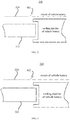
FIG. 1 is a schematic view of a charging apparatus in operation state provided in the present disclosure. -
FIG. 2 is a schematic structural view of a first port of the charging apparatus provided in the present disclosure. -
FIG. 3 is a schematic structural view of a second port of the charging apparatus provided in the present disclosure. -
FIG. 4 is a schematic view showing an internal structure of the charging apparatus in operation state provided in the present disclosure. -
charging apparatus 100, refrigerant liquidheat exchange device 110,signal control device 120,charging device 130,signal controller 102, refrigerantliquid pump 105,heat exchanger 106,cooling fan 107, heatdissipation water tank 108, auxiliaryliquid reservoir 109,signal circuit 121,heat exchange pipeline 111,first port 210,second port 220,third port 230,charging port 240, refrigerantliquid output pipe 212, refrigerantliquid input pipe 222, firstsignal receiving end 214, secondsignal receiving end 224, firstsignal line switch 401, secondsignal line switch 402. - For a clear understanding of the objects, technical features, and effects of the present disclosure, specific embodiments of the present disclosure will now be described in detail with reference to the accompanying drawings. It is to be understood that the following description is merely exemplary embodiment of the present disclosure, and is not intended to limit the scope of the present disclosure.
- Referring to
FIGS. 1-3 , acharging apparatus 100 is provided in the present disclosure. Thecharging apparatus 100 includes a refrigerant liquidheat exchange device 110. The refrigerant liquidheat exchange device 110 includes aheat exchange pipeline 111, and a refrigerantliquid output pipe 212 and a refrigerantliquid input pipe 222 connected to theheat exchange pipeline 111. When thecharging apparatus 100 is in operation, the refrigerantliquid output pipe 212 and the refrigerantliquid input pipe 222 are configured to respectively communicate with a cooling pipeline of avehicle battery 30, to allow theheat exchange pipeline 111 and the cooling pipeline of the vehicle battery to form a loop. - When the
charging apparatus 100 is in operation, the refrigerantliquid output pipe 212 is configured to communicate with the cooling pipeline of thevehicle battery 30 to output a refrigerant liquid into the cooling pipeline of thevehicle battery 30. The refrigerantliquid input pipe 222 is configured to communicate with the cooling pipeline of thevehicle battery 30 to input the refrigerant liquid from the cooling pipeline of thevehicle battery 30 into theheat exchange pipeline 111. The refrigerant liquidheat exchange device 110 can communicate with the cooling pipeline of thevehicle battery 30 via the refrigerantliquid output pipe 212 and the refrigerantliquid input pipe 222 to form the loop of the refrigerant liquid. A battery pack of a full electric vehicle can be heated or cooled by the refrigerant liquidheat exchange device 110 of thecharging apparatus 100 via the loop of the refrigerant liquid to ensure that thevehicle battery 30 can be charged at an optimal temperature range. - When charging the full electric vehicle, as the
charging apparatus 100, is equipped with the refrigerant liquidheat exchange device 110,charging apparatus 100 can ensure that the power battery is charged at a most appropriate temperature according to an environmental temperature, a current temperature of the power battery, and different charge requirements of the power batteries. Thus, thecharging apparatus 100 can meet the demand of the thermal management of thevehicle battery 30 and can ensure that an initial discharge temperature of thevehicle battery 30 is in an appropriate range, thereby accelerating the charging operation of thecharging apparatus 100 and reducing the charging time of thecharging apparatus 100. - In an embodiment, the
charging apparatus 100 further includes asignal control device 120. Thesignal control device 120 includes asignal circuit 121, a firstsignal receiving end 214 electrically connected to thesignal circuit 121, and a secondsignal receiving end 224 electrically connected to thesignal circuit 121. When thecharging apparatus 100 is in operation, the firstsignal receiving end 214 is electrically connected to a circuit of thevehicle battery 30, and the secondsignal receiving end 224 is electrically connected to the circuit of thevehicle battery 30. When thecharging apparatus 100 is in operation, while the refrigerantliquid output pipe 212 and the refrigerantliquid input pipe 222 are respectively in communication with the cooling pipeline of thevehicle battery 30 and the loop is formed, the firstsignal receiving end 214 and the secondsignal receiving end 224 are respectively connected to the circuit of thevehicle battery 30 via wires to transmit signals. As such, thesignal control device 120 will receive a signal indicating that the cooling pipeline is in communication and then control the charging and discharging operation of thecharging apparatus 100 to meet the demand of the thermal management of the power battery. - In an embodiment, a first
signal line switch 401 is disposed at a joint of the firstsignal receiving end 214 for electrically connecting with the circuit of thevehicle battery 30. A secondsignal line switch 402 is disposed at a joint of the secondsignal receiving end 224 for electrically connecting with the circuit of thevehicle battery 30. Thecharging apparatus 100 further includes afirst port 210 and asecond port 220. Thefirst port 210 includes the refrigerantliquid output pipe 212, the firstsignal line switch 401, and the firstsignal receiving end 214. Thesecond port 220 includes the refrigerantliquid input pipe 222, the secondsignal line switch 402, and the secondsignal receiving end 224. In the operation of thecharging apparatus 100, while the refrigerantliquid output pipe 212 communicates with the cooling pipeline of thevehicle battery 30, the firstsignal line switch 401 is closed; and while the refrigerantliquid input pipe 222 communicates with the cooling pipeline of thevehicle battery 30, the secondsignal line switch 402 is closed. Therefore, whether the loop is formed with theheat exchange pipeline 111 and the cooling pipeline of thevehicle battery 30 or not can be judged by measuring whether the firstsignal line switch 401 and the secondsignal line switch 402 are closed or not. - Referring to
FIG. 4 , in an embodiment, thesignal control device 120 further includes asignal controller 102. Thesignal controller 102 is electrically connected to thesignal circuit 121 to measure whether the chargingapparatus 100 and the cooling pipeline of thevehicle battery 30 are in communication or not. Thesignal controller 102 is electrically connected to thesignal circuit 121 via a wire. Thesignal circuit 121 is respectively and electrically connected to the firstsignal receiving end 214 and the secondsignal receiving end 224 via wires. Therefore, when the firstsignal line switch 401 and the secondsignal line switch 402 are closed, thesignal controller 102 can receive the signal indicating that the loop has been formed with theheat exchange pipeline 111 and the cooling pipeline of thevehicle battery 30 via the wires. - In an embodiment, the refrigerant liquid
heat exchange device 110 further includes anauxiliary liquid reservoir 109, arefrigerant liquid pump 105, a heatdissipation water tank 108, and aheat exchanger 106. An orifice of theauxiliary liquid reservoir 109 is in communication with the refrigerantliquid input pipe 222 via a pipe, so as to be capable of communicating with the cooling pipeline of thevehicle battery 30. An orifice of therefrigerant liquid pump 105 is in communication with another orifice of theauxiliary liquid reservoir 109 via a pipe. An orifice of the heatdissipation water tank 108 is in communication with another orifice of therefrigerant liquid pump 105 via a pipe. An orifice of theheat exchanger 106 is in communication with another orifice of the heatdissipation water tank 108 via a pipe. Another orifice of theheat exchanger 106 is communication with the refrigerantliquid output pipe 212 so as to be capable of communicating with the cooling pipeline of thevehicle battery 30. When thecharge apparatus 100 is in operation, thecharge apparatus 100 has a function as that of a battery pack thermal management system in an vehicle, shifting therefrigerant liquid pump 105, the heatdissipation water tank 108, theauxiliary liquid reservoir 109, and theheat exchanger 106 out from the vehicle, thereby achieving a universal cooling effect and a high power cooling effect for different types of vehicles and batteries. Thecharge apparatus 100 allows a reduction in weight of a thermal management device in the vehicle and allows the thermal management device in the vehicle to be simplified, thereby decreasing a cost of a power battery box and increasing an energy density of the battery pack, which is beneficial to increase a driving range of the electric vehicle. - When the charging
apparatus 100 is in operation, a heat exchange loop can be formed by theauxiliary liquid reservoir 109, therefrigerant liquid pump 105, the heatdissipation water tank 108, and theheat exchanger 106 as well as the cooling pipeline of thevehicle battery 30. Two ends of theauxiliary liquid reservoir 109 are respectively in communication with therefrigerant liquid pump 105 and the refrigerantliquid input pipe 222 via pipes. Theauxiliary liquid reservoir 109 is mainly used to achieve functions of expansion storage, and supplement of the refrigerant liquid. When a temperature of the liquid medium in the pipe is increased, a volume of the liquid can be expanded, and the expanded volume of the liquid can be taken by theauxiliary liquid reservoir 109, i.e., a part of the liquid medium can flow into theauxiliary liquid reservoir 109. When the temperature of the liquid medium in the pipe is decreased, the volume can be shrunk, i.e., the liquid amount in the liquid loop can be reduced, and a part of the liquid will flow back from theauxiliary liquid reservoir 109 into the loop to supply the liquid amount in the liquid loop. One end of the heatdissipation water tank 108 is connected to therefrigerant liquid pump 105 via a pipe, and the other end of the heatdissipation water tank 108 is connected to theheat exchanger 106 via a pipe. When thevehicle battery 30 achieves an optimal temperature, thesignal control device 120 controls therefrigerant liquid pump 105 to stop working, so as to control the refrigerant liquidheat exchange device 110 to stop working, at which the charging operation on thevehicle battery 30 can be initiated. - In an embodiment, the refrigerant liquid
heat exchange device 110 further includes a coolingfan 107 fixed on the heatdissipation water tank 108 and electrically connected to thesignal controller 102 to assist the heatdissipation water tank 108 to dissipate heat. When the chargingapparatus 100 is in operation, if the battery temperature is relatively high, then the coolingfan 107 can assist the heatdissipation water tank 108 to cool the liquid medium, thereby better controlling the operating temperature of the vehicle battery 300. Thesignal controller 102 can control the operation and be electrically connected to the coolingfan 107 via a wire. If the temperature of thevehicle battery 30 is too high and reaches a preset temperature for the coolingfan 107 to be initiated, then thesignal controller 102 controls the coolingfan 107 to be initiated to assist the heatdissipation water tank 108 to cool the liquid medium. - In an embodiment, the
signal controller 102 is electrically connected to therefrigerant liquid pump 105. If thevehicle battery 30 achieves the optimal temperature, then thesignal controller 102 controls therefrigerant liquid pump 105 to stop working, so as to control the refrigerant liquidheat exchange device 110 to stop working, at which the charging operation on thevehicle battery 30 can be initiated. - In an embodiment, the
signal controller 102 is electrically connected to theheat exchanger 106. When the chargingapparatus 100 is in operation, if thevehicle battery 30 is not at the optimal temperature for charging, then thesignal controller 102 can control theheat exchanger 106 to perform the heating or cooling operation to ensure thevehicle battery 30 is within the optimal operating temperature extent and maintained in a reasonable operating temperature range. - In an embodiment, the charging
apparatus 100 further includes athird port 230 electrically connected to thesignal controller 102 and to thevehicle battery 30 to acquire the temperature of thevehicle battery 30. When the chargingapparatus 100 is in operation, thesignal controller 102 acquires the temperature of the liquid medium in the cooling pipeline of thevehicle battery 30, and can control operating states of the refrigerant liquidheat exchange device 110 and thesignal control device 120, to ensure that thevehicle battery 30 is at the optimal temperature for charging all the time. - In an embodiment, the
heat exchange pipeline 111 is a liquid cooling pipeline. Water is filled in the liquid cooling pipeline. The water can absorb a lot of heat without causing a significant change in its temperature due to its ultrahigh specific heat capacity, so that the temperature can be controlled well. Generally, an immersing cooling manner needs to use an electrically insulating and flame retardant liquid, and thus has a high cost, while the liquid cooling pipe has a relatively low cost, thereby reducing the cost. - In an embodiment, the charging
apparatus 100 further includes acharging device 130 and a chargingport 240. The chargingport 240 is electrically connected to thecharging device 130 and is configured to be connected to thevehicle battery 30 via a wire to charge thevehicle battery 30. When the chargingapparatus 100 is in operation, if thevehicle battery 30 is at the optimal temperature for charging, then thecharging device 130 is started to fast charge thevehicle battery 30. - The
first port 210 includes the refrigerantliquid output pipe 212, the firstsignal line switch 401, and the firstsignal receiving end 214. Thesecond port 220 includes the refrigerantliquid input pipe 222, the secondsignal line switch 402, and the secondsignal receiving end 224. As such, the port used for connecting with the cooling system of thevehicle battery 30 and the information interaction port are provided in thecharging apparatus 100. When the chargingapparatus 100 is in operation, the various components of the chargingapparatus 100 can cooperate with each other to heat or cool thevehicle battery 30, thereby ensuring that thevehicle battery 30 can work at an appropriate temperature all the time under different working conditions. - When charging the
vehicle battery 30 via thecharging apparatus 100, a charge circuit is firstly formed by connecting thevehicle battery 30 with the chargingapparatus 100 via a wire, i.e., the chargingport 240 is electrically connected to thevehicle battery 30 via the wire. Then the cooling loop is formed with thevehicle battery 30 and thecharging apparatus 100 via the connections of thefirst port 210 and thesecond port 220. The refrigerant liquid is pumped from theauxiliary liquid reservoir 109 into the cooling loop via therefrigerant liquid pump 105 to allow the liquid cooling loop in thevehicle battery 30 to be filled with the refrigerant liquid. Then thesignal controller 102 acquires the temperature of thevehicle battery 30 via a sensor, and controls the coolingfan 107 or theheat exchanger 106 to pre-cool or pre-heat thevehicle battery 30 before charging thevehicle battery 30, thereby ensuring that the battery is at an optimal initial charge temperature. Then thesignal controller 102 regulates output powers of the coolingfan 107, theheat exchanger 106, and therefrigerant liquid pump 105 according to a required charge rate of the battery, a type and parameters of the battery, and a real-time temperature in thevehicle battery 30 to ensure that thevehicle battery 30 can be charged at an appropriate temperature range. When thevehicle battery 30 is at the appropriate temperature range for charging, the chargingdevice 130 is started to fast charge thevehicle battery 30. After the charge, the battery is at an optimal initial working temperature. - When the charging process for the
vehicle battery 30 is finished, thesignal controller 102 controls therefrigerant liquid pump 105 to pump the refrigerant liquid from thevehicle battery 30 back into theauxiliary liquid reservoir 109. Finally, thefirst port 210 and thesecond port 220 are disconnected. Then thevehicle battery 30 can be kept at a reasonable temperature range by natural cooling when the full electric vehicle is running. - In an embodiment, when the
vehicle battery 30 is in the fast charge state, thevehicle battery 30 is charged at a high charging rate, for example, in a range from 1C to 10C, and the power battery can produce a lot of heat during the charging. In this case, a charge circuit is firstly formed by connecting thevehicle battery 30 with the chargingapparatus 100 via a wire, i.e., the chargingport 240 is electrically connected to thevehicle battery 30 via the wire. Then the cooling loop is formed with thevehicle battery 30 and thecharging apparatus 100 via the connections of thefirst port 210 and thesecond port 220. Thesignal controller 102 controls therefrigerant liquid pump 105 to pump the liquid medium from theauxiliary liquid reservoir 109 into the cooling loop when a signal indicating that the cooling loop has been formed is received by thesignal controller 102. Thesignal controller 102 can estimate the heat produced by thevehicle battery 30 according to the type of thevehicle battery 30, battery parameters, and the preset charging rate, and the estimated heat can be used as a feedforward control parameter. Thesignal controller 102 acquires the real-time temperature of thevehicle battery 30 at this time according to a signal indicating the temperature of thevehicle battery 30, and the acquired temperature is used as a feedback control parameter. Thesignal controller 102 can control the operating powers of the heatdissipation water tank 108, therefrigerant liquid pump 105, and theheat exchanger 106 according to the feedback control parameter to ensure that thevehicle battery 30 is charged at the optimal charge temperature range throughout the fast charge. - In an embodiment, when the
vehicle battery 30 is in a low temperature environment, i.e., when thevehicle battery 30 is placed in the low temperature environment before charging, an initial charge temperature of thevehicle battery 30 may be -40 °C-10 °C. At this time, if thevehicle battery 30 is charged immediately, the safety and the service life of thevehicle battery 30 would be adversely affected. Therefore, in such environment, the charge circuit is firstly formed by connecting thevehicle battery 30 with the chargingapparatus 100 via a wire, i.e., the chargingport 240 is electrically connected to thevehicle battery 30 via the wire. Then the cooling loop is formed with thevehicle battery 30 and thecharging apparatus 100 via the connections of thefirst port 210 and thesecond port 220. Thesignal controller 102 controls therefrigerant liquid pump 105 to pump the liquid medium from theauxiliary liquid reservoir 109 into the cooling loop when a signal indicating that the cooling loop has been formed is received by thesignal controller 102. Thesignal controller 102 sends an initial charging time delay signal when a signal indicating the low temperature of thevehicle battery 30 is received by thesignal controller 102, so that the charging operation of the chargingapparatus 100 is provisionally postponed. Then thesignal controller 102 controls theheat exchanger 106 and therefrigerant liquid pump 105 to fast heat thevehicle battery 30. When the temperature in thevehicle battery 30 is in the appropriate initial charge temperature, for example, 20 °C-30 °C, the heating is stopped, and thesignal controller 102 sends an initial charging time delay revocation signal. When thevehicle battery 30 is in the appropriate initial charge temperature range, the chargingdevice 130 starts to fast charge thevehicle battery 30. The operation mode of the chargingapparatus 100 is the same as the operation mode when thevehicle battery 30 is in the fast charge state. - In an embodiment, before the charging
apparatus 100 and thevehicle battery 30 are disconnected, thesignal controller 102 regulates the temperature of thevehicle battery 30 to a most appropriate initial usage temperature, typically, 25 °C, by regulating the operating powers of the coolingfan 107, therefrigerant liquid pump 105, and theheat exchanger 106 according to the temperature of thevehicle battery 30. At the initial usage temperature, the power battery can work in a reasonable operating temperature range, typically, 10°C to 55 °C, via natural convective heat transfer throughout the working process. As such, after thecharging apparatus 100 and thevehicle battery 30 are disconnected, thevehicle battery 30 can be in a typical operating state to drive the electric vehicle. - In an embodiment, when the electric vehicle is stalled out and needs to be charged during travel, the
first port 210, thesecond port 220, thethird port 230, and the chargingport 240 are firstly connected. Thesignal controller 102 acquires the temperature of thevehicle battery 30 via thethird port 230. Thesignal controller 102 controls therefrigerant liquid pump 105 to pump the liquid medium from theauxiliary liquid reservoir 109 into the cooling loop when a signal indicating that thefirst port 210 and thesecond port 220 have been connected is detected by thesignal controller 102. Thesignal controller 102 controls theheat exchanger 106 and therefrigerant liquid pump 105 to fast cool thevehicle battery 30. Thesignal controller 102 acquires the real-time temperature of thevehicle battery 30 at this time according to the signal indicating the temperature of thevehicle battery 30, and the acquired temperature is used as a feedback control parameter. Thesignal controller 102 acquires the temperature in thevehicle battery 30; and when the temperature in thevehicle battery 30 is in the appropriate initial charge temperature, e.g., 20 °C to 30 °C, the cooling process is terminated. The chargingdevice 130 charges thevehicle battery 30 via the chargingport 240 when thesignal controller 102 receives a charging signal. Since the charge of thevehicle battery 30 via thecharging apparatus 100 is in the appropriate temperature status all the time, the charging time is reduced, thereby solving the long charging time problem of the conventional charging apparatus. Moreover, the demands for the high rate charge and the fast heating at low temperature can be satisfied. Therefore, the charging apparatus capable of achieving the fast charge is provided herein. - Unless otherwise defined, all terms herein, including technical and scientific terms, shall have the same meaning as commonly accepted by a person skilled in the art to which this disclosure belongs. Such terms, as used herein, are for the purpose of describing exemplary examples of, and without limiting, the present disclosure. The term "and/or" as used herein refers to any and all combinations of one or more items recited.
- Those skilled in the art can apparently appreciate upon reading the disclosure of this application that the respective technical features involved in the respective examples can be combined arbitrarily between the respective example can also be combined arbitrarily as long as they have no collision with each other. For the purpose of simplicity, not all combinations are described herein. However, such combination should all be considered as within the scope of the present disclosure given that there is no collision.
Claims (20)
- A charging apparatus characterized by comprising a refrigerant liquid heat exchange device (110), the refrigerant liquid heat exchange device (110) comprising:a heat exchange pipeline (111); anda refrigerant liquid output pipe (212) and a refrigerant liquid input pipe (222) connected to the heat exchange pipeline (111), the refrigerant liquid output pipe (212) and the refrigerant liquid input pipe (222) being configured to respectively communicate with a cooling pipeline of a vehicle battery, so as to allow the heat exchange pipeline (111) and the cooling pipeline of the vehicle battery to form a loop.
- The charging apparatus of the claim 1, characterized by further comprising a signal control device (120) configured to be electrically connected to a circuit of the vehicle battery.
- The charging apparatus of the claim 2, characterized in that the signal control device (120) comprises:a signal circuit (121);a first signal receiving end (214) electrically connected to the signal circuit (121), the first signal receiving end (214) being configured to be electrically connected to the circuit of the vehicle battery; anda second signal receiving end (224) electrically connected to the signal circuit (121), the second signal receiving end (224) being configured to be electrically connected to the circuit of the vehicle battery.
- The charging apparatus of the claim 3, characterized in that a first signal line switch (401) is disposed at a joint of the first signal receiving end (214) for electrically connecting with the circuit of the vehicle battery, and a second signal line switch (402) is disposed at a joint of the second signal receiving end (224) for electrically connecting with the circuit of the vehicle battery.
- The charging apparatus of the claim 3, characterized in that the signal control device (120) further comprises a signal controller (102) electrically connected to the signal circuit (121) and configured to measure whether the charging apparatus (100) is in communication with the cooling pipeline of the vehicle battery or not.
- The charging apparatus of the claim 1, characterized in that the refrigerant liquid heat exchange device (110) further comprises an auxiliary liquid reservoir (109), and an orifice of the auxiliary liquid reservoir (109) is in communication with the refrigerant liquid input pipe (222) via a pipe so as to be capable of communicating with the cooling pipeline of the vehicle battery.
- The charging apparatus of the claim 6, characterized in that the refrigerant liquid heat exchange device (110) further comprises a refrigerant liquid pump (105), and an orifice of the refrigerant liquid pump (105) is in communication with another orifice of the auxiliary liquid reservoir (109) via a pipe.
- The charging apparatus of the claim 7, characterized in that the refrigerant liquid heat exchange device (110) further comprises a heat dissipation water tank (108), and an orifice of the heat dissipation water tank (108) is in communication with another orifice of the refrigerant liquid pump (105) via a pipe.
- The charging apparatus of the claim 8, characterized in that the refrigerant liquid heat exchange device (110) further comprises a heat exchanger (106), an orifice of the heat exchanger (106) is communication with another orifice of the heat dissipation water tank (108), and another orifice of the heat exchanger (106) is communication with the refrigerant liquid output pipe (212) via a pipe so as to be capable of communicating with the cooling pipeline of the vehicle battery.
- The charging apparatus of the claim 8, characterized in that the refrigerant liquid heat exchange device (110) further comprises a cooling fan (107) electrically connected to the signal controller (102) and fixed on the heat dissipation water tank (108) to assist the heat dissipation water tank (108) to dissipate heat.
- The charging apparatus of the claim 5, characterized in that the signal controller (102) is electrically connected to the refrigerant liquid pump (105).
- The charging apparatus of the claim 5, characterized in that the signal controller (102) is electrically connected to the heat exchanger (106).
- The charging apparatus of the claim 5, characterized by further comprising a third port (230) electrically connected to the signal controller (102) and configured to be electrically connected to the vehicle battery to acquire a temperature of the vehicle battery.
- The charging apparatus of the claim 1, characterized in that the heat exchange pipeline (111) is a liquid cooling pipeline.
- A charging apparatus, characterized by comprising a refrigerant liquid heat exchange device (110) comprising:a heat exchange pipeline (111);a refrigerant liquid output pipe (212) and a refrigerant liquid input pipe (222) connected to the heat exchange pipeline (111), the refrigerant liquid output pipe (212) and the refrigerant liquid input pipe (222) being configured to respectively communicate with a cooling pipeline of a vehicle battery to allow the heat exchange pipeline (111) and the cooling pipeline of the vehicle battery to form a loop;a charging device (130) electrically connected to the signal controller (102); anda charging port (240) electrically connected to the charging device (130) and configured to be electrically connected to the vehicle battery to charge the vehicle battery.
- The charging apparatus of the claim 15, characterized in that the charging apparatus 100 further comprises a signal control device (120), the signal control device (120) comprises:a signal circuit (121);a first signal receiving end (214) electrically connected to the signal circuit (121), the first signal receiving end (214) being configured to be electrically connected to the circuit of the vehicle battery; anda second signal receiving end (224) electrically connected to the signal circuit (121), the second signal receiving end (224) being configured to be electrically connected to the circuit of the vehicle battery.
- The charging apparatus of the claim 16, characterized in that a first signal line switch (401) is disposed at a joint of the first signal receiving end (214) for electrically connecting with the circuit of the vehicle battery, and a second signal line switch (402) is disposed at a joint of the second signal receiving end (224) for electrically connecting with the circuit of the vehicle battery.
- The charging apparatus of the claim 16, characterized in that the signal control device (120) further comprises a signal controller (102) electrically connected to the signal circuit (121) and configured to measure whether the charging apparatus (100) is in communication with the cooling pipeline of the vehicle battery or not.
- The charging apparatus of the claim 15, characterized in that the refrigerant liquid heat exchange device (110) further comprises:an auxiliary liquid reservoir (109), an orifice of the auxiliary liquid reservoir (109) being in communication with the refrigerant liquid input pipe (222) via a pipe so as to be capable of communicating with the cooling pipeline of the vehicle battery;a refrigerant liquid pump (105), an orifice of the refrigerant liquid pump (105) being in communication with another orifice of the auxiliary liquid reservoir (109) via a pipe;a heat dissipation water tank (108), an orifice of the heat dissipation water tank (108) being in communication with another orifice of the refrigerant liquid pump (105) via a pipe; anda heat exchanger (106), an orifice of the heat exchanger (106) being in communication with another orifice of the heat dissipation water tank (108), and another orifice of the heat exchanger (106) being in communication with the refrigerant liquid output pipe (212) via a pipe so as to be capable of communicating with the cooling pipeline of the vehicle battery.
- The charging apparatus of the claim 19, characterized in that the refrigerant liquid heat exchange device (110) further comprises a cooling fan (107) electrically connected to the signal controller (102) and fixed on the heat dissipation water tank (108) to assist a heat dissipation of the heat dissipation water tank (108).
Applications Claiming Priority (2)
| Application Number | Priority Date | Filing Date | Title |
|---|---|---|---|
| CN201711250687.4A CN108032750B (en) | 2017-12-01 | 2017-12-01 | Charging pile |
| PCT/CN2018/114032 WO2019105185A1 (en) | 2017-12-01 | 2018-11-06 | Charging pile |
Publications (1)
| Publication Number | Publication Date |
|---|---|
| EP3719918A1 true EP3719918A1 (en) | 2020-10-07 |
Family
ID=62094632
Family Applications (1)
| Application Number | Title | Priority Date | Filing Date |
|---|---|---|---|
| EP18883760.3A Withdrawn EP3719918A1 (en) | 2017-12-01 | 2018-11-06 | Charging pile |
Country Status (4)
| Country | Link |
|---|---|
| US (2) | US20210001750A1 (en) |
| EP (1) | EP3719918A1 (en) |
| CN (1) | CN108032750B (en) |
| WO (1) | WO2019105185A1 (en) |
Families Citing this family (29)
| Publication number | Priority date | Publication date | Assignee | Title |
|---|---|---|---|---|
| CN109017407A (en) * | 2018-08-16 | 2018-12-18 | 北京新能源汽车股份有限公司 | Battery heat exchange control device, charging pile and battery heat exchange system |
| JP6808695B2 (en) * | 2018-09-05 | 2021-01-06 | 本田技研工業株式会社 | Battery cooling control system |
| CN109435734A (en) * | 2018-10-30 | 2019-03-08 | 蔚来汽车有限公司 | Heat management system for charging and battery replacing station and charging and battery replacing station comprising same |
| CN111376750B (en) * | 2018-12-29 | 2023-03-21 | 宁波三星智能电气有限公司 | Charging pile and charging control method |
| US11469531B2 (en) * | 2019-07-19 | 2022-10-11 | Yazaki North America, Inc. | Liquid-cooled charging system for a vehicle |
| CN110931907A (en) * | 2019-11-20 | 2020-03-27 | 湖南科霸汽车动力电池有限责任公司 | Control method for high-rate charging temperature of battery pack |
| US20210203177A1 (en) * | 2019-12-31 | 2021-07-01 | Nio Usa, Inc. | Vehicle charging scheduler |
| DE102020204694A1 (en) * | 2020-02-21 | 2021-08-26 | Volkswagen Aktiengesellschaft | Method for controlling the charging process of an electrical energy store and charging device |
| JP2023532135A (en) * | 2020-07-02 | 2023-07-26 | エレクトリック パワー システムズ, インコーポレイテッド | High temperature charging system and method |
| CN111896832B (en) * | 2020-08-04 | 2023-04-28 | 浙江华云清洁能源有限公司 | Aging testing device for alternating-current charging pile |
| CN112151913B (en) * | 2020-10-13 | 2022-01-28 | 河南科技大学 | Power battery and cooling device and cooling method thereof |
| CN112498178B (en) * | 2020-10-22 | 2022-04-08 | 东风汽车集团有限公司 | Temperature control method of battery pack before and after charging under high and low temperature environment of electric vehicle |
| CN112659940A (en) * | 2021-02-02 | 2021-04-16 | 东莞派歌锐电气有限公司 | Charging wire with intelligent monitoring function and cooling function |
| CN115179816A (en) * | 2021-04-06 | 2022-10-14 | 上海比耐信息科技有限公司 | Electric vehicle battery pack, charging device, charging system and charging method |
| CN112977137B (en) * | 2021-04-19 | 2022-02-08 | 江苏镭神智造科技有限公司 | Direct current wall-hanging electric pile that fills |
| WO2023272663A1 (en) * | 2021-06-30 | 2023-01-05 | 华为技术有限公司 | Charging gun, charging seat, charging device, device to be charged, charging system, and control method |
| CN113895264A (en) * | 2021-10-14 | 2022-01-07 | 美达电器(重庆)有限公司 | Liquid cooling heat dissipation direct current charging device |
| DE102022200971A1 (en) | 2022-01-31 | 2023-08-03 | Volkswagen Aktiengesellschaft | Vehicle and system for charging a vehicle |
| CN114954063A (en) * | 2022-06-29 | 2022-08-30 | 西安交通大学 | Thermal management system for electric vehicle battery quick charging and control method thereof |
| US20240051676A1 (en) * | 2022-08-09 | 2024-02-15 | Beta Air, Llc | Cooling system and methods for regulating a temperature of an electric aircraft power supply during charging |
| CN116442834B (en) * | 2023-03-22 | 2026-03-13 | 中国第一汽车股份有限公司 | Methods, devices and vehicles for controlling liquid temperature |
| CN116729163A (en) * | 2023-06-07 | 2023-09-12 | 悠跑科技(合肥)有限公司 | Thermal management device suitable for vehicle direct current is filled soon and is used and fills electric pile |
| CN116639020B (en) * | 2023-06-15 | 2025-11-14 | 中国第一汽车股份有限公司 | Vehicle power battery charging methods and charging stations |
| EP4480741A1 (en) * | 2023-06-21 | 2024-12-25 | ABB E-mobility B.V. | Cooling system for ev charging infrastructure |
| CN116749798A (en) * | 2023-07-18 | 2023-09-15 | 贵州翰凯斯智能技术有限公司 | A charging and cooling system and charging and cooling method for unmanned vehicles |
| CN119369954A (en) * | 2023-07-25 | 2025-01-28 | 武汉路特斯汽车有限公司 | Charging pile for power battery pack, power battery pack, charging system and vehicle |
| CN222645829U (en) * | 2024-05-24 | 2025-03-21 | 比亚迪股份有限公司 | Charging device, electric equipment and charging system |
| CN119116739A (en) * | 2024-09-13 | 2024-12-13 | 华为数字能源技术有限公司 | A charging pile |
| CN119636461B (en) * | 2024-12-13 | 2025-07-18 | 北京车晓科技有限公司 | An intelligent heat dissipation device for automobile charging pile |
Family Cites Families (9)
| Publication number | Priority date | Publication date | Assignee | Title |
|---|---|---|---|---|
| JP2002352866A (en) * | 2001-05-28 | 2002-12-06 | Honda Motor Co Ltd | Electric vehicle battery cooling system |
| US9586497B2 (en) * | 2013-08-22 | 2017-03-07 | Lightening Energy | Electric vehicle recharging station including a battery bank |
| US9527403B2 (en) * | 2014-04-29 | 2016-12-27 | Tesla Motors, Inc. | Charging station providing thermal conditioning of electric vehicle during charging session |
| CN205790284U (en) * | 2016-07-07 | 2016-12-07 | 欧孚迪汽车设计武汉有限公司 | A kind of power battery of electric vehicle bag cooling and heating system |
| CN206558647U (en) * | 2017-01-23 | 2017-10-13 | 青岛逸轩产品设计有限公司 | A kind of quick charge stake with cooling system and heating system |
| CN206532845U (en) * | 2017-02-14 | 2017-09-29 | 苏州高迈新能源有限公司 | A kind of cold-storing type electric automobile power battery cooling device |
| CN206528360U (en) * | 2017-02-14 | 2017-09-29 | 苏州高迈新能源有限公司 | A kind of charging pile that electrokinetic cell can be freezed |
| CN106864284B (en) * | 2017-02-14 | 2019-05-28 | 苏州高迈新能源有限公司 | A kind of electric automobile power battery distribution unsymmetrical excavation device and cooling means |
| CN207747762U (en) * | 2017-12-01 | 2018-08-21 | 清华大学 | Charging pile |
-
2017
- 2017-12-01 CN CN201711250687.4A patent/CN108032750B/en active Active
-
2018
- 2018-11-06 WO PCT/CN2018/114032 patent/WO2019105185A1/en not_active Ceased
- 2018-11-06 EP EP18883760.3A patent/EP3719918A1/en not_active Withdrawn
- 2018-11-06 US US16/633,680 patent/US20210001750A1/en not_active Abandoned
-
2020
- 2020-05-31 US US16/888,739 patent/US20200290469A1/en not_active Abandoned
Also Published As
| Publication number | Publication date |
|---|---|
| US20210001750A1 (en) | 2021-01-07 |
| CN108032750B (en) | 2024-07-16 |
| WO2019105185A1 (en) | 2019-06-06 |
| US20200290469A1 (en) | 2020-09-17 |
| CN108032750A (en) | 2018-05-15 |
Similar Documents
| Publication | Publication Date | Title |
|---|---|---|
| EP3719918A1 (en) | Charging pile | |
| US11292363B2 (en) | Charging system | |
| US11787308B2 (en) | Battery temperature control device of electric vehicle | |
| CN103094640B (en) | Battery pack heat management device | |
| CN110015196A (en) | Electric vehicle, battery thermal management power supply system and control method thereof | |
| JP7094907B2 (en) | Battery temperature riser | |
| WO2021023019A1 (en) | Thermal management method for battery pack | |
| CN113659230A (en) | Battery pack thermal management system, control method thereof and vehicle | |
| CN210379345U (en) | Liquid cooling system of power battery | |
| CN114274823A (en) | Charging energy management system and method of electric automobile and electric automobile | |
| CN115503539A (en) | A charging system and method with battery temperature control | |
| CN109616706B (en) | Temperature control device and method for battery pack of electric vehicle | |
| CN114475188A (en) | Vehicle-mounted power battery thermal management system | |
| CN207747762U (en) | Charging pile | |
| CN117621753A (en) | Heating control method for vehicle | |
| WO2024108790A1 (en) | Charging device and thermal management method therefor | |
| JP7771616B2 (en) | Electric vehicle temperature control system | |
| CN203631701U (en) | Battery temperature control device | |
| CN110316006A (en) | A kind of electric car charging onboard equipment cooling control system and method | |
| CN108550960B (en) | Battery low-temperature heat management device and heat management method | |
| CN115742870A (en) | Method, device, medium and equipment for heating power battery of hydrogen energy hybrid vehicle | |
| CN109890653B (en) | Apparatus and method for controlling temperature of battery according to gradient of delivered electric power | |
| CN113839124B (en) | Automobile power battery self-heating method, system, automobile and storage medium | |
| CN116508194A (en) | Heat exchange device, charging pile, heat exchange control method, and vehicle | |
| CN204991900U (en) | Liquid cooling battery system and discharge device thereof |
Legal Events
| Date | Code | Title | Description |
|---|---|---|---|
| PUAI | Public reference made under article 153(3) epc to a published international application that has entered the european phase |
Free format text: ORIGINAL CODE: 0009012 |
|
| 17P | Request for examination filed |
Effective date: 20200626 |
|
| AK | Designated contracting states |
Kind code of ref document: A1 Designated state(s): AL AT BE BG CH CY CZ DE DK EE ES FI FR GB GR HR HU IE IS IT LI LT LU LV MC MK MT NL NO PL PT RO RS SE SI SK SM TR |
|
| AX | Request for extension of the european patent |
Extension state: BA ME |
|
| STAA | Information on the status of an ep patent application or granted ep patent |
Free format text: STATUS: THE APPLICATION HAS BEEN WITHDRAWN |
|
| 18W | Application withdrawn |
Effective date: 20201228 |