EP3716971B1 - Corroles for treating poxvirus infection - Google Patents
Corroles for treating poxvirus infection Download PDFInfo
- Publication number
- EP3716971B1 EP3716971B1 EP18815549.3A EP18815549A EP3716971B1 EP 3716971 B1 EP3716971 B1 EP 3716971B1 EP 18815549 A EP18815549 A EP 18815549A EP 3716971 B1 EP3716971 B1 EP 3716971B1
- Authority
- EP
- European Patent Office
- Prior art keywords
- formula
- chosen
- corrole
- poxvirus
- atom
- Prior art date
- Legal status (The legal status is an assumption and is not a legal conclusion. Google has not performed a legal analysis and makes no representation as to the accuracy of the status listed.)
- Not-in-force
Links
- 0 C*c1c(*)c(*)c(*)c(*)c1* Chemical compound C*c1c(*)c(*)c(*)c(*)c1* 0.000 description 6
- GCQLPGVOHNYFTQ-IQYYSVGFSA-N Cc(cc1C)cc(C)c1/C(/c1ccc(C(C=C2)=N/C2=C(\c2ccc3[nH]2)/c2c(C)cc(C)cc2C)[nH]1)=C(\C=C1)/N/C1=C3/c(cc1[N+]([O-])=O)ccc1F Chemical compound Cc(cc1C)cc(C)c1/C(/c1ccc(C(C=C2)=N/C2=C(\c2ccc3[nH]2)/c2c(C)cc(C)cc2C)[nH]1)=C(\C=C1)/N/C1=C3/c(cc1[N+]([O-])=O)ccc1F GCQLPGVOHNYFTQ-IQYYSVGFSA-N 0.000 description 2
- IDZSBWPUBDPWBK-OCRNZJGFSA-N [O-][N+](c1cc(/C(/c2ccc(C(C=C3)=N/C3=C(\c3ccc4[nH]3)/c(cc3)cc([N+]([O-])=O)c3F)[nH]2)=C(\C=C2)/N/C2=C4/c(cc2[N+]([O-])=O)ccc2F)ccc1F)=O Chemical compound [O-][N+](c1cc(/C(/c2ccc(C(C=C3)=N/C3=C(\c3ccc4[nH]3)/c(cc3)cc([N+]([O-])=O)c3F)[nH]2)=C(\C=C2)/N/C2=C4/c(cc2[N+]([O-])=O)ccc2F)ccc1F)=O IDZSBWPUBDPWBK-OCRNZJGFSA-N 0.000 description 2
- ZBGTYBGGNQXSDZ-RZERMQNSSA-N CC(C/C(/N1)=C(/C2=CCC(C(C=C3)=N/C3=C(\C3(C)NC4=CC3)/c(cc3)ccc3[N+]([O-])=O)N2)\c(cc2)ccc2[N+]([O-])=O)/C1=C4\c(cc1)ccc1[N+]([O-])=O Chemical compound CC(C/C(/N1)=C(/C2=CCC(C(C=C3)=N/C3=C(\C3(C)NC4=CC3)/c(cc3)ccc3[N+]([O-])=O)N2)\c(cc2)ccc2[N+]([O-])=O)/C1=C4\c(cc1)ccc1[N+]([O-])=O ZBGTYBGGNQXSDZ-RZERMQNSSA-N 0.000 description 1
- WGSXLIVLKQERMN-PKVGVLMHSA-N Cc(cc1C)cc(C)c1/C(/c1ccc(C(C=C2)=N/C2=C(\c2ccc3[nH]2)/c2c(C)cc(C)cc2C)[nH]1)=C(\C=C1)/N/C1=C3/c(ccc([N+]([O-])=O)c1)c1F Chemical compound Cc(cc1C)cc(C)c1/C(/c1ccc(C(C=C2)=N/C2=C(\c2ccc3[nH]2)/c2c(C)cc(C)cc2C)[nH]1)=C(\C=C1)/N/C1=C3/c(ccc([N+]([O-])=O)c1)c1F WGSXLIVLKQERMN-PKVGVLMHSA-N 0.000 description 1
- BQEWHAWYLBEWIT-PKVGVLMHSA-N Cc(cc1C)cc(C)c1/C(/c1ccc(C(C=C2)=N/C2=C(\c2ccc3[nH]2)/c2c(C)cc(C)cc2C)[nH]1)=C(\C=C1)/N/C1=C3/c1cc([N+]([O-])=O)ccc1F Chemical compound Cc(cc1C)cc(C)c1/C(/c1ccc(C(C=C2)=N/C2=C(\c2ccc3[nH]2)/c2c(C)cc(C)cc2C)[nH]1)=C(\C=C1)/N/C1=C3/c1cc([N+]([O-])=O)ccc1F BQEWHAWYLBEWIT-PKVGVLMHSA-N 0.000 description 1
Images

Classifications
-
- A—HUMAN NECESSITIES
- A61—MEDICAL OR VETERINARY SCIENCE; HYGIENE
- A61K—PREPARATIONS FOR MEDICAL, DENTAL OR TOILETRY PURPOSES
- A61K31/00—Medicinal preparations containing organic active ingredients
- A61K31/33—Heterocyclic compounds
- A61K31/395—Heterocyclic compounds having nitrogen as a ring hetero atom, e.g. guanethidine or rifamycins
- A61K31/40—Heterocyclic compounds having nitrogen as a ring hetero atom, e.g. guanethidine or rifamycins having five-membered rings with one nitrogen as the only ring hetero atom, e.g. sulpiride, succinimide, tolmetin, buflomedil
- A61K31/409—Heterocyclic compounds having nitrogen as a ring hetero atom, e.g. guanethidine or rifamycins having five-membered rings with one nitrogen as the only ring hetero atom, e.g. sulpiride, succinimide, tolmetin, buflomedil having four such rings, e.g. porphine derivatives, bilirubin, biliverdine
-
- A—HUMAN NECESSITIES
- A61—MEDICAL OR VETERINARY SCIENCE; HYGIENE
- A61K—PREPARATIONS FOR MEDICAL, DENTAL OR TOILETRY PURPOSES
- A61K31/00—Medicinal preparations containing organic active ingredients
- A61K31/33—Heterocyclic compounds
- A61K31/555—Heterocyclic compounds containing heavy metals, e.g. hemin, hematin, melarsoprol
-
- A—HUMAN NECESSITIES
- A61—MEDICAL OR VETERINARY SCIENCE; HYGIENE
- A61K—PREPARATIONS FOR MEDICAL, DENTAL OR TOILETRY PURPOSES
- A61K31/00—Medicinal preparations containing organic active ingredients
- A61K31/33—Heterocyclic compounds
- A61K31/395—Heterocyclic compounds having nitrogen as a ring hetero atom, e.g. guanethidine or rifamycins
- A61K31/435—Heterocyclic compounds having nitrogen as a ring hetero atom, e.g. guanethidine or rifamycins having six-membered rings with one nitrogen as the only ring hetero atom
- A61K31/44—Non condensed pyridines; Hydrogenated derivatives thereof
- A61K31/4427—Non condensed pyridines; Hydrogenated derivatives thereof containing further heterocyclic ring systems
- A61K31/4439—Non condensed pyridines; Hydrogenated derivatives thereof containing further heterocyclic ring systems containing a five-membered ring with nitrogen as a ring hetero atom, e.g. omeprazole
-
- A—HUMAN NECESSITIES
- A61—MEDICAL OR VETERINARY SCIENCE; HYGIENE
- A61K—PREPARATIONS FOR MEDICAL, DENTAL OR TOILETRY PURPOSES
- A61K31/00—Medicinal preparations containing organic active ingredients
- A61K31/33—Heterocyclic compounds
- A61K31/395—Heterocyclic compounds having nitrogen as a ring hetero atom, e.g. guanethidine or rifamycins
- A61K31/435—Heterocyclic compounds having nitrogen as a ring hetero atom, e.g. guanethidine or rifamycins having six-membered rings with one nitrogen as the only ring hetero atom
- A61K31/44—Non condensed pyridines; Hydrogenated derivatives thereof
- A61K31/4427—Non condensed pyridines; Hydrogenated derivatives thereof containing further heterocyclic ring systems
- A61K31/444—Non condensed pyridines; Hydrogenated derivatives thereof containing further heterocyclic ring systems containing a six-membered ring with nitrogen as a ring heteroatom, e.g. amrinone
-
- A—HUMAN NECESSITIES
- A61—MEDICAL OR VETERINARY SCIENCE; HYGIENE
- A61K—PREPARATIONS FOR MEDICAL, DENTAL OR TOILETRY PURPOSES
- A61K39/00—Medicinal preparations containing antigens or antibodies
- A61K39/12—Viral antigens
- A61K39/275—Poxviridae, e.g. avipoxvirus
-
- A—HUMAN NECESSITIES
- A61—MEDICAL OR VETERINARY SCIENCE; HYGIENE
- A61K—PREPARATIONS FOR MEDICAL, DENTAL OR TOILETRY PURPOSES
- A61K45/00—Medicinal preparations containing active ingredients not provided for in groups A61K31/00 - A61K41/00
- A61K45/06—Mixtures of active ingredients without chemical characterisation, e.g. antiphlogistics and cardiaca
-
- A—HUMAN NECESSITIES
- A61—MEDICAL OR VETERINARY SCIENCE; HYGIENE
- A61K—PREPARATIONS FOR MEDICAL, DENTAL OR TOILETRY PURPOSES
- A61K47/00—Medicinal preparations characterised by the non-active ingredients used, e.g. carriers or inert additives; Targeting or modifying agents chemically bound to the active ingredient
- A61K47/50—Medicinal preparations characterised by the non-active ingredients used, e.g. carriers or inert additives; Targeting or modifying agents chemically bound to the active ingredient the non-active ingredient being chemically bound to the active ingredient, e.g. polymer-drug conjugates
- A61K47/51—Medicinal preparations characterised by the non-active ingredients used, e.g. carriers or inert additives; Targeting or modifying agents chemically bound to the active ingredient the non-active ingredient being chemically bound to the active ingredient, e.g. polymer-drug conjugates the non-active ingredient being a modifying agent
- A61K47/54—Medicinal preparations characterised by the non-active ingredients used, e.g. carriers or inert additives; Targeting or modifying agents chemically bound to the active ingredient the non-active ingredient being chemically bound to the active ingredient, e.g. polymer-drug conjugates the non-active ingredient being a modifying agent the modifying agent being an organic compound
- A61K47/545—Heterocyclic compounds
- A61K47/546—Porphyrines; Porphyrine with an expanded ring system, e.g. texaphyrine
-
- A—HUMAN NECESSITIES
- A61—MEDICAL OR VETERINARY SCIENCE; HYGIENE
- A61P—SPECIFIC THERAPEUTIC ACTIVITY OF CHEMICAL COMPOUNDS OR MEDICINAL PREPARATIONS
- A61P31/00—Antiinfectives, i.e. antibiotics, antiseptics, chemotherapeutics
- A61P31/12—Antivirals
-
- A—HUMAN NECESSITIES
- A61—MEDICAL OR VETERINARY SCIENCE; HYGIENE
- A61P—SPECIFIC THERAPEUTIC ACTIVITY OF CHEMICAL COMPOUNDS OR MEDICINAL PREPARATIONS
- A61P31/00—Antiinfectives, i.e. antibiotics, antiseptics, chemotherapeutics
- A61P31/12—Antivirals
- A61P31/20—Antivirals for DNA viruses
-
- A—HUMAN NECESSITIES
- A61—MEDICAL OR VETERINARY SCIENCE; HYGIENE
- A61P—SPECIFIC THERAPEUTIC ACTIVITY OF CHEMICAL COMPOUNDS OR MEDICINAL PREPARATIONS
- A61P31/00—Antiinfectives, i.e. antibiotics, antiseptics, chemotherapeutics
- A61P31/12—Antivirals
- A61P31/20—Antivirals for DNA viruses
- A61P31/22—Antivirals for DNA viruses for herpes viruses
Definitions
- the present invention is related to a family of corroles for their use in the treatment of an infection by a poxvirus.
- Poxviruses are large dsDNA viruses infecting a broad variety of organisms from animal to human and divided into two groups: Chordopoxvirinae and Entomopoxvirinae.
- Poxviruses are pathogens responsible for many veterinary diseases. For example, Myxoma virus (MYXV) is the causing agent of myxomatosis in rabbits. Till now, the only efficient method to prevent this disease in rabbits is vaccination. However, the efficiency of vaccination lasts only between 6 months and a year. For MYXV, vaccination will not prevent infection in some cases, but symptoms will be attenuated.
- MYXV Myxoma virus
- poxvirus can also induce severe pathological infection in human.
- smallpox a deadly human disease globally eradicated in 1980 after vaccination campaigns throughout the 19 th and 20 th centuries.
- the pathogen of smallpox is variola virus (VARV), one member of the poxvirus family.
- VARV variola virus
- VACV Vaccinia virus
- VACV Vaccinia virus
- MYXV myxoma virus
- the first subject matter of the present invention is to provide a corrole of type A3 or A2B of formula (I): wherein:
- the corroles of the present invention are organic molecules having a contracted porphyrin ring comprising nineteen carbon atoms and 4 nitrogen atoms, and are capable of binding metals chosen from the group of Cu, Mn, Fe, Co, V, Cr, Ti, Ag, Rh, Ru, Mo, Zr, Au, Pt, Ir, Re, W, Hf, Li, Al, Ga, Ge, Sn, As, Sb, Pb, Bi, La, Gd, Tb, or Th.
- a corrole of type A3 is meant to be a corrole wherein the A 1 and the A 2 are identical.
- a corrole of type A3 is a corrole wherein the three substituent groups on meso position 5, 10 and 15 of said corrole are identical.
- a corrole of type A2B is meant to be a corrole wherein the A 2 is different from the A 1 .
- a corrole of type A2B is a corrole wherein the substituent groups on meso position 5 and 15 are identical and they are different from the substituent group on meso position 10 of said corrole.
- a (C 1 -C 8 )alkyl chain is meant to a saturated straight or branched hydrocarbon chain containing from 1 to 8 carbons.
- alkyl include, but are not limited to, methyl, ethyl, n-propyl, iso-propyl, n-butyl, sec-butyl, iso-butyl, tert-butyl, n-pentyl, isopentyl, neopentyl, n-hexyl, 3-methylhexyl, 2,2-dimethylpentyl, 2,3-dimethylpentyl, n-heptyl, n-octyl.
- pharmaceutically acceptable salt refers to those salts which are, within the scope of sound medical judgment, suitable for use in contact with the tissues of humans without undue toxicity, irritation, allergic response and the like.
- a pharmaceutically acceptable salt of a corrole of formula (I) of the present invention refers to salts which retain the biological effectiveness of corrole of formula (I) and are not biological undesirable for human.
- a pharmaceutically acceptable salt of a compound of the invention can be a pharmaceutically acceptable, organic or inorganic acid or base salt of a compound of the invention.
- a pharmaceutically acceptable salt of a corrole of formula (I) can be obtained by reacting said corrole with a variety of organic and inorganic positive counter ions well known in the art, for example sodium, potassium, calcium, magnesium, ammonium, tetraalkylammonium, and the like.
- a pharmaceutically acceptable salt of a corrole of formula (I) can also be obtained by reacting said corrole with pharmaceutically acceptable acids. Specific examples include inorganic acid salts such as hydrochlorides and sulfates; and organic acid salts such as formates, trifluoroacetates, acetates, tartrates, maleates, fumarates, succinates and methanesulfonates.
- optical isomers refers to molecules that differ three-dimensionally by the placement of substituents around one or more atoms in a molecule.
- a 1 and A 2 are both phenyl groups of formula II which are substituted differently.
- a 1 and A 2 are both pyridinium groups of formula II which are substituted differently.
- said corrole of the present invention when A 1 , A 2 or R 3 ' is a pyridinium group which does not bear a -SO 3 group, said corrole comprises a counter ion such as Cl - , Br - or I - .
- Poxvirus is meant to be a virus of the family Poxviridae.
- the corroles of the present invention are used for treating an infection in human or non-human animals by a poxvirus belonging to the subfamily Chordopoxvirinae or Entomopoxvirinae.
- Examples of a virus of subfamily Chordopoxvirinae can be orthopoxvirus, parapoxvirus, capripoxvirus, leporipoxvirus, avipoxvirus, suipoxvirus, molluscipoxvirus, yatapoxvirus, crocodylidpoxvirus, or cervidpoxvirus.
- virus of subfamily Entomopoxvirinae examples include entomopoxvirus A, B or C.
- the non-human animals are especially chosen from cattle, sheep, goat, monkeys, baboons, rabbits, lagomorphs, squirrels, swine, deer, and birds.
- the corroles of the present invention are used for treating an infection of a poxvirus that is chosen from myxomatosis, cowpox, smallpox, sheeppox, orf, vaccinia, monkeypox, LSDV, goatpox or an infection by any other members of the poxvirus family
- M represents 3H.
- Said corroles are represented by formula (Ia) Wherein Y 1 , Y 2 , A 1 and A 2 are defined as in formula (I).
- a 1 and/or A 2 are represented by one formula chosen from the formula (IIa), (IIb), (IIc), (IId), (IIIa), (IIIb), (IIIc), (IIId) or (IVa). wherein R', R", R 1 , R 3 and R 5 are independently chosen from:
- At least one of A 1 and A 2 or both of them are selected from (IIa), (IIb), (IIc), (IId), (IIIa), (IIIb), (IIIc), (IIId) or (IVa).
- a 1 and A 2 may be identical or different.
- R' represents any one of R 1 , R 2 , R 3 , R 4 and R 5 , while the remaining four other substituents are hydrogen.
- R' corresponds to R 1
- R 2 , R 3 , R 4 and R 5 are hydrogen
- R' and R" represent two of R 1 , R 2 , R 3 , R 4 and R 5 , while the remaining three substituents among R 1 , R 2 , R 3 , R 4 or R 5 are hydrogen.
- R' corresponds to R 1 and R" corresponds to R 2
- R 3 , R 4 and R 5 are hydrogen.
- R' represents any one of R 1 ', R 2 ', R 4 ' and R 5 ', while the remaining three other substituents are hydrogen.
- R' corresponds to R 1 '
- R 2 ', R 4 ' and R 5 ' are hydrogen
- R' and R" represent two of R 1 ', R 2 ', R 4 ' and R 5 ', while the remaining two other substituents are hydrogen.
- R' corresponds to R 1 ' and R" corresponds to R 2 '
- R 4 ' and R 5 ' are hydrogen.
- R' represents any one of R 1 ", R 2 ", and R 3 " while the remaining two substituents among R 1 ", R 2 ", or R 3 " are hydrogen.
- the corroles of the invention are corroles of type A2B, wherein A 1 and A 2 are different and respectively represented by one formula chosen from the formula (IIa), (IIb), (IIc), (IId), (IIIa), (IIIb), (IIIc), (IIId) or (IVa).
- the invention concerns the corroles of formula (I) wherein:
- the corroles of the invention are corroles of type A3, wherein A 1 and A 2 are identical and respectively represented by one formula chosen from the formula (IIa), (IIb), (IIc), (IId), (IIIa), (IIIb), (IIIc), (IIId) or (IVa) as defined above.
- the invention concerns the corroles of formula (I) wherein:
- the corroles of the present invention are corroles having the phenyl groups A 1 and/or A 2 represented by one formula chosen from (IIe), (IIf), (IIg), (IIIe), or (IIIf): or a pharmaceutically acceptable salt thereof, or an optical isomer thereof.
- At least one of A 1 and A 2 or both of them are selected from (IIe), (IIf), (IIg), (IIIe), (IIIf).
- a 1 and A 2 may be identical or different.
- the corroles is chosen from following compounds: or a pharmaceutically acceptable salt thereof, or an optical isomer thereof
- Another subject-matter of the present invention concerns a pharmaceutical composition for its use in treating an infection of a poxvirus in human or non-human animals, comprising a corrole as defined above or a pharmaceutically acceptable salt thereof, or an optical isomer thereof, as active ingredient, and a pharmaceutically acceptable carrier.
- pharmaceutically acceptable carrier means a carrier that is useful in preparing a pharmaceutical composition or formulation that is generally safe, non-toxic, and neither biologically nor otherwise undesirable, and includes a carrier that is acceptable for human or veterinary pharmaceutical use.
- the carrier can act as a vehicle, medium, or for dilution of the active ingredient.
- the formulation of the pharmaceutical composition of the present invention can be determined and carried out according to well-known prior art relating to drug formulation.
- the carrier material can be an organic or inorganic inert carrier material, for example one that is suitable for oral administration or injection. Suitable carriers include water, gelatin, arabic gum, lactose, starch, magnesium stearate, talc, vegetable oils, polyalkylene-glycols, glycerine and petroleum jelly. Additional additives such as flavoring agents, preservatives, stabilizers, emulsifying agents, buffers and the like may be added in accordance with accepted practices of pharmaceutical compounding.
- compositions can be in the form of tablets, pills, powders, lozenges, sachets, cachets, elixirs, suspensions, emulsions, solutions, syrups, soft and hard gelatin capsules, suppositories, sterile injectable solutions, and sterile packaged powders.
- the pharmaceutical composition of the present invention can be administrated by oral route or by injection.
- Another subject-matter of the present invention concerns an association formed by:
- active ingredient is meant to the biologically active component of a medicament.
- the present invention also relates to a combination product comprising:
- the present invention provides also a corrole of type A3 or A2B of formula (I) for use in a method for treating the infections by poxvirus in humans or non-human animals, such as myxomatosis, cowpox, smallpox, sheeppox, orf, vaccinia, monkeypox, LSDV, or goatpox, comprising the step of: Administrating a pharmaceutical effective amount of the aforementioned pharmaceutical composition to a human or a non-human animal suffering from an infection by poxvirus, such as myxomatosis, cowpox, smallpox, sheeppox, orf, vaccinia, monkeypox, LSDV, or goatpox.
- pharmaceutically effective amount means the amount of a before defined corrole or of a before defined combination product as pharmaceutical active in a pharmaceutical composition to produce the desired therapeutic effect.
- MALDI/TOF mass spectra were recorded on Bruker Ultraflex Extreme MALDI Tandem TOF Mass Spectrometer. UV-vis spectra were measured on a Cary 50 spectrophotometer using CH 2 Cl 2 , CHCl 3 or THF as solvent.
- This corrole corresponds to the above described compound B.
- This corrole was prepared as described for general procedure 1 starting from 2-fluoro-5-nitrobenzaldehyde and pyrrole. The residue was crystallized from CHCl 3 /Heptane (3/1, v/v), separating the solution, containing corrole, from the porphyrin precipitate. Solvent was removed under vacuum and the crude was crystallized from THF/heptane 1:2 v/v to give pure dark green corrole crystals (76.1 mg, 3.2% yield).
- This corrole was prepared as described for general procedure 2 starting from pentafluorobenzaldehyde and pyrrole. The residue was purified by a second column chromatography (silica, toluene/heptane, 8/2, v/v) to give pure dark green corrole crystals (228 mg, 4.3% yield).
- RK13(rabbit epitelial kidney) cells were used for MYXV infection assay.
- DMEM Dulbecco's Modified Eagle's medium
- MYXV-GFP infection was carried out on RK13 cells seeded in 96 wells plate, in triplicate at two multiplicity of infection (MOI) and 7 concentrations of FNO2Cor, TPFCor, TpNO2Cor.
- cells are treated with FNO2Cor, TpNO2Cor, TPFCor (from 6.25 to 0.08 ⁇ M by two fold dilution) and are infected at different multiplicity of infection (MOI) in triplicate: MYXV at MOI 0.5 or 0.01.
- MOI multiplicity of infection
- the toxicity of compounds FNO2Cor, TpNO2Cor or TPFCor on ARPE-19 cells was evaluated after 6 days of treatment. 10 concentrations (50, 25, 12.5, 6.25, 3.1, 1.5, 0.75, 0.5, 0.25, 0.1 ⁇ M) of FNO2Cor, TpNO2Cor and TPFCor were studied.
- RK13 cells at MOI 0.5 48h post-infection (PI) are fixed with Formalin 10 min at room temperature. Wash with 200 ⁇ L PBS and 100 ⁇ L PBS/Hoechst 33342 (1/1000) per well. 96 well plates are kept at 4° C in the dark until data acquisition. Image acquisition and analysis for high content quantification is performed on a Thermo Cellomics Arrayscan VTI microscope using a modified compartmental analysis algorithm.
- RK13 cells for the toxicity study and RK13 cells at MOI 0.01 6 days PI are fixed and image acquisition and analysis are performed as previously described.
- Figure 1 and Table I show that three tested compounds are safe for rabbit epithelial kidney cells at low concentrations.
- Compounds FNO2Cor, TPFCor, and TpNO2Cor were assessed at 7 different concentrations in RK13 cell culture on 48h post-infection ( Figure 2 ) or on 6 days post-infection ( Figure 3 ) to evaluate their activity for inhibiting MYXV infection.
- Table II displays IC 50 values of these three compounds on RK13 cells on 48h or 6d PI.
- the selectivity index of these compounds are displayed in table III.
- Lysis plaque analysis was carried out in RK13 infected with MYXV 6d PI. Lysis plaques area and number of lysis plaques were assessed directly on microscope pictures ( Figure 4 ). The results are also displayed in table IV. Table IV Area in cm 2 of lysis plaques Number of lysis plaques Concentration ⁇ M 0 3.1 1.5 0.75 0.37 0 3.1 1.5 0.75 0.37 Not treated 7.6 19 FNO2Cor nd nd 3.4 8 0 1.3 6 5 TpNO2Cor nd nd 3.4 9 0 2.7 6.7 4 TPFCor 6 4 3.3 6 6.7
Landscapes
- Health & Medical Sciences (AREA)
- Life Sciences & Earth Sciences (AREA)
- Pharmacology & Pharmacy (AREA)
- Veterinary Medicine (AREA)
- Public Health (AREA)
- Chemical & Material Sciences (AREA)
- General Health & Medical Sciences (AREA)
- Animal Behavior & Ethology (AREA)
- Medicinal Chemistry (AREA)
- Epidemiology (AREA)
- Virology (AREA)
- Engineering & Computer Science (AREA)
- Communicable Diseases (AREA)
- Organic Chemistry (AREA)
- Nuclear Medicine, Radiotherapy & Molecular Imaging (AREA)
- General Chemical & Material Sciences (AREA)
- Chemical Kinetics & Catalysis (AREA)
- Oncology (AREA)
- Gastroenterology & Hepatology (AREA)
- Molecular Biology (AREA)
- Biotechnology (AREA)
- Immunology (AREA)
- Microbiology (AREA)
- Mycology (AREA)
- Bioinformatics & Cheminformatics (AREA)
- Pharmaceuticals Containing Other Organic And Inorganic Compounds (AREA)
Description
- The present invention is related to a family of corroles for their use in the treatment of an infection by a poxvirus.
- Poxviruses are large dsDNA viruses infecting a broad variety of organisms from animal to human and divided into two groups: Chordopoxvirinae and Entomopoxvirinae. Poxviruses are pathogens responsible for many veterinary diseases. For example, Myxoma virus (MYXV) is the causing agent of myxomatosis in rabbits. Till now, the only efficient method to prevent this disease in rabbits is vaccination. However, the efficiency of vaccination lasts only between 6 months and a year. For MYXV, vaccination will not prevent infection in some cases, but symptoms will be attenuated.
- Some poxvirus can also induce severe pathological infection in human. One example is smallpox, a deadly human disease globally eradicated in 1980 after vaccination campaigns throughout the 19th and 20th centuries. The pathogen of smallpox is variola virus (VARV), one member of the poxvirus family. There is no specific treatment for this disease. Vaccination, based on injection of Vaccinia virus (VACV) that confer a cross protection against VARV, is the only preventive method to prevent this disease. Considering bioterrorism threat and the risk of accidental or intentional resurgence of this virus, it is necessary to develop an efficient curative anti-poxviruses medicament to secure the use of VACV vaccine and oncolytic poxviruses and to broad distribution in case of bioterrorism threat. Current therapies are still in clinical phases, albeit stock of anti VACV ig can be mobilized in case of resurgence of VARV. Still today, small compounds inhibiting poxvirus infection has not been discovered.
- Against all expectations, the Inventors of the present invention have observed that a family of corroles have efficient anti-infective activities on myxoma virus (MYXV) and their anti-infective activities on other virus of the family Poxviridae are also predictable.
- The first subject matter of the present invention is to provide a corrole of type A3 or A2B of formula (I):

- Y1 and Y2 are identical or different and each independently chosen from, -H, -SO3H, -SO3 -, -NO2, -CHO, -NH2, -NH3 +, -COOH, -COO-
- M represents 3H or a metal chosen from the group of Cu, Mn, Fe, Co, V, Cr, Ti, Ag, Rh, Ru, Mo, Zr, Au, Pt, Ir, Re, W, Hf, Li, Al, Ga, Ge, Sn, As, Sb, Pb, Bi, La, Gd, Tb, or Th
- A1 and A2 are identical or different and each represents a phenyl group of formula (II),

a pyridinium group of formula (III)
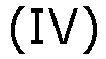
a five membered heterocycle of formula (IV)
- (a). -H, -CN, -NO2, -CHO, -SO3H, -OH, -SH, -C≡CH, -NH2, -COOH, -CONH2,
- (b). a halogen atom, selected from a chlorine atom, a fluorine atom, a bromine atom, or an iodine atom,
- (c). a (C1-C8) alkyl chain,
- (d). a PEG chain of formula -(CH2-CH2-O)n-H or of formula -(CH2-CH2-O)n-CH3, wherein n is an integer chosen from 1, 2, 3, 4 or 5,
- (e). -CX3, X being a halogen atom selected from a chlorine atom, a fluorine atom, a bromine atom, or an iodine atom,
- (f). -ORa, -NRaRb, -NHRa, -COORa, -CONHRa, -CONRaRb, -SO3Ra, -SO2NHRa, -CORa, -SRa, -C≡CRa, Ra and Rb being independently chosen from -(CH2-CH2-SO3H), a (C1-C8) alkyl chain, a PEG chain of formula -(CH2-CH2-O)n-H, or of formula -(CH2-CH2-O)n-CH3, wherein n is an integer chosen from 1, 2, 3, 4 or 5
- (g). a group of formula

- (h). a pyridinium group of formula

- R3' of formula (III) being chosen from
- -H, -CONH2,
- a (C1-C8) alkyl chain
- a PEG chain of formula -(CH2-CH2-O)n-H or of formula -(CH2-CH2-O)n-CH3, wherein n is an integer chosen from 1, 2, 3, 4 or 5,
- a group -(CH2)nSO3-, n being an integer chosen from 1, 2, 3, 4 or 5
- -ORa, -NRaRb, -NHRa, -COORa, -CONHRa, -CONRaRb, -CORa, Ra and Rb being independently chosen from -(CH2-CH2-SO3H), a (C1-C8) alkyl chain, a PEG chain of formula -(CH2-CH2-O)n-H, or of formula -(CH2-CH2-O)n-CH3 wherein n is an integer chosen from 1, 2, 3, 4 or 5,
- E of formula (IV) is chosen from -O-, -S-, -Se-, -NH-,
- The corroles of the present invention are organic molecules having a contracted porphyrin ring comprising nineteen carbon atoms and 4 nitrogen atoms, and are capable of binding metals chosen from the group of Cu, Mn, Fe, Co, V, Cr, Ti, Ag, Rh, Ru, Mo, Zr, Au, Pt, Ir, Re, W, Hf, Li, Al, Ga, Ge, Sn, As, Sb, Pb, Bi, La, Gd, Tb, or Th.
- According to the invention, the term "a corrole of type A3" is meant to be a corrole wherein the A1 and the A2 are identical. In another word, a corrole of type A3 is a corrole wherein the three substituent groups on meso position 5, 10 and 15 of said corrole are identical.
- According to the invention, the term "a corrole of type A2B" is meant to be a corrole wherein the A2 is different from the A1. In another word, a corrole of type A2B is a corrole wherein the substituent groups on meso position 5 and 15 are identical and they are different from the substituent group on meso position 10 of said corrole.
- The term "a (C1-C8)alkyl chain" is meant to a saturated straight or branched hydrocarbon chain containing from 1 to 8 carbons. Representative examples of alkyl include, but are not limited to, methyl, ethyl, n-propyl, iso-propyl, n-butyl, sec-butyl, iso-butyl, tert-butyl, n-pentyl, isopentyl, neopentyl, n-hexyl, 3-methylhexyl, 2,2-dimethylpentyl, 2,3-dimethylpentyl, n-heptyl, n-octyl.
- The term "pharmaceutically acceptable salt" refers to those salts which are, within the scope of sound medical judgment, suitable for use in contact with the tissues of humans without undue toxicity, irritation, allergic response and the like.
- A pharmaceutically acceptable salt of a corrole of formula (I) of the present invention refers to salts which retain the biological effectiveness of corrole of formula (I) and are not biological undesirable for human.
- According to the present invention, a pharmaceutically acceptable salt of a compound of the invention can be a pharmaceutically acceptable, organic or inorganic acid or base salt of a compound of the invention.
- A pharmaceutically acceptable salt of a corrole of formula (I) can be obtained by reacting said corrole with a variety of organic and inorganic positive counter ions well known in the art, for example sodium, potassium, calcium, magnesium, ammonium, tetraalkylammonium, and the like. A pharmaceutically acceptable salt of a corrole of formula (I) can also be obtained by reacting said corrole with pharmaceutically acceptable acids. Specific examples include inorganic acid salts such as hydrochlorides and sulfates; and organic acid salts such as formates, trifluoroacetates, acetates, tartrates, maleates, fumarates, succinates and methanesulfonates.
- The term "optical isomers" refers to molecules that differ three-dimensionally by the placement of substituents around one or more atoms in a molecule.
- According to an embodiment of corroles of type A2B of the present invention, A1 and A2 are both phenyl groups of formula II which are substituted differently.
- In another embodiment of corroles of type A2B of the present invention, A1 and A2 are both pyridinium groups of formula II which are substituted differently.
- In an embodiment of the corrole of the present invention, when A1, A2 or R3' is a pyridinium group which does not bear a -SO3 group, said corrole comprises a counter ion such as Cl-, Br- or I-.
- The term "poxvirus" is meant to be a virus of the family Poxviridae.
- The corroles of the present invention are used for treating an infection in human or non-human animals by a poxvirus belonging to the subfamily Chordopoxvirinae or Entomopoxvirinae.
- Examples of a virus of subfamily Chordopoxvirinae can be orthopoxvirus, parapoxvirus, capripoxvirus, leporipoxvirus, avipoxvirus, suipoxvirus, molluscipoxvirus, yatapoxvirus, crocodylidpoxvirus, or cervidpoxvirus.
- Examples of a virus of subfamily Entomopoxvirinae are entomopoxvirus A, B or C.
- According to the present invention, the non-human animals are especially chosen from cattle, sheep, goat, monkeys, baboons, rabbits, lagomorphs, squirrels, swine, deer, and birds.
- In a particular embodiment, the corroles of the present invention are used for treating an infection of a poxvirus that is chosen from myxomatosis, cowpox, smallpox, sheeppox, orf, vaccinia, monkeypox, LSDV, goatpox or an infection by any other members of the poxvirus family
- In an embodiment of the corroles of formula (I), M represents 3H. Said corroles are represented by formula (Ia)

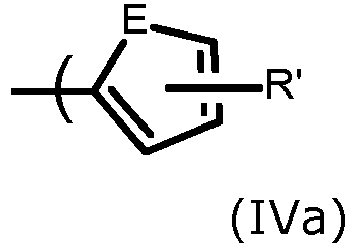
- According to a more particular embodiment of the corroles of the present invention, A1 and/or A2 are represented by one formula chosen from the formula (IIa), (IIb), (IIc), (IId), (IIIa), (IIIb), (IIIc), (IIId) or (IVa).


- -CN, -NO2, -CHO, -SO3H, -OH, -NH2, -COOH, -CONH2, -SH, -C≡CH,
- a halogen atom, selected from a chlorine atom, a fluorine atom, a bromine atom, or an iodine atom,
- a (C1-C8)alkyl chain,
- a PEG chain of formula -(CH2-CH2-O)n-H or of formula -(CH2-CH2-O)n-CH3, wherein n is an integer chosen from 1, 2, 3, 4 or 5,
- -CX3, X being a halogen selected from a chlorine atom, a fluorine atom, a bromine atom, or an iodine atom,
- -ORa, -NRaRb, -COORa, -NHRa, -CONRaRb, -CONHRa, -SO3Ra, -SO2NHRa, -CORa, -SRa, -C≡CRa, Ra and Rb being independently chosen from -(CH2-CH2-SO3H), a (C1-C8)alkyl, a PEG chain of formula -(CH2-CH2-O)n-H or of formula -(CH2-CH2-O)n-CH3, wherein n is an integer chosen from 1, 2, 3, 4 or 5,
- a group of formula

- a pyridinium group of formula

- Thus in this embodiment at least one of A1 and A2 or both of them are selected from (IIa), (IIb), (IIc), (IId), (IIIa), (IIIb), (IIIc), (IIId) or (IVa). A1 and A2 may be identical or different.
- According to formula (IIa), R' represents any one of R1, R2, R3, R4 and R5, while the remaining four other substituents are hydrogen.
- Thus for example, if R' corresponds to R1, while R2, R3, R4 and R5 are hydrogen.
- According to formula (IIb), R' and R" represent two of R1, R2, R3, R4 and R5, while the remaining three substituents among R1, R2, R3, R4 or R5 are hydrogen.
- Thus for example, if R' corresponds to R1 and R" corresponds to R2, while R3, R4 and R5 are hydrogen.
- According to formula (IIIa), R' represents any one of R1', R2', R4' and R5', while the remaining three other substituents are hydrogen.
- Thus for example, if R' corresponds to R1', while R2', R4' and R5' are hydrogen.
- According to formula (IIIb), R' and R" represent two of R1', R2', R4' and R5', while the remaining two other substituents are hydrogen.
- Thus for example, if R' corresponds to R1' and R" corresponds to R2', while R4' and R5' are hydrogen.
- According to formula (IVa), R' represents any one of R1", R2", and R3" while the remaining two substituents among R1", R2", or R3" are hydrogen.
- In a more particular embodiment, the corroles of the invention are corroles of type A2B, wherein A1 and A2 are different and respectively represented by one formula chosen from the formula (IIa), (IIb), (IIc), (IId), (IIIa), (IIIb), (IIIc), (IIId) or (IVa).
- According to a still more particular embodiment, the invention concerns the corroles of formula (I) wherein:
- M represents 3H;
- A1 and A2 are different, and respectively represented by one formula chosen from the formula (IIa), (IIb), (IIc), (IId), (IIIa), (IIIb), (IIIc), (IIId) or (IVa) as defined above.
- In another more particular embodiment, the corroles of the invention are corroles of type A3, wherein A1 and A2 are identical and respectively represented by one formula chosen from the formula (IIa), (IIb), (IIc), (IId), (IIIa), (IIIb), (IIIc), (IIId) or (IVa) as defined above.
- According to another still more particular embodiment, the invention concerns the corroles of formula (I) wherein:
- M represents 3H;
- A1 and A2 are identical and represented by one of the formula chosen from the formula (IIa), (IIb), (IIc), (IId), (IIIa), (IIIb), (IIIc), (IIId) or (IVa) as defined above.
- According to another embodiment, the corroles of the present invention are corroles having the phenyl groups A1 and/or A2 represented by one formula chosen from (IIe), (IIf), (IIg), (IIIe), or (IIIf):


- The substituents R1, R2, R3, R4, or R5 in formulas (IIe), (IIf), (IIg) are as defined above for the formula II.
- The substituents R1', R2', R3', R4', or R5' in formulas (IIe), (IIf), (IIg) are as defined above for the formula III.
- Thus in this embodiment at least one of A1 and A2 or both of them are selected from (IIe), (IIf), (IIg), (IIIe), (IIIf). A1 and A2 may be identical or different.
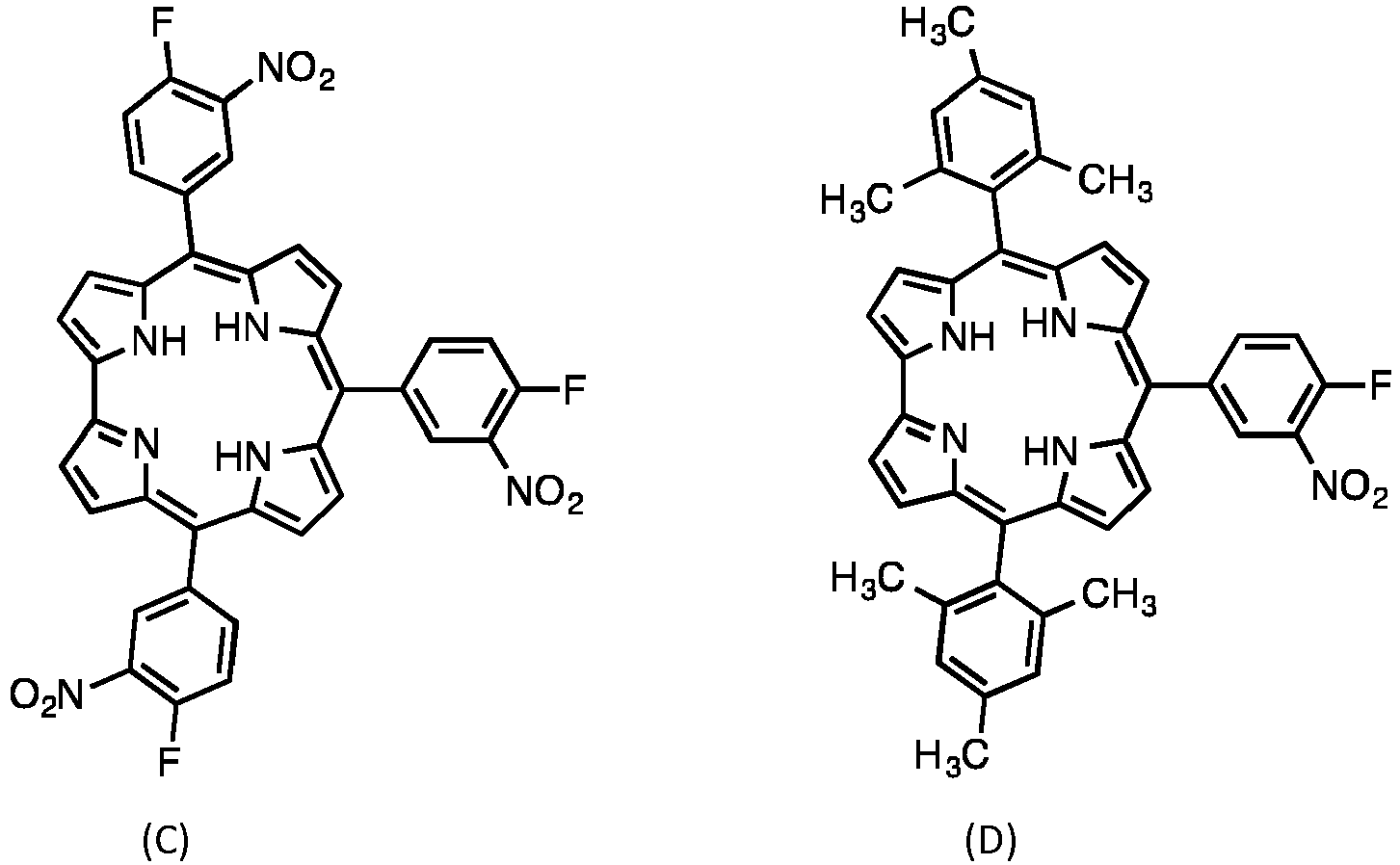
- In a more particular embodiment of the present invention, the corroles is chosen from following compounds:


- Another subject-matter of the present invention concerns a pharmaceutical composition for its use in treating an infection of a poxvirus in human or non-human animals, comprising a corrole as defined above or a pharmaceutically acceptable salt thereof, or an optical isomer thereof, as active ingredient, and a pharmaceutically acceptable carrier.
- The term "pharmaceutically acceptable carrier" means a carrier that is useful in preparing a pharmaceutical composition or formulation that is generally safe, non-toxic, and neither biologically nor otherwise undesirable, and includes a carrier that is acceptable for human or veterinary pharmaceutical use. The carrier can act as a vehicle, medium, or for dilution of the active ingredient. The formulation of the pharmaceutical composition of the present invention can be determined and carried out according to well-known prior art relating to drug formulation. The carrier material can be an organic or inorganic inert carrier material, for example one that is suitable for oral administration or injection. Suitable carriers include water, gelatin, arabic gum, lactose, starch, magnesium stearate, talc, vegetable oils, polyalkylene-glycols, glycerine and petroleum jelly. Additional additives such as flavoring agents, preservatives, stabilizers, emulsifying agents, buffers and the like may be added in accordance with accepted practices of pharmaceutical compounding.
- The compositions can be in the form of tablets, pills, powders, lozenges, sachets, cachets, elixirs, suspensions, emulsions, solutions, syrups, soft and hard gelatin capsules, suppositories, sterile injectable solutions, and sterile packaged powders.
- According to the formulation, the pharmaceutical composition of the present invention can be administrated by oral route or by injection.
- Another subject-matter of the present invention concerns an association formed by:
- a corrole as defined above or a pharmaceutical acceptable salt thereof, or an optical isomer thereof,
- the active ingredient of another anti-poxvirus medicament chosen from an anti-poxvirus vaccine,
- In the present invention, the terms "medicament" and "drug" are interchangeable.
- The term "active ingredient" is meant to the biologically active component of a medicament.
- The present invention also relates to a combination product comprising:
- a corrole of as defined above or a pharmaceutical acceptable salt thereof, or an optical isomer thereof,
- another anti-poxvirus medicament, chosen from an anti-poxvirus vaccine,
- The term "simultaneous use" is meant to be an administration of two active ingredients by the same route and at the same time.
- The term "sequential use" is meant to be an administration sequentially on the time of two active ingredients by the same route.
- The term "separate use" is meant to be an administration of 2 active ingredients at the same or substantially the same time by different routes.
- The present invention provides also a corrole of type A3 or A2B of formula (I) for use in a method for treating the infections by poxvirus in humans or non-human animals, such as myxomatosis, cowpox, smallpox, sheeppox, orf, vaccinia, monkeypox, LSDV, or goatpox, comprising the step of:
Administrating a pharmaceutical effective amount of the aforementioned pharmaceutical composition to a human or a non-human animal suffering from an infection by poxvirus, such as myxomatosis, cowpox, smallpox, sheeppox, orf, vaccinia, monkeypox, LSDV, or goatpox. The term "pharmaceutically effective amount" means the amount of a before defined corrole or of a before defined combination product as pharmaceutical active in a pharmaceutical composition to produce the desired therapeutic effect. - The present invention is illustrated by the following figures and examples.
-
-
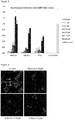
Figure 1 shows the toxicity of compounds FNO2Cor, TpNO2Cor, TPFCor at different concentrations (0.1, 0.25, 0.5, 0.75, 1.5, 3.1, 6.25, 12.5, 25, 50 µM) on RK13 cells (rabbit epithelial kidney) seeded on a plate of 96 well. The Y axe shows normalized numbers of survived cells per well. -
Figure 2 shows normalized infection rate of MYXV in RK13 cells at multiplicity of infection (MOI) 0.5 after 48h post-infection by compounds FNO2Cor, TpNO2Cor, or TPFCor, at different concentrations (0.08, 0.18, 0.37, 0.75, 1.5, 3.1, 6.25 µM). -
Figure 3 shows normalized infection rate of MYXV in RK13 cells at multiplicity of infection (MOI) 0.01 after 6 days post-infection by compounds FNO2Cor, TpNO2Cor, or TPFCor, at different concentrations (0.08, 0.18, 0.37, 0.75, 1.5, 3.1, 6.25 µM). -
Figure 4 shows lysis plaques in RK13 infected with MYXV 6d PI observed by microscope. - All the chemical and solvents were of analytical grade and used without any further purification. Silica gel 60 (70-230 and 230-400 mesh, Sigma Aldrich) were used for column chromatography. Reactions were monitored by thin layer chromatography, UV-Vis spectroscopy and mass spectrophotometry. Chromatographic purification on column was performed on silica gel 60 (70-230 mesh, Sigma Aldrich. 1H NMR spectra were recorded on a Bruker AV300 spectrometer (300 MHz). CDCl3 was used as solvent (except when indicated) and TMS as internal reference; the chemical shifts (δ) are given in ppm relative to residual CHCl3 (7.26 ppm). All data were processed with TopSpin. MALDI/TOF mass spectra were recorded on Bruker Ultraflex Extreme MALDI Tandem TOF Mass Spectrometer. UV-vis spectra were measured on a Cary 50 spectrophotometer using CH2Cl2, CHCl3 or THF as solvent.
-
General procedure # 1 according to a modified Paolesse's method (Paolesse et al., J. Org. Chem. 2001, 66 (2), 550-556 .). - Aldehyde (40.4 mmol) and distilled pyrrole (121 mmol) were dissolved in AcOH (500 mL) and the reaction was stirred at reflux for 3 h. The reaction mixture was cooled at room temperature and AcOH was evaporated under vacuum. The crude product was filtered over a chromatography column (silica, CH2Cl2). All fractions containing corrole (green fraction) were combined and evaporated to dryness. Purification details for each compound are described below.
- This corrole corresponds to the above described compound H.
- This corrole was prepared as described for
general procedure 1 starting from 4-nitrobenzaldehyde and pyrrole. The residue was purified by chromatography column (alumina, CH2Cl2/heptane, 1/1, v/v) to give pure corrole (492 mg, 5.5%). UV-Vis (DCM): λmax (nm) (ε x 10-3 L mol-1 cm-1) = 447 (53.4), 598 (18.7). 1H NMR (300 MHz, 300 K, DMSO-d6) δ (ppm): 8.41 (m, 2H), 8.58-8.71 (m, 14H), 8.87 (m, 2H), 9.14 (m, 2H). MS (MALDI-TOF) m/z = 661.92 [M+H]+, 661.17 calcd for C37H23N7O5. MS (ESI) m/z = 660.15 [M-H]-, 662.14 [M+H]+, 661.17 calcd for C37H23N7O5. - This corrole corresponds to the above described compound B.
- This corrole was prepared as described for
general procedure 1 starting from 2-fluoro-5-nitrobenzaldehyde and pyrrole. The residue was crystallized from CHCl3/Heptane (3/1, v/v), separating the solution, containing corrole, from the porphyrin precipitate. Solvent was removed under vacuum and the crude was crystallized from THF/heptane 1:2 v/v to give pure dark green corrole crystals (76.1 mg, 3.2% yield). UV-Vis (THF): λmax, (nm) (ε x 10-3 L mol-1 cm-1) 418 (103.2), 572, 610, 645. 1H NMR (300 MHz, CDCl3), δ (ppm): 9.11-9.00 (m, 5H), 8.73-8.61 (m, 5H), 8.50-8.47 (m, 4H), 7.71-7.62 (m, 3H), -2.83 (brs, 3H). MS (MALDI/TOF): m/z 715.007 [M]+., 715.14 calcd for C37H20F3N7O6. - General procedure #2 according to a modified Gryko's method (Gryko, D. T.; Koszarna, B. Org. Biomol. Chem., 2003, 1(2), 350-357 ).
- Aldehyde (20.0 mmol) was dissolved in distilled pyrrole (30.0 mmol) at room temperature and then a solution of TFA in CH2Cl2 (18 µL in 2.0 mL) was added and vigorously stirred. After 10 min, 800 mL of CH2Cl2 was added and stirred for further 1 h. DDQ (24.0 mmol) was added and stirred for another 1 h and solvent was removed under vacuum. The crude product was filtered over a chromatography column (silica, CH2Cl2). Purification details for each compound are described below.
- This corrole correspond to the above described compound of formula A.
- This corrole was prepared as described for general procedure 2 starting from pentafluorobenzaldehyde and pyrrole. The residue was purified by a second column chromatography (silica, toluene/heptane, 8/2, v/v) to give pure dark green corrole crystals (228 mg, 4.3% yield). UV-Vis (THF): λmax, (nm) (ε x 10-3 L mol-1 cm-1) 407 (150.1), 562 (23.9), 604 (12.4). 1H NMR (300 MHz, CDCl3), δ (ppm): 9.10 (d, J= 4.2 Hz, 2H), 8.79 (d, J= 4.8 Hz, 2H), 8.60 (4H), 2.88 (brs, 3H). 19F NMR (282 MHz, CDCl3) 137.2 (2F), 137.7 (4F), 152.2 (2F), 152.8 (1F), 161.5 (4F), 161.9 (2F). MS (MALDI/TOF): m/z 796.91 [M+H]+, 796.07 calcd for C37H11F15N4.
- RK13(rabbit epitelial kidney) cells were used for MYXV infection assay.
- Cells were grown in 200 µL Dulbecco's Modified Eagle's medium (DMEM) without phenol red (Sigma-Aldrich), 10% SVF, Pen-strep, 1X sodium pyruvate, 1X Glutamax.
- MYXV-GFP infection was carried out on RK13 cells seeded in 96 wells plate, in triplicate at two multiplicity of infection (MOI) and 7 concentrations of FNO2Cor, TPFCor, TpNO2Cor.
- D0: RK13 cells seeded at 6k per well in Corning Glass Bottom 96 well plates in 200µL of DMEM without phenol red.
- D1: cells are treated with FNO2Cor, TpNO2Cor, TPFCor (from 50 to 0.1µM by two fold dilution) in duplicate for the toxicity study.
- In parallel: cells are treated with FNO2Cor, TpNO2Cor, TPFCor (from 6.25 to 0.08µM by two fold dilution) and are infected at different multiplicity of infection (MOI) in triplicate: MYXV at MOI 0.5 or 0.01.
- The toxicity of compounds FNO2Cor, TpNO2Cor or TPFCor on ARPE-19 cells was evaluated after 6 days of treatment. 10 concentrations (50, 25, 12.5, 6.25, 3.1, 1.5, 0.75, 0.5, 0.25, 0.1 µM) of FNO2Cor, TpNO2Cor and TPFCor were studied.
- RK13 cells at MOI 0.5 48h post-infection (PI) are fixed with Formalin 10 min at room temperature. Wash with 200 µL PBS and 100µL PBS/Hoechst 33342 (1/1000) per well. 96 well plates are kept at 4° C in the dark until data acquisition. Image acquisition and analysis for high content quantification is performed on a Thermo Cellomics Arrayscan VTI microscope using a modified compartmental analysis algorithm.
- RK13 cells for the toxicity study and RK13 cells at MOI 0.01 6 days PI are fixed and image acquisition and analysis are performed as previously described.
- On 48h and 6d post-infection, data acquisition was done by high content microscopy to calculate infection level according to compound concentration.
- Cytotoxicity of compounds FNO2Cor, TPFCor and TpNO2Cor were assessed at different concentration on RK13 cells according to the method described on section 1.3. CC50 values of these three compounds on RK13 cells are given in table I below.
Table I FNO2Cor TpNO2Cor TPFCor CC50 RK13 3.74 4.36 6.68 -
Figure 1 and Table I show that three tested compounds are safe for rabbit epithelial kidney cells at low concentrations. - Compounds FNO2Cor, TPFCor, and TpNO2Cor were assessed at 7 different concentrations in RK13 cell culture on 48h post-infection (
Figure 2 ) or on 6 days post-infection (Figure 3 ) to evaluate their activity for inhibiting MYXV infection. Table II displays IC50 values of these three compounds on RK13 cells on 48h or 6d PI. The selectivity index of these compounds are displayed in table III.Table II FNO2Cor TpNO2Cor TPFCor IC50 (48h PI) 1.33 0.43 0.27 IC50 (6d PI) 0.50 0.20 0.12 Table III FNO2Cor TpNO2Cor TPFCor SI (48h PI) 2.81 10.25 24.40 SI (6d PI) 7.52 21.45 55.31 - These results indicate that all three tested compounds can inhibit MYXV infection rate in RK13 cells. TPFCor and TpNO2Cor have better in vitro anti-MYXV effect than FNO2Cor.
- Lysis plaque analysis was carried out in RK13 infected with MYXV 6d PI. Lysis plaques area and number of lysis plaques were assessed directly on microscope pictures (
Figure 4 ). The results are also displayed in table IV.Table IV Area in cm2 of lysis plaques Number of lysis plaques Concentration µM 0 3.1 1.5 0.75 0.37 0 3.1 1.5 0.75 0.37 Not treated 7.6 19 FNO2Cor nd nd 3.4 8 0 1.3 6 5 TpNO2Cor nd nd 3.4 9 0 2.7 6.7 4 TPFCor 6 4 3.3 6 6.7 - These results show that three tested compounds can prevent cell to cell propagation of MYXV infection.
Claims (11)
- A corrole of type A3 or A2B of formula (I) :
 - Y1 and Y2 are identical or different and each independently chosen from, -H, -SO3H, -SO3 -, -NO2, -CHO, -NH2, -NH3 +, -COOH, -COO-- M represents 3H or a metal chosen from the group of Cu, Mn, Fe, Co, V, Cr, Ti, Ag, Rh, Ru, Mo, Zr, Au, Pt, Ir, Re, W, Hf, Li, Al, Ga, Ge, Sn, As, Sb, Pb, Bi, La, Gd, Tb, or Th- A1 and A2 are identical or different and each represents a phenyl group of formula (II),
A pyridinium group of formula (III)
a five membered heterocycle of formula (IV)
 (a). -H, -CN, -NO2, -CHO, -SO3H, -OH, -SH, -C≡CH, -NH2, -COOH, -CONH2,(b). a halogen atom, selected from a chlorine atom, a fluorine atom, a bromine atom, or an iodine atom,(c). a (C1-C8) alkyl chain,(d). a PEG chain of formula -(CH2-CH2-O)n-H or of formula -(CH2-CH2-O)n-CH3, wherein n is an integer chosen from 1, 2, 3, 4 or 5,(e). -CX3, X being a halogen atom selected from a chlorine atom, a fluorine atom, a bromine atom, or an iodine atom,(f). -ORa, -NRaRb, -NHRa, -COORa, -CONHRa, -CONRaRb, -SO2Ra, -CORa, -SRa, -C≡CRa, Ra and Rb being independently chosen from -(CH2-CH2-SO3H), a (C1-C8) alkyl chain, a PEG chain of formula -(CH2-CH2-O)n-H, or of formula -(CH2-CH2-O)n-CH3, wherein n is an integer chosen from 1, 2, 3, 4 or 5(g). a group of formula
 (h). a pyridinium group of formula
 - R3' of formula (III) being chosen from- -H, -CONH2,- a (C1-C8)alkyl- a PEG chain of formula -(CH2-CH2-O)n-H or of formula -(CH2-CH2-O)n-CH3, wherein n is an integer chosen from 1, 2, 3, 4 or 5,- a group -(CH2)nSO3-, n being an integer chosen from 1, 2, 3, 4 or 5- -ORa, -NRaRb, -NHRa, -COORa, -CONHRa, -CONRaRb, -CORa, Ra and Rb being independently chosen from -(CH2-CH2-SO3H), a (C1-C8) alkyl chain, a PEG chain of formula -(CH2-CH2-O)n-H, or of formula -(CH2-CH2-O)n-CH3 wherein n is an integer chosen from 1, 2, 3, 4 or 5,- E of formula (IV) is chosen from -O-, -S-, -Se-, -NH-,or a pharmaceutically acceptable salt thereof, or an optical isomer thereof, for its use in the treatment of an infection of a poxvirus in human or non-human animals.
 - The corrole of formula (I) for its use according to claim 1, wherein the poxvirus is belonging to the subfamily Chordopoxvirinae, such as orthopoxvirus, parapoxvirus, capripoxvirus, leporipoxvirus, avipoxvirus, suipoxvirus, molluscipoxvirus, yatapoxvirus, crocodylidpoxvirus, cervidpoxvirus, or subfamily Entomopoxvirinae, such as entomopoxvirus A, B or C.
- The corrole of formula (I) for its use according to claim 1 or 2, wherein the infection of a poxvirus is myxomatosis, cowpox, smallpox, sheeppox, orf, vaccinia, monkeypox, LSDV, goatpox or an infection by any other members of the poxvirus family .
- The corrole of formula (I) for its use according to any one of claims 1 to 3, wherein the corrole is of formula (Ia)

- The corrole of formula I for its use according to claim 4, wherein A1 and/or A2 are represented by the formula (IIa), formula (IIb), formula (IIc), formula (IId), formula (IIIa), formula (IIIb), formula (IIIc), formula (IIId) or formula (IVa)


 • -CN, -NO2, -CHO, -SO3H, -OH, -NH2, -COOH, -CONH2, -SH, -C≡CH,• a halogen atom, selected from a chlorine atom, a fluorine atom, a bromine atom, or an iodine atom,• a (C1-C8) alkyl chain,• a PEG chain of formula -(CH2-CH2-O)n-H or of formula -(CH2-CH2-O)n-CH3, wherein n is an integer chosen from 1, 2, 3, 4 or 5,• -CX3, X being a halogen selected from a chlorine atom, a fluorine atom, a bromine atom, or an iodine atom,• -ORa, -NRaRb, -COORa, -NHRa, -CONRaRb, -CONHRa, -SO3Ra, -SO2NHRa, -CORa, -SRa, -C=CRa, Ra and Rb being independently chosen from -(CH2-CH2-SO3H), a (C1-C8) alkyl chain, a PEG chain of formula -(CH2-CH2-O)n-H or of formula -(CH2-CH2-O)n-CH3, wherein n is an integer chosen from 1, 2, 3, 4 or 5,• a group of formula
 • a pyridinium group of formula
E and R3' are as defined in claim 1. - The corrole of formula (I) for its use according to claim 5, wherein A1 and A2 are different and respectively represented by one formula chosen from the formula (IIa), (IIb), (IIc), (IId), (IIIa), (IIIb), (IIIc), (IIId) or (IVa).
- The corrole of formula (I) for its use according to claim 5, wherein A1 and A2 are identical and represented by one formula chosen from the formula (IIa), (IIb), (IIc), (IId), (IIIa), (IIIb), (IIIc), (IIId) or (IVa).
- The corrole of formula (I) for its use according to one of claims 1-7, wherein the corrole is chosen from following compounds



- A pharmaceutical composition for use in treating an infection of a poxvirus in human or non-human animals, comprising a corrole as defined in any one of claims 1-8 or a pharmaceutically acceptable salt thereof, or an optical isomer thereof, as active ingredient, and a pharmaceutically acceptable carrier.
- An association formed by:- a corrole as defined in claims 1-8 or a pharmaceutical acceptable salt thereof, or an optical isomer thereof,- the active ingredient of another anti-poxvirus medicament chosen from an anti-poxvirus vaccine,for its use in the treatment of an infection by poxvirus in human or non-human animals.
- A combination product comprising :- A corrole of as defined in claims 1-8 or a pharmaceutical acceptable salt thereof, or an optical isomer thereof,- Another anti-poxvirus medicament chosen from an anti-poxvirus vaccine, for its use simultaneously, separately, or sequentially in the treatment of an infection of poxvirus in human or non-human animals.
Applications Claiming Priority (2)
| Application Number | Priority Date | Filing Date | Title |
|---|---|---|---|
| EP17306656.4A EP3492079A1 (en) | 2017-11-29 | 2017-11-29 | Corroles for treating poxvirus infection |
| PCT/EP2018/082720 WO2019105940A1 (en) | 2017-11-29 | 2018-11-27 | Corroles for treating poxvirus infection |
Publications (2)
| Publication Number | Publication Date |
|---|---|
| EP3716971A1 EP3716971A1 (en) | 2020-10-07 |
| EP3716971B1 true EP3716971B1 (en) | 2021-09-01 |
Family
ID=60997267
Family Applications (2)
| Application Number | Title | Priority Date | Filing Date |
|---|---|---|---|
| EP17306656.4A Withdrawn EP3492079A1 (en) | 2017-11-29 | 2017-11-29 | Corroles for treating poxvirus infection |
| EP18815549.3A Not-in-force EP3716971B1 (en) | 2017-11-29 | 2018-11-27 | Corroles for treating poxvirus infection |
Family Applications Before (1)
| Application Number | Title | Priority Date | Filing Date |
|---|---|---|---|
| EP17306656.4A Withdrawn EP3492079A1 (en) | 2017-11-29 | 2017-11-29 | Corroles for treating poxvirus infection |
Country Status (5)
| Country | Link |
|---|---|
| US (1) | US11529332B2 (en) |
| EP (2) | EP3492079A1 (en) |
| JP (1) | JP7229265B2 (en) |
| ES (1) | ES2898278T3 (en) |
| WO (1) | WO2019105940A1 (en) |
Family Cites Families (3)
| Publication number | Priority date | Publication date | Assignee | Title |
|---|---|---|---|---|
| CA2698552C (en) * | 2007-08-28 | 2014-10-28 | Technion Research And Development Foundation Ltd. | Transition metal complexes of corroles for preventing cardiovascular diseases or disorders |
| WO2009076449A1 (en) * | 2007-12-12 | 2009-06-18 | North Carolina State University | Methods and compositions for treating poxviruses |
| ES2387535T3 (en) * | 2008-01-31 | 2012-09-25 | Technion Research And Development Foundation, Ltd. | Corroles for neuroprotection and neurosanación |
-
2017
- 2017-11-29 EP EP17306656.4A patent/EP3492079A1/en not_active Withdrawn
-
2018
- 2018-11-27 JP JP2020547296A patent/JP7229265B2/en active Active
- 2018-11-27 US US16/767,693 patent/US11529332B2/en active Active
- 2018-11-27 ES ES18815549T patent/ES2898278T3/en active Active
- 2018-11-27 WO PCT/EP2018/082720 patent/WO2019105940A1/en not_active Ceased
- 2018-11-27 EP EP18815549.3A patent/EP3716971B1/en not_active Not-in-force
Also Published As
| Publication number | Publication date |
|---|---|
| JP7229265B2 (en) | 2023-02-27 |
| US20210169853A1 (en) | 2021-06-10 |
| US11529332B2 (en) | 2022-12-20 |
| EP3716971A1 (en) | 2020-10-07 |
| ES2898278T3 (en) | 2022-03-04 |
| JP2021504486A (en) | 2021-02-15 |
| EP3492079A1 (en) | 2019-06-05 |
| WO2019105940A1 (en) | 2019-06-06 |
Similar Documents
| Publication | Publication Date | Title |
|---|---|---|
| CN102906091B (en) | Matrine acid/alkali derivative and its preparation method and use | |
| WO2013052263A2 (en) | Antifungal compounds | |
| EP3863632B1 (en) | Quinolylnitrone for use in the treatment and prevention of a cerebral stroke or ischaemia | |
| JP2009525338A (en) | Anti arenavirus compounds | |
| AU2014259608B2 (en) | Antimicrobial potentiators | |
| US20200093841A1 (en) | Broad Spectrum Antiviral and Methods of Use | |
| JP2016535785A (en) | Biscation and triscation amphiphiles as antibacterial agents | |
| Dal Pozzo et al. | In vitro evaluation of the anti-orf virus activity of alkoxyalkyl esters of CDV, cCDV and (S)-HPMPA | |
| CN103153297A (en) | Terpenoid analogs and their use for the treatment of neurological disorders | |
| EP3716970B1 (en) | Corroles for treating human cytomegalovirus infections | |
| EP3492079A1 (en) | Corroles for treating poxvirus infection | |
| WO2021195325A1 (en) | Anti-coronavirus compositions, assays, and methods related thereto | |
| KR102633466B1 (en) | Compounds and Compositions | |
| TW201323425A (en) | Antimicrobial carboline compounds | |
| CN114466848A (en) | Antibacterial compounds | |
| JP2017538675A (en) | Synergistic composition for treating microbial infection | |
| CN105377264A (en) | Steroidal nitrones for treatment and prevention of cerebral stroke or ischaemia, alzheimer and parkinson disease and amyotrophic lateral sclerosis | |
| JP2020507628A (en) | Antipathogen therapeutic composition | |
| AU2021272252B2 (en) | Use of aminoacetonitrile compounds for the treatment of infection and disease | |
| TWI373341B (en) | Antibacterial treatment and composition | |
| Noah et al. | A cell based HTS approach for the discovery of new inhibitors of RSV | |
| RU2424800C1 (en) | N-{3,5-dioxo-4-azatetracyclo[5.3.2.02,6.08,10]dodec-11-en-4-yl}-4-hydroxybenzamide, antiviral medication, inhibiting replication of various species of orthopoxviruses | |
| UY28960A1 (en) | NEW DERIVATIVES OF OXABISPIDINE, PHARMACEUTICAL COMPOSITIONS THAT CONTAIN THEM, USEFUL FOR THE TREATMENT OF ARRITMIAS, PREPARATION PROCEDURES AND INTERMEDIATE COMPOUNDS. | |
| CN117800916A (en) | Preparation and application of 1-[(1H-indazol-7-yl)methyl]-3-arylthiourea derivatives | |
| CN116804039A (en) | Tanshinone IIA derivative and application thereof |
Legal Events
| Date | Code | Title | Description |
|---|---|---|---|
| STAA | Information on the status of an ep patent application or granted ep patent |
Free format text: STATUS: UNKNOWN |
|
| STAA | Information on the status of an ep patent application or granted ep patent |
Free format text: STATUS: THE INTERNATIONAL PUBLICATION HAS BEEN MADE |
|
| PUAI | Public reference made under article 153(3) epc to a published international application that has entered the european phase |
Free format text: ORIGINAL CODE: 0009012 |
|
| STAA | Information on the status of an ep patent application or granted ep patent |
Free format text: STATUS: REQUEST FOR EXAMINATION WAS MADE |
|
| 17P | Request for examination filed |
Effective date: 20200616 |
|
| AK | Designated contracting states |
Kind code of ref document: A1 Designated state(s): AL AT BE BG CH CY CZ DE DK EE ES FI FR GB GR HR HU IE IS IT LI LT LU LV MC MK MT NL NO PL PT RO RS SE SI SK SM TR |
|
| AX | Request for extension of the european patent |
Extension state: BA ME |
|
| DAV | Request for validation of the european patent (deleted) | ||
| DAX | Request for extension of the european patent (deleted) | ||
| GRAP | Despatch of communication of intention to grant a patent |
Free format text: ORIGINAL CODE: EPIDOSNIGR1 |
|
| STAA | Information on the status of an ep patent application or granted ep patent |
Free format text: STATUS: GRANT OF PATENT IS INTENDED |
|
| INTG | Intention to grant announced |
Effective date: 20210330 |
|
| RIN1 | Information on inventor provided before grant (corrected) |
Inventor name: DESBOIS, NICOLAS Inventor name: GALLARDO, FRANCK Inventor name: GROS, CLAUDE |
|
| GRAS | Grant fee paid |
Free format text: ORIGINAL CODE: EPIDOSNIGR3 |
|
| GRAA | (expected) grant |
Free format text: ORIGINAL CODE: 0009210 |
|
| STAA | Information on the status of an ep patent application or granted ep patent |
Free format text: STATUS: THE PATENT HAS BEEN GRANTED |
|
| AK | Designated contracting states |
Kind code of ref document: B1 Designated state(s): AL AT BE BG CH CY CZ DE DK EE ES FI FR GB GR HR HU IE IS IT LI LT LU LV MC MK MT NL NO PL PT RO RS SE SI SK SM TR |
|
| REG | Reference to a national code |
Ref country code: GB Ref legal event code: FG4D |
|
| REG | Reference to a national code |
Ref country code: CH Ref legal event code: EP Ref country code: AT Ref legal event code: REF Ref document number: 1425473 Country of ref document: AT Kind code of ref document: T Effective date: 20210915 |
|
| REG | Reference to a national code |
Ref country code: DE Ref legal event code: R096 Ref document number: 602018023021 Country of ref document: DE |
|
| REG | Reference to a national code |
Ref country code: IE Ref legal event code: FG4D |
|
| REG | Reference to a national code |
Ref country code: LT Ref legal event code: MG9D |
|
| REG | Reference to a national code |
Ref country code: NL Ref legal event code: MP Effective date: 20210901 |
|
| PG25 | Lapsed in a contracting state [announced via postgrant information from national office to epo] |
Ref country code: FI Free format text: LAPSE BECAUSE OF FAILURE TO SUBMIT A TRANSLATION OF THE DESCRIPTION OR TO PAY THE FEE WITHIN THE PRESCRIBED TIME-LIMIT Effective date: 20210901 Ref country code: RS Free format text: LAPSE BECAUSE OF FAILURE TO SUBMIT A TRANSLATION OF THE DESCRIPTION OR TO PAY THE FEE WITHIN THE PRESCRIBED TIME-LIMIT Effective date: 20210901 Ref country code: SE Free format text: LAPSE BECAUSE OF FAILURE TO SUBMIT A TRANSLATION OF THE DESCRIPTION OR TO PAY THE FEE WITHIN THE PRESCRIBED TIME-LIMIT Effective date: 20210901 Ref country code: HR Free format text: LAPSE BECAUSE OF FAILURE TO SUBMIT A TRANSLATION OF THE DESCRIPTION OR TO PAY THE FEE WITHIN THE PRESCRIBED TIME-LIMIT Effective date: 20210901 Ref country code: NO Free format text: LAPSE BECAUSE OF FAILURE TO SUBMIT A TRANSLATION OF THE DESCRIPTION OR TO PAY THE FEE WITHIN THE PRESCRIBED TIME-LIMIT Effective date: 20211201 Ref country code: BG Free format text: LAPSE BECAUSE OF FAILURE TO SUBMIT A TRANSLATION OF THE DESCRIPTION OR TO PAY THE FEE WITHIN THE PRESCRIBED TIME-LIMIT Effective date: 20211201 Ref country code: LT Free format text: LAPSE BECAUSE OF FAILURE TO SUBMIT A TRANSLATION OF THE DESCRIPTION OR TO PAY THE FEE WITHIN THE PRESCRIBED TIME-LIMIT Effective date: 20210901 |
|
| REG | Reference to a national code |
Ref country code: AT Ref legal event code: MK05 Ref document number: 1425473 Country of ref document: AT Kind code of ref document: T Effective date: 20210901 |
|
| PG25 | Lapsed in a contracting state [announced via postgrant information from national office to epo] |
Ref country code: PL Free format text: LAPSE BECAUSE OF FAILURE TO SUBMIT A TRANSLATION OF THE DESCRIPTION OR TO PAY THE FEE WITHIN THE PRESCRIBED TIME-LIMIT Effective date: 20210901 Ref country code: LV Free format text: LAPSE BECAUSE OF FAILURE TO SUBMIT A TRANSLATION OF THE DESCRIPTION OR TO PAY THE FEE WITHIN THE PRESCRIBED TIME-LIMIT Effective date: 20210901 Ref country code: GR Free format text: LAPSE BECAUSE OF FAILURE TO SUBMIT A TRANSLATION OF THE DESCRIPTION OR TO PAY THE FEE WITHIN THE PRESCRIBED TIME-LIMIT Effective date: 20211202 |
|
| REG | Reference to a national code |
Ref country code: ES Ref legal event code: FG2A Ref document number: 2898278 Country of ref document: ES Kind code of ref document: T3 Effective date: 20220304 |
|
| PG25 | Lapsed in a contracting state [announced via postgrant information from national office to epo] |
Ref country code: AT Free format text: LAPSE BECAUSE OF FAILURE TO SUBMIT A TRANSLATION OF THE DESCRIPTION OR TO PAY THE FEE WITHIN THE PRESCRIBED TIME-LIMIT Effective date: 20210901 |
|
| PG25 | Lapsed in a contracting state [announced via postgrant information from national office to epo] |
Ref country code: IS Free format text: LAPSE BECAUSE OF FAILURE TO SUBMIT A TRANSLATION OF THE DESCRIPTION OR TO PAY THE FEE WITHIN THE PRESCRIBED TIME-LIMIT Effective date: 20220101 Ref country code: SM Free format text: LAPSE BECAUSE OF FAILURE TO SUBMIT A TRANSLATION OF THE DESCRIPTION OR TO PAY THE FEE WITHIN THE PRESCRIBED TIME-LIMIT Effective date: 20210901 Ref country code: SK Free format text: LAPSE BECAUSE OF FAILURE TO SUBMIT A TRANSLATION OF THE DESCRIPTION OR TO PAY THE FEE WITHIN THE PRESCRIBED TIME-LIMIT Effective date: 20210901 Ref country code: RO Free format text: LAPSE BECAUSE OF FAILURE TO SUBMIT A TRANSLATION OF THE DESCRIPTION OR TO PAY THE FEE WITHIN THE PRESCRIBED TIME-LIMIT Effective date: 20210901 Ref country code: PT Free format text: LAPSE BECAUSE OF FAILURE TO SUBMIT A TRANSLATION OF THE DESCRIPTION OR TO PAY THE FEE WITHIN THE PRESCRIBED TIME-LIMIT Effective date: 20220103 Ref country code: NL Free format text: LAPSE BECAUSE OF FAILURE TO SUBMIT A TRANSLATION OF THE DESCRIPTION OR TO PAY THE FEE WITHIN THE PRESCRIBED TIME-LIMIT Effective date: 20210901 Ref country code: EE Free format text: LAPSE BECAUSE OF FAILURE TO SUBMIT A TRANSLATION OF THE DESCRIPTION OR TO PAY THE FEE WITHIN THE PRESCRIBED TIME-LIMIT Effective date: 20210901 Ref country code: CZ Free format text: LAPSE BECAUSE OF FAILURE TO SUBMIT A TRANSLATION OF THE DESCRIPTION OR TO PAY THE FEE WITHIN THE PRESCRIBED TIME-LIMIT Effective date: 20210901 Ref country code: AL Free format text: LAPSE BECAUSE OF FAILURE TO SUBMIT A TRANSLATION OF THE DESCRIPTION OR TO PAY THE FEE WITHIN THE PRESCRIBED TIME-LIMIT Effective date: 20210901 |
|
| REG | Reference to a national code |
Ref country code: DE Ref legal event code: R097 Ref document number: 602018023021 Country of ref document: DE |
|
| PG25 | Lapsed in a contracting state [announced via postgrant information from national office to epo] |
Ref country code: MC Free format text: LAPSE BECAUSE OF FAILURE TO SUBMIT A TRANSLATION OF THE DESCRIPTION OR TO PAY THE FEE WITHIN THE PRESCRIBED TIME-LIMIT Effective date: 20210901 |
|
| PLBE | No opposition filed within time limit |
Free format text: ORIGINAL CODE: 0009261 |
|
| STAA | Information on the status of an ep patent application or granted ep patent |
Free format text: STATUS: NO OPPOSITION FILED WITHIN TIME LIMIT |
|
| REG | Reference to a national code |
Ref country code: CH Ref legal event code: PL |
|
| PG25 | Lapsed in a contracting state [announced via postgrant information from national office to epo] |
Ref country code: LU Free format text: LAPSE BECAUSE OF NON-PAYMENT OF DUE FEES Effective date: 20211127 Ref country code: IT Free format text: LAPSE BECAUSE OF FAILURE TO SUBMIT A TRANSLATION OF THE DESCRIPTION OR TO PAY THE FEE WITHIN THE PRESCRIBED TIME-LIMIT Effective date: 20210901 Ref country code: DK Free format text: LAPSE BECAUSE OF FAILURE TO SUBMIT A TRANSLATION OF THE DESCRIPTION OR TO PAY THE FEE WITHIN THE PRESCRIBED TIME-LIMIT Effective date: 20210901 Ref country code: BE Free format text: LAPSE BECAUSE OF NON-PAYMENT OF DUE FEES Effective date: 20211130 |
|
| REG | Reference to a national code |
Ref country code: BE Ref legal event code: MM Effective date: 20211130 |
|
| 26N | No opposition filed |
Effective date: 20220602 |
|
| PG25 | Lapsed in a contracting state [announced via postgrant information from national office to epo] |
Ref country code: SI Free format text: LAPSE BECAUSE OF FAILURE TO SUBMIT A TRANSLATION OF THE DESCRIPTION OR TO PAY THE FEE WITHIN THE PRESCRIBED TIME-LIMIT Effective date: 20210901 |
|
| PG25 | Lapsed in a contracting state [announced via postgrant information from national office to epo] |
Ref country code: IE Free format text: LAPSE BECAUSE OF NON-PAYMENT OF DUE FEES Effective date: 20211127 |
|
| PG25 | Lapsed in a contracting state [announced via postgrant information from national office to epo] |
Ref country code: CY Free format text: LAPSE BECAUSE OF FAILURE TO SUBMIT A TRANSLATION OF THE DESCRIPTION OR TO PAY THE FEE WITHIN THE PRESCRIBED TIME-LIMIT Effective date: 20210901 |
|
| PG25 | Lapsed in a contracting state [announced via postgrant information from national office to epo] |
Ref country code: LI Free format text: LAPSE BECAUSE OF NON-PAYMENT OF DUE FEES Effective date: 20220701 Ref country code: HU Free format text: LAPSE BECAUSE OF FAILURE TO SUBMIT A TRANSLATION OF THE DESCRIPTION OR TO PAY THE FEE WITHIN THE PRESCRIBED TIME-LIMIT; INVALID AB INITIO Effective date: 20181127 Ref country code: CH Free format text: LAPSE BECAUSE OF NON-PAYMENT OF DUE FEES Effective date: 20220701 |
|
| PGFP | Annual fee paid to national office [announced via postgrant information from national office to epo] |
Ref country code: GB Payment date: 20231123 Year of fee payment: 6 |
|
| PGFP | Annual fee paid to national office [announced via postgrant information from national office to epo] |
Ref country code: ES Payment date: 20231215 Year of fee payment: 6 |
|
| PGFP | Annual fee paid to national office [announced via postgrant information from national office to epo] |
Ref country code: FR Payment date: 20231117 Year of fee payment: 6 Ref country code: DE Payment date: 20231120 Year of fee payment: 6 |
|
| PG25 | Lapsed in a contracting state [announced via postgrant information from national office to epo] |
Ref country code: MK Free format text: LAPSE BECAUSE OF FAILURE TO SUBMIT A TRANSLATION OF THE DESCRIPTION OR TO PAY THE FEE WITHIN THE PRESCRIBED TIME-LIMIT Effective date: 20210901 |
|
| PG25 | Lapsed in a contracting state [announced via postgrant information from national office to epo] |
Ref country code: MT Free format text: LAPSE BECAUSE OF FAILURE TO SUBMIT A TRANSLATION OF THE DESCRIPTION OR TO PAY THE FEE WITHIN THE PRESCRIBED TIME-LIMIT Effective date: 20210901 |
|
| REG | Reference to a national code |
Ref country code: DE Ref legal event code: R119 Ref document number: 602018023021 Country of ref document: DE |
|
| GBPC | Gb: european patent ceased through non-payment of renewal fee |
Effective date: 20241127 |
|
| PG25 | Lapsed in a contracting state [announced via postgrant information from national office to epo] |
Ref country code: DE Free format text: LAPSE BECAUSE OF NON-PAYMENT OF DUE FEES Effective date: 20250603 |
|
| PG25 | Lapsed in a contracting state [announced via postgrant information from national office to epo] |
Ref country code: GB Free format text: LAPSE BECAUSE OF NON-PAYMENT OF DUE FEES Effective date: 20241127 |
|
| PG25 | Lapsed in a contracting state [announced via postgrant information from national office to epo] |
Ref country code: FR Free format text: LAPSE BECAUSE OF NON-PAYMENT OF DUE FEES Effective date: 20241130 |
|
| PG25 | Lapsed in a contracting state [announced via postgrant information from national office to epo] |
Ref country code: TR Free format text: LAPSE BECAUSE OF FAILURE TO SUBMIT A TRANSLATION OF THE DESCRIPTION OR TO PAY THE FEE WITHIN THE PRESCRIBED TIME-LIMIT Effective date: 20210901 |
|
| REG | Reference to a national code |
Ref country code: ES Ref legal event code: FD2A Effective date: 20260105 |
|
| PG25 | Lapsed in a contracting state [announced via postgrant information from national office to epo] |
Ref country code: ES Free format text: LAPSE BECAUSE OF NON-PAYMENT OF DUE FEES Effective date: 20241128 |