EP3710025B1 - Cyanobacterial biomass for use in treating hepatitis b virus infection - Google Patents
Cyanobacterial biomass for use in treating hepatitis b virus infection Download PDFInfo
- Publication number
- EP3710025B1 EP3710025B1 EP18877323.8A EP18877323A EP3710025B1 EP 3710025 B1 EP3710025 B1 EP 3710025B1 EP 18877323 A EP18877323 A EP 18877323A EP 3710025 B1 EP3710025 B1 EP 3710025B1
- Authority
- EP
- European Patent Office
- Prior art keywords
- cyanobacterial biomass
- biomass
- use according
- cyanobacterial
- hbv infection
- Prior art date
- Legal status (The legal status is an assumption and is not a legal conclusion. Google has not performed a legal analysis and makes no representation as to the accuracy of the status listed.)
- Active
Links
Images
Classifications
-
- A—HUMAN NECESSITIES
- A23—FOODS OR FOODSTUFFS; TREATMENT THEREOF, NOT COVERED BY OTHER CLASSES
- A23L—FOODS, FOODSTUFFS OR NON-ALCOHOLIC BEVERAGES, NOT OTHERWISE PROVIDED FOR; PREPARATION OR TREATMENT THEREOF
- A23L33/00—Modifying nutritive qualities of foods; Dietetic products; Preparation or treatment thereof
- A23L33/10—Modifying nutritive qualities of foods; Dietetic products; Preparation or treatment thereof using additives
- A23L33/135—Bacteria or derivatives thereof, e.g. probiotics
-
- A—HUMAN NECESSITIES
- A61—MEDICAL OR VETERINARY SCIENCE; HYGIENE
- A61K—PREPARATIONS FOR MEDICAL, DENTAL OR TOILETRY PURPOSES
- A61K31/00—Medicinal preparations containing organic active ingredients
- A61K31/33—Heterocyclic compounds
- A61K31/395—Heterocyclic compounds having nitrogen as a ring hetero atom, e.g. guanethidine or rifamycins
- A61K31/495—Heterocyclic compounds having nitrogen as a ring hetero atom, e.g. guanethidine or rifamycins having six-membered rings with two or more nitrogen atoms as the only ring heteroatoms, e.g. piperazine or tetrazines
- A61K31/505—Pyrimidines; Hydrogenated pyrimidines, e.g. trimethoprim
- A61K31/519—Pyrimidines; Hydrogenated pyrimidines, e.g. trimethoprim ortho- or peri-condensed with heterocyclic rings
- A61K31/52—Purines, e.g. adenine
- A61K31/522—Purines, e.g. adenine having oxo groups directly attached to the heterocyclic ring, e.g. hypoxanthine, guanine, acyclovir
-
- A—HUMAN NECESSITIES
- A61—MEDICAL OR VETERINARY SCIENCE; HYGIENE
- A61K—PREPARATIONS FOR MEDICAL, DENTAL OR TOILETRY PURPOSES
- A61K31/00—Medicinal preparations containing organic active ingredients
- A61K31/66—Phosphorus compounds
- A61K31/675—Phosphorus compounds having nitrogen as a ring hetero atom, e.g. pyridoxal phosphate
-
- A—HUMAN NECESSITIES
- A61—MEDICAL OR VETERINARY SCIENCE; HYGIENE
- A61K—PREPARATIONS FOR MEDICAL, DENTAL OR TOILETRY PURPOSES
- A61K31/00—Medicinal preparations containing organic active ingredients
- A61K31/70—Carbohydrates; Sugars; Derivatives thereof
- A61K31/7042—Compounds having saccharide radicals and heterocyclic rings
- A61K31/7052—Compounds having saccharide radicals and heterocyclic rings having nitrogen as a ring hetero atom, e.g. nucleosides, nucleotides
- A61K31/706—Compounds having saccharide radicals and heterocyclic rings having nitrogen as a ring hetero atom, e.g. nucleosides, nucleotides containing six-membered rings with nitrogen as a ring hetero atom
- A61K31/7064—Compounds having saccharide radicals and heterocyclic rings having nitrogen as a ring hetero atom, e.g. nucleosides, nucleotides containing six-membered rings with nitrogen as a ring hetero atom containing condensed or non-condensed pyrimidines
- A61K31/7068—Compounds having saccharide radicals and heterocyclic rings having nitrogen as a ring hetero atom, e.g. nucleosides, nucleotides containing six-membered rings with nitrogen as a ring hetero atom containing condensed or non-condensed pyrimidines having oxo groups directly attached to the pyrimidine ring, e.g. cytidine, cytidylic acid
- A61K31/7072—Compounds having saccharide radicals and heterocyclic rings having nitrogen as a ring hetero atom, e.g. nucleosides, nucleotides containing six-membered rings with nitrogen as a ring hetero atom containing condensed or non-condensed pyrimidines having oxo groups directly attached to the pyrimidine ring, e.g. cytidine, cytidylic acid having two oxo groups directly attached to the pyrimidine ring, e.g. uridine, uridylic acid, thymidine, zidovudine
-
- A—HUMAN NECESSITIES
- A61—MEDICAL OR VETERINARY SCIENCE; HYGIENE
- A61K—PREPARATIONS FOR MEDICAL, DENTAL OR TOILETRY PURPOSES
- A61K35/00—Medicinal preparations containing materials or reaction products thereof with undetermined constitution
- A61K35/66—Microorganisms or materials therefrom
- A61K35/74—Bacteria
- A61K35/748—Cyanobacteria, i.e. blue-green bacteria or blue-green algae, e.g. spirulina
-
- A—HUMAN NECESSITIES
- A61—MEDICAL OR VETERINARY SCIENCE; HYGIENE
- A61K—PREPARATIONS FOR MEDICAL, DENTAL OR TOILETRY PURPOSES
- A61K36/00—Medicinal preparations of undetermined constitution containing material from algae, lichens, fungi or plants, or derivatives thereof, e.g. traditional herbal medicines
- A61K36/18—Magnoliophyta (angiosperms)
- A61K36/185—Magnoliopsida (dicotyledons)
- A61K36/74—Rubiaceae (Madder family)
- A61K36/748—Oldenlandia or Hedyotis
-
- A—HUMAN NECESSITIES
- A61—MEDICAL OR VETERINARY SCIENCE; HYGIENE
- A61K—PREPARATIONS FOR MEDICAL, DENTAL OR TOILETRY PURPOSES
- A61K38/00—Medicinal preparations containing peptides
- A61K38/16—Peptides having more than 20 amino acids; Gastrins; Somatostatins; Melanotropins; Derivatives thereof
- A61K38/17—Peptides having more than 20 amino acids; Gastrins; Somatostatins; Melanotropins; Derivatives thereof from animals; from humans
- A61K38/19—Cytokines; Lymphokines; Interferons
- A61K38/21—Interferons [IFN]
- A61K38/212—IFN-alpha
-
- A—HUMAN NECESSITIES
- A61—MEDICAL OR VETERINARY SCIENCE; HYGIENE
- A61K—PREPARATIONS FOR MEDICAL, DENTAL OR TOILETRY PURPOSES
- A61K9/00—Medicinal preparations characterised by special physical form
- A61K9/20—Pills, tablets, discs, rods
- A61K9/2095—Tabletting processes
-
- A—HUMAN NECESSITIES
- A61—MEDICAL OR VETERINARY SCIENCE; HYGIENE
- A61P—SPECIFIC THERAPEUTIC ACTIVITY OF CHEMICAL COMPOUNDS OR MEDICINAL PREPARATIONS
- A61P1/00—Drugs for disorders of the alimentary tract or the digestive system
- A61P1/16—Drugs for disorders of the alimentary tract or the digestive system for liver or gallbladder disorders, e.g. hepatoprotective agents, cholagogues, litholytics
-
- A—HUMAN NECESSITIES
- A61—MEDICAL OR VETERINARY SCIENCE; HYGIENE
- A61P—SPECIFIC THERAPEUTIC ACTIVITY OF CHEMICAL COMPOUNDS OR MEDICINAL PREPARATIONS
- A61P31/00—Antiinfectives, i.e. antibiotics, antiseptics, chemotherapeutics
- A61P31/12—Antivirals
- A61P31/20—Antivirals for DNA viruses
-
- A—HUMAN NECESSITIES
- A61—MEDICAL OR VETERINARY SCIENCE; HYGIENE
- A61P—SPECIFIC THERAPEUTIC ACTIVITY OF CHEMICAL COMPOUNDS OR MEDICINAL PREPARATIONS
- A61P43/00—Drugs for specific purposes, not provided for in groups A61P1/00-A61P41/00
-
- A—HUMAN NECESSITIES
- A61—MEDICAL OR VETERINARY SCIENCE; HYGIENE
- A61K—PREPARATIONS FOR MEDICAL, DENTAL OR TOILETRY PURPOSES
- A61K2300/00—Mixtures or combinations of active ingredients, wherein at least one active ingredient is fully defined in groups A61K31/00 - A61K41/00
-
- A—HUMAN NECESSITIES
- A61—MEDICAL OR VETERINARY SCIENCE; HYGIENE
- A61K—PREPARATIONS FOR MEDICAL, DENTAL OR TOILETRY PURPOSES
- A61K45/00—Medicinal preparations containing active ingredients not provided for in groups A61K31/00 - A61K41/00
- A61K45/06—Mixtures of active ingredients without chemical characterisation, e.g. antiphlogistics and cardiaca
Definitions
- the present disclosure in general, relates to a cyanobacterial biomass, in combination with an antiviral agent, for use in the treatment of hepatitis B virus (HBV) infection.
- HBV hepatitis B virus
- HBV is a small, double-shelled virus in the family Hepadnaviridae. It may cause both acute and chronic infections.
- the acute infection with HBV is associated with acute viral hepatitis, an illness characterized by malaise, nausea, vomiting, headache, fever, skin rashes, arthralgia, arthritis, myalgia and/or dark urine, before the onset of jaundice.
- the illness may last for a few weeks and gradually improves in most affected people, in which only about 1% to 2% of acutely infected people develop into fulminant hepatic failure (ALF).
- ALF fulminant hepatic failure
- the proportion of patients having acute HBV infection and then progressing to the chronic infection usually varies with age and immune status. It has been reported that about 90% of infants who acquire HBV infection from their mothers at birth or in infancy become chronically infected. Of children who are infected by HBV between 1 year and 5 years of age, 30% to 50% become chronically infected. By adulthood, the risk of acquiring chronic HBV infection is approximately 5%, in which the immune-compromised or deficient patients are more predisposed to develop the chronic HBV infection as compared to the immune-competent adults. The chronic infection is responsible for most HBV-related morbidity and mortality, including chronic hepatitis, cirrhosis, liver failure, and hepatocellular carcinoma.
- HBV contains numerous antigenic components, including hepatitis B surface antigen (HBsAg), hepatitis B core antigen (HBcAg), and hepatitis B e antigen (HBeAg), in which the HBsAg, a protein associated with the replication and infectivity of HBV, is the most commonly used marker for diagnosing HBV infection.
- HBsAg hepatitis B surface antigen
- HBcAg hepatitis B core antigen
- HBeAg hepatitis B e antigen
- Antibody to HBsAg usually develops during convalescence after HBV infection that neutralizes HBV infectivity and clears the circulating HBsAg and the infectious HBV particles from the peripheral blood. Persistence of HBsAg for more than 6 months in duration indicates the development of either a chronic carrier state or chronic HBV infection.
- interferon alpha IFN- ⁇
- PEG-IFN ⁇ pegylated IFN- ⁇
- nucleoside or nucleotide analogs e.g., lamivudine, adefovir, entecavir telbivudine, and tenofovir.
- these drugs merely stop or decrease the viral replication, none of which are capable of clearing the infection. Accordingly, the majority of patients suffering from chronic HBV infection require prolonged treatment to continuously suppress the viral replication.
- XP055611505 discloses administration of Spirulina platensis to patients with chronic Hepatitis B who are taking oral antiviral drugs.
- CN 101 869 585 B discloses compositions that are used for the treatment of HBV infection in a subject, comprising 100% spirulina, and certain level of metals.
- the present invention is directed to a cyanobacterial biomass, derived from Arthrospira maxima FEM102 strain, in combination with an antiviral agent, for use in the treatment of an infection caused by the Hepatitis B virus (HBV), in a subject in need thereof according to claim 1.
- HBV Hepatitis B virus
- the presently claimed cyanobacterial biomass is effective in treating HBV infection; including, chronic HBV infection.
- the present cyanobacterial biomass is effective in lowering the surface antigen of hepatitis B virus (HBsAg) detectable in the subject, and in some cases, results in a seroclearance of HBsAg.
- the present cyanobacterial biomass is also effective in preventing or delaying the onset of liver diseases (e.g., liver fibrosis, cirrhosis or hepatic decompensation) associated with chronic HBV infection. Further, the present cyanobacterial biomass can effectively mitigate insomnia associated with chronic HBV infection.
- liver diseases e.g., liver fibrosis, cirrhosis or hepatic decompensation
- the present cyanobacterial biomass can effectively mitigate insomnia associated with chronic HBV infection.
- the use of the cyanobacterial biomass comprises using an effective amount of the cyanobacterial biomass.
- the cyanobacterial biomass is derived from Arthrospira maxima.
- the subject may be a mammal, including human.
- the subject suffers from chronic HBV infection.
- the subject suffers from liver cirrhosis or hepatic decompensation associated with chronic HBV infection.
- the subject suffers from insomnia associated with chronic HBV infection.
- the subject suffers from liver fibrosis associated with chronic HBV infection.
- the effective amount is 1 to 1,000 mg/Kg body weight per day; preferably, 20-200 mg/Kg body weight per day. Still optionally, the effective amount is 1 to 20 grams per day. According to yet another embodiment, the cyanobacterial biomass is for use by oral administration.
- the cyanobacterial biomass is used for at least one month.
- the cyanobacterial biomass may be used daily for at least six months.
- the antiviral agent is an interferon alpha (IFN- ⁇ ), pegylated IFN- ⁇ , nucleoside analog, or nucleotide analog.
- IFN- ⁇ interferon alpha
- nucleoside or nucleotide analogs include, but are not limited to, acyclovir, famciclovir, ganciclovir, valacyclovir, vidarabine, ribavirin, zoster-immune globulin (ZIG), lamivudine, adefovir, dipivoxil, entecavir, telbivudine, clevudine, or tenofovir.
- the subject suffers from chronic HBV infection, and the cyanobacterial biomass is used for at least one month to reduce the level of the surface antigen of hepatitis B virus (HBsAg) detectable in the subject.
- HBsAg hepatitis B virus
- the subject suffers from insomnia associated with chronic HBV infection, and the cyanobacterial biomass is used for at least three months to mitigate insomnia.
- the subject suffers from liver fibrosis associated with chronic HBV infection, and the cyanobacterial biomass is used for at least three months to mitigate liverfibrosis.
- the cyanobacterial biomass may be used for at least one month to prevent or delay the onset of liver diseases.
- a pharmaceutical composition comprising an effective amount of a cyanobacterial biomass and a pharmaceutically acceptable excipient are provided.
- the pharmaceutical or nutraceutical composition may be formulated into a preparation suitable for oral administration, such as a tablet, caplet, capsule or a liquid dosage form (e.g., a dispersion or suspension).
- a preparation suitable for oral administration such as a tablet, caplet, capsule or a liquid dosage form (e.g., a dispersion or suspension).
- the pharmaceutical or nutraceutical composition may be formulated as a tablet, and the pharmaceutically or nutraceutically acceptable excipient is silicon dioxide or a sucrose ester of fatty acid.
- nucleoside analog or “nucleotide analog” as used herein refers to a molecule, which is similar to a nucleoside or a nucleotide, and is capable of performing at least some of the biochemical functions of the nucleoside or the nucleotide.
- nucleotide analog refers to a molecule that is structurally similar to a natural nucleotide and that can function in a similar manner as the naturally occurring nucleotide (e.g., exhibits similar ability to base pair with one of the naturally occurring bases).
- nucleoside analog refers to a molecule that is structurally similar to a natural nucleoside and that can function in a similar manner as the naturally occurring nucleoside (e.g., exhibits similar ability to be incorporated into DNA by DNA replication).
- treatment may refer to a preventative (e.g., prophylactic), curative or palliative measure.
- treating refers to the application or administration of the present cyanobacterial biomass or a pharmaceutical composition comprising the same to a subject, who has a medical condition (that is, HBV infection or chronic HBV infection), a symptom (e.g., insomnia, fatigue, malaise, myalgia, arthralgia) associated with the medical condition, a disease or disorder (e.g., liver cirrhosis or hepatic decompensation) secondary to the medical condition, or a predisposition toward the medical condition, with the purpose to partially or completely alleviate, ameliorate, relieve, delay onset of, inhibit progression of, reduce severity of, and/or reduce incidence of one or more symptoms or features of said particular disease, disorder, and/or condition.
- a medical condition that is, HBV infection or chronic HBV infection
- a symptom e.g., insomnia, fatigue, malaise, myalgia,
- the treatment may be administered to a subject who does not exhibit signs of a disease, disorder, and/or condition, and/or to a subject who exhibits only early signs of a disease, disorder and/or condition, for the purpose of decreasing the risk of developing pathology associated with the disease, disorder and/or condition.
- the present cyanobacterial biomass can be used to ameliorate or prevent insomnia or liver cirrhosis in vivo.
- the administration of the present cyanobacterial biomass results in a seroclearance of the HBsAg in the subject. Accordingly, the present disclosure provides means for substantially eradicating the infectious pathogens in the host organism such that the pathogen is not-detectable in the host organism.
- subject and patient are used interchangeably herein and are intended to mean an animal including the human species that is treatable by the use of a cyanobacterial biomass of the present invention.
- subject or patient intended to refer to both the male and female gender unless one gender is specifically indicated.
- application and “administration” are used interchangeably herein to mean the application of the present cyanobacterial biomass or a pharmaceutical or nutraceutical composition to a subject in need of a treatment thereof.
- the subject may be someone having or suspected of having chronic HBV infection.
- an effective amount refers to the quantity of the present cyanobacterial biomass that is sufficient to yield a desired therapeutic response.
- the effective amount is also one in which any toxic or detrimental effects of the component are outweighed by the therapeutically beneficial effects.
- An effective amount of an agent is not required to cure a disease or condition but will provide a treatment for a disease or condition such that the onset of the disease or condition is delayed, hindered or prevented, or the disease or condition symptoms are ameliorated.
- the effective amount may be divided into one, two, or more doses in a suitable form to be administered at one, two or more times throughout a designated time period.
- the specific effective or sufficient amount will vary with such factors as particular condition being treated, the physical condition of the patient (e.g., the patient's body mass, age, or gender), the type of mammal or animal being treated, the duration of the treatment, the nature of concurrent therapy (if any), and the specific formulations employed and the structure of the active component or its derivatives.
- the effective amount may be expressed, for example, as the total mass of cyanobacterial biomass (e.g., in grams, milligrams or micrograms) or a ratio of the mass of the cyanobacterial biomass to the body mass, e.g., as milligrams per kilogram (mg/kg).
- the effective amount can be expressed in the concentration of the active component (e.g., the cyanobacterial biomass of the present disclosure), such as molar concentration, mass concentration, volume concentration, molality, mole fraction, mass fraction and mixing ratio.
- pharmaceutically-acceptable excipient means a material, composition or vehicle, such as a liquid or solid filler, diluent, carrier, solvent or encapsulating material, involved in carrying or transporting the subject agents from one organ, or portion of the body, to another organ, or portion of the body.
- Each excipient must be "acceptable” in the sense of being compatible with the other ingredients of the formulation.
- the nutraceutical or pharmaceutical formulation contains the cyanobacterial biomass of the invention in combination with one or more pharmaceutically-acceptable ingredients.
- the excipient can be in the form of a solid, semi-solid or liquid diluent, cream or a capsule.
- the amount of the cyanobacterial biomass is between 0.1-95% by weight of the preparation, preferably between 0.2-20% by weight in preparations for parenteral use and preferably between 1 and 50% by weight in preparations for oral administration.
- the pharmaceutical composition may be formulated into formulations suitable for the intended route of administration, such as oral administration.
- biomass is meant biomass derived from a culture containing A . maxima FEM102 strain. This term includes the living and dead organisms, as well as a ready-made, dried, frozen or otherwise previously worked biomass.
- Spontaneous HBsAg seroclearance is a rare event in the chronic HBV infection.
- Prior researches indicate an annual incidence of spontaneous HBsAg seroclearance ranges from about 0.1 to 2.5% in various countries.
- Patients suffering from chronic HBV infection have to take antiviral medications continuously to inhibit the replication of HBV virus within the patient's body.
- the antiviral medications may effectively lower the HBsAg level detectable in the patients (the level may vary from patient to patient depending on a wide variety of factors); however, the HBsAg level would remain constant during the subsequent treatment and it is often very difficult to further lower the HBsAg level in the patient with the currently available antiviral treatments after the HBsAg level has reached the individual constant level.
- the present disclosure is based, at least in part, on the discovery that the present cyanobacterial biomass, upon oral administration for an extended period (e.g., at least one month) together with an antiviral agent, is capable of further lowering the HBsAg level in the subject, with the possibility of achieving the seroclearance of HBsAg in patients suffering from chronic HBV infections.
- an extended period e.g., at least one month
- By lowering the HBsAg level and even clearing the HBsAg in the sera of the patient it is possible to reduce the patient's risk in developing liver cirrhosis, hepatic decompensation, and/or hepatocellular carcinoma.
- the present disclosure proposes use of a cyanobacterial biomass in the treatment of HBV infections, including the chronic HBV infection.
- Some embodiments of the present disclosure are directed to uses of a cyanobacterial biomass in the treatment of symptoms or disorders associated with, secondary to, or caused by such HBV infection.
- said cyanobacterial biomass for use in the treatment of said HBV infection.
- the medicament i.e., a pharmaceutical composition
- the present invention is directed to a cyanobacterial biomass derived from Arthrospira maxima FEM102 strain for use in the treatment of an infection caused by HBV or a symptom or disorder associated with the infecttion as claimed, by reducing the level of the surface antigen of HBV (HBsAg) detectable in a subject suffering from chronic HBV infection in a subject.
- HBV surface antigen of HBV
- Cyanobacteria are microscopic bacteria found in land and fresh, brackish, or marine water. Cyanobacteria carry out oxygenic photosynthesis. Because they are photosynthetic, aquatic cyanobacteria are commonly referred to as blue-green algae. Currently, there are more than 2,000 described species under the cyanobacteria phylum. Cyanobacteria have been identified as a rich source of biologically active compounds with antiviral, antibacterial, antifungal and anticancer activities. Isolated compounds from cyanobacteria belong to groups of polyketides, amides, alkaloids, fatty acids, indoles, and lipopeptides. Efforts are being made to identify active extract fractions or compounds with desired therapeutic effects.
- Spirulina refers to the dietary supplement made from the dried biomass of Arthrospira platensis and A. maxima.
- A. maxima (or Spirulina maxima ) are found in tropical or subtropical areas with salty and alkali water bodies. For example, it is common in Lake Chad, Africa, and Lake Texcoco, Mexico. These two species were once classified in the genus Spirulina. Although according to the current taxonomy, the name Spirulina for these two strains is inappropriate, and agreement exists that the genus Arthrospira includes A. platensis and A.
- the cyanobacterial biomass is derived from Arthrospira maxima. FEM102 strain.
- the cyanobacterial biomass is administered orally.
- the cyanobacterial biomass may be provided as a dried powder; however, the present disclosure is not limited thereto.
- the dried powdered may be further processed into a tablet, caplet or capsule.
- the cyanobacterial biomass may be formulated into a liquid preparation, such as a dispersion or suspension having an effective amount of the cyanobacterial biomass.
- the subject may be a mammal, which may benefit from the embodiments of the present disclosure.
- mammal refers to all members of the class Mammalia, including humans; primates (e.g., monkey and chimpanzee); domestic and farm animals, such as dog, cat, rabbit, pig, sheep, goat, cow, horse, and cattle; as well as zoo, sports or pet animals; and rodents, such as mouse, rat and guinea pig.
- the patient may be a human.
- the subject may suffer from chronic HBV infection.
- a patient suffering from chronic HBV infection has a higher risk in developing liver cirrhosis, and the administration of the cyanobacterial biomass to such patient may reduce the patient's risk in developing the liver diseases (e.g., liver cirrhosis or hepatic decompensation).
- the subject may suffer from liver cirrhosis associated with chronic HBV infection, and the cyanobacterial biomass is administered for a period (e.g., at least one month) sufficient to inhibit or delay the progression of the liver cirrhosis.
- the patients having progressive liver disease usually present with disturbed sleep patterns (e.g., insomnia).
- the cyanobacterial biomass may beadministered to mitigate insomnia and improve the sleeping quality of the subject.
- the cyanobacterial biomass may be administered to a patient suffering from chronic HBV infection to lower the patient's risk in developing hepatocellular carcinoma.
- the administration of the cyanobacterial biomass to patients suffering from HBV or chronic HBV infection can be used as a therapeutic measure, preventive measure.
- the effective amount of the cyanobacterial biomass is about 1 to 1,000 mg/Kg body weight per day; preferably, about 20-200 mg/Kg body weight per day; more preferably, about 40 t0 120 mg/Kg body weight per day.
- the effective amount may be 1, 2, 3, 4, 5, 6, 7, 8, 9, 10, 11, 12, 13, 14, 15, 16, 17, 18, 19, 20, 21, 22, 23, 24, 25, 26, 27, 28, 29, 30, 31, 32, 33, 34, 35, 36, 37, 38, 39, 40, 41, 42, 43, 44, 45, 46, 47, 48, 49, 50, 51, 52, 53, 54, 55, 56, 57, 58, 59, 60, 61, 62, 63, 64, 65, 66, 67, 68, 69, 70, 71, 72, 73, 74, 75, 76, 77, 78, 79, 80, 81, 82, 83, 84, 85, 86, 87, 88, 89, 90, 91, 92, 93, 94, 95, 96, 97, 98, 99, 100, 100, 110, 120, 130, 140, 150, 160, 170, 180, 190, 200, 210, 220, 230, 240, 250, 260, 270, 280,
- the effective amount is 1 to 20 grams per day, such as 1, 1.5, 2, 2.5, 3, 3.5, 4, 4.5, 5, 5.5, 6, 6.5, 7, 7.5, 8, 8.5, 9, 9.5, 10, 11, 12, 13, 14, 15, 16, 17, 18, 19, or 20 grams per day.
- the cyanobacterial biomass may be administered once, twice, or three times a day.
- the cyanobacterial biomass is administered daily for at least one month.
- the cyanobacterial biomass is administered daily for at least six months.
- the cyanobacterial biomass is administered daily for at least nine months or even over a year.
- the cyanobacterial biomass may be administered to the subject daily for at least 1,2, 3, 4, 5, 6, 7, 8, 9, 10, 11, 12, 13, 14, 15, 16, 17, 18, 19, 20, 21, 22, 23, 24 or more months.
- the cyanobacterial biomass since the cyanobacterial biomass has long been used as the dietary supplement, the safety regarding the long-term administration of cyanobacterial biomass has been recognized. Therefore, the cyanobacterial biomass may be used for therapeutic, preventive purposes for a longer period without raising substantial safety issues.
- an effective amount of an antiviral agent such as an interferon alpha (IFN- ⁇ ), pegylated IFN- ⁇ , nucleoside analog, or nucleotide analog
- an antiviral agent such as an interferon alpha (IFN- ⁇ ), pegylated IFN- ⁇ , nucleoside analog, or nucleotide analog
- nucleoside or nucleotide analogs include, but are not limited to, acyclovir, famciclovir, ganciclovir, valacyclovir, vidarabine, ribavirin, zoster-immune globulin (ZIG), lamivudine, adefovir, dipivoxil, entecavir, telbivudine, clevudine, and tenofovir.
- the anti-viral agent may be (1) a small interfering RNA (siRNA) that interferes and/or inhibits the replication of HBV, (2) a molecular interfering and/or inhibiting the entry of HBV into liver cells (e.g., myrcludex B), (3) a molecular that interferes and/or inhibits the formation of viral capsid (e.g., morphothiadin (GLS4), NVR 3-778, JNJ56136379 and AB-423 etc.), or (4) a molecule interfering and/or inhibiting the production or expression of viral antigen (e.g., Rep 2139, Rep 2165, and RO7020322 (RG7834) etc.).
- siRNA small interfering RNA
- the cyanobacterial biomass may be administered prior to, concurrent with, or after the administration of the antiviral agent.
- the cyanobacterial biomass and the antiviral may have different dosing regimen so that the two are taken at different time intervals during the course of treatment.
- the pharmaceutical composition may be also useful in treating or preventing insomnia or liver cirrhosis associated with chronic HBC infection or may also be used in reducing the patient's risk in developing hepatocellular carcinoma.
- the co-administration with an antiviral agent effectively lowers the HBsAg level of the subject, as compared with patients receiving only the antiviral agent.
- the long-term administration of the present pharmaceutical composition is expected to result in the seroclearance of HBsAg in some subjects.
- the pharmaceutical composition comprises an effective amount of a cyanobacterial biomass (e.g., died biomass from A . maxima ) and a pharmaceutically acceptable excipient
- the pharmaceutical composition is formulated into a preparation suitable for oral administration, such as a solid dosage form (e.g., capsules, sachets, tablets, pills, lozenges, powders or granules) and a liquid dosage form (e.g., a solution, suspension, emulsion, microemulsion, or dispersion).
- a solid dosage form e.g., capsules, sachets, tablets, pills, lozenges, powders or granules
- a liquid dosage form e.g., a solution, suspension, emulsion, microemulsion, or dispersion.
- any of the described solid dosage forms may optionally contain coatings and shells, such as enteric coatings, and coatings for modifying the release rate of any of the ingredients. Examples of such coatings are well known in the art.
- the pharmaceutical compositions of this disclosure are tablets such as quick-release tablets.
- the pharmaceutical compositions of this disclosure are formulated into sustained release forms.
- the pharmaceutical compositions of this disclosure are powders that are encapsulated in soft and hard gelatin capsules.
- the pharmaceutically acceptable excipient of the present pharmaceutical composition may be a water-soluble excipient or a water-insoluble excipient.
- exemplary water-soluble excipients include, but are not limited to, mannitol, lactose, sucrose, glucose, maltose, hydrogenated maltose, maltotetraose, fructose, lactulose, lactitol, sorbitol, maltitol, erythritol, xylitol and a combination thereof.
- water-insoluble excipients include, but are not limited to, cellulose derivatives, microcrystalline cellulose, ethylcellulose, silicon dioxide, crospovidone, sodium starch glycolate, croscarmellose sodium, methacrylate polymers, corn starch, dibutyl phthalate, diethyl phthalate, dibutyl sebacate, triacetin and a combination thereof.
- the liquid formulation may further include a buffering agent to maintain the desired pH.
- the liquid dosage formulations may also be filled into soft gelatin capsules.
- the pharmaceutically acceptable excipient is incorporated in the composition in an amount of about 0.01% to about 85% (e.g., 0.01, 0.02, 0.03, 0.04, 0.05, 0.06, 0.07, 0.08, 0.09, 0.1, 0.2, 0.3, 0.4, 0.5, 0.6, 0.7, 0.8, 0.9, 1, 2, 3, 4, 5, 6, 7, 8, 9, 10, 11, 12, 13, 14, 15, 16, 17, 18, 19, 20, 21, 22, 23, 24, 25, 26, 27, 28, 29, 30, 31, 32, 33, 34, 35, 36, 37, 38, 39, 40, 41, 42, 43, 44, 45, 46, 47, 48, 49, 50, 51, 52, 53, 54, 55, 56, 57, 58, 59, 60, 61, 62, 63, 64, 65, 66, 67, 68, 69, 70, 71, 72, 73, 74, 75, 76, 77, 78, 79, 80, 81, 82, 83, 84 or 85%) by weight, preferably
- the pharmaceutically acceptable excipient is silicon dioxide or a sucrose ester of fatty acid that is incorporated in the present pharmaceutical composition in an amount of about 0.01% to 10% by weight on the basis of the total weight of the composition.
- compositions disclosed herein can also comprise various additives known to those skilled in the art.
- solvents including relatively small amounts of alcohol, may be used to solubilize certain active ingredients.
- Other optional pharmaceutically or nutraceutically acceptable additives include opacifiers, antioxidants, fragrance, colorant, gelling agents, thickening agents, stabilizers, surfactants, and the like.
- Other agents may also be added, such as antimicrobial agents, to prevent spoilage upon storage, i.e., to inhibit the growth of microbes such as yeasts and molds.
- Permeation enhancers and/or irritation-mitigating additives may also be included in the composition of the present invention.
- solvents dispersion media, coatings, surfactants, antioxidants, preservatives (e.g ., antibacterial agents, antifungal agents), isotonic agents, absorption delaying agents, stabilizers, gels, binders, excipients, disintegration agents, lubricants, sweetening agents, flavoring agents, dyes, such like materials and combinations thereof, as would be known to one of ordinary skill in the art.
- preservatives e.g ., antibacterial agents, antifungal agents
- isotonic agents e.g ., absorption delaying agents, stabilizers, gels, binders, excipients, disintegration agents, lubricants, sweetening agents, flavoring agents, dyes, such like materials and combinations thereof, as would be known to one of ordinary skill in the art.
- the present composition comprising the present cyanobacterial biomass may be formulated as dietary supplements, which may further comprise one or more additional nutritional components, such as vitamins, minerals, fiber, fatty acids, or amino acids.
- the dietary supplements may comprise one or more edible carriers, which may confer one or more of the benefits to the cyanobacterial biomass as described herein. Examples of such edible carriers include starch, cyclodextrin, maltodextrin, methylcellulose, carbomethoxy cellulose, xanthan gum, and aqueous solutions thereof.
- biomasses described above are also applicable in these aspects.
- the chromosome DNA was extracted from the FEM102 strain. After amplification by polymerase chain reaction (PCR), the sequence of the 16S-23S rDNA was analyzed by ABI 3730 DNA Analyzer using ABI BigDye V3.1. The analysis result indicated that the 16S-23S ribosomal RNA (rRNA) gene of FEM102 strain comprises the nucleotide sequence as set forth in SEQ ID NO. 1. Sequence query using the nucleotide BLAST database provided online by National Center for Biotechnology Information (NCBI) indicated that this sequence is highly conserved among various Arthrospira spp., including A . maxima (also known as Spirulina maxima ), A. platensis (also known as S. platensis ), A. erdosensis , A. fusiformis , A. indica , and A. terebriformis.
- a . maxima also known as Spirulina maxima
- A. platensis also known
- the FEM102 dried powder was prepared as follows. First, the FEM-102 strain (stock culture: 350 L; O.D. 0.2) was cultured in the medium as listed in Tables 1-3 (350,000 L) at 25 to 32°C for 20 to 28 days. The biomass was collected using a 50- ⁇ m filter and then washed with clean water 5 times so as to reduce the salt content and other contaminants of the biomass. After the filtration using the 50- ⁇ m filter, the biomass was centrifuged to remove the water content ( ⁇ 95% by weight), and the precipitate was spray dried. Approximately 350,000 liters cultivation gave rise to about 120 to 180 kg of FEM102 powder.
- the FEM102 powder was then mixed with silicon dioxide or the sucrose ester of fatty acid, and pressed to form tablets (hereafter, the "FEM102 tablets"), in which each FEM102 tablet (500 mg) comprised 495 mg of FEM-102 strain and 5 mg of silicon dioxide/sucrose ester of fatty acid.
- Table 1 each FEM102 tablet (500 mg) comprised 495 mg of FEM-102 strain and 5 mg of silicon dioxide/sucrose ester of fatty acid.
- A5 metal stock Ingredients of A5 metal stock Ingredients Amount for final 1 L Na 2 EDTA•2H 2 O 0.75 g FeCl 3 •6H 2 O 0.097 g MnCl 2 •4H 2 O 0.041 g ZnCl 2 0.005 g CoCl 2 •6H 2 O 0.002 g Na 2 MoO 4 .2H 2 O 0.004 g Table 3.
- micronutrient solution Ingredients of micronutrient solution Ingredients Amount for final 1 L CuSO 4 •5H 2 O 0.02 g ZnSO 4 •7H 2 O 0.044 g CoCl 2 •6H 2 O 0.002 g MnCl 2 •4H 2 O 0.012 g Na 2 MoO 4 •2H 2 O 0.012 g H 3 BO 3 0.62 g Na 2 EDTA•2H 2 O 0.05 g
- a single-center, randomized, open-label clinical trial was designed to determine if the co-administration of the cyanobacterial biomass and the antiviral agent could reduce the sera level of HBsAg detectable in patients suffering from chronic HBV infection.
- the protocol of the clinical trial and the consent form were approved by the Internal Review Board of Taipei Municipal Wusing Hospital.
- Patient inclusion criteria include age between 20 to 75 years, males and females; patients with documented chronic hepatitis B and had been taking any of the oral antiviral drugs of Entecavir, Telbivudine, and Tenofovir for at least one year; and the HBV DNA level was less than 20 IU/mL. Patients allergic to seafood were excluded from the trial.
- patients assigned to each group was treated with their respective original antiviral agent at the recommended dosage: Entecavir (500 mg/tab; one tab per day), Telbivudine (600 mg/tab; one tab per day) or Tenofovir (300 mg/tab; one tab per day).
- Entecavir 500 mg/tab; one tab per day
- Telbivudine 600 mg/tab; one tab per day
- Tenofovir 300 mg/tab; one tab per day.
- 6 FEM102 500 mg tablets and 12 FEM102 500 mg tablets were also administered three times a day. Specifically, the patients in the low-dose group took two tablets before each meal, and the patients in the high-dose group took four tablets before each meal.
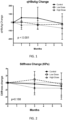
- the liver stiffness in the patients was evaluated by Fibroscan ® , a non-invasive device for the assessment of fibrosis and steatosis, and results are summarized in Figure 2 and Table 6.
- the Fibroscan value (FS) may serve as an indicator of the severity of liver fibrosis.
- an FS value higher than 7.0 kPa indicates that the patient has a significant fibrosis
- an FS value higher than 9.1kPa indicates that the patient has a severe fibrosis
- an FS value higher than 12.5 kPa indicates that the patient has a liver cirrhosis.
- the sleep quality was assessed and scored in accordance with several sleep-related parameters, including the time taken to fall asleep, duration of wakeups during sleep time, total sleeping time, and mental performance during the day (such as memory, cognition, and attention performance) etc.
- the score was inversely proportional to the sleep quality; in other words, the poorer the sleep quality, the higher the score was assessed. Results are summarized in Table 7.
- Table 7 The data of Table 7 indicated that the sleep quality of patients co-treated with the antiviral agent and the FEM102 tablet was obviously better than that of patients treated with the antiviral agent alone.
- Table 7 Effect of FEM102 tablet on sleep state of patients Group Value of sleep state 0 Month 3 Month Control 3.63 ⁇ 2.42 3.88 ⁇ 3.63 Low-dose 3.19 ⁇ 3.60 2.61 ⁇ 3.73 High-dose 3.54 ⁇ 3.23 2.45 ⁇ 3.00 the
- the present invention provides the cyanobacterial biomass or the pharmaceutical composition as claimed comprising the same, for use in the treatment of HBV infection.
- the present cyanobacterial biomass is useful in reducing the HBV particles (as represented by the HBsAg level detectable in the serum of the patient) which may improve the condition of liver fibrosis as well as the sleep quality of patients with chronic HBV infection.
- references to the methods of treatment by therapy or in vivo diagnosis methods in the examples of this description are to be interpreted as references to compounds, pharmaceutical compositions and medicaments of the present invention for use in those methods.
Landscapes
- Health & Medical Sciences (AREA)
- Life Sciences & Earth Sciences (AREA)
- Chemical & Material Sciences (AREA)
- Medicinal Chemistry (AREA)
- Pharmacology & Pharmacy (AREA)
- Animal Behavior & Ethology (AREA)
- General Health & Medical Sciences (AREA)
- Public Health (AREA)
- Veterinary Medicine (AREA)
- Epidemiology (AREA)
- Engineering & Computer Science (AREA)
- Bioinformatics & Cheminformatics (AREA)
- Molecular Biology (AREA)
- Biotechnology (AREA)
- Mycology (AREA)
- Gastroenterology & Hepatology (AREA)
- Microbiology (AREA)
- Natural Medicines & Medicinal Plants (AREA)
- Nuclear Medicine, Radiotherapy & Molecular Imaging (AREA)
- General Chemical & Material Sciences (AREA)
- Chemical Kinetics & Catalysis (AREA)
- Organic Chemistry (AREA)
- Immunology (AREA)
- Proteomics, Peptides & Aminoacids (AREA)
- Zoology (AREA)
- Virology (AREA)
- Communicable Diseases (AREA)
- Oncology (AREA)
- Botany (AREA)
- Medical Informatics (AREA)
- Alternative & Traditional Medicine (AREA)
- Nutrition Science (AREA)
- Food Science & Technology (AREA)
- Polymers & Plastics (AREA)
- Medicines Containing Plant Substances (AREA)
- Medicinal Preparation (AREA)
- Medicines Containing Material From Animals Or Micro-Organisms (AREA)
- Pharmaceuticals Containing Other Organic And Inorganic Compounds (AREA)
Description
- The present disclosure, in general, relates to a cyanobacterial biomass, in combination with an antiviral agent, for use in the treatment of hepatitis B virus (HBV) infection.
- HBV is a small, double-shelled virus in the family Hepadnaviridae. It may cause both acute and chronic infections. The acute infection with HBV is associated with acute viral hepatitis, an illness characterized by malaise, nausea, vomiting, headache, fever, skin rashes, arthralgia, arthritis, myalgia and/or dark urine, before the onset of jaundice. The illness may last for a few weeks and gradually improves in most affected people, in which only about 1% to 2% of acutely infected people develop into fulminant hepatic failure (ALF).
- The proportion of patients having acute HBV infection and then progressing to the chronic infection usually varies with age and immune status. It has been reported that about 90% of infants who acquire HBV infection from their mothers at birth or in infancy become chronically infected. Of children who are infected by HBV between 1 year and 5 years of age, 30% to 50% become chronically infected. By adulthood, the risk of acquiring chronic HBV infection is approximately 5%, in which the immune-compromised or deficient patients are more predisposed to develop the chronic HBV infection as compared to the immune-competent adults. The chronic infection is responsible for most HBV-related morbidity and mortality, including chronic hepatitis, cirrhosis, liver failure, and hepatocellular carcinoma.
- The diagnosis of HBV infection is usually made on the basis of serological tests for HBV antigen and antibodies. HBV contains numerous antigenic components, including hepatitis B surface antigen (HBsAg), hepatitis B core antigen (HBcAg), and hepatitis B e antigen (HBeAg), in which the HBsAg, a protein associated with the replication and infectivity of HBV, is the most commonly used marker for diagnosing HBV infection. In general, HBsAg can be identified in the serum 30 to 60 days post-infection and persist for variable periods. Antibody to HBsAg (anti-HBs or HBsAb) usually develops during convalescence after HBV infection that neutralizes HBV infectivity and clears the circulating HBsAg and the infectious HBV particles from the peripheral blood. Persistence of HBsAg for more than 6 months in duration indicates the development of either a chronic carrier state or chronic HBV infection.
- Currently, there are two major categories of anti-viral treatment that have been approved for the treatment of chronic HBV infection in many countries: the first one being interferon alpha (IFN-α) or pegylated IFN-α (PEG-IFNα), while the second one includes various nucleoside or nucleotide analogs (e.g., lamivudine, adefovir, entecavir telbivudine, and tenofovir). However, these drugs merely stop or decrease the viral replication, none of which are capable of clearing the infection. Accordingly, the majority of patients suffering from chronic HBV infection require prolonged treatment to continuously suppress the viral replication.
- Publication "Effect of Cyanobacteria Patients With Chronic Hepatitis B Surface Antigen Quantitative Concentration", 11 November 2016 (2016-11-11), discloses administration of Spirulina platensis to patients with chronic Hepatitis B who are taking oral antiviral drugs.
-
CN 101 869 585 B discloses compositions that are used for the treatment of HBV infection in a subject, comprising 100% spirulina, and certain level of metals. -
US 2007 /224216 A1 describes that all cyanobacteria in combination with one or more types of algae can be used to treat and/or prevent viral infections. - In view of the foregoing, there exists in the related art a need for a novel drug useful in the treatment of chronic HBV infection.
- The invention is set out in the appended set of claims. The following presents a simplified summary of the disclosure in order to provide a basic understanding to the reader. This summary is not an extensive overview of the disclosure and it does not identify key/critical elements of the present invention or delineate the scope of the present invention. Its sole purpose is to present some concepts disclosed herein in a simplified form as a prelude to the more detailed description that is presented later.
- The present invention is directed to a cyanobacterial biomass, derived from Arthrospira maxima FEM102 strain, in combination with an antiviral agent, for use in the treatment of an infection caused by the Hepatitis B virus (HBV), in a subject in need thereof according to
claim 1. As embodied and broadly described herein, the presently claimed cyanobacterial biomass is effective in treating HBV infection; including, chronic HBV infection. Also, the present cyanobacterial biomass is effective in lowering the surface antigen of hepatitis B virus (HBsAg) detectable in the subject, and in some cases, results in a seroclearance of HBsAg. Moreover, the present cyanobacterial biomass is also effective in preventing or delaying the onset of liver diseases (e.g., liver fibrosis, cirrhosis or hepatic decompensation) associated with chronic HBV infection. Further, the present cyanobacterial biomass can effectively mitigate insomnia associated with chronic HBV infection. - According to the present disclosure, the use of the cyanobacterial biomass comprises using an effective amount of the cyanobacterial biomass.
- The cyanobacterial biomass is derived from Arthrospira maxima.
- The subject may be a mammal, including human.
- The subject suffers from chronic HBV infection. In some examples, the subject suffers from liver cirrhosis or hepatic decompensation associated with chronic HBV infection. In some embodiments, the subject suffers from insomnia associated with chronic HBV infection. In some other embodiments, the subject suffers from liver fibrosis associated with chronic HBV infection.
- In some embodiments, the effective amount is 1 to 1,000 mg/Kg body weight per day; preferably, 20-200 mg/Kg body weight per day. Still optionally, the effective amount is 1 to 20 grams per day. According to yet another embodiment, the cyanobacterial biomass is for use by oral administration.
- According to some embodiments of the present disclosure, the cyanobacterial biomass is used for at least one month. The cyanobacterial biomass may be used daily for at least six months.
- In some embodiments, the antiviral agent is an interferon alpha (IFN-α), pegylated IFN-α, nucleoside analog, or nucleotide analog. Illustrative examples of nucleoside or nucleotide analogs include, but are not limited to, acyclovir, famciclovir, ganciclovir, valacyclovir, vidarabine, ribavirin, zoster-immune globulin (ZIG), lamivudine, adefovir, dipivoxil, entecavir, telbivudine, clevudine, or tenofovir.
- According to certain examples of the present disclosure, the subject suffers from chronic HBV infection, and the cyanobacterial biomass is used for at least one month to reduce the level of the surface antigen of hepatitis B virus (HBsAg) detectable in the subject.
- According to some other examples of the present disclosure, the subject suffers from insomnia associated with chronic HBV infection, and the cyanobacterial biomass is used for at least three months to mitigate insomnia.
- According to some other examples of the present disclosure, not forming a part of the invention, the subject suffers from liver fibrosis associated with chronic HBV infection, and the cyanobacterial biomass is used for at least three months to mitigate liverfibrosis. For a subject suffering from liver diseases (e.g., liver cirrhosis or hepatic decompensation) associated with chronic HBV infection or predisposed to liver diseases due to chronic HBV infection, the cyanobacterial biomass may be used for at least one month to prevent or delay the onset of liver diseases.
- In one embodiment, a pharmaceutical composition comprising an effective amount of a cyanobacterial biomass and a pharmaceutically acceptable excipient are provided.
- The pharmaceutical or nutraceutical composition may be formulated into a preparation suitable for oral administration, such as a tablet, caplet, capsule or a liquid dosage form (e.g., a dispersion or suspension). The pharmaceutical or nutraceutical composition may be formulated as a tablet, and the pharmaceutically or nutraceutically acceptable excipient is silicon dioxide or a sucrose ester of fatty acid.
- Many of the attendant features and advantages of the present disclosure will become better understood with reference to the following detailed description considered in connection with the accompanying drawings.
- The present description will be better understood from the following detailed description read in light of the accompanying drawings, where:
-
Figure 1 is a line chart depicting the qHBsAg change of subjects treated with specified treatments; and -
Figure 2 is the data depicting the liver stiffness changes of subjects treated with specified treatments. - The detailed description provided below in connection with the appended drawings is intended as a description of the present examples and is not intended to represent the only forms in which the present example may be constructed or utilized. The description sets forth the functions of the example and the sequence of steps for constructing and operating the example. However, the same or equivalent functions and sequences may be accomplished by different examples.
- For convenience, certain terms employed in the specification, examples and appended claims are collected here. Unless otherwise defined herein, scientific and technical terminologies employed in the present disclosure shall have the meanings that are commonly understood and used by one of ordinary skill in the art. Also, as used herein and in the claims, the terms "at least one" and "one or more" have the same meaning and include one, two, three, or more.
- Notwithstanding that the numerical ranges and parameters setting forth the broad scope of the invention are approximations, the numerical values set forth in the specific examples are reported as precisely as possible. Any numerical value, however, inherently contains certain errors necessarily resulting from the standard deviation found in the respective testing measurements. Also, as used herein, the term "about" generally means within 10%, 5%, 1%, or 0.5% of a given value or range. Alternatively, the term "about" means within an acceptable standard error of the mean when considered by one of ordinary skill in the art. Other than in the operating/working examples, or unless otherwise expressly specified, all of the numerical ranges, amounts, values, and percentages such as those for quantities of materials, durations of times, temperatures, operating conditions, ratios of amounts, and the likes thereof disclosed herein should be understood as modified in all instances by the term "about." Accordingly, unless indicated to the contrary, the numerical parameters set forth in the present disclosure and attached claims are approximations that can vary as desired. At the very least, each numerical parameter should at least be construed in light of the number of reported significant digits and by applying ordinary rounding techniques. Ranges can be expressed herein as from one endpoint to another endpoint or between two endpoints. All ranges disclosed herein are inclusive of the endpoints, unless specified otherwise.
- The term "nucleoside analog" or "nucleotide analog" as used herein refers to a molecule, which is similar to a nucleoside or a nucleotide, and is capable of performing at least some of the biochemical functions of the nucleoside or the nucleotide. Specifically, the term "nucleotide analog" refers to a molecule that is structurally similar to a natural nucleotide and that can function in a similar manner as the naturally occurring nucleotide (e.g., exhibits similar ability to base pair with one of the naturally occurring bases). The term "nucleoside analog" as used herein refers to a molecule that is structurally similar to a natural nucleoside and that can function in a similar manner as the naturally occurring nucleoside (e.g., exhibits similar ability to be incorporated into DNA by DNA replication).
- The terms "treatment" and "treating" as used herein may refer to a preventative (e.g., prophylactic), curative or palliative measure. In particular, the term "treating" as used herein refers to the application or administration of the present cyanobacterial biomass or a pharmaceutical composition comprising the same to a subject, who has a medical condition (that is, HBV infection or chronic HBV infection), a symptom (e.g., insomnia, fatigue, malaise, myalgia, arthralgia) associated with the medical condition, a disease or disorder (e.g., liver cirrhosis or hepatic decompensation) secondary to the medical condition, or a predisposition toward the medical condition, with the purpose to partially or completely alleviate, ameliorate, relieve, delay onset of, inhibit progression of, reduce severity of, and/or reduce incidence of one or more symptoms or features of said particular disease, disorder, and/or condition. The treatment may be administered to a subject who does not exhibit signs of a disease, disorder, and/or condition, and/or to a subject who exhibits only early signs of a disease, disorder and/or condition, for the purpose of decreasing the risk of developing pathology associated with the disease, disorder and/or condition. In preferred instance of the disclosure not forming a part of the invention, the present cyanobacterial biomass can be used to ameliorate or prevent insomnia or liver cirrhosis in vivo. Also, the administration of the present cyanobacterial biomass results in a seroclearance of the HBsAg in the subject. Accordingly, the present disclosure provides means for substantially eradicating the infectious pathogens in the host organism such that the pathogen is not-detectable in the host organism.
- The terms "subject" and "patient" are used interchangeably herein and are intended to mean an animal including the human species that is treatable by the use of a cyanobacterial biomass of the present invention. The term "subject" or "patient" intended to refer to both the male and female gender unless one gender is specifically indicated.
- The terms "application" and "administration" are used interchangeably herein to mean the application of the present cyanobacterial biomass or a pharmaceutical or nutraceutical composition to a subject in need of a treatment thereof. For example, the subject may be someone having or suspected of having chronic HBV infection.
- The term "effective amount" as used herein refers to the quantity of the present cyanobacterial biomass that is sufficient to yield a desired therapeutic response. For therapeutic purposes, the effective amount is also one in which any toxic or detrimental effects of the component are outweighed by the therapeutically beneficial effects. An effective amount of an agent is not required to cure a disease or condition but will provide a treatment for a disease or condition such that the onset of the disease or condition is delayed, hindered or prevented, or the disease or condition symptoms are ameliorated. The effective amount may be divided into one, two, or more doses in a suitable form to be administered at one, two or more times throughout a designated time period. The specific effective or sufficient amount will vary with such factors as particular condition being treated, the physical condition of the patient (e.g., the patient's body mass, age, or gender), the type of mammal or animal being treated, the duration of the treatment, the nature of concurrent therapy (if any), and the specific formulations employed and the structure of the active component or its derivatives. The effective amount may be expressed, for example, as the total mass of cyanobacterial biomass (e.g., in grams, milligrams or micrograms) or a ratio of the mass of the cyanobacterial biomass to the body mass, e.g., as milligrams per kilogram (mg/kg). Alternatively, the effective amount can be expressed in the concentration of the active component (e.g., the cyanobacterial biomass of the present disclosure), such as molar concentration, mass concentration, volume concentration, molality, mole fraction, mass fraction and mixing ratio.
- The phrase pharmaceutically-acceptable excipient" as used herein means a material, composition or vehicle, such as a liquid or solid filler, diluent, carrier, solvent or encapsulating material, involved in carrying or transporting the subject agents from one organ, or portion of the body, to another organ, or portion of the body. Each excipient must be "acceptable" in the sense of being compatible with the other ingredients of the formulation. The nutraceutical or pharmaceutical formulation contains the cyanobacterial biomass of the invention in combination with one or more pharmaceutically-acceptable ingredients. The excipient can be in the form of a solid, semi-solid or liquid diluent, cream or a capsule. These erpharmaceutical preparations are a further object of the invention. Usually, the amount of the cyanobacterial biomass is between 0.1-95% by weight of the preparation, preferably between 0.2-20% by weight in preparations for parenteral use and preferably between 1 and 50% by weight in preparations for oral administration. For the clinical use, the pharmaceutical composition may be formulated into formulations suitable for the intended route of administration, such as oral administration.
- As used here the term "biomass" is meant biomass derived from a culture containing A. maxima FEM102 strain. This term includes the living and dead organisms, as well as a ready-made, dried, frozen or otherwise previously worked biomass.
- Spontaneous HBsAg seroclearance is a rare event in the chronic HBV infection. Prior researches indicate an annual incidence of spontaneous HBsAg seroclearance ranges from about 0.1 to 2.5% in various countries. Patients suffering from chronic HBV infection have to take antiviral medications continuously to inhibit the replication of HBV virus within the patient's body. At the early stage of the antiviral treatment, the antiviral medications may effectively lower the HBsAg level detectable in the patients (the level may vary from patient to patient depending on a wide variety of factors); however, the HBsAg level would remain constant during the subsequent treatment and it is often very difficult to further lower the HBsAg level in the patient with the currently available antiviral treatments after the HBsAg level has reached the individual constant level.
- The present disclosure is based, at least in part, on the discovery that the present cyanobacterial biomass, upon oral administration for an extended period (e.g., at least one month) together with an antiviral agent, is capable of further lowering the HBsAg level in the subject, with the possibility of achieving the seroclearance of HBsAg in patients suffering from chronic HBV infections. By lowering the HBsAg level and even clearing the HBsAg in the sera of the patient, it is possible to reduce the patient's risk in developing liver cirrhosis, hepatic decompensation, and/or hepatocellular carcinoma. In view of the foregoing, the present disclosure proposes use of a cyanobacterial biomass in the treatment of HBV infections, including the chronic HBV infection. Some embodiments of the present disclosure are directed to uses of a cyanobacterial biomass in the treatment of symptoms or disorders associated with, secondary to, or caused by such HBV infection. Also provided herein is said cyanobacterial biomass for use in the treatment of said HBV infection. The medicament (i.e., a pharmaceutical composition) is, of course, a subject matter covered by the scope of the present application.
- In one aspect, the present invention is directed to a cyanobacterial biomass derived from Arthrospira maxima FEM102 strain for use in the treatment of an infection caused by HBV or a symptom or disorder associated with the infecttion as claimed, by reducing the level of the surface antigen of HBV (HBsAg) detectable in a subject suffering from chronic HBV infection in a subject.
- Cyanobacteria are microscopic bacteria found in land and fresh, brackish, or marine water. Cyanobacteria carry out oxygenic photosynthesis. Because they are photosynthetic, aquatic cyanobacteria are commonly referred to as blue-green algae. Currently, there are more than 2,000 described species under the cyanobacteria phylum. Cyanobacteria have been identified as a rich source of biologically active compounds with antiviral, antibacterial, antifungal and anticancer activities. Isolated compounds from cyanobacteria belong to groups of polyketides, amides, alkaloids, fatty acids, indoles, and lipopeptides. Efforts are being made to identify active extract fractions or compounds with desired therapeutic effects.
- Spirulina refers to the dietary supplement made from the dried biomass of Arthrospira platensis and A. maxima. A. maxima (or Spirulina maxima) are found in tropical or subtropical areas with salty and alkali water bodies. For example, it is common in Lake Chad, Africa, and Lake Texcoco, Mexico. These two species were once classified in the genus Spirulina. Although according to the current taxonomy, the name Spirulina for these two strains is inappropriate, and agreement exists that the genus Arthrospira includes A. platensis and A. maxima, the outdated taxonomy is still used today, and the dietary supplements made therefrom are most often referred to by their popular name, spirulina. Spirulina has been used as a food source since ancient Aztec times. Nonetheless, the present invention is the first to discover its capability in further reducing the HBsAg level in subjects suffering from chronic HBV infection, and apply this discovery into a practical use.
- According to the present invention, the cyanobacterial biomass is derived from Arthrospira maxima. FEM102 strain. According to another embodiment, the cyanobacterial biomass is administered orally. The cyanobacterial biomass may be provided as a dried powder; however, the present disclosure is not limited thereto. Alternatively, the dried powdered may be further processed into a tablet, caplet or capsule. Still alternatively, the cyanobacterial biomass may be formulated into a liquid preparation, such as a dispersion or suspension having an effective amount of the cyanobacterial biomass.
- The subject may be a mammal, which may benefit from the embodiments of the present disclosure. As used herein, "mammal" refers to all members of the class Mammalia, including humans; primates (e.g., monkey and chimpanzee); domestic and farm animals, such as dog, cat, rabbit, pig, sheep, goat, cow, horse, and cattle; as well as zoo, sports or pet animals; and rodents, such as mouse, rat and guinea pig. In an exemplary embodiment, the patient may be a human.
- The subject may suffer from chronic HBV infection. A patient suffering from chronic HBV infection has a higher risk in developing liver cirrhosis, and the administration of the cyanobacterial biomass to such patient may reduce the patient's risk in developing the liver diseases (e.g., liver cirrhosis or hepatic decompensation). The subject may suffer from liver cirrhosis associated with chronic HBV infection, and the cyanobacterial biomass is administered for a period (e.g., at least one month) sufficient to inhibit or delay the progression of the liver cirrhosis.
- It has been reported that the patients having progressive liver disease (e.g., liver cirrhosis and hepatic decompensation etc.) usually present with disturbed sleep patterns (e.g., insomnia). For a subject suffering from insomnia or disturbed sleep patterns associated with chronic HBV infection, the cyanobacterial biomass may beadministered to mitigate insomnia and improve the sleeping quality of the subject. The cyanobacterial biomass may be administered to a patient suffering from chronic HBV infection to lower the patient's risk in developing hepatocellular carcinoma. In view of the foregoing, the administration of the cyanobacterial biomass to patients suffering from HBV or chronic HBV infection can be used as a therapeutic measure, preventive measure.
- In some embodiments, the effective amount of the cyanobacterial biomass is about 1 to 1,000 mg/Kg body weight per day; preferably, about 20-200 mg/Kg body weight per day; more preferably, about 40 t0 120 mg/Kg body weight per day. For example, the effective amount may be 1, 2, 3, 4, 5, 6, 7, 8, 9, 10, 11, 12, 13, 14, 15, 16, 17, 18, 19, 20, 21, 22, 23, 24, 25, 26, 27, 28, 29, 30, 31, 32, 33, 34, 35, 36, 37, 38, 39, 40, 41, 42, 43, 44, 45, 46, 47, 48, 49, 50, 51, 52, 53, 54, 55, 56, 57, 58, 59, 60, 61, 62, 63, 64, 65, 66, 67, 68, 69, 70, 71, 72, 73, 74, 75, 76, 77, 78, 79, 80, 81, 82, 83, 84, 85, 86, 87, 88, 89, 90, 91, 92, 93, 94, 95, 96, 97, 98, 99, 100, 100, 110, 120, 130, 140, 150, 160, 170, 180, 190, 200, 210, 220, 230, 240, 250, 260, 270, 280, 290, 300, 310, 320, 330, 340, 350, 360, 370, 380, 390, 400, 410, 420, 430, 440, 450, 460, 470, 480, 490, 500, 510, 520, 530, 540, 550, 560, 570, 580, 590, 600, 610, 620, 630, 640, 650, 660, 670, 680, 690, 700, 710, 720, 730, 740, 750, 760, 770, 780, 790, 800, 810, 820, 830, 840, 850, 860, 870, 880, 890, 900, 910, 920, 930, 940, 950, 960, 970, 980, 990, or 1,000 mg/Kg body weight per day. Still optionally, the effective amount is 1 to 20 grams per day, such as 1, 1.5, 2, 2.5, 3, 3.5, 4, 4.5, 5, 5.5, 6, 6.5, 7, 7.5, 8, 8.5, 9, 9.5, 10, 11, 12, 13, 14, 15, 16, 17, 18, 19, or 20 grams per day. The cyanobacterial biomass may be administered once, twice, or three times a day.
- According to some embodiments of the present disclosure, the cyanobacterial biomass is administered daily for at least one month. Optionally, the cyanobacterial biomass is administered daily for at least six months. Still optionally, the cyanobacterial biomass is administered daily for at least nine months or even over a year. The cyanobacterial biomass may be administered to the subject daily for at least 1,2, 3, 4, 5, 6, 7, 8, 9, 10, 11, 12, 13, 14, 15, 16, 17, 18, 19, 20, 21, 22, 23, 24 or more months. As could be appreciated, since the cyanobacterial biomass has long been used as the dietary supplement, the safety regarding the long-term administration of cyanobacterial biomass has been recognized. Therefore, the cyanobacterial biomass may be used for therapeutic, preventive purposes for a longer period without raising substantial safety issues.
- For treating the HBV infection an effective amount of an antiviral agent, such as an interferon alpha (IFN-α), pegylated IFN-α, nucleoside analog, or nucleotide analog, is further administered to the subject. Illustrative examples of nucleoside or nucleotide analogs include, but are not limited to, acyclovir, famciclovir, ganciclovir, valacyclovir, vidarabine, ribavirin, zoster-immune globulin (ZIG), lamivudine, adefovir, dipivoxil, entecavir, telbivudine, clevudine, and tenofovir. Alternatively, the anti-viral agent may be (1) a small interfering RNA (siRNA) that interferes and/or inhibits the replication of HBV, (2) a molecular interfering and/or inhibiting the entry of HBV into liver cells (e.g., myrcludex B), (3) a molecular that interferes and/or inhibits the formation of viral capsid (e.g., morphothiadin (GLS4), NVR 3-778, JNJ56136379 and AB-423 etc.), or (4) a molecule interfering and/or inhibiting the production or expression of viral antigen (e.g., Rep 2139, Rep 2165, and
RO7020322 - In one instance not forming a part of the invention, the pharmaceutical composition may be also useful in treating or preventing insomnia or liver cirrhosis associated with chronic HBC infection or may also be used in reducing the patient's risk in developing hepatocellular carcinoma. The co-administration with an antiviral agent effectively lowers the HBsAg level of the subject, as compared with patients receiving only the antiviral agent. The long-term administration of the present pharmaceutical composition is expected to result in the seroclearance of HBsAg in some subjects.
- The pharmaceutical composition comprises an effective amount of a cyanobacterial biomass (e.g., died biomass from A. maxima) and a pharmaceutically acceptable excipient
- The pharmaceutical composition is formulated into a preparation suitable for oral administration, such as a solid dosage form (e.g., capsules, sachets, tablets, pills, lozenges, powders or granules) and a liquid dosage form (e.g., a solution, suspension, emulsion, microemulsion, or dispersion).
- Any of the described solid dosage forms may optionally contain coatings and shells, such as enteric coatings, and coatings for modifying the release rate of any of the ingredients. Examples of such coatings are well known in the art. In one example, the pharmaceutical compositions of this disclosure are tablets such as quick-release tablets. In still another example, the pharmaceutical compositions of this disclosure are formulated into sustained release forms. In another example, the pharmaceutical compositions of this disclosure are powders that are encapsulated in soft and hard gelatin capsules.
- Depending on desired purposes, the pharmaceutically acceptable excipient of the present pharmaceutical composition may be a water-soluble excipient or a water-insoluble excipient. Exemplary water-soluble excipients include, but are not limited to, mannitol, lactose, sucrose, glucose, maltose, hydrogenated maltose, maltotetraose, fructose, lactulose, lactitol, sorbitol, maltitol, erythritol, xylitol and a combination thereof. Examples of water-insoluble excipients include, but are not limited to, cellulose derivatives, microcrystalline cellulose, ethylcellulose, silicon dioxide, crospovidone, sodium starch glycolate, croscarmellose sodium, methacrylate polymers, corn starch, dibutyl phthalate, diethyl phthalate, dibutyl sebacate, triacetin and a combination thereof.
- The liquid formulation may further include a buffering agent to maintain the desired pH. The liquid dosage formulations may also be filled into soft gelatin capsules.
- Preferably, the pharmaceutically acceptable excipient is incorporated in the composition in an amount of about 0.01% to about 85% (e.g., 0.01, 0.02, 0.03, 0.04, 0.05, 0.06, 0.07, 0.08, 0.09, 0.1, 0.2, 0.3, 0.4, 0.5, 0.6, 0.7, 0.8, 0.9, 1, 2, 3, 4, 5, 6, 7, 8, 9, 10, 11, 12, 13, 14, 15, 16, 17, 18, 19, 20, 21, 22, 23, 24, 25, 26, 27, 28, 29, 30, 31, 32, 33, 34, 35, 36, 37, 38, 39, 40, 41, 42, 43, 44, 45, 46, 47, 48, 49, 50, 51, 52, 53, 54, 55, 56, 57, 58, 59, 60, 61, 62, 63, 64, 65, 66, 67, 68, 69, 70, 71, 72, 73, 74, 75, 76, 77, 78, 79, 80, 81, 82, 83, 84 or 85%) by weight, preferably about 0.01% to about 50% by weight, more preferably about 0.01% to about 10% by weight on the basis of the total weight of the composition.
- According to one specific example of the present disclosure, the pharmaceutically acceptable excipient is silicon dioxide or a sucrose ester of fatty acid that is incorporated in the present pharmaceutical composition in an amount of about 0.01% to 10% by weight on the basis of the total weight of the composition.
- Compositions disclosed herein can also comprise various additives known to those skilled in the art. For example, solvents, including relatively small amounts of alcohol, may be used to solubilize certain active ingredients. Other optional pharmaceutically or nutraceutically acceptable additives include opacifiers, antioxidants, fragrance, colorant, gelling agents, thickening agents, stabilizers, surfactants, and the like. Other agents may also be added, such as antimicrobial agents, to prevent spoilage upon storage, i.e., to inhibit the growth of microbes such as yeasts and molds. Permeation enhancers and/or irritation-mitigating additives may also be included in the composition of the present invention. Other examples include solvents, dispersion media, coatings, surfactants, antioxidants, preservatives (e.g., antibacterial agents, antifungal agents), isotonic agents, absorption delaying agents, stabilizers, gels, binders, excipients, disintegration agents, lubricants, sweetening agents, flavoring agents, dyes, such like materials and combinations thereof, as would be known to one of ordinary skill in the art.
- The present composition comprising the present cyanobacterial biomass may be formulated as dietary supplements, which may further comprise one or more additional nutritional components, such as vitamins, minerals, fiber, fatty acids, or amino acids. Alternatively, the dietary supplements may comprise one or more edible carriers, which may confer one or more of the benefits to the cyanobacterial biomass as described herein. Examples of such edible carriers include starch, cyclodextrin, maltodextrin, methylcellulose, carbomethoxy cellulose, xanthan gum, and aqueous solutions thereof.
- biomasses described above are also applicable in these aspects.
- The following Examples are provided to elucidate certain aspects of the present disclosure and to aid those of skilled in the art in practice. These Examples are in no way to be considered to limit the scope of the invention in any manner. Without further elaboration, it is believed that one skilled in the art can, based on the description herein, utilize the present invention to its fullest extent..
- Characterization of FEM102 strain
- The chromosome DNA was extracted from the FEM102 strain. After amplification by polymerase chain reaction (PCR), the sequence of the 16S-23S rDNA was analyzed by ABI 3730 DNA Analyzer using ABI BigDye V3.1. The analysis result indicated that the 16S-23S ribosomal RNA (rRNA) gene of FEM102 strain comprises the nucleotide sequence as set forth in SEQ ID NO. 1. Sequence query using the nucleotide BLAST database provided online by Nation Center for Biotechnology Information (NCBI) indicated that this sequence is highly conserved among various Arthrospira spp., including A. maxima (also known as Spirulina maxima), A. platensis (also known as S. platensis), A. erdosensis, A. fusiformis, A. indica, and A. terebriformis.
- The FEM102 dried powder was prepared as follows. First, the FEM-102 strain (stock culture: 350 L; O.D. 0.2) was cultured in the medium as listed in Tables 1-3 (350,000 L) at 25 to 32°C for 20 to 28 days. The biomass was collected using a 50-µm filter and then washed with
clean water 5 times so as to reduce the salt content and other contaminants of the biomass. After the filtration using the 50-µm filter, the biomass was centrifuged to remove the water content (<95% by weight), and the precipitate was spray dried. Approximately 350,000 liters cultivation gave rise to about 120 to 180 kg of FEM102 powder. As could be appreciated by persons having ordinary skill in the art, the contents of the culture medium, as described herein, are provided for illustration purposes only, and should not be construed as a limitation to the scope of the present invention. Rather, persons having ordinary skill in the art may adjust or modify the culture medium as they see fit. - The FEM102 powder was then mixed with silicon dioxide or the sucrose ester of fatty acid, and pressed to form tablets (hereafter, the "FEM102 tablets"), in which each FEM102 tablet (500 mg) comprised 495 mg of FEM-102 strain and 5 mg of silicon dioxide/sucrose ester of fatty acid.
Table 1. Ingredients of culture medium Ingredients Amount for final 1 L NaHCO3 13.61 g Na2CO3 4.03 g K2HPO4 0.5 g NaNO3 2.5 g K2SO4 1 g NaCl 1 g MgSO4.7H2O 0.2 g CaCl2.2H2O 0.04 g FeSO4.4H2O 0.01 g A5 metal stock* 6 ml Micronutrient solution** 1 ml * The ingredients of A5 metal stock were summarized in Table 2.
** The ingredients of Micronutrient solution were summarized in Table 3.Table 2. Ingredients of A5 metal stock Ingredients Amount for final 1 L Na2EDTA•2H2O 0.75 g FeCl3•6H2O 0.097 g MnCl2•4H2O 0.041 g ZnCl2 0.005 g CoCl2•6H2O 0.002 g Na2MoO4.2H2O 0.004 g Table 3. Ingredients of micronutrient solution Ingredients Amount for final 1 L CuSO4•5H2O 0.02 g ZnSO4•7H2O 0.044 g CoCl2•6H2O 0.002 g MnCl2•4H2O 0.012 g Na2MoO4•2H2O 0.012 g H3BO3 0.62 g Na2EDTA•2H2O 0.05 g - A single-center, randomized, open-label clinical trial was designed to determine if the co-administration of the cyanobacterial biomass and the antiviral agent could reduce the sera level of HBsAg detectable in patients suffering from chronic HBV infection. The protocol of the clinical trial and the consent form were approved by the Internal Review Board of Taipei Municipal Wanfang Hospital.
- Patient inclusion criteria include age between 20 to 75 years, males and females; patients with documented chronic hepatitis B and had been taking any of the oral antiviral drugs of Entecavir, Telbivudine, and Tenofovir for at least one year; and the HBV DNA level was less than 20 IU/mL. Patients allergic to seafood were excluded from the trial.
- A total of 350 patients were evaluated for eligibility; 247 were excluded and 43 were declined to participate. Sixty (60) patients meeting the inclusion and exclusion criteria and who have signed informed consent forms will be randomized to receive antiviral agent (20, Control group), antiviral agent plus 3 grams of FEM102 tablet (20, Low-dose group), or antiviral agent plus 6 grams of FEM102 tablet (20, High-dose group) on a daily basis for at least 6 months. The liver and kidney functions, levels of qHBsAg, HBeAg, B12, and steatosis/fibrosis were investigated at the beginning and the 1st, 3rd, and 6th month. Rank-sum test was used for statistical analysis. The patient demographics and baseline characteristics were listed in the Table 4.
Table 4. Patient demographics and baseline characteristics Control (n = 20) Low-dose (3g/d of FEM-102) (n = 20) High-dose (6 g/d of FEM-102) (n = 20) P value Age (years) 49.5 ± 12.33 49.84 ± 10.395 53.79 ± 10.718 0.153 Male 15 (75%) 13 (65%) 15 (75%) 0.72 Female 5 (25%) 7 (35%) 5 (25%) ALT (IU/L) 38.39 ± 54.504 32.26 ± 26.066 30 ± 24.792 0.962 qHBsAg (IU/mL) 1805 ± 3214.7 1084 ± 1520.2 1008 ± 1439.5 0.677 Fibrosis (kPa) 7.83 ± 3.949 8.185 ± 5.931 8.22 ± 3.193 0.416 Steatosis (dB/m) 261.8 ± 54.812 275.8 ± 68.092 260.6 ± 57.962 0.681 Positive HBeAg (n) 7 (35%) 5 (25%) 2 (10%) 0.207 - As could be seen in Table 4, there were no significant differences among the control, low-dose and high- dose groups regarding the age, sex, ALT (alanine aminotransferase), level of quantitative HBsAg, HBeAg status, and severity of fibrosis and steatosis at the beginning of the trial.
- In particular, patients assigned to each group was treated with their respective original antiviral agent at the recommended dosage: Entecavir (500 mg/tab; one tab per day), Telbivudine (600 mg/tab; one tab per day) or Tenofovir (300 mg/tab; one tab per day). As to patients assigned to the low-dose and high-dose groups, 6 FEM102 500 mg tablets and 12 FEM102 500 mg tablets were also administered three times a day. Specifically, the patients in the low-dose group took two tablets before each meal, and the patients in the high-dose group took four tablets before each meal.
- During the trial, twelve patients in the control group discontinued the intervention, and the low-dose and high-dose group each had four and eight patients who discontinued the intervention.
- One, three and six months after the first administration, the blood samples of patients in each group were analyzed by enzyme-linked immunosorbent assay (ELISA) to determine the levels of HBsAg. The qHBsAg level changes (each patient's qHBsAg level measured at a given time point minus the patient's qHBsAg level measured at the beginning of the trial) for each group were summarized in
Figure 1 and Table 5. - The data provided in
Figure 1 and Table 5 indicated that the level of qHBsAg changed in a dose-dependent manner in patients treated with FEM102 tablets, as compared with those of the control group. A significant difference was observed between the high-dose group and the control group atmonth Table 5. Effect of FEM102 tablet on HBsAg level Group Month Mean qHBsAg change Standard deviation Control 0 0 0 Low- dose 0 0 0 High- dose 0 0 0 Control 1 56.56 121.52 Low- dose 1 4.31 59.60 High-dose 1 -32.00 53.74 Control 3 52.02 131.83 Low-dose 3 -26.56 33.71 High-dose 3 -30.38 53.23 Control 6 -16.68 121.63 Low-dose 6 -24.58 96.28 High-dose 6 -68.96 136.14 - The liver stiffness in the patients was evaluated by Fibroscan®, a non-invasive device for the assessment of fibrosis and steatosis, and results are summarized in
Figure 2 and Table 6. The Fibroscan value (FS) may serve as an indicator of the severity of liver fibrosis. In general, an FS value higher than 7.0 kPa indicates that the patient has a significant fibrosis; an FS value higher than 9.1kPa indicates that the patient has a severe fibrosis; and an FS value higher than 12.5 kPa indicates that the patient has a liver cirrhosis. The data summarized in Table 6 indicated that the co-administration of the antiviral agent (e.g., Entecavir, Telbivudine or Tenofovir) and FEM102 tablet (6 grams) significantly reduced the patients' FS value, suggesting an improvement of the patients' liver condition. , in which liver fibrosis appeared to be less severe (7.521 KPa (6 months) v.s. 9.242 KPa (Baseline), p = 0.005).Table 6. Effect of FEM-102 tablet with antiviral agent for 6 months on liver stiffness Group Month Mean stiffness change Standard deviation Control 0 0 0 Low- dose 0 0 0 High- dose 0 0 0 Control 3 -0.34 2.53 Low- dose 3 0.96 2.26 High-dose 3 -1.49 1.95 Control 6 -0.94 3.75 Low-dose 6 -0.36 3.16 High-dose 6 -1.55 2.47 - Taken together, the data above confirmed that the administration of a cyanobacterial biomass (e.g., the FEM102 tablet derived from dried A. maxima) may help clear the HBV particles and ameliorate liver fibrosis in patients having chronic HBV infection. As HBV particles and liver fibrosis have been regarded as factors causing disturbed sleep pattern or insomnia in these patients, we further evaluated whether 'the FEM102 tablet could improve the sleep quality of such patients.
- The sleep quality was assessed and scored in accordance with several sleep-related parameters, including the time taken to fall asleep, duration of wakeups during sleep time, total sleeping time, and mental performance during the day (such as memory, cognition, and attention performance) etc. The score was inversely proportional to the sleep quality; in other words, the poorer the sleep quality, the higher the score was assessed. Results are summarized in Table 7.
- The data of Table 7 indicated that the sleep quality of patients co-treated with the antiviral agent and the FEM102 tablet was obviously better than that of patients treated with the antiviral agent alone.
Table 7 Effect of FEM102 tablet on sleep state of patients Group Value of sleep state 0 Month 3 Month Control 3.63 ± 2.42 3.88 ± 3.63 Low-dose 3.19±3.60 2.61±3.73 High-dose 3.54±3.23 2.45±3.00 - In conclusion, the present invention provides the cyanobacterial biomass or the pharmaceutical composition as claimed comprising the same, for use in the treatment of HBV infection. Specifically, the present cyanobacterial biomass is useful in reducing the HBV particles (as represented by the HBsAg level detectable in the serum of the patient) which may improve the condition of liver fibrosis as well as the sleep quality of patients with chronic HBV infection.
- It will be understood that the above description of embodiments is given by way of example only and that various modifications may be made by those with ordinary skill in the art. The above specification, examples, and data provide a complete description of the structure and use of exemplary embodiments of the invention. Although various embodiments of the invention have been described above with a certain degree of particularity, or with reference to one or more individual embodiments, those with ordinary skill in the art could make numerous alterations to the disclosed embodiments without departing from the scope of this invention.
- The references to the methods of treatment by therapy or in vivo diagnosis methods in the examples of this description are to be interpreted as references to compounds, pharmaceutical compositions and medicaments of the present invention for use in those methods.
Claims (12)
- A cyanobacterial biomass for use in combination with an antiviral agent in the treatment of hepatitis B virus (HBV) infection by reducing the level of the surface antigen of HBV (HBsAg) detectable in a subject suffering from chronic HBV infection, wherein the cyanobacterial biomass is derived from Arthrospira maxima FEM102 strain.
- The cyanobacterial biomass for use according to claim 1, wherein the subject suffers from insomnia associated with chronic HBV infection.
- The cyanobacterial biomass for use according to claim 1, wherein the subject suffers from liver fibrosis associated with chronic HBV infection.
- The cyanobacterial biomass for use according to claim 1, wherein an effective amount of a cyanobacterial biomass and a pharmaceutically acceptable excipient are provided as pharmaceutical composition, wherein the pharmaceutical composition is formulated into a solid dosage form.
- The cyanobacterial biomass for use according to claim 4, wherein the pharmaceutically acceptable excipient is silicon dioxide or a sucrose ester of fatty acid.
- The cyanobacterial biomass for use according to claim 1, wherein the effective amount is 1 to 1,000 mg/Kg body weight per day.
- The cyanobacterial biomass for use according to claim 6, wherein the effective amount is 20-200 mg/Kg body weight per day.
- The cyanobacterial biomass for use according to claim 1, wherein the effective amount is 1 to 20 grams per day.
- The cyanobacterial biomass for use according to claim 1, wherein the cyanobacterial biomass is administered daily for at least one month.
- The cyanobacterial biomass for use according to claim 1, wherein the cyanobacterial biomass is administered orally.
- The cyanobacterial biomass for use according to claim 1, wherein the antiviral agent is an interferon alpha (IFN-α), pegylated IFN-α, nucleoside analog, or nucleotide analog.
- The cyanobacterial biomass for use according to claim 1, wherein the antiviral agent is acyclovir, famciclovir, ganciclovir, valacyclovir, vidarabine, ribavirin, zoster-immune globulin (ZIG), lamivudine, adefovir, dipivoxil, entecavir, telbivudine, clevudine, or tenofovir.
Applications Claiming Priority (2)
| Application Number | Priority Date | Filing Date | Title |
|---|---|---|---|
| US201762587488P | 2017-11-17 | 2017-11-17 | |
| PCT/US2018/061613 WO2019099897A1 (en) | 2017-11-17 | 2018-11-16 | Use of cyanobacterial biomass in treating hepatitis b virus infection |
Publications (4)
| Publication Number | Publication Date |
|---|---|
| EP3710025A1 EP3710025A1 (en) | 2020-09-23 |
| EP3710025A4 EP3710025A4 (en) | 2021-05-26 |
| EP3710025C0 EP3710025C0 (en) | 2024-09-18 |
| EP3710025B1 true EP3710025B1 (en) | 2024-09-18 |
Family
ID=66538857
Family Applications (1)
| Application Number | Title | Priority Date | Filing Date |
|---|---|---|---|
| EP18877323.8A Active EP3710025B1 (en) | 2017-11-17 | 2018-11-16 | Cyanobacterial biomass for use in treating hepatitis b virus infection |
Country Status (10)
| Country | Link |
|---|---|
| US (1) | US12251409B2 (en) |
| EP (1) | EP3710025B1 (en) |
| JP (1) | JP7616884B2 (en) |
| KR (1) | KR102652201B1 (en) |
| CN (1) | CN111356465A (en) |
| AU (2) | AU2018368465A1 (en) |
| PL (1) | PL3710025T3 (en) |
| SG (1) | SG11202004394PA (en) |
| TW (1) | TW201932132A (en) |
| WO (1) | WO2019099897A1 (en) |
Families Citing this family (1)
| Publication number | Priority date | Publication date | Assignee | Title |
|---|---|---|---|---|
| HUE063838T2 (en) * | 2017-08-30 | 2024-02-28 | Far East Bio Tec Co Ltd | Cyanobacterial extracts, processes for preparing the same and uses thereof |
Family Cites Families (5)
| Publication number | Priority date | Publication date | Assignee | Title |
|---|---|---|---|---|
| WO2006078284A2 (en) * | 2004-05-04 | 2006-07-27 | University Of South Carolina | Methods and compositions related to antiviral therapy using algae and cyanobacteria |
| US20050281839A1 (en) * | 2004-06-18 | 2005-12-22 | Amha Belay | Spirulina composition and antiallergic food |
| DE102006029448A1 (en) * | 2006-06-21 | 2007-12-27 | Christian Dr. Ing. Walter | Pharmaceutical composition with an extracellular polyanion from Arthrospira |
| CN101869585B (en) | 2009-04-24 | 2012-08-08 | 远东生物科技股份有限公司 | Composition for assisting treatment effect of hepatitis B medicament |
| TWI542354B (en) * | 2010-11-17 | 2016-07-21 | 遠東生物科技股份有限公司 | A medical compositions for inhibition of influenza hemagglutinin and process for the preparation thereof |
-
2018
- 2018-11-16 KR KR1020207014856A patent/KR102652201B1/en active Active
- 2018-11-16 WO PCT/US2018/061613 patent/WO2019099897A1/en not_active Ceased
- 2018-11-16 CN CN201880073742.3A patent/CN111356465A/en active Pending
- 2018-11-16 PL PL18877323.8T patent/PL3710025T3/en unknown
- 2018-11-16 AU AU2018368465A patent/AU2018368465A1/en not_active Abandoned
- 2018-11-16 SG SG11202004394PA patent/SG11202004394PA/en unknown
- 2018-11-16 TW TW107140848A patent/TW201932132A/en unknown
- 2018-11-16 EP EP18877323.8A patent/EP3710025B1/en active Active
- 2018-11-16 JP JP2020526871A patent/JP7616884B2/en active Active
-
2020
- 2020-05-15 US US16/875,474 patent/US12251409B2/en active Active
-
2022
- 2022-05-27 AU AU2022203621A patent/AU2022203621B2/en active Active
Also Published As
| Publication number | Publication date |
|---|---|
| AU2022203621A1 (en) | 2022-06-16 |
| US12251409B2 (en) | 2025-03-18 |
| TW201932132A (en) | 2019-08-16 |
| EP3710025A4 (en) | 2021-05-26 |
| WO2019099897A1 (en) | 2019-05-23 |
| KR102652201B1 (en) | 2024-03-27 |
| AU2022203621B2 (en) | 2025-06-05 |
| EP3710025C0 (en) | 2024-09-18 |
| US20200276251A1 (en) | 2020-09-03 |
| EP3710025A1 (en) | 2020-09-23 |
| AU2018368465A1 (en) | 2020-05-28 |
| KR20200079276A (en) | 2020-07-02 |
| JP7616884B2 (en) | 2025-01-17 |
| JP2021503460A (en) | 2021-02-12 |
| PL3710025T3 (en) | 2025-02-10 |
| SG11202004394PA (en) | 2020-06-29 |
| CN111356465A (en) | 2020-06-30 |
Similar Documents
| Publication | Publication Date | Title |
|---|---|---|
| AU2014255617B2 (en) | Composition for enhancing immunity | |
| KR101512495B1 (en) | Applications of arctigenin in formulating medicines for preventing or treating diseases related to red blood cell reduction | |
| WO2020253835A1 (en) | Nitrate and vitamin-containing composition, preparation method therefor, formulation thereof and use thereof | |
| AU2022203621B2 (en) | Use of cyanobacterial biomass in treating hepatitis b virus infection | |
| CN118021821A (en) | Drugs for treating and preventing diseases related to viral infection and their uses | |
| JP4087249B2 (en) | Treatment for chronic hepatitis B | |
| RU2237475C1 (en) | Combined preparation to remove symptoms of catarrhal diseases and grippe (variants) | |
| CN112494471A (en) | Application of cholesterol ester synthetase ACAT1 inhibitor in preparing medicine for preventing/treating non-alcoholic fatty liver disease | |
| WO2018093734A1 (en) | Method for treating hepatitis b | |
| CN104138396B (en) | The use of albicans albicans in the preparation of anti-fatigue health products | |
| WO2020258211A1 (en) | Compositions and methods for treatment of hepatitis b virus infection | |
| US20090042801A1 (en) | Method for inhibiting infection and reproduction of influenza type A WSN virus | |
| CN117510408B (en) | Antiviral Chinese medicine monomer dauricine, and its pharmaceutical composition and application | |
| CN111870690A (en) | Application of nattokinase in medicine for treating migraine | |
| US20060063712A1 (en) | Pharmaceutical composition for inhibiting influenza virus infection and reproduction | |
| WO2009084732A1 (en) | Agent for alleviating adverse side effects produced in interferon/ribavirin combination therapy | |
| US20100291154A1 (en) | Composition for inhibition of transplant rejection containing the cordyceps mycellia extract as an active ingredient | |
| Ekam et al. | The assessment of serum liver enzymes in malaria induced Wistar rats treated with the crude extract of Artemisia annua and Artemisinin combination therapy | |
| RU2005136271A (en) | METHOD FOR DIAGNOSTIC AND TREATMENT OF NEUROLOGICAL DAMAGE IN CHILDREN OF EARLY AGE | |
| CN109953999B (en) | Composition comprising Ganoderma polysaccharide and Polyporus polysaccharide with immunity enhancing effect | |
| KR20210018171A (en) | Anti-Toxoplasma Composition Comprising Caenorhabditis elegans fat-1 which Induces Conversion to Omega-3 Fatty Acid | |
| KR20210016746A (en) | Anti-Toxoplasma gongii Composition Comprising Omega-3 Polyunsaturated Fatty Acids | |
| JP6401028B2 (en) | Medium / long-term memory disorder prevention / improvement agent consisting of whale muscle extract | |
| WO2019032951A1 (en) | Method for treating dengue virus infection | |
| CN121337815A (en) | Application of ursolic acid or ursolic acid derivatives in the preparation of feed or drugs for treating coccidiosis in chickens |
Legal Events
| Date | Code | Title | Description |
|---|---|---|---|
| STAA | Information on the status of an ep patent application or granted ep patent |
Free format text: STATUS: THE INTERNATIONAL PUBLICATION HAS BEEN MADE |
|
| PUAI | Public reference made under article 153(3) epc to a published international application that has entered the european phase |
Free format text: ORIGINAL CODE: 0009012 |
|
| STAA | Information on the status of an ep patent application or granted ep patent |
Free format text: STATUS: REQUEST FOR EXAMINATION WAS MADE |
|
| 17P | Request for examination filed |
Effective date: 20200519 |
|
| AK | Designated contracting states |
Kind code of ref document: A1 Designated state(s): AL AT BE BG CH CY CZ DE DK EE ES FI FR GB GR HR HU IE IS IT LI LT LU LV MC MK MT NL NO PL PT RO RS SE SI SK SM TR |
|
| AX | Request for extension of the european patent |
Extension state: BA ME |
|
| DAV | Request for validation of the european patent (deleted) | ||
| DAX | Request for extension of the european patent (deleted) | ||
| A4 | Supplementary search report drawn up and despatched |
Effective date: 20210423 |
|
| RIC1 | Information provided on ipc code assigned before grant |
Ipc: A61K 35/748 20150101AFI20210419BHEP Ipc: A61K 35/74 20150101ALI20210419BHEP Ipc: A61K 31/7052 20060101ALI20210419BHEP Ipc: A61K 36/02 20060101ALI20210419BHEP Ipc: A61P 1/16 20060101ALI20210419BHEP Ipc: A61P 31/20 20060101ALI20210419BHEP |
|
| STAA | Information on the status of an ep patent application or granted ep patent |
Free format text: STATUS: EXAMINATION IS IN PROGRESS |
|
| 17Q | First examination report despatched |
Effective date: 20220405 |
|
| GRAP | Despatch of communication of intention to grant a patent |
Free format text: ORIGINAL CODE: EPIDOSNIGR1 |
|
| STAA | Information on the status of an ep patent application or granted ep patent |
Free format text: STATUS: GRANT OF PATENT IS INTENDED |
|
| INTG | Intention to grant announced |
Effective date: 20240410 |
|
| GRAS | Grant fee paid |
Free format text: ORIGINAL CODE: EPIDOSNIGR3 |
|
| GRAA | (expected) grant |
Free format text: ORIGINAL CODE: 0009210 |
|
| STAA | Information on the status of an ep patent application or granted ep patent |
Free format text: STATUS: THE PATENT HAS BEEN GRANTED |
|
| AK | Designated contracting states |
Kind code of ref document: B1 Designated state(s): AL AT BE BG CH CY CZ DE DK EE ES FI FR GB GR HR HU IE IS IT LI LT LU LV MC MK MT NL NO PL PT RO RS SE SI SK SM TR |
|
| REG | Reference to a national code |
Ref country code: GB Ref legal event code: FG4D |
|
| REG | Reference to a national code |
Ref country code: CH Ref legal event code: EP |
|
| REG | Reference to a national code |
Ref country code: IE Ref legal event code: FG4D |
|
| REG | Reference to a national code |
Ref country code: DE Ref legal event code: R096 Ref document number: 602018074594 Country of ref document: DE |
|
| U01 | Request for unitary effect filed |
Effective date: 20241003 |
|
| U07 | Unitary effect registered |
Designated state(s): AT BE BG DE DK EE FI FR IT LT LU LV MT NL PT RO SE SI Effective date: 20241028 |
|
| U20 | Renewal fee for the european patent with unitary effect paid |
Year of fee payment: 7 Effective date: 20241121 |
|
| PG25 | Lapsed in a contracting state [announced via postgrant information from national office to epo] |
Ref country code: NO Free format text: LAPSE BECAUSE OF FAILURE TO SUBMIT A TRANSLATION OF THE DESCRIPTION OR TO PAY THE FEE WITHIN THE PRESCRIBED TIME-LIMIT Effective date: 20241218 |
|
| PG25 | Lapsed in a contracting state [announced via postgrant information from national office to epo] |
Ref country code: GR Free format text: LAPSE BECAUSE OF FAILURE TO SUBMIT A TRANSLATION OF THE DESCRIPTION OR TO PAY THE FEE WITHIN THE PRESCRIBED TIME-LIMIT Effective date: 20241219 |
|
| PG25 | Lapsed in a contracting state [announced via postgrant information from national office to epo] |
Ref country code: HR Free format text: LAPSE BECAUSE OF FAILURE TO SUBMIT A TRANSLATION OF THE DESCRIPTION OR TO PAY THE FEE WITHIN THE PRESCRIBED TIME-LIMIT Effective date: 20240918 |
|
| PG25 | Lapsed in a contracting state [announced via postgrant information from national office to epo] |
Ref country code: RS Free format text: LAPSE BECAUSE OF FAILURE TO SUBMIT A TRANSLATION OF THE DESCRIPTION OR TO PAY THE FEE WITHIN THE PRESCRIBED TIME-LIMIT Effective date: 20241218 |
|
| PG25 | Lapsed in a contracting state [announced via postgrant information from national office to epo] |
Ref country code: RS Free format text: LAPSE BECAUSE OF FAILURE TO SUBMIT A TRANSLATION OF THE DESCRIPTION OR TO PAY THE FEE WITHIN THE PRESCRIBED TIME-LIMIT Effective date: 20241218 Ref country code: NO Free format text: LAPSE BECAUSE OF FAILURE TO SUBMIT A TRANSLATION OF THE DESCRIPTION OR TO PAY THE FEE WITHIN THE PRESCRIBED TIME-LIMIT Effective date: 20241218 Ref country code: HR Free format text: LAPSE BECAUSE OF FAILURE TO SUBMIT A TRANSLATION OF THE DESCRIPTION OR TO PAY THE FEE WITHIN THE PRESCRIBED TIME-LIMIT Effective date: 20240918 Ref country code: GR Free format text: LAPSE BECAUSE OF FAILURE TO SUBMIT A TRANSLATION OF THE DESCRIPTION OR TO PAY THE FEE WITHIN THE PRESCRIBED TIME-LIMIT Effective date: 20241219 |
|
| PG25 | Lapsed in a contracting state [announced via postgrant information from national office to epo] |
Ref country code: IS Free format text: LAPSE BECAUSE OF FAILURE TO SUBMIT A TRANSLATION OF THE DESCRIPTION OR TO PAY THE FEE WITHIN THE PRESCRIBED TIME-LIMIT Effective date: 20250118 |
|
| PG25 | Lapsed in a contracting state [announced via postgrant information from national office to epo] |
Ref country code: SM Free format text: LAPSE BECAUSE OF FAILURE TO SUBMIT A TRANSLATION OF THE DESCRIPTION OR TO PAY THE FEE WITHIN THE PRESCRIBED TIME-LIMIT Effective date: 20240918 |
|
| PG25 | Lapsed in a contracting state [announced via postgrant information from national office to epo] |
Ref country code: ES Free format text: LAPSE BECAUSE OF FAILURE TO SUBMIT A TRANSLATION OF THE DESCRIPTION OR TO PAY THE FEE WITHIN THE PRESCRIBED TIME-LIMIT Effective date: 20240918 |
|
| PG25 | Lapsed in a contracting state [announced via postgrant information from national office to epo] |
Ref country code: SK Free format text: LAPSE BECAUSE OF FAILURE TO SUBMIT A TRANSLATION OF THE DESCRIPTION OR TO PAY THE FEE WITHIN THE PRESCRIBED TIME-LIMIT Effective date: 20240918 |
|
| REG | Reference to a national code |
Ref country code: CH Ref legal event code: PL |
|
| PG25 | Lapsed in a contracting state [announced via postgrant information from national office to epo] |
Ref country code: MC Free format text: LAPSE BECAUSE OF FAILURE TO SUBMIT A TRANSLATION OF THE DESCRIPTION OR TO PAY THE FEE WITHIN THE PRESCRIBED TIME-LIMIT Effective date: 20240918 |
|
| REG | Reference to a national code |
Ref country code: CH Ref legal event code: PL |
|
| PG25 | Lapsed in a contracting state [announced via postgrant information from national office to epo] |
Ref country code: CH Free format text: LAPSE BECAUSE OF NON-PAYMENT OF DUE FEES Effective date: 20241130 |
|
| PLBE | No opposition filed within time limit |
Free format text: ORIGINAL CODE: 0009261 |
|
| STAA | Information on the status of an ep patent application or granted ep patent |
Free format text: STATUS: NO OPPOSITION FILED WITHIN TIME LIMIT |
|
| 26N | No opposition filed |
Effective date: 20250619 |
|
| PG25 | Lapsed in a contracting state [announced via postgrant information from national office to epo] |
Ref country code: IE Free format text: LAPSE BECAUSE OF NON-PAYMENT OF DUE FEES Effective date: 20241116 |
|
| U20 | Renewal fee for the european patent with unitary effect paid |
Year of fee payment: 8 Effective date: 20251110 |
|
| PGFP | Annual fee paid to national office [announced via postgrant information from national office to epo] |
Ref country code: GB Payment date: 20251114 Year of fee payment: 8 |
|
| PGFP | Annual fee paid to national office [announced via postgrant information from national office to epo] |
Ref country code: CZ Payment date: 20251112 Year of fee payment: 8 |
|
| PGFP | Annual fee paid to national office [announced via postgrant information from national office to epo] |
Ref country code: PL Payment date: 20251112 Year of fee payment: 8 |
|
| PG25 | Lapsed in a contracting state [announced via postgrant information from national office to epo] |
Ref country code: HU Free format text: LAPSE BECAUSE OF FAILURE TO SUBMIT A TRANSLATION OF THE DESCRIPTION OR TO PAY THE FEE WITHIN THE PRESCRIBED TIME-LIMIT; INVALID AB INITIO Effective date: 20181116 |
|
| PG25 | Lapsed in a contracting state [announced via postgrant information from national office to epo] |
Ref country code: CY Free format text: LAPSE BECAUSE OF FAILURE TO SUBMIT A TRANSLATION OF THE DESCRIPTION OR TO PAY THE FEE WITHIN THE PRESCRIBED TIME-LIMIT; INVALID AB INITIO Effective date: 20181116 |