EP3706737B1 - Ash1l inhibitors and methods of treatment therewith - Google Patents
Ash1l inhibitors and methods of treatment therewith Download PDFInfo
- Publication number
- EP3706737B1 EP3706737B1 EP18876778.4A EP18876778A EP3706737B1 EP 3706737 B1 EP3706737 B1 EP 3706737B1 EP 18876778 A EP18876778 A EP 18876778A EP 3706737 B1 EP3706737 B1 EP 3706737B1
- Authority
- EP
- European Patent Office
- Prior art keywords
- cancer
- compound
- compounds
- ash1l
- agents
- Prior art date
- Legal status (The legal status is an assumption and is not a legal conclusion. Google has not performed a legal analysis and makes no representation as to the accuracy of the status listed.)
- Active
Links
Images

Classifications
-
- A—HUMAN NECESSITIES
- A61—MEDICAL OR VETERINARY SCIENCE; HYGIENE
- A61K—PREPARATIONS FOR MEDICAL, DENTAL OR TOILETRY PURPOSES
- A61K47/00—Medicinal preparations characterised by the non-active ingredients used, e.g. carriers or inert additives; Targeting or modifying agents chemically bound to the active ingredient
- A61K47/50—Medicinal preparations characterised by the non-active ingredients used, e.g. carriers or inert additives; Targeting or modifying agents chemically bound to the active ingredient the non-active ingredient being chemically bound to the active ingredient, e.g. polymer-drug conjugates
- A61K47/51—Medicinal preparations characterised by the non-active ingredients used, e.g. carriers or inert additives; Targeting or modifying agents chemically bound to the active ingredient the non-active ingredient being chemically bound to the active ingredient, e.g. polymer-drug conjugates the non-active ingredient being a modifying agent
- A61K47/62—Medicinal preparations characterised by the non-active ingredients used, e.g. carriers or inert additives; Targeting or modifying agents chemically bound to the active ingredient the non-active ingredient being chemically bound to the active ingredient, e.g. polymer-drug conjugates the non-active ingredient being a modifying agent the modifying agent being a protein, peptide or polyamino acid
- A61K47/64—Drug-peptide, drug-protein or drug-polyamino acid conjugates, i.e. the modifying agent being a peptide, protein or polyamino acid which is covalently bonded or complexed to a therapeutically active agent
-
- A—HUMAN NECESSITIES
- A61—MEDICAL OR VETERINARY SCIENCE; HYGIENE
- A61K—PREPARATIONS FOR MEDICAL, DENTAL OR TOILETRY PURPOSES
- A61K31/00—Medicinal preparations containing organic active ingredients
- A61K31/33—Heterocyclic compounds
- A61K31/395—Heterocyclic compounds having nitrogen as a ring hetero atom, e.g. guanethidine or rifamycins
- A61K31/40—Heterocyclic compounds having nitrogen as a ring hetero atom, e.g. guanethidine or rifamycins having five-membered rings with one nitrogen as the only ring hetero atom, e.g. sulpiride, succinimide, tolmetin, buflomedil
- A61K31/403—Heterocyclic compounds having nitrogen as a ring hetero atom, e.g. guanethidine or rifamycins having five-membered rings with one nitrogen as the only ring hetero atom, e.g. sulpiride, succinimide, tolmetin, buflomedil condensed with carbocyclic rings, e.g. carbazole
- A61K31/404—Indoles, e.g. pindolol
-
- A—HUMAN NECESSITIES
- A61—MEDICAL OR VETERINARY SCIENCE; HYGIENE
- A61K—PREPARATIONS FOR MEDICAL, DENTAL OR TOILETRY PURPOSES
- A61K31/00—Medicinal preparations containing organic active ingredients
- A61K31/33—Heterocyclic compounds
- A61K31/395—Heterocyclic compounds having nitrogen as a ring hetero atom, e.g. guanethidine or rifamycins
- A61K31/435—Heterocyclic compounds having nitrogen as a ring hetero atom, e.g. guanethidine or rifamycins having six-membered rings with one nitrogen as the only ring hetero atom
- A61K31/44—Non condensed pyridines; Hydrogenated derivatives thereof
- A61K31/445—Non condensed piperidines, e.g. piperocaine
- A61K31/4523—Non condensed piperidines, e.g. piperocaine containing further heterocyclic ring systems
- A61K31/454—Non condensed piperidines, e.g. piperocaine containing further heterocyclic ring systems containing a five-membered ring with nitrogen as a ring hetero atom, e.g. pimozide, domperidone
-
- A—HUMAN NECESSITIES
- A61—MEDICAL OR VETERINARY SCIENCE; HYGIENE
- A61K—PREPARATIONS FOR MEDICAL, DENTAL OR TOILETRY PURPOSES
- A61K31/00—Medicinal preparations containing organic active ingredients
- A61K31/33—Heterocyclic compounds
- A61K31/395—Heterocyclic compounds having nitrogen as a ring hetero atom, e.g. guanethidine or rifamycins
- A61K31/435—Heterocyclic compounds having nitrogen as a ring hetero atom, e.g. guanethidine or rifamycins having six-membered rings with one nitrogen as the only ring hetero atom
- A61K31/44—Non condensed pyridines; Hydrogenated derivatives thereof
- A61K31/445—Non condensed piperidines, e.g. piperocaine
- A61K31/4523—Non condensed piperidines, e.g. piperocaine containing further heterocyclic ring systems
- A61K31/4545—Non condensed piperidines, e.g. piperocaine containing further heterocyclic ring systems containing a six-membered ring with nitrogen as a ring hetero atom, e.g. pipamperone, anabasine
-
- A—HUMAN NECESSITIES
- A61—MEDICAL OR VETERINARY SCIENCE; HYGIENE
- A61K—PREPARATIONS FOR MEDICAL, DENTAL OR TOILETRY PURPOSES
- A61K38/00—Medicinal preparations containing peptides
- A61K38/16—Peptides having more than 20 amino acids; Gastrins; Somatostatins; Melanotropins; Derivatives thereof
- A61K38/43—Enzymes; Proenzymes; Derivatives thereof
- A61K38/45—Transferases (2)
-
- A—HUMAN NECESSITIES
- A61—MEDICAL OR VETERINARY SCIENCE; HYGIENE
- A61K—PREPARATIONS FOR MEDICAL, DENTAL OR TOILETRY PURPOSES
- A61K47/00—Medicinal preparations characterised by the non-active ingredients used, e.g. carriers or inert additives; Targeting or modifying agents chemically bound to the active ingredient
- A61K47/50—Medicinal preparations characterised by the non-active ingredients used, e.g. carriers or inert additives; Targeting or modifying agents chemically bound to the active ingredient the non-active ingredient being chemically bound to the active ingredient, e.g. polymer-drug conjugates
- A61K47/51—Medicinal preparations characterised by the non-active ingredients used, e.g. carriers or inert additives; Targeting or modifying agents chemically bound to the active ingredient the non-active ingredient being chemically bound to the active ingredient, e.g. polymer-drug conjugates the non-active ingredient being a modifying agent
- A61K47/54—Medicinal preparations characterised by the non-active ingredients used, e.g. carriers or inert additives; Targeting or modifying agents chemically bound to the active ingredient the non-active ingredient being chemically bound to the active ingredient, e.g. polymer-drug conjugates the non-active ingredient being a modifying agent the modifying agent being an organic compound
- A61K47/545—Heterocyclic compounds
-
- A—HUMAN NECESSITIES
- A61—MEDICAL OR VETERINARY SCIENCE; HYGIENE
- A61K—PREPARATIONS FOR MEDICAL, DENTAL OR TOILETRY PURPOSES
- A61K47/00—Medicinal preparations characterised by the non-active ingredients used, e.g. carriers or inert additives; Targeting or modifying agents chemically bound to the active ingredient
- A61K47/50—Medicinal preparations characterised by the non-active ingredients used, e.g. carriers or inert additives; Targeting or modifying agents chemically bound to the active ingredient the non-active ingredient being chemically bound to the active ingredient, e.g. polymer-drug conjugates
- A61K47/51—Medicinal preparations characterised by the non-active ingredients used, e.g. carriers or inert additives; Targeting or modifying agents chemically bound to the active ingredient the non-active ingredient being chemically bound to the active ingredient, e.g. polymer-drug conjugates the non-active ingredient being a modifying agent
- A61K47/54—Medicinal preparations characterised by the non-active ingredients used, e.g. carriers or inert additives; Targeting or modifying agents chemically bound to the active ingredient the non-active ingredient being chemically bound to the active ingredient, e.g. polymer-drug conjugates the non-active ingredient being a modifying agent the modifying agent being an organic compound
- A61K47/555—Medicinal preparations characterised by the non-active ingredients used, e.g. carriers or inert additives; Targeting or modifying agents chemically bound to the active ingredient the non-active ingredient being chemically bound to the active ingredient, e.g. polymer-drug conjugates the non-active ingredient being a modifying agent the modifying agent being an organic compound pre-targeting systems involving an organic compound, other than a peptide, protein or antibody, for targeting specific cells
- A61K47/556—Medicinal preparations characterised by the non-active ingredients used, e.g. carriers or inert additives; Targeting or modifying agents chemically bound to the active ingredient the non-active ingredient being chemically bound to the active ingredient, e.g. polymer-drug conjugates the non-active ingredient being a modifying agent the modifying agent being an organic compound pre-targeting systems involving an organic compound, other than a peptide, protein or antibody, for targeting specific cells enzyme catalyzed therapeutic agent [ECTA]
-
- A—HUMAN NECESSITIES
- A61—MEDICAL OR VETERINARY SCIENCE; HYGIENE
- A61K—PREPARATIONS FOR MEDICAL, DENTAL OR TOILETRY PURPOSES
- A61K9/00—Medicinal preparations characterised by special physical form
- A61K9/0012—Galenical forms characterised by the site of application
- A61K9/0019—Injectable compositions; Intramuscular, intravenous, arterial, subcutaneous administration; Compositions to be administered through the skin in an invasive manner
-
- A—HUMAN NECESSITIES
- A61—MEDICAL OR VETERINARY SCIENCE; HYGIENE
- A61K—PREPARATIONS FOR MEDICAL, DENTAL OR TOILETRY PURPOSES
- A61K9/00—Medicinal preparations characterised by special physical form
- A61K9/0012—Galenical forms characterised by the site of application
- A61K9/0053—Mouth and digestive tract, i.e. intraoral and peroral administration
-
- A—HUMAN NECESSITIES
- A61—MEDICAL OR VETERINARY SCIENCE; HYGIENE
- A61P—SPECIFIC THERAPEUTIC ACTIVITY OF CHEMICAL COMPOUNDS OR MEDICINAL PREPARATIONS
- A61P35/00—Antineoplastic agents
- A61P35/02—Antineoplastic agents specific for leukemia
-
- C—CHEMISTRY; METALLURGY
- C07—ORGANIC CHEMISTRY
- C07D—HETEROCYCLIC COMPOUNDS
- C07D209/00—Heterocyclic compounds containing five-membered rings, condensed with other rings, with one nitrogen atom as the only ring hetero atom
- C07D209/02—Heterocyclic compounds containing five-membered rings, condensed with other rings, with one nitrogen atom as the only ring hetero atom condensed with one carbocyclic ring
- C07D209/04—Indoles; Hydrogenated indoles
- C07D209/10—Indoles; Hydrogenated indoles with substituted hydrocarbon radicals attached to carbon atoms of the hetero ring
- C07D209/18—Radicals substituted by carbon atoms having three bonds to hetero atoms with at the most one bond to halogen, e.g. ester or nitrile radicals
- C07D209/24—Radicals substituted by carbon atoms having three bonds to hetero atoms with at the most one bond to halogen, e.g. ester or nitrile radicals with an alkyl or cycloalkyl radical attached to the ring nitrogen atom
-
- C—CHEMISTRY; METALLURGY
- C07—ORGANIC CHEMISTRY
- C07D—HETEROCYCLIC COMPOUNDS
- C07D471/00—Heterocyclic compounds containing nitrogen atoms as the only ring hetero atoms in the condensed system, at least one ring being a six-membered ring with one nitrogen atom, not provided for by groups C07D451/00 - C07D463/00
- C07D471/02—Heterocyclic compounds containing nitrogen atoms as the only ring hetero atoms in the condensed system, at least one ring being a six-membered ring with one nitrogen atom, not provided for by groups C07D451/00 - C07D463/00 in which the condensed system contains two hetero rings
- C07D471/04—Ortho-condensed systems
-
- C—CHEMISTRY; METALLURGY
- C12—BIOCHEMISTRY; BEER; SPIRITS; WINE; VINEGAR; MICROBIOLOGY; ENZYMOLOGY; MUTATION OR GENETIC ENGINEERING
- C12Y—ENZYMES
- C12Y203/00—Acyltransferases (2.3)
- C12Y203/02—Aminoacyltransferases (2.3.2)
Definitions
- small molecules that bind to ASH1L and inhibit ASH1L activity, and such molecules for use in the treatment of disease, including acute leukemia, solid cancers and other diseases dependent on activity of ASH1L.
- ASH1L (Absent small and homeotic disks protein 1 homolog; EC:2.1.1.43) is a histone-lysine N-methyltransferase (KMTase), which methylates histone 3, lysine 36 (H3K36).
- KMTase histone-lysine N-methyltransferase
- H3K36 histone 3, lysine 36
- ASH1L is required for chromatin association of MLL fusion proteins at crucial leukemia target genes and for MLL fusion protein mediated oncogenic transformation, implying that ASH1L represents a therapeutic target in MLL leukemias and other leukemias with high HOX expression.
- ASH1L is also overexpressed in a variety of solid tumors, including thyroid and breast cancer. In thyroid cancer, ASH1L is overexpressed in tumor-specific truncated forms.
- the tumor suppressor microRNA miR-142-3p inhibits ASH1L protein expression by binding to the ASH1L 3'UTR, an effect correlated with inhibition of colony formation and slowing of thyroid cancer cell growth.
- the ASH1L gene frequently undergoes copy number amplification in aggressive basal-like breast cancer, and high expression of ASH1L mRNA is associated with shorter survival of breast cancer patients.
- HCC hepatocellular carcinoma
- ASH1L activates HOXA -B, -C, and -D genes and MEIS1.
- ASH1L's KMTase activity is required for at least some of its gene activating function, as deletion of the ASH1L SET domain in differentiating mouse embryonic stem cells leads to loss of expression of 152 genes, including members of the Hox and Wnt familes.
- HOX genes are oncogenic drivers in many different blood and solid tumors.
- overexpression of HOXA9 is highly associated with a poor prognosis in AML, and HOXA9 and its collaborator MEIS1 are required for survival of MLL-rearranged leukemia cells.
- ASH1L deficiency causes a major reduction in long-term hematopoietic stem cells (HSC) in mouse bone marrow, but has very modest effects on peripheral blood counts due to increased proliferation of progenitors downstream of HSCs.
- HSC hematopoietic stem cells
- ASH1L also plays important roles in diseases beyond cancer. For example, in facioscapulohumeral muscular dystrophy, ASH1L is recruited by a noncoding RNA to chromosome region 4q35, where it causes H3K36 dimethylation, chromatin remodeling, and abnormal transcription of 4q35 genes.
- liver fibrosis during the transdifferentiation of hepatic stellate cells to fibrogenic myofibroblasts, ASH1L is upregulated and binds to and activates profibrogenic genes.
- WO 2007/087488 A2 being technological background for the present invention as defined in the claims, discloses indole and methods of preparing the same, wherein said indole can be used as a medicament, in particular for modulating progesterone activity in a patient.
- small molecules that bind to ASH1L and inhibit ASH1L activity, and methods of use thereof for the treatment of disease, including acute leukemia, solid cancers and other diseases dependent on activity of ASH1L.
- Compounds herein may comprise an ASH1L binding moiety. Binding of a compound herein to ASH1L may inhibit ASH1L activity.
- R 1 and/or R 6 substituents of Formula (IVa) may be independetly one of Formulas (a-q): and and
- ASH1L-inhibitory compounds comprising a structure of Formula (IVb):
- R 1 and/or R 6 substituents may be independetly one of Formulas (a-q);
- the compound may be selected from the compounds depicted in Table 9 (e.g., Compounds 21-85).
- any Formula (e.g., Formulas (IVa) and (IVb)) or compound (e.g., Compounds 21-85) described herein as having benzothioamide-pyrole or benzoamide-pyrole ring connectivity such as: a corresponding Formula (e.g., Formulas (IVc) and (IVd)) and compound (e.g., compound 86-150) having benzothioamide-benzene or benzoamide-benzene ring connectivity, such as: is provided herein.
- any substituents, compounds, etc. described herein in connection with Formula (IVa) may also be provided herein in connection with Formula (IVc): and any substituents, compounds, etc. described herein in connection with Formula (IVb) may also be provided herein related to Formula (IVd):
- Compounds 86-150 correspond to compounds 21-85 but with the the benzothioamide (or benzoamide) is linked to the benzene portion of the indole bicyclic structure rather than the pyrole portion.
- compound 86 corresponds to compound 21, but with the benzothioamide (or benzoamide) linked to the benzene portion of the indole bicyclic structure rather than the pyrole portion
- compound 87 corresponds to compound 22, but with the benzothioamide (or benzoamide) is linked to the benzene portion of the indole bicyclic structure rather than the pyrole portion
- compound 88 corresponds to compound 23, but with the benzothioamide (or benzoamide) is linked to the benzene portion of the indole bicyclic structure rather than the pyrole portion; etc.
- compositions comprising a compound described herein and a pharmaceutically acceptable carrier.
- the pharmaceutical composition may be formulated for oral administration, injection, or any other suitable route of administration.
- ASH1L ASH1L
- methods of inhibiting the activity of ASH1L comprising contacting ASH1L with an effective amount of a compound described herein.
- a disease comprising administering to a subject a pharmaceutical composition described herein in an amount effective to inhibit the activity of ASH1L.
- the disease may be a cancer.
- the disease may be a proliferative disorder.
- the pharmaceutical composition may be co-administered with an additional cancer therapeutic.
- the subject may be a human.
- a compound described herein is the use of a compound described herein.
- a compound described herein for inhibiting ASH1L activity is provided herein.
- a compound described herein for the treatment of a disease e.g., cancer.
- ASH1L inhibitor is a reference to one or more ASH1L inhibitors and equivalents thereof known to those skilled in the art, and so forth.
- the term "comprise” and linguistic variations thereof denote the presence of recited feature(s), element(s), method step(s), etc. without the exclusion of the presence of additional feature(s), element(s), method step(s), etc.
- the term “consisting of” and linguistic variations thereof denotes the presence of recited feature(s), element(s), method step(s), etc. and excludes any unrecited feature(s), element(s), method step(s), etc., except for ordinarily-associated impurities.
- the phrase “consisting essentially of” denotes the recited feature(s), element(s), method step(s), etc. and any additional feature(s), element(s), method step(s), etc.
- compositions, system, or method that do not materially affect the basic nature of the composition, system, or method.
- Many examples herein are described using open “comprising” language. Such examples encompass multiple closed “consisting of” and/or “consisting essentially of” examples, which may alternatively be claimed or described using such language.
- substituents should be interpreted in light of IUPAC and/or a modified format in which functional groups within a substituent are read in the order in which they branch from the scaffold or main structure.
- methyl-sulfonyl-propanol refers to CH 2 SO 2 CH 2 CH 2 CH 2 OH or:
- a methyl-amine substituent is: while an amino-methyl substituent is:
- the term “subject” broadly refers to any animal, including but not limited to, human and non-human animals (e.g., dogs, cats, cows, horses, sheep, poultry, fish, crustaceans, etc.).
- the term “patient” typically refers to a subject that is being treated for a disease or condition.
- a subject at risk for a disease refers to a subject with one or more risk factors for developing the disease (e.g., cancer).
- risk factors may include, but are not limited to, gender, age, genetic predisposition, environmental exposures, infections, and previous incidents of diseases, lifestyle, etc.
- an effective amount refers to the amount of a composition sufficient to effect beneficial or desired results.
- An effective amount can be administered in one or more administrations, applications or dosages and is not intended to be limited to a particular formulation or administration route.
- administering refers to the act of giving a drug, prodrug, or other agent, or therapeutic treatment to a subject or in vivo, in vitro, or ex vivo cells, tissues, and organs.
- routes of administration to the human body can be through space under the arachnoid membrane of the brain or spinal cord (intrathecal), the eyes (ophthalmic), mouth (oral), skin (topical or transdermal), nose (nasal), lungs (inhalant), oral mucosa (buccal), ear, rectal, vaginal, by injection (e.g., intravenously, subcutaneously, intratumorally, intraperitoneally, etc.) and the like.
- co-administration refers to the administration of at least two agent(s) (e.g., ASH1L inhibitor and one or more additional therapeutics) or therapies to a subject.
- the co-administration of two or more agents or therapies may be concurrent.
- a first agent/therapy may be administered prior to a second agent/therapy.
- formulations and/or routes of administration of the various agents or therapies used may vary.
- the appropriate dosage for co-administration can be readily determined by one skilled in the art.
- agents or therapies are co-administered, the respective agents or therapies may be administered at lower dosages than appropriate for their administration alone.
- co-administration is especially where the co-administration of the agents or therapies lowers the requisite dosage of a potentially harmful (e.g., toxic) agent(s), and/or when co-administration of two or more agents results in sensitization of a subject to beneficial effects of one of the agents via co-administration of the other agent.
- a potentially harmful agent e.g., toxic
- composition refers to the combination of an active agent with a carrier, inert or active, making the composition especially suitable for diagnostic or therapeutic use in vitro, in vivo or ex vivo.
- compositions that do not substantially produce adverse reactions, e.g., toxic, allergic, or immunological reactions, when administered to a subject.
- the term "pharmaceutically acceptable carrier” refers to any of the standard pharmaceutical carriers including, but not limited to, phosphate buffered saline solution, water, emulsions (e.g., such as an oil/water or water/oil emulsions), and various types of wetting agents, any and all solvents, dispersion media, coatings, sodium lauryl sulfate, isotonic and absorption delaying agents, disintigrants (e.g., potato starch or sodium starch glycolate), and the like.
- the compositions also can include stabilizers and preservatives.
- stabilizers and adjuvants see, e.g., Martin, Remington's Pharmaceutical Sciences, 15th Ed., Mack Publ. Co., Easton, Pa. (1975).
- the term "pharmaceutically acceptable salt” refers to any pharmaceutically acceptable salt (e.g., acid or base) of a compound of the present invention which, upon administration to a subject, is capable of providing a compound of this invention or an active metabolite or residue thereof.
- salts of the compounds of the present invention may be derived from inorganic or organic acids and bases.
- acids include, but are not limited to, hydrochloric, hydrobromic, sulfuric, nitric, perchloric, fumaric, maleic, phosphoric, glycolic, lactic, salicylic, succinic, toluene-p-sulfonic, tartaric, acetic, citric, methanesulfonic, ethanesulfonic, formic, benzoic, malonic, naphthalene-2-sulfonic, benzenesulfonic acid, and the like.
- Other acids such as oxalic, while not in themselves pharmaceutically acceptable, may be employed in the preparation of salts useful as intermediates in obtaining the compounds of the invention and their pharmaceutically acceptable acid addition salts.
- bases include, but are not limited to, alkali metals (e.g., sodium) hydroxides, alkaline earth metals (e.g., magnesium), hydroxides, ammonia, and compounds of formula NW 4 + , wherein W is C 1-4 alkyl, and the like.
- salts include, but are not limited to: acetate, adipate, alginate, aspartate, benzoate, benzenesulfonate, bisulfate, butyrate, citrate, camphorate, camphorsulfonate, cyclopentanepropionate, digluconate, dodecylsulfate, ethanesulfonate, fumarate, flucoheptanoate, glycerophosphate, hemisulfate, heptanoate, hexanoate, hydrochloride, hydrobromide, hydroiodide, 2-hydroxyethanesulfonate, lactate, maleate, methanesulfonate, 2-naphthalenesulfonate, nicotinate, oxalate, palmoate, pectinate, persulfate, phenylpropionate, picrate, pivalate, propionate, succinate, tartrate, thiocyanate,
- salts of the compounds herein are contemplated as being pharmaceutically acceptable.
- salts of acids and bases that are non-pharmaceutically acceptable may also find use, for example, in the preparation or purification of a pharmaceutically acceptable compound.
- instructions for administering said compound to a subject includes instructions for using the compositions contained in a kit for the treatment of conditions (e.g., providing dosing, route of administration, decision trees for treating physicians for correlating patient-specific characteristics with therapeutic courses of action).
- Amino refers to the -NH 2 moiety.
- Carboxy or “carboxyl” refers to the -CO 2 H moiety.
- Cyano refers to the -CN moiety.
- Hydroxy or "hydroxyl” refers to the -OH moiety.
- Niro refers to the -NO 2 moiety.
- Alkoxy refers to a moiety of the formula -OR a where R a is an alkyl group as defined herein containing one to twelve carbon atoms. Unless stated otherwise specifically in the specification, an alkoxy group is optionally substituted.
- Alkylamino refers to a moiety of the formula -NHR a or -NR a R b where R a and R b are each independently an alkyl group as defined herein containing one to twelve carbon atoms. Unless stated otherwise specifically in the specification, an alkylamino group is optionally substituted.
- Alkylaminoalkyl refers to an alkyl moiety comprising at least one alkylamino substituent.
- the alkylamino substituent can be on a tertiary, secondary or primary carbon. Unless stated otherwise specifically in the specification, an alkylaminoalkyl group is optionally substituted.
- R a R b of -NR a R b of the amide may optionally be taken together with the nitrogen to which it is attached to form a 4-, 5-, 6-, or 7-membered ring. Unless stated otherwise specifically in the specification, an amido group is optionally substituted.
- aminoalkyl refers to an alkyl moiety comprising at least one amino substituent.
- the amino substituent can be on a tertiary, secondary or primary carbon. Unless stated otherwise specifically in the specification, an aminoalkyl group is optionally substituted.
- Aryl refers to a hydrocarbon ring system moiety comprising 6 to 18 carbon atoms and at least one aromatic ring.
- the aryl moiety is a monocyclic, bicyclic, tricyclic, or tetracyclic ring system, which may include fused or bridged ring systems.
- Aryl moieties include, but are not limited to, aceanthrylene, acenaphthylene, acephenanthrylene, anthracene, azulene, benzene, chrysene, fluoranthene, fluorene, as-indacene, s-indacene, indane, indene, naphthalene, phenalene, phenanthrene, pleiadene, pyrene, and triphenylene.
- aryl or the prefix "ar-"(such as in "aralkyl" is meant to include aryl groups that are optionally substituted.
- Aralkyl refers to a moiety of the formula -R b -R c where R b is an alkylene chain as defined herein and R c is one or more aryl moieties as defined herein, for example, benzyl, diphenylmethyl, and the like. Unless stated otherwise specifically in the specification, an aralkyl group is optionally substituted.
- Alkylamino refers to a aralkyl-NR a - moiety, where R a is H or alkyl. Unless stated otherwise specifically in the specification, an aralkylamino is optionally substituted.
- Alkyloxy refers to an aralkyl-O- moiety. Unless stated otherwise specifically in the specification, an aralkyloxy is optionally substituted.
- Arylamino refers to a -NR a -aryl moiety, where R a is H or alkyl. Unless stated otherwise specifically in the specification, an arylamino is optionally substituted.
- Aryloxy refers to an -O-aryl moiety. Unless stated otherwise specifically in the specification, an aryloxy is optionally substituted.
- Bicycloalkyl refers to a moiety with two cycloalkyl moieties, that have two or more atoms in common. If the cycloalkyl moieties have exactly two adjacent atoms in common they are said to be “fused”. Examples include, but are not limited to, bicyclo[3.1.0]hexyl, perhydronaphthyl, and the like. If the cycloalkyl moieties have more than two atoms in common they are said to be "bridged”. Examples include, but are not limited to, adamantyl, bicyclo[3.2.1]heptyl ("norbomyl”), bicyclo[2.2.2]octyl, and the like. Unless stated otherwise specifically in the specification, a bicycloalkyl is optionally substituted.
- Carboxyalkyl refers to a moiety of the formula -R b -R c where R b is an alkylene chain as defined herein and R c is a carboxy group as defined herein. Unless stated otherwise specifically in the specification, carboxyalkyl group is optionally substituted.
- Cyanoalkyl refers to a moiety of the formula -R b -R c where R b is an alkylene chain as defined herein and R c is a cyano group as defined herein. Unless stated otherwise specifically in the specification, a cyanoalkyl group is optionally substituted.
- Carbocycle or “carbocyclic ring” refers to a saturated or unsaturated, non-aromatic, monocyclic or polycyclic hydrocarbon moiety, which may include fused or bridged ring systems, having from three to fifteen carbon atoms, preferably having from three to ten carbon atoms, including cycloalkyls, cycloalkenyls, etc.
- “Monocyclic cycloalkyl moieties include, for example, cyclopropyl, cyclobutyl, cyclopentyl, cyclopentenyl, cyclohexyl, cyclohexenyl, cycloheptyl, and cyclooctyl.
- Polycyclic cycloalkyl moieties include, for example, adamantyl, norbornyl, decalinyl, 7,7-dimethyl-bicyclo[2.2.1]heptanyl, and the like.
- a "cycloalkenyl” is a cycloalkyl comprising one or more carbon-carbon double bonds within the ring, such as cyclopentenyl and cyclohexenyl. Unless otherwise stated specifically in the specification, a cycloalkyl group is optionally substituted.
- Cycloalkylalkyl refers to a moiety of the formula -R b R d where R b is an alkylene chain as defined herein and R d is a cycloalkyl moiety as defined herein. Unless stated otherwise specifically in the specification, a cycloalkylalkyl group is optionally substituted.
- Cycloalkylalkylamino refers to a cycloalkylalkyl-NR a - moiety, where R a is H or alkyl and where the cycloalkylalkyl moiety is attached via a carbon atom to nitrogen, wherein the nitrogen functions as a linker to attach the moiety to the remainder of the molecule. Unless stated otherwise specifically in the specification, a cycloalkylalkylamino is optionally substituted.
- Cycloalkylalkyloxy refers to a -O-cycloalkylalkyl moiety, where the cycloalkylalkyl moiety is attached via a carbon atom to oxygen, wherein the oxygen functions as a linker to attach the moiety to the remainder of the molecule. Unless stated otherwise specifically in the specification, a cycloalkylalkyloxy is optionally substituted.
- Cycloalkylamino refers to a -NR a -cycloalkyl moiety, where R a is H or alkyl. Unless stated otherwise specifically in the specification, a cycloalkylamino is optionally substituted.
- Cycloalkyloxy refers to an -O-cycloalkyl moiety. Unless stated otherwise specifically in the specification, a cycloalkyloxy is optionally substituted.
- Halo or halogen refers to fluoro, chloro, bromo, or iodo.
- Haloalkyl refers to an alkyl group, as defined herein, that is substituted by one or more halo atoms, as defined herein, e.g., trifluoromethyl, difluoromethyl, fluoromethyl, trichloromethyl, -CH 2 CF 3 , -CH 2 CHF 2 , -CH 2 CH 2 F, -CHFCF 3 , -CHFCHF 2 , -CHFCH 2 F, - CHFCH 3 , -CF 2 CF 3 , -CF 2 CHF 2 , -CF 2 CH 2 F, -CF 2 CH 3 , -CH 2 CF 2 CH 3 , -CH 2 CHFCH 3 , 3-bromo-2-fluoropropyl, 1,2-dibromoethyl, and the like. Unless stated otherwise specifically in the specification, a haloalkyl group is optionally substituted.
- heteroatom or "ring heteroatom” is meant to include any element other than carbon or hydrogen.
- Preferred heteroatoms are oxygen (O), nitrogen (N), sulfur (S), and phosphorus (P).
- Heteroalkyl by itself or in combination with another term, means, unless otherwise stated, a straight or branched chain; monocyclic or polycyclic moiety, which may include fused or bridged ring systems; or any combination thereof, comprising at least one carbon atom and at least one heteroatom, such as O, N, P, Si and S, wherein one or more heteroatoms may be oxidized.
- Heteroatom(s) may be positioned within the alkyl moiety, e.g., -CH 2 -O-CH 2 -; at a point of connectivity with the remainder of the molecule, e.g., - SO 2 CH(CH 3 )CH 2 -; or a combination thereof, e.g., -NH 2 CH 2 CH 2 SO 2 CH 2 -. Unless stated otherwise specifically in the specification, a heteroalkyl group is optionally substituted.
- Heteroaryl refers to a 5- to 14-membered ring system moiety comprising one to thirteen carbon atoms; one to six heteroatoms such as nitrogen, oxygen, and sulfur; and one or multiple rings wherein at least one ring is aromatic.
- the heteroaryl group may be a monocyclic, bicyclic, tricyclic, or tetracyclic ring system, which may include fused or bridged ring systems and one or more heteroatoms may be oxidized.
- Examples include, but are not limited to, azepinyl, acridinyl, benzimidazolyl, benzothiazolyl, benzindolyl, benzodioxolyl, benzofuranyl, benzooxazolyl, benzothiazolyl, benzothiadiazolyl, benzo[ b ][1,4]dioxepinyl, 1,4-benzodioxanyl, benzonaphthofuranyl, benzoxazolyl, benzodioxolyl, benzodioxinyl, benzopyranyl, benzopyranonyl, benzofuranyl, benzofuranonyl, benzothienyl (benzothiophenyl), benzotriazolyl, benzo[4,6]imidazo[1,2-a]pyridinyl, carbazolyl, cinnolinyl, dibenzofuranyl, dibenzothiophenyl,
- Heteroarylalkyl refers to a moiety of the formula -R b R f where R b is an alkylene chain as defined herein and R f is a heteroaryl group as defined herein. Unless stated otherwise specifically in the specification, a heteroarylalkyl group is optionally substituted.
- Heteroarylalkylamino refers to a heteroarylalkyl-NR a - moiety, where R a is H or alkyl. Unless stated otherwise specifically in the specification, an heteroarylalkylamino is optionally substituted.
- Heteroarylalkyloxy refers to an heteroarylalkyl-O- moiety. Unless stated otherwise specifically in the specification, a heteroarylalkyloxy is optionally substituted.
- Heteroarylamino refers to a -NR a -heteroaryl moiety, where R a is H or alkyl. Unless stated otherwise specifically in the specification, a heteroarylamino is optionally substituted.
- Heteroaryloxy refers to an -O-heteroaryl moiety. Unless stated otherwise specifically in the specification, an heteroaryloxy is optionally substituted.
- Heterobicycloalkyl refers to a bicycloalkyl structurein which at least one carbon ring atom is replaced with a heteroatom such as oxygen, nitrogen, and sulfur. Unless stated otherwise specifically in the specification, a heterobicycloalkyl is optionally substituted.
- Heterocyclyl or “heterocyclic ring” refers to a 3- to 18-membered non-aromatic ring which consists of two to twelve carbon atoms and from one to six heteroatoms such as nitrogen, oxygen, and sulfur.
- the heterocyclyl group is a monocyclic, bicyclic, tricyclic, or tetracyclic ring system, which may include fused or bridged ring systems; the heteroatoms may be optionally oxidized; and the heterocyclyl may be unsaturated or saturated.
- heterocyclyl moieties include, but are not limited to, dioxolanyl, thienyl[1,3]dithianyl, decahydroisoquinolyl, imidazolinyl, imidazolidinyl, isothiazolidinyl, isoxazolidinyl, morpholinyl, octahydroindolyl, octahydroisoindolyl, 2-oxopiperazinyl, 2-oxopiperidinyl, 2-oxopyrrolidinyl, oxazolidinyl, piperidinyl, piperazinyl, 4-piperidonyl, pyrrolidinyl, pyrazolidinyl, quinuclidinyl, thiazolidinyl, tetrahydrofuryl, trithianyl, tetrahydropyranyl, thiomorpholinyl, thiamorpholinyl, 1-oxo-thio
- Heterocyclylalkyl refers to a moiety of the formula -R b R e where R b is an alkylene chain as defined herein and R e is a heterocyclyl moiety as defined herein, and if the heterocyclyl is a nitrogen-containing heterocyclyl, the heterocyclyl is optionally attached to the alkyl moiety at the nitrogen atom. Unless stated otherwise specifically in the specification, a heterocyclylalkyl group is optionally substituted.
- Heterocyclylalkylamino refers to a heterocyclylalkyl-NR a - moiety, where R a is H or alkyl and where the heterocyclylalkyl moiety is attached via a carbon atom to nitrogen, wherein the nitrogen functions as a linker to attach the moiety to the remainder of the molecule. Unless stated otherwise specifically in the specification, a heterocyclylalkylamino is optionally substituted.
- Heterocyclylalkyloxy refers to a -O-heterocycloalkyl moiety, where the heterocyclylalkyl moiety is attached via a carbon atom to oxygen, wherein the oxygen functions as a linker to attach the moiety to the remainder of the molecule. Unless stated otherwise specifically in the specification, a heterocyclylalkyloxy is optionally substituted.
- Heterocyclylamino refers to a -NR a -heterocyclyl moiety, where R a is H or alkyl and where the heterocyclyl moiety is attached via a carbon atom to nitrogen, wherein the nitrogen functions as a linker to attach the moiety to the remainder of the molecule. Unless stated otherwise specifically in the specification, a heterocyclylamino is optionally substituted.
- Heterocyclyloxy refers to an -O-heterocyclyl moiety, where the heterocyclyl moiety is attached via a carbon atom to oxygen, wherein the oxygen functions as a linker to attach the moiety to the remainder of the molecule. Unless stated otherwise specifically in the specification, a heterocyclyloxy is optionally substituted.
- Hydroxyalkyl or “hydroxylalkyl” refers to an alkyl group comprising at least one hydroxyl substituent.
- the -OH substituent may be on a primary, secondary, or tertiary carbon. Unless stated otherwise specifically in the specification, a hydroxylalkyl group is optionally substituted.
- N -heteroaryl refers to a heteroaryl moiety as defined herein containing at least one nitrogen and where the point of attachment of the heteroaryl moiety to the rest of the molecule is through a nitrogen atom in the heteroaryl ring. Unless stated otherwise specifically in the specification, an N- heteroaryl group is optionally substituted.
- N -heterocyclyl refers to a heterocyclyl moiety as defined herein containing at least one nitrogen and where the point of attachment of the heterocyclyl moiety to the rest of the molecule is through a nitrogen atom in the heterocyclyl ring. Unless stated otherwise specifically in the specification, a N -heterocyclyl group is optionally substituted.
- Thioalkyl refers to a moiety of the formula -SR a where R a is an alkyl moiety as defined herein containing one to twelve carbon atoms. Unless stated otherwise specifically in the specification, a thioalkyl group is optionally substituted.
- Alkenylene is an unsaturated alkylene, as defined herein, which comprises one or more carbon-carbon double bonds. Unless stated otherwise specifically in the specification, an alkenylene is optionally substituted.
- alkenylenecarbonyl refers to an unsaturated alkylenecarbonyl, as defined herein, which comprises one or more carbon-carbon double bonds. Unless stated otherwise specifically in the specification, an alkenylenecarbonyl is optionally substituted.
- Arylene refers to a divalent aryl group which links one part of the molecule to another part of the molecule. Unless stated specifically otherwise, an arylene is optionally substituted.
- Heteroalkylene refers to an alkylene group comprising at least one heteroatom (e.g., N, O or S).
- the heteroatom may be within the alkylene chain (i.e., the heteroalkylene comprises at least one carbon-heteroatom-carbon bond).
- the heteroatom may be at a terminus of the alkylene and joins the alkylene to the remainder of the molecule (e.g., M1-HA-M2, where M1 and M2 are portions of a molecule, H is a heteroatom and A is an alkylene).
- a heteroalkylene may have both internal and terminal heteroatoms, e.g., -OCH 2 CH 2 OCH 2 CH 2 O-.Unless stated otherwise specifically in the specification, a heteroalkylene is optionally substituted.
- Heteroarylene refers to a divalent heteroaryl group which links one part of the molecule to another part of the molecule. Unless stated specifically otherwise, a heteroarylene is optionally substituted.
- Heterocyclylalkylene refers to a divalent heterocyclyl group which links one part of the molecule to another part of the molecule. Unless stated specifically otherwise, a heterocycloalkylene is optionally substituted.
- substituted refers to replacement of at least one hydrogen atom with any of the above groups (e.g ., amino, carboxy, hydroxyl, imino, acyl, alkyl, alkoxy, alkylamino, alkylaminoalkyl, amide, aminoalkyl, aminocarbonyl, aryl, aralkyl, aralkylamino, aralkyloxy, arylamino, aryloxy, bicycloalkyl, carboxyalkyl, cyanoalkyl, cycloalkyl, cycloalkylalkyl, cycloalkylalkylamino, cycloalkylalkyloxy, cycloalkylamino, cycloalkyloxy, halo, haloalkyl, heteroatom, heteroalkyl, heteroaryl, heteroarylalkyl, heteroarylalkylamino, heteroarylalkyloxy, heteroarylamino
- Substituted also means any of the above groups in which one or more hydrogen atoms are replaced by a higher-order bond (e.g., a double- or triple-bond) to a carbon atom or a heteroatom such as oxygen in oxo, carbonyl, carboxyl, and ester groups; and nitrogen in groups such as imines, oximes, hydrazones, and nitriles.
- a higher-order bond e.g., a double- or triple-bond
- Substituted further means any of the above groups in which one or more hydrogen atoms are replaced by a bond to an amino, carbonyl, carboxy, cyano, hydroxyl, imino, nitro, oxo, thioxo, acyl, alkyl, alkoxy, alkylamino, alkylaminoalkyl, amide, aminoalkyl, aminocarbonyl, aryl, aralkyl, aralkylamino, aralkyloxy, arylamino, aryloxy, bicycloalkyl, carboxyalkyl, cyanoalkyl, cycloalkyl, cycloalkylalkyl, cycloalkylalkylamino, cycloalkylalkyloxy, cycloalkylamino, cycloalkyloxy, halo, haloalkyl, heteroatom, heteroalkyl, heteroaryl, heteroarylalkyl, heteroarylalkyla
- the term "absent" when used in reference to functional group or substituent, particularly in reference to the chemical structure of a compound, means that the particular functional group or substituent is not present in the compound being described.
- a substituent e.g., a pendant group, not a linking group
- the absence of the substituent typically means that the bond to the substituent is absent and that absense of the bond is compensated for with a H atom.
- the absence of the position typically means that the two positions otherwise connetced by the absent positon are either (1) directly connected by a covalent bond, or (2) not connected, as will either be apparent from the strcuture or explicitly indicated.
- ring system and “multiring system” refer to a chemical structure or moiety comprising two or more rings that share at least one bond (and two or more atomic positions).
- a multiring system comprising a cyclohexane and cyclopentane is:
- aryl or heteroaryl ring is included in a multiring system, the aromaticity of the ring is maintained, unless described otherwise, for example, a multiring system comprising a benzene and cyclohexane is:
- small molecules that may directly target the SET domain of ASH1L. Once bound to the SET domain, the compounds described herein may block the catalytic activity of ASH1L. In experiments conducted during development, small molecule inhibitors of ASH1L demonstrated anti-proliferative and downregulation of expression of target genes.
- the compounds described herein may find use in the treatment or prevention of disease (e.g., cancer (e.g., leukemia, breast cancer, ovarian cancer, melanoma, prostate cancer, thyroid cancer, or metastasis thereof, muscular dystrophy, liver fibrosis, etc.) and/or the alleviation of symptoms associated therewith.
- disease e.g., cancer (e.g., leukemia, breast cancer, ovarian cancer, melanoma, prostate cancer, thyroid cancer, or metastasis thereof, muscular dystrophy, liver fibrosis, etc.)
- a disease of condition e.g., cancer (e.g., leukemia, breast cancer, ovarian cancer, melanoma, prostate cancer, thyroid cancer, or metastasis thereof), muscular dystrophy, liver fibrosis, etc.).
- An X group when present (e.g., in Formula (IVa)), may be C (e.g., CH) or N.
- R 2 , R 3 , R 4 , R 5 , and R 7 when present (e.g., when not H), may be independently selected from halogen (e.g., Cl, F, Br, I), CH 3 , OH, SH, NH 2 , CN, CF 3 , CCl 3 , -CH 2 -CH 3 , - CH 2 -OH, -CH 2 NH 2 , CH 3 SH, CH 2 Cl, CH 2 Br, CH 2 F, CHF 2 , CH 2 CN, CH 2 CF 3 , CH 2 Cl 3 , alkyl, haloalkyl, and alcohol.
- halogen e.g., Cl, F, Br, I
- CH 3 , OH, SH e.g., NH 2 , CN, CF 3 , CCl 3 , -CH 2 -CH 3 , - CH 2 -OH, -CH 2 NH 2 , CH 3 SH, CH 2 Cl, CH 2 Br, CH
- R 1 when present (e.g., in Formulas (IVa), and (IVb)), may be selected from H, alkyl, substituted alkyl, (e.g. halogen substituted alkyl), branched alkyl, a substituted brached alkyl (e.g.
- halogen substituted branched alkyl alkoxy, amine, substituted amine, thioalkyl, ketone, amide, a substituted amide, cyano, sulfonyl, carboxy, dialkylphosphine oxide, a carbocyclic ring, s sustituted carobocyclic ring,an aromatic ring, a substituted aromatic ring, a heterocyclic aromatic ring, a substituted heterocyclic aromatic ring, a substituted or non-substituted heterocyclic non-aromatic ring (e.g.
- R 1 may be selected from the substituents depicted in Table 10 or 13: Table 10.
- R9, R10 H, CH 3 , F, CFH 2 , CF 2 H, CF 3 , OH
- R 8 when present in an R 1 substituent of Table 10 is selected from the groups depicted in Table 11 or Table 14: wherein R 11 is selected from the groups depicted in Table 12: wherein R 8 , when present in an R 1 substituent of Table 10 or 13 is selected from the groups depicted in Table 14:
- R 1 substituent may be one of Formulas (a-q); wherein one of J, Q 1 , or J 1 , when present, is linked to the main scaffold; wherein each J, J 1 , J 2 , J 3 , and J 4 , when present, are independently selected from the group consisting of: a covalent bond, H, alkyl 1-15 , alkenyl 1-6 , alkynyl 1-6 , (CH 2 ) 0-6 C(S)NH 2 , (CH 2 ) 0-6 C(O)NH 2 , O, S, NH, (CH 2 ) 0-6 C(O)NH(CH 2 ) 1-6 , (CH 2 ) 0-6 NHC(O)(CH 2 ) 1-6 , alkylsulfonyl, sulfonamide, alkylsulfonamide, (CH 2 ) 0-6 C(S)NH(CH 2 ) 1-6 , (CH 2 ) 0-6 O(CH 2 )
- R 6 when present (e.g., in Formulas (IVa) and (IVb)), may be selected from H, alkyl, substituted alkyl, (e.g. halogen substituted alkyl), branched alkyl, a substituted brached alkyl (e.g.
- halogen substituted branched alkyl hydroxy, alkoxy, amine, substituted amine, thioalkyl, halogen, ketone, amide, a substituted amide, cyano, sulfonyl, carboxy, dialkylphosphine oxide, a carbocyclic ring, s sustituted carobocyclic ring,an aromatic ring, a substituted aromatic ring, a heterocyclic aromatic ring, a substituted heterocyclic aromatic ring, a substituted or non-substituted heterocyclic non-aromatic ring (e.g.
- R 6 may be selected from the substituents depicted in Table 15: Table 15.
- R20 H, (-CH 2 ) 0-8 CH 3 (could be linear or branched); -NH-(CH 2 ) 0-8 CH 3 ; -NH-(-CH 2 ) 0-8 (O) 0-1 (CH 2 ) 0-8 CH 3 ; (-CH 2 ) 0-8 (O) 0- 1 (CH 2 ) 0-8 CH 3 R21: H, (-CH 2 ) 0-8 CH 3 (linear or branched); (-CH 2 ) 0-8 (O) 0-1 (CH 2 ) 0-8 CH 3
- the R 6 substituent may be one of Formulas (a-q); wherein one of J, Q 1 , or J 1 , when present, is linked to the main scaffold; wherein each J, J 1 , J 2 , J 3 , and J 4 , when present, are independently selected from the group consisting of: a covalent bond, H, alkyl 1-15 , alkenyl 1-6 , alkynyl 1-6 , (CH 2 ) 0-6 C(S)NH 2 , (CH 2 ) 0-6 C(O)NH 2 , O, S, NH, (CH 2 ) 0-6 C(O)NH(CH 2 ) 1-6 , (CH 2 ) 0-6 NHC(O)(CH 2 ) 1-6 , alkylsulfonyl, sulfonamide, alkylsulfonamide, (CH 2 ) 0-6 C(S)NH(CH 2 ) 1-6 , (CH 2 ) 0-6 O(CH 2 )
- a compound may comprise any suitable groups or substituents, in any combination, present in the compounds listed in Table 9.
- the compound may be selected from the compounds depicted in Table 9 (e.g., Compounds 21-85).
- any Formula (e.g., Formulas (IVa) and (IVb)) or compound (e.g., Compounds 21-85) described herein as having benzothioamide-pyrole or benzoamide-pyrole ring connectivity such as: a corresponding Formula (e.g., Formulas (IVc) and (IVd)) and compound (e.g., compound 86-150) having benzothioamide-benzene or benzoamide-benzene ring connectivity, such as: is provided herein.
- any substituents, compounds, etc. described herein in connection with Formula (IVa) may also be provided herein in connection with Formula (IVc): and any substituents, compounds, etc. described herein in connection with Formula (IVb) may also be provided herein related to Formula (IVd):
- Compounds 86-150 correspond to compounds 21-85 but with the the benzothioamide (or benzoamide) is linked to the benzene portion of the indole bicyclic structure rather than the pyrole portion.
- compound 86 corresponds to compound 21, but with the benzothioamide (or benzoamide) linked to the benzene portion of the indole bicyclic structure rather than the pyrole portion
- compound 87 corresponds to compound 22, but with the benzothioamide (or benzoamide) is linked to the benzene portion of the indole bicyclic structure rather than the pyrole portion
- compound 88 corresponds to compound 23, but with the benzothioamide (or benzoamide) is linked to the benzene portion of the indole bicyclic structure rather than the pyrole portion; etc.
- the compounds described herein may in some cases exist as diastereomers, enantiomers, or other stereoisomeric forms.
- the compounds presented herein include all diastereomeric, enantiomeric, and epimeric forms as well as the appropriate mixtures thereof. Separation of stereoisomers may be performed by chromatography or by the forming diastereomeric and separation by recrystallization, or chromatography, or any combination thereof. ( Jean Jacques, Andre Collet, Samuel H. Wilen, "Enantiomers, Racemates and Resolutions", John Wiley And Sons, Inc., 1981 ). Stereoisomers may also be obtained by stereoselective synthesis.
- divalent variables or groups described herein may be attached in the orientation in which they are depicted or they may be attached in the reverse orientation.
- compositions described herein include the use of amorphous forms as well as crystalline forms (also known as polymorphs).
- the compounds described herein may be in the form of pharmaceutically acceptable salts.
- active metabolites of these compounds having the same type of activity are included.
- the compounds described herein can exist in unsolvated as well as solvated forms with pharmaceutically acceptable solvents such as water, ethanol, etc.
- the solvated forms of the compounds presented herein are also considered to be disclosed herein.
- prodrugs refers to an agent that is converted into the parent drug in vivo. Prodrugs are often useful because, in some situations, they may be easier to administer than the parent drug. They may, for instance, be bioavailable by oral administration whereas the parent is not. The prodrug may also have improved solubility in pharmaceutical compositions over the parent drug.
- An example, without limitation, of a prodrug would be a compound described herein, which is administered as an ester (the "prodrug") to facilitate transmittal across a cell membrane where water solubility is detrimental to mobility but which then is metabolically hydrolyzed to the carboxylic acid, the active entity, once inside the cell where water-solubility is beneficial.
- a further example of a prodrug might be a short peptide (polyaminoacid) bonded to an acid group where the peptide is metabolized to reveal the active moiety.
- a prodrug may be chemically converted to the biologically, pharmaceutically or therapeutically active form of the compound.
- a prodrug may be enzymatically metabolized by one or more steps or processes to the biologically, pharmaceutically or therapeutically active form of the compound.
- a pharmaceutically active compound is modified such that the active compound will be regenerated upon in vivo administration.
- the prodrug can be designed to alter the metabolic stability or the transport characteristics of a drug, to mask side effects or toxicity, to improve the flavor of a drug or to alter other characteristics or properties of a drug.
- the compounds described herein may be labeled isotopically (e.g. with a radioisotope) or by other means, including, but not limited to, the use of chromophores or fluorescent moieties, bioluminescent labels, photoactivatable or chemiluminescent labels, affinity labels (e.g. biotin), etc.
- isotopically-labeled compounds In general, isotopically-labeled compounds are identical to those recited in the various formulae and structures presented herein, but for the fact that one or more atoms are replaced by an atom having an atomic mass or mass number different from the atomic mass or mass number most common in nature.
- isotopes that can be incorporated into the present compounds include isotopes of hydrogen, carbon, nitrogen, oxygen, fluorine and chlorine, for example, 2 H, 3 H, 13 C, 14 C, 15 N, 18 O, 17 O, 35 S, 18 F, 36 Cl, respectively.
- isotopically-labeled compounds described herein for example those into which radioactive isotopes such as 3 H and 14 C are incorporated, are useful in drug and/or substrate tissue distribution assays. Further, substitution with isotopes such as deuterium, i.e., 2 H, can afford certain therapeutic advantages resulting from greater metabolic stability, such as, for example, increased in vivo half-life or reduced dosage requirements.
- the compounds described herein may be metabolized upon administration to an organism in need to produce a metabolite that is then used to produce a desired effect, including a desired therapeutic effect.
- compositions described herein may be formed as, and/or used as, pharmaceutically acceptable salts.
- pharmaceutical acceptable salts include, but are not limited to: (1) acid addition salts, formed by reacting the free base form of the compound with a pharmaceutically acceptable: inorganic acid, such as, for example, hydrochloric acid, hydrobromic acid, sulfuric acid, phosphoric acid, metaphosphoric acid, and the like; or with an organic acid, such as, for example, acetic acid, propionic acid, hexanoic acid, cyclopentanepropionic acid, glycolic acid, pyruvic acid, lactic acid, malonic acid, succinic acid, malic acid, maleic acid, fumaric acid, trifluoroacetic acid, tartaric acid, citric acid, benzoic acid, 3-(4-hydroxybenzoyl)benzoic acid, cinnamic acid, mandelic acid, methanesulfonic acid, ethanesulfonic acid, 1,2-ethaned
- compounds described herein may coordinate with an organic base, such as, but not limited to, ethanolamine, diethanolamine, triethanolamine, tromethamine, N-methylglucamine, dicyclohexylamine, tris(hydroxymethyl)methylamine.
- compounds described herein may form salts with amino acids such as, but not limited to, arginine, lysine, and the like.
- Acceptable inorganic bases used to form salts with compounds that include an acidic proton include, but are not limited to, aluminum hydroxide, calcium hydroxide, potassium hydroxide, sodium carbonate, sodium hydroxide, and the like.
- a reference to a pharmaceutically acceptable salt includes the solvent addition forms or crystal forms thereof, particularly solvates or polymorphs.
- Solvates contain either stoichiometric or non-stoichiometric amounts of a solvent, and may be formed during the process of crystallization with pharmaceutically acceptable solvents such as water, ethanol, and the like. Hydrates are formed when the solvent is water, or alcoholates are formed when the solvent is alcohol. Solvates of compounds described herein can be conveniently prepared or formed during the processes described herein.
- the compounds provided herein can exist in unsolvated as well as solvated forms. In general, the solvated forms are considered equivalent to the unsolvated forms for the purposes of the compounds and methods provided herein.
- Compounds described herein, with any suitable substituents and functional groups disclosed herein, may be in various forms, including but not limited to, amorphous forms, milled forms and nano-particulate forms.
- compounds described herein include crystalline forms, also known as polymorphs.
- Polymorphs include the different crystal packing arrangements of the same elemental composition of a compound. Polymorphs usually have different X-ray diffraction patterns, melting points, density, hardness, crystal shape, optical properties, stability, and solubility. Various factors such as the recrystallization solvent, rate of crystallization, and storage temperature may cause a single crystal form to dominate.
- the screening and characterization of the pharmaceutically acceptable salts, polymorphs and/or solvates may be accomplished using a variety of techniques including, but not limited to, thermal analysis, x-ray diffraction, spectroscopy, vapor sorption, and microscopy.
- Thermal analysis methods address thermo chemical degradation or thermo physical processes including, but not limited to, polymorphic transitions, and such methods are used to analyze the relationships between polymorphic forms, determine weight loss, to find the glass transition temperature, or for excipient compatibility studies.
- Such methods include, but are not limited to, Differential scanning calorimetry (DSC), Modulated Differential Scanning Calorimetry (MDCS), Thermogravimetric analysis (TGA), and Thermogravi-metric and Infrared analysis (TG/IR).
- DSC Differential scanning calorimetry
- MDCS Modulated Differential Scanning Calorimetry
- TGA Thermogravimetric analysis
- TG/IR Thermogravi-metric and Infrared analysis
- X-ray diffraction methods include, but are not limited to, single crystal and powder diffractometers and synchrotron sources.
- the various spectroscopic techniques used include, but are not limited to, Raman, FTIR, UV-VIS, and NMR (liquid and solid state).
- the various microscopy techniques include, but are not limited to, polarized light microscopy, Scanning Electron Microscopy (SEM) with Energy Dispersive X-Ray Analysis (EDX), Environmental Scanning Electron Microscopy with EDX (in gas or water vapor atmosphere), IR microscopy, and Raman microscopy.
- compositions may be formulated in a conventional manner using one or more physiologically acceptable carriers including excipients and auxiliaries which facilitate processing of the active compounds into preparations which can be used pharmaceutically. Proper formulation is dependent upon the route of administration chosen. Additional details about suitable excipients for pharmaceutical compositions described herein may be found, for example, in Remington: The Science and Practice of Pharmacy, Nineteenth Ed (Easton, Pa.: Mack Publishing Company, 1995 ); Hoover, John E., Remington's Pharmaceutical Sciences, Mack Publishing Co., Easton, Pennsylvania 1975 ; Liberman, H.A.
- a pharmaceutical composition refers to a mixture of a compound or salt of any one of Formulas (IVa) and (IVb) with any suitable substituents and functional groups disclosed herein, with other chemical components, such as carriers, stabilizers, diluents, dispersing agents, suspending agents, thickening agents, and/or excipients.
- the pharmaceutical composition facilitates administration of the compound to an organism.
- therapeutically effective amounts of compounds described herein are administered in a pharmaceutical composition to a mammal having a disease, disorder, or condition to be treated.
- the mammal may be a human.
- a therapeutically effective amount can vary widely depending on the severity of the disease, the age and relative health of the subject, the potency of the compound used and other factors.
- the compounds or salts of any one of Formulas (IVa) and (IVb) with any suitable substituents and functional groups disclosed herein, can be used singly or in combination with one or more therapeutic agents as components of mixtures (as in combination therapy).
- compositions described herein can be administered to a subject by multiple administration routes, including but not limited to, oral, parenteral (e.g., intravenous, subcutaneous, intramuscular), intranasal, buccal, topical, rectal, or transdermal administration routes.
- parenteral e.g., intravenous, subcutaneous, intramuscular
- intranasal e.g., buccal
- topical e.g., topical, rectal, or transdermal administration routes.
- compositions described herein which include a compound of any one of Formulas (IVa) and (IVb) with any suitable substituents and functional groups disclosed herein, can be formulated into any suitable dosage form, including but not limited to, aqueous oral dispersions, liquids, gels, syrups, elixirs, slurries, suspensions, aerosols, fast melt formulations, effervescent formulations, lyophilized formulations, tablets, powders, pills, dragees, and capsules.
- suitable dosage form including but not limited to, aqueous oral dispersions, liquids, gels, syrups, elixirs, slurries, suspensions, aerosols, fast melt formulations, effervescent formulations, lyophilized formulations, tablets, powders, pills, dragees, and capsules.
- Such long acting formulations may be administered by implantation (for example subcutaneously or intramuscularly) or by intramuscular injection.
- the drug may be provided in the form of a rapid release formulation, in the form of an extended release formulation, or in the form of an intermediate release formulation.
- compositions including a compound described herein may be manufactured in a conventional manner, such as, by way of example only, by means of conventional mixing, dissolving, granulating, dragee-making, levigating, emulsifying, encapsulating, entrapping or compression processes.
- compositions will include at least one compound of any one of Formulas (IVa) and (IVb) with any suitable substituents and functional groups disclosed herein, as an active ingredient in free-acid or free-base form, or in a pharmaceutically acceptable salt form.
- compositions provided herein may also include one or more preservatives to inhibit microbial activity.
- Suitable preservatives include quaternary ammonium compounds such as benzalkonium chloride, cetyltrimethylammonium bromide and cetylpyridinium chloride.
- compositions for oral use can be obtained by mixing one or more solid excipients with one or more of the compounds or salts of any one of Formulas (IVa) and (IVb) with any suitable substituents and functional groups disclosed herein, optionally grinding the resulting mixture, and processing the mixture of granules, after adding suitable auxiliaries, if desired, to obtain tablets, pills, or capsules.
- Suitable excipients include, for example, fillers such as sugars, including lactose, sucrose, mannitol, or sorbitol; cellulose preparations such as, for example, maize starch, wheat starch, rice starch, potato starch, gelatin, gum tragacanth, methylcellulose, microcrystalline cellulose, hydroxypropylmethylcellulose, sodium carboxymethylcellulose; or others such as: polyvinylpyrrolidone (PVP or povidone) or calcium phosphate.
- disintegrating agents may be added, such as the cross-linked croscarmellose sodium, polyvinylpyrrolidone, agar, or alginic acid or a salt thereof such as sodium alginate.
- Dragee cores are provided with suitable coatings.
- suitable coatings For this purpose, concentrated sugar solutions may be used, which may optionally contain gum arabic, talc, polyvinylpyrrolidone, carbopol gel, polyethylene glycol, and/or titanium dioxide, lacquer solutions, and suitable organic solvents or solvent mixtures.
- Dyestuffs or pigments may be added to the tablets or dragee coatings for identification or to characterize different combinations of active compound doses.
- compositions that can be used orally include push-fit capsules made of gelatin, as well as soft, sealed capsules made of gelatin and a plasticizer, such as glycerol or sorbitol.
- the push-fit capsules can contain the active ingredients in admixture with filler such as lactose, binders such as starches, and/or lubricants such as talc or magnesium stearate and, optionally, stabilizers.
- the active compounds may be dissolved or suspended in suitable liquids, such as fatty oils, liquid paraffin, or liquid polyethylene glycols.
- stabilizers may be added.
- the solid dosage forms disclosed herein may be in the form of a tablet, (including a suspension tablet, a fast-melt tablet, a bite-disintegration tablet, a rapid-disintegration tablet, an effervescent tablet, or a caplet), a pill, a powder (including a sterile packaged powder, a dispensable powder, or an effervescent powder), a capsule (including both soft or hard capsules, e.g., capsules made from animal-derived gelatin or plant-derived HPMC, or "sprinkle capsules"), solid dispersion, solid solution, bioerodible dosage form, multiparticulate dosage forms, pellets, granules, or an aerosol.
- the pharmaceutical formulation may be in the form of a powder.
- the pharmaceutical formulation may be in the form of a tablet, including but not limited to, a fast-melt tablet. Additionally, pharmaceutical formulations of the compounds described herein may be administered as a single capsule or in multiple capsule dosage form. The pharmaceutical formulation may be administered in two, or three, or four, capsules or tablets.
- Solid dosage forms e.g., tablets, effervescent tablets, and capsules, may be prepared by mixing particles of a compound or salt of any one of Formulas (IVa) and (IVb) with any suitable substituents and functional groups disclosed herein, with one or more pharmaceutical excipients to form a bulk blend composition.
- a bulk blend composition as homogeneous, it is meant that the particles of the compound or salt of any one of Formulas (IVa) and (IVb) with any suitable substituents and functional groups disclosed herein, are dispersed evenly throughout the composition so that the composition may be subdivided into equally effective unit dosage forms, such as tablets, pills, and capsules.
- the individual unit dosages may also include film coatings, which disintegrate upon oral ingestion or upon contact with diluent. These formulations can be manufactured by conventional pharmacological techniques.
- the pharmaceutical solid dosage forms described herein can include a compound of any one of Formulas (IVa) and (IVb) with any suitable substituents and functional groups disclosed herein, and one or more pharmaceutically acceptable additives such as a compatible carrier, binder, filling agent, suspending agent, flavoring agent, sweetening agent, disintegrating agent, dispersing agent, surfactant, lubricant, colorant, diluent, solubilizer, moistening agent, plasticizer, stabilizer, penetration enhancer, wetting agent, anti-foaming agent, antioxidant, preservative, or one or more combination thereof.
- a compatible carrier such as a compatible carrier, binder, filling agent, suspending agent, flavoring agent, sweetening agent, disintegrating agent, dispersing agent, surfactant, lubricant, colorant, diluent, solubilizer, moistening agent, plasticizer, stabilizer, penetration enhancer, wetting agent, anti-foaming agent, antioxidant, preservative, or one or more combination thereof.
- a film coating is provided around the formulation of the compound described herein. Some or all of the particles of the compound described herein may be coated. Some or all of the particles of the compound described herein may be microencapsulated. The particles of the compound described herein may be not microencapsulated and may be uncoated.
- Suitable carriers for use in the solid dosage forms described herein include, but are not limited to, acacia, gelatin, colloidal silicon dioxide, calcium glycerophosphate, calcium lactate, maltodextrin, glycerine, magnesium silicate, sodium caseinate, soy lecithin, sodium chloride, tricalcium phosphate, dipotassium phosphate, sodium stearoyl lactylate, carrageenan, monoglyceride, diglyceride, pregelatinized starch, hydroxypropylmethylcellulose, hydroxypropylmethylcellulose acetate stearate, sucrose, microcrystalline cellulose, lactose, mannitol and the like.
- Suitable filling agents for use in the solid dosage forms described herein include, but are not limited to, lactose, calcium carbonate, calcium phosphate, dibasic calcium phosphate, calcium sulfate, microcrystalline cellulose, cellulose powder, dextrose, dextrates, dextran, starches, pregelatinized starch, hydroxypropylmethycellulose (HPMC), hydroxypropylmethycellulose phthalate, hydroxypropylmethylcellulose acetate stearate (HPMCAS), sucrose, xylitol, lactitol, mannitol, sorbitol, sodium chloride, polyethylene glycol, and the like.
- disintegrants are often used in the formulation, especially when the dosage forms are compressed with binder. Disintegrants help rupturing the dosage form matrix by swelling or capillary action when moisture is absorbed into the dosage form.
- Suitable disintegrants for use in the solid dosage forms described herein include, but are not limited to, natural starch such as corn starch or potato starch, a pregelatinized starch such as National 1551 or Amijel ® , or sodium starch glycolate such as Promogel ® or Explotab ® , a cellulose such as a wood product, methylcrystalline cellulose, e.g., Avicel ® , Avicel ® PH101, Avicel ® PH102, Avicel ® PH105, Elcema ® P100, Emcocel ® , Vivacel ® , Ming Tia ® , and Solka-Floc ® , methylcellulose, croscarmellose, or a cross-linked cellulose, such as cross-linked sodium carboxymethylcellulose (Ac-Di-Sol ® ), cross-linked carboxymethylcellulose, or cross-linked croscarmellose, a cross-linked starch such as sodium starch glycolate, a cross-linked
- Binders impart cohesiveness to solid oral dosage form formulations: for powder filled capsule formulation, they aid in plug formation that can be filled into soft or hard shell capsules and for tablet formulation, they ensure the tablet remaining intact after compression and help assure blend uniformity prior to a compression or fill step.
- Materials suitable for use as binders in the solid dosage forms described herein include, but are not limited to, carboxymethylcellulose, methylcellulose (e.g., Methocel ® ), hydroxypropylmethylcellulose (e.g.
- binder levels of 20-70% are used in powder-filled gelatin capsule formulations. Binder usage level in tablet formulations varies whether direct compression, wet granulation, roller compaction, or usage of other excipients such as fillers which itself can act as moderate binder. Formulators may determine the binder level for the formulations, but binder usage level of up to 70% in tablet formulations is common.
- Suitable lubricants or glidants for use in the solid dosage forms described herein include, but are not limited to, stearic acid, calcium hydroxide, talc, corn starch, sodium stearyl fumerate, alkali-metal and alkaline earth metal salts, such as aluminum, calcium, magnesium, zinc, stearic acid, sodium stearates, magnesium stearate, zinc stearate, waxes, Stearowet ® , boric acid, sodium benzoate, sodium acetate, sodium chloride, leucine, a polyethylene glycol or a methoxypolyethylene glycol such as Carbowax TM , PEG 4000, PEG 5000, PEG 6000, propylene glycol, sodium oleate, glyceryl behenate, glyceryl palmitostearate, glyceryl benzoate, magnesium or sodium lauryl sulfate, and the like.
- stearic acid calcium hydroxide,
- Suitable diluents for use in the solid dosage forms described herein include, but are not limited to, sugars (including lactose, sucrose, and dextrose), polysaccharides (including dextrates and maltodextrin), polyols (including mannitol, xylitol, and sorbitol), cyclodextrins and the like.
- Suitable wetting agents for use in the solid dosage forms described herein include, for example, oleic acid, glyceryl monostearate, sorbitan monooleate, sorbitan monolaurate, triethanolamine oleate, polyoxyethylene sorbitan monooleate, polyoxyethylene sorbitan monolaurate, quaternary ammonium compounds (e.g., Polyquat 10 ® ), sodium oleate, sodium lauryl sulfate, magnesium stearate, sodium docusate, triacetin, vitamin E TPGS and the like.
- quaternary ammonium compounds e.g., Polyquat 10 ®
- sodium oleate sodium lauryl sulfate
- magnesium stearate sodium docusate
- triacetin vitamin E TPGS and the like.
- Suitable surfactants for use in the solid dosage forms described herein include, for example, sodium lauryl sulfate, sorbitan monooleate, polyoxyethylene sorbitan monooleate, polysorbates, polaxomers, bile salts, glyceryl monostearate, copolymers of ethylene oxide and propylene oxide, e.g., Pluronic ® (BASF), and the like.
- Suitable suspending agents for use in the solid dosage forms described here include, but are not limited to, polyvinylpyrrolidone, e.g., polyvinylpyrrolidone K12, polyvinylpyrrolidone K17, polyvinylpyrrolidone K25, or polyvinylpyrrolidone K30, polyethylene glycol, e.g., the polyethylene glycol can have a molecular weight of about 300 to about 6000, or about 3350 to about 4000, or about 5400 to about 7000, vinyl pyrrolidone/vinyl acetate copolymer (S630), sodium carboxymethylcellulose, methylcellulose, hydroxy-propylmethylcellulose, polysorbate-80, hydroxyethylcellulose, sodium alginate, gums, such as, e.g., gum tragacanth and gum acacia, guar gum, xanthans, including xanthan gum, sugars, cellulosics, such as,
- Suitable antioxidants for use in the solid dosage forms described herein include, for example, e.g., butylated hydroxytoluene (BHT), sodium ascorbate, and tocopherol.
- BHT butylated hydroxytoluene
- sodium ascorbate sodium ascorbate
- tocopherol sodium ascorbate
- additives used in the solid dosage forms described herein there is considerable overlap between additives used in the solid dosage forms described herein.
- the above-listed additives should be taken as merely exemplary, and not limiting, of the types of additives that can be included in solid dosage forms of the pharmaceutical compositions described herein.
- Plasticizer is generally a high boiling point solid or liquid. Suitable plasticizers can be added from about 0.01% to about 50% by weight (w/w) of the coating composition.
- Plasticizers include, but are not limited to, diethyl phthalate, citrate esters, polyethylene glycol, glycerol, acetylated glycerides, triacetin, polypropylene glycol, polyethylene glycol, triethyl citrate, dibutyl sebacate, stearic acid, stearol, stearate, and castor oil.
- Compressed tablets are solid dosage forms prepared by compacting the bulk blend of the formulations described above.
- Compressed tablets which are designed to dissolve in the mouth may include one or more flavoring agents.
- the compressed tablets may include a film surrounding the final compressed tablet.
- the film coating may aid in patient compliance (e.g., Opadry ® coatings or sugar coating). Film coatings including Opadry ® typically range from about 1% to about 3% of the tablet weight.
- the compressed tablets may include one or more excipients.
- a capsule may be prepared, for example, by placing the bulk blend of the formulation of the compound described above, inside of a capsule.
- the formulations non-aqueous suspensions and solutions
- the formulations may be placed in a soft gelatin capsule.
- the formulations may be placed in standard gelatin capsules or non-gelatin capsules such as capsules comprising HPMC.
- the formulation may be placed in a sprinkle capsule, wherein the capsule may be swallowed whole or the capsule may be opened and the contents sprinkled on food prior to eating.
- the therapeutic dose may be split into multiple (e.g., two, three, or four) capsules.
- the entire dose of the formulation may be delivered in a capsule form.
- the particles of the compound or salt of any one of Formulas (IVa) and (IVb) with any suitable substituents and functional groups disclosed herein, and one or more excipients may be dry blended and compressed into a mass, such as a tablet, having a hardness sufficient to provide a pharmaceutical composition that substantially disintegrates within less than about 30 minutes, less than about 35 minutes, less than about 40 minutes, less than about 45 minutes, less than about 50 minutes, less than about 55 minutes, or less than about 60 minutes, after oral administration, thereby releasing the formulation into the gastrointestinal fluid.
- dosage forms may include microencapsulated formulations.
- One or more other compatible materials may be present in the microencapsulation material.
- Exemplary materials include, but are not limited to, pH modifiers, erosion facilitators, anti-foaming agents, antioxidants, flavoring agents, and carrier materials such as binders, suspending agents, disintegration agents, filling agents, surfactants, solubilizers, stabilizers, lubricants, wetting agents, and diluents.
- Materials useful for the microencapsulation described herein include materials compatible with compounds described herein, which sufficiently isolate the compound from other non-compatible excipients.
- Effervescent powders may be also prepared in accordance with the present disclosure.
- Effervescent salts have been used to disperse medicines in water for oral administration.
- Effervescent salts are granules or coarse powders containing a medicinal agent in a dry mixture, usually composed of sodium bicarbonate, citric acid and/or tartaric acid. When such salts are added to water, the acids and the base react to liberate carbon dioxide gas, thereby causing "effervescence.”
- effervescent salts include, e.g., the following ingredients: sodium bicarbonate or a mixture of sodium bicarbonate and sodium carbonate, citric acid and/or tartaric acid. Any acid-base combination that results in the liberation of carbon dioxide can be used in place of the combination of sodium bicarbonate and citric and tartaric acids, as long as the ingredients were suitable for pharmaceutical use and result in a pH of about 6.0 or higher.
- the formulations described herein which include a compound or salt of any one of Formulas (IVa) and (IVb) with any suitable substituents and functional groups disclosed herein, may be solid dispersions.
- Methods of producing such solid dispersions include, but are not limited to, for example, U.S. Pat. Nos. 4,343,789 , 5,340,591 , 5,456,923 , 5,700,485 , 5,723,269 , and U.S. patent publication no. 2004/0013734 .
- the formulations described herein may be solid solutions.
- Solid solutions incorporate a substance together with the active agent and other excipients such that heating the mixture results in dissolution of the drug and the resulting composition is then cooled to provide a solid blend which can be further formulated or directly added to a capsule or compressed into a tablet.
- Methods of producing such solid solutions include, but are not limited to, for example, U.S. Pat. Nos. 4,151,273 , 5,281,420 , and 6,083,518 .
- compositions may be provided that include particles of the compounds or salt of any one of Formulas (IVa) and (IVb) with any suitable substituents and functional groups disclosed herein, and at least one dispersing agent or suspending agent for oral administration to a subject.
- the formulations may be a powder and/or granules for suspension, and upon admixture with water, a substantially uniform suspension is obtained.
- Liquid formulation dosage forms for oral administration can be aqueous suspensions selected from the group including, but not limited to, pharmaceutically acceptable aqueous oral dispersions, emulsions, solutions, elixirs, gels, and syrups. See, e.g., Singh et al., Encyclopedia of Pharmaceutical Technology, 2nd Ed., pp. 754-757 (2002 ).
- the aqueous suspensions and dispersions described herein can remain in a homogenous state, as defined in The USP Pharmacists' Pharmacopeia (2005 edition, chapter 905 ), for at least 4 hours.
- the homogeneity should be determined by a sampling method consistent with regard to determining homogeneity of the entire composition.
- An aqueous suspension can be re-suspended into a homogenous suspension by physical agitation lasting less than 1 minute.
- An aqueous suspension can be re-suspended into a homogenous suspension by physical agitation lasting less than 45 seconds.
- An aqueous suspension can be re-suspended into a homogenous suspension by physical agitation lasting less than 30 seconds. No agitation may be necessary to maintain a homogeneous aqueous dispersion.
- compositions described herein may include sweetening agents such as, but not limited to, acacia syrup, acesulfame K, alitame, anise, apple, aspartame, banana, Bavarian cream, berry, black currant, butterscotch, calcium citrate, camphor, caramel, cherry, cherry cream, chocolate, cinnamon, bubble gum, citrus, citrus punch, citrus cream, cotton candy, cocoa, cola, cool cherry, cool citrus, cyclamate, cylamate, dextrose, eucalyptus, eugenol, fructose, fruit punch, ginger, glycyrrhetinate, glycyrrhiza (licorice) syrup, grape, grapefruit, honey, isomalt, lemon, lime, lemon cream, monoammonium glyrrhizinate (MagnaSweet ® ), maltol, mannitol, maple, marshmallow, menthol, mint cream, mixed berry, ne
- the pharmaceutical formulations described herein can be self-emulsifying drug delivery systems (SEDDS).
- Emulsions are dispersions of one immiscible phase in another, usually in the form of droplets.
- emulsions are created by vigorous mechanical dispersion.
- SEDDS as opposed to emulsions or microemulsions, spontaneously form emulsions when added to an excess of water without any external mechanical dispersion or agitation.
- An advantage of SEDDS is that only gentle mixing is required to distribute the droplets throughout the solution. Additionally, water or the aqueous phase can be added just prior to administration, which ensures stability of an unstable or hydrophobic active ingredient.
- the SEDDS provides an effective delivery system for oral and parenteral delivery of hydrophobic active ingredients.
- SEDDS may provide improvements in the bioavailability of hydrophobic active ingredients.
- Methods of producing self-emulsifying dosage forms include, but are not limited to, for example, U.S. Pat. Nos. 5,858,401 , 6,667,048 , and 6,960,563 .
- compositions and formulations are prepared with suitable nontoxic pharmaceutically acceptable ingredients.
- suitable carriers is highly dependent upon the exact nature of the nasal dosage form desired, e.g., solutions, suspensions, ointments, or gels.
- Nasal dosage forms generally contain large amounts of water in addition to the active ingredient. Minor amounts of other ingredients such as pH adjusters, emulsifiers or dispersing agents, preservatives, surfactants, gelling agents, or buffering and other stabilizing and solubilizing agents may also be present.
- the nasal dosage form should be isotonic with nasal secretions.
- the compounds described herein may be in a form as an aerosol, a mist or a powder.
- Pharmaceutical compositions described herein are conveniently delivered in the form of an aerosol spray presentation from pressurized packs or a nebuliser, with the use of a suitable propellant, e.g., dichlorodifluoromethane, trichlorofluoromethane, dichlorotetrafluoroethane, carbon dioxide or other suitable gas.
- a suitable propellant e.g., dichlorodifluoromethane, trichlorofluoromethane, dichlorotetrafluoroethane, carbon dioxide or other suitable gas.
- the dosage unit may be determined by providing a valve to deliver a metered amount.
- Capsules and cartridges of, such as, by way of example only, gelatin for use in an inhaler or insufflator may be formulated containing a powder mix of the compound described herein and a suitable powder base such as lactose or starch.
- buccal formulations that include compounds described herein may be administered using a variety of formulations which include, but are not limited to, U.S. Pat. Nos. 4,229,447 , 4,596,795 , 4,755,386 , and 5,739,136 .
- the buccal dosage forms described herein can further include a bioerodible (hydrolysable) polymeric carrier that also serves to adhere the dosage form to the buccal mucosa.
- the buccal dosage form is fabricated so as to erode gradually over a predetermined time period, wherein the delivery of the compound is provided essentially throughout.
- buccal drug delivery avoids the disadvantages encountered with oral drug administration, e.g., slow absorption, degradation of the active agent by fluids present in the gastrointestinal tract and/or first-pass inactivation in the liver.
- bioerodible (hydrolysable) polymeric carrier virtually any such carrier can be used, so long as the desired drug release profile is not compromised, and the carrier is compatible with the compounds described herein, and any other components that may be present in the buccal dosage unit.
- the polymeric carrier comprises hydrophilic (water-soluble and water-swellable) polymers that adhere to the wet surface of the buccal mucosa.
- polymeric carriers useful herein include acrylic acid polymers and co, e.g., those known as "carbomers” (Carbopol ® , which may be obtained from B.F. Goodrich, is one such polymer).
- Carbopol ® which may be obtained from B.F. Goodrich, is one such polymer.
- Other components may also be incorporated into the buccal dosage forms described herein include, but are not limited to, disintegrants, diluents, binders, lubricants, flavoring, colorants, preservatives, and the like.
- the compositions may take the form of tablets, lozenges, or gels formulated in a conventional manner.
- Transdermal formulations described herein may be administered using a variety of devices including but not limited to, U.S. Pat. Nos. 3,598,122 , 3,598,123 , 3,710,795 , 3,731,683 , 3,742,951 , 3,814,097 , 3,921,636 , 3,972,995 , 3,993,072 , 3,993,073 , 3,996,934 , 4,031,894 , 4,060,084 , 4,069,307 , 4,077,407 , 4,201,211 , 4,230,105 , 4,292,299 , 4,292,303 , 5,336,168 , 5,665,378 , 5,837,280 , 5,869,090 , 6,923,983 , 6,929,801 and 6,946,144 .
- transdermal dosage forms described herein may incorporate certain pharmaceutically acceptable excipients which are conventional in the art.
- the transdermal formulations described herein may include at least three components: (1) a formulation of a compound or salt of any one of Formulas (IVa) and (IVb) with any suitable substituents and functional groups disclosed herein; (2) a penetration enhancer; and (3) an aqueous adjuvant.
- transdermal formulations can include additional components such as, but not limited to, gelling agents, creams and ointment bases, and the like.
- the transdermal formulation can further include a woven or non-woven backing material to enhance absorption and prevent the removal of the transdermal formulation from the skin.
- the transdermal formulations described herein can maintain a saturated or supersaturated state to promote diffusion into the skin.
- Formulations suitable for transdermal administration of compounds described herein may employ transdermal delivery devices and transdermal delivery patches and can be lipophilic emulsions or buffered, aqueous solutions, dissolved and/or dispersed in a polymer or an adhesive. Such patches may be constructed for continuous, pulsatile, or on demand delivery of pharmaceutical agents. Still further, transdermal delivery of the compounds described herein can be accomplished by means of iontophoretic patches and the like. Additionally, transdermal patches can provide controlled delivery of the compounds described herein. The rate of absorption can be slowed by using rate-controlling membranes or by trapping the compound within a polymer matrix or gel. Conversely, absorption enhancers can be used to increase absorption.
- transdermal devices are in the form of a bandage comprising a backing member, a reservoir containing the compound optionally with carriers, optionally a rate controlling barrier to deliver the compound to the skin of the host at a controlled and predetermined rate over a prolonged period of time, and means to secure the device to the skin.
- Formulations suitable for intramuscular, subcutaneous, or intravenous injection may include physiologically acceptable sterile aqueous or non-aqueous solutions, dispersions, suspensions or emulsions, and sterile powders for reconstitution into sterile injectable solutions or dispersions.
- suitable aqueous and non-aqueous carriers, diluents, solvents, or vehicles including water, ethanol, polyols (propyleneglycol, polyethylene-glycol, glycerol, cremophor and the like), suitable mixtures thereof, vegetable oils (such as olive oil) and injectable organic esters such as ethyl oleate.
- Proper fluidity can be maintained, for example, by the use of a coating such as lecithin, by the maintenance of the required particle size in the case of dispersions, and by the use of surfactants.
- Formulations suitable for subcutaneous injection may also contain additives such as preserving, wetting, emulsifying, and dispensing agents. Prevention of the growth of microorganisms can be ensured by various antibacterial and antifungal agents, such as parabens, chlorobutanol, phenol, sorbic acid, and the like. It may also be desirable to include isotonic agents, such as sugars, sodium chloride, and the like. Prolonged absorption of the injectable pharmaceutical form can be brought about by the use of agents delaying absorption, such as aluminum monostearate and gelatin.
- compounds described herein may be formulated in aqueous solutions, preferably in physiologically compatible buffers such as Hank's solution, Ringer's solution, or physiological saline buffer.
- physiologically compatible buffers such as Hank's solution, Ringer's solution, or physiological saline buffer.
- penetrants appropriate to the barrier to be permeated are used in the formulation. Such penetrants are generally recognized in the field.
- appropriate formulations may include aqueous or nonaqueous solutions, preferably with physiologically compatible buffers or excipients. Such excipients are generally recognized in the field.
- Parenteral injections may involve bolus injection or continuous infusion.
- Formulations for injection may be presented in unit dosage form, e.g., in ampoules or in multi-dose containers, with an added preservative.
- the pharmaceutical composition described herein may be in a form suitable for parenteral injection as a sterile suspensions, solutions or emulsions in oily or aqueous vehicles, and may contain formulatory agents such as suspending, stabilizing and/or dispersing agents.
- Pharmaceutical formulations for parenteral administration include aqueous solutions of the active compounds in water-soluble form. Additionally, suspensions of the active compounds may be prepared as appropriate oily injection suspensions.
- Suitable lipophilic solvents or vehicles include fatty oils such as sesame oil, or synthetic fatty acid esters, such as ethyl oleate or triglycerides, or liposomes.
- Aqueous injection suspensions may contain substances which increase the viscosity of the suspension, such as sodium carboxymethyl cellulose, sorbitol, or dextran.
- the suspension may also contain suitable stabilizers or agents which increase the solubility of the compounds to allow for the preparation of highly concentrated solutions.
- the active ingredient may be in powder form for constitution with a suitable vehicle, e.g., sterile pyrogen-free water, before use.
- compositions provided herein may also include an mucoadhesive polymer, selected from among, for example, carboxymethylcellulose, carbomer (acrylic acid polymer), poly(methylmethacrylate), polyacrylamide, polycarbophil, acrylic acid/butyl acrylate copolymer, sodium alginate and dextran.
- an mucoadhesive polymer selected from among, for example, carboxymethylcellulose, carbomer (acrylic acid polymer), poly(methylmethacrylate), polyacrylamide, polycarbophil, acrylic acid/butyl acrylate copolymer, sodium alginate and dextran.
- the compounds described herein may be administered topically and are formulated into a variety of topically administrable compositions, such as solutions, suspensions, lotions, gels, pastes, medicated sticks, balms, creams or ointments.
- Such pharmaceutical compounds can contain solubilizers, stabilizers, tonicity enhancing agents, buffers and preservatives.
- the compounds described herein may also be formulated in rectal compositions such as enemas, rectal gels, rectal foams, rectal aerosols, suppositories, jelly suppositories, or retention enemas, containing conventional suppository bases such as cocoa butter or other glycerides, as well as synthetic polymers such as polyvinylpyrrolidone, PEG, and the like.
- a low-melting wax such as, but not limited to, a mixture of fatty acid glycerides, optionally in combination with cocoa butter is first melted.
- an agent such as a compound of any one of Formulas (IVa) and (IVb) with any suitable substituents and functional groups disclosed herein, is administered in an amount effective for amelioration of, or prevention of the development of symptoms of, the disease or disorder (i.e., a therapeutically effective amount).
- a therapeutically effective amount can be an amount that is capable of at least partially preventing or reversing a disease or disorder.
- the dose required to obtain an effective amount may vary depending on the agent, formulation, disease or disorder, and individual to whom the agent is administered.
- Determination of effective amounts may also involve in vitro assays in which varying doses of agent are administered to cells in culture and the concentration of agent effective for ameliorating some or all symptoms is determined in order to calculate the concentration required in vivo. Effective amounts may also be based in in vivo animal studies.
- An agent can be administered prior to, concurrently with and subsequent to the appearance of symptoms of a disease or disorder.
- An agent may be administered to a subject with a family history of the disease or disorder, or who has a phenotype that may indicate a predisposition to a disease or disorder, or who has a genotype which predisposes the subject to the disease or disorder.
- compositions described herein may be provided as pharmaceutical and/or therapeutic compositions.
- the pharmaceutical and/or therapeutic compositions of the present invention can be administered in a number of ways depending upon whether local or systemic treatment is desired and upon the area to be treated. Administration can be topical (including ophthalmic and to mucous membranes including vaginal and rectal delivery), pulmonary (e.g., by inhalation or insufflation of powders or aerosols, including by nebulizer; intratracheal, intranasal, epidermal and transdermal), oral or parenteral.
- Parenteral administration includes intravenous, intraarterial, subcutaneous, intraperitoneal or intramuscular injection or infusion; or intracranial, e.g., intrathecal or intraventricular, administration.
- compositions and formulations for topical administration can include transdermal patches, ointments, lotions, creams, gels, drops, suppositories, sprays, liquids and powders. Conventional carriers; aqueous, powder, or oily bases; thickeners; and the like can be necessary or desirable.
- Compositions and formulations for oral administration include powders or granules, suspensions or solutions in water or non-aqueous media, capsules, sachets or tablets. Thickeners, flavoring agents, diluents, emulsifiers, dispersing aids or binders can be desirable.
- compositions and formulations for parenteral, intrathecal or intraventricular administration can include sterile aqueous solutions that can also contain buffers, diluents and other suitable additives such as, but not limited to, penetration enhancers, carrier compounds and other pharmaceutically acceptable carriers or excipients.
- Pharmaceutical and/or therapeutic compositions of the present invention include, but are not limited to, solutions, emulsions, and liposome containing formulations. These compositions can be generated from a variety of components that include, but are not limited to, preformed liquids, self-emulsifying solids and self-emulsifying semisolids.
- the pharmaceutical and/or therapeutic formulations which can conveniently be presented in unit dosage form, can be prepared according to conventional techniques well known in the pharmaceutical/nutriceutical industries. Such techniques include the step of bringing into association the active ingredients with the pharmaceutical carrier(s) or excipient(s). In general the formulations are prepared by uniformly and intimately bringing into association the active ingredients with liquid carriers or finely divided solid carriers or both, and then, if necessary, shaping the product.
- the compositions of the present invention can be formulated into any of many possible dosage forms such as, but not limited to, tablets, capsules, liquid syrups, soft gels, suppositories, and enemas.
- compositions of the present invention can also be formulated as suspensions in aqueous, non-aqueous, oil-based, or mixed media.
- Suspensions can further contain substances that increase the viscosity of the suspension including, for example, sodium carboxymethylcellulose, sorbitol and/or dextran.
- the suspension can also contain stabilizers.
- the pharmaceutical compositions can be formulated and used as foams.
- Pharmaceutical foams include formulations such as, but not limited to, emulsions, microemulsions, creams, jellies and liposomes. While basically similar in nature these formulations vary in the components and the consistency of the final product.
- the pharmaceutical composition described herein may be in unit dosage forms suitable for single administration of precise dosages.
- the formulation is divided into unit doses containing appropriate quantities of one or more compound.
- the unit dosage may be in the form of a package containing discrete quantities of the formulation.
- Non-limiting examples are packaged tablets or capsules, and powders in vials or ampoules.
- Aqueous suspension compositions can be packaged in single-dose non-reclosable containers.
- multiple-dose reclosable containers can be used, in which case it is typical to include a preservative in the composition.
- formulations for parenteral injection may be presented in unit dosage form, which include, but are not limited to ampoules, or in multi-dose containers, with an added preservative.
- Dosing and administration regimes are tailored by the clinician, or others skilled in the pharmacological arts, based upon well-known pharmacological and therapeutic considerations including, but not limited to, the desired level of therapeutic effect, and the practical level of therapeutic effect obtainable. Generally, it is advisable to follow well-known pharmacological principles for administrating chemotherapeutic agents (e.g., it is generally advisable to not change dosages by more than 50% at time and no more than every 3-4 agent half-lives). For compositions that have relatively little or no dose-related toxicity considerations, and where maximum efficacy is desired, doses in excess of the average required dose are not uncommon. This approach to dosing is commonly referred to as the "maximal dose" strategy.
- the compounds may be administered to a subject at a dose of about 0.01 mg/kg to about 200 mg/kg, more preferably at about 0.1 mg/kg to about 100 mg/kg, even more preferably at about 0.5 mg/kg to about 50 mg/kg.
- the effective amount may be less than when the agent is used alone. Dosing may be once per day or multiple times per day for one or more consecutive days.
- the present disclosure provides compounds and methods for inhbiting the activity of ASH1L.
- the disclosure provides compounds that bind to and/or inhibit ASH1L activity.
- Inhibition of ASH1L activity may be assessed and demonstrated by a wide variety of ways known in the art.
- Non-limiting examples include measure (a) a direct decrease in ASH1L activity; (b) a decrease in cell proliferation and/or cell viability; (c) an increase in cell differentiation; (d) a decrease in the levels of downstream targets of ASH1L activity; and (e) decrease in tumor volume and/or tumor volume growth rate. Kits and commercially available assays can be utilized for determining one or more of the above.
- the disclosure provides compounds and methods for treating a subject suffering from a disease, comprising administering a compound or salt described herein, for example, a compound or salt of any of Formulas (IVa) and (IVb), with any suitable substituents and functional groups disclosed herein, to the subject.
- the disease may be selected from a disease associated with ASH1L expression (e.g., aberrant expression, overexpression, etc.) and/or activity ( e.g., cancer).
- the disease may be mediated by ASH1L activity and/or expression (e.g., aberrant expression, overexpression, etc.).
- the disease may be leukemia, hematologic malignancies, solid tumor cancer, glioma, other cancers, muscular dystrophy, liver fibrosis, etc.
- a method for treating cancer in a subject comprising administering a compound or salt described herein, for example, a compound or salt of any of Formulas (IVa) and (IVb), with any suitable substituents and functional groups disclosed herein, to the subject.
- the cancer may be mediated by a ASH1L expression (e.g., aberrant expression, overexpression, etc.) and/or activity.
- the cancer may be leukemia, breast cancer, prostate cancer, pancreatic cancer, lung cancer, thyroid cancer, liver cancer, skin cancer, or a brain tumor.
- the method comprises determining if the subject has an ASH11-mediated condition (e.g., cancer) and administering to the subject a therapeutically effective dose of a compound or salt described herein, for example, a compound or salt of any one of Formulas (IVa) and (IVb), with any suitable substituents and functional groups disclosed herein.
- an ASH11-mediated condition e.g., cancer
- a therapeutically effective dose of a compound or salt described herein for example, a compound or salt of any one of Formulas (IVa) and (IVb), with any suitable substituents and functional groups disclosed herein.
- ASH1L expression e.g., aberrant expression, overexpression, etc.
- activity can be identified in hematological malignancies, e.g., cancers that affect blood, bone marrow and/or lymph nodes.
- hematological malignancies e.g., cancers that affect blood, bone marrow and/or lymph nodes.
- administration of a compound or salt described herein, for example, a compound or salt of any of any one of Formulas (IVa) and (IVb), with any suitable substituents and functional groups disclosed herein, to a subject with a hematological malignancy is an option.
- Such malignancies include, but are not limited to, leukemias and lymphomas.
- the presently disclosed compounds can be used for treatment of diseases such as ALL, AML, Chronic lymphocytic leukemia (CLL), small lymphocytic lymphoma (SLL), Chronic myelogenous leukemia (CML), Acute monocytic leukemia (AMoL), hairy cell leukemia, and/or other leukemias.
- CLL Chronic lymphocytic leukemia
- SLL small lymphocytic lymphoma
- CML Chronic myelogenous leukemia
- Acute monocytic leukemia Acute monocytic leukemia
- hairy cell leukemia hairy cell leukemia
- other leukemias such as ALL, AML, Chronic lymphocytic leukemia (CLL), small lymphocytic lymphoma (SLL), Chronic myelogenous leukemia (CML), Acute monocytic leukemia (AMoL), hairy cell leukemia, and/or other leukemias.
- lymphomas such as
- ASH1L Determining whether a tumor or cancer expresses (e.g., overexpresses, aberrantly expresses, etc.) ASH1L can be undertaken by assessing the nucleotide sequence encoding ASH1L or by assessing the amino acid sequence of ASH1L. Methods for detecting an ASH1L nucleotide sequence are known by those of skill in the art.
- PCR-RFLP polymerase chain reaction-restriction fragment length polymorphism
- PCR-SSCP polymerase chain reaction-single strand conformation polymorphism
- MASA mutant allele-specific PCR amplification
- direct sequencing primer extension reactions
- electrophoresis oligonucleotide ligation assays
- hybridization assays TaqMan assays
- SNP genotyping assays high resolution melting assays and microarray analyses.
- Methods for detecting an ASH1L protein are known by those of skill in the art. These methods include, but are not limited to, detection using a binding agent, e.g., an antibody, specific for ASH1L, protein electrophoresis and Western blotting, and direct peptide sequencing.
- a binding agent e.g., an antibody, specific for ASH1L, protein electrophoresis and Western blotting, and direct peptide sequencing.
- Methods for determining whether a tumor or cancer expresses can use a variety of samples.
- the sample may be taken from a subject having a tumor or cancer.
- the sample may be taken from a subject having a cancer or tumor.
- the sample may be a fresh tumor/cancer sample.
- the sample may be a frozen tumor/cancer sample.
- the sample may be a formalin-fixed paraffin-embedded sample.
- the sample may be processed to a cell lysate.
- the sample may be processed to DNA or RNA.
- a method of inhibiting ASH1L activity in a sample comprising administering the compound or salt described herein to said sample comprising ASH1L.
- TProvided are methods for treating a disease by administering a compound or salt of any one of Formulas (IVa) and (IVb), with any suitable substituents and functional groups disclosed herein, to a subject suffering from the disease, wherein the compound binds ASH1L and/or inhibits ASH1L activity.
- the compound may covalently bind to ASH1L.
- the compound may noncovalently bind to ASH1L.
- the disclosure also relates to a method of treating a hyperproliferative disorder in a mammal that comprises administering to the mammal a therapeutically effective amount of a compound or salt of any one of Formulas (IVa) and (IVb), with any suitable substituents and functional groups disclosed herein.
- the method may relate to the treatment of cancer such as acute myeloid leukemia, cancer in adolescents, adrenocortical carcinoma childhood, AIDS-related cancers, e.g., Lymphoma and Kaposi's Sarcoma, anal cancer, appendix cancer, astrocytomas, atypical teratoid, basal cell carcinoma, bile duct cancer, bladder cancer, bone cancer, brain stem glioma, brain tumor, breast cancer, bronchial tumors, burkitt lymphoma, carcinoid tumor, atypical teratoid, embryonal tumors, germ cell tumor, primary lymphoma, cervical cancer, childhood cancers, chordoma, cardiac tumors, chronic lymphocytic leukemia (CLL), chronic myelogenous leukemia (CML), chronic myleoproliferative disorders, colon cancer, colorectal cancer, craniopharyngioma, cutaneous T-cell lymphoma, extrahepatic ductal carcinoma in situ
- the method may relate to the treatment of a non-cancerous hyperproliferative disorder such as benign hyperplasia of the skin, e.g., psoriasis, restenosis, or prostate, e.g., benign prostatic hypertrophy (BPH).
- BPH benign prostatic hypertrophy
- the method may relate to the treatment of leukemia, hematologic malignancy, solid tumor cancer, prostate cancer, e.g., castration-resistant prostate cancer, breast cancer, Ewing's sarcoma, bone sarcoma, primary bone sarcoma, T-cell prolymphocyte leukemia, glioma, glioblastoma, liver cancer, e.g., hepatocellular carcinoma, or diabetes.
- Subjects that can be treated with compounds of the invention, or pharmaceutically acceptable salt, ester, prodrug, solvate, tautomer, stereoisomer, isotopologue, hydrate or derivative of the compounds, according to the methods of this invention include, for example, subjects that have been diagnosed as having acute myeloid leukemia, acute myeloid leukemia, cancer in adolescents, adrenocortical carcinoma childhood, AIDS-related cancers, e.g., Lymphoma and Kaposi's Sarcoma, anal cancer, appendix cancer, astrocytomas, atypical teratoid, basal cell carcinoma, bile duct cancer, bladder cancer, bone cancer, brain stem glioma, brain tumor, breast cancer, bronchial tumors, burkitt lymphoma, carcinoid tumor, atypical teratoid, embryonal tumors, germ cell tumor, primary lymphoma, cervical cancer, childhood cancers, chordoma, cardiac tumors, chronic lymphocy
- Subjects that may be treated with the compounds of the invention include subjects that have been diagnosed as having a non-cancerous hyperproliferative disorder such as benign hyperplasia of the skin, e.g., psoriasis, restenosis, or prostate, e.g., benign prostatic hypertrophy (BPH).
- a non-cancerous hyperproliferative disorder such as benign hyperplasia of the skin, e.g., psoriasis, restenosis, or prostate, e.g., benign prostatic hypertrophy (BPH).
- ASH1L activity by contacting the ASH1L with an effective amount of a compound or salt of any one of Formulas (IVa) and (IVb), with any suitable substituents and functional groups disclosed herein (e.g., by contacting a cell, tissue, or organ that expresses ASH1L ).
- methods of inhibiting ASH1L activity in subject including but not limited to rodents and mammals, e.g., humans, by administering into the subject an effective amount of a compound or salt of any one of Formulas (IVa) and (IVb), with any suitable substituents and functional groups disclosed herein.
- the percentage inhibition may exceed 25%, 30%, 40%, 50%, 60%, 70%, 80%, or 90%.
- ASH1L activity in a cell by contacting the cell with an amount of a compound of the invention sufficient to inhibit the activity.
- methods of inhibiting ASH1L activity in a tissue by contacting the tissue with an amount of a compound or salt of any one of Formulas (IVa) and (IVb), with any suitable substituents and functional groups disclosed herein, sufficient to inhibit the ASH1L activity in the tissue.
- ASH1L activity in an organism e.g., mammal, human, etc.
- an organism e.g., mammal, human, etc.
- a compound or salt of any one of Formulas (IVa) and (IVb) e.g., a compound or salt of any one of Formulas (IVa) and (IVb), with any suitable substituents and functional groups disclosed herein, sufficient to inhibit the i ASH1L activity in the organism.
- compositions containing the compounds or salts thereof described herein can be administered for prophylactic and/or therapeutic treatments.
- the compositions are administered to a patient already suffering from a disease, in an amount sufficient to cure or at least partially arrest the symptoms of the disease. Amounts effective for this use will depend on the severity and course of the disease, previous therapy, the patient's health status, weight, and response to the drugs, and the judgment of the treating clinician.
- compositions containing the compounds or salts thereof described herein are administered to a patient susceptible to or otherwise at risk of a particular disease, disorder or condition.
- a patient susceptible to or otherwise at risk of a particular disease, disorder or condition is defined to be a "prophylactically effective amount or dose.”
- prophylactically effective amount or dose the precise amounts also depend on the patient's state of health, weight, and the like.
- effective amounts for this use will depend on the severity and course of the disease, disorder or condition, previous therapy, the patient's health status and response to the drugs, and the judgment of the treating clinician.
- the administration of the compounds may be administered chronically, that is, for an extended period of time, including throughout the duration of the patient's life in order to ameliorate or otherwise control or limit the symptoms of the patient's disease.
- the administration of the compounds may be given continuously; alternatively, the dose of drug being administered may be temporarily reduced or temporarily suspended for a certain length of time (i.e., a "drug holiday").
- the length of the drug holiday can vary between 2 days and 1 year, including by way of example only, 2 days, 3 days, 4 days, 5 days, 6 days, 7 days, 10 days, 12 days, 15 days, 20 days, 28 days, 35 days, 50 days, 70 days, 100 days, 120 days, 150 days, 180 days, 200 days, 250 days, 280 days, 300 days, 320 days, 350 days, or 365 days.
- the dose reduction during a drug holiday may be from about 10% to about 100%, including, by way of example only, about 10%, about 15%, about 20%, about 25%, about 30%, about 35%, about 40%, about 45%, about 50%, about 55%, about 60%, about 65%, about 70%, about 75%, about 80%, about 85%, about 90%, about 95%, or about 100%.
- a maintenance dose is administered if necessary. Subsequently, the dosage or the frequency of administration, or both, can be reduced, as a function of the symptoms, to a level at which the improved disease, disorder or condition is retained. Patients can, however, require intermittent treatment on a long-term basis upon any recurrence of symptoms.
- the amount of a given agent that will correspond to such an amount will vary depending upon factors such as the particular compound, disease and its severity, the identity (e.g., weight) of the subject or host in need of treatment, but can nevertheless be determined in a manner recognized in the field according to the particular circumstances surrounding the case, including, e.g., the specific agent being administered, the route of administration, the condition being treated, and the subject or host being treated.
- doses employed for adult human treatment will typically be in the range of about 0.02 - about 5000 mg per day, or about 1 - about 1500 mg per day.
- the desired dose may conveniently be presented in a single dose or as divided doses administered simultaneously (or over a short period of time) or at appropriate intervals, for example as two, three, four or more sub-doses per day.
- Toxicity and therapeutic efficacy of such therapeutic regimens can be determined by standard pharmaceutical procedures in cell cultures or experimental animals, including, but not limited to, the determination of the LD 50 (the dose lethal to 50% of the population) and the ED 50 (the dose therapeutically effective in 50% of the population).
- the dose ratio between the toxic and therapeutic effects is the therapeutic index and it can be expressed as the ratio between LD 50 and ED 50 .
- Compounds exhibiting high therapeutic indices are preferred.
- the data obtained from cell culture assays and animal studies can be used in formulating a range of dosage for use in human.
- the dosage of such compounds lies preferably within a range of circulating concentrations that include the ED 50 with minimal toxicity.
- the dosage may vary within this range depending upon the dosage form employed and the route of administration utilized.
- such therapy includes but is not limited to the combination of one or more compounds of the invention with chemotherapeutic agents, targeted agents, therapeutic antibodies, and radiation treatment, to provide a synergistic or additive therapeutic effect.
- compositions described herein and, where combinational therapy is employed do not have to be administered in the same pharmaceutical composition, and may, because of different physical and chemical characteristics, have to be administered by different routes.
- the determination of the mode of administration and the advisability of administration, where possible, in the same pharmaceutical composition is well within the knowledge of the clinician.
- the initial administration can be made according to established protocols recognized in the field, and then, based upon the observed effects, the dosage, modes of administration and times of administration can be modified by the clinician.
- the therapeutic effectiveness of one of the compounds described herein may be enhanced by administration of an adjuvant (i.e., by itself the adjuvant may have minimal therapeutic benefit, but in combination with another therapeutic agent, the overall therapeutic benefit to the patient is enhanced).
- the benefit experienced by a patient may be increased by administering one of the compounds described herein with another therapeutic agent (which also includes a therapeutic regimen) that also has therapeutic benefit.
- another therapeutic agent which also includes a therapeutic regimen
- the overall benefit experienced by the patient may simply be additive of the two therapeutic agents or the patient may experience a synergistic benefit.
- the particular choice of compounds used will depend upon the diagnosis and judgment of the condition of the patient and the appropriate treatment protocol.
- the compounds may be administered concurrently (e.g., simultaneously, essentially simultaneously or within the same treatment protocol) or sequentially, depending upon the nature of the disease, disorder, or condition, the condition of the patient, and the actual choice of compounds used.
- the determination of the order of administration, and the number of repetitions of administration of each therapeutic agent during a treatment protocol, is well within the knowledge of the clinician after evaluation of the disease being treated and the condition of the patient.
- Therapeutically-effective dosages can vary when the drugs are used in treatment combinations. Methods for experimentally determining therapeutically-effective dosages of drugs and other agents for use in combination treatment regimens are described in the literature. For example, the use of metronomic dosing, i.e., providing more frequent, lower doses in order to minimize toxic side effects, has been described extensively in the literature. Combination treatment further includes periodic treatments that start and stop at various times to assist with the clinical management of the patient.
- dosages of the co-administered compounds will of course vary depending on the type of co-drug employed, on the specific drug employed, on the disease being treated and so forth.
- the compound provided herein may be administered either simultaneously with the biologically active agent(s), or sequentially. If administered sequentially, the attending physician will decide on the appropriate sequence of administering protein in combination with the biologically active agent(s).
- the multiple therapeutic agents may be administered in any order or even simultaneously. If simultaneously, the multiple therapeutic agents may be provided in a single, unified form, or in multiple forms (by way of example only, either as a single pill or as two separate pills). One of the therapeutic agents may be given in multiple doses, or both may be given as multiple doses. If not simultaneous, the timing between the multiple doses may vary from more than zero weeks to less than four weeks.
- the combination methods, compositions and formulations are not to be limited to the use of only two agents; the use of multiple therapeutic combinations are also envisioned.
- the dosage regimen to treat, prevent, or ameliorate the condition(s) for which relief is sought can be modified in accordance with a variety of factors. These factors include the disorder or condition from which the subject suffers, as well as the age, weight, sex, diet, and medical condition of the subject. Thus, the dosage regimen actually employed can vary widely and therefore can deviate from the dosage regimens set forth herein.
- the pharmaceutical agents which make up the combination therapy disclosed herein may be a combined dosage form or in separate dosage forms intended for substantially simultaneous administration.
- the pharmaceutical agents that make up the combination therapy may also be administered sequentially, with either therapeutic compound being administered by a regimen calling for two-step administration.
- the two-step administration regimen may call for sequential administration of the active agents or spaced-apart administration of the separate active agents.
- the time period between the multiple administration steps may range from, a few minutes to several hours, depending upon the properties of each pharmaceutical agent, such as potency, solubility, bioavailability, plasma half-life and kinetic profile of the pharmaceutical agent. Circadian variation of the target molecule concentration may also determine the optimal dose interval.
- the compounds described herein also may be used in combination with procedures that may provide additional or synergistic benefit to the patient.
- patients are expected to find therapeutic and/or prophylactic benefit in the methods described herein, wherein pharmaceutical composition of a compound disclosed herein and/or combinations with other therapeutics are combined with genetic testing to determine whether that individual is a carrier of a mutant gene that is known to be correlated with certain diseases or conditions.
- the compounds described herein and combination therapies can be administered before, during or after the occurrence of a disease, and the timing of administering the composition containing a compound can vary.
- the compounds can be used as a prophylactic and can be administered continuously to subjects with a propensity to develop conditions or diseases in order to prevent the occurrence of the disease.
- the compounds and compositions can be administered to a subject during or as soon as possible after the onset of the symptoms.
- the administration of the compounds can be initiated within the first 48 hours of the onset of the symptoms, preferably within the first 48 hours of the onset of the symptoms, more preferably within the first 6 hours of the onset of the symptoms, and most preferably within 3 hours of the onset of the symptoms.
- the initial administration can be via any route practical, such as, for example, an intravenous injection, a bolus injection, infusion over about 5 minutes to about 5 hours, a pill, a capsule, transdermal patch, buccal delivery, and the like, or combination thereof.
- a compound is preferably administered as soon as is practicable after the onset of a disease is detected or suspected, and for a length of time necessary for the treatment of the disease, such as, for example, from 1 day to about 3 months.
- the length of treatment can vary for each subject, and the length can be determined using the known criteria.
- the compound or a formulation containing the compound can be administered for at least 2 weeks, preferably about 1 month to about 5 years.
- the compounds and pharmaceutical compositions herein are used for treating cancer, they may be co-administered with one or more chemotherapeutics.
- chemotherapeutics are presently known in the art and can be used in combination with the compounds herein.
- the chemotherapeutic may be selected from the group consisting of mitotic inhibitors, alkylating agents, anti-metabolites, intercalating antibiotics, growth factor inhibitors, cell cycle inhibitors, enzyme inhibitors, topoisomerase inhibitors, protein-protein interaction inhibitors, biological response modifiers, anti-hormones, angiogenesis inhibitors, and anti-androgens.
- Non-limiting examples are chemotherapeutic agents, cytotoxic agents, and non-peptide small molecules such as Gleevec ® (Imatinib Mesylate), Velcade ® (bortezomib), Casodex (bicalutamide), Iressa ® (gefitinib), and Adriamycin as well as a host of chemotherapeutic agents.
- Non-limiting examples of chemotherapeutic agents include alkylating agents such as thiotepa and cyclosphosphamide (CYTOXANTM); alkyl sulfonates such as busulfan, improsulfan and piposulfan; aziridines such as benzodopa, carboquone, meturedopa, and uredopa; ethylenimines and methylamelamines including altretamine, triethylenemelamine, trietylenephosphoramide, triethylenethiophosphaoramide and trimethylolomelamine; nitrogen mustards such as chlorambucil, chlornaphazine, cholophosphamide, estramustine, ifosfamide, mechlorethamine, mechlorethamine oxide hydrochloride, melphalan, novembichin, phenesterine, prednimustine, trofosfamide, uracil mustard; nitrosureas such as car
- chemotherapeutic cell conditioners are anti-hormonal agents that act to regulate or inhibit hormone action on tumors such as anti-estrogens including for example tamoxifen, (NolvadexTM), raloxifene, aromatase inhibiting 4(5)-imidazoles, 4-hydroxytamoxifen, trioxifene, keoxifene, LY 117018, onapristone, and toremifene (Fareston); and anti-androgens such as flutamide, nilutamide, bicalutamide, leuprolide, and goserelin; chlorambucil; gemcitabine; 6-thioguanine; mercaptopurine; methotrexate; platinum analogs such as cisplatin and carboplatin; vinblastine; platinum; etoposide (VP-16); ifosfamide; mitomycin C; mitoxantrone; vincristine; vinorelbine; navelbine;
- the compounds or pharmaceutical composition of the present invention can be used in combination with commonly prescribed anti-cancer drugs such as Herceptin ® , Avastin ® , Erbitux ® , Rituxan ® , Taxol ® , Arimidex ® , Taxotere ® , ABVD, AVICINE, Abagovomab, Acridine carboxamide, Adecatumumab, 17-N-Allylamino-17-demethoxygeldanamycin, Alpharadin, Alvocidib, 3-Aminopyridine-2-carboxaldehyde thiosemicarbazone, Amonafide, Anthracenedione, Anti-CD22 immunotoxins, Antineoplastic, Antitumorigenic herbs, Apaziquone, Atiprimod, Azathioprine, Belotecan, Bendamustine, BIBW 2992, Biricodar, Brostallicin, Bryostatin, Buthionine sulfox
- the present disclosure is further related to methods for using a compound or salt of any of Formulas (IVa) and (IVb), with any suitable substituents and functional groups disclosed herein, or pharmaceutical compositions provided herein, in combination with radiation therapy for inhibiting abnormal cell growth or treating the hyperproliferative disorder in the mammal.
- Techniques for administering radiation therapy are known in the art, and these techniques can be used in the combination therapy described herein.
- the administration of the compound of the invention in this combination therapy can be determined as described herein.
- Radiation therapy can be administered through one of several methods, or a combination of methods, including without limitation external-beam therapy, internal radiation therapy, implant radiation, stereotactic radiosurgery, systemic radiation therapy, radiotherapy and permanent or temporary interstitial brachytherapy.
- brachytherapy refers to radiation therapy delivered by a spatially confined radioactive material inserted into the body at or near a tumor or other proliferative tissue disease site.
- the term is intended without limitation to include exposure to radioactive isotopes (e.g., At-211, 1-131, 1-125, Y-90, Re-186, Re-188, Sm-153, Bi-212, P-32, and radioactive isotopes of Lu).
- Suitable radiation sources for use as a cell conditioner of the present invention include both solids and liquids.
- the radiation source can be a radionuclide, such as I-125, I-131, Yb-169, Ir-192 as a solid source, I-125 as a solid source, or other radionuclides that emit photons, beta particles, gamma radiation, or other therapeutic rays.
- the radioactive material can also be a fluid made from any solution of radionuclide(s), e.g., a solution of I-125 or 1-131, or a radioactive fluid can be produced using a slurry of a suitable fluid containing small particles of solid radionuclides, such as Au-198, Y-90.
- the radionuclide(s) can be embodied in a gel or radioactive micro spheres.
- the compounds or pharmaceutical compositions herein are also used in combination with an amount of one or more substances selected from anti-angiogenesis agents, signal transduction inhibitors, antiproliferative agents, glycolysis inhibitors, or autophagy inhibitors.
- Anti-angiogenesis agents such as MMP-2 (matrix-metalloproteinase 2) inhibitors, MMP-9 (matrix-metalloprotienase 9) inhibitors, and COX-11 (cyclooxygenase 11) inhibitors, can be used in conjunction with a compound of the invention and pharmaceutical compositions described herein.
- Anti-angiogenesis agents include, for example, rapamycin, temsirolimus (CCI-779), everolimus (RAD001), sorafenib, sunitinib, and bevacizumab.
- Examples of useful COX-II inhibitors include CELEBREXTM (alecoxib), valdecoxib, and rofecoxib.
- MMP-2 and MMP-9 inhibitors are those that have little or no activity inhibiting MMP-1.
- MMP-2 and/or AMP-9 are those that selectively inhibit MMP-2 and/or AMP-9 relative to the other matrix-metalloproteinases (e.g., MAP-1, MMP-3, MMP-4, MMP-5, MMP-6, MMP- 7, MMP-8, MMP-10, MMP-ll, MMP-12, andMMP-13).
- MMP inhibitors useful in the invention are AG-3340, RO 32-3555, and RS 13-0830.
- Autophagy inhibitors include, but are not limited to chloroquine, 3-methyladenine, hydroxychloroquine (Plaquenil TM ), bafilomycin A1, 5-amino-4-imidazole carboxamide riboside (AICAR), okadaic acid, autophagy-suppressive algal toxins which inhibit protein phosphatases of type 2A or type 1, analogues of cAMP, and drugs which elevate cAMP levels such as adenosine, LY204002, N6-mercaptopurine riboside, and vinblastine.
- antisense or siRNA that inhibits expression of proteins including but not limited to ATG5 (which are implicated in autophagy), may also be used.
- tissue barriers also known as lubricants.
- tissue barriers include, but are not limited to, polysaccharides, polyglycans, seprafilm, interceed and hyaluronic acid.
- Medicaments which are administered in conjunction with the compounds described herein may include any suitable drugs usefully delivered by inhalation for example, analgesics, e.g., codeine, dihydromorphine, ergotamine, fentanyl or morphine; anginal preparations, e.g., diltiazem; antiallergics, e.g., cromoglycate, ketotifen or nedocromil; antiinfectives, e.g., cephalosporins, penicillins, streptomycin, sulphonamides, tetracyclines or pentamidine; antihistamines, e.g., methapyrilene; anti-inflammatories, e.g., beclomethasone, flunisolide, budesonide, tipredane, triamcinolone acetonide or fluticasone; antitussives, e.g., noscapine; bronchodil
- the medicaments are used in the form of salts (e.g., as alkali metal or amine salts or as acid addition salts) or as esters (e.g., lower alkyl esters) or as solvates (e.g., hydrates) to optimize the activity and/or stability of the medicament.
- salts e.g., as alkali metal or amine salts or as acid addition salts
- esters e.g., lower alkyl esters
- solvates e.g., hydrates
- exemplary therapeutic agents useful for a combination therapy include but are not limited to agents as described above, radiation therapy, hormone antagonists, hormones and their releasing factors, thyroid and antithyroid drugs, estrogens and progestins, androgens, adrenocorticotropic hormone; adrenocortical steroids and their synthetic analogs; inhibitors of the synthesis and actions of adrenocortical hormones, insulin, oral hypoglycemic agents, and the pharmacology of the endocrine pancreas, agents affecting calcification and bone turnover: calcium, phosphate, parathyroid hormone, vitamin D, calcitonin, vitamins such as water-soluble vitamins, vitamin B complex, ascorbic acid, fat-soluble vitamins, vitamins A, K, and E, growth factors, cytokines, chemokines, muscarinic receptor agonists and antagonists; anticholinesterase agents; agents acting at the neuromuscular junction and/or autonomic ganglia; catecholamines, sympathomimetic drugs,
- Suitable therapeutic agents for coadministration with compounds herein also include agents for pain and inflammation such as histamine and histamine antagonists, bradykinin and bradykinin antagonists, 5-hydroxytryptamine (serotonin), lipid substances that are generated by biotransformation of the products of the selective hydrolysis of membrane phospholipids, eicosanoids, prostaglandins, thromboxanes, leukotrienes, aspirin, nonsteroidal anti-inflammatory agents, analgesic-antipyretic agents, agents that inhibit the synthesis of prostaglandins and thromboxanes, selective inhibitors of the inducible cyclooxygenase, selective inhibitors of the inducible cyclooxygenase-2, autacoids, paracrine hormones, somatostatin, gastrin, cytokines that mediate interactions involved in humoral and cellular immune responses, lipid-derived autacoids, eicosanoids, ⁇ -adrenergic agonist
- Additional therapeutic agents contemplated for co-administration with compounds and compositions herein include diuretics, vasopressin, agents affecting the renal conservation of water, rennin, angiotensin, agents useful in the treatment of myocardial ischemia, anti-hypertensive agents, angiotensin converting enzyme inhibitors, ⁇ -adrenergic receptor antagonists, agents for the treatment of hypercholesterolemia, and agents for the treatment of dyslipidemia.
- therapeutic agents contemplated for co-administration with compounds and compositions herein include drugs used for control of gastric acidity, agents for the treatment of peptic ulcers, agents for the treatment of gastroesophageal reflux disease, prokinetic agents, antiemetics, agents used in irritable bowel syndrome, agents used for diarrhea, agents used for constipation, agents used for inflammatory bowel disease, agents used for biliary disease, agents used for pancreatic disease.
- Therapeutic agents used to treat protozoan infections drugs used to treat Malaria, Amebiasis, Giardiasis, Trichomoniasis, Trypanosomiasis, and/or Leishmaniasis, and/or drugs used in the chemotherapy of helminthiasis.
- therapeutic agents include antimicrobial agents, sulfonamides, trimethoprim-sulfamethoxazole quinolones, and agents for urinary tract infections, penicillins, cephalosporins, and other, ⁇ -lactam antibiotics, an agent comprising an aminoglycoside, protein synthesis inhibitors, drugs used in the chemotherapy of tuberculosis, mycobacterium avium complex disease, and leprosy, antifungal agents, antiviral agents including nonretroviral agents and antiretroviral agents.
- therapeutic antibodies that can be combined with a compound herein include but are not limited to anti-receptor tyrosine kinase antibodies (cetuximab, panitumumab, trastuzumab), anti CD20 antibodies (rituximab, tositumomab), and other antibodies such as alemtuzumab, bevacizumab, and gemtuzumab.
- anti-receptor tyrosine kinase antibodies cetuximab, panitumumab, trastuzumab
- anti CD20 antibodies rituximab, tositumomab
- other antibodies such as alemtuzumab, bevacizumab, and gemtuzumab.
- therapeutic agents used for immunomodulation such as immunomodulators, immunosuppressive agents, tolerogens, and immunostimulants are contemplated by the methods herein.
- therapeutic agents acting on the blood and the blood-forming organs hematopoietic agents, growth factors, minerals, and vitamins, anticoagulant, thrombolytic, and antiplatelet drugs.
- a compound of the present invention For treating renal carcinoma, one may combine a compound of the present invention with sorafenib and/or avastin.
- a compound of the present invention For treating an endometrial disorder, one may combine a compound of the present invention with doxorubincin, taxotere (taxol), and/or cisplatin (carboplatin).
- doxorubincin for treating an endometrial disorder, one may combine doxorubincin, taxotere (taxol), and/or cisplatin (carboplatin).
- cisplatin carboxyribonitride
- doxorubincin taxotere
- doxorubincin taxotere
- doxorubincin taxotere
- doxorubincin topotecan
- tamoxifen for treating renal carcinoma, one may combine a compound of the present invention with sorafenib and/or avastin.
- a compound of the present invention For treating breast cancer, one may combine a compound of the present invention with taxotere (taxol), gemcitabine (capecitabine), tamoxifen, letrozole, tarceva, lapatinib, PD0325901, avastin, herceptin, OSI-906, and/or OSI-930.
- taxotere taxotere
- gemcitabine gemcitabine
- tamoxifen letrozole
- tarceva lapatinib
- PD0325901 avastin
- herceptin herceptin
- OSI-906 herceptin
- OSI-930 for treating lung cancer, one may combine a compound of the present invention with taxotere (taxol), gemcitabine, cisplatin, pemetrexed, Tarceva, PD0325901, and/or avastin.
- the compounds described herein may be used in combination with the agents disclosed herein or other suitable agents, depending on the condition being treated. Hence, the one or more compounds herein may be co-administered with other agents as described above.
- the compounds described herein are administered with the second agent simultaneously or separately.
- This administration in combination can include simultaneous administration of the two agents in the same dosage form, simultaneous administration in separate dosage forms, and separate administration. That is, a compound described herein and any of the agents described above can be formulated together in the same dosage form and administered simultaneously. Alternatively, a compound of the invention and any of the agents described above can be simultaneously administered, wherein both the agents are present in separate formulations.
- a compound of the present invention can be administered just followed by and any of the agents described above, or vice versa.
- a compound of the invention and any of the agents described above may be administered a few minutes apart, or a few hours apart, or a few days apart.
- a compound described herein may be co-administered with another therapeutic agent effective in treating leukemia and/or other cancers.
- a compound described herein may be co-administered with one or more therapeutic agents approved for the treatment of Acute Lymphoblastic Leukemia (ALL), for example: ABITREXATE (Methotrexate), ADRIAMYCIN PFS (Doxorubicin Hydrochloride), ADRIAMYCIN RDF (Doxorubicin Hydrochloride), ARRANON (Nelarabine), Asparaginase Erwinia chrysanthemi, CERUBIDINE (Daunorubicin Hydrochloride), CLAFEN (Cyclophosphamide), CLOFARABINE, CLOFAREX (Clofarabine), CLOLAR (Clofarabine), Cyclophosphamide, Cytarabine, CYTOSAR-U (Cytarabine), CYTOXAN (Cyclophosphamide
- a compound described herein may be co-administered with one or more therapeutic agents approved for the treatment of Acute Myeloid Leukemia (AML), for example: ADRIAMYCIN PFS (Doxorubicin Hydrochloride), ADRIAMYCIN RDF (Doxorubicin Hydrochloride), Arsenic Trioxide, CERUBIDINE (Daunorubicin Hydrochloride), CLAFEN (Cyclophosphamide), Cyclophosphamide, Cytarabine, CYTOSAR-U (Cytarabine), CYTOXAN (Cyclophosphamide), Daunorubicin Hydrochloride, Doxorubicin Hydrochloride, NEOSAR (Cyclophosphamide), RUBIDOMYCIN (Daunorubicin Hydrochloride), TARABINE PFS (Cytarabine), TRISENOX (Arsenic Trioxide), VINCASAR PFS (Vincri
- a compound described herein may be co-administered with one or more therapeutic agents approved for the treatment of Chronic Lymphocytic Leukemia (CLL), for example: Alemtuzumab, AMBOCHLORIN (Chlorambucil), AMBOCLORIN (Chlorambucil), ARZERRA (Ofatumumab), Bendamustine Hydrochloride, CAMPATH (Alemtuzumab), CHLORAMBUCILCLAFEN (Cyclophosphamide), Cyclophosphamide, CYTOXAN (Cyclophosphamide), FLUDARA (Fludarabine Phosphate), Fludarabine Phosphate, LEUKERAN (Chlorambucil), LINFOLIZIN (Chlorambucil), NEOSAR (Cyclophosphamide), Ofatumumab, TREANDA (Bendamustine Hydrochloride), etc.
- CLL Chronic Lymphocytic Leukemia
- a compound described herein may be co-administered with one or more therapeutic agents approved for the treatment of Chronic Myelogenous Leukemia (CML), for example: BOSULIF (Bosutinib), Bosutinib, CLAFEN (Cyclophosphamide), Cyclophosphamide, Cytarabine, CYTOSAR-U (Cytarabine), CYTOXAN (Cyclophosphamide), Dasatinib, GLEEVEC (Imatinib Mesylate), ICLUSIG (Ponatinib Hydrochloride), Imatinib Mesylate, NEOSAR (Cyclophosphamide), Nilotinib, Omacetaxine Mepesuccinate, Ponatinib Hydrochloride, SPRYCEL (Dasatinib), SYNRIBO (Omacetaxine Mepesuccinate), TARABINE PFS (Cytarabine), TASIGNA (Nilotini
- a compound described herein may be co-administered with one or more therapeutic agents approved for the treatment of Meningeal Leukemia, for example: CYTARABINE, CYTOSAR-U (Cytarabine), TARABINE PFS (Cytarabine), etc.
- a compound described herein may be co-administered with one or more alkylating agents (e.g., for the treatment of cancer) selected from, for example, nitrogen mustard N-oxide, cyclophosphamide, ifosfamide, thiotepa, ranimustine, nimustine, temozolomide, altretamine, apaziquone, brostallicin, bendamustine, carmustine, estramustine, fotemustine, glufosfamide, mafosfamide, bendamustin, mitolactol, cisplatin, carboplatin, eptaplatin, lobaplatin, nedaplatin, oxaliplatin, and satraplatin.
- alkylating agents e.g., for the treatment of cancer
- a compound described herein may be co-administered with one or more anti-metabolites (e.g., for the treatment of cancer) selected from, for example, methotrexate, 6-mercaptopurineriboside, mercaptopurine, 5-fluorouracil, tegafur, doxifluridine, carmofur, cytarabine, cytarabine ocfosfate, enocitabine, gemcitabine, fludarabin, 5-azacitidine, capecitabine, cladribine, clofarabine, decitabine, eflomithine, ethynylcytidine, cytosine arabinoside, hydroxyurea, melphalan, nelarabine, nolatrexed, ocfosf[iota]te, disodium premetrexed, pentostatin, pelitrexol, raltitrexed, triapine, trimetre
- a compound described herein may be co-administered with one or more hormonal therapy agents (e.g., for the treatment of cancer) selected from, for example, exemestane, Lupron, anastrozole, doxercalciferol, fadrozole, formestane, abiraterone acetate, finasteride, epristeride, tamoxifen citrate, fulvestrant, Trelstar, toremifene, raloxifene, lasofoxifene, letrozole, sagopilone, ixabepilone, epothilone B, vinblastine, vinflunine, docetaxel, and paclitaxel.
- hormonal therapy agents e.g., for the treatment of cancer
- a compound described herein may be co-administered with one or more cytotoxic topoisomerase inhibiting agents (e.g., for the treatment of cancer) selected from, for example, aclarubicin, doxorubicin, amonafide, belotecan, camptothecin, 10-hydroxycamptothecin, 9-aminocamptothecin, diflomotecan, irinotecan, topotecan, edotecarin, epimbicin, etoposide, exatecan, gimatecan, lurtotecan, mitoxantrone, pirambicin, pixantrone, rubitecan, sobuzoxane, tafluposide, etc.
- cytotoxic topoisomerase inhibiting agents selected from, for example, aclarubicin, doxorubicin, amonafide, belotecan, camptothecin, 10-hydroxycamptothecin, 9-
- a compound described herein may be co-administered with one or more anti-angiogenic compounds (e.g., for the treatment of cancer) selected from, for example, acitretin, aflibercept, angiostatin, aplidine, asentar, axitinib, recentin, bevacizumab, brivanib alaninat, cilengtide, combretastatin, DAST, endostatin, fenretinide, halofuginone, pazopanib, ranibizumab, rebimastat, removab, revlimid, sorafenib, vatalanib, squalamine, sunitinib, telatinib, thalidomide, ukrain, and vitaxin.
- anti-angiogenic compounds selected from, for example, acitretin, aflibercept, angiostatin, aplidine, asentar, axi
- a compound described herein may be co-administered with one or more antibodies (e.g., for the treatment of cancer) selected from, for example, trastuzumab, cetuximab, bevacizumab, rituximab, ticilimumab, ipilimumab, lumiliximab, catumaxomab, atacicept, oregovomab, and alemtuzumab.
- antibodies e.g., for the treatment of cancer
- trastuzumab selected from, for example, trastuzumab, cetuximab, bevacizumab, rituximab, ticilimumab, ipilimumab, lumiliximab, catumaxomab, atacicept, oregovomab, and alemtuzumab.
- a compound described herein may be co-administered with one or more VEGF inhibitors (e.g., for the treatment of cancer) selected from, for example, sorafenib, DAST, bevacizumab, sunitinib, recentin, axitinib, aflibercept, telatinib, brivanib alaninate, vatalanib, pazopanib, and ranibizumab.
- VEGF inhibitors e.g., for the treatment of cancer
- a compound described herein may be co-administered with one or more EGFR inhibitors (e.g., for the treatment of cancer) selected from, for example, cetuximab, panitumumab, vectibix, gefitinib, erlotinib, and Zactima.
- EGFR inhibitors e.g., for the treatment of cancer
- cetuximab, panitumumab, vectibix, gefitinib, erlotinib, and Zactima selected from, for example, cetuximab, panitumumab, vectibix, gefitinib, erlotinib, and Zactima.
- a compound described herein may be co-administered with one or more HER2 inhibitors (e.g., for the treatment of cancer) selected from, for example, lapatinib, tratuzumab, and pertuzumab; CDK inhibitor is selected from roscovitine and flavopiridol.
- HER2 inhibitors e.g., for the treatment of cancer
- CDK inhibitor is selected from roscovitine and flavopiridol.
- a compound described herein may be co-administered with one or more proteasome inhibitors (e.g., for the treatment of cancer) selected from, for example, bortezomib and carfilzomib.
- proteasome inhibitors e.g., for the treatment of cancer
- a compound described herein may be co-administered with one or more serine/threonine kinase inhibitors (e.g., for the treatment of cancer), for example, MEK inhibitors and Raf inhibitors such as sorafenib.
- serine/threonine kinase inhibitors e.g., for the treatment of cancer
- MEK inhibitors e.g., MEK inhibitors
- Raf inhibitors such as sorafenib.
- a compound described herein may be co-administered with one or more tyrosine kinase inhibitors (e.g., for the treatment of cancer) selected from, for example, dasatinib, nilotibib, DAST, bosutinib, sorafenib, bevacizumab, sunitinib, AZD2171, axitinib, aflibercept, telatinib, imatinib mesylate, brivanib alaninate, pazopanib, ranibizumab, vatalanib, cetuximab, panitumumab, vectibix, gefitinib, erlotinib, lapatinib, tratuzumab and pertuzumab.
- tyrosine kinase inhibitors selected from, for example, dasatinib, nilotibib, DAST, bosutinib, sor
- a compound described herein may be co-administered with one or more androgen receptor antagonists (e.g., for the treatment of cancer) selected from, for example, nandrolone decanoate, fluoxymesterone, Android, Prostaid, andromustine, bicalutamide, flutamide, apocyproterone, apoflutamide, chlormadinone acetate, Androcur, Tabi, cyproterone acetate, and nilutamide.
- one or more androgen receptor antagonists e.g., for the treatment of cancer
- a compound described herein may be co-administered with one or more aromatase inhibitors (e.g., for the treatment of cancer) selected from, for example, anastrozole, letrozole, testolactone, exemestane, aminoglutethimide, and formestane.
- aromatase inhibitors e.g., for the treatment of cancer
- a compound described herein may be co-administered with one or more other anti-cancer agents including, e.g., alitretinoin, ampligen, atrasentan bexarotene, borte-zomib, bosentan, calcitriol, exisulind, fotemustine, ibandronic acid, miltefosine, mitoxantrone, 1-asparaginase, procarbazine, dacarbazine, hydroxycarbamide, pegaspargase, pentostatin, tazaroten, velcade, gallium nitrate, canfosfamide, compactsin, and tretinoin.
- the compounds of the present disclosure may be used in combination with chemotherapy (e.g., cytotoxic agents), anti-hormones and/or targeted therapies such as other kinase inhibitors, mTOR inhibitors and angiogenesis inhibitors.
- the compounds and pharmaceutical compositions herein are used for the treatment or prevention of non-cancer diseases and/or conditions, the compounds and pharmaceutical compositions herein may be co-administered with therapeutics and/or therapies known in the field to be appropriate for the treatment of such diseases and/or conditions.
- kits and articles of manufacture are also provided.
- Such kits may comprise a carrier, package, or container that is compartmentalized to receive one or more containers such as vials, tubes, and the like, each of the container(s) comprising one of the separate elements to be used in a method described herein.
- Suitable containers include, for example, bottles, vials, syringes, and test tubes.
- the containers are formed from a variety of materials such as glass or plastic.
- the articles of manufacture provided herein contain packaging materials.
- Packaging materials for use in packaging pharmaceutical products include those found in, e.g., U.S. Pat. Nos. 5,323,907 , 5,052,558 and 5,033,252 .
- Examples of pharmaceutical packaging materials include, but are not limited to, blister packs, bottles, tubes, inhalers, pumps, bags, vials, containers, syringes, bottles, and any packaging material suitable for a selected formulation and intended mode of administration and treatment.
- the container(s) includes a compound or salt of any of Formulas (IVa) and (IVb), with any suitable substituents and functional groups disclosed herein, optionally in a composition or in combination with another agent as disclosed herein.
- the container(s) optionally have a sterile access port (for example the container is an intravenous solution bag or a vial having a stopper pierceable by a hypodermic injection needle).
- a sterile access port for example the container is an intravenous solution bag or a vial having a stopper pierceable by a hypodermic injection needle.
- kits optionally comprising a compound with an identifying description or label or instructions relating to its use in the methods described herein.
- a kit typically includes one or more additional containers, each with one or more of various materials (such as reagents, optionally in concentrated form, and/or devices) desirable from a commercial and user standpoint for use of a compound described herein.
- materials include, but not limited to, buffers, diluents, filters, needles, syringes; carrier, package, container, vial and/or tube labels listing contents and/or instructions for use, and package inserts with instructions for use.
- a set of instructions will also typically be included.
- a label is optionally on or associated with the container.
- a label is on a container when letters, numbers or other characters forming the label are attached, molded or etched into the container itself, a label is associated with a container when it is present within a receptacle or carrier that also holds the container, e.g., as a package insert.
- a label is used to indicate that the contents are to be used for a specific therapeutic application.
- the label indicates directions for use of the contents, such as in the methods described herein.
- the pharmaceutical composition may be presented in a pack or dispenser device which contains one or more unit dosage forms containing a compound provided herein.
- the pack for example, contains metal or plastic foil, such as a blister pack.
- the pack or dispenser device is accompanied by instructions for administration.
- the pack or dispenser is accompanied with a notice associated with the container in form prescribed by a governmental agency regulating the manufacture, use, or sale of pharmaceuticals, which notice is reflective of approval by the agency of the form of the drug for human or veterinary administration.
- a notice associated with the container in form prescribed by a governmental agency regulating the manufacture, use, or sale of pharmaceuticals which notice is reflective of approval by the agency of the form of the drug for human or veterinary administration.
- Such notice for example, is the labeling approved by the U.S. Food and Drug Administration for prescription drugs, or the approved product insert.
- Compositions containing a compound provided herein formulated in a compatible pharmaceutical carrier may be prepared, placed in an appropriate container, and labeled for treatment of an indicated condition.
- Example 5 Synthesis of N-(3-(3-carbamothioylphenyl)-1-(4,4-difluorocyclohexyl)-1H-indol-6-yl)-9-(2-((2-(2,6-dioxopiperidin-3-yl)-1,3-dioxoisoindolin-4-yl)oxy)acetamido)nonanamide (compound 59).
- Step A Preparation of tert-butyl 4-(3-(3-cyanophenyl)-6-formyl-1H-indol-1-yl)piperidine-1-carboxylate (59-1).
- 3-(6-formyl-1H-indol-3-yl)benzonitrile (1500 mg, 6.095 mmol) at 0 °C was added cesium carbonate (5957 mg, 18.285 mmol) and stirred for 15 min.
- tert-butyl 4-(tosyloxy)piperidine-1-carboxylate (8.7 g, 24.380 mmol) was added into the above mixture.
- Step B Preparation of 3-(6-formyl-1-(piperidin-4-yl)-1H-indol-3-yl)benzonitrile (59-2).
- tert-butyl 4-(3-(3-cyanophenyl)-6-formyl-1H-indol-1-yl)piperidine-1-carboxylate 2300 mg
- methanol 50 mL
- 4N HCl in dioxane (16 mL) was added into the above mixture.
- the resulting mixture was stirred at 25 °C for 120 mins.
- Step C Preparation of 3-(6-formyl-1-(1-((trifluoromethyl)sulfonyl)piperidin-4-yl)-1H-indol-3-yl)benzonitrile (59-3).
- trifluoromethanesulfonic anhydride (1.166 uL, 5.247 mmol) was added at -78 °C.
- Step D Preparation of 3-(6-(hydroxymethyl)-1-(1-((trifluoromethyl)sulfonyl)piperidin-4-yl)-1H-indol-3-yl)benzonitrile (59-4).
- the mixture of 3-(6-formyl-1-(1-((trifluoromethyl)sulfonyl)piperidin-4-yl)-1H-indol-3-yl)benzonitrile (2000 mg, 4.334 mmol) in methanol (500 mL) and acetonitrile (500 mL) was added sodium borohydride (820 mg, 21.668 mmol) at 0 °C. The mixture was stirred at 22 °C for 30 mins.
- Step E Preparation of 3-(6-(azidomethyl)-1-(1-((trifluoromethyl)sulfonyl)piperidin-4-yl)-1H-indol-3-yl)benzonitrile (59-5).
- 3-(6-(hydroxymethyl)-1-(1-((trifluoromethyl)sulfonyl)piperidin-4-yl)-1H-indol-3-yl)benzonitrile 2000 mg, 4.315 mmol
- DPPA diphenylphosphoryl azide
- THF 20 mL
- Step F Preparation of 3-(6-(aminomethyl)-1-(1-((trifluoromethyl)sulfonyl)piperidin-4-yl)-1H-indol-3-yl)benzonitrile (59-6).
- 3-(6-(azidomethyl)-1-(1-((trifluoromethyl)sulfonyl)piperidin-4-yl)-1H-indol-3-yl)benzonitrile (1900 mg, 3.889 mmol) in THF (20 mL) and H 2 O (2 mL) was added PPh 3 (5 g, 19.058 mmol). The reaction mixture was stirred at RT for 18 hours.
- Step G Preparation of tert-butyl 3-(((3-(3-cyanophenyl)-1-(1-((trifluoromethyl)sulfonyl)piperidin-4-yl)-1H-indol-6-yl)methyl)carbamoyl)azetidine-1-carboxylate (59-7).
- Step H Preparation of tert-butyl 3-(((3-(3-carbamothioylphenyl)-1-(1-((trifluoromethyl)sulfonyl)piperidin-4-yl)-1H-indol-6-yl)methyl)carbamoyl)azetidine-1-carboxylate (59-8).
- Step I Preparation of N-((3-(3-carbamothioylphenyl)-1-(1-((trifluoromethyl)sulfonyl)piperidin-4-yl)-1H-indol-6-yl)methyl)azetidine-3-carboxamide hydrochloride salt (59).
- Example 6 Synthesis of N-(3-(3-carbamothioylphenyl)-1-(4,4-difluorocyclohexyl)-1H-indol-6-yl)-9-(2-((2-(2,6-dioxopiperidin-3-yl)-1,3-dioxoisoindolin-4-yl)oxy)acetamido)nonanamide (compound 68).
- Step A Preparation of 4,4-difluorocyclohexyl methanesulfonate (68-1).
- the mixture of 4,4-difluorocyclohexan-1-ol (1000 mg, 7.348 mmol) and DIPEA (2.559 mL, 14.695 mmol) in DCM (30 mL) was added methanesulfonyl chloride (0.853 mL, 11.021 mmol) at 0 °C.
- the reaction mixture was stirred at 22 °C for 24 hours.
- the mixture was dilute with DCM and quenched with aq. NaHCO 3 . After stirred for 5 mins, DCM layer was separated and residue was extracted with DCM (20 mL).
- ASH1L SET protein was expressed as MOCR fusion proteins in E. coli BL21(DE3) T1R cells at 22 °C.
- Transformed cells were lysed in buffer A containing 50 mM Tris (pH 7.5), 500 mM NaCl, 1 mM tris(2-carboxyethyl)phosphine (TCEP), and 20 mM imidazole.
- Cell debris was pelleted by centrifugation, and the supernatant was loaded on a column packed with nickel-nitrilotriacetic acid beads. The column was washed with buffer A and protein eluted with a 100 mL linear gradient up to buffer A containing 500 mM imidazole.
- the MOCR tag was cleaved with tobacco etch virus (TEV) protease during overnight dialysis against 50 mM Tris (pH 7.5), 100 mM NaCl, and 1 mM TCEP.
- Cleaved ASH1L was isolated from MOCR by repeating the nickel column purification and collecting ASH1L in the flow-through and low-imidazole fractions.
- ASH1L was further purified by gel filtration chromatography using a Superdex-75 column running in buffer B containing 50 mM Tris (pH 7.5), 100 mM NaCl, and 1 mM TCEP.
- ASH1L SET-PHD and SET-BAH proteins were purified similarly, with the following differences. Expression was performed at 18 °C; cleavage with TEV and the second nickel column were omitted to maintain protein stability, and gel filtration was performed on a Superdex-200 column.
- HMTase assay histone methyltransferase assay
- HMT-35-179 Chicken mono/dinucleosomes (HMT-35-179), chicken oligo nucleosomes (HMT-35-177), and HeLa nucleosomes (HMT-35-123) were purchased from Reaction Biology.
- ASH1L SET-BAH construct (amino acids 2069-2833) at 0.25 ⁇ M was incubated with 0.7 ⁇ M SAM, 0.2 ⁇ M chicken mono/dinucleosomes, and the compound in a concentration range from 500 to 0.2 ⁇ M in HMTase buffer (50 mM Tris (pH 8.5), 25 mM NaCl, 2 mM MgCl 2 , and 1 mM DTT) in a total volume of 15 ⁇ l for 1 hr at 30 °C.
- HMTase buffer 50 mM Tris (pH 8.5), 25 mM NaCl, 2 mM MgCl 2 , and 1 mM DTT
- the reactions were stopped by spotting 5 ⁇ L of the reaction mixture on P81 cellulose squares (Reaction Biology).
- the P81 squares were dried for 45 min and washed five times with 50 mM sodium bicarbonate (pH 9.0), 10 min per wash.
- the P81 squares were then dried for 1 h, added to 10 mL of Ultima Gold scintillation cocktail (PerkinElmer), and analyzed using a Beckman scintillation counter.
- Human leukemia cells were plated at 1 ⁇ 10 5 cells/ml in 24-well plates, treated with 0.25% DMSO or compounds and cultured at 37°C for 7-14 days. Every four days, the volume corresponding to 1 ⁇ 10 5 cells of DMSO-treated cells was spun down and resuspended in fresh media with fresh compound. At day 0 and each four day interval, 100 ⁇ l aliquots of the cell suspension were transferred to 96-well plates in quadruplicates. The quadruplicate samples were incubated for 4 days at 37°C, and then an MTT cell proliferation assay kit (Roche) was used to measure viable cells. Absorbance was read at 570 nm using a PHERAstar (BMG) microplate reader.
- BMG PHERAstar
- Real-time PCR was performed using a CFX96 Real-Time PCR Detection System (Biorad).
- TaqMan Gene Expression Master Mix and TaqMan Gene Expression Assays were purchased from Thermo Fisher. Relative quantification of each gene transcript was carried out using the ⁇ C t method as described in the Biorad Real-Time PCR Applications Guide.
- Exemplary compounds disclosed herein e.g., a compound provided in Table 9 having an IC 50 value of less than 1 ⁇ M (Compound A), was used for in vivo studies in mice.
- Immunocompromised 8-10 week-old female NSG mice were used for in vivo efficacy studies in accordance with IACUC guidelines.
- Luciferase expressing human MV4;11 leukemia cells (MV4;11-luc) were engrafted intravenously via tail vein injection (1 ⁇ 10 7 cells/animal). Five days after transplantation mice were randomly assigned to a vehicle control or a compound treatment group (6-7 animals per group).
- mice in each of the treatment groups were administered vehicle or compound A of the present disclosure by intraperitoneal (i.p.) injection (30 mg/kg, i.p., q.d.). Treatment was continued for 14 days. Body weight was measured daily, while mean luminescence signal was measured at days 6, 13 and 19 post-transplantation in all mice. At the end point of the experiment spleen samples were collected and the level of leukemic blasts (hCD34+ cells) was measured by flow cytometry.
Landscapes
- Health & Medical Sciences (AREA)
- Chemical & Material Sciences (AREA)
- Life Sciences & Earth Sciences (AREA)
- General Health & Medical Sciences (AREA)
- Organic Chemistry (AREA)
- Pharmacology & Pharmacy (AREA)
- Animal Behavior & Ethology (AREA)
- Medicinal Chemistry (AREA)
- Public Health (AREA)
- Veterinary Medicine (AREA)
- Epidemiology (AREA)
- Engineering & Computer Science (AREA)
- Bioinformatics & Cheminformatics (AREA)
- Proteomics, Peptides & Aminoacids (AREA)
- Chemical Kinetics & Catalysis (AREA)
- Immunology (AREA)
- Molecular Biology (AREA)
- General Chemical & Material Sciences (AREA)
- Oncology (AREA)
- Nuclear Medicine, Radiotherapy & Molecular Imaging (AREA)
- Hematology (AREA)
- Genetics & Genomics (AREA)
- General Engineering & Computer Science (AREA)
- Wood Science & Technology (AREA)
- Zoology (AREA)
- Gastroenterology & Hepatology (AREA)
- Biochemistry (AREA)
- Nutrition Science (AREA)
- Dermatology (AREA)
- Physiology (AREA)
- Pharmaceuticals Containing Other Organic And Inorganic Compounds (AREA)
- Plural Heterocyclic Compounds (AREA)
- Medicinal Preparation (AREA)
- Medicines That Contain Protein Lipid Enzymes And Other Medicines (AREA)
- Nitrogen Condensed Heterocyclic Rings (AREA)
- Heterocyclic Carbon Compounds Containing A Hetero Ring Having Oxygen Or Sulfur (AREA)
- Indole Compounds (AREA)
Description
- The present invention claims the priority benefit of
U.S. Provisional Patent Application 62/584,473, filed November 10, 2017 - Provided herein are small molecules that bind to ASH1L and inhibit ASH1L activity, and such molecules for use in the treatment of disease, including acute leukemia, solid cancers and other diseases dependent on activity of ASH1L.
- ASH1L (Absent small and homeotic disks protein 1 homolog; EC:2.1.1.43) is a histone-lysine N-methyltransferase (KMTase), which methylates histone 3, lysine 36 (H3K36). ASH1L is required for chromatin association of MLL fusion proteins at crucial leukemia target genes and for MLL fusion protein mediated oncogenic transformation, implying that ASH1L represents a therapeutic target in MLL leukemias and other leukemias with high HOX expression. ASH1L is also overexpressed in a variety of solid tumors, including thyroid and breast cancer. In thyroid cancer, ASH1L is overexpressed in tumor-specific truncated forms. The tumor suppressor microRNA miR-142-3p inhibits ASH1L protein expression by binding to the ASH1L 3'UTR, an effect correlated with inhibition of colony formation and slowing of thyroid cancer cell growth. In addition, the ASH1L gene frequently undergoes copy number amplification in aggressive basal-like breast cancer, and high expression of ASH1L mRNA is associated with shorter survival of breast cancer patients. Finally, in hepatocellular carcinoma (HCC), structural variations are found near the ASH1L gene, and knockdown of ASH1L in HCC cells slows proliferation.
- In multiple developmental and oncogenic contexts, ASH1L activates HOXA -B, -C, and -D genes and MEIS1. ASH1L's KMTase activity is required for at least some of its gene activating function, as deletion of the ASH1L SET domain in differentiating mouse embryonic stem cells leads to loss of expression of 152 genes, including members of the Hox and Wnt familes. These findings are highly relevant because HOX genes are oncogenic drivers in many different blood and solid tumors. For example, overexpression of HOXA9 is highly associated with a poor prognosis in AML, and HOXA9 and its collaborator MEIS1 are required for survival of MLL-rearranged leukemia cells. ASH1L deficiency causes a major reduction in long-term hematopoietic stem cells (HSC) in mouse bone marrow, but has very modest effects on peripheral blood counts due to increased proliferation of progenitors downstream of HSCs. ASH1L also plays important roles in diseases beyond cancer. For example, in facioscapulohumeral muscular dystrophy, ASH1L is recruited by a noncoding RNA to chromosome region 4q35, where it causes H3K36 dimethylation, chromatin remodeling, and abnormal transcription of 4q35 genes. In liver fibrosis, during the transdifferentiation of hepatic stellate cells to fibrogenic myofibroblasts, ASH1L is upregulated and binds to and activates profibrogenic genes.
-
WO 2017/197240 A1 , being prior art for the present application pursuant to Art. 54(3) EPC discloses compounds and their use as ASH1L inhibitors. Claim 1 of the appended claims explicitly disclaims specific compounds of said Art. 54(3) EPC document covered by the Markush formulae IVa and IVb in claim 1. -
WO 2007/087488 A2 , being technological background for the present invention as defined in the claims, discloses indole and methods of preparing the same, wherein said indole can be used as a medicament, in particular for modulating progesterone activity in a patient. - The invention is set out in the appended claims. The embodiments of the description which do not fall within the scope of said claims are provided for illustrative purposes only and do not form part of the present invention. The references to methods of treatment in the subsequent paragraphs of this description are to be interpreted as references to the compounds, pharmaceutical compositions and medicaments of the present invention for use in a method for treatment of the human body by therapy (or for diagnosis where appropriate).
- Provided herein are small molecules that bind to ASH1L and inhibit ASH1L activity, and methods of use thereof for the treatment of disease, including acute leukemia, solid cancers and other diseases dependent on activity of ASH1L.
- Provided herein are compounds that may bind to ASH1L and inhibit the activity thereof. Compounds herein may comprise an ASH1L binding moiety. Binding of a compound herein to ASH1L may inhibit ASH1L activity.
- As outlined above, the invention is set out in the appended claims and the compounds of the invention are defined in claim 1 of the appended claim set. Nevertheless, some additional disclosure also covering compounds not comprised by the invention as defined in the appended claims is provided below. Provided herein are ASH1L-inhibitory compounds comprising a structure of Formula (IVa):

- wherein R1 is selected from H, alkyl, substituted alkyl, (e.g. halogen substituted alkyl), branched alkyl, a substituted brached alkyl (e.g. halogen substituted branched alkyl), alkoxy, amine, substituted amine, thioalkyl, ketone, amide, a substituted amide, cyano, sulfonyl, carboxy, dialkylphosphine oxide, a carbocyclic ring, s sustituted carobocyclic ring,an aromatic ring, a substituted aromatic ring, a heterocyclic aromatic ring, a substituted heterocyclic aromatic ring, a substituted or non-substituted heterocyclic non-aromatic ring (e.g. piperidine, methylpiperidine, bridged piperidine, tetrahydropyran, alkylsulfonyl substituted piperidine, sulfonamide substituted piperidine, 1-((trifluoromethyl)sulfonyl)piperidine, difluorocyclohexane, monofluorocyclohexane, cyclohexane, substituted difluorocyclohexane, bicyclooctane, cycloheptane), carbocyclic or heterocyclic aromatic ring fused to another aromatic ring, a hydrogen bond donor, a hydrogen bond acceptor, and combinations thereof;
- wherein R2, R3, R4, R5, and R7 are independently selected from H, halogen (e.g., Cl, F, Br, I), CH3, OH, SH, NH2, CN, CF3, CCl3, -CH2-CH3, -CH2-OH, -CH2NH2, CH3SH, CH2Cl, CH2Br, CH2F, CHF2, CH2CN, CH2CF3, CH2Cl3, alkyl, haloalkyl, and alcohol; and
- wherein R6 is selected from H, alkyl, substituted alkyl, hydroxy, alkoxy, amine, substituted amine, alkylamine, substituted alkylamine, thioalkyl, halogen, ketone, amide, substituted amide, alkylamide, substituted alkylamide, cyano, sulfonyl, carboxy, dialkylphosphine oxide, a carbocyclic ring, a substituted carbocyclic ring, an aromatic ring, a substituted aromatic ring, a heterocyclic aromatic ring, a substituted heterocyclic aromatic ring, a substituted or non-substituted heterocyclic non-aromatic ring (e.g. azetidine), carbocyclic or heterocyclic aromatic ring fused to another aromatic ring, a hydrogen bond donor, a hydrogen bond acceptor, and combinations thereof.
- The R1 and/or R6 substituents of Formula (IVa) may be independetly one of Formulas (a-q):


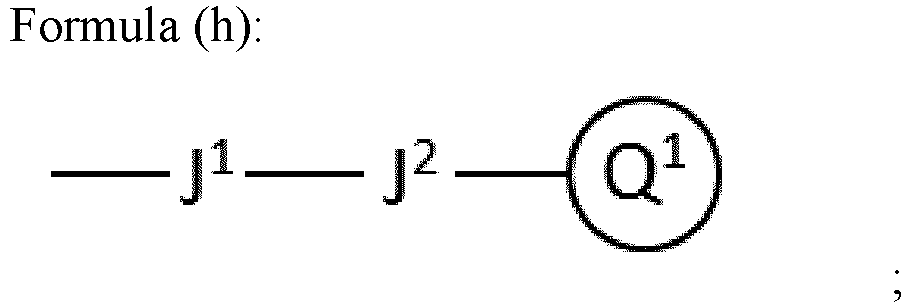


- wherein one of J, Q1, or J1, when present, is linked to the main scaffold;
- wherein each J, J1, J2, J3, and J4, when present, are independently selected from the group consisting of: a covalent bond, H, alkyl1-15, alkenyl1-6, alkynyl1-6, (CH2)0-6C(S)NH2, (CH2)0-6C(O)NH2, O, S, NH, (CH2)0-6C(O)NH(CH2)1-6, (CH2)0-6NHC(O)(CH2)1-6, alkylsulfonyl, sulfonamide, alkylsulfonamide, (CH2)0-6C(S)NH(CH2)1-6, (CH2)0-60(CH2)1-6, (CH2)0-6OH, (CH2)0-6S(CH2)1-6, (CH2)0-6SH, (CH2)0-6NH(CH2)1-6, (CH2)0-6N(CH2)1-6(CH2)1-6, (CH2)0-6NH2, (CH2)0-6SO2(CH2)1-6, (CH2)0-6NHSO2(CH2)1-6, (CH2)0-6SO2 NH2, halogen (e.g., F, Cl, Br, or I), haloalkyl (e.g., (CH2)0-6 CH2F, (CH2)0-3CHF(CH2)0-2CH3, or similar with Br, Cl, or I), dihaloalkyl (e.g., (CH2)0-6 CF2H, (CH2)0-3 CF2(CH2)0-2CH3, or similar with Br, Cl, or I), trihaloalkyl (e.g., (CH2)0-6 CF3, or similar with Br, Cl, or I), alkyl with 1-3 halogens at two or more positons along its length, (CH2)1-4SP(Ph)2=S, (CH2)0-6NH(CH2)1-5OH, (CH2)0-6NH(CH2)1-5NH2, (CH2)0-6NH(CH2)1-5SH, (CH2)0-6O(CH2)1-5OH, (CH2)0-6O(CH2)1-5NH2, (CH2)0-6O(CH2)1-5SH, (CH2)0-6S(CH2)1-5OH, (CH2)0-6S(CH2)1-5NH2, (CH2)0-6S(CH2)1-5SH, (CH2)0-6O(CH2)1-6NH(CH2)1-5OH, (CH2)0-6O(CH2)1-6NH(CH2)1-5NH2, (CH2)0-6O(CH2)1-6NH(CH2)1-5SH, (CH2)0-6O(CH2)1-6O(CH2)1-5OH, (CH2)0-6O(CH2)1-6O(CH2)1-5NH2, (CH2)0-6O(CH2)1-6O(CH2)1-5SH, (CH2)0-6O(CH2)1-6S(CH2)1-5OH, (CH2)0-6O(CH2)1-6S(CH2)1-5NH2, (CH2)0-6O(CH2)1-6S(CH2)1-5SH, (CH2)0-6S(CH2)1-6NH(CH2)1-5OH, (CH2)0-6S(CH2)1-6NH(CH2)1-5NH2, (CH2)0-6S(CH2)1-6NH(CH2)1-5SH, (CH2)0-6S(CH2)1-6O(CH2)1-5OH, (CH2)0-6S(CH2)1-6O(CH2)1-5NH2, (CH2)0-6S(CH2)1-6O(CH2)1-5SH, (CH2)0-6S(CH2)1-6S(CH2)1-5OH, (CH2)0-6S(CH2)1-6S(CH2)1-5NH2, (CH2)0-6S(CH2)1-6S(CH2)1-5SH, (CH2)0-6NH(CH2)1-6NH(CH2)1-5OH, (CH2)0-6NH(CH2)1-6NH(CH2)1-5NH2, (CH2)0-6NH(CH2)1-6NH(CH2)1-5SH, (CH2)0-6NH(CH2)1-6O(CH2)1-5OH, (CH2)0-6NH(CH2)1-6O(CH2)1-5NH2, (CH2)0-6NH(CH2)1-6O(CH2)1-5SH, (CH2)0-6NH(CH2)1-6S(CH2)1-5OH, (CH2)0-6NH(CH2)1-6S(CH2)1-5NH2, (CH2)0-6NH(CH2)1-6S(CH2)1-5SH, (CH2)0-3C(O)O(CH2)0-3, (CH2)0-3C(S)O(CH2)0-3, (CH2)0-3C(O)S(CH2)0-3, (CH2)0-3C(S)S(CH2)0-3, (CH2)0-3C(O)NH(CH2)0-3, (CH2)0-3C(S)NH(CH2)0-3, (CH2)0-3NHC(O)(CH2)0-3, (CH2)0-3NHC(S)(CH2)0-3, (CH2)0-30C(O)(CH2)0-3, CH2)0-3OC(S)(CH2)0-3, (CH2)0-3SC(O)(CH2)0-3, (CH2)0-3SC(S)(CH2)0-3, (CH2)0-3NHC(O)NH(CH2)0-3, (CH2)0-3NHC(S)NH(CH2)0-3, (CH2)0-3OC(O)NH(CH2)0-3, (CH2)0-3OC(S)NH(CH2)0-3, (CH2)0-3SC(O)NH(CH2)0-3, (CH2)0-3SC(S)NH(CH2)0-3, (CH2)0-3NHC(O)O(CH2)0-3, (CH2)0-3NHC(S)O(CH2)0-3, (CH2)0-3OC(O)O(CH2)0-3, (CH2)0-3OC(S)O(CH2)0-3, (CH2)0-3SC(O)O(CH2)0-3, (CH2)0-3SC(S)O(CH2)0-3, (CH2)0-3NHC(O)S(CH2)0-3, (CH2)0-3NHC(S)S(CH2)0-3, (CH2)0-3OC(O)S(CH2)0-3, (CH2)0-3OC(S)S(CH2)0-3, (CH2)0-3SC(O)S(CH2)0-3, (CH2)0-3SC(S)S(CH2)0-3, (CH2O)1-6, and trimethyl methane;
- wherein each Q, Q1, and Q2, when present, is independently selected from the group consisting of: furan, benzofuran, isobenzofuran, pyrrole, indole, isoindole, thiophene, benzothiophene, benzo[c]thiophene, imidazole, benzimidazole, purine, pyrazole, indazole, oxazole, benzooxazole, isoxazole, benzisoxazole, thiazole, benzothiazole, benzene, napthalene, pyridine, quinolone, isoquinoline, pyrazine, quinoxaline, pyrimidine, quinazoline, pyridazine, cinnoline, phthalazine, thalidomide, triazine (e.g., 1,2,3-triazine; 1,2,4-triazine; 1,3,5 triazine), thiadiazole, aziridine, thiirane (episulfides), oxirane (ethylene oxide, epoxides), oxaziridine, dioxirane, azetidine, oxetan, thietane, diazetidine, dioxetane, dithietane, pyrrolidine, tetrahydrofuran, thiolane, imidazolidine, pyrazolidine, oxazolidine, isoxazolidine, thiazolidine, isothiazolidine, dioxolane, dithiolane, piperidine, azetidine, oxane, thiane, pepierazine, morpholine, thiomorpholine, dioxane, dithiane, trioxane, thithiane, azepane, oxepane, thiepane, homopiperazine, azocane, tetrahydropyran, cyclobutene, cyclopentene, cyclohexene, cycloheptene, 1,3-cyclohexadiene, 1,4-cyclohexadiene, 1,5-cyclooctadiene, cyclopropyl, cyclobutyl, cyclopentyl, cyclohexyl, any suitable C3-C7 cycloalkyl group, and any of the ring structures depicted in Table 4;
- wherein each Q, Q1, and Q2, when present, may display one or more additional J groups at any position on the Q ring;
- wherein any alkyl or (CH2)x-y groups above may be straight or branched;
- wherein any alkyl or (CH2)x-y groups above may additionally comprise OH, =O, NH2, CN, dihaloalkyl (e.g., CF2H), trihaloalkyl (e.g., CF3), or halogen (e.g., F) substituents at one or more carbons; and
- wherein the number of hydrogens on terminal positions of the groups above may be adjusted if the group is linked to an additional group (e.g., CH3 adjusted to CH2, OH adjusted to O, etc.) or if the group is terminal (e.g., CH2 adjusted to CH3, O adjusted to OH, etc.).
- Provided herein are ASH1L-inhibitory compounds comprising a structure of Formula (IVb):

- wherein R1 is selected from H, alkyl, substituted alkyl, (e.g. halogen substituted alkyl), branched alkyl, a substituted brached alkyl (e.g. halogen substituted branched alkyl), alkoxy, amine, substituted amine, thioalkyl, ketone, amide, a substituted amide, cyano, sulfonyl, carboxy, dialkylphosphine oxide, a carbocyclic ring, s sustituted carobocyclic ring,an aromatic ring, a substituted aromatic ring, a heterocyclic aromatic ring, a substituted heterocyclic aromatic ring, a substituted or non-substituted heterocyclic non-aromatic ring (e.g. piperidine, methylpiperidine, bridged piperidine, tetrahydropyran, alkylsulfonyl substituted piperidine, sulfonamide substituted piperidine, 1-((trifluoromethyl)sulfonyl)piperidine, difluorocyclohexane, monofluorocyclohexane, cyclohexane, substituted difluorocyclohexane, bicyclooctane, cycloheptane), carbocyclic or heterocyclic aromatic ring fused to another aromatic ring, a hydrogen bond donor, a hydrogen bond acceptor, and combinations thereof; and
- wherein R6 is selected from H, alkyl, substituted alkyl, hydroxy, alkoxy, amine, substituted amine, alkylamine, substituted alkylamine, thioalkyl, halogen, ketone, amide, substituted amide, alkylamide, substituted alkylamide, cyano, sulfonyl, carboxy, dialkylphosphine oxide, a carbocyclic ring, a substituted carbocyclic ring, an aromatic ring, a substituted aromatic ring, a heterocyclic aromatic ring, a substituted heterocyclic aromatic ring, a substituted or non-substituted heterocyclic non-aromatic ring (e.g. azetidine), carbocyclic or heterocyclic aromatic ring fused to another aromatic ring, a hydrogen bond donor, a hydrogen bond acceptor, and combinations thereof.
- The R1 and/or R6 substituents may be independetly one of Formulas (a-q);


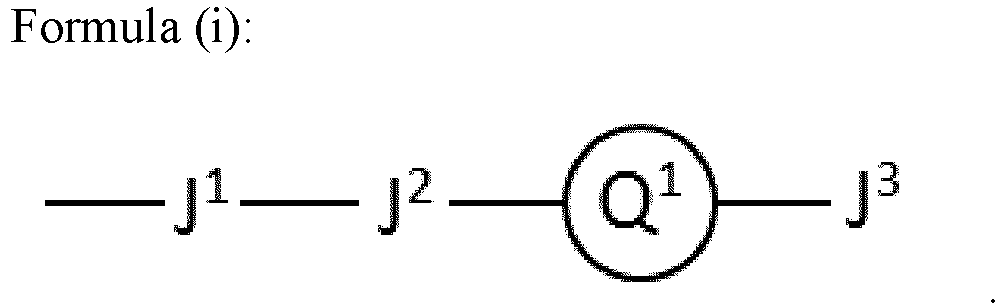


- wherein one of J, Q1, or J1, when present, is linked to the main scaffold;
- wherein each J, J1, J2, J3, and J4, when present, are independently selected from the group consisting of: a covalent bond, H, alkyl1-15, alkenyl1-6, alkynyl1-6, (CH2)0-6C(S)NH2, (CH2)0-6C(O)NH2, O, S, NH, (CH2)0-6C(O)NH(CH2)1-6, (CH2)0-6NHC(O)(CH2)1-6, alkylsulfonyl, sulfonamide, alkylsulfonamide, (CH2)0-6C(S)NH(CH2)1-6, (CH2)0-6O(CH2)1-6, (CH2)0-6OH, (CH2)0-6S(CH2)1-6, (CH2)0-6SH, (CH2)0-6NH(CH2)1-6, (CH2)0-6N(CH2)1-6(CH2)1-6, (CH2)0-6NH2, (CH2)0-6SO2(CH2)1-6, (CH2)0-6NHSO2(CH2)1-6, (CH2)0-6SO2 NH2, halogen (e.g., F, Cl, Br, or I), haloalkyl (e.g., (CH2)0-6 CH2F, (CH2)0-3CHF(CH2)0-2CH3, or similar with Br, Cl, or I), dihaloalkyl (e.g., (CH2)0-6 CF2H, (CH2)0-3 CF2(CH2)0-2CH3, or similar with Br, Cl, or I), trihaloalkyl (e.g., (CH2)0-6 CF3, or similar with Br, Cl, or I), alkyl with 1-3 halogens at two or more positons along its length, (CH2)1-4SP(Ph)2=S, (CH2)0-6NH(CH2)1-5OH, (CH2)0-6NH(CH2)1-5NH2, (CH2)0-6NH(CH2)1-5SH, (CH2)0-6O(CH2)1-5OH, (CH2)0-6O(CH2)1-5NH2, (CH2)0-6O(CH2)1-5SH, (CH2)0-6S(CH2)1-5OH, (CH2)0-6S(CH2)1-5NH2, (CH2)0-6S(CH2)1-5SH, (CH2)0-6O(CH2)1-6NH(CH2)1-5OH, (CH2)0-6O(CH2)1-6NH(CH2)1-5NH2, (CH2)0-6O(CH2)1-6NH(CH2)1-5SH, (CH2)0-6O(CH2)1-6O(CH2)1-5OH, (CH2)0-6O(CH2)1-6O(CH2)1-5NH2, (CH2)0-6O(CH2)1-6O(CH2)1-5SH, (CH2)0-6O(CH2)1-6S(CH2)1-5OH, (CH2)0-6O(CH2)1-6S(CH2)1-5NH2, (CH2)0-6O(CH2)1-6S(CH2)1-5SH, (CH2)0-6S(CH2)1-6NH(CH2)1-5OH, (CH2)0-6S(CH2)1-6NH(CH2)1-5NH2, (CH2)0-6S(CH2)1-6NH(CH2)1-5SH, (CH2)0-6S(CH2)1-6O(CH2)1-SOH, (CH2)0-6S(CH2)1-6O(CH2)1-5NH2, (CH2)0-6S(CH2)1-6O(CH2)1-5SH, (CH2)0-6S(CH2)1-6S(CH2)1-5OH, (CH2)0-6S(CH2)1-6S(CH2)1-5NH2, (CH2)0-6S(CH2)1-6S(CH2)1-5SH, (CH2)0-6NH(CH2)1-6NH(CH2)1-5OH, (CH2)0-6NH(CH2)1-6NH(CH2)1-5NH2, (CH2)0-6NH(CH2)1-6NH(CH2)1-5SH, (CH2)0-6NH(CH2)1-6O(CH2)1-5OH, (CH2)0-6NH(CH2)1-6O(CH2)1-5NH2, (CH2)0-6NH(CH2)1-6O(CH2)1-5SH, (CH2)0-6NH(CH2)1-6S(CH2)1-5OH, (CH2)0-6NH(CH2)1-6S(CH2)1-5NH2, (CH2)0-6NH(CH2)1-6S(CH2)1-5SH, (CH2)0-3C(O)O(CH2)0-3, (CH2)0-3C(S)O(CH2)0-3, (CH2)0-3C(O)S(CH2)0-3, (CH2)0-3C(S)S(CH2)0-3, (CH2)0-3C(O)NH(CH2)0-3, (CH2)0-3C(S)NH(CH2)0-3, (CH2)0-3NHC(O)(CH2)0-3, (CH2)0-3NHC(S)(CH2)0-3, (CH2)0-3OC(O)(CH2)0-3, (CH2)0-3OC(S)(CH2)0-3, (CH2)0-3SC(O)(CH2)0-3, (CH2)0-3SC(S)(CH2)0-3, (CH2)0-3NHC(O)NH(CH2)0-3, (CH2)0-3NHC(S)NH(CH2)0-3, (CH2)0-3OC(O)NH(CH2)0-3, (CH2)0-3OC(S)NH(CH2)0-3, (CH2)0-3SC(O)NH(CH2)0-3, (CH2)0-3SC(S)NH(CH2)0-3, (CH2)0-3NHC(O)O(CH2)0-3, (CH2)0-3NHC(S)O(CH2)0-3, (CH2)0-3OC(O)O(CH2)0-3, (CH2)0-3OC(S)O(CH2)0-3, (CH2)0-3SC(O)O(CH2)0-3, (CH2)0-3SC(S)O(CH2)0-3, (CH2)0-3NHC(O)S(CH2)0-3, (CH2)0-3NHC(S)S(CH2)0-3, (CH2)0-3OC(O)S(CH2)0-3, (CH2)0-3OC(S)S(CH2)0-3, (CH2)0-3SC(O)S(CH2)0-3, (CH2)0-3SC(S)S(CH2)0-3, (CH2O)1-6, and trimethyl methane;
- wherein each Q, Q1, and Q2, when present, is independently selected from the group consisting of: furan, benzofuran, isobenzofuran, pyrrole, indole, isoindole, thiophene, benzothiophene, benzo[c]thiophene, imidazole, benzimidazole, purine, pyrazole, indazole, oxazole, benzooxazole, isoxazole, benzisoxazole, thiazole, benzothiazole, benzene, napthalene, pyridine, quinolone, isoquinoline, pyrazine, quinoxaline, pyrimidine, quinazoline, pyridazine, cinnoline, phthalazine, thalidomide, triazine (e.g., 1,2,3-triazine; 1,2,4-triazine; 1,3,5 triazine), thiadiazole, aziridine, thiirane (episulfides), oxirane (ethylene oxide, epoxides), oxaziridine, dioxirane, azetidine, oxetan, thietane, diazetidine, dioxetane, dithietane, pyrrolidine, tetrahydrofuran, thiolane, imidazolidine, pyrazolidine, oxazolidine, isoxazolidine, thiazolidine, isothiazolidine, dioxolane, dithiolane, piperidine, azetidine, oxane, thiane, pepierazine, morpholine, thiomorpholine, dioxane, dithiane, trioxane, thithiane, azepane, oxepane, thiepane, homopiperazine, azocane, tetrahydropyran, cyclobutene, cyclopentene, cyclohexene, cycloheptene, 1,3-cyclohexadiene, 1,4-cyclohexadiene, 1,5-cyclooctadiene, cyclopropyl, cyclobutyl, cyclopentyl, cyclohexyl, any suitable C3-C7 cycloalkyl group, and any of the ring structures depicted in Table 4;
- wherein each Q, Q1, and Q2, when present, may display one or more additional J groups at any position on the Q ring;
- wherein any alkyl or (CH2)x-y groups above may be straight or branched;
- wherein any alkyl or (CH2)x-y groups above may additionally comprise OH, =O, NH2, CN, dihaloalkyl (e.g., CF2H), trihaloalkyl (e.g., CF3), or halogen (e.g., F) substituents at one or more carbons; and
- wherein the number of hydrogens on terminal positions of the groups above may be adjusted if the group is linked to an additional group (e.g., CH3 adjusted to CH2, OH adjusted to O, etc.) or if the group is terminal (e.g., CH2 adjusted to CH3, O adjusted to OH, etc.).
- R1 and R6 substituents of Formulas (IVa) and/or (IVb) may be independently any of the substituent groups present on Compoonds 21-85, as depicted in Table 9, without being limited to the positions of the substituents on Compounds 21-85.
- The compound may be selected from the compounds depicted in Table 9 (e.g., Compounds 21-85).
- Provided herein are compounds defined by one of Formulas (IVa) and (IVb), but wherein the benzothioamide (or benzoamide) is linked to the benzene portion of the indole bicyclic structure rather than the pyrole portion (as is depicted in Formulas (IVa) and (IVb)). For example, for any Formula (e.g., Formulas (IVa) and (IVb)) or compound (e.g., Compounds 21-85) described herein as having benzothioamide-pyrole or benzoamide-pyrole ring connectivity, such as:

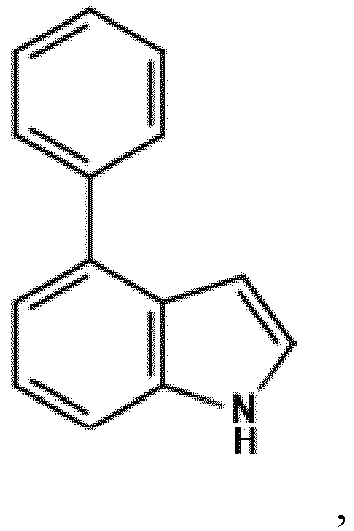

any substituents, compounds, etc. described herein in connection with Formula (IVb) may also be provided herein related to Formula (IVd):
- Compounds 86-150 correspond to compounds 21-85 but with the the benzothioamide (or benzoamide) is linked to the benzene portion of the indole bicyclic structure rather than the pyrole portion. For example, compound 86 corresponds to compound 21, but with the benzothioamide (or benzoamide) linked to the benzene portion of the indole bicyclic structure rather than the pyrole portion; compound 87 corresponds to compound 22, but with the benzothioamide (or benzoamide) is linked to the benzene portion of the indole bicyclic structure rather than the pyrole portion; compound 88 corresponds to compound 23, but with the benzothioamide (or benzoamide) is linked to the benzene portion of the indole bicyclic structure rather than the pyrole portion; etc.
- Provided herein are pharmaceutical compositions comprising a compound described herein and a pharmaceutically acceptable carrier. IThe pharmaceutical composition may be formulated for oral administration, injection, or any other suitable route of administration.
- Provided herein are methods of inhibiting the activity of ASH1L, comprising contacting ASH1L with an effective amount of a compound described herein.
- Provided herein are methods of treating a disease, comprising administering to a subject a pharmaceutical composition described herein in an amount effective to inhibit the activity of ASH1L. The disease may be a cancer. The disease may be a proliferative disorder. The pharmaceutical composition may be co-administered with an additional cancer therapeutic. The subject may be a human.
- Provided herein is the use of a compound described herein. Provided herein is the use of a compound described herein for inhibiting ASH1L activity. Provided herein is the use of a compound described herein for the treatment of a disease (e.g., cancer).
-
-
Figure 1 .Compound 37 inhibits enzymatic activity of ASH1L. IC50 value measured in histone methyltransferase (HMT) assay (IC50 = 0.75 µM) -
Figure 2 , Panels A-C. Panel A. MTT assay showing growth inhibition of MLL leukemia cells: MOLM13 and KOPN8 byCompound 22 after 14 days of treatment. K562 (CML cell line) represents a negative control cell line.Panel B. Compound 34 inhibits proliferation of MLL leukemia cell lines (MV4;11, SEM, KOPN8, MOLM13) but not control cell line K562. GI50 values measured in MTT cell viability assay after 14 days of treatment withCompound 34.Panel C. Compound 22 induces differentiation in MV4;11 cells after 7 days of treatment, -
Figure 3 .Compound 22 downregulates expression of MLL fusion target genes (HOXA genes, MEIS1, MEF2C) and increase the expression level of MNDA differentiation marker in a dose-dependent manner. -
Figure 4 .Compound 22 is not toxic to normal human hematopoietic hCD34+ cells. -
Figure 5 , Panels A-B.Compound 59 slows down leukemia progression in vivo in MV4;11 xenotransplantation mouse models of MLL leukemia. Panel A. Quantification of bioluminescence level in mice upon 7 days of treatment with Compound 59 (40 mg/kg, i.p., q.d.) or vehicle (n = 6-7 mice per group). Panel B. Flow cytometry analysis of hCD45+ cells in spleen of MV4;11 mice after 21 days of treatment with Compound 59 (25 mg/kg, i.p., b.i.d.) or vehicle (n = 6-7) demonstrating thatCompound 59 inhibits leukemia progression in mice. - Unless otherwise defined, all technical and scientific terms used herein have the same meaning as commonly understood by one of ordinary skill in the art to which this invention belongs. However, in case of conflict, the present specification, including definitions, will control. Accordingly, in the context of the description, the following definitions apply.
- As used herein and in the appended claims, the singular forms "a", "an" and "the" include plural reference unless the context clearly dictates otherwise. Thus, for example, reference to "a ASH1L inhibitor" is a reference to one or more ASH1L inhibitors and equivalents thereof known to those skilled in the art, and so forth.
- As used herein, the term "comprise" and linguistic variations thereof denote the presence of recited feature(s), element(s), method step(s), etc. without the exclusion of the presence of additional feature(s), element(s), method step(s), etc. Conversely, the term "consisting of" and linguistic variations thereof, denotes the presence of recited feature(s), element(s), method step(s), etc. and excludes any unrecited feature(s), element(s), method step(s), etc., except for ordinarily-associated impurities. The phrase "consisting essentially of" denotes the recited feature(s), element(s), method step(s), etc. and any additional feature(s), element(s), method step(s), etc. that do not materially affect the basic nature of the composition, system, or method. Many examples herein are described using open "comprising" language. Such examples encompass multiple closed "consisting of" and/or "consisting essentially of" examples, which may alternatively be claimed or described using such language.
- All chemical names of substituents should be interpreted in light of IUPAC and/or a modified format in which functional groups within a substituent are read in the order in which they branch from the scaffold or main structure. For example, in the modified nomenclature, methyl-sulfonyl-propanol refers to CH2SO2CH2CH2CH2OH or:

- As another example, according to the modified nomenclature, a methyl-amine substituent is:


- All chemical names of substituents should be interpreted in light of IUPAC and/or the modified nomenclature and with reference to the chemical structures depicted and/or described herein.
- As used herein, the term "subject" broadly refers to any animal, including but not limited to, human and non-human animals (e.g., dogs, cats, cows, horses, sheep, poultry, fish, crustaceans, etc.). As used herein, the term "patient" typically refers to a subject that is being treated for a disease or condition.
- As used herein, the term "subject at risk for a disease," for example, "a subject at risk for cancer" refers to a subject with one or more risk factors for developing the disease (e.g., cancer). Depending upon the specific disease, risk factors may include, but are not limited to, gender, age, genetic predisposition, environmental exposures, infections, and previous incidents of diseases, lifestyle, etc.
- As used herein, the term "effective amount" refers to the amount of a composition sufficient to effect beneficial or desired results. An effective amount can be administered in one or more administrations, applications or dosages and is not intended to be limited to a particular formulation or administration route.
- As used herein, the terms "administration" and "administering" refer to the act of giving a drug, prodrug, or other agent, or therapeutic treatment to a subject or in vivo, in vitro, or ex vivo cells, tissues, and organs. Exemplary routes of administration to the human body can be through space under the arachnoid membrane of the brain or spinal cord (intrathecal), the eyes (ophthalmic), mouth (oral), skin (topical or transdermal), nose (nasal), lungs (inhalant), oral mucosa (buccal), ear, rectal, vaginal, by injection (e.g., intravenously, subcutaneously, intratumorally, intraperitoneally, etc.) and the like.
- As used herein, the terms "co-administration" and "co-administering" refer to the administration of at least two agent(s) (e.g., ASH1L inhibitor and one or more additional therapeutics) or therapies to a subject. The co-administration of two or more agents or therapies may be concurrent. A first agent/therapy may be administered prior to a second agent/therapy. Those of skill in the art understand that the formulations and/or routes of administration of the various agents or therapies used may vary. The appropriate dosage for co-administration can be readily determined by one skilled in the art. When agents or therapies are co-administered, the respective agents or therapies may be administered at lower dosages than appropriate for their administration alone. Thus, co-administration is especially where the co-administration of the agents or therapies lowers the requisite dosage of a potentially harmful (e.g., toxic) agent(s), and/or when co-administration of two or more agents results in sensitization of a subject to beneficial effects of one of the agents via co-administration of the other agent.
- As used herein, the term "pharmaceutical composition" refers to the combination of an active agent with a carrier, inert or active, making the composition especially suitable for diagnostic or therapeutic use in vitro, in vivo or ex vivo.
- The terms "pharmaceutically acceptable" or "pharmacologically acceptable," as used herein, refer to compositions that do not substantially produce adverse reactions, e.g., toxic, allergic, or immunological reactions, when administered to a subject.
- As used herein, the term "pharmaceutically acceptable carrier" refers to any of the standard pharmaceutical carriers including, but not limited to, phosphate buffered saline solution, water, emulsions (e.g., such as an oil/water or water/oil emulsions), and various types of wetting agents, any and all solvents, dispersion media, coatings, sodium lauryl sulfate, isotonic and absorption delaying agents, disintigrants (e.g., potato starch or sodium starch glycolate), and the like. The compositions also can include stabilizers and preservatives. For examples of carriers, stabilizers and adjuvants, see, e.g., Martin, Remington's Pharmaceutical Sciences, 15th Ed., Mack Publ. Co., Easton, Pa. (1975).
- As used herein, the term "pharmaceutically acceptable salt" refers to any pharmaceutically acceptable salt (e.g., acid or base) of a compound of the present invention which, upon administration to a subject, is capable of providing a compound of this invention or an active metabolite or residue thereof. As is known to those of skill in the art, "salts" of the compounds of the present invention may be derived from inorganic or organic acids and bases. Examples of acids include, but are not limited to, hydrochloric, hydrobromic, sulfuric, nitric, perchloric, fumaric, maleic, phosphoric, glycolic, lactic, salicylic, succinic, toluene-p-sulfonic, tartaric, acetic, citric, methanesulfonic, ethanesulfonic, formic, benzoic, malonic, naphthalene-2-sulfonic, benzenesulfonic acid, and the like. Other acids, such as oxalic, while not in themselves pharmaceutically acceptable, may be employed in the preparation of salts useful as intermediates in obtaining the compounds of the invention and their pharmaceutically acceptable acid addition salts.
- Examples of bases include, but are not limited to, alkali metals (e.g., sodium) hydroxides, alkaline earth metals (e.g., magnesium), hydroxides, ammonia, and compounds of formula NW4 +, wherein W is C1-4 alkyl, and the like.
- Examples of salts include, but are not limited to: acetate, adipate, alginate, aspartate, benzoate, benzenesulfonate, bisulfate, butyrate, citrate, camphorate, camphorsulfonate, cyclopentanepropionate, digluconate, dodecylsulfate, ethanesulfonate, fumarate, flucoheptanoate, glycerophosphate, hemisulfate, heptanoate, hexanoate, hydrochloride, hydrobromide, hydroiodide, 2-hydroxyethanesulfonate, lactate, maleate, methanesulfonate, 2-naphthalenesulfonate, nicotinate, oxalate, palmoate, pectinate, persulfate, phenylpropionate, picrate, pivalate, propionate, succinate, tartrate, thiocyanate, tosylate, undecanoate, and the like. Other examples of salts include anions of the compounds of the present invention compounded with a suitable cation such as Na+, NH4 +, and NW4 + (wherein W is a C1-4 alkyl group), and the like.
- For therapeutic use, salts of the compounds herein are contemplated as being pharmaceutically acceptable. However, salts of acids and bases that are non-pharmaceutically acceptable may also find use, for example, in the preparation or purification of a pharmaceutically acceptable compound.
- As used herein, the term "instructions for administering said compound to a subject," and grammatical equivalents thereof, includes instructions for using the compositions contained in a kit for the treatment of conditions (e.g., providing dosing, route of administration, decision trees for treating physicians for correlating patient-specific characteristics with therapeutic courses of action).
- "Amino" refers to the -NH2 moiety.
- "Carbonyl" refers to a moiety of the formula -C(=O)-.
- "Carboxy" or "carboxyl" refers to the -CO2H moiety.
- "Cyano" refers to the -CN moiety.
- Hydroxy" or "hydroxyl" refers to the -OH moiety.
- Imino" refers to the =NH moiety. Unless stated otherwise specifically in the specification, an imino group is optionally substituted.
- "Nitro" refers to the -NO2 moiety.
- "Oxo" refers to the =O moiety.
- "Thioxo" refers to the =S moiety.
- "Acyl" refers to the group -C(=O)Ra, where Ra is selected from the group consisting of alkyl, cycloalkyl, aryl, heteroaryl (bonded through a ring carbon), heteroalkyl, and heterocyclylalkyl. Unless stated otherwise specifically in the specification, an acyl group is optionally substituted.
- "Alkoxy" refers to a moiety of the formula -ORa where Ra is an alkyl group as defined herein containing one to twelve carbon atoms. Unless stated otherwise specifically in the specification, an alkoxy group is optionally substituted.
- "Alkylamino" refers to a moiety of the formula -NHRa or -NRaRb where Ra and Rb are each independently an alkyl group as defined herein containing one to twelve carbon atoms. Unless stated otherwise specifically in the specification, an alkylamino group is optionally substituted.
- "Alkylaminoalkyl" refers to an alkyl moiety comprising at least one alkylamino substituent. The alkylamino substituent can be on a tertiary, secondary or primary carbon. Unless stated otherwise specifically in the specification, an alkylaminoalkyl group is optionally substituted.
- "Amide" or "amido" refers to a moiety with formula -C(=O)NRaRb or -NRaC(=O) Rb, where Ra and Rb are each independently selected from the group consisting of hydrogen, alkyl, cycloalkyl, aryl, heteroaryl (bonded through a ring carbon), heteroalkyl, and heterocyclylalkyl, each of which moiety may itself be optionally substituted. It may be a C1-C4 amido or amide group, which includes the amide carbonyl in the total number of carbons in the group. The RaRb of -NRaRb of the amide may optionally be taken together with the nitrogen to which it is attached to form a 4-, 5-, 6-, or 7-membered ring. Unless stated otherwise specifically in the specification, an amido group is optionally substituted.
- "Aminoalkyl" refers to an alkyl moiety comprising at least one amino substituent. The amino substituent can be on a tertiary, secondary or primary carbon. Unless stated otherwise specifically in the specification, an aminoalkyl group is optionally substituted.
- "Aminocarbonyl" refers to an amide moiety of the formula -C(=O)NRaRb, where Ra and Rb are each independently H or alkyl. Unless stated otherwise specifically in the specification, an aminocarbonyl group is optionally substituted.
- "Aryl" refers to a hydrocarbon ring system moiety comprising 6 to 18 carbon atoms and at least one aromatic ring. For purposes of this invention, the aryl moiety is a monocyclic, bicyclic, tricyclic, or tetracyclic ring system, which may include fused or bridged ring systems. Aryl moieties include, but are not limited to, aceanthrylene, acenaphthylene, acephenanthrylene, anthracene, azulene, benzene, chrysene, fluoranthene, fluorene, as-indacene, s-indacene, indane, indene, naphthalene, phenalene, phenanthrene, pleiadene, pyrene, and triphenylene. Unless stated otherwise specifically in the specification, the term "aryl" or the prefix "ar-"(such as in "aralkyl") is meant to include aryl groups that are optionally substituted.
- "Aralkyl" refers to a moiety of the formula -Rb-Rc where Rb is an alkylene chain as defined herein and Rc is one or more aryl moieties as defined herein, for example, benzyl, diphenylmethyl, and the like. Unless stated otherwise specifically in the specification, an aralkyl group is optionally substituted.
- "Aralkylamino" refers to a aralkyl-NRa- moiety, where Ra is H or alkyl. Unless stated otherwise specifically in the specification, an aralkylamino is optionally substituted.
- "Aralkyloxy" refers to an aralkyl-O- moiety. Unless stated otherwise specifically in the specification, an aralkyloxy is optionally substituted.
- "Arylamino" refers to a -NRa-aryl moiety, where Ra is H or alkyl. Unless stated otherwise specifically in the specification, an arylamino is optionally substituted.
- "Aryloxy" refers to an -O-aryl moiety. Unless stated otherwise specifically in the specification, an aryloxy is optionally substituted.
- "Bicycloalkyl" refers to a moiety with two cycloalkyl moieties, that have two or more atoms in common. If the cycloalkyl moieties have exactly two adjacent atoms in common they are said to be "fused". Examples include, but are not limited to, bicyclo[3.1.0]hexyl, perhydronaphthyl, and the like. If the cycloalkyl moieties have more than two atoms in common they are said to be "bridged". Examples include, but are not limited to, adamantyl, bicyclo[3.2.1]heptyl ("norbomyl"), bicyclo[2.2.2]octyl, and the like. Unless stated otherwise specifically in the specification, a bicycloalkyl is optionally substituted.
- "Carboxyalkyl" refers to a moiety of the formula -Rb-Rc where Rb is an alkylene chain as defined herein and Rc is a carboxy group as defined herein. Unless stated otherwise specifically in the specification, carboxyalkyl group is optionally substituted.
- "Cyanoalkyl" refers to a moiety of the formula -Rb-Rc where Rb is an alkylene chain as defined herein and Rc is a cyano group as defined herein. Unless stated otherwise specifically in the specification, a cyanoalkyl group is optionally substituted.
- "Carbocycle" or "carbocyclic ring" refers to a saturated or unsaturated, non-aromatic, monocyclic or polycyclic hydrocarbon moiety, which may include fused or bridged ring systems, having from three to fifteen carbon atoms, preferably having from three to ten carbon atoms, including cycloalkyls, cycloalkenyls, etc. "Monocyclic cycloalkyl moieties include, for example, cyclopropyl, cyclobutyl, cyclopentyl, cyclopentenyl, cyclohexyl, cyclohexenyl, cycloheptyl, and cyclooctyl. Polycyclic cycloalkyl moieties include, for example, adamantyl, norbornyl, decalinyl, 7,7-dimethyl-bicyclo[2.2.1]heptanyl, and the like. A "cycloalkenyl" is a cycloalkyl comprising one or more carbon-carbon double bonds within the ring, such as cyclopentenyl and cyclohexenyl. Unless otherwise stated specifically in the specification, a cycloalkyl group is optionally substituted.
- "Cycloalkylalkyl" refers to a moiety of the formula -RbRd where Rb is an alkylene chain as defined herein and Rd is a cycloalkyl moiety as defined herein. Unless stated otherwise specifically in the specification, a cycloalkylalkyl group is optionally substituted.
- "Cycloalkylalkylamino" refers to a cycloalkylalkyl-NRa- moiety, where Ra is H or alkyl and where the cycloalkylalkyl moiety is attached via a carbon atom to nitrogen, wherein the nitrogen functions as a linker to attach the moiety to the remainder of the molecule. Unless stated otherwise specifically in the specification, a cycloalkylalkylamino is optionally substituted.
- "Cycloalkylalkyloxy" refers to a -O-cycloalkylalkyl moiety, where the cycloalkylalkyl moiety is attached via a carbon atom to oxygen, wherein the oxygen functions as a linker to attach the moiety to the remainder of the molecule. Unless stated otherwise specifically in the specification, a cycloalkylalkyloxy is optionally substituted.
- "Cycloalkylamino" refers to a -NRa-cycloalkyl moiety, where Ra is H or alkyl. Unless stated otherwise specifically in the specification, a cycloalkylamino is optionally substituted.
- "Cycloalkyloxy" refers to an -O-cycloalkyl moiety. Unless stated otherwise specifically in the specification, a cycloalkyloxy is optionally substituted.
- "Halo" or "halogen" refers to fluoro, chloro, bromo, or iodo.
- "Haloalkyl" refers to an alkyl group, as defined herein, that is substituted by one or more halo atoms, as defined herein, e.g., trifluoromethyl, difluoromethyl, fluoromethyl, trichloromethyl, -CH2CF3, -CH2CHF2, -CH2CH2F, -CHFCF3, -CHFCHF2, -CHFCH2F, - CHFCH3, -CF2CF3, -CF2CHF2, -CF2CH2F, -CF2CH3, -CH2CF2CH3, -CH2CHFCH3, 3-bromo-2-fluoropropyl, 1,2-dibromoethyl, and the like. Unless stated otherwise specifically in the specification, a haloalkyl group is optionally substituted.
- As used herein, the term "heteroatom" or "ring heteroatom" is meant to include any element other than carbon or hydrogen. Preferred heteroatoms are oxygen (O), nitrogen (N), sulfur (S), and phosphorus (P).
- "Heteroalkyl," by itself or in combination with another term, means, unless otherwise stated, a straight or branched chain; monocyclic or polycyclic moiety, which may include fused or bridged ring systems; or any combination thereof, comprising at least one carbon atom and at least one heteroatom, such as O, N, P, Si and S, wherein one or more heteroatoms may be oxidized. Heteroatom(s) may be positioned within the alkyl moiety, e.g., -CH2-O-CH2-; at a point of connectivity with the remainder of the molecule, e.g., - SO2CH(CH3)CH2-; or a combination thereof, e.g., -NH2CH2CH2SO2CH2-. Unless stated otherwise specifically in the specification, a heteroalkyl group is optionally substituted.
- "Heteroaryl" refers to a 5- to 14-membered ring system moiety comprising one to thirteen carbon atoms; one to six heteroatoms such as nitrogen, oxygen, and sulfur; and one or multiple rings wherein at least one ring is aromatic. For purposes of this invention, the heteroaryl group may be a monocyclic, bicyclic, tricyclic, or tetracyclic ring system, which may include fused or bridged ring systems and one or more heteroatoms may be oxidized. Examples include, but are not limited to, azepinyl, acridinyl, benzimidazolyl, benzothiazolyl, benzindolyl, benzodioxolyl, benzofuranyl, benzooxazolyl, benzothiazolyl, benzothiadiazolyl, benzo[b][1,4]dioxepinyl, 1,4-benzodioxanyl, benzonaphthofuranyl, benzoxazolyl, benzodioxolyl, benzodioxinyl, benzopyranyl, benzopyranonyl, benzofuranyl, benzofuranonyl, benzothienyl (benzothiophenyl), benzotriazolyl, benzo[4,6]imidazo[1,2-a]pyridinyl, carbazolyl, cinnolinyl, dibenzofuranyl, dibenzothiophenyl, furanyl, furanonyl, isothiazolyl, imidazolyl, indazolyl, indolyl, indazolyl, isoindolyl, indolinyl, isoindolinyl, isoquinolyl, indolizinyl, isoxazolyl, naphthyridinyl, oxadiazolyl, 2-oxoazepinyl, oxazolyl, oxiranyl, 1-oxidopyridinyl, 1-oxidopyrimidinyl, 1-oxidopyrazinyl, 1-oxidopyridazinyl, 1-phenyl-1H-pyrrolyl, phenazinyl, phenothiazinyl, phenoxazinyl, phthalazinyl, pteridinyl, purinyl, pyrrolyl, pyrazolyl, pyridinyl, pyrazinyl, pyrimidinyl, pyridazinyl, quinazolinyl, quinoxalinyl, quinolinyl, quinuclidinyl, isoquinolinyl, tetrahydroquinolinyl, thiazolyl, thiadiazolyl, triazolyl, tetrazolyl, triazinyl, and thiophenyl (i.e., thienyl). Unless stated otherwise specifically in the specification, a heteroaryl group is optionally substituted.
- "Heteroarylalkyl" refers to a moiety of the formula -RbRf where Rb is an alkylene chain as defined herein and Rf is a heteroaryl group as defined herein. Unless stated otherwise specifically in the specification, a heteroarylalkyl group is optionally substituted.
- "Heteroarylalkylamino" refers to a heteroarylalkyl-NRa- moiety, where Ra is H or alkyl. Unless stated otherwise specifically in the specification, an heteroarylalkylamino is optionally substituted.
- "Heteroarylalkyloxy" refers to an heteroarylalkyl-O- moiety. Unless stated otherwise specifically in the specification, a heteroarylalkyloxy is optionally substituted.
- "Heteroarylamino" refers to a -NRa-heteroaryl moiety, where Ra is H or alkyl. Unless stated otherwise specifically in the specification, a heteroarylamino is optionally substituted.
- "Heteroaryloxy" refers to an -O-heteroaryl moiety. Unless stated otherwise specifically in the specification, an heteroaryloxy is optionally substituted.
- "Heterobicycloalkyl" refers to a bicycloalkyl structurein which at least one carbon ring atom is replaced with a heteroatom such as oxygen, nitrogen, and sulfur. Unless stated otherwise specifically in the specification, a heterobicycloalkyl is optionally substituted.
- "Heterocyclyl" or "heterocyclic ring" refers to a 3- to 18-membered non-aromatic ring which consists of two to twelve carbon atoms and from one to six heteroatoms such as nitrogen, oxygen, and sulfur. Unless stated otherwise specifically in the specification, the heterocyclyl group is a monocyclic, bicyclic, tricyclic, or tetracyclic ring system, which may include fused or bridged ring systems; the heteroatoms may be optionally oxidized; and the heterocyclyl may be unsaturated or saturated. Examples of such heterocyclyl moieties include, but are not limited to, dioxolanyl, thienyl[1,3]dithianyl, decahydroisoquinolyl, imidazolinyl, imidazolidinyl, isothiazolidinyl, isoxazolidinyl, morpholinyl, octahydroindolyl, octahydroisoindolyl, 2-oxopiperazinyl, 2-oxopiperidinyl, 2-oxopyrrolidinyl, oxazolidinyl, piperidinyl, piperazinyl, 4-piperidonyl, pyrrolidinyl, pyrazolidinyl, quinuclidinyl, thiazolidinyl, tetrahydrofuryl, trithianyl, tetrahydropyranyl, thiomorpholinyl, thiamorpholinyl, 1-oxo-thiomorpholinyl, and 1,1-dioxo-thiomorpholinyl. Unless stated otherwise specifically in the specification, a heterocyclyl group is optionally substituted.
- "Heterocyclylalkyl" or "heterocycloalkyl" refers to a moiety of the formula -RbRe where Rb is an alkylene chain as defined herein and Re is a heterocyclyl moiety as defined herein, and if the heterocyclyl is a nitrogen-containing heterocyclyl, the heterocyclyl is optionally attached to the alkyl moiety at the nitrogen atom. Unless stated otherwise specifically in the specification, a heterocyclylalkyl group is optionally substituted.
- "Heterocyclylalkylamino" refers to a heterocyclylalkyl-NRa- moiety, where Ra is H or alkyl and where the heterocyclylalkyl moiety is attached via a carbon atom to nitrogen, wherein the nitrogen functions as a linker to attach the moiety to the remainder of the molecule. Unless stated otherwise specifically in the specification, a heterocyclylalkylamino is optionally substituted.
- "Heterocyclylalkyloxy" refers to a -O-heterocycloalkyl moiety, where the heterocyclylalkyl moiety is attached via a carbon atom to oxygen, wherein the oxygen functions as a linker to attach the moiety to the remainder of the molecule. Unless stated otherwise specifically in the specification, a heterocyclylalkyloxy is optionally substituted.
- "Heterocyclylamino" refers to a -NRa-heterocyclyl moiety, where Ra is H or alkyl and where the heterocyclyl moiety is attached via a carbon atom to nitrogen, wherein the nitrogen functions as a linker to attach the moiety to the remainder of the molecule. Unless stated otherwise specifically in the specification, a heterocyclylamino is optionally substituted.
- "Heterocyclyloxy" refers to an -O-heterocyclyl moiety, where the heterocyclyl moiety is attached via a carbon atom to oxygen, wherein the oxygen functions as a linker to attach the moiety to the remainder of the molecule. Unless stated otherwise specifically in the specification, a heterocyclyloxy is optionally substituted.
- "Hydroxyalkyl" or "hydroxylalkyl" refers to an alkyl group comprising at least one hydroxyl substituent. The -OH substituent may be on a primary, secondary, or tertiary carbon. Unless stated otherwise specifically in the specification, a hydroxylalkyl group is optionally substituted.
- "N-heteroaryl" refers to a heteroaryl moiety as defined herein containing at least one nitrogen and where the point of attachment of the heteroaryl moiety to the rest of the molecule is through a nitrogen atom in the heteroaryl ring. Unless stated otherwise specifically in the specification, an N-heteroaryl group is optionally substituted.
- "N-heterocyclyl" refers to a heterocyclyl moiety as defined herein containing at least one nitrogen and where the point of attachment of the heterocyclyl moiety to the rest of the molecule is through a nitrogen atom in the heterocyclyl ring. Unless stated otherwise specifically in the specification, a N-heterocyclyl group is optionally substituted.
- "Thioalkyl" refers to a moiety of the formula -SRa where Ra is an alkyl moiety as defined herein containing one to twelve carbon atoms. Unless stated otherwise specifically in the specification, a thioalkyl group is optionally substituted.
- "Alkylenecarbonyl" refers to a moiety of the formula -C(=O)Ra-, where Ra is an alkylene chain as defined herein. Unless stated otherwise specifically in the specification, an alkylenecarbonyl is optionally substituted.
- "Alkenylene" is an unsaturated alkylene, as defined herein, which comprises one or more carbon-carbon double bonds. Unless stated otherwise specifically in the specification, an alkenylene is optionally substituted.
- "Alkenylenecarbonyl" refers to an unsaturated alkylenecarbonyl, as defined herein, which comprises one or more carbon-carbon double bonds. Unless stated otherwise specifically in the specification, an alkenylenecarbonyl is optionally substituted.
- "Arylene" refers to a divalent aryl group which links one part of the molecule to another part of the molecule. Unless stated specifically otherwise, an arylene is optionally substituted.
- "Heteroalkylene" refers to an alkylene group comprising at least one heteroatom (e.g., N, O or S). The heteroatom may be within the alkylene chain (i.e., the heteroalkylene comprises at least one carbon-heteroatom-carbon bond). The heteroatom may be at a terminus of the alkylene and joins the alkylene to the remainder of the molecule (e.g., M1-HA-M2, where M1 and M2 are portions of a molecule, H is a heteroatom and A is an alkylene). A heteroalkylene may have both internal and terminal heteroatoms, e.g., -OCH2CH2OCH2CH2O-.Unless stated otherwise specifically in the specification, a heteroalkylene is optionally substituted.
- "Heteroalkylenecarbonyl" refers to a moiety of the formula -C(=O)Ra-, where Ra is a heteroalkylene chain as defined herein. Unless stated otherwise specifically in the specification, a heteroalkylenecarbonyl is optionally substituted.
- "Heteroarylene" refers to a divalent heteroaryl group which links one part of the molecule to another part of the molecule. Unless stated specifically otherwise, a heteroarylene is optionally substituted.
- "Heteroarylenecarbonyl" refers to a moiety of the formula -C(=O)Ra-, wherein Ra is a heteroarylene as defined herein. Unless stated specifically otherwise, a heteroarylenecarbonyl is optionally substituted.
- "Heterocyclylalkylene" refers to a divalent heterocyclyl group which links one part of the molecule to another part of the molecule. Unless stated specifically otherwise, a heterocycloalkylene is optionally substituted.
- "Heterocyclylalkylenecarbonyl" refers to a moiety of the formula -C(=O)Ra-, wherein Ra is a heterocycloalkylene as defined herein. Unless stated specifically otherwise, a heterocycloalkylenecarbonyl is optionally substituted.
- The term "substituted" used herein refers to replacement of at least one hydrogen atom with any of the above groups (e.g., amino, carboxy, hydroxyl, imino, acyl, alkyl, alkoxy, alkylamino, alkylaminoalkyl, amide, aminoalkyl, aminocarbonyl, aryl, aralkyl, aralkylamino, aralkyloxy, arylamino, aryloxy, bicycloalkyl, carboxyalkyl, cyanoalkyl, cycloalkyl, cycloalkylalkyl, cycloalkylalkylamino, cycloalkylalkyloxy, cycloalkylamino, cycloalkyloxy, halo, haloalkyl, heteroatom, heteroalkyl, heteroaryl, heteroarylalkyl, heteroarylalkylamino, heteroarylalkyloxy, heteroarylamino, heteroaryloxy, heterobicycloalkyl, heterocyclyl, heterocyclylalkyl, heterocyclylalkylamino, heterocyclylalkyloxy, heterocyclylamino, heterocyclyloxy, hydroxyalkyl, N-heteroaryl, N-heterocyclyl, thioalkyl, alkylene, alkylenecarbonyl, alkenylene, alkenylenecarbonyl, arylene, heteroalkylene, heteroalkylenecarbonyl, heteroarylene, heteroarylenecarbonyl, heterocyclylalkylene, and/or heterocyclylalkylenecarbonyl), wherein the at least one hydrogen atom is replaced by a bond to a non-hydrogen atom such as, but not limited to: a halogen atom such as F, Cl, Br, and I; an oxygen atom in groups such as hydroxyl groups, alkoxy groups, and ester groups; a sulfur atom in groups such as thiol groups, thioalkyl groups, sulfone groups such as alkyl sulfone groups, sulfonyl groups such as sulfonamide groups and sulfonylalkyl groups such as sulfonylmethane, and sulfoxide groups such as alkyl sulfoxide groups; a nitrogen atom in groups such as amino, amines, amides, alkylamines, dialkylamines, arylamines, alkylarylamines, diarylamines, N-oxides, imides, and enamines; a silicon atom in groups such as trialkylsilyl groups, dialkylarylsilyl groups, alkyldiarylsilyl groups, and triarylsilyl groups; a phosphorus atom in groups such as dialkylphosphine oxide groups; and other heteroatoms in various other groups. "Substituted" also means any of the above groups in which one or more hydrogen atoms are replaced by a higher-order bond (e.g., a double- or triple-bond) to a carbon atom or a heteroatom such as oxygen in oxo, carbonyl, carboxyl, and ester groups; and nitrogen in groups such as imines, oximes, hydrazones, and nitriles. "Substituted" includes any of the above groups in which one or more hydrogen atoms are replaced with -NRgRh, -NRgC(=O)Rh, -NRgC(=O)NRgRh, -NRgC(=O)ORh, -NRgSO2Rh, -OC(=O)NRgRh, -ORg, -SRg, -SORg, -SO2Rg, -OSO2Rg, -SO2ORg, =NSO2Rg, -SO2NRgRh, -C(=O)Rg, -C(=O)ORg, -C(=O)NRgRh, -CH2SO2Rg, or -CH2SO2NRgRh, where Rg and Rh are independently hydrogen, alkyl, alkoxy, alkylamino, thioalkyl, aryl, aralkyl, cycloalkyl, cycloalkylalkyl, haloalkyl, heteroalkyl, heterocyclyl, N-heterocyclyl, heterocyclylalkyl, heteroaryl, N-heteroaryl and/or heteroarylalkyl. "Substituted" further means any of the above groups in which one or more hydrogen atoms are replaced by a bond to an amino, carbonyl, carboxy, cyano, hydroxyl, imino, nitro, oxo, thioxo, acyl, alkyl, alkoxy, alkylamino, alkylaminoalkyl, amide, aminoalkyl, aminocarbonyl, aryl, aralkyl, aralkylamino, aralkyloxy, arylamino, aryloxy, bicycloalkyl, carboxyalkyl, cyanoalkyl, cycloalkyl, cycloalkylalkyl, cycloalkylalkylamino, cycloalkylalkyloxy, cycloalkylamino, cycloalkyloxy, halo, haloalkyl, heteroatom, heteroalkyl, heteroaryl, heteroarylalkyl, heteroarylalkylamino, heteroarylalkyloxy, heteroarylamino, heteroaryloxy, heterobicycloalkyl, heterocyclyl, heterocyclylalkyl, heterocyclylalkylamino, heterocyclylalkyloxy, heterocyclylamino, heterocyclyloxy, hydroxyalkyl, N-heteroaryl, N-heterocyclyl, thioalkyl, alkylene, alkylenecarbonyl, alkenylene, alkenylenecarbonyl, arylene, heteroalkylene, heteroalkylenecarbonyl, heteroarylene, heteroarylenecarbonyl, heterocyclylalkylene, heterocyclylalkylenecarbonyl, trimethylsilanyl, dialkylphosphine oxide, -ORa, -SRa, -OC(O)-Ra, -N(Ra)2, -C(O)Ra, -C(O)ORa, -C(O)N(Ra)2, -N(Ra)C(O)ORa, -N(Ra)C(O)Ra, -N(Ra)S(O)tRa (where t is 1 or 2), -S(O)tORa (where t is 1 or 2), -S(O)tN(Ra)2 (where t is 1 or 2), -PO(Ra)2, or -PO(ORa)2 group, where each Ra is independently hydrogen, alkyl, haloalkyl, cycloalkyl, cycloalkylalkyl, aryl, aralkyl, heterocyclyl, heterocyclylalkyl, heteroaryl or heteroarylalkyl group. In addition, each of the foregoing substituents is optionally substituted with one or more of the above substituents.
- The term "optionally substituted", as used herein, means that the referenced group (e.g., alkyl, cycloalkyl, etc.) may or may not be substituted with one or more additional group(s).
- As used herein, the term "absent" when used in reference to functional group or substituent, particularly in reference to the chemical structure of a compound, means that the particular functional group or substituent is not present in the compound being described. When used in refernce to a substituent (e.g., a pendant group, not a linking group), the absence of the substituent typically means that the bond to the substituent is absent and that absense of the bond is compensated for with a H atom. When used in refernce to a position within a chain or ring (e.g., a linking group, not a pendant group), the absence of the position typically means that the two positions otherwise connetced by the absent positon are either (1) directly connected by a covalent bond, or (2) not connected, as will either be apparent from the strcuture or explicitly indicated.
- As used herein, the terms "ring system" and "multiring system" refer to a chemical structure or moiety comprising two or more rings that share at least one bond (and two or more atomic positions). For example, a multiring system comprising a cyclohexane and cyclopentane is:

- If an aryl or heteroaryl ring is included in a multiring system, the aromaticity of the ring is maintained, unless described otherwise, for example, a multiring system comprising a benzene and cyclohexane is:

- The invention is set out in the appended claims. The embodiments of the description which do not fall within the scope of said claims are provided for illustrative purposes only and do not form part of the present invention. Provided herein are small molecules that bind to ASH1L and inhibit ASH1L activity, and methods of use thereof for the treatment of disease, including acute leukemia, solid cancers and other diseases dependent on activity of ASH1L.
- Provided herein are small molecules that may directly target the SET domain of ASH1L. Once bound to the SET domain, the compounds described herein may block the catalytic activity of ASH1L. In experiments conducted during development, small molecule inhibitors of ASH1L demonstrated anti-proliferative and downregulation of expression of target genes.
- The compounds described herein may find use in the treatment or prevention of disease (e.g., cancer (e.g., leukemia, breast cancer, ovarian cancer, melanoma, prostate cancer, thyroid cancer, or metastasis thereof, muscular dystrophy, liver fibrosis, etc.) and/or the alleviation of symptoms associated therewith. Provided herein are pharmaceutical compositions comprising a compound described herein. Pharmaceutical compositions comprising a compound described herein may be administered to a subject to treat a disease of condition (e.g., cancer (e.g., leukemia, breast cancer, ovarian cancer, melanoma, prostate cancer, thyroid cancer, or metastasis thereof), muscular dystrophy, liver fibrosis, etc.).
- Provided herein are compounds that may inhibit ASH1L activity, the compounds comprising a structure of one or both of Formulas (IVa) and/or (IVb):


- An X group, when present (e.g., in Formula (IVa)), may be C (e.g., CH) or N.
- R2, R3, R4, R5, and R7, when present (e.g., when not H), may be independently selected from halogen (e.g., Cl, F, Br, I), CH3, OH, SH, NH2, CN, CF3, CCl3, -CH2-CH3, - CH2-OH, -CH2NH2, CH3SH, CH2Cl, CH2Br, CH2F, CHF2, CH2CN, CH2CF3, CH2Cl3, alkyl, haloalkyl, and alcohol.
- R1, when present (e.g., in Formulas (IVa), and (IVb)), may be selected from H, alkyl, substituted alkyl, (e.g. halogen substituted alkyl), branched alkyl, a substituted brached alkyl (e.g. halogen substituted branched alkyl), alkoxy, amine, substituted amine, thioalkyl, ketone, amide, a substituted amide, cyano, sulfonyl, carboxy, dialkylphosphine oxide, a carbocyclic ring, s sustituted carobocyclic ring,an aromatic ring, a substituted aromatic ring, a heterocyclic aromatic ring, a substituted heterocyclic aromatic ring, a substituted or non-substituted heterocyclic non-aromatic ring (e.g. piperidine, methylpiperidine, bridged piperidine, tetrahydropyran, alkylsulfonyl substituted piperidine, sulfonamide substituted piperidine, 1 -((trifluoromethyl)sulfonyl)piperidine, difluorocyclohexane, monofluorocyclohexane, cyclohexane, substituted difluorocyclohexane, bicyclooctane, cycloheptane),), carbocyclic or heterocyclic aromatic ring fused to another aromatic ring, a hydrogen bond donor, a hydrogen bond acceptor, and combinations thereof. R1 may be selected from the substituents depicted in Table 10 or 13:
Table 10. Exemplary R1 substituents. 


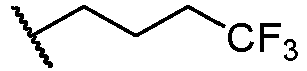


- Any of the R1 substituent may be one of Formulas (a-q); wherein one of J, Q1, or J1, when present, is linked to the main scaffold; wherein each J, J1, J2, J3, and J4, when present, are independently selected from the group consisting of: a covalent bond, H, alkyl1-15, alkenyl1-6, alkynyl1-6, (CH2)0-6C(S)NH2, (CH2)0-6C(O)NH2, O, S, NH, (CH2)0-6C(O)NH(CH2)1-6, (CH2)0-6NHC(O)(CH2)1-6, alkylsulfonyl, sulfonamide, alkylsulfonamide, (CH2)0-6C(S)NH(CH2)1-6, (CH2)0-6O(CH2)1-6, (CH2)0-6OH, (CH2)0-6S(CH2)1-6, (CH2)0-6SH, (CH2)0-6NH(CH2)1-6, (CH2)0-6N(CH2)1-6(CH2)1-6, (CH2)0-6NH2, (CH2)0-6SO2(CH2)1-6, (CH2)0-6NHSO2(CH2)1-6, (CH2)0-6SO2 NH2, halogen (e.g., F, Cl, Br, or I), haloalkyl (e.g., (CH2)0-6 CH2F, (CH2)0-3CHF(CH2)0-2CH3, or similar with Br, Cl, or I), dihaloalkyl (e.g., (CH2)0-6 CF2H, (CH2)0-3 CF2(CH2)0-2CH3, or similar with Br, Cl, or I), trihaloalkyl (e.g., (CH2)0-6 CF3, or similar with Br, Cl, or I), alkyl with 1-3 halogens at two or more positons along its length, (CH2)1-4SP(Ph)2=S, (CH2)0-6NH(CH2)1-5OH, (CH2)0-6NH(CH2)1-5NH2, (CH2)0-6NH(CH2)1-5SH, (CH2)0-6O(CH2)1-5OH, (CH2)0-6O(CH2)1-5NH2, (CH2)0-6O(CH2)1-5SH, (CH2)0-6S(CH2)1-5OH, (CH2)0-6S(CH2)1-5NH2, (CH2)0-6S(CH2)1-5SH, (CH2)0-6O(CH2)1-6NH(CH2)1-5OH, (CH2)0-6O(CH2)1-6NH(CH2)1-5NH2, (CH2)0-6O(CH2)1-6NH(CH2)1-5SH, (CH2)0-6O(CH2)1-6O(CH2)1-5OH, (CH2)0-6O(CH2)1-6O(CH2)1-5NH2, (CH2)0-6O(CH2)1-6O(CH2)1-5SH, (CH2)0-6O(CH2)1-6S(CH2)1-5OH, (CH2)0-6O(CH2)1-6S(CH2)1-5NH2, (CH2)0-6O(CH2)1-6S(CH2)1-5SH, (CH2)0-6S(CH2)1-6NH(CH2)1-5OH, (CH2)0-6S(CH2)1-6NH(CH2)1-5NH2, (CH2)0-6S(CH2)1-6NH(CH2)1-5SH, (CH2)0-6S(CH2)1-6O(CH2)1-5OH, (CH2)0-6S(CH2)1-6O(CH2)1-5NH2, (CH2)0-6S(CH2)1-6O(CH2)1-5SH, (CH2)0-6S(CH2)1-6S(CH2)1-5OH, (CH2)0-6S(CH2)1-6S(CH2)1-5NH2, (CH2)0-6S(CH2)1-6S(CH2)1-5SH, (CH2)0-6NH(CH2)1-6NH(CH2)1-5OH, (CH2)0-6NH(CH2)1-6NH(CH2)1-5NH2, (CH2)0-6NH(CH2)1-6NH(CH2)1-5SH, (CH2)0-6NH(CH2)1-6O(CH2)1-5OH, (CH2)0-6NH(CH2)1-6O(CH2)1-5NH2, (CH2)0-6NH(CH2)1-6O(CH2)1-5SH, (CH2)0-6NH(CH2)1-6S(CH2) 1-5OH, (CH2)0-6NH(CH2)1-6S(CH2)1-5NH2, (CH2)0-6NH(CH2)1-6S(CH2)1-5SH, (CH2)0-3C(O)O(CH2)0-3, (CH2)0-3C(S)O(CH2)0-3, (CH2)0-3C(O)S(CH2)0-3, (CH2)0-3C(S)S(CH2)0-3, (CH2)0-3C(O)NH(CH2)0-3, (CH2)0-3C(S)NH(CH2)0-3, (CH2)0-3NHC(O)(CH2)0-3, (CH2)0-3NHC(S)(CH2)0-3, (CH2)0-3OC(O)(CH2)0-3, (CH2)0-3OC(S)(CH2)0-3, (CH2)0-3SC(O)(CH2)0-3, (CH2)0-3SC(S)(CH2)0-3, (CH2)0-3TMC(O)NH(CH2)0-3, (CH2)0-3NHC(S)NH(CH2)0-3, (CH2)0-3OC(O)NH(CH2)0-3, (CH2)0-3OC(S)NH(CH2)0-3, (CH2)0-3SC(O)NH(CH2)0-3, (CH2)0-3SC(S)NH(CH2)0-3, (CH2)0-3NHC(O)O(CH2)0-3, (CH2)0-3NHC(S)O(CH2)0-3, (CH2)0-3OC(O)O(CH2)0-3, (CH2)0-3OC(S)O(CH2)0-3, (CH2)0-3SC(O)O(CH2)0-3, (CH2)0-3SC(S)O(CH2)0-3, (CH2)0-3NHC(O)S(CH2)0-3, (CH2)0-3NHC(S)S(CH2)0-3, (CH2)0-3OC(O)S(CH2)0-3, (CH2)0-3OC(S)S(CH2)0-3, (CH2)0-3SC(O)S(CH2)0-3, (CH2)0-3SC(S)S(CH2)0-3, (CH2O)1-6, and trimethyl methane; wherein each Q, Q1, and Q2, when present, is independently selected from the group consisting of: furan, benzofuran, isobenzofuran, pyrrole, indole, isoindole, thiophene, benzothiophene, benzo[c]thiophene, imidazole, benzimidazole, purine, pyrazole, indazole, oxazole, benzooxazole, isoxazole, benzisoxazole, thiazole, benzothiazole, benzene, napthalene, pyridine, quinolone, isoquinoline, pyrazine, quinoxaline, pyrimidine, quinazoline, pyridazine, cinnoline, phthalazine, thalidomide, triazine (e.g., 1,2,3-triazine; 1,2,4-triazine; 1,3,5 triazine), thiadiazole, aziridine, thiirane (episulfides), oxirane (ethylene oxide, epoxides), oxaziridine, dioxirane, azetidine, oxetan, thietane, diazetidine, dioxetane, dithietane, pyrrolidine, tetrahydrofuran, thiolane, imidazolidine, pyrazolidine, oxazolidine, isoxazolidine, thiazolidine, isothiazolidine, dioxolane, dithiolane, piperidine, oxane, thiane, piperazine, azetidine morpholine, thiomorpholine, dioxane, dithiane, trioxane, thithiane, azepane, oxepane, thiepane, homopiperazine, azocane, tetrahydropyran, cyclobutene, cyclopentene, cyclohexene, cycloheptene, 1,3-cyclohexadiene, 1,4-cyclohexadiene, 1,5-cyclooctadiene, cyclopropyl, cyclobutyl, cyclopentyl, cyclohexyl, any suitable C3-C7 cycloalkyl group, and any of the ring structures depicted in Table 4; wherein each Q, Q1, and Q2, when present, may display one or more additional J groups at any position on the Q ring; wherein any alkyl or (CH2)x-y groups above may be straight or branched; wherein any alkyl or (CH2)x-y groups above may additionally comprise OH, =O, NH2, CN, dihaloalkyl (e.g., CF2H), trihaloalkyl (e.g., CF3), or halogen (e.g., F) substituents at one or more carbons; and wherein the number of hydrogens on terminal positions of the groups above may be adjusted if the group is linked to an additional group (e.g., CH3 adjusted to CH2, OH adjusted to O, etc.) or if the group is terminal (e.g., CH2 adjusted to CH3, O adjusted to OH, etc.).
- R6, when present (e.g., in Formulas (IVa) and (IVb)), may be selected from H, alkyl, substituted alkyl, (e.g. halogen substituted alkyl), branched alkyl, a substituted brached alkyl (e.g. halogen substituted branched alkyl) hydroxy, alkoxy, amine, substituted amine, thioalkyl, halogen, ketone, amide, a substituted amide, cyano, sulfonyl, carboxy, dialkylphosphine oxide, a carbocyclic ring, s sustituted carobocyclic ring,an aromatic ring, a substituted aromatic ring, a heterocyclic aromatic ring, a substituted heterocyclic aromatic ring, a substituted or non-substituted heterocyclic non-aromatic ring (e.g. piperidine, methylpiperidine, bridged piperidine, tetrahydropyran, alkylsulfonyl substituted piperidine, sulfonamide substituted piperidine), carbocyclic or heterocyclic aromatic ring fused to another aromatic ring, a hydrogen bond donor, a hydrogen bond acceptor, and combinations thereof. R6 may be selected from the substituents depicted in Table 15:
Table 15. Exemplary R6 substituents R6 Additional substituents off R6 

R12 
1(CH2)0-8CH3; -NH-(-CH2)0-8(O)0-1(CH2)0-8CH3 
R14 


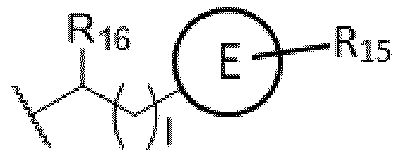
X, Y, Z, and F are independently C, S, N, or O G = C,N E is any 5-member heterocycle (see, e.g., the 5 member heterocycles of Table 4). l = 0-4 R15 = H, (-CH2)0-8CH3 (linear or branched); -NH-(CH2)0-8CH3; (-CH2)0-8(O)0-1(CH2)0-8CH3; -NH-(-CH2)0-8(O)0-1(CH2)0-8CH3 R16 = (-CH2)0-8CH3 

R17 


R18 = H, (-CH2)0-8CH3 (linear or branched); (-CH2)0-8(O)0-1(CH2)0-8CH3; i = 0-4 
R19 = -H; -CH3; 


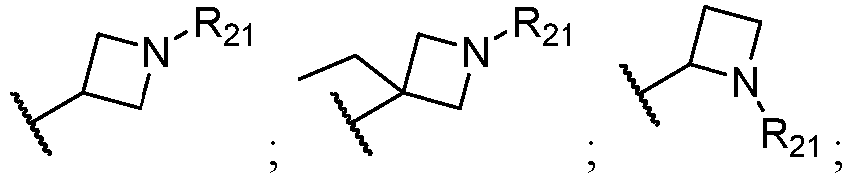

l = 0-4 E is any 5-member heterocycle (see, e.g., the 5 member heterocycles of Table 4). R20 = H, (-CH2)0-8CH3 (could be linear or branched); -NH-(CH2)0-8CH3; -NH-(-CH2)0-8(O)0-1(CH2)0-8CH3; (-CH2)0-8(O)0- 1(CH2)0-8CH3 R21: H, (-CH2)0-8CH3 (linear or branched); (-CH2)0-8(O)0-1(CH2)0-8CH3 - The R6 substituent may be one of Formulas (a-q); wherein one of J, Q1, or J1, when present, is linked to the main scaffold; wherein each J, J1, J2, J3, and J4, when present, are independently selected from the group consisting of: a covalent bond, H, alkyl1-15, alkenyl1-6, alkynyl1-6, (CH2)0-6C(S)NH2, (CH2)0-6C(O)NH2, O, S, NH, (CH2)0-6C(O)NH(CH2)1-6, (CH2)0-6NHC(O)(CH2)1-6, alkylsulfonyl, sulfonamide, alkylsulfonamide, (CH2)0-6C(S)NH(CH2)1-6, (CH2)0-6O(CH2)1-6, (CH2)0-6OH, (CH2)0-6S(CH2)1-6, (CH2)0-6SH, (CH2)0-6NH(CH2)1-6, (CH2)0-6N(CH2)1-6(CH2)1-6, (CH2)0-6NH2, (CH2)0-6SO2(CH2)1-6, (CH2)0-6NHSO2(CH2)1-6, (CH2)0-6SO2 NH2, halogen (e.g., F, Cl, Br, or I), haloalkyl (e.g., (CH2)0-6 CH2F, (CH2)0-3CHF(CH2)0-2CH3, or similar with Br, Cl, or I), dihaloalkyl (e.g., (CH2)0-6 CF2H, (CH2)0-3 CF2(CH2)0-2CH3, or similar with Br, Cl, or I), trihaloalkyl (e.g., (CH2)0-6 CF3, or similar with Br, Cl, or I), alkyl with 1-3 halogens at two or more positons along its length, (CH2)1-4SP(Ph)2=S, (CH2)0-6NH(CH2)1-5OH, (CH2)0-6NH(CH2)1-5NH2, (CH2)0-6NH(CH2)1-5SH, (CH2)0-6O(CH2)1-5OH, (CH2)0-6O(CH2)1-5NH2, (CH2)0-6O(CH2)1-5SH, (CH2)0-6S(CH2)1-5OH, (CH2)0-6S(CH2)1-5NH2, (CH2)0-6S(CH2)1-5SH, (CH2)0-6O(CH2)1-6NH(CH2)1-5OH, (CH2)0-6O(CH2)1-6NH(CH2)1-5NH2, (CH2)0-6O(CH2)1-6NH(CH2)1-5SH, (CH2)0-6O(CH2)1-6O(CH2)1-5OH, (CH2)0-6O(CH2)1-6O(CH2)1-5NH2, (CH2)0-6O(CH2)1-6O(CH2)1-5SH, (CH2)0-6O(CH2)1-6S(CH2)1-5OH, (CH2)0-6O(CH2)1-6S(CH2)1-5NH2, (CH2)0-6O(CH2)1-6S(CH2)1-5SH, (CH2)0-6S(CH2)1-6NH(CH2)1-5OH, (CH2)0-6S(CH2)1-6NH(CH2)1-5NH2, (CH2)0-6S(CH2)1-6NH(CH2)1-5SH, (CH2)0-6SCH2)1-6O(CH2)1-5OH, (CH2)0-6S(CH2)1-6O(CH2)1-5NH2, (CH2)0-6S(CH2)1-6O(CH2)1-5SH, (CH2)0-6S(CH2)1-6S(CH2)1-5OH, (CH2)0-6 S(CH2)1-6S(CH2)1-5NH2, (CH2)0-6S(CH2)1-6S(CH2)1-5 SH, (CH2)0-6NH(CH2)1-6NH(CH2)1-5OH, (CH2)0-6NH(CH2)1-6NH(CH2)1-5NH2, (CH2)0-6NH(CH2)1-6NH(CH2)1-5SH, (CH2)0-6NH(CH2)1-6O(CH2)1-5OH, (CH2)0-6NH(CH2)1-6O(CH2)1-5NH2, (CH2)0-6NH(CH2)1-6O(CH2)1-5SH, (CH2)0-6NH(CH2)1-6S(CH2)1-5OH, (CH2)0-6NH(CH2)1-6S(CH2)1-5NH2, (CH2)0-6NH(CH2)1-6S(CH2)1-5SH, (CH2)0-3C(O)O(CH2)0-3, (CH2)0-3C(S)O(CH2)0-3, (CH2)0-3C(O)S(CH2)0-3, (CH2)0-3C(S)S(CH2)0-3, (CH2)0-3C(O)NH(CH2)0-3, (CH2)0-3C(S)NH(CH2)0-3, (CH2)0-3NHC(O)(CH2)0-3, (CH2)0-3NHC(S)(CH2)0-3, (CH2)0-3OC(O)(CH2)0-3, (CH2)0-30C(S)(CH2)0-3, (CH2)0-3SC(O)(CH2)0-3, (CH2)0-3SC(S)(CH2)0-3, (CH2)0-3NHC(O)NH(CH2)0-3, (CH2)0-3NHC(S)NH(CH2)0-3, (CH2)0-30C(O)NH(CH2)0-3, (CH2)0-3OC(S)NH(CH2)0-3, (CH2)0-3SC(O)NH(CH2)0-3, (CH2)0-3SC(S)NH(CH2)0-3, (CH2)0-3NHC(O)O(CH2)0-3, (CH2)0-3NHC(S)O(CH2)0-3, (CH2)0-3OC(O)O(CH2)0-3, (CH2)0-30C(S)O(CH2)0-3, (CH2)0-3SC(O)O(CH2)0-3, (CH2)0-3SC(S)O(CH2)0-3, (CH2)0-3NHC(O)S(CH2)0-3, (CH2)0-3NHC(S)S(CH2)0-3, (CH2)0-30C(O)S(CH2)0-3, (CH2)0-3OC(S)S(CH2)0-3, (CH2)0-3SC(O)S(CH2)0-3, (CH2)0-3SC(S)S(CH2)0-3, (CH2O)1-6, and trimethyl methane; wherein each Q, Q1, and Q2, when present, is independently selected from the group consisting of: furan, benzofuran, isobenzofuran, pyrrole, indole, isoindole, thiophene, benzothiophene, benzo[c]thiophene, imidazole, benzimidazole, purine, pyrazole, indazole, oxazole, benzooxazole, isoxazole, benzisoxazole, thiazole, benzothiazole, benzene, napthalene, pyridine, quinolone, isoquinoline, pyrazine, quinoxaline, pyrimidine, quinazoline, pyridazine, cinnoline, phthalazine, thalidomide, triazine (e.g., 1,2,3-triazine; 1,2,4-triazine; 1,3,5 triazine), thiadiazole, aziridine, thiirane (episulfides), oxirane (ethylene oxide, epoxides), oxaziridine, dioxirane, azetidine, oxetan, thietane, diazetidine, dioxetane, dithietane, pyrrolidine, tetrahydrofuran, thiolane, imidazolidine, pyrazolidine, oxazolidine, isoxazolidine, thiazolidine, isothiazolidine, dioxolane, dithiolane, piperidine, oxane, thiane, piperazine, azetidine, morpholine, thiomorpholine, dioxane, dithiane, trioxane, thithiane, azepane, oxepane, thiepane, homopiperazine, azocane, tetrahydropyran, cyclobutene, cyclopentene, cyclohexene, cycloheptene, 1,3-cyclohexadiene, 1,4-cyclohexadiene, 1,5-cyclooctadiene, cyclopropyl, cyclobutyl, cyclopentyl, cyclohexyl, any suitable C3-C7 cycloalkyl group, and any of the ring structures depicted in Table 4; wherein each Q, Q1, and Q2, when present, may display one or more additional J groups at any position on the Q ring; wherein any alkyl or (CH2)x-y groups above may be straight or branched; wherein any alkyl or (CH2)x-y groups above may additionally comprise OH, =O, NH2, CN, dihaloalkyl (e.g., CF2H), trihaloalkyl (e.g., CF3), or halogen (e.g., F) substituents at one or more carbons; and wherein the number of hydrogens on terminal positions of the groups above may be adjusted if the group is linked to an additional group (e.g., CH3 adjusted to CH2, OH adjusted to O, etc.) or if the group is terminal (e.g., CH2 adjusted to CH3, O adjusted to OH, etc.).
- A compound may comprise any suitable groups or substituents, in any combination, present in the compounds listed in Table 9.
- The compound may be selected from the compounds depicted in Table 9 (e.g., Compounds 21-85).
- Provided herein are compounds defined by one of Formulas (IVa) and (IVb), but wherein the benzothioamide (or benzoamide) is linked to the benzene portion of the indole bicyclic structure rather than the pyrole portion (as is depicted in Formulas (IVa) and (IVb)). For example, for any Formula (e.g., Formulas (IVa) and (IVb)) or compound (e.g., Compounds 21-85) described herein as having benzothioamide-pyrole or benzoamide-pyrole ring connectivity, such as:

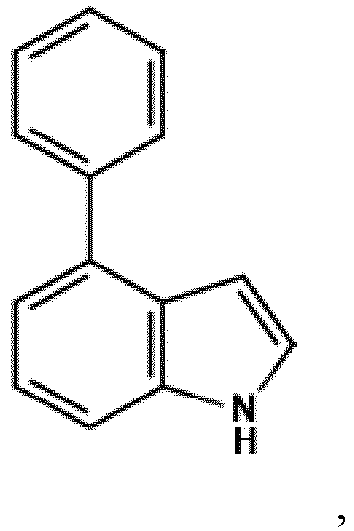

any substituents, compounds, etc. described herein in connection with Formula (IVb) may also be provided herein related to Formula (IVd):
- Compounds 86-150 correspond to compounds 21-85 but with the the benzothioamide (or benzoamide) is linked to the benzene portion of the indole bicyclic structure rather than the pyrole portion. For example, compound 86 corresponds to compound 21, but with the benzothioamide (or benzoamide) linked to the benzene portion of the indole bicyclic structure rather than the pyrole portion; compound 87 corresponds to compound 22, but with the benzothioamide (or benzoamide) is linked to the benzene portion of the indole bicyclic structure rather than the pyrole portion; compound 88 corresponds to compound 23, but with the benzothioamide (or benzoamide) is linked to the benzene portion of the indole bicyclic structure rather than the pyrole portion; etc.
- The compounds described herein may in some cases exist as diastereomers, enantiomers, or other stereoisomeric forms. The compounds presented herein include all diastereomeric, enantiomeric, and epimeric forms as well as the appropriate mixtures thereof. Separation of stereoisomers may be performed by chromatography or by the forming diastereomeric and separation by recrystallization, or chromatography, or any combination thereof. (Jean Jacques, Andre Collet, Samuel H. Wilen, "Enantiomers, Racemates and Resolutions", John Wiley And Sons, Inc., 1981). Stereoisomers may also be obtained by stereoselective synthesis.
- Compounds may exist as tautomers. All tautomers are included within the formulas described herein.
- Unless specified otherwise, divalent variables or groups described herein may be attached in the orientation in which they are depicted or they may be attached in the reverse orientation.
- The methods and compositions described herein include the use of amorphous forms as well as crystalline forms (also known as polymorphs). The compounds described herein may be in the form of pharmaceutically acceptable salts. As well, active metabolites of these compounds having the same type of activity are included. In addition, the compounds described herein can exist in unsolvated as well as solvated forms with pharmaceutically acceptable solvents such as water, ethanol, etc. The solvated forms of the compounds presented herein are also considered to be disclosed herein.
- Compounds or salts described herein may be prodrugs. A "prodrug" refers to an agent that is converted into the parent drug in vivo. Prodrugs are often useful because, in some situations, they may be easier to administer than the parent drug. They may, for instance, be bioavailable by oral administration whereas the parent is not. The prodrug may also have improved solubility in pharmaceutical compositions over the parent drug. An example, without limitation, of a prodrug would be a compound described herein, which is administered as an ester (the "prodrug") to facilitate transmittal across a cell membrane where water solubility is detrimental to mobility but which then is metabolically hydrolyzed to the carboxylic acid, the active entity, once inside the cell where water-solubility is beneficial. A further example of a prodrug might be a short peptide (polyaminoacid) bonded to an acid group where the peptide is metabolized to reveal the active moiety. Upon in vivo administration, a prodrug may be chemically converted to the biologically, pharmaceutically or therapeutically active form of the compound. A prodrug may be enzymatically metabolized by one or more steps or processes to the biologically, pharmaceutically or therapeutically active form of the compound.
- To produce a prodrug, a pharmaceutically active compound is modified such that the active compound will be regenerated upon in vivo administration. The prodrug can be designed to alter the metabolic stability or the transport characteristics of a drug, to mask side effects or toxicity, to improve the flavor of a drug or to alter other characteristics or properties of a drug. By virtue of knowledge of pharmacodynamic processes and drug metabolism in vivo, once a pharmaceutically active compound is determined, prodrugs of the compound may be designed. (see, for example, Nogrady (1985) Medicinal Chemistry A Biochemical Approach, Oxford University Press, New York, pages 388-392; Silverman (1992), The Organic Chemistry of Drug Design and Drug Action, Academic Press, Inc., San Diego, pages 352-401, Saulnier et al., (1994), Bioorganic and Medicinal Chemistry Letters, Vol. 4, p. 1985; Rooseboom et al., Pharmacological Reviews, 56:53-102, 2004; Miller et al., J. Med. Chem. Vol.46, no. 24, 5097-5116, 2003; Aesop Cho, "Recent Advances in Oral Prodrug Discovery", Annual Reports in Medicinal Chemistry, Vol. 41, 395-407, 2006).
- The compounds described herein may be labeled isotopically (e.g. with a radioisotope) or by other means, including, but not limited to, the use of chromophores or fluorescent moieties, bioluminescent labels, photoactivatable or chemiluminescent labels, affinity labels (e.g. biotin), etc.
- Compounds and salts described herein include isotopically-labeled compounds. In general, isotopically-labeled compounds are identical to those recited in the various formulae and structures presented herein, but for the fact that one or more atoms are replaced by an atom having an atomic mass or mass number different from the atomic mass or mass number most common in nature. Examples of isotopes that can be incorporated into the present compounds include isotopes of hydrogen, carbon, nitrogen, oxygen, fluorine and chlorine, for example, 2H, 3H, 13C, 14C, 15N, 18O, 17O, 35S, 18F, 36Cl, respectively. Certain isotopically-labeled compounds described herein, for example those into which radioactive isotopes such as 3H and 14C are incorporated, are useful in drug and/or substrate tissue distribution assays. Further, substitution with isotopes such as deuterium, i.e., 2H, can afford certain therapeutic advantages resulting from greater metabolic stability, such as, for example, increased in vivo half-life or reduced dosage requirements.
- The compounds described herein may be metabolized upon administration to an organism in need to produce a metabolite that is then used to produce a desired effect, including a desired therapeutic effect.
- Compounds described herein may be formed as, and/or used as, pharmaceutically acceptable salts. The type of pharmaceutical acceptable salts, include, but are not limited to: (1) acid addition salts, formed by reacting the free base form of the compound with a pharmaceutically acceptable: inorganic acid, such as, for example, hydrochloric acid, hydrobromic acid, sulfuric acid, phosphoric acid, metaphosphoric acid, and the like; or with an organic acid, such as, for example, acetic acid, propionic acid, hexanoic acid, cyclopentanepropionic acid, glycolic acid, pyruvic acid, lactic acid, malonic acid, succinic acid, malic acid, maleic acid, fumaric acid, trifluoroacetic acid, tartaric acid, citric acid, benzoic acid, 3-(4-hydroxybenzoyl)benzoic acid, cinnamic acid, mandelic acid, methanesulfonic acid, ethanesulfonic acid, 1,2-ethanedisulfonic acid, 2-hydroxyethanesulfonic acid, benzenesulfonic acid, toluenesulfonic acid, 2-naphthalenesulfonic acid, 4-methylbicyclo-[2.2.2]oct-2-ene-1-carboxylic acid, glucoheptonic acid, 4,4'-methylenebis-(3-hydroxy-2-ene-1-carboxylic acid), 3-phenylpropionic acid, trimethylacetic acid, tertiary butylacetic acid, lauryl sulfuric acid, gluconic acid, glutamic acid, hydroxynaphthoic acid, salicylic acid, stearic acid, muconic acid, butyric acid, phenylacetic acid, phenylbutyric acid, valproic acid, and the like; (2) salts formed when an acidic proton present in the parent compound is replaced by a metal ion, e.g., an alkali metal ion (e.g. lithium, sodium, potassium), an alkaline earth ion (e.g. magnesium, or calcium), or an aluminum ion. In some cases, compounds described herein may coordinate with an organic base, such as, but not limited to, ethanolamine, diethanolamine, triethanolamine, tromethamine, N-methylglucamine, dicyclohexylamine, tris(hydroxymethyl)methylamine. In other cases, compounds described herein may form salts with amino acids such as, but not limited to, arginine, lysine, and the like. Acceptable inorganic bases used to form salts with compounds that include an acidic proton, include, but are not limited to, aluminum hydroxide, calcium hydroxide, potassium hydroxide, sodium carbonate, sodium hydroxide, and the like.
- It should be understood that a reference to a pharmaceutically acceptable salt includes the solvent addition forms or crystal forms thereof, particularly solvates or polymorphs. Solvates contain either stoichiometric or non-stoichiometric amounts of a solvent, and may be formed during the process of crystallization with pharmaceutically acceptable solvents such as water, ethanol, and the like. Hydrates are formed when the solvent is water, or alcoholates are formed when the solvent is alcohol. Solvates of compounds described herein can be conveniently prepared or formed during the processes described herein. In addition, the compounds provided herein can exist in unsolvated as well as solvated forms. In general, the solvated forms are considered equivalent to the unsolvated forms for the purposes of the compounds and methods provided herein.
- Compounds described herein, with any suitable substituents and functional groups disclosed herein, may be in various forms, including but not limited to, amorphous forms, milled forms and nano-particulate forms. In addition, compounds described herein include crystalline forms, also known as polymorphs. Polymorphs include the different crystal packing arrangements of the same elemental composition of a compound. Polymorphs usually have different X-ray diffraction patterns, melting points, density, hardness, crystal shape, optical properties, stability, and solubility. Various factors such as the recrystallization solvent, rate of crystallization, and storage temperature may cause a single crystal form to dominate.
- The screening and characterization of the pharmaceutically acceptable salts, polymorphs and/or solvates may be accomplished using a variety of techniques including, but not limited to, thermal analysis, x-ray diffraction, spectroscopy, vapor sorption, and microscopy. Thermal analysis methods address thermo chemical degradation or thermo physical processes including, but not limited to, polymorphic transitions, and such methods are used to analyze the relationships between polymorphic forms, determine weight loss, to find the glass transition temperature, or for excipient compatibility studies. Such methods include, but are not limited to, Differential scanning calorimetry (DSC), Modulated Differential Scanning Calorimetry (MDCS), Thermogravimetric analysis (TGA), and Thermogravi-metric and Infrared analysis (TG/IR). X-ray diffraction methods include, but are not limited to, single crystal and powder diffractometers and synchrotron sources. The various spectroscopic techniques used include, but are not limited to, Raman, FTIR, UV-VIS, and NMR (liquid and solid state). The various microscopy techniques include, but are not limited to, polarized light microscopy, Scanning Electron Microscopy (SEM) with Energy Dispersive X-Ray Analysis (EDX), Environmental Scanning Electron Microscopy with EDX (in gas or water vapor atmosphere), IR microscopy, and Raman microscopy.
- Throughout the specification, groups and substituents thereof can be chosen to provide stable moieties and compounds.
- Compounds or salts of any one of Formulas (IVa) and (IVb) with any suitable substituents and functional groups disclosed herein, may be combined with one or more additional agents to form pharmaceutical compositions. Pharmaceutical compositions may be formulated in a conventional manner using one or more physiologically acceptable carriers including excipients and auxiliaries which facilitate processing of the active compounds into preparations which can be used pharmaceutically. Proper formulation is dependent upon the route of administration chosen. Additional details about suitable excipients for pharmaceutical compositions described herein may be found, for example, in Remington: The Science and Practice of Pharmacy, Nineteenth Ed (Easton, Pa.: Mack Publishing Company, 1995); Hoover, John E., Remington's Pharmaceutical Sciences, Mack Publishing Co., Easton, Pennsylvania 1975; Liberman, H.A. and Lachman, L., Eds., Pharmaceutical Dosage Forms, Marcel Decker, New York, N.Y., 1980; and Pharmaceutical Dosage Forms and Drug Delivery Systems, Seventh Ed. (Lippincott Williams & Wilkins1999).
- A pharmaceutical composition, as used herein, refers to a mixture of a compound or salt of any one of Formulas (IVa) and (IVb) with any suitable substituents and functional groups disclosed herein, with other chemical components, such as carriers, stabilizers, diluents, dispersing agents, suspending agents, thickening agents, and/or excipients. The pharmaceutical composition facilitates administration of the compound to an organism. In practicing the methods of treatment or use provided herein, therapeutically effective amounts of compounds described herein are administered in a pharmaceutical composition to a mammal having a disease, disorder, or condition to be treated. The mammal may be a human. A therapeutically effective amount can vary widely depending on the severity of the disease, the age and relative health of the subject, the potency of the compound used and other factors. The compounds or salts of any one of Formulas (IVa) and (IVb) with any suitable substituents and functional groups disclosed herein, can be used singly or in combination with one or more therapeutic agents as components of mixtures (as in combination therapy).
- The pharmaceutical formulations described herein can be administered to a subject by multiple administration routes, including but not limited to, oral, parenteral (e.g., intravenous, subcutaneous, intramuscular), intranasal, buccal, topical, rectal, or transdermal administration routes. Moreover, the pharmaceutical compositions described herein, which include a compound of any one of Formulas (IVa) and (IVb) with any suitable substituents and functional groups disclosed herein, can be formulated into any suitable dosage form, including but not limited to, aqueous oral dispersions, liquids, gels, syrups, elixirs, slurries, suspensions, aerosols, fast melt formulations, effervescent formulations, lyophilized formulations, tablets, powders, pills, dragees, and capsules.
- One may administer the compounds and/or compositions in a local rather than systemic manner, for example, via injection of the compound directly into an organ or tissue, often in a depot preparation or sustained release formulation. Such long acting formulations may be administered by implantation (for example subcutaneously or intramuscularly) or by intramuscular injection. Furthermore, one may administer the drug in a targeted drug delivery system, for example, in a liposome coated with organ-specific antibody. The liposomes will be targeted to and taken up selectively by the organ. In addition, the drug may be provided in the form of a rapid release formulation, in the form of an extended release formulation, or in the form of an intermediate release formulation.
- Pharmaceutical compositions including a compound described herein may be manufactured in a conventional manner, such as, by way of example only, by means of conventional mixing, dissolving, granulating, dragee-making, levigating, emulsifying, encapsulating, entrapping or compression processes.
- The pharmaceutical compositions will include at least one compound of any one of Formulas (IVa) and (IVb) with any suitable substituents and functional groups disclosed herein, as an active ingredient in free-acid or free-base form, or in a pharmaceutically acceptable salt form.
- Compositions provided herein may also include one or more preservatives to inhibit microbial activity. Suitable preservatives include quaternary ammonium compounds such as benzalkonium chloride, cetyltrimethylammonium bromide and cetylpyridinium chloride.
- Pharmaceutical preparations for oral use can be obtained by mixing one or more solid excipients with one or more of the compounds or salts of any one of Formulas (IVa) and (IVb) with any suitable substituents and functional groups disclosed herein, optionally grinding the resulting mixture, and processing the mixture of granules, after adding suitable auxiliaries, if desired, to obtain tablets, pills, or capsules. Suitable excipients include, for example, fillers such as sugars, including lactose, sucrose, mannitol, or sorbitol; cellulose preparations such as, for example, maize starch, wheat starch, rice starch, potato starch, gelatin, gum tragacanth, methylcellulose, microcrystalline cellulose, hydroxypropylmethylcellulose, sodium carboxymethylcellulose; or others such as: polyvinylpyrrolidone (PVP or povidone) or calcium phosphate. If desired, disintegrating agents may be added, such as the cross-linked croscarmellose sodium, polyvinylpyrrolidone, agar, or alginic acid or a salt thereof such as sodium alginate.
- Dragee cores are provided with suitable coatings. For this purpose, concentrated sugar solutions may be used, which may optionally contain gum arabic, talc, polyvinylpyrrolidone, carbopol gel, polyethylene glycol, and/or titanium dioxide, lacquer solutions, and suitable organic solvents or solvent mixtures. Dyestuffs or pigments may be added to the tablets or dragee coatings for identification or to characterize different combinations of active compound doses.
- Pharmaceutical preparations that can be used orally include push-fit capsules made of gelatin, as well as soft, sealed capsules made of gelatin and a plasticizer, such as glycerol or sorbitol. The push-fit capsules can contain the active ingredients in admixture with filler such as lactose, binders such as starches, and/or lubricants such as talc or magnesium stearate and, optionally, stabilizers. In soft capsules, the active compounds may be dissolved or suspended in suitable liquids, such as fatty oils, liquid paraffin, or liquid polyethylene glycols. In addition, stabilizers may be added.
- The solid dosage forms disclosed herein may be in the form of a tablet, (including a suspension tablet, a fast-melt tablet, a bite-disintegration tablet, a rapid-disintegration tablet, an effervescent tablet, or a caplet), a pill, a powder (including a sterile packaged powder, a dispensable powder, or an effervescent powder), a capsule (including both soft or hard capsules, e.g., capsules made from animal-derived gelatin or plant-derived HPMC, or "sprinkle capsules"), solid dispersion, solid solution, bioerodible dosage form, multiparticulate dosage forms, pellets, granules, or an aerosol. The pharmaceutical formulation may be in the form of a powder. The pharmaceutical formulation may be in the form of a tablet, including but not limited to, a fast-melt tablet. Additionally, pharmaceutical formulations of the compounds described herein may be administered as a single capsule or in multiple capsule dosage form. The pharmaceutical formulation may be administered in two, or three, or four, capsules or tablets.
- Solid dosage forms, e.g., tablets, effervescent tablets, and capsules, may be prepared by mixing particles of a compound or salt of any one of Formulas (IVa) and (IVb) with any suitable substituents and functional groups disclosed herein, with one or more pharmaceutical excipients to form a bulk blend composition. When referring to these bulk blend compositions as homogeneous, it is meant that the particles of the compound or salt of any one of Formulas (IVa) and (IVb) with any suitable substituents and functional groups disclosed herein, are dispersed evenly throughout the composition so that the composition may be subdivided into equally effective unit dosage forms, such as tablets, pills, and capsules. The individual unit dosages may also include film coatings, which disintegrate upon oral ingestion or upon contact with diluent. These formulations can be manufactured by conventional pharmacological techniques.
- The pharmaceutical solid dosage forms described herein can include a compound of any one of Formulas (IVa) and (IVb) with any suitable substituents and functional groups disclosed herein, and one or more pharmaceutically acceptable additives such as a compatible carrier, binder, filling agent, suspending agent, flavoring agent, sweetening agent, disintegrating agent, dispersing agent, surfactant, lubricant, colorant, diluent, solubilizer, moistening agent, plasticizer, stabilizer, penetration enhancer, wetting agent, anti-foaming agent, antioxidant, preservative, or one or more combination thereof. In still other aspects, using standard coating procedures, such as those described in Remington's Pharmaceutical Sciences, 20th Edition (2000), a film coating is provided around the formulation of the compound described herein. Some or all of the particles of the compound described herein may be coated. Some or all of the particles of the compound described herein may be microencapsulated. The particles of the compound described herein may be not microencapsulated and may be uncoated.
- Suitable carriers for use in the solid dosage forms described herein include, but are not limited to, acacia, gelatin, colloidal silicon dioxide, calcium glycerophosphate, calcium lactate, maltodextrin, glycerine, magnesium silicate, sodium caseinate, soy lecithin, sodium chloride, tricalcium phosphate, dipotassium phosphate, sodium stearoyl lactylate, carrageenan, monoglyceride, diglyceride, pregelatinized starch, hydroxypropylmethylcellulose, hydroxypropylmethylcellulose acetate stearate, sucrose, microcrystalline cellulose, lactose, mannitol and the like.
- Suitable filling agents for use in the solid dosage forms described herein include, but are not limited to, lactose, calcium carbonate, calcium phosphate, dibasic calcium phosphate, calcium sulfate, microcrystalline cellulose, cellulose powder, dextrose, dextrates, dextran, starches, pregelatinized starch, hydroxypropylmethycellulose (HPMC), hydroxypropylmethycellulose phthalate, hydroxypropylmethylcellulose acetate stearate (HPMCAS), sucrose, xylitol, lactitol, mannitol, sorbitol, sodium chloride, polyethylene glycol, and the like.
- In order to release the compound or salt of any one of Formulas (IVa) and (IVb) with any suitable substituents and functional groups disclosed herein, from a solid dosage form matrix as efficiently as possible, disintegrants are often used in the formulation, especially when the dosage forms are compressed with binder. Disintegrants help rupturing the dosage form matrix by swelling or capillary action when moisture is absorbed into the dosage form. Suitable disintegrants for use in the solid dosage forms described herein include, but are not limited to, natural starch such as corn starch or potato starch, a pregelatinized starch such as National 1551 or Amijel®, or sodium starch glycolate such as Promogel® or Explotab®, a cellulose such as a wood product, methylcrystalline cellulose, e.g., Avicel®, Avicel® PH101, Avicel® PH102, Avicel® PH105, Elcema® P100, Emcocel®, Vivacel®, Ming Tia®, and Solka-Floc®, methylcellulose, croscarmellose, or a cross-linked cellulose, such as cross-linked sodium carboxymethylcellulose (Ac-Di-Sol®), cross-linked carboxymethylcellulose, or cross-linked croscarmellose, a cross-linked starch such as sodium starch glycolate, a cross-linked polymer such as crospovidone, a cross-linked polyvinylpyrrolidone, alginate such as alginic acid or a salt of alginic acid such as sodium alginate, a clay such as Veegum® HV (magnesium aluminum silicate), a gum such as agar, guar, locust bean, Karaya, pectin, or tragacanth, sodium starch glycolate, bentonite, a natural sponge, a surfactant, a resin such as a cation-exchange resin, citrus pulp, sodium lauryl sulfate, sodium lauryl sulfate in combination starch, and the like.
- Binders impart cohesiveness to solid oral dosage form formulations: for powder filled capsule formulation, they aid in plug formation that can be filled into soft or hard shell capsules and for tablet formulation, they ensure the tablet remaining intact after compression and help assure blend uniformity prior to a compression or fill step. Materials suitable for use as binders in the solid dosage forms described herein include, but are not limited to, carboxymethylcellulose, methylcellulose (e.g., Methocel®), hydroxypropylmethylcellulose (e.g. Hypromellose USP Pharmacoat-603, hydroxypropylmethylcellulose acetate stearate (Aqoate HS-LF and HS), hydroxyethylcellulose, hydroxypropylcellulose (e.g., Klucel®), ethylcellulose (e.g., Ethocel®), and microcrystalline cellulose (e.g., Avicel®), microcrystalline dextrose, amylose, magnesium aluminum silicate, polysaccharide acids, bentonites, gelatin, polyvinylpyrrolidone/vinyl acetate copolymer, crospovidone, povidone, starch, pregelatinized starch, tragacanth, dextrin, a sugar, such as sucrose (e.g., Dipac®), glucose, dextrose, molasses, mannitol, sorbitol, xylitol (e.g., Xylitab®), lactose, a natural or synthetic gum such as acacia, tragacanth, ghatti gum, mucilage of isapol husks, starch, polyvinylpyrrolidone (e.g., Povidone® CL, Kollidon® CL, Polyplasdone® XL-10, and Povidone® K-12), larch arabogalactan, Veegum®, polyethylene glycol, waxes, sodium alginate, and the like.
- In general, binder levels of 20-70% are used in powder-filled gelatin capsule formulations. Binder usage level in tablet formulations varies whether direct compression, wet granulation, roller compaction, or usage of other excipients such as fillers which itself can act as moderate binder. Formulators may determine the binder level for the formulations, but binder usage level of up to 70% in tablet formulations is common.
- Suitable lubricants or glidants for use in the solid dosage forms described herein include, but are not limited to, stearic acid, calcium hydroxide, talc, corn starch, sodium stearyl fumerate, alkali-metal and alkaline earth metal salts, such as aluminum, calcium, magnesium, zinc, stearic acid, sodium stearates, magnesium stearate, zinc stearate, waxes, Stearowet®, boric acid, sodium benzoate, sodium acetate, sodium chloride, leucine, a polyethylene glycol or a methoxypolyethylene glycol such as Carbowax™, PEG 4000, PEG 5000, PEG 6000, propylene glycol, sodium oleate, glyceryl behenate, glyceryl palmitostearate, glyceryl benzoate, magnesium or sodium lauryl sulfate, and the like.
- Suitable diluents for use in the solid dosage forms described herein include, but are not limited to, sugars (including lactose, sucrose, and dextrose), polysaccharides (including dextrates and maltodextrin), polyols (including mannitol, xylitol, and sorbitol), cyclodextrins and the like.
- Suitable wetting agents for use in the solid dosage forms described herein include, for example, oleic acid, glyceryl monostearate, sorbitan monooleate, sorbitan monolaurate, triethanolamine oleate, polyoxyethylene sorbitan monooleate, polyoxyethylene sorbitan monolaurate, quaternary ammonium compounds (e.g., Polyquat 10®), sodium oleate, sodium lauryl sulfate, magnesium stearate, sodium docusate, triacetin, vitamin E TPGS and the like.
- Suitable surfactants for use in the solid dosage forms described herein include, for example, sodium lauryl sulfate, sorbitan monooleate, polyoxyethylene sorbitan monooleate, polysorbates, polaxomers, bile salts, glyceryl monostearate, copolymers of ethylene oxide and propylene oxide, e.g., Pluronic® (BASF), and the like.
- Suitable suspending agents for use in the solid dosage forms described here include, but are not limited to, polyvinylpyrrolidone, e.g., polyvinylpyrrolidone K12, polyvinylpyrrolidone K17, polyvinylpyrrolidone K25, or polyvinylpyrrolidone K30, polyethylene glycol, e.g., the polyethylene glycol can have a molecular weight of about 300 to about 6000, or about 3350 to about 4000, or about 5400 to about 7000, vinyl pyrrolidone/vinyl acetate copolymer (S630), sodium carboxymethylcellulose, methylcellulose, hydroxy-propylmethylcellulose, polysorbate-80, hydroxyethylcellulose, sodium alginate, gums, such as, e.g., gum tragacanth and gum acacia, guar gum, xanthans, including xanthan gum, sugars, cellulosics, such as, e.g., sodium carboxymethylcellulose, methylcellulose, sodium carboxymethylcellulose, hydroxypropylmethylcellulose, hydroxyethylcellulose, polysorbate-80, sodium alginate, polyethoxylated sorbitan monolaurate, polyethoxylated sorbitan monolaurate, povidone and the like.
- Suitable antioxidants for use in the solid dosage forms described herein include, for example, e.g., butylated hydroxytoluene (BHT), sodium ascorbate, and tocopherol.
- There is considerable overlap between additives used in the solid dosage forms described herein. Thus, the above-listed additives should be taken as merely exemplary, and not limiting, of the types of additives that can be included in solid dosage forms of the pharmaceutical compositions described herein.
- One or more layers of the pharmaceutical formulation may be plasticized. Illustratively, a plasticizer is generally a high boiling point solid or liquid. Suitable plasticizers can be added from about 0.01% to about 50% by weight (w/w) of the coating composition. Plasticizers include, but are not limited to, diethyl phthalate, citrate esters, polyethylene glycol, glycerol, acetylated glycerides, triacetin, polypropylene glycol, polyethylene glycol, triethyl citrate, dibutyl sebacate, stearic acid, stearol, stearate, and castor oil.
- Compressed tablets are solid dosage forms prepared by compacting the bulk blend of the formulations described above. Compressed tablets which are designed to dissolve in the mouth may include one or more flavoring agents. The compressed tablets may include a film surrounding the final compressed tablet. The film coating may aid in patient compliance (e.g., Opadry® coatings or sugar coating). Film coatings including Opadry® typically range from about 1% to about 3% of the tablet weight. The compressed tablets may include one or more excipients.
- A capsule may be prepared, for example, by placing the bulk blend of the formulation of the compound described above, inside of a capsule. The formulations (non-aqueous suspensions and solutions) may be placed in a soft gelatin capsule. The formulations may be placed in standard gelatin capsules or non-gelatin capsules such as capsules comprising HPMC. The formulation may be placed in a sprinkle capsule, wherein the capsule may be swallowed whole or the capsule may be opened and the contents sprinkled on food prior to eating. The therapeutic dose may be split into multiple (e.g., two, three, or four) capsules. The entire dose of the formulation may be delivered in a capsule form.
- The particles of the compound or salt of any one of Formulas (IVa) and (IVb) with any suitable substituents and functional groups disclosed herein, and one or more excipients may be dry blended and compressed into a mass, such as a tablet, having a hardness sufficient to provide a pharmaceutical composition that substantially disintegrates within less than about 30 minutes, less than about 35 minutes, less than about 40 minutes, less than about 45 minutes, less than about 50 minutes, less than about 55 minutes, or less than about 60 minutes, after oral administration, thereby releasing the formulation into the gastrointestinal fluid.
- In another aspect, dosage forms may include microencapsulated formulations. One or more other compatible materials may be present in the microencapsulation material. Exemplary materials include, but are not limited to, pH modifiers, erosion facilitators, anti-foaming agents, antioxidants, flavoring agents, and carrier materials such as binders, suspending agents, disintegration agents, filling agents, surfactants, solubilizers, stabilizers, lubricants, wetting agents, and diluents.
- Materials useful for the microencapsulation described herein include materials compatible with compounds described herein, which sufficiently isolate the compound from other non-compatible excipients.
- Effervescent powders may be also prepared in accordance with the present disclosure. Effervescent salts have been used to disperse medicines in water for oral administration. Effervescent salts are granules or coarse powders containing a medicinal agent in a dry mixture, usually composed of sodium bicarbonate, citric acid and/or tartaric acid. When such salts are added to water, the acids and the base react to liberate carbon dioxide gas, thereby causing "effervescence." Examples of effervescent salts include, e.g., the following ingredients: sodium bicarbonate or a mixture of sodium bicarbonate and sodium carbonate, citric acid and/or tartaric acid. Any acid-base combination that results in the liberation of carbon dioxide can be used in place of the combination of sodium bicarbonate and citric and tartaric acids, as long as the ingredients were suitable for pharmaceutical use and result in a pH of about 6.0 or higher.
- The formulations described herein, which include a compound or salt of any one of Formulas (IVa) and (IVb) with any suitable substituents and functional groups disclosed herein, may be solid dispersions. Methods of producing such solid dispersions include, but are not limited to, for example,
U.S. Pat. Nos. 4,343,789 ,5,340,591 ,5,456,923 ,5,700,485 ,5,723,269 , andU.S. patent publication no. 2004/0013734 . The formulations described herein may be solid solutions. Solid solutions incorporate a substance together with the active agent and other excipients such that heating the mixture results in dissolution of the drug and the resulting composition is then cooled to provide a solid blend which can be further formulated or directly added to a capsule or compressed into a tablet. Methods of producing such solid solutions include, but are not limited to, for example,U.S. Pat. Nos. 4,151,273 ,5,281,420 , and6,083,518 . - Pharmaceutical formulations may be provided that include particles of the compounds or salt of any one of Formulas (IVa) and (IVb) with any suitable substituents and functional groups disclosed herein, and at least one dispersing agent or suspending agent for oral administration to a subject. The formulations may be a powder and/or granules for suspension, and upon admixture with water, a substantially uniform suspension is obtained.
- Liquid formulation dosage forms for oral administration can be aqueous suspensions selected from the group including, but not limited to, pharmaceutically acceptable aqueous oral dispersions, emulsions, solutions, elixirs, gels, and syrups. See, e.g., Singh et al., Encyclopedia of Pharmaceutical Technology, 2nd Ed., pp. 754-757 (2002).
- The aqueous suspensions and dispersions described herein can remain in a homogenous state, as defined in The USP Pharmacists' Pharmacopeia (2005 edition, chapter 905), for at least 4 hours. The homogeneity should be determined by a sampling method consistent with regard to determining homogeneity of the entire composition. An aqueous suspension can be re-suspended into a homogenous suspension by physical agitation lasting less than 1 minute. An aqueous suspension can be re-suspended into a homogenous suspension by physical agitation lasting less than 45 seconds. An aqueous suspension can be re-suspended into a homogenous suspension by physical agitation lasting less than 30 seconds. No agitation may be necessary to maintain a homogeneous aqueous dispersion.
- The pharmaceutical compositions described herein may include sweetening agents such as, but not limited to, acacia syrup, acesulfame K, alitame, anise, apple, aspartame, banana, Bavarian cream, berry, black currant, butterscotch, calcium citrate, camphor, caramel, cherry, cherry cream, chocolate, cinnamon, bubble gum, citrus, citrus punch, citrus cream, cotton candy, cocoa, cola, cool cherry, cool citrus, cyclamate, cylamate, dextrose, eucalyptus, eugenol, fructose, fruit punch, ginger, glycyrrhetinate, glycyrrhiza (licorice) syrup, grape, grapefruit, honey, isomalt, lemon, lime, lemon cream, monoammonium glyrrhizinate (MagnaSweet®), maltol, mannitol, maple, marshmallow, menthol, mint cream, mixed berry, neohesperidine DC, neotame, orange, pear, peach, peppermint, peppermint cream, Prosweet® Powder, raspberry, root beer, rum, saccharin, safrole, sorbitol, spearmint, spearmint cream, strawberry, strawberry cream, stevia, sucralose, sucrose, sodium saccharin, saccharin, aspartame, acesulfame potassium, mannitol, talin, sucralose, sorbitol, swiss cream, tagatose, tangerine, thaumatin, tutti fruitti, vanilla, walnut, watermelon, wild cherry, wintergreen, xylitol, or any combination of these flavoring ingredients, e.g., anise-menthol, cherry-anise, cinnamon-orange, cherry-cinnamon, chocolate-mint, honey-lemon, lemon-lime, lemon-mint, menthol-eucalyptus, orange-cream, vanilla-mint, and mixtures thereof.
- The pharmaceutical formulations described herein can be self-emulsifying drug delivery systems (SEDDS). Emulsions are dispersions of one immiscible phase in another, usually in the form of droplets. Generally, emulsions are created by vigorous mechanical dispersion. SEDDS, as opposed to emulsions or microemulsions, spontaneously form emulsions when added to an excess of water without any external mechanical dispersion or agitation. An advantage of SEDDS is that only gentle mixing is required to distribute the droplets throughout the solution. Additionally, water or the aqueous phase can be added just prior to administration, which ensures stability of an unstable or hydrophobic active ingredient. Thus, the SEDDS provides an effective delivery system for oral and parenteral delivery of hydrophobic active ingredients. SEDDS may provide improvements in the bioavailability of hydrophobic active ingredients. Methods of producing self-emulsifying dosage forms include, but are not limited to, for example,
U.S. Pat. Nos. 5,858,401 ,6,667,048 , and6,960,563 . - There is overlap between the above-listed additives used in the aqueous dispersions or suspensions described herein, since a given additive is often classified differently by different practitioners in the field, or is commonly used for any of several different functions. Thus, the above-listed additives should be taken as merely exemplary, and not limiting, of the types of additives that can be included in formulations described herein.
- Potential excipients for intranasal formulations include, for example,
U.S. Pat. Nos. 4,476,116 ,5,116,817 and6,391,452 . Formulations solutions in saline, employing benzyl alcohol or other suitable preservatives, fluorocarbons, and/or other solubilizing or dispersing agents. See, for example, Ansel, H. C. et al., Pharmaceutical Dosage Forms and Drug Delivery Systems, Sixth Ed. (1995). Preferably these compositions and formulations are prepared with suitable nontoxic pharmaceutically acceptable ingredients.. The choice of suitable carriers is highly dependent upon the exact nature of the nasal dosage form desired, e.g., solutions, suspensions, ointments, or gels. Nasal dosage forms generally contain large amounts of water in addition to the active ingredient. Minor amounts of other ingredients such as pH adjusters, emulsifiers or dispersing agents, preservatives, surfactants, gelling agents, or buffering and other stabilizing and solubilizing agents may also be present. Preferably, the nasal dosage form should be isotonic with nasal secretions. - For administration by inhalation, the compounds described herein may be in a form as an aerosol, a mist or a powder. Pharmaceutical compositions described herein are conveniently delivered in the form of an aerosol spray presentation from pressurized packs or a nebuliser, with the use of a suitable propellant, e.g., dichlorodifluoromethane, trichlorofluoromethane, dichlorotetrafluoroethane, carbon dioxide or other suitable gas. In the case of a pressurized aerosol, the dosage unit may be determined by providing a valve to deliver a metered amount. Capsules and cartridges of, such as, by way of example only, gelatin for use in an inhaler or insufflator may be formulated containing a powder mix of the compound described herein and a suitable powder base such as lactose or starch.
- Buccal formulations that include compounds described herein may be administered using a variety of formulations which include, but are not limited to,
U.S. Pat. Nos. 4,229,447 ,4,596,795 ,4,755,386 , and5,739,136 . In addition, the buccal dosage forms described herein can further include a bioerodible (hydrolysable) polymeric carrier that also serves to adhere the dosage form to the buccal mucosa. The buccal dosage form is fabricated so as to erode gradually over a predetermined time period, wherein the delivery of the compound is provided essentially throughout. Buccal drug delivery avoids the disadvantages encountered with oral drug administration, e.g., slow absorption, degradation of the active agent by fluids present in the gastrointestinal tract and/or first-pass inactivation in the liver. With regard to the bioerodible (hydrolysable) polymeric carrier, virtually any such carrier can be used, so long as the desired drug release profile is not compromised, and the carrier is compatible with the compounds described herein, and any other components that may be present in the buccal dosage unit. Generally, the polymeric carrier comprises hydrophilic (water-soluble and water-swellable) polymers that adhere to the wet surface of the buccal mucosa. Examples of polymeric carriers useful herein include acrylic acid polymers and co, e.g., those known as "carbomers" (Carbopol®, which may be obtained from B.F. Goodrich, is one such polymer). Other components may also be incorporated into the buccal dosage forms described herein include, but are not limited to, disintegrants, diluents, binders, lubricants, flavoring, colorants, preservatives, and the like. For buccal or sublingual administration, the compositions may take the form of tablets, lozenges, or gels formulated in a conventional manner. - Transdermal formulations described herein may be administered using a variety of devices including but not limited to,
U.S. Pat. Nos. 3,598,122 ,3,598,123 ,3,710,795 ,3,731,683 ,3,742,951 ,3,814,097 ,3,921,636 ,3,972,995 ,3,993,072 ,3,993,073 ,3,996,934 ,4,031,894 ,4,060,084 ,4,069,307 ,4,077,407 ,4,201,211 ,4,230,105 ,4,292,299 ,4,292,303 ,5,336,168 ,5,665,378 ,5,837,280 ,5,869,090 ,6,923,983 ,6,929,801 and6,946,144 . - The transdermal dosage forms described herein may incorporate certain pharmaceutically acceptable excipients which are conventional in the art. The transdermal formulations described herein may include at least three components: (1) a formulation of a compound or salt of any one of Formulas (IVa) and (IVb) with any suitable substituents and functional groups disclosed herein; (2) a penetration enhancer; and (3) an aqueous adjuvant. In addition, transdermal formulations can include additional components such as, but not limited to, gelling agents, creams and ointment bases, and the like. The transdermal formulation can further include a woven or non-woven backing material to enhance absorption and prevent the removal of the transdermal formulation from the skin. The transdermal formulations described herein can maintain a saturated or supersaturated state to promote diffusion into the skin.
- Formulations suitable for transdermal administration of compounds described herein may employ transdermal delivery devices and transdermal delivery patches and can be lipophilic emulsions or buffered, aqueous solutions, dissolved and/or dispersed in a polymer or an adhesive. Such patches may be constructed for continuous, pulsatile, or on demand delivery of pharmaceutical agents. Still further, transdermal delivery of the compounds described herein can be accomplished by means of iontophoretic patches and the like. Additionally, transdermal patches can provide controlled delivery of the compounds described herein. The rate of absorption can be slowed by using rate-controlling membranes or by trapping the compound within a polymer matrix or gel. Conversely, absorption enhancers can be used to increase absorption. An absorption enhancer or carrier can include absorbable pharmaceutically acceptable solvents to assist passage through the skin. For example, transdermal devices are in the form of a bandage comprising a backing member, a reservoir containing the compound optionally with carriers, optionally a rate controlling barrier to deliver the compound to the skin of the host at a controlled and predetermined rate over a prolonged period of time, and means to secure the device to the skin.
- Formulations suitable for intramuscular, subcutaneous, or intravenous injection may include physiologically acceptable sterile aqueous or non-aqueous solutions, dispersions, suspensions or emulsions, and sterile powders for reconstitution into sterile injectable solutions or dispersions. Examples of suitable aqueous and non-aqueous carriers, diluents, solvents, or vehicles including water, ethanol, polyols (propyleneglycol, polyethylene-glycol, glycerol, cremophor and the like), suitable mixtures thereof, vegetable oils (such as olive oil) and injectable organic esters such as ethyl oleate. Proper fluidity can be maintained, for example, by the use of a coating such as lecithin, by the maintenance of the required particle size in the case of dispersions, and by the use of surfactants. Formulations suitable for subcutaneous injection may also contain additives such as preserving, wetting, emulsifying, and dispensing agents. Prevention of the growth of microorganisms can be ensured by various antibacterial and antifungal agents, such as parabens, chlorobutanol, phenol, sorbic acid, and the like. It may also be desirable to include isotonic agents, such as sugars, sodium chloride, and the like. Prolonged absorption of the injectable pharmaceutical form can be brought about by the use of agents delaying absorption, such as aluminum monostearate and gelatin.
- For intravenous injections, compounds described herein may be formulated in aqueous solutions, preferably in physiologically compatible buffers such as Hank's solution, Ringer's solution, or physiological saline buffer. For transmucosal administration, penetrants appropriate to the barrier to be permeated are used in the formulation. Such penetrants are generally recognized in the field. For other parenteral injections, appropriate formulations may include aqueous or nonaqueous solutions, preferably with physiologically compatible buffers or excipients. Such excipients are generally recognized in the field.
- Parenteral injections may involve bolus injection or continuous infusion. Formulations for injection may be presented in unit dosage form, e.g., in ampoules or in multi-dose containers, with an added preservative. The pharmaceutical composition described herein may be in a form suitable for parenteral injection as a sterile suspensions, solutions or emulsions in oily or aqueous vehicles, and may contain formulatory agents such as suspending, stabilizing and/or dispersing agents. Pharmaceutical formulations for parenteral administration include aqueous solutions of the active compounds in water-soluble form. Additionally, suspensions of the active compounds may be prepared as appropriate oily injection suspensions. Suitable lipophilic solvents or vehicles include fatty oils such as sesame oil, or synthetic fatty acid esters, such as ethyl oleate or triglycerides, or liposomes. Aqueous injection suspensions may contain substances which increase the viscosity of the suspension, such as sodium carboxymethyl cellulose, sorbitol, or dextran. Optionally, the suspension may also contain suitable stabilizers or agents which increase the solubility of the compounds to allow for the preparation of highly concentrated solutions. Alternatively, the active ingredient may be in powder form for constitution with a suitable vehicle, e.g., sterile pyrogen-free water, before use.
- Delivery systems for pharmaceutical compounds may be employed, such as, for example, liposomes and emulsions. Compositions provided herein may also include an mucoadhesive polymer, selected from among, for example, carboxymethylcellulose, carbomer (acrylic acid polymer), poly(methylmethacrylate), polyacrylamide, polycarbophil, acrylic acid/butyl acrylate copolymer, sodium alginate and dextran.
- The compounds described herein may be administered topically and are formulated into a variety of topically administrable compositions, such as solutions, suspensions, lotions, gels, pastes, medicated sticks, balms, creams or ointments. Such pharmaceutical compounds can contain solubilizers, stabilizers, tonicity enhancing agents, buffers and preservatives.
- The compounds described herein may also be formulated in rectal compositions such as enemas, rectal gels, rectal foams, rectal aerosols, suppositories, jelly suppositories, or retention enemas, containing conventional suppository bases such as cocoa butter or other glycerides, as well as synthetic polymers such as polyvinylpyrrolidone, PEG, and the like. In suppository forms of the compositions, a low-melting wax such as, but not limited to, a mixture of fatty acid glycerides, optionally in combination with cocoa butter is first melted.
- Generally, an agent, such as a compound of any one of Formulas (IVa) and (IVb) with any suitable substituents and functional groups disclosed herein, is administered in an amount effective for amelioration of, or prevention of the development of symptoms of, the disease or disorder (i.e., a therapeutically effective amount). Thus, a therapeutically effective amount can be an amount that is capable of at least partially preventing or reversing a disease or disorder. The dose required to obtain an effective amount may vary depending on the agent, formulation, disease or disorder, and individual to whom the agent is administered.
- Determination of effective amounts may also involve in vitro assays in which varying doses of agent are administered to cells in culture and the concentration of agent effective for ameliorating some or all symptoms is determined in order to calculate the concentration required in vivo. Effective amounts may also be based in in vivo animal studies.
- An agent can be administered prior to, concurrently with and subsequent to the appearance of symptoms of a disease or disorder. An agent may be administered to a subject with a family history of the disease or disorder, or who has a phenotype that may indicate a predisposition to a disease or disorder, or who has a genotype which predisposes the subject to the disease or disorder.
- The compositions described herein may be provided as pharmaceutical and/or therapeutic compositions. The pharmaceutical and/or therapeutic compositions of the present invention can be administered in a number of ways depending upon whether local or systemic treatment is desired and upon the area to be treated. Administration can be topical (including ophthalmic and to mucous membranes including vaginal and rectal delivery), pulmonary (e.g., by inhalation or insufflation of powders or aerosols, including by nebulizer; intratracheal, intranasal, epidermal and transdermal), oral or parenteral. Parenteral administration includes intravenous, intraarterial, subcutaneous, intraperitoneal or intramuscular injection or infusion; or intracranial, e.g., intrathecal or intraventricular, administration. Compositions and formulations for topical administration can include transdermal patches, ointments, lotions, creams, gels, drops, suppositories, sprays, liquids and powders. Conventional carriers; aqueous, powder, or oily bases; thickeners; and the like can be necessary or desirable. Compositions and formulations for oral administration include powders or granules, suspensions or solutions in water or non-aqueous media, capsules, sachets or tablets. Thickeners, flavoring agents, diluents, emulsifiers, dispersing aids or binders can be desirable. Compositions and formulations for parenteral, intrathecal or intraventricular administration can include sterile aqueous solutions that can also contain buffers, diluents and other suitable additives such as, but not limited to, penetration enhancers, carrier compounds and other pharmaceutically acceptable carriers or excipients. Pharmaceutical and/or therapeutic compositions of the present invention include, but are not limited to, solutions, emulsions, and liposome containing formulations. These compositions can be generated from a variety of components that include, but are not limited to, preformed liquids, self-emulsifying solids and self-emulsifying semisolids.
- The pharmaceutical and/or therapeutic formulations, which can conveniently be presented in unit dosage form, can be prepared according to conventional techniques well known in the pharmaceutical/nutriceutical industries. Such techniques include the step of bringing into association the active ingredients with the pharmaceutical carrier(s) or excipient(s). In general the formulations are prepared by uniformly and intimately bringing into association the active ingredients with liquid carriers or finely divided solid carriers or both, and then, if necessary, shaping the product. The compositions of the present invention can be formulated into any of many possible dosage forms such as, but not limited to, tablets, capsules, liquid syrups, soft gels, suppositories, and enemas. The compositions of the present invention can also be formulated as suspensions in aqueous, non-aqueous, oil-based, or mixed media. Suspensions can further contain substances that increase the viscosity of the suspension including, for example, sodium carboxymethylcellulose, sorbitol and/or dextran. The suspension can also contain stabilizers. The pharmaceutical compositions can be formulated and used as foams. Pharmaceutical foams include formulations such as, but not limited to, emulsions, microemulsions, creams, jellies and liposomes. While basically similar in nature these formulations vary in the components and the consistency of the final product.
- The pharmaceutical composition described herein may be in unit dosage forms suitable for single administration of precise dosages. In unit dosage form, the formulation is divided into unit doses containing appropriate quantities of one or more compound. The unit dosage may be in the form of a package containing discrete quantities of the formulation. Non-limiting examples are packaged tablets or capsules, and powders in vials or ampoules. Aqueous suspension compositions can be packaged in single-dose non-reclosable containers. Alternatively, multiple-dose reclosable containers can be used, in which case it is typical to include a preservative in the composition. By way of example only, formulations for parenteral injection may be presented in unit dosage form, which include, but are not limited to ampoules, or in multi-dose containers, with an added preservative.
- Dosing and administration regimes are tailored by the clinician, or others skilled in the pharmacological arts, based upon well-known pharmacological and therapeutic considerations including, but not limited to, the desired level of therapeutic effect, and the practical level of therapeutic effect obtainable. Generally, it is advisable to follow well-known pharmacological principles for administrating chemotherapeutic agents (e.g., it is generally advisable to not change dosages by more than 50% at time and no more than every 3-4 agent half-lives). For compositions that have relatively little or no dose-related toxicity considerations, and where maximum efficacy is desired, doses in excess of the average required dose are not uncommon. This approach to dosing is commonly referred to as the "maximal dose" strategy. The compounds may be administered to a subject at a dose of about 0.01 mg/kg to about 200 mg/kg, more preferably at about 0.1 mg/kg to about 100 mg/kg, even more preferably at about 0.5 mg/kg to about 50 mg/kg. When the compounds described herein are co-administered with another agent (e.g., as sensitizing agents), the effective amount may be less than when the agent is used alone. Dosing may be once per day or multiple times per day for one or more consecutive days.
- The present disclosure provides compounds and methods for inhbiting the activity of ASH1L. The disclosure provides compounds that bind to and/or inhibit ASH1L activity.
- Inhibition of ASH1L activity may be assessed and demonstrated by a wide variety of ways known in the art. Non-limiting examples include measure (a) a direct decrease in ASH1L activity; (b) a decrease in cell proliferation and/or cell viability; (c) an increase in cell differentiation; (d) a decrease in the levels of downstream targets of ASH1L activity; and (e) decrease in tumor volume and/or tumor volume growth rate. Kits and commercially available assays can be utilized for determining one or more of the above.
- The disclosure provides compounds and methods for treating a subject suffering from a disease, comprising administering a compound or salt described herein, for example, a compound or salt of any of Formulas (IVa) and (IVb), with any suitable substituents and functional groups disclosed herein, to the subject. The disease may be selected from a disease associated with ASH1L expression (e.g., aberrant expression, overexpression, etc.) and/or activity (e.g., cancer). The disease may be mediated by ASH1L activity and/or expression (e.g., aberrant expression, overexpression, etc.). The disease may be leukemia, hematologic malignancies, solid tumor cancer, glioma, other cancers, muscular dystrophy, liver fibrosis, etc.
- Provided is a method for treating cancer in a subject, comprising administering a compound or salt described herein, for example, a compound or salt of any of Formulas (IVa) and (IVb), with any suitable substituents and functional groups disclosed herein, to the subject. The cancer may be mediated by a ASH1L expression (e.g., aberrant expression, overexpression, etc.) and/or activity. The cancer may be leukemia, breast cancer, prostate cancer, pancreatic cancer, lung cancer, thyroid cancer, liver cancer, skin cancer, or a brain tumor.
- Provided is method of treating a disease in a subject, wherein the the method comprises determining if the subject has an ASH11-mediated condition (e.g., cancer) and administering to the subject a therapeutically effective dose of a compound or salt described herein, for example, a compound or salt of any one of Formulas (IVa) and (IVb), with any suitable substituents and functional groups disclosed herein.
- ASH1L expression (e.g., aberrant expression, overexpression, etc.) and/or activity can be identified in hematological malignancies, e.g., cancers that affect blood, bone marrow and/or lymph nodes. Accordingly, administration of a compound or salt described herein, for example, a compound or salt of any of any one of Formulas (IVa) and (IVb), with any suitable substituents and functional groups disclosed herein, to a subject with a hematological malignancy is an option. Such malignancies include, but are not limited to, leukemias and lymphomas. For example, the presently disclosed compounds can be used for treatment of diseases such as ALL, AML, Chronic lymphocytic leukemia (CLL), small lymphocytic lymphoma (SLL), Chronic myelogenous leukemia (CML), Acute monocytic leukemia (AMoL), hairy cell leukemia, and/or other leukemias. The compounds or salts of the disclosure can be used for treatment of lymphomas such as all subtypes of Hodgkins lymphoma or non-Hodgkins lymphoma.
- Determining whether a tumor or cancer expresses (e.g., overexpresses, aberrantly expresses, etc.) ASH1L can be undertaken by assessing the nucleotide sequence encoding ASH1L or by assessing the amino acid sequence of ASH1L. Methods for detecting an ASH1L nucleotide sequence are known by those of skill in the art. These methods include, but are not limited to, polymerase chain reaction-restriction fragment length polymorphism (PCR-RFLP) assays, polymerase chain reaction-single strand conformation polymorphism (PCR-SSCP) assays, real-time PCR assays, PCR sequencing, mutant allele-specific PCR amplification (MASA) assays, direct sequencing, primer extension reactions, electrophoresis, oligonucleotide ligation assays, hybridization assays, TaqMan assays, SNP genotyping assays, high resolution melting assays and microarray analyses. Methods for detecting an ASH1L protein are known by those of skill in the art. These methods include, but are not limited to, detection using a binding agent, e.g., an antibody, specific for ASH1L, protein electrophoresis and Western blotting, and direct peptide sequencing.
- Methods for determining whether a tumor or cancer expresses (e.g., overexpresses, aberrantly expresses, etc.) ASH1L or is mediated by ASH1L activity can use a variety of samples. The sample may be taken from a subject having a tumor or cancer. The sample may be taken from a subject having a cancer or tumor. The sample may be a fresh tumor/cancer sample. The sample may be a frozen tumor/cancer sample. The sample may be a formalin-fixed paraffin-embedded sample. The sample may be processed to a cell lysate. The sample may be processed to DNA or RNA.
- Provided is a method of inhibiting ASH1L activity in a sample, comprising administering the compound or salt described herein to said sample comprising ASH1L. TProvided are methods for treating a disease by administering a compound or salt of any one of Formulas (IVa) and (IVb), with any suitable substituents and functional groups disclosed herein, to a subject suffering from the disease, wherein the compound binds ASH1L and/or inhibits ASH1L activity. The compound may covalently bind to ASH1L. The compound may noncovalently bind to ASH1L.
- The disclosure also relates to a method of treating a hyperproliferative disorder in a mammal that comprises administering to the mammal a therapeutically effective amount of a compound or salt of any one of Formulas (IVa) and (IVb), with any suitable substituents and functional groups disclosed herein. The method may relate to the treatment of cancer such as acute myeloid leukemia, cancer in adolescents, adrenocortical carcinoma childhood, AIDS-related cancers, e.g., Lymphoma and Kaposi's Sarcoma, anal cancer, appendix cancer, astrocytomas, atypical teratoid, basal cell carcinoma, bile duct cancer, bladder cancer, bone cancer, brain stem glioma, brain tumor, breast cancer, bronchial tumors, burkitt lymphoma, carcinoid tumor, atypical teratoid, embryonal tumors, germ cell tumor, primary lymphoma, cervical cancer, childhood cancers, chordoma, cardiac tumors, chronic lymphocytic leukemia (CLL), chronic myelogenous leukemia (CML), chronic myleoproliferative disorders, colon cancer, colorectal cancer, craniopharyngioma, cutaneous T-cell lymphoma, extrahepatic ductal carcinoma in situ (DCIS), embryonal tumors, CNS cancer, endometrial cancer, ependymoma, esophageal cancer, esthesioneuroblastoma, ewing sarcoma, extracranial germ cell tumor, extragonadal germ cell tumor, eye cancer, fibrous histiocytoma of bone, gall bladder cancer, gastric cancer, gastrointestinal carcinoid tumor, gastrointestinal stromal tumors (GIST), germ cell tumor, gestational trophoblastic tumor, hairy cell leukemia, head and neck cancer, heart cancer, liver cancer, hodgkin lymphoma, hypopharyngeal cancer, intraocular melanoma, islet cell tumors, pancreatic neuroendocrine tumors, kidney cancer, laryngeal cancer, lip and oral cavity cancer, liver cancer, lobular carcinoma in situ (LCIS), lung cancer, lymphoma, metastatic squamous neck cancer with occult primary, midline tract carcinoma, mouth cancer multiple endocrine neoplasia syndromes, multiple myeloma/plasma cell neoplasm, mycosis fungoides, myelodysplastic syndromes, myelodysplastic/myeloproliferative neoplasms, multiple myeloma, merkel cell carcinoma, malignant mesothelioma, malignant fibrous histiocytoma of bone and osteosarcoma, nasal cavity and paranasal sinus cancer, nasopharyngeal cancer, neuroblastoma, non-hodgkin lymphoma, non-small cell lung cancer (NSCLC), oral cancer, lip and oral cavity cancer, oropharyngeal cancer, ovarian cancer, pancreatic cancer, papillomatosis, paraganglioma, paranasal sinus and nasal cavity cancer, parathyroid cancer, penile cancer, pharyngeal cancer, pleuropulmonary blastoma, primary central nervous system (CNS) lymphoma, prostate cancer, rectal cancer, transitional cell cancer, retinoblastoma, rhabdomyosarcoma, salivary gland cancer, skin cancer, stomach (gastric) cancer, small cell lung cancer, small intestine cancer, soft tissue sarcoma, T-Cell lymphoma, testicular cancer, throat cancer, thymoma and thymic carcinoma, thyroid cancer, transitional cell cancer of the renal pelvis and ureter, trophoblastic tumor, unusual cancers of childhood, urethral cancer, uterine sarcoma, vaginal cancer, vulvar cancer, or Viral-Induced cancer. The method may relate to the treatment of a non-cancerous hyperproliferative disorder such as benign hyperplasia of the skin, e.g., psoriasis, restenosis, or prostate, e.g., benign prostatic hypertrophy (BPH). The method may relate to the treatment of leukemia, hematologic malignancy, solid tumor cancer, prostate cancer, e.g., castration-resistant prostate cancer, breast cancer, Ewing's sarcoma, bone sarcoma, primary bone sarcoma, T-cell prolymphocyte leukemia, glioma, glioblastoma, liver cancer, e.g., hepatocellular carcinoma, or diabetes.
- Subjects that can be treated with compounds of the invention, or pharmaceutically acceptable salt, ester, prodrug, solvate, tautomer, stereoisomer, isotopologue, hydrate or derivative of the compounds, according to the methods of this invention include, for example, subjects that have been diagnosed as having acute myeloid leukemia, acute myeloid leukemia, cancer in adolescents, adrenocortical carcinoma childhood, AIDS-related cancers, e.g., Lymphoma and Kaposi's Sarcoma, anal cancer, appendix cancer, astrocytomas, atypical teratoid, basal cell carcinoma, bile duct cancer, bladder cancer, bone cancer, brain stem glioma, brain tumor, breast cancer, bronchial tumors, burkitt lymphoma, carcinoid tumor, atypical teratoid, embryonal tumors, germ cell tumor, primary lymphoma, cervical cancer, childhood cancers, chordoma, cardiac tumors, chronic lymphocytic leukemia (CLL), chronic myelogenous leukemia (CML), chronic myleoproliferative disorders, colon cancer, colorectal cancer, craniopharyngioma, cutaneous T-cell lymphoma, extrahepatic ductal carcinoma in situ (DCIS), embryonal tumors, CNS cancer, endometrial cancer, ependymoma, esophageal cancer, esthesioneuroblastoma, ewing sarcoma, extracranial germ cell tumor, extragonadal germ cell tumor, eye cancer, fibrous histiocytoma of bone, gall bladder cancer, gastric cancer, gastrointestinal carcinoid tumor, gastrointestinal stromal tumors (GIST), germ cell tumor, gestational trophoblastic tumor, hairy cell leukemia, head and neck cancer, heart cancer, liver cancer, hodgkin lymphoma, hypopharyngeal cancer, intraocular melanoma, islet cell tumors, pancreatic neuroendocrine tumors, kidney cancer, laryngeal cancer, lip and oral cavity cancer, liver cancer, lobular carcinoma in situ (LCIS), lung cancer, lymphoma, metastatic squamous neck cancer with occult primary, midline tract carcinoma, mouth cancer multiple endocrine neoplasia syndromes, multiple myeloma/plasma cell neoplasm, mycosis fungoides, myelodysplastic syndromes, myelodysplastic/myeloproliferative neoplasms, multiple myeloma, merkel cell carcinoma, malignant mesothelioma, malignant fibrous histiocytoma of bone and osteosarcoma, nasal cavity and paranasal sinus cancer, nasopharyngeal cancer, neuroblastoma, non-hodgkin lymphoma, non-small cell lung cancer (NSCLC), oral cancer, lip and oral cavity cancer, oropharyngeal cancer, ovarian cancer, pancreatic cancer, papillomatosis, paraganglioma, paranasal sinus and nasal cavity cancer, parathyroid cancer, penile cancer, pharyngeal cancer, pleuropulmonary blastoma, primary central nervous system (CNS) lymphoma, prostate cancer, rectal cancer, transitional cell cancer, retinoblastoma, rhabdomyosarcoma, salivary gland cancer, skin cancer, stomach (gastric) cancer, small cell lung cancer, small intestine cancer, soft tissue sarcoma, T-Cell lymphoma, testicular cancer, throat cancer, thymoma and thymic carcinoma, thyroid cancer, transitional cell cancer of the renal pelvis and ureter, trophoblastic tumor, unusual cancers of childhood, urethral cancer, uterine sarcoma, vaginal cancer, vulvar cancer, Viral-Induced cancer, leukemia, hematologic malignancy, solid tumor cancer, prostate cancer, castration-resistant prostate cancer, breast cancer, Ewing's sarcoma, bone sarcoma, primary bone sarcoma, T-cell prolymphocyte leukemia, glioma, glioblastoma, hepatocellular carcinoma, liver cancer, or diabetes. Subjects that may be treated with the compounds of the invention include subjects that have been diagnosed as having a non-cancerous hyperproliferative disorder such as benign hyperplasia of the skin, e.g., psoriasis, restenosis, or prostate, e.g., benign prostatic hypertrophy (BPH).
- Further provided are methods of inhibiting ASH1L activity by contacting the ASH1L with an effective amount of a compound or salt of any one of Formulas (IVa) and (IVb), with any suitable substituents and functional groups disclosed herein (e.g., by contacting a cell, tissue, or organ that expresses ASH1L ). Provided are methods of inhibiting ASH1L activity in subject including but not limited to rodents and mammals, e.g., humans, by administering into the subject an effective amount of a compound or salt of any one of Formulas (IVa) and (IVb), with any suitable substituents and functional groups disclosed herein. The percentage inhibition may exceed 25%, 30%, 40%, 50%, 60%, 70%, 80%, or 90%.
- Provided are methods of inhibiting ASH1L activity in a cell by contacting the cell with an amount of a compound of the invention sufficient to inhibit the activity. Provided are methods of inhibiting ASH1L activity in a tissue by contacting the tissue with an amount of a compound or salt of any one of Formulas (IVa) and (IVb), with any suitable substituents and functional groups disclosed herein, sufficient to inhibit the ASH1L activity in the tissue. Provided are methods of inhibiting ASH1L activity in an organism (e.g., mammal, human, etc.) by contacting the organism with an amount of a compound or salt of any one of Formulas (IVa) and (IVb), with any suitable substituents and functional groups disclosed herein, sufficient to inhibit the i ASH1L activity in the organism.
- The compositions containing the compounds or salts thereof described herein can be administered for prophylactic and/or therapeutic treatments. In therapeutic applications, the compositions are administered to a patient already suffering from a disease, in an amount sufficient to cure or at least partially arrest the symptoms of the disease. Amounts effective for this use will depend on the severity and course of the disease, previous therapy, the patient's health status, weight, and response to the drugs, and the judgment of the treating clinician.
- In prophylactic applications, compositions containing the compounds or salts thereof described herein are administered to a patient susceptible to or otherwise at risk of a particular disease, disorder or condition. Such an amount is defined to be a "prophylactically effective amount or dose." In this use, the precise amounts also depend on the patient's state of health, weight, and the like. When used in a patient, effective amounts for this use will depend on the severity and course of the disease, disorder or condition, previous therapy, the patient's health status and response to the drugs, and the judgment of the treating clinician.
- In the case wherein the patient's condition does not improve, upon the clinician's discretion the administration of the compounds may be administered chronically, that is, for an extended period of time, including throughout the duration of the patient's life in order to ameliorate or otherwise control or limit the symptoms of the patient's disease.
- In the case wherein the patient's status does improve, upon the clinician's discretion the administration of the compounds may be given continuously; alternatively, the dose of drug being administered may be temporarily reduced or temporarily suspended for a certain length of time (i.e., a "drug holiday"). The length of the drug holiday can vary between 2 days and 1 year, including by way of example only, 2 days, 3 days, 4 days, 5 days, 6 days, 7 days, 10 days, 12 days, 15 days, 20 days, 28 days, 35 days, 50 days, 70 days, 100 days, 120 days, 150 days, 180 days, 200 days, 250 days, 280 days, 300 days, 320 days, 350 days, or 365 days. The dose reduction during a drug holiday may be from about 10% to about 100%, including, by way of example only, about 10%, about 15%, about 20%, about 25%, about 30%, about 35%, about 40%, about 45%, about 50%, about 55%, about 60%, about 65%, about 70%, about 75%, about 80%, about 85%, about 90%, about 95%, or about 100%.
- Once improvement of the patient's conditions has occurred, a maintenance dose is administered if necessary. Subsequently, the dosage or the frequency of administration, or both, can be reduced, as a function of the symptoms, to a level at which the improved disease, disorder or condition is retained. Patients can, however, require intermittent treatment on a long-term basis upon any recurrence of symptoms.
- The amount of a given agent that will correspond to such an amount will vary depending upon factors such as the particular compound, disease and its severity, the identity (e.g., weight) of the subject or host in need of treatment, but can nevertheless be determined in a manner recognized in the field according to the particular circumstances surrounding the case, including, e.g., the specific agent being administered, the route of administration, the condition being treated, and the subject or host being treated. In general, however, doses employed for adult human treatment will typically be in the range of about 0.02 - about 5000 mg per day, or about 1 - about 1500 mg per day. The desired dose may conveniently be presented in a single dose or as divided doses administered simultaneously (or over a short period of time) or at appropriate intervals, for example as two, three, four or more sub-doses per day.
- Toxicity and therapeutic efficacy of such therapeutic regimens can be determined by standard pharmaceutical procedures in cell cultures or experimental animals, including, but not limited to, the determination of the LD50 (the dose lethal to 50% of the population) and the ED50 (the dose therapeutically effective in 50% of the population). The dose ratio between the toxic and therapeutic effects is the therapeutic index and it can be expressed as the ratio between LD50 and ED50. Compounds exhibiting high therapeutic indices are preferred. The data obtained from cell culture assays and animal studies can be used in formulating a range of dosage for use in human. The dosage of such compounds lies preferably within a range of circulating concentrations that include the ED50 with minimal toxicity. The dosage may vary within this range depending upon the dosage form employed and the route of administration utilized.
- Provided herein are methods for combination therapies in which an agent known to modulate other pathways, or other components of the same pathway, or even overlapping sets of target enzymes are used in combination with a compound or salt of any one of Formulas (IVa) and (IVb), with any suitable substituents and functional groups disclosed herein. In one aspect, such therapy includes but is not limited to the combination of one or more compounds of the invention with chemotherapeutic agents, targeted agents, therapeutic antibodies, and radiation treatment, to provide a synergistic or additive therapeutic effect.
- In general, the compositions described herein and, where combinational therapy is employed, other agents do not have to be administered in the same pharmaceutical composition, and may, because of different physical and chemical characteristics, have to be administered by different routes. The determination of the mode of administration and the advisability of administration, where possible, in the same pharmaceutical composition, is well within the knowledge of the clinician. The initial administration can be made according to established protocols recognized in the field, and then, based upon the observed effects, the dosage, modes of administration and times of administration can be modified by the clinician.
- In certain instances, it may be appropriate to administer at least one compound described herein in combination with another therapeutic agent. By way of example only, if one of the side effects experienced by a patient upon receiving one of the compounds herein, such as a compound or salt of any one of Formulas (IVa) and (IVb), with any suitable substituents and functional groups disclosed herein, is nausea, then it may be appropriate to administer an anti-nausea agent in combination with the initial therapeutic agent. Or, by way of example only, the therapeutic effectiveness of one of the compounds described herein may be enhanced by administration of an adjuvant (i.e., by itself the adjuvant may have minimal therapeutic benefit, but in combination with another therapeutic agent, the overall therapeutic benefit to the patient is enhanced). Or, by way of example only, the benefit experienced by a patient may be increased by administering one of the compounds described herein with another therapeutic agent (which also includes a therapeutic regimen) that also has therapeutic benefit. In any case, regardless of the disease, disorder or condition being treated, the overall benefit experienced by the patient may simply be additive of the two therapeutic agents or the patient may experience a synergistic benefit.
- The particular choice of compounds used will depend upon the diagnosis and judgment of the condition of the patient and the appropriate treatment protocol. The compounds may be administered concurrently (e.g., simultaneously, essentially simultaneously or within the same treatment protocol) or sequentially, depending upon the nature of the disease, disorder, or condition, the condition of the patient, and the actual choice of compounds used. The determination of the order of administration, and the number of repetitions of administration of each therapeutic agent during a treatment protocol, is well within the knowledge of the clinician after evaluation of the disease being treated and the condition of the patient.
- Therapeutically-effective dosages can vary when the drugs are used in treatment combinations. Methods for experimentally determining therapeutically-effective dosages of drugs and other agents for use in combination treatment regimens are described in the literature. For example, the use of metronomic dosing, i.e., providing more frequent, lower doses in order to minimize toxic side effects, has been described extensively in the literature. Combination treatment further includes periodic treatments that start and stop at various times to assist with the clinical management of the patient.
- For combination therapies described herein, dosages of the co-administered compounds will of course vary depending on the type of co-drug employed, on the specific drug employed, on the disease being treated and so forth. In addition, when co-administered with one or more biologically active agents, the compound provided herein may be administered either simultaneously with the biologically active agent(s), or sequentially. If administered sequentially, the attending physician will decide on the appropriate sequence of administering protein in combination with the biologically active agent(s).
- In any case, the multiple therapeutic agents (one of which is a compound or salt of any one of Formulas (IVa) and (IVb), with any suitable substituents and functional groups disclosed herein, may be administered in any order or even simultaneously. If simultaneously, the multiple therapeutic agents may be provided in a single, unified form, or in multiple forms (by way of example only, either as a single pill or as two separate pills). One of the therapeutic agents may be given in multiple doses, or both may be given as multiple doses. If not simultaneous, the timing between the multiple doses may vary from more than zero weeks to less than four weeks. In addition, the combination methods, compositions and formulations are not to be limited to the use of only two agents; the use of multiple therapeutic combinations are also envisioned.
- It is understood that the dosage regimen to treat, prevent, or ameliorate the condition(s) for which relief is sought, can be modified in accordance with a variety of factors. These factors include the disorder or condition from which the subject suffers, as well as the age, weight, sex, diet, and medical condition of the subject. Thus, the dosage regimen actually employed can vary widely and therefore can deviate from the dosage regimens set forth herein.
- The pharmaceutical agents which make up the combination therapy disclosed herein may be a combined dosage form or in separate dosage forms intended for substantially simultaneous administration. The pharmaceutical agents that make up the combination therapy may also be administered sequentially, with either therapeutic compound being administered by a regimen calling for two-step administration. The two-step administration regimen may call for sequential administration of the active agents or spaced-apart administration of the separate active agents. The time period between the multiple administration steps may range from, a few minutes to several hours, depending upon the properties of each pharmaceutical agent, such as potency, solubility, bioavailability, plasma half-life and kinetic profile of the pharmaceutical agent. Circadian variation of the target molecule concentration may also determine the optimal dose interval.
- In addition, the compounds described herein also may be used in combination with procedures that may provide additional or synergistic benefit to the patient. By way of example only, patients are expected to find therapeutic and/or prophylactic benefit in the methods described herein, wherein pharmaceutical composition of a compound disclosed herein and/or combinations with other therapeutics are combined with genetic testing to determine whether that individual is a carrier of a mutant gene that is known to be correlated with certain diseases or conditions.
- The compounds described herein and combination therapies can be administered before, during or after the occurrence of a disease, and the timing of administering the composition containing a compound can vary. Thus, for example, the compounds can be used as a prophylactic and can be administered continuously to subjects with a propensity to develop conditions or diseases in order to prevent the occurrence of the disease. The compounds and compositions can be administered to a subject during or as soon as possible after the onset of the symptoms. The administration of the compounds can be initiated within the first 48 hours of the onset of the symptoms, preferably within the first 48 hours of the onset of the symptoms, more preferably within the first 6 hours of the onset of the symptoms, and most preferably within 3 hours of the onset of the symptoms. The initial administration can be via any route practical, such as, for example, an intravenous injection, a bolus injection, infusion over about 5 minutes to about 5 hours, a pill, a capsule, transdermal patch, buccal delivery, and the like, or combination thereof. A compound is preferably administered as soon as is practicable after the onset of a disease is detected or suspected, and for a length of time necessary for the treatment of the disease, such as, for example, from 1 day to about 3 months. The length of treatment can vary for each subject, and the length can be determined using the known criteria. For example, the compound or a formulation containing the compound can be administered for at least 2 weeks, preferably about 1 month to about 5 years.
- Particularly when the compounds and pharmaceutical compositions herein are used for treating cancer, they may be co-administered with one or more chemotherapeutics. Many chemotherapeutics are presently known in the art and can be used in combination with the compounds herein. The chemotherapeutic may be selected from the group consisting of mitotic inhibitors, alkylating agents, anti-metabolites, intercalating antibiotics, growth factor inhibitors, cell cycle inhibitors, enzyme inhibitors, topoisomerase inhibitors, protein-protein interaction inhibitors, biological response modifiers, anti-hormones, angiogenesis inhibitors, and anti-androgens.
- Non-limiting examples are chemotherapeutic agents, cytotoxic agents, and non-peptide small molecules such as Gleevec® (Imatinib Mesylate), Velcade® (bortezomib), Casodex (bicalutamide), Iressa® (gefitinib), and Adriamycin as well as a host of chemotherapeutic agents. Non-limiting examples of chemotherapeutic agents include alkylating agents such as thiotepa and cyclosphosphamide (CYTOXANTM); alkyl sulfonates such as busulfan, improsulfan and piposulfan; aziridines such as benzodopa, carboquone, meturedopa, and uredopa; ethylenimines and methylamelamines including altretamine, triethylenemelamine, trietylenephosphoramide, triethylenethiophosphaoramide and trimethylolomelamine; nitrogen mustards such as chlorambucil, chlornaphazine, cholophosphamide, estramustine, ifosfamide, mechlorethamine, mechlorethamine oxide hydrochloride, melphalan, novembichin, phenesterine, prednimustine, trofosfamide, uracil mustard; nitrosureas such as carmustine, chlorozotocin, fotemustine, lomustine, nimustine, ranimustine; antibiotics such as aclacinomysins, actinomycin, authramycin, azaserine, bleomycins, cactinomycin, calicheamicin, carabicin, carminomycin, carzinophilin, CasodexTM, chromomycins, dactinomycin, daunorubicin, detorubicin, 6-diazo-5-oxo-L-norleucine, doxorubicin, epirubicin, esorubicin, idarubicin, marcellomycin, mitomycins, mycophenolic acid, nogalamycin, olivomycins, peplomycin, potfiromycin, puromycin, quelamycin, rodorubicin, streptonigrin, streptozocin, tubercidin, ubenimex, zinostatin, zorubicin; anti-metabolites such as methotrexate and 5-fluorouracil (5-FU); folic acid analogues such as denopterin, methotrexate, pteropterin, trimetrexate; purine analogs such as fludarabine, 6-mercaptopurine, thiamiprine, thioguanine; pyrimidine analogs such as ancitabine, azacitidine, 6-azauridine, carmofur, cytarabine, dideoxyuridine, doxifluridine, enocitabine, floxuridine, androgens such as calusterone, dromostanolone propionate, epitiostanol, mepitiostane, testolactone; anti-adrenals such as aminoglutethimide, mitotane, trilostane; folic acid replenisher such as frolinic acid; aceglatone; aldophosphamide glycoside; aminolevulinic acid; amsacrine; bestrabucil; bisantrene; edatraxate; defofamine; demecolcine; diaziquone; elfomithine; elliptinium acetate; etoglucid; gallium nitrate; hydroxyurea; lentinan; lonidamine; mitoguazone; mitoxantrone; mopidamol; nitracrine; pentostatin; phenamet; pirarubicin; podophyllinic acid; 2-ethylhydrazide; procarbazine; PSK.RTM.; razoxane; sizofiran; spirogermanium; tenuazonic acid; triaziquone; 2,2',2"-trichlorotriethylamine; urethan; vindesine; dacarbazine; mannomustine; mitobronitol; mitolactol; pipobroman; gacytosine; arabinoside ("Ara-C"); cyclophosphamide; thiotepa; taxanes, e.g., paclitaxel (TAXOLTM, Bristol-Myers Squibb Oncology, Princeton, N.J.) and docetaxel (TAXOTERETM, Rhone-Poulenc Rorer, Antony, France); retinoic acid; esperamicins; capecitabine; and pharmaceutically acceptable salts, acids or derivatives of any of the above. Also included as suitable chemotherapeutic cell conditioners are anti-hormonal agents that act to regulate or inhibit hormone action on tumors such as anti-estrogens including for example tamoxifen, (NolvadexTM), raloxifene, aromatase inhibiting 4(5)-imidazoles, 4-hydroxytamoxifen, trioxifene, keoxifene, LY 117018, onapristone, and toremifene (Fareston); and anti-androgens such as flutamide, nilutamide, bicalutamide, leuprolide, and goserelin; chlorambucil; gemcitabine; 6-thioguanine; mercaptopurine; methotrexate; platinum analogs such as cisplatin and carboplatin; vinblastine; platinum; etoposide (VP-16); ifosfamide; mitomycin C; mitoxantrone; vincristine; vinorelbine; navelbine; novantrone; teniposide; daunomycin; aminopterin; xeloda; ibandronate; camptothecin-11 (CPT-11); topoisomerase inhibitor RFS 2000; difluoromethylornithine (DMFO). Where desired, the compounds or pharmaceutical composition of the present invention can be used in combination with commonly prescribed anti-cancer drugs such as Herceptin®, Avastin®, Erbitux®, Rituxan®, Taxol®, Arimidex®, Taxotere®, ABVD, AVICINE, Abagovomab, Acridine carboxamide, Adecatumumab, 17-N-Allylamino-17-demethoxygeldanamycin, Alpharadin, Alvocidib, 3-Aminopyridine-2-carboxaldehyde thiosemicarbazone, Amonafide, Anthracenedione, Anti-CD22 immunotoxins, Antineoplastic, Antitumorigenic herbs, Apaziquone, Atiprimod, Azathioprine, Belotecan, Bendamustine, BIBW 2992, Biricodar, Brostallicin, Bryostatin, Buthionine sulfoximine, CBV (chemotherapy), Calyculin, cell-cycle nonspecific antineoplastic agents, Dichloroacetic acid, Discodermolide, Elsamitrucin, Enocitabine, Epothilone, Eribulin, Everolimus, Exatecan, Exisulind, Ferruginol, Forodesine, Fosfestrol, ICE chemotherapy regimen, IT-101, Imexon, Imiquimod, Indolocarbazole, Irofulven, Laniquidar, Larotaxel, Lenalidomide, Lucanthone, Lurtotecan, Mafosfamide, Mitozolomide, Nafoxidine, Nedaplatin, Olaparib, Ortataxel, PAC-1, Pawpaw, Pixantrone, Proteasome inhibitor, Rebeccamycin, Resiquimod, Rubitecan, SN-38, Salinosporamide A, Sapacitabine, Stanford V, Swainsonine, Talaporfin, Tariquidar, Tegafur-uracil, Temodar, Tesetaxel, Triplatin tetranitrate, Tris(2-chloroethyl)amine, Troxacitabine, Uramustine, Vadimezan, Vinflunine, ZD6126 or Zosuquidar.
- The present disclosure is further related to methods for using a compound or salt of any of Formulas (IVa) and (IVb), with any suitable substituents and functional groups disclosed herein, or pharmaceutical compositions provided herein, in combination with radiation therapy for inhibiting abnormal cell growth or treating the hyperproliferative disorder in the mammal. Techniques for administering radiation therapy are known in the art, and these techniques can be used in the combination therapy described herein. The administration of the compound of the invention in this combination therapy can be determined as described herein.
- Radiation therapy can be administered through one of several methods, or a combination of methods, including without limitation external-beam therapy, internal radiation therapy, implant radiation, stereotactic radiosurgery, systemic radiation therapy, radiotherapy and permanent or temporary interstitial brachytherapy. The term "brachytherapy," as used herein, refers to radiation therapy delivered by a spatially confined radioactive material inserted into the body at or near a tumor or other proliferative tissue disease site. The term is intended without limitation to include exposure to radioactive isotopes (e.g., At-211, 1-131, 1-125, Y-90, Re-186, Re-188, Sm-153, Bi-212, P-32, and radioactive isotopes of Lu). Suitable radiation sources for use as a cell conditioner of the present invention include both solids and liquids. By way of non-limiting example, the radiation source can be a radionuclide, such as I-125, I-131, Yb-169, Ir-192 as a solid source, I-125 as a solid source, or other radionuclides that emit photons, beta particles, gamma radiation, or other therapeutic rays. The radioactive material can also be a fluid made from any solution of radionuclide(s), e.g., a solution of I-125 or 1-131, or a radioactive fluid can be produced using a slurry of a suitable fluid containing small particles of solid radionuclides, such as Au-198, Y-90. Moreover, the radionuclide(s) can be embodied in a gel or radioactive micro spheres.
- The compounds or pharmaceutical compositions herein are also used in combination with an amount of one or more substances selected from anti-angiogenesis agents, signal transduction inhibitors, antiproliferative agents, glycolysis inhibitors, or autophagy inhibitors.
- Anti-angiogenesis agents, such as MMP-2 (matrix-metalloproteinase 2) inhibitors, MMP-9 (matrix-metalloprotienase 9) inhibitors, and COX-11 (cyclooxygenase 11) inhibitors, can be used in conjunction with a compound of the invention and pharmaceutical compositions described herein. Anti-angiogenesis agents include, for example, rapamycin, temsirolimus (CCI-779), everolimus (RAD001), sorafenib, sunitinib, and bevacizumab. Examples of useful COX-II inhibitors include CELEBREXTM (alecoxib), valdecoxib, and rofecoxib. Examples of useful matrix metalloproteinase inhibitors are described in
WO 96/33172 (published October 24,1996 WO 96/27583 (published March 7,1996 European Patent Application No. 97304971.1 (filed July 8,1997 European Patent Application No. 99308617.2 (filed October 29, 1999 WO 98/07697 (published February 26,1998 WO 98/03516 (published January 29,1998 WO 98/34918 (published August 13,1998 WO 98/34915 (published August 13,1998 WO 98/33768 (published August 6,1998 WO 98/30566 (published July 16, 1998 European Patent Publication 606,046 (published July 13,1994 European Patent Publication 931, 788 (published July 28,1999 WO 90/05719 (published May 31,1990 WO 99/52910 (published October 21,1999 WO 99/52889 (published October 21, 1999 WO 99/29667 (published June 17,1999 PCT/IB98/01113 (filed July 21,1998 European Patent Application No. 99302232.1 (filed March 25,1999 Great Britain Patent Application No. 9912961.1 (filed June 3, 1999 United States Provisional Application No. 60/148,464 (filed August 12,1999 United States Patent 5,863 ,949 (issued January 26,1999 ),United States Patent 5,861, 510 (issued January 19,1999 ), andEuropean Patent Publication 780,386 (published June 25, 1997 - Autophagy inhibitors include, but are not limited to chloroquine, 3-methyladenine, hydroxychloroquine (Plaquenil™), bafilomycin A1, 5-amino-4-imidazole carboxamide riboside (AICAR), okadaic acid, autophagy-suppressive algal toxins which inhibit protein phosphatases of type 2A or type 1, analogues of cAMP, and drugs which elevate cAMP levels such as adenosine, LY204002, N6-mercaptopurine riboside, and vinblastine. In addition, antisense or siRNA that inhibits expression of proteins including but not limited to ATG5 (which are implicated in autophagy), may also be used.
- The compounds described herein may be formulated or administered in conjunction with liquid or solid tissue barriers also known as lubricants. Examples of tissue barriers include, but are not limited to, polysaccharides, polyglycans, seprafilm, interceed and hyaluronic acid.
- Medicaments which are administered in conjunction with the compounds described herein may include any suitable drugs usefully delivered by inhalation for example, analgesics, e.g., codeine, dihydromorphine, ergotamine, fentanyl or morphine; anginal preparations, e.g., diltiazem; antiallergics, e.g., cromoglycate, ketotifen or nedocromil; antiinfectives, e.g., cephalosporins, penicillins, streptomycin, sulphonamides, tetracyclines or pentamidine; antihistamines, e.g., methapyrilene; anti-inflammatories, e.g., beclomethasone, flunisolide, budesonide, tipredane, triamcinolone acetonide or fluticasone; antitussives, e.g., noscapine; bronchodilators, e.g., ephedrine, adrenaline, fenoterol, formoterol, isoprenaline, metaproterenol, phenylephrine, phenylpropanolamine, pirbuterol, reproterol, rimiterol, salbutamol, salmeterol, terbutalin, isoetharine, tulobuterol, orciprenaline or (-)-4-amino-3,5-dichloro-α-[[[6-[2-(2-pyridinyl)ethoxy]hexyl]-amino]methyl]benzenemethanol; diuretics, e.g., amiloride; anticholinergics e.g., ipratropium, atropine or oxitropium; hormones, e.g., cortisone, hydrocortisone or prednisolone; xanthines e.g., aminophylline, choline theophyllinate, lysine theophyllinate or theophylline; and therapeutic proteins and peptides, e.g., insulin or glucagon. It will be clear to a person skilled in the art that, where appropriate, the medicaments are used in the form of salts (e.g., as alkali metal or amine salts or as acid addition salts) or as esters (e.g., lower alkyl esters) or as solvates (e.g., hydrates) to optimize the activity and/or stability of the medicament.
- Other exemplary therapeutic agents useful for a combination therapy include but are not limited to agents as described above, radiation therapy, hormone antagonists, hormones and their releasing factors, thyroid and antithyroid drugs, estrogens and progestins, androgens, adrenocorticotropic hormone; adrenocortical steroids and their synthetic analogs; inhibitors of the synthesis and actions of adrenocortical hormones, insulin, oral hypoglycemic agents, and the pharmacology of the endocrine pancreas, agents affecting calcification and bone turnover: calcium, phosphate, parathyroid hormone, vitamin D, calcitonin, vitamins such as water-soluble vitamins, vitamin B complex, ascorbic acid, fat-soluble vitamins, vitamins A, K, and E, growth factors, cytokines, chemokines, muscarinic receptor agonists and antagonists; anticholinesterase agents; agents acting at the neuromuscular junction and/or autonomic ganglia; catecholamines, sympathomimetic drugs, and adrenergic receptor agonists or antagonists; and 5-hydroxytryptamine (5-HT, serotonin) receptor agonists and antagonists.
- Other suitable therapeutic agents for coadministration with compounds herein also include agents for pain and inflammation such as histamine and histamine antagonists, bradykinin and bradykinin antagonists, 5-hydroxytryptamine (serotonin), lipid substances that are generated by biotransformation of the products of the selective hydrolysis of membrane phospholipids, eicosanoids, prostaglandins, thromboxanes, leukotrienes, aspirin, nonsteroidal anti-inflammatory agents, analgesic-antipyretic agents, agents that inhibit the synthesis of prostaglandins and thromboxanes, selective inhibitors of the inducible cyclooxygenase, selective inhibitors of the inducible cyclooxygenase-2, autacoids, paracrine hormones, somatostatin, gastrin, cytokines that mediate interactions involved in humoral and cellular immune responses, lipid-derived autacoids, eicosanoids, β-adrenergic agonists, ipratropium, glucocorticoids, methylxanthines, sodium channel blockers, opioid receptor agonists, calcium channel blockers, membrane stabilizers and leukotriene inhibitors.
- Additional therapeutic agents contemplated for co-administration with compounds and compositions herein include diuretics, vasopressin, agents affecting the renal conservation of water, rennin, angiotensin, agents useful in the treatment of myocardial ischemia, anti-hypertensive agents, angiotensin converting enzyme inhibitors, β-adrenergic receptor antagonists, agents for the treatment of hypercholesterolemia, and agents for the treatment of dyslipidemia.
- Other therapeutic agents contemplated for co-administration with compounds and compositions herein include drugs used for control of gastric acidity, agents for the treatment of peptic ulcers, agents for the treatment of gastroesophageal reflux disease, prokinetic agents, antiemetics, agents used in irritable bowel syndrome, agents used for diarrhea, agents used for constipation, agents used for inflammatory bowel disease, agents used for biliary disease, agents used for pancreatic disease. Therapeutic agents used to treat protozoan infections, drugs used to treat Malaria, Amebiasis, Giardiasis, Trichomoniasis, Trypanosomiasis, and/or Leishmaniasis, and/or drugs used in the chemotherapy of helminthiasis. Other therapeutic agents include antimicrobial agents, sulfonamides, trimethoprim-sulfamethoxazole quinolones, and agents for urinary tract infections, penicillins, cephalosporins, and other, β-lactam antibiotics, an agent comprising an aminoglycoside, protein synthesis inhibitors, drugs used in the chemotherapy of tuberculosis, mycobacterium avium complex disease, and leprosy, antifungal agents, antiviral agents including nonretroviral agents and antiretroviral agents.
- Examples of therapeutic antibodies that can be combined with a compound herein include but are not limited to anti-receptor tyrosine kinase antibodies (cetuximab, panitumumab, trastuzumab), anti CD20 antibodies (rituximab, tositumomab), and other antibodies such as alemtuzumab, bevacizumab, and gemtuzumab.
- Moreover, therapeutic agents used for immunomodulation, such as immunomodulators, immunosuppressive agents, tolerogens, and immunostimulants are contemplated by the methods herein. In addition, therapeutic agents acting on the blood and the blood-forming organs, hematopoietic agents, growth factors, minerals, and vitamins, anticoagulant, thrombolytic, and antiplatelet drugs.
- For treating renal carcinoma, one may combine a compound of the present invention with sorafenib and/or avastin. For treating an endometrial disorder, one may combine a compound of the present invention with doxorubincin, taxotere (taxol), and/or cisplatin (carboplatin). For treating ovarian cancer, one may combine a compound of the present invention with cisplatin (carboplatin), taxotere, doxorubincin, topotecan, and/or tamoxifen. For treating breast cancer, one may combine a compound of the present invention with taxotere (taxol), gemcitabine (capecitabine), tamoxifen, letrozole, tarceva, lapatinib, PD0325901, avastin, herceptin, OSI-906, and/or OSI-930. For treating lung cancer, one may combine a compound of the present invention with taxotere (taxol), gemcitabine, cisplatin, pemetrexed, Tarceva, PD0325901, and/or avastin.
- Further therapeutic agents that can be combined with a compound herein are found in Goodman and Gilman's "The Pharmacological Basis of Therapeutics" Tenth Edition edited by Hardman, Limbird and Gilman or the Physician's Desk Reference.
- The compounds described herein may be used in combination with the agents disclosed herein or other suitable agents, depending on the condition being treated. Hence, the one or more compounds herein may be co-administered with other agents as described above. When used in combination therapy, the compounds described herein are administered with the second agent simultaneously or separately. This administration in combination can include simultaneous administration of the two agents in the same dosage form, simultaneous administration in separate dosage forms, and separate administration. That is, a compound described herein and any of the agents described above can be formulated together in the same dosage form and administered simultaneously. Alternatively, a compound of the invention and any of the agents described above can be simultaneously administered, wherein both the agents are present in separate formulations. In another alternative, a compound of the present invention can be administered just followed by and any of the agents described above, or vice versa. In case of the separate administration protocol, a compound of the invention and any of the agents described above may be administered a few minutes apart, or a few hours apart, or a few days apart.
- A compound described herein may be co-administered with another therapeutic agent effective in treating leukemia and/or other cancers. A compound described herein may be co-administered with one or more therapeutic agents approved for the treatment of Acute Lymphoblastic Leukemia (ALL), for example: ABITREXATE (Methotrexate), ADRIAMYCIN PFS (Doxorubicin Hydrochloride), ADRIAMYCIN RDF (Doxorubicin Hydrochloride), ARRANON (Nelarabine), Asparaginase Erwinia chrysanthemi, CERUBIDINE (Daunorubicin Hydrochloride), CLAFEN (Cyclophosphamide), CLOFARABINE, CLOFAREX (Clofarabine), CLOLAR (Clofarabine), Cyclophosphamide, Cytarabine, CYTOSAR-U (Cytarabine), CYTOXAN (Cyclophosphamide), Dasatinib, Daunorubicin Hydrochloride, Doxorubicin Hydrochloride, Erwinaze (Asparaginase Erwinia Chrysanthemi), FOLEX (Methotrexate), FOLEX PFS (Methotrexate), GLEEVEC (Imatinib Mesylate), ICLUSIG (Ponatinib Hydrochloride), Imatinib Mesylate, MARQIBO (Vincristine Sulfate Liposome), Methotrexate, METHOTREXATE LPF (Methorexate), MEXATE (Methotrexate), MEXATE-AQ (Methotrexate), Nelarabine, NEOSAR (Cyclophosphamide), ONCASPAR (Pegaspargase), Pegaspargase, Ponatinib Hydrochloride, RUBIDOMYCIN (Daunorubicin Hydrochloride), SPRYCEL (Dasatinib), TARABINE PFS (Cytarabine), VINCASAR PFS (Vincristine Sulfate), Vincristine Sulfate, etc.
- A compound described herein may be co-administered with one or more therapeutic agents approved for the treatment of Acute Myeloid Leukemia (AML), for example: ADRIAMYCIN PFS (Doxorubicin Hydrochloride), ADRIAMYCIN RDF (Doxorubicin Hydrochloride), Arsenic Trioxide, CERUBIDINE (Daunorubicin Hydrochloride), CLAFEN (Cyclophosphamide), Cyclophosphamide, Cytarabine, CYTOSAR-U (Cytarabine), CYTOXAN (Cyclophosphamide), Daunorubicin Hydrochloride, Doxorubicin Hydrochloride, NEOSAR (Cyclophosphamide), RUBIDOMYCIN (Daunorubicin Hydrochloride), TARABINE PFS (Cytarabine), TRISENOX (Arsenic Trioxide), VINCASAR PFS (Vincristine Sulfate), Vincristine Sulfate, etc.
- A compound described herein may be co-administered with one or more therapeutic agents approved for the treatment of Chronic Lymphocytic Leukemia (CLL), for example: Alemtuzumab, AMBOCHLORIN (Chlorambucil), AMBOCLORIN (Chlorambucil), ARZERRA (Ofatumumab), Bendamustine Hydrochloride, CAMPATH (Alemtuzumab), CHLORAMBUCILCLAFEN (Cyclophosphamide), Cyclophosphamide, CYTOXAN (Cyclophosphamide), FLUDARA (Fludarabine Phosphate), Fludarabine Phosphate, LEUKERAN (Chlorambucil), LINFOLIZIN (Chlorambucil), NEOSAR (Cyclophosphamide), Ofatumumab, TREANDA (Bendamustine Hydrochloride), etc.
- A compound described herein may be co-administered with one or more therapeutic agents approved for the treatment of Chronic Myelogenous Leukemia (CML), for example: BOSULIF (Bosutinib), Bosutinib, CLAFEN (Cyclophosphamide), Cyclophosphamide, Cytarabine, CYTOSAR-U (Cytarabine), CYTOXAN (Cyclophosphamide), Dasatinib, GLEEVEC (Imatinib Mesylate), ICLUSIG (Ponatinib Hydrochloride), Imatinib Mesylate, NEOSAR (Cyclophosphamide), Nilotinib, Omacetaxine Mepesuccinate, Ponatinib Hydrochloride, SPRYCEL (Dasatinib), SYNRIBO (Omacetaxine Mepesuccinate), TARABINE PFS (Cytarabine), TASIGNA (Nilotinib), etc.
- A compound described herein may be co-administered with one or more therapeutic agents approved for the treatment of Meningeal Leukemia, for example: CYTARABINE, CYTOSAR-U (Cytarabine), TARABINE PFS (Cytarabine), etc.
- A compound described herein may be co-administered with one or more alkylating agents (e.g., for the treatment of cancer) selected from, for example, nitrogen mustard N-oxide, cyclophosphamide, ifosfamide, thiotepa, ranimustine, nimustine, temozolomide, altretamine, apaziquone, brostallicin, bendamustine, carmustine, estramustine, fotemustine, glufosfamide, mafosfamide, bendamustin, mitolactol, cisplatin, carboplatin, eptaplatin, lobaplatin, nedaplatin, oxaliplatin, and satraplatin.
- A compound described herein may be co-administered with one or more anti-metabolites (e.g., for the treatment of cancer) selected from, for example, methotrexate, 6-mercaptopurineriboside, mercaptopurine, 5-fluorouracil, tegafur, doxifluridine, carmofur, cytarabine, cytarabine ocfosfate, enocitabine, gemcitabine, fludarabin, 5-azacitidine, capecitabine, cladribine, clofarabine, decitabine, eflomithine, ethynylcytidine, cytosine arabinoside, hydroxyurea, melphalan, nelarabine, nolatrexed, ocfosf[iota]te, disodium premetrexed, pentostatin, pelitrexol, raltitrexed, triapine, trimetrexate, vidarabine, vincristine, and vinorelbine.
- A compound described herein may be co-administered with one or more hormonal therapy agents (e.g., for the treatment of cancer) selected from, for example, exemestane, Lupron, anastrozole, doxercalciferol, fadrozole, formestane, abiraterone acetate, finasteride, epristeride, tamoxifen citrate, fulvestrant, Trelstar, toremifene, raloxifene, lasofoxifene, letrozole, sagopilone, ixabepilone, epothilone B, vinblastine, vinflunine, docetaxel, and paclitaxel.
- A compound described herein may be co-administered with one or more cytotoxic topoisomerase inhibiting agents (e.g., for the treatment of cancer) selected from, for example, aclarubicin, doxorubicin, amonafide, belotecan, camptothecin, 10-hydroxycamptothecin, 9-aminocamptothecin, diflomotecan, irinotecan, topotecan, edotecarin, epimbicin, etoposide, exatecan, gimatecan, lurtotecan, mitoxantrone, pirambicin, pixantrone, rubitecan, sobuzoxane, tafluposide, etc.
- A compound described herein may be co-administered with one or more anti-angiogenic compounds (e.g., for the treatment of cancer) selected from, for example, acitretin, aflibercept, angiostatin, aplidine, asentar, axitinib, recentin, bevacizumab, brivanib alaninat, cilengtide, combretastatin, DAST, endostatin, fenretinide, halofuginone, pazopanib, ranibizumab, rebimastat, removab, revlimid, sorafenib, vatalanib, squalamine, sunitinib, telatinib, thalidomide, ukrain, and vitaxin.
- A compound described herein may be co-administered with one or more antibodies (e.g., for the treatment of cancer) selected from, for example, trastuzumab, cetuximab, bevacizumab, rituximab, ticilimumab, ipilimumab, lumiliximab, catumaxomab, atacicept, oregovomab, and alemtuzumab.
- A compound described herein may be co-administered with one or more VEGF inhibitors (e.g., for the treatment of cancer) selected from, for example, sorafenib, DAST, bevacizumab, sunitinib, recentin, axitinib, aflibercept, telatinib, brivanib alaninate, vatalanib, pazopanib, and ranibizumab.
- A compound described herein may be co-administered with one or more EGFR inhibitors (e.g., for the treatment of cancer) selected from, for example, cetuximab, panitumumab, vectibix, gefitinib, erlotinib, and Zactima.
- A compound described herein may be co-administered with one or more HER2 inhibitors (e.g., for the treatment of cancer) selected from, for example, lapatinib, tratuzumab, and pertuzumab; CDK inhibitor is selected from roscovitine and flavopiridol.
- A compound described herein may be co-administered with one or more proteasome inhibitors (e.g., for the treatment of cancer) selected from, for example, bortezomib and carfilzomib.
- A compound described herein may be co-administered with one or more serine/threonine kinase inhibitors (e.g., for the treatment of cancer), for example, MEK inhibitors and Raf inhibitors such as sorafenib.
- A compound described herein may be co-administered with one or more tyrosine kinase inhibitors (e.g., for the treatment of cancer) selected from, for example, dasatinib, nilotibib, DAST, bosutinib, sorafenib, bevacizumab, sunitinib, AZD2171, axitinib, aflibercept, telatinib, imatinib mesylate, brivanib alaninate, pazopanib, ranibizumab, vatalanib, cetuximab, panitumumab, vectibix, gefitinib, erlotinib, lapatinib, tratuzumab and pertuzumab.
- A compound described herein may be co-administered with one or more androgen receptor antagonists (e.g., for the treatment of cancer) selected from, for example, nandrolone decanoate, fluoxymesterone, Android, Prostaid, andromustine, bicalutamide, flutamide, apocyproterone, apoflutamide, chlormadinone acetate, Androcur, Tabi, cyproterone acetate, and nilutamide.
- A compound described herein may be co-administered with one or more aromatase inhibitors (e.g., for the treatment of cancer) selected from, for example, anastrozole, letrozole, testolactone, exemestane, aminoglutethimide, and formestane.
- A compound described herein may be co-administered with one or more other anti-cancer agents including, e.g., alitretinoin, ampligen, atrasentan bexarotene, borte-zomib, bosentan, calcitriol, exisulind, fotemustine, ibandronic acid, miltefosine, mitoxantrone, 1-asparaginase, procarbazine, dacarbazine, hydroxycarbamide, pegaspargase, pentostatin, tazaroten, velcade, gallium nitrate, canfosfamide, darinaparsin, and tretinoin. The compounds of the present disclosure may be used in combination with chemotherapy (e.g., cytotoxic agents), anti-hormones and/or targeted therapies such as other kinase inhibitors, mTOR inhibitors and angiogenesis inhibitors.
- If the compounds and pharmaceutical compositions herein are used for the treatment or prevention of non-cancer diseases and/or conditions, the compounds and pharmaceutical compositions herein may be co-administered with therapeutics and/or therapies known in the field to be appropriate for the treatment of such diseases and/or conditions.
- For use in the therapeutic applications described herein, kits and articles of manufacture are also provided. Such kits may comprise a carrier, package, or container that is compartmentalized to receive one or more containers such as vials, tubes, and the like, each of the container(s) comprising one of the separate elements to be used in a method described herein. Suitable containers include, for example, bottles, vials, syringes, and test tubes. The containers are formed from a variety of materials such as glass or plastic.
- The articles of manufacture provided herein contain packaging materials. Packaging materials for use in packaging pharmaceutical products include those found in, e.g.,
U.S. Pat. Nos. 5,323,907 ,5,052,558 and5,033,252 . Examples of pharmaceutical packaging materials include, but are not limited to, blister packs, bottles, tubes, inhalers, pumps, bags, vials, containers, syringes, bottles, and any packaging material suitable for a selected formulation and intended mode of administration and treatment. For example, the container(s) includes a compound or salt of any of Formulas (IVa) and (IVb), with any suitable substituents and functional groups disclosed herein, optionally in a composition or in combination with another agent as disclosed herein. The container(s) optionally have a sterile access port (for example the container is an intravenous solution bag or a vial having a stopper pierceable by a hypodermic injection needle). Such kits optionally comprising a compound with an identifying description or label or instructions relating to its use in the methods described herein. - For example, a kit typically includes one or more additional containers, each with one or more of various materials (such as reagents, optionally in concentrated form, and/or devices) desirable from a commercial and user standpoint for use of a compound described herein. Non-limiting examples of such materials include, but not limited to, buffers, diluents, filters, needles, syringes; carrier, package, container, vial and/or tube labels listing contents and/or instructions for use, and package inserts with instructions for use. A set of instructions will also typically be included. A label is optionally on or associated with the container. For example, a label is on a container when letters, numbers or other characters forming the label are attached, molded or etched into the container itself, a label is associated with a container when it is present within a receptacle or carrier that also holds the container, e.g., as a package insert. In addition, a label is used to indicate that the contents are to be used for a specific therapeutic application. In addition, the label indicates directions for use of the contents, such as in the methods described herein. The pharmaceutical composition may be presented in a pack or dispenser device which contains one or more unit dosage forms containing a compound provided herein. The pack, for example, contains metal or plastic foil, such as a blister pack. Or, the pack or dispenser device is accompanied by instructions for administration. Or, the pack or dispenser is accompanied with a notice associated with the container in form prescribed by a governmental agency regulating the manufacture, use, or sale of pharmaceuticals, which notice is reflective of approval by the agency of the form of the drug for human or veterinary administration. Such notice, for example, is the labeling approved by the U.S. Food and Drug Administration for prescription drugs, or the approved product insert. Compositions containing a compound provided herein formulated in a compatible pharmaceutical carrier may be prepared, placed in an appropriate container, and labeled for treatment of an indicated condition.
-


- Step A: Preparation of 1-(thiazol-2-yl)piperidin-4-ol (26-1). The mixture of piperidin-4-ol (1000 mg, 9.89 mmol) and DIPEA (8.6 mL, 49.46 mmol) in dry DMF (10 mL) was added 2-chlorothiazole (2.53 mL, 29.67 mmol). The reaction mixture was stirred at 120 °C for 20 hours. DMF was mostly removed by rotavap. The resulting mixture was partitioned by ethyl acetate and 1N HCl. The PH of aqueous phase was adjusted to ~7, and then extracted with ethyl acetate seven times (7×50 mL). The ethyl acetate phase was combined and concentrated to give crude, which was purified by column chromatography (silica gel 12 g, 0-100% ethyl acetate in hexanes) to give product as colorless oil (1400 mg, 77% yield). 1H NMR (600 MHz, CHLOROFORM-d) δ 7.18 (d, J = 3.67 Hz, 1H), 6.55 (d, J = 3.67 Hz, 1H), 3.91 - 4.00 (m, J = 4.22, 8.25 Hz, 1H), 3.80 - 3.89 (m, 2H), 3.27 (ddd, J = 3.48, 9.35, 12.84 Hz, 2H), 1.93 - 2.03 (m, 2H), 1.68 (dt, J = 4.40, 8.62 Hz, 2H);
- Step B: Preparation of 1-(thiazol-2-yl)piperidin-4-yl methanesulfonate (26-2). The mixture of 1-(thiazol-2-yl)piperidin-4-ol (1550 mg, 8.419 mmol) and DIPEA (3.0 mL, 16.839 mmol) in DCM (40 mL) was added mesyl chloride (1 mL, 12.629 mmol) at 0 °C. The reaction mixture was stirred at 22 °C for 24 hours. The mixture was quenched with aq. NaHCO3. After stirred for 5 mins, DCM layer was separated and aqueous phase was extracted with DCM (10 mL). Organic layer was combined and washed with water (25 mL). The organic solution was dried with anhydrous sodium sulfate, separated and concentrated to give product (2110 mg, 96% yield) as brown oil. 1H NMR (600 MHz, CHLOROFORM-d) δ 7.12 (br. s., 1H), 6.52 (br. s., 1H), 4.83 - 4.95 (m, J = 2.93 Hz, 1H), 3.64 - 3.73 (m, 2H), 3.32 - 3.45 (m, 2H), 2.98 (s, 3H), 1.99 - 2.09 (m, 2H), 1.89 - 1.98 (m, 2H);
- Step C: Preparation of 3-bromo-1H-indole-6-carbaldehyde (26-3). To a mixture of 1H-indole-6-carbaldehyde (6 g) in DCM (400 mL) was added NBS (7.36 g). The purple reaction mixture was stirred overnight at room temperature. Water was added to quench the reaction. DCM phase was separated. The water phase was extracted by ethyl acetate. The organic phases were combined and dried with sodium sulfate anhydrous. After filtration and condensation, the crude product was obtained as maroon solid (9221 mg, 100 % yield) which was used in the next step directly. 1H NMR (400 MHz, CD3OD) δ 9.99 (s, 1H), 7.98 (s, 1H), 7.67 (dd, J = 8.0, 1.3 Hz, 1H), 7.59 (m, 2H);
- Step D: Preparation of 3-(6-formyl-1H-indol-3-yl)benzonitrile (26-4). The mixture of 3-bromo-1H-indole-6-carbaldehyde (5000 mg, 22.422 mmol), (3-cyanophenyl)boronic acid (6589 mg, 44.843 mmol), tris(dibenzylideneacetone) dipalladium (0) (2669 mg, 2.915 mmol), tri-tert-butylphosphonium tetrafluoroborate (1952 mg, 6.726 mmol) and anhydrous KF (5211 mg, 89.686 mmol) in anhydrous THF (75 mL) was stirred at 40 °C overnight under argon atmosphere. The mixture was cooled down to room temperature, filtered through celite and washed by ethyl acetate (100 mL). The filtrate was concentrated in vacuo, and the residue (silica gel solid loading) was purified by flash chromatography on silica gel with hexanes and ethyl acetate (0-50 %) to give title compound (3 g, 54% yield) as pale yellow solid. 1H NMR (400 MHz, CD3OD) δ 10.0 (s, 1H), 8.02 (m, 4H), 7.91 (m, 1H), 7.72 (dd, J= 8.0, 1.3 Hz, 1H), 7.62 (m, 2H);
- Step E: Preparation of 3-(6-formyl-1-(1-(thiazol-2-yl)piperidin-4-yl)-1H-indol-3-yl)benzonitrile (26-5). The mixture of 3-(6-formyl-1H-indol-3-yl)benzonitrile (200 mg, 0.813 mmol) and cesium carbonate (795 mg, 2.438 mmol) in dry DMF (4 mL) was stirred at room temperature for several minutes. Then suspension of 1-(thiazol-2-yl)piperidin-4-yl methanesulfonate (636 mg, 2.427 mmol) in DMF (0.5 mL) was added. The flask stirred under argon, and was heated to 110°C. The reaction mixture was stirred at 110 °C for 16 hours. The reaction mixture was partitioned by ethyl acetate (20 mL) and water (10 mL). Organic phase was washed by water for three times. After condensation of organic phase, crude compound was purified by column chromatography (
silica gel 12 g, 50% ethyl acetate in hexane) to give product (200 mg, 60% yield) as yellow oil. LC-MS calcd for: [M+H]+ 413, found 413; - Step F: Preparation of 3-(6-(hydroxymethyl)-1-(1-(thiazol-2-yl)piperidin-4-yl)-1H-indol-3-yl)benzonitrile (26-6). The mixture of 3-(6-formyl-1-(1-(thiazol-2-yl)piperidin-4-yl)-1H-indol-3-yl)benzonitrile (200 mg, 0.485 mmol) in methanol (50 mL) and acetonitrile (200 mL) at 0 °C was added sodium borohydride (92 mg, 2.427 mmol). The mixture was stirred at 22 °C for another 1.5 hours. TLC indicated reaction was complete and new spot formed (more polar). Aq. NH4Cl was added (15 mL) to quench the reaction. After stirring for 15 mins, the solvent methanol was removed by rotavap. The product was extracted by ethyl acetate (2 × 20 mL). Organic phase was separated, dried with anhydrous Na2SO4 and evaporated to give crude (200 mg), which was used in the next step directly. LC-MS calcd for: [M-H2O+H]+ 397, found 397;
- Step G: Preparation of 3-(6-(azidomethyl)-1-(1-(thiazol-2-yl)piperidin-4-yl)-1H-indol-3-yl)benzonitrile (26-7). To a 25-mL round-bottom flask equipped with a magnetic stirrer bar were added 3-(6-(hydroxymethyl)-1-(1-(thiazol-2-yl)piperidin-4-yl)-1H-indol-3-yl)benzonitrile (200 mg, 0.483 mmol), diphenylphosphoryl azide (DPPA) (117 µL, 0.628 mmol), and THF (3 mL). After the mixture was stirred at 0 °C for 10 min, 1,8-Diazabicycloundec-7-ene(DBU) (86 µL, 0.579 mmol) was added in one portion. The resulting mixture was stirred at room temperature over weekend. Aq. NaHCO3 (5 mL) was added. The organic layer was separated and the aqueous layer was extracted with ethyl acetate (10 mL ×3). The combined organic layers were washed with water (10 mL × 2), dried over anhydrous Na2SO4, filtered, concentrated, and purified by flash chromatography on silica gel (24 g, 0-40% ethyl acetate in hexanes) to give the product as yellow oil (212 mg, 100% yield). LC-MS calcd for: [M+H]+ 440 Da, found 440 Da;
- Step H: Preparation of 3-(6-(aminomethyl)-1-(1-(thiazol-2-yl)piperidin-4-yl)-1H-indol-3-yl)benzonitrile (26-8). To a solution of the 3-(6-(azidomethyl)-1-(1-(thiazol-2-yl)piperidin-4-yl)-1H-indol-3-yl)benzonitrile (212 mg, 0.483 mmol) in THF/H2O (3 mL/0.3 mL) was added PPh3 (380 mg, 1.449 mmol). The reaction mixture was stirred at RT for 40 hours. The mixture was partitioned with EtOAc (100 mL) and water (50 mL). The aq. layer was extracted with ethyl acetae (30 mL). The organic layer was combined and dried with anhydrous Na2SO4. After filtration and concentration, the crude was purified by column chromatography (silica gel 4 g, ethyl acetate in hexanes ~ 20% methanol (w/ 10% ammonia) in DCM) to give product (160 mg, 80% yield) as a pale yellow oil. 1H NMR (600 MHz, DMSO-d6) δ 8.13 (s, 1H), 8.09 (s, 1H), 8.06 (d, J = 7.34 Hz, 1H), 7.88 (d, J = 8.44 Hz, 1H), 7.67 (s, 1H), 7.58 - 7.64 (m, 2H), 7.15 - 7.21 (m, 2H), 6.86 (d, J = 3.67 Hz, 1H), 4.68 - 4.77 (m, 1H), 4.12 (d, J = 13.20 Hz, 2H), 3.90 (s, 2H), 3.32 - 3.36 (m, J = 2.93 Hz, 2H), 2.05 - 2.19 (m, 4H);
- Step I: Preparation of N-((3-(3-cyanophenyl)-1-(1-(thiazol-2-yl)piperidin-4-yl)-1H-indol-6-yl)methyl)-1H-pyrrolo[2,3-b]pyridine-3-carboxamide (26-9). The mixture of 3-(6-(aminomethyl)-1-(1-(thiazol-2-yl)piperidin-4-yl)-1H-indol-3-yl)benzonitrile (40 mg, 0.097 mmol), 1H-pyrrolo[2,3-b]pyridine-3-carboxylic acid (32 mg, 0.194 mmol), HATU (74 mg, 0.194 mmol) and DIPEA (52 uL, 0.290 mmol) in THF (2 mL) was stirred at 22 °C overnight. The reaction mixture was partitioned by acetyl acetate (30 mL) and water (20 mL). The organic layer was washed with water and brine. After concentration, the crude was purified by column chromatography (silica gel 4 g, 0-7% methanol in DCM) to give product as a white solid (20 mg, 74% yield). LC-MS calcd for: [M+H]+ 558, found 558;
- Step J: Preparation of N-((3-(3-carbamothioylphenyl)-1-(1-(thiazol-2-yl)piperidin-4-yl)-1H-indol-6-yl)methyl)-1H-pyrrolo[2,3-b]pyridine-3-carboxamide (26). To a solution of N-((3-(3-cyanophenyl)-1-(1-(thiazol-2-yl)piperidin-4-yl)-1H-indol-6-yl)methyl)-1H-pyrrolo[2,3-b]pyridine-3-carboxamide (10 mg, 0.018 mmol) in DMF (1 mL) and water (0.1 mL) was added sodium hydrosulfite (250 mg) and magnesium chloride (200 mg) at RT. Mixture was stirred for 18 hours. The reaction was stirred for another 2 hours. LCMS indicated reaction was complete. Water (20 mL) was added and product was extracted by ethyl acetate (2 × 20 mL). Organic phase was separated and evaporated. The crude was purified by column chromatography (silica gel 4 g, 0-100% EtOAc in Hexane) to give product (10 mg, 94% yield). 1H NMR (600 MHz, Acetone) δ 11.03 (br. s., 1H), 8.99 (br. s., 1H), 8.90 (br. s., 1H), 8.56 - 8.65 (m, 1H), 8.26 - 8.37 (m, 2H), 8.18 (s, 1H), 7.93 (d, J = 8.07 Hz, 1H), 7.81 - 7.88 (m, 3H), 7.76 (br. s., 1H), 7.70 (s, 1H), 7.45 (t, J = 7.70 Hz, 1H), 7.27 (d, J = 8.07 Hz, 1H), 7.14 - 7.21 (m, 2H), 6.73 (d, J = 3.67 Hz, 1H), 4.78 - 4.84 (m, 1H), 4.76 (d, J = 5.87 Hz, 2H), 4.21 (d, J = 13.20 Hz, 2H), 3.27 - 3.37 (m, 2H), 2.19 - 2.28 (m, J = 3.12, 7.89 Hz, 4H); 13C NMR (151 MHz, Acetone) δ 203.2 (203.1), 172.2, 164.8, 144.7, 141.3, 140.6, 137.8, 136.7, 134.9, 130.4, 130.3, 129.2, 128.0 (127.9), 126.3, 126.0, 125.3, 124.0, 121.6, 120.5, 119.7, 117.8, 116.8, 111.6, 110.3, 108.4, 53.8, 49.1, 44.1 (44.0), 32.4; HR-MS [M+H+] m/z calculated for: C32H30N7OS2: 592.1948, found: 592.1945.
-

- Step A: Preparation of 3-(6-(((5-amino-4H-1,2,4-triazol-3-yl)amino)methyl)-1-(1-(thiazol-2-yl)piperidin-4-yl)-1H-indol-3-yl)benzonitrile (35-1). A suspension of 3-(6-formyl-1-(1-(thiazol-2-yl)piperidin-4-yl)-1H-indol-3-yl)benzonitrile (compound 26-5, 60 mg, 0.146 mmol) in ethanol (1 mL) was treated with 3,5-Diamino-1,2,4-triazole (16 mg, 0.160 mmol). The resulting mixture was heated at reflux for 3 hours. The mixture was cooled to room temperature and sodium borohydride (6 mg, 0.160 mmol) was added portion-wise. The mixture was reheated to 40 °C for 16 hours. The mixture was quenched with aq. NH4Cl, which was stirring for 15 mins. Aq. NaHCO3 solution was added to basify the mixture. The mixture was extracted with ethyl acetate, washed with water, dried and concentrated. The residue was purified by flash column chromatography (silica gel 4 g, 0∼17% methanol (w/ 10% ammonia) in DCM) to give product as yellow solid (18 mg, 25% yield). 1H NMR (600 MHz, METHANOL-d4) δ 7.97 - 8.02 (m, 2H), 7.83 (d, J = 8.07 Hz, 1H), 7.74 (s, 1H), 7.52 - 7.62 (m, 3H), 7.22 (d, J = 8.07 Hz, 1H), 7.17 (d, J = 3.67 Hz, 1H), 6.75 (d, J = 3.67 Hz, 1H), 4.65 - 4.73 (m, J = 6.79, 6.79 Hz, 1H), 4.48 - 4.53 (m, 3H), 4.19 (d, J = 12.47 Hz, 2H), 3.40 - 3.44 (m, 2H), 2.18 - 2.25 (m, 4H);
- Step B: Preparation of 3-(6-(((5-amino-4H-1,2,4-triazol-3-yl)amino)methyl)-1-(1-(thiazol-2-yl)piperidin-4-yl)-1H-indol-3-yl)benzothioamide (35). To a solution of 3-(6-(((5-amino-4H-1,2,4-triazol-3-yl)amino)methyl)-1-(tetrahydro-2H-pyran-4-yl)-1H-indol-3-yl)benzothioamide (18 mg) in DMF (2 mL) was added sodium hydrosulfite (310 mg) and magnesium chloride (200 mg) at RT. Mixture was stirred for 2 days. Water (20 mL) was added and product was extracted by ethyl acetate (2 × 20 mL). Organic phase was separated and evaporated. The crude was purified using column chromatography (C18 13g, 0-50% methanol in water (w/ 0.1% HCl)) affording product (4 mg, 18% yield) as yellow solid. 1H NMR (600 MHz, DEUTERIUM OXIDE) δ 8.11 (br. s., 1H), 7.72 (d, J = 5.87 Hz, 1H), 7.53 - 7.63 (m, 2H), 7.46 (br. s., 1H), 7.35 (br. s., 1H), 7.26 (d, J = 12.10 Hz, 2H), 7.08 (d, J = 5.87 Hz, 1H), 6.95 (br. s., 1H), 4.37 - 4.48 (m, 3H), 3.68 (d, J = 9.17 Hz, 2H), 3.32 - 3.44 (m, 2H), 1.79 - 1.94 (m, J = 8.44 Hz, 2H), 1.48 - 1.65 (m, J = 7.70 Hz, 2H); 13C NMR (151 MHz, DEUTERIUM OXIDE) δ 202.1, 169.2, 151.4, 150.7, 139.1, 136.2, 135.1, 131.7, 130.2, 129.1, 127.0, 126.4, 124.7, 123.3, 123.0, 120.3, 119.8, 115.1, 109.2, 108.4, 61.5, 59.4, 50.9, 49.1, 46.5, 30.1; HR-MS [M+H+] m/z calculated for: C26H29ClN9S2: 530.1904, found: 530.1902.
-

- Step A: Preparation of tert-butyl 4-(3-(3-cyanophenyl)-6-formyl-1H-indol-1-yl)piperidine-1-carboxylate (59-1). To an anhydrous DMF solution (20 mL) of 3-(6-formyl-1H-indol-3-yl)benzonitrile (1500 mg, 6.095 mmol) at 0 °C was added cesium carbonate (5957 mg, 18.285 mmol) and stirred for 15 min. tert-butyl 4-(tosyloxy)piperidine-1-carboxylate (8.7 g, 24.380 mmol) was added into the above mixture. The mixture was stirred at 100 °C for 4 hours. TLC indicated that reaction was complete. Water was added (15 mL) and product was extracted by ethyl acetate (2 × 50 mL). Organic phase was separated and evaporated to give crude, which was purified by column chromatography (silica gel 24 g, 0-30% ethyl acetate in hexanes) to give product as yellow oil (2580 mg, 98% yield); 1H NMR (600 MHz, Methanol-d 4) δ 10.05 (s, 1H), 8.23 (s, 1H), 8.06 (s, 1H), 8.04 - 7.97 (m, 3H), 7.75 (d, J = 8.4 Hz, 1H), 7.63 (d, J = 5.2 Hz, 2H), 4.76 - 4.74 (m, 1H), 4.33 (d, J = 13.5 Hz, 2H), 3.10 (s, 2H), 2.19 - 2.11 (m, 2H), 2.06 (td, J = 12.4, 4.3 Hz, 2H), 1.50 (s, 9H).
- Step B: Preparation of 3-(6-formyl-1-(piperidin-4-yl)-1H-indol-3-yl)benzonitrile (59-2). To a 250-mL round-bottom flask was added tert-butyl 4-(3-(3-cyanophenyl)-6-formyl-1H-indol-1-yl)piperidine-1-carboxylate (2300 mg) at 25 °C was added methanol (50 mL). 4N HCl in dioxane (16 mL) was added into the above mixture. The resulting mixture was stirred at 25 °C for 120 mins. The mixture was concentrated under vacuo to give product as pale brown solid which was used in the next step directly; 1H NMR (600 MHz, Deuterium Oxide) δ 9.83 (s, 1H), 8.00 (s, 1H), 7.84 (d, J = 1.3 Hz, 1H), 7.72 (d, J = 7.9 Hz, 1H), 7.61 (d, J = 8.9 Hz, 2H), 7.56 (dt, J = 7.9, 1.4 Hz, 1H), 7.50 - 7.46 (m, 2H), 4.70 - 4.65 (m, 1H), 3.71 - 3.65 (m, 2H), 3.36 - 3.29 (m, 2H), 2.33 (d, J = 13.8 Hz, 2H), 2.23 (qd, J = 14.0, 13.5, 4.1 Hz, 2H). Step C: Preparation of 3-(6-formyl-1-(1-((trifluoromethyl)sulfonyl)piperidin-4-yl)-1H-indol-3-yl)benzonitrile (59-3). The suspension of 3-(6-formyl-1-(piperidin-4-yl)-1H-indol-3-yl)benzonitrile (1600 mg, 4.373 mmol) in DCM (100 mL) was added DIPEA (2.28 mL, 13.118 mmol) until the mixture was homogeneous. trifluoromethanesulfonic anhydride (1.166 uL, 5.247 mmol) was added at -78 °C. The reaction mixture was stirred at -78 °C for 1 hour. Water and NaHCO3 aq. was added to quench the reaction. DCM layer was separated and washed with water. Dried with anhydrous Na2SO4, filtered and condensed to give crude product which was used in the next step directly; 1H NMR (600 MHz, DMSO-d 6) δ 10.08 (d, J = 2.7 Hz, 1H), 8.49 (d, J = 2.7 Hz, 1H), 8.34 (s, 1H), 8.19 (s, 1H), 8.13 - 8.08 (m, 2H), 7.73 (d, J = 8.4 Hz, 2H), 7.67 (td, J = 7.7, 2.6 Hz, 1H), 5.12 - 4.88 (m, 1H), 4.27 - 3.90 (m, 2H), 3.55 (t, J = 12.5 Hz, 2H), 2.18 (d, J = 20.3 Hz, 4H).
- Step D: Preparation of 3-(6-(hydroxymethyl)-1-(1-((trifluoromethyl)sulfonyl)piperidin-4-yl)-1H-indol-3-yl)benzonitrile (59-4). The mixture of 3-(6-formyl-1-(1-((trifluoromethyl)sulfonyl)piperidin-4-yl)-1H-indol-3-yl)benzonitrile (2000 mg, 4.334 mmol) in methanol (500 mL) and acetonitrile (500 mL) was added sodium borohydride (820 mg, 21.668 mmol) at 0 °C. The mixture was stirred at 22 °C for 30 mins. Aq. NH4Cl was added (15 mL) to quench the reaction. After stirring for 10 mins, the solvent was removed by rotavap. The product was extracted by ethyl acetate (2 × 100 mL). Organic phase was separated, dried with anhydrous Na2SO4 and evaporated to give crude (2 g, 99.5% yield) as pale yellow solid which was used in the next step directly; 1H NMR (600 MHz, DMSO-d 6) δ 8.14 (s, 2H), 8.08 (dd, J = 7.4, 2.1 Hz, 1H), 7.90 (d, J = 8.3 Hz, 1H), 7.72 - 7.57 (m, 3H), 7.16 (d, J = 8.3 Hz, 1H), 5.17 (t, J = 5.6 Hz, 1H), 4.87 - 4.76 (m, 1H), 4.65 (d, J = 5.5 Hz, 2H), 4.08 - 3.94 (m, 2H), 3.55 (t, J = 13.5 Hz, 2H), 2.14 (dt, J = 15.1, 7.3 Hz, 4H).
- Step E: Preparation of 3-(6-(azidomethyl)-1-(1-((trifluoromethyl)sulfonyl)piperidin-4-yl)-1H-indol-3-yl)benzonitrile (59-5). To a 25-mL round-bottom flask equipped with a magnetic stirrer bar were added 3-(6-(hydroxymethyl)-1-(1-((trifluoromethyl)sulfonyl)piperidin-4-yl)-1H-indol-3-yl)benzonitrile (2000 mg, 4.315 mmol), diphenylphosphoryl azide (DPPA) (2 mL), and THF (20 mL). After the mixture was stirred at 0 °C for 10 min, 1,8-Diazabicycloundec-7-ene (DBU) (2.125 mL, 14.239 mmol) was added in one portion. The resulting mixture was stirred at room temperature overnight. Aq. NaHCO3 (5 mL) was added. The organic layer was separated and the aqueous layer was extracted with ethyl acetate (40 mL ×2). The combined organic layers were washed with water (10 mL × 2), dried over anhydrous Na2SO4, filtered, concentrated. The crude was purified by column chromatography (12 g, 0-50% ethyl acetate in hexanes) to give product (1900 mg, 90%) as pale yellow solid; 1H NMR (600 MHz, DMSO-d 6) δ 8.22 (s, 1H), 8.16 (s, 1H), 8.09 (dd, J = 7.8, 1.7 Hz, 1H), 7.98 (d, J = 8.2 Hz, 1H), 7.72 (s, 1H), 7.70 - 7.60 (m, 2H), 7.21 (dd, J = 8.1, 1.5 Hz, 1H), 4.85 (tt, J = 10.7, 4.5 Hz, 1H), 4.58 (s, 2H), 4.16 - 3.76 (m, 2H), 3.53 (t, J = 12.2 Hz, 2H), 2.24 - 2.05 (m, 4H).
- Step F: Preparation of 3-(6-(aminomethyl)-1-(1-((trifluoromethyl)sulfonyl)piperidin-4-yl)-1H-indol-3-yl)benzonitrile (59-6). To a solution of the 3-(6-(azidomethyl)-1-(1-((trifluoromethyl)sulfonyl)piperidin-4-yl)-1H-indol-3-yl)benzonitrile (1900 mg, 3.889 mmol) in THF (20 mL) and H2O (2 mL) was added PPh3 (5 g, 19.058 mmol). The reaction mixture was stirred at RT for 18 hours. The mixture was partitioned with EtOAc (100 mL) and aq. NaHCO3 solution (50 mL). The aqueous layer was extracted with EtOAc (30 mL). The organic layer was combined and concentrated. The crude was purified by column chromatography (silica gel 24 g, 0 ∼ 20% methanol (w/ 10% ammonia solution) in DCM) to give product (1400 mg, 78% yield) as a yellow solid; 1H NMR (600 MHz, DMSO-d 6) δ 8.13 (d, J = 7.2 Hz, 2H), 8.08 (d, J = 7.3 Hz, 1H), 7.87 (d, J = 8.2 Hz, 1H), 7.72 - 7.61 (m, 3H), 7.18 (d, J = 8.3 Hz, 1H), 4.80 (td, J = 11.0, 5.2 Hz, 1H), 4.01 (d, J = 12.6 Hz, 2H), 3.87 (s, 2H), 3.53 (t, J = 12.6 Hz, 2H), 2.28 - 2.05 (m, 4H).
- Step G: Preparation of tert-butyl 3-(((3-(3-cyanophenyl)-1-(1-((trifluoromethyl)sulfonyl)piperidin-4-yl)-1H-indol-6-yl)methyl)carbamoyl)azetidine-1-carboxylate (59-7). The mixture of 3-(6-(aminomethyl)-1-(1-((trifluoromethyl)sulfonyl)piperidin-4-yl)-1H-indol-3-yl)benzonitrile (1400 mg, 3.027 mmol), 1-(tert-butoxycarbonyl)azetidine-3-carboxylic acid (1217 mg, 6.054 mmol), HATU (2302 mg, 6.054 mmol) and DIPEA (1.6 mL, 9.081 mmol) in DMF (10 mL) was stirred at 22 °C for 1 hour. The reaction mixture was partitioned between ethyl acetate (30 mL) and water (20 mL). The aqueous layer was extracted with EtOAc (10 mL). The organic layer was combined and washed with water and brine. After concentration, the crude was used directly in the next step; 1H NMR (600 MHz, DMSO-d 6) δ 8.48 (d, J = 6.0 Hz, 1H), 8.15 (dd, J = 14.9, 4.6 Hz, 2H), 8.10 - 8.06 (m, 1H), 7.93 - 7.90 (m, 1H), 7.71 - 7.60 (m, 2H), 7.55 (d, J = 5.0 Hz, 1H), 7.14 - 7.07 (m, 1H), 4.43 (t, J = 5.4 Hz, 2H), 3.97 (dd, J = 56.8, 24.1 Hz, 8H), 2.15 (s, 4H), 1.38 (d, J = 4.3 Hz, 9H).
- Step H: Preparation of tert-butyl 3-(((3-(3-carbamothioylphenyl)-1-(1-((trifluoromethyl)sulfonyl)piperidin-4-yl)-1H-indol-6-yl)methyl)carbamoyl)azetidine-1-carboxylate (59-8). To a solution of tert-butyl 3-(((3-(3-cyanophenyl)-1-(1-((trifluoromethyl)sulfonyl)piperidin-4-yl)-1H-indol-6-yl)methyl)carbamoyl)azetidine-1-carboxylate in the last step in DMF (15 mL) was added sodium hydrosulfite (1200 mg) and magnesium chloride (1200 mg) at RT. Mixture was stirred for 1.5 hours. Water (20 mL) was added and product was extracted by ethyl acetate (2 × 50 mL). Organic phase was separated and dried with anhydrous sodium sulfate. After filtration and evaporation, the crude was purified by column chromatography (silica gel 24 g, 0-100% ethyl acetate in hexanes) to give product (2000 mg, 97% yield) as a yellow oil; 1H NMR (600 MHz, DMSO-d 6) δ 9.89 (s, 1H), 9.53 (s, 1H), 8.47 (t, J = 5.7 Hz, 1H), 8.18 (t, J = 1.9 Hz, 1H), 8.00 (s, 1H), 7.90 (d, J = 8.2 Hz, 1H), 7.85 - 7.81 (m, 1H), 7.74 (ddd, J = 7.8, 1.9, 1.0 Hz, 1H), 7.54 (d, J = 1.3 Hz, 1H), 7.47 (t, J = 7.8 Hz, 1H), 7.11 (dd, J = 8.3, 1.4 Hz, 1H), 4.78 (dt, J = 15.6, 9.2 Hz, 1H), 4.44 (d, J = 5.7 Hz, 2H), 4.02 - 3.83 (m, 6H), 3.57 - 3.49 (m, 2H), 3.36 - 3.33 (m, 1H), 2.20 - 2.11 (m, 4H), 1.39 (s, 9H).
- Step I: Preparation of N-((3-(3-carbamothioylphenyl)-1-(1-((trifluoromethyl)sulfonyl)piperidin-4-yl)-1H-indol-6-yl)methyl)azetidine-3-carboxamide hydrochloride salt (59). The mixture of tert-butyl 3-(((3-(3-carbamothioylphenyl)-1-(1-((trifluoromethyl)sulfonyl)piperidin-4-yl)-1H-indol-6-yl)methyl)carbamoyl)azetidine-1-carboxylate (2000 mg) in DCM (20 mL) was added TFA (6 mL). The reaction mixture was stirred at 26 °C for 3.5 hours. After concentration of mixture, the crude was purified by reverse phase column chromatography (C18 26 g, 0-47% methanol in water (w/ 0.1%HCl)) to give product (1080 mg, 60% yield) as pale yellow solid; 1H NMR (600 MHz, DMSO-d6) δ 9.89 (br. s., 1H), 9.54 (br. s., 1H), 9.10 (br. s., 1H), 8.85 (br. s., 1H), 8.65 (t, J = 5.32 Hz, 1H), 8.19 (s, 1H), 8.01 (s, 1H), 7.89 (d, J = 8.07 Hz, 1H), 7.81 (d, J = 7.70 Hz, 1H), 7.73 (d, J = 8.07 Hz, 1H), 7.58 (s, 1H), 7.46 (t, J = 7.70 Hz, 1H), 7.11 (d, J = 8.07 Hz, 1H), 4.75 - 4.86 (m, 1H), 4.45 (d, J = 5.50 Hz, 2H), 3.95 - 4.08 (m, 6H), 3.62 - 3.68 (m, 1H), 3.50 - 3.55 (m, 2H),2.07 - 2.21 (m, 4H); 13C NMR (151 MHz, DMSO-d6) δ 200.5, 169.5, 140.2, 136.2, 135.0, 132.4, 128.9, 128.3, 125.2, 124.3, 123.9, 120.8, 120.3, 119.4, 118.7, 115.1, 109.4, 50.8, 47.5, 46.1, 43.1, 34.9, 31.8; HR-MS [M+H+] m/z calculated for: C26H29F3N5O3S2: 580.1658, found: 580.1659.
-

- Step A: Preparation of 4,4-difluorocyclohexyl methanesulfonate (68-1). The mixture of 4,4-difluorocyclohexan-1-ol (1000 mg, 7.348 mmol) and DIPEA (2.559 mL, 14.695 mmol) in DCM (30 mL) was added methanesulfonyl chloride (0.853 mL, 11.021 mmol) at 0 °C. The reaction mixture was stirred at 22 °C for 24 hours. The mixture was dilute with DCM and quenched with aq. NaHCO3. After stirred for 5 mins, DCM layer was separated and residue was extracted with DCM (20 mL). Organic layer was washed with water, 0.3 N aq. HCl then conc. aq. NaHCO3. The organic solution was dried with anhydrous sodium sulfate, separated and concentrated to give product as brown oil. 1H NMR (600 MHz, CHLOROFORM-d) δ 4.92 (br. s., 1H), 3.05 (s, 3H), 2.06 - 2.20 (m, 4H), 1.95 - 2.00 (m, 4H).
- Step B: Preparation of 3-bromo-6-nitro-1H-indole (68-2). To a mixture of 6-nitroindole (2 g, 15.141 mmol) in DCM (75 mL) was added NBS (2.5 g, 14.045 mmol) at 0 °C. The yellow reaction mixture was stirred overnight at room temperature. The mixture was diluted by DCM (100 mL). The DCM phase was washed with water twice (2 × 40 mL), separated, dried with sodium sulfate anhydrous. After filtration and condensation, the crude product was obtained as yellow solid (3400 mg, 96 % yield) which was used in the next step directly; 1H NMR (600 MHz, Chloroform-d) δ 8.68 (s, 1H), 8.38 (d, J = 2.0 Hz, 1H), 8.11 (dd, J = 8.8, 2.0 Hz, 1H), 7.67 (d, J = 8.8 Hz, 1H), 7.52 (d, J = 2.6 Hz, 1H);
- Step C: Preparation of 3-(6-nitro-1H-indol-3-yl)benzonitrile (68-3). The mixture of 3-bromo-6-nitro-1H-indole (500 mg, 2.137 mmol), (3-cyanophenyl)boronic acid (627.9 mg, 4.274 mmol), tris(dibenzylideneacetone) dipalladium (0) (293.5 mg, 0.15 mmol), tri-tert-butylphosphonium tetrafluoroborate (186 mg, 0.641 mmol), anhydrous KF (496.6 mg, 8.547 mmol) in anhydrous THF (20 mL) was stirred at 40 °C overnight under argon atmosphere. The mixture was cooled down to room temperature, filtered through celite and washed by ethyl acetate (100 mL). The filtrate was concentrated in vacuo, and the residue was purified by flash chromatography on silica gel with hexanes and ethyl acetate (0-50 %) to give title compound (400 mg, 71% yield) as yellow solid. 1H NMR (600 MHz, Chloroform-d) δ 8.79 (s, 1H), 8.45 (d, J = 2.0 Hz, 1H), 8.14 (dd, J = 8.9, 2.0 Hz, 1H), 7.93 - 7.89 (m, 2H), 7.87 (dt, J = 7.7, 1.5 Hz, 1H), 7.69 (d, J = 2.6 Hz, 1H), 7.64 (dt, J = 7.8, 1.4 Hz, 1H), 7.60 (t, J = 7.7 Hz, 1H);
- Step D: Preparation of 3-(1-(4,4-difluorocyclohexyl)-6-nitro-1H-indol-3-yl)benzonitrile (68-4). The mixture of 3-(6-nitro-1H-indol-3-yl)benzonitrile (600 mg, 2.279 mmol) and cesium carbonate (2970 mg, 9.115 mmol) in dry DMF (9 mL) was stirred at room temperature for several minutes. Then suspension of 4,4-difluorocyclohexyl methanesulfonate (1463 mg, 6.836 mmol) in DMF (1 mL) was added. The flask stirred under argon, and was heated to 100°C. The reaction mixture was stirred at 100 °C for 18 hours. The reaction mixture was partitioned by ethyl acetate (30 mL) and water (10 mL). Organic phase was washed by water for three times. After condensation of organic phase, crude compound was purified by column chromatography (silica gel 12 g, 0-30% ethyl acetate in hexane) to give product (750 mg, 86% yield) as yellow solid. 1H NMR (600 MHz, DMSO-d 6) δ 8.77 (d, J = 2.1 Hz, 1H), 8.59 (s, 1H), 8.23 (s, 1H), 8.13 (d, J = 9.0 Hz, 2H), 8.03 (dd, J = 8.9, 2.1 Hz, 1H), 7.74 (dt, J = 7.6, 1.4 Hz, 1H), 7.67 (t, J = 7.8 Hz, 1H), 5.04 - 4.97 (m, 1H), 2.33 - 2.07 (m, 8H);
- Step E: Preparation of 3-(6-amino-1-(4,4-difluorocyclohexyl)-1H-indol-3-yl)benzonitrile (68-5). To a solution of 3-(1-(4,4-difluorocyclohexyl)-6-nitro-1H-indol-3-yl)benzonitrile (750 mg, 1.968 mmol) in ethanol (500 mL) and acetic acid (10 mL) was added Tin (II) chloride (3731.3 mg, 19.680 mmol). The mixture was stirred at 80 °C for 2 days. The reaction mixture was concentrated under vacuo, diluted by ethyl acetate (50 mL), then basified by con. sodium bicarbonate aq. solution. The mixture was filtered by celite and partitioned by adding water. The organic phase was separated and evaporated. The crude was purified by column chromatography (silica gel 4 g, 0∼100% EtOAc in Hexane) to give pure product (370 mg, 54% yield) as yellow oil. 1H NMR (600 MHz, DMSO-d 6) δ 8.08 (s, 1H), 8.00 (dt, J = 6.0, 2.4 Hz, 1H), 7.77 (s, 1H), 7.66 - 7.51 (m, 3H), 6.70 (d, J = 2.3 Hz, 1H), 6.62 - 6.51 (m, 1H), 4.42 (q, J = 8.1 Hz, 1H), 2.13 (dt, J = 82.3, 5.0 Hz, 8H);
- Step F: Preparation of 3-(6-amino-1-(4,4-difluorocyclohexyl)-1H-indol-3-yl)benzothioamide (68-6). To a solution of 3-(6-amino-1-(4,4-difluorocyclohexyl)-1H-indol-3-yl)benzonitrile in the last step in DMF (3 mL) was added sodium hydrosulfite (210 mg) and magnesium chloride (200 mg) at RT. Mixture was stirred for 2 hours. Water (20 mL) was added and product was extracted by ethyl acetate (2 × 20 mL). Organic phase was separated and evaporated. The crude was purified by column chromatography (silica gel 4 g, 0-100% ethyl acetate in hexanes) to give product as a yellow oil (200 mg, 91% yield). 1H NMR (600 MHz, DMSO-d 6) δ 9.85 (s, 1H), 9.49 (s, 1H), 8.11 (t, J = 2.0 Hz, 1H), 7.76 (d, J = 7.7 Hz, 1H), 7.70 (d, J = 7.9 Hz, 1H), 7.62 - 7.56 (m, 2H), 7.41 (t, J = 7.7 Hz, 1H), 6.70 (d, J = 2.1 Hz, 1H), 6.55 (dd, J = 8.5, 2.0 Hz, 1H), 4.88 (s, 2H), 4.42 (dt, J = 11.1, 5.7 Hz, 1H), 2.24 - 2.01 (m, 8H); Step G: Preparation of N-(3-(3-carbamothioylphenyl)-1-(4,4-difluorocyclohexyl)-1H-indol-6-yl)-3-methoxypropanamide (68). The mixture of 3-(6-amino-1-(4,4-difluorocyclohexyl)-1H-indol-3-yl)benzothioamide (30 mg, 0.078 mmol), 3-methoxypropanoic acid (16 mg, 0.156 mmol), HATU (59 mg, 0.156 mmol) and DIPEA (40 uL, 0.234 mmol) in THF (3 mL) was stirred at 0 °C for 2 hours. The reaction mixture was partitioned between acetyl acetate (30 mL) and water (20 mL). The aqueous layer was extracted with acetyl acetate (10 mL). The organic layer was combined and washed with water and brine. After concentration, the crude was purified by column chromatography (silica gel 4 g, 0-100% ethyl acetate in hexanes) to give product (23 mg, 63% yield) as a yellow solid; 1H NMR (600 MHz, DMSO-d 6) δ 9.96 (s, 1H), 9.88 (s, 1H), 9.52 (s, 1H), 8.29 - 8.07 (m, 2H), 7.88 (s, 1H), 7.82 (dd, J = 10.0, 7.9 Hz, 2H), 7.75 (d, J = 7.9 Hz, 1H), 7.45 (t, J = 7.7 Hz, 1H), 7.18 (dd, J = 8.4, 1.8 Hz, 1H), 4.64 - 4.44 (m, 1H), 3.65 (t, J = 6.2 Hz, 2H), 3.27 (s, 3H), 2.58 (t, J = 6.2 Hz, 2H), 2.28 - 2.17 (m, 4H), 2.16 - 2.09 (m, 4H); 13C NMR (151 MHz, DMSO-d 6) δ 200.51, 168.91, 140.13, 136.29, 135.00, 134.13, 128.92, 128.17, 124.73, 124.57, 123.51, 121.44, 119.43, 115.00, 113.63, 100.98, 68.22, 57.84, 51.59, 36.94, 32.22; HR-MS [M+H+] m/z calculated for: C25H28F2N3O2S: 472.1865, found: 472.1870.
- ASH1L SET protein was expressed as MOCR fusion proteins in E. coli BL21(DE3) T1R cells at 22 °C. Transformed cells were lysed in buffer A containing 50 mM Tris (pH 7.5), 500 mM NaCl, 1 mM tris(2-carboxyethyl)phosphine (TCEP), and 20 mM imidazole. Cell debris was pelleted by centrifugation, and the supernatant was loaded on a column packed with nickel-nitrilotriacetic acid beads. The column was washed with buffer A and protein eluted with a 100 mL linear gradient up to buffer A containing 500 mM imidazole. The MOCR tag was cleaved with tobacco etch virus (TEV) protease during overnight dialysis against 50 mM Tris (pH 7.5), 100 mM NaCl, and 1 mM TCEP. Cleaved ASH1L was isolated from MOCR by repeating the nickel column purification and collecting ASH1L in the flow-through and low-imidazole fractions. ASH1L was further purified by gel filtration chromatography using a Superdex-75 column running in buffer B containing 50 mM Tris (pH 7.5), 100 mM NaCl, and 1 mM TCEP. ASH1L SET-PHD and SET-BAH proteins were purified similarly, with the following differences. Expression was performed at 18 °C; cleavage with TEV and the second nickel column were omitted to maintain protein stability, and gel filtration was performed on a Superdex-200 column.
- Chicken mono/dinucleosomes (HMT-35-179), chicken oligo nucleosomes (HMT-35-177), and HeLa nucleosomes (HMT-35-123) were purchased from Reaction Biology. For testing compounds, ASH1L SET-BAH construct (amino acids 2069-2833) at 0.25 µM was incubated with 0.7 µM SAM, 0.2 µM chicken mono/dinucleosomes, and the compound in a concentration range from 500 to 0.2 µM in HMTase buffer (50 mM Tris (pH 8.5), 25 mM NaCl, 2 mM MgCl2, and 1 mM DTT) in a total volume of 15 µl for 1 hr at 30 °C. The reactions were stopped by spotting 5 µL of the reaction mixture on P81 cellulose squares (Reaction Biology). The P81 squares were dried for 45 min and washed five times with 50 mM sodium bicarbonate (pH 9.0), 10 min per wash. The P81 squares were then dried for 1 h, added to 10 mL of Ultima Gold scintillation cocktail (PerkinElmer), and analyzed using a Beckman scintillation counter.
- Human leukemia cells were plated at 1 × 10⁵ cells/ml in 24-well plates, treated with 0.25% DMSO or compounds and cultured at 37°C for 7-14 days. Every four days, the volume corresponding to 1 × 10⁵ cells of DMSO-treated cells was spun down and resuspended in fresh media with fresh compound. At day 0 and each four day interval, 100 µl aliquots of the cell suspension were transferred to 96-well plates in quadruplicates. The quadruplicate samples were incubated for 4 days at 37°C, and then an MTT cell proliferation assay kit (Roche) was used to measure viable cells. Absorbance was read at 570 nm using a PHERAstar (BMG) microplate reader.
- Total RNA was extracted from cells using the RNeasy mini kit (QIAGEN), and then 100-2000 ng of total RNA was reverse transcribed using the High Capacity cDNA Reverse Transcription Kit (Applied Biosystems) according to the manufacturer's protocol. Real-time PCR was performed using a CFX96 Real-Time PCR Detection System (Biorad). TaqMan Gene Expression Master Mix and TaqMan Gene Expression Assays were purchased from Thermo Fisher. Relative quantification of each gene transcript was carried out using the ΔΔCt method as described in the Biorad Real-Time PCR Applications Guide.
- 1 × 10⁵ of MV4;11 cells treated with compounds or DMSO were harvested and placed in a Shandon EZ Single Cytofunnel (Thermo Fisher). Samples were centrifuged at 600 rpm for 5 min. The slides were air dried before staining with a Hema-3 kit (Thermo Fisher).
- Exemplary compounds disclosed herein, e.g., a compound provided in Table 9 having an IC50 value of less than 1µM (Compound A), was used for in vivo studies in mice. Immunocompromised 8-10 week-old female NSG mice were used for in vivo efficacy studies in accordance with IACUC guidelines. Luciferase expressing human MV4;11 leukemia cells (MV4;11-luc) were engrafted intravenously via tail vein injection (1 × 10⁷ cells/animal). Five days after transplantation mice were randomly assigned to a vehicle control or a compound treatment group (6-7 animals per group). Animals in each of the treatment groups were administered vehicle or compound A of the present disclosure by intraperitoneal (i.p.) injection (30 mg/kg, i.p., q.d.). Treatment was continued for 14 days. Body weight was measured daily, while mean luminescence signal was measured at
days 6, 13 and 19 post-transplantation in all mice. At the end point of the experiment spleen samples were collected and the level of leukemic blasts (hCD34+ cells) was measured by flow cytometry.
| R-1 |  | R-2 |  |
| R-3 |  | R-4 |  |
| R-5 | 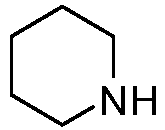 | R-6 |  |
| R-7 |  | R-8 | 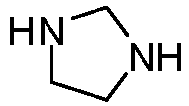 |
| R-9 |  | R-10 |  |
| R-11 |  | R-12 |  |
| R-13 |  | R-14 | 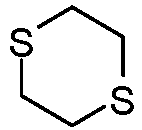 |
| R-15 |  | R-16 |  |
| R-17 |  | R-18 |  |
| R-19 |  | R-20 |  |
| R-21 |  | R-22 | 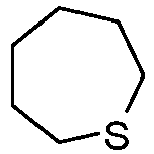 |
| R-23 | 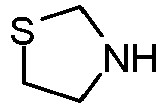 | R-24 |  |
| R-25 |  | R-26 |  |
| R-27 |  | R-28 |  |
| R-29 |  | R-30 |  |
| R-31 |  | R-32 |  |
| R-33 | 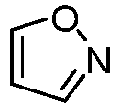 | R-34 |  |
| R-35 |  | R-36 |  |
| R-37 |  | R-38 |  |
| R-39 |  | R-40 |  |
| R-41 |  | R-42 |  |
| R-43 |  | R-44 |  |
| R-45 |  | R-46 |  |
| R-47 |  | R-48 |  |
| R-49 |  | R-50 |  |
| R-51 |  | R-52 |  |
| R-53 |  | R-54 |  |
| R-55 |  | R-56 |  |
| R-57 |  | R-58 |  |
| R-59 |  | R-60 |  |
| R-61 |  | R-62 |  |
| R-63 |  | R-64 |  |
| R-65 |  | R-66 |  |
| R-67 |  | R-68 |  |
| R-69 |  | R-70 |  |
| R-71 |  | R-72 |  |
| R-73 |  | R-74 |  |
| R-75 |  | R-76 |  |
| R-77 |  | R-78 |  |
| R-79 |  | R-80 | 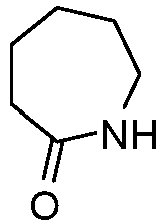 |
| R-81 |  | R-82 |  |
| R-83 |  | R-84 |  |
| R-85 |  |
| Number | Structures of compounds with IC50 < 20 µM | Mw calc. (Da) | [MH]+ found (Da) |
| 21 |  | 546.7300 | 547.1512 |
| 22 |  | 442.5960 | 443.1571 |
| 23 |  | 442.5960 | 443.1574 |
| 24 |  | 431.5580 | 432.1855 |
| 25 | 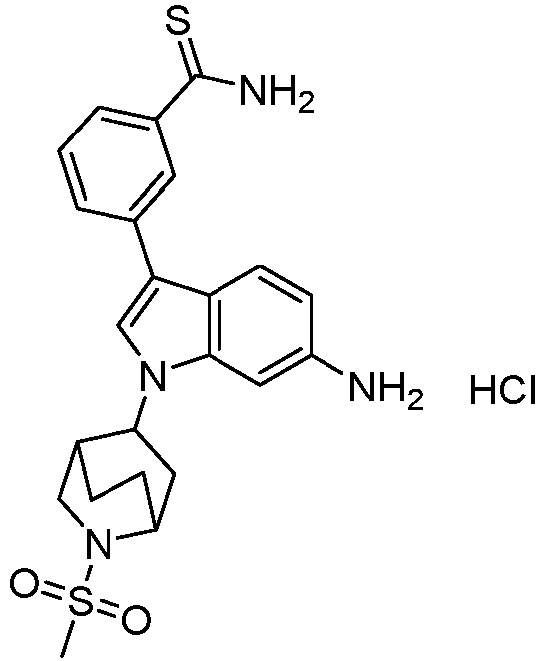 | 491.0650 (HCl salt) | 455.1569 |
| 26 |  | 591.7520 | 592.1945 |
| 27 |  | 567.1670 (HCl salt) | 531.1994 |
| 28 | 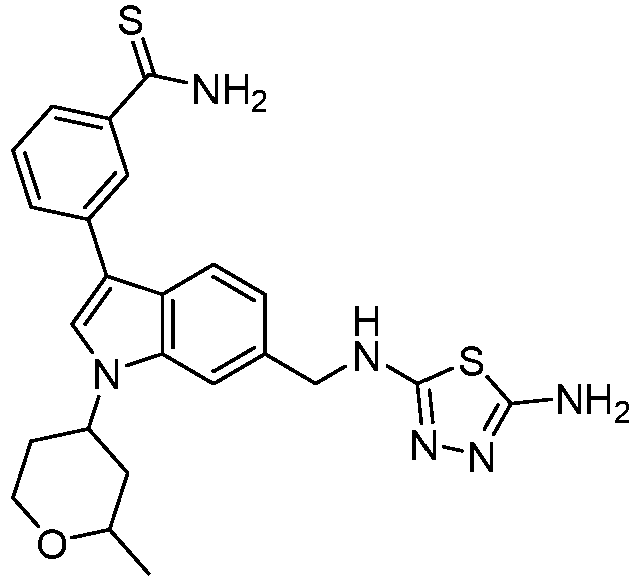 | 478.6330 | 479.1684 |
| 29 |  | 519.0518 (HCl salt) | 483.2028 |
| 30 |  | 596.7060 | 597.2273 |
| 31 |  | 596.7060 | 597.2276 |
| 32 | 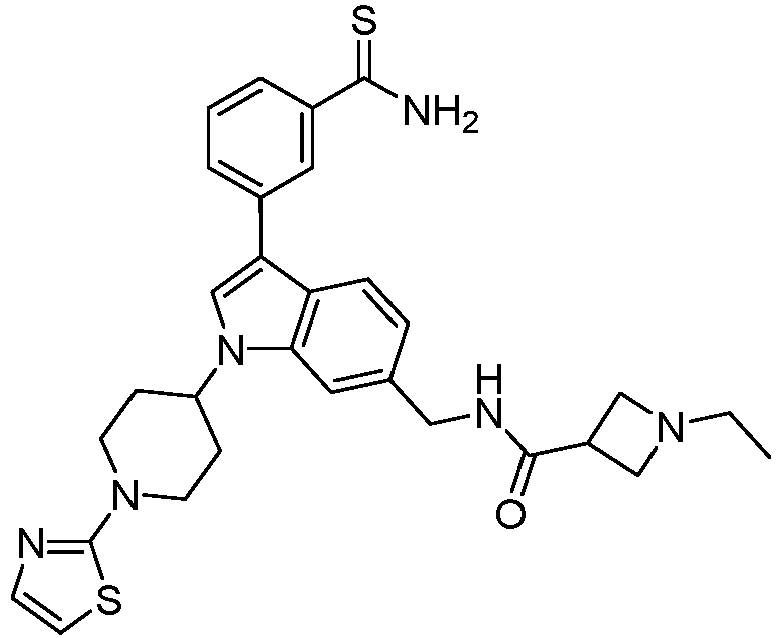 | 558.7630 | 559.2306 |
| 33 |  | 484.0190 (HCl salt) | 448.1917 |
| 34 |  | 569.7610 | 570.1774 |
| 35 |  | 566.1430 (HCl salt) | 530.1901 |
| 36 |  | 855.1040 | 855.3137 |
| 37 |  | 514.6590 | 515.1780 |
| 38 |  | 555.7340 | 556.1615 |
| 39 |  | 590.1980 (HCl salt) | 554.2257 |
| 40 |  | 604.2250 (HCl salt) | 568.2411 |
| 41 |  | 456.6230 | 457.1725 |
| 42 |  | 524.6980 | 525.1988 |
| 43 |  | 682.9170 | 683.2506 |
| 44 |  | 557.7390 | 558.2221 |
| 45 |  | 553.7400 | 554.2253 |
| 46 |  | 567.7670 | 568.2412 |
| 47 |  | 625.28 | |
| 48 |  | 625.28 | |
| 49 |  | 581.7940 | |
| 50 |  | 553.7400 | |
| 51 |  | 594.1970 | 558.2221 |
| 52 |  | 512.6870 | 513.1990 |
| 53 |  | 768.0230 | 768.3029 |
| 54 | 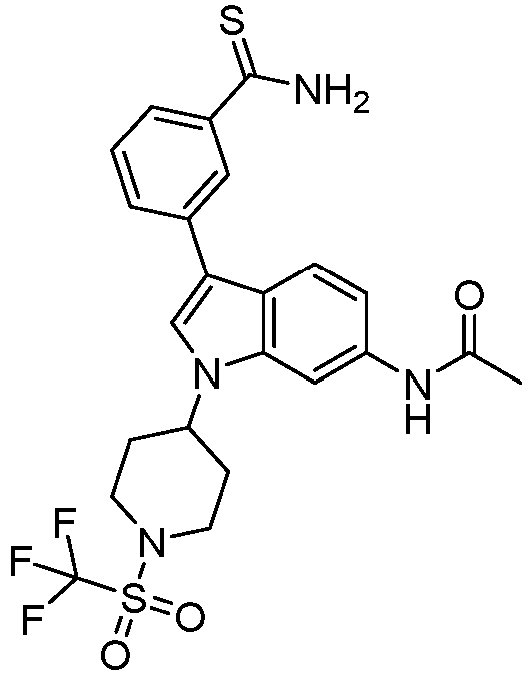 | 524.5772 | 525.1236 |
| 55 |  | 900.0340 | 900.2729 |
| 56 |  | 902.1540 | 902.3608 |
| 57 |  | 632.1362 (HCl salt) | 596.1178 |
| 58 |  | 643.6650 (HCl salt) | 571.1727 |
| 59 | 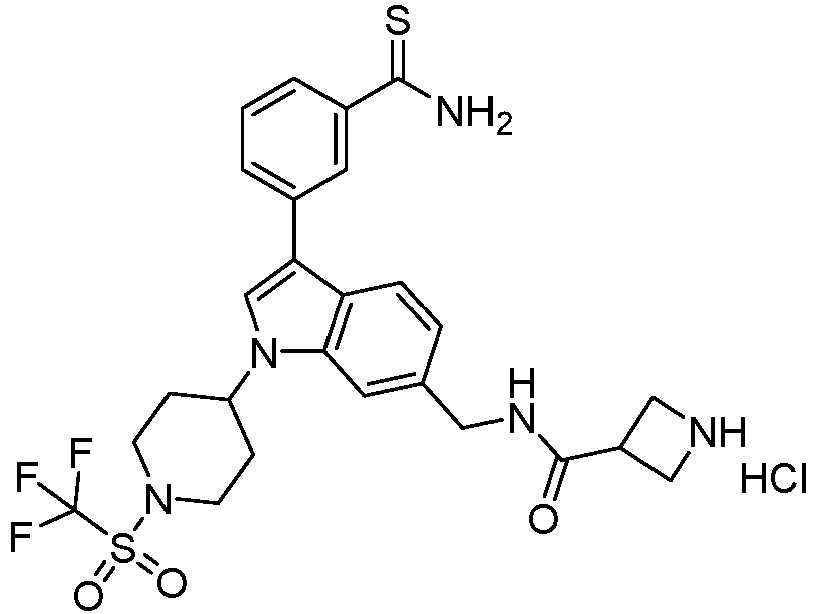 | 616.1152 (HCl salt) | 580.1659 |
| 60 |  | 1044.2312 | 1044.3855 |
| 61 |  | 681.6152 (HCl salt) | 609.1922 |
| 62 |  | 1078.3660 | 1078.4658 |
| 63 |  | 609.8480 | 610.2877 |
| 64 |  | 648.1300 (HCl salt) | 612.1723 |
| 65 |  | 646.1400 (HCl salt) | 610.1769 |
| 66 |  | 644.1700 (HCl salt) | 608.1974 |
| 67 |  | 593.6800 | 594.1818 |
| 68 |  | 471.5700 | 472.1870 |
| 69 |  | 553.6192 | 554.1507 |
| 70 |  | 663.8192 | |
| 71 | 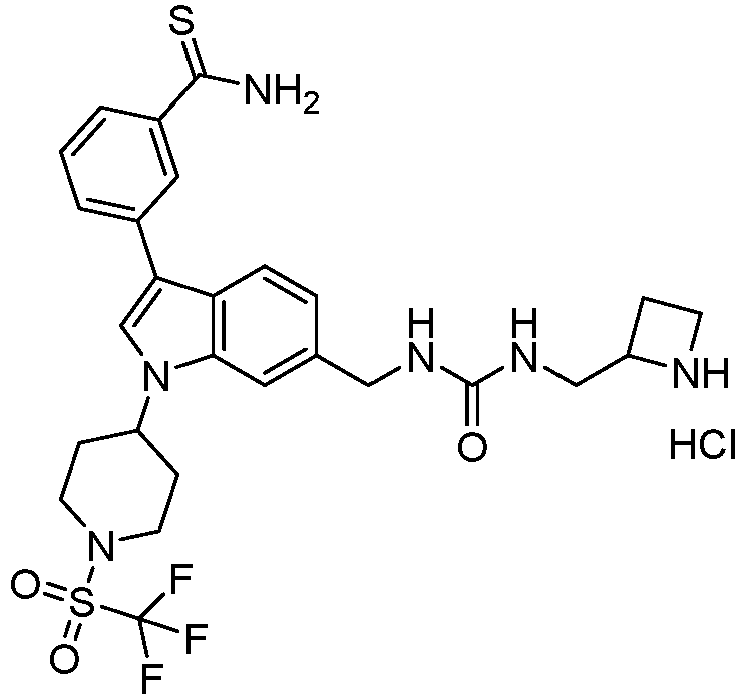 | 645.1572 | |
| 72 |  | 463.5618 | 464.1276 |
| 73 |  | 856.9418 | 857.2812 |
| 74 |  | 563.5962 | 564.1888 |
| 75 |  | 774.0028 | 774.3322 |
| 76 |  | 419.9188 | |
| 77 |  | 628.1262 | |
| 78 |  | 585.1380 | |
| 79 |  | 429.5530 | |
| 80 |  | 445.5288 | |
| 81 | 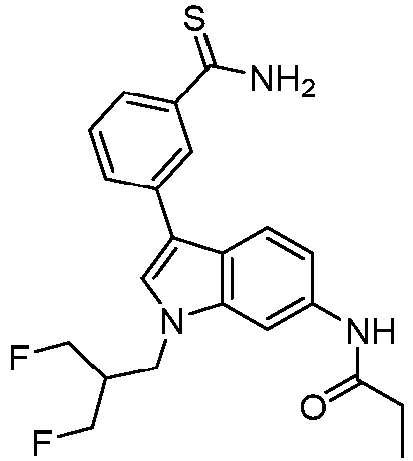 | 415.5028 | |
| 82 |  | 484.5838 | |
| 83 |  | 498.6108 | |
| 84 |  | 577.20 | |
| 85 |  | 282.08 |
Claims (9)
- A compound comprising the structure of:
 wherein R1 is selected from:


 wherein each Q, Q1, and when present Q2, is independently selected from the group consisting of: furan, benzofuran, isobenzofuran, pyrrole, indole, isoindole, thiophene, benzothiophene, benzo[c]thiophene, imidazole, benzimidazole, purine, pyrazole, indazole, oxazole, benzooxazole, isoxazole, benzisoxazole, thiazole, benzothiazole, benzene, napthalene, pyridine, quinolone, isoquinoline, pyrazine, quinoxaline, pyrimidine, quinazoline, pyridazine, cinnoline, phthalazine, thalidomide, 1,2,3-triazine; 1,2,4-triazine; 1,3,5 triazine, thiadiazole, aziridine, thiirane, oxirane, oxaziridine, dioxirane, azetidine, oxetan, thietane, diazetidine, dioxetane, dithietane, pyrrolidine, tetrahydrofuran, thiolane, imidazolidine, pyrazolidine, oxazolidine, isoxazolidine, thiazolidine, isothiazolidine, dioxolane, dithiolane, piperidine, azetidine, oxane, thiane, pepierazine, morpholine, thiomorpholine, dioxane, dithiane, trioxane, thithiane, azepane, oxepane, thiepane, homopiperazine, azocane, tetrahydropyran, cyclobutene, cyclopentene, cyclohexene, cycloheptene, 1,3-cyclohexadiene, 1,4-cyclohexadiene, 1,5-cyclooctadiene, cyclopropyl, cyclobutyl, cyclopentyl, cyclohexyl, and any C3-C7 cycloalkyl group;wherein each J1 and J2, when present, are independently selected from the group consisting of: a covalent bond, H, alkyl1-15, alkenyl1-6, alkynyl1-6, (CH2)0-6C(S)NH2, (CH2)0-6C(O)NH2, O, S, NH, (CH2)0-6C(O)NH(CH2)1-6, (CH2)0-6NHC(O)(CH2)1-6, alkylsulfonyl, sulfonamide, alkylsulfonamide, (CH2)0-6C(S)NH(CH2)1-6, (CH2)0-6O(CH2)1-6, (CH2)0-6OH, (CH2)0-6S(CH2)1-6, (CH2)0-6SH, (CH2)0-6NH(CH2)1-6, (CH2)0-6N(CH2)1-6(CH2)1-6, (CH2)0-6NH2, (CH2)0-6SO2(CH2)1-6, (CH2)0-6NHSO2(CH2)1-6, (CH2)0-6SO2 NH2, halogen (e.g., F, Cl, Br, or I), haloalkyl (e.g., (CH2)0-6 CH2F, (CH2)0-3CHT(CH2)0-2CH3, or similar with Br, Cl, or I), dihaloalkyl (e.g., (CH2)0-6 CF2H, (CH2)0-3 CF2(CH2)0-2CH3, or similar with Br, Cl, or I), trihaloalkyl (e.g., (CH2)0-6 CF3, or similar with Br, Cl, or I), alkyl with 1-3 halogens at two or more positons along its length, (CH2)1-4SP(Ph)2=S, (CH2)0-6NH(CH2)1-5OH, (CH2)0-6NH(CH2)1-5NH2, (CH2)0-6NH(CH2)1-5SH, (CH2)0-6O(CH2)1-50H, (CH2)0-6O(CH2)1-5NH2, (CH2)0-6O(CH2)1-5SH, (CH2)0-6S(CH2)1-5OH, (CH2)0-6S(CH2)1-5NH2, (CH2)0-6S(CH2)1-5SH, (CH2)0-60(CH2)1-6NH(CH2)1-5OH, (CH2)0-6O(CH2)1-6NH(CH2)1-5NH2, (CH2)0-6O(CH2)1-6NH(CH2)1-5SH, (CH2)0-6O(CH2)1-6O(CH2)1-5OH, (CH2)0-6O(CH2)1-6O(CH2)1-5NH2, (CH2)0-6O(CH2)1-6O(CH2)1-5SH, (CH2)0-6O(CH2)1-6S(CH2)1-5OH, (CH2)0-6O(CH2)1-6S(CH2)1-5NH2, (CH2)0-6O(CH2)1-6S(CH2)1-5SH, (CH2)0-6S(CH2)1-6NH(CH2)1-5OH, (CH2)0-6S(CH2)1-6NH(CH2)1-5NH2, (CH2)0-6S(CH2)1-6NH(CH2)1-5SH, (CH2)0-6S(CH2)1-6O(CH2)1-5OH, (CH2)0-6S(CH2)1-6O(CH2)1-5NH2, (CH2)0-6S(CH2)1-6O(CH2)1-5SH, (CH2)0-6S(CH2)1-6S(CH2)1-5OH, (CH2)0-6S(CH2)1-6S(CH2)1-5NH2, (CH2)0-6S(CH2)1-6S(CH2)1-5SH, (CH2)0-6NH(CH2)1-6NH(CH2)1-5OH, (CH2)0-6NH(CH2)1-6NH(CH2)1-5NH2, (CH2)0-6NH(CH2)1-6NH(CH2)1-5SH, (CH2)0-6NH(CH2)1-6O(CH2)1-5OH, (CH2)0-6NH(CH2)1-6O(CH2)1-5NH2, (CH2)0-6NH(CH2)1-6O(CH2)1-5SH, (CH2)0-6NH(CH2)1-6S(CH2)1-5OH, (CH2)0-6NH(CH2)1-6S(CH2)1-5NH2, (CH2)0-6NH(CH2)1-6S(CH2)1-5SH, (CH2)0-3C(O)O(CH2)0-3, (CH2)0-3C(S)O(CH2)0-3, (CH2)0-3C(O)S(CH2)0-3, (CH2)0-3C(S)S(CH2)0-3, (CH2)0-3C(O)NH(CH2)0-3, (CH2)0-3C(S)NH(CH2)0-3, (CH2)0-3NHC(O)(CH2)0-3, (CH2)0-3NHC(S)(CH2)0-3, (CH2)0-3OC(O)(CH2)0-3, (CH2)0-3OC(S)(CH2)0-3, (CH2)0-3SC(O)(CH2)0-3, (CH2)0-3SC(S)(CH2)0-3, (CH2)0-3NHC(O)NH(CH2)0-3, (CH2)0-3NHC(S)NH(CH2)0-3, (CH2)0-3OC(O)NH(CH2)0-3, (CH2)0-3OC(S)NH(CH2)0-3, (CH2)0-3SC(O)NH(CH2)0-3, (CH2)0-3SC(S)NH(CH2)0-3, (CH2)0-3NHC(O)O(CH2)0-3, (CH2)0-3NHC(S)O(CH2)0-3, (CH2)0-30C(O)O(CH2)0-3, (CH2)0-3OC(S)O(CH2)0-3, (CH2)0-3SC(O)O(CH2)0-3, (CH2)0-3SC(S)O(CH2)0-3, (CH2)0-3NHC(O)S(CH2)0-3, (CH2)0-3NHC(S)S(CH2)0-3, (CH2)0-3OC(O)S(CH2)0-3, (CH2)0-3OC(S)S(CH2)0-3, (CH2)0-3SC(O)S(CH2)0-3, (CH2)0-3SC(S)S(CH2)0-3, (CH2O)1-6, and trimethyl methane;wherein R2, R3, R4, R5, and R7, when present, are independently selected from H, Cl, F, Br, I, CH3, OH, SH, NH2, CN, CF3, CCl3, -CH2-CH3, -CH2-OH, -CH2NH2, CH3SH, CH2Cl, CH2Br, CH2F, CHF2, CH2CN, CH2CF3, CH2Cl3, alkyl, haloalkyl, and alcohol; andwherein R6 is selected from H, alkyl, branched alkyl, hydroxy, alkoxy, amine, alkylamine, thioalkyl, alkylthioalkyl, halogen, ketone, amide, alkylamide, cyano, sulfonyl, carboxy, dialkylphosphine oxide, a carbocyclic ring, s sustituted carobocyclic ring, an aromatic ring, a heterocyclic aromatic ring, a heterocyclic non-aromatic ring, carbocyclic or heterocyclic aromatic ring fused to another aromatic ring, and combinations thereof;or a salt thereof;or wherein said compound is selected from the following compounds 80, 81, 82, 83 and 85:
80 
81 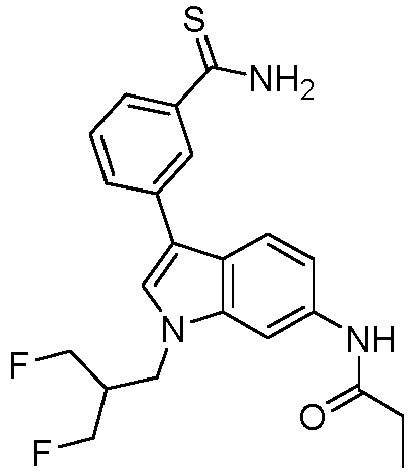
82 
83 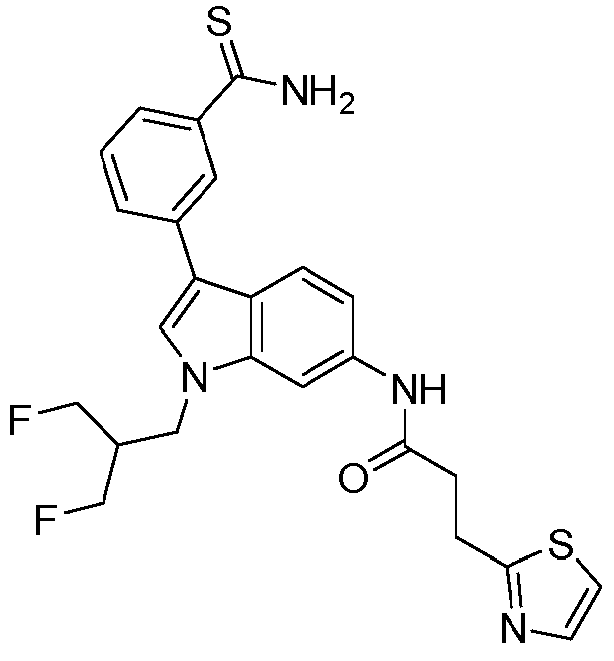
85  and wherein the following compounds are disclaimed:


- The compound of claim 1, selected from the following Compounds:
Compounds Structures 21 
22 
23 
24 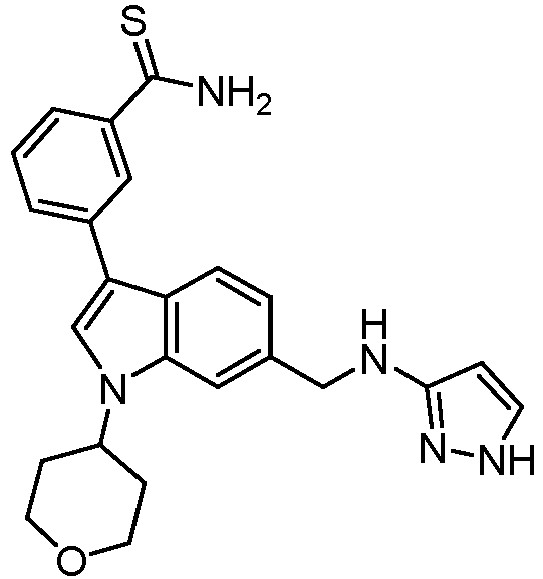
25 
26 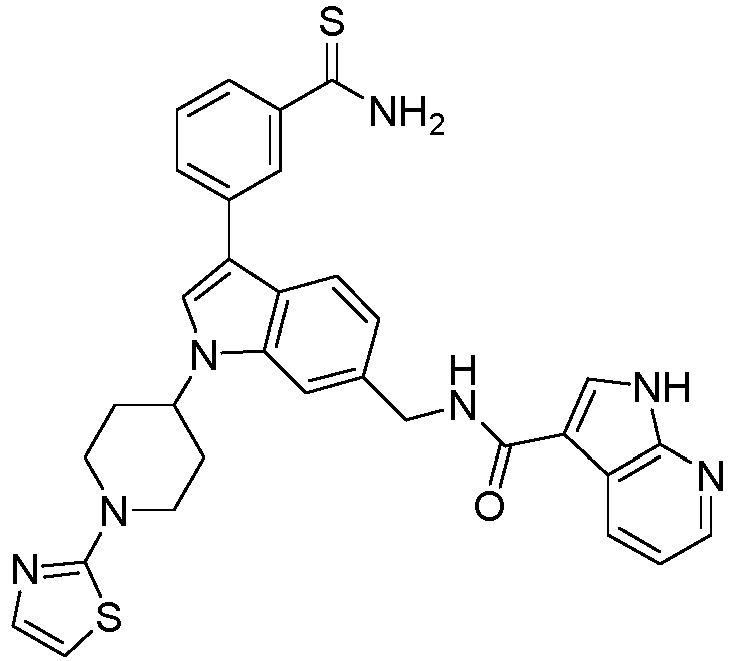
27 
28 
29 
30 
31 
32 
33 
34 
35 
36 
37 
38 
39 
40 
41 
42 
43 
44 
45 
46 
47 
48 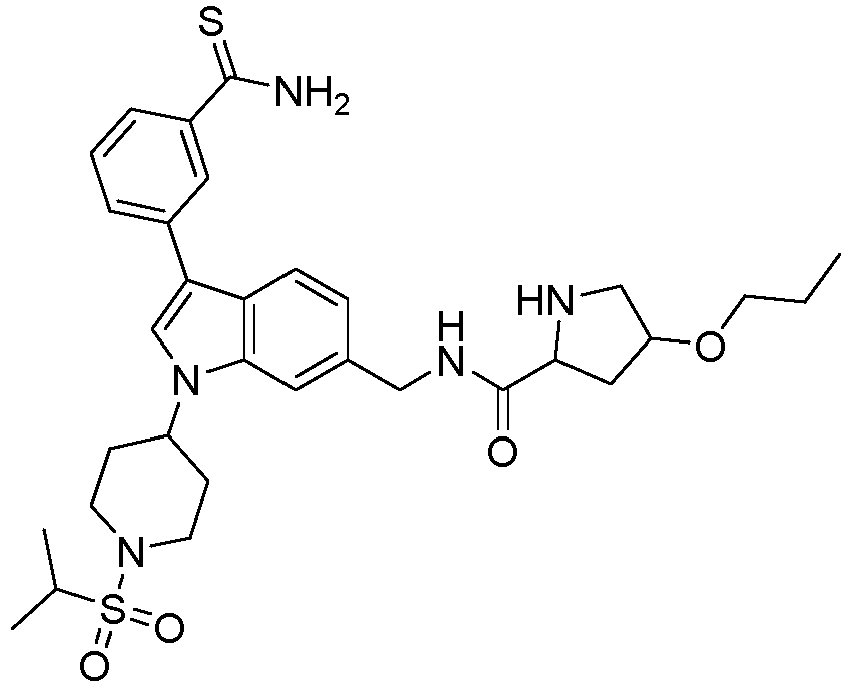
49 
50 
51 
52 
53 
54 
55 
56 
57 
58 
59 
60 
61 
62 
63 
64 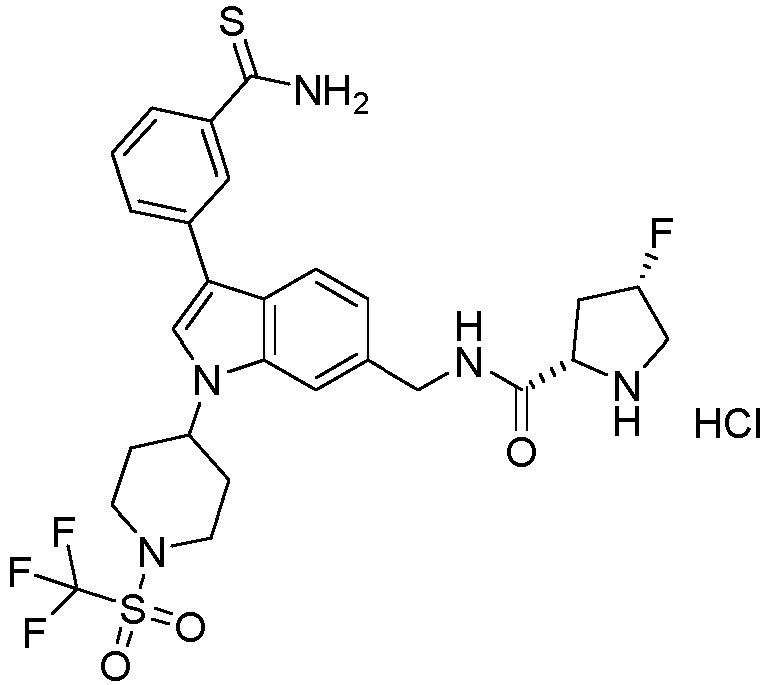
65 
66 
67 
68 
69 
70 
71 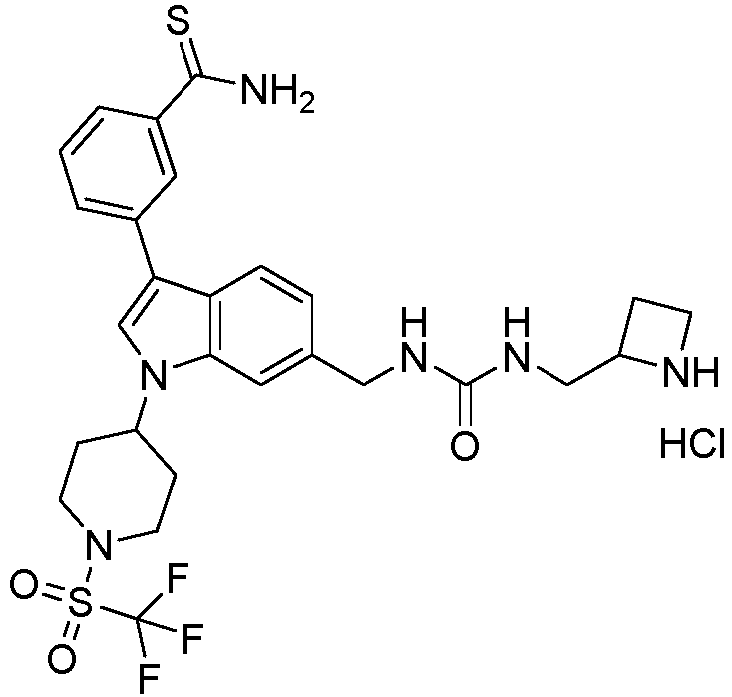
72 
73 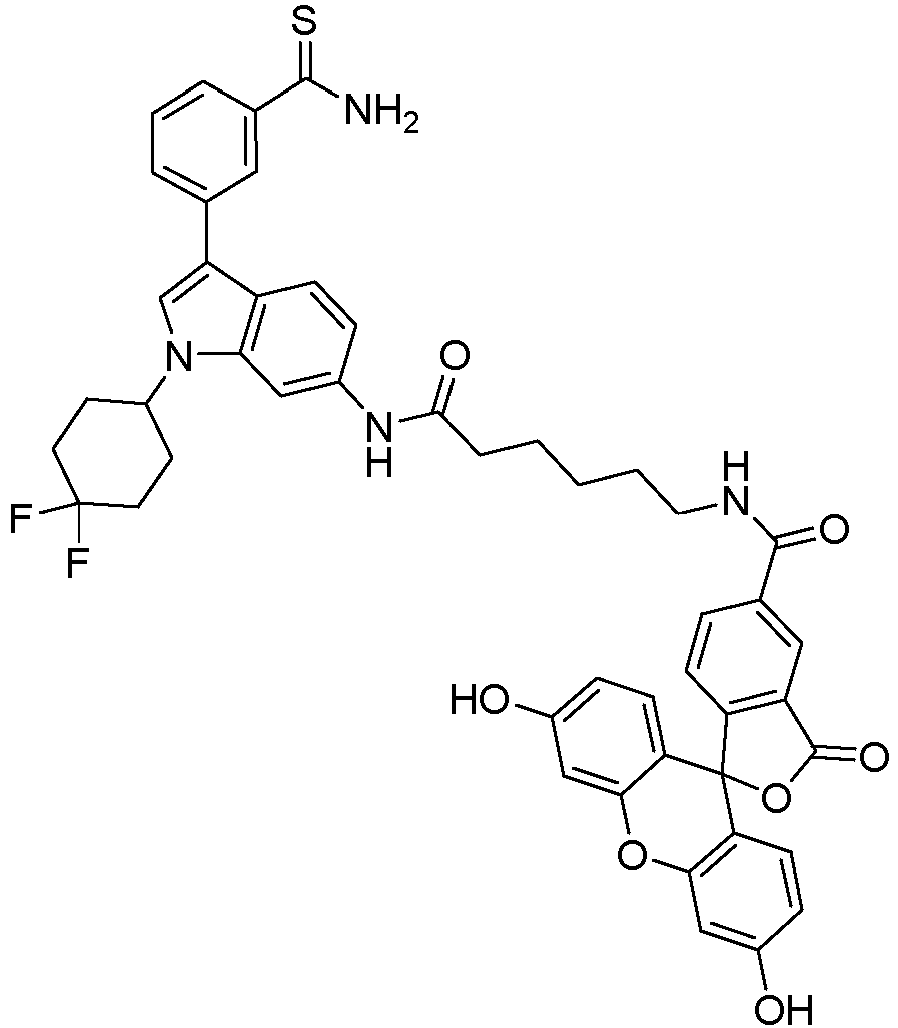
74 
75 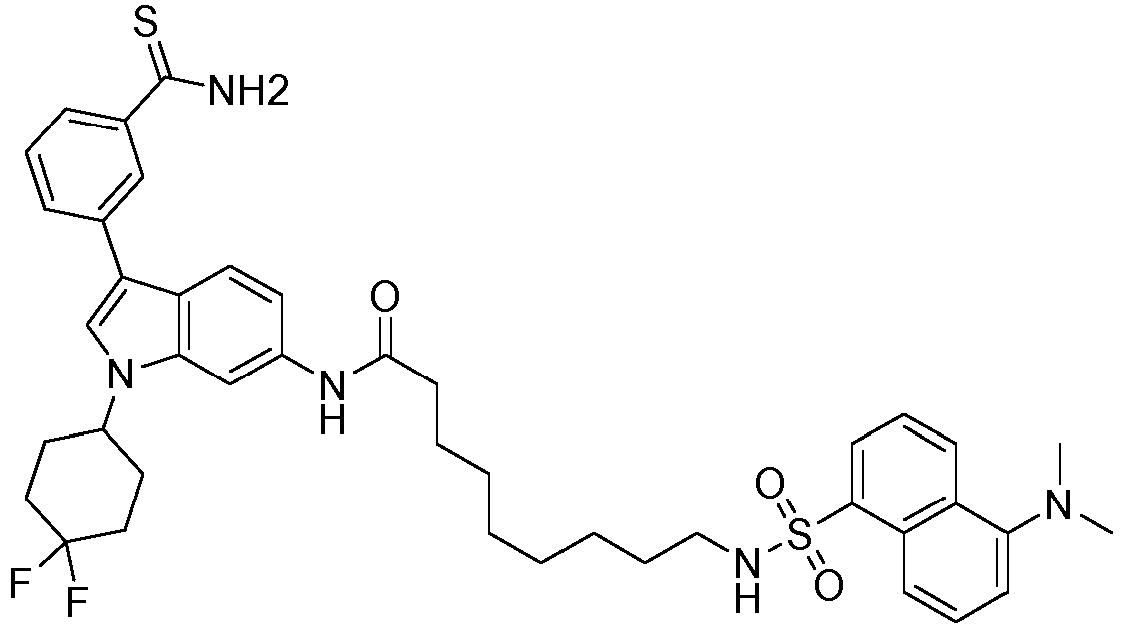
76 
77 
78 
79 
- A pharmaceutical composition comprising a compound of one of claims 1-2 and a pharmaceutically acceptable carrier.
- The pharmaceutical composition of claim 3, wherein the pharmaceutical composition is formulated for oral administration.
- The pharmaceutical composition of claim 3, wherein the pharmaceutical composition is formulated for injection.
- An effective amount of a compound of one of claims 1-2 or a pharmaceutical composition of one of claims 3-5 for use in a method of inhibiting ASH1L, comprising contacting ASH1L with an effective amount of a compound of one of claims 1-4 or a pharmaceutical composition of one of claims 3-5.
- The effective amount of a compound or pharmaceutical composition for use of claim 6, wherein ASH1L activity is inhibited by binding of the compound or pharmaceutical composition to ASH1L.
- A pharmaceutical composition of one of claims 3-5 for use in a method of treating a disease comprising administering to a subject pharmaceutical composition of one of claims 3-5 in an amount effective to inhibit the activity of ASH1L.
- The pharmaceutical composition for use of claim 8, wherein the disease is cancer, wherein the disease or condition preferably comprises leukemia, hematologic malignancy, solid tumor cancer, breast cancer, prostate cancer, ovarian cancer, liver cancer or thyroid cancer, wherein the disease or conditions further preferably comprises AML, ALL, Mixed Lineage Leukemia or a leukemia with Partial Tandem Duplication of MLL.
Applications Claiming Priority (2)
| Application Number | Priority Date | Filing Date | Title |
|---|---|---|---|
| US201762584473P | 2017-11-10 | 2017-11-10 | |
| PCT/US2018/060102 WO2019094773A1 (en) | 2017-11-10 | 2018-11-09 | Ash1l inhibitors and methods of treatment therewith |
Publications (3)
| Publication Number | Publication Date |
|---|---|
| EP3706737A1 EP3706737A1 (en) | 2020-09-16 |
| EP3706737A4 EP3706737A4 (en) | 2021-10-20 |
| EP3706737B1 true EP3706737B1 (en) | 2025-01-01 |
Family
ID=66432988
Family Applications (2)
| Application Number | Title | Priority Date | Filing Date |
|---|---|---|---|
| EP18876778.4A Active EP3706737B1 (en) | 2017-11-10 | 2018-11-09 | Ash1l inhibitors and methods of treatment therewith |
| EP18875456.8A Pending EP3706736A4 (en) | 2017-11-10 | 2018-11-09 | ASH1L DEGRADATION AGENTS AND METHODS OF TREATMENT THROUGH THEM |
Family Applications After (1)
| Application Number | Title | Priority Date | Filing Date |
|---|---|---|---|
| EP18875456.8A Pending EP3706736A4 (en) | 2017-11-10 | 2018-11-09 | ASH1L DEGRADATION AGENTS AND METHODS OF TREATMENT THROUGH THEM |
Country Status (6)
| Country | Link |
|---|---|
| US (7) | US10632209B2 (en) |
| EP (2) | EP3706737B1 (en) |
| JP (3) | JP2021502388A (en) |
| CN (2) | CN111542318A (en) |
| CA (2) | CA3082077A1 (en) |
| WO (2) | WO2019094772A1 (en) |
Families Citing this family (20)
| Publication number | Priority date | Publication date | Assignee | Title |
|---|---|---|---|---|
| CN109414596B (en) | 2016-05-12 | 2023-09-29 | 密歇根大学董事会 | ASH1L inhibitors and methods of treatment therewith |
| US10632209B2 (en) * | 2017-11-10 | 2020-04-28 | The Regents Of The University Of Michigan | ASH1L inhibitors and methods of treatment therewith |
| WO2020027225A1 (en) | 2018-07-31 | 2020-02-06 | ファイメクス株式会社 | Heterocyclic compound |
| AU2019389174A1 (en) | 2018-11-30 | 2021-07-01 | Kymera Therapeutics, Inc. | Irak degraders and uses thereof |
| EP4029499A4 (en) * | 2019-06-12 | 2023-07-26 | Shanghaitech University | ALK PROTEIN REGULATOR AND ITS ANTITUMOR APPLICATION |
| PH12022500002A1 (en) | 2019-06-28 | 2023-04-03 | Kymera Therapeutics Inc | Irak degraders and uses thereof |
| US12558427B2 (en) | 2019-07-17 | 2026-02-24 | Kymera Therapeutics, Inc. | IRAK degraders and uses thereof |
| US11814373B2 (en) * | 2019-09-23 | 2023-11-14 | Pmv Pharmaceuticals, Inc. | Methods and compounds for restoring mutant p53 function |
| WO2021119159A1 (en) | 2019-12-10 | 2021-06-17 | Kymera Therapeutics, Inc. | Irak degraders and uses thereof |
| CA3161878A1 (en) | 2019-12-17 | 2021-06-24 | Matthew M. Weiss | Irak degraders and uses thereof |
| KR102325607B1 (en) * | 2020-02-20 | 2021-11-12 | 한국과학기술원 | Composition for preventing or treating of leukemia comprising a benzofuran-pyrazole derivative compound that inhibits ASH1Lhistone methyltransferase activity |
| AU2021293907A1 (en) * | 2020-06-17 | 2023-01-19 | Dana-Farber Cancer Institute, Inc. | Targeted aberrant alpha-synuclein species and induced ubiquitination and proteosomal clearance via co-recruitment of an E3-ligase system |
| MX2023009178A (en) | 2021-02-15 | 2023-08-21 | Kymera Therapeutics Inc | Irak4 degraders and uses thereof. |
| WO2022174268A1 (en) | 2021-02-15 | 2022-08-18 | Kymera Therapeutics, Inc. | Irak4 degraders and uses thereof |
| CN113004251B (en) * | 2021-03-05 | 2022-09-27 | 郑州大学第一附属医院 | Quinazoline derivative containing 2-nitroimidazole and application thereof |
| CN115960104A (en) * | 2021-10-09 | 2023-04-14 | 嘉兴优博生物技术有限公司 | Targeted Protease Degradation (TED) Platform |
| JP2024540080A (en) | 2021-10-29 | 2024-10-31 | カイメラ セラピューティクス, インコーポレイテッド | IRAK4 degraders and their synthesis |
| JP2025533275A (en) * | 2022-10-13 | 2025-10-03 | ハンミ ファーマシューティカルズ カンパニー リミテッド | Novel heterobicyclic compounds for inhibiting YAP-TEAD interaction and pharmaceutical compositions containing the same |
| WO2025007905A1 (en) * | 2023-07-04 | 2025-01-09 | 西藏海思科制药有限公司 | Pharmaceutical composition of compound for inhibiting and degrading irak4, and use thereof in medicine |
| US12703801B2 (en) | 2023-11-01 | 2026-08-11 | The Boeing Company | Corrosion inhibition coatings with thiirane crosslinkers and methods thereof |
Citations (1)
| Publication number | Priority date | Publication date | Assignee | Title |
|---|---|---|---|---|
| WO2007087488A2 (en) * | 2006-01-24 | 2007-08-02 | Eli Lilly And Company | Indole sulfonamide modulators of progesterone receptors |
Family Cites Families (109)
| Publication number | Priority date | Publication date | Assignee | Title |
|---|---|---|---|---|
| US5861A (en) | 1848-10-17 | Locking umbrella and parasol | ||
| US510A (en) | 1837-12-07 | soeel | ||
| US949A (en) | 1838-09-27 | Improvement in roller cotton-gins for ginning long-staple and other kinds of cotton | ||
| US5863A (en) | 1848-10-17 | Matthias p | ||
| US3598123A (en) | 1969-04-01 | 1971-08-10 | Alza Corp | Bandage for administering drugs |
| US3993073A (en) | 1969-04-01 | 1976-11-23 | Alza Corporation | Novel drug delivery device |
| US3598122A (en) | 1969-04-01 | 1971-08-10 | Alza Corp | Bandage for administering drugs |
| US3710795A (en) | 1970-09-29 | 1973-01-16 | Alza Corp | Drug-delivery device with stretched, rate-controlling membrane |
| US4069307A (en) | 1970-10-01 | 1978-01-17 | Alza Corporation | Drug-delivery device comprising certain polymeric materials for controlled release of drug |
| US3731683A (en) | 1971-06-04 | 1973-05-08 | Alza Corp | Bandage for the controlled metering of topical drugs to the skin |
| US3742951A (en) | 1971-08-09 | 1973-07-03 | Alza Corp | Bandage for controlled release of vasodilators |
| US3996934A (en) | 1971-08-09 | 1976-12-14 | Alza Corporation | Medical bandage |
| BE795384A (en) | 1972-02-14 | 1973-08-13 | Ici Ltd | DRESSINGS |
| US3921636A (en) | 1973-01-15 | 1975-11-25 | Alza Corp | Novel drug delivery device |
| US3993072A (en) | 1974-08-28 | 1976-11-23 | Alza Corporation | Microporous drug delivery device |
| US4151273A (en) | 1974-10-31 | 1979-04-24 | The Regents Of The University Of California | Increasing the absorption rate of insoluble drugs |
| US3972995A (en) | 1975-04-14 | 1976-08-03 | American Home Products Corporation | Dosage form |
| US4077407A (en) | 1975-11-24 | 1978-03-07 | Alza Corporation | Osmotic devices having composite walls |
| US4031894A (en) | 1975-12-08 | 1977-06-28 | Alza Corporation | Bandage for transdermally administering scopolamine to prevent nausea |
| US4060084A (en) | 1976-09-07 | 1977-11-29 | Alza Corporation | Method and therapeutic system for providing chemotherapy transdermally |
| US4201211A (en) | 1977-07-12 | 1980-05-06 | Alza Corporation | Therapeutic system for administering clonidine transdermally |
| JPS5562012A (en) | 1978-11-06 | 1980-05-10 | Teijin Ltd | Slow-releasing preparation |
| US4230105A (en) | 1978-11-13 | 1980-10-28 | Merck & Co., Inc. | Transdermal delivery of drugs |
| US4229447A (en) | 1979-06-04 | 1980-10-21 | American Home Products Corporation | Intraoral methods of using benzodiazepines |
| CA1146866A (en) | 1979-07-05 | 1983-05-24 | Yamanouchi Pharmaceutical Co. Ltd. | Process for the production of sustained release pharmaceutical composition of solid medical material |
| US4291015A (en) | 1979-08-14 | 1981-09-22 | Key Pharmaceuticals, Inc. | Polymeric diffusion matrix containing a vasodilator |
| US4476116A (en) | 1982-12-10 | 1984-10-09 | Syntex (U.S.A.) Inc. | Polypeptides/chelating agent nasal compositions having enhanced peptide absorption |
| US5116817A (en) | 1982-12-10 | 1992-05-26 | Syntex (U.S.A.) Inc. | LHRH preparations for intranasal administration |
| US4596795A (en) | 1984-04-25 | 1986-06-24 | The United States Of America As Represented By The Secretary, Dept. Of Health & Human Services | Administration of sex hormones in the form of hydrophilic cyclodextrin derivatives |
| GB8522453D0 (en) | 1985-09-11 | 1985-10-16 | Lilly Industries Ltd | Chewable capsules |
| US4755386A (en) | 1986-01-22 | 1988-07-05 | Schering Corporation | Buccal formulation |
| US5312325A (en) | 1987-05-28 | 1994-05-17 | Drug Delivery Systems Inc | Pulsating transdermal drug delivery system |
| US5052558A (en) | 1987-12-23 | 1991-10-01 | Entravision, Inc. | Packaged pharmaceutical product |
| US5033252A (en) | 1987-12-23 | 1991-07-23 | Entravision, Inc. | Method of packaging and sterilizing a pharmaceutical product |
| GB8827305D0 (en) | 1988-11-23 | 1988-12-29 | British Bio Technology | Compounds |
| WO1990009381A1 (en) | 1989-02-08 | 1990-08-23 | Abbott Laboratories | 4-hydroxythiazoles as 5-lipoxygenase inhibitors |
| US5739136A (en) | 1989-10-17 | 1998-04-14 | Ellinwood, Jr.; Everett H. | Intraoral dosing method of administering medicaments |
| US5633009A (en) | 1990-11-28 | 1997-05-27 | Sano Corporation | Transdermal administration of azapirones |
| ES2111065T5 (en) | 1991-04-16 | 2005-06-16 | Nippon Shinyaku Company, Limited | PROCEDURE TO PRODUCE A SOLID DISPERSION. |
| US5340591A (en) | 1992-01-24 | 1994-08-23 | Fujisawa Pharmaceutical Co., Ltd. | Method of producing a solid dispersion of the sparingly water-soluble drug, nilvadipine |
| US5281420A (en) | 1992-05-19 | 1994-01-25 | The Procter & Gamble Company | Solid dispersion compositions of tebufelone |
| US5323907A (en) | 1992-06-23 | 1994-06-28 | Multi-Comp, Inc. | Child resistant package assembly for dispensing pharmaceutical medications |
| AU4198793A (en) | 1992-07-24 | 1994-01-27 | Takeda Chemical Industries Ltd. | Microparticle preparation and production thereof |
| US5700485A (en) | 1992-09-10 | 1997-12-23 | Children's Medical Center Corporation | Prolonged nerve blockade by the combination of local anesthetic and glucocorticoid |
| US5455258A (en) | 1993-01-06 | 1995-10-03 | Ciba-Geigy Corporation | Arylsulfonamido-substituted hydroxamic acids |
| US5391452A (en) | 1993-08-02 | 1995-02-21 | Xerox Corporation | Polyester toner and developer compositions |
| US5665378A (en) | 1994-09-30 | 1997-09-09 | Davis; Roosevelt | Transdermal therapeutic formulation |
| US5863949A (en) | 1995-03-08 | 1999-01-26 | Pfizer Inc | Arylsulfonylamino hydroxamic acid derivatives |
| CA2218503C (en) | 1995-04-20 | 2001-07-24 | Pfizer Inc. | Arylsulfonyl hydroxamic acid derivatives |
| SE9502244D0 (en) | 1995-06-20 | 1995-06-20 | Bioglan Ab | A composition and a process for the preparation thereof |
| DK0780386T3 (en) | 1995-12-20 | 2003-02-03 | Hoffmann La Roche | matrix metalloprotease |
| US5858401A (en) | 1996-01-22 | 1999-01-12 | Sidmak Laboratories, Inc. | Pharmaceutical composition for cyclosporines |
| US6923983B2 (en) | 1996-02-19 | 2005-08-02 | Acrux Dds Pty Ltd | Transdermal delivery of hormones |
| US6929801B2 (en) | 1996-02-19 | 2005-08-16 | Acrux Dds Pty Ltd | Transdermal delivery of antiparkinson agents |
| JP3195756B2 (en) | 1996-07-04 | 2001-08-06 | 公子 吉水 | Lubrication auxiliary |
| EP0818442A3 (en) | 1996-07-12 | 1998-12-30 | Pfizer Inc. | Cyclic sulphone derivatives as inhibitors of metalloproteinases and of the production of tumour necrosis factor |
| EP0923585B1 (en) | 1996-07-18 | 2002-05-08 | Pfizer Inc. | Phosphinate based inhibitors of matrix metalloproteases |
| EP0922030A1 (en) | 1996-08-23 | 1999-06-16 | Pfizer Inc. | Arylsulfonylamino hydroxamic acid derivatives |
| US6077864A (en) | 1997-01-06 | 2000-06-20 | Pfizer Inc. | Cyclic sulfone derivatives |
| US6458373B1 (en) | 1997-01-07 | 2002-10-01 | Sonus Pharmaceuticals, Inc. | Emulsion vehicle for poorly soluble drugs |
| HUP0000852A2 (en) | 1997-02-03 | 2001-05-28 | Pfizer Products Inc. | Arylsulfonylamino hydroxamic acid derivatives |
| JP2000507975A (en) | 1997-02-07 | 2000-06-27 | ファイザー・インク | N-hydroxy-β-sulfonylpropionamide derivatives and their use as matrix metalloproteinase inhibitors |
| NZ336836A (en) | 1997-02-11 | 2001-02-23 | Pfizer | Arylsulfonyl hydroxamic acid derivatives suitable for a broad range of medicinal treatments |
| US6391452B1 (en) | 1997-07-18 | 2002-05-21 | Bayer Corporation | Compositions for nasal drug delivery, methods of making same, and methods of removing residual solvent from pharmaceutical preparations |
| TR200000368T2 (en) | 1997-08-08 | 2000-07-21 | Pfizer Products Inc. | Ariloxyariarylsulfonylamino hydroxamic acid derivatives. |
| GB9725782D0 (en) | 1997-12-05 | 1998-02-04 | Pfizer Ltd | Therapeutic agents |
| BR9814340B1 (en) * | 1997-12-24 | 2010-07-13 | indole derivatives, process for preparing them and pharmaceutical composition. | |
| US5869090A (en) | 1998-01-20 | 1999-02-09 | Rosenbaum; Jerry | Transdermal delivery of dehydroepiandrosterone |
| GB9801690D0 (en) | 1998-01-27 | 1998-03-25 | Pfizer Ltd | Therapeutic agents |
| PA8469501A1 (en) | 1998-04-10 | 2000-09-29 | Pfizer Prod Inc | HYDROXAMIDES OF THE ACID (4-ARILSULFONILAMINO) -TETRAHIDROPIRAN-4-CARBOXILICO |
| PA8469401A1 (en) | 1998-04-10 | 2000-05-24 | Pfizer Prod Inc | BICYCLE DERIVATIVES OF HYDROXAMIC ACID |
| US6946144B1 (en) | 1998-07-08 | 2005-09-20 | Oryxe | Transdermal delivery system |
| EP1004578B1 (en) | 1998-11-05 | 2004-02-25 | Pfizer Products Inc. | 5-oxo-pyrrolidine-2-carboxylic acid hydroxamide derivatives |
| ES2307482T3 (en) | 1999-02-10 | 2008-12-01 | Pfizer Products Inc. | SOLID PHARMACEUTICAL DISPERSIONS. |
| US6511993B1 (en) | 1999-06-03 | 2003-01-28 | Kevin Neil Dack | Metalloprotease inhibitors |
| EP1081137A1 (en) | 1999-08-12 | 2001-03-07 | Pfizer Products Inc. | Selective inhibitors of aggrecanase in osteoarthritis treatment |
| US6960563B2 (en) | 2001-08-31 | 2005-11-01 | Morton Grove Pharmaceuticals, Inc. | Spontaneous emulsions containing cyclosporine |
| JP4505566B2 (en) | 2004-09-30 | 2010-07-21 | 愛知県 | Lung cancer therapeutic agent |
| US20080233101A1 (en) | 2005-09-15 | 2008-09-25 | The Regents Of The University Of California | RNA-mediated epigenetic regulation of gene transcription |
| US8008481B2 (en) | 2006-03-31 | 2011-08-30 | Ericsson Anna M | Indazole compounds |
| KR101450653B1 (en) * | 2006-07-18 | 2014-10-14 | 안티브 홀딩스 인크. | Hydrogen sulfide derivatives of non-steroidal anti-inflammatory drugs |
| JP2010516291A (en) | 2007-01-31 | 2010-05-20 | ジ・オハイオ・ステイト・ユニバーシティ・リサーチ・ファウンデイション | MicroRNA-based methods and compositions for diagnosis, prognosis and treatment of acute myeloid leukemia (AML) |
| AU2008240188A1 (en) | 2007-04-13 | 2008-10-23 | Supergen, Inc. | Axl kinase inhibitors useful for the treatment of cancer or hyperproliferative disorders |
| JP2010534665A (en) | 2007-07-25 | 2010-11-11 | ベーリンガー インゲルハイム インターナショナル ゲゼルシャフト ミット ベシュレンクテル ハフツング | Glucocorticoid mimetics, methods for their production, pharmaceutical compositions, and uses thereof |
| WO2009051956A2 (en) | 2007-10-16 | 2009-04-23 | E. I. Du Pont De Nemours And Company | Pyrazole-substituted isoxazoline insecticides |
| RU2537549C2 (en) * | 2008-01-04 | 2015-01-10 | Интелликайн ЭлЭлСи | Some chemical structures, compositions and methods |
| UA107938C2 (en) | 2009-08-12 | 2015-03-10 | Syngenta Participations Ag | Heterocycles with microbicidal properties |
| EP2649099A4 (en) | 2010-12-07 | 2016-10-19 | Univ Yale | HYDROPHOBIC MARKING OF SMALL MOLECULES OF FUSION PROTEINS AND INDUCED DEGRADATION THEREOF |
| EP2677865A4 (en) * | 2011-02-23 | 2015-04-22 | Icahn School Med Mount Sinai | Inhibitors of bromodomains as modulators of gene expression |
| KR102438072B1 (en) | 2012-01-12 | 2022-08-31 | 예일 유니버시티 | Compounds and Methods for the Enhanced Degradation of Targeted Proteins and Other Polypeptides by an E3 Ubiquitin Ligase |
| WO2014077784A1 (en) | 2012-11-19 | 2014-05-22 | Agency For Science, Technology And Research | Method of treating cancer |
| CN105073747B (en) * | 2013-03-15 | 2017-06-06 | 普莱希科公司 | Heterocyclic compounds and their applications |
| WO2014151734A1 (en) * | 2013-03-15 | 2014-09-25 | The Trustees Of Columbia University In The City Of New York | Fusion proteins and methods thereof |
| WO2015117083A1 (en) * | 2014-01-31 | 2015-08-06 | Dana-Farber Cancer Institute, Inc. | Diazepane derivatives and uses thereof |
| US20180228907A1 (en) | 2014-04-14 | 2018-08-16 | Arvinas, Inc. | Cereblon ligands and bifunctional compounds comprising the same |
| EP4649963A3 (en) | 2014-04-14 | 2026-05-13 | Arvinas Operations, Inc. | Imide-based modulators of proteolysis and associated methods of use |
| US12312316B2 (en) | 2015-01-20 | 2025-05-27 | Arvinas Operations, Inc. | Compounds and methods for the targeted degradation of androgen receptor |
| WO2017007612A1 (en) | 2015-07-07 | 2017-01-12 | Dana-Farber Cancer Institute, Inc. | Methods to induce targeted protein degradation through bifunctional molecules |
| US10544095B2 (en) * | 2015-08-10 | 2020-01-28 | Pfizer Inc. | 3-indol substituted derivatives, pharmaceutical compositions and methods for use |
| US20170158702A1 (en) | 2015-12-02 | 2017-06-08 | Kyras Therapeutics, Inc. | Multivalent ras binding compounds |
| EP3440082A1 (en) | 2016-04-06 | 2019-02-13 | The Regents of The University of Michigan | Monofunctional intermediates for ligand-dependent target protein degradation |
| AU2017250076B2 (en) | 2016-04-12 | 2021-07-22 | The Regents Of The University Of Michigan | Bet protein degraders |
| AU2017254702B2 (en) | 2016-04-22 | 2020-12-24 | Dana-Farber Cancer Institute, Inc. | Degradation of cyclin-dependent kinase 9 (CDK9) by conjugation of CDK9 inhibitors with E3 ligase ligand and methods of use |
| CN109414596B (en) * | 2016-05-12 | 2023-09-29 | 密歇根大学董事会 | ASH1L inhibitors and methods of treatment therewith |
| IL325835A (en) | 2016-12-23 | 2026-03-01 | Univ Yale | Compounds and methods for the targeted reduction of rapidly accelerating polypeptide fibrosarcoma |
| CN110753693A (en) | 2016-12-23 | 2020-02-04 | 阿尔维纳斯运营股份有限公司 | EGFR Proteolytic Targeting Chimeric Molecules and Related Methods of Use |
| US10806737B2 (en) | 2016-12-23 | 2020-10-20 | Arvinas Operations, Inc. | Compounds and methods for the targeted degradation of fetal liver kinase polypeptides |
| US10632209B2 (en) * | 2017-11-10 | 2020-04-28 | The Regents Of The University Of Michigan | ASH1L inhibitors and methods of treatment therewith |
| JP7123197B2 (en) | 2021-01-06 | 2022-08-22 | エルジー ディスプレイ カンパニー リミテッド | Sound generator and sound device |
-
2018
- 2018-11-09 US US16/186,018 patent/US10632209B2/en active Active
- 2018-11-09 CA CA3082077A patent/CA3082077A1/en active Pending
- 2018-11-09 CA CA3082086A patent/CA3082086A1/en active Pending
- 2018-11-09 JP JP2020526068A patent/JP2021502388A/en active Pending
- 2018-11-09 US US16/186,012 patent/US11110177B2/en active Active
- 2018-11-09 WO PCT/US2018/060101 patent/WO2019094772A1/en not_active Ceased
- 2018-11-09 WO PCT/US2018/060102 patent/WO2019094773A1/en not_active Ceased
- 2018-11-09 CN CN201880084828.6A patent/CN111542318A/en active Pending
- 2018-11-09 JP JP2020526059A patent/JP7424637B2/en active Active
- 2018-11-09 CN CN201880085699.2A patent/CN111655257B/en active Active
- 2018-11-09 EP EP18876778.4A patent/EP3706737B1/en active Active
- 2018-11-09 EP EP18875456.8A patent/EP3706736A4/en active Pending
-
2020
- 2020-04-21 US US16/854,527 patent/US11147885B2/en active Active
-
2021
- 2021-09-07 US US17/468,308 patent/US11786602B2/en active Active
- 2021-10-18 US US17/504,159 patent/US11833210B2/en active Active
-
2023
- 2023-10-17 US US18/488,912 patent/US12285490B2/en active Active
- 2023-12-05 US US18/530,017 patent/US12521442B2/en active Active
-
2024
- 2024-01-11 JP JP2024002472A patent/JP7789402B2/en active Active
Patent Citations (1)
| Publication number | Priority date | Publication date | Assignee | Title |
|---|---|---|---|---|
| WO2007087488A2 (en) * | 2006-01-24 | 2007-08-02 | Eli Lilly And Company | Indole sulfonamide modulators of progesterone receptors |
Also Published As
| Publication number | Publication date |
|---|---|
| US20240277856A1 (en) | 2024-08-22 |
| JP2021502386A (en) | 2021-01-28 |
| US20220288217A1 (en) | 2022-09-15 |
| US10632209B2 (en) | 2020-04-28 |
| JP2021502388A (en) | 2021-01-28 |
| JP2024041896A (en) | 2024-03-27 |
| WO2019094772A1 (en) | 2019-05-16 |
| CA3082077A1 (en) | 2019-05-16 |
| EP3706736A4 (en) | 2021-08-11 |
| EP3706737A4 (en) | 2021-10-20 |
| US11833210B2 (en) | 2023-12-05 |
| US12285490B2 (en) | 2025-04-29 |
| WO2019094773A1 (en) | 2019-05-16 |
| CA3082086A1 (en) | 2019-05-16 |
| CN111542318A (en) | 2020-08-14 |
| US11110177B2 (en) | 2021-09-07 |
| JP7424637B2 (en) | 2024-01-30 |
| CN111655257A (en) | 2020-09-11 |
| US11786602B2 (en) | 2023-10-17 |
| US20190144442A1 (en) | 2019-05-16 |
| US20200246474A1 (en) | 2020-08-06 |
| EP3706736A1 (en) | 2020-09-16 |
| US12521442B2 (en) | 2026-01-13 |
| US20220072142A1 (en) | 2022-03-10 |
| US20190142961A1 (en) | 2019-05-16 |
| CN111655257B (en) | 2024-11-05 |
| US11147885B2 (en) | 2021-10-19 |
| EP3706737A1 (en) | 2020-09-16 |
| JP7789402B2 (en) | 2025-12-22 |
| US20240366774A1 (en) | 2024-11-07 |
Similar Documents
| Publication | Publication Date | Title |
|---|---|---|
| US12521442B2 (en) | ASH1L inhibitors and methods of treatment therewith | |
| US12364688B2 (en) | NSD family inhibitors and methods of treatment therewith | |
| EP3454945A1 (en) | Ash1l inhibitors and methods of treatment therewith | |
| US12466813B2 (en) | PRC1 inhibitors and methods of treatment therewith | |
| US11858925B2 (en) | GAS41 inhibitors and methods of use thereof | |
| WO2026020105A1 (en) | Inhibitors of ash1l and methods of use thereof |
Legal Events
| Date | Code | Title | Description |
|---|---|---|---|
| STAA | Information on the status of an ep patent application or granted ep patent |
Free format text: STATUS: THE INTERNATIONAL PUBLICATION HAS BEEN MADE |
|
| PUAI | Public reference made under article 153(3) epc to a published international application that has entered the european phase |
Free format text: ORIGINAL CODE: 0009012 |
|
| STAA | Information on the status of an ep patent application or granted ep patent |
Free format text: STATUS: REQUEST FOR EXAMINATION WAS MADE |
|
| 17P | Request for examination filed |
Effective date: 20200508 |
|
| AK | Designated contracting states |
Kind code of ref document: A1 Designated state(s): AL AT BE BG CH CY CZ DE DK EE ES FI FR GB GR HR HU IE IS IT LI LT LU LV MC MK MT NL NO PL PT RO RS SE SI SK SM TR |
|
| AX | Request for extension of the european patent |
Extension state: BA ME |
|
| DAV | Request for validation of the european patent (deleted) | ||
| DAX | Request for extension of the european patent (deleted) | ||
| A4 | Supplementary search report drawn up and despatched |
Effective date: 20210920 |
|
| RIC1 | Information provided on ipc code assigned before grant |
Ipc: A61K 31/454 20060101ALI20210914BHEP Ipc: C07D 471/04 20060101ALI20210914BHEP Ipc: C07D 209/24 20060101ALI20210914BHEP Ipc: A61K 47/54 20170101ALI20210914BHEP Ipc: A61K 38/45 20060101ALI20210914BHEP Ipc: A61K 31/4545 20060101ALI20210914BHEP Ipc: C07C 233/65 20060101ALI20210914BHEP Ipc: A61P 35/02 20060101ALI20210914BHEP Ipc: A61P 35/00 20060101ALI20210914BHEP Ipc: A61K 31/166 20060101ALI20210914BHEP Ipc: A61K 31/404 20060101AFI20210914BHEP |
|
| STAA | Information on the status of an ep patent application or granted ep patent |
Free format text: STATUS: EXAMINATION IS IN PROGRESS |
|
| 17Q | First examination report despatched |
Effective date: 20220701 |
|
| P01 | Opt-out of the competence of the unified patent court (upc) registered |
Effective date: 20230509 |
|
| REG | Reference to a national code |
Ref country code: DE Ref legal event code: R079 Free format text: PREVIOUS MAIN CLASS: A61K0031404000 Ipc: C07D0209240000 Ref country code: DE Ref legal event code: R079 Ref document number: 602018078225 Country of ref document: DE Free format text: PREVIOUS MAIN CLASS: A61K0031404000 Ipc: C07D0209240000 |
|
| GRAP | Despatch of communication of intention to grant a patent |
Free format text: ORIGINAL CODE: EPIDOSNIGR1 |
|
| STAA | Information on the status of an ep patent application or granted ep patent |
Free format text: STATUS: GRANT OF PATENT IS INTENDED |
|
| RIC1 | Information provided on ipc code assigned before grant |
Ipc: A61K 31/454 20060101ALI20241003BHEP Ipc: A61K 47/54 20170101ALI20241003BHEP Ipc: A61K 38/45 20060101ALI20241003BHEP Ipc: A61K 31/4545 20060101ALI20241003BHEP Ipc: C07C 233/65 20060101ALI20241003BHEP Ipc: A61P 35/02 20060101ALI20241003BHEP Ipc: A61P 35/00 20060101ALI20241003BHEP Ipc: A61K 31/166 20060101ALI20241003BHEP Ipc: A61K 31/404 20060101ALI20241003BHEP Ipc: C07D 471/04 20060101ALI20241003BHEP Ipc: C07D 209/24 20060101AFI20241003BHEP |
|
| INTG | Intention to grant announced |
Effective date: 20241016 |
|
| GRAS | Grant fee paid |
Free format text: ORIGINAL CODE: EPIDOSNIGR3 |
|
| GRAA | (expected) grant |
Free format text: ORIGINAL CODE: 0009210 |
|
| STAA | Information on the status of an ep patent application or granted ep patent |
Free format text: STATUS: THE PATENT HAS BEEN GRANTED |
|
| AK | Designated contracting states |
Kind code of ref document: B1 Designated state(s): AL AT BE BG CH CY CZ DE DK EE ES FI FR GB GR HR HU IE IS IT LI LT LU LV MC MK MT NL NO PL PT RO RS SE SI SK SM TR |
|
| REG | Reference to a national code |
Ref country code: GB Ref legal event code: FG4D |
|
| REG | Reference to a national code |
Ref country code: CH Ref legal event code: EP |
|
| REG | Reference to a national code |
Ref country code: DE Ref legal event code: R096 Ref document number: 602018078225 Country of ref document: DE |
|
| REG | Reference to a national code |
Ref country code: IE Ref legal event code: FG4D |
|
| REG | Reference to a national code |
Ref country code: LT Ref legal event code: MG9D |
|
| REG | Reference to a national code |
Ref country code: NL Ref legal event code: MP Effective date: 20250101 |
|
| REG | Reference to a national code |
Ref country code: AT Ref legal event code: MK05 Ref document number: 1756132 Country of ref document: AT Kind code of ref document: T Effective date: 20250101 |
|
| PG25 | Lapsed in a contracting state [announced via postgrant information from national office to epo] |
Ref country code: NL Free format text: LAPSE BECAUSE OF FAILURE TO SUBMIT A TRANSLATION OF THE DESCRIPTION OR TO PAY THE FEE WITHIN THE PRESCRIBED TIME-LIMIT Effective date: 20250101 |
|
| PG25 | Lapsed in a contracting state [announced via postgrant information from national office to epo] |
Ref country code: FI Free format text: LAPSE BECAUSE OF FAILURE TO SUBMIT A TRANSLATION OF THE DESCRIPTION OR TO PAY THE FEE WITHIN THE PRESCRIBED TIME-LIMIT Effective date: 20250101 |
|
| PG25 | Lapsed in a contracting state [announced via postgrant information from national office to epo] |
Ref country code: PL Free format text: LAPSE BECAUSE OF FAILURE TO SUBMIT A TRANSLATION OF THE DESCRIPTION OR TO PAY THE FEE WITHIN THE PRESCRIBED TIME-LIMIT Effective date: 20250101 |
|
| PG25 | Lapsed in a contracting state [announced via postgrant information from national office to epo] |
Ref country code: ES Free format text: LAPSE BECAUSE OF FAILURE TO SUBMIT A TRANSLATION OF THE DESCRIPTION OR TO PAY THE FEE WITHIN THE PRESCRIBED TIME-LIMIT Effective date: 20250101 |
|
| PG25 | Lapsed in a contracting state [announced via postgrant information from national office to epo] |
Ref country code: IS Free format text: LAPSE BECAUSE OF FAILURE TO SUBMIT A TRANSLATION OF THE DESCRIPTION OR TO PAY THE FEE WITHIN THE PRESCRIBED TIME-LIMIT Effective date: 20250501 Ref country code: NO Free format text: LAPSE BECAUSE OF FAILURE TO SUBMIT A TRANSLATION OF THE DESCRIPTION OR TO PAY THE FEE WITHIN THE PRESCRIBED TIME-LIMIT Effective date: 20250401 |
|
| PG25 | Lapsed in a contracting state [announced via postgrant information from national office to epo] |
Ref country code: HR Free format text: LAPSE BECAUSE OF FAILURE TO SUBMIT A TRANSLATION OF THE DESCRIPTION OR TO PAY THE FEE WITHIN THE PRESCRIBED TIME-LIMIT Effective date: 20250101 |
|
| PG25 | Lapsed in a contracting state [announced via postgrant information from national office to epo] |
Ref country code: LV Free format text: LAPSE BECAUSE OF FAILURE TO SUBMIT A TRANSLATION OF THE DESCRIPTION OR TO PAY THE FEE WITHIN THE PRESCRIBED TIME-LIMIT Effective date: 20250101 Ref country code: PT Free format text: LAPSE BECAUSE OF FAILURE TO SUBMIT A TRANSLATION OF THE DESCRIPTION OR TO PAY THE FEE WITHIN THE PRESCRIBED TIME-LIMIT Effective date: 20250502 |
|
| PG25 | Lapsed in a contracting state [announced via postgrant information from national office to epo] |
Ref country code: BG Free format text: LAPSE BECAUSE OF FAILURE TO SUBMIT A TRANSLATION OF THE DESCRIPTION OR TO PAY THE FEE WITHIN THE PRESCRIBED TIME-LIMIT Effective date: 20250101 Ref country code: GR Free format text: LAPSE BECAUSE OF FAILURE TO SUBMIT A TRANSLATION OF THE DESCRIPTION OR TO PAY THE FEE WITHIN THE PRESCRIBED TIME-LIMIT Effective date: 20250402 |
|
| PG25 | Lapsed in a contracting state [announced via postgrant information from national office to epo] |
Ref country code: AT Free format text: LAPSE BECAUSE OF FAILURE TO SUBMIT A TRANSLATION OF THE DESCRIPTION OR TO PAY THE FEE WITHIN THE PRESCRIBED TIME-LIMIT Effective date: 20250101 |
|
| PG25 | Lapsed in a contracting state [announced via postgrant information from national office to epo] |
Ref country code: CZ Free format text: LAPSE BECAUSE OF FAILURE TO SUBMIT A TRANSLATION OF THE DESCRIPTION OR TO PAY THE FEE WITHIN THE PRESCRIBED TIME-LIMIT Effective date: 20250101 |
|
| PG25 | Lapsed in a contracting state [announced via postgrant information from national office to epo] |
Ref country code: SE Free format text: LAPSE BECAUSE OF FAILURE TO SUBMIT A TRANSLATION OF THE DESCRIPTION OR TO PAY THE FEE WITHIN THE PRESCRIBED TIME-LIMIT Effective date: 20250101 |
|
| REG | Reference to a national code |
Ref country code: DE Ref legal event code: R097 Ref document number: 602018078225 Country of ref document: DE |
|
| PG25 | Lapsed in a contracting state [announced via postgrant information from national office to epo] |
Ref country code: SM Free format text: LAPSE BECAUSE OF FAILURE TO SUBMIT A TRANSLATION OF THE DESCRIPTION OR TO PAY THE FEE WITHIN THE PRESCRIBED TIME-LIMIT Effective date: 20250101 |
|
| PG25 | Lapsed in a contracting state [announced via postgrant information from national office to epo] |
Ref country code: DK Free format text: LAPSE BECAUSE OF FAILURE TO SUBMIT A TRANSLATION OF THE DESCRIPTION OR TO PAY THE FEE WITHIN THE PRESCRIBED TIME-LIMIT Effective date: 20250101 |
|
| PG25 | Lapsed in a contracting state [announced via postgrant information from national office to epo] |
Ref country code: IT Free format text: LAPSE BECAUSE OF FAILURE TO SUBMIT A TRANSLATION OF THE DESCRIPTION OR TO PAY THE FEE WITHIN THE PRESCRIBED TIME-LIMIT Effective date: 20250101 |
|
| PG25 | Lapsed in a contracting state [announced via postgrant information from national office to epo] |
Ref country code: EE Free format text: LAPSE BECAUSE OF FAILURE TO SUBMIT A TRANSLATION OF THE DESCRIPTION OR TO PAY THE FEE WITHIN THE PRESCRIBED TIME-LIMIT Effective date: 20250101 |
|
| PG25 | Lapsed in a contracting state [announced via postgrant information from national office to epo] |
Ref country code: RO Free format text: LAPSE BECAUSE OF FAILURE TO SUBMIT A TRANSLATION OF THE DESCRIPTION OR TO PAY THE FEE WITHIN THE PRESCRIBED TIME-LIMIT Effective date: 20250101 |
|
| PG25 | Lapsed in a contracting state [announced via postgrant information from national office to epo] |
Ref country code: SK Free format text: LAPSE BECAUSE OF FAILURE TO SUBMIT A TRANSLATION OF THE DESCRIPTION OR TO PAY THE FEE WITHIN THE PRESCRIBED TIME-LIMIT Effective date: 20250101 |
|
| PLBE | No opposition filed within time limit |
Free format text: ORIGINAL CODE: 0009261 |
|
| STAA | Information on the status of an ep patent application or granted ep patent |
Free format text: STATUS: NO OPPOSITION FILED WITHIN TIME LIMIT |
|
| REG | Reference to a national code |
Ref country code: CH Ref legal event code: L10 Free format text: ST27 STATUS EVENT CODE: U-0-0-L10-L00 (AS PROVIDED BY THE NATIONAL OFFICE) Effective date: 20251112 |
|
| 26N | No opposition filed |
Effective date: 20251002 |
|
| PGFP | Annual fee paid to national office [announced via postgrant information from national office to epo] |
Ref country code: DE Payment date: 20251118 Year of fee payment: 8 |
|
| PGFP | Annual fee paid to national office [announced via postgrant information from national office to epo] |
Ref country code: GB Payment date: 20251118 Year of fee payment: 8 |
|
| PGFP | Annual fee paid to national office [announced via postgrant information from national office to epo] |
Ref country code: FR Payment date: 20251125 Year of fee payment: 8 |
|
| REG | Reference to a national code |
Ref country code: CH Ref legal event code: H13 Free format text: ST27 STATUS EVENT CODE: U-0-0-H10-H13 (AS PROVIDED BY THE NATIONAL OFFICE) Effective date: 20260623 |
|
| PG25 | Lapsed in a contracting state [announced via postgrant information from national office to epo] |
Ref country code: LT Free format text: LAPSE BECAUSE OF FAILURE TO SUBMIT A TRANSLATION OF THE DESCRIPTION OR TO PAY THE FEE WITHIN THE PRESCRIBED TIME-LIMIT Effective date: 20250101 |
|
| PG25 | Lapsed in a contracting state [announced via postgrant information from national office to epo] |
Ref country code: MC Free format text: LAPSE BECAUSE OF FAILURE TO SUBMIT A TRANSLATION OF THE DESCRIPTION OR TO PAY THE FEE WITHIN THE PRESCRIBED TIME-LIMIT Effective date: 20250101 |
|
| PG25 | Lapsed in a contracting state [announced via postgrant information from national office to epo] |
Ref country code: RS Free format text: LAPSE BECAUSE OF FAILURE TO SUBMIT A TRANSLATION OF THE DESCRIPTION OR TO PAY THE FEE WITHIN THE PRESCRIBED TIME-LIMIT Effective date: 20250101 |
|
| PG25 | Lapsed in a contracting state [announced via postgrant information from national office to epo] |
Ref country code: CH Free format text: LAPSE BECAUSE OF NON-PAYMENT OF DUE FEES Effective date: 20251130 Ref country code: LU Free format text: LAPSE BECAUSE OF NON-PAYMENT OF DUE FEES Effective date: 20251109 |