EP3702355B1 - Substituted pyrazole compounds containing pyrimidine, the preparation and application thereof - Google Patents
Substituted pyrazole compounds containing pyrimidine, the preparation and application thereof Download PDFInfo
- Publication number
- EP3702355B1 EP3702355B1 EP20170687.6A EP20170687A EP3702355B1 EP 3702355 B1 EP3702355 B1 EP 3702355B1 EP 20170687 A EP20170687 A EP 20170687A EP 3702355 B1 EP3702355 B1 EP 3702355B1
- Authority
- EP
- European Patent Office
- Prior art keywords
- haloc
- alkyl
- hetero
- alkoxy
- alkoxycarbonyl
- Prior art date
- Legal status (The legal status is an assumption and is not a legal conclusion. Google has not performed a legal analysis and makes no representation as to the accuracy of the status listed.)
- Active
Links
- 0 CC(*)(C(*)(*)Oc1c(*)[n](*)nc1*)N(*)c1c(*)c(*)nc(CCCC=C)n1 Chemical compound CC(*)(C(*)(*)Oc1c(*)[n](*)nc1*)N(*)c1c(*)c(*)nc(CCCC=C)n1 0.000 description 18
- LTRUFLKTFQXHEC-UHFFFAOYSA-N Cc1ncnc(N)c1Cl Chemical compound Cc1ncnc(N)c1Cl LTRUFLKTFQXHEC-UHFFFAOYSA-N 0.000 description 4
- OWYYGBFPJMRGCG-UHFFFAOYSA-N CCc(ncnc1N)c1Cl Chemical compound CCc(ncnc1N)c1Cl OWYYGBFPJMRGCG-UHFFFAOYSA-N 0.000 description 2
- TZRQZPMQUXEZMC-UHFFFAOYSA-O CC(C)(C)[OH+]C(NCCBr)=O Chemical compound CC(C)(C)[OH+]C(NCCBr)=O TZRQZPMQUXEZMC-UHFFFAOYSA-O 0.000 description 1
- KOLGZPDXWKZOEF-UHFFFAOYSA-N CC(COc1ccn[n]1-c1ccc(C)cc1)Nc(ncnc1C)c1Cl Chemical compound CC(COc1ccn[n]1-c1ccc(C)cc1)Nc(ncnc1C)c1Cl KOLGZPDXWKZOEF-UHFFFAOYSA-N 0.000 description 1
- UDLDFMITQDTXLB-UHFFFAOYSA-N Cc(cc1)cc(-c(c(OCCNc2ncnc(Cl)c2Cl)c2)n[n]2-c(cc2)ccc2OC(F)(F)F)c1C(O)=O Chemical compound Cc(cc1)cc(-c(c(OCCNc2ncnc(Cl)c2Cl)c2)n[n]2-c(cc2)ccc2OC(F)(F)F)c1C(O)=O UDLDFMITQDTXLB-UHFFFAOYSA-N 0.000 description 1
- LRLRAYMYEXQKID-UHFFFAOYSA-N Cc1ccc(C(F)(F)F)cc1 Chemical compound Cc1ccc(C(F)(F)F)cc1 LRLRAYMYEXQKID-UHFFFAOYSA-N 0.000 description 1
- CUMCMYMKECWGHO-UHFFFAOYSA-N Cc1n[o]cc1 Chemical compound Cc1n[o]cc1 CUMCMYMKECWGHO-UHFFFAOYSA-N 0.000 description 1
- WYVLVHQAZCQKTQ-UHFFFAOYSA-N Cc1ncnc(NCCOc(cc2)n[n]2-c(cccc2)c2Cl)c1Cl Chemical compound Cc1ncnc(NCCOc(cc2)n[n]2-c(cccc2)c2Cl)c1Cl WYVLVHQAZCQKTQ-UHFFFAOYSA-N 0.000 description 1
- FDHIIOARPXCZSE-UHFFFAOYSA-O Cc1ncnc([NH2+]CCOc2c[n](-c(cccc3)c3Cl)nc2)c1Cl Chemical compound Cc1ncnc([NH2+]CCOc2c[n](-c(cccc3)c3Cl)nc2)c1Cl FDHIIOARPXCZSE-UHFFFAOYSA-O 0.000 description 1
- CUFGDTRROJZZBJ-UHFFFAOYSA-N NCCC(c(cc1)ccc1N)=O Chemical compound NCCC(c(cc1)ccc1N)=O CUFGDTRROJZZBJ-UHFFFAOYSA-N 0.000 description 1
- ISTJUVRUUBNZNB-UHFFFAOYSA-N Nc1ncnc(Cl)c1Cl Chemical compound Nc1ncnc(Cl)c1Cl ISTJUVRUUBNZNB-UHFFFAOYSA-N 0.000 description 1
- VGGFAUSJLGBJRZ-UHFFFAOYSA-N OOC1CCCC1 Chemical compound OOC1CCCC1 VGGFAUSJLGBJRZ-UHFFFAOYSA-N 0.000 description 1
Classifications
-
- C—CHEMISTRY; METALLURGY
- C07—ORGANIC CHEMISTRY
- C07D—HETEROCYCLIC COMPOUNDS
- C07D403/00—Heterocyclic compounds containing two or more hetero rings, having nitrogen atoms as the only ring hetero atoms, not provided for by group C07D401/00
- C07D403/02—Heterocyclic compounds containing two or more hetero rings, having nitrogen atoms as the only ring hetero atoms, not provided for by group C07D401/00 containing two hetero rings
- C07D403/12—Heterocyclic compounds containing two or more hetero rings, having nitrogen atoms as the only ring hetero atoms, not provided for by group C07D401/00 containing two hetero rings linked by a chain containing hetero atoms as chain links
-
- A—HUMAN NECESSITIES
- A01—AGRICULTURE; FORESTRY; ANIMAL HUSBANDRY; HUNTING; TRAPPING; FISHING
- A01N—PRESERVATION OF BODIES OF HUMANS OR ANIMALS OR PLANTS OR PARTS THEREOF; BIOCIDES, e.g. AS DISINFECTANTS, AS PESTICIDES OR AS HERBICIDES; PEST REPELLANTS OR ATTRACTANTS; PLANT GROWTH REGULATORS
- A01N43/00—Biocides, pest repellants or attractants, or plant growth regulators containing heterocyclic compounds
- A01N43/48—Biocides, pest repellants or attractants, or plant growth regulators containing heterocyclic compounds having rings with two nitrogen atoms as the only ring hetero atoms
- A01N43/54—1,3-Diazines; Hydrogenated 1,3-diazines
-
- A—HUMAN NECESSITIES
- A01—AGRICULTURE; FORESTRY; ANIMAL HUSBANDRY; HUNTING; TRAPPING; FISHING
- A01N—PRESERVATION OF BODIES OF HUMANS OR ANIMALS OR PLANTS OR PARTS THEREOF; BIOCIDES, e.g. AS DISINFECTANTS, AS PESTICIDES OR AS HERBICIDES; PEST REPELLANTS OR ATTRACTANTS; PLANT GROWTH REGULATORS
- A01N43/00—Biocides, pest repellants or attractants, or plant growth regulators containing heterocyclic compounds
- A01N43/48—Biocides, pest repellants or attractants, or plant growth regulators containing heterocyclic compounds having rings with two nitrogen atoms as the only ring hetero atoms
- A01N43/56—1,2-Diazoles; Hydrogenated 1,2-diazoles
-
- A—HUMAN NECESSITIES
- A01—AGRICULTURE; FORESTRY; ANIMAL HUSBANDRY; HUNTING; TRAPPING; FISHING
- A01N—PRESERVATION OF BODIES OF HUMANS OR ANIMALS OR PLANTS OR PARTS THEREOF; BIOCIDES, e.g. AS DISINFECTANTS, AS PESTICIDES OR AS HERBICIDES; PEST REPELLANTS OR ATTRACTANTS; PLANT GROWTH REGULATORS
- A01N43/00—Biocides, pest repellants or attractants, or plant growth regulators containing heterocyclic compounds
- A01N43/90—Biocides, pest repellants or attractants, or plant growth regulators containing heterocyclic compounds having two or more relevant hetero rings, condensed among themselves or with a common carbocyclic ring system
-
- C—CHEMISTRY; METALLURGY
- C07—ORGANIC CHEMISTRY
- C07D—HETEROCYCLIC COMPOUNDS
- C07D239/00—Heterocyclic compounds containing 1,3-diazine or hydrogenated 1,3-diazine rings
- C07D239/70—Heterocyclic compounds containing 1,3-diazine or hydrogenated 1,3-diazine rings condensed with carbocyclic rings or ring systems
- C07D239/72—Quinazolines; Hydrogenated quinazolines
-
- C—CHEMISTRY; METALLURGY
- C07—ORGANIC CHEMISTRY
- C07D—HETEROCYCLIC COMPOUNDS
- C07D401/00—Heterocyclic compounds containing two or more hetero rings, having nitrogen atoms as the only ring hetero atoms, at least one ring being a six-membered ring with only one nitrogen atom
- C07D401/14—Heterocyclic compounds containing two or more hetero rings, having nitrogen atoms as the only ring hetero atoms, at least one ring being a six-membered ring with only one nitrogen atom containing three or more hetero rings
-
- C—CHEMISTRY; METALLURGY
- C07—ORGANIC CHEMISTRY
- C07D—HETEROCYCLIC COMPOUNDS
- C07D403/00—Heterocyclic compounds containing two or more hetero rings, having nitrogen atoms as the only ring hetero atoms, not provided for by group C07D401/00
- C07D403/14—Heterocyclic compounds containing two or more hetero rings, having nitrogen atoms as the only ring hetero atoms, not provided for by group C07D401/00 containing three or more hetero rings
-
- C—CHEMISTRY; METALLURGY
- C07—ORGANIC CHEMISTRY
- C07D—HETEROCYCLIC COMPOUNDS
- C07D409/00—Heterocyclic compounds containing two or more hetero rings, at least one ring having sulfur atoms as the only ring hetero atoms
- C07D409/14—Heterocyclic compounds containing two or more hetero rings, at least one ring having sulfur atoms as the only ring hetero atoms containing three or more hetero rings
-
- C—CHEMISTRY; METALLURGY
- C07—ORGANIC CHEMISTRY
- C07D—HETEROCYCLIC COMPOUNDS
- C07D417/00—Heterocyclic compounds containing two or more hetero rings, at least one ring having nitrogen and sulfur atoms as the only ring hetero atoms, not provided for by group C07D415/00
- C07D417/14—Heterocyclic compounds containing two or more hetero rings, at least one ring having nitrogen and sulfur atoms as the only ring hetero atoms, not provided for by group C07D415/00 containing three or more hetero rings
-
- C—CHEMISTRY; METALLURGY
- C07—ORGANIC CHEMISTRY
- C07D—HETEROCYCLIC COMPOUNDS
- C07D487/00—Heterocyclic compounds containing nitrogen atoms as the only ring hetero atoms in the condensed system, not provided for by groups C07D451/00 - C07D477/00
- C07D487/02—Heterocyclic compounds containing nitrogen atoms as the only ring hetero atoms in the condensed system, not provided for by groups C07D451/00 - C07D477/00 in which the condensed system contains two hetero rings
- C07D487/04—Ortho-condensed systems
-
- C—CHEMISTRY; METALLURGY
- C07—ORGANIC CHEMISTRY
- C07D—HETEROCYCLIC COMPOUNDS
- C07D495/00—Heterocyclic compounds containing in the condensed system at least one hetero ring having sulfur atoms as the only ring hetero atoms
- C07D495/02—Heterocyclic compounds containing in the condensed system at least one hetero ring having sulfur atoms as the only ring hetero atoms in which the condensed system contains two hetero rings
- C07D495/04—Ortho-condensed systems
-
- C—CHEMISTRY; METALLURGY
- C07—ORGANIC CHEMISTRY
- C07D—HETEROCYCLIC COMPOUNDS
- C07D498/00—Heterocyclic compounds containing in the condensed system at least one hetero ring having nitrogen and oxygen atoms as the only ring hetero atoms
- C07D498/02—Heterocyclic compounds containing in the condensed system at least one hetero ring having nitrogen and oxygen atoms as the only ring hetero atoms in which the condensed system contains two hetero rings
- C07D498/04—Ortho-condensed systems
-
- C—CHEMISTRY; METALLURGY
- C07—ORGANIC CHEMISTRY
- C07D—HETEROCYCLIC COMPOUNDS
- C07D513/00—Heterocyclic compounds containing in the condensed system at least one hetero ring having nitrogen and sulfur atoms as the only ring hetero atoms, not provided for in groups C07D463/00, C07D477/00 or C07D499/00 - C07D507/00
- C07D513/02—Heterocyclic compounds containing in the condensed system at least one hetero ring having nitrogen and sulfur atoms as the only ring hetero atoms, not provided for in groups C07D463/00, C07D477/00 or C07D499/00 - C07D507/00 in which the condensed system contains two hetero rings
- C07D513/04—Ortho-condensed systems
Definitions
- the object of the present invention is to provide substituted pyrazole compounds containing pyrimidinyl and application thereof, which can be used to prepare fungicides, insecticides, and acaricides against harmful fungus, bacteria, insects and mites in agricultural or other fields.
- the present invention provides a kind of substituted pyrazole compounds containing pyrimidinyl having a structure as represented by general formula I: wherein:
- I-1A In general formula I-1A. I-1B, I-1C, I-1D, I-1E, I-1N, I-4C, I-2A, I-2B, I-2C, I-2D, 1-2E I-3A, I-3B, I-3C, I-3D, and I-3E, wherein:
- the most preferred compounds include: the compounds represented by general formula I-1C, I-2C, or I-4C, wherein
- haloalkylsulfonyl stands for a straight-chain or branched alkylsulfonyl, in which hydrogen atoms may be all or partly substituted with halogen.
- alkylaminothio refers to -SNHCH 3 , -SNHC 2 H 5 .
- dialkylaminothio refers to -SN(CH 3 ) 2 , -SN(C 2 H 5 ) 2 .
- alkylaminosulfonyl refers to alkyl-NH-SO 2 -.
- dialkylaminosulfonyl refers to (alkyl) 2 -N-SO 2 -.
- the compounds represented by general formula I-1 can be prepared by reaction of intermediates II and III in the presence of proper base and solvent.
- the proper temperature mentioned is from room temperature to boiling point of the solvent, normal temperature is from 20 to 100°C.
- Lepidoptera such as Achoea janata, Adoxophyes spp., Adoxophyes orana, Agrotis spp., Agrotis ipsilon, Alabama argillacea, cotton leafworm, Amorbia cuneana,Amyelosis transitella, navel orangeworm, Anacamptodes defectaria, Anarsia lineatella, peach twig borer, Anomis sabulijera, jute looper, Anticarsia gemmatalis, velvetbean caterpillar, Archips argyrospila)(fruit tree leafroller, Archips rosana, rose leaf roller, Ar gyrotaenia spp., tortricid moths, Argyrotaenia citrana, orange tortrix, Autographa gamma, Bonagota cranaodcs, Borbo cinnara, rice leaf folder, Bucculatrix thurberiella, cotton leafperforator, Cal
- Keiferia lycopersicella tomato pinworm, Leucinodes orbonalis, eggplant fruit borer, Leucoptera malifoliella, Lithocollectis spp., Lobesia botrana, grape fruit moth, Loxagrotis spp., Loxagrotis albicosta, western bean cutworm, Lymantria dispar, gypsy moth, Lyonetiaclerkella, apple leafminer, Mahasena corbetti, oil palm bagworm, Malacosoma spp., tent caterpillars, Mamestra brassicae, cabbage armyworm, Maruca testulalis, Metisa plana, Mythimna unipuncta, true armyworm, Neoleucinodes elegantalis, small tomato borer, Nymphula depunctalis, rice caseworm, Operophthera brumata, winter moth, Ostrinia nubilalis, European corn borer, Oxydia vesulia, P
- the inhibition rate against cucumber gray mold At the dosage of 25 ppm, the inhibition rate of compounds 36-19, 57-4, 59-21, and so on was more than 80% againstcucumber gray mold.
- the contrast inhibition rate of compounds CK1, CK2, CK3, CK4 and CK5 was 0.
- the compounds 30-1-4, 30-1-49, 30-1-57, 31-4, 31-19, 31-18, 31-21, 31-49, 31-57, 31-69, 32-4, 32-18, 32-19, 32-21, 32-49, 33-18, 33-19, 33-21, 35-19, 36-19, 57-4, 57-19, 58-19, 59-19, and so on showed more than 80% control against cucumber downy mildew;
- the compounds 30-1-19, 30-1-21, 30-1-30, 30-2-19, 31-4, 31-18, 31-19, 31-21, 31-23, 31-30, 31-69, 32-4, 32-17, 32-18, 32-19, 32-21, 32-30, 33-18, 33-19, 33-21, 33-30, 33-49, 33-57, 35-19, 36-19, 123-69, 125-69, 126-69, 127-69, 128-69 and so on showed more than 80% control against cucumber downy mildew;
- Bioactivity Test against carmine spider mite At the dosage of 600ppm, the compounds 30-1-57, 30-2-19, 31-23, 32-17, 32-21, 32-23, 32-30, 32-57, 32-78, 33-4, 33-57, 36-19, 37-19, 59-21 and so on showed more than 80% control against carmine spider mite; at the dosage of 100 ppm, the compounds 32-21, 32-57, 36-19, 37-19, and so on showed more than 80% control against carmine spider mite; at the dosage of 10ppm, both compounds 32-57 and 37-19 showed more than 80% control against carmine spider mite.
Landscapes
- Chemical & Material Sciences (AREA)
- Organic Chemistry (AREA)
- Life Sciences & Earth Sciences (AREA)
- Dentistry (AREA)
- Wood Science & Technology (AREA)
- Plant Pathology (AREA)
- Health & Medical Sciences (AREA)
- Engineering & Computer Science (AREA)
- Agronomy & Crop Science (AREA)
- General Health & Medical Sciences (AREA)
- Pest Control & Pesticides (AREA)
- Zoology (AREA)
- Environmental Sciences (AREA)
- Plural Heterocyclic Compounds (AREA)
- Agricultural Chemicals And Associated Chemicals (AREA)
- Pharmaceuticals Containing Other Organic And Inorganic Compounds (AREA)
- Heterocyclic Carbon Compounds Containing A Hetero Ring Having Oxygen Or Sulfur (AREA)
- Organic Low-Molecular-Weight Compounds And Preparation Thereof (AREA)
Description
- The invention relates to fungicide, insecticide and acaricide. Specifically to the preparation of a novel substituted pyrazole compounds containing pyrimidinyl, the compounds and application thereof.
- Disclosed in Patent
WO9507278 
- The following compounds CK3, CK4 and CK5 were retrieved via Scifinder database without specific literature disclosed.

- However, the substituted pyrazole compounds containing pyrimidinyl represented by general formula I of the present invention have not been reported in prior literatures.
- The object of the present invention is to provide substituted pyrazole compounds containing pyrimidinyl and application thereof, which can be used to prepare fungicides, insecticides, and acaricides against harmful fungus, bacteria, insects and mites in agricultural or other fields.
- In order to achieve the purpose above, the detailed descriptions of the invention are as follows:
The present invention provides a kind of substituted pyrazole compounds containing pyrimidinyl having a structure as represented by general formula I:
- R1 is selected from H, halogen, cyano, nitro, amino, carboxyl, C1-C12alkyl, haloC1-Ci2alkyl,C3-C12cycloalkyl, C1-C12alkoxy, haloC1-C12alkoxy, C1-C12alkylthio, haloC1-C12alkylthio, C1-C12alkylsulfinyl, C1-C12alkylsulfonyl, C2-C12alkenyl, haloC2-C12alkenyl, C2-C12alkynyl, haloC2-C12alkynyl, C3-C12alkenoxy, haloC3-C12alkenoxy, C3-C12alkynoxy, haloC3-C12alkynoxy, C1-C12alkylamino, di(C1-C12alkyl)amino, C1-C12alkylaminocarbonyl, haloC1-C12alkylaminocarbonyl, C1-C12alkoxycarbonyl, haloC1-C12alkoxycarbonyl, C1-C12alkoxyC1-C12alkyl or C1-C12alkylthioC1-C12alkyl;
- R2 is selected from H, halogen, cyano, nitro, amino, carboxyl, CHO, C1-C12alkyl, haloC1-C12alkyl, C1-C12alkoxy or haloC1-C12alkoxy;
- X is selected from NR3, O or S;
- Y is selected from NR3, O or S;
- R3 is selected from H, OH, CHO, C1-C12alkyl, haloC1-C12alkyl, C1-C12alkoxy, haloC1-C12alkoxy, C3-C12cycloalkyl, C1-C12alkylthio, C2-C12alkenylthio, C2-C12alkenyl, C2-C12alkynyl, haloC2-C12alkenyl, haloC2-C12alkynyl, C1-C12alkoxyC1-C12alkyl, haloC1-C12alkoxyC1-C12alkyl, C1-C12alkylthioC1-C12alkyl, haloC1-C12alkylthioC1-C12alkyl, C1-C12alkylsulfinyl, haloC1-C12alkylsulfinyl, C1-C12alkylsulfonyl, haloC1-C12alkylsulfonyl, C1-C12alkylaminosulfonyl, di(C1-C12alkyl)aminosulfonyl, C1-C12alkylsulfonylaminocarbonyl, C1-C12alkylcarbonylaminosulfonyl, C3-C12cycloalkyloxycarbonyl, C1-C12alkylcarbonyl, haloC1-C12alkylcarbonyl, C1-C12alkoxycarbonyl, haloC1-C12alkoxycarbonyl, C1-C12alkylcarbonylC1-C12alkyl, C1-C12alkoxycarbonylC1-C12alkyl, C1-C12alkylaminocarbonyl, di(C1-C12alkyl)aminocarbonyl, C2-C12alkenoxycarbonyl, C2-C12alkynoxycarbonyl, C1-C12alkoxyC1-C12alkoxycarbonyl, C1-C12alkylaminothio, di(C1-C12alkyl)aminothio, unsubstituted or further substituted (hetero)arylcarbonylC1-C6alkyl, (hetero)arylcarbonyl, (hetero)aryloxycarbonyl, (hetero)arylC1-C6alkyloxycarbonyl or (hetero)arylC1-C6alkyl by 1 to 5 following groups: halo, nitro, cyano, C1-C6alkyl, haloC1-C6alkyl, C1-C6alkoxy or haloC1-C6alkoxy;
- R4, R5 may be the same or different, selected respectively from H, halogen, C1-C12alkyl, haloC1-C12alkyl, C1-C12alkoxy or haloC1-C12alkoxy; or R4,R5 and their conjoint carbon can also form a C3-C8 cycle;
- R6, R7 may be the same or different, selected respectively from H, halogen, C1-C12alkyl, haloC1-C12alkyl, C1-C12alkoxy or haloC1-C12alkoxy; or R6,R7 and their conjoint carbon can also form a C3-C8 cycle;
- the integer m is selected from 0 to 5;
- R8 is selected from H, cyano, halogen, C1-C12alkyl, haloC1-C12alkyl, C1-C12alkoxycarbonyl, haloC1-C12alkoxycarbonyl, unsubstituted or further substituted (hetero)aryl, (hetero)arylmethyl, (hetero)arylcarbonyl, (hetero)arylmethylcarbonyl or (hetero) aryloxycarbonyl by 1 to 5 R11;
- R9 is selected from H, cyano, halogen, C1-C12alkyl, haloC1-C12alkyl, C1-C12alkoxycarbonyl, haloC1-C12alkoxycarbonyl, unsubstituted or further substituted (hetero)aryl, (hetero)arylmethyl, (hetero)arylcarbonyl, (hetero)arylmethylcarbonyl or (hetero) aryloxycarbonyl by 1 to 5 R11;
- R10 is selected from C3-C8cycloalkyl, haloC1-C12alkyl, C1-C12alkylcarbonyl, haloC1-C12alkylcarbonyl, C1-C12alkylsulfonyl, haloC1-C12alkylsulfonyl, C1-C12alkoxycarbonyl, C1-C12alkoxyC1-C12alkyl, C1-C12alkoxycarbonylC1-C12alkyl, unsubstituted or further substituted (hetero)aryl, (hetero)arylmethyl, (hetero)arylcarbonyl, (hetero)arylmethylcarbonyl or (hetero) aryloxycarbonyl by 1 to 5 R11;
- R11 is selected from halogen, OH, amino, cyano, nitro, C1-C12alkyl, haloC1-C12alkyl, C1-C12alkoxy, haloC1-C12alkoxy, C3-C12cycloalkyl, C1-C12alkylamino, haloC1-C12alkylamino, di(C1-C12alkyl)amino, halodi(C1-C12alkyl)amino, C(=O)NR12R13, C1-C12alkylthio, haloC1-C12alkylthio, C2-C12alkenyl, C2-C12alkynyl, C2-C12alkenoxy, haloC2-C12alkenoxy, C2-C12alkynoxy, haloC2-C12alkynoxy, C1-C12alkylsulfonyl, haloC1-C12alkylsulfonyl, C1-C12alkylcarbonyl, haloC1-C12alkylcarbonyl, C1-C12alkoxycarbonyl, haloC1-C12alkoxycarbonyl, C1-C12alkoxyC1-C12alkyl, haloC1-C12alkoxyC1-C12alkyl, C1-C12alkylthioC1-C12alkyl, haloC1-C12alkylthioC1-C12alkyl, C1-C12alkoxycarbonylC1-C12alkyl, haloC1-C12alkoxycarbonylC1-C12alkyl, C1-C12alkylthiocarbonylC1-C12alkyl, haloC1-C12alkylthiocarbonylC1-C12alkyl, C1-C12alkylcarbonyloxy, haloC1-C12alkylcarbonyloxy, C1-C12alkoxycarbonyloxy, haloC1-C12alkoxycarbonyloxy, C1-C12alkylsulfonyloxy, haloC1-C12alkylsulfonyloxy, C1-C12alkoxyC1-C12alkoxy or haloC1-C12alkoxyC1-C12alkoxy;
- R12, R13 may be the same or different, selected respectively from H, C1-C12alkyl or haloC1-C12alkyl;
- W is selected from H, halogen, C1-C12alkyl, haloC1-C12alkyl, C3-C8cycloalkyl, C1-C12alkoxy, C1-C12alkylthio or C1-C12alkylsulfonyl;
- the position of Y linked to pyrazole ring is from 3-position, 4-position or 5-position. When Y is linked to 3-position of pyrazole, R8 is at the 4-position, R9 is at the 5-position; when Y is linked to 4-position of pyrazole, R8 is at the 3-position, R9 is at the 5-position; when Y is linked to 5-position of pyrazole, R8 is at the 3-position, R9 is at the 4-position;
- or the salts formed from the compounds represented by general formula I.
- In the substituted pyrazole compounds containing pyrimidinyl of this invention, the preferred compounds include: in general formula I:
- R1 is selected from H, halogen, cyano, nitro, amino, carboxyl, C1-C6alkyl, haloC1-C6alkyl, C3-C6cycloalkyl, C1-C6alkoxy, haloC1-C6alkoxy, C1-C6alkylthio, C1-C6alkylsulfinyl, C1-C6alkylsulfonyl, haloC1-C6alkylthio, C2-C6alkenyl, haloC2-C6alkenyl, C2-C6alkynyl, haloC2-C6alkynyl, C3-C6alkenoxy, haloC3-C6alkenoxy, C3-C6alkynoxy, haloC3-C6alkynoxy, C1-C6alkylamino, di(C1-C6alkyl)amino, C1-C6alkylaminocarbonyl, haloC1-C6alkylaminocarbonyl, C1-C6alkoxycarbonyl, haloC1-C6alkoxycarbonyl, C1-C6alkoxyC1-C6alkyl or C1-C6alkylthioC1-C6alkyl;
- R2 is selected from H, halogen, cyano, nitro, amino, carboxyl, CHO, C1-C6alkyl, haloC1-C6alkyl, C1-C6alkoxy or haloC1-C6alkoxy;
- X is selected from NR3, O or S;
- Y is selected from NR3, O or S;
- R3 is selected from H, OH, CHO, C1-C6alkyl, haloC1-C6alkyl, C1-C6alkoxy, haloC1-C6alkoxy, C3-C6cycloalkyl, C1-C6alkylthio, C2-C6alkenylthio, C2-C6alkenyl, C2-C6alkynyl, haloC2-C6alkenyl, haloC2-C6alkynyl, C1-C6alkoxyC1-C6alkyl, haloC1-C6alkoxyC1-C6alkyl, C1-C6alkylthioC1-C6alkyl, haloC1-C6alkylthioC1-C6alkyl, C1-C6alkylsulfinyl, haloC1-C6alkylsulfinyl, C1-C6alkylsulfonyl, haloC1-C6alkylsulfonyl, C1-C6alkylaminosulfonyl, di(C1-C6alkyl)aminosulfonyl, C1-C6alkylsulfonylaminocarbonyl, C1-C6alkylcarbonylaminosulfonyl, C3-C6cycloalkyloxycarbonyl, C1-C6alkylcarbonyl, haloC1-C6alkylcarbonyl, C1-C6alkoxycarbonyl, haloC1-C6alkoxycarbonyl, C1-C6alkylcarbonylC1-C6alkyl, C1-C6alkoxycarbonylC1-C6alkyl, C1-C6alkylaminocarbonyl, di(C1-C6alkyl)aminocarbonyl, C2-C6alkenoxycarbonyl, C2-C6alkynoxycarbonyl, C1-C6alkoxyC1-C6alkoxycarbonyl, C1-C6alkylaminothio, di(C1-C6alkyl)aminothio, unsubstituted or further substituted (hetero)arylcarbonylC1-C6alkyl, (hetero)arylcarbonyl, (hetero)aryloxycarbonyl, (hetero)arylC1-C6alkyloxycarbonyl or (hetero)arylC1-C6alkyl by 1 to 5 following groups: halogen, nitro, cyano, C1-C6alkyl, haloC1-C6alkyl, C1-C6alkoxy or haloC1-C6alkoxy;
- R4, R5 may be the same or different, selected respectively from H, halogen, C1-C6alkyl, haloC1-C6alkyl, C1-C6alkoxy or haloC1-C6alkoxy; or R4,R5 and their conjoint carbon can also form a C3-C6 cycle;
- R6, R7 may be the same or different, selected respectively from H, halogen, C1-C6alkyl, haloC1-C6alkyl, C1-C6alkoxy or haloC1-C6alkoxy; or R6,R7 and their conjoint carbon can also form a C3-C6 cycle;
- the integer m is selected from 0 to 4;
- R8 is selected from H, cyano, halogen, C1-C6alkyl, haloC1-C6alkyl, C1-C6alkoxycarbonyl, haloC1-C6alkoxycarbonyl, unsubstituted or further substituted (hetero)aryl, (hetero)arylmethyl, (hetero)arylcarbonyl, (hetero)arylmethylcarbonyl or (hetero) aryloxycarbonyl by 1 to 5 R11;
- R9 is selected from H, cyano, halogen, C1-C6alkyl, haloC1-C6alkyl, C1-C6alkoxycarbonyl, haloC1-C6alkoxycarbonyl, unsubstituted or further substituted (hetero)aryl, (hetero)arylmethyl, (hetero)arylcarbonyl, (hetero)arylmethylcarbonyl or (hetero) aryloxycarbonylby 1 to 5 R11;
- R10 is selected from C3-C6cycloalkyl, haloC1-C6alkyl, C1-C6alkylcarbonyl, haloC1-C6alkylcarbonyl, C1-C6alkylsulfonyl, haloC1-C6alkylsulfonyl, C1-C6alkoxycarbonyl, C1-C6alkoxyC1-C6alkyl, C1-C6alkoxycarbonylC1-C6alkyl, unsubstituted or further substituted (hetero)aryl, (hetero)arylmethyl, (hetero)arylcarbonyl, (hetero)arylmethylcarbonyl or (hetero) aryloxycarbonyl by 1 to 5 R11;
- R11 is selected from halogen, OH, amino, cyano, nitro, C1-C6alkyl, haloC1-C6alkyl, C1-C6alkoxy, haloC1-C6alkoxy, C3-C6cycloalkyl, C1-C6alkylamino, haloC1-C6alkylamino, di(C1-C6alkyl)amino, halodi(C1-C6alkyl)amino, C(=O)NR12R13, C1-C6alkylthio, haloC1-C6alkylthio, C2-C6alkenyl, C2-C6alkynyl, C2-C6alkenoxy, haloC2-C6alkenoxy, C2-C6alkynoxy, haloC2-C6alkynoxy, C1-C6alkylsulfonyl, haloC1-C6alkylsulfonyl, C1-C6alkylcarbonyl, haloC1-C6alkylcarbonyl, C1-C6alkoxycarbonyl, haloC1-C6alkoxycarbonyl, C1-C6alkoxyC1-C6alkyl, haloC1-C6alkoxyC1-C6alkyl, C1-C6alkylthioC1-C6alkyl, haloC1-C6alkylthioC1-C6alkyl, C1-C6alkoxycarbonylC1-C6alkyl, haloC1-C6alkoxycarbonylC1-C6alkyl, C1-C6alkylthiocarbonylC1-C6alkyl, haloC1-C6alkylthiocarbonylC1-C6alkyl, C1-C6alkylcarbonyloxy, haloC1-C6alkylcarbonyloxy, C1-C6alkoxycarbonyloxy, haloC1-C6alkoxycarbonyloxy, C1-C6alkylsulfonyloxy, haloC1-C6alkylsulfonyloxy, C1-C6alkoxyC1-C6alkoxy or haloC1-C6alkoxyC1-C6alkoxy;
- R12, R13 may be the same or different, selected respectively from H, C1-C6alkyl or haloC1-C6alkyl;
- W is selected from H, halogen, C1-C6alkyl, haloC1-C6alkyl, C3-C6cycloalkyl, C1-C6alkoxy, C1-C6alkylthio or C1-C6alkylsulfonyl;
- the position of Y linked to pyrazole ring is from 3-position, 4-position or 5-position. When Y is linked to 3-position of pyrazole, R8 is at the 4-position, R9 is at the 5-position; when Y is linked to 4-position of pyrazole, R8 is at the 3-position, R9 is at the 5-position; when Y is linked to 5-position of pyrazole, R8 is at the 3-position, R9 is at the 4-position.
- Or the salts formed from the preferred compounds represented by general formula I above.
- In the substituted pyrazole compounds containing pyrimidinyl of this invention, the more preferred compounds include: in general formula I:
- R1 is selected from H, halogen, cyano, nitro, amino, carboxyl, C1-C4alkyl, haloC1-C4alkyl,C3-C4cycloalkyl, C1-C4alkoxy, haloC1-C4alkoxy, C1-C4alkylthio, C1-C4alkylsulfinyl, C1-C4alkylsulfonyl,haloC1-C4alkylthio,C2-C4alkenyl, haloC2-C4alkenyl, C2-C4alkynyl, haloC2-C4alkynyl, C3-C4alkenoxy, haloC3-C4alkenoxy, C3-C4alkynoxy, haloC3-C4alkynoxy, C1-C4alkylamino, di(C1-C4alkyl)amino, C1-C4alkylaminocarbonyl, haloC1-C4alkylaminocarbonyl, C1-C4alkoxycarbonyl, haloC1-C4alkoxycarbonyl, C1-C4alkoxyC1-C4alkyl or C1-C4alkylthioC1-C4alkyl;
- R2 is selected from H, halogen, cyano, nitro, amino, carboxyl, CHO, C1-C4alkyl, haloC1-C4alkyl, C1-C4alkoxy or haloC1-C4alkoxy;
- X is selected from NR3, O or S;
- R3 is selected from H, OH, CHO, C1-C4alkyl, haloC1-C4alkyl, C1-C4alkoxy, haloC1-C4alkoxy, C3-C4cycloalkyl, C1-C4alkylthio, C2-C4alkenylthio, C2-C4alkenyl, C2-C4alkynyl, haloC2-C4alkenyl, haloC2-C4alkynyl, C1-C4alkoxyC1-C4alkyl, haloC1-C4alkoxyC1-C4alkyl, C1-C4alkylthioC1-C4alkyl, haloC1-C4alkylthioC1-C4alkyl, C1-C4alkylsulfinyl, haloC1-C4alkylsulfinyl, C1-C4alkylsulfonyl, haloC1-C4alkylsulfonyl, C1-C4alkylaminosulfonyl, di(C1-C4alkyl)aminosulfonyl, C1-C4alkylsulfonylaminocarbonyl, C1-C4alkylcarbonylaminosulfonyl, C3-C4cycloalkyloxycarbonyl, C1-C4alkylcarbonyl, haloC1-C4alkylcarbonyl, C1-C4alkoxycarbonyl, haloC1-C4alkoxycarbonyl, C1-C4alkylcarbonylC1-C4alkyl, C1-C4alkoxycarbonylC1-C4alkyl, C1-C4alkylaminocarbonyl, di(C1-C4alkyl)aminocarbonyl, C2-C4alkenoxycarbonyl, C2-C4alkynoxycarbonyl, C1-C4alkoxyC1-C4alkoxycarbonyl, C1-C4alkylaminothio, di(C1-C4alkyl)aminothio, unsubstituted or further substituted (hetero)arylcarbonylC1-C4alkyl, (hetero)arylcarbonyl, (hetero)aryloxycarbonyl, (hetero)arylC1-C4alkyloxycarbonyl or (hetero)arylC1-C4alkyl by 1 to 5 following groups: halogen, nitro, cyano, C1-C4alkyl, haloC1-C4alkyl, C1-C4alkoxy or haloC1-C4alkoxy;
- R4, R5 may be the same or different, selected respectively from H, halogen, C1-C4alkyl, haloC1-C4alkyl, C1-C4alkoxy or haloC1-C4alkoxy; or R4,R5 and their conjoint carbon can also form a C3-C4 cycle;
- R6, R7 may be the same or different, selected respectively from H, halogen, C1-C4alkyl, haloC1-C4alkyl, C1-C4alkoxy or haloC1-C4alkoxy; or R6,R7 and their conjoint carbon can also form a C3-C4 cycle;
- the integer m is selected from 0 to 3;
- R8 is selected from H, cyano, halogen, C1-C4alkyl, haloC1-C4alkyl, C1-C4alkoxycarbonyl, haloC1-C4alkoxycarbonyl, unsubstituted or further substituted (hetero)aryl, (hetero)arylmethyl, (hetero)arylcarbonyl, (hetero)arylmethylcarbonyl or (hetero)aryloxycarbonyl by 1 to 5 R11;
- R9 is selected from H, cyano, halogen, C1-C4alkyl, haloC1-C4alkyl, C1-C4alkoxycarbonyl, haloC1-C4alkoxycarbonyl, unsubstituted or further substituted (hetero)aryl, (hetero)arylmethyl, (hetero)arylcarbonyl, (hetero)arylmethylcarbonyl or (hetero)aryloxycarbonyl by 1 to 5 R11;
- R10 is selected from C3-C4cycloalkyl, haloC1-C4alkyl, C1-C4alkylcarbonyl, haloC1-C4alkylcarbonyl, C1-C4alkylsulfonyl, haloC1-C4alkylsulfonyl, C1-C4alkoxycarbonyl, C1-C4alkoxyC1-C4alkyl, Ci-C4alkoxycarbonylCi-C4alkyl, unsubstituted or further substituted (hetero)aryl, (hetero)arylmethyl, (hetero)arylcarbonyl, (hetero)arylmethylcarbonyl or (hetero)aryloxycarbonyl by 1 to 5 R11;
- R11 is selected from halogen, OH, amino, cyano, nitro, C1-C4alkyl, haloC1-C4alkyl, C1-C4alkoxy, haloC1-C4alkoxy, C3-C4cycloalkyl, C1-C4alkylamino, haloC1-C4alkylamino, di(C1-C4alkyl)amino, halodi(C1-C4alkyl)amino, C(=O)NR12R13, C1-C4alkylthio, haloC1-C4alkylthio, C2-C4alkenyl, C2-C4alkynyl, C2-C4alkenoxy, haloC2-C4alkenoxy, C2-C4alkynoxy, haloC2-C4alkynoxy, C1-C4alkylsulfonyl, haloC1-C4alkylsulfonyl, C1-C4alkylcarbonyl, haloC1-C4alkylcarbonyl, C1-C4alkoxycarbonyl, haloC1-C4alkoxycarbonyl, C1-C4alkoxyC1-C4alkyl, haloC1-C4alkoxyC1-C4alkyl, C1-C4alkylthioC1-C4alkyl, haloC1-C4alkylthioC1-C4alkyl, Ci-C4alkoxycarbonylCi-C4alkyl, haloC1-C4alkoxycarbonylC1-C4alkyl, C1-C4alkylthiocarbonylC1-C4alkyl, haloC1-C4alkylthiocarbonylC1-C4alkyl, C1-C4alkylcarbonyloxy, haloC1-C4alkylcarbonyloxy, C1-C4alkoxycarbonyloxy, haloC1-C4alkoxycarbonyloxy, C1-C4alkylsulfonyloxy, haloC1-C4alkylsulfonyloxy, C1-C4alkoxyC1-C4alkoxy or haloC1-C4alkoxyC1-C4alkoxy;
- R12, R13 may be the same or different, selected respectively from H, C1-C4alkyl or haloC1-C4alkyl;
- W is selected from H, halogen, C1-C4alkyl, haloC1-C4alkyl, C3-C4cycloalkyl, C1-C4alkoxy, C1-C4alkylthio or C1-C4alkylsulfonyl;
- Y is O, the position of Y linked to pyrazole ring is from 3-position, 4-position or 5-position. When O is linked to 3-position of pyrazole, R8 is at the 4-position, R9 is at the 5-position, general formula I is represented by general formula I-1; when Y is linked to 4-position of pyrazole, R8 is at the 3-position, R9 is at the 5-position, general formula I is represented by general formula I-2; when Y is linked to 5-position of pyrazole, R8 is at the 3-position, R9 is at the 4-position, general formula I is represented by general formula I-3;

- or the salts formed from the more preferred compounds represented by general formula I above.
- In the substituted pyrazole compounds containing pyrimidinyl of this invention, the more preferred compounds include: in general formula I:
- the structures of compounds of general formulaI-1 are represented by general formula I-1A, I-1B, I-1C, I-1D, I-1M, I-1N, or I-4C; the structures of compounds of general formula I-2 are represented by general formula I-2A, I-2B, I-2C, I-2D, or I-2E;
- the structures of compounds of general formula I-3 are represented by general formula I-3A, I-3B, I-3C, I-3D, or I-3E:


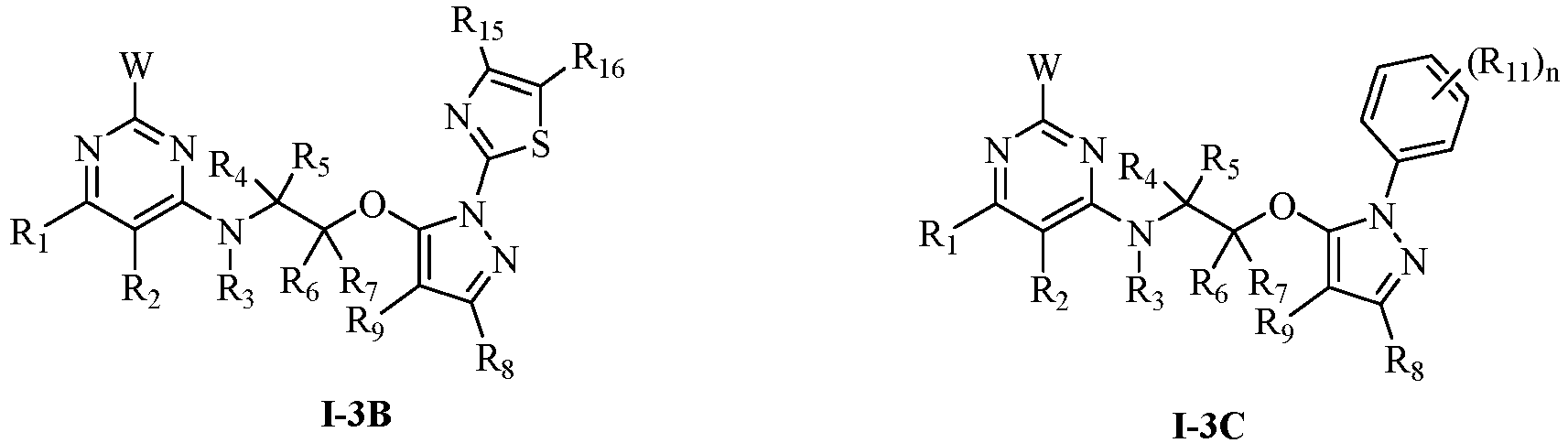


- In general formula I-1A. I-1B, I-1C, I-1D, I-1E, I-1N, I-4C, I-2A, I-2B, I-2C, I-2D, 1-2E I-3A, I-3B, I-3C, I-3D, and I-3E, wherein:
- R1 is selected from H, halogen, cyano, nitro, amino, carboxyl, C1-C4alkyl, haloC1-C4alkyl,C3-C4cycloalkyl, C1-C4alkoxy, haloC1-C4alkoxy, C1-C4alkylthio, haloC1-C4alkylthio,C1-C4alkylsulfinyl, C1-C4alkylsulfonyl, C2-C4alkenyl, haloC2-C4alkenyl, C2-C4alkynyl, haloC2-C4alkynyl, C3-C4alkenoxy, haloC3-C4alkenoxy, C3-C4alkynoxy, haloC3-C4alkynoxy, C1-C4alkylamino, di(C1-C4alkyl)amino, C1-C4alkylaminocarbonyl, haloC1-C4alkylaminocarbonyl, C1-C4alkoxycarbonyl, haloC1-C4alkoxycarbonyl, C1-C4alkoxyC1-C4alkyl or C1-C4alkylthioC1-C4alkyl;
- R2 is selected from H, halogen, cyano, nitro, amino, carboxyl, CHO, C1-C4alkyl, haloC1-C4alkyl, C1-C4alkoxy or haloC1-C4alkoxy;
- R3 is selected from H, OH, CHO, C1-C4alkyl, haloC1-C4alkyl, C1-C4alkoxy, haloC1-C4alkoxy, C3-C4cycloalkyl, C1-C4alkylthio, C2-C4alkenylthio, C2-C4alkenyl, C2-C4alkynyl, haloC2-C4alkenyl, haloC2-C4alkynyl, C1-C4alkoxyC1-C4alkyl, haloC1-C4alkoxyC1-C4alkyl, C1-C4alkylthioC1-C4alkyl, haloC1-C4alkylthioC1-C4alkyl, C1-C4alkylsulfinyl, haloC1-C4alkylsulfinyl, C1-C4alkylsulfonyl, haloC1-C4alkylsulfonyl, C1-C4alkylaminosulfonyl, di(C1-C4alkyl)aminosulfonyl, C1-C4alkylsulfonylaminocarbonyl, C1-C4alkylcarbonylaminosulfonyl, C3-C4cycloalkyloxycarbonyl, C1-C4alkylcarbonyl, haloC1-C4alkylcarbonyl, C1-C4alkoxycarbonyl, haloC1-C4alkoxycarbonyl, C1-C4alkylcarbonylC1-C4alkyl, C1-C4alkoxycarbonylC1-C4alkyl, C1-C4alkylaminocarbonyl, di(C1-C4alkyl)aminocarbonyl, C2-C4alkenoxycarbonyl, C2-C4alkynoxycarbonyl, C1-C4alkoxyC1-C4alkoxycarbonyl, C1-C4alkylaminothio, di(C1-C4alkyl)aminothio, unsubstituted or further substituted (hetero)arylcarbonylC1-C4alkyl, (hetero)arylcarbonyl, (hetero)aryloxycarbonyl, (hetero)arylC1-C4alkyloxycarbonyl or (hetero)arylC1-C4alkyl by 1 to 5 following groups: halogen, nitro, cyano, C1-C4alkyl, haloC1-C4alkyl, C1-C4alkoxy or haloC1-C4alkoxy;
- R4, R5 may be the same or different, selected respectively from H, halogen, C1-C4alkyl, haloC1-C4alkyl, C1-C4alkoxy or haloC1-C4alkoxy; or R4,R5 and their conjointcarboncan also form a C3-C4 cycle;
- R6, R7 may be the same or different, selected respectively from H, halogen, C1-C4alkyl, haloC1-C4alkyl, C1-C4alkoxy or haloC1-C4alkoxy; or R6,R7 and their conjointcarboncan also form a C3-C4 cycle;
- R8 is selected from H, cyano, halogen, C1-C4alkyl, haloC1-C4alkyl, C1-C4alkoxycarbonyl, haloC1-C4alkoxycarbonyl, unsubstituted or further substituted (hetero)aryl, (hetero)arylmethyl, (hetero)arylcarbonyl, (hetero)arylmethylcarbonyl or (hetero)aryloxycarbonyl by 1 to 5 R11;
- R9 is selected from H, cyano, halogen, C1-C4alkyl, haloC1-C4alkyl, C1-C4alkoxycarbonyl, haloC1-C4alkoxycarbonyl, unsubstituted or further substituted (hetero)aryl, (hetero)arylmethyl, (hetero)arylcarbonyl, (hetero)arylmethylcarbonyl or (hetero)aryloxycarbonyl by 1 to 5 R11;
- R11 is selected from halogen, OH, amino, cyano, nitro, C1-C4alkyl, haloC1-C4alkyl, C1-C4alkoxy, haloC1-C4alkoxy, C3-C4cycloalkyl, C1-C4alkylamino, haloC1-C4alkylamino, di(C1-C4alkyl)amino, halodi(C1-C4alkyl)amino, C(=O)NR12R13, C1-C4alkylthio, haloC1-C4alkylthio, C2-C4alkenyl, C2-C4alkynyl, C2-C4alkenoxy, haloC2-C4alkenoxy, C2-C4alkynoxy, haloC2-C4alkynoxy, C1-C4alkylsulfonyl, haloC1-C4alkylsulfonyl, C1-C4alkylcarbonyl, haloC1-C4alkylcarbonyl, C1-C4alkoxycarbonyl, haloC1-C4alkoxycarbonyl, C1-C4alkoxyC1-C4alkyl, haloC1-C4alkoxyC1-C4alkyl, C1-C4alkylthioC1-C4alkyl, haloC1-C4alkylthioC1-C4alkyl, Ci-C4alkoxycarbonylCi-C4alkyl, haloC1-C4alkoxycarbonylC1-C4alkyl, C1-C4alkylthiocarbonylC1-C4alkyl, haloC1-C4alkylthiocarbonylC1-C4alkyl, C1-C4alkylcarbonyloxy, haloC1-C4alkylcarbonyloxy, C1-C4alkoxycarbonyloxy, haloC1-C4alkoxycarbonyloxy, C1-C4alkylsulfonyloxy, haloC1-C4alkylsulfonyloxy, C1-C4alkoxyC1-C4alkoxy or haloC1-C4alkoxyC1-C4alkoxy;
- the integer n is selected from 0 to 5, when n is 0, the benzene ring is unsubstituted phenyl; when n is more than 1, R11 may be the same or different;
- R12, R13 may be the same or different, selected respectively from H, C1-C4alkyl or haloC1-C4alkyl;
- R14 is selected from C1-C4alkyl, C3-C4cycloalkyl, haloC1-C4alkyl, C1-C4alkylcarbonyl, haloC1-C4alkylcarbonyl, C1-C4alkylsulfonyl, haloC1-C4alkylsulfonyl, C1-C4alkoxycarbonyl, C1-C4alkoxyC1-C4alkyl or C1-C4alkoxycarbonylC1-C4alkyl;
- R15, R16 may be the same or different, selected respectively from H, halogen, amino, cyano, nitro, C1-C4alkyl, haloC1-C4alkyl, C1-C4alkoxy, haloC1-C4alkoxy, C1-C4alkylthio, halo C1-C4alkylthio, C3-C4cycloalkyl, unsubstituted or further substituted (hetero)aryl, (hetero)arylmethyl, (hetero)arylcarbonyl, (hetero)arylmethylcarbonyl or (hetero) aryloxycarbonyl by 1 to 5 R11;
- R17, R18, R19, R20 may be the same or different, selected respectively from H, halogen, cyano, nitro, C1-C4alkyl, haloC1-C4alkyl, C1-C4alkoxy or haloC1-C4alkoxy;
- R21, R22 may be the same or different, selected respectively from H, halogen, OH, cyano, nitro, C1-C4alkyl, haloC1-C4alkyl, C1-C4alkoxy, haloC1-C4alkoxy, C1-C4alkylthio, haloC1-C4alkylthio, C3-C4cycloalkyl, unsubstituted or further substituted (hetero)aryl, (hetero)arylmethyl, (hetero)arylcarbonyl, (hetero)arylmethylcarbonyl or (hetero) aryloxycarbonyl by 1 to 5 R11;
- R23, R24, R25, R26 may be the same or different, selected respectively from H, halogen, OH, amino, cyano, nitro, C1-C4alkyl, haloC1-C4alkyl, C1-C4alkoxy, haloC1-C4alkoxyor C3-C4cycloalkyl;
- R27, R28 may be the same or different, selected respectively from H, halogen, C1-C4alkyl, haloC1-C4alkyl, C1-C4alkoxy, haloC1-C4alkoxy, C1-C4alkylthio, haloC1-C4alkylthio, C3-C4cycloalkyl, unsubstituted or further substituted (hetero)aryl, (hetero)arylmethyl, (hetero)arylcarbonyl, (hetero)arylmethylcarbonyl or (hetero)aryloxycarbonyl by 1 to 5 R11;
- R29 is selected from C1-C4alkyl, haloC1-C4alkyl,C3-C4cycloalkyl, C1-C4alkylsulfonyl, haloC1-C4alkylsulfonyl, C1-C4alkylcarbonyl, haloC1-C4alkylcarbonyl, C1-C4alkoxycarbonyl, haloC1-C4alkoxycarbonyl, unsubstituted or further substituted (hetero)aryl, (hetero)arylmethyl, (hetero)arylcarbonyl, (hetero)arylmethylcarbonyl or (hetero) aryloxycarbonyl by 1 to 5 R11;
- R30 is selected from H, cyano, halogen, C1-C4alkyl, haloC1-C4alkyl,C1-C4alkoxycarbonyl, haloC1-C4alkoxycarbonyl,unsubstituted or further substituted (hetero)aryl, (hetero)arylmethyl, (hetero)arylcarbonyl, (hetero)arylmethylcarbonyl or (hetero) aryloxycarbonyl by 1 to 5 R11;
- R31 is selected from C1-C4alkyl, haloC1-C4alkyl,C3-C4cycloalkyl, C1-C4alkylsulfonyl, haloC1-C4alkylsulfonyl, C1-C4alkylcarbonyl, haloC1-C4alkylcarbonyl, C1-C4alkoxycarbonyl, haloC1-C4alkoxycarbonyl, unsubstituted or further substituted (hetero)aryl, (hetero)arylmethyl, (hetero)arylcarbonyl, (hetero)arylmethylcarbonyl or (hetero) aryloxycarbonyl by 1 to 5 R11;
- R32 is selected from H, cyano, halogen, C1-C4alkyl, haloC1-C4alkyl,unsubstituted or further substituted (hetero)aryl, (hetero)arylmethyl, (hetero)arylcarbonyl, (hetero)arylmethylcarbonyl or (hetero) aryloxycarbonyl by 1 to 5 R11;
- R33, R34 may be selected respectively from C1-C4alkyl, haloC1-C4alkyl, C3-C4cycloalkyl, C1-C4alkylcarbonyl, haloC1-C4alkylcarbonyl,C1-C4alkoxycarbonyl, haloC1-C4alkoxycarbonyl, unsubstituted or further substituted (hetero)aryl, (hetero)arylmethyl, (hetero)arylcarbonyl, (hetero)arylmethylcarbonyl or (hetero) aryloxycarbonyl by 1 to 5 R11;
- R35, R36 may be selected respectively from H, cyano, halogen, C1-C4alkyl, haloC1-C4alkyl, unsubstituted or further substituted (hetero)aryl, (hetero)arylmethyl, (hetero)arylcarbonyl, (hetero)arylmethylcarbonyl or (hetero) aryloxycarbonyl by 1 to 5 R11;
- W is selected from H, halogen, C1-C4alkyl, haloC1-C4alkyl,C3-C4cycloalkyl,C1-C4alkoxy, haloC1-C4alkoxy or C1-C4alkylsulfonyl;
- or the salts formed from the more preferred compounds represented by general formula above, with hydrochloric acid, sulfuric acid, phosphoric acid, formic acid, acetic acid, trifluoroacetic acid, oxalic acid, methylsulfonic acid, p-toluenesulfonic acid, benzoic acid, alizaric acid, maleic acid, fumaric acid,sorbic acid, malic acid or citric acid.
- In the substituted pyrazole compounds containing pyrimidinyl of this invention, the more preferred compounds include: the compounds represented by general formula I-1A, I-1B, I-1C, I-1D, I-1E, I-1N, I-2A, I-2B, I-2C, I-2D, I-2E, I-3A, I-3B, I-3C, I-3D, I-3E, or I-4C, wherein:
- R1 is selected from H, F, Cl, Br, I, CN, NO2, NH2, carboxyl, CH3, C2H5, n-C3H7, i-C3H7, n-C4H9, s-C4H9, i-C4H9, t-C4H9, CH2F, CH2Cl, CHF2, CF3, CH2CF3, CH2OCH3, CH2OCH2CH3 or CH2OCH2CF3;
- R2 is selected from H, F, Cl, Br, I, CN, NO2, NH2, carboxyl, CHO, CH3, C2H5, OCH3, OC2H5 or OCH2CF3;
- R3 is selected from H, OH, CHO, COCH3, COC2H5, COC3H7, COCF3, COPh, CH3, C2H5, n-C3H7, i-C3H7, n-C4H9, s-C4H9, i-C4H9, t-C4H9, CF3, CH2CF3, OCH3, OC2H5, OCH2CF3,

- R4, R5 may be the same or different, selected respectively from H, F, Cl, Br, I, CH3, C2H5, n-C3H7, i-C3H7, n-C4H9, s-C4H9, i-C4H9, t-C4H9, OCH3, OC2H5, n-C3H7O, i-C3H7O, n-C4H9O, s-C4H9O, i-C4H9O or t-C4H9O;
- R6, R7 may be the same or different, selected respectively from H, F, Cl, Br, I, CH3, C2H5, n-C3H7, i-C3H7, n-C4H9, s-C4H9, i-C4H9, t-C4H9, OCH3, OC2H5, n-C3H7O, i-C3H7O, n-C4H9O, s-C4H9O, i-C4H9O or t-C4H9O;
- R8 is selected from H, CN, F, Cl, Br, I, CH3, C2H5 or CF3;
- R9 is selected from H, CN, F, Cl, Br, I, CH3, C2H5 or CF3;
- R11 is selected from F, Cl, Br, I, CN, NH2, NO2,CH3, C2H5, n-C3H7, i-C3H7, n-C4H9, s-C4H9, i-C4H9, t-C4H9,CF3, CCl3, CF2Cl, CFCl2, OCH3, OCH2CH3, n-C3H7O, i-C3H7O, n-C4H9O, s-C4H9O, i-C4H9O, t-C4H9O, OCF3, OCH2CF3, COOCH3, COOC2H5, CONH2, CONHCH3, CONHC2H5 or CON(CH3)2;
- the integer n is selected from 0 to 5, when n is 0, the benzene ring is unsubstituted phenyl; when n is more than 1, R11 may be the same or different;
- R14 is selected from CH3, C2H5, n-C3H7, i-C3H7, n-C4H9, s-C4H9, i-C4H9, t-C4H9, cyclopropyl, cyclobutyl, CH2F, CH2Cl, CHF2, CF3 or CH2CF3;
- R15, R16 may be the same or different, selected respectively from H, F, Cl, Br, I, NH2, CN, NO2,CH3, C2H5, n-C3H7, i-C3H7, n-C4H9, s-C4H9, i-C4H9, t-C4H9, CF3, CCl3, CF2Cl, CFCl2, CH2CF3, OCH3, OCH2CH3, n-C3H7O, i-C3H7O, n-C4H9O, s-C4H9O, i-C4H9O, t-C4H9O, OCF3, OCH2CF3, unsubstituted or further substituted (hetero)aryl, (hetero)arylmethyl, (hetero)arylcarbonyl, (hetero)arylmethylcarbonyl or (hetero) aryloxycarbonyl by 1 to 5 R11;
- R17, R18, R19, R20 may be the same or different, selected respectively from H, F, Cl, Br, I, CN, NO2, CH3, CF3, OCH3 or OCF3;
- R21, R22 may be the same or different, selected respectively from H,F, Cl, Br, I, OH, CN, NO2, CH3, C2H5, n-C3H7, i-C3H7, n-C4H9, s-C4H9, i-C4H9, t-C4H9,CF3, CCl3, CF2Cl, CFCl2, CH2CF3, OCH3, OCH2CH3, n-C3H7O, i-C3H7O, n-C4H9O, s-C4H9O, i-C4H9O, t-C4H9O, OCF3, OCH2CF3, unsubstituted or further substituted (hetero)aryl, (hetero)arylmethyl, (hetero)arylcarbonyl, (hetero)arylmethylcarbonyl or (hetero) aryloxycarbonyl by 1 to 5 R11;
- R23, R24, R25, R26 may be the same or different, selected respectively from H, F, Cl, Br, I, NH2, CN, NO2,CH3, C2H5, n-C3H7, i-C3H7, n-C4H9, s-C4H9, i-C4H9, t-C4H9,CF3, CCl3, CF2Cl, CFCl2,OCH3, OCH2CH3, n-C3H7O, i-C3H7O, n-C4H9O, s-C4H9O, i-C4H9O, t-C4H9O, OCF3 or OCH2CF3;
- R27, R28 may be the same or different, selected respectively from H, F, Cl, Br, I, CH3, C2H5, n-C3H7, i-C3H7, n-C4H9, s-C4H9, i-C4H9, t-C4H9,CF3, CCl3, CF2Cl, CFCl2, CH2CF3, OCH3. OCH2CH3, n-C3H7O, i-C3H7O, n-C4H9O, s-C4H9O, i-C4H9O, t-C4H9O, OCF3, OCH2CF3, unsubstituted or further substituted (hetero)aryl, (hetero)arylmethyl, (hetero)arylcarbonyl, (hetero)arylmethylcarbonyl or (hetero) aryloxycarbonyl by 1 to 5 R11;
- R29 is selected from CH3, C2H5, n-C3H7, i-C3H7, n-C4H9, s-C4H9, i-C4H9, t-C4H9, CF3, CCl3, CF2Cl, CFCl2, cyclopropyl, SO2CH3, SO2CH2CH3, COCH3, COC2H5, unsubstituted or further substituted (hetero)aryl, (hetero)arylmethyl, (hetero)arylcarbonyl, (hetero)arylmethylcarbonyl or (hetero) aryloxycarbonyl by 1 to 5 R11;
- R30 is selected from H, CN, F, Cl, Br, I, CH3, C2H5, n-C3H7, i-C3H7, n-C4H9, s-C4H9, i-C4H9, t-C4H9, CF3, CCl3, CF2Cl, CFCl2,unsubstituted or further substituted (hetero)aryl, (hetero)arylmethyl, (hetero)arylcarbonyl, (hetero)arylmethylcarbonyl or (hetero) aryloxycarbonyl by 1 to 5 R11;
- R31 is selected from CH3, C2H5, n-C3H7, i-C3H7, n-C4H9, s-C4H9, i-C4H9, t-C4H9,CF3, CCl3, CF2Cl, CFCl2, cyclopropyl, SO2CH3, SO2CH2CH3, COCH3, COC2H5, unsubstituted or further substituted (hetero)aryl, (hetero)arylmethyl, (hetero)arylcarbonyl, (hetero)arylmethylcarbonyl or (hetero) aryloxycarbonyl by 1 to 5 R11;
- R32 is selected from H, CN, F, Cl, Br, I,CH3, C2H5, n-C3H7, i-C3H7, n-C4H9, s-C4H9, i-C4H9, t-C4H9,CF3, CCl3, CF2Cl, CFCl2,unsubstituted or further substituted (hetero)aryl, (hetero)arylmethyl, (hetero)arylcarbonyl, (hetero)arylmethylcarbonyl or (hetero) aryloxycarbonyl by 1 to 5 R11;
- R33, R34 may be selected respectively from CH3, C2H5, n-C3H7, i-C3H7, n-C4H9, s-C4H9, i-C4H9, t-C4H9,CF3, CCl3, CF2Cl, CFCl2, cyclopropyl, COCH3, COC2H5, COOCH3, COOC2H5, COOCH2CF3, unsubstituted or further substituted (hetero)aryl, (hetero)arylmethyl, (hetero)arylcarbonyl, (hetero)arylmethylcarbonyl or (hetero) aryloxycarbonyl by 1 to 5 R11;
- R35, R36 may be selected respectively from H, CN, F, Cl, Br, I,CH3, C2H5, n-C3H7, i-C3H7, n-C4H9, s-C4H9, i-C4H9, t-C4H9, CF3, CCl3, CF2Cl, CFCl2, unsubstituted or further substituted (hetero)aryl, (hetero)arylmethyl, (hetero)arylcarbonyl, (hetero)arylmethylcarbonyl or (hetero) aryloxycarbonyl by 1 to 5 R11;
- W is selected from H, F, Cl, Br, I, CH3, C2H5, n-C3H7, i-C3H7, n-C4H9, s-C4H9, i-C4H9, t-C4H9, CH2F, CH2Cl, CHF2, CF3, CH2CF3, OCH3, OC2H5, SCH3, SC2H5, SO2CH3 or SO2CH2CH3;
- or the salts formed from the more preferred compounds represented by general formula above, with hydrochloric acid, sulfuric acid, phosphoric acid, formic acid, acetic acid, trifluoroacetic acid, oxalic acid, methylsulfonic acid, p-toluenesulfonic acid, benzoic acid, alizaric acid, maleic acid, fumaric acid, sorbic acid, malic acid or citric acid.
- In the substituted pyrazole compounds containing pyrimidinyl of this invention, the more preferred compounds include: the compounds represented by general formula I-1C, I-2C, or I-4C, :
wherein: - R1 is selected from H, F, Cl, Br, I, CH3, C2H5 or CHF2;
- R2 is selected from H, F, Cl, Br, I, NO2, NH2, CHO, CH3, C2H5, OCH3 or OC2H5;
- R3 is selected from H, CH3, COCH3, COCF3, OCH3, SCH3, CH2CH=CH2, SO2CH3, SO2NHCH3, SO2N(CH3)2, COOCH3, CONHCH3, CON(CH3)2, SNHCH3 or SN(CH3)2;
- R4, R5 may be the same or different, selected respectively from H, F, Cl, Br or CH3;
- R6, R7 are H;
- R8 is H;
- R9 is H;
- R11 is selected from F, Cl, Br, I, CN, NO2, CH3, CF3, OCH3 or OCF3;
- the integer n is selected from 0 to 5, when n is 0, the benzene ring is unsubstituted phenyl; when n is more than 1, R11 may be the same or different;
- R23, R24, R25, R26 may be the same or different, selected respectively from H, F, Cl, Br, I or CH3;
- R27, R28 may be the same or different, selected respectively from H, F, Cl, Br or I;
- W is selected from H, F, Cl, Br, I or CH3;
- or the salts formed from the more preferred compounds represented by general formula above, with hydrochloric acid, sulfuric acid, phosphoric acid, formic acid, acetic acid, trifluoroacetic acid, oxalic acid, methylsulfonic acid, p-toluenesulfonic acid, benzoic acid, alizaric acid, maleic acid, fumaric acid, sorbic acid, malic acid or citric acid.
- In the substituted pyrazole compounds containing pyrimidinyl of this invention, the most preferred compounds include: the compounds represented by general formula I-1C, I-2C, or I-4C, wherein
- R1 is selected from F, Cl, Br, I, CH3, C2H5 or CHF2;
- R2 is selected from F, Cl, Br, I, NO2, NH2, CHO, CH3 or OCH3;
- R3 is selected from H, CH3, COCH3, OCH3, CH2CH=CH2, SO2CH3, COOCH3, CONHCH3, CON(CH3)2 or SN(CH3)2;
- R4, R5 may be the same or different, selected respectively from H or CH3;
- R6, R7 are H;
- R8 is H;
- R9 is H;
- R11 is selected from F, Cl, Br, I, CN, NO2, CH3, CF3, OCH3 or OCF3;
- the integer n is selected from 1 to 5, when n is more than 1, R11 may be the same or different;
- R23, R24, R25, R26 are H;
- R27 is H;
- R28 is H;
- W is selected from H, F, Cl, Br or I;
- or the salts formed from the most preferred compounds represented by general formula above, with hydrochloric acid, sulfuric acid, phosphoric acid, formic acid, acetic acid, trifluoroacetic acid, oxalic acid, methylsulfonic acid, p-toluenesulfonic acid, benzoic acid, alizaric acid, maleic acid, fumaric acid, sorbic acid, malic acid or citric acid.
- The terms used above to define the compounds of general formula I are as follows:
The "halogen" or "halo" is fluorine, chlorine, bromine or iodine. The "alkyl" stands for straight or branched chain alkyl, such as methyl, ethyl, propyl, isopropyl or tert-butyl. The "cycloalkyl" is substituted or unsubstituted cyclic alkyl, such as cyclopropyl, cyclopentyl or cyclohexyl. The substitute(s) is(are) methyl, halogen, etc. The "haloalkyl" stands for straight or branched chain alkyl, in which hydrogen atoms can be all or partly substituted with halogen, such as chloromethyl, dichloromethyl, trichloromethyl, fluoromethyl, difluoromethyl, trifluoromethyl, etc. The "alkylsulfinyl" means a straight-chain or branched alkyl is linked to the structure by (-SO-), such as methylsulfinyl. The "haloalkylsulfinyl" stands for a straight-chain or branched alkylsulfinyl, in which hydrogen atoms may be all or partly substituted with halogen. The "haloalkylsulfonyl" stands for a straight-chain or branched alkylsulfonyl, in which hydrogen atoms may be all or partly substituted with halogen. The "alkylaminothio" refers to -SNHCH3, -SNHC2H5. The "dialkylaminothio" refers to -SN(CH3)2, -SN(C2H5)2. The "alkylaminosulfonyl" refers to alkyl-NH-SO2-. The "dialkylaminosulfonyl" refers to (alkyl)2-N-SO2-. The "alkylsulfonylaminocarbonyl" refers to alkyl-SO2-NH-CO-. The "alkylcarbonylaminosulfonyl" refers to alkyl-CO-NH-SO2-. The "alkylcarbonylalkyl" refers to alkyl-CO-alkyl-. The "alkylsulfonyloxy" such as alkyl-S(O)2-O-. The "haloalkylsulfonyloxy" stands for in which hydrogen atoms may be all or partly substituted with halogen, such as CF3-SO2-O-. The "cycloalkyloxycarbonyl" means cyclopropyloxycarbonyl, cyclohexyloxycarbonyl, etc. The "alkoxy" refers to straight or branched chain alkyl, which is linked to the structure by oxygen atom. The "haloalkoxy" refers to straight or branched chain alkoxy, in which hydrogen atoms may be all or partly substituted with halogen, such as chloromethoxy, dichloromethoxy, trichloromethoxy, fluoromethoxy, difluoromethoxy, trifluoromethoxy, chlorofluoromethoxy, trifluoroethoxy, etc. The "haloalkoxycarbonyl" refers to straight or branched chain alkoxycarbonyl, in which hydrogen atoms can be all or partly substituted with halogen, such as ClCH2CH2OCO-, CF3CH2OCO-, etc. The "alkoxyalkyl" means alkyl-O-alkyl-, such as -CH2OCH3. The "haloalkoxyalkyl" refers to alkoxyalkyl, in which hydrogen atom may be all or partly substituted with halogen, such as-CH2OCH2CH2Cl, -CH2OCH2CF3, etc. The "alkoxycarbonylalkyl" refers to alkoxycarbonyl-alkyl-, such as -CH2COOCH3. The "haloalkoxycarbonylalkyl" refers to alkoxycarbonylalkyl, in alkoxycarbonyl hydrogen atom may be all or partly substituted with halogen, such as -CH2COOCH2CF3. The "alkylcarbonyloxy": such as -OCOCH3, etc. The "haloalkylcarbonyloxy" refers to alkylcarbonyloxy, in which hydrogen atom may be all or partly substituted with halogen, such as -OCOCF3, etc. The "alkoxycarbonyloxy" refers to alkoxycarbonyl-oxy, such as -OCOOCH3. The "haloalkoxycarbonyloxy" refers to alkoxycarbonyloxy, in which hydrogen atom may be all or partly substituted with halogen, such as - OCOOCF3. The "alkylthiocarbonylalkyl" refers to alkylthiocarbonyl-alkyl-, such as -CH2COSCH3. The "haloalkylthiocarbonylalkyl" refers to alkylthiocarbonylalkyl, in which hydrogen atoms may be all or partly substituted with halogen, such as-CH2COSCH2CF3. The "alkoxyalkoxy" stands for -OCH2OCH3, etc. The "haloalkoxyalkoxy" refers to alkoxyalkoxy, in which hydrogen atoms may be all or partly substituted with halogen, such as-OCH2OCF3. The "alkoxyalkoxycarbonyl" : such as-COOCH2CH2OCH3, etc. The "alkylthio" refers to straight or branched chain alkyl, which is linked to the structure by sulfur atom. The "haloalkylthio" refers to straight or branched chain alkylthio, in which hydrogen atoms may be all or partly substituted with halogen, such as chloromethylthio, dichloromethylthio, trichloromethylthio, fluoromethylthio, difluoromethylthio, trifluoromethylthio, chlorofluoromethylthio, etc. The "alkylthioalkyl" means alkyl-S-alkyl-, such as -CH2SCH3. The "haloalkylthioalkyl" refers to alkylthioalkyl, in which hydrogen atoms may be all or partly substituted with halogen, such as-CH2SCH2CH2Cl, -CH2SCH2CF3. The "alkylamino" refers to straight or branched chain alkyl, which is linked to the structure by nitrogen atom. The "haloalkylamino" refers to straight or branched chain alkylamino, in which hydrogen atoms may be all or partly substituted with halogen. The "dialkylamino": such as - N(CH3)2, -N(CH3CH2)2. The "dihaloalkylamino" refers to dialkylamino, in which hydrogen atoms may be all or partly substituted with halogen, such as -N(CF3)2, -N(CH2CF3)2. The "alkenyl" refers to straight or branched chain alkenyl, such as ethenyl, 1-propenyl, 2-propenyl and different isomer of butenyl, pentenyl and hexenyl. Alkenyl also includes polyene, such as propa-1,2-dienyl and hexa-2,4-dienyl. The "haloalkenyl" stands for straight or branched chain alkenyl, in which hydrogen atoms can be all or partly substituted with halogen. The "alkenoxyl"refers to straight or branched chain alkenyl which is linked to the structure by oxygen. The "haloalkenoxyl"stands for a straight-chain or branched alkenoxyl, in which hydrogen atoms may be all or partly substituted with halogen. The "alkenylthio" refers to straight or branched chain alkenyl, which is linked to the structure by sulfur atom. Such as -SCH2CH=CH2. The "alkenoxylcarbonyl" means CH2=CHCH2OCO-, etc. The "alkynyl" refers to straight or branched chain alkynyl, such as ethynyl, 1-propynyl, 2-propynyl and different isomer of butynyl, pentynyl and hexynyl. Alkynyl also includes groups including more than one triple bonds, such as hexa-2,5-diynyl. The "haloalkynyl" stands for straight or branched chain alkynyl, in which hydrogen atoms can be all or partly substituted with halogen. The "alkynoxyl" refers to straight or branched chain alkynes which is linked to the structure by oxygen. The "haloalkynoxyl" stands for a straight-chain or branched alkynoxyl, in which hydrogen atoms may be all or partly substituted with halogen. The "alkynoxylcarbonyl" means -COOCH2C=CH, etc. The "alkylsulfonyl" means a straight-chain or branched alkyl which is linked to the structure by (-SO2-), such as methylsulfonyl. The "haloalkylsulfonyl" stands for a straight-chain or branched alkylsulfonyl, in which hydrogen atoms may be all or partly substituted with halogen. The "alkylcarbonyl" means alkyl is linked to the structure by carbonyl, such as-COCH3, -COCH2CH3. The "haloalkylcarbonyl" stands for a straight-chain or branched alkylcarbonyl, in which hydrogen atoms may be all or partly substituted with halogen, such as -COCF3. The "alkoxycarbonyl" means alkoxy is linked to the structure by carbonyl, such as -COOCH3, -COOCH2CH3. The "aminocarbonyl": such as NH2CO-. The "alkylaminocarbonyl" means alkyl-NH-CO-, such as -CONHCH3, -CONHCH2CH3. The "dialkylaminocarbonyl": such as -CON(CH3)2, -CON(CH2CH3)2. The "aryl" in (hetero)aryl, (hetero)arylalkyl, (hetero)arylcarbonyl, (hetero) arylmethylcarbonyl, (hetero)arylcarbonylalkyl, (hetero)aryloxycarbonyl, (hetero)arylalkyloxycarbonyl includes phenyl or naphthyl etc. The "heteroaryl" stands for five member ring or six member ring containing one or more N, O, S hetero atoms, such as furyl, pyrazolyl, thiazolyl, pyridinyl, pyrimidinyl, pyrazinyl, pyridazinyl, triazinyl, quinolinyl, etc. "(Hetero)aryl" refers to phenyl, etc. "(Hetero)arylalkyl" means benzyl, phenylethyl, 4-chlorobenzyl, 2-chloro-pyridin-5-ylmethyl, 2-chloro-thiazol-5-ylmethyl, etc. "(Hetero)arylcarbonyl" refers to benzoyl, 4-Cl-benzoyl, etc. "(Hetero) arylmethylcarbonyl" refers to PhCH2CO-. "(Hetero)arylcarbonylalkyl" refers to PhCOCH2-. "(Hetero)aryloxycarbonyl": such as phenoxycarbonyl, p-chlorophenoxycarbonyl, p-nitrophenoxycarbonyl, naphthyloxycarbonyl, etc. Arylalkyloxycarbonyl means benzyloxycarbonyl, p-chlorobenzyloxycarbonyl, p-trifluoromethylbenzyloxycarbonyl, etc. "(Hetero)arylalkyloxycarbonyl" refers to -COOCH2Ph, - COOCH2-4-Cl-Ph, etc. - In the general formula I, some of preferred substituents of R1, R2, R3(X=NR3), R4(R5), R6(R7), R8, R9, R10 and w are separately listed in table 1, table 2, table 3, table 4, table 5, table 6, table 7 , table 8 and table 9, but without being restricted thereby.
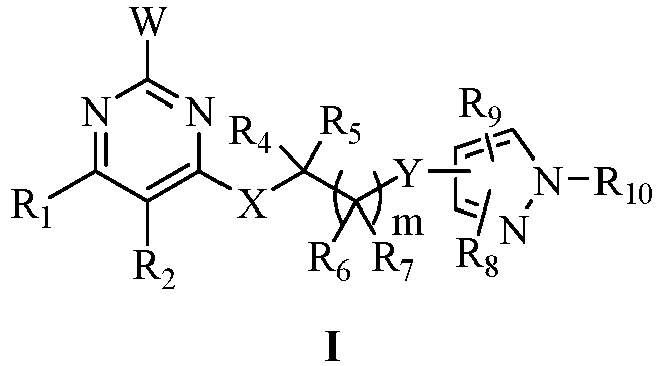
Table 1 R1 substituents R1 R1 R1 R1 H F Cl Br I CH3 C2H5 n-C3H7 i-C3H7 n-C4H9 s-C4H9 i-C4H9 t-C4H9 CF3 CCl3 CHF2 CH2Cl CHBr2 CF3CH2 CH(CH3)F CH(CH3)Cl CH(CH3)Br C(CH3)2F CH=CH2 C≡CH SCH3 SOCH3 SO2CH3 CN NO2 NH2 COOH COOCH3 COOC2H5 CH3NH C2H5NH OCH3 OC2H5 OCF3 OCH2CH=CH2 OCH2CH=CHCl OCH2C≡CH OCH2C≡C-I OCH2C≡CCH3 CONH2 CONHCH3 CON(CH3)2 NHCH3 NHC2H5 N(CH3)2 N(C2H5)2 CH2OCH3 CH2OCH2CH3 CH2CH2OCH3 CH2CH2OCH2CH3 CH2CH2CH2OCH3 CH2CH2CH2OCH2CH3 


Table 2 R2 substituents R2 R2 R2 R2 H F Cl Br I CN NO2 NH2 CHO CH3 C2H5 n-C3H7 i-C3H7 n-C4H9 s-C4H9 i-C4H9 t-C4H9 OCH3 OC2H5 OC3H7-n OC3H7-i OC4H9-n OC4H9-i OC4H9-t OCH2F OCHF2 OCF3 OCH2CF3 Table 3 R3 substituents R3 R3 R3 R3 H OH -C(=O)H CBr3 CH3 C2H5 n-C3H7 i-C3H7 n-C4H9 i-C4H9 t-C4H9 CCl3 CH2Br CHF2 CHBr2 CF3 CH2Cl CHCl2 CCl3 CH2F OCH3 OC2H5 OCH(CH3)2 OC(CH3)3 OCF3 OCH2CF3 OCH2F OCHF2 SCH3 SC2H5 SCH2CH=CH2 CH=CH2 CH2CH=CH2 CH2CH=CCl2 C≡CH CH2C≡CH CH2C≡C-I CH2OCH3 CH2OCH2CH3 CH2CH2OCH3 CH2CH2OCH2CH3 CH2OCH2C1 CH2OCH2CH2Cl CH2CH2OCH2Cl CH2SCH3 CH2SCH2CH3 CH2CH2SCH3 CH2CH2SCH2CH3 CH2SCH2Cl CH2SCH2CH2Cl CH2CH2SCH2Cl SOCH3 SOC2H5 SOCF3 SOCH2CF3 SO2CH3 SO2C2H5 SO2CF3 SO2CH2CF3 SO2NHCOCH3 SO2NHCH3 SO2N(CH3)3 CONHSO2CH3 COCH3 COC2H5 CO- n -C3H7 CO- i -C3H7 CO- n -C4H9 CO- i -C4H9 CO-t-C4H9 COCF3 COCH2Cl COOCH3 COOC2H5 COO- n -C3H7 COO-t-C4H9 COOCF3 COOCH2CH2Cl COOCH2CF3 CH2COOCH3 CH2COOC2H5 CH2COCH3 CH2COC2H5 CONHCH3 CONHC2H5 CONH- t -C4H9 CON(CH3)2 CON(C2H5)2 COOCH2CH=CH2 COOCH2C≡CH COOCH2OCH3 COOCH2CH2OCH3 SNHCH3 SNHC2H5 SN(CH3)2 SN(C2H5)2 


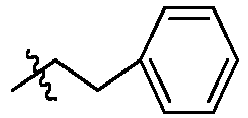


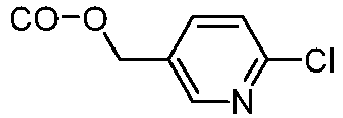


Table 4 R4(R5) substituents R4(R5) R4(R5) R4(R5) R4(R5) H F Cl Br I CH3 C2H5 n-C3H7 i-C3H7 n-C4H9 s-C4H9 i-C4H9 t-C4H9 CF3 CCl3 CHF2 CH2Cl CHBr2 CF3CH2 CH(CH3)F CH(CH3)Cl CH(CH3)Br C(CH3)2F OCH3 OC2H5 n-C3H7O i-C3H7O n-C4H9O s-C4H9O i-C4H9O t-C4H9O OCF3 OCH2CF3 


CR4R5 


Table 5 R6(R7) substituents R6(R7) R6(R7) R6(R7) R6(R7) H F Cl Br I CH3 C2H5 n-C3H7 i-C3H7 n-C4H9 s-C4H9 i-C4H9 t-C4H9 CF3 CCl3 CHF2 CH2Cl CHBr2 CF3CH2 CH(CH3)F CH(CH3)Cl CH(CH3)Br C(CH3)2F OCH3 OC2H5 n-C3H7O i-C3H7O n-C4H9O s-C4H9O i-C4H9O t-C4H9O OCF3 OCH2CF3 


CR6R7 
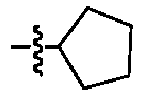

Table 6 R8 substituents R8 R8 R8 R8 H CN CH3 C2H5 n-C3H7 i-C3H7 n-C4H9 s-C4H9 i-C4H9 t-C4H9 CF3 CCl3 CHF2 CH2F CH2Cl CH2CF3 CF2CF3 COOCH3 Ph Ph-4-Cl Table 7 R9 substituents R9 R9 R9 R9 H CN CH3 C2H5 n-C3H7 i-C3H7 n-C4H9 s-C4H9 i-C4H9 t-C4H9 CF3 CCl3 CHF2 CH2F CH2Cl CH2CF3 CF2CF3 COOCH3 Ph Ph-4-Cl Table 8 R10 substituents R10 R10 R10 R10 R10 CH2F CHF2 CF3 CH2CF3 COCH3 COEt CO-n-Pr CO- n-Bu CO-t-Bu COCF3 CO2CH3 CO2Et CO2-n-Pr CO2-i-Pr CO2-t-Bu CO2CH2CF3 CH2OCH3 


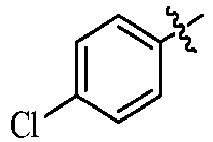


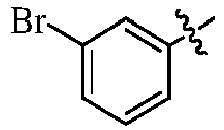


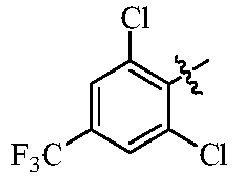


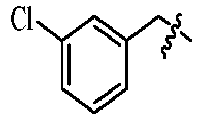

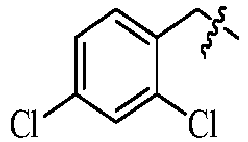


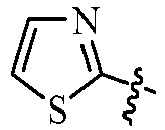


Table 9 W substituents W W W W W H i-C3H7 CHF2 OCH3 SCH3 F n-C4H9 CHBr2 OC2H5 SC2H5 Cl i-C4H9 CF3 OC3H7-n SC3H7-n Br CH3 CH(CH3)F OC3H7-i SC3H7-i I C2H5 CH(CH3)Cl OC4H9-n SC4H9-n 
CHCl2 CH(CH3)Br OC4H9-i SC4H9-i CCl3 CH(n-C4H9)F OC4H9-t SC4H9-t 

C(CH3)2F OCF3 SO2CH3 n-C3H7 OCH2CF3 t-C4H9 - In the general formula I, some of the present invention compounds are also explained by the following compounds listed in Table 10 to Table 128, but without being restricted thereby. In the general formula I-1A, I-1B, I-1C, I-1D, I-1E, I-1N, I-2A, I-2B, I-2C, I-2D, I-2E, I-3A, I-3B, I-3C, I-3D, or I-3E, W=R6=R7=R8=R9=R23=R24=R25=R26=R27=H.
- In general formula I-IA,

- R1=Cl, R2=Cl, R3=R4=R5=H, the substituents R14 refer to Table 10, the representative compounds are coded as 10-9-10-15.
Table 10 No. R14 No. R14 No. R14 10-9 CF3 10-10 CH2CF3 10-11 CH2CF3 10-12 
10-13 
10-14 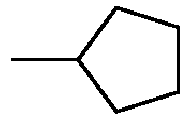
10-15 
- Table 11: in general formula I-IA, R1=CH3, R2=Cl, R3=R4=R5=H, the substituents R14 are consistent with those in Table 10 and corresponding to 10-9-10-15 in table 10 in turn, the representative compounds are coded as 11-9-11-15.
- Table 12: in general formula I-IA, R1=C2H5, R2=Cl, R3=R4=R5=H, the substituents R14 are consistent with those in Table 10 and corresponding to 10-9-10-15 in table 10 in turn, the representative compounds are coded as 12-9-12-15.
- Table 13: in general formula I-IA, R1=CRF2, R2=Cl, R3=R4=R5=H, the substituents R14 are consistent with those in Table 10 and corresponding to 10-9-10-15 in table 10 in turn, the representative compounds are coded as 13-9-13-15.
- Table 14: in general formula I-IA, R1=CF3, R2=Cl, R3=R4=R5=H, the substituents R14 are consistent with those in Table 10 and corresponding to 10-9-10-15 in table 10 in turn, the representative compounds are coded as 14-9-14-15.
- Table 15: in general formula I-IA, R1=Cl, R2=Cl, R3=R4=H, R5=CH3, the substituents R14 are consistent with those in Table 10 and corresponding to 10-9-10-15 in table 10 in turn, the representative compounds are coded as 15-9-15-15.
- Table 16: in general formula I-IA, R1=CH3, R2=Cl, R3=R4=H, R5=CH3, the substituents R14 are consistent with those in Table 10 and corresponding to 10-9-10-15 in table 10 in turn, the representative compounds are coded as 16-9-16-15.
- Table 17: ingeneral formula I-IA, R1=C2H5, R2=Cl, R3=R4=H, R5=CH3, the substituents R14 are consistent with those in Table 10 and corresponding to 10-9-10-15 in table 10 in turn, the representative compounds are coded as 17-9-17-15.
- Table 18: in general formula I-IA, R1=CRF2, R2=Cl, R3=R4=H, R5=CH3, the substituents R14 are consistent with those in Table 10 and corresponding to 10-9-10-15 in table 10 in turn, the representative compounds are coded as 18-9-18-15.
- Table 19: in general formula I-IA, R1=CF3, R2=Cl, R3=R4=H, R5=CH3, the substituents R14 are consistent with those in Table 10 and corresponding to 10-9-10-15 in table 10 in turn, the representative compounds are coded as 19-9-19-15.
- In general formula I-IB,

- R1=Cl, R2=Cl, R3=R4=R5=H, the substituents R15 and R16 refer to Table 20, the representative compounds are coded as 20-1-20-10.
Table 20 No. R15 R16 20-1 H H 20-2 H Br 20-3 H CH3 20-4 H NO2 20-5 H CN 20-6 H CF3 20-7 Cl H 20-8 CH3 H 20-9 CF3 H 20-10 CF3 CO2CH3 - Table 21: in general formula I-IB, R1=CH3, R2=Cl, R3=R4=R5=H, the substituents R15 and R16 are consistent with those in Table 20 and corresponding to 20-1-20-10 in table 20 in turn, the representative compounds are coded as 21-1-21-10.
- Table 22: in general formula I-IB, R1=C2H5, R2=Cl, R3=R4=R5=H, the substituents R15 and R16 are consistent with those in Table 20 and corresponding to 20-1-20-10 in table 20 in turn, the representative compounds are coded as 22-1-22-10.
- Table 23: in general formula I-IB, R1=CRF2, R2=Cl, R3=R4=R5=H, the substituents R15 and R16 are consistent with those in Table 20 and corresponding to 20-1-20-10 in table 20 in turn, the representative compounds are coded as 23-1-23-10.
- Table 24: in general formula I-IB, R1=CF3, R2=Cl, R3=R4=R5=H, the substituents R15 and R16 are consistent with those in Table 20 and corresponding to 20-1-20-10 in table 20 in turn, the representative compounds are coded as 24-1-24-10.
- Table 25: in general formula I-IB, R1=Cl, R2=Cl, R3=R4=H, R5=CH3, the substituents R15 and R16 are consistent with those in Table 20 and corresponding to 20-1-20-10 in table 20 in turn, the representative compounds are coded as 25-1-25-10.
- Table 26: in general formula I-IB, R1=CH3, R2=Cl, R3=R4=H, R5=CH3, the substituents R15 and R16 are consistent with those in Table 20 and corresponding to 20-1-20-10 in table 20 in turn, the representative compounds are coded as 26-1-26-10.
- Table 27: in general formula I-IB, R1=C2H5, R2=Cl, R3=R4=H, R5=CH3, the substituents R15 and R16 are consistent with those in Table 20 and corresponding to 20-1-20-10 in table 20 in turn, the representative compounds are coded as 27-1-27-10.
- Table 28: in general formula I-IB, R1=CRF2, R2=Cl, R3=R4=H, R5=CH3, the substituents R15 and R16 are consistent with those in Table 20 and corresponding to 20-1-20-10 in table 20 in turn, the representative compounds are coded as 28-1-28-10.
- Table 29: in general formula I-IB, R1=CF3, R2=Cl, R3=R4=H, R5=CH3, the substituents R15 and R16 are consistent with those in Table 20 and corresponding to 20-1-20-10 in table 20 in turn, the representative compounds are coded as 29-1-29-10.
- In general formula I-IC,

Table 30 No. (R11)n No. (R11)n No. (R11)n 30-1 H 30-2 2-F 30-3 3-F 30-4 4-F 30-5 2,3-2F 30-6 2,4-2F 30-7 2,5-2F 30-8 2,6-2F 30-9 3,4-2F 30-10 3,5-2F 30-11 2,3,4-3F 30-12 2,3,5-3F 30-13 2,4,5-3F 30-14 2,3,6-3F 30-15 2,4,6-3F 30-16 3,4,5-3F 30-17 2-Cl 30-18 3-Cl 30-19 4-Cl 30-20 2,3-2Cl 30-21 2,4-2Cl 30-22 2,5-2Cl 30-23 2,6-2Cl 30-24 3,4-2Cl 30-25 3,5-2Cl 30-26 2,3,4-3Cl 30-27 2,3,5-3Cl 30-28 2,4,5-3Cl 30-29 2,3,6-3Cl 30-30 2,4,6-3Cl 30-31 3,4,5-3Cl 30-32 2-Br 30-33 3-Br 30-34 4-Br 30-35 2,3-Br 30-36 2,4-2Br 30-37 2,5-2Br 30-38 2,6-2Br 30-39 3,4-2Br 30-40 3,5-2Br 30-41 2,3,4-3Br 30-42 2,3,5-3Br 30-43 2,4,5-3Br 30-44 2,3,6-3Br 30-45 2,4,6-3Br 30-46 3,4,5-3Br 30-47 2-CN 30-48 3-CN 30-49 4-CN 30-50 2-NO2 30-51 3-NO2 30-52 4-NO2 30-53 2,4-2NO2 30-54 2,4,6-3NO2 30-55 2-CH3 30-56 3-CH3 30-57 4-CH3 30-58 2,3-2CH3 30-59 2,4-2CH3 30-60 2,5-2CH3 30-61 2,6-2CH3 30-62 3,4-2CH3 30-63 3,5-2CH3 30-64 2-C2H5 30-65 3-C2H5 30-66 4-C2H5 30-67 2-CF3 30-68 3-CF3 30-69 4-CF3 30-70 2-OCH3 30-71 3-OCH3 30-72 4-OCH3 30-73 2-SCH3 30-74 3-SCH3 30-75 4-SCH3 30-76 2-OCF3 30-77 3-OCF3 30-78 4-OCF3 30-79 2-SCF3 30-80 3-SCF3 30-81 4-SCF3 30-82 2-OC2H5 30-83 3-OC2H5 30-84 4-OC2H5 30-85 2-NHCH3 30-86 3-NHCH3 30-87 4-NHCH3 30-88 2-N(CH3)2 30-89 3-N(CH3)2 30-90 4-N(CH3)2 30-91 2-COCH3 30-92 3-COCH3 30-93 4-COCH3 30-94 2-COC2H5 30-95 3-COC2H5 30-96 4-COC2H5 30-97 2-SO2CH3 30-98 3-SO2CH3 30-99 4-SO2CH3 30-100 2-OCHF2 30-101 3-OCHF2 30-102 4-OCHF2 30-103 2-SO2C2H5 30-104 3-SO2C2H5 30-105 4-SO2C2H5 30-106 2-CO2CH3 30-107 3-CO2CH3 30-108 4-CO2CH3 30-109 2-CO2C2H5 30-110 3-CO2C2H5 30-111 4-CO2C2H5 30-112 2-CH2OCH3 30-113 3-CH2OCH3 30-114 4-CH2OCH3 30-115 2-OCOCH3 30-116 3-OCOCH3 30-117 4-OCOCH3 30-118 2-OCOCH2CH3 30-119 3-OCOCH2CH3 30-120 4-OCOCH2CH3 30-121 2-OCO2CH3 30-122 3-OCO2CH3 30-123 4-OCO2CH3 30-124 2-OCH2OCH3 30-125 3-OCH2OCH3 30-126 4-OCH2OCH3 30-127 2-OCF2OCF3 30-128 3-OCF2OCF3 30-129 4-OCF2OCF3 30-130 2-COPh 30-131 3-COPh 30-132 4-COPh 30-133 2-COCH2Ph 30-134 3-COCH2Ph 30-135 4-COCH2Ph 30-136 2-NHPh 30-137 3-NHPh 30-138 4-NHPh 30-139 2-OPh 30-140 3-OPh 30-141 4-OPh 30-142 2-CONHPh 30-143 3-CONHPh 30-144 4-CONHPh 30-145 2-CO2Ph 30-146 3-CO2Ph 30-147 4-CO2Ph 30-148 2-CONH2 30-149 3-CONH2 30-150 4-CONH2 30-151 2-Cl-4-F 30-152 2-Cl-4-Br 30-153 2-Cl-4-CH3 30-154 2-Cl-4-CF3 30-155 2-Cl-4-NO2 30-156 2-Cl-4-CN 30-157 2-Cl-4-OCF3 30-158 2-F-4-Cl 30-159 2-Br-4-Cl 30-160 2-CH3-4-Cl 30-161 2-CF3-4-Cl 30-162 2-NO2-4-Cl 30-163 2-CN-4-Cl 30-164 2-OCF3-4-Cl 30-165 2,6-2Cl-4-NO2 30-166 2,6-2Cl-4-CF3 30-167 2,6-2Cl-4-CN 30-168 2,6-2Cl-4-COCH3 30-169 2,6-2Cl-4-CONH2 30-170 2,4-2Cl-6-NO2 30-171 2,4-2Cl-6-CN 30-172 2,4-2Cl-6-CF3 30-173 2,4-2F-6-NO2 30-174 2,6-2F-4-NO2 30-175 2-NO2-4-F 30-176 2-NO2-4-Br 30-177 2-NO2-4-CF3 30-178 2-NO2-4-CN 30-179 2-NO2-4-COCH3 30-180 2-NO2-4-CONH2 30-181 2-NO2-4-CH3 30-182 2-NO2-4-OCH3 30-183 2-NO2-4-SCH3 30-184 2-NO2-4-NCH3 30-185 2-F-4-NO2 30-186 2-Br-4-NO2 30-187 2-CF3-4-NO2 30-188 2-CN-4-NO2 30-189 2-COCH3-4-NO2 30-190 2-CONH2-4-NO2 30-191 2-CH3-4-NO2 30-192 2-Cl-4-F-6-NO2 30-193 2-Cl-4-Br-6-NO2 30-194 2-Cl-4-CH3-6-NO2 30-195 2-Cl-4-CF3-6-NO2 30-196 2-Cl-4,6-2NO2 30-197 2-Cl-4-CN-6-NO2 30-198 2-Cl-4-OCF3-6-NO2 30-199 2-F-4-Cl-6-NO2 30-200 2-Br-4-Cl-6-NO2 30-201 2-CH3-4-Cl-6-NO2 30-202 2-CF3-4-Cl-6-NO2 30-203 4-Cl-2,6-2NO2 30-204 2-CF3-4-CN 30-205 2-CN-4-CF3 30-206 4-CF3-2,6-2NO2 30-207 4-CN-2,6-2NO2 30-208 4-CH3-2,6-2NO2 30-209 4-OCF3-2,6-2NO2 30-210 4-OCH3-2,6-2NO2 30-211 4-SCH3-2,6-2NO2 30-212 4-NHCH3-2,6-2NO2 30-213 4-F-2,6-2NO2 30-214 2-CF3-4,6-2NO2 30-215 2-CN-4,6-2NO2 30-216 2-CH3-4,6-2NO2 30-217 2-F-4,6-2NO2 30-218 2-OCF3-4,6-2NO2 30-219 2-CF3-4-Br 30-220 3-CF3-4-NO2 30-221 2-CN-4-Cl-6-NO2 30-222 2-OCF3-4-Cl-6-NO2 30-223 3-CF3-4-CN 30-224 3-CN-4-CF3 30-225 2-CF3-4-Br-6-NO2 30-226 3-NO2-4-CF3 30-227 2-NO2-4-CN-5-CF3 30-228 2-NO2-4-CF3-5-CN 30-229 4-OCF3-2,6-2Br 30-230 2-CH3-4-Cl-5-CH2CO2C2H2 30-231 2,4-2Cl-3-CH3 30-232 2,4-2Cl-3-CH3-6-NO2 30-233 2-Cl-3-CH3 30-234 2-CH3-3-Cl 30-235 2-CH3-3-Cl-4,6-2NO2 30-236 2-CH3-3-Cl-4-NO2 30-237 2-CH3-3-Cl-6-NO2 30-238 2-Cl-3-CH3-4,6-2NO2 30-239 2-Cl-3-CH3-4-NO2 30-240 2-Cl-3-CH3-6-NO2 30-241 2-Br-4-NO2-6-CN 30-242 3-Cl-4-CF3-2,6-2NO2 30-243 2NO2-4,5-2Cl 30-244 2-NO2-3,5-2Cl 30-245 2,5-2Cl-4-NO2 30-246 2,5-2Cl-6-NO2 30-247 2,3-2Cl-4-NO2 30-248 2,3-2Cl-6-NO2 30-249 3,4-2Cl-2,6-2NO2 30-250 2,5-2Cl-4,6-2N02 30-251 2,4,5-3Cl-6-N02 30-252 2,3,4-3Cl-5-NO2 30-253 2,3,4-3Cl-6-NO2 30-254 2,3,5-3Cl-4,6-2CN 30-255 2,5-2Cl-4-OCF2OCF3 30-256 2,6-2Br-4-NO2 30-257 2-F-4-NO2-6-Cl 30-258 2-Cl-4-N02-6-SCN 30-259 2-Br-4-NO2-6-Cl 30-260 2-Cl-4-NO2-6-OCH3 30-261 2-Cl-4-NO2-6-SCH3 30-262 2-Cl-4-NO2-6-NHCH3 30-263 2-Cl-4-NO2-6-SO2CH3 30-264 2-Cl-4-SO2CH3 30-265 2,6-2Cl-4-SO2CH3 30-266 2,6-2Cl-4-CH3 30-267 2,6-2Cl-4-CO2CH3 30-268 2,6-2Cl-4-CONHCH3 30-269 2,6-2Cl-4-CON(CH3)2 30-270 2,6-2Cl-4-CF(CF3)2 30-271 2-Cl-4-CF(CF3)2-6-Br 30-272 2-F-4-CF(CF3)2-6-Br 30-273 2-F-4-CF(CF3)2-6-Cl 30-274 2,6-2F-4-CF(CF3)2-6-Cl 30-275 2,4,5-3C1-3,6-2CN 30-276 2,3,5-3F-4,6-2CN 30-277 2-SO2NH2 30-278 3-SO2NH2 30-279 4-SO2NH2 - Table 30-1: in general formula I-IC, R1=Cl, R2=CH3, R3=R4=R5=H, the substituents (R11)n are consistent with those in Table 30 and corresponding to 30-1-30-279 in table 30 in turn, the representative compounds are coded as 30-1-1-30-1-279.
- Table 30-2: in general formula I-IC, R1=Cl, R2=OCH3, R3=R4=R5=H, the substituents (R11)n are consistent with those in Table 30 and corresponding to 30-1-30-279 in table 30 in turn, the representative compounds are coded as 30-2-1-30-2-279.
- Table 30-3: in general formula I-IC, R1=Cl, R2=CHO, R3=R4=R5=H, the substituents (R11)n are consistent with those in Table 30 and corresponding to 30-1-30-279 in table 30 in turn, the representative compounds are coded as 30-3-1-30-3-279.
- Table 30-4: in general formula I-IC, R1=Cl, R2=Br, R3=R4=R5=H, the substituents (R11)n are consistent with those in Table 30 and corresponding to 30-1-30-279 in table 30 in turn, the representative compounds are coded as 30-4-1-30-4-279.
- Table 31: in general formula I-IC, R1=CH3, R2=Cl, R3=R4=R5=H, the substituents (R11)n are consistent with those in Table 30 and corresponding to 30-1-30-279 in table 30 in turn, the representative compounds are coded as 31-1-31-279.
- Table 32: in general formula I-IC, R1=C2H5, R2=Cl, R3=R4=R5=H, the substituents (R11)n are consistent with those in Table 30 and corresponding to 30-1-30-279 in table 30 in turn, the representative compounds are coded as 32-1-32-279.
- Table 33: in general formula I-IC, R1=CHF2, R2=Cl, R3=R4=R5=H, the substituents (R11)n are consistent with those in Table 30 and corresponding to 30-1-30-279 in table 30 in turn, the representative compounds are coded as 33-1-33-279.
- Table 34: in general formula I-IC, R1=CF3, R2=Cl, R3=R4=R5=H, the substituents (R11)n are consistent with those in Table 30 and corresponding to 30-1-30-279 in table 30 in turn, the representative compounds are coded as 34-1-34-279.
- Table 35: in general formula I-IC, R1=Cl, R2=Cl, R3=R4=H, R5=CH3, the substituents (R11)n are consistent with those in Table 30 and corresponding to 30-1-30-279 in table 30 in turn, the representative compounds are coded as 35-1-35-279.
- Table 36: in general formula I-IC, R1=CH3, R2=Cl, R3=R4=H, R5=CH3, the substituents (R11)n are consistent with those in Table 30 and corresponding to 30-1-30-279 in table 30 in turn, the representative compounds are coded as 36-1-36-279.
- Table 37: in general formula I-IC, R1=C2H5, R2=Cl, R3=R4=H, R5=CH3, the substituents (R11)n are consistent with those in Table 30 and corresponding to 30-1-30-279 in table 30 in turn, the representative compounds are coded as 37-1-37-279.
- Table 38: in general formula I-IC, R1=CHF2, R2=Cl, R3=R4=H, R5=CH3, the substituents (R11)n are consistent with those in Table 30 and corresponding to 30-1-30-279 in table 30 in turn, the representative compounds are coded as 38-1-38-279.
- Table 39: in general formula I-IC, R1=CF3, R2=Cl, R3=R4=H, R5=CH3, the substituents (R11)n are consistent with those in Table 30 and corresponding to 30-1-30-279 in table 30 in turn, the representative compounds are coded as 39-1-39-279.
- Table 46: in general formula I-2A, R1=Cl, R2=Cl, R3=R4=R5=H, the substituents R14 are consistent with those in Table 10 and corresponding to 10-9-10-15 in table 10 in turn, the representative compounds are coded as 46-9-46-15.
- Table 47: in general formula I-2A, R1=CH3, R2=Cl, R3=R4=R5=H, the substituents R14 are consistent with those in Table 10 and corresponding to 10-9-10-15 in table 10 in turn, the representative compounds are coded as 47-9-47-15.
- Table 48: in general formula I-2A, R1=C2H5, R2=Cl, R3=R4=R5=H, the substituents R14 are consistent with those in Table 10 and corresponding to 10-9-10-15 in table 10 in turn, the representative compounds are coded as 48-9-48-15.
- Table 49: in general formula I-2A, R1=CHF2, R2=Cl, R3=R4=R5=H, the substituents R14 are consistent with those in Table 10 and corresponding to 10-9-10-15 in table 10 in turn, the representative compounds are coded as 49-9-49-15.
- Table 50: in general formula I-2A, R1=CF3, R2=Cl, R3=R4=R5=H, the substituents R14 are consistent with those in Table 10 and corresponding to 10-9-10-15 in table 10 in turn, the representative compounds are coded as 50-9-50-15.
- Table 51: in general formula I-2A, R1=Cl, R2=Cl, R3=R4=H, R5=CH3, the substituents R14 are consistent with those in Table 10 and corresponding to 10-9-10-15 in table 10 in turn, the representative compounds are coded as 51-9-51-15.
- Table 52: in general formula I-2A, R1=CH3, R2=Cl, R3=R4=H, R5=CH3, the substituents R14 are consistent with those in Table 10 and corresponding to 10-9-10-15 in table 10 in turn, the representative compounds are coded as 52-9-52-15.
- Table 53: in general formula I-2A, R1=C2H5, R2=Cl, R3=R4=H, R5=CH3, the substituents R14 are consistent with those in Table 10 and corresponding to 10-9-10-15 in table 10 in turn, the representative compounds are coded as 53-9-53-15.
- Table 54: in general formula I-2A, R1=CHF2, R2=Cl, R3=R4=H, R5=CH3, the substituents R14 are consistent with those in Table 10 and corresponding to 10-1-10-15 in table 10 in turn, the representative compounds are coded as 54-1-54-15.
- Table 55: in general formula I-2A, R1=CF3, R2=Cl, R3=R4=H, R5=CH3, the substituents R14 are consistent with those in Table 10 and corresponding to 10-9-10-15 in table 10 in turn, the representative compounds are coded as 55-9-55-15.
- Table 56: in general formula I-2C, R1=Cl, R2=Cl, R3=R4=R5=H, the substituents (R11)n are consistent with those in Table 30 and corresponding to 30-1-30-279 in table 30 in turn, the representative compounds are coded as 56-1-56-279.
- Table 57: in general formula I-2C, R1=CH3, R2=Cl, R3=R4=R5=H, the substituents (R11)n are consistent with those in Table 30 and corresponding to 30-1-30-279 in table 30 in turn, the representative compounds are coded as 57-1-57-279.
- Table 58: in general formula I-2C, R1=C2H5, R2=Cl, R3=R4=R5=H, the substituents (R11)n are consistent with those in Table 30 and corresponding to 30-1-30-279 in table 30 in turn, the representative compounds are coded as 58-1-58-279.
- Table 59: in general formula I-2C, R1=CHF2, R2=Cl, R3=R4=R5=H, the substituents (R11)n are consistent with those in Table 30 and corresponding to 30-1-30-279 in table 30 in turn, the representative compounds are coded as 59-1-59-279.
- Table 60: in general formula I-2C, R1=CF3, R2=Cl, R3=R4=R5=H, the substituents (R11)n are consistent with those in Table 30 and corresponding to 30-1-30-279 in table 30 in turn, the representative compounds are coded as 60-1-60-279.
- Table 61: in general formula I-2C, R1=Cl, R2=Cl, R3=R4=H, R5=CH3, the substituents (R11)n are consistent with those in Table 30 and corresponding to 30-1-30-279 in table 30 in turn, the representative compounds are coded as 61-1-61-279.
- Table 62: in general formula I-2C, R1=CH3, R2=Cl, R3=R4=H, R5=CH3, the substituents (R11)n are consistent with those in Table 30 and corresponding to 30-1-30-279 in table 30 in turn, the representative compounds are coded as 62-1-62-279.
- Table 63: in general formula I-2C, R1=C2H5, R2=Cl, R3=R4=H, R5=CH3, the substituents (R11)n are consistent with those in Table 30 and corresponding to 30-1-30-279 in table 30 in turn, the representative compounds are coded as 63-1-63-279.
- Table 64: in general formula I-2C, R1=CHF2, R2=Cl, R3=R4=H, R5=CH3, the substituents (R11)n are consistent with those in Table 30 and corresponding to 30-1-30-279 in table 30 in turn, the representative compounds are coded as 64-1-64-279.
- Table 65: in general formula I-2C, R1=CF3, R2=Cl, R3=R4=H, R5=CH3, the substituents (R11)n are consistent with those in Table 30 and corresponding to 30-1-30-279 in table 30 in turn, the representative compounds are coded as 65-1-65-279.
- Table 72: in general formula I-3A, R1=Cl, R2=Cl, R3=R4=R5=H, the substituents R14 are consistent with those in Table 10 and corresponding to 10-9-10-15 in table 10 in turn, the representative compounds are coded as 72-9-72-15.
- Table 73: in general formula I-3A, R1=CH3, R2=Cl, R3=R4=R5=H, the substituents R14 are consistent with those in Table 10 and corresponding to 10-9-10-15 in table 10 in turn, the representative compounds are coded as 73-9-73-15.
- Table 74: in general formula I-3A, R1=C2H5, R2=Cl, R3=R4=R5=H, the substituents R14 are consistent with those in Table 10 and corresponding to 10-9-10-15 in table 10 in turn, the representative compounds are coded as 74-9-74-15.
- Table 75: in general formula I-3A, R1=CHF2, R2=Cl, R3=R4=R5=H, the substituents R14 are consistent with those in Table 10 and corresponding to 10-9-10-15 in table 10 in turn, the representative compounds are coded as 75-9-75-15.
- Table 76: in general formula I-3A, R1=CF3, R2=Cl, R3=R4=R5=H, the substituents R14 are consistent with those in Table 10 and corresponding to 10-9-10-15 in table 10 in turn, the representative compounds are coded as 76-9-76-15.
- Table 77: in general formula I-3A, R1=Cl, R2=Cl, R3=R4=H, R5=CH3, the substituents R14 are consistent with those in Table 10 and corresponding to 10-9-10-15 in table 10 in turn, the representative compounds are coded as 77-9-77-15.
- Table 78: in general formula I-3A, R1=CH3, R2=Cl, R3=R4=H, R5=CH3, the substituents R14 are consistent with those in Table 10 and corresponding to 10-9-10-15 in table 10 in turn, the representative compounds are coded as 78-9-78-15.
- Table 79: in general formula I-3A, R1=C2H5, R2=Cl, R3=R4=H, R5=CH3, the substituents R14 are consistent with those in Table 10 and corresponding to 10-9-10-15 in table 10 in turn, the representative compounds are coded as 79-9-79-15.
- Table 80: in general formula I-3A, R1=CHF2, R2=Cl, R3=R4=H, R5=CH3, the substituents R14 are consistent with those in Table 10 and corresponding to 10-9-10-15 in table 10 in turn, the representative compounds are coded as 80-9-80-15.
- Table 81: in general formula I-3A, R1=CF3, R2=Cl, R3=R4=H, R5=CH3, the substituents R14 are consistent with those in Table 10 and corresponding to 10-9-10-15 in table 10 in turn, the representative compounds are coded as 81-9-81-15.
- Table 82: in general formula I-3C, R1=Cl, R2=Cl, R3=R4=R5=H, the substituents (R11)n are consistent with those in Table 30 and corresponding to 30-1-30-279 in table 30 in turn, the representative compounds are coded as 82-1-82-279.
- Table 83: in general formula I-3C, R1=CH3, R2=Cl, R3=R4=R5=H, the substituents (R11)n are consistent with those in Table 30 and corresponding to 30-1-30-279 in table 30 in turn, the representative compounds are coded as 83-1-83-279.
- Table 84: in general formula I-3C, R1=C2H5, R2=Cl, R3=R4=R5=H, the substituents (R11)n are consistent with those in Table 30 and corresponding to 30-1-30-279 in table 30 in turn, the representative compounds are coded as 84-1-84-279.
- Table 85: in general formula I-3C, R1=CHF2, R2=Cl, R3=R4=R5=H, the substituents (R11)n are consistent with those in Table 30 and corresponding to 30-1-30-279 in table 30 in turn, the representative compounds are coded as 85-1-85-279.
- Table 86: in general formula I-3C, R1=CF3, R2=Cl, R3=R4=R5=H, the substituents (R11)n are consistent with those in Table 30 and corresponding to 30-1-30-279 in table 30 in turn, the representative compounds are coded as 86-1-86-279.
- Table 87: in general formula I-3C, R1=Cl, R2=Cl, R3=R4=H, R5=CH3, the substituents (R11)n are consistent with those in Table 30 and corresponding to 30-1-30-279 in table 30 in turn, the representative compounds are coded as 87-1-87-279.
- Table 88: in general formula I-3C, R1=CH3, R2=Cl, R3=R4=H, R5=CH3, the substituents (R11)n are consistent with those in Table 30 and corresponding to 30-1-30-279 in table 30 in turn, the representative compounds are coded as 88-1-88-279.
- Table 89: in general formula I-3C, R1=C2H5, R2=Cl, R3=R4=H, R5=CH3, the substituents (R11)n are consistent with those in Table 30 and corresponding to 30-1-30-279 in table 30 in turn, the representative compounds are coded as 89-1-89-279.
- Table 90: in general formula I-3C, R1=CHF2, R2=Cl, R3=R4=H, R5=CH3, the substituents (R11)n are consistent with those in Table 30 and corresponding to 30-1-30-279 in table 30 in turn, the representative compounds are coded as 90-1-90-279.
- Table 91: in general formula I-3C, R1=CF3, R2=Cl, R3=R4=H, R5=CH3, the substituents (R11)n are consistent with those in Table 30 and corresponding to 30-1-30-279 in table 30 in turn, the representative compounds are coded as 91-1-91-279.
- Table 98: in general formula I-1C, R1=CH3, R2=Cl, R3=R4=H, R5=F, the substituents (R11)n are consistent with those in Table 30 and corresponding to 30-1-30-279 in table 30 in turn, the representative compounds are coded as 98-1-98-279.
- Table 99: in general formula I-1C, R1=C2H5, R2=Cl, R3=R4=H, R5=F, the substituents (R11)n are consistent with those in Table 30 and corresponding to 30-1-30-279 in table 30 in turn, the representative compounds are coded as 99-1-99-279.
- Table 100: in general formula I-1C, R1=CHF2, R2=Cl, R3=R4=H, R5=F, the substituents (R11)n are consistent with those in Table 30 and corresponding to 30-1-30-279 in table 30 in turn, the representative compounds are coded as 100-1-100-279.
- Table 101: in general formula I-1C, R1=CH3, R2=Cl, R3=R4=R5=F, the substituents (R11)n are consistent with those in Table 30 and corresponding to 30-1-30-279 in table 30 in turn, the representative compounds are coded as 101-1-101-279.
- Table 102: in general formula I-1C, R1=C2H5, R2=Cl, R3=R4=R5=F, the substituents (R11)n are consistent with those in Table 30 and corresponding to 30-1-30-279 in table 30 in turn, the representative compounds are coded as 102-1-102-279.
- Table 103: in general formula I-1C, R1=CHF2, R2=Cl, R3=R4=R5=F, the substituents (R11)n are consistent with those in Table 30 and corresponding to 30-1-30-279 in table 30 in turn, the representative compounds are coded as 103-1-103-279.

- Table 110: in general formula I-1N, R1=CH3, R2=Cl, R3=R4=R5=H, X=O, the substituents (R11)n are consistent with those in Table 30 and corresponding to 30-1-30-279 in table 30 in turn, the representative compounds are coded as 110-1-110-279.
- Table 111: in general formula I-1N, R1=C2H5, R2=Cl, R3=R4=R5=H, X=O, the substituents (R11)n are consistent with those in Table 30 and corresponding to 30-1-30-279 in table 30 in turn, the representative compounds are coded as 111-1-111-279.
- Table 112: in general formula I-1N, R1=CHF2, R2=Cl, R3=R4=R5=H, X=O, the substituents (R11)n are consistent with those in Table 30 and corresponding to 30-1-30-279 in table 30 in turn, the representative compounds are coded as 112-1-112-279.
- Table 113: in general formula I-1N, R1=CH3, R2=Cl, R3=R4=R5=H, X=S, the substituents (R11)n are consistent with those in Table 30 and corresponding to 30-1-30-279 in table 30 in turn, the representative compounds are coded as 113-1-113-279.
- Table 114: in general formula I-1N, R1=C2H5, R2=Cl, R3=R4=R5=H, X=S, the substituents (R11)n are consistent with those in Table 30 and corresponding to 30-1-30-279 in table 30 in turn, the representative compounds are coded as 114-1-114-279.
- Table 115: in general formula I-1N, R1=CHF2, R2=Cl, R3=R4=R5=H, X=S, the substituents (R11)n are consistent with those in Table 30 and corresponding to 30-1-30-279 in table 30 in turn, the representative compounds are coded as 115-1-115-279.
- In general formula I-1C, R1=CH3, R2=Cl, R4=R5=H, (R11)n=4-CH3, the substituents R3 (except H) refer to Table 116, the representative compounds are coded as 116-1-116-140.
Table 116 No. R3 No. R3 No. R3 No. R3 116-1 S-i-C3H7 116-2 OH 116-3 -C(=O)H 116-4 CBr3 116-5 CH3 116-6 C2H5 116-7 n-C3H7 116-8 i-C3H7 116-9 n-C4H9 116-10 i-C4H9 116-11 t-C4H9 116-12 C13 116-13 CH2Br 116-14 CHF2 116-15 CHBr2 116-16 CF3 116-17 CH2Cl 116-18 CHCl2 116-19 CCl3 116-20 CH2F 116-21 OCH3 116-22 OC2H5 116-23 OCH(CH3)2 116-24 OC(CH3)3 116-25 OCF3 116-26 OCH2CF3 116-27 OCH2F 116-28 OCHF2 116-29 SCH3 116-30 SC2H5 116-31 SCH2CH=CH2 116-32 CH=CH2 116-33 CH2CH=CH2 116-34 CH2CH=CCl2 116-35 C = CH 116-36 CH2C=CH 116-37 CH2C=C-I 116-38 CH2OCH3 116-39 CH2OCH2CH3 116-40 CH2CH2OCH3 116-41 CH2CH2OCH2CH3 116-42 CH2OCH2Cl 116-43 CH2OCH2CH2Cl 116-44 CH2CH2OCH2Cl 116-45 CH2SCH3 116-46 CH2SCH2CH3 116-47 CH2CH2SCH3 116-48 CH2CH2SCH2CH3 116-49 CH2SCH2Cl 116-50 CH2SCH2CH2Cl 116-51 CH2CH2SCH2Cl 116-52 SOCH3 116-53 SOC2H5 116-54 SOCF3 116-55 SOCH2CF3 116-56 SO2CH3 116-57 SO2C2H5 116-58 SO2CF3 116-59 SO2CH2CF3 116-60 SO2NHCOCH3 116-61 SO2NHCH3 116-62 SO2N(CH3)3 116-63 CONHSO2CH3 116-64 COCH3 116-65 COC2H5 116-66 CO-n-C3H7 116-67 CO-i-C3H7 116-68 CO-11-C4H9 116-69 CO-i-C4H9 116-70 CO-t-C4H9 116-71 COCF3 116-72 COCH2Cl 116-73 COOCH3 116-74 COOC2H5 116-75 COO-n-C3H7 116-76 COO-t-C4H9 116-77 COOCF3 116-78 COOCH2CH2Cl 116-79 COOCH2CF3 116-80 CH2COOCH3 116-81 CH2COOC2H5 116-82 CH2COCH3 116-83 CH2COC2H5 116-84 CONHCH3 116-85 CONHC2H5 116-86 CONH-t-C4H9 116-87 CON(CH3)2 116-88 CON(C2H5)2 116-89 COOCH2CH=CH2 116-90 COOCH2C=CH 116-91 COOCH2OCH3 116-92 COOCH2CH2OCH3 116-93 SNHCH3 116-94 SNHC2H5 116-95 SN(CH3)2 116-96 SN(C2H5)2 116-97 
116-98 
116-99 
116-100 
116-101 
116-102 
116-103 
116-104 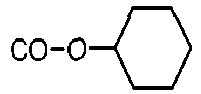
116-105 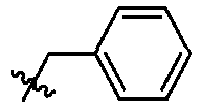
116-106 
116-107 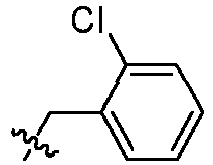
116-108 
116-109 
116-110 
116-111 
116-112 
116-113 
116-114 
116-115 
116-116 
116-117 
116-118 
116-119 
116-120 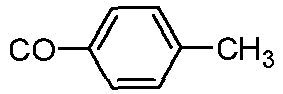
116-121 
116-122 
116-123 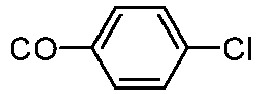
116-124 
116-125 
116-126 
116-127 
116-128 
116-129 
116-130 
116-131 
116-132 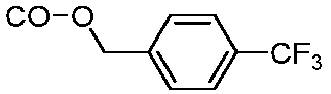
116-133 
116-134 
116-135 
116-136 
116-137 
116-138 
116-139 
116-140 
- The salts of some compounds having a structure as represented by formula I of the present invention are listed in Table 117, but without being restricted thereby.
Table 117 the salts of some compounds No. structure No. structure 117-1 
117-2 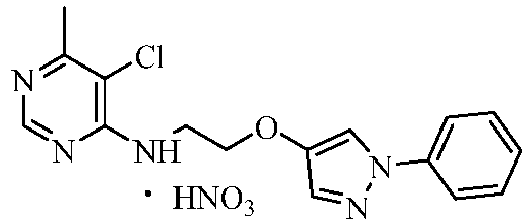
117-3 
117-4 
117-5 
117-6 
117-7 
117-8 
117-9 
117-10 
117-11 
117-12 
117-13 
117-14 
117-15 
117-16 
117-17 
117-18 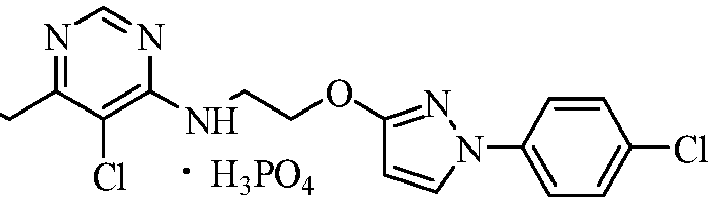
117-19 
117-20 
117-21 
117-22 
117-23 
117-24 
117-25 
117-26 
117-27 
117-28 
117-29 
117-30 
117-31 
117-32 
117-33 
117-34 
117-35 
117-36 
117-37 
117-38 
117-39 
117-40 
117-41 
117-42 
117-43 
117-44 
117-45 
117-46 
117-47 
117-48 
117-49 
117-50 
117-51 
117-52 
117-53 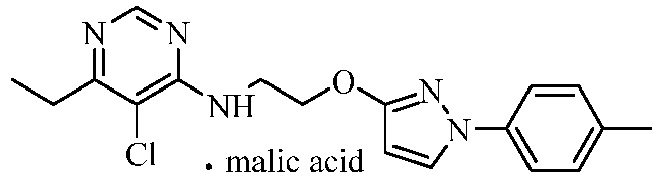
117-54 
117-55 
117-56 
117-57 
117-58 
117-59 
117-60 
117-61 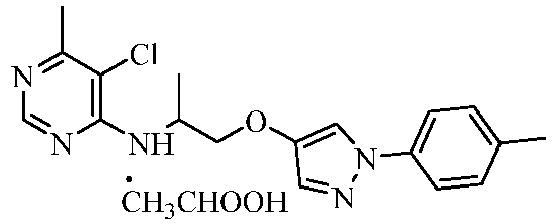
117-62 
117-63 
117-64 
117-65 
117-66 
117-67 
117-68 
117-69 
117-70 
117-71 
117-72 
117-73 
117-74 
117-75 
117-76 
117-77 
117-78 
117-79 
117-80 
117-81 
117-82 
117-83 
117-84 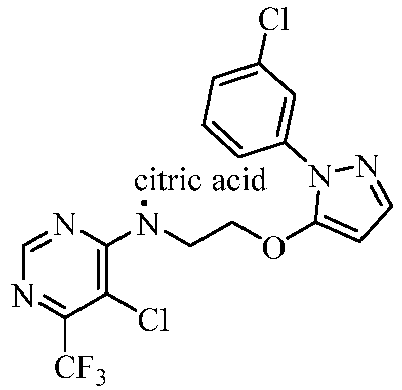
- Table 118: in general formula I-4C, R1=Cl, R2=Br, R3=R4=R5=H, the substituents (R11)n are consistent with those in Table 30 and corresponding to 30-1-30-279 in table 30 in turn, the representative compounds are coded as 118-1-118-279.
- Table 119: in general formula I-4C, R1=Cl, R2=NH2, R3=R4=R5=H, the substituents (R11)n are consistent with those in Table 30 and corresponding to 30-1-30-279 in table 30 in turn, the representative compounds are coded as 119-1-119-279.
- Table 120: in general formula I-4C, R1=Cl, R2=NO2, R3=R4=R5=H, the substituents (R11)n are consistent with those in Table 30 and corresponding to 30-1-30-279 in table 30 in turn, the representative compounds are coded as 120-1-120-279.
- Table 121: in general formula I-4C, R1=Cl, R2=CHO, R3=R4=R5=H, the substituents (R11)n are consistent with those in Table 30 and corresponding to 30-1-30-279 in table 30 in turn, the representative compounds are coded as 121-1-121-279.
- Table 122: in general formula I-4C, R1=Cl, R2=CH3, R3=R4=R5=H, the substituents (R11)n are consistent with those in Table 30 and corresponding to 30-1-30-279 in table 30 in turn, the representative compounds are coded as 122-1-122-279.
- Table 123: in general formula I-4C, R1=Cl, R2=OCH3, R3=R4=R5=H, the substituents (R11)n are consistent with those in Table 30 and corresponding to 30-1-30-279 in table 30 in turn, the representative compounds are coded as 123-1-123-279.
- Table 124: in general formula I-4C, R1=CH3, R2=Cl, R3=R4=R5=H, the substituents (R11)n are consistent with those in Table 30 and corresponding to 30-1-30-279 in table 30 in turn, the representative compounds are coded as 124-1-124-279.
- Table 125: in general formula I-4C, R1=C2H5, R2=Cl, R3=R4=R5=H, the substituents (R11)n are consistent with those in Table 30 and corresponding to 30-1-30-279 in table 30 in turn, the representative compounds are coded as 125-1-125-279.
- Table 126: in general formula I-4C, R1=CHF2, R2=Cl, R3=R4=R5=H, the substituents (R11)n are consistent with those in Table 30 and corresponding to 30-1-30-279 in table 30 in turn, the representative compounds are coded as 126-1-126-279.
- The compounds of the present invention can be prepared according to the following methods. The definition of each substituent is as defined above unless otherwise stated:
The compounds represented by general formula I can be prepared by the following two methods according to the different definition of Y: - (1) When Y is O, according to the conjoint positon of oxygen atom and pyrazole ring, the methods to prepare the compounds represented by general formula I-1, I-2 and I-3 are as follows:
The method to prepare the compounds represented by general formula I-1 is as follows:
- The compounds represented by general formula I-1 can be prepared by reaction of intermediates II and III in the presence of proper base and solvent.
- The proper base mentioned may be selected from potassium hydroxide, sodium hydroxide, sodium carbonate, potassium carbonate, sodium bicarbonate, triethylamine, pyridine, sodium methoxide, sodium ethoxide, sodium hydride, potassium tert-butoxide or sodium tert-butoxide and so on.
- The reaction was carried out in proper solvent and the proper solvent mentioned may be selected from tetrahydrofuran,1,4-dioxane, acetonitrile, toluene, xylene, benzene, DMF, N-methyl pyrrolidone, DMSO, acetone or butanone and so on.
- The proper temperature mentioned is from room temperature to boiling point of the solvent, normal temperature is from 20 to 100°C.
- The reaction time is in the range of 30 minutes to 20 hours, generally being 1-10 hours.
- Intermediates II are commercially available, or are prepared according to the methods described in
JP2000007662 US4977264 ,US6090815 ,US20040092402 ,JP09124613 US5468751 ,US4985426 ,US4845097 , Journal of the American Chemical Society(1957), 79, 1455 or Journal of Chemical Society(1955), p.3478-3481. - The intermediate represented by general formula III is the key intermediate which is used to prepare the the compounds represented by general formula I-1. The preparation method is as follows:

- The intermediates represented by general formula M-1 can be prepared by reaction of intermediates represented by general formula X - 1 with (un)substituted ethyl acrylate at proper temperature and in proper solvent. The reaction time is in the range of 30 minutes to 20 hours, generally being 1-10 hours, the detailed operation procedures refer to the methods described in
CN103588708 ,WO9703969 DE19652516 ,WO9703969 US20100158860 ,WO2011133444 and Bioorganic & Medicinal Chemistry (2012), 20(20), 6109-6122. - The sources of intermediates are as follows:the intermediate represented by general formula X-1 are commercially available, or can be prepared according to the conventional method.
- The proper reaction temperature is from 0 to 50°C; the reaction time is in the range of 30 minutes to 20 hours, generally being 0.5-10 hours.
- The proper solvent mentioned may be selected from methyl acetate, ethyl acetate, benzene, toluene, xylene, chloroform, dichloromethane, water, tetrahydrofuran, acetonitrile, 1,4-dioxane, DMF, N-methyl pyrrolidone or DMSO and so on.
- The proper acid mentioned may be selected from hydrochloric acid, trifluoroacetic acid, sulphuric acid, acetic acid, propionic acid, butyric acid, oxalic acid, adipic acid, 1,10-decanedicarboxylic acid, lauric acid, stearic acid, fumaric acid, maleic acid, benzoic acid or alizaric acid.
- The method to prepare the compounds represented by general formula I-2 is as follows:

- The compounds represented by general formula I-2 can be prepared by reaction of intermediates II and IV in the presence of proper base and solvent.
- The proper base mentioned may be selected from potassium hydroxide, sodium hydroxide, sodium carbonate, potassium carbonate, sodium bicarbonate, triethylamine, pyridine, sodium methoxide, sodium ethoxide, sodium hydride, potassium tert-butoxide or sodium tert-butoxide and so on.
- The reaction was carried out in proper solvent and the proper solvent mentioned may be selected from tetrahydrofuran,1,4-dioxane, acetonitrile,toluene, xylene, benzene, DMF,N-methyl pyrrolidone, DMSO, acetone or butanone and so on.
- The proper temperature mentioned is from room temperature to boiling point of the solvent, normal temperature is from 20 to 100°C.
- The reaction time is in the range of 30 minutes to 20 hours, generally being 1-10 hours.
- The intermediate represented by general formula IV is the key intermediate which is used to prepare the the compounds represented by general formula I-2. The preparation method is as follows:

- The intermediate N-4 can be prepared from starting material N-1 refer to the methods described in
DE3012193 ,WO2010076553 , Organic Preparations and Procedures International(2002), 34(1), 98-102 and Science of Synthesis (2002), 12, 15-225; Journal of Medicinal Chemistry (2016), 59(4), 1370-1387; the preparation method of N-4 to IV is the same as M-2 to III. - The proper solvent mentioned may be selected from methanol, ethanol, tetrahydrofuran, 1,4-dioxane, acetonitrile, toluene, xylene, benzene, DMF, DMSO, acetone or butanone.
- The proper solvent may be selected from hydrochloric acid, sulphuric acid or nitric acid.
- The proper base mentioned may be selected from sodium hydroxide, potassium hydroxide, sodium methoxide, sodium ethoxide, sodium tert-butoxide or potassium tert-butoxide and so on.
- The method to prepare the compounds represented by general formula I-3 is as follows:

- The compounds represented by general formula I-3 can be prepared by reaction of intermediates II and V in the presence of proper base and solvent.
- The proper base mentioned may be selected from potassium hydroxide, sodium hydroxide, sodium carbonate, potassium carbonate, sodium bicarbonate, triethylamine, pyridine, sodium methoxide, sodium ethoxide, sodium hydride, potassium tert-butoxide or sodium tert-butoxide and so on.
- The reaction was carried out in proper solvent and the proper solvent mentioned may be selected from tetrahydrofuran, 1,4-dioxane, acetonitrile, toluene, xylene, benzene, DMF, N-methyl pyrrolidone, DMSO, acetone or butanone and so on.
- The proper temperature mentioned is from room temperature to boiling point of the solvent, normal temperature is from 20 to 100°C.
- The reaction time is in the range of 30 minutes to 20 hours, generally being 1-10 hours.
- The intermediate represented by general formula V is the key intermediate which is used to prepare the the compounds represented by general formula I-3, the preparation method is as follows:

- The intermediates Q-1 can be prepared from starting material X-1 refer to the methods described in
WO2009069044 ,WO2000031042 ,WO2008059370 , Bioorganic & Medicinal Chemistry (2006), 14(14), 5061-5071 and so on; the preparation method of Q-1 to V is the same as M -2 to III. - (2) The preparation of the compounds represented by general formula I is as follows when Y is NR3 or S. The detailed operation procedures of the intermediate T refer to the methods described in
WO2003049739 ,WO2000031072 and so on;
- Although the compounds represented by general formula I and some compounds reported in pior art both belong to substituted pyrazole compounds with pyrimidinyl, there are still some obvious differences in structure between them. It is due to these differences in structure that lead to compounds of present invention with better fungicidal and/or insecticidal/acaricidal activities.
- The compounds represented by general formula I show excellent activity against both many plant pathogens/diseases in agricultural and other fields and insects/mites. Therefore the technical scheme of the present invention also includes the uses of the compounds represented by general formula I to prepare fungicides, insecticides/acaricides in agricultural or other fields.
- The present invention is explained by the following examples of plant diseases, but without being restricted thereby.
- The compounds represented by general formula I can be used to control these plant diseases: Oomycete diseases, such as downy mildew (cucumber downy mildew, rape downy mildew, soybean downy mildew, downy mildew of beet, downy mildew of sugarcane, tobacco downy mildew, pea downy mildew, vegetable sponge downy mildew, chinese wax gourd downy mildew, muskmelon downy mildew, chinese cabbage downy mildew, spinach downy mildew, radish downy mildew, grape downy mildew, onion downy mildew), white rust (rape white rust, chinese cabbage white rust), damping-off disease (rape damping-off, tobacco damping-off, tomato damping-off, pepper damping-off, eggplant damping-off, cucumber damping-off, cotton damping-off), pythium rot (pepper soft stale disease, vegetable sponge cottony leak, chinese wax gourd cottony leak), blight (broad bean phytophthora blight, cucumber phytophthora blight, pumpkin phytophthora rot, chinese wax gourd phytophthora blight, watermelon phytophthora blight, muskmelon phytophthora blight, pepper phytophthora blight, chinese chives phytophthora blight, carlic phytophthora blight, cotton phytophthora blight), late blight (potato late blight, tomato late blight) and so on; diseases caused by Deuteromycotina, such as wilt disease (sweet potato fusarium wilt, cotton fusarium wilt disease, sesame wilt disease, fusarium wilt disease of costarbean, tomato fusarium wilt, bean fusarium wilt, cucumber fusarium wilt, vegetable sponge fusarium wilt, pumpkin fusarium wilt, chinese wax gourd fusarium wilt, watermelon fusarium wilt, muskmelon fusarium wilt, pepper fusarium wilt, broad bean fusarium wilt, fusarium wilt disease of rape, fusarium wilt disease of soybean), root rot (pepper root rot, eggplant root rot, bean fusarium root-rot, cucumber fusarium root rot, balsam pear fusarium root rot, cotton black root rot, broad bean thielaviopsis root rot), drooping disease (cotton soreshin, sesame soreshin, pepper rhizoctonia rot, cucumber rhizoctonia rot, chinese cabbage rhizoctonia rot), anthracnose (sorghum anthracnose, cotton anthracnose, kenaf anthracnose, jute anthracnose, flax anthracnose, tobacco anthracnose, mulberry anthracnose, pepper anthracnose, eggplant anthracnose, bean anthracnose, cucumber anthracnose, balsam pear anthracnose, summer squash anthracnose, chinese wax gourd anthracnose, watermelon anthracnose, muskmelon anthracnose, litchi anthracnose), verticillium wilt (cotton verticillium wilt, verticillium wilt of sunflower, tomato verticillium wilt, pepper verticillium wilt, eggplant verticillium wilt), scab (summer squash scab, chinese wax gourd scab, muskmelon scab), gray mold (cotton boll gray mold, kenaf gray mold, tomato gray mold, pepper gray mold, bean gray mold, celery gray mold, spinach gray mold, kiwi fruit gray mold rot), brown spot (cotton brown spot, jute brown spot, beet sercospora leaf spot, peanut brown spot, pepper brown leaf spot, chinese wax gourd corynespora leaf spot, soybean brown spot, sunflower brown spot, pea ascochyta blight, broad bean brown spot), black spot (flax black spot, rape alternaria leaf spot, sesame black spot, sunflower alternaria leaf spot, costarbean alternaria leaf spot, tomato nail head spot, pepper black fruit spot, eggplant black spot, bean leaf spot, cucumber alternaria blight, celery alternaria black leaf spot, carrot alternaria black rot, carrot leaf blight, apple alternaria rot, peanut brown spot), spot blight (tomato septoria leaf spot, pepper septoria leaf spot, celery late blight), early blight (tomato early blight, pepper early blight, eggplant early blight, potato early blight, celery early blight), ring spot (soybean zonate spot, sesame ring spot, bean zonate spot), leaf blight (sesame leaf blight, sunflower leaf blight, watermelon alternaria blight, muskmelon alternaria spot), basal stem rot (tomato basal stem rot, bean rhizoctonia rot), and others (corn northern leaf spot, kenaf damping-off, rice blast, millet black sheath, sugarcane eye spot, cotton aspergillus boll rot, peanut crown rot, soybean stem blight, soybean black spot, muskmelon alternaria leaf blight, peanut web blotch, tea red leaf spot, pepper phyllosticta blight, chinese wax gourd phyllosticta leaf spot, celery black rot, spinach heart rot, kenaf leaf mold, kenaf brown leaf spot, Jute stem blight,soybean cercospora spot, sesame leaf spot, costarbean gray leaf spot, tea brown leaf spot, eggplant cercospora leaf spot, bean cercospora leaf spot, balsam pear cercospora leaf spot, watermelon cercospora leaf spot, jute dry rot, sunflower root and stem rot,bean charcoal rot, soybean target spot, eggplant corynespora leaf spot, cucumber corynespora target leaf spot, tomato leaf mold, eggplant fulvia leaf mold, broad bean chocolate spot) and so on; diseases caused by Basidiomycete, such as rust (wheat stripe rust, wheat stem rust, wheat leaf rust, peanut rust, sunflower rust, sugarcane rust, chinese chives rust, onion rust, millet rust, soybean rust), smut (corn head smut, corn smut, sorghum silk smut, sorghum loose kernel smut, sorghum hard smut, sorghum smut, millet kernel smut, sugarcane smut, bean rust), and others (for example, wheat sheath blight and rice sheath blight) and so on; diseases caused by Ascomycete, such as powdery mildew (wheat powdery mildew, rape powdery mildew, powdery mildew of sesame, powdery mildew of sunflower, beet powdery mildew, eggplant powdery mildew, pea powdery mildew, vegetable sponge powdery mildew, pumpkin powdery mildew, summer squash powdery mildew, chinese wax gourd, muskmelon powdery mildew, grape powdery mildew, broad bean powdery mildew), sclerotinia rot (flax sclertiniose, rape sclertiniose, soybean sclertiniose, peanut sclertiniose, tobacco sclerotinia rot, pepper sclerotinia rot, eggplant sclerotinia rot, bean sclerotinia rot, pea sclerotinia rot, cucumber sclerotinia rot, balsam pear sclerotinia rot, chinese wax gourd sclerotinia rot, watermelon sclerotinia disease, celery stem rot), scab (apple scab, pear scab) and so on.
- The compounds represented by general formula I can be used to control these insects: Coleoptera, such as Acanthoscelides spp., Acanthoscelides obtectus, Agrilus planipennis, Agriotes spp., Anoplophora glabripennis, Anthonomus spp., Anthonomus grandis, Aphidius spp., Apion spp., Apogonia spp., Atacnius sprctulus, Atomaria linearis, pygmy mangold beetle, Aulacophore spp., Bothynoderes punctiventris, Bruchus spp., Bruchus pisorum, Cacoesia, Cacoesia spp., Callosobruchus maculatus, Carpophilus hemipteras, Cassida vittata, Ccrostcrna spp., Ccrotoma, Ccrotoma spp., Cerotoma trifur cata, Ceutorhynchus spp., Ceutorhynchus assimilis, cabbage seedpod weevil, Ceutorhynchus napi, cabbage curculio, Chaetocnema spp., Colaspis spp., Conoderus scalaris, Conoderus stigmosus, Conotrachelus nenuphar, Cotinus nitidis, Green June beetle, Crioceris asparagi, Cryptolestes ferrugincus, rusty grainbeetle, Cryptolestes pusillus, Cryptolestes turcicus Turkish grain beetle, Ctenicera spp., Curculio spp., Cyclocephala spp., Cylindrocpturus adspersus, sunflower stem weevil, Deporaus marginatus, mango leaf-cutting weevil, Dermestes lardarius, Dermestes maculates, Diabrotica spp., Epilachna varivcstis, raustinus cubae, Hylobius pales, pales weevil, Hypera spp., Hypera postica, Hyperdoes spp., Hyperodes weevil, Hypothenemus hampei, Ips spp., engravers, Lasioderma serricorne, Leptinotarsa decemlineata, Liogenys fuscus, Liogenyssuturalis, Lissorhoptrus oryzophilus, Lyctus spp. , powder post beetles, Maecolaspis joliveti, Megascelis spp., Melanotus communis, Meligethes spp., Meligethes aeneus, blossom beetle, Melolontha melolontha, Oberea brevis, Oberea linearis, Oryctes rhinoceros, date palm beetle, Oryzaephilus mercator, merchant grain beetle, Oryzaephilus surinamensis, sawtoothcd grain bcctlc, Otiorhynchus spp. , Oulema melanopus, cereal leafbeetle, Oulema oryzae, Pantomorus spp., Phyllophaga spp., Phvllophaga cuyabana, Phyllotreta spp., Phynchites spp., Popillia japonica, Prostephanus truncates, larger grain borer, Rhizopertha dominica, lesser grain borer, Rhizotrogus spp., Eurpoean chafer, Rhynchophorus spp., Scolytus spp., Shenophorus spp. Sitona lincatus, pca leaf weevil, Sitophilus spp., Sitophilus granaries, granary weevil, Sitophilus oryzae, rice weevil, Stegobium paniceum, drugstore beetle, Tribolium spp. , Tribolium castaneum, red flour beetle, Tribolium confusum, confused flour beetle, Trogoderma variabile, warehouse beetle and Zabrus tenebioides.
- Dictyoptera, such as Blattella germanica, German cockroach, Blatta orientalis, Parcoblatta pennylvanica, Periplaneta americana, American cockroach, Periplaneta australoasiae, Australian cockroach, Pcriplancta brunnca, brown cockroach, Periplaneta fuliginosa, smokybrown cockroach, Pyncoselus suninamensis, Surinam cockroach and Supella longipalpa, brownbanded cockroach.
- Diptera, such as Aedes spp., Agromyza frontella, alfalfa blotch leafminer, Agromyza spp., Anastrepha spp., Anastrepha suspensa, Caribbean fruit fly, Anopheles spp., Batrocera spp., Bactrocera cucurbitae, Bactrocera dorsalis, Ceratitis spp., Ceratitis capitata, Chrysops spp., Cochliomyia spp., Contarinia spp., Culex spp., Dasineura spp., Dasineura brassicae, Delia spp., Delia platura, seedcorn maggot, Drosophila spp., Fannia spp., Fannia canicularis, little house fly, Fannia scalaris, Gasterophilus intestinalis, Gracillia perseae, Haematobia irritans, Hylemyia spp., root maggot, Hypoderma lineatum, common cattle grub, Liriomyza spp., Liriomyza brassica, serpentine leafminer, Melophagus ovinus, Musca spp., muscid fly, Musca autumnalis, face fly, Vusca domestica, house fly, Oestrus ovis, sheep bot fly, Oscinella frit, Pegomyia betae, beet leafminer, Phorbia spp., Psila rosae, carrotrust fly, Rhagoletis cerasi, cherry fruit fly, Rhagoletis pomonella, apple maggot, Sitodiplosis mosellana, orange wheat blossom midge, stomoxys calcitruns, stable fly, Tahanus spp.and Tipula spp..
- Hemiptera, such as Acrosternum hilare, green stink bug, Blissus leucopterus, chinch bug, Calocoris norvegicus, potato mirid, Cimex hemipterus, tropical bed bug, Cimex lectularius, bed hug, Daghertus fasciatus, Dichelops furcatus, Dysdercus suturellus, cotton stainer, Edessa meditabunda, Eurygaster maura, cereal bug, Euschistus heros, Euschistus servus, brown stink bug, Helopeltis antonii, Helopeltis theivora, tea blight plantbug, Lagynotomus spp., Leptocorisa oratorius, Leptocorisa varicorni, Lygus spp., plant bug, Lygus hesperus, western tarnished plant bug, Maconellicoccus hirsutus, Neurocolpus longirostris, Nezara viridula, southern green stink bug, PhyLocoris spp., Phytocoris californicus, Phytocoris relativus, , Piezodorus guildingi, Poecilocapsus lineatus, fourlined plant bug, Psallus vaccinicola, Pseudacysta perseae, Scaptocoris castanea and Triatoma spp., bloodsuckingconenose bug, kissing bug .
- Homoptera, such as Acrythosiphonpisum, pea aphid, Adelges spp., adelgids, Aleurodes proletella, Aleurodicus disperses, Aleurothrixus flccosus, woolly whitefly, Aluacaspis spp., Amrasca bigutella bigutella, Aphrophora spp., leafhopper, Aonidiella aurantii, California red scale, Aphis spp., Aphis gossypii, cotton aphid, Aphis pomi, apple aphid, Aulacorthitm solan, foxglove aphid, Bemisia spp., Bemisia argentifolii, Bemisia tabaci, sweetpotato whitefly, Brachycolus noxius, Russian aphid, Brachycorynclia asparagi, asparagus aphid, Brevennia rehi, Brevicoryne brassicae, Ceroplastes spp., Ceroplastes rubens, red wax scale, Chionaspis spp., Chrysomphalus spp., Coccus spp., Dysaphis plantaginea, rosy apple aphid, Empoasca spp., Eriosoma lanigerum, woolly apple aphid, Icerya purchasi, cottony cushion scale, Idioscopus nitidulus, mango leafhopper, Laodelphax striatellus, smaller brown planthopper, Lepidosaphes spp., Macrosiphum spp., Macrosiphum euphorbiae, potato aphid, Macrosiphum granarium, English grain aphid, Macrosiphum rosae, rose aphid, Macrosteles quadrilineatus, aster leafhopper, Mahanarva frimbiolata, Metopolophium dirhodum, rose grain aphid, Midis longicornis, Myzus persicae, green peach aphid, Nephotettix spp., Nephotettix cinctipes, green leafhopper, Nilaparvata lugens, brown planthopper, Parlatoria pergandii, chaff scale, Parlatoria ziziphi, ebony scale, Peregrinus maidis, corn delphacid, Philaenus spp. , Phylloxera vitifoliae, grape phylloxera, Physokermes piceae, spruce bud scale, Planococcus spp., Pseudococcus spp., Pscudococcus brcvipcs, pinc apple mcalybug, Quadraspidiotus perniciosus, San Jose scale, Rhapalosiphum spp., Rhapalosiphum maida, corn leaf aphid, Rhapalosiphum padi, oatbird-cherry aphid, Saissetia spp., Saissetia oleae, Schizaphis graminum, gr eenbug, Sitobion avenge, Sogatella furcifera, white-backed planthopper, Therioaphis spp.,Toumeyella spp., Toxoptera spp., Trialeurodes spp., Trialeurodes vaporariorum, greenhouse whitefly, Trialeurodes abutiloneus, bandedwing whitefly, Unaspis spp., Unaspis yanonensis, arrowhead scale and Zulia entreriana.
- Hymenoptera, such as Acromyrrmex spp., Athalia rosae, Atta spp., Ieafcutting ants, Camponotus spp., carpenter ant, Diprion spp., sawfly, Formica spp., Iridomyrmex humilis, Argentineant, Monomorium ssp., Monomorium minumum, little black ant, Monomorium pharaonis, haraoh ant, Neodiprion spp., Pogonomyrmex spp., Polistes spp., paper wasp, Solenopsis spp., Tapoinoma sessile, odorous house ant, Tetranomorium spp., pavement ant, Vespula spp., yellow jacket and Xylocopa spp., carpenter bee.
- Isoptera, such as Coptotcrmcs spp., Coptotermes curvignathus, Coptotermes frenchii, Coptotermes formosanus, Formosan subterranean termite, Cornitermes spp., nasute termite, Cryptotermes spp., Heterotermes spp., desert subterranean termite, IIeterotermes aureus, Kalotermes spp., Incistitermes spp., Macrotermes spp., fungus growing termite, Marginitermes spp., Microcerotermes spp., harvester termite, Microtermes obesi, Procornitermes spp., Reticulitermes spp., Reticulitermes banyulensis, Reticulitermes grassei, Reticulitermes flavipes, Reticulitermes hageni, Reticulitermes hesperus, Reticulitermes santonensis, Reticulitermes speratus, Reticulitermes tibialis, Reticulitermes virginicus, Schedorhinotermes spp. and Zootermopsis spp..
- Lepidoptera, such as Achoea janata, Adoxophyes spp., Adoxophyes orana, Agrotis spp., Agrotis ipsilon, Alabama argillacea, cotton leafworm, Amorbia cuneana,Amyelosis transitella, navel orangeworm, Anacamptodes defectaria, Anarsia lineatella, peach twig borer, Anomis sabulijera, jute looper, Anticarsia gemmatalis, velvetbean caterpillar, Archips argyrospila)(fruit tree leafroller, Archips rosana, rose leaf roller, Ar gyrotaenia spp., tortricid moths, Argyrotaenia citrana, orange tortrix, Autographa gamma, Bonagota cranaodcs, Borbo cinnara, rice leaf folder, Bucculatrix thurberiella, cotton leafperforator, Caloptilia spp., Capua reticulana, Carposina niponensis, peach fruit moth, Chilo spp. , Chlumetia transversa, mango shoot borer, Choristoneura rosaceana, oblique banded leaf roller, Chrysodeixis spp., Cnaphalocerus medinalis, grass leafroller, Colias spp., Conpomorpha cramerella, Cossus cossus, Crambus spp., Sod webworms, Cydia funebrana, plum fruit moth, Cydia molesta, oriental fruit moth, Cydia nignicana, pea moth, Cydia pomonella, codling moth, Darna diducta, Diaphania spp., stem borer, Diatr aea spp., stalk bor er, Diatraea saccharalis, sugarcane borer, Diatraea graniosella, southwester corn borer, Earias spp., Earias insulata, Egyptian bollworm, Earias vit.ella, rough northern bollworm, Ecdytopopha aurantianum, Elasmopalpus lignosellus, lesser cornstalk borer, Epiphysias postruttana, light brown, apple moth, Ephestia spp., Ephestia cautella, almond moth, Ephestia elutella, tobbaco moth, Ephestia kuehniella, Mediterranean flour moth, Epimeces spp, Epinotia aporema, Erionota thrax, banana skipper, Eupoecilia ambiguella, grape berry moth, Euxoa auxiliaris, army cutworm, Feltia spp., Gortyna spp., Grapholita molesta, oriental fruit moth, Hedylepta indicata, bean leaf webber, Helicoverpa spp. , Helicoverpa armigera, cotton bollworm, Helicoverpa zea, Heliothis spp., Heliothis virescens, tobacco budworm, Hellula undalis, cabbage webworm, Indarbela spp. Keiferia lycopersicella, tomato pinworm, Leucinodes orbonalis, eggplant fruit borer, Leucoptera malifoliella, Lithocollectis spp., Lobesia botrana, grape fruit moth, Loxagrotis spp., Loxagrotis albicosta, western bean cutworm, Lymantria dispar, gypsy moth, Lyonetiaclerkella, apple leafminer, Mahasena corbetti, oil palm bagworm, Malacosoma spp., tent caterpillars, Mamestra brassicae, cabbage armyworm, Maruca testulalis, Metisa plana, Mythimna unipuncta, true armyworm, Neoleucinodes elegantalis, small tomato borer, Nymphula depunctalis, rice caseworm, Operophthera brumata, winter moth, Ostrinia nubilalis, European corn borer, Oxydia vesulia, Pandemis cerasana, common currant tortrix, Pandemis heparana, brown apple tortrix, Papilio demodocus, Pectinophora gossypiella, pink bollworm, Peridroma spp., Peridroma saucia, variegated cutworm, Perileucoptera coffeella, white coffee leafminer, Phthorimaea operculella, potato tuber moth, Phyllocnisitis citrella, Phyllonorycter spp., Pieris rapae, imported cabbageworm, Plathypena scabra, Plodia interpunctella, Indian meal moth, Plutella xylostella, diamondback moth, Polychrosis viteana, grape berry moth, Prays endocarps, Prsys oleae, olive moth, Pseudaletia spp., Pseudaletia unipunctata, Pseudoplusia includens, soybean looper, Rachiplusia nu, Scirpophaga incertulas, Sesamia spp., Sesamia inferens, pink rice stemborer, Sesamia nonagrioides, Setora nitens, Sitotroga cerealella, Angoumois grain moth, Sparganothis pilleriana, Spodoptera spp., Spodoptera exigua, beet armyworm, Spodoptcra fugipcrda, fall armyworm, Spodoptera oridania, southern armyworm, Synanthedon spp., Thecla basilides, Thermisia gemmatalis, Tineola bisselliella, webbing clothes moth, Trichoplusia ni, cabbage looper, Tuts absoluta, Yponomeuta spp., Zeuzeracoffeae, red branch borer and Zeuzera pyrina, eopard moth.
- Mallophaga, chewing lice, such as Bovicola ovis, sheep biting louse, Menacanthus stramineus, chicken body louse and Menopon gallinea, common hen house,
- Orthoptera, such as Anabrus simplex, Mormon cricket, Gryllotalpidae, mole cricket, Locusta migratoria, Melanoplus spp., Microcentrum retinerve, angular winged katydid, Pterophylla spp. , histocerca gregaria, Scudderia furcata, fork tailed bush katydid and Valanga nigricorni., sucking louse, such as Haematopinus spp., Linognathus ovillus, sheep louse, Pediculus humanus capitis, Pediculus humanus humanus and Pthirus pubis, crab louse.
- Siphonaptera, such as Ctenocephal ides canis, dog flea, Ctenocephalides felis, cat flea and Pulex irritanshuman flea.
- Thysanoptera, such as Frankliniella fusca, tobacco thrip, Frankliniella occidentalis, western flower thrips, Frankliniella shultzei, Frankliniella williamsi, corn thrip, IIeliothrips haemorrhaidalis, greenhouse thrip, Riphiphorothrips cruentatus, Scirtothrips spp, Scirtothrips cirri, citrus thrip, Scirtothrips dorsalis, yellow tea thrips, Taeniothrips rhopalantennalis and Thrips spp.
- Thysanura, bristletail, such as Lepisma spp, silverfish and Thermobia spp..
- Acarina,mite and tick, such as Acarapsis woodi, tracheal mite of honeybee, Acarus spp., Acarus siro, grain mite, Aceria mangiferae, mango bud mite, Aculops spp., Aculops lycopersici, tomato russet mite, Aculops pelekasi, Aculus pelekassi, Aculus schlechtendali, apple rust mite, Amblyomma amcricanum, lone star tick, Boophilus spp., Brevipalpus obovatus, privet mite, Brevipalpus phoenicis, red and black flat mite, Demodex spp., mange mites, Dermacentorspp., Dermacentor variabilis, american dog tick, Dermatophagoides pteronyssinus, house dust mite, Eotetranycus spp., Eotetranychus carpini, yellow spider mite, Epitimerus spp., Eriophyes spp., I;odes spp., Metatetranycus spp., Notoedres cati, Oligonychus spp., Oligonychus coffee, Oligonychus ilicus, southernred mite, anonychus spp., Panonychus cirri, citrus red mite, Panonychus ulmi, European red mite, Phyllocoptruta oleivora, citrus rust mite, Polyphagotarsonemun latus, broad mite, Rhipicephalus sanguineus, brown dog tick, Rhizoglyphus spp., bulb mite, Sarcoptes scabiei, itch mite, Tegolophus perseaflorae, Tetranychus spp., Tetranychus urticae, twospotted spider mite and Varroa destructor.
- Nematoda, such as Aphelenchoides spp., bud and leaf & pine wood nematode, Belonolaimus spp., sting nematodes, Criconemella spp., ring nematodes, Dirofilaria immitis, dog heartworm, Ditylenchus spp., Heterodera spp., cyst nematode, Heterodera zeae, corn cyst nematode, Hirschmanniella spp., root nematodes, Hoplolaimus spp., lance nematodes, Meloidogyne spp., Meloidogyne incognita, Onchocerca volvulus, hook-tail worm, PraLylenchus spp., lesion nematode, Radopholus spp., burrowing nematode and Rotylenchus reniformis, kidney-shaped nematode.
- Symphyla, such as Scutigerella immaculata.
- Thanks to their positive characteristics, the compounds mentioned above can be advantageously used in protecting crops of farming and gardening, domestic and breeding animals, as well as environments frequented by human beings from pathogens, insects and pest mites.
- In order to obtain desired effect, the dosage of the compounds to be applied can vary with various factors, for example, the used compound, the protected crop, the type of harmful organism, the degree of infestation, the climatic conditions, the application method and the adopted formulation.
- The dosage of compounds in the range of 10 g to 5kg per hectare can provide a sufficient control.
- A further object of the present invention also includes fungicidal, insecticidal/acaricidal compositions containing the compounds having general formula I as active ingredient, and the weight percentage of the active ingredient in the composition is 0.5-99%. The fungicidal, insecticidal/acaricidal compositions also include the carrier being acceptable in agriculture, forestry and public health.
- The compositions of the present invention can be used in the form of various formulations. Usually, the compounds having general formula I as active ingredient can be dissolved in or dispersed in carriers or made to a formulation so that they can be easily dispersed as an fungicide or insecticide. For example: these chemical formulations can be made into wettable powder, oil miscible flowable, aqueous suspension, aqueous emulsion, aqueous solution or emulsifiable concentrates and so on. Therefore, in these compositons, at least a liquid or solid carrier is added, and ususlly suitable surfactant(s) can be added when needed.
- Still also provided by the present invention are the application methods for controlling phytopathogenic fungi, insects, pest mites which is to apply the compositions of the present invention to the phytopathogenic fungi or their growing loci. The suitable effective dosage of the compounds of the present invention is usually within a range of 10 g/ha to 1000 g/ha, preferably from 20 g/ha to 500 g/ha.
- For some applications, one or more other fungicides, insecticides/acaricides, herbicides, plant growth regulators or fertilizer can be added into the fungicidal, insecticidal/acaricidal compositons of the present invention to make additional merits and effects.
- It should be noted that variations and changes are permitted within the claimed scopes in the present invention.
- The present invention is illustrated by the following examples, but without being restricted thereby. (All raw materials are commercially available unless otherwise specified.)
-

- A solution of 8.80g (0.16mol) of CH3ONa in methanolwas added slowly to a solution of 11.30g (0.11mol) of formimidamideacetate in 50mL of methanol at room temperature under stirring, the mixture was stirred for another 2 h after addition at room temperature. Followed by addition of 11.17g (0.068mol) of ethyl 2-chloro-3-oxobutanoate, the mixture was continued stirring for another 5-7 h at room temperature. After the reaction was over by Thin-Layer Chromatography monitoring, the reaction mixture was concentrated under reduced pressure and pH was adjusted to 5-6 with HCl, and then filtered to afford orange-yellow solid, the water phase was extracted with ethyl acetate (3×50mL), dried over anhydrous magnesium sulfate, filtered and then concentrated under reduced pressure. The residue was dissolved to 50ml of ethyl acetate, stand overnight to obtain 6.48g as orange-yellow solid with yield of 66%. m.p. 181∼184°C.
-

- 50ml of POCl3 was added dropwise to a solution of 14.5g (0.1 mol ) of 4-hydroxyl-5-chloro-6-methylpyrimidine in 50mL of toluene, the mixture was refluxed for 5-7h after addition. After the reaction was over by Thin-Layer Chromatography monitoring, the reaction mixture was concentrated under reduced pressure to remove toluene and extra POCl3, and then poured into ice water. The water phase was extracted with ethyl acetate (3×50mL), the organic phases were merged, dried over anhydrous magnesium sulfate, filtered and then concentrated under reduced pressure. The residue was purified through silica column (ethyl acetate/petroleum ether =1:5, as an eluent) to give 14.43g as yellow liquid with yield of 88.5%.
-

- To a solution of 2-amino-4-oxo-4,5-dihydrothiophene-3-carbonitrile(70g, 0.5mol) dissolved in 250mL phosphoryl trichloride in an ice-bath was added 38ml DMF for about 30min, and reacted for 1h at the room temperature, then heated to 75°C for 3h. After the reaction was over by Thin-Layer Chromatography monitoring, the mixture was cooled to the room temperature and poured into i c e - water, the water phase was extracted with ethyl acetate (3 × 80 mL), the organic phases were merged, filtered to get 89. 1g 4,5-dichlorothieno[2,3-d]pyrimidine as dark-gray solid with yield of 86.9%, the m.p. is 160-161°C.
-

- 2-aminobenzoic acid (13.7g, 0.1mol) and formamide 20ml were placed in a 250ml three-necked flask, then heated to 140°C and reacted for 4-10 hours, and monitored by TLC (Thin-Layer Chromatography) until the reaction was over. 80ml water was added under the stirring condition when the solution was cooled to 100°C, then cooled to the room temperature, filtered and washed the solid with anhydrous diethyl ether to get 10.96g quinazolin-4(3H)-one as brown solid with yield of 75.1%.
-

- Quinazolin-4(3H)-one(14.6g, 0.1mol) was dissolved in 50mL sulfuryl dichloride, and then heated to reflux for 4-6h. After the reaction was over by Thin-Layer Chromatography monitoring, the mixture was poured into ice water and stirred for about 30min, filtered and washed the solid with anhydrous diethyl ether to get 10.96g 4-chloroquinazoline as brown solid with yield of 92.7%.
-

- To a solution of 2-bromoethylamine hydrobromide 20.5g (0.1mol) and sodium bicarbonate 10.08g (0.12mol) in 80mL tetrahydrofuran and 50ml water was dropwise added di-tert-butyl dicarbonate 21.80g (0.1mol) at room temperature, then the reaction mixture was continued stirring for 4-10 hrs, and monitored by TLC (Thin-Layer Chromatography) until the reaction was over, the excessive solvent was evaporated under reduced pressure. Then the mixture was poured into (3×50mL) of ethyl acetate to separate the organic layer, the organic phase was washed with 50 mL of brine, dried and evaporated under reduced pressure to obtain 21.84g target intermediateas colourless oil with yield of 97.5%.
-

- To a solution of 2.24g (0.01mol) tert-butyl 2-bromoethylcarbamate and 1.94g (0.01mol) 1-(2-chlorophenyl)-1H-pyrazol-3-ol (refer to Organic Preparations and Procedures International, 34(1), 98-102; 2002) in 50mL butanone was added 2.76g (0.02mol) potassium carbonate. The reaction mixture was continued stirring and heating to reflux for 4-10 hours, and monitored by TLC (Thin-Layer Chromatography) until the reaction was over, the excessive solvent was evaporated under reduced pressure. then the mixture was poured into (3×50mL) ethyl acetate to separate the organic layer, the organic phase was washed with 50 mL of brine, dried and evaporated under reduced pressure, the residual was purified via silica column (ethyl acetate/petroleum ether =1:6, as an eluent) to obtain 2.73g tert-butyl 2-(1-(4-chlorophenyl)-1H-pyrazol-3-yloxy)ethylcarbamate as yellow solid with yield of 81.1%.
-

- To a solution of tert-butyl 2-(1-(2-chlorophenyl)-1H-pyrazol-3-yloxy)ethylcarbamate 3.37g (O.Olmol) in 50mL ethyl acetate was dropwise added 6mL concentrated hydrochloric acid. The solid was dissolved, the reaction mixture stir for 4-5 hours,and monitored by TLC (Thin-Layer Chromatography) until the reaction was over, the excessive solvent was evaporated under reduced pressure. Then the mixture was poured into 10mL of dichloromethane to stir for half an hour and filtered to give 2.16g target intermediateas white solid.
-

- To a solution of 1.62g (O.Olmol) 4,5-dichloro-6-methylpyrimidine and 2.74g (0.01mol) 2-(1-(4-chlorophenyl)-1H-pyrazol-3-yloxy)ethanaminehydrochloride in 50mL toluene was added 4.45g (0.022mol) triethylamine. The reaction mixture was continued stirring and heating to reflux for 4-10 hours, and monitored by TLC (Thin-Layer Chromatography) until the reaction was over, the excessive solvent was evaporated under reduced pressure. then the mixture was poured into (3×50mL) ethyl acetate to separate the organic layer, the organic phase was washed with 50 mL of brine, dried and evaporated under reduced pressure, the residual was purified via silica column (ethyl acetate/petroleum ether =1:4, as an eluent, boiling range 60-90°C) to obtain 2.90g compound 31-19 as white solid with yield of 79.9%.
- 1H-NMR (300MHz, internal standard: TMS, solvent: CDCl3) δ(ppm):2.44(3H, s), 3.90-3.98(2H, q), 4.48(2H, t), 5.93(1H, d), 5.94(1H, t), 7.37(2H, dd), 7.52(2H, dd), 7.71(1H, d), 8.39(1H,s).
- Other compounds of the present invention were prepared according to the above examples.
- Physical properties and 1HNMR spectrum (1HNMR, 300MHz, internal standard: TMS,ppm) of some compounds of this invention are as follows:
- Compound 30-1-4: m.p. 152.9°C. δ(CDCl3) 8.29(s, 1H, Pyrimidine-H), 7.68(d, J=2.4Hz, 1H, Pyrazole-5-H),7.51-7.56(m, 2H, Ph-2,6-2H), 7.08-7.15(m, 2H, Ph-3,5-2H), 5.91(d, J=2.4Hz, 1H, Pyrazole-4-H), 5.56(s, 1H, NH), 4.49(t, 2H, O-CH2), 3.91-3.96(m, 2H, N-CH2), 2.05(s, 3H, CH3).
- Compound 30-1-19: m.p. 156.1°C. δ(CDCl3) 8.30(s, 1H, Pyrimidine-H), 7.72(d, J=2.4Hz, 1H, Pyrazole-5-H), 7.52 (d, J=9Hz, 2H, Ph-2,6-2H), 7.39(d, J=9Hz, 2H, Ph-3,5-2H), 5.93(d, J=2.4Hz, 1H, Pyrazole-4-H), 5.50(s, 1H, NH), 4.49(t, 2H, O-CH2), 3.94(m, 2H, N-CH2), 2.06(s,3H,CH3).
- Compound 30-1-21: m.p. 126.8°C. δ(CDCl3) 8.28(s, 1H, Pyrimidine-H), 7.73(d, J=2.7Hz, 1H, Pyrazole-5-H), 7.49-7.51 (m, 2H, Ph-3,6-H), 7.34(d, 1H, Ph-5-H), 5.94(d, J=2.7Hz, 1H, Pyrazole-4-H), 5.64(s, 1H, NH), 4.47(t, 2H, O-CH2), 3.93(m, 2H, N-CH2), 2.04(s,3H, CH3).
- Compound 30-1-25: m.p. 172.7°C. δ(CDCl3) 8.31(s, 1H, Pyrimidine-H), 7.73(d, J=2.7Hz, 1H, Pyrazole-5-H), 7.50(d, 2H, Ph-2,6-2H), 7.20(s, 1H, Ph-4-H), 5.96(d, J=2.7Hz, 1H, Pyrazole-4-H), 5.40(s, 1H, NH), 4.50(t, 2H, O-CH2), 3.94-3.98(m, 2H, N-CH2), 2.11(s, 3H,CH3).
- Compound 30-1-30: m.p. 175.9°C . δ(CDCl3) 8.27(s, 1H, Pyrimidine-H), 7.47(s, 2H, Ph-3,5-2H), 7.34(d, J=2.7Hz, 1H, Pyrazole-5-H), 5.96(d, J=2.7Hz, 1H, Pyrazole-4-H), 5.70(s, 1H, NH), 4.45(t, 2H, O-CH2), 3.88-3.92(m, 2H, N-CH2), 2.06(s, 3H, CH3).
- Compound 30-1-49: m.p. 170.8°C. δ(CDCl3) 8.31(s, 1H, Pyrimidine-H), 7.82(d, J=2.7Hz, 1H , Pyrazole-5-H), 7.65-7.73(d, 4H, PhH),6.00(d, J=2.7Hz, 1H, Pyrazole-4-H), 5.34(s, 1H, NH), 4.51(t, 2H, O-CH2), 3.93-3.99(m, 2H, N-CH2), 2.09(s, 3H, CH3).
- Compound 30-1-57: m.p. 137.8°C. δ(CDCl3) 8.29(s, 1H, Pyrimidine-H), 7.70(d, J=2.4Hz, 1H, Pyrazole-5-H), 7.45(d, J=8.4Hz, 2H, Ph-2,6-2H), 7.22(d, J=8.4Hz, 2H, Ph-3,5-2H), 5.89(d, J=2.4Hz, 1H, Pyrazole-4-H), 5.70(s, 1H, NH), 4.51(t, 2H, O-CH2), 3.90-3.95(m, 2H, N-CH2), 2.37(s, 3H, PhCH3), 2.03(s, 3H, CH3).
- Compound 30-1-78: oil. δ(CDCl3) 8.30(s, 1H, Pyrimidine-H), 7.68(d, J=2.4Hz, 1H, Pyrazole-5-H), 7.51-7.60(m, 2H, Ph-2,6-2H),7.26-7.33(m, 2H, Ph-3,5-2H), 5.93(d, J=2.4Hz, 1H, Pyrazole-4-H), 5.46(s, 1H, NH),4.49(t, 2H, O-CH2), 3.92-3.97(m, 2H, N-CH2), 2.07(s, 3H, CH3).
- Compound 30-2-19: m.p. 111.9°C. δ(CDCl3) 8.17(s, 1H, Pyrimidine-H), 7.72(d, J=2.7Hz, 1H, Pyrazole-5-H), 7.53 (d, J=6.9Hz, 2H, Ph-2,6-2H), 7.38(d, J=7.9Hz, 2H, Ph-3,5-2H), 6.07(s, 1H, NH), 5.92(d, J=2.4Hz, 1H, Pyrazole-4-H), 4.48(t, 2H, O-CH2), 3.92(m, 2H, N-CH2), 3.74(s,3H,CH3).
- Compound 30-3-19: oil. δ(CDCl3) 10.35(s, 1H, CHO), 8.45(s, 1H, Pyrimidine-H), 7.70(d, J=2.7Hz, 1H, Pyrazole-5-H), 7.51 (d, J=9.3Hz, 2H, Ph-2,6-2H), 7.37(d, J=9.3Hz, 2H, Ph-3,5-2H), 6.00(s, 1H, NH), 5.93(d, J=2.7Hz, 1H, Pyrazole-4-H), 4.48(t, 2H, O-CH2), 4.05(m, 2H, N-CH2).
- Compound 30-4-19: m.p. 143.7°C. δ(CDCl3) 8.30(s, 1H, Pyrimidine-H), 7.72(d, J=2.4Hz, 1H, Pyrazole-5-H), 7.52 (d, J=8.7Hz, 2H, Ph-2,6-2H), 7.38(d, J=8.7Hz, 2H, Ph-3,5-2H), 6.29(s, 1H, NH), 5.93(d, J=2.7Hz, 1H, Pyrazole-4-H), 4.50(t, 2H, O-CH2), 3.94(m, 2H, N-CH2).
- Compound 31-4: m.p. 139.2°C. δ(CDCl3) 8.38(s, 1H, Pyrimidine-H), 7.67(d, J=2.4Hz, 1H, Pyrazole-5-H), 7.51-7.56(m, 2H, Ph-2,6-2H),7.07-7.13(m, 2H, Ph-3,5-2H), 6.01(s, 1H, NH), 5.91(d, J=2.4Hz, 1H, Pyrazole-4-H), 4.48(t, 2H, O-CH2), 3.93-3.95(m, 2H, N-CH2), 2.43(s,3H, CH3).
- Compound 31-18: m.p. 146.7°C. δ(CDCl3) 8.39(s, 1H, Pyrimidine-H), 7.73(d, J=2.4Hz, 1H, Pyrazole-5-H), 7.63 (s, 1H, Ph-2-H), 7.43(d, 1H, Ph-6-H), 7.33(t, 1H, Ph-5-H), 7.19(d, 1H, Ph-4-H), 5.96(s, 1H, NH), 5.94(d, J=2.4Hz, 1H, Pyrazole-4-H), 4.50(t, 2H, O-CH2), 3.95(m, 2H, N-CH2), 2.44(s,3H,CH3).
- Compound 31-21: m.p. 155.6°C. δ(CDCl3) 8.37(s, 1H, Pyrimidine-H), 7.73(d, J=2.7Hz, 1H, Pyrazole-5-H), 7.53 (s, 1H, Ph-3-H), 7.50(d, J=1.8Hz, 1H, Ph-6-H), 7.34(d, J=1.8Hz, 1H, Ph-5-H), 6.09(s, 1H, NH), 5.94(d, J=2.7Hz, 1H, Pyrazole-4-H), 4.46(t, 2H, O-CH2), 3.93(m, 2H, N-CH2), 2.44(s,3H, CH3).
- Compound 31-23: oil. δ(CDCl3) 8.37(s, 1H, Pyrimidine-H), 7.31-7.46(m, 4H, Pyrazole-5-H, PhH), 6.12(s, 1H, NH), 5.96(d, 1H, Pyrazole-4-H), 4.45(t, 2H, O-CH2), 3.89-3.95(m, 2H, N-CH2), 2.45(s, 3H, CH3).
- Compound 31-25: m.p. 144.1°C. δ(CDCl3) 8.40(s, 1H, Pyrimidine-H), 7.71(d, J=2.7Hz, 1H, Pyrazole-5-H), 7.49-7.51(m, 2H, Ph-2,6-2H), 7.18(s, 1H, Ph-4-H),5.96(d, J=2.7Hz, 1H, Pyrazole-4-H), 5.92(s, 1H, NH), 4.49(t, 2H, O-CH2), 3.94-3.96(m, 2H, N-CH2), 2.45(s, 3H, CH3).
- Compound 31-30: oil. δ(CDCl3) 8.37(s, 1H, Pyrimidine-H), 7.46(s, 2H, Ph-3,5-2H), 7.33(d, J=2.4Hz, 1H, Pyrazole-5-H), 6.06(s, 1H, NH), 5.96(d, J=2.4Hz, 1H, Pyrazole-4-H), 4.43(t, 2H, O-CH2), 3.89-3.95(m, 2H, N-CH2), 2.46(s, 3H, CH3).
- Compound 31-49: m.p. 187.0°C. δ(CDCl3) 8.39(s, 1H, Pyrimidine-H), 7.80(d, J=2.4Hz, 1H, Pyrazole-5-H), 7.69(s, 4H, PhH), 6.00(d, J=2.4Hz, 1H, Pyrazole-4-H), 5.91(s, 1H, NH), 4.50(t, 2H, O-CH2), 3.92-3.98(m, 2H, N-CH2), 2.44(s, 3H, CH3).
- Compound 31-57: m.p. 127.3°C. δ(CDCl3) 8.38(s, 1H, Pyrimidine-H), 7.69(d, J=2.4Hz, 1H, Pyrazole-5-H), 7.46 (d, J=8.7Hz, 2H, Ph-2,6-2H), 7.19(d, J=8.7Hz, 2H, Ph-3,5-2H), 6.04(s, 1H, NH), 5.89(d, J=2.4Hz, 1H, Pyrazole-4-H), 4.48(t, 2H, O-CH2), 3.91-3.96(m, 2H, N-CH2), 2.43(s, 3H, CH3), 2.36(s, 3H, PhCH3).
- Compound 31-69: m.p. 171.0°C. δ(CDCl3) 8.39(s, 1H, Pyrimidine-H), 7.81(d, J=2.4Hz, 1H, Pyrazole-5-H), 7.62-7.70 (m, 4H, Ph-2,3,5,6-4H), 5.98(d, J=2.4Hz, 1H, Pyrazole-4-H), 5.95(s, 1H, NH), 4.50(t, 2H, O-CH2), 3.96(m, 2H, N-CH2), 2.43(s,3H,CH3).
- Compound 31-78: m.p. 134.7°C. δ(CDCl3) 8.39(s, 1H, Pyrimidine-H), 7.72(d, J=2.4Hz, 1H, Pyrazole-5-H), 7.58-7.62(m, 2H, Ph-2,6-2H),7.26-7.29(m, 2H, Ph-3,5-2H), 5.96(s, 1H, NH)5.94(d, J=2.4Hz, 1H, Pyrazole-4-H), 4.49(t, 2H, O-CH2), 3.92-3.98(m, 2H, N-CH2), 2.44(s, 3H, CH3).
- Compound 32-1: m.p. 92.2°C. δ(CDCl3) 8.43(s, 1H, Pyrimidine-H), 7.75(d, J=2.7Hz, 1H, Pyrazole-5-H), 7.59 (d, J=8.4Hz, 2H, Ph-2,6-2H), 7.41(m, 2H, Ph-3,5-2H), 7.22(m, 1H, Ph-4-H), 6.05(s, 1H, NH), 5.92(d, J=2.7Hz, 1H, Pyrazole-4-H), 4.50(t, 2H, O-CH2), 3.95(m, 2H, N-CH2), 2.76(m, 2H, CH2), 1.24(t,3H,CH3).
- Compound 32-4: m.p. 123.9°C. δ(CDCl3) 8.43(s, 1H, Pyrimidine-H), 7.67(d, J=2.4Hz, 1H, Pyrazole-5-H), 7.51-7.56 (m, 2H, Ph-2,6-2H), 7.07-7.13(m, 2H, Ph-3,5-2H), 6.01(s, 1H, NH), 5.91(d, J=2.4Hz, 1H, Pyrazole-4-H), 4.78(t, 2H, O-CH2), 3.91-3.96(m, 2H, N-CH2), 2.73-2.80(m, 2H, CH2), 1.24(t,3H,CH3).
- Compound 32-17: m.p. 75.4°C. δ(CDCl3) 8.42(s, 1H, Pyrimidine-H), 7.74(d, J=2.4Hz, 1H, Pyrazole-5-H), 7.57 (d, 1H, Ph-6-H), 7.48(d, J=1.5Hz, 1H, Ph-3-H), 7.26-7.36(m, 2H, Ph-4,5-2H), 6.09(s, 1H, NH), 5.94(d, J=2.4Hz, 1H, Pyrazole-4-H), 4.47(t, 2H, O-CH2), 3.93(m, 2H, N-CH2), 2.77(m, 2H, CH2), 1.25(t,3H,CH3).
- Compound 32-18: m.p. 100.9°C. δ(CDCl3) 8.44(s, 1H, Pyrimidine-H), 7.73(d, J=2.4Hz, 1H, Pyrazole-5-H), 7.64 (s, 1H, Ph-2-H), 7.45(d, 1H, Ph-6-H), 7.33(t, 1H, Ph-5-H), 7.18(d, 1H, Ph-4-H), 5.99(s, 1H, NH), 5.94(d, J=2.4Hz, 1H, Pyrazole-4-H), 4.49(t, 2H, O-CH2), 3.95(m, 2H, N-CH2), 2.77(m, 2H, CH2), 1.27(t,3H,CH3).
- Compound 32-19:m.p. 138.6°C. δ(CDCl3) 1.24(3H, t), 2.71-2.82(2H, q), 3.90-3.98(2H, q), 4.49(2H, t), 5.93(1H, d), 6.01(1H, t), 7.37(2H, d), 7.53(2H, d), 7.72(1H, d), 8.44(1H, s).
- Compound 32-21: m.p. 97.6°C. δ(CDCl3) 8.41(s, 1H, Pyrimidine-H), 7.73(d, J=2.4Hz, 1H, Pyrazole-5-H), 7.51 (s, 1H, Ph-3-H), 7.49(d, 1H, Ph-6-H), 7.28(d, 1H, Ph-5-H), 6.09(s, 1H, NH), 5.95(d, J=2.4Hz, 1H, Pyrazole-4-H), 4.46(t, 2H, O-CH2), 3.94(m, 2H, N-CH2), 2.76(m, 2H, CH2), 1.25(t,3H,CH3).
- Compound 32-23: oil. δ(CDCl3) 8.41(s, 1H, Pyrimidine-H), 7.27-7.46(m, 4H, Pyrazole-5-H, PhH), 6.12(s, 1H, NH), 5.96(d, 1H, Pyrazole-4-H), 4.45(t, 2H, O-CH2), 3.90-3.95(m, 2H, N-CH2), 2.73-2.82(m, 2H, CH2), 1.22-1.28(m, 3H, CH3).
- Compound 32-25: m.p. 104.9°C. δ(CDCl3) 8.46(s, 1H, Pyrimidine-H), 7.71(d, J=2.7Hz, 1H, Pyrazole-5-H), 7.49(s, 2H, Ph-2,6-2H), 7.17(s, 1H, Ph-4-H), 5.98(s, 1H, NH), 5.96(d, J=2.7Hz, 1H, Pyrazole-4-H), 4.49(t, 2H, O-CH2), 3.93-3.96(m, 2H, N-CH2), 2.77-2.80(m, 2H, CH2), 1.25(t, 3H, CH3).
- Compound 32-30: oil. δ(CDCl3) 8.42(s, 1H, Pyrimidine-H), 7.46(s, 2H, Ph-3,5-2H), 7.33(d, J=2.4Hz, 1H, Pyrazole-5-H), 6.05(s, 1H, NH), 5.96(d, J=2.4Hz, 1H, Pyrazole-4-H), 4.43(t, 2H, O-CH2), 3.89-3.95(m, 2H, N-CH2), 2.74-2.82(m, 2H, CH2), 1.26(t, 3H, CH3).
- Compound 32-49: m.p. 145.1°C. δ(CDCl3) 8.44(s, 1H, Pyrimidine-H), 7.80(d, J=2.4Hz, 1H, Pyrazole-5-H), 7.69(s, 4H, PhH), 6.00(d, J=2.4Hz, 1H, Pyrazole-4-H), 5.91(s, 1H, NH), 4.51(t, 2H, O-CH2), 3.93-3.98(m, 2H, N-CH2), 2.72-2.78(m,2H,CH2), 1.21-1.28(m,3H, CH3).
- Compound 32-57: m.p. 112.5°C. δ(CDCl3) 8.43(s, 1H, Pyrimidine-H), 7.69(d, J=2.4Hz, 1H, Pyrazole-5-H), 7.46 (d, J=8.7Hz, 2H, Ph-2,6-2H), 7.19(d, J=8.7Hz, 2H, Ph-3,5-2H), 6.04(s, 1H, NH), 5.89(d, J=2.4Hz, 1H, Pyrazole-4-H), 4.48(t, 2H, O-CH2), 3.91-3.97(m, 2H, N-CH2), 2.72-2.80(m,2H, CH2), 2.36(s, 3H, CH3), 1.24(t,3H, CH3).
- Compound 32-69: m.p. 119.9°C. δ(CDCl3) 8.44(s, 1H, Pyrimidine-H), 7.81(d, J=2.4Hz, 1H, Pyrazole-5-H), 7.64-7.68 (m, 4H, Ph-2,3,5,6-4H), 5.98(d, J=2.4Hz, 1H, Pyrazole-4-H), 5.95(s, 1H, NH), 4.51(t, 2H, O-CH2), 3.96(m, 2H, N-CH2), 2.77(m, 2H, CH2), 1.24(t,3H,CH3).
- Compound 32-78: m.p. 102.1°C. δ(CDCl3) 8.45(s, 1H, Pyrimidine-H), 7.66(d, J=2.4Hz, 1H, Pyrazole-5-H), 7.52-7.62(m, 2H, Ph-2,6-2H),7.28-7.33(m, 2H, Ph-3,5-2H), 5.98(s, 1H, NH), 5.94(d, J=2.4Hz, 1H, Pyrazole-4-H), 4.49(t, 2H, O-CH2), 3.94-3.96(m, 2H, N-CH2), 2.75-2.78(m, 2H, CH2), 1.24(t, 3H, CH3).
- Compound 33-1: m.p. 73.6°C. δ(CDCl3) 8.23(s, 1H, Pyrimidine-H), 7.75(d, J=2.4Hz, 1H, Pyrazole-5-H), 7.59 (d, J=8.4Hz, 2H, Ph-2,6-2H), 7.42(m, 2H, Ph-3,5-2H), 7.23(m, 1H, Ph-4-H), 6.70(t,1H, CHF2), 6.22(s, 1H, NH), 5.90(d, J=2.4Hz, 1H, Pyrazole-4-H), 4.36(t, 2H, O-CH2), 3.75(m, 2H, N-CH2).
- Compound 33-4: m.p. 115.2°C. δ(CDCl3) 8.56(s, 1H, Pyrimidine-H), 7.67(d, J=2.4Hz, 1H, Pyrazole-5-H), 7.51-7.56(m, 2H, Ph-2,6-2H), 7.07-7.14(m, Ph-3,5-2H), 6.69(t, J=5 3.4Hz, 1H, CF2H), 6.43(s, 1H, NH), 5.91(d, J=2.4Hz, 1H, Pyrazole-4-H), 4.52(t, 2H, O-CH2), 3.95-4.01(m, 2H, N-CH2).
- Compound 33-18: m.p. 99.3°C. δ(CDCl3) 8.56(s, 1H, Pyrimidine-H), 7.74(d, J=2.7Hz, 1H, Pyrazole-5-H), 7.64 (s, 1H, Ph-2-H), 7.44(d, 1H, Ph-6-H), 7.33(t, 1H, Ph-5-H), 7.18(d, 1H, Ph-4-H), 6.70(t, 1H, CHF2), 6.37(s, 1H, NH), 5.94(d, J=2.7Hz, 1H, Pyrazole-4-H), 4.53(t, 2H, O-CH2), 3.99(m, 2H, N-CH2).
- Compound 33-19:m.p. 142.8°C. δ(CDCl3) 4.00-4.05(2H, q), 4.56(2H, t), 5.96(1H, s), 6.50(1H, s), 6.75(1H, t), 7.40(2H, d), 7.51(2H, d), 7.75(1H, s), 8.60(1H, s).
- Compound 33-21: m.p. 136.5°C. δ(CDCl3) 8.55(s, 1H, Pyrimidine-H), 7.72(d, J=2.4Hz, 1H, Pyrazole-5-H), 7.51 (s, 1H, Ph-3-H), 7.49(d, 1H, Ph-6-H), 7.35(d, 1H, Ph-5-H), 6.70(t, 1H, CHF2), 6.39(s, 1H, NH), 5.94(d, J=2.4Hz, 1H, Pyrazole-4-H), 4.49(t, 2H, O-CH2), 3.97(m, 2H, N-CH2).
- Compound 33-25: m.p. 126.5°C. δ(CDCl3) 8.58(s, 1H, Pyrimidine-H), 7.72(d, J=2.4Hz, 1H, Pyrazole-5-H), 7.49-7.51(m,2H, Ph-2,6-2H), 7.19(d, 1H, Ph-4-H), 6.72(t, J=53.40Hz, 1H, CF2H), 6.30(s, 1H, NH), 5.96(d, J=2.4Hz, 1H, Pyrazole-4-H), 4.53(t, 2H, O-CH2), 3.97-4.03(m, 2H, N-CH2).
- Compound 33-30: m.p. 132.9°C. δ(CDCl3) 8.54(s, 1H, Pyrimidine-H), 7.47(s,2H, Ph-3,5-2H), 7.34(d, J=2.4Hz, 1H, Pyrazole-5-H), 6.73(t, J=53.7Hz, 1H, CF2H), 6.52(s, 1H, NH)5.96(d, J=2.4Hz, 1H, Pyrazole-4-H), 4.46(t, 2H, O-CH2), 3.94-3.99(m, 2H, N-CH2).
- Compound 33-49: m.p. 151.7°C. δ(CDCl3) 8.57(s, 1H, Pyrimidine-H), 7.82(d, J=2.4Hz, 1H, Pyrazole-5-H), 7.70(s,4H, PhH), 6.70(t, J=53.70Hz, 1H, CF2H), 6.52(s, 1H, NH), 6.01(d, J=2.4Hz, 1H, Pyrazole-4-H), 4.54(t, 2H, O-CH2), 3.98-4.03(m, 2H, N-CH2).
- Compound 33-57: m.p. 106.6°C. δ(CDCl3) 8.56(s, 1H, Pyrimidine-H), 7.71(d, J=2.4Hz, 1H, Pyrazole-5-H), 7.46(d, J=8.4Hz, 2H, Ph-2,6-2H), 7.21(d, J=8.4Hz, 2H, Ph-3,5-2H), 6.69(t, J=54.00Hz, 1H, CF2H), 6.52(s, 1H, NH), 5.89(d, J=2.4Hz, 1H, Pyrazole-4-H), 4.53(t, 2H, O-CH2), 3.95-4.00(m, 2H, N-CH2), 2.37(s, 3H, CH3).
- Compound 33-69: m.p. 122.3°C. δ(CDCl3) 8.57(s, 1H, Pyrimidine-H), 7.81(d, J=2.7Hz, 1H, Pyrazole-5-H), 7.01-7.64 (m, 4H, Ph-2,3,5,6-4H), 6.70(t, 1H, CHF2), 6.31(s, 1H, NH), 5.98(d, J=2.7Hz, 1H, Pyrazole-4-H), 4.54(t, 2H, O-CH2), 4.00(m, 2H, N-CH2).
- Compound 35-19: δ(CDCl3) 1.42(3H, d), 4.38(2H, d), 4.65(1H, s), 5.93(1H, d), 6.06-6.08(1H, m), 7.38(2H, d), 7.51(2H, d), 7.71(1H, d), 8.28(1H, s).
- Compound 36-19: m.p.80-82°C. δ(CDCl3) 1.42(3H, d), 2.42(3H, s), 4.37(2H, d), 4.65-4.67(1H, m), 5.91(1H, s), 5.93(1H, d), 7.36(2H, d), 7.53(2H, d), 7.70(1H, d), 8.40(1H, s).
- Compound 37-19: δ(CDCl3) 1.24(3H, t), 1.42(3H, d), 2.73-2.77(2H, q), 4.37(2H, d), 4.39(1H, s), 5.78-5.82(1H, m), 5.93(1H, d), 7.38(2H, d), 7.52(2H, d), 7.70(1H, d), 8.43(1H,s).
- Compound 57-4: δ(CDCl3) 2.47(3H, s), 3.92(2H, d), 4.14(2H, t), 5.78(1H, s), 7.13(2H, t), 7.55(1H, s), 7.56-7.59(3H, m), 8.39(1H, s).
- Compound 57-19 : m.p. 130.0 °C . δ(CDCl3):8.41(s,1H, Pyrimidine-H), 7.58(s,1H, Pyrazole-5-H),7.56(d, J=9.0Hz,2H,Ph-2,6-2H), 7.50(s,1H, Pyrazole-3-H),7.40(d, J=9.0Hz,2H,Ph-3,5-2H), 5.85(s, 1H,NH), 4.14(t, 2H, O-CH2), 3.95-3.90(m, 2H, N-CH2), 2.46(t, 3H,CH3).
- Compound 58-19 : m.p. 134.7 °C .δ(CDCl3):8.45(s,1H, Pyrimidine-H), 7.60(s,1H, Pyrazole-5-H),7.56(d, J=9.0Hz,2H,Ph-2,6-2H), 7.50(s,1H, Pyrazole-3-H),7.40(d, J=9.0Hz,2H,Ph-3,5-2H), 5.82(s, 1H,NH), 4.15(t, 2H, O-CH2),3.95-3.90(m, 2H, N-CH2),2.84-2.77(m, 2H,CH2),1.27(t,3H, CH3).
- Compound 59-19 : m.p. 125.7 °C .δ(CDCl3):8.58(s,1H, Pyrimidine-H), 7.58(s,1H, Pyrazole-5-H),7.56(d, J=9.0Hz,2H,Ph-2,6-2H), 7.50(s,1H, Pyrazole-3-H),7.40(d, J=9.0Hz,2H,Ph-3,5-2H),6.74(t, J=54Hz,1H,CF2H), 6.08(s, 1H,NH), 4.16(t, 2H, O-CH2), 4.01-3.96(m, 2H, N-CH2).
- Compound 59-21: oil.δ(CDCl3) 8.54(s, 1H, Pyrimidine-H), 8.01(s,1H, Ph-3-H),7.57(s, 1H, Pyrazole-5-H), 7.49-7.52(m, 2H, Ph-6-H, Pyrazole-3-H), 7.35(dd, 1H, Ph-5-H), 6.73(t, J=53.7Hz, 1H, CF2H), 6.25(s, 1H, NH), 4.11(t, 2H, O-CH2), 3.75-3.81(m, 2H, N-CH2), 2.13-2.18(m, 2H,CH2).
- Compound 116-5: δ(CDCl3) 8.43(s, 1H, Pyrimidine-H), 7.68(d, J=2.7Hz, 1H, Pyrazole-5-H), 7.49-7.54(m, 2H, Ph-2,6-2H), 7.34-7.39(m, 2H, Ph-3,5-2H), 5.86(d, J=2.7Hz, 1H, Pyrazole-4-H), 4.56(t, 2H, O-CH2), 4.03(t, 2H, N-CH2), 3.22(s, 3H, NCH3), 2.79-2.87(m, 2H, CH2), 1.26(t, 3H, CH3).
- Compound 118-69: m.p. 83.5°C. δ(CDCl3) 8.28(s, 1H, Pyrimidine-H), 7.81(d, J=2.7Hz, 1H, Pyrazole-5-H), 7.65-7.72 (m, 4H, Ph-2,3,5,6-4H), 6.15(s, 1H, NH), 5.97(d, J=2.7Hz, 1H, Pyrazole-4-H), 4.44(t, 2H, O-CH2), 3.75(m, 2H, N-CH2), 2.16(m,2H, CH2).
- Compound 119-69: oil. δ(CDCl3) 8.07(s, 1H, Pyrimidine-H), 7.81(d, J=2.4Hz, 1H, Pyrazole-5-H), 7.65-7.72 (m, 4H, Ph-2,3,5,6-4H), 5.98(d, J=3Hz, 1H, Pyrazole-4-H), 5.43(s, 1H, NH), 4.43(t, 2H, O-CH2), 3.72(m, 2H, N-CH2), 3.44(s, 2H, NH2), 2.17(m,2H, CH2).
- Compound 120-69: oil. δ(CDCl3) 8.10(s, 1H, Pyrimidine-H), 7.80(d, J=3Hz, 1H, Pyrazole-5-H), 7.64-7.72 (m, 4H, Ph-2,3,5,6-4H), 6.03(d, J=3Hz, 1H, Pyrazole-4-H), 5.99(s, 1H, NH), 4.43(t, 2H, O-CH2), 3.84(m, 2H, N-CH2), 2.17(m,2H, CH2).
- Compound 121-69: m.p. 96.0°C. δ(CDCl3) 10.38(s, 1H, CHO), 9.47(s, 1H, NH), 8.42(s, 1H, Pyrimidine-H), 7.81(d, 1H, Pyrazole-5-H), 7.65-7.73 (m, 4H, Ph-2,3,5,6-4H), 6.03(d, 1H, Pyrazole-4-H), 4.41(t, 2H, O-CH2), 3.84(m, 2H, N-CH2), 2.18(m,2H, CH2).
- Compound 122-69: m.p. 94.1°C. δ(CDCl3) 8.28(s, 1H, Pyrimidine-H), 7.82(d, J=2.4Hz, 1H, Pyrazole-5-H), 7.65-7.72 (m, 4H, Ph-2,3,5,6-4H), 5.95(d, J=2.7Hz, 1H, Pyrazole-4-H), 5.35(s, 1H, NH), 4.44(t, 2H, O-CH2), 3.74(m, 2H, N-CH2), 2.18(m, 2H, CH2), 2.14(s,3H, CH3).
- Compound 123-69: oil. δ(CDCl3) 8.15(s, 1H, Pyrimidine-H), 7.81(d, J=2.7Hz, 1H, Pyrazole-5-H), 7.68-7.73 (m, 4H, Ph-2,3,5,6-4H), 5.96(d, J=2.7Hz, 1H, Pyrazole-4-H), 5.89(s, 1H, NH), 4.41(t, 2H, O-CH2), 3.85(s,3H, CH3), 3.71(m, 2H, N-CH2), 2.16(m,2H, CH2).
- Compound 124-19:m.p. 140.1°C. δ(CDCl3) 8.36(s, 1H, Pyrimidine-H), 7.70(d, J=2.7Hz, 1H, Pyrazole-5-H), 7.53 (d, J=9.0Hz, 2H, Ph-2,6-2H), 7.37(d, J=9.3Hz, 2H, Ph-3,5-2H), 5.91(d, J=2.7Hz, 1H, Pyrazole-4-H), 5.87(s, 1H, NH), 4.41(t, 2H, O-CH2), 3.70-3.75(m, 2H, N-CH2), 2.45(s, 3H), 2.12-2.17(m, 2H, CH2).
- Compound 125-19:δ(CDCl3) 8.42(s, 1H, Pyrimidine-H), 7.70(d, J=2.7Hz, 1H, Pyrazole-5-H), 7.51-7.55(m, 2H, Ph-2,6-2H), 7.35-7.39(m, 2H, Ph-3,5-2H), 5.91(d, J=2.7Hz, 1H, Pyrazole-4-H), 5.88(s, 1H, NH), 4.41(t, 2H, O-CH2), 3.69-3.75(m, 2H, N-CH2), 2.75-2.80(m, 2H, CH3-CH2), 2.12-2.18(m, 2H, CH2), 1.26(t, 3H, CH3).
- Compound 125-69: m.p. 94.3°C. δ(CDCl3) 8.42(s, 1H, Pyrimidine-H), 7.81(d, J=2.4Hz, 1H, Pyrazole-5-H), 7.65-7.73 (m, 4H, Ph-2,3,5,6-4H), 5.97(d, J=2.7Hz, 1H, Pyrazole-4-H), 5.89(s, 1H, NH), 4.43(t, 2H, O-CH2), 3.73(m, 2H, N-CH2), 2.78(m, 2H, CH2 CH3), 2.17(m, 2H, CH2), 1.26(t,3H,CH3).
- Compound 126-19:m.p. 132.9°C. δ(CDCl3) 8.54(s, 1H, Pyrimidine-H), 7.70(d, J=2.7Hz, 1H, Pyrazole-5-H), 7.51-7.55(m, 2H, Ph-2,6-2H), 7.35-7.40(m, 2H, Ph-3,5-2H), 6.71(t, 1H, CHF2), 6.23(s, 1H, NH), 5.91(d, J=2.7Hz, 1H, Pyrazole-4-H), 4.43(t, 2H, O-CH2), 3.73-3.79(m, 2H, N-CH2), 2.13-2.19(m, 2H, CH2).
- Compound 126-69: oil. δ(CDCl3) 8.54(s, 1H, Pyrimidine-H), 7.82(d, J=2.7Hz, 1H, Pyrazole-5-H), 7.65-7.73 (m, 4H, Ph-2,3,5,6-4H), 6.74(t,1H, CHF2), 6.29(s, 1H, NH), 5.97(d, J=2.7Hz, 1H, Pyrazole-4-H), 4.45(t, 2H, O-CH2), 3.79(m, 2H, N-CH2), 2.18(m, 2H, CH2).
- Compound 127-19: m.p. 165.7°C. δ(CDCl3) 8.66(s, 1H, Quinazoline-3-H), 7.81(d, J=2.7Hz, 1H, Pyrazole-5-H),7.70-7.78(m, 4H, Quinazoline-5,6,7,8-4H), 7.52 (dd, 2H, Ph-2H),7.37 (dd, 2H, Ph-2H),6.07(s, 1H, NH), 5.92(d, J=2.7Hz, 1H, Pyrazole-4-H), 4.31(t, 2H, O-CH2), 3.43-3.53 (m, 2H, N-CH2), 2.02-2.08 (m, 2H, CH2).
- Compound 127-69: m.p. 149.7°C. δ(CDCl3) 8.67(s, 1H, Quinazoline-3-H), 7.82(d, J=2.4Hz, 1H, Pyrazole-5-H), 7.65-7.81 (m, 4H, Ph-2,3,5,6-4H), 7.65-7.81 (m, 4H, Quinazoline-5,6,7,8-4H), 6.50(s, 1H, NH), 5.98(d, J=2.7Hz, 1H, Pyrazole-4-H), 4.50(t, 2H, O-CH2), 3.89(m, 2H, N-CH2), 2.26(m, 2H, CH2).
- Compound 128-19:δ(CDCl3) 8.46(s, 1H, Pyrimidine-H), 7.70(d, J=2.7Hz, 1H, Pyrazole-5-H), 7.50-7.54(m, 2H, Ph-2,6-2H), 7.34-7.40(m, 2H, Ph-3,5-2H), 7.05(s, 1H, Thiazole-H), 6.92(s, 1H, NH), 5.91(d, J=2.7Hz, 1H, Pyrazole-4-H), 4.43(t, 2H, O-CH2), 3.82-3.90(m, 2H, N-CH2), 2.17-2.27(m, 2H, CH2).
- Compound 128-69: m.p. 123.5°C. δ(CDCl3) 8.46(s, 1H, Pyrimidine-H), 7.81(d, J=2.4Hz, 1H, Pyrazole-5-H), 7.64-7.71 (m, 4H, Ph-2,3,5,6-4H), 7.06(s,1H, Thieno-H), 6.92(s, 1H, NH), 5.96(d, J=2.7Hz, 1H, Pyrazole-4-H), 4.46(t, 2H, O-CH2), 3.86(m, 2H, N-CH2), 2.23(m, 2H, CH2).
- The compounds of the present invention showed good activity against many pathogens, insects and pest mites in agricultural field.
- The compound samples of the present invention were tested in fungicidal activity in vitro or protective activity in vivo. The results of the fungicidal testing are as follows.
- The method is as follows: High Through Put is used in the test. The compound is dissolved in a proper solvent to become a testing solution whose concentration is designed. The solvent is selected from acetone, methanol, DMF and so on according to their dissolving capability to the sample. In a no animalcule condition, the testing solution and pathogens suspension are added into the cells of 96 cells culture board, which then should be placed in the constant temperature box. 24 hours later, pathogengermination or growth can be investigated by eyeballing, and the activity in vitro of the compound is evaluated based on germination or growth of control treatment.
- The activities in vitro (inhibition rate) of some compounds are as follows:
The inhibition rate against rice blast:
At the dosage of 25 ppm, the inhibition rate of compounds 30-1-4, 31-4, 31-78, 32-1, 32-4, 32-21, 32-57, 32-78, 33-4, 33-18, 35-19, 36-19, 37-19, 57-4, 59-21,and so on was more than 80% against rice blast. The contrast inhibition rate of compounds CK1, CK2, CK3, CK4 and CK5 was 0; At the dosage of 8.3ppm, the inhibition rate of compounds 31-4, 36-19, 57-4, 59-21, 128-69 and so on was more than 80% against rice blast; At the dosage of 2.8ppm, the inhibition rate of compounds 36-19, 57-4, 59-21, and so on was more than 80% against rice blast. - The inhibition rate against cucumber gray mold:
At the dosage of 25 ppm, the inhibition rate of compounds 36-19, 57-4, 59-21, and so on was more than 80% againstcucumber gray mold. The contrast inhibition rate of compounds CK1, CK2, CK3, CK4 and CK5 was 0. - The method is as followed: The whole plant is used in this test. The compound is dissolved in a proper solvent to get mother solution. The proper solvent is selected from acetone, methanol, DMF and so on according to their dissolving capability to the sample. The volume rate of solvent and testing solution (v/v) is equal to or less than 5%. The mother solution is diluted with water containing 0.1% tween-80 to get the testing solution whose concentration is designed. The testing solution is sprayed to the host plant by a special plant sprayer. The plant is inoculated with fungus after 24 hours. According to the infecting characteristic of fungus, the plant is stored in a humidity chamber and then transferred into greenhouse after infection is finished. And the other plants are placed in greenhouse directly. The activity of compound is obtained by eyeballing after 7 days in common.
- The protective activities in vivo of some compounds are as follows:
The protective activity against cucumber downy mildew in vivo: - At the dosage of 400 ppm, the compounds 30-1-4, 30-1-49, 30-1-57, 31-4, 31-19, 31-18, 31-21, 31-49, 31-57, 31-69, 32-4, 32-18, 32-19, 32-21, 32-49, 33-18, 33-19, 33-21, 35-19, 36-19, 57-4, 57-19, 58-19, 59-19, and so on showed more than 80% control against cucumber downy mildew; at the dosage of 100ppm, the compounds 30-1-19, 30-1-21, 30-1-30, 30-2-19, 31-4, 31-18, 31-19, 31-21, 31-23, 31-30, 31-69, 32-4, 32-17, 32-18, 32-19, 32-21, 32-30, 33-18, 33-19, 33-21, 33-30, 33-49, 33-57, 35-19, 36-19, 123-69, 125-69, 126-69, 127-69, 128-69 and so on showed more than 80% control against cucumber downy mildew; at the dosage of 25ppm, the compounds 30-1-19, 30-1-21, 30-1-30, 30-2-19, 31-18, 31-19, 31-21, 31-23, 31-30, 31-69, 32-4, 32-19, 32-30, 33-18, 33-19, 33-21, 33-30, 33-49, 33-57, 35-19, 36-19, and so on showed more than 80%control against cucumber downy mildew; at the dosage of 12.5ppm, the compounds 30-2-19, 31-23, 32-19, 32-30, 33-21, 33-30, 33-49, 33-57, 35-19, 36-19, and so on showed more than 80% control against cucumber downy mildew; at the dosage of 6.25ppm, the compounds 30-2-19, 31-23, 32-19, 32-30, 33-21, 33-30, 33-49, 33-57, 36-19, and so on showed more than 80% control against cucumber downy mildew.
- The protective activity against wheat powdery mildew in vivo:
At the dosage of 400 ppm, the compounds 30-1-57, 30-1-21, 30-2-19, 31-18, 31-21, 31-30, 31-49, 31-57, 31-69, 31-78, 32-1, 32-17, 32-18, 32-19, 32-21, 32-30, 32-49, 32-69, 32-78, 33-4, 33-19, 33-21, 33-30, 33-49, 33-57, 33-69, 35-19, 36-19, 37-19, 57-19, 58-19, 59-19, 59-21, 118-69, 119-69, 122-69, 123-69, 125-69, 126-69, 127-69, 128-69 and so on showed more than 80% control against wheat powdery mildew; at the dosage of 100 ppm, the compounds 30-1-21, 30-2-19, 31-30, 31-69, 32-17, 32-19, 32-21, 32-30, 32-49, 32-69, 33-4, 33-19, 33-30, 33-49, 33-57, 33-69, 36-19, 37-19, 59-21, 118-69, 119-69, 122-69, 123-69, 125-69, 126-69, 127-69, 128-69 and so on showed more than 80% control against wheat powdery mildew; at the dosage of 25ppm, the compounds 30-2-19, 31-30, 31-69, 32-21, 32-30, 32-69, 33-4, 33-19, 33-30, 33-49, 33-57, 33-69, 36-19, 37-19, 118-69, 119-69, 122-69, 123-69, 125-69, 126-69, 127-69, 128-69 and so on showed more than 80% control against wheat powdery mildew; at the dosage of 6.25ppm, the compounds 30-2-19, 31-69, 32-69, 33-4, 33-19, 33-49, 33-57, 33-69, 36-19, 37-19, 118-69, 123-69, 126-69, 128-69 and so on showed more than 80% control against wheat powdery mildew. - The protective activity against corn rust in vivo:
At the dosage of 400ppm, the compounds 31-49, 31-57, 31-69, 32-4, 32-18, 32-19, 32-49, 32-57, 32-69, 32-78, 33-4, 33-19, 33-69, 36-19, 37-19, 57-4, 59-21, and so on showed more than 80%control against corn rust; at the dosage of 100 ppm, the compounds 31-69, 31-57, 32-49, 32-57, 32-69, 33-4, 33-69, 37-19, 57-4 and so on showed more than 80% control against corn rust; at the dosage of 25ppm, the compounds 32-49, 32-57, 32-69, 37-19, and so on showed more than 80% control against corn rust; at the dosage of 6.25ppm, the compounds 32-49, 37-19, and so on showed more than 80% control against corn rust. - The protective activity against cucumber anthracnose in vivo:
At the dosage of 400 ppm, the compounds 31-4, 31-19, 31-49, 31-57, 32-4, 32-18, 32-19, 32-49, 33-4, 33-19, and so on showed more than 80% control againstcucumber anthracnose; at the dosage of 100 ppm, the compounds 31-19, 31-49, 31-57, 32-4, 32-18, 32-19, 32-49, 33-4, 33-19, 118-69, 122-69, 123-69, 126-69, 127-69 and so on showed more than 80% control against cucumber anthracnose; at the dosage of 25 ppm, the compounds 31-19, 31-49, 31-57, 32-4, 32-49, 33-4, 32-19, 122-69, 123-69, 126-69, 127-69 and so on showed more than 80% control against cucumber anthracnose; at the dosage of 6.25 ppm, the compound 31-57, 32-19, and 32-49, showed 90% control against cucumber anthracnose. - Contrastive tests were carried out between some compounds and contrasts. The test results are listed in table 129-table 132 ("///" in the following tables means no test).
Table 129 The comparative test of protective activity against cucumber downy mildew at 25mg/L Compound No. protective activity (%) Compound No. protective activity (%) Compound No. protective activity (%) Compound No. protective activity (%) 30-1-19 95 32-17 70 35-19 100 30-1-21 100 32-18 60 36-19 100 42-21 100 30-1-30 98 32-19 100 40-1 70 80 30-2-19 98 32-21 70 40-4 100 31-18 95 32-30 100 40-17 70 126-69 70 31-19 100 33-18 85 40-18 100 127-69 70 31-21 90 33-19 95 40-19 96 CK1 20 31-23 100 33-21 100 40-21 100 CK2 20 31-30 100 33-30 100 40-30 100 CK3 0 31-69 100 33-49 100 42-1 100 CK4 0 32-4 95 33-57 100 42-17 100 CK5 0 Table 130 The comparative test of protective activity against wheat powdery mildew at 100 mg/L Compound No. protective activity (%) Compound No. protective activity (%) Compound No. protective activity (%) 30-2-19 100 33-49 100 122-69 100 31-30 98 33-57 100 123-69 100 31-69 100 33-69 100 125-69 100 32-19 100 35-19 70 126-69 100 32-21 100 36-19 100 127-69 100 32-30 100 37-19 95 128-69 100 32-69 100 CK2 50 33-4 100 100 CK3 0 33-19 100 118-69 100 CK4 0 33-30 100 119-69 100 CK5 0 Table 131 The comparative test of protective activity against corn rust Compound No. control effect against corn rust (%) 100mg/L 25mg/L 32-57 98 85 32-69 90 85 37-19 100 90 CK3 20 CK4 0 0 CK5 70 60 Table 132 The comparative test of protective activity against cucumber anthracnose at 100 mg/L Compound No. protective activity (%) Compound No. protective activity (%) Compound No. (%) protective activity (%)
31-19 90 33-4 85 122-69 85 31-49 85 33-19 100 123-69 90 31-57 98 126-69 95 32-4 90 40-57 127-69 92 32-18 85 95 CK3 0 32-19 100 CK4 0 32-49 100 118-69 80 CK5 0 - Determination of insecticidal activity of compounds of the present invention against a few insects were carried out by the following procedures:
Compounds were dissolved in mixed solvent(acetone:methanol=1:1), and diluted to required concentration with water containing 0.1% of tween 80. - Diamond back moth, armyworm, peach aphidand carmine spider mite were used as targets and the method of spraying by airbrush was used for determination of insecticidal biassays.
- The method of spraying by airbrush: the cabbage leaves were made into plates of 2 cm diameter by use of punch. A test solution(0.5 ml) was sprayed by airbrush at the pressure of 0.7 kg/cm2 to both sides of every plate. 10 Second instar larvae were put into the petri-dishes after the leaf disc air-dried and 3 replicates were set for each treatment. Then the insects were maintained in observation room (25°C,60~70%R.H.). Scores were conducted and mortalities were calculated after 72h.
- Some of test results against diamond back moth:
At the dosage of 600 ppm, the compounds 33-19, 37-19 and so on showed 100% control against diamond back moth. - Method: Filter papers were put in culture dishes (Diameter=6cm), and water was dripped on filter papers for preserving moisture. Green peach aphids (Myzus Persicae Sulzer) were maintained on cabbage. Leaves (Diameter=3cm) of approximately 15-30 aphids were put in the culture dishes. Bioactivity tests were used the method of Airbrush Foliar Spray, pressure=(10psi) 0.7kg/cm2, spray volume=0.5mL. The studies were conducted at three constant temperatures 25 ± 1 C in incubator cabinets with 60 ± 5% RH. Survey the survival aphids after 48h and calculate the death rates.
- At the dosage of 600ppm, the compounds 31-49, 32-17, 32-21, 32-30, 32-33, 32-57, 33-21, 33-57, 37-19, 59-21 and so on showed more than 80% control against Green Peach Aphid; at the dosage of 100ppm, the compounds 32-21, 33-21, 37-19 and so on showed more than 80% control against Green Peach Aphid; at the dosage of 5ppm, the compound 33-21 showed 100% control against Green Peach Aphid.
- The method: Broadbean shoots with two true leavesin pot were taken, the healthy adults of carmine spider mitewere inoculated to the leaves. The adults were counted and then sprayed with airbrush at the pressure of 0.7 kg/cm2 and at dose of 0.5 ml. 3 replicates were set for each treatment. And then they were maintained in standard observation room. Scores were conducted and mortalities were calculated after 72hrs.
- Bioactivity Test against carmine spider mite:
At the dosage of 600ppm, the compounds 30-1-57, 30-2-19, 31-23, 32-17, 32-21, 32-23, 32-30, 32-57, 32-78, 33-4, 33-57, 36-19, 37-19, 59-21 and so on showed more than 80% control against carmine spider mite; at the dosage of 100 ppm, the compounds 32-21, 32-57, 36-19, 37-19, and so on showed more than 80% control against carmine spider mite; at the dosage of 10ppm, both compounds 32-57 and 37-19 showed more than 80% control against carmine spider mite. - Contrastive tests were carried out between some compounds and contrasts. The test results are listed in table 133 to table 135 ("///" in the following tables means no test).
Table 133 contrastive tests against diamond back moth Compound No. Insecticidal activity against diamond back moth (%) 600mg/L 33-19 100 37-19 100 CK1 43 CK2 20 CK3 0 CK4 0 CK5 0 Table 134 contrastive tests against peach aphid Compound No. Insecticidal activity against peach aphid (%) 100mg/L 33-21 100 37-19 84 CK1 0 CK3 30 CK4 0 CK5 22 Table 135 contrastive tests against carmine spider mite Compound No. Insecticidal activity against carmine spider mite (%) 600mg/L 100mg/L 32-57 100 100 36-19 100 98 37-19 100 100 CK3 56 /// CK4 59 /// CK5 58 ///
Claims (11)
- A substituted pyrazole compound containing pyrimidinyl represented by general formula I:
 R1 is selected from H, halogen, cyano, nitro, amino, carboxyl, C1-C12alkyl, haloC1-C12alkyl, C3-C12cycloalkyl, C1-C12alkoxy, haloC1-C12alkoxy, C1-C12alkylthio, haloC1-C12alkylthio, C1-C12alkylsulfinyl, C1-C12alkylsulfonyl, C2-C12alkenyl, haloC2-C12alkenyl, C2-C12alkynyl, haloC2-C12alkynyl, C3-C12alkenoxy, haloC3-C12alkenoxy, C3-C12alkynoxy, haloC3-C12alkynoxy, C1-C12alkylamino, di(Ci-C12alkyl)amino, C1-C12alkylaminocarbonyl, haloC1-C12alkylaminocarbonyl, C1-C12alkoxycarbonyl, haloC1-C12alkoxycarbonyl, C1-C12alkoxyC1-C12alkyl or C1-C12alkylthioC1-C12alkyl;R2 is selected from H, halogen, cyano, nitro, amino, carboxyl, CHO, C1-C12alkyl, haloC1-C12alkyl, C1-C12alkoxy or haloC1-C12alkoxy;X is selected from NR3, O or S;Y is selected from NR3, O or S;R3 is selected from H, OH, CHO, C1-C12alkyl,haloC1-C12alkyl, C1-C12alkoxy, haloC1-C12alkoxy, C3-C12cycloalkyl, C1-C12alkylthio, C2-C12alkenylthio, C2-C12alkenyl, C2-C12alkynyl, haloC2-C12alkenyl, haloC2-C12alkynyl, C1-C12alkoxyC1-C12alkyl, haloC1-C12alkoxyC1-C12alkyl, C1-C12alkylthioC1-C12alkyl, haloC1-C12alkylthioC1-C12alkyl, C1-C12alkylsulfinyl, haloC1-C12alkylsulfinyl, C1-C12alkylsulfonyl, haloC1-C12alkylsulfonyl, C1-C12alkylaminosulfonyl, di(Ci-C12alkyl)aminosulfonyl, C1-C12alkylsulfonylaminocarbonyl, C1-C12alkylcarbonylaminosulfonyl, C3-C12cycloalkyloxycarbonyl, C1-C12alkylcarbonyl, haloC1-C12alkylcarbonyl, C1-C12alkoxycarbonyl, haloC1-C12alkoxycarbonyl, C1-C12alkylcarbonylC1-C12alkyl, C1-C12alkoxycarbonylC1-C12alkyl, C1-C12alkylaminocarbonyl, di(C1-C12alkyl)aminocarbonyl, C2-C12alkenoxycarbonyl, C2-C12alkynoxycarbonyl, C1-C12alkoxyC1-C12alkoxycarbonyl, C1-C12alkylaminothio, di(C1-C12alkyl)aminothio, unsubstituted or further substituted (hetero)arylcarbonylC1-C6alkyl, (hetero)arylcarbonyl, (hetero)aryloxycarbonyl, (hetero)arylC1-C6alkyloxycarbonyl or (hetero)arylC1-C6alkyl by 1 to 5 following groups: halo, nitro, cyano, C1-C6alkyl, haloC1-C6alkyl, C1-C6alkoxy or haloC1-C6alkoxy;R4, R5 may be the same or different, selected respectively from H, halogen, C1-C12alkyl,haloC1-C12alkyl, C1-C12alkoxy or haloC1-C12alkoxy; or R4, R5 and their conjoint carbon can also form a C3-C8 cycle;R6, R7 may be the same or different, selected respectively from H, halogen, C1-C12alkyl,haloC1-C12alkyl, C1-C12alkoxy or haloC1-C12alkoxy; or R6, R7 and their conjoint carbon can also form a C3-C8 cycle;the integer m is selected from 0 to 5;R8 is selected from H, cyano, halogen, C1-C12alkyl, haloC1-C12alkyl, C1-C12alkoxycarbonyl, haloC1-C12alkoxycarbonyl, unsubstituted or further substituted (hetero)aryl, (hetero)arylmethyl, (hetero)arylcarbonyl, (hetero)arylmethylcarbonyl or (hetero) aryloxycarbonyl by 1 to 5 R11;R9 is selected from H, cyano, halogen, C1-C12alkyl, haloC1-C12alkyl, C1-C12alkoxycarbonyl, haloC1-C12alkoxycarbonyl, unsubstituted or further substituted (hetero)aryl, (hetero)arylmethyl, (hetero)arylcarbonyl, (hetero)arylmethylcarbonyl or (hetero) aryloxycarbonyl by 1 to 5 R11;R10 is selected from C3-C8cycloalkyl, haloC1-C12alkyl, C1-C12alkylcarbonyl, haloC1-C12alkylcarbonyl, C1-C12alkylsulfonyl, haloC1-C12alkylsulfonyl, C1-C12alkoxycarbonyl, C1-C12alkoxyC1-C12alkyl, C1-C12alkoxycarbonylC1-C12alkyl, unsubstituted or further substituted (hetero)aryl, (hetero)arylmethyl, (hetero)arylcarbonyl, (hetero)arylmethylcarbonyl or (hetero) aryloxycarbonyl by 1 to 5 R11;R11 is selected from halogen, OH, amino, cyano, nitro, C1-C12alkyl, haloC1-C12alkyl, C1-C12alkoxy, haloC1-C12alkoxy, C3-C12cycloalkyl, C1-C12alkylamino, haloC1-C12alkylamino, di(C1-C12alkyl)amino, halodi(C1-C12alkyl)amino, C(=O)NR12R13, C1-C12alkylthio, haloC1-C12alkylthio, C2-C12alkenyl, C2-C12alkynyl, C2-C12alkenoxy, haloC2-C12alkenoxy, C2-C12alkynoxy, haloC2-C12alkynoxy, C1-C12alkylsulfonyl, haloC1-C12alkylsulfonyl, C1-C12alkylcarbonyl, haloC1-C12alkylcarbonyl, C1-C12alkoxycarbonyl, haloC1-C12alkoxycarbonyl, C1-C12alkoxyC1-C12alkyl, haloC1-C12alkoxyC1-C12alkyl, C1-C12alkylthioC1-C12alkyl, haloC1-C12alkylthioC1-C12alkyl, C1-C12alkoxycarbonylC1-C12alkyl, haloC1-C12alkoxycarbonylC1-C12alkyl, C1-C12alkylthiocarbonylC1-C12alkyl, haloC1-C12alkylthiocarbonylC1-C12alkyl, C1-C12alkylcarbonyloxy, haloC1-C12alkylcarbonyloxy, C1-C12alkoxycarbonyloxy, haloC1-12alkoxycarbonyloxy, C1-C12alkylsulfonyloxy, haloC1-C12alkylsulfonyloxy, C1-C12alkoxyC1-C12alkoxy or haloC1-C12alkoxyC1-C12alkoxy;R12, R13 may be the same or different, selected respectively from H, C1-C12alkyl or haloC1-C12alkyl;W is selected from H, halogen, C1-C12alkyl, haloC1-C12alkyl, C3-C8cycloalkyl, C1-C12alkoxy, C1-C12alkylthio or C1-C12alkylsulfonyl;the position of Y linked to pyrazole ring is from 3-position, 4-position or 5-position; when Y is linked to 3-position of pyrazole, R8 is at the 4-position, R9 is at the 5-position; when Y is linked to 4-position of pyrazole, R8 is at the 3-position, R9 is at the 5-position; when Y is linked to 5-position of pyrazole, R8 is at the 3-position, R9 is at the 4-position;or the salts formed from the compounds represented by general formula I.
 - The substituted pyrazole compounds containing pyrimidinyl according to the claim 1, characterized in that in general formula I:R1 is selected from H, halogen, cyano, nitro, amino, carboxyl, C1-C6alkyl, haloC1-C6alkyl, C3-C6cycloalkyl, C1-C6alkoxy, haloC1-C6alkoxy, C1-C6alkylthio, C1-C6alkylsulfinyl, C1-C6alkylsulfonyl, haloC1-C6alkylthio, C2-C6alkenyl, haloC2-C6alkenyl, C2-C6alkynyl, haloC2-C6alkynyl, C3-C6alkenoxy, haloC3-C6alkenoxy, C3-C6alkynoxy, haloC3-C6alkynoxy, C1-C6alkylamino, di(C1-C6alkyl)amino,C1-C6alkylaminocarbonyl, haloC1-C6alkylaminocarbonyl, C1-C6alkoxycarbonyl, haloC1-C6alkoxycarbonyl, C1-C6alkoxyC1-C6alkyl or C1-C6alkylthioC1-C6alkyl;R2 is selected from H, halogen, cyano, nitro, amino, carboxyl, CHO, C1-C6alkyl, haloC1-C6alkyl, C1-C6alkoxy or haloC1-C6alkoxy;X is selected from NR3, O or S;Y is selected from NR3, O or S;R3 is selected from H, OH, CHO, C1-C6alkyl, haloC1-C6alkyl, C1-C6alkoxy, haloC1-C6alkoxy, C3-C6cycloalkyl, C1-C6alkylthio, C2-C6alkenylthio, C2-C6alkenyl, C2-C6alkynyl, haloC2-C6alkenyl, haloC2-C6alkynyl, C1-C6alkoxyC1-C6alkyl, haloC1-C6alkoxyC1-C6alkyl, C1-C6alkylthioC1-C6alkyl, haloC1-C6alkylthioC1-C6alkyl, C1-C6alkylsulfinyl, haloC1-C6alkylsulfinyl, C1-C6alkylsulfonyl, haloC1-C6alkylsulfonyl, C1-C6alkylaminosulfonyl, di(C1-C6alkyl)aminosulfonyl, C1-C6alkylsulfonylaminocarbonyl, C1-C6alkylcarbonylaminosulfonyl, C3-C6cycloalkyloxycarbonyl, C1-C6alkylcarbonyl, haloC1-C6alkylcarbonyl, C1-C6alkoxycarbonyl, haloC1-C6alkoxycarbonyl, C1-C6alkylcarbonylC1-C6alkyl, C1-C6alkoxycarbonylC1-C6alkyl, C1-C6alkylaminocarbonyl, di(C1-C6alkyl)aminocarbonyl, C2-C6alkenoxycarbonyl, C2-C6alkynoxycarbonyl, C1-C6alkoxyC1-C6alkoxycarbonyl, C1-C6alkylaminothio, di(C1-C6alkyl)aminothio, unsubstituted or further substituted (hetero)arylcarbonylC1-C6alkyl, (hetero)arylcarbonyl, (hetero)aryloxycarbonyl, (hetero)arylC1-C6alkyloxycarbonyl or (hetero)arylC1-C6alkyl by 1 to 5 following groups: halogen, nitro, cyano, C1-C6alkyl, haloC1-C6alkyl, C1-C6alkoxy or haloC1-C6alkoxy;R4, R5 may be the same or different, selected respectively from H, halogen, C1-C6alkyl, haloC1-C6alkyl, C1-C6alkoxy or haloC1-C6alkoxy; or R4, R5 and their conjoint carbon can also form a C3-C6 cycle;R6, R7 may be the same or different, selected respectively from H, halogen, C1-C6alkyl, haloC1-C6alkyl, C1-C6alkoxy or haloC1-C6alkoxy; or R6, R7 and their conjoint carbon can also form a C3-C6 cycle;the integer m is selected from 0 to 4;R8 is selected from H, cyano, halogen, C1-C6alkyl, haloC1-C6alkyl,C1-C6alkoxycarbonyl, haloC1-C6alkoxycarbonyl, unsubstituted or further substituted (hetero)aryl, (hetero)arylmethyl, (hetero)arylcarbonyl, (hetero)arylmethylcarbonyl or (hetero) aryloxycarbonyl by 1 to 5 R11;R9 is selected from H, cyano, halogen, C1-C6alkyl, haloC1-C6alkyl, C1-C6alkoxycarbonyl, haloC1-C6alkoxycarbonyl, unsubstituted or further substituted (hetero)aryl, (hetero)arylmethyl, (hetero)arylcarbonyl, (hetero)arylmethylcarbonyl or (hetero) aryloxycarbonyl by 1 to 5 R11;R10 is selected from C3-C6cycloalkyl, haloC1-C6alkyl, C1-C6alkylcarbonyl, haloC1-C6alkylcarbonyl, C1-C6alkylsulfonyl, haloC1-C6alkylsulfonyl, C1-C6alkoxycarbonyl, C1-C6alkoxyC1-C6alkyl, C1-C6alkoxycarbonylC1-C6alkyl, unsubstituted or further substituted (hetero)aryl, (hetero)arylmethyl, (hetero)arylcarbonyl, (hetero)arylmethylcarbonyl or (hetero) aryloxycarbonyl by 1 to 5 R11;R11 is selected from halogen, OH, amino, cyano, nitro, C1-C6alkyl, haloC1-C6alkyl, C1-C6alkoxy, haloC1-C6alkoxy, C3-C6cycloalkyl, C1-C6alkylamino, haloC1-C6alkylamino, di(C1-C6alkyl)amino, halodi(C1-C6alkyl)amino, C(=O)NR12R13, C1-C6alkylthio, haloC1-C6alkylthio, C2-C6alkenyl, C2-C6alkynyl, C2-C6alkenoxy, haloC2-C6alkenoxy, C2-C6alkynoxy, haloC2-C6alkynoxy, C1-C6alkylsulfonyl, haloC1-C6alkylsulfonyl, C1-C6alkylcarbonyl, haloC1-C6alkylcarbonyl, C1-C6alkoxycarbonyl, haloC1-C6alkoxycarbonyl, C1-C6alkoxyC1-C6alkyl, haloC1-C6alkoxyC1-C6alkyl, C1-C6alkylthioC1-C6alkyl, haloC1-C6alkylthioC1-C6alkyl, C1-C6alkoxycarbonylC1-C6alkyl, haloC1-C6alkoxycarbonylC1-C6alkyl, C1-C6alkylthiocarbonylC1-C6alkyl, haloC1-C6alkylthiocarbonylC1-C6alkyl, C1-C6alkylcarbonyloxy, haloC1-C6alkylcarbonyloxy, C1-C6alkoxycarbonyloxy, haloC1-C6alkoxycarbonyloxy, C1-C6alkylsulfonyloxy, haloC1-C6alkylsulfonyloxy, C1-C6alkoxyC1-C6alkoxy or haloC1-C6alkoxyC1-C6alkoxy;R12, R13 may be the same or different, selected respectively from H, C1-C6alkyl or haloC1-C6alkyl;W is selected from H, halogen, C1-C6alkyl, haloC1-C6alkyl, C3-C6cycloalkyl, C1-C6alkoxy, C1-C6alkylthio or C1-C6alkylsulfonyl;the position of Y linked to pyrazole ring is from 3-position, 4-position or 5-position; when Y is linked to 3-position of pyrazole, R8 is at the 4-position, R9 is at the 5-position; when Y is linked to 4-position of pyrazole, R8 is at the 3-position, R9 is at the 5-position; when Y is linked to 5-position of pyrazole, R8 is at the 3-position, R9 is at the 4-position.
- The substituted pyrazole compounds containing pyrimidinyl according to claim 2, characterized in that in general formula I:R1 is selected from H, halogen, cyano, nitro, amino, carboxyl, C1-C4alkyl, haloC1-C4alkyl, C3-C4cycloalkyl, C1-C4alkoxy, haloC1-C4alkoxy, C1-C4alkylthio, C1-C4alkylsulfinyl, C1-C4alkylsulfonyl, haloC1-C4alkylthio, C2-C4alkenyl, haloC2-C4alkenyl, C2-C4alkynyl, haloC2-C4alkynyl, C3-C4alkenoxy, haloC3-C4alkenoxy, C3-C4alkynoxy, haloC3-C4alkynoxy, C1-C4alkylamino, di(C1-C4alkyl)amino, C1-C4alkylaminocarbonyl, haloC1-C4alkylaminocarbonyl, C1-C4alkoxycarbonyl, haloC1-C4alkoxycarbonyl, C1-C4alkoxyC1-C4alkyl or C1-C4alkylthioC1-C4alkyl;R2 is selected from H, halogen, cyano, nitro, amino, carboxyl, CHO, C1-C4alkyl, haloC1-C4alkyl, C1-C4alkoxy or haloC1-C4alkoxy;X is selected from NR3, O or S;R3 is selected from H, OH, CHO, C1-C4alkyl, haloC1-C4alkyl, C1-C4alkoxy, haloC1-C4alkoxy, C3-C4cycloalkyl, C1-C4alkylthio, C2-C4alkenylthio, C2-C4alkenyl, C2-C4alkynyl, haloC2-C4alkenyl, haloC2-C4alkynyl, C1-C4alkoxyC1-C4alkyl, haloC1-C4alkoxyC1-C4alkyl, C1-C4alkylthioC1-C4alkyl, haloC1-C4alkylthioC1-C4alkyl, C1-C4alkylsulfinyl, haloC1-C4alkylsulfinyl, C1-C4alkylsulfonyl, haloC1-C4alkylsulfonyl, C1-C4alkylaminosulfonyl, di(C1-C4alkyl)aminosulfonyl, C1-C4alkylsulfonylaminocarbonyl, C1-C4alkylcarbonylaminosulfonyl, C3-C4cycloalkyloxycarbonyl, C1-C4alkylcarbonyl, haloC1-C4alkylcarbonyl, C1-C4alkoxycarbonyl, haloC1-C4alkoxycarbonyl, C1-C4alkylcarbonylC1-C4alkyl, C1-C4alkoxycarbonylC1-C4alkyl, C1-C4alkylaminocarbonyl, di(C1-C4alkyl)aminocarbonyl, C2-C4alkenoxycarbonyl, C2-C4alkynoxycarbonyl, C1-C4alkoxyC1-C4alkoxycarbonyl, C1-C4alkylaminothio, di(C1-C4alkyl)aminothio, unsubstituted or further substituted (hetero)arylcarbonylC1-C4alkyl, (hetero)arylcarbonyl, (hetero)aryloxycarbonyl, (hetero)arylC1-C4alkyloxycarbonyl or (hetero)arylC1-C4alkyl by 1 to 5 following groups: halogen, nitro, cyano, C1-C4alkyl, haloC1-C4alkyl, C1-C4alkoxy or haloC1-C4alkoxy;R4, R5 may be the same or different, selected respectively from H, halogen, C1-C4alkyl, haloC1-C4alkyl, C1-C4alkoxy or haloC1-C4alkoxy; or R4, R5 and their conjoint carbon can also form a C3-C4 cycle;R6, R7 may be the same or different, selected respectively from H, halogen, C1-C4alkyl, haloC1-C4alkyl, C1-C4alkoxy or haloC1-C4alkoxy; or R6, R7 and their conjoint carbon can also form a C3-C4 cycle;the integer m is selected from 0 to 3;R8 is selected from H, cyano, halogen, C1-C4alkyl, haloC1-C4alkyl, C1-C4alkoxycarbonyl, haloC1-C4alkoxycarbonyl, unsubstituted or further substituted (hetero)aryl, (hetero)arylmethyl, (hetero)arylcarbonyl, (hetero)arylmethylcarbonyl or (hetero) aryloxycarbonyl by 1 to 5 R11;R9 is selected from H, cyano, halogen, C1-C4alkyl, haloC1-C4alkyl, C1-C4alkoxycarbonyl, haloC1-C4alkoxycarbonyl, unsubstituted or further substituted (hetero)aryl, (hetero)arylmethyl, (hetero)arylcarbonyl, (hetero)arylmethylcarbonyl or (hetero) aryloxycarbonyl by 1 to 5 R11;R10 is selected from C3-C4cycloalkyl, haloC1-C4alkyl, C1-C4alkylcarbonyl, haloC1-C4alkylcarbonyl, C1-C4alkylsulfonyl, haloC1-C4alkylsulfonyl, C1-C4alkoxycarbonyl, C1-C4alkoxyC1-C4alkyl, C1-C4alkoxycarbonylC1-C4alkyl, unsubstituted or further substituted (hetero)aryl, (hetero)arylmethyl, (hetero)arylcarbonyl, (hetero)arylmethylcarbonyl or (hetero) aryloxycarbonyl by 1 to 5 R11;R11 is selected from halogen, OH, amino, cyano, nitro, C1-C4alkyl, haloC1-C4alkyl, C1-C4alkoxy, haloC1-C4alkoxy, C3-C4cycloalkyl, C1-C4alkylamino, haloC1-C4alkylamino, di(C1-C4alkyl)amino, halodi(C1-C4alkyl)amino, C(=O)NR12R13, C1-C4alkylthio, haloC1-C4alkylthio, C2-C4alkenyl, C2-C4alkynyl, C2-C4alkenoxy, haloC2-C4alkenoxy, C2-C4alkynoxy, haloC2-C4alkynoxy, C1-C4alkylsulfonyl, haloC1-C4alkylsulfonyl, C1-C4alkylcarbonyl, haloC1-C4alkylcarbonyl, C1-C4alkoxycarbonyl, haloC1-C4alkoxycarbonyl, C1-C4alkoxyC1-C4alkyl, haloC1-C4alkoxyC1-C4alkyl, C1-C4alkylthioC1-C4alkyl, haloC1-C4alkylthioC1-C4alkyl, C1-C4alkoxycarbonylC1-C4alkyl, haloC1-C4alkoxycarbonylC1-C4alkyl, C1-C4alkylthiocarbonylC1-C4alkyl, haloC1-C4alkylthiocarbonylC1-C4alkyl, C1-C4alkylcarbonyloxy, haloC1-C4alkylcarbonyloxy, C1-C4alkoxycarbonyloxy, haloC1-C4alkoxycarbonyloxy, C1-C4alkylsulfonyloxy, haloC1-C4alkylsulfonyloxy, C1-C4alkoxyC1-C4alkoxy or haloC1-C4alkoxyC1-C4alkoxy;R12, R13 may be the same or different, selected respectively from H, C1-C4alkyl or haloC1-C4alkyl;W is selected from H, halogen, C1-C4alkyl, haloC1-C4alkyl, C3-C4cycloalkyl, C1-C4alkoxy, C1-C4alkylthio or C1-C4alkylsulfonyl;Y is O, the position of Y linked to pyrazole ring is from 3-position, 4-position or 5-position; when Y is linked to 3-position of pyrazole, R8 is at the 4-position, R9 is at the 5-position, general formula I is represented by general formula I-1; when Y is linked to 4-position of pyrazole, R8 is at the 3-position, R9 is at the 5-position, general formula I is represented by general formula I-2; when Y is linked to 5-position of pyrazole, R8 is at the 3-position, R9 is at the 4-position, general formula I is represented by general formula I-3;

- The substituted pyrazole compounds containing pyrimidinyl according to claim 3, characterized in that wherein the structures of compounds of general formula I-1 are represented by general formula I-1A, I-1B, I-1C, I-1D, I-1E, I-1N, or I-4C, the structures of compounds of general formula I-2 are represented by general formula I-2A, I-2B, I-2C, I-2D, or I-2E; the structures of compounds of general formula I-3 are represented by general formula I-3A, I-3B, I-3C, I-3D, or I-3E:

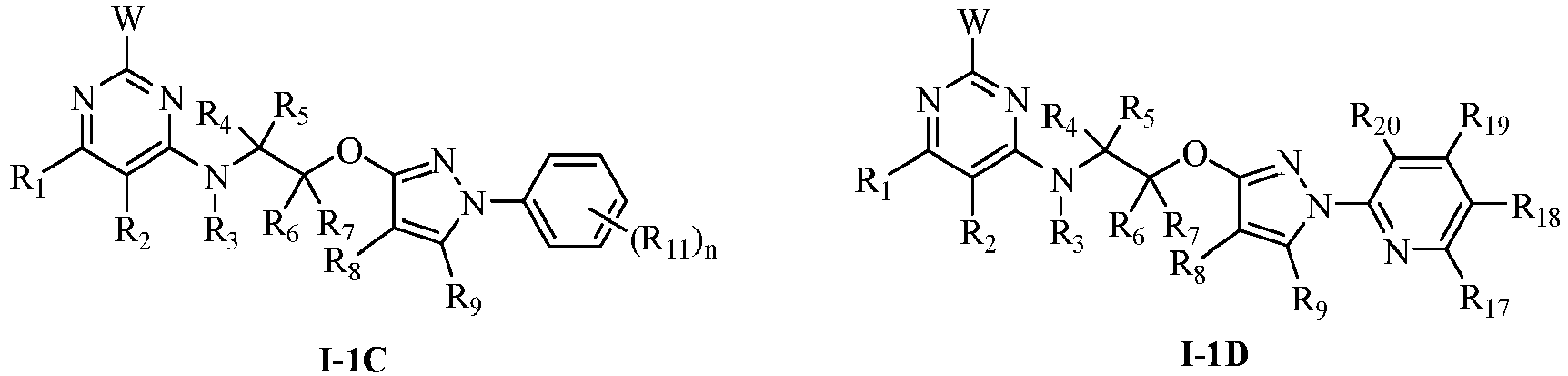

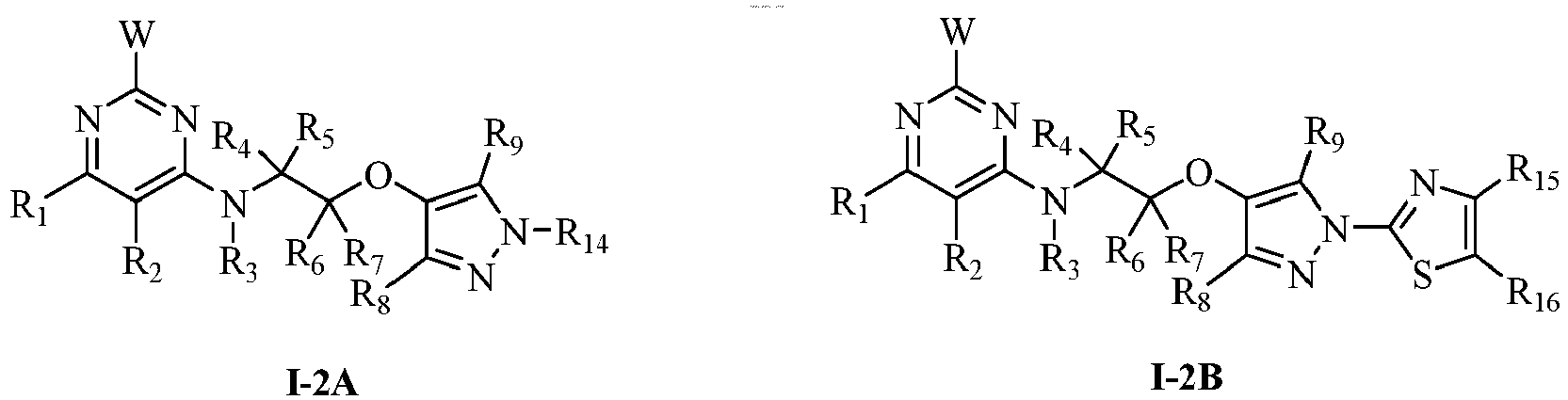
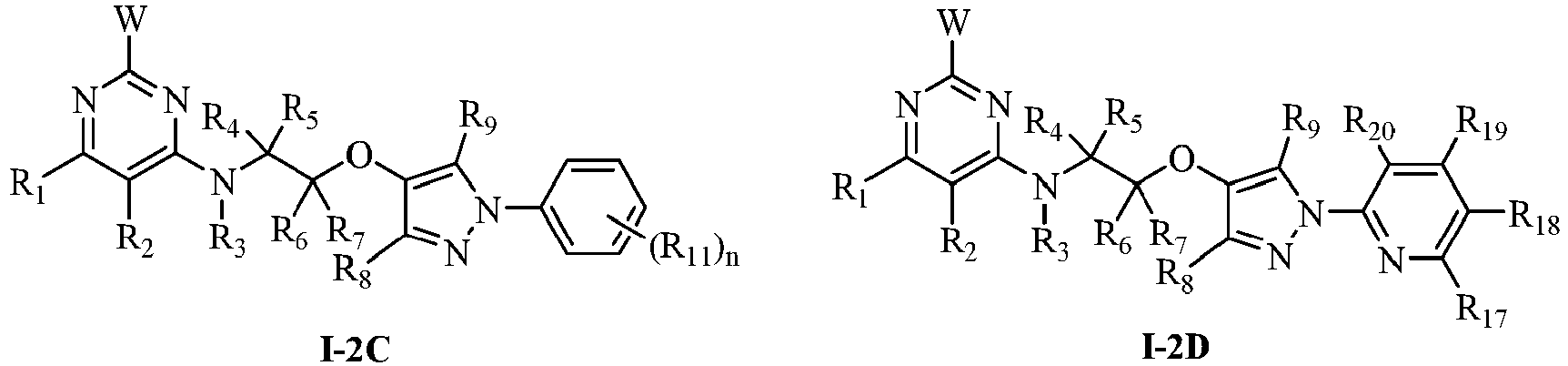


 R1 is selected from H, halogen, cyano, nitro, amino, carboxyl, C1-C4alkyl, haloC1-C4alkyl, C3-C4cycloalkyl, C1-C4alkoxy, haloC1-C4alkoxy, C1-C4alkylthio, haloC1-C4alkylthio, C1-C4alkylsulfinyl, C1-C4alkylsulfonyl, C2-C4alkenyl, haloC2-C4alkenyl, C2-C4alkynyl, haloC2-C4alkynyl, C3-C4alkenoxy, haloC3-C4alkenoxy, C3-C4alkynoxy, haloC3-C4alkynoxy, C1-C4alkylamino, di(C1-C4alkyl)amino, C1-C4alkylaminocarbonyl, haloC1-C4alkylaminocarbonyl, C1-C4alkoxycarbonyl, haloC1-C4alkoxycarbonyl, C1-C4alkoxyC1-C4alkyl or C1-C4alkylthioC1-C4alkyl;R2 is selected from H, halogen, cyano, nitro, amino, carboxyl, CHO, C1-C4alkyl, haloC1-C4alkyl, C1-C4alkoxy or haloC1-C4alkoxy;R3 is selected from H, OH, CHO, C1-C4alkyl, haloC1-C4alkyl, C1-C4alkoxy, haloC1-C4alkoxy, C3-C4cycloalkyl, C1-C4alkylthio, C2-C4alkenylthio, C2-C4alkenyl, C2-C4alkynyl, haloC2-C4alkenyl, haloC2-C4alkynyl, C1-C4alkoxyC1-C4alkyl, haloC1-C4alkoxyC1-C4alkyl, C1-C4alkylthioC1-C4alkyl, haloC1-C4alkylthioC1-C4alkyl, C1-C4alkylsulfinyl, haloC1-C4alkylsulfinyl, C1-C4alkylsulfonyl, haloC1-C4alkylsulfonyl, C1-C4alkylaminosulfonyl, di(C1-C4alkyl)aminosulfonyl, C1-C4alkylsulfonylaminocarbonyl, C1-C4alkylcarbonylaminosulfonyl, C3-C4cycloalkyloxycarbonyl, C1-C4alkylcarbonyl, haloC1-C4alkylcarbonyl, C1-C4alkoxycarbonyl, haloC1-C4alkoxycarbonyl, C1-C4alkylcarbonylC1-C4alkyl, C1-C4alkoxycarbonylC1-C4alkyl, C1-C4alkylaminocarbonyl, di(C1-C4alkyl)aminocarbonyl, C2-C4alkenoxycarbonyl, C2-C4alkynoxycarbonyl, C1-C4alkoxyC1-C4alkoxycarbonyl, C1-C4alkylaminothio, di(C1-C4alkyl)aminothio, unsubstituted or further substituted (hetero)arylcarbonylC1-C4alkyl, (hetero)arylcarbonyl, (hetero)aryloxycarbonyl, (hetero)arylC1-C4alkyloxycarbonyl or (hetero)arylC1-C4alkyl by 1 to 5 following groups: halogen, nitro, cyano, C1-C4alkyl, haloC1-C4alkyl, C1-C4alkoxy or haloC1-C4alkoxy;R4, R5 may be the same or different, selected respectively from H, halogen, C1-C4alkyl, haloC1-C4alkyl, C1-C4alkoxy or haloC1-C4alkoxy; or R4, R5 and their conjoint carbon can also form a C3-C4 cycle;R6, R7 may be the same or different, selected respectively from H, halogen, C1-C4alkyl, haloC1-C4alkyl, C1-C4alkoxy or haloC1-C4alkoxy; or R6, R7 and their conjoint carbon can also form a C3-C4 cycle;R8 is selected from H, cyano, halogen, C1-C4alkyl, haloC1-C4alkyl, C1-C4alkoxycarbonyl, haloC1-C4alkoxycarbonyl, unsubstituted or further substituted (hetero)aryl, (hetero)arylmethyl, (hetero)arylcarbonyl, (hetero)arylmethylcarbonyl or (hetero) aryloxycarbonyl by 1 to 5 R11;R9 is selected from H, cyano, halogen, C1-C4alkyl, haloC1-C4alkyl, C1-C4alkoxycarbonyl, haloC1-C4alkoxycarbonyl, unsubstituted or further substituted (hetero)aryl, (hetero)arylmethyl, (hetero)arylcarbonyl, (hetero)arylmethylcarbonyl or (hetero) aryloxycarbonyl by 1 to 5 R11;R11 is selected from halogen, OH, amino, cyano, nitro, C1-C4alkyl, haloC1-C4alkyl, C1-C4alkoxy, haloC1-C4alkoxy, C3-C4cycloalkyl, C1-C4alkylamino, haloC1-C4alkylamino, di(C1-C4alkyl)amino, halodi(C1-C4alkyl)amino, C(=O)NR12R13, C1-C4alkylthio, haloC1-C4alkylthio, C2-C4alkenyl, C2-C4alkynyl, C2-C4alkenoxy, haloC2-C4alkenoxy, C2-C4alkynoxy, haloC2-C4alkynoxy, C1-C4alkylsulfonyl, haloC1-C4alkylsulfonyl, C1-C4alkylcarbonyl, haloC1-C4alkylcarbonyl, C1-C4alkoxycarbonyl, haloC1-C4alkoxycarbonyl, C1-C4alkoxyC1-C4alkyl, haloC1-C4alkoxyC1-C4alkyl, C1-C4alkylthioC1-C4alkyl, haloC1-C4alkylthioC1-C4alkyl, C1-C4alkoxycarbonylC1-C4alkyl, haloC1-C4alkoxycarbonylC1-C4alkyl, C1-C4alkylthiocarbonylC1-C4alkyl, haloC1-C4alkylthiocarbonylC1-C4alkyl, C1-C4alkylcarbonyloxy, haloC1-C4alkylcarbonyloxy, C1-C4alkoxycarbonyloxy, haloC1-C4alkoxycarbonyloxy, C1-C4alkylsulfonyloxy, haloC1-C4alkylsulfonyloxy, C1-C4alkoxyC1-C4alkoxy or haloC1-C4alkoxyC1-C4alkoxy;the integer n is selected from 0 to 5, when n is 0, the benzene ring is unsubstituted phenyl; when n is more than 1, R11 may be the same or different;R12, R13 may be the same or different, selected respectively from H, C1-C4alkyl or haloC1-C4alkyl;R14 is selected from C3-C4cycloalkyl, haloC1-C4alkyl, C1-C4alkylcarbonyl, haloC1-C4alkylcarbonyl, C1-C4alkylsulfonyl, haloC1-C4alkylsulfonyl, C1-C4alkoxycarbonyl, C1-C4alkoxyC1-C4alkyl or C1-C4alkoxycarbonylC1-C4alkyl;R15, R16 may be the same or different, selected respectively from H, halogen, amino, cyano, nitro, C1-C4alkyl, haloC1-C4alkyl, C1-C4alkoxy, haloC1-C4alkoxy, C1-C4alkylthio, haloC1-C4alkylthio, C3-C4cycloalkyl, unsubstituted or further substituted (hetero)aryl, (hetero)arylmethyl, (hetero)arylcarbonyl, (hetero)arylmethylcarbonyl or (hetero) aryloxycarbonyl by 1 to 5 R11;R17, R18, R19, R20 may be the same or different, selected respectively from H, halogen, cyano, nitro, C1-C4alkyl, haloC1-C4alkyl, C1-C4alkoxy or haloC1-C4alkoxy;R21, R22 may be the same or different, selected respectively from H, halogen, OH, cyano, nitro, C1-C4alkyl, haloC1-C4alkyl, C1-C4alkoxy, haloC1-C4alkoxy, C1-C4alkylthio, haloC1-C4alkylthio, C3-C4cycloalkyl, unsubstituted or further substituted (hetero)aryl, (hetero)arylmethyl, (hetero)arylcarbonyl, (hetero)arylmethylcarbonyl or (hetero) aryloxycarbonyl by 1 to 5 R11;R23, R24, R25, R26 may be the same or different, selected respectively from H, halogen, OH, amino, cyano, nitro, C1-C4alkyl, haloC1-C4alkyl, C1-C4alkoxy, haloC1-C4alkoxy or C3-C4cycloalkyl;R27, R28 may be the same or different, selected respectively from H, halogen, C1-C4alkyl, haloC1-C4alkyl, C1-C4alkoxy, haloC1-C4alkoxy, C1-C4alkylthio, haloC1-C4alkylthio, C3-C4cycloalkyl, unsubstituted or further substituted (hetero)aryl, (hetero)arylmethyl, (hetero)arylcarbonyl, (hetero)arylmethylcarbonyl or (hetero) aryloxycarbonyl by 1 to 5 R11;R29 is selected from C1-C4alkyl, haloC1-C4alkyl, C3-C4cycloalkyl, C1-C4alkylsulfonyl, haloC1-C4alkylsulfonyl, C1-C4alkylcarbonyl, haloC1-C4alkylcarbonyl, C1-C4alkoxycarbonyl, haloC1-C4alkoxycarbonyl, unsubstituted or further substituted (hetero)aryl, (hetero)arylmethyl, (hetero)arylcarbonyl, (hetero)arylmethylcarbonyl or (hetero) aryloxycarbonyl by 1 to 5 R11;R30 is selected from H, cyano, halogen, C1-C4alkyl, haloC1-C4alkyl, C1-C4alkoxycarbonyl, haloC1-C4alkoxycarbonyl, unsubstituted or further substituted (hetero)aryl, (hetero)arylmethyl, (hetero)arylcarbonyl, (hetero)arylmethylcarbonyl or (hetero) aryloxycarbonyl by 1 to 5 R11;R31 is selected from C1-C4alkyl, haloC1-C4alkyl, C3-C4cycloalkyl, C1-C4alkylsulfonyl, haloC1-C4alkylsulfonyl, C1-C4alkylcarbonyl, haloC1-C4alkylcarbonyl, C1-C4alkoxycarbonyl, haloC1-C4alkoxycarbonyl, unsubstituted or further substituted (hetero)aryl, (hetero)arylmethyl, (hetero)arylcarbonyl, (hetero)arylmethylcarbonyl or (hetero) aryloxycarbonyl by 1 to 5 R11;R32 is selected from H, cyano, halogen, C1-C4alkyl, haloC1-C4alkyl, unsubstituted or further substituted (hetero)aryl, (hetero)arylmethyl, (hetero)arylcarbonyl, (hetero)arylmethylcarbonyl or (hetero) aryloxycarbonyl by 1 to 5 R11;R33, R34 may be selected respectively from C1-C4alkyl, haloC1-C4alkyl, C3-C4cycloalkyl, C1-C4alkylcarbonyl, haloC1-C4alkylcarbonyl, C1-C4alkoxycarbonyl, haloC1-C4alkoxycarbonyl, unsubstituted or further substituted (hetero)aryl, (hetero)arylmethyl, (hetero)arylcarbonyl, (hetero)arylmethylcarbonyl or (hetero) aryloxycarbonyl by 1 to 5 R11;R35, R36 may be selected respectively from H, cyano, halogen, C1-C4alkyl, haloC1-C4alkyl, unsubstituted or further substituted (hetero)aryl, (hetero)arylmethyl, (hetero)arylcarbonyl, (hetero)arylmethylcarbonyl or (hetero) aryloxycarbonyl by 1 to 5 R11;W is selected from H, halogen, C1-C4alkyl, haloC1-C4alkyl, C3-C4cycloalkyl, C1-C4alkoxy, haloC1-C4alkoxy or C1-C4alkylsulfonyl;the salts represented by general formula I are: the salts formed from the compounds represented by general formula I-1A, I-1B, I-1C, I-1D, I-1E, I-1N, I-2A, I-2B, I-2C, I-2D, I-2E, I-3A, I-3B, I-3C, I-3D, I-3E, or I-4Cwith hydrochloric acid, sulfuric acid, phosphoric acid, formic acid, acetic acid, trifluoroacetic acid, oxalic acid, methylsulfonic acid, p-toluenesulfonic acid, benzoic acid, alizaric acid, maleic acid, fumaric acid, sorbic acid, malic acid or citric acid.
 - The substituted pyrazole compounds containing pyrimidinyl according to claim 4, characterized in that in general formula I-1A, I-1B, I-1C, I-1D, I-1E, I-1N, I-2A, I-2B, I-2C, I-2D, I-2E, I-3A, I-3B, I-3C, I-3D, I-3E, or I-4C: wherein:R1 is selected from H, F, Cl, Br, I, CN, NO2, NH2, carboxyl, CH3, C2H5, n-C3H7, i-C3H7, n-C4H9, s-C4H9, i-C4H9, t-C4H9, CH2F, CH2Cl, CHF2, CF3, CH2CF3, CH2OCH3, CH2OCH2CH3 or CH2OCH2CF3;R2 is selected from H, F, Cl, Br, I, CN, NO2, NH2, carboxyl, CHO, CH3, C2H5, OCH3, OC2H5 or OCH2CF3;R3 is selected from H, OH, CHO, COCH3, COC2H5, COC3H7, COCF3, COPh, CH3, C2H5, n-C3H7, i-C3H7, n-C4H9, s-C4H9, i-C4H9, t-C4H9, CF3, CH2CF3, OCH3, OC2H5 OCH2CF3,
 R4, R5 may be the same or different, selected respectively from H, F, Cl, Br, I, CH3, C2H5, n-C3H7, i-C3H7, n-C4H9, s-C4H9, i-C4H9, t-C4H9, OCH3, OC2H5, n-C3H7O, i-C3H7O, n-C4H9O, s-C4H9O, i-C4H9O or t-C4H9O;R6, R7 may be the same or different, selected respectively from H, F, Cl, Br, I, CH3, C2H5, n-C3H7, i-C3H7, n-C4H9, s-C4H9, i-C4H9, t-C4H9, OCH3, OC2H5, n-C3H7O, i-C3H7O, n-C4H9O, s-C4H9O, i-C4H9O or t-C4H9O;R8 is selected from H, CN, F, Cl, Br, I, CH3, C2H5 or CF3;R9 is selected from H, CN, F, Cl, Br, I, CH3, C2H5 or CF3;R11 is selected from F, Cl, Br, I, CN, NH2, NO2, CH3, C2H5, n-C3H7, i-C3H7, n-C4H9, s-C4H9, i-C4H9, t-C4H9, CF3, CCl3, CF2Cl, CFCl2, OCH3, OCH2CH3, n-C3H7O, i-C3H7O, n-C4H9O, s-C4H9O, i-C4H9O, t-C4H9O, OCF3, OCH2CF3, COOCH3, COOC2H5, CONH2, CONHCH3, CONHC2H5 or CON(CH3)2;the integer n is selected from 0 to 5, when n is 0, the benzene ring is unsubstituted phenyl; when n is more than 1, R11 may be the same or different;R14 is selected from cyclopropyl, cyclobutyl, CH2F, CH2Cl, CHF2, CF3 or CH2CF3;R15, R16 may be the same or different, selected respectively from H, F, Cl, Br, I, NH2, CN, NO2, CH3, C2H5, n-C3H7, i-C3H7, n-C4H9, s-C4H9, i-C4H9, t-C4H9, CF3, CCl3, CF2Cl, CFCl2, CH2CF3, OCH3, OCH2CH3, n-C3H7O, i-C3H7O, n-C4H9O, s-C4H9O, i-C4H9O, t-C4H9O, OCF3, OCH2CF3, unsubstituted or further substituted (hetero)aryl, (hetero)arylmethyl, (hetero)arylcarbonyl, (hetero)arylmethylcarbonyl or (hetero) aryloxycarbonyl by 1 to 5 R11;R17, R18, R19, R20 may be the same or different, selected respectively from H, F, Cl, Br, I, CN, NO2, CH3, CF3, OCH3 or OCF3;R21, R22 may be the same or different, selected respectively from H, F, Cl, Br, I, OH, CN, NO2, CH3, C2H5, n-C3H7, i-C3H7, n-C4H9, s-C4H9, i-C4H9, t-C4H9, CF3, CCl3, CF2Cl, CFCl2, CH2CF3, OCH3, OCH2CH3, n-C3H7O, i-C3H7O, n-C4H9O, s-C4H9O, i-C4H9O, t-C4H9O, OCF3, OCH2CF3, unsubstituted or further substituted (hetero)aryl, (hetero)arylmethyl, (hetero)arylcarbonyl, (hetero)arylmethylcarbonyl or (hetero) aryloxycarbonyl by 1 to 5 R11;R23, R24, R25, R26 may be the same or different, selected respectively from H, F, Cl, Br, I, NH2, CN, NO2, CH3, C2H5, n-C3H7, i-C3H7, n-C4H9, s-C4H9, i-C4H9, t-C4H9, CF3, CCl3, CF2Cl, CFCl2, OCH3, OCH2CH3, n-C3H7O, i-C3H7O, n-C4H9O, s-C4H9O, i-C4H9O, t-C4H9O, OCF3 or OCH2CF3;R27, R28 may be the same or different, selected respectively from H, F, Cl, Br, I, CH3, C2H5, n-C3H7, i-C3H7, n-C4H9, s-C4H9, i-C4H9, t-C4H9, CF3, CCl3, CF2Cl, CFCl2, CH2CF3, OCH3, OCH2CH3, n-C3H7O, i-C3H7O, n-C4H9O, s-C4H9O, i-C4H9O, t-C4H9O, OCF3, OCH2CF3, unsubstituted or further substituted (hetero)aryl, (hetero)arylmethyl, (hetero)arylcarbonyl, (hetero)arylmethylcarbonyl or (hetero) aryloxycarbonyl by 1 to 5 R11;R29 is selected from CH3, C2H5, n-C3H7, i-C3H7, n-C4H9, s-C4H9, i-C4H9, t-C4H9, CF3, CCl3, CF2Cl, CFCl2, cyclopropyl, SO2CH3, SO2CH2CH3, COCH3, COC2H5, unsubstituted or further substituted (hetero)aryl, (hetero)arylmethyl, (hetero)arylcarbonyl, (hetero)arylmethylcarbonyl or (hetero) aryloxycarbonyl by 1 to 5 R11;R30 is selected from H, CN, F, Cl, Br, I, CH3, C2H5, n-C3H7, i-C3H7, n-C4H9, s-C4H9, i-C4H9, t-C4H9, CF3, CCl3, CF2Cl, CFCl2, unsubstituted or further substituted (hetero)aryl, (hetero)arylmethyl, (hetero)arylcarbonyl, (hetero)arylmethylcarbonyl or (hetero) aryloxycarbonyl by 1 to 5 R11;R31 is selected from CH3, C2H5, n-C3H7, i-C3H7, n-C4H9, s-C4H9, i-C4H9, t-C4H9, CF3, CCl3, CF2Cl, CFCl2, cyclopropyl, SO2CH3, SO2CH2CH3, COCH3, COC2H5, unsubstituted or further substituted (hetero)aryl, (hetero)arylmethyl, (hetero)arylcarbonyl, (hetero)arylmethylcarbonyl or (hetero) aryloxycarbonyl by 1 to 5 R11;R32 is selected from H, CN, F, Cl, Br, I, CH3, C2H5, n-C3H7, i-C3H7, n-C4H9, s-C4H9, i-C4H9, t-C4H9, CF3, CCl3, CF2Cl, CFCl2, unsubstituted or further substituted (hetero)aryl, (hetero)arylmethyl, (hetero)arylcarbonyl, (hetero)arylmethylcarbonyl or (hetero) aryloxycarbonyl by 1 to 5 R11;R33, R34 may be selected respectively from CH3, C2H5, n-C3H7, i-C3H7, n-C4H9, s-C4H9, i-C4H9, t-C4H9, CF3, CCl3, CF2Cl, CFCl2, cyclopropyl, COCH3, COC2H5, COOCH3, COOC2H5, COOCH2CF3, unsubstituted or further substituted (hetero)aryl, (hetero)arylmethyl, (hetero)arylcarbonyl, (hetero)arylmethylcarbonyl or (hetero) aryloxycarbonyl by 1 to 5 R11;R35, R36 may be selected respectively from H, CN, F, Cl, Br, I, CH3, C2H5, n-C3H7, i-C3H7, n-C4H9, s-C4H9, i-C4H9, t-C4H9, CF3, CCl3, CF2Cl, CFCl2, unsubstituted or further substituted (hetero)aryl, (hetero)arylmethyl, (hetero)arylcarbonyl, (hetero)arylmethylcarbonyl or (hetero) aryloxycarbonyl by 1 to 5 R11;W is selected from H, F, Cl, Br, I, CH3, C2H5, n-C3H7, i-C3H7, n-C4H9, s-C4H9, i-C4H9, t-C4H9, CH2F, CH2Cl, CHF2, CF3, CH2CF3, OCH3, OC2H5, SCH3, SC2H5, SO2CH3 or SO2CH2CH3;the salts represented by general formula I are: the salts formed from the compounds represented by general formula I-1A, I-1B, I-1C, I-1D, I-1E, I-1N, I-2A, I-2B, I-2C, I-2D, I-2E, I-3A, I-3B, I-3C, I-3D, I-3E, or I-4C with hydrochloric acid, sulfuric acid, phosphoric acid, formic acid, acetic acid, trifluoroacetic acid, oxalic acid, methylsulfonic acid, p-toluenesulfonic acid, benzoic acid, alizaric acid, maleic acid, fumaric acid, sorbic acid, malic acid or citric acid.
 - The substituted pyrazole compounds containing pyrimidinyl according to claim 5, characterized in that in general formula I-1C, I-2C, or I-4C:R1 is selected from H, F, Cl, Br, I, CH3, C2H5 or CHF2;R2 is selected from H, F, Cl, Br, I, NO2, NH2, CHO, CH3, C2H5, OCH3 or OC2H5;R3 is selected from H, CH3, COCH3, COCF3, OCH3, SCH3, CH2CH=CH2, SO2CH3, SO2NHCH3, SO2N(CH3)2, COOCH3, CONHCH3, CON(CH3)2, SNHCH3 or SN(CH3)2;R4, R5 may be the same or different, selected respectively from H, F, Cl, Br or CH3;R6, R7 are H;R8 is H;R9 is H;R11 is selected from F, Cl, Br, I, CN, NO2, CH3, CF3, OCH3 or OCF3;the integer n is selected from 0 to 5, when n is 0, the benzene ring is unsubstituted phenyl; when n is more than 1, R11 may be the same or different;R23, R24, R25, R26 may be the same or different, selected respectively from H, F, Cl, Br, I or CH3;R27, R28 may be the same or different, selected respectively from H, F, Cl, Br or I;W is selected from H, F, Cl, Br, I or CH3;the salts represented by general formula I are: the salts formed from the compounds represented by general formula I-1C, I-2C, or I-4C with hydrochloric acid, sulfuric acid, phosphoric acid, formic acid, acetic acid, trifluoroacetic acid, oxalic acid, methylsulfonic acid, p-toluenesulfonic acid, benzoic acid, alizaric acid, maleic acid, fumaric acid, sorbic acid, malic acid or citric acid.
- The substituted pyrazole compounds containing pyrimidinyl according to claim 5, characterized in that in general formula I-1C, I-2C, or I-4C:R1 is selected from F, Cl, Br, I, CH3, C2H5 or CHF2;R2 is selected from F, Cl, Br, I, NO2, NH2, CHO, CH3 or OCH3;R3 is selected from H, CH3, COCH3, OCH3, CH2CH=CH2, SO2CH3, COOCH3, CONHCH3, CON(CH3)2 or SN(CH3)2;R4, R5 may be the same or different, selected respectively from H or CH3;R6, R7 are H;R8 is H;R9 is H;R11 is selected from F, Cl, Br, I, CN, NO2, CH3, CF3, OCH3 or OCF3;the integer n is selected from 1 to 5, when n is more than 1, R11 may be the same or different;R23, R24, R25, R26 are H;R27 is H;R28 is Cl;W is selected from H, F, Cl, Br or I;the salts represented by general formula I are: the salts formed from the compounds represented by general formula I-1C, I-2C, or I-4C with hydrochloric acid, sulfuric acid, phosphoric acid, formic acid, acetic acid, trifluoroacetic acid, oxalic acid, methylsulfonic acid, p-toluenesulfonic acid, benzoic acid, alizaric acid, maleic acid, fumaric acid, sorbic acid, malic acid or citric acid.
- A preparation method of the substituted pyrazole compounds containing pyrimidinyl according to claim 3, characterized in that:the preparation method of the general formula 1-1 is as follows:
 the preparation method of the general formula 1-2 is as follows:
 the preparation method of the general formula 1-3 is as follows:
- A use of substituted pyrazole compounds containing pyrimidinyl according to any one of claims 1-7 to prepare fungicides, insecticides/acaricides in agricultural or other fields.
- A composition of fungicides, insecticides/acaricides, characterized in containing the substituted pyrazole compounds containing pyrimidinyl represented by general formula I according to any one of claims 1-7 as an active ingredient and acceptable carrier, wherein the weight percentage of the active ingredient in the composition is 0.1-99%.
- A use of the composition according to claim 10 to prepare fungicides, insecticides/acaricides in agricultural or other field.
Applications Claiming Priority (3)
| Application Number | Priority Date | Filing Date | Title |
|---|---|---|---|
| CN201510252832 | 2015-05-18 | ||
| EP16795865.1A EP3299366B1 (en) | 2015-05-18 | 2016-05-17 | Substituted pyrazole compounds containing pyrimidine and preparation method and use thereof as pesticides |
| PCT/CN2016/082291 WO2016184378A1 (en) | 2015-05-18 | 2016-05-17 | Substituted pyrazole compounds containing pyrimidine and preparation method and use thereof |
Related Parent Applications (2)
| Application Number | Title | Priority Date | Filing Date |
|---|---|---|---|
| EP16795865.1A Division EP3299366B1 (en) | 2015-05-18 | 2016-05-17 | Substituted pyrazole compounds containing pyrimidine and preparation method and use thereof as pesticides |
| EP16795865.1A Division-Into EP3299366B1 (en) | 2015-05-18 | 2016-05-17 | Substituted pyrazole compounds containing pyrimidine and preparation method and use thereof as pesticides |
Publications (2)
| Publication Number | Publication Date |
|---|---|
| EP3702355A1 EP3702355A1 (en) | 2020-09-02 |
| EP3702355B1 true EP3702355B1 (en) | 2022-01-12 |
Family
ID=57319458
Family Applications (2)
| Application Number | Title | Priority Date | Filing Date |
|---|---|---|---|
| EP20170687.6A Active EP3702355B1 (en) | 2015-05-18 | 2016-05-17 | Substituted pyrazole compounds containing pyrimidine, the preparation and application thereof |
| EP16795865.1A Active EP3299366B1 (en) | 2015-05-18 | 2016-05-17 | Substituted pyrazole compounds containing pyrimidine and preparation method and use thereof as pesticides |
Family Applications After (1)
| Application Number | Title | Priority Date | Filing Date |
|---|---|---|---|
| EP16795865.1A Active EP3299366B1 (en) | 2015-05-18 | 2016-05-17 | Substituted pyrazole compounds containing pyrimidine and preparation method and use thereof as pesticides |
Country Status (11)
| Country | Link |
|---|---|
| US (1) | US11008339B2 (en) |
| EP (2) | EP3702355B1 (en) |
| CN (1) | CN106167484B (en) |
| AR (2) | AR104658A1 (en) |
| AU (1) | AU2016264519B2 (en) |
| BR (2) | BR122020001830B1 (en) |
| CA (1) | CA2982206C (en) |
| ES (1) | ES2824119T3 (en) |
| RU (1) | RU2687089C2 (en) |
| UA (2) | UA124524C2 (en) |
| WO (1) | WO2016184378A1 (en) |
Families Citing this family (17)
| Publication number | Priority date | Publication date | Assignee | Title |
|---|---|---|---|---|
| US10743535B2 (en) | 2017-08-18 | 2020-08-18 | H&K Solutions Llc | Insecticide for flight-capable pests |
| CN109776427B (en) * | 2017-11-13 | 2022-08-23 | 沈阳中化农药化工研发有限公司 | Pyrimidine diamine compound and application thereof |
| CN109836417A (en) * | 2017-11-29 | 2019-06-04 | 沈阳中化农药化工研发有限公司 | Substituted uracil compound and preparation method thereof and purposes as fungicide |
| US11457628B2 (en) | 2017-11-29 | 2022-10-04 | Shenyang Sinochem Agrochemicals R&D Co., Ltd. | Substituted pyrimidine compound and preparation method and use thereof |
| CN109836418A (en) * | 2017-11-29 | 2019-06-04 | 沈阳中化农药化工研发有限公司 | Substituted pyrazolecarboxylic class compound and preparation method thereof and purposes as insecticidal/acaricidal agent |
| CN109096194B (en) * | 2018-10-09 | 2022-02-08 | 湖南师范大学 | Biguanide derivative, pharmaceutical composition, preparation method and application |
| CN111316990B (en) * | 2018-12-14 | 2021-06-25 | 沈阳中化农药化工研发有限公司 | Fungicidal compositions and their use |
| CN111316992B (en) * | 2018-12-14 | 2021-07-20 | 沈阳中化农药化工研发有限公司 | Fungicidal composition and application thereof |
| CN111316991B (en) * | 2018-12-14 | 2021-07-20 | 沈阳中化农药化工研发有限公司 | Fungicidal compositions and uses |
| CN111316987B (en) * | 2018-12-14 | 2021-06-29 | 沈阳中化农药化工研发有限公司 | Fungicidal composition and application thereof |
| CN118058288B (en) * | 2019-11-25 | 2026-04-21 | 沈阳中化农药化工研发有限公司 | bactericidal compositions and their applications |
| CN113512029B (en) * | 2020-04-10 | 2023-01-24 | 沈阳中化农药化工研发有限公司 | Preparation and application of substituted pyrazole compound containing pyrimidinamine |
| CN113754636B (en) * | 2020-06-02 | 2022-10-04 | 湖南化工研究院有限公司 | Quinazoline-containing aza-ether compounds |
| CN115843810B (en) * | 2020-09-29 | 2025-04-18 | 沈阳中化农药化工研发有限公司 | A bactericidal preparation and its application |
| CN116831116B (en) * | 2022-03-23 | 2025-09-02 | 沈阳中化农药化工研发有限公司 | A bactericidal composition preparation containing a stabilizer |
| CN116283678B (en) * | 2023-03-01 | 2025-09-02 | 中国农业大学 | A preparation method of a C-fluoroalkyl substituted amidine compound and its application in combating fungal diseases |
| WO2026012308A1 (en) * | 2024-07-08 | 2026-01-15 | 青岛清原化合物有限公司 | Substituted pyrazole compound containing pyrimidine and use thereof |
Family Cites Families (29)
| Publication number | Priority date | Publication date | Assignee | Title |
|---|---|---|---|---|
| JPS6055075B2 (en) | 1979-03-30 | 1985-12-03 | 武田薬品工業株式会社 | Pyrazole phosphate esters, their production method and insecticides and acaricides |
| PH20344A (en) * | 1981-01-29 | 1986-12-04 | Sankyo Co | Aminopyrimidine derivatives, processes for their preparation, and fungicidal, insecticidal and acaricidal compositions containing them |
| ES8705400A1 (en) | 1985-03-14 | 1987-05-01 | Sankyo Co | A PROCEDURE FOR THE PREPARATION OF NEW DERIVATIVES OF PHENOXIALKYLAMINOPYRIMIDINE. |
| US4895849A (en) | 1986-10-08 | 1990-01-23 | Ube Industries, Ltd. | Aralkylaminopyrimidine compounds which are useful as for producing thereof and insecticides |
| US4977264A (en) | 1988-11-21 | 1990-12-11 | Lonza Ltd. | Process for the production of 4,5-dichloro-6-ethylpyrimidine |
| BG94957A (en) | 1990-08-10 | 1993-12-24 | Ciba - Geigy Ag | PYRIMIDINE DERIVATIVES AND PLANT PEST CONTROL |
| AU7551894A (en) | 1993-09-09 | 1995-03-27 | E.I. Du Pont De Nemours And Company | Fungicidal, miticidal and arthropodicidal aminopyrimidines |
| RU2071190C1 (en) * | 1993-12-17 | 1996-12-27 | Александр Иванович Апуневич | Electric arc plasma torch |
| DE4423612A1 (en) * | 1994-07-06 | 1996-01-11 | Basf Ag | 2 - [(Dihydro) pyrazolyl-3'-oxymethylene] anilides, process for their preparation and their use |
| UA48189C2 (en) | 1995-07-14 | 2002-08-15 | Басф Акцієнгезельшафт | Process for producing n-substituted 3-hydroxypyrazoles |
| AU4725497A (en) | 1996-10-31 | 1998-05-22 | Kumiai Chemical Industry Co., Ltd. | Pyrimidinyloxyalkanoic amide derivatives and fungicides for agricultural and horticultural use |
| DE19652516A1 (en) | 1996-12-17 | 1998-06-18 | Basf Ag | Process for the preparation of N-substituted 3-hydroxypyrazoles |
| US6350771B1 (en) * | 1996-12-24 | 2002-02-26 | Rhone-Poulenc, Inc. | Pesticidal 1-arylpyrazoles |
| JP4026233B2 (en) | 1998-06-18 | 2007-12-26 | 宇部興産株式会社 | Method for producing 4,5-dichloro-6- (α-fluoroalkyl) pyrimidine |
| UA67815C2 (en) | 1998-11-19 | 2004-07-15 | Басф Акцієнгезелльшафт | A method for producing 1-substituted 5- or 3-hydroxypyrazoles |
| CA2350081A1 (en) | 1998-11-20 | 2000-06-02 | G.D. Searle & Co. | Process for making 5-substituted pyrazoles using dithietanes |
| WO2001007413A1 (en) * | 1999-07-22 | 2001-02-01 | 3-Dimensional Pharmaceuticals, Inc. | 1-aryl-3-thioalkyl pyrazoles, the synthesis thereof and the use thereof as insecticides |
| AU2001280099A1 (en) * | 2000-08-25 | 2002-04-02 | Sankyo Company Limited | 4-acylaminopyrazole derivatives |
| JP2002205986A (en) | 2000-11-08 | 2002-07-23 | Takeda Chem Ind Ltd | Pyrimidine derivative and herbicide comprising the same |
| CA2469316A1 (en) | 2001-12-07 | 2003-06-19 | Vertex Pharmaceuticals, Inc. | Pyrimidine-based compounds useful as gsk-3 inhibitors |
| US7576080B2 (en) * | 2004-12-23 | 2009-08-18 | Memory Pharmaceuticals Corporation | Certain thienopyrimidine derivatives as phosphodiesterase 10 inhibitors |
| JP2010510202A (en) | 2006-11-17 | 2010-04-02 | ファイザー株式会社 | Substituted bicyclocarboxamide compounds |
| CN101918392A (en) | 2007-11-26 | 2010-12-15 | 辉瑞有限公司 | Pyrazole derivatives as 5-LO inhibitors |
| BRPI0924121A2 (en) | 2008-12-22 | 2019-09-24 | Hoffmann La Roche | heterocyclic antiviral compounds |
| SI2379507T1 (en) | 2008-12-30 | 2014-02-28 | Pulmagen Therapeutics (Inflammation) Limited | Sulfonamide compounds for the treatment of respiratory disorders |
| US9006433B2 (en) | 2010-04-21 | 2015-04-14 | Merck Sharp & Dohme Corp. | Substituted pyrimidines |
| RU2627654C2 (en) | 2012-04-27 | 2017-08-09 | ДАУ АГРОСАЙЕНСИЗ ЭлЭлСи | Pesticidal compositions and methods related thereto |
| CN103588708B (en) | 2013-11-12 | 2016-01-06 | 京博农化科技股份有限公司 | A kind of preparation method of 1-(4-chloro-phenyl-)-3-pyrazoles alcohol |
| CN104710409B (en) * | 2013-12-13 | 2019-06-04 | 沈阳中化农药化工研发有限公司 | Pyrazolyl pyrimidine amine compounds and their uses |
-
2016
- 2016-05-17 BR BR122020001830-5A patent/BR122020001830B1/en active IP Right Grant
- 2016-05-17 EP EP20170687.6A patent/EP3702355B1/en active Active
- 2016-05-17 AU AU2016264519A patent/AU2016264519B2/en active Active
- 2016-05-17 AR ARP160101436A patent/AR104658A1/en active IP Right Grant
- 2016-05-17 CA CA2982206A patent/CA2982206C/en active Active
- 2016-05-17 RU RU2017135214A patent/RU2687089C2/en active
- 2016-05-17 ES ES16795865T patent/ES2824119T3/en active Active
- 2016-05-17 CN CN201610326565.8A patent/CN106167484B/en active Active
- 2016-05-17 UA UAA201712373A patent/UA124524C2/en unknown
- 2016-05-17 WO PCT/CN2016/082291 patent/WO2016184378A1/en not_active Ceased
- 2016-05-17 BR BR112017024665-1A patent/BR112017024665B1/en active IP Right Grant
- 2016-05-17 US US15/568,561 patent/US11008339B2/en active Active
- 2016-05-17 EP EP16795865.1A patent/EP3299366B1/en active Active
- 2016-05-17 UA UAA202005979A patent/UA127459C2/en unknown
-
2024
- 2024-09-11 AR ARP240102411A patent/AR133771A2/en unknown
Also Published As
| Publication number | Publication date |
|---|---|
| EP3299366A1 (en) | 2018-03-28 |
| WO2016184378A1 (en) | 2016-11-24 |
| CN106167484B (en) | 2020-03-17 |
| US20180141961A1 (en) | 2018-05-24 |
| RU2017135214A3 (en) | 2019-04-10 |
| RU2017135214A (en) | 2019-04-10 |
| AR133771A2 (en) | 2025-10-29 |
| AR104658A1 (en) | 2017-08-02 |
| US11008339B2 (en) | 2021-05-18 |
| BR122020001830B1 (en) | 2023-02-28 |
| RU2687089C2 (en) | 2019-05-07 |
| CA2982206C (en) | 2020-07-14 |
| CA2982206A1 (en) | 2016-11-24 |
| CN106167484A (en) | 2016-11-30 |
| AU2016264519B2 (en) | 2018-06-28 |
| BR112017024665A2 (en) | 2018-11-06 |
| UA124524C2 (en) | 2021-10-05 |
| AU2016264519A1 (en) | 2017-12-14 |
| UA127459C2 (en) | 2023-08-30 |
| BR112017024665B1 (en) | 2023-02-23 |
| EP3299366B1 (en) | 2020-09-09 |
| EP3702355A1 (en) | 2020-09-02 |
| ES2824119T3 (en) | 2021-05-11 |
| EP3299366A4 (en) | 2018-11-21 |
Similar Documents
| Publication | Publication Date | Title |
|---|---|---|
| EP3299366B1 (en) | Substituted pyrazole compounds containing pyrimidine and preparation method and use thereof as pesticides | |
| EP3081565B9 (en) | Pyrazolyl pyrimidinamine compound and application thereof | |
| US9447081B2 (en) | Substituted pyrimidines as pharmaceuticals and insecticides | |
| EP3760617B1 (en) | Substituted pyrimidine compound and uses thereof | |
| CN106467538B (en) | A kind of substituted tetrahydro isoquinoline compound and purposes | |
| CN109776427A (en) | Double aminated compounds of pyrimidine and application thereof | |
| CN104292169B (en) | Substituted pyrimidinamine compound and application thereof | |
| CN107778298A (en) | Substituted azole compounds containing pyrimidine and application thereof | |
| CN108017628A (en) | Substituted uracil compound and application thereof | |
| CN103772294B (en) | Phenoxy pyrimidine aminated compounds and purposes | |
| CN109836418A (en) | Substituted pyrazolecarboxylic class compound and preparation method thereof and purposes as insecticidal/acaricidal agent | |
| CN113512029B (en) | Preparation and application of substituted pyrazole compound containing pyrimidinamine | |
| CN103772356A (en) | Substituted aryloxy pyridine compound and use thereof | |
| CN116262743A (en) | A pyridazinone compound containing aromatic bicyclic ring substitution and its preparation method and application |
Legal Events
| Date | Code | Title | Description |
|---|---|---|---|
| PUAI | Public reference made under article 153(3) epc to a published international application that has entered the european phase |
Free format text: ORIGINAL CODE: 0009012 |
|
| STAA | Information on the status of an ep patent application or granted ep patent |
Free format text: STATUS: THE APPLICATION HAS BEEN PUBLISHED |
|
| AC | Divisional application: reference to earlier application |
Ref document number: 3299366 Country of ref document: EP Kind code of ref document: P |
|
| AK | Designated contracting states |
Kind code of ref document: A1 Designated state(s): AL AT BE BG CH CY CZ DE DK EE ES FI FR GB GR HR HU IE IS IT LI LT LU LV MC MK MT NL NO PL PT RO RS SE SI SK SM TR |
|
| STAA | Information on the status of an ep patent application or granted ep patent |
Free format text: STATUS: REQUEST FOR EXAMINATION WAS MADE |
|
| 17P | Request for examination filed |
Effective date: 20200930 |
|
| RBV | Designated contracting states (corrected) |
Designated state(s): AL AT BE BG CH CY CZ DE DK EE ES FI FR GB GR HR HU IE IS IT LI LT LU LV MC MK MT NL NO PL PT RO RS SE SI SK SM TR |
|
| STAA | Information on the status of an ep patent application or granted ep patent |
Free format text: STATUS: EXAMINATION IS IN PROGRESS |
|
| 17Q | First examination report despatched |
Effective date: 20210316 |
|
| GRAP | Despatch of communication of intention to grant a patent |
Free format text: ORIGINAL CODE: EPIDOSNIGR1 |
|
| STAA | Information on the status of an ep patent application or granted ep patent |
Free format text: STATUS: GRANT OF PATENT IS INTENDED |
|
| INTG | Intention to grant announced |
Effective date: 20210730 |
|
| GRAS | Grant fee paid |
Free format text: ORIGINAL CODE: EPIDOSNIGR3 |
|
| GRAA | (expected) grant |
Free format text: ORIGINAL CODE: 0009210 |
|
| STAA | Information on the status of an ep patent application or granted ep patent |
Free format text: STATUS: THE PATENT HAS BEEN GRANTED |
|
| AC | Divisional application: reference to earlier application |
Ref document number: 3299366 Country of ref document: EP Kind code of ref document: P |
|
| AK | Designated contracting states |
Kind code of ref document: B1 Designated state(s): AL AT BE BG CH CY CZ DE DK EE ES FI FR GB GR HR HU IE IS IT LI LT LU LV MC MK MT NL NO PL PT RO RS SE SI SK SM TR |
|
| REG | Reference to a national code |
Ref country code: GB Ref legal event code: FG4D |
|
| REG | Reference to a national code |
Ref country code: CH Ref legal event code: EP |
|
| REG | Reference to a national code |
Ref country code: DE Ref legal event code: R096 Ref document number: 602016068428 Country of ref document: DE |
|
| REG | Reference to a national code |
Ref country code: IE Ref legal event code: FG4D |
|
| REG | Reference to a national code |
Ref country code: AT Ref legal event code: REF Ref document number: 1462312 Country of ref document: AT Kind code of ref document: T Effective date: 20220215 |
|
| REG | Reference to a national code |
Ref country code: LT Ref legal event code: MG9D |
|
| REG | Reference to a national code |
Ref country code: NL Ref legal event code: MP Effective date: 20220112 |
|
| REG | Reference to a national code |
Ref country code: AT Ref legal event code: MK05 Ref document number: 1462312 Country of ref document: AT Kind code of ref document: T Effective date: 20220112 |
|
| PG25 | Lapsed in a contracting state [announced via postgrant information from national office to epo] |
Ref country code: NL Free format text: LAPSE BECAUSE OF FAILURE TO SUBMIT A TRANSLATION OF THE DESCRIPTION OR TO PAY THE FEE WITHIN THE PRESCRIBED TIME-LIMIT Effective date: 20220112 |
|
| PG25 | Lapsed in a contracting state [announced via postgrant information from national office to epo] |
Ref country code: SE Free format text: LAPSE BECAUSE OF FAILURE TO SUBMIT A TRANSLATION OF THE DESCRIPTION OR TO PAY THE FEE WITHIN THE PRESCRIBED TIME-LIMIT Effective date: 20220112 Ref country code: RS Free format text: LAPSE BECAUSE OF FAILURE TO SUBMIT A TRANSLATION OF THE DESCRIPTION OR TO PAY THE FEE WITHIN THE PRESCRIBED TIME-LIMIT Effective date: 20220112 Ref country code: PT Free format text: LAPSE BECAUSE OF FAILURE TO SUBMIT A TRANSLATION OF THE DESCRIPTION OR TO PAY THE FEE WITHIN THE PRESCRIBED TIME-LIMIT Effective date: 20220512 Ref country code: NO Free format text: LAPSE BECAUSE OF FAILURE TO SUBMIT A TRANSLATION OF THE DESCRIPTION OR TO PAY THE FEE WITHIN THE PRESCRIBED TIME-LIMIT Effective date: 20220412 Ref country code: LT Free format text: LAPSE BECAUSE OF FAILURE TO SUBMIT A TRANSLATION OF THE DESCRIPTION OR TO PAY THE FEE WITHIN THE PRESCRIBED TIME-LIMIT Effective date: 20220112 Ref country code: HR Free format text: LAPSE BECAUSE OF FAILURE TO SUBMIT A TRANSLATION OF THE DESCRIPTION OR TO PAY THE FEE WITHIN THE PRESCRIBED TIME-LIMIT Effective date: 20220112 Ref country code: ES Free format text: LAPSE BECAUSE OF FAILURE TO SUBMIT A TRANSLATION OF THE DESCRIPTION OR TO PAY THE FEE WITHIN THE PRESCRIBED TIME-LIMIT Effective date: 20220112 Ref country code: BG Free format text: LAPSE BECAUSE OF FAILURE TO SUBMIT A TRANSLATION OF THE DESCRIPTION OR TO PAY THE FEE WITHIN THE PRESCRIBED TIME-LIMIT Effective date: 20220412 |
|
| PG25 | Lapsed in a contracting state [announced via postgrant information from national office to epo] |
Ref country code: PL Free format text: LAPSE BECAUSE OF FAILURE TO SUBMIT A TRANSLATION OF THE DESCRIPTION OR TO PAY THE FEE WITHIN THE PRESCRIBED TIME-LIMIT Effective date: 20220112 Ref country code: LV Free format text: LAPSE BECAUSE OF FAILURE TO SUBMIT A TRANSLATION OF THE DESCRIPTION OR TO PAY THE FEE WITHIN THE PRESCRIBED TIME-LIMIT Effective date: 20220112 Ref country code: GR Free format text: LAPSE BECAUSE OF FAILURE TO SUBMIT A TRANSLATION OF THE DESCRIPTION OR TO PAY THE FEE WITHIN THE PRESCRIBED TIME-LIMIT Effective date: 20220413 Ref country code: FI Free format text: LAPSE BECAUSE OF FAILURE TO SUBMIT A TRANSLATION OF THE DESCRIPTION OR TO PAY THE FEE WITHIN THE PRESCRIBED TIME-LIMIT Effective date: 20220112 Ref country code: AT Free format text: LAPSE BECAUSE OF FAILURE TO SUBMIT A TRANSLATION OF THE DESCRIPTION OR TO PAY THE FEE WITHIN THE PRESCRIBED TIME-LIMIT Effective date: 20220112 |
|
| PG25 | Lapsed in a contracting state [announced via postgrant information from national office to epo] |
Ref country code: IS Free format text: LAPSE BECAUSE OF FAILURE TO SUBMIT A TRANSLATION OF THE DESCRIPTION OR TO PAY THE FEE WITHIN THE PRESCRIBED TIME-LIMIT Effective date: 20220512 |
|
| REG | Reference to a national code |
Ref country code: DE Ref legal event code: R097 Ref document number: 602016068428 Country of ref document: DE |
|
| PG25 | Lapsed in a contracting state [announced via postgrant information from national office to epo] |
Ref country code: SM Free format text: LAPSE BECAUSE OF FAILURE TO SUBMIT A TRANSLATION OF THE DESCRIPTION OR TO PAY THE FEE WITHIN THE PRESCRIBED TIME-LIMIT Effective date: 20220112 Ref country code: SK Free format text: LAPSE BECAUSE OF FAILURE TO SUBMIT A TRANSLATION OF THE DESCRIPTION OR TO PAY THE FEE WITHIN THE PRESCRIBED TIME-LIMIT Effective date: 20220112 Ref country code: RO Free format text: LAPSE BECAUSE OF FAILURE TO SUBMIT A TRANSLATION OF THE DESCRIPTION OR TO PAY THE FEE WITHIN THE PRESCRIBED TIME-LIMIT Effective date: 20220112 Ref country code: EE Free format text: LAPSE BECAUSE OF FAILURE TO SUBMIT A TRANSLATION OF THE DESCRIPTION OR TO PAY THE FEE WITHIN THE PRESCRIBED TIME-LIMIT Effective date: 20220112 Ref country code: DK Free format text: LAPSE BECAUSE OF FAILURE TO SUBMIT A TRANSLATION OF THE DESCRIPTION OR TO PAY THE FEE WITHIN THE PRESCRIBED TIME-LIMIT Effective date: 20220112 Ref country code: CZ Free format text: LAPSE BECAUSE OF FAILURE TO SUBMIT A TRANSLATION OF THE DESCRIPTION OR TO PAY THE FEE WITHIN THE PRESCRIBED TIME-LIMIT Effective date: 20220112 |
|
| PLBE | No opposition filed within time limit |
Free format text: ORIGINAL CODE: 0009261 |
|
| STAA | Information on the status of an ep patent application or granted ep patent |
Free format text: STATUS: NO OPPOSITION FILED WITHIN TIME LIMIT |
|
| PG25 | Lapsed in a contracting state [announced via postgrant information from national office to epo] |
Ref country code: AL Free format text: LAPSE BECAUSE OF FAILURE TO SUBMIT A TRANSLATION OF THE DESCRIPTION OR TO PAY THE FEE WITHIN THE PRESCRIBED TIME-LIMIT Effective date: 20220112 |
|
| 26N | No opposition filed |
Effective date: 20221013 |
|
| REG | Reference to a national code |
Ref country code: CH Ref legal event code: PL |
|
| REG | Reference to a national code |
Ref country code: BE Ref legal event code: MM Effective date: 20220531 |
|
| PG25 | Lapsed in a contracting state [announced via postgrant information from national office to epo] |
Ref country code: MC Free format text: LAPSE BECAUSE OF FAILURE TO SUBMIT A TRANSLATION OF THE DESCRIPTION OR TO PAY THE FEE WITHIN THE PRESCRIBED TIME-LIMIT Effective date: 20220112 Ref country code: LU Free format text: LAPSE BECAUSE OF NON-PAYMENT OF DUE FEES Effective date: 20220517 Ref country code: LI Free format text: LAPSE BECAUSE OF NON-PAYMENT OF DUE FEES Effective date: 20220531 Ref country code: CH Free format text: LAPSE BECAUSE OF NON-PAYMENT OF DUE FEES Effective date: 20220531 |
|
| PG25 | Lapsed in a contracting state [announced via postgrant information from national office to epo] |
Ref country code: SI Free format text: LAPSE BECAUSE OF FAILURE TO SUBMIT A TRANSLATION OF THE DESCRIPTION OR TO PAY THE FEE WITHIN THE PRESCRIBED TIME-LIMIT Effective date: 20220112 |
|
| PG25 | Lapsed in a contracting state [announced via postgrant information from national office to epo] |
Ref country code: IE Free format text: LAPSE BECAUSE OF NON-PAYMENT OF DUE FEES Effective date: 20220517 |
|
| PG25 | Lapsed in a contracting state [announced via postgrant information from national office to epo] |
Ref country code: BE Free format text: LAPSE BECAUSE OF NON-PAYMENT OF DUE FEES Effective date: 20220531 |
|
| PG25 | Lapsed in a contracting state [announced via postgrant information from national office to epo] |
Ref country code: IT Free format text: LAPSE BECAUSE OF FAILURE TO SUBMIT A TRANSLATION OF THE DESCRIPTION OR TO PAY THE FEE WITHIN THE PRESCRIBED TIME-LIMIT Effective date: 20220112 |
|
| PG25 | Lapsed in a contracting state [announced via postgrant information from national office to epo] |
Ref country code: MK Free format text: LAPSE BECAUSE OF FAILURE TO SUBMIT A TRANSLATION OF THE DESCRIPTION OR TO PAY THE FEE WITHIN THE PRESCRIBED TIME-LIMIT Effective date: 20220112 Ref country code: CY Free format text: LAPSE BECAUSE OF FAILURE TO SUBMIT A TRANSLATION OF THE DESCRIPTION OR TO PAY THE FEE WITHIN THE PRESCRIBED TIME-LIMIT Effective date: 20220112 |
|
| PG25 | Lapsed in a contracting state [announced via postgrant information from national office to epo] |
Ref country code: HU Free format text: LAPSE BECAUSE OF FAILURE TO SUBMIT A TRANSLATION OF THE DESCRIPTION OR TO PAY THE FEE WITHIN THE PRESCRIBED TIME-LIMIT; INVALID AB INITIO Effective date: 20160517 |
|
| PG25 | Lapsed in a contracting state [announced via postgrant information from national office to epo] |
Ref country code: MT Free format text: LAPSE BECAUSE OF FAILURE TO SUBMIT A TRANSLATION OF THE DESCRIPTION OR TO PAY THE FEE WITHIN THE PRESCRIBED TIME-LIMIT Effective date: 20220112 |
|
| PGFP | Annual fee paid to national office [announced via postgrant information from national office to epo] |
Ref country code: DE Payment date: 20250423 Year of fee payment: 10 |
|
| PGFP | Annual fee paid to national office [announced via postgrant information from national office to epo] |
Ref country code: FR Payment date: 20250423 Year of fee payment: 10 |
|
| PG25 | Lapsed in a contracting state [announced via postgrant information from national office to epo] |
Ref country code: TR Free format text: LAPSE BECAUSE OF FAILURE TO SUBMIT A TRANSLATION OF THE DESCRIPTION OR TO PAY THE FEE WITHIN THE PRESCRIBED TIME-LIMIT Effective date: 20220112 |
|
| PGFP | Annual fee paid to national office [announced via postgrant information from national office to epo] |
Ref country code: GB Payment date: 20260330 Year of fee payment: 11 |