EP3701049B1 - Diagnosis and/or prognosis of her2-dependent cancer using moesin as a biomarker - Google Patents
Diagnosis and/or prognosis of her2-dependent cancer using moesin as a biomarker Download PDFInfo
- Publication number
- EP3701049B1 EP3701049B1 EP18788798.9A EP18788798A EP3701049B1 EP 3701049 B1 EP3701049 B1 EP 3701049B1 EP 18788798 A EP18788798 A EP 18788798A EP 3701049 B1 EP3701049 B1 EP 3701049B1
- Authority
- EP
- European Patent Office
- Prior art keywords
- her2
- subject
- moesin
- cancer
- reference value
- Prior art date
- Legal status (The legal status is an assumption and is not a legal conclusion. Google has not performed a legal analysis and makes no representation as to the accuracy of the status listed.)
- Not-in-force
Links
- 206010028980 Neoplasm Diseases 0.000 title claims description 116
- 201000011510 cancer Diseases 0.000 title claims description 106
- 102100027869 Moesin Human genes 0.000 title claims description 101
- 108010071525 moesin Proteins 0.000 title claims description 90
- 230000001419 dependent effect Effects 0.000 title claims description 80
- 238000004393 prognosis Methods 0.000 title claims description 47
- 238000003745 diagnosis Methods 0.000 title claims description 41
- 239000000090 biomarker Substances 0.000 title description 12
- 101100314454 Caenorhabditis elegans tra-1 gene Proteins 0.000 title 1
- 101001012157 Homo sapiens Receptor tyrosine-protein kinase erbB-2 Proteins 0.000 claims description 182
- 102100030086 Receptor tyrosine-protein kinase erbB-2 Human genes 0.000 claims description 182
- 206010006187 Breast cancer Diseases 0.000 claims description 46
- 208000026310 Breast neoplasm Diseases 0.000 claims description 46
- 238000000034 method Methods 0.000 claims description 43
- 238000011282 treatment Methods 0.000 claims description 28
- 230000004083 survival effect Effects 0.000 claims description 19
- 230000008859 change Effects 0.000 claims description 9
- 230000001225 therapeutic effect Effects 0.000 claims description 8
- 230000000259 anti-tumor effect Effects 0.000 claims description 7
- 210000004369 blood Anatomy 0.000 claims description 4
- 239000008280 blood Substances 0.000 claims description 4
- 210000001124 body fluid Anatomy 0.000 claims description 4
- 239000010839 body fluid Substances 0.000 claims description 4
- 230000003247 decreasing effect Effects 0.000 claims description 4
- 238000012544 monitoring process Methods 0.000 claims description 4
- 238000011321 prophylaxis Methods 0.000 claims description 3
- 210000004381 amniotic fluid Anatomy 0.000 claims description 2
- 210000003567 ascitic fluid Anatomy 0.000 claims description 2
- 210000001175 cerebrospinal fluid Anatomy 0.000 claims description 2
- 210000004251 human milk Anatomy 0.000 claims description 2
- 235000020256 human milk Nutrition 0.000 claims description 2
- 230000007774 longterm Effects 0.000 claims description 2
- 210000002381 plasma Anatomy 0.000 claims description 2
- 210000004910 pleural fluid Anatomy 0.000 claims description 2
- 210000003296 saliva Anatomy 0.000 claims description 2
- 210000000582 semen Anatomy 0.000 claims description 2
- 210000002966 serum Anatomy 0.000 claims description 2
- 210000001138 tear Anatomy 0.000 claims description 2
- 210000002700 urine Anatomy 0.000 claims description 2
- 230000014509 gene expression Effects 0.000 description 43
- 239000000523 sample Substances 0.000 description 34
- 210000004027 cell Anatomy 0.000 description 19
- 108020004999 messenger RNA Proteins 0.000 description 14
- 238000012360 testing method Methods 0.000 description 13
- 238000004458 analytical method Methods 0.000 description 11
- 108090000623 proteins and genes Proteins 0.000 description 11
- 102000004169 proteins and genes Human genes 0.000 description 11
- 238000003364 immunohistochemistry Methods 0.000 description 10
- 241000282414 Homo sapiens Species 0.000 description 8
- 238000011529 RT qPCR Methods 0.000 description 7
- 239000012528 membrane Substances 0.000 description 7
- 229920002477 rna polymer Polymers 0.000 description 7
- 108020004414 DNA Proteins 0.000 description 6
- 102100031181 Glyceraldehyde-3-phosphate dehydrogenase Human genes 0.000 description 6
- 239000002136 L01XE07 - Lapatinib Substances 0.000 description 6
- 230000003321 amplification Effects 0.000 description 6
- 108700020302 erbB-2 Genes Proteins 0.000 description 6
- 108020004445 glyceraldehyde-3-phosphate dehydrogenase Proteins 0.000 description 6
- BCFGMOOMADDAQU-UHFFFAOYSA-N lapatinib Chemical compound O1C(CNCCS(=O)(=O)C)=CC=C1C1=CC=C(N=CN=C2NC=3C=C(Cl)C(OCC=4C=C(F)C=CC=4)=CC=3)C2=C1 BCFGMOOMADDAQU-UHFFFAOYSA-N 0.000 description 6
- 238000003199 nucleic acid amplification method Methods 0.000 description 6
- 230000002441 reversible effect Effects 0.000 description 6
- 101150054472 HER2 gene Proteins 0.000 description 5
- 150000003384 small molecules Chemical class 0.000 description 5
- 230000008685 targeting Effects 0.000 description 5
- 229960000575 trastuzumab Drugs 0.000 description 5
- 230000004913 activation Effects 0.000 description 4
- 239000011230 binding agent Substances 0.000 description 4
- 210000000481 breast Anatomy 0.000 description 4
- 230000003831 deregulation Effects 0.000 description 4
- 230000009977 dual effect Effects 0.000 description 4
- 230000000694 effects Effects 0.000 description 4
- 208000024312 invasive carcinoma Diseases 0.000 description 4
- 230000000069 prophylactic effect Effects 0.000 description 4
- 238000010186 staining Methods 0.000 description 4
- 238000001262 western blot Methods 0.000 description 4
- 238000002965 ELISA Methods 0.000 description 3
- 101000851181 Homo sapiens Epidermal growth factor receptor Proteins 0.000 description 3
- 108091000080 Phosphotransferase Proteins 0.000 description 3
- 208000005718 Stomach Neoplasms Diseases 0.000 description 3
- 239000007983 Tris buffer Substances 0.000 description 3
- 230000003213 activating effect Effects 0.000 description 3
- 238000009175 antibody therapy Methods 0.000 description 3
- 239000000872 buffer Substances 0.000 description 3
- 230000034994 death Effects 0.000 description 3
- 231100000517 death Toxicity 0.000 description 3
- 208000037265 diseases, disorders, signs and symptoms Diseases 0.000 description 3
- 208000035475 disorder Diseases 0.000 description 3
- 206010017758 gastric cancer Diseases 0.000 description 3
- 229940022353 herceptin Drugs 0.000 description 3
- 238000007901 in situ hybridization Methods 0.000 description 3
- 238000002372 labelling Methods 0.000 description 3
- 229960004891 lapatinib Drugs 0.000 description 3
- 230000001394 metastastic effect Effects 0.000 description 3
- 206010061289 metastatic neoplasm Diseases 0.000 description 3
- 238000002493 microarray Methods 0.000 description 3
- 230000035772 mutation Effects 0.000 description 3
- 229960002087 pertuzumab Drugs 0.000 description 3
- 102000020233 phosphotransferase Human genes 0.000 description 3
- 238000011002 quantification Methods 0.000 description 3
- 201000011549 stomach cancer Diseases 0.000 description 3
- 229960001612 trastuzumab emtansine Drugs 0.000 description 3
- LENZDBCJOHFCAS-UHFFFAOYSA-N tris Chemical compound OCC(N)(CO)CO LENZDBCJOHFCAS-UHFFFAOYSA-N 0.000 description 3
- 210000004881 tumor cell Anatomy 0.000 description 3
- 229940094060 tykerb Drugs 0.000 description 3
- 229940121358 tyrosine kinase inhibitor Drugs 0.000 description 3
- 239000005483 tyrosine kinase inhibitor Substances 0.000 description 3
- SDEAXTCZPQIFQM-UHFFFAOYSA-N 6-n-(4,4-dimethyl-5h-1,3-oxazol-2-yl)-4-n-[3-methyl-4-([1,2,4]triazolo[1,5-a]pyridin-7-yloxy)phenyl]quinazoline-4,6-diamine Chemical compound C=1C=C(OC2=CC3=NC=NN3C=C2)C(C)=CC=1NC(C1=C2)=NC=NC1=CC=C2NC1=NC(C)(C)CO1 SDEAXTCZPQIFQM-UHFFFAOYSA-N 0.000 description 2
- 108091023037 Aptamer Proteins 0.000 description 2
- 206010005003 Bladder cancer Diseases 0.000 description 2
- 206010009944 Colon cancer Diseases 0.000 description 2
- 208000001333 Colorectal Neoplasms Diseases 0.000 description 2
- 102000001301 EGF receptor Human genes 0.000 description 2
- LFQSCWFLJHTTHZ-UHFFFAOYSA-N Ethanol Chemical compound CCO LFQSCWFLJHTTHZ-UHFFFAOYSA-N 0.000 description 2
- 102100020903 Ezrin Human genes 0.000 description 2
- 101710153770 Glutathione S-transferase Mu 1 Proteins 0.000 description 2
- 102100036533 Glutathione S-transferase Mu 2 Human genes 0.000 description 2
- DHMQDGOQFOQNFH-UHFFFAOYSA-N Glycine Chemical compound NCC(O)=O DHMQDGOQFOQNFH-UHFFFAOYSA-N 0.000 description 2
- SEQKRHFRPICQDD-UHFFFAOYSA-N N-tris(hydroxymethyl)methylglycine Chemical compound OCC(CO)(CO)[NH2+]CC([O-])=O SEQKRHFRPICQDD-UHFFFAOYSA-N 0.000 description 2
- 206010033128 Ovarian cancer Diseases 0.000 description 2
- 206010061535 Ovarian neoplasm Diseases 0.000 description 2
- 102100022127 Radixin Human genes 0.000 description 2
- FAPWRFPIFSIZLT-UHFFFAOYSA-M Sodium chloride Chemical compound [Na+].[Cl-] FAPWRFPIFSIZLT-UHFFFAOYSA-M 0.000 description 2
- 208000007097 Urinary Bladder Neoplasms Diseases 0.000 description 2
- 230000009471 action Effects 0.000 description 2
- 238000003556 assay Methods 0.000 description 2
- 238000001574 biopsy Methods 0.000 description 2
- 238000004364 calculation method Methods 0.000 description 2
- 210000002230 centromere Anatomy 0.000 description 2
- 239000003153 chemical reaction reagent Substances 0.000 description 2
- 238000002512 chemotherapy Methods 0.000 description 2
- 210000000349 chromosome Anatomy 0.000 description 2
- 230000002074 deregulated effect Effects 0.000 description 2
- 208000018463 endometrial serous adenocarcinoma Diseases 0.000 description 2
- 238000005516 engineering process Methods 0.000 description 2
- 230000001747 exhibiting effect Effects 0.000 description 2
- 238000010195 expression analysis Methods 0.000 description 2
- 108010055671 ezrin Proteins 0.000 description 2
- 239000012634 fragment Substances 0.000 description 2
- 238000000338 in vitro Methods 0.000 description 2
- 238000001727 in vivo Methods 0.000 description 2
- 230000002401 inhibitory effect Effects 0.000 description 2
- 239000006166 lysate Substances 0.000 description 2
- 239000003550 marker Substances 0.000 description 2
- 229950008835 neratinib Drugs 0.000 description 2
- ZNHPZUKZSNBOSQ-BQYQJAHWSA-N neratinib Chemical compound C=12C=C(NC\C=C\CN(C)C)C(OCC)=CC2=NC=C(C#N)C=1NC(C=C1Cl)=CC=C1OCC1=CC=CC=N1 ZNHPZUKZSNBOSQ-BQYQJAHWSA-N 0.000 description 2
- 238000003752 polymerase chain reaction Methods 0.000 description 2
- 238000010837 poor prognosis Methods 0.000 description 2
- 108090000765 processed proteins & peptides Proteins 0.000 description 2
- 238000003127 radioimmunoassay Methods 0.000 description 2
- 108010048484 radixin Proteins 0.000 description 2
- 230000004044 response Effects 0.000 description 2
- 208000024891 symptom Diseases 0.000 description 2
- 229950003463 tucatinib Drugs 0.000 description 2
- 201000005112 urinary bladder cancer Diseases 0.000 description 2
- WVAKRQOMAINQPU-UHFFFAOYSA-N 2-[4-[2-[5-(2,2-dimethylbutyl)-1h-imidazol-2-yl]ethyl]phenyl]pyridine Chemical compound N1C(CC(C)(C)CC)=CN=C1CCC1=CC=C(C=2N=CC=CC=2)C=C1 WVAKRQOMAINQPU-UHFFFAOYSA-N 0.000 description 1
- FWMNVWWHGCHHJJ-SKKKGAJSSA-N 4-amino-1-[(2r)-6-amino-2-[[(2r)-2-[[(2r)-2-[[(2r)-2-amino-3-phenylpropanoyl]amino]-3-phenylpropanoyl]amino]-4-methylpentanoyl]amino]hexanoyl]piperidine-4-carboxylic acid Chemical compound C([C@H](C(=O)N[C@H](CC(C)C)C(=O)N[C@H](CCCCN)C(=O)N1CCC(N)(CC1)C(O)=O)NC(=O)[C@H](N)CC=1C=CC=CC=1)C1=CC=CC=C1 FWMNVWWHGCHHJJ-SKKKGAJSSA-N 0.000 description 1
- 206010061424 Anal cancer Diseases 0.000 description 1
- 208000007860 Anus Neoplasms Diseases 0.000 description 1
- 208000003950 B-cell lymphoma Diseases 0.000 description 1
- 102100037152 BAG family molecular chaperone regulator 1 Human genes 0.000 description 1
- 241000282465 Canis Species 0.000 description 1
- 102100026540 Cathepsin L2 Human genes 0.000 description 1
- 101710169274 Cathepsin L2 Proteins 0.000 description 1
- 102100025064 Cellular tumor antigen p53 Human genes 0.000 description 1
- 108010060385 Cyclin B1 Proteins 0.000 description 1
- 238000000018 DNA microarray Methods 0.000 description 1
- 241001269238 Data Species 0.000 description 1
- 206010061818 Disease progression Diseases 0.000 description 1
- 206010061819 Disease recurrence Diseases 0.000 description 1
- 206010014733 Endometrial cancer Diseases 0.000 description 1
- 206010014759 Endometrial neoplasm Diseases 0.000 description 1
- 102100038595 Estrogen receptor Human genes 0.000 description 1
- 241000282324 Felis Species 0.000 description 1
- 102100032340 G2/mitotic-specific cyclin-B1 Human genes 0.000 description 1
- 206010062878 Gastrooesophageal cancer Diseases 0.000 description 1
- 239000004471 Glycine Substances 0.000 description 1
- 241000282412 Homo Species 0.000 description 1
- 101000740062 Homo sapiens BAG family molecular chaperone regulator 1 Proteins 0.000 description 1
- 101000934372 Homo sapiens Macrosialin Proteins 0.000 description 1
- 108010001336 Horseradish Peroxidase Proteins 0.000 description 1
- 238000010824 Kaplan-Meier survival analysis Methods 0.000 description 1
- 208000008839 Kidney Neoplasms Diseases 0.000 description 1
- 206010058467 Lung neoplasm malignant Diseases 0.000 description 1
- 101150079856 MSN gene Proteins 0.000 description 1
- 102100025136 Macrosialin Human genes 0.000 description 1
- 108010052285 Membrane Proteins Proteins 0.000 description 1
- 239000000020 Nitrocellulose Substances 0.000 description 1
- 229930012538 Paclitaxel Natural products 0.000 description 1
- 206010061902 Pancreatic neoplasm Diseases 0.000 description 1
- 241000288906 Primates Species 0.000 description 1
- 102100025803 Progesterone receptor Human genes 0.000 description 1
- 102000004022 Protein-Tyrosine Kinases Human genes 0.000 description 1
- 108090000412 Protein-Tyrosine Kinases Proteins 0.000 description 1
- 238000002123 RNA extraction Methods 0.000 description 1
- 206010038389 Renal cancer Diseases 0.000 description 1
- 241000283984 Rodentia Species 0.000 description 1
- CGNLCCVKSWNSDG-UHFFFAOYSA-N SYBR Green I Chemical compound CN(C)CCCN(CCC)C1=CC(C=C2N(C3=CC=CC=C3S2)C)=C2C=CC=CC2=[N+]1C1=CC=CC=C1 CGNLCCVKSWNSDG-UHFFFAOYSA-N 0.000 description 1
- UZMAPBJVXOGOFT-UHFFFAOYSA-N Syringetin Natural products COC1=C(O)C(OC)=CC(C2=C(C(=O)C3=C(O)C=C(O)C=C3O2)O)=C1 UZMAPBJVXOGOFT-UHFFFAOYSA-N 0.000 description 1
- 239000006180 TBST buffer Substances 0.000 description 1
- 229940123237 Taxane Drugs 0.000 description 1
- 101710183280 Topoisomerase Proteins 0.000 description 1
- 239000007997 Tricine buffer Substances 0.000 description 1
- 108010078814 Tumor Suppressor Protein p53 Proteins 0.000 description 1
- 208000002495 Uterine Neoplasms Diseases 0.000 description 1
- 150000001413 amino acids Chemical group 0.000 description 1
- 201000011165 anus cancer Diseases 0.000 description 1
- 230000008901 benefit Effects 0.000 description 1
- 239000012472 biological sample Substances 0.000 description 1
- 230000021164 cell adhesion Effects 0.000 description 1
- 230000012292 cell migration Effects 0.000 description 1
- 230000032341 cell morphogenesis Effects 0.000 description 1
- 238000006243 chemical reaction Methods 0.000 description 1
- 239000003795 chemical substances by application Substances 0.000 description 1
- 238000004587 chromatography analysis Methods 0.000 description 1
- 239000002299 complementary DNA Substances 0.000 description 1
- 230000002596 correlated effect Effects 0.000 description 1
- 238000010219 correlation analysis Methods 0.000 description 1
- 230000001054 cortical effect Effects 0.000 description 1
- 238000013211 curve analysis Methods 0.000 description 1
- 210000004292 cytoskeleton Anatomy 0.000 description 1
- 230000000779 depleting effect Effects 0.000 description 1
- 238000001514 detection method Methods 0.000 description 1
- 238000011161 development Methods 0.000 description 1
- 230000018109 developmental process Effects 0.000 description 1
- KCFYHBSOLOXZIF-UHFFFAOYSA-N dihydrochrysin Natural products COC1=C(O)C(OC)=CC(C2OC3=CC(O)=CC(O)=C3C(=O)C2)=C1 KCFYHBSOLOXZIF-UHFFFAOYSA-N 0.000 description 1
- 238000010790 dilution Methods 0.000 description 1
- 239000012895 dilution Substances 0.000 description 1
- 230000005750 disease progression Effects 0.000 description 1
- 229940079593 drug Drugs 0.000 description 1
- 239000003814 drug Substances 0.000 description 1
- 102000052116 epidermal growth factor receptor activity proteins Human genes 0.000 description 1
- 108700015053 epidermal growth factor receptor activity proteins Proteins 0.000 description 1
- 108010038795 estrogen receptors Proteins 0.000 description 1
- 210000005002 female reproductive tract Anatomy 0.000 description 1
- 201000006974 gastroesophageal cancer Diseases 0.000 description 1
- 239000000499 gel Substances 0.000 description 1
- 230000002068 genetic effect Effects 0.000 description 1
- 238000003018 immunoassay Methods 0.000 description 1
- 201000010982 kidney cancer Diseases 0.000 description 1
- 201000007270 liver cancer Diseases 0.000 description 1
- 208000014018 liver neoplasm Diseases 0.000 description 1
- 201000005202 lung cancer Diseases 0.000 description 1
- 208000020816 lung neoplasm Diseases 0.000 description 1
- 208000015486 malignant pancreatic neoplasm Diseases 0.000 description 1
- 238000004949 mass spectrometry Methods 0.000 description 1
- 239000000463 material Substances 0.000 description 1
- 239000000155 melt Substances 0.000 description 1
- 238000013508 migration Methods 0.000 description 1
- YOHYSYJDKVYCJI-UHFFFAOYSA-N n-[3-[[6-[3-(trifluoromethyl)anilino]pyrimidin-4-yl]amino]phenyl]cyclopropanecarboxamide Chemical compound FC(F)(F)C1=CC=CC(NC=2N=CN=C(NC=3C=C(NC(=O)C4CC4)C=CC=3)C=2)=C1 YOHYSYJDKVYCJI-UHFFFAOYSA-N 0.000 description 1
- 239000013642 negative control Substances 0.000 description 1
- 229920001220 nitrocellulos Polymers 0.000 description 1
- 208000002154 non-small cell lung carcinoma Diseases 0.000 description 1
- 210000004940 nucleus Anatomy 0.000 description 1
- 230000002018 overexpression Effects 0.000 description 1
- 229960001592 paclitaxel Drugs 0.000 description 1
- 208000008443 pancreatic carcinoma Diseases 0.000 description 1
- 230000035790 physiological processes and functions Effects 0.000 description 1
- 229920002401 polyacrylamide Polymers 0.000 description 1
- 229920000136 polysorbate Polymers 0.000 description 1
- 239000013641 positive control Substances 0.000 description 1
- 230000003389 potentiating effect Effects 0.000 description 1
- 238000002360 preparation method Methods 0.000 description 1
- 108090000468 progesterone receptors Proteins 0.000 description 1
- 239000000092 prognostic biomarker Substances 0.000 description 1
- 230000035755 proliferation Effects 0.000 description 1
- 230000005180 public health Effects 0.000 description 1
- 238000003753 real-time PCR Methods 0.000 description 1
- 102000005962 receptors Human genes 0.000 description 1
- 108020003175 receptors Proteins 0.000 description 1
- 230000001105 regulatory effect Effects 0.000 description 1
- 238000010839 reverse transcription Methods 0.000 description 1
- 238000012216 screening Methods 0.000 description 1
- 238000012163 sequencing technique Methods 0.000 description 1
- 230000019491 signal transduction Effects 0.000 description 1
- 239000011780 sodium chloride Substances 0.000 description 1
- 230000000392 somatic effect Effects 0.000 description 1
- 238000001228 spectrum Methods 0.000 description 1
- 201000010700 sporadic breast cancer Diseases 0.000 description 1
- 239000000758 substrate Substances 0.000 description 1
- DKPFODGZWDEEBT-QFIAKTPHSA-N taxane Chemical class C([C@]1(C)CCC[C@@H](C)[C@H]1C1)C[C@H]2[C@H](C)CC[C@@H]1C2(C)C DKPFODGZWDEEBT-QFIAKTPHSA-N 0.000 description 1
- RCINICONZNJXQF-MZXODVADSA-N taxol Chemical compound O([C@@H]1[C@@]2(C[C@@H](C(C)=C(C2(C)C)[C@H](C([C@]2(C)[C@@H](O)C[C@H]3OC[C@]3([C@H]21)OC(C)=O)=O)OC(=O)C)OC(=O)[C@H](O)[C@@H](NC(=O)C=1C=CC=CC=1)C=1C=CC=CC=1)O)C(=O)C1=CC=CC=C1 RCINICONZNJXQF-MZXODVADSA-N 0.000 description 1
- 238000002560 therapeutic procedure Methods 0.000 description 1
- 208000029729 tumor suppressor gene on chromosome 11 Diseases 0.000 description 1
- 206010046766 uterine cancer Diseases 0.000 description 1
Images


Classifications
-
- C—CHEMISTRY; METALLURGY
- C12—BIOCHEMISTRY; BEER; SPIRITS; WINE; VINEGAR; MICROBIOLOGY; ENZYMOLOGY; MUTATION OR GENETIC ENGINEERING
- C12Q—MEASURING OR TESTING PROCESSES INVOLVING ENZYMES, NUCLEIC ACIDS OR MICROORGANISMS; COMPOSITIONS OR TEST PAPERS THEREFOR; PROCESSES OF PREPARING SUCH COMPOSITIONS; CONDITION-RESPONSIVE CONTROL IN MICROBIOLOGICAL OR ENZYMOLOGICAL PROCESSES
- C12Q1/00—Measuring or testing processes involving enzymes, nucleic acids or microorganisms; Compositions therefor; Processes of preparing such compositions
- C12Q1/68—Measuring or testing processes involving enzymes, nucleic acids or microorganisms; Compositions therefor; Processes of preparing such compositions involving nucleic acids
- C12Q1/6876—Nucleic acid products used in the analysis of nucleic acids, e.g. primers or probes
- C12Q1/6883—Nucleic acid products used in the analysis of nucleic acids, e.g. primers or probes for diseases caused by alterations of genetic material
- C12Q1/6886—Nucleic acid products used in the analysis of nucleic acids, e.g. primers or probes for diseases caused by alterations of genetic material for cancer
-
- C—CHEMISTRY; METALLURGY
- C12—BIOCHEMISTRY; BEER; SPIRITS; WINE; VINEGAR; MICROBIOLOGY; ENZYMOLOGY; MUTATION OR GENETIC ENGINEERING
- C12Q—MEASURING OR TESTING PROCESSES INVOLVING ENZYMES, NUCLEIC ACIDS OR MICROORGANISMS; COMPOSITIONS OR TEST PAPERS THEREFOR; PROCESSES OF PREPARING SUCH COMPOSITIONS; CONDITION-RESPONSIVE CONTROL IN MICROBIOLOGICAL OR ENZYMOLOGICAL PROCESSES
- C12Q2600/00—Oligonucleotides characterized by their use
- C12Q2600/118—Prognosis of disease development
-
- C—CHEMISTRY; METALLURGY
- C12—BIOCHEMISTRY; BEER; SPIRITS; WINE; VINEGAR; MICROBIOLOGY; ENZYMOLOGY; MUTATION OR GENETIC ENGINEERING
- C12Q—MEASURING OR TESTING PROCESSES INVOLVING ENZYMES, NUCLEIC ACIDS OR MICROORGANISMS; COMPOSITIONS OR TEST PAPERS THEREFOR; PROCESSES OF PREPARING SUCH COMPOSITIONS; CONDITION-RESPONSIVE CONTROL IN MICROBIOLOGICAL OR ENZYMOLOGICAL PROCESSES
- C12Q2600/00—Oligonucleotides characterized by their use
- C12Q2600/158—Expression markers
-
- G—PHYSICS
- G01—MEASURING; TESTING
- G01N—INVESTIGATING OR ANALYSING MATERIALS BY DETERMINING THEIR CHEMICAL OR PHYSICAL PROPERTIES
- G01N2800/00—Detection or diagnosis of diseases
- G01N2800/52—Predicting or monitoring the response to treatment, e.g. for selection of therapy based on assay results in personalised medicine; Prognosis
Definitions
- Breast cancer is the most common cancer in women worldwide, with nearly 1.7 million new cases diagnosed In 2012 (second most common cancer overall). This represents about 12% of all new cancer cases and 25% of all cancers in women. About half the breast cancer cases and 60% of the deaths are estimated to occur in economically developing countries. The rate of incidence observed in France is among the strongest in Europe and is in constant increase.
- HER2 is a well-known member of the human epidermal growth factor receptor (HER/EGFR/ERBB) family. ErbB2 overexpression is associated with a poor diagnosis: tumors with deregulated HER2 have been shown to grow faster to be more aggressive and to be less sensitive to chemotherapy or to hormonotherapy. HER2 deregulation is also associated with disease recurrence. Then, so called HER2-dependent cancer constitute a very specific group of cancer of an utmost interest in public health. Indeed, only 25% of the treated patients respond to the actual therapies.
- HER/EGFR/ERBB human epidermal growth factor receptor
- anti-HER2 antibody therapies such as Herceptin/Trastuzumab, Pertuzumab and the recently developed Trastuzumab emtansine from Genentech, USA
- kinase activity of the receptor small molecule tyrosine kinase inhibitors, such as Lapatinib/Tykerb, GSK, USA
- HER2 over expression is established as a marker of poor prognosis in breast cancer.
- Different techniques have been developed to evaluate if a cancer/patient is "positive” for HER2 (i.e. HER2+) or "negative” for HER2 (i.e. HER2-), such as fluorescence in situ hybridization (FISH) test or immunohistochemistry (IHC test).
- FISH fluorescence in situ hybridization
- IHC test immunohistochemistry
- the inventors have identified a strong functional link between moesin and HER2 genes and found that that diagnosis of HER2-dependent cancer or a poor prognosis of HER2-dependent cancer is specifically associated with a low level of moesin in HER2+ subjects. This finding makes it possible to develop a new method for diagnosing and/or prognosticating HER2-dependent cancer in a subject.
- the inventors therefore propose here a method for the diagnostic and/or prognosis wherein the amount of moesin in the sample from a subject compared to a reference value represents the prediction of HER2-dependent cancer or represents a prognosis for HER2-dependent cancer, indicating that the subject has a risk or no of having and/or developing HER2-dependent cancer.
- the invention relates to a method for diagnosing and/or prognosticating HER2-dependent cancer in a subject, comprising:
- the invention also relates to a method for monitoring a change in the diagnosis and/or prognosis of HER2-dependent cancer in a subject, comprising:
- the invention also relates to a kit for determining the diagnostic and/or the prognosis of HER2-dependent cancer in a subject suffering thereof, comprising:
- the invention also relates to the use of a kit comprising:
- the invention also relates to the use of the two probes SEQ ID NO: 4 and SEQ ID NO: 5 for measuring the mRNA level of moesin by qRT-PCR for determining the diagnostic and/or the prognosis of HER2-dependent cancer in a human subject suffering thereof.
- diagnosis or “diagnosis” and “prognosticating” or “prognosis”, as used herein, are used in the broadest sense, and are commonly used and are well-understood in medical and clinical practice.
- prognosticating or “prognosis” refers to the determination of probability, risk or possibility of developing HER2-dependent cancer in a subject.
- diagnosis or “diagnosis” refers to the determination of a probability or a possibility of having HER2-dependent cancer in a subject.
- HER2 refers to "Human Epidermal growth factor Receptor 2" which is a protein member of the human epidermal growth factor receptor family. "HER2” is also frequently called “ErbB2”. "ErbB2" and “HER2” are used interchangeably in the present invention.
- HER2-dependent cancer or "HER2 positive cancer” or “HER2+ cancer”, as used herein, refers to cancer involving exacerbated HER2 activation.
- HER2-dependant cancer refers to any cancer case for which cancer cells exhibiting a deregulation of HER2 gene have been identified, in opposition to "HER2-independent cancer” or "HER2 negative cancer” or "HER2- cancer”. More particularly said deregulation can correspond to an amplification of HER2 gene. This amplification can be detected at the genetic level, or at the protein level.
- ASCO/CAP American society of Clinical Oncology/College of American Pathologists
- HER2-independent when, for the primary site and if possible for the metastatic site:
- the HER2 status will be considered as equivocal (then a new test should be performed) when, for the primary site and, if possible, for the metastatic site:
- Deregulation of HER2 gene can also correspond to activating mutations in HER2 gene disregarding its copy number, leading to an increase of the tyrosine kinase activity of HER2.
- said activating mutations can be V659E, G309A, D769H, D769Y, V777L, P780ins, V842I,R896C, K753E or L755S and can be detected by Polymerase Chain Reaction or any sequencing technique [ Bose et al. Cancer Discov. 2013, 3(2), 224-237 ; Zuo et al. Clin Cancer Res 2016, 22(19), 4859-4869 ].
- both an amplification of HER2 gene and a somatic activating mutation can be detected in the same case of cancer.
- the HER2-dependent cancer according to the invention is selected from the group consisting of breast cancer, female genital tract cancer, such as endometrial cancer, uterine cancer or ovarian cancer, bladder cancer, anal cancer, colorectal cancer, in particular uterine serous cancer, such as uterine papillary serous carcinoma, lung cancer, in particular non-small-cell lung cancer, liver cancer, kidney cancer, gastroesophageal cancer, stomach cancer, pancreas cancer and gastric cancer.
- the HER2-dependent cancer may be HER2+ breast cancer, HER2+ ovarian cancer, HER2+ bladder cancer, HER2+ colorectal cancer, HER2+ uterine papillary serous carcinoma and HER2+ gastric cancer, preferably HER2+ breast cancer.
- the term “marker” is an entity, such as a protein or a ribonucleic acid (RNA), which can be used for the diagnosis and/or prognosis of HER2-dependent cancer.
- the biomarker is moesin, i.e. the protein itself or a RNA coding said moesin, such as a mRNA.
- the biomarker is preferably a protein.
- Moesin for membrane-organizing extension spike protein
- Moesin is a protein that in humans is encoded by the MSN gene.
- Moesin is a member of the ERM protein family which consists of three closely related proteins, Ezrin, Radixin and Moesin, that play a key role in a large number of important physiological processes such as cell morphogenesis, adhesion or migration, as they provide a regulated linkage between membrane proteins and the cortical cytoskeleton and trigger signal-transduction pathways.
- Exemplary moesin includes, without limitation, human moesin having the amino acid sequence SEQ ID NO: 1 (Uniprot accession number: P26038).
- subject refers to a human or non-human mammal (such as a rodent (mouse, rat), a feline, a canine, or a primate) affected or likely to be affected with HER2-dependent cancer.
- the subject is a human, man or woman.
- the subject is HER2+.
- HER2+ subject refers to a subject having a cancer being positive for the expression and/or activation of HER2.
- FISH fluorescence in situ hybridization
- qRT-PCR real-time quantitative polymerase-chain-reaction
- IHC immunohistochemistry
- sample or “biological sample”, as used herein, includes any biological specimen obtained from a subject, such as a tumor sample or a body fluid sample.
- a body fluid sample may be selected from the group consisting of blood, serum plasma, saliva, urine, amniotic fluid, breast milk, bronchial lavage, cerebrospinal fluid, peritoneal fluid, seminal fluid, tears and pleural fluid, preferably blood.
- a tumor sample may include biopsies, such as tumor biopsies.
- reference value means a value or profile representing (i) a diagnosis of no HER2-dependent cancer, (ii) a diagnosis of HER2-dependent cancer, (iii) a good prognosis of HER2-dependent cancer or (iv) a bad prognosis of HER2-dependent cancer.
- a reference value for the amount of moesin may be obtained as follows:
- a reference value also encompasses a reference range.
- the terms “amount”, “quantity”, and “level” are synonymous and generally well-understood in the art.
- the terms as used herein may particularly refer to an absolute quantification of a biomarker in a sample, or to a relative quantification of a biomarker in a sample (i.e. relative to another value such as relative to a reference value as taught herein), or to a range of values indicating a base-line expression of the biomarker. These values or ranges can be obtained from a single patient or from a group of patients.
- An absolute quantity of a biomarker in a sample may be advantageously expressed as weight or as molar amount, or more commonly as a concentration.
- a relative quantity of a biomarker in a sample may be advantageously expressed as an increase or a decrease relative to (i.e. compared to) another value, such as relative to (i.e. compared to) a reference value.
- the term "deviation" of a first value from a second value may generally encompass any direction, such as increase or decrease of a first value compared to a second value.
- treating means reversing, alleviating, inhibiting the progress of, or preventing the disorder or condition to which such term applies, or one or more symptoms of such disorder or condition.
- the treatment of the disorder may consist in destroying, depleting or inhibiting the proliferation of cancer cells. Most preferably, such treatment leads to the complete depletion of cancer cells.
- the present invention results from the advantages highlighted by the inventors that the increase or decrease of the amount of moesin makes it possible to diagnose and/or prognose HER2-dependent cancer.
- the resulting applications are described below.
- the invention relates to a method for diagnosing and/or prognosticating HER2-dependent cancer in a subject, comprising:
- the methods of the invention may be used in individuals who have not yet been diagnosed as having HER2-dependent cancer (for example, preventative screening), or who have been diagnosed as having HER2-dependent cancer, or who are suspected of having HER2-dependent cancer (for example, display one or more symptoms characteristic of HER2-dependent cancer), or who are at risk of developing HER2-dependent cancer.
- the methods may also be used to detect various stages of progression or severity of HER2-dependent cancer.
- Step a) is the measure of the amount of moesin in a sample from the subject.
- the amount of moesin may be measured by any suitable technique known in the prior art.
- the amount of moesin a may be measured using a binding agent capable of specifically binding to moesin and/or to fragments thereof.
- the binding agent may be an antibody, an aptamer, a protein, a peptide or a small molecule.
- the amount of moesin is measured using an immunoassay technology, such as enzyme-linked immunosorbent assay (ELISA), Immunoradiometric Assay (IRMA) or radioimmunoassay (RIA), or using a mass spectrometry analysis method or using a chromatography method, or using a combination of said methods.
- the amount of moesin may be determined by the measure of the moesin mRNA using any suitable technique, such as qRT-PCR or digital molecular barcoding technology for RNA or DNA microarrays.
- Step b) and c) is the comparison of the amount of moesin measured in step a) to a reference value and the finding of a deviation or no deviation of the amount of moesin measured in step a) from the reference value.
- a deviation of the amount of moesin may encompass a decrease of the amount of moesin compared to the reference value or an increase of the amount of moesin compared to the reference value.
- a deviation of the amount of moesin compared to the reference value may encompass a decrease of at least about 10% (about 0.9-fold or less), or by at least about 20% (about 0.8-fold or less), or by at least about 30% (about 0.7-fold or less), or by at least about 40% (about 0.6-fold or less), or by at least about 50% (about 0.5-fold or less), or by at least about 60% (about 0.4-fold or less), or by at least about 70% (about 0.3-fold or less), or by at least about 80% (about 0.2-fold or less), or by at least about 90% (about 0.1-fold or less), or more compared to the reference value.
- a deviation of the amount of moesin compared to the reference value may encompass an increase of at least about 10% (about 1.1-fold or more), or by at least about 20% (about 1.2-fold or more), or by at least about 30% (about 1.3-fold or more), or by at least about 40% (about 1.4-fold or more), or by at least about 50% (about 1.5-fold or more), or by at least about 60% (about 1.6-fold or more), or by at least about 70% (about 1.7-fold or more), or by at least about 80% (about 1.8-fold or more), or by at least about 90% (about 1.9-fold or more), or by at least about 100% (about 2-fold or more), or by at least about 150% (about 2.5-fold or more), or by at least about 200% (about 3-fold or more), or by at least about 500% (about 6-fold or more), or by at least about 900% (about 10-fold or more), or more, compared to a reference value.
- the amount of the moesin in the sample from the subject is at least 0.5-fold decreased compared to the reference value, more preferably at least 0.7-fold decreased.
- the amount of moesin in the sample from the subject is at least 1.5-fold increased compared to the reference value, more preferably at least 2-fold increased.
- the amount of moesin in the sample from the subject is equal to the reference value.
- Step d) is the attribution of the finding of deviation or no deviation in step c) to a particular diagnosis and/or prognosis of HER2-dependent cancer in the subject.
- a deviation which is an increase of the amount of moesin compared to the reference value represents the diagnosis of no HER2-dependent cancer or represents a good prognosis for HER2-dependent cancer. Accordingly, a higher amount of moesin in the sample from the subject compared to the reference value indicates that the subject has no HER2-dependent cancer or indicates a long-term survival of said subject.
- a deviation which is a decrease of the amount of moesin compared to the reference value represents the diagnosis of HER2-dependent cancer or represents a bad prognosis for HER2-dependent cancer. Accordingly, a lower amount of moesin in the sample from the subject compared to the reference value indicates that the subject has HER2-dependent cancer and/or indicates a short-term survival of said subject.
- the methods of the invention may also be combined with the assessment of one or more further biomarkers relevant for HER2-dependent cancer.
- the one or more biomarkers may be chosen from the group consisting of ER/PR (Estrogen Receptor/Progesterone Receptor), HER2, p95HER2, KI67, TOP2A (Topoisomerase 2-alpha), BCL2 (B-cell lymphoma 2), GSTM1 (Glutathione S-Transferase Mu 1), BAG1, Cyclin B1, cathepsin L2, CD68 and TP53.
- the method for diagnosing and/or prognosticating HER2-dependent cancer in a subject may also be used to detect response of HER2-dependent cancer to prophylactic or therapeutic treatments or other interventions, e.g. by performing the methods at different time points during said prophylactic or therapeutic treatment or other intervention.
- the invention therefore relates to a method for monitoring a change in the diagnosis and/or prognosis of HER2-dependent cancer in a subject, comprising:
- said change in the diagnosis and/or prognosis of HER2-dependent cancer in the subject is monitored in the course of a medical treatment of said subject.
- the medical treatment may be a prophylactic treatment or a therapeutic treatment, preferably an antitumoral treatment.
- the antitumoral treatment may be any treatment known for the treatment of said HER2-dependent cancer.
- the antitumoral treatment may aim at targeting the extracellular domain of HER2, such as anti-HER2 antibody therapies, for example Herceptin/Trastuzumab, Pertuzumab and Trastuzumab emtansine (Genentech, USA); or the antitumoral treatment may aim at targeting the kinase activity of HER2, such as small molecule tyrosine kinase inhibitors, for example, Neratinib, Tucatinib or, Lapatinib/Tykerb (GSK, USA).
- the antitumoral treatment may also be a taxane-based chemotherapy, such as paclitaxel.
- the invention also relates to a kit for determining the diagnostic and/or the prognosis of HER2-dependent cancer in a subject suffering thereof, comprising:
- the invention also relates to the use of a kit comprising:
- means may comprise a binding agent capable of specifically binding to moesin and/or to fragments thereof.
- the binding agent may be an antibody, an aptamer, a protein, a peptide or a small molecule.
- means may comprise specific amplification primers and/or probes for the specific quantitative amplification of moesin mRNA, for example the primers and/or probes are SEQ ID NO: 4 and SEQ ID NO: 5.
- the invention also relates to the use of primers and/or probes SEQ ID NO: 4 and SEQ ID NO: 5 for the specific quantitative amplification of moesin mRNA for determining the diagnostic and/or the prognosis of HER2-dependent cancer in a human subject suffering thereof.
- the present invention is useful to detect response of HER2-dependent cancer to prophylactic or therapeutic treatments or other interventions, e.g. by performing the methods at different time points during said prophylactic or therapeutic treatment or other intervention.
- the present invention also relates to a method for treating HER2-dependent cancer in a subject, comprising:
- said appropriate treatment is one or more medicines selected from a prophylactic treatment or a therapeutic treatment, preferably an antitumoral treatment aiming at targeting the extracellular domain of HER2, such as anti-HER2 antibody therapies, for example Herceptin/Trastuzumab, Pertuzumab and Trastuzumab emtansine (Genentech, USA) or aiming at targeting the kinase activity of HER2, such as small molecule tyrosine kinase inhibitors, for example Neratinib, Tucatinib or Lapatinib/Tykerb (GSK, USA).
- anti-HER2 antibody therapies for example Herceptin/Trastuzumab, Pertuzumab and Trastuzumab emtansine (Genentech, USA) or aiming at targeting the kinase activity of HER2, such as small molecule tyrosine kinase inhibitors, for example Neratinib, Tucatinib or La
- MSN and HER2 mRNA expression profiles in 529 samples from patients with breast invasive carcinoma of TCGA cohort were collected from cbioportal database ( http://www.cbioportal.org ). A color-coded representation of their expression is shown in the top panel whereas a scatter plot is shown in the bottom panel. Correlation analysis was then done by Spearman rho coefficient calculation using GraphPad prism software ( figure 3 ).
- Lysates from breast cancer cell line with different HER2 status were analyzed UACC-812 (ATCC ® CRL-1897 TM ), MDA-MB-361 (ATCC ® HTB-27 TM ), ZR-75-30 (ATCC ® CRL-1504'"), HCC202 (ATCC ® CRL-2316 TM ) and SK-BR-3 [SKBR3] (ATCC ® HTB-30 TM ) and were obtained from Dr. Emmanuelle Charafe-Jauffret (Institut Paoli-Calmettes, Aix Marseille University).
- Lysates were denaturated with Laemmli buffer 10 min at 95°C and proteins were separated on 10% SDS/polyacrylamide gels (ProSieve, Lonza) in gradient buffer (100 mM Tris, 100 mM Tricine, 0.1% SDS), and transferred onto nitrocellulose membranes (Whatman ® ) using transfert buffer (20% EtOH, 25 mM Tris, 192 mM Glycine pH 8,5) according to standard protocols. Membranes were blocked using 3% BSA in TBST buffer (140 mM NaCl, 3 mM KCI, 25 mM Tris, 0.1% Tween) 30 min at room temperature, and incubated over night at 4°C with primary antibodies.
- Horseradish peroxidase-conjugated anti-rabbit or anti-mouse antibody was used as a secondary antibody. Detection was performed using the SuperSignal West Pico Chemiluminescent Substrate (Pierce) on the FUSION-FX7- SPECTRA acquisition system (Vilber Lourmat).
- the PCR primers were: HER2 Forward HER2 5'-GCCGCAGTGAGCACCAT-3 (SEQ ID NO: 2) Reverse HER2 5'-CGCAGCTTCATGTCTGTGC-3' (SEQ ID NO: 3) MSN Forward MSN 5'- GGAATGAGACAGGACCTAGGATATCTT-3' (SEQ ID NO: 4) Reverse MSN 5'- GGAATGAGACAGGACCTAGGATATCTT-3' (SEQ ID NO: 5) GAPDH Forward GAPDH 5'-GATCCCTCCAAAATCAAGTGG-3' (SEQ ID NO: 6) Reverse GAPDH 5'-GCAAATGAGCCCCAGCCTTCTC-3' (SEQ ID NO: 7)
- the PCR conditions were: 95°C, 10 s; 60°C, 10 s; 72°C, 15 s.
- a melt curve analysis was performed to ensure that a single product had been synthesized.
- the relative expression of HER2, normalized to GAPDH, was calculated using the 2- ⁇ Ct method.
- the HER2 and MSN mRNA level analysis performed on 25 breast cancer cell lines with various HER2 status.
- HER2 and moesin expression levels were analyzed by western blot and quantified in some breast cancer cell lines with different HER2 status (UACC812, MDAMB361, ZR-7530, HCC202 and SKBR3) ( Figure 1A ).
Landscapes
- Chemical & Material Sciences (AREA)
- Life Sciences & Earth Sciences (AREA)
- Health & Medical Sciences (AREA)
- Organic Chemistry (AREA)
- Proteomics, Peptides & Aminoacids (AREA)
- Engineering & Computer Science (AREA)
- Immunology (AREA)
- Pathology (AREA)
- Analytical Chemistry (AREA)
- Zoology (AREA)
- Genetics & Genomics (AREA)
- Wood Science & Technology (AREA)
- Physics & Mathematics (AREA)
- Biotechnology (AREA)
- Microbiology (AREA)
- Molecular Biology (AREA)
- Hospice & Palliative Care (AREA)
- Biophysics (AREA)
- Oncology (AREA)
- Biochemistry (AREA)
- Bioinformatics & Cheminformatics (AREA)
- General Engineering & Computer Science (AREA)
- General Health & Medical Sciences (AREA)
- Measuring Or Testing Involving Enzymes Or Micro-Organisms (AREA)
- Investigating Or Analysing Biological Materials (AREA)
Description
- Breast cancer is the most common cancer in women worldwide, with nearly 1.7 million new cases diagnosed In 2012 (second most common cancer overall). This represents about 12% of all new cancer cases and 25% of all cancers in women. About half the breast cancer cases and 60% of the deaths are estimated to occur in economically developing countries. The rate of incidence observed in France is among the strongest in Europe and is in constant increase.
- About 20 to 30% of primary human breast cancers are due to the deregulated expression of HER2: it represents approximately 8,000 patients a year in France and 450,000 patients a year worldwide. HER2 is a well-known member of the human epidermal growth factor receptor (HER/EGFR/ERBB) family. ErbB2 overexpression is associated with a poor diagnosis: tumors with deregulated HER2 have been shown to grow faster to be more aggressive and to be less sensitive to chemotherapy or to hormonotherapy. HER2 deregulation is also associated with disease recurrence. Then, so called HER2-dependent cancer constitute a very specific group of cancer of an utmost interest in public health. Indeed, only 25% of the treated patients respond to the actual therapies. The actual strategies aiming at targeting the extracellular domain of HER2 (anti-HER2 antibody therapies such as Herceptin/Trastuzumab, Pertuzumab and the recently developed Trastuzumab emtansine from Genentech, USA) or the kinase activity of the receptor (small molecule tyrosine kinase inhibitors, such as Lapatinib/Tykerb, GSK, USA) have proven to exhibit limited actions.
- In particular, these molecules have no potent action on the mutated and truncated forms of HER2. Concerning Trastuzumab, 66% to 88 % of treated patients never respond to treatment (i.e. present a "primary resistance") and among the one-third of the treated patients that respond to this agent, a disease progression on average in less than one year (i.e. develop an "acquired resistance") is generally observed. The efficacy is limited by the development of therapeutic resistance mainly attributed to the expression of p95HER-2, as this highly active truncated form of HER2 lacks the recognition site for Trastuzumab.
- Generally, HER2 (over)expression is established as a marker of poor prognosis in breast cancer. Different techniques have been developed to evaluate if a cancer/patient is "positive" for HER2 (i.e. HER2+) or "negative" for HER2 (i.e. HER2-), such as fluorescence in situ hybridization (FISH) test or immunohistochemistry (IHC test). The publication of Charafe-Jauffret et al. (INTERNATIONAL JOURNAL OF CANCER, vol. 121, no. 8, 26 June 2007 (2007-06-26), pages 1779-1785 2007) discloses that Moesin expression is correlated with a basal phenotype both in sporadic breast cancers and in other specific types of basal cancers.
- The inventors have identified a strong functional link between moesin and HER2 genes and found that that diagnosis of HER2-dependent cancer or a poor prognosis of HER2-dependent cancer is specifically associated with a low level of moesin in HER2+ subjects. This finding makes it possible to develop a new method for diagnosing and/or prognosticating HER2-dependent cancer in a subject.
- The inventors therefore propose here a method for the diagnostic and/or prognosis wherein the amount of moesin in the sample from a subject compared to a reference value represents the prediction of HER2-dependent cancer or represents a prognosis for HER2-dependent cancer, indicating that the subject has a risk or no of having and/or developing HER2-dependent cancer.
- The invention relates to a method for diagnosing and/or prognosticating HER2-dependent cancer in a subject, comprising:
- a) measuring the amount of moesin in a sample from the subject;
- b) comparing the amount of moesin measured in step a) to a reference value;
- c) finding a deviation or no deviation of the amount of moesin measured in step a) from the reference value; and
- d) attributing said finding of deviation or no deviation to a particular diagnosis and/or prognosis of HER2-dependent cancer in the subject.
- The invention also relates to a method for monitoring a change in the diagnosis and/or prognosis of HER2-dependent cancer in a subject, comprising:
- a) applying the method of the invention to the subject at one or more successive time points, whereby the diagnosis and/or prognosis of HER2-dependent cancer in the subject is determined at said successive time points;
- b) comparing the diagnosis and/or prognosis of HER2-dependent cancer in the subject at said successive time points as determined in step a); and
- c) finding the presence or absence of a change between the diagnosis of HER2-dependent cancer in the subject at said successive time points as determined in step a).
- The invention also relates to a kit for determining the diagnostic and/or the prognosis of HER2-dependent cancer in a subject suffering thereof, comprising:
- means for measuring the amount of moesin in the sample from the subject; and
- a reference value of the amount of moesin or means for establishing said reference value, said reference value representing a known diagnosis and/or prognosis of HER2-dependent cancer.
- The invention also relates to the use of a kit comprising:
- means for measuring the amount of moesin in the sample from the subject; and
- a reference value of the amount of moesin or means for establishing said reference value, said reference value representing a known diagnosis and/or prognosis of HER2-dependent cancer
- The invention also relates to the use of the two probes SEQ ID NO: 4 and SEQ ID NO: 5 for measuring the mRNA level of moesin by qRT-PCR for determining the diagnostic and/or the prognosis of HER2-dependent cancer in a human subject suffering thereof.
- The terms "diagnosing" or "diagnosis" and "prognosticating" or "prognosis", as used herein, are used in the broadest sense, and are commonly used and are well-understood in medical and clinical practice. By means of further explanation and without limitation, "prognosticating" or "prognosis" refers to the determination of probability, risk or possibility of developing HER2-dependent cancer in a subject. By means of further explanation and without limitation, "diagnosing" or "diagnosis" refers to the determination of a probability or a possibility of having HER2-dependent cancer in a subject.
- The term "HER2", as used herein, refers to "Human Epidermal
growth factor Receptor 2" which is a protein member of the human epidermal growth factor receptor family. "HER2" is also frequently called "ErbB2". "ErbB2" and "HER2" are used interchangeably in the present invention. - The term "HER2-dependent cancer" or "HER2 positive cancer" or "HER2+ cancer", as used herein, refers to cancer involving exacerbated HER2 activation. In particular, the term "HER2-dependant cancer" refers to any cancer case for which cancer cells exhibiting a deregulation of HER2 gene have been identified, in opposition to "HER2-independent cancer" or "HER2 negative cancer" or "HER2- cancer". More particularly said deregulation can correspond to an amplification of HER2 gene. This amplification can be detected at the genetic level, or at the protein level. For example, guidelines emitted by the American society of Clinical Oncology/College of American Pathologists (ASCO/CAP) for breast cancer set several cut-offs for determining the ErbB2 status of breast cancer. These guidelines prescribe that a cancer should be considered as "HER2-dependent" if, for the primary site and if possible for the metastatic site:
- a uniform and intense membrane staining of more than 30 % of invasive tumor cells is observed in immunochemistry (IHC), or
- i) a FISH amplified ratio of HER2 to CEP17 (chromosome 17 centromere) superior or equal to 2 (dual probe testing) or ii) a FISH amplified ratio of HER2 to CEP17 (chromosome 17 centromere) inferior to 2 (dual probe testing) with an average HER2 copy number of at least 6 copies per nucleus (single probe testing) is determined, or iii) a single probe average of at least 6 signals for the HER2 copy number per cells.
- Besides, a cancer is considered as "HER2-independent" when, for the primary site and if possible for the metastatic site:
- in IHC, no staining or a weak incomplete membrane staining, or a weak but complete membrane staining is observed in less than 10% of cells, or
- the FISH HER2/CEP17 ratio inferior to 2 with an average copy number of HER2 inferior to 4 signals per cells is noticed (dual probe testing), or an average copy number of HER2 inferior to 4 signals per cell is noticed (in cases where a single probe is used).
- The HER2 status will be considered as equivocal (then a new test should be performed) when, for the primary site and, if possible, for the metastatic site:
- in IHC, i) an incomplete labelling of circumferential membrane and/or weak/moderate labelling is noticed but within superior to 10% of the invasive tumor cells or ii) a complete and intense labelling of circumferential membrane is noticed but for 10% or less of the invasive tumor cells, or
- the FISH HER2/CEP17 ratio inferior to 2 with an average copy number of HER2 of at least 4 signals but less than 6 signals per cell is noticed (dual probe testing), or an average copy number of HER2 of at least 4 signals but less than 6 signals per cell is noticed (in cases where a single probe is used).
- Deregulation of HER2 gene can also correspond to activating mutations in HER2 gene disregarding its copy number, leading to an increase of the tyrosine kinase activity of HER2. For example, said activating mutations can be V659E, G309A, D769H, D769Y, V777L, P780ins, V842I,R896C, K753E or L755S and can be detected by Polymerase Chain Reaction or any sequencing technique [Bose et al. Cancer Discov. 2013, 3(2), 224-237; Zuo et al. Clin Cancer Res 2016, 22(19), 4859-4869]. Also, both an amplification of HER2 gene and a somatic activating mutation can be detected in the same case of cancer.
- Well known molecular biology tests other than Fish or IHC, using negative and positive control cells with an established HER2 status, can be used for determining the HER2 status of a cancer by way of comparison, as for example Enzyme-Linked Immunosorbent Assays, Western blotting assays, Polymerase Chain Reaction, etc.
- Preferably, the HER2-dependent cancer according to the invention is selected from the group consisting of breast cancer, female genital tract cancer, such as endometrial cancer, uterine cancer or ovarian cancer, bladder cancer, anal cancer, colorectal cancer, in particular uterine serous cancer, such as uterine papillary serous carcinoma, lung cancer, in particular non-small-cell lung cancer, liver cancer, kidney cancer, gastroesophageal cancer, stomach cancer, pancreas cancer and gastric cancer. In a preferred embodiment, the HER2-dependent cancer may be HER2+ breast cancer, HER2+ ovarian cancer, HER2+ bladder cancer, HER2+ colorectal cancer, HER2+ uterine papillary serous carcinoma and HER2+ gastric cancer, preferably HER2+ breast cancer.
- For the purposes of the invention, the term "marker" (or "biomarker") is an entity, such as a protein or a ribonucleic acid (RNA), which can be used for the diagnosis and/or prognosis of HER2-dependent cancer. According to the invention, the biomarker is moesin, i.e. the protein itself or a RNA coding said moesin, such as a mRNA. For the purposes of the invention, the biomarker is preferably a protein.
- Moesin (for membrane-organizing extension spike protein) is a protein that in humans is encoded by the MSN gene. Moesin is a member of the ERM protein family which consists of three closely related proteins, Ezrin, Radixin and Moesin, that play a key role in a large number of important physiological processes such as cell morphogenesis, adhesion or migration, as they provide a regulated linkage between membrane proteins and the cortical cytoskeleton and trigger signal-transduction pathways. Exemplary moesin includes, without limitation, human moesin having the amino acid sequence SEQ ID NO: 1 (Uniprot accession number: P26038).
- The term "subject" or "patient", as used herein, refers to a human or non-human mammal (such as a rodent (mouse, rat), a feline, a canine, or a primate) affected or likely to be affected with HER2-dependent cancer. Preferably, the subject is a human, man or woman. Preferably, the subject is HER2+.
- The term "HER2+ subject", as used herein, refers to a subject having a cancer being positive for the expression and/or activation of HER2. Different techniques may be used for assaying HER2 expression, for example fluorescence in situ hybridization (FISH) test, chromogenic in situ hybridization, real-time quantitative polymerase-chain-reaction (qRT-PCR) or immunohistochemistry (IHC) test.
- The term "sample" or "biological sample", as used herein, includes any biological specimen obtained from a subject, such as a tumor sample or a body fluid sample. A body fluid sample may be selected from the group consisting of blood, serum plasma, saliva, urine, amniotic fluid, breast milk, bronchial lavage, cerebrospinal fluid, peritoneal fluid, seminal fluid, tears and pleural fluid, preferably blood. A tumor sample may include biopsies, such as tumor biopsies.
- The term "reference value" or "reference profile" means a value or profile representing (i) a diagnosis of no HER2-dependent cancer, (ii) a diagnosis of HER2-dependent cancer, (iii) a good prognosis of HER2-dependent cancer or (iv) a bad prognosis of HER2-dependent cancer. For example, a reference value for the amount of moesin may be obtained as follows:
- a) measuring the amount of moesin in:
- a1) one or more samples from one or more subjects not having HER2-dependent cancer, or
- a2) one or more samples from one or more subjects having HER2-dependent cancer, and
- b) storing the quantity of moesin
- b1) as measured in (a1) as the reference value representing the diagnosis and/or prognosis of no HER2-dependent cancer, or
- b2) as measured in (a2) as the reference value representing the diagnosis and/or prognosis of HER2-dependent cancer.
- A reference value also encompasses a reference range.
- The terms "amount", "quantity", and "level" are synonymous and generally well-understood in the art. The terms as used herein may particularly refer to an absolute quantification of a biomarker in a sample, or to a relative quantification of a biomarker in a sample (i.e. relative to another value such as relative to a reference value as taught herein), or to a range of values indicating a base-line expression of the biomarker. These values or ranges can be obtained from a single patient or from a group of patients. An absolute quantity of a biomarker in a sample may be advantageously expressed as weight or as molar amount, or more commonly as a concentration. A relative quantity of a biomarker in a sample may be advantageously expressed as an increase or a decrease relative to (i.e. compared to) another value, such as relative to (i.e. compared to) a reference value.
- The term "deviation" of a first value from a second value may generally encompass any direction, such as increase or decrease of a first value compared to a second value.
- The term "treating" or "treatment" means reversing, alleviating, inhibiting the progress of, or preventing the disorder or condition to which such term applies, or one or more symptoms of such disorder or condition. In particular, the treatment of the disorder may consist in destroying, depleting or inhibiting the proliferation of cancer cells. Most preferably, such treatment leads to the complete depletion of cancer cells.
- The present invention results from the advantages highlighted by the inventors that the increase or decrease of the amount of moesin makes it possible to diagnose and/or prognose HER2-dependent cancer. The resulting applications are described below.
- The invention relates to a method for diagnosing and/or prognosticating HER2-dependent cancer in a subject, comprising:
- a) measuring the amount of moesin in a sample from the subject;
- b) comparing the amount of moesin measured in step a) to a reference value;
- c) finding a deviation or no deviation of the amount of moesin measured in step a) from the reference value; and
- d) attributing said finding of deviation or no deviation to a particular diagnosis and/or prognosis of HER2-dependent cancer in the subject.
- The methods of the invention may be used in individuals who have not yet been diagnosed as having HER2-dependent cancer (for example, preventative screening), or who have been diagnosed as having HER2-dependent cancer, or who are suspected of having HER2-dependent cancer (for example, display one or more symptoms characteristic of HER2-dependent cancer), or who are at risk of developing HER2-dependent cancer. The methods may also be used to detect various stages of progression or severity of HER2-dependent cancer.
- Step a) is the measure of the amount of moesin in a sample from the subject.
- The amount of moesin may be measured by any suitable technique known in the prior art. In some embodiments, the amount of moesin a may be measured using a binding agent capable of specifically binding to moesin and/or to fragments thereof. The binding agent may be an antibody, an aptamer, a protein, a peptide or a small molecule. For example, the amount of moesin is measured using an immunoassay technology, such as enzyme-linked immunosorbent assay (ELISA), Immunoradiometric Assay (IRMA) or radioimmunoassay (RIA), or using a mass spectrometry analysis method or using a chromatography method, or using a combination of said methods. In some other embodiments, the amount of moesin may be determined by the measure of the moesin mRNA using any suitable technique, such as qRT-PCR or digital molecular barcoding technology for RNA or DNA microarrays.
- Step b) and c) is the comparison of the amount of moesin measured in step a) to a reference value and the finding of a deviation or no deviation of the amount of moesin measured in step a) from the reference value.
- A deviation of the amount of moesin may encompass a decrease of the amount of moesin compared to the reference value or an increase of the amount of moesin compared to the reference value.
- For example, a deviation of the amount of moesin compared to the reference value may encompass a decrease of at least about 10% (about 0.9-fold or less), or by at least about 20% (about 0.8-fold or less), or by at least about 30% (about 0.7-fold or less), or by at least about 40% (about 0.6-fold or less), or by at least about 50% (about 0.5-fold or less), or by at least about 60% (about 0.4-fold or less), or by at least about 70% (about 0.3-fold or less), or by at least about 80% (about 0.2-fold or less), or by at least about 90% (about 0.1-fold or less), or more compared to the reference value.
- For example, a deviation of the amount of moesin compared to the reference value may encompass an increase of at least about 10% (about 1.1-fold or more), or by at least about 20% (about 1.2-fold or more), or by at least about 30% (about 1.3-fold or more), or by at least about 40% (about 1.4-fold or more), or by at least about 50% (about 1.5-fold or more), or by at least about 60% (about 1.6-fold or more), or by at least about 70% (about 1.7-fold or more), or by at least about 80% (about 1.8-fold or more), or by at least about 90% (about 1.9-fold or more), or by at least about 100% (about 2-fold or more), or by at least about 150% (about 2.5-fold or more), or by at least about 200% (about 3-fold or more), or by at least about 500% (about 6-fold or more), or by at least about 900% (about 10-fold or more), or more, compared to a reference value.
- In a preferred embodiment, the amount of the moesin in the sample from the subject is at least 0.5-fold decreased compared to the reference value, more preferably at least 0.7-fold decreased.
- In another preferred embodiment, the amount of moesin in the sample from the subject is at least 1.5-fold increased compared to the reference value, more preferably at least 2-fold increased.
- In another preferred embodiment, the amount of moesin in the sample from the subject is equal to the reference value.
- Step d) is the attribution of the finding of deviation or no deviation in step c) to a particular diagnosis and/or prognosis of HER2-dependent cancer in the subject.
- A deviation which is an increase of the amount of moesin compared to the reference value represents the diagnosis of no HER2-dependent cancer or represents a good prognosis for HER2-dependent cancer. Accordingly, a higher amount of moesin in the sample from the subject compared to the reference value indicates that the subject has no HER2-dependent cancer or indicates a long-term survival of said subject.
- A deviation which is a decrease of the amount of moesin compared to the reference value represents the diagnosis of HER2-dependent cancer or represents a bad prognosis for HER2-dependent cancer. Accordingly, a lower amount of moesin in the sample from the subject compared to the reference value indicates that the subject has HER2-dependent cancer and/or indicates a short-term survival of said subject.
- When no deviation is found between the amount of moesin and a reference value, the absence of such deviation is indicative of or may be attributed to the conclusion that the diagnosis and/or prognosis of HER2-dependent cancer is substantially the same as that represented by the reference value.
- The methods of the invention may also be combined with the assessment of one or more further biomarkers relevant for HER2-dependent cancer.
- The one or more biomarkers may be chosen from the group consisting of ER/PR (Estrogen Receptor/Progesterone Receptor), HER2, p95HER2, KI67, TOP2A (Topoisomerase 2-alpha), BCL2 (B-cell lymphoma 2), GSTM1 (Glutathione S-Transferase Mu 1), BAG1, Cyclin B1, cathepsin L2, CD68 and TP53.
- The method for diagnosing and/or prognosticating HER2-dependent cancer in a subject may also be used to detect response of HER2-dependent cancer to prophylactic or therapeutic treatments or other interventions, e.g. by performing the methods at different time points during said prophylactic or therapeutic treatment or other intervention.
- The invention therefore relates to a method for monitoring a change in the diagnosis and/or prognosis of HER2-dependent cancer in a subject, comprising:
- a) applying the method of any of
claims 1 to 10 to the subject at one or more successive time points, whereby the diagnosis and/or prognosis of HER2-dependent cancer in the subject is determined at said successive time points; - b) comparing the diagnosis and/or prognosis of HER2-dependent cancer in the subject at said successive time points as determined in step a); and
- c) finding the presence or absence of a change between the diagnosis of HER2-dependent cancer in the subject at said successive time points as determined in step a).
- In some embodiments, said change in the diagnosis and/or prognosis of HER2-dependent cancer in the subject is monitored in the course of a medical treatment of said subject.
- The medical treatment may be a prophylactic treatment or a therapeutic treatment, preferably an antitumoral treatment. The antitumoral treatment may be any treatment known for the treatment of said HER2-dependent cancer. For example, the antitumoral treatment may aim at targeting the extracellular domain of HER2, such as anti-HER2 antibody therapies, for example Herceptin/Trastuzumab, Pertuzumab and Trastuzumab emtansine (Genentech, USA); or the antitumoral treatment may aim at targeting the kinase activity of HER2, such as small molecule tyrosine kinase inhibitors, for example, Neratinib, Tucatinib or, Lapatinib/Tykerb (GSK, USA). The antitumoral treatment may also be a taxane-based chemotherapy, such as paclitaxel.
- The invention also relates to a kit for determining the diagnostic and/or the prognosis of HER2-dependent cancer in a subject suffering thereof, comprising:
- means for measuring the amount of moesin in the sample from the subject; and
- a reference value of the amount of moesin or means for establishing said reference value, said reference value representing a known diagnosis and/or prognosis of HER2-dependent cancer.
- The invention also relates to the use of a kit comprising:
- means for measuring the amount of moesin in the sample from the subject; and
- a reference value of the amount of moesin or means for establishing said reference value, said reference value representing a known diagnosis and/or prognosis of HER2-dependent cancer
- In some embodiments, means may comprise a binding agent capable of specifically binding to moesin and/or to fragments thereof. The binding agent may be an antibody, an aptamer, a protein, a peptide or a small molecule.
- In some other embodiments, means may comprise specific amplification primers and/or probes for the specific quantitative amplification of moesin mRNA, for example the primers and/or probes are SEQ ID NO: 4 and SEQ ID NO: 5.
- The invention also relates to the use of primers and/or probes SEQ ID NO: 4 and SEQ ID NO: 5 for the specific quantitative amplification of moesin mRNA for determining the diagnostic and/or the prognosis of HER2-dependent cancer in a human subject suffering thereof.
- As described above, the present invention is useful to detect response of HER2-dependent cancer to prophylactic or therapeutic treatments or other interventions, e.g. by performing the methods at different time points during said prophylactic or therapeutic treatment or other intervention.
- Similarly, the present invention also relates to a method for treating HER2-dependent cancer in a subject, comprising:
- (i) the implementation of a diagnostic or prognostic method according to the invention, and
- (ii) when the method indicates that the subject has HER2-dependent cancer and/or indicates a short-term survival of said subject, institute appropriate treatment in said subject.
- In one particular embodiment, said appropriate treatment is one or more medicines selected from a prophylactic treatment or a therapeutic treatment, preferably an antitumoral treatment aiming at targeting the extracellular domain of HER2, such as anti-HER2 antibody therapies, for example Herceptin/Trastuzumab, Pertuzumab and Trastuzumab emtansine (Genentech, USA) or aiming at targeting the kinase activity of HER2, such as small molecule tyrosine kinase inhibitors, for example Neratinib, Tucatinib or Lapatinib/Tykerb (GSK, USA).
-
-
Figure 1 represents the quantification of western blot analyses of the level of expression of Ezrin and Radixin (Figure 1A , left panel) and HER2 and moesin (Figure 1A , right panel) in some breast cancer cell lines with different HER2 status.Figure 1a shows a strong inverse correlation between expression/activation levels of HER2 and expression levels of Moesin. This result was further confirmed at the mRNA level by qRT-PCR analysis performed on 25 breast cancer cells lines with various HER2 status (Figure 1B ).- MSNhi means high expression of MSN.
- MSNlo means low expression of MSN.
-
Figure 2 represents Kaplan-Meier overall survival analyses of 30 patients with HER2+ breast cancer (HER2+ BC) or 130 patients with HER2- breast cancer (HER2- BC) depending on moesin level of expression. BC means "Breast Cancer". -
Figure 3 represents the inverse correlation between the expression of HER2 and MSN mRNA data (Agilent microarray) from 529 tumor samples from patients with breast invasive carcinoma of TCGA cohort. -
Figure 4 represents Kaplan-Meier overall survival analyses of patients from METABRIC cohort with HER2+ breast cancer (n=236, HER2+ BC) or HER2- breast cancer (n=1668, HER2- BC) depending on moesin level of expression. - Datasets and mRNA expression analysis MSN and HER2 mRNA expression profiles in 529 samples from patients with breast invasive carcinoma of TCGA cohort were collected from cbioportal database (http://www.cbioportal.org). A color-coded representation of their expression is shown in the top panel whereas a scatter plot is shown in the bottom panel. Correlation analysis was then done by Spearman rho coefficient calculation using GraphPad prism software (
figure 3 ). - Overall survival of breast cancer patients was assessed with the online Kaplan-Meier plotter (http://kmplot.com/analysis/). Patients (Gene expression data and survival information originated from 1,809 patients from GEO (Affymetrix HGU133A and HGU133+2 microarrays) were divided into two groups according to lower quartile of moesin expression levels. Analyses were either restricted to HER2 positive status ((ICH) only and molecular subtype HER2+ER, n=30) or to HER2- (ER+/-, n=130) breast cancer patients. The two patient cohorts are compared by a Kaplan-Meier survival plot, and the hazard ratio with 95% confidence intervals and logrank P value are calculated. Each database is updated biannually (
Figure 2 ). - Overall survival of breast cancer patients from METABRIC cohort was also analyzed based on their clinical and transcriptomic profiles obtained in the cbioportal database (http://www.cbioportal.org/). 236 HER2+ breast cancer patients or 1668 HER2- breast cancer patients were divided into two groups according to median moesin expression levels. The two patient cohorts are compared by a Kaplan-Meier survival plot, and the hazard ratio with 95% confidence intervals and Log-rank (Mantel-Cox) test value were calculated.
- Lysates from breast cancer cell line with different HER2 status were analyzed UACC-812 (ATCC® CRL-1897™), MDA-MB-361 (ATCC® HTB-27™), ZR-75-30 (ATCC® CRL-1504'"), HCC202 (ATCC® CRL-2316™) and SK-BR-3 [SKBR3] (ATCC® HTB-30™) and were obtained from Dr. Emmanuelle Charafe-Jauffret (Institut Paoli-Calmettes, Aix Marseille University).
- Primary antibodies used were anti-HER2 (ab2428, Abcam; 1:1000), anti-clathrin (BD Biosciences #610500; 1:1000). Secondary antibodies were anti-rabbit (#NA9340-1ML GE Healthcare) or mouse IgG (#NA9310-1ML GE Healthcare) coupled with HRP (GE Healthcare; 1:5000). The anti-MSN was a gift from Dr. Paul Mangeat (Université de Montpellier) and was used at a 1:1000 dilution.
- Lysates were denaturated with Laemmli buffer 10 min at 95°C and proteins were separated on 10% SDS/polyacrylamide gels (ProSieve, Lonza) in gradient buffer (100 mM Tris, 100 mM Tricine, 0.1% SDS), and transferred onto nitrocellulose membranes (Whatman®) using transfert buffer (20% EtOH, 25 mM Tris, 192 mM Glycine pH 8,5) according to standard protocols. Membranes were blocked using 3% BSA in TBST buffer (140 mM NaCl, 3 mM KCI, 25 mM Tris, 0.1% Tween) 30 min at room temperature, and incubated over night at 4°C with primary antibodies. Horseradish peroxidase-conjugated anti-rabbit or anti-mouse antibody was used as a secondary antibody. Detection was performed using the SuperSignal West Pico Chemiluminescent Substrate (Pierce) on the FUSION-FX7- SPECTRA acquisition system (Vilber Lourmat).
- Total RNA was extracted from cells using Tri Reagent® (Sigma T9424). The concentration and integrity of total RNA were measured using a NanoDrop 2000 spectrophotometer (Thermo Scientific, Wilmington, DE). Reverse transcription reactions were performed with 200 ng total RNA using SuperScript™ II RT after RNaseOUT™ treatment (Thermo Scientific, Wilmington, DE). Real time quantitative PCR (qRT-PCR) was performed in 10 µl using SYBR Green I Master kit (Roche Life Science) according to the manufacturer's instructions on a LightCycler 480 Instrument II.
- The PCR primers were:
HER2 Forward HER2 5'-GCCGCAGTGAGCACCAT-3 (SEQ ID NO: 2) Reverse HER2 5'-CGCAGCTTCATGTCTGTGC-3' (SEQ ID NO: 3) MSN Forward MSN 5'- GGAATGAGACAGGACCTAGGATATCTT-3' (SEQ ID NO: 4) Reverse MSN 5'- GGAATGAGACAGGACCTAGGATATCTT-3' (SEQ ID NO: 5) GAPDH Forward GAPDH 5'-GATCCCTCCAAAATCAAGTGG-3' (SEQ ID NO: 6) Reverse GAPDH 5'-GCAAATGAGCCCCAGCCTTCTC-3' (SEQ ID NO: 7) - The PCR conditions were: 95°C, 10 s; 60°C, 10 s; 72°C, 15 s. At the conclusion of each run, a melt curve analysis was performed to ensure that a single product had been synthesized. The relative expression of HER2, normalized to GAPDH, was calculated using the 2-ΔΔCt method. The HER2 and MSN mRNA level analysis performed on 25 breast cancer cell lines with various HER2 status.
- HER2 and moesin expression levels were analyzed by western blot and quantified in some breast cancer cell lines with different HER2 status (UACC812, MDAMB361, ZR-7530, HCC202 and SKBR3) (
Figure 1A ). - HER2 and moesin mRNA expression levels were obtained from agilent microarray data and collected from 529 patients with breast invasive carcinoma of TCGA cohort (http://www.cbioportal.org). A color-coded representation of their expression is shown in the top panel whereas a scatter plot is shown in the bottom panel. Patients with low level of HER2 expression (zscore<2) are shown in light grey whereas patients exhibiting high level of HER2 expression (zscore≥2) are shown in black. Correlation between HER2 and MSN mRNA expression was then assessed by Spearman rho coefficient calculation (r=-0.3012, P<0.0001) (
Figure 3 ). - The impact of moesin level of expression on overall survival of patients with breast cancers was analyzed using the online Kaplan-Meier plotter (http://kmplot.com/analysis /) for breast cancers. Patients were divided into two groups according to lower quartile of moesin expression levels. Analyses were either restricted to HER2 positive status (HER2+ by Immuno-histo chemistry (IHC) on molecular subtype HER2+ER),
Figure 2A ) or restricted to HER2- breast cancer patients (Figure 2B ). - Analysis conducted in vitro on different breast cancer cell lines indicated a strong inverse correlation between expression/activation levels of HER2 and expression levels of moesin (
Figure 1 ). - This is also found in vivo, while analyzing tumor samples from 529 patients with breast invasive carcinoma it is observed clearly that Moesin expression is low in patients with high HER2 expression (
Figure 3 ). Spearman correlation test indeed revealed a strong and highly significant inverse correlation between mRNA expression levels of HER2 and Moesin (r=-0.3012, P<0.0001) (Figure 3 ). - Kaplan-Meier survival analysis on breast cancer data revealed that low moesin expression levels among 30 patients diagnosed with a HER2+ breast cancer were associated with a significantly shorter overall survival and a bad prognosis compared to patients with high Moesin expression (42 vs. >150 months, P=0,0239; 75% death compared to <30%) (
Figure 2A ). However, this was specific of HER2+ breast cancers since level of Moesin expression did not alter survival profile of HER2- breast cancer patients (Figure 2B ). - Analyzing data from METABRIC cohort supports these findings. Low moesin expression levels among 236 patients diagnosed with a HER2+ breast cancer are found associated with a significantly shorter overall survival and a bad prognosis compared to patients with high moesin expression (85.3 vs. 120.1 months, P=0.0173; 68% death compared to 55%) (
Figure 4A ). Importantly, this is specific of HER2+ breast cancers since level of moesin expression does not allow to segregate HER2- breast cancer patients according their overall survival expectancy (1168 Her2- patients P=0.3676,Figure 4B ). - These results demonstrate an inverse correlation between HER2 and MSN repression in vitro (in breast cancers cells) and in vivo (in tumor samples from breast cancer patients). Moreover, survival analyses demonstrated that low expression levels of moesin were associated with a shorter overall survival specifically among patients diagnosed with a HER2+ breast cancer. Therefore, moesin is a predictive biomarker for diagnosing and/or prognosticating HER2+ breast cancer in a subject. Furthermore, the datas show that the loss of MSN is specific to HER2+ BC. The loss of MSN in a patient with BC is indicative of HER2+ cancer.
-
- <110> Université de Paris 5 René Descartes INSERM (Institut National de la Sante et de la Recherche Medicale) Centre National de la Recherche Scientifique (CNRS)
- <120> Diagnosis and/or prognosis of HER2-dependent cancer using moesin as a biomarker
- <130> 1H316870
- <160> 7
- <170> PatentIn version 3.5
- <210> 1
<211> 577
<212> PRT
<213> Homo sapiens - <400> 1

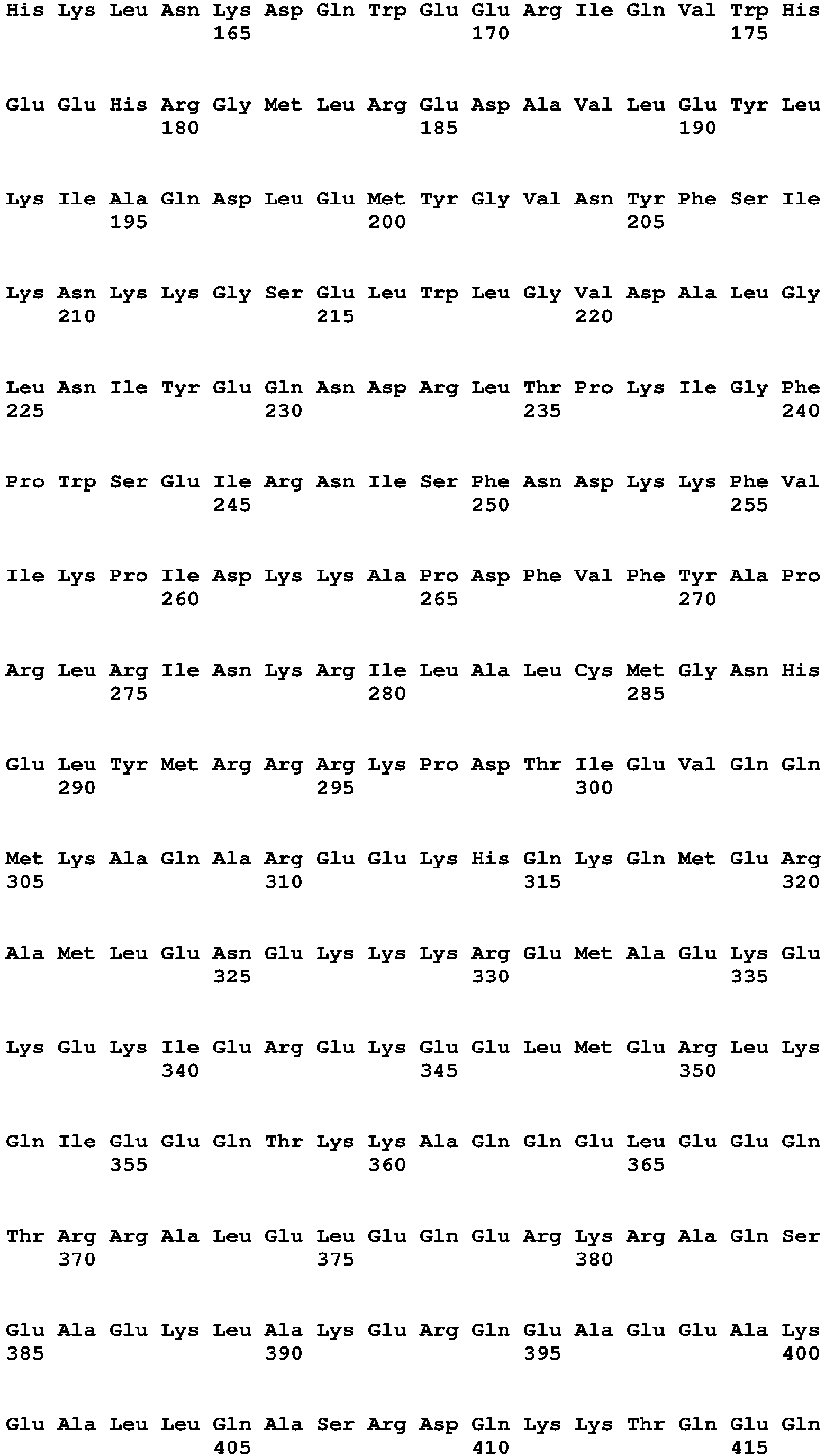 Met
Met
- <210> 2
<211> 17
<212> DNA
<213> Artificial Sequence - <220>
<223> PCR Primer (Forward HER2) - <400> 2
gccgcagtga gcaccat 17 - <210> 3
<211> 19
<212> DNA
<213> Artificial Sequence - <220>
<223> PCR Primer (Reverse HER2) - <400> 3
cgcagcttca tgtctgtgc 19 - <210> 4
<211> 27
<212> DNA
<213> Artificial Sequence - <220>
<223> PCR Primer (Forward MSN) - <400> 4
ggaatgagac aggacctagg atatctt 27 - <210> 5
<211> 27
<212> DNA
<213> Artificial Sequence - <220>
<223> PCR Primer (Reverse MSN) - <400> 5
ggaatgagac aggacctagg atatctt 27 - <210> 6
<211> 21
<212> DNA
<213> Artificial Sequence - <220>
<223> PCR Primer (Forward GAPDH) - <400> 6
gatccctcca aaatcaagtg g 21 - <210> 7
<211> 22
<212> DNA
<213> Artificial Sequence - <220>
<223> PCR Primer (Reverse GAPDH) - <400> 7
gcaaatgagc cccagccttc tc 22
Claims (13)
- A method for diagnosing and/or prognosticating HER2-dependent cancer in a subject, comprising:a) measuring the amount of moesin in a sample from the subject;b) comparing the amount of moesin measured in step a) to a reference value;c) finding a deviation or no deviation of the amount of moesin measured in step a) from the reference value; andd) attributing said finding of deviation or no deviation to a particular diagnosis and/or prognosis of HER2-dependent cancer in the subject;wherein the HER2-dependent cancer is HER2+ breast cancer.
- The method according to claim 1, wherein a lower amount of moesin in the sample from the subject compared to the reference value indicates that the subject has HER2-dependent cancer and/or indicates a short-term survival of said subject.
- The method according to claim 1, wherein a higher amount of moesin in the sample from the subject compared to the reference value indicates that the subject has no HER2-dependent cancer or indicates a long-term survival of said subject.
- The method according to any one of claim 1 to 3, wherein the sample is a tumor sample or a body fluid sample.
- The method according to claim 4, wherein the body fluid sample is selected from the group consisting of of blood, serum plasma, saliva, urine, amniotic fluid, breast milk, bronchial lavage, cerebrospinal fluid, peritoneal fluid, seminal fluid, tears and pleural fluid, preferably blood.
- The method according to claim 2, wherein the amount of the moesin in the sample from the subject is at least 0.5 fold decreased compared to the reference value, more preferably at least 0.7 fold decreased.
- The method according to claim 3, wherein the amount of moesin in the sample from the subject is at least 1.5 fold increased compared to the reference value, more preferably at least 2 fold increased.
- The method according to claim 1, 4 or 5, wherein the amount of moesin in the sample from the subject is equal to the reference value.
- The method according to any one of claim 1 to 8, wherein the reference value represents (i) a diagnosis of no HER2-dependent cancer or (ii) a diagnosis of HER2-dependent cancer, (iii) a good prognosis of HER2-dependent cancer or (iv) a bad prognosis of HER2-dependent cancer.
- A method for monitoring a change in the diagnosis and/or prognosis of HER2+ breast cancer in a subject, comprising:a) applying the method of any of claims 1 to 9 to the subject at one or more successive time points, whereby the diagnosis and/or prognosis of HER2+ breast cancer in the subject is determined at said successive time points;b) comparing the diagnosis and/or prognosis of HER2+ breast cancer in the subject at said successive time points as determined in step a); andc) finding the presence or absence of a change between the diagnosis of HER2+ breast cancer in the subject at said successive time points as determined in step a).
- The method according to claim 10, wherein said change in the diagnosis and/or prognosis of HER2-dependent cancer in the subject is monitored in the course of a medical treatment of said subject.
- The method according to any one of claim 10 or 11, wherein the medical treatment is a prophylactic treatment or a therapeutic treatment, preferably an antitumoral treatment.
- Use of a kit comprising:- means for measuring the amount of moesin in the sample from the subject; and- a reference value of the amount of moesin or means for establishing said reference value, said reference value representing a known diagnosis and/or prognosis of HER2+ breast cancerfor determining the diagnostic and/or the prognosis of HER2+ breast cancer in a subject suffering thereof.
Applications Claiming Priority (2)
| Application Number | Priority Date | Filing Date | Title |
|---|---|---|---|
| EP17306465 | 2017-10-24 | ||
| PCT/EP2018/079213 WO2019081608A1 (en) | 2017-10-24 | 2018-10-24 | Diagnosis and/or prognosis of her2-dependent cancer using moesin as a biomarker |
Publications (2)
| Publication Number | Publication Date |
|---|---|
| EP3701049A1 EP3701049A1 (en) | 2020-09-02 |
| EP3701049B1 true EP3701049B1 (en) | 2021-12-08 |
Family
ID=60413117
Family Applications (1)
| Application Number | Title | Priority Date | Filing Date |
|---|---|---|---|
| EP18788798.9A Not-in-force EP3701049B1 (en) | 2017-10-24 | 2018-10-24 | Diagnosis and/or prognosis of her2-dependent cancer using moesin as a biomarker |
Country Status (4)
| Country | Link |
|---|---|
| US (1) | US20200308652A1 (en) |
| EP (1) | EP3701049B1 (en) |
| JP (1) | JP2021500566A (en) |
| WO (1) | WO2019081608A1 (en) |
Families Citing this family (1)
| Publication number | Priority date | Publication date | Assignee | Title |
|---|---|---|---|---|
| KR102355205B1 (en) | 2020-04-22 | 2022-01-25 | 서울대학교병원 | Composition for predicting migration of bladder cancer cell and kit comprising the same |
Family Cites Families (4)
| Publication number | Priority date | Publication date | Assignee | Title |
|---|---|---|---|---|
| US20110306507A1 (en) * | 2007-09-07 | 2011-12-15 | Universite Libre De Bruxelles | Method and tools for prognosis of cancer in her2+partients |
| EP2278026A1 (en) * | 2009-07-23 | 2011-01-26 | Université de la Méditerranée | A method for predicting clinical outcome of patients with breast carcinoma |
| FR3018919B1 (en) * | 2014-03-18 | 2018-03-16 | Universite Paris Descartes | METHOD FOR SCREENING ERBB2 INHIBITORS AND APPLICATIONS THEREOF |
| AU2015251314A1 (en) * | 2014-04-22 | 2016-11-03 | Shanghai Kexin Biotech Co., Ltd. | Method and biomarker for detecting cancer |
-
2018
- 2018-10-24 JP JP2020523009A patent/JP2021500566A/en active Pending
- 2018-10-24 WO PCT/EP2018/079213 patent/WO2019081608A1/en not_active Ceased
- 2018-10-24 US US16/758,644 patent/US20200308652A1/en not_active Abandoned
- 2018-10-24 EP EP18788798.9A patent/EP3701049B1/en not_active Not-in-force
Also Published As
| Publication number | Publication date |
|---|---|
| WO2019081608A1 (en) | 2019-05-02 |
| JP2021500566A (en) | 2021-01-07 |
| US20200308652A1 (en) | 2020-10-01 |
| EP3701049A1 (en) | 2020-09-02 |
Similar Documents
| Publication | Publication Date | Title |
|---|---|---|
| KR102047502B1 (en) | Composition for diagnosing cancer using potassium channel protein | |
| CN113249491A (en) | Biomarker for diagnosing endometrial cancer and product and application thereof | |
| Pazhoomand et al. | Detection of HER2 status in breast cancer: comparison of current methods with MLPA and real-time RT-PCR | |
| EP2742358A1 (en) | Methods for diagnosing cancer | |
| EP2652505A2 (en) | Methods of diagnosing and treating pancreatic cancer | |
| CN102947446B (en) | The method for prediction of prognosis of adenocarcinoma of lung, the detection kit of adenocarcinoma of lung and be used for the treatment of the medical composition of adenocarcinoma of lung | |
| JP5403534B2 (en) | Methods to provide information for predicting prognosis of esophageal cancer | |
| JP6361943B2 (en) | Pancreatic cancer diagnostic kit comprising an antibody that specifically binds to complement factor B protein and an antibody that specifically binds to sugar chain antigen 19-9 protein | |
| WO2019134994A1 (en) | Prognostic biomarkers for human papillomavirus positive cancers | |
| EP2581745B1 (en) | Composition for diagnosis of lung cancer and diagnosis kit of lung cancer | |
| US11814685B2 (en) | Diagnosis and/or prognosis of HER2-dependent cancer using one or more miRNA as a biomarker | |
| US20200308652A1 (en) | Diagnosis and/or prognosis of her2-dependent cancer using moesin as a biomarker | |
| EP2895863B1 (en) | New biomarkers for the diagnosis and/or prognosis of clear cell renal cell carcinoma | |
| KR102569948B1 (en) | Methods of detecting cancer | |
| EP3336547A1 (en) | Novel human bladder cancer biomarkers and their diagnostic use | |
| KR20130040294A (en) | Composition for diagnosis of small cell lung cancer and diagnosis kit of small cell lung cancer | |
| CN102099493A (en) | Combinatorial approach for predicting responsiveness to anticancer therapies | |
| KR102136747B1 (en) | Diagnostic Biomarker For Prognosis of Intestinal Type Gastric Cancer | |
| JP2017201255A (en) | Cancer detection methods | |
| US20260110036A1 (en) | Marker for prognosis of diffuse type gastric cancer and treatment target | |
| KR102326119B1 (en) | Biomarkers for predicting prognosis after immunotherapy of cancer | |
| US11994513B2 (en) | Diagnostic and prognostic methods for estrogen-induced cancers | |
| EP3321683A1 (en) | Method for evaluating lymph node metastatic potential of endometrial cancer | |
| KR20110068695A (en) | Biomarkers for Ovarian Cancer and Diagnosis of Ovarian Cancer Using the Same | |
| US20090326333A1 (en) | Assessing outcomes for breast cancer patients |
Legal Events
| Date | Code | Title | Description |
|---|---|---|---|
| STAA | Information on the status of an ep patent application or granted ep patent |
Free format text: STATUS: UNKNOWN |
|
| STAA | Information on the status of an ep patent application or granted ep patent |
Free format text: STATUS: THE INTERNATIONAL PUBLICATION HAS BEEN MADE |
|
| PUAI | Public reference made under article 153(3) epc to a published international application that has entered the european phase |
Free format text: ORIGINAL CODE: 0009012 |
|
| STAA | Information on the status of an ep patent application or granted ep patent |
Free format text: STATUS: REQUEST FOR EXAMINATION WAS MADE |
|
| 17P | Request for examination filed |
Effective date: 20200519 |
|
| AK | Designated contracting states |
Kind code of ref document: A1 Designated state(s): AL AT BE BG CH CY CZ DE DK EE ES FI FR GB GR HR HU IE IS IT LI LT LU LV MC MK MT NL NO PL PT RO RS SE SI SK SM TR |
|
| AX | Request for extension of the european patent |
Extension state: BA ME |
|
| DAV | Request for validation of the european patent (deleted) | ||
| DAX | Request for extension of the european patent (deleted) | ||
| GRAP | Despatch of communication of intention to grant a patent |
Free format text: ORIGINAL CODE: EPIDOSNIGR1 |
|
| STAA | Information on the status of an ep patent application or granted ep patent |
Free format text: STATUS: GRANT OF PATENT IS INTENDED |
|
| INTG | Intention to grant announced |
Effective date: 20210624 |
|
| GRAS | Grant fee paid |
Free format text: ORIGINAL CODE: EPIDOSNIGR3 |
|
| RIN1 | Information on inventor provided before grant (corrected) |
Inventor name: FAURE, CAMILLE Inventor name: DOMINGOT, ANAIS Inventor name: BOURDOULOUS, SANDRINE |
|
| GRAA | (expected) grant |
Free format text: ORIGINAL CODE: 0009210 |
|
| STAA | Information on the status of an ep patent application or granted ep patent |
Free format text: STATUS: THE PATENT HAS BEEN GRANTED |
|
| RIN1 | Information on inventor provided before grant (corrected) |
Inventor name: FAURE, CAMILLE Inventor name: DOMINGOT, ANAIS Inventor name: BOURDOULOUS, SANDRINE |
|
| AK | Designated contracting states |
Kind code of ref document: B1 Designated state(s): AL AT BE BG CH CY CZ DE DK EE ES FI FR GB GR HR HU IE IS IT LI LT LU LV MC MK MT NL NO PL PT RO RS SE SI SK SM TR |
|
| REG | Reference to a national code |
Ref country code: GB Ref legal event code: FG4D |
|
| REG | Reference to a national code |
Ref country code: AT Ref legal event code: REF Ref document number: 1453815 Country of ref document: AT Kind code of ref document: T Effective date: 20211215 Ref country code: CH Ref legal event code: EP |
|
| REG | Reference to a national code |
Ref country code: DE Ref legal event code: R096 Ref document number: 602018027939 Country of ref document: DE |
|
| REG | Reference to a national code |
Ref country code: IE Ref legal event code: FG4D |
|
| REG | Reference to a national code |
Ref country code: LT Ref legal event code: MG9D |
|
| REG | Reference to a national code |
Ref country code: NL Ref legal event code: MP Effective date: 20211208 |
|
| PG25 | Lapsed in a contracting state [announced via postgrant information from national office to epo] |
Ref country code: RS Free format text: LAPSE BECAUSE OF FAILURE TO SUBMIT A TRANSLATION OF THE DESCRIPTION OR TO PAY THE FEE WITHIN THE PRESCRIBED TIME-LIMIT Effective date: 20211208 Ref country code: LT Free format text: LAPSE BECAUSE OF FAILURE TO SUBMIT A TRANSLATION OF THE DESCRIPTION OR TO PAY THE FEE WITHIN THE PRESCRIBED TIME-LIMIT Effective date: 20211208 Ref country code: FI Free format text: LAPSE BECAUSE OF FAILURE TO SUBMIT A TRANSLATION OF THE DESCRIPTION OR TO PAY THE FEE WITHIN THE PRESCRIBED TIME-LIMIT Effective date: 20211208 Ref country code: BG Free format text: LAPSE BECAUSE OF FAILURE TO SUBMIT A TRANSLATION OF THE DESCRIPTION OR TO PAY THE FEE WITHIN THE PRESCRIBED TIME-LIMIT Effective date: 20220308 |
|
| REG | Reference to a national code |
Ref country code: AT Ref legal event code: MK05 Ref document number: 1453815 Country of ref document: AT Kind code of ref document: T Effective date: 20211208 |
|
| PG25 | Lapsed in a contracting state [announced via postgrant information from national office to epo] |
Ref country code: SE Free format text: LAPSE BECAUSE OF FAILURE TO SUBMIT A TRANSLATION OF THE DESCRIPTION OR TO PAY THE FEE WITHIN THE PRESCRIBED TIME-LIMIT Effective date: 20211208 Ref country code: NO Free format text: LAPSE BECAUSE OF FAILURE TO SUBMIT A TRANSLATION OF THE DESCRIPTION OR TO PAY THE FEE WITHIN THE PRESCRIBED TIME-LIMIT Effective date: 20220308 Ref country code: LV Free format text: LAPSE BECAUSE OF FAILURE TO SUBMIT A TRANSLATION OF THE DESCRIPTION OR TO PAY THE FEE WITHIN THE PRESCRIBED TIME-LIMIT Effective date: 20211208 Ref country code: HR Free format text: LAPSE BECAUSE OF FAILURE TO SUBMIT A TRANSLATION OF THE DESCRIPTION OR TO PAY THE FEE WITHIN THE PRESCRIBED TIME-LIMIT Effective date: 20211208 Ref country code: GR Free format text: LAPSE BECAUSE OF FAILURE TO SUBMIT A TRANSLATION OF THE DESCRIPTION OR TO PAY THE FEE WITHIN THE PRESCRIBED TIME-LIMIT Effective date: 20220309 |
|
| PG25 | Lapsed in a contracting state [announced via postgrant information from national office to epo] |
Ref country code: NL Free format text: LAPSE BECAUSE OF FAILURE TO SUBMIT A TRANSLATION OF THE DESCRIPTION OR TO PAY THE FEE WITHIN THE PRESCRIBED TIME-LIMIT Effective date: 20211208 |
|
| REG | Reference to a national code |
Ref country code: DE Ref legal event code: R081 Ref document number: 602018027939 Country of ref document: DE Owner name: UNIVERSITE PARIS CITE, FR Free format text: FORMER OWNERS: CENTRE NATIONAL DE LA RECHERCHE SCIENTIFIQUE (CNRS), PARIS, FR; INSERM - INSTITUT NATIONAL DE LA SANTE ET DE LA RECHERCHE MEDICALE, PARIS, FR; UNIVERSITE DE PARIS, PARIS, FR Ref country code: DE Ref legal event code: R081 Ref document number: 602018027939 Country of ref document: DE Owner name: INSERM - INSTITUT NATIONAL DE LA SANTE ET DE L, FR Free format text: FORMER OWNERS: CENTRE NATIONAL DE LA RECHERCHE SCIENTIFIQUE (CNRS), PARIS, FR; INSERM - INSTITUT NATIONAL DE LA SANTE ET DE LA RECHERCHE MEDICALE, PARIS, FR; UNIVERSITE DE PARIS, PARIS, FR Ref country code: DE Ref legal event code: R081 Ref document number: 602018027939 Country of ref document: DE Owner name: CENTRE NATIONAL DE LA RECHERCHE SCIENTIFIQUE (, FR Free format text: FORMER OWNERS: CENTRE NATIONAL DE LA RECHERCHE SCIENTIFIQUE (CNRS), PARIS, FR; INSERM - INSTITUT NATIONAL DE LA SANTE ET DE LA RECHERCHE MEDICALE, PARIS, FR; UNIVERSITE DE PARIS, PARIS, FR |
|
| PG25 | Lapsed in a contracting state [announced via postgrant information from national office to epo] |
Ref country code: SM Free format text: LAPSE BECAUSE OF FAILURE TO SUBMIT A TRANSLATION OF THE DESCRIPTION OR TO PAY THE FEE WITHIN THE PRESCRIBED TIME-LIMIT Effective date: 20211208 Ref country code: SK Free format text: LAPSE BECAUSE OF FAILURE TO SUBMIT A TRANSLATION OF THE DESCRIPTION OR TO PAY THE FEE WITHIN THE PRESCRIBED TIME-LIMIT Effective date: 20211208 Ref country code: RO Free format text: LAPSE BECAUSE OF FAILURE TO SUBMIT A TRANSLATION OF THE DESCRIPTION OR TO PAY THE FEE WITHIN THE PRESCRIBED TIME-LIMIT Effective date: 20211208 Ref country code: PT Free format text: LAPSE BECAUSE OF FAILURE TO SUBMIT A TRANSLATION OF THE DESCRIPTION OR TO PAY THE FEE WITHIN THE PRESCRIBED TIME-LIMIT Effective date: 20220408 Ref country code: ES Free format text: LAPSE BECAUSE OF FAILURE TO SUBMIT A TRANSLATION OF THE DESCRIPTION OR TO PAY THE FEE WITHIN THE PRESCRIBED TIME-LIMIT Effective date: 20211208 Ref country code: EE Free format text: LAPSE BECAUSE OF FAILURE TO SUBMIT A TRANSLATION OF THE DESCRIPTION OR TO PAY THE FEE WITHIN THE PRESCRIBED TIME-LIMIT Effective date: 20211208 Ref country code: CZ Free format text: LAPSE BECAUSE OF FAILURE TO SUBMIT A TRANSLATION OF THE DESCRIPTION OR TO PAY THE FEE WITHIN THE PRESCRIBED TIME-LIMIT Effective date: 20211208 |
|
| PG25 | Lapsed in a contracting state [announced via postgrant information from national office to epo] |
Ref country code: PL Free format text: LAPSE BECAUSE OF FAILURE TO SUBMIT A TRANSLATION OF THE DESCRIPTION OR TO PAY THE FEE WITHIN THE PRESCRIBED TIME-LIMIT Effective date: 20211208 Ref country code: AT Free format text: LAPSE BECAUSE OF FAILURE TO SUBMIT A TRANSLATION OF THE DESCRIPTION OR TO PAY THE FEE WITHIN THE PRESCRIBED TIME-LIMIT Effective date: 20211208 |
|
| REG | Reference to a national code |
Ref country code: DE Ref legal event code: R097 Ref document number: 602018027939 Country of ref document: DE |
|
| PG25 | Lapsed in a contracting state [announced via postgrant information from national office to epo] |
Ref country code: IS Free format text: LAPSE BECAUSE OF FAILURE TO SUBMIT A TRANSLATION OF THE DESCRIPTION OR TO PAY THE FEE WITHIN THE PRESCRIBED TIME-LIMIT Effective date: 20220408 |
|
| PLBE | No opposition filed within time limit |
Free format text: ORIGINAL CODE: 0009261 |
|
| STAA | Information on the status of an ep patent application or granted ep patent |
Free format text: STATUS: NO OPPOSITION FILED WITHIN TIME LIMIT |
|
| PG25 | Lapsed in a contracting state [announced via postgrant information from national office to epo] |
Ref country code: DK Free format text: LAPSE BECAUSE OF FAILURE TO SUBMIT A TRANSLATION OF THE DESCRIPTION OR TO PAY THE FEE WITHIN THE PRESCRIBED TIME-LIMIT Effective date: 20211208 Ref country code: AL Free format text: LAPSE BECAUSE OF FAILURE TO SUBMIT A TRANSLATION OF THE DESCRIPTION OR TO PAY THE FEE WITHIN THE PRESCRIBED TIME-LIMIT Effective date: 20211208 |
|
| PGFP | Annual fee paid to national office [announced via postgrant information from national office to epo] |
Ref country code: GB Payment date: 20220901 Year of fee payment: 5 |
|
| 26N | No opposition filed |
Effective date: 20220909 |
|
| PG25 | Lapsed in a contracting state [announced via postgrant information from national office to epo] |
Ref country code: SI Free format text: LAPSE BECAUSE OF FAILURE TO SUBMIT A TRANSLATION OF THE DESCRIPTION OR TO PAY THE FEE WITHIN THE PRESCRIBED TIME-LIMIT Effective date: 20211208 |
|
| PGFP | Annual fee paid to national office [announced via postgrant information from national office to epo] |
Ref country code: FR Payment date: 20220908 Year of fee payment: 5 |
|
| PGFP | Annual fee paid to national office [announced via postgrant information from national office to epo] |
Ref country code: DE Payment date: 20220831 Year of fee payment: 5 |
|
| REG | Reference to a national code |
Ref country code: DE Ref legal event code: R082 Ref document number: 602018027939 Country of ref document: DE Representative=s name: CBDL PATENTANWAELTE GBR, DE |
|
| PG25 | Lapsed in a contracting state [announced via postgrant information from national office to epo] |
Ref country code: MC Free format text: LAPSE BECAUSE OF FAILURE TO SUBMIT A TRANSLATION OF THE DESCRIPTION OR TO PAY THE FEE WITHIN THE PRESCRIBED TIME-LIMIT Effective date: 20211208 Ref country code: IT Free format text: LAPSE BECAUSE OF FAILURE TO SUBMIT A TRANSLATION OF THE DESCRIPTION OR TO PAY THE FEE WITHIN THE PRESCRIBED TIME-LIMIT Effective date: 20211208 |
|
| REG | Reference to a national code |
Ref country code: CH Ref legal event code: PL |
|
| REG | Reference to a national code |
Ref country code: BE Ref legal event code: MM Effective date: 20221031 |
|
| PG25 | Lapsed in a contracting state [announced via postgrant information from national office to epo] |
Ref country code: LU Free format text: LAPSE BECAUSE OF NON-PAYMENT OF DUE FEES Effective date: 20221024 |
|
| PG25 | Lapsed in a contracting state [announced via postgrant information from national office to epo] |
Ref country code: LI Free format text: LAPSE BECAUSE OF NON-PAYMENT OF DUE FEES Effective date: 20221031 Ref country code: CH Free format text: LAPSE BECAUSE OF NON-PAYMENT OF DUE FEES Effective date: 20221031 |
|
| PG25 | Lapsed in a contracting state [announced via postgrant information from national office to epo] |
Ref country code: BE Free format text: LAPSE BECAUSE OF NON-PAYMENT OF DUE FEES Effective date: 20221031 |
|
| PG25 | Lapsed in a contracting state [announced via postgrant information from national office to epo] |
Ref country code: IE Free format text: LAPSE BECAUSE OF NON-PAYMENT OF DUE FEES Effective date: 20221024 |
|
| PG25 | Lapsed in a contracting state [announced via postgrant information from national office to epo] |
Ref country code: CY Free format text: LAPSE BECAUSE OF FAILURE TO SUBMIT A TRANSLATION OF THE DESCRIPTION OR TO PAY THE FEE WITHIN THE PRESCRIBED TIME-LIMIT Effective date: 20211208 |
|
| REG | Reference to a national code |
Ref country code: DE Ref legal event code: R119 Ref document number: 602018027939 Country of ref document: DE |
|
| PG25 | Lapsed in a contracting state [announced via postgrant information from national office to epo] |
Ref country code: MK Free format text: LAPSE BECAUSE OF FAILURE TO SUBMIT A TRANSLATION OF THE DESCRIPTION OR TO PAY THE FEE WITHIN THE PRESCRIBED TIME-LIMIT Effective date: 20211208 Ref country code: HU Free format text: LAPSE BECAUSE OF FAILURE TO SUBMIT A TRANSLATION OF THE DESCRIPTION OR TO PAY THE FEE WITHIN THE PRESCRIBED TIME-LIMIT; INVALID AB INITIO Effective date: 20181024 |
|
| GBPC | Gb: european patent ceased through non-payment of renewal fee |
Effective date: 20231024 |
|
| PG25 | Lapsed in a contracting state [announced via postgrant information from national office to epo] |
Ref country code: TR Free format text: LAPSE BECAUSE OF FAILURE TO SUBMIT A TRANSLATION OF THE DESCRIPTION OR TO PAY THE FEE WITHIN THE PRESCRIBED TIME-LIMIT Effective date: 20211208 |
|
| PG25 | Lapsed in a contracting state [announced via postgrant information from national office to epo] |
Ref country code: GB Free format text: LAPSE BECAUSE OF NON-PAYMENT OF DUE FEES Effective date: 20231024 |
|
| PG25 | Lapsed in a contracting state [announced via postgrant information from national office to epo] |
Ref country code: GB Free format text: LAPSE BECAUSE OF NON-PAYMENT OF DUE FEES Effective date: 20231024 Ref country code: FR Free format text: LAPSE BECAUSE OF NON-PAYMENT OF DUE FEES Effective date: 20231031 Ref country code: DE Free format text: LAPSE BECAUSE OF NON-PAYMENT OF DUE FEES Effective date: 20240501 |
|
| PG25 | Lapsed in a contracting state [announced via postgrant information from national office to epo] |
Ref country code: MT Free format text: LAPSE BECAUSE OF FAILURE TO SUBMIT A TRANSLATION OF THE DESCRIPTION OR TO PAY THE FEE WITHIN THE PRESCRIBED TIME-LIMIT Effective date: 20211208 |